FM 1-02 (FM 101-5-1) MCRP 5-12A OPERATIONAL TERMS AND GRAPHICS (SEPTEMBER 2004) - page 8
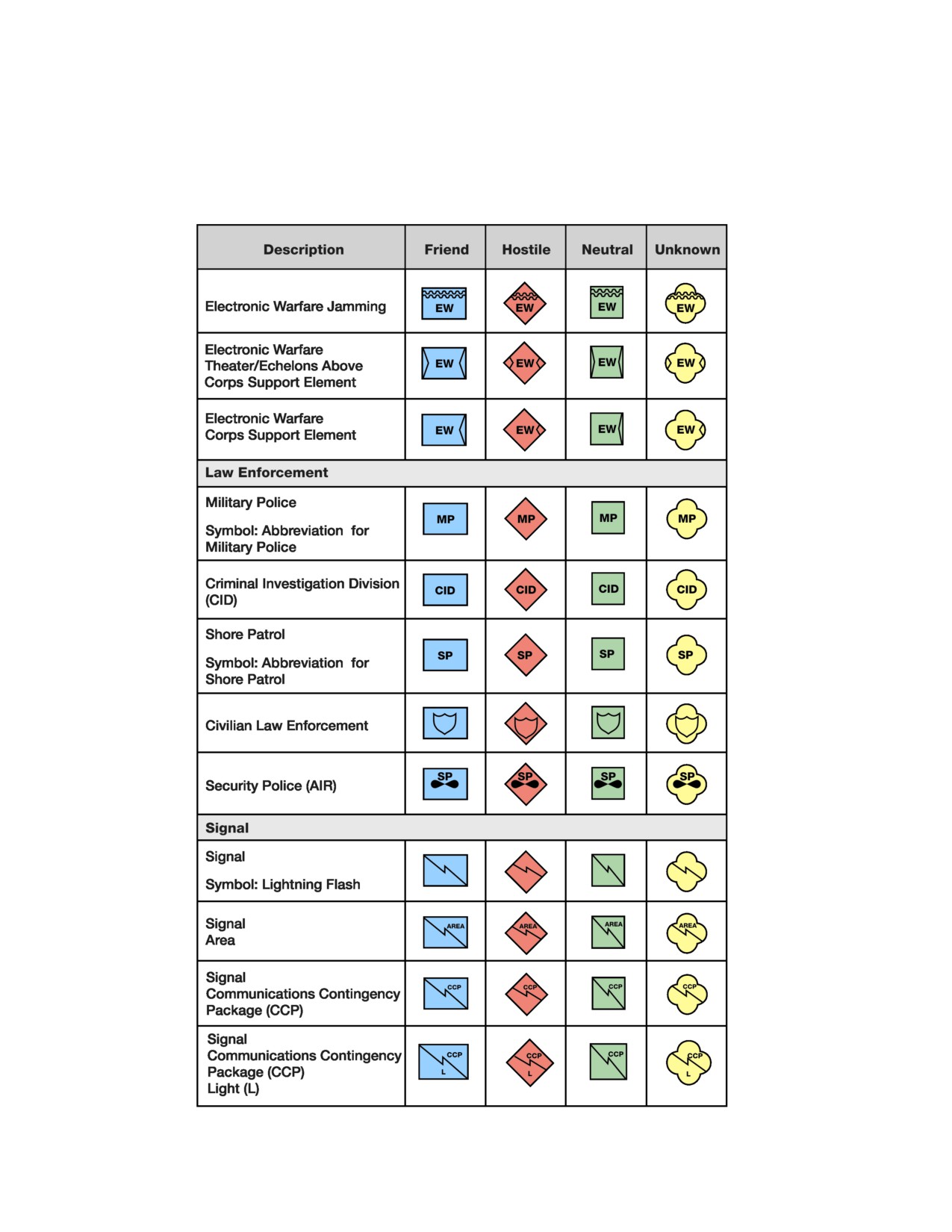
FM 1-02/MCRP 5-12A________________________________________________________________
Table 5-3. Field A: Branch and Functional Symbols
5-18
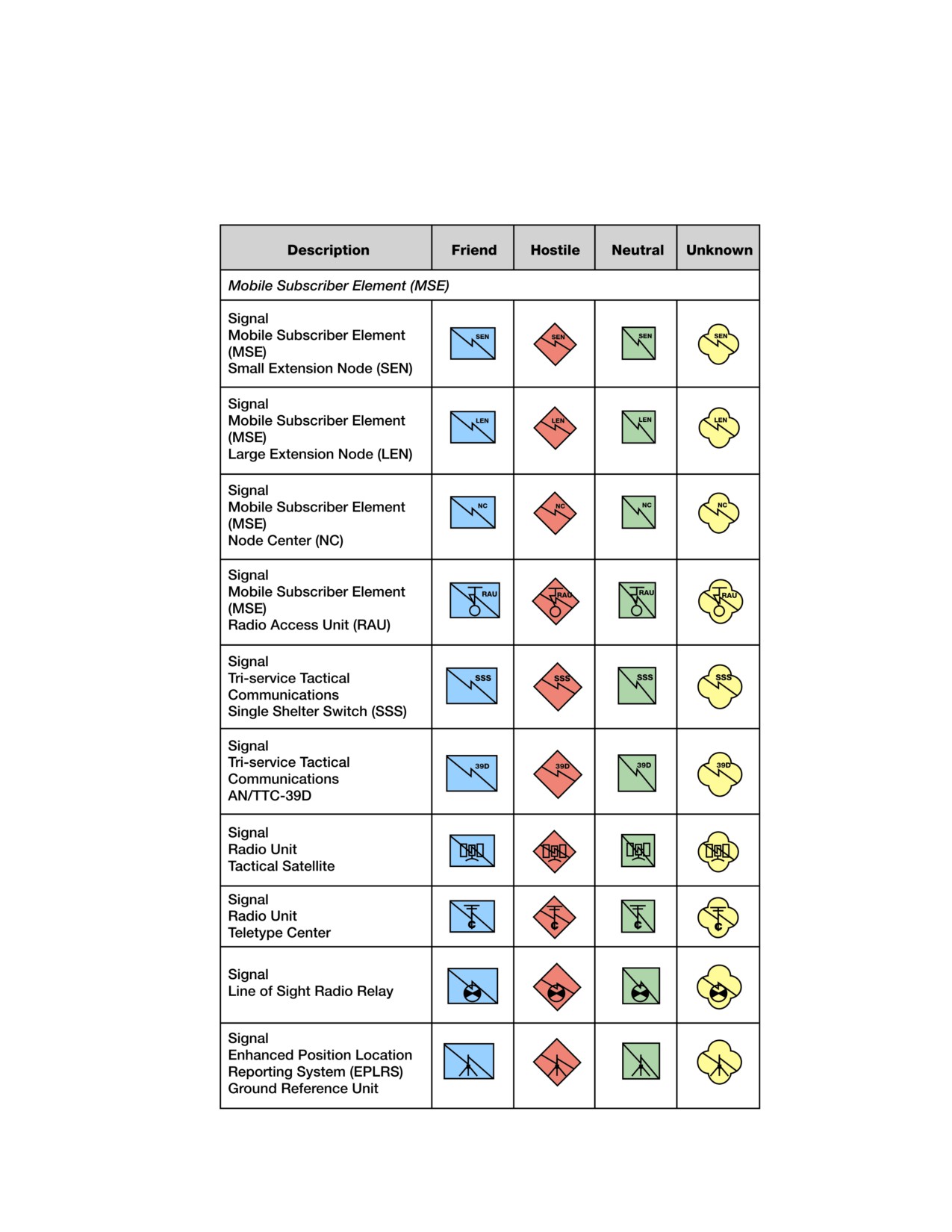
_____________________________________________________________________Unit Symbols
Table 5-3. Field A: Branch and Functional Symbols
5-19
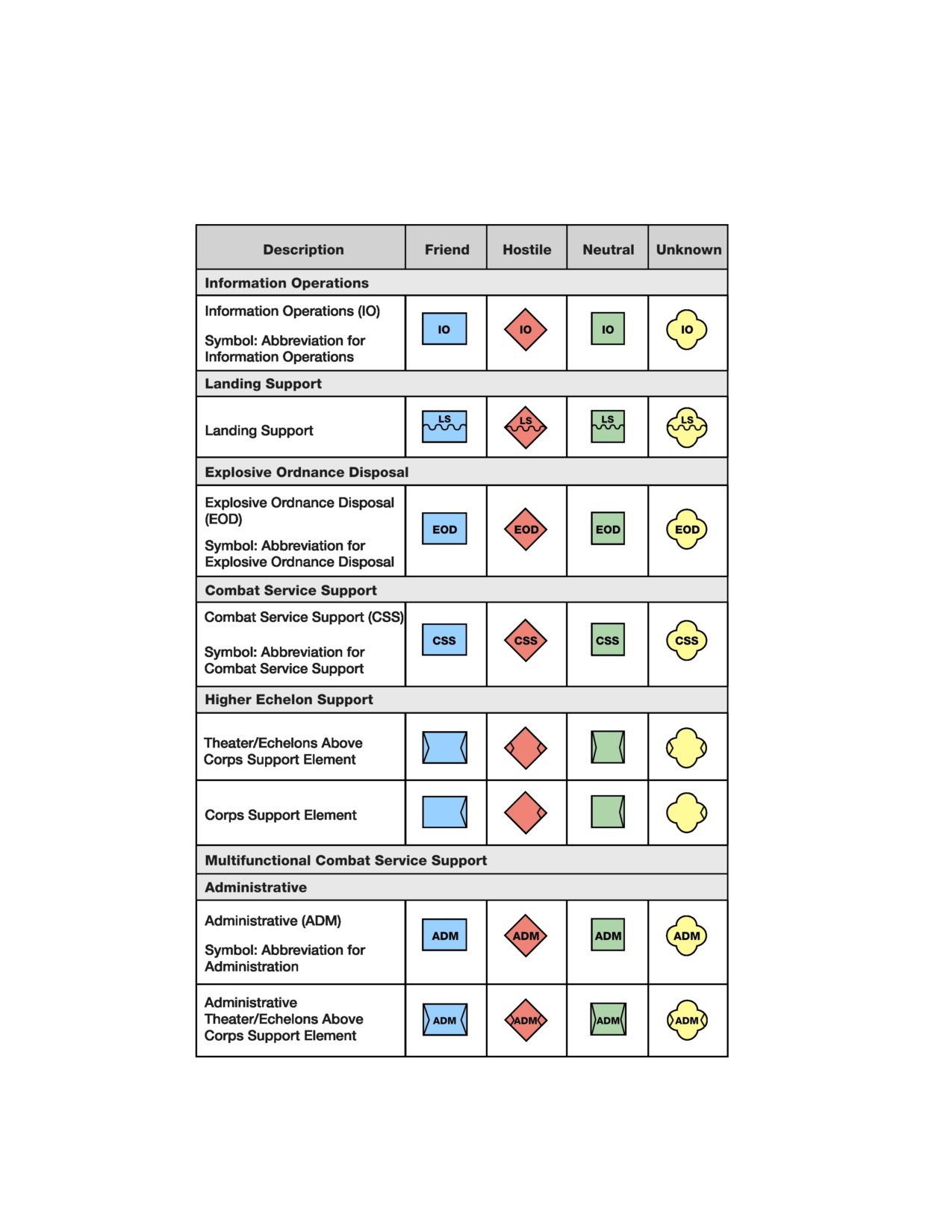
FM 1-02/MCRP 5-12A________________________________________________________________
Table 5-3. Field A: Branch and Functional Symbols
5-20
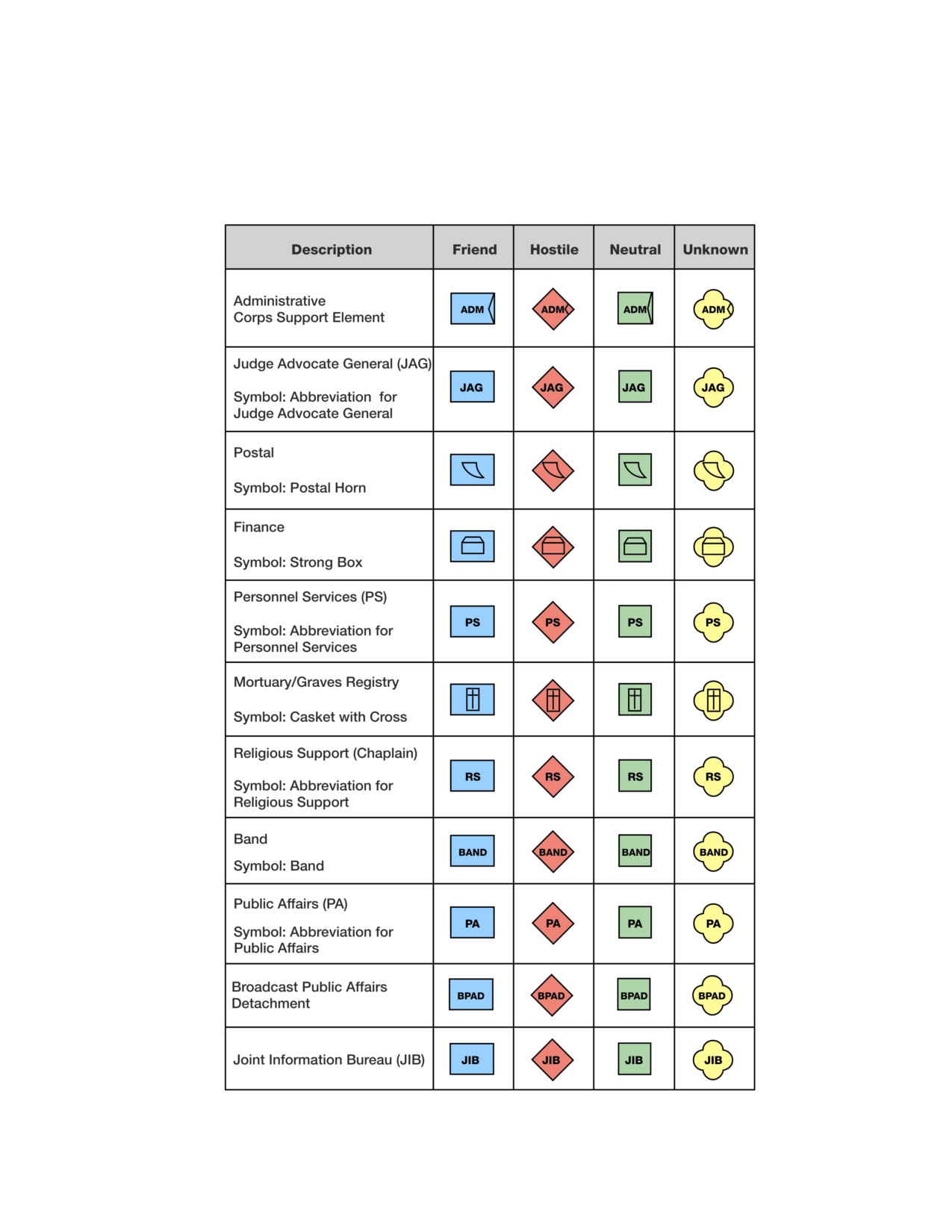
_____________________________________________________________________Unit Symbols
Table 5-3. Field A: Branch and Functional Symbols
5-21
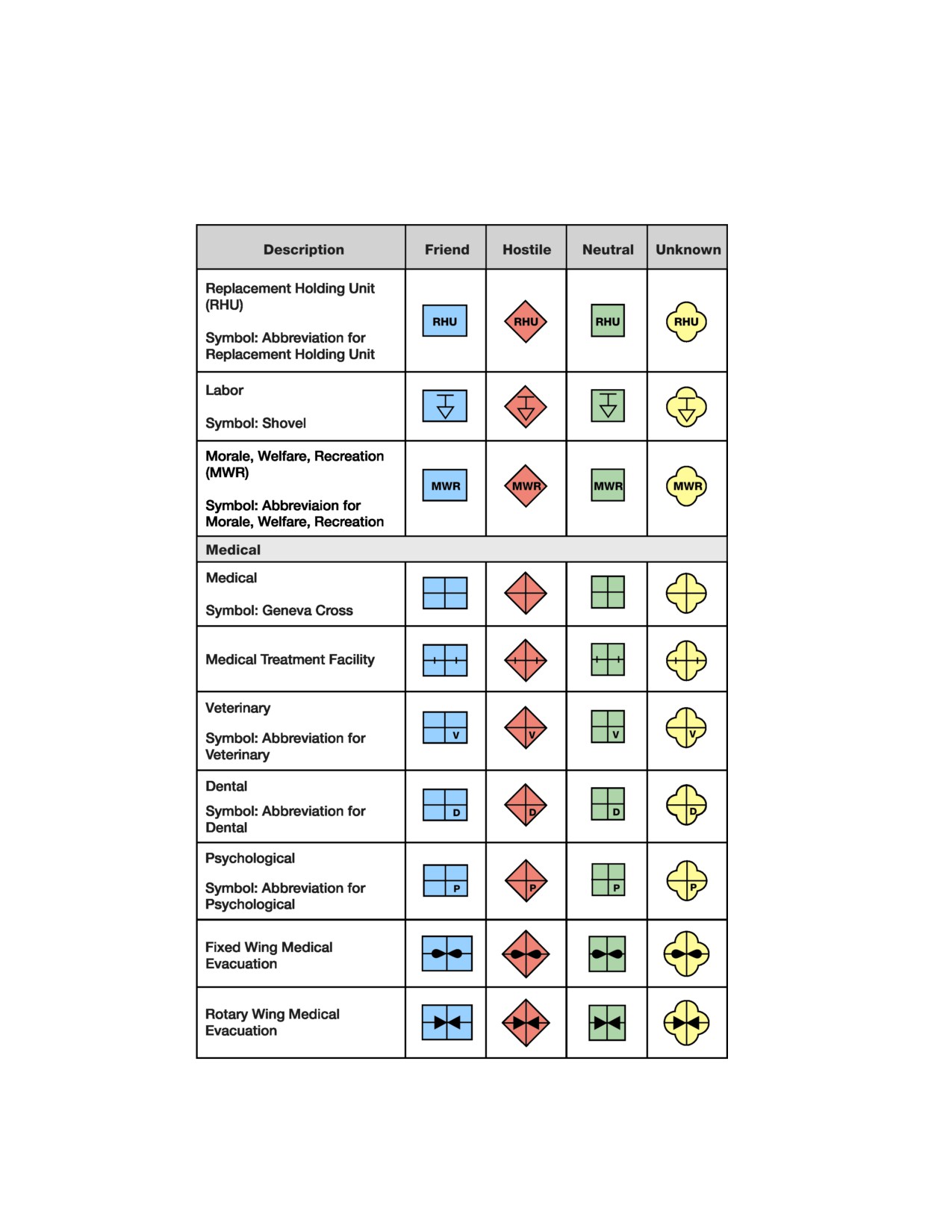
FM 1-02/MCRP 5-12A________________________________________________________________
Table 5-3. Field A: Branch and Functional Symbols
5-22
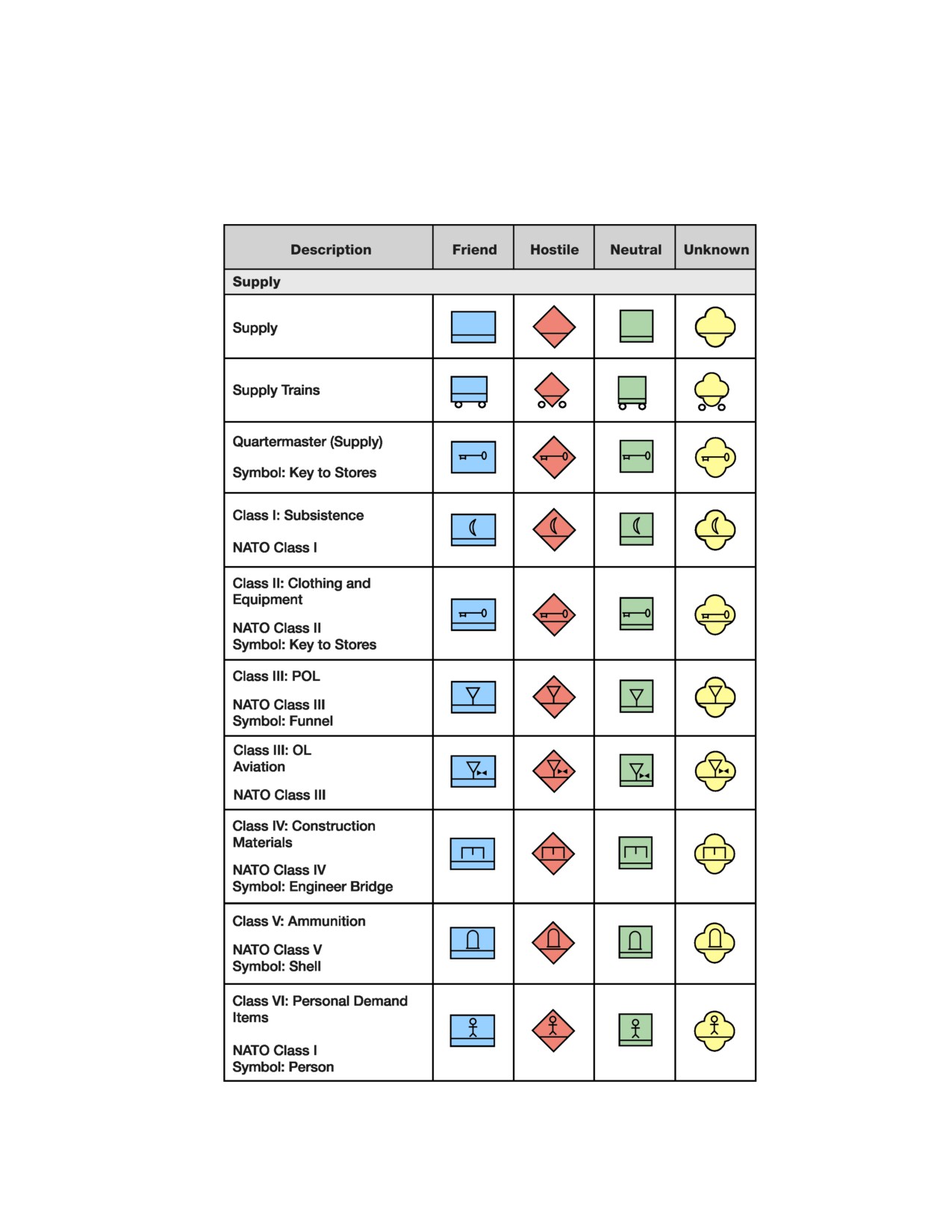
_____________________________________________________________________Unit Symbols
Table 5-3. Field A: Branch and Functional Symbols
5-23
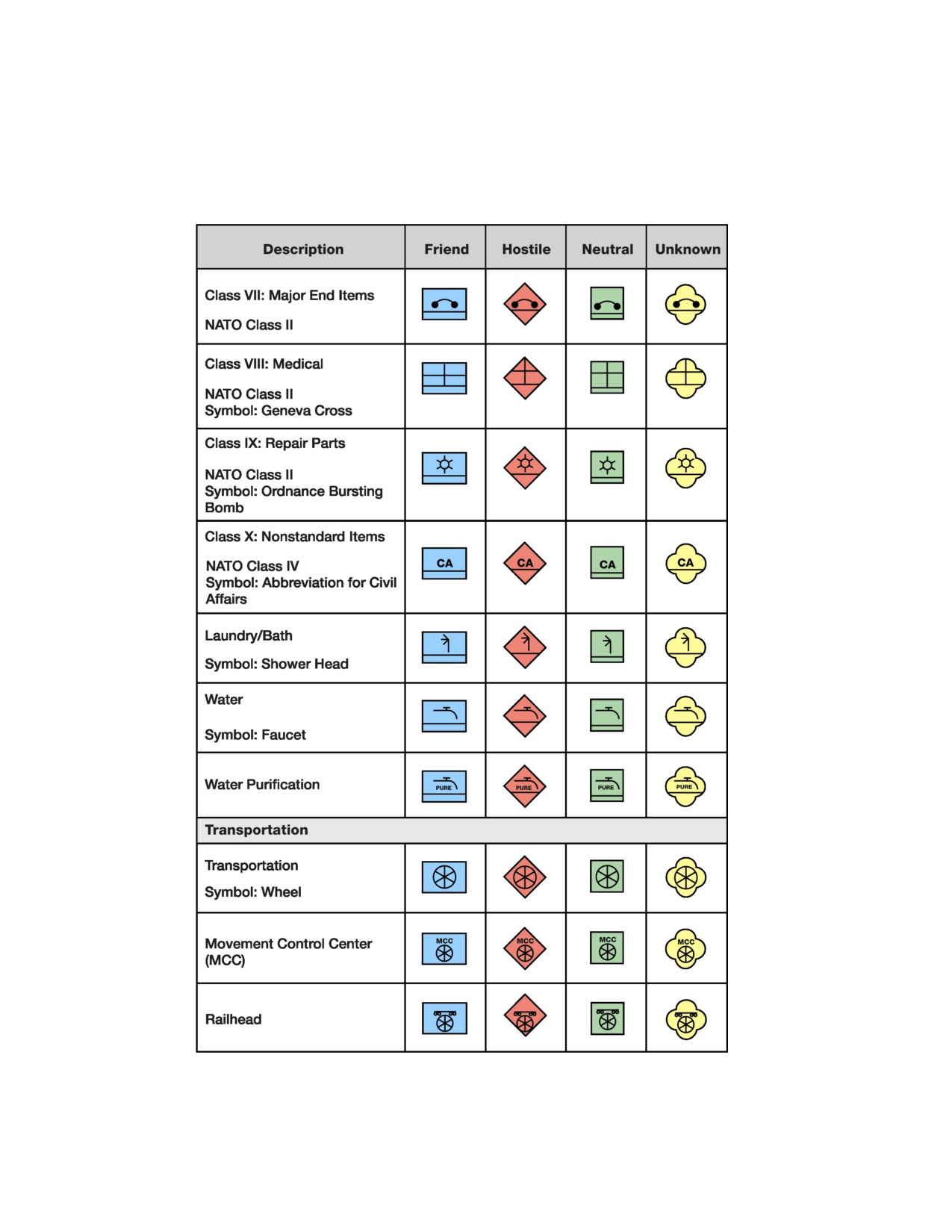
FM 1-02/MCRP 5-12A________________________________________________________________
Table 5-3. Field A: Branch and Functional Symbols
5-24
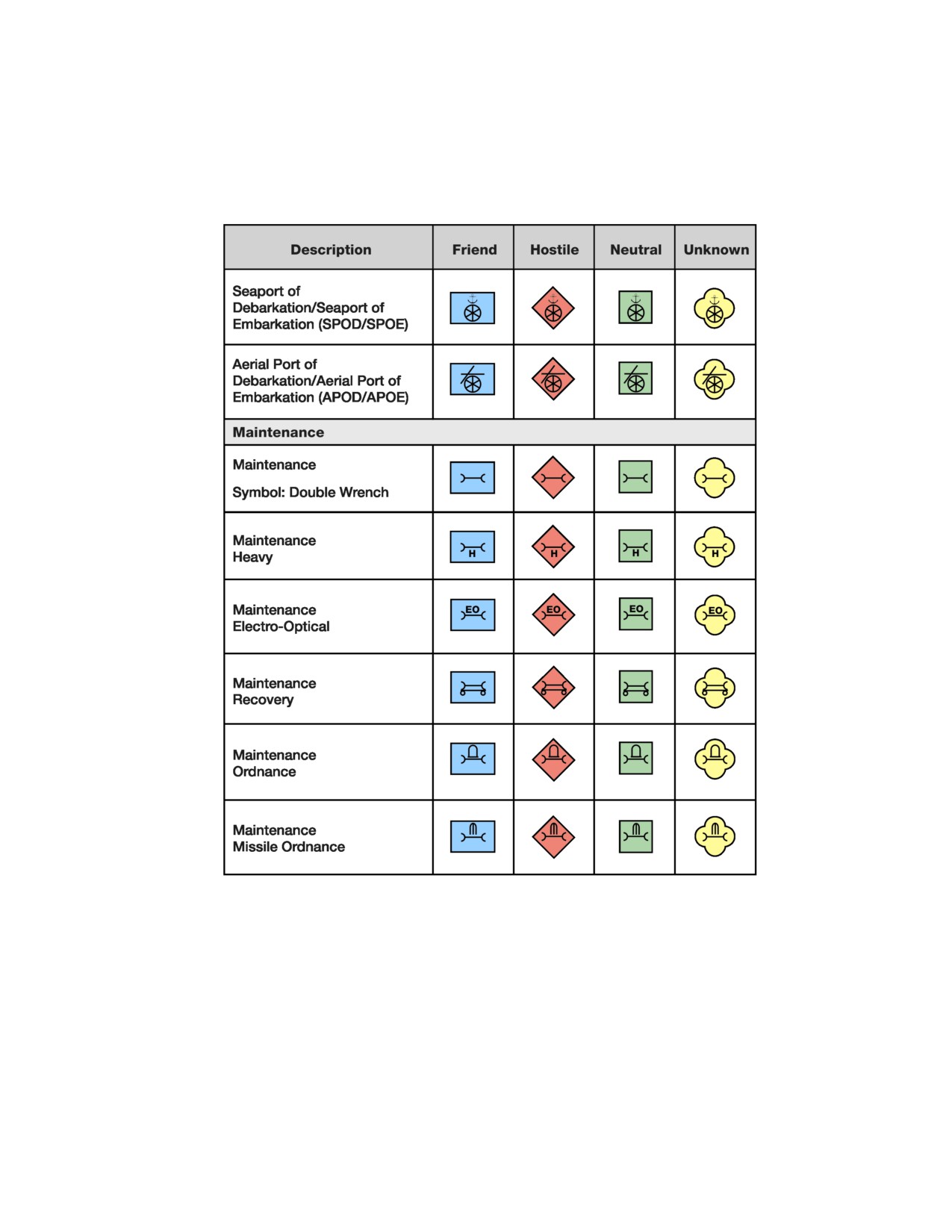
_____________________________________________________________________Unit Symbols
Table 5-3. Field A: Branch and Functional Symbols
5-25
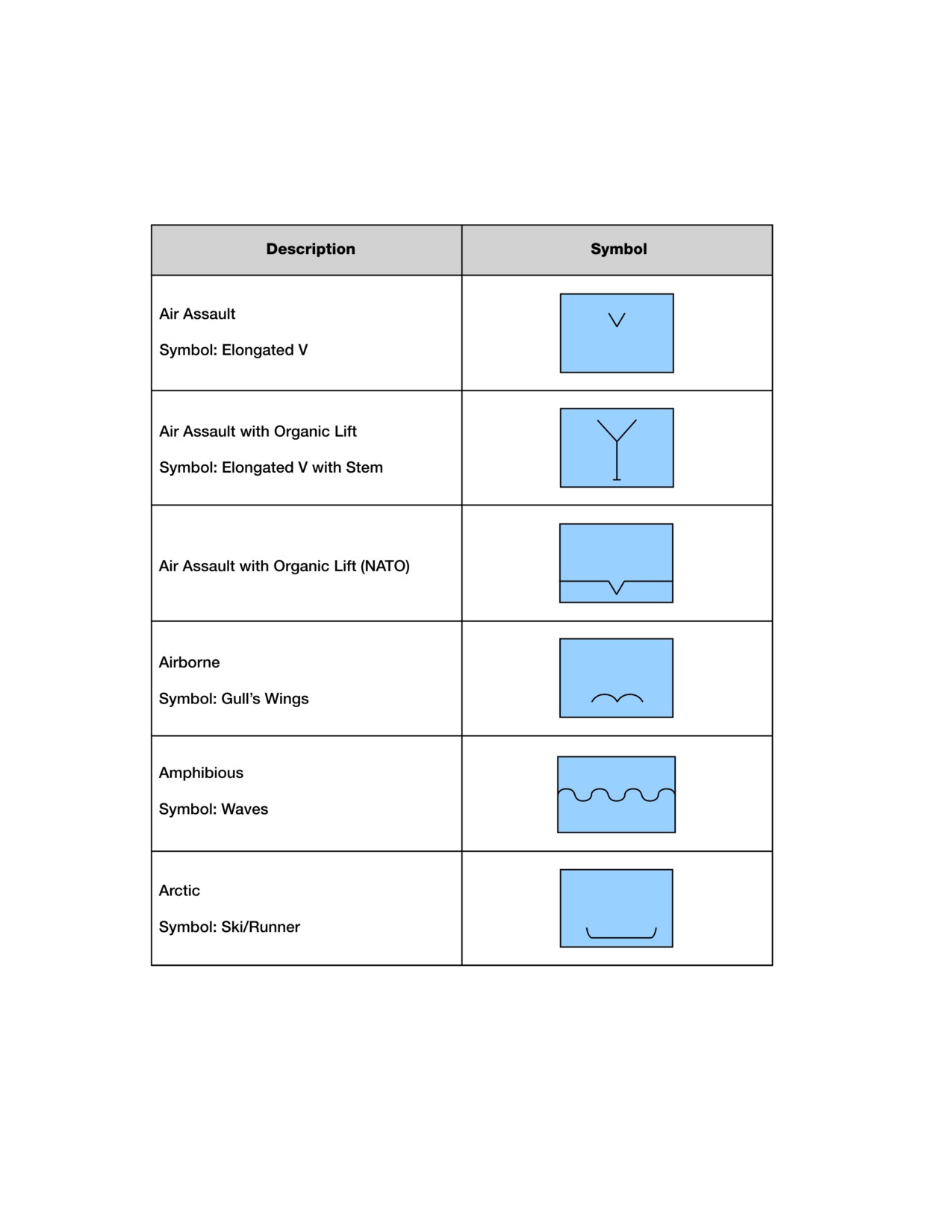
FM 1-02/MCRP 5-12A________________________________________________________________
Table 5-4. Field A: Mobility and Capability Modifiers
5-26
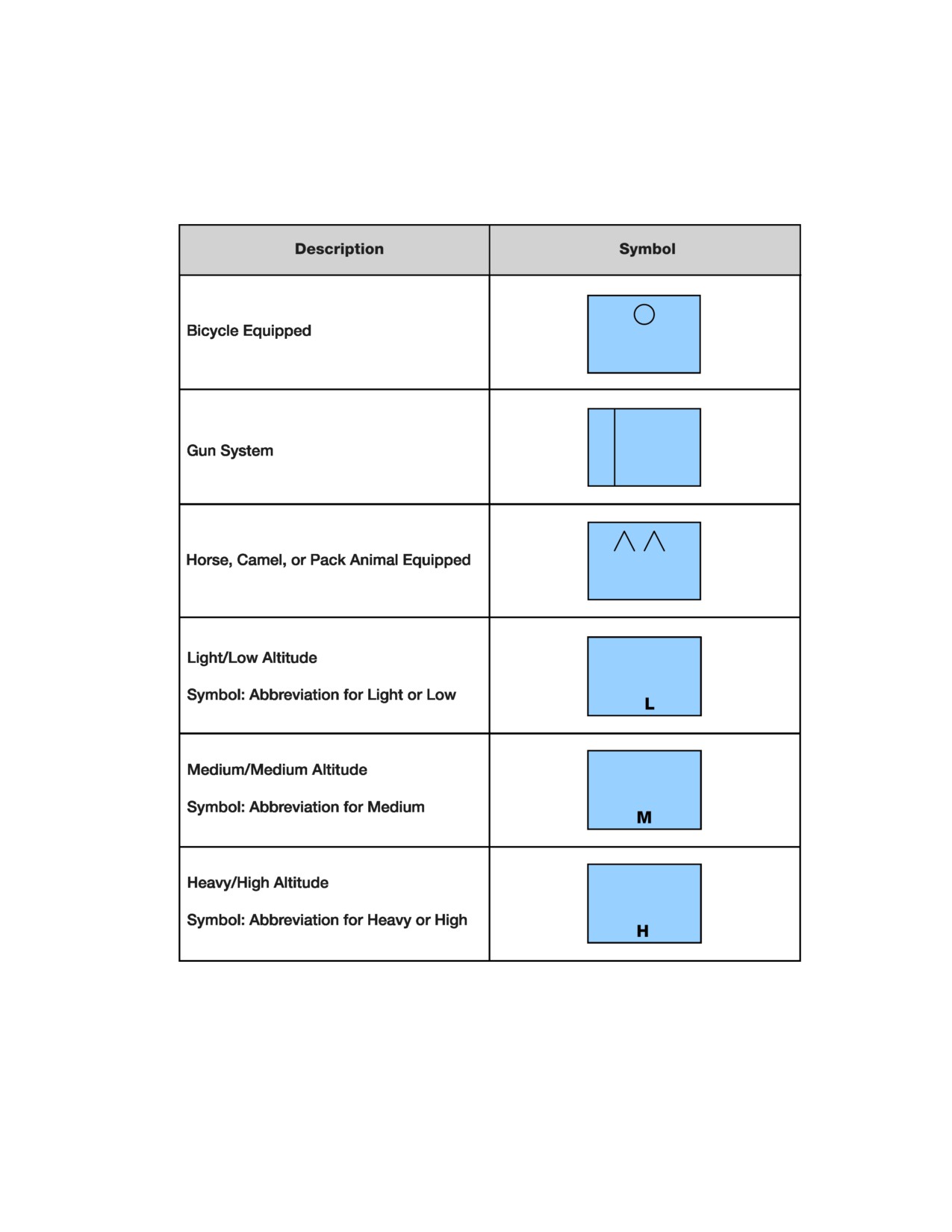
_____________________________________________________________________Unit Symbols
Table 5-4. Field A: Mobility and Capability Modifiers
5-27
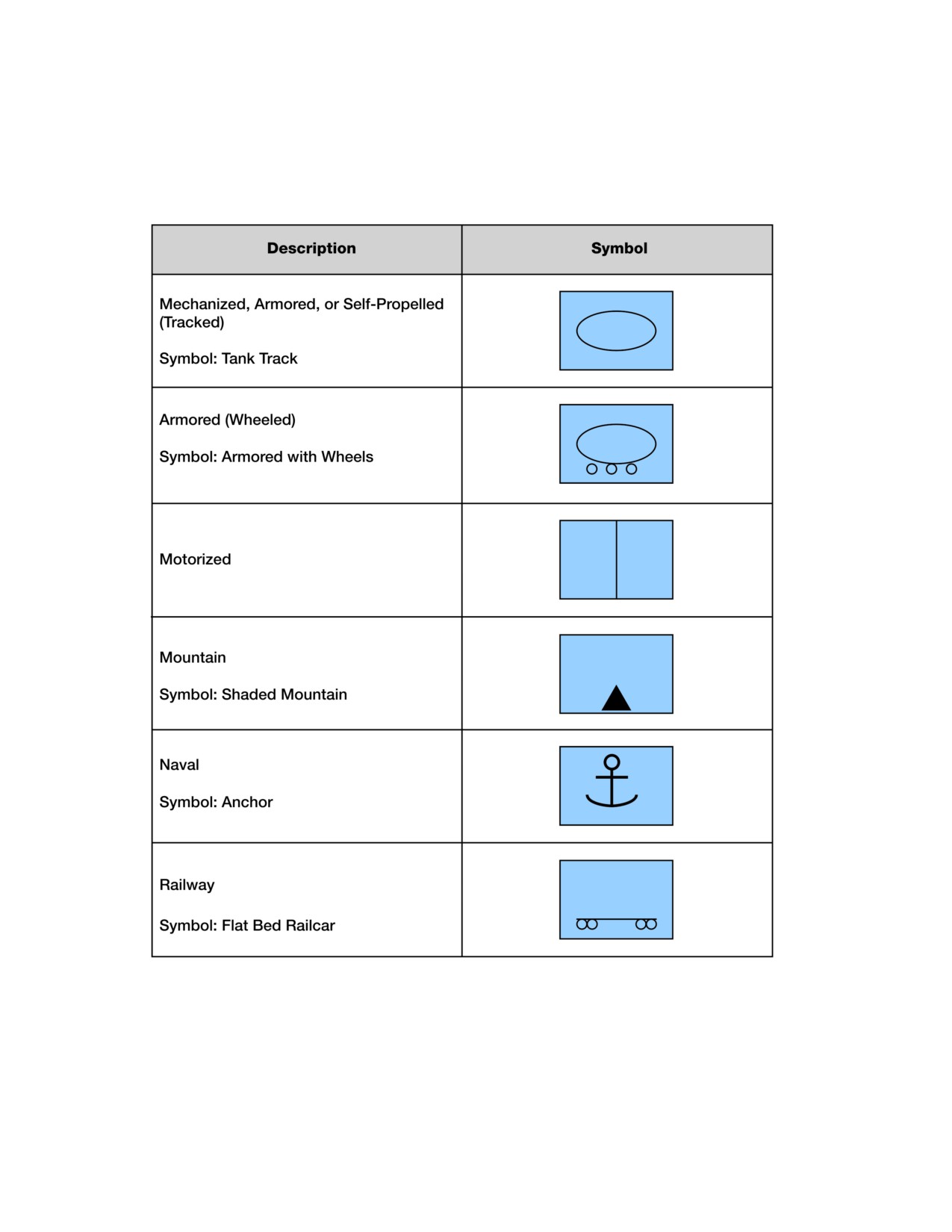
FM 1-02/MCRP 5-12A________________________________________________________________
Table 5-4. Field A: Mobility and Capability Modifiers
5-28
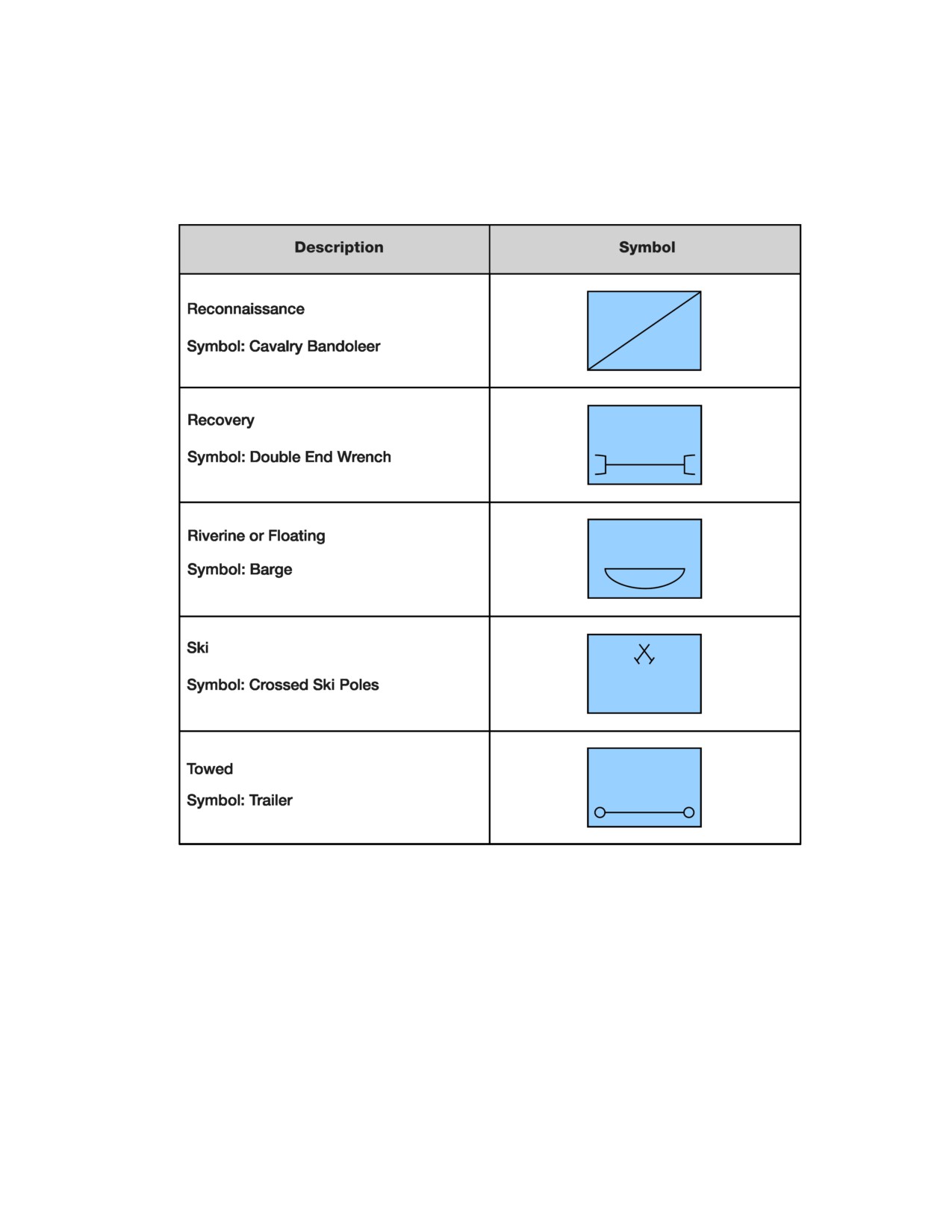
_____________________________________________________________________Unit Symbols
Table 5-4. Field A: Mobility and Capability Modifiers
5-29
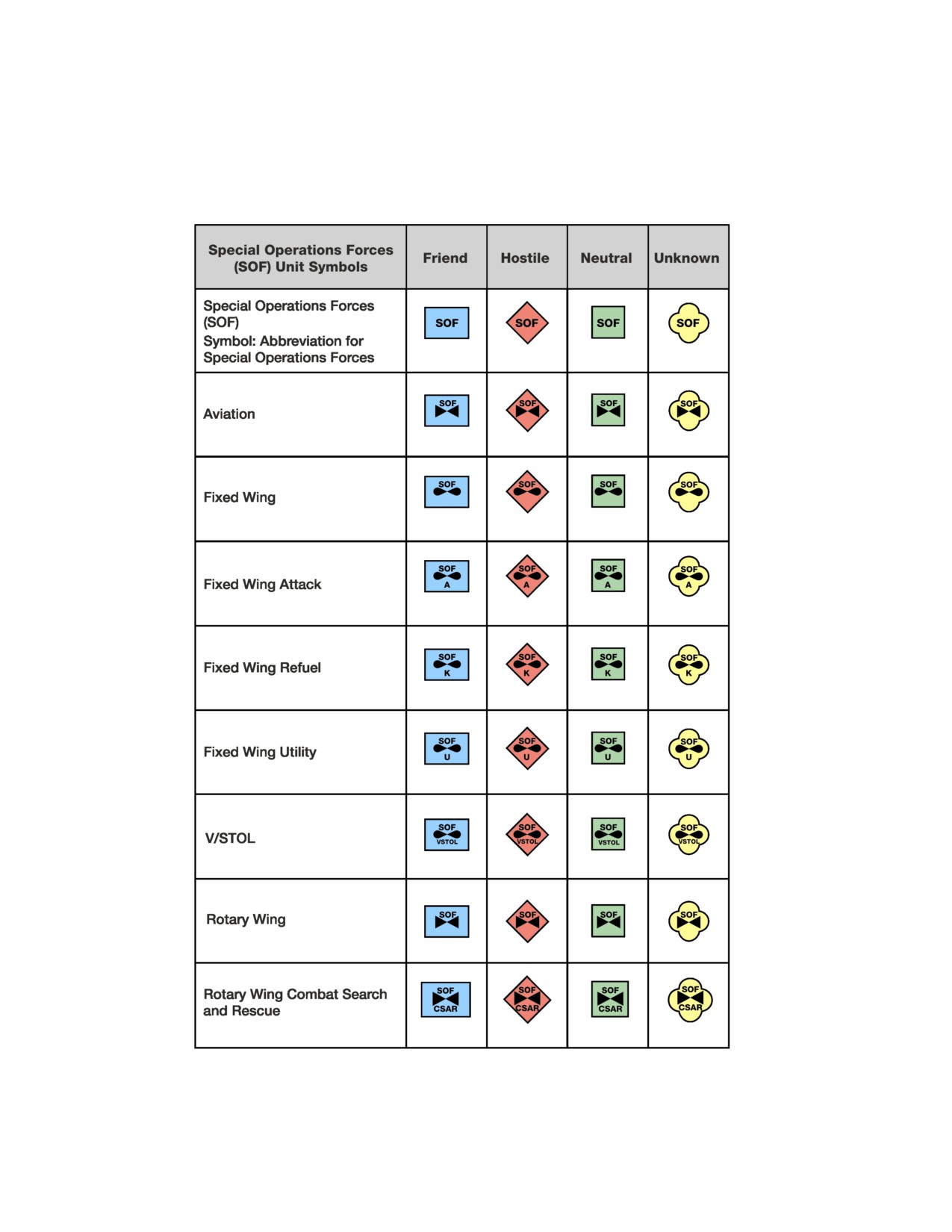
FM 1-02/MCRP 5-12A________________________________________________________________
Table 5-5. Field A: Special Operations Forces
5-30
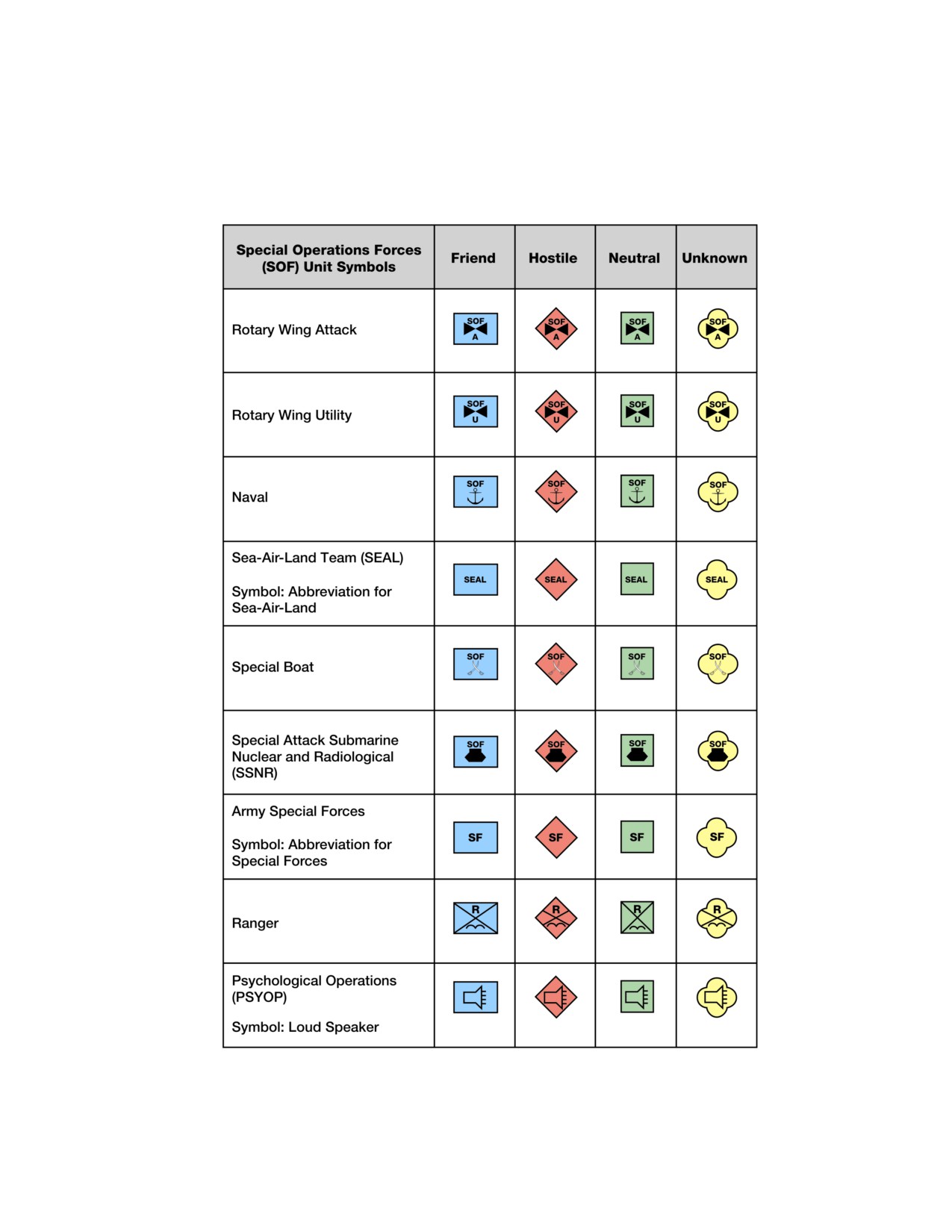
_____________________________________________________________________Unit Symbols
Table 5-5. Field A: Special Operations Forces
5-31
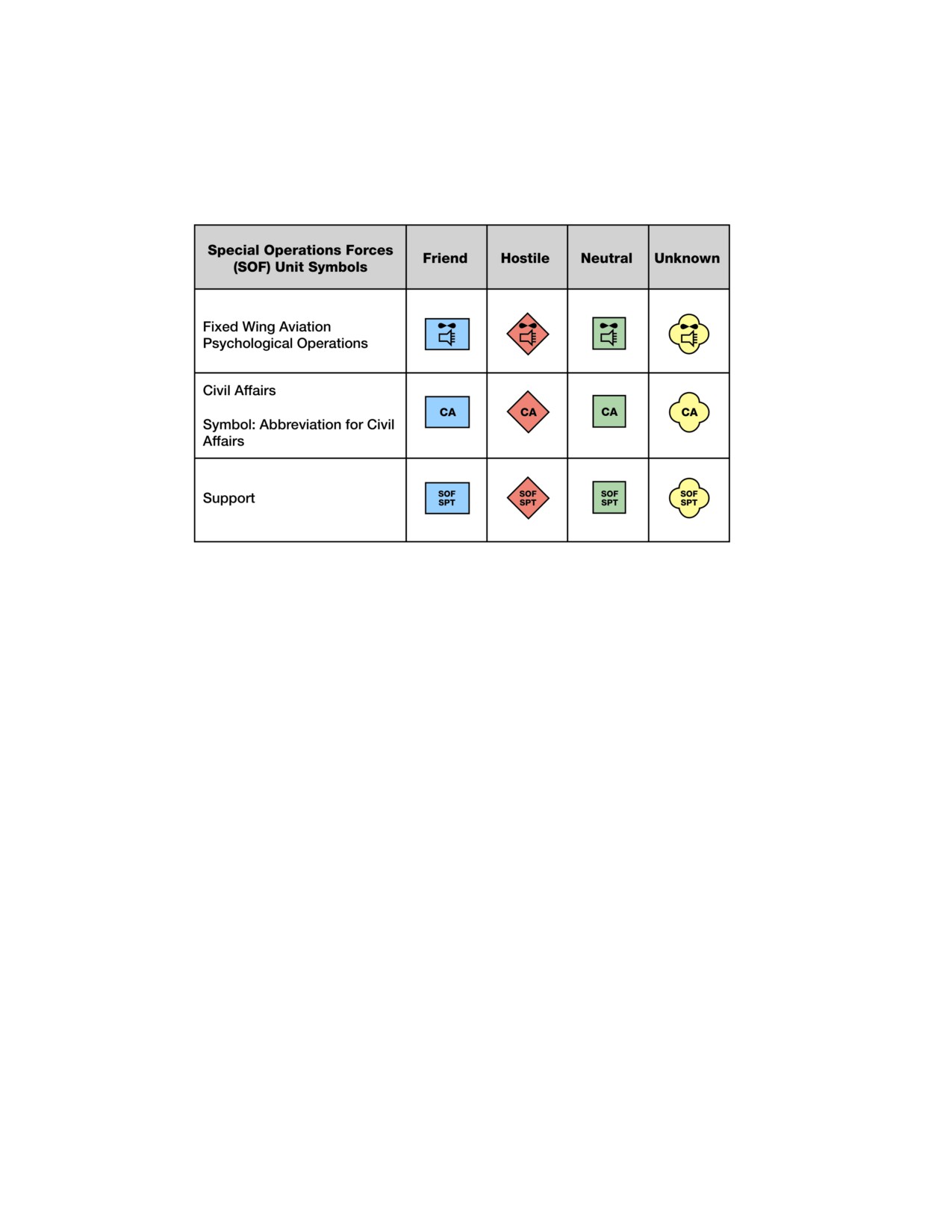
FM 1-02/MCRP 5-12A________________________________________________________________
Table 5-5. Field A: Special Operations Forces
FIELD B: ECHELON
5-4. An echelon is a separate level of command. As compared to a regiment, a
division is a higher echelon, a battalion is a lower echelon. (NATO)
5-32
_____________________________________________________________________Unit Symbols
Table 5-6. Field B: Echelon
Echelon
Symbol
Team1/Crew
Ø
Squad2
●
Section3
●●
Platoon4/Detachment
●●●
Company5/Battery6/Troop7
|
Battalion8/Squadron
| |
Regiment9/Group10
| | |
Brigade11
X
Division12
XX
Corps13
XXX
Army14
XXXX
Army Group15
XXXXX
Region16
XXXXXX
Notes:
1Team: The smallest formation.
2Squad: A formation larger than a team, but smaller than a section.
3Section: A formation larger than a squad, but smaller than a platoon.
4Platoon: A formation larger than a section, but smaller than a company.
5Company: A formation larger than a platoon, but smaller than a battalion. A unit consisting of two or more platoons,
usually of the same type, with a headquarters and a limited capacity for self-support.
6Battery: Tactical and administrative artillery unit or subunit corresponding to a company or similar unit in other
branches of the Army. (NATO)
7Troop: Tactical and administrative cavalry unit or subunit corresponding to a company or similar unit in other
branches of the Army.
8Battalion: A formation larger than a company, but smaller than a regiment. A unit consisting of two or more company-,
battery-, or troop-sized units and a headquarters.
9Regiment: A formation larger than a battalion, but smaller than a brigade. (Army)—A single or a group of like-type
combat arms or training units authorized a regimental color.
10Group: A flexible administrative and tactical unit composed of either two or more battalions or two or more
squadrons. The term also applies to combat support or combat service support units.
11Brigade: A formation larger than a regiment, but smaller than a division. (Joint)—A unit usually smaller than a
division to which are attached groups and/or battalions and smaller units tailored to meet anticipated requirements.
(Army)—A unit consisting of two or more battalions and a headquarters.
12Division: A major administrative and tactical unit/formation which combines in itself the necessary arms and services
required for sustained combat, larger than a regiment/brigade and smaller than a corps. (NATO). (Army)—The largest
fixed organization in the Army that trains and fights as a tactical team and is organized with varying numbers and
types of combat, combat support, and combat service support units.
13Army Corps: A formation larger than a division but smaller than an army or army group. It usually consists of two or
more divisions together with supporting arms and services. (NATO). The Army’s largest tactical unit and the
instrument by which higher echelons of command conduct maneuver at the operational level.
14Army: A formation larger than an army corps, but smaller than an army group. It usually consists of two or more army
corps. (NATO)
15Army Group: The largest formation of land forces, normally comprising two or more armies or army corps under a
designated commander. (NATO)
16Region: This usually refers to the area of a geographical combatant commander, such as JFCOM, EUCOM,
PACOM, SOUTHCOM, NORTHCOM, and CENTCOM.
5-33
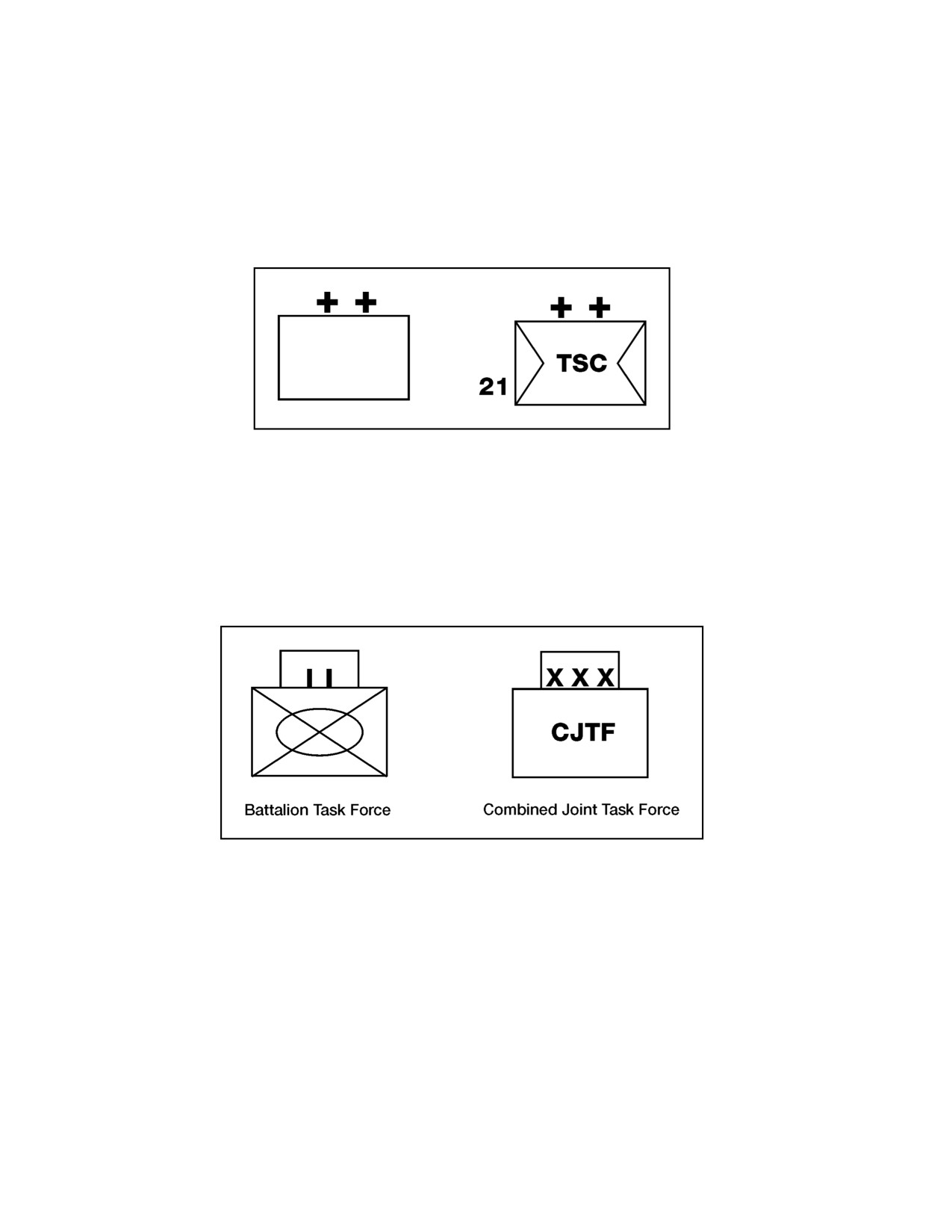
FM 1-02/MCRP 5-12A________________________________________________________________
5-5. There is also a separate echelon known as a command. A command is a
unit or units, an organization, or an area under the command of one individ-
ual. It does not correspond to any of the other echelons. It is designated by us-
ing ++ as its echelon symbol (see figure 5-3).
Figure 5-3. Examples of Command Symbols
FIELD D: TASK FORCE
5-6. A task force is a temporary grouping of units, under one commander,
formed for carrying out a specific operation or mission or a semi-permanent
organization of units, under one commander, formed for the purpose of carry-
ing out a continuing specified task (see figure 5-4).
Figure 5-4. Examples of Task Forces
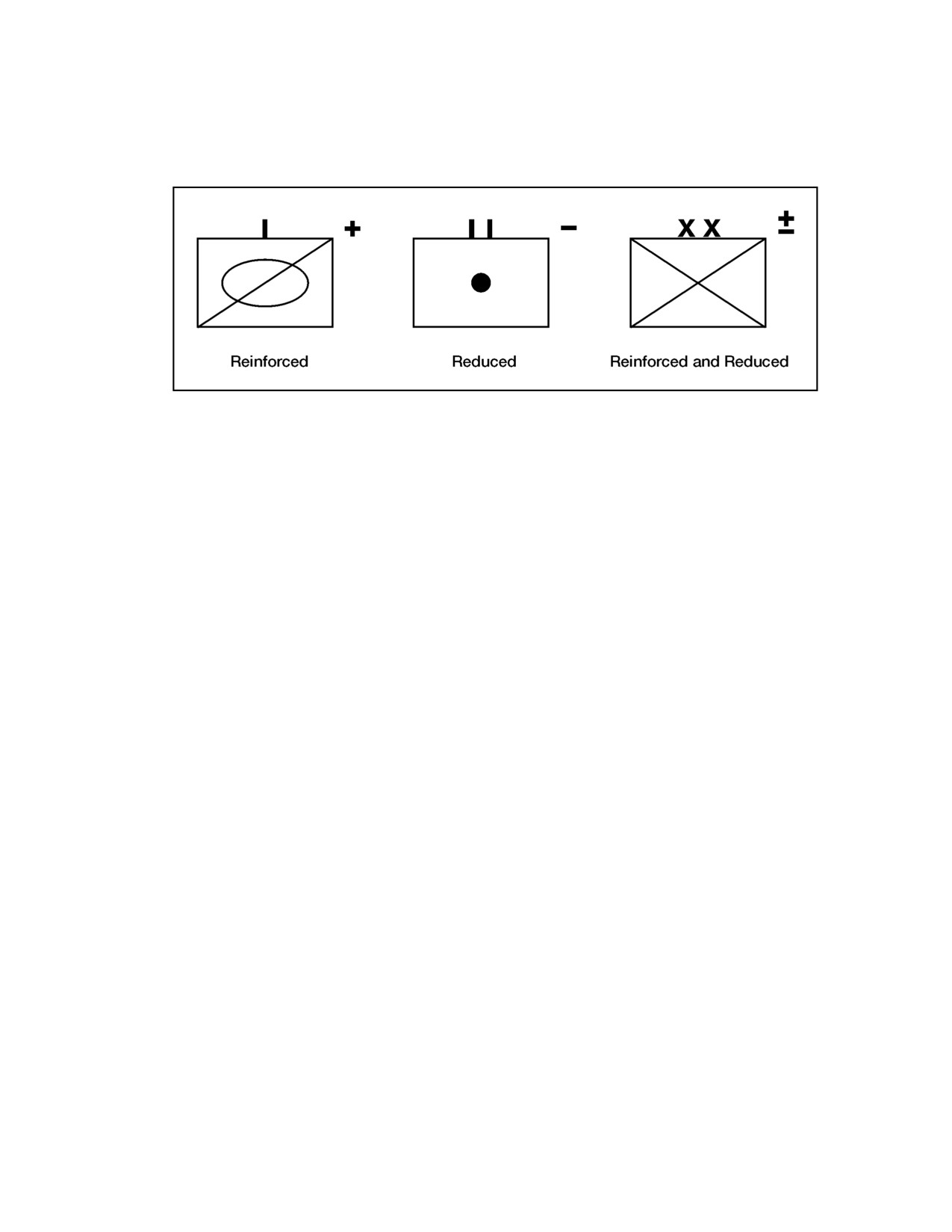
FIELD F: REINFORCED OR DETACHED
5-7. These symbols are used at division and below levels. The reinforced
symbol + indicates that the capability of one unit has been augmented by the
capability of another unit. The reduced symbol - indicates that the capability
of a unit has been reduced by the detachment of one or more of its units. If a
unit has been both reinforced and reduced, then the + symbol is used (see fig-
ure 5-5).
5-34
_____________________________________________________________________Unit Symbols
Figure 5-5. Examples of Reinforced, Reduced, and Reinforced and Reduced
5-35
FM 1-02/MCRP 5-12A________________________________________________________________
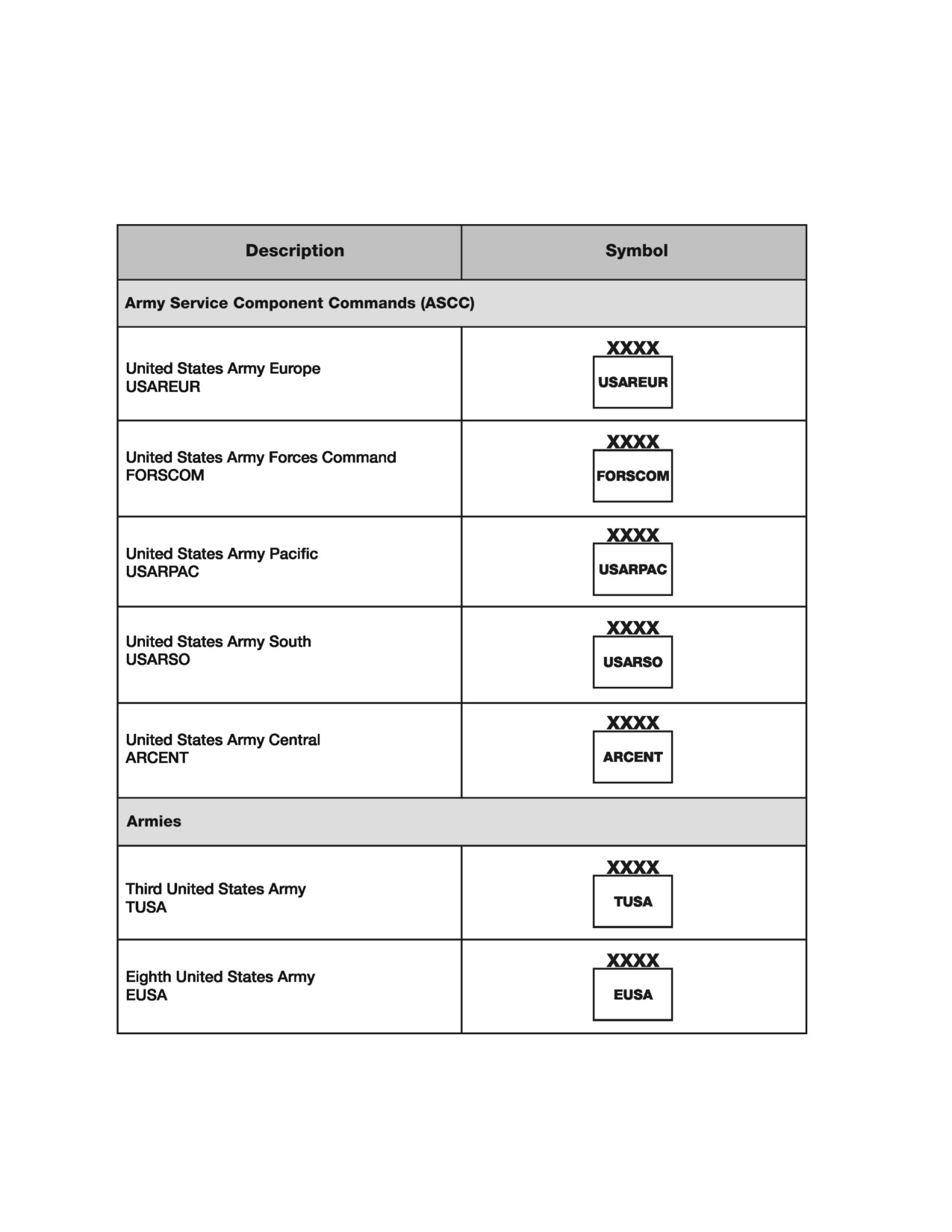
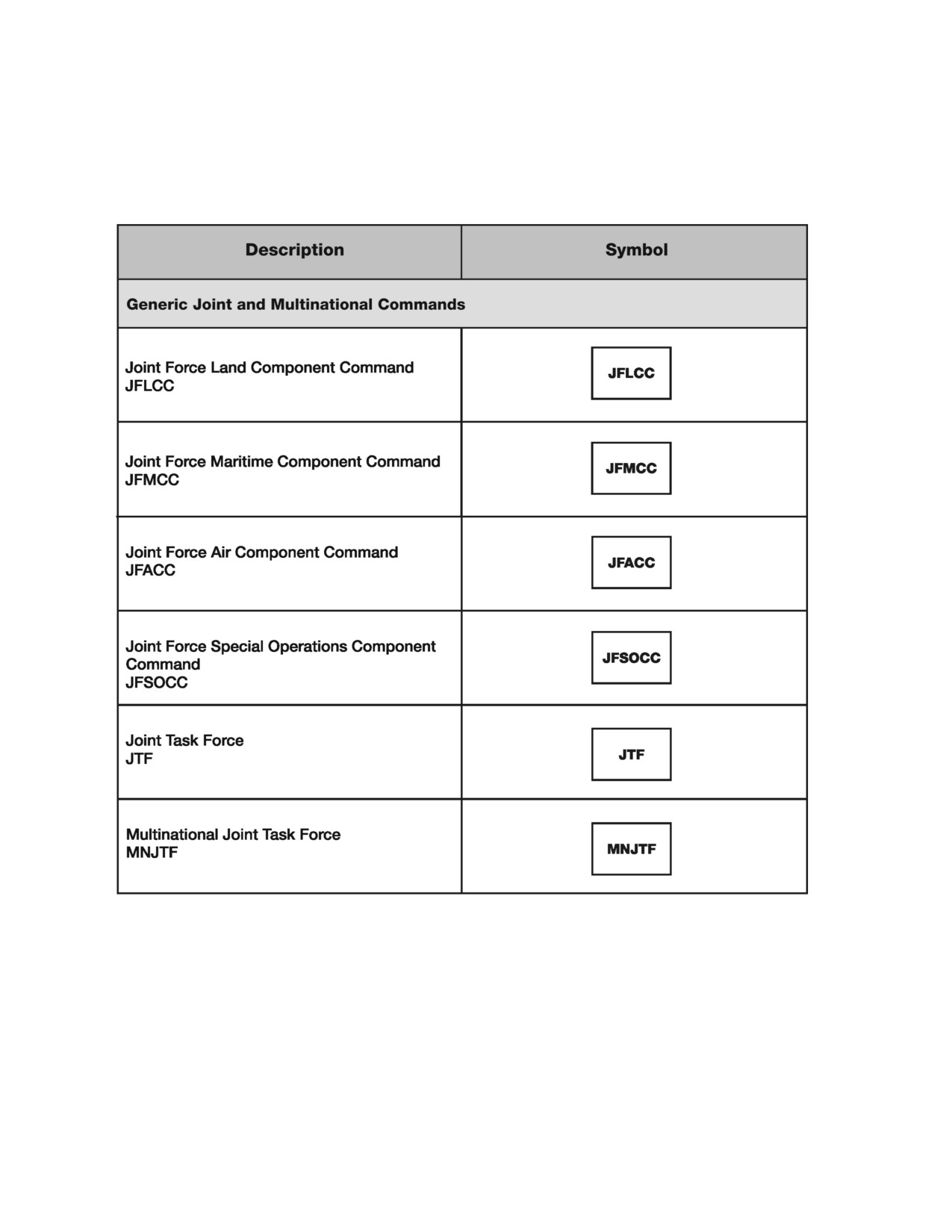
Table 5-7. Field AA: Named Command and Control Headquarters
5-36
_____________________________________________________________________Unit Symbols
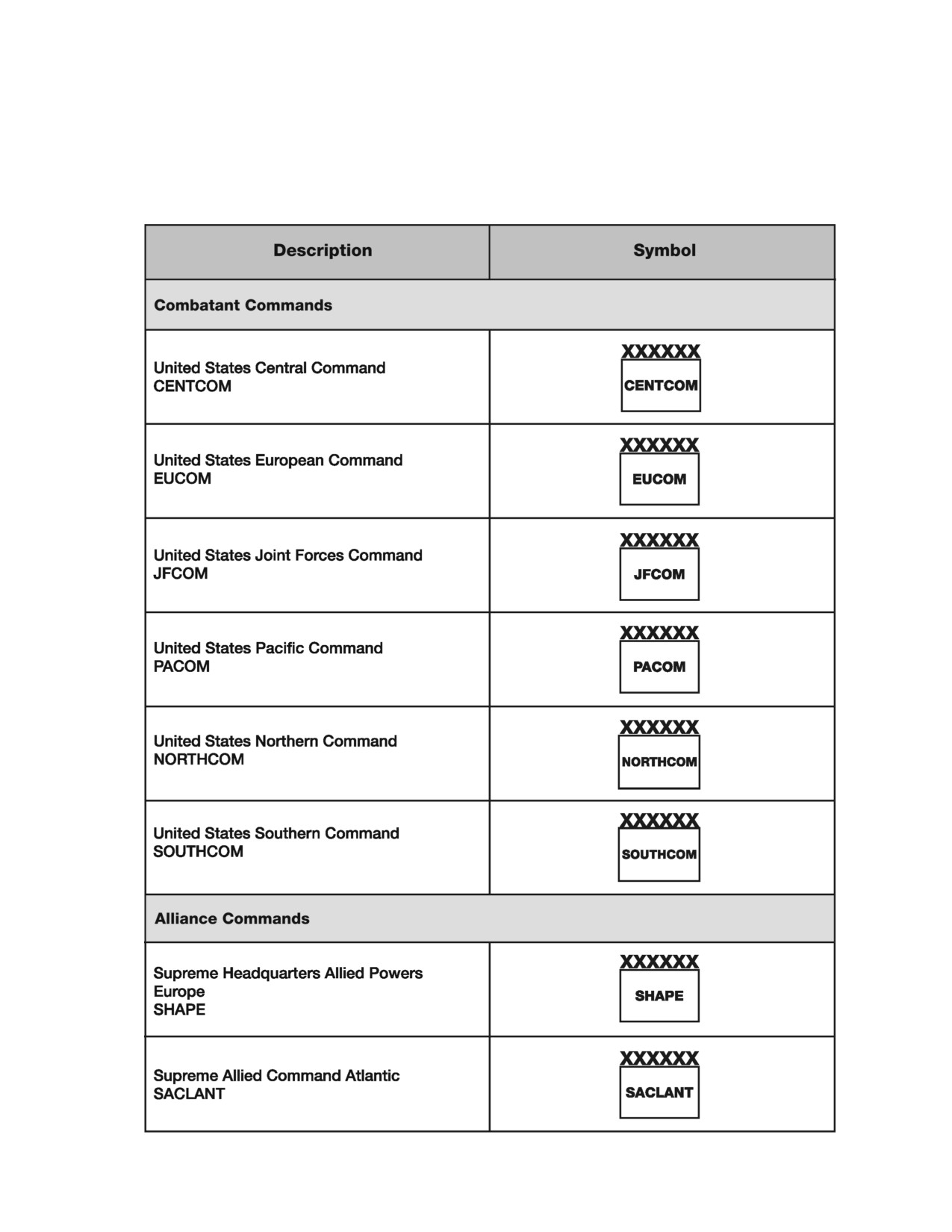
Table 5-7. Field AA: Named Command and Control Headquarters
5-37
FM 1-02/MCRP 5-12A________________________________________________________________
Table 5-7. Field AA: Named Command and Control Headquarters
5-38
_____________________________________________________________________Unit Symbols
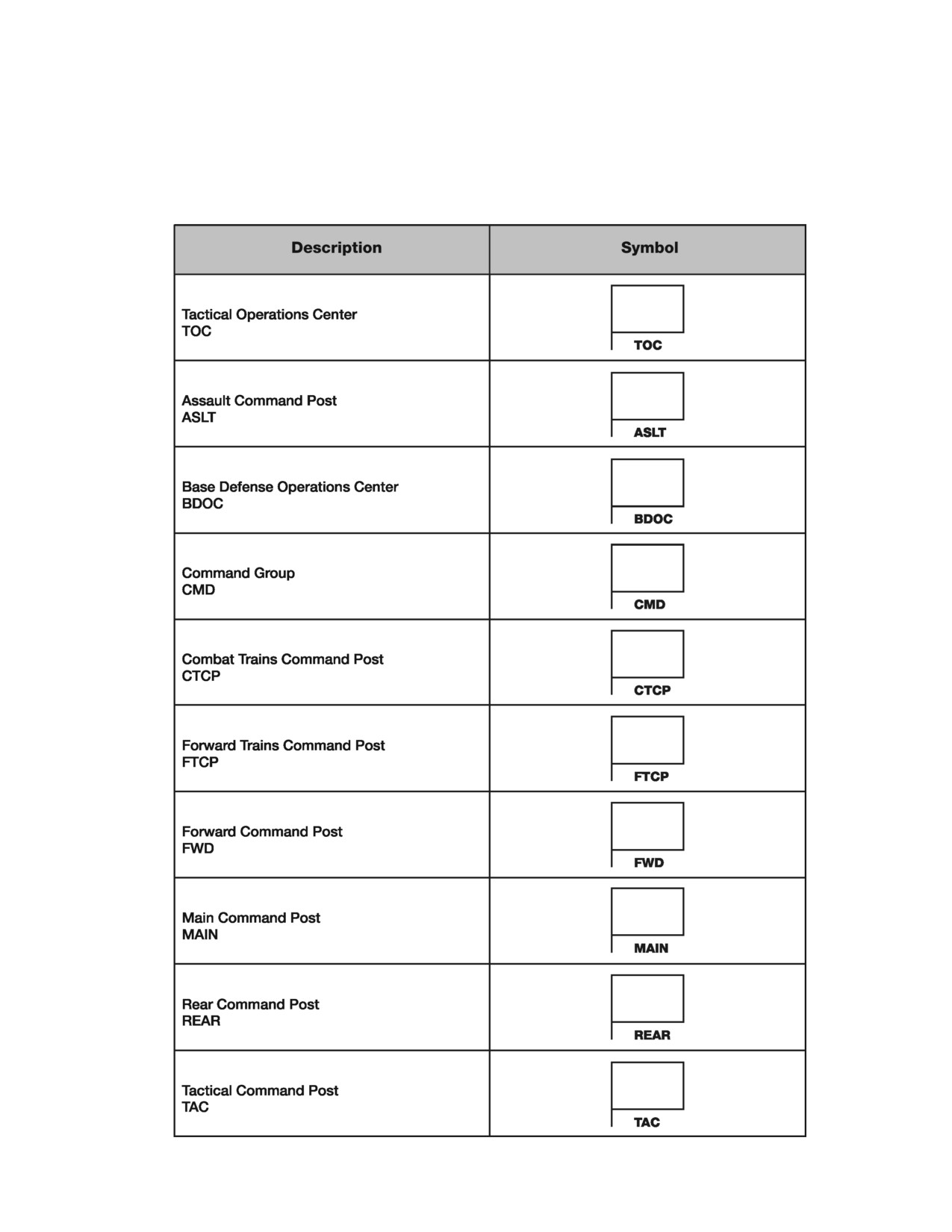
Table 5-8. Field AJ: Headquarters Element
5-39
FM 1-02/MCRP 5-12A________________________________________________________________
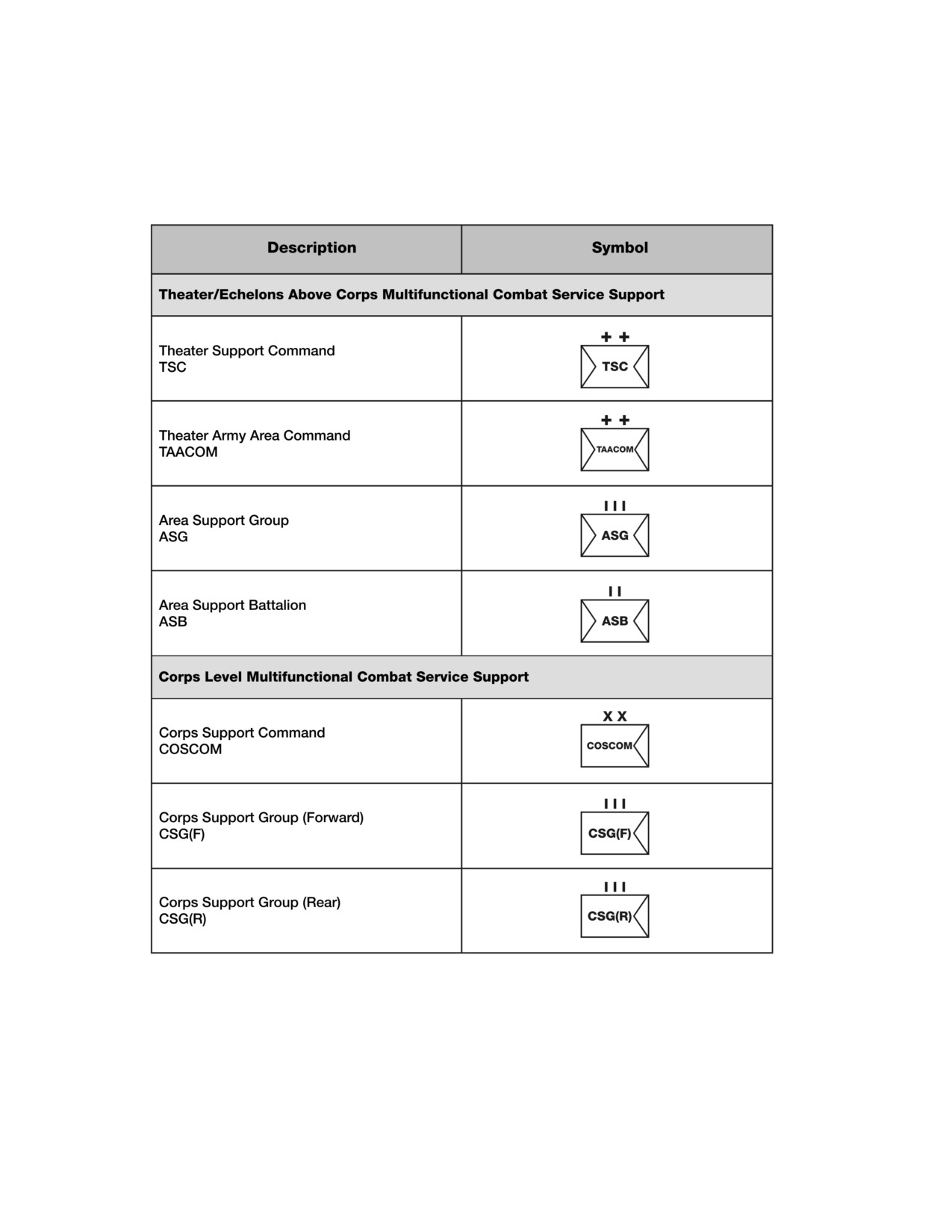
Table 5-9. Multifunctional Combat Service Support Units
5-40
_____________________________________________________________________Unit Symbols
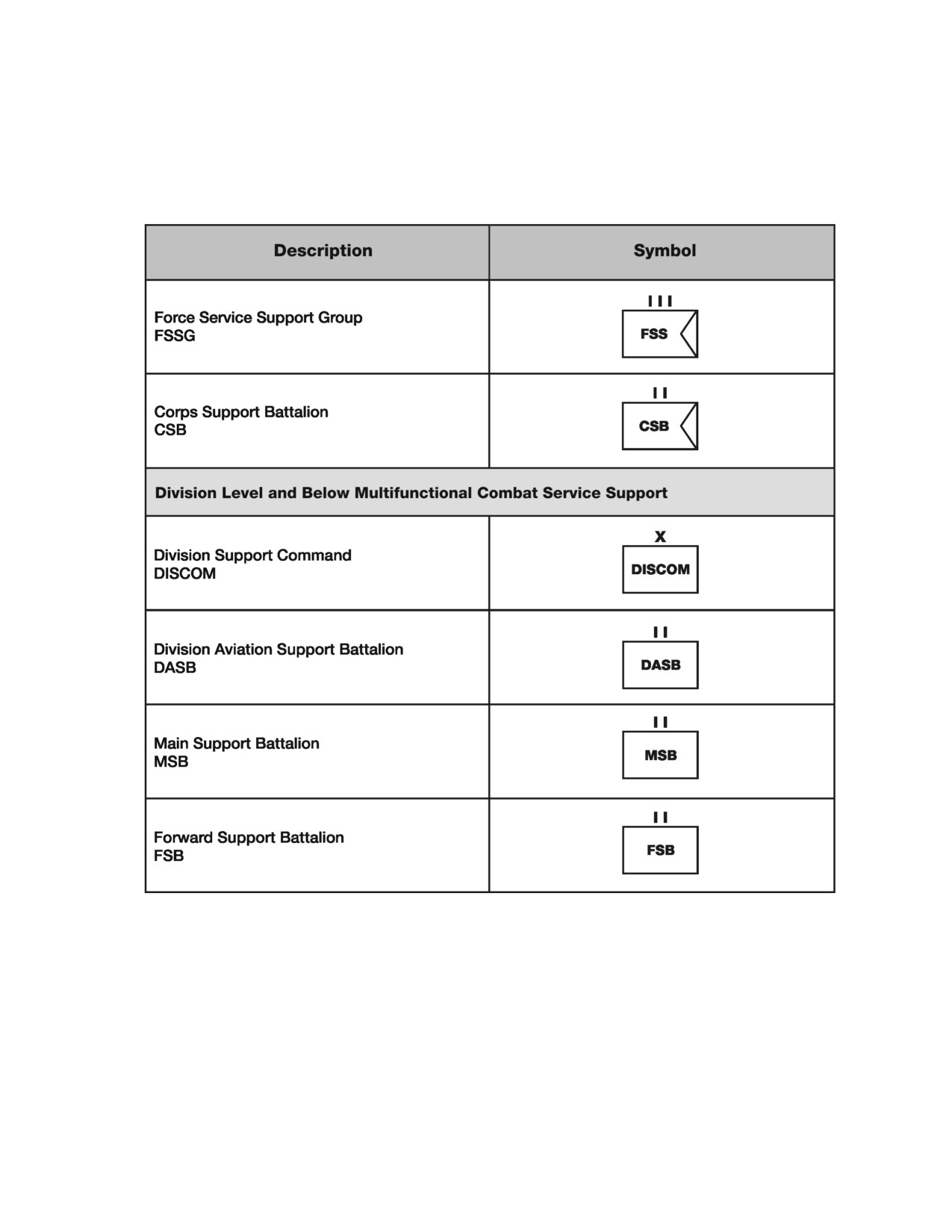
Table 5-9. Multifunctional Combat Service Support Units
LOCATING UNIT SYMBOLS
5-8. The center of mass of the unit symbol indicates the general vicinity of
the center of mass of the unit. To indicate precise location or reduce clutter in
an area with multiple units, a line (without an arrow) extends from the cen-
ter of the bottom of the frame to the unit location displayed as field Q. The
line may be extended or bent as required. If a group of units (or installations)
other than a headquarters is at one location, the grouping of the symbols may
be enclosed with a bracket and the exact location indicated by a line from the
center of the bracket (see figure 5-6).
5-41

FM 1-02/MCRP 5-12A________________________________________________________________
Figure 5-6. Offset and Multiple Unit Locations
5-9. Headquarters unit symbols include a staff or line drawn from the bottom
left hand corner displayed as field "S.” This staff may be bent or extended as
required to indicate unit location. If several headquarters are at one location,
more than one headquarters can be on a single staff. The highest echelon
headquarters is placed on top, followed by the next levels in descending order
(see figure 5-7).
Figure 5-7. Offset Headquarters and Multiple Headquarters Locations
5-42
Chapter 6
Equipment Symbols
This chapter establishes a single standard for the development of equip-
ment symbols. It describes procedures for creating composite weapon sys-
tem symbols and the procedures for text labeling to provide necessary
details.
ORIENTATION OF EQUIPMENT SYMBOLS
6-1. Orientation of the symbols shown in this chapter is extremely important.
All manual and automated displays and overlays should show the symbol
oriented the same as the actual equipment. The
“Q” field shows the
orientation of moving equipment symbols. On color displays, blue or black
represent friendly equipment, while red represents hostile equipment.
Monochrome displays use the color available.
COMPOSITION OF EQUIPMENT SYMBOLS
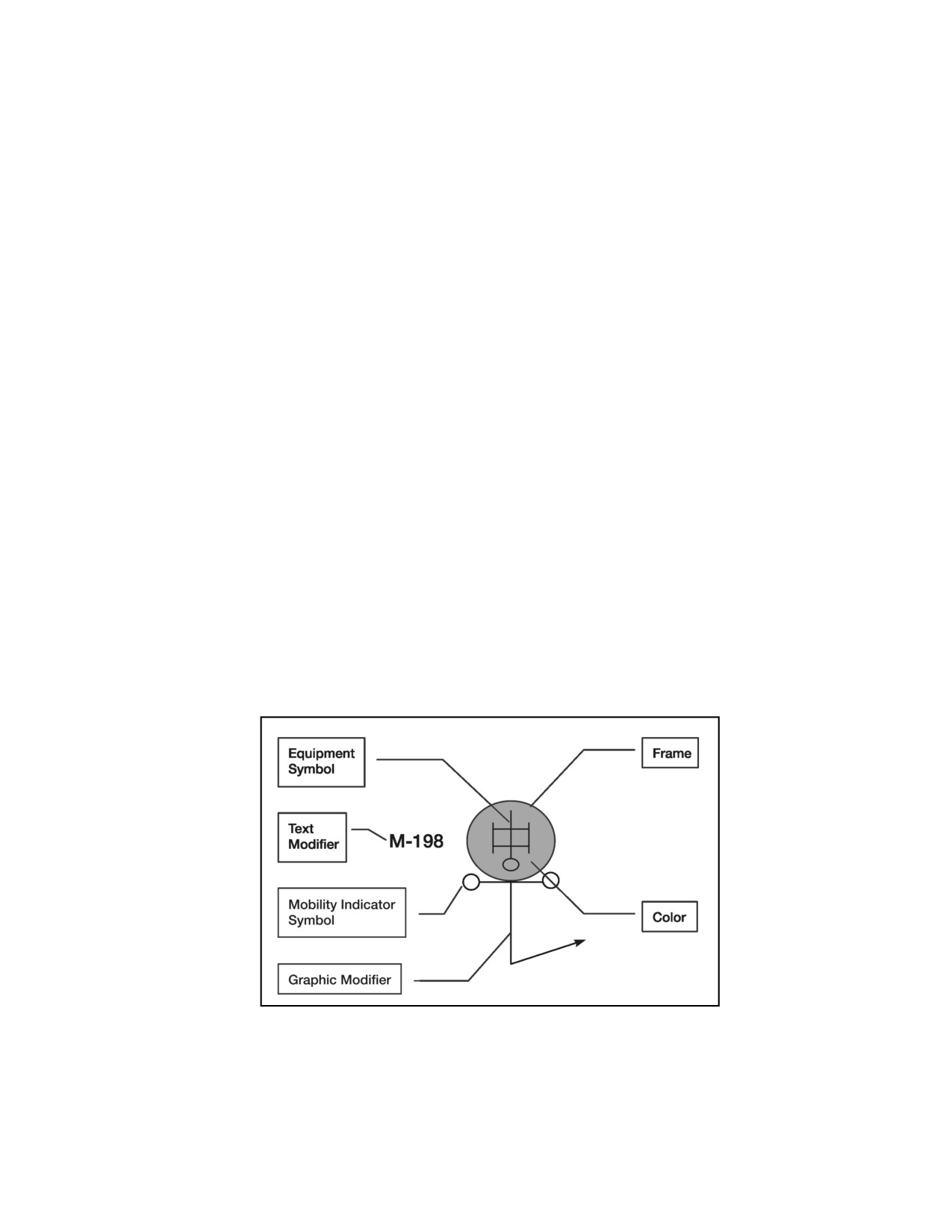
6-2. An equipment symbol is composed of a frame, color (fill), equipment
symbol (icon), and text or graphic modifiers (see figure 6-1). (See table 6-1 for
the steps used to build equipment symbols.)
Figure 6-1. Equipment Symbol Components
6-1
FM 1-02/MCRP 5-12A________________________________________________________________
BUILDING EQUIPMENT SYMBOLS
Note: The use of symbol frames, shown in table 6-1, is optional for equipment
and recommended only for ships, aircraft, and aerial vehicles or monochrome
screens.
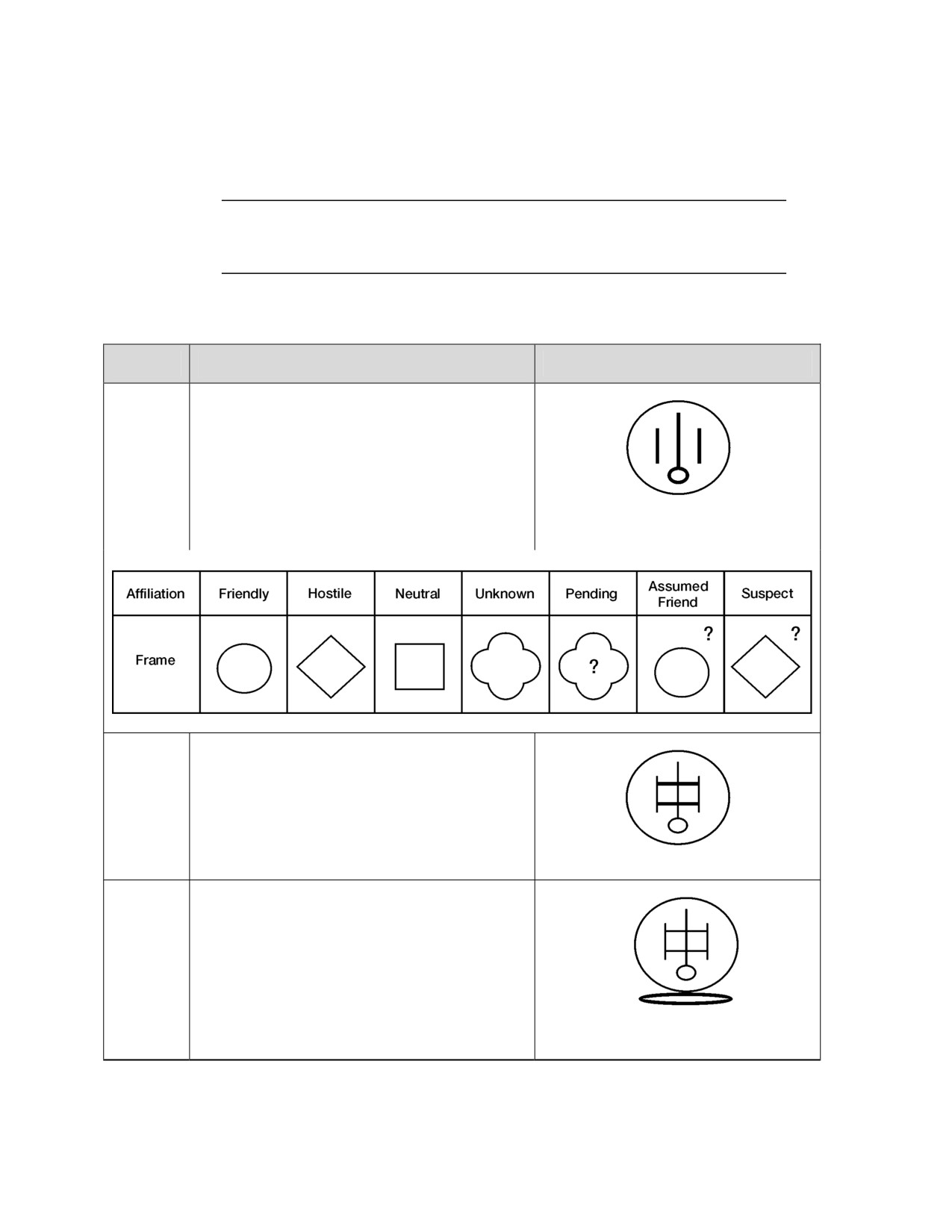
Table 6-1. Building Equipment Symbols with Frames
Step #
Step
Example
Step 1.
First choose the frame that matches the
affiliation of the equipment (friendly, hostile,
neutral). Then choose the basic equipment
symbol for field “A.” In this example, the
affiliation is friendly and the equipment is a
howitzer. (See the following land equipment
frame shapes and affiliations; see also figure 6-
Friendly Howitzer
2, page 6-4; table 6-3, page 6-4; and table 6-4,
page 6-7.)
Land Equipment Frame Shapes and Affiliation
Step 2.
Choose the size/range equipment symbol
modifier that further explains the capability of
that equipment, modifying field “A.” In this
example, the equipment symbol modifier is
medium (bolded). (See table 6-4, page 6-7, and
table 6-6, page 6-31.)
Friendly Medium Howitzer
Step 3.
Choose the mobility indicator modifier for the
next capability, for field “R.” In this example, the
mobility indicator is self-propelled or tracked
(bolded). (See table 6-5, page 6-29.)
Friendly Medium Self-Propelled
Howitzer
6-2
________________________________________________________________Equipment Symbols
Table 6-1. Building Equipment Symbols with Frames
Step #
Step
Example
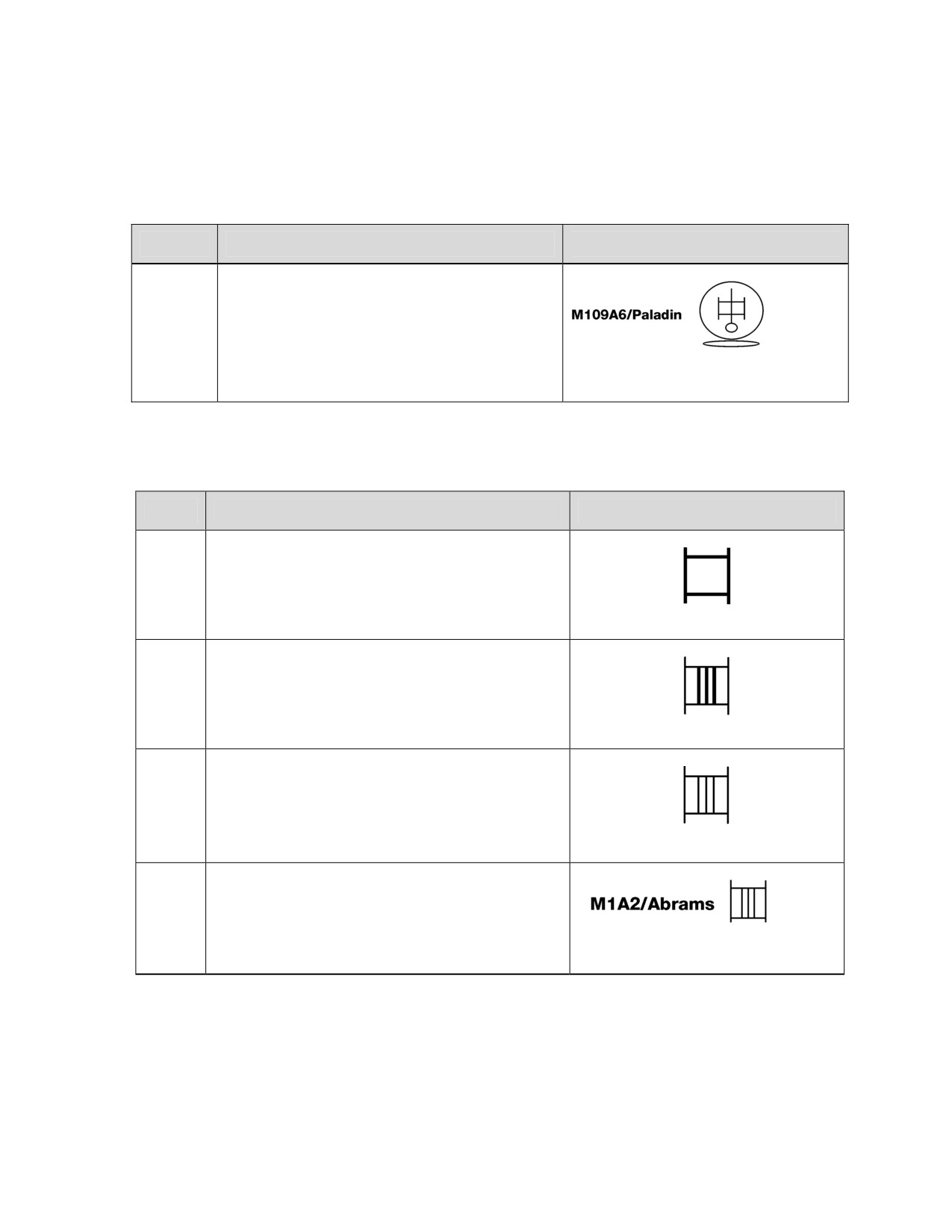
Step 4.
Choose text modifiers as necessary to provide
further amplifying information. In this example,
the text modifier is the type of equipment (field
“V”), or M109A6, and the common identifier
(field “AF”), or Paladin. (See table 6-3, page 6-
4.)
Friendly (M109A6 Paladin) Medium
Self-Propelled Howitzer
Table 6-2. Building Equipment Symbols Without Frames
Step #
Step
Example
Step 1.
First choose the basic equipment symbol for field
“A.” In this example, the affiliation is friendly
(black) and the equipment is a tank. (See table 6-
4, page 6-19.)
Tank
Step 2.
Choose the size/range equipment symbol modifier
that further explains the capability of that
equipment, modifying field “A.” In this example,
the equipment symbol modifier is heavy. (See
table 6-4, page 6-20, and table 6-6, page 6-31.)
Heavy Tank
Step 3.
If required, choose the mobility indicator modifier
for the next capability, for field “R.” In this
example, there is no requirement for a mobility
indicator.
Heavy Tank
Step 4.
Choose text modifiers as necessary to provide
further amplifying information. In this example, the
text modifier is the type of equipment (field “V”), or
M1A2, and the common identifier (field “AF”), or
Friendly M1A2 (Abrams)
Abrams. (See table 6-3, page 6-4.)
Heavy Tank
EQUIPMENT SYMBOL MODIFIER FIELDS
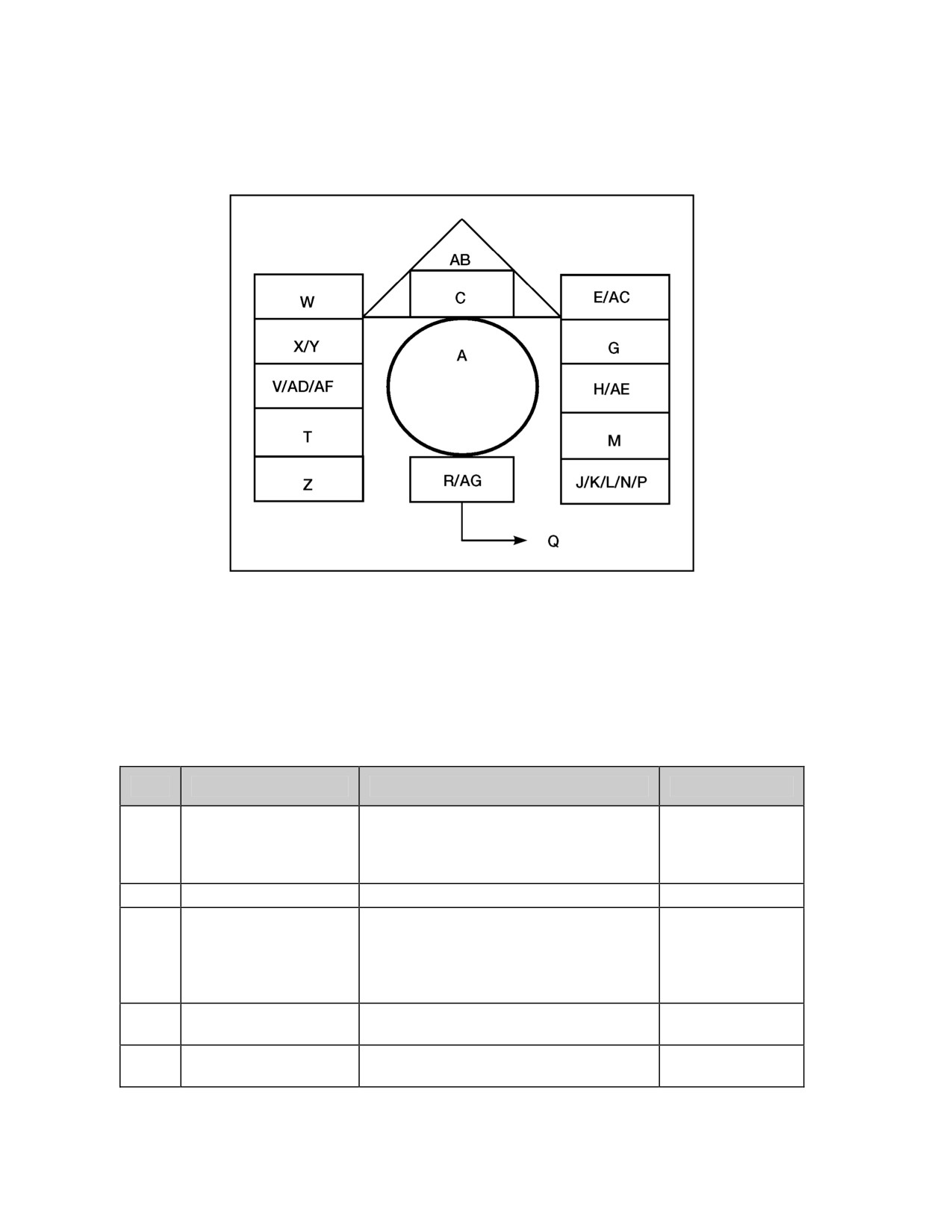
6-3. Figure 6-2 shows the placement of equipment labeling fields around the
friendly land equipment symbol frame. The placement of equipment symbol
modifier fields is the same regardless of frame shape or affiliation.
6-3
FM 1-02/MCRP 5-12A________________________________________________________________
Figure 6-2. Equipment Symbol Modifier Fields
6-4. Table
6-3 provides a description of each of the
equipment symbol
modifier fields as shown in figure 6-2. See appendix
B for examples of
equipment symbols with multiple fields that are filled in.
Table 6-3. Descriptions of Fields for Text or
Graphic Modifiers for Equipment Symbols
Field
Field Title
Description
Text/Graphic
Basic equipment symbol that can
include size or capacity modifiers. (See
A
Symbol
Both
table 6-4, page 6-7, and table 6-5, page
6-29.)
C
Quantity
Identifies the number of items present.
Text
Helps determine affiliation or battle
dimension of symbol. “U” represents
E
Frame Shape Modifier
unknown battle dimension. Question
Text
mark “?” represents suspect or
assumed friend.
Free text. Can be used by staff for
G
Staff Comments
Text
information required by commander.
Free text. Additional information not
H
Additional Information
Text
covered by other fields.
6-4
________________________________________________________________Equipment Symbols
Table 6-3. Descriptions of Fields for Text or
Graphic Modifiers for Equipment Symbols
Field
Field Title
Description
Text/Graphic
Degree of confidence that may be
placed on the information represented
by the symbol. It is shown as one letter
and one number made up of Reliability
of Source and Credibility of Information.
Reliability of Source:
A. Completely reliable
B. Usually reliable
C. Fairly reliable
D. Not usually reliable
J
Evaluation Rating
Text
E. Unreliable
F. Reliability cannot be judged.
Credibility of Information:
1. Confirmed by other sources
2. Probably true
3. Possibly true
4. Doubtful
5. Improbable
6. Truth cannot be judged.
Effectiveness of unit or equipment
displayed.
1. Fully Operational
K
Combat Effectiveness
Text
2. Substantially Operational
3. Marginally Operational
4. Not Operational
Identifies a detectable electronic
L
Signature Equipment
Text
signature “!” for hostile equipment.
Number or title of higher echelon
M
Higher Formation
command of equipment being
Text
displayed.
Identification Friend or
IFF/SIF identification modes and codes.
Foe (IFF)/Selective
P
Text
Identification Feature
(SIF)
With arrow, it denotes the direction
Direction of Movement
symbol is moving or will move. Without
Q
Arrow/Offset Location
Graphic
arrow, it is used to denote precise
Indicator
location or to declutter.
Pictorial representation of the mobility of
R
Mobility Indicator
Graphic
the symbol.
6-5
FM 1-02/MCRP 5-12A________________________________________________________________
Table 6-3. Descriptions of Fields for Text or
Graphic Modifiers for Equipment Symbols
Field
Field Title
Description
Text/Graphic
An alphanumeric designator that
T
Unique Designation
uniquely identifies a particular model of
Text
equipment (number).
Identifies unique designation (such as
V
Type of Equipment
Text
AH-64 for attack helicopter).
An alphanumeric designator for
displaying a date-time group
(DDHHMMSSZMONYY) or “O/O” for on
order. The date-time group is composed
of a group of six numeric digits with a
time zone suffix and the standardized
three-letter abbreviation for the month,
W
Date-Time Group
followed by two digits. The first pair of
Text
digits represents the day; the second
pair, the hour; the third pair, the
minutes. The last two digits of the year
are after the month. For automated
systems, two digits may be added
before the time zone suffix and after the
minutes to designate seconds.
Height in feet of equipment or structure
X
Altitude/Depth
Text
on the ground.
Y
Location
Latitude and longitude; grid coordinates.
Text
Displays speed in nautical miles per
Z
Speed
Text
hour or kilometers per hour.
Indicates that the equipment is a
AB
Dummy Indicator
Graphic
dummy.
A two-letter code that indicates the
country of origin of the unit. This field
AC
Country Indicator
can be used also for factions or groups
Text
in crisis response operations. (Names of
factions, groups, must be spelled out.)
AD
Platform Type
ELNOT or CENOT
Text
Equipment Teardown
Equipment teardown time in minutes.
AE
Text
Time
Example: Patriot for air defense missile
AF
Common Identifier
Text
launcher.
Auxiliary Equipment
Indicates the presence of a towed sonar
AG
Graphic
Indicator
array.
6-6
________________________________________________________________Equipment Symbols
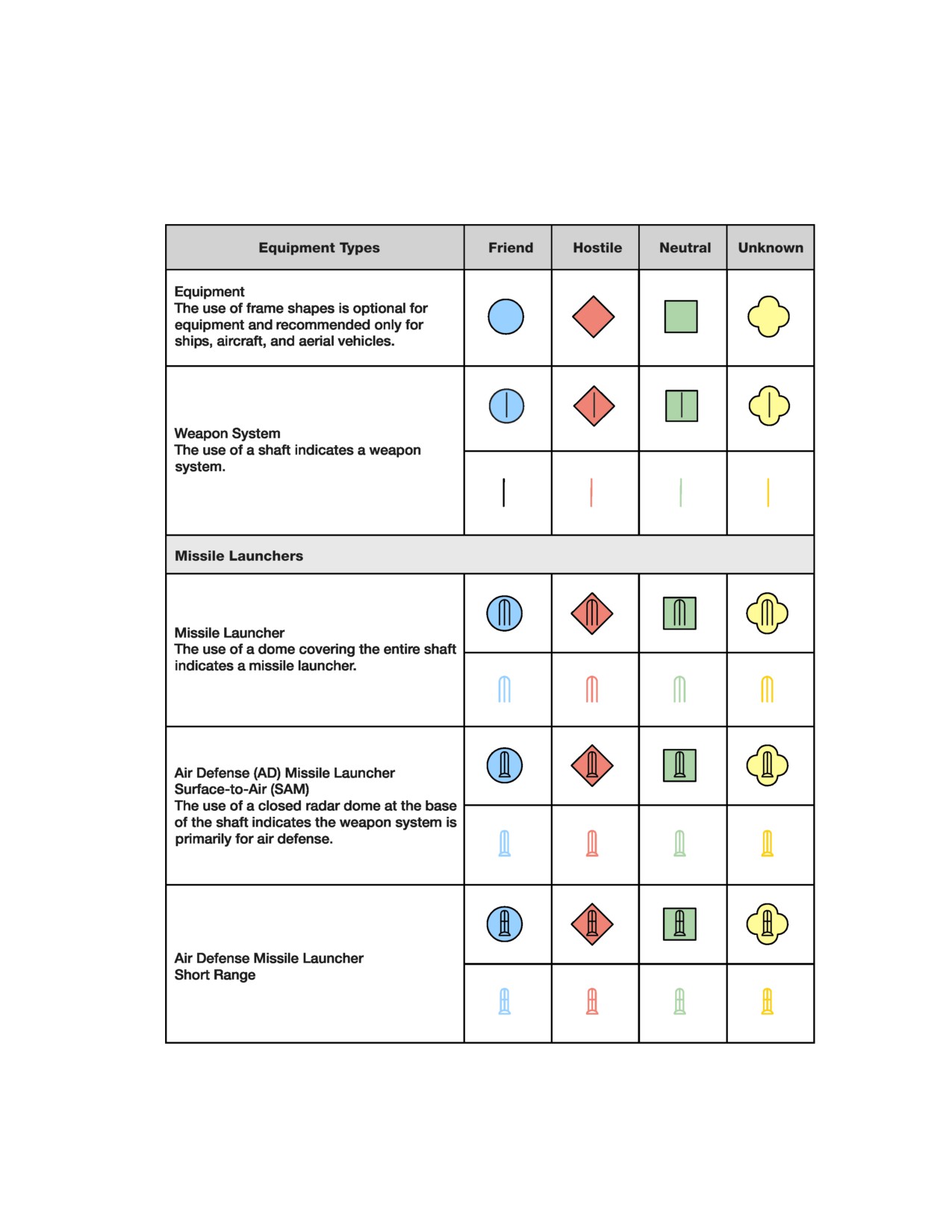
Table 6-4. Field A: Equipment Types
6-7
FM 1-02/MCRP 5-12A________________________________________________________________
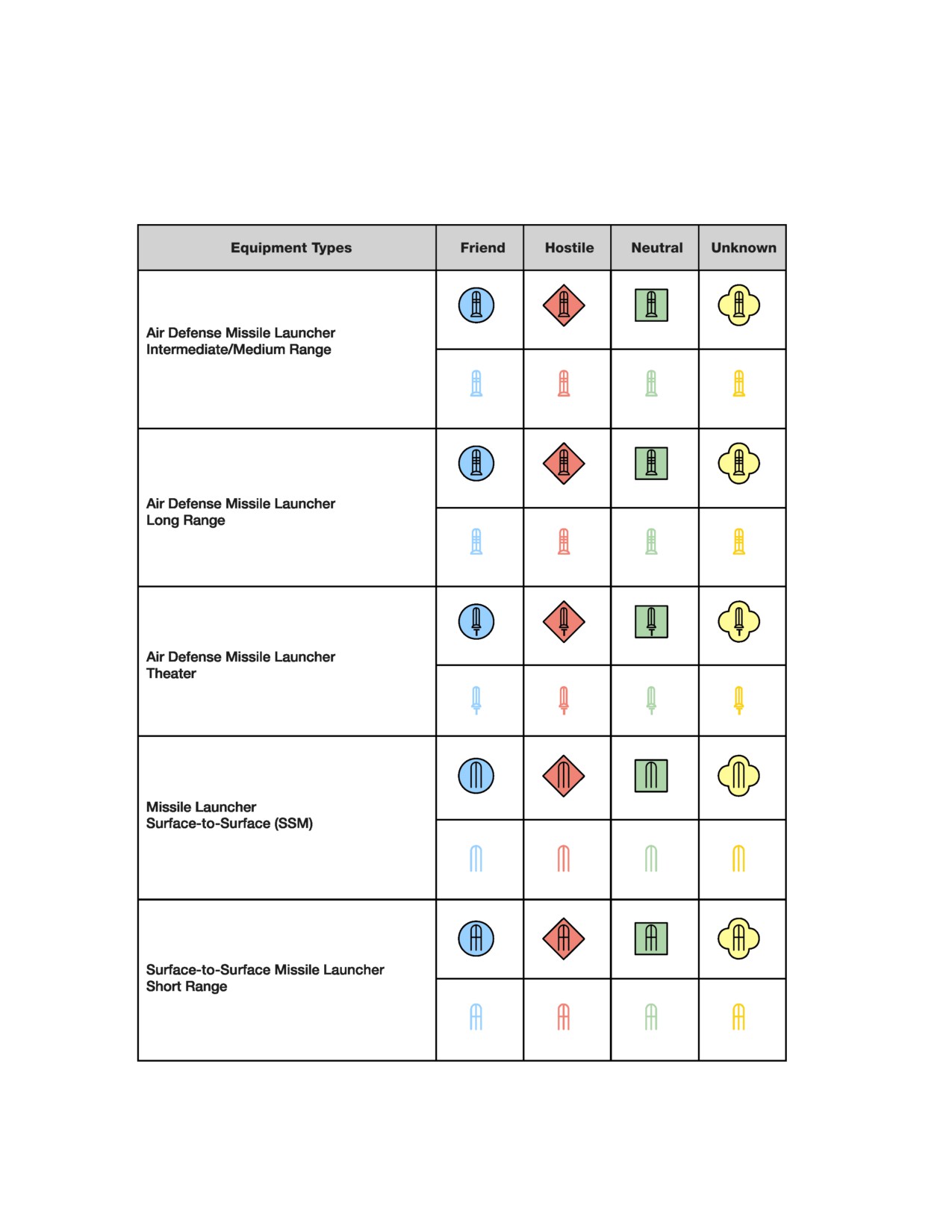
Table 6-4. Field A: Equipment Types
6-8
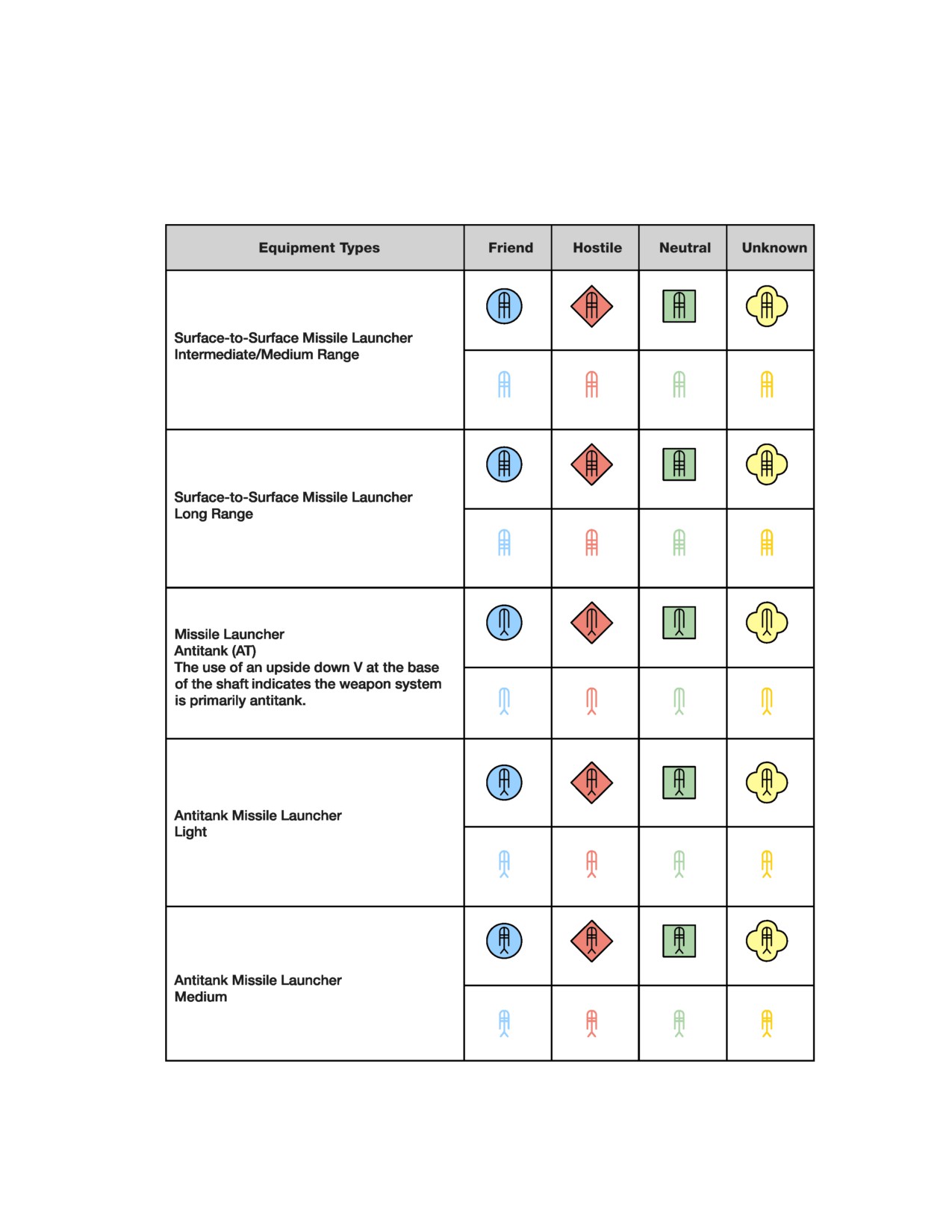
________________________________________________________________Equipment Symbols
Table 6-4. Field A: Equipment Types
6-9
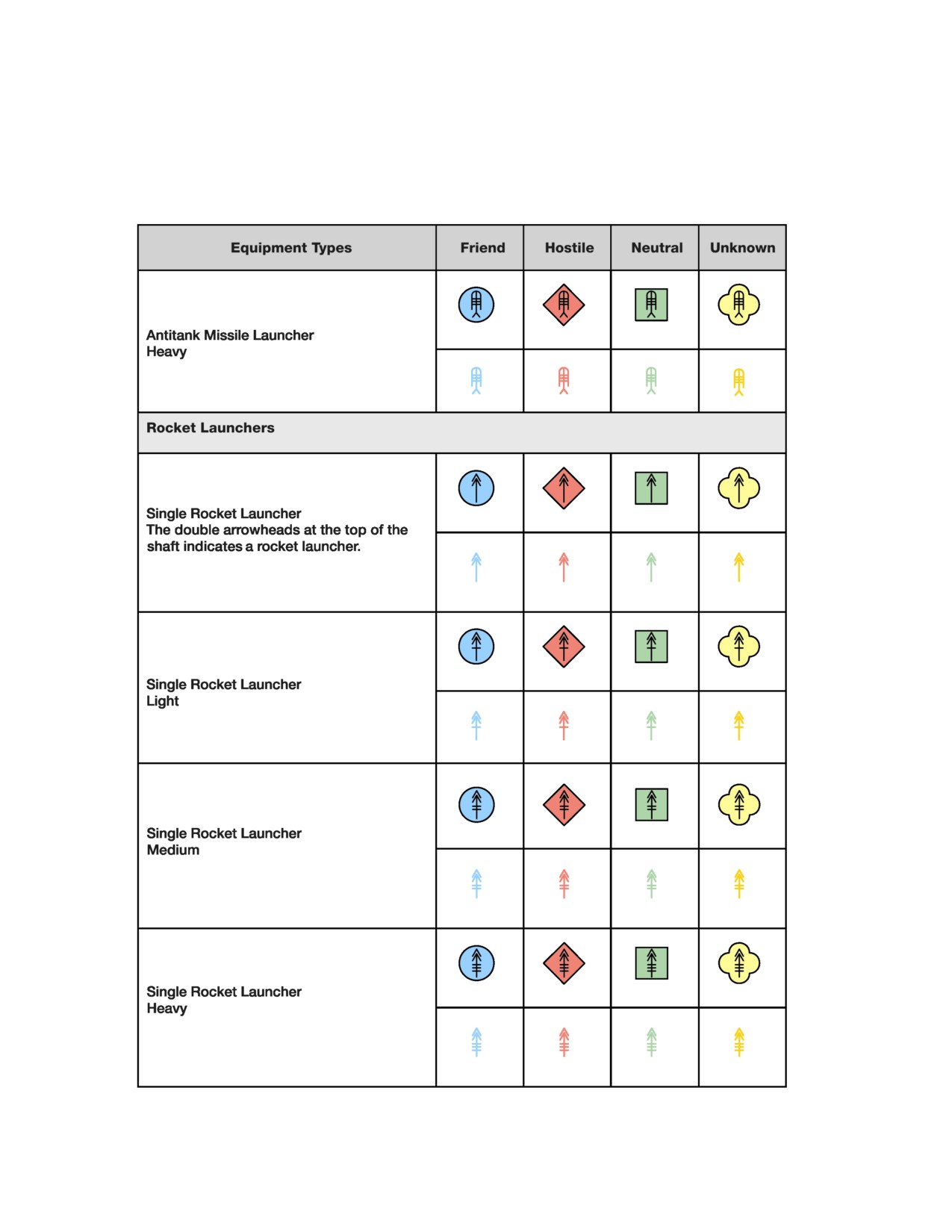
FM 1-02/MCRP 5-12A________________________________________________________________
Table 6-4. Field A: Equipment Types
6-10
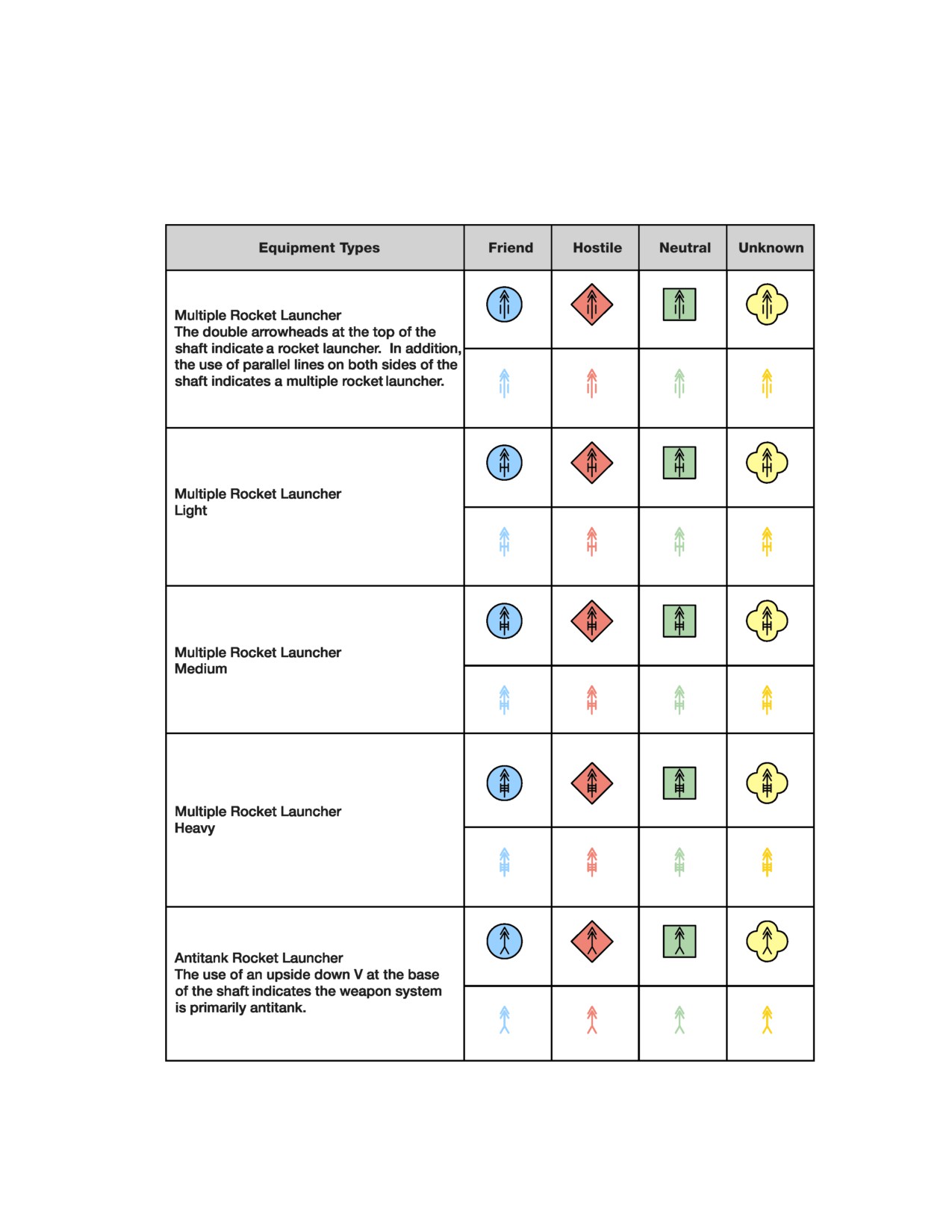
________________________________________________________________Equipment Symbols
Table 6-4. Field A: Equipment Types
6-11
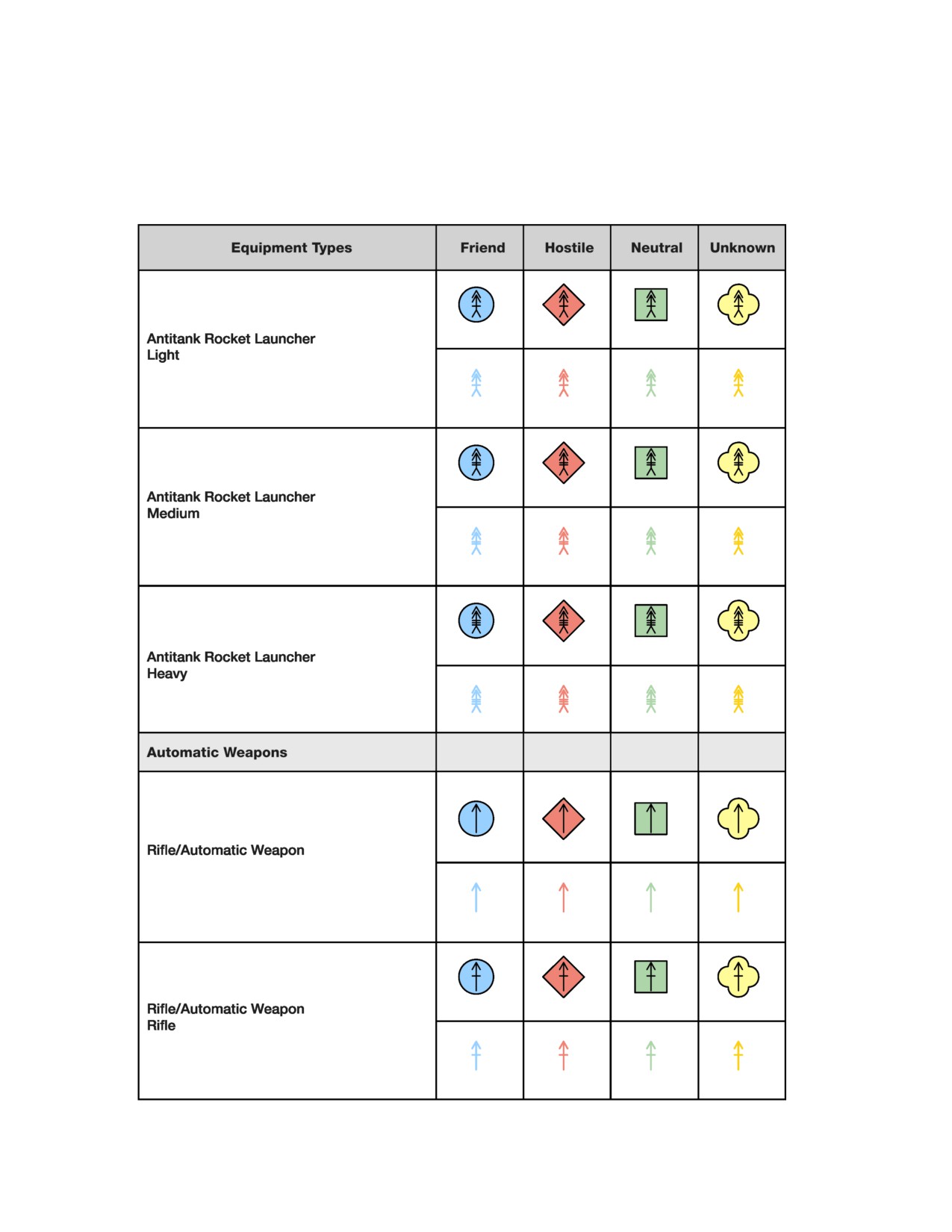
FM 1-02/MCRP 5-12A________________________________________________________________
Table 6-4. Field A: Equipment Types
6-12
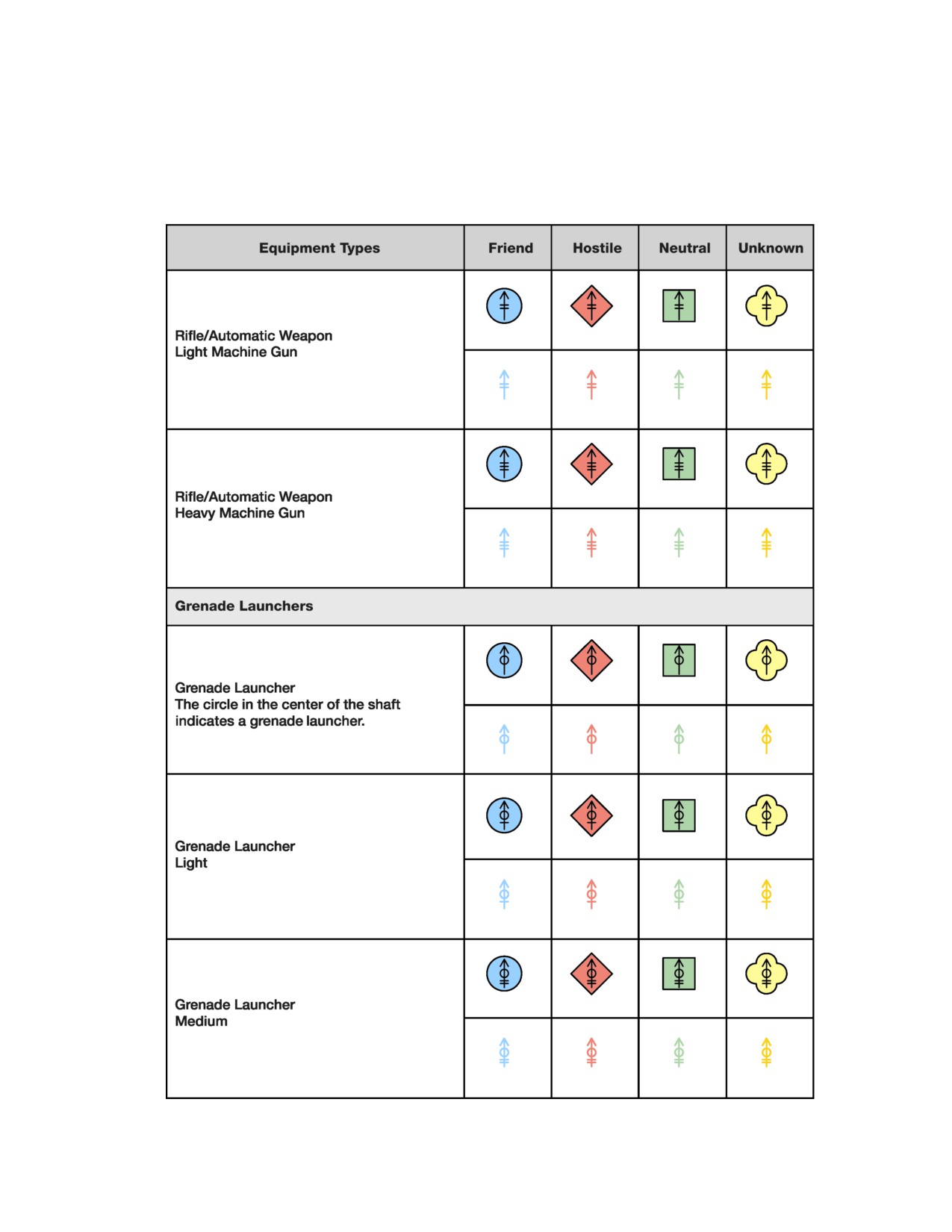
________________________________________________________________Equipment Symbols
Table 6-4. Field A: Equipment Types
6-13
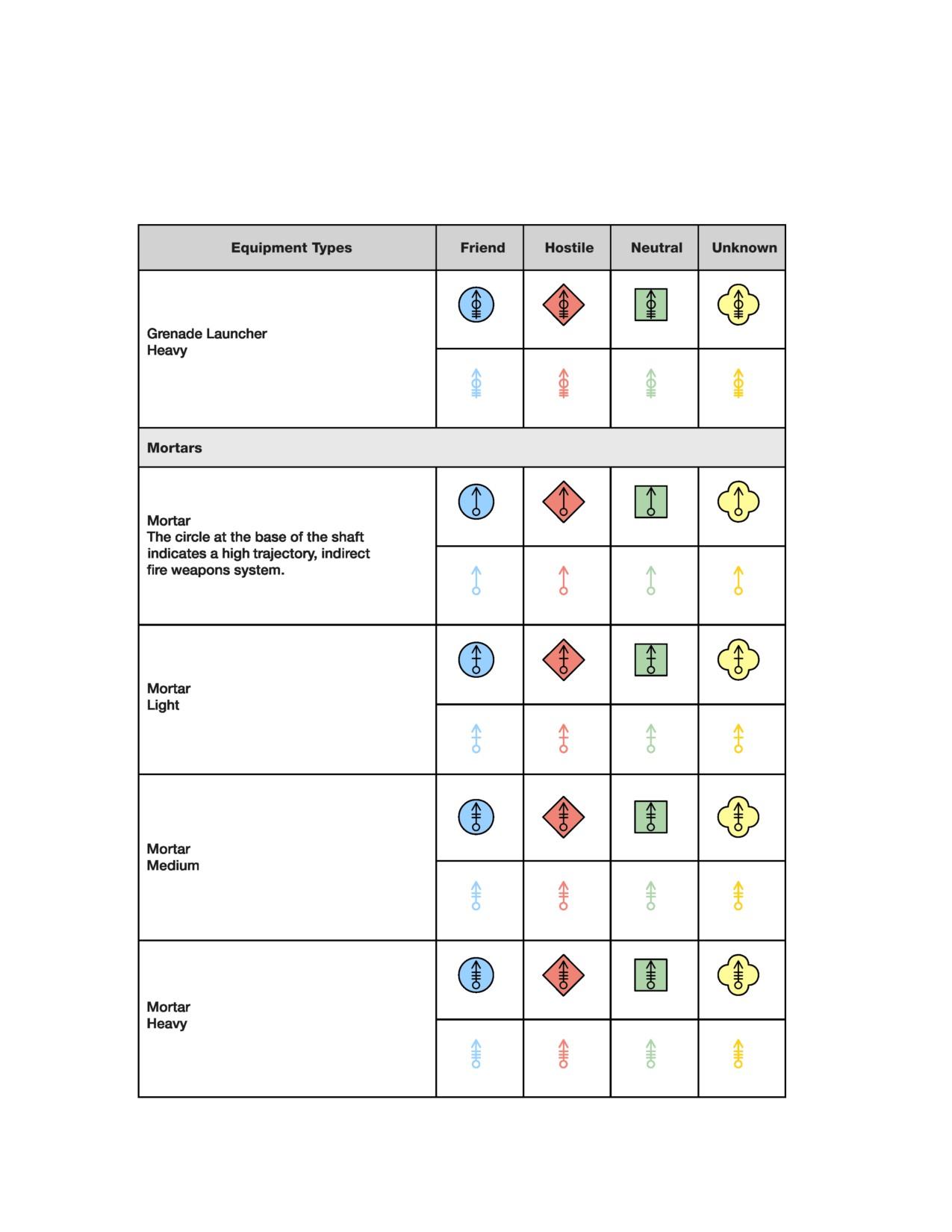
FM 1-02/MCRP 5-12A________________________________________________________________
Table 6-4. Field A: Equipment Types
6-14
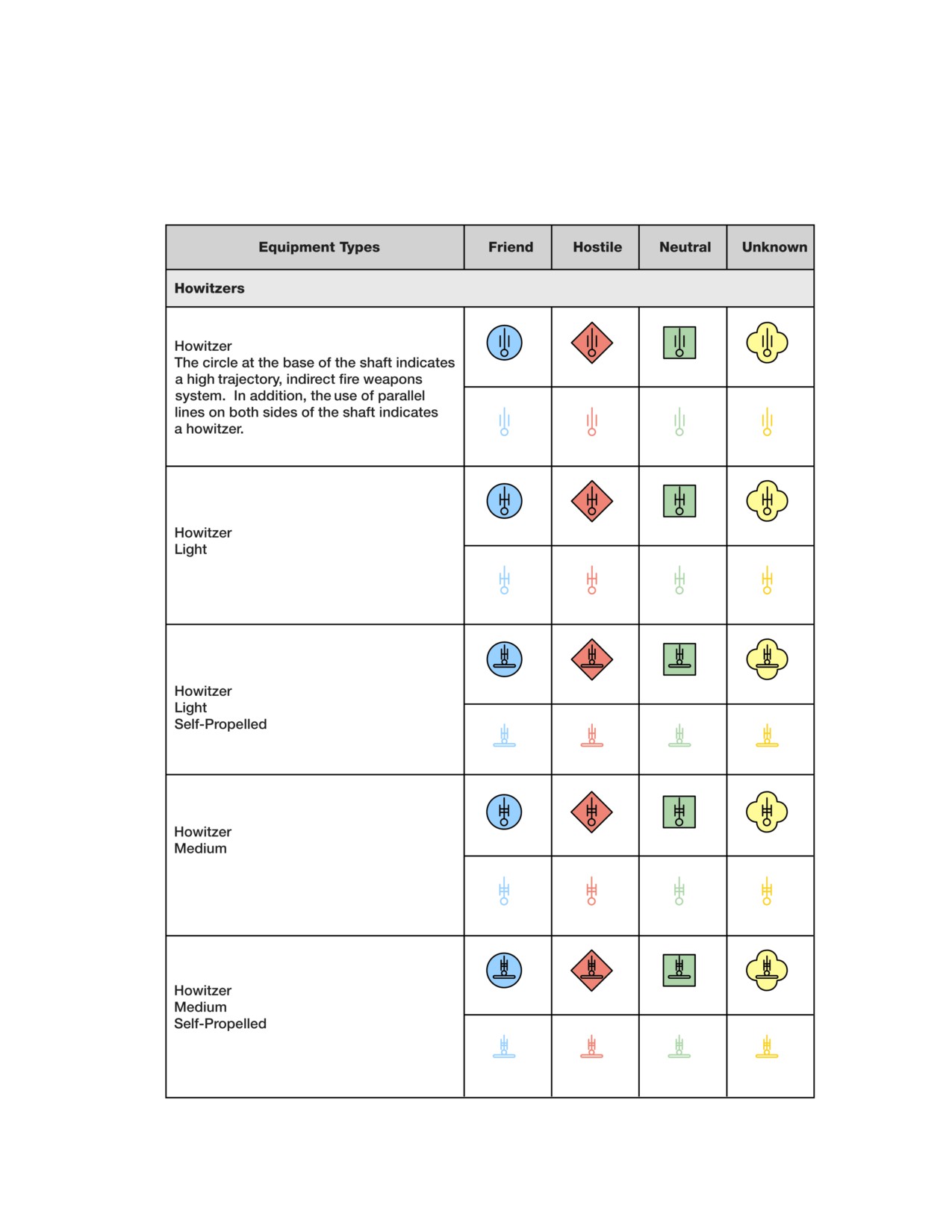
________________________________________________________________Equipment Symbols
Table 6-4. Field A: Equipment Types
6-15