FM 3-04.111 (FM 1-111) Aviation Brigades (AUGUST 2003) - page 6
FM 3-04.111 (FM 1-111)
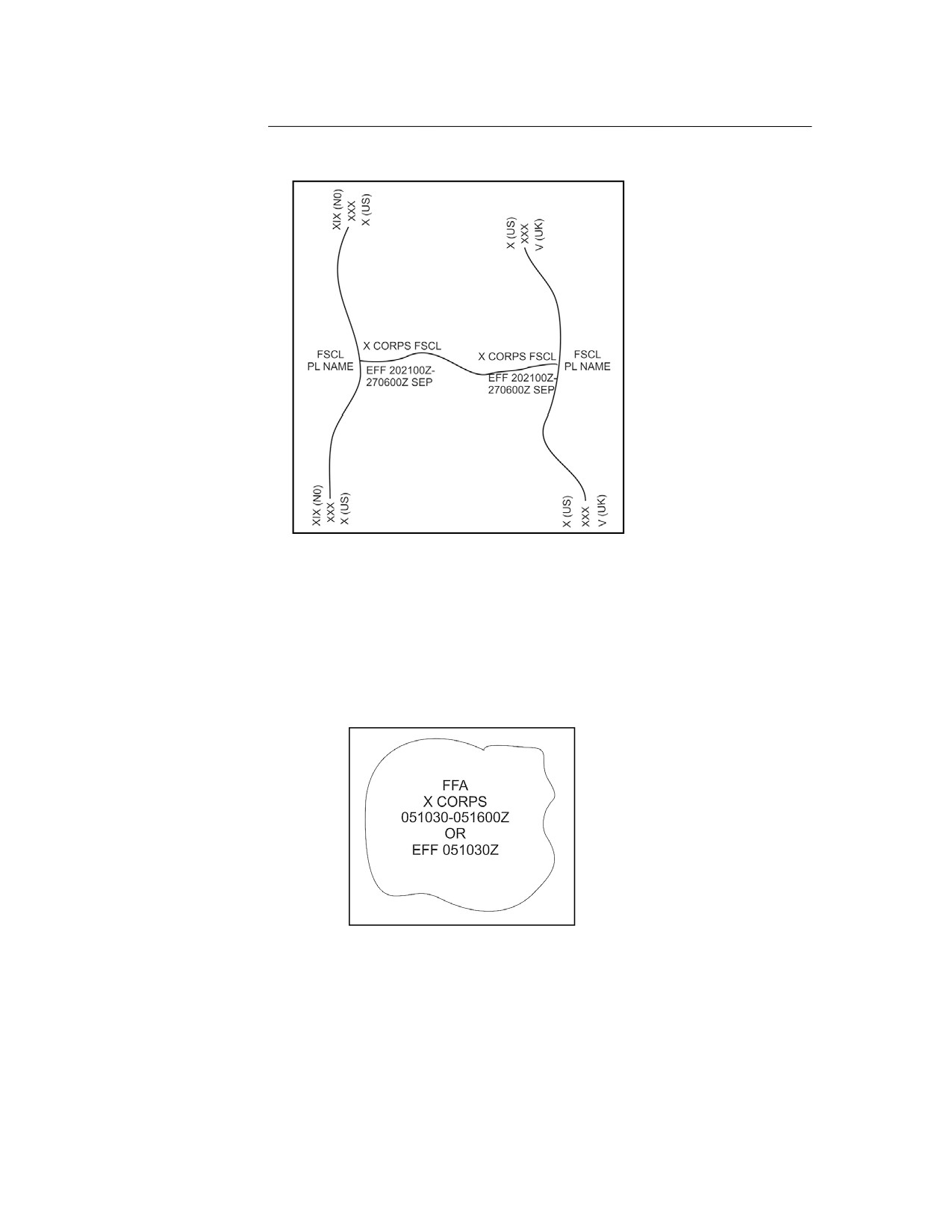
Figure 7-3. Fire Support Coordination Line
Free Fire Area
7-20. The free fire area (FFA) is a specific designated area into which any
weapon system may fire without additional coordination with the
establishing headquarters. Normally, it is established on identifiable terrain
by division or higher headquarters (Figure 7-4) (see FM 6-20 series).
Figure 7-4. Free Fire Area
Restrictive Fire Area
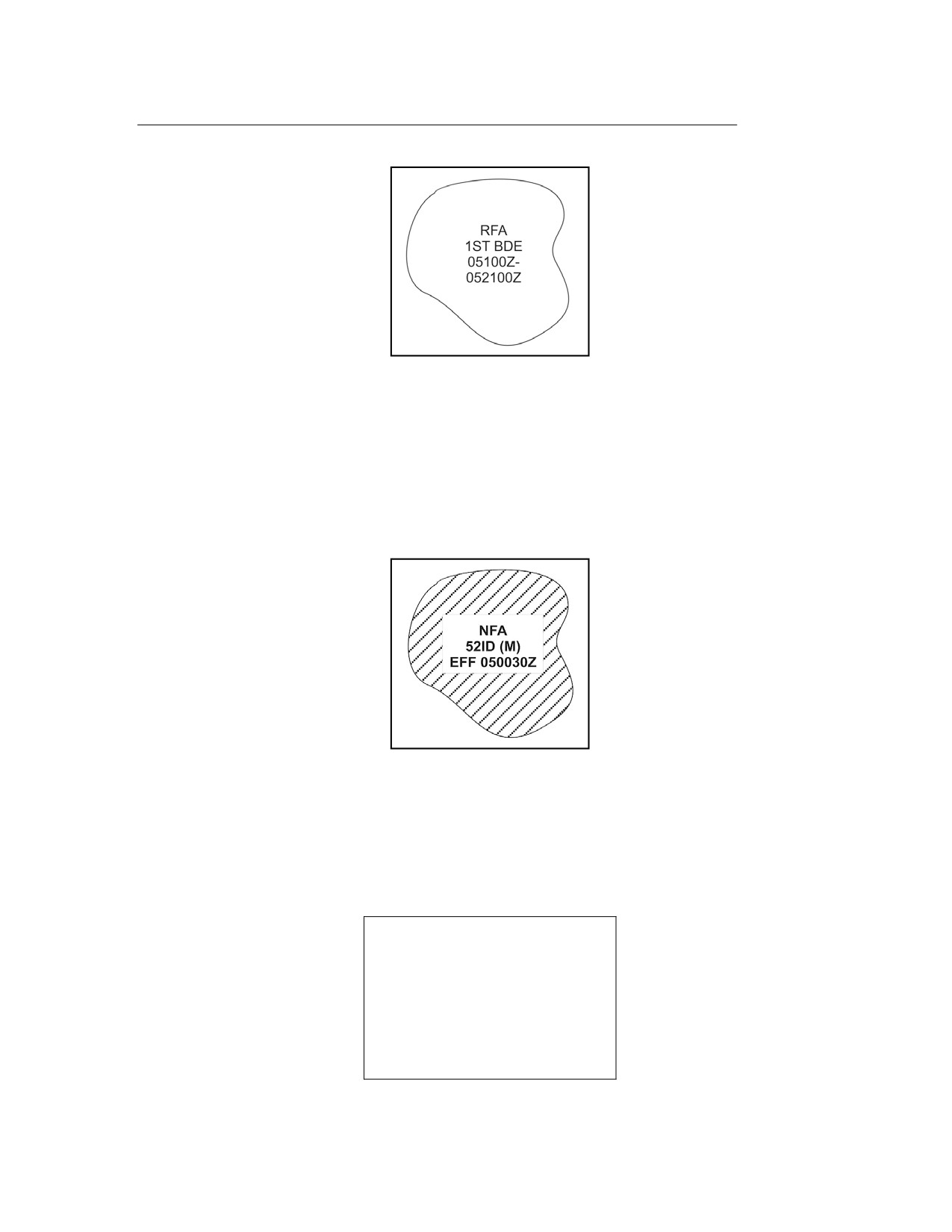
7-21. The restrictive fire area (RFA) is an area in which specific restrictions
are imposed. Fires that exceed those restrictions may not be delivered
without prior coordination with the establishing headquarters (Figure 7-5)
(see FM 6-series).
7-6
Chapter Seven
Figure 7-5. Restrictive Fire Area
No-Fire Area
7-22. The no-fire area (NFA) is an area in which no fires or effects of fires are
allowed. Two exceptions are when establishing headquarters approves fires
temporarily within the NFA on a mission basis, and when the enemy force
within the NFA engages a friendly force, the commander may engage the
enemy to defend his force (Figure 7-6).
Figure 7-6. No-Fire Area
Airspace Coordination Area
7-23. The airspace coordination area is the airspace defined by the
boundaries of the AO. It may be divided into airspace control subareas
(Figure 7-7) (see FM 3-52 [FM 100-103]).
AIRSPACE COORDINATION AREA
53ID (M)
MIN ALT: 500
MAX ALT: 3000
GRIDS NK2313 TO KN 3013
TO NK2320 TO NK3022
EFF: 281400ZAPR-
281530ZAPR
Figure 7-7. Airspace Coordination Area
7-7
FM 3-04.111 (FM 1-111)
NONLETHAL EFFECTS
7-24. Nonlethal systems are discussed below.
7-25. Electronic attack and special IO are used to degrade, neutralize, or
destroy enemy C2. They include deception and computer network attack.
7-26. PSYOP influence enemy force behavior in support of U.S. national
interests and other information-related activities.
7-27. Civil affairs teams are used to influence relations between military
forces and civil authorities.
7-28. Public affairs teams provide media support according to the public
affairs information strategy and conduct media facilitation, as necessary.
CLOSE AIR SUPPORT
7-29. CAS missions are air strikes against hostile targets close to friendly
forces. These missions require detailed integration with the fire and
maneuver of supported forces to increase effectiveness and avoid fratricide.
The ALO and TACP integrate CAS and other USAF fires. Chapter 3
discusses ALO duties.
PREPLANNED AND IMMEDIATE REQUESTS
7-30. CAS missions are executed based on preplanned or immediate
requests.
Preplanned Requests
7-31. Preplanned requests permit detailed planning, integration, and
coordination with the ground tactical plan. Munitions can be tailored
precisely to the target, and complete mission planning can be accomplished.
The aviation brigade S3, FSO, and ALO review unit requests for suitability of
the target and potential airspace conflicts. As a minimum, they integrate the
request into the FS plan. The S3 may add the missions to other preplanned
requests, consolidate it with other requests, or assign it a priority. The
consolidated preplanned mission request is then forwarded to the higher
headquarters S3/G3 Air.
Immediate Requests
7-32. Immediate requests fulfill urgent, unforeseen requirements. Details of
the mission are generally coordinated while CAS aircraft are held on airstrip
alert or are airborne. The aviation brigade S3 and ALO evaluate the request
and pass it to higher headquarters.
GROUND AND AIR ALERTS
7-33. The commander may request CAS to be placed on either ground or air
alert. Planning for either of these options can improve the responsiveness of
CAS. CAS assets on air alert close behind the forward edge of the battle area
(FEBA) may be able to respond to a preplanned request within five minutes.
Conversely, even in response to an immediate request, diverted aircraft or
aircraft on ground alert may require 30 to 60 minutes for launch and transit.
7-8
Chapter Seven
The specific tactical situation and type CAS aircraft available dictate the
better option.
CLOSE AIR SUPPORT TARGET ACQUISITIONING AND TARGETING
7-34. CAS also can acquire targets. S3 personnel work closely with the ALO
to ensure that other means are used to attack acquired targets not suitable
for air attack. To be effective, CAS must be employed against targets that
present the most immediate threat. Almost any threat encountered inside the
FSCL and near the FLOT may be suitable for CAS targeting. Indiscriminate
use of CAS may increase aircraft attrition and the chances of fratricide.
Mobile massed armor formations present the most immediate threat to
friendly ground forces and, thus, are prime candidates for air attack.
CLOSE AIR SUPPORT CAPABILITIES AND LIMITATIONS
7-35. JP
3-09.3 provides key employment guidelines, capabilities, and
limitations.
Capabilities
7-36. CAS capabilities include high-speed and long-range support, versatile
weapon/ammunition mixes, and accurate delivery. CAS pilots have an
excellent air-to-ground communications capability and can strike moving
targets. In addition, night CAS is available using AC-130 gunships that can
provide accurate support for extended periods.
Limitations
7-37. CAS aircraft are limited by resource scarcity, delivery restrictions
caused by limited visibility, adverse weather, or the proximity of friendly
forces. CAS flight restrictions caused by enemy ADs may impose delayed
response and short loiter times, or may limit reattack capabilities.
CLOSE AIR SUPPORT COORDINATION AND CONTROL
7-38. A TACP advises the ground commander and staff on the integration of
CAS with ground operations. The TACP also coordinates and directs close air
strikes. In an emergency, a qualified Army person designated by the ground
commander may control an air strike. When this occurs, the ground
commander assumes responsibility for the safety of ground units. When
ordnance is a factor in the safety of friendly units, the aircraft's axis of attack
should be parallel to the friendly forces. The person controlling the air strike
locates and describes the target, identifies friendly positions, and relays this
information to the pilots. Although most fighter aircraft have FM radio
capability, the ground commander may have to relay this information
through an Army aircraft that has both FM and UHF capabilities.
NAVAL SURFACE FIRE SUPPORT
7-39. NSFS can provide large volumes of immediate, responsive FS to land
combat forces operating near coastal waters. Naval ships may be assigned
missions in DS or GS. Ships assigned the mission of DS provide fires for a
committed maneuver unit. Ships assigned the mission of GS provide fires for
7-9
FM 3-04.111 (FM 1-111)
a committed maneuver brigade or larger unit. Naval gunfire liaison sections
may be attached to Army and allied headquarters from the maneuver
company to division level.
SECTION III - AIR DEFENSE
7-40. It is possible that the enemy occasionally will control some of the
airspace above the battlefield. Beyond its supporting AD systems, the
aviation brigade may have to contribute directly to the AD effort.
PLANNING AND EMPLOYMENT
7-41. When deployed, the aviation brigade is augmented with an AD
element. The commander analyzes the AO, terrain, numbers and types of
enemy aircraft expected, and likely fixed- and rotary-wing air avenues of
approach. He then balances the threat analysis against the available AD
weapons. After the commander establishes priorities, the S3 and AD officer
determine the specifics of AD weapons allocation and positions to be
occupied. The S3 coordinates and supervises supporting AD activities
throughout the operation.
7-42. In digital units, the air and missile defense work station (AMDWS)
assists the commander in AD planning and interface.
AIRSPACE FIRE CONTROL MEASURES
7-43. Airspace fire control measures are used to facilitate the rapid
engagement of targets while providing safeguards for friendly forces. JP 3-52
and FM 3-52.2 [FM 100-103-2] provide additional information.
Air Defense Operations Area
7-44. An AD operations area is an area and the airspace above it where
procedures are established to minimize mutual interference between AD and
other operations. It may include designation of one or more of the following:
AD action area, AD identification zone, or firepower umbrella.
Weapons Engagement Zone
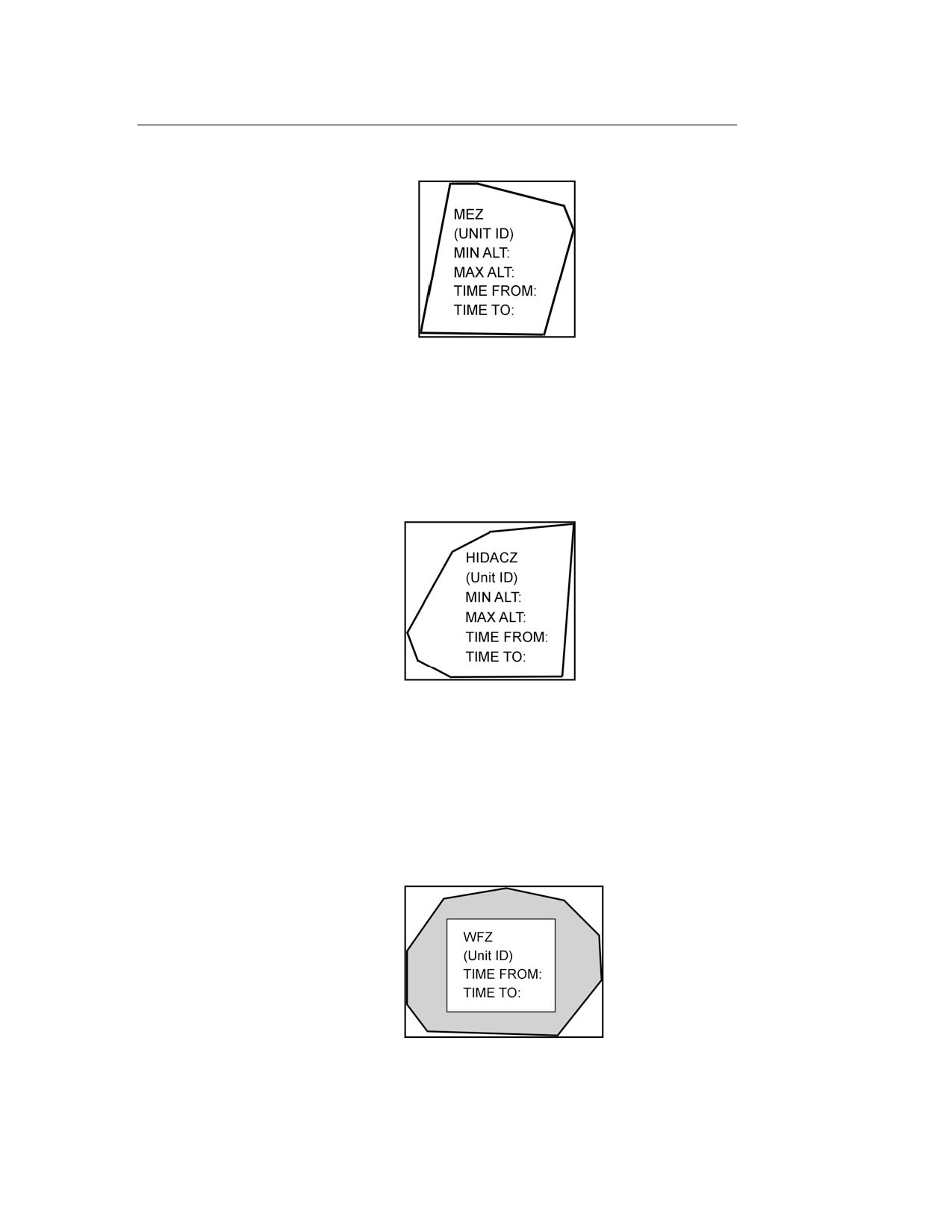
7-45. A weapons engagement zone (WEZ) is airspace of defined dimensions
where the responsibility for engagement normally rests with a particular
weapon system (Figure 7-8). Some examples of WEZs are—
• Fighter engagement zone (FEZ).
• High altitude missile engagement zone. (HIMEZ).
• Joint engagement zone (JEZ). JEZ is airspace of specific dimensions
where friendly surface-to-air missiles and fighters are simultaneously
employed.
• Low altitude missile engagement zone (LOMEZ).
• Short range AD engagement zone (SHORADEZ).
7-10
Chapter Seven
Figure 7-8. Missile Engagement Zone
High Density Airspace Control Zone
7-46. A high density airspace control zone (HIDACZ) is a defined area of
airspace in which there is a concentrated employment of weapons and
airspace users. The zone has defined dimensions that usually coincide with
geographical features or NAVAIDs (Figure 7-9).
Figure 7-9. High-Density Airspace
Control Zone
Weapons Free Zone
7-47. A weapons free zone (WFZ) is an AD zone established for the protection
of key assets. It is a zone where weapons systems may be fired at any target
not positively identified as friendly (Figure 7-10).
Figure 7-10. Weapons Free Zone
7-11
FM 3-04.111 (FM 1-111)
Restricted Operations Area/Restricted Operations Zone
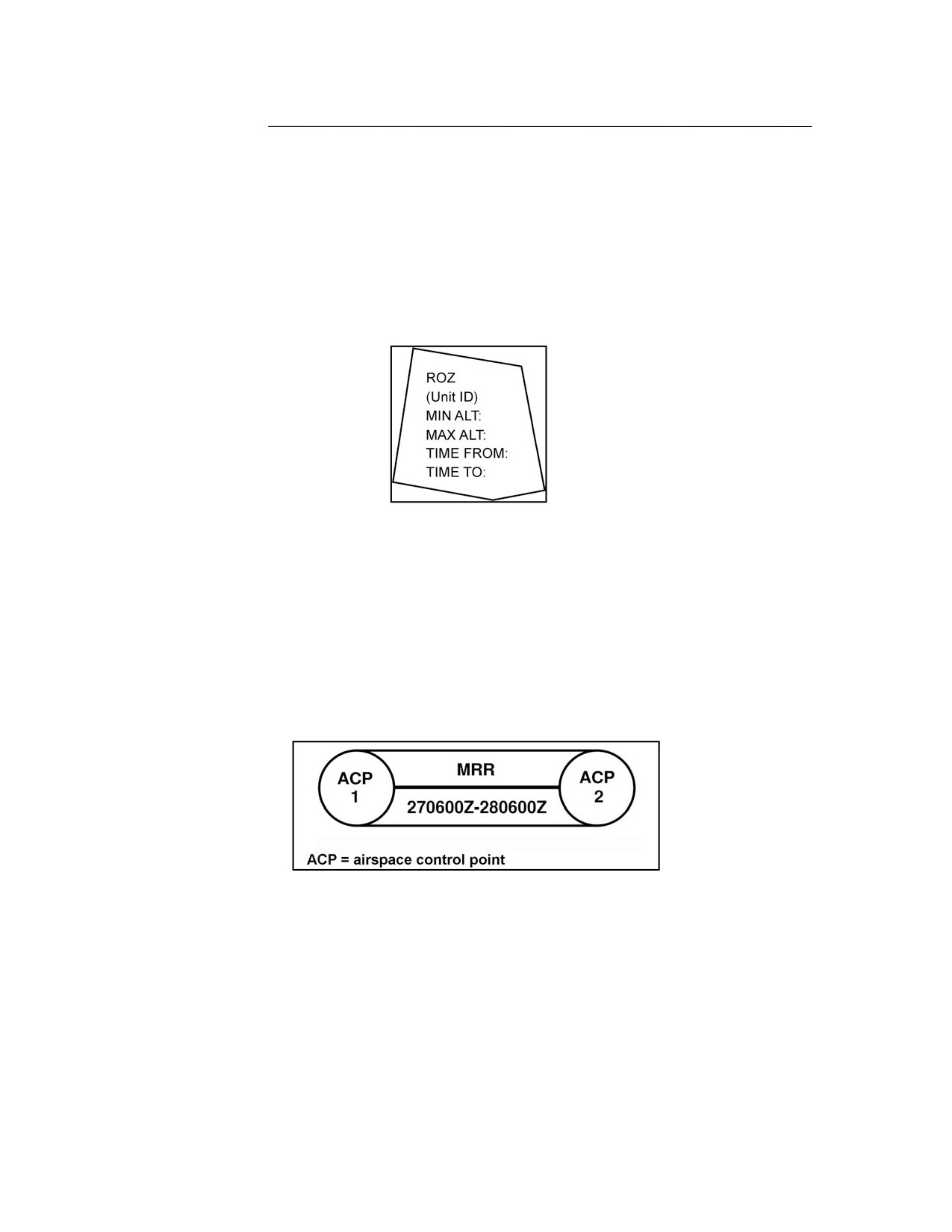
7-48. Restricted operations areas
(ROAs) and restricted operations zone
(ROZs) are synonymous terms for defining a volume of airspace set aside for
a specific operational mission or requirement. This procedure restricts some
or all airspace users from this area until termination of the mission. It
normally is used for drop or LZ activity and search and rescue
(SAR)
operations (Figure 7-11).
Figure 7-11. Restricted Operations
Zone
Minimum Risk Route
7-49. Minimum risk route
(MRR)s are temporary corridors of defined
dimensions recommended for use by high-speed, fixed-wing aircraft that
presents the minimum known hazards to low flying aircraft transiting the
theater airspace. MRRs normally extend from the corps rear boundary to the
FSCL. Low-level transit routes (LLTR) are employed in a similar fashion in
North Atlantic Treaty Organization (NATO) (Figure 7-12).
Figure 7-12 Minimum Risk Route
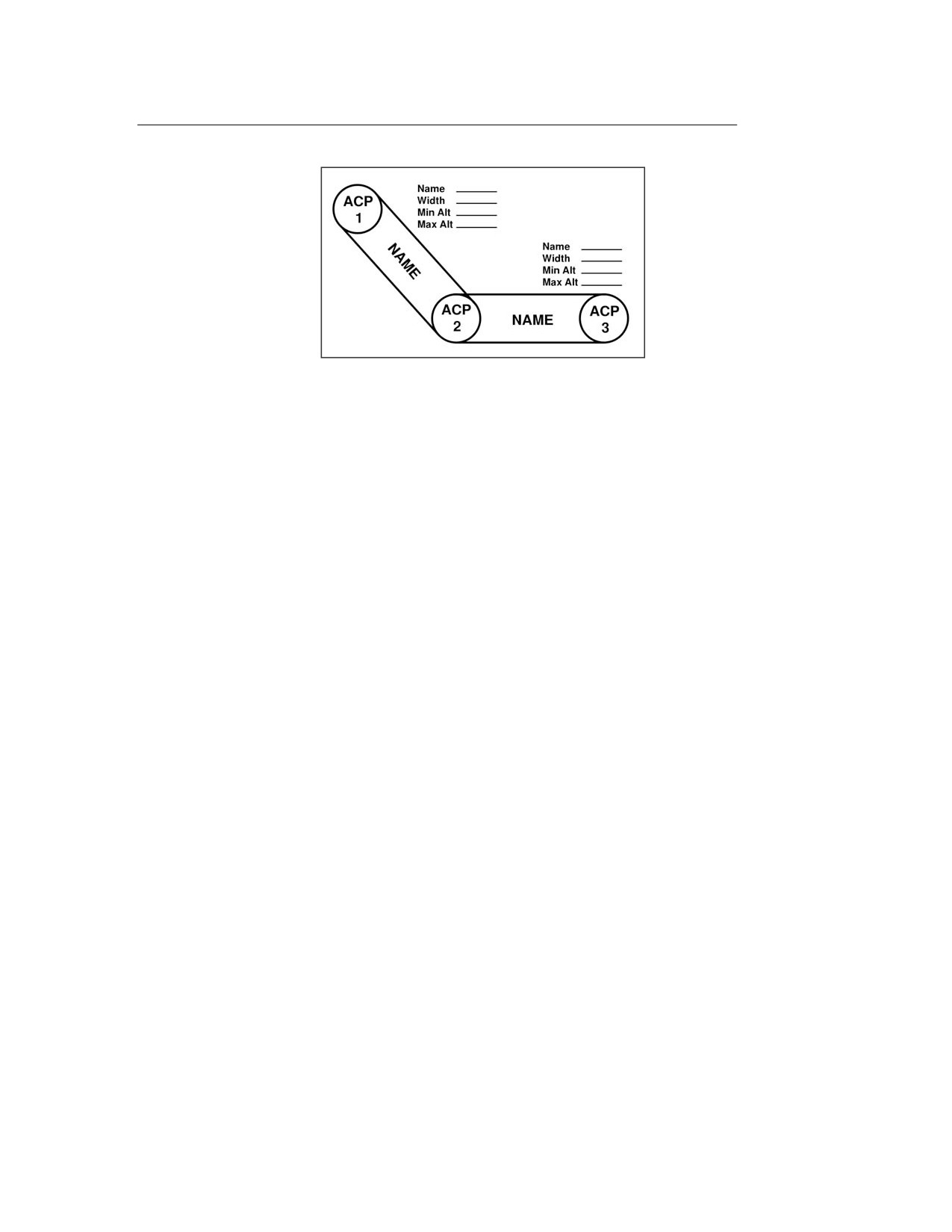
Standard Use Army Aircraft Flight Route
7-50. Standard-use army aircraft flight route
(SAAFRs) are routes
established below the coordinating altitude to allow the Army commanders to
safely route movement of their aviation assets performing CS and CSS
missions. Although jointly recognized, these routes do not need airspace
control authority approval. SAAFRs normally are located in the corps
through brigade rear areas but may be extended to support logistics missions
(Figure 7-13).
7-12
Chapter Seven
Figure 7-13. Standard use Army Aircraft Flight Route
ACTIVE AIR DEFENSE
7-51. Active AD is direct action taken to destroy enemy aerial platforms or
reduce their effectiveness. The aviation brigade can attempt to engage and
destroy threat aircraft with its air-to-air systems, vehicular-mounted
weapons, and small arms. Generally, units should not engage enemy aircraft
with ground fire unless they are being attacked. Primary defense is good
camouflage, to include camouflage of helicopters. FM 3-01.8 (FM 44-8) details
the use of small arms in the AD role.
PASSIVE AIR DEFENSE
7-52. The aviation brigade takes measures to avoid detection by enemy
aircrews. Such measures are known as passive AD. Threat aircrews may or
may not need to see and identify a target to attack it. The effectiveness of
enemy helicopters and high-performance aircraft is greatly reduced when
units take advantage of terrain for cover and concealment.
STATIONARY UNITS
7-53. Stationary units should take the following precautions:
• Occupy positions that offer cover and concealment.
• Immediately wipe out vehicle track marks leading to and around the
position.
• Ensure new tracks follow existing paths, roads, fences, or natural lines
in the terrain pattern.
• Avoid silhouetting vehicles against the skyline or against an area of a
different color.
• Post air guards in dismounted positions to provide warning of
approaching aircraft.
• Rotate air guards frequently because scanning for long periods dulls
visual perception.
• Disperse vehicles to make detection difficult, and to reduce the
possibility of multiple losses from a single engagement.
7-13
FM 3-04.111 (FM 1-111)
• To reduce glare, place camouflaged coverings on the windshields,
mirrors, and headlights of vehicles and on aircraft canopies. Exposed
vehicles should be thoroughly camouflaged.
• Open vehicle hoods to break up silhouettes and allow for more rapid
cooling of engines to counter enemy IR detection devices.
• Hide or camouflage aircraft as required.
• Operate during limited visibility as much as possible.
• Establish a scatter plan from the AA.
MOVING UNITS
7-54. Moving units should take the following precautions:
• Travel in open columns with
80 to
100 meters between vehicles.
Dispersion decreases target density and reduces the lethal effects of
enemy ordnance.
• Post air guards on vehicles to provide warning of approaching aircraft.
• Rotate air guards frequently because scanning for long periods dulls
visual perception.
• Maintain COMSEC.
• Use covered and concealed routes.
• If attacked, turn vehicles 90 degrees from the direction of attack.
• Limit movements to periods of limited visibility as much as possible.
• Use armed helicopters for convoy security.
SECTION IV - ENGINEER SUPPORT
7-55. The aviation brigade may receive engineer support for a specified
mission or time.
PLANNING CONSIDERATIONS
7-56. The senior engineer officer advises the commander about using
engineers and their equipment. When planning engineer support for tactical
operations, the commander should consider that engineers will accompany
lead ground elements and be employed as far forward as possible.
FUNCTIONS
7-57. Engineer units provide countermobility, survivability, and sustainment
support. Engineer support should be incorporated into the defense plan.
Engineer units can also perform infantry combat missions, if essential. FM 3-
34
(FM
5-100) contains detailed information about engineer combat
operations.
COUNTERMOBILITY SUPPORT
7-58. Part of the countermobility task is to disrupt attackers or turn them
into selected areas such as EAs. These operations canalize the enemy,
degrade their ground mobility, and increase their time in the killing zone.
7-14
Chapter Seven
Countermobility efforts also ensure that maximum combat power is massed
on enemy concentrations. The aviation brigade can support these operations
through the emplacement of aerial delivered minefields.
SURVIVABILITY SUPPORT
7-59. Engineer survivability operations protect semifixed positions from
enemy observation and fires. Engineers provide this protection for CPs,
FARPs, maintenance, sleeping, and other facilities. They can also build
aircraft revetments and perimeter defenses.
INFANTRY COMBAT MISSION
7-60. When engineers perform as infantry, their ability to accomplish
specialized engineer missions is significantly degraded. The infantry mission
is assigned only when essential. The aviation brigade must provide its own
perimeter defense. Perimeter defense is not an engineer function.
SECTION V - MILITARY POLICE SUPPORT
7-61. The aviation brigade may find itself working with or in support of MPs,
particularly in SASO. MPs perform missions critical to the success of the
tactical commander's intent and concept of operation. They expedite
movement of combat resources on MSRs leading into rear areas, and patrol
their AO to protect critical locations and facilities. They evacuate enemy
prisoners of war
(EPW) from forward areas and conduct law-and-order
operations. These services include investigating criminal offenses, performing
law enforcement operations, and confining U.S. military prisoners. FM 3-
19.10 [FM 19-10] discusses MPs.
BATTLEFIELD MISSIONS
7-62. The specific operations MPs perform at a given time are determined by
the tactical commander's needs and the availability of MP resources.
BATTLEFIELD CIRCULATION CONTROL
7-63. Battlefield circulation control (BCC) helps move military traffic along
MSRs. MPs reroute traffic to meet changes in tactical situations, enforce
MSR regulations, reconnoiter primary and alternate MSRs, and control
refugees and stragglers. As MPs perform these functions they collect and
report information on friendly and enemy situations. They monitor road and
traffic conditions and report the status of key terrain influencing the military
road network.
AREA SECURITY
7-64. MPs protect designated facilities, units, convoys, MSR critical points,
and people from enemy activity in the rear area. They also conduct area
reconnaissance to gather and document information about enemy activity.
7-15
FM 3-04.111 (FM 1-111)
REAR AREA OPERATIONS
7-65. MPs conduct rear area operations to identify, intercept, and destroy
small enemy forces before they can close on their objective. They normally are
designated as a response against Level II threat attacks on bases and units
that cannot defeat the enemy without assistance. MPs determine the size and
intent of Level III threat forces, delay and disrupt their progress, and hand
over the battle to regular combat forces.
AREA DAMAGE CONTROL OPERATIONS
7-66. MPs perform these operations to reduce the damage caused by hostile
actions, natural disasters, and man-made disasters. They provide support
including BCC and limited local physical security when required.
ENEMY PRISONER OF WAR CONTROL
7-67. MPs control the flow of EPWs from capture to internment. They
operate a forward EPW collecting point at the brigade and central collecting
points at division and corps.
LAW AND ORDER
7-68. If needed, MPs provide police services on the battlefield. These services
include investigating criminal offenses, performing law enforcement
operations, and confining U.S. military prisoners.
SECTION VI - PSYCHOLOGICAL OPERATIONS
7-69. PSYOP teams use persuasion to influence perceptions and encourage
desired behavior. The cornerstone of PSYOP is truth, credibly presented to
convince a given audience to cease resistance or take actions favorable to
friendly forces.
GENERAL
7-70. PSYOP teams enable commanders to communicate information to large
audiences via radio, television, leaflets, loudspeakers, and internet-based
distribution (particularly in a SASO environment). They seek to demoralize
the enemy by causing dissention and unrest in their ranks, while at the same
time persuading the local population to support U.S. troops. PSYOP teams
are also provided with continuous analysis of the attitudes and behavior of
enemy forces so they can develop, produce, and employ information
communication successfully.
AVIATION IN PSYCHOLOGICAL OPERATIONS
7-71. The aviation brigade may be called upon to enhance C2 or fly missions
whose intent is purely psychological (such as dropping leaflets, show of force,
and loud speaker platform). Other missions whose intent is purely tactical
can produce residual psychological effects. An example is an attack company
raid that destroys a logistics site 100 km behind the FLOT. The psychological
7-16
Chapter Seven
effect on the enemy force in contact could be as demoralizing as a direct fire
engagement.
SECTION VII - CIVIL AIR SUPPORT
7-72. Civil affairs teams are the commander's link to the civil authorities in
the AO. They assist a host government in meeting its peoples' needs and in
maintaining a stable and viable civil administration.
GENERAL
7-73. Civil affairs specialists identify critical requirements of civilians in war
or disaster situations. They also can—
• Locate civil resources to support military operations.
• Help minimize civilian interference with operations.
• Support national assistance activities.
• Plan and execute noncombatant evacuation.
• Support counter-drug operations.
• Establish and maintain liaison or dialogue with civilian personnel
agencies, commercial organizations, and private organizations.
AVIATION IN CIVIL AFFAIRS OPERATIONS
7-74. The aviation brigade may airlift supplies and equipment, assist in
evacuation of noncombatants, conduct reconnaissance (locate noncombatants,
suspected drug facilities), and provide security for all stages of these
missions. During counter-drug operations, armed aircraft could be called on
to attack and destroy drug-making or storage facilities.
SECTION VIII - AIR FORCE WEATHER TEAM SUPPORT
7-75. Weather teams provide information essential to the commander's
tactical decision-making and aircrews' flight planning. This support is
required on a continuous basis.
WEATHER TEAMS
7-76. Weather teams exist at brigade and higher echelons. Depending on the
echelon, teams consist of a staff officer with forecasters and observers. In
those instances where aviation elements are operating independent of the
aviation brigade, necessary coordination must be made to insure availability
of weather support for aviation operations.
7-17
Chapter 8
Combat Service Support
SECTION I - OVERVIEW
SUSTAINMENT IMPERATIVES
8-1. Operations and CSS are inextricably linked. Sustaining the battle
requires commanders and staffs to adhere to the following CSS
characteristics (FMs 3-0 [FM 100-5] and 4-0 [FM 100-10]):
• Responsiveness.
• Simplicity.
• Economy.
• Flexibility.
• Attainability.
• Sustainability.
• Survivability.
• Integration.
RESPONSIVENESS
8-2. Responsiveness is the key characteristic of CSS. It means providing the
right support in the right place at the right time, and the ability to meet
changing requirements on short notice. Logisticians anticipate events and
requirements by understanding the commander's plan and foreseeing events
as operations unfold. This involves forecasting and providing necessary on-
hand assets, capabilities, and information necessary to meet support
requirements. On the other hand, accumulating materiel and personnel
reserves to address every possible contingency wastes resources and may
deprive other units in need.
SIMPLICITY
8-3. Complexity should be avoided in the planning and execution of
maintenance and logistics operations. Mission orders, drills, rehearsals, and
SOPs contribute to simplicity.
ECONOMY
8-4. If not properly prioritized, resources may become limited. Commanders
prioritize resources according to mission requirements.
FLEXIBILITY
8-5. The key to flexibility lies in adapting available logistics structures and
procedures to changing situations, missions, and concepts of operations.
Improvised methods and support sources can maintain CSS continuity when
8-0
Chapter Eight
the preferred method is undefined or not usable to complete the mission.
Extraordinary methods may be necessary to get things done, particularly
when the brigade is conducting separate, simultaneous operations
throughout the AO.
ATTAINABILITY
8-6. Attainability is procuring the minimum essential supplies and services
necessary to begin operations. Commanders determine minimum acceptable
levels of support and sustainment operations. This includes replenishment
actions to comply with authorized stockage lists (ASL) levels.
SUSTAINABILITY
8-7. Sustainability is maintaining continuous support during all phases of
campaigns and major operations.
SURVIVABILITY
8-8. Being able to protect support functions from destruction or degradation
contributes to survivability. Robust and redundant support contributes to
survivability, but may run counter to economy.
INTEGRATION
8-9. Integration consists of synchronizing CSS operations with all aspects of
tactical operations. Logistics units must be organized to execute fix forward
doctrine while giving the commander the greatest possible freedom of action.
FUNDAMENTALS OF SUPPORT
8-10. Units take advantage of host-nation resources through formal
agreements, pursue ad hoc measures, forage, and use captured materiel.
These factors are essential to the success of sustained operations.
8-11. Under the direction of the XO, the S1 and S4 coordinate supply,
maintenance, personnel support, and health service activities with the S3
and S2 to support combat operations. CSS operations are conducted primarily
through the HHC and AVIM companies. The brigade also depends on CSS
from DISCOM or COSCOM.
8-12. Priorities for CSS are based on the tactical plan. Effective
communications between aviation units, supporting staffs, and AVIM units
enable the support commander to emphasize the flow of supplies rather than
the buildup of stocks. Stockage of critical supplies near points of anticipated
consumption may be necessary to permit continued operations in case the
CSS system is disrupted, but such action should not impede the mobility of
the maneuver battalions. Constant and complete coordination is necessary to
ensure effective and integrated transportation support.
COMBAT MISSION
8-13. The combat mission is the foremost consideration. Maintenance,
supply, and other support elements must be far enough forward to be
immediately responsive to the requirements of maneuver units. Resources
and priorities must be tailored to changing combat situations.
8-1
FM 3-04.111 (FM 1-111)
Offensive Operations
8-14. Maintenance support in offensive operations must enable maneuver
units to maintain the momentum. Maintenance managers prepare and
organize for offensive operations based on the particular type of operation to
be supported and the nature of the battlefield. Support of offensive operations
must provide—
• Forward positioning of prescribed load list (PLL) support package and
supplies.
• Maximum use of maintenance support teams (MST) in forward areas.
• Use of airlift and airdrop for resupply of PLL items and supplies.
• Adequate communications between supported and supporting units.
• Means to ensure that maintenance preparation for the offense does not
interfere with tactical plans and operations.
Defensive Operations
8-15. Maintenance managers work with tactical commanders to ensure they
can effectively support the wide range of operations available to the tactical
commander. Maintenance managers should—
• Make maximum use of MST to repair equipment as far forward as
possible.
• Ensure that PLL items and supplies in the forward main battle area
are adequate.
• Keep their units mobile.
• Ensure that downed aircraft recovery teams (DARTs) are formed to
remove disabled aircraft.
8-16. During tactical retrograde operations, efforts should be made to
establish maintenance elements in depth and rearward, to limit the flow of
maintenance repair parts and supplies forward to only the most combat-
essential elements, and to keep supply and evacuation routes open. Fallback
points along withdrawal routes are preplanned for evacuation of supplies and
equipment.
Support Operations on the Nonlinear Battlefield
8-17. Maintenance managers may be required to support in two or more
areas simultaneously. The composition of the aviation force and availability
of U.S. or allied bases influence the composition of the aviation logistics and
maintenance package. To support these types of operations, maintenance
managers evaluate maintenance mission requirements and form MSTs to
support mission requirements and operations. If supporting from multiple
areas is to be long term, additional personnel and equipment should be
requested..
COMBAT SERVICE SUPPORT FUNCTIONS
8-18. DISCOMs and COSCOMs provide CSS to aviation brigades. CSS assets
of the brigade normally operate in combat and field trains configurations
during MTW, and as determined by the factors of METT-TC for SSC and
8-2
Chapter Eight
SASO. This chapter concentrates on supply and maintenance, but provides
brief summaries and references for the other CSS functions.
SUPPLY
8-19. Supply involves acquisition, management, receipt, storage, and issue of
all classes of supply except Class VIII. FM 3-04.500 (FM 1-500) gives more
details on supply operations. FM 3-04.500 (FM 1-500), FM 4-0 (FM 100-10),
JP 4-0, JP 4-03, and FM 4-20 (FM 10-1) contain additional information.
MAINTENANCE
8-20. Maintenance entails keeping materiel in operational condition,
returning it to service, or updating and upgrading its capability. It includes
performance of preventive maintenance checks and services
(PMCS);
recovery and evacuation of disabled equipment; diagnosis of equipment
faults; substitution of parts, components, and assemblies; exchange of
serviceable materiel for unserviceable materiel; and repair of equipment. FM
3-04.500 (FM 1-500) gives more details on aviation maintenance operations.
FM 4-0 (FM 100-10) and FM
4-30.3
(FM 9-43-1) contain additional
information.
TRANSPORTATION
8-21. Transportation is movement and transfer of units, personnel,
equipment (including disabled vehicles and aircraft), and supplies to support
the concept of operation. It incorporates military, commercial, and supporting
nation capabilities. Transportation assets include motor, rail, air/water
modes and units; terminal units, activities, and infrastructure; and
movement control units, activities, and systems. FM 4-0 (FM 100-10) and JP
4-01 contain additional information.
HEALTH SERVICE SUPPORT
8-22. HSS is defined as all services performed, provided, or arranged to
promote, improve conserve, or restore the mental or physical well-being of
personnel in the Army and, as directed, in other services, agencies, and
organizations. The functional areas of HSS are—
• Medical treatment (area support).
• MEDEVAC and medical regulating.
• Hospitalization.
• Veterinary services.
• Preventive medical services.
• Dental services.
• Combat operational stress control.
• Health service logistics.
• Medical laboratory services.
• Medical C4I.
8-23. JP
4-02, FM 4-0
(FM 100-10), and FM 4-02
(FM 8-10) contain
additional information.
8-3
FM 3-04.111 (FM 1-111)
FIELD SERVICES
8-24. Field services involve feeding, clothing, and providing personal
services. It encompasses clothing exchange, laundry, shower, textile repair,
mortuary affairs, aerial delivery, and food services. FM 4-0 (FM 100-10), FM
4-20 (FM 10-1), and JP 4-06 contain additional information.
EXPLOSIVE ORDNANCE DISPOSAL SUPPORT
8-25. Explosive ordnance disposal (EOD) support can neutralize domestic or
foreign conventional, NBC munitions, as well as improvised devices. FM 4-0
(FM 100-10), FM 3-100.38 (FM 100-38), and FM 4-30.5 (FM 9-15) contain
additional information.
PERSONNEL SUPPORT
8-26. Personnel support provides activities and functions to sustain manning
the force and personnel service support. It ensures that trained personnel in
the right quantities are available when and where they are required. It
involves personnel readiness management, replacement, and career
management; strength accounting; replacement operations; casualty
operations; postal operations; human relations programs; morale, welfare,
and recreation; and community support activities. FM 4-0 (FM 100-10),
FM 1-0 (FM 12-6), and JP 1-0 contain additional information.
FINANCIAL MANAGEMENT OPERATIONS
8-27. Finance operations are necessary to conduct contracting and to provide
real-time information, accounting, and services. Resource management
operations ensure that operational policies and procedures adhere to law and
regulation, develop command resource requirements, and leverage
appropriate fund sources to meet them. FM 4-0 (FM 100-10), FM 1-06 (FM
14-100), and JP 1-06 contain additional information.
LEGAL SUPPORT
8-28. Legal support provides operational law support in all legal disciplines
(including military justice, international law, contract and fiscal law,
administrative and civil law, claims, and legal assistance) to support the
command, control, and sustainment of operations. FM 4-0 (FM 100-10), and
FM 1-04.0 (FM 27-100) contain additional information.
RELIGIOUS SUPPORT
8-29. Religious support includes pastoral care, religious counseling, spiritual
fitness training and assessment, religious services of worship, and advising
the command on matters of religion, morals and ethics, and morale. FM 4-0
(FM 100-10), FM 1-05 (FM 16-1), and JP 1-05 contain additional information.
SECTION II - SUPPLY AND MATERIEL OPERATIONS
8-30. AR 710-2, Department of the Army Pamphlet (DA Pam) 710-2-1, and
DA Pam 710-2-2 address supply procedures and policies.
8-4
Chapter Eight
METHODS OF DISTRIBUTION
8-31. Supplying units distribute supplies to using units by different methods.
PUSH SYSTEM DISTRIBUTION
8-32. This is the initial go-to-war supply system in an undeveloped theater.
Initial quantities are based on strength data and historical demand. When
the theater stabilizes, the supply system in some cases becomes a pull system
based on actual demand.
SUPPLY POINT DISTRIBUTION
8-33. The supplying unit issues from a supply point to a receiving unit. The
receiving unit goes to the supply point and uses its own transportation in
moving the supplies to its area.
UNIT DISTRIBUTION
8-34. The supplying unit delivers supplies to the receiving unit.
THROUGHPUT
8-35. Shipments bypass one or more echelons in the supply chain to lessen
handling and speed delivery forward. Throughput is more responsive to the
needs of the user, is a more efficient use of transportation assets, and reduces
exposure to pilferage and damage.
MATERIEL MANAGEMENT CENTERS
8-36. A division, corps, or theater materiel management center
(MMC)
supports each aviation brigade.
DIVISION MATERIEL MANAGEMENT CENTER
8-37. The division materiel management center (DMMC) is the division's
logistics coordinating and control element. It provides materiel management
for weapon systems and controls maintenance priorities. It also coordinates
and controls supply functions to meet operational needs. FM 4-93.2 (FM 63-2)
contains additional information on the DMMC.
CORPS SUPPORT COMMAND MATERIEL MANAGEMENT CENTER
8-38. The corps materiel management center (CMMC) is the heart of the
corps-level supply and maintenance management system. It performs
integrated supply and AVIM management for all classes of supply (except
maps, medical, and COMSEC) for which the COSCOM has jurisdiction and
responsibility.
THEATER SUPPORT COMMAND MATERIEL MANAGEMENT CENTER
8-39. The MMC serves as the control center for materiel activities in the TSC
through daily monitoring of supply and maintenance actions. The MMC
performs integrated supply and maintenance management in the TSC for all
classes of supply except medical supplies. It also manages maintenance
activities for which the TSC is responsible. The TSC aviation division
manages aviation materiel.
8-5
FM 3-04.111 (FM 1-111)
8-40. The MMC coordinates materiel activities with movement control
elements and the functional directorates of the TSC support operations
section. It maintains links to the CONUS base as well as tactical level
MMCs. FM 4-93.4 (FM 63-4) has additional details on the TSC and its MMC.
REQUISITION AND DISTRIBUTION OF SUPPLIES
8-41. A general overview of supply requisition and distribution is discussed
below.
CLASS I (AND CLASS VI WHEN APPLICABLE)
8-42. The Class I supply system during the initial phase of an operation
pushes rations. Personnel strength, unit location, type of operations, and
feeding capabilities determine the quantities and types of rations pushed
forward. As the battlefield stabilizes, the supply system converts to a pull
system. Rations are throughput as far forward as possible.
8-43. The battalion S4 generates ration replenishment requests for basic
loads, and monitors the operational ration requests. Requests are based on
personnel strength. Class I ration requests are consolidated by the S4 section
and forwarded to the aviation brigade S4, or the appropriate support area if
operating independently. Extra rations usually are not available at
distribution points; therefore, ration requests must accurately reflect
personnel present for duty, including attached personnel. The battalion S4
sections draw rations from the distribution point and issue them to the
companies and troops.
CLASSES II, III (PACKAGED), IV, AND VII.
8-44. These classes of supply are handled in a manner similar to Class I.
Requisitions originate at the battalion and are consolidated at brigade unless
the unit is operating under another headquarters. Normally, the MMC
authorizes shipment to the supply point in the support area via unit
distribution. The items are then distributed to the battalions using supply
point distribution. In some cases, the items may be throughput from the
theater, corps, or division to subordinate battalions.
Weapon System Replacement Operations
8-45. This special management system replaces critical pieces of equipment
for Class VII major weapon systems. Weapon systems, including personnel
and ancillary equipment, are selectively replaced consistent with available
resources and priorities. The XO, as the weapon system manager, coordinates
the efforts of the S1, the S4, and other CSS assets. The XO allocates weapon
system resources to subordinate units. A SITREP provides information to the
commander and staff on the status of weapon systems within the battalions.
When losses occur, the appropriate requisition is placed into the system.
8-6
Chapter Eight
CLASS III BULK
8-46. The basic load of Class III bulk is the hauling capacity of the unit's fuel
vehicles, including the fuel tanks of the unit's vehicles. Topping off aircraft,
vehicles, and equipment when possible, regardless of the fuel level, is
essential to continuous operations.
8-47. Units normally use fuel forecasts to determine bulk petroleum, oils,
and lubricants (POL) requirements. Battalions estimate the amount of fuel
required based on projected operations, usually for the period covering 72
hours beyond the next day. Battalion S4s forward requests through the
brigade S4 to the appropriate MMC. Units draw bulk POL from the support
area Class III supply point by unit distribution. Fuel trucks return to
battalion areas either as a part of logistics packages or to refueling points in
FARPs.
8-48. A key exception to this principle is refuel-on-the-move operations.
Although these operations may use unit assets, typically they involve
supporting fuel units' equipment. The purpose is to ensure the unit's vehicles
and bulk fuel assets are topped before critical phases of an operation. FM 4-
20.12 (FM 10-67-1) contains details.
8-49. Class III bulk for the division and corps aviation brigade is delivered by
corps assets. The division can store a one-day supply of Class III bulk. This
fuel is stored and distributed from collapsible bladders or 5,000-gallon tanker
trailers. Class III bulk normally is delivered to the MSB, and routinely
delivered by corps as far forward as the brigade support area
(BSA).
However, it may be delivered as far forward as combat trains FARP in
certain situations.
CLASS V AND CLASS V (A) (CONVENTIONAL AMMUNITION)
8-50. Conventional ammunition is the standard ammunition associated with
conventional weapons such as M60 machine-guns for the UH-60 and weapon
systems mounted on the AH-64 and OH-58D. These classes include standard
explosives such as hand grenades, claymores, C-4, and pyrotechnics (flares,
star clusters, and smoke grenades). Special ammunition, which does not
apply to the aviation brigade, includes nuclear ammunition, special missile
warheads, and rocket motors.
8-51. Normally, the S4 requests ammunition from the appropriate MMC or
designated ammunition transfer point (ATP) representatives. Ammunition
managers use combat loads rather than days of supply. Combat loads
measure the amount of Class V a unit can carry into combat on its weapons
system. Once the request has been authenticated, the ammunition is issued
by supply point distribution to the battalion or brigade Class III/V platoon,
either at the ATP or at the corps ASP.
8-52. For ordering Air Volcano munitions, the S4 must coordinate with the
division engineer planner to calculate Class IV/V supplies and ensure a
request is submitted to the G4. The engineer and assistant aviation officer
coordinate the location of the ATP where the UH-60 will be loaded and
fueled.
8-7
FM 3-04.111 (FM 1-111)
Required Supply Rate
8-53. The required supply rate (RSR) is the estimated amount of ammunition
needed to sustain the operations of a combat force without restrictions for a
specific period. RSR is expressed in rounds per weapon per day. This RSR is
used to state ammunition requirements. The S3 normally formulates the
brigade RSR, but it is often adjusted by higher headquarters.
Controlled Supply Rate
8-54. The controlled supply rate
(CSR) is the rate of ammunition
consumption (expressed in rounds per day per unit, weapon system, or
individual) that can be supported for a given period. It is based on
ammunition availability, storage facilities, and transportation capabilities. A
unit may not exceed its CSR for ammunition without authority from higher
headquarters. The S4 compares the CSR against the RSR; then remedies
shortages by requesting more ammunition, suballocating ammunition, cross-
leveling, or prioritizing support to subordinate units. The commander
establishes CSRs for subordinate units.
Basic Load
8-55. The basic load is the quantity of ammunition authorized by the theater
commander for wartime purposes and is required to be carried into combat by
a unit. The basic load provides the unit with enough ammunition to sustain
itself in combat until the unit can be resupplied.
CLASS VI
8-56. Class VI supplies may be made available through local procurement,
transfer from theater stocks, or requisitioning from the Army and Air Force
Exchange Service
(AAFES). Available shipping space dictates Class VI
supply to the theater. Class VI items are personal care items, candy, and
other items for individual consumption. Health and comfort items (formally
referred to as ration supplement sundry packages) are class VI supply items
managed by the Defense Personnel Supply Center. They are issued through
the standard supply system (normally class I supply channels) without cost to
soldiers in the early stages of a deployment. They contain items such as
disposable razors, toothbrushes, toothpaste, and other personal care items.
Defense Logistics Agency
(DLA) Regulation
4145.36 contains additional
information on these packages.
CLASS VII
8-57. Class VII supplies consist of major end items such as vehicles and
aircraft. Because of their importance to combat readiness and high costs,
Class VII items usually are controlled through command channels and
managed by the supporting MMC. Each echelon manages the requisition,
distribution, maintenance, and disposal of these items to ensure visibility and
operational readiness. Units report losses of major items through both supply
and command channels. Replacement requires coordination among materiel
managers, Class VII supply units, transporters, maintenance elements, and
personnel managers.
8-8
Chapter Eight
CLASS IX AND CLASS IX (A)
8-58. The MMC normally manages Class IX. Within the battalions, the
AVUM units maintain PLL items. ASL items are maintained at the DS or
AVIM level.
8-59. Class IX requisition begins with the unit filling requisitions from its
PLL. If the item is not stocked on the PLL, or is at zero balance, the
requisition is passed to the supply support activity (SSA). This unit fills the
request from its ASL stocks or passes the requisition to the MMC. The
ground maintenance sections of aviation units normally maintain the Class
IX ASL for ground equipment. The AVUM maintains the Class IX (A) PLL.
SUPPORT BY HOST NATION
8-60. Logistics support and transportation may be provided by host nation
organizations and facilities. Common classes of supply may be available and
obtained from local civilian sources. Items may include barrier and
construction materials, fuel for vehicles, and some food and medical supplies.
Requisition and distribution are coordinated through logistics and liaison
channels.
SECTION III - MAINTENANCE PRINCIPLES
8-61. Maintenance is a combat multiplier. When OPFOR have relative parity
in numbers and quality of equipment, the force that combines skillful use of
equipment with an effective maintenance system has a decisive advantage. It
has an initial advantage in that it enters battle with equipment that is likely
to remain operational longer. It has a subsequent advantage in that it can
return damaged equipment to the battle faster.
8-62. Well-trained and equipped forward maintenance elements are critical
to the success of the maintenance concept. They must have the proper
personnel, equipment, tools, and immediate access to high usage replacement
parts. Readiness-level maintenance units concentrate on the rapid
turnaround of equipment to the battle, while sustainment-level maintenance
units repair and return equipment to the supply system.
8-63. The maintenance system is organized around forward support. All
damaged or malfunctioning equipment should be repaired on-site, or as close
to the site as possible.
SECTION IV - VEHICLE AND GROUND EQUIPMENT MAINTENANCE AND
RECOVERY
MAINTENANCE SUPPORT STRUCTURE
8-64. Battalions and HvyHC have organic ground maintenance elements.
DS, GS, and depot units provide maintenance assistance.
8-9
FM 3-04.111 (FM 1-111)
UNIT MAINTENANCE
8-65. The operator or crew and organizational maintenance personnel
perform unit maintenance that includes scheduled and unscheduled unit-
level maintenance, repair, and PMCS. PMCS maintains the operational
readiness of equipment through preventive maintenance and early diagnosis
of problems.
DIRECT SUPPORT
8-66. DS maintenance units are tailored to the weapons systems of the
supported unit. They provide extensive maintenance expertise, component
repair capabilities, and repair parts supply. This level of maintenance is
normally found in the maintenance company of the DASB, forward support
battalion (FSB), MSB of the DISCOM, and COSCOM maintenance units.
GENERAL SUPPORT
8-67. GS maintenance is characterized by extensive component repair
capability. It repairs damaged systems for issue through the supply system
as Class II, VII, or IX items. This level of maintenance normally is found at
theater Army level.
VEHICLE AND EQUIPMENT RECOVERY PROCEDURES
8-68. The recovery manager coordinates recovery operations with the overall
repair effort to best support the commander's priorities and the tactical
situation. The brigade HHC has vehicle recovery capability. FM 4-30.31 (FM
9-43-2) describes the technical aspects of vehicle recovery operations.
RECOVERY PRINCIPLES
8-69. The unit recovers its equipment. When it lacks the physical means to
recover an item, the unit requests assistance from the supporting
maintenance element. Management of recovery operations is centralized at
the battalion whenever possible.
8-70. Maintenance personnel repair equipment as far forward as possible
within the limits of the tactical situation, amount of damage, and available
resources. Recovery vehicles return equipment no farther to the rear than
necessary, usually to the maintenance collection point of the supporting
maintenance unit.
8-71. Recovery missions that might interfere with combat operations, or
compromise security, are coordinated with the tactical commander.
SECTION V - AVIATION MAINTENANCE OPERATIONS
8-72. Aviation maintenance is performed on a 24-hour basis. Again, the
governing concept is to replace forward, repair rearward so units can rapidly
return aircraft for operational needs. Emphasis is on component replacement
rather than repair. Such replacement requires increased stockage of line
replaceable units (LRUs) and quick change assemblies (QCA). Damaged or
8-10
Chapter Eight
inoperable aircraft that require time-consuming repair actions are handled in
more secure areas toward the rear. FM 3-04.500 (FM 1-500) provides more
detail.
MANAGEMENT BALANCE
8-73. Balancing the flying-hour program, operational ready rates, and bank
hours is critical to meeting operational needs. Commanders and
MOs/technicians evaluate available resources using the T4-P4 concept (tools,
time, technology, training, problem, plan, people, parts) and adjust them
accordingly.
SCHEDULED MAINTENANCE
8-74. Commanders avoid situations that cause an excessive number of
aircraft to require scheduled maintenance at the same time, or in which
scheduled maintenance must be overflown. All imminent scheduled
maintenance should be accomplished before deployment or initiation of surge
operations.
UNSCHEDULED MAINTENANCE
8-75. Unscheduled maintenance is generated by premature or unexpected
malfunction, improper operation, or battlefield damage. Units must be
doctrinally and organizationally prepared to apply responsive corrective
action on an as-needed basis.
OTHER MEASURES
8-76. The supporting AVIM company can provide personnel augmentation at
the AVUM location during surge periods. TM 1-1500-328-23 addresses
deferred maintenance.
SUPPORT SYSTEM STRUCTURE
8-77. The support system is a three-level structure—AVUM, AVIM, and
depot. AVUM and AVIM organizations are on the battlefield. Depot is often
in CONUS.
AVIATION UNIT MAINTENANCE
8-78. The AVUM company provides quick turnaround through repair. Crew
chiefs perform daily servicing, daily inspection, and HF, remove-and-replace
aircraft repairs. Scheduled maintenance (other than daily inspections) and
more time-consuming, operator-type repairs normally are performed by a
maintenance element of the AVUM company. During operations, most AVUM
platoons or companies are in the forward portion of the support area. The
maintenance capability of the AVUM is governed by the maintenance
allocation chart (MAC) and limited by the amount and complexity of ground
support equipment (GSE), facilities required, authorized manning strength,
and critical skills available.
8-11
FM 3-04.111 (FM 1-111)
Aviation Unit Maintenance Considerations
8-79. Some major considerations for aircraft maintenance at the AVUM
location are—
• Maintaining the highest degree of mobility. This includes preparing
load plans and practicing convoys and deployment procedures.
• Completing imminent scheduled maintenance before deployment or
initiation of surge operations. This reduces the potential of having to
ground aircraft or overfly scheduled maintenance events during critical
battlefield situations.
• Setting priorities for repairs. The AVUM commander and production
control officer set priorities for repairs based on the type aircraft and
mission requirements.
• Authorized spare modules/components. The range and quantity of of
authorized spare modules/components must be consistent with the
mobility requirements dictated by the air mobility concept and organic
transportation.
• Combat operations. These can result in shortages of personnel, repair
parts, and aircraft. Intensive maintenance management is mandatory.
MSTs and battle damage assessment and repair (BDAR) teams must be
predesignated and trained so minimal time and resources are expended
during critical periods.
• Controlled exchange. This is a key element in maintaining maximum
numbers of mission-capable aircraft, but it must be firmly controlled by
SOP and be according to AR 750-1 and TM 1-1500-328-23.
Maintenance Support Teams
8-80. The AVUM company provides mobile, responsive support through
MSTs. MSTs are used to repair aircraft on site or to prepare them for
evacuation. The AVUM company commander and PC officer coordinate and
schedule maintenance at the forward location of the AVUM unit. The
members of the forward element must be able to diagnose aircraft damage or
serviceability rapidly and accurately. MST operations follow the principles
listed below.
• Teams may be used for aircraft, component, avionics, or armament
repair.
• When the time and situation allow, teams repair on site rather than
evacuating aircraft.
• Teams must be 100-percent mobile and transported by the fastest
means available (normally by helicopter).
• Teams sent forward must be oriented and equipped for special tasks.
Aircraft Combat Maintenance and Battle Damage Repair
8-81. In some situations, normal maintenance procedures must be expedited
to meet operational objectives. In such cases, the unit commander may
authorize use of aircraft combat maintenance and battle damage repair
(BDR) procedures. Aircraft combat maintenance and BDR is an AVUM
responsibility with backup from supporting AVIM units. The concept uses
8-12
Chapter Eight
specialized assessment criteria, repair kits, and trained personnel to return
damaged aircraft to the battle as soon as possible. Often, these repairs are
only temporary. Permanent repairs may be required when the tactical
situation permits. This method is used to meet operational needs. It is not
used when the situation allows application of standard methods.
AVIATION INTERMEDIATE MAINTENANCE
8-82. AVIM companies provide support-level maintenance for AVUM and
operational units. The goal of AVIM units in combat is the same as that of
AVUM units—to provide the commander with the maximum number of fully
mission-capable aircraft. AVIM provides mobile, responsive, one-stop
maintenance support. Maintenance functions that are not conducive to
sustaining air mobility are assigned to nondivisional AVIMs or to depot
maintenance.
Divisional Aviation Intermediate Maintenance Units
8-83. A divisional AVIM is assigned as a separate company, or as
subordinate company in the DASB, organic to the DISCOM. This company is
structured to support the specific aircraft assigned to the division. It supports
the aviation brigade by providing AVIM and reinforcing AVUM-level support
at its base location in the BSA, and forward team support in the operating
unit areas.
8-84. The AVIM unit dispatches teams forward to assist operating units with
AVUM overload situations, aircraft combat maintenance, BDR actions, and
aircraft recoveries.
Nondivisional Aviation Intermediate Maintenance Units
8-85. The primary mission of the nondivisional AVIM companies is to
provide the full scope of support services to corps nondivisional aviation
units. A secondary mission is to reinforce divisional AVIM companies. This
reinforcing support may include forward team maintenance and back-up
recovery actions.
PHASE AND PROGRESSIVE PHASE MAINTENANCE
8-86. Ongoing operations, training exercises, and deployments can have a
major impact on readiness
(flying too many aircraft into scheduled
maintenance at a critical time). To support the unit's flying hour program,
OPTEMPO, deployments, training, and the availability of resources (tools,
maintenance personnel, repair parts, special equipment) must be considered
when planning phase maintenance (AH-64 and UH-60) and progressive
phase maintenance (OH-58D) inspections.
8-87. To facilitate phases in fast-moving operations, phases normally are
done at the AVIM or out of country. If out of country options are used,
replacement aircraft may be provided.
8-13
FM 3-04.111 (FM 1-111)
SECTION VI - AIRCRAFT RECOVERY, EVACUATION, AND BATTLE
DAMAGE ASSESSMENT AND REPAIR
BATTLEFIELD MANAGEMENT OF DAMAGED AIRCRAFT
8-88. BDAR/recovery operations are planned and coordinated in detail to
minimize risk. Recovery operations are those that move an aircraft system or
component from the battlefield to a maintenance facility. Recovery may
require on-site repair for a one-time flight, or movement by another aircraft
or surface vehicle. In extreme circumstances, only portions of inoperative
aircraft may be recovered. An aircraft will be cannibalized at a field site only
when the combat situation and aircraft condition are such that the aircraft
would otherwise be lost to enemy forces. FMs 3-04.500 (FM 1-500) and 3-
04.513 (FM 1-513) contain more detailed information on aircraft recovery.
RESPONSIBILITY
8-89. The owning unit is responsibility for aircraft recovery. The unit should
use its AVUM assets within the limits of their capability. A successful
recovery operation is a highly coordinated effort between the owning
organization, its AVIM support, other supporting unit, and the ground
element where the operation is to take place. If the recovery is beyond the
AVUM team's capability, AVIM support is requested. Overall, control of the
recovery rests with the aviation brigade TOC.
RECOVERY TEAMS
8-90. The AVUM organization prepares for aircraft recovery contingencies by
designating a DART. The DART, as a minimum, includes a maintenance test
pilot, maintenance personnel, aircraft assessor, and technical inspector. The
technical inspector may also be the assessor. All members must be trained to
prepare aircraft for recovery as preparing aircraft for recovery is a unit
responsibility. The team chief ensures that rigging equipment and quick-fix
BDR kits (tools, hardware, POL products, repair parts, and technical
manuals) are kept ready for quick-notice recovery missions. The owning flight
company may be required to provide a crew chief to the DART. FM 3-04.513
(FM 1-513) contains a sample aircraft recovery and evacuation SOP.
FACTORS AFFECTING RECOVERY OPERATIONS
8-91. Assessment of the following factors facilitates selection of the best
COA:
• Location of downed aircraft.
• Types of special equipment packages installed on the aircraft.
• Amount of damage to aircraft.
• Tactical situation and proximity to enemy.
• Time available (planning time for AVUM preparation and rigging is 30
to 60 minutes, which may vary based on METT-TC).
• Weather.
8-14
Chapter Eight
• Assets available.
COURSES OF ACTION
8-92. The unit SOP provides guidance required to determine which of the
following actions is appropriate for the situation:
• Make combat repairs, defer further maintenance, or return the aircraft
to service.
• Make repairs for one-time flight, and fly the aircraft to an appropriate
maintenance area.
• Rig the aircraft for recovery
(surface or aerial) and arrange for
transport.
• Selectively cannibalize, destroy, or abandon the aircraft according to
TM 750-244-1-5 and unit SOP.
AERIAL RECOVERY
8-93. General procedures typically are covered in unit SOPs. FM 3-04.513
(FM 1-513) provides detailed procedures for preparing and performing aerial
recovery operations for specific aircraft. FM 3-04.120 (FM 1-120) provides
doctrinal guidance on the requirements, procedures, and C2 tasks involved in
planning, coordinating, and executing the airspace control function. Unless a
battalion has attached or assigned UH-60s or CH-47s, it will have to request
them to conduct an aerial recovery.
Planning
8-94. Recovery operations and, to a lesser degree, maintenance evacuations,
can easily be detected and attacked by enemy forces. Plan command, control,
and coordination for recovery operations in advance. Recovery and evacuation
procedures must be included in unit SOPs, contingency plans, OPORDs, and
air mission briefings.
Special Environments
8-95. NBC decontamination of aircraft, equipment, and personnel should be
accomplished before delivery to the maintenance site, if possible. The
increased risk associated with night recovery operations, must be weighed
against the urgency to recover the aircraft, considering time, weather, the
need for security, and the tactical situation.
AIRCRAFT COMMANDER AND CREW
8-96. When an aircraft is forced down, the crew should notify the unit or
AVUM company via an aircraft or survival radio. Important information
includes—
• Aircraft identification and type.
• Location of aircraft.
• Number of people on board.
• Assessment of site security.
• Adaptability of the site for the insertion of a DART or BDAR team.
8-15
FM 3-04.111 (FM 1-111)
• An evaluation of damage, to the extent possible, so that needed BDAR
personnel, equipment, and parts requirements can be estimated.
• Information on crew and passenger capability to assist. For example,
the aircraft commander may be able to fly the aircraft out, eliminating
the need for an aviator as part of BDAR.
SECTION VII - AVIATION LIFE SUPPORT SYSTEM
GENERAL
8-97. Commanders ensure that mission-required ALSE is on hand in
sufficient quantities, and that the equipment is in serviceable condition. To
meet the Army's demanding transformation requirements, newer and more
complex, integrated systems are being fielded. These systems demand better
maintenance planning, higher maintenance skills, and dedicated facilities.
8-98. Commanders are required to establish an ALSS maintenance
management and training program budget to meet resource requirements.
Funding for equipment, supplies, and repair parts is imperative. When
preparing the budget, review AR 95-1, CTAs 8-100, 50-900, 50-909, and
applicable MTOEs and TDAs.
AVIATION LIFE SUPPORT SYSTEM MAINTENANCE MANAGEMENT AND
TRAINING PROGRAM CONSIDERATIONS
8-99. The ALSS shop at battalion obtains and maintains all required ALSE.
AR 95-1, DA Pam 738-751, and TM 1-1500-204-23-1 contain specific policies
on use, maintenance, and responsibilities. Subordinate unit ALSS shops are
under the direct supervision of the ALSO. Some major considerations for
AVUM are—
• Maintain the highest degree of mobility. Prepare load plans and
rehearse deployment procedures.
• Complete scheduled maintenance before deployment or surge
operations.
• Set priorities for repairs based on mission requirements.
• Manage maintenance intensively. The ALSS maintenance program
must be established and trained so minimal time and resources are
expended during critical periods.
AVIATION LIFE SUPPORT SYSTEM FACILITY
8-100. The ALSS facility accommodates maintenance personnel,
maintenance areas, and storage of ALSS and support equipment, test
equipment, repair parts, supplies, materials, and tools. AR-95-1 specifies
minimum requirements. Test equipment, tools, and pilfer able items are
stored in secured containers. Administrative areas are established for charts,
records, publications, and administrative supplies. When deployed, units
require mobility augmentation for this facility.
8-16
Chapter Eight
AVIATION LIFE SUPPORT SYSTEM MAINTENANCE RESPONSIBILITIES
8-101. Battalion commanders are responsible for maintenance of ALSE. The
commander—
• Appoints an ALSO on orders to assist, advise, and represent the
commander in all matters pertaining to ALSS, according to AR 95-1.
• Obtains maintenance resources, such as technically qualified personnel,
facilities, technical publications, repair parts, tools, test equipment, and
supplies.
• Determines budgets and obtains funding for equipment, supplies, and
repair parts to ensure a well-maintained and continuous ALSS
maintenace and training programs.
• Ensures that only trained, qualified personnel perform maintenance on
ALSE.
• Ensures that ALSE is maintained in a mission-ready condition, in
sufficient quantities to support unit mission requirements.
• Ensures that inspection, maintenance, and repair of ALSE is performed
consistent with the tactical situation, skill, time, repair parts, special
tools, and test equipment available.
• Coordinates AVIM for those items of ALSE that are beyond the
capabilities of the ALSS shop because of lack of skills, tools or test
equipment.
SECTION VIII - STANDARD ARMY MANAGEMENT INFORMATION SYSTEMS
ARCHITECTURE
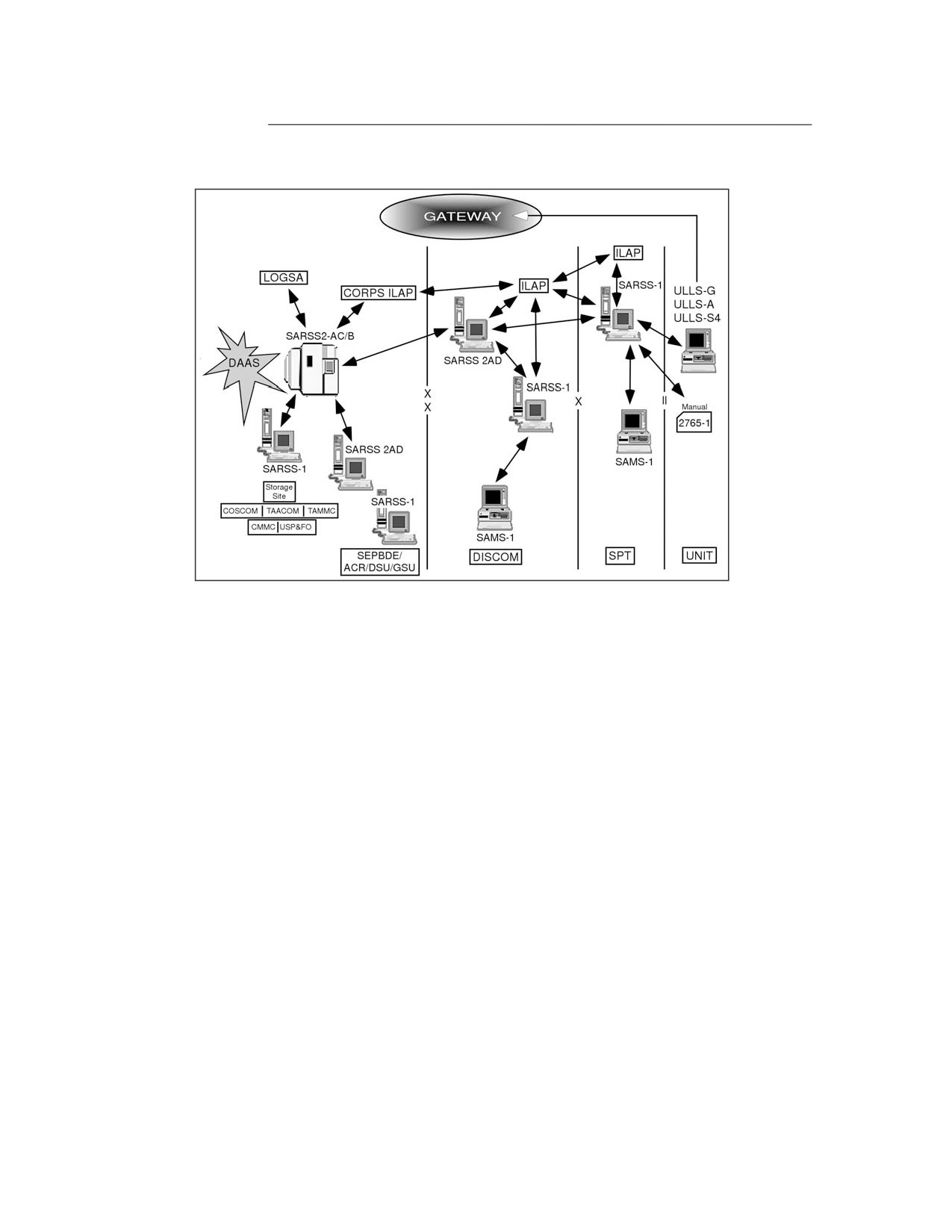
8-102. STAMIS consist of computer hardware and software systems that
automate diverse functions based on validated customer requirements.
STAMIS facilitate the vertical and horizontal flow of logistics and
maintenance status information to units Army wide. Figure 8-1 shows the
STAMIS architecture.
STANDARD ARMY RETAIL SUPPLY SYSTEM-OBJECTIVE
8-103. The standard Army retail supply system-objective (SARSS-O) is a
STAMIS for retail supply operations and management. It includes all units
and installations (active, reserve, and NG). It provides supply-related data to
the integrated logistics analysis program
(ILAP) system. SARSS-O is
comprised of four integrated systems:
• SARSS-1 at the SSA level.
• SARSS-2AD at the division, separate brigade or ACR, and the MMC
level.
• SARSS-2AC/B at the corps and theater MMC levels.
• SARSS-Gateway, formerly known as the objective supply capability
(OSC).
8-17
FM 3-04.111 (FM 1-111)
UNIT-LEVEL LOGISTICS SYSTEMS
8-104. Unit-level logistics systems (ULLS) consists of software and hardware
that automates the logistics system for unit supply, maintenance, and
materiel readiness management operations. It prepares unit supply
documents, maintenance management records, readiness reports, and
property records. ULLS consists of three applications—ULLS-Aviation
(ULLS-A), ULLS-Ground (ULLS-G), and ULLS-S4.
UNIT-LEVEL LOGISTICS SYSTEMS-AVIATION
8-105. ULLS-A enables aviation production control officers to generate and
manage AVUM level work orders and post status to the maintenance request
register. It also provides quality control officers automated component,
inventory, and inspection master files. Production control receives a master
maintenance data file (MMDF) updated and supplied from logistics support
activity (LOGSA).
8-106. The Army materiel status system (AMSS) reporting capability within
ULLS-A replaces the manual readiness reporting requirements outlined in
AR 700-138. AMSS is intended to become the commander's link to monitoring
the supply and maintenance posture of the unit.
UNIT-LEVEL LOGISTICS SYSTEMS -GROUND
8-107. ULLS-G is located at units that have an organizational maintenance
facility. It automates vehicle dispatching, PLL management, and the Army
maintenance management system (TAMMS). The automotive information
test (AIT) interrogator is connected directly to the ULLS-G. ULLS-G is linked
to the wholesale supply system through SARSS-Gateway.
UNIT-LEVEL LOGISTICS SYSTEMS -S4
8-108. ULLS-S4 is located at unit-level supply rooms and at battalion and
brigade S4 sections. ULLS-S4 automates the supply property
requisitioning/document register process, hand/subhand receipts, component,
budget, and logistics planning activities. It also receives and produces AMSS
reports generated by ULLS-G/A systems or by another ULLS-S4 system. The
AIT interrogator is connected directly to ULLS-S4. ULLS-S4 interfaces with
the standard property book system-revised (SPBS-R), ULLS-G and ULLS-A
(for budget and AMSS data transferring), standard Army ammunition system
(SAAS), SARSS-O at the DS level, the standard Army intermediate level
logistics system supply
(SAILS), the SARSS-Gateway and the combat
services support control system (CSSCS).
STANDARD ARMY MAINTENANCE SYSTEM
8-109. This system includes standard Army maintenance system (SAMS)-1
and SAMS-2.
STANDARD ARMY MAINTENANCE SYSTEM -1
8-110. SAMS-1 enables automated processing of DS/GS maintenance shop
production functions, maintenance control work orders, and key supply
functions. Requisitions are prepared automatically and automatic status is
8-18
Chapter Eight
received from SARSS-1. SAMS-1 has interfaces with other systems such as
ULLS and SARSS-O. It also provides completed work order data to the
LOGSA for equipment performance and other analyses.
STANDARD ARMY MAINTENANCE SYSTEM -2
8-111. SAMS-2 is an automated maintenance management system used at
the divisional MSB and FSB, the materiel office of functional maintenance
battalions and support groups in the corps and EAC. It is also used at MMC
and in the DISCOM, COSCOM, and the TSC.
8-112. SAMS-2 enables monitoring equipment nonmission capable status,
and controlling and coordinating maintenance actions and repair parts usage
to maximize equipment availability.
8-113. SAMS-2 receives and processes maintenance data to meet information
requirements of the manager, and to fulfill reporting requirements to
customers, higher SAMS-2 sites, and the wholesale maintenance level. Data
can be accessed instantly to enable management control, coordination,
reports, analysis, and review.
8-114. SAMS-2 provides maintenance and management information to each
level of command from the user to the division or corps, wholesale and DA
levels.
INTEGRATED LOGISTICS ANALYSIS PROGRAM
8-115. The ILAP family of existing and planned management information
utilities provides logistics and resource managers with integrated views of
cross-functional data. Data are taken from the STAMIS at local, regional, and
national levels, and from the Defense Finance and Accounting Service
(DFAS). These data are then integrated and displayed at levels of
aggregation appropriate for each management level (Figure 8-1).
DEFENSE AUTOMATIC ADDRESSING SYSTEM
8-116. Logistics information processing system (LIPS), which is maintained
by the defense automatic addressing system
(DAAS), is DOD’s central
repository for information on the status of requisitions. It also augments
global transportation network (GTN) in monitoring the status of nonunit
cargo shipments.
SECTION IX - SAFETY
8-117. An effective safety program for maintenance operations is a basic
requirement in all units. Everyone must be alert to immediately recognize
and correct potentially dangerous situations. Accidents can cause more losses
than enemy action unless safety is embraced by the unit. Appendix A
contains additional information on risk management.
8-19
FM 3-04.111 (FM 1-111)
Figure 8-1. STAMIS Architecture
ACCIDENT CAUSES
8-118. An aviation accident is seldom caused by a single factor such as
human error or materiel failure. Accidents are more likely to result from a
series of contributing incidents. The following areas require constant
command attention to prevent aviation accidents:
• Human factors.
• Training, education, and promotion.
• Equipment design, adequacy, and supply.
• Normal and emergency procedures.
• Maintenance.
• Facilities and services.
• Environment.
8-119. The more complex aircraft have higher maintenance-related mishap
rates. Commanders and maintenance supervisors must ensure that their
personnel learn from maintenance errors generated in their own units.
Flightfax and other publications provide additional examples and
information. All personnel must strictly adhere to published maintenance
procedures and apply risk management at all levels of operations.
SAFETY REGULATIONS
8-120. AR 385-10 regulates overall safety. AR 385-95 regulates the Army
aviation accident prevention program. DA Pam
385-40 covers accident
investigation and reporting.
8-20
Chapter Eight
RESPONSIBILITIES
8-121. The quality assurance (QA) section has primary responsibility for
safety for all maintenance work performed on aircraft or their components.
However, everyone in the unit has responsibilities in the unit's maintenance
safety and aviation accident prevention programs. General responsibilities
for key personnel are outline below. Appendix A contains additional
information.
UNIT COMMANDER
8-122. Commanders ensure that all unit activities are conducted according to
established safety rules and regulations. These regulations include ARs 385-
40 and 385-95, DA Pam 385-40, and local directives. Commanders also
determine the cause of accidents and ensure that corrections are made to
prevent recurrence. When deviation from an established safety rule is
desired, commanders obtain permission from the appropriate higher
commander.
SUPERVISORS
8-123. Effective supervision is the key to accident prevention. Supervisors
must apply all established accident prevention measures in daily operations.
They should frequently brief subordinates on safety procedures, get their
suggestions for improving safety practices, and announce any new safety
procedures. Recommended agenda items are listed below.
• The overall job and expected results.
• The how, why, and when of the job, and any ideas from the group on
ways to improve methods and procedures.
• The part each person contributes.
• Existing and anticipated hazards, and the action needed to resolve
these problems.
• The need for prompt, accurate reporting of all injuries, accidents, or
near accidents.
• Basic first aid procedures, training, and readiness.
• The need to search constantly for, detect, and correct unsafe practices
and conditions to prevent accidents and injuries.
INDIVIDUALS
8-124. All personnel must be aware of the safety rules established for their
individual and collective protection. Each person must read and follow unit
SOPs, instructions, checklists, and other safety-related information. They
must report safety voids, hazards, and unsafe or incomplete procedures. Each
soldier must follow through until the problem is corrected.
SAFETY
8-125. The U.S. Army Safety Center (USASC) publication, Guide to Aviation
Resources Management for Aircraft Mishap Prevention, is one publication
that outlines safety procedures. Aviation Resource Management Surveys
(ARMS) Commander's Guide is available at the following worldwide web
8-21
FM 3-04.111 (FM 1-111)
address: https://freddie.forscom.army.mil/. Copies of the guide may be
obtained from the unit SO.
8-22

Appendix A
Risk Management
Risk management is the process of identifying and controlling hazards to
protect the force. It is the Army’s principal risk-reduction process. The
intuitive management of risk in conducting military training and
operations is old, but its systematic application, as part of Army doctrine,
is relatively new. Therefore, this appendix presents a summary of how-to-
do-it information based on FM 5-0 (FM 101-5) and FM 5-19 (FM 100-14).
Note: Key risk management terms are defined at the end of this appendix.
APPLICATION
A-1. Risk management is applied to reduce the risk of the full range of
METT-TC hazards, including enemy action. It is integrated into the MDMP
as indicated in Figure A-1.
Risk Management Steps
Develop
Controls
Supervise
Military Decision
Identify
Assess
Implement
& Make
&
Making Process *
Hazards
Hazards
Controls
Risk
Evaluate
Decisions
1. Receipt of mission
X
2. Mission analysis
X
X
3. COA development
X
X
X
4. COA analysis
(war game)
X
X
X
5. COA comparison
X
6. COA approval
X
7. Orders production
X
8. Rehearsal
X
X
X
X
X
9. Execution and
X
X
X
X
X
a ssessment
* FM 101-5 31 May 1997
Figure A-1. Risk Management Integrated Into the MDMP
A-1
FM 3-04.111 (FM1-111)
RESPONSIBILITIES
A-2. Leaders at every echelon are responsible for risk management.
RESPONSIBILITIES AT TASK FORCE AND HIGHER HEADQUARTERS
A-3. Every commander, leader, and staff officer must integrate risk
management into the planning and execution of training and operational
missions. Staff officers assist the commander in minimizing unnecessary risk
by increasing certainty in all operations. They use the risk management
process to assess their functional areas and make control-measure
recommendations to reduce or eliminate risk to support the combat power
dynamic of force protection. Examples include the following:
• Applying risk management during the MDMP to identify
force-protection shortcomings in the BOS functions.
• Developing and implementing controls for the commanders that
support the mission by avoiding unnecessary risk and loss of combat
power.
• Providing support to operational requirements and establishing
procedures and standards that are clear and practical for each
specified and implied task.
Commander
A-4. The commander has overall responsibility. The commander—
• Provides risk guidance.
• Selects hazard-control options.
• Makes the risk decision for COA.
• Enforces and evaluates controls.
Executive Officer
A-5. The XO has staff coordination responsibility. The XO—
• Supervises risk management integration across the entire staff.
• Ensures that hazard identification and controls are integrated into
plans and orders.
• Ensures that the staff monitors and enforces controls during
execution.
Staff Officers
A-6. Staff officers have responsibility in their own functional areas. Staff
officers—
• Identify hazards most likely to result in loss of combat power (that is,
hazards that are not adequately controlled).
• Develop control options that address reasons for hazards.
• Integrate hazard identification and selected controls into functional
area paragraphs, graphics, and annexes of the OPORD.
A-2
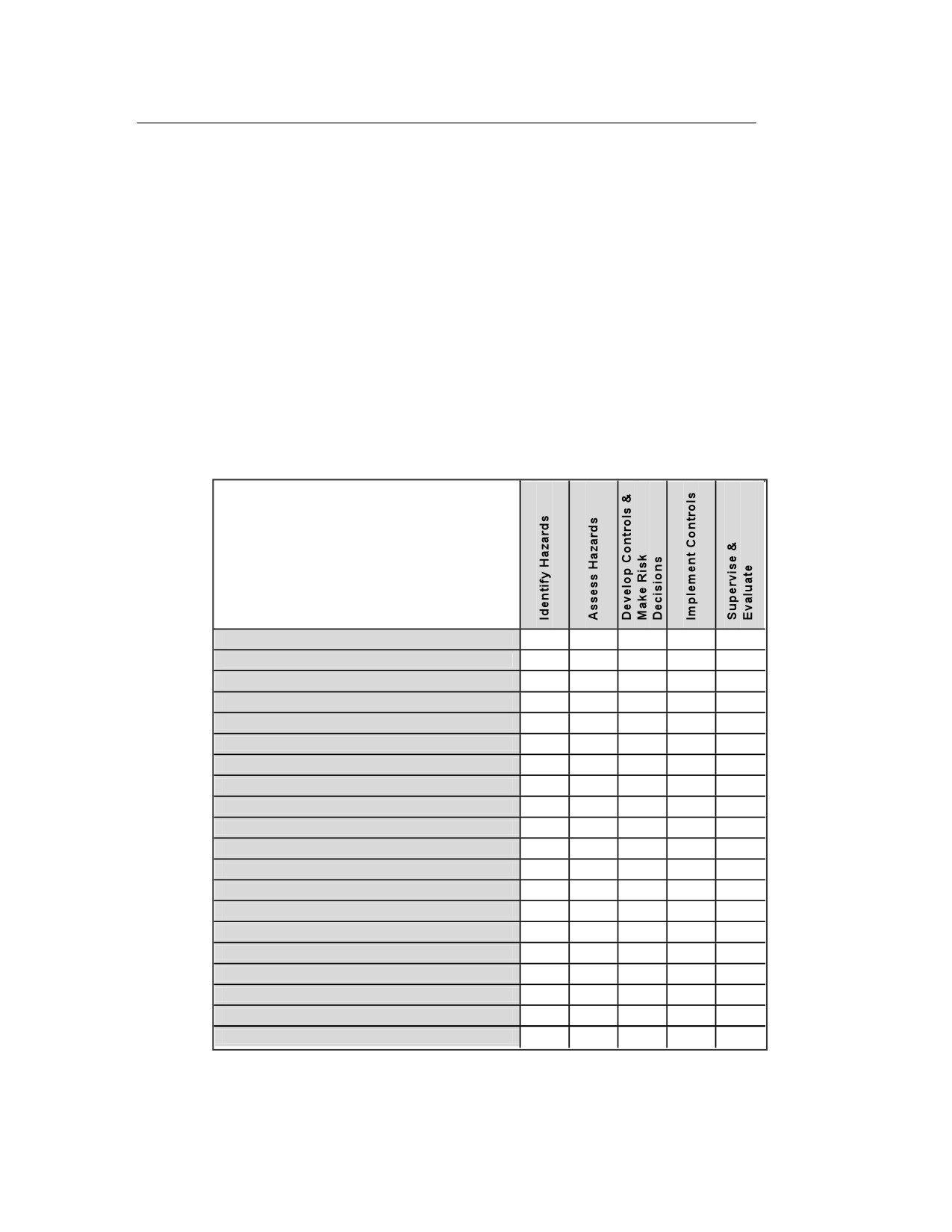
Appendix A
Safety Officer/Noncommissioned Officer
A-7. The SO/NCO has coordination responsibility. The SO/NCO—
• Assists the commander and staff with risk management integration
during mission planning, execution, and assessment.
• Collects hazard information and controls identified by the staff and
uses this information to prepare risk assessment and control
measures for all operations.
• Coordinates staff risk management and makes recommendations to
the S3.
RESPONSIBILITIES AT COMPANY AND LOWER HEADQUARTERS
A-8. The commander or leader performs or delegates execution of the risk
management process for each step in troop-leading procedures (Figure A-2).
Troop Leading Steps
1. Receive Mission
X
-Perform initial METT-T-C analysis
X
2. Issue a warning order
X
3. Make a tentative plan
X
X
a. Make an estimate of the situation
X
X
b. Conduct a detailed mission analysis
X
X
c. Develop situation and courses of action:
X
X
-Enemy situation (enemy COA)
X
X
-Terrain and weather (OCOKA)
X
X
-Friendly situation (troops and time available)
X
X
-Course of action (friendly)
X
X
d. Analyze courses of action - war game
X
X
e. Compare courses of action
X
f. Make decisions
X
g. Expand selected COAs into a tentative plan
X
4. Initiate movement
X
5. Reconnoiter
X
6. Complete the plan
X
7. Issue the order
X
8. Supervise and refine the plan
X
Figure A-2. Risk Management Integrated Into Troop-Leading Procedures
A-3
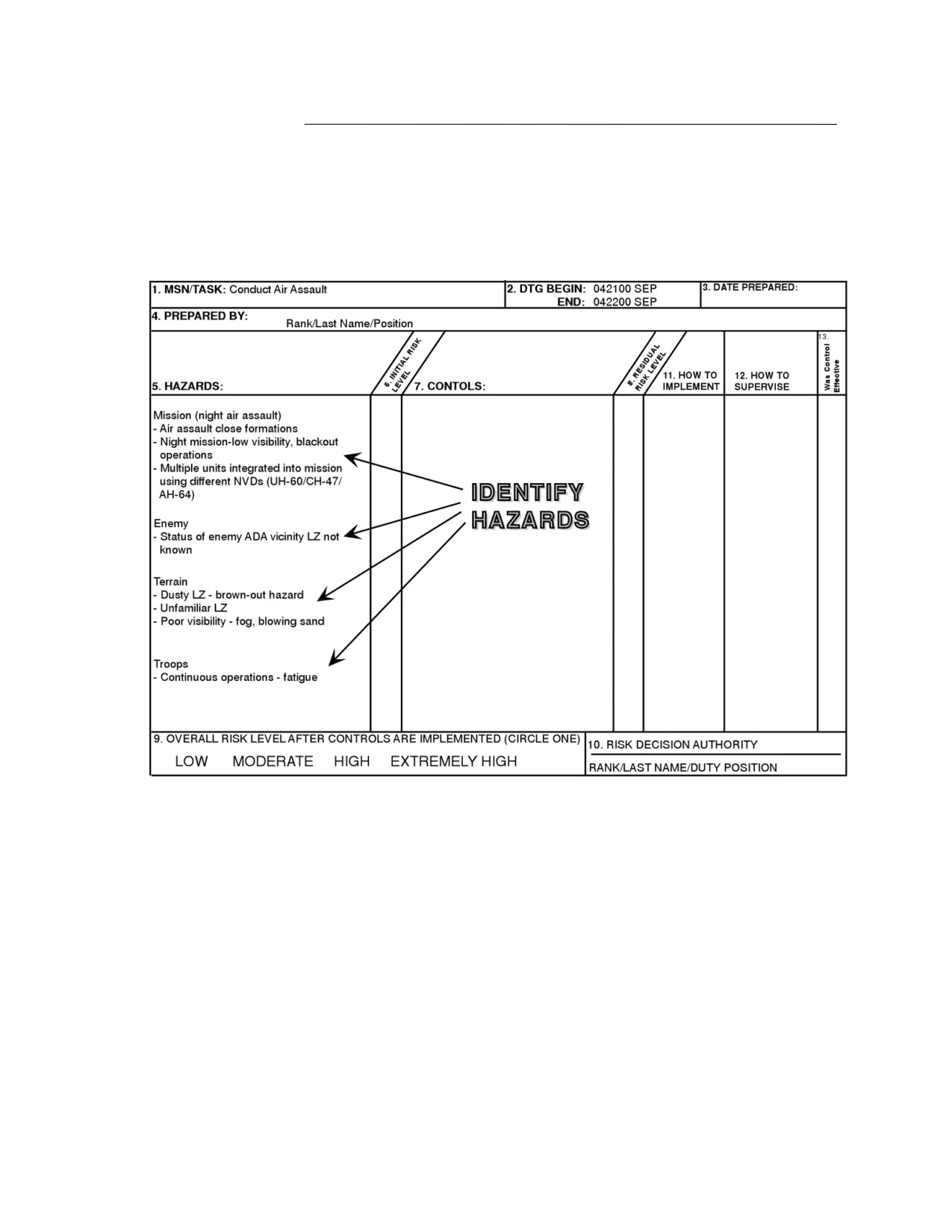
FM 3-04.111 (FM1-111)
RISK MANAGEMENT PROCEDURES
A-9. The commander and staff perform the actions listed below. The SO
collects the information generated during these actions and enters it on the
risk management worksheet (Figure A-3).
Figure A-3. Risk Management Worksheet—Identify Hazards
IDENTIFY HAZARDS
A-10. Collect METT-TC factors for each COA for the mission or task (See
Figure A-4).
Sources
A-11. Sources include the following:
• Mission order/task instructions.
• CCIR.
• Mission planning systems.
• Tactical SOP.
• Unit accident history.
• Reconnaissance.
• Experience.
A-4

Appendix A
• MISSION:
- AIR ASSAULT INFANTRY PERSONNEL
- INSERT NLT 042100 SEP, ROVER BEACH LZ
- PREPARE TO EXTRACT NLT 042200 SEP, SAME LZ
• CONDITIONS
- ONE COMPANY UH-60, 2 CH-47s, 2 AH-64s
- LOAD: 14 FULLY EQUIPPED SOLDIERS, 540 POUNDS SPECIAL
EQUIPMENT
- BLACKOUT CONDITIONS
- LZ: 114 MILES FROM DEPARTURE POINT, 100 YARDS WIDE, SAND/
DIRT/GRASS
- WX: RESTRICTED VISIBILITY EN ROUTE AND AT LZ (ILLUMINATION,
RAIN, FOG, LOOSE SAND)
• SITUATION:
- CREW: FULLY QUALIFIED, EXPERIENCED, SUPERB TEAMWORK
- MISSION BRIEF AT 041530 SEP (CREW AND PERSONNEL)
Figure A-4. Example of Mission Factors
Review Factors
A-12. Review METT-TC factors to identify hazards most likely to cause loss
of combat power. That is, identify those hazards that are not adequately
controlled at this or the next lower echelon of command. To do this, answer
the questions in the matrix below (Figure A-5) to determine if the hazard
needs to be risk managed.
Adequate
NO YES
Support
- Is the type amount/capability/condition of
support adequate to control hazards?
- Personnel
- Equipment and materials
- Supplies
- Services/facilities
Standards
- Is guidance/procedure adequately clear
practical /specific to control hazard?
Training
- Is training adequately thorough and recent to
control hazard?
Leader
- Is leadership ready, willing, and able to enforce
standards required to control hazards?
Unit Self Discipline
- Is the unit performance and conduct self-
disciplined to control hazard?
If all are "Yes," no further action is required.
If one or more are "No," risk manage the hazard.
(Enter it on the risk management worksheet)
Figure A-5. Does the Hazard Require Risk Management?
A-5