MULTISERVICE TACTICS, TECHNIQUES, AND PROCEDURES FOR NUCLEAR, BIOLOGICAL, AND CHEMICAL RECONNAISSANCE FM 3-11.19 (JULY 2004) - page 5
analysis. Some of these items may be recovered, packaged, and shipped for analysis. The
types of samples evacuated depends on the type of testing required and the laboratory
conducting the analysis.
d. An adversary may use radiological agents to restrict the use of terrain. These
agents could include high-activity, radioactive-level wastes from industrial operations;
and teams could encounter high dosages when operating in these areas. The procedures
for radiological-agent sampling are generally the same for CB sampling; however, CB
sampling containers do not provide sufficient shielding to protect individuals who are
carrying them.
e.
If the primary radiological hazard is residual radioactive contamination, the
sampling team could take very small quantities of low-activity environmental samples.
Very small quantities of these samples could perhaps be safely contained in CB sample
containers. The radiological hazard from these samples should be limited to alpha- and
beta-emitting radionuclides.
NOTE: Radiological monitoring is conducted to ensure the safety of the
sampling team from unwarranted radiation exposure. Do not use CB
containers to transport special nuclear material or high-level waste from
reactor operations. Do not use the sampling methods discussed in this
appendix for high-activity radiological agents, nuclear waste, or special
nuclear material. Use standard dosimetry techniques and equipment to
monitor the radioactive dosage for each sampling team member. (See Appendix
I for radiation search and survey detection methods.)
10. Chemical and Biological Sampling (Environment)
Control (or background) samples collected from clean samples as baseline data
should be nearly identical to the samples collected near the attack area. The
contaminated samples are compared to the baseline data, especially if unknown or
nonstandard chemical and/or suspected biological agents were employed. The supporting
laboratory uses the control samples to compare with a contaminated one. The
reconnaissance team collects control samples of soil, water, and vegetation from areas
about 500 meters upwind of the attack area. Control samples must be generically the
same as those collected in the attack area. For example, if leaves from an apple tree in an
attack area were collected as a suspect contaminated sample, the reconnaissance team
should collect leaves from an apple tree outside the contaminated area as a control
sample. If water is collected from a pond in the attack area, the reconnaissance team
should collect water from a pond (not a moving stream) in a nearby clean area as a
control sample. The size of the control sample should be about the same as the suspect
contaminated sample (see Table E-5, page E-31).
NOTES:
1. Collect environmental samples as directed in the operator’s manual or other
publications for operating collection systems. During transportation, maintain
the samples at 1° to 4°C.
2. The CB sampling described in this section is provided as a guide. Specialized
units may use more detailed procedures found in references such as Allied
Engineering Publication (AEP) 10.
E-32
3. Reconnaissance units collect samples under various circumstances. All
expended material (such as M8/M9 detector paper and M256A1 kits) should be
recovered, packaged, and shipped with the suspected samples for analysis.
a.
Air and Vapor Samples. Air is a good sample matrix since it is a well-mixed
medium. Air from a sample site contains a static concentration of contaminants. The
concentration of contaminants depends on the flow rate of the contaminant into the
environment, the wind speed, the physical state of the contaminant, the terrain contours,
and the temperature as a variable. The sample should be taken within 1 to 2 meters of a
contaminated surface or at the downwind edge of a contaminated area. The method
should consist of pumping a given volume of air through sample tubes by hand or with an
electric pump.
(1) When to Sample. Perform sampling as soon as possible after suspected
CB contamination is encountered or when directed by higher headquarters.
(2) Where to Sample.
(a) The best places to obtain samples are as close to the emission source
as possible; the chemical concentration is maximal at this point. The farther from the
original point of release the more diluted the sample becomes from mixing with air,
water, or environmental pollutants.
(b) Natural and man-made terrain features (such as hills, rows of
buildings, and valleys) sometimes aid the collector by channeling emissions. When these
features are close to a particular facility, use the downwind side for sample collection (if
possible) because the emissions remain concentrated due to the channelizing effect. The
collector determines the typical downwind location and collects environmental samples
from that area.
(c) If the situation permits collection in a possibly contaminated
location, use a detector kit (such as the M256A1 or M18A2) initially to decide if a possible
vapor hazard exists from known chemical agents. Also, use the kit to test possible toxic-
agent munitions. Take air samples with the M18A2 white strip tubes, and save them for
laboratory analysis.
(d) Small air samplers also enable the collector to obtain vapor samples
from alleged toxic-agent munitions at a safe distance, while EOD personnel render the
munitions safe. If EOD personnel are not on the scene, the air sampler can be started but
the collector should stand at a safe distance while the sampler is operating.
(3) How to Sample.
(a) Contaminants are sampled for later identification by using devices
that draw air through filter material and selectively remove certain compounds. Persons
sampling air should not use cologne, perfume, insect repellent, medical creams, or strong
soaps before taking a sample. The fragrances in these products are volatile organic
compounds that can be absorbed on the filter and skew analytical results. Smoke also
severely interferes with the air sampling; therefore, avoid cigarette and campfire smoke
and vehicle exhausts.
(b) A method for collecting air samples is with devices such as the PAS-
1000 automatic air sampler in conjunction with a Tenax™ tube for a total of 3 to 4
minutes, when possible. Upon completion of sampling, place the Tenax tube in a sealable
bag and seal the bag with pressure-sensitive or Teflon™ tape. Place the bag into a second
E-33
bag, and use any type of tape to secure it. Decontaminate each layer of packaging with a
5 percent chlorine solution. Place the bag in a cooler until the sample is transported to its
destination.
b.
Water Samples. Water samples are collected by PVNTMED/bioenvironmental
engineer personnel for identification or verification of biological contamination. Liquid
sampling involves collecting enough fluid to obtain good information about the
contaminants. At least four samples should be taken—three samples of the suspected
contamination and one control sample from a nearby uncontaminated area for reference.
(1) When to Sample. Sample fluid from a facility when intelligence or local
reports suggest that a process of possible interest is ongoing. Collect water samples from
allegedly contaminated field areas just after the start of a rainstorm when runoff is
beginning. Natural surface drainage will concentrate any remnants of toxic compounds
in depressions, streams, or ditches. Because of their large surface area and the potential
for collecting runoff from an attack site, ponds, streams, reservoirs, or puddles in the
immediate area of a suspected attack are potential sources of useful samples. The most
desirable sample is a surface sample. The samples can be taken with a 50- to 100-
milliliter pipette (or syringe) from the source surface. Use one pipette per sample,
transfer the contents into a separate clean sample bottle (retaining any material
suspended in the water), and close the bottle (airtight). A sample size of at least 50
milliliters is needed. In addition to water samples, surface scum and bottom sediment
can also be sampled and forwarded for analysis. These samples can be collected by
skimming or dredging.
(2) Where to Sample. Drains are ideal sites since contamination and dilution
from other sources are minimized. For example, sample stream water in the slower
moving parts of the stream. The turbulence and speed of rapidly flowing water often
dilutes chemical concentration and affects contamination. If an oil stain-like fan,
globules, organic materials, or unnatural-looking powder is visible on surface water, take
surface samples of the material. Otherwise, take the sample from near the bottom of the
stream. Most chemicals of interest are denser than water, so they usually sink to lower
levels. However, high water temperatures promote decomposition and may cause the
upper layers of water to harbor contaminants. For example, a blister agent (mustard)
may float on the surface of the water due to surface tension, even though it is heaver
than water. The reconnaissance team may also collect samples from stagnant pools of
water if the pools of water are part of chemical waste areas, such as a landfill or a
chemical disposal area. Chemicals may percolate into stagnant pools or dumps close to
the site.
(3) How to Sample. Provide the analysis center with one C18 and one silica
cartridge if the Sep-Pak is not available. Follow the manufacturer’s instructions when
collecting water samples using the Sep-Pak. Additionally, if it is believed that the threat
has used CW agents during an attack, use the M272 chemical-agent water test kit for
sampling.
c.
Soil Samples. Soil is a good medium to sample for toxic organic compounds. It
may contain large amounts of compounds of interest. For best results, it is critical that
the collector sample at the precise site of compound deposition.
(1) When to Sample. Sample as soon as possible, when directed, or after the
alleged incident.
E-34
(2) Where to Sample. Contamination may be recognized by discoloration or
apparent deposition of material on the soil surface. Collect only discolored soil or
deposited materials if possible.
(3) How to Sample. Wear MOPP gear, and avoid direct contact with the
sample.
(a) If discoloration or deposits of material are evident, use a garden
trowel, a wooden tongue depressor, or a similar item to carefully scrape up the soil.
Scrape the top 2 to 5 centimeters of soil from areas that appear to be contaminated. If
sampling chunks or clods of earth, select those that are no larger than 1 by 5 by 10
centimeters. Also, collect a control sample of the same soil type or texture from a nearby
uncontaminated area.
(b) The collection container could be a glass bottle or jar or a leakproof,
sealable bag. When using a glass bottle or jar as a container, seal the cap with pressure-
sensitive tape and mark it for identification. When using leakproof, sealable bags, place
each sample in a separate bag, push out the excess air, fold the open end two or three
times, and wrap it with tape. Insert the bag into another bag, seal it, tape it, mark it for
identification, and place a tamper-resistant seal across it. Ensure that each layer of
packaging is decontaminated using a 5 percent chlorine solution.
d. Vegetation Samples. Vegetation provides an excellent means for collecting
samples.
(1) When to Sample. Sample as soon as possible after the alleged incident.
(2) Where to Sample. Take vegetation samples near the center of the area,
about 100 meters upwind of the area, and at several 100-meter intervals downwind of
the area. If the collector can discern a contamination pattern in the area, he should
report it.
(3) How to Sample. Make a visual survey of the area, don protective
equipment (MOPP 4), and enter the area from an upwind direction. The minimum size
sample of value is three leaves or three handfuls of grass. One leaf is of little value, but
should be collected. Bark is acceptable, but not preferred.
(a) Collect vegetation samples that are different from normal. Select
leaves that have wilted or appear to have been chemically burned.
(b) Collect vegetation that appears to have liquid or solid substances
deposited on the surface (may appear as a shiny or moist area).
(c) Collect vegetation at several locations within the suspect
contaminated area. Preferred sampling locations are horizontal surfaces. Use a cutting
tool or another sharp object to cut several affected leaves or a handful of grass. Do not
crush the sample. Place the sample in a sealable, leakproof, clear plastic or zipper-lock
bag. Squeeze excess air out of the bag, and seal it. Fold the open end of the bag two or
three times, and wrap it with tape. Mark the bag for identification. Take a control
sample of similar material from an unaffected area. Seal, tape, and mark the control
sample in the same manner as the actual sample. Ensure that each layer of packaging is
decontaminated using a 5 percent chlorine solution. When it is possible to determine a
probable center of attack in an area, collect vegetation samples near the center of the
area, about 100 meters upwind of the area, and at several 100-meter intervals downwind
of the area.
E-35
e.
Other Solids.
(1) Stones. Collect stones of moderate size (0.5 to 2 centimeters), with a
maximum volume of 200 to 300 milliliters. Place the samples in plastic-free bags in the
same manner as soil samples.
(2) Snow. Collect the sample from the layer of snow believed to be exposed to
a chemical attack. Collect it from a 10- by 10-centimeter area, 2 centimeters deep. New
snow covering the exposed layer preserves the agents, but it should not be collected.
Place the sample in a clean sample bottle, and close it with a lined lid. Clean the threads
before closing the bottle to prevent melted snow from leaking out.
(3) Carbonized Material. Carbonized material is of value because of its ability
to absorb toxic agents. Collect samples to a total volume of 200 to 300 milliliters. Place
the samples in plastic-free bags in the same manner as soil samples.
(4) Nontransportable Solids. Samples from immovable objects (such as
buildings, walls, paved surfaces, and vehicles) should be taken by scraping or rubbing
the contaminated surface with dry, cotton wool/filter paper or cotton wool soaked in
distilled water, acetone, or another suitable solvent. The samples should be carefully
packaged in airtight containers.
(5) Miscellaneous. Fragments of munitions, canisters, respirator canisters
from protective masks, and items of individual NBC PPE are also highly desirable
sources of CB agent samples. Canisters are particularly useful since they trap low
molecular weight agents and particulates. Cap the canisters and place them in a plastic-
free bag or container. After expelling excess air, close the bag and seal it by taping.
Remember that the location where a canister is found might not be the contaminated
site, because the user may have moved it after being contaminated.
NOTE: Ensure that each layer of packaging is decontaminated using a 5
percent chlorine solution.
11. Medical Specimens
Trained medical technicians or physicians should collect medical specimens (human
or animal) or be certified by the appropriate medical authority (e.g., special forces group
[SFG] surgeon). Remember, the collector must have permission (authority) to collect
medical specimens from the dead because of religious beliefs in many cultures. To obtain
such specimens without permission may result in unnecessary mission complications.
Ensure that all personnel handling or collecting medical specimens have received proper
immunizations for their own protection; they must be inoculated according to the
Surgeon General’s guidance. Medical specimens collected during an investigation include
blood, urine, sputum, nasal swabs, tissue specimens from living victims, and blood and
urine specimens from unexposed persons (background control specimens).
NOTES:
1. Specific guidance for the collection of specimens is included in the Surgeon
General’s medical reference material.
2. See FM 4-02.7 for information on specimen collection and preservation.
E-36
12. Radiological-Agent Sampling
a.
Background. Radiological sampling operations are important to determine if
and where a threat uses a radiological agent. The collection of samples and background
information must be as detailed and comprehensive as possible. Each sample must be
processed and analyzed to provide data for analysis. Sample processing includes the
collection of the sample, its handling and transfer, and the associated administrative
procedures.
NOTE: The radiological sampling described in this section is provided as a
guide. Specialized units may use more detailed procedures found in references
such as AEP 49.
(1) The administrative procedures ensure a documented chain of custody and
a detailed description of the collection procedure. After laboratory analysis of the sample,
intelligence personnel analyze the data to produce intelligence to support operational
requirements.
(2) A threat may scatter radiological agents as radionuclide dust or as pellets
of radioactive materials. Radioactive dust will cover vegetation, soil, and water surfaces.
Radioactive pellets will not cover vegetation surfaces like a dust, but will remain on the
surface of the soil. Also, pellets will sink to the bottom of bodies of water. The team can
take samples of vegetation, soil, or water to collect the pellets or dust.
(3) The team does a ground radiological search to locate the contamination.
Since the purpose of a sampling mission is to collect radioactive samples, terminate the
search after the radioactive area is found. The safety of the team is a constant concern
for the commander. The contaminated area may emit high dose rates of radiation;
therefore, the team monitors the radiation throughout the radiological sampling mission
and does not exceed the commander’s OEG.
(4) The team collects radiologically contaminated environmental samples. It
chooses the environmental samples based on the measurements the collector makes with
radiac meters. Ground contamination may vary significantly from place to place. Local
dose rate averages are helpful in choosing a representative sampling location. Conduct
soil sampling after the release has ended. Be aware of the commander’s dose and turn-
back dose rate guidance and of the hazards that may be encountered.
b.
Surface Soil Sampling. Evaluate the levels of ground contamination from wet
and dry depositions. Validate the plume modeling, and assess the external exposure and
inhalation exposure from resuspended activity. Determine the ingestion exposure
pathway.
Step 1.
• Receive an initial briefing and assignment from the command.
• Obtain the appropriate equipment.
• Check the instrument performance.
• Conduct radio and GPS checks when leaving for the assignment.
Step 2.
• Wrap the instruments in plastic to prevent contamination (except for
the detector window if there is one).
E-37
•
Preclean and bag or wrap the sample collection equipment.
•
Set the alarm levels of direct-reading dosimeters and dose rate
meters.
•
Wear appropriate radiation protection equipment.
•
Wear disposable latex or vinyl gloves, and change them between
sample locations.
Step 3.
•
Select sampling sites that permit easy resampling at a later date if
necessary.
•
Identify the position using a GPS reading, local landmarks, stakes,
or other markers.
•
Select an area that is relatively unvegetated and undisturbed since
the radioactive release and well away from structures (e.g.,
approximately twice the height of nearby structures) to minimize the
effects of wind currents on deposition. The number of sampling sites
depends on the purpose of sampling and the information required
from the particular analysis. Obtain this information during the
mission prebrief.
•
Take the sample in an area that is 450 to 900 square centimeters,
and obtain a composite of 10 or more individual plugs or cores. If
time is critical, collect only a single core. In general, collect the top 5
centimeters of the soil (e.g., topsoil) for analyses. The sampling
pattern can include—
n
Laying out a 5-meter straight line, transacting the line at about
50-centimeter intervals, and taking at least 10 samples.
n
Measuring out two 1-square-meter areas that are spaced about
3 meters apart and collecting samples from the middle and the
corners of each square.
NOTES:
1. A ground tarp can be used to place tools, instruments, and collected
samples on to help prevent contamination of sampling equipment.
2. Before collecting soil samples in a suspected contaminated area,
conduct a handheld gamma instrument survey to avoid hot spots and
determine external exposure levels.
Step 4. Record the environmental conditions at each sampling location at the
time of sample collection. These include the weather conditions and the
ambient gamma dose rate.
Step 5. Use the following procedures when collecting a sample in moist or
loamy soil:
• Select the sampling location and pattern. Don rubber gloves. Remove
all vegetation to a height of 1 to 2 centimeters above the soil, and
save the vegetation for analysis if desired.
E-38
• Use an indelible ink pen to mark the outside of the sampling tool to
the desired depth.
• Press the sampling tool into the ground to the desired depth without
twisting or disturbing the grass cover or surface soil. Force may be
required to get the sampling tool into the ground. This may be
accomplished by stepping on the top of the sampling tool or using a
rubber mallet.
• Gently twist the sampling tool to cleanly remove the topsoil plug
intact. If the plug cannot be removed intact, use another method of
sampling, such as inserting the sampling tool in various places along
the perimeter of a small circle until a plug is freed.
• Place the plug in a new sample collection container. If the plug does
not come out of the sampling tool easily, use a long, flat-blade knife
to remove it from the tool.
• Take at least 10 topsoil cores in the sampling pattern selected, and
place them into the sample collection container.
Step 6. Use the following procedures when collecting a sample in dry, loose,
and sandy soils:
• Select the sampling location and pattern. Don rubber gloves. Remove
all vegetation to a height of 1 to 2 centimeters above the soil, and
save the vegetation for analysis if desired.
• Press a 10- by 10- by 1-centimeter stamp into the desired location.
Use a rubber mallet if necessary.
• Use the matching scoop to slide beneath the stamp, trapping the
sample within the stamped area.
• Carefully transfer the sample to a clean, unused sample container.
• Repeat with the specified pattern to obtain 10 samples and
composites.
Step 7. Seal the bags with tape. With an indelible ink pen, write the sample
identification, location (GPS), date and time of the sample collection, and the
collector’s initials on the sampling container and the sample control form.
Begin a chain-of-custody form if necessary.
Step 8. Clean the sampling tools in clean (distilled) water, and dry them
before proceeding to the next sample collection point. Assess the tool for
residual contamination using alpha/beta instruments.
Step 9. Repeat steps 3 through 8 for all necessary replicates, background
samples, and other sampling locations.
Step 10. Visually inspect the sampling equipment, and replace or clean it if
necessary. Use alpha/beta instruments to determine if the sampler remains
contaminated.
Step 11. Complete a soil sampling form for each soil sample collected. Place
the original forms in a sealed plastic bag, and transport them with the sample.
E-39
Step 12. Periodically survey the vehicle and personnel.
Step 13. Perform personnel and equipment monitoring (contamination check)
during and after the mission.
c.
Surface Water Sampling.
Step 1.
•
Receive an initial briefing and assignment from the command.
•
Obtain the appropriate equipment.
•
Check the instrument performance.
•
Conduct radio and GPS checks when leaving for the assignment.
Step 2.
•
Wrap the instruments in plastic to prevent contamination (except for
the detector window if there is one).
•
Preclean and bag or wrap the sample collection equipment.
•
Set the alarm levels of direct-reading dosimeters and dose rate
meters.
•
Wear appropriate radiation protection equipment.
•
Wear disposable latex or vinyl gloves, and change them between
sample locations.
Step 3.
•
Collect 1 to 4 liters at each sampling location unless otherwise
directed. Some typical locations include—
n
Recreation areas.
n
Public water supply intakes.
n
Places where water is used (or obtained for use) by animals
(e.g., cattle).
n
Places where water is obtained to irrigate crops.
•
Be aware of the following:
n
The concentrations across a stream or river become more
uniform proceeding downstream. Even so, the mixing can still
be incomplete miles downstream of the release point—
especially in large bodies of slow-moving water.
n
Radionuclide concentrations in a river are more uniform
downstream of turbulence (e.g., white water), meandering
portions of the river, and after variations in depth and width.
n
One sampling point at middepth in the center of the stream
should suffice if the stream is relatively narrow and the water is
well mixed. If the sample is collected from the bank rather than
midstream, collect it from the bank on the outside of a bend
where the flow is greatest.
E-40
n
Composites are required in larger, poorly mixed rivers. This
involves at least one vertical composite consisting of a sample
collected just below the surface, a sample from middepth, and a
sample collected just above the bottom.
n
Lakes and ponds experience less mixing and have a greater
tendency to stratify than streams and rivers. This stratification
is primarily due to temperature. For best results, determine the
water temperature profile and sample the different layers
independently.
n
A single vertical composite at the deepest point in a small
impoundment or pond may be satisfactory. In a natural pond,
this will usually be near the center. For a man-made body of
water, the deepest point is close to a dam. Several vertical
composites are required in lakes and large impoundments.
Step 4. Use the sampling form to record the environmental conditions at each
sampling location at the time of the sample collection. Include the weather
conditions, the ambient gamma dose rate, the water temperature, and the flow
rate (if applicable).
Step 5. Don gloves and boots.
Step 6. Dip a bucket or another collection device into the water. Rinse the
collection device and the sample container. If using a portable peristaltic
pump, ensure that the line is clean before pumping. Pump long enough that
the source of water has an opportunity to rinse the inside of the tube.
Step 7.
• Don waders.
• Submerge the sample container or collecting device into the water
again.
• Allow the container to fill slowly and continuously.
• Avoid surface disturbance.
• Avoid collecting bottom sediment, vegetation, or small fish.
• Do not fill the sample containers to the very top.
Step 8. Follow the procedures below using a long-handled dipper or another
scooping type collecting device:
• Open and slightly tilt the sample container.
• Slowly empty the sampler contents into the container using a new,
clean funnel. Allow the sample stream to flow gently down the side of
the bottle with minimal disturbance.
• Preserve the sample if directed.
• Cap the container tightly, and wipe down the exterior surface. Tape
the cap closed, or seal it if specified.
E-41
• Use an indelible ink pen to write the sample identification, location,
date and time of sample collection, and the collector’s initials on the
sampling container and the sample control form.
Step 9. Complete the necessary sampling forms, and begin a chain-of-custody
form if required.
Step 10. Decontaminate the outside of the sampling containers and apparatus
by rinsing them with clean (distilled) water. Wipe them down. Be alert for oil,
grease, or any other type of surface scum that might stick to the sampling
device.
Step 11. Repeat the above steps for all necessary replicates, background
samples, and other sampling locations.
d.
Vegetation and Pasture Sampling.
Step 1.
•
Receive an initial briefing and assignment from the command.
•
Obtain the appropriate equipment.
•
Check the instrument performance.
•
Conduct radio and GPS checks when leaving for the assignment.
Step 2.
•
Wrap the instruments in plastic to prevent contamination (except for
the detector window if there is one).
•
Preclean and bag or wrap the sample collection equipment.
•
Set the alarm levels of direct-reading dosimeters and dose rate
meters.
•
Wear appropriate radiation protection equipment.
•
Wear disposable latex or vinyl gloves, and change them between
sample locations.
Step 3.
•
Collect all samples from areas that are unprotected from the wind
and undisturbed since the release. The areas should be located in
open level areas, away from walkways, roads, ditches, and trenches.
•
Ensure that a sampling point near a building is at least twice the
height of the building away from the building.
•
Use a handheld gamma survey instrument to locate an area with
relatively uniform levels. Avoid hot spots.
•
Avoid sampling in waterlogged areas and areas that contain a large
proportion of dead plant material.
•
Try to take the sample from a defined area. A 1- by 1-meter area will
often provide a sufficient vegetation sample. Unless directed
otherwise, obtain at least 1 kilogram of material, expanding the
defined area if necessary.
E-42
Step 4. Use the sampling form to record the environmental conditions at each
sampling location at the time of the sample collection. Include the weather
conditions and the ambient gamma dose rate.
Step 5. Use shears or another instrument to cut the sample down to 1 to 2
centimeters above the ground. Disposable scalpels limit cross contamination
problems.
Step 6. Carefully fill a large, clean, unused polyethylene bag, taking care to
minimize external contamination. Seal the container.
Step 7. Use an indelible ink pen to write the sample identification, location,
date and time of sample collection, and the collector’s initials on the sampling
container and the sample control form.
Step 8. Complete the necessary sampling forms, and begin a chain-of-custody
form if required.
Step 9. Decontaminate the outside of the sampling containers and tools by
rinsing them with clean (distilled) water. Wipe them down. Double-bag the
sample. Check the surfaces of the sampling equipment with alpha/beta
instruments for residual contamination.
Step 10. Repeat steps 3 through 9 for all necessary replicates, background
samples, and other sampling locations.
Step 11. Periodically survey the vehicle and personnel.
Step 12. Perform personnel and equipment monitoring (contamination check)
during and after the mission.
e.
Urban Sampling.
Step 1.
• Receive an initial briefing and assignment from the command.
• Obtain the appropriate equipment.
• Check the instrument performance.
• Conduct radio and GPS checks when leaving for the assignment.
Step 2.
• Wrap the instruments in plastic to prevent contamination (except for
the detector window if there is one).
• Preclean and bag or wrap the sample collection equipment.
• Set the alarm levels of direct-reading dosimeters and dose rate
meters.
• Wear appropriate radiation protection equipment.
Step 3. Use the sampling form to record the environmental conditions at each
sampling location at the time of the sample collection. Include the weather
conditions and the ambient gamma dose rate. Annotate the sampling location
on an area map. If possible, take a digital or self-developing image of the area.
Step 4. Sample roof tiles.
E-43
• Select buildings with roofs that are easy to access.
• Obtain permission from the owner to take tiles that are still in place.
• Try to select tiles that are oriented at ≤45° to the ground. Do not
select tiles that are oriented vertically.
• Use appropriate, clean tools to remove four to eight tiles. One or two
tiles will represent each sample.
• Transfer the tiles into a new, dry container.
• Wipe the external surfaces of the container, and double-bag it.
• Use an indelible ink pen to write the sample identification, location,
date and time of sample collection, and the collector’s initials on the
sampling container and the sample control form. Record the
sampling details, including the specific sample location and the
exposed area.
• Place and seal all sample bags inside a large, thick, black plastic bag.
Step 5. Sample road dust.
• Select areas where dust is clearly visible.
• Use a new paintbrush to sweep the dust into a pile, and sweep it onto
a small scoop. Avoid inhaling resuspended dust because the presence
of alpha-emitting radionuclides could pose a serious radiological
inhalation hazard. Use a new paintbrush for each new set of
samples.
• Place the scoop in the sample container, and slowly tip the dust into
the container.
• Wipe the external surfaces of the container, and double-bag it.
• Use an indelible ink pen to write the sample identification, location,
date and time of sample collection, and the collector’s initials on the
sampling container and the sample control form. Record the
sampling details, including the specific sample location and the
exposed area.
• Place and seal all sample bags inside a large, thick, black plastic bag.
Step 6. Sample roof gutter dirt.
• Select buildings with roofs that are easy to access, and choose a site
that is close to the gutter downpipe.
• Use a gloved hand to remove dirt from the bottom of the gutter, and
place it in a sample container.
• Wipe the external surfaces of the container, and double-bag it.
• Use an indelible ink pen to write the sample identification, location,
date and time of sample collection, and the collector’s initials on the
sampling container and the sample control form. Record the
sampling details, including the specific sample location and the
exposed area.
E-44
• Place and seal all sample bags inside a large, thick, black plastic bag.
Step 7. Sample improvised air filters.
NOTE: The system airflow rate is particularly important. By
estimating the time of plume passage, the approximate concentration
of radioactivity in the air can be estimated.
• Identify buildings or homes with ventilation systems that were
operating and stationary during plume passage.
• Determine the airflow rate of the system or engine, if possible, and
record it on an air sampling form.
• Remove the filter cover. Determine if significant contamination is
present by surveying with a beta/gamma or alpha contamination
probe. Record the net count rate on the surface of the filter, and
record the details of the instrument used.
• Place the filters into a polyethylene bag, wipe the external surface,
and label it. Double-bag the sample.
• Use an indelible ink pen to write the sample identification, location,
date and time of sample collection, and the collector’s initials on the
sampling container and the sample control form. Record the
sampling details, including the specific sample location and the
exposed area.
Step 8. Periodically survey vehicles and personnel; and document the reading,
time, and location.
Step 9. Perform personnel and equipment monitoring (contamination check)
after the mission.
13.
Background Samples
Take background samples that correspond to each type of contamination sample.
Pack and transport the background samples in the same manner as the contaminated
samples. Background samples must closely resemble those presumed to be
contaminated. Seek vegetable matter that is identical to the contaminated sample, and
select water from an area nearby that was not subjected to contamination. Clearly mark
background and contaminated samples.
NOTE: The background samples will be analyzed at a supporting laboratory
along with the actual suspected samples.
14. Transfer Operations
The sample procedures outlined below can be used by teams who are responsible for
receiving a CB sample.
a.
Notification of Transfer.
(1) The escort unit liaison receives a report of the CB incident.
(2) The escort unit establishes direct communications with the TF/supported
headquarters.
E-45
(3) The escort unit reports to designated areas within the predetermined
response time.
(4) The escort unit liaison—
(a) Receives mission briefs from the medical staff, NBC cell, and liaison
officer (LNO)/NCO.
(b) Determines the type of unit collecting samples.
(c) Identifies the location of collection and transfer points.
(d) Determines the method of movement (air, sea, or ground) to the
sample transfer point.
• Air. Identifies the pickup zone (PZ)/landing zone (LZ) locations,
and ensures that the escort team has transportation to and
from these locations.
• Sea. Identifies the port or pickup/landing point locations, and
ensures that the escort team has transportation to and from
these locations.
• Ground. Determines if coordination is required for vehicle
decontamination after the samples are picked up, and
coordinates as necessary.
(e) Coordinates for security along the escort route and at the sample
transfer point.
(f)
Issues a WARNORD/FRAGORD to the escort team.
(5) The escort TL briefs the team on the mission.
(6) The escort unit liaison coordinates with the theater area medical
laboratory/supporting laboratories for receipt of the sample.
(7) The escort unit liaison coordinates for assets to fly samples to CONUS if
required.
(8) The escort unit liaison coordinates with CONUS escort assets (i.e., TEU)
to meet the receiving team at the APOD and transport the sample to the appropriate
laboratory.
(9) The escort unit liaison tracks the progress of the operation and updates
the TF/supported headquarters.
b.
Planning.
(1) The escort unit TL issues a WARNORD to the team.
(2) The escort unit TL—
(a) Conducts a mission analysis and begins troop-leading procedures.
(b) Identifies the force structure, type of mission (CB), and required
equipment.
(c) Identifies the critical times in mission accomplishment and
determines time constraints.
E-46
(d) Identifies the location and routes of the proposed sample transfer
site and linkup point. Briefs the team on alternate locations and routes.
(e) Determines the size and number of samples that will be received by
the laboratory and communicates that information to the laboratory.
(f)
Determines the nature of the suspected agent and the neutralization
procedures as required (e.g., handheld assay strips).
(g) Determines if the environment is permissive or nonpermissive.
(h) Verifies the means of transportation to the transfer site (air, sea, or
ground) with the liaison team.
(i)
Coordinates for the security element or plans to provide security if
required.
(j)
Identifies the implied tasks necessary to accomplish the overall
mission.
(k) Identifies the location of the theater area medical laboratory and
other supporting laboratories.
(l)
Identifies the quantity of samples.
NOTE: The escort team may need to provide a sample to HN, theater area
medical, or CONUS laboratories for identification. The theater area medical
laboratory will split the sample and analyze one portion of it to support the in-
theater commander’s requirements. The rest of the sample will be forwarded to
CONUS laboratories for identification.
(m) Verifies the communications plan with higher headquarters and
supporting units and verifies the interoperability of communication procedures.
(n) Coordinates for additional logistics support if needed (e.g.,
transportation, decontamination, security, classes of supply).
(o) Coordinates with local medical units to ensure that they can
accommodate chemically contaminated casualties.
(p) Determines the wind direction to ensure that proposed sites are
upwind of the known contaminated area/unit (in a clean location, if possible).
(3) The escort unit TL and the noncommissioned officer in charge (NCOIC)
issue the OPORD.
(4) The escort unit TL back-briefs the LNO on the plan.
c.
Preparation.
(1) The leaders supervise the escort team’s performance of precombat
inspections in preparation for the current mission. The escort team performs preventive
maintenance on all equipment and vehicles according to the appropriate TM and loads
the vehicles.
(2) The escort team conducts rehearsals with the supporting units, if
possible, to include actions at the sample transfer point. For some missions, the escort
team performs the entire mission (e.g., sampling through forwarding the sample to the
supporting medical laboratory).
E-47
d. Site Setup/Linkup.
(1) The escort unit TL conducts the initial linkup with the sampling unit. The
leader uses radio communications or physically meets the unit at a specific location and
time. (Use near and far recognition symbols, if possible.) Upon establishing linkup, the
team moves to the sample transfer area.
(2) The escort team sets up the sample transfer site and, based on the wind
direction, establishes the site upwind of the known contaminated area/unit (in a clean
location, if possible). The team also determines the placement of the hot line and
establishes the sample transfer decontamination line.
(3) The escort team sets out the necessary equipment as follows:
(a) Biological.
• Packaging and wrapping equipment (zipper-lock bags, 6-
milliliter bags).
• Refrigeration equipment (coolers, sample transfer cases, cold
packs).
• Decontamination equipment (buckets, bleach, spray bottles).
• Miscellaneous equipment (clipboard, ink pens, tape, gloves, DD
Form 1911).
(b) Chemical.
• Packaging and wrapping equipment (zipper-lock bags, 6-
milliliter bags).
• Refrigeration equipment (coolers, sample transfer cases, cold
packs).
• Decontamination equipment (buckets, spray bottles).
• Detection equipment.
e.
Transfer. Transfer procedures will vary depending on the type of unit that
collected the sample (i.e., biological detection system, NBCRS). The following sample
procedures should be considered:
(1) The collection team moves to the linkup location on the contaminated side
of the hot line (if the area is dirty).
(2) The collection team verifies the identity of escort team personnel
obtaining the sample.
(3) The collection team delivers the sample in the configuration specified in
the unit TTP manual or technical publication.
(4) An escort team member—
• Uses a spray bottle of bleach or places the sample container in a 5
percent chlorine solution to decontaminate the outside of the sample
container.
• Places the container in another single or double zipper-lock bag.
• Completes the chain-of-custody paperwork.
E-48
• Verifies the serial numbers as appropriate.
• Ensures that the chain-of-custody document is complete and signs it.
• Places the sample and disks or printouts (if applicable) inside a
refrigerated container.
• Places the sample in a sample transfer case.
• Sprays the outside of the sample transfer case with decontaminant.
NOTE: Keep refrigerated containers in a low ultraviolet light environment.
Coordinate with the supporting medical laboratory for the best sample
temperature during transportation.
(5) All personnel are decontaminated if necessary.
(6) The escort team closes out the site and evacuates the sample to the
designated location.
NOTES:
1. During sample transfer with a contaminated Fox, the Fox may back up about
5 meters short of the hot line. Fox sample containers are located outside the
vehicle in sample vial tubes. The Fox unit receives the sample receipt from the
escort team and places the document in a zipper-lock bag in the sample
container box on the outside of the Fox. The unit places a contamination
marker in the clean area adjacent to where the sample transfer occurred.
2. In some instances, escort team personnel may be required to remove a
surface sample wheel from an NBCRS and place it in a zipper-lock bag. A team
member will carry the bag containing the wheel to the hot line, spray it with a
5 percent chlorine solution, and place it in a double zipper-lock bag.
f.
Site Closeout.
(1) Escort team members close out the site on the hot side after they process
through the decontamination line.
(2) Escort team members complete the decontamination process, mark the
location of the site as contaminated (if required), and submit an NBC 4 report (if
necessary).
(3) The escort unit TL provides a status report to the escort unit liaison.
(4) The escort team transfers the samples to the designated location.
g.
Escort and Transfer.
(1) The escort team moves by ground or air to the designated location.
(2) The TL notifies the LNO that they are en route.
(3) The escort team identifies the number of samples taken and the suspected
agent if known (use a code word).
(4) The escort team transfers the samples to the designated location
operations center and is given a tracking number. The samples and any additional items
(computer software, paperwork) are signed over on a chain-of-custody form.
(5) The TL notifies the LNO when the transfer is complete.
E-49
h. Receiving the Sample for CONUS Shipment.
(1) A CONUS escort team is notified that samples are being collected by a
theater-based escort team.
(a) The liaison team determines the priority of movement for the
samples to CONUS and determines when an aircraft will be available for evacuation.
(b) The escort team begins manifesting for departure.
(c) The liaison team coordinates for escort back to CONUS or requests
an escort team from CONUS.
(2) The team prepares the samples for shipment to a CONUS location.
(a) The team begins repacking the samples in a proper transfer
container. If an agent is of biological origin, the team ensures that it is kept at the
appropriate temperature. The unit holding the samples maintains the chain-of-custody
documents and ensures that copies of all previous chain-of-custody documents
accompany the escort team.
(b) The team ensures that all additional paperwork, computer software,
and a description of the samples accompany the samples to their final destination.
(c) The escort team moves the samples to the linkup point, manifests
the samples (which includes preparing the shipper’s declaration, properly marking the
package, and briefing members of the aircrew), and boards the aircraft for return to
CONUS.
i.
Final Destination. The liaison team coordinates for escort personnel to meet
the CONUS escort team at the designated location. Escort personnel pick up the team
and drive them to the appropriate analysis laboratory. The team signs over all items to
the appropriate laboratory.
15. Labeling and Documentation
Documentation is essential to the forensic quality of the sample because it provides
detailed information regarding the sampling location, conditions, equipment, personnel,
time, and other pertinent details. Anecdotal information should also be recorded when
processing the sample. Strict adherence to documentation guidelines helps verify the
integrity of the sample(s). Remember, a sample not documented is a sample not taken.
Documentation must be as complete as possible before collecting each sample. The
following sample documents provide formats that may be used to record basic data
relating to sample collection. There is a variety of options available to ensure that
essential documentation is prepared during sampling operations.
NOTE: The original documentation should accompany the sample throughout
its life cycle. However, all agencies involved in handling and processing the
samples should retain a copy of the appropriate paperwork covering their
activities.
a.
Sample Labels and Seals. Label, package, seal, and transport samples to a
designated laboratory for analysis according to local forensic transport practices and
state and federal regulations. Clearly label primary and secondary containers with
identification information (Figure E-5). Seal the lid of the outermost container with
tamper-resistant tape. Mark it with the sampler’s name, the sample number, the date
and time of sampling, and the place it was collected (Figure E-6).
E-50
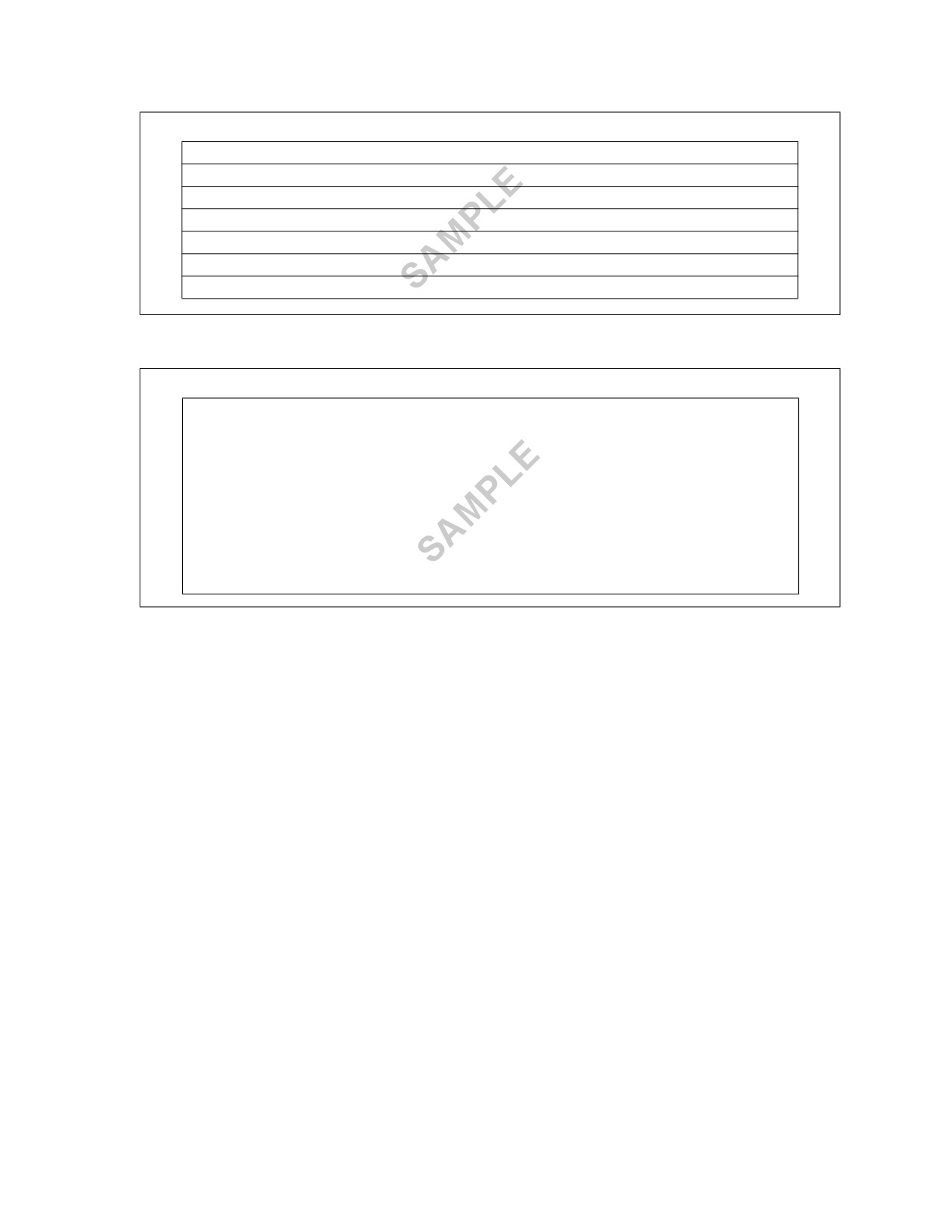
Collector:
Sample Number:
Place of Collection:
Grid/GPS Coordinates (if available):
Date Sampled:
Time Sampled:
Field Information:
Figure E-5. Sample Label
Name and Address of Organization Collecting Samples:
_______________________________________________________________________
_______________________________________________________________________
Person Collecting Samples:_________________________________________________
(Signature)
Sample Number: _________________________________________________________
Date Collected: ____________________ Time Collected: ________________________
Place Collected:__________________________________________________________
Figure E-6. Sample Seal
b. Sample Evidence/Sample Log. Use an evidence/sample log (Figure E-7, page E-
53) to maintain an accurate record of all samples taken. At a minimum, ensure that the
log contains the unique identifier from the sample label (the sample number), a
description of the sample, the sample location, the sample collector’s name, witness
information, and the date and time of sample collection.
c.
Sample Photographic Log. Maintain a photographic log (Figure E-8, page E-54)
for all digital and still photographs taken, and assign a number to each photograph. The
log documents the process of scene photography, including the technical and descriptive
information concerning the photographic task.
NOTE: Videotaping the sampling process produces an additional burden on the
need to adhere to proper sampling procedures. The videotape becomes
admissible in court, and any mistakes that are documented during the
sampling process can be used in any pending criminal investigation or
prosecution.
d. Sample Diagram/Sketch Form. Use a diagram/sketch form (Figure E-9, page
E-55) during the site assessment to depict the sampling site. Identify the location, date,
and assessment team members; and provide a space for a sketch and any clarifying notes
to aid in site assessment.
e.
Sample Administrative/Logistics Form. The administrative/logistics form
(Figure E-10, page E-56) documents the conditions of the sampling site and serves as a
E-51
running log of the activities that comprise the operation. Include a description of the
weather and the temperature at the time of sampling.
f.
Sample Recovery Log. The recovery log (Figure E-11, page E-57) can also serve
as an evidence/sample log.
16. Packaging of Samples for Shipment
All samples must be packaged in three layers of containment to meet air transport
regulations—the sample container, a primary container, and a secondary container. To
meet these requirements—
• Use special transport media that complies with the United Nations (UN)
handling regulations. It consists of a primary container, which is held in
absorbent material within a secondary container. The secondary container is
carried in an outer container. (Commercially manufactured packs specifically
designed for the transport of dangerous pathogens and approved by the
International Air Transport Association are widely available.)
• Double-wrap or -bag the primary container for less hazardous samples. Place
the primary container in another bag (secondary container). Remove excess air
pockets, and place the secondary container in an outer container packed with
absorbent material. Place breakable containers in rigid containers to protect
them from puncture or breakage.
a.
Less Than 50 Milliliters. If the volume does not exceed 50 milliliters, place the
material in a securely closed, watertight container (primary) and enclose it in another
durable, watertight container (secondary). Several primary containers can be enclosed in
a single secondary container if the total volume does not exceed 50 milliliters. Ensure
that the space at the top, bottom, and sides between the primary and secondary
containers contains enough nonparticulate absorbent material (e.g., paper towels) to
absorb the contents of the primary container(s) in case of breakage or leakage. Enclose
each secondary container in an outer shipping container (e.g., sample transfer case) that
is constructed of corrugated fiberboard, cardboard, wood, or another material of
equivalent strength.
b.
More Than 50 Milliliters. If the volume is greater than 50 milliliters, ensure
that packaging material complies with the requirements in paragraph 16a. In addition,
place a shock-absorbent material, which is at least equal in volume to the absorbent
material, between the primary and secondary containers and on the top, bottom, and
sides between the secondary container and the outer shipping container. Ensure that
single primary containers do not contain more than 1,000 milliliters of material.
However, two or more primary containers whose combined volumes do not exceed 1,000
milliliters can be placed in a single, secondary container. No more than 4,000 milliliters
of an etiologic agent can be enclosed within a single outer shipping container.
NOTES:
1. Wear eye protection, respiratory protection, and gloves when handling a
sample.
2. See applicable system level TMs or TOs for specific instructions on
packaging liquid samples, such as sample vials or bottles.
E-52
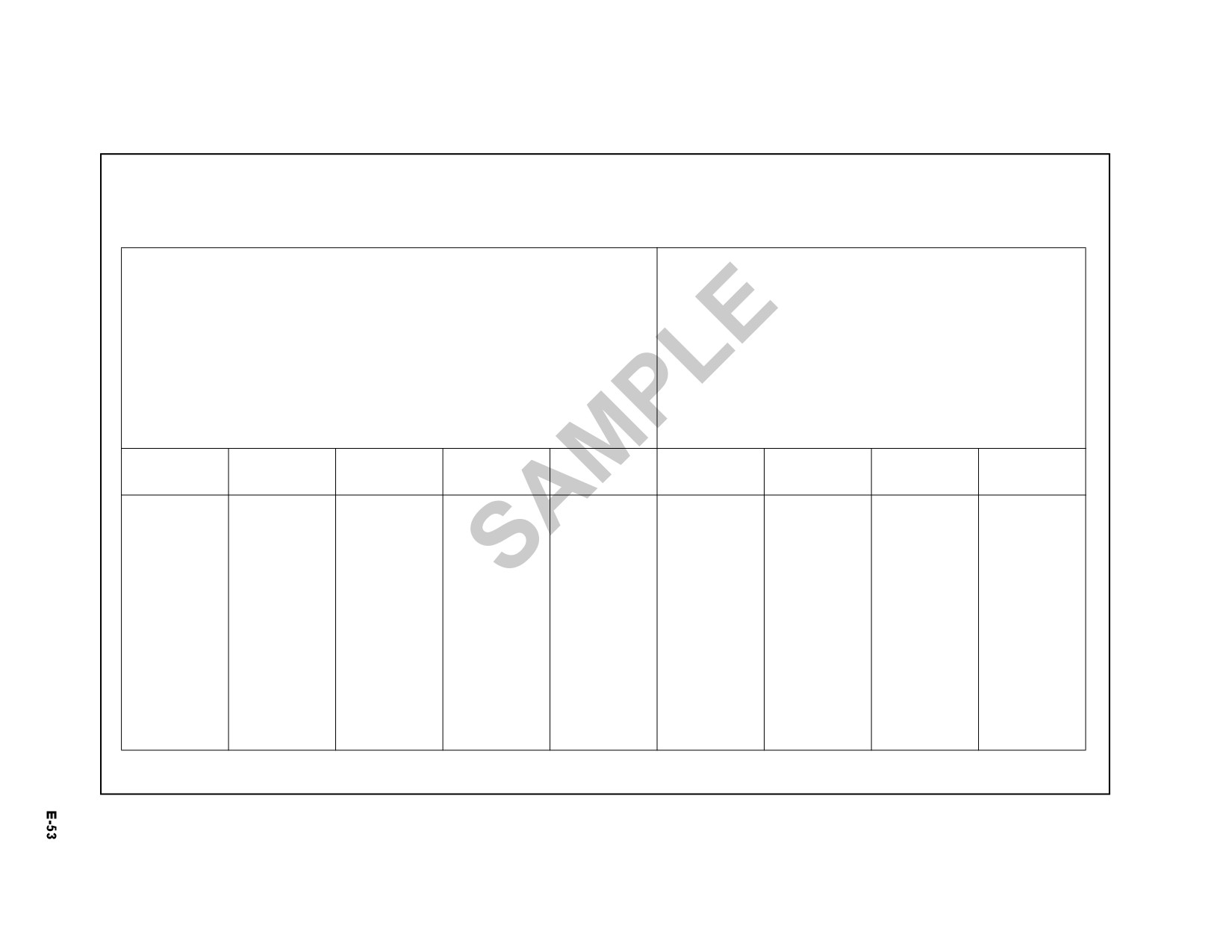
Page _____ of _____
Location: ________________________________________________________
Personnel and Contact Information:
Date: ___________________________________________________________
__________________________________________________
Incident Identifier: _________________________________________________
__________________________________________________
Preparer/Assistants: _______________________________________________
__________________________________________________
_______________________________________________________________
__________________________________________________
_______________________________________________________________
__________________________________________________
Sample
Sample
Collected
Photo
Sample
Packaging
Description
Time
Comments
Identifier
Location
By
(Yes or No)
Kit
Method
Figure E-7. Sample Evidence/Sample Log
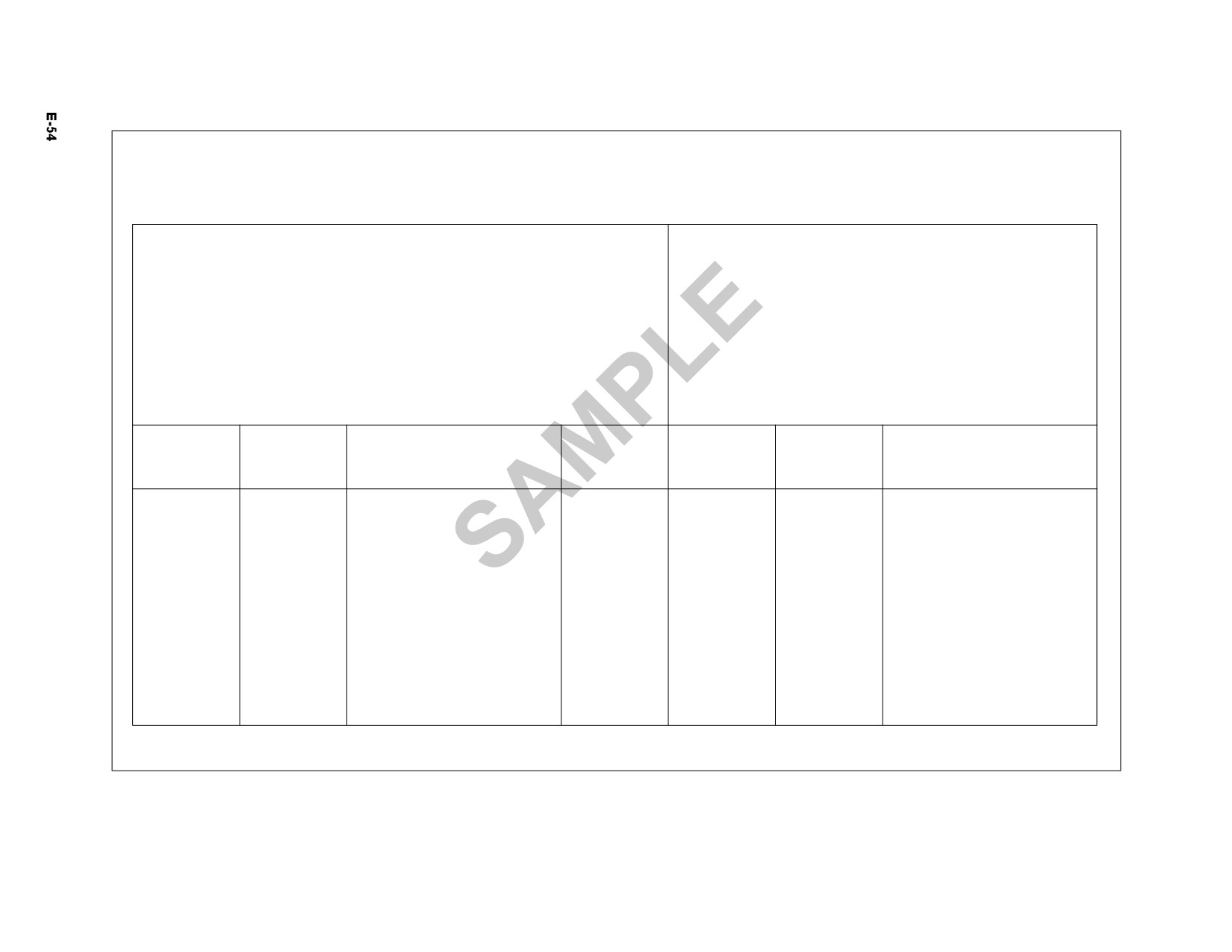
Page _____ of _____
Location: ________________________________________________________
Camera: __________________________________________
Date: ___________________________________________________________
Type of Film and Rating: ______________________________
Incident Identifier: _________________________________________________
Remarks:
_________________________________________
Preparer/Assistants: _______________________________________________
__________________________________________________
_______________________________________________________________
__________________________________________________
_______________________________________________________________
__________________________________________________
Roll and
Camera
Photo
Description of Photographic
Use of
Sketch
Frame
Settings and
Distance
Number
Subject
Scale
(If Applicable)
Number
Lens Type
Figure E-8. Sample Photographic Log
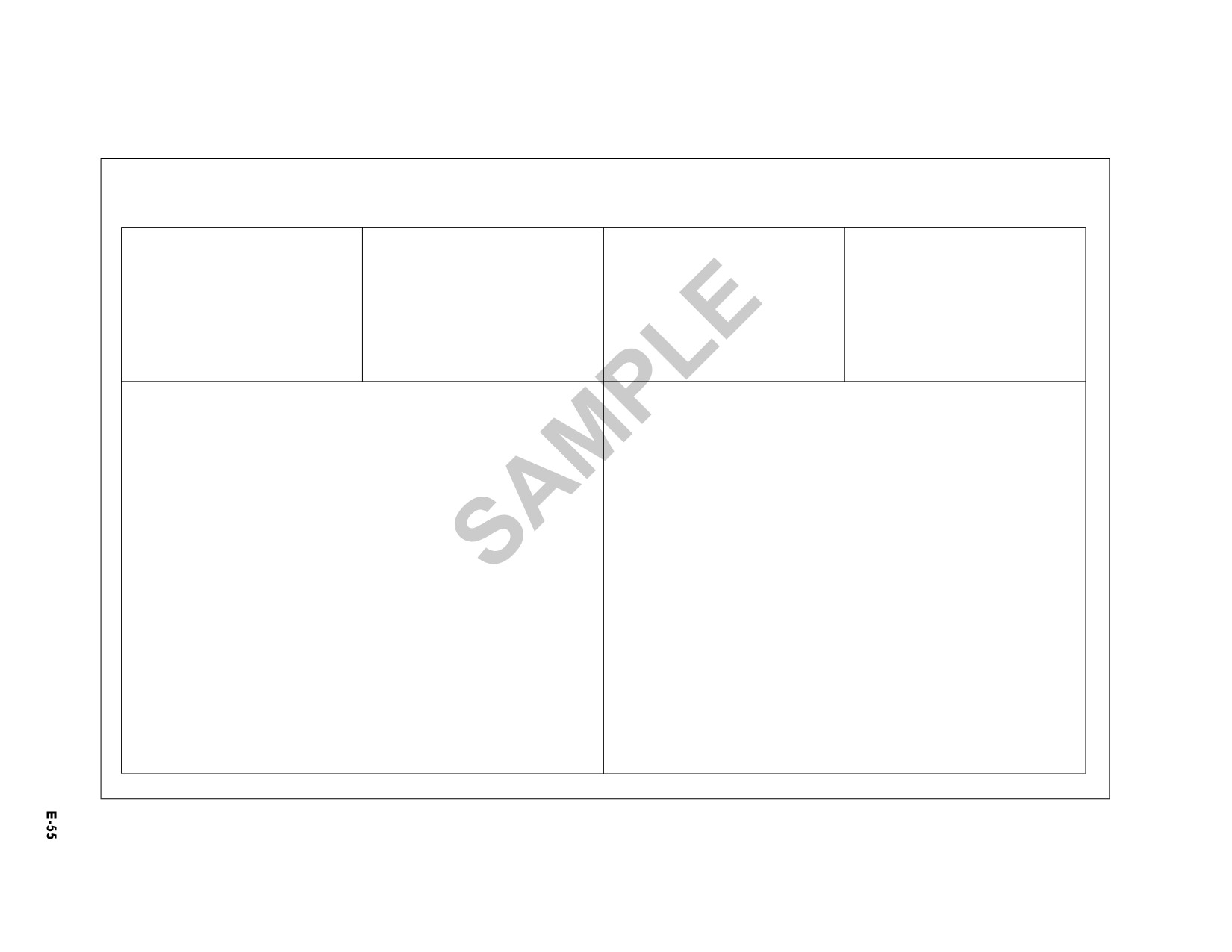
Page _____ of _____
Location:
Date:
Incident Identifier:
Preparer/Assistants:
Sketch:
Notes:
Figure E-9. Sample Diagram/Sketch Form
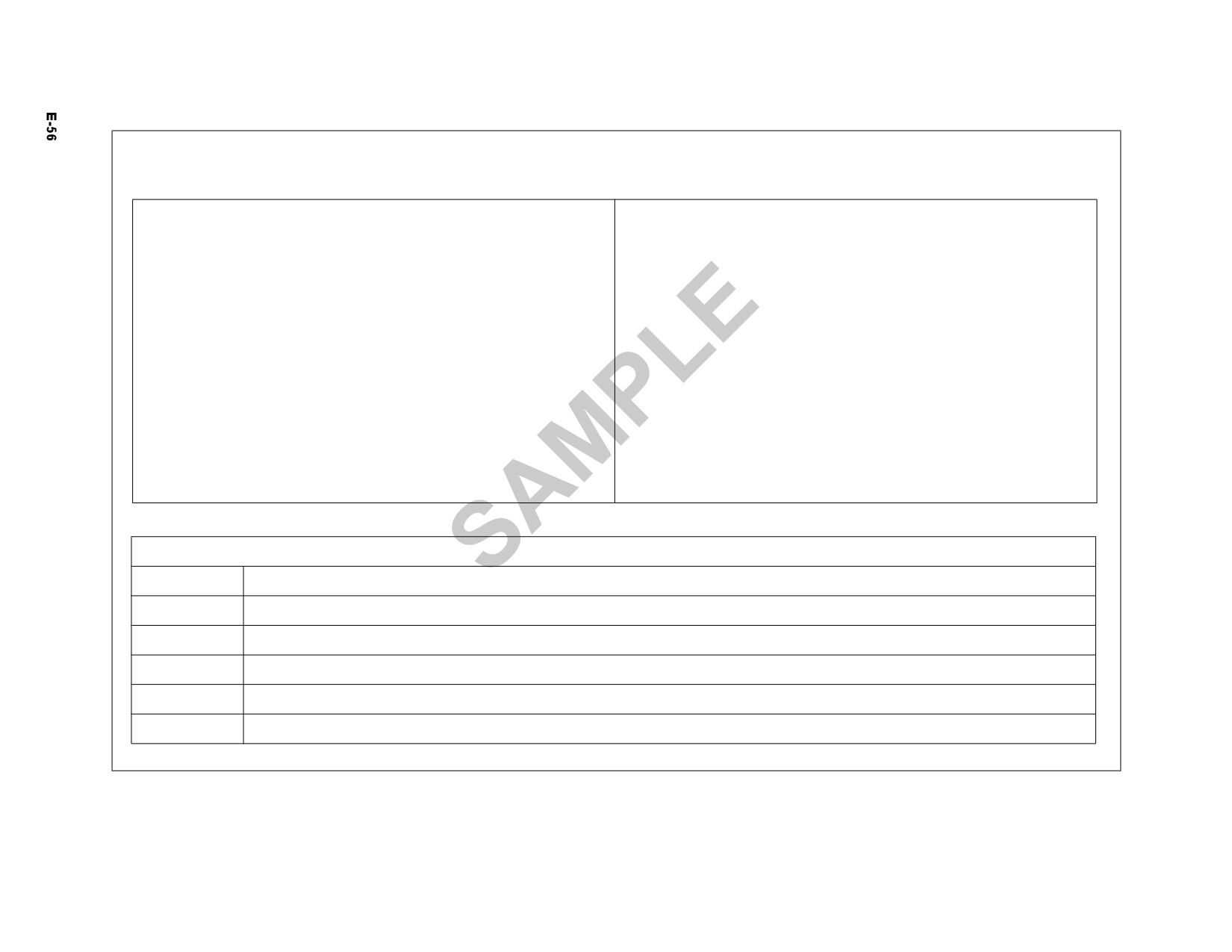
Page _____ of _____
Location (Grid, GPS, Address):
_______________________________
Personnel Involved:
________________________________________
________________________________________________________
________________________________________________________
Mission/Case Number: ______________________________________
________________________________________________________
Preparer:
________________________________________________
________________________________________________________
________________________________________________________
________________________________________________________
Time and Date of Arrival:
____________________________________
________________________________________________________
Condition of Sampling Site (Secured/Unsecured): _________________
Preliminary Survey (Note Observations): ________________________ ‘
________________________________________________________
________________________________________________________
Lighting Conditions:
________________________________________
________________________________________________________
Weather Conditions: ________________________________________
Final Survey:
_____________________________________________
Special Conditions, Safety Hazards or Conditions:
________________
________________________________________________________
________________________________________________________
________________________________________________________
Administrative Log
Time
Pertinent Description/Information
Figure E-10. Sample Administrative/Logistics Form
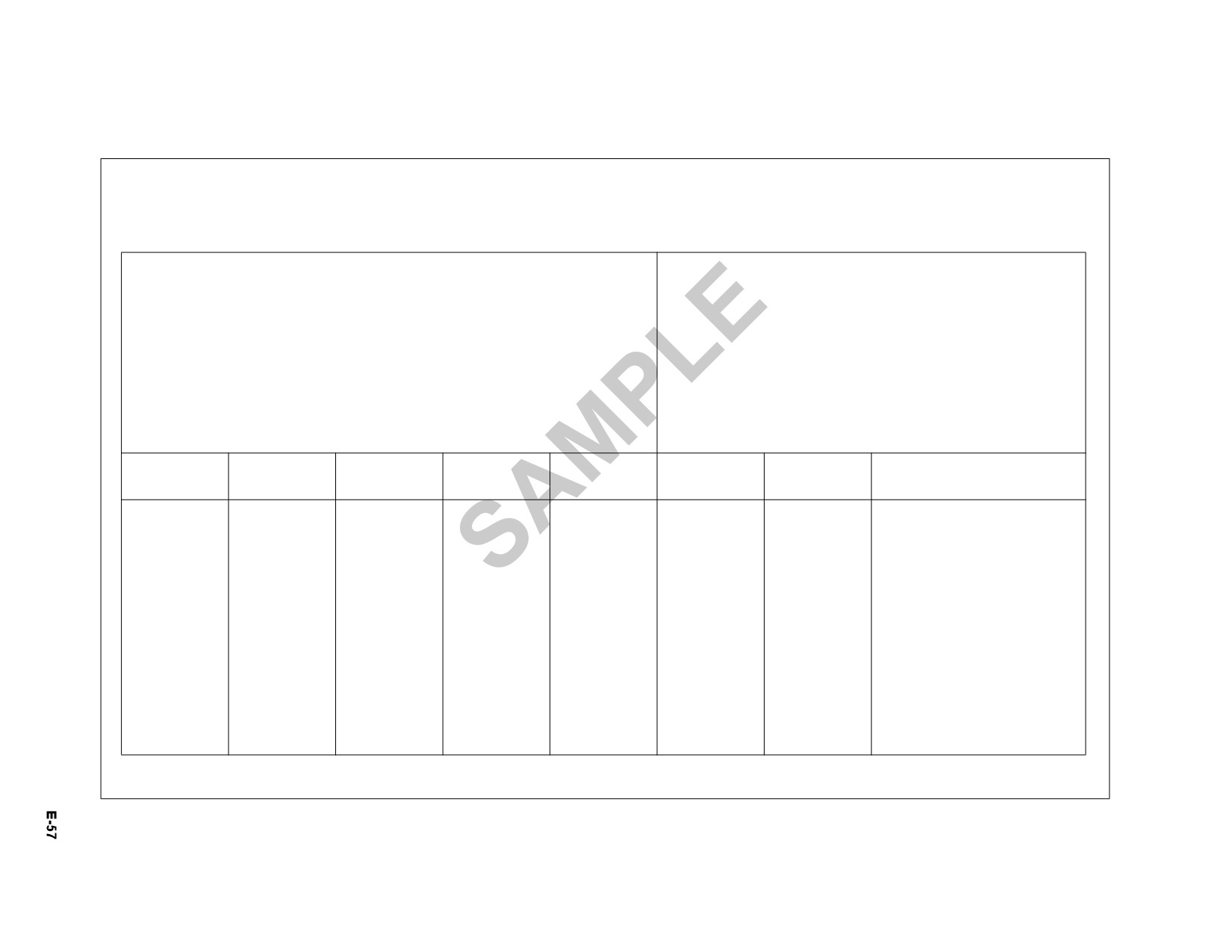
Page _____ of _____
Grid/GPS/Coordinate Location:
______________________________________
Sampling Team: ____________________________________
Time and Date: ___________________________________________________
__________________________________________________
Mission/Case Number: _____________________________________________
__________________________________________________
Preparer/Assistants: _______________________________________________
__________________________________________________
_______________________________________________________________
__________________________________________________
_______________________________________________________________
__________________________________________________
Sample
Location of
Sampled
Photograph
Description
Type
Lot Number
Comments
Number
Sample
By
Number
Figure E-11. Sample Recovery Log
17. Transfer of Samples to a Laboratory or Lead Agency
a.
Proper documentation of the sampling process is a key factor in the successful
transfer of samples to a laboratory for analysis or to the lead agency in an investigation,
particularly with respect to maintaining an accurate depiction of the chain of custody. In
the event of litigation, the processes of sample collection, transfer, analysis, storage, and
disposal are documented and comprise a chain of custody that may be used to trace the
possession of the sample from the moment of collection through analysis and disposal.
Chain of custody is a critical element of good field and laboratory practices.
b.
The sampling TL—
• Signs and records the date and time of transfer on the chain-of-custody
form to be included with each group of samples in each transportation
container.
• Makes a copy of all documentation.
• Places the original chain-of-custody documentation in a sealed plastic
bag.
• Seals the transportation containers with tamper-proof shipping tape.
• Transfers the transportation containers to the lead agency (in person, by
hand) and documents the transfer on the chain-of-custody form.
c.
If the chain is broken between the transfer of samples, implement a
contingency plan. Determine the cause of the chain breakage and perform corrective
actions to reconstruct the chain. Obtain affidavits (Figure E-12) from all field and
laboratory personnel. An affidavit is a sworn statement that the person in question
actually relinquished samples to the next individual in the transfer process. This process
is greatly facilitated if copies of all forms are retained. Complete the transfer of samples,
and attach the affidavits to the chain-of-custody documentation.
E-58

AFFIDAVIT
State of _________________, County of _________________
I do solemnly swear (or affirm) that, to the best of my knowledge, the environmental samples identified on the
chain-of-custody form were transferred in a secure manner to the next party indicated on the chain-of-custody
form. I also solemnly swear (or affirm) that, to the best of my knowledge, the samples were not damaged or
tampered with during process or transfer.
In WITNESS WHEREOF I have hereunto set my hand and seal this _____ day of _____________ 20___.
Typed Name and Position/Rank: ___________________________________________________________
Agency:
______________________________________________________________________________
Signature and Date: _____________________________________________________________________
Subscribed and sworn to (or affirmed) before me this _____ day of _____________ 20___.
Witness Signature: ______________________________________________________________________
My commission expires: __________________________________________________________________
Figure E-12. Sample Affidavit
E-59
Appendix F
ORGANIZATIONS AND EQUIPMENT
1.
Background
This appendix provides information on service assets that have NBC
reconnaissance capability. It also includes brief descriptions of chemical and radiological
equipment that are generally available at unit level.
2.
United States Army Capabilities
US Army NBC reconnaissance units are composed of teams, squads, sections, and
platoons. One system (M93A1 Fox) and one crew is a team, two teams are a squad, and
an ad hoc grouping of three or more systems teams is a section. Platoons range in size
from three to eight teams with their vehicles.
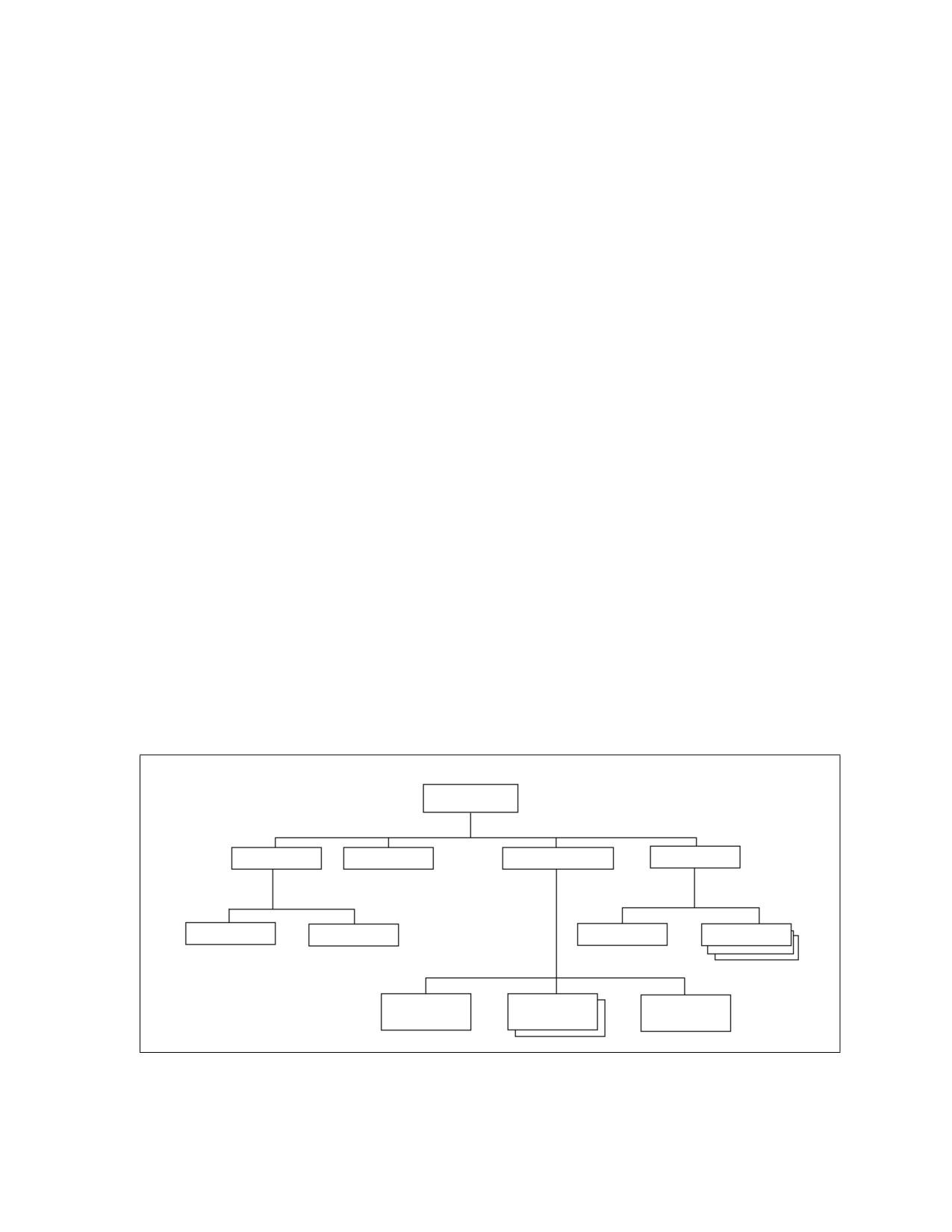
a. Chemical Company (Smoke/Decontamination/Reconnaissance) (ACR). Figure
F-1 shows the organization of this company. It can be wheel- or track-equipped. An NBC
reconnaissance platoon is organized with three squads, and each squad has two M93A1
Fox vehicles.
• Allocation. One company per ACR.
• Mission. To provide NBC warning and reporting staff support, NBC
reconnaissance support, equipment decontamination, and/or smoke
support to an ACR.
• Capabilities.
n
Conducts route, zone, and area NBC reconnaissance.
n
Conducts NBC surveys, surveillance, and sampling.
n
Provides ISR support, decontamination, and smoke support.
CM co
Co HQ
Reg CM sec
Smk/decon plt
Recon plt
HQ sec
Maint sec
Plt HQ
Recon sqd
Smk/decon
Plt HQ
Spt sqd
sqd
Figure F-1. Chemical Company (Smoke/Decontamination/Reconnaissance) (ACR)
F-1
b.
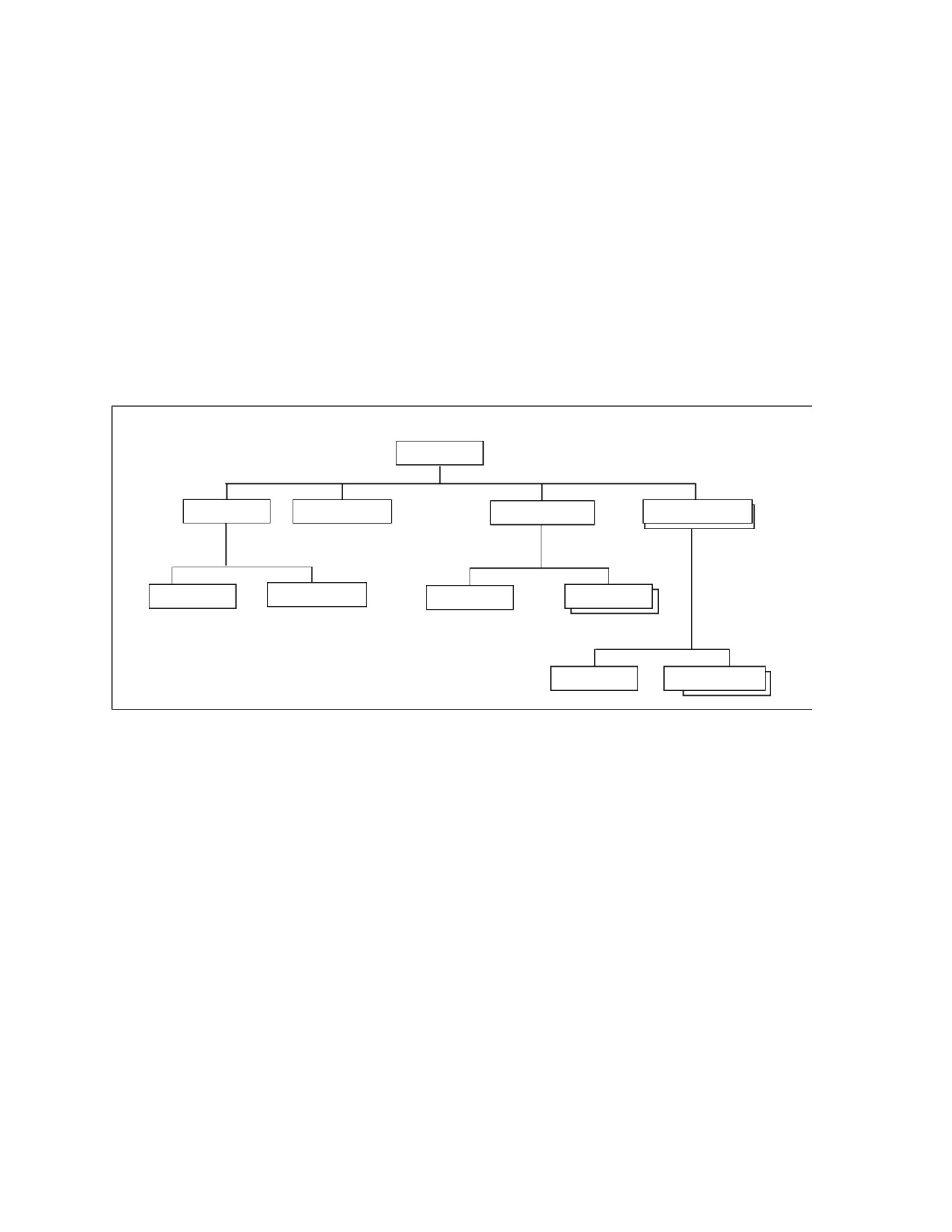
Chemical Company (Reconnaissance/Decontamination) (ACR) (Light). Figure
F-2 shows the organization of this company. An NBC reconnaissance platoon is
organized with two squads, and each squad has two M93A1 Fox vehicles.
• Allocation. One company per ACR (light).
• Mission. To provide NBC warning and reporting, NBC staff support,
NBC reconnaissance support, and NBC decontamination support to an
ACR (light).
• Capabilities.
n
Conducts route, zone, and area NBC reconnaissance.
n
Conducts NBC surveys, surveillance, and sampling.
n
Provides reconnaissance and decontamination support.
CM co
Co HQ
Reg CM sec
Decon plt
Recon plt
HQ sec
Maint sec
Plt HQ
Decon sqd
Plt HQ
Recon sqd
Figure F-2. Chemical Company (Reconnaissance/Decontamination) (ACR) (Light)
c.
Chemical Detachment (Reconnaissance). Figure F-3 shows the organization of
this detachment. Each reconnaissance squad has two M93A1 Foxes.
• Allocation. One per Force XXI digitized division cavalry squadron.
• Mission. To provide NBC reconnaissance support for elements of a Force
XXI digitized division.
• Capabilities. Conducts route, zone, and area NBC reconnaissance to
determine the presence and extent of NBC contamination.
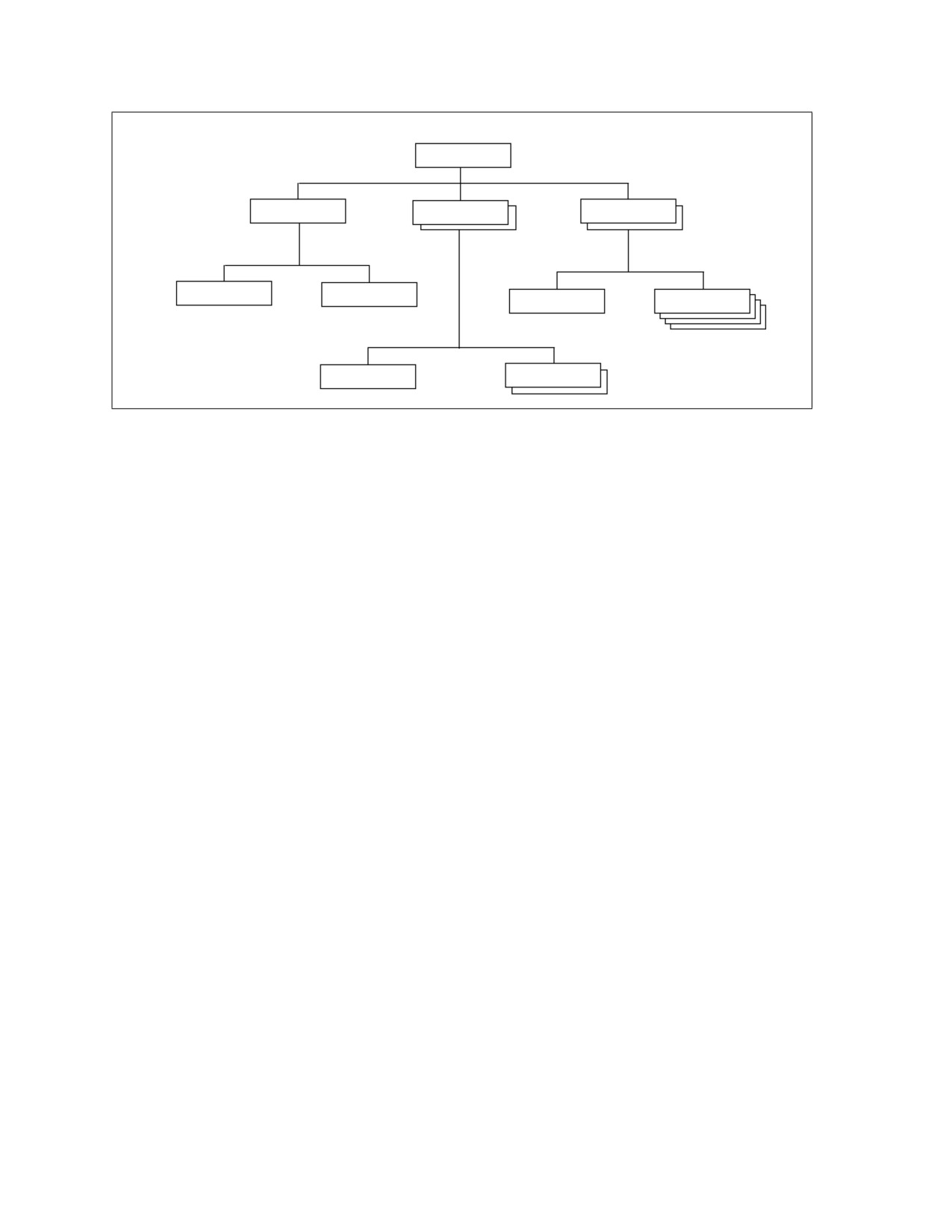
d. Chemical Company (Reconnaissance). Figure F-4 shows the organization of
this company. It has three platoons, each platoon has four squads, and each squad has
two M93A1 Fox vehicles.
• Allocation. One company per corps/theater Army (TA) (assigned to the
corps NBC battalion).
• Mission. To provide NBC reconnaissance support for elements of a corps/
TA.
F-2
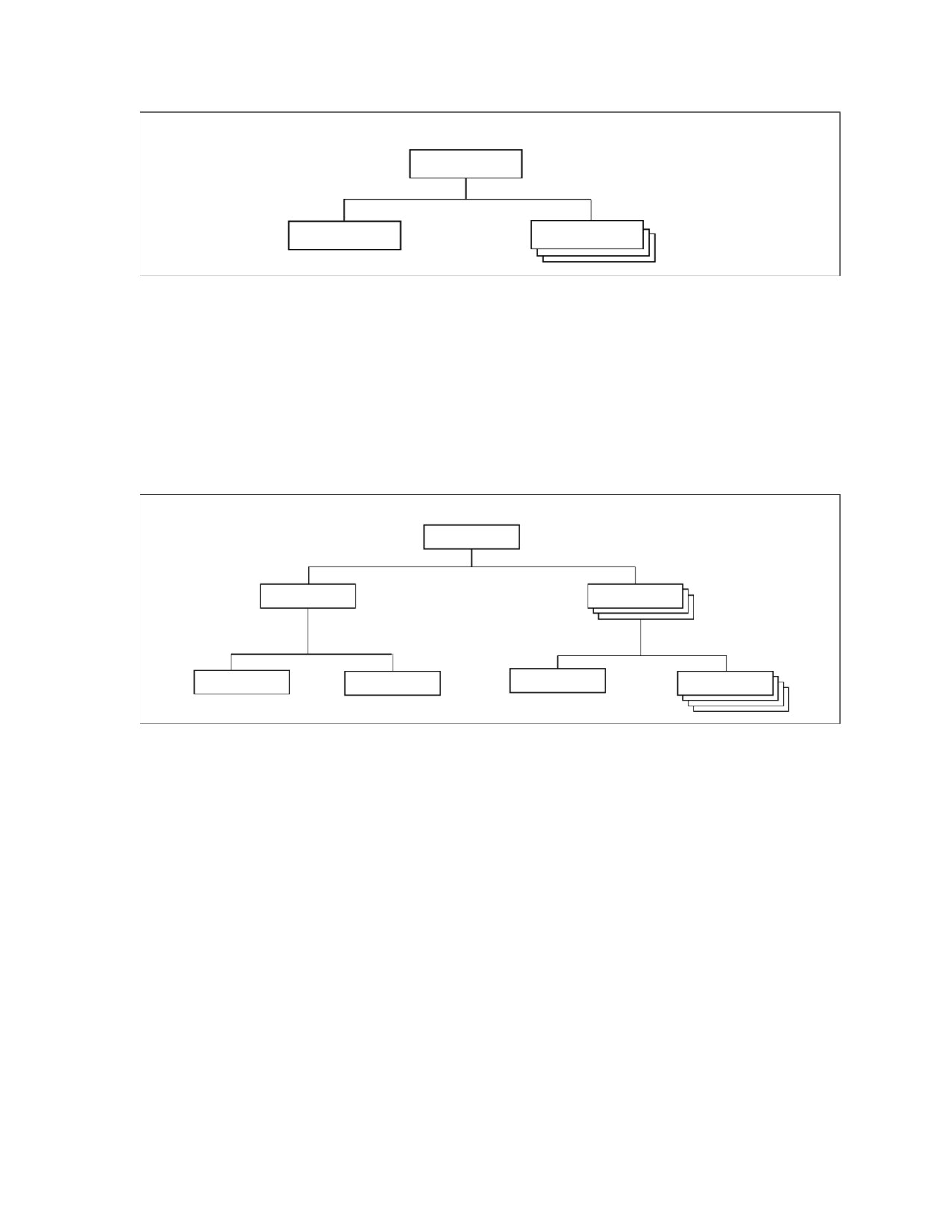
CM det
Det HQ
Recon sqd
Figure F-3. Chemical Detachment (Reconnaissance)
• Capabilities.
n
Conducts route, zone, and area NBC reconnaissance to determine
the presence and extent of NBC contamination.
n
Provides radiation monitoring and chemical-agent accident and
incident control plan operations support.
n
Provides conventional route, zone, and area reconnaissance.
CM co
Co HQ
Recon plt
HQ sec
Maint sec
Plt HQ
Recon sqd
Figure F-4. Chemical Company (Reconnaissance)
e.
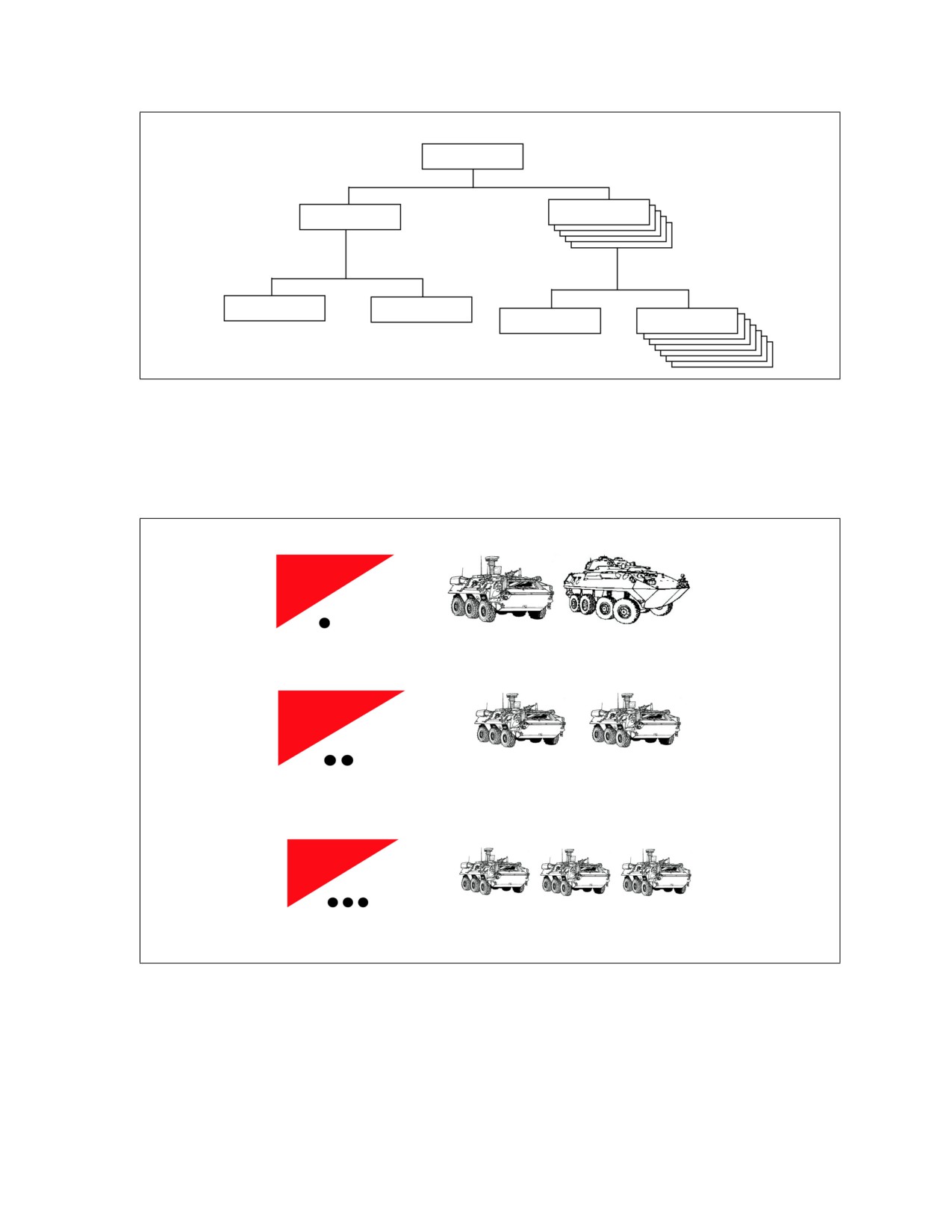
Chemical Company (Reconnaissance/Decontamination) (Force XXI Digitized
Division). Figure F-5, page F-4, shows the organization of this company. It has two
reconnaissance platoons, each platoon has two squads, and each squad has two M93A1
Fox vehicles.
• Allocation. One per Force XXI digitized division (assigned to the corps
NBC battalion).
• Mission. To provide NBC reconnaissance and equipment
decontamination for Force XXI digitized divisions.
• Capabilities.
n
Performs NBC reconnaissance and decontamination missions
simultaneously. The reconnaissance and decontamination elements
are dedicated to their respective missions.
n
Conducts route, zone, and area NBC reconnaissance.
n
Operates in the division area.
F-3
CM co
Co HQ
Recon plt
Decon plt
HQ sec
Maint sec
Plt HQ
Decon sqd
Plt HQ
Recon sqd
Figure F-5. Chemical Company (Reconnaissance/Decontamination)
(Force XXI Digitized Division)
f.
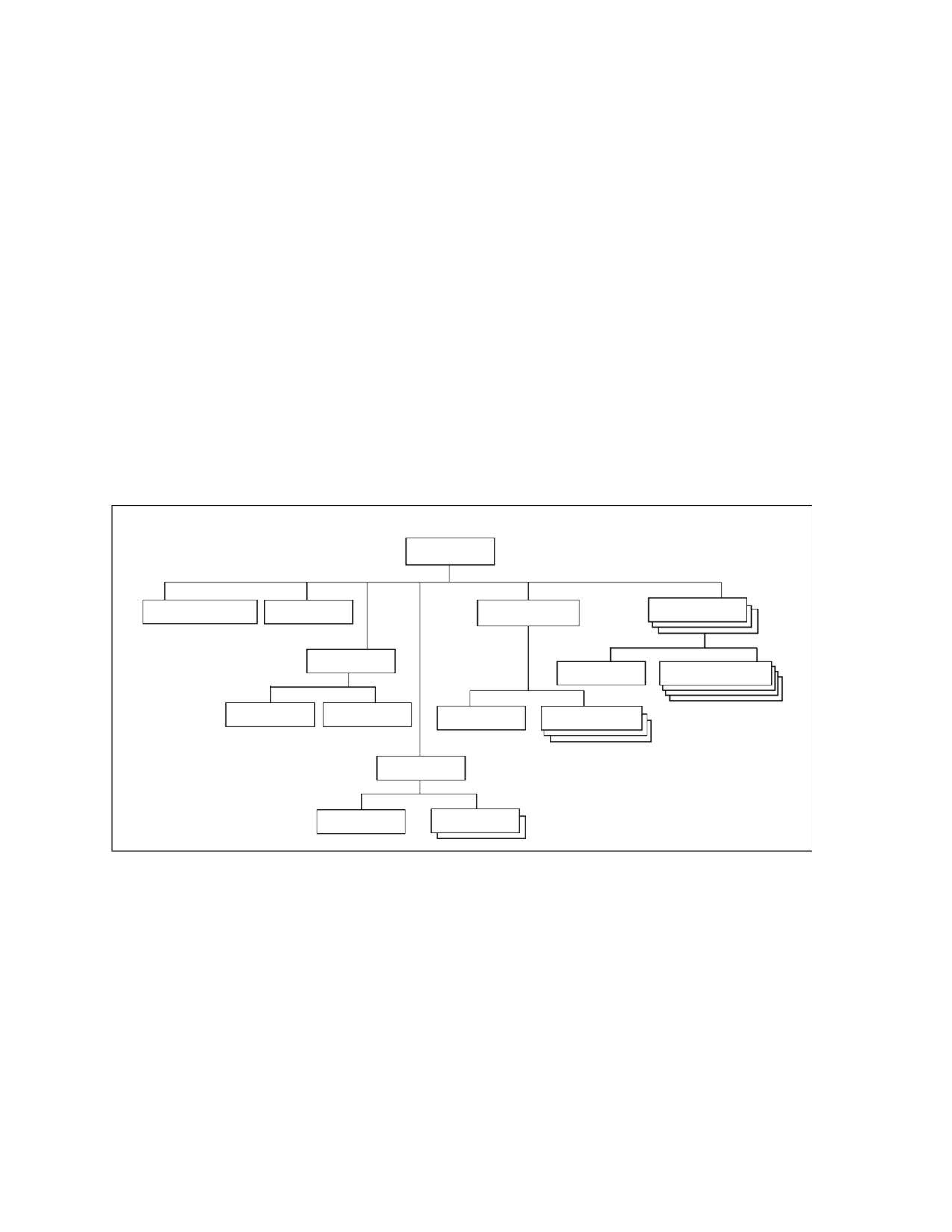
Chemical Company (Biological Detection). Figure F-6 shows the organization
of this company.
• Allocation. One company per corp, one per TA, and one per Force XXI
digitized division (heavy).
• Mission. To provide early warning, detection, location, and identification
of biological agents and BW.
• Capabilities.
n
Provides 5 platoons that operate up to 35 detection/identification
teams. Each platoon consists of 7 teams.
n
Collects and identifies known or suspected samples of biological
agents.
n
Collects and holds samples for later laboratory analysis.
n
Has limited chemical detection capabilities.
n
Sets up and is operational in less than 1 hour.
n
Provides 24-hour operations under all weather conditions.
n
Possesses navigational, meteorological, communication, and
auxiliary power.
g.
NBC Reconnaissance (LB) Team and Chemical Reconnaissance Detachment
(CRD) (see Appendix L).
h. NBC Reconnaissance Platoon, Stryker Brigade Combat Team. Figure F-7
shows the organization of this team. The platoon consists of three reconnaissance
squads, and each squad has two NBCRVs.
• Allocation. Organic to the Stryker brigade combat team reconnaissance
and surveillance target acquisition squadron.
F-4
CM co
BIDS plt
Co HQ
HQ sec
Maint sec
Plt HQ
BIDS team
Figure F-6. Chemical Company (Biological Detection)
• Mission. To provide NBC reconnaissance support to the Stryker brigade
combat team.
• Capabilities. Conducts route, zone, and area NBC reconnaissance.
Team configuration
Squad configuration
Platoon configuration
Figure F-7. NBC Reconnaissance Platoon, SBCT
F-5
i.
Chemical Company (Heavy Division). Figure F-8 shows the organization of this
company.
• Allocation. One per armored or mechanized division. (These divisions
are in a transition period, and their organic NBC defense company is
being moved to echelons above division.)
• Mission. To provide NBC staff support, equipment decontamination,
smoke support, and NBC reconnaissance for a heavy division.
• Capabilities.
n
Provides NBC staff services to the division headquarters.
n
Operates on a 24-hour basis.
n
Provides radiation monitoring and chemical detection capability in
support of nuclear or chemical accident/incident control plan
operations.
n
Conducts route, zone, and area NBC reconnaissance.
n
Conducts NBC surveys, surveillance, and sampling.
CM co
Div CM sec
NBC center
Recon plt
Decon plt
Co HQ
Plt HQ
Decon sqd
HQ sec
Maint sec
Plt HQ
Recon sqd
Smk plt
Plt HQ
Smk sqd
Figure F-8. Chemical Company (Heavy Division)
j.
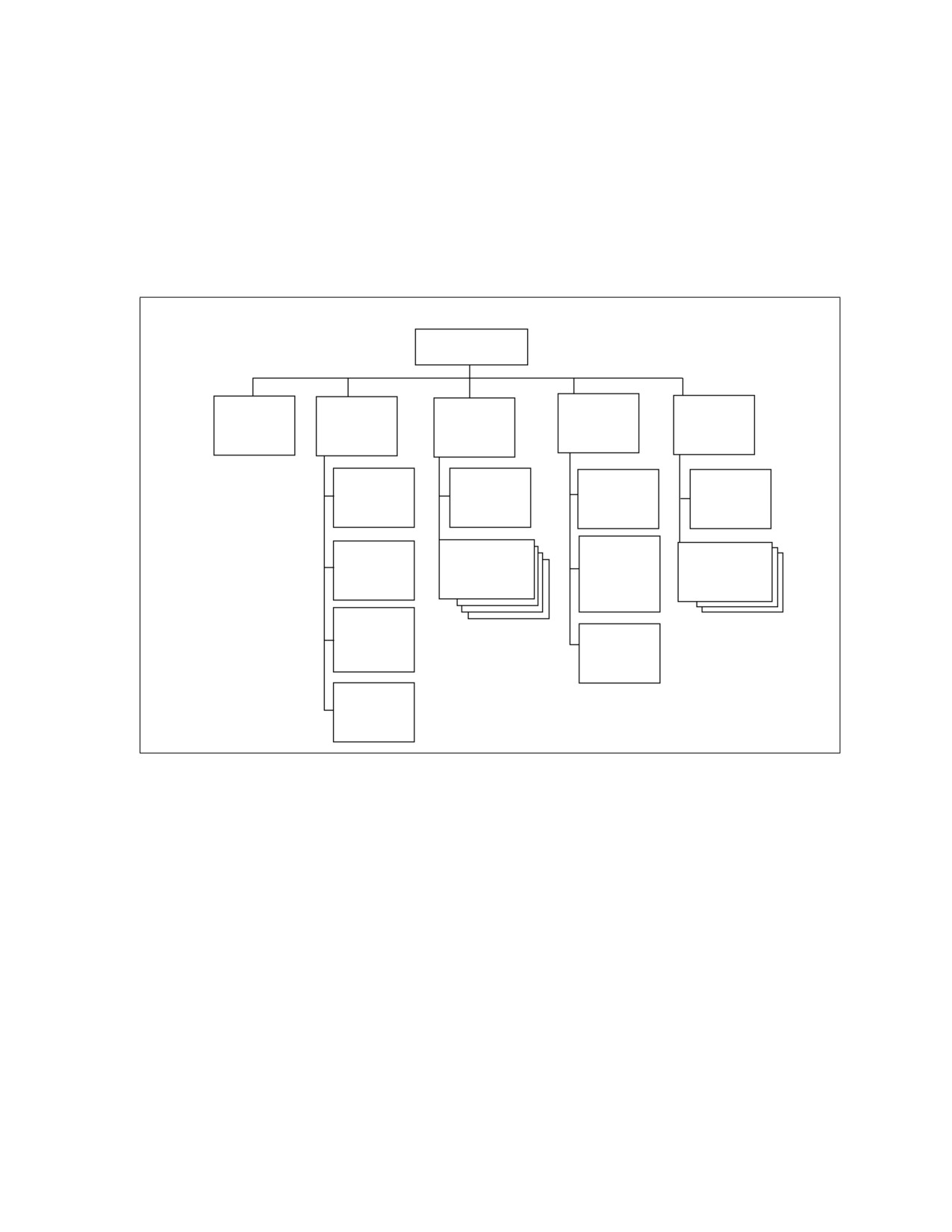
TEU. Figure F-9 shows the organization of this unit.
• Mission. To provide worldwide, no-notice field sampling, identification,
and verification of chemical agents and to monitor, recover,
decontaminate, escort, and mitigate hazards associated with CB
materials in compliance with international, federal, state, and local laws.
• Capabilities.
n
Provides technical escort of CB munitions and materials.
F-6
n
Renders safe and/or disposes of weaponized CB munitions and
materials.
n
Conducts technical intelligence exploitation of foreign CB munitions
and material.
n
Provides CB response teams to government agencies, as required, to
support national and international requirements.
n
Conducts operations in hazardous environments.
Technical escort
HHC
Co A
Co B
Co C
Co D
Co HQ
Co HQ
Co HQ
Co HQ
National
Remediation
Dugway
Remediation
response
response
Proving
response
team
team
Grounds,
team
UT
Joint
national
Pine Bluff
response
Arsenal,
team
AR
Joint
response
team
Figure F-9. TEU
k. EOD Unit. These units provide EOD support to defeat or mitigate the hazards
from conventional, nuclear, or chemical military munitions and WMD. They—
• Identify and render safe foreign and US military munitions.
• Dispose of munitions encountered and render safe terrorist improvised
explosive devices (IEDs).
• Respond to WMD incidents.
• Conduct training on military munitions and IEDs.
l.
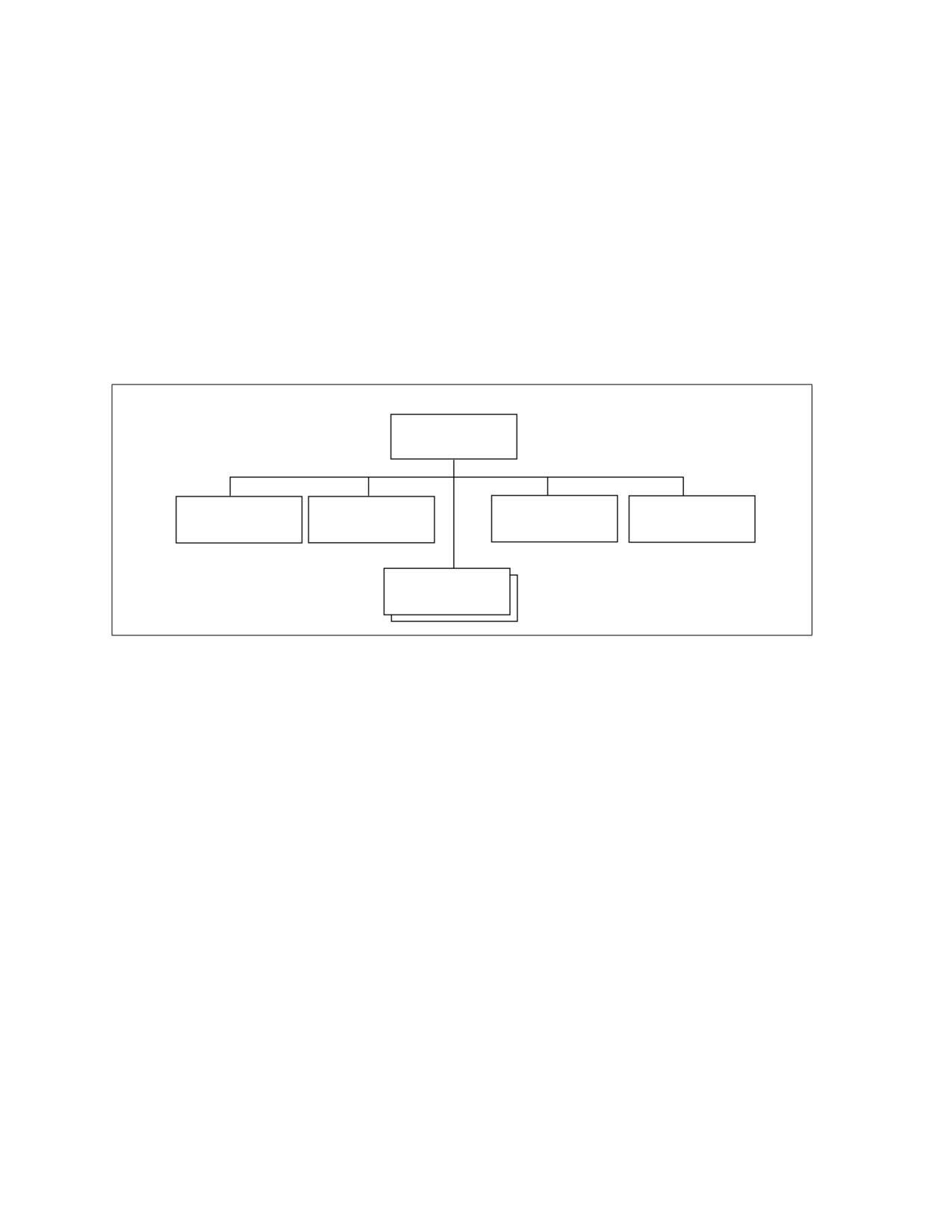
WMD Civil-Support Team. Figure F-10, page F-8, shows the organization of
this team.
• Allocation. One per assigned region.
• Mission. To support civil authorities at a domestic chemical, biological,
radiological, nuclear, and high-yield explosives (CBRNE) site by—
F-7
n
Identifying agents or substances.
n
Assessing current and projected consequences.
n
Advising on response measures.
n
Assisting with approximate requests for additional support.
• Capabilities.
n
Supports local ICs and emergency responders.
n
Detects unknown NBC agents.
n
Surveys and conducts the modelling of the hazard.
n
Advises the IC.
Commander
and deputy
Administration
Medical team
Communications
Operations team
and logistics
team
team
Survey teams
Figure F-10. WMD Civil-Support Team
m.
Soldier, Biological, and Chemical Command, Edgewood Chemical Biological
Center.
• Mission. The chemical support division serves as the Edgewood Chemical
Biological Center point of contact for operations associated with chemical
surety materiel-related remediation and restoration at formerly used
defense sites. The chemical support division also manages and maintains
support services and capabilities associated with materiel, facilities, and
equipment vital to the Edgewood Chemical Biological Center’s mission.
The chemical support division provides technical and program
management support to DOD and other government agencies associated
with processing chemical facilities, equipment, and ammunition.
• Capabilities. The chemical support division provides a full range of
chemical surety material-related air, water, and soil analysis in support
of the Edgewood Chemical Biological Center, DOD, other governmental
agency operations, and remediation efforts. The chemical support division
also provides and maintains a repository of chemical-agent standard
analytical reference materials in support of the DOD chemical defense
mission. The chemical support division maintains specialized equipment
to accomplish its assigned mission, such as the real-time analytical
platform (a vehicle containing a fully functional chemical analysis
F-8
system). In its current configuration, the real-time analytical platform
can automatically sample ambient air to detect the presence of specific
CW agents (nerve and blister).
n. Soldier, Biological, and Chemical Command, CB Rapid Response Team.
• Mission. The CB rapid response team deploys (on order) in support of the
lead federal agency (LFA). It also provides technical assistance to federal,
state, and local officials in response to, and mitigation of, incidents.
• Capabilities. The CB rapid response team assists in the detection,
neutralization, containment, dismantlement, and disposal of articles
containing (or suspected of containing) CB or related HAZMAT. It uses its
organic capability to support mission-essential functions, such as
sampling, monitoring, recovery, verification, and decontamination.
o.
Special Medical Augmentation Response Team-Chemical and Biological
(SMART-CB). SMART-CBs are organized and equipped to respond to NBC incidents and
provide critical medical support activities. They are trained medical teams that can
deploy rapidly in response to a CB incident (an accident involving the transport or
storage of weapons, the release of CW or BW agents or radiological material, a leak of
industrial chemicals or infectious or radioactive material).
• Allocation. One per each US Army regional medical command.
• Mission. To respond to NBC incidents and provide critical medical
support.
• Capabilities.
n
Provides medical advice and consultation to commanders and local
medical and political authorities responding to a threat or incident.
n
Advises on the protection of first responders and other health care
personnel, casualty decontamination procedures, first aid (for
nonmedical personnel), initial medical treatment, and casualty
handling. The initial advice includes signs, symptoms, first aid (self-
aid, buddy aid, and combat lifesaver aid), and initial treatment when
an incident occurs.
n
Assists in facilitating the procurement of needed resources. During
an incident, all response personnel must first protect themselves
from the agent or material and then provide assistance to victims.
n
Conducts the initial response. Upon arriving at the incident site or
AO, the team determines the types and numbers of other responders
required. After the initial assessment, the SMART-CB may elect to
use telemedicine reach-back or request domestic or foreign response
assets organized at the national level.
NOTE: For additional information on SMARTs, see FM 8-42.
p. CBRN Installation Support Team. Incident response is initiated by the local
installation and is supported, as needed, by the local community and state assets (as per
applicable agreements), MACOM, DA, and federal resources. The CBRN installation
support team (Figure F-11, page F-10) is an element of the immediate installation
response and is tailored from on-call organic installation/community assets. In order to
F-9
sustain operations, installations must be augmented until additional capabilities are
alerted, organized, and deployed to the incident site.
Installation
support team
CBRN
ISR
Decontamination
operation
Medical
Security
Figure F-11. CBRN Installation Support Team
•
Allocation. The installation support team detects, identifies, locates, and
marks CBR hazards (including TIC and TIM) throughout the installation.
The team also enables the installation commander to warn military and
civilian personnel of a hazard on and off the installation. Finally, the
team conducts limited personnel and patient decontamination to
minimize casualties, sustain operations, and prevent the spread of
contamination. The installation support team reports directly to the
installation commander or his representative and conducts operations in
support of the installation antiterrorism (AT)/FP plan.
•
Mission. On order, the installation support team performs CBR
detection, warning, and reporting and limited decontamination
operations at an installation to minimize casualties and limit the spread
of contamination in support of the installation AT/FP plan. It conducts
hand-off to a rapid response team or another designated augmentation
support team and, if needed, provides augmentation.
•
Capabilities.
n
Detects CBR hazards (including TIC and TIM) to provide limited
early warning.
n
Performs presumptive identification of CBR hazards to identify the
agent or material.
n
Locates CBR hazards.
n
Communicates directly with the installation commander, IC or
designated representative, and installation emergency operations
center (EOC) using secure voice communications.
F-10
n
Calculates hazard predictions to warn military and civilian
personnel of downwind hazards.
n
Advises on evacuation routes.
n
Marks contaminated areas to prevent casualties and the spread of
contamination.
n
Provides PVNTMED assistance and medical surveillance.
n
Provides prompt, effective, emergency medical care on site to
minimize mortality.
n
Coordinates administrative and logistics support to sustain
operations.
n
Coordinates security support to prevent casualties and limit the
spread of contamination.
n
Conducts limited personnel and equipment decontamination to
sustain operations and limit the spread of contamination.
3.
United States Marine Corps Capabilities
a.
Unit Defense Teams. Unit defense teams are not filled by NBC specialists, but
are primarily formed at company level from assigned personnel. Company teams may be
reinforced by the attachment of other company teams as directed by the senior
commander. Thus, NBC reconnaissance/survey and surveillance/monitoring are
accomplished at the company level.
•
Allocation. Company teams are organized per the unit SOP.
•
Mission. To provide NBC reconnaissance, survey, surveillance,
monitoring, and decontamination as directed by the company commander
or higher headquarters.
•
Reconnaissance/survey capabilities.
n
Recognizes NBC attacks and understands unit procedures to
implement warnings.
n
Detects CB agents and radiological hazards.
n
Operates and performs operator’s maintenance on NBC detection
and sampling equipment, such as the NBCRS.
n
Conducts NBC sampling surveys.
n
Collects samples of suspected contamination and forwards them to
higher headquarters.
n
Marks contaminated areas, equipment, and supplies with standard
marking signs.
n
Provides data for the compilation of NBC reports.
•
Surveillance/monitoring capabilities.
n
Operates and performs operator’s maintenance on NBC monitoring
equipment.
F-11
n
Conducts NBC monitoring operations.
n
Monitors the effectiveness of decontamination measures.
n
Provides data for the completion of NBC reports.
b.
CBIRF.
• Allocation. The CBIRF is assigned to the II Marine Expeditionary Force.
• Mission. To deploy domestically or overseas and provide FP/mitigation in
the event of a WMD incident and to respond to no-notice WMD incidents
with a rapid, deployable installation response force.
• Capabilities.
n
Detects and identifies CB agents.
n
Performs sampling and collection.
n
Monitors concentration and exposure levels.
n
Provides decontamination for first responders.
n
Provides casualty decontamination on scene.
n
Conducts victim searches in areas and confined spaces.
n
Performs technical rescue and casualty extractions.
n
Provides emergency medical care in contaminated areas.
n
Provides casualty triage and stabilization.
n
Transfers casualties to local medical systems.
n
Provides casualty decontamination support.
n
Provides a mobile laboratory.
c.
NBC Reconnaissance Platoon. NBC reconnaissance assets (i.e., the M93A1 or
the joint services light NBCRS) are integrated into ISR efforts to confirm or deny the
presence of contaminated areas. NBC reconnaissance assets can be task-organized to
support forward-deployed combat elements or be located in rear areas to monitor MSRs
or C2 nodes.
4.
United States Air Force Capabilities
a.
NBC forces are structured to support AB survivability and operations. Each
AB CE squadron contains a readiness flight (office symbol CEX). This flight is the focal
point for nonmedical NBC defense. EOD, fire protection (HAZMAT team), also has key
NBC or CBRNE capabilities. Bioenvironmental engineering personnel (United States
Air Force specialty code [AFSC] 43E3 and 4BOX1) are medical assets that team with CE
readiness to assess risks and recommend response actions. Bioenvironmental
engineering is also responsible for monitoring the water supply. The senior
bioenvironmental engineering member is the NBC medical defense officer.
(1) CE readiness personnel (AFSC 3E9X1) are NBC technicians who are
responsible for managing and supporting all (nonmedical) NBC planning, training, and
operations on the base. The number of personnel assigned to the flight depends on the
F-12