FM 3-21.10 (FM 7-10) The Infantry Rifle Company (July 2006) - page 14
Appendix C
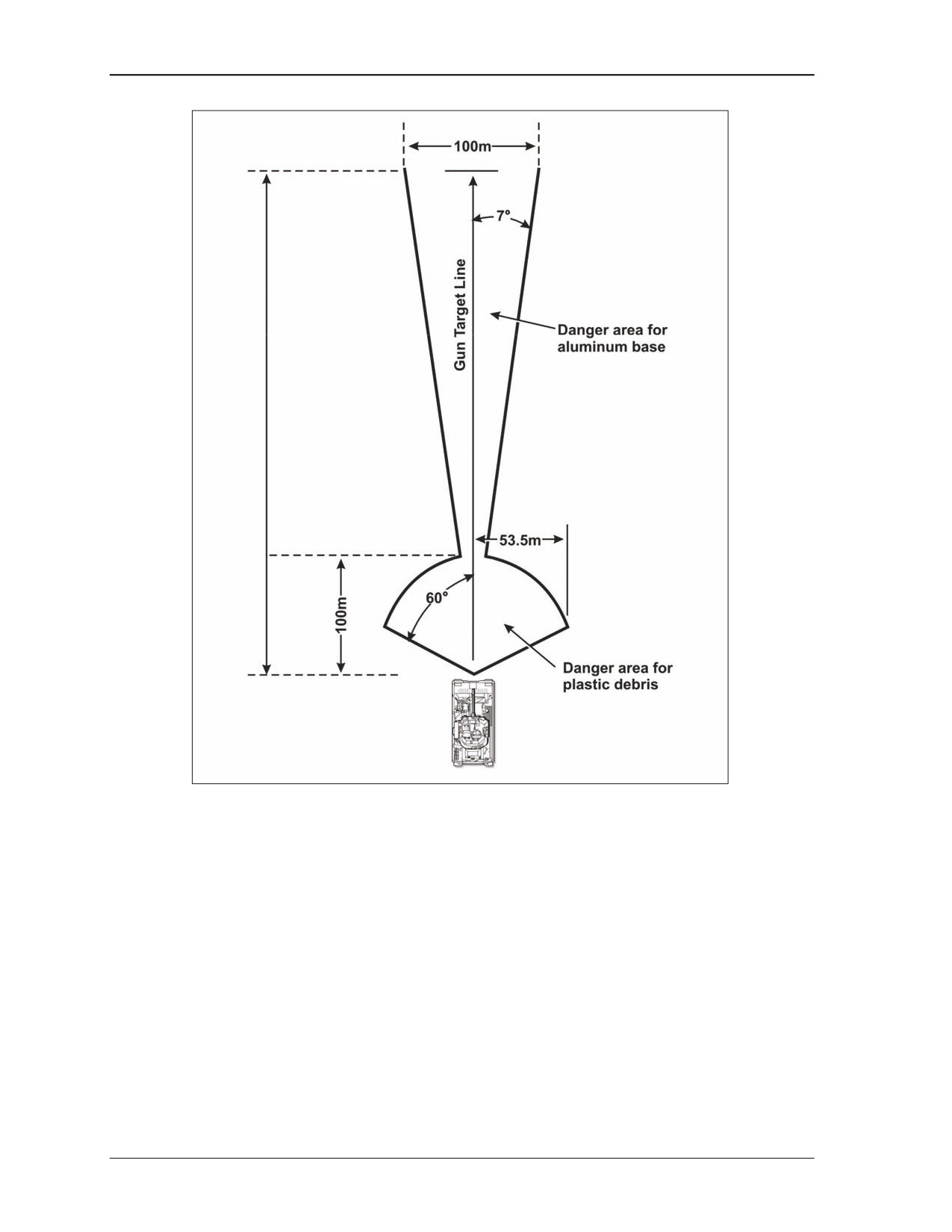
Figure C-2. BFV danger zone.
NOISE
C-19. Tank main guns create noise in excess of 140 decibels. Repeated exposure to this level of noise
can cause severe hearing loss and even deafness. In addition, dangerous noise levels may extend more than
600 meters from the tank. Single-layer hearing protection, such as earplugs, allows Infantrymen to work
within 25 meters of the side or rear of the tank without significant hazard.
GROUND MOVEMENT HAZARDS
C-20. Crewmembers on Strykers, tanks, and BFVs have limited ability to see anyone on the ground, on
either the side or rear of the vehicle. As a result, vehicle crews and dismounted Infantrymen share
responsibility for avoiding the hazards this may create. Infantrymen must maintain a safe distance from
armored vehicles at all times. In addition, when they work close to an armored vehicle, dismounted
Soldiers must ensure that the vehicle commander knows their location at all times.
C-6
FM 3-21.10
27 July 2006
Heavy and Stryker Employment
Note: Because the Stryker and the M1-series tanks are quiet, Infantry Soldiers might have
a hard time hearing them approach. Again, vehicle crews and dismounted Infantry Soldiers
share the responsibility for eliminating potential dangers (managing risk) in this situation.
M1 EXHAUST PLUME HAZARD
C-21. A hot exhaust plume streams out the rear of the M1-series tank and then angles downward. This
exhaust plume is hot enough to burn skin and clothing.
TOW MISSILE SYSTEM
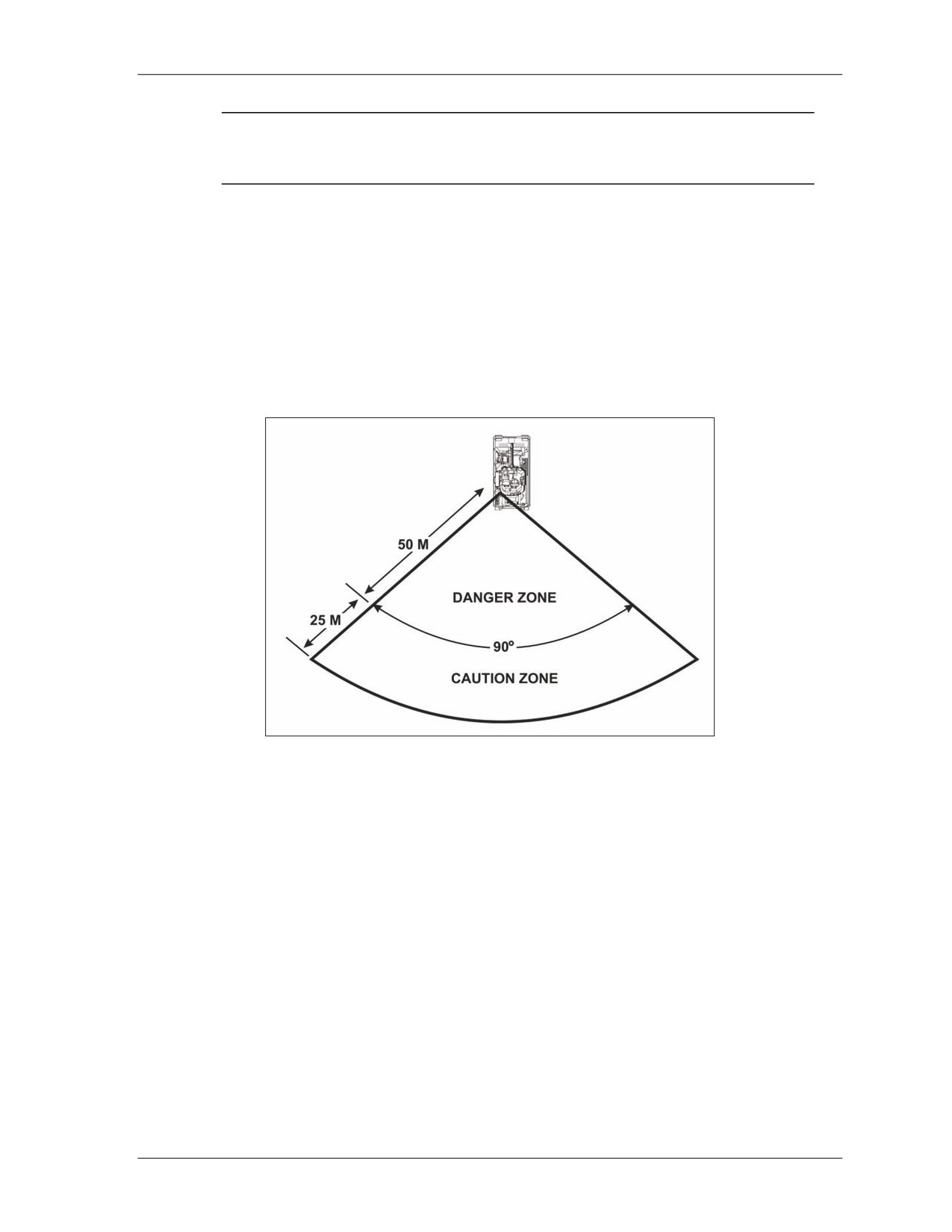
C-22. The TOW missile system has a danger zone extending 50 meters to the rear of the vehicle in a
90-degree cone. A 25-meter deep caution zone expands the cone farther (Figure C-3).
Figure C-3. BFV TOW backblast danger zone.
PLANNING CONSIDERATIONS
C-23. The Infantry company fights as part of a combined arms team, which often includes mounted
units. Armored vehicles provide unique capabilities to supported Infantry units; these should be considered
during the planning process. The commander must know how to employ and support these units.
Generally, armored vehicles can contribute to the dismounted battle by--
y Providing suppressive fires and a mobile base of fire for dismounted Infantry. The vehicles'
machine guns can suppress enemy positions, kill personnel, and destroy lightly armored targets.
Vehicle main gun and antitank missile systems can destroy heavily armored targets. They might
also work well against well-protected enemy forces, or against enemy forces in an urban
environment.
y Using their speed and shock effect to assist the Infantry in executing an assault. Stabilized gun
systems provide accurate direct fires even while the vehicle is moving at high speeds.
y Providing effective antitank fires. Main armaments can destroy tanks, armored vehicles, and
fortifications such as bunkers.
27 July 2006
FM 3-21.10
C-7
Appendix C
y Providing limited mobility to the dismounted force. Armored vehicles can move cross-country
over trenches, trees, and small obstacles.
y Using their technical assets, such as thermal viewers and range finders, to aid in target
acquisition and ranging at long distances, day or night.
y Providing additional communication assets. The vehicle radios and the crew's arm-and-hand
signals allow orders to be communicated between crews and dismounted troops.
LIMITATIONS
C-24. Armored vehicles have the following limitations and vulnerabilities that affect their employment
in support of Infantry forces.
y They are vulnerable to antitank guided missiles, guns, mines, tanks, and aircraft.
y They require daily resupply of POL products in large quantities.
y They require extensive maintenance, skilled operators, and mechanics.
OBSTACLES
C-25. Existing or reinforcing obstacles can restrict or stop armored vehicle movement. Since armored
vehicles often work with dismounted Infantry in dense woods, urban areas, or other restricted terrain,
Infantry leaders must understand the mobility characteristics of the vehicles that are supporting the unit.
y When forced to fight buttoned-up (hatches closed), the crew's visibility is downgraded to only
what they can see through their vision blocks.
y In close terrain, trees, buildings, or other obstacles can restrict turret traverse.
y In jungles or swampy areas, soft ground easily traversed by Infantry might have to be bypassed
by armored vehicles.
y Depending on the situation, the ammunition basic load might also be a limitation. Bradley
vehicles use a mix of 25-mm APFSDS-T (kinetic energy) rounds and HEI-T ammunition. The
M1 tank's basic loads usually contain only APDS, HEAT, or MPAT rounds.
COMBINED OPERATIONS WITH ARMORED VEHICLES
C-26. Leaders must know what mounted and Infantry forces can do for each other. They must know
how to communicate by radio, phone, and visual signals.
y Infantrymen help mounted forces by finding and breaching or marking antitank obstacles. They
detect and destroy or suppress enemy antitank weapons. Infantrymen may designate targets for
mounted forces and protect them in close terrain.
y Mounted forces help Infantry by leading Infantrymen in open terrain and providing them a
protected, fast-moving assault weapons system.
(This depends on the enemy's antitank
capability.) They suppress and destroy enemy weapons, bunkers, and tanks by fire and
maneuver. They may provide transport when the enemy situation permits.
MOVEMENT TO CONTACT
C-27. Infantry companies use the approach-march technique and the search-and-attack technique to
conduct a movement.
APPROACH-MARCH TECHNIQUE
C-28. The company team uses normal movement techniques (traveling, traveling overwatch, and
bounding overwatch).
C-8
FM 3-21.10
27 July 2006
Heavy and Stryker Employment
y Mounted forces may follow and provide overwatch for the rifle platoons in traveling or
traveling overwatch at a distance determined by the terrain and visibility. This allows the rifle
platoons to move by stealth while being overwatched by the mounted forces.
y The mounted forces may lead in traveling or traveling overwatch when speed is required and
when in open terrain. When mounted forces lead, they normally use (platoon) bounding
overwatch. Some Infantrymen may ride with the overwatching mounted vehicle section; these
men provide security for the vehicle at halts, and they dismount to clear danger areas.
y In bounding overwatch, the mounted forces are normally part of the overwatch element. In
open terrain, the vehicles might be the bounding element.
SEARCH-AND-ATTACK TECHNIQUE
C-29. The mounted forces are normally employed under the battalion's scheme of maneuver. They may
work with the company to concentrate combat power, isolate enemy positions, or attack enemy base
camps. They may also escort convoys through terrain occupied by enemy forces.
ATTACKS
C-30. All attacks involving mounted forces and Infantry must be well-planned, thoroughly coordinated,
and fully rehearsed. The communications procedures require special considerations to ensure mutual
support and flexibility.
ATTACK ON CONVERGING ROUTES
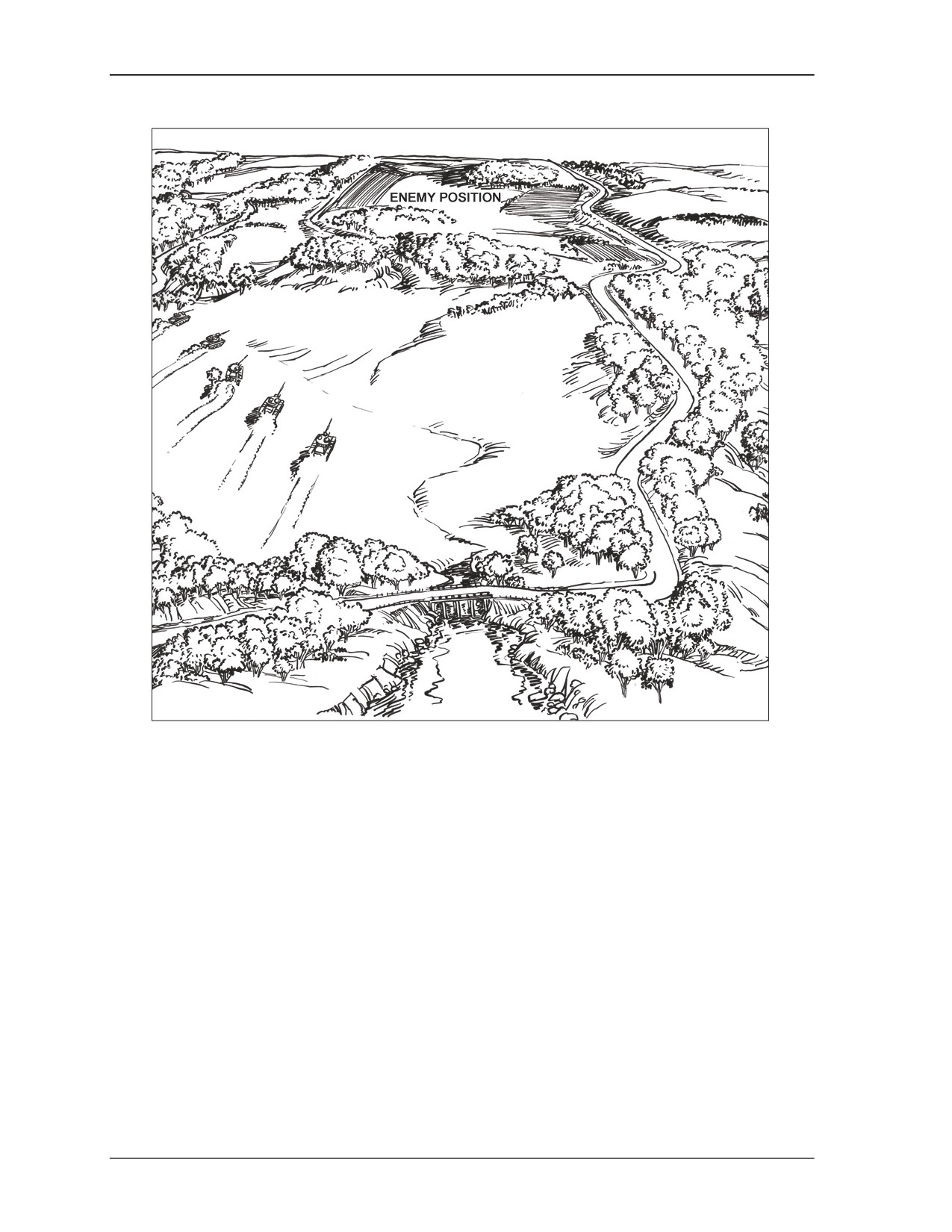
C-31. In this method, the mounted force and Infantry move on separate routes that meet on the
objective. Mounted forces may first support the Infantry by fire, then close on the objective in time to
assault it with the Infantry (Figure C-4, page C-10). This may require the Infantry to breach obstacles and
destroy certain antiarmor systems to help the mounted force reach the objective. Tanks are the only
mounted forces that should assault on to the objective unless the enemy has no antiarmor capability.
27 July 2006
FM 3-21.10
C-9
Appendix C
Figure C-4. Attacks along converging routes.
ATTACK ON SAME ROUTE
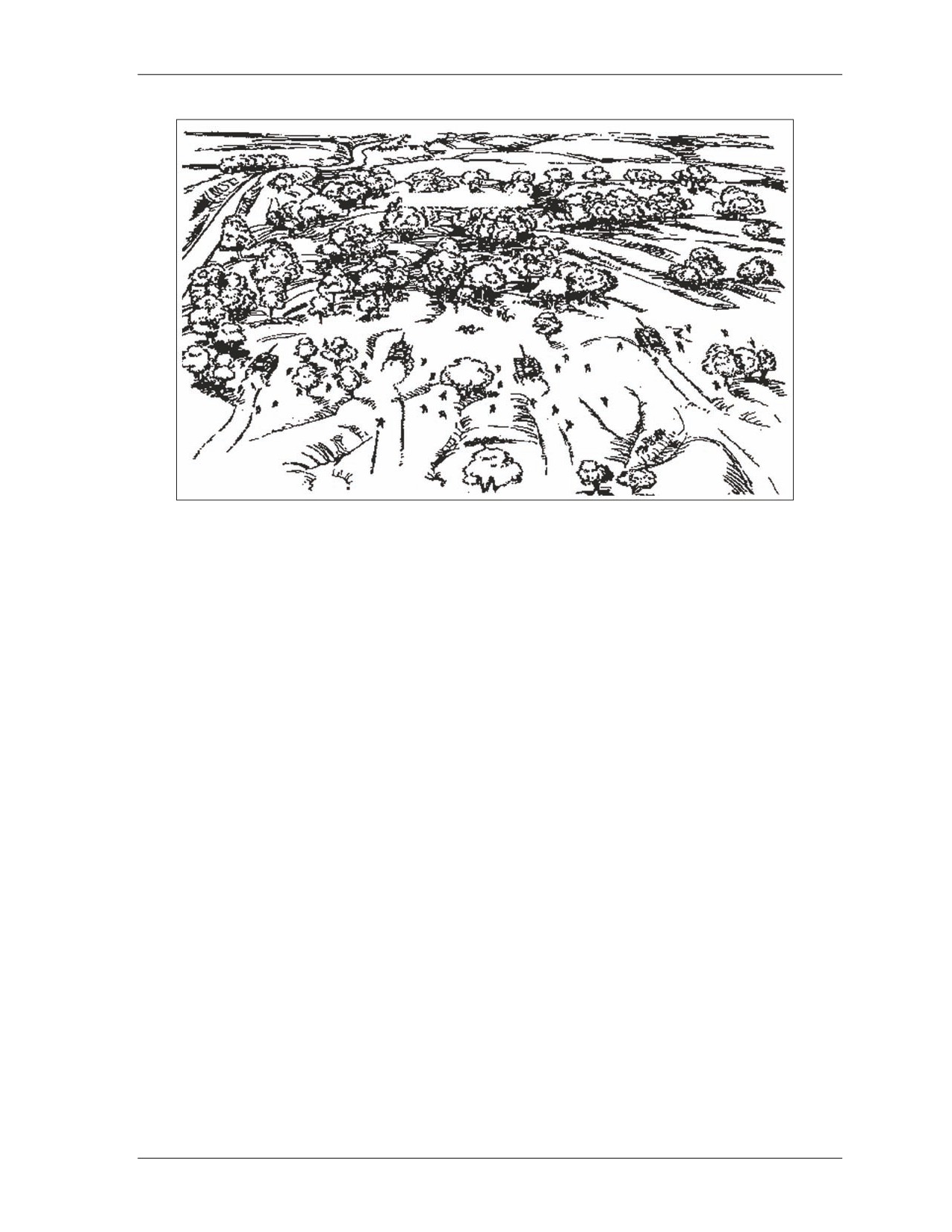
C-32. When mounted force and Infantry attack on the same route (Figure C-5). The two elements may
move at the same speed or at different speeds.
C-10
FM 3-21.10
27 July 2006
Heavy and Stryker Employment
Figure C-5. Attacking on same route.
y They use the same speed when there are no good overwatch positions or when there is a need
for close mutual support. For example, mutual support might be required when the enemy has
antitank weapons and tanks, but when their locations are unknown. When attacking at the same
speed, the Infantry might be slightly ahead, but not directly in front of even with, or just to the
rear of, the mounted force.
y They move using different speeds when there are obstacles that their Infantry must clear for the
mounted force, or when the route offers good cover and concealment for the Infantry but not
for the mounted force. In these cases, the mounted force (first) support by fire while the
Infantry moves to its assault position. The mounted force then move forward to assault with the
Infantry. However, the mounted force might lead the Infantry against an enemy that is being
suppressed, lacks well-prepared positions with overhead cover, or presents no great antiarmor
threat.
MOUNTED FORCE SUPPORT-BY-FIRE
C-33. This method is used when obstacles prevent the mounted force from closing on the objective. The
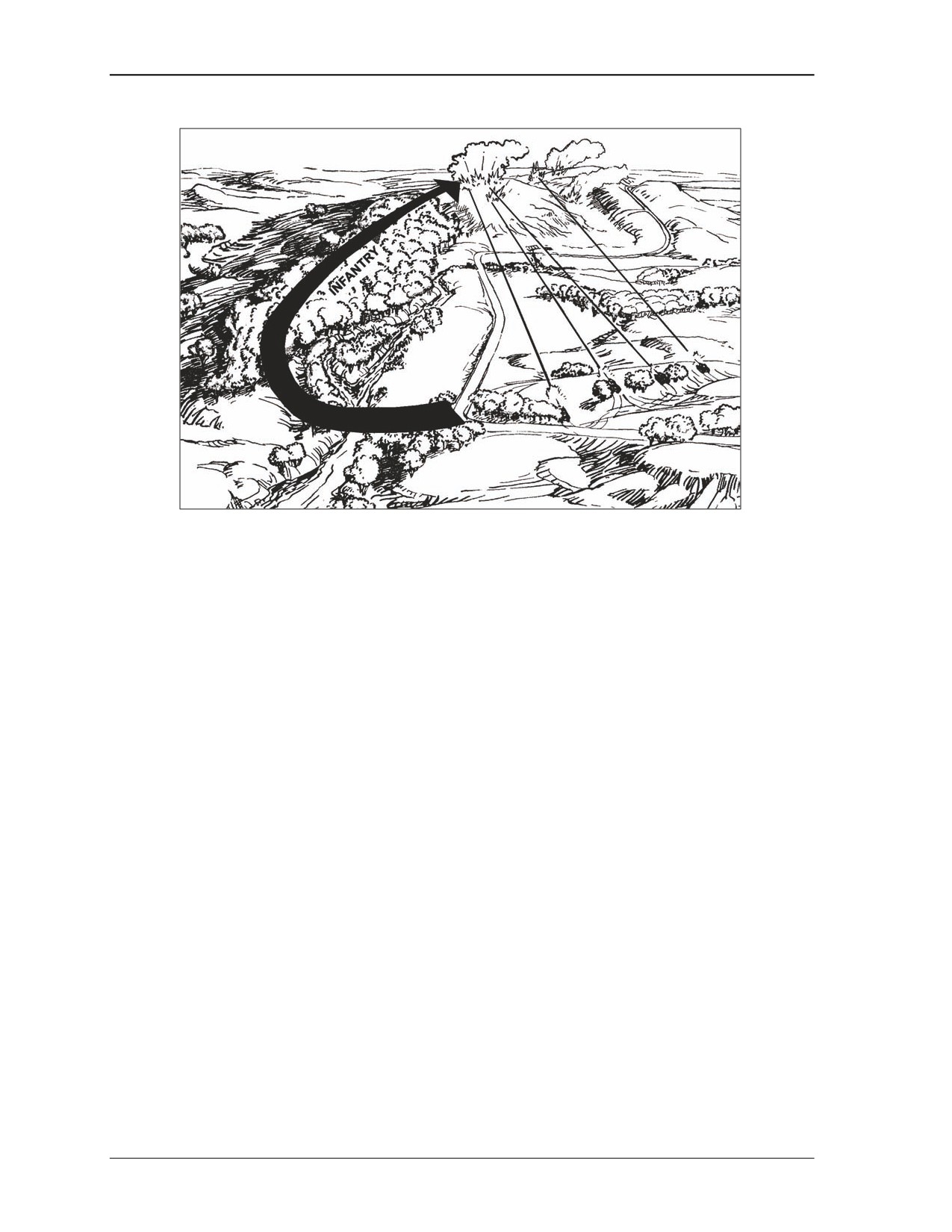
mounted forces occupy positions where they can support the attacking Infantry (Figure C-6). As soon as
the obstacles are breached or a suitable bypass is found, the mounted force rejoins the Infantry.
27 July 2006
FM 3-21.10
C-11
Appendix C
Figure C-6. Mounted forces support by fire.
CONSOLIDATION AND REORGANIZATION
C-34. When a company team has seized an objective, the team consolidates. Either the company
commander directs the mounted forces leader to position his vehicle in overwatch positions behind the
Infantry so they are ready to move forwarded when needed, or he directs them to hull-down positions with
the Infantry to block armor counterattack approaches. If the withdrawing enemy can be seen and is still in
range, the mounted forces continue to fire. Throughout the attack, the team reorganizes and replaces any
lost leaders.
DEFENSE
C-35. Mounted forces add strength, depth, and mobility to the defense. The company commander may
initially position them forward to engage the enemy at long ranges and then move them back to cover
armor approaches. However, the commander must move the vehicles where needed to concentrate fire
against an enemy attack. He should also use them to add strength to the counterattack force.
C-36. The commander may temporarily position his mounted forces (with Infantry for security) forward
of the company's defensive positions. When so deployed, they can force the enemy to deploy early. This
forward deployment may deceive the enemy as to the location of the company's defensive positions. As
soon as the enemy is close enough to threaten them, the mounted force must withdraw to their defensive
positions. Smoke might be used to screen their withdrawal.
C-37. There are two basic ways for the defending Infantry company commander to employ mounted
forces. In both, the commander selects their general positions and sectors of fire. The mounted forces
leader advises the commander and selects the exact positions and controls fire and movement.
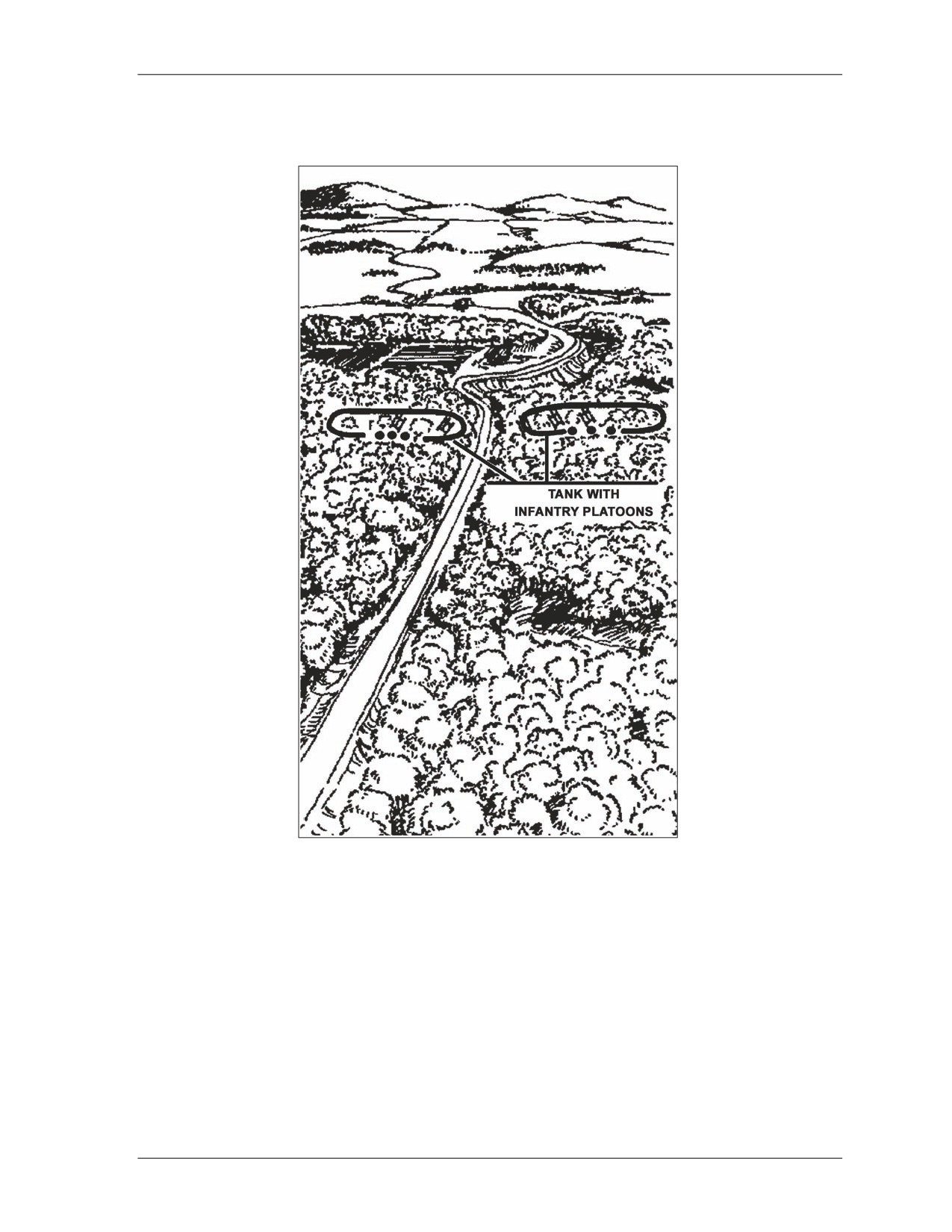
y The first way is to integrate the mounted force throughout the company defense, both laterally
and in depth, to cover armor AAs (Figure C-7). This might be done when there are only a few
good firing positions or when the terrain restricts fast vehicle movement. Each vehicle should
C-12
FM 3-21.10
27 July 2006
Heavy and Stryker Employment
have mutual support with at least one other vehicle. The mounted force remains under control
of the mounted force leader.
Figure C-7. Mounted forces integrated throughout position.
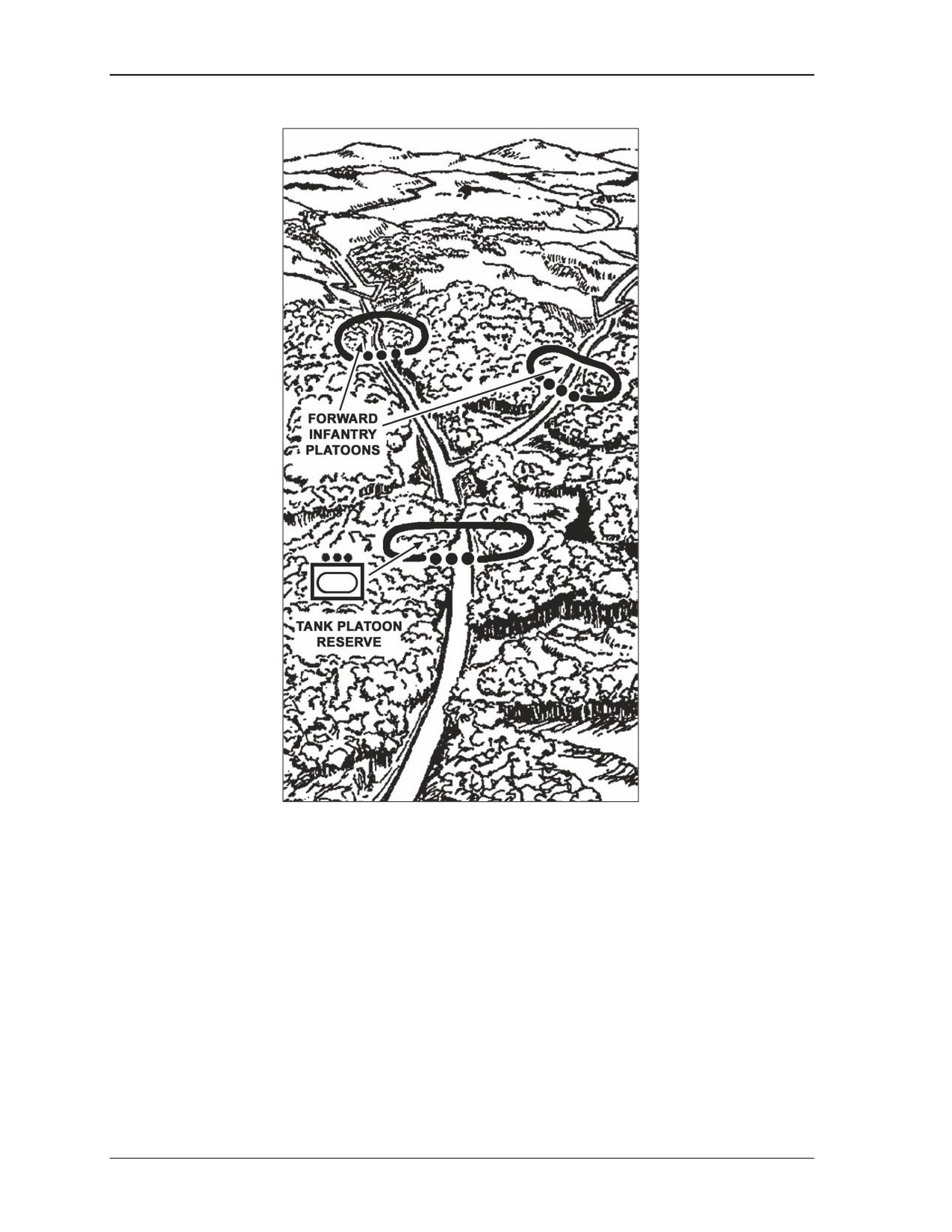
y The second way to employ the mounted force is to hold them in a position behind the forward
Infantry platoons (Figure C-8). This might be done when there are several Armor AAs into the
company sector. However, there must, be sufficient vehicle firing positions and routes to them.
When the enemy appears, the mounted force moves to forward or flank firing positions. This
allows quick concentration of the vehicles at a critical point to repel an attack. The commander
should determine his decision points and criteria for initiating the mounted unit's move. The
leader of the mounted unit must know when to move in case communication is not possible.
27 July 2006
FM 3-21.10
C-13
Appendix C
Figure C-8. Mounted force held in reserve.
y With either employment method, the mounted force leader selects covered
(hull-down),
primary, alternate, subsequent, and supplementary firing positions for each vehicle. If covered
firing positions are not available, he may assign them hide positions.
RETROGRADE OPERATIONS
C-38. In retrograde operations, a mounted force might be used to support the Infantry when the terrain
or the enemy force makes it primarily an Infantry fight. In other situations, the Infantry may protect the
mounted unit or the two might be employed separately on different AAs. When fighting together on the
same AA, the Infantry may first disengage to a nearby covered position. The mounted force can then
disengage and move to overwatch positions where they continue to cover the Infantry's withdrawal. If the
retrograde operation is conducted when visibility is poor, some Infantrymen may stay with the mounted
unit to provide security if they do not have their own Infantrymen.
C-14
FM 3-21.10
27 July 2006
Heavy and Stryker Employment
LOGISTICAL SUPPORT
C-39. A mounted force, OPCON to an Infantry company, receives fuel, maintenance, and recovery
support as well as ammunition from its parent unit. The mounted force normally comes to the Infantry
company with its own fuel tanker and ammunition vehicle. If the parent unit cannot provide recovery assets
to the mounted unit, the unit must perform self-recovery. The mounted force leader can communicate with
his commander for support; however, he must coordinate with the Infantry company commander for a
place and time to conduct his logistical activities.
INFANTRY ON TANKS
C-40. There might be times when tanks and Infantry must move quickly from one place to another to
accomplish their mission. In such cases (and providing that there is little likelihood of making enemy
contact) Soldiers may ride on the turret and decks of the tank.
C-41. Riding on the outside of the tanks is hazardous. Infantry should only ride on tanks when the need
for speed is great. By riding on the tank, the Infantry yields its best protection--the ability to move with
stealth and to avoid detection. Soldiers on tanks are vulnerable to all types of fire. Also, Soldiers must
watch out for obstacles, which could cause the tanks to turn suddenly; for tree limbs, which could knock
the limbs off; and for the traverse of the turret gun, which could also knock them off.
C-42. The only advantage the Infantry gains is speed of movement and increased haul capability. In this
case, the following apply.
y Avoid riding on the lead tank of a section or platoon. These vehicles are most likely to make
contact, and they can react quicker without Soldiers on top.
y Position the Infantry leaders with the tank unit leaders. Discuss and prepare contingency plans
for chance contact or danger areas. Infantry should dismount and clear choke points or other
danger areas.
y Assign air guards and sectors of responsibility for observation. Ensure all personnel remain
alert and stay prepared to dismount immediately. In the event of contact, the tank will
immediately react as required for its own protection. The Infantry on top are responsible for
their own safety. Rehearse a rapid dismount of the vehicle.
y Consider putting rucksacks, ammunition, and other equipment on the vehicles and having the
Infantry move on a separate AA. This will increase the mobility of the Infantry, and they can
move through terrain that is more suitable.
C-43. Riding on tanks reduces tank maneuverability and may restrict firepower. Infantrymen might be
injured if the tank must slew its turret to return fire on a target. Consequently, Soldiers must dismount to
clear danger areas (FM3-21.8) or as soon as enemy contact is made.
COMMUNICATION WITH TANKS
C-44. Before an operation, Infantry and mounted unit leaders coordinate communications means. This
includes the use of radios, phones, and visual signals such as arm-and-hand signals, panels, lights, flags,
and pyrotechnics.
y On the M1, the Infantryman can run communication wire to the TC through the turret. This
wire can be hooked in to the tanks communication system to provide a means of
communication for nearby Soldiers.
y On some versions of the BFV, there are WD-1 wire hook-ups for external communications.
y On all variants of the Stryker vehicles, there are WD-1 wire hook-ups for external
communications.
27 July 2006
FM 3-21.10
C-15
This page intentionally left blank.
Appendix D
Aviation Support
The company may conduct air assault operations either as part of the battalion or as a
separate unit when conducting raids, counterguerrilla operations, or other special
missions. These operations (covered in detail in FM 90-4) are planned primarily by
the battalion staff. This appendix covers the information the company commander
needs to know to fulfill his responsibilities during such operations.
EMPLOYMENT
D-1.
The company commander may use helicopters when inserting or extracting patrols, positioning
weapons and crews, conducting resupply, and evacuating casualties. The company should have an SOP for
working with helicopters. The SOP should cover--
y LZ and PZ selection.
y LZ and PZ security.
y LZ and PZ operation and activities.
y LZ and PZ marking procedures.
y Downed aircraft procedures.
y Load plan preparation.
y Loading procedures.
y Organization for an air assault operation.
D-2.
Air assaults involve assault forces (combat, CS, and sustainment) using the firepower, mobility,
and total integration of helicopter assets and maneuver on the battlefield to engage and destroy enemy
forces or to seize and retain key terrain. Air movement operations involve the use of Army airlift assets for
other than air assaults.
HELICOPTER TYPES
D-3.
Several types of helicopters can be used in air assault operations: observation, utility, cargo, and
attack. All of these types of helicopters are organic to the modular aviation brigades.
OBSERVATION
D-4.
Observation helicopters (OHs) provide--
y Command and control.
y Aerial observation and reconnaissance.
y Aerial target acquisition.
UTILITY
D-5.
The utility helicopters (UHs) are the most versatile of all helicopters and perform a variety of
tasks. UHs are used to conduct combat assaults and to provide transportation, command and control,
and resupply. When rigged with special equipment, they might be used to--
y Provide aero MEDEVAC s.
y Conduct radiological surveys.
y Dispense scatterable mines.
27 July 2006
FM 3-21.10
D-1
Appendix D
CARGO
D-6.
These aircraft normally provide transportation, resupply, and recovery of downed aircraft.
ATTACK
D-7.
Attack helicopter battalions can be task-organized to meet mission needs. Although they are
seldom employed in support lower than Infantry battalion level operations, they might--
y Provide overwatch.
y Destroy point targets.
y Provide security.
y Suppress air defense weapons.
GROUND TACTICAL PLAN
D-8.
The foundation of a successful air assault operation is the commander's ground tactical plan,
around which subsequent planning is based. It specifies actions in the objective area and addresses
subsequent operations. The ground tactical plan for an air assault operation is essentially the same as for
any other infantry operation. It differs in that it capitalizes on speed and mobility of helicopters to achieve
surprise. Army aviation assets are integrated into the plan, coordinated, and controlled by the battalion staff
under the battalion commander's guidance. One additional requirement is that aircrews must know this
ground tactical plan and the ground commander's intent.
LANDING PLAN
D-9.
The landing plan must support the ground tactical plan. This plan sequences elements into the area
of operations. It makes sure units arrive at designated places and times, and that they are prepared to
execute the ground tactical plan.
FACTORS
D-10. Consider the following factors while developing the landing plan.
y The availability, location, and size of potential LZs are key factors.
y The company is most vulnerable during landing.
y Multiple insertions require multiple LZs. Do not use the same LZ twice.
y Elements must land with tactical integrity.
y Soldiers are easily disoriented if they are not informed when the briefed landing direction
changes.
y There might be no other friendly units in the area initially. The company must land prepared to
fight in any direction.
D-11. The landing plan should offer flexibility, so several options are available in developing a scheme
of maneuver.
y Supporting fires (artillery, naval gunfire, CAS, and attack helicopters) must be planned in and
around each LZ.
y Although the objective might be beyond the range of supporting artillery fire, artillery or
mortars might be brought into the LZ(s) early to provide fire support on the objective for
subsequent lifts.
D-12. The plan should include provisions for resupply and MEDEVAC by air.
D-2
FM 3-21.10
27 July 2006
Aviation Support
LANDING ZONE SELECTION CRITERIA
D-13. LZs are selected by the battalion commander (or his S-3) with technical advice from the air
mission commander (AMC) or his liaison officer. They do so using the following significant factors.
Location
D-14. Locate the LZ on, near, or away from the objective, depending on the situation.
Capacity
D-15. Determine how much combat power can be landed at one time by the size of the LZ. This also
determines the need for additional LZs or separation between aircraft.
Alternates
D-16. Plan at least one alternate LZ for each primary LZ selected to ensure flexibility.
Enemy Disposition and Capabilities
D-17. Consider enemy troop concentrations, their air defenses, and their capability to react to a company
landing nearby when selecting an LZ.
Cover and Concealment
D-18. Select LZs that deny enemy observation and acquisition of friendly ground and air elements while
they are en route to or from (and in) the LZ.
Obstacles
D-19. If possible, land the company on the enemy side of obstacles when attacking, and use obstacles to
protect LZs from the enemy at other times. Keep landing zones free of obstacles. Organize and attach
engineers for contingency breaching of obstacles.
Identification from Air
D-20. Make landing zones readily identifiable from the air. Mark them with chemical lights (preferably
infrared-type) if the assault is conducted with personnel wearing night vision goggles.
Approach and Departure Routes
D-21. Avoid continuous flank exposure of aircraft to the enemy on approach and departure routes.
Weather
D-22. Consider the weather. Reduced visibility or strong winds may preclude or limit the use of
marginal LZs. Consider the impact of limited visibility and inclement weather restrictions on flying.
OPTIONS
D-23. If any options exist in selecting LZs, choose the ones that best aid mission accomplishment. This
choice involves whether to land on or near the objective, to land away from it and maneuver forces on the
ground to the objective, or to use single or multiple LZs. Significant factors to be considered follow--
27 July 2006
FM 3-21.10
D-3
Appendix D
y Aids control of the operation.
y Concentrates supporting fires in and around the LZ. Firepower is diffused if more than one LZ
preparation is required.
y Provides better ground security for subsequent lifts.
y Requires fewer attack helicopters for security.
y Reduces the number of flight routes in the objective area, making it more difficult for enemy
intelligence sources to detect the air assault operation.
y Centralizes any required resupply operations.
y Concentrates efforts of limited LZ control personnel and engineers on one LZ.
MULTIPLE LANDING ZONES
D-24. Using multiple LZs avoids grouping assets in one location, which would create a lucrative target
for enemy mortars, artillery, and CAS. Multiple LZs also--
y Allow rapid dispersal of ground elements to accomplish tasks in separate areas.
y Reduce the enemy's abilities to detect and react to initial and subsequent lifts.
y Force the enemy to fight in more than one direction.
y Eliminate aircraft congestion.
y Make it difficult for the enemy to determine the size of the air assault force, the exact location
of supporting weapons, or the objective of the air assault.
Note: If a number designates the objective, the LZ should be designated by a letter or code
word to avoid confusion and mix-ups. This avoids having an objective and LZ with the same
designator, for example, LZ 1 and OBJ 1.
LANDING ZONE OPERATIONS
D-25. Just as there is a priority of work for defensive operations, there is a priority of actions upon
landing in an LZ.
Unloading
D-26. Unload the aircraft only after the crew chief or pilot directs you to do so (Figure D-1).
D-4
FM 3-21.10
27 July 2006
Aviation Support
Figure D-1. UH-60 unloading diagram.
y Before leaving the aircraft, the chalk leader checks the landing direction and grid coordinates
with the pilot if they were not determined during the approach. This aids in orientation to the
LZ, particularly at night.
y Once the aircraft lands, the Soldiers unbuckle their seat belts and get off (with all equipment) as
fast as possible.
y They move 15 to 20 meters out from the side of the aircraft and assume the prone position,
facing away from the aircraft with weapons at the ready until the aircraft has left the LZ.
Immediate Action on Hot LZ
D-27. If the decision is made to use a hot LZ, or contact is made upon landing, Soldiers quickly
dismount and move 15 to 20 meters away from the aircraft and immediately return fire to protect the
aircraft departure.
y If the situation allows, Soldiers fire and move off the LZ to the closest cover and concealment.
If this is not feasible and the enemy positions are near, they assault immediately.
y The ground or air element first detecting the enemy initiates the preplanned supporting fires.
y Once disengaged from the enemy force, the chalk leader moves the unit to a covered and
concealed position, accounts for personnel and equipment, assesses the situation, and tries to
link up with other elements of his lift. If unable to link up or if in a single chalk LZ, the senior
man present issues a FRAGO to continue the mission or abort it.
Chalk Assembly on Cold LZ
D-28. When unloading on a cold LZ, the chalk leader moves the chalk to its preset locations using
traveling overwatch movement techniques. All Soldiers move at a fast pace to the nearest concealed
position. Once at the concealed assembly point, the chalk leader counts personnel and equipment and then
proceeds with the mission.
27 July 2006
FM 3-21.10
D-5
Appendix D
AIR MOVEMENT PLAN
D-29. The air movement plan is based on the ground tactical and landing plans. It specifies the schedule
and details for air movement of Soldiers, equipment, and supplies from PZs and LZs. It also coordinates
instructions regarding air routes and air control points, and aircraft speeds, altitudes, and formations.
LOADING PLAN
D-30. This paragraph serves as a small-unit (company and below) leader's guide for the safe, efficient,
and tactically sound conduct of operations in and around pickup zones.
SELECTION AND MARKING OF PZS AND LZS
D-31. Small-unit leaders should be proficient in the selection and marking of PZs and LZs, and in the
control of aircraft. Tactical and technical aspects must be considered when selecting an LZ/PZ. Methods
available for marking PZs and LZs include--
Day
D-32. A ground guide marks the PZ or LZ for the lead aircraft by holding his rifle over his head, by
displaying a folded VS-17 panel chest high, or by some other identifiable means. Ground guides must wear
eye and ear protection.
Night
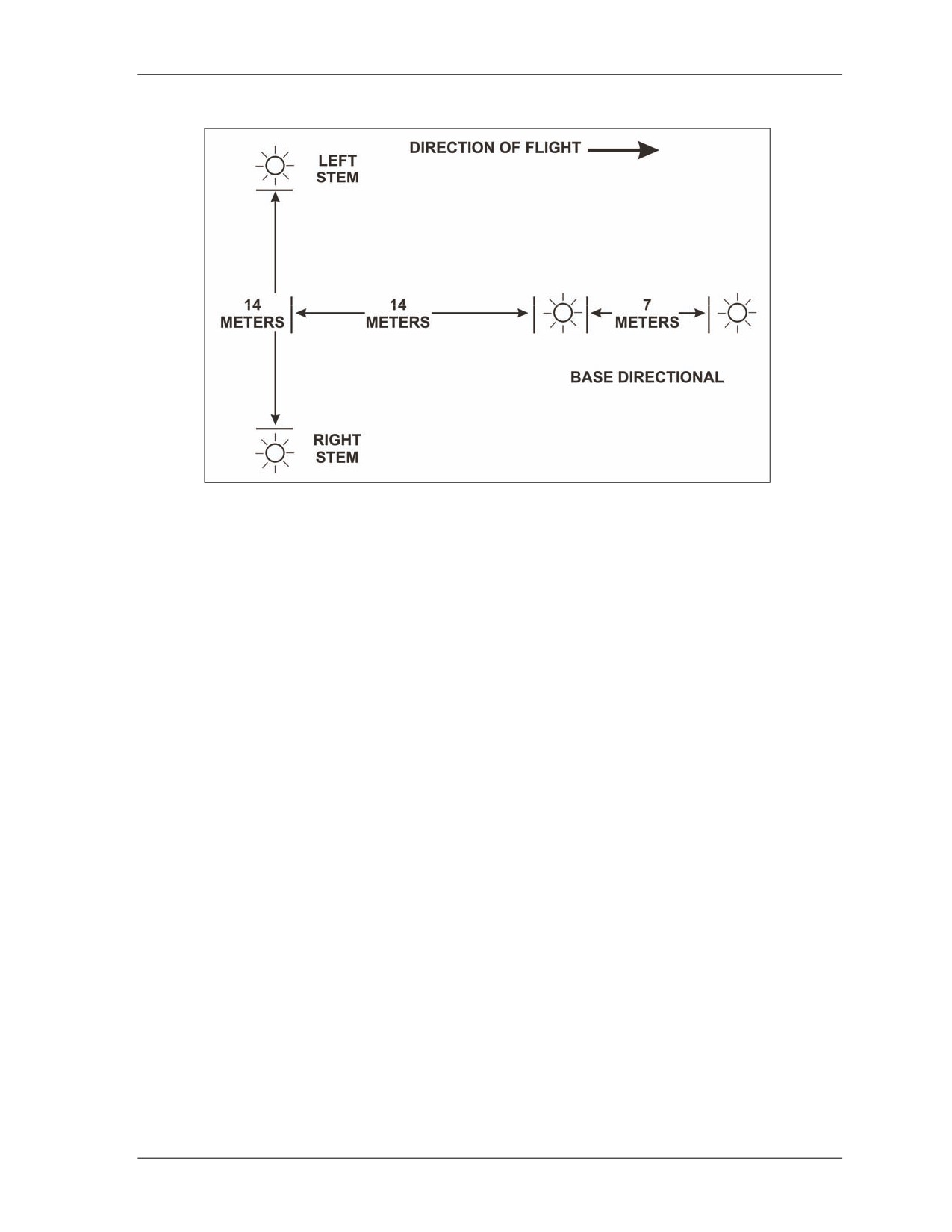
D-33. Use the code letter "Y" (inverted) to mark the landing point of the lead aircraft at night
(Figure D-2). Use chemical light sticks or beanbag lights to maintain light discipline. When more than one
aircraft is landing in the same PZ or LZ, use an additional light for each aircraft. For observation, utility,
and attack aircraft, mark each additional aircraft landing point with a single light emplaced at the exact
point that each aircraft is to land. For cargo aircraft (CH-47, CH-53, and CH-54), mark each additional
landing point with two lights. Place the two lights 10 meters apart and align them in the aircraft direction
of flight.
D-6
FM 3-21.10
27 July 2006
Aviation Support
Figure D-2. Inverted "Y" marker.
D-34. Obstacles include any obstruction that might interfere with aircraft operation on the ground that
cannot be reduced such as trees, stumps, and rocks. During good light, the aircrew is responsible for
avoiding obstacles on the PZ or LZ. For limited visibility operations, mark all obstacles with red lights.
The following criteria will be used in marking obstacles.
y If the obstacle is on the aircraft approach route, mark both the near and far sides of the obstacle.
y If the obstacle is on the aircraft departure route, mark the near side of the obstacle.
y If the obstacle protrudes into the PZ or LZ, but is not on the flight route of the aircraft, mark the
near side of the obstacle.
y Mark large obstacles on the approach route by circling the obstacles with red lights.
CONTROL OF AIRCRAFT
D-35. Control approaching aircraft by the use of arm-and-hand signals to transmit terminal guidance for
landing. Position the signalman to the right front of the aircraft where the pilot can see him. Give signals at
night with a lighted baton or flashlight in each hand. When using flashlights, take care to avoid blinding
the pilot. Keep batons and flashlights lighted at all times when signaling. The speed of arm movement
indicates the desired speed of aircraft compliance with the signal.
ASSEMBLY AREAS
D-36. Before the aircraft arrives, secure the PZ, position the PZ control party, and position the Soldiers
and equipment in a unit assembly area.
Occupation of Unit Assembly Area
D-37. While in a unit assembly area, unit leaders--
y Maintain all-round security of the assembly area.
y Maintain communications.
y Organize Soldiers and equipment into chalks and loads IAW the unit air-movement plan.
27 July 2006
FM 3-21.10
D-7
Appendix D
y Conduct safety briefings and equipment checks.
y Establish priority of loading for each man and identify bump personnel.
y Identify the locations of the straggler control points.
Organization of Units into Chalks
D-38. Make sure the chalk organization supports the ground tactical plan. Adhere to the following
principles for loading the aircraft.
y Maintain tactical integrity by keeping fire teams and squads intact.
y Maintain self-sufficiency by loading a weapon and its ammunition on the same aircraft.
y Ensure key Soldiers, weapons, and equipment are cross-loaded among aircraft. This helps
prevent the loss of control or all of a particular asset if an aircraft is lost.
Occupation of Chalk Assembly Areas
D-39. Linkup guides from the PZ control party meet the designated units in the unit assembly area and
coordinate movement of chalks to a release point. As chalks arrive at the release point, chalk guides move
each chalk to its assigned chalk assembly area. (To reduce the number of personnel required, use the same
guide to move the unit from the unit assembly area to the chalk assembly area.) If part of a larger air
assault, locate no more than three chalks in the chalk assembly area at one time. Maintain noise and light
discipline throughout the entire movement in order to maintain the security of the PZ. Do not allow
personnel on the PZ unless they are loading aircraft, rigging vehicles for slingload, or being directed by the
PZ control. While remaining in chalk order, assign each Soldier a security (firing) position in the prone
position weapon at the ready, and facing out (away from the PZ) to provide immediate close-in security.
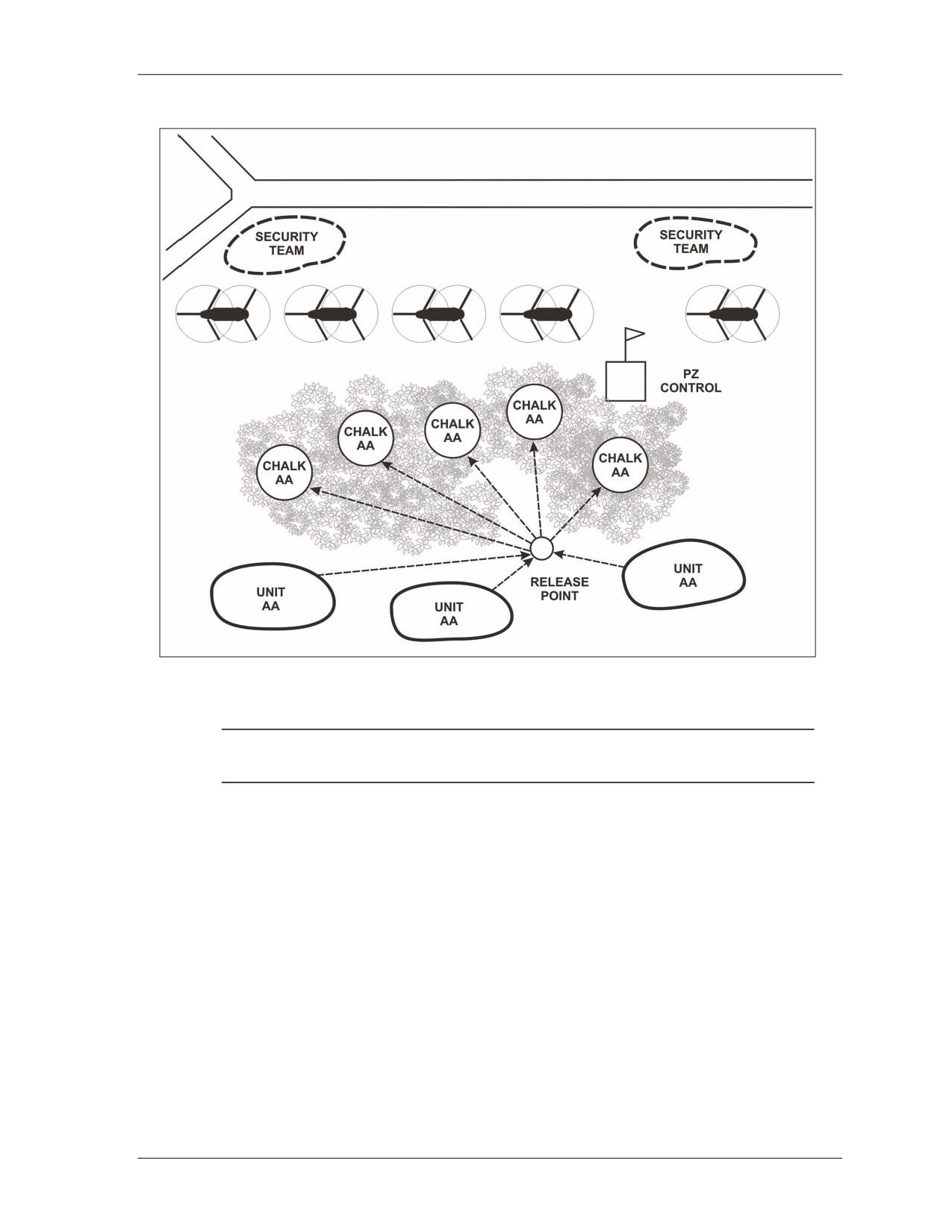
Figure D-3 shows an example of a large, one-sided PZ.
D-8
FM 3-21.10
27 July 2006
Aviation Support
Figure D-3. Large, one-sided PZ.
Note: Artillery and mortar fire support is planned all-round the PZ, with priority to the far
side of the large, open area.
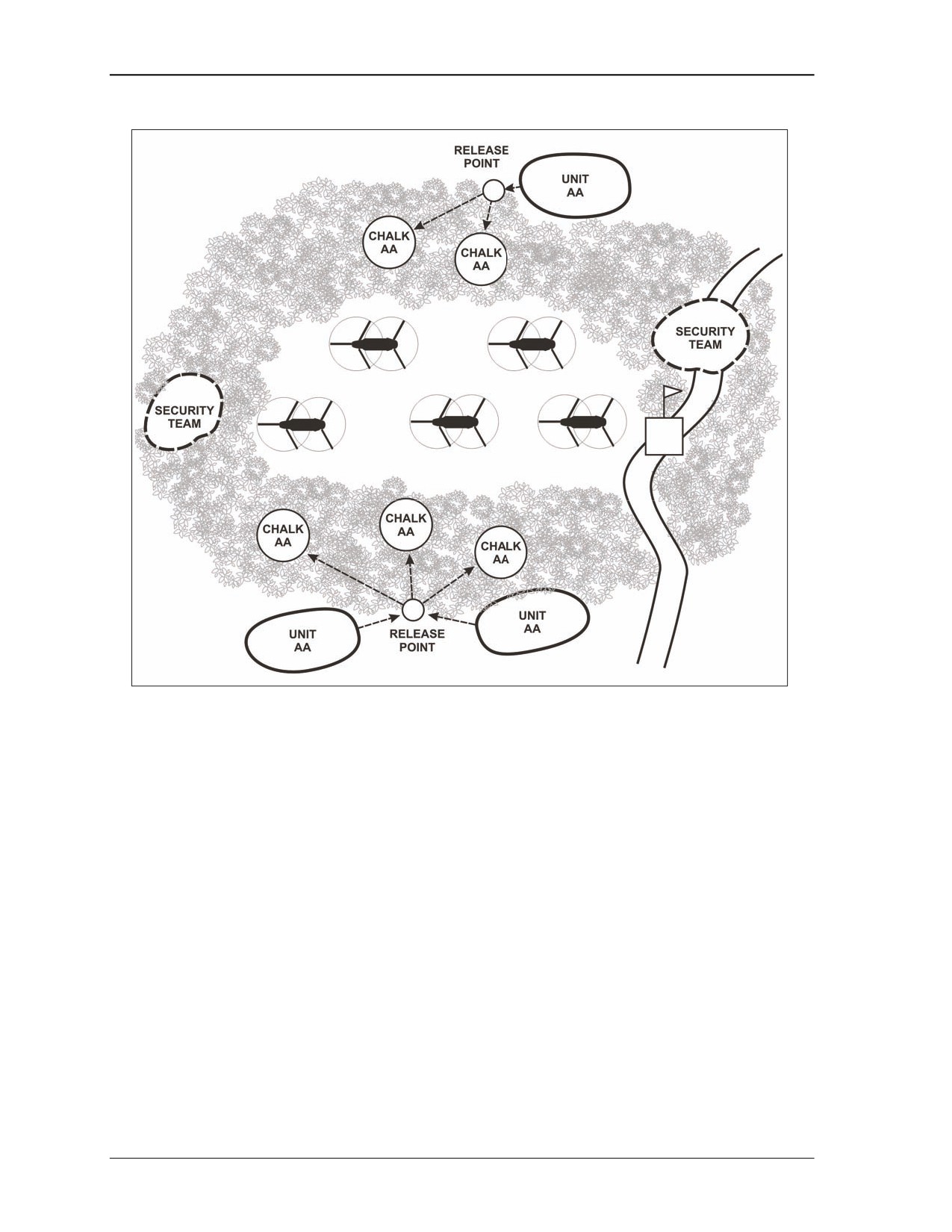
D-40. Figure D-4 shows an example of a small, two-sided PZ with unit and chalk assembly areas.
27 July 2006
FM 3-21.10
D-9
Appendix D
Figure D-4. Small, two-sided PZ.
D-41. Final preparations are made in the chalk assembly area. The chalk leader ensures all gear is tied
down and checked, and short antenna are placed in radios, folded down, and secured before loading. He
makes sure all squad and team leaders check the equipment of their men to ensure it is complete and
operational. He also makes sure radios are on and a communications check is performed (unless directed
otherwise). Then he assigns specific aircraft seat to each man.
Bump Plan
D-42. The least important chalk in each lift is designated for bump in case too few aircraft arrive at the
PZ. These personnel report to a bump/straggler control point to be rescheduled for movement to the LZ.
Pickup Zone Closure
D-43. The CO designates a single man to be responsible for PZ closure. This might be the PZ control
officer, the PZ control NCOIC, or another designated Soldier. He ensures all company men and equipment
are loaded and that security is maintained.
D-10
FM 3-21.10
27 July 2006
Aviation Support
Single Lift
D-44. The designated man positions himself at the last aircraft and collects bumped men, if required. He
is the last man to board the aircraft. Once on the aircraft, he notifies the crew chief/AMC (using the CO’s
radio handset) that all personnel and equipment are loaded.
Multiple Lift
D-45. The duties of the PZ closure Soldier are the same as for a single lift. However, during a multiple
lift, the security teams maintain security of the PZ and depart last with the PZ closure man.
UH-60 Loading Sequence
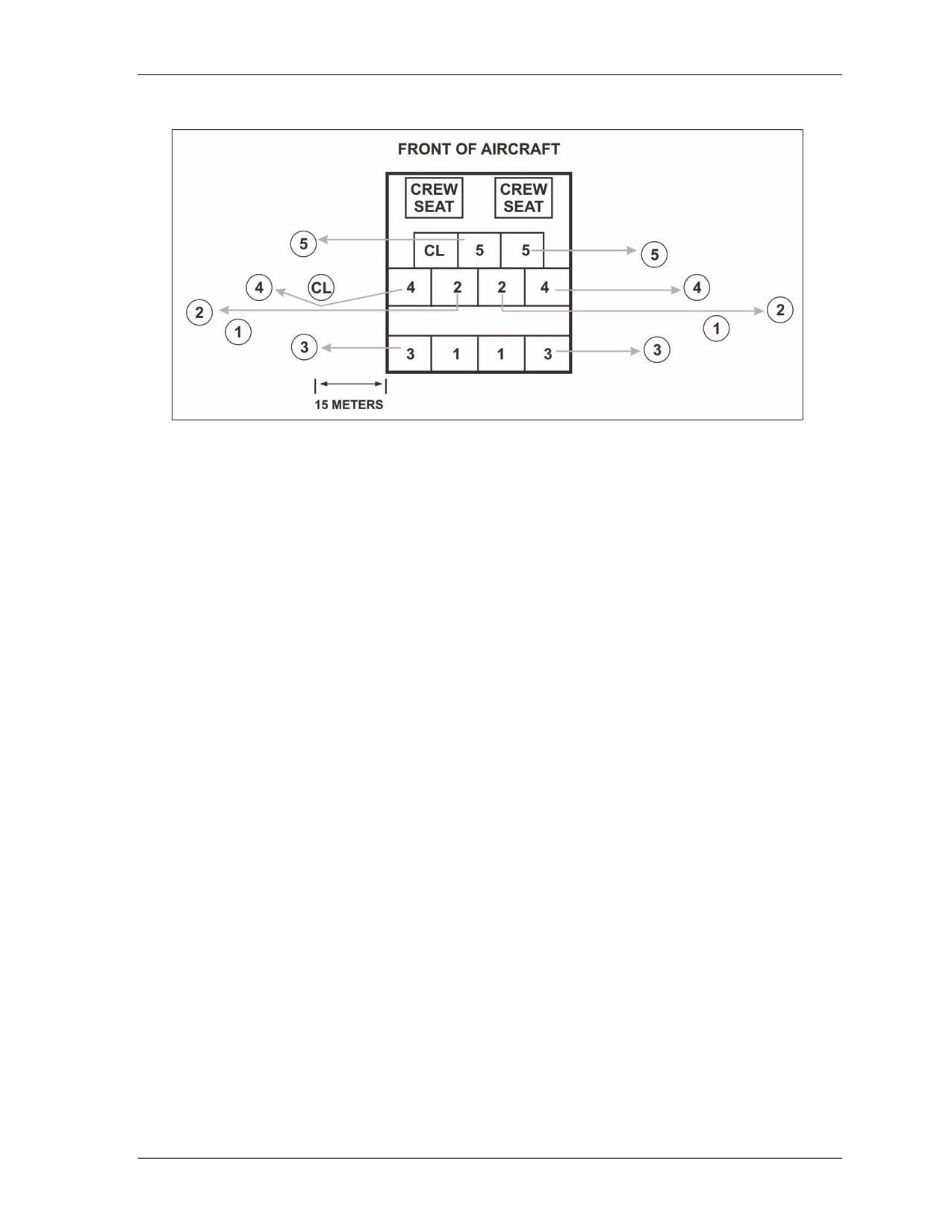
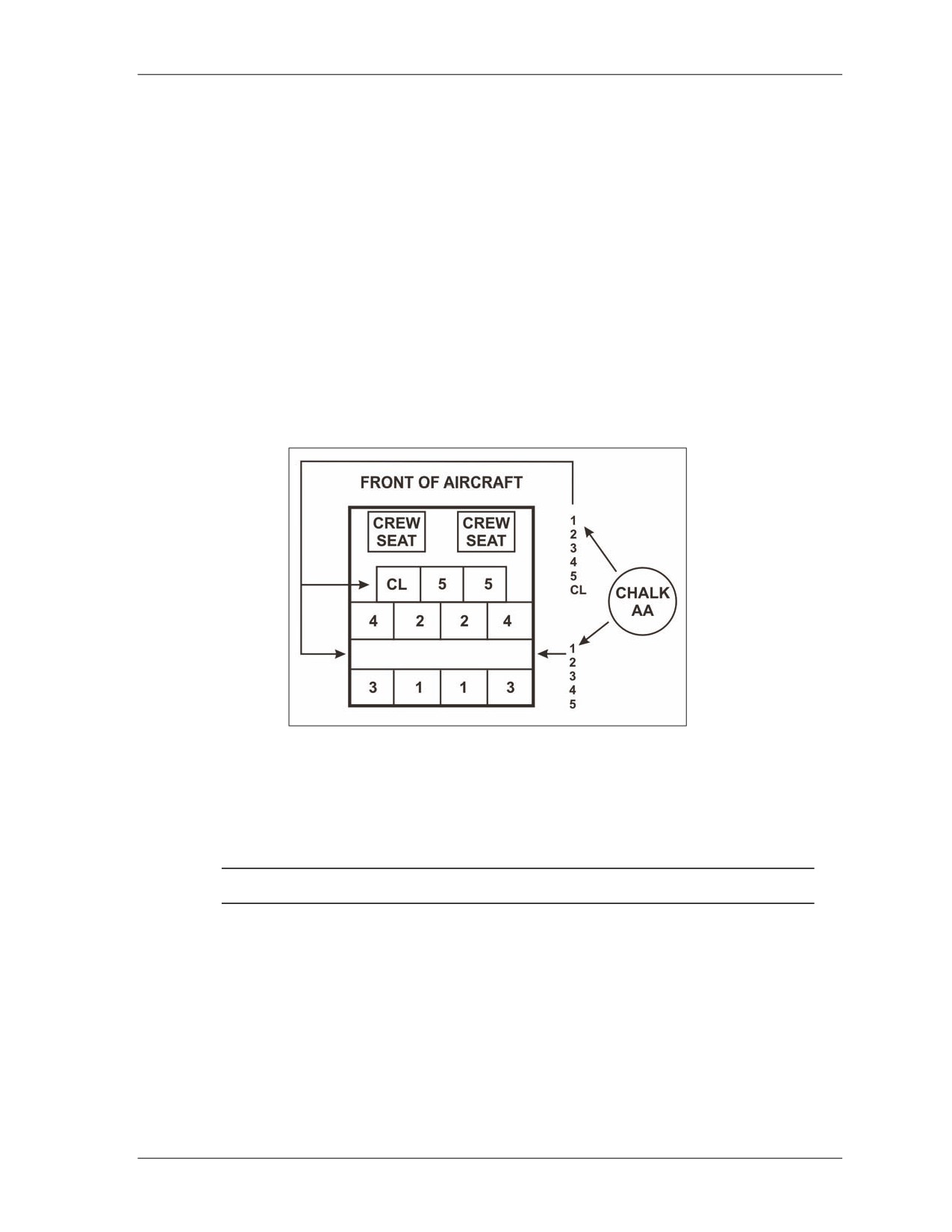
D-46. Figure D-5 shows the loading procedure for a UH-60. Up to 24 Soldiers might be loaded in a
UH-60 for combat operations. (See FM 3-21.20 (FM 7-20) for a detailed discussion of "seats-out"
operations.)
Figure D-5. UH-60 loading diagram.
y The chalk leader initiates loading once the aircraft have landed. The CO and platoon leaders
normally occupy positions 5.
y The far-side and near-side groups move to the aircraft in file, with the number one Soldier
leading the load to the appropriate side.
Note: The far side group always moves around to the front of the aircraft.
y The chalk leader stops at the near side of the aircraft to ensure the near-side group loads
properly. Then, he moves around front of the aircraft to the far side and checks the other half of
the chalk.
y All personnel buckle up as soon as they are seated in the correct seat.
y The chalk leader hands the chalk card to the pilot and answers any questions the pilot may
have. They use the aircraft’s intercommunication (troop commander's) handset.
27 July 2006
FM 3-21.10
D-11
Appendix D
STAGING PLAN
D-47. This plan synchronizes the arrival of Soldiers, aircraft, equipment, and logistic support at the PZs.
The staging plan is based upon the loading plan. At company level, the staging plan is primarily concerned
with the movement of the company to the PZ unit assembly area. It also addresses the linkup of company
PZ control personnel with the battalion PZ control party (in larger operations) before the main body
arrives. The staging plan should allow the company to be ready to start loading operations 15 minutes
before the aircraft arrival time.
DUTIES OF KEY PERSONNEL
D-48. Key personnel are designated to perform specific duties to ensure the air assault is executed in an
effective and efficient manner.
AIR ASSAULT OPERATIONS
D-49. In a company air assault, the following duties and responsibilities are assigned.
Company Commander
D-50. The CO has overall responsibility for the operation. He plans the operation, briefs subordinate
leaders, issues the OPORD, and conducts rehearsals. He rides in the AMC’s aircraft to ensure better
command, control, and communications.
Executive Officer and First Sergeant
D-51. One of these two will--
y Set up the PZ. He supervises the marking of the PZ and the clearing of obstacles from the PZ.
y Brief all chalk leaders.
y Supervise all activity on the PZ such as PZ security, movement of troops and equipment, and
placement of chalks and slingloads.
y Devise and disseminate the bump plan and control the bumped Soldiers.
y Ride in the last aircraft for control purposes and ensure that the PZ is cleared.
Chalk Leader
D-52. He briefs his personnel on their respective tasks and positions inside the aircraft. He also--
y Ensures that the lights or panels (if required) for his aircraft are properly emplaced.
y Assigns respective areas of security to his personnel. Ensures that each Soldier goes to his
proper area.
y Supervises the loading of his chalk and attachments into the aircraft to ensure that all personnel
assume assigned positions and buckle their lap belts.
y Keeps current on location by using his map and communicating with the aircraft crew during
air movement.
y Ensures, upon landing that, all personnel exit the aircraft quickly, rush to a safe distance (15 to
20 meters) from the aircraft, assume the prone position, and prepare to return enemy fire.
PICKUP ZONE CONTROL PARTY
D-53. The PZ control party is responsible for the organization, control, and all coordinated operations in
the PZ. (See FM 90-4 for more details on C2 techniques and responsibilities of key leaders.) Keeping in
D-12
FM 3-21.10
27 July 2006
Aviation Support
mind the CO's duties and responsibilities previously stated, a PZ control party for a company air assault
operation could be organized as follows.
Pickup Zone Control Officer
D-54. He might be the XO, 1SG or a platoon leader.
Pickup Zone Control NCOIC
D-55. He is the 1SG, a platoon sergeant, a section sergeant, or a squad leader.
Radio Operator with Two Radios
D-56. One radio monitors the combat aviation net for communication with the aircraft. The second
operates in the company command net or a PZ control net.
Chalk-Linkup Guides
D-57. There is one guide per chalk. Their primary duties are to assist in linkup and movement of chalks
from the unit assembly area to the chalk assembly area. For company air assault operations, these guides
should come from the same chalk they are assigned to.
Lead Aircraft Signalman
D-58. He is responsible for visual landing guidance for the lead aircraft. This signalman should come
from the chalk loading on the lead aircraft.
Slingload Teams
D-59. A team includes a signalman and two hookup men.
AIR MISSION BRIEFING
D-60. The air mission briefing is the last coordination meeting of all key participants for an air assault
mission. It ensures that all personnel are briefed and all details are finalized. It is coordinated by the
battalion S-3 Air and normally conducted at the battalion TOC. If the company commander is the ground
tactical commander, he must attend. If the battalion commander is the ground tactical commander, the
company may not have a representative. The format in Table D-1 is a guide; it will help ensure that
essential information is included in air assault mission briefings.
1. Situation.
a. Enemy forces (especially troop concentrations and
locations and types of ADA assets).
b. Friendly forces.
c. Weather (ceiling, visibility, wind, temperature,
pressure and density altitude, sunrise and sunset, moonrise
and moonset, percent of moon illumination, EENT, BMNT, PZ and
LZ altitudes, and weather outlook).
2. Mission. Clear, concise statement of the task that is to be
accomplished (who, what, and when, and, as appropriate, why
and where).
Table D-1. Air mission briefing format.
27 July 2006
FM 3-21.10
D-13
Appendix D
3. Execution.
a. Ground tactical plan.
b. Fire support plan to include suppression of enemy air
defenses.
c. Air defense artillery plans.
d. Engineer support plan.
e. Tactical air support.
f. Aviation unit tasks.
g. Staging plan (both primary and alternate PZs).
(1) PZ location.
(2) PZ time.
(3) PZ security.
(4) Flight route to PZ.
(5) PZ marking and control.
(6) Landing formation and direction.
(7) Attack and air reconnaissance helicopter linkup with
lift elements.
(8) Troop and equipment load.
h. Air movement plan.
(1) Primary and alternate flight routes (SPs, Army
Civilian Personnel Systems [ACPS], and RPs).
(2) Penetration points.
(3) Flight formations and airspeeds.
(4) Deception measures.
(5) Air reconnaissance and attack helicopter missions.
(6) Abort criteria.
(7) Air movement table.
i. Landing plan (both primary and alternate LZs).
(1) LZ location.
(2) LZ time.
(3) Landing formation and direction.
(4) LZ marking and control.
(5) Air reconnaissance and attack helicopter missions.
(6) Abort criteria.
j. Laager plan (both primary and alternate laager sizes).
(1) Laager location.
(2) Laager type (air or ground, shut down or running).
(3) Laager time.
(4) Laager security plan.
(5) Call forward procedure.
k. Extraction plan (both primary and alternate PZs).
(1) Pickup location.
(2) Pickup time.
(3) Air reconnaissance and attack helicopter missions.
(4) Supporting plans.
l. Return air movement plan.
(1) Primary and alternate flight routes (SPs, ACPS,
and RPs).
(2) Penetration points.
(3) Flight formations and airspeed.
(4) Air reconnaissance and attack helicopter missions.
(5) LZ locations.
(6)
1 7 landing formation and direction.
(7)
1 7 marking and control.
(8)
1 7 marking and control.
Table D-1. Air mission briefing format (continued).
D-14
FM 3-21.10
27 July 2006
Aviation Support
m. Coordinating instructions.
(1) Mission abort.
(2) Downed aircraft procedures.
(3) Vertical helicopter instrument flight recovery
procedures.
(4) Weather decision by D-hour increments and weather abort
time.
(5) Passenger briefing.
4. Service Support.
a. Forward area arming and refueling point (FAARP) locations
(primary and alternate).
b. Ammunition and fuel requirements.
c. Backup aircraft.
d. Aircraft special equipment requirements such as cargo hooks
and command consoles with headsets.
e. Health service support.
5. Command Signal.
a. Command.
(1) Location of commander.
(2) Point where air reconnaissance and attack helicopters
come under OPCON as aviation maneuver elements.
b. Signal.
(1) Radio nets, frequencies, and call signs.
(2) Signal operation instructions in effect and time of
change.
(3) Challenge and password.
(4) Authentication table in effect.
(5) Visual signals.
(6) Navigational aids (frequencies, locations, and
operational times).
(7) Identification friend or foe (radar) codes.
(8) Code words for PZ secure, hot, and clean; abort
missions; go to alternate PZ and LZ; fire preparation; request
extraction; and use alternate route.
6. Time Hack. All watches are synchronized.
Table D-1. Air mission briefing format (continued).
ATTACK AVIATION CONSIDERATIONS
D-61. Operations must be integrated so that air and ground forces can simultaneously work in the
battlespace to achieve a common objective. Integration maximizes combat power through synergy of both
forces. The synchronization of aviation operations into the ground commander's scheme of maneuver may
require the integration of other services or coalition partners. It may also require integration of observation,
attack, assault, and cargo helicopters.
PLANNING CONSIDERATIONS
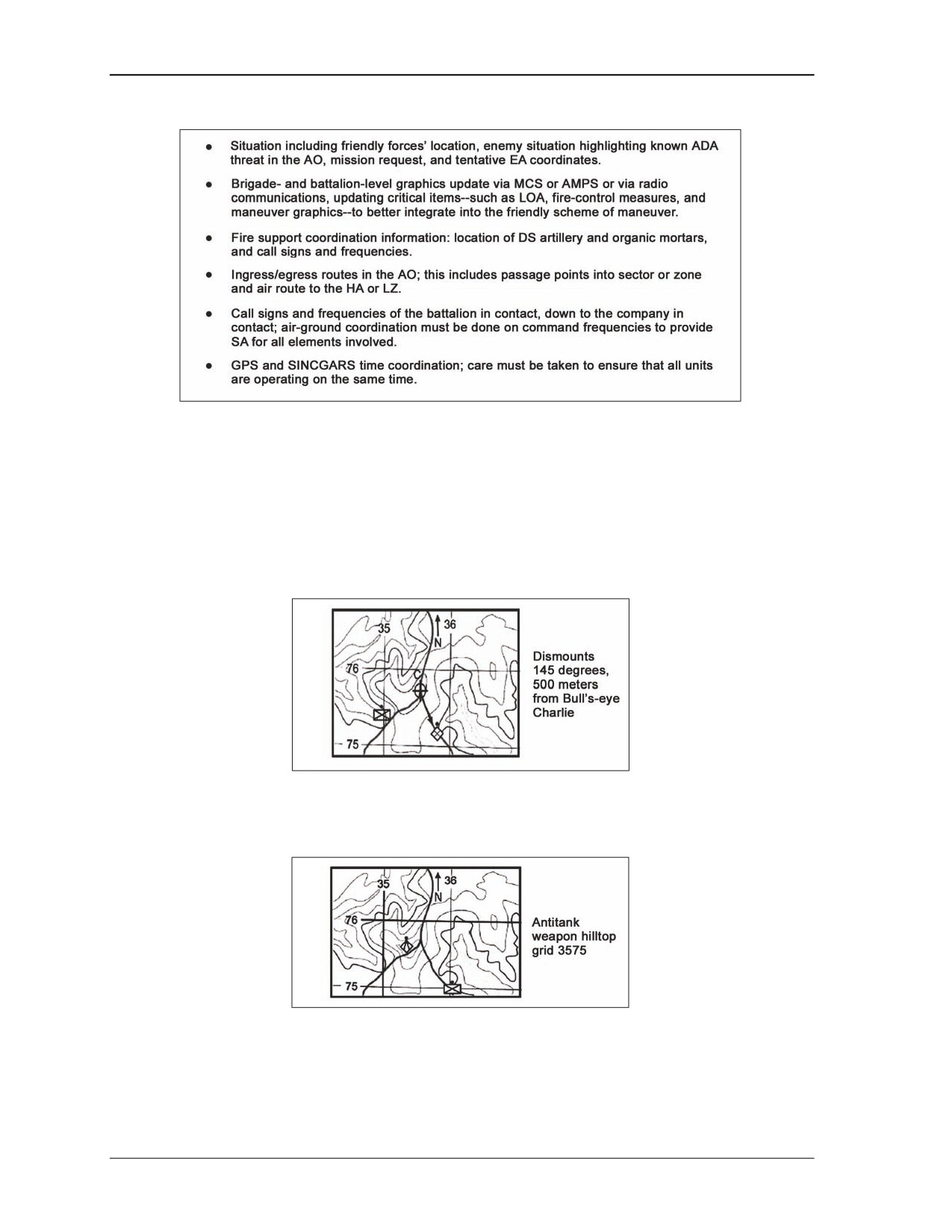
D-62. Figure D-6 shows the minimum information required by the Army aviation team to ensure
accurate and timely support. Digital transmission of information, such as coordinates, is faster and more
accurate, if that method is available. Voice communications are necessary to verify information and to
clarify needs and intentions.
27 July 2006
FM 3-21.10
D-15
Appendix D
Figure D-6. Minimum planning requirements.
POSITIVE LOCATION / TARGET IDENTIFICATION
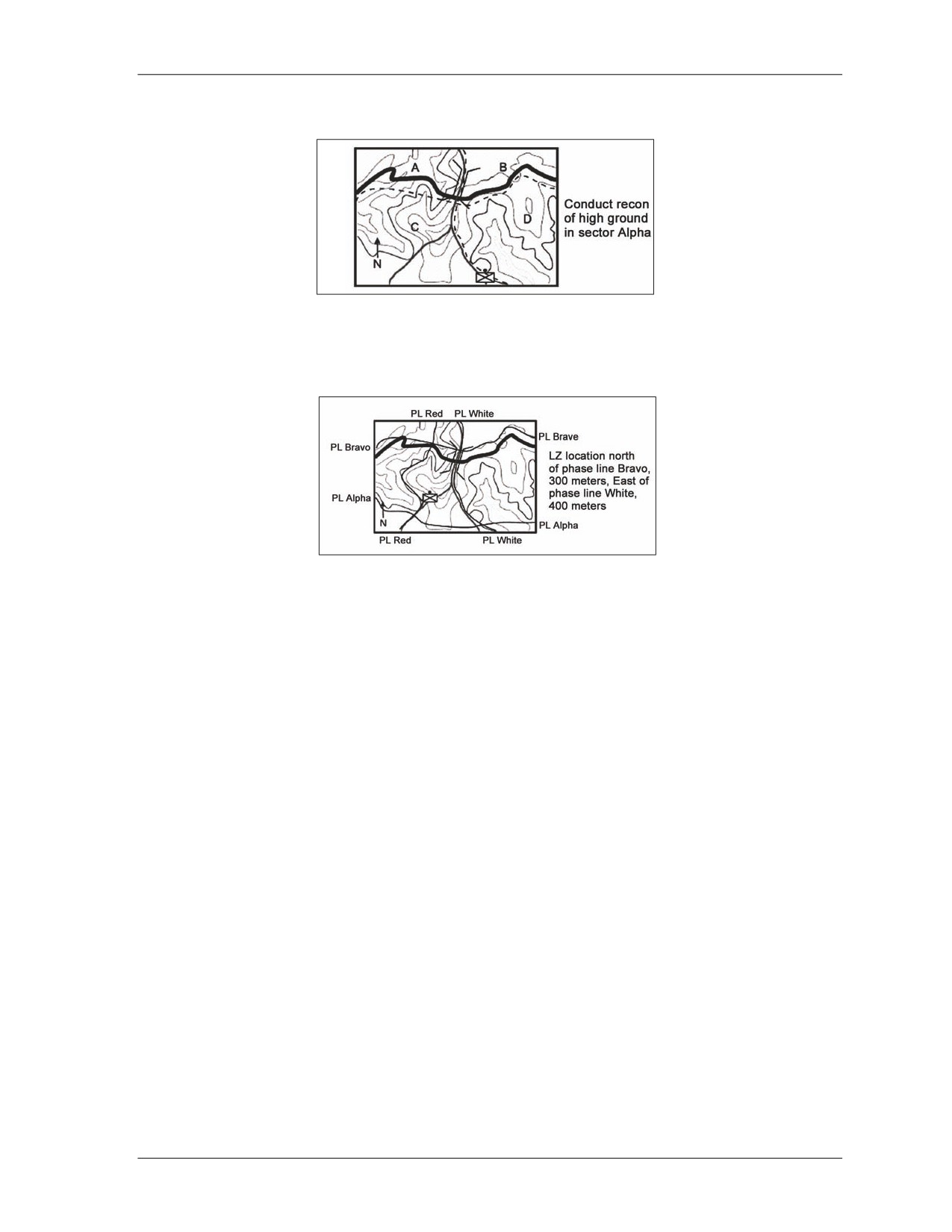
D-63. The following techniques can be effective in ensuring that aircraft have positive identification of
the locations of friendlies and targets (Figure D-7 through Figure D-10).
Figure D-7. Bull’s-eye technique: uses a known point or an easily recognizable terrain feature.
Figure D-8. Grid technique: uses grid coordinates define point.
D-16
FM 3-21.10
27 July 2006
Aviation Support
Figure D-9. Sector and terrain technique: uses terrain and graphics, which are both available
to air and ground units.
Figure D-10. Phase line technique: uses graphics, which are available to both air and ground.
MARKING
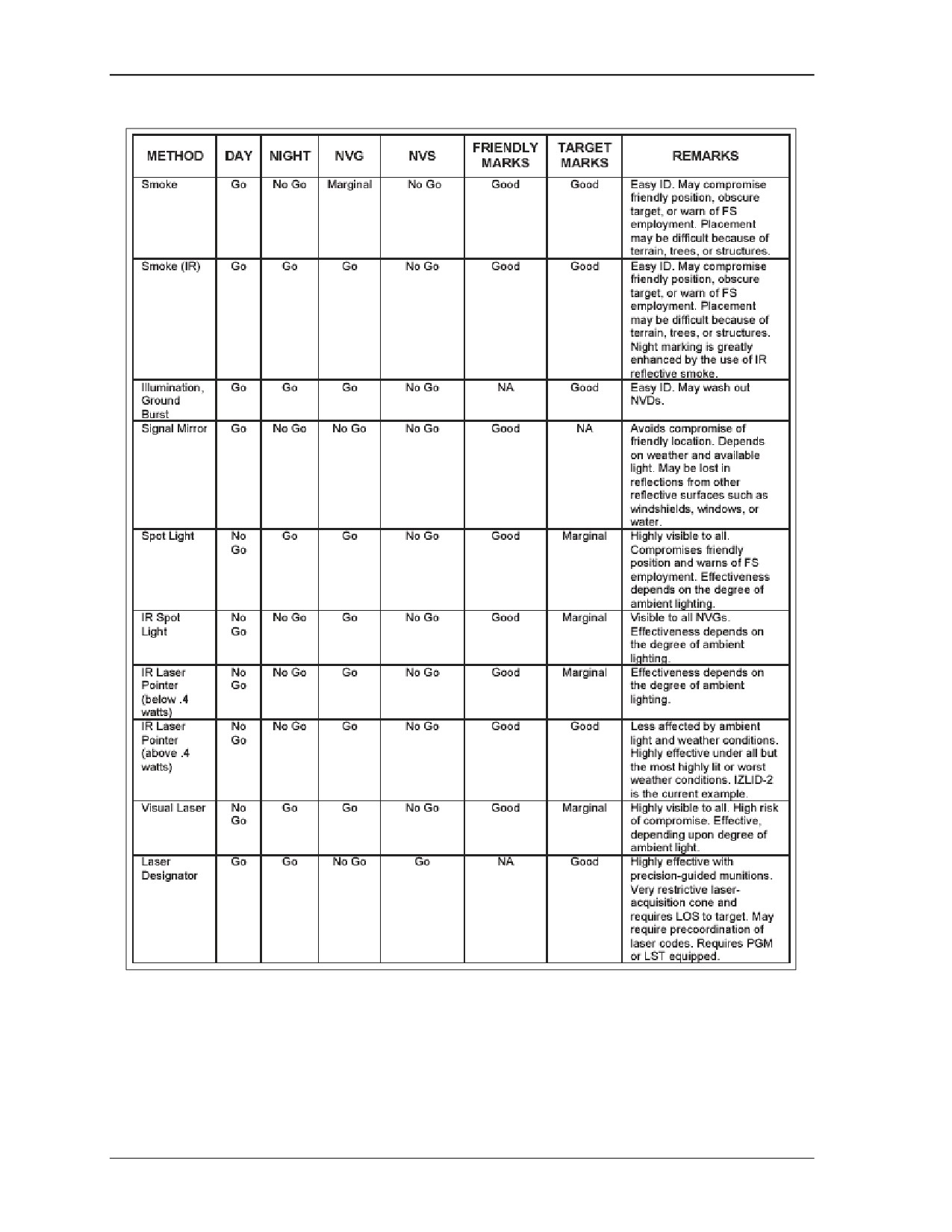
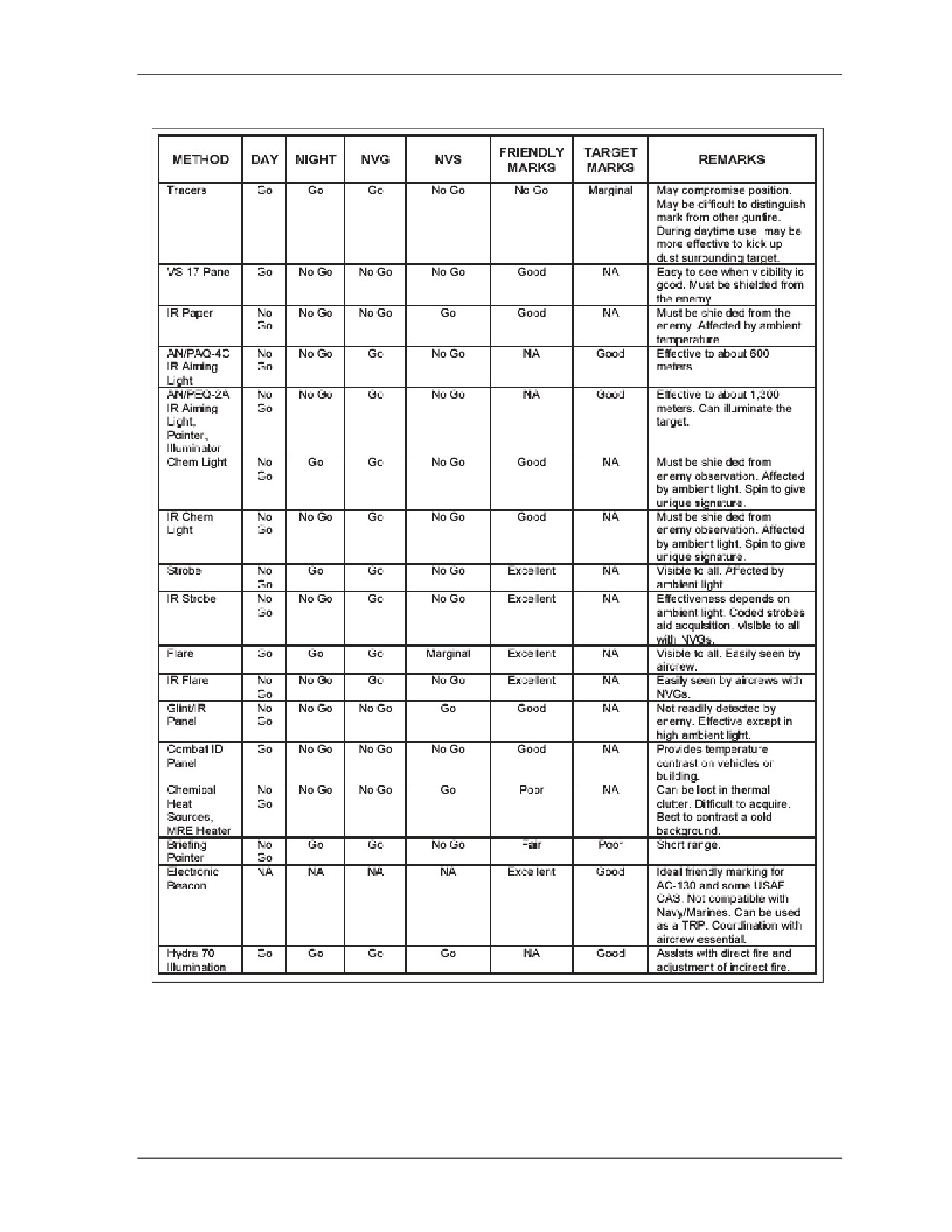
D-64. There are various ways to mark a location or target. (Table D-2, page D-18, lists various marking
methods.) The effectiveness of vision systems on helicopters compares to those found on ground vehicles.
During the day, the vision systems of the AH-64 and the OH-58D allow accurate identification of targets.
During periods of reduced visibility, resolution is greatly degraded, requiring additional methods of
verification. This situation requires extra efforts from both the ground unit and aviation element. Some US
weapons can kill targets beyond the ranges that thermal, optical, and radar-acquisition devices allow
positive identification. Both aviation and ground forces might become overloaded with tasks in the heat of
battle. Simple, positive identification procedures must be established and known to all.
Marking US Troops
D-65. A method of target identification is direction and distance from friendly forces. Friendly forces
can mark their own positions with IR strobes, IR tape, NVG lights, smoke, signal panels, body position,
MRE heaters, chemical lights, and mirrors. Marking friendly positions is the least desirable method of
target location information. It should be used with extreme caution. Marking friendly positions can take
more time than directly marking a target, but it can reveal friendly positions to the enemy.
Marking Enemy Positions
D-66. Target marking aids aircrews in locating the target that the unit in contact desires them to attack.
Ground commanders should provide the target mark whenever possible. To be effective, the mark must be
timely, accurate, and easily identifiable. Target marks might be confused with other fires on the battlefield,
suppression rounds, detonations, and marks on other targets. Although a mark is not mandatory, it
improves aircrew accuracy, enhances SA, and reduces the risk of fratricide.
27 July 2006
FM 3-21.10
D-17
Appendix D
Table D-2. Techniques for marking of target or location.
D-18
FM 3-21.10
27 July 2006
Aviation Support
Table D-2. Techniques for marking of target or location (continued).
27 July 2006
FM 3-21.10
D-19
Appendix D
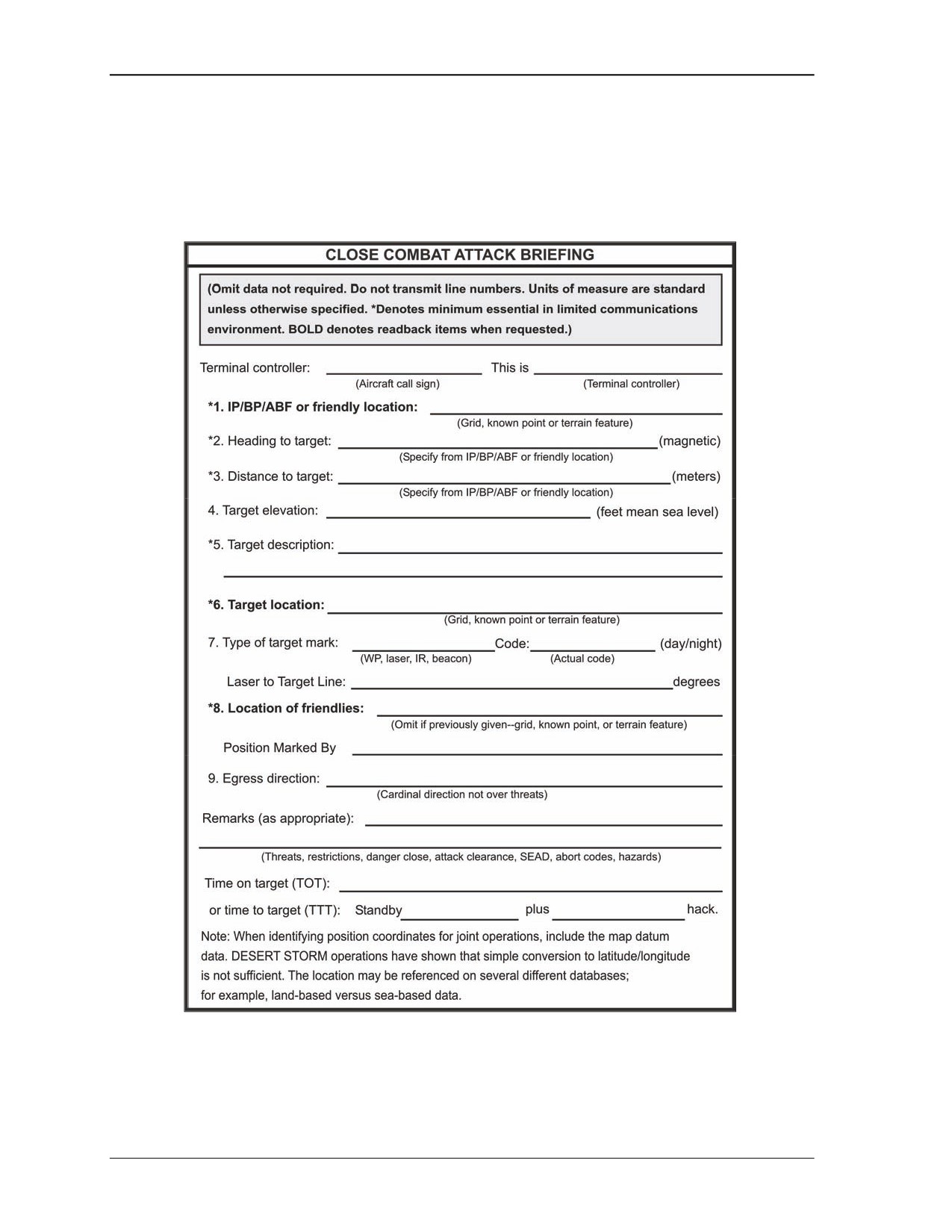
CLOSE COMBAT ATTACK BRIEFING
D-67. The CCA briefing follows the joint standard nine-line format with minor modifications for Army
helicopters (Figure D-11). The briefing provides clear and concise information in a logical sequence that
enables aircrews to employ their weapons systems. It also provides appropriate control to reduce the risk of
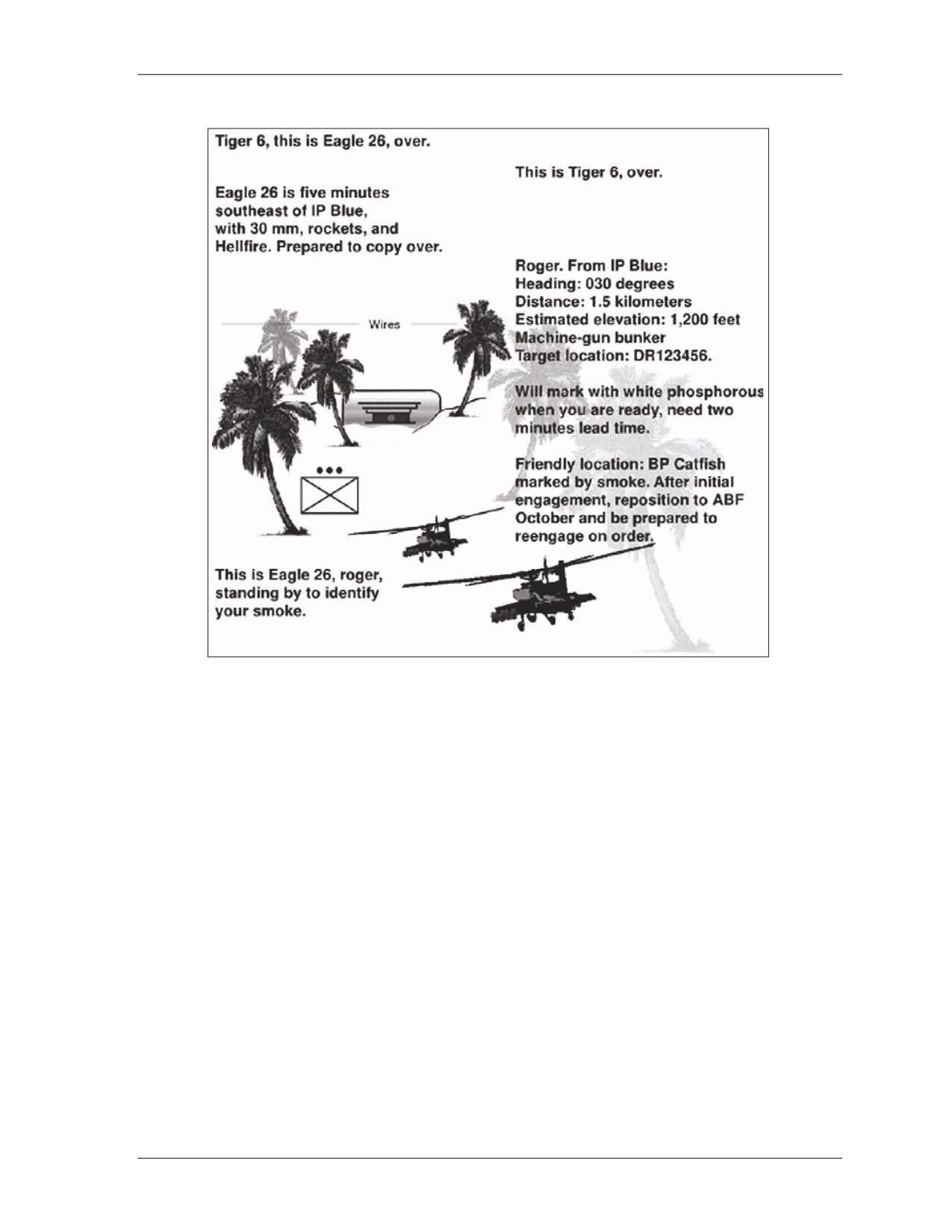
fratricide. Figure D-12 shows an example of a briefing.
Figure D-11. Example CCA nine-line briefing.
D-20
FM 3-21.10
27 July 2006
Aviation Support
Figure D-12. Example of CCA nine-line briefing.
SAFETY
D-68. The CO and his subordinate leaders must enforce strict safety measures when working with
helicopters. Primary safety measures include--
y Keeping the body low when approaching and departing a helicopter, especially on slopes.
y Keeping safety belts fastened when airborne (for training).
y Keeping weapons unloaded (no round in chamber) and on SAFE. Keeping the muzzle down on
UH-60, OH-58, and CH-47, but up on the UH-1.
y Keeping radio antennas down and secured.
y Keeping hand grenades secured.
y Not jumping from a hovering helicopter until told to do so by a crewmember.
y Not approaching from, or departing to, the rear of a helicopter.
27 July 2006
FM 3-21.10
D-21
This page intentionally left blank.
Appendix E
Sniper Employment
This edition introduces concepts of sniper employment during tactical operations.
Snipers and observers play a critical role in Infantry company operations. Since
snipers are seldom employed below battalion level, each Infantry squad has one
designated marksman. Unit snipers are assigned through an authorized position in the
unit TOE. Well-trained snipers provide the commander accurate, discriminating,
long-range small-arms fire, and direct observation of key terrain and avenues of
approach. The two best uses of sniper fire or long-range precision fire are against key
targets beyond the range of organic rifles and automatic weapons, or against any
targets that other weapon systems cannot destroy due to range, size, location,
visibility, or security and stealth requirements. Sniper TTP enable them to directly
gather and relay critical, detailed enemy information. Sniper effectiveness is
measured by more than casualties or destroyed targets. Commanders know snipers
also affect enemy activities, morale, and decisions. Knowing snipers are present
hinders the enemy's movement, and creates confusion and continuous personal fear. It
also disrupts enemy operations and preparations, and compels the enemy to divert
forces to deal with the snipers (FM 3-22.10 (FM 23-10)).
SNIPER TEAM
E-1.
Snipers avoid sustained battles. They typically operate in three-Soldier teams, each with at least
one sniper and one observer, normally cross-trained. The observer carries an M4 rifle; the sniper carries the
sniper weapon system; and each member carries a side arm. Team members help each other with range
estimation, round adjustment, and security. Sniper activity should be planned and controlled by the sniper
employment officer. The SEO is designated by the commander and is usually the HHC commander or a
member of the S-3 staff.
SQUAD DESIGNATED MARKSMAN
E-2.
The squad designated marksman can seldom perform as well as well-trained snipers,
so commanders and platoon leaders should avoid employing them as such. However, the marksman is
a valuable asset who can contribute in many ways. Leaders should remember the value of the marksman
versus the sniper, and use each to the best of their respective abilities in any situation
(FM 3-21.8
(FM 7-8)).
EMPLOYMENT
E-3.
The commander, S-3, SEO, or sniper squad leader controls sniper teams from a central location.
Once deployed, sniper teams generally operate independently. To accomplish the assigned unit mission,
they must understand the commander's intent, concept of the operation, and purpose for their assigned
tasks. Snipers are effective only in areas with good fields of fire and observation. They must have the
freedom of action to choose their own positions once on the ground. The number of sniper teams
participating in an operation depends on their availability, on the expected duration of the mission, and on
the enemy's strength and disposition.
27 July 2006
FM 3-21.10
E-1
Appendix E
SECURITY ELEMENT
E-4.
Sniper teams should move with a security element (squad or platoon) whenever possible. Initially,
sniper teams can also move with a mounted element, which allows them to enter an area more quickly and
more safely than if they operated alone. The security element also protects the snipers during the operation.
When moving with a security element, snipers follow these guidelines.
y The leader of the security element leads the sniper team.
y Snipers must appear to be an integral part of the security element. Whenever possible, based on
METT-TC, snipers conceal their sniper-unique equipment, such as optics, radios, and ghillie
suits, from view.
y Snipers must wear the same uniforms as the members of the security element. Snipers and
element members maintain proper intervals and positions in the element formation.
Mission
E-5.
The sniper's primary mission is to support combat operations by delivering precise rifle fire from
concealed positions. The mission assigned to a sniper team for a particular operation consists of the task(s)
the commander wants the sniper team to accomplish and the reason (purpose) for it. The commander must
decide how he wants his sniper team to affect the battlefield. Then he must assign missions to achieve this
effect.
y The commander assigns target priorities so snipers can avoid involvement in sustained
engagements. Sniper teams are free to change targets to support the commander's intent.
y The commander describes the effect or result he expects and allows the sniper team to select
key targets. Since either the M24 or M107 weapon system is available to the sniper team, they
can select the best one to use to achieve the desired effect.
y The commander may also designate the sniper to act as an observer of a target or an area rather
than task conventional forces to do so. The sniper's ability to remain undetected for long
periods may make this a more practical mission than dedicating other forces to do so.
y The commander may assign specific types of targets to achieve an effect. He may task snipers
to kill bulldozer operators and other engineer equipment operators to disrupt enemy defensive
preparations. Or, he may task snipers to disable enemy command or supply vehicles, or to
engage enemy soldiers digging defensive positions.
y The commander may assign specific point targets such as bunkers, CPs, or crew-served
weapons positions. These can include enemy leaders, command and control operators, antitank
guided missile gunners, armored vehicle commanders, weapons crews, or selected individuals.
Snipers may also be assigned countersniper roles.
Enemy
E-6.
The commander must consider the following characteristics, capabilities, strengths, weaknesses,
and disposition of the enemy:
y Is the enemy force heavy or light, rested or tired, disciplined or not?
y Is it motorized infantry or towed artillery?
y Is it well or poorly supplied?
y Is it patrolling aggressively or is it lax in security?
y Is it positioned in assembly areas or dug in?
E-7.
The answers to questions like these help the commander determine the enemy's susceptibility and
reaction to effective sniper operations. Obviously, a well-rested, well-led, well-supplied, and aggressive
enemy with armored protection poses a greater threat to snipers than one that is poorly led, poorly
supplied, lax, and unprotected. The commander needs to know if enemy snipers are present and effective,
since they can pose a significant danger to his operations and his snipers. The commander must also
E-2
FM 3-21.10
27 July 2006
Sniper Employment
consider the enemy's directed-energy weapons capability. Snipers' optical devices make them particularly
vulnerable to this kind of weapon.
Terrain
E-8.
The commander must evaluate and consider the terrain to and within the sniper's AO, the time and
effort snipers will need to get into position, and the effects of weather on the sniper and his visibility.
Snipers prefer positions at least 300 meters from their target area. Operating at this distance allows them to
avoid effective fire from enemy rifles, while retaining much of the 800- to 1,000-meter effective range of
the sniper rifle. Snipers need areas of operations with good observation, fields of fire, and firing positions.
Troops
E-9.
The commander must decide how many sniper teams to use depending on their availability, the
duration of the operation, expected opposition, and the number and difficulty of tasks and targets assigned.
Commanders must consider the snipers' level of training and physical conditioning, and must remember the
effects of these human factors on sniper operations.
Time Available
E-10. The commander must consider how much time the snipers have to achieve the result he expects.
He must allocate time for snipers to plan, coordinate, prepare, rehearse, move, and establish positions. He
must understand how the snipers' risk increases with inadequate time to plan or to perform other tasks such
as moving to the AO. The length of time a sniper team can remain in a position without loss of
effectiveness due to eye fatigue, muscle strain, or cramps depends mostly on the type of position the team
occupies. Generally, snipers can remain in an expedient position for six hours before they must be relieved.
They can remain in belly positions or semi-permanent hides for up to 48 hours before they must be
relieved. The average mission takes about 24 hours. Movement factors for snipers moving with a security
element are the same as for any Infantry force. When snipers move alone in the AO, they move slowly;
their movement can be measured in feet and inches. The sniper team is the best resource in determining
how much time is required for their movement.
OFFENSIVE EMPLOYMENT
E-11. Offensive operations carry the fight to the enemy to destroy his capability and will to fight. The
sniper plays a major role in offensive operations by killing enemy targets that threaten the success of the
attack, or by providing timely intelligence in support of offensive operations.
OFFENSIVE MISSIONS
E-12. During offensive operations, snipers--
y Conduct countersniper operations.
y Conduct offensively oriented reconnaissance operations.
y Overwatch movement of friendly forces and suppress enemy targets that threaten the moving
forces.
y Place precision fire on enemy crew-served weapons teams and into exposed apertures of
bunkers.
y Place precision fire on enemy leaders, armored-vehicle drivers or commanders, FOs, and other
designated personnel.
y Place precision fire on small, isolated, bypassed forces.
y Place precision fire on targets threatening a counterattack or fleeing.
y Assist in screening a flank using supplemental fires.
27 July 2006
FM 3-21.10
E-3
Appendix E
MOVEMENT TO CONTACT
E-13. During a movement to contact, snipers move with the lead element, or they can be employed 24 to
48 hours before the unit's movement--
y To choose positions.
y To gather information about the enemy.
y To deny enemy access to key terrain through controlled precision fires, preventing enemy
surprise attacks.
ASSAULT
E-14.
Snipers can provide effective support during an assault.
y
Snipers placed with lead elements move to positions that allow them to overwatch the
movement of the element and to provide long-range small arms fire. Sniper teams are most
effective where supporting vehicles cannot provide overwatching fires.
y
Snipers may also be placed in a position to suppress, fix, or isolate the enemy on the objective.
The sniper rifle's precision fire and lack of blast effect allow the sniper to provide close
supporting fires for assaulting Soldiers.
y
If time permits, snipers might be deployed early in the operation. Because the snipers' weapons
have better optics and longer ranges than other types of small arms, they can provide additional
long-range observation and precision fire on any enemy targets that may appear.
y
Snipers may move with the assault force toward the objective; occupy a close-in,
support-by-fire position where they can help suppress or destroy targets threatening the assault
force or move onto the objective to provide close-in, precision fire against enemy fortified
positions, bunkers, and trench lines. Selection of the sniper support-by-fire position depends on
METT-TC. The closer snipers are to the objective area, the greater the chance they will be
discovered and lose their effectiveness.
y
If elements appear on the battlefield at the same time snipers arrive, the snipers' security and
potential for surprise are degraded. To increase security and surprise, snipers may move
covertly into position in an objective area well before the main attack arrives. Ideally, a sniper
team moves with infiltrating dismounted Infantry. This is faster and more secure than moving
alone. After the snipers are in position, Infantrymen may remain nearby as additional security,
but they are more likely to have other supporting tasks to perform.
y
After their fires are identified, snipers reposition as soon as possible. The commander must
carefully evaluate where snipers will be most useful. If he wants to use snipers in several
different places, or if he wants them to contribute throughout the attack, he provides
transportation to enable them to move quickly, stealthily, and safely on the battlefield.
y
Upon consolidation, snipers may displace forward to new positions that are not necessarily on
the objective. From these positions, the snipers provide precision fire against bypassed enemy
positions, enemy counterattack forces, or other enemy positions that could degrade the unit's
ability to exploit the success of the attack.
ACTIONS AGAINST FORTIFIED AREAS
E-15. Assaulting forces usually encounter some type of fortified positions prepared by the defending
force. These can range from hasty, field-expedient positions produced with locally available materials to
elaborate steel and concrete emplacements complete with turrets, underground tunnels, and crew quarters.
Most are field expedient. More elaborate positions are likely only when the enemy has had enough time to
prepare his defense. He might have fortified weapons emplacements or bunkers; protected shelters; or
reinforced natural or constructed caves, entrenchments, and other obstacles.
E-4
FM 3-21.10
27 July 2006
Sniper Employment
ENEMY DEFENSIVE POSITIONS
E-16. The enemy tries to locate these positions so they are mutually supporting and arrayed in depth
across the width of his sector. He tries to increase his advantages by covering and concealing positions and
by preparing fire plans and counterattack contingencies. Fortified areas should be bypassed and contained
by a small force.
SNIPER SUPPORT
E-17. The sniper's precision fire and observation capabilities are invaluable in the assault of a fortified
area. Precision rifles can easily detect and destroy pinpoint targets that are invisible to the naked eye. The
snipers' role during the assault of a fortified position is to deliver precision fire against OPs; exposed
personnel; and the embrasures, air vents, and doorways of key enemy positions. The commander plans the
order in which snipers should destroy targets. Their destruction should systematically reduce the enemy's
defense by destroying the ability of enemy positions to support each other. Once these positions are
isolated, they can be reduced more easily. The commander must decide where he will try to penetrate the
enemy's fortified positions, and then employ his snipers against those locations. When operating from
positions near the breach point on the flanks, snipers can provide continuous fire support for both
assaulting units and other nearby units. Sniper fires add to the effectiveness of the entire unit. The
commander can employ snipers where he cannot use other resources, for various reasons.
SNIPER PLAN
E-18. The sniper team bases its plan on information available. The enemy information it needs
includes--
y Extent and exact locations of individual and underground fortifications.
y Fields of fire, directions of fire, locations and numbers of embrasures, and types of weapon
systems in the fortifications.
y Locations of entrances, exits, and air vents in each emplacement.
y Locations and types of existing and reinforcing obstacles.
y Locations of weak spots in the enemy's defense.
DEFENSIVE EMPLOYMENT
E-19. Snipers may effectively enhance or augment any unit's defensive fire plan. After analyzing the
terrain, the sniper team should recommend options to the commander.
DEFENSIVE TASKS
E-20. The sniper team can perform the following tasks during defensive operations.
Cover obstacles, minefields, roadblocks, and demolitions.
Perform counterreconnaissance, that is, identify or destroy enemy reconnaissance elements.
y Engage enemy OPs, armored vehicle commanders exposed in turrets, and ATGM teams.
y Damage enemy vehicles' optics to degrade their movement.
y Suppress enemy crew-served weapons.
y Disrupt follow-on units with long-range small-arms fire.
PRIMARY POSITIONS
E-21. Snipers generally position themselves where they can observe or control one or more avenues of
approach into the defensive position. Sniper employment can increase all-round security and allow the
commander to concentrate his combat power against the most likely enemy avenue of approach. Snipers
may support the battalion by providing extra optics for target acquisition and precise long-range fires to
27 July 2006
FM 3-21.10
E-5
Appendix E
complement the fires of other weapon systems. This arrangement takes advantage of the effectiveness of all
of the unit's weapon systems. Snipers in an economy-of-force role may cover dismounted enemy avenues
of approach into task force positions.
ALTERNATE AND SUPPLEMENTARY POSITIONS
E-22. Snipers establish alternate and supplementary positions for all-round security. Positions near the
FEBA are vulnerable to concentrated attacks, enemy artillery, and obscurants. Multiple sniper teams, if
used, can be positioned for surveillance and mutual fire support. If possible, they should establish positions
in depth for continuous support during the fight. The sniper's rate of fire neither increases nor decreases as
the enemy approaches. Instead, sniper teams systematically and deliberately shoot specific targets, never
sacrificing accuracy for speed.
KEY TERRAIN
E-23. The commander can position snipers to overwatch key obstacles or terrain such as river-crossing
sites, bridges, minefields, or anything that canalizes the enemy directly into engagement areas. Snipers are
mainly used where weapon systems are less effective due to security requirements or terrain. Even though
he commander has weapon systems with greater ranges and optical capability than the snipers' weapons,
the commander might be unable to use them for any of several reasons. They might present too large a
firing signature, be difficult to conceal well, create too much noise, or be needed more in other areas.
Sniper team members provide the commander with better observation and greater killing ranges than do
other Soldiers.
FORCE SECURITY
E-24. Snipers can be used as an integral part of the security effort. They can help acquire and destroy
targets, augment the security element by occupying concealed positions for long periods, observe and
direct indirect fires (to maintain their security), and engage targets. Selective long-range sniper fires are
difficult for the enemy to detect. A few well-placed shots can disrupt enemy reconnaissance efforts, force
him to deploy into combat formations, and deceive him as to the location of the MBA. The sniper's stealth
skills counter the skills of enemy reconnaissance elements. Snipers can be used where scout or rifle platoon
mobility is unnecessary, freeing the scouts and riflemen to cover other sectors. Snipers can also be used to
direct ground maneuver elements toward detected targets. This also helps maintain security so ground
maneuver elements can be used against successive echelons of attacking enemy.
STRONGPOINT EMPLOYMENT
E-25. Snipers should be tasked to support any unit defending a strongpoint. The sniper team’s
characteristics enable it to perform independent harassing and observation tasks in support of the force in
the strongpoint, from either inside or outside the strongpoint.
REVERSE SLOPE DEFENSE
E-26. If the unit is occupying a reverse slope defense, snipers can provide effective long-range fires
from positions forward of the topographical crest or on the front slope.
RETROGRADE EMPLOYMENT
E-27. The sniper team must know the concept, intent, scheme of maneuver, withdrawal times or
conditions and priorities, routes, support positions, rally points, and locations of obstacles. Both
engagement and disengagement criteria must be planned and coordinated to ensure snipers achieve the
desired effect without compromising their positions.
E-6
FM 3-21.10
27 July 2006
Sniper Employment
FORCE ENEMY DEPLOYMENT
E-28. Snipers can help the delaying force cause the enemy to deploy prematurely during retrograde
operations. They help by inflicting casualties with accurate, long-range, small-arms fire. When the enemy
receives effective small-arms fire from unknown positions, he is likely to assume he is near an enemy
position--most likely one with ATGMs--and to begin maneuvering to a position of advantage against the
perceived threat. Using a sniper team, the commander can achieve the same effect he could with another
Infantry unit. The snipers' stealth also gives them a better chance of infiltrating out of positions close to the
enemy.
SELECTION OF NEW POSITIONS
E-29. Delaying forces risk being bypassed or overtaken by attacking enemy forces. Commanders may
provide transportation to move snipers to successive positions. Vehicles must remain in defilade positions
to the rear of the sniper position, or they must occupy different positions away from the sniper's AO. This
keeps the vehicles from compromising the sniper's position. In either case, a linkup point, egress routes,
and conditions for executing the linkup must be fully coordinated. Commanders may also provide
communications assets to the sniper team to facilitate control and movement.
INFILTRATION
E-30. Snipers might be required to infiltrate back to friendly positions. Their infiltration plans must be
fully coordinated to avoid fratricide during reentry of a friendly position. When planning successive
positions, the commander must realize the sniper team might be unavailable for use if it is destroyed, or if
it is having trouble disengaging from an enemy force. The commander must carefully consider how and
where he wants snipers to contribute to the operation. Planning too many positions for the sniper team in a
fast-paced retrograde may result in failure.
TASKS
E-31. Snipers might be assigned any of the following specific tasks.
y Delay the enemy by inflicting casualties.
y Observe avenues of approach.
y Cover key obstacles with precision fire.
y Direct artillery fire against large enemy formations.
URBAN OPERATIONS
E-32. The sniper's value to a unit conducting UOs depends on several factors, including the type of
operation, level of conflict, and ROE. Where ROE allow destruction, the snipers may not be needed since
other weapon systems have greater destructive effect. But where ROE prohibit collateral damage, snipers
might be the commander's most valuable tool. During stability operations in urban terrain, the sniper or
marksman can provide greatly enhanced observation of an area or population, and can apply precise
firepower within the limits of the ROE more easily than can the Infantry force.
URBAN TERRAIN
E-33. Sniper effectiveness depends partly on the terrain. The characteristics of an urban area degrade
control. To provide timely and effective support, the sniper must understand the scheme of maneuver and
commander's intent.
y Observation and fields of fire are clearly defined by roadways. However, rooftops, windows,
and doorways limit surveillance, because each requires constant observation. The effects of
smoke from military obscurants and burning buildings can degrade what otherwise appears to
27 July 2006
FM 3-21.10
E-7