FM 20-32 Mine/Countermine Operations (August 2001) - page 3
FM 20-32
— Discuss expected enemy reconnaissance efforts.
— Brief on local, friendly, and enemy situations.
•
Maneuver.
— Discuss obstacle protection against enemy dismounted patrols.
Recommend that the maneuver unit conducts security/patrols to
protect the minefield during limited visibility.
— Discuss fire control measures.
•
Mobility/survivability.
— Discuss the obstacle's intended effect on enemy maneuver.
— Discuss the minefield front and depth and walk/ride the minefield
trace. Provide grid coordinates of the minefield trace.
— Discuss minefield composition.
— Discuss friendly minefield marking.
— Discuss lane/gap closure, if applicable. Confirm the signal or the
activity that initiates lane closure.
— Train units on how to close lanes. This may mean training the unit
on emplacing conventional mines or using the MOPMS.
•
Fire support.
— Update the company FIST on grid coordinates for the minefield
trace.
— Discuss indirect fires covering the minefield.
•
CSS. Provide mines/material required to close lanes/gaps and ensure
that all necessary material is available and prepared.
•
C2.
— Transfer graphics and documentation
(minefield records,
demolition-target folders, or other written records).
— Report completion of the turnover to the higher engineer and
supported unit headquarters.
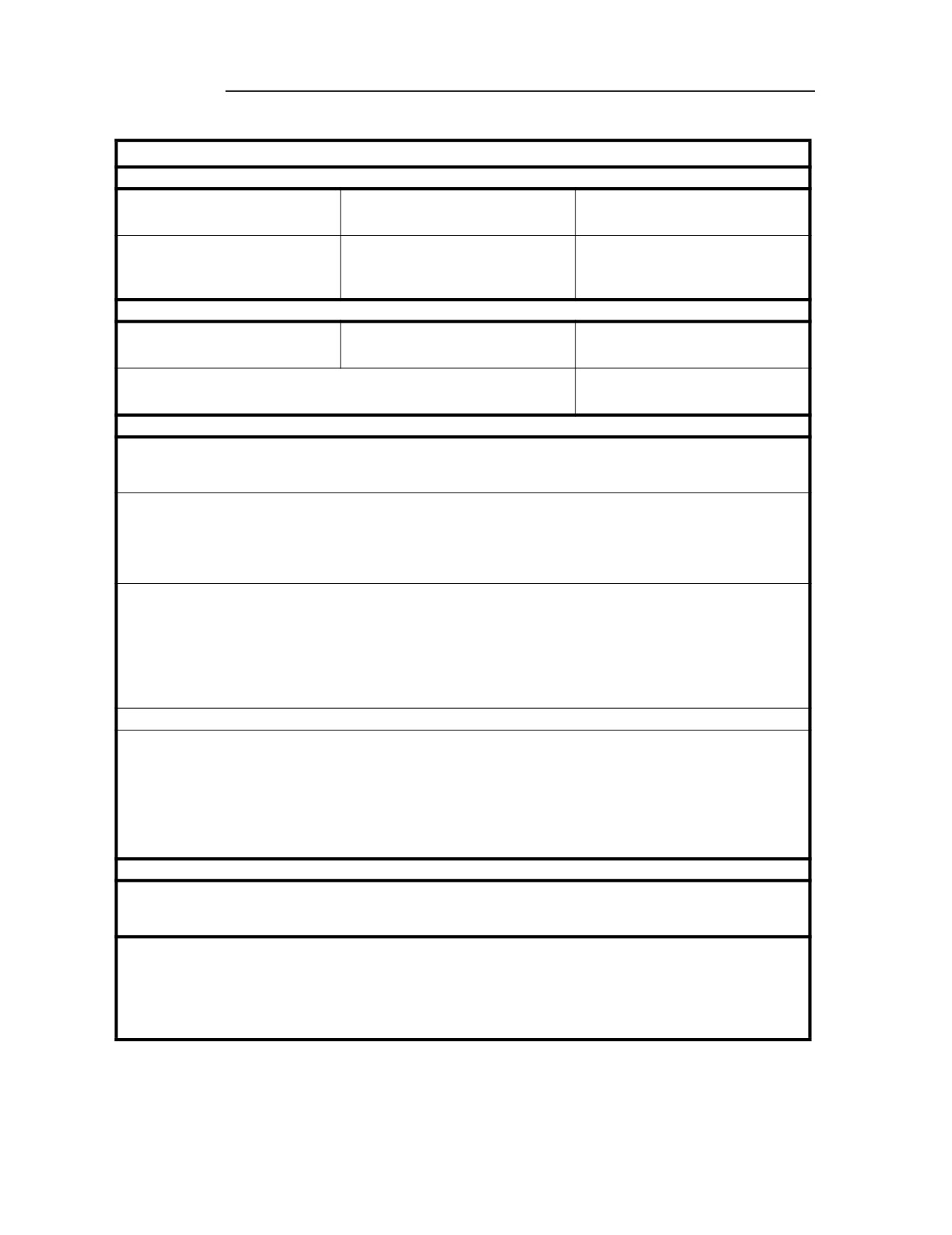
— Complete an obstacle-turnover report (a sample work sheet is
shown in Figure 2-26, page 2-54) and submit it to higher
headquarters.
— Forward the written minefield report and record (DA Form 1355 or
1355-1-R) to the next higher commander common to both units.
Mine-Warfare Principles 2-53
FM 20-32
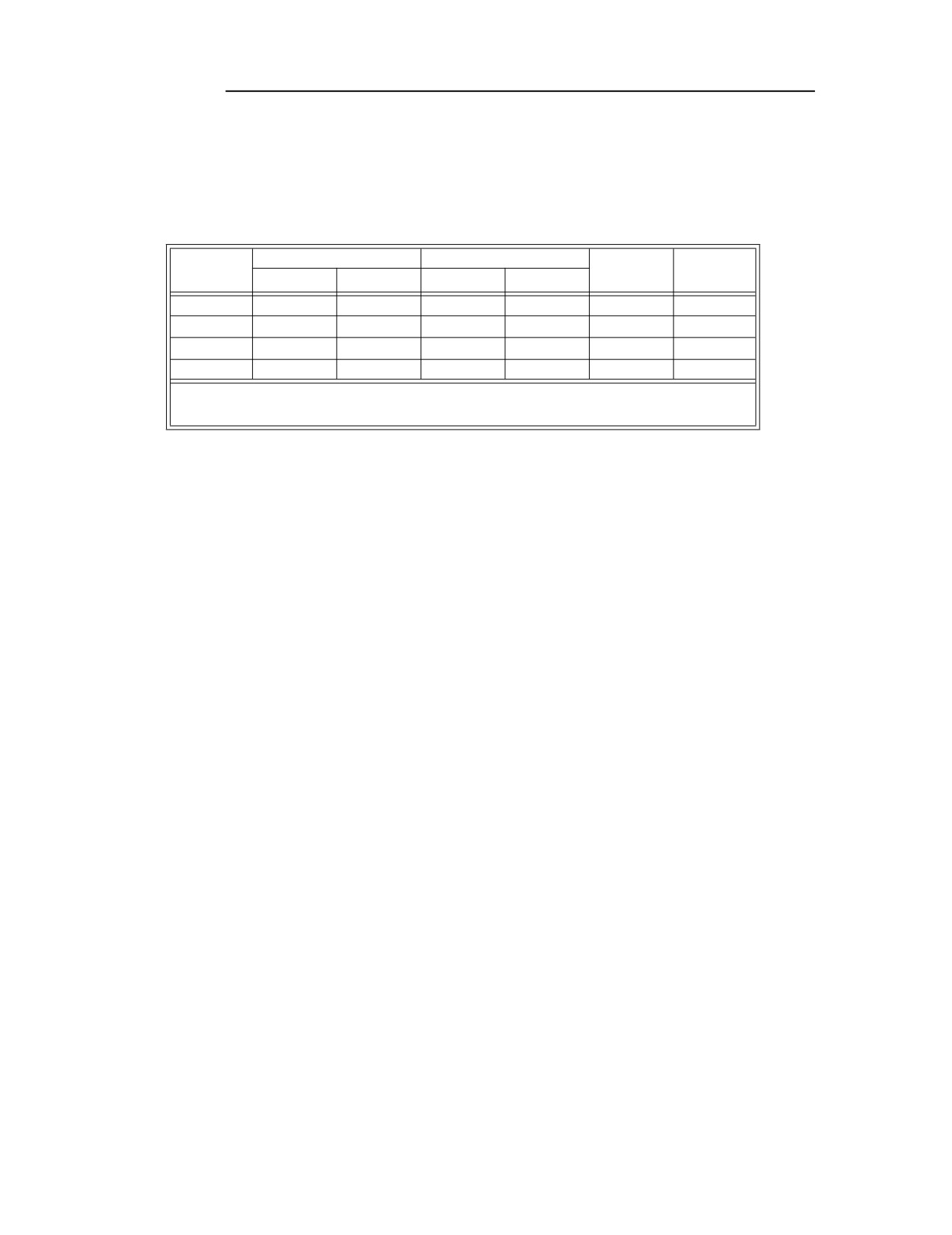
OBSTACLE-TURNOVER/TRANSFER REPORT
OBSTACLE DATA
Obstacle Number
Obstacle Type
Emplacing Authority
Obstacle Location (8-digit UTM
Obstacle Effect
Emplacing Unit
grid to center of mass)
TURNOVER DATA
Transferring Unit
Receiving Unit
Date/Time of Transfer
Next Higher Command Common to Both
Date Obstacle Emplaced
TURNOVER CHECKLIST
Intelligence.
•
Enemy activity forward of the obstacle (discuss enemy recon and breaching efforts).
•
Friendly activity in the vicinity of the obstacle (discuss LOGPAC, recon, counterrecon maneuver).
Maneuver.
•
Obstacle protection against enemy recon/breaching (discuss overwatch, counterrecon patrols, sunrise
sweep).
•
Location of TRPs and indirect-fire targets (point out location on graphics and terrain).
•
Rearward/forward passage of lines (discuss planned and routine activity around the obstacle).
Mobility/survivability.
•
Obstacle trace (discuss corner grids on map and point them out on terrain).
•
Obstacle marking (rear side, all four sides, fence, signs, HEMMS poles, or no marking).
•
Obstacle composition.
•
Location of gaps/lanes.
•
Method of closing gaps/lane (MOPMS, ADAM, RAAM, conventional mines).
•
Location of material to close gaps/lanes.
CSS. Planned casualty evacuation and supply routes in the vicinity of the obstacle.
C2.
•
DA Form 1355 or 1355-1-R, dated ________, transferred to receiving unit.
•
Obstacle overlay, dated ________, transferred to receiving unit.
•
Target folder, dated ________, preparing headquarters ______________, transferred to receiving unit.
•
Higher headquarters (transferring, receiving, and emplacing units) notified of transfer.
•
DA Form 1355 or 1355-1-R forwarded. (NOTE: Three copies are required for transfer—one to
transferring unit, one to receiving unit, and one to next higher headquarters common to both.)
CERTIFICATION
The undersigned certify that the receiving unit has assumed full responsibility for the obstacle indicated
above. The unit commander understands all the information related to the obstacle, the obstacle intent, and
his responsibility to transfer or recover the obstacle upon his departure.
___________________________________
___________________________________
Signature of Transferring Unit Commander
Signature of Receiving Unit Commander
___________________________________
___________________________________
Printed Name and Rank
Printed Name and Rank
Figure 2-26. Sample obstacle-turnover work sheet
2-54 Mine-Warfare Principles
FM 20-32
MINEFIELD INSPECTION AND MAINTENANCE
Mines left in the ground for a long time may deteriorate and malfunction for
one or more of the following reasons:
• Moisture may have entered the igniter or the body of the mine and
either neutralized the explosive or corroded the metal parts. Such
actions may be aggravated by local factors (soil acidity or wide
temperature swings).
• Frost or heat may have subjected the mine to mechanical strain and
caused distortion.
• Insects or vegetation may have caused obstructions.
• Animals may have turned mines over or detonated them.
Technical inspections should only be made by experienced engineers or
explosive ordnance disposal (EOD) personnel. When a minefield deteriorates
below the operating level, additional mine strips/rows are added to restore its
effectiveness. They are sited to the front or the rear of the existing minefield to
increase its depth. New mine strips/rows are treated as separate minefields.
Technical inspections of minefields are normally done at three-month
intervals. They are done more frequently during extreme weather conditions.
Detailed information on mine inspections can be found in Technical Manual
(TM) 9-1345-203-12.
Mine-Warfare Principles 2-55
FM 20-32
2-56 Mine-Warfare Principles
This chapter implements STANAG 2990.
Chapter 3
Scatterable Mines and Mine Delivery Systems
SCATMINEs are laid without regard to a classical pattern. They are
designed to be delivered or dispensed remotely by aircraft, artillery,
missile, or a ground dispenser. All US SCATMINEs have a limited active
life and self-destruct after that life has expired. The duration of the active
life varies with the type of mine and the delivery system.
SCATMINE systems enable a tactical commander to emplace minefields
rapidly in enemy-held territories, contaminated territories, and in most
other areas where it is impossible for engineers to emplace conventional
minefields. Some systems allow for rapid emplacement of minefields in
friendly areas. As with all minefields and obstacles, scatterable minefields
are an engineer responsibility.
Based on the tactical plan, the maneuver commander's staff engineer
determines the minefield location, size, density, and emplacement and SD
times. With this information and a thorough understanding of the
available systems, he can then recommend the type of minefield
(conventional or scatterable) to be emplaced. If a scatterable minefield is
selected, he recommends the delivery system and coordinates the
minefield with appropriate staff officers.
GENERAL CHARACTERISTICS
Most US SCATMINEs have similar characteristics. SCATMINEs are much
smaller in size and weight than conventional mines. For example, a standard
AT SCATMINE weighs approximately 1.8 kilograms and has 600 grams of
explosive; an M15 conventional mine weighs 13.5 kilograms and has 10
kilograms of explosive. Arming mechanisms, arming times, and SD times of
SCATMINEs differ based on the dispensing system.
ANTIPERSONNEL MINES
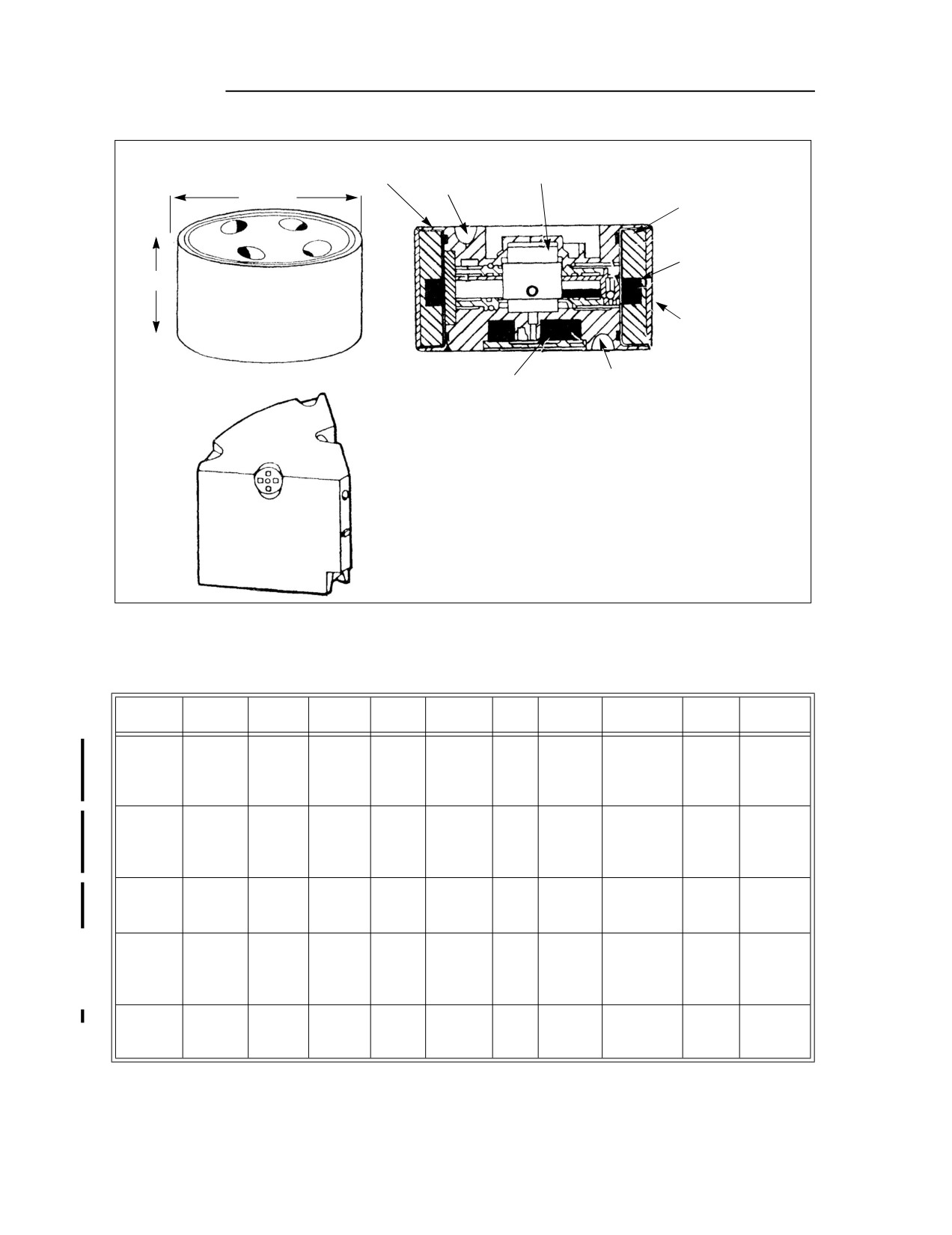
There are two general categories of AP SCATMINEs—wedge-shaped and
cylindrical (Figure 3-1, page 3-2). Table 3-1, page 3-2, summarizes the
characteristics of each AP SCATMINE.
Scatterable Mines and Mine Delivery Systems 3-1
C2, FM 20-32
Cover
Trip-wire
S&A mechanism
port
12 cm
Main
charge
Booster
pellet
6 cm
Fragmenting
body
Trip-wire
Power
port
supply
Figure 3-1. AP SCATMINEs
Table 3-1. Characteristics of AP SCATMINEs
Delivery
Arming
Explosive
Mine
Number
Mine
DODIC
Fuse
Warhead
AHD
SD Time
System
Time
Weight
Weight
of Mines
M67
155-mm
D502
Within 1
Trip
Bounding
20%
4 hr
21 g
540 g
36 per
artillery
min after
wire
frag
Comp A5
M731
(ADAM)
ground
projectile
impact
M72
155-mm
D501
Within 1
Trip
Bounding
20%
48 hr
21 g
540 g
36 per
artillery
min after
wire
frag
Comp A5
M692
(ADAM)
ground
projectile
impact
BLU 92/B
USAF
K291
2 min
Trip
Blast frag
100%
4 hr
540 g
1.44 kg
22 per
(Gator)
K292
wire
48 hr
Comp B4
CBU 89/B
K293
15 days
dispenser
M77
MOPMS
K022
2 min
Trip
Blast frag
0%
4 hr
540 g
1.44 kg
4 per
wire
(recycle
Comp B4
M131
up to 3
dispenser
times)
Volcano
Ground/
K045
2 min
Trip
Blast frag
0%
4 hr
540 g
1.44 kg
1 per M87
air
wire
48 hr
Comp B4
canister
15 days
3-2 Scatterable Mines and Mine Delivery Systems
FM 20-32
The M67 and M72 AP SCATMINEs are wedge-shaped and dispensed from an
ADAM projectile, which is a special 155-millimeter artillery munition. Each
mine weighs 540 grams and is 7 centimeters high.
The M74, BLU 92/B, M77, and Volcano AP SCATMINEs are all cylindrical in
shape. They are 6 centimeters high and 12 centimeters in diameter.
Cylindrical AP SCATMINEs kill enemy soldiers through the combined effects
of blast and fragmentation. Each mine contains 540 grams of composition B4
as its main charge. The charge detonates upon actuation and shatters the
mine’s metal casing to produce shrapnel. Shrapnel is propelled upward and
outward from the mine and produces fatal casualties to a distance of 15
meters. Each mine has eight trip wires (four on the top and four on the
bottom) that deploy after ground impact up to 12 meters from the mine. Trip
wires are similar in appearance to very fine thread; they are olive-drab green
in color and weighted at the free end. A tension of 405 grams applied to one
trip wire is enough to create a break in the electrical circuit and cause the
mine to detonate.
ANTITANK MINES
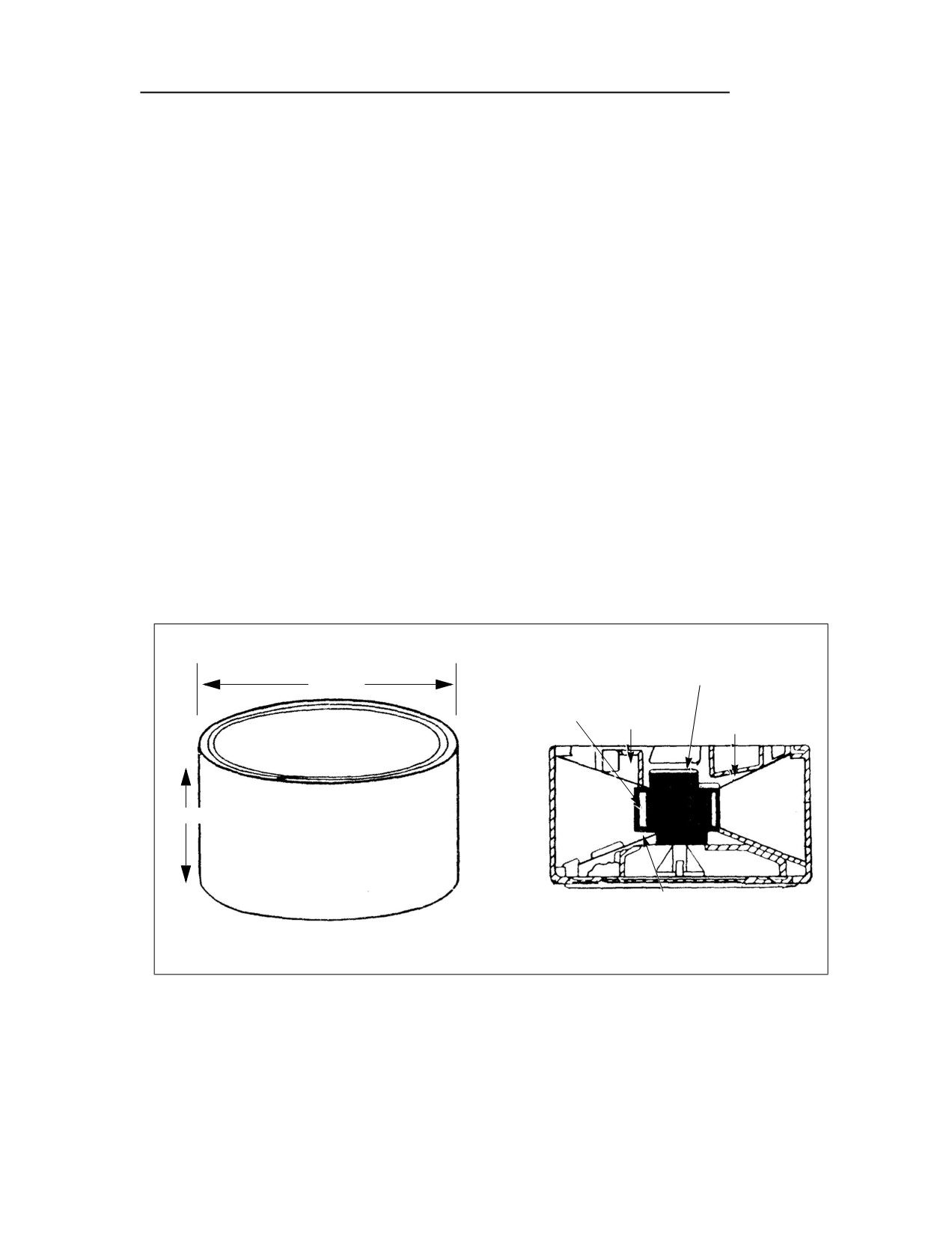
All AT SCATMINEs (Figure 3-2) have similar functional characteristics. They
are cylindrical in shape, weigh approximately 1.8 kilograms, contain 585
grams of cyclonite (RDX) explosive as the main charge, and have a
magnetically induced fuse. The characteristics of each AT SCATMINE are
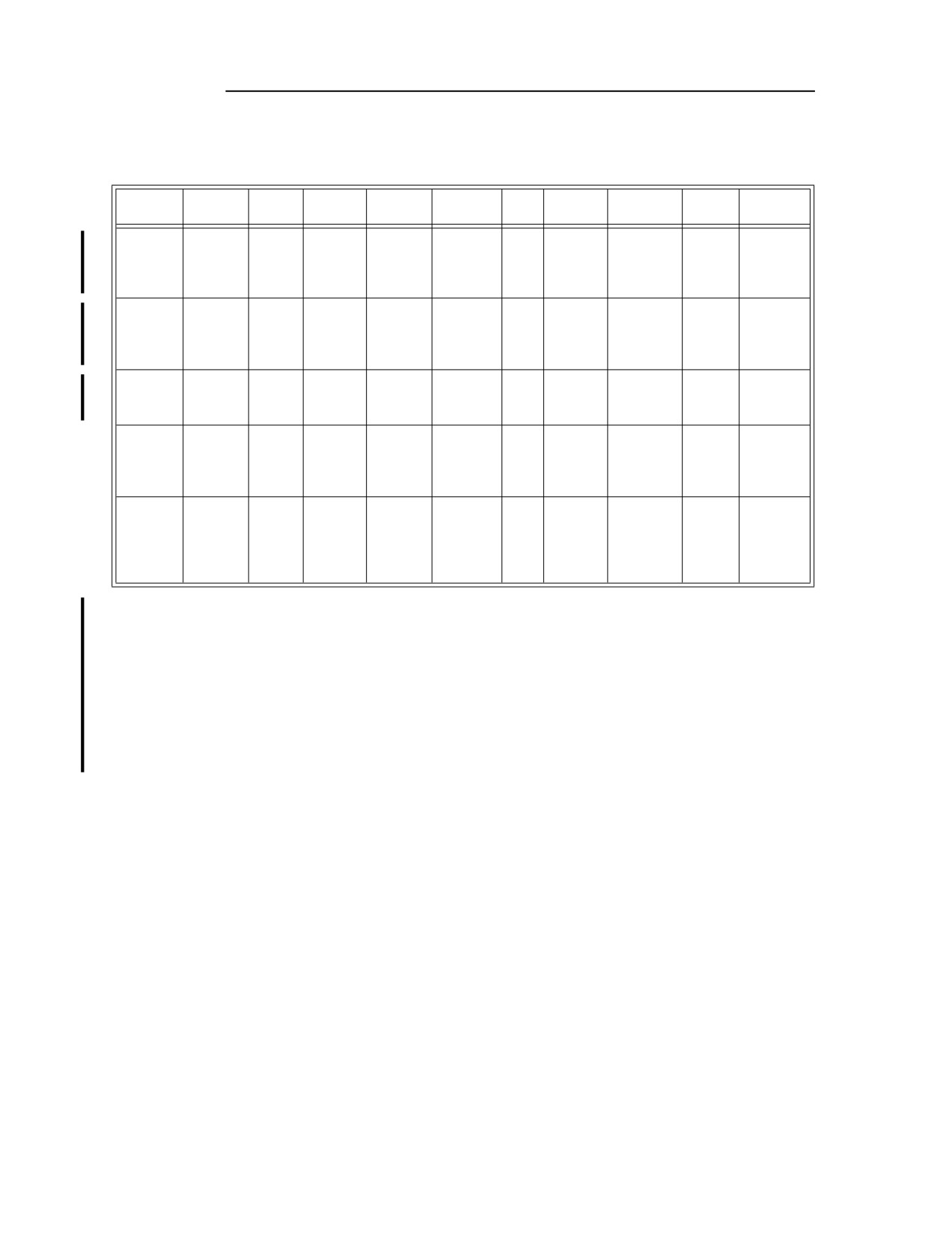
summarized in Table 3-2, page 3-4.
S&A
mechanism
12 cm
Booster
Clearing
charge
charge
Plate
Main
6 cm
charge
Plate
Figure 3-2. AT SCATMINE
Scatterable Mines and Mine Delivery Systems 3-3
C2, FM 20-32
Table 3-2. Characteristics of AT SCATMINEs
Delivery
Arming
Explosive
Mine
Number
Mine
DODIC
Fuse
Warhead
AHD
SD Time
System
Time
Weight
Weight
of Mines
M73
155-mm
D503
Within 1
Magnetic
M-S plate
20%
48 hr
585 g RDX
1.7 kg
9 per
artillery
min after
M718
(RAAM)
ground
projectile
impact
M70
155-mm
D509
Within 1
Magnetic
M-S plate
20%
4 hr
585 g RDX
1.7 kg
9 per
artillery
min after
M741
(RAAM)
ground
projectile
impact
BLU 91/B
USAF
K291
2 min
Magnetic
M-S plate
NA
4 hr
585 g RDX
1.7 kg
72 per
(Gator)
K292
48 hr
CBU 89/B
K293
15 days
dispenser
M76
MOPMS
K022
2 min
Magnetic
M-S plate
NA
4 hr
585 g RDX
1.7 kg
17 per
(recycle
M131
up to 3
dispenser
times)
Volcano
Ground/
K045
2 min
Magnetic
M-S plate
NA
4 hr
585 g RDX
1.7 kg
5 per M87
air
30 sec
48 hr
canister; 6
15 days
per
M87A1
canister
AT SCATMINEs are designed to produce a K-Kill instead of an M-Kill. They
produce a kill by using an SFF warhead (created from an M-S plate). The
warhead penetrates the vehicle's belly armor, and spalling metal from the
vehicle (caused by the mine blast) kills occupants instantly. Even though the
crew is killed, the drive train may be undamaged and the vehicle may
continue to move. On enemy tanks with autoloaders, the detonation of rounds
in the belly-mounted ammunition carousel is very likely. The mine may not
achieve a kill when the track of an armored vehicle runs directly over it.
The magnetic fuse is designed to detonate as the magnetic field changes over
the mine. The warhead is bidirectional, meaning that it can fire from the top
or the bottom. AHDs are built into 20 percent of M70, M73, and M75 mines.
Although Volcano, M76, and BLU 91/B mines do not have AHDs, they may
detonate when moved, because the mine may sense a significant change from
its original orientation.
Due to their small size, the reduced explosive, and the possibility of landing
with an improper orientation (on their side or at an angle), AT SCATMINEs
have less chance of destroying a vehicle than a conventional full-width AT
mine. An armored vehicle will not always be destroyed after an encounter
with an AT SCATMINE. Further, the effectiveness of SCATMINEs in water
obstacles is reduced even more, because 5 centimeters of water prevents the
formation of the M-S slug. Although the blast wave is accentuated by
underwater placement (attacking hatches and covers), mining of banks and
approaches is recommended instead.
3-4 Scatterable Mines and Mine Delivery Systems
C2, FM 20-32
CAPABILITIES
FASTER RESPONSE
SCATMINEs can be emplaced more rapidly than conventional mines, so they
provide a commander with greater flexibility and more time to react to
changes in situations. The commander can use SCATMINEs to maintain or
regain the initiative by acting faster than the enemy. Using SCATMINEs also
helps preserve scarce mine resources.
REMOTE PLACEMENT
All SCATMINEs are remotely emplaced. This enhances battlefield agility and
allows the maneuver commander to emplace mines rapidly to best exploit
enemy weaknesses. SCATMINEs can be used as situational obstacles or to
attack enemy formations directly through disrupt, fix, turn, and block
obstacles. Modern fusing, sensing, and AHDs allow SCATMINEs to better
defeat enemy attempts to reduce the minefield.
INCREASED TACTICAL FLEXIBILITY
Upon expiration of the SD time, the minefield is cleared and the commander
can move through an area that was previously denied to enemy or friendly
forces. In many cases, the SD period may be set at only a few hours. This
feature allows for effective counterattacks to the enemy's flank and rear areas.
EFFICIENCY
SCATMINEs can be emplaced by a variety of delivery methods. They can be
deployed by fixed-wing aircraft, helicopters, artillery, manpack, or ground
vehicles. They satisfy the high mobility requirements of modern warfare.
Manpower, equipment, and tonnage are reduced for their emplacement.
INCREASED LETHALITY
AT SCATMINEs utilize an SFF that is created from two M-S plate charges to
produce a full-width kill. In simple terms, a metal plate is formed into a high-
velocity slug that punches a hole in the belly of a tank. The effect produces an
M-Kill against the vehicle’s engine, track, or drive train; or it produces a K-
Kill when the on-board ammunition is set off and the crew is killed or
incapacitated or the vehicle’s weapon system is destroyed. AT SCATMINEs
are designed to destroy any tank in the world. In order to form an SFF, the
mine requires a certain standoff between the vehicle and the target. Mines
must also be nearly perpendicular to the target (laying on either side). The
M-S plate is actually two plates—one facing the top of the mine and one facing
the bottom. This ensures that it will successfully attack the target while lying
on either side.
AP SCATMINEs are actuated by a trip wire and utilize a blast-fragmentation
warhead.
LIMITATIONS
EXTENSIVE COORDINATION
Because SCATMINEs are a very dynamic weapon system, great care must be
taken to ensure that proper coordination is made with higher, adjacent, and
Scatterable Mines and Mine Delivery Systems 3-5
C2, FM 20-32
subordinate units. To prevent friendly casualties, all affected units must be
notified of the location and the duration of scatterable minefields. Recording
and reporting procedures for SCATMINEs are discussed in detail in Chapter 8,
and they were specifically designed to minimize friendly casualties.
PROLIFERATION OF TARGETS
SCATMINEs may be regarded by some commanders as easy solutions to
tactical problems. Target requests must be carefully evaluated, and a priority
system must be established because indiscriminate use of weapon systems
will result in rapid depletion of a unit's basic load. Controlled supply rates
(CSRs) will probably be a constraint in all theaters.
VISIBILITY
SCATMINEs are highly effective, especially when fires and obscurants strain
the enemy’s C2. SCATMINEs lay on the surface of the ground, but they are
relatively small and have natural coloring.
ACCURACY
SCATMINEs cannot be laid with the same accuracy as conventional mines.
Remotely delivered SCATMINE systems are as accurate as conventional
artillery-delivered or tactical aircraft-delivered munitions.
ORIENTATION
Between 5 and 15 percent of SCATMINEs will come to rest on their edges;
mines with spring fingers will be in the lower percentile. If there is mud or
snow more than 10 centimeters deep, the number will be in the higher
percentile. When employing ADAMs or RAAMs in more than 10 centimeters
of snow or mud, high-angle fire should be used and the number of mines
increased. AP mines may be less effective in snow, because the deployment of
trip wires is hindered. Melting of the snow may also cause the mines to change
positions and activate AHDs.
LIFE CYCLE
All SCATMINEs have a similar life cycle, although specific times vary based
on the SD time and the dispensing system.
For safety reasons, SCATMINEs must receive two arming signals at launch.
One signal is usually physical (spin, acceleration, or unstacking), and the
other is electronic. This same electronic signal activates the mine’s SD time.
Mines start their safe-separation countdown (arming time) when they receive
arming signals. This allows the mines to come to rest after dispensing and
allows the mine dispenser to exit the area safely. Table 3-1, page 3-2, and
Table 3-2, page 3-4, show arming times for individual SCATMINEs.
Mines are armed after the arming time expires. The first step in arming is a
self-test to ensure proper circuitry. Approximately 0.5 percent of mines fail the
self-test and self-destruct immediately.
After the self-test, mines remain active until their SD time expires or until they
are encountered. Mines actually self-destruct at 80 to 100 percent of their SD
time. The time period from when the mines begin to self-destruct and when they
3-6 Scatterable Mines and Mine Delivery Systems
C2, FM 20-32
finish is called the SD window (Table 3-3). No mines should remain active after
the SD time has been reached. Two to five percent of US SCATMINEs fail to self-
destruct as intended. Any mines found after the SD time must be treated as
unexploded ordnance (UXO). For example, mines with a 4-hour SD time will
actually start self-destructing at 3 hours and 12 minutes. When the 4-hour SD
time is reached, no unexploded mines should exist.
Table 3-3. SD windows
SD Time
SD Window Begins
4 hours
3 hours 12 minutes
48 hours
38 hours 24 minutes
5 days
4 days
15 days
12 days
LETHALITY AND DENSITY
LETHALITY AND TACTICAL-OBSTACLE EFFECT
Scatterable minefields are employed to reduce the enemy's ability to
maneuver, mass, and reinforce against friendly forces. They increase the
enemy's vulnerability to fires by producing specific obstacle effects (disrupt,
fix, turn, and block) on the enemy's maneuver. To achieve this aim, individual
minefields must be emplaced with varying degrees of lethality. During
emplacement, lethality is varied primarily by changing the minefield density.
Therefore, there is a direct correlation between the obstacle effect and the
minefield density. In order to achieve the tactical-obstacle effect, use the
following guidance when selecting minefield density:
• Disrupt.
— Low density.
— Probability of encounter: 40 to 50 percent.
— Linear density: 0.4 to 0.5 mine per meter.
• Fix.
— Medium density.
— Probability of encounter: 50 to 60 percent.
— Linear density: 0.5 to 0.6 mine per meter.
• Turn.
— High density.
— Probability of encounter: 75 to 85 percent.
Scatterable Mines and Mine Delivery Systems 3-7
FM 20-32
— Linear density: 0.9 to 1.1 mines per meter.
• Block.
— High density.
— Probability of encounter: 85+ percent.
— Linear density: More than 1.1 mines per meter.
DENSITY
Density is normally expressed as linear or area. For conventional mines,
linear density is normally used and is expressed in the average number of
mines per meter of minefield front. For SCATMINE systems, area density is
normally used and is expressed as the average number of mines per square
meter. Since SCATMINE systems normally employ a preset combination of AT
and AP mines, the area density includes both. For example, a scatterable
minefield with an area density of 0.006 mine per square meter may have an
AT density of 0.004 AT mine per square meter and an AP density of 0.002 AP
mine per square meter. Due to the varying dimensions of scatterable
minefields that can be created by the different types of employment devices,
the exact density of a scatterable minefield cannot be determined. However,
an estimate of the average density can be determined by using the following
formulas:
• Linear density equals the number of mines divided by the minefield
front.
number of mines
---------------------------------------= mines per meter
minefield front
• Area density equals the number of mines divided by the minefield
area.
number of mines
---------------------------------------= mines per square meter
front × depth
• Area density can be converted to linear density by multiplying the
area density by the minefield depth. (NOTE: Converting area
density to linear density is not always accurate due to the
space between minefield strips.)
area density × minefield depth= linear density
EXAMPLE: A 650- by 200-meter Gator minefield contains 564 mines (432 AT
and 132 AP).
• Area density: 564 ÷ (200 x 650) = 0.004 mine per square meter.
— AT area density: 432 ÷ (200 x 650) = 0.003 mine per square meter.
3-8 Scatterable Mines and Mine Delivery Systems

FM 20-32
— AP area density: 132 ÷ (200 x 650) = 0.001 mine per square meter.
• Linear density: 564 ÷ 650 = 0.87 mine per meter.
— AT linear density: 432 ÷ 650 = 0.67 mine per meter.
— AP linear density: 132 ÷ 650 = 0.2 mine per meter.
COMMAND AND CONTROL
Due to the delivery means, C2 of SCATMINEs is more complex than
conventional mines. SCATMINEs are very dynamic weapon systems because
they can be rapidly emplaced and then cleared via their SD capability. Also,
the physical boundary of a scatterable minefield is not clearly defined. These
characteristics require impeccable communications and coordination to
ensure that all friendly units know where mines are located, when they will be
effective, and when they will self-destruct.
AUTHORITY
The corps commander has emplacement authority for all scatterable
minefields within the corps AO. He may delegate this authority to lower
echelons according to the guidelines contained in Table 3-4.
Table 3-4. Emplacement authority
System Characteristics
Emplacement Authority
Ground- or artillery-delivered, with SD time greater
The corps commander may delegate emplacement
than 48 hours (long duration)
authority to division level, who may further delegate
it to brigade level.
Ground- or artillery-delivered, with SD time of 48
The corps commander may delegate emplacement
hours or less (short duration)
authority to division level, who may further delegate
it to brigade level, who may further delegate it to TF
level.
Aircraft-delivered (Gator), regardless of SD time
Emplacement authority is normally at corps,
theater, or army command level, depending on who
has air-tasking authority.
Helicopter-delivered (Volcano), regardless of SD
Emplacement authority is normally delegated no
time
lower than the commander who has command
authority over the emplacing aircraft.
MOPMS, when used strictly for a protective
Emplacement authority is usually granted to the
minefield
company, team, or base commander. Commanders
at higher levels restrict MOPMS use only as
necessary to support their operations.
Based on how the commander wants to shape the battlefield, he must
specifically delegate or withhold the authority to employ SCATMINE systems.
The commander's guidance concerning SCATMINEs is found in the unit’s
OPORD/operation plan (OPLAN). Additional information is included in their
engineer and fire-support annexes, if used.
Due to the complete control a commander has over the MOPMS, emplacement
authority guidelines do not apply to the MOPMS. It is impractical for the
Scatterable Mines and Mine Delivery Systems 3-9

FM 20-32
corps or brigade commander to authorize every MOPMS protective minefield.
Therefore, authority to emplace MOPMS minefields is specifically delegated.
In general, units can emplace MOPMS protective minefields as required for
their own self-defense and report them as they do any protective obstacle. Any
MOPMS minefield used as part of an obstacle plan must be reported as a
scatterable minefield.
COORDINATION
Basic responsibilities of key commands, staff elements, and units are outlined
in Table 3-5. The fire-support coordinator (FSCOORD) is involved in planning
artillery-delivered (ADAM and RAAM) SCATMINEs, and the air liaison
officer (ALO) is involved in planning air-delivered (Gator and Volcano)
SCATMINEs. The engineer has primary responsibility for planning and
employing SCATMINE systems. It is vital that coordination be conducted with
all units and subunits that will be effected by the employment of
SCATMINEs. A scatterable minefield warning (SCATMINWARN) will be sent
to all effected units before the emplacement of the minefield (see Chapter 8 for
more details).
Table 3-5. Coordination responsibilities
Element
Responsibilities
Plan and coordinate the minefield location, size, composition, density, SD
time, safety zone, and emplacement time
Designate and brief the emplacing unit
Incorporate the minefield and the safety zone into the obstacle plan
G3/S3 with Engineer
Receive and forward the scatterable minefield report and record
FSCOORD/ALO
Disseminate information concerning the minefield in the SCATMINWARN to
adjacent and subordinate units prior to laying
Post operation maps with the minefield location, safety zone, and DTG of
the SD time; and disseminate the SCATMINWARN 1 hour prior to initiation
of the SD sequence
Calculate the logistical requirements
Calculate the safety zone
Emplace the minefield
Emplacing Unit
Report the amount of ammunition expended
Prepare and forward the scatterable minefield report and record to the
authorizing commander via appropriate channels
Be aware of the calculated safety-zone boundary and advise subunits of its
Maneuver Units
location
EMPLOYMENT AND EMPLACEMENT
Employment considerations and emplacement techniques and procedures
differ for each type of SCATMINE and delivery system. This section discusses
the characteristics of each delivery system and provides tactical
considerations for the employment of each system on the battlefield.
Techniques and procedures for emplacing minefields intended to disrupt, fix,
3-10 Scatterable Mines and Mine Delivery Systems
FM 20-32
turn, and block are also discussed; and they build on tactical-obstacle design
principles discussed in Chapter 2.
AREA-DENIAL ARTILLERY MUNITIONS AND REMOTE ANTIARMOR MINES
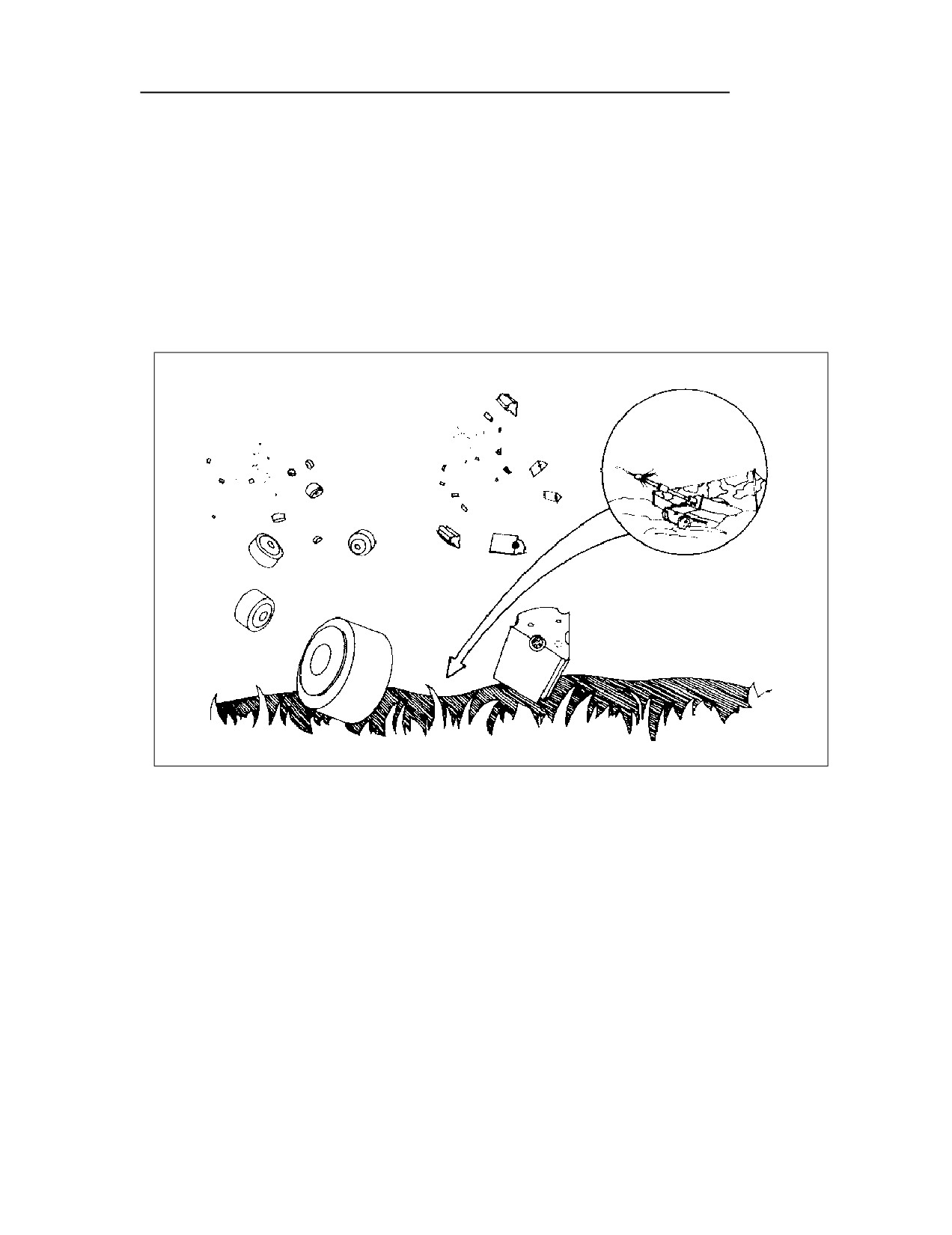
ADAMs and RAAMs are delivered by a 155-millimeter howitzer (Figure 3-3).
There are no special modifications or adaptations necessary for the firing
system. Mines are contained within a projectile and are dispensed while the
projectile is in the air. The effective range for the M109 howitzer is 17,500
meters, and for the M198 howitzer, 17,740 meters.
Figure 3-3. Emplacement of ADAMs and RAAMs
The M692 (long-duration) and the M731 (short-duration) ADAM projectiles
deliver AP mines with different SD times. Each ADAM round contains 36
mines. The M731/M731A1 round contains M72 AP mines with 4-hour SD
times; the M692/M692A1 round contains M67 AP mines with 48-hour SD
times. SD times are preset during the manufacturing process and cannot be
changed.
The wedge-shaped ADAM is a bounding-fragmentation mine that deploys up
to seven tension-activated trip wires 6 meters away from the mine. After
ground impact, trip wires are released and the mine is fully armed. The
ADAM contains a metal-jacketed sphere that is filled with 21 grams of
composition A5 as its main charge. A liquid-explosive propelling charge
positions itself at the bottom of the sphere after impact with the ground.
When the mine is jarred or tilted, or when one of its trip wires receives a
Scatterable Mines and Mine Delivery Systems 3-11
FM 20-32
tension of at least 405 grams, the sphere propels upward 0.6 to 2.4 meters and
detonates. The lethal casualty radius is between 6 and 10 meters.
The M741 (short-duration) and the M718 (long-duration) RAAMs are
artillery-delivered AT mines. Each RAAM round contains nine mines. The
M741/M741A1 round contains M70 AT mines with 4-hour SD times; the
M718/M718A1 round contains M73 AT mines with 48-hour SD times. The SD
times are preset during the manufacturing process and cannot be changed.
The RAAM mine utilizes an SFF warhead, has a magnetic-influence fuse,
weighs 1.7 kilograms, and has a small (12 centimeters in diameter by 6
centimeters in height) cylindrical shape.
The new model ADAM and RAAM mines (designated by an A1 suffix) have a
45-second arming time; the older models have a 2-minute arming time. The
new model RAAM has a built-in feature that defeats magnetic, signature-
duplicating breaching devices.
Employment
The ADAM and RAAM systems were designed to provide a flexible, rapid-
response mining capability. These systems provide the maneuver commander
with the capability to emplace mines directly on top of, in front of, or behind
enemy forces. This is one of their greatest advantages. Their responsiveness
allows the mission to be executed quickly and allows the commander to
effectively influence a rapidly changing battlefield. They also allow the
commander to emplace minefields while maintaining maximum standoff from
the target. In short, their emplacement does not require committing any force
(ground or air) forward. ADAM and RAAM systems may be used for the
following purposes:
• Defense.
— Develop targets for long-range AT weapons.
— Close gaps and lanes in other obstacles.
— Delay or disrupt attacking forces.
— Deny the enemy unrestricted use of selected areas.
— Disrupt movement and commitment of second-echelon forces.
— Disrupt and harass enemy C2, logistics (excluding medical), and
staging areas.
— Reinforce existing obstacles.
— Disrupt or delay river crossings.
• Offense.
— Supplement flank reconnaissance and security forces to protect
flanks along AAs.
— Suppress and disrupt enemy security elements once contact has
been made.
— Hinder the withdrawal of enemy forces.
3-12 Scatterable Mines and Mine Delivery Systems
FM 20-32
— Hinder the ability of the enemy to reinforce the objective area.
The time and the number of rounds required to install effective ADAMs and
RAAMs limit their use. Their range is limited to 17,500 or 17,740 meters,
depending on which howitzer (M109 or M198, respectively) is used. Many of
the deep-interdiction missions that support force-projection doctrine require a
greater distance. Due to the large footprint created when the minefield is
fired, many mines will scatter outside the planned minefield area. It is
therefore necessary to plot the safety zone in order to prevent fratricide. The
fire-support element (FSE) is responsible for plotting the safety zone, and the
staff engineer should be familiar with the process and the expected results.
The staff engineer ensures that the safety zone is plotted on the tactical
command post (TCP)/TOC operation overlay.
Emplacement
ADAM and RAAM mining missions are requested through normal artillery-
support channels. Although the actual numbers vary based on the unit and
the mission, a representative basic load for an artillery battalion consists of
approximately 32 ADAM and 24 RAAM (short SD time) rounds per artillery
piece. NOTE: The rounds with long SD times are normally used for
preplanned targets and are issued from an ammunition supply point
(ASP) on a mission-by-mission basis.
Once the proper authorization has been received to employ the mines,
requests for ADAMs and RAAMs are processed in the same way as other
requests for fire support, including targets of opportunity. Allocate enough
time for processing the request and completing firing procedures. This ensures
that the enemy has not moved out of the target area before execution. (FM 90-
7 contains more information on this process.) The use of ADAMs and RAAMs
for preplanned fires requires close coordination among the Assistant Chief of
Staff, G3 (Operations and Plans) (G3)/Operations and Training Officer (US
Army) (S3), the staff engineer, and FSE sections. Coordination should also be
made with the S2 and the S3 during the development of the decision support
template (DST) to identify the proper named areas of interest (NAIs), target
areas of interest (TAIs), trigger points, and decision points.
There are two critical aspects when emplacing ADAM and RAAM minefields:
• Designing the minefield to achieve the required effect.
• Ensuring the technical correctness of resourcing and delivering the
minefield.
The following discussion provides general guidance for designing the
minefield to achieve the desired effect and for determining the safety zone to
assess the impact on maneuver. Appendix H of FM 6-20-40 serves as the
primary source for technically resourcing and delivering artillery-delivered
minefields.
ADAM and RAAM minefields can be emplaced to achieve disrupt, fix, turn,
and block effects based on the principles outlined in Chapter 2. The engineer
is responsible for deciding the required location, the density, the size, the
composition, and the duration of the minefield based on the tactical-obstacle
plan and the obstacle restrictions of the higher unit. The engineer provides
Scatterable Mines and Mine Delivery Systems 3-13
FM 20-32
this information to the FSE. Table 3-6 provides guidance on the minefield
density and size necessary to achieve the desired obstacle effect.
Table 3-6. RAAM and ADAM minefield density and size
RAAM
ADAM
Obstacle
Width
Depth
Effect
Area1
Linear2
Area1
Linear2
(meters)
(meters)
Disrupt
0.001
0.2
0.0005
0.1
200
200
Turn
0.002
0.8
0.001
0.4
400
400
Fix
0.002
0.4
0.0005
0.1
200
200
Block
0.004
0.6
0.002
0.8
400
400
1Area density = mines per square meter
2Linear density = mines per meter
The FSE determines all the technical aspects for delivering the minefield,
such as the number of rounds required per aim point, the number of aim
points required, the size of the safety zone, and the time required to emplace
mines. There is a wide variety of factors involved in determining the number
of rounds, the size of the safety zone, and the emplacement time. These factors
are the range-to-target time, the battery-to-minefield angle, the high- or low-
angle trajectory, and the method of firing (observer adjust or meteorological
data plus velocity error [Met+VE] transfer). The FSE must tell the engineer
whether the minefield mission is feasible. Feasibility is based on the number
of rounds available, the scheme of indirect fires, and the availability of
artillery tubes.
The engineer is primarily concerned with two technical aspects of delivery
provided by the FSE—the safety zone and the emplacement time. The
engineer uses the safety zone and the minefield duration to assess the impact
of the minefield on the mobility requirements of the scheme of maneuver. The
engineer depicts the safety zone on the obstacle overlay. He also uses the
safety zone to identify requirements for minefield marking if the unit leaves or
turns over the area before the SD time. The engineer and the FSE use the
emplacement time to synchronize the delivery of the minefield with the
tactical plan.
GATOR
The Gator (Figure 3-4) has a longer range than any other SCATMINE system.
It provides a means to rapidly emplace minefields anywhere that can be
reached by tactical aircraft. The Gator is produced in two versions—the
United States Air Force (USAF) CBU-89/B system that contains 94 mines (72
AT and 22 AP) per dispenser and the United States Navy (USN) CBU-78/B
system that contains 60 mines (45 AT and 15 AP) per dispenser.
The mines used with the Gator are the BLU-91/B AT mine and the BLU-92/B
AP mine. They are similar to the mines used with the Volcano system. The
mines are capable of three field-selectable SD times (4 hours, 48 hours, and 15
days). Both types of mines are encased in a plastic, square-shaped protective
3-14 Scatterable Mines and Mine Delivery Systems
FM 20-32
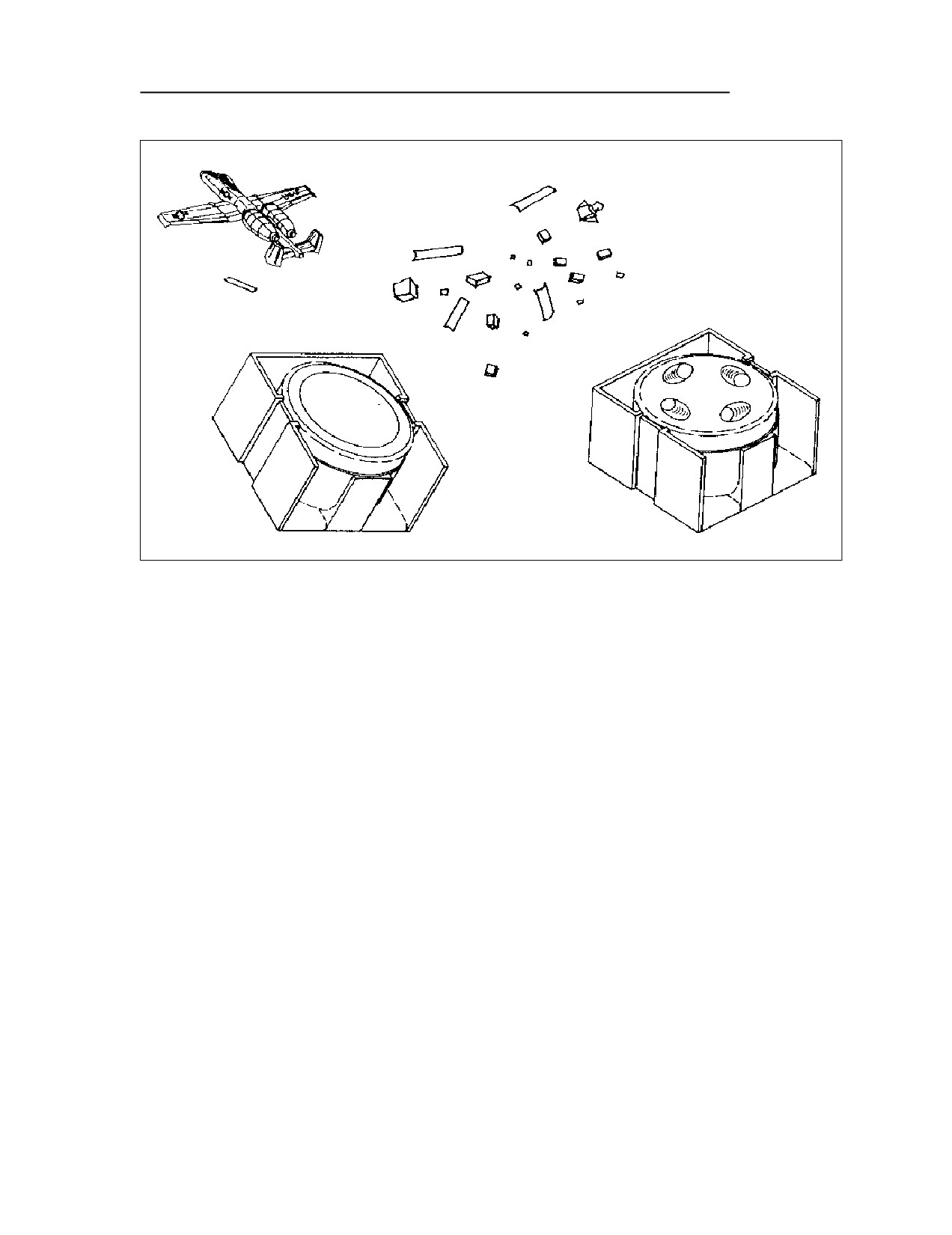
Figure 3-4. Gator SCATMINE system
casing that is designed to aid dispersion and lessen ground impact upon
delivery.
The mines are contained inside tactical munition dispensers (TMDs) that are
attached under the wings of high-performance, fixed-wing aircraft. The TMD
is a USAF dispenser that was designed for common use with cluster
munitions. The Gator is compatible with the USAF A-10, F-4, F-15, F-16, B-1,
and B-52 aircraft and with the USN A-6, A-7, F-4, FA-18, and AV-8B aircraft.
The TMD is released in the air and allowed to fall free. Four linear charges
along the edge of the TMD cut the outer casing, and the mines are
aerodynamically dispersed. The maximum delivery speed is 800 knots at
altitudes of 75 to 1,500 meters. The area of minefield coverage depends on the
number of munitions carried, the aircraft speed and altitude, and the altitude
where the fuse functions and opens the dispenser. The average area covered is
approximately 200 by 650 meters.
Employment
Gator missions are primarily used at long range to disrupt, fix, turn, or block
enemy troop movement beyond the fire-support coordination line (FSCL). For
use in interdiction missions beyond the FSCL, submit requests for Gator
missions as early as possible to nominate targets for the theater air-tasking
order. Gator munitions are well-suited for placing minefields on specific
concentrations of forces (artillery, logistic, and C2) that are out of range of
conventional artillery.
Scatterable Mines and Mine Delivery Systems 3-15
FM
20-32
While the Gator can provide close combat support, deep-interdiction mining is
expected to be its primary mission. Gator minefields are normally employed in
conjunction with other deep indirect-fire attacks, such as area of interest (AI),
battlefield air interdiction (BAI), or joint air-attack team (JAAT). However, a
Gator minefield may be employed in conjunction with close air support (CAS)
and covered by close indirect- and direct-fire systems. Typical mining missions
include—
• Isolating objectives.
• Countering ADA/artillery fires.
• Denying terrain.
• Disrupting and disorganizing support activities.
• Inflicting personnel and equipment losses.
The extended range of the Gator system, together with its speed and
responsiveness, makes it one of the most influential weapon systems on the
deep battlefield. The primary limitations of the Gator are the availability of
high-performance aircraft to emplace the mines and the system’s relative
ineffectiveness on units in column. During any conflict, aircraft will be in high
demand and will not always be immediately available for a Gator mission
when required. Communications may also pose a problem because mission
execution is a joint US Army-USAF operation.
The Gator is well suited to support contingency operations and amphibious
landing operations in an immature theater when there is no danger to
friendly forces or host-nation assets. Gator minefields are one of the light-
force commander's few durable, long-range antiarmor weapons.
Emplacement
As an aircraft-delivered munition, the Gator is a corps asset. The Gator is a
BAI mission and is controlled by the tactical air control center (TACC).
Missions should be requested as early as possible (no later than 36 hours in
advance) through fire-support channels to the corps FSE. As a mine system,
Gator missions must be approved by corps. The corps FSE passes the mission
to the theater or army air headquarters to be included on the theater air-
tasking order for execution. In support of BAI or CAS, Gator sorties may be
allocated down to battalion level, with final control exercised by the battalion
ALO. Immediate Gator missions can also be requested directly from the
maneuver unit’s TACC. The same records and reports applicable to other
SCATMINE systems are used with the Gator mine system. Close cooperation
and coordination among the G3/S3, the staff engineer, and the ALO are
required for planning and executing Gator missions.
As with artillery-delivered minefields, the engineer is primarily responsible
for identifying the minefield location, size, duration, and density. Minefield
density is varied by changing the orientation of the minefield with respect to
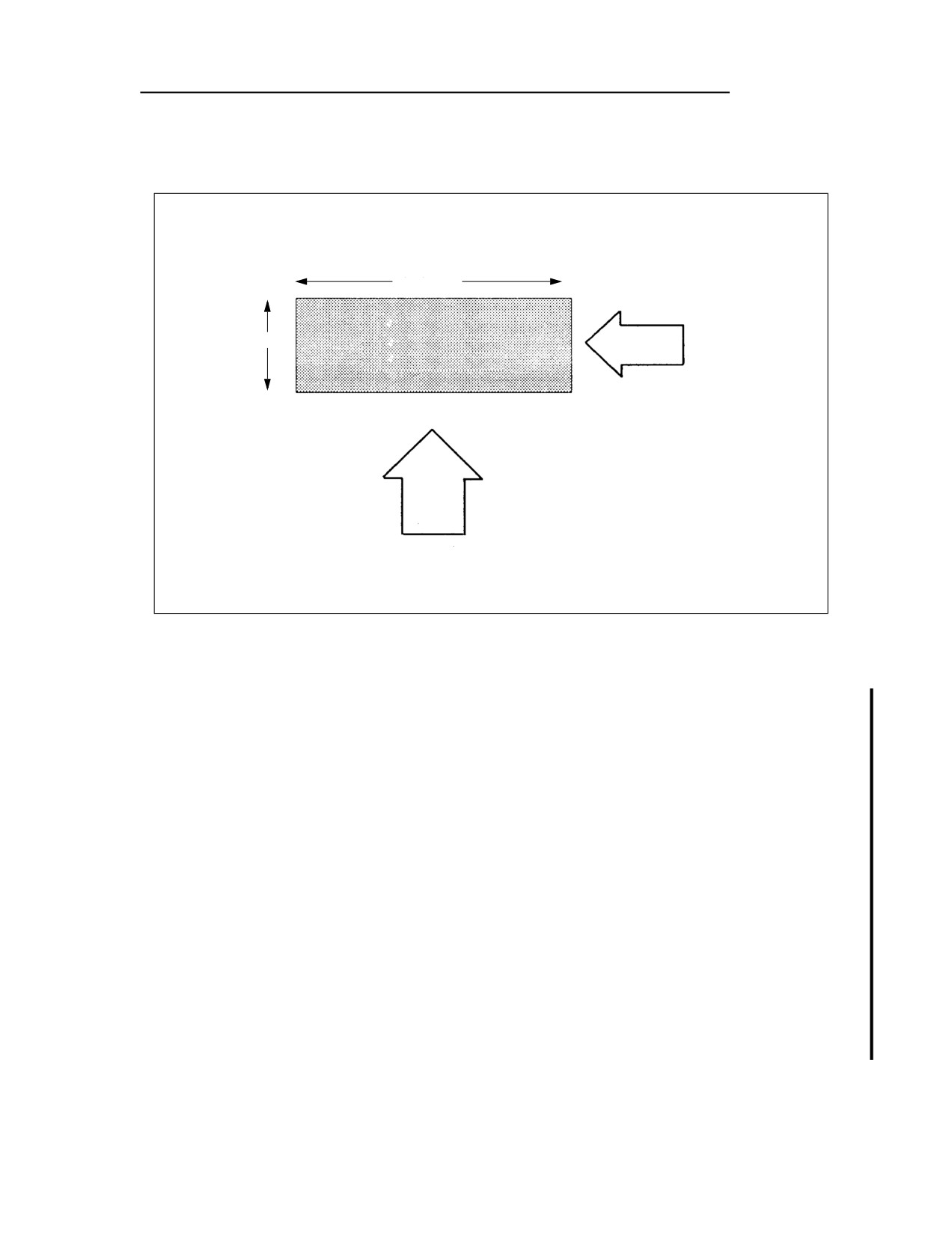
the target AA. Figure 3-5 illustrates how minefield orientation is changed to
achieve a fix or block effect. Normally, Gator is employed as a fix obstacle with
a front of 650 meters. Emplacing a fix-obstacle group along a battalion AA
(1,500 meters) requires two Gator sorties, each delivering one minefield. Each
Gator minefield would have a front of 650 meters and a depth of 200 meters.
3-16 Scatterable Mines and Mine Delivery Systems
C2, FM 20-32
The minefields would be delivered at different locations so that the group
covers the entire AA and affects the entire enemy battalion.
Six Gator dispensers (72 AT and 22 AP mines each)
NOTE: Add 275 m to all dimensions for the safety zone.
650 m
200 m
432 AT and 132 AP mines
AA 2
BLOCK
AA 1
FIX
Figure 3-5. Gator minefield
VOLCANO
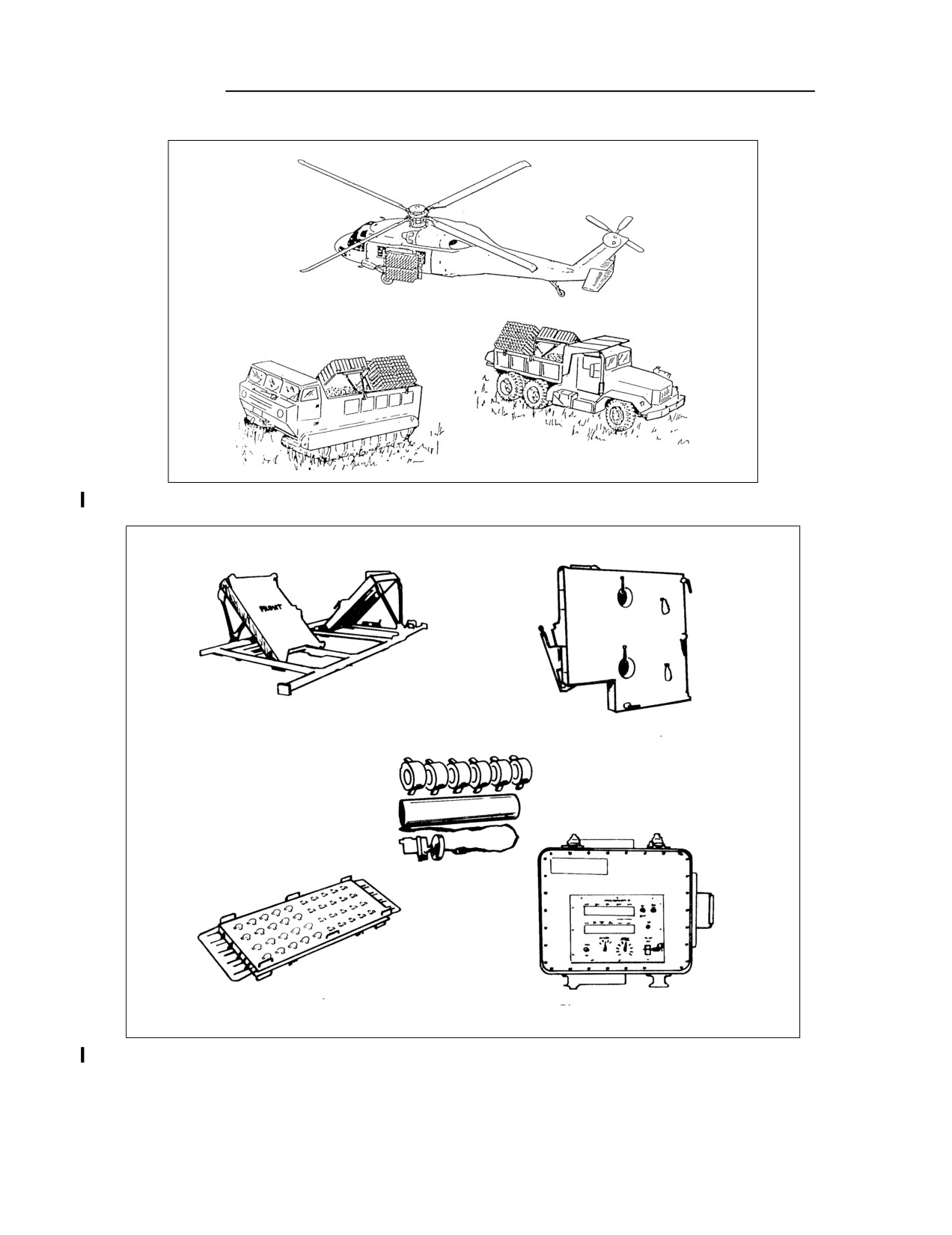
The Volcano multiple-delivery mine system (Figure 3-6, page 3-18) can be
dispensed from the air or on the ground. It can be mounted on any 5-ton truck,
an M548 tracked cargo carrier, a heavy expanded mobility tactical truck
(HEMTT), a palletized load system (PLS) flat rack, or a UH-60A Blackhawk
helicopter. The Volcano uses modified Gator mines and consists of four
components (Figure 3-7, page 3-18)—the mine canister, the dispenser, the
dispenser control unit (DCU), and the mounting hardware (aircraft also
require a jettison kit). The Volcano uses M87 and M87A1 mine canisters. The
M87 mine canister is prepackaged with five AT mines, one AP mine, and a
propulsion device inside a tube housing. The M87A1 mine canister is
prepackaged with six AT mines and a propulsion device. The mixture of mines
is fixed and cannot be altered. Mines are electrically connected with a web
that functions as a lateral dispersion device as the mines exit the canister.
Spring fingers mounted on each mine prevent it from coming to rest on its
edge. All canisters are capable of dispensing mines with 4-hour, 48-hour, and
15-day SD times. The SD times are field-selectable prior to dispensing and do
not require a change or modification to the mine canister. The arming time is
2 minutes 15 seconds for AT and AP mines. The reload time (not including
movement time to the reload site) for an experienced four-man crew is
approximately 20 minutes.
Scatterable Mines and Mine Delivery Systems 3-17
C2, FM 20-32
Figure 3-6. Volcano mine system
Vehicle mounting hardware
Aircraft mounting hardware
M87-series
mine canister
M139 dispenser
DCU
Figure 3-7. Volcano components
3-18 Scatterable Mines and Mine Delivery Systems
C2, FM 20-32
The dispenser consists of an electronic DCU and four launcher racks. Four
racks can be mounted on a vehicle, and each rack can hold 40 M87-series mine
canisters. The racks provide the structural strength and the mechanical
support required for launch and provide the electrical interface between the
mine canisters and the DCU. Mounting hardware secures the racks to the
vehicle or the aircraft. Mounting hardware for the Blackhawk includes a
jettison subassembly to propel the Volcano racks and canisters away from the
aircraft in the event of an emergency.
The operator uses the DCU to control the dispensing operation electrically
from within the carrier vehicle. The DCU provides controls for the arming
sequence and the delivery speed and sets mine SD times. The DCU allows the
operator to start and stop mine dispensing at anytime. A counter on the DCU
indicates the number of remaining loaded canisters on each side of the carrier.
Mines are dispensed from their canisters by an explosive propelling charge.
For ground vehicles, the mines are dispensed 25 to 60 meters from the vehicle
at ground speeds of 8 to 90 kph. The average time to emplace one ground
Volcano load (160 canisters) is 10 minutes.
Employment
The primary mission of the Volcano is to provide US forces with the capability
to emplace large minefields rapidly under varied conditions. The Volcano can
be rapidly attached to air or ground vehicles. It is used to emplace tactical
minefields; reinforce existing obstacles; close lanes, gaps, and defiles; protect
flanks; and deny probable enemy air-defense sites. Volcano minefields are
ideal for providing flank protection of advancing forces and for operating in
concert with air and ground cavalry units on flank guard or screen missions.
The air Volcano is the fastest method for emplacing large tactical minefields.
When employed by combat aviation elements in support of maneuver units,
close coordination between aviation and ground units assures that Volcano-
dispensed mines are emplaced accurately and quickly. Although mine
placement is not as precise as it is with ground systems, air Volcano
minefields can be placed accurately enough to avoid the danger inherent in
minefields delivered by artillery or jet aircraft. Air Volcano minefields can be
emplaced in friendly and enemy territory. They should not be planned in areas
of enemy observation and fire because the helicopter is extremely vulnerable
while flying at the steady altitude, the speed, and the path required to
emplace the minefield. The air Volcano is the best form of an obstacle reserve
because a minefield can be emplaced in minutes.
The ground Volcano is designed to emplace large minefields in depth. It is
normally employed by combat engineer units. These mounted dispensers are
primarily used to emplace tactical minefields oriented on enemy forces in
support of maneuver operations and friendly AT fires. The system is
vulnerable to direct and indirect fires, so it must be protected when close to
the FLOT. It is ideal for use as an obstacle reserve, employed when the enemy
reaches a decision point that indicates future movement. Obstacles can then
be emplaced in depth on the avenues the enemy is using, leaving other
avenues open for friendly movement.
Scatterable Mines and Mine Delivery Systems 3-19
C2, FM 20-32
Emplacement
The principles and procedures of Volcano emplacement are significantly
different for air- and ground-delivery systems. This section outlines the use of
the ground Volcano system to emplace disrupt, fix, turn, and block minefields.
The air Volcano system is discussed in detail in Appendix D. Both air and
ground Volcano systems are capable of emplacing nonstandard minefields.
However, the emplacement norms below streamline identifying resource
requirements and conducting emplacement drills.
Air and ground Volcano systems emplace a minefield with an average AT
linear density of 0.72 mine per meter and an AP linear density of 0.14 mine
per meter. These densities may vary slightly since some mines will fail the
arming sequence and self-destruct 2 to 4 minutes after dispensing.
Additionally, some mines may not orient correctly, will not deliver their full
mine effect, and will not produce a K-Kill. The probability of failing the
arming sequence and misorienting is relatively small and does not
appreciably degrade the minefield's lethality. For tracked vehicles, the AT
density yields more than 80 percent probability of encounter. Volcano AT
mines do not have AHDs but are highly sensitive to any movement once they
are armed. Any attempt to remove the mines will likely result in detonation.
The basic site layout is extremely important, and it is the same for air and
ground Volcano minefields. The limits of Volcano minefields are marked before
emplacement when the situation (planned targets within the main battle area
[MBA] of a defensive operation) allows it. The minefield is not premarked
when the situation (offensive operations or situational obstacles) does not
allow it. If the mines have not self-destructed, the minefield is marked before
the unit leaves the area or turns it over to an adjacent unit. Minefield
marking must include the safety zone, which is 40 meters from the start and
end points and 80 meters to the left and right of the centerline. The start and
end points of the strip centerline are marked based on the minefield front and
the number of strips. For a ground Volcano minefield, guide markers are
emplaced along the path of the centerline but are offset left to allow the host
vehicle to remain on the centerline. When using a ground-delivery system,
minefield marking must leave a gap along each centerline for vehicle entrance
and exit. The number of guide markers used depends on the terrain and the
visibility. Guide markers are not required for an air Volcano minefield because
the pilot will use the start and end points of the centerline as reference points.
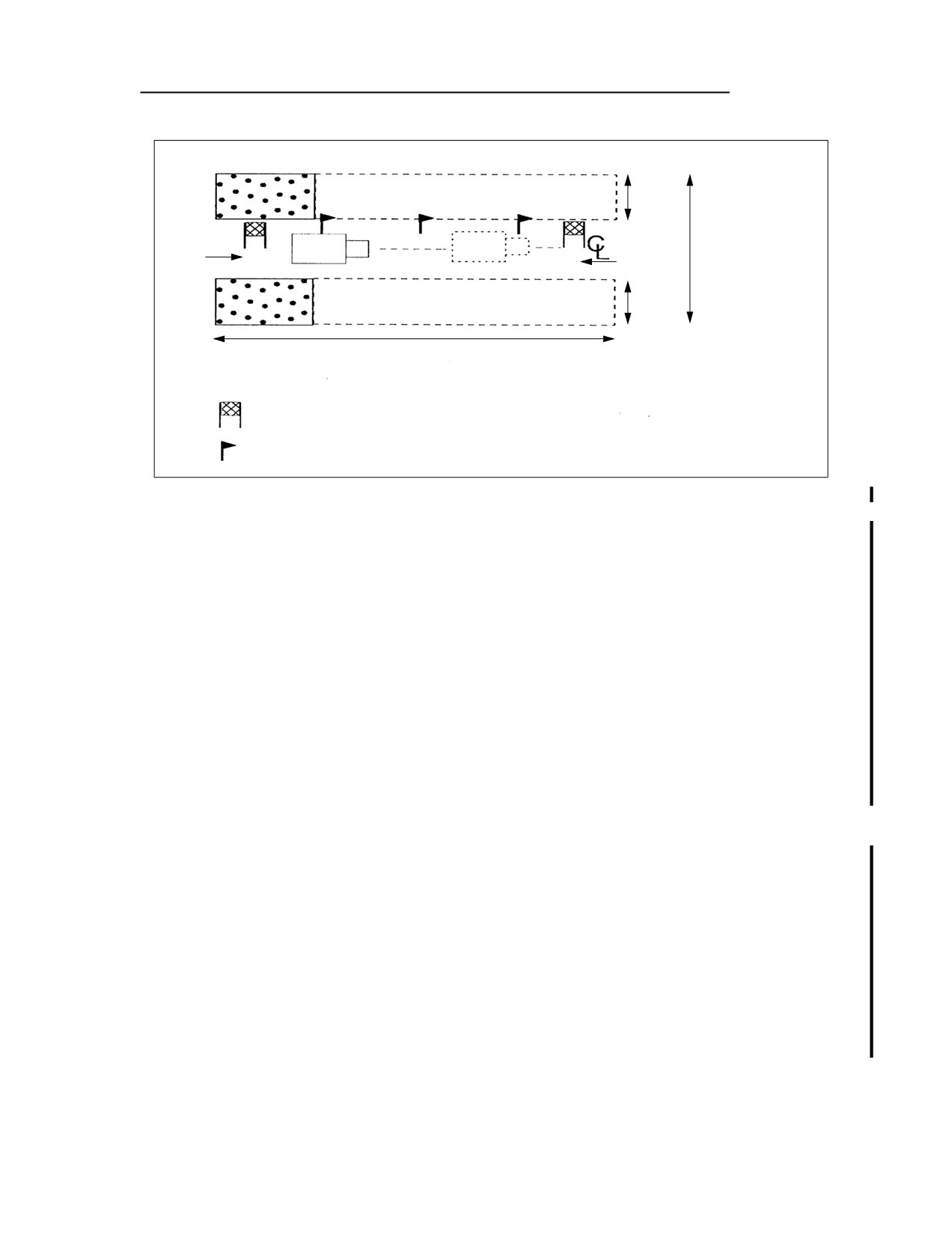
Figure 3-8 illustrates the emplacement pattern for standard disrupt and fix
minefields using the ground or air Volcano. Disrupt and fix minefields use
only one centerline to give a minefield depth of 120 meters (ground) or 140
meters (air), not including the safety zone. The strip centerline is 277 meters
(ground) or 278 meters (air) long. The host vehicle moves toward the start
point, achieving and maintaining the ground or air speed selected on the DCU.
The operator depresses the launch switch on the DCU when the vehicle passes
the start marker, and he stops dispensing mines when the vehicle passes the
end marker. The operator dispenses 40 canisters (20 on each side) along the
centerline. One full load of ground or air Volcano emplaces four disrupt or fix
minefields. For ground emplacement, the vehicle moves out of the minefield,
marks the exit, and waits a minimum of 4 minutes before approaching the
minefield. This delay allows faulty mines to self-destruct.
3-20 Scatterable Mines and Mine Delivery Systems
C2, FM 20-32
35 m
120 m (ground)
5-ton
5-ton
140 m (air)
20
m
20 m
35 m
277 m (ground)
278 m (air)
Start or end marker
Guide marker
Figure 3-8. Volcano disrupt and fix minefields
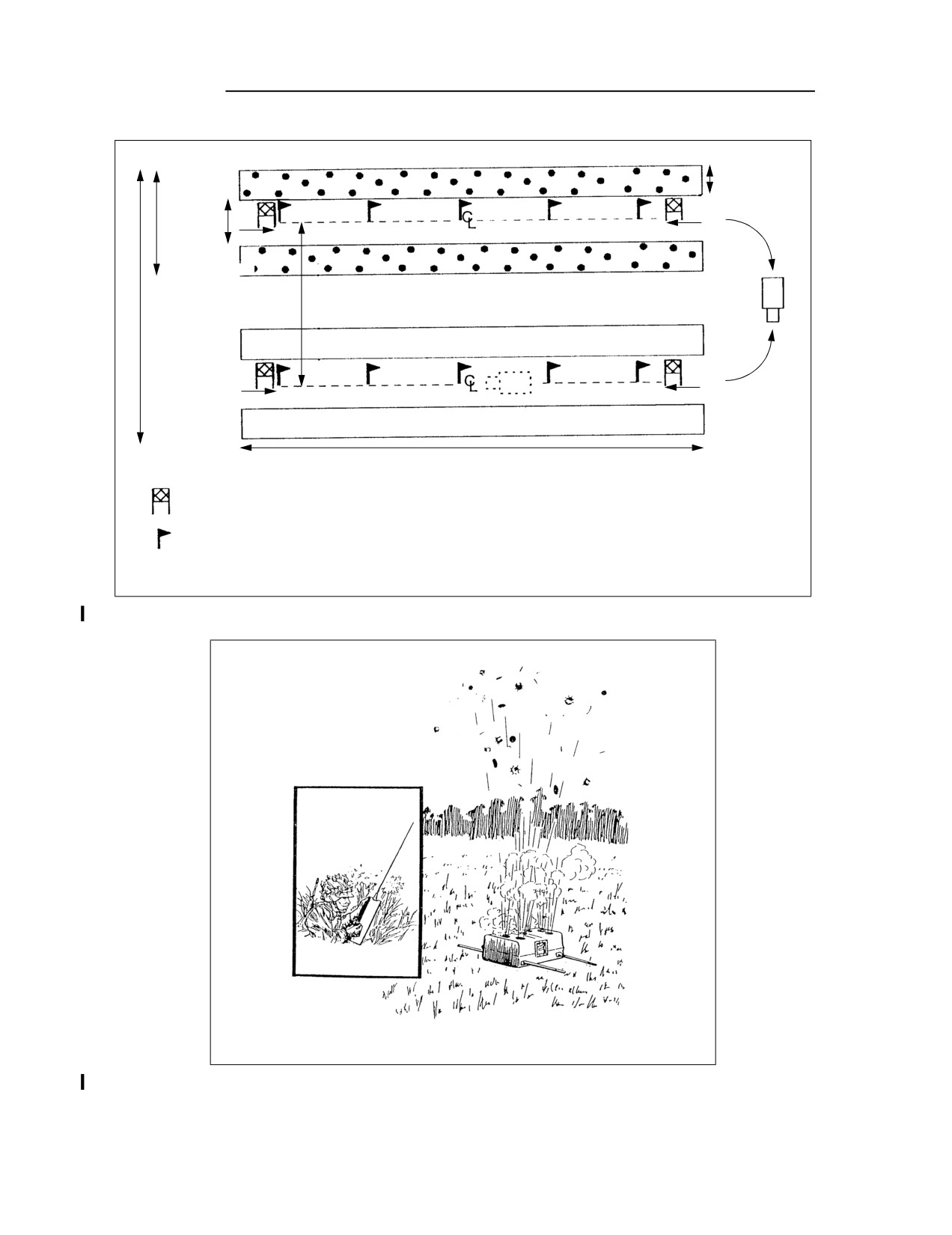
Turn and block minefields (Figure 3-9, page 3-22) are emplaced using the
same basic procedures as those used for disrupt and fix minefields. However,
turn and block minefields use two strip centerlines along a front of 555 meters
(ground) or 557 meters (air). During site layout, centerlines are separated by
at least 320 meters for both ground and air delivery. This gives a total
minefield depth of 440 meters (ground) or 460 meters (air). The operator
dispenses 80 canisters along each centerline (40 on each side); therefore, turn
and block minefields require a total Volcano load of 160 canisters. One full
load of ground or air Volcano emplaces one turn or block minefield. Wherever
possible, two ground Volcanoes are employed simultaneously on turn and
block minefields. When only one ground delivery system is used, the crew
must wait 4 minutes after dispensing the first strip before dispensing the
second strip. This allows mines that fail the arming sequence to self-destruct.
For air delivery, two sorties are also optimal; but demands for sorties
elsewhere in the division may preclude the simultaneous employment of two
Blackhawks.
MODULAR PACK MINE SYSTEM
The MOPMS (Figure 3-10, page 3-22) is a man-portable, 162-pound, box-
shaped mine dispenser that can be emplaced anytime before dispensing
mines. The dispenser contains 21 mines (17 AT and 4 AP). The mines have
leaf springs along their outer circumference that are designed to push the
mines into proper orientation if they land on their side.
Each dispenser contains seven tubes; three mines are located in each tube.
When dispensed, an explosive propelling charge at the bottom of each tube
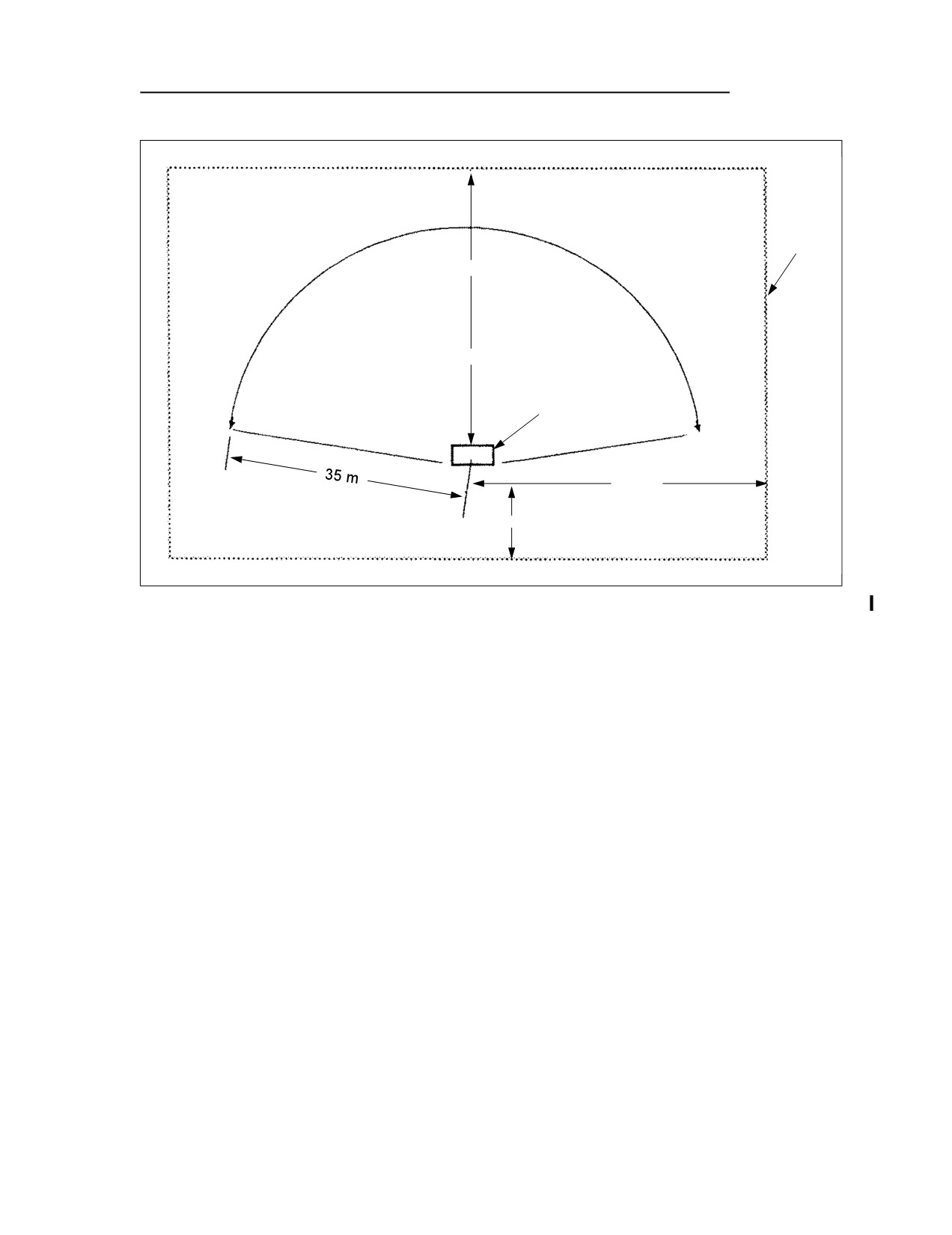
expels mines through the container roof. Mines are propelled 35 meters from
the container in a 180-degree semicircle (Figure 3-11, page 3-23). The
resulting density is 0.01 mine per square meter. The safety zone around one
container is 55 meters to the front and sides and 20 meters to the rear.
Scatterable Mines and Mine Delivery Systems 3-21
C2, FM 20-32
35 m
120 m
50 m
20 m
20 m
5 ton
320 m (minimum)
440 m
(ground)
5 ton
460 m
(air)
20 m
20 m
555 m (ground), 557 m (air)
Start or end marker
Guide marker
Figure 3-9. Volcano turn and block minefields
Figure 3-10. MOPMS
3-22 Scatterable Mines and Mine Delivery Systems
C2, FM 20-32
Safety
zone
55 m
Area of mine coverage
MOPMS dispenser
55 m
20 m
Figure 3-11. MOPMS emplacement and safety zone
Mines are dispensed on command using an M71 remote-control unit (RCU) or
an electronic initiating device. Once mines are dispensed, they cannot be
recovered or reused. If mines are not dispensed, the container may be
disarmed and recovered for later use.
The RCU can recycle the 4-hour SD time of the mines three times, for a total
duration of approximately 13 hours. Mines with a 4-hour SD time will begin to
self-destruct at 3 hours and 12 minutes. All active mines must be recycled
within 3 hours of the initial launch or last recycle. This feature makes it
possible to keep the minefield emplaced for longer periods if necessary. The
RCU can also self-destruct mines on command, allowing a unit to
counterattack or withdraw through the minefield, as necessary, rather than
waiting until the SD time has expired. The RCU can control up to 15 MOPMS
containers or groups of MOPMS containers from a distance of 300 to 1,000
meters via separate pulse-coded frequencies. Coded frequencies defeat threat
electronic countermeasures directed against the system.
If the M71 RCU is unavailable, a direct wire link is used in conjunction with
an M32, M34, or M57 blasting machine. By using the M32 10-cap blasting
machine, one MOPMS dispenser can be detonated at a maximum range of
1,000 meters. The M34 50-cap blasting machine can detonate one MOPMS at
a maximum range of 3,000 meters. (Due to internal resistance, the maximum
range is decreased by 400 meters for each additional MOPMS connected in
series.) The M57 claymore-type FD can fire only one MOPMS at a maximum
Scatterable Mines and Mine Delivery Systems 3-23
C2, FM 20-32
range of 100 meters. When controlled by direct wire, MOPMS dispensers
cannot be command-detonated, and the SD time cannot be recycled.
WARNING
The MOPMS dispenser has seven launch tubes. If all seven tubes are not
visible after deployment, mines are jammed in the tube(s). In this event,
clear the area and notify EOD. The dispenser is considered to be UXO; do
not attempt to recover the dispenser.
Employment
The MOPMS provides a self-contained, on-call minefield emplacement
capability for all forces. It can be command-detonated, reused (if mines are not
dispensed), and directly emplaced to provide complete and certain coverage of
small or critical targets. The ability to command-detonate mines or extend
their SD time provides an added flexibility not currently available with other
SCATMINE systems. With its unique characteristics, the MOPMS is ideally
suited for the following minefield missions:
• Emplacing hasty protective minefields.
• Emplacing deliberate protective minefields
(cases emplaced, but
mines not dispensed).
• Emplacing nuisance minefields (trails, crossing sites, landing zones
[LZs], drop zones [DZs], and road junctions).
• Emplacing tactical disrupt and fix minefields.
• Closing gaps and lanes in existing minefields.
• Temporarily closing counterattack routes.
• Supporting ambushes.
• Supporting military operations in built-up areas (MOBA) operations.
When the MOPMS is used to close lanes, the container is positioned and
dispensed by personnel in an overwatch position from a safe standoff. The
MOPMS is ideally suited for creating a small disrupt obstacle in support of
engineers executing a reserved demolition target. Engineers prepare the
reserved target for demolition and emplace several MOPMS units on the
enemy side, just out of target range. When the last forward element passes
through the target, the firing party detonates the charges. If something goes
wrong or the firing party needs more time, MOPMS mines can be dispensed to
disrupt the enemy before it reaches the target.
The MOPMS provides light and special forces with a versatile, compact
system for emplacing nuisance minefields. It can be used in low-, mid-, and
high-intensity conflicts and in a variety of environments. The MOPMS cannot
be transported long distances by hand because of its weight, so its use is
limited.
Emplacement
MOPMS dispensers are issued as standard Class V munitions and are drawn
from an ASP on a mission-by-mission basis. RCUs are organizational issues of
equipment and are assigned to engineer and combat arms units. Due to the
3-24 Scatterable Mines and Mine Delivery Systems
C2, FM 20-32
weight of the system, it will normally be transported by vehicle, as close as
possible to the emplacement site, where it can easily be hand-emplaced by
four soldiers using the four foldout carrying handles.
To ensure that the minefield will be dispensed in the proper location, the
container should be carefully sited by the noncommissioned officer in charge
(NCOIC). Several containers can be used together to provide a greater area of
coverage or a higher mine density. If mines are not dispensed immediately,
containers should be camouflaged and, if possible, buried. When placed in
sand or snow, brace the containers to prevent them from moving during mine
dispensing. Designate a firing point that gives the operator clear observation
of the area to be mined. Firing systems must be inspected according to
MOPMS operating instructions. If mines are dispensed immediately, remove
empty containers to avoid revealing the minefield location.
The MOPMS can be employed to emplace disrupt and fix tactical minefields.
Emplacement procedures are the same as for protective minefields above.
However, MOPMS containers are arranged in a specific pattern to achieve the
necessary depth, front, and density. Once the minefield is marked (to include
the safety zone), MOPMS containers are arranged as shown in Figure 3-12 for
a disrupt minefield. The safety zone is 55 meters from the front and sides and
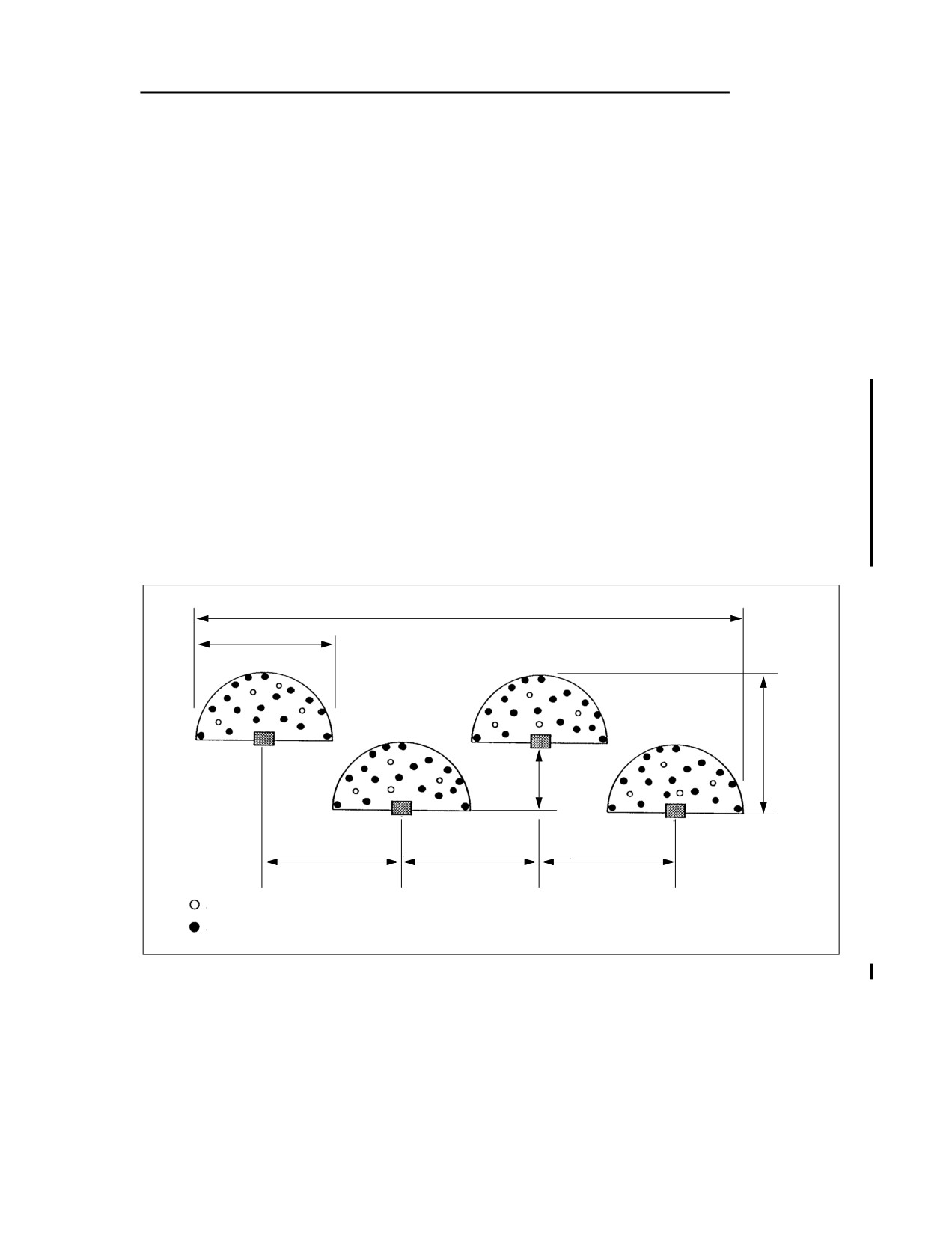
20 meters from the rear of the container. The disrupt minefield uses four
MOPMS containers that are spaced 70 meters apart to give a minefield front
of 280 meters. Other MOPMS containers are offset from the baseline by 35
meters to give the minefield a depth of 70 meters. All containers are fired
using the same RCU or FD.
280 m
70 m
70 m
35 m
70 m
70 m
70 m
AP mine
Four MOPMSs required
AT mine
Figure 3-12. MOPMS in a disrupt minefield
Scatterable Mines and Mine Delivery Systems 3-25
C2, FM 20-32
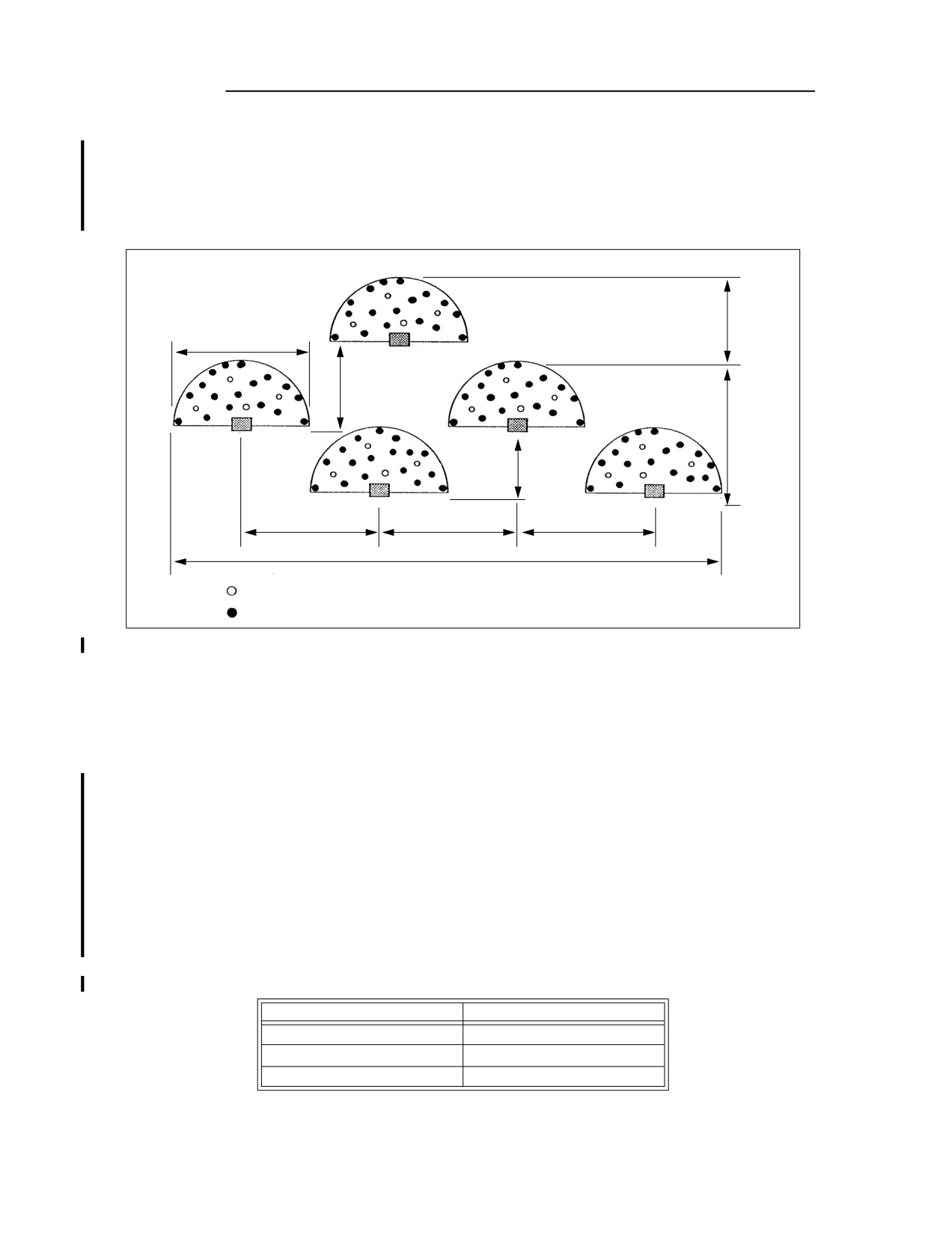
Figure 3-13 illustrates the arrangement of MOPMS containers for a fix
minefield. The basic layout is the same as the disrupt minefield; however, the
fix minefield has one additional MOPMS that is placed 70 meters forward of
the baseline to act as an IOE. This gives the same 280-meter minefield front
but increases the minefield depth to 115 meters.
MOPMSs placement along
the horizontal plane is
35 m
70 m
variable, like an IOE.
35 m
70 m
35 m
70 m
70 m
70 m
280 m
AP mine
Five MOPMSs required
AT mine
Figure 3-13. MOPMS in a fix minefield
MOPMS can be used to construct turn and block tactical minefields using the
principles outlined in Chapter 2; however, turn and block minefields require
more containers than are normally available to a unit.
MARKING
The maneuver unit that is responsible for the area of ground in which the
minefield is emplaced is also responsible for marking the minefield. This
normally requires direct coordination between elements of the maneuver
command (usually the engineer) and the delivering/emplacing unit. However,
it is unrealistic to expect units to mark artillery-delivered ADAM and RAAM,
air-delivered Volcano, or Gator minefields. For this reason, units operating in
the vicinity of these minefields must know calculated safety zones and use
extreme caution. Scatterable minefields are marked to protect friendly troops
as shown in Table 3-7. Ground Volcano minefields are marked according to the
guidelines below.
Table 3-7. Marking scatterable minefields
Minefield Location
Marking
Enemy forward area
Unmarked
Friendly forward area
Sides and rear marked
Friendly rear area
All sides marked
3-26 Scatterable Mines and Mine Delivery Systems
C2, FM 20-32
SAFETY ZONES
A safety zone is an area where a stray or outlying mine has a chance of
landing and laying to rest. The commander must prevent friendly forces from
maneuvering into the safety zone during the minefield's life cycle. Depending
on its specific location on the battlefield, the safety zone may be marked with
a fence.
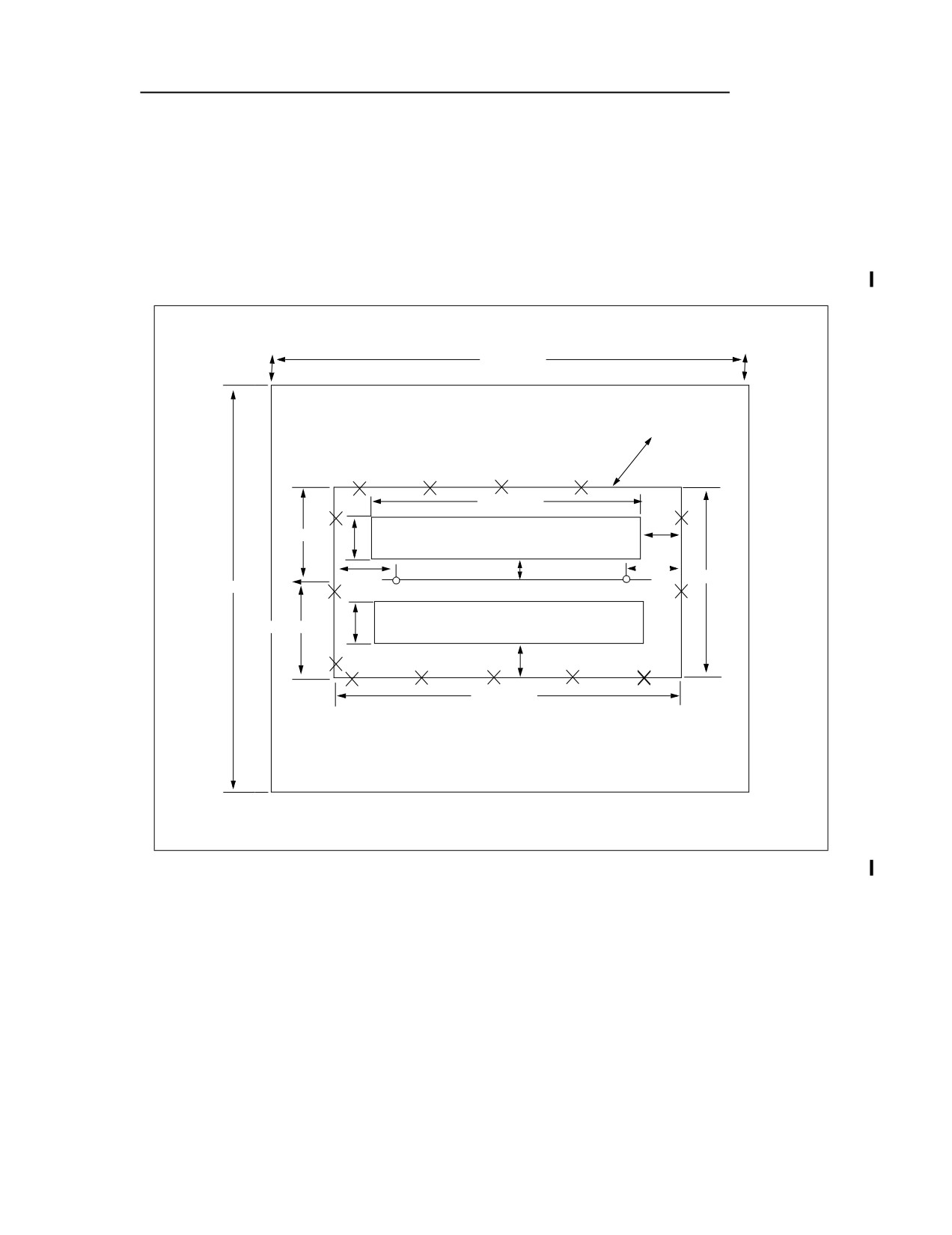
The safety zone around a Volcano minefield is shown in Figure 3-14.
1,620 m
Marking fence
1,110 m
20 m
80 m
35
m
40 m
25 m
160 m
630 m
Stop dispensing
Start dispensing
80 m
35
m
20 m
1,150 m
Fragment hazard zone
Figure 3-14. Ground Volcano minefield
FRAGMENT HAZARD ZONES
If an AT mine that is oriented on its side self-destructs, the EFP can
theoretically travel 640 meters. This is the maximum fragment hazard zone;
however, the chances of being struck are negligible at this distance. Tests
indicate that the acceptable risk distance is 235 meters from the outer edges
of the minefield's safety zone. This fragment hazard zone is also associated
with the Gator and MOPMS AT mines. When the MOPMS is used for
protective minefield missions, commanders must be made aware of the
fragment hazard zone.
Scatterable Mines and Mine Delivery Systems 3-27
C2, FM 20-32
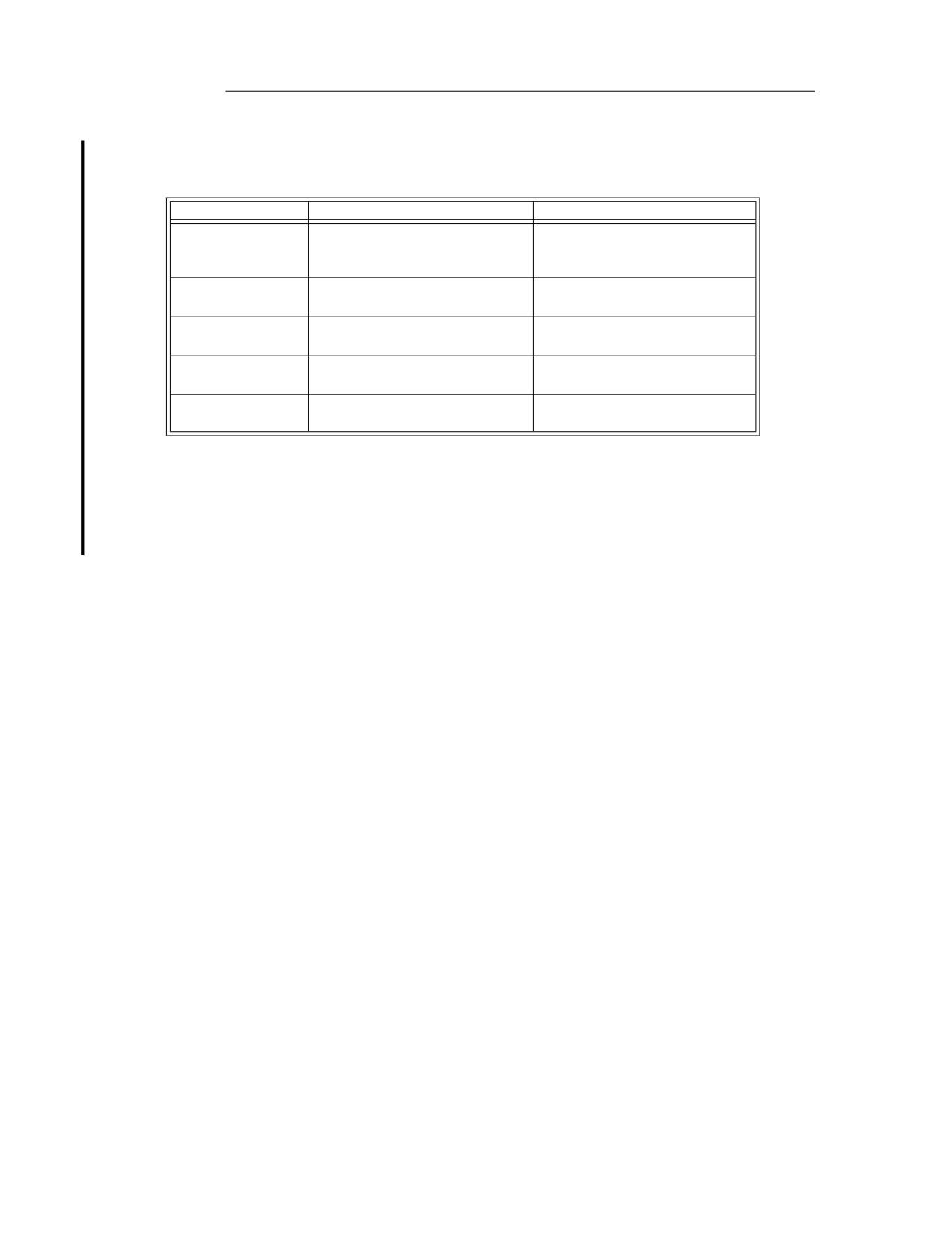
Use Table 3-8 to determine safety zones and fragment hazard zones.
Table 3-8. Safety and fragment hazard zones
System
Safety Zone
Fragment Hazard Zone
ADAM/RAAM
500 to 1,500 meters from aim
235 meters from the outside
point(s) (depends on delivery
dimensions of the safety zone
factors)
Gator
925 x 475 meters from aim
1,395 x 945 meters from aim
point(s)
point(s)
Ground Volcano
1,150 x 160 meters
235 meters from start and stop
points and the centerline
Air Volcano
1,315 x 200 meters
235 meters from start and stop
points and the centerline
MOPMS
See page 3-28 for specific
235 meters from the outside
placement.
dimensions of the safety zone
FENCING
Fencing for ground Volcano minefields (Figure 3-14, page 3-27) is emplaced 80
meters beyond the centerline of the minefield and 40 meters from the start
and stop points. Fencing should be no closer than 20 meters from the nearest
mine.
Air Volcano minefields are not normally marked by fencing. However, if air
Volcano minefields are emplaced in friendly areas, they are marked with
fencing to protect friendly personnel. Fencing is installed before delivering an
air Volcano, and it is located 100 meters from the centerline of the minefield
and 100 meters from the start and end points. Appendix D contains detailed
information pertaining to air Volcano minefields.
3-28 Scatterable Mines and Mine Delivery Systems
C2
Chapter 4
Special-Purpose Munitions
Special-purpose munitions are hand-emplaced and used to create an
expedient obstacle, enhance existing ones, and attack specific types of
targets. The commander can employ these munitions to support his
scheme of maneuver, to mass firepower, and to disrupt or destroy enemy
forces in depth. Special considerations must be made in the planning
process to effectively employ special-purpose munitions.
Special-Purpose Munitions 4-1
FM 20-32
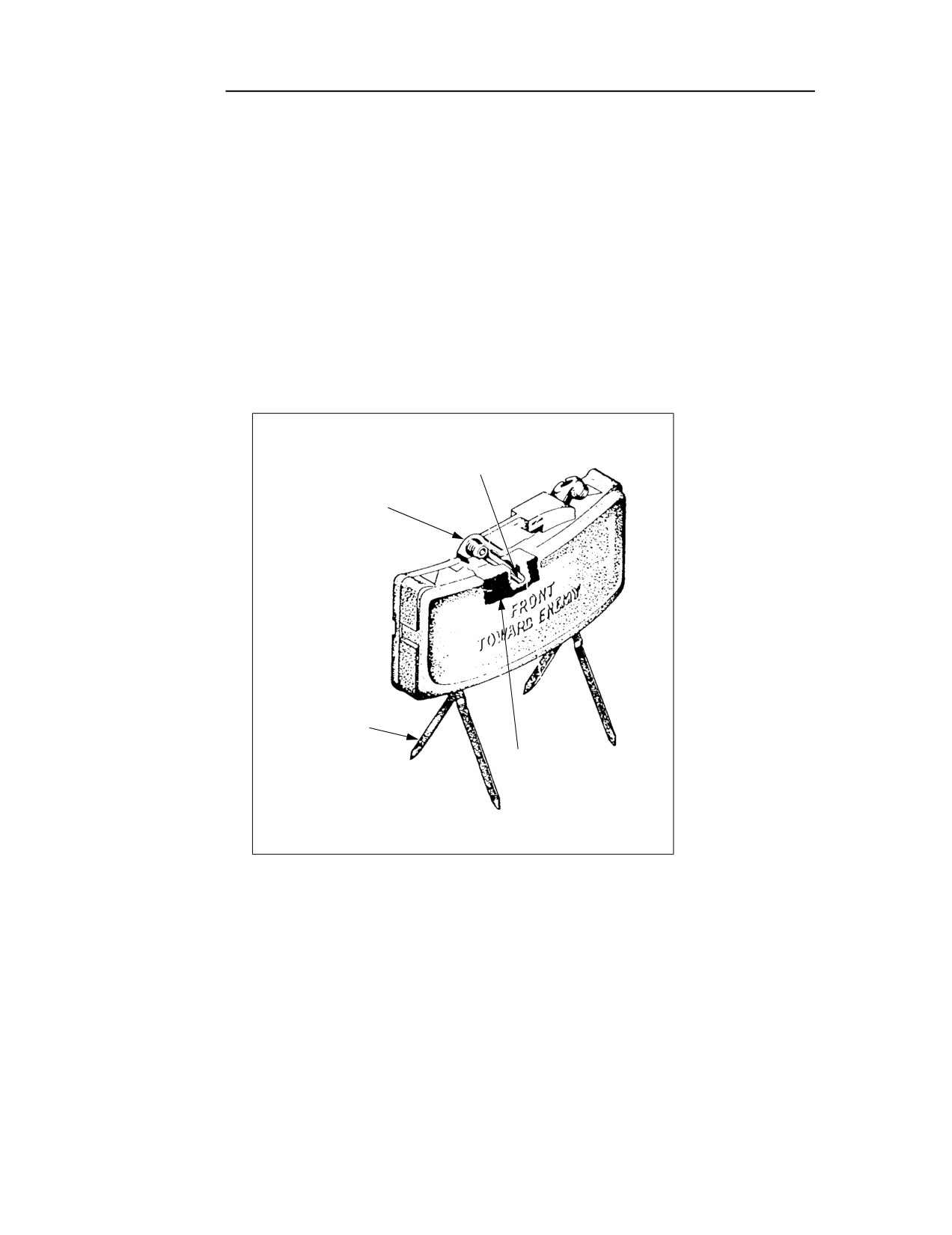
M18A1 CLAYMORE
The M18A1 claymore munition (Figure 4-2) is a fragmentation munition that
contains 700 steel balls and 682 grams of composition C4 explosive. It weighs
1.6 kilograms and can be detonated by command (Korea Only: or trip wire).
It is activated by electric or nonelectric blasting caps that are inserted into the
detonator well. The claymore projects a fan-shaped pattern of steel balls in a
60-degree horizontal arc, at a maximum height of 2 meters, and covers a
casualty radius of 100 meters. The forward danger radius for friendly forces is
250 meters. The backblast area is unsafe in unprotected areas 16 meters to
the rear and sides of the munition. Friendly personnel within 100 meters to
the rear and sides of the munition should be in a covered position to be safe
from secondary missiles. If the M18A1 is employed in a minefield for 72 hours
or more, the minefield must be fenced on all sides.
Detonator well
Molded, slit-type
peep sight
Scissor-type,
folding legs
Plastic matrix
containing steel balls
Figure 4-2. M18A1 claymore
When employing the M18A1 claymore with other munitions or mines,
separate the munitions by the following minimum distances:
•
50 meters in front of or behind other M18A1s.
•
3 meters between M18A1s that are placed side by side.
•
10 meters from AT or fragmentation AP munitions.
•
2 meters from blast AP munitions.
4-2 Special-Purpose Munitions
C2, FM 20-32
SELECTABLE LIGHTWEIGHT ATTACK MUNITION
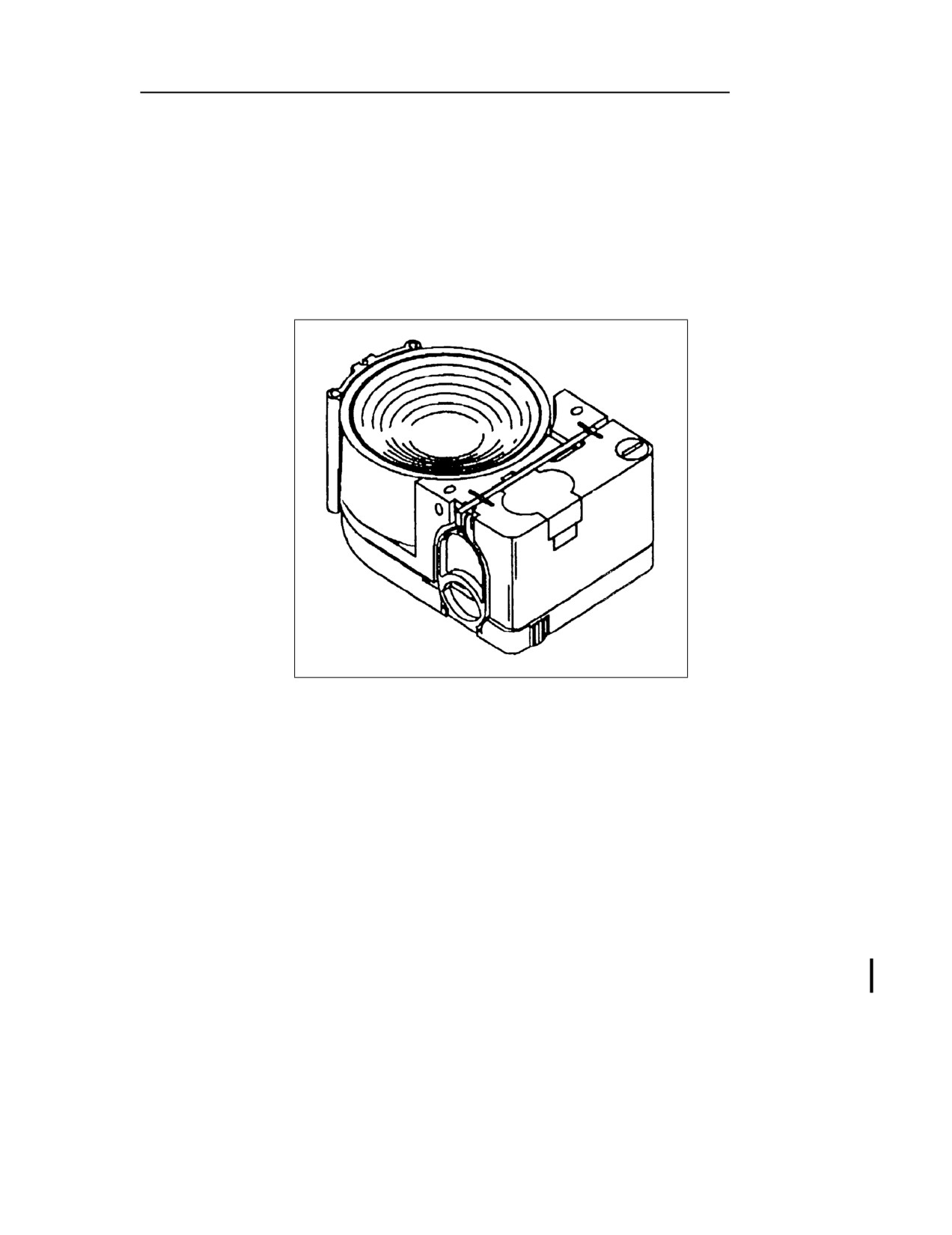
The selectable lightweight attack munition (SLAM) (Figure 4-3) is a
multipurpose munition with an antitamper feature. The SLAM is compact
and weighs only 1 kilogram, so it is easily portable. The SLAM is intended for
use against APCs, parked aircraft, wheeled or tracked vehicles, stationary
targets (such as electrical transformers), small fuel-storage tanks (less than
10,000-gallon), and ammunition storage facilities. The EFP warhead can
penetrate 40 millimeters of homogeneous steel.
Figure 4-3. SLAM
The SLAM has two models—one is self-neutralizing (M2) and the other is self-
destructing (M4):
• The M2
is solid green and has no labels, brands, or other
distinguishing marks. This device is used by SOF and is not available
to other units.
• The M4 is green with a black warhead (EFP) face. This device is
normally used by units designated as light, airborne, air assault, crisis
response, and rapid deployment.
See Appendix B for a description of major SLAM components.
OPERATING MODES
The SLAM has four possible employment methods—bottom attack, side
attack, timed demolition, and command detonation.
Bottom Attack
The SLAM has a built-in magnetic sensor, so it can be used as a magnetic-
influenced munition against trucks and light armored vehicles (Figure 4-4, page
4-4). It can be concealed along trails and roads where target vehicles operate
Special-Purpose Munitions 4-3
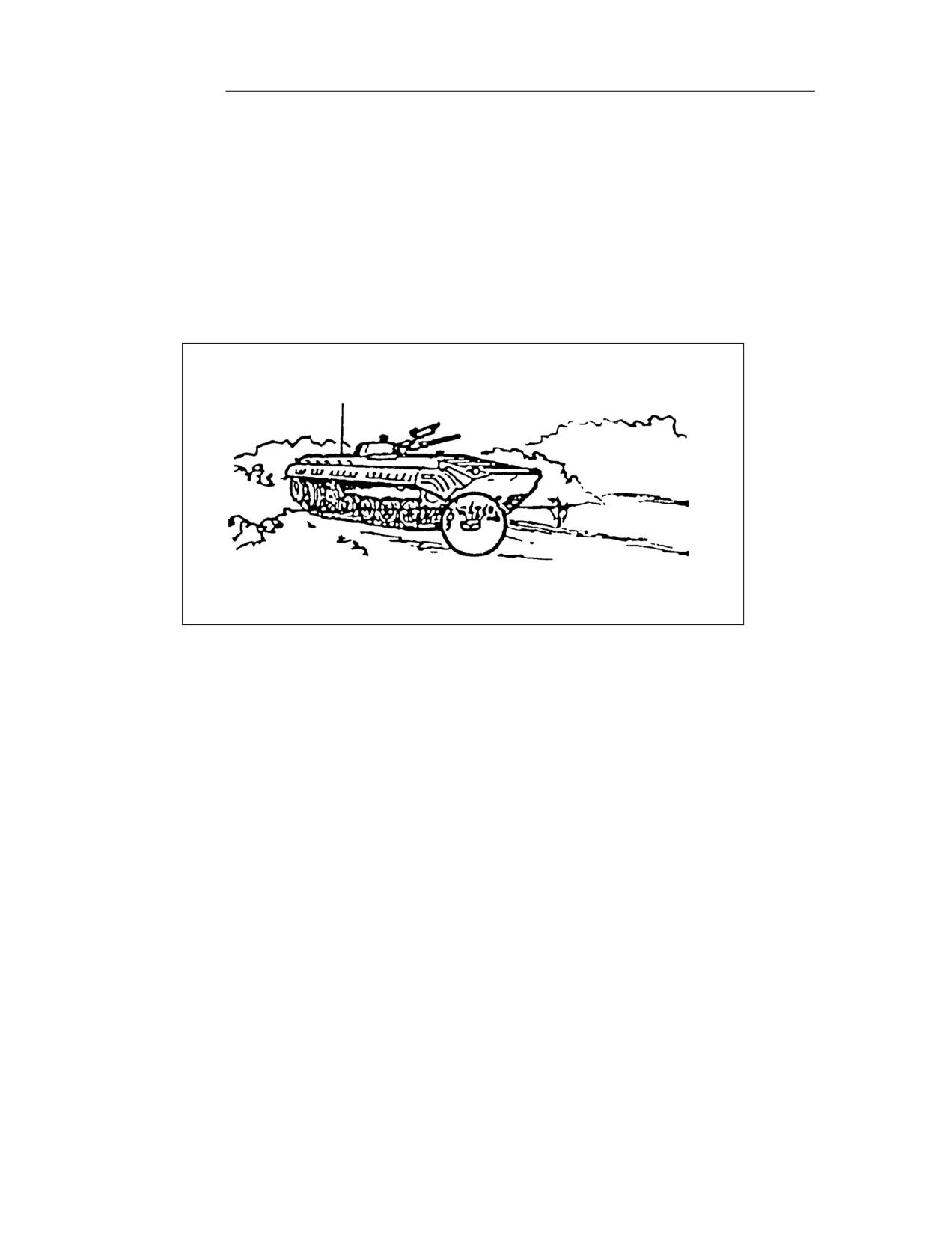
FM 20-32
and can be camouflaged with dry leaves, grass, and so forth without affecting
EFP performance. Mud, gravel, water, and other debris that fill the EFP cup
have minimal impact on EFP formation and effectiveness as long as the debris
does not extend beyond the depth of the EFP cup. The magnetic sensor is
designed to trigger detonation when it senses a vehicle’s overpass. For the
EFP to form properly, it needs a minimum of 13 centimeters from the point of
emplacement to the target. The bottom-attack mode is active when the
selector switch is set to 4, 10, or 24 HOURS and the passive infrared sensor
(PIRS) cover is in place. The SLAM will self-destruct (M4) or self-neutralize
(M2) if the selected time expires before the SLAM is detonated by a vehicle.
Figure 4-4. SLAM in bottom-attack mode
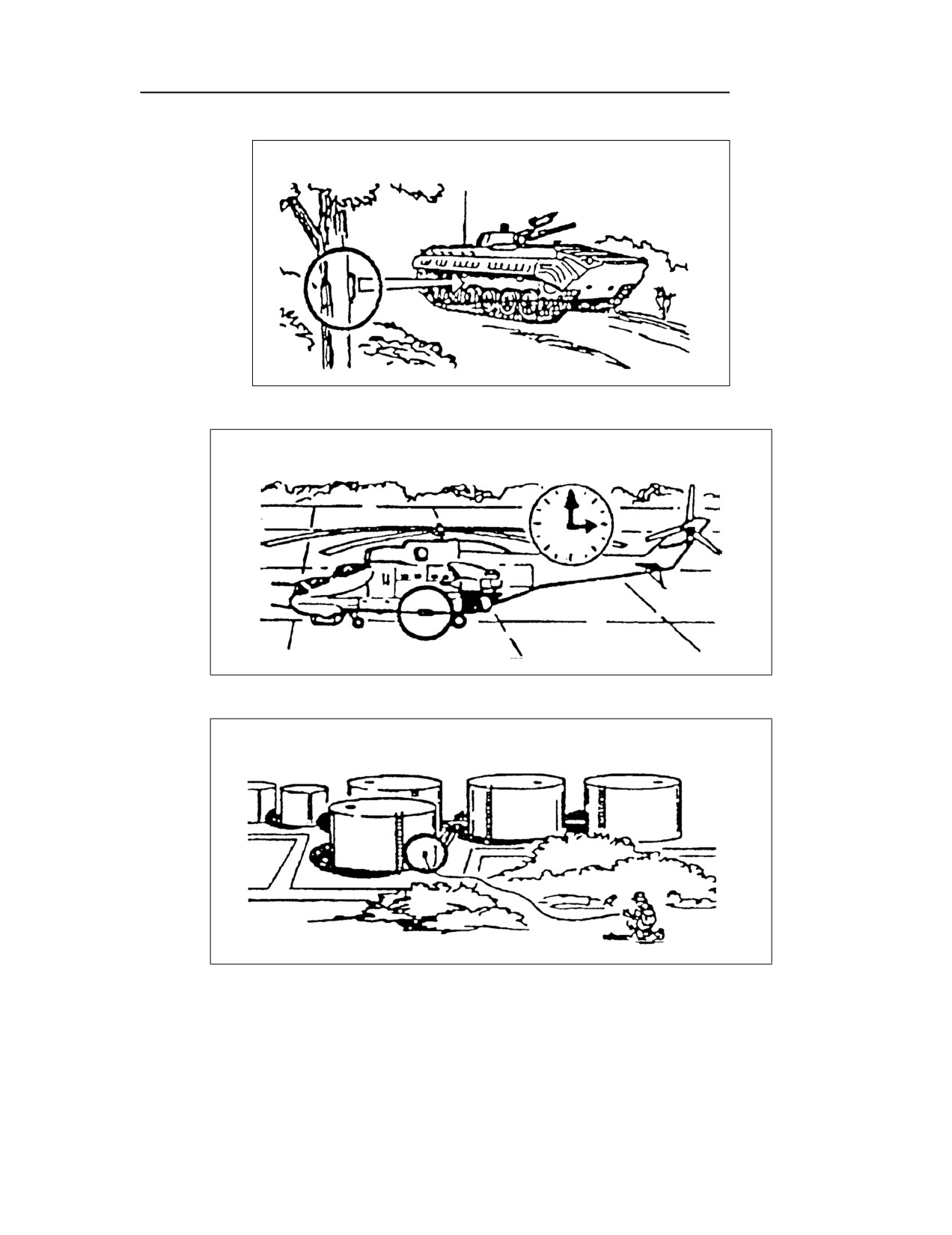
Side Attack
The SLAM is equipped with a PIRS that was specifically developed for the
side-attack mode (Figure 4-5). The PIRS detects trucks and light armored
vehicles by sensing the change in background temperature when vehicles
cross in front of the PIRS port. The PIRS is directional and aligned with the
EFP when the device is aimed. The side-attack mode is active when the SLAM
selector switch is set to 4, 10, or 24 HOURS and the PIRS cover is removed to
expose the PIRS. The SLAM will self-destruct (M4) or self-neutralize (M2) if
the selected time expires before it is detonated by a vehicle.
Timed Demolition
The SLAM's built-in timer will trigger detonation at the end of a selected time
(Figure 4-6). The timed-demolition mode is active when the SLAM selector
switch is set to 15, 30, 45, or 60 MINUTES. In this mode, the magnetic sensor
and the PIRS are inoperable, and the SLAM will detonate after the selected
time has expired.
Command Detonation
This mode provides manual warhead initiation using standard military
blasting caps and a priming adapter (Figure 4-7). The command-detonation
capability bypasses the SLAM’s fuse and safing and arming (S&A) assembly.
4-4 Special-Purpose Munitions
FM 20-32
Figure 4-5. SLAM in side-attack mode
Figure 4-6. SLAM in timed-demolition mode
Figure 4-7. SLAM in command-detonation mode
Special-Purpose Munitions 4-5
FM 20-32
ANTITAMPER FEATURE
The SLAM has an antitamper feature that is only active in the bottom- and
side-attack modes. The SLAM will detonate when an attempt is made to
change the selector switch’s position after arming.
M93 HORNET
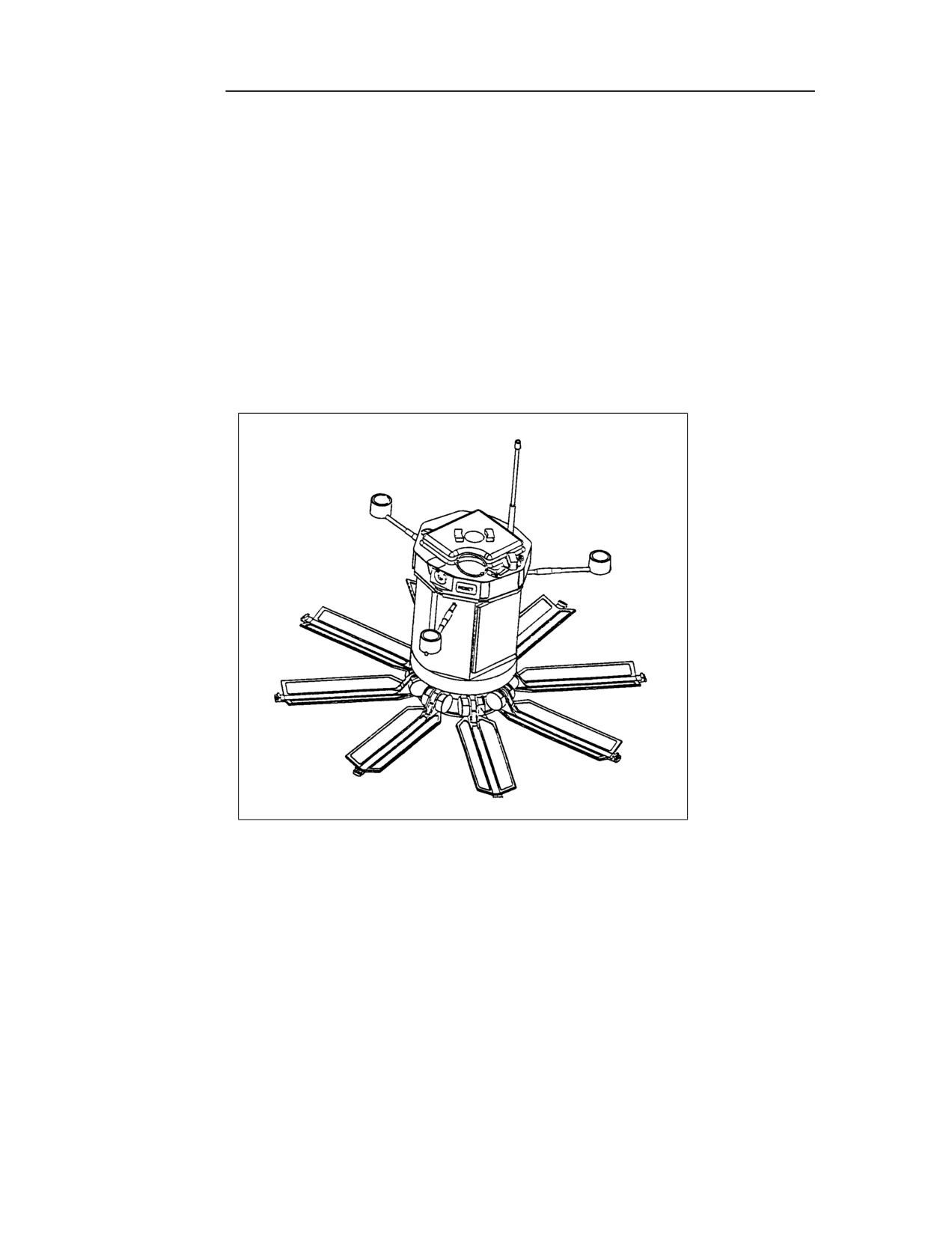
The M93 Hornet (Figure 4-8) is an AT/antivehicular off-route munition made
of lightweight material (35 pounds) that one person can carry and employ. The
Hornet is a nonrecoverable munition that is capable of destroying vehicles by
using sound and motion detection methods. It will automatically search,
detect, recognize, and engage moving targets by using top attack at a standoff
distance up to 100 meters from the munition. It is employed by combat
engineers, rangers, and SOF.
Figure 4-8. M93 Hornet
The RCU is a hand-held encoding unit that interfaces with the Hornet when
the remote mode is selected at the time of employment. After encoding, the
RCU can be used to arm the Hornet, reset its SD times, or destroy it. The
maximum operating distance for the RCU is 2 kilometers.
High winds, heavy rain, snow, ice, extreme cold, and extreme heat reduce the
Hornet’s ability to detect targets at maximum range. Radio-frequency (RF)
jamming devices (such as the hand-emplaced, expandable jammer
[HEXJAM]), limit the Hornet’s communication capabilities if they are placed
in the munition field, but they will not affect the Hornet’s ability to engage
targets and will not damage the system. RF jamming devices affect the remote
arming of current Hornet systems using the MOPMS RCU, and they will
4-6 Special-Purpose Munitions
C2, FM 20-32
affect future Hornet’s two-way communications capability with the Centurion
remote control device.
See Appendix B for a description of Hornet components.
EMPLOYMENT CONSIDERATIONS
The Hornet’s active battery pack is inserted during prearming and has an
estimated life of 4 hours. The active battery pack powers the munition from
the time it is inserted until the end of the safe-separation time, when the
built-in reserve battery is activated. To prevent munitions from becoming
duds, do not prearm them too early. Allow adequate time for travelling to the
obstacle site, emplacing mines, throwing arming switches, and expiration of
safe-separation times.
Once the Hornet is armed and the self-test is performed, the munition will
remain active until its SD time expires or until it is encountered. The SD time
(4 hours, 48 hours, 5 days, 15 days, or 30 days) is determined by the mission
and the commander’s intent. The munition will self-detonate after the SD
time has expired.
Hornet munitions have an employed life of 60 days in the prearmed mode
(remote arming) and 30 days in the armed mode. If the temperature exceeds
100ºF, the employed life drops to 15 days in the prearmed mode and 30 days in
the armed mode.
EMPLOYMENT ROLES
Combat engineers or maneuver forces under engineer supervision emplace
Hornets in close operations; SOF or rangers emplace Hornets in deep
operations. Hornets will be employed throughout the entire depth of the battle
space to support Army operations.
Close Operations
In close operations, the Hornet can be—
• Used to fix the enemy and weaken it along its AA.
• Emplaced as an offensive-support weapon system because of its quick
emplacement time and wide attack area.
• Employed rapidly along exposed flanks during a maneuver as a
situational obstacle to disrupt the enemy's counterattacks.
Special-Purpose Munitions 4-7
FM 20-32
• Used as a stand-alone tactical obstacle or as a reinforcement to
conventional obstacles.
• Used to disrupt and delay the enemy, allowing long-range weapons to
engage more effectively.
Deep Operations
In deep operations, the Hornet can be—
• Emplaced along key routes in gauntlet obstacles to disrupt and delay
threat second-echelon forces, resupply operations, and key lines of
communication (LOC).
• Used at C2 and logistics sites to disrupt enemy operations.
Rear Operations
In rear operations, the Hornet can be emplaced (unarmed) along key routes in
preparation for possible retrograde operations.
Early-Entry Operations
In early-entry operations, the Hornet can be—
• Used as an additional antiarmor weapon to supplement light forces.
• Used along high speed AAs in gauntlet obstacles to buy time and
space.
TACTICAL EMPLACEMENT
There are four basic emplacement scenarios for the Hornet.
Conventional Minefield Reinforcement
The Hornet can be used to reinforce a conventional turn, block, or fix
minefield (Figure 4-9).
Platoon engineers emplace the conventional minefield first, and then they
traverse the safe lane that is perpendicular to the minefield. The Hornets are
employed in two staggered rows, spaced 100 meters apart, 50 to 100 meters
from the front edge (on the enemy side) of the conventional minefield. It is also
recommended that a row of Hornets be placed 50 meters behind the minefield
to reduce the enemy’s breaching capability. (This row will be emplaced after
the safe lane is closed.) The emplacing vehicles work toward the safe lane.
Two squads employ Hornets in two rows of ten each. One or more soldiers
provide security. Under the supervision of a noncommissioned officer (NCO),
four soldiers in each squad vehicle start prearming the Hornets, if necessary.
They—
• Rotate the handle.
• Remove the cover.
• Insert the active battery pack and verify functionality via a solid
status light.
• Reinstall the active battery-pack cover.
4-8 Special-Purpose Munitions