FM 4-20.137 RIGGING FORWARD AREA REFUELING EQUIPMENT (FARE) AND ADVANCED AVIATION FORWARD AREA REFUELING SYSTEM (AAFARS, JUNE 2003) - page 4
FM 4-20.137/TO 13C7-1-19
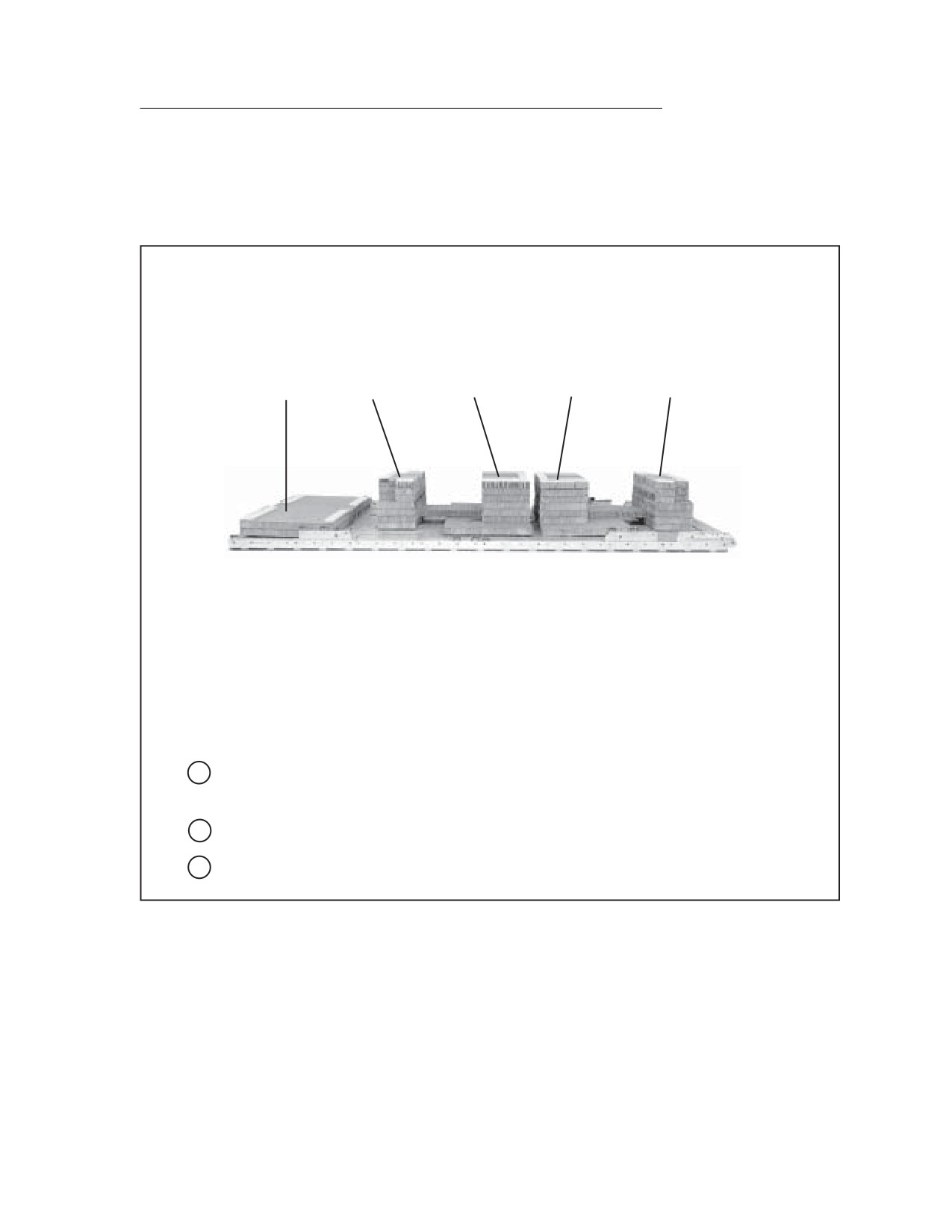
POSITIONING HONEYCOMB STACKS
2-4. Position honeycomb stacks as shown in Figure 2-7.
COMBINED
COMBINED
STACK 5
STACK 4 AND STACK 3
STACK 2 AND STACK 1
REAR
FRONT
1
Place combined stacks 1 and 2 centered and 6 inches from the front edge of the
platform.
2
Place combined stacks 3 and 4 centered and 6 inches from stack 2.
3
Place stack 5 centered and 4 inches from the rear edge of the platform.
Figure 2-7. Honeycomb Stacks Positioned
2-7
FM 4-20.137/TO 13C7-1-19
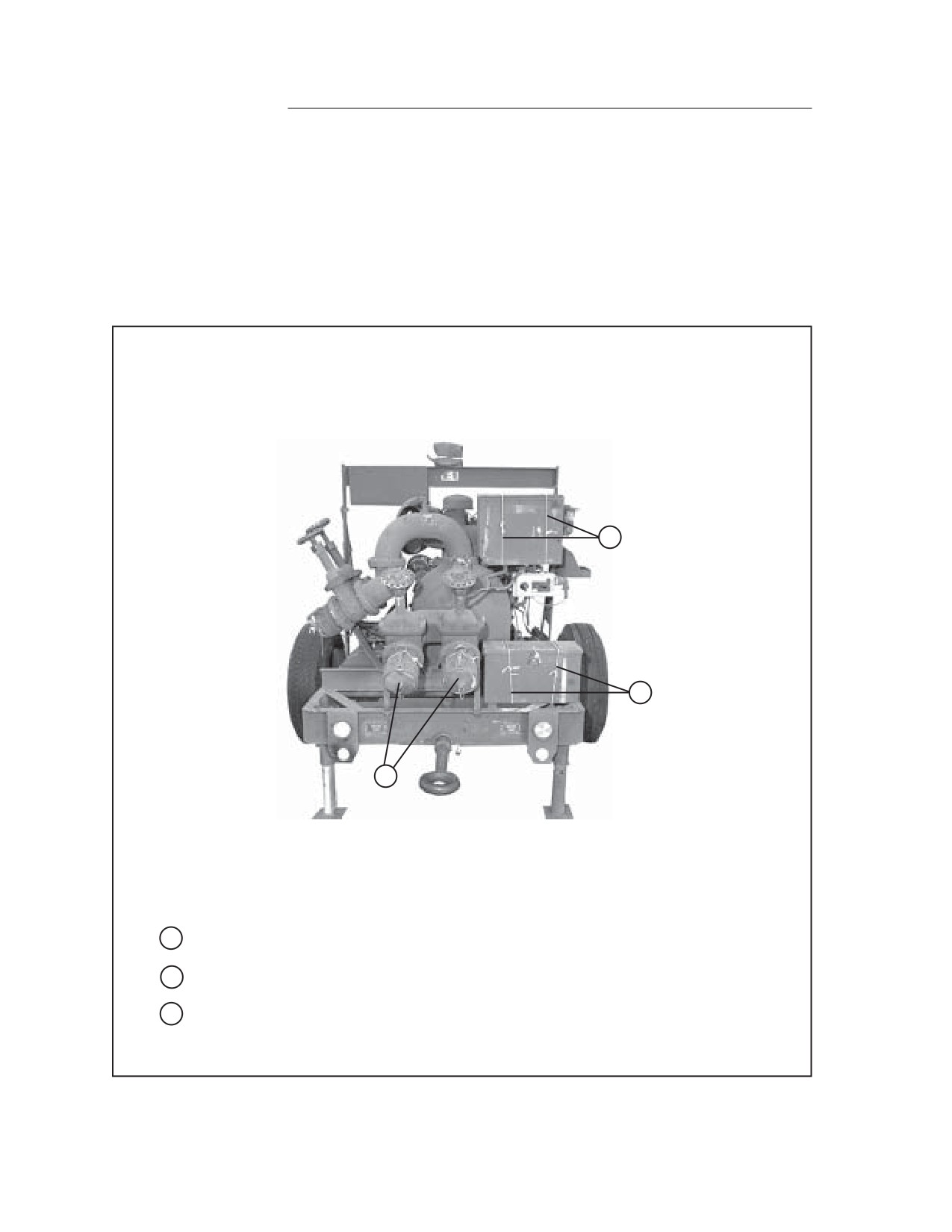
PREPARING THE PUMP ASSEMBLY AND FILTER/SEPARATOR
2-5. Prepare the pump assembly and filter/separator as shown in Figure 2-8.
Note: The fuel pump must be drained of all fuel and the filter/separator purged
and ventilated.
3
2
1
1
Secure all fuel caps with type III nylon cord.
2
Secure lid to storage box with type III nylon cord.
3
Secure cover to control panel with type III nylon cord.
Figure 2-8. Pump Assembly and Filter/Separator Prepared
2-8
FM 4-20.137/TO 13C7-1-19
7
6
4
5
4
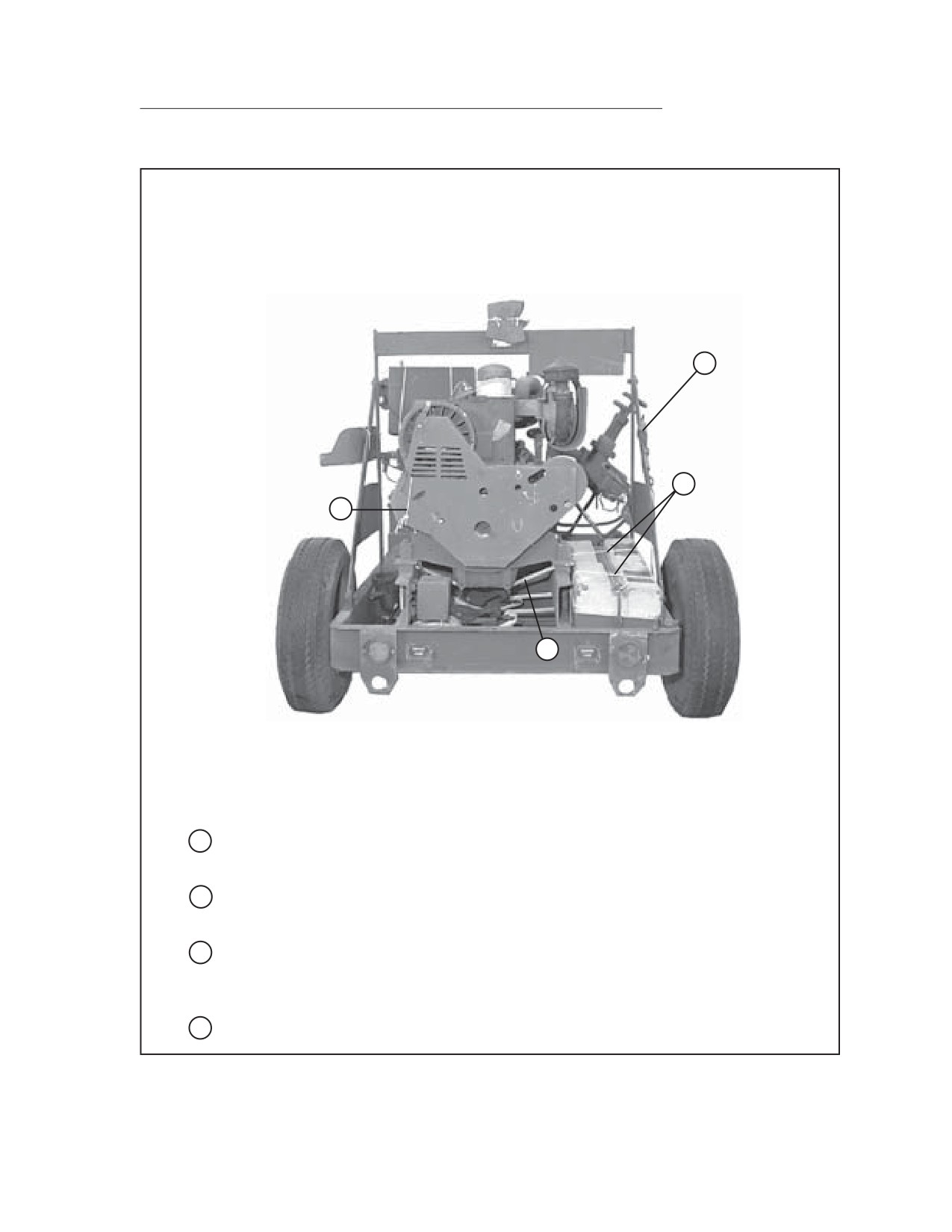
Secure the starter/speed control box to the attaching bracket with type III nylon
cord.
5
Support the engine by running two 15-foot lashings around the frame supports
and under the oil pan. Space the lashings to the front and rear of the oil pan.
6
Remove the battery box lids and secure each battery to its own box with type III
nylon cord. Replace the lids and secure in place with 1/2-inch tubular nylon
webbing, going around both boxes and bottom supports.
7
Secure the ground rod in its holder with type III nylon cord.
Figure 2-8. Pump Assembly and Filter/Separator Prepared (continued)
2-9
FM 4-20.137/TO 13C7-1-19
8
9
8
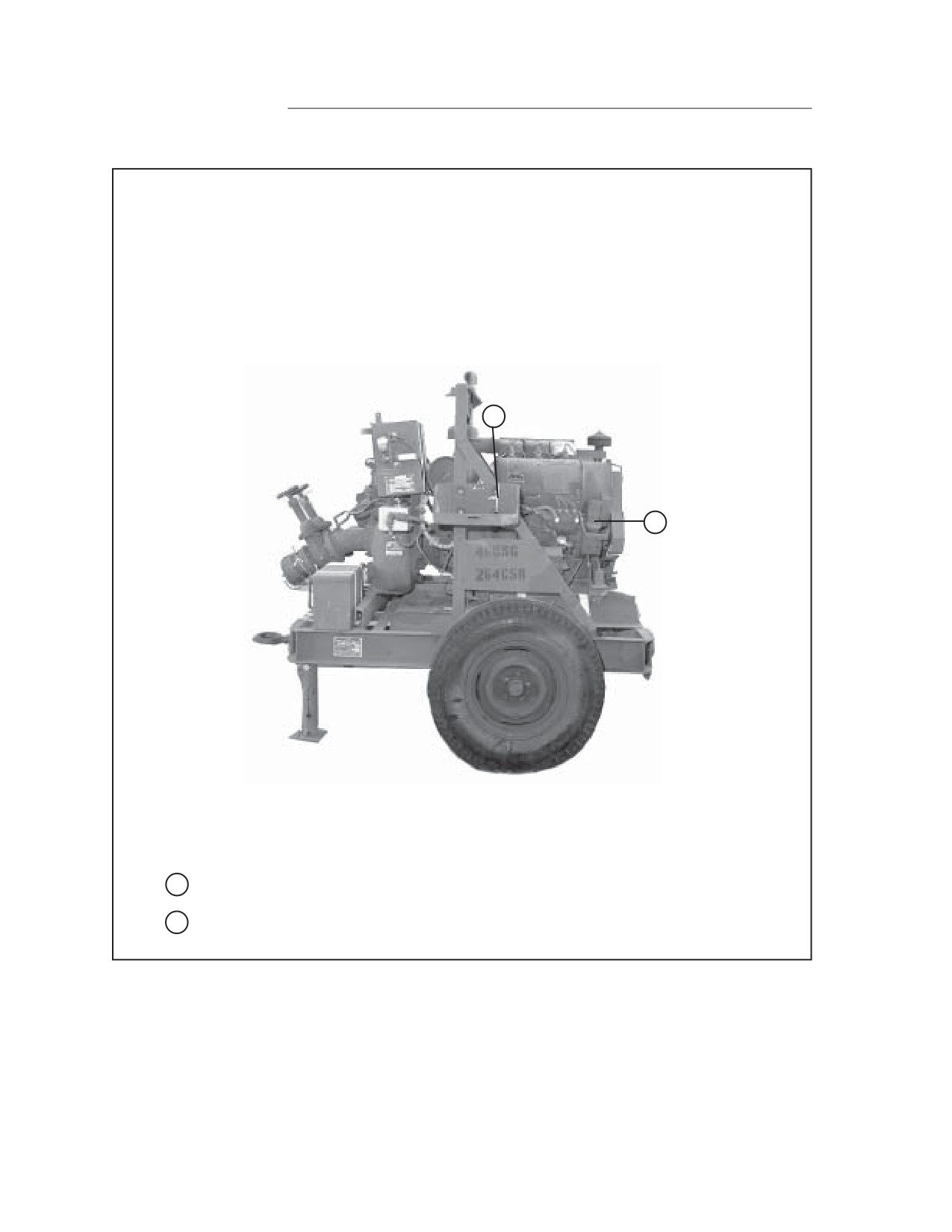
Secure fuel can bracket to frame with type III nylon cord.
9
Tape oil cap in place with cloth-backed adhesive tape.
Figure 2-8. Pump Assembly and Filter/Separator Prepared (continued)
2-10
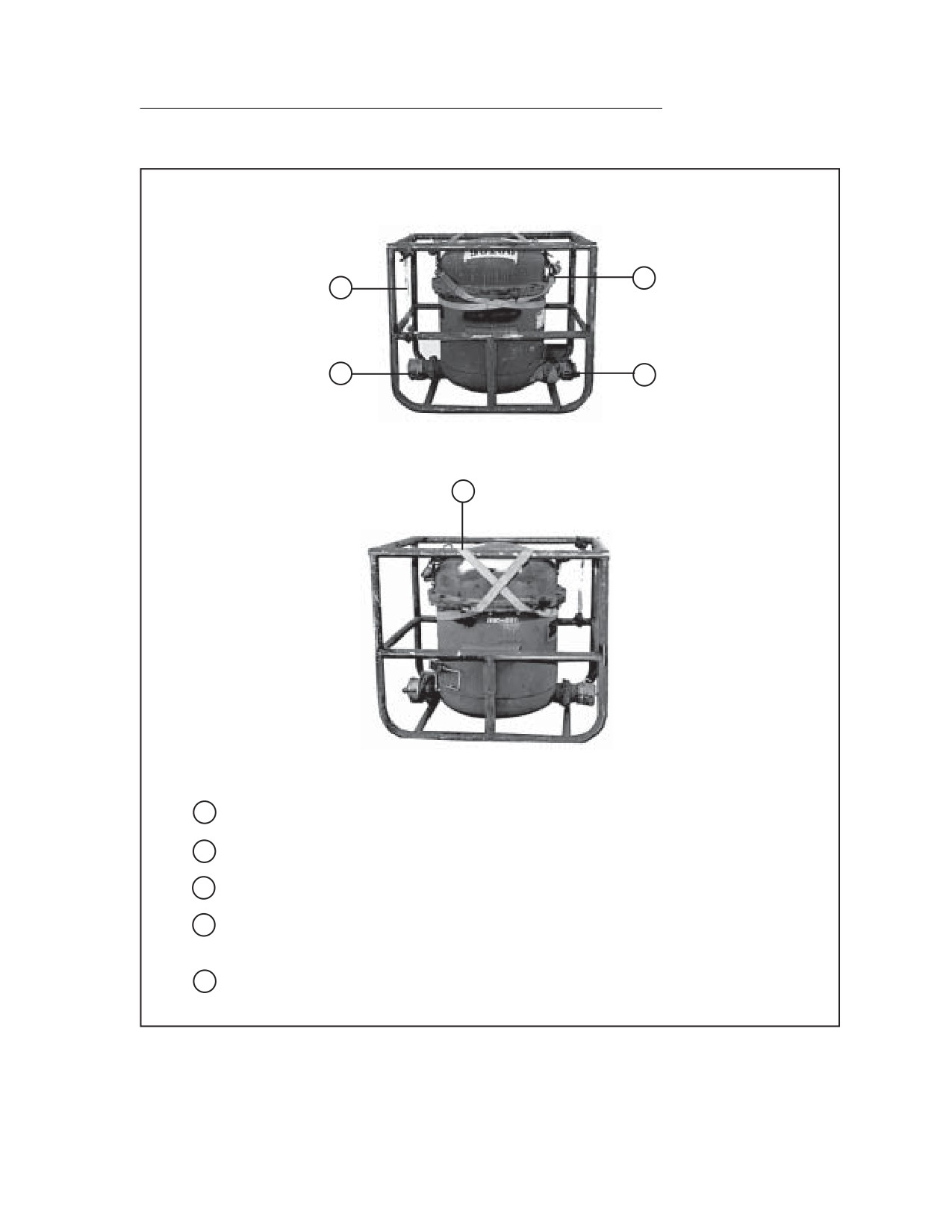
FM 4-20.137/TO 13C7-1-19
13
11
10
12
14
10
Secure fuel caps on the filter/separator with type III nylon cord.
11
Secure the ground cable to the frame with cloth-backed adhesive tape.
12
Pad the small outlet valve with cellulose padding and cloth-backed tape.
13
Run a 15-foot lashing around the filter under the bolted top on the inlet side and
around the top lateral frame support and secure.
14
Run a 15-foot lashing around the filter under the bolted top on the outlet side
and around the top lateral frame support and secure.
Figure 2-8. Pump Assembly and Filter/Separator Prepared (continued)
2-11
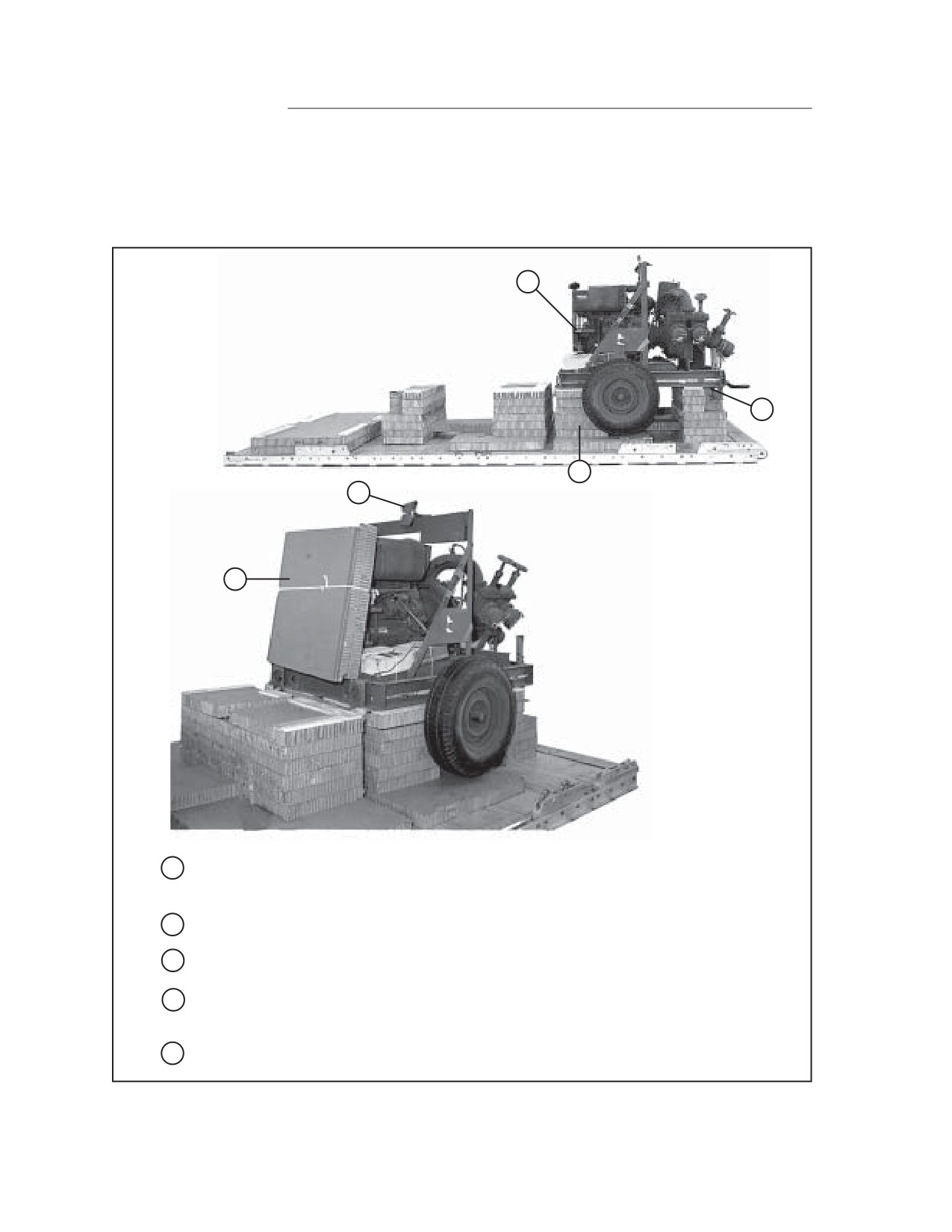
FM 4-20.137/TO 13C7-1-19
POSITIONING THE PUMP ASSEMBLY AND FILTER/SEPARATOR
2-6. Position the pump assembly and filter/separator as shown in Figure 2-9.
1
2
3
5
4
1
Position the first pump assembly with the lunette 4 1/2 inches forward of the
front edge of the platform.
2
Retract legs and lunette.
3
Center on honeycomb stacks combination 1 and 2.
4
Cut and tie two pieces of 32- by 36-inch honeycomb to the rear of the pump
assembly with type III nylon cord.
5
Cover top lifting point with felt and secure with type III nylon cord.
Figure 2-9. Pump Assembly and Filter/Separator Positioned
2-12
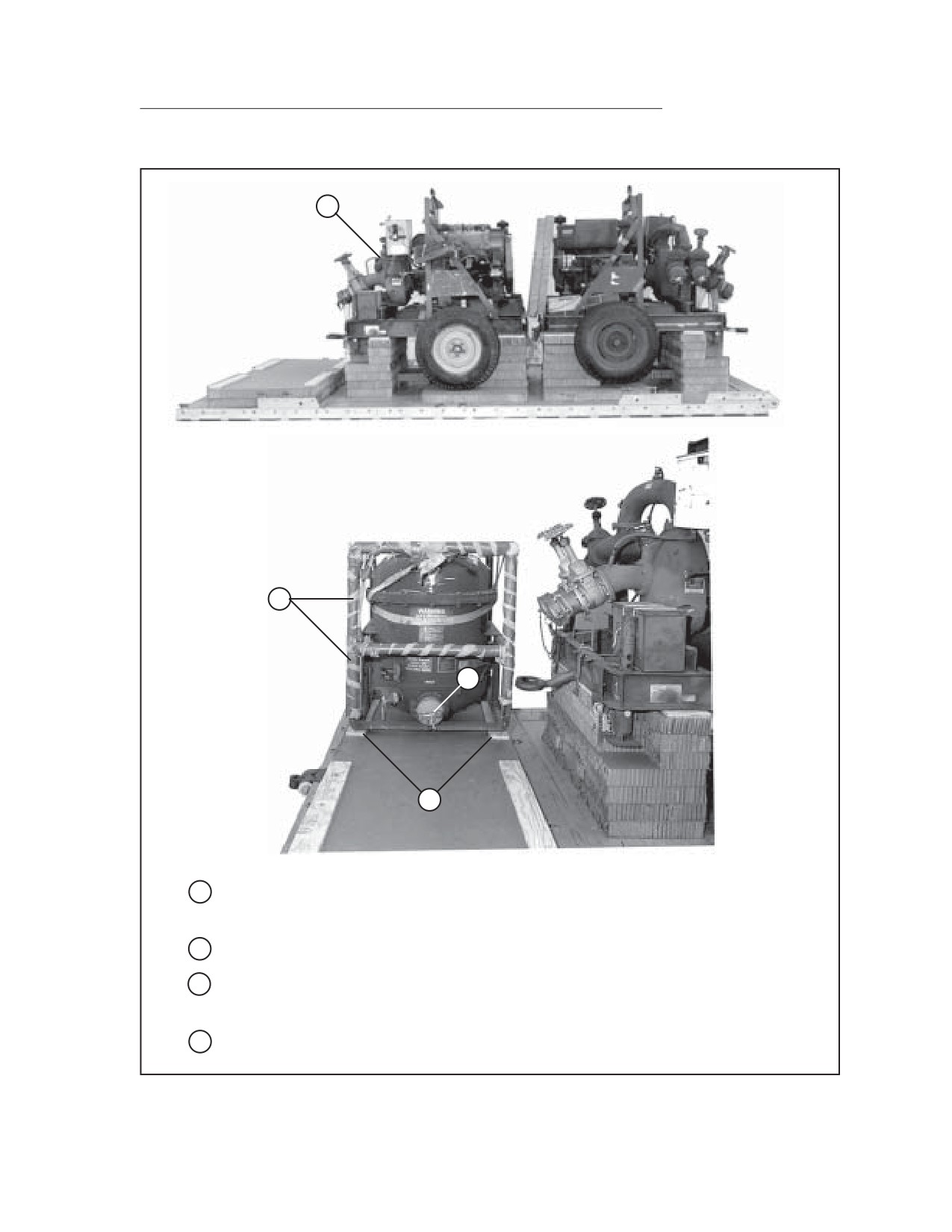
FM 4-20.137/TO 13C7-1-19
6
9
7
8
6
Position the second pump assembly 6 inches (measured from frame to frame)
from the front pump and centered on combination honeycomb stacks 3 and 4.
7
Position one of the filters with the outlet valve to the center of the platform.
8
Center the filter evenly on the plywood and on the left side of honeycomb stack
5.
9
Pad the right side of the frame with cellulose wadding and tape in place.
Figure 2-9. Pump Assembly and Filter/Separator Positioned (continued)
2-13
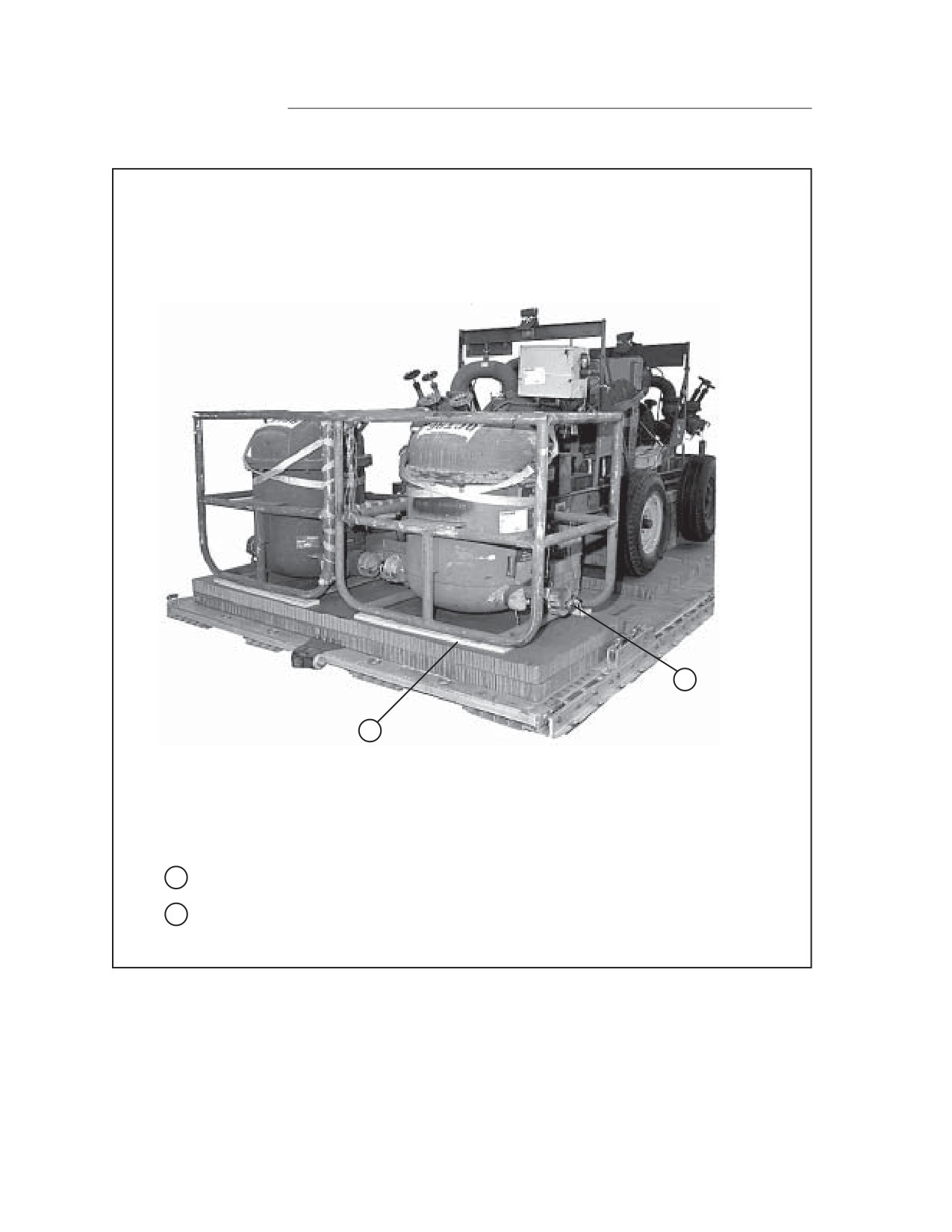
FM 4-20.137/TO 13C7-1-19
10
11
10
Position the second filter with the outlet valve facing to the right side of the platform.
11
Center the filter evenly on the plywood and on the right side of honeycomb stack 5.
Figure 2-9. Pump Assembly and Filter/Separator Positioned (continued)
2-14
FM 4-20.137/TO 13C7-1-19
LASHING THE PUMP ASSEMBLY AND FILTER/SEPARATOR TO THE
PLATFORM
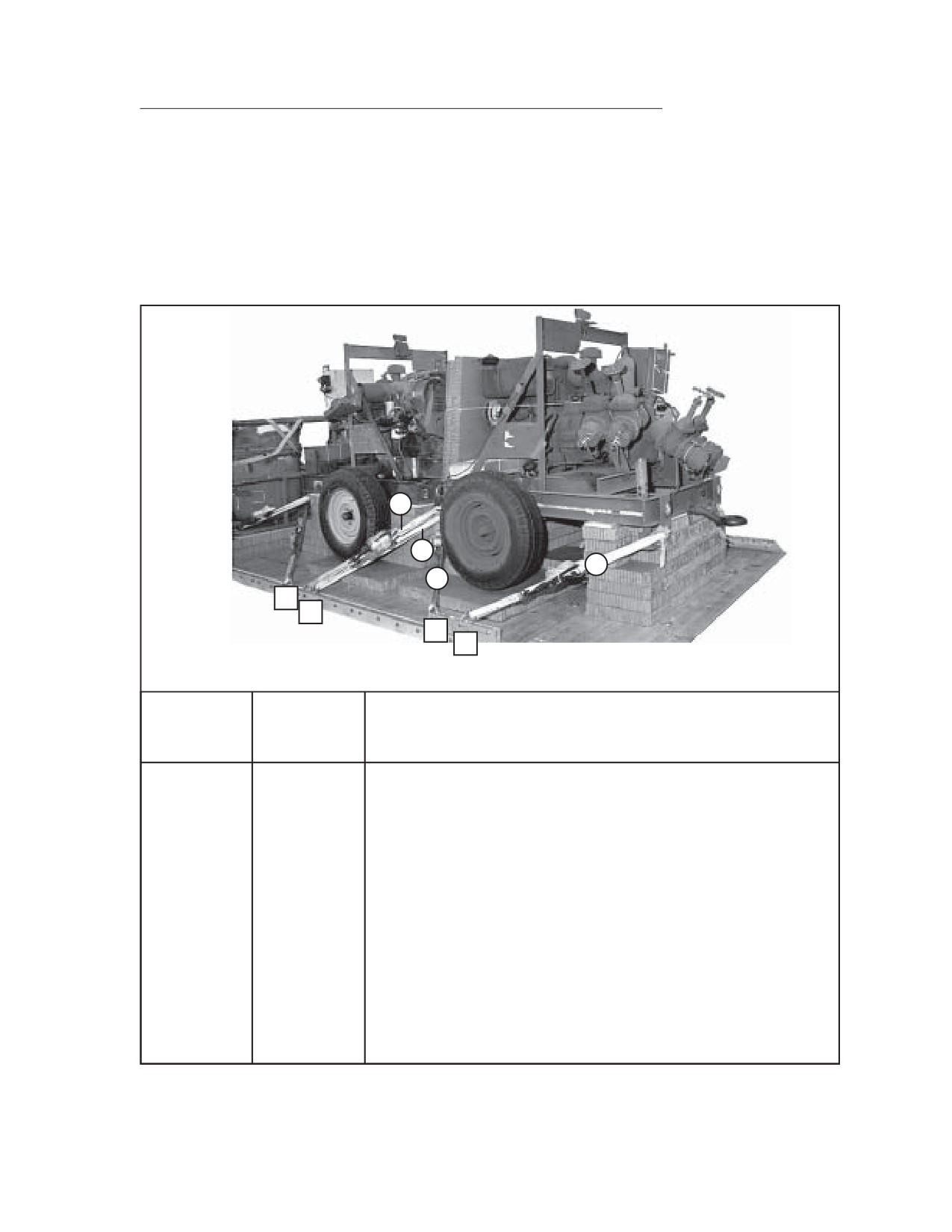
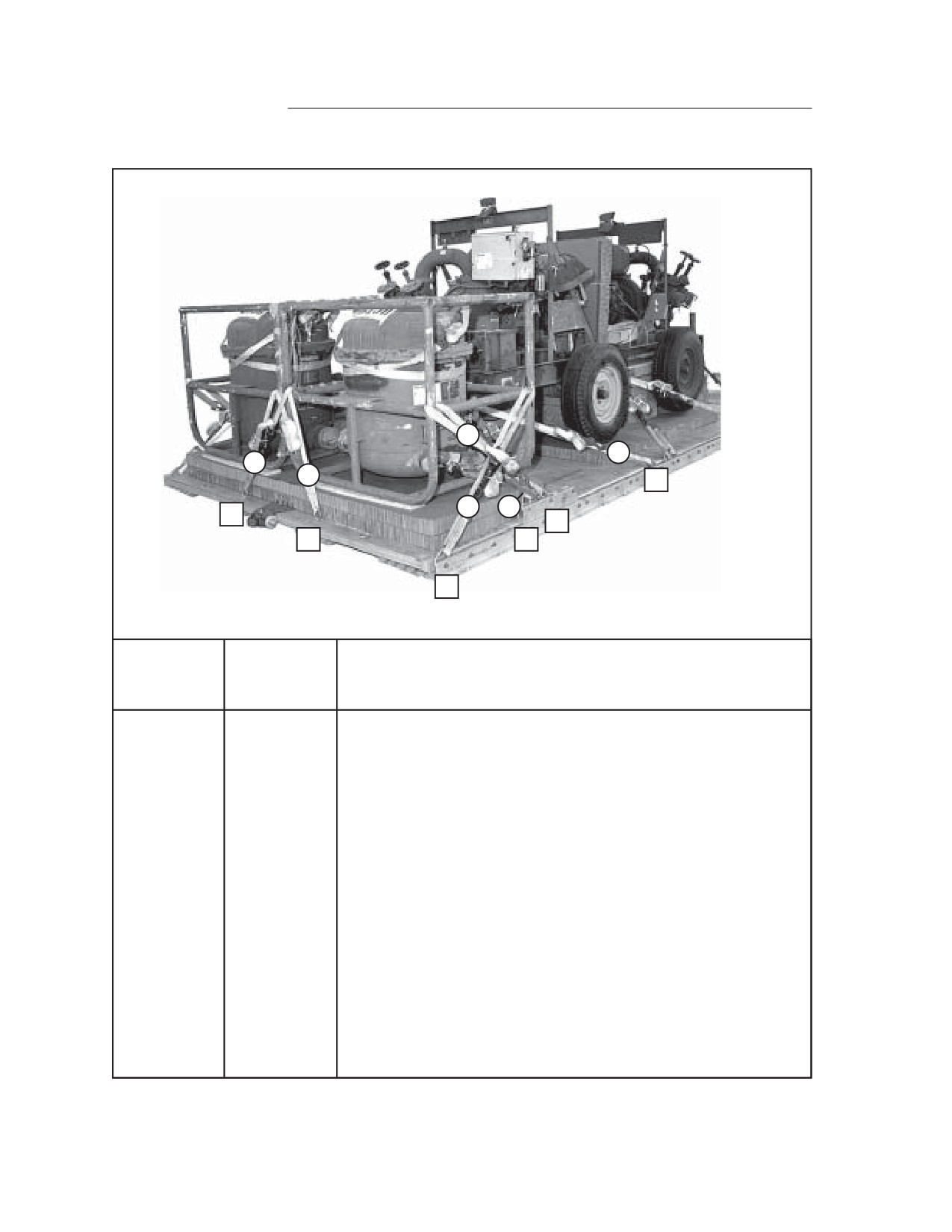
2-7. Lash the pump assembly and filter/separator to the platform using eighteen
15-foot tie-down assemblies as shown in Figures 2-10 and 2-11.
7
5
1
3
4
3
2
1
Tie-dow n
Lashing
Clevis
Number
Number
Instructions
Pass lashing:
1
1
Through right front tie-dow n point on front pump assembly.
2
1A
Through left front tie-dow n point on front pump assembly.
3
2
Through right rear tie-dow n point on front pump assembly.
4
2A
Through left rear tie-dow n point on front pump assembly.
5
3
Through right rear tie-dow n point on front pump assembly.
6
3A
Through left rear tie-dow n point on front pump assembly.
7
4
Through left rear tie-dow n point on rear pump assembly.
8
4A
Through right rear tie-dow n point on rear pump assembly.
Figure 2-10. Lashings 1 Through 8 Installed
2-15
FM 4-20.137/TO 13C7-1-19
13
9
18
17
5
15
11
C8
6
B8
7
8
Tie-dow n
Lashing
Clevis
Number
Number
Instructions
Pass lashing:
9
5
Through left front tie-dow n point on rear pump assembly.
10
5A
Through right front tie-dow n point on rear pump assembly.
11
7
Through left front tie-dow n point on rear pump assembly.
12
7A
Through right front tie-dow n point on rear pump assembly.
13
6
Through and around right rear vertical frame.
14
6A
Through and around left rear vertical frame.
15
8
Through and around right front vertical frame.
16
8A
Through and around left front vertical frame.
17
B8
Through and around both rear center vertical frame.
18
C8
Through and around both rear center vertical frame.
Figure 2-11. Lashings 9 Through 18 Installed
2-16
FM 4-20.137/TO 13C7-1-19
CONSTRUCTING THE PARACHUTE STOWAGE TRAY AND LOAD
COVER
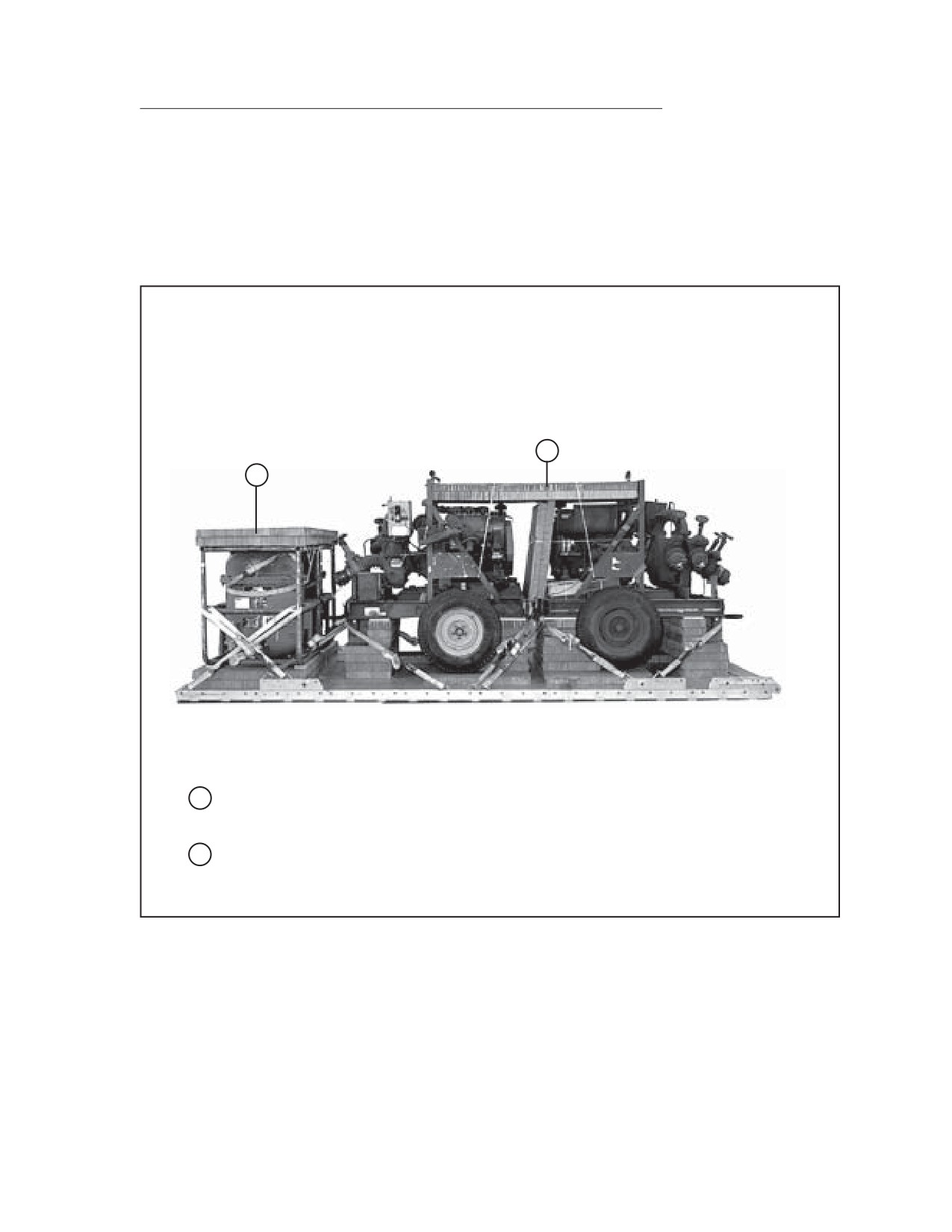
2-8. Construct the parachute stowage tray and load cover as shown in Figure 2-
12.
2
1
1
Position two 36- by 96-inch pieces of honeycomb on top of the filters. Tape the
edges and secure the honeycomb to the filter frames with type III nylon cord.
2
Position two 36- by 72-inch pieces of honeycomb on top of the pumps. Tape the
edges and secure the honeycomb with type III nylon cord.
Figure 2-12. Parachute Stowage Tray and Load Cover Constructed
2-17
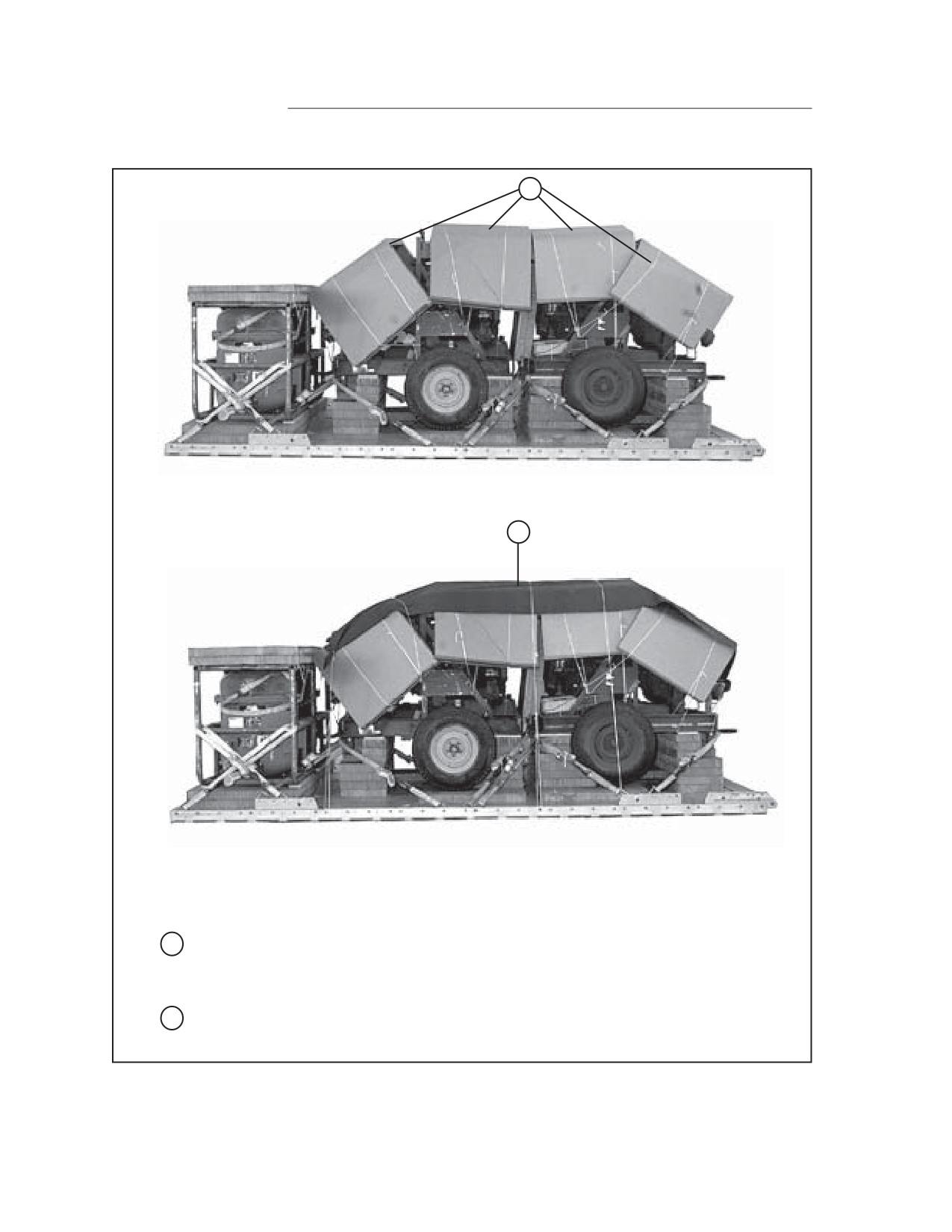
FM 4-20.137/TO 13C7-1-19
3
4
3
Position and bend 36- by 96-inch pieces of honeycomb over the pumps. Place two
pieces of honeycomb over the center of the pumps and one piece over the end of
the pumps. Tape the edges and secure with type III nylon cord.
4
Position a 5-foot by 15-foot load cover over the honeycomb placed in step 3.
Secure the cover with type III nylon cord.
Figure 2-12. Parachute Stowage Tray and Load Cover Constructed (continued)
2-18
FM 4-20.137/TO 13C7-1-19
INSTALLING THE SUSPENSION SLINGS AND DEADMAN’S TIE
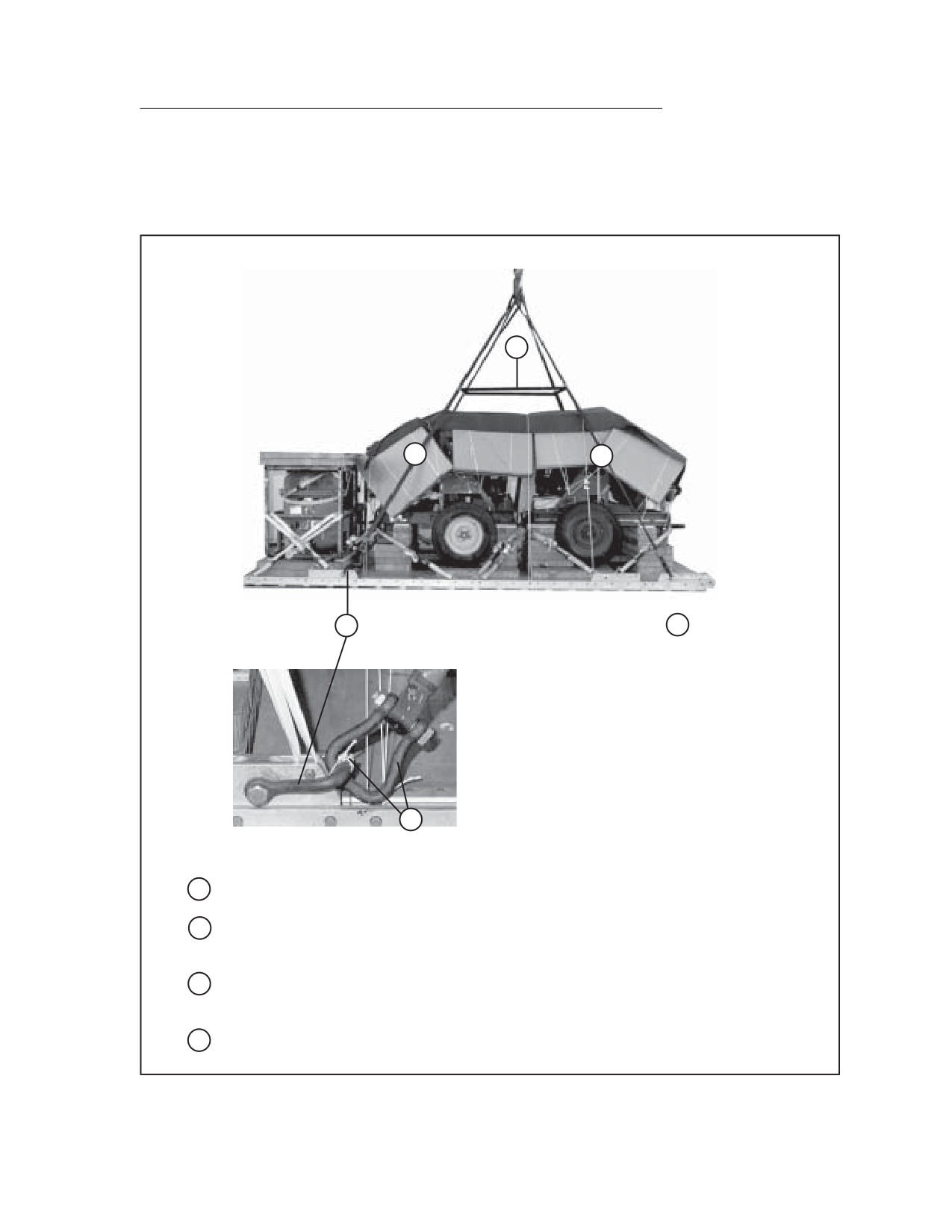
2-9. Install the suspension slings and deadman’s tie as shown in Figure 2-13.
4
3
3
1
1
2
1
Attach a large suspension clevis to each front and rear suspension link.
2
Attach an additional large suspension clevis to each rear suspension clevis. Tie
the two clevises together with type III nylon cord.
3
Attach a 12-foot (2-loop), type XXVI nylon webbing sling to each front suspension
clevis and each rear set of suspension clevises.
4
Raise the slings and install the deadman’s tie according to FM 4-20.102/NAVSEA
SS400-AB-MMO-010/TO 13C7-1-5.
Figure 2-13. Suspension Slings and Deadman’s Tie Installed
2-19
FM 4-20.137/TO 13C7-1-19
PREPARING, STOWING, AND RESTRAINING CARGO PARACHUTES
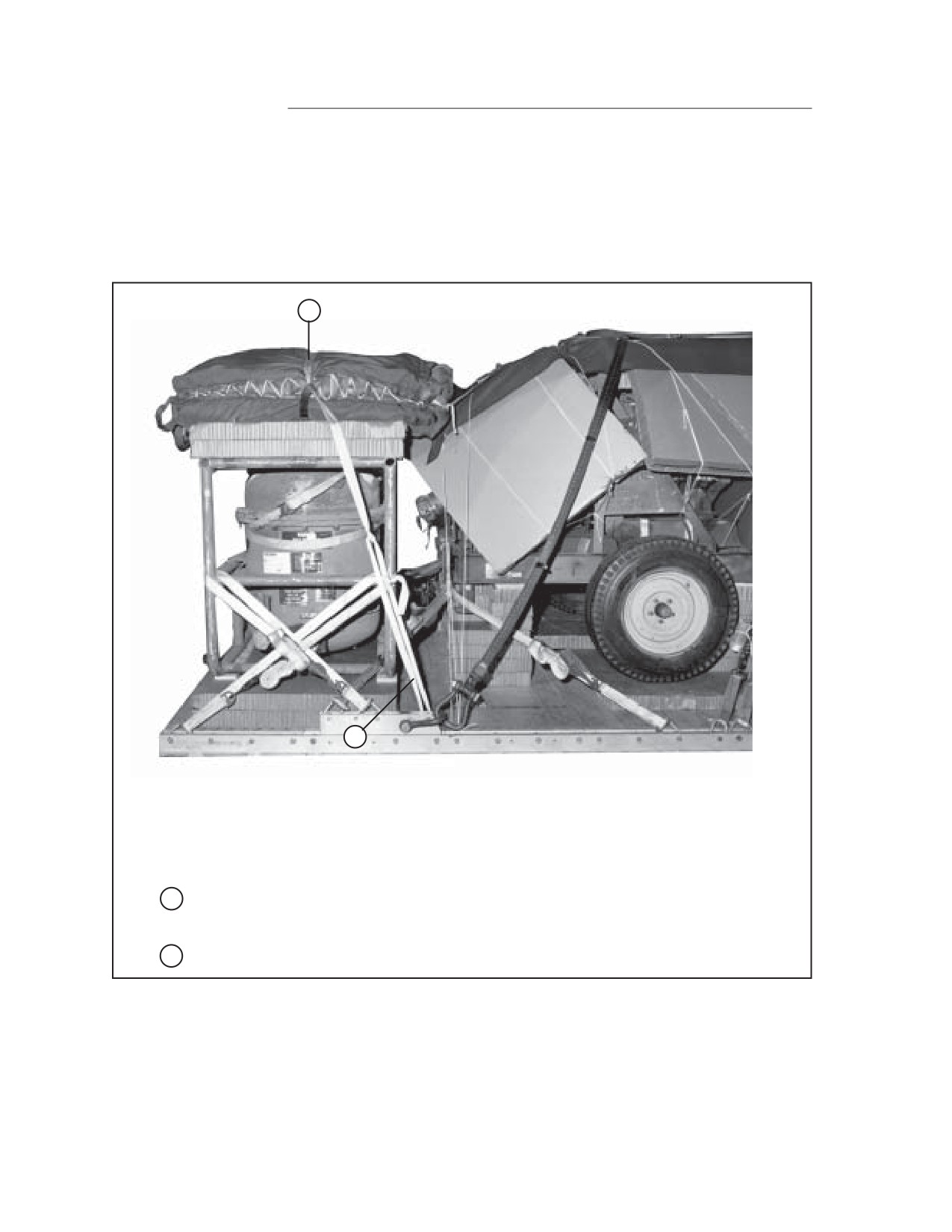
2-10. Prepare, stow, and restrain two G-11 cargo parachutes on the parachute
stowage tray according to FM 4-20.102/NAVSEA SS400-AB-MMO-010/TO 13C7-
1-5 and as shown in Figure 2-14.
1
2
1
Prepare, stow, and restrain two G-11 cargo parachutes on the parachute stowage
tray according to FM 4-20.102/NAVSEA SS400-AB-MMO-010/TO 13C7-1-5.
2
Restrain the parachutes using bushing 1 on each rear suspension link.
Figure 2-14. Cargo Parachutes Stowed
2-20
FM 4-20.137/TO 13C7-1-19
INSTALLING THE EXTRACTION SYSTEM
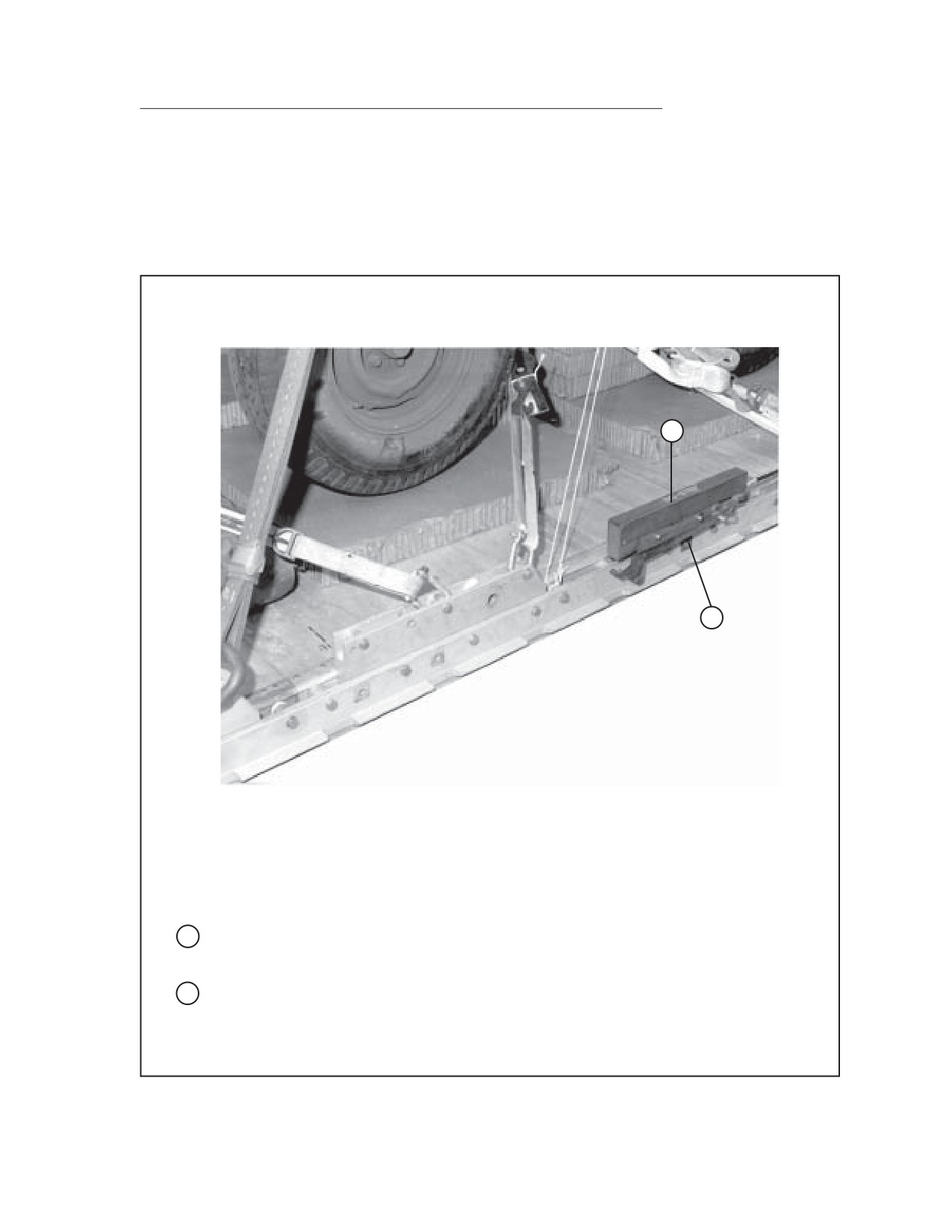
2-11. Install the components of the extraction force transfer coupling according
to FM 4-20.102/NAVSEA SS400-AB-MMO-010/TO 13C7-1-5 and as shown in
Figure 2-15.
1
2
1
Install the components of the EFTC according to FM 4-20.102/NAVSEA SS400-
AB-MMO-010/TO 13C7-1-5.
2
Install the EFTC actuator mounting brackets in the rear holes on the left
platform side rail according to FM 4-20.102/NAVSEA SS400-AB-MMO-010/TO
13C7-1-5.
Figure 2-15. Extraction System Installed
2-21
FM 4-20.137/TO 13C7-1-19
3
4
3
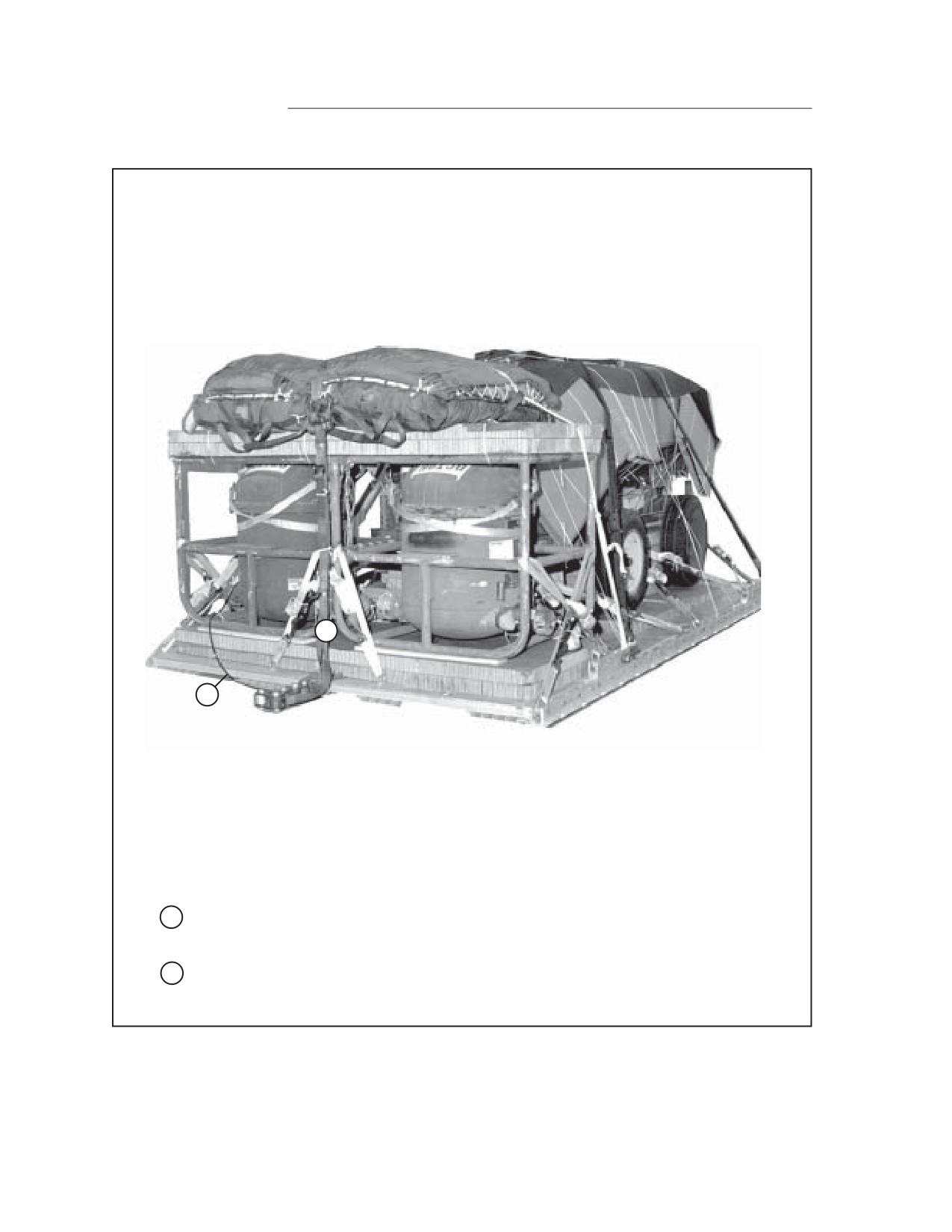
Attach a 9-foot (2-loop), type XXVI nylon webbing sling to be used as a deploy-
ment line.
4
Use a 16-foot EFTC cable and safety the cable to tie-down ring D-8 using one
turn of type I, 1/4-inch cotton webbing.
Figure 2-15. Extraction System Installed (continued)
2-22
FM 4-20.137/TO 13C7-1-19
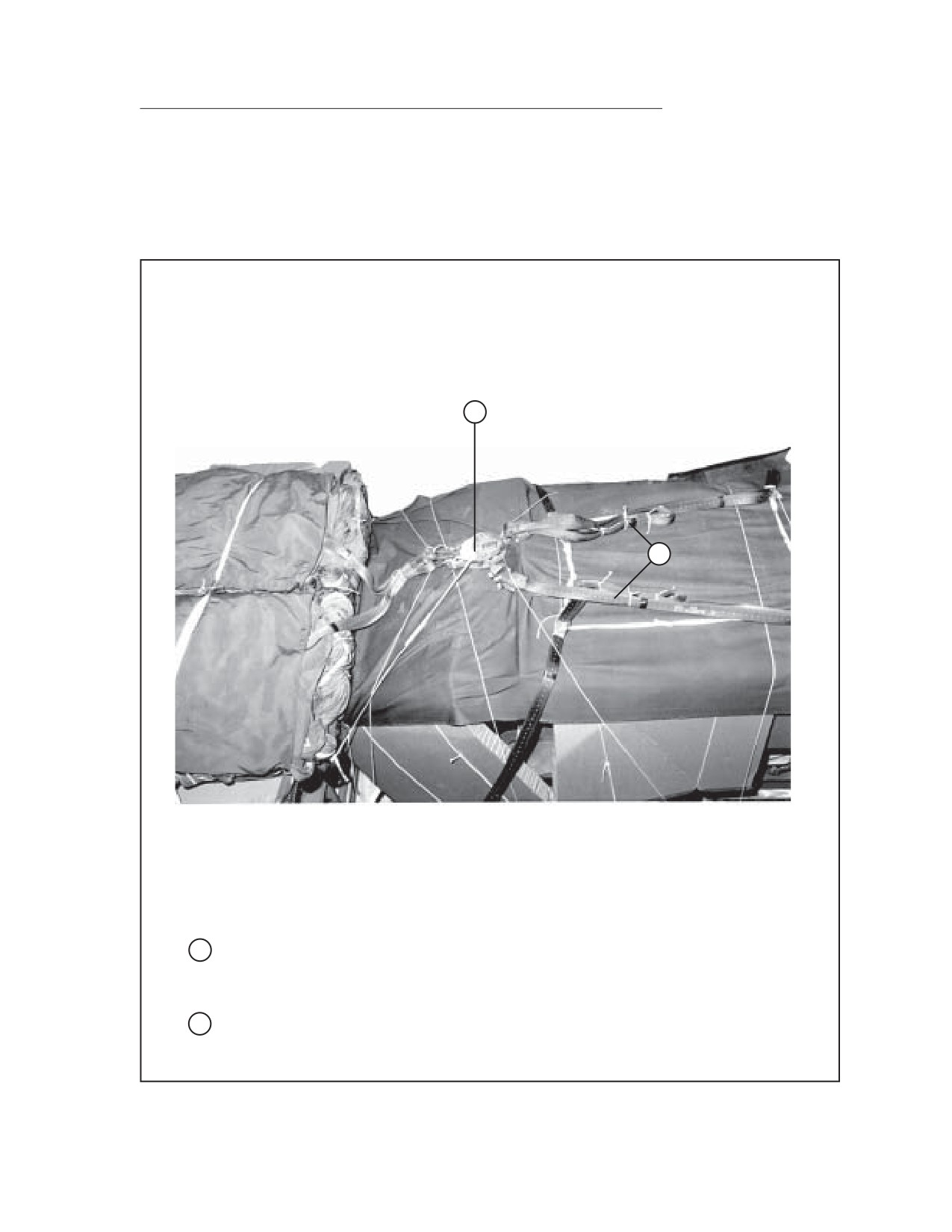
INSTALL PARACHUTE RELEASE SYSTEM
2-12. Install the M-1 parachute release system according to FM 4-20.102/
NAVSEA SS400-AB-MMO-010/TO 13C7-1-5 and as shown in Figure 2-16.
1
2
1
Position and install the M-1 parachute release assembly according to FM 4-
20.102/NAVSEA SS400-AB-MMO-010/TO 13C7-1-5. Safety tie the M-1 para-
chute release assembly to convenient points on the load.
2
S-fold and tie any slack in the suspension slings with type I, 1/4-inch cotton
webbing.
Figure 2-16. M-1 Cargo Parachute Release System Installed
2-23
FM 4-20.137/TO 13C7-1-19
PLACING EXTRACTION PARACHUTE
2-13. Select the extraction parachute and extraction line needed using the
extraction line requirements table in FM 4-20.102/NAVSEA SS400-AB-MMO-
010/TO 13C7-1-5. Rig the extraction line in an extraction line bag according to
TM 10-1670-286-20/TO 13C5-2-41. Place the extraction parachute and extrac-
tion line on the load for installation in the aircraft.
INSTALLING PROVISIONS FOR EMERGENCY RESTRAINTS
2-14. Select and install the provisions for emergency aft restraints according to
the emergency aft restraint requirements table in FM 4-20.102/NAVSEA SS400-
AB-MMO-010/TO 13C7-1-5.
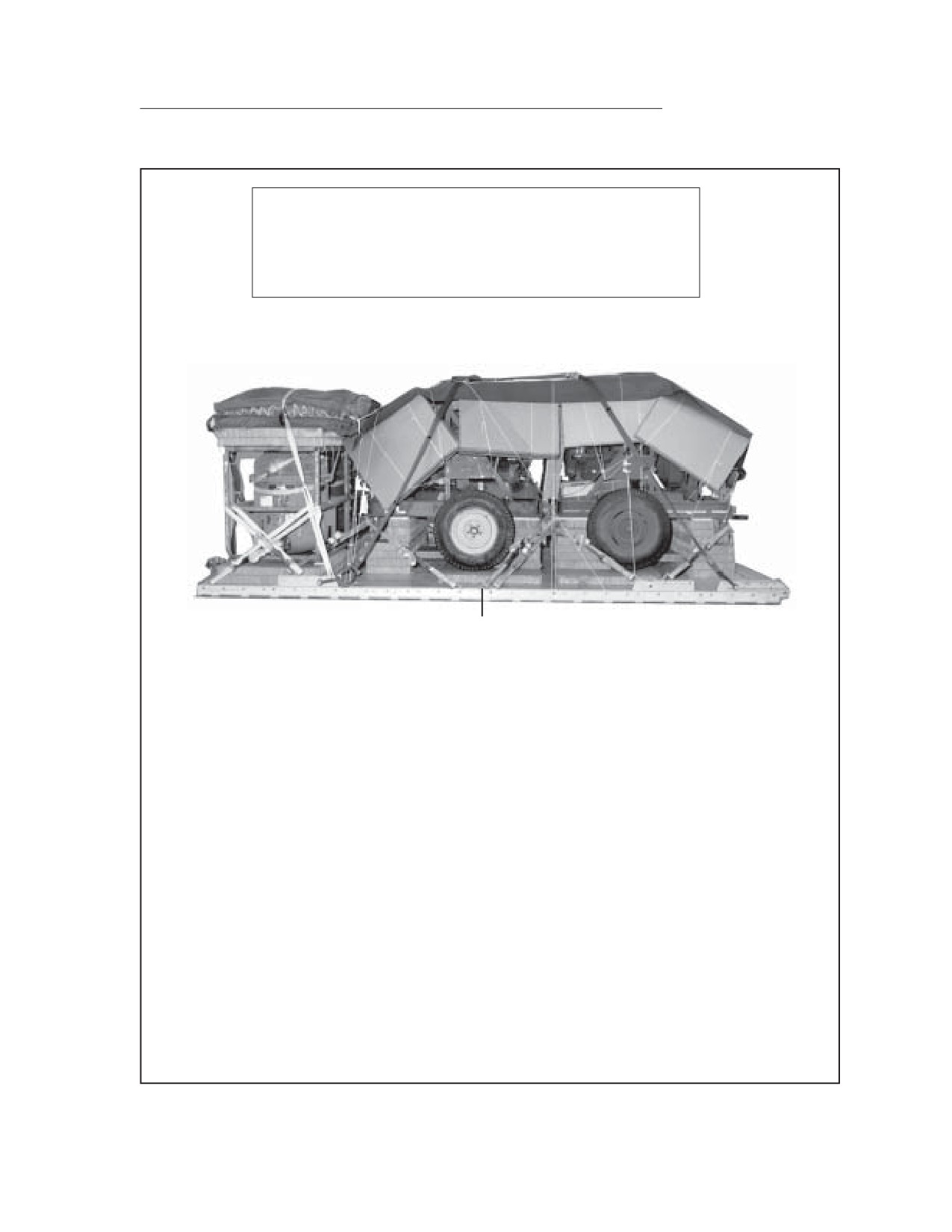
MARKING RIGGED LOAD
2-15. Mark the rigged load according to FM 4-20.102/NAVSEA SS400-AB-MMO-
010/TO 13C7-1-5 and as shown in Figure 2-17. Complete Shipper’s Declaration
for Dangerous Goods and affix to the load. If the load varies from the one
shown, the weight, height, CB, tipoff curve, and parachute requirements must
be recomputed.
EQUIPMENT REQUIRED
2-16. Use the equipment list in Table 2-1 to rig the load shown in Figure 2-17.
2-24
FM 4-20.137/TO 13C7-1-19
CAUTION:
Make the final inspection required by FM 4-20.102/NAVSEA
SS400-AB-MMO-010/TO 13C7-1-5 before the load leaves
the rigging site.
CB
RIGGED LOAD DATA
Weight
7,880 pounds
Maximum Weight
10,000 pounds
Height
77 inches
Width
108 inches
Overall Length
214.5 inches
Overhang: Front (lunette on front pump)
4.5 inches
Rear (EFTC)
18 inches
Center of Balance (CB) (from front edge of platform)
100 inches
Extraction System
EFTC
Figure 2-17. 350-GPM Wheel-Mounted POL Pumping Assembly with Filter/Separator Rigged for
Low-Velocity Airdrop
2-25
FM 4-20.137/TO 13C7-1-19
Table 2-1. Equipment Required for 350-GPM Wheel-Mounted POL Pumping Assembly with Filter/
Separator
National Stock
Number
Item
Quantity
8040-00-273-8713
Adhesive, paste, 1-gal
As required
1670-01-035-6054
Bridle, extraction line bag (for DES
)
1
4030-00-090-5354
Clevis, large
7
4030-00-678-8562
Clevis, medium
6
8305-00-880-8155
Cloth, coated, 60-inch
As required
4020-00-240-2146
Cord, nylon, type
I
As required
1670-00-434-5785
Coupling, airdrop, extraction force
t
1
1670-00-360-0328
Cover, clevis, large
2
8135-00-664-6958
Cushioning material, packaging, cellulose waddin g
As required
5365-00-937-0147
D-ring, heavy duty, 10,000-lb
68
8305-00-958-3685
Felt, 1/2-in
t
As required
1670-00-003-4391
Knife, parachute bag (for DES
)
1
1670-01-183-2678
Leaf, extraction line (line bag)(add 2 for DES
)
2
Line, drogue (for DES):
1670-01-062-6313
60-foot (1-loop),
t
1
Line extraction:
1670-01-064-4452
For C-130: 60-ft (1-loop),
t
1
1670-01-107-7651
For C-141, C-5, and C-17: 140-ft, (3-loop),
t
1
1670-01-483-8259
Link,
t
1
Link assembly:
T
wo point: (double the quantity for DES
)
5306-00-435-8994
Bolt, 1-in diam, 4-in long
(2
)
5310-00-232-5165
Nut, 1-in, hexagonal
(2
)
1670-00-003-1953
Plate, side, 3 3/4-in
(2
)
5365-00-007-3414
Spacer, large
(2
)
1670-00-753-3928
Pad, energy dissipating, honeycomb, 3-by 36- by 96-in
20
2-26
FM 4-20.137/TO 13C7-1-19
Table 2-1. Equipment Required for 350-GPM Wheel-Mounted POL Pumping Assembly with Filter/
Separator (continued)
National Stock
Number
Item
Quantity
Parachute:
1670-01-016-7841
Cargo, G-11B
2
1670-01-063-3715
Drogue, 15-ft (for DES
)
1
1670-01-063-3716
Extraction, 22-ft
1
Platform, airdrop, type
V, 16-ft:
1670-01-353-8425
Bracket assembly, couplin g
1
1670-01-162-2372
Clevis assembly, type V
16
1670-01-353-8424
Extraction bracket assembly
1
1670-01-247-2389
Bracket, suspensio n
4
1670-01-162-2389
Tandem link
2
5530-00-128-4981
Plywood, 3/4- by 48- by 96-in
1
1670-01-097-8816
Release, cargo parachute, M-1
1
Sling, cargo, airdrop
:
For suspension and lifting:
1670-01-062-6303
12-ft (2-loop), type XXVI nylon webbing
4
For deployment:
1670-01-062-6304
9-ft (2-loop), type XXVI nylon webbin g
1
1670-00-040-8219
Strap, parachute release
1
7510-00-266-5016
Tape, cloth back, adhesive
As required
7510-00-266-6710
Tape, masking, 2-in
As required
1670-00-937-0271
Tie-down assembly, 15-ft
38
Webbing :
8305-00-268-2411
Cotton, 1/4-in, type I
As required
8305-00-082-5752
Nylon, yubular, 1/2-in
As required
8305-00-263-3591
Type VIII
As required
2-27
FM 4-20.137/TO 13C7-1-19
Chapter 3
Rigging 500-Gallon Drums with the 350-GPM
Wheel-Mounted POL Pumping Assembly, Filter/Separator
Assembly, and Hose Box
SECTION I - RIGGING THREE 500-GALLON DRUMS
DESCRIPTION OF LOAD
3-1. The three collapsible drums are rigged on a 24-foot platform with four G-11
cargo parachutes. Each drum is filled with a maximum of 432 gallons of liquid.
When empty, each drum weighs 250 pounds and is 62 inches long and 53 inches
in diameter. The 350-GPM pump with filter/separator and hose box are accom-
panying loads. The total rigged load has a maximum rigged weight of 21,000
pounds with a width of 108 inches and a length of 324 inches. It has an over-
hang of 18 inches in the front and 18 inches in the rear.
Notes:
1. For drums filled with a liquid other than water, use Table 1-1 to
recompute the weight.
2. If the load varies from the one shown, the weight, height, CB, tipoff
curve, and parachute requirements must be recomputed.
3. Do not pressurize drums with air.
PREPARING PLATFORM
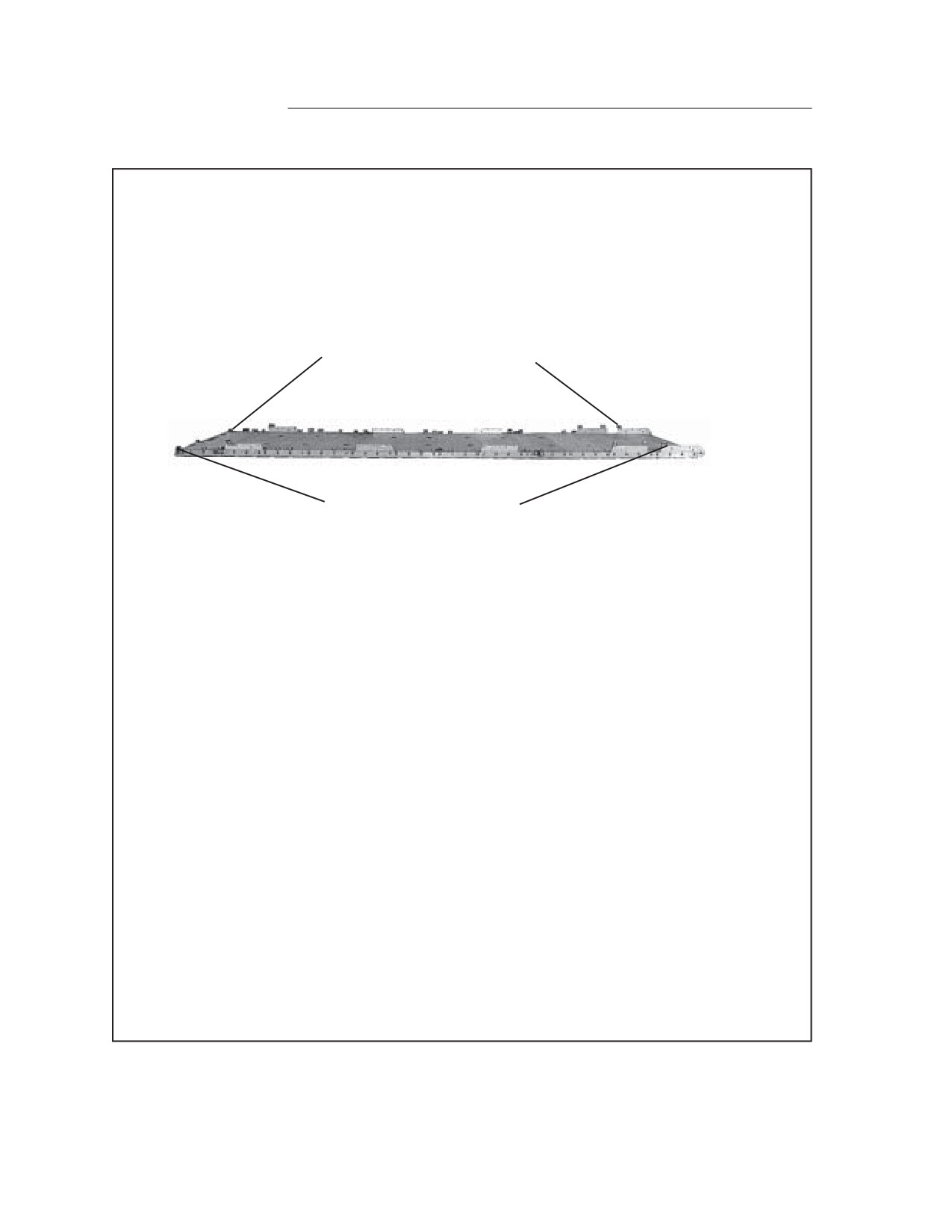
3-2. Prepare a 24-foot type V airdrop platform using two tandem links, eight sus-
pension brackets, and 48 tie-down clevises as shown in Figure 3-1.
Notes: 1. The nose bumper may or may not be installed.
2. Measurements given in this section are from the front edge of the
platform, NOT from the front edge of the nose bumper.
3-1
FM 4-20.137/TO 13C7-1-19
CLEVISES 24A THROUGH 1A
REAR
FRONT
CLEVISES 24 THROUGH 1
Steps:
1. Inspect, or assemble and inspect, the platform as outlined in TM 10-1670-268-
20&P/TO 13C7-52-22.
2. Install a tandem link on the front of each platform side rail using holes 1, 2, and
3.
3. Install a suspension bracket to bushings 6, 7, and 8 on each platform side rail.
4. Install a suspension bracket to bushings 18, 19, and 20 on each platform side
rail.
5. Install a suspension bracket to bushings 29, 30, and 31 on each platform side
rail.
6. Install a suspension bracket to bushings 41, 42, and 43 on each platform side
rail.
7. Install a tie-down clevis to bushing 4 of each tandem link.
8. Install a tie-down clevis to bushings 1 and 4 of each first suspension bracket.
9. Install a double clevis to bushing 4 of the fourth suspension bracket.
10. Starting at the front of each platform side rail, install a tie-down clevis to the
bushings bolted to holes 9, 10, 15 (triple), 16, 23, 24, 25, 26, 33, 34, 38, 39, 40,
44 (triple), 45, 46, and 48 (double).
11. Starting at the front of the platform, number the clevises bolted to the right side
from 1 through 24 and those bolted to the left side from 1A through 24A.
12. Number the clevis on bushing 48 as clevis 24 and 24A and the doubled clevis as
23 and 23A.
Figure 3-1. Platform Prepared
3-2
FM 4-20.137/TO 13C7-1-19
PREPARING HONEYCOMB
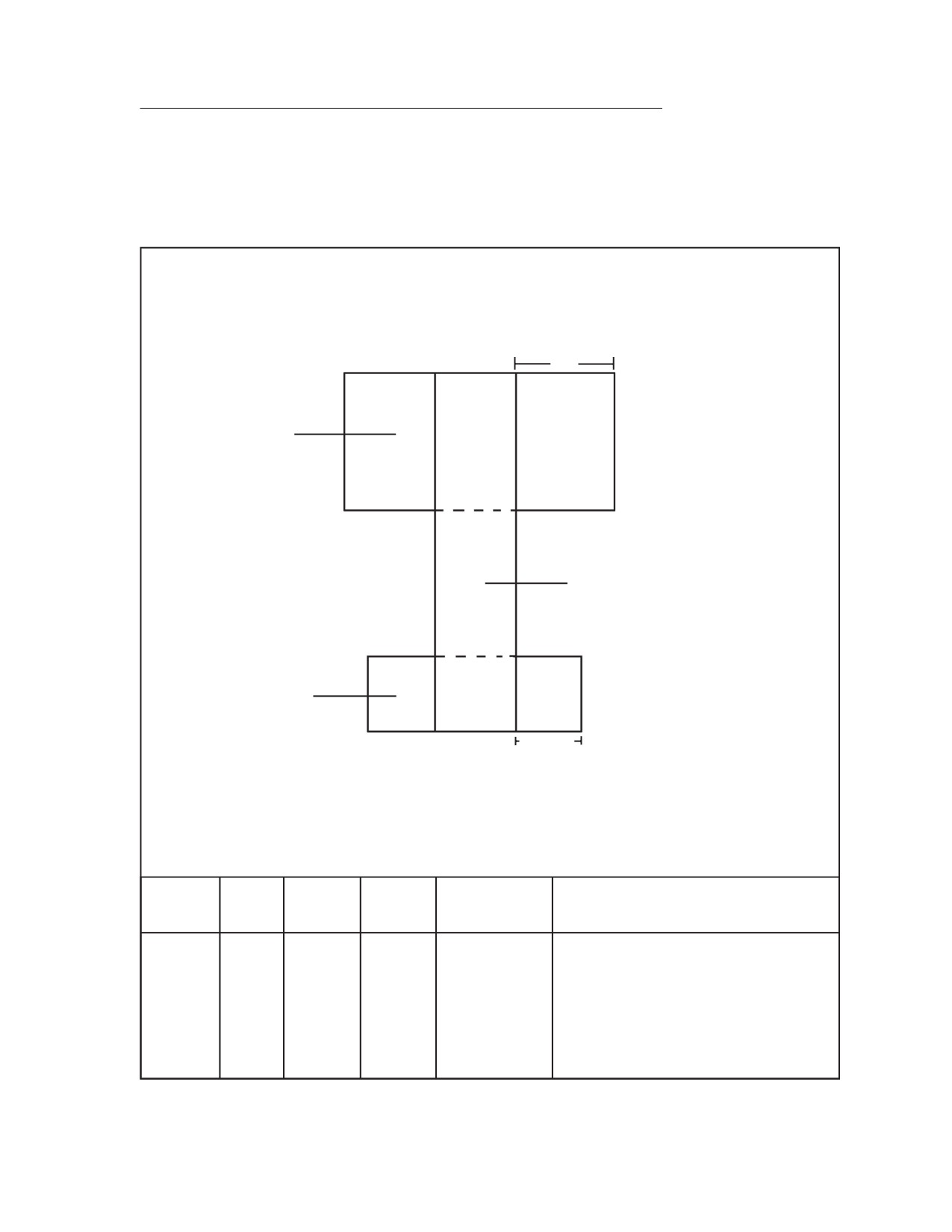
3-3. Build honeycomb stack as shown in Figures 3-2 and 3-3.
32”
80” X 30”
16” X 64”
51” X 16”
17 1/2”
t
Width
Length
Numbe r
Pieces
(Inches
)
(Inches
)
Material
Instru
t
1
1
80
30
Honeycomb
Position the honeycomb on the
l
1
16
64
Honeycomb
Center and glue the honeycomb ontop
of the 80- by 30-inch piece of
honeycomb.
1
51
16
Honeycomb
Center and glue the honeycomb under
the 16- by 64-inch piece ofhoneycomb.
Figure 3-2. Honeycomb Stack 1 Prepared
3-3
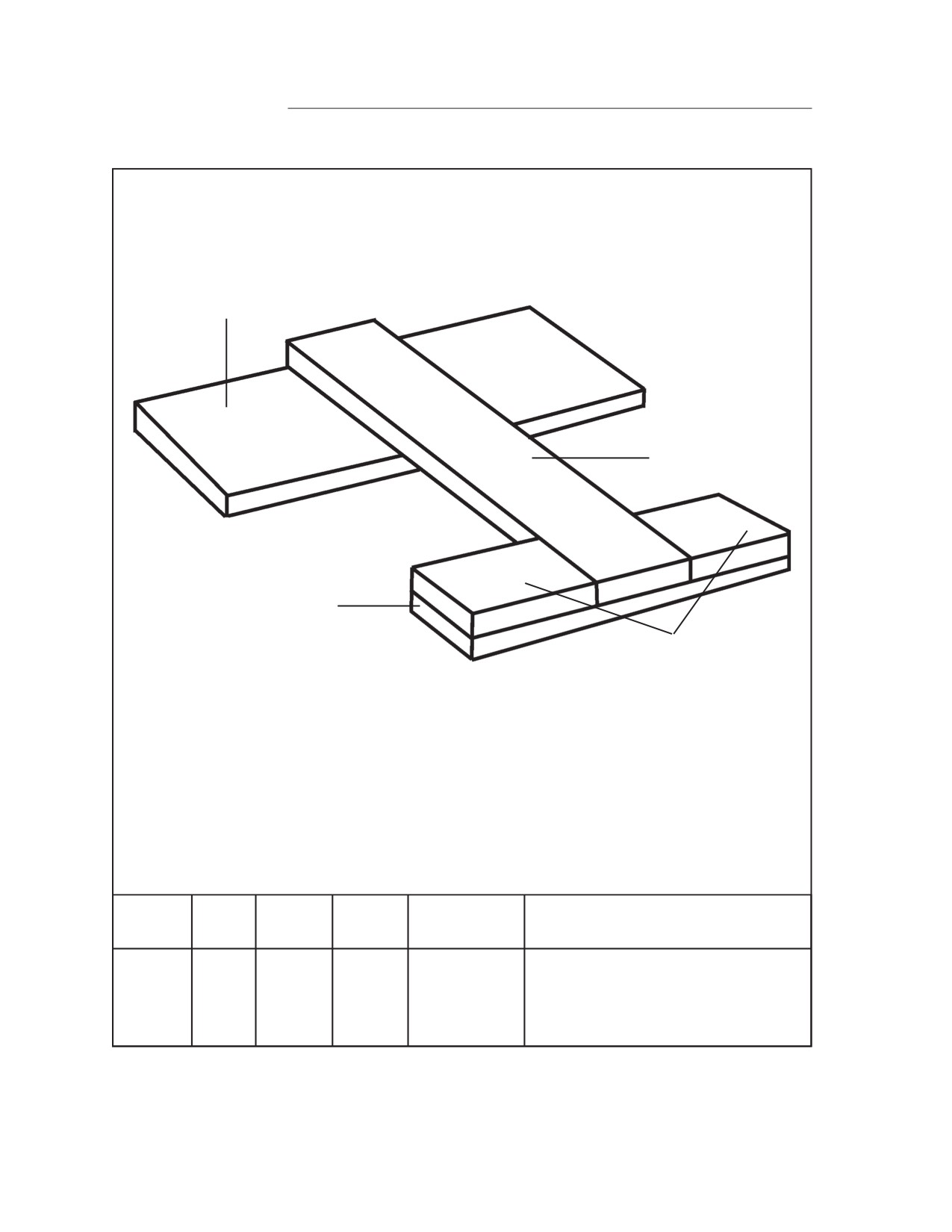
FM 4-20.137/TO 13C7-1-19
80” X 30”
16” X 64”
51” X 16”
17 1/2” X 16”
Stack
Width
Length
Numbe r
Pieces
(Inches)
(Inches)
Material
Instructions
1
2
17 1/2
16
Honeycomb
Position and glue the honeycomb
pieces on top of the 51- by 16-inch
piece of honeycomb and on each side
of the 16- by 64-inch piece of
honeycomb.
Figure 3-2. Honeycomb Stack 1 Prepared (continued)
3-4
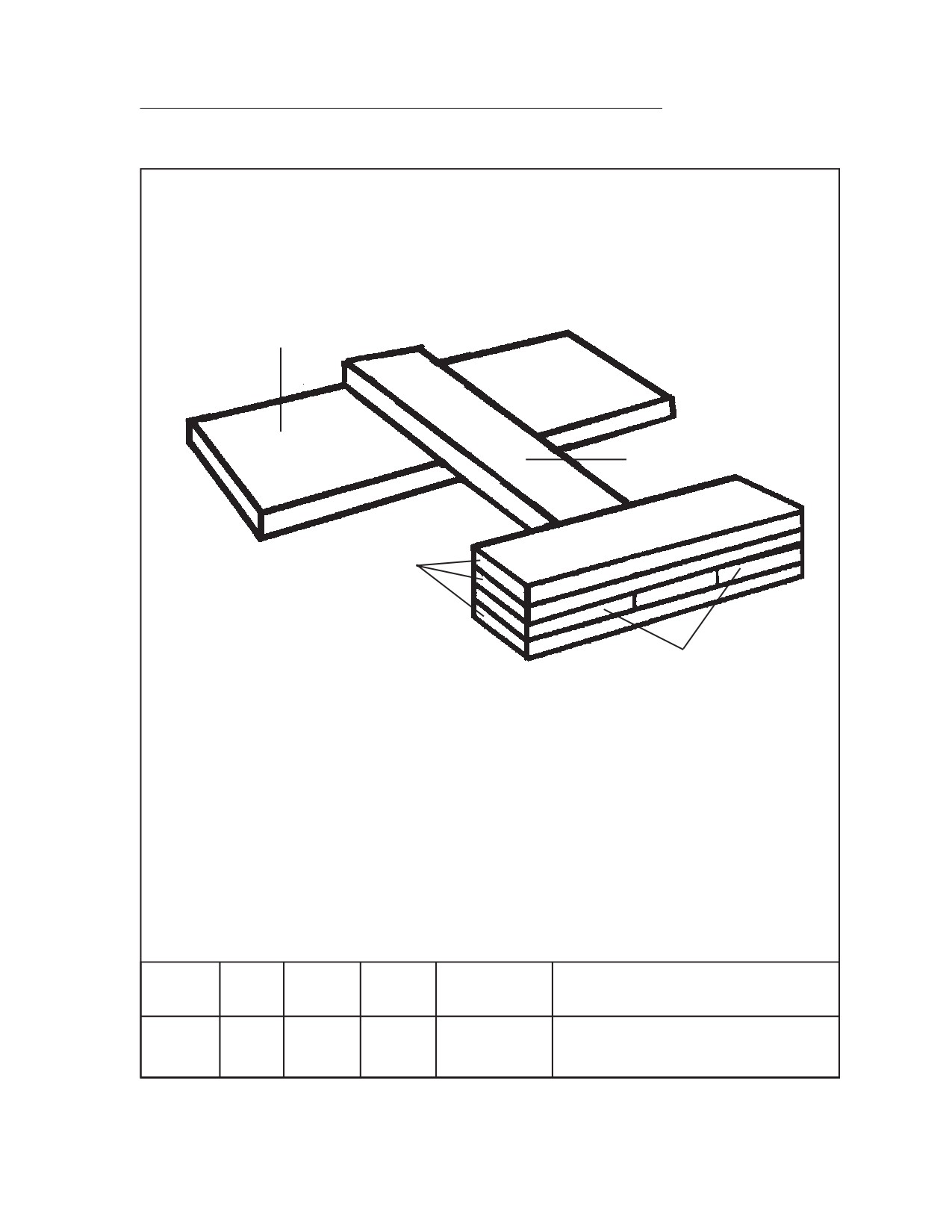
FM 4-20.137/TO 13C7-1-19
80” X 30”
16” X 64”
51” X 16”
17 1/2” X 16”
t
Width
Length
Numbe r
Pieces
(Inches
)
(Inches
)
Material
Instru
t
1
2
51
16
Honeycomb
Position and glue the honeycomb
pieces ontop of the 17 1/2- by 16-inch
piece of honeycomb
Figure 3-2. Honeycomb Stack 1 Prepared (continued)
3-5
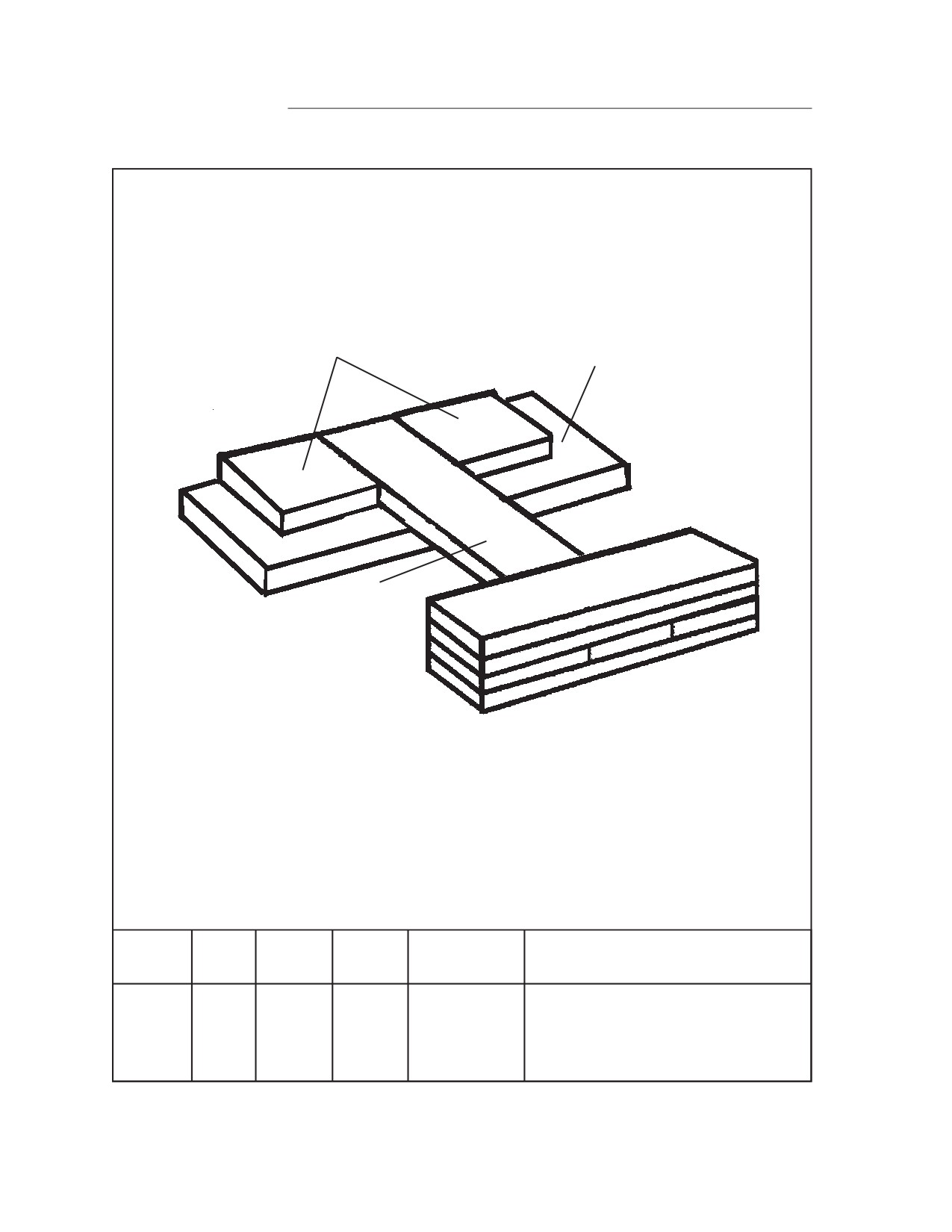
FM 4-20.137/TO 13C7-1-19
17 1/2” X 20”
80” X 30”
16” X 64”
Stack
Width
Length
Numbe r
Pieces
(Inches)
(Inches)
Material
Instructions
1
2
17 1/2
20
Honeycomb
Position and glue the honeycomb
pieces
l
the 80- by 30-inch piece of honeycom b
on each side of the 16- by 64-inch
piece of honeycomb.
Figure 3-2. Honeycomb Stack 1 Prepared (continued)
3-6
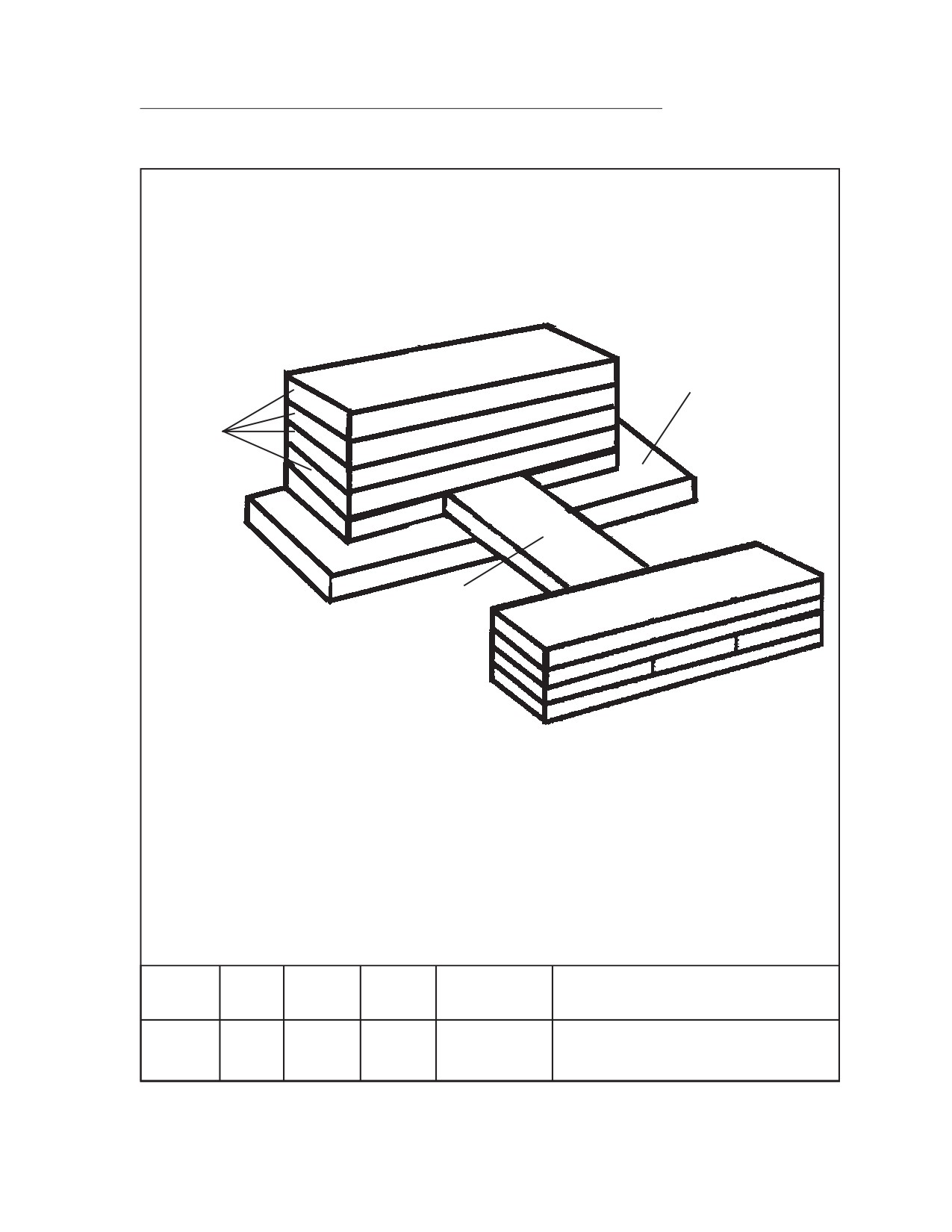
FM 4-20.137/TO 13C7-1-19
80” X 30”
51” X 20”
16” X 64”
t
Width
Length
Numbe r
Pieces
(Inches
)
(Inches
)
Material
Instru
t
1
4
51
20
Honeycomb
Position and glue the honeycomb
pieces ontop of the 17 1/2- by 20-inch
piece of honeycomb
Figure 3-2. Honeycomb Stack 1 Prepared (continued)
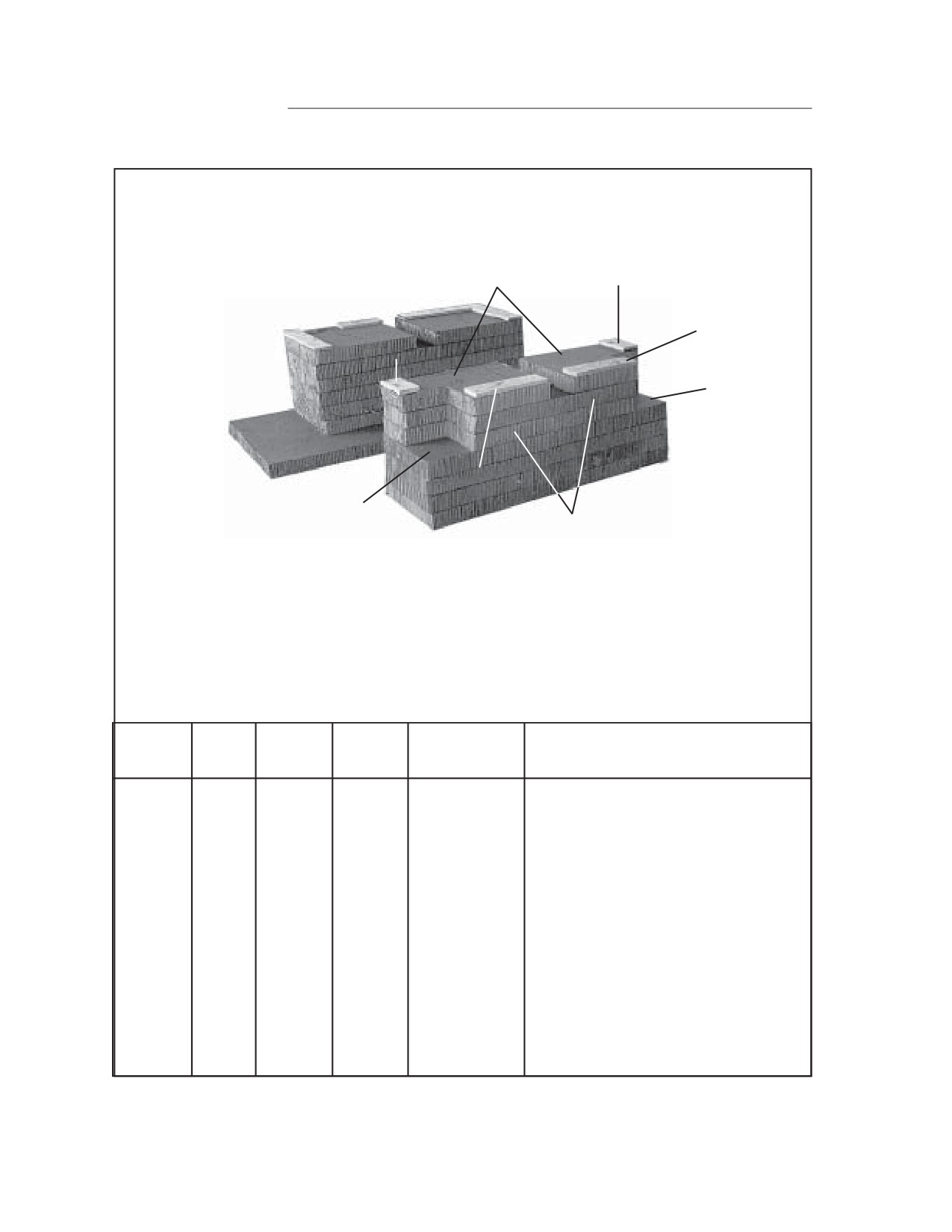
3-7
FM 4-20.137/TO 13C7-1-19
23” X 16”
4” X 7”
HONEYCOMB PLYWOOD
14” X 4”
PLYWOOD
4” X 7”
PLYWOOD
8” X 8”
CUTOUT
14” X 4”
8” X 8”
PLYWOOD
CUTOUT
51” X 16”
HONEYCOMB
t
Width
Length
Numbe r
Pieces
(Inches)
(Inches)
Material
Instructions
1
2
51
16
Honeycomb
Cut an 8- by 8-inch cutout on each
piece of honeycomb. Position and glue
the
t
cutouts ontop of
t
pieces of honeycomb.
2
23
16
Honeycomb
Cut an 8- by 8-inch cutout on each
piece of honeycomb. Positionthe
pieces ontop of
t
pieces. Alignthe cutouts and glue.
2
4
7
3/4-in Plywood
Center and glue
t
sides of
t
honeycomb.
2
14
4
3/4-in Plywood
Center and glue
t
front edge of
t
of honeycomb.
Figure 3-2. Honeycomb Stack 1 Prepared (continued)
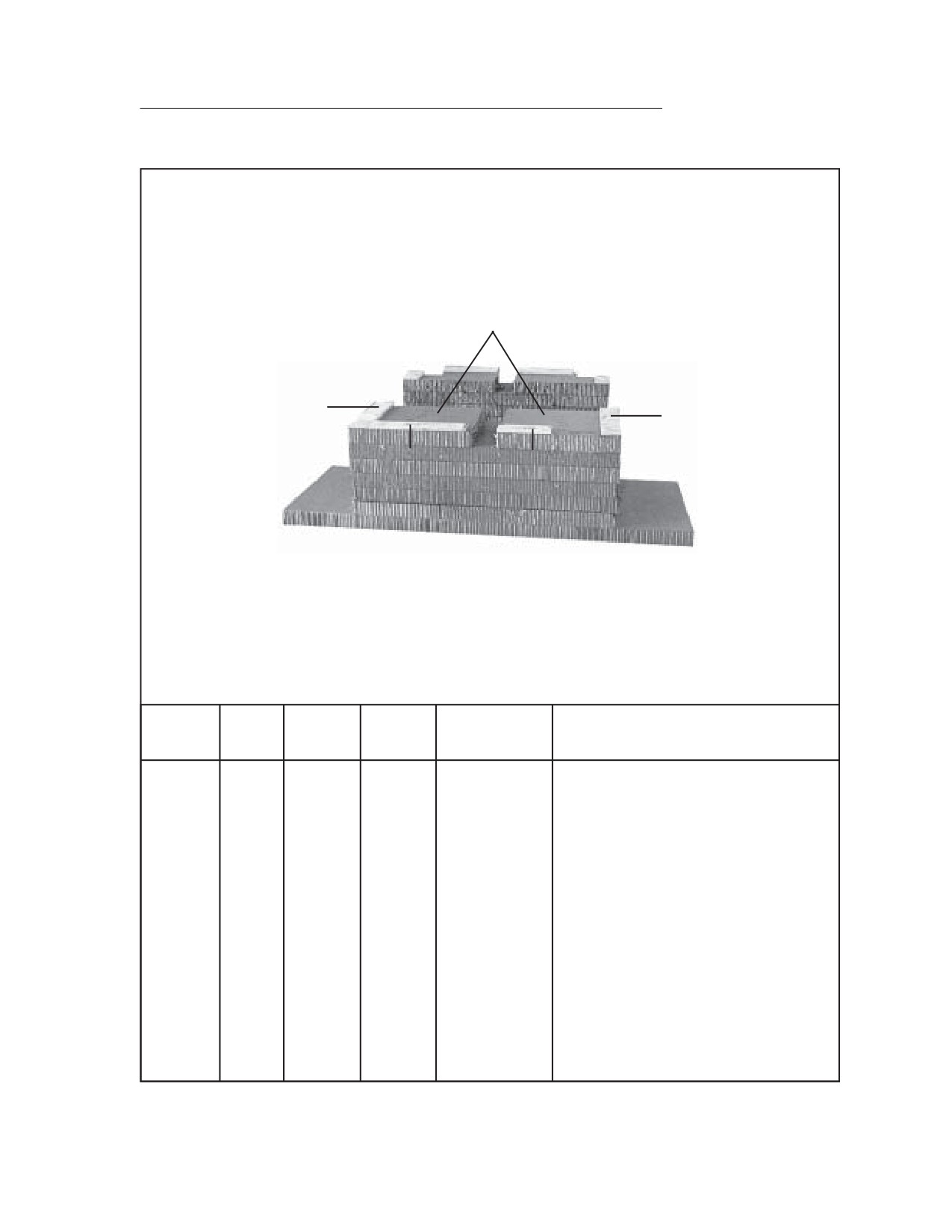
3-8
FM 4-20.137/TO 13C7-1-19
23” X 20”
HONEYCOMB
16” X 4”
PLYWOOD
20” X 4”
PLYWOOD
22” X 4”
10” X 4”
PLYWOOD PLYWOOD
t
Width
Length
Numbe r
Pieces
(Inches)
(Inches)
Material
Instructions
1
2
23
20
Honeycomb
Position and glue the
t
inch pieces of honeycomb ontop of
t
51- by 20-inch pieces of honeycom b
aligning
t
1
4
20
3/4-in Plywood
Position and glue
t
right outside edge of the right
23- by
20-inch piece of honeycomb.
1
10
4
3/4-in Plywood
Position and glue
t
left rear edge of the right
23- by 20-
inch piece of honeycomb.
1
22
4
3/4-in Plywood
Position and glue
t
rear edge of the
l
piece of honeycomb.
1
4
16
3/4-in Plywood
Position and glue
t
left outside edge of the
l
inch piece of honeycomb.
Figure 3-2. Honeycomb Stack 1 Prepared (continued)
3-9
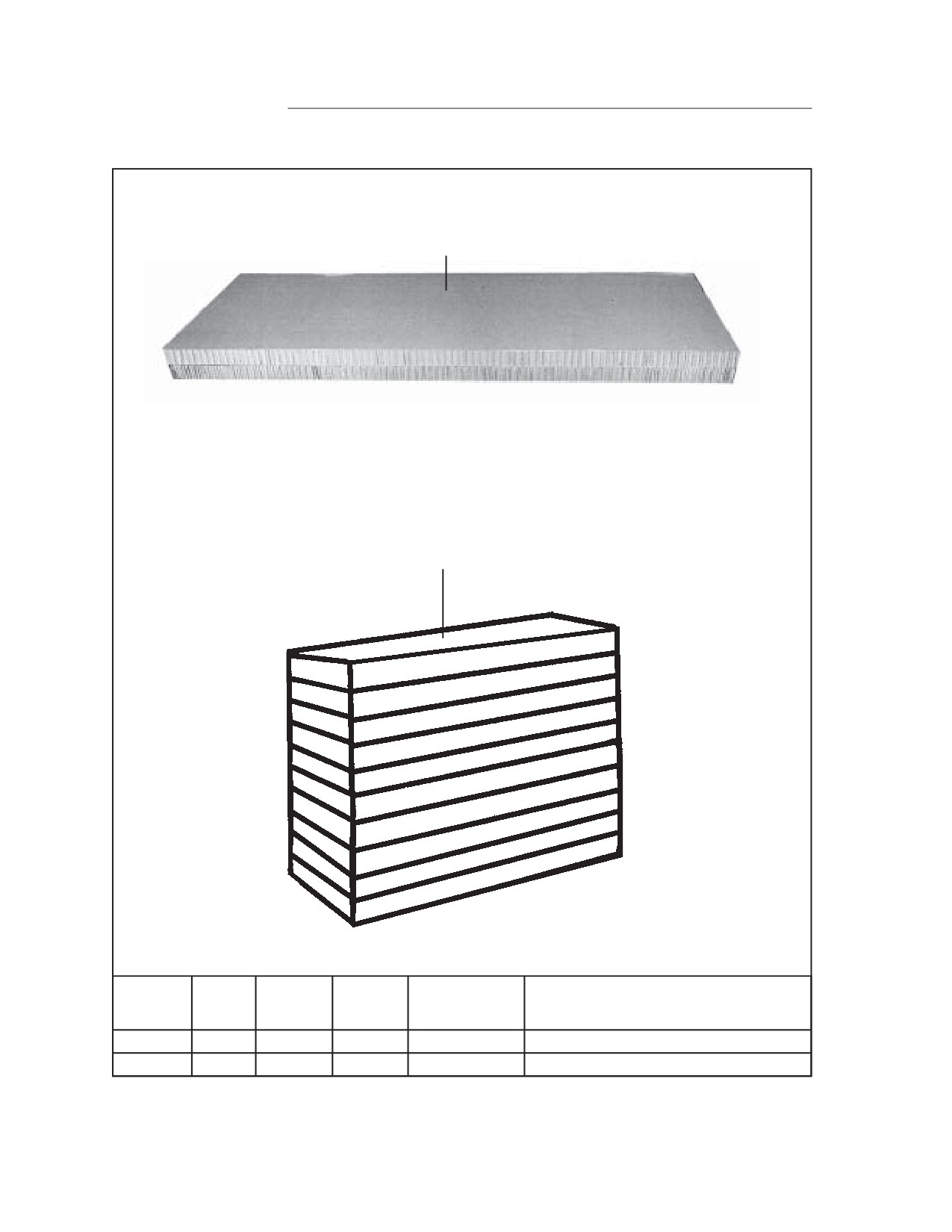
FM 4-20.137/TO 13C7-1-19
STACKS 2 - 7
96” X 36”
HONEYCOMB
STACK 8
60” X 30”
HONEYCOMB
Stack
Width
Length
Numbe r
Pieces
(Inches)
(Inches)
Material
Instructions
2
-
7
2
96
36
Honeycomb
Glue
l
8
10
60
30
Honeycomb
Glue
l
Figure 3-3. Honeycomb Stacks 2 Through 8 Prepared
3-10
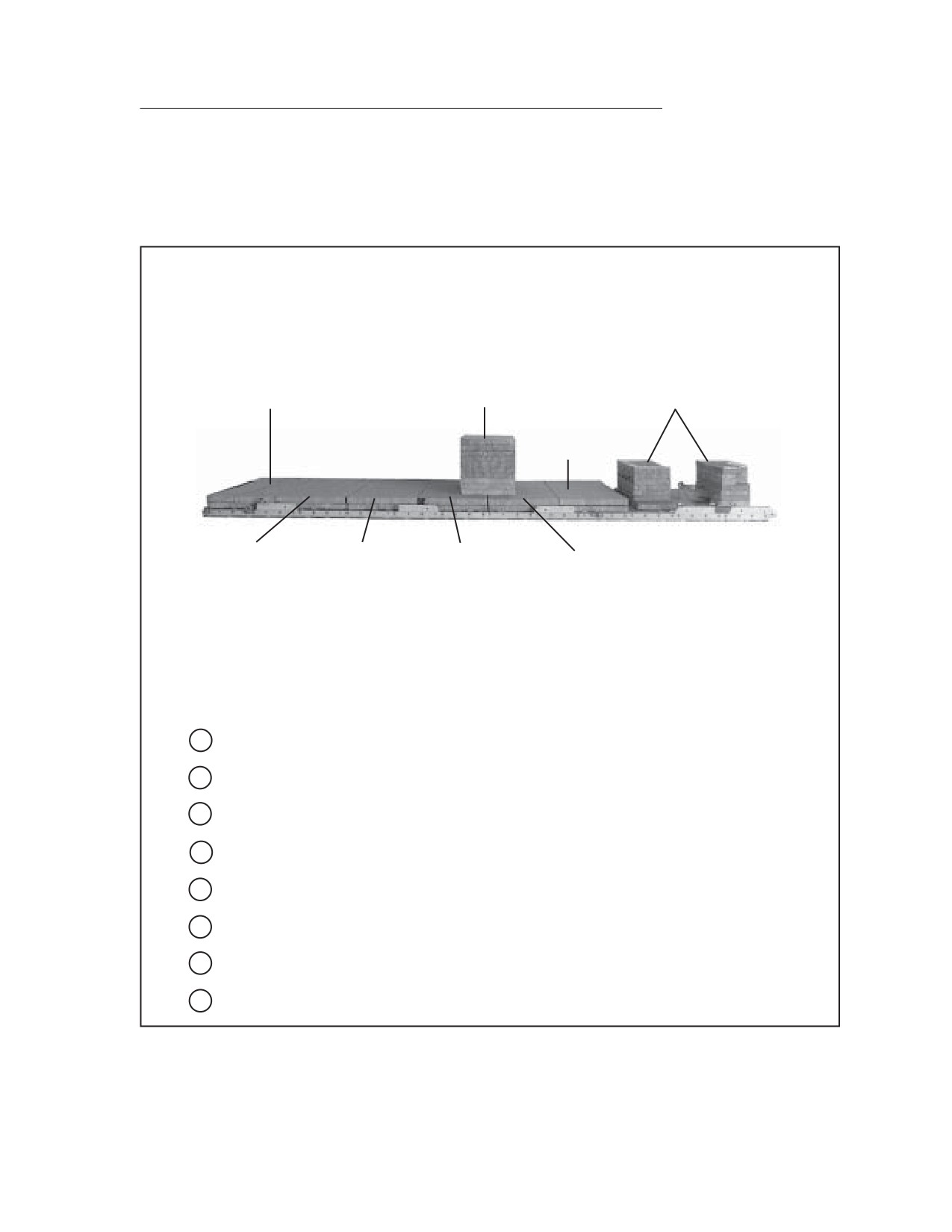
FM 4-20.137/TO 13C7-1-19
POSITIONING HONEYCOMB STACKS
3-4. Position honeycomb stacks as shown in Figure 3-4.
STACK 7
STACK 8
STACK 1
STACK 2
REAR
FRONT
STACK 6
STACK 5
STACK
4
STACK 3
1
Center stack 1 on the front edge of the platform.
2
Center stack 7 on the rear edge of the platform.
3
Place stack 6 against and in front of stack 7.
4
Place stack 5 against and in front of stack 6.
5
Place stack 4 against and in front of stack 5.
6
Place stack 3 against and in front of stack 4.
7
Place stack 2 against and in front of stack 3.
8
Center stack eight 144 inches from the front edge of the platform.
Figure 3-4. Honeycomb Stacks Positioned
3-11
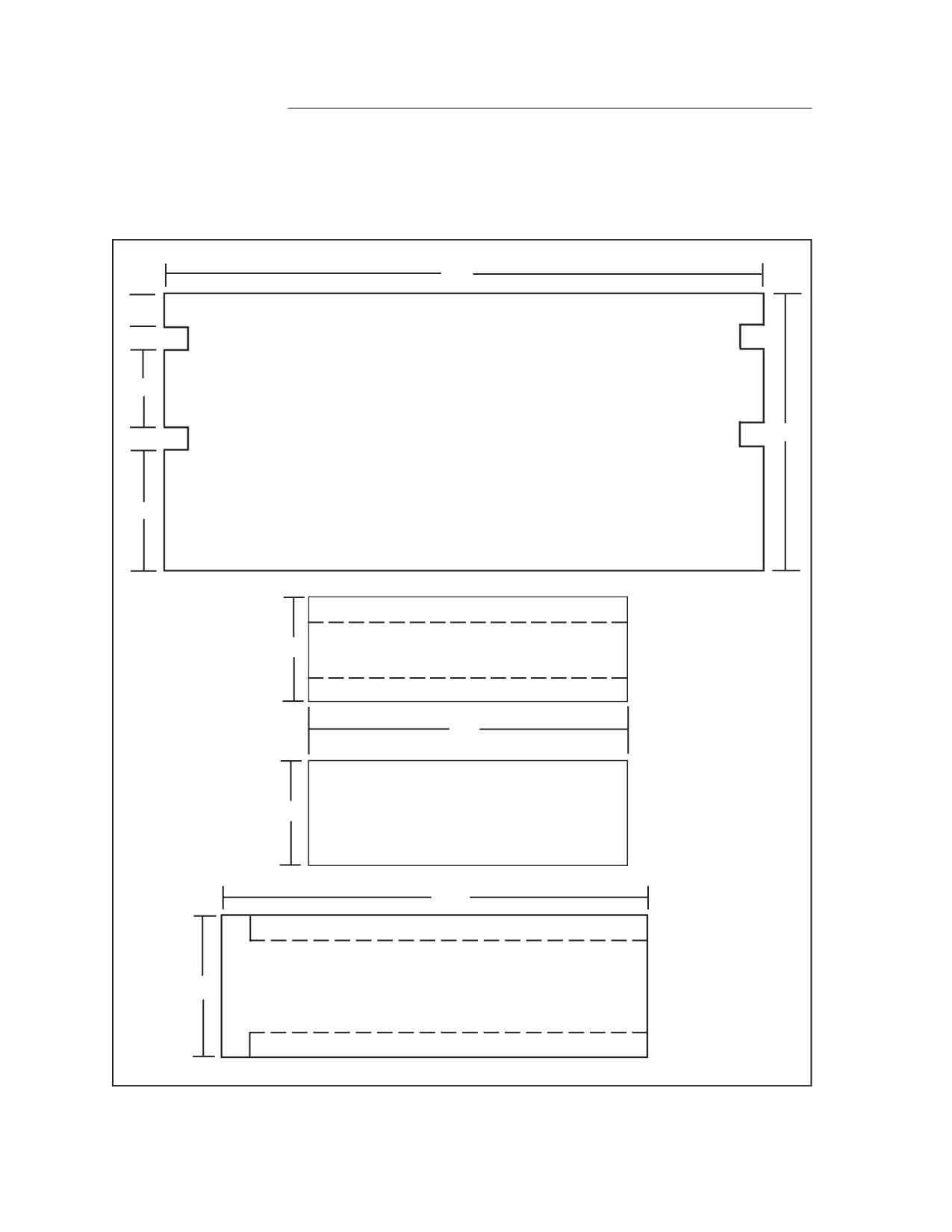
FM 4-20.137/TO 13C7-1-19
BUILDING THE EQUIPMENT HOSE BOX
3-5. Build the equipment hose box as shown in Figure 3-5.
96 ”
3 ”
2 ”
10 ”
3/4” PLYWOOD
FRONT AND BACK
41”
2 ”
24 ”
2 x 4 x 92 ” LUMBER
3/4” PLYWOOD
23 1/2”
BOTTOM
2 x 4 x 92 ” LUMBER
92 ”
3/4” PLYWOOD
23 1/2”
TOP
41”
2 x 4 x 39 1/4” LUMBER
3/4” PLYWOOD
22”
SIDES
2 x 4 x 39 1/4” LUMBER
Figure 3-5. Equipment Hose Box Built
3-12
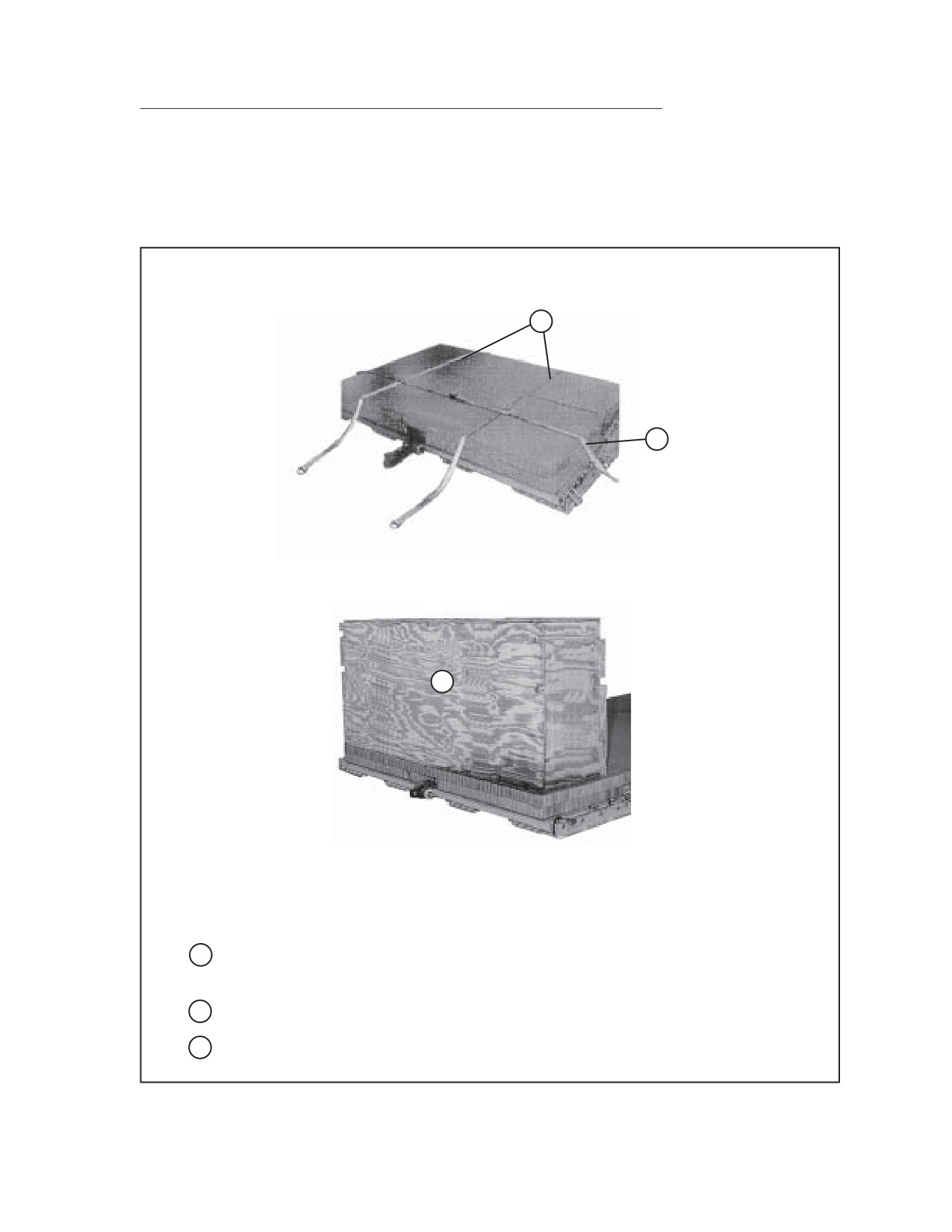
FM 4-20.137/TO 13C7-1-19
POSITIONING EQUIPMENT HOSE BOX
3-6. Position the equipment hose box on the platform as shown in Figure 3-6.
1
2
3
1
Position two 15- foot lashings across honeycomb stack 7 approximately 16
inches from the outside edges.
2
Center a 30-foot lashing lengthwise across honeycomb stack 7.
3
Position the equipment hose box on the rear edge of the platform.
Figure 3-6. Equipment Hose Box Positioned on Platform
3-13
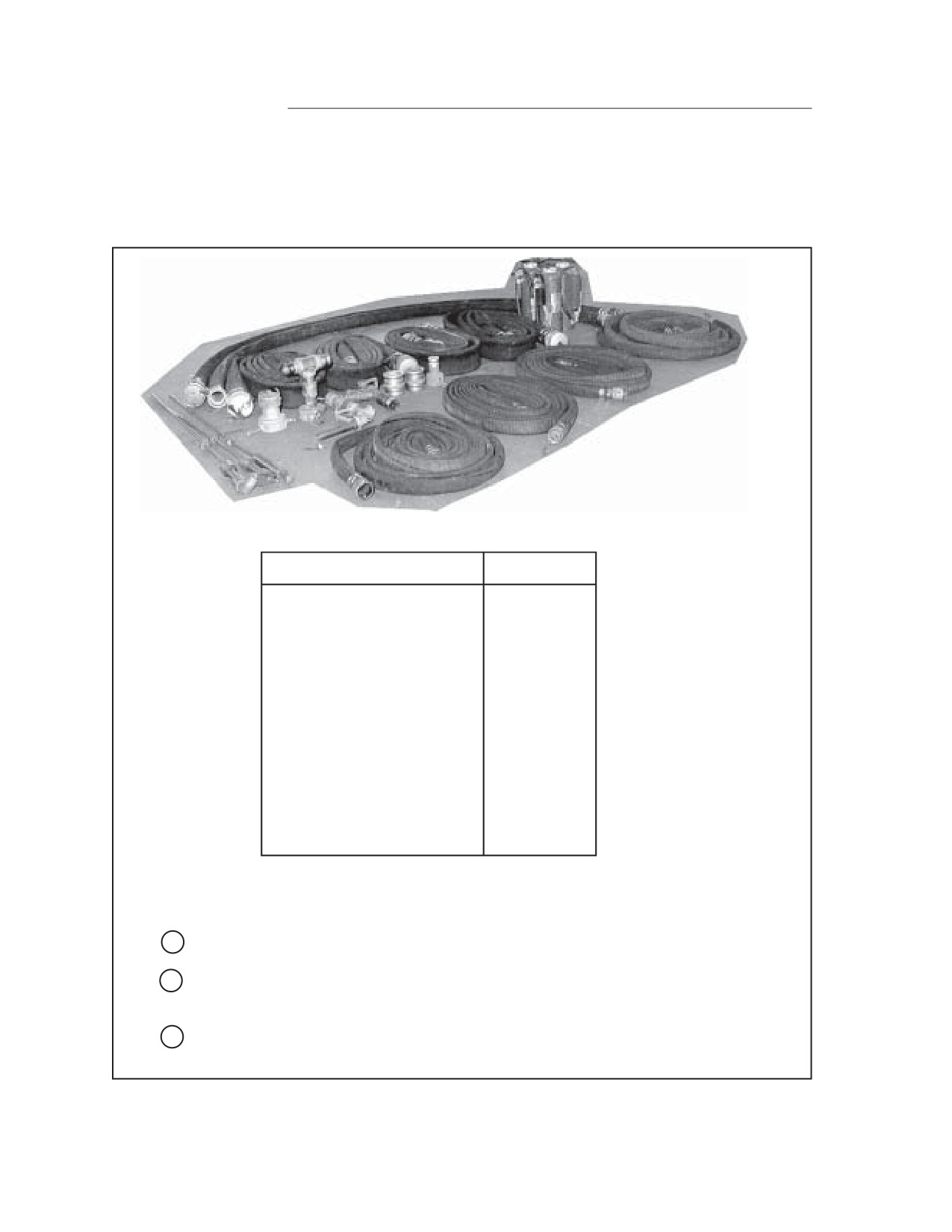
FM 4-20.137/TO 13C7-1-19
STORING EQUIPMENT IN EQUIPMENT HOSE BOX
3-7. Store equipment in the equipment hose box on the platform as shown in
Figure 3-7.
Item Description
Quantity
25-foot, 4-inch hose
4
Aircraft nozzle
1
Elbow coupler
1
2-inch to 3-inch adapter
2
10-foot, 3-inch hose
2
3-inch to 4-inch adapter
2
4-inch to 2-inch reducer
1
WYE adapter
1
50-foot, 2-inch hose
4
Open port nozzle
1
Grounding rod
3
1
Place a 91- by 23-inch piece of honeycomb in the bottom of the equipment hose box.
2
Wrap all metal fittings in cellulose wadding. Place all items in the equipment hose
box.
3
Secure the equipment hose box top with eightpenny nails. Secure the equipment
hose box with lashings installed in Figure 3-6.
Figure 3-7. Equipment Hose Box Positioned on Platform
3-14
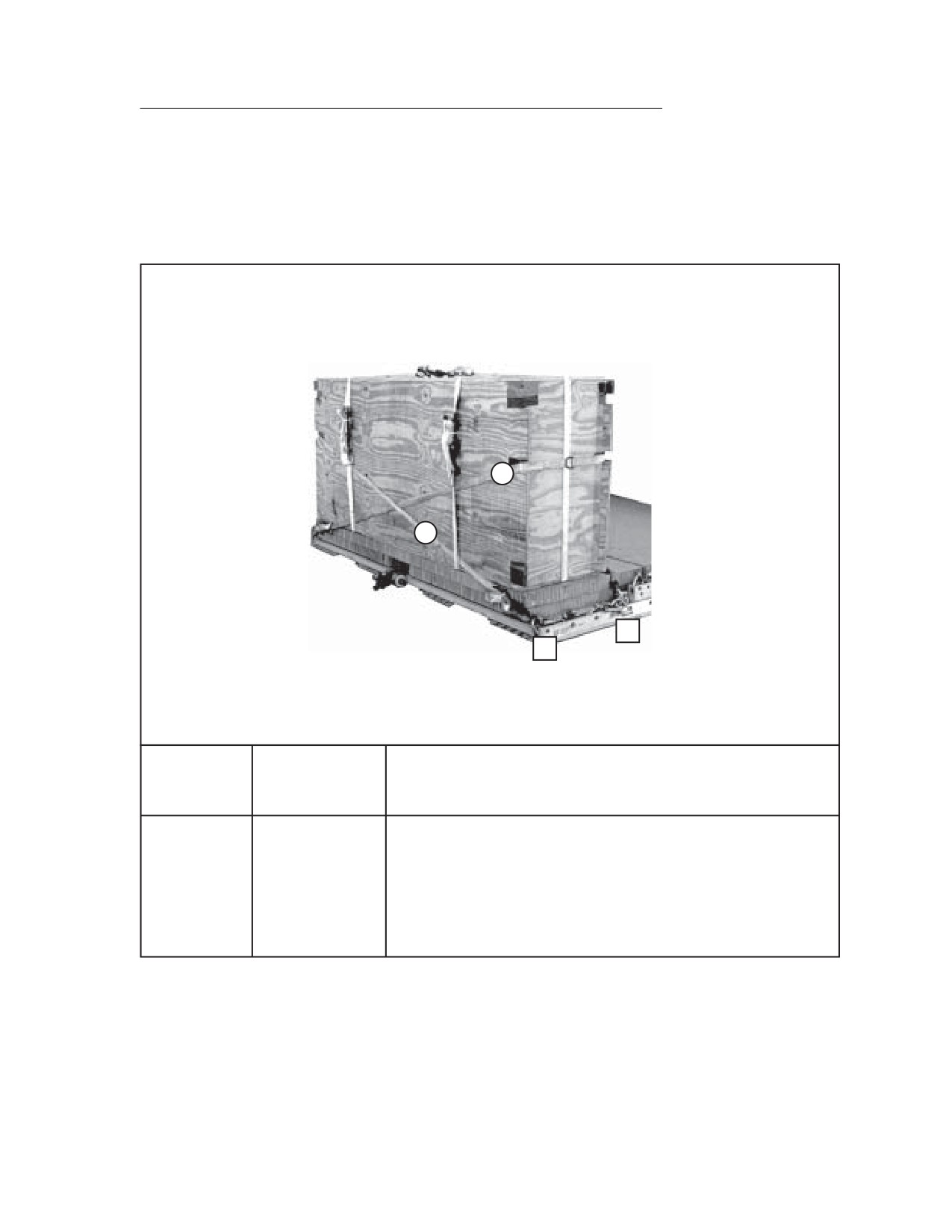
FM 4-20.137/TO 13C7-1-19
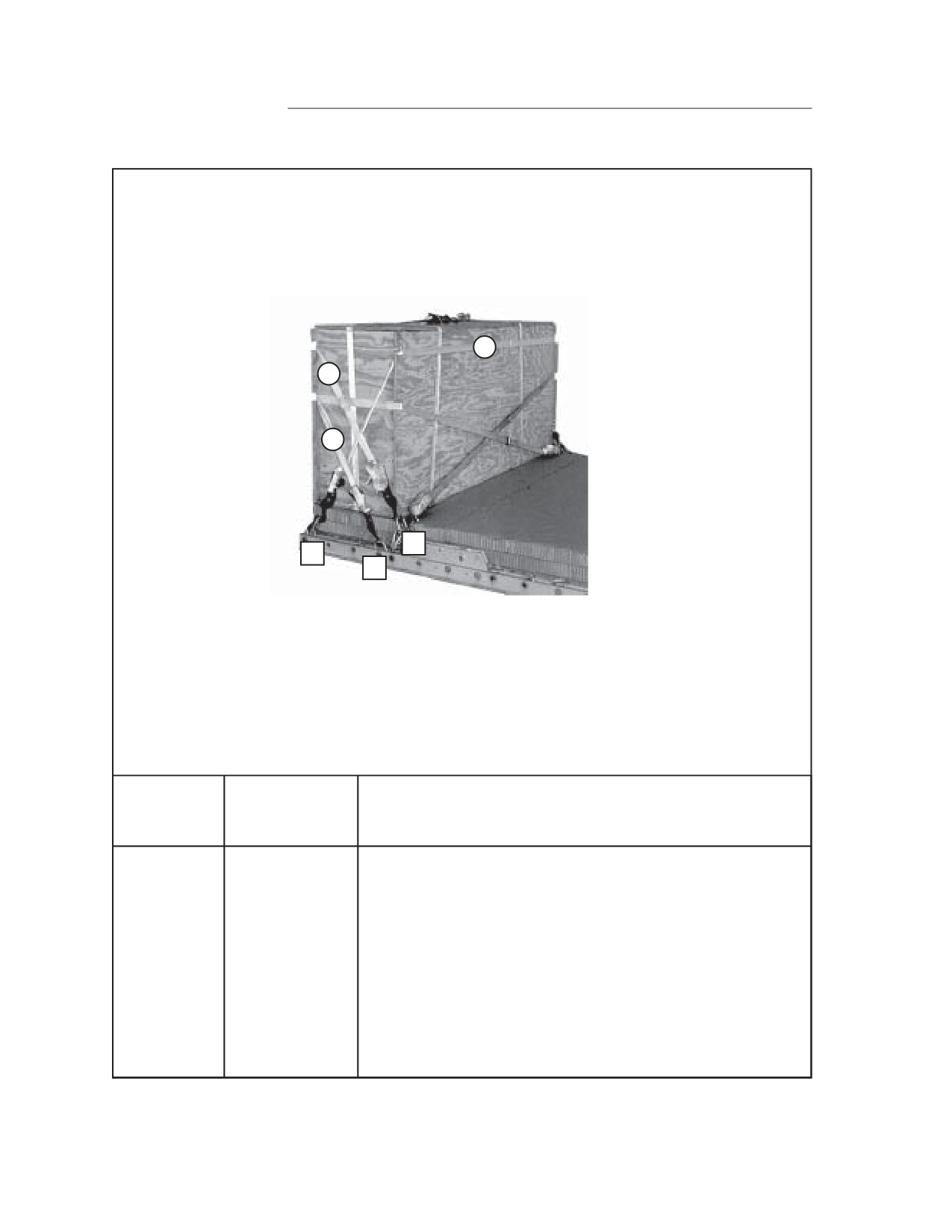
LASHING EQUIPMENT HOSE BOX TO PLATFORM
3-8. Lash the equipment hose box to the platform as shown in Figures 3-8 and
3-9.
2
1
20
24
Tie-dow n
Lashing
Clevis
Number
Number
Instructions
1
24 and 20
Route a 30-foot lashing from clevis 24 around the rear of
the equipment hose box, through the left bottom notches
of the box to clevis 20.
2
24A and 20A
Route a 30-foot lashing from clevis 24A around the rear
of the equipment hose box, through the right bottom
notches of the box to clevis 20A
Figure 3-8. Lashings 1 and 2 Installed
3-15
FM 4-20.137/TO 13C7-1-19
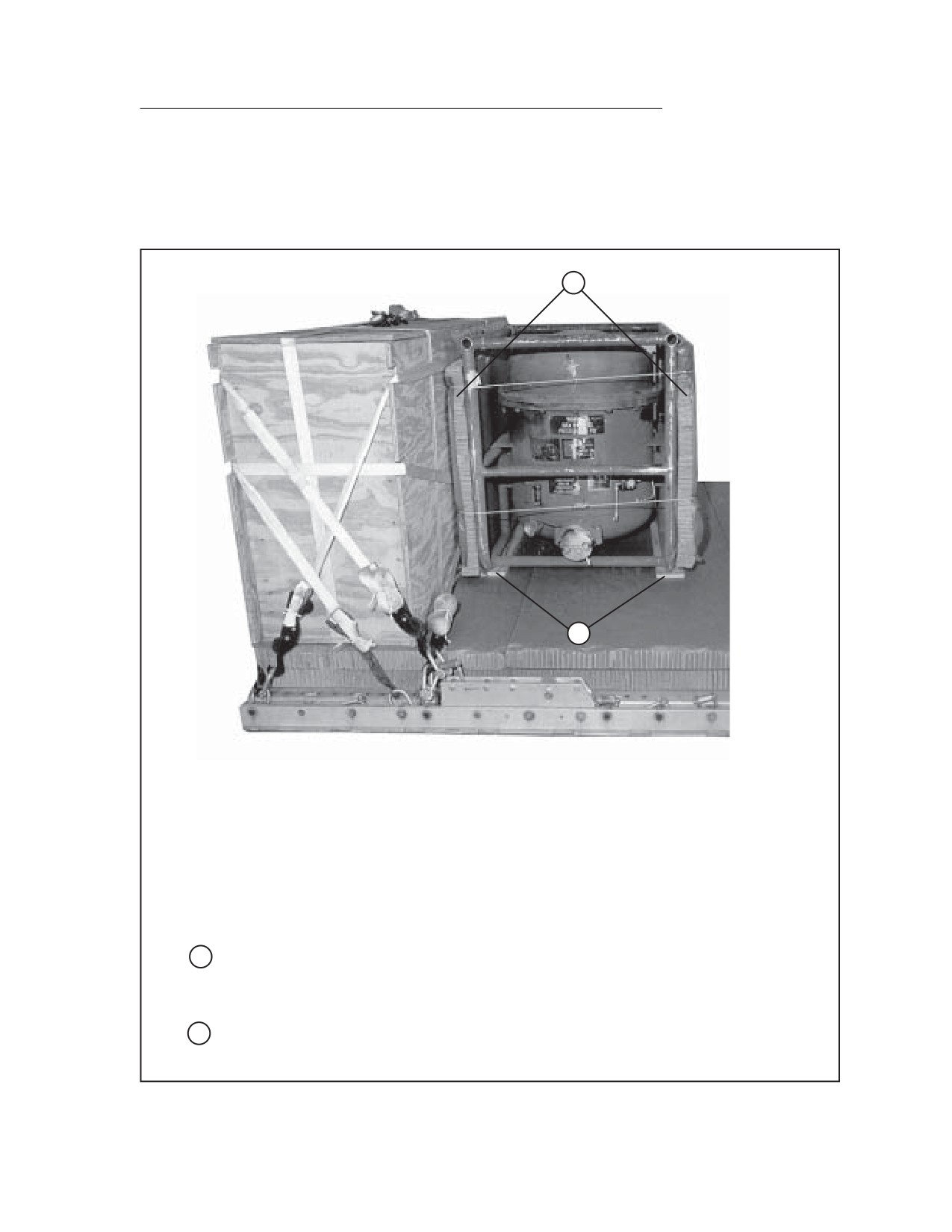
3
5
4
18
23
21
Tie-dow n
Lashing
Clevis
Number
Number
Instructions
3
23 and 23A
Route a 15-foot lashing through its ow n D-ring on clevis
23A, around the front top cutouts and load bind on clevis
23.
4
21 and 21A
Route a 15-foot lashing through its ow n D-ring on clevis
21A, around the rear bottom cutouts and load bind on
1
clevis 2
5
18 and 18A
Route a 30-foot lashing through the rear top notches of
the equipment hose box. Ensure the lashings are routed
under the load binders on the rear of the box. Load bind
to clevises 18 and 18A
Figure 3-9. Lashings 3 through 5 Installed
3-16
FM 4-20.137/TO 13C7-1-19
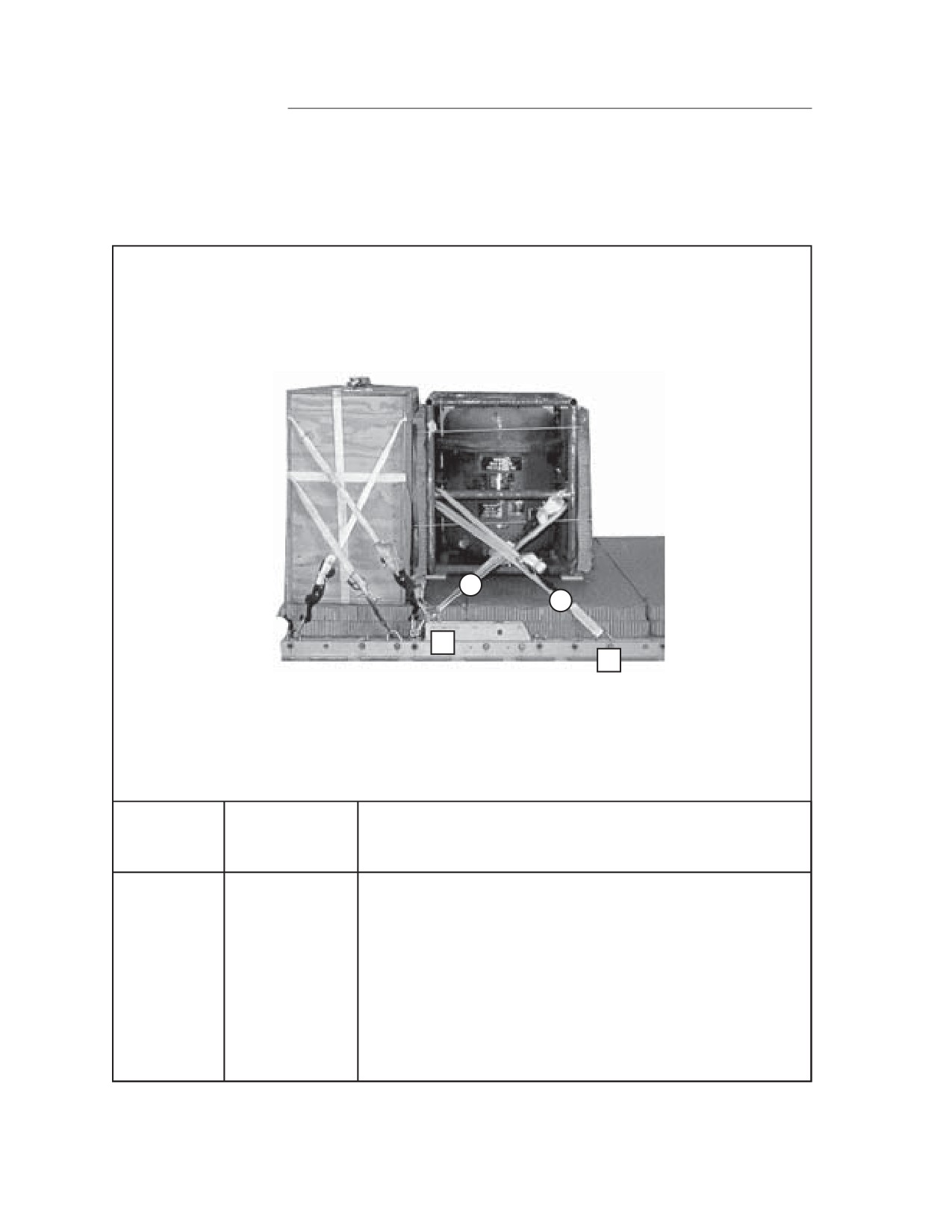
PREPARING AND POSITIONING FUEL SEPARATOR
3-9. Prepare and position the fuel separator as shown in Figure 3-10.
1
2
1
Secure a 49- by 41-inch piece of honeycomb to the front and rear of the separator
with type III nylon cord. Secure a 64- by 33-inch piece of honeycomb to the top of
the separator with type III nylon cord (not shown).
2
Center the separator against and in front of the equipment hose box. Place a 3/4-
by 4 3/4-by 36 1/2-inch piece of plywood under each frame rail.
Figure 3-10. Fuel Separator Prepared and Positioned
3-17
FM 4-20.137/TO 13C7-1-19
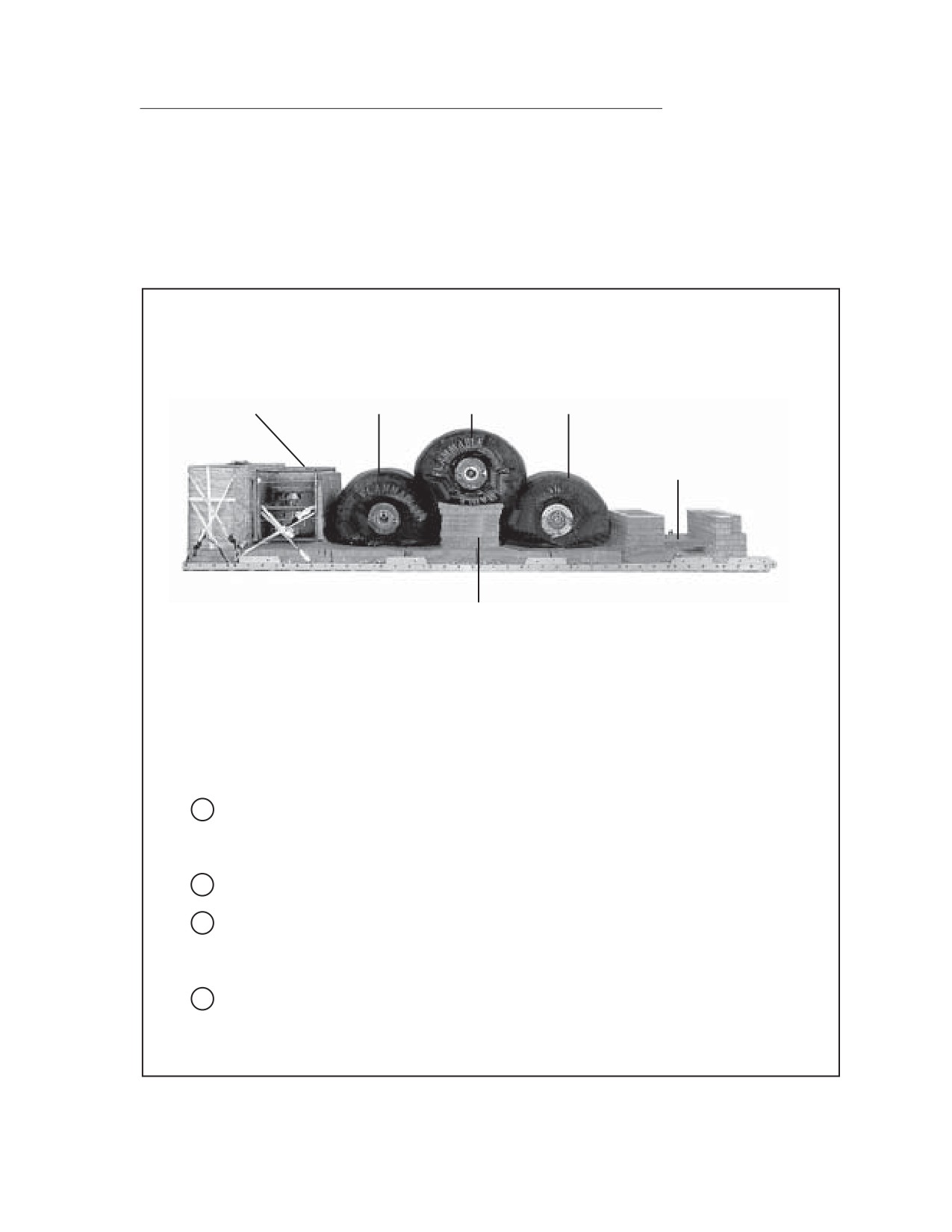
LASHING FUEL SEPARATOR TO PLATFORM
3-10. Lash the fuel separator to the platform as shown in Figure 3-11.
6
8
19
15
Tie-dow n
Lashing
Clevis
Number
Number
Instructions
6
19
Route a 15-foot lashing around the front right middle
cross member.
7
19A
Route a 15-foot lashing around the front left middle cross
member.
8
15
Route a 15-foot lashing around the right rear middle
cross member.
9
15A
Route a 15-foot lashing around the left rear middle cross
member.
Figure 3-11. Lashings 6 through 9 Installed
3-18
FM 4-20.137/TO 13C7-1-19
POSITIONING AND LASHING THE DRUMS
3-11. Position and lash the fuel drums to the platform as shown in Figure 3-12
and 3-13.
REAR
TOP
FRONT
SEPARATOR
DRUM
DRUM
DRUM
STACK 1
STACK 8
1
Place a platform clevis on one end of two 9-foot (2-loop), type XXVI nylon web-
bing slings. Attach the slings to each side of the drum (for lifting purposes only)
and remove after the drum is positioned (not shown).
2
Position the rear drum next to the fuel separator and centered on the platform.
3
Position the front drum in front of stack 8 centered on the platform. There
should be 6 inches between the drum and stack 1. Stack 8 may need to be
adjusted for placement.
4
Position the top drum centered on top of stack 8, between the front and rear
drums.
Figure 3-12. Fuel Drums Positioned
3-19