FM 4-01.30 MOVEMENT CONTROL (SEPTEMBER 2003) - page 5
FM 4-01.30
Appendix D
• Functions. The following provide a variety of functions to ensure the successful mission of
the Division Support MCT.
╺ Paragraph
01, Division Support MCT. The Division Support MCT plans,
coordinates, and executes highway regulation for all division movements on the division
MSRs. It provides technical expertise and assistance to transportation users in the
division area. They assist the DTO with ITV in the division area. Personnel
requirements are as follows:
• Movement control officer.
• Mobility warrant officer.
• Movement supervisor.
• Transportation management NCO.
•
3 Transportation management coordinator.
Movement Regulating Team (MRT)
D-23. Mission. The MRT operates up to four separate movement regulating points.
D-24. Capabilities.
• Observes, assesses, and reports progress of tactical and non-tactical transportation
movements along MSRs.
• Adjusts movement schedules as necessary to coordinate the movement of authorized traffic.
• Implements changes in unit moves or vehicle and convoy routings.
• Resolves movement conflicts.
• Provides first destination reporting points.
D-25. Assignment. The MRT is assigned to a Corps or Theater, attached to a Movement Control
Battalion 55406F000 or 55606F000.
• Methods of Operation. This unit operates on MSRs and other designated controlled
routes to regulate convoys and serve as the eyes and ears of the MCB. The unit deploys on
an as needed basis on mission requirements.
• Functions. The following provide a variety of functions to ensure the successful mission of
the MRT.
╺ Paragraph 01, MRT. The MRT observes, assesses, and reports progress of tactical and
nontactical movements along MSRs. The team adjusts movement schedules as
necessary. It coordinates and implements changes in unit moves and convoy routing.
The team resolves movement conflicts and operates first destination reporting points.
Personnel requirements are as follows:
•
4 Movement control officers.
•
Chief, Movements Supervisor.
D-23
FM 4-01.30
Appendix D
•
3 Movements Supervisor.
•
Transportation management supervisor.
•
2 Transportation management NCO
•
5 Transportation management coordinatorsl.
Cargo Documentation Team
D-26. Mission. The Cargo Documentation Team provides cargo documentation for the
transshipment of cargo in water, air, motor, and rail terminals.
D-27. Capabilities.
• Performs documentation required to load, discharge or transship 500 short tons of general
cargo or 480 containers daily in a water, rail, intermodal, or air terminal.
• Assists in the coordinated defense of the unit's area or installation.
D-28. Assignment. The Cargo Documentation Team is assigned to a Corps or Theater, attached to
a Movement Control Battalion 55406F000 or 55606F000.
• Methods of Operation. The Cargo Documentation Team deploys, as needed, to support
onward movement of combat units and sustainment operations.
• Functions. The following provides the function to ensure the successful mission of the
Cargo Documentation Team.
╺ Paragraph
01, Cargo Documentation Team.
This team provides cargo
documentation for the transshipment of cargo in water, air, rail, and motor terminals.
Personnel requirements are as follows:
• Movements supervisor.
• Transportation management supervisor.
•
2 Transportation management NCOs.
•
4 Transportation management coordinators.
D-24
FM 4-01.30 ______________________________________________________________________________________ Appendix E
Appendix E
Transportation Movement Release (TMR)
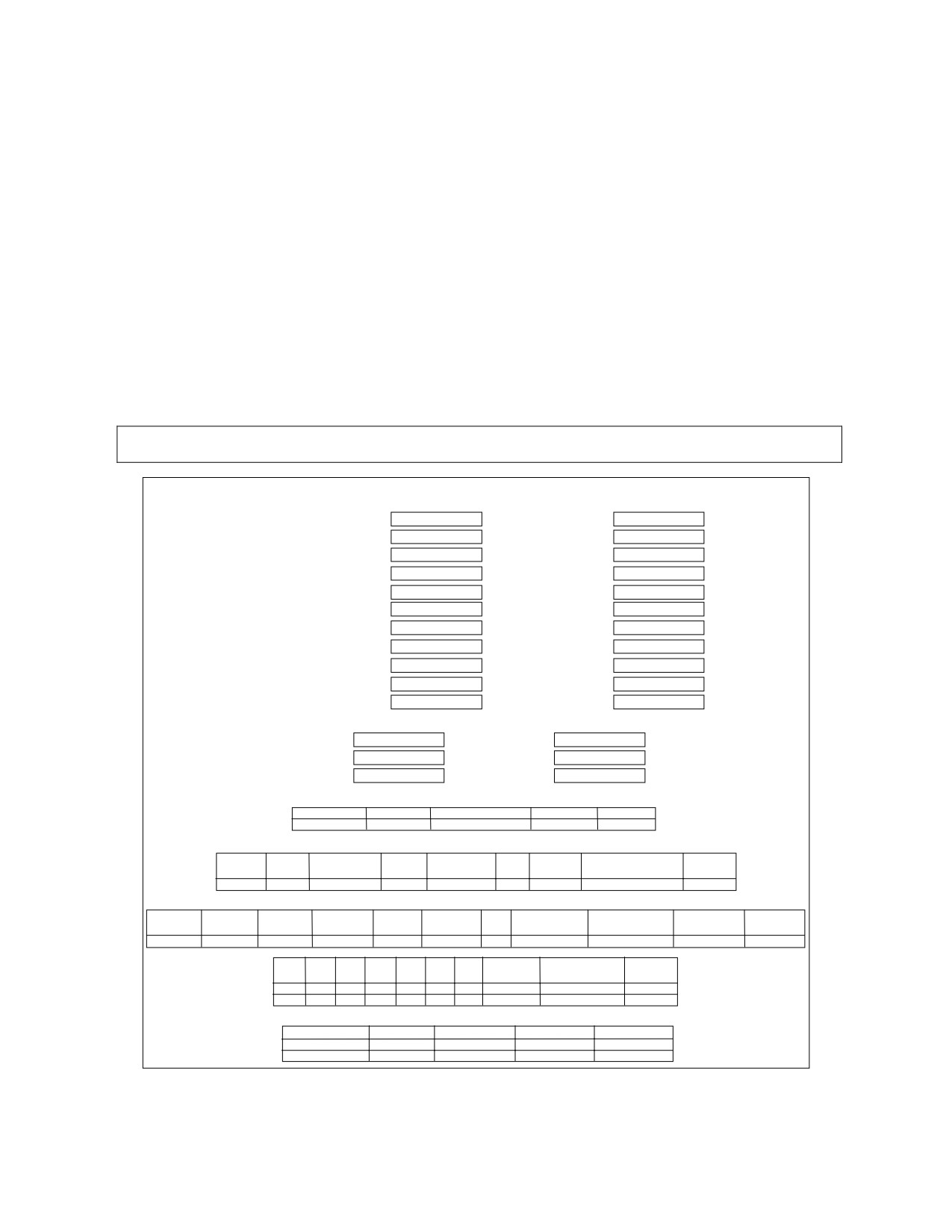
E-1. This appendix is a guide for developing the TMR. The TMR is not a standard form, but it is a
set of data elements in a format that is flexible and can be adapted to any theater. Each theater must
publish implementing procedures for its own TMR.
E-2. The TMR commits transportation assets, verifies the capability of the consignee to receive the
shipment, and serves as the unique identifier of movement requirements. The TMR is used to
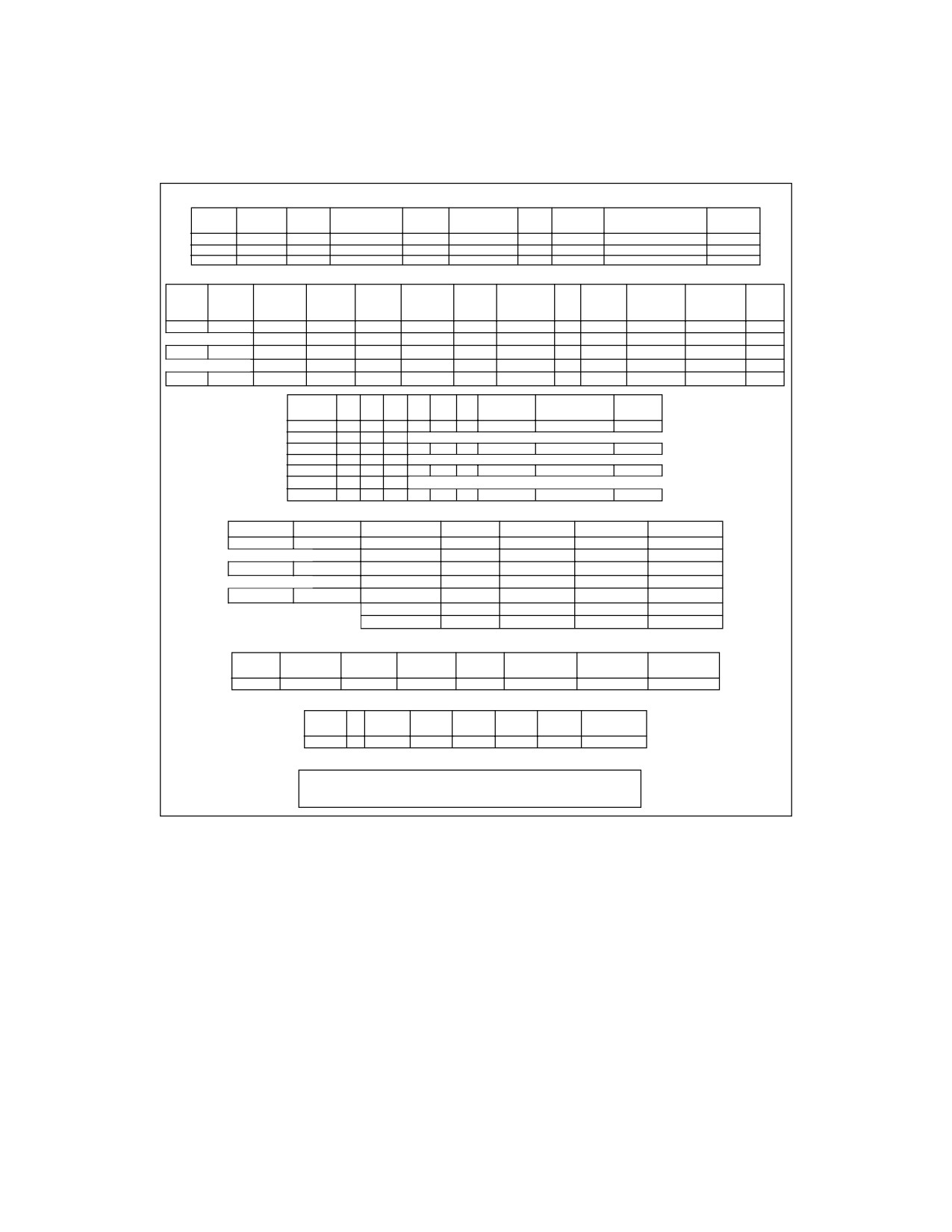
account for the transportation assets during movement. Figure E-1 shows an example of a TMR.
NOTE: Figure E-1 depicts the data that may be included in a TMR but each theater TCE must tailor the
information in the TMR to fit their situational needs.
Transportation Movement Release (TMR)
TMR General Information and Associated Documentation
TMR No:
GBL/CBL No:
Movement Request Control No:
Export Traffic Release No:
Requestor Organization:
Freight Warrant No:
Requestor POC:
Exercise Name:
Requestor Phone No:
Project Cd:
Prime TCN:
Transportation Priority Cd:
RDD:
Fund Cite:
DTG TMR Sent to Mode:
PIC Date:
DTG TMR Created:
PIC Required:
ACA No:
PIC POC:
Movement Credit No:
PIC POC Phone No:
Requested Spot, Load, and Pull Information
Requested Spot Date:
Requested Load Time:
Requested Spot Time:
Requested Pull Date:
Requested Load Date:
Requested Pull Time:
Mode Information
Mode Meth Cd
Mode Unit Cd
Commercial Carrier Cd
Type Asset Cd
No of Assets
Origin Pick-up Locations
Origin
Origin
Origin
Origin
Origin
Origin
Origin
Origin
Origin
DODAAC
MCE Cd
Unit Designation
Unit POC
POC Phone No
City
Installation
Street Address/Bldg No
Grid Coord
Origin Cargo
Origin
Origin Water
Origin Type
Origin Water
Origin Air
Origin Air
Origin
Origin HAZMAT
Origin Compatibility
Origin UN Class
Origin Supply
Cmdty Desc
Cmdty Cd
Cgo Cd
Spec Hdl Cd
Cmdty Cd
Spec Hdl Cd
NSN
PSN
Group Cd
Cd/Division No
Class Cd
Origin
Origin
Origin
Origin
Origin
Origin
Origin
Origin
Origin Compatibility
Origin Pallet
TCN
Pcs
Wt
Cu
Lgth
Wdth
Ht
Container No
Container No
Designator
Total
Origin Passengers
Origin Pass Type Cd
Origin Pass Qty
Origin Pass Bag Pcs
Origin Pass Bag Wt
Origin Pass Bag Cu
Total
Figure E-1. Transportation Movement Release (TMR)
E-1
FM 4-01.30 ______________________________________________________________________________________ Appendix E
Delivery Locations
Dest
Dest
Dest
Dest
Dest
Dest
Dest
Dest
Dest
Dest
Stop-Off
DODAAC
MCE Cd
Unit Designation
Unit POC
POC Phone No
City
Installation
Street Address/Bldg No
Grid Coord
A
B
Z
Destination Cargo
Dest
Dest
Dest
Dest
Dest
Dest
Dest
Dest Water
Dest Type
Dest Water
Dest Air
Dest Air Spec
Dest
HAZMAT
Compatibility
UN Class Cd/
Supply
Stop-Off
DODAAC
Cmdty Desc
Cmdty Cd
Cgo Cd
Spec Hdl Cd
Cmdty Cd
Hdl Cd
NSN
PSN
Group Cd
Division No
Class Cd
A
B
Z
Dest
Dest
Dest
Dest
Dest
Dest
Dest
Dest Compatibility
Dest Pallet
Dest TCN
Pcs
Wt
Cu
Lgth
Wdth
Ht
Container No
Container No
Designator
Total Stop
Total Stop
Total Stop
Total
Destination Passengers
Dest Stop-Off
Dest DODAAC
Dest Pass Type Cd
Dest Pass Qty
Dest Pass Bag Pcs
Dest Pass Bag Wt
Dest Pass Bag Cu
A
Total Stop
B
Total Stop
Z
Total Stop
Total
Intermodal Assets
Intermodal
Intermodal
Consolidated
Pallet
Intermodal Asset
Intermodal Asset
Intermodal Asset
Asset Cd
Asset Cd Desc
No of Assets
Container No
Designator
Serial No
Owner Cd
Dest DODAAC
Container Information
Type
Van
Container
Container
Container
Container
Ocean
Container Dest
Shipment
No
Owner Cd
TCN
No
Size
Carrier Cd
DODAAC
Movement Release Remarks
Figure E-1. Transportation Movement Release (TMR) (Continued)
TMR GENERAL INFORMATION AND ASSOCIATED DOCUMENTATION DESCRIPTIONS:
• The TMR No (Transportation Movement Release Number) entry should be an eight-position
alphanumeric entry.
╺ The first two-positions of the TMR number is the Origin MCE Cd (Movement Control
Element Code). It is the MCE Cd of the organization creating the TMR.
╺ The third position of the TMR number is the Month Cd. The month code will be the
month code of the Requested Spot Date.
╺ The fourth position of the TMR number is the Mode Meth Cd. The mode method code is
the code of the mode method assigned to the TMR.
E-2
FM 4-01.30 ______________________________________________________________________________________ Appendix E
╺ Positions five through eight of the TMR number are the sequence number. This is a
number given to each TMR for its own unique identity.
•
The Movement Request Control No entry is used to identify movement request that the TMR
was created for.
•
The Requestor Organization entry is used to identify the organization requesting the movement.
•
The Requestor POC (Requestor Point of Contact) entry is used to enter the name of the POC
for the unit requesting the transportation.
•
The Requestor Phone No entry is used to enter the telephone number of the POC for the unit
requesting the transportation.
•
The Prime TCN (Prime Transportation Control Number) entry should be a seventeen-position
entry. Positions 1 through 6 are the Consignor DODAAC. Positions 7 through 10 are the four-
position Julian date of when the request was created. Positions 11 through 14 are the serial
number and positions 15 through 17 are all Xs.
•
The RDD (Required Delivery Date) entry is the date that the cargo or passengers must be
delivered.
•
The DTG TMR Sent to Mode (Date Time Group Transportation Movement Release Sent to
Mode) entry is the date that the TMR was provided to the Mode unit delivering the cargo or
passengers.
•
The DTG TMR Created (Date Time Group Transportation Movement Release Created) entry is
the date that the TMR was created.
•
The ACA No (Airlift Clearance Authority Number) entry is used to enter the airlift clearance
authority number for cargo being shipped by air.
•
The Movement Credit No entry is used to enter the Movement Credit No for a convoy issued by
the clearance authority.
(A movement credit is the allocation, a clearance, granted to one or
more vehicles in order to move over a controlled route in a fixed time according to movement
instructions.)
•
The GBL/CBL No (Government/Commercial Bill of Lading Number) entry is the bill of lading
number of cargo assigned to the TMR.
•
The Export Traffic Release No entry is issued by the Ocean Cargo Clearance Authority (OCCA)
to authorize cargo to be exported.
•
The Freight Warrant No entry is the freight warrant number of cargo assigned to the TMR.
•
The Exercise Name entry is used to connect movements to a specific exercise.
E-3
FM 4-01.30 ______________________________________________________________________________________ Appendix E
• The Project Cd entry is used to deplict that the TMR is in support of a specific exercise.
• The Transportation Priority Cd entry is used to deplict the transportation prioirty of the cargo or
passengers being moved.
• The Fund Cite entry specifies a fund citation that a movement can be charged to.
• The PIC Required (Positive Inbound Clearance Required) entry indicates if a positive inbound
clearance is required.
• The PIC Date (Positive Inbound Clearance Date) entry is the date that the PIC was received
from the destination MCT.
• The PIC POC (Positive Inbound Clearance Point of Contact) entry is the name of the point of
contact with whom the PIC was confirmed.
• The PIC POC Phone No (Positive Inbound Clearance Point of Contact Phone Number) entry is
the phone number of the point of contact with whom the PIC was confirmed.
REQUESTED SPOT, LOAD, AND PULL INFORMATION ENTRY DESCRIPTIONS:
• The Requested Spot Date entry is the day that the customer wants the asset spotted at the
consignor.
• The Requested Spot Time entry is the time that the customer wants the asset spotted at the
consignor.
• The Requested Load Date entry is the date requested by the shipper that the asset be loaded.
• The Requested Load Time entry is the time that the customer wants to load the asset at the
consignor.
• The Requested Pull Date entry is the date requested by the shipper that the asset be pulled from
the consignor.
• The Requested Pull Time entry is the time that the customer wants the asset pulled from the
consignor.
MODE INFORMATION ENTRY DESCRIPTIONS:
• The Mode Meth Cd (Mode Method Code) entry is the mode method used to ship the cargo.
• The Mode Unit Cd entry identifies the military mode unit that is assigned to the movement.
• The Commercial Carrier Cd entry is the code of the commercial carrier assigned to the
movement.
E-4
FM 4-01.30 ______________________________________________________________________________________ Appendix E
• The Type Asset Cd entry is the code of the asset assigned to the movement.
• The No of Assets (Number of Assets) entry is the number of assets assigned to the movement.
ORIGIN PICK-UP LOCATIONS ENTRY DESCRIPTIONS:
• The Origin DODAAC (Origin Department of Defense Activity Address Code) entry is the
DODAAC of the consignor where the cargo or passengers are to be picked up.
• The Origin MCE Cd (Origin Movement Control Element Code) entry is the MCE supporting
the consignor where the cargo or passengers are to be picked up.
• The Origin Unit Designation entry is a narrative designation that uniquely identifies a specific
unit at whose location pick-up is to occur.
• The Origin Unit POC (Origin Unit Point of Contact) entry identifies the POC of the consignor.
• The Origin POC Phone No (Origin Point of Contact Phone Number) entry is the phone
number of the origin POC.
• The Origin City entry is the city where the cargo or passengers are to be picked up.
• The Origin Installation entry is the installation where the cargo or passengers are to be picked
up.
• The Origin Street Address/Bldg No (Origin Street Address/Building Number) entry is the street
address/building number where the cargo or passengers are to be picked up.
• The Origin Grid Coord (Origin Grid Coordinates) entry is the grid coordinate where the cargo
or passengers are to be picked up.
ORIGIN CARGO ENTRY DESCRIPTIONS:
• The Origin Cmdty Desc (Origin Commodity Description) entry is the description of the cargo to
be picked up.
• The Origin Water Cmdty Cd (Origin Water Commodity Code) entry is the commodity code of
the cargo to be picked up.
• The Origin Type Cgo Cd (Origin Type Cargo Code) entry identifies certain types of cargo,
primarily those that are hazardous.
• The Origin Water Spec Hdl Cd (Origin Water Special Handling Code) entry indicates the type of
special handling required by an item to ensure proper transportation without damage to the item,
its surroundings, or its security.
• The Origin Air Cmdty Cd (Origin Air Commodity Code) entry is the commodity code of the
cargo to be picked up.
E-5
FM 4-01.30 ______________________________________________________________________________________ Appendix E
•
The Origin Air Spec Hdl Cd (Origin Air Special Handling Code) entry indicates the type of
special handling required by an item to ensure proper transportation without damage to the item,
its surroundings, or its security.
•
The Origin NSN (Origin National Stock Number) entry identifies the NSN of the cargo to be
picked up.
•
The Origin HAZMAT PSN (Origin Hazardous Material Proper Shipping Name) entry identifies
the PSN of the hazardous cargo to be picked up.
•
The Origin Compatibility Group Cd entry identifies the compatability code of the hazardous
cargo to be picked up.
•
The Origin UN Class Cd/Division No (Origin United Nations Class Code/Division Number)
entry identifies the United Nations class code/division number of the hazardous cargo to be
picked up.
•
The Origin Supply Class Cd entry identifies the supply class of the cargo to be picked up.
•
The Origin TCN (Origin Transportation Control Number) entry identifies the TCNs of the
cargo to be picked up.
•
The Origin Pcs (Origin Pieces) entry is the total number of pieces for the shipment unit that is
being picked up.
•
The Origin Wt (Origin Weight) entry is the total weight of the shipment unit that is being picked
up.
•
The Origin Cu (Origin Cube) entry is the total cubic feet of the shipment unit that is being
picked up.
•
The Origin Lgth (Origin Length) entry is the total length of the largest piece of cargo being
picked up when the cargo is outsized.
•
The Origin Wdth (Origin Width) entry is the total width of the largest piece of cargo being
picked up when the cargo is outsized.
•
The Origin Ht (Origin Height) entry is the total height of the largest piece of cargo being picked
up when the cargo is outsized.
•
The Origin Container No entry identifies the number of the container being picked up.
•
The Origin Consolidated Container No entry identifies the number of the consolidated container
being picked up.
•
The Origin Pallet Designator entry identifies the pallet being picked up.
E-6
FM 4-01.30 ______________________________________________________________________________________ Appendix E
• The Origin Total Pcs (Origin Total Pieces) entry identifies the total number of pieces of cargo or
baggage.
• The Origin Total Wt (Origin Total Weight) entry identifies the total weight of cargo or baggage.
• The Origin Total Cu (Origin Total Cube) entry identifies the total cubic feet of cargo or baggage.
ORIGIN PASSENGERS ENTRY DESCRIPTIONS:
•
The Origin Pass Type Cd (Origin Passenger Type Code) entry is a code that identifies the type of
passengers to be moved.
•
The Origin Pass Qty (Origin Passenger Quantity) entry is the number of passengers to be
moved.
•
The Origin Pass Bag Pcs (Origin Passenger Baggage Pieces) entry contains the number of pieces
of baggage that the customer is requesting to be moved with the passengers.
•
The Origin Pass Bag Wt (Origin Passenger Baggage Weight) entry contains the total weight of
the baggage that the customer is requesting to be moved with the passengers.
•
The Origin Pass Bag Cu (Origin Passenger Baggage Cube) entry contains the total cube of the
baggage that the customer is requesting to be moved with the passengers.
•
The Origin Pass Total Qty (Origin Passenger Total Quantity) entry contains the total number of
passengers of all types.
•
The Origin Pass Bag Total Pcs (Origin Passenger Baggage Total Pieces) entry identifies the total
number of pieces of passenger baggage.
•
The Origin Pass Bag Total Wt (Origin Passenger Baggage Total Weight) entry identifies the total
weight of passenger baggage.
•
The Origin Pass Bag Total Cu (Origin Passenger Baggage Total Cube) entry identifies the total
cubic feet of passenger baggage.
DELIVERY LOCATIONS ENTRY DESCRIPTIONS:
• The Dest Stop-Off (Destination Stop-Off) entry should be a one-position alphabetic entry. If
the movement is a single stop movement (i.e., one consignee), the user will enter an “S”. If the
movement is a multi-stop movement (i.e., more than one consignee), an “A” will be entered for
the first stop and a “Z” for the last stop. A four stop movement request would have A, B, C,
and Z stops. For a multi-stop movement, all letters may be used except O, S, and I.
• The Dest DODAAC (Destination Department of Defense Activity Address Code) entry is the
DODAAC of the organization where the cargo or passengers will be delivered.
E-7
FM 4-01.30 ______________________________________________________________________________________ Appendix E
• The Dest MCE Cd (Destination Movement Control Element Code) entry is the MCE
supporting the consignee where the cargo or passengers are to be delivered.
• The Dest Unit Designation (Destination Unit Designation) entry is a narrative designation that
uniquely identifies a specific unit.
• The Dest Unit POC (Destination Unit Point of Contact) entry identifies the POC of the
consignee.
• The Dest POC Phone No (Destination Point of Contact Phone Number) entry is the phone
number of the destination POC.
• The Dest City (Destination City) entry is the city where the cargo or passengers are to be
delivered.
• The Dest Installation (Destination Installation) entry is the installation where the cargo or
passengers are to be delivered.
• The Dest Street Address/Bldg No (Destination Street Address/Building Number) entry is the
street address/building number where the cargo or passengers are to be delivered.
• The Dest Grid Coord (Destination Grid Coordinates) entry is the grid coordinate where the
cargo or passengers are to be delivered.
DESTINATION CARGO ENTRY DESCRIPTIONS:
• The Dest Cmdty Desc (Destination Commodity Description) entry is the description of the
cargo to be delivered.
• The Dest Water Cmdty Cd (Destination Water Commodity Code) entry is the commodity code
of the cargo to be delivered.
• The Dest Type Cgo Cd (Destination Type Cargo Code) entry identifies certain types of cargo,
primarily those that are hazardous
• The Dest Water Spec Hdl Cd (Destination Water Special Handling Code) entry indicates the
type of special handling required by an item to ensure proper transportation without damage to
the item, its surroundings, or its security.
• The Dest Air Cmdty Cd (Destination Air Commodity Code) entry is the commodity code of the
cargo to be delivered.
• The Dest Air Spec Hdl Cd (Destination Air Special Handling Code) entry indicates the type of
special handling required by an item to ensure proper transportation without damage to the item,
its surroundings, or its security.
• The Dest NSN (Destination National Stock Number) entry identifies the NSN of the cargo to
be delivered.
E-8
FM 4-01.30 ______________________________________________________________________________________ Appendix E
•
The Dest HAZMAT PSN (Destination Hazardous Material Proper Shipping Name) entry
identifies the PSN of the hazardous cargo to be delivered.
•
The Dest Compatibility Group Cd entry identifies the compatability code of the hazardous cargo
to be delivered.
•
The Dest UN Class Cd/Division No (Destination United Nations Class Code/Division
Number) entry identifies the United Nations class code/division number of the hazardous cargo
to be delivered.
•
The Dest Supply Class Cd (Destination Supply Class Code) entry identifies the supply class of
the cargo to be delivered.
•
The Dest TCN (Destination Transportation Control Number) entry identifies the TCNs of the
cargo to be delivered.
•
The Dest Pcs (Destination Pieces) entry is the total number of pieces for the shipment unit that
is being delivered.
•
The Dest Wt (Destination Weight) entry is the total weight of the shipment unit that is being
delivered.
•
The Dest Cu (Destination Cube) entry is the total cubic feet of the shipment unit that is being
delivered.
•
The Dest Lgth (Destination Length) entry is the total length of the largest piece of cargo being
delivered when the cargo is outsized.
•
The Dest Wdth (Destination Width) entry is the total width of the largest piece of cargo being
delivered when the cargo is outsized.
•
The Dest Ht (Destination Height) entry is the total height of the largest piece of cargo being
delivered when the cargo is outsized.
•
The Dest Container No entry identifies the number of the container being delivered.
•
The Dest Consolidated Container No entry identifies the number of the consolidated container
being delivered.
•
The Dest Pallet Designator entry identifies the pallet being delivered.
•
The Dest Total Stop Pcs (Destination Total Stop Pieces) entry identifies the total number of
pieces of cargo or baggage for all stops.
•
The Dest Total Stop Wt (Destination Total Stop Weight) entry identifies the total weight of
cargo or baggage for all stops.
E-9
FM 4-01.30 ______________________________________________________________________________________ Appendix E
• The Dest Total Stop Cu (Destination Total Stop Cube) entry identifies the total cubic feet of
cargo or baggage for all stops.
• The Dest Total Pcs (Destination Total Pieces) entry identifies the total number of pieces of
cargo or baggage.
• The Dest Total Wt (Destination Total Weight) entry identifies the total weight of cargo or
baggage.
• The Dest Total Cu (Destination Total Cube) entry identifies the total cubic feet of cargo or
baggage.
DESTINATION PASSENGERS ENTRY DESCRIPTIONS:
•
The Dest Pass Type Cd (Destination Passenger Type Code) entry is a code that identifies the
type of passengers to be moved.
•
The Dest Pass Qty (Destination Passenger Quantity) entry is the number of passengers that are
to be moved.
•
The Dest Pass Bag Pcs (Destination Passenger Baggage Pieces) entry contains the total number
of pieces of baggage that are being dropped off at the consignee for the stop-off.
•
The Dest Pass Bag Wt (Destination Passenger Baggage Weight) entry contains the total weight
of the baggage that is being dropped off at the consignee for the stop-off.
•
The Dest Pass Bag Cu (Destination Passenger Baggage Cube) entry contains the total cube of
the baggage that is being dropped off at the consignee for the stop-off.
•
The Dest Pass Total Stop Qty (Destination Passenger Total Stop Quantity) entry contains the
total number of passengers of all types by stop-off.
•
The Dest Pass Bag Total Stop Pcs (Destination Passenger Baggage Total Stop Pieces) entry
identifies the total number of pieces of passenger baggage for all stops.
•
The Dest Pass Bag Total Stop Wt (Destination Passenger Baggage Total Stop Weight) entry
identifies the total weight of passenger baggage for all stops.
•
The Dest Pass Bag Total Stop Cu (Destination Passenger Baggage Total Stop Cube) entry
identifies the total cubic feet of passenger baggage for all stops.
•
The Dest Pass Total Qty (Destination Passenger Total Quantity) entry contains the total number
of passengers of all types at all stops.
•
The Dest Pass Bag Total Pcs (Destination Passenger Baggage Total Pieces) entry identifies the
total number of pieces of passenger baggage for all stops.
E-10
FM 4-01.30 ______________________________________________________________________________________ Appendix E
• The Dest Pass Bag Total Wt (Destination Passenger Baggage Total Weight) entry identifies the
total weight of passenger baggage for all stops.
• The Dest Pass Bag Total Cu (Destination Passenger Baggage Total Cube) entry identifies the
total cubic feet of passenger baggage for all stops.
INTERMODAL ASSETS ENTRY DESCRIPTIONS:
NOTE: Intermodal assets are assets that can be moved on more than one conveyance. For example, a 463L
pallet can be moved by air, barge, rail, or on a trailer. The Intermodal Assets section of the TMR is used to track
these assets so that they can be returned to their owner. Although containers are intermodal assets, they are
tracked separately in the Container Information section.
• The Intermodal Asset Cd entry is a code that identifies the kind of intermodal asset used in the
movement of cargo.
• The Intermodal Asset Cd Desc entry is the in-the-clear description of an intermodal asset code.
• The No of Assets entry is the number of intermodal assets that are associated with the
intermodal asset type used in the movement of cargo.
• The Consolidated Container No entry is the number of the consolidated container being
delivered.
• The Pallet Designator entry identifies the pallet being delivered.
• The Intermodal Asset Serial No entry is the serial number of the intermoal asset being delivered.
• The Intermodal Asset Owner Cd entry identifies the owner of the intermodal asset being
delivered.
• The Intermodal Asset Dest DODAAC (Intermodal Asset Destination Department of Defense
Activity Address Code) entry is the DODAAC that the intermodal asset is being delivered to.
CONTAINER INFORMATION ENTRY DESCRIPTIONS:
• The Type Shipment entry is the type of container that is being moved.
• The Van No entry is the number of the van being moved.
• The Container Owner Cd entry is the code of the owner of the container being moved.
• The Container TCN (Container Transportation Control Number) entry is the transportation
control number of the container being moved.
• The Container No (Container Number) entry is the number of the container being moved.
• The Container Size entry is the size of the container being moved.
E-11
FM 4-01.30 ______________________________________________________________________________________ Appendix E
• The Ocean Carrier Cd entry is the code of the ocean carrier moving the container.
• The Container Dest DODAAC (Container Destination Department of Defense Activity
Address Code) entry is the DODAAC of the organization where the container is to be delivered.
MOVEMENT RELEASE REMARKS ENTRY DESCRIPTION:
• The Movement Release Remarks entry is used to add remarks associated with the movement
release.
E-12
FM 4-01.30 ______________________________________________________________________________________ Appendix F
Appendix F
Movement Control Communications
CRITICAL COMMUNTICATIONS
F-1. Movement control organizations must have access to a dedicated communications system in
order to adequately support the same operating tempo (OPTEMPO) of the warfighter. Situational
awareness is critical to providing timely support through anticipatory logistics. Movement control
commanders need reliable long-range communications capability in order to command and control,
or direct the activities of their subordinate executing elements which doctrinally operate 50 to 500
miles apart across the battlespace. Just as combat commanders require reliable communications to
focus combat power to execute dominant maneuver and precision engagement, movement control
commanders must have the same communications capability to focus logistics power and conduct
force tracking. Without this capability, we put at risk the combat commander’s confidence in the
logistics process and the Army’s ability to reach the objectives of our force projection strategy.
Communications equipment required by transportation movement control units includes radios,
telephones, and satellite terminals.
Radio Communications
F-2. The communication requirements of a unit’s mission determine the type and extent of radio
equipment required. Radios are mounted in vehicles organic to the unit. Movement control units
typically require long-range very high frequency (VHF) and high frequency (HF) radio sets. These
radios are used for mobile operations or to supplement common-user communications facilities.
Long-range HF radio sets are required to permit communications between movement control
command headquarters (HQ) and their subordinate elements, which often operate at remote
locations great distances from its higher headquarters.
F-3. Movement control commanders, S2/S3s, command posts, and operations sections require dual
long-range FM radios or because of the demand to operate in two radio nets. Typically, one radio is
used to monitor the higher HQ command/operations net, and the other is used to participate in the
element’s own unit net.
Telephone Communications
F-4.
Digital non-secure voice landline
(wire) telephones are a quick, efficient means of
communication from a fixed location. Movement control HQ elements, command posts, operations
and highway traffic division sections, maintenance sections, and detachments all require wire
subscriber access.
Satellite Communications
F-5. Transportation movement control units are essential to the efficient use of the limited
transportation assets. Movement control units regulate the flow of units and materiel, and report the
progress of units and materiel across the transportation system. These units require reliable long-
range voice and data communications to ensure communications with shippers, mode operators,
F-1
FM 4-01.30 ______________________________________________________________________________________ Appendix F
customers and subordinate executing elements from 50 to 500 miles away. The mission of the
movement control teams (MCTs) requires them to disperse and operate throughout the distribution
network at various operational nodes and locations, such as hubs, aerial port of debarkations
(APODs), seaport of debarkations (SPODs), and along MSRs. The MCTs doctrinally operate
autonomously at remote locations that are great distances from the movement control battalion
(MCB) HQ. Many of these sites are out of the Tri-Service Tactical (TRITAC) and mobile subscriber
equipment (MSE) signal grids and these units have critical communications requirements prior to
TRITAC or MSE systems availability. Tactical and commercial satellite communications (SATCOM)
provides these units with the required non-line of sight, long-range communications capability for
command and operational control. Additionally, movement management AISs use SATCOM to
send and receive data used to process lift requirements, manage and coordinate movements, plan and
execute deployments/redeployments, and to conduct force and asset tracking.
F-6. At the strategic level, movement command and control elements, responsible for coordinating
strategic lift in an austere environment, require satellite-based voice and data communications with
CONUS. This helps obtain the information required to plan, program, and execute entry of arriving
forces.
In-transit Visibility (ITV)
F-7. Movement control elements require the MTS to determine the location and communicate with
tactical wheeled vehicle assets located throughout the battlespace. MTS is a satellite based tracking
and communication system consisting of a mobile unit mounted in the vehicle and a base unit station
controlled and monitored by movement control operators. MTS incorporates Global Positioning
System, automatic identification technology, non-line of site message capability between the mobile
and base systems, and mapping technologies. MTS primary function is to allow movement control
personnel to track, locate, and communicate with in-transit transportation vehicles at a near real-time
basis anywhere on the battlefield. It allows the movement control community the ability to redirect
and divert all prime movers mounted with MTS based on changing battlefield requirements and
tactical unit relocations, thus providing velocity to a transportation-based distribution system. MTS
can provides an embedded movement control capability that can improve the distribution flow on
MSRs, thus reducing the prospect of fratricide. Movement control personnel can directly
communicate with drivers anywhere on the battlefield, thus warning them of dangers, submitting
new tasks, and redirecting them around route obstacles and congestion. Integrating the automatic
identification technology into MTS will provide visibility of the cargo that the vehicle is transporting.
F-2
FM 4-01.30 ______________________________________________________________________________________ Appendix G
Appendix G
Road Movement Planning
G-1. A movement graph is a method of graphically portraying movements along a single route. It
shows the relationship between time and distance and highlights any conflicts between columns
scheduled for movement on the route. Movement planners can use movement graphs during
planning when conflicts are anticipated or when restrictions are applied to routes.
G-2. This appendix is divided into four sections. Section I shows planning factors for highway
movement. Section II outlines fundamentals of graphing, route restrictions, and movement tables.
Section III describes the graphing, managing, and preparing of movement tables for a highway
movement. Section IV outlines how to manage movements over multiple routes using a critical time
and point graph.
Highway Movement Planning Factors
MOVEMENT MEASUREMENT
G-3. Movements are measured by calculating how long it takes to move a given distance. The three
methods of measurement are speed, pace, and rate of march. Movement planners normally use rate
of march in performing movement calculations.
• Speed. Speed is the actual rate at which a vehicle is moving at a given time as shown on the
speedometer. It is expressed as kilometers or miles per hour (kmph or mph).
• Pace. Pace is the regulated speed of a convoy or an element as set by a lead vehicle, the
pacesetter. It is constantly adjusted to suit road, terrain, and weather conditions. Pace is also
expressed as kmph or mph.
• Rate of March. Rate of march is the average number of kilometers or miles traveled in any
specific time period. It includes short periodic halts and short delays, but it does not include
long halts, such as those for consuming meals or for overnight stops. It is expressed in
kilometers or miles in the hour (kmih or mih).
TIME AND DISTANCE FACTORS
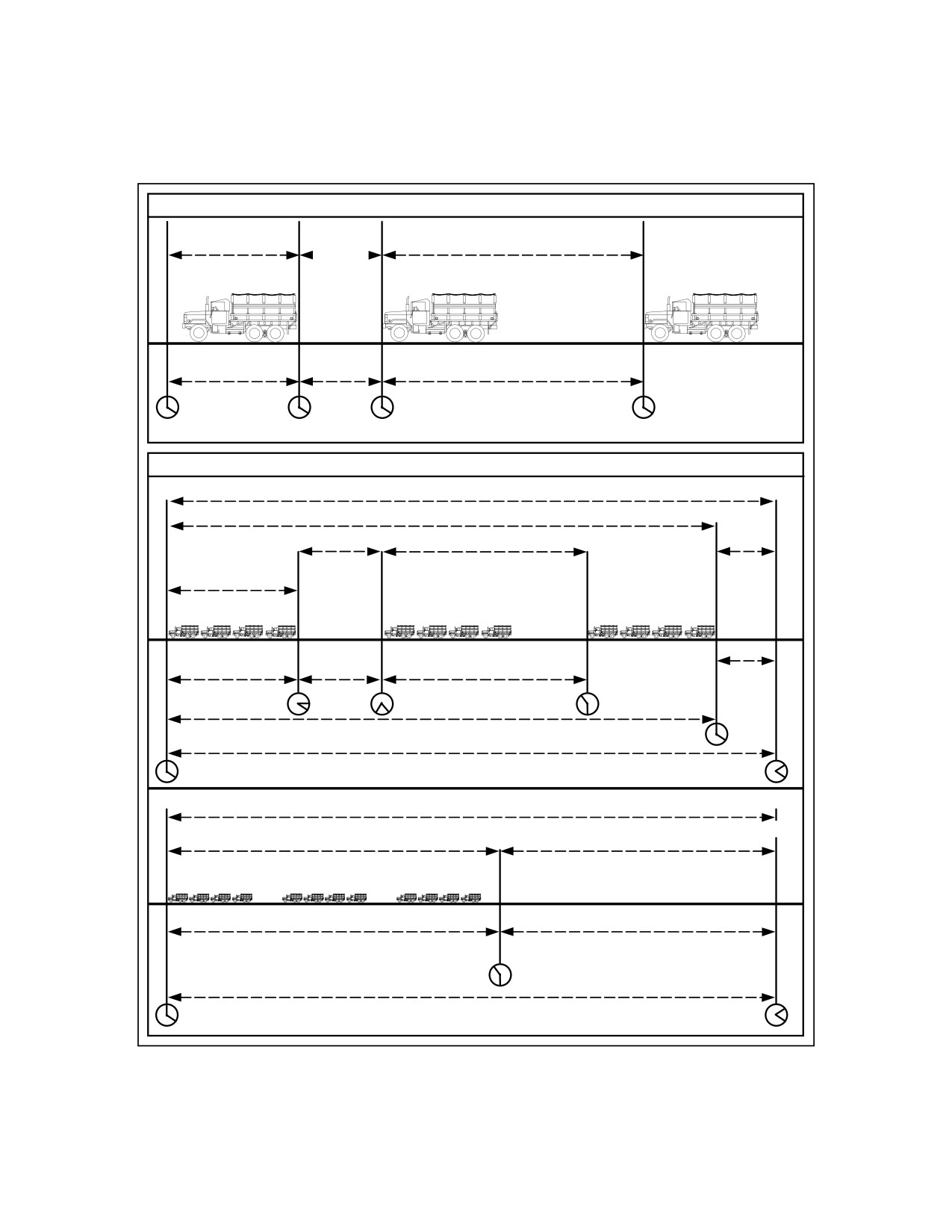
G-4. Time and distance factors (see Figure G-1) are used to perform a wide range of calculations for
planning highway movements. They can be used to conduct detailed planning to develop movement
tables. They can also be used to conduct expedient planning and calculating to manage movement
request.
Distance Factors
G-5. Distance factors are expressed in kilometers or meters. The terms used to describe distance
factors are as follows:
• Length of any column or element of a column is the length of roadway that it occupies. It is
measured from the front bumper of the lead vehicle to the rear bumper of the trail vehicle
and includes all gaps inside the column.
G-1
FM 4-01.30 ______________________________________________________________________________________ Appendix G
• Road space is the length of a column, plus any additional space (safety factor) added to the
length to prevent conflict with preceding or succeeding traffic.
• Gap is the space between vehicles, march units, serials, and columns. It is measured from
the trail vehicle of one element to the lead vehicle of the following element. The gap
between vehicles is normally expressed in meters. The gap between march elements is
normally expressed in kilometers.
• Lead is the space between the heads of elements in a convoy or between heads of successive
vehicles, march units, serials, or columns.
• Road distance is the distance from point to point on a route, normally expressed in
kilometers.
• Road clearance distance is the distance that the head of a column must travel for the entire
column to clear the RP or any point along the route. Route clearance distance equals the
column’s length or road space plus road distance.
Time Factors
G-6. Time is expressed in hours or minutes. The terms used to describe time factors are as follows:
• Pass time (or time length) is the time required for a column or its elements to pass a given
point on a route.
• Time space is the time required for a column or its elements to pass any given point on a
route plus any additional time (safety factor) added to the pass time.
• Time gap is the time measured between vehicles, march units, serials, or columns as they
pass a given point. It is measured from the trail vehicle of one element to the lead vehicle of
the following element.
• Time lead is the time measured between individual vehicles or elements of a column,
measured from head to head, as they pass a given point.
• Time distance is the time required for the head of a column or any single vehicle of a column
to move from one point to another at a given rate of march.
• Road clearance time is the total time a column or one of its elements requires to travel the
road distance and clearance point along the route or the RP. Road clearance time equals the
column’s pass time or time space plus time distance.
G-2
FM 4-01.30 ______________________________________________________________________________________ Appendix G
VEHICLE FACTORS
VEHICLE
LENGTH
LEAD
DISTANCE
VEHICLE GAP
PASS TIME
TIME GAP
TIME LEAD
COLUMN/ELEMENT FACTORS
ROAD SPACE
COLUMN LENGTH
SAFETY
COLUMN GAP
LEAD
FACTOR
LENGTH
PASS TIME
TIME GAP
TIME LEAD
SAFETY
FACTOR
PASS TIME
TIME SPACE
ROAD CLEARANCE DISTANCE
SP
COLUMN LENGTH
RP
ROAD DISTANCE
PASS TIME
TIME DISTANCE
ROAD CLEARANCE TIME
Figure G-1. Time and Distance Factors
G-3
FM 4-01.30 ______________________________________________________________________________________ Appendix G
Time, Distance, and Rate Calculations
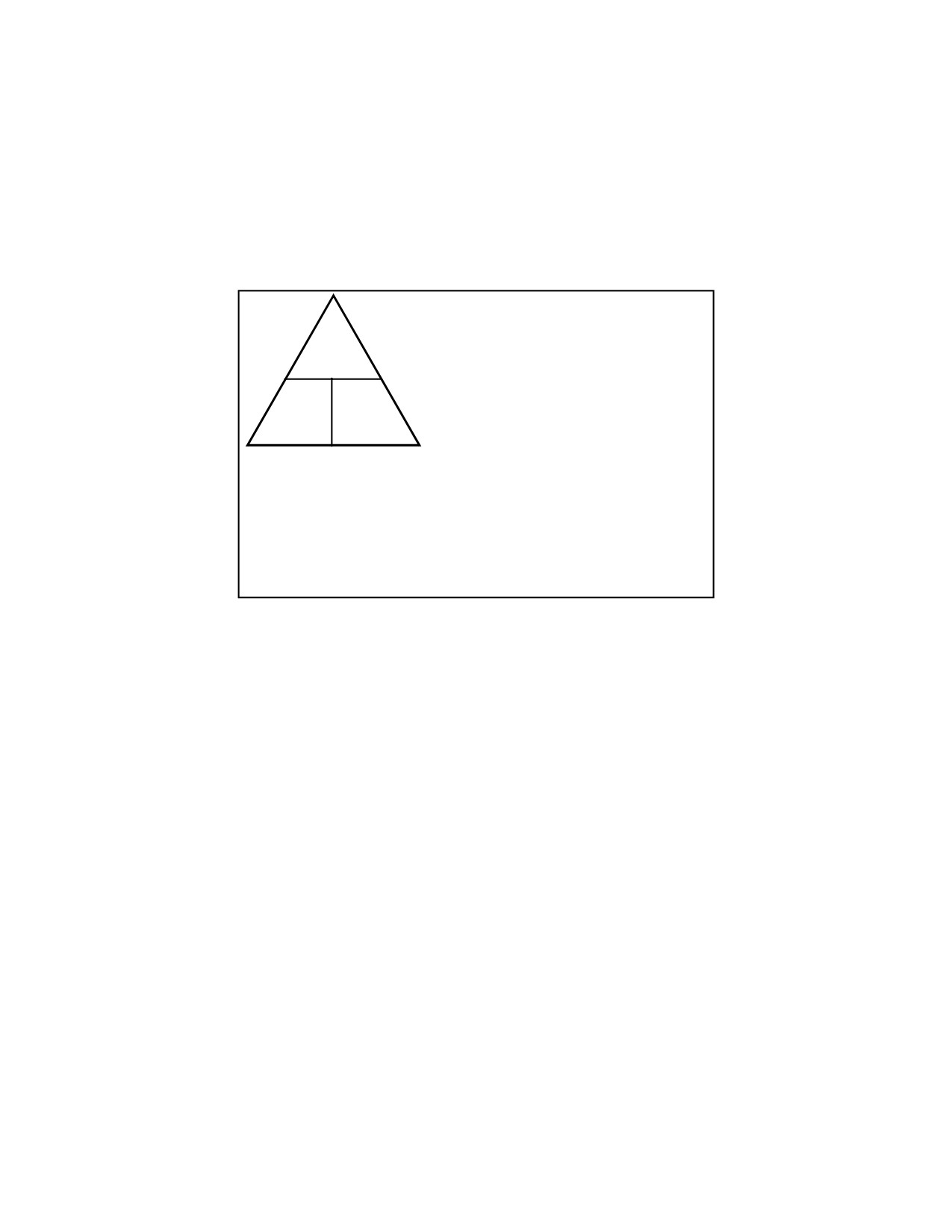
G-7. Time, distance, and rate factors are used to make scheduling calculations for columns of any
size. When two of the three factors are known, the third can be found by using one of following
equations as shown in Figure G-2.
Divide a triangle in three parts
as shown. Cover one part of
D
the triangle to find an unknown
factor. The uncovered portion
R
T
of the triangle gives you the
formula for finding the unknown.
For example, if the distance is unknown, cover the D
and RT (rate x time) remains. If the rate is unknown,
cover R, leaving the D showing.
T
To find the time, cover the T, leaving the D showing.
R
Figure G-2. Finding an Unknown Factor of Time, Distance, or Rate
• Determining Time. Time equals distance divided by rate. If the distance is 210 km and
the rate of march is 42 kmih, the time is 5 hours: 210 ÷ 42 = 5.
• Determining Distance. Distance equals rate multiplied by time. If the rate of march is 40
kmih and time is 4 hours, the distance is 160 km: 40 x 4 = 160.
• Determining Rate. Rate equals distance divided by time. If a convoy travels for 5 hours to
complete a 190 km trip, its rate of march is 38 kmih: 190 ÷ 5 = 38.
Arrive and Clear Time Calculations
G-8. To manage movements on main supply routes (MSR) by using location or column scheduling,
movement control organizations can use an expedient method of planning and calculating. Both
requestors and movement control organizations must understand and apply time and distance factors
associated with the movement of convoys on MSRs. Moving units must make calculations as part of
their movement planning and movement requests.
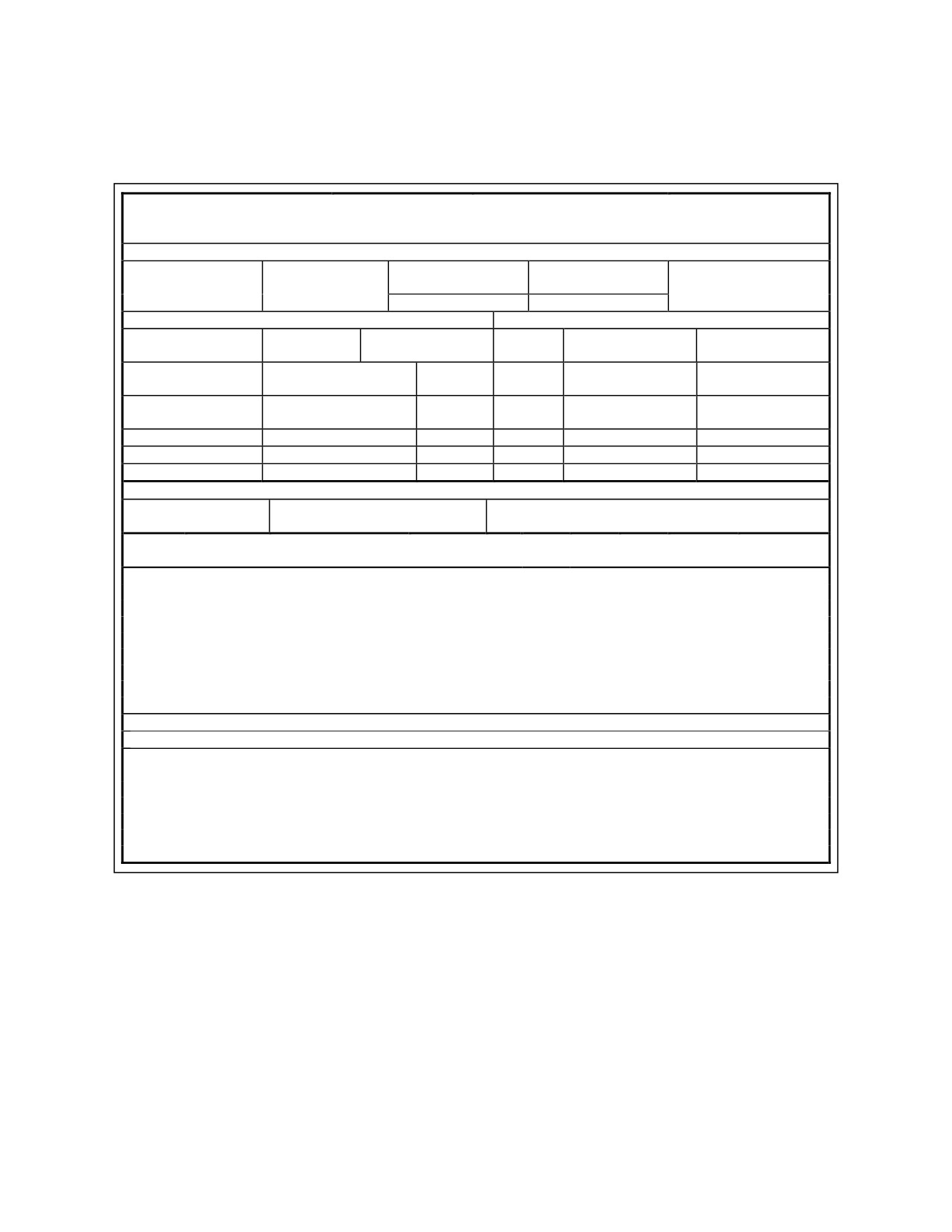
G-9. The minimum essential information needed is the arrive and clear times at SPs, intermediate
CPs, and RPs. Therefore, theater Army (TA), corps, and division standard operating procedures
(SOPs) should specify a clearance request format that requires requesting units to calculate these
arrive and clear times (see Figure G-3). The division transportation officer (DTO), highway traffic
division (HTD), or movement control battalion (MCB) may have to perform these calculations for
large unit movements or special movements. They should check the accuracy of unit requests.
G-4
FM 4-01.30 ______________________________________________________________________________________ Appendix G
TO:
CDR
THRU: CDR
FROM: 32nd Corps Spt Bn DATE: 26 Mar 19XX
112th MCB
34th CSG
ATTN: S4
ATTN: 1124th MCT
EXT # X6060
SECTION I MOVEMENT DATA
MOVING UNIT
CONVOY CDR
START POINT
RELEASE POINT
TYPE OF
128th S&S Co.
CPT SMITH
GRID: NX110300
GRID: NX410410
MOVEMENT
LOC: CP 7
LOC: CP 2
UNIT RELOCATION
MOVEMENT DATE: 29 Mar 19XX
SP TIME: 0700
CONVOY
# SERIALS
SERIAL GAP
# MU
MU GAP
VEH GAP
ORGANIZATION
1
N/A
2
5 min
50M
CHECK POINTS
DISTANCE (KM)
ARRIVE
CLEAR
ROUTE
CRITICAL
BETWEEN PTS
DESCRIPTION
PTS/HALTS
SP
CP 7
XXXXXXXXXXXXXX
0700
0709
MSR DODGE
X
CP 4
15 km
0723
0732
MSR DODGE
CP 10
6 km
0732
0741
MSR DODGE
RP
CP 2
14 km
0753
0802
MSR DODGE
SECTION II VEHICLE/LOAD DATA - CONVOY COMPOSITION
# OF TRACKS
# WHEELS
HEAVIEST VEH/WT/MLC
0
43
M932 TRACT W/M871 TRL/92, 340/51
QTY
MODEL
DESCRIPTION
LOAD INFO
L
W H WT OTHER/
HAZMAT
24
M871
TRL, 22 1/2T
358
96
103
60,760
27
M932
TRACT, 5T
280
115
113
31,580
2
M1009
CUCV
192
95
75
6,720
8
M1008
CUCV, P/U
185
89
76
8,400
5
M925
TRK, 5T, D/S
327
115
116
32,458
6
M105A2
TRL, 1 1/2T
166
83
98
5,670
6
M101A1
TRL, 3/4T
147
74
83
2,850
1
M936
TRK, WRKR, 5T
356
115
113
36,729
REQUESTORS NAME, TITLE, PHONE: TALBERT, RAYMOND, SSG, X6666
SIGNATURE
SECTION III
MOVEMENT CLEARED BY: ___________________________
MOVEMENT CREDIT #:
_______________
AT DTG: __________________________
CLEARANCE PASSED TO: ______________________________________________________
AT DTG: __________________________
POSITIVE INBOUND CLEARANCE BY: __________________________
DTG: ________
Figure G-3. Sample Clearance Request
G-10. Use time, distance, and rate factors to calculate arrive and clear times. The arrive time is the
time the first vehicle in the column will reach an SP, CP, or RP. The arrive time is derived from
calculating the time distance. The clear time is the time the last vehicle in the column will clear that
SP, CP, or RP. The clear time is derived from calculating the pass time.
G-11. Calculate arrive times as follows:
• To calculate the arrive time at the first CP (see also Table G-1), take the distance from the SP
to the first CP, divide by the planned rate of march, and multiply by 60 minutes.
G-5

FM 4-01.30 ______________________________________________________________________________________ Appendix G
Table G-1. Calculating Arrive Times (First CP)
EXAMPLE Distance from SP to first CP - 8 km
March rate - 30 kmih
SOLUTION
8 ÷ 30 = .26 hours x 60 = 16 minutes
If the SP time is 0800, then the arrive time at the first SP will be 0816.
• To calculate the arrive time at the second CP (see also Table G-2), take the distance from the
first CP to the second CP, divide by the rate of march, and multiply by 60.
Table G-2. Calculating Arrive Times (Second CP)
EXAMPLE Distance between CPs - 9 km
March rate - 30 kmih
SOLUTION
9 ÷ 30 = .30 hours x 60 = 18 minutes
If the arrive time at the first CP is 0816, then the arrive time at the second
CP will be 0834.
NOTE: Continue this method to calculate the arrive time at succeeding CPs through the RP.
• To calculate the clear times at each CP, planners must determine the pass time. Calculating
pass time requires calculations for density (Table G-3), time gaps (Table G-4), road space
(Table G-5), and pass time (Table G-6).
Table G-3. Calculating Pass Times (Density)
DENSITY =
1,000 (meters)
gap + average length of vehicle
EXAMPLE If the gap is 50 meters and the average length of the vehicle in the column is
9 meters, then--
DENSITY =
1,000
=
1,000
=
16.94
50 + 9
59
= 17 vehicles per km
G-6

FM 4-01.30 ______________________________________________________________________________________ Appendix G
Table G-4. Calculating Pass Times (Time Gaps)
NOTE: Time gaps = ([number of march units - 1] x march unit time gap) + ([number of serials - 1] x [serial time
gap - march unit time gap]).
EXAMPLE If a column has two serials with three march units and the time gap
between the march unit is 5 minutes and the time gap between serials is 10
minutes, then--
TIME GAPS
= ([6 - 1] x 5) + ([2 - 1] x 5 =
(5 x 5) + (1 x 5) = 25 + 5 = 30 minutes
Table G-5. Calculating Pass Times (Road Space)
Number of vehicles
+
time gaps x rate
density
60 minutes
EXAMPLE Number of vehicles = 102
Density = 17 per km
rate = 30 kmih
time gaps = 30 minutes
road space =
102
+
30 x 30
=
6 + 15
=
21 km
17
60
Table G-6. Calculating Pass Times (Pass Time)
Pass time =
road space x 60
rate
EXAMPLE Continuation from previous examples.
Pass time =
21 x 60
=
1,260
=
42 minutes
30
30
G-12. The pass time at the SP is 42 minutes after the first vehicle crosses the SP. If the arrive time
at the SP is 0800, the clear time at the SP will be 0842. If the arrive time at the first CP is 0816, the
clear time at the first CP will be 0858. Use this same method to calculate the arrive and clear times at
succeeding CPs to the RP.
G-13. The pass time will stay the same throughout the route as long as the march rate and density do
not change. If the march rate or density changes, then recalculate the pass time to determine the new
clear time. Calculations are simplified by the following:
• Preparing and using conversion tables for changing US common distances to metric
distances, number of vehicles to pass time, and distance to time.
G-7
FM 4-01.30 ______________________________________________________________________________________ Appendix G
• Standardizing variables to reduce calculation time. When possible, use standard march rates
and density.
• Using automated programs to calculate arrive and clear times such as the military application
program package.
G-8
FM 4-01.30 ______________________________________________________________________________________ Appendix G
GRAPHING
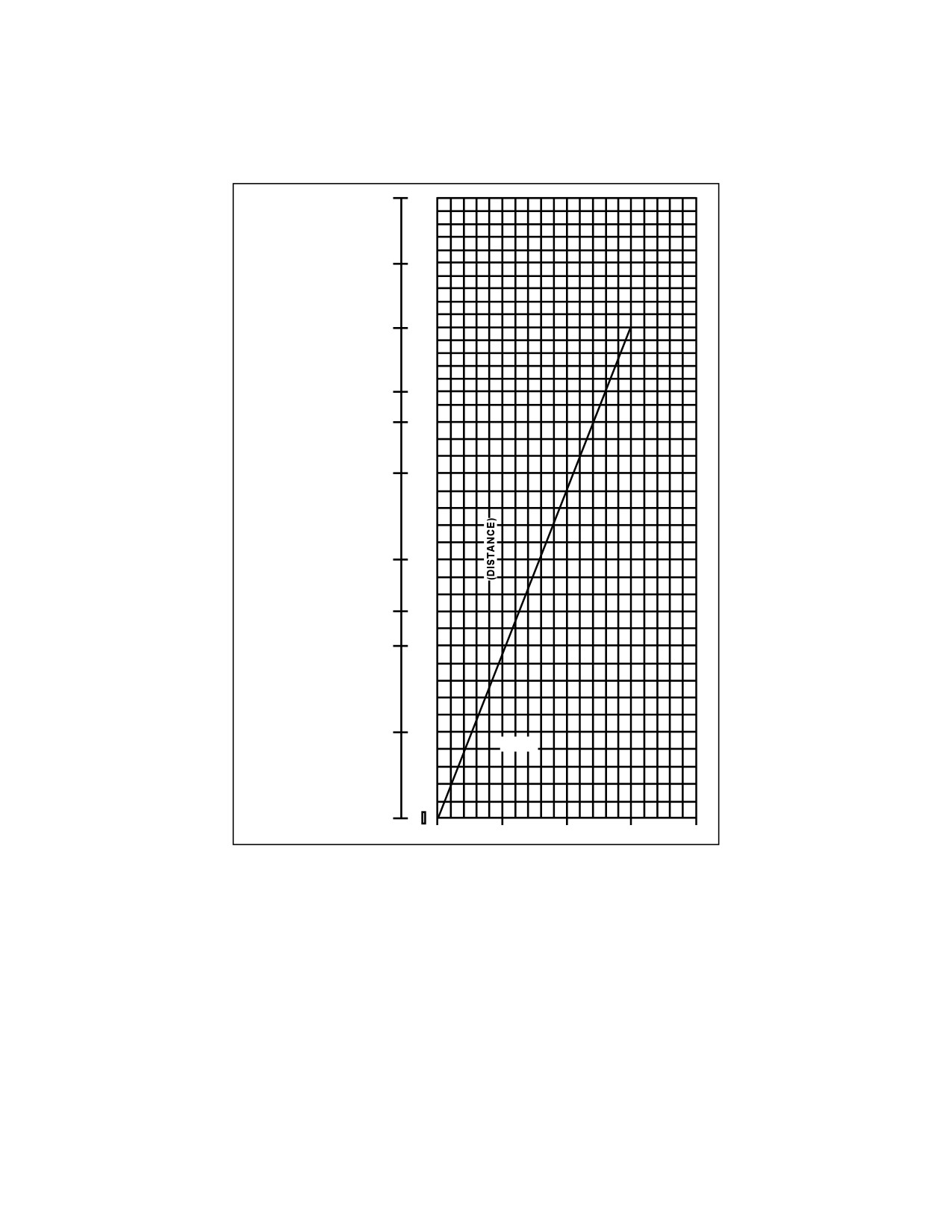
G-14. Movement graphs can be prepared on any type of graph paper. The vertical axis shows
distance and the horizontal axis shows time. The lower left corner of the graph represents zero
kilometers (or miles) and the earliest start time of the movement. The planner creating the graph
must apply a scale to the vertical and horizontal axis as shown in Figure G-4.
G-15. The scale of the vertical axis is a division of the total distance. The top number on the vertical
axis is the greatest number of km (or miles) to be traveled by any element on the route. The distance
scale shown in Figure G-4 is 3 km per block.
G-16. The scale of the horizontal axis is a division of the total time. The time at the end of the
horizontal scale shows the latest planning time to complete all movements planned for the route.
The time scale shown in Figure G-4 is 12 minutes per block.
G-17. Critical points along the route, such as built up areas, road junctions, and checkpoints (CPs)
are shown along the vertical axis on the same scale as that of the graph. The start point (SP) and
release point (RP) can also be annotated alongside the CP if all movements begin and end at the same
CP.
G-18. The graph at Figure G-4 shows the time and distance scales, critical points, CPs, and a plotted
line representing the movement of one vehicle (or the first vehicle of a column) from the SP
(Newport) to Jackson Heights. Based on the scale of each block representing 3 km and 12 minutes,
the head of the convoy will leave Newport at 0400, travel 90 km to Jackson Heights, and arrive at
0700. Using the formula to determine march rate (R = D ÷ T) the march rate is 30 kmph.
G-9
FM 4-01.30 ______________________________________________________________________________________ Appendix G
HAMPTON
120
105
CP 1 (RP) - JACKSON HTS.
90
CP3
75
CP 7 - PARKER
CP 4
60
45
CP 5 - MT. ROYAL
30
15
(TIME)
CP 10 (SP) - NEWPORT
0400
0500
0600
0700
0800
Figure G-4. Schedule of Head of Column
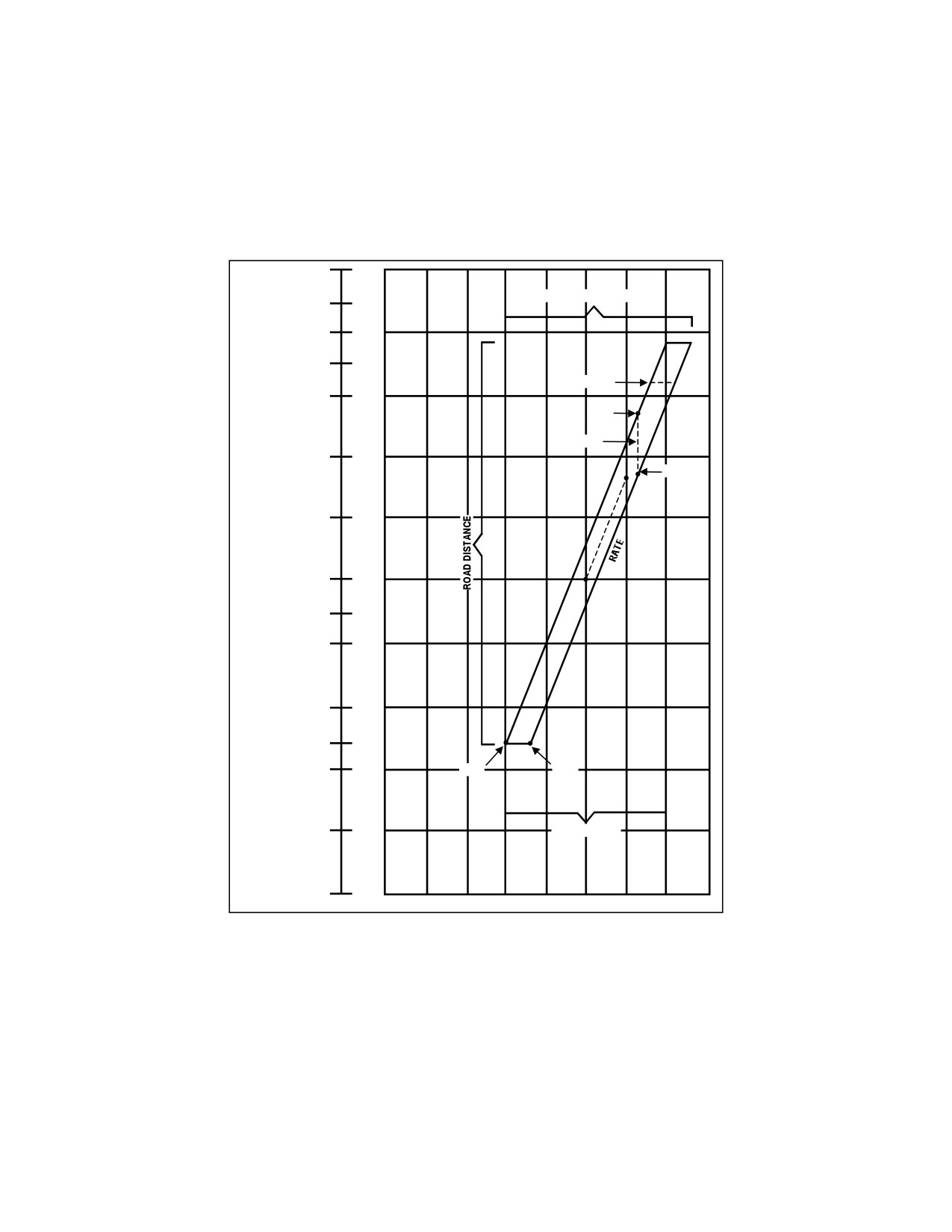
G-19. March columns, serials, and march units are represented on a graph by parallel diagonal lines
like the ones shown in Figure G-5. The vertical space between the diagonal lines is the length of
roadway (length) occupied by the column. It is measured along the vertical scale. The horizontal
space is the time it takes for the column to pass any given point (pass time or time length).
G-20. The head of the column is plotted at the intersection of the SP on the vertical scale and start
time on the horizontal scale. The clear time of the head of the column is plotted at the intersection
of the RP on the vertical scale and the clear time on the horizontal scale.
G-21. The trail of the column is plotted at the intersection of the same SP on the horizontal scale.
The trail vehicle’s start time is calculated by adding the pass time to the start time of the first vehicle.
G-10
FM 4-01.30 ______________________________________________________________________________________ Appendix G
The clear time of the trail vehicle is plotted at the intersection of the RP on the vertical scale and its
clear time on the horizontal scale. The trail vehicle’s clear time is calculated by adding the pass time
to the clear time of the first vehicle.
CP 11 - DUNDALK
150
ROAD CLEARANCE TIME
CP 8
CP 6 - MACOM
135
CP 9
PASS TIME
CP 2 - HAMPTON
125
HEAD
LENGTH
105
TRAIL
CP 1 - JACKSON HTS
90
CP 3
75
CP 7 - PARKER
CP 4
60
45
(SP) CP 5 - MT ROYAL
30
HEAD
TRAIL
15
TIME DISTANCE
CP 10 - NEWPORT
0
0400
0500
0600
0700
0800
0900
1000
1100
1200
Figure G-5. March Graph Showing Movement of a Column
G-22. The graph now completely pictures the movement of one column. The vertical and
horizontal scales reveal the following information:
• The two parallel diagonal lines show the head and the trail movements.
• The column’s length is about 14 km.
G-11
FM 4-01.30 ______________________________________________________________________________________ Appendix G
• The pass time of the column is 36 minutes. That means that it will take 36 minutes for the
column to clear any point along the route.
• The road distance from SP to RP is about 96 km. The time distance is 4 hours (0700 to
1100). That means it will take 4 hours for the head of the column to clear the RP.
• Road clearance time, calculated by adding the pass time to the time distance, is 4 hours and
36 minutes.
• Road clearance distance, calculated by adding the length to road distance, is 110 km.
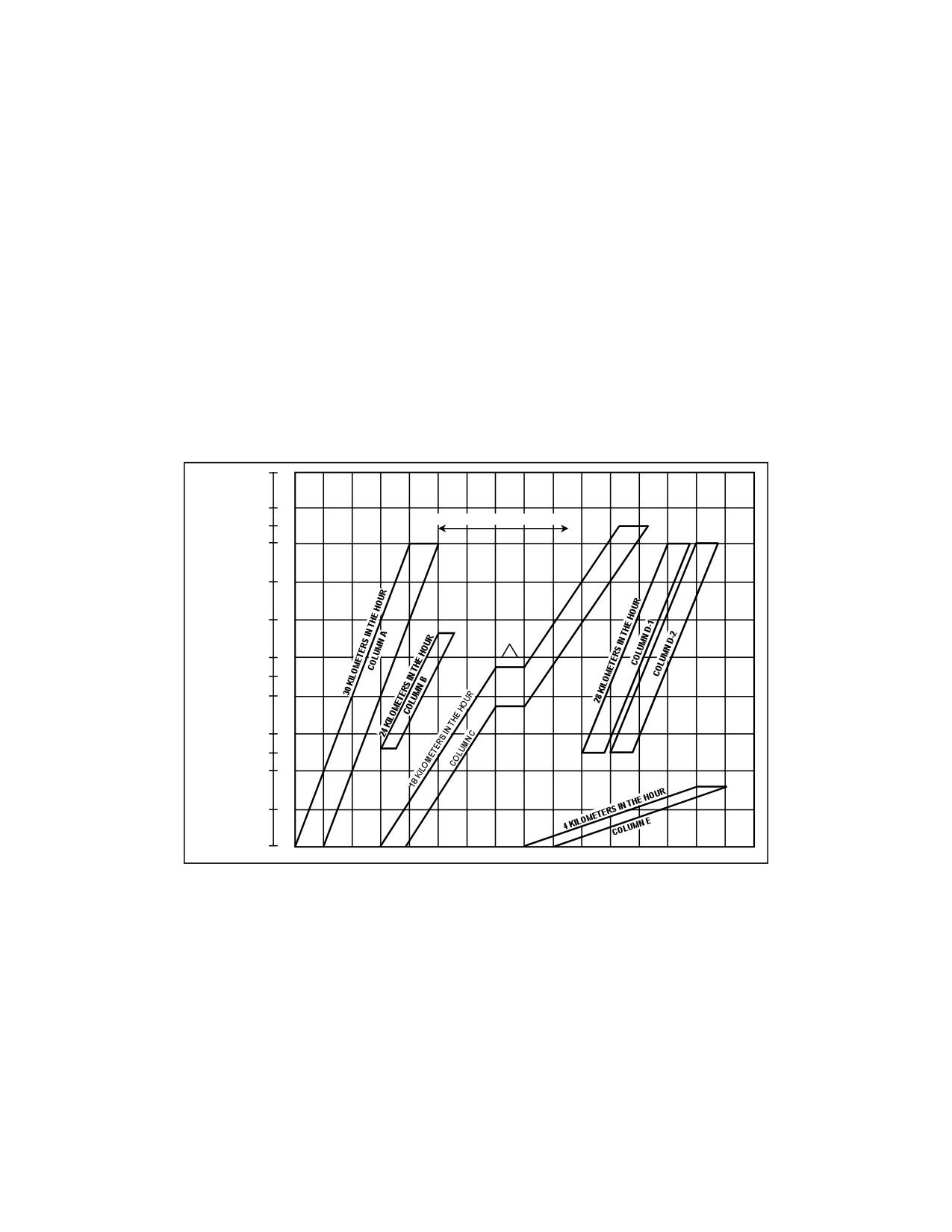
G-23. March graphs are normally used to show multiple columns traveling over the same routes as
shown in Figure G-6. Each of these columns is explained below.
CP 11 - DUNDALK
CP 6 - MACON
135
CROSSROAD LATERAL MOVEMENT
CP 9
CP 2 - HAMPTON
120
105
CP 1 - JACKSON HTS
90
NOON HALT
75
CP 7 - PARKER
CP 4
60
45
CP 5 - MT ROYAL
30
15
CP 10 - NEWPORT
0
0400
0500
0600
0700
0800
0900
1000
1100
1200
1300
1400
1500
1600
1700
1800
1900
2000
Figure G-6. Scheduling Moves
• Column A is scheduled to leave its SP (Newport) at 0400 and clear the SP at 0500, a pass
time of 1 hour. Distance to the RP (Hampton) is 120 km. The rate of march is 30 kmih.
The time distance is 4 hours (120 km ÷ 30 kmih). The head will arrive at the RP at 0800 and
the trail at 0900. Therefore, the road clearance time is 5 hours, which is the time distance
plus the pass time.
• Column B makes a shorter move at a different time. It is scheduled to leave its SP (Mount
Royal) at 0700 and clear the CP at 0730, a pass time of 30 minutes. Distance to the RP is 48
km. The rate of march is 24 kmih. The time distance is 2 hours (48 ÷ 24 kmih). The head
G-12
FM 4-01.30 ______________________________________________________________________________________ Appendix G
will arrive at the RP at 0900 and the trail at 0930. Therefore, the road clearance time is 2 1/2
hours. The graph shows that this move does not conflict with the first move.
NOTE: A crossroad lateral movement is scheduled to cross at CP 1 from 0906 until 1312. The graph shows that
the lateral movement will not interfere with any of the scheduled moves.
• Column C makes a longer and slower move than the other columns. The graph shows this
because the diagonal lines representing time distance are not as steep as the lines of columns
A, B, and D. The steepness of a diagonal line on the graph indicates the rate of march.
Column C is scheduled to leave its SP (Newport) at 0700 and clear the SP at 0750, a pass
time of 50 minutes. Distance to the RP is 132 ÷ km. The rate of march is 18 kmih. Column
C is also scheduled for a 1 hour rest halt on the road. Rest halt time is added to the time
distance when calculating. Therefore, the time distance is 132 km ÷ 18 kmih + 1 hour or 8
hours and 20 minutes. The road clearance time is 9 hours and 10 minutes.
• Columns D-1 and D-2 are two serials of one column. They are scheduled to travel at 28
kmih from the same SP to the same RP, one leaving 24 minutes after the other. The graph
shows that the head of Column D-1 is scheduled to leave the SP at 1400 and arrive at the RP
at 1700, a distance of 84 km in 3 hours. The rate of march is 28 kmih (84 ÷ 3 hours).
Because both elements of the move are shown on the graph parallel to each other, the rate is
the same for both.
• Column E is a foot march on the route. It is traveling slowly (24 km in 6 hours of walking
time).
PLANNING FOR ROUTE RESTRICTIONS
G-24. Planners must consider route restrictions when graphing movements. These restrictions
normally add greater control measures to a route. They may be imposed to allow for route
maintenance, large unit movements, or maneuver. They should be specified in highway regulation
plans, operations orders (OPORDs), or fragmentary orders (FRAGOs).
G-25. Restrictions are marked on graphs by blocking out the time and space on the graph when
traffic may not use a route or cross an intersection. To plan around restrictions, planners can
calculate either earliest or latest time a column can leave the SP to miss the restriction.
G-26. When passing after restriction ends, use the following formula. Compute the earliest time the
head of the column can cross the SP to clear the ending time of a route restriction without halting at
the restriction.
G-27. The earliest time the first vehicle can cross the SP = end of restriction time + safety factor -
time distance from start point to restriction point.
EXAMPLE: A restriction is in effect from 1140 to 1240. The distance from the SP to the restriction is 32
km. A safety factor of 15 minutes is in force before and after the restriction. This is a close column move
executed at the rate of 16 kmih. Pass time is 12 minutes. Using the formula, calculate the earliest time the
first vehicle can cross the SP.
G-13
FM 4-01.30 ______________________________________________________________________________________ Appendix G
1240 + 15 min -
32 km = 1255 - 2 hr = 1055
16 kmih
The earliest time the column can leave the SP is 1055.
G-28. When passing before restriction begins, use the following formula. Compute the latest time
the first vehicle of a column can cross the SP to have the last vehicle arrive at the 1140 to 1240
restriction before it begins.
G-29. The latest time the first vehicle of a column can cross the SP = beginning of restriction time -
safety factor - time distance from SP to the restriction - time length. Using the data in the example
above, calculate the time.
1140 - 15 min - 32 km - 12 min = 1125 - 2 hr - 12 min = 0913
16 kmih
The latest time the first vehicle can leave the SP is 0913.
G-14
FM 4-01.30 ______________________________________________________________________________________ Appendix G
Preparing Movement Tables for a Highway
Movement
REVIEWING THE SITUATION
G-30. This section provides a step-by-step example of how to compute a highway movement,
prepare a road movement graph, and prepare road movement tables for a convoy consisting of five
serials.
Convoy Data
G-31. On 23 February, elements of the 439th Transportation Battalion will move from the unit’s
present position to an area near CP 106. The movement will consist of five serials, organized as
shown in Figure G-7. The first and second serials have six march units each; the third and fourth
serials have seven march units each; and the fifth has five march units. The SP is CP 97, and the RP
is CP 106. The route of march is from CP 97 to CP 106 by way of CPs 99, 103, 104, and 105. The
lead vehicle of the first serial will cross the SP at 0800.
NUMBER OF
NUMBER OF
SERIALS
UNIT
VEHICLES
MARCH UNITS
First
2439th and 2440th Transportation
126
6
Second
2441st and 2442d Transportation
135
6
2443d and 2444th Transportation Companies
Third
and Headquarters and Headquarters
150
7
Detachment, 439th Transportation Battalion
Fourth
2445th and 2446th Transportation Companies
144
7
2447th and 2448th Transportation Companies
Fifth
124
5
(attached)
Figure G-7. Organization of Serial March Units
Movement Conditions
G-32. Extracts of the highway regulation plan specify the following conditions on the movement:
• The rate of march during daylight hours is 24 kmih and the density of vehicles during
daylight hours is 12 per km.
G-15
FM 4-01.30 ______________________________________________________________________________________ Appendix G
• The rate of march during hours of darkness (1835 to 0630) is 16 kmih and the density of
vehicles during hours of darkness is 48 per km.
• Gaps will be 10 minutes between serials and 2 minutes between march units.
• When an en route restriction is applied to the movement, a 15-minute safety factor will be
allowed before and after the restriction.
Restrictions
G-33. The following restrictions are in effect on 23 February:
• CP 99 to CP 103 from 1100 to 1200.
• CP 105 from 1500 to 1530.
• CP 104 from 1510 to 1630.
• CP 105 from 1700 to 1830.
Additional Guidance
G-34. The fourth serial will halt in place at the 1500 to 1530 restriction at CP 105 and will continue
as soon as possible after the restriction. The head of the fifth serial will depart the SP as soon as
possible to clear the restriction at CP 104. The fifth serial will stop at the 1700 to 1830 restriction at
CP 105 and disperse vehicles until the restriction is lifted.
G-35. All computations in minutes resulting in a fraction are raised to the next full minute; km are
rounded up to the nearest tenth. For example:
•
15.6 minutes - 16 minutes.
•
15.3 minutes - 16 minutes.
•
13.67 km = 13.7 km.
•
13.43 km = 13.5 km.
Computing Time Distance of the Route
G-36. The planner must first determine how long it will take each serial to travel from the SP to the
RP, the time distance of the route.
• Formula. Compute the time distance by dividing the distance from the SP to the RP by the
rate of march (TD = D ÷ R).
• Data. The distances between CPs and total distance are shown in Table G-7.
G-16

FM 4-01.30 ______________________________________________________________________________________ Appendix G
Table G-7. CP Distances
KILOMETERS
CP 97 to CP 99
24
CP 99 to CP 103
6
CP 103 to CP 104
9
CP 104 to CP 105
18
CP 105 to CP 106
18
TOTAL
75
• Computation. The distance from SP to RP is 75 km. The lead vehicle will cross the SP at
0800 and the rate of march during daytime is 24 kmih. Substituting in the formula TD = D
÷ R, TD = 75 ÷ 24, or 3.125 hours. Since .125 hours is 8 minutes (.125 X 60), the time
distance is 3 hours and 8 minutes.
Computing Road Space of the First Serial
G-37. Road space is the length of a column. The formula for computing road space is shown in
Table G-8. Figure G-7 shows 126 vehicles in the first serial. The rate of march is 24 kmih; the
density is 12 vehicles per kilometer. The time gap is 2 minutes between march units. Because six
march units make up the serial, there are five gaps making a total time gap in the serial of 10 minutes.
The formula for computing road space for the first serial is shown in Table G-9.
Table G-8. Computing Road Space
Road space =
number of vehicles +
time gaps x rate
vehicle density
60 minutes
Table G-9. Computing Road Space (First Serial)
Road space =
126
+
10 x 24=
10.5
+
4=
14.5 km
12
60
Computing Pass Time of the First Serial
G-38. Pass time is the time required for a column to pass a point on the route. The formula for
computing pass time is shown in Table G-10. Use the road space computed in Table G-9 (14.5 km)
to compute road space (Table G-11).
Table G-10. Computing Pass Time
Pass time =
road space x 60 min
Rate
G-17

FM 4-01.30 ______________________________________________________________________________________ Appendix G
Table G-11. Computing Road Space
Pass time =
14.5 km x 60 min
= 36.3 or 37 min
24 kmih
Computing Road Space and Pass Time of the Second, Third, Fourth, and Fifth
Serials
G-39. Using the same formulas and methods of computation as for the first serial, compute the road
space and pass time for the second serial (Table G-12), third serial (Table G-13), fourth serial (Table
G-14), and fifth serial (Table G-15).
Table G-12. Computing Road Space and Pass Time (Second Serial)
Road space=
135 +
10 x 24 =
11.3 +
4 =
15.3 km
12
60
Pass time =
15.3 x 60 =
38.25 or 39 min
24
Table G-13. Computing Road Space and Pass Time (Third Serial)
Road space =
150 +
12 x 24 =
12.5 +
4.8 =
17.3 km
12
60
Pass time =
17.3 x 60 =
43.2 or 44 min
24
Table G-14. Computing Road Space and Pass Time (Fourth Serial)
Road space =
144 +
12 x 24 =
12 + 4.8 = 16.8 km
12
60
Pass time =
16.8 x 60 =
42 min
24
Table G-15. Computing Road Space and Pass Time (Fifth Serial)
Road space =
124 +
8 x 24 =
10.3 + 3.2 = 13.5 km
12
60
Pass time =
13.5 x 60 =
33.7 or 34 min
24
G-18
FM 4-01.30 ______________________________________________________________________________________ Appendix G
Publishing Road Movement Tables
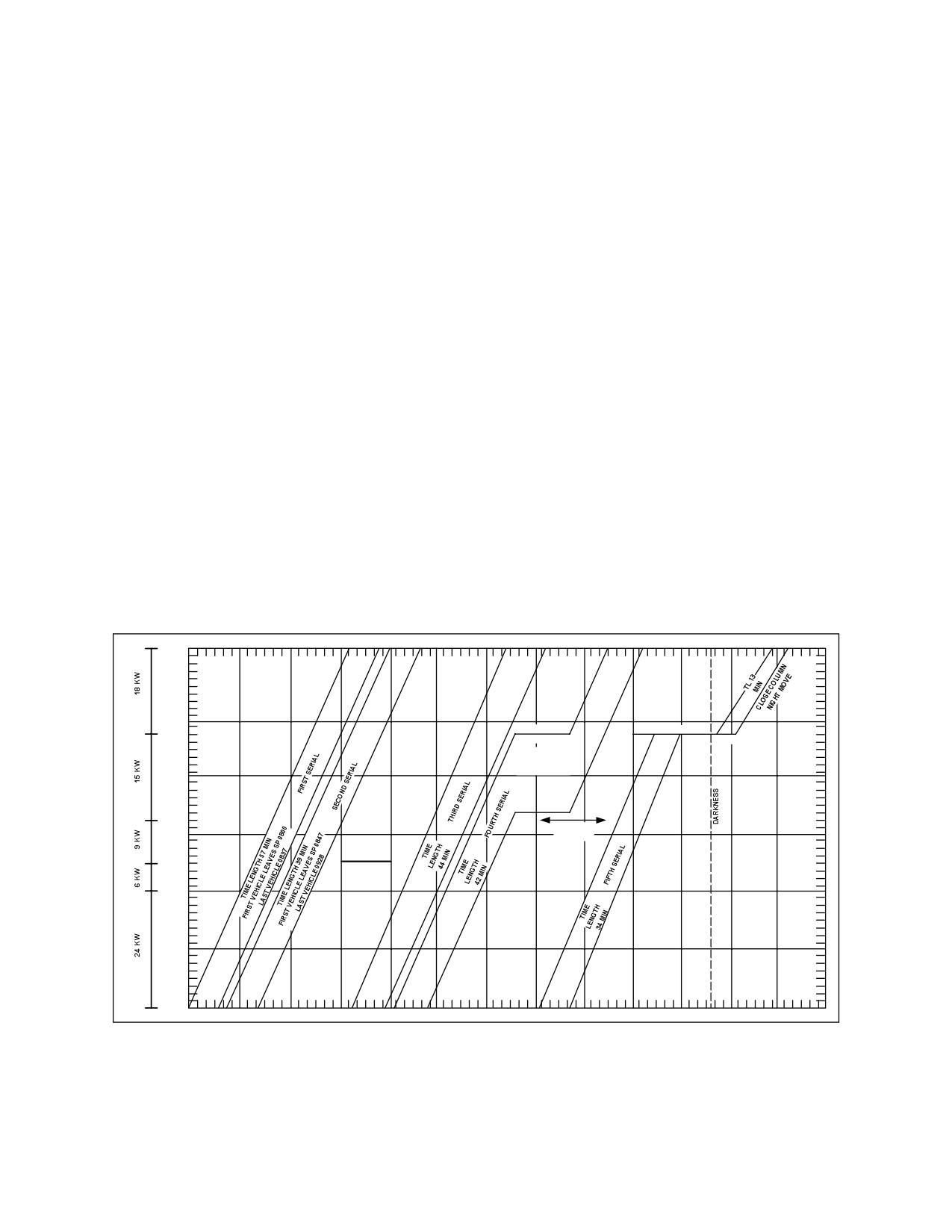
G-40. The road movement graph is a planning work sheet for movement planners. It is not
normally disseminated to subordinate units or published in plans and orders. Information obtained
from the graph is published in road movement tables.
Preparing a Road Movement Graph
G-41. A road movement graph is a time and space diagram. After computing for a move, the
planner can then see where he plotted the move. The following explains how to plot the move.
• Designating Hours. From the lower left corner across the bottom of the graph designate
the time needed for the movement. Since the first serial is to arrive at the SP at 0800, the
timing of this graph should start at 0800 in the lower left corner. The computations
performed in paragraphs G-36, G-37, and G-38 show that more than 12 hours are required
to complete the movement of the five serials. This is derived from adding the time distance,
sum of pass times, restricted times, and gaps. Therefore, the time of this graph must extend
to at least 2100. In this example, each horizontal block represents 12 minutes and every six
blocks represents 1 hour as shown in Figure G-8.
0800
0900
1000
1100
1200
1300
1400
1500
1600
1700
1800
1900
2000
2100
CP 104
RP 75
72
CP 105
60
RESTRICTED
RESTRICTED
1500-1530
1700
1830
DELAYED FOR
RESTRICTION IN
48
PLACE ON ROAD
CP 104
RESTRICTED
36
1510-1630
CP 103
24
RESTRICTED
CP 99
1100-1200
12
CP 97
SP 0
0800
0900
1000
1100
1200
1300
1400
1500
1600
1700
1800
1900
2000
2100
Figure G-8. Road Movement Graph for Five Serials
• Designating Kilometers. Indicate the distance to be moved in kilometers on the vertical
axis. Begin at the SP in the lower left corner of the graph with 0 km. Since this move is 75
G-19
FM 4-01.30 ______________________________________________________________________________________ Appendix G
km, the top of the vertical axis should be marked as 75 km. In this example, each vertical
block between 0 and 75 km represents 1.5 km as shown in Figure G-8. It is important to
show critical points, checkpoints, or other important points directly opposite the correct
distance blocks of the graph. For example, CP 99 is 24 km from the SP and is noted on the
scale opposite the 24 km line. CP 103 is noted on the scale opposite the 30 km line.
• Plotting the Restrictions. Mark route restrictions within the graph as described below.
╺ The first restriction is from CP 99 to CP 103 between 1100 and 1200. CP 99 is 24 km
(16 blocks) from the SP and CP 103 is 6 km (4 blocks) from CP 99. To show the
restriction, the time from 1100 to 1200 between CP 99 and CP 103 is blocked out.
╺ The second restriction is at CP 105 between 1500 and 1530. CP 105 is at the 57 km
point. In this example, the restriction is only at the CP. To show the restriction, a
horizontal line from 1500 to 1530 at the CP is marked. It extends horizontally form
1500 over three blocks (30 minutes).
╺ The third and fourth restrictions are also only at the CP. They are shown as above.
Graphing the First Serial
G-42. Once the hours, kilometers, and restrictions are marked on the graph, plot the serials. The
first vehicle of the first serial is scheduled to leave the SP at 0800. Put a dot at the beginning of the
0800 line in the lower left corner of the graph. Figure G-8 shows the first vehicle is to arrive at the
RP at 1108. This was calculated by adding the time distance (3 hours and 8 minutes) to the time the
first vehicle crosses the SP. Locate the 1108 hour line at the top of the graph at the RP (75 km line)
and put a dot there and then connect the dots.
G-43. The next step is to plot the trail (last vehicle) of the first serial. To find the time the last
vehicle crosses the SP, add the pass time to the time the first vehicle crosses the SP. As determined
in paragraph G-37, the pass time of the first serial is 37 minutes. Therefore, adding 37 minutes to
0800 gives 0837 as the time the last vehicle of the first serial leaves the SP. Make a dot at 0837 on the
bottom of the graph. Then add the time distance of 3 hours and 8 minutes to 0837 start time to
compute the time the last vehicle clears the RP. This is 0837 plus 3 hours and 8 minutes, or 1145.
Make another dot at the top of the graph at 1145. Connect the dots. This second line parallels the
first line drawn, which shows the movement of the first vehicle of the first serial. The horizontal
space between the two lines represents the 37-minute pass time of the serial.
Graphing the Second Serial
G-44. Because the last vehicle of the first serial is scheduled to clear the SP at 0837 and a 10-minute
time gap is required between serials, the second serial cannot begin movement until 0847. To show
the first vehicle of the second serial on the graph, place a dot at 0847 on the bottom of the graph.
The time distance for the second serial is the same as that of the first serial. Therefore, the trail
vehicle of the second serial will clear the RP at 1155 (0847 plus 3 hours and 8 minutes). To show the
last vehicle of the second serial on the graph, place a dot at 1155 at the top of the graph at the RP
and connect the dots with a line.
G-20
FM 4-01.30 ______________________________________________________________________________________ Appendix G
G-45. Plot the trail vehicle of the second serial the same as the first serial. To find the time the last
vehicle of the second serial crosses the SP, add the pass time of the second serial to the time the first
vehicle of the second serial crosses the SP. From Table G-12, this was determined to be 39 minutes.
Therefore, adding 39 minutes to the 0847 SP time gives 0926 as the time the trail vehicle of the
second serial leaves the SP. Make a dot at 0926 on the bottom of the graph. Since the first vehicle
clears the RP at 1155 and the pass time is 39 minutes, the trail vehicle will clear the RP at 1234 (1155
plus 39 minutes). Make another dot on the top of the graph at 1234. Connect the two dots. The
second serial is now complete.
Graphing the Third Serial
G-46. Graphing the third serial is more complicated than the first two. The reason is that the third
serial will not be able to clear the SP 10 minutes after the second serial clears the SP because this
would cause it to run into the 1100 to 1200 restriction at CP 99. Therefore, compute for the earliest
time the first vehicle can leave in order to pass the restriction after the restriction ends at 1200 (plus
the 15-minutes safety factor). As shown in Figure G-8, the computation is 1200 (time the restriction
ends) plus 15-minute safety factor minus 1 hour (time distance to the restriction [24 km at 24 kmih])
equals 1115. This time (1115) is the earliest time the first vehicle of the third serial can leave the SP.
Place a dot at 1115 to show this SP time. Time distance is still 3 hours and 8 minutes. Therefore, the
first vehicle of this serial will clear the RP at 1423. Put a dot at 1423 at the top of the graph and
connect the two dots.
G-47. Since pass time for this serial is 44 minutes, the last vehicle will leave the SP at 1159. Time
distance is still 3 hours and 8 minutes. Adding this to the starting time of the trail of the serial gives
the clear time for the trail at the RP of 1507. Place dots at the times computed for the trail and
connect them as with the two previous serials.
Graphing the Fourth Serial
G-48. Graphing the fourth serial is also more complicated than the others because it must halt at the
1500 to 1530 restriction at CP 105. The first step is to compute the time distance from the SP to the
restriction. The distance is 57 km and the rate is 24 kmih. Using the formula to calculate time
distance, TD = D ÷ R, 57 ÷ 24 = 2 hours and 23 minutes. Because the last vehicle of the third serial
cleared the SP at 1159 and a 10-minute gap is required between serials, the fourth serial cannot begin
movement until 1209.
G-49. The first vehicle of this serial will arrive at the restriction (CP 105) 2 hours and 23 minutes
after it clears the SP, or 1423. Adding the pass time of this serial (42 minutes) to this gives 1514 as
the time when the trail vehicle of the serial would clear CP 105 if it moved on without stopping.
Since the restriction at this point is from 1500 to 1530, the column must halt at CP 105 and cannot
move on until 15 minutes (safety factor) after the restriction ends. Thus the serial begins moving
again at 1545.
G-50. The remaining distance of 18 km will take 45 minutes (18 km ÷ 24 kmih), so the lead vehicle
clears the RP at 1630. The trail vehicle leaves CP 105, 42 minutes after the lead vehicle at 1627 and
clears the RP, 45 minutes later at 1712.
G-21
FM 4-01.30 ______________________________________________________________________________________ Appendix G
Graphing the Fifth Serial
G-51. For the fifth vehicle, as with the third serial, a 10-minute time gap will not work because the
fourth serial will be halted on the road for the restriction at CP 104. If the fifth serial was to leave 10
minutes after the fourth serial cleared the SP, it would run into the fourth serial at its halt.
G-52. Therefore, compute the earliest time the lead vehicle can leave the SP in order to avoid
running into the fourth serial at CP 104. As described in paragraph G-31, first find how long it takes
the lead vehicle to travel the 39 km to CP 104:
39 km ÷ 24 kmih = 1 hour and 38 minutes. The
restriction at CP 104 is in effect from 1510 to 1630. Adding the 15-minute safety factor, 1645 is the
earliest time at which the lead vehicle of the serial can clear the restriction. Subtracting 1 hour, 38
minutes from 1645 gives 1507 as the earliest time the fifth serial can leave the SP. It will clear the CP
104 at 1645 without halting.
G-53. Another problem arises at this point. If the fifth serial leaves at 1507, it will arrive at CP 105
at 1730, 45 minutes after clearing CP 104. Since there is a 1700 to 1830 restriction at CP 105, the
serial must halt and wait until 1845 to resume movement. Because this serial has been ordered to
disperse off the road at CP 105, the halt is shown differently than with the fourth serial, which halted
on the road and occupied road space.
G-54. The pass time of this serial must also be recomputed from this point since the movement
instructions specified that a slower march rate and larger density apply to movements during darkness
after
1835. Accordingly, the rate of march becomes 16 kmih, and vehicle density becomes 48
vehicles per kilometer. To find the new pass time, first calculate the new road space (see Table G-
16). To recalculate the new pass time see Table G-17.
Table G-16. Calculating New Road Space
Road space =
number of vehicles
+
time gaps x rate
vehicle density
60 minutes
= 124 + 8 x 16 = 2.6 + 2.2 = 4.8 km
Table G-17. Recalculating New Pass Time
Pass time =
Road space x 60 min
=
4.8 x 60 = 18 min
rate
16
G-55. Traveling at 16 kmih, it takes the lead vehicle 1 hour and 8 minutes to travel the remaining 18
km to the RP. It arrives there at 1953 (1845 + 1 hour and 8 minutes). The trail vehicle leaves CP
105, 18 minutes later than the lead vehicle, or at 1903; and arrives at the RP at 2011.
Using a Road Movement Table
G-56. Data is taken from the graph and put into a road movement table, which can be issued as an
annex to an OPORD for a road movement. Convoy commanders can use the information to track
their progress during movement and ensure they arrive and clear each CP on schedule. Movement
G-22
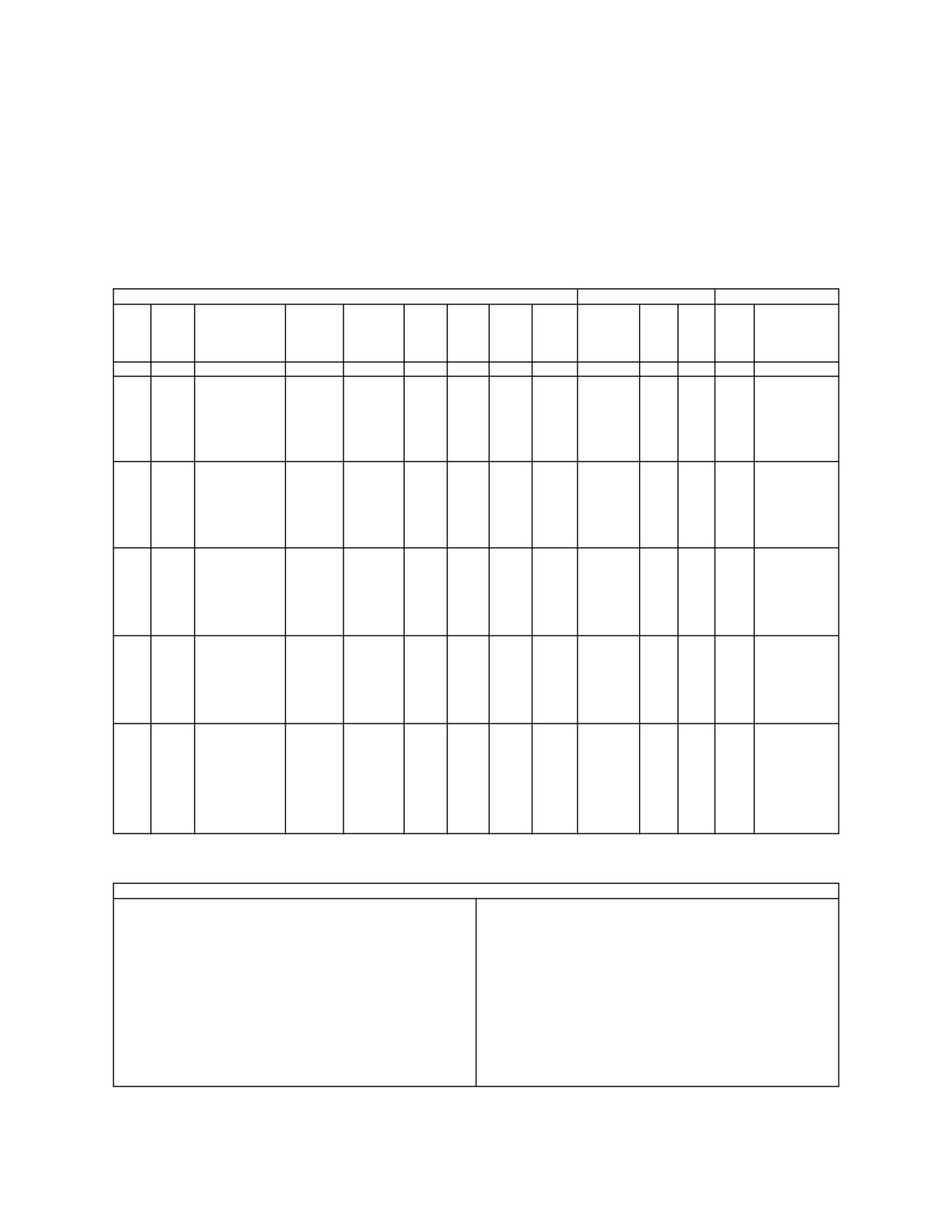
FM 4-01.30 ______________________________________________________________________________________ Appendix G
Regulation Teams (MRTs), Traffic Control Points (TCPs), and others can use the information for
control purposes.
G-57. Figure G-9 shows the front and back sides of a sample road movement table. The data in this
table is derived from the information found on the graph in Figure G-8.
Checkpoints
Load
Class of
Route
Units/
# of
Heaviest
Route
Due
Clear
from
Serial
Date
Formation
Vehicles
Vehicle
From
To
Route
to SP
Ref
(hrs)
(hrs)
RP
Remarks
(a)
(b)
(c)
(d)
(e)
(f)
(g)
(h)
(i)
(j)
(k)
(l)
(m)
(n)
CP97(SP)
0800
0837
2439 Trans Co
CP99
0900
0937
23
(Lt Trk)
CP103
0915
0952
1
126
21
CP97
CP106
A
N28
N16
Feb
2440 Trans Co
CP104
0938
1015
(Lt Trk)
CP105
1023
1100
CP106(RP)
1108
1145
CP97
0847
0926
2441 Trans Co
CP99
0947
1026
23
(Lt Trk)
CP103
1002
1041
2
135
21
CP97
CP106
A
N45
N14
Feb
2442 Trans Co
CP104
1025
1104
(Lt Trk)
CP105
1110
1149
CP106
1155
1234
2443 Trans Co
CP97
1115
1159
(Lt Trk)
CP99
1215
1259
23
2444 Trans Co
CP103
1230
1314
3
144
21
CP97
CP106
A
N280
N16
Feb
(Lt Trk)
CP104
1253
1337
Hq & Hq Det
CP105
1338
1422
439th T Bn (Trk)
CP106
1423
1507
CP97
1209
1251
Halt in place
2445 Trans Co
CP99
1309
1351
at CP 105
23
(Lt Trk)
CP103
1324
1406
from 1432
4
144
21
CP97
CP106
A
N4
N53
Feb
2446 Trans Co
CP104
1347
1429
to 1545 until
(Lt Trk)
CP105
1432
1627
restriction
CP106
1630
1712
ends
Stop at CP
CP97
1507
1541
105 from
2447 Trans Co
CP99
1607
1641
1730 to 1845
(Lt Trk)
23
CP103
1622
1656
and disperse
5
2448 Trans Co
124
21
CP97
CP106
A
N16
Feb
CP104
1645
1719
vehicles until
(Lt Trk)
CP105
1730
1919
restriction ends.
(attached)
CP106
1953
2011
Resume march
at 1845
Figure G-9. Road Movement Table (Front)
MAPS:
1
AVERAGE SPEED
5
CHECKPOINTS
Serials 1-4 - 24 kmih
a. Start Points - CP 97
Serials 5-24 kmih after 1845 - 16 kmih
b. Release Points - CP 106
c. Other Critical Points - CP 99, CP 103, CP 104, CP 105
2
AVERAGE DENSITY
Serials 1-5 - 12 vehicles per km
6
Main Routes to Start Points - N28, N45, N280, N4, N16
Serial 5 - 47 vehicles per km after 1845
7
Main Routes from Release Points - N16, N53
3
HALTS
Fourth serial at CP 105 - 1432 to 1545
Fifth serial at CP 105 - 1730 to 1845
4
ROUTES - Route A
Figure G-9. Road Movement Table (Back)
G-23
FM 4-01.30 ______________________________________________________________________________________ Appendix G
Road Management Planning
MOVEMENT PLANNING
G-58. Movement planners must manage the planned movement of convoys on controlled MSRs in
order to issue movement credits, reroute, or divert. A critical time and point graph is a tool that may
be used by movement planners to aid in preventing conflicts at critical points when planning and
scheduling movements. It is an alternative method of managing movements from the grid system.
Both methods accomplish the same function of tracking the planned itineraries of convoys as they
arrive and clear planned checkpoints along MSRs. This method is more detailed and may be useful
for planning movements on road networks that have many MSRs crossing each other.
Critical Time and Point Graph
G-59. Data for developing a critical time and point graph is taken from highway regulation plans or
traffic circulation plans. These plans identify the critical points or checkpoints that will be used to
plan movements. Movement planners also receive movement information for preplanned or
immediate requirements. Preplanned information is derived from movement graphs or tables used to
support the movement program. Immediate requirements are generated on short notice from
clearance requests (movement bids).
G-60. The movement planner posts the movement data for each movement requirement to the
critical time and point graph for the day or days involved. The planner will either confirm the
availability of the road network for the requesting unit or makes changes to separate, balance, or
distribute based upon command priorities.
G-61. An example of a critical time and point graph is shown in Figure G-10. Critical time and point
graphs are composed of subgraphs, one for each critical point. The name or number of the critical
point is marked along the left margin. Each critical point has four paths, one for each direction
(north, south, east, and west). These paths are marked along the left side to show the predominant
direction of movement or change of direction. Time is annotated along the top on the vertical
divisions of the graph in short time blocks, normally 15 minutes or less. A graph may reflect any
time period. However, graphs do not normally exceed 24 hours.
G-62. The critical time and point graph reflects a route with three critical points (25, 26, and 27). In
this example, the vertical lines represent five-minute time blocks. Two convoys are planned.
• Convoy 225 travelling eastward on MSR Sparrow will arrive at critical point 25 at 0020 and
will clear that point at 0040. Therefore, the block representing convoy 225 extends from the
arrive time to the clear time.
• Convoy 225 then continues to travel eastward and will arrive at critical point 26 at 0130. At
critical point 26, convoy 225 turns northward on MSR Hawk as shown by the flag extending
from the eastbound to northbound paths. Changes in direction of travel at critical points are
always indicated by a flag extending into the appropriate path on the graph opposite N, S, E,
W. Convoy 225 clears critical point 26 about 0145.
G-24