FM 4-01.30 MOVEMENT CONTROL (SEPTEMBER 2003) - page 3
FM 4-01.30 _______________________________________________________________________________________ Chapter 8
• Location Schedule. This schedule is more restrictive than an infiltration or route schedule.
It assigns arrive and clear times to different units needing to use the same entry point onto
MSRs. The location will normally be a CP. For example, at a particular CP, unit A may be
scheduled to arrive at 1000 and to clear at 1015, unit B to arrive at 1020 and to clear at 1030,
and so on. A location schedule may be used for supervised or dispatch routes.
• Column Schedule. This schedule is the most restrictive scheduling method. It specifies
arrive and clear times at CPs along an entire route. It may be based on the requestor’s
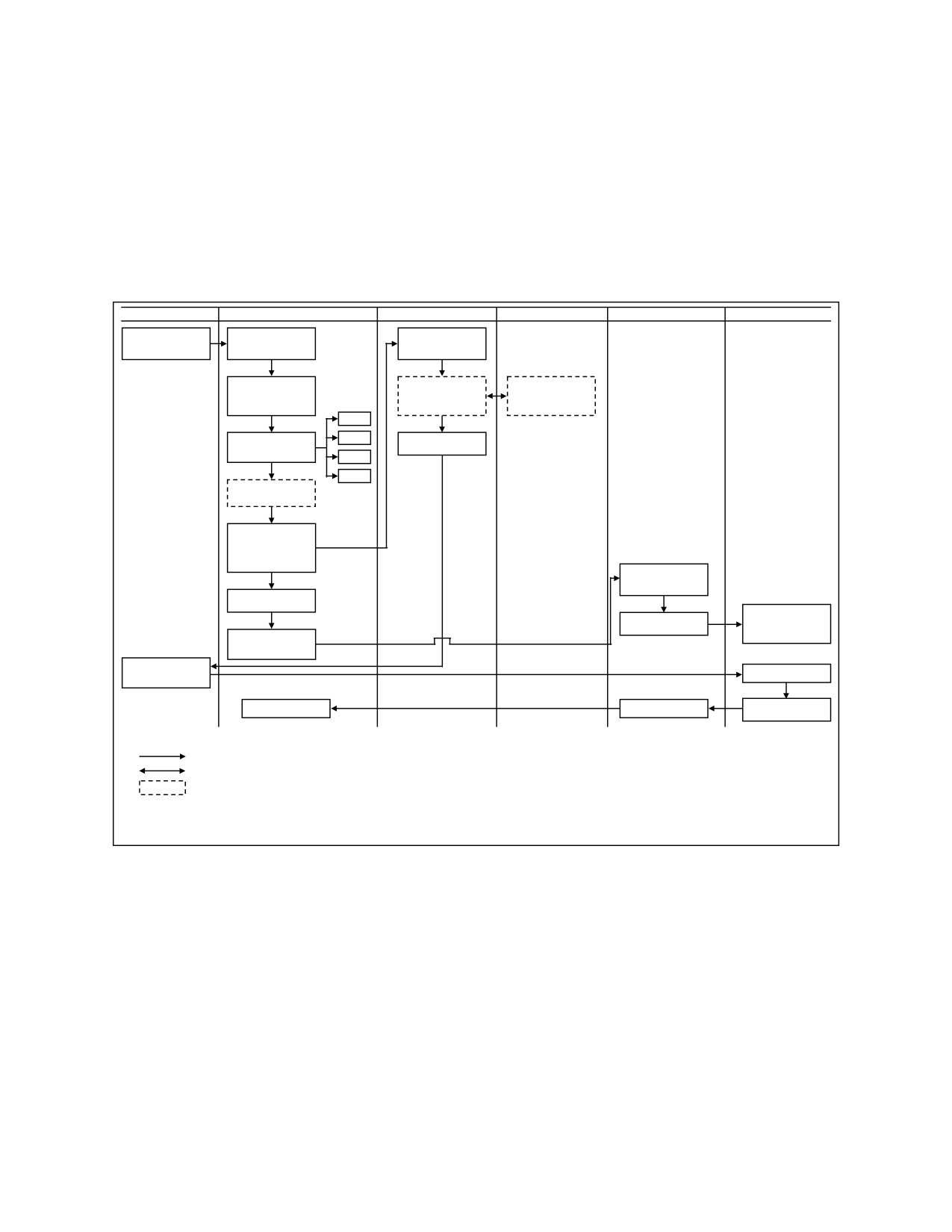
movement request or movement table or on movement tables issued by the movement
control organization. Based upon the extent of control required, a column schedule can
provide the most effective highway regulation because it provides in-transit times to reach
CPs and helps the pacesetter maintain the prescribed rate of march. It may be used for
supervised, dispatch, or reserved routes. It should also be used when congestion is
anticipated.
CLEARANCE REQUESTS
8-14. Units needing to move on controlled routes that require a movement credit must request and
receive clearance before beginning movement. The request is submitted through the chain of
command to the DTO or Corps/EAC MCT within whose area the movement originates. In the
Corps, the MCT forwards the request to its servicing highway traffic division. In the COMMZ, the
MCT forwards the request to its MCB. Based on procedures established in SOPs, the request may be
transmitted in hard copy, electronically, or verbally.
8-15. The DTO, HTD, or MCB reviews requests and considers them based on command priorities
for the type of movement and the unit requiring movement. Priorities for types of movements are
normally specified in SOPs, OPLANs, or OPORDs. They include categories such as unit movement,
movement of reserves, logistical movement, and movement of replacements. Unit or task force
priorities are specified in OPLANs and OPORDs. Unit priorities are based on the commander's
requirements to meet the tactical situation. These priorities frequently change. Movement planners
must anticipate changes and frequently obtain planning guidance from the G3 and G4.
8-16. The DTO or HTD either schedules the movement as requested or notifies the unit if it cannot
be granted. The DTO or MCT will coordinate with the lower priority requestor to reschedule the
move at a different time or on a different route. If conflicts arise during planning that cannot be
resolved by the DTO or HTD, they must seek resolution of the priority conflict through the staff
that approved the priorities.
8-17. Movement credits are returned to the requesting unit through the same channels used for the
request. Information on all movement credits issued is provided to the PM, MP units, and MRTs for
traffic control and movement regulating purposes. The movement credit gives the requesting unit
the authority to move on a controlled route. The credit is a control number. Policies for developing
the codes used for movement credits are governed by command directives. Movement credits
normally include a command identifier, Julian date, and sequence number. For example, a unit of the
54th Infantry Division will move on Julian date 043. The credit was the third issued for that date.
The movement credit would be 54-043-003. Additional codes may be added after the sequence
number to further identify the unit or type of movement. Command directives normally prescribe
8-8
FM 4-01.30 _______________________________________________________________________________________ Chapter 8
that moving units chalk the movement credit on the sides of their vehicles to identify that the
movement is authorized.
COORDINATING MOVEMENTS
8-18. Movement control organizations must coordinate the planned movement of convoys on
controlled MSRs in order to issue movement credits, reroute, or divert. They must also monitor the
in-transit status of some convoys on controlled routes to find out if movements are going according
to scheduling. This does not require monitoring every convoy, but should include monitoring certain
critical points or CPs. The function can be performed by either MRTs or MPs. Both require
communications capability to relay information.
8-19. Without positive control measures and monitoring, the MSRs may become congested and
movements will be delayed. Planners, when coordinating movement bids, must be able to visualize
the location of convoys at any time and know when they should arrive and clear CPS.
DIVERTING AND REROUTING
8-20. Movement planners in the MCO and HTD must monitor the in-transit status of convoys to
find out if movements are going according to scheduling. They are also the focal point for diverting
and rerouting, and must be able to communicate with MRTs and MPs to enforce control measures
on MSRs or to divert and reroute. SOPs must provide detailed guidance for coordinating and
disseminating information.
8-21. Traffic disruptions may be caused by enemy action that destroys bridges, damages MSRs, or
contaminates MSRs. Refugees clogging an MSR may also cause disruptions. Movement planners
must also anticipate traffic disruptions caused by congestion due to breakdowns, weather, and
degradation of road surfaces. They also request route repair, decontamination, and traffic control
support. Movement planners advise the G3 and G4 of any actions required to reduce the impact of
disruptions.
8-22. Movement planners must continuously seek out information from other staff sections to make
assessments. In addition to receiving reports from MCTs and MRTs, they must coordinate regularly
with the G2, G3, and PM to obtain current information as reported through command channels.
Upon receiving reports of problems on an MSR, the movement control organizations can
progressively adjust traffic plans. They can issue instructions to hold unit movements that have not
begun, issue new routing instructions, or hold unit movements at a staging area or CP if the
movement has begun.
LARGE UNIT MOVEMENTS
8-23. Large unit movements must be quickly executed. Coordination is critical during planning to
open routes for movement and to reschedule previously planned movements. Maintaining logistical
support and uninterrupted transportation to other supported units in conjunction with large unit
moves requires continuous coordination. Large unit movements will normally be planned by the
8-9
FM 4-01.30 _______________________________________________________________________________________ Chapter 8
moving units under parameters defined by the G3 and/or movement control headquarters. This
depends upon their location and whether the movement commits the forces or moves them from
one assembly area to another. Planning for movement of large units consists of four concurrent
steps:
• Determining the requirements for the move.
• Determining the timeframe for the move.
• Analyzing organic and nonorganic movement capabilities.
• Establishing movement priorities.
8-24. The fundamental precepts of METT-TC drive the planning for large unit movements as they
form the base requirement for the time and space factors characterizing the movement. The
following factors are considered:
• Task organization of units, current location, and concentration.
• Adequacy of routes to support vehicles and tonnages.
• Available assembly areas and transportation modes at origin.
• Control measures, coordination, and logistics support for the movement and at destination.
• Assembly areas at destination.
• Deception measures before and during the movement and at destination.
• Enemy situation, route and geographic conditions, and weather.
8-25. Preplanned movements must be reevaluated in terms of their priority in relation to the unit
movement. Critical supplies may have to be pre-positioned or moved by alternate modes such as air,
rail, or inland waterway if they are available. En route logistics support such as ROM, maintenance,
and life support must be pre-positioned. Traffic control and MRTs must also be pre-positioned.
8-26. HETs may support the movement. Using HETs to move heavy forces increases the capability
of the maneuver commander to quickly and efficiently relocate forces. They can assist in moving the
maximum amount of combat power to the decisive point and time to attain or keep the initiative and
have forces arrive in a high state of readiness. Using HETs will be governed by their availability, the
conditions of the road network, and the distance to be traveled.
8-27. Highway Regulation planning must be extensive and thoroughly coordinated. Critical road
junctions must be identified and managed. Less critical movements must be rerouted, delayed, or
shifted to alternate modes. Engineering may be required to upgrade routes or to construct bypasses
or bridges. Scheduling guidance must be provided to the moving units. This guidance allows the
8-10
FM 4-01.30 _______________________________________________________________________________________ Chapter 8
units to conduct their internal planning for the movement. The main factor will be the availability of
routes. Movement planners can use the following scheduling techniques:
• Creating reserved routes for particular units.
• Using location or column scheduling to allocate time blocks for movement if units share
routes.
• Developing movement tables if routes are limited and the requirement for control is greatest
(see Appendix G).
8-28. Detailed movement tables are necessary for smaller units to execute their portion of the plan.
However, the moving unit can develop these plans based on the allocation of routes or time blocks.
Movement control organizations will not normally develop detailed movement tables for large unit
movements.
EXAMPLE HIGHWAY REGULATION PLAN
1.
PURPOSE. The Highway Regulation Plan is used to inform all units within the theater of
operations of the policies and procedures governing convoy or oversize/overweight vehicle
movements.
2.
SCOPE
a.
Highway Regulation Plan should be developed for all OPLANs or exercises and be
included within the Transportation Annex of the applicable OPLAN or exercise directive.
b. It is the responsibility of all organizations with a wartime Highway Regulation
mission to develop Highway Regulation Plans. Responsible organizations include DTOs,
MCBs, and TCEs.
c.
Whenever two or more regulating agencies operate in the same theater of operation,
coordination to standardize policies and procedures must be accomplished. Development
of the Traffic Circulation Plan must also be coordinated to ensure mutual use MSRs are
given one name throughout the theater to avoid confusion. Movement priority codes and
other policies and procedures must be standardized.
3.
RECOMMENDED FORMAT AND INFORMATION FOR THE HIGHWAY
REGULATION PLAN
ANNEX ____ HIGHWAY REGULATION PLAN TO OPERATION____
Reference: Maps, Traffic Circulation Plan, and other relevant documents.
Time zone used throughout the order
8-11
FM 4-01.30 _______________________________________________________________________________________ Chapter 8
Dates: Julian for COP system (movement request dates)
1.
SITUATION
Include information affecting movement.
2.
MISSION
Include provisions of effective highway regulation, reporting, support of operations, and
coordination of movement and maneuver. Identify responsible organizations (who
controls routes).
3.
EXECUTION
a.
Concept of movements. Briefly state the Highway Regulation concept and
coordination of movements and maneuver and battlefield circulation control.
b. Tasks to subordinate units.
(1)
Units perform route reconnaissance or get information from TCP pertaining
to theater route network.
(2)
Units responsible for abiding by all policies and procedures listed in the
plan.
c.
Coordination of use of MSRs.
(1)
Request procedures.
(a) Convoy Request Form or oversize/overweight request form. Put
example(s) at appendix. Identify required data (mandatory). Hazardous
cargo and oversize/overweight information must be put in remarks. Round
trip, use request form with stopover time.
(b) Submit to. Identify locations units will submit convoy movement
requests or oversize/overweight. Telephone procedures/telephone
numbers, FAX, walk in locations, MCT, system modem numbers, and so
on. Hours of operation.
(c) Submit when. How many days before movement peace/war,
emergency procedures, and authorization.
(d) Convoy movement priorities. Use numbers 1: highest priority and so
on. Coordinate with all clearance activities to use same number system.
(e) Minimum number of vehicles that constitute a convoy.
8-12
FM 4-01.30 _______________________________________________________________________________________ Chapter 8
(f)
Infiltration rules (less vehicles than a convoy). Ensure infiltrating
vehicles yield to convoys at intersection and do not hinder convoy
movement.
(g) Special movement consideration information must be entered in
remarks on the request for movement form.
(2)
Route utilization information. Discuss MSR listed in TCP. Explain
controlled versus MSR (open).
(a) MSR listed on TCP is open route, any unit can use. No clearance
required. First come, first serve. Minimum speed on MSR and any
restrictions. Direction of travel.
(b) Controlled route. Listed in TCP (same as dispatch route). Convoy
request must be submitted and a clearance issued prior to movement.
Minimum speed for controlled routes and any restrictions. Direction of
travel.
(c) Supervised route. Identify route(s) rules and procedures.
(d) Prohibited route. Identify which route in TCP or not on TCP is
prohibited.
(e) Reserved route (identify who can use and duration).
(f)
Lightlines.
(g) Hardening of vehicles.
4.
SERVICE SUPPORT
a.
Provide logistical support request procedures. Rest, refueling, and so forth. The TCP
(text version) identifies convoy halt locations, facilities, and services available to include
units responsible for providing service.
b. Maintenance and recovery procedures. Vehicle breakdown procedures.
c.
Medical evacuation procedures.
d. Halts.
5.
PROCEDURES. (Note: Should be same information as in system parameter table.)
a.
Planning factors (convoy).
- Distance between vehicles.
8-13
FM 4-01.30 _______________________________________________________________________________________ Chapter 8
- Time gap between march units/serials.
- Time gap between convoys.
- Oversize/overweight criteria. Procedures to submit request for clearance.
- Vehicles per march unit.
- March units per serial.
- Blackout procedures/light lines.
- Hardening of vehicles.
- Convoy/hazardous cargo marking/flags.
- Delay in meeting SP time procedures.
b. Planning factors (route information). Refer to TCP for location and type routes, halt
locations and services, traffic control point locations, critical point locations, and
restrictions.
6.
ENFORCEMENT. Include command actions that will be taken in the event units do not
follow policies and procedures. Stress the requirement that units must have approved march
table/movement order prior to using controlled routes. Identify who will monitor and control
movements.
7.
COMMAND AND SIGNAL.
a.
Command. Identify communications reporting locations and procedures with
Highway Regulation and police officials.
b. Signal. Describe reporting requirements, method of communication, and radio
frequencies.
APPENDIXES:
Traffic Circulation Plan (text copy attached and system disk distributed to system users)
Convoy Request Form and Oversize/Overweight (same form)
8-14
FM 4-01.30 _______________________________________________________________________________________ Chapter 9
Chapter 9
Transportation Request Procedures
SUPPLY SYSTEM INTERFACE
9-1. Movement control in a theater of operations is closely linked to the supply system. The supply
system generates much of the requirement for transportation needed to support combat forces.
Movement planners at all echelons must understand that supply priorities and competing demands
for logistics resources affect the movement of supplies. Understanding the relationship of the supply
system to the transportation system is essential to effectively plan and execute movement control.
This section explains how supply priorities are translated to transportation priorities for movement
of material.
9-2. Transportation priorities are derived from the priority designator (PD) found on all material
requisitions. The PD is based upon a combination of factors that relate to the mission of the unit
requesting material and the urgency of need for the material. The requesting unit puts a PD on all
requests it submits to a supply support activity. The PD is determined according to the Uniform
Materiel Movement and Issue Priority System (UMMIPS). For a thorough discussion of how the
supply community determines its PDs, see AR 735-50.
9-3. Before selecting the mode of transportation, the transportation officer converts the supply PD
on the supply document to a transportation priority as follows. The following chart shows the
conversion of the supply PD to the transportation priority (TP).
PD
TP
01-03
1
04-08
2
09 to 15
3
9-4. Mode selection is governed by the resulting TP, the standard delivery date (SDD), or the
required delivery date (RDD), the weight and cube of the shipment, the nature of the materiel, the
cost of the transportation, the distance to be shipped, and the modes of transportation available.
The following chart gives the preferred mode for each TP.
TP PREFERRED MODE
1
air
2
air
3
ordinary surface
9-5. There are times when the transportation officer selects a mode other than the preferred mode.
For example, TP 1 and 2 shipments that normally move by air might move by surface under the
following circumstances:
• The items to be shipped are to heavy or to bulky to fit in an aircraft.
• Surface transportation is the only mode available.
• Surface transportation is more advantageous or more expeditious due to the short distance.
9-1
FM 4-01.30 _______________________________________________________________________________________ Chapter 9
9-6. On the other hand, there are times when the transportation officer selects other than surface
mode for TP 3 shipments. They might move by air under the following circumstances:
• Air transportation is the only mode available.
• The overall cost of shipping via surface is greater than shipping via air.
• The materiel being shipped is of high value or a security risk and it would be in the best
interests of the Government to ship it by air.
• The nature of the cargo demands movement by air for other reasons (e.g., cargo may be time
sensitive, as are some highly specialized batteries).
9-7. The SDD is the calendar date that materiel must be delivered to the requisitioner. It is based on
UMMIPS criteria and includes the normal processing and shipping time the supply and
transportation personnel use to process and move supplies. When the SDD does not meet the
requisitioner’s requirements, the requisitioner may specify an RDD, which is the date the materiel is
needed. The RDD is entered on the requisition as an adjustment from the SDD. The RDD does
not change the priority of the shipment. An RDD signals the system to expedite the shipment.
Requisitioners may enter “999” in the RDD block of TP1 shipments (PD 01,02, and 03 requisitions).
The presence of the 999 indicates that the requisition is to be filled and shipped ahead of all other TP
1 shipments.
9-8. Once materiel has been released by a supply activity for shipment, the transportation officer
selects a mode of transportation to ship the materiel. This puts the materiel in the transportation
system.
9-2
FM 4-01.30 _______________________________________________________________________________________ Chapter 9
TRANSPORTATION REQUEST PROCEDURES
9-9. Movement managers, through mode selection and transportation request procedures, are key to
the support of transportation requirements. They are primarily responsible for prioritizing
requirements and selecting the mode most appropriate to satisfy the requirement. (See 9-1.)
CONSIGNOR/SHIPPER
ORIGIN MCT
MODE OPERATOR
TCE/MCT
DESTINATION MCT
CONSIGNEE/RECEIVER
SUBMITS
RECEIVES
RECEIVES
TRANSPORTATION
COMMITMENT
REQUESTS
REQUEST (TR)
(NOTE 3)
LOGS REQUEST/
REQUEST CONVOY/
REQUEST CONVOY/
CHECKS REQUEST
HIGHWAY
HIGHWAY
FOR ACCURACY
CLEARANCE
CLEARANCE
COMPLETENESS
(NOTE 4)
(NOTE 4)
MOTOR
DETERMINES
RAIL
COMMITS ASSETS
MODE
(NOTE 1)
AIR
BARGE
BOOKS CARGO
(NOTE 2)
ISSUES
TRANSPORTATION
MOVEMENT RELEASE
NUMBER (TMR)
RECEIVES/LOGS
ADVANCE SHIPPING
NOTIFICATION
COMMITS MODE
OPERATOR
RECEIVES/LOGS
NOTIFIES
ADVANCE SHIPMENT
CONSIGNEE
NOTIFICATION
PROVIDES ADVANCE
(NOTE 5)
SHIPPING
NOTIFICATION
RECEIVES
ASSETS/RELEASES
RECEIVES CARGO
CARGO
NOTIFIES DEST MCT
CLOSES TMR
CLOSES TMR
OF RECEIPT
Legend:
NOTES:
4. Convoy clearances are issued according to
Transportation request flow
1. Programmed movements mode has been preselected.
requirements outlined in existing regulations and local
Therefore, mode determination is only necessary for un-
SOPs or OPORD.
Coordination
programmed moves.
5. If consignee cannot receive shipment, destination
2. Unprogrammed shipments that have been moded to
MCT should be notified and shipment held or diverted. If
As required
move by rail, air, or barge may require advance booking
consignee can receive shipment, no further action is
through a central clearance authority prior to TMR
required.
issuance.
3. If mode operator cannot provide assets, either alter-
nate mode should be selected or RDD should be adjusted.
Figure 9-1. Transportation Request Procedures
Movement Control Team (MCT) Responsibilities
9-10. The MCTs are the immediate interface with the organization that is requesting transportation
support. The MCTs responsibilities are as follows:
• Origin MCT review
• Mode considerations
• Mode selection
• Issue transportation movement release (TMR)
• Request positive in-bound clearance (PIC)
9-3
FM 4-01.30 _______________________________________________________________________________________ Chapter 9
• Commit mode operators
• Close TMR
9-11. Origin MCT review. On receipt of a transportation request, the origin MCT ensures that the
request is complete and accurate. Based on the review, some coordination may be effected by the
MCT.
9-12. Mode considerations. The MCT deliberately plans to task all available transportation modes
to fulfill known requirements. Assets should not be reserved to meet unforeseen requirements. The
MCT should meet requirements as they occur by commiting transportation mode operators
according to command priorities, selecting the most efficient and effective mode, and planning to
meet the RDD.
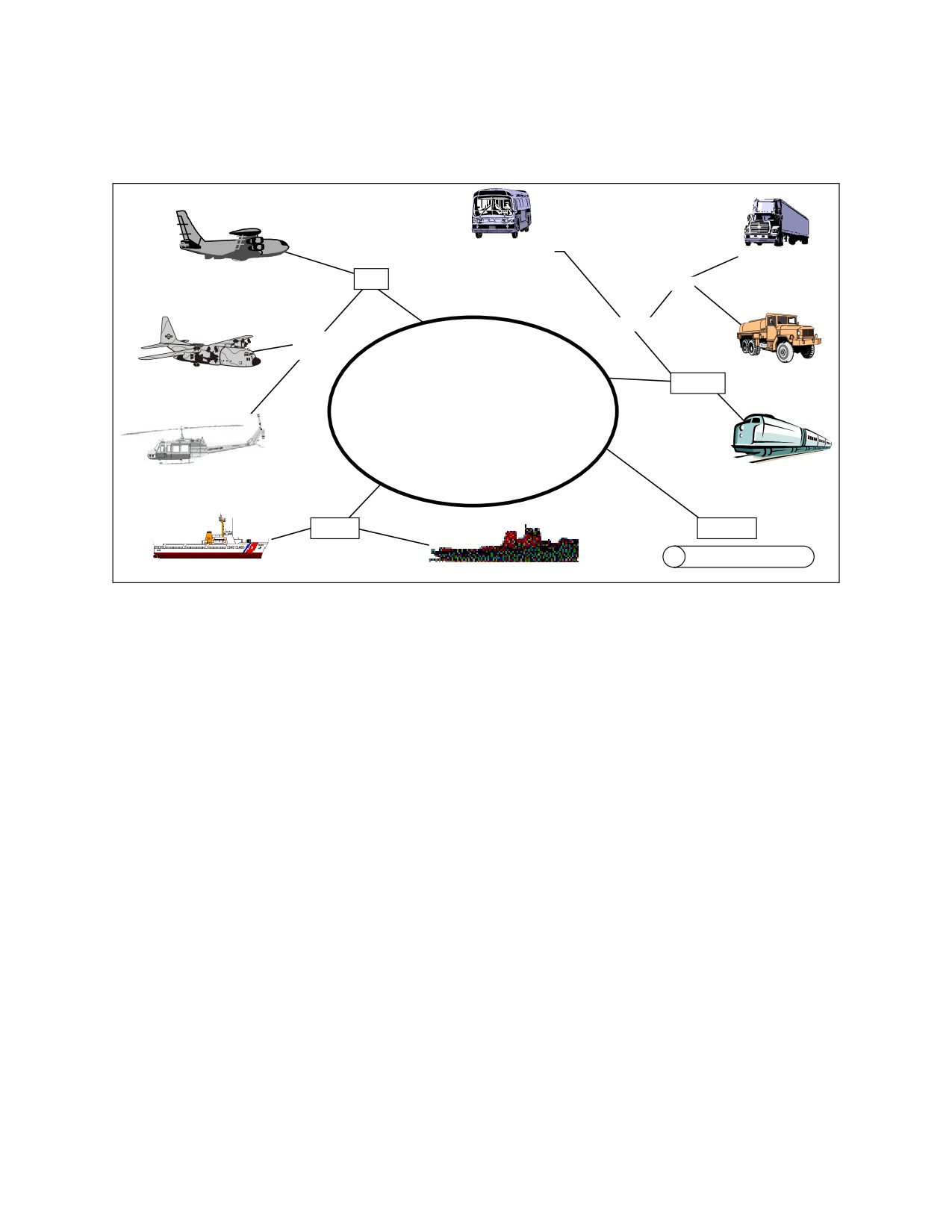
9-13. Mode selection. The origin MCT must consider many other factors in selecting a mode.
These factors include the following (see 9-2):
•
Need considerations. Provide service according to need-based on command priorities.
•
Security considerations. Consider security requirements for shipments involving nuclear
materials, hazardous or classified cargo, ammunition, or other sensitive cargo.
•
Sensitive/Classified Materiel. This may require cargo to be guarded and conduct the
movement at night, by air, or by any other means to safeguard sensitive/classified cargo.
•
Political considerations. Coordinate with the G5 to determine if there is any political
sensitivity to materiel being shipped. This may require movement at night, by air, or by any
other means ship cargo.
•
Tactical considerations. Coordinate with the requesting and destination units to determine
potential changes in pickup or delivery locations.
•
Highway considerations. Rerouting may be required if there are changes to route
classifications or the distribution pattern.
•
Rail considerations. Suitable for bulk, high tonnage and speed for locations along the rail
line or where transloading can be accomplished with material handling equipment (MHE),
personnel, and trucks. Limited to locations serviced by rail.
•
Air considerations. Use of aircraft as a logistics delivery mode is constrained to the air assets
allocated for combat service support (CSS) air movement operations.
(See Section III
Request for Intratheater Airlift in this chapter).
•
Water considerations. Suitable for bulk and high tonnage for locations along the waterway.
Use is limited by the availability of barges or boats, cargo transfer units and equipment, and
channels capable of accommodating the types of craft available.
•
Host nation (HN) assets. Use is limited to those modes and assets provided by the host
country. Host nation support (HNS) is coordinated by the G5 or units having a HNS
coordinating mission.
9-4
FM 4-01.30 _______________________________________________________________________________________ Chapter 9
BUS
(Civilian & Military)
COMMERCIAL
INTERTHEATER
AIR
TRUCK
(Strategic)
HIGHWAY
INTRA
THEATER
MODE SELECTION CRITERIA
AIR FORCE
MILITARY
• Priority
GROUND
• Required delivery date
• Commodity/type cargo
• Special restrictions
• Economy/efficiency
• Available resources
ARMY
RAIL
WATER
PIPELINE
OCEAN
INLAND WATERWAY
Figure 9-2. Modes of Transportation
9-14. Issue TMR. The MCT issues the TMR, which is a document that specifies and authorizes
movement and directs the use of a transportation asset through movement control channels. See
Appendix E for further discussion of TMRs.
9-15. Request PIC. The origin MCT requests positive inbound clearance (PIC) for sensitive,
classified, oversize, overweight, or other theater-directed shipments through the destination MCT
before issuing a TMR. Unit capabilities to have MHE, storage, and personnel available may also
affect PICs. Requests are forwarded to the destination MCT that, in turn, contacts the consignee.
The destination MCT confirms the consignee’s location and ability to off-load the cargo back to the
origin MCT. If the consignee is unable to receive a shipment, the origin MCT reschedules the
shipment by coordinating for alternate delivery dates. The origin MCT schedules routine shipments
without an inbound clearance unless the receiving activity, through the destination MCT, notifies the
origin MCT that it cannot receive the shipment and requests the origin MCT to hold the shipment.
9-16. Commit mode operator. For all movements, the origin MCT selects the mode and commits
a mode operator. If the request is in response to OPORD execution or other preplanned moves, the
MCT checks the movement program for predetermined mode selection and commits the mode
operator. The MCT commits a mode operator identified either in the movement program or one in
the origin MCT’s geographic area. Commitments flow through predetermined channels developed
between the movement control headquarters (TCE or corps movement control battalion (MCB)) and
the mode operating headquarters. The mode operator submits a movement request for convoy or
highway clearance to its supporting MCT. If the mode operator cannot support the TMR for any
reason, it must notify the MCT immediately. The MCT either attempts to establish an alternate
delivery date that satisfies the consignee, select another operator, another mode, request HN assets,
request commercial assets, delay lower priority shipments, or request assistance from its HQ.
9-5
FM 4-01.30 _______________________________________________________________________________________ Chapter 9
9-17. Close the TMR. The consignee notifies the destination servicing MCT when it receives the
shipment so the MCT can close out the TMR. Supply activities or consignees may not have reliable
communications with their servicing MCT. If this is the case, the mode operator reports shipment
delivery through the Movement Tracking System (MTS) or automatic identification technology (AIT)
or other means.
DIVISION TRANSPORTATION REQUEST PROCESS
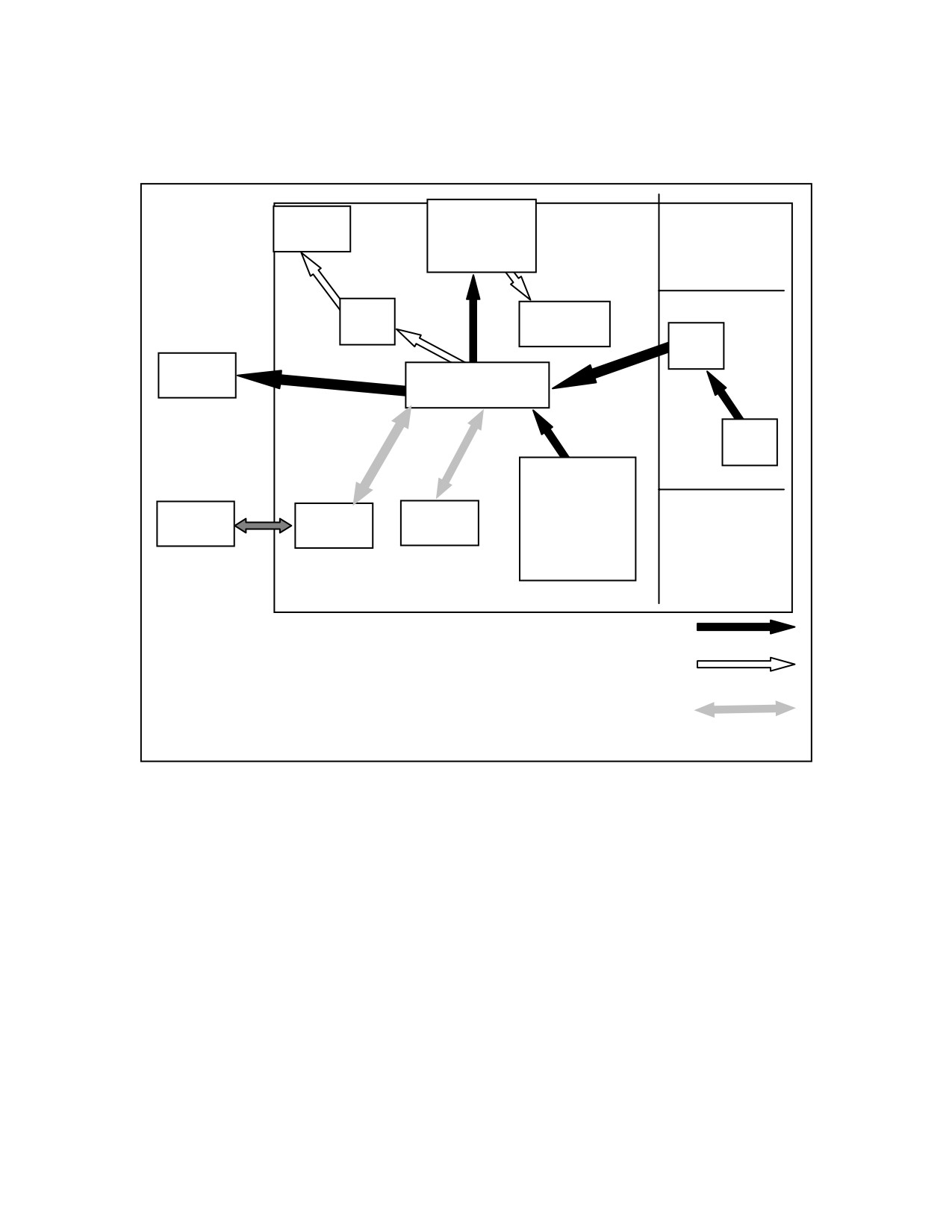
9-18. Division units request transportation support from the division support command (DISCOM)
movement control officer (MCO). Depending upon the type of division, location of units on the
battlefield, and defined support relationships, the request may flow from the brigade, separate
battalion or company through a forward support battalion (FSB) or main support battalion (MSB) to
the MCO.
•
The MCO coordinates with the division materiel management center (DMMC) and other
division units to plan and program transportation requirements. This includes movement of
supplies and equipment between the division support area (DSA) and the brigade support
area (BSA). The DMMC has visibility over the location and status of supply quantities in the
division and directs repositioning. The MCO also coordinates with the G1 to forecast
transportation requirements to move replacement personnel.
(For more information, see
paragraph 6-11, Chapter 6.)
•
The FSB coordinates in advance with the MCO to use loaded trucks moving forward to the
BSAs for retrograde of damaged and captured equipment, salvage, or enemy prisoners of
war on the return leg.
•
As the supply and maintenance companies in the DSA receive MROs from the DMMC, they
request transportation support from their battalion support operations officer. The support
operations officer consolidates the requests and submits requirements to the MCO. The
MCO selects and commits the mode based on division priorities, but if the division is unable
to provide the required transportation support using its organic assets, the MCO forwards a
request for transportation support to the supporting MCT ( 9-3). The MCO normally
coordinates requests of an exceptional nature through the division transportation officer
(DTO). The DTO coordinates support from the corps MCB.
•
The MCO coordinates to ensure that MHE is available to off-load the supplies upon
delivery. This prior coordination reduces transportation delays and increases the availability
of these trucks for other missions.
9-6
FM 4-01.30 _______________________________________________________________________________________ Chapter 9
DIVISION
TMT CO
G3
X
AIR
X
MSB
AVN BDE
1
FSB
MCT
DISCOM MCO
X
X
BDE
X
2
X
DIVISION
MCB
DTO
DMMC
REAR
UNITS
X
XX
1ROUTINE REQUESTS
REQUEST
2EXCEPTIONAL REQUESTS
COMMITMENT
COORDINATION
Figure 9-3. Division Transportation Request Process
CORPS TRANSPORTATION REQUEST PROCESS
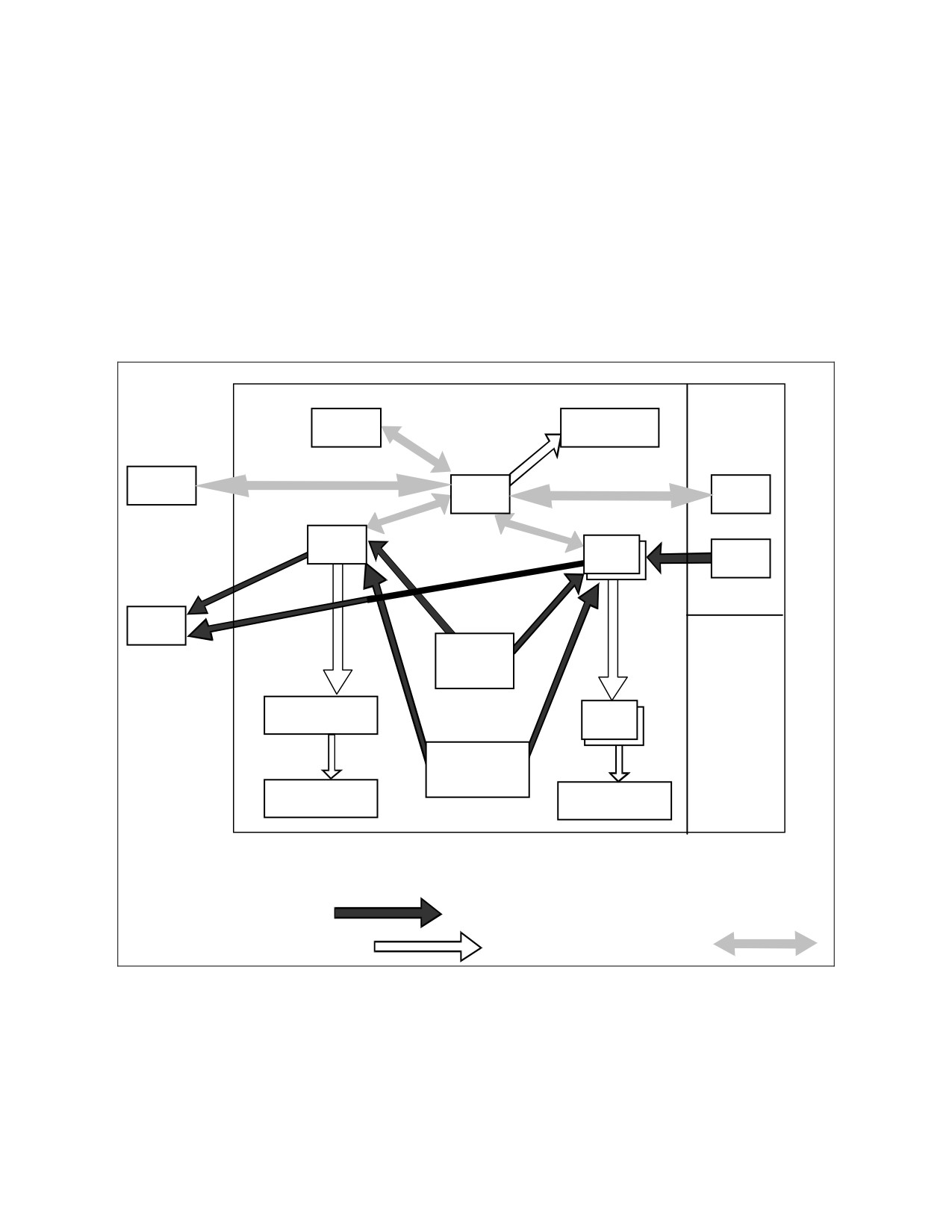
9-19. The corps resupplies its assigned divisions and separate units. The corps may establish supply
point or unit distribution depending upon the situation. The corps predetermines these
arrangements as part of the logistics planning process. Resupply requirements are based on supply
requests from the DMMC to the corps materiel management center (CMMC) or by predetermined
daily resupply. The CMMC issues MROs to corps support units. The corps support unit requests
transportation from its servicing MCT to move the supplies forward. Corps transportation assets are
also used to support units in the corps rear area. Units in the corps area request transportation
support from their servicing MCT. (See 9-4.)
• The MCT commit the mode operator in its area of operation to provide transportation.
This may be a corps support battalion or functional transportation battalion depending on
the transportation alignment within the corps support groups (CSGs). For shipments
9-7
FM 4-01.30 _______________________________________________________________________________________ Chapter 9
requiring PIC, the origin MCT coordinates the details of delivery and any retrograde
movements with the destination MCT or MCO.
• If an MCT needs additional transportation support to satisfy requirements, it forwards the
request to the supporting echelons above corps (EAC) MCT.
• The corps MCB coordinates directly with the transportation command element (TCE) for
requirements of an exceptional nature such as the movement of large forces, contingency
operations, and intratheater airlift.
XXX
X
CMMC
AVN BDE
X
2
TCE
MCB
DTO
MCT
MCT
MCO
XX
MCT
X
CORPS
X
UNITS
X
X
TRUCK BN
CSB
X
1
COSCOM
UNITS
TRUCK CO
TRUCK CO
XXX
1USUAL SUPPORT RELATIONSHIP
2MCB COMMITS AIRCRAFT APPORTIONED BY CORPS G3 FOR CSS
REQUEST
COMMITMENT
COORDINATION
Figure 9-4. Transportation Request Process (Corps)
ECHELONS ABOVE CORPS (EAC) TRANSPORTATION REQUEST PROCESS
9-20. The same relationship between the corps and division exists between the theater support
command (TSC) and corps. (See 9-5.)
9-8
FM 4-01.30 _______________________________________________________________________________________ Chapter 9
• If mode operators in the corps MCT’s area of responsibility (AOR) cannot satisfy all
transportation requests, the MCT requests assistance from its EAC area MCT. If unable to
obtain required support at EAC, it passes the request to the corps MCB. The corps MCB
passes the requirement to the TCE for resolution.
• The TCE reviews established priorities. It looks at the possibility of cross-leveling mode
assets to meet the requirement. It also looks at using HN or other service transportation
assets. If the TCE cannot find sufficient assets, it goes back to the requestor and see if the
RDD can be changed.
• Theater units pass their requests directly to their supporting EAC MCT, which tasks mode
assets or arranges for HN or commercial transportation support.
MCB
TCE
MCB
X
X
X
MODE
MCT
MCT
OPERATORS
TA UNITS
REQUEST
COMMITMENT
COORDINATION
Figure 9-5. Transportation Request Process (EAC)
9-9
FM 4-01.30 _______________________________________________________________________________________ Chapter 9
CLEARANCE REQUESTS
9-21. Units needing to move on controlled routes that require a movement credit must request and
receive clearance before beginning movement.
(A movement credit is the allocation granted to one
or more vehicles in order to move over a controlled route in a fixed time according to movement
instructions. For purposes of clarity and consistency in this discussion, the term clearance will
continue to be used, since it is the subject being discussed.) The request is submitted through the
chain of command to the DTO at division, or MCT at corps or EAC, within whose area the
movement originates. In the EAC or the corps, the MCT forwards the request to its MCB. Based
on procedures established in standard operating procedures (SOP), the request may be transmitted in
hard copy, electronically, or verbally.
9-22. The DTO, corps MCB, or EAC MCB reviews requests and considers them based on
command priorities for the type of movement and the unit requiring movement. Priorities for types
of movements are normally specified in operation plans (OPLAN), SOPs, or operation orders
(OPORD). They include categories such as unit movement, movement of reserves, logistical
movement, and movement of replacements. Unit or task force priorities are specified in OPLANs
and OPORDs. Unit priorities are based on the commander’s requirements to meet the tactical
situation. Because these priorities frequently change, movement planners must frequently obtain
planning guidance from the G3 and G4.
9-23. The DTO or MCT either schedules the movement as requested or notifies the unit if it cannot
be granted. The DTO or MCT coordinates with the denied requestor to reschedule the move at a
different time or on a different route.
9-24. Movement clearances (called movement credits) are returned to the requesting unit through
the same channels used for the request. Information on all movement clearances issued is provided
to the provost marshal, military police (MP) units, and movement regulating teams (MRT) for traffic
control and movement regulating purposes.
9-25. The movement clearance gives the requesting unit the authority to move on a controlled route,
and is usually expressed as a control number. Methods for constructing the control numbers are
governed by command directives. They normally include a command identifier, Julian date, and
sequence number. For example, a unit of the 54th Infantry Division will move on Julian date 043.
The clearance was the third issued for that date. The control number would be 54-043-003.
Additional control numbers may be added after the sequence number to further identify the unit or
type of movement.
NOTE
Army units operate OCONUS in many environments — hostile, friendly, a mix of both. They sometimes share
transportation resources and facilities with other services and sometimes with other nations, frequently with host
nations. In situations where host nation or other governing regulation, law, or treaty is in force, they must be
considered in developing the plans for operating on the roads, rails, and air ways of the environment.
9-10
FM 4-01.30 _______________________________________________________________________________________ Chapter 9
COORDINATING AND MONITORING MOVEMENTS
9-26. Without positive control measures and monitoring, controlled routes may become congested
and movements delayed. When coordinating movements, planners must be able to visualize the
location of convoys at any time and know when they should arrive and clear CPs. To avoid
congestion and movement delay, movement control organizations must coordinate the planned
movement of convoys on controlled main supply routes (MSR) to issue movement clearances and
any changes thereto. They must also monitor the in-transit status of convoys on controlled routes to
find out if movements are proceeding according to plan. Movement control elements at all levels,
battalion and above, will have the MTS Control Station. The MTS gives movement control elements
the ability to let the commander know where a specific convoy is, the MSR status, and when it will
arrive at its destination.
9-27. The monitoring function can be performed by either MRTs or MPs. MTS will be used by the
Military Police at Division and above to track traffic/circulation control teams and to provide
Command and Control (C2) information. The teams will use MTS to pass road condition and enemy
action information along the major supply route (MSR) to Movement Regulating Teams (MRT). The
traffic control teams will coordinate closely with the movement control elements to update and pass
information on MSR interdiction, traffic congestion, or any other situation influencing movement in
the area. They will pass information to their MTS Control Station or directly to affected
transportation. Upon receiving reports of problems on a controlled route, movement control
organizations can adjust traffic plans. They can issue instructions to hold unit movements that have
not begun, issue new routing instructions, or hold unit movements at a staging area or CP if the
movement has begun.
9-11
FM 4-01.30 _______________________________________________________________________________________ Chapter 9
REQUEST FOR THEATER AIRLIFT
9-28. Airlift is a flexible and essential element of the transportation system. Wide-ranging logistics
needs within a theater require Army and Air Force airlift support. While motor transport normally is
the primary mode to support Army forces, airlift becomes an increasingly important mode as the
intensity, depth, and duration of operations increase. Airlift can provide rapid movement of cargo,
passengers, and equipment without regard to terrain restrictions. It also makes possible resupply of
critical items over extended distances. However, there are limitations to the use of airlift to support
logistics. Among these are adverse weather conditions, enemy air interdiction, high weight or large
cube of cargo, and the need for specialized logistics crews and equipment for air operations. The
following paragraphs discuss the process for obtaining Army and Air Force airlift to support logistics
requirements.
ARMY AIRLIFT
9-29. The primary Army aviation unit is the aviation brigade. The Army aviation brigade is a
versatile organization found at division, corps, and EAC. It may contain observation, attack, utility,
and cargo helicopters and a limited number of fixed-wing command and control (C2) aircraft.
•
Division. An aviation brigade is organic to each division. Each division aviation brigade is
designed to meet the tactical requirements of the type of division to which it is assigned.
The brigade can provide aircraft for logistics air movement operations to move troops,
supplies, and equipment. The primary asset used by the brigade is the utility helicopter,
either the UH-60 or UH-1.
•
Corps. An aviation brigade is organic to each corps. Each corps aviation brigade is tailored
to meet the specific mission requirements of that particular corps. The corps aviation
brigade mission is to plan, coordinate, and execute aviation and combined arms operations
in support of the corps scheme of maneuver. In its logistics support role, corps aviation
provides movement of critical forces, supplies, and equipment needed to support the battle.
The corps commander should routinely allocate sorties for sufficient logistics air movement
missions. The brigade uses a combination of UH-60, UH-1, and CH-47 helicopters.
•
EAC. EAC aviation brigades are tailored and configured to meet the needs of the theater.
They may be organized with attack, utility, and cargo aviation assets. The utility and medium
helicopters of the EAC aviation brigades provide reinforcing support to the corps for
logistics air movement needs.
•
Air Liaison Officers. An air liaison officer (ALO) is designated by the aviation brigade at
each echelon to serve with supported units as a link between movement control elements,
their aviation support, and airlift users. The ALO coordinates the commitment of air sorties
for support based on tasking of movement control elements. The ALO assists passing
advance information to the aviation mode units and by providing technical advice to
movement planners.
9-12
FM 4-01.30 _______________________________________________________________________________________ Chapter 9
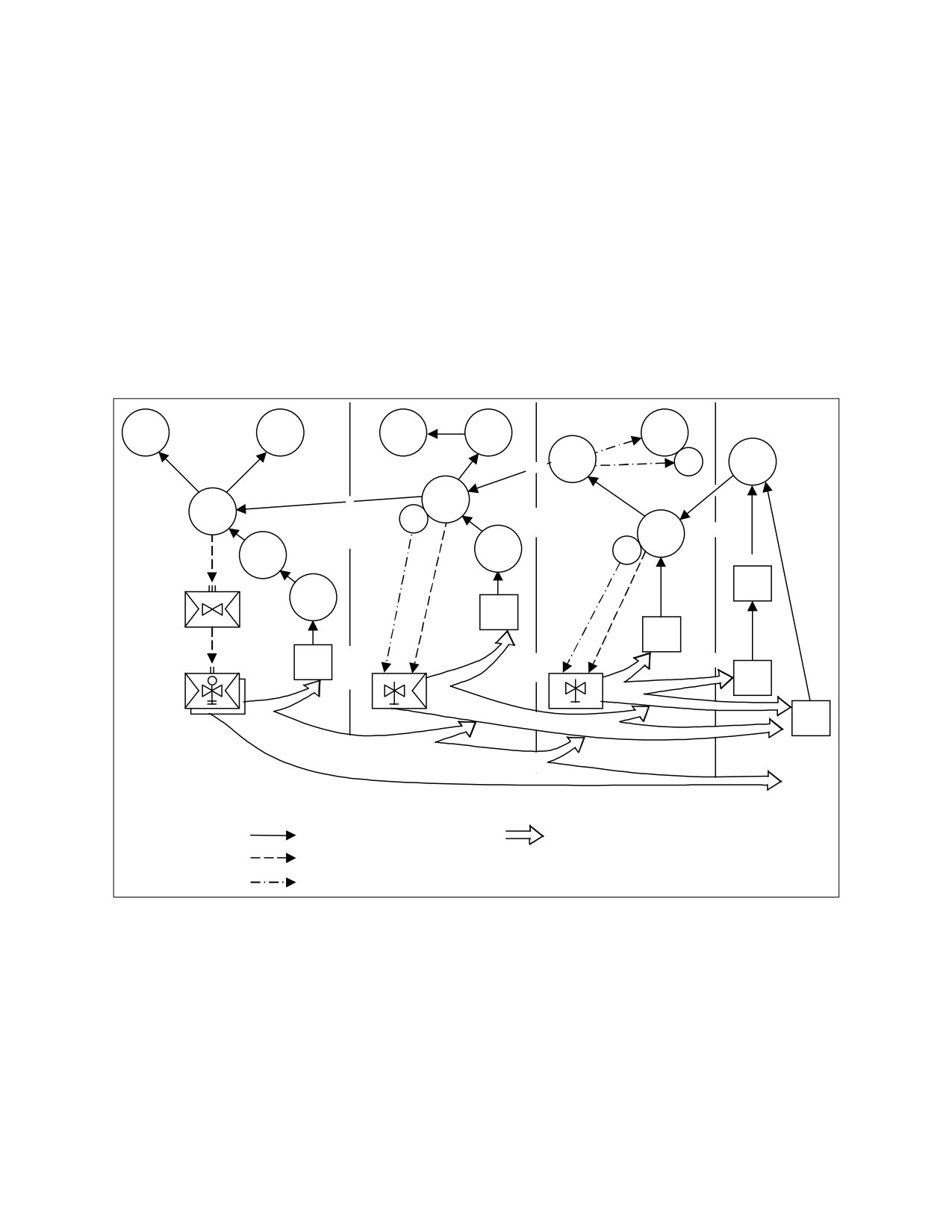
9-30. Army logistics air movement request procedures. Requirements for logistics air movement
operations are characterized as either preplanned
(as a result of the movement program) or
immediate.
• Preplanned requests. Requirements for preplanned airlift are established in advance as
part of movement program development.
(See Chapter 7.) Movement program planners
determined in advance that air is the most effective mode based on the urgency of the
requirement and characteristics of the personnel, supplies, and equipment to be moved
(figure 9-6). Division, corps, and EAC requests for preplanned (movement program) air
support of logistics are processed as follows —
JMC
DCSOPS
G3
CTO
G3
DTO
ADAO
FSB
MCB
X
X
TCE
ALO
X
X
MCO
X
X
MCT
ALO
MCB
X
S4
MCT
USER
USER
X
USER
X
X
X
X
X
X
USER
X
USER
LEGEND:
REQUEST
TRANSPORTATION PROVIDED
COMMITMENT OF ALLOCATED AIRLIFT
ARMY VALIDATION AUTHORITY
*
COORDINATION/LIAISON
Figure 9-6. Preplanned Requests (Army Air)
⇒ Division. Preplanned requests are forwarded to the MCO as part of the planning process
to obtain airlift. The MCO reviews the requests and either validates them or
recommends an alternate mode. If the MCO validates the requests, the requests are
forwarded to the DTO. The DTO coordinates the requirements with the G3 (Air), a
member of the G3 battle staff, to get aircraft allocated by the G3. Once the G3
allocates assets for logistics air movement operations, the MCO programs the
requirement and tasks the aviation brigade through coordination with the aviation
liaison officer (ALO) in the rear command post. The MCO also tasks truck assets to be
used in moving cargo to the airfield, sling point, or landing area. NOTE: If division
9-13
FM 4-01.30 _______________________________________________________________________________________ Chapter 9
aircraft are not available for the preplanned logistics air movement operations, the DTO
either works through the G3 and G4 to manage priorities; or validates and passes the
requests to the corps MCB for corps aviation or US Air Force (USAF) support.
⇒ Corps. The corps MCB receives preplanned (movement program) requests through the
MCTs from corps units or validated division airlift requests during the planning process.
For corps units, the MCT reviews requests and either passes requests to the corps MCB,
or recommends another mode. The corps MCB coordinates requirements with the
corps transportation officer (CTO) to obtain G3 allocation. If the G3 has allocated
airlift assets to the corps MCB for preplanned logistics air movement operations, the
corps MCB validates requests, programs, and commits the allocated airlift assets through
the ALO to support the missions. The corps MCB informs the origin MCT of the
validation and committal of air assets. The MCT concurrently tasks highway assets to
move the personnel or cargo to the on-load site or airfield. The MCT also clears the
inbound movement with the destination MCT, DTO, or MCO. For validated division
preplanned requests, the corps MCB either commits allocated corps aviation assets or
validates the requests and passes them to the TCE.
⇒ EAC. The TCE receives transportation requests from units in the theater, and validated
corps (and division) airlift requests. The request process for EAC units is basically the
same as for corps units. MCTs forward airlift requests through their MCB to the TCE.
If airlift assets have been allocated for preplanned logistics operations, the TCE is the
tasking authority. If the TCE tasks an MCB to commit Army airlift allocated for
logistics air movement operations, then the MCB also becomes the validating authority
for requirements it must pass to the TCE. If the EAC aviation brigade cannot support
the preplanned (movement program) mission, the TCE forwards the requests to the
joint movement center (JMC). The JMC either tasks other service or HN aviation units
or returns the request to the TCE for mode change.
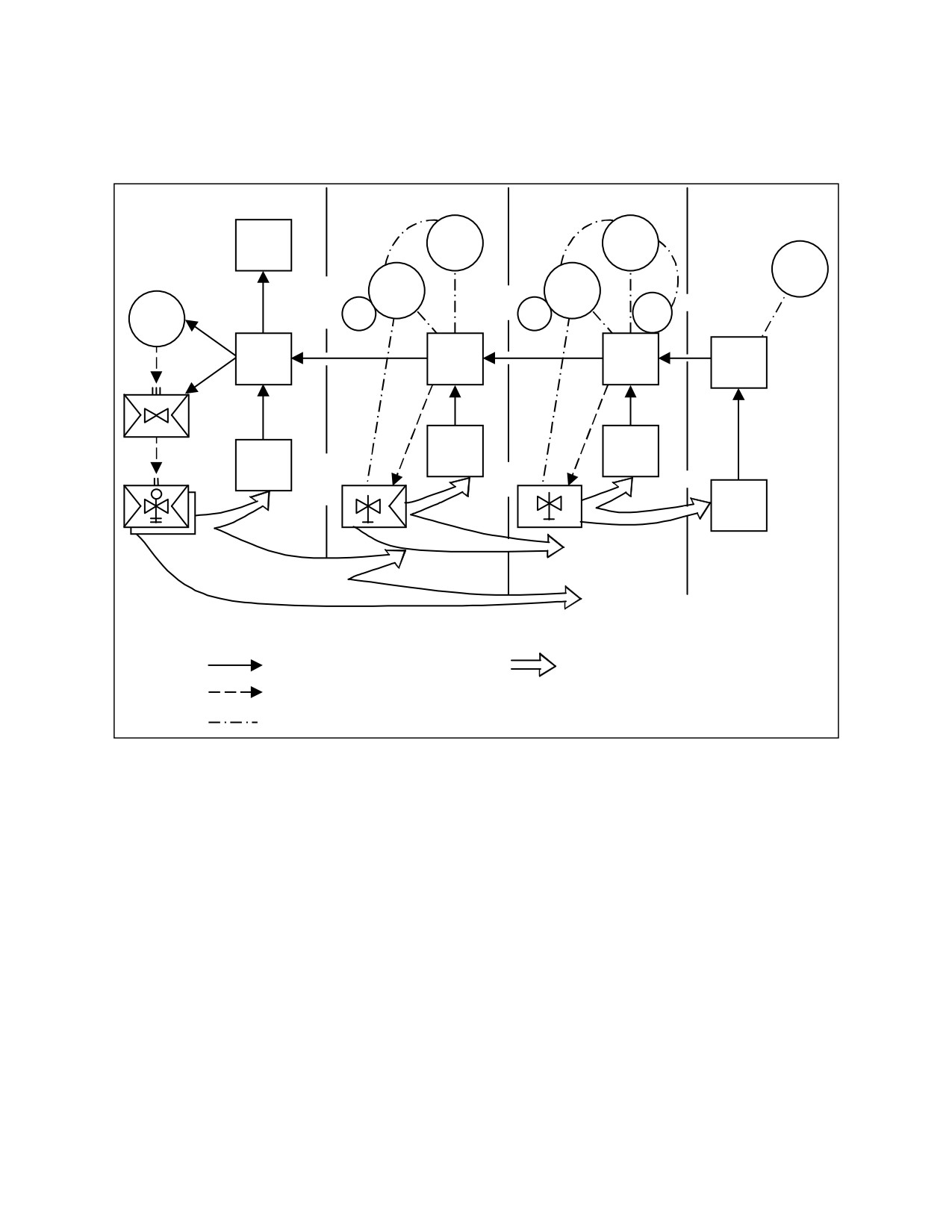
•
Immediate requests. Immediate airlift missions result from unanticipated, urgent, or
priority movement requirements. Immediate requests are all requests that are not
preplanned. Movement controllers must quickly determine if air is the most effective mode
based on the urgency of the requirement and characteristics of the personnel, supplies, and
equipment to be moved. Immediate air support request procedures must be responsive and
flexible to respond to rapidly changing situations (figure 9-7). Division, corps, and EAC
requests for immediate air support of logistics are processed as follows —
⇒ Division. Immediate requests are forwarded by unit S4s, the DISCOM, or through
operational channels to division G3. Concurrently, the information must also pass
through movement and support operations channels to coordinate logistical aspects of
the movement. The G3 allocates aviation assets for logistics purposes and, when
aviation assets are not available, validates requests passed to corps. The DTO and G3
(Air) coordinate to obtain G3 validation. Once allocated, the assets are available for
tasking by the MCO via coordination with the ALO. The MCO and ALO coordinate
needs and missions requiring aviation capability, and when needs exceed allocated
capability, prepare requests for additional aviation support and send them to the DTO
and G3 (Air).
9-14
FM 4-01.30 _______________________________________________________________________________________ Chapter 9
⇒ Corps. If airlift assets have not previously been allocated for logistics missions, the corps
MCB, or requesting unit, passes requests to the G3. The G3 is the tasking authority for
immediate requests. If the corps cannot support immediate logistics support missions at
that time, the G3 may validate and pass the airlift requests to the theater. If the G3 does
not validate the requests, they are returned to the MCB, which must select alternate
modes.
⇒ EAC. If airlift assets have not been previously allocated for logistics missions, the TCE
or requesting unit passes requests to the Army Service Component Command (ASCC)
Deputy Chief of Staff for Operations (DCSOPS). The DCSOPS is the tasking authority
for immediate requests. If the ASCC cannot support immediate logistics missions at
that time, the DCSOPS may validate and pass the airlift requests to the J3. If the
DCSOPS does not validate the requests, they are returned to the TCE, which must
select alternate modes.
9-31. Army logistics airlift request validation. Requests are reviewed and validated at each level.
Requests are considered valid if forwarded to the next echelon for subsequent validation or to the
mode operator for execution. The review considers the following:
• Priority and urgency of the movement requirement.
• Commander’s priorities.
• Competing requirements and aircraft availability.
• Adequacy of other modes.
• METT-TC factors.
• Availability of MHE at the destination if required.
• Location and adequacy of origin and destination landing zones.
9-15
FM 4-01.30 _______________________________________________________________________________________ Chapter 9
JS
CTO
CTO
FSB
X
MCO
MCO
X
X
G3
X
ALO
X
ALO
MCT
X
AIR
X
*
*
*
DCSOPS
G3
G3
S3
USER
USER
USER
X
X
X
X
X
X
X
X
USER
LEGEND:
REQUEST
TRANSPORTATION PROVIDED
TASKING
ARMY VALIDATION AUTHORITY
*
COORDINATION/ADVANCE TASKING INFO
Figure 9-7. Immediate Airlift Requests (Army Air)
AIR FORCE AIRLIFT
9-32. Air Force airlift and airdrop is generally designated as common-user airlift to support the air
movement requirements of all Service components assigned to the theater of operations. Air Force
airlift and airdrop is used to provide the Army needed transportation support. However, Air Force
airlift and airdrop generally require much longer lead times to plan and coordinate than Army
logistics air movement operations because load plans and an arrival/departure airfield control groups
(ADACG) are required.
9-33. The ASCC must validate and prioritize all Army airlift and airdrop requests. The TCE is
normally designated to be the Army validator for the ASCC. The TCE passes validated Army airlift
and airdrop requests to the theater combatant commander’s agent (normally the JMC) to prioritize
and validate all Service component requests for common-user airlift within the theater. The agent
aligns requests with theater priorities. Once validated, the request becomes an airlift/airdrop
requirement.
9-16
FM 4-01.30 _______________________________________________________________________________________ Chapter 9
9-34. The agent then tasks the Air Force component commander who passes the tasking to the Air
Force C2 agency to support the requirement. The C2 agency then tasks an Air Force unit to execute
the mission for the Army.
9-35. Airlift requests are executed according to the theater combatant commander’s priorities and
are not normally changed below the component command level. The theater combatant commander
may establish a joint transportation board (JTB) to resolve conflicts between the Service components
regarding airlift.
9-36. As with Army aviation requests, Air Force airlift requests are either preplanned or immediate,
but. within the immediate category, requests can be noted as emergency requests. Therefore, Air
Force airlift requests can either be preplanned, immediate, or emergency. Air Force airlift
requirements can begin at any level, either as a request for Air Force airlift or airdrop, or as a request
for transportation that movement managers determine can best be satisfied using airlift or airdrop.
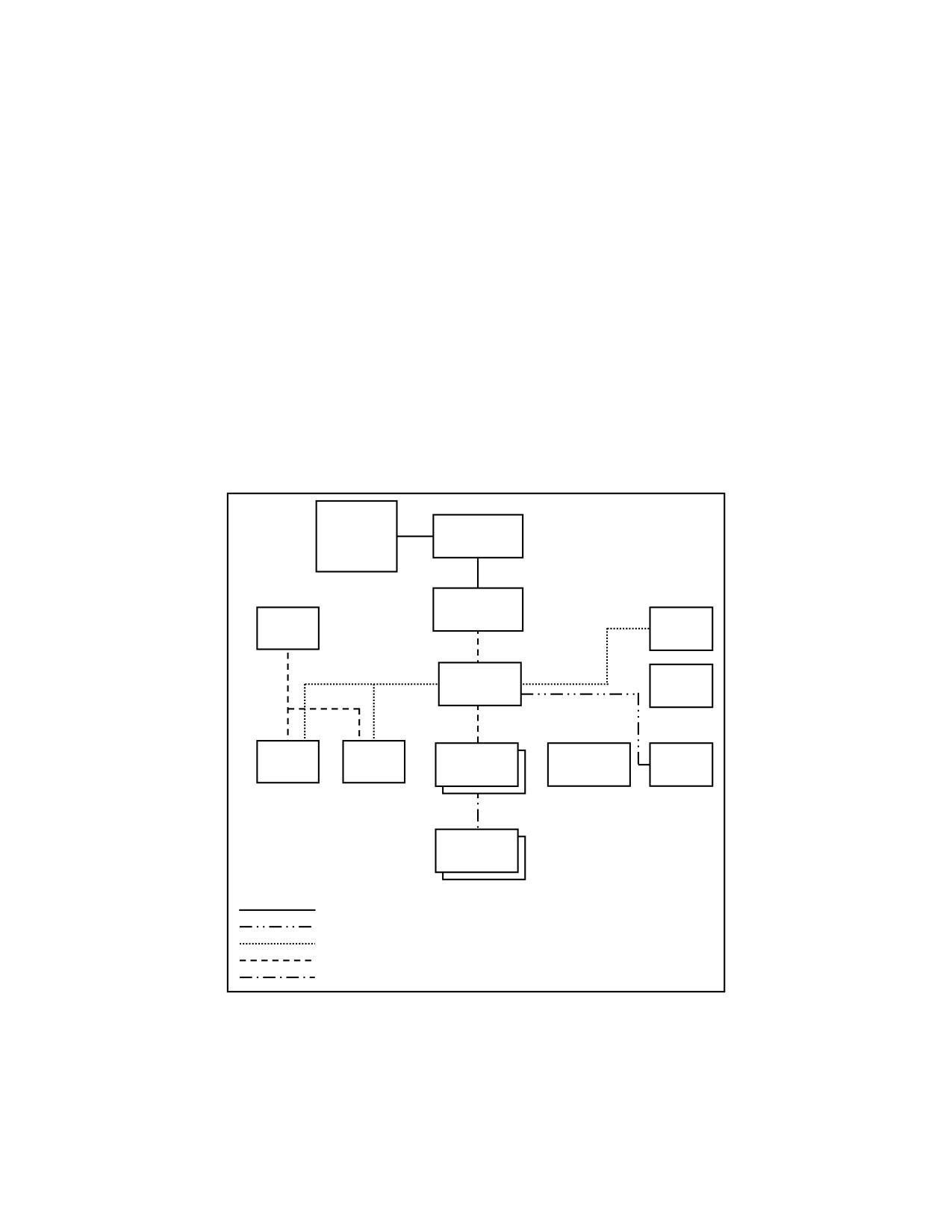
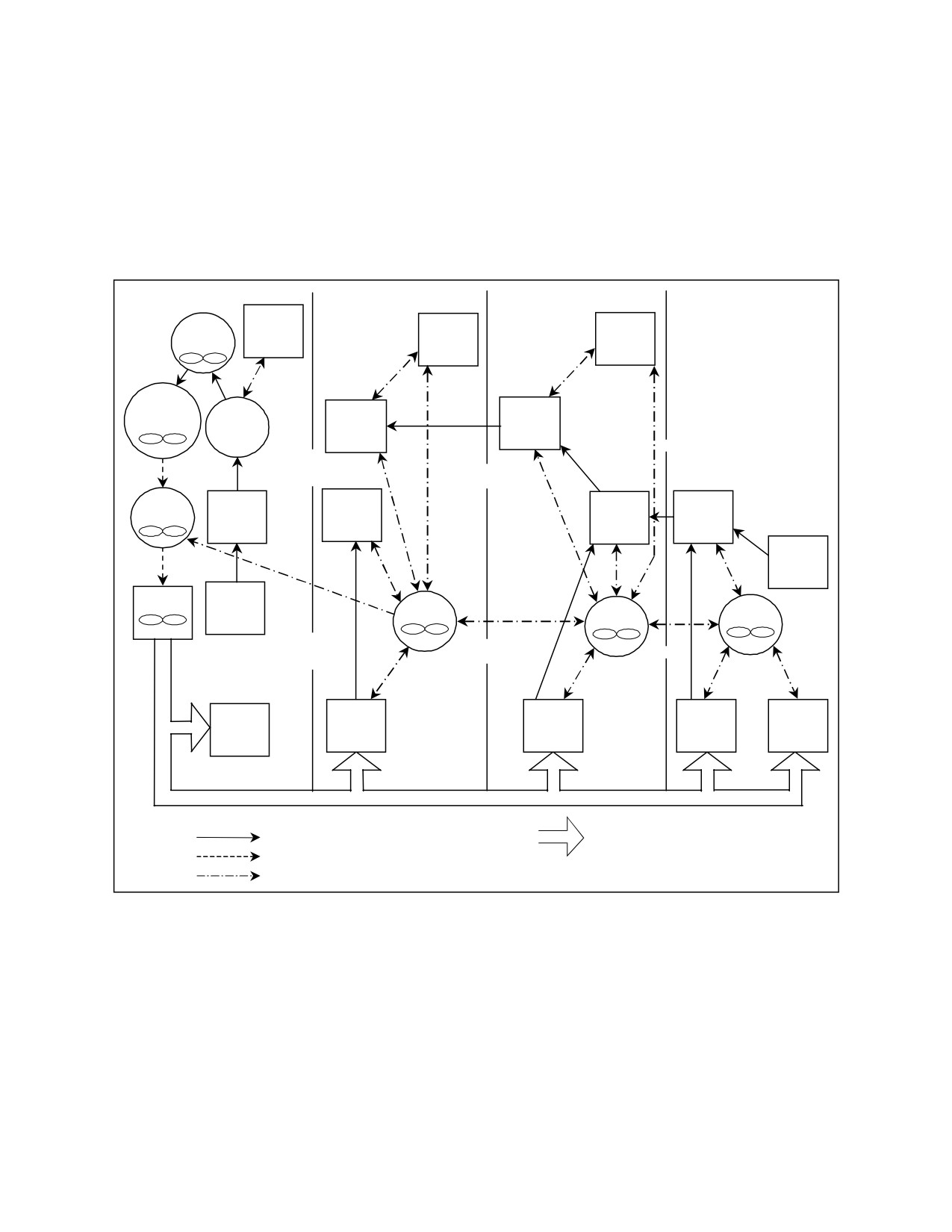
See figure 9-8 for Air Force airlift and air drop organization.
THEATER
COMBATANT
THEATER
COMMAND
COMBATANT
AGENT
COMMAND
(JMC/JTB)
AIR FORCE
COMPONENT
AMC
ASOC
AIR FORCE
C2
TACP
AGENCY
1
1
WING
CCT
TALCE
WING
OPERATIONS
TALO
CENTER
SQUADRON
LEGEND:
COMMAND
1WHEN OPCON GRANTED BY AMC
OPCON & COMMAND
OPCON
OPCON AND/OR COMMAND
COORDINATION
Figure 9-8. Air Force Airlift Organization
• Preplanned requests. Preplanned airlift missions are based on known or projected
requirements and are programmed in advance per command directives. They include
requirements to provide airlift of personnel, cargo, mail, and courier materiel on a regular,
routine basis or to meet programmed one-time requirements. The amount of time required
9-17
FM 4-01.30 _______________________________________________________________________________________ Chapter 9
to coordinate preplanned airlift is established by the Air Force component based on
operational requirements and the capability of the available airlift apportioned by the theater
combatant commander. Preplanned airlift requests are validated through movement control
channels (see 9-9).
JFC
DCSOPS
G3
G3
AGENT
USAF
COMPONENT
COMMANDER
*
TCE
MCB
DTO
X
X
X
X
X
X
USAF
C2
AGENCY
MCB
MCT
MCO
FSB
S4
WOC
MCT
TALO
TALO
TALO
X
X
X
X
X
X
USER
USER
USER
USER
USER
LEGEND:
REQUEST/REQUIREMENT
TRANSPORTATION PROVIDED
TASKING
*
ARMY VALIDATION AUTHORITY
COORDINATION/ADVANCE TASKING INFO
Figure 9-9. Preplanned Airlift Requests (Air Force)
⇒ Division. The MCO receives transportation requests that are reviewed to determine the
most effective mode. If the MCO decides that Air Force airlift or airdrop is the most
effective mode, the MCO coordinates with the requestor and forwards requests to the
DTO as Air Force airlift requests. The DTO coordinates details of each request with
the theater airlift liaison officer (TALO), validates each request, and forwards them to
the corps MCB. The TALO acts as a coordinator and assists with the preparation of the
request. The TALO also provides early notification and coordination through Air Force
channels.
9-18
FM 4-01.30 _______________________________________________________________________________________ Chapter 9
⇒ Corps. The corps MCB receives transportation or airlift requests from corps units or
validated airlift requests from DTOs and either validates each request or selects an
alternate mode. If the corps MCB validates a request, it forwards the request to the
TCE. If the corps MCB does not validate a request, it selects another mode. The CTO
integrates airlift requirements for logistics and other intratheater movement to support
priorities established by the G3.
⇒ EAC. The TCE receives transportation or airlift requests from units located in the
theater or validated requests from corps MCB. The TCE either validates each request or
selects an alternate mode. If the TCE validates a request, it forwards the request to the
agent for the theater commander. The agent validates the request for the commander
and passes the request as a requirement to the USAF C2 agency. TALOs are located at
each echelon to provide early warning to USAF C2 agencies that an Army request for
Air Force support is being processed. If the request is not validated at any level, it is
returned to the originator for alternate mode selection.
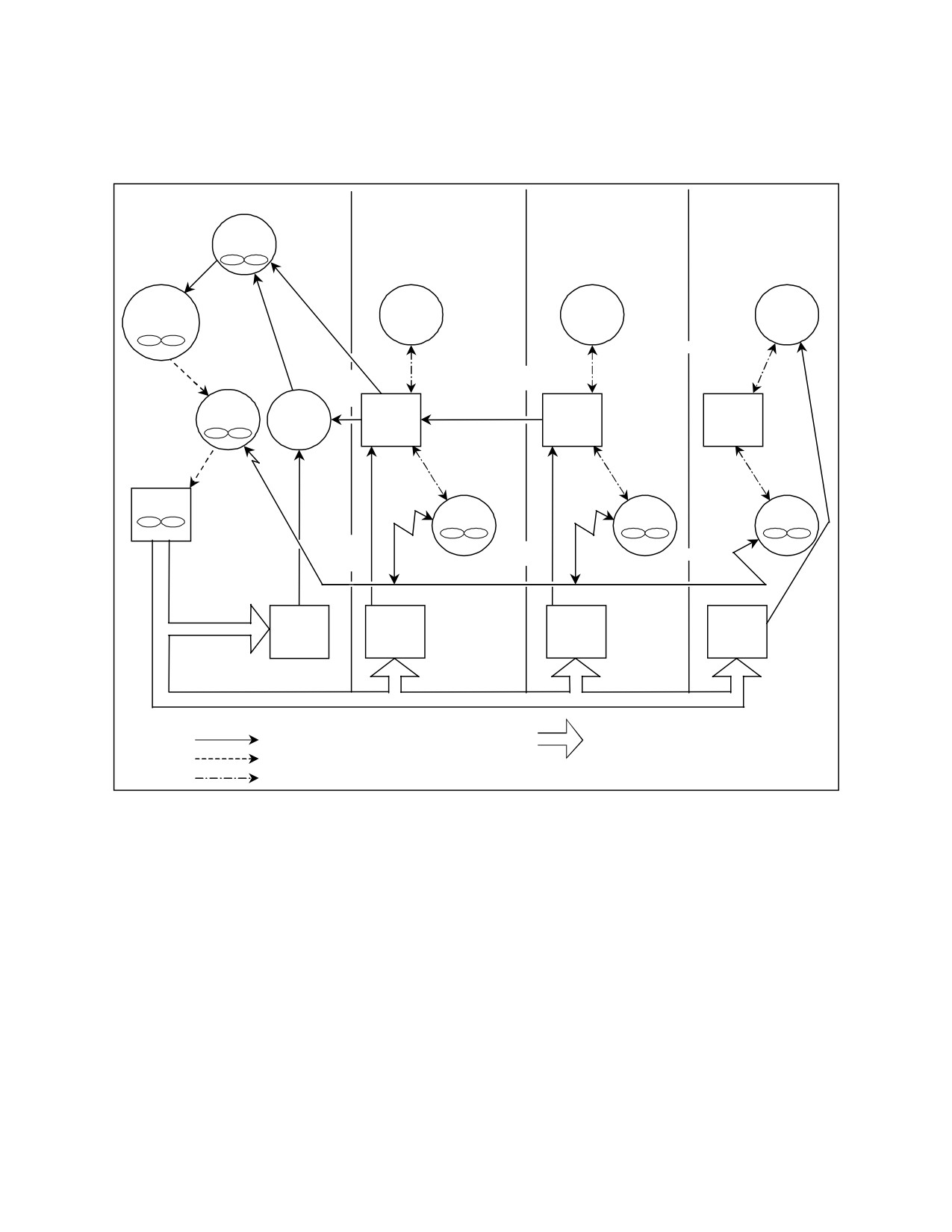
•
Immediate requests. Unanticipated or urgent ground force requirements and priority
transportation requests are validated and passed as immediate airlift requests. Immediate
request validation is expedited through command channels. The TALO, attached to the
lowest echelon closest to the requesting command, notifies the USAF C2 agency of the
impending request through an advance notification net. Coordination between the S3/G3 and
S4/G4 ensures that movement control channels are kept current on airlift request status.
The USAF C2 agency executes validated immediate airlift requirements by directing an alert
sortie to launch or, if the urgency of the situation warrants, by diverting a mission in
progress. Immediate airlift requests are supported only with validation by the Army and the
theater combatant command agent (figure 9-10).
•
Emergency requests. Emergency requests are special types of immediate requests for
requirements that are critical to accomplish the tactical mission or for unit survival. The
same validation procedure is required for emergency requests. These missions are the
highest priority established by the combatant commander.
9-19
FM 4-01.30 _______________________________________________________________________________________ Chapter 9
JFC
AGENT
USAF
COMPONENT
MCC
DTO
FSB
COMMANDER
X
X
X
X
X
USAF
X
C2
*
*
*
AGENCY
TCE
G3
G3
S3
WOC
1
TALO
TALO
TALO
X
X
X
X
X
X
USER
USER
USER
USER
LEGEND:
REQUEST/REQUIREMENT
TRANSPORTATION PROVIDED
TASKING
*
ARMY VALIDATION AUTHORITY
COORDINATION/ADVANCE TASKING INFO
Figure 9-10. Immediate Airlift Request (Air Force)
9-20
FM 4-01.30 ______________________________________________________________________________________ Chapter 10
Chapter 10
Container Operations and Management
CONTAINER MANAGEMENT
10-1. This chapter describes container operations and management in an overseas theater.
Containers are a permanent type of transport equipment designed for transport by various modes of
transportation. They facilitate and optimize cargo carrying by one or more modes without
intermediate handling of their contents. Containers can be moved by all modes of transport, and are
therefore involved in intermodal movement of equipment and materiel by air, land, and sea.
Containers are equipped with features permitting their ready handling and transfer from one mode to
another.
NOTE: For information on specific containers and container handlers see APPENDIX J, Types Of Intermodal
Assets and Intermodal Asset Handlers.
Container Management Objectives
10-2. The objectives of container management are:
• Expedite the movement of throughput and high-priority container shipments.
• Minimize the time for holding or consolidating cargo.
• Maintain 100 percent in-transit visibility of containers and contents.
• Achieve economical movements via container use.
• Move containers as fast as mode operators and consignees can handle them.
• Avoid container congestion in ports and staging areas.
• Integrate the military and commercial container management systems.
• Consolidate single consignee shipments.
• Reduce detention and demurrage.
• Use containers for retrograde movements.
CONTAINER CONTROL
10-3. Because control of containers must be established at a theater echelon that permits centralized
management, the transportation command element (TCE) is normally responsible for management of
containers and flatracks within the theater. The TCE develops detailed policies and procedures for
container and flatrack use and monitors compliance. Coordinating with the theater support
command materiel management center (TSC MMC), the TCE sets priorities for container shipment
and diversion. The TCE maintains information on the location and status of all containers and
flatracks in the theater. Much of this information comes from movement control teams (MCT), but
automatic identification technology (AIT) plays a major role in reporting the contents and location of
the containers. See chapter 11 for details on AIT.
10-1
FM 4-01.30 ______________________________________________________________________________________ Chapter 10
10-4. Container Events. Timely and accurate reporting of container event information is essential
to the TCE as the theater container manager. Container event information includes —
• When the container was delivered to a trailer transfer point, a container holding area, or the
consignee.
• When the container was discharged.
• When the container was released to the container owner.
• When the container was picked up by the container owner.
10-5. Reporting. MCTs report container events to their controlling movement control battalion
(MCB). The MCB reports the container events to the TCE. If the mode asset carrying the container
is equipped with the Movement Tracking System (MTS), that system can be used to report container
events. The purpose of having visibility of container events is to ensure that cargo is delivered to the
consignee as rapidly as possible and return the container to the transportation system in a timely
manner. Rapid return of containers to the system reduces detention and demurrage charges to the
Government. Maintaining visibility also reduces the diversion of containers for other purposes such
as permanent storage.
Daily Container Management Activities
10-6. As noted in paragraph 10-3, the TCE develops, disseminates policies and procedures for
containerized shipments moving in the theater. These responsibilities include:
• Ensure that automated cargo manifests and ETAs are promptly forwarded to the concerned
organizations.
• Tracking the movement of containers within the theater.
• Receive all container event information (see para 10-4) and ensure it is submitted to the
regional server.
10-7. Echelons above corps (EAC) and corps MCBs through their subordinate MCTs will:
• Provide inbound container information to consignees.
• Provide disposition instructions to the TCE based on information received from customers.
• Notify consignees of the scheduled arrival of multistop containers and the need for priority
discharge of these containers at intermediate stops.
• Report the receipt of unscheduled containers to the TCE.
• Release empty containers to the applicable mode operator and coordinate the pickup.
• Maintain records for containers that are inbound and for those that have arrived.
• Create records for unscheduled containers.
• Notify the TCE when a consignee reports receipt of an unserviceable or damaged container.
• Monitor retrograde operations to minimize retrograde backlog.
10-8. Containers are routinely moved as far forward as the division rear area, consistent with
availability of container handling equipment (CHE).
(They usually are not moved into brigade areas,
except in exceptional cases.) Containers are not “grounded” in the division area. Containers on
chassis will be unstuffed as soon as possible, while on the chassis, and the chassis and container
returned immediately. The container roll-in/roll-out platforms (CROP) inside the container continue
10-2
FM 4-01.30 ______________________________________________________________________________________ Chapter 10
to move forward into the brigade area. CROPs are extracted from containers in the corps storage
area and corps hub and loaded onto trucks with the load handling system for onward movement to
the division area. Upon arrival in the division AO, flatrack management responsibility passes to the
DISCOM DMC movement manager. A flatrack control point (FCP) is established at the division
support area and the division ammunition storage area in the vicinity of their supply support
activities. The DISCOM DMC reports the status report through the corps DMC to the theater
DMC.
Overseas Container Support
10-9. Much of the material arriving in a theater will be in containers. Effective use of logistics
support requires the efficient movement and handling of containers throughout Defense
Transportation System (DTS). Within the theater, containers are throughput as far forward as
practicable.
10-10. Department of Defense (DOD) policy is to make optimum use of the capability of
intermodal container resources and services furnished by the commercial transportation industry
when doing so is responsive to military requirements. Military Traffic Management Command
(MTMC) coordinates the lease of containers and intermodal equipment required to meet DOD
container system requirements as delegated by United States Transportation Command
(USTRANSCOM). MTMC manages and monitors status of DOD-owned and leased intermodal
surface containers while these containers are in the DTS.
SEAPORT OPERATIONS
10-11. The theater commander provides for the prompt discharge of containers arriving in the
theater and for their rapid movement to destination. U.S. military operations at seaports are
managed by MTMC. MTMC, TCE, or host nation (HN) will operate U.S. military operations at
seaports.
(U.S. military operations at aerial ports are operated by the Air Force elements.) In
combined operations being conducted on friendly soil, the HN may choose to exercise its territorial
responsibilities and continue to operate friendly ports in the theater. The responsibilities of U.S.
forces at these HN ports will be based upon agreements between the U.S. and the HN government.
The TCE develops the movement program (see chapter 7) that allocates transportation for the
movement of all cargo and personnel from the ports of debarkation (POD). Based on general
guidance from the joint movement center (JMC), the TCE establishes container management policies
and procedures. The TCE will normally assign MCTs to manage the flow of cargo from PODs. The
port MCT arranges transportation for onward movement of containers.
Container Discharge At Seaports
10-12. Fixed-port terminals normally provide suitable facilities to off-load containers and transfer
them to inland transportation nodes. Fixed-port facilities are used to the maximum extent possible
because they can normally discharge a large volume of containers at a rapid pace, are equipped with
CHE, and are located close to inland transportation centers.
10-13. Logistics-over-the-shore (LOTS) operations are a means of providing container discharge
support when established ports are not available or are not adequate. LOTS operations involve
discharging ships offshore and bringing the cargo over the beach. LOTS operations are inherently
less efficient than fixed-port operations, because they do not have the specialized CHE found at
10-3
FM 4-01.30 ______________________________________________________________________________________ Chapter 10
fixed points. While LOTS operations are not efficient, LOTS capabilities are essential in the absence
of fixed ports and in some cases to supplement fixed ports.
Seaport Clearance
10-14. The theater first gains visibility of inbound containers from the advance ocean cargo
manifest. Using the Worldwide Port System (WPS), the manifest is sent from the MTMC area
command responsible for the port of embarkation (POE). MTMC transmits the manifest to seaport
of debarkation (SPOD) within 72 hours after the vessel departs from the seaport of embarkation
(SPOE).
10-15. The following actions occur upon receipt of the manifest or arrival of the vessel:
•
Port operators begin preparing documentation to clear the containers through the port for
delivery to their consignees.
•
Using the data reported by the port MCT and other transportation nodes maintains theater
visibility of containers. The intransit visibility (ITV) data may be gained using AIT.
(See
chapter 11.) The port MCT provides the estimated time of arrival (ETA) to the destination
MCT, TCE, EAC MCB, and corps transportation battalion. The destination MCT provides
the ETA information to the consignee. If the container requires a positive inbound
clearance (PIC) the destination MCT obtains the PIC from the consignee and sends it to the
port MCT.
•
The port MCT processes the advance manifest into its automated system. This produces an
initial master record of every container expected to arrive in the theater. These data are sent
to the destination MCT, EAC MCB, corps transportation battalion, and other interested
elements.
•
The port MCT receives any hold, expedite, or divert instructions from the destination MCT
or the TCE prior to arranging onward movement of the containers. The port MCT notifies
MTMC of containers to be held, diverted, or expedited.
•
The advance manifest is a planning document. Port operators perform
100 percent
reconciliation during vessel off-loading. Actual containers discharged are matched against
the advance ocean manifest and all discrepancies noted. When there are differences, the
port MCT notifies the TCE and destination MCTs for disposition instructions. The port
MCT and TCE updates their container records. When a container arrives at a consignee
without prior notification, the consignee reports the arrival to the destination MCT. The
destination MCT creates a record for the unscheduled container and reports its arrival.
•
Port operators, the port MCT and mode operators strive to move containers from the vessel
using the mode of transportation for onward movement. This prevents accumulation of
containers at the port.
•
Consignees must unstuff their containers as quickly as possible and report their availability
for pickup to the destination MCT.
10-4
FM 4-01.30 ______________________________________________________________________________________ Chapter 10
• Rail, when available, is the most efficient method of moving large quantities of containers
from ports. Rail is used to move containers as far forward as feasible. Rail is less affected by
adverse weather than other modes, but its flexibility is restricted because its use still needs
wheeled vehicles at the delivery end.
• Inland water transport and coastal transport are used when available. It is the slowest mode,
but can help relieve pressure on rail and truck transportation modes. Inland water and
coastal suffer from the same flexibility limitation that rail does: its use still needs wheeled
vehicles at the delivery end.
• Highway transport is the preferred method of moving containers and is employed in line-
haul, local haul, terminal clearance, and transfer operations. It is the primary mode used to
forward containers from rail and inland water terminals directly to the consignee.
10-5
FM 4-01.30 ______________________________________________________________________________________ Chapter 11
Chapter 11
Automated Identification Technology
11-1. The purpose of this chapter is to briefly outline the use, employment, application, and
capabilities of automated identification technology
(AIT) as it pertains to movement control
purposes.
NOTE: For information on AIT equipment, see Appendix C.
11-2. The Army uses AIT to assist in movement operations. AIT use in operations consists of a
suite of tools designed to provide commanders in-transit visibility (ITV) of forces and material.
When integrated with automation information systems (AIS), AIT provides managers with timely
ITV. This visibility allows commanders to control the movement of forces and equipment and
redirect the movement as necessary to meet changing tactical situations and objectives.
11-3. AIT is an enabling technology and must be fully integrated with AISs to be an effective ITV
tool. The basic AIT components for ITV are source data that populate AIT data storage devices;
AIT data capture devices (interrogators, scanners, and readers); and source and movement data
transfer to AISs. These components work together as follows:
• An AIT data storage device containing essential transportation and supply data is created.
The data storage device is then attached to a piece of equipment, or in the case of smart
cards, issued to a soldier.
• As the piece of equipment or soldier moves through the transportation system, the data on
the storage device is collected by AIT interrogators and readers that are strategically located
throughout the system.
• After collecting the data on the storage device, the interrogator, scanner, or reader passes the
data to a host AIS. The host AIS passes the data to a worldwide AIS that provides near real-
time ITV data to the logistics and warfighting communities.
11-4. Kinds of AIT devices. The Army uses five basic kinds of AIT data storage devices: bar codes,
optical memory cards (OMC), smart cards, radio frequency tags (RFID), and contact memory
buttons (CMB). These are discussed in some detail in Appendix C.
GENERAL PREPARATIONS FOR AIT USE
11-5. In most unit movement scenarios, the Army will use AIT at each node in the movement. The
key to the successful use of AIT is unit AIT preparation before deployment. The unit has the ability
at home station to capture source data, in its entirety, in AISs. Home station is also the logical
location to prepare AIT data storage devices for all deploying forces and equipment. If the AIT
mission is not performed correctly at the beginning of the unit movement, the age-old problem of
limited or no ITV will continue.
11-1
FM 4-01.30 ______________________________________________________________________________________ Chapter 11
UNIT RESPONSIBILITIES
11-6. Home station is the permanent location of active and reserve component battalion and
company units. AIT equipment is distributed with the Transportation Coordinators-Automation
Information for Movements System II (TC-AIMS II). After receiving an alert for impending
deployment, units have AIT-related responsibilities at home station. Among them are:
• Plan for the use of AIT based on the unit mission and requirements of the supported
combatant commander.
• Ensure the unit deployment list (UDL) is complete, accurate, and current.
• Pass the UDL to higher headquarters and to the installation the unit is to use as a departure
point.
• After receiving transportation data from the installation, properly label all UDL equipment
with AIT storage devices.
• Use TC-AIMS II (or other system) to write RFID tags when RFID tags are being used.
• Use hand held interrogators (HHI) to verify AIT storage device batteries are functional.
• Ensure every deploying soldier has an accurate and current Smart Card. This requirement is
supported by the installation and accomplished during SRP.
• Ensure the security of AIT data and equipment in accordance with applicable supply and
information security procedures.
11-7. AIT is a powerful tool that can provide receiving commanders and theater logistics elements
ITV and force tracking information. This information can enhance theater reception management
and enable efficient reception and processing of units and equipment as they move into the theater.
AIT IN AERIAL PORT OPERATIONS
11-8. There are three primary organizations operating at an aerial port that possess AIT tools: the
Air Force tanker airlift control element
(TALCE), the Army aerial port MCT, and the Army
A/DACG. The A/DACG is the primary organization responsible for Army operations at aerial
ports. The TALCE is the primary Air Force organization responsible for loading and unloading
aircraft.
A/DACGs that are provided by port MCTs and TO&E cargo transfer or cargo
documentation elements are equipped with TC-AIMS II and AIT equipment.
AIT Planning Considerations at Aerial Ports
11-9. Aerial port operations (both embarkation and debarkation), by their very nature, cross military
service boundaries for unit movement operations. Detailed inter-service support agreements or
other arrangements are established in advance of operations if no theater ITV plan is developed
detailing port AIT requirements. These arrangements must address each organization’s AIT
functions and responsibilities.
11-2
FM 4-01.30 ______________________________________________________________________________________ Chapter 11
AIT IN SEAPORT OPERATIONS
AIT Planning Considerations at the Seaport
11-10. The organization responsible for seaport operations is the Military Traffic Management
Command (MTMC). Both MTMC and the port support activity (PSA) use AIT in the seaport
complex to capture information for ITV reporting.
Vessel Loading
11-11. MTMC elements control all equipment departing the staging area for vessel loading.
Normally the equipment is scanned at the final stowage location. After scanning, the data is passed
to WPS. For unit movements, this data must be visible in GTN within one hour of vessel departure.
For sustainment shipments, data must be visible in GTN within four hours.
AIT AT RAILHEAD OPERATIONS
11-12. For OCONUS units moving intertheater by rail, the following activities involve AIT as part
of the movement process:
• Sequence loads for rail spurs. The area support group (ASG) or base support battalion
(BSB) develops and publishes the rail load plan based on the time-phased force deployment
data and UDLs. UMOs or other unit representatives ensure AIT data storage devices are
functional.
• Once in the staging area, the UMO or MCT personnel will use TC-AIMS II to conduct a
final check of AIT data storage devices to ensure they are functional and properly attached.
RFID batteries are checked and replaced as necessary.
• The unit uses TC-AIMS II to provide documentation for rail transport to the ASG or BSB
responsible for railhead operations. The ASG or BSB reads arriving equipment AIT data
storage devices and verifies the collected data with advanced movement data provided by the
unit.
• The movement control element captures railhead departure information for equipment by
interrogating equipment AIT data storage devices as they depart. This data is then reported
to GTN.
• For passenger movements, the MCT reads the Smart Card of all soldiers to verify rail
manifest data. Once the train departs, this data is passed to GTN for ITV.
11-3
FM 4-01.30 ______________________________________________________________________________________ Appendix A
Appendix A
Automation Information Systems (AIS)
A-1. Automation for military operations must focus on joint operations. The Joint Transportation
Corporate Information Management Center
(JTCC) assessed the functional, technical, and
programmatic capabilities of existing transportation systems.
A-2. The JTCC goal was to eliminate unnecessary duplication, save resources, retain or secure
required functionality, and improve the DTS. The recommendations of the JTCC ultimately changed
movement control operations. This appendix lists movement control and related automation
systems and describes what they do.
MOVEMENT CONTROL AUTOMATION CAPABILITY
A-3. TC-AIMS II is an automated information system that will support day-to-day operations for
Unit Movement Officers (UMO), movement controllers, staffs from battalion/separate company to
theater level, mode managers, and Installation Transportation Offices (ITO). It will interface with
Joint and Service systems that provide Intransit and Total Asset Visibility to all services and will be
the basic building block of source data. GTN and GCCS-Army force-tracking software will translate
the raw data into ITV and force tracking information.
A-4. The following paragraphs briefly address each major automation information system that
supports movements.
Automated Air Load Planning System (AALPS)
A-5. AALPS is a knowledge-based system that assists with loading military cargo aircraft for large-
scale air deployments. It is designed to serve four basic functions: generate valid air load plans;
generate and validate user defined air load plans; modify existing air load plans; and track movement
statistics during actual deployments. AALPS has the capability to air load plan an Army division of
15,000 soldiers and 5,000 pieces of equipment in less than three minutes. AALPS can interface with
TC-AIMS II and GTN.
Combat Service Support Control System (CSSCS)
A-6. CSSCS is designed to collect, analyze, and disseminate critical logistical, transportation, medical,
financial, and personnel information. CSSCS receives data directly from GTN.
Department of the Army Movements Management System-Redesign (DAMMS-
R)
A-7. DAMMS-R provides automation support for transportation staffs and organizations. It is a
vital link in the maintenance of ITV over units, personnel, and material. DAMMS-R interfaces with
all AISs, all services, and all friendly foreign governments of the countries where the Army is
deployed.
A-1
FM 4-01.30 ______________________________________________________________________________________ Appendix A
Global Air Transportation Execution System (GATES)
A-8. GATES is a system used at aerial ports that integrates command and control operations,
passenger operations, and cargo movement processes. It assists management of cargo manifested for
air shipment, cargo awaiting air shipment, and cargo departed from aerial ports via air or ground
transportation. GATES (1) processes and tracks cargo and passenger information; (2) supports
management of resources; (3) provides logistical support information; (4) supports scheduling and
forecasting; (5) provides tracking and tracing of aerial port assets (including personnel, vehicles,
equipment, and supplies); (6) supports processing service short-term cargo requirements and long-
term passenger and cargo requirements; (7) supports channel mission management; (8) manages tariff
data regarding baggage, passenger, and pet fares;
(9) manages passenger reservations; and (10)
provides reports and transportation status for customers.
Global Command and Control System (GCCS)
A-9. GCCS provides DOD combat commanders with a single source of secure information. It
assists joint force commanders with coordinating air, land, sea, space, and special forces operations
of widely dispersed units in fast moving operations. It is flexible enough for combat operations or
humanitarian assistance missions.
GCCS allows greater software flexibility, reliability, and
interoperability with other automated systems. Commanders can establish their own secure
homepage and communicate worldwide using E-mail.
Global Command and Control System-Army (GCCS-A)
A-10. GCCS-A provides a single seamless C2 system. It is integrated with the DOD GCCS. GCCS-
A is fundamentally GCCS with additional Army specific functionality.
Global Combat Support System (GCSS)
A-11. GCSS provides the joint warfighter with a single, end-to-end capability to manage and
monitor units, personnel, and equipment from mobilization through deployment, employment,
sustainment, and demobilization.
Global Combat Support System-Army (GCSS-Army)
A-12. GCSS-Army is still in development. When fielded, GCSS-Army enables the commander to
leverage information technology to coordinate and prioritize material management and movement
operations to optimize the distribution pipeline’s capability to throughput units, their materiel, and
follow-on sustainment. It provides commanders at each echelon the asset and in-transit visibility
required to optimize the distribution system within their echelon.
Global Positioning System (GPS)
A-13. GPS is a collection of satellites owned by the U.S. Government that provides highly accurate,
worldwide positioning and navigation information, 24 hours a day. It is made up of twenty-four
NAVSTAR GPS satellites which orbit 12,000 miles above the earth, constantly transmitting the
precise time and their position in space. GPS receivers on (or near) the earth's surface, listen in on
A-2
FM 4-01.30 ______________________________________________________________________________________ Appendix A
the information received from three to twelve satellites and, from that, determine the precise location
of the receiver, as well as how fast and in what direction the receiver is moving.
Global Transportation Network (GTN)
A-14. GTN is an automated C2 system used for collecting transportation information from selected
DOD systems. It provides automated support for planning, providing, and controlling common
user airlift, surface, and terminal services for unit movement operations. It provides the user with
the ability to track the status, identity, and location of DOD unit and sustainment cargo and
passengers, medical patients, and personal property from origin to destination. GTN also does the
following:
• Provides ITV information about units, forces, passengers, cargo, patients, schedules, and
actual movements.
• Displays current operational asset information and provides transportation intelligence
information on airfields, seaports, and transportation networks using graphics and imagery.
• Provide future operations information and models to support transportation planning and
courses of action.
• Provides efficient routing for patient movement and provides ITV of individual patients.
• Interfaces with CAPS II, CFMS, CMOS, Defense Automated Addressing System (DAAS),
Defense Transportation Tracking System (DTTS), GCCS, JOPES, Global Decision Support
System (GDSS), Mechanized Export Traffic System (METS), Passenger Reservation and
Manifest System (PRAMS), TC-ACCIS, TC-AIMS II, and WPS.
Integrated Booking System (IBS)
A-15. IBS is the execution system for the Defense Transportation System
(DTS) to move
international cargo. IBS provides a worldwide, automated booking system to move military cargo
OCONUS. IBS allows DOD shippers to automatically process movement requests directly using
Military Traffic Management Command (MTMC) booking offices. IBS automatically determines the
“best value” ocean carrier supporting the move. IBS supports the deployment, employment, and
sustainment. IBS interfaces with the ocean carrier industry, WPS, and GTN.
Integrated Computerized Deployment System (ICODES)
A-16. ICODES is an automated information system that develops stowage plans for deployments.
It can predict problems and design alternative solutions. ICODES is designed to support division-
sized moves and cargo planning across the available fleet of ships. It supports multi-ship planning
while maintaining unit integrity. ICODES is responsive to unplanned changes and contingencies. It
interfaces with TC-AIMS II and WPS.
Joint Force Requirements Generator II (JFRG II)
A-17. JFRG II System Description: JFRG II is a computer based planning tool designed to support
the Services in the development of both deliberate and crisis action plans. It supports tactical and
administrative planning by providing the following capabilities: Import of Service type unit
characteristic data, rapid force list creation, lift analysis, time phased force deployment data
A-3
FM 4-01.30 ______________________________________________________________________________________ Appendix A
development and manipulation, and declassifies the import and export of data to the Joint Operation
Planning and Execution System (JOPES).
Joint Operations Planning and Execution System (JOPES)
A-18. JOPES furnishes joint commanders and war planners, at all levels, standardized policy
procedures and formats to execute a variety of required tasks. It assists planners in development of
operation plans, concept plans, functional plans, campaign plans, and operation orders. JOPES is
used for time-phased force and deployment data management and development. It defines
requirements and gains visibility of the movement of combat forces into the combat commanders’
area of responsibility. JOPES combines individual service terminology into one standard system. It
standardizes the joint planning system used to execute complex multi-service exercises, campaigns,
and operations. The JOPES automated data processing resides in the computer network of the
GCCS.
Movements Tracking System (MTS)
A-19. MTS provides automated tracking of containerized cargo and vehicles. It provides fleet
monitoring using vehicle map displays, censors, communications log storage and retrieval capability,
and remote monitoring worldwide. The MTS supports missions through the full spectrum of
military operations from peacetime to war. It provides commanders with near real-time data on the
location and status of transportation platforms, including specialist and other selected tactical
wheeled vehicles, watercraft, flatracks, and containers, using cabin, console mounted hardware, and
satellite technology. MTS automatically provides updated position tracking and two way, over the
horizon, digital message capability between C2 elements and vehicle and watercraft operators.
Transportation Coordinators Automated Command and Control Information
System (TC-ACCIS)
A-20. TC-ACCIS automates the transportation functions of installation level transportation and unit
movement planning and execution. It provides accurate and timely movement information to the
Army and joint deployment community for the deployment of active and reserve component units.
TC-AIMS II is replacing this system.
Transportation Coordinators Automated Information for Movements System II
(TC-AIMS II)
A-21. TC-AIMS II is a joint transportation system that integrates the functionality of CMOS, TC-
ACCIS, DAMMS-R, United States Marine Corps Marine Air-Ground Task Force Deployment
Support System II
(MDSS II), and the USMC TC-AIMS automation systems. TC-AIMS II
combines these systems into one single automated system, for use by all the services. TC-AIMS II is
used by all the services for unit movement functionality, installation transportation functionality,
UMC, and mode management. When fielded, TC-AIMS II will replace TC-ACCIS.
Worldwide Port System (WPS)
A-22. WPS is the primary source system for intransit and total asset visibility of surface cargo
movement in the DTS. WPS provides timely and accurate information to the supporting and
A-4
FM 4-01.30 ______________________________________________________________________________________ Appendix A
supported commander-in-chiefs through the GTN. Upgrades to WPS include a ship load planning
module, capable of concurrent planning for multi-ship operations.
A-5