FM 3-31.1 AMCI ARMY AND MARINE CORPS INTEGRATION IN JOINT OPERATIONS (NOVEMBER 2001) - page 4
FAC(A)
ABCCC
AWACS
JFC
JOC
XXXX
FIELD ARMY/
CRC
FACP
LCC
JFACC
JAOC
BCD
II
X
XX
XXX
BATTALION
BRIGADE
DIVISION
CORPS
FSE
FSE
FSE
FSE
TACP
TACP
A2C2
A2C2
TACP
ASOC
TACP
GLO
WOC
FLYING SQUADRONS
AIR REQUEST NET
TAC(A)
TAC(A)
DASC(A)
MAGTF/MEF
FFCC
CSSE
XX
III
II
GCE/DIV
REGIMENT
BATTALION
FSCC
TACP
ASOC
ACE
FSCC
FSCC
A2C2
TACC
TADC
TACP
TACP
TACP
AO
AO
FLYING SQUADRONS
TACTICAL AIR REQUEST NET
TAOC
COMMAND
COORDINATION
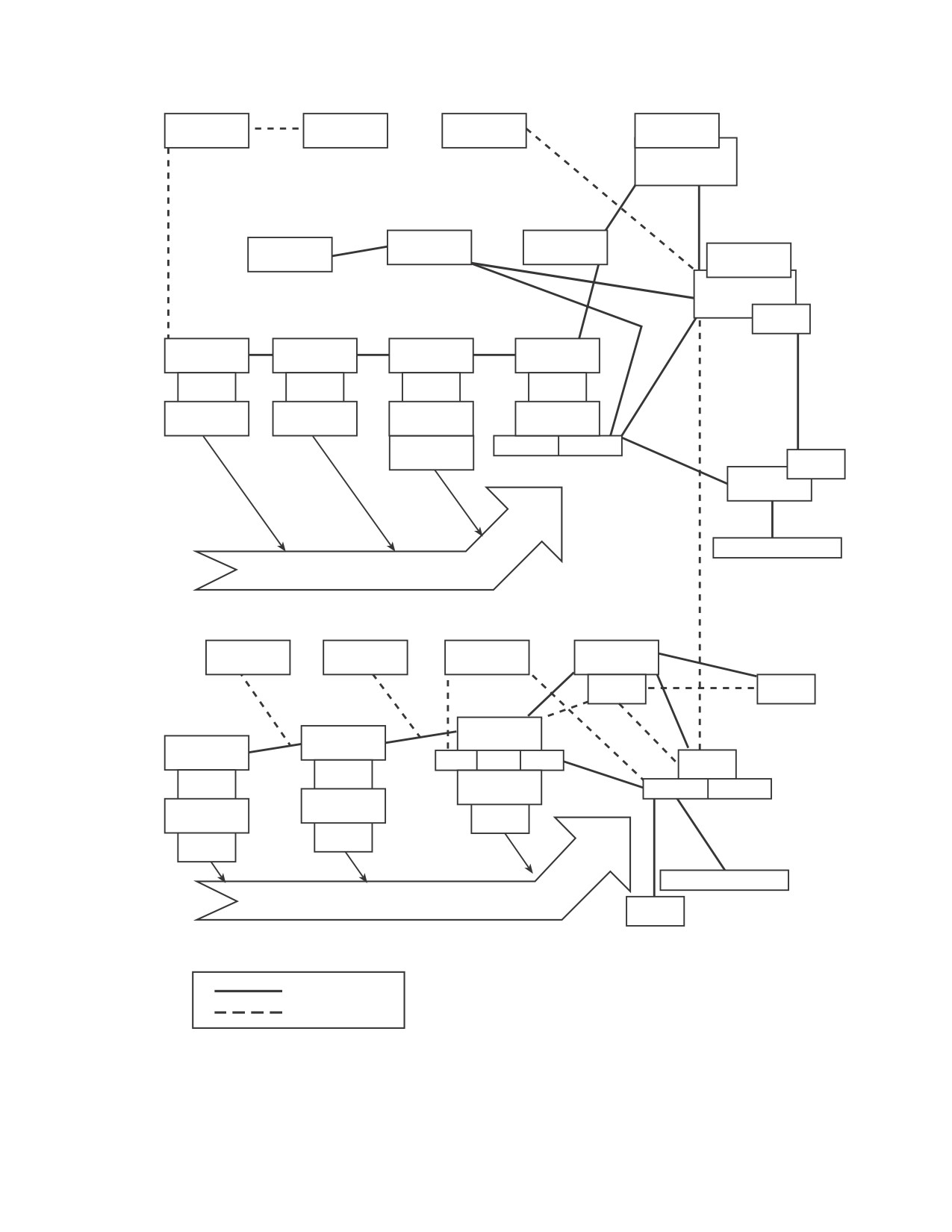
Figure VII-4. US Army/USMC Air Operations Connectivity
VII-25
b. Requests for AI and CAS.
(1) Preplanned Requests (AI and CAS). Preplanned requests include submis-
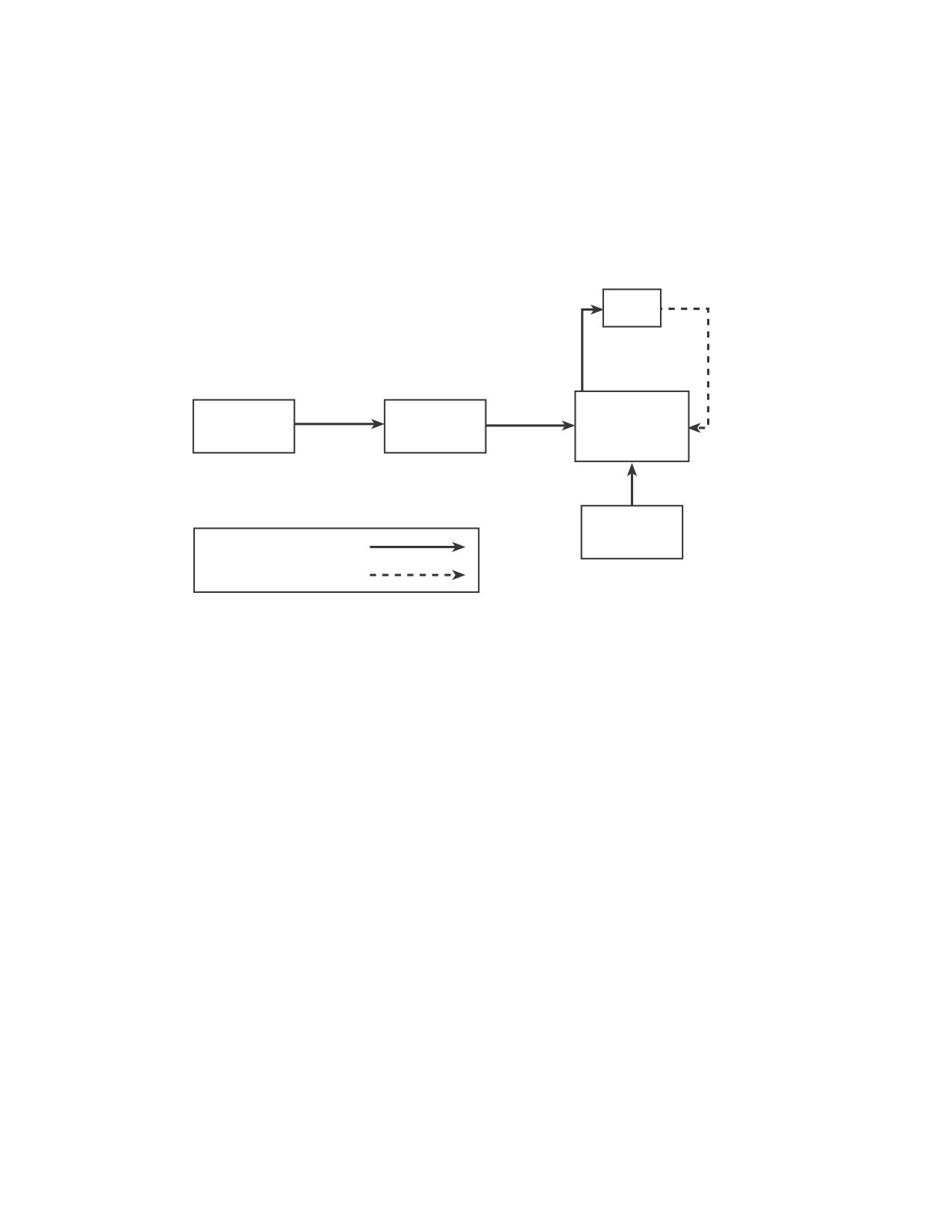
sions for AI and scheduled and on-call CAS. As seen in Figure VII-5, preplanned
requests flow from the MEB FSCC to the corps FSE where the G3 staff, Marine
liaison officer, and corps ALO assist planners in validating and prioritizing air
support request submissions.
JAOC
XXX
ASOC
ALO/AO
FAC
ALO/AO
FSO/FSC
AO
FSCOORD/FSC
S-3
G-3
MEB
FSCC
REQUEST CHANNELS
FEEDBACK CHANNELS
Figure VII-5. CAS/Air Interdiction (AI) Support Request Channels
(2) Scheduled CAS Requests. Scheduled requests require the requesting MEB
to identify the target and the desired time on target (TOT) well in advance.
Scheduled requests offer greater opportunity for coordination and provide a greater
chance that aircraft have the proper weapons load for the assigned targets. When
requesting scheduled CAS, the specific target and time for the attack is identified
and continuously updated in advance so that after launch, minimum
communications are necessary for final coordination.
(3) On-call (CAS) Requests. On-call requests identify an anticipated CAS
requirement be available during a period of time, with the exact time and place
coordinated as required by the tactical situation. On-call CAS allows the requesting
commander to indicate a time frame, probable target type, and place where the need
for CAS is most likely. On-call aircraft are configured with the proper ordnance for
anticipated targets (e.g., antiarmor) and maintain an alert status for a specified
period of time. On-call requests can specify either ground or airborne alert.
(4) Immediate (CAS) Requests. Immediate requests arise from situations that
develop once the battle is joined. Requesting commanders use immediate CAS to
exploit opportunities or to protect the force. Requests for immediate CAS flow
through the TAR Net to the DASC. If the DASC determines there are not enough
organic air assets to support the request, the DASC passes the request to the TACC.
VII-26
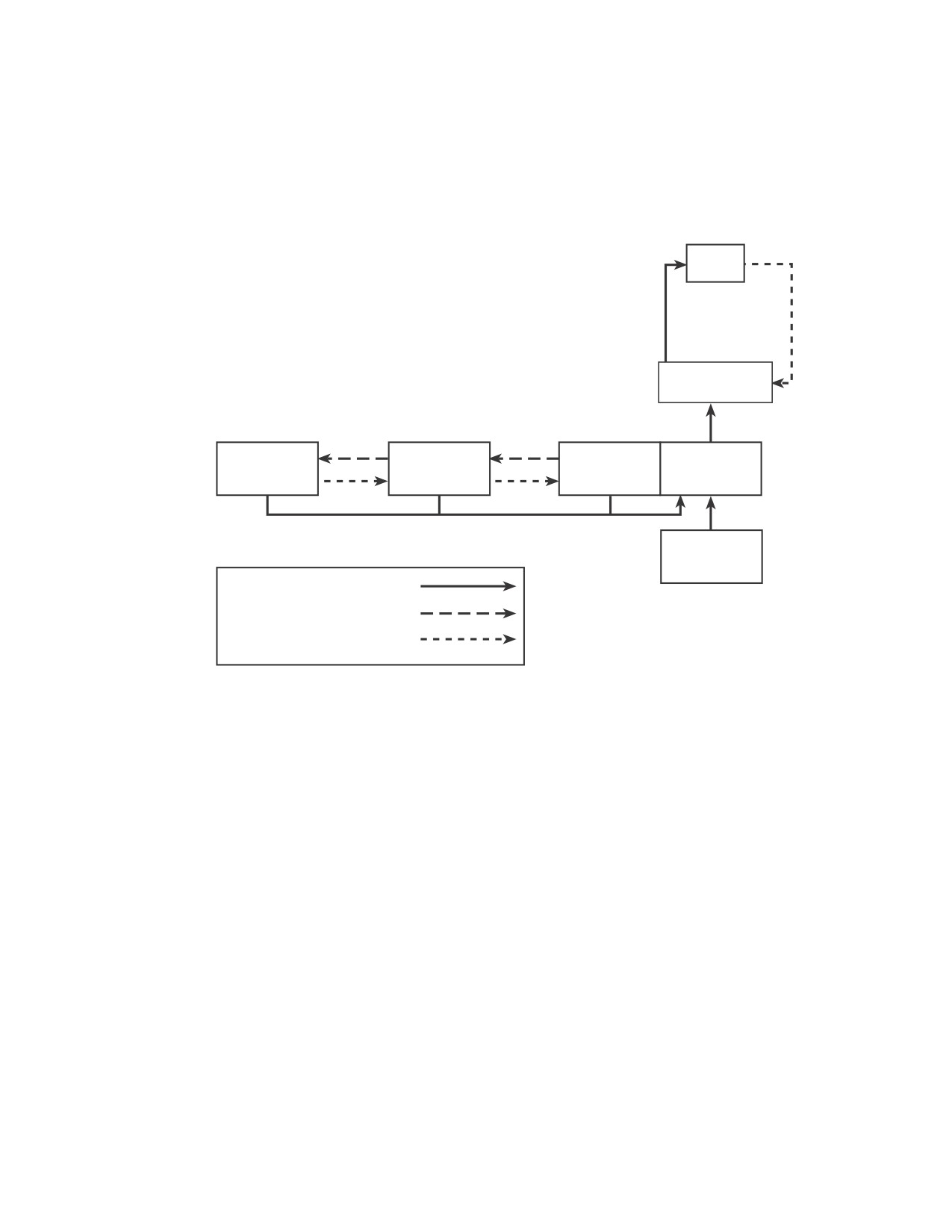
The TACC passes the request to the air support operations center (ASOC) at the
Army corps level. The ASOC coordinates the request with corps G3 Air for approval
and commits CAS assets if available (see Figure VII-6). If on-call CAS is
unavailable, the corps ALO advises the corps G3/G3 air to divert corps preplanned
CAS missions or forward the request to the JAOC.
JAOC
ACC
XXX
ALO/AO
ALO/AO
FAC
FSO/FSC
FSCOORD FSC
ASOC
AO
S-3
G-3
MEB
TACC
REQUEST CHANNELS
FEEDBACK CHANNELS
INTERMEDIATE MONITORING
(SILENCE MEANS CONSENT)
Figure VII-6. Immediate CAS Request Channels
(5) Request Formats. The US Message Text Format (USMTF) program
establishes the standards and prescribes the rules and conventions governing
message text formats. Air support requests will be submitted using the format
prescribed in JP 3-09.3, Joint Tactics, Techniques, and Procedures for Close Air
Support.
(a) Voice Backup. Units that do not have the capability to transmit
messages, or when time constraints require, will use the joint tactical air strike
request (JTAR), DD Form 1972, voice format. (See JP 3-09.3.)
(b) Mission Data. For preplanned CAS and AI requests, information is
passed down through maneuver force channels. Data may be included in the joint
ATO, mission order, or fire support plan. For approved immediate CAS requests,
mission data is passed down the same air request net used by the requesting unit to
pass the request. Mission data is passed using the JTAR Section 3 format to the
requesting unit. At minimum, mission data includes the following information:
• Mission number.
VII-27
• Call sign.
• Number and type of aircraft.
• Ordnance.
• Estimated TOT/on-station.
• Contact point.
• Initial contact.
• Call sign and frequency of final control agency.
• Laser codes.
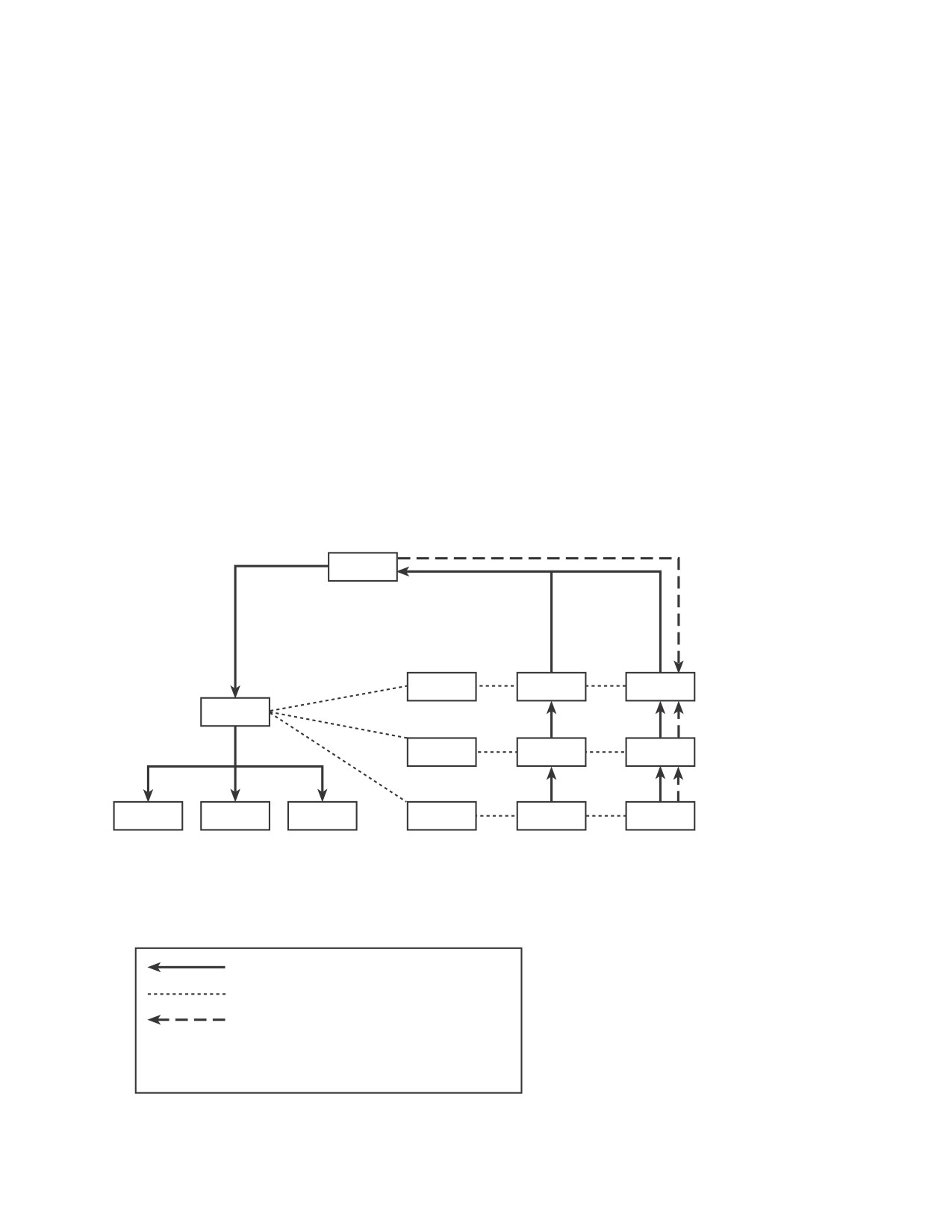
(c) Request for Airlift Support. The MEB submits requests for airlift
support through the Army Air-Ground System (AAGS). The AAGS provides the
command and staff interface between the Army and the Air Force. The AAGS
exercises responsibility for requesting intra-theater airlift movements as illustrated
in Figure VII-7.
JMC
TALO
TAMCA*
TOC
THEATRE
JAOC
TALO
MCC*
TOC
CORPS
CCT
WOC
APCC
TALO
G-4*
FMCC
MAGTF/MEF
LOGISTICS
OPERATIONS
CHANNELS
CHANNELS
AIRLIFT TASKING
REQUEST VALIDATION
PLANNED REQUEST FLOW
COORDINATION FOR IMMEDIATE REQUESTS
IMMEDIATE REQUEST PATH
* VALIDATING AUTHORITY
NOTE: TALO PROVIDED BY USAF
Figure VII-7. Airlift Support Request Channels
VII-28
(6) Types of Requests. Any organization in a joint force may request theater
airlift support. Requests are supported based on operational necessity, the
availability and suitability of alternate surface transportation modes, the
Department of Defense (DOD) Transportation Movement Priority System, and the
JFC’s apportionment. Commanders and logistic planners should not hesitate to
request theater airlift, if air movement enhances an assigned mission. Once made,
airlift requests are handled through Army logistics channels.
(a) Planned Requests. When air movement requirements are known or
projected in advance, they are handled as planned requests through normal logistics
channels. Requests for planned airlift flow from the MEB force movement control
center (FMCC) to the corps transportation officer, who coordinates with the Air
Force theater airlift liaison officer (TALO); Marine liaison officers and Army
operations staff officers coordinate Army/Marine airlift priorities. The corps
transportation officer then forwards the request to the joint movement center (JMC)
for coordination as shown in Figure VII-7. The requirement is passed to the JAOC.
The JAOC tasks missions in the joint ATO to satisfy the requirements. Channel
missions and most special assignment airlift missions (SAAMs) result from planned
requests. In all cases, the request should allow for operational lead-time. This is
the time required to generate actual sorties in support of a specific requirement.
Lead time varies, depending on the scale of the request, available forces, and the
theater air planning process.
(b) Immediate Requests. Immediate requests satisfy urgent employment,
sustainment, or extraction requirements. MEB requests for immediate airlift flow to
the corps transportation officer. The corps TALO assists logistics planners in
forwarding the request to the BCD at the JAOC. (See Figure VII-7.)
(c) Emergency Requests. When air movement requirements are more
time-critical than can be handled by an immediate request, they will be handled as
emergency requests. Emergency requests satisfy pressing tactical requirements,
such as the evacuation of wounded or the immediate resupply of units engaged in
combat. They are usually coordinated as immediate requests with two procedural
variations. Required approvals, validations, and taskings may be accomplished by
voice and followed with the routine documentation. The JAOC director,
representing the joint force air component commander (JFACC), may upon receipt of
a voice notification from the JMC of the emergency request, divert theater airlift
forces supporting planned requests or launch a separate mission to fulfill the
requirement. In such a case, the JAOC should advise the JMC of the action and the
status of the pending request.
11. Communications Integration
a. Army Aviation Communications Equipment. Army aviation units are
equipped with FM, UHF, SATCOM, and VHF radios. Army ground elements are
only equipped with FM (SINCGARS). Aircraft use SINCGARS (FM), UHF, and
VHF. Scout and lift (C2) aircraft normally use two SINCGARS FM radios; attack
aircraft employ only one FM (SINCGARS) radio. The secure SINCGARS serves as
the primary means for communicating with ground units. For air-to-air
VII-29
communications, Army aviation units use UHF and VHF. Most Army scout and
attack aircraft are equipped with UHF with Have Quick II capabilities. For a
detailed description of communication equipment and capabilities see Tables VII-10
and VII-11.
b. Army Aviation Communications Radio Nets. Aviation units, (battalion and
above) normally operate on three FM nets (internal and higher headquarters): a
command net, an operations and intelligence (O&I) net, and an administrative and
logistics (ADMIN/LOG) net. Other than flight operations, aviation company/troops
normally are only one-net capable. They normally monitor the command net of their
higher headquarters.
(1) Command Net. A secure command net, controlled by the S3, is used for C2
of the units. All assigned and attached units normally operate on this net. Priority
only traffic is passed via this net.
(2) O&I Net. The O&I net is controlled by the S3 and monitored by the S2
and S3. It functions as a surveillance net when required. All routine operations and
intelligence reports are sent on this net.
(3) ADMIN/LOG Net. This net is controlled by the S3 and monitored
primarily by the S1 and S4. It is used for administrative and logistics traffic.
c. AMCI Communications Capabilities. The following tables describe the
communications capabilities of joint aviation assets. Table VII-10 summarizes Army
aviation equipment. Table VII-11 summarizes USAF, USN, and USMC fixed-wing
communications capabilities. Table VII-12 provides a ready reference for the
communications equipment found at various fire support and air support control
agencies.
VII-30

Table VII-10. Army Aviation Communications Equipment Summary
Aircraft Type
Radios
Frequency Band
Frequency
Secure
(Note 1)
Hopping
Capable
UH-60
1-AN/ARC-201
VHF-FM
SINCGARS
KY-58
1-AN/ARC-201
VHF-FM
NO
KY-58
1-AN/ARC-115
VHF-AM
NO
NO
1-AN/ARC-164
UHF
Have Quick II
KY-58
CH47-D
2-AN/ARC-201
VHF-FM
SINCGARS
KY-58
(Note 3)
1-AN/ARC-115
VHF-AM
NO
NO
1-AN/ARC-164 or -116
UHF
(Note 4)
NO
OH-58D
2-AN/ARC-201
VHF-FM
SINCGARS
KY-58
(Note 5)
1-AN/ARC-186
VHF
NO
YES
1-AN/ARC-164
UHF
Have Quick II
YES
1-AN/ARC-199
HF
NO
KY-75
AH-64A
1-AN/ARC-201
VHF-FM
SINCGARS
KY-58
1.AN/ARC-164
UHF
Have Quick II
1-AN/ARC-186
VHF
NO
NO
AH-64D
2-AN/ARC-201
VHF-FM
SINCGARS
KY-58
1.AN/ARC-164
UHF
Have Quick II
1-AN/ARC-186
VHF
NO
NO
Note 1:
Frequency bands are as follows:
HF = 2.00 to 29.999 MHz in 1kHz increments.
VHF-FM = 29.950 to 87.975 MHz in 25 kHz increments.
VHF-AM = 108.000 to 151.975 MHz in 25 kHz increments.
UHF = 225.000 to 399.975 MHz in 25kHz increments.
Note 2:
The AN/ARC-186 operates either in the VHF-AM or AHF-FM band. Each radio can monitor
only one band at a time.
Note 3:
Only one AN/ARC-201 is connected to the KY-58. The other one is unsecure.
Note 4:
AN/ARC-164 aircraft are Have Quick II capable.
Note 5:
The OH-58D has two KY-58s. One is dedicated to a AN/ARC-201. The other is shared
between the other three radios.
VII-31

Table VII-11. USAF/USMC/USN Fixed Wing Aircraft Communications Summary
Aircraft Type
Radios
Frequency Band
Frequency
Secure
(Note 1)
Hopping
Capable
AC-130
2-AN/ARC-164
UHF
Have Quick II
KY-58
1-AN/ARC-164
SATCOM
KY-58
3-AN/ARC-186
VHF ( Note 3)
NO
2-AN/ARC-190
HF
KY-58 KY-75
EA-6B
2-AN/ARC-159
UHF
NO
NO
1-AN/ARC-175
VHF
NO
NO
1-AN/ARC-105
HF
NO
KY-58
AV-8B
2-AN/ARC-182
(Note 2)
NO
KY-58
A/OA-10
1-AN/ARC-164
UHF
Have Quick II
KY-58
1-AN/ARC-186
VHF-FM
SINCGARS
KY-58
1-AN/ARC-186
VHF-AM
NO
NO
B-1B
2-AN/ARC-171
UHF
Have Quick II
YES
1-AN/ARC-190
SATCOM
HF
B-52H
1-AN/ARC-164
UHF
Have Quick II
KY-58
1-AN/ARC-171
UHF or SATCOM
NO
1-AN/ARC-190
HF
NO
NO
F-14
1-AN/ARC-182
(Note 2)
Have Quick II
KY-58
1-AN/ARC-59
UHF
NO
KY-58
F-15E
2-AN/ARC-164
UHF
Have Quick II
KY-58
F-16
1-AN/ARC-164
UHF
Have Quick II
KY-58
1-AN/ARC-186
VHF (Note 3)
NO
NO
F/A-18
2-AN/ARC-182
(Note 2)
NO
KY-58
(Note 4)
2-AN/ARC-201
VHF/UHF
Have Quick II
KY-58
Note 1:
Frequency bands are as follows:
HF = 2.00 to 29.999 MHz in 1kHz increments.
VHF-FM = 29.950 to 87.975 MHz in 25 kHz increments.
VHF-AM = 108.000 to 151.975 MHz in 25 kHz increments.
UHF = 225.000 to 399.975 MHz in 25kHz increments.
Note 2:
The AN/ARC-182 is a multiband radio that operates in any one of four bands: standard
VHF-FM, VHF-AM band, UHF, or 156.0-173.975 MHz VHF-FM. It can monitor only one band
at a time.
Note 3:
The AN/ARC-186 operates either in the VHF-AM or AHF-FM band. Each radio can monitor
only one band at a time.
Note 4:
F/A-18s are fitted with either two AN/ARC-182 radios or two AN/ARC-210 radios.
VII-32

Table VII-12. TACP/FAC Communications Equipment
Component
Radios
Freq Band
Frequency
Secure
(Note 1)
Hopping
USA FIST
AN/PRC-77
VHF-FM
Yes
AN/PRC-177
No
AN/VRC-12
No
AN/VRC-24
No
USAF TACP
AN/GRC-206
HF, VHF-FM,
Have Quick II
Yes
VHF-AM, UHF
AN/PRC-77
VHF-FM
No
Yes
AN/PRC-117
VHF-FM
Yes
No
AN/PRC-104
HF
No
Yes
AN/PRC-113
VHF-AM, UHF
No
Yes
USMC TACP
AN/PRC-77
VHF-FM
No
Yes
AN/PRC-119
VHF-FM
No
No
AN/PRC-104
HF
No
Yes
AN/PRC-113
VHF-FM, UHF
No
No
AN/VRC-12
VHF-FM
No
No
SOF SOTAC
AN/PRC-117D
UHF, VHF-FM
No
Yes
(Note2,3)
AN/PRC-126
VHF-FM
No
Yes
LST-5
UHF SATCOM
No
Yes
Note 1: Frequency bands for ground radios are as follows:
HF; 2.000 to 29.999 MHz in 1 khz increment.
VHF-FM; 29.950 to 75.950 MHz in 50 kHz increments.
VHF-AM; 116.000 to 149.975 MHz in 25 kHz increments.
UHF; 225.000 to 399.975 Mhz in 25 kHz increments.
Note 2: AN/PRC-117D VHF-AM/FM frequency range is 116.000 - 173.995 MHz.
Note 3: AN/PRC-117D UHF-AM/FM frequency range is 225.000 - 419.995 MHz.
VII-33
Chapter VIII
AIR AND MISSILE DEFENSE
1. Background
The rapid and continuing proliferation of advanced weapons and technology
expands the scope and complexity of attaining air superiority, and protecting
friendly forces and vital interests from air and missile threats. Adversaries are
rapidly gaining access to advanced aircraft and missiles, and the growing diversity
of threats requires a more responsive, flexible, and integrated defense to effectively
counter them. In air and missile defense operations, both the Army and the Marine
Corps use the same basic doctrine, principles, employment guidelines, and IFF
procedures. Air and missile defense includes all defensive measures designed to
destroy attacking aircraft or missiles in the earth’s envelope of atmosphere or to
nullify or reduce the effectiveness of such attacks. Integrated Army and Marine
Corps air and missile defense operations provide force protection and contribute to
the joint force’s freedom of action.
2. Integrated Army and Marine Corps Air and Missile Defense Operations
a. References. In an effort to avoid repetition and restating previously released
doctrine and procedures, the following publications provide an exceptional source for
planning joint air and missile defense operations:
(1) JP 3-01, Joint Doctrine for Countering Air and Missile Threats
(2) JP 3-01.5, Doctrine for Joint Theater Missile Defense
(3) JP 3-52, Doctrine for Joint Airspace Control in a Combat Zone
(4) JP 3-56.1, Command and Control for Joint Air Operations
(5) Multiservice Publication: Army FM 3-01.15 (FM 100-103-1) and Marine
Corps Reference Publication (MCRP 3-25D [5-61]), Multiservice Procedures for
Integrated Combat Airspace Command and Control
(6) Multiservice Publication: Army FM 3-01.21 (FM 90-43) and MCRP 3-
42.1A, Multiservice Procedures for Joint Theater Missile Target Development
(7) Multiservice Publication: Army FM 3-01.15 and MCRP 3-25E, Joint
Integrated Air Defense System
b. Air and Missile Defense Operations. Air and missile defense operations
provide for protection of friendly forces, bases, lines of communication, and selected
geopolitical assets through the four pillars of air and missile defense: passive air
defense; active air defense; attack operations; and a command, control,
communications, computers, and intelligence (C4I) system. Attack operations are
not discussed in this chapter, because air defense units do not perform this task.
VIII-1
(1) Passive Air Defense. Passive air defense encompasses all measures, other
than active air defense, taken to minimize the effectiveness of hostile air and missile
attacks. These measures include deception, reconstitution, redundancy, detection
and warning systems, and the use of protective construction.
(2) Active Air Defense. Active air defense is direct defensive action taken to
destroy, nullify, or reduce the effectiveness of hostile air and missile threats against
friendly forces and assets. It includes the use of aircraft, air defense weapons,
electronic warfare, and other available assets.
(3) C4I System. The required C4I architecture should consist of interoperable
systems that provide complete coverage against a diverse air and missile threat.
Systems are interconnected with commanders at all decision and execution levels to
aid in the proper integration of friendly forces’ missions. The C4I architecture
should provide the timely intelligence and operational information needed to plan,
employ, coordinate, detect, deconflict, execute, and sustain multiservice air and
missile defense operations. Effective C4I systems help commanders fuse
geographically separated operations into a focused effort.
c. Command and Support Relationships. Relationships between air defense
units and other units may be either command or support. The JFC establishes
relationships based on the estimate of the situation and the recommendation of the
area air defense commander (AADC).
(1) Command Relationships.
(a) Operational Control. The parent organization retains administrative
and logistic responsibilities, unless the order states otherwise, when placing an air
defense unit OPCON to another unit. OPCON is appropriate for tactical operations
of generally short duration requiring dedicated air defense.
(b) Attachment. The supported force provides administrative and logistic
support to attached air defense units. An air defense unit may be attached to a
maneuver unit on an extended, independent operation where the parent air defense
battalion cannot provide effective support.
(c) Further Attachment or OPCON. When possible, air defense units
attached or OPCON to maneuver units are further attached or placed under the
operational control of an air defense unit within the maneuver force.
(2) Support Relationships. Table VIII-1 describes the recommended support
relationship and inherent responsibilities to guide the planning and operational
employment of air defense units.
(a) Direct Support. A direct support mission furnishes a specific element
of the joint force dedicated air defense support.
(b) Reinforcing. An air defense unit with a reinforcing mission augments
the coverage of another air defense unit committed to a specific element of the force.
VIII-2

Assigning this mission commits both the reinforcing and reinforced air defense units
to that specific element.
(c) General Support Reinforcing. An air defense unit with a general
support reinforcing mission supports the force as a whole with a second priority to
augment the coverage of another air defense unit.
(d) General Support. An air defense unit with a general support mission
supports the force as a whole.
Table VIII-1. Inherent Responsibilities of Air Defense Standard Tactical Missions
An air
Has air
Have the air
Have the air
Establishes
Establishes
Defense
defense
defense units
defense units
liaison with:
communications
Unit with
priority
located by:
positioned by:
with:
a mission
established
of:
by:
General
(1) The
The commander
The air defense
As required
As required by
Support
supported
assigning the
fire unit
by
commander
(GS)
commander.
mission in
commander in
commander
assigning GS
(2) The
coordination
coordination
assigning GS
mission.
supported
with the
with the local
mission.
commander
supported force
ground
through the
ground
commander.
reinforced
commander.
air defense
commander.
General
The
The commander
Air defense fire
As required,
As required, but
Support
supported
assigning the
unit
but
including
Reinforcing
commander
mission in
commanders in
including the
the reinforced air
(GSR)
through the
coordination
coordination
reinforced
defense unit.
reinforced
with the
with the
air defense
air defense
supported force
reinforced air
commander.
commander.
ground
defense unit
commander.
commander and
the local ground
commander.
Reinforcing
The
The reinforced
Air defense fire
As required,
As required, but
(R)
supported
air defense
unit
but including
including the
commander
commander in
commanders
the
reinforced air
through the
coordination
with approval of
reinforced
defense unit.
reinforced
with the
the reinforced
air defense
ADA
supported force
air defense unit
commander.
commander.
ground
commander and
commander.
the local ground
commander.
Direct
The
The DS air
Air defense fire
Supported
Supported unit.
Support
supported
defense
unit
unit
(DS)
commander.
commander
commanders
commander.
with approval
with the
of the local
approval of the
ground
local ground
commander.
commander.
VIII-3
d. Prioritization of Limited Air and Missile Defense Assets. Developing the
JFC’s air and missile defense priorities is an essential task for any theater. The
prioritizing of assets requiring protection increases the effectiveness of the limited
number of air and missile defense weapon systems. While the air defense priorities
are the JFC’s priorities, the AADC develops the priorities for consideration. One
method frequently used to develop priorities is to assess the factors of criticality,
vulnerability, recuperability, and the threat (CVRT). Priorities can be separated into
two categories: theater missile defense and air breathing threats. Other factors to
consider when developing priorities include METT-T/METT-TC, the aerial portion of
the IPB, and the supported commander’s intent. The elements of CVRT are defined
below:
(1) Criticality: The degree to which an asset or force is essential to mission
accomplishment.
(2) Vulnerability: The degree to which an asset or force is susceptible to
surveillance and attack or to damage if attacked.
(3) Recuperability: The degree to which an asset or force can recover from
inflicted damage to continue its mission.
(4) Threat: The probability an asset or force will be targeted by enemy air or
missile threats.
e. Organizing for Combat.
(1) When organizing air defense units for combat, four basic employment
principles are applied: mass, mix, mobility, and integration to METT-T/METT-TC
conditions. These principles are defined below.
(a) Mass: The allocation of a sufficient amount of air defense resources to
destroy the enemy air threat to the defended asset.
(b) Mix: The employment of a complementary family of weapons, wherein
the capabilities of one system offset the limitations of another system.
(c) Mobility: The ability of a unit to maneuver as easily as the unit it is
supporting.
(d) Integration: The synchronized employment of air defense units and
systems within the concept of operation and scheme of maneuver.
(2) Considerations for Air Defense Task Organization. The joint force seeks to
deploy the best possible weapons mass and mix to support the scheme of maneuver.
When organizing air defense units, consider the supported force’s mission,
commander’s intent, and concept of the operation. Additional considerations are
listed below:
(a) Proportional weighting of the main effort.
VIII-4
(b) Allocation of available assets to protect critical force priorities.
(c) C4I capabilities.
(d) Logistics supportability: Can the air defense unit support itself
completely or will it need assistance from the supported unit?
(e) Impact of other air defense assets in the area of operation.
(f) Transitions to branches or sequels to the operational plan.
f. Liaison. Liaison and coordination requirements between Army and Marine
Corps air defense units is essential in establishing integrated air and missile
defense. Failing to fully integrate airspace management, early warning to supported
units, IFF codes and security requirements, air portion of the IPB, engagement
management of hostile threats, and dissemination of friendly air operations can all
severely degrade air and missile defense operations.
(1) Notional Army Brigade - MEF Liaison Requirements. The notional army
brigade requires two liaison teams to establish necessary air defense liaison with the
MEF. Recommended team personnel include a company grade officer, an
experienced noncommissioned officer, and one enlisted specialist; team equipment
consists of an AM/FM radio-equipped HMMWV. One team collocates with the SADC
operations facility/TAOC as subject matter experts on the notional army brigade’s
air defense capabilities and employment, and facilitates information exchange. A
second team collocates with the Marine TACC to assist in airspace coordination and
air defense planning and operational execution.
(2) MEB - Corps Liaison Requirements. The MEB normally provides two
liaison elements to the corps that facilitate planning and advice on the MAGTF’s air
defense capabilities and employment. One element collocates with the corps A2C2
element at the corps main to assist in air defense planning; the second collocates
with the corps ADA brigade TOC to coordinate air defense execution.
g. Air Defense Control Measures. JP 3-56.1 governs use of air defense control
measures germane to Army-USMC operations. Another consideration is the
dissemination/ coordination of the ACO. Figures VIII-1 and VIII-2 depict the
dissemination flow of measures during integrated operations between the MEF and
notional army brigade and between the corps and MEB respectively.
VIII-5
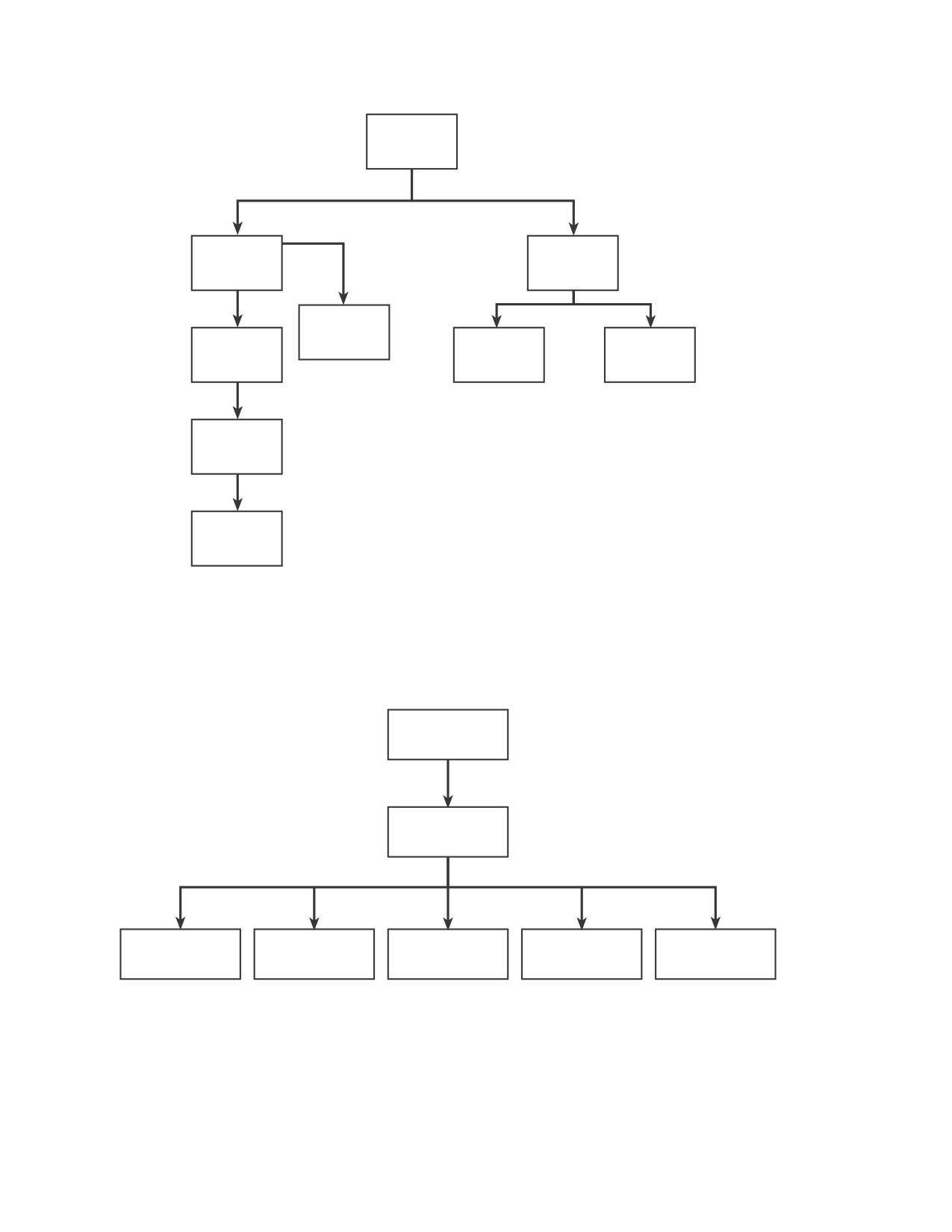
ACA
AAMDC
CORPS
EAC
ADA
A2C2
BDE
DIV
DIVISION
MEB
LNO
ADA
BN
ADA
BTRY
Figure VIII-1. Dissemination Measures Between Corps and MEB
TACC
TAOC
NOTIONAL
DASC
MATCD
LAAD
MARDIV
ARMY BRIGADE
Figure VIII-2. Dissemination Measures Between the MEF and Notional Army Brigade
VIII-6

3. Army Air and Missile Defense Operations
The mission of Army ADA is to protect the force and selected geopolitical assets
from aerial attack, missile attack, and aerial surveillance.
a. Army Air and Missile Defense Equipment. The high-to-medium altitude air
defense (HIMAD) system consists of the Patriot system and its associated radars.
HIMAD systems detect, acquire, classify, identify, select, and engage air and missile
threats at extended ranges and in virtually all weather conditions, day or night.
Although these systems are not found at the notional army brigade level, HIMAD
coverage may be available from the Army corps, or echelons above corps. The second
category, SHORAD systems include the Bradley Linebacker System, Bradley Stinger
Fighting Vehicle (BSFV), Avenger System, and Stinger Man-Portable Air Defense
System (MANPADS). Each of these systems provides low altitude air defense
coverage of selected combat, CS, or CSS units and critical assets. Table VIII-2
describes the types and characteristics of Army air defense weapons systems. The
table further identifies allocation of systems and the capabilities of each.
Table VIII-2. Types and Capabilities of Army ADA Weapons
Weapon
# System/Unit
Capabilities
Patriot
2 Battalions with 40 Patriot
50 KMs - Air Breathing Threat
ADA
Launchers each (8 per Battery);
20 KMs - Tactical Ballistic
5 Early Warning Radars per Battalion
Missile Threat (unclassified)
BSFV
24 Systems @ ADA Battalion/
Range: 4 KMs; Bradley
(Stinger)
Heavy Division; systems per ADA
4 Ready Missiles; 10 Basic
Battery/Heavy Brigade
Load
Avenger
36 Systems within a Corps ADA
Range; 5 KMs; 8 Ready
Brigade, all within an Army National
Missiles; Forward Looking
Guard (ARNG) ADA Battalion; 24
Infrared; Laser Range Finder,
Systems for ADA Battalion/Heavy
.50 caliber Machine Gun
Division with all Systems in D Battery
MANPADS
24 Systems within a Corps ADA
Range: 4 KMs; 6 Ready
(Stinger)
Brigade, all within an ARNG
Missiles
ADA Battalion; 40 systems for
ADA Battalion/Heavy Division,
with 8 Systems per Battery/
Heavy Brigade
b. Notional Army Brigade Air Defense Equipment. The notional army brigade
employs the Bradley Linebacker/BSFV, Avenger, Stinger MANPADS, and sensors/
radars as described below:
(1) Bradley Linebacker/BSFV. The Bradley Linebacker provides mobile
SHORAD protection to heavy maneuver forces including heavy divisions and
VIII-7
armored cavalry regiments (ACR). With its shoot-on-the-move capability coupled
with slew-to-cue, the Linebacker is capable of killing the broadening spectrum of 21st
century threats, including cruise missiles (CM), UAVs, and rotary wing aircraft. The
Bradley Linebacker is a BSFV with a standard vehicle mounted launcher (SVML)
and associated fire control. Third dimension track data and C2 information is
integrated through the FAAD C2 system. In addition to the four ready-to-fire
Stinger missiles, the Linebacker is also armed with a 25mm automatic cannon and a
7.62mm coax machine gun common to the BFV. The weapon system includes a Mode
4 IFF capable of positive identification of friendly aircraft. The Linebacker also has
a FLIR as an organic sensor. The Linebacker weapons are controlled from inside the
turret and can acquire and engage targets while on the move day or night. Not all
Army ADA Battalions in heavy divisions have fielded Linebacker. In the absence of
Linebacker, heavy units are equipped with the BSFV. The BSFV combines the
mobility and armor protection of the Bradley fighting vehicle with the air defense
capabilities afforded by the Stinger missile. The BSFV affords the crew survivability
and the speed commensurate with the mechanized force it supports. The Stinger
team within the BSFV maintains a basic load of six missiles. The team must
dismount to engage aerial platforms.
(2) Avenger. The Avenger provides mobile SHORAD protection to divisions,
armored cavalry regiments, and corps air defense brigades. The Avenger slew-to-cue
weapon system is a Stinger-based weapon system composed of two SVMLs, a M3P
.50 cal machine gun, and associated equipment mounted on a heavy HMMWV.
Slew-to-cue, in conjunction with FAAD C2I, rapidly and accurately points the
Avenger to the hostile third dimension air track. The Avenger also has a Mode 4 IFF
capable of positive identification of friendly aircraft and a FLIR as an organic sensor
to provide day/night operations. The system has shoot-on-the-move capability.
(3) Stinger/MANPADS. Stinger is a man-portable, shoulder-fired, infrared-
homing (heat seeking) guided missile system. It requires no control from the gunner
after firing. Stinger has an IFF subsystem that aids the gunner and team chief in
identifying friendly aircraft. Limited visibility operations at night restrict the
gunners’ ability to see and identify the target. A MANPADS team can dismount or
operate mounted on a HMMWV. Missile load is reduced to two during dismounted
operations, though missiles can be cross-leveled or cached by supported unit to
increase numbers of available missiles.
(4) Sensors. The Sentinel Radar provides an early warning third dimensional
digital picture to the ADA elements in its sector and zone. The Sentinel Radar is the
key air surveillance and target acquisition / tracking sensor for SHORAD weapons
in the division and corps sectors. The Sentinel Radar is an active 3D sensor organic
to SHORAD units which provides detection and tracking of fixed wing aircraft,
hovering and moving rotary wing aircraft, UAV, and CMs out to 40 KM. The
Sentinel provides early warning/alerting and cueing data to air defense weapon
systems in acquiring and engaging hostile aircraft. It is a trailer mounted, all
weather, day and night system, equipped with Mode 3 and Mode 4 IFF. The radar’s
integrated IFF helps prevent fratricide and its electronic countermeasures-resistant
performance supports Army air defense across the full spectrum of conflict.
VIII-8
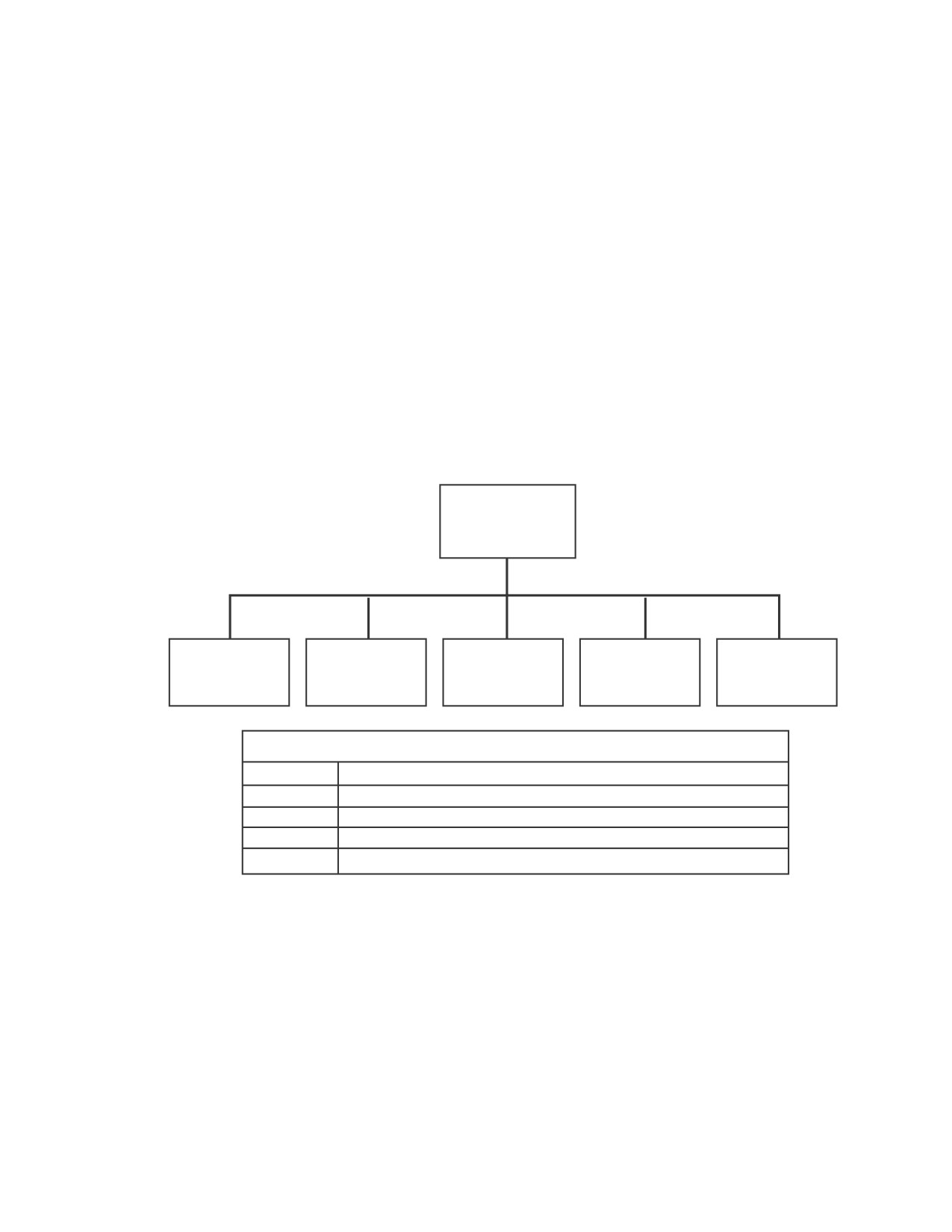
c. Notional Army Brigade ADA Organization. The ADA battalion commander
tailors the notional army brigade ADA organization to meet the situation. The Army
has five different types of divisions: light infantry, armored, mechanized infantry,
airborne, and air assault. Each division’s organic ADA battalion is organized to meet
the needs of the type of division it supports. The most likely scenario for Army and
Marine Corps contingencies is the use of a brigade from an armored division. A
typical armored division’s notional army brigade ADA battery normally consists of
two Linebacker/BSFV platoons (four BSFVs per platoon—total eight BSFVs); one
MANPADS platoon (total 10 MANPADS); a sensor section (total two sensors) from
the battalion headquarters; a maintenance platoon; and a headquarters platoon.
The Avenger platoon(s) can augment the BSFV battery if the threat (rotary wing,
CMs, or UAVs) warrants this task organization. (See Figure VIII-3, Notional Army
Brigade ADA Organization.) The ADA battalion commander may send the assistant
division air defense officer (ADADO) and FAAD C4I capabilities to allow
engagement and force operation linkage to external EW sources.
I
ADA BATTERY
(SUPPORTING A
HEAVY BRIGADE)
BATTERY
BSFV
MANPADS
AVENGER
SENSOR
HEADQUARTERS/
PLATOON
PLATOON
PLATOON
SECTION
MAINTENANCE
(4 SYSTEMS)
(10 SYSTEMS)
(8 SYSTEMS)
(2 RADARS)
PLATOON
TOTAL SYSTEMS IN BATTERY
QUANTITY
SYSTEM
8
LINEBACKER/BSFV CREWS
10
MANPAD CREWS
8
AVENGER CREWS (IF ASSIGNED, METT-T DEPENDENT
2
EARLY WARNING RADAR TERMS (FROM HEADQUARTERS BATTERY)
Figure VIII-3. Notional Army Brigade Air Defense Artillery (ADA) Organization
d. Patriot. The Patriot and corps air defense brigade are not organic to an Army
division, but it is not uncommon for a Patriot battalion to support a division mission
by either GS or DS. The Patriot air defense missile system can defeat air breathing
threats and tactical ballistic missile threats. Unclassified ranges for this system are:
50 KMs for the air breathing threat (rotary and fixed wing aircraft), and 20 KMs for
a tactical ballistic missile.
VIII-9
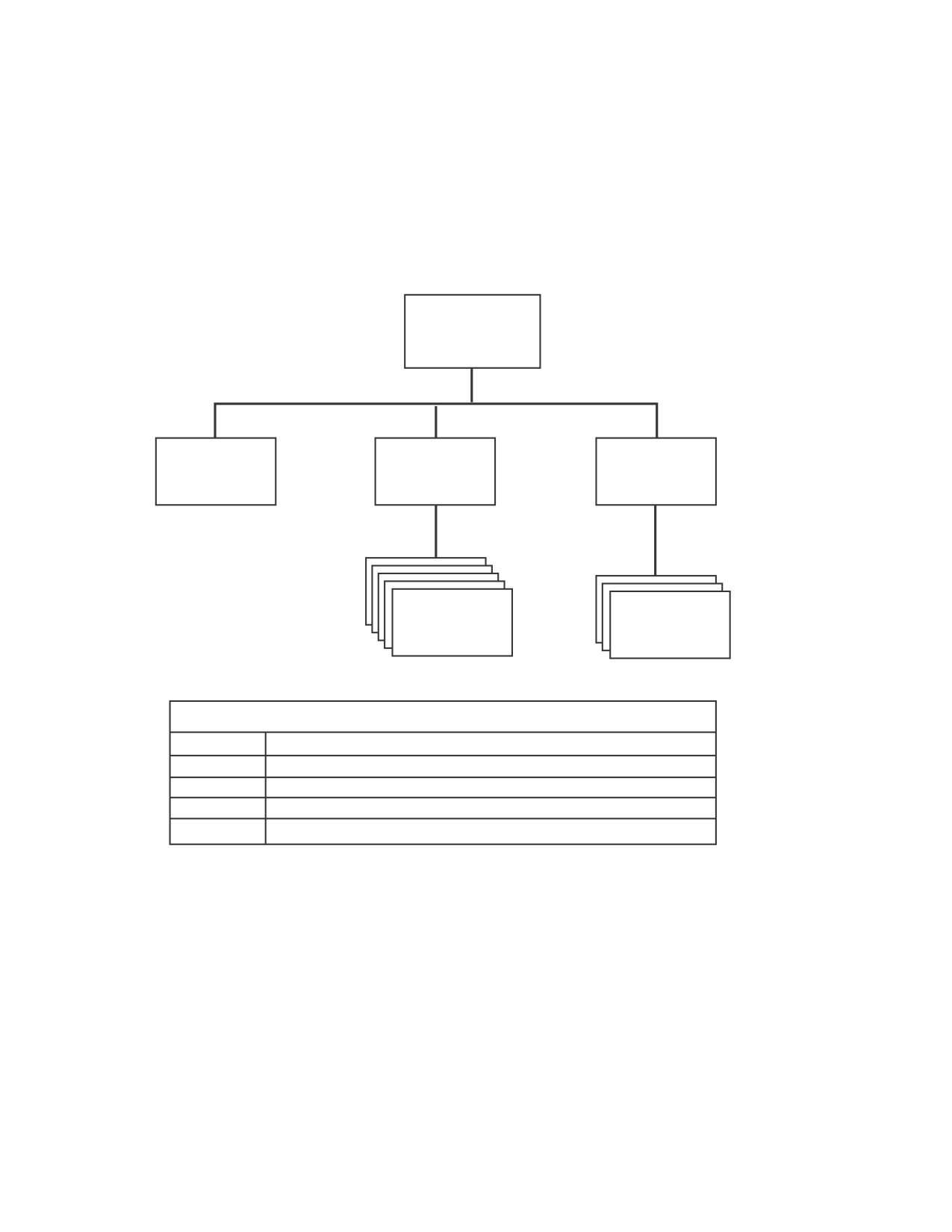
e. Corps Air Defense Brigade Organization. A Corps ADA Brigade has two
active-duty Patriot Battalions, an ARNG Avenger battalion, and a headquarters
battery. Each of the Patriot battalions has five line batteries with eight launchers
per battery, giving each battalion a total of 40 launchers. The ARNG Avenger
battalion has a total of 36 Avenger crews and 24 MANPAD crews. The ARNG
Avenger battalion has three line batteries, with 12 Avenger crews and eight
MANPADS crews. (See Figure VIII-4, Corps ADA Brigade Organization.)
X
CORPS
ADA
BRIGADE
HEADQUARTERS
AVENGER
&
PATRIOT
BATTALION
HEADQUARTERS
BATTALION
(ARNG)
BATTERY
PATRIOT
AVENGER
BATTERY
BATTERY
(ARNG)
TOTAL SYSTEMS IN BRIGADE
QUANTITY
SYSTEM
80
PATRIOT LAUNCHERS (8 PER PATRIOT BATTERY)
10
PATRIOT RADARS (1 PER PATRIOT BATTERY)
36
AVENGER CREWS (12 PER AVENGER ARNG BATTERY)
24
STINGER/MANPAD CREWS (8 PER AVENGER ARNG BATTERY)
Figure VIII-4. Corps ADA Brigade Organization
f. Command and Control (Divisional Air Defense Units Only). Based on
recommendations from the senior supporting air defense commander, the maneuver
brigade commander determines the priorities for air defense coverage, allocation of
available air defense assets, and air defense command and support relationships.
The battery commander (or senior supporting air defense commander) supports
brigade operations based on the unit mission, the commander’s intent, and the
commander’s concept of operations. Successful synchronization of brigade
operations hinges on including the ADA officer early and continuously in the
planning process.
VIII-10
g. Operations.
(1) Passive Air Defense. The entire notional army brigade has a role in
passive air defense. Measures taken to minimize the effects of hostile air actions
include the use of cover, concealment, camouflage, deception, dispersion, and
protective construction. Early warning is essential in alerting the maneuver force
that hostile air action is imminent and protective measures must be initiated. Early
warning is achieved by planning, deploying, and employing sensors with the
appropriate communications networks. Sensors are generally employed along air
avenues of approach to observe named areas of interest and decision points normally
designated by the brigade S2. During offensive operations, sensors are employed
throughout a zone to provide early warning. Covering and security forces’ task
organization normally includes FAAD sensors and Avenger for early engagement of
threat aerial platforms, with particular focus on surveillance platforms.
(2) Active Air Defense. Maneuver brigades conducting combat operations use
organic or attached assets to directly attack hostile aircraft and missiles. These
assets include friendly tanks, crew-served weapons, intelligence and electronic
warfare systems, attack helicopters, and specific air defense weapons systems.
(3) FAAD C4I System. The FAAD C4I System provides automated
assistance in the performance of SHORAD operations and consists of the following
FAAD C3I subsystems: Air Battle Management Element (ABME), Air and Missile
Defense Coordinator (AMDCOORD), Sensor C2, Battery CP, Platoon/Section CP, and
Fire Unit. These subsystems are equipped with computers, displays, and voice and
data communications equipment to aid the accumulation, processing, and
distribution of a correlated air picture and command, control, communication, and
intelligence (C3I) data. The digital data components of the subsystem are connected
by SINCGARS/enhanced position location reporting system (EPLRS) and the joint
tactical information distribution system (JTIDS) to accomplish the radio frequency
communications among the subsystems deployed within the area of operations.
JTIDS is used to receive air track data from external track resources.
(a) EPLRS. EPLRS is used for internal data communications. It is used
to network the Sensor/C3I subsystems, the ABME, and the AMDCOORD, to
exchange air track data, formulate a division air picture and subsequently
disseminate air track data, plus battle management data, to a Battery CP, platoon
CP, section CP, and fire unit all simultaneously. Early warning is accomplished with
the ABME and AMDCOORD receiving air tracks from external sources (Airborne
Warning and Control System (AWACS), HIMAD). The ABME correlates and sends
those tracks to the six Sentinels tactically located on the battlefield. The sensors
correlate that data with their own data then send data to ADA elements in their
sector and zone. Air tracks are received at the ADA batteries on their Transportable
Computer Unit (TCU) at the platoons, sections, fire units, and LNOs. These TCUs
are afforded early warning, which allows them to monitor their area of responsibility
and be prepared to engage all hostile air platforms according to the air defense
warning (ADW) and WCS at the time.
VIII-11
(b) SINCGARS. SINCGARS provides voice and data communications
capabilities.
(c) Simplified Handheld Terminal Unit (SHTU). SHTU performs
subsystem functions in C2 and provides the air picture to the section CPs and fire
units.
(4) Early Warning. The Air Battle Management Operations Center (ABMOC)
and air defense A2C2 receive air tracks from external sources such as the AWACS
and HIMAD air defense units. The ABMOC transmits these tracks to sensors
tactically located throughout the battlefield. The sensors receive this data, correlate
with their own data (40 KM GBS), and send all data to units for engagement. Voice
procedures still convey early warning to maneuver forces: battery to brigade and
platoon to battalion.
4. MEB Operations
All MAGTFs conduct air and missile defense as part of the AAW function as
described in Chapter VII. AAW is based on destruction in depth and begins as far
forward as possible with offensive AAW. Offensive AAW attacks enemy aircraft and
missile assets before they launch or can assume an attacking role. Destruction or
neutralization of enemy airfields, radars, and air defense systems is achieved
through preemptive measures, SEAD, and local air superiority. Air defense is
conducted to destroy or nullify the effectiveness of enemy air, missile attacks, and
surveillance against MAGTF forces and/or facilities. MAGTF air defense is
classified as either passive or active.
5. Command and Control
The ACE commander, through his TACC, coordinates MAGTF AAW, although
this function of Marines aviation is normally delegated to the SADC. Mutual
support and centralized command with decentralized control facilitate AAW. Mutual
support is achieved by positioning AAW weapons so that each potential air target is
within range of several air defense systems, both concurrently and sequentially.
Centralized command and decentralized control permits the best use of available
forces, and permits minimum reaction time and maximum flexibility. The SADC
manages the MAGTF’s air defense battle. Under the SADC’s guidance, the TAOC
provides control of AAW assets and the surveillance of assigned airspace. AAW
surveillance and control are augmented through separately established EW/C sites.
Factors influencing the location of TAOCs and EW/C sites employed within an area
of operations include the geographical size, terrain features impacting on radar
acquisition, and anticipated threat of air activity in the area.
a. The SADC. The SADC operates from the Sector Air Defense Facility (SADF)
that normally collocates with the TAOC. The SADF furnishes the SADC and his
staff with the capability to perform as an effective battle manager. The facility
employs representatives from various MACCS organizations, but primarily from the
VIII-12
TAOC. The SADC is responsible for coordination and management of all active AAW
assets within an assigned area through these functional representatives.
b. The TAOC. The TAOC provides airspace control, management, and
surveillance for its designated sector or area of interest; provides navigational
assistance, including itinerant air traffic control, to friendly aircraft; detects,
identifies, and controls the intercept of hostile aircraft and missiles; and deploys
EW/C sites to supplement or enhance the TAOC’s radar coverage. The SADC
coordination of overall AAW operations facilitates the ability of the TAOC to
concentrate on real-time control of fighter aircraft and surface-to-air weapons.
6. MAGTF Air and Missile Defense Organizations and Equipment
a. Assets. Organic ACE assets include fixed- and rotary-wing aircraft and
surface-to-air missiles (SAMs). The fixed- and rotary-wing aircraft are organic to
ACE aircraft squadrons; missile assets are organic to Stinger AAW units.
(1) Aircraft. Most of the fixed- or rotary-wing ACE aircraft have a limited
AAW capability. At minimum, any aircraft may be tasked as an AAW surveillance
platform. Attack helicopters may be employed as AAW assets when armed with air-
to-air weapons. The primary MAGTF fixed-wing AAW asset is the F/A-18 Hornet;
however, the AV-8 Harrier may be employed in a secondary AAW role. Employment
of fixed- and rotary-wing aircraft in AAW roles will be dependent on the existing
situation. MAGTF aircraft capabilities are discussed in detail in Chapter VII.
(2) SAMs. MAGTF SAM capabilities are organic to the LAAD units. LAAD
firing units currently employ MANPADS and the Avenger missile system. LAAD
units provide close-in, low-altitude surface-to-air weapons fires in defense of the
MAGTF. LAAD battalions defend forward combat areas, maneuver forces, vital
areas, installations, and/or units engaged in special or independent operations. The
LAAD battalion consists of a battalion headquarters, a headquarters and service
battery, and two firing batteries. Each of the two firing batteries has three firing
platoons and a battery headquarters. Each firing battery is composed of 30 Avenger
and 15-man portable Stinger teams. Smaller MAGTFs (i.e., MEUs and Special
Purpose Marine Air Ground Task Forces (SPMAGTFs)) are supported by platoons as
appropriate to METT-T/METT-TC. MEB and MEF-sized MAGTFs are supported by
LAAD batteries and battalions, respectively. Organic HMMWVs provide firing
teams with a high degree of mobility. Fire team leaders exercise final firing
authority for LAAD teams.
b. AAW Surveillance and Control Systems. MAGTF AAW surveillance and
control systems are limited to ground-based systems. Ground-based surveillance
capabilities include TAOC surveillance radars, MATCD air traffic control radars,
electro-optic systems, and LAAD team visual surveillance.
(1) The long-range radars of the TAOC provide range surveillance out to 300
nautical miles (NM), limited by LOS and the earth’s curvature. They provide
primary radar azimuth, range, and altitude information up to 100,000 feet (ft). In
VIII-13
addition, they provide identification of friendly aircraft through electronic
interrogations.
(2) The shorter-range radars of the TAOC, which can deploy as gap-filler
radars for the longer-range radars, are limited by the same LOS factors. They
provide primary radar azimuth and range up to 150 NM. They also have a
capability to electronically identify friendly aircraft.
(3) The short-range MATCD air traffic control radars provide primary and
secondary radar azimuth, range, and altitude information in the airfield areas.
(4) LAAD visual acquisition is particularly effective against low-altitude
targets when teams are placed along ingress routes and given limited sectors to
cover. Altitude, weather, and environmental factors severely limit their surveillance
capability.
VIII-14
Chapter IX
ADMINISTRATION AND LOGISTICS
1. Background
This chapter defines the authority and responsibilities for and control of logistics
within and supporting the joint force and defines the six functions of logistics. It
also describes notional army brigade and MEB logistics organizations and
operations and concludes with integrated logistics operations using the six logistics
functions as the framework for discussion (supply, maintenance, health service
support, transportation, other services, and civil engineering). These functions can
be found in JP 4-0. It also briefly discusses administrative functions and
augmentation.
2. Authority for Logistics Operations
Unity of effort and unity of command demand that a single command authority
be vested with the responsibility and the authority for common logistic support to
AMCI operations. The purpose is to improve efficiency and effectiveness and to
prevent unnecessary duplication of logistics efforts among the service components.
a. Delegation of Directive Authority. The geographic combatant commander may
not delegate directive authority for logistics. However, through his COCOM
authority, the combatant commander may delegate directive authority for a common
support capability within the joint force JOA to the JFC, service component, or DOD
agency (i.e., the combatant commander may delegate directive authority for a
common support capability). This delegation of authority is usually directed to the
dominant user of a particular logistic commodity or service. In some cases, however,
the dominant user may not be the most capable service or agency; therefore, the
combatant commander must be very deliberate in determining which service or
agency, if any, will be required to provide common user logistic support within a joint
force. See JP 0-2, Unified Action Armed Forces, JP 4-0, Doctrine for Logistics
Support of Joint Operations, and draft JP 4-07, Common User Logistics for more
discussion on directive authority for logistics.
b. Exercising Directive Authority. There are three methods of exercising
directive authority.
(1) Cross Servicing. Cross servicing logistics is a function performed by
military service in support of another military service for which reimbursement is
required from the service receiving support.
(2) Common Servicing. Common servicing logistics is a function performed by
one military service in support of another military service for which reimbursement
is not required from the service receiving support.
IX-1
(3) Joint Servicing. Joint Servicing logistics is a function performed by a joint
force or DOD agency that is jointly staffed and financed in support of two or more
military services.
3. Joint Logistics Functions
The Army recognizes six tactical logistics functions: man, arm, fuel, fix, move,
and sustain soldiers and their systems. The Marine Corps recognizes the six
logistics functions defined in joint doctrine: supply, maintenance, health service
support, transportation, services, and general engineering. To ensure a common
approach to logistics operations, the joint standard is the basis used for all
discussions throughout this manual. Per JP 4-0, these functions are supply,
maintenance, transportation, civil engineering, health services, and other services.
4. Notional Army Brigade Logistics Organizations
Logistics organizations supporting the notional army brigade include the
notional army brigade FSB and augmentation provided by the parent division and
the corps.
a. Notional Army Brigade FSB
(1) The FSB provides the notional army brigade with all classes of supplies,
heavy maintenance support, medical evacuation, and treatment operations. The
FSB also provides limited support to other units located in the brigade AO. The FSB
is the single point of contact for support to the brigade and for support operations
within the brigade’s AO. All FSB units are 100 percent mobile using organic
transportation.
(2) The battalion consists of a headquarters and headquarters detachment
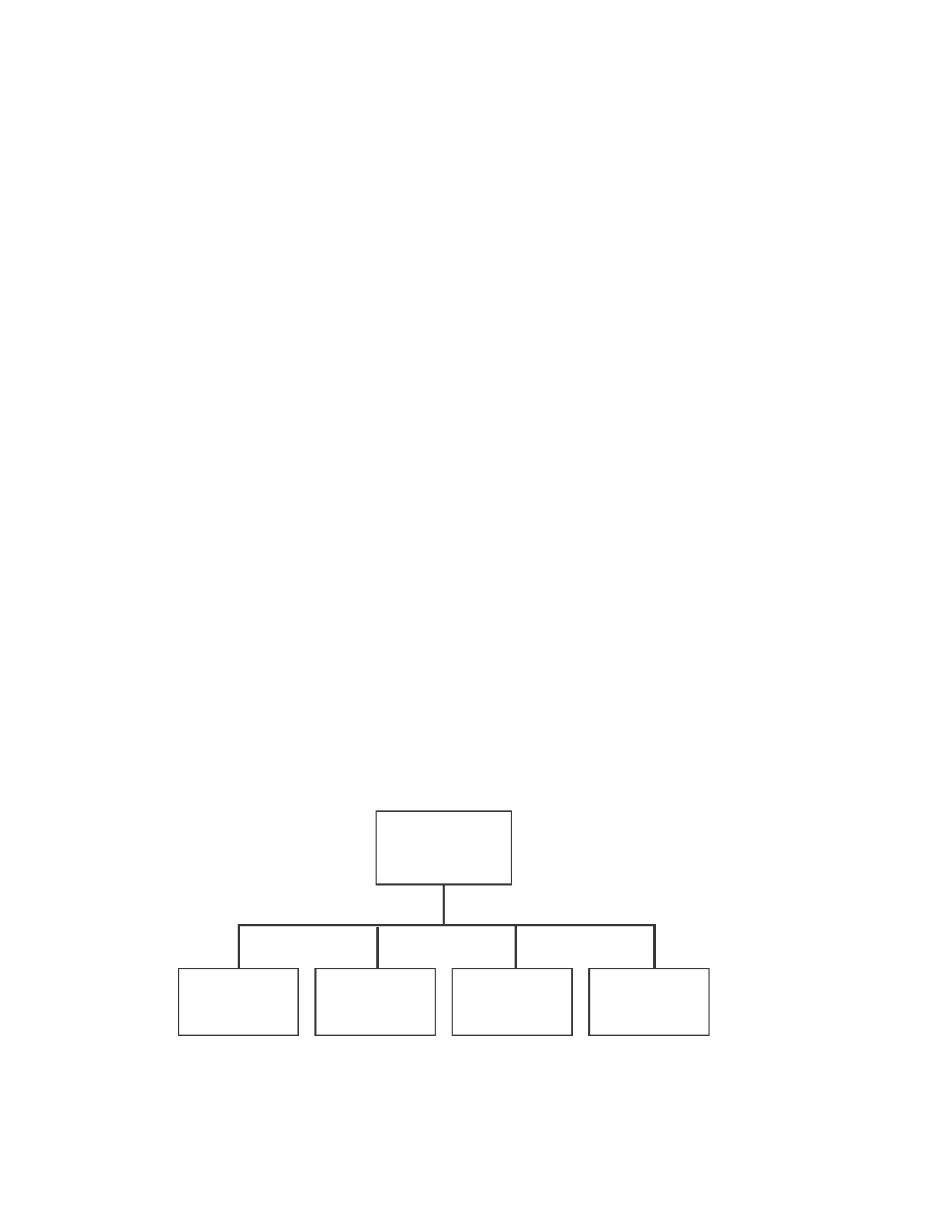
(HHD), supply company, maintenance company, and medical company as shown in
Figure IX-1.
FORWARD
SUPPORT
BATTALION
HEADQUARTERS
&
SUPPLY
MAINTENANCE
MEDICAL
HEADQUARTERS
COMPANY
COMPANY
COMPANY
DETACHMENT
Figure IX-1. Forward Support Battalion
IX-2

(3) Supply Company. The FSB supply company supports the notional army
brigade by receiving, storing, and issuing Class I, II, III, IV (less construction) and
Class VII supplies, and by operating an ammunition transfer point (ATP). Table IX-
1 identifies the supply company’s capabilities and major equipment.
Table IX-1. FSB Supply Company Capabilities/Major Equipment
Class
Short Ton (STON)
Class I
17.7
Class II
16.9
Class III (P)
1.2
Class III (B)
58,600 gal/day store (one-time basis)
87,500 gal/day issue
Class IV (e)
20.6
Class IV
9.3
Class V
572 transload
Class VII
11.74
Major Equipment
11
5,000-gal tanker
14
5-ton tractor
8
Fork Lift, Rough Terrain, 6,000-lb
3
Trk, cgo, hvy, palletized load system (PLS), transport w/trailer
18
Bed, cgo, demountable, PLS, 8X20
(a) Maintenance Company. The FSB’s maintenance company provides DS
maintenance and common repair parts supply support to the notional army brigade’s
attached and supporting units including all equipment. The maintenance company
does not provide the above to medical, COMSEC, airdrop, avionics, aircraft, aircraft
armament, and aircraft ammunition maintenance. The company provides tailored
tank, mechanized, and artillery maintenance support teams (MSTs) that provide on-
site maintenance for the supported task forces and for the artillery and engineer
battalions. The company normally maintains a limited authorized stockage list
repair parts and provides repairable exchange (RX) of selected items to support the
items stocked in combat prescribed load lists (PLLs) of supported units. When
required, the company provides backup organizational maintenance to supported
units.
(b) Medical Company. The medical company consists of a company
headquarters, treatment platoon, and ambulance platoon supported by four
HMMWV ambulances, and six M113 armored ambulances. The forward surgical
team (FST) is capable of continuous operations with a divisional or non-divisional
medical company/troop for up to 72 hours. The FST provides urgent, initial surgery
for otherwise non-transportable patients. The FST’s surgical capability is based on
two operating room (OR) tables with a surgical capacity of 24 OR table hours per
day. The company provides Level I and II health service support to all units
IX-3
operating in the notional army brigade AO on an area basis. The company performs
the following functions:
• Treatment of patients with minor diseases and illnesses, triage of
mass casualties, initial resuscitation and stabilization, advanced trauma
management, and preparation for further evacuation of patients incapable of
returning to duty.
• Ground evacuation for patients from battalion aid stations and
designated collection points.
• Emergency dental care.
• Emergency medical resupply to units in the brigade area.
• Receipt/issue/storage of 1.6 short ton (STON) of Class VIII supplies.
• Patient holding for up to 40 patients able to return to duty within 72
hours.
b. Notional Army Brigade Logistics Augmentation. Augmentation for the
notional army brigade’s FSB comes primarily from two sources: the parent division’s
main support battalion (MSB) and/or a corps support group (CSG). Exact
organization and composition is METT-T/METT-TC dependant and is dictated by
other division missions the MSB is supporting, host nation (HN) augmentation, and
theater contractor support availability. The augmentation is required to provide
support that exceeds the capability of both the notional army brigade FSB and the
MEF, including back-up DS and GS logistics for the notional army brigade and other
supporting Army forces.
c. MSB Augmentation. The MSB of the notional army brigade’s parent division
provides assets that may deploy with and augment the notional army brigade’s FSB.
Table IX-2 details the specific types of equipment that may be included in such an
augmentation package. For C2 purposes, the package could either be configured
into an additional company attached FSB control or the individual sections could be
further attached to the FSB’s organic companies.
IX-4

Table IX-2. MSB Augmentation of Notional Army Brigade
Quantity
Type Augmentation
10
5000-gal tankers
10
22.5-ton tractor-trailers
4
4 litter HMMWV ambulances
As Required
MSTs and shop vans to support DS maintenance and Class IX PLL/ASL
requirements for-
• Aviation equipment
• Chemical equipment
• Communications equipment
• COMSEC equipment
• Engineer equipment
• TACFIRE/MLRS/fire support control equipment
• Night vision devices
d. Other Division Augmentation. The parent division also provides the following
augmentation to assist in coordinating and supporting the notional army brigade’s
administration and logistics requirements:
(1) Section from the division’s materiel management center (DMMC) to assist
in supply and maintenance management.
(2) Section from the division ammunition office (DAO) to coordinate, control,
and manage Class V stocks for the brigade.
(3) Personnel services detachment with functional representatives to perform/
assist in replacement operations, casualty management, mortuary affairs, legal
services, postal services, and public affairs. Detachment sections collocate with the
notional army brigade, CSG(-), as appropriate.
(4) Medical operations cell from the division medical operations center to
provide medical support planning, medical evacuation and regulating, and
coordinate Class VIII/blood resupply.
(5) Medical field support cell from the MSB’s medical company to provide
selected Level II health service support including preventive medicine, medical
supply, medical equipment maintenance, biomedical equipment maintenance, and
combat stress control.
(6) The notional army brigade has no organic financial management support.
EAC/Corps units use finance support teams to provide financial management
support to a notional army brigade. When financial management structure is
needed in theater to support a notional army brigade, it will deploy as part of the
early entry module of the deploying force to establish operations in theater prior to
IX-5
the arrival of the notional army brigade. After initial entry, the notional army
brigade may require a tailored financial management structure to perform the
required financial management functions. Financial management functions for the
notional army brigade include:
(a) Currency and banking support
(b) Cost capturing
(c) Disbursing support
(d) Accounting
(e) Commercial vendor services
(f) Travel and military pay support
(7) CSG(-). The multifunctional CSG(-) provides support to the notional army
brigade that exceeds the capabilities of the brigade’s FSB, attached MSB slice, and
those of the MEF. The CSG(-) collocates with the FSSG and furnishes backup DS
and GS logistics functions for the notional army brigade. The CSG(-) also provides
the logistics framework for deployment of follow-on Army forces and for the
transition back to Army corps control. The theater opening package (TOP) from the
theater support command (TSC) early entry module (EEM) normally provides
reception, staging and onward movement (RSO) of follow-on forces. The CSG(-) may
be subordinate to the TSC EEM if the COSCOM headquarters has not deployed.
Because CSGs are tailored to support both non-divisional and divisional
requirements, their task organization varies according to METT-T/METT-TC.
Figure IX-2 depicts a “sample” organization of a CSG(-). A brief recapitulation of the
mission, capabilities, and major equipment of the units reflected in Figure IX-2
follows.
IX-6
III
CSG
(-)
I
II
II
MOTOR
HHC
TRANSPORT
CSB
BATTALION
I
I
I
LIGHT/
MEDIUM
MEDIUM
MEDIUM
TRUCK
TRUCK
TRUCK
(POL)
I
I
I
I
AIR
FIELD
SUPPLY
AMMO
MAINTENANCE
AMBULANCE
SERVICES
DETACHMENT
(-)
(-)
Figure IX-2. Sample Corps Support Group (-)
The text references complete unit tables of organization and equipment. All or any
sub elements of these units may be used in developing the tailored CSG (-). Many of
these same units would be used as “building blocks” to develop a composite logistics
organization tailored to augment the capability of the MEB’s BSSG when operating
with a corps.
(8) HHC. The CSG(-) headquarters provides C2, staff planning, and
supervision of three to seven assigned or attached battalions and any separate
companies. It exercises technical supervision over mission operations of subordinate
units. The headquarters company supports all personnel and equipment assigned
and attached to the HHC.
(9) The motor transportation battalion combines movement assets and
movement control.
(a) Medium Truck Company. The mission, capabilities and major
equipment of a medium truck company are described below.
• Mission. To move supplies and equipment from corps/FSSG supply
units/stockage points to users.
IX-7
• Capabilities. Local haul 2700 STON or line haul 1350 STON daily.
• Major Equipment. 60 x M915 line haul tractors and 120 x M871
22.5-ton semitrailers. The Army is beginning transition to standard truck
companies of 72 trucks per company 144 trailers. Each company has three platoons
of 24 trucks each.
(b) Light-Medium Truck Company. The mission, capabilities and major
equipment of a light-medium truck company are described below.
• Mission. To move personnel and general non containerized cargo.
• Capabilities. Local haul 1200 STON or line haul 600 STON daily.
• Major Equipment. 10 x 5-ton tractors; 25 x 22.5-ton semitrailers;
50 x 5-ton dropside cargo trucks. The Army is beginning transition to standard
truck companies of 72 trucks per company. Local 1500 STON, line haul 750 STON.
Each company has three platoons of 24 trucks each.
(c) Medium Truck Company (POL). The mission, capabilities and major
equipment of a medium truck company (POL) are described below.
• Mission. Wholesale delivery of bulk POL to POL supply units.
• Capabilities. Local haul 900,000 gallons or line haul 450,000 gallons
daily.
• Major Equipment. 60 line haul tractors; 60 x 5000-gallon semitrailer
tankers. The Army is beginning transition to standard truck companies of 72 trucks
per company. 1,200,000-gallon local or 600,000-gallon line haul. Each company has
three platoons of 24 trucks each.
(d) Corps Support Battalion (CSB). CSB provides requisite C2 for the
companies assigned to the CSG. One CSB consists of primarily transportation units;
the CSB is multifunctional in nature.
(e) Field Services Company (DS). The mission, capabilities and major
equipment of a field services company (DS) are described below.
• Mission. To provide field services, including laundry, shower, and
limited clothing repair operations.
• Capabilities. Can provide laundry service at the rate of 7.9 lbs per
person per week and shower service as the tactical situation permits in support of
18,500 personnel.
• Major Equipment. Eight 5-ton cargo trucks and nine 2.5-ton cargo
trucks.
IX-8

(f) Supply Company.
• Mission. To operate a direct support supply facility to support 18,500
personnel.
• Capabilities include—
• Receiving, storing, issuing, and accounting for 168 STON of
Class I, II, III (P), IV, and VII supplies.
• Storing 174,000 gallons of bulk POL a day; distributing 84,000
gallons a day at 75 percent availability of dispensing when making two trips per day
(line-haul).
• Purifying 60,000 gallons of water at each of three water points;
storing 30,000 gallons of potable water, and treating 146,150 gallons of NBC
contaminated water.
(g) Corps DS Supply Capabilities are listed in Table IX-3:
Table IX-3. Corps Direct Support (DS) Supply Capabilities
Chapter VI Class
Chapter VII STON
I
65.31
II
33.95
III(P)
5.46
IV
78.63
VII
40.18
• Major Equipment. Table IX-4 details the company’s major pieces of
equipment.
Table IX-4. Supply Company (DS) Major Equipment
Qty
Type Equipment
Qty
Type Equipment
3
Forward area water supply points
4
Filter separator, 350 gallons
per minute (GPM)
12
Semitrailer, Flatbed, 22.5-ton
30
Tank, collapsible, 3000-gal, water
9
Semitrailer, tanker, 5000-gal
6
Tank, trailer, mounted, 600-gal POL
1
10,000 lb forklift, rough terrain
2
Trailer, water, 400-gal
3
4000 lb forklift, rough terrain
17
Trailer, 1.5-ton
4
Truck, tractor, M915
3
Truck, 2.5-ton
5
Tank and pump units, 1200-gal truck
6
Truck, 5-ton, dropsied
4
Tank, collapsible, 3000-gal semi-
13
Truck, tractor, 5-ton
trailer mounted fabric tank (SMFT)
4
ROWPU, 3000 GPH
2
FSSP, 60,000-gal
12
Tank, collapsible, 10,000-gal, POL
4
350-GPM pumping assembly
IX-9

(h) Ammunition Company.
• Mission. To receive, store, warehouse, combat configure, and issue
conventional ammunition.
• Capabilities. Establish and operate three ASPs capable of receiving
and issuing 560 STON; configure 560 STON of ammunition (total lift capability of
2350 STON) and one ATP capable of re-warehousing 970 STON.
• Major Equipment. Table IX-5 details the ammunition company’s
major equipment.
Table IX-5. Ammunition Company (DS) Major Equipment
Qty
Type Equipment
Qty
Type Equipment
9
6000 lb forklift, rough terrain
8
10-ton truck, tractor
6
5-ton crane, rough terrain
3
40-ton semitrailer, lowbed
12
Truck, cargo, 5-ton
3
Trailer, palletized loading
5
25-ton semitrailer, lowbed
8
Truck, cargo 2.5-ton
6
Truck cargo, heavy PLS transporter
Note: The Army is transitioning to modular ammunition companies. Ammunition companies
will contain a tailored mix of heavy and medium platoons. These platoons are primarily de-
signed to facilitate the throughput of configured loads to the user. Medium platoons, SRC
09503LA, operate one ASP and 1/3 of an ATP. A heavy platoon, SRC 09503LB, provides
storage of 11,363 STONS. The primary difference in equipment is cranes and rough terrain
container handlers in the heavy platoon.
(i) Maintenance Company.
• Mission. To provide direct support and backup maintenance and
repair parts supply service.
• Capabilities. Table IX-6 describes maintenance company capabilities.
Table IX-6. Maintenance Company (DS) Capabilities
Capability
Capability
Automotive repair
Communications-electronics equipment repair
Computer repair
Engineer equipment repair
Fabric repair
Power generation equipment repair
Small arms repair
Refrigeration repair
Metal working
Special electronics devices repair
Chemical equipment repair
IX-10

• Major Equipment. Table IX-7 details maintenance company major
equipment.
Table IX-7. Maintenance Company (DS) Major Equipment
Qty
Type Equipment
Qty
Type Equipment
1
Semitrailer, lowbed, 25-ton
14
Truck, cargo, dropside, 2.5-ton
2
Semitrailer, van, repair parts, 6-ton
1
Truck, cargo, dropside, 5-ton
2
Semitrailer, van, ship, 6-ton
18
Truck, tractor, 5-ton
15
Semitrailer, van, supply, 12-ton
1
Truck, van, expansible, 5-ton
1
4000 lb fork lift, rough terrain
5
Truck, van, shop, 2.5-ton
7
Truck, cargo, 2.5-ton
1
Semitrailer, electric repair shop
equipment
1
10,000 lb fork lift, rough terrain
4
Truck, contact maintenance
1
Crane, 5-ton, rough terrain
3
Semitrailer, electronic shop
8
Semitrailer, flatbed 22.5-ton
Note: Force XXI maintenance companies at the Corps level centers around Support Mainte-
nance Companies. These companies are tailored with modular platoons and sections to
support their assigned missions.
(j) Air Ambulance Detachment.
• Mission. To evacuate patients to and between medical treatment
facilities or to airheads for further evacuation out of theater.
• Capabilities. Provide immediate aeromedical evacuation of all
categories of patients, consistent with evacuation priorities and other operational
considerations. Operate six air ambulances, each configured to carry four litter
patients and one ambulatory patient. Maintain aircraft with organic/attached
aviation unit maintenance personnel and equipment.
• Major Equipment. Three UH-60 Blackhawk aircraft.
(k) Other Corps Augmentation. The corps provides the following
augmentation to assist in coordinating and supporting the logistics requirements for
Army supporting the MEF:
• Split-based section from the corps materiel management center
(CMMC) to assist in coordination of supply operations.
• Split-based section from the corps movement control center (CMCC)
to coordinate transportation operations.
• Forward support platoon from a corps medical logistics battalion to
support medical units with medical supplies and blood support.
IX-11
5. Notional Army Brigade Logistics Operations
This section describes notional army brigade logistics operations in general
terms. Discussions focus primarily on the CSG(-) level and below.
a. Supply. Army units pass supply requests through automated systems from
company level through each level of command. Attached units may be added as
temporary customers by inputting their Department of Defense Acquisition Code
(DODAC).
(1) Class I. During initial deployment, units consume meals ready-to-eat
(MRE). As conditions permit, a variety of group rations (A-, B-, and T-rations)
augment and modify the initial MRE-only ration cycle. The ultimate objective is to
provide soldiers with a minimum of one hot combat (A- or B-ration) per day.
(2) Classes II, III (P), IV, and Maps. Units maintain basic loads of Classes II,
III (P) and IV supplies. Resupply of using units occurs through the FSB and CSG(-)
supply companies.
(3) Class III Operations. The notional army brigade S4’s POL forecasts form
the basis for CSG(-) and corps/MEF distribution plans. Using 5000-gallon tankers
the CSG(-) pushes fuel directly to the FSB supply company’s Class III supply point
located in the brigade support area. Battalions draw and transport bulk Class III
from the fuel supply point to supported elements using organic assets such as the 12
x 2500-gallon HEMTT fuelers belonging to the tank and mechanized infantry
battalions respectively.
(4) Class IV Operations. Class IV consists of fortification, barrier, and other
construction material. Construction machinery, equipment, vehicles, and tools used
in construction are brought from CONUS. Class IV may be provided through a
variety of means including common user provisioning. Class IV materiel is typically
in high demand for any type of contingency, including humanitarian assistance/
disaster relief operation where a large requirement often exists for shelters and
other buildings. Engineers may also produce their own Class IV, (e.g., sand,
aggregate, and concrete). Contractors normally procure their own construction
material for projects contracted by the DOD construction agents, (e.g., USACE or
naval facility [NAVFAC]). Care must be taken to account for Class IV items used to
construct facilities using funds appropriated specifically for construction. Refer to
JP 4-04, Joint Doctrine for Civil Engineering and JP3-34, Engineering Doctrine in
Joint Operations for further information on Class IV. Although Class IV is a supply
function, at the brigade level, most requirements will be in the combat engineer
category, which is covered in more detail in Chapter VI, Engineering.
(5) Class V Operations. Ammunition supply of all types is based on a required
supply rate (RSR) and a CSR. Availability drives the CSR. Based on command
guidance, the CSR provides the basis for Class V distribution to using units. The
CSG(-) pushes ammunition from the joint theater storage area (JTSA) or corps
storage area (CSA) to an ASP located in the rear of the AO or directly to the ATP
located in the BSA. The FSB manages the ATP. Combat units use organic assets
IX-12
such as the tank battalion’s ammunition trucks to draw and transport Class V from
the ATP to the users.
(6) Class VI materiel. Class VI supplies consist of health and comfort
packages and female sundry packages. Health and comfort packages contain
toothbrushes, toothpaste, razors, and personal demand items. Female sundry
packages contain additional health and comfort items. Since Class VI is not service
specific, it is highly appropriate for common user logistics. The key to successful
Class VI support is proper coordination for the introduction of military exchange
activities into the theater as operation conditions permit. Class VI materiel is
procured and managed by the various service exchange systems (AAFES, NEXCOM
and the MCX), and MWR organizations. Most of these items are procured outside of
the defense and service supply systems, and once sold or issued to the individual
service member, cease to be accounted as government property.
(7) Class VII. Class VII resupply to using units is based on battle loss reports
and priorities established by commanders. The CSG(-) delivers equipment to the
FSB supply company or directly to users at the battalion level.
(8) Class VIII (Medical) Resupply. The CSG(-) transports medical supplies to
the FSB medical company. The medical company further distributes using support
medical elements. Ground and air ambulances achieve emergency resupply of Class
VIII materials via backhaul.
(9) Class IX. See maintenance discussion below.
b. Maintenance.
(1) Ground Systems Maintenance. Maintenance support occurs as far forward
as possible. The FSB provides dedicated DS maintenance support to notional army
brigade units and area support to other units. The FSB maintenance company
provides a MST to each maneuver battalion, as well as to the DS artillery and
engineer battalions. US Army DS maintenance is roughly equivalent to USMC
intermediate maintenance. The company also maintains a limited stockage of
authorized stockage list (ASL) repair parts to augment the limited combat PLL of
repair parts maintained by supported battalions. The CSG(-) provides backup
automotive and missile maintenance support to unit MSTs. Repair parts not
available through the CSG(-) or FSSG are generally flown into theater from CONUS
depots via air lines of communications (ALOC) to the CSG(-) for further distribution
to the FSB and supported units.
(2) Aviation Maintenance.
(a) The Army aviation maintenance system focuses on ensuring maximum
availability of mission-capable aircraft. Maintenance support occurs in three levels:
AVUM, AVIM, and depot maintenance. Each aviation element owns an organic
AVUM capability backed up by higher echelon AVIM units.
IX-13
(b) Air Ambulance Detachment Maintenance. Aviation maintenance for
the air ambulance detachment is accomplished primarily by the AVUM personnel
organic to the aeromedical unit. A slice of AVIM personnel from the corps AVIM will
accompany that unit and provide backup and limited AVIM support to AVUM
personnel. The maintenance capability consists of battle damage assessment and
repair, contact maintenance, and line replaceable unit/module replacement.
Phase maintenance on aircraft is normally not possible until a more robust aviation
maintenance capability exists, such as the aviation augmentation packages
described in Chapter VII.
c. Health Service Support. Medical units organic to maneuver battalions
provide Level I medical support to units in the forward areas. The FSB medical
company provides Level II support to the notional army brigade and Level I support
to units without organic medical assets; it also provides backup Level I support and
ground evacuation support to the battalions. The air ambulance detachment (which
may be attached to and collocated with the notional army brigade medical company)
provides an aeromedical evacuation capability as described earlier.
d. Transportation. The FSB has no assigned DS transportation assets. The
notional army brigade requests external transportation support through the
movement control cell of its higher headquarters. The movement control cell
requests assistance from the MEF FSSG when requirements exceed CSG
capabilities.
e. Services. The notional army brigade has no organic laundry or bath capability,
water assets, or graves registration capabilities; it depends on the water teams from
the MSB and CSG(-) and MEF for all other field services support.
(1) Field Services. The CSG(-) field services company, augmented with a
mortuary affairs collection section, provides laundry and shower support and
mortuary affairs support respectively for the brigade.
(2) Water Production Storage and Distribution. The CSG(-) supply company
supplies the FSB with water. The FSB may also receive a water team from its
supporting divisional MSB. However, FSBs do not have bulk potable water
production and delivery capabilities.
f. General Engineering. The notional army brigade’s combat engineer
battalion’s capability to perform general engineering tasks is extremely limited.
External support is required for any significant general engineering tasks including
facilities development and repair.
6. MEF Logistics Organizations
The FSSG provides logistics support for the MEF. The FSSG performs those
functions that exceed the organic capabilities of the supported units. The FSSG
commander, normally a brigadier general, serves as the principal logistics advisor to
the MEF commander. The FSSG consists of the FSSG headquarters plus seven
permanent battalions. These battalions include a headquarters and service
IX-14

battalion, a supply battalion, a maintenance battalion, a transport support
battalion, an engineer support battalion, a medical battalion, and a dental battalion.
Based on the mission, the commander task organizes these battalions into CSSEs.
Table IX-8 provides relative sizes of MEF CSSE and Army CSS units for a rough
capability comparison. Because CSSEs below the FSSG are task organized, the size
and capability will vary with the mission.
Table IX-8. Combat Service Support Organizations
Unit
Service
Commanded
Approximate
Habitual Unit
by:
Personnel
Supported
Strength
Corps Support
US Army
MG
10,000 to
Corps
Command
14,000
Force Combat Service
USMC
BGen
8,000 to
MEF
Support Group (FSSG)
10,000
Division Support Command
US Army
COL
2,000 to 3,000
Division
Brigade (Combat) Service
USMC
Col
1,000 to 2,500
MEB (RLT &
Support Group (BSSG
MAG)
(CSSG))
Main Support Battalion
US Army
LTC
1,000
Bde
(MSB)
MEU Service Support
USMC
LtCol
250 to 340
MEU (SOC)
Group (MSSG)
Forward Support Battalion
US Army
LTC
200 to 270
Bde
(FSB)
Combat Service Support
USMC
LtCol-Capt
100 to 800
Regt, BLT, or
Detachment (CSSD)/
squadron
Mobile (MCSSD)
a. BSSG. The CSSE of a MEB, a BSSG, derives from the MEF’s FSSG. The
notional BSSG depicted in Figure IX-3 consists of a detachment from each battalion
in the FSSG and organization is based on mission.
(1) Headquarters and Service (H&S) Company. The H&S company provides
C2, administration, communications, and ADP to the BSSG. It provides supporting
services to the MEB in the amphibious assault and subsequent operations ashore, to
include such services as GS data processing, disbursing, postal, exchange service,
military police, information systems, legal service support, civil affairs support,
graves registration, and limited communications support.
IX-15
BRIGADE
SERVICE
SUPPORT
GROUP (BSSG)
ENGINEER
TRANSPORT
H&S
SUPPLY
MAINTENANCE
MEDICAL
SUPPORT
SUPPORT
COMPANY
COMPANY
COMPANY
COMPANY
COMPANY
COMPANY
H&S
H&S
H&S
H&S
H&S
H&S
PLATOON
PLATOON
PLATOON
PLATOON
PLATOON
PLATOON
ELECTRICAL
MOTOR
SERVICE
AMMO
SUPPORT
SURGICAL
MAINTENANCE
TRANSPORT
PLATOON
PLATOON
PLATOON
PLATOON
PLATOON
PLATOON
ENGINEER
LANDING
COMM
RATIONS
BULK FUEL
DENTAL
MAINTENANCE
SUPPORT
SECTION
PLATOON
PLATOON
PLATOON
PLATOON
PLATOON
MILITARY
ORDNANCE
SUPPLY
ENGINEER
POLICE
MAINTENANCE
PLATOON
PLATOON
PLATOON
PLATOON
MOTOR
MEDICAL
TRANSPORT
LEGEND
LOGISTICS
MAINTENANCE
PLATOON
PLATOON
AMMO:
AMMUNITION
COMM:
COMMUNICATIONS
TRANSPORT:
TRANSPORTATION
GENERAL
H&S:
HEADQUARTERS AND SERVICE
SUPPORT
MAINTENANCE
PLATOON
Figure IX-3. Notional Brigade Service Support Group
(2) Material Platoon. The material platoon is responsible for stock control,
cross servicing, and civilian contracting for all classes of supply except bulk fuel, and
aviation/aircraft related supply support. This support includes receiving, storing,
assembling, inspecting and issuing ordnance, parts, equipment and repairable items
to ground elements, and providing medical supply support and intermediate level
maintenance on all medical and dental equipment of the MEB.
(3) Transportation Support Company (reinforced). The transportation support
company (reinforced) provides medium and heavy motor transport support,
augmenting GCE and ACE organic capabilities on a mission-type basis.
(4) Engineer Support Company. The engineer support company furnishes
general organic engineering support, including bulk potable water production and
storage, horizontal and vertical construction fortification, construction, repair and
IX-16
maintenance of aviation facilities, facilities maintenance, engineer reconnaissance,
and deliberate demolition and obstacle removal. See Chapter VIII for detailed
discussions.
(5) Medical Company. The medical company, staffed with USN medical
personnel, provides Level II care including casualty collection, emergency treatment,
temporary hospitalization, specialized surgery, and evacuation support for the MEB.
(6) Landing Support Platoon. The landing support platoon provides landing
support to the MEB and subordinate elements in the assault and subsequent
operations ashore. The landing support consists of communications, materials
handling equipment, helicopter support, beach and terminal port operations, and the
establishment of temporary storage areas on the beach.
b. ACE Logistics Support. The MEB’s ACE logistics organizations include
Marine aviation logistics squadrons (MALS) for aviation logistics support and
MWSS for ground logistics support as illustrated in Figure IX-4. Each MAG is
supported by a MALS and MWSS. A MEB will have a composite MAG with both
fixed and rotary wing assets. Ordinarily, a rotary wing MALS and MWSS
augmented with fixed wing MALS and MWSS support assets will be assigned to the
composite MAG. If the ACE has two full MAGs, as depicted in Figure IX-4, a Marine
wing support group (MWSG) headquarter element with two MWSSs will be
assigned. Organizational functions are addressed within the context of the
six logistics functions discussed below. The MWSS provides ground CSS
similar to BSSGs with additional airfield operations support including: aircraft
recovery services, expeditionary airfield (EAF) installation and operation
capabilities, weather forecasting, and aircraft rescue and firefighting including
structural firefighting capability. Though not part of the ACE, a CSSD from the
BSSG is usually in direct support of logistics operations at a given air facility. They
provide ground logistics support not organic to the MWSS such as postal, disbursing,
exchange services, 3rd echelon maintenance, dental services, and Class IX support.
IX-17