FM 3-31.1 AMCI ARMY AND MARINE CORPS INTEGRATION IN JOINT OPERATIONS (NOVEMBER 2001) - page 3

Table V-6. MLRS Ammunition Planning Figures
Level
# Rockets/Launcher/Day
# Missiles/Battery/Day
Sustained
3-130
2-16
Surge
130-175
15-17
Peak
175-263
17-20
Note: Remember, these are the capabilities of the weapons systems, but not the
controlled supply rate (CSR) from the operations order; the CSR actually indicates
how much ammunition the user can expect to use for a particular evolution.
• Sustained level of effort expended per day over an extended period of
combat for a committed force; this level is normally expected to occur 75 percent of
the time for MLRS units.
• Surge level of effort required when a committed force faces a main
attack; this level is expected to occur less than 20 percent of the time for MLRS
units.
• Peak level of effort during an intense period of combat. DS and/or
reinforcing artillery within a selected brigade area are likely candidates; this level is
expected less than five percent of the time for MLRS units.
(h) Maintenance Support. MLRS units attached to the MEF must deploy
with the appropriate automotive and missile maintenance personnel, equipment,
and repair parts required to conduct sustained combat operations. The MEF
possesses no capability to support specialized MLRS equipment.
(i) Troop Safety. Troop safety considerations normally preclude
employment of MLRS in proximity to friendly personnel. Danger close for MLRS
M26 rockets is two km at maximum range. For planning purposes, MLRS fires are
generally directed no closer than two km beyond the FLOT. The potential for
unexploded ordnance (UXO) in areas where large volumes of MLRS fires have
occurred must be considered from both troop safety and maneuver/movement
standpoints during operational planning and execution.
e. Close Air Support (CAS) Operations.
(1) CAS for the Notional Army Brigade When Deployed With the MEF. Army
forces normally receive CAS from the Air Force and are provided with Air Force
liaison parties that request, coordinate, and control available CAS.
(2) CAS for the MEB When Deployed With a Corps. The MEB possesses CAS-
capable aircraft and the means to coordinate and control those aircraft. Except in
exceptional circumstances, Marine aviation remains under the control of the MEB
commander. Chapter VII addresses procedures for requesting air support when the
MEB requires support that exceeds the capability of the MEB ACE.
V-14
f. Naval Surface Fire Support (NSFS) of the Notional Army Brigade.
(1) Procedures During Amphibious Assaults. During amphibious phases of a
joint operation, a naval task force provides interface with the notional army brigade
FSE through the ship-based supporting arms coordination center (SACC). The
SACC is responsible for coordinating all fires during the assault. To facilitate the
coordination of fires in support of the landing force assault to shore, the SACC
augments with personnel and equipment from the MEF FFCC and the senior GCE
FSCC. Normal coordination is through the Artillery Command Fire (CF) or Fire
Direction (FD) Nets. The Landing Force Fire Support Coordination Net (HF) can
serve as a backup. To minimize dependence on ship-to-shore communications and
because higher echelons may not be ashore, units conduct lateral coordination when
fires clearance must be obtained from only one other landing force unit. When
ashore and prepared, the FFCC assumes responsibility for fire support coordination
from the SACC. The change in responsibility depends on which agency possesses
the best capability to coordinate and is contingent on the commander, amphibious
task force decision.
(2) Procedures Ashore. The notional army brigade maintains communications
on the NGF Support and/or NGF Control Net (HF) and the Brigade Command I and
II Nets (VHF). These nets provide communications for the planning and
coordination of NSFS between the NSGS ships, the GCE FSCC, and the battalion
landing team (BLT)/notional army brigade. These nets support day-to-day planning
among these agencies.
(3) The Army is addressing the HF radio requirements that Army forces need
to communicate with NGF ships. If the Army unit has or is augmented with HF
radios, request for naval surface fire support will be from:
(a) FIST direct to ship, if FIST has HF.
(b) FIST to battalion FSE to ship if only battalion has HF.
(c) FIST to battalion FSE to notional army brigade FSE to ship, if only
notional army brigade has HF.
If the Army does not have HF radios, the request will go FIST via FM to
battalion FSE via FM to notional army brigade FSE via FM to MEF FFCC to ship
via HF.
(4) The NGF communications interface includes a designated NGF ground
spot net with a frequency of 2-30 MHz HF. Compatible communications equipment
includes: USMC—PRC-104, GRC-193, MRC-138; USA—GRC-106, GRC-193, and
SINCGARS family of radios; USAF—PRC-104, MRC-107/108, GRC-206.
g. Artillery Communications. The discussion below defines the external
operating nets for the artillery battalions supporting the MEB when operating with
a corps and for the notional army brigade when operating with a MEF respectively:
V-15

(1) Notional Army Brigade under MEF Control. Table V-7 identifies the
external nets the notional army brigade’s supporting artillery battalion must operate
in when the notional army brigade fights as part of a MEF (assuming a Marine
artillery regimental headquarters is present). The table presumes the Army artillery
battalion will only perform a tactical mission of DS for the notional army brigade.
However, there may be occasions (e.g., when the notional army brigade is assigned a
reserve mission) when the assignment of reinforcing, GSR, or GS missions may be
appropriate.
Table V-7. Notional Army Brigade Artillery External Communications Net Structure
When Operating with MEF
External Nets
DS Notional
R
GSR
GS
Army Brigade
Artillery Regimental Command Net (HF)
X
A
X
X
Artillery Regimental Tactical Net (VHF)
X
X
X
X
Artillery Regimental Fire Direction Net (VHF)
X
X
X
X
Radar Telling Net (VHF)
A
A
X
X
Regimental Survey/Met Net (VHF)
X2
X1,2
X1,2
X2
Regimental Communication Coordination
A
A
A
A
Net (HF/VHF)
Reinforced Artillery Battalion Fire Direction Net (VHF)
X
X
MAGTF/Landing Force Artillery Command/ Fire
A
A
A
A
Direction (VHF)
Artillery Conduct of Fire Net (HF)
A
A
A
A
Maneuver Unit Operations/Intelligence (VHF)
X
X
1 Reinforced Unit Survey Net
X=Subscriber
2 Primary External Net
A=As required
(2) MEB Under Corps Control. Table V-8 identifies the external nets that the
MEB’s supporting M198 artillery battalion must operate in when the MEB fights as
part of a corps. The table assumes the artillery battalion performs a tactical mission
of DS for the MEB’s GCE. However, there may be occasions (e.g., when the MEB is
assigned a reserve mission) when the assignment of reinforcing, GSR, or GS
missions may be appropriate.
V-16

Table V-8. MEB Artillery External Communications Net Structure
When Operating with Corps
External Nets
DS GCE
R
GSR
GS
Force FA Command (VHF)(V)
X
X
X
Force FA Operation/Fire 1, 2, 3 (VHF)(V or D)
X
X
X
X
Force FA Command Fire (HF-SSB)(V/FAX)
X
X
X
Force FA Target Acquisition/Intelligence (VHF)(V)
X
Force FA Survey (VHF)(V)
X2
X1,2
X1,2
X2
Force FA Administrative/Logistics (VHF)(V)
A
Maneuver Unit Operations
X
X
Maneuver Unit Fire Support (VHF)(V)
Internal
X2
X2
A
Reinforced Battalion Command (VHF)(V)
X
X
Reinforced Battalion Operations/Fire (VHF)(V or D)
X
X
1 Reinforced Unit Survey Net
X=Subscriber
V=Voice Net
2 Primary External
A= As Required
D=Digital Net
V-17
Chapter VI
ENGINEER OPERATIONS
1. Background
To succeed on a dynamic battlefield, commanders must ensure their forces have
the ability to maneuver freely and be able to maximize the effects of its fires. At the
same time, the force must deny the enemy that capacity. Engineers provide com-
manders with significant capabilities to assist in multiplying the effectiveness of
both maneuver and fires.
2. Terminology
USMC doctrine recognizes four primary combat engineer functions: mobility,
countermobility, survivability, and general engineering. The Army considers topo-
graphic engineering to be a fifth primary engineering function that supports the
Defense Mapping Agency as well as all the services. The source documents for the
definitions include JP 1-02 and MCWP 3-17.
3. Notional Army Brigade Operations
a. Notional Army Brigade C2. The notional army brigade normally deploys with
an attached engineer battalion. The mission of the battalion is to increase the
combat effectiveness of the notional army brigade by performing mobility, survivabil-
ity, and limited general engineering tasks. Based on METT-T/METT-TC analysis,
additional engineer units can be requested from division, corps, and EAC to increase
these engineer capabilities. The brigade engineer coordinates the efforts of all
engineers working in the notional army brigade sector. The engineer battalion
commander also dual hats as the brigade engineer. The assistant brigade engineer
serves as the commander’s full-time representative on the notional army brigade
staff at the TOC. Engineers advise the notional army brigade and subordinate
commanders and staffs on engineer unit capabilities and employment and on engi-
neering impacts regarding respective unit plans and operations. Engineers also
plan, coordinate, and supervise staff activities of assigned, attached, and supporting
engineer units. The engineer battalion also provides a battalion TF C2 element for
specific combat operations and can reorganize and fight as infantry when augmented
with fire control elements. The battalion is most effective, however, when employed
to perform engineering tasks.
b. Organization. The notional army brigade engineer battalion consists of a
HHC and three engineer companies (see Figure VI-1). The notional army brigade
commander normally task organizes forces with a supporting engineer company.
However, METT-T/METT-TC may dictate that one or more companies be retained in
general support of the brigade or placed in support of a particular task force to
weight the notional army brigade main effort. Table VI-1 provides a recapitulation
of organic notional army brigade engineer battalion equipment.
VI-1

II
I
I
COMBAT
HHC
ENGINEER
COMPANY
Figure VI-1. Notional Army Brigade Engineer Battalion
Table VI-1. Notional Army Brigade Engineer Battalion Equipment
Type Equipment
#
Type Equipment
#
M577 CP
6
Cargo (HEMTT)
8
Small equipment excavator (SEE)
6
Fueler (HEMTT)
4
AVLB
12
5-ton dropside cargo truck
3
Armored combat earth mover
21
2.5-ton cargo truck
11
Armored personnel carriers (M113 APCs)
28
1.5-ton trailer
26
Combat engineer vehicles (CEVs)
6
Maintenance contact Truck
3
Ammunition carriers (M548)
6
Wrecker, HEMTT
1
Mine clearing line charge (MCLC)*
12
Shop equipment light truck
1
Volcano*
6
HMMWV
27
Vehicle, tracked recovery (M88 heavy)
2
Mobile kitchen trailer
2
Water trailer
4
Chemical agent alarm
18
Reconnaissance boat
7
Decontamination apparatus
1
Demolition set
24
Mine detectors
60
M60-series launcher
12
Radio sets AN/GRC/VRC/PRC
108
Radio set AN/GRC 106
1
46/47/49/64/77/160
Chainsaw
30
Carpenters tool kit (platoon
24
and squad)
*Note: These are actually ordered as ammunition versus equipment so they may not
come with the notional army brigade unless they are ordered.
4. MEB Engineer Operations
a. MEB C2. A MEB may have as many as four separate engineer units as shown
in Figure VI-2. All of these units provide mobility, countermobility, survivability,
and general engineering support based on size and capabilities. MAGTF engineer
units’ organization and equipment allow performance of a variety of missions and
tasks in any environment. Engineer units of the MEB are staffed, structured, and
VI-2
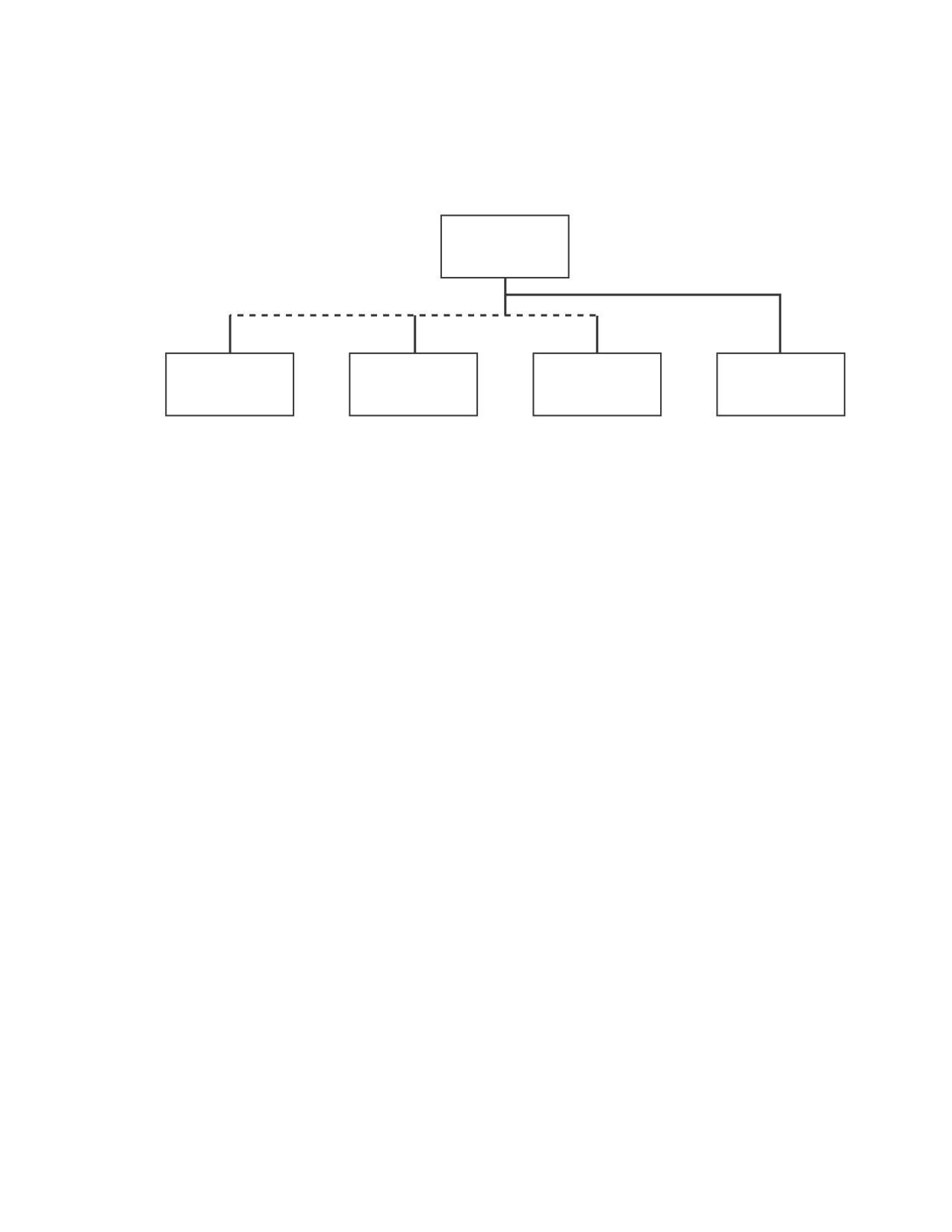
equipped to perform engineer assignments appropriate to their anticipated employ-
ment. The capabilities of given engineer units are largely dependent on the type and
quantity of equipment they possess.
COMMAND
ELEMENT
ENGINEER
(COORDINATON ONLY)
(OPCON)
NAVAL
GCE
ACE
CSSE
CONSTRUCTION
ENGINEERS
ENGINEERS
ENGINEERS
FORCE
ENGINEERS
Figure VI-2. Notional MEB Engineers
b. CE Engineer. The MEB CE has an engineer officer on the staff. The engineer
officer’s duties are to advise and inform the MEB commander regarding the capabili-
ties and best use of various engineer units within the MEB. The engineer officer
also coordinates engineer support with units external to the MEB. The engineer
officer provides CE level support, guidance, and coordination. A unit’s normal capa-
bility is enhanced by tasking additional (or various) engineer units for reinforce-
ment.
c. GCE Engineers. Combat engineers organic to the GCE provide close combat
engineer support by performing mobility, countermobility, and limited survivability
tasks. They are integrated into combat formations and provided amphibious assault
vehicle support or light armored vehicle transport to make them as survivable and
mobile as the forces they are supporting. Combat engineers have the secondary
mission to fight as infantry.
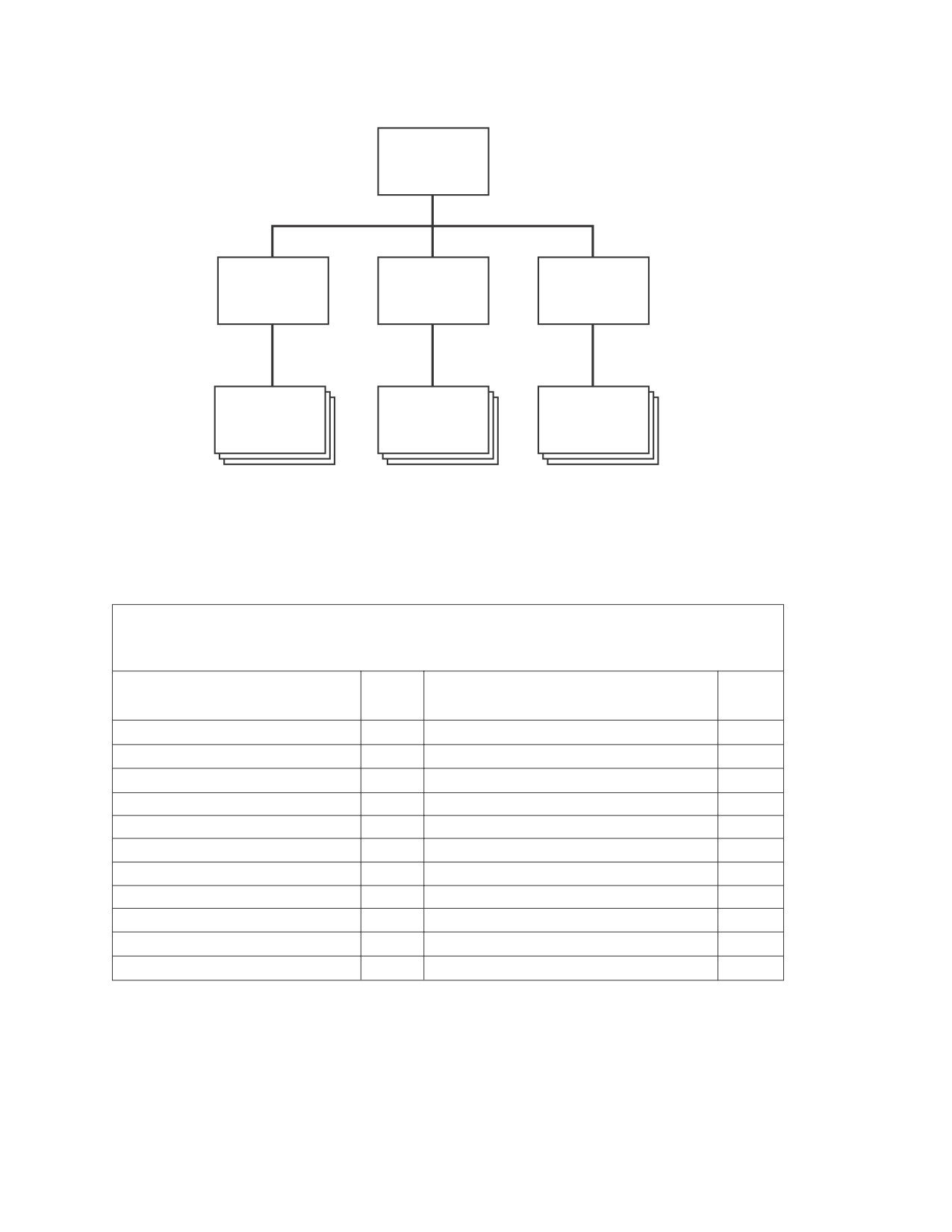
(1) GCE Engineer Organization. Normally, a reinforced company from the
combat engineer battalion (CEB) of the Marine division supports a MEB GCE as
depicted in Figure VI-3. The engineer company commander also dual hats as the
GCE engineer and advises the GCE and subordinate commanders on engineer unit
capabilities, employment, and operational impacts and plans. The engineer com-
pany commander also coordinates activities of attached and supporting engineer
units.
VI-3
I
COMBAT
ENGINEER
COMPANY
HQS
ENGINEER
ENGINEER
ENGINEER
PLATOON
PLATOON
PLATOON
ENGINEER
ENGINEER
ENGINEER
SQUAD
SQUAD
SQUAD
Figure VI-3. MEB Ground Combat Element (GCE) Combat Engineer Company
(2) Equipment. Table VI-2 details some of the equipment assigned to an
engineer company that supports a MEB GCE.
Table VI-2. Notional Combat Engineer Company (Reinforced) Equipment
in Support of a MEB GCE
Nomenclature
Qty
Nomenclature
Qty
AN/GRC 160
1
Chainsaw
9
AN/PRC 119
15
Carpenter kit
3
2 1/2 yd general purpose bucket
2
Pioneer kit
9
250 CFM
1
Armored combat excavator
2
Conventional mine laying system
4
T-5 bulldozer
2
Decontamination apparatus
1
D7G bulldozer
2
Demolition kit
9
SEE tractor
3
Mine detector
9
TRAM
2
10k forklift
2
M923 5-ton truck
3
Line change/trailer
9
M929 5-ton dump truck
3
Mine field marking system
1
M998 HMMWV
12
d. ACE Engineers. Two assigned Marine wing support squadrons (MWSSs)
support the ACE of a MEB. One MWSS normally supports the fixed-wing compo-
nents of the ACE, while the other MWSS provides support to the rotary-wing compo-
nent.
VI-4
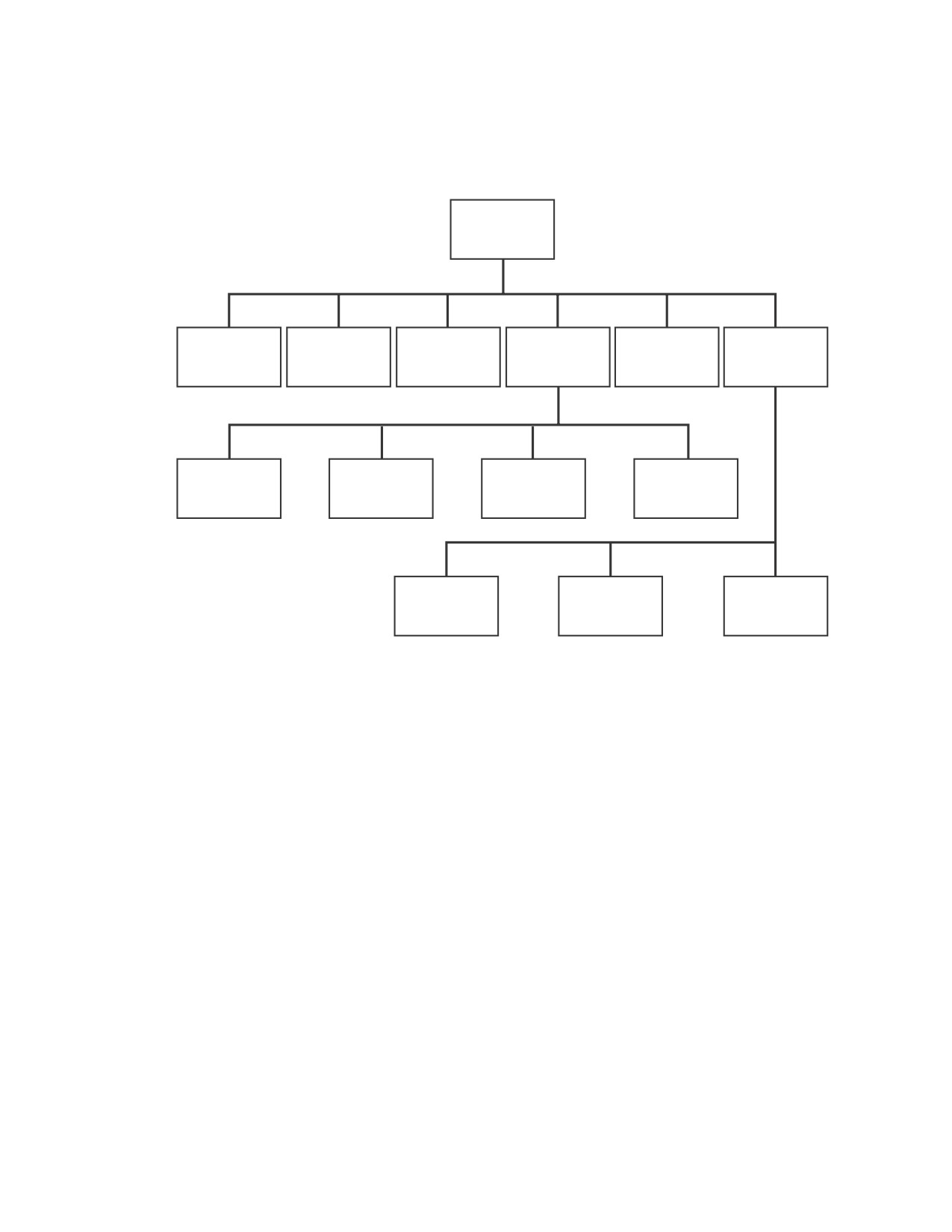
(1) MWSS Organization. The engineer operations division of the MWSS
provides the engineer capability (minus bulk fuel support) to the ACE as shown in
Figure VI-4.
MARINE WING
SUPPORT
SQUADRON
MP/
EQUIPMENT
FLIGHT LINE
S1
S2
S3
MAINTENANCE
S4
SECURITY
DEPARTMENT
DEPARTMENT
MOTOR
INTERNAL
AIRFIELD
ENGINEER
TRANSPORT
AIRFIELD
OPERATIONS
OPERATIONS
OPERATIONS
COMMS
DIVISION
DIVISION
DIVISION
FOOD/
SUPPLY/
MEDICAL
SERVICES
FISCAL
DIVISION
DIVISION
DIVISION
Figure VI-4. MEB Air Combat Element (ACE) Marine Wing Support Squadron
(2) MWSS Engineer Equipment. The table of equipment for the MWSS varies
depending on which component of the ACE it supports. Engineers located in the
airfield operations division receive, store, and dispense aviation and ground fuels.
As directed, CSSE engineer assets may augment MWSS elements. Tasks include
constructing vertical/short takeoff and landing sites, repairing, improving, and
maintaining roads within the ACE tactical area of responsibility, shelter construc-
tion, and limited rapid runway repair. Table VI-3 provides a summary of some of the
engineer equipment available to the fixed- and rotary-wing MWSSs.
VI-5

(Fixed-Wing) Engineer Equipment
Table VI-3. Marine Wing Support Squadron (MWSS)
(Fixed-Wing) Engineer Equipment
Nomenclature
Qty
Nomenclature
Qty
Shower unit
5
Vibratory compactor roller
2
2 1/2 yd general purpose bucket
4
15 kw power distribution system
10
5 CFM compressor
2
30 kw power distribution system
4
50,000 lb container handler
2
100 kw power distribution system
2
250 CFM
2
Survey set
1
30-ton crane
2
3000 gal collapsible water tank
44
Drafting equipment set
1
T-5 bulldozer
2
Decontamination apparatus
2
D7G bulldozer
4
Chainsaw
5
Runway sweeper
2
Demo kit
1
MC 1150E tractor
2
Mine detector
2
644E tractor
9
Floodlight set
10
SEE tractor
2
Tactical airfield fuel dispensing
4
Forklift extendible boom
12
system (TAFDS)
Road grader
2
4000 lb forklift
6
Helicopter Expedient Refueling System
7
Reverse Osmosis Water
9
(HERS)
Purification Unit (ROWPU)
Excavator
1
Medium freshwater purification unit
2
(MFWPU) 3000 Limit (LMT)
Field laundry
4
Water chiller
5
Light set (large)
3
Welding machine
2
Light set (small)
2
Petroleum testing kit
6
10,000 lb forklift attachment
9
3 kw generator set
12
SIXCON pump fuel module
4
10 kw generator set
5
Fuel SIXCON
18
30 kw generator set
14
350 cu ft refrigerator
11
60 kw generator set
6
Refrigeration unit
11
100 kw generator set
4
100 cu ft refrigeration unit
10
D7G ripper attachment
2
Note: MWSS (Fixed-wing) has M-21 arresting gear, 6 vs 4 TAFDS, and 2 vs 7 HERS.
VI-6
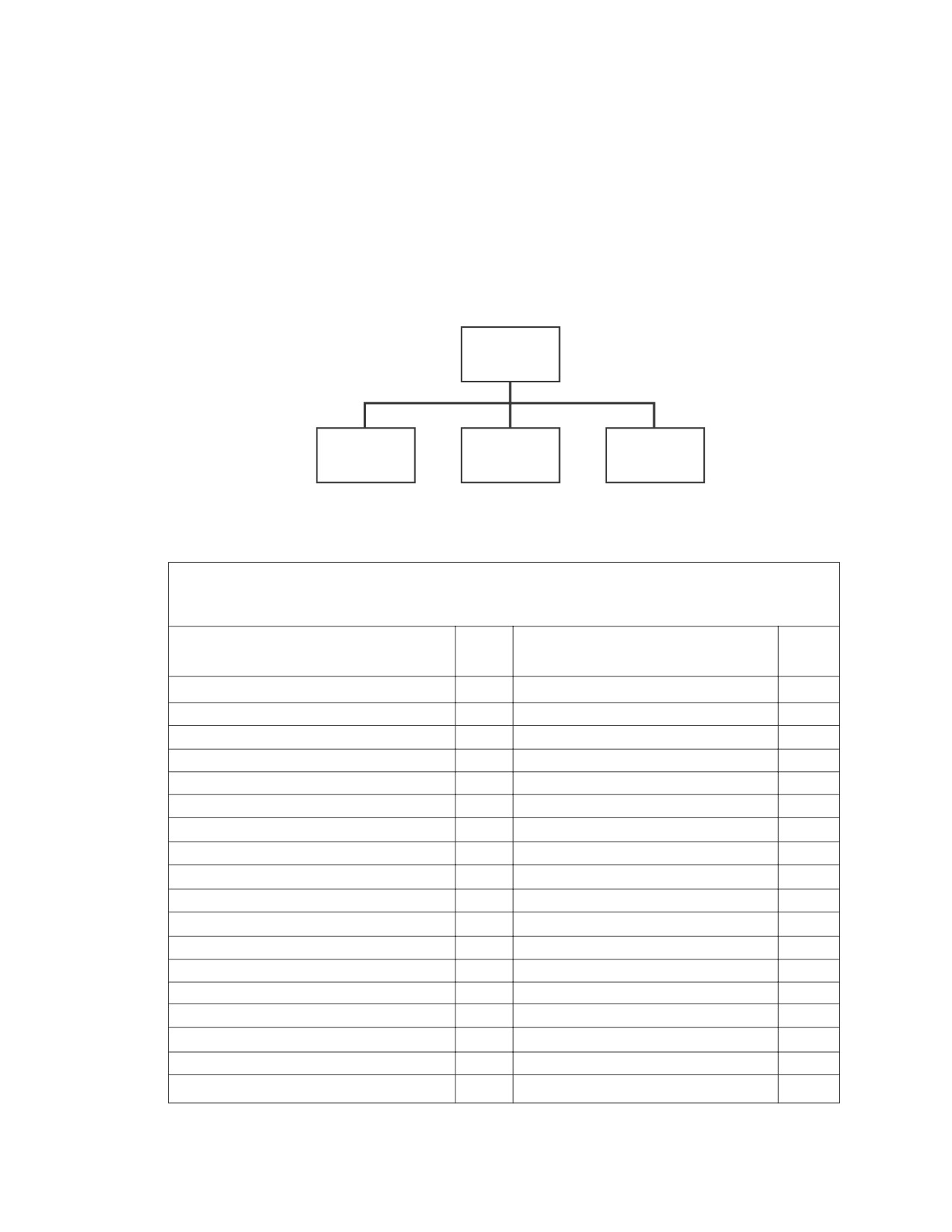
e. BSSG Engineers. BSSG engineers are a reinforced company from the engi-
neer support battalion (ESB) of the FSSG. This company provides general engineer-
ing support to the MEB. The engineer company commander also dual hats as BSSG
engineer. The engineer company commander advises the BSSG on engineer unit
capabilities and employment and on engineering aspects of plans and operations.
The engineer company commander also plans and coordinates the activities of
attached and supporting engineer units. Figure VI-5 illustrates BSSG engineer
organization. Table VI-4 recaps BSSG engineer equipment.
I
ENGINEER
COMPANY
COMPANY
EQUIPMENT
ENGINEER
HQ
PLATOON
PLATOON
Figure VI-5. MEB Brigade Service Support Group (BSSG) Engineer Company
Table VI-4. Notional Engineer Company (Reinforced) Equipment
in Support of a MEB BSSG
Nomenclature
Qty
Nomenclature
Qty
Shower unit
2
Assault trackway kit
10
2 1/2 yd general purpose bucket
3
D7G ripper attachment
1
250 CFM
1
Chainsaw
9
Drafting equipment set
1
T-5 bulldozer
2
Conventional mine laying system
4
3000 gal collapsible water tank
17
Decontamination apparatus
1
D7G bulldozer
2
Demolition kit
9
Water SIXCON
5
Mine detector
9
644E tractor
2
Floodlight set
2
SEE tractor
4
Armored combat earthmover
4
Carpenters kit
3
10,000 lb forklift attachment
2
Fuel SIXCON
3
3 kw generator set
15
Water purification set
2
10 kw generator set
2
Chainsaw
9
30 kw generator set
10
Forklift extendible boom
1
60 kw generator set
2
Water chiller
2
Line charge/trailer
9
Pioneer kit
1
Mine field marking system
1
ROWPU
2
Large light set
1
MFWPU 3000 LMT
2
VI-7

f. Naval Mobile Construction Battalion (NMCB). A NMCB of the naval con-
struction force (NCF) normally supports a MEB. The NMCB mission is to provide
highly skilled construction support including construction of ammunition supply
points; airbases; ports; petroleum, oils, and lubricants (POL) storage and distribu-
tion sites; and storage facilities. NMCB units are neither trained nor equipped for
close combat engineer support tasks such as obstacle breaching.
5. Integrated Engineer Operations
Tables VI-5A through VI-5D compare the engineering capabilities of both no-
tional army brigade and MEB engineers regarding the four common primary engi-
neering functions of mobility, countermobility, survivability, and general engineer-
ing.
Table VI-5A. Mobility Tasks
Primary Engineer Function
Notional
MEB
Army
Brigade
Mobility Tasks
ENGR Bn
GCE
CSSE
ACE
NCF
Tactical reconnaissance
X
X
X
Breach obstacles
X
X
X
Combat roads/trails
X
X
X
X
X
Assault bridging
X
X
X
Follow-on bridge construction
X
X
HLZ/DZ preparation
X
X
X
X
X
Improve beaches
X
X
Rapid runway repair
X
X
X
UXO disposal
X
X
X
(with EOD technician supervision)
VI-8

Table VI-5B. Countermobility Tasks
Primary Engineer Function
Notional
MEB
Army
Brigade
Countermobility Tasks
ENGR Bn
GCE
CSSE
ACE
NCF
Tactical reconnaissance
X
X
X
Construct log posts/cribs
X
X
X
Construct abates
X
X
X
Wire obstacles
X
X
X
X
Conventional mine emplacement
X
X
X
Scatterable mine emplacement*
X
Road/runway cratering
X
X
X
X
Bridge demolition
X
X
X
Construct antitank ditches
X
X
X
X
Note: * Must be ordered as ammunition.
Table VI-5C. Survivability Tasks
Primary Engineer Function
Notional
MEB
Army
Brigade
Survivability Tasks
ENGR Bn
GCE
CSSE
ACE
NCF
Construct fighting positions
X
X
X
X
X
Construct bunkers/C2 nodes
X
X
X
X
X
Assist in deception operations
X
X
X
X
X
VI-9

Table VI-5D. General Engineering Tasks
Primary Engineer Function
Notional
MEB
Army
Brigade
General Engineering Tasks
ENGR Bn
GCE
CSSE
ACE
NCF
Survey/drafting
X
X
X
X
Aircraft revetment
X
X
X
X
Bulk fuel
X
X
X
Water purification
X
X
Field sanitation/hygiene
X
X
X
X
Tactical electric
X
X
X
Well drilling
X
X
X
Port repair
X
Forward operating base construction
X
X
X
and maintenance
Mobile electric power
X
X
X
Expeditionary airfield construction
X
X
a. Planning Considerations. Coordinated engineer planning ensures that engi-
neer combat resources support the scheme of maneuver, fire support plan, and CSS
plan. Common planning also ensures equipment compatibility, maintenance, and
supportability.
b. Considerations for Task-Organizing Engineers. Task organizing engineer
units must take the following considerations into account:
(1) Maneuver units without engineer support normally receive engineer
companies in support of a regiment or brigade.
(2) Support relationships are normally GS in the MEF rear and DS to commit-
ted maneuver units.
(3) The pertinent activities of engineers working in an area are coordinated by
the brigade engineer regardless of the type of relationship.
(4) Engineer materials to support engineer operations are furnished by the
supported unit.
(5) Administrative/logistical support is provided to the attached engineer unit.
VI-10
(6) The supported unit furnishes engineer materials to support engineer
operations, regardless of command/support relationships.
c. Liaison Requirements. Constant liaison and reliable communications are
necessary for integrated engineer operations. Liaison personnel provide the follow-
ing services:
(1) Advise supported commander of capabilities, limitations, employment, and
status of supporting engineer units/assets.
(2) Exchange target lists/folders as required.
(3) Maintain/update status of obstacles and emplacement of conventional and
scatterable minefields.
(4) Monitor/share intelligence on status of enemy units, capabilities, activities,
including enemy obstacles.
(5) Plan specific arrangements for breached lane markings and handoff from
forward breaching units to following engineers for lane improvement and obstacle
clearing.
(6) Develop and implement a common lane marking system for breaching
operations.
(7) Plan and coordinate engineer efforts for extensive obstacle emplacement
well in advance of operations.
d. UXO. UXO affects planning and execution of combat operations. The type of
munitions employed, self-destruct times, submunition density, terrain and climatic
conditions, and the mission and degree of mobility required of the affected force
must be viewed with respect to the forces that encounter them. JP 3-0 states “Coor-
dination of attacks beyond the fire support coordination line (FSCL) is especially
critical to commanders of air, land, and special operations forces. Their forces may
now be operating beyond a FSCL or may plan to maneuver on that territory in the
future. Such coordination is also important when attacking forces are employing
wide-area munitions or munitions with delayed effects.” Preventing undue con-
straints on movement of forces and maneuver elements in order to maintain the
operational tempo requires planning and reporting. (Note: The ALSA publication,
UXO, FM 100-38 and MCRP 4-5.1, further illuminates this topic)
(1) Planning. The use of submunitions primarily impacts land operations and
requires close coordination between component commanders and the JFC before
their use by any delivery means. Planning considerations include the following
points:
(a) Preplanning, deconflicting, and coordinating with other components.
(b) Minimizing impacts of residual effects on friendly operations.
VI-11
(c) UXO inhibits maneuver by potentially restricting use of terrain, in-
creasing reconnaissance requirements, and reducing momentum (speed of maneu-
ver, rates of march). UXO also inhibits night movement, increases risk to CS/CSS
elements, ties up engineers or other forces clearing/marking lanes, and reduces
available firepower because of increased loss of personnel and equipment. Consider:
• Future use of current enemy controlled terrain including airfields/
airstrips.
• Dismounted operations required in the area (special operations
forces, security operations, etc.). UXO is a significant obstacle to dismounted forces
as they face the greatest danger of death or injury.
• A mechanized crew can reduce their risk from crossing UXO hazard
areas by remaining mounted.
• Personnel manning and being transported by wheeled vehicles face
nearly the same risk to UXO as dismounted forces.
• Aircraft in defilade, flying nap-of-the-earth, or in ground effect (below
45 feet) are vulnerable to UXO. United States (US) and foreign munitions incorpo-
rate sensitive fuzing that can react to aircraft in ground effect
• UXO has the potential to significantly damage certain types of land-
ing craft and in some cases, result in casualties of embarked personnel.
• Availability of engineer/explosive ordnance disposal (EOD) support.
(d) In regard to impact on terrain management, task organizing engineers
must consider the following items:
• Will friendly troops transit/occupy the area?
• Locations of proposed main supply route(s).
• Restricted areas—proposed logistics base sites.
(e) Communications requirements: Information requirements and avail-
ability of automation and communications equipment to rapidly disseminate infor-
mation.
(2) Reporting. Just as units emplacing obstacles and minefields are respon-
sible for immediate reporting of those obstacles and minefields, units are also re-
sponsible for reporting UXO and UXO hazard areas created through use of
submunition ordnance. See Appendix C for UXO Spot Report format. Once re-
ported, UXO hazard areas are treated as another minefield or obstacle. As such,
UXO information requires processing, plotting, and disseminating to higher, lower,
and adjacent units.
VI-12
Chapter VII
AVIATION
1. Background
The Army views its attack and cavalry aviation assets as a maneuver element.
The Marines also view aviation as a potential maneuver element; however, they
primarily employ it as a supporting arm that assists in accomplishing MAGTF
objectives. This chapter familiarizes commanders and staffs with the missions,
capabilities, limitations, command and control, and planning factors for employment
of respective service aviation organizations. Although the text discusses notional
aviation organizations, there are no “fixed” aviation units assigned to or supporting
either the notional army brigade or MEB. Operational requirements and METT-T/
METT-TC considerations drive the specific composition of aviation elements that
may deploy with AMCI forces.
2. Army Aviation Overview
a. Army Concept of Aviation. Aviation, as a maneuver force, is the third
dimension element of Army operations. Aviation organizations feature manned
systems, operating as units, employed as air combined arms’ teams that use terrain
in the same fashion as ground units. Although they offer some unique advantages to
the commander, such as the ability to fight over and within swamps, forests, and
mountains, they are subject to the same battlefield dynamics and the same physics
of land warfare as ground combat units.
b. Notional Army Brigade Augmentation. Aviation forces deployed with the
notional army brigade are task organized based on METT-T/METT-TC. Most likely,
an aviation task force (Marines would use “aviation element”) would include attack
and/or scout helicopters, as well as assault and aeromedical helicopter support. (See
Table VII-1.) Aviation forces could also include special electronic mission aircraft
(SEMA) for electronic warfare operations.
VII-1

Table VII-1 Possible Army Aviation Task Force
Type Unit
#/Type of Aircraft
Personnel
Attack Battalion
24 AH-64A/D
350
or
24 OH-58D
Air Cavalry Troop
8 OH-58D
40
Assault Company
8 UH-60 A/L
45
Medium Lift Platoon
8 CH-47D
50
Aeromedical Evacuation
6 UH-60 A/L
33
(2 sections)
Aviation Intermediate Maintenance
40
Company (-) (AVIM)
An Aviation Task Force Commander will ensure effective utilization of these assets using task
organization based on the higher commander’s intent and METT-T/METT-TC.
(1) Aircraft. Each aviation unit brings unique capabilities. AH-64A/D attack
aircraft are excellent night reconnaissance, security, and attack aircraft. The AH-64
laser designator/laser spot tracker is compatible with other laser capable aircraft,
ground laser identifiers (GLID), and laser guided munitions. The OH-58D also has
excellent night capabilities and has the ability to integrate fixed-wing support into
Army fire support operations through its communications and laser designation
capabilities. The pilots are trained for integrated fixed-wing support into Army CAS
operations through its communications and laser designation capabilities. Both the
OH-58D and AH-64A/D can designate for artillery (Copperhead) and attack aircraft
(laser guided munitions). The UH-60 provides lift support for air assault operations,
air movement of troops, C2, CS, and CSS (movement of equipment and supplies). If
deployed, the EH-60A, a divisional SEMA system, is capable of intercepting,
direction finding, and jamming enemy communications systems. The CH-47D
provides a medium-lift capability to AMCI forces for movement of troops, supplies,
and equipment.
(2) Aeromedical Evacuation. Two air ambulance sections may deploy with the
brigade. The aeromedical evacuation sections consist of six UH-60A/L helicopters
and 33 personnel (including maintenance support). Appropriate aviation unit
maintenance (AVUM) and aviation intermediate maintenance (AVIM) support
deploy with the section. The aircraft in these sections provides aeromedical
evacuation from the maneuver units to the FSB medical company/forward surgical
team location, forward service support group hospital, or amphibious ready group
ships. The aeromedical evacuation sections often collocate with the aviation element
(the Army usually uses “aviation task forces”) for maintenance, logistical support,
and security. These aeromedical sections do not have organic forward arming and
refueling point (FARP) capability. They must depend on other aviation units for
support.
VII-2

c. Missions. The flexibility of Army aviation allows for its employment
throughout the battlefield. During close, deep, and rear operations, force
commanders can use aviation to mass superior combat power against the enemy’s
detected vulnerabilities and projected weaknesses. Aviation forces and assets for
close, deep, and rear operations are assigned missions according to the force
commander’s intent, operational or tactical objectives, and priority mission support
requirements. Table VII-2 shows the various mission capabilities of Army aviation.
Table VII-2. Army Aviation Missions
Deep
Close
Rear
Attack
Attack
Attack
Reconnaissance
Reconnaissance
Reconnaissance
Security
Security (screen)
Advanced guard*
Air Assault
Covering force**
Air Assault
Tactical Combat Force (TCF)*
C2
Air Assault
Reserve
C2
C2
Reserve
* Requires Augmentation
** May form part of the covering force
(1) Deep Operations. Aviation enhances the joint force warfighting
capabilities by allowing the commander to exploit the entire battlefield by projecting
combat power rapidly throughout the battlefield. Due to their speed,
maneuverability, and long-range direct fire capabilities, Army aviation forces are
well suited for operations over extended ranges. Deep operations are normally
conducted for two purposes: set the conditions for the close battle and attack the
enemy in depth. Successful aviation deep operations require deliberate planning,
detailed coordination, and timely, accurate intelligence. SEAD, EW, and deception
are critical to the success of deep operations. Information flow between forward
(deep aircraft) and rear CPs requires enhanced communications capabilities.
(2) Close Operations. Army aviation performs close operations as part of the
main battle or while executing the mission of the reserve. During close operations,
aviation forces enable the commander to mass the effects of overwhelming combat
power, attack an assailable flank, and add depth to the close battle. In the close
battle, aviation forces can perform the following actions: provide immediate
antiarmor firepower; attack moving, attacking, withdrawing, or bypassed forces;
maneuver to blunt enemy counterattacks; envelop enemy forces; attack enemy
counterattacking forces; and conduct air combat operations.
(3) Rear Operations. Aviation forces employed in rear operations can function
as a tactical combat force (TCF) headquarters for planning and executing rear
combat operations. If augmented with additional maneuver, CS, and CSS assets,
aviation forces can provide initial response force for Level III incursions; conduct air
VII-3

movement of personnel, supplies, and equipment to assist in CSS operations; and
provide surveillance and assist in securing LOCs.
3. Capabilities and Limitations
Table VII-3 lists primary employment capabilities and limitations of Army
Aviation.
Table VII-3. Army Aviation Capabilities and Limitations
Capabilities
Limitations
Night Operations
Consumes Large Amounts of Classes III, V, and IX
Long Range Direct Fires
Environment
Maneuverability
Maintenance Support Requirements
Shock Effect
Security
Mobility
Ability to Close Rapidly
The paragraphs that follow describe other aviation capabilities and limitations:
a. Operations. Army aviation units can normally sustain six to eight flight hours
per 24-hour period per available airframes. They cannot be employed continuously
without periodic maintenance of airframes and sufficient rest for personnel. While
combat operations are enhanced by keeping personnel on a set cycle—either night or
day—flexibility of scheduling is permitted. The aviation commander assesses the
operational risk using factors of METT-T/METT-TC to identify the risk to mission
accomplishment. A 24-hour break in cycles is normally required for aircrews to
transition from night-to-day or for day-to-night operations. The operating
environment also has an impact on the sustainability of flight operations. For
example, increased maintenance requirements in a dusty or sandy environment
could adversely impact available flight hours.
b. Security. The combat power of aviation forces resides in the aircraft. While
on the ground, aviation forces are vulnerable to attack. Aviation forces use
dispersion as a prime means of security. Except for limited local security, aviation
forces must rely on external support for protection. Aviation unit assembly areas
normally collocate with other units in the rear area.
c. Weather Support. Army Aviation Task Forces deploy with attached USAF
weather specialists. These airmen and NCOs provide weather forecasting and
infrared (IR) crossover information for the Task Force Commander’s integration into
mission planning.
d. Sustainment. The division aviation support battalion (ASB) and AVIM
company provide CSS to the Army aviation task force. The ASB/AVIM slice provides
Class IX and maintenance support including phase maintenance, weapons system
VII-4
maintenance, and augmentation of the Army task force’s AVUM. If the aircraft
deploy by sealift, the aircraft require reassembly upon arrival. During deployment,
aviation support elements may augment the notional army brigade forward support
battalion to support the aviation element or the division support command
(DISCOM) may organize the required CSS assets to form a service support element
in DS of the aviation element (Class III, V, medical, maintenance).
(1) Class III. Army rotary-wing aviation and ground vehicles use a common
fuel: JP-8. Aviation fuel testing requirements are conducted by POL specialists.
Aviation units normally receive Class III through unit distribution. Army rotary-
wing aircraft use either the open port or closed circuit refuel (CCR) nozzle. The
FARP normally carries both nozzles.
(2) Class V. The aviation unit receives Class V (air and ground) through the
ammunition supply point (ASP) established for the notional army brigade.
4. Command and Control
Aviation units receive their mission as any other maneuver unit and require the
same planning time and considerations as ground units.
a. Army Airspace C2. While Army aircraft can operate under positive control,
procedural control is the preferred method. Normally, only those aircraft with
mission profiles above the coordinating altitude operate under positive control. Most
Army rotary-wing aviation operates under procedural control.
b. Procedural Control. Procedural control for Army rotary-wing aircraft is based
primarily on graphic control measures such as standard Army aviation flight routes
(SAAFR), air corridors, air control points (ACPs), high density aircraft control zones
(HIDACZs), restricted operations zones (ROZs), and airspace coordination areas
(ACAs). When a notional army brigade is attached to a MEF, these and/or other
airspace control measures (ACMs) require coordination through the Marine TACC.
(1) Air Routes. Army rotary-wing aviation missions normally operate below
the coordinating altitude. Within the parent unit’s rear area (division rear to
brigade rear boundary) rotary-wing aircraft follow SAAFR. Forward of the brigade
rear boundary, mission support aircraft operate under the supported brigade
operations center.
(2) Air Corridors and Routes. For deep attacks/air assault missions, units
follow a corridor through the brigade area to the FLOT. From the FLOT forward
units normally follow air routes. Corridors may be assigned forward of the FLOT if
a detailed knowledge of the threat is available. In the close battle, attack/air assault
units follow corridors/routes from the brigade rear boundary to a release point short
of their BP, and then occupy their BPs using battle formations.
(3) Identification Friend or Foe (IFF). Army rotary-wing aircraft use IFF
equipment that is compatible (modes I-IV) with the MACCS. Army rotary-wing
aircraft comply with IFF procedures outlined in the airspace control order (ACO).
VII-5
(4) Joint Air Tasking Order (ATO). Aviation units may be listed on the joint
ATO for coordination and deconfliction; however, they do not receive their missions
through the joint ATO. The focal point for Army aircraft entry into the joint ATO is
through the notional army brigade S3 Air. Neither the notional army brigade S3 Air
nor the aviation unit can input into or receive the joint ATO electronically. Joint
ATO input is through MSE (primary) or radio (secondary). The notional army
brigade and aviation element must rely on higher headquarters to provide a
hardcopy of the joint ATO.
c. Army Integration into the MACCS.
(1) Notional Army Brigade Level. A2C2 is the responsibility of the notional
army brigade commander for operations within brigade’s boundaries. While there is
no formal A2C2 special staff element at brigade level, primary staff responsibility
resides with the S3 air. Other members of the brigade A2C2 element include the S2,
FSO, air defense artillery (ADA) and aviation liaison officers, and the ALO. The air
traffic services (ATS) LNO is also included in the A2C2 element if ATS are
augmented from corps.
(a) Responsibilities. The A2C2 staff element is primarily responsible for
the following tasks:
• Developing and coordinating local airspace control SOPs, plans, and
annexes.
• Coordinating and integrating airspace user requirements within the
area of operations, including other services and adjacent units.
• Identifying and resolving airspace user conflicts.
• Approving, staffing, and forwarding requests for special use airspace
to the next higher headquarters.
• Maintaining A2C2 information, displays, and maps.
• Integrating Army airspace user activities, i.e., reconnaissance,
surveillance, and target acquisition, deep attacks, and ATACMS launches.
• Representing ground force interests in the development of ACMs.
• Maintaining status of current/proposed airfields, landing zones, pick-
up zones, and drop zones.
(b) Procedures. The notional army brigade coordinates airspace and air
control measures through the Marine TACC. To ensure proper coordination, the
notional army brigade should provide a LNO with the TACC. Since it is not a
formalized staff element, the brigade A2C2 staff is not equipped with assets
(communications automated data processing (ADP) equipment) dedicated to the
A2C2 mission. Coordination is accomplished via MSE, FAX, or radio.
VII-6
(2) A2C2 Planning Considerations. The following planning considerations
guide development of A2C2 control plans:
(a) Maximize use of procedural control using a variety of ACMs. When
established, these ACMs reserve airspace for specific users, and restrict/control their
actions.
(b) Employ positive control only where such control is required and
possible. To do so, a means must exist to identify and locate airspace users and to
maintain communications with them.
(c) Ensure that the commander’s intent and scheme of maneuver govern
design of the plan.
(d) Use airspace with maximum freedom consistent with the degree of risk
that is acceptable to the commander.
(e) Structure ACMs to ease recognition by airspace users and ground-
based weapons crews.
(f) Ensure temporary ACMs are within the boundaries of the command
requesting the measure.
(3) ATS. Aviation augmenting a notional army brigade normally does not
have Army air traffic service support. For operations within notional army brigade
boundaries, Army rotary-wing aircraft normally operate below the coordinating
altitude and coordinate with the notional army brigade operations section. For
flights outside notional army brigade boundaries or above the coordinating altitude,
Army rotary-wing aircraft must contact the Marine TAOC for flight following and
coordination.
5. Planning Considerations
a. Planning Time. Because aviation units operate throughout the width and
depth of their parent unit’s AO, each mission requires detailed analysis, planning
and coordination, and rehearsals.
b. Coordination. In addition to the mission information, the following elements
require coordination: locations of assembly areas (holding areas) FARPs; BPs; routes
into and out of BPs; SEAD/joint suppression of enemy air defense (J-SEAD); EW;
and fire support.
(1) Assembly Areas. Typically, aviation operations are dispersed over three
separate assembly areas:
(a) Main Assembly Area. Aviation units establish their main assembly
area in the division rear. The main assembly area includes the AVIM and associated
logistical base. Because this log base is not 100 percent mobile, it requires wheeled
vehicle augmentation to move in one lift. The logistical base cannot provide full
VII-7
maintenance support while moving but requires some type of stable, secure field site
to perform maintenance operations.
(b) Tactical Assembly Area (TAA). Units operate deployed away from the
main assembly area. Normally, aviation units establish a TAA for limited periods of
time toward the rear of the main battle area. This TAA will displace based on the
nature of the threat. In a high threat environment, it may displace every 12-24
hours. Limited maintenance is performed in this assembly area.
(c) Forward Assembly Area (FAA). For mission execution, aviation units
operate from FAAs. FAAs reduce response time while providing security for aircraft
and aircrews. Aircraft may shut down while in the FAA.
(d) Holding Areas (HA). For security, HAs are planned throughout the
battle area to provide dispersion. Army attack aircraft normally do not shut down in
HAs. They normally remain in a HA for 10-15 minutes, while the scout conducts
final coordination and reconnaissance of the battle position.
(2) FARP.
(a) FARP Location. Aviation units normally locate in the rear area given
their relatively high payoff value to the enemy. FARPs are normally located outside
medium artillery range from the FEBA but will be pushed forward as required to
support operations. FARP assets normally travel to their initial location with the
combat trains of the ground maneuver forces for security. Primary protection of
these assets is accomplished by continuous displacement during combat operations
into preplanned locations. (The Army will provide a small security element to
include a stinger team or other air defense assets.)
(b) FARP Interoperability. Prior coordination is required to resolve
equipment and procedural differences when Army and USMC aircraft use the same
FARP. FARP personnel must receive training on standardized procedures, such as
hand and arm signals, weapons safe signals, lighting, and aircraft peculiar
requirements.
(3) BP. Attack helicopter BPs are normally planned to the flanks of ground
maneuver units using METT-T/METT-TC. A company normally requires 5-7 km for
a battle position. In open terrain, however, a company BP may require as much as
7-10 km for dispersion, while a battalion BP may require 15-20 km for dispersion.
c. Synchronization. The maneuver of Army aviation forces must be integrated
into the commander’s intent and overall concept of the operation to capitalize on the
synergistic effects of synchronization. The flexibility of Army aviation allows the
commander to strike the enemy in depth and at unexpected times and places. Army
aviation attacks vary in length depending on the employment method. An attack
battalion may select one of three methods: continuous attack, phased attack, or
maximum destruction. Aviation assets lack the endurance of armored and
mechanized forces. As a result, the initiative gained by the use of Army aviation is
VII-8

lost if the enemy is allowed time to recover from an attack. Thus, aerial maneuver
must be closely synchronized with ground operations to achieve optimum results.
d. Deep Operations. Aviation deep missions are high risk, high payoff
operations. Deep operations are based on the ability of the controlling headquarters
to see the battlefield. Thus, corps deep operations may extend forward of the FSCL,
while brigade deep operations may extend only a few kilometers beyond the FEBA.
Table VII-4 depicts a sample deep operations GO/NO-GO planning matrix.
Table VII-4. Aviation Deep Operations GO/NO-GO Planning Matrix
Factor
Go
No Go
Comments
Assets available for reconstitution
SEAD available
Artillery positioned for SEAD/HPT
targeting
Enemy location and array confirmed
Light conditions
Weather conditions
Enemy air defense located
Time on station
Availability for next mission
Terrain favorable for attack
A2C2 deconflicted
Electro-optic conditions favorable
Fixed-wing support available
Risk vs. Payoff
Deep operations involve the following planning factors:
(1) Acceptable Risk—Mission/Destruction Criteria. Army aviation generally
uses three terms to describe destruction criteria: destroy—kill more than 70 percent
of the target; attrit—kill more than 30 percent but less than 70 percent of the target;
disrupt—kill less than 30 percent of the target.
(2) Abort Criteria. The force commander sets the abort criteria for early
mission termination based on potential friendly losses or the minimum number of
aircraft required for the mission. If the commander states that the abort criteria is
four UH-60s, the mission automatically aborts when less than four UH-60s remain
mission capable. Abort criteria considers the nature and location of the threat,
acceptable risk, and location of the aircraft when they become non-mission capable.
(3) Intelligence. Detailed intelligence (target, landing zone [LZ] location, ADA
systems and locations) is paramount to the success of the operation. Every detail of
VII-9
the synchronization and coordination of the mission is based on available
intelligence. The better the intelligence, the lower the risk and the greater the
probability of mission completion.
(4) SEAD. SEAD is vital for all operations. Primary SEAD planning is the
responsibility of the FSO. One technique is to coordinate mission times and
locations with aviation strike packages from another service. This allows the attack
mission to take advantage of the strike package SEAD. Normally, all known and
suspected enemy air defense locations along the ingress/egress and battle positions
are targeted. Army attack aircraft can provide their own local SEAD; however, this
technique is not normally the preferred method.
(5) Fire Support. In addition to SEAD, fire support in the target area is
essential when the target is within field artillery range. A quick-fire channel
facilitates that support. If attack helicopters are employed against a dispersed
target, artillery may be required to attack that portion of the target attack
helicopters cannot engage. Artillery may need to relocate to provide support.
(6) Friendly ADA Systems and Air Corridors. Establish air corridors that do
not interfere with air defense and artillery. This prevents fratricide and keeps
aviation operations from degrading the responsiveness of fire support. Weapons
control status (WCS) along air corridors is normally weapons hold during ingress
and egress.
(7) Terrain Management. The attack or assault unit requires terrain for HA,
FARP locations, and FAA. A minimum of two FARPs and holding areas are planned
for each operation. Primary planning concerns for FARPs are security, wheeled
vehicle access, and location away from main enemy avenues of approach.
(8) Debriefings. Information brought back after a cross-FLOT mission is of a
transitory nature and requires intelligence processing as soon as possible. To
facilitate information flow, an intelligence representative from higher headquarters
extracts priority intelligence from aircrews. OH-58D camera tapes can be used by
higher headquarters using a standard 8mm tape player.
e. Close Operations. Listed below are those factors that are unique to
integrating aviation into close operations:
(1) Fire Support. Normally, aviation units do not have their own fire support.
However, attack battalions do have FSOs assigned. Fire support for aviation
requires integration with close operations. Normally this is done by establishing a
quick-fire channel with priority of fire to the committed aviation unit.
(2) Coordination and Synchronization. Employment in close operations
requires the same exact timing as in deep operations. Aircraft that arrive too early
will have insufficient fuel available when the operation begins. If aircraft arrive
late, the target engagement window may be closed. Uncoordinated FA support may
interfere with the attack by obscuring the target.
VII-10
(3) Fratricide Prevention. Fratricide prevention is a primary concern in close
operations. The best preventive measure is good situational awareness. Air and
ground units must know where respective forces are operating. Employment of
ACMs—BPs, engagement areas (EAs), and FSCMs assist in the control of friendly
fires.
(4) Downed Aviator/Aircraft Evacuation/Security. Every effort must be made
to recover downed aircrew and aircraft. Army aviation units normally plan for self-
recovery of downed aviators/aircraft. The tactical situation may require ground
forces to extract crew members or provide security to aircraft downed due to enemy
fire or maintenance. The overall joint combat search and rescue (JCSAR) plan
requires integration of all available assets.
f. Rear Operations. Aviation forces may be effectively employed in rear-area
operations as described below:
(1) TCF. Army aviation battalion-sized task forces and higher can function as
a TCF (Army) headquarters for planning and executing rear operations if
augmented with additional maneuver, CS, and CSS assets. Lift units can either
augment or be augmented with ground forces for this mission. Attack and air
cavalry can serve as the initial response force but are restricted by their lack of
ability to close with dismounted infantry units.
(2) Integration into the Reconnaissance and Security Plan. Because aviation
operations transit the entire battlefield, they can provide surveillance and assist in
securing LOCs. The division or brigade rear CP integrates aviation units into the
rear reconnaissance and security plan. By varying their routes, arriving and
departing aircraft can conduct counter-reconnaissance operations in rear areas.
(3) Air Movement/Air Assault. Aviation units can support rear operations by
conducting air movement of personnel, supplies, and equipment to assist in CSS
operations. Air assault units support rear operations by providing lift for the TCF.
g. Security Operations. In security operations aviation forces enhance ground
movement because of their speed and maneuverability and the firepower provided
by armed helicopters. Army aviation units perform screening missions but require
augmentation for guard and cover missions.
(1) Army Aviation assets may be positioned to react rapidly to enemy contact
initiated by the covering force or the advance guard.
(2) Aviation’s speed and mobility allow them to cover large frontages.
(3) The reaction time and firepower of armed helicopters allow them to be
committed quickly in a meeting engagement.
h. Reserve. The flexibility of Army rotary-wing aviation makes it ideally suited
for the reserve mission. When assigning the reserve mission to an Army aviation
unit, commanders must consider the duration of the mission. Aviation units cannot
VII-11
maintain a 100 percent readiness capability, as required for the reserve, for extended
periods. Army aviation units must reduce their capability to maintain 24-hour
operations.
6. Marine Aviation
When not deployed, Marine aircraft squadrons are consolidated by type/model/
series within Marine aircraft wings in the Continental United States (CONUS). The
aviation component of the MAGTF, the ACE, is task organized based on the mission
to support MAGTF operations. The C2 of Marine aviation is governed by the Policy
for Command and Control of USMC TACAIR in Sustained Operations Ashore in JP
0-2.
7. Aviation Combat Element
Forming an ACE brings fixed- and rotary-wing aircraft assets into a task-
organized unit to meet specific contingency requirements. The resulting ACE
consists of a mix of fixed- and rotary-wing squadrons, groups, or wings along with
supporting organizations. Logistics support of an ACE is addressed in Chapter IX,
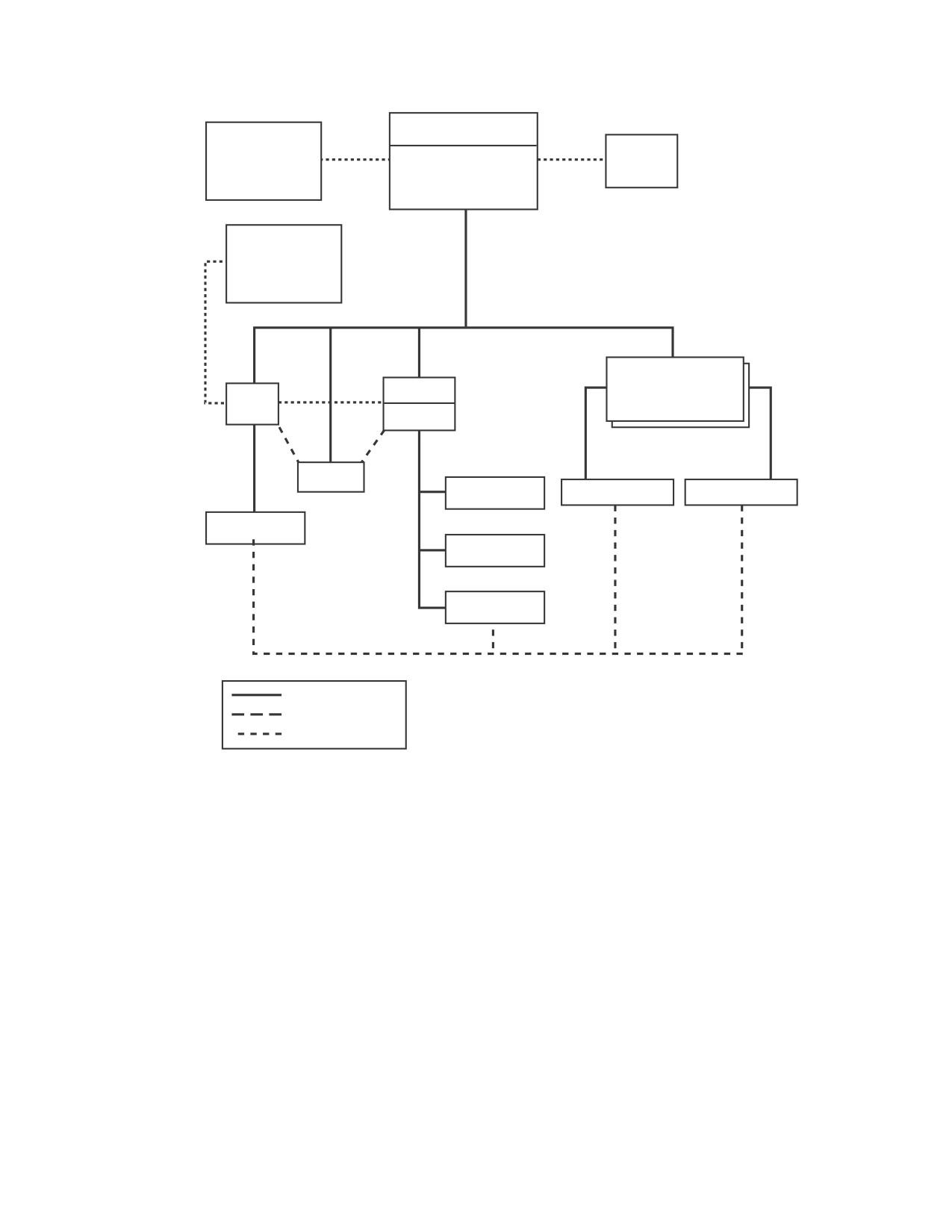
and major C2 organizations were addressed in Chapter II. Figure VII-1 depicts a
notional ACE organization.
VII-12
ACE COMMANDER
FORCE FIRE
COMMAND
ACE HQ
TACTICAL AIR
CENTER
STAFF
COMMAND CENTER
(FFCC)
(TACC)
SENIOR
FIRE SUPPORT
COORDINATION
CENTER
MAGS
(FIXED AND
SADC
DASC
ROTARY WING)
TACC
MATCD
EW/C SITE(S)
FW SQUADRON
RW SQUADRON
ASSIGNED
AIRCRAFT
LAAD BN
ASSIGNED
AIRCRAFT
COMMAND
ASSIGNMENT
COORDINATION
Figure VII-1. Notional MEF ACE Organization
8. Marine Aviation Functions
Marine aviation performs six functions: antiair warfare (AAW), offensive air
support (OAS), assault support, air reconnaissance, EW, and control of aircraft and
missiles.
a. AAW. AAW is action taken to reduce enemy air and missile threats to
acceptable levels before they can be brought to bear against friendly forces. The
basic principles of AAW are destruction-in-depth, centralized command and
coordination, decentralized control, and mutual support.
(1) AAW Tasks. Active AAW tasks are surveillance (including detection,
identification, and evaluation), weapons control, and weapons employment.
Surveillance enables the MAGTF to know what the air threat is and how to counter
VII-13

that threat. Detection is the actual locating of threat aircraft or missiles through
radar, visual, or electronic means. Identification is separating the good from the bad.
Evaluation includes defining the most dangerous threats. Weapons control is
putting a friendly AAW-capable asset against an enemy target, often by getting that
asset to the right place at the right time. Weapons employment is the physical
destruction of a threat target. Table VII-5 shows the capabilities of various facilities
and systems to conduct active AAW tasks.
Table VII-5. Asset Capabilities for Antiair Warfare Tasks
Asset
Surveillance
ID
Evaluation
Weapons
Weapons
Control
Employment
TAOC
X
X
X
X
EW/C
X
X
X
X
LAAD
X
X
X
X
F/A-18
X
X
X
X
X
AV-8
X
X
X
AH-1W
Visual
X
X
Others
Visual
X
(2) AAW Organization. Organization for AAW is centered around the TAOC
and its early warning/control site(s). The TAOC, through the Sector Air Defense
Commander (SADC), provides control, surveillance, and management over assigned
airspace. The TAOC controls the intercept of enemy targets identified within its
assigned sector. Chapter II provides a detailed discussion of ACE C2.
(3) AAW Categories. AAW is either offensive antiair warfare (OAAW) or
defensive (air defense). A MAGTF uses OAAW and air defense to reduce or
eliminate the effectiveness of the enemy’s air effort.
(a) OAAW. OAAW operations attack enemy air weapons systems before
launch or before they assume an attacking role. OAAW operations primarily consist
of air attacks that destroy or neutralize hostile aircraft, airfields, missile launch
sites, and supporting systems. The organization for offensive AAW centers on the
TACC, with the DASC serving as a conduit for coordinating SEAD, targeting, and
attack with the GCE, and the SADC/TAOC providing the facilitating coordination
for theater ballistic missile defense (TBMD) attack operations.
(b) Air Defense. Air defense consists of both active and passive methods.
Passive air defense includes measures taken to minimize the effects of hostile air
attacks. These include cover, concealment, deception, dispersion, and protective
construction. Passive air defense is a MAGTF-wide responsibility, and not strictly
an aviation function. Active air defense is the direct action taken to destroy
attacking enemy aircraft or missiles through the use of aircraft, missiles, non-air
defense weapons, and certain EW measures.
VII-14
b. OAS. OAS has two categories: CAS and Deep Air Support (DAS). Fixed- and
rotary-wing aircraft perform these missions. CAS and DAS can be performed both
short of and beyond the FSCL; however, CAS requires detailed integration with the
fire and movement of the supported force. DAS requires varying degrees of
coordination but rarely approaches the detailed integration required by CAS.
(1) Factors. A high enemy threat consisting of an air defense system of
integrated fire control systems and EW capabilities may restrict OAS and require
SEAD. Limited visibility, weather in the target area, target identification, and
aircraft time on station (target distance from base and fuel loads) also can affect
OAS effectiveness.
(2) CAS. In addition to operating from fixed air bases, aircraft provide CAS
from forward operating bases, carriers, and amphibious ships.
(a) CAS Roles. CAS allows the concentration of firepower at the time and
place requested by a ground commander to support fire and maneuver. By
supporting the attack or providing forward or flank security, CAS can support
offensive ground operations. Defensively, CAS can support ground forces by
providing highly mobile reserve forces and providing fire to areas not covered by
surface fires.
(b) CAS Structure. The DASC coordinates CAS. The DASC takes
requests over radio nets for the two different types of CAS: preplanned and
immediate. Preplanned CAS is further broken down into preplanned scheduled and
preplanned on-call. Units request CAS on the tactical air request/helicopter request
(TAR/HR) Net. After prioritizing the requests and finding the assets, the DASC
directs aircrews to check-in for terminal control on the Tactical Air Direction (TAD)
Net. One of the potential terminal control agencies is the FAC. The FAC provides
liaison and communications between ground commanders and air control agencies
and exercises control of aircraft during the terminal phase of CAS missions to
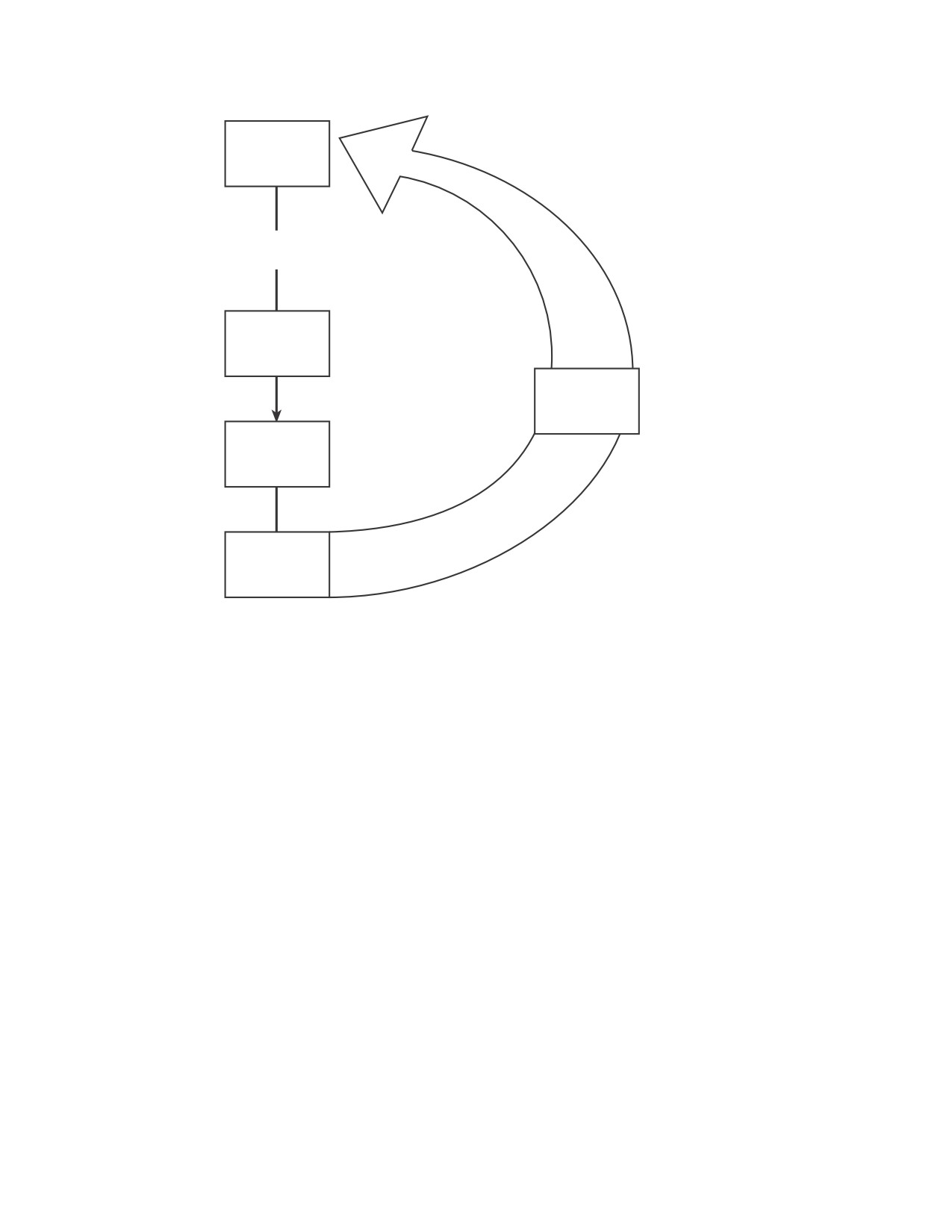
ensure accuracy of weapons delivery. Figure VII-2 depicts CAS request procedures.
VII-15
DASC
OK,
HERE S
NEED
THE A/C
GAS
TAD
NET
TAR
NET
BN AIR
OFFICER
FAC
Figure VII-2. Close Air Support (CAS) Request Procedures
(3) DAS. DAS includes armed reconnaissance and air interdiction (AI).
Armed reconnaissance missions are launched to locate and attack targets of
opportunity, not to attack specific targets. AI missions are primary DAS missions
because they deny use of specific areas, routes, facilities, or forces before they can be
used against friendly forces.
c. Assault Support. Assault support provides operational and tactical mobility
and logistics to the MAGTF. Assault support allows focusing of combat power at the
decisive time and place to achieve local combat superiority. Assault support aircraft
mobility and speed permit the commander to take full advantage of fleeting
battlefield opportunities.
(1) Categories. Assault support categories are combat assault transport, air
delivery, aerial refueling, air evacuation, tactical recovery of aircraft and personnel
(TRAP), air logistical support, and battlefield illumination.
(a) Combat Assault Transport. Combat assault transport employs
helicopters to rapidly deploy forces, bypass obstacles, or redeploy forces to meet an
enemy threat. Combat assault transport also uses transport helicopter assets to
provide logistic support to ground forces.
VII-16
(b) Air Delivery. Air delivery operations employ fixed-wing assets to move
equipment and supplies to forward operating bases or remote areas. Airdrops are
used for delivery when distances, closed LOCs, lack of adequate airfields, required
delivery times, or prohibitive ground tactical situations exist.
(c) Aerial Refueling. KC-130 aircraft conduct aerial refueling to support
flight ferrying of aircraft, extend aircraft time on station, or to extend mission
ranges.
(d) Air Evacuation. Air evacuation, by both fixed- and rotary-wing
transport aircraft, are used to move personnel and equipment from forward
operating bases or remote areas. This includes medical evacuation and retraction of
forces.
(e) TRAP. MAGTFs perform self-supporting CSAR operations and
external CSAR support using the TRAP concept. TRAP should not detract from
primary warfighting functions. TRAP does not include the search portion of CSAR
and is only performed when survivors and their locations are confirmed.
(f) Air Logistical Support. When ground forces are located beyond
helicopter range, air logistical support is performed by fixed-wing aircraft. These
operations include troops, equipment, and supplies.
(g) Battlefield Illumination. Fixed- and rotary-wing assets can perform
battlefield illumination, either visible or invisible to the naked eye.
(2) Requesting Support. Requests for assault support are coordinated by the
DASC in the same manner as CAS requests. (See paragraph 8b[2][a,b].)
d. Air Reconnaissance. Air reconnaissance provides a major means for
collecting current raw data on terrain, weather, hydrography, and the enemy
situation, for intelligence processing and distribution. Manned and unmanned
systems perform air reconnaissance. Any aviation unit can perform visual
reconnaissance. EW aircraft detect, identify, evaluate, and locate enemy
electromagnetic information. The DASC coordinates air reconnaissance operations
as requested by intelligence organizations or ground forces.
e. EW. EW systems collect tactical information. EW missions are flown in
response to specific requests. EW provides timely information on the enemy,
increases the MEB’s combat power by disrupting the enemy’s use of the
electromagnetic spectrum, and ensures the MEB’s continued use of the
electromagnetic spectrum despite enemy EW.
f. Control of Aircraft and Missiles. The ACE commander controls aircraft and
missiles on behalf of the MEB commander using the MACCS to coordinate
employment of facilities, equipment, communications, procedures, and personnel.
(1) Principal MACCS Operating Agencies.
VII-17
(a) TACC. As the senior MACCS agency, the TACC is the operational CP
for planning, supervising, and directing the employment of Marine aviation’s six
functions. The TACC is divided into a future operations section responsible for
planning “tomorrow’s” air activities and a current operations section responsible for
supervising the execution of aviation support for the MEB.
(b) DASC. Collocated with the senior FSCC (physically or electronically),
the DASC is the principal air control agency for directing air operations directly
supporting ground forces. In addition to processing and coordinating requests for air
support, the DASC also coordinates air missions requiring integration with the
ground forces (e.g., CAS, assault support, and designated air reconnaissance
missions). It is important to understand that the DASC provides only procedural
control.
(c) TAOC. The TAOC is responsible for airspace control and management.
Employing long-range and gap-filler air surveillance radars, the TAOC provides
real-time surveillance of assigned airspace and the direction and positive control of
AAW operations involving aircraft and surface-to-air weapons. The SADC is
normally collocated with the TAOC.
(d) Marine Air Traffic Control Detachment (MATCD). MATCD is the
primary terminal air control organization for forward operating bases. MATCD
provides friendly aircraft with continuous all-weather radar approach, departure,
and en route air traffic control services. Also, the MATCD is capable of fielding one
mobile team to provide non-radar air traffic control services to remote operating
locations.
(2) Other MACCS Control Agencies. Additional air control and coordination
agencies, although not organic to the ACE, are fully integrated into MACCS through
communications, doctrine, and procedures. These agencies are grouped into
terminal air controllers and coordinators, airborne controllers and coordinators, and
helicopter support teams (HSTs).
(a) Terminal Air Controllers and Coordinators. Terminal air controllers
and coordinators control the delivery of ordnance, cargo, or personnel to specific
targets or locations. Terminal air controllers include TACPs and MAGTF CE air
sections.
• TACP. TACPs are organic to GCE infantry regiments and battalions,
LAR battalions, and tank battalions. TACPs include air officers, FACs, and enlisted
communicators as shown in Table VII-6. The TACP provides liaison and
communications between the supported ground unit and the appropriate air control
agency. Infantry and LAR battalions each have two forward air control parties
(FACPs) attached to their TACPs. The primary mission of FACPs is to control fixed-
and rotary-wing aircraft during the terminal phase of CAS.
VII-18

Table VII-6. TACP/FACP Personnel
Unit Type
TACP Personnel
FACP Personnel
Infantry Regiment
One air officer
None
Infantry Battalion
One air officer
2 FACs/8 enlisted communicators
Tank Battalion
One air officer
None*
* Tank/reconnaissance air officers perform FACP and communication duties
• MAGTF CE Air Sections. The air section, assigned to the CE
operations center, consists of two to four air officers and appropriate administrative
support. It provides the MAGTF commander with current air employment and
availability information and advises the commander and staff on matters of air
support. The air section also participates in air employment planning and targeting.
(b) Types of Airborne Controllers/Coordinators. The ACE provides three
types of airborne controllers/coordinators that function as part of the MACCS.
These are forward air controllers (airborne) (FAC(A)), tactical air coordinators
(airborne) (TAC(A)), and assault support coordinators (airborne) (ASC(A)). These
agencies can support specific ground organizations or limit their activity to
coordination of aircraft.
• FAC(A). The FAC(A), operating from an aircraft, exercises terminal
control of OAS aircraft in addition to artillery and NSFS coordination. The FAC(A)
is the airborne extension of the FAC and cannot perform both FAC(A) and TAC(A)
duties simultaneously.
• TAC(A). The TAC(A), operating from an aircraft, coordinates rotary-
or fixed-wing CAS aircraft. The TAC(A) is the on-site extension of the DASC and
FSCC. Principal responsibilities are to deconflict aircraft and coordinate air assets
with other supporting arms. The TAC(A) coordinates with TACPs, FSCCs, ASC(A)s,
and artillery (including NSFS) fire direction centers. The TAC(A) may or may not be
employed, depending on mission requirements and availability.
• ASC(A). The ASC(A) provides coordination and procedural control of
aircraft during assault support operations. The ASC(A) is an airborne extension of
the DASC. The ASC(A) supports assaults through C2, airspace coordination, and
integration of operations. An ASC(A) is employed when the scope and complexity of
the assault support operation demands.
(c) HST. The HST is an organization equipped to facilitate the pickup,
movement, and landing of heliborne forces, equipment, and supplies within landing
and pickup zones. HSTs also assist in evacuation of casualties. HST operations are
the responsibility of the heliborne unit commander. Figure VII-3 depicts the HST
organization.
VII-19
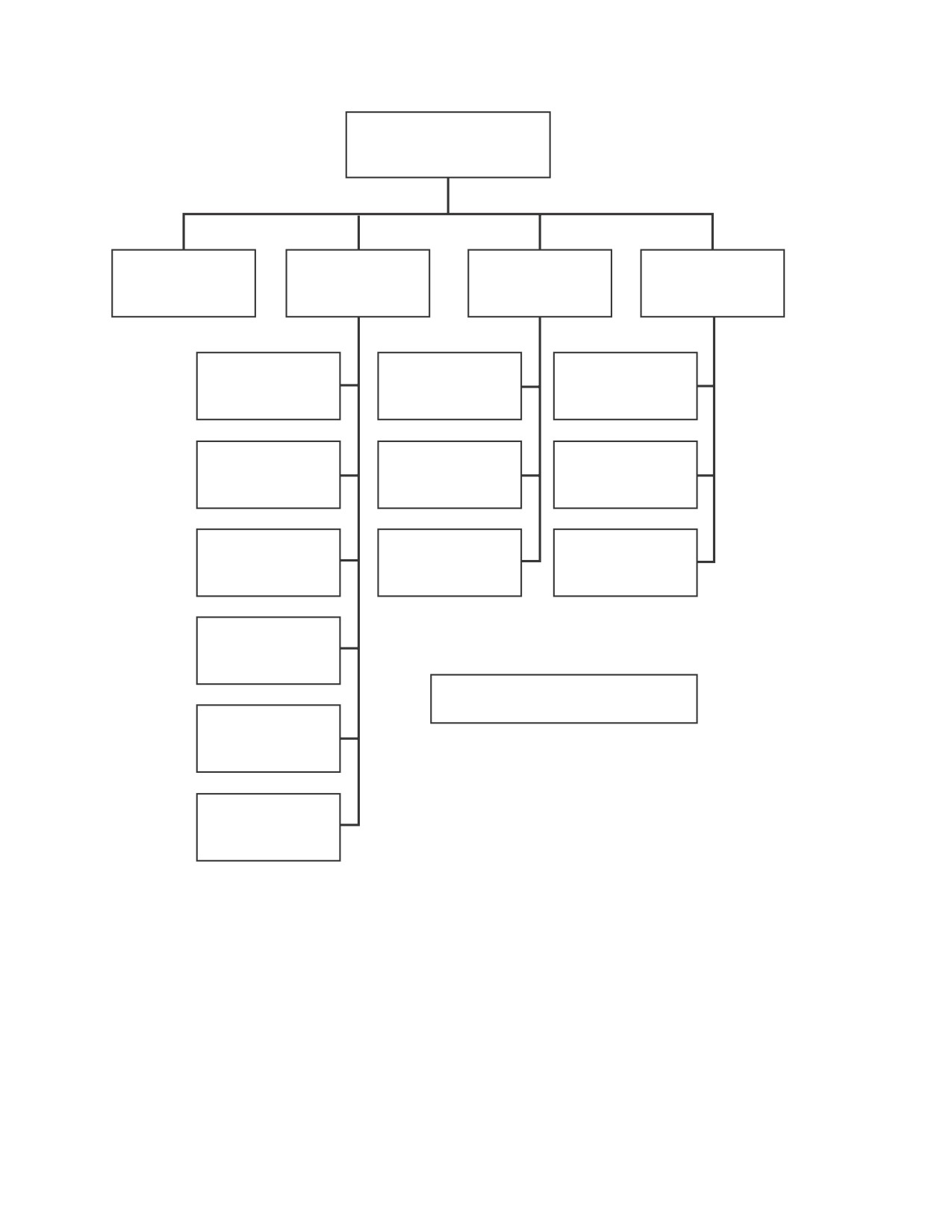
HELICOPTER SUPPORT
TEAM
ADVANCE*
HELICOPTER
HELICOPTER
LANDING ZONE
PARTY
SUPPORT TM HQ
CONTROL ELEMENT
PLATOON
COMMAND
AIR TRAFFIC
COMMAND
SECTION
CONTROL SECTION
SECTION
COMMUNICATIONS
COMMUNICATIONS
SUPPLY
SECTION
SECTION
SECTION
HELICOPTER
SECURITY
MAINTENANCE
EQUIPMENT
SECTION
AND REFUELING
SECTION
SECTION
MILITARY
POLICE SECTION
* THE ADVANCE PARTY IS DISBANDED
UPON ARRIVAL OF HST HQ
EVACUATION
SECTION
LIAISON
SECTION
Figure VII-3. Helicopter Support Team (TM)
g. MEB Aircraft Capabilities. MEB aircraft capabilities are shown in Tables
VII-7 and VII-8.
VII-20

Table VII-7. MEB Fixed Wing Aircraft Capabilities
Capabilities
AV-8B
F/A-18A/C
F/A-18D
EA-6B
Missions
AAW/CAS/
AAW/CAS/
AAW/CAS/
ECM/AIR
DAS/AIR
DAS/AIR
DAS/AIR
RECCE
RECCE
RECCE
RECCE
Ordnance/load/ guns
Conventional
Conventional
Conventional
HARM
8000lbs 25mm
13700lbs 20mm
19500lbs 20mm
Navigation
TACAN/INS/FLI
TACAN/INS/FLI
TACAN/INS/FLI
TACAN/INS/
R/Radar/GPS
R/Radar/ADF/G
R/Radar/ADF/G
FLIR/Radar/
PS
PS
ADF/GPS
Communications
2 UHF-AM
2 UHF-AM
2 UHF-AM
2 UHF-AM
2 UHF-FM
2 UHF-FM
2 UHF-FM
2 VHF-AM
2 VHF-AM
2 VHF-AM
2 VHF-FM
2 VHF-FM
2 VHF-FM
Crew
1
1
2
4
Speed
.9 Mach
1.8 Mach
1.8 Mach
.72 Mach
Range
500 nm
700 nm
800 nm
1000 nm
Laser capability
Track
Track/
Track/
None
Designate (*C*)
Designate
Note: Two multihead radios that each operate in any of the following four bands: UHF-AM,
UHF-FM, VHF-AM or VHF-FM. These aircraft do not have eight radios.
Key
ADF:
Automatic Direction Finder
FLIR:
Forward Looking Infrared
ILS:
Instrument Landing System
INS:
Inertial Navigation System
TACAN: Tactical Air Navigation
RECCE: Reconnaissance
HARM: High speed anti-radiation missile
VII-21

Table VII-8. MEB Rotary Wing Aircraft Capabilities
Capabilities
AH-1W
UH-1N
CH-46E
CH-53D (E)
Missions
CAS/DAS/AAW
Assault
Assault/Log
Assault/Log
Ordnance
TOW/AIM-9 /
2.75” Rkts
None
None
Hellfire/2.75” & 5’
Rkts
Armament
20 mm
7.62 MG/GAU-2
2 x .50 cal MG
2 x .50 cal MG
Mini-gun
Navigation
TACAN/ADF/
TACAN/ADF/GPS
TACAN/ADF/GPS
TACAN/ADF/
GPS/Doppler
GPS
Communications
UHF/VHF-FM
UHF/VHF-FM/HF
UHF/VHF-FM/HF
UHF/HF/
SATCOM
VHF-FM/AM
Crew
2
4
4
4 (3)
Speed
140kts
126kts
140kts
170kts (173kts)
Range
280nm
170nm
200nm
250nm (480nm)
Laser Capabilities
Track/Designate
None
None
None
(NTS)
PAX
None
6
15
37 (56)
Key
ADF: Automatic Direction Finder
FAE:
Fuel Air Explosive
NTS:
Night Targeting System
TACAN: Tactical Air Navigation System
TOW: Tube launched, Optically tracked, Wire guided missile system
9. Notional Army Brigade Under MEF Control
All Army aircraft that deploy as part of the notional army brigade can expect to
perform missions in support of the MEF. Army aviation assets will be part of an
aviation battalion task force. This task force can be under the command of a cavalry
squadron commander, an attack battalion commander, or an assault/lift battalion
commander. Depending on METT-T/METT-TC and the number of aviation assets
attached to the notional brigade, an aviation brigade commander could be placed in
command of these aviation battalion(s). In such a case, one or more of the
subordinate battalion commanders (i.e., cavalry, attack, or assault/lift commander)
would be assigned to serve with the aviation brigade commander. Army aircraft
capabilities are shown in Table VII-9. The following narrative addresses mission
planning factors to consider when integrating Army aviation with MEF operations.
VII-22

Table VII-9. Army Aviation Aircraft Capabilities and Limitations
Aircraft
OH-58D
AH-64
UH-60A/L
CH-47D
Endurance at
2+00
2+00
2+15
2+30
cruise (Plus 30
minute reserve)
Normal Cruise
90-100
100-140
100-140
120
Troop Seats
0
0
14
33
Maximum
5,200
21,000
22,000
50,000
allowable gross
weight
Useful Load
NA
6,895
8,000
19,000
Maximum
NA
6,200
8,000
19,000
recommended
external load
Weapons
ATAS Hellfire
30 MM Hellfire
M60
M60
.50 Cal.
2.75 rockets
2.75 rockets
a. Air Cavalry Operations. The air cavalry OH-58D Kiowa Warrior provides the
JFC with an excellent night capable reconnaissance and fire support aircraft. The
aircraft are normally employed in pairs and can see farther than other organic
notional army brigade assets. C2 is retained at the command level capable of
providing the aircraft connectivity with intelligence and fire support channels. The
capabilities of the aircraft allow for direct sensor-to-shooter linkage via a digital
quick-fire channel with an appropriate attack system such as MLRS. Coordinating
laser codes allow the aircraft to designate for precision-guided munitions.
b. Attack Battalion Operations. The attack battalion is normally employed by
the headquarters that has the ability to track the high payoff target the battalion is
directed to attack. If employed by the MEF, the attack mission is listed on the
Marine ATO with mission C2 through the TACC. The DASC and TAOC have the
ability to provide threat updates and maintain communication between all elements.
The TACC responsibilities include the coordination of the SEAD and fixed-wing
support. An Army liaison team should be present at the TACC to facilitate
operations. A direct air support center (Airborne) (DASC(A)) may be assigned to
facilitate coordination and communications.
c. Air Assault Operations. When performing air assault missions, air assault
aircraft are normally OPCON to the ground force commander. The air mission
commander, normally the ground force unit commander, is responsible for the
planning of the air assault mission. The aviation unit provides liaison to assist in
mission planning.
VII-23
d. Class V. USMC and Army attack helicopters employ 2.75 inch folding fin
aerial rockets (FFAR), TOW, and Hellfire missiles. Either service can use the other
service’s common ammunition, depending on the airframe.
10. MEB Under Army Corps Control
a. MEB Interoperability in the Theater Air Control System (TACS). The MEB
must interface with the TACS when supporting Army operations in order to access
air support when requirements exceed its organic capabilities. In AMCI, the MEB
retains its organic air assets and makes excess sorties available for use by the JFC.
Once air support requirements exceed organic capabilities, requests for additional
preplanned or immediate air support flow through the TACS system. Marine liaison
officers at the corps TOC facilitate fire support planning and requests’ flow. Corps
FSE targeteers prioritize MEB requests with those of the corps and other
subordinate elements for submission to the battlefield coordination detachment
(BCD) at the joint air operations center (JAOC). Figure VII-4 illustrates Army/
USMC air operations connectivity.
VII-24