FM 3-31.1 AMCI ARMY AND MARINE CORPS INTEGRATION IN JOINT OPERATIONS (NOVEMBER 2001) - page 5
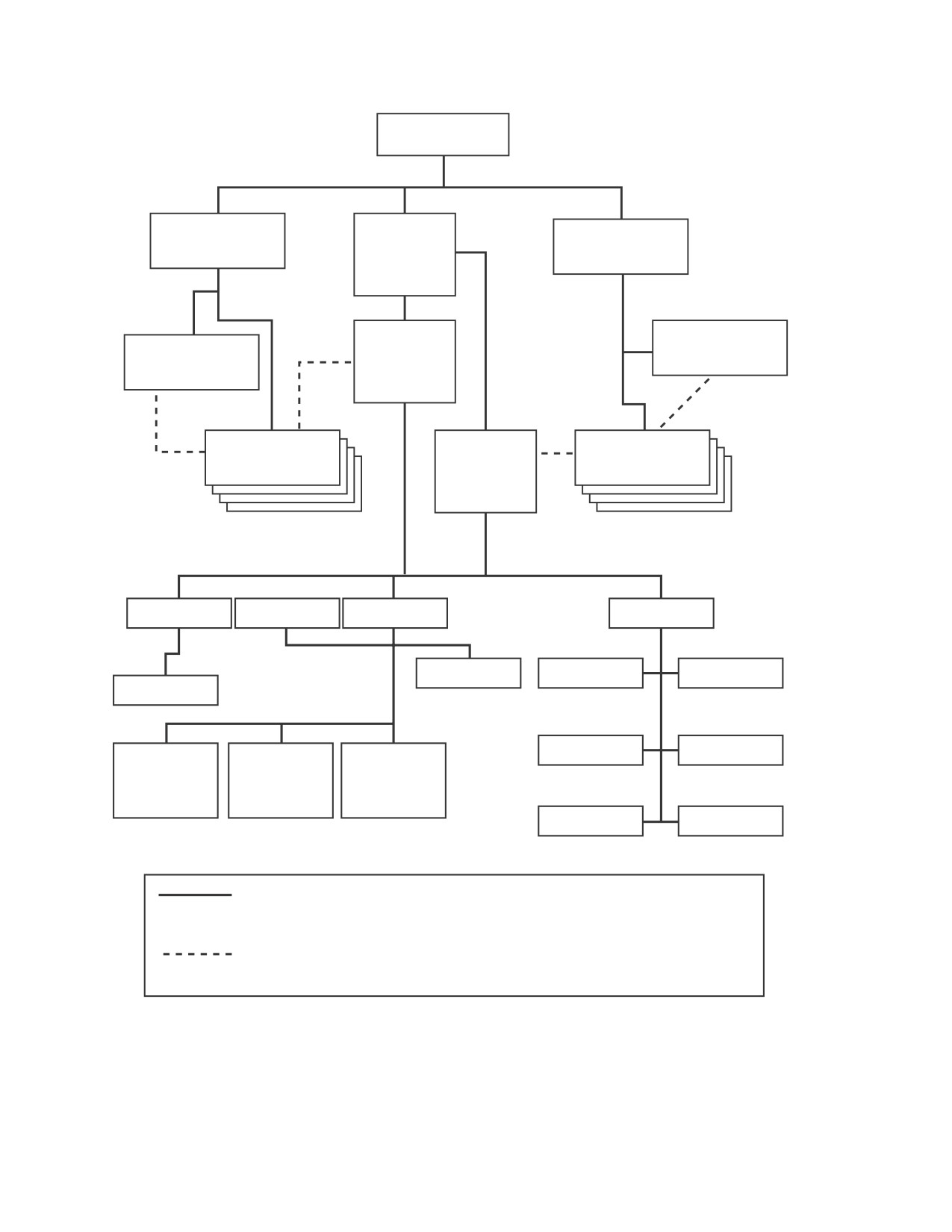
AVIATION COMBAT
ELEMENT (ACE)
MARINE AIRCRAFT
MARINE
MARINE AIRCRAFT
GROUP (FIXED-WING)
WING
GROUP
(MAG F/W)
SUPPORT
(ROTARY-WING)
GROUP
(MAG R/W)
(MW5G)
MARINE
MARINE AVIATION
WING
LOGISTICS
MARINE AVIATION
SUPPORT
SQUADRON (MALS)
LOGISTICS
SQUADRON
SQUADRON (MALS)
(FIXED-WING)
(MWSS F/W)
MARINE
MARINE AIRCRAFT
WING
MARINE AIRCRAFT
SQUADRONS (F/W)
SUPPORT
SQUADRONS (R/W)
SQUADRON
(ROTARY-WING)
(MWSS F/W)
ADMIN
INTEL
OPERATIONS
LOGISTICS
COMMO
SUPPLY
ARMORY
SECURITY
MED
FOOD SVC
MOTOR
AIRFIELD
ENGINEER
TRANS
OPERATIONS
OPERATIONS
OPERATIONS
DIVISIONS
DIVISIONS
DIVISIONS
MAINTENANCE
MAINTENANCE
MANAGEMENT
AVIATION LOGISTICS SUPPORT: CONSISTS OF AVIATION SUPPLY, INTERMEDIATE
MAINTENANCE OF AIRCRAFT, AVIATIONS ARMAMENT, ORDNANCE AND SUPPORT
EQUIPMENT.
AVIATION GROUND AND COMBAT SERVICE SUPPORT: CONSISTS OF AIRBASE
SUPPORT FUNCTIONS AND CSS FUNCTIONS FOR GROUND SUPPLY, MAINTENANCE,
TRANSPORTATION, ENGINEERING, HEALTH SERVICES, AND SERVICES.
Figure IX-4. Aviation Combat Element Logistics Organization
IX-18
7. MEB Logistics Operations
MEB logistics operations occur in general terms as described below:
a. Supply. MEB sustainment is achieved through a mixture of assault echelon
(AE) accompanying supplies and assault follow on echelon (AFOE) replenishment.
AE supplies are an integral part of the MEB logistics load in virtually all situations.
The minimum baseline for a MEB AE supplies is 30 days. The availability of
aviation ordnance, ground material, and bulk POL fluctuates and is theater-
dependent. Resupply begins with force employment. It is scheduled to commence
before expending of accompanying supplies and to continue through the entire
period as established by the supported theater combatant commander’s guidance.
Accompanying supplies are a combination of supplies aboard maritime pre-
positioning ships (MPS), supplies accompanying the amphibious forces, and
additional items shipped from CONUS or key locations around the world. The
Marine Corps logistics system is designed to support most general MEB
requirements from on-hand supplies through the BSSG. The naval supply system
provides aviation-peculiar support through MALS. In a mature theater, subsistence
and POL replenishment of AE supplies will be requisitioned through the Defense
Logistic Agency (DLA) or common user logistics (CUL) theater executive agents.
Theater ground ammunition assets are stored in Army or Navy ammunition depots;
air ordnance resides in Navy depots before issue. External support may be provided
to meet MEB requirements. HN support, theater support contracting, and inter-
service support agreements may also be established.
b. Maintenance. MEB maintenance is conducted at the organizational and
intermediate levels only. Depot-level maintenance is conducted at USMC logistics
bases in the CONUS. USMC intermediate maintenance is roughly equivalent to DS
maintenance.
(1) Organizational and intermediate ground maintenance is performed as far
forward as possible. During combat operations, ground force maintenance focuses
on battle damage repair, salvage, removal/replacement of critical repair parts, and
performance of essential preventive maintenance. Organizational maintenance is
conducted by equipment operators and trained maintenance personnel.
Intermediate ground maintenance is conducted by the BSSG. This is normally
accomplished by sending repair teams to conduct on-site repairs or evacuating
equipment that cannot be repaired in place.
(2) Aviation Maintenance. To support the task-organized ACE aircraft, the
USMC uses the Marine Corps Aviation Logistics Support Program (MALSP). The
MALSP enables the individual identification of personnel, equipment, and parts
required to support each type, model, or series of fixed-wing and rotary-winged
aircraft in the ACE. The personnel are assigned, as required, to the fixed-wing or
rotary-wing MALS to support MAGTF-assigned aircraft squadrons. The supporting
equipment and parts are tailored into support packages. The first of these, the fly-in
support package (FISP), accompanies the aircraft fly-in echelon. The FISP contains
organizational-level maintenance support. The second package is the contingency
support package (CSP). The CSP contains appropriate intermediate-level
IX-19
maintenance support. When the MEB is initially supported by a maritime
prepositioning ship squadron (MPSRON), the ACE receives support from an aviation
logistics support ship (TAVB). In this case, a small organizational-level FISP will be
constituted to support organizational maintenance until arrival of the TAVB and
MPSRON.
c. Health service support. USMC health service support is similar to that of the
Army. Level I care occurs at battalion level. The medical company at the BSSG
provides Level II care. Combat zone fleet hospitals and hospital ships based at the
FSSG or offshore furnish Level III care. Level IV care capabilities exist at the
communications zone fleet hospital. MEB health service functions include health
maintenance, casualty collection and treatment, temporary hospitalization, and
casualty evacuation. The Navy provides all MEB medical and dental personnel.
Medical personnel are organic to all combat and combat support units of battalion/
squadron size or larger. Medical material support is provided by the BSSG. Medical
capabilities and evacuation facilities are concentrated in combat organizations,
especially infantry, where most combat casualties are expected. Each combat and
combat support battalion has the organic Navy medical personnel and capability to
establish one or more aid stations. For example, an infantry battalion has up to two
doctors and 65 Navy corpsmen. Within the ACE, the MWSSs have organic medical
personnel and equipment needed to establish an airfield aid station. In addition,
each squadron has a flight surgeon assigned. Tailored medical support in the MWSS
provides laboratory, x-ray, and pharmacy support. The BSSG provides medical and
dental coordination, direct support, administration, and maintenance to the MEB.
The BSSG detachment coordinates medical and dental requirements planning and
provides limited casualty collection, surgical support, hospitalization, medical
evacuation, x-ray, laboratory, pharmacy, and blood bank support. Medical unit
functions also include preventive medicine and identification of human remains.
The BSSG medical logistics unit provides Class VIII supply and intermediate
maintenance support.
d. Transportation. MEB organic transportation support consists of ground and
air transportation assets as described below. The BSSG commander normally
exercises responsibility for MEB movement control.
(1) GCE/ACE Motor Transport. Motor transport assets within the GCE and
ACE are limited. Motor transport for both elements above their organic capabilities
are provided by the BSSG as GS to the MEB. Organic GCE motor transport is
limited and employed primarily for organic tactical mobility. Organic motor
transport for the ACE is provided by the MWSS positioned at each airfield. All
organic ground transportation assets within the GCE and ACE may be consolidated
to provide transport to the MEB when not used for tactical mobility.
(2) BSSG Assets. BSSG ground transportation assets are used to link ports,
supply centers, terminals, and other CSS facilities. They are also used to augment
organic GCE and ACE capabilities. General-use BSSG assets may include 5-ton
trucks and logistics vehicle system (LVS) vehicles.
IX-20
(3) Air Transport. An ACE normally contains significant helicopter assets
that can conduct equipment, cargo, and personnel movement operations. The ACE
KC-130 may also provide limited intratheater air transportation; however, its
primary role is an air-to-air refueler. See Chapter VII for additional discussion.
(4) Landing Support Operations. Landing support operations include beach
and port terminal operations, air delivery support, helicopter support teams,
departure/arrival airfield, and rail operations. Navy augmentation to the landing
support organizations facilitates the ship-to-shore assault movements from
amphibious ships to locations ashore.
(5) Embarkation. Embarkation is the process of putting personnel or vehicles
and their associated stores and equipment into ships or aircraft. Embarkation is an
extremely important planning requirement. Embarkation and movement in a
theater of operations is accomplished with amphibious ships, strategic sealift, and
strategic airlift. See JP 3-02.2, Joint Doctrine for Amphibious Embarkation
Operations, for additional details.
e. Services. Services include the functions of postal operations, finance, law
enforcement, enemy prisoner of war management, information systems
management, legal services support, civil affairs, and graves registration. For field
services support that exceeds the capabilities of MEB assets (e.g., enemy prisoner of
war holding, civil affairs support, or graves registration requirements that exceed
MEB capabilities), the MEB requires augmentation by Army assets.
f. General Engineering. In addition to providing the MEB with mobility
support, the BSSG engineer support unit capabilities include camp construction and
maintenance; electrical power supply and distribution; construction design; bulk fuel
reception, storage, and issue; potable water production and storage; and explosive
ordnance disposal. Chapter VI discusses engineer operations in detail.
8. Integrated Logistics
Topical discussions on integrated logistics operations include C2 of logistics
operations; detailed applications of the six logistics functions during notional army
brigade and MEB cross service operations; and logistics reporting procedures.
a. C2 of Logistics Operations.
(1) Notional Army Brigade Under MEF Control. The CSG(-) would normally
be placed OPCON to the MEF FSSG. This command relationship allows C2 of the
CSG(-) by the senior logistician (MEF FSSG) and requires the MEF to provide
security and terrain management. Figure IX-5 depicts the C2 logistics when the
notional army brigade operates under the control of the MEF.
IX-21
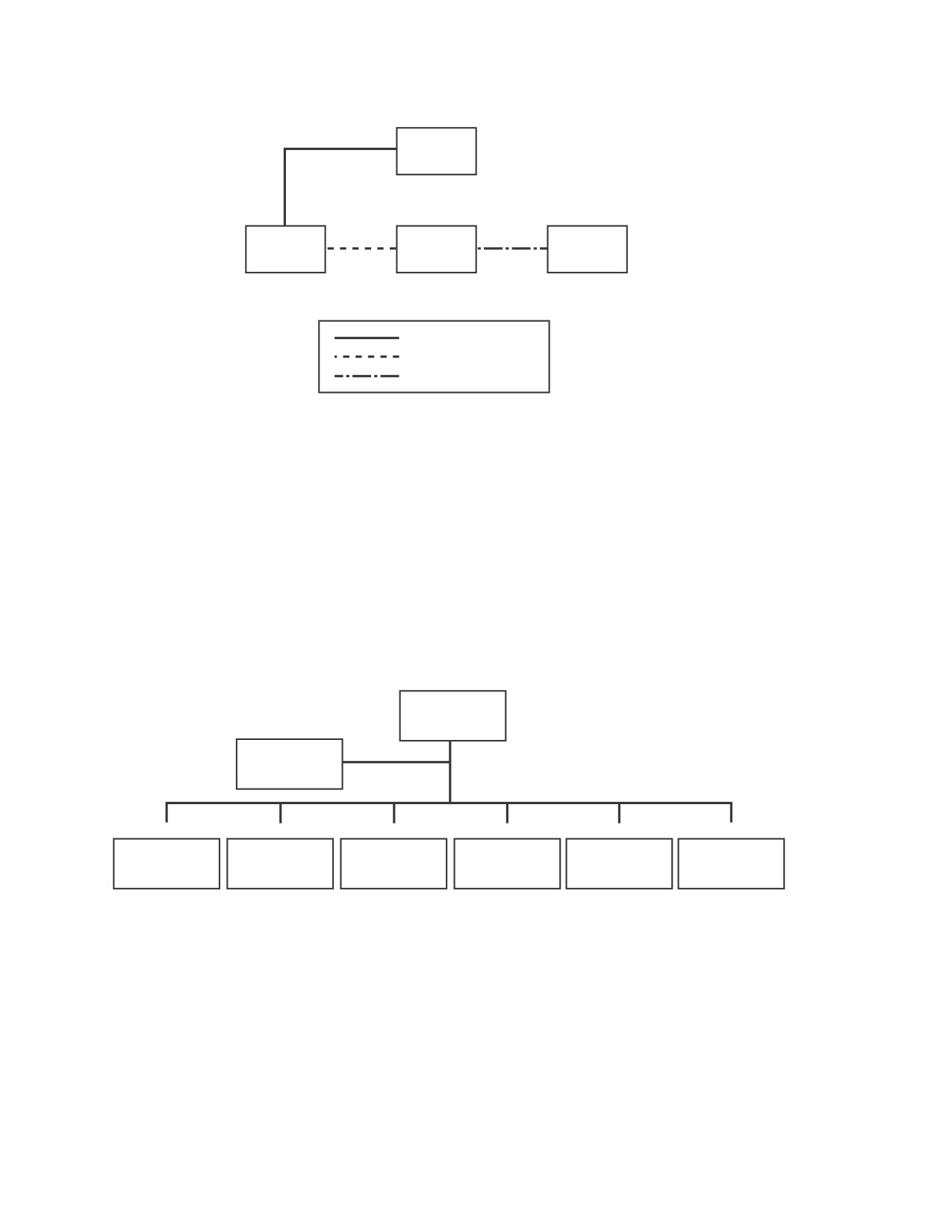
XXX
MEF
III
II
(-)
(+)
FSSG
CSG
FSB
ATTACHED/ORGANIC
OPCON
DS
Figure IX-5. Logistics C2 Notional Army Brigade Under MEF
(2) MEB Under Corps Control.
(a) Army Common User Logistic Support to the MEB. With the exception
of selected Class II, V (primarily aviation), VII, and IX supplies and maintenance
requirements peculiar to USMC equipment, the Army can provide the majority of
logistics support required by the MEB that exceeds the capability of the BSSG.
Figure IX-6 depicts a notional CSB constituted to provide that support. For
example, the CSB would be task organized with additional Class III and Class V
capabilities to support a field artillery brigade placed in support of the MEB.
II
CSB
HHD
I
I
I
I
I
I
LIGHT/
FIELD
MEDIUM
AMMO
SUPPLY
MEDIUM
MAINTENANCE
SERVICES
TRUCK
TRUCK
(-)
(-)
Figure IX-6. Notional Combat Support Battalion in Support of a MEB
(b) C2. Figure IX-7 reflects the C2 relationship of logistics elements when
the MEB operates as part of a corps.
IX-22
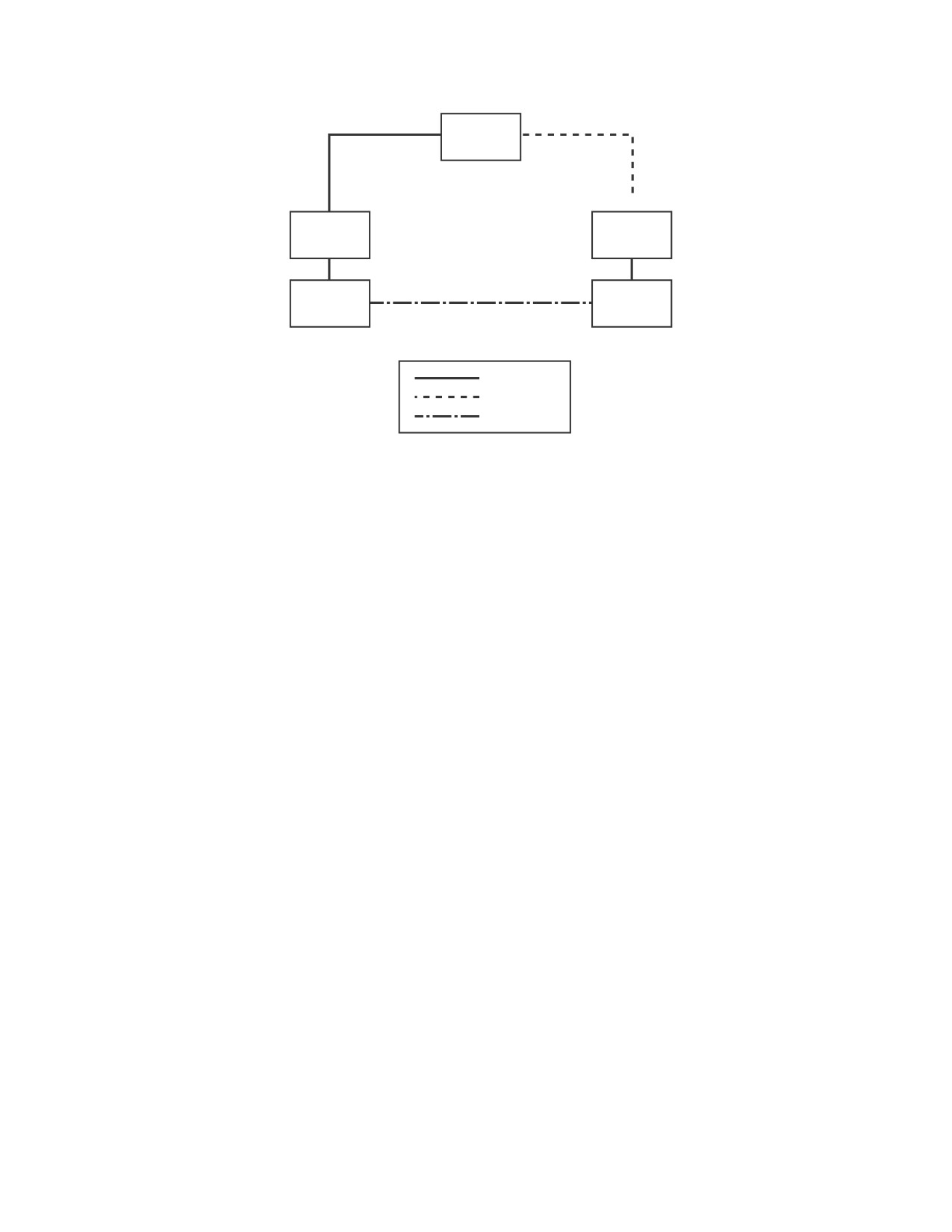
CORPS
X
COSCOM
MEB
(-)
CSG
BSSG
SERVICE
OPCON
DS
Figure IX-7. MEB Logistics C2 Under Corps Control
(3) Liaison. A logistics liaison team should be provided to the new controlling
headquarters. The team coordinates support and ensures information flow between
the unit and the controlling headquarters. At minimum, the following information
must be provided:
(a) Critical fuel and ammunition requirements.
(b) Status of each class of supply including water.
(c) Maintenance requirements and backlog.
(d) Class IV, V, and IX requirements and availability.
(e) Movement requirements and available transportation assets including
aircraft.
(f) Availability of medical treatment and evacuation assets.
(g) Locations of support elements.
(h) Status of support personnel.
(i) Anticipated support problems.
(j) Compatibility of automated equipment.
(k) Unique equipment.
(4) C4I Support . C4I support planning must consider and accommodate
logistics requirements in order to synchronize and fully support operational
IX-23
execution. Similarly, C4I contingency plans define backup automated and manual
capabilities that ensure uninterrupted logistical support of ongoing operations.
b. Supply Operations. Army and USMC units pass supply requests through
automated systems from company level through each level of command. Attached
units may be added as temporary customers by inputting their DODAC. Any item
that has a national stock number (NSN) may be ordered through normal service
channels. A memorandum of understanding (MOU) and supporting agreements and
fiscal instruments/documentation should be completed, if possible, to ensure
supported-supporting responsibilities are clearly defined and to effect financial
reimbursements as required.
Note: While standard supply systems can pass non-habitual customers requisitions,
funding issues may cause this technique to be impractical and very problematic.
Unit logistic planners must ensure that these types of issues are identified and
details worked out early in the planning process.
(1) Class I.
(a) Notional Army Brigade Under MEF Control. During the initial phase
of an operation, rations are pushed forward based on personnel strength, unit
locations, type of operations, and feeding capabilities of supported units. As the
situation permits, Class I support transitions from a “push” system to a “pull”
system. Units submit requisitions to the FSB’s forward Class I supply point where
all requests are consolidated and submitted to the supporting materiel management
center Class I section at the CSG(-). From there, requests flow to the MEF FSSG.
The FSSG throughputs the requested rations to the FSB’s ration breakdown point
located in the BSA. At the BSA, rations are broken down for issue to requesting
units. Requesting units use organic transportation to move rations from the BSA to
forward units.
(b) MEB Under Corps Control. Until a decision is made to transition to a
pull resupply system, rations are pushed to the MEB based on the considerations
described above. Once the transition occurs, the MEB sends consolidated ration
requests to the supporting CMMC Class I section for further transmission to the
COSCOM. Corps units deliver rations to the CSSE for breakdown and further
distribution to supported units.
(2) Class II, III (P), and IV
(a) Notional Army Brigade Under MEF Control. Supply requests flow
electronically from the requesting unit through supply channels to the CSG(-) supply
company. Common items requests are manually passed to the supporting CSSD. If
a requested item is available, the CSSD transports it to the user through unit
distribution when possible; otherwise supply point distribution may be required. If
the item is not on hand, the CSSD passes the requisitions to the FSSG for further
processing. Again, fiscal arrangements must be in place to facilitate inter-service
support transactions. Once the requisition is filled, the FSSG normally provides the
transportation to deliver supplies and equipment to the subordinate CSSD. Surface
IX-24
transportation is the norm but high priority supplies may be delivered by air to the
user based on asset availability. Service-unique supplies are processed through the
split-based CMMC at the CSG(-).
(b) MEB Under Corps Control. User supply requests flow to the BSSG
supply platoon at the MEB level. The supply platoon passes requests it cannot fill to
the CSB supply company, which fills the request or passes it to the CMMC. The
CMMC fills the request or passes it to the Army Theater Support Command
Material Management Center for procurement through a national inventory control
point (NICP). Corps units’ throughput supplies to the BSSG for further distribution
to supported units.
(3) Class III.
(a) Petroleum operations are particularly difficult to orchestrate in a joint
operational setting. The POL considerations listed below must be taken into
account:
• Forecasting requirements and establishing an adequate storage and
distribution system.
• Monitoring consumption and submitting requirements for bulk fuels
and packaged products.
• Defining responsibility for storage and land distribution of POL;
operations and maintenance of pipelines and related facilities when required;
packaging of bulk fuels; and provision of petroleum laboratory facilities for quality
control in support of all forces deployed.
• Planning for augmentation by commercial bulk POL distribution
capability, transportation assets, and collapsible tanks and containers.
• Establishing aerial resupply in support of operations until surface
resupply can be established.
(4) Notional Army Brigade Under MEF Control. While the FSSG has 4.8
million gallon III bulk storage capacity, the FSSG does not have the capability to
transport or distribute the amount of Class III that the notional army brigade will
consume. During operations, a tank battalion requires tactical refueling
approximately every six hours. Table IX-9 provides some expected consumption
rates for the notional army brigade and MEB ground equipment during different
types of operations. The table does not include the 1.04 million gallons per day
consumed by the MAW in the MEF. Figures are for illustration purposes only; many
factors affect actual consumption rates. At the seaport of debarkation (SPOD), an
Army tactical petroleum terminal (TPT) element off-loads bulk fuel from ships. Fuel
that exceeds naval storage capabilities can be stored by a corps petroleum supply
company with a storage capacity of some 2.5 million gallons. The CSG(-)’s medium
truck company (POL) transports bulk fuel directly to the FSB.
IX-25

Table IX-9. Illustrative Class III Consumption Rates
Unit
Offense
Defense
Reserve
Notional Army
160,000
150,000
50,000
Brigade
MEB
65,000
44,000
20,000
(a) MEB Under Corps Control. The BSSG may establish a rearm/refuel
point (RRP) to support a mechanized or other rapidly moving force. The corps
pushes fuel from the COSCOM to designated RRPs, where combat units draw and
transport Class III support forward to their units using organic assets.
(5) Class V (Ammunition) Operations. There is a significant difference
between Army and USMC combat ammunition logistics support doctrine. Because of
the large quantities of Class V munitions consumed during combat operations, Army
units employ the Palletized Loading System (PLS) for resupply operations. The PLS
is the centerpiece of a transportation-intensive, continuous throughput system.
Limited forward stocking of Class V occurs. USMC logistics doctrine places
considerably more emphasis on stocks uploaded on organic vehicles in the combat
force and less emphasis on a structured distribution system.
(a) Notional Army Brigade Under MEF Control. The configuration of
stocks arriving in the AO determines the requirements for handling and
transloading stocks. Army transportation units deliver stocks from the SPOD to the
JTSA. Shipment from the storage area to forward ASPs or directly to the notional
army brigade ATP may be effected by PLS vehicles carrying combat-configured Class
V loads or by conventional cargo transporters and trucks.
(b) MEB Under Corps Control. Resupply of combat units is achieved
through the CSSD. The corps pushes Class V to the RRP established by the CSSD.
Supported units transport ammunition from the RRP using their organic
transportation assets.
(6) Class VII. Class VII is not suitable for common user support and is
conducted with service policy and procedures. Transportation for Class VII is
accomplished with common user procedures per discussion found later in this
chapter.
(7) Class VIII.
(a) Notional Army Brigade Under MEF Control. A medical logistics
distribution team from the forward support platoon of the medical logistics battalion
provides Class VIII medical resupply to the notional army brigade medical company
and to the medical units at echelons above brigade. The CSG(-) supports the team
with transportation support for Class VIII. The team coordinates with the BSSG
IX-26
supply detachment (medical logistics element) battalion on all medical supply
matters.
(b) MEB Under Corps Control. The corps medical logistics battalion
supports the medical resupply needs requested from the BSSG supply platoon
(medical logistics element).
(8) Class IX.
(a) Notional Army Brigade Under MEF Control. Class IX support between
Army and USMC units will normally be limited to common Code 9 DLA items, and
depending on other operational constraints, may be restricted to a “fill or kill” basis.
Fiscal arrangements need to be in place to support inter-service requisition of repair
parts. Class IX requests that cannot be satisfied from PLL or ASL stocks and stock
replenishment requests flow through maintenance channels to the maintenance
battalion at the CSG(-). Any item that has an NSN may be ordered through normal
service channels. If the repair part is a common service item, the request goes to the
MEF FSSG supply system for further processing. The FSSG obtains required repair
parts and delivers them to the CSG(-). The CSG(-) delivers the parts to the FSB
maintenance company for subsequent pickup by requesting units. If the repair part
is an Army-peculiar item, the CMMC passes the request directly to the NICP for
processing. Parts typically arrive via ALOCs for reception and processing by the
FSSG, CSG(-), and/or the FSB. Army automation systems forward requests not
locally filled to national sources. Critical items are usually delivered through air
lines of communications.
(b) MEB Under Corps Control. Again, Class IX support between Army and
USMC units will normally be limited to common Code 9 DLA items, and depending
on other operational constraints, may be restricted to a “fill or kill” basis. Requests
for repair parts from using units flow to the maintenance detachment located at the
MEB’s BSSG. Further processing of common item requests occurs through the
CSB’s maintenance battalion. The CSB delivers repair parts to the BSSG for further
distribution to using units. Requests for service-unique repair parts flow from the
CSB through corps to the Marine Corps Unified Materiel Management System.
(9) Class X. Materials to support nonmilitary programs are requested and
obtained through supply channels on an as-needed basis based on civil-military
requirements articulated through command guidance.
(a) Maintenance Operations. Commanders exercise responsibility for
coordination of maintenance within their commands. Maintenance priorities must
focus on mission-essential weapon systems that can be rapidly returned to combat
readiness. Whenever practical, maintenance facilities for joint or cross service use
should be established, and interservice use of salvage assets should be emphasized.
Back-up maintenance support for common items may be provided from one service
component maintenance organization to another, but normally this type of common
servicing support is used in emergency or exceptional basis only. Service-peculiar
items that require maintenance support remain the responsibility of service
component commanders.
IX-27
• Notional Army Brigade Under MEF Control. As described earlier,
maintenance support teams provide on-site maintenance to notional army brigade
units. Backup automotive and missile support maintenance occurs at the FSB. If
required, equipment is evacuated to the CSG(-) for repair or other disposition. The
FSSG also provides backup maintenance support on common items.
• MEB Under Corps Control. Intermediate-level maintenance support
is performed by the CSSDs or evacuated back to BSSG. Support includes repair of
subassemblies, assemblies, and major end items for return to lower echelons or
supply channels. Maintenance requirements for common equipment that exceed the
capability of the maintenance detachment are supported by the CSB(-).
Requirements for USMC-peculiar equipment that cannot be supported by the
detachment CSB(-) or corps must either be evacuated and/or replaced through Class
VII resupply.
• Health service support. Planning Medical Service Support. Medical
support planning addresses how the operation is medically supported to assist in
achieving the overall mission. Medical planning must take into account the
following considerations:
(b) Evaluating each service component’s medical capability and deployable
medical systems (DEPMEDS).
(c) Providing, where practical, for joint use of available medical assets to
support operational execution.
(d) Selecting appropriate sites for field hospitals that facilitate timely care
and support, provide appropriate protection, and support battlespace management.
(e) Evaluating transportation assigned and available to recover, move, and
evacuate wounded personnel; planning interservice evacuation procedures, including
air movement to hospitals afloat.
(f) Projecting and providing for the amounts of medical supplies and blood
required to sustain committed units.
(g) Evaluating NBC decontamination capability for patients and chemical
protective facilities.
(h) Treating of EPW, civilian internees, and detainees.
(i) Providing medical support for combat search and rescue (CSAR)
operations.
(j) Ensuring effective medical supply and resupply operations in general
and blood support and resupply in particular.
(k) Providing dental services.
IX-28
(l) Establishing a senior medical regulating officer to coordinate the
actions necessary for the movement of patients and tracking of patients and
available beds above Level II treatment facilities.
(10) Notional Army Brigade Under MEF Control. Casualties requiring
treatment beyond that provided at notional army brigade Level II are evacuated to
Level III combat zone fleet hospitals or hospital ships or Level IV theater hospitals
as determined by the MEF medical regulating officer.
(11) MEB Under Corps Control. When applicable, health service support to
the Marine units will be provided by the MEB’s organic Levels II and III
organizations. Any cases that cannot be properly handled by the MEB medical units
will be evacuated to the corps’ Level III facilities or the Level IV theater hospital if
so ordered by the corps’ medical regulating officer.
c. Transportation Operations and Movement Control.
(1) Transportation considerations include but are not limited to the following
functions:
(a) Emergency movement of forces into combat.
(b) Emergency resupply of ammunition, fuel, water and food to forces in
combat.
(c) Movement of emergency medical supplies.
(d) Emergency evacuation of casualties.
(e) Programmed routine re-supply to combat operations.
(f) Evacuation of EPW and civilians.
(g) Recovery and salvage of damaged or destroyed weapon systems.
(2) Notional Army Brigade Under MEF Control. The CSG(-) has a substantive
capability for supporting transportation requirements that exceed notional army
brigade organic assets. Requests for USMC air transportation support flow through
channels described in Chapter VII.
(3) MEB Under Corps Control. Requests for transportation support flow to
the transport support company located at the BSSG. Task-organized assets support
mobility and transportation requirements as required in the priority established by
the MEB commander. The BSSG passes requests that exceed the capability of
available assets to the supporting CSB. The CSB commits assets from attached
truck companies as required to support prioritized requirements.
d. Services. Services for both the notional army brigade and MEB will be
provided on a support basis.
IX-29
e. General Engineering.
(1) Regarding general engineering operations, service components include the
following functions:
(a) Identifying civil engineering support requirements to support assigned
forces.
(b) Providing resources for completion of civil engineering support
programs.
(c) Negotiating contract construction for all services if designated as
construction agent for the geographic area concerned.
(d) Using standard Service Department planning factors unless otherwise
directed.
(e) Providing or coordinating logistics for the maintenance and repair of
facilities, utilities, and routes as assigned by the JFC.
(f) Assuming responsibility for maintenance and repair of facilities and
infrastructure in a geographic area where it has exclusive operational interest.
(g) Maintaining external and access routes and utilities required by all
services when the command-wide distribution system or network is operated by that
service component.
(2) Notional Army Brigade Under MEF Control. The brigade’s extremely
limited general engineering capability requires augmentation by Army corps
engineer units, the MEF’s subordinate engineer units, or OPCON Navy mobile
construction battalion(s) to perform required general engineering tasks. Support is
provided on a mission basis or by designating a support relationship as described in
Chapter VI between the supporting unit and the notional army brigade.
(3) MEB Under Corps Control. When required, a corps provides the MEB
with engineer support from the corps engineer brigade. Such support ranges in
scope from single specialized company-sized units to multifunctional engineer
groups comprised of two or more engineer battalions. As described above, support is
provided on a mission-specific basis or is formalized through the establishment of
command relationships.
9. Logistics Status Reporting
Logistics status reports provide the JFC critical input for making decisions in a
dynamic operational setting. Functional logistics areas where recurring or special
reporting requirements are detailed include the following information:
(1) Status of deployment, closure reports.
IX-30
(2) Personnel summary reports.
(3) Logistics status reports for all classes of supply and for selected, critical
commodities.
(4) Projected resource requirements for probable execution of selected
contingency options.
(5) Materiel readiness status of weapons systems, vehicles, and equipment.
(6) Status of critical transportation assets.
(7) Medical status of the force.
(8) Status of JOA infrastructure.
(9) Status of support of civil-military operations.
Additional guidance on standardized logistics reporting will be provided through
emerging joint doctrine and joint tactics, techniques, and procedures associated with
the global C2 system.
IX-31
Appendix A
UNITED STATES ARMY CORPS
1. Background
A corps is the largest tactical unit in the Army — the instrument by which higher
echelons of command conduct maneuver at the operational level. While a corps can
deploy as an independent unit, such employment would be limited in both scope and
duration. Normally, a corps will function under the control of higher echelons (such
as field armies and army groups in developed theaters), as land components of a
unified or subunified command, or as the Army element of a JTF. As such, a corps
plays a key role in translating the broad strategic and operational objectives of
higher echelons into the specific and detailed tactics used to achieve those objectives.
2. Corps Structure
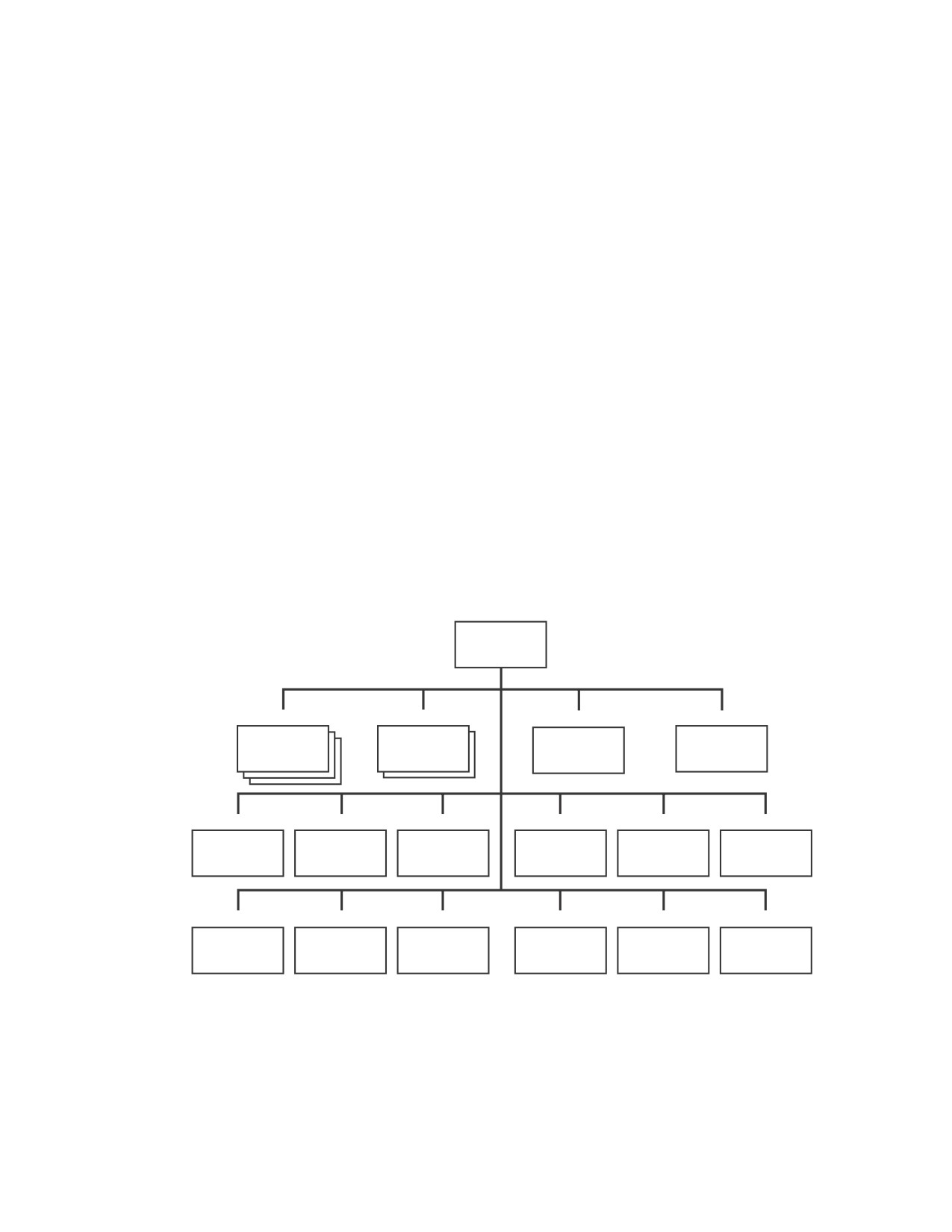
The US Army tailors corps for the theater and mission for which they are
deployed. There is no standard organizational structure of a corps. The following
discussion highlights types of combat, CS, and CSS organizations that may comprise
a corps. Figure A-1 outlines a notional corps organization.
XXX
US
ARMY
CORPS
XX
X
XXX
XXX
ARMORED/
CORPS
MANEUVER
CORPS
MECHANIZED
SUPPORT
BRIGADE
ARTILLERY
DIVISION
COMMAND
III
X
X
X
X
X
ARMORED
CORPS
AIR DEFENSE
MILITARY
ENGINEER
CHEMICAL
CAVALRY
AVIATION
ARTILLERY
INTELLIGENCE
BRIGADE
BRIGADE
REGIMENT
BRIGADE
BRIGADE
BRIGADE
X
X
X
III
III
II
MILITARY
CIVIL
SIGNAL
FINANCE
PERSONNEL
PSYOPS
POLICE
AFFAIRS
BRIGADE
GROUP
GROUP
BATTALION
BRIGADE
BRIGADE
Figure A-1. Notional US Army Corps
a. Divisions/Attached Maneuver Brigades. A corps normally fights from two to
five divisions. Divisions are fixed combined arms organizations capable of
A-1
performing any tactical mission and are largely self-sustaining. The corps may also
C2 one or more attached maneuver brigades (e.g., light infantry, air assault).
b. ACR. The ACR consists of organic air and armored cavalry units supported by
organic field artillery, air defense, engineer, military intelligence, chemical, and CSS
units. The ACR operates as combined arms teams over wide areas that perform
reconnaissance, security, and economy of force operations for the corps. The ACR
can also perform the range of combat operations ascribed to the notional army
brigade in this manual and may also be a force selected to operate under the C2 of a
MEF. The TTP detailed for the notional army brigade’s integrated employment with
the MEF applies mainly to the ACR as well; differences are resolved through liaison
and staff coordination. Figure A-2 depicts the heavy ACR’s organization and major
weapons systems.
III
I
II
II
II
HEADQUARTERS
COMBAT
ARMORED
AND
SUPPORT
AVIATION
CAVALRY
HEADQUARTER
SQUADRON
SQUADRON
SQUADRON
TROOP
I
I
II
I
I
MILITARY
COMBAT
AIR DEFENSE
ARTILLERY
CHEMICAL
INTELLIGENCE
ENGINEER
ARTILLERY
BATTALION
COMPANY
COMPANY
COMPANY
BATTERY
QTY
MAJOR WEAPONS
121
M1A2 TANKS
116
M3 CAVALRY FIGHTING VEHICLES
16
AH-64 APACHE HELICOPTERS
24
M109A2 HOWITZERS
Figure A-2. Heavy Armored Cavalry Regiment
c. Corps Aviation Brigade. The corps aviation brigade provides the corps
commander with a significant capability for prosecuting air maneuver and deep
operations. The brigade features a varying number of attack helicopter battalions
(24 AH-64 Apaches each) that possess exceptional capabilities for night operations
A-2
and a mix of assault, medium-lift, and observation helicopters. The brigade requires
support from the corps support command for maintenance, ground transportation,
and Classes III and V sustainment.
d. Corps Artillery. The corps artillery includes all the artillery cannon and
MLRS/ATACMS battalions that are not organic to maneuver units. These battalions
are normally configured into field artillery brigades allocated as needed to augment
the fires of committed maneuver units or retained under corps control to provide
general support fires. Artillery supports the corps fight throughout the depth of the
battlefield by delivering ATACMS fires at operational depths, supporting corps deep
operations with SEAD fires, fighting the counterfire battle, providing weight to the
close fight when and where needed, and supporting rear operations as required.
e. MI Brigade. The MI brigade contains operations, tactical exploitation, and
aerial exploitation battalions. The military intelligence brigade provides intelligence
and operations security in general support of the corps, and augments the
intelligence capabilities of corps’ subordinate units. The brigade collects and
analyzes information from multiple sources, including signal, imagery, and human
intelligence assets. The brigade’s intelligence assets provide the corps with the
ability to “see deep” into the enemy rear area and disrupt enemy C3 at critical times
during the battle. The operations battalion provides an analysis and control element
to the corps headquarters that assists the G-2 in intelligence and counterintelligence
planning, analysis, production, and dissemination. It also supports the G3 in
electronic warfare, operations security, and deception planning.
f. Engineer Brigade. The engineer brigade controls engineer units of the corps
that are not organic to the maneuver units. The brigade provides mobility, counter-
mobility, survivability, and general engineering support to the corps and augments
the engineer support of committed maneuver and other subordinate units. The
brigade may contain combat engineer battalions, combat engineer battalions
(heavy), combat support equipment companies, assault float bridge companies, and
tactical bridge companies. The brigade may form engineer groups to C2 engineer
units when the size of the brigade requires the use of intermediate headquarters. A
topographic engineer company in direct support of the corps from the EAC
topographic engineer battalion provides terrain analysis and develops, produces and
disseminates special topographic products such as overprints of standard Defense
Mapping Agency mapping, charting, and geodesy products.
g. ADA Brigade. The ADA brigade contains units with weapons systems
designed to counter air threats from low, medium, and high altitudes. Subordinate
battalions employ a combination of gun and missile systems. Corps air defense
battalions usually conduct tactical operations in support of corps priorities but may
be tasked to reinforce subordinate unit air defense units. Corps air defenses are
synchronized with both subordinate and EAC units. These latter systems normally
include aircraft involved in defensive counterair operations of US and allied air
forces; long-range, high-altitude missile systems of theater surface-to-air missile
units; and the supporting C2 network of the integrated theater air defense network.
A-3
h. Signal Brigade. The signal brigade provides the installation, operation, and
maintenance of communications within and between the corps C2 facilities, as well
as an extensive communications network that connects all elements of the corps. To
accomplish this, the brigade uses radio and wire communications to transmit voice,
digital data, and facsimile into an integrated tactical communications system.
i. Chemical Brigade. The chemical brigade commands, controls, and coordinates
chemical support operations of attached chemical units and provides those units
with administrative and logistical support. The brigade evaluates and determines
decontamination, NBC reconnaissance, and smoke support requirements for the
brigade. The brigade commander then recommends NBC mission priorities to the
corps commander. Based on corps commander guidance, the brigade provides smoke
generator, NBC reconnaissance, and NBC decontamination support within the corps
areas. Chemical battalions within the brigade support corps units in specified
command or support relationships.
j. MP Brigade. The MP brigade commands and controls several MP battalions
that provide battlefield circulation control, area security, enemy prisoner of war and
civilian internee operations, and law and order for the corps. It conducts
reconnaissance and surveillance to ensure security of main supply routes and area
reconnaissance of other key areas in the corps rear. The brigade normally provides
response forces to counter threats to the rear area that exceed the organic
capabilities of CS and CSS units but do not require commitment of significant
ground combat units. The brigade augments the organic MPs of committed
maneuver units as required and may also operate in support of USAF units in air
base ground defense operations. The brigade may conduct close liaison and
mutually supporting operations with host-nation civil/military police to accomplish
assigned missions.
k. CA Brigade. The functional composition of CA forces varies with the mission,
availability, and qualification of CA personnel and supported command preferences.
CA forces support JFC, service, or functional component commanders. United
States Army Reserve (USAR) CA forces are separately organized into commands,
brigades, and battalions. CA commands and brigades do not have organic
subordinate units, and battalions do not have subordinate companies. CA forces are
attached to subordinate component commanders for employment at operational and
tactical levels. HHC provides CA planning teams and CA specialty teams to the
corps headquarters and corps-level assets while the CA battalions provide CA
planning teams, CA specialty teams, and CA teams to Army support commands,
divisions, brigades, and battalions. The attached CA forces support the various
commanders in accomplishing theater civil military operations (CMO) objectives.
Generally, CA units are regionally aligned, (i.e., Central Command (CENTCOM),
European Command (EUCOM), Pacific Command (PACOM), Southern Command
(SOUTHCOM), United States Joint Forces Command (USJFC)) with a CA reserve
component (RC) brigade supporting a corps. There is only one active duty battalion
(96th CA Bn located at Fort Bragg, North Carolina) with five companies, and are
each regionally aligned. This battalion is a worldwide contingency unit, which
provides general CA support. All CA teams provide area expertise, gained through
regional focus, cultural awareness, and when possible, language skills, to assist the
A-4
commander in assessing the impact of civil considerations on military operations
and the impact of military operations on civilian activities. Through research,
analysis, and personal contact, they provide the commander with a perspective of
the non-military factors—areas, structures, capabilities, organizations, people, and
events—that shape the operational environments. Through the civil-military
operations center (CMOC), CA soldiers, augmented as necessary, conduct
interagency coordination and help commanders at all levels successfully engage
those factors to arrive at their desired endstate.
l. Tactical Psychological Operations Battalion (PSYOP). The Tactical PSYOP
battalion (TPB) provides tactical PSYOP support to corps-level units and below. It
also supports select special operations or conventional task forces. The TPB is task
organized with three tactical PSYOP companies (TPC), each task organized with
specialized detachments and teams. The TPB is normally OPCON to the corps with
its subordinate units attached to the corps’ subordinate divisions, brigades and
battalions. However, it may be task organized under a psychological operations task
force (POTF) or joint psychological operations task force (JPOTF) when conducting
operations at the CINC or JTF level. Within the JTF, the JPOTF is a separate
functional command similar to a joint special operations task force (JSOTF). A
corps, not operating as a JTF, is externally supported at the JTF/CINC level by the
JPOTF and internally supported by a TPB. The TPB commander and his staff
advise the corps commander, plan, and coordinate PSYOP activities within the
Corps area of operations for the three organic TPCs operating at the division level.
Each TPC normally deploys with three tactical PSYOP detachments (TPD) and one
tactical PSYOP development detachment (TPDD). The TPC deploys its TPDs and
their subordinate tactical PSYOP teams to brigade and battalion levels to conduct
loudspeaker operations and disseminate PSYOP materials developed by the TPDD
and the JPOTF in support of the overall PSYOP campaign. The TPD and TPDD
coordinates closely with the division staff to develop PSYOP plans and programs and
to conduct target audience analysis within the division and corps areas of operation.
The TPB is normally augmented with satellite communications, print, radio, and TV
dissemination equipment and personnel from the PSYOP dissemination battalion
(PDB). In the course of conducting their primary missions, PSYOP units collect and
report PSYOP relevant information. Psychological operations are conducted only
with the authorization of, and under guidelines established by, the CINC/JTF/
Corps/JPOTF commanders. Regional and tactical PSYOP units are capable of
supporting civil affairs units in accomplishing many of the corps’ CMO objectives.
Another PSYOP contribution to the support of corps operations is the enemy
prisoner of war and civilian internee PSYOP battalion (EPW/CI POB). This
battalion, with its two EPW/CI companies, normally operates under the OPCON of
the JPOTF and subsequently OPCON to the MP prisoner of war command
(MPPWCOM). These PSYOP EPW/CI units support the CINC or JTF by collecting
and reporting PSYOP relevant information gathered by screening, interviewing, and
surveying EPW/CI camp populations and recording EPW audio surrender appeals.
They support MPPWCOM by performing PSYOP staff planning, conducting PSYOP
in support of camp operations, and by augmenting MP forces responsible for
processing, monitoring, and controlling the populations at EPW/CI camps
established at the corps level. (Reference 4th PSYOP Group PSOP, Version 1.1, 15
July, 1999 and FM 3-05.30, Psychological Operations, June 2000.)
A-5
m. COSCOM. The COSCOM serves as the focus for logistics activities in the
corps. The COSCOM provides supply, field services, transportation (mode
operations and movement control), maintenance, and medical support to the
divisions and nondivisional units of the corps. The COSCOM contains a mix of
subordinate units tailored to support the size and configuration of the corps. The
COSCOM organizes tailored corps support groups to support the logistics
requirements that exceed the organic capabilities of major subordinate units.
n. Finance Group. The finance group provides financial management support to
a corps. The finance group provides financial management support to Army, joint
and multinational commands, units, soldiers and authorized civilians. It is a
modular, tailorable design to support the various forces in the corps area.
o. Personnel Group. The personnel group serves as the C2 headquarters for all
personnel service battalions and separate companies in the corps areas, as well as
for replacement companies, postal companies, and bands. Personnel service
companies furnish divisional and nondivisional units with strength management,
personnel accountability, strength reconciliation, replacement distribution, casualty
reporting, postal operations, and morale support.
3. Corps Operations
a. Corps Area of Operations. The EAC normally designates the corps area of
operations for both offensive and defensive operations. In addition to flank and rear
boundaries, a corps forward boundary could be used to depict the geographic extent
of its responsibilities. The corps normally divides its area of operations
geographically into sub-areas to execute deep, close, and rear operations. The use of
boundaries and other control measures in both linear and nonlinear environments
facilitates both corps operational C2 and the delineation of responsibilities to corps
subordinate elements.
b. Close Operations. Corps close operations encompass the current battles and
engagements of its major maneuver elements, together with the CS and CSS
activities currently supporting them. The corps close operations include the deep,
close, and rear operations of its committed divisions; separate maneuver brigades
and/or ACR. Not all activities that are part of close operations are necessarily
taking place near the line of contact. For example, counterfire directed against
enemy artilleries that support enemy regiments of divisions in contact comprise a
component of close operations. Similarly, security operations, such as covering and
screening forces, are part of close operations. Conversely, not all activities occurring
near the line of contact are part of the close operations. Target acquisition assets,
for instance, may locate in the areas where close operations are taking place but
may be supporting deep operations. The outcome of the corps close fight will
ultimately determine the success or failure of the corps battle. The corps deep and
rear operations focus primarily on creating conditions favorable to the corps winning
its close operations.
c. Deep Operations. Corps deep operations include those activities directed
against enemy forces not currently engaged in close operations but capable of
A-6
engaging in or influencing future close operations. Maneuver forces, fire support,
and supporting C4I systems combine to plan and execute deep operations. Deep
operations create leverage in the close fight. Corps planners project future
operations and determine what conditions the corps can create and exploit to defeat
the enemy to accomplish operational objectives. Deep operations depend on careful
analysis of enemy capabilities to interfere with friendly operations and enemy
vulnerability to attack. Those enemy forces, including related C2 systems, which
can participate in time and space against projected operations, provide relevant
targets for attack. Based on the recommendations of the corps staff, the commander
determines deep operations objectives and designs them to shape future close
operations. Objectives in attacking enemy forces in depth are designed to
significantly alter the tempo of enemy operations. This reduced tempo isolates close
operations on terms favorable to the corps. Attacks to disrupt commitment of follow-
on enemy forces into battle, synchronized with attacks against C2 systems and other
operationally significant targets, can produce decisive effects or create conditions for
close operations to achieve decisive effects. To realize the maximum payoff from
these attacks, deep operations are integrated within the overall concept of operation.
d. Rear Operations. Corps rear operations consist of those activities from the
corps rear boundary forward to the rear boundaries of committed maneuver units.
The corps conducts rear operations to the corps freedom of maneuver and continuity
of operations, including logistics and C2. Continuous reconnaissance and timely
intelligence collection and dissemination are essential for successful rear operations.
Rear operations must include clear C2 arrangements, dedicated fire support, and
designated combat forces to respond to rear-area threats as appropriate.
A-7
Appendix B
MARINE AIR-GROUND TASK FORCES (MAGTFs)
1. Background
The MAGTF is an integrated air-ground team with its own CSSE, operating at
the operational and tactical levels, under the direction and control of a single com-
mander. The MAGTF is task organized to accomplish assigned missions and de-
signed to exploit its combat power with highly integrated air-ground operations
utilizing combined arms teams.
2. Operational Characteristics
a. The missions assigned to MAGTFs should exploit their primary characteris-
tics:
(1) An expeditionary nature.
(2) Extremely mobile (strategically).
(3) Capable of forcible entry.
(4) All weather ground operations with environmental versatility.
(5) Capability for independent action.
(6) Sea-air-land coordination.
(7) Logistics strengths and limitations.
(8) Operational flexibility.
(9) Tactical surprise.
(10) Compatible with multiservice, joint, multinational, and combined operat-
ing forces.
(11) Forward-deployed or sea-based.
b. While MAGTFs are organized primarily to support naval operations, they may
also be employed in support of land operations or other duties as directed:
(1) Strategic deception, which forces an opponent to disperse forces along
vulnerable littorals.
(2) Raids destroying installations, units, and/or individuals.
B-1
(3) Forcible entry operations establishing beachheads or airheads, which gain
safe enclaves for the introduction of large scale follow-on US forces.
(4) Extractions evacuating threatened forces or individuals.
(5) Strategic reserve, thus exploiting opportunities and countering threats.
(6) Reinforcement.
(7) Controlling the landward flank of a naval operation.
(8) Low intensity conflict.
(a) Counter insurgency.
(b) Terrorism counteraction.
(c) Peacekeeping.
(d) Peacetime contingency operations.
3. Types of MAGTFs
MAGTFs range in size from a special purpose MAGTF (SPMAGTF), which can
number in size from 100 to 3000 Marines, to an MEF, which can number from
35,000 to 45,000 Marines. There are four types of MATGFs: the MEF, the MEB, the
MEU, and the SPMAGTF. The MEB is discussed in Chapter I. This appendix
discusses the remaining three types of MAGTFs.
a. The MEF. A MEF is the largest and most capable MAGTF. The MEF is
normally comprised of at least a reinforced Marine division, a MAW, a FSSG, and a
CE. MEFs are capable of conducting the full range of amphibious operations as well
as the following operations:
(1) Reinforcement of a committed MAGTF or other force.
(2) Sustained combat operations ashore.
(3) Seizure or defense of advance naval bases.
(4) Military operations other than war (MOOTW).
(5) Noncombatant evacuation operations (NEOs).
b. The MEF consists of the following components:
(1) GCE - a Marine division.
B-2
(a) One headquarters battalion.
(b) Three infantry regiments.
(c) One artillery regiment.
(d) One tank battalion.
(e) One LAR battalion.
(f) One AAV battalion.
(g) One combat engineer battalion.
(2) Aviation combat element (ACE) - a MAW.
(a) One to four Marine aircraft groups consisting of fixed- and rotary-
winged aircraft from Marine Fighter Attack (VMFA), VMFA (AW), Marine Attack
(VMA), Marine Tactical Electronic Warfare (VMAQ), Marine Aerial Refueler Trans-
port (VMGR), Marine Light/Attack Helicopter (HMLA), Marine Heavy Helicopter
(HMH), and Marine Medium Helicopter (HMM) squadrons.
(b) One Marine air control group (MACG).
(c) One Marine wing support group (MWSG).
(d) One Marine wing headquarters squadron (MWHS).
(e) One Marine aerial refueler transport squadron (VMGR).
(f) One Marine tactical electronic warfare squadron (VMAQ).
(g) One Marine unmanned aerial vehicle squadron (VMU).
(3) Combat service support element (CSSE) - an FSSG.
(a) Transport Support Battalion (TSB), which includes the former landing
support battalion and motor transport battalion.
(b) One supply battalion.
(c) One maintenance battalion.
(d) One engineer support battalion.
(e) One medical battalion.
(f) One dental battalion.
B-3
c. The MEU. A MEU is capable of selected conventional maritime operations of
limited duration. Some MEUs receive special training and obtain a designation as
being special operations capable [MEU(SOC)]. The forward deployed MEU is orga-
nized and equipped to provide the naval commander or JFC with a rapidly
deployable, sea-based force with 15 days of sustainment optimized for forward
presence and crisis response missions. The MEU may also serve as an enabling
force for follow-on MAGTFs or other larger forces (i.e., an Army corps) in the event
the situation or mission requires additional capabilities and resources. The MEU is
comprised of a CE, a reinforced infantry battalion, reinforced helicopter squadron,
and MEU service support group (MSSG). The MEU is capable of conducting limited
amphibious operations as well as the following operations:
(1) NEOs.
(2) Security operations (independent of or in support of a larger force).
(3) Tactical recovery of aircraft and personnel (TRAP).
(4) Direct action.
(5) MOOTW.
(6) Limited hostage rescue capabilities.
d. The MEU consists of the following components:
(1) CE.
(a) Force reconnaissance platoon.
(b) Radio battalion detachment.
(c) LAAD detachment.
(d) Air support liaison team.
(e) Sea-air-land (SEAL) detachment.
(2) GCE.
(a) One reinforced rifle battalion.
(b) One artillery battery.
(c) One AAV platoon.
(d) One reconnaissance platoon.
(e) One LAR platoon.
B-4
(f) One combat engineer platoon.
(3) ACE.
(a) One Marine medium helicopter detachment (HMM).
(b) One Marine heavy helicopter detachment (HMH).
(c) One Marine light/attack helicopter detachment (HMLA).
(d) One Marine attack squadron detachment (VMA).
(e) One Marine air control group detachment (MACG).
(4) CSSE- a MEU service support group (MSSG).
(a) Supply detachment.
(b) Maintenance detachment.
(c) Transportation detachment.
(d) Engineer detachment.
(e) Medical/dental detachment.
(f) Landing support detachment (beach, port, airfield).
(g) Administrative detachment.
e.
The SPMAGTF. A SPMAGTF is a small, task-organized force configured to
missions for which the MEF, MEB, or MEU are not appropriate. It can be organized,
trained, and equipped to conduct a wide variety of conventional and other opera-
tions. It can be deployed by various means, to include amphibious or commercial
ships and tactical or strategic airlift. These forces are typically composed of Marines
highly trained in day/night operations to include insertion/extraction, raid, and
strike operations. They may possess extensive surveillance and reconnaissance
capabilities. SPMAGTF missions include mobile training teams, security assistance
operations, and small independent action forces.
B-5
Appendix C
REPORTING FORMATS
1. The mine operations report messages in this appendix are US message Text Formats. The unexploded
ordnance (UXO) spot report is from FM 21-16/FMFM 13-8-1.
2. Mine Countermeasures Report (MCMREP).
MCMREP MESSAGE TEXT FORMAT:
SEG OCC RPT SETID
C EXER/________________________/
//
1 EXERCISE NICKNAME
2 EXERCISE MESSAGE ADDITIONAL IDENTIFIER
M [1-56 ANBS]
O [1-16 ANBS]
Set 1 Purpose: THE EXER SET PROVIDES THE DESIGNATED CODE NAME OR NICKNAME, IF
THE MESSAGE SUPPORTS AN EXERCISE.
O
OPER/_________________________/
/
/
//
1 OPERATION CODEWORD
2 PLAN ORIGINATOR AND NUMBER
3 OPTION
NICKNAME
4 SECONDARY OPTION NICKNAME
M [1-32 ANBS]
O [1-23 ANS]
O [1-23 ANBS]
O [1-23 ANBS]
Set 2 Purpose: THE OPER SET PROVIDES THE DESIGNATED CODE NAME OR NICKNAME, IF
THE MESSAGE SUPPORTS AN OPERATION.
M
MSGID/_____________________________________/_________________/
.............................................................../
/
/
//
1 MESSAGE TEXT FORMAT IDENTIFIER
2 ORIGINATOR
3 MESSAGE SERIAL
NUMBER
4 MONTH NAME
5 QUALIFIER
6 SERIAL NUMBER OF QUALIFIER
M [1-20 ANBS]
M [1-30 ANBS]
O [1-7 ANBS]
O [3 A]
O [3 A]
O [1-3 N]
Set 3 Purpose: THE MSGID SET PROVIDES THE MESSAGE IDENTIFICATION AND ORIGINATOR.
O R
REF/____________________/________________________/_________________/
____________________________________/
/
/
R
//
1 SERIAL LETTER
2 TYPE OF REFERENCE
3 ORIGINATOR
4 DATE AND/OR
TIME OF REFERENCE
5 SERIAL NUMBER OF REFERENCE
6 SPECIAL NOTATION
7 SIC CODE OR FILING NUMBER
M [1 A]
M [1/20 ANBS]
M [1-30 ANBS]
M [6/13 AN]
O [1-10 ANBS]
O [5 A]
O [1/10 ANBS]
C-1
Set 4 Purpose: THE REF SET PROVIDES BOTH USMTF AND NON-USMTF REFERENCES.
C
AMPN/________________//
1 FREE TEXT
M [1-U ANBS]
Set 5 Purpose: THE AMPN SET PROVIDES ADDITIONAL INFORMATION ON THE PRECEDING
REF SET. ADDITIONALLY, THE AMPN SET PROVIDES IDENTIFYING
INFORMATION FOR A NON-USMTF REFERENCE.
C
NARR/________________//
1 FREE TEXT
M [1-U ANBS]
Set 6 Purpose: THE NARR SET PROVIDES ADDITIONAL INFORMATION ON THE PRECEDING
TWO OR MORE REF SETS. ADDITIONALLY, THE NARR SET PROVIDES
IDENTIFYING INFORMATION FOR NON-USMTF REFERENCES.
O R
MXPN/_____________________________/______________________________/
................................................../
/
/
......................................................................................../
//
1 SHIP OR SUBMARINE TYPE
2 SHIP OR TASK DESIGNATOR
3 SHIP LOCATION
4 VERIFIED COURSE/SPEED IN KNOTS
5 VERIFIED DAY-TIME
6 VERIFIED BEARING
AND DISTANCE
7 EXERCISE MINE FLARE COLOR
M [2/4 A]
M [1/30 ANBS]
O [6/36 ANBS]
O [11-16 ANS]
O [8 AN]
O [9-16 ANS]
O [3-6 A]
Set 7 Purpose: THE MXPN SET REPORTS MINE EXPLOSION INFORMATION.
O
MDETDAT/
/
/
/
................................................................................./
/
............................................................................../
//
1 DETECTING VESSEL TYPE
2 SHIP NAME
3 MINE COORDINATES
4 VERIFIED COURSE/SPEED IN KNOTS
5 VERIFIED DAY-TIME
6 NUMBER OF MINES
DETECTED
7 MINE INDEX TYPE
O [2/4 A]
O [1-30 ANBS] O [6/36 ANBS]
O [11-16 ANS]
O [8 AN]
O [1-3 N]
O [2-9 AN]
Set 8 Purpose: THE MDETDAT SET REPORTS INFORMATION ON DETECTED MINES.
O R MOPS/_________________________/
//
1 MCM OPERATION TYPE
2 VERIFIED MONTH DATE-TIME
M [3-8 A]
O [11 AN]
C-2
Set 9 Purpose: THE MOPS SET REPORTS INFORMATION ON THE TYPE OF MCM OPERATION IN
PROGRESS.
O
MTASK/____________________________/__________________________/
........................../
R
/
R
//
1 MCM TASK ORDER NUMBER 2 UNIT OR SHIP TASKED
3 Q-ROUTE NUMBER OR
MCM AREA NAME
4 TIME MODIFIER
5 VERIFIED EFFECTIVE TIME
M [5-6 AN]
M [1/30 ANBS]
O [1/20 ANBS]
O [2-3 A]
O [8/11 AN]
Set 10 Purpose: THE MTASK SET PROVIDES INFORMATION ON THE MCM TASK.
O R
MINE/______________________/
/
.................................................................../
/
........................................................../
/
//
1 MINE INDEX TYPE
2 MINE REFERENCE NUMBER 3 LAYING REFERENCE NUMBER
(LRN)
4 MINE COORDINATES
5 NAVIGATION SYSTEM CODE 6 VERIFIED DAY-
TIME
7 MINE STATUS
M [2-9 AN]
O [4-7 ANS]
O [2-15 ANS]
O [6/36 ANBS]
O [1-2 N]
O [8 AN]
O [6/17 ANS]
Set 11 Purpose: THE MINE SET PROVIDES INFORMATION ON MINES.
O R MSUM/____________________________/
//
1 MINE REFERENCE NUMBER
2 VERIFIED MONTH DATE-TIME
M [4-7 ANS]
O [11 AN]
Set 12 Purpose: THE MSUM SET PROVIDES A SUMMARY OF MINEFIELDS.
O R MTYPE/______________________________/
//
1 NUMBER OF MINES BY TYPE
2 MINE INDEX TYPE
M [1-3 N]
O [2-9 AN]
Set 13 Purpose: THE MTYPE SET PROVIDES INFORMATION ON THE NUMBER AND TYPE OF
MINES.
O
PGRSS/______________________/
/
.................................................................../
/
........................................................../
............................................................................................................................................/
..................................................................................................................................../
............................................................................/
...................................................................................................../
..................................................................................../
......................................................................................................................../
..............................R
//
C-3
1 Q-ROUTE SEGMENT
2 MCM OPERATION SUFFIX
3 MCM OPERATION STAGE
NUMBER
4 PERCENTAGE OF TASK COMPLETED
5 VERIFIED MONTH DATE-TIME
6
VERIFIED AGGREGATE ACTUATION WIDTH IN METERS OR YARDS
7 VERIFIED SWEEP OR
DETECTION WIDTH IN METERS OR YARDS
8 SWEEP OR DETECTION PROBABILITY
9
VERIFIED TRACK SPACING IN METERS OR YARDS
10 VERIFIED SWEPT DEPTH IN METERS
OR FEET
11 VERIFIED STANDARD DEVIATION IN METERS OR YARDS 12 NUMBER OF
RUNS PER TRACK
M [7-14 ANS]
O [1 A]
O [2 N]
O [2 N]
O [11 AN]
O [5-6 AN]
O [5-6 AN]
O [4 NS]
O [5-6 AN]
O [3-6 AN]
O [5-6 AN]
O [6-8
ANS]
Set 14 Purpose: THE PGRSS SET PROVIDES INFORMATION ON THE PROGRESS OF THE MCM
TASK.
O R
NOOP/________________/
/
................................................................................................./
.............................................................................................//
1 SHIP NAME
2 VERIFIED DAY-TIME OF DEFECT
3 VERIFIED DAY-TIME
ESTIMATED OPERATIONAL
4 VERIFIED MONTH DATE-TIME OF RELATED NAVOPDEF
M [1-30 ANBS]
O [8 AN]
O [8 AN]
O [11 AN]
Set 15 Purpose: THE NOOP SET PROVIDES INFORMATION ON NONOPERATIONAL SHIPS.
O R
UWCOND/__________________________/
/
.............................................................................../
/
................................................................................................................................./
...................................................................................................../
............................................................................................................/
......................................................................................./
//
1 UNDERWATER LOCATION 2 VERIFIED DAY-TIME
3 OCEANOGRAPHIC BOTTOM
TYPE
4 REVERBERATION LEVEL
5 VERIFIED UNDERWATER VISIBILITY IN YARDS OR
METERS
6 VERIFIED TIDAL STREAM COURSE/ SPEED IN KNOTS
7 VERIFIED
UNDERWATER DEPTH IN METERS OR FEET
8 VERIFIED UNDERWATER SOUND VELOCITY
9 VERIFIED THERMAL LAYER DEPTH IN METERS OR FEET
M [6/36 ANBS]
O [8 AN]
O [1 A]
O [2-3 A]
O [3-5 AN]
O [11-16 ANS]
O [3-7 AN]
O [5-8 AN]
O [3-7 AN]
Set 16 Purpose: THE UWCOND SET PROVIDES INFORMATION ON UNDERWATER CONDITIONS.
O CONMARK/________________________________/
/
..................................................................................../
//
C-4
1 CONTACT MARKER DESIGNATOR
2 LOCATION
3 VERIFIED BEARING AND
DISTANCE
4 VERIFIED DAY-TIME OF POSITION
M [4/7 ANS]
O [6/36 ANBS] O [9-16 ANS]
O [8 AN]
Set 17 Purpose: THE CONMARK SET PROVIDES INFORMATION ON A CONTACT MARKER.
O MZONE/________________________/______________________________________________/
__________________________________/
.............................R
/
..................R
//
1 TYPE OF MINE ZONE
2 VERIFIED DAY-TIME MINE ZONE RISK STATUS
3 MINE
ZONE RISK STATUS
4 VERIFIED DAY-TIME OF MINE ZONE PREDICTED STATUS RISK
5 PREDICTED MINE ZONE RISK STATUS
M [1-20 ANBS]
M [8 AN]
M [3/10
AB]
O [8 AN]
O [3/10 AB]
Set 18 Purpose: THE MZONE SET PROVIDES INFORMATION ON THE STATUS OF THE MINE
ZONE.
C AMPN/________________//
1 FREE TEXT
M [1-U ANBS]
Set 19 Purpose: THE AMPN SET PROVIDES INFORMATION THAT PERTAINS TO THE MINE ZONE
STATUS.
M R MBUOY/______________________/
/
/
....................................................../
//
1 MCM BUOY TYPE
2 MCM BUOY LOCATION
3 BUOY DESIGNATOR
4
VERIFIED DRAG ERROR
5 MCM BUOY MALFUNCTION TYPE
M [4-10 ANBS]
O [6/36 ANBS]
O [4-7 AN]
O [9-12
ANS]
O [4-8 A]
Set 20 Purpose: THE MBUOY SET PROVIDES INFORMATION ON MCM BUOYS.
O MAP/_____________________________________/
/
...............R
/
R
/
...............R
//
1 MAP OR CHART SERIES DESIGNATOR
2 MAP OR CHART SUFFIX NUMBER
3
MAP OR CHART SHEET NUMBER
4 MAP OR CHART EDITION NUMBER
5 GEODETIC
DATUM
M [1-12 ANS]
O [2 N]
O [1-14
ANS]
O [1-6 ANS]
O [4-25 ANBS]
C-5
Set 21 Purpose: THE MAP SET PROVIDES THE MAP REFERENCES FOR THE MCM REPORT.
O LOGSIT/
/
/
............................................................................../
/
.................................................................................../
................................................................................................................./
//
1 REMAINING FUEL OIL IN PERCENT
2 REMAINING WATER IN PERCENT
3
REMAINING PROVISIONS IN PERCENT
4 REMAINING LUBE OIL IN PERCENT
5
REMAINING AMMUNITION IN PERCENT
6 REMAINING NUMBER OF MINE DISPOSAL
WEAPONS/CHARGES 7 VERIFIED MONTH DATE-TIME
O [2 N]
O [2 N]
O [2 N]
O [2 N]
O [2 N]
O [1-3 N]
O [11 AN]
Set 22 Purpose: THE LOGSIT SET PROVIDES INFORMATION ON THE LOGISTICS SITUATION.
O ASORT/
/
/
............................................................................/
/
/
.............................................................../
/
......................................................................./
/
............................................................................/
//
1 SORTIE IDENTIFICATION NUMBER
2 MCM EQUIPMENT
3 FLIGHT TIME IN
HOURS AND TENTHS
4 TOW TIME OUT OF TRACK
5 OP TOW TIME
6 STREAM TIME
IN MINUTES
7 RECOVERY TIME IN MINUTES
8 TASK HOURS LOST DURING SORTIE
9 TRANSIT DISTANCE IN NAUTICAL MILES 10 MISSION ABORT CASUALTY INDICATOR 11
TOTAL TURN TIME (1-30 MIN)
O [1-3 N]
O [1-2 N]
O [4 NS]
O [3 NS]
O [4 NS]
O [2 N]
O [2 N]
O [1-2 N]
O [1-2 N]
O [2-3 A]
O [1-2 N]
Set 23 Purpose: THE ASORT SET REPORTS THE RESULTS OF A MINE COUNTERMEASURES AIR
SORTIE.
C AMPN/________________//
1 FREE TEXT
M [1-U ANBS]
Set 24 Purpose: THE AMPN SET PROVIDES INFORMATION ON THE MCM EQUIPMENT USED IN
THE AIR SORTIE.
O ASUM/
/
/
............................................................................/
/
..........................................//
1 TOTAL NUMBER OF SORTIES
2 NUMBER OF HELOS IN OPERATION
3 HOURS IN
REPORTING PERIOD
4 HOURS SCHEDULED OFF-TASK
5 WEATHER DOWN TIME
O [1-2 N]
O [1-2 N]
O [1-3 N]
O [1-3 N]
O [1-3 N]
C-6
Set 25 Purpose: THE ASUM SET PROVIDES AIR SUMMARY INFORMATION.
O DIVDAT/
/
/
...................................................................../
/
................................................................................./
//
1 MINE REFERENCE NUMBER
2 ARM THRUST
3 PERCENT OF MINE BURIED
4 WATER DEPTH IN METERS
5 BOTTOM CURRENT IN TENTHS OF KNOTS
6 SAND RIDGE
HEIGHT IN TENTHS OF METERS
O [4-7 ANS]
O [1 A]
O [1-3 N]
O [1-3 N]
O [3 NS]
O [3 NS]
Set 26 Purpose: THE DIVDAT SET PROVIDES INFORMATION OBTAINED BY DIVERS.
O ENVIRN/
/
/
............................................................../
/
//
1 LOCATION
2 VERIFIED MONTH DATE-TIME
3 WAVE PERIOD IN SECONDS
4 SEA WAVE HEIGHT
5 WEATHER IMPACT
O [6/36 ANBS] O [11 AN]
O [1-2 N]
O [2-5 AN]
O [1 A]
Set 27 Purpose: THE ENVIRN SET PROVIDES ENVIRONMENTAL INFORMATION.
O CHRON/
/
/
................................................................../
/
............................................................................................../
/
...................................................................................................................../
........................................................../
/
..................................................//
1 HOURS SCHEDULED OFF-TASK
2 WEATHER DOWN TIME
3 MAINTENANCE
DOWN TIME
4 TOTAL TIME TO STREAM GEAR IN MINUTES
5 TOTAL TIME TO RECOVER
GEAR IN MINUTES
6 TOTAL NUMBER OF TURNS
7 TOTAL TURN TIME (1-999 MIN)
8
TURN SYSTEM
9 TOTAL TRANSIT TIME TO AND FROM OPAREA IN MINUTES
10
EFFECTIVE TIME ON TASK IN THE LAP IN HOURS
O [1-3 N]
O [1-3 N]
O [1-3 N]
O [1-3 N]
O [1-3 N]
O [1-3 N]
O [1-3 N]
O [3-20 ANBS] O [1-3 N]
O [3-5 NS]
Set 28 Purpose: THE CHRON SET PROVIDES A CHRONOLOGY FOR THE MCM TASKS.
O NAV/
/
/
//
1 VERIFIED MONTH DATE-TIME
2 NAVIGATION SYSTEM CODE
3 POSITION
O [11 AN]
O [1-2 N]
O [6/36 ANBS]
Set 29 Purpose: THE NAV SET PROVIDES NAVIGATION INFORMATION.
C AMPN/________________//
1 FREE TEXT
M [1-U ANBS]
C-7
Set 30 Purpose: THE AMPN SET PROVIDES INFORMATION ON THE NAVIGATION SYSTEM USED
TO DETERMINE THE POSITION.
O AKNLDG/__________________________________________________/
R
//
1 ACKNOWLEDGEMENT REQUIREMENT INDICATOR
2 INSTRUCTIONS OR
UNIT
M [2-3 A]
O [1/50 ANBS]
Set 31 Purpose: THE AKNLDG SET PROVIDES OPERATOR ACKNOWLEDGEMENT AND NOT
COMMUNICATIONS CENTER ACKNOWLEDGEMENT.
MCMREP MESSAGE EXAMPLE:
EXER/SUN BIRD 93//
MSGID/MCMREP/CTF 425//
MXPN/MHC/BRECON/280T0-EE-12.5NM8/061T7-12KTS3/161731Z9/315T9-120M3/GREEN//
MDETDAT/MSC/ALSSUND/573022.4N3-0010413.3W2/120T3-4KTS4/261520Z6/3/1ABCDEFGH//
MOPS/ASS/061200Z9SEP//
MTASK/125B2/BRONNINGTON/82/ON/121345Z6/OFF/121800Z2//
MINE/1ABCDEFGH/JE25/0569-87/270T9-DD-12.5NM8/3/201340Z0/SUNK201521Z1//
MSUM/JE01/132212Z1JUN//
MTYPE/42/1ABCDEFGH//
PGRSS/42A2-B8/F/71/50/121400Z8JUN/350M8/250M7/0.90/300M3/40M4/050M5/PS25-02/MS25-03/
PS50-03//
NOOP/GIETZOORN/150631Z6/151600Z3/150700Z3OCT//
UWCOND/501000N6-0030300W6/190700Z7/B/LOW/3M3/020T2-1.2KTS3/20M2/1475MPS7/50M5//
CONMARK/MRN:00142/524900N0-0011500E7/035T8-23M5/241214Z4//
MZONE/HARBOR/071200Z0/CLOSED//
AMPN/SHIPS ANCHOR IN FLUSHING ROADS//
MBUOY/DATUM/512002N0-0010010E2/PS102A/150T6-45YD9/NOFLAG//
MAP/DMA13142/14/13/MAY84/WGS 1984//
LOGSIT/90/85/99/99/99/53/221100Z6SEP//
ASORT/1/45/03.0/0.5/02.0/15/30/1/5/NO/20//
ASUM/10/6/48/24/4//
DIVDAT/JE01/A/10/35/1.0/1.5//
ENVIRN/5120.200N0-00100.100E2/121300Z7JAN/20/1M/A//
CHRON/2/1/1/49/52/6/60/MK104/45/2.5//
NAV/221100Z6SEP/3/5120.200N0-00100.100E2//
AKNLDG/YES//
3. MCM Tasking (OPTASK MCM).
OPTASK MCM MESSAGE TEXT FORMAT:
SEG OCC RPT SETID
C EXER/________________________/
//
1 EXERCISE NICKNAME
2 EXERCISE MESSAGE ADDITIONAL IDENTIFIER
M [1-56 ANBS]
O [1-16 ANBS]
C-8
Set 1 Purpose: THE EXER SET PROVIDES THE DESIGNATED CODE NAME OR NICKNAME, IF
THE MESSAGE SUPPORTS AN EXERCISE.
Note: THE EXER SET IS PROHIBITED IF THE OPER SET IS USED.
O
OPER/_________________________/
/
............................................................../
//
1 OPERATION CODEWORD
2 PLAN ORIGINATOR AND NUMBER
3 OPTION
NICKNAME
4 SECONDARY OPTION NICKNAME
M [1-32 ANBS]
O [1-23 ANS]
O [1-23 ANBS]
O [1-23 ANBS]
Set 2 Purpose: THE OPER SET PROVIDES THE DESIGNATED CODE NAME OR NICKNAME, IF
THE MESSAGE SUPPORTS AN OPERATION.
Note: THE OPER SET IS PROHIBITED IF THE EXER SET IS USED.
M MSGID/_____________________________________/_________________/
.................................................................../
/
/
//
1 MESSAGE TEXT FORMAT IDENTIFIER
2 ORIGINATOR
3 MESSAGE SERIAL
NUMBER
4 MONTH NAME
5 QUALIFIER
6 SERIAL NUMBER OF QUALIFIER
M [1-20 ANBS]
M [1-30 ANBS] O [1-7 ANBS]
O [3 A]
O [3 A]
O [1-3 N]
Set 3 Purpose: THE MSGID SET PROVIDES THE MESSAGE IDENTIFICATION AND ORIGINATOR.
Note: FIELD 1 OF THE MSGID SET MUST EQUAL “OPTASK MCM”.
O R REF/____________________/________________________/_________________/
____________________________________/
/
/
...............R
//
1 SERIAL LETTER
2 TYPE OF REFERENCE
3 ORIGINATOR
4 DATE AND/OR TIME
OF REFERENCE
5 SERIAL NUMBER OF REFERENCE 6 SPECIAL NOTATION
7 SIC CODE
OR FILING NUMBER
M [1 A]
M [1/20 ANBS]
M [1-30 ANBS] M [6/13 AN]
O [1-10 ANBS]
O [5 A]
O [1/10 ANBS]
Set 4 Purpose: THE REF SET PROVIDES BOTH USMTF AND NON-USMTF REFERENCES.
C AMPN/________________//
1 FREE TEXT
M [1-U ANBS]
Set 5 Purpose: THE AMPN SET PROVIDES ADDITIONAL INFORMATION ON THE PRECEDING
REF SET. ADDITIONALLY, THE AMPN SET PROVIDES IDENTIFYING
INFORMATION FOR A NON-USMTF REFERENCE.
Note: THE AMPN SET IS MANDATORY IF FIELD 2 OF THE REF SET IS A COMMUNICATION
TYPE AND ONLY ONE REFERENCE IS USED.
C-9
C NARR/________________//
1 FREE TEXT
M [1-U ANBS]
Set 6 Purpose: THE NARR SET PROVIDES ADDITIONAL INFORMATION ON THE PRECEDING
TWO OR MORE REF SETS. ADDITIONALLY, THE NARR SET PROVIDES
IDENTIFYING INFORMATION FOR NON-USMTF REFERENCES.
Note: THE NARR SET IS MANDATORY IF THE REF SET IS REPEATED ONE OR MORE TIMES
AND LFIELD 2 OF ONE OR MORE REF SETS CITES A COMMUNICATION TYPE.
O MTASK/____________________________/__________________________/
..................................................................................../
R
/
R
//
1 MCM TASK ORDER NUMBER 2 UNIT OR SHIP TASKED
3 Q-ROUTE NUMBER OR
MCM AREA NAME
4 TIME MODIFIER
5 VERIFIED EFFECTIVE TIME
M [5-6 AN]
M [1/30 ANBS]
O [1/20 ANBS]
O [2-3 A]
O [8/11 AN]
Set 7 Purpose: THE MTASK SET PROVIDES INFORMATION ON THE MCM TASK.
O MNOP/________________________________/_________R_________/
______________R_________________________/
R
//
1 MINE OPERATIONS DIRECTIVE
2 ENEMY THREAT
3 TYPE OF MINE OPERATION
4 MCM OPERATION STAGE NUMBER
M [5-7 A]
M [7-9 A]
M [4-8 A]
O [2 N]
Set 8 Purpose: THE MNOP SET PROVIDES INFORMATION ON THE MCM OPERATIONS.
O MPARA/_____________________/________________________________________________
/
/
.............................................................................................../
//
1 NUMBER OF RUNS
2 PERCENTAGE CLEARANCE REQUIRED OR ACHIEVED 3
VERIFIED AGGREGATE ACTUATION WIDTH IN METERS OR YARDS
4 VERIFIED TRACK
SPACING IN METERS OR YARDS 5 VERIFIED STANDARD DEVIATION IN METERS OR YARDS
M [2 N]
M [2-4 NS]
O [5-6 AN]
O [5-6 AN]
O [5-6 AN]
Set 9 Purpose: THE MPARA SET PROVIDES INFORMATION ON THE MCM TASK PARAMETERS.
O R
MDA/
/
R
/
R
//
1 MINE DANGER AREA NAME 2 MINE DANGER AREA LOCATION 3 MINE INDEX TYPE
O [6-20 ANBS]
O [6/36 ANBS]
O [2-9 AN]
C-10
Set 10 Purpose: THE MDA SET DESCRIBES THE MINE DANGER AREA.
O R MTYPE/______________________________/
//
1 NUMBER OF MINES BY TYPE
2 MINE INDEX TYPE
M [1-3 N]
O [2-9 AN]
Set 11 Purpose: THE MTYPE SET PROVIDES INFORMATION ON THE NUMBER AND TYPE OF
MINES.
O R MREPT/_________________________________/
_________________________________________
/
//
1 REPORT MODIFICATION ACTION 2 MINE WARFARE REPORT OR SIGNAL CODE
3
VERIFIED TIME
M [3-6 A]
M [3/13 ABS]
O [8/11 AN]
Set 12 Purpose: THE MREPT SET PROVIDES INFORMATION ON CHANGES FOR MINE WARFARE
REPORTING REQUIREMENTS.
O R CHANDAT/
/
/
/
........................................................................./
/
........................................../
/
........................................................................................................./
/
...................................................../
/
/
//
1 CHANNEL IDENTIFIER
2 START POSITION
3 END POSITION
4 VERIFIED
CHANNEL DIRECTION 5 VERIFIED CHANNEL LENGTH IN NAUTICAL MILES
6 VERIFIED
CHANNEL WIDTH IN METERS OR YARDS
7 VERIFIED TIDAL STREAM COURSE/ SPEED IN
KNOTS
8 VERIFIED START DAY-TIME
9 VERIFIED END DAY-TIME
10 VERIFIED
DANBUOY LINE OFFSET IN METERS OR YARDS
11 VERIFIED DANLINE DIRECTION
12 NUMBER OF DANBOUYS
13 VERIFIED DANBUOY SPACING IN METERS OR YARDS
O [2/8 ANS]
O [6/36 ANBS]
O [6/36 ANBS]
O [5-7 ANS]
O [4-8 ANS]
O [3-7 AN]
O [11-16 ANS]
O [8 AN]
O [8
AN]
O [5-9 ANS]
O [5-7 ANS]
O [1-2 N]
O [3-7 AN]
Set 13 Purpose: THE CHANDAT SET PROVIDES CHANNEL INFORMATION.
O TRINST/
/
/
........................................................................................./
................................................................................................./
......................................................................................................./
R
/
R
//
C-11
1 PASSAGE DESIGNATOR 2 VERIFIED DAY-TIME OF TRANSIT START 3 VERIFIED
RECOMMENDED TRANSIT SPEED
4 VERIFIED SHIP TRANSIT LONGITUDINAL INTERVAL 5
VERIFIED GROUP TRANSIT LONGITUDINAL INTERVAL 6 NAME OF LEAD SHIP IN GROUP 7
NUMBER OF SHIPS IN GROUP
O [4-6 A]
O [8 AN]
O [5-8 ANS]
O [3-7 AN]
O [4-6 AN]
O [1-30 ANBS]
O [1-2 N]
Set 14 Purpose: THE TRINST SET PROVIDES MCM TRANSIT INFORMATION.
C AMPN/________________//
1 FREE TEXT
M [1-U ANBS]
Set 15 Purpose: THE AMPN SET PROVIDES INFORMATION PERTAINING TO THE PASSAGE
DESIGNATOR.
Note: THE AMPN SET IS MANDATORY IF FIELD 1 OF THE TRINST SET EQUALS “INFORM” OR
“STOP”.
O VESC/______________________/
/
/
............................................../
//
1 UNIT IDENTIFIER
2 NUMBER OF SHIPS
3 ARRIVAL COORDINATES
4 TIME OF
ARRIVAL
5 LEAD THROUGH INSTRUCTIONS
M [1/30 ANBS]
O [1-2 N]
O [6/36 ANBS]
O [8/11 AN]
O [4-6 A]
Set 16 Purpose: THE VESC SET PROVIDES INFORMATION ON A VESSEL OR CONVOY’S
ESTIMATED TIME OF ARRIVAL IN THE VICINITY OF THE MINED AREA AND
LEAD THROUGH INSTRUCTIONS.
C AMPN/________________//
1 FREE TEXT
M [1-U ANBS]
Set 17 Purpose: THE AMPN SET PROVIDES INFORMATION PERTAINING TO THE LEAD
THROUGH INSTRUCTIONS IN SET VESC.
Note: THE AMPN SET IS MANDATORY IF FIELD 5 OF THE VESC SET EQUALS “INFORM” OR
“STOP”.
O R SHIPDATA/
/
/
/
//
1 NATIONALITY 2 SURFACE SHIP TYPE 3 SHIP NAME 4 INTERNATIONAL RADIO
CALL SIGN
O [2 A]
O [2-4 A]
O [1-30 ANBS] O [3-9 AN]
C-12