FM 3-11.34 MULTISERVICE PROCEDURES FOR NUCLEAR, BIOLOGICAL, AND CHEMICAL (NBC) DEFENSE OF THEATER FIXED SITES, PORTS, AND AIRFIELDS (SEPTEMBER 2000) - page 4
Appendix G
TOXIC INDUSTRIAL MATERIALS
1.
General Considerations
TIM hazards increase greatly in significance when manufactured, stored, distributed,
or transported in close proximity to fixed site operations. Deliberate or inadvertent release
significantly increases hazards to the population and US forces. While CW agents are
highly toxic and lethal in small amounts, the countries producing them are generally
known and are few in number when compared with the quantities and universal nature of
TIM. TIM should be recognized for the single hazard they pose as well as the potential
risks resulting from explosion, fire, and associated products derived from a single TIM or
TIM in combination. Most TIM will present a vapor (inhalation) hazard and contact
hazard. Vapor concentration at or near the point of release may be very high and may
reduce the oxygen concentration below that required to support life. These TIM are
generally in one of the following categories:
•
Agricultural (includes insecticides, herbicides, and fertilizers).
•
Industrial (chemical and radiological materials used in manufacturing processes
or for cleaning).
•
Production and research (chemicals and biologicals produced or stored in a
facility).
•
Radiological (nuclear power plants, medical facilities/laboratories, uranium
mining and refining operations, nuclear fuel fabrication, transportation, and radiological
waste storage operations).
2.
Planning Considerations
a.
Given the prevalence of TIM throughout the world, it must be assumed that
future threats to US military force deployments will include TIM hazards. Area studies,
intelligence estimates, and/or economic studies indicate potential TIM hazards in the AO.
All levels of command should keep a totally open flow of information regarding the
existence and status of TIM hazardous areas. Commanders must ensure the exercise of
appropriate security safeguards for TIM hazard planning information, since potential
belligerents could use the threat of release as well as the actual release of TIM hazards to
increase local and regional tensions. Identification, location, detection, and appropriate
response to potential TIM hazards must be a key part of NBC defense planning.
Information of particular significance when planning a TIM hazard response includes the
TIM location, hazard presented (explosive, flammable, inhalation), quantity of material
involved (in combination or single), dispersion patterns based on historical prevailing wind
direction, activities or populations to be evacuated/protected, protection required,
established safe distances for personnel, and hazard control requirements.
G-1

b.
In addition, the Material Safety Data Sheets (MSDS) for chemicals found in the
North American Emergency Response Guidebook (NAERG) can be acquired from many
sources and provides a general reference for identifying specific and generic TIM hazards,
required individual protection, and emergency response when responding to the initial TIM
hazard. Briefly, the NAERG provides a quick cross-reference index for TIM ID numbers,
guide numbers, and alphabetical listing of TIM hazard categories which are then
incorporated into a table of initial isolation and minimum protective action distances to the
90th percentile (90 percent probability that the hazard will not exceed these distances).
Table G-1 provides an example of isolation and protection distances. Although currently a
single-service reference, FM 8-500, Hazardous Materials Injuries provides additional
information.
Table G-1. Initial Isolation and Protective Action Distances
(Example from NAERG)
SMALL SPILLS
LARGE SPILLS
(From small pkg or small leak from large pkg)
(From large pkg or many small pkgs)
ID NUMBER
Then
Then
First
First
NAME OF MATERIAL
PROTECT
PROTECT
ISOLATE
ISOLATE
Persons Downwind during—
Persons Downwind during—
in all directions
in all directions
DAY
NIGHT
DAY
NIGHT
30 m
0.2 km
0.3 km
95 m
0.3 km
0.8 km
1005 Ammonia, anhydrous
(100 ft)
(0.1 mi)
(0.2 mi)
(300 ft)
(0.2 mi)
(0.5 mi)
125 m
0.5 km
2.3 km
305 m
1.9 km
8.2 km
2480 Methyl Isocyanate
(400 ft)
(0.3 mi)
(1.4 mi)
(1,000 ft)
(1.2 mi)
(5.1 mi)
60 m
0.2 km
0.6 km
185 m
0.6 km
2.4 km
2477 Methyl isothiocyanate
(200 ft)
(0.1 mi)
(0.4 mi)
(600 ft)
(0.4 mi)
(1.5 mi)
c.
NBC defense planners should develop a chart or table similar to Table G-2 for
known TIM hazards affecting fixed sites. This document displays the distances for
minimum protection of responding personnel, immediate protection of life and health of the
general public, and information needed to respond to the hazard. Support the chart with
annotated small scale and city maps of hazard locations with prepared templates to
visually depict the TIM protective action zone, isolation zones, response personnel
protection requirements, evacuation routes, and population holding areas.
d.
Since toxic industrial vapors tend to flow into low places with little air
circulation, the preferred location (balanced by mission requirements) for military facilities
close to TIM hazards is at higher elevations, in open areas, upwind, and at established safe
distances from the source. Establish a hazard response guide for TIM hazards. The
hazard response guide must include the elements for the TIM hazard involved as shown in
Table G-2.
NOTE: Of vital importance to commanders and troops is the awareness that
current military respirator canisters can only provide very limited protection
from TIM.
G-2

Table G-2. Example Hazard Response Guide (Mixed Load/Unidentified Cargo)
POTENTIAL HAZARD
FIRE OR EXPLOSION
• May explode from heat, shock, friction, or contamination.
• May be ignited by heat, sparks, or flames.
• Vapors may travel to source of ignition and flash back.
• Containers may explode when heated.
HEALTH
• Inhalation, ingestion, or contact with substance may cause severe injury, irritation, disease, or death.
• High concentration of gas may cause asphyxiation without warning.
• Contact may cause burns to skin and eyes.
• Runoff from fire control may cause pollution.
PUBLIC SAFETY
PROTECTIVE CLOTHING
• Wear positive pressure SCBA.
• Structural firefighters’ protective clothing will only provide limited protection.
EVACUATION
Fire
• If tank, rail car, or tank truck is involved in a fire, ISOLATE for 800 meters (1/2 mile) in all
directions; also, consider initial evacuation for 800 meters (1/2 mile) in all directions.
EMERGENCY RESPONSE
FIRE
CAUTION: Material may react with extinguishing agent.
Small Fires
• Dry chemical, carbon dioxide, water spray, or regular foam.
Large Fires
• Water spray, fog, or regular foam.
• Move containers from fire area if you can do it without risk.
Fire Involving Tanks
• Cool containers with flooding quantities of water until well after fire is out.
• Do not get water inside containers.
• Withdraw immediately in case of rising sound from venting safety devices or discoloration of tank.
• ALWAYS stay away from the ends of tanks.
SPILL OR LEAK
• Do not touch or walk through spilled material.
• Eliminate all ignition sources (no smoking, flares, sparks, or flames in the immediate area).
• All equipment used when handling the product must be grounded.
• Keep combustibles (wood, paper, oil, etc.) away from spilled material.
• Prevent entry into waterways, sewers, basements, or confined areas.
FIRST AID
• Move victim to fresh air.
• Call emergency medical care.
• Apply artificial respiration if victim is not breathing.
• Do not use mouth-to-mouth method if victim ingested or inhaled the substances; use
other approved respiration devices equipped with a one-way valve.
• Remove and isolate contaminated clothing.
• Administer oxygen if breathing is difficult.
• Shower and wash with soap and water.
• Effects of exposure (inhalation, ingestion, or skin contact) may be delayed.
• Ensure medical personnel are aware of the material(s) involved and take precautions to
protect themselves.
G-3
e.
Some TIM hazards can act to displace oxygen from the air, making any filter-
type respirator insufficient protection. The military canister-type respirators, while
possibly providing some protection from any hazardous material in the air, will not be able
to replace the oxygen missing from the air. In this case, the only effective protection is a
supplied-air-type respirator, such as SCBA.
3.
Determining Protective Action Zones
Plans supporting protective action zones for each hazard site and immediate
evacuation from the hazard path are the best defense. As a minimum, commanders should
consult with the engineer officer, NBC defense officer, legal officer, medical officer,
intelligence officer, provost marshal, and public affairs officer when planning protective
action zones. These staff officers can provide guidance for hazard isolation, entry denial,
evacuation, and in-place protection. National sources may be available to provide
operational and scientific expertise in the event of an actual incident.
a.
Isolate hazard area/entry denial. Isolating the hazard area establishes
control and is the first step for protective actions that follow. Exclude personnel not
directly involved in responding to the hazard, especially responding personnel that are not
adequately protected. The initial isolation zone will include upwind distances from the
incident within which dangerous concentrations of a material may exist.
b.
Evacuate. When time and mission allow, evacuation is the best protective
response to a TIM hazard. However, there must be enough warning and preparation time
to evacuate the protective action zone. Evacuate personnel nearest and outdoors in direct
view of the scene, then evacuate personnel furthest from the TIM hazard. The protective
action zone assumes that random wind direction changes confine the hazard vapor plume
to an area within 30 degrees on either side of the predominant wind direction, resulting in
a crosswind protective action distance equal to the downwind protective action distance.
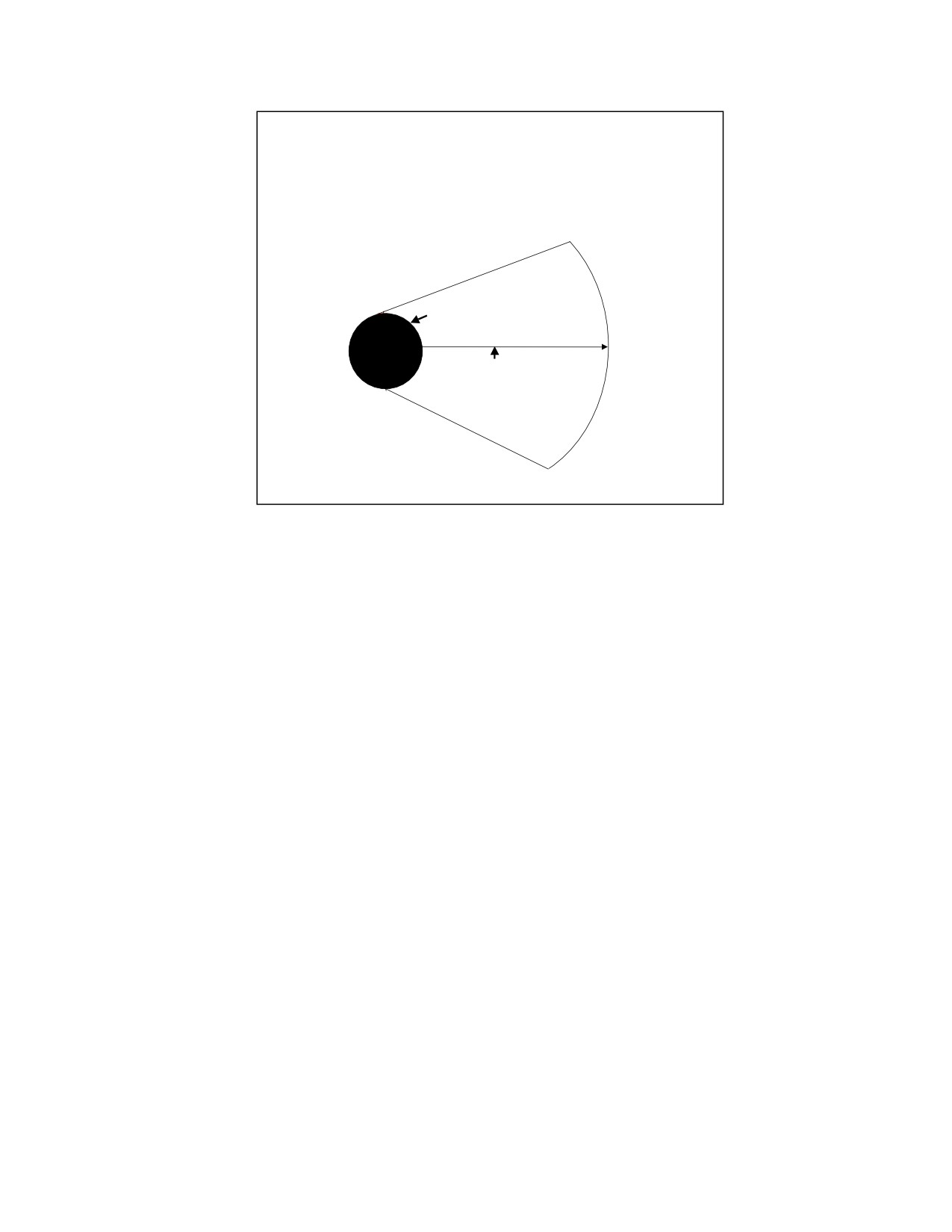
For practical purposes, the protective action zone (e.g., the area in which people are at risk
of harmful exposure) is a square whose length and width are the same as the downwind
distance as shown in Figure G-1. The hazard is located at the center of the circle, which
represents the initial isolation zone around the hazard. Emergency action evacuation
measures must consider that many TIM, including water-reactive poison inhalation
hazards, may enter a river or stream and travel with the current, creating a substantial
downstream hazard.
When evacuating the hazard area, individuals should wear clothing that prevents
deposition of liquid on and minimizes injury to exposed skin. NBC protective clothing may
be used.
Do not permit evacuees to congregate at established safe distances. Evacuation to
established safe distances does not guarantee complete safety for evacuated personnel.
When possible, move evacuated personnel to a designated location by a specific route and
to a distance where additional movement is not required following a radical wind shift.
G-4
EXAMPLE-
SMALL TIM RELEASE (Night)
PROTECTIVE ACTION ZONE
(Wind > 10 kmph)
EQUALS ISOLATION
DISTANCE FOUND IN
NAERG
SPILL
(TIM)
PROTECTIVE ACTION DISTANCE
(Downwind Distance from NAERG)
Figure G-1. Protective Action Zone
c.
In-Place Protection. Use in-place protection (Appendix J, Table J-2) when
evacuation may cause greater risk than remaining in place or when successful evacuation
cannot be conducted. In-place protection may not be the option of choice if the TIM vapors
are flammable, the hazard is persistent, or buildings cannot be closed tightly.
Although vehicles are not as effective as buildings, vehicles can offer some protection
for a short period when windows are closed and the ventilating system is shut off. Warn
persons that are protected in place to stay clear of windows due to the danger from glass
and projectiles in the event of a fire or explosion. Maintain communications with in-place
protected personnel to advise them of changing conditions. Communications are a
psychological lifeline for personnel cut off from freedom of movement and information.
4.
Vulnerability Mitigation
Since TIM incidents differ, each will have special problems and considerations.
During planning, attempt to secure pertinent information involving production, storage
facilities, distribution, and transportation of TIM. As a minimum, obtain the type,
quantity, and specific risk from fire, explosion, toxicity, corrosive effects, and/or persistency
of gas. Sources for this information include appropriate scientific, civilian industrial, and
chemical defense experts; safety reports and MSDS on the facility; international code
markings on storage tanks; and local civilian authorities who have emergency response
procedures and resources.
A thorough vulnerability analysis provides an initial estimate of the NBC threat and
is the first step toward mitigating the operational effects of damage or destruction of a TIM
facility. Determining the TIM hazard/threat in an AO is a primary responsibility of the
medical and supporting preventive medicine staff. They are supported by the chemical and
G-5
civil affairs staffs. Prior to entry into the area, area assessment teams provide information
involving TIM hazard production, storage facilities, and suspected hazard areas. These
teams can also assess the threat to a given facility and provide input about previous
industrial operations at the facility.
a.
TIM Precautions.
(1)
When no release has occurred, establish a minimum safety exclusion zone
based upon mission requirements, surveys, and assessments of the TIM facility.
Additionally, if possible, units should avoid encamping within 10 km of a potential TIM
release.
(2)
If a TIM release occurs, evacuate beyond the safety exclusion zone
established by the incident or on site commander. When mission requirements dictate
entering the exclusion zone for unknown TIM, personnel should wear, at minimum, the
following:
•
Positive pressure (pressure demand) SCBA (Mine Safety and Health
Administration/National Institute of Operational Safety and Health approved).
•
Fully encapsulated, gas-tight, and vapor-tight (Level A) chemical-resistant
suit.
•
Chemical-resistant inner gloves.
•
Chemical-resistant outer gloves.
•
Two-way radio communications.
•
Other recommended safety equipment as appropriate (to determine what
additional equipment/supplies are available to various unit/activities, see authorization
documents such as tables of organization and equipment and/or tables of distribution and
allowances).
NOTE: Structural firefighter’s protective ensemble and MOPP do not equal a
“fully encapsulated chemical-resistant suit.”
(3)
Reduce safety exclusion areas only after performing a detailed survey and
assessment of the extent of the probable hazard area.
(4)
When friendly units are required to operate in an area where a potential
TIM facility exists, NBC defense planning should include the following actions:
G-6
(a) Coordinate with HN ERT.
•
US forces have no jurisdiction outside DOD installations except for
the continuing obligation to safeguard US lives and property.
•
DOS must be integrated into the decision-making process in
OCONUS operations.
•
Teams may be from the HN government, HN armed forces, or the
industrial facility involved.
•
Communicating sensitive tasks and tasks requiring immediate
response may hinder task accomplishment in non-English-speaking countries. Arrange for
interpreters/translators.
(b) Identify the probable TIM, extent of possible contamination,
minimum protective equipment, and personnel safety considerations. Develop a matrix to
determine the minimum safe distance to the hazard.
(c)
Coordinate with higher headquarters and HN to identify support
availability.
•
Identify emergency response and assistance teams (e.g., technical
escort units or similar civilian agencies).
•
Anticipate scenarios requiring coordinated responses.
(d) Develop an incident response plan. For detailed information and
procedures for response plans, refer to the following publications that provide excellent
templates for plan development: AFI 32-4001, Disaster Preparedness Planning and
Operations; AFMAN 32-4004, Emergency Response Operations; and AFMAN 32-4013,
Hazardous Material Emergency Planning and Response Guide.
(e) Implement the TIM recon plan and assign units to prepare and
execute the recon missions.
(f)
Use commercial detectors, such as Draeger tubes, which can provide
confirmation of individual TIM. However, chemical reactions and combustion by-products
produce toxic products that may not be identified by these detectors.
(g) Coordinate with theater medical elements (e.g., preventive medicine
team) for follow-on industrial hygiene assessments as dictated by mission requirements.
(h) Coordinate with in-theater technical escort unit elements for follow-
on technical support, if appropriate.
G-7
(i)
Coordinate with engineer elements if the facility in question was
damaged or destroyed or assessments indicate it is abandoned.
(j)
Coordinate with decon elements for decon of contaminated personnel
and equipment.
(k) Coordinate for delivery of collected samples to the in-theater
supporting medical laboratory.
(l)
Avoid hazard areas as long as possible. When conducting recon or
rescue operations near or within the hazard, equip ground survey teams with respiratory
protection (SCBA) and skin protection certified for the TIM. Use aerial, visual recon to
help collect C2 information to assist with incident management.
(m) Survey IAW established procedures (i.e., FM 3-19, NBC
Reconnaissance) to determine the limits of the hazard. Mark hazard areas IAW STANAG
2002, Warning Signs for the Marking of Contaminated or Dangerous Land Areas, Complete
Equipments, Supplies and Stores. Annotate the identified TIM on the marker.
b.
Risk Management Summary.
(1)
Exposures exceeding the permissible exposure limits and
published exposure levels immediately dangerous to life and health (IDLH).
Mandate personal protective equipment commensurate with the hazard, to include
individual and collective protective equipment.
NOTE: See reference sources such as the applicable MSDS that are available for
the different chemical warfare agents and toxic industrial chemicals for
information on exposure limits.
(2)
Potential skin absorption and irritation sources. Evaluate hazards
for water and air reactivity; explosive, combustible, or other mixture hazards; and toxicity
hazards. Mark and template potential hazard zones and plan and institute protective
measures.
(3)
Potential eye irritation sources. Provide IPE or other protective
measures to keep individual exposure within prescribed safe limits.
(4)
Oxygen deficiency. Evaluate hazards that might cause decreases in
oxygen level and install warning devices that alert to oxygen deficient levels.
G-8
Appendix H
FIXED SITE DECONTAMINATION
1.
Overview
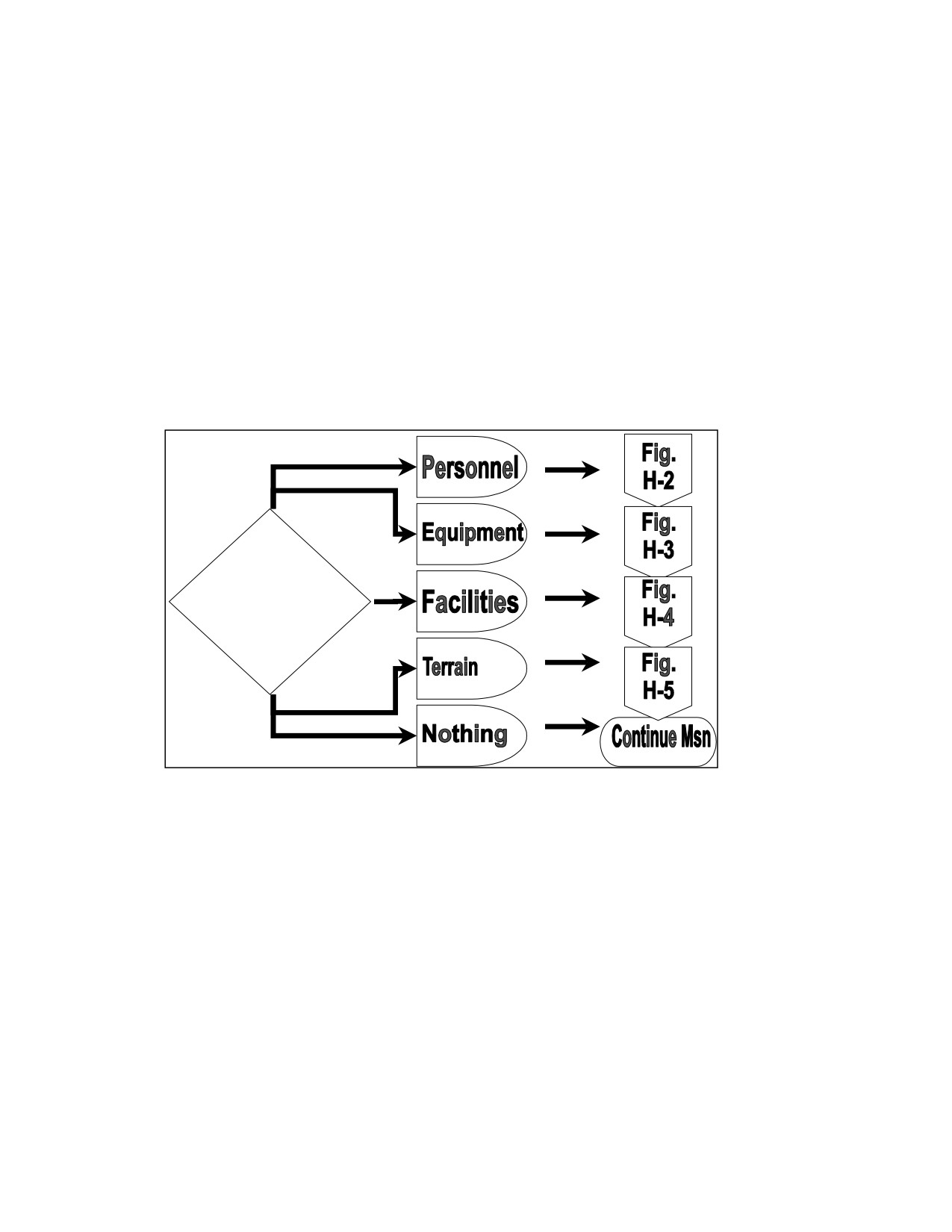
This appendix begins with a series of decision/logic charts (see Figure H-1) for
assisting commanders with decontamination decisions. Excluding some different
techniques for specialized equipment, personnel and equipment decontamination
procedures referred to in these charts (see Figures H-2 and H-3) are essentially the same
throughout the services and are addressed in specific service doctrinal manuals.
However, the remainder of the appendix focuses on facilities and terrain decon
techniques (see Figures H-4 and H-5) since very few detailed TTP exist in any single
reference.
What Is
Contaminated
?
Figure H-1. Decon Decisions
2.
Decontamination Decision Logic
a.
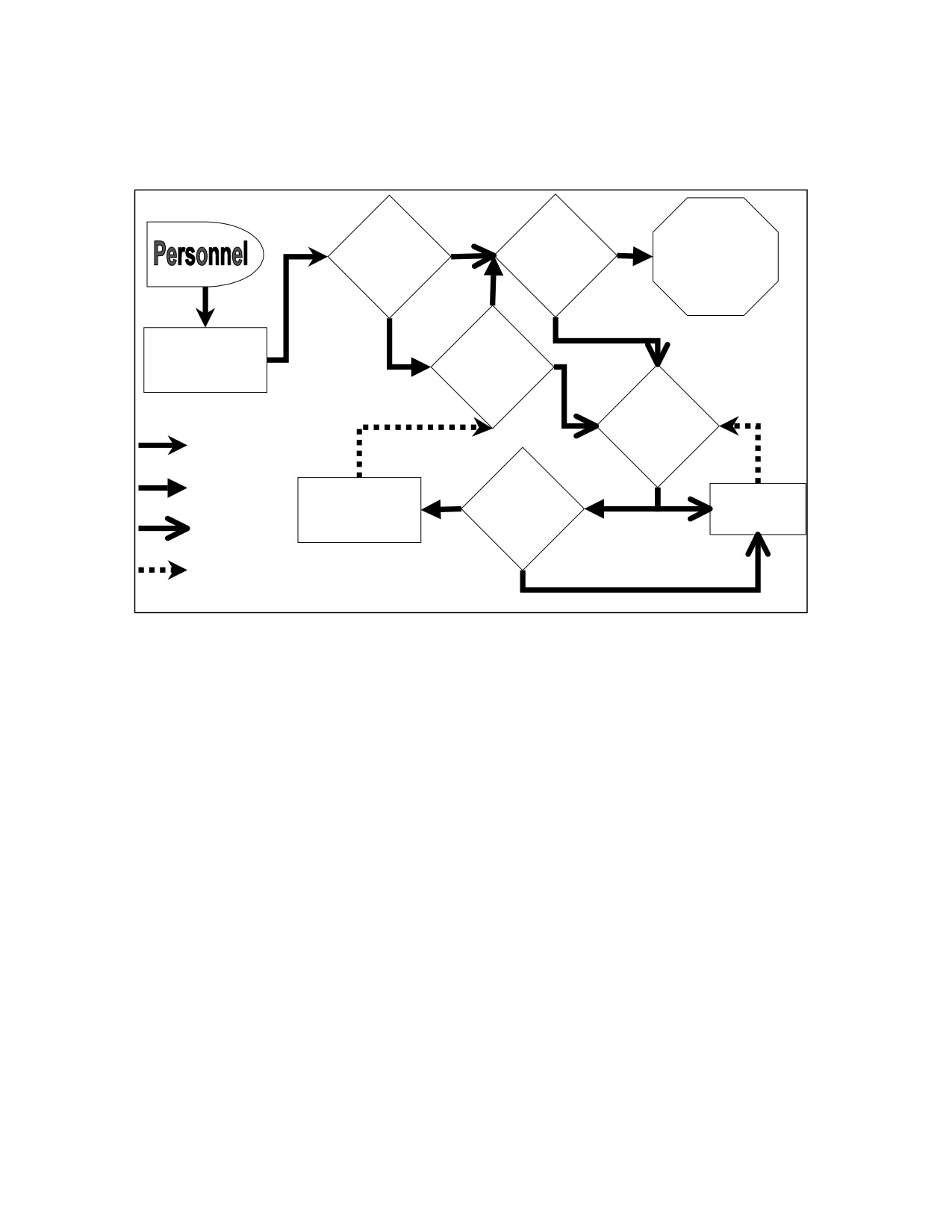
Personnel Contamination. Contaminated personnel automatically perform
immediate decontamination as soon as possible after the attack. Beyond immediate
decontamination, the commander must make decisions (see Figure H-2) based on answers
to questions affecting his mission. “Can the mission be accomplished in MOPP?” is a
question of immediate importance and drives subsequent decisions. The commander’s goal
is to accomplish the mission with minimum degradation from MOPP balanced with the
requirement to protect personnel from the NBC hazard. If time and resources are
insufficient for a thorough decon, the commander considers the same requirements for
operational decontamination. Remember, operational decontamination is not the preferred
end state because it incurs risk and degradation until thorough decon and weathering
(normally for extended periods) can occur. Additionally, protective overgarments provide
protection for a limited time based upon the specific overgarment. Extended periods in
H-1
contaminated clothing increase contamination risks to personnel. JSLIST overgarments
provide 24 hours of protection after liquid contamination.
Can
Are
Msn Be
Resources
Thorough
Accomplished
Available For
In MOPP
Thorough
Decon
?
Decon?
Does
Immediate
Time Allow
Decon
Thorough
Decon?
Does
Time Allow
Operational
Proceed
Decon?
Are
Yes
Resources
Operational
Continue
Available for
Decon
Operational
Mission
No
Decon
?
Proceed Later
Figure H-2. Personnel Decisions
b.
Equipment Contamination. After decontaminating themselves, personnel
perform immediate decontamination on contaminated individual equipment. As personnel
perform immediate decontamination, the commander determines if the remaining
contamination will cause unacceptable mission performance degradation. If acceptable,
the commander continues the mission assuming an element of risk requiring frequent
reassessment.
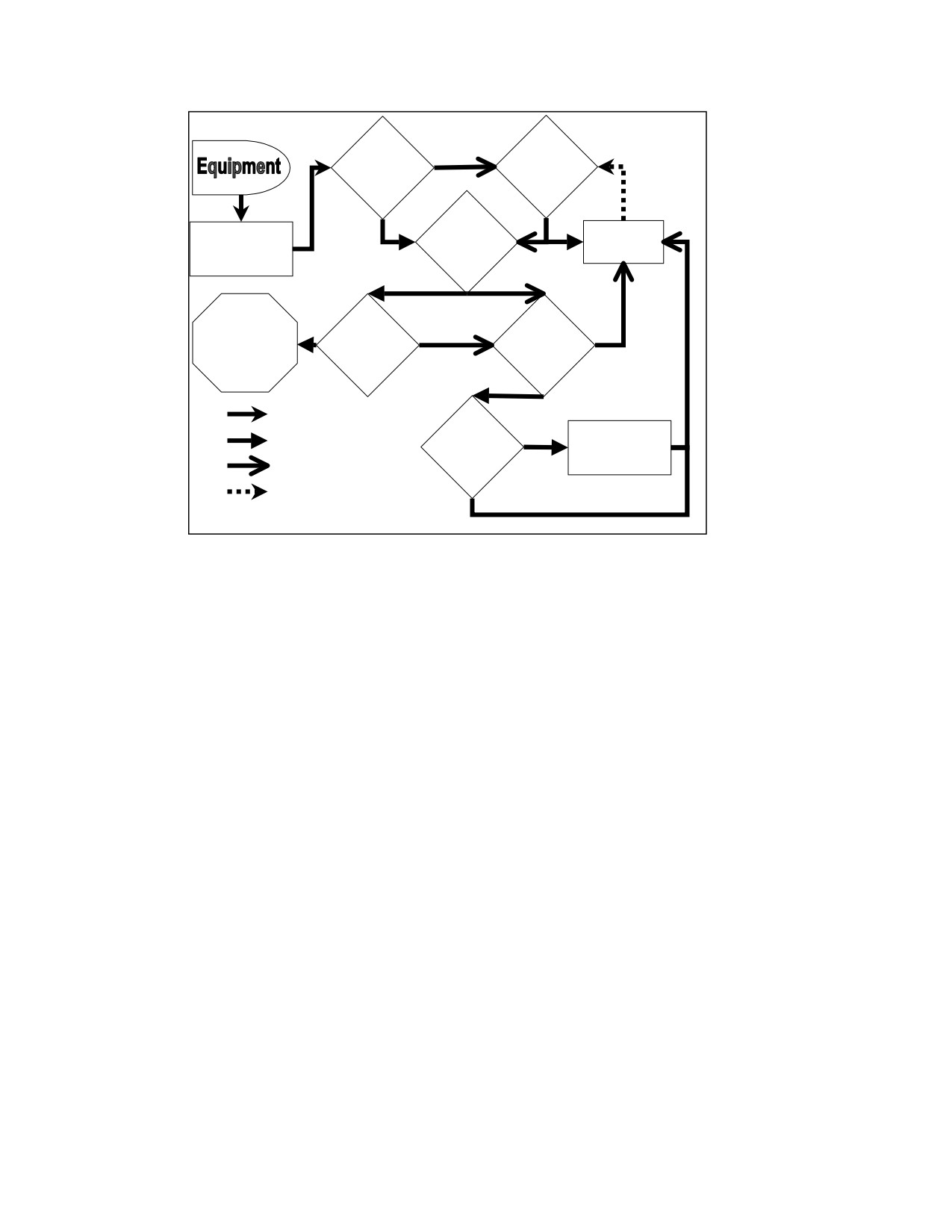
When risks are unacceptable, the commander considers operational or thorough
decon (see Figure H-3). The staff’s recommendation is based on available time and
resources. Ideally, if both are available, conduct thorough decon. If time and resources are
limited, consider operational decon to provide temporary relief from MOPP and reduce
contamination on equipment. If time or resources don’t permit operational decon, continue
the mission with periodic reviews of risk and resources.
H-2
Will
Are
Contamination
Risks
Cause Msn
Acceptable
Failure
?
?
Does
Time Allow
Continue
Immediate
Thorough
Mission
Decon
Decon
?
Are
Does
Resources
Thorough
Time Allow
Available For
Decon
Thorough
Operational
Decon
Decon?
?
Proceed
Are
Resources
Yes
Operational
Available For
Operational
Decon
No
Decon
?
Proceed Later
Figure H-3. Equipment Decisions
c.
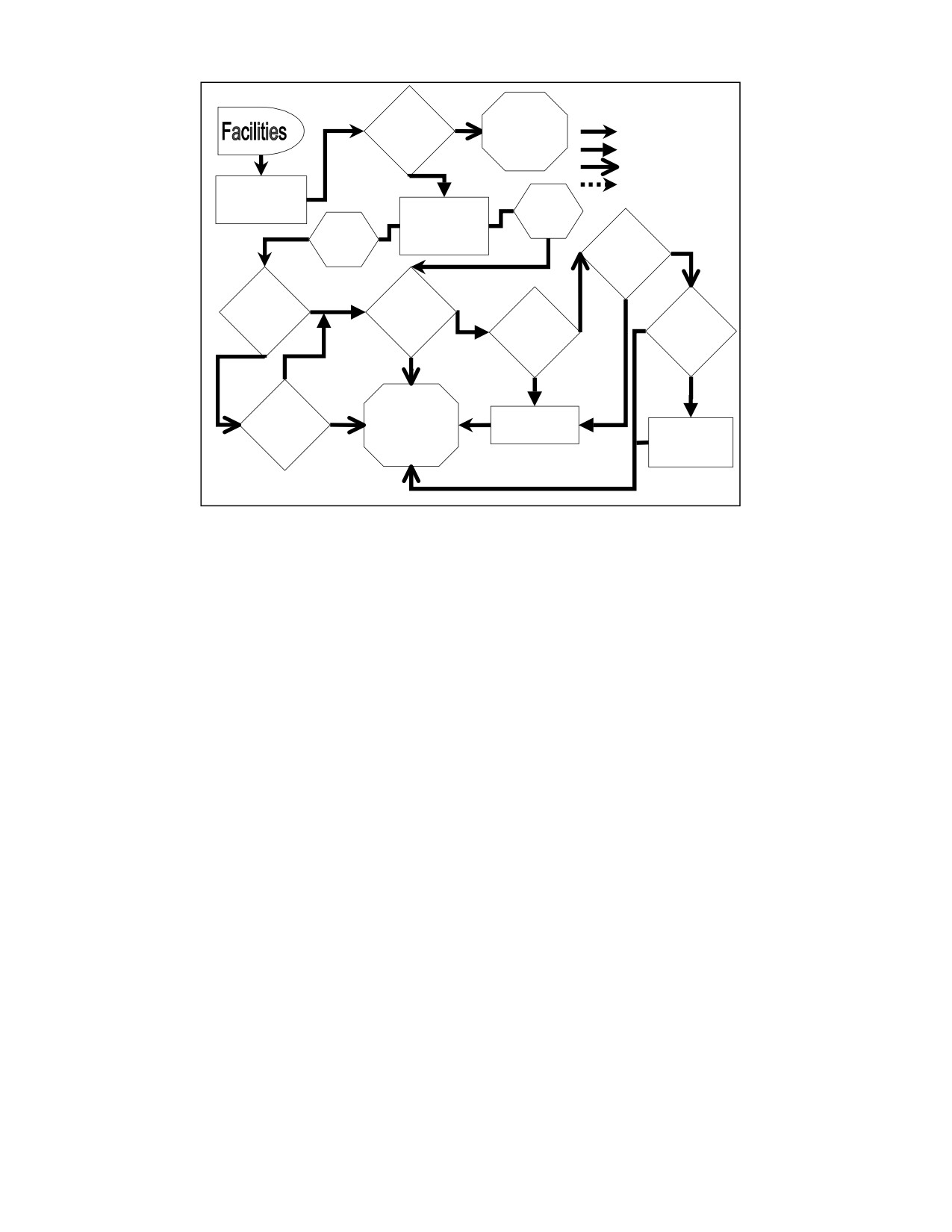
Facility Contamination. If facilities are contaminated (see Figure H-4), the
first actions are marking, reporting, and warning of the contamination and closing the
facility to incoming traffic and aircraft except emergency vehicles. This allows the
commander to determine the extent of contamination in mission-essential facilities. In
partially contaminated facilities, the commander determines if the contaminated area is
mission-essential or creating a vapor hazard. If the answer is “no” to both questions, the
commander continues the mission and the area is remediated postconflict, if necessary.
Contamination hazards that may cause mission failure or pose unacceptable risk
require the commander and staff to determine if mission functions can move to another
facility within the base/base cluster. If the function(s) can’t be moved within the base/base
cluster, the commander and staff consider relocating the function(s) to another redundant
facility in theater; if not a viable option, consider operational decon. Remember, as with
contaminated terrain, contaminated facilities may require postconflict remediation. If
decontamination is the only viable option, see Table H-8 and Table H-9 for further
assistance.
H-3
Is
Facility
Abandon &
Msn
Remediate
Proceed
Essential
Post-Conflict
Yes
?
No
Proceed Later
Mark, Report,
and Warn
Determine
Completely
Can
Extent of
Partially
Msn Be
Contamination
Moved To
Redundant
Facility
Will
Is the
?
Hazard
Area(s)
Can
Cause
Does
Msn
Msn Be
Unacceptable
Essential
Moved
Time Allow
Risk
Operational
?
?
w/i Base
Cluster
Decon?
?
Is
There a
Continue Msn
Move/Transfer
Vapor
& Remediate
Msn
Operational
Hazard
Postconflict
?
Decon
Figure H-4. Facility Decisions
d.
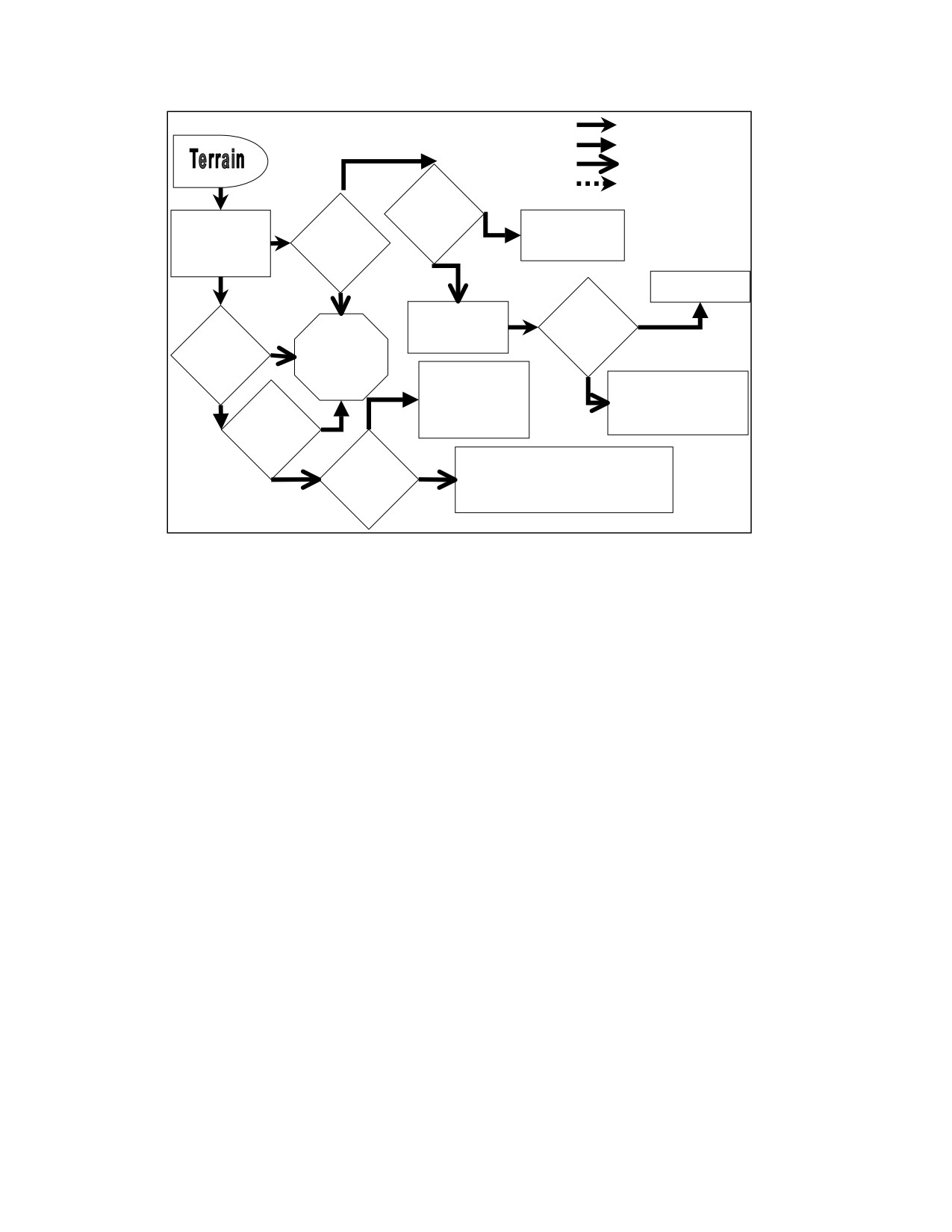
Terrain Contamination. Contaminated terrain (see Figure H-5) poses two
problems: a hazardous obstacle to operations and a downwind hazard. Units encountering
contamination mark and report the area so other units can receive warning. While the
area will likely require postconflict environmental remediation, continue the mission if it is
neither an obstacle nor a downwind hazard.
As with any obstacle, the commander can choose to breach or not use the area in the
vicinity of the NBC hazard. Regardless, ensure personnel are protected to the maximum
extent possible while sustaining combat operations. Breaching operations are hasty or
deliberate based on mission, time available, and resources. In either case, personnel and
equipment are checked afterward for contamination and may require decon.
Contaminated terrain may pose a hazard downwind. Avoiding the hazard by
relocating may not support mission requirements, and prolonged operations in increased
protection (MOPP) may also be unacceptable. If so, the commander may have to cover,
remove, or decon the hazard to reduce mission risks. As with breaching, work crews and
equipment will likely require decontamination.
H-4
Proceed
Yes
No
Can
Proceed Later
Units In
Is
Vapor Area
Move to Clean
There A
Relocate
Mark, Report,
AO & Continue
and Warn
Downwind
?
Msn
Hazard
?
Continue Msn
Increase MOPP
Is
Degradation
Is
& Continue
Acceptable
Hazard
Continue Msn
Msn
?
An
& Remediate
Obstacle
Postconflict
Increase MOPP;
Decon/Cover/Remove
?
Breach, Continue
Msn; & Decon
Hazard; Continue Msn
Is
& Decon Personnel/
Personnel/
There A
Equipment
Equipment
Bypass
?
Increase MOPP; Conduct Deliberate
Does Msn
Breach by Disarming, Covering, or
Require Hasty
Removing Hazard; Continue Msn &
Breach
Decon Personnel/Equipment
?
Figure H-5. Terrain Decisions
3.
Facility Decontamination
Decontamination of fixed sites is resource intensive and should only be considered
when MOPP degradation is unacceptable and mission accomplishment is at risk. Facilities
can be heated, flushed, disinfected, and neutralized (see Table H-1) to remove or destroy
the contamination. Regardless of the technique chosen, decontamination should be limited
to those facilities and portions of those facilities that are absolutely mission-essential,
without which mission objectives are endangered. All remaining facilities/portions of
facilities (appropriately marked) will be decontaminated as necessary during postconflict
operations. Commanders and staffs must be ruthless in deciding what can and what can’t
be replaced and, consequently, what must be decontaminated and what must be removed.
The proper implementation of contamination avoidance and contamination control
measures directly influence the amount and extent of decontamination operations required
in the postattack environment. In simple terms, preventive activities are much easier to
accomplish than decontamination activities. For example, create shuffle boxes or troughs
containing decontamination mixtures for use at facility entrance points.
H-5

Table H-1. Facilities Decontamination
DECON OF:
POSSIBLE ACTIONS
Flush: Effective for removing loose radioactive contamination. However, a condition known as
Nuclear
rainout may leave a film on some surfaces that resists flushing. Flushing combined with scrubbing
Contamination
the contaminated surface should remove all contamination.1,2
Heat: Large amounts of heat, both dry heat and steam, may be used to destroy/neutralize biological
contamination. Heat may be combined with the application of ultraviolet (UV) light from commercially
available UV lamps.3, 4 Do not expose personnel to UV lamps while they are being used.
Flush: Effective for removing biological agents, to include diluting toxins. Flushing does not
Biological
neutralize biological agents, but transfers the contaminants from your immediate area to a
Contamination
contained area (sump) where they may be neutralized.1,5
Disinfect: Ensure the disinfectant won’t destroy the facility that is being decontaminated. Use items
such as, but not limited to, those shown in the decontaminants reference for standard and
nonstandard decontaminants.2
Heat: If air filtration systems are available, reduce the agent to a vapor hazard with heat (dry) and
allow the filtration system to absorb or exhaust the hazard. Remove the filter and dispose of
appropriately.
Chemical
Flush: Not effective for removing some types of chemical agents, especially thickened agents.
Contamination
Flushing does not neutralize chemical agents, but transfers the contaminants from your immediate
area to a contained area (sump) where they may be neutralized.1
Neutralize:
See Table H-7 and service specific manuals for standard and nonstandard
decontaminants.
Monitoring
Monitor surfaces immediately after decontamination operations and before use. Periodically monitor
Operations
surfaces for residual/missed/resurfacing contamination.
1 Control of waste water is of vital importance, as flushing removes contamination but doesn’t
neutralize it.
2
Not all decontaminants are suitable for interior decontamination. Users must consider the agent
and type of surface requiring decon.
NOTES
3 When using heat, users must consider the combustibility of the materials being heated.
4 Some biological agents are heat stable; therefore, heat will not work as a decontaminant. Check
with medical staff personnel to determine which agents may be destroyed/neutralized using heat.
5 Scrub rough surfaces after flushing or applying the disinfectant. This avoids embedding
contamination into the surface.
a.
Radiological Decontamination. Radioactive contaminants cannot be made
safe by chemical action. They must be removed or shielded if it is impractical to wait for
natural decay. Therefore, radiological decontamination is the process of reducing the
radiation hazard to an acceptable level by removal and disposal of the contamination or by
placing shielding over the contamination. Table H-2 describes various types of
decontaminants proven effective in the removal of radiological contamination. Table H-3
discusses different pieces of equipment that may be used to remove contamination from
facilities, and Table H-4 discusses types of surfaces and decontaminants that may be used
on them. These tables are not all-inclusive, but should be used with caution following the
safety measures discussed in Appendix G, Toxic Industrial Materials.
H-6

Table H-2. Radiological Contamination Removal Methods
Decontaminant
Type
Remarks
Soapless detergent, soap, wetting agent
Detergent
Practical for field use.
Gasoline, kerosene
Solvent
Practical for field use.
Water, steam
Solvent
Practical for field use.
Potassium hydroxide, sodium hydroxide,
Solvent
Practical for field use.
trisodium phosphate, sodium orthosilicate
Acetone, alcohol, ether, paint remover
Solvent
Practical for small-scale operations only.
Citrates, citric acid, sodium versenates,
Complexing agent
Practical for small-scale operations only.
polyphosphates
Aqua regia1, hydrochloric acid1, nitric acid1
Corroding agent
Practical for small-scale operations only.
1To be handled by experienced personnel only.
Table H-3. Radiological Decontamination Equipment
Items
Use
PDDA
Can provide 400 gallons of heated water. Spray vital areas/equipment.
Broom/Brush
Brush dust from personnel, clothing, equipment, and surfaces.
Shovel
Remove/bury/dispose of contaminated objects and materials.
Fire or water hose
Spray areas/equipment and control dust.
Bulldozer
Remove/bury/dispose of contaminated objects and materials.
Long-handled scraper
Scrape paint.
Steam cleaner
Clean machinery and dirty surfaces.
Water-carrying or moving equipment
Haul water.
Containers
Move/control waste.
Table H-4. Radiological DecontaminationFixed Site Facilities
Surface
Method
Advantages
Disadvantages
Runoff must be controlled. Protection
Water
Most practical method for gross decon.
needed from contaminated spray.
Most commonly available reagent.
Detergent
Mild action. Waste must be controlled.
Removes grease films.
Requires application from 5 to 30 minutes
for effectiveness. Little penetrating power;
Complexing
hence, of small value on weathered
Holds contaminants in solution.
agents
surfaces. Single agent not effective for all
contaminants. Not always available. Waste
must be controlled.
Scrubbing with
Personnel in close contact with
Greater surface action than water and
water and
contaminants. Not always available. Waste
detergent alone.
detergent
must be controlled.
Organic
Paint
solvents(gasoline,
kerosene,
Toxic and flammable. Requires good
turpentine,
Quick dissolving action.
ventilation and fire precautions. Waste
acetone, ether,
must be controlled.
commercial paint
removers)
Minimum contact required with
Personnel hazard. Not to be used on
Caustics
contaminated surface. Contamination
aluminum or magnesium. Waste must be
reduced almost 100 percent.
controlled.
Complete removal of surface and
Abrasion (wet)
contamination. Feasible for large-
Too harsh for many surfaces.
scale operations.
Strippable
Best applied before contamination occurs.
Ease of use.
coatings
Control of powder residue necessary.
H-7

Table H-4. Radiological DecontaminationFixed Site Facilities
(Continued)
Surface
Method
Advantages
Disadvantages
Detergent
Readily available.
Same as for painted surfaces.
Complexing
Glass
Holds contaminants in solution.
Same as for painted surfaces.
agents
Oxidizing acids
Single agent not universally applicable.
and agents
Personnel hazard.
Water
Most practical method of gross decon.
Same as for painted surfaces.
Detergent
Removes oil or grease films.
Same as for painted surfaces.
Complexing
Holds contaminants in solution.
Same as for painted surfaces.
agents
Organic solvents
Stripping of grease.
Same as for painted surfaces.
Brushing,
Removes contaminated dust when
Contaminated dust hazard to personnel.
sweeping, wiping
water isn’t readily available.
Metal
Removes part of surface. Good ventilation
Inorganic acids
Fast, complete decontamination.
required; acid fumes toxic to personnel.
Action of weak acid reduces
Acid mixtures
contamination on unweathered
Same as for inorganic acids.
surfaces.
Oxidizing acids
Decon relatively complete for inert
Same as for inorganic acids.
and agents
metals.
Ultrasonics
Removes adhering dust contaminants.
Requires specialized equipment.
Abrasion (vacuum
Direct and complete removal of
Contamination of equipment.
Concrete
blasting
contaminated dust.
Vacuum cleaning
Direct removal of contaminated dust.
Same as for vacuum blasting on concrete.
and Brick
For large concrete surfaces
Drives some of the contaminant into the
Water
contaminated with dust and dirt.
surface. Waste must be controlled.
Complete removal of contamination.
Wood
Planing
May impair use.
Minimum dust hazard.
b.
Biological Decontamination. Many of the same decontaminants used for
radiological and chemical decontamination are used for biological decontamination. Table
H-5 provides a listing of standard and nonstandard decontaminants, as well as their
applications and limitations for biological decon. Table H-6 provides “how to” guidance for
decontamination of biological agents from fixed site facilities. Decontamination is less of
an issue with biological agents than with chemical agents or radiological fallout. Biological
agents, if efficiently aerosolized in particles of up to 5 microns, will remain suspended in
air until they are either inhaled or destroyed by UV radiation. Personal decontamination
could involve just changing clothing and showering. Decontamination of facilities generally
would only be necessary in cases such as a munition being used in or adjacent to a facility.
H-8

Table H-5. Chemical Decontaminants for Biological Agents
Decon
Application
Limitations
Remarks
Agent
Vapors are highly toxic. Vapors of
formalin are not flammable; open
flame should not be used for
Applied as aerosol from standard
vaporizing when methanol has
insecticide sprayers or vaporized
been added to formalin. When
by heat or steam through pan of
steam is used, source of steam
Formalin
material (contact time, 16 hrs).
should be outside area being
One qt of undiluted formalin or
deconned. Will not penetrate cloth
Formalin-
4/5 qt of formalin-methanol
Once vaporization has started,
and similar fabrics as effectively
methanol
mixture/1,000ft3 above 70oF with a
personnel should not enter area
as other agents. Bulk and weight
mixture (5
relative humidity of 85%. The
until process is completed. Take
of large liquid quantities may
parts
minimum effective relative
care to prevent leakage of
damage delicate instruments.
formalin
humidity is 70%. The minimum
solution during storage.
Dampness may curl and ripple
and 3 parts
effective temperature is 60oF, at
paper. Vapor polymerizes and
methanol)
which temperature the exposure
deposits white powder on
time should be increased to 24
horizontal surfaces; this powder
hrs. Aerate after decon until odor
may be washed off with hot water.
is no longer objectionable.
Handlers are required to wear
SCBA, rubber gloves, and
protective clothing.
In ordinary storage, loss of
available chlorine is <1%/month.
For horizontal surfaces, apply
When free chlorine falls below
slurry of 7 parts STB to 93 parts
Corrosive to metals. Do not inhale
10%, bleach should be salvaged.
water. Applied preferably from a
or allow to contact the skin. Wear
As available free chlorine is lost,
STB
PDDA. Avg coverage = 1gal/8 yd2
protective mask or other
increase STB content in slurry.
(7 m2) for porous surfaces such
respiratory protective device when
Stored in unheated warehouse
as concrete and ½ gal/m2 for
preparing slurry.
isolated from combustibles and
closely packed surfaces.
metals subject to corrosion.
Packaged in 8-gal drums.
Applied to surfaces with brushes,
FLAMMABLE. Do not allow
brooms, or swabs, or sprayed
contact with skin; remove from
Packaged ready to use in 5-gal
DS2
from portable decon apparatus.
skin and metals. Highly corrosive
drums.
Surfaces should be flushed with
to some metals; destroys some
water after 30 min.
fabrics.
Highly corrosive to metals. Loses
chlorine content rapidly. Do not
Use a slurry of 3 parts HTH and
Packaged in 5-lb cans and 100-lb
Calcium
inhale or allow contact with skin
97 parts water for horizontal
drums. Contains about 70%
hypochlorite
and eyes. Wear protective mask
surfaces. Approximate coverage
available chlorine when
HTH
or other respiratory protective
is 1 gal/8 yd2 (7 m2).
packaged.
device and rubber gloves when
preparing slurry.
Apply (undiluted) with brooms,
brushes, or swabs. Can be
Remove from skin and clothing
Sodium
Undiluted, it is harmful to skin and
sprayed (diluted half-and-half with
by flushing with large amount of
hypochlorite
clothing. Corrosive to metals
water) by means of a PDDA.
water. Contains about 5.25%
(household
unless rinsed, dried, and
Dilute for cotton clothing (1/2 cup
available chlorine. Store in cool
bleach)
lubricated after decon.
to 1 gallon water). Coverage
place.
same as STB and HTH.
A thickened bleach containing (by
weight) 19.3% diatomaceous
Very corrosive to metals. Mix
earth, 0.5% anionic wetting agent,
wetting agent and diatomaceous
2.9% calcium hypochlorite (70%
earth with water before adding the
Detro-
available chlorine), and 77.3%
Average coverage is 1 gal/8 yd2
calcium hypochlorite. Mixing the
chlorite
water. Apply to vertical surfaces
(7 m2).
wetting agent and calcium
by means of a PDDA. Following
hypochlorite in a dry undiluted
a contact time of at least 30 min,
state may result in an explosion.
the mixture is removed by
washing the surface with water.
H-9

Table H-5. Chemical Decontaminants for Biological Agents
(Continued)
Decon
Application
Limitations
Remarks
Agent
Remove immediately from skin
Highly toxic. Corrosive to skin,
and eyes. Keep caustic soda
Caustic
Average application: 1 gal/m2
eyes, and clothing. 5% solution will
solution in steel or glass
soda or lye
on horizontal surfaces; solution
deteriorate wool and cotton. Highly
containers equipped with rubber
(sodium
strength should be 10% by
corrosive to most metals. Solution
stoppers, wired or taped in
hydroxide)
weight.
should not be mixed in aluminum,
place when not in use. Store
tin, copper, or zinc containers.
solid caustic soda in sealed
steel drums to keep dry.
Table H-6. Biological Agent Decontamination Methods
Item
Method
Remarks
Apply detrochlorite. Leave on at least 30 min, then flush with
Buildings:
Sun and rain eliminate most
water. Apply STB slurry to vertical surfaces by manual means
microorganisms within 1 day.
or PDDA. Slurry may be left on exteriors. Weather.
Exterior
Use betapriopiolactone (BPL) vapors to decontaminate small
Seal building before fumigation and
Interior
quantities of substate. Aerate thoroughly afterwards. Wash
aerate thoroughly afterwards.
with soap and water. BPL is highly toxic.
Air (enclosed
Air relatively free from
Filter air by means of protective collector.
areas)
microorganisms.
Apply 2% household bleach solution.
Porous walls,
May be applied by PDDA on large
Apply slurry of 7 parts STB and 93 parts water (by weight).
and floors
areas.
Apply 10% caustic soda solution.
c.
Chemical Decontamination. Table H-7 focuses on the type of
decontaminants, standard and nonstandard, used on chemical agents. Table H-8 discusses
facility decontamination, focusing on the surfaces and decontaminants rather than on how
to accomplish the decontamination.
Table H-7. Decontaminants for Toxic Chemical Warfare Agents
Chemical Agents
Decontaminants
Remarks
Applied by apparatus or by brushes, brooms, and
All chemical agents
DS2 solution
swabs.
Powder absorbs contamination, doesn’t neutralize
Fuller’s earth
it.
All liquid agents
Water-dispersible solution (1.34 lb GUNK/gal
Detergent/wetting agent; GUNK
kerosene).
Sodium hydroxide (caustic soda or lye)
Water solution (0.5 lb lye/gal water).
Sodium hypochlorite (household
Unstable as solid; more stable in solution; 5%
bleach)
available chlorine.
Blister, G- and V-agents
STB
White powder containing 30% available chlorine.
Chloramide powder
Effective against fine droplets and vapors only.
Steam
Hydrolyzes certain chemical agents.
Blister and G-agents
Limited hydrolysis, surfactant helps remove
Soap and water
agent.
Oxidizing agent; packaged at 70% available
Blister and V-agents
HTH
chlorine.
G-agents and irritant
Sodium carbonate (washing soda)
White, alkaline powder; dissolves easily in water.
agents
G- (GA, GB, GD) and V-
Slurry, hot soapy water, alkali solution,
STB and GA produce toxic vapors; use steam
agents
or DS2
and ammonia in confined areas.
H-10

Table H-7. Decontaminants for Toxic Chemical Warfare Agents
(Continued)
Chemical Agents
Decontaminants
Remarks
Dry STB on liquid mustard produces flame and
Mustards (H, HD, HN, HQ,
STB, slurry, DS2, or Fuller’s earth
toxic vapors; STB stable in sealed container up to
HT)
10 years. Don’t mix DS2 and STB.
Decon products are toxic, fairly stable,
Lewisite (L); mustard-
STB, slurry, DS2, water, or caustic
nonvolatile, and insoluble in water; alkali solutions
lewisite mixture (HL);
soda
destroy vesicant properties. Don’t mix DS2 and
arsines (PD), (ED), (MD)
STB.
Phosgene oxime
Large amounts of water or DS2
Liquid above 39oF; readily soluble in water.
Water followed by alkali solution or
Phosgene (CG)
CG liquid below 47oF.
DS2
Cyanogen chloride (CK),
Sodium hydroxide solution or DS2
CK liquid below 55oF; AC liquid below 77oF.
hydrocyanic acid (AC)
Adamsite
Slurry or DS2
Aeration is sufficient in the field.
Diphenylchloroarsine,
Alkali solution or DS2
Aeration is sufficient in the field.
diphenylcyanoarsine
Aeration for vapors; remains in soil for a long
Chlorobenzylmalinotriol
Water or 5% sodium bisulfite solution
time.
Chloroacetophenone (CN),
Hot sodium carbonate solution, hot
Aeration for vapors.
CN solution
sodium hydroxide, or hot soapy water
Sulfur trioxide-
Alkali solution water followed by alkali
Corrosive to metals when moist; acidic, destroys
chlorosulfonic acid
solution or hot soapy water
nylon and paint almost immediately.
Titanium tetachloride (FM)
Water or alkali solution
Corrosive to metals.
3-Quinuclidinyl Benzilate
Hot soapy water
Table H-8. Chemical ContaminationFacilities Decontamination
Structure
Decontamination Method
Remarks
This applies to all types of surfaces.
Exterior Building
Apply STB slurry to vertical surfaces by manual means or
Apply STB or dry mix on ground
PDDA; slurry may be left on exteriors.
where any waste water/liquids flow.
Weather.
Extensive time requirements.
Wood or
Apply slurry with PDDA, brooms, or swabs. Let slurry remain
Masonry Roofs
12-24 hrs; flush and repeat application, then flush again.
Immerse in boiling soapy water for 1 hr. Use 5% solution of
Canvas,
Dispose of these items. Use
washing soda for G-agents. Launder by standard methods.
Tarpaulins Tents
these measures only for
Aerate (except for V-agents). Use slurry. Use chloramide
extraordinary circumstances.
powder.
Interior
Wash with soap and water. Aerate.
Air (in inhabited,
Renders air free from chemical
Filter air by means of protective collector.
enclosed spaces)
agents.
Use DS2. Wash with hot soapy water. Wash with clear
Glass
Blot off surface. Aerate. Weather.
water or organic solvent.
H-11

Table H-8. Chemical ContaminationFacilities Decontamination
(Continued)
Structure
Decontamination Method
Remarks
Use DS2. Wash with hot soapy water. Wash with clear
Lenses
Blot off surface. Aerate. Weather.
water or organic solvent.
Machinery
Use DS2 and rinse. Wash with hot soapy water. Weather.
Apply grease to moving parts.
4.
Terrain Decontamination
It may also be necessary to decontaminate surfaces around or leading to a facility.
The manpower and resources expended to decontaminate a road or large areas of terrain
can be prohibitively expensive and time consuming. Conduct terrain decontamination only
after a very careful weighing of all alternatives. Consider Table H-9 if terrain decon is
essential.
Table H-9. Road/Surface Decontamination
Contaminated Surface
Recommended Methods
or Object
Cover with STB; when
Flush with water. Spray with
liquid contaminant is
Asphalt Roads
slurry.
visible and personnel are
nearby, use dry mix.
Spray with slurry or apply
Weather. Cover small areas
with brushes and brooms.
Wash with soapy water,
Brick and Stone Roads
or paths across roads with
Let remain 24 hrs, then flush
preferably hot.
10 cm (4 in) of earth.
with water.
Concrete Roads
Spray with slurry.
Cover with STB or dry mix.
Cover with STB; when
Hard Surfaced Roads
liquid contaminant is
(packed dirt, gravel -not
Pour, spray, spread oil.
visible and personnel are
loose surfaces)
nearby, use dry mix.
H-12
Appendix I
RETROGRADE OF EQUIPMENT WITH RESIDUAL
NBC CONTAMINATION
This appendix provides detailed procedures for determining and reducing residual
contamination levels on equipment contaminated in an NBC battle space environment.
Procedures are also included for marking this equipment, maintaining historical records,
conducting periodic monitoring, and transporting this equipment out of the JOA to a
CONUS retrograde destination.
1.
Objective
The safety of service members and transport personnel is of foremost concern during
the CONUS retrograde of equipment with potential residual or low-level NBC
contamination. These procedures are intended to protect personnel against low-level NBC
exposure resulting from maintenance or transportation actions, conserve valuable assets,
and maintain DOD life cycle control of previously contaminated equipment. With current
decon technology constraints, some equipment may require extensive weathering to meet
safety objectives, and in some cases, equipment may require destruction. Generally, civil
aircraft will not be used to transport equipment with residual NBC contamination due to
safety and legal concerns. Additionally, execution of these procedures will require
extensive support from subject matter experts, government agencies, and senior leadership.
2.
Overview
a.
For purposes of this document, “residual contamination” is defined as: 1)
postattack/incident contamination not currently detectable by standard field detectors (e.g.,
CAM, M8A1, M256, RADIAC meters) and 2) contamination that remains on equipment
after thorough decontamination.
NOTE: Any equipment present in the templated hazard attack area (per STANAG
2103, ATP 45) may demonstrate residual contamination when monitored by
specialized detectors available at specified fixed sites in the JRA.
Following thorough decon, residual contamination risks include potential vapor
hazards and limited contact hazards. These risks increase as residually contaminated
equipment is consolidated and personnel work around this equipment for prolonged
periods, particularly in areas with limited air circulation. Risks may also increase as
equipment is disassembled for maintenance functions or containerized for shipment.
b.
Suggested retrograde procedures involving chemical agents are based on
compliance with published AEL. DA Pam 385-61, Toxic Chemical Agent Safety Standards,
defines AEL as, “allowable concentrations in the air for occupational and general
population exposures.” Although that document is intended for chemical depot application
as opposed to warfighting, its historical provision for the safety of chemical depot workers
supports its credibility as a guide to toxic agent safety in a CONUS retrograde scenario.
Companion documents include 29 Code of Federal Regulations 1910.119 and Army
I-1
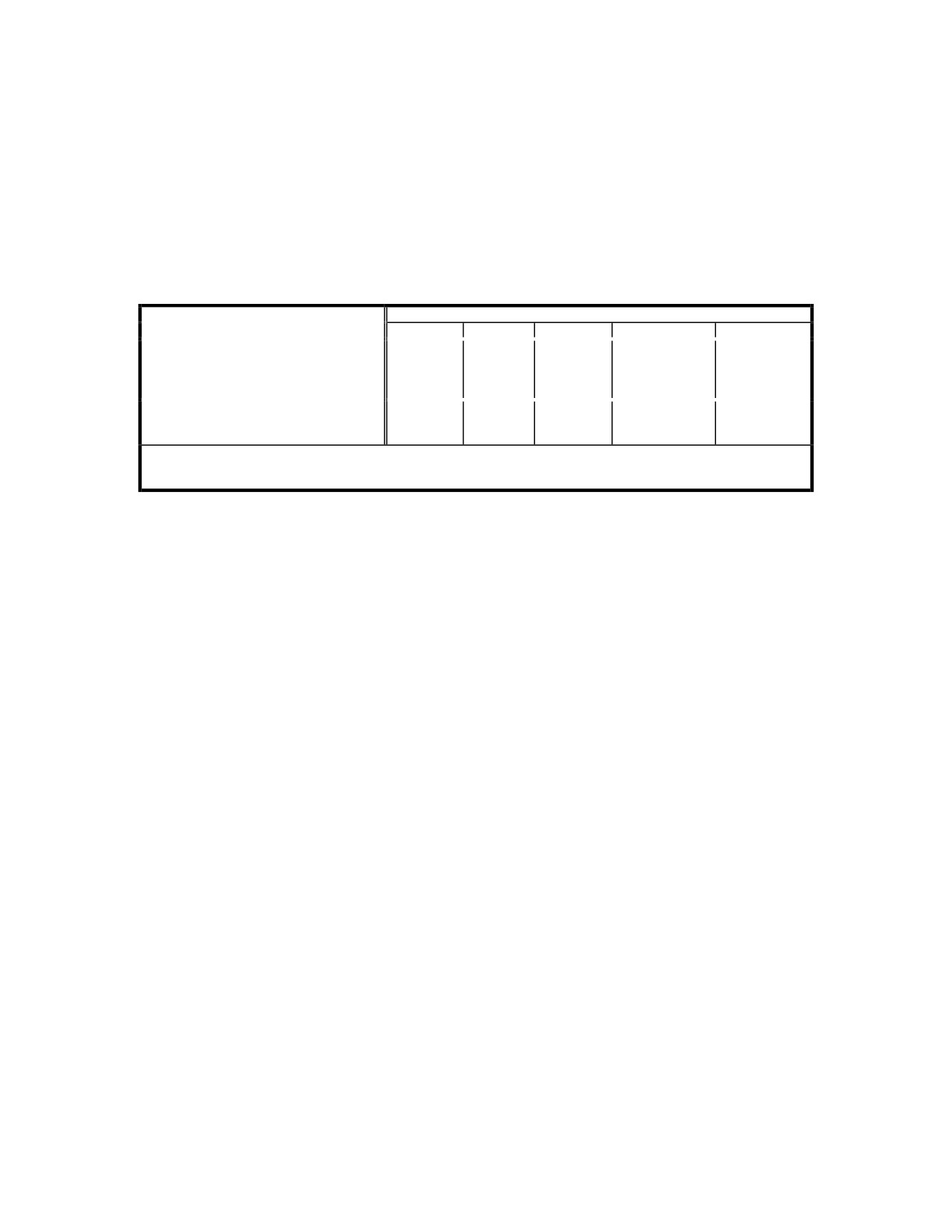
Regulation (AR) 385-61. Table I-1 provides AEL for nerve agents GD, tabun (GA), GB, and
VX; mustard agents H/HD/HT; and lewisite.
NOTE: Although not necessarily “agent workers,” this appendix applies the AEL
standards of the 8-hour time weighted average (TWA) for an unmasked “agent
worker” and corresponding ceiling values to DOD/DOD contract personnel
involved in CONUS retrograde operations.
Table I-1. Airborne Exposure Limits
Occupational
Chemical Agents (mg/m3)
Scenario
GD
GA/GB
VX
H, HD, HT
L
Unmasked Agent Worker
8-hour TWA* in any work shift and
max exposure in any period (ceiling
.00003
.0001
.00001
.003
.003
value)
Source Emission Limit
.0001
.0003
.0003
.03
.03
NOTE:
* TWA = Average exposure limits for an 8-hour day and a 40-hour work week to which nearly all unmasked
agent workers can be exposed day after day without known adverse health effects.
c.
It is also recognized that variations of these chemical warfare agents or different
agents may be used in the battle space, in which case, decisions at national/strategic levels
may be necessary. Appendix I, Annex 1 lists military and industrial detectors capable of
providing detection at these sensitivities and some practical constraints and limitations.
d.
Although some nuclear and biological retrograde procedures are discussed,
methods to mitigate these residual hazards are primarily functions of removal and “death”
of the agent as defined by nuclear and biological decay rates, except for spores. For residual
radiation, if the particles cannot be removed, the time required for natural decay is a
function of the isotope’s half-life and cannot be hurried. At this point, distance, limited
exposure time, and shielding between personnel and the contaminated equipment are the
only means of reducing exposure risks. Biological agents generally “die” within hours after
dissemination and exposure to UV light (sunlight). For more robust biological agents,
thorough decon and preparation of equipment to US Department of Agriculture (USDA)
import standards will eliminate most health threats; even so, continuing precautions are
warranted. Because of the small particle size of the typical BW agent, some agent may
adhere to internal equipment surfaces, creating a risk to unwarned maintenance personnel
touching facial areas after contact with these internal surfaces.
e.
In addition to the NBC considerations, this appendix addresses two equipment
retrograde scenarios: emergency equipment retrograde and nonemergency equipment
retrograde. The emergency scenario is predicated upon immediate mission requirements
such as the depot-level rebuild of a critical shortage end item (e.g., a jet engine). The
nonemergency scenario is basically a postconflict redeployment of military equipment.
Although an infinite amount of time is unrealistic for nonemergency retrograde, planning
should address significant time requirements for agent weathering.
I-2
3.
Concept of the Operation
The safe retrograde and long-term disposition of equipment with residual
contamination require a thorough understanding at all levels of the associated risks and
the minimum requirements necessary to mitigate those risks. Figure I-1 identifies the
minimum essential tasks associated with these retrograde operations. Responsibilities and
detailed guidance for performing these tasks follow later in the appendix.
Minimum Essential Tasks
Mark Equipment.
• Equipment is marked as precautionary measure to indicate possible/actual
contamination. Applies to equipment in templated attack areas regardless of decon
values.
Determine Residual Contamination.
• Residual Contamination is confirmed/denied using specialized equipment in the JRA.
Reduce Residual Contamination.
• Reduction may require additional thorough decon, extreme decon, or extensive
weathering. Some equipment may require destruction/approved disposal.
Maintain Historical Records.
• Historical records maintain precautionary controls for remaining equipment life.
Conduct Periodic Monitoring of Equipment.
• Monitoring before, during, and after transport requires specialized equipment and
provides warning of increasing risks of off-gassing.
Transport Equipment.
• Regardless of contamination levels, crew areas are monitored and protection is available.
• Coordinate early with customs and ensure appropriate security throughout trip.
Figure I-1. Minimum Essential Tasks
Generally, three words capture the goals of NBC retrograde operations: mission,
protection, and control (Figure I-2). Prioritization of these three goals is a function of
operational timing and the extent of contamination. For example, under emergency
conditions, strategic and operational objectives may warrant increased risks and require
increased protective postures to meet mission requirements. However, in a nonemergency
situation, those same risks may be unacceptable and more stringent contamination control
measures may be required to support lower individual protection levels.
NBC RETROGRADE GOALS
Mission
• Support strategic and operational objectives.
Protection
• Protect the force and mission resources from NBC hazards.
Control
• Control contamination and previously contaminated equipment for the
remainder of its life cycle, including its final destruction.
Figure I-2. NBC Retrograde Goals
I-3
a.
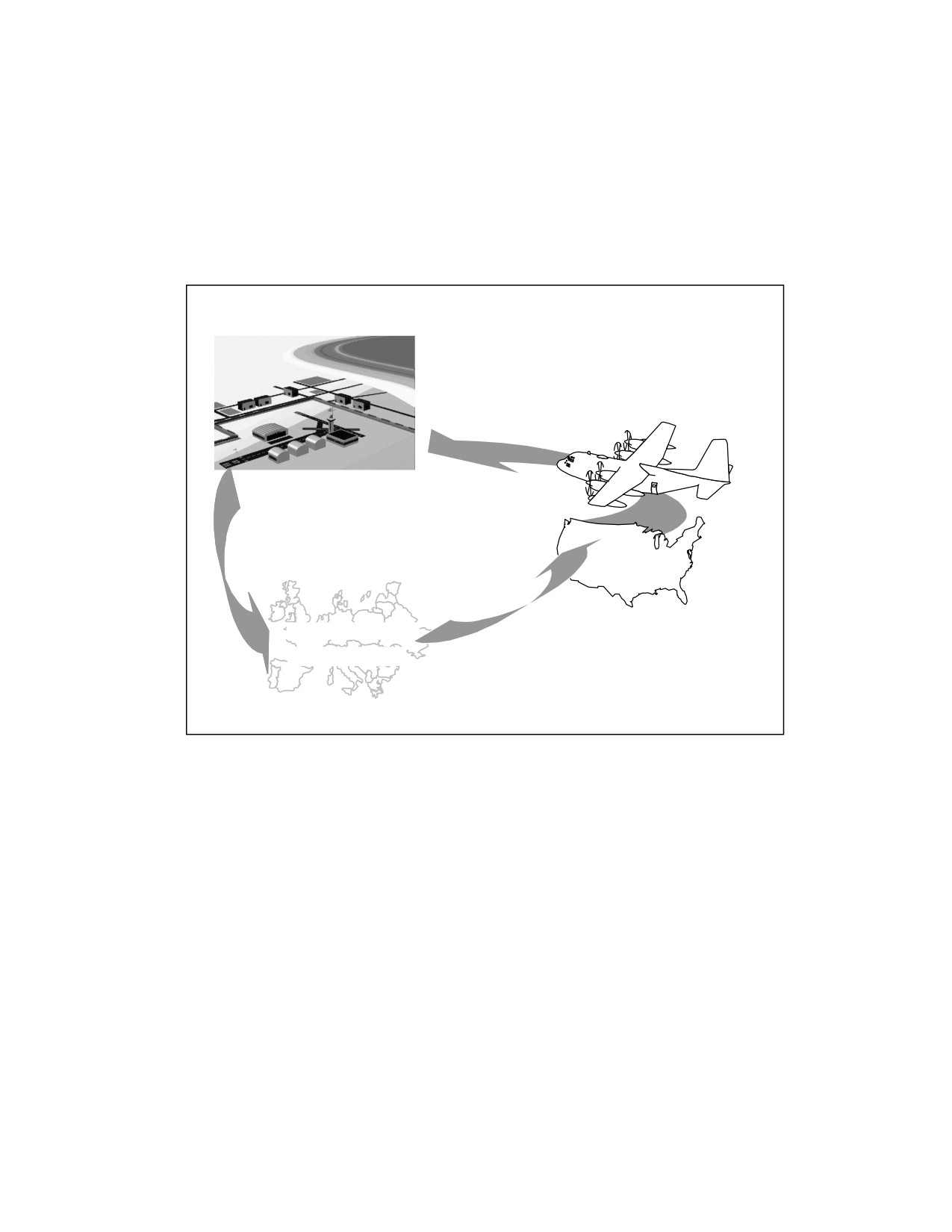
Emergency Retrograde Concept. The emergency retrograde concept shown
in Figure I-3 is based on the presumption a conflict is ongoing and failure to return critical
items to the CONUS or intermediate locations results in an unacceptable strategic and
operational situation. If mission requirements necessitate a speedy return to depot, then
risks must be mitigated with additional contamination control measures, increased
detection, and protection for transporters and maintainers.
Emergency Retrograde Concept
• Critical Mission Equipment
JOA
• Operational/Thorough Decon
• Stringent Contamination Control Measures
• Stringent Individual Protection Measures
• Stringent Contamination
Control Measures
• In-Transit Monitoring
• On Order Increase
Individual Protection
• Stringent Contamination
Intermediate
Control Measures
Location??
• Monitored Work Areas
• Stringent Individual Protection
Measures
• Extreme Decon Measures
Figure I-3. Emergency Retrograde Concept
(1)
Emergency retrograde requirements.
(a) Define and communicate the emergency. Before initiating
actions to retrograde potentially contaminated equipment to the CONUS for repair/rebuild,
the JRAC determines if the emergency conditions and risks involved warrant such action.
In some cases, providing new items via CONUS repair/rebuild is more effective.
Regardless, the intent to retrograde residually contaminated equipment must be
communicated through the Chairman of the Joint Chiefs of Staff (CJCS) due to potential
risks and political/environmental sensitivities.
I-4
(b) Determine the impact(s). Emergency retrograde requires valuable
lift assets that must be protected for future use. Additionally, selected aircraft will require
the use of CAMs in the cockpit and cargo compartment to test for vapors. If airtight
containers are unavailable to containerize the cargo, crew risks increase, as well as the
likelihood of crewmembers having to wear MOPP gear. Crews respond to increasing vapor
levels inflight by donning IPE. In most cases, these risks are not acceptable.
(2)
Emergency retrograde procedures.
(a) Preparation. When mission requirements outweigh the potential
risks of NBC emergency retrograde, the following actions should occur as minimum
preparation for movement:
•
Conduct thorough decontamination. Take additional time to
remove any parts not necessary for the CONUS action. Be meticulous with thorough decon
procedures. If commercial, high-pressure steam cleaners are available, use them to
augment the final rinse station. If low-level detectors are available at the decon site, use
them at the check/monitor station.
•
Mark equipment and initiate historical record. Use the
procedures addressed in subparagraph b, Nonemergency Retrograde Concept.
•
Prepare shipping container(s). AFJMAN 24-204, Preparing
Hazardous Materials For Military Air Shipments, addresses the packaging of chemically
contaminated cargo in hermetically sealed bags and open-head, metal drums with airtight
gaskets or using double airtight drums. Advanced coordination with the Air Mobility
Command is essential for cargo not in these containers. Extreme measures to protect the
aircraft from contamination are warranted since these aircraft support missions worldwide.
Most jet engines and some other major end items have airtight shipping containers.
However, some of these containers also have pressure relief valves that must be sealed to
ensure containment of off-gassing vapors.
When preparing to modify containers for NBC retrograde shipments, do not
assume that “water-tight” equals airtight. Many containers are constructed with
baffles to keep out water, but they allow air circulation unless all air entry/exit points are
sealed. Container modifications may also include modified gaskets around doors and one-
way ports for in-transit air monitoring if necessary. In addition to modifying American
National Standards Institute/International Standards Organization containers, the
Equipment Deployment Storage System quadruple container, triple container, and
International Standards Unit offer smaller volume options (see FM 55-80, Army Container
Operations).
•
Monitor the sealed container. If time permits, use a low-level
detector and previously discussed modifications to monitor the sealed container for at least
2 hours to verify AEL compliance.
I-5
•
Follow the checklist. Use the pretransport checklist, Figure I-18, to
ensure appropriate actions are rehearsed and protective equipment is readily available.
Ensure monitors are installed in the crew and cargo compartments. The US Army Materiel
Command can provide assistance with detector installation.
(b) Shipment. Escort personnel from the US Army Materiel Command
help monitor crew and cargo compartments during the flight. If not, loadmasters should
receive training on the operation of the installed detectors.
(3)
CONUS actions. Receiving agencies monitor inbound containers before
opening. If container modifications do not include internal air sampling ports, move the
container(s) to a designated isolation area to be opened by a qualified toxic agent worker in
Level A protection. After determining vapor concentrations, proceed with necessary actions
in the appropriate protective posture. Although work without protective masks may be
permissible at AEL levels, contact hazards may continue to pose risks mitigated by wearing
protective butyl rubber gloves. As the item is disassembled and repaired, work in a
monitored environment. Exchange economically replaceable subcomponents prior to
reassembly and remember any parts removed must be controlled or destroyed (currently by
incineration) as chemically contaminated materiel. If possible, hold the retrograded item as
an operational float for issue only under extreme mission requirements and send a
replacement item back to the JOA.
Return procedures and precautions are the same as those used to ship to the CONUS;
likewise, for JOA handling procedures follow the CONUS precautions noted above.
b.
Nonemergency Retrograde Concept. The nonemergency retrograde concept
shown in Figure I-4 assumes postconflict conditions allowing time for extraordinary decon
and weathering in the JOA before transport to CONUS destinations. Personnel assisting
the JRAC with retrograde detection, monitoring, and preparation of the equipment require
stringent personal protection and specialized detectors. These preparations require
continuous operations for weeks or months. As suspect equipment is consolidated for
monitoring, decon, and weathering, security and buffer zones around the consolidation site
provide additional contamination control measures to protect forces and HN personnel.
Although extensive measures focus on obtaining AEL for the 8-hour TWA, agent worker
standards, in-transit monitoring, and readily available crew protection remain mandatory.
Once in CONUS, precautionary measures continue throughout the remaining equipment
life cycle. This includes DOD control requirements, premaintenance monitoring, and
periodic monitoring. Additional air quality control and future legislative requirements may
drive considerations yet to be determined.
I-6
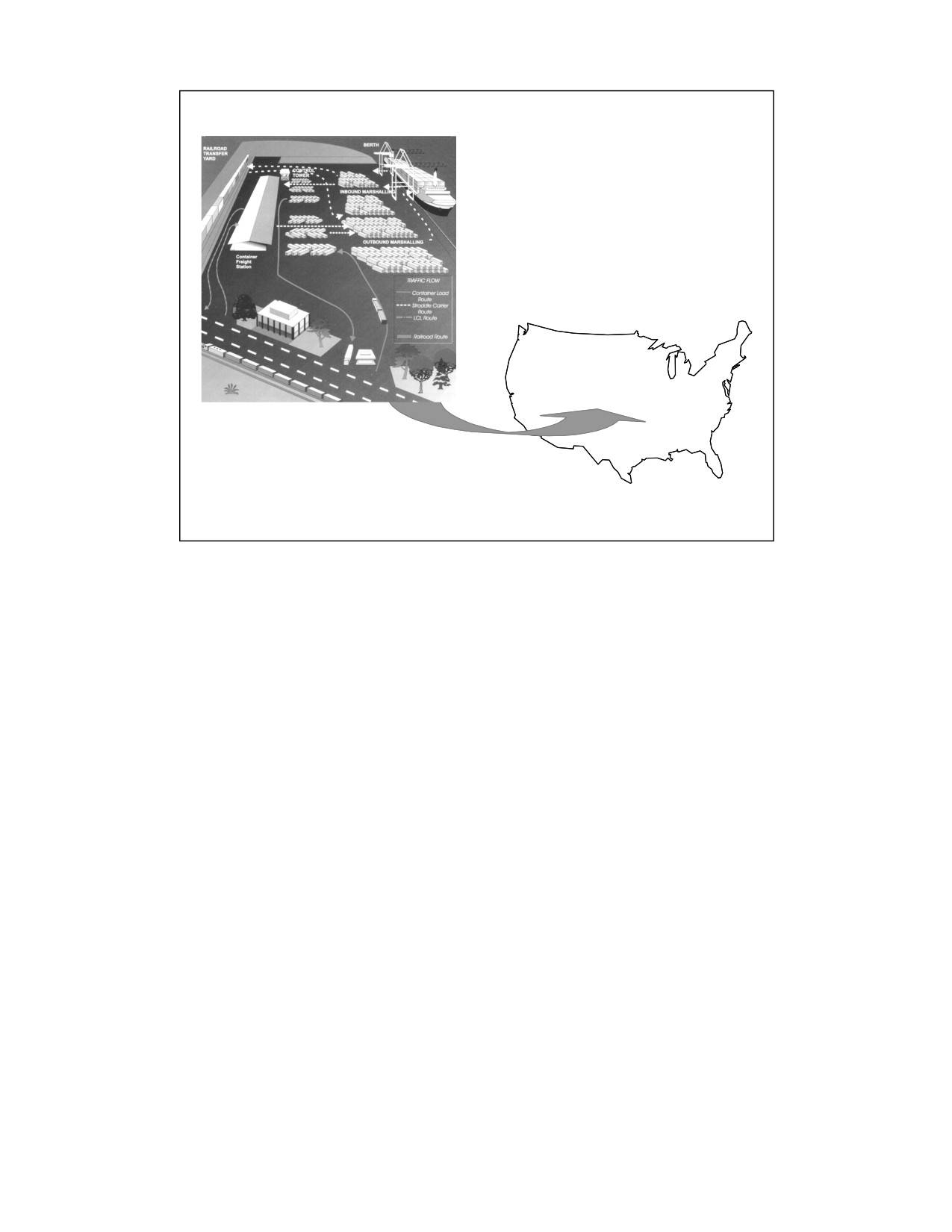
Nonemergency Retrograde Concept
• Postconflict Return to CONUS
• Specialized Monitoring
• Thorough Decon
• Extreme Decon Measures
• Weathering
• Stringent Individual Protection
Measures
• Stringent Contamination Control
Measures
Intermediate
CONUS Location
• Contamination Control
Measures
• In-Transit Monitoring
• Periodic Monitoring
• Individual Protection
• Contamination Control
Measures
• Disassembly Precautions
Figure I-4. Nonemergency Retrograde Concept
(1)
Roles and responsibility. Figures I-5 through I-7 outline significant
roles and responsibilities of commanders and personnel involved in the retrograde of
equipment with residual NBC contamination. Resolution of this challenge requires
extensive inter- and intra-agency coordination as well as cooperation. Critical actions begin
at the operator level and continue through to the organization ultimately receiving the
shipped equipment. The remainder of this appendix provides TTP for how these
roles/responsibilities are supported or accomplished.
I-7
General Roles and Responsibilities
Equipment Operator
Check Equipment for Contamination.
Conduct Immediate Decon.
Mark Equipment for Residual Contamination.
Equipment Owner
Conduct Operational Decon.
Support Thorough Decon.
Mark Equipment for Residual Contamination.
Initiate/Maintain Historical Record of Contamination.
Coordinate through Chain of Command to JRAC all NBC Retrograde Requirements.
Monitor Equipment Operators.
Receive Retrograde Equipment (Nonemergency Retrograde).
Figure I-5. General Roles and Responsibilities
Joint Rear Area Coordinator (JRAC)
Roles and Responsibilities
Task Organize NBC Retrograde Support Elements (RSE).
Train and Equip NBC RSE.
Determine Residual Contamination Levels.
Reduce Residual Contamination Levels.
• Time/Weathering.
• Thorough Decon.
• Extreme Measures.
-
Decon and Replace Parts.
–
Destroy and/or Replace Parts.
Initiate/Maintain Equipment Markings/Records.
Certify Hazardous Cargo (Emergency Retrograde).
Figure I-6. JRAC Roles and Responsibilities
I-8
Roles and Responsibilities
Army Materiel Command
Provide Technical Advice and Assistance to JFC/JRAC.
Provide Subject Matter Experts to Augment/Train RSE Transport Personnel.
Provide Additional Equipment Support to Augment RSE/Transport Commanders.
USTRANSCOM
Designate Transport Means (Sea/Air/Ground).
Approve Transport Plans/ Protective Measures.
Request/Coordinate Emergency Waivers through DOS (Emergency Retrograde).
Coordinate with USDA.
Coordinate with USPHS.
Coordinate with US Customs.
Coordinate with DOT.
Coordinate with International In-transit Waivers.
Designated Transport Commander (Sea/Air/Ground)
Determine Cargo Movement Status (Go/No Go).
Transport Equipment.
Protect Personnel/Equipment.
Monitor Transport Personnel/Cargo Areas During Movement.
Maintain Markings/Records.
Receiving Organization (Emergency Retrograde)
Protect Personnel/Facilities.
Monitor Personnel/Facilities.
Perform Emergency Actions.
Maintain Markings/Records.
Return Equipment to Theater by Designated Transport Commander.
Figure I-7. Roles and Responsibilities
c.
Possible Techniques.
(1)
Equipment operator procedures. Operators have no capability to
detect low-level NBC hazards on their equipment; therefore, with minor exception, their
post-NBC attack actions follow standard service procedures (see Figure I-8). If the operator
finds gross contamination, he conducts immediate decon and marks the equipment as
contaminated.
I-9
Equipment Operator Procedures
Identify Gross Contamination Using
Individual and Unit Detection Capabilities
Conduct Immediate Decontamination
Using Unit Equipment
Mark Contaminated Equipment
GAS
• Include DTG of
ATK/ROTA
• Include Agent/Hazard
• Include Coordinates of
ATK/ROTA
BIO
• Place Markers Where
Approaching Personnel
Can See and Respond
ATOM
Figure I-8. Operator Procedures
Marking NBC hazards is essential to warning approaching personnel and avoiding
agent transfer. This marking begins the record of contamination that follows the
equipment for its remaining life cycle. Using standard NATO NBC markers, the operator
marks the equipment so that any approaching personnel can see the hazard warning (i.e.,
front, back, and sides). This marker also identifies the requirement for subsequent
operational or thorough decon. Markers should indicate date-time group (DTG) of attack or
release other than attack (ROTA), agent or hazard, and coordinates for attack or ROTA. If
markers are not available, the operator performs this action at the earliest opportunity.
(2)
Equipment owner (unit) procedures. Unit commanders are responsible
for ensuring their personnel are protected against gross and residual contamination
hazards. Actions such as operational and thorough decon are common service procedures in
the NBC battle space environment. In most cases, these procedures reduce NBC hazards to
negligible risk levels.
Negligible risk levels allow combat and combat support missions to continue at
reduced MOPP postures, although precautions for certain groups may continue. For
example, mechanics working on previously contaminated equipment should always monitor
or take protective measures before disassembling equipment components. Also, operators
in restricted airflow cabs or compartments use the “buddy system” to observe for any
responses to low-level contamination left after thorough decon.
I-10
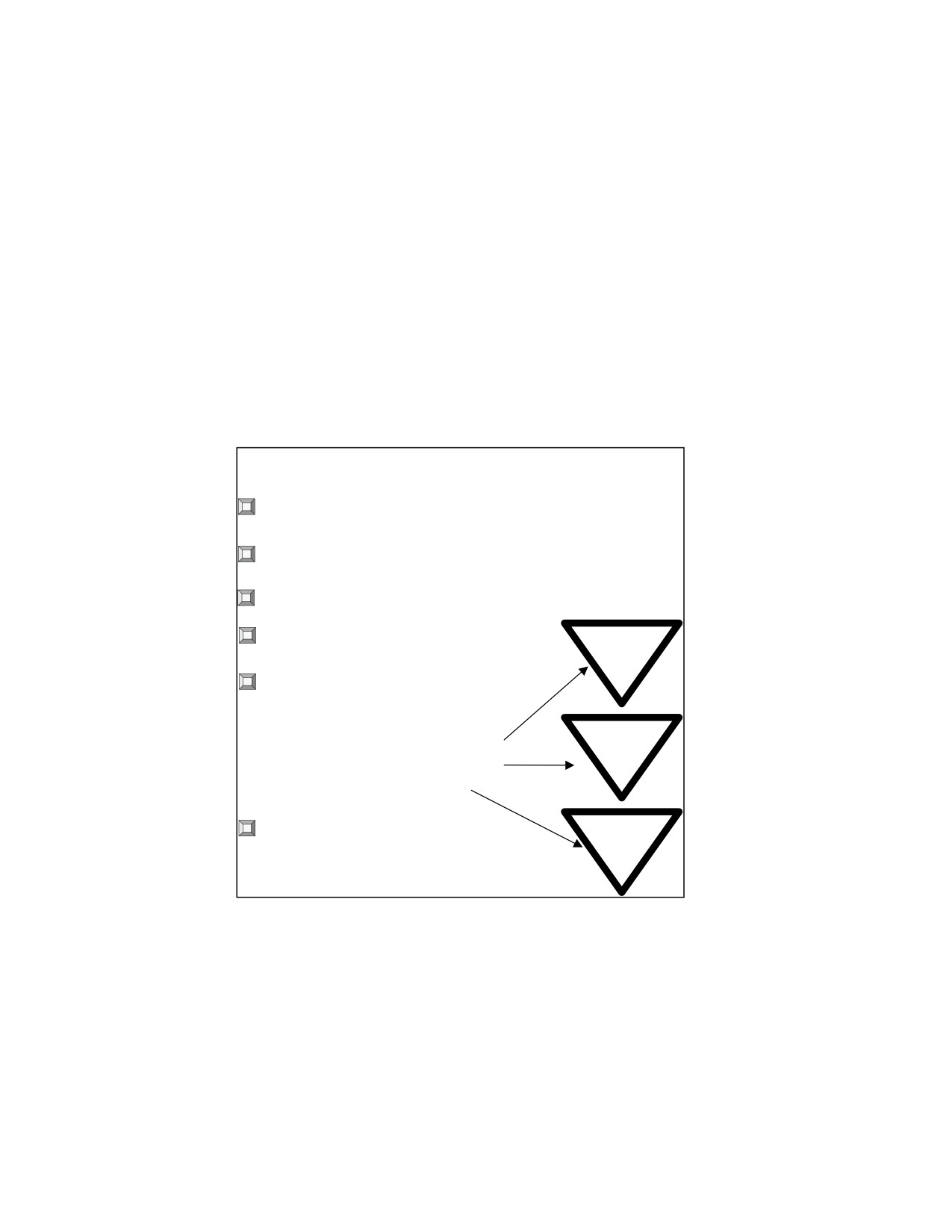
However, the concern with residual contamination is low-level exposure over extended
periods; in other words, long-term occupational exposure outside the context of
accomplishing specific combat mission objectives. Low-level agent exposures will be
annotated to appropriate personnel and medical records. Mitigating these risks requires
unit commanders to implement certain command-directed procedures (see Figure I-9)
including the following:
(a) Special markings for residual contamination. These markings
shown in Figure I-9 are placed on any equipment present in the templated STANAG 2103,
ATP 45 attack area that has not already been marked as grossly contaminated by the
operator. Grossly contaminated equipment receives operational or thorough decon, and its
marker replaced by “residual contamination markers” when unit field detectors indicate
negligible risks as identified in FM 3-5/Marine Corps Warfighting Publication (MCWP) 3-
37.3, NBC Decontamination or other applicable service manuals. Commanders may choose
to centralize execution of this task to their unit NBC reconnaissance or decon teams.
Unit Procedures
Conduct Operational Decontamination
IAW SOP
Support Thorough Decontamination
IAW SOP
Mark Residually Contaminated Equipment
Initiate Historical Record of
GAS
Contamination
Monitor Equipment
Operators/Crews
BIO
Remove all
but a 2.5”
border
Declare Dangerous Goods
ATOM
(Nonemergency Retrograde)
Figure I-9. Unit Procedures
(b) Initiation of historical contamination records. Service
maintenance records for equipment with field-detectable contamination are annotated with
the following information:
•
DTG of the attack/ROTA.
•
Agent/hazard.
I-11
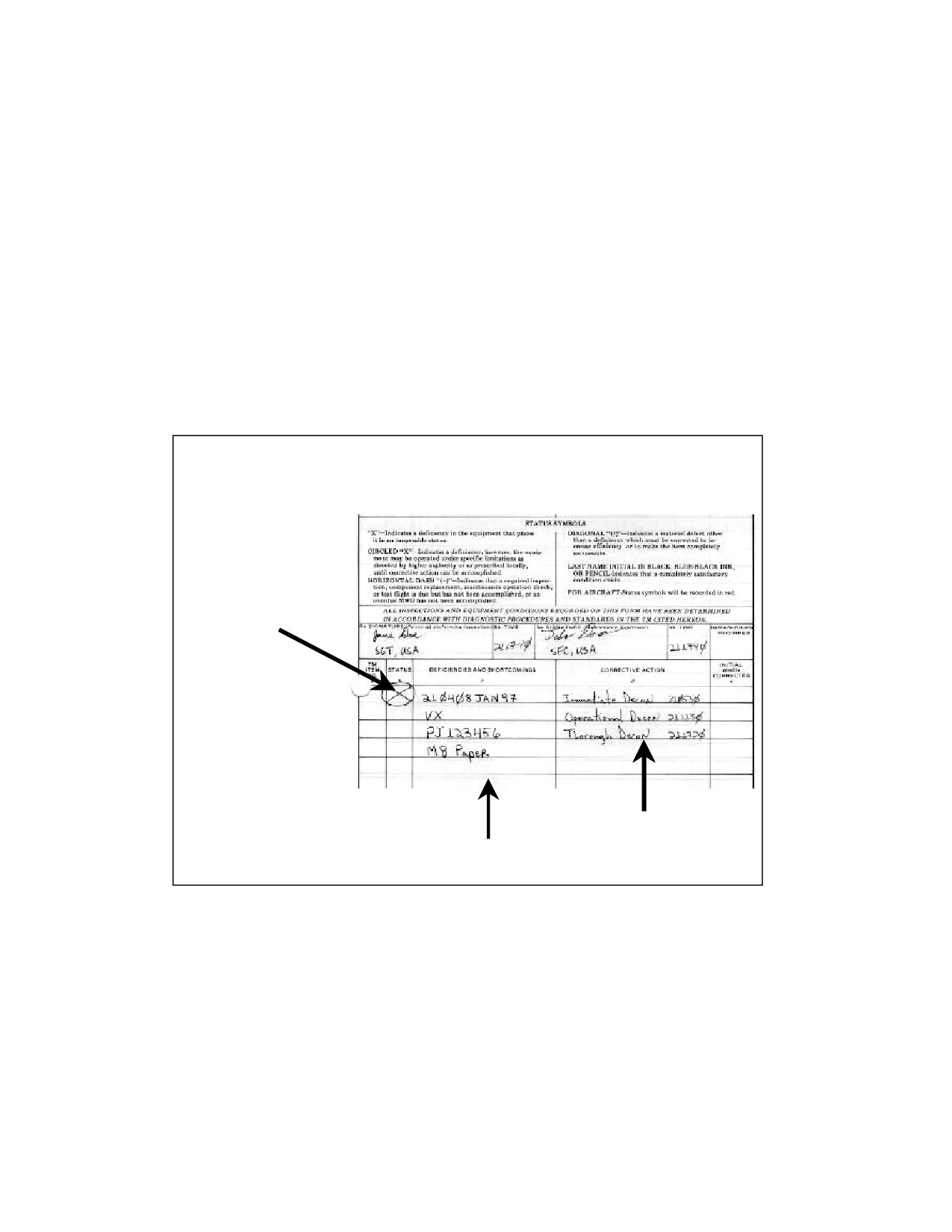
•
Coordinates for attack/ROTA.
•
Means of determining contamination.
•
Detector reading/time of reading (if applicable).
Figure I-10 provides an example using DA Form 2404 as the maintenance record.
Other services use their own corresponding forms for recording maintenance status. These
records provide important information to the NBC Retrograde Support Element (NBCRSE)
for postconflict nonemergency retrograde. For instance, in the given example, it is possible
the operator tested an M8 paper interferent that created a green color change (V-nerve).
When the NBCRSE does not detect any residual contamination on the equipment, they can
correlate attack information on the form with known NBC attacks to help validate or deny
the original detection results. Additionally, this form provides an extra warning to
maintenance personnel who read it before conducting maintenance procedures.
Initial Historical Record
Using DAform2404 as Example
For USA,
commander
approves
circled “X”
items, thus
ensuring
command
attention.
Actions
Attack
to
Information
Date
Figure I-10. Example DA Form 2404
(c)
Coordinate retrograde requirements. During redeployment
planning or when otherwise directed, unit commanders provide detailed listings of any
contaminated equipment and any suspect equipment (equipment present in templated NBC
attack areas) through their chain of command to the JRAC. This information allows
detailed planning for equipment consolidation sites and necessary decontamination assets
required by the NBCRSE.
I-12
NOTE: To avoid overload of NBC retrograde sites, it is imperative unit
commanders and staffs conduct equipment screening. The equipment does not
go to the NBC retrograde site if it was not contaminated, has not been in
templated NBC attack/release areas, or has not driven through contaminated
areas.
(d) Monitor equipment operators. Commanders implement
procedures to ensure personnel continuing combat mission support at reduced MOPP levels
are alert for signs and symptoms of agent exposures. After operational or thorough decon,
commanders may consider periodic monitoring of equipment and personnel, especially as
rising temperatures increase the risk of agent off-gassing.
(e) Receive retrograde equipment. Commanders will receive their
retrograded equipment in CONUS. This equipment will have received extensive decon by
the NBCRSE and/or weathering; therefore, delays in shipping should be expected. In some
cases, contaminant levels may warrant issuing new unit equipment. Although the
NBCRSE will decon IAW Table I-1 AEL levels, commanders will ensure historical records
are maintained and periodic monitoring is conducted IAW DOD policy.
4.
JRAC and NBC Retrograde Support Element Procedures
The JRAC plays a pivotal role in the retrograde of residually contaminated
equipment, whether under emergency or non-emergency conditions. In coordination with
the JFC and component commanders, the JRAC determines if mission requirements
warrant the risk of emergency retrograde or if another COA is acceptable. To assist with
nonemergency retrograde requirements, the JFC/JRAC will task-organize the NBCRSE to
accomplish specified tasks shown in Figure I-11.
a.
NBC Retrograde Support Element. Figure I-11 identifies tasks conducted by
the NBCRSE and recommended units/organizations that may have organic capabilities to
support the element’s mission.
I-13
NBCRSE
Functions and Possible
Tasks
Support Units/ Organizations
• Command and Control
• JRAC/Staff
• Isolate Equipment with Suspected/Actual
• USA Theater Support Command Staff
Contamination
• Support (Extent Determined by Total Equipment
Requirements)
• Verify/Deny Contamination
• US Army Material Command Subject Matter
Experts
• Reduce Contamination
• USA Chemical Corps Brigade/Battalion
• Service Decontamination Units/Assets
• Time/Weathering
• Construction Engineers
• Medical Support Unit
• Thorough Decon
• Occupational Safety and Health Administration
Representative
• Extreme Decon
• USDA Representative
• US Customs Service Representative
• Apply Permanent Markings
• US EPA Representative
• US Department of Energy Representative
• Prepare Permanent History
• Site Support Personnel (Security, Labor,
Transportation)
• Declare Hazardous Cargo/Certify Shipment
• USTRANSCOM
• Coordinate with USPHS
Figure I-11. NBCRSE Tasks and Organization Options
b.
Isolate/quarantine equipment. As equipment with known or suspected
residual contamination is consolidated into assembly areas, risk of vapor exposure may
increase due to equipment off-gassing. Redeployment planning addresses requirements for
isolated consolidation point(s) for equipment with NBC residual contamination. Figure I-12
provides suggestions for layout or construction of such a site. Anticipate using engineer
forces or contractors to construct complex sumps allowing pretreatment of decon effluents
prior to release into water systems or existing sanitation/waste water treatment facilities.
Construction of buildings to support monitoring and laboratory operations, labor force
change houses, and security facilities are added requirements if existing areas do not
provide for these critical functions. Commander, Army Materiel Command can provide
critical expertise to design, equip, man, and operate this facility. For example, this
command already has mobile laboratories and change houses mounted on trailers for use at
its various depots. A subordinate command, SBCCOM, can provide additional expertise for
inclusion of local micrometeorological sensors and centralized detector networks emplaced
throughout and outside the site.
I-14
Possible NBC Retrograde Site
Security
Security
Outbound
to
Monitoring
Facility &
Decon
Port
Ready
Yard
Ops/Lab
Yard
Buffer Zones
Chng
House
Weather &
Inbound
Reception
Salvage
Yard
from
Yard
Units
Prevailing Wind
Security
Security
Figure I-12. Possible NBC Retrograde Site
c.
Reception yard operations. During Operation DESERT STORM, retrograde
operations required over 800,000 gallons of water per day just to clean dirt from equipment
at a single port facility. This drives the requirement that unit commanders are responsible
for conducting or supporting thorough decon before arrival at the NBC retrograde site.
Reception yard operations (Figure I-13) require extensive areas to allow separation of
various functions such as property book and accountability transactions, containerization of
small or loose items, or segregation of equipment types. Large numbers of equipment at
the NBC retrograde site will create months of delay prior to shipment home. Permanent
property book transactions may occur to remove the property from the delivering unit’s
records, allowing new equipment to be issued at home station.
I-15
Reception Detail
Minimum
Buffer Zone
Reception
Yard
100 meters On
Each Side
Salvage &
Container
Break Bulk
Area
Items
Inbound
Note: Ammunition
Rolling Stock
Will Require Separate
Areas with Buffer Zones
Holding Area
As Established By
DODESB
Figure I-13. Receiving Yard Detail
d.
Decon yard operations. In the decon yard, the last attempts are made to use
water and decontaminants to reduce contaminant levels IAW AEL standards. As such, it
has some features normally not associated with thorough decon, and as a fixed site decon
facility, it has additional contamination control measures for runoff (see Figure I-14).
NOTE: Due to its neutralizing affects on some agents, concrete is the preferred
surface for the decon yard.
Decon yard operations will be labor intensive and require detailed management of
work/rest cycles. Fielded decon equipment has been selected, in addition to other criteria,
to minimize high pressure damage to equipment; as such, it may not be the best choice
for decon operations at this site. At this point of the retrograde operation, potential
paint and glass damage from commercial, high-pressure cleaners is probably an acceptable
alternative to unacceptable contamination emission levels. After decon, equipment is
monitored using a low-level alarm system such as automatic chemical agent monitoring
system (ACAMS), miniature continuous air monitor (MINICAMS), and real-time analytical
platform (RTAP) (see Appendix I, Annex 1) and modified air sampling procedures. These
procedures range from drawing air samples from containerized equipment to using large
plastic sheeting and sandbags to capture off-gassing vapors for analysis. Further
monitoring occurs in the monitoring facility; however, the intent here is to recycle
equipment through the disassembly point and decon line based on preliminary detection
results. Maintenance specialists for identified critical end items must be trained and
available to perform disassembly in protective clothing since removal of items such as hubs
and road wheels improves decon results. Assistance and special handling equipment are
I-16
required to move these disassembled end items back through the decon line and monitoring
areas. The intent of such drastic measures in the decon yard is that no equipment
returns to this yard; if it fails monitoring standards in the monitoring facility, the only
remaining alternative is extensive weathering.
Pers Decon
Treat-
Decon
ment
Postdecon
Sump
Detail
2
Monitoring
Decon
To Monitoring
Lane(s)
Facility
Treat-
ment
NOTE: A conservative
Sump
estimate for decon yard
1
Disassembly
dwell time is 4-6 hours per
major end item, not counting
Area
disassembly and reentry.
Run
Off
Sump
Decon
Yard
Equipment Is
Stripped Of
Minimum
Canvas/Wood
Buffer Zone
Before Leaving
100 meters
On Each Side
Reception Yard
Figure I-14. Decon Yard Operations
e.
Monitoring facility and ready yard operations. Equipment leaving the
decon yard has passed a preliminary screening using low-level alarms. At the monitoring
facility, equipment is monitored at known temperatures and, in some cases, heated
temperatures over an established time period (generally 24 hours). This process uses low-
level detectors such as absorption air samplers (bubblers) and depot area air monitoring
system (DAAMS ) (see Annex 1). As in the decon yard, modified sampling procedures may
be required. Figure I-15 offers some suggestions for preparing large equipment for
sampling. Equipment meeting AEL standards moves to the ready yard until transported to
port for shipment to CONUS. Before shipment, permanent markings like those shown in
Figure I-9 are painted on the equipment where approaching personnel will see them.
Additionally, the same entries made on the operator maintenance form (see Figure I-10) are
made permanently on the equipment’s DD Form 314. Failure to meet AEL standards
results in movement to the weather and salvage yard for extensive weathering and
decisions on final disposition.
I-17
Monitoring Facility Detail
Modified
Modified
NOTE: Anticipate
Containers
Tentage
24-Hour Monitoring
for
for
Periods To Verify
AEL Qualification
Medium
Large
Items
Items
From Decon
To Port
Modified
Shipment
Sheeting
Holding
for
Area
Extra-Large
Items
Monitoring
Facility
To Weather/
Salvage Yard
Minimum
Buffer Zone
100 meters On Each Side
Figure I-15. Monitoring Facility Detail
NOTE: Efforts to save or decon items to an acceptable standard must be balanced
against their replacement cost. It is feasible that a large number of items will
require destruction and/or treatment as hazardous waste.
f.
Weathering and salvage yard operations. Operations here include
continued contamination reduction using weather and removal of suspected vapor-
producing parts. Disassembly may mirror that at the decon yard or may be even more
drastic. For example, tires and wheel hubs may have already been removed so further
efforts may focus on wheel wells, running boards, and air filter systems. Contract sells to
commercial decontamination ventures are already used to resolve hard-to-handle
radioactive equipment contamination problems, and similar approaches may be considered
for chemical contamination as well. Additional options include the use of mobile
decontamination technologies currently under development by SBCCOM. Figure I-16
suggests a layout for this area.
I-18
Weather/Salvage
Yard Detail
To Monitoring
Area
Weather/
Salvage
Yard
Major
End
Major
Items
End
&
Items
Large Scrap
NOTE: Items In The
Salvage Area Are
Half-Height
Half-Height
Not Economically
Open Top
Open Top
Recoverable.
Container
Container
Area
Area
Minimum
Buffer Zone
100 meters On Each Side
Figure I-16. Weathering/Salvage Yard Detail
g.
Site support and operations. The NBC retrograde site requires extensive
support and operations oversight. Figure I-17 identifies some major areas of consideration
necessary for protecting site personnel and equipment; namely, networked detection and
warning systems as well as physical security. Additionally, laboratory support is necessary
to provide quick results for sampling operations. In addition to the personnel decon site in
the decon yard, site personnel require a change house and rest areas. A medical
surveillance station can be collocated in a separate section of the change house or in
another building other than operations. The operations center should have
communications with every functional yard/area, as well as a public address system capable
of warning any yard/area at the site. Agencies such as the USDA, Department of Energy,
Customs Service, and EPA will provide critical input to procedures and decisions regarding
acceptability for transport to the CONUS.
I-19
Site Support and Operations
Detail
Security
Security
Detector
Detector
Network
Network
Ops/Lab
Met
Buffer Zones
Medical
Surveillance
Chng
House
Detector
Detector
Network
Network
Prevailing Wind
Security
Security
Figure I-17. Site Support and Operations Detail
5.
Designated Transport Commander
The designated transport commander, whether sea, air, or land, has the final decision
authority regarding the transport of NBC retrograde items and the safety of the crew. To
help determine the risk involved, transport commanders are encouraged to observe
retrograde site operations either directly or by representative. An alternative is to conduct
separate monitoring operations; however, that requires additional resources already
stressed from supporting the NBC retrograde site. In either retrograde scenario, the
Commander, US Army Materiel Command can be requested to provide trained personnel to
monitor cargo and crew areas while in transit. Under emergency retrograde conditions, the
optimum situation is postdecon shipment in an airtight container. This minimizes risks of
cargo compartment vapor hazards and allows the crew to conduct operations unencumbered
by MOPP in monitored crew and cargo compartments. In most cases, nonemergency
retrograde is expected to occur by sea. If cargo cannot be shipped topside to maximize air
circulation or in airtight containers, monitor the cargo hold area and designated crew areas
based on equipment location and ship design. Regardless of the transport or configuration
means, commanders will have to ensure crews are proficient at
I-20
recognizing signs and symptoms of agent exposure or contamination, as well as immediate
actions and warnings. Premission rehearsals and drills should also address abort criteria
as determined at CJCS level. Figure I-18 provides a minimum checklist of mission
considerations.
Pretransport Checklist
♦ Cargo Meets AEL Standard
♦ Crew Recognizes Signs & Symptoms
♦ Crew Has Rehearsed Immediate Actions including Self/Buddy Aid
♦ IPE/First Aid Is Readily Available
♦ Detectors/Monitors Are Installed & Operational
♦ Escorts Are On Board & Ready
♦ Abort Plan Is Approved & Rehearsed
Figure I-18. Pretransport Checklist
6.
Receiving Organizations
Upon arrival in the CONUS, equipment requires clearance through the US Customs
Service as a minimum. Early coordination with this and other US agencies at the NBC
retrograde site is intended to expedite CONUS arrival procedures. Containers may be
opened without protective equipment once the accompanying escort confirms the AEL
standard. After clearance, the cargo will continue by designated means to its final
destination. Escorts continue with the cargo to its final destination and ensure any stops or
transfers include appropriate security measures to preclude risk of exposure to curious
civilians. Receiving installations will store equipment in designated areas determined by
the DOD in coordination with the EPA and USPHS. Commanders will conduct periodic
monitoring IAW directive policies and will ensure all previously contaminated equipment
remains under DOD control for the remaining equipment life cycle. This includes the
maintenance of markings and historical records, as well as any parts that may be removed
for subsequent maintenance. Removed parts not repaired and replaced must be destroyed
as hazardous material (currently by incineration).
I-21