FM 100-11 Force Integration (January 1998) - page 3
FM 100-11, Force Integration
termination process provides a mechanism to surface
b. Investment accounts. DOD and Army in-
and support immediate requirements, rapidly
vestment accounts are directed toward basic re-
emerging capabilities, and command or theater
search, technology development, and technology in-
unique needs to be interjected into the programming
sertion. This includes development and early demon-
and budgeting processes.
stration of potential materiel applications. These
investment accounts are research, development, test,
e. Materiel acquisition programs mature and are
and evaluation (RDTE) and procurement.
approved for further execution through milestones
shown in Figure 8-1. Through this maturation the
(1) Technology base. The technology base is
definition of requirements is expressed both in op-
encompassed within the 6.1 through 6.3 budget ac-
erational requirements and constraints delineated in
tivities of Army RDTE appropriation 6:
the operational requirements document (ORD), and
(a) Budget activity 6.1, Basic Research
from more focused exit criteria approved to define
includes scientific study and experimentation. It is
the program’s progression through each milestone
directed toward increasing knowledge and under-
decision review
(MDR). Systems integrators (SI)
standing in those scientific fields that are related to
and combat and materiel developers focus on opera-
national security needs. It provides fundamental
tional and technical integration during requirements
knowledge for solution of identified military prob-
determination and documentation. They ensure that
lems. It also provides part of the base for subsequent
critical aspects of these parameters are the basis of
applied and advanced research developments in de-
approved exit criteria to allow for integration of the
fense related technologies of new or improved mili-
system into the force as it emerges from development
tary function capabilities.
and is tested and fielded. Significant elements of de-
(b) Budget Activity
6.2, Applied Re-
cision criteria for the force integration process in-
search, includes efforts directed toward solving spe-
clude—
cific military problems. It includes fundamental ap-
(1) Operational capabilities. The integrated,
plied research, sophisticated prototype development,
synergistic capabilities of the force.
study, programming, and planning efforts. It also
(2) Technical capabilities. Within the pro-
considers studies and minor developmental efforts
gram and across the projected force.
and development of technological processes that will
be used to support the acquisition process. Techno-
(3) Programmatic risk. Technical risks, time,
logical processes are characterized as models, tech-
and cost.
niques, and simulations that are needed to optimize
(4) Impact on other functions. This includes
product development. These processes focus on de-
structure, manpower, personnel, training, doctrine
veloping criteria and evaluating the feasibility and
and tactics, and organizational sustainability.
practicality of proposed solutions and determining
(5) Operational priorities and relative af-
their parameters. Program control normally is
fordability.
maintained by general level of effort.
(c) Budget Activity 6.3, Advanced Re-
8-11. Resource allocation
search Development, includes all projects that are
a. Considerations. Resources available for sys-
ready for demonstration where technical maturity
tems development, production, and fielding must be
has been achieved and technical risk to initiate
distributed to achieve a balance between current
full-scale development is low. In addition, nonmate-
readiness and future operational needs. This requires
riel brassboard prototypes may be evaluated for
that combat, materiel, training, and force develop-
technical maturity using experimental laboratory or
ers—
field tests. Advanced research development is char-
(1) Understand and support priorities for fu-
acterized by line item projects. Program control is
ture force capabilities.
exercised on a project basis and addresses techno-
(2) Understand emerging technology poten-
logical options and uncertainties in both system and
tials and attendant risk.
nonsystem RDTE efforts.
(d) Advanced research development in-
(3) Articulate conceptual and doctrine-based
volving nonsystems is characterized by the develop-
requirements for future materiel system capabilities.
ment of generic components and subsystems, ad-
(4) Participate in decision processes that dis-
vanced technology transition demonstrations, and
tribute technology base and other investment account
nonmateriel technological demonstrations, such as
resources.
simulations.
(5) Provide comprehensive assessments and
(e) Decisions are made and carried out
rationale that document the operational and technical
concerning technology base investments. They are
basis for recommended investments.
reviewed to ensure that the following elements are
8-5
FM 100-11, Force Integration
supportive of other technologies transitioning out of
(b) The production/fielding phase of the
the technology base:
acquisition process encompasses affordable pro-
· Operational and technical integration has
curement of materiel systems, including total pack-
occurred with current and projected sys-
age fielding
(TPF) requirements. It also includes
tems; this requires planning for the conduct
completion of post-production testing and live fire
of joint, combined, and coalition operations.
testing using production materiel. The produc-
· Synchronization of development and fielding
tion/fielding phase concludes with the system’s
timelines to assure capabilities of fielded
fielding based on Army requirements and priorities.
forces.
(c) Force Integrators and System Inte-
· Production within projected resource con-
grators monitor the progress of each of these activi-
straints.
ties during the production/fielding phase. They focus
on continuing assessments of relative priorities and
(2) Development, test and evaluation, and
program affordability within the constraints of over-
procurement. Systems development capitalizes on
all force capabilities. They also ensure that produc-
proven technological capabilities to support stated
tion articles meet performance, supportability, and
requirements for new and improved materiel sys-
operational suitability requirements of the force.
tems. This normally involves budget activities 6.4
(d) Developmental and operational T&E
æDemonstration and Validation, 6-5æ Engineering
activities are an integral part of the process of en-
and Manufacturing Development; and 6.7, Opera-
suring that planned equipment acquisitions meet re-
tional Systems Development.
quired standards. Specific events of the testing cycle
(a) Systems development activities are
allow tailoring of the acquisition program to meet
highlighted by prototyping of systems, proving
unique requirements and demands. The final process
readiness for production, and optimizing manufac-
of testing and evaluation ensures that soldiers re-
turing and related technologies. The conduct of de-
ceive materiel that is safe, maintainable, and capable
velopmental (technical) and operational testing dem-
on the battlefield. Figure 8-3 compares key charac-
onstrates system readiness for fielding and opera-
teristics of each type of T&E.
tional employment.
Characteristics of Developmental and
Operational Testing & Evaluation
Developmental T&E
Operational T&E
· Technicians
· Troops
· Laboratories
· Realistic Environment
· Proving Grounds
· Tactical Operations
· Developer’s Perspective
· User Views
· Technical Specifications
· User Issues
· Army Materiel Command (AMC)
· Operational Test and Evaluation Command
(OPTEC)
‡ Test and Evaluation Command (TECOM)æ
‡ Evaluation Analysis Center (EAC) -
Developmental Tester
Developmental Evaluator
‡ Test and Experimentation Command
(TEXCOM) - Operational Tester
‡ Operational Evaluation Command
(OEC)æOperational Evaluator
Figure 8-3. Characteristics of Developmental and Operational Testing and Evaluation
Section IV:
planning of soldier-materiel system design for opti-
Manpower, Personnel, and Logistics
mum total system performance. It is part of the
Integration
Army materiel systems acquisition and associated
support requirements so that systems can be oper-
8-12. Manpower and personnel integration
ated and maintained in the safest and most efficient
a. Manpower and personnel integration
manner within Army resource constraints.
(MANPRINT) is the Army’s human systems
MANPRINT is focused on influencing materiel
integration (HSI) program. It emphasizes front-end
8-6
FM 100-11, Force Integration
systems design and associated support requirements
a new combat system. For the necessary support to
so that systems can be operated and maintained in
be available when a system is fielded, ILS planning
the most cost effective and safest manner within re-
must be included from the very beginning, as an in-
source constraints. These considerations are incor-
tegral part of the system development process. ILS
porated into requirements and the acquisition proc-
considerations are integrated into the system design
ess to determine the answers to the following ques-
effort throughout the acquisition management proc-
tion: Can this soldier with this training perform these
ess.
tasks to these standards under these conditions?
b. The objective is to ensure that the developed
b. MANPRINT increases Army war-fighting
systems are reliable, maintainable, transportable,
capabilities by enhancing operational effectiveness
and supportable. Concurrently, the required support
of the total system. This is achieved by the continu-
resources must be developed, acquired, tested,
ous integration of personnel capabilities, manpower,
evaluated, and deployed as an integral part of the
training, human factors engineering (HFE), system
materiel acquisition process.
safety, health hazards and soldier survivability con-
c. The principal elements of ILS related to the
siderations throughout the system acquisition proc-
overall system life-cycle areæ
ess. Each consideration is called a “domain”. A brief
(1) Design influence.
explanation of each domain is as follows:
(2) Maintenance planning.
(1) Personnel capabilities. The cognitive and
(3) Manpower and personnel.
physical capabilities required to be able to train for,
(4) Supply support.
operate, maintain, and sustain materiel and informa-
(5) Support equipment, and test, measure-
tion systems.
ment, and diagnostic equipment (TMDE).
(2) Manpower. The number of military and
(6) Training and training devices.
civilian personnel required and potentially available
(7) Technical data.
to operate, maintain, sustain, and provide training
(8) Computer resources support.
for systems.
(9) Packaging, handling, and storage.
(3) Training. The instruction or education,
(10) Transportation and transportability.
and on-the-job or unit training required to provide
(11) Facilities.
personnel their essential job skills, knowledge, val-
(12) Standardization and interoperability.
ues and attitudes.
(4) Human factors engineering. The integra-
Section V:
tion of human characteristics into system definition,
Major End Item Distribution
design, development, and evaluation to optimize hu-
man-machine performance under operational condi-
8-14. Distribution considerations
tions.
Distribution of new and displaced equipment is
(5) System safety (SS). The design features
based on the Army’s priorities for force readiness
and operating characteristics of a system that serve
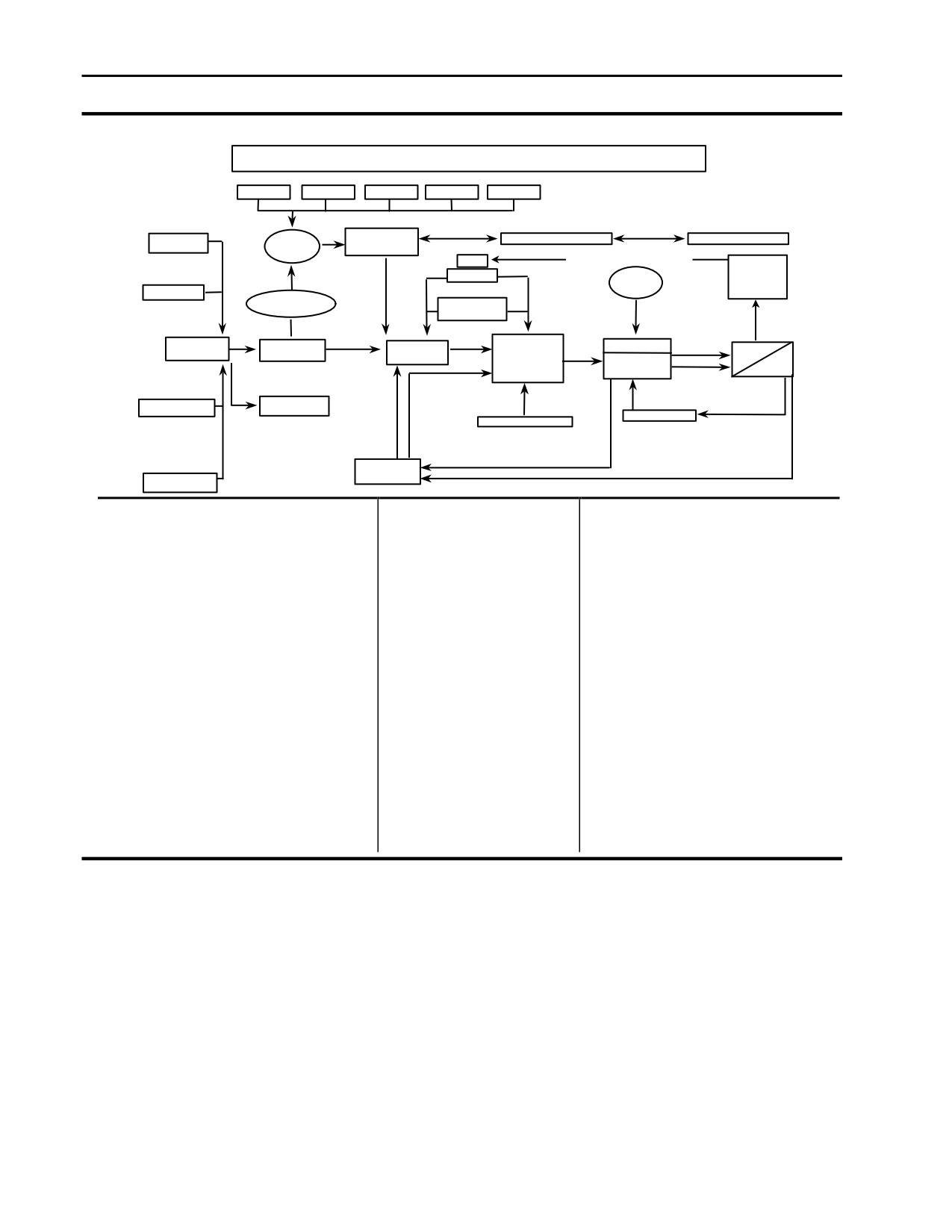
and the ability of units to receive materiel. Figure 8-
to minimize the potential for human or machine er-
4 illustrates the equipment distribution planning and
rors or failures that cause injurious accidents.
execution process. There are no absolute criteria for
(6) Health hazards (HH). The design fea-
determining the sequence and timing of equipment
tures and operating characteristics of a system that
distribution throughout the force. This critical func-
create significant risks of bodily injury or death;
tion can be understood by a discussion of authoriza-
prominent sources of health hazards include loud
tions, priorities, and distribution execution.
noise, chemical and biological substances, extreme
8-15. Distribution authorizations
temperatures, and radiation energy.
(7) Soldier survivability (SSv). The charac-
a. Organizational requirements and authoriza-
teristics of a system that can reduce fratricide, de-
tions form the basis for determining Army require-
tectability, and probability of being attacked, as well
ments for major end items of equipment. The AAO
as minimize system damage, soldier injury, and cog-
includes-
nitive and physical fatigue.
(1) Equipment authorizations for the Total
Army that make up theIIQ.
8-13. Logistics integration
(2) APSS (Class V & VII).
a. Integrated logistics support
(ILS) planning
(3) APSES.
begins before formal program initiation. It ensures
the planning and evaluation of all necessary equip-
(4) AWRSA.
ment support tasks and requirements to enhance
(5) APSOP (Class V & VII).
materiel system and support system effectiveness.
(6) Maintenance float requirements expressed
The lead time to plan and execute some ILS compo-
as either ORF orRCF.
nents can take longer than the development cycle for
8-7
FM 100-11, Force Integration
Equipment Distribution Planning and Execution Process
APSS
APSES
AWRSA
ORF
RCF
FORCE STRUCTURE
(i.e.. TAA)
Force Manpower
APR
CEPCCS / TAV
POM / BUDGET PROCESS
OSD / CONGRESS
SAMAS
AAO
RDAISA DB
MFORCE
EDSS
Equipment On-Hand Status
Unit Authorizations /
SORTS
Requirements
Procurements
AOP / OOD
CCSS
(OJCS/
BACK ORDER
HQDA)
LIN:e
“Priorities”
FILE
TAADS-R
SB 700-20
IIQ / APSOP
ERC / DAMPL
Unit Auth/
Prioritized
SACS
LOGSACS
TAEDP
ERPS /
Shortages
NICP
Materiel
MACOM
Requirements
LIN / UIC LEVEL
Rejects
REQVAL
“Who gets
MIRV
UNIT
Assets
what?”
(CCSS)
ORG MODEL
PERSACS
Requisitions
Assets
DAAS / LIF
Doctrinal
DODAAC / UIC X-REF
Requirements
Modernization
Information
Assets ( In-storage, In-transits)
CBS-X
Unit O/H Assets; In-transits
BOIP / ICP
AAO: Army Acquisition Objective
DODAAC: Department of Defense
OOD: Out-of-DAMPL
AOP: Army Order of Precedence
Activity Address Code
ORF: Operational Readiness Float
APR: Army Procurement Requirement
EDSS: Equipment Distribution
PERSACS: Personnel Structure and Compo-
Sequence System
sition System
APSS: Prepositioned Stocks Sustainment
ERC: Equipment Readiness Codes
POM: Program Objective Memorandum
APSES: Army Prepositioned Stocks Equipment
Sets
ERPS: Equipment Release Priority
RCF: Repair Cycle Float
System
APSOP: Army Prepositioned Stocks Operational
RDAISA DB: Research, Development, and
Project
ICP: Incremental Change Package
Acquisition Information Systems Data Base
AWRSA: Army War Reserve Stocks for Allies
IIQ: Initial Issue Quantity
REQVAL: Requisition Validation System
BOIP: Basis of Issue Plan
LIF: Logistics Intelligence File
SACS: Structure and Composition System
CBS-X: Continuing Balance System-Expanded
LIN: Line Item Number
SAMAS: Structure and Manpower Allocation
CCSS: Commodity Command Standard System
LOGSACS: Logistics Structure and
System
Composition System
TAADS-R: The Army Authorization Document
CEPCCS: Centralized Equipment Procurement
Conversion Capability System
M FORCE: Master Force
System (Redesign)
DAAS: Defense Automatic Addressing System
MIRV: Major Item Requisition Vali-
TAEDP: Total Army Equipment Distribution
dation
Program
DAMPL: Department of the Army Master Priority
List
NICP: National Inventory Control
TAV: Total Asset Visibility
Point
UIC: Unit Identification Code
Figure 8-4. Equipment Distribution Planning and Execution Process
b. Organizational requirements for major items
trial base assets in times of emergency. It also pro-
of
equipment are documented and summarized in
vides priority performance on contracts and orders
TAADS-R. The programmed force structure is
to distribute materials and facilities necessary for
documented in the MFORCE found in the Army’s
national defense under the Defense Production Act.
SAMAS. Overall projections of equipment require-
b. The determination of distribution of major
ments are projected in the LOGSACS. AAO re-
equipment items in relative priority to conform with
quirements and subtotals for each element are then
the Army’s overall requirements for readiness, con-
aligned with current Army priorities.
tingencies, and training is based on the DAMPL. It
prioritizes organizations and non-unit claimants to
8-16. Distribution priorities
meet the “first to fight, first to support is first re-
a. The Defense Priorities and Allocation System
sourced” concept. The Army order of precedence
(DPAS) defines overall priorities for limited indus-
(AOP) provides departmental guidance for specific
8-8
FM 100-11, Force Integration
priorities that diverge from specified DAMPL pri-
8-17. Distribution execution
orities. MACOMs may request emergency distribu-
tion to subordinate commands in out-of-DAMPL
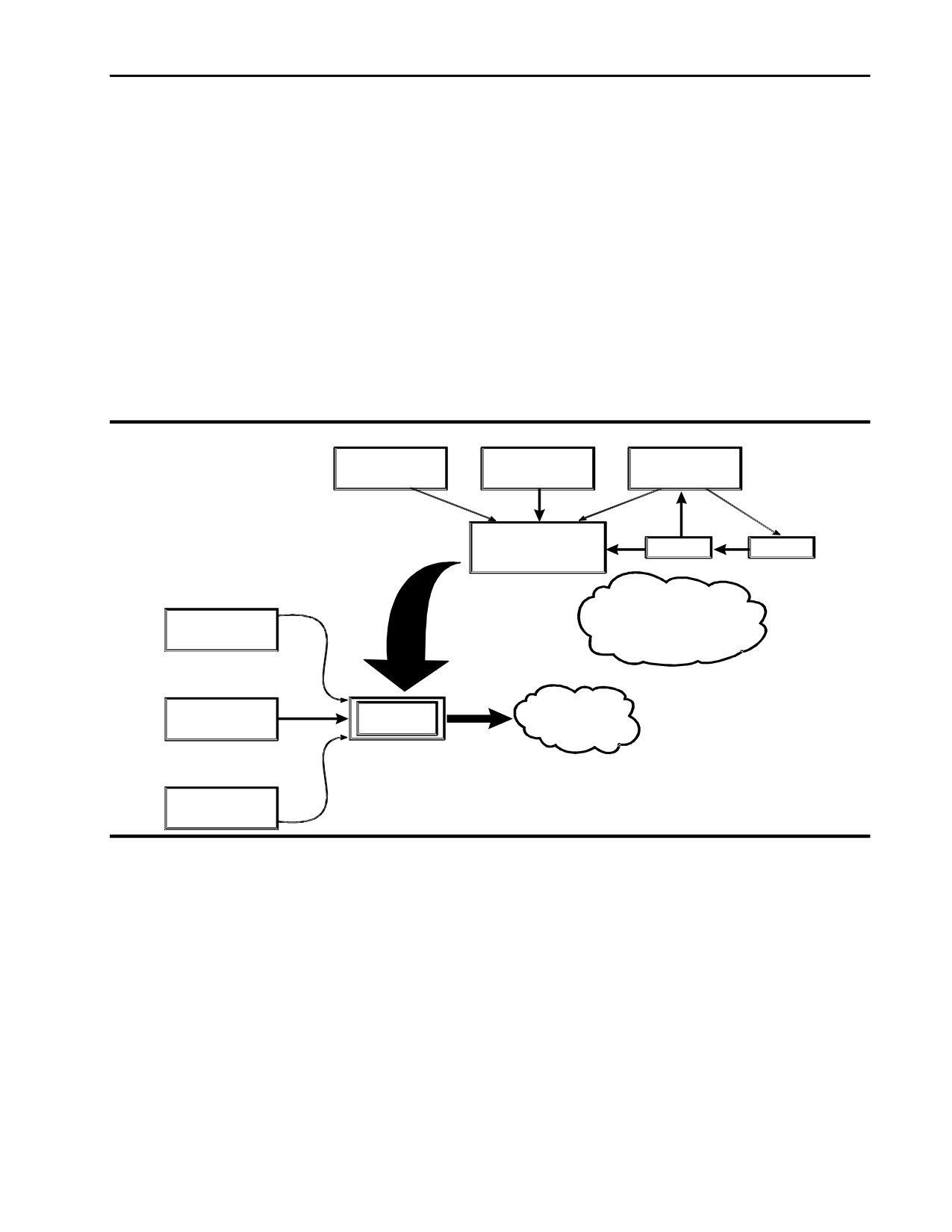
a. The Army’s authorizations for major items of
sequence (OOD) due to MACOM-specific require-
equipment are documented in the TAEDP. TAEDP
ments.
combines requirements and authorizations with ex-
isting assets as reflected in the Continuing Balance
c. These prioritization mechanisms are focused
System-Expanded
(CBS-X). This composite data
on providing highest priority for new and improved
provides input to the distribution of equipment
materiel capabilities. This methodology does not
against projected force structure as shown in Figure
encompass all possible exigencies or unique equip-
8-5.
ment requirements of certain organizations. Re-
quirements to provide mission-essential equipment
b. The Requisition Validation (REQVAL) sys-
for training may demand deviation from the
tem compares current authorizations with on-hand
DAMPL. The Army equipping strategy provides
assets reflected in CBS-X. The Equipment Release
policy guidelines for executing equipment distribu-
Priority System
(ERPS) prioritizes the shortages
tion to Army elements by force package utilizing a
using priorities for equipment release and distribu-
“trickle-down” modernization methodology.
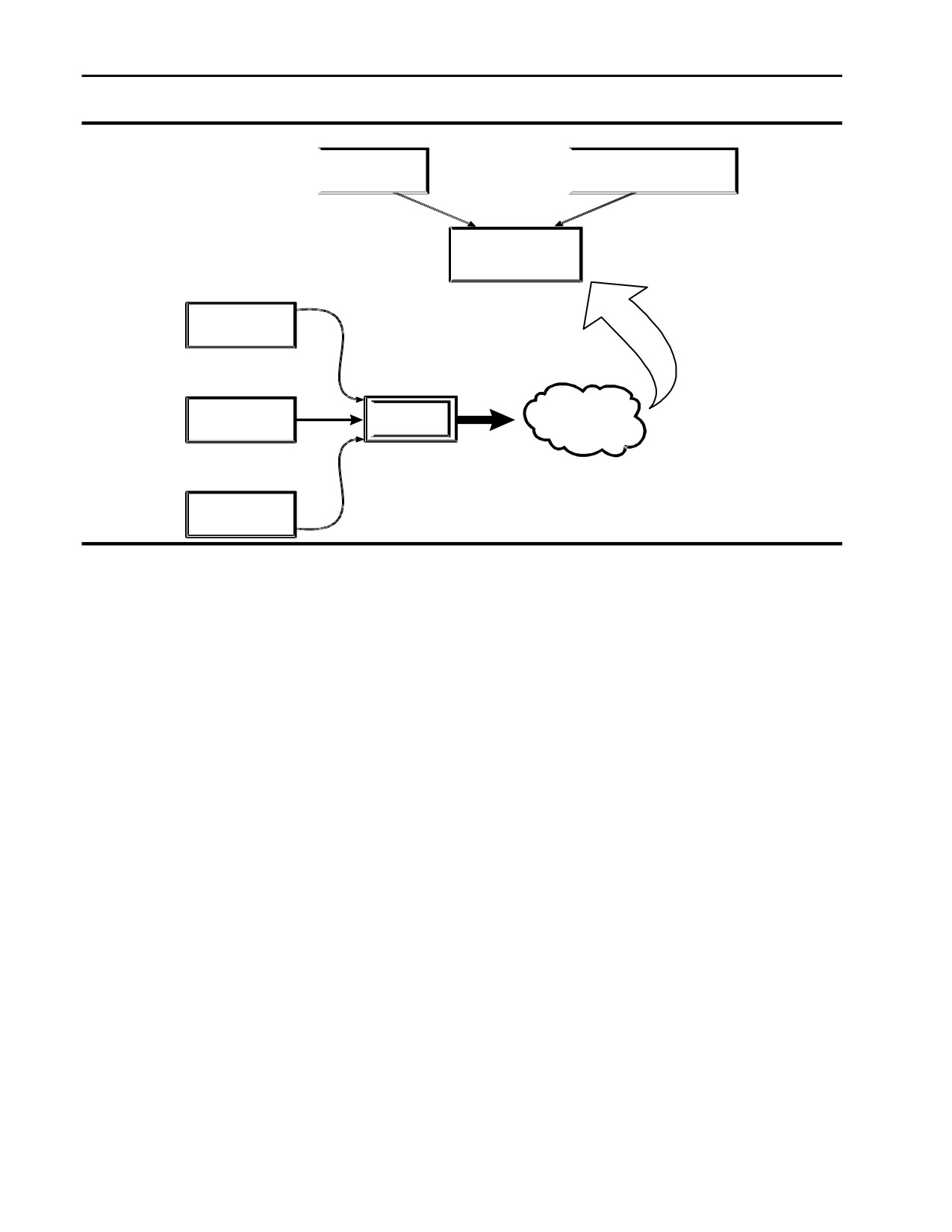
tion (or redistribution). These processes are detailed
in Figure 8-6.
LEADERSHIP
THE ARMY
OPLANS
DECISIONS
PLAN
PRIORITIES
MACOMS
CINCs
• FIRST TO FIGHT,
FIRST RESOURCED
• INTEGRATES ALL OPLANS
• USES LAD
ASSETS
• INCLUDES TDA
• EXCEPTIONS
DISTRIBUTION
&
PROCUREMENT
TAEDP
DOCUMENT
PLANNING
REQUIREMENTS
AUTHORIZATION
Figure 8-5. Distribution Priorities
tainable system. The FUE is the date when the sys-
Section VI:
tem and associated equipment is fielded (in opera-
Fielding and Sustainment
tional quantities complete with logistical support,
8-18. Total package fielding
and training support) to the IOC unit and NET is
accomplished. The IOC is the first attainment of
Successful fielding and initial sustainment of new
war-fighting capability of MTOE and supporting
and improved items of equipment require planning to
elements to operate and support a fielded system.
realize each item’s full capability within gaining
With certain exceptions, fielding of new and im-
units. TPF process is designed to achieve this capa-
proved Army systems is accomplished within the
bility.
context of TPF as the standard and preferred
a. TPF objective. The overall objective is to
framework. Its intent is to reduce logistics burdens
meet the first unit equipped (FUE)/initial operational
on the gaining MACOM and its subordinate organi-
capability
(IOC) dates with an operationally suit-
zations.
able, reliable, maintainable, and economically ob-
8-9
FM 100-11, Force Integration
ASSETS
AUTHORIZATIONS
REQVAL
DAMPL
DISTRIBUTION
ERC-A
ERPS
EXECUTION
GUIDANCE
AOP
Figure 8-6. Distribution Execution
b. Considerations.
(3) Most materiel fieldings will affect direct
support organizations that sustain combat and com-
(1) Equipping the force requires integration
bat support organizations. The support infrastruc-
of functional processes and products to enable de-
ture modernization is inextricably tied to the opera-
velopment and fielding of individual items of equip-
tional capability of the supported organization. It
ment or major materiel systems. To integrate issues
requires intensive management due to low density of
addressed in fielding new equipment, all involved
personnel and equipment authorizations. Failure to
agencies must—
introduce and incorporate changes to combat service
(a) Synchronize and balance operational
support organizations ultimately degrades sustain-
and technical capabilities at system, organization,
ment and operational capability of the supported
and force levels.
force.
(b) Consider the operational and techni-
cal impact of the following:
c. Responsibilities. Several Army organizational
· System and force lethality.
elements have responsibilities for equipping the
· System, soldier, and force survivability.
force. Materiel and combat developers and support-
ing contractors are the principal planning and exe-
· Force structure and technology within af-
cution agencies at the early stages of system evolu-
fordability, force sustainment, and opera-
tion. Departmental agencies, MACOMs, and gaining
tional constraints.
organizations participate as involvement in a par-
(2) Planning for and executing materiel
ticular program matures.
fielding operations also recognizes thatæ
(1) Department of the Army.
(a) Limited resource levels require
(a) The ARSTAF has overall responsi-
fielding to be conducted in a cost-effective manner.
bility for establishing policies and priorities. They
(b) Fielding, training, and support for
also are directly involved in planning, programming,
new and improved operational capabilities must as-
and budgeting for materiel research, development,
sure rapid assimilation of new equipment into the
and acquisition. Operational and technical inputs are
force.
provided by the combat and materiel developer, re-
(c) Major categories of materiel systems
spectively. ASA(RDA) is an element of the Army
must be in continuous modernization (production,
secretariat and includes Army Program Executive
upgrade, or development).
Officer (PEO) organizations and their subordinate
program, project, and product managers (PM). The
8-10
FM 100-11, Force Integration
ASA (RDA)/PEO and the AMC have principal re-
efforts in the development and acquisition of the
sponsibility for technology development, system de-
system. The TSM is responsible to synchronize all
velopment, and production. This responsibility in-
DTLOMS domains that are impacted by the fielding
cludes technical testing; cost estimation; and re-
of a materiel system. TSMs are appointed for se-
search, development, and acquisition resource man-
lected major and non-major programs.
agement.
(4) Major Army commands.
(b) The Office of the Deputy Chief of
(a) MACOMs are responsible for logis-
Staff, Operations and Plans (ODCSOPS) is respon-
tics functions for Army organizations. To ensure all
sible for development and articulation of program
aspects of fielding new and improved equipment are
priorities. Additional responsibilities include inte-
considered, MACOM force integration staffs assess
grated rationale and inputs that support technology,
structuring, manning, training, stationing, deploying,
system development, equipment acquisition, and
and funding of resources that are programmed for
distribution. The ARSTAF and ASA(RDA) each
inclusion in MACOM POM submissions. Concur-
have responsibilities for supporting databases and
rently, MACOMs and subordinate headquarters
decision support mechanisms. Responsibility for
plan, coordinate, and supervise adherence to detailed
equipment distribution and support planning belongs
timelines to meet fielding milestones.
to the Office of the Deputy Chief of Staff, Logistics
(b) Army components of unified com-
(ODCSLOG).
batant commands also provide input to operational
(2) Army Materiel Command.
requirements through generation of requirements in a
(a) AMC performs assigned materiel
CINC IPL or through routine staffing of ORDs.
and related functions for R&D, development test and
MACOMs recommend priority for equipment distri-
evaluation (DT&E), acquisition and logistics sup-
bution to subordinate commands. This internal dis-
port of materiel systems, and other materiel acquisi-
tribution may be out-of-DAMPL sequence.
tion management functions required by DA.
(c) Within MACOMs, activities and or-
(b) AMC is a principal MATDEV in
ganizations plan for equipment distribution by pro-
the Army. AMC encompasses the remaining Army
gramming and budgeting resources to support
PMs and system managers, the Army Research
equipment fielding at specific sites. This ensures
Laboratory
(ARL), subordinate R&D commands,
availability of the necessary personnel, facilities,
and major subordinate “commodity” commands.
support capabilities, and materials, when required.
(3) Training and Doctrine Command.
(5) Reserve Components. Reserve Compo-
nent modernization reflects the roles of the Army
(a) TRADOC is the Army’s primary
Reserve and National Guard in the Army mission.
“user representative” in the materiel acquisition
Organizations in the reserve forces must be struc-
process. TRADOC performs assigned materiel and
tured, equipped, and trained to perform combat
related functions for operations research and analy-
functions and be capable of sustainment by the Ac-
sis, evaluation of products of the requirements de-
tive Component support infrastructure. These re-
termination process, operational and organizational
quirements may necessitate dedicated procurement
planning, logistics support planning, and quantita-
of major materiel systems for Reserve Component
tive and performance requirement specifications for
units. The dedicated procurement program (DPP)
materiel systems, and other combat development
improves readiness of the total force by increasing
functions required by DA.
equipment-on-hand EOH) status of the Reserve
(b) As the Army’s principal CBTDEV,
forces.
TRADOC guides, coordinates, and integrates the
(6) Other commands. Limited combat and
total combat development effort of the Army. Com-
materiel development responsibilities are also vested
bat developments are a major component of force
in the U.S. Army Special Operations Command
development and encompass the formulation of con-
(USASOC), Corps of Engineers (COE), the U.S.
cepts, doctrine, organization, materiel objectives,
Army Medical Command (USAMEDCOM), and the
requirements, and OT&E of products of the re-
U.S. Army Space and Missile Defense Command
quirements determination process. TRADOC re-
(USASMDC). The U.S. Army Intelligence and Se-
ceives significant input from AMC, the Army’s
curity Command (USAINSCOM) also retains mate-
principal MATDEV.
riel development responsibilities.
(c) The TRADOC counterpart to the
d. TPF Planning and Execution.
PM, the TRADOC System Manager (TSM), is a
(1) As the program’s development cycle pro-
central figure in the RDA process and a key member
gresses through the engineering and manufacturing
of the MATDEV/CBTDEV team. The TSM is
development phase, plans for fielding transition into
chartered by the CG, TRADOC to function as focal
point for coordination of the CBTDEV/TNGDEV
8-11
FM 100-11, Force Integration
detailed planning, coordination, and initial execution.
incorporation, and sustainment of materiel and of
This sequential planning is designed to ensure—
documenting specific responsibilities and proce-
(a) Sufficient planning and resourcing
dures. Key information sources for the development
capability by both the fielding commodity command
of fielding plans include the following:
and the gaining command.
(1) The Army Modernization Reference Data
(b) Full understanding of fielding sup-
(AMRD). It contains resource-oriented data for se-
port requirements including structure, personnel,
lected new, improved, and displaced equipment sys-
facilities, and training.
tems to provide resource impacts of systems.
(c) Successful transition of fully opera-
(2) Materiel fielding memorandum of notifi-
tional and supportable systems to operational units.
cation
(MON). This document begins the formal
(2) Specific TPF activities and responsibili-
materiel fielding process. It is provided by the mate-
ties on the part of fielding and gaining commands
riel developer to the gaining MACOM at least 240
are based on categories of TPF (I through III) and
days before award of a developmental system pro-
levels of materiel system complexity (1 through 4) in
duction contract. The MON provides system de-
category I. In all categories of TPF, the materiel
scription, fielding milestones, and the draft materiel
fielder—
fielding plan (if required).
(a) Programs funds for initial issue ma-
(3) Materiel fielding plan. The MFP is pre-
terial.
pared by the materiel developer for each gaining
(b) Requisitions initial issue material.
MACOM or as an annex tailored to each gaining
(c) Provides the gaining organizational
MACOM. Annexes include the approved mission
customer documentation.
support plan and materiel fielding agreement. The
(3) TPF places the responsibility on the
MFP includes the logistic support concept, system
AMC commodity command to field equipment in
description, gaining command and fielding command
accordance with the BOIP for materiel system
responsibilities, support transition plan (if applica-
fielding (category 1), the authorization document for
ble), and detailed resource impacts on the gaining
activations (category 2), and the difference between
command. Detailed milestones will be specified.
the current and new authorization document for re-
organizations or conversions
(category
3). The
(4) Mission Support Plan (MSP). The MSP
commodity command must achieve at least C-3 for
is prepared by the gaining command and contains
equipment on hand at the time of hand-off to the
maintenance and supply support structure for the
gaining organization. Equipment to be provided to
system being fielded by specific identification of us-
the gaining unit is specified in the materiel require-
ing and supporting units.
ments list (MRL) based on negotiated agreement and
(5) Materiel Fielding Agreement
(MFA).
should consider implications of ERC “B” and “C”
The MFA is jointly prepared by the fielding agency
LINs of equipment.
and gaining command to document the mutual
(4) Both the materiel developer, fielding
agreement of plans, policies, responsibilities, proce-
agency, and the gaining command have specific re-
dures, and schedules governing fielding of the
sponsibilities and activities to fulfill within the over-
equipment item to a particular MACOM.
all TPF. The process encompasses hand-off of the
(6) Materiel requirements list. The MRL is
primary equipment system and its support package,
prepared by the fielding command and specifies all
to include—
items required to field and initially support the mate-
(a) Primary system with all component
riel system.
major items and associated basic issue items (BII).
8-19. Displaced equipment disposition
(b) ASIOE and the associated BII.
a. Transfer of displaced items of equipment is
(c) STTE.
separate from, but related to, the process for fielding
(d) TMDE.
new or improved items. New materiel fielding ac-
(e) Starter set of technical publications,
tivities require transfer of displaced items to other
including technical manuals.
organizations, theater stocks, or the depot system for
rebuild or modification. Detailed planning and exe-
(f) Authorized initial issue spare/repair
cution for displaced equipment is required to ensure
parts, including essential repair parts stockage list
training, assimilation, and early operational capabil-
when approved by DA.
ity.
(g) Appropriate training support package.
b. Transfer of materiel between organizations
e. TPF fielding documentation. Planning and
requires the following:
executing materiel fielding is a process of determin-
ing organizational requirements for introduction,
8-12
FM 100-11, Force Integration
(1) A memorandum of agreement (MOA),
Section VII:
which provides planning by and coordination among
Summary
MACOMs for equipment transfers.
Equipping is an integral part of force modernization.
(2) A Materiel Transfer Plan (MTP), which
provides for actions and responsibilities of the in-
It is technical, operational, and organizational in
volved MACOMs, as well as supporting commands.
nature, and resource intensive. The integration chal-
A MTP is required when the displaced system has
lenge is complicated by missions, priorities, and in-
not been used or supported before by the gaining
terests of combatant commands, departmental deci-
MACOM or when the system will be transferred to
sion makers and staffs, materiel development activi-
the Army wholesale system for refurbishment with a
ties, and TRADOC proponents. These diverse inter-
subsequent fielding.
ests and priorities are also affected by political,
business, and industrial base demands. The proc-
(3) A Displaced Equipment Training Plan
esses, outputs, decision mechanisms, and organiza-
(DETP), which provides for the conduct of training
tional involvement that support equipping the force
for operators and maintenance and support person-
are not discrete activities accomplished in isolation.
nel of displaced equipment for which a MTP is re-
quired.
8-13
FM 100-11, Force Integration
Chapter 9
Training the Force
Section I:
9-3. Competent, confident leaders
Introduction
Developing competent and confident leaders is a key
element of Army training. Commanders and leaders
9-1. Training and force integration
must be educated to understand the nature of organ-
Training and leader development are tools force in-
izational change to execute planned and programmed
tegrators use in incorporating and sustaining new
force integration actions. They must be able to as-
capabilities in organizations based on changes in
similate change effectively and efficiently to main-
concepts, doctrine, organizational structure, and
tain combat-ready units.
materiel systems. This chapter defines the role of
training in accomplishing the force integration mis-
Section II:
sion.
Combined Arms Training Strategy
9-2. Accomplishing operational missions
9-4. Training components
The Army's primary function is to achieve and sus-
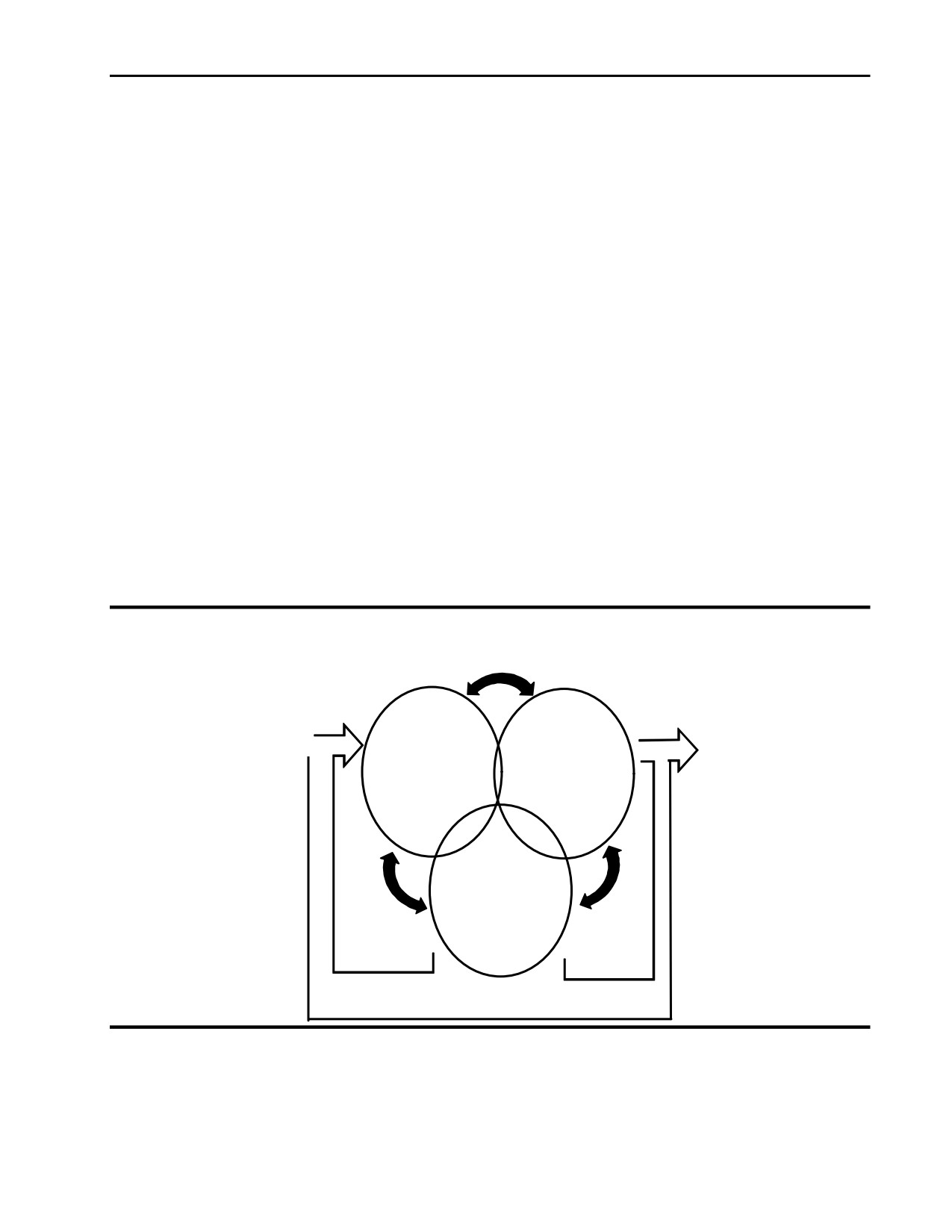
The Combined Arms Training Strategy (CATS) is
tain the capability to win America's wars. It must
the Army's overarching approach guiding the train-
therefore be structured, equipped, manned, and
ing of the current and future force. It describes how
trained to achieve the required favorable outcome.
the Army will train the total force to standard in
To protect national interests, it must be capable of
three major components: institutional training, unit
responding to any level of conflict by projecting and
training, and self-development training. These com-
sustaining forces over extended distances and ac-
ponents are mutually supportive and incorporate the
complishing a variety of operational missions.
Army's standards for training. CATS enables the
Army to create subordinate training strategies for
institutions and units and to quantify and justify re-
quired training resources (Figure 9-1).
INPUT
PROCESS
PEOPLE, TIME,
AND DOLLARS
TRAINING
OUTPUT
GUIDANCE
COMBAT
TRAINING
TRAINING
TRAINING
READY
DEVELOPMENT
IN SCHOOLS
IN UNITS
UNITS
SOLDIER/LEADER
SOLDIER/LEADER
AND COLLECTIVE
TRAINING
TRAINING
TRAINING
ONESELF
PROFESSIONAL
SELF DEVELOPMENT
FEEDBACK
Figure 9-1. Army Training System
9-1
FM 100-11, Force Integration
9-5. Principles of individual and unit training
culminates with the training requirements analysis
system (TRAS).
To achieve the Total Army training goal, leaders at
all echelons must understand the principles of train-
9-7. Systems approach to training
ing. Individuals and units must—
SAT disciplines thinking on what to train, how to
a. Train with leaders as the primary trainers.
train, and how to evaluate training. It ensures that
Leaders are responsible for planning and conducting
critical performance requirements establish the con-
training and evaluating individual soldiers and unit
tent of training. SAT consists of five interrelated
performance. Their personal involvement in training
processes:
is essential to battlefield success.
a. Evaluation. Evaluations determine whether
b. Train as they fight. Units must train as they
students can perform tasks to training standards.
are structured, equipped, manned, and sustained for
They also determine the effectiveness of graduates
combat. Organizations are designed and tasked to
and exported training materials in meeting the needs
perform doctrinal missions at maximum operational
of units.
capability.
b. Analysis. Analysis is a systematic process of
c. Train as combined arms and as part of joint
identifying specific training needs from performance
teams. Cross-attachment of units is required to ex-
requirements by assessing unit missions, mis-
ploit operational capability. They must be able to
sion-critical collective tasks, leadership tasks, and
form effective company teams and task forces and
critical individual tasks.
integrate combat support and combat service sup-
c. Design. Design involves the sequencing of
port units at the appropriate force level.
training events to satisfy learning objectives. Learn-
d. Conduct multiechelon training. Individ-
ing objectives should meet the established criteria, as
ual training, leader training, and unit training
measured by performance-oriented tests.
must be planned and conducted concurrently at
d. Development. This is the production of resi-
every opportunity.
dent and nonresident training programs and support
e. Use performance-oriented training. Units be-
materials that ensures the attainment of training ob-
come proficient in the performance of mis-
jectives.
sion-essential tasks by training to standard on tasks
e. Implementation. This is the ability to train the
with coaching by leaders.
trainers and conduct institutional and unit training.
f. Train to sustain proficiency. The cornerstone
of the Army Training and Evaluation Program
9-8. Training requirements analysis system
(ARTEP) is sustaining proficiency (train-evaluate-
TRAS facilitates the timely development and imple-
train). Evaluation identifies training strengths and
mentation of training by documenting the evaluation,
weaknesses. The mission training plan sequentially
analysis, and design of requirements in SAT. TRAS
outlines training components and allows selection of
addresses both individual training and unit training,
tasks and groups of tasks to facilitate this process.
but emphasizes institutional training. TRAS inte-
g. Train to maintain. Operators and organization
grates the TNGDEV and implementation process
and direct support maintenance personnel must train
with external resource acquisition systems for per-
to sustain equipment and organizations at their de-
sonnel, facilities, and training devices. The TRAS
signed level of capability.
process is supported by three documents:
h. Train to challenge. Tough and realistic train-
ing builds competence and confidence by developing
a. Individual training plan (ITP). The ITP is a
and honing skills. It inspires excellence by fostering
long-range planning document that outlines the resi-
initiative, enthusiasm, and eagerness to learn.
dent and nonresident training strategy for an occu-
i. Use published Army doctrine. Doctrinal pub-
pational specialty or separate training program,
lications establish the basis for sustainment, training,
while ensuring that the SAT process is integrated
and evaluation.
with the sources of training needs, the PPBES,
evolving training initiatives, and related resource
Section III:
acquisition systems.
Training Development
b. Course administrative data
(CAD). The
9-6. Development of effective training
CAD provides critical planning information about a
resident course that enables the recruiting, quota
Achieving the Total Army training goal depends on
management, and personnel systems to take the ac-
the development of effective training. In addition to
tions needed to have students and instructors
training mission essential tasks, the ability to incor-
on-station in sufficient time to meet Army require-
porate and sustain organizational capabilities de-
ments.
pends on the quality of modernization and sustain-
ment training (ST). The TNGDEV process begins
c. Program of instruction (POI). The POI is a
with the systems approach to training (SAT) and
requirements document that provides a general de-
9-2
FM 100-11, Force Integration
scription of course content, duration of instruction,
(c) Integrates training for staff planners,
and types of instruction. It also lists resources re-
testers, trainers, users, and supporters.
quired to conduct peacetime and mobilization train-
(2) NET planning. New equipment training
ing and critical tasks and supporting skills and
plans (NETP) are prepared, reviewed, distributed,
knowledge taught, including distributive training
and stored in the Army modernization training
phases of the course.
automation system. It is a fully integrated, auto-
mated system with a capability for interactive devel-
Section IV:
opment, updating, staffing, and distribution of
Army Modernization Training
NETPs.
9-9. System training plan
(3) NET focus and strategies. NET planning
AMT is designed to transfer knowledge about new
must be flexible, considering the unique challenge of
doctrine, organizations, and equipment from the de-
each new and improved item of equipment. Several
veloper to the user.
training strategies are available for consideration:
a. The system training plan
(STRAP) is the
(a) Organizational training. Following
master training plan for new or improved materiel
advanced individual training, personnel required to
systems. It is developed by the TRADOC proponent
activate an organization can be brought together for
for a materiel system. The STRAPæ
unit training at one location. Training on the equip-
(1) Documents the results of training analy-
ment is integrated into organizational training to
ses. It determines who requires training, what tasks
provide a capability for training in the CONUS,
need training, and when, where, and how proponents
followed by overseas deployments. This retains
will conduct training.
flexibility to support unit activation for CONUS
(2) Starts the planning process for all neces-
only.
sary courses and course revisions, training products,
(b) Total unit training. Some materiel
and training support required for the new system.
fieldings can take advantage of an existing organ-
(3) Sets milestones to ensure timely develop-
izational structure, cohesion, and chain of command
ment of training and training support to permit test-
to train all assigned operators and maintenance per-
ing and fielding of total systems.
sonnel of the gaining unit.
(4) Communicates training and resource re-
(c) Institutional training. The ideal
quirements within and among TRADOC schools,
training strategy occurs when the institutional train-
materiel developers, MACOMs, and HQDA.
ing base is established and is producing sufficient
(5) Establishes the basis for assessment of
graduates to support equipment fielding. It requires
training subsystem progress.
trained personnel to be distributed to the gaining
unit. This strategy precludes the need for a NET
b. The initial STRAP is required not later than
team.
90 days prior to milestone
1
(MS 1). Revised
(d) Cadre training. Selected personnel
STRAPs are due 30 days before management deci-
from the gaining organization are trained to conduct
sion reviews.
training for other unit personnel (train-the-trainer).
9-10. Modernization training approaches
This training may be conducted at the materiel de-
veloper's location, the institutional training location,
The knowledge necessary to modernize effectively is
a contractor facility, or an installation receiving the
transferred through a variety of training approaches,
equipment.
either singly or in combination, to respond to the
(e) Instructor and key personnel train-
specific demands of the modernization under consid-
ing. Some systems are operated and maintained by a
eration:
selected number of key personnel. In these instances,
a. New equipment training.
it is more economical and effective to train all indi-
(1) Purpose. NET is the initial transfer of
viduals who operate or maintain the equipment.
knowledge from the materiel developer to the trainer,
Training and cost effectiveness will dictate the num-
user, and supporter to achieve operational capability
ber of locations where training will be conducted.
in the shortest possible time through the identifica-
(f) Exportable training. Some materiel
tion of personnel, training, and training aids and de-
fieldings require only exportable training material
vices. The strategy and duration of NET depends on
because of the simplicity of the equipment or its
the state of the institutional training system and its
similarity to current equipment. The training devel-
ability to provide trained soldiers. NET—
opers will use material procured by the materiel de-
(a) Focuses on company-size or smaller
veloper when available.
units.
b. Displaced equipment training. Displaced
(b) Determines specific requirements for
equipment, while not new to the Army, is often
training on new or improved equipment.
viewed as new equipment by the receiving unit and
9-3
FM 100-11, Force Integration
can generate a training requirement. Displaced
ST. Organizational capabilities must be sustained
equipment training (DET) must be planned and exe-
through a combination of institutional and individual
cuted as carefully as new equipment training; how-
and collective training at unit level (Figure 9-2).
ever, an established knowledge base may exist in the
(2) Effective sustainment of capabilities de-
units receiving the equipment. DET—
pends on the continuing efforts of unit commanders
(1) Integrates trained personnel assigned to
and the institutional training system to support
the unit.
commanders with training and doctrinal materials
and trained individual replacements.
(2)
Utilizes available training within
TRADOC, ARNG, and U.S. Army Reserve Force
(3) Planning and execution of ST is an inte-
schools.
gral part of an organization's peacetime mission.
Commanders at all echelons must make use of the
(3) Employs supervised on-the-job training
available assets
(human, physical, financial, and
using exportable training packages.
time) to support ST. Commanders assess the ability
c. Doctrine and Tactics Training. DTT pro-
of individuals or units to perform assigned missions
vides commanders, leaders, planners, and operators
after training on new or displaced equipment or sys-
the knowledge to employ and support new organiza-
tems fielding. Results of ARTEP and battle com-
tional capabilities. DTT is based on changes to cur-
mand training program (BCTP) evaluations are used
rent doctrine and tactics and considers the uses and
in the development of the unit's ST plan.
functions of a new system or organization. It must
be transmitted to user personnel so they can fully
9-11. Modernization training responsibilities
exploit the new capabilities and improve their com-
Army modernization training responsibilities are as
bat effectiveness.
shown in Figure 9-3. Training requirements, sched-
d. New organization training.
ules, and resources required to train units are docu-
(1) The training of individuals on new or
mented by the AMT proponent. This ensures that
modified doctrine and tactics is encompassed by
resources programmed in support of AMT are syn-
DTT; however, a void in organization training often
chronized with developmental milestones. They are
occurs when changes significantly alter the capabili-
coordinated with combat and training developers to
ties, structure, and mission of a unit. A new organi-
define strategies. These plans are developed as mate-
zation must be trained to perform its new or modi-
riel development, operations, maintenance, and
fied doctrinal mission. NOT—
fielding concepts evolve.
(a) Focuses on battalion-size units.
(b) Does not supersede requirements for
9-12. Training sequence
NET, DET or DTT.
a. Successful modernization training efforts de-
(c) Trains units to perform their new or
pend on sequencing events to ensure that new capa-
altered mission based on changes required by new
bilities are at their maximum level as modernization
equipment, doctrine, or tactics.
training ends and ST resumes. Personnel identified
(d) Requires the determination of needs
to attend AMT must be selected based upon retain-
for training at the proponent school based on the
ability in the organization. Regardless of the specific
impact of the change in the unit's mission and readi-
strategy to transfer knowledge to the operator,
ness.
maintenance personnel, or trainer, organizations
(e) May be integrated, as an event, into
must be at
100 percent or more of authorized
unit training.
strength for the MOS and additional skill identifiers
(2) NOT planning includes the employment
affected. This level of manning must be sustained
and support of the new organization. Although NOT
through the transition period or beyond to lessen the
planning considerations are similar to DTT, they
impact of the departure of trained soldiers.
focus on the battalion mission. Training must be
b. Training courses for leaders, operators, and
transmitted to user personnel so they can fully ex-
maintenance personnel should be scheduled to ensure
ploit the new unit capabilities and improve combat
that soldiers and leaders are trained in adequate
effectiveness.
numbers to support equipment hand-off. Training
(3) NOT is designed to ensure that a mod-
should be conducted in conjunction with, or com-
ernized unit can perform its assigned mission in light
pleted prior to hand-off of new equipment. If the
of significant changes. It meets a training require-
period between completion of training and hand-off
ment at the organization level that is not met by
is too long, the ability of the organization to incorpo-
NET/DET and DTT.
rate and sustain the capability will decrease as
e. Sustainment Training.
knowledge and skills decay and trained soldiers de-
part units.
(1) The level of training and capability
achieved during AMT cannot be maintained without
9-4
FM 100-11, Force Integration
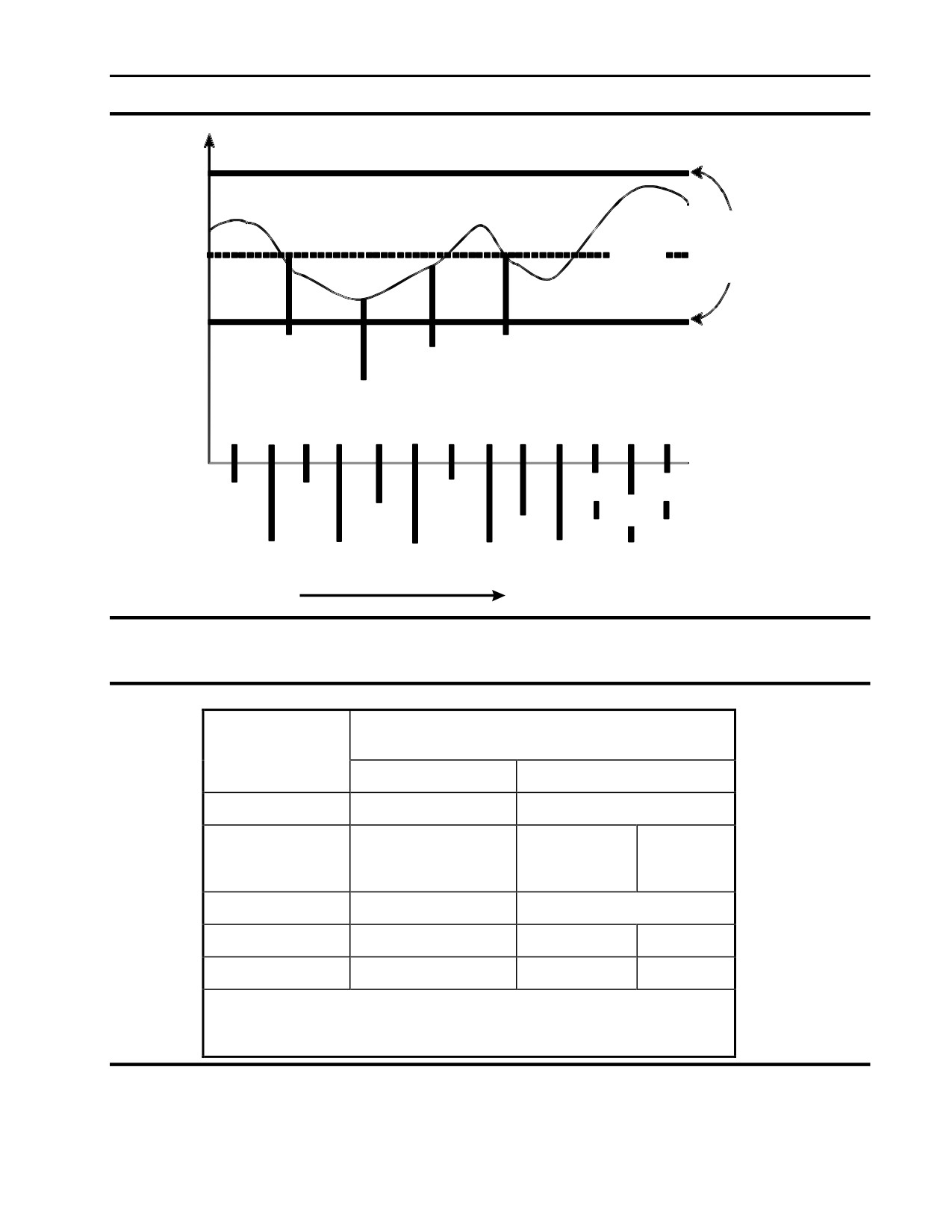
SUSTAINMENT TRAINING BAND
SUSTAINMENT
TRAINING
MEAN
BAND
NEW
KEY
EQUIPMENT
NEW
PERSONNEL
TRAINING
ORGANIZATION
TRAINING
TRAINING
NEW
EQUIPMENT
FIELDING
SQD
PLT
BDE
TF
CD TM
NTC
WPNG
STX
GUNNERY
ROTATION
TF
STX
CPX
FTX
EXVAL
TNG
TF
EXVAL
EXVAL
CO TM
LCX
BCTP
STX
PLT
CO
GUNNERY POST
DW
DEPLOY
SUPPORT EXEVAL
FTX
CPX
TIME
Figure 9-2. The Band of Excellence
ARMY
MODERNIZATION
PROPONENT
TRAINING
ACTIVE COMPONENT
RESERVE COMPONENT
NET
AMC
AMC
DET
TRADOC1
FORSCOM
NGB
USARPAC
USAREUR
DTT
TRADOC
TRADOC
NOT
TRADOC
USARC
NGB
ST
MACOM2
USARC2
NGB2
Notes:
1. The Surgeon General (TSG) for medical items
2. In coordination with TRADOC
Figure 9-3. Army Modernization Training Responsibilities
9-5
FM 100-11, Force Integration
9-13. Training plan development
9-15. Reserve Component modernization
training
Modernization training plans for staff planners, test-
ers, trainers, supporters, and users must address—
a. The ability of Reserve Component units to
accomplish AMT is also limited by available train-
a. Similarity of new doctrine, organizational
ing days and may require that NET, DET, DTT, or
structure, or materiel to existing doctrine, structure
NOT be extended over two or more annual training
or equipment.
periods. The authority to extend AMT must be ap-
b. Current ability of the training base to provide
proved by HQDA.
trained replacements.
b. Selected Reserve Component units will re-
c. Technical complexity of the equipment.
ceive new or improved equipment early in the distri-
d. Impact on training by interim contractor
bution schedule. This fielding may be concurrent
maintenance support and warranty restraints on
with equipment distribution to Active Army units.
systems.
Detailed NET planning is essential to ensure that the
e. Fielding rate by item or organization.
unique challenges inherent in modernizing reserve
component units are met.
f. Effect of materiel fielding on unit readiness.
c. Reserve Component units will often have sig-
g. Overall modernization training strategy.
nificant mission changes upon receipt of new or dis-
h. Equipment density (number of systems per
placed equipment that completely alters the structure
organization and number of organizations).
of that unit. This often occurs during mobilization
i. Available training devices, equipment, ranges,
when fielding of new or displaced equipment for Re-
facilities, and doctrinal and training materials.
serve Components is accelerated.
j. Facilities required for training and equipment
9-16. Mobilization and wartime requirements
hand-off.
During mobilization and in wartime environments,
k. Capabilities and dispersion of reserve compo-
the need for AMT becomes more critical. Acceler-
nent units.
ated requirements during mobilization often neces-
sitate a unit to receive new equipment or change its
9-14. Training evaluations
structure during mobilization, deployment, or upon
Evaluation is the capstone process of modernization
entry into theater. This challenges unit commanders
training. An organization must be evaluated on its
to increase capability on an accelerated schedule.
ability to execute doctrine and exploit operational
The combat effectiveness of a unit greatly depends
capabilities gained through new structure or new
on how well this training is integrated into its prepa-
materiel systems. Organizations and their command
rations for combat.
and control and support structures must be stressed
in a realistic assessment of design capability. This
Section V:
evaluation process validates the functional systems'
Summary
success or failure in producing a combat-ready unit.
The ARTEP evaluation or BCTP rotation for an
Force modernization introduces, incorporates, and
organization terminates the modernization transition
sustains new doctrinal, structural, and materiel ca-
and provides the point of departure for ST.
pability into organizations. Modernization training
ensures that the capability is, in fact, incorporated.
Sustainment training is the key to maintaining ex-
cellence.
9-6
FM 100-11, Force Integration
Chapter 10
Sustaining the Force
Section I:
b. Establish reserves of equipment and supplies
Introduction
and provide for expansion of the force.
c. Formulate logistics doctrine and support pro-
10-1. Organizational sustainment considerations
cedures.
The Army sustains organizations through the acqui-
d. Develop and supply, equip, and maintain
sition of personnel, materiel, and facilities. The arri-
bases and other installations.
val of additional people and materiel through the
e. Develop logistics concepts, policies, pro-
force integration process creates changes to the or-
grams, plans, and systems.
ganizational paradigm. Changes to the organization
and its support structure must sustain a designated
10-6. Logistics functions
level of capability. This level must be maintained
through replacement, repair, or rotation of its exist-
The Army logistics system supports the movement
ing assets.
and sustainment of the force through the following
functional elements of logistics:
10-2. Effects on associated units
a. Supply. The function of acquisition, distribu-
The sustainment of organizations affects the sup-
tion
(to include wholesale stocks), maintenance
ported and supporting units. Deviations at installa-
(while in storage), and salvage of materiel.
tions from the doctrinal supported/supporting unit
b. Maintenance. The function of maintaining
relationships must be addressed in detail during de-
and sustaining materiel in an operational status, re-
ployment and operational planning. In addition, as
storing it to a serviceable condition, or updating or
maneuver units modernize, their supporting units
upgrading its functional utility through modification.
(e.g., direct support maintenance teams) must also
c. Transportation. Those services relating to the
change.
movement of personnel and equipment to meet
commitments and mission requirements.
10-3. Balancing requirements and resources
d. Services. Those support functions that pro-
The determination of requirements and the allocation
vide food service, water support, laundry, fumiga-
of resources identifies the current, budget, and pro-
tion and bath, property disposal, and mortuary af-
gram forces that must be sustained. Integration of
fairs.
requirements and authorizations in the SACS pro-
vides for sustainment of organizations with person-
e. Facilities. Consisting of real property pro-
nel and materiel.
grams and real property maintenance activities per-
taining to the operation of utilities, maintenance of
10-4. Support of fielded systems
real property, minor construction, and other engi-
The acquisition of materiel systems is not simply
neering support.
designing, developing, buying, and shipping the
systems to the user organizations. It also encom-
10-7. Logistics levels of support
passes supporting the systems after fielding. Opera-
Levels of logistics are determined by the organiza-
tional capabilities are maintained by providing repair
tional level at which the support is required. There
parts, diagnosing failures, and developing necessary
are two levels of logistics:
modifications through the life cycle of the system.
a. Wholesale. This level includes the national
inventory control points
(NICP), national mainte-
Section II:
nance points (NMP), depots, arsenals, plants and
Logistics Functions and Levels of
factories and special activities under DA contract.
Support
The work is generally performed in CONUS.
10-5. Logistics tasks
b. Retail. This level includes support at installa-
The Army's logistics tasks originate with its statu-
tions and in the theater of operations. It consists of
tory functions to organize, equip, and train Army
three categories:
forces for the conduct of prompt and sustained com-
(1) General support. Includes both MTOE
bat operations on land. They are further refined by
units and TDA activities that perform GS-level lo-
the DPG. Within this broad guidance, the services
gistics functions. These functions are normally per-
develop their own programs. The Army's logistics
formed in support of the theater-level logistics sys-
tasks are to—
tem.
a. Sustain land combat operations.
10-1
FM 100-11, Force Integration
(2) Direct support. This includes both
b. Integrated Logistic Support, the program de-
MTOE units and TDA activities that provide logis-
fined by AR 700-127, monitors and captures sup-
tics support directly to user units and activities (and
port requirements for new and displaced equipment.
in MTOE units that provide backup direct support).
This data includes such information as maintenance
frequency, transportation and storage requirements,
(3) Unit or organizational: This includes
numbers and special skills of maintenance personnel,
both MTOE and TDA units in the field which per-
repair parts supply, and facilities requirements. All
form unit and operator maintenance on organic
of these elements can contribute to effective sus-
equipment, and unit supply functions.
tainment planning.
Section III:
Section IV:
Logistic Planning
Maintenance Function
10-8. Support considerations
10-11. Categories of maintenance
Logistics planning focuses on the transition from
a. Materiel maintenance includes all actions
peacetime to wartime. The adequacy of logistics
taken to keep materiel in a serviceable condition,
support considers:
restore it to serviceability, or upgrade its utility
a. Sustainability requirements of supported
through modification. As a general policy, mainte-
forces.
nance is performed where equipment is operating or
b. Strategic and theater lift availability.
has failed.
c. Availability and adequacy of prepositioned
b. Maintenance management in the Army is ver-
stocks.
tically oriented either on commodity groups or
d. Logistic force shortfalls.
weapon systems. Within commodity groups, the
e. Warning time.
management effort is predicated upon cost and item
essentiality. Vertical maintenance management pro-
10-9. Planning responsibilities
vides a direct line from HQDA to the ultimate user
a. Department of the Army (DA). A comprehen-
through the commodity management chain. Whole-
sive logistics analysis of OPLANs for various thea-
sale support responsibility is centralized at AMC.
ters is conducted to identify, develop, and recom-
Vertical management techniques are used to obtain
mend logistics concepts, policy, programs, plans,
cost-effective operations and responsive improve-
ments and rely on standardization of management
and systems. It also includes assessing logistics
systems, improvement of asset reporting, and con-
readiness and sustaining capabilities. This evalua-
trol. This provides better asset knowledge and visi-
tion is performed to assess logistics supportability,
bility, streamlines the Army's logistics support
adequacy of logistics force structure, and enhance-
structure, and conserves resources.
ment of logistics planning efforts. OPLAN logistic
analyses focus on three primary aspects:
10-12. Army maintenance (less aviation)
(1) Logistics force structure and deployment.
The maintenance framework for non-aviation units
(2) Logistics planning guidance.
is made up of four categories:
(3) Logistics support capabilities and constraints.
a. Unit.
b. U.S. Army Materiel Command. The AMC is
(1) Unit maintenance is performed by the
the wholesale logistics command responsible for the
user and is characterized by quick turnarounds
materiel functions of research, development, acqui-
based on repair by replacement and minor repair.
sition, and sustainment of a trained, ready Army.
The cornerstone of unit maintenance is preventive
The mission of AMC and its subordinate commodity
maintenance checks and services.
commands falls within three areas: the acquisition of
(2) To improve forward maintenance to the
materiel, supporting the readiness of that materiel
user, there is greater use of built-in-test
(BIT) or
while in user hands, and eventual disposal of the
built-in-test-equipment (BITE), modularity, common
materiel.
tools and test equipment, and discard of components
and selected small end items.
10-10. Sustainment planning
b. Direct support. DS maintenance is performed
a. Logistics sustainability projects the future
by combat service support units assigned to divi-
availability and serviceability of equipment. It ex-
sions and corps. It is characterized by high mobility,
amines requirements versus availability of repair
with a forward orientation, and repair by replace-
parts and other supplies, issue/turnaround times,
ment. Divisional maintenance units support maneu-
storage and transportation, and related facilities.
ver elements while non-divisional units provide area
support and reinforcing support to the division.
10-2
FM 100-11, Force Integration
Where possible, DS units are organized on a modu-
munications (ALOC) system are used to improve
lar team basis to support specific systems and their
transportation services during peace and war.
auxiliary equipment (such as tank system support
b. Strategic mobility is defined as the capability
teams, engineer system support teams).
to deploy and sustain military forces worldwide in
c. General support. GS maintenance is charac-
support of national strategy. The DOD concept for
terized by semi-fixed facilities, with a deployable
strategic mobility includes airlift, sealift, and over-
sustaining maintenance capability at theater level. Its
seas prepositioning of materiel. The U.S. Transpor-
basic purpose is to support the theater supply system
tation Command provides this support to the Army.
through repair of components. GS maintenance is
c. The development of containerized shipping
job or production line oriented, as appropriate, and
techniques permits the rapid surface movement of
is performed by modular units composed of com-
materiel. The direct support system is designed to
modity-oriented platoons. It may also work as a
take advantage of this capability and to deliver mate-
theater special repair activity.
riel directly to the user. Although airlift capabilities
d. Depot. Depot maintenance supports the
have increased, the Army still relies on surface
wholesale supply system. It is production-line ori-
movement for the bulk of its cargo.
ented and is performed by selected commodity-
oriented organizations, special repair activities,
10-15. Transportation functional areas
AMC depots, and contractor personnel.
A transportation system within a theater of opera-
tions is divided into three functional areas:
10-13. Aviation maintenance
a. Modal operations. These consist of the
Aviation maintenance is performed in three categories:
physical movement of personnel and materiel on a
a. Aviation unit maintenance
(AVUM).
transportation conveyance. Basic modes of trans-
AVUM is a combination of unit and limited DS
portation are air, rail, road, and water.
maintenance.
b. Terminal operations. This involves the trans-
b. Aviation intermediate maintenance (AVIM).
fer of cargo from one mode of transport to a differ-
AVIM is a combination of the remaining DS and
ent mode. It also includes the transfer of cargo from
limited GS maintenance capabilities. In heavy divi-
one type of transport within a mode to a different
sions, the AVIM company is organic to the Aviation
type at an intermediate point along the transportation
Support Battalion of the Division Support Command
system. Terminal operations in a theater of opera-
(DISCOM). The Airmobile Division DISCOM has
tions typically take place at railheads, truck-heads,
an organic AVIM battalion. The AVIM companies
pipe-heads, air-heads, inland waterway terminals,
of the Airborne and Light Infantry Divisions are or-
ports, or beaches.
ganic to the Main Support Battalions of their re-
c. Movement management. This includes staff
spective DISCOMs.
planning and coordination to ensure that the trans-
c. Depot. Depot maintenance includes some
portation system is used for the movement of per-
maintenance repairs previously performed at GS as
sonnel and cargo to the right place, at the right time
well as the traditional missions of rebuild and over-
by the most economical and efficient means. Move-
haul.
ment management functions are performed by staff
elements and control centers at various levels of
Section V:
command. The two major elements of movement
Transportation Function
management are transportation movement and high-
way regulation.
10-14. Transportation management
a. Transportation is the movement of personnel
Section VI:
and materiel to meet Army requirements and com-
Supply Function
mitments. It can be considered the connecting link
10-16. Supply categories
among the logistics functions, enabling the system to
operate. The transportation management program
Supply is the procurement, distribution, maintenance
focuses on maintaining a wartime lift capability in a
while in storage, and salvage of commodities needed
peacetime environment. This helps ensure strategic
to equip, maintain, and operate a force. This in-
mobility and a continuous movement of supplies to
cludes the determination of type and quantity of
deployed forces. To develop and maintain this capa-
supplies. There are three categories for requesting
bility, the most responsive transportation systems
and issuing supplies:
are incorporated into the transportation program.
a. Scheduled supplies. These respond to re-
Containerization, intermoalism, electronic data in-
quirements that can be reasonably predicted (Classes
terchange (EDI) systems, and the air lines of com-
I, III (bulk), V, and VI).
10-3
FM 100-11, Force Integration
b. Demand supplies. These are supplies for
(d) War reserve stocks for allies
which a requisition must be submitted (Classes II,
(WRSA). WRSA is an OSD directed program that
III (packaged), IV, VII, and IX).
ensures United States preparedness to assist desig-
nated allies in case of war. WRSA assets are fi-
c. Regulated supplies. These are supplies that
nanced and owned by the United States.
the commander has decided must be closely con-
trolled because of scarcity, high cost, or mission
(4) APS Stockpiles are as follows:
need.
(a) APS-1 (CONUS). Consists of sus-
10-17. Levels of supply
tainment and operational projects. Secondary item
requirements have been computed against the 10-
Levels of supply are the quantities of materiel to be
division, 2-MTW scenario and posted to accountable
held in anticipation of future demands. The Depart-
records. These requirements are the basis for fund-
ment of the Army, Deputy Chief of Staff, Logistics
ing consideration in the POM to fill existing sus-
(DCSLOG), prescribes levels of supply authorized
tainment shortfalls.
to be on hand or on requisition. They are managed
and maintained at various levels.
(b) APS-2 (Europe). Consists of sus-
tainment, operational projects, and three preposi-
a. Department of the Army level. Since 1992,
tioned sets in Western Europe and Italy, and one
major policy changes have been made to the Army
field artillery battalion set in Norway. The term
prepositioned stocks (APS) program. These changes
POMCUS is not used anymore.
reduced requirements, de-linked accounts from spe-
cific CINCs, and redistributed APS materiel into
(c) APS 3 (Afloat). Consists of sustain-
strategic stockpiles oriented toward supporting mul-
ment, operational projects, and one prepositioned
tiple CINCs. These changes provide strategic flexi-
set. Interim loadout of 12 ships is complete with
bility to logistically support two nearly simultaneous
ships on station in their area of responsibility. End
major theater wars (MTW).
state will be achieved by FY 01 with 16 ships.
(1) Program changes reduced 17 theater Re-
(d) APS-4 (Pacific). Consists of sus-
serve and three CONUS Reserve accounts to five
tainment, operational projects, one prepositioned set,
regional APS stockpiles (APS-1 through APS-5).
and War Reserve Stocks for Allies-Korea (WRSA-
APS operational projects were reduced from
54
K).
CINC-specific to 14 common-use projects.
(e) APS-5 (Southwest Asia). Consists of
(2) Centralized ownership of all APS resides
sustainment, operational projects, and two preposi-
at HQDA, with the Army Materiel Command and
tioned sets (Kuwait and Qatar). The remaining bri-
the Office of The Surgeon General responsible for
gade and division base are scheduled for fielding FY
accountability and program management.
99-00.
(3) The APS program consist of four catego-
(f) An eighth brigade set has been ap-
ries of stocks
(quantities are current as of July
proved for stockage and the decision on location is
1997):
pending.
(a) Prepositioned sets. Seven brigade-
b. GS and DS levels. Authorized stockage list
size combat unit sets of equipment, one division-
(ASL) stocks are held by DS/GS units. They consist
base set, and one echelon above division CS/CSS set
of demand-supported, mission-essential, and initial
strategically positioned worldwide both ashore and
provisioning items. Inventory at the DS/GS level is
afloat.
used to support the consuming organizations.
(b) Operational projects
(OP). OP
c. Unit level. A unit's prescribed load list (PLL)
stock is materiel above normal TOE, TDA, and
consists of demand-supported and mission-essential
CTA authorizations tailored to key strategic capa-
items to support unit maintenance and initial provi-
bilities essential to the Army’s ability to execute its
sioning items. Materiel authorized for unit stockage
power projection strategy. Stock is primarily posi-
(PLL stocks) must be on hand or on order (replaced
tioned in CONUS with tailored portions preposi-
as consumed).
tioned overseas and afloat.
10-18. Other supply programs
(c) Sustainment. Equipment and sup-
plies required to sustain the warfight as specified in
Other supply programs include Army food program
operation plans. Sustainment stocks are positioned
(subsistence, troop issue, wholesale subsistence sup-
OCONUS in APS-2 through APS-5 to support
ply, and garrison and field food service), clothing
committed forces until CONUS resupply is estab-
sales/initial issue activities programs, organizational
lished. APS-1 is the CONUS reserve stockpile.
clothing and individual equipment items program.
Army war reserve secondary items (AWRSI) are
included in this category.
10-4
FM 100-11, Force Integration
Section VII:
effects of various readiness and resource shortfalls
Organization Sustainment
and indicate possible solutions. The results are in-
corporated into Army guidance documents. They are
10-19. Authorization documents
used as an analytical basis for establishing priorities
a. An organization must have the ability to place
and allocating resources in the POM process by—
demands on the Army supply system. To do this the
(1) Assessing the capability of the Army to
organization must have a HQDA approved authori-
deploy logistically ready forces and to sustain them
zation document and a valid address so the system
in combat, consistent with the prescribed scenario.
has the ability to deliver to specific organizations.
(2) Providing a common baseline that facili-
The SORTS is the single automated system within
tates wartime planning by the logistics community.
the DOD used to provide the NCA and the Joint
Chiefs of Staff with authoritative identification, lo-
(3) Developing a means to allocate resources
cation, and resource status information on organiza-
and establish priorities by expressing the relation-
tions.
ship between logistical assets and requirements.
b. The force integration analysis is a detailed af-
b. Before a unit can be documented in the
fordability and executability analysis providing a
authorization document database or assigned people
link between the planning and programming proc-
and equipment, it must first be registered in SORTS.
This address is based on the UIC uniquely assigned
esses by assessing affordability and executability of
to parent organizations and the Department of De-
the Total Army Analysis force.
fense activity address code
(DODAAC). The
Section VIII:
DODAAC is a unique address code that identifies a
Summary
specific unit authorized by DOD to requisition, re-
ceive supplies, or receive billing.
Logistics sustainability is the "staying power" of
forces, units, weapon systems, and equipment. It
10-20. Force readiness considerations
includes those mechanisms, equipment, and facilities
necessary to provision organizations with people and
a. Assessment of the Army's capability to mobi-
materiel over prolonged periods. Sustainment capa-
lize, deploy, and sustain forces defines current force
bility must be structured into all the Army plans,
readiness by comparing its actual capabilities with
processes, products, and organizations. The meas-
its designed capabilities. The logistical sustainability
urement of sustainment is the basis for success of
of the force is analyzed to identify and measure the
Army forces in combat.
10-5
FM 100-11, Force Integration
Chapter 11
Stationing the Force
(14) Potential issues.
Section I:
(15) Quality of life.
Introduction
(16) Personnel implications (military and ci-
11-1. Complexity of the stationing decision process
vilian).
Stationing a new organization or relocating an ex-
(17) Peacetime command and control rela-
isting one requires detailed planning and evaluation
tionships (RC only).
that encompasses all aspects of stationing in accor-
dance with AR 5-10. Development of alternatives,
(18) Other actions planned at the affected in-
analysis of their impacts, the unit’s operational
stallations.
needs, quality of life needs of soldiers and their
(19) Training (maneuver areaæland acquisi-
families, and many other factors, must be consid-
tion, environmental impacts).
ered.
(20) Intraservice Support Installation Area
(AC to RC support (AR 5-10)).
11-2. Multiple agency involvement
b. Plan approval authority. The authority to
All affected installations
(gaining and losing) and
approve organization stationing plans is at MACOM
units, including moving units, support units, and
or higher level in accordance with criteria detailed in
support infrastructure agencies, as well as MACOM
AR 5-10. Stationing analysis findings and recom-
and DA staff elements must be involved in planning
mendations are passed through the appropriate level
and execution.
staffs to decision makers in the form of stationing
packages. Due to the political and emotional sensi-
Section II:
tivity of many stationing actions, the authority to
Planning
announce stationing decisions is distinct from the
11-3. Planning organizational stationing
authority to approve and, for coordination sake, is
The impetus to consider a stationing action can be
centralized at the HQDA level (DCSOPS).
generated by a wide variety of issues. Unit activa-
c. Organizational assessments. Organizational
tions, inactivations, restructuring, reorganization,
assessments examine the impacts of proposed sta-
base closure and realignment, are only a sample of
tioning actions, especially the availability of organ-
these issues. Regardless of the impetus, the planners
izational and support infrastructure facilities. They
and staff that address a stationing action must work
determine if the stationing process can support force
extra hard to recognize and coordinate all the opera-
modernization and force structure decisions. The
tional, cost, statutory, and quality of life implica-
ability to properly station a total organization must
tions of these actions.
be considered as a factor affecting unit readiness.
a. Stationing analysis. The decision making
d. Environmental considerations. All stationing
process for stationing organizations includes a de-
actions must comply with the statutory requirements
tailed stationing analysis. This analysis considers the
of the National Environmental Policy Act of 1969
following stationing planning factors:
(NEPA). The stationing proponent
(normally the
(1) Rationale for the action.
installation/garrison commander) is responsible for
the environmental analysis. NEPA’s focus is to en-
(2) Statutory constraints and guidance.
sure that the decision maker takes the environmental
(3) Army stationing vision and guidance.
consequences of all feasible alternatives into consid-
(4) Local community impact.
eration. One of the following three levels of analysis
is required to satisfy NEPA:
(5) Operational considerations.
(1) Categorical Exclusion
(CX). Actions
(6) Demographic supportability (RC, only).
that, by their nature, generally have no significant
(7) Budget impact.
environmental consequences. Categorical Exclusions
(8) Geographical balance (RC, only).
are listed in Appendix A, AR 200-2. Some CXs re-
(9) Facilities impact.
quire documentation in a record of environmental
consideration (REC) as discussed in AR 200-2.
(10) Support to RC training.
(2) Environmental Assessment (EA). An EA
(11) Ranges available.
provides the decision maker with evidence and
(12) Coordination.
analysis for determining whether a Finding of No
(13) Environmental impact.
Significant Impact (FNSI) or an Environmental Im-
11-1
FM 100-11, Force Integration
pact Statement (EIS) should be prepared. The EA
Decision (ROD), which explains the Army’s deci-
describes actions, alternatives, impacts, and lists
sion, environmental impacts, mitigating actions to
agencies consulted. It is nominally a one year effort
reduce adverse effects, and monitoring steps to en-
which includes opportunities for public comment.
sure compliance with the decision and accuracy of
predictions.
(3) Environmental Impact Statement.
(a) A public document with the primary
11-4. The role of installations in stationing
purpose of ensuing that NEPA policies and goals are
Although higher level staffs and senior decision
incorporated early into the programs and actions of
makers have final authority, the installation’s role is
Federal agencies. An EIS is required to provide a
critical for thorough planning, analysis, and ulti-
full and fair discussion of significant environmental
mately the successful execution of stationing actions.
impacts. Along with other project documents, the
The installations are the platforms from which these
EIS provides a basis for informed decision making.
stationing actions are initiated and executed. As the
It also allows public review and comment on the
Army transitions to a CONUS based Service, the
proposal. As stated in AR 200-2, an EIS is required
level of installation response becomes more and
when the proposed action has the potential toæ
more critical. An essential aspect of this response to
·
Significantly affect environmental quality,
the stationing actions is the availability and condi-
public health, or safety.
tion of real property (such as land, facilities, build-
·
Significantly affect historic or archaeologi-
ings, and infrastructure).
cal resources, public parks and recreation
a. Real Property Planning Board.
areas, wildlife refuge or wilderness areas,
(1) With the Installation Commander as
wild and scenic rivers, or aquifers.
chairman, the Real Property Planning Board (RPPB)
·
Have a significant adverse effect on proper-
develops the installation master plan (IMP) in coor-
ties listed or meeting the criteria for listing
dination with DA, DOD, and other Federal agencies,
in the National Register of Historic Places,
and local and state governments. The RPPB ensures
or the National Registry of Natural Land-
that plans and programs are developed in harmony
marks.
(The National Park Service, U.S.
with environmental, energy, safety, and security re-
Department of the Interior maintains the
quirements.
National Register.)
(2) Two key members of the RPPB focus on
·
Cause a significant impact to prime and
the installation’s facilities-related issues. They are
unique farm lands, wetlands, flood-plains,
the representative of the U.S. Army Corps of Engi-
coastal zones, or ecologically or culturally
neers (USACE) and the Director of Public Works
important areas or other areas of unique or
(DPW)
(formerly Director of Engineering and
critical environmental concern.
Housing (DEH)). The Army has assigned an instal-
·
Result in potentially significant and uncer-
lation support mission to USACE to augment Army
tain environmental effects or unique or un-
installations’ organic capabilities. These services are
known environmental risks.
available to assist installations in accomplishing
their environmental, housing, and real property
·
Significantly affect a species or habitat
maintenance activities (RPMA). The DPW is the
listed or proposed for listing on the Federal
executive secretary of the RPPB for master planning
list of endangered or threatened species.
and is responsible for real property management. He
·
Either establish a precedent for future action
orchestrates these duties in accordance with the Real
or represent a decision in principle about a
Property Master Plan (RPMP) which he develops as
future consideration with significant envi-
a component of the IMP. The RPMP is discussed
ronmental effects.
further in the next section.
·
Adversely interact with other actions with
b. Army stationing and installation plan.
individually insignificant effects so that cu-
(1) To project personnel support require-
mulatively significant environmental effects
ments into the future, master planners have an auto-
result.
mated management tool, the Army Stationing and
·
Involve the production, storage, transporta-
installation plan (ASIP) data base (described in AR
tion, use, treatment, and disposal of hazard-
5-18). ASIP draws on a number of other data bases
ous or toxic materials that may have signifi-
to include SAMAS, SORTS, and TAADS-R, to
cant environmental impact.
provide the authorized planning populations (officer,
(b) Nominally a two-year effort, the EIS
warrant officer, enlisted, U.S. civilian, and other
begins with a Notice of Intent (NOI) published in the
civilian) of all units, activities, and other tenants lo-
Federal Register. It includes extensive opportunities
cated at Army installations, to include Reserve
for public involvement. It culminates in a Record of
Component installations. This data covers the cur-
11-2
FM 100-11, Force Integration
rent fiscal year and the following six years. The
short term, to support both long-range peacetime,
ASIP is updated and distributed semi-annually.
and mobilization missions.
(2) Information obtained from ASIP is used
(1) Long-Range Component
(LRC). The
to compare future population and unit requirements
LRC establishes the basic framework, specific stan-
with those currently supported.
dards, and options for developing and managing the
installation. It documents the installation capabili-
c. Real Property Planning and Analysis System.
ties, its constraints, and outlines the opportunities
Real property planning focuses on adequately de-
with emphasis on expansion potential, environmental
fining requirements. It is key to satisfying facility
constraints and baseline, and the development stan-
needs for mission accomplishment. The Real Prop-
dards with which real property will comply. This
erty Planning and Analysis System (RPLANS) and
framework sets the parameters insuring that the in-
headquarters RPLANS (HQ RPLANS) are addi-
stallation sustains the needed level of quality real
tional automated master planning tools. They pro-
property aspects over the planning horizon. The in-
vide the capability to calculate peacetime facility
stallation design guide (IDG) is a critical standard
space allowances and compare them to available real
element of the LRC. It sets the design parameters for
property assets for a wide range of facility types.
exterior and interior real property development. This
Section III:
document is one of the prime standards that ensures
Real Property Management
the Army’s development of that installation is sus-
tained at a high level of quality.
11-5. Real Property Master Plan
(2) Capital Investment Strategy (CIS). The
The RPMP is the installation’s plan for the use, re-
CIS defines the installation’s investment strategy
use, replacement, expansion, or disposal of real
and is required to resolve the real property shortfalls
property (land or facilities) to support ongoing and
defined in the RPMP. It defines a requirements
future mission requirements. Real property shortfall
analysis to support installation missions as well as
solutions (such as facility reuse, leasing, real estate
any proposed stationing actions. It documents an
acquisitions, new construction) are detailed in the
economic analysis that defines a set of alternatives
plan. The plan also identifies opportunities where the
and identifies the best means to resolve inadequacies
local community can provide support. The RPMP
and shortfalls . The CIS defines both non-structural
also reflects the existing installation RPI and its us-
and structural solutions, and identifies the required
age. This inventory provides the basis for future
investments needed to support these solutions. Fur-
planning.
ther, it identifies a time line that documents when
a. Real property shortfall solutions. Installation
these investments must be expended and projects
requirements, in the form of MDEP are included in
completed. The CIS is based on requirements identi-
the MACOM POM submission. They address two
fied in the Tabulation of Existing and Required Fa-
means to solve real property shortfalls, non-
cilities that defines by category code the shortfall
structural and structural.
and excesses in real property and the existing RPI by
(1) Non-structural solutions are traditionally
category code design. MACOMs have the preroga-
tive to set resource constraints over their time line to
small cost improvements such as disposals, leasing,
ensure resource allocations reflect PPBES guidance.
minor construction, and maintenance and repair that
by their nature and relatively low cost may or may
(3) Short-Range Component
(SRC). The
not require Congressional approval. If the MACOM
SRC implements the CIS. It reflects day-to-day real
programs are included and resourced during the
property planning and management. Its principle
POM process, the non-structural solutions are put in
element is the real property investment plan (RPIP)
place. Traditionally most non-structural solutions
which identifies all specific projects and funding
can be resolved at the installation without major ad-
streams over the six year POM period, regardless of
ditional funding.
proponent or fund source.
(2) Structural solutions involve major acqui-
(4) Mobilization Component (MC). The MC
sitions or major construction. Structural solutions
supports installations with a mobilization mission. It
require Congressional approval. This process re-
develops the expansion capability analyses of the
quires 5 to 7 years from initiation to approval. Early
LRC into specific plans.
identification of structural solutions is essential if
c. Objectives of the RPMP. The RPMP compo-
these actions are needed to execute the stationing
nents represent the installation community’s collec-
action.
tive vision for development. It sets forth an orderly
b. Components of the RPMP. The RPMP con-
framework of development that defines a plan that
sists of four components. The components address
sustains a community of excellence, promotes close
the management and development of the installation
inter-governmental coordination between the sur-
as it transitions from its existing state, through the
rounding communities, and establishes a strategic
11-3
FM 100-11, Force Integration
investment planning process that insures that all real
f. Decision support tools and applications. In
property requirements are met. From these objec-
order to meet the dynamic process of planning for
tives, the installation becomes an operational plat-
organizational stationing, many tools are required
form that can support existing as well as planned
for the Army to conduct real property planning.
missions. Successful installation planning also
Listed below are decision support tools and applica-
achieves the following objectives:
tions that are essential for the army to provide real
(1) Establishes a vision and future direction
property planning to support organizational plan-
for efficiently managing and acquiring and/or re-
ning:
ducing real property at Army installations in order to
effectively support the mission, management proc-
esses, and community aspirations.
(2) Establishes a power projection platform
that can react to any contingency and still reflect a
quality environment in which to work and live.
(3) Establishes a frame work for managing
• SALE
• STATIONING
• TRANSFER
• CRITERIA
• LICENSE
• TAP/GUIDANCE
limited resources.
• DESTROY
• 6-YR PLAN
(4) Determines real property deficiencies and
• UTILITIES
• MCA
• MAINT & REPAIR
•RPMA (OMA)
identifies costs.
• MINOR CONST
•AFH
• ENGINEER
SERVICES
(5) Ensures all actions comply with NEPA.
• BUILD
• BUY
d. Maximizing the use of existing facilities.
•LEASE
(1) The underlying philosophy of the facili-
ties strategy is to make maximum use of current fa-
cilities and to maintain what is owned. This includes
renovation and modification of existing facilities.
Only when economically justified should the con-
struction of new facilities be considered.
Figure 11-1. The Real Property Management
System
(2) Requirements for facilities are evaluated
in the development of military construction or family
(1) Geographic Information System
(GIS)
housing construction programs. Maintenance and
mapping support. As the need for available land
minor modifications of existing facilities are primar-
becomes more and more critical, Army planners, as
ily resourced as part of the Army sustainment func-
well as stationers, must understand the total spatial
tion. The integrated facilities system
(IFS) is the
layout of the installations from which stationing
database of record for the real property holdings
analyses are conducted. GIS provides installations
(land and facilities) of the Army. Although there is
the capability to link mapping and tabular data, thus
no direct digital interface between ASIP and IFS,
allowing a better understanding of the layout of the
both are managed by Assistant Chief of Staff for
land and environmental constraints, as well as op-
Installation Management (ACSIM). The RPLANS
portunities and infrastructure.
and HQRPLANS, link ASIP and IFS data by cal-
(2) Integrated Facility System (IFS/HQIFS).
culating the facilities allowances to support Army
Organizational stationing analysis, at any level, can-
units described in the ASIP, comparing that with the
not be completed without acquisition of accurate,
existing real property holdings, and determining the
reliable RPI that documents the existing inventory of
net deficit or surplus and the associated costs. At
real property on the installation. The IFS is the in-
installation level this is accomplished by RPLANS
stallation tool that sustains the RPI. Further, the
and at MACOM and U.S. by headquarters
headquarters IFS (HQIFS) is an upward reporting
RPLANS.
system that provides the worldwide inventory of
e. Real Property Management System. The Real
Army real property. This database provides the RPI
Property Management System (RPMS), illustrated
that is reported annually to congress and is relied
in Figure 11-1, is the Army’s management system
upon by all echelons to access on-going stationing
for facilities. RPMS represents the resource man-
proposals. IFS is an installation fielded system. Ac-
agement and execution of the functions called for in
cess to the HQIFS can be provided through dial up
the RPMP, arranged in a life-cycle format. In this
service by contacting the U.S. Army Center for
format it shows a continuous process composed of
Public Works.
requirements, programming, acquisition, operations
(3) Real Property Planning and Analysis
and maintenance, and disposal.
System (RPLANS/HQRPLANS). The RPLANS is an
installation tool that helps the installation develop
11-4
FM 100-11, Force Integration
real property requirements. It compares the installa-
b. Part II. Part II evaluates 23 different envi-
tion’s RPI with the installation’s real property al-
ronmental programs called Media. Examples include
lowances, and calculates shortfalls and excesses in
air quality, hazardous and toxic waste management,
installation real property. It incorporates all Army
and threatened and endangered species. Part II as-
criteria to develop the initial calculations of require-
sesses installation environmental compliance with
ments. HQRPLANS provides MACOMs and
legal requirements, summarizes environmental con-
HQDA an Army perspective on how installations are
ditions, measures mission impacts, and assesses the
postured in terms of meeting their facility needs. It is
effectiveness of environmental program perform-
used by DCSOPS and other DA staffs to conduct
ance. Quantitative assessments compare environ-
stationing analysis. Access can be provided through
mental program accomplishments against standards
dial-up service by contacting the U.S. Army Center
based on DOD measures of merit and DA manage-
for Public Works,
ment indicators. Qualitative assessments evaluate
environmental program status by comparing the cur-
(4) Housing Operations Management Sys-
rent conditions of installation environmental pro-
tem
(HOMES). HOMES provides commanders
grams against Army-wide standards. Army-wide
automated information management support for im-
standards are based on tasks that installations must
proved Army Family Housing (AFH) and Unaccom-
routinely accomplish to provide an effective envi-
panied Personnel Housing (UPH) management.
ronmental program that supports mission accom-
(5) Other applications. The following sys-
plishment. Part II also extracts environmental fund-
tems are other applications that are used to conduct
ing data from the Environmental Program Require-
stationing:
ments (EPR) system to reflect funded and required
(a) Army Criteria Tracking System
environmental program resources.
(ACTS). Army space planning criteria is used to de-
c. Part III. Part III sets Army-wide performance
termine construction allowances
(square footage)
standards for every installation support service per-
based on assigned missions. ACTS is the Army-wide
formed or available at an Army installation. It as-
single information source for this data. Access to
sesses both the quantity and quality of service deliv-
ACTS can be provided through dial-up service by
ery, such as how much service is provided to cus-
contacting ACSIM.
tomers and how well customer service delivery re-
(b) Facility Planning System
(FPS).
quirements are met. It also assesses how much it
Allows planners to see the latest versions of MTOEs
should cost the Army to provide these services
and TDAs to gather authorized equipment support
against the Army-wide performance standard. ISR
information.
Part III enables a broad-brush look across the Army
at functional areas or particular services in order to
11-6. Installation Status Report
establish benchmarks for best practices, develop
The Installation Status Report (ISR) is a three-part
funding strategies, and assess installation perform-
decision support system intended to provide decision
ance against current resource levels. Part III also
makers at all levels with an annual objective assess-
assesses how well installations are able to perform
ment of the status of Army installations with respect
given the resources available to them with the focus
to infrastructure (ISR Part I), environment (ISR Part
on "sizing the requirement." That is, determining
II), and services (ISR Part III). It provides installa-
how much should it cost to provide services to cus-
tion status in the form of C-ratings (C-1 being best
tomers to maintain a given level of quality and still
and C-4 being worst), similar to the unit status re-
satisfy their needs.
port (USR), to assess the quantity and quality of
d. Headquarters Installation Status Report. To
installation level facilities, environment, and serv-
facilitate viewing the reported status of Army infra-
ices.
structure, environment and services as an integrated
a. Part I. For Part I, installation infrastructure is
system, HQDA has undertaken development of the
grouped into five broad facility areas: mission, mo-
HQISR executive information system. HQISR pro-
bility, housing, community, and installation support.
vides executive level information for HQDA,
Quantitative assessments evaluate these facilities by
MACOM and subordinate levels of command. When
determining what percentages of installation re-
fully developed, HQISR will provide an overall pic-
quirements are satisfied by either on-hand permanent
ture of an installation's status, and show how defi-
or semi-permanent facilities. Qualitative assessments
ciencies in installation conditions affect infrastruc-
evaluate the condition of installation facilities based
ture, environment and service delivery. HQISR will
on their physical condition. Part I also contains cost
assist each level of command in developing man-
algorithms that estimate the costs to improve facility
agement approaches and policy decisions concerning
C-ratings, and construct those facilities identified as
Army facilities, environmental progress, impacts
required, but in deficit.
upon mission in strategic planning and prioritization,
and the justification and allocation of resources sup-
11-5
FM 100-11, Force Integration
porting installation infrastructure, environmental
(a) DD Form 1391-EF (electronic form)
programs, and service delivery.
is the MILCON project programming form pre-
scribed by DOD. The form contains project descrip-
Section IV:
tion, construction cost, land acquisition cost, justifi-
Military Construction Program
cation, and backup data. The installation submits the
form to its MACOM and to the USACE.
11-7. Military construction
(b) Timelines in the RPMP identify fa-
a. Military construction
(MILCON) projects
cility construction needs over a 20-year period. Proj-
under $500,000 are normally funded by OMA (other
ects that require MCA funding must be identified
funding options include the Army industrial fund;
five to six years before the date the facility is re-
procurement of ammunition, Army; or RDTE ap-
quired. See Figure 11-2 for the optimal timeline of a
propriations). Installation funded construction proj-
hypothetical MCA project.
ects that are intended solely to correct deficiencies
that are life, safety, or health threatening can go up
(3) MILCON programming. MACOMs must
to $1,000,000. The projects that come under these
identify MILCON projects for the first year of their
spending limits are normally approved at installation
POM a year before their POM is submitted to
level. Funds for this construction must be pro-
HQDA. The MCA programming process consists of
grammed in the command operating budget.
four phases:
(a) Guidance year (GY). The GY be-
b. The project must produce a complete and us-
gins with HQDA providing each MACOM general
able facility within cost limits. Adding funds from
instructions and the current policy regarding con-
any other source is prohibited. The primary advan-
struction programs in the PBG and Army guidance.
tage of this source of funding is that a new facility
During GY, MACOMs submit their updated six-
can be rapidly constructed.
year MCA program initiated by their installations
c. Construction projects that exceed $500,000
for each project (NLT 1 May). The programs and
(other than Army family housing) are discussed in
priorities of the MACOMs are compiled, integrated
the following paragraphs:
and prioritized by the HQDA Program Review
(1) Unspecified Minor Military Construc-
Board (PRB). The PRB structures the overall MCA
tion, Army. MILCON projects costing between
program consistent with POM priorities or deci-
$500,000 and $1.5 million that are unforeseen ur-
sions.
gent requirements, and that cannot wait for normal
(b) Design year (DY). By August of the
programming procedures, may be funded from the
DY, HQDA must establish the project cost estimate
Unspecified Minor MCA
(UMMCA) account at
based upon a 35-percent design or parametric esti-
HQDA. The upper limits for UMMCA projects that
mate. Prior to that, projects are briefed to OSD and
are solely life, health or safety related is $3 million.
OMB.
Installations submit UMMCA projects, through their
(c) Budget year (BY). Each project in
MACOMs to HQDA as soon as they are identified
the MCA program must be defended before Con-
and documented (DD Form 1391-EF). All projects
gress. During the BY, final design is largely com-
are submitted by the 1391 Processor. MACOMs
pleted.
review documentation for regulatory compliance.
(d) Program year
(PY). The PY, or
execution year, is the year funds are made available
(2) Military construction, Army. Other con-
for construction. It is the first year of the construc-
struction projects are programmed as MCA and
tion phase of each MCA project.
must be approved by Congress. These MCA pro-
(4) Construction Appropriation, Program-
gram projects are the principal source of new Army
ming, Control, and Execution System. The Con-
facilities. The success of a MILCON project in pro-
struction Appropriations Programming, Control, and
gramming and budgeting is directly related to the
Execution System (CAPCES) database supports the
RPMP process. Documentation (CIS, SRC) must
funds management and program formulation func-
demonstrate that planning was completed and the
proposed project is the most logical and most cost
tions as related to MCA, AFH, and the Defense
effective alternative. Only MILCON projects se-
medical (MCDM) programs. CAPCES manages and
lected by the MACOM are transmitted to HQDA for
controls MILCON projects throughout PPBES. It is
consideration. MILCON project documentation is
updated as required and provides input to DA’s pro-
reviewed and certified by the MACOM and sup-
gram optimization and budget evaluation (PROBE)
porting USACE affirming that specific regulatory
database.
requirements have been satisfied. The DPW is re-
11-8. Army family housing
sponsible for preparation of installation level
MILCON documentation.
The AFH account is a separate appropriation within
MILCON. It is designed to provide housing facili-
ties, operations, and services for military and key
11-6
FM 100-11, Force Integration
civilian personnel. The AFH appropriation is unique
construction, improvements, leasing, operations,
among the facilities accounts in that it funds both
maintenance and repair, and utilities. AFH projects
family housing construction and operations and
have different statutory and regulatory rules and
maintenance programs (including utilities and leas-
limitations.
ing). Its major program elements include new
MCA Cycle
Release
(CRRC)
Congress
Construction
+
POM
**
Authorizes,
Complete
MACOM
Design
MCA
Appropriates
Submits
DD 1391
MACOMs
to CRRC
Submits
FY94-99
(35% Design
DD1391to
Begins
MCA Prgm
Complete)
MACOM
Construction
Contract
Army Guidance,
Signed
Installation level
OSD/OMB
planning & analysis
Review
President
Signs Bill
**
DESIGN
CONSTRUCT
CONGRESS
PLAN
BRIEF
MILCON
Guidance
Design
Budget
Execute
Program Yrs
Time FY 91
FY92
FY93
FY94
FY95
FY96
FY97
FY98
Sequence of Events:
· Installation develops MILCON project in RPMP
· Project on DD Form 1391-EF transmitted to MACOM and USACE
· MACOM selects projects and transmits to ARSTAF (CRRC)
· CRRC finds project meets guidance and approves design start
· Project makes MACOM POM - design continues
· Project is briefed to OSD and OMB
· Project surpasses 35% design hurdle and makes Presidents Budget
· Project briefed to Congress (HNSC and SASC Authorization)
· Project briefed to Congress (HAC and SAC Appropriation)
· Project design is complete
· President signs Defense Budget approved by Congress
· Contracting process executedæcontract signed
· Construction oversight by USACE - Facility accepted by USACE
· USACE passes facility to Installation for use
Figure 11-2. Timeline for an MCA Project
11-7
FM 100-11, Force Integration
inclusion of these leases in the PPBES process may
Section V:
be imposed.
Real Property Maintenance Activities
b. Acquisition methods.
11-9. Objective
(1) Permanent interest in land and facilities
The objective of real property maintenance (RPM) is
may be acquired by purchase, transfer, donation,
to maintain existing facilities. The DPW prepares
exchange, or condemnation. For permanent require-
infrastructure requirements reports which document
ments there are two types of acquisition. These are a
the requirements needed to operate and maintain real
fee simple title, in which the government owns all
property. HQDA plans to use ISR Part I (facilities)
rights in a property, or an easement for access and
to assess total RPM needs.
use, such as roads or utility lines.
(2) Land and improvements that are required
11-10. The annual work plan
for short terms are acquired by leasehold. Leasing of
The DPW formulates an annual work plan (AWP)
unimproved lands and special-purpose space is
for facilities management. The AWP addresses the
within the authority of the Secretary of the Army.
resources necessary for accomplishing annual recur-
Leasing general-purpose space is within the author-
ring repair, rehabilitation, maintenance projects, and
ity of the General Services Administration (GSA).
day-to-day services. The AWP is the basic building
(3) Real estate acquisitions exceeding
block for the installation’s base Operation and
$200,000 require ASA(ILE) approval and clearance
Maintenance, Army (OMA) budget execution and
by the Senate Armed Services Committee (SASC)
for the command budget estimate.
and the House National Security Committee
11-11. Funding source and guidelines
(HNSC). The exceptions are acquisitions for which
there is line item MILCON authority.
a. OMA pays for the day-to-day support of the
Army’s force structure. This includes operation,
(4) The need for base rights and the use and
maintenance, and repair of the existing plant and
development of U.S. facilities in overseas areas
utilities systems; minor construction; and such serv-
during contingencies, war, or deployments in peace-
ices as fire prevention and protection. It does not
time must be recognized. Acquiring real estate in a
include family housing or research, development,
friendly overseas area is a command responsibility
test, and evaluation. Operations and maintenance
governed by agreements peculiar to the country in-
execution is the responsibility of the MACOM and
volved, subject to authorities, approvals, and notifi-
installation commanders.
cations required by Congress and DOD and Army
policy.
b. RPM defines that portion of the appropriation
that pays for the maintenance and upkeep of the
11-13. Real property out-grants
RPI. Execution of RPM is decentralized to
Out-grants provide for use by others of land and
MACOM and installation commanders, who have
facilities that do not interfere with the installation
the flexibility to decide where resources are applied.
mission. Real property that is not within the planned
Section VI:
needs or not required for immediate use may be
Real Property Acquisition, Outgrant and
granted to another entity for certain uses as allowed
Disposal Process
by law. The entity may be Federal;, state, or local
government agency or private parties. This type of
11-12. Acquisition
use may be granted by lease, easement, license, per-
a. Acquisition process. The acquisition process
mit, transfer, or exchange. Some out-grants, require
involves acquiring real property, consisting of land
specialized management actions.
and facilities. Acquisition requirements begin with
the real property planning process. Requirements
11-14. Real property disposal
analysis identifies where shortfalls exist. The plan-
Disposal, in the real estate sense, usually refers to
ning process also identifies the best acquisition proc-
selling a part or all of the property involved. This is
ess to meet the requirements. Land acquisition re-
based upon a determination that the property is ex-
quirements are developed initially at the installation
cess to Army needs. Disposal action is also gener-
and are processed through the MACOM to HQDA
ated from the master planning process. Upon identi-
to obtain Congressional. Execution is through real
fication of excess land or facilities, the installation
estate services provided by the U.S. Army Corps of
initiates the request for disposal authority through
Engineers. Any acquisition of real property requires
the MACOMs for approval. In accordance with
specific legislative authority and funds appropriated
public law, all disposal actions must be screened by
for that purpose. Leases have senior level manage-
the Department of Housing and Urban Development
ment interest. Additional controls such as DCSOPS
(HUD) for suitability for shelter for the homeless.
validation of requirements for additional land and
Upon their decision (usually a 90 day process), the
11-8
FM 100-11, Force Integration
installation is granted authority to pursue disposal
b. The final design is based on a statement of
action of excess property. Before property disposal,
user requirements, existing criteria, and regulations.
installations have the authority to out-grant their
It is packaged as a set of contract documents that is
excess property for other uses. These uses may in-
advertised for competitive bids from construction
clude non-DOD agencies. These recommendations
contractors. A lump-sum, fixed- price construction
again are based on the master planning process and
contract is awarded to the lowest bidder. The design
the accurate real property database. Disposal is
portion of the project proceeds in parallel with the
normally handled by an USACE district real estate
programming process for projects in a fiscal year
division through special authority, through GSA
MILCON program.
under that agency’s statutory authority, or as dele-
gated by GSA to DOD/DA. Overseas, disposal of
Section VII:
excess real estate is governed by agreements in force
Summary
with the country involved.
The Army is constantly exposed to stationing re-
quirements; therefore, the force integrator must un-
11-15. Facilities
derstand these relevant processes. Stationing soldiers
a. While land may be acquired when authorized,
in adequate facilities is a key quality of life issue
the acquisition process for facilities consists largely
that could have a major impact on unit readiness.
of the design and construction of new fixed facilities
on existing Army installations. This process also
includes build-to-lease contracts as authorized by
Congress.
11-9
FM 100-11, Force Integration
Chapter 12
Resourcing the Force
Section I:
Section II:
Introduction
PPBES Responsibilities
12-1. The resource task
12-4. Secretarial oversight
HQDA, with the full participation of the MACOMs,
The Assistant Secretary of the Army
(Financial
PEOs, and other operating agencies resources the
Management and Comptroller)
(ASA(FM&C))
Army force and its support structure. The task re-
oversees the PPBES and the development and prom-
quires the participants to plan, program and budget
ulgation of Army-wide PPBES policy. The
for required manpower and dollars and then allocate
ASA(FM&C) and other principal officials of the
and manage the resources ultimately approved.
Office of the Secretary of the Army (OSA) also
oversee operation of the PPBES process within as-
12-2. Resourcing aim and approach
signed functional areas and provide related policy
The aim is to provide the CINCs of the unified com-
and direction.
batant commands the best mix of Army forces,
12-5. System management and operation
equipment, and support attainable within available
resources. Toward this end, the participantsæ
The ASA(FM&C), with the Director of Program
Analysis and Evaluation
(DPAE), manages the
a. Develop plans that structure, man, equip,
overall PPBES. System phase managers set policies
train, station, and sustain the Army to support the
and procedures to carry out phase functions: The
national military strategy.
DCSOPS for planning, DPAE for programming,
b. Develop programs that distribute projected
and ASA(FM&C) for budgeting and execution.
manpower, dollars, and materiel among competing
a. DCSOPS determines force and related re-
requirements according to Army resource allocation
quirements, develops the preliminary program force,
policy and priorities.
and sets priorities for Army requirements, programs,
c. Develop budgets that convert program deci-
and resources. DCSOPS also prepares Army Long
sions on dollars and manpower into requests for
Range Planning Guidance (ALRPG), the AMP, the
congressional authorization and appropriations.
RDAP, and TAP.
d. Execute programs that apply resources to
b. DPAE, with functional proponents, develops
achieve approved program objectives, and, adjust
and defends the Army program, manages its codifi-
resource requirements based on execution feedback.
cation in the POM, and reviews CINC IPLs and
e. Execute budgets that manage and account for
MACOM and PEO POMs. DPAE, with
funds to carry out approved programs.
ASA(FM&C) and DCSOPS, guides and integrates
the work of the Program Evaluation Groups (PEG)
12-3. Planning, Programming, Budgeting, and
throughout the planning, programming, budgeting,
Execution System
and execution process.
a. The Army PPBES serves as the Army’s pri-
c. ASA(FM&C) sponsors all Army appropria-
mary resource management system. Prescribed by
tions except ARNG and USAR appropriations.
AR 1-1, the PPBES makes up the Army component
ASA(FM&C) also supervises and directs prepara-
of the DOD PPBS.
tion of Army budget estimates, incorporating the
b. The PPBES interfaces with joint strategic
budgets of the ARNG and USAR, and then super-
planning conducted by the Joint Staff with the uni-
vises and directs financial execution of the congres-
fied combatant commands and Services and planning
sionally approved budget.
conducted by the OSD. Linking directly to OSD
programming and budgeting, the PPBES develops
Section III:
and maintains the Army portion of the Defense pro-
OSD Resource Management Framework
gram and budget.
12-6. The Future Years Defense Program
c. This chapter outlines PPBES responsibilities
The DOD PPBS and the Service and Defense
and describes OSD’s resource management frame-
agency complementary systems produce a plan, a
work. It then discusses the PPBES and its phase-by-
program, and finally the Defense budget. PPBS
phase biennial process.
documents the program and budget as the FYDP.
a. The FYDP officially summarizes the pro-
grams developed within the PPBS and approved by
the SECDEF. The FYDP lists resources by program
12-1
FM 100-11, Force Integration
element
(PE), resource identification code, fiscal
e. DOD is required to submit an amended OSD
year (FY), and value. It also sums resource data in
Budget Estimates Submission (BES) and President’s
various management arrays and includes separately
Budget for the second year of each biennial budget.
published annexes for procurement, construction,
and, collectively, research, development, testing, and
12-7. Core DOD managers
evaluation.
In addition to the SECDEF, the core group of DOD
b. The FYDP has three dimensions (Figure 12-
managers, includes the following:
1). The first dimension records resources by service
a. Deputy Secretary of Defense. The Deputy
and Defense agency. The second dimension records
Secretary of Defense
(DEPSECDEF) assists the
resources by 11 major Defense programs and gives
SECDEF in overall leadership of the department. He
the FYDP its distinctive structure. In its third dimen-
exercises authority delegated by the SECDEF and
sion, the FYDP records program decisions on dollars
conducts the day-to-day operation of DOD. The
and manpower related to specific appropriations.
DEPSECDEF manages the PPBS.
(See Tables 12-1 and 12-2.)
b. Under Secretary of Defense (Acquisition and
c. The FYDP accounts for all resources pro-
Technology). The Under Secretary of Defense
grammed by DOD. Assigning resources to specific
(Acquisition and Technology)
(USD(A&T)) exer-
major force programs, the FYDP shows fiscal year
cises responsibility for acquisition matters DOD-
totals for forces, manpower, and dollars. For exam-
wide and performs as the DAE. The USD(A&T)
ple, the FYDP for the FY 1998-1999 President’s
also represents DOD on foreign relations and arms
Budget (Figure 12-2) would—
control matters and serves as the primary adviser to
(1) Give totals for each resource group by
the DEPSECDEF for the PPBS planning phase.
prior year
(PY), current year
(CY), and the FY
c. Chairman of the Joint Chiefs of Staff. The
1998-1999 budget years (BYs).
CJCS assists the President and SECDEF in provid-
(2) Extend total obligational authority (TOA)
ing for the strategic direction of the armed forces.
and manpower totals
4 years beyond the FY
The CJCS serves as the principal military adviser to
1998/99 BY through FY 2003.
the President and SECDEF. Shouldering responsi-
bilities for planning, advising, and policy formula-
(3) Extend force totals 7 years beyond the FY
tion, the CJCS participates in DOD’s senior coun-
1998/99 BY through FY 2006.
cils, where he speaks for the JCS and CINCs of uni-
d. The FYDP is updated three times each year
fied combatant commands. The Vice Chairman of
as follows:
the JCS, who is the second-ranking member of the
(1) When Defense components submit their
Armed Forces, acts for the Chairman in his absence.
POMs to OSD in the spring æ a full POM during
d. Service Secretaries. The Service Secretaries
even years and an amended POM during the odd-
convey the Service perspective on Defense matters
year off cycle.
to the SECDEF and DEPSECDEF and, as key ad-
(2) When Defense components submit budget
visers, provide them with candid personal views.
estimates about mid-September.
(3) When the President’s Budget goes to
Congress in January.
12-2
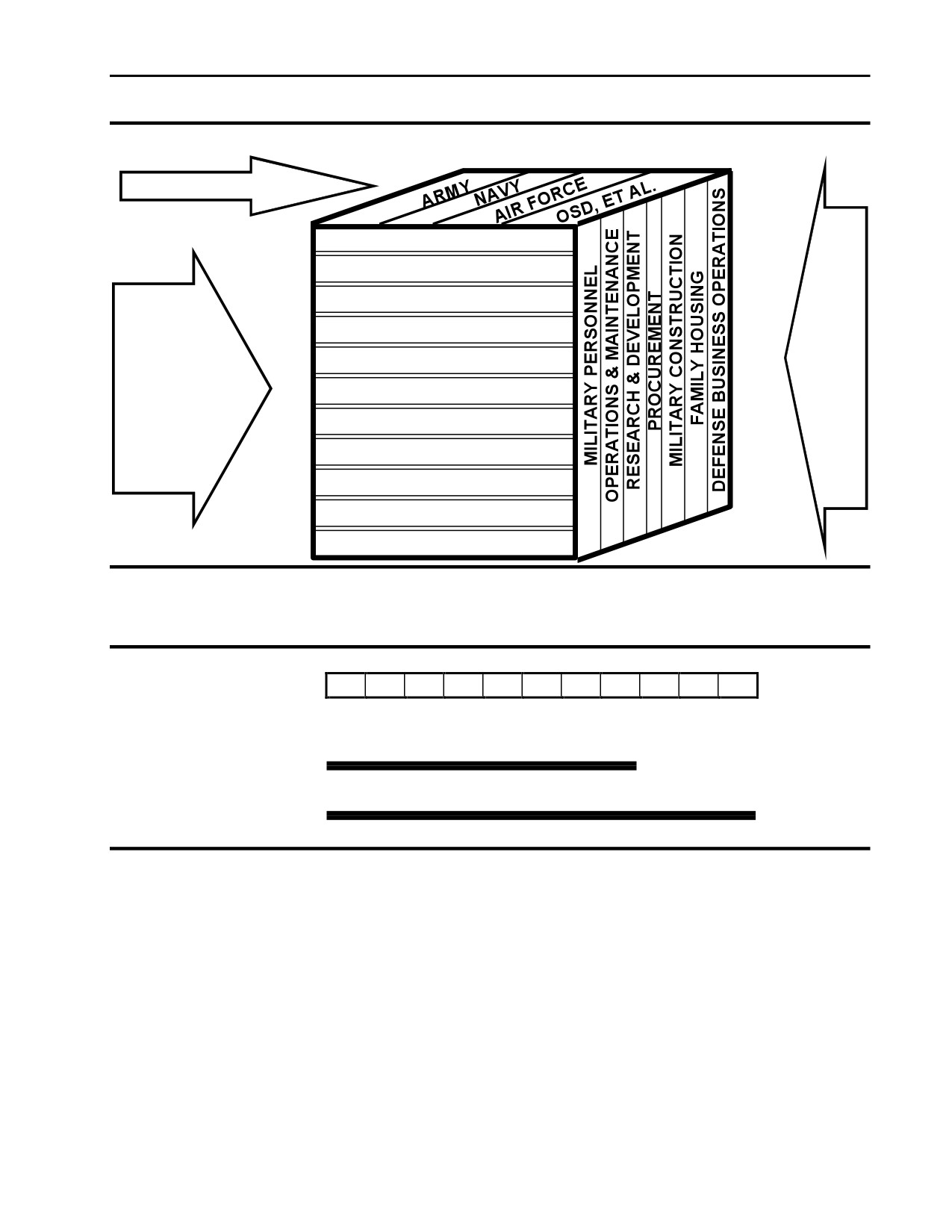
FM 100-11, Force Integration
ORGANIZATIONS
A
STRATEGIC FORCES
P
GENERAL PURPOSE FORCES
P
R
INTELLIGENCE & COMMUNICATIONS
O
P
MIOBILITY LIFT
R
MAJOR
GUARD & RESERVE FORCES
I
DEFENSE
RESEARCH & DEVELOPMENT
A
PROGRAMS
T
CENTRAL SUPPLY & MAINTENANCE
I
TRAINING, MEDICAL & OTHER
O
N
ADMINISTRATION
S
SUPPORT OF OTHER NATIONS
SPECIAL OPERATIONS FORCES
Figure 12-1. FYDP Structure
PY
CY
BY
BY
1
2
3
4
5
6
7
FY
96
97
98
99
00
01
02
03
04
05
06
$TOA & Manpower
Forces
Figure 12-2. Example of FYs Covered by Type Resource in a FYDP
12-3

FM 100-11, Force Integration
Table 12-1
Army Appropriation and Fund Managers
Resource
Manager for
Identification
requirements
Manager for program
code
Appropriation (fund)1
determination
and performance
Investment
RDTE
Research, Development, Test, and Evaluation,
DCSOPS
ASA(RDA)
Army
ACFT (APA)
Aircraft Procurement, Army
DCSOPS
ASA(RDA)
MSLS (MIPA)
Missile Procurement, Army
DCSOPS
ASA(RDA)
WTCV
Procurement of Weapons and Tracked Combat
DCSOPS
ASA(RDA)
Vehicles, Army
AMMO (PAA)
Procurement of Ammunition, Army
DCSOPS
ASA(RDA)
OPA
Other Procurement, Army
DCSOPS
ASA(RDA)
OPA 1
DCSOPS
ASA(RDA)
OPA 2
DCSOPS
ASA(RDA), DISC4
OPA 3
DCSOPS
ASA(RDA)
OPA 4
DCSOPS
ASA(RDA)
MCA
Military Construction, Army
ACSIM
ACSIM
MCNG
Military Construction, Army National
CNGB, ACSIM
CNGB
MCAAAR
Military Construction, Army Reserve
CAR, ACSIM
CAR
AFHC
Family Housing, Army (Construction)
ACSIM
ACSIM
Operations
OMA
Operation and Maintenance, Army
See table 12-2
OMNG
Operation and Maintenance, Army National
CNGB, ACSIM
CNGB
Guard2
OMAR
Operation and Maintenance, Army Reserve2
CAR, ACSIM
CAR
MPA
Military Personnel, Army
DCSPER
DCSPER
NGPA
National Guard Personnel, Army
CNGB
CNGB
RPA
Reserve Personnel, Army
CAR
CAR
AFHO
Family Housing, Army (Operations)
ACSIM
ACSIM
DERA
Defense Environmental Restoration Act
ACSIM
ACSIM
AWCF
Army Working Capital Fund
ASA(FM&C)
ASA(FM&C)
CAWCF
Army Conventional Ammunition Working
ASA(RDA)
ASA(RDA)
Capital Fund
IMET
International Military Education and Training
DCSLOG
DCSLOG
Transfer Appropriation
FMFE
Foreign Military Financing Executive
DCSLOG
DCSLOG
FMS
Foreign Military Sales Program
DCSLOG
DCSLOG
HOA
Homeowners Assistance Fund, Defense
COE
COE
ATF
Department of the Army Trust Funds
ASA(FM&C)
ASA(FM&C)
Notes.
1. ASA(FM&C) serves as appropriation sponsor for all appropriations (funds) except ARNG and USAR appropriations,
whose sponsors are the Chief, National Guard Bureau and Chief, Army Reserve, respectively.
2. See table 12-2.
12-4

FM 100-11, Force Integration
Table 12-2
Budget Activity Management Structure for Operation and Maintenance Appropriations
Operation and Maintenance, Army
Army manpower and tool obligation authority
n Budget activity (BA)
nn Activity group (01 level)
nnn Budget subactivity
Records resources for Army Management Structure Code (AMSCO) nnnxxx, where nnn shows budget subactivity.
Code
Description
Manager'
Code
Description
Manager'
32
Basic skill and advanced training
BA 1: Operating forces
DCSOPS
11
Land forces
321
Specialized skill training
DCSOPS
111
Divisions
DCSOPS
322
Flight training
DCSOPS
112
Corps combat forces
DCSOPS
323
Professional development education
DCSOPS
113
Corps support forces
324
Training support
DCSOPS
114
Echelon above corps forces
DCSOPS
325
Base support (other training)
ACSIM
115
Land forces operations support
DCSOPS
325
Maintenance of real property
ACSIM
12
Land forces readiness
33
Recruiting, and other training
and education
121
Force readiness operations
DCSOPS
support
331
Recruiting and advertising
DCSPER
122
Land forces systems readiness
DISC4,
332
Examining
DCSPER
ACSIM
333
Off-duty and voluntary education
DCSPER
DCSOPS
334
Civilian training and education
DCSPER
123
Land forces depot maintenance
DCSLOG
335
Junior ROTC
DCSPER
13
Land forces readiness support
336
Base support (recruiting leases)
ACSIM
131
Base support
ACSIM
BA 4: Administration and service-wide activities
132
Maintenance of real property
ACSIM
41
Security programs
133
Management and operational
ASA(MRA)
411
Security programs
DCSINT
headquarters
42
Logistics operations
134
Unified commands
DCSOPS
421
Service-wide transportation
DCSLOG
135
Additional activities
DCSOPS
422
Central supply activities
DCSLOG
BA 2: Mobilization
DCSOPS
423
Logistic support activities
DCSLOG
21
Mobility operations
424
Ammunition management
DCSLOG
214
POMCUS2
DCSOPS3
43
Service-wide support
211
Strategic mobilization
DCSLOG3
431
Administration
ASA(MRA)
212
War reserve activities
DCSOPS
432
Service-wide communications
DISC4, ACSIM
213
Industrial preparedness
DCSOPS3
433
Manpower management
ASA(MRA)
BA 3: Training and recruiting
DCSOPS
434
Other personnel support
ASA(MRA)
31
Accession training
435
Other service support
Various
311
Officer acquisition
DCSOPS
436
Army claims activities
TJAG
312
Recruit training
DCSOPS
437
Real estate management
ACSIM
313
One station unit training
DCSOPS
438
Base support
ACSIM
314
Reserve Officers' Training Corps
ACSIM
439
Maintenance of real property
ACSIM
(ROTC)
451
Closed account
Note4
315
Base support (academy only)
ACSIM
493
Environmental restoration
Note4
315
Maintenance of real property
ACSIM
44
Support of other nations
(academy only)
441
International military headquarters
DCSOPS
442
Miscellaneous support of other
DCSOPS
nations
12-5

FM 100-11, Force Integration
Table 12-2
Budget Activity Management Structure for Operation and Maintenance Appropriations
Manpower-only activity structure
Probe generates categories 8 and 9 below to meet manpower reporting requirements.
Category 8 records resources for AMSCO 84nxxx where n=1, 6, 7, or 9 shows the budget subactivity.
Category 9 records resources for AMSCO 9nxxxx, where n=1, 2, 3, or 4 shows the 0-1 level structure.
Code
Description
Manager'
Code
Description
Manager'
Category 8: Medical activities, man-power onlyæ
Category 9: Other manpower only
reimbursable labor
84
Medical manpoweræ
TSG
91
Defense agency manpower DCSOPS
reimbursable
(military only)
841
Examining activities
92
Special operations forces
DCSPER
manpoweræreimbursable
846
Training-medical spaces
847
Care in Army medical center
93
Outside Department of
DCSPER
Defense
849
Defense medical spaces
94
Transients, holdees, and
DCSPER
operating strength deviation
Base support
Provides installation support functions for budget subactivities, 117, 315, 325, 336, and 438. Includes former accounts
for base operations (BASOPSJ (AMSCO xxxx96) real property maintenance (RPM) (AMSCOs xxxx78 and 76), real
property services (AMSCO xxxx79), and environmental compliance (AMSCOs xxxx53, 54, and 56).
Code
Description
Manager'
Code
Description
Manager'
A
Real estate leases
ACSIM
Q Reserve Component support
ACSIM
B
Installation supply operations
DCSLOG
T
Preservation of order/
DCSOPS
counterintelligence operations
C
Direct and general support
DCSLOG
(DS/GS) maintenance of non-
U
Resource management
ASA(FM&C)
tactical equipment
W Contracting operations
ASA(RDA)
D
Transportation services
DCSLOG
Y
Records management,
DISC4,
E
Laundry and dry cleaning
DCSLOG
publications (summary account)
ACSIM
services
Environmental compliance,
ACSIM
F
The Army food services program
DCSLOG
pollution prevention, and
G
Personnel support
ASA(MRA)
conservation programs
H
Unaccompanied personnel
ACSIM
Added Function
Manager
housing operation
Base communications
DISC4
J
Operation of utilities
ACSIM
AMSCO xxxx95
ACSIM
K
Maintenance and repair of real
ACSIM
Audio visual
DISC4
property
AMSCO xxxx90
ACSIM
L
Minor construction
ACSIM
Youth services, family programs
ACSIM
M
Engineer support
ACSIM
AMSCO 315819 and 315820
N
Command element, special
ACSIM
(for USMA resources) and AMSCO
staff, headquarters commandant
xxx719 and xxx720
P
Automation activities
DISC4,
(where xxx is 117, 325, or 438 depending
ACSIM
on the command owning the resources)
S
Community and morale support
ACSIM
activities
12-6