FM 100-11 Force Integration (January 1998) - page 1
*Field Manual 100-11
Headquarters
Department of the Army
Washington, DC, 15 January 1998
Force Integration
Preface
x
Introduction
xi
Chapter 1 How the Army Works
1-1
Section I: Introduction
1-1
1-1. Building more capable forces
1-1
1-2. Perspective for leaders and managers
1-1
Section II: The Army's Roles and Missions
1-1
1-3. The Army's Constitutional role
1-1
1-4. The Army's statutory missions and functions
1-1
1-5. The Army's societal role
1-1
1-6. The Army vision
1-4
Section III: Command, Leadership, and Management at the National Level
1-4
1-7. National command authorities
1-4
1-8. The Department of Defense
1-4
1-9. The Joint Chiefs of Staff
1-4
1-10. Joint Operation Planning and Execution System
1-9
Section IV: The Army Environment
1-9
1-11. Army leadership
1-9
1-12. The Army planning system
1-9
1-13. The Army Planning, Programming, Budgeting, and Execution System
1-9
1-14. The Army Mobilization and Operations Planning and Execution System
1-9
1-15. The Army Mobilization Plan
1-9
1-16. The TRADOC requirements process
1-10
Section V: The Army Organizational Life Cycle Model
1-10
1-17. Management of change
1-10
1-18. The Army Organizational Life Cycle Model
1-10
Section VI: Operating Processes
1-11
1-19. Strategic and operational requirements determination process
1-11
1-20. Research, development, and acquisition process
1-11
1-21. Force development process
1-11
1-22. Resource allocation and distribution process
1-11
1-23. Battlefield requirements determination process
1-12
1-24. Manpower allocation and distribution process
1-12
1-25. Materiel allocation and distribution process
1-12
1-26. Battle laboratories (labs)
1-12
Section VII: Summary
1-12
Chapter 2 How the Army Intends to Fight
2-1
Section I: Introduction
2-1
2-1. Doctrine
2-1
2-2. Force projection
2-1
Distribution Restriction: Approved for public release; distribution is unlimited.
*This publication supersedes FM 100-11, 15 January 1995
i
Section II: The Role and Development of Doctrine
2-1
2-3. The role of doctrine
2-1
2-4. Conceptual foundation of doctrine
2-2
2-5. Sources of doctrinal change
2-2
2-6. Validation of doctrine
2-2
Section III: Fundamentals of Army Operations
2-2
2-7. The range of military operations
2-2
2-8. The levels of war
2-3
2-8. Principles of war and tenets of operations
2-3
2-10. The combined arms concept
2-3
2-11. Rules of engagement
2-3
2-12. The dynamics and functions of combat power
2-3
Section IV: Force Projection Operations
2-4
2-13. Stages of force projection operations
2-4
Section V: Summary
2-4
Chapter 3. The Reserve Components
3-1
Section I: Introduction
3-1
3-1. Two components
3-1
3-2. The Army National Guard
3-1
3-3. The U.S. Army Reserve
3-1
Section II: Reserve Component Structure
3-1
3-4. RC statutory foundation
3-1
3-5. RC composition
3-1
Section III: Reserve Component Management Structure
3-2
3-6. Congress and the Department of Defense
3-2
3-7. U.S. Army Reserve Component controls
3-2
3-8. Army National Guard
3-3
3-9. U.S. Army Reserve
3-4
Section IV: Reserve Component Training and Equipment Program
3-6
3-10. Reserve Component training program
3-6
3-11. Reserve Component equipment program
3-6
Section V: Reserve Component Assistance
3-7
3-12. Full time support personnel
3-7
Section VI: Summary
3-7
Chapter 4 The Force Integration Process
4-1
Section I: Introduction
4-1
4-1. Change as a factor
4-1
4-2. The force integration challenge
4-1
Section II: Management of Change
4-1
4-3. Organizational change
4-1
4-4. Goals
4-1
4-5. Force management processes
4-1
4-6. Force management tasks
4-2
Section III: Force Integration
4-3
4-7. Scope
4-3
4-8. Mission
4-3
4-9. Force integration components
4-4
4-10. The role of operational requirements in force integration
4-5
Section IV: Foundations of Force Integration
4-5
4-11. The Army Organizational Life Cycle Model
4-5
Section V: Force Integration Planning
4-6
4-12. Planning requirements
4-6
ii
4-13. Impact assessments
4-7
4-14. Planning factors
4-7
Section VI: International Considerations
4-8
4-15. National priorities
4-8
4-16. History and world environment
4-8
4-17. Potential adversaries
4-8
4-18. Technology
4-8
4-19. Missions
4-8
4-20. Direction and guidance
4-8
Section VII: Summary
4-8
Chapter 5. Organization Management
5-1
Section I: Introduction
5-1
5-1. Organizational integration
5-1
5-2. Management structure, objectives and execution
5-1
Section II: Organization Management Structure
5-1
5-3. Levels of control
5-1
5-4. Implementation considerations
5-1
Section III: Organizational Integration
5-1
5-5. Objective and scope
5-1
5-6. Organization integration team
5-2
Section IV: Assessments
5-5
5-7. Force Validation Committee
5-5
5-8. Functional area assessments
5-5
5-9. Affordability assessments
5-6
5-10. Supportability assessments
5-6
5-11. Executability assessments
5-6
Section V: Summary
5-6
Chapter 6. Structuring the Force
6-1
Section I: Introduction
6-1
6-1. Basis for force requirements
6-1
6-2. Resourcing requirements
6-1
6-3. Balancing resources and requirements
6-1
Section II: Source Documentation
6-1
6-4. Joint Strategic Planning System
6-1
6-5. Joint Strategic Capabilities Plan
6-1
6-6. DOD Planning, Programming, and Budgeting System
6-1
6-7. Joint Operations Planning and Execution System
6-1
Section III: Organizational Design and Requirements Documentation
6-2
6-8. Organizational design process
6-2
6-9. Documentation of requirements in TOE
6-3
Section IV: Force Structure Development
6-5
6-10. The influence of constraints
6-6
6-11. Supporting analysis
6-6
6-12. Total Army analysis
6-6
6-13. TAA phases
6-6
Section V: Authorization Documentation
6-8
6-14 Purpose
6-8
6-15. The command planning process
6-8
6-16. Documentation process
6-8
6-17. Authorization documentation
6-10
Section VI: Summary
6-12
iii
Chapter 7. Manning the Force
7-1
Section I: Introduction
7-1
7-1. Manpower constraints
7-1
7-2. Manpower management
7-1
7-3. Role of manpower managers
7-1
Section II: Army Manpower
7-1
7-4. Manpower spectrum
7-1
7-5. Force alignment
7-2
7-6. Active Army Military Manpower Program
7-2
Section III: Personnel Documentation and Acquisitions
7-2
7-7. Personnel Management Authorization Documentation
7-2
7-8. Personnel acquisition
7-2
Section IV: Distribution and Assignment
7-3
7-9. Management of personnel inventories
7-3
7-10. Enlisted distribution
7-3
7-11. Distribution considerations
7-4
Section V: Personnel Sustainment
7-4
7-12. Maintaining balance
7-4
7-13. Authorizations documentation
7-4
Section VI: Summary
7-5
Chapter 8. Equipping the Force
8-1
Section I: Introduction
8-1
8-1. Equipping goal
8-1
8-2. Command and staff involvement
8-1
8-3. Total system approach
8-1
Section II: Materiel Development and Acquisition
8-1
8-4. Policy guidance
8-1
8-5. Scope
8-1
8-6. Materiel acquisition life cycle system management
8-1
8-7. Force integration considerations
8-3
Section III: Materiel Requirements Definition
8-3
8-8. Mission needs
8-3
8-9. TRADOC role
8-3
8-10. Requirements documentation
8-3
8-11. Resource allocation
8-5
Section IV: Manpower, Personnel, and Logistics Integration
8-6
8-12. Manpower and personnel integration
8-6
8-13. Logistics integration
8-7
Section V: Major End Item Distribution
8-7
8-14. Distribution considerations
8-7
8-15. Distribution authorizations
8-7
8-16. Distribution priorities
8-8
8-17. Distribution execution
8-9
Section VI: Fielding and Sustainment
8-9
8-18. Total package fielding
8-9
8-19. Displaced equipment disposition
8-12
Section VII: Summary
8-13
Chapter 9. Training the Force
9-1
Section I: Introduction
9-1
9-1. Training and force integration
9-1
9-2. Accomplishing operational missions
9-1
9-3. Competent, confident leaders
9-1
iv
Section II: Combined Arms Training Strategy
9-1
9-4. Training components
9-1
9-5. Principles of individual and unit training
9-2
Section III: Training Development
9-2
9-6. Development of effective training
9-2
9-7. Systems approach to training
9-2
9-8. Training requirements analysis system
9-2
Section IV: Army Modernization Training
9-3
9-9. System training plan
9-3
9-10. Modernization training approaches
9-3
9-11. Modernization training responsibilities
9-4
9-12. Training sequence
9-4
9-13. Training plan development
9-6
9-14. Training evaluations
9-6
9-15. Reserve Component modernization training
9-6
9-16. Mobilization and wartime requirements
9-6
Section V: Summary
9-6
Chapter 10. Sustaining the Force
10-1
Section I: Introduction
10-1
10-1. Organizational sustainment considerations
10-1
10-2. Effects on associated units
10-1
10-3. Balancing requirements and resources
10-1
10-4. Support of fielded systems
10-1
Section II: Logistics Functions and Levels of Support
10-1
10-5. Logistics tasks
10-1
10-6. Logistics functions
10-1
10-7. Logistics levels of support
10-1
Section III: Logistic Planning
10-2
10-8. Support considerations
10-2
10-9. Planning responsibilities
10-2
10-10. Sustainment planning
10-2
Section IV: Maintenance Function
10-2
10-11. Categories of maintenance
10-2
10-12. Army maintenance (less aviation)
10-2
10-13. Aviation maintenance
10-3
Section V: Transportation Function
10-3
10-14. Transportation management
10-3
10-15. Transportation functional areas
10-3
Section VI: Supply Function
10-3
10-16. Supply categories
10-3
10-17. Levels of supply
10-4
10-18. Other supply programs
10-4
Section VII: Organizational Sustainment
10-5
10-19. Authorization documents
10-5
10-20. Force readiness considerations
10-5
Section VIII: Summary
10-5
Chapter 11. Stationing the Force
11-1
Section I: Introduction
11-1
11-1. Complexity of the stationing decision process
11-1
11-2. Multiple agency involvement
11-1
v
Section II: Planning
11-1
11-3. Planning organizational stationing
11-1
11-4. The role of installations in stationing
11-2
Section III: Real Property Management
11-3
11-5. Real Property Master Plan
11-3
11-6. Installation Status Report
11-5
Section IV: Military Construction Program
11-6
11-7. Military construction
11-6
11-8. Army family housing
11-6
Section V: Real Property Maintenance Activities
11-8
11-9. Objective
11-8
11-10. The annual work plan
11-8
11-11. Funding source and guidelines
11-8
Section VI: Real Property Acquisition, Outgrant, and Disposal Process
11-8
11-12. Acquisition
11-8
11-13. Real property out-grants
11-8
11-14. Real property disposal
11-8
11-15. Facilities
11-9
Section VII: Summary
11-9
Chapter 12. Resourcing the Force
12-1
Section I: Introduction
12-1
12-1. The resource task
12-1
12-2. Resourcing aim and approach
12-1
12-3. Planning, Programming, Budgeting, and Execution System
12-1
Section II: PPBES Responsibilities
12-1
12-4. Secretarial oversight
12-1
12-5. System management and operation
12-1
Section III. OSD Resource Management Framework
12-1
12-6. The Future Years Defense Program
12-1
12-7. Core DOD managers
12-2
12-8. OSD PPBS forums
12-7
Section IV: The Army PPBES
12-8
12-9. Concept
12-8
12-10. Objectives
12-8
12-11. Management decision packages
12-8
12-12. PPBES forums
12-9
12-13. Program evaluation groups
12-10
12-14. Process and structure
12-11
Section V. Planning Phase
12-13
12-15. OSD and joint strategic planning
12-13
12-16. Joint Strategy Review
12-13
12-17. JSPS documents and plans
12-13
12-18. OSD planning products
12-14
12-19. Army planning
12-14
12-20. Role of long-range planning
12-14
12-21. Army Long Range Planning Guidance
12-14
12-22. Army requirements determination process
12-14
12-23. Army Modernization Plan
12-14
12-24. Army research, development, and acquisition plan
12-14
12-25. The Army Plan
12-15
12-26. Force development and total Army analysis
12-15
12-27. Command planning and documentation
12-15
12-28. Operational planning link
12-16
vi
Section VI. Programming Phase
12-16
12-29. Army programming
12-16
12-30. Army Program Guidance Memorandum
12-16
12-31. Program development
12-16
12-32. Program development process
12-16
12-33. Army program reviews
12-17
12-34. POM preparation and submission
12-17
12-35. OSD program review
12-17
12-36. Program Decision Memorandum
12-17
Section VII. Budgeting Phase
12-17
12-37. Budget formulation and justification
12-17
12-38. Formulation
12-17
12-39. Transition from the program
12-18
12-40. Incorporating command and agency budget data
12-18
12-41. Funding designated support functions: the Army working capital fund
12-18
12-42. Preparing the Budget Estimates Submission
12-18
12-43. Review and approval
12-19
12-44. OSD and OMB budget review
12-19
12-45. President's Budget
12-19
12-46. Justification
12-19
12-47. Budget hearings
12-19
12-48. Legislative approval and enactment
12-20
12-49. Continuing resolution authority
12-20
Section IX. Execution Phase
12-20
12-50. Execution
12-20
12-51. Financial management
12-20
12-52. Funds control
12-20
12-53. Allocation, obligation, and reconciliations
12-21
12-54. Changes from the President's Budget
12-21
12-55. Funding letters for OMA and AFHO
12-21
12-56. Revised approved program for RDTE
12-21
12-57. Financing unbudgeted requirements
12-21
12-58. Program performance and review
12-22
12-59. Checking program performance
12-22
Section X: Summary
12-22
Chapter 13. Force Readiness
13-1
Section I: Introduction
13-1
13-1. Potential effects of change on readiness
13-1
13-2. Minimizing adverse effects
13-1
Section II: Readiness Management
13-1
13-3. Force readiness
13-1
13-4. Unit readiness
13-2
Section III: Measuring Unit Status
13-2
13-5. A combat readiness measurement
13-2
13-6. Chairman's Readiness System
13-2
13-7. Army readiness system
13-3
Section IV: Planning and Executing Organizational Change
13-4
13-8. Organizations in transition
13-4
13-9. Transition period activities
13-4
Section V: Summary
13-4
vii
Appendix A. Decision Support Analysis
A-1
Section I: Introduction
A-1
A-1. Structuring the decision making process
A-1
A-2. Quantitative methods and the decision process
A-1
Section II: Program Evaluation and Review Technique
A-1
A-3. Network diagrams
A-1
A-4. Example of a completed PERT network
A-6
A-5. Attributes of PERT
A-6
Section III: Critical Path Method
A-8
A-6. Features of the critical path method
A-8
A-7. A CPM example
A-8
Section IV: Gantt Charts
A-9
A-8. Features of Gantt charts
A-9
A-9. A Gantt chart example
A-9
Section V: Summary
A-10
Bibliography
A-10
Glossary
Glossary-1
References
References-1
Index
Index-1
FIGURE LIST
Figure 1-1. Core Competencies
1-3
Figure 1-2. Maintaining the Balance
1-3
Figure 1-3. The Army Vision
1-4
Figure 1-4. Unified Command Structure
1-5
Figure 1-5. Joint Strategic Planning System
1-6
Figure 1-6. Army Organizational Life Cycle Model
1-11
Figure 1-7. Battle Lab Approach
1-12
Figure 3-1. Categories of the Army Reserve
3-1
Figure 3-2. National Guard Management Structure
3-3
Figure 3-3. Director of The Army National Guard (DARNG) Organization
3-4
Figure 3-4. Management Structure for the USAR
3-5
Figure 3-5. Organization of the Office of the Chief, Army Reserve
3-6
Figure 4-1. Force Management Development Process
4-2
Figure 4-2. Force Integration Environment
4-4
Figure 4-3. Army Organizational Life Cycle Model
4-6
Figure 4-4. Defense Planning System Interrelationships
4-7
Figure 5-1. Organization Integration Team
5-2
Figure 5-2. Force Integration Responsibilities
5-4
Figure 6-1. Force Sizing
6-1
Figure 6-2. Incremental Table of Organization and Equipment System
6-5
Figure 6-3. Total Army Analysis
6-6
Figure 6-4. Documentation Process
6-9
Figure 6-5. Structure and Composition System
6-10
Figure 6-6. Authorization Documentation Schedule
6-11
viii
Figure 7-1. Military Manpower Spectrum
7-1
Figure 7-2. Enlisted Procurement Process
7-3
Figure 8-1. Materiel Acquisition Life-Cycle System Management Process
8-2
Figure 8-2. Acquisition Categories
8-4
Figure 8-3. Characteristics of Developmental and Operational Testing and
Evaluation
8-6
Figure 8-4. Equipment Distribution Planning and Execution Process
8-8
Figure 8-5. Distribution Priorities
8-9
Figure 8-6. Distribution Execution
8-10
Figure 9-1. Army Training System
9-1
Figure 9-2. The Band of Excellence
9-5
Figure 9-3. Army Modernization Training Responsibilities
9-5
Figure 11-1. The Real Property Management System
11-4
Figure 11-2. Timeline for an MCA Project
11-7
Figure 12-1. FYDP Structure
12-3
Figure 12-2. Example of FYs Covered by Type Resource in a FYDP
12-3
Figure 12-3. Example of FY Structure of Resources in MDEPs for a POM
12-8
Figure 12-4. PPBES Framework
12-12
Figure A-1. Network Diagram
A-1
Figure A-2. Example of Network Diagram with Activities
A-1
Figure A-3. Activity Precedes Activity
A-2
Figure A-4. Concurrent Activities
A-2
Figure A-5. Dummy Activities
A-2
Figure A-6. Earliest Expected Start Time
A-3
Figure A-7. Calculating TE with Multiple Activity Arrows at One Node
A-4
Figure A-8. Latest Allowable Start Time
A-5
Figure A-9. Calculating TL with More Than One Activity Arrow at a Node
A-5
Figure A-10. Slack Time
A-6
Figure A-11. Complete Network Diagram
A-7
Figure A-12. CPM Network Diagram
A-8
Figure A-13. Gantt Chart
A-10
TABLE LIST
Table 12-1. Army Appropriation and Fund Managers
12-4
Table 12-2. Budget Activity Management Structure for Operation and Maintenance
Appropriations
12-5
Table 12-3. Title 10 PEGs Listing Proponent Agency, Area of Activity,
and Co-Chairs
12-10
Table A-1. Node (Event) Table
A-7
Table A-2. Activity Table
A-7
Table A-3. Cost Table
A-9
Table A-4. Time Versus Cost Alternatives
A-9
ix
PREFACE
This manual provides the Army’s force integration capstone doctrine for use by those who plan, program,
and manage the introduction and resourcing of changes to the Army’s structure and composition. It is an
equally valuable reference for commanders and leaders who execute the changes.
These changes are caused by the Army’s adoption of new or revised doctrine, organizations, manpower, and
equipment. The effects of change may impact any or all echelons from Headquarters, Department of the Army,
to the installation and unit levels. Changes permeate each component of the Army (Active, Reserve and Na-
tional Guard).
The force integration process minimizes adverse effects on the readiness of Army units and component
commands while changes are implemented. As a result, the Army remains prepared to perform all of its mis-
sions promptly and decisively. These missions range across the spectrum of crisis from humanitarian opera-
tions, through military operations other than war, to fighting and winning the Nation’s wars.
FM 100-5 describes the Army’s doctrinal principles for employing forces to accomplish assigned missions
on this spectrum. FM 100-11 discusses how the Army builds and maintains the force projection capabilities
required to execute these operations.
The proponent for this manual is the Office of the Deputy Chief of Staff for Operations and Plans, Head-
quarters, Department of the Army. Record comments and recommendations on Department of the Army Form
2028 (Recommended Changes to Publications and Blank Forms). Send Forms to Commandant, Army Force
Management School, 5500 21st Street, Building 247, Suite 1400, Fort Belvoir, Virginia 22060-5923.
x
INTRODUCTION
Title 10 (Armed Forces), United States Code, section 3062, requires that the Army be organized, trained,
and equipped for prompt and sustained land combat. The doctrine in FM 100-11 supports this statutory re-
quirement.
Events of the 1980’s provided the impetus for the initial effort to document the Army’s management of
change doctrine. During this period, sweeping changes were taking place. AirLand Battle war fighting doc-
trine, Army of Excellence organizations, and over 400 new materiel systems (including the Abrams tank,
Bradley fighting vehicle, Blackhawk helicopter, Patriot air defense system, and multiple-launch rocket systems)
were introduced into the Army.
The 1988 edition of FM 100-11 provided managers of change with the first comprehensive explanation of
the functions and systems that are known collectively as the force integration process. In 1995, the description
of this complex process was updated to reflect then current doctrine.
This edition provides overviews of how the Army “works” as an institution and as an organization and
briefly discusses our war-fighting doctrine. This manual then describes the force integration functions and
systems that organize, structure, man, equip, train, sustain, station, and resource the force projection Army.
Finally, this manual relates the force integration process to the maintenance of unit and force readiness during
the introduction of change.
xi
FM 100-11, Force Integration
Chapter 1
How the Army Works
Section I:
1-4. The Army’s statutory missions and functions
Introduction
The Army executes the will of the Congress by per-
forming its functions of recruiting, organizing, sup-
1-1. Building more capable forces
plying, equipping, training, servicing, mobilizing,
The successful integration of new doctrine, organi-
demobilizing, administering, maintaining, repairing
zations, and equipment into the Army requires the
military equipment, and acquiring and maintaining
synchronization of many Army functional systems
real property for Army forces to comply with section
and multiple levels of command. Managing these
3062, Title 10 (Armed Forces), United States Code
interrelated functions to build a more capable force
(10 USC 3062) which states—
is necessary to enable the effective conduct of com-
“It is the intent of Congress to provide an
bat operations. While the functions are linked in the
Army that is capable, in conjunction with the
building of a combat-ready force, the processes and
other Armed Forces, of preserving the peace
systems that support the functions are not always
and security... of the United States... sup-
linked. Command, management, and leadership exist
porting the national policies... implementing
to provide that linkage.
the national objectives... and overcoming any
1-2. Perspective for leaders and managers
nations responsible for aggressive acts that
imperil the peace and security of the United
As the Army evolves into the 21st Century, it must
States. [The Army] shall be organized,
retain its historic foundations. This evolutionary
trained, and equipped primarily for prompt
process is based on the Army’s enduring values and
and sustained combat incident to operations
core competencies, and guided by its leadership’s
on land... [and] is responsible for the prepa-
vision of the future Army. This chapter reviews
ration of land forces necessary for the effec-
where the Army fits into the national defense envi-
tive prosecution of war except as otherwise
ronment by discussing the Army’s roles and mis-
assigned and, in accordance with integrated
sions and the chain of command. It provides an
joint mobilization plans, for the expansion of
overview of the planning process to reveal how to
the peacetime components of the Army to
determine Army requirements. This chapter con-
meet the needs of war.”
cludes with a discussion of the Army Organizational
Life Cycle Model (AOLCM) whose interrelation-
1-5. The Army’s societal role
ships and mechanisms allow the Army to provide
forces that are properly organized, trained, and
A distinction exists between the Army as an institu-
equipped to accomplish the operational missions
tion and the Army as an organization. Both roles are
assigned to the commanders in chief (CINC) of uni-
critical in maintaining a strategic force capable of
fied combatant commands. Understanding the
decisive victory.
AOLCM is critical to the Army’s future leaders and
a. The Army as an institution. The “institution”
managers.
of the Army is its essence, traditions, history, and
lineage. It includes leader development, doctrine,
Section II:
training, professionalism, integrity, and the Army’s
The Army’s Roles and Missions
tradition of responsibility to the nation. The Army’s
1-3. The Army’s Constitutional role
enduring values flow from the American ideals em-
bodied in the Constitution and Declaration of Inde-
The Constitution of the United States says that “we
pendence. They guide the actions of soldiers as indi-
the people...provide for the common defense,” that
viduals and groups. Throughout American military
the Congress raises the Army, and that the president
history, these values have provided a firm founda-
shall be the commander-in-chief. The United States
tion for military leaders and soldiers. They provide
Army exists to protect and defend the Constitution
all soldiers with principles of conduct and standards
of the United States of America. The Army does this
of behavior that exemplify those ideals and values to
by deterring and, when deterrence fails, by achieving
which Americans subscribe. These values include—
quick, decisive victory—on and off the battlefield—
anywhere in the world and under virtually any con-
(1) Courage, both physical and moral.
ditions as part of a joint team. The Congress, by
(2) Integrity.
statute, has provided for a Secretary of Defense,
(3) Candor.
Secretary of the Army, Chief of Staff of the Army,
(4) Competence.
and Army missions
1-1
FM 100-11, Force Integration
(5) Commitment.
(2) The six imperatives. The Army’s six im-
peratives support these core competencies and are
(6) Loyalty to the ideals of the nation, to
the foundation for future success. When properly
one’s unit, and to one’s fellow soldiers.
resourced and balanced, they coalesce in a trained
(7) Personal responsibility.
and ready force. The imperatives are—
(8) Fair treatment for all regardless of race,
(a) Quality soldiers, trained, motivated,
gender, religion, or national origin.
and challenged.
(9) Selfless service.
(b) Competent leaders, clear in their vi-
sion of the future, with fully developed combat
b. The Army as an organization. The Army at
skills.
any point in time is the “organization.” It includes
(c) Challenging training, focused on re-
units and table(s) of distribution and allowances
alistic scenarios and oriented toward joint, com-
(TDA) organizations, and soldiers in all compo-
bined, and coalition operations and contingency mis-
nents, civilians, family members, the defense indus-
sions.
try, capabilities, and structure. The “organization” is
(d) Modern equipment that provides
highly visible at home and abroad. It serves the na-
soldiers with the greatest available lethality and best
tion‘s peacetime interests and is ready to fight when
technology.
called upon.
(e) Force mix of Army civilians, Re-
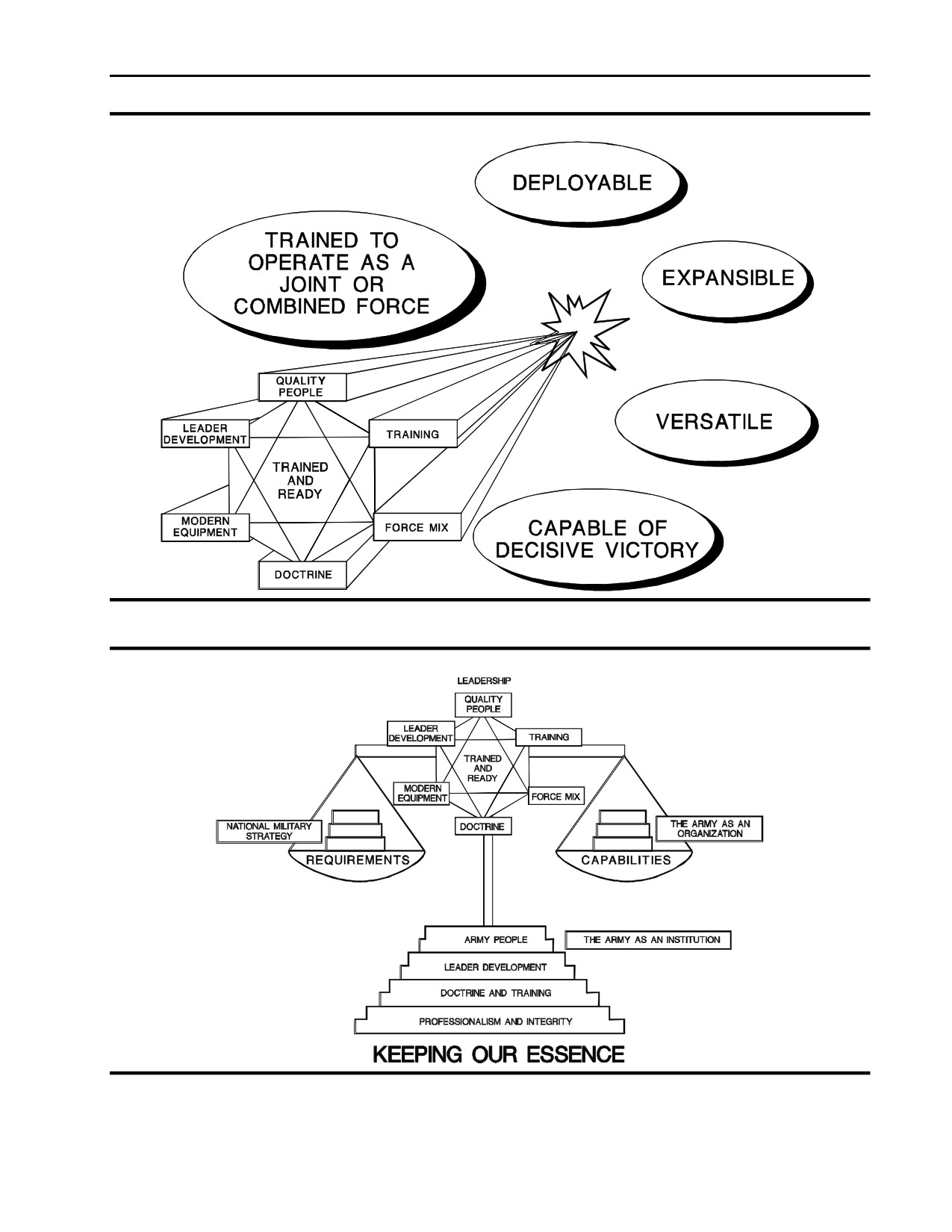
(1) Core competencies. Core organizational
serve, and Active forces that preserves essential war-
competencies, as depicted in Figure
1-1, are the
fighting capabilities in rapidly deployable units. The
quintessential constants that give the Army the com-
correct force mix also allows time for mobilization
petitive edge over potential adversaries. They adapt
and training of follow-on and reconstituted units.
to changing situations and, in combination, have a
(f) Effective doctrine that accommodates
synergistic effect on mission accomplishment. They
joint, combined, and coalition maneuver-oriented,
are critical for successful mission execution and ap-
high tempo, and high technology warfare.
ply across all military operations. These competen-
c. Coalescence of the Army as institution and
cies ensure the Army is—
organization. The Army maintains a relationship
(a) Trained, with the ability to fight as
between the “institutional” Army, with its enduring
part of a joint or combined force.
values, and the “organizational” Army, the strategic
(b) Versatile, with the ability to respond
force capable of decisive victory (see Figure 1-2).
across the continuum of military operations.
“Institutional” changes occur slowly through delib-
erate evolution and are indistinguishable to the pub-
(c) Deployable, with the ability to proj-
lic at large. The “organization” changes more rap-
ect combat power rapidly from the continental
idly and visibly to meet requirements presented by
United States (CONUS) to any location where po-
national and international realities. In maintaining
tential adversaries threaten U.S. national interests.
the balance between capabilities and requirements in
(d) Expandable, with the ability to con-
the “organization,” the “institution” must not lose its
stitute new forces in response to a deterioration in
enduring values. They are the foundation during pe-
the international order or emergence of a major
riods of change and uncertainty. The challenge is to
threat to U.S. interests.
manage change, increase capability, maintain stabil-
(e) Capable of decisive victory, with
ity, and foster innovation.
the ability to win quickly with minimum casualties.
1-2
FM 100-11, Force Integration
Figure 1-1. Core Competencies
Figure 1-2. Maintaining the Balance
1-3
FM 100-11, Force Integration
(1) Readiness. This is the ability of forces to
1-6. The Army vision
deliver the outputs for which they are designed. This
Essential to any organization’s success is a clear
includes the ability to man, equip, and train in
understanding of organizational goals—the vision.
peacetime and to mobilize, deploy, and fight in war-
Achievement of the Army’s vision (see Figure 1-3)
time.
depends squarely on maintaining core competencies.
(2) Force structure. This is the manpower
and materiel resources of organizations tasked to
THE U.S. ARMY
perform missions in peace and war.
TRAINED AND READY FOR VICTORY
(3) Sustainability. This is the
“staying
power” of forces. It includes the ability to produce
A TOTAL FORCE OF QUALITY SOLDIERS
and deliver forces over prolonged periods.
AND CIVILIANS
(4) Modernization and investment. This is
the ability to ensure our forces maintain a qualitative
· A values-based organization
superiority in technology and the ability to incorpo-
· An integral part of the Joint Team
rate new technology after proving its capability as a
combat multiplier.
· Equipped with the most modern
weapons and equipment
(5) Infrastructure and overhead. This is the
ability to increase efficiency and redirect shrinking
· Able to respond to our nations needs
resources to our high quality forces by reducing in-
frastructure and overhead in all program areas.
· Changing to meet the challenges of
today...tomorrow...and the 21st century
c. The Planning, Programming, and Budgeting
System.
Figure 1-3. The Army Vision
(1) The Planning, Programming, and Budg-
eting System (PPBS) is a cyclic process for provid-
Section III:
ing for current and future programs through three
Command, Leadership, and
interrelated phases
(planning, programming, and
Management at the National Level
budgeting). It maintains consistency with national
security objectives, policies, and strategies.
1-7. National command authorities
(2) DOD uses PPBS as its primary system
The President and the Secretary of Defense are the
for managing the departments’ military functions. It
National Command Authorities
(NCA). The Na-
facilitates budgeting in forces, systems, and pro-
tional Security Council (NSC) supports the Presi-
grams rather than resource categories. It determines
dent, as commander-in-chief, with the integration of
force, system, and program costs and compares al-
domestic, foreign, and military policies on National
ternatives in costs and benefits. In effect, it is the
security.
decision structure within which DOD determines its
requirements and allocates constrained resources.
1-8. The Department of Defense
(3) The DOD PPBS is the primary formal
The Department of Defense (DOD) includes the Of-
strategic management system for building and
fice of the Secretary of Defense (OSD), the Joint
maintaining the Future Years Defense Program
Chiefs of Staff (JCS), the military departments, and
(FYDP), the official record of major resource allo-
the military services within those departments. It
cation decisions made by Secretary of Defense.
also includes the unified commands and other agen-
PPBS progresses from a general articulation of the
cies established to meet specific requirements.
national military strategy by the JCS to specific or-
a. Roles of OSD and the Joint Chiefs of Staff.
ganizations, manpower, material, training, and sup-
OSD and the JCS perform vital roles in the process
port of the forces necessary to carry out that strat-
of developing and implementing a National military
egy. The FYDP is the summary of programs devel-
strategy, defense resource management, and military
oped within the PPBS.
operations. The Defense Planning Guidance (DPG)
is the most authoritative statement of the National
1-9. The Joint Chiefs of Staff
military policy. Prepared biennially within OSD, it is
The National Security Act of 1947 established the
the link between planning and programming used by
Joint Chiefs of Staff as the “principal advisors to the
the Joint Chiefs of Staff and the military depart-
President and the Secretary of Defense.” The Gold-
ments.
water-Nichols DOD Reorganization Act of
1986
b. Pillars of defense. OSD establishes force
further specified that the Chairman, Joint Chiefs of
planning guidance in five categories known as the
Staff (CJCS), is the principal military advisor to the
“pillars of defense.” In order of priority, they are—
President, NSC, and Secretary of Defense rather
1-4
FM 100-11, Force Integration
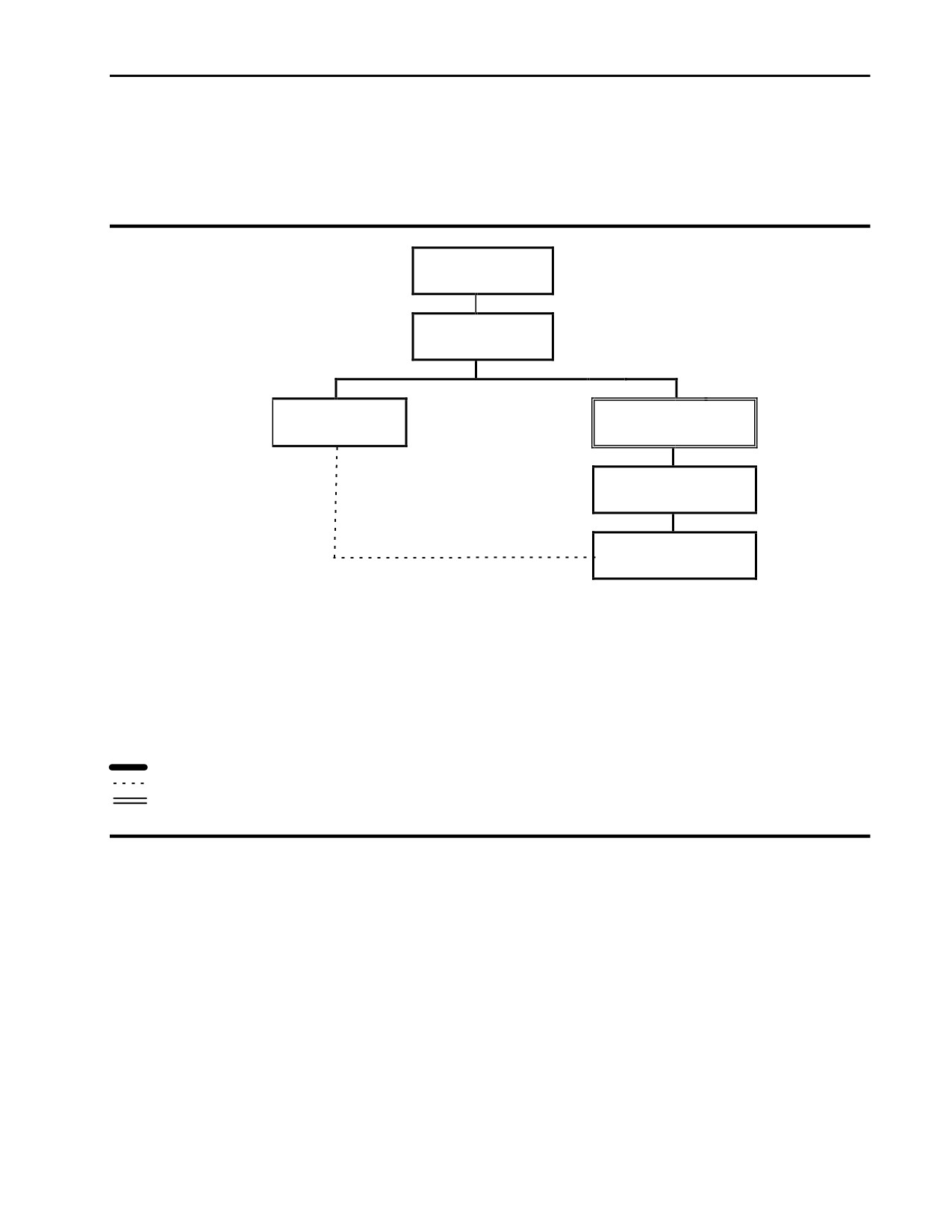
than the entire Joint Chiefs of Staff (see Figure 1-4).
strategic plans, advising on joint program priorities,
The role of the Chairman expanded in importance
and assessing service composite programs and budg-
and influence since the passage of the 1986 Reor-
ets. In consultation with the CINCs and other mem-
ganization Act. The Chairman’s statutory responsi-
bers of the JCS, the Chairman accomplishes these
bilities include: providing strategic direction, pre-
statutory requirements under the framework of the
paring
Joint Strategic Planning System.
THE
PRESIDENT
SECRETARY OF
DEFENSE
MILITARY
THROUGH CJCS
SERVICE
UNIFIED
COMMANDS
COMPONENT
COMMANDS
UNIFIED COMMANDS:
Public Law 99-433 (Goldwater-Nichols DOD Reorganiza-
US ATLANTIC COMMAND (USACOM)
tion Act of 1986) specifies that the Secretary of Defense
US CENTRAL COMMAND (USCENTCOM)
may assign to the Chairman, Joint Chiefs of Staff re-
US EUROPEAN COMMAND (USEUCOM)
sponsibility for overseeing the activities of the combatant
US PACIFIC COMMAND (USPACOM)
commands. However, such assignment does not confer
US SPACE COMMAND (USSPACECOM)
any command authority on the Chairman and does not
US SPECIAL OPERATION COMMAND (USSOCOM)
alter the responsibility of the commanders of the com-
US SOUTHERN COMMAND (USSOUTHCOM)
batant commands. Subject to the direction of the Presi-
US TRANSPORTATION COMMAND (USTRANSCOM)
dent, the commander of a combatant commandæ
US STRATEGIC COMMAND (USSTRATCOM)
· performs his duties under the authority, direction
COMMAND SUPPORT
and control of the Secretary of Defense; and
SUPPORT
· is directly responsible to the Secretary of De-
ROLE OF CHAIRMAN, JOINT CHIEFS of
fense for the preparedness of the command to
STAFF
carry out missions assigned to the command.
Figure 1-4. Unified Command Structure
a. The Joint Strategic Planning System.
and Policy Directorate, J-5; and the Force Structure,
(1) The CJCS is charged by 10 USC with
Resources, and Assessment Directorate, J-8, who
preparing strategic plans and providing for the stra-
use input from the Joint Staff, OSD, other DOD and
tegic direction of the Armed Forces. The Joint Stra-
Federal agencies, unified combatant commands, and
tegic Planning System
(JSPS), as prescribed by
the Services to assist in policy formulation, develop
CJCS Memorandum of Policy No. 7 (MOP 7), and
strategy, and provide force planning guidance. Pri-
modified by Chairman of the Joint Chiefs of Staff
mary responsibility for the management of the Joint
Instruction
(CJCSI) 3137.01, provides the frame-
Operations Planning and Execution System
work for strategic planning and strategic direction of
(JOPES), to include the review and approval of op-
the Armed Forces. Joint strategic planning begins
erations plans, resides with the Operational Plans
the process that creates the forces whose capabilities
and Interoperability Directorate, J-7; and Operations
are apportioned for theater operation planning.
Directorate, J-3.
(2) Within the Joint Staff, strategic planning
(3) The JSPS constitutes a continuing proc-
is primarily the responsibility of the Strategic Plans
ess in which documents or products are coherently
1-5
FM 100-11, Force Integration
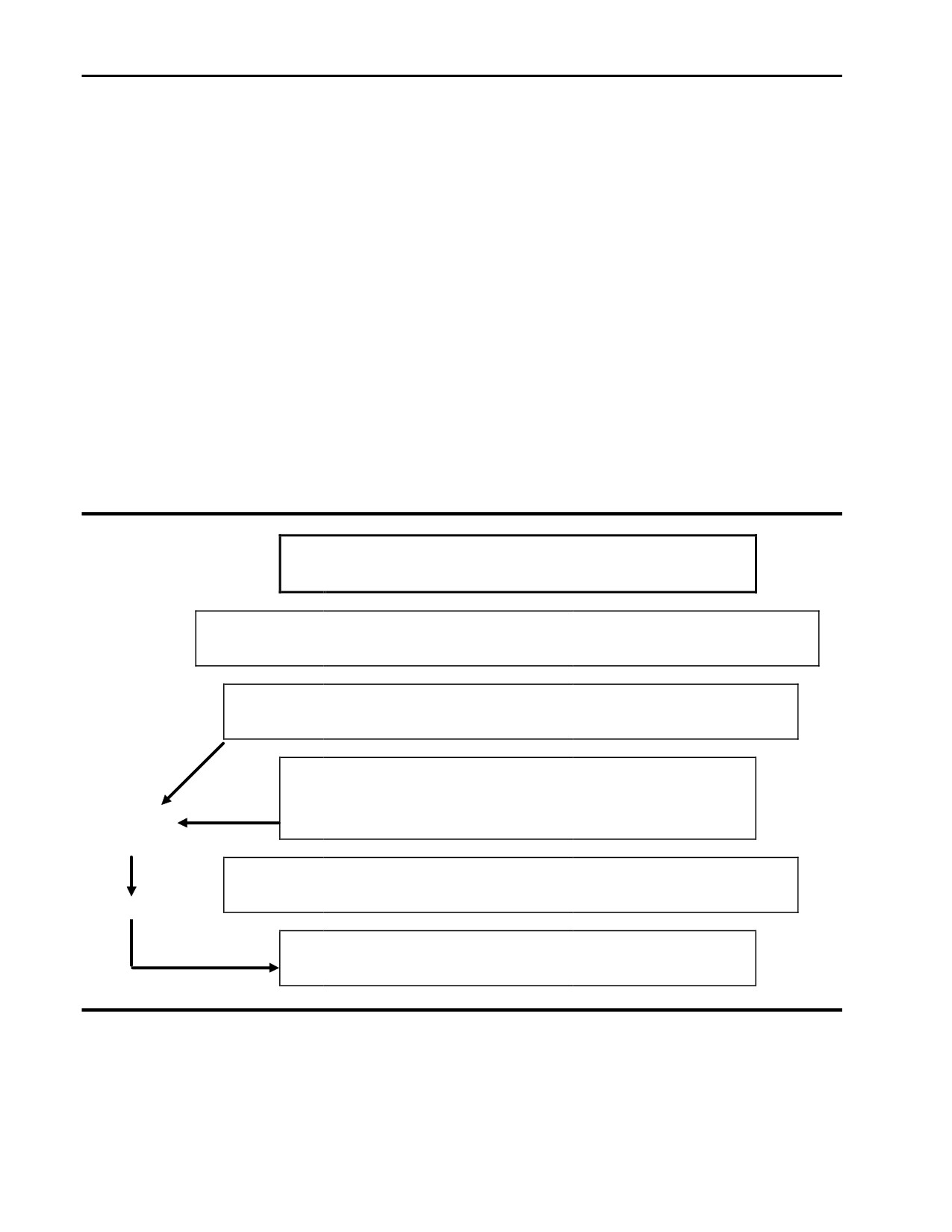
produced (see Figure 1-5). Some are developed con-
adequacy of the Service and DOD agency POMs.
currently. Key outputs of the JSPS include the Na-
The CPA comments on the risk associated with the
tional Military Strategy
(NMS), Joint Planning
planned allocation of defense resources. The CPA
Document (JPD), and the Joint Strategic Capabili-
evaluates how well POMs conform with the priori-
ties Plan (JSCP). Two closely related documents are
ties established in strategic plans and the CINCs’
produced by the Joint Requirements Oversight
requirements.
Council (JROC)/Joint War-fighting Capabilities As-
(5) The NMS, JPD, and CPR initiate the
sessment (JWCA) process (defined and discussed
planning phase of the DOD PPBS. They provide
below). They are the Chairman’s Program Recom-
CJCS advice to the NCA on the overall military
mendation (CPR), and the Chairman’s Program As-
strategy, fiscally-constrained force structure, and
sessment (CPA) (formerly part of the JSPS). The
joint program priorities required to support U.S.
NMS, JPD, and CPR are provided as advice to the
National security objectives. Considering its impact
Secretary of Defense for use in preparation of the
on planning and programming, it is essential that
DPG.
CJCS advice be included in the formulation of the
(4) In the resulting DPG, the Secretary of
DPG.
Defense provides policy, articulates strategic objec-
(6) The JSCP provides strategic guidance,
tives and the national military strategy, and provides
contingency taskings, and apportions major combat
force and resource guidance to the Services, other
forces to combatant commanders for use in opera-
DOD agencies, and to the combatant commanders.
tional planning. Using the JSCP guidance, the
Based on the DPG, the Services and DOD agencies
CINCs prepare operation plans in accordance with
prepare their program objective memorandums
the procedures of JOPES.
(POM). Using the CPA, the CJCS assesses the
JSPS & CJCS Documents
Joint Strategy Review; Chairman's Guidance
(Continuous Assessment of Strategic Environment)
National Military Strategy
(Strategy With Constrained Force Structure)
Chairman's Program Recommendation;
Joint Planning Document
Defense
(Program Priorities)
Planning
Guidance
Joint Strategic Capabilities Plan
(Guidance and Tasking For Deliberate Planning)
POM
Chairman's Program Assessment
(POM Force Assessment)
Figure 1-5. Joint Strategic Planning System
b. The Joint Strategy Review (JSR). The JSR is
sessments. Products of the JSR include Issue Papers,
the continuous JSPS process for gathering informa-
the Long-Range Vision Paper, and the JSR Annual
tion, raising issues, and facilitating the integration of
Report. The JSR Annual Report recommends, as
the strategy, operational planning, and program as-
appropriate, changes to the NMS and guides the de-
1-6
FM 100-11, Force Integration
velopment of the JPD. Approval of the JSR Annual
(3) The Joint Strategic Capabilities Plan.
Report is one of the means available to the CJCS to
This plan provides guidance to the CINCs and to the
inject his guidance into the JSPS.
Chiefs of Staff of the Services to accomplish tasks
and missions based on current military capabilities.
c. The Chairman’s Guidance (CG). The CG
provides the principal guidance to the Joint Staff and
(a) The JSCP apportions resources to
information to the Secretary of Defense, the CINCs,
the CINCs, based on military capabilities resulting
and the other members of the JCS regarding the
from completed program and budget actions. The
framework for building the NMS. This guidance
JSCP provides a coherent framework for capabilities
serves as a bridge between the initial assessments
based military advice provided to the NCA.
and conclusions reached during the JSR process and
(b) The JSCP is the principal vehicle by
the specific processes that build the NMS, the JPD,
which the CINCs are tasked to develop operations
and the JSCP. The Director, Strategic Plans and
plans, concept plans and concept summaries for
Policy, the Joint Staff (J5) recommended CG is pre-
global and regional contingencies. The JSCP gives
sented in the JSR Annual Report and when ap-
strategic planning direction for deliberate plans to be
proved, provides his initial guidance. The CG may
developed over a period of 18 to 24 months. The
also be promulgated via other means anytime during
JSCP supports and implements, through CINCs’
the JSR process, such as the CINCs Conference.
operations plans and the NMS, the NCA’s Contin-
d. Joint Strategic Planning Documents.
gency Planning Guidance (CPG).
(1) The National Military Strategy. This is
(c) The JSCP apportions major combat
the first formal JSPS document and fulfills the
forces expected to be available during the planning
chairman’s 10 USC responsibility to “...assist the
period for both Active and Reserve component
President and the Secretary of Defense in providing
forces found under various conditions of mobiliza-
strategic direction of the Armed Forces.” It is re-
tion. These apportionments are incorporated into
viewed annually during the JSR and revised or re-
CINC theater plans.
published as needed. It provides the advice of the
(d) The JSCP provides the CINCs a
CJCS, in consultation with the other members of the
threat estimate likely to impact the operational plan-
JCS and the CINCs, to the President, Secretary of
ning and force apportionment during the planning
Defense, and the NSC, as to the recommended mili-
period.
tary strategy and fiscally-constrained force structure
e. Joint Requirements Oversight Council Proc-
required to attain the national security objectives.
ess. The JROC consists of the Vice Chairman, Joint
The NMS consists of a contextual setting, an up-
Chiefs of Staff (VCJCS), the Vice Chiefs of Staff of
dated intelligence appraisal, descriptions of ways to
the Army and Air Force, Vice Chief of Naval Op-
achieve national security objectives, a description of
erations, and the Assistant Commandant of the Ma-
the strategic landscape, and the foundations and
rine Corps. Since April 1994, the CJCS expanded
principles upon which the strategy is based. Addi-
the authority of the JROC to assist in building senior
tionally, during NMS development, force levels re-
military consensus across a range of issues.
quired to support the strategy, with acceptable risk,
are identified. The NMS is then forwarded to the
(1) First, the JROC’s agenda broadened to
President through the Secretary of Defense. The
include greater initiative in defining military re-
NMS is developed as required by changes in the rec-
quirements with an expanded focus on the planning,
ommended strategy.
programming and budgeting process. The JROC
oversees the requirements generation process for
(2) The Joint Planning Document. This
major defense acquisition programs (MDAP).
document supports the NMS by providing concise
programming priorities, requirements or advice to
(2) Second, the JROC activity has been in-
the Secretary of Defense for consideration during
creasingly linked to a dialogue with CINCs on war-
preparation of the DPG. It is published in seven
fighting requirements.
stand-alone volumes: Intelligence; Nuclear; C4
(3) Third, the JROC established, as a new
Systems; Future Capabilities; Mapping, Charting,
analytical forum for deliberations, the Joint War-
and Geodesy; Manpower and Personnel; and Logis-
fighting Capabilities Assessments
(JWCA). These
tics. The JPD and the NMS are forwarded to the
assessments cover ten interacting warfare areas.
Secretary of Defense for his review. Both documents
(4) Fourth, the JROC increased its direct in-
provide supporting documentation to the Secretary
tegration in PPBS. The most significant effort has
of Defense for his consideration during the prepara-
tion of the DPG.
1-7
FM 100-11, Force Integration
involved the production of the Chairman’s two
fighting capability areas requires careful scrutiny of
documents—the CPA (with a changed emphasis)
empirical data, appropriate application of analytical
and the CPR (a new document).
processes, and sound military judgment. The CPR
focuses upon specific recommendations that will
f. JROC Review Board. To assist the integration
enhance joint readiness, promote joint doctrine and
and coordination effort of the JWCA, the JROC cre-
training, and satisfy joint war-fighting requirements.
ated the JROC Review Board (JRB). The JRB con-
sists of the Director, Force Structure, Resources,
(2) The Chairman’s Program Assessment.
and Assessment Directorate, the Joint Staff (J8), and
(a) This assessment contains the
Service Deputy Operations Deputies. The JRB as-
CJCS’s alternative program recommendations and
sists the JROC in overseeing the requirements gen-
budget proposals for consideration by the Secretary
eration process and the JWCA process. The JRB
of Defense in refining the defense program and
reviews JWCA insights, findings, recommendations,
budget. These adjustments are intended to enhance
and provides both guidance and direction.
joint readiness, promote joint doctrine and training,
g. Joint War-fighting Capabilities Assessments.
and to reflect strategic and CINC priorities. The
CJCS reviews the POMs of the Services and other
(1) JWCA teams, each sponsored by a Joint
DOD agencies and the preliminary program deci-
Staff directorate
(Director), examine key relation-
sions.
ships and interactions among joint war-fighting ca-
pabilities and identify opportunities for improving
(b) The CPA is delivered late in the
war-fighting effectiveness. The teams consist of war-
Program review cycle, and provides the CJCS as-
fighting and functional area expertise from the Joint
sessment of composite Services’ and DOD agencies’
Staff, CINCs, Services, OSD, DOD agencies, and
POMs adequacy. The CPA evaluates the extent that
others as deemed necessary.
the POMs conform to strategic priorities and CINC
requirements. The CJCS comments on the risks as-
(2) JWCA findings are presented to the JRB,
sociated with the planned allocation of DOD re-
and then to the JROC for consideration. The JROC
sources. When applicable, the CJCS makes recom-
then is instrumental in helping the CJCS forge con-
mendations to the Secretary of Defense on specific
sensus and explore alternatives. The CJCS draws
alternative programs and budget proposals based
advice from the JROC, the other JCS members, and
upon personal assessment of current and future joint
the CINCs, to fulfill his statutory responsibility to
war-fighting capabilities.
provide advice to the Secretary of Defense regarding
program recommendations and budget proposals.
i. Key JSPS related documents.
(3) The CPR and CPA form the basis for ful-
(1) Defense Planning Guidance. The DPG
filling the CJCS’s responsibilities. Designed to offer
furnishes programming and fiscal guidance to the
the CJCS’s personal viewpoint, the CPR and CPA
military departments for development of POMs. It
are supported by both the deliberate planning proc-
includes major planning issues and decisions, strat-
ess and JWCA. Both are produced and delivered
egy and policy, the Secretary of Defense’s program
separately from other PPBS and JSPS documents.
planning objectives, the Defense Planning Estimate,
and the Illustrative Planning Scenarios. The DPG is
h. Chairman’s Documents.
a major link between the JSPS and PPBS.
(1) The Chairman’s Program Recommenda-
(2) Contingency Planning Guidance. The
tion (CPR).
CPG provides written policy guidance for contin-
(a) The CPR provides the CJCS’s per-
gency planning. The CPG focuses the guidance pro-
sonal recommendation to the Secretary of Defense
vided in the NMS and DPG and directly impacts the
for his consideration in the DPG. The recommenda-
JSCP.
tions are the CJCS’s views of programs important to
j. JSPS in summary. Overall, the JSPS is a
creating or enhancing joint war-fighting capabilities.
flexible and interactive system intended to provide
(b) The CPR is delivered early in the
supporting military advice to the DOD PPBS. It also
POM cycle. It provides input to programming and
provides strategic guidance for use in the JOPES.
budgeting and is provided as advice to the Secretary
Through the JSPS, the Joint Chiefs of Staff review
of Defense for use in preparing the DPG. The CPR
the national security environment and national secu-
delineates the issues the CJCS deems critical priori-
rity objectives; evaluate the threat; assesses current
ties and performance goals for the Secretary to con-
strategy and existing or proposed programs and
sider. The Secretary considers the CJCS’s recom-
budgets; and propose military strategy, programs,
mendations, and then publishes the DPG.
and forces necessary to achieve national security
(c) The CPR recommendations are not
objectives. It accomplishes this in a resource-limited
restricted to the FYDP. Examining and recom-
environment, consistent with policies and priorities
mending program alternatives within joint war-
established by the President and the Secretary of
1-8
FM 100-11, Force Integration
Defense. The JSPS process permits the JCS and the
b. The PPBES is the Army’s primary strategic
CINCs to participate in the development of every
management system used to allocate and manage
JSPS document.
resources. Its objectives are to—
(1) Follow the NMS in sizing, structuring,
1-10. Joint Operation Planning and Execution
manning and training of Army forces.
System
(2) Obtain required forces, manpower, mate-
The JOPES is the command and control system re-
riel, and dollars.
quired by DOD regulation for all joint conventional
(3) Allocate forces, manpower, materiel, and
operational planning and execution. JOPES also in-
dollars among competing demands according to
cludes theater-level nuclear and chemical plans and
Army resource allocation policies and priorities.
addresses mobilization, deployment, employment,
and sustainment mission areas. It is the principal
(4) Evaluate execution of the program and
system for translating and implementing policy deci-
budget to achieve intended purposes and adjust re-
sions of the NCA and the JSPS into plans and orders
source requirements based on feedback.
for operations in support of national security policy.
c. The PPBES provides for a progression from
It also provides joint operational requirements for
national security objectives, policies, and strategies
analysis in the PPBS for resource decisions that af-
to the development of force structure and programs
fect the National Security Council System (NSCS)
within resource constraints and as the basis for the
and JSPS.
six-year period of the FYDP. Finally, the PPBES
leads to preparation, execution, and review of the
Section IV:
budget. A detailed discussion of the PPBES is found
The Army Environment
in Chapter 12.
1-11. Army leadership
1-14. The Army Mobilization and Operations
The leadership of the Department of the Army (DA)
Planning and Execution System
is responsible for the Army’s strategic planning and
The Army Mobilization and Operations Planning
for assisting in joint strategic planning. The senior
and Execution System
(AMOPES) provides the
leadership nucleus includes the Secretary, the Chief
structure and process for Army participation in
of Staff, the Undersecretary, and the Vice Chief of
JOPES. It covers the full course of military action to
Staff. The Army executes its statutory missions by
include mobilization, deployment, sustainment, force
raising, provisioning, sustaining, maintaining, and
expansion, redeployment, and demobilization. The
training Army forces. These forces provide the
goal of AMOPES is to ensure that the Army can
CINCs of the unified combatant commands with
support the combat operations of the combatant
military forces for operations.
commanders. AMOPES provides the linkage be-
1-12. The Army Planning System
tween war planning under JOPES and mobilization
planning as directed by DOD and the JCS. It pre-
The Army Planning System (APS) starts the Army’s
scribes the Army crisis action system for managing
strategic planning process, building on the NMS. It
the execution of mobilization and operation plans.
determines force requirements and objectives and
establishes guidance for the allocation of resources
1-15. The Army Mobilization Plan
for the execution of Army roles and missions in sup-
a. The Army Mobilization Plan (AMP) is a col-
port of national security and policy objectives. Stra-
lection of mobilization plans of the major Army
tegic planning provides direct support to the DOD
commands (MACOM). The purpose of Army mobi-
PPBS and JSPS and indirectly serves as a guide for
lization planning is to provide the resources required
the later development of Army programs and budg-
to support various operation plans (OPLAN). This
ets.
includes mobilizing units, manpower, and materiel
1-13. The Army Planning, Programming, Budg-
required for implementation of an OPLAN, as well
eting, and Execution System
as the resources required to sustain the operation.
a. Army requirements descend not only from the
b. The United States Army Forces Command
statutory functions, but also from strategic and op-
(FORSCOM) mobilization plan, with its associated
erational requirements derived from the planning
Mobilization Planning and Execution System
element of DOD’s PPBS. DOD planning translates
(MPES), details the time-phased flow of mobilizing
into the planning phase of the Army’s Planning,
Reserve Component units from home station to their
Programming, Budgeting, and Execution System
mobilization stations.
(PPBES).
c. The U.S. Army Training and Doctrine Com-
mand (TRADOC) training base expansion plan
(TBEP) provides installations and training base
1-9
FM 100-11, Force Integration
augmentation units in the Army with guidance on
stage, with all of these functions occurring concur-
training base expansion activities.
rently in a never-ending process.
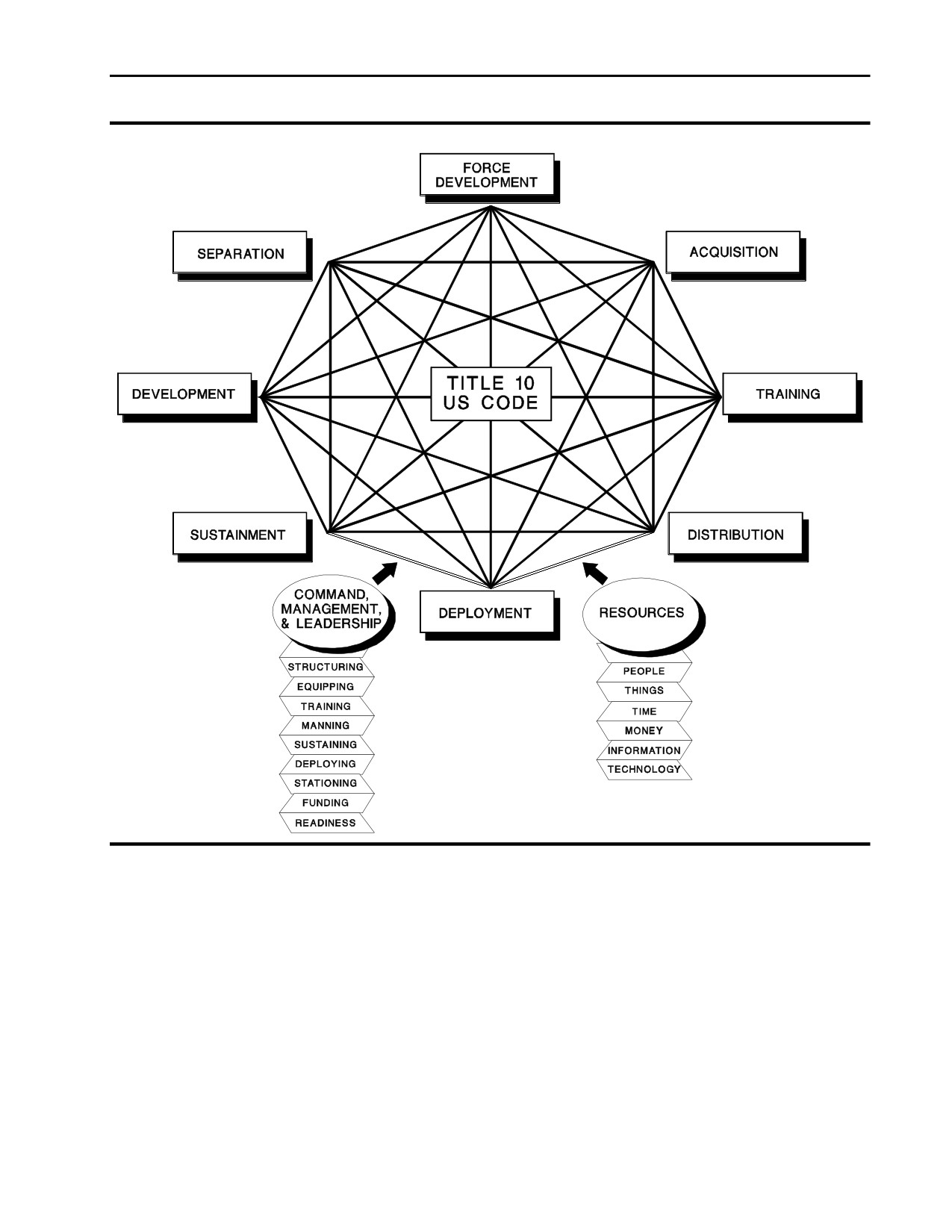
c. The fundamental output of the AOLCM is
1-16. The TRADOC requirements process
combat-ready units progressing through—
a. The TRADOC requirements process identi-
(1) Force development. Force development is
fies the capabilities required to attain the vision of
the process of translating Army missions and func-
the future Army. It receives input from the war-
tions into materiel and organizational requirements,
fighting CINCs’ Integrated Priority Lists (IPL) and
time-phased programs, and structure within avail-
the Army component commanders. The TRADOC
able resources. It is the initiating process of the
Requirements Process considers the domains of
AOLCM.
doctrine, training, leader development, organiza-
(2) Acquisition. Acquisition is an initial pro-
tions, and materiel (including science and technol-
curement activity that results in an asset being
ogy) which focus on soldiers (DTLOMS).
brought under military control. This activity includes
b. The objectives of TRADOC requirements
research and development (R&D), test and evalua-
process are to—
tion
(T&E), and military construction (MILCON)
(1) Develop the Army’s vision of future bat-
programs.
tlefields, functions, and tasks.
(3) Training. Training is the vehicle for or-
(2) Identify required capabilities to execute
derly transition from a civilian to a military envi-
the vision.
ronment. In the AOLCM, this training establishes
(3) Influence PPBES consistent with Army
the entry-level skill baseline for all soldiers.
priorities.
(4) Distribution. Distribution is the process
(4) Maintain research, development, and ac-
of assigning or transferring people or materiel from
quisition (RDA) program stability.
the wholesale level to the user.
c. After determining strategic, operational, and
(5) Deployment. Deployment is the move-
tactical battlefield requirements, and requirements
ment of organizations, people, and things in accor-
derived from statutory missions, the Army must de-
dance with the worldwide commitments of the Army.
vise and execute rational solutions. DOD and the
(6) Sustainment. Sustainment is the process
Army make these decisions and provide the re-
of using acquired resources to maintain and logisti-
sources for their execution through the DOD PPBS
cally support the Army.
and Army PPBES.
(7) Development. Development is the process
of constantly improving soldier's skills and experi-
Section V:
ence through progressive assignments, education,
The Army Organizational Life Cycle
and training. Units develop through collective train-
Model
ing.
1-17. Management of change
(8) Separation. Separation is the process of
Change requires the Army to remain capable in an
removing personnel and materiel from active service.
environment of technological advancements, internal
People may separate from military service voluntar-
management variances, and a world in turmoil. The
ily or involuntarily due to reduction in force actions,
management of change is an evolving process that
mandatory retirement, or medical or disciplinary
must have focus and methodology to support the
reasons. Materiel is removed through the Defense
Army’s vision, imperatives, core competencies, and
Reutilization and Marketing Office
(DRMO) or
enduring values.
through foreign military sales (FMS).
d. Essential to the functioning of the AOLCM
1-18. The Army organizational life cycle model
model are the critical inputs of resources and leader-
a. Each resource required by an organization is
ship. Resources, including time, money, people,
somewhere within a life cycle model from its devel-
materiel, technology, and information are needed to
opment to its ultimate separation or expenditure. The
energize the system. Command, management, and
AOLCM is depicted in Figure 1-6.
leadership provide necessary control and direction
b. The norm of the AOLCM is constant change.
through the Army’s operating processes for the de-
The need exists to resource and manage this change.
velopment and sustainment of combat-ready units.
Any resource will always be in some functional
1-10
FM 100-11, Force Integration
Figure 1-6. Army Organizational Life Cycle Model
Management Model
(LCSMM), which provides
Section VI:
materiel systems.
Operating Processes
1-21. Force development process
1-19. Strategic and operational requirements
determination process
Requirements for new or changed organizations or
new or improved materiel systems initiate the force
The strategy, fiscal guidance, and OPLANs and
development process.
contingency plans (CONPLANs) flow from DOD
into the Army resourcing process.
1-22. Resource allocation and distribution process
1-20. Research, development, and acquisition
The national strategy, fiscal guidance, and force
process
structure guidance establish the requirement to dis-
The requirements for new materiel flow to the mate-
tribute resources, in priority, to achieve the highest
riel developer, who executes the Life Cycle System
force readiness and to accept risk where rational.
1-11
FM 100-11, Force Integration
1-23. Battlefield requirements determination
advanced technology. The eight Battle Labs and
process
their locations are-
The TRADOC Requirements Process identifies re-
a. Early Entry, Lethality, and Survivability; Fort
quired capabilities and develops solutions in terms of
Monroe, Virginia.
DTLOMS. The materiel developer and combat de-
b. Depth and Simultaneous Attack; Fort Sill,
veloper translate the requirements for materiel sys-
Oklahoma.
tems.
c. Mounted Battlespace; Fort Knox, Kentucky.
1-24. Manpower allocation and distribution proc-
d. Dismounted Battlespace; Fort Benning, Geor-
ess
gia.
Based on priorities and valid authorizations, person-
e. Battle Command; Fort Leavenworth, Kansas;
nel are acquired, trained, and distributed to units.
Fort Huachuca, Arizona; Fort Gordon, Georgia.
f. Combat Service Support; Fort Lee, Virginia.
1-25. Materiel allocation and distribution process
g. Maneuver Support; Fort Leonard Wood,
Based on priorities and valid authorizations, materiel
Missouri.
(acquired through the RDA process) is allocated and
h. Air Maneuver; Fort Rucker, Alabama.
distributed to units.
Section VII:
1-26. Battle laboratories (labs)
Summary
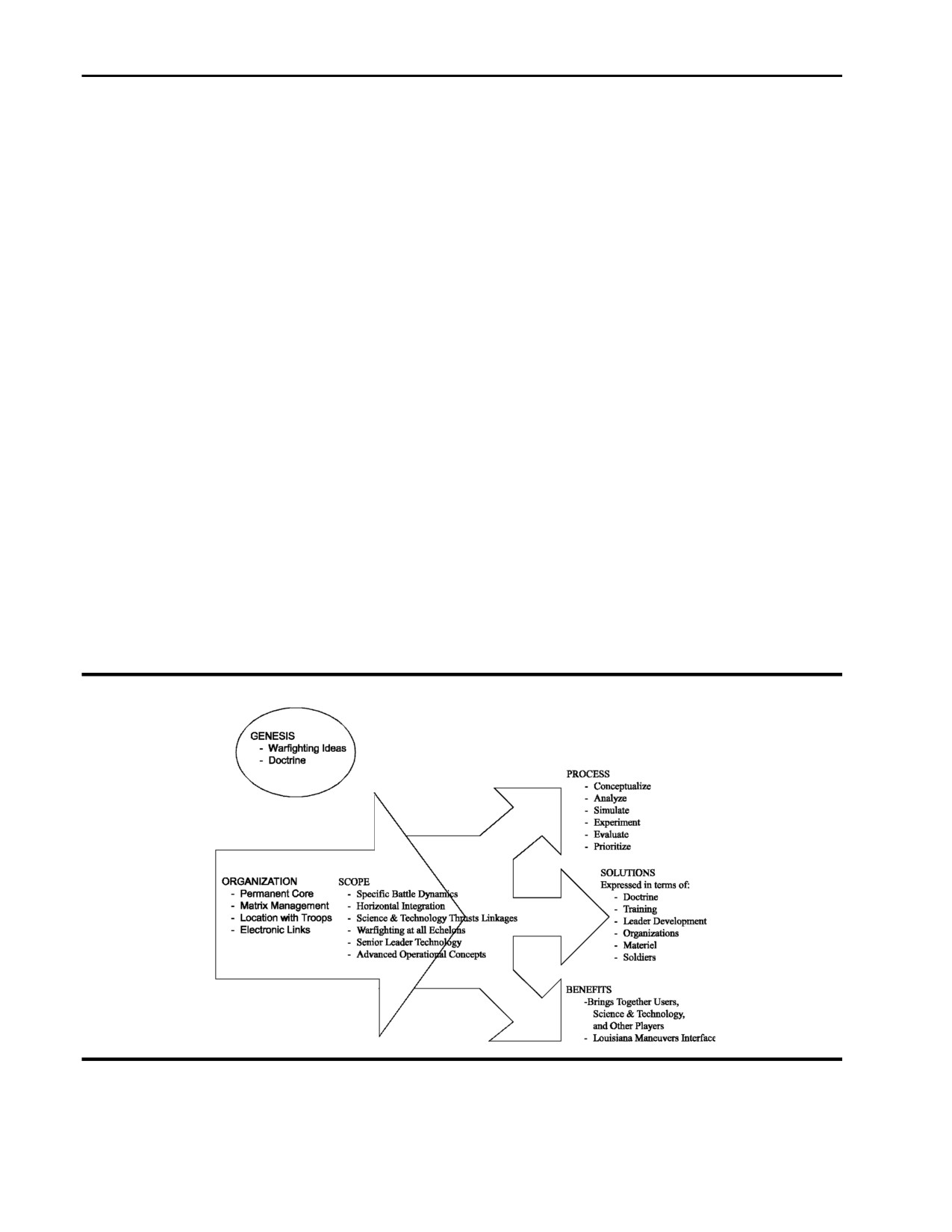
Battle Labs are a means to develop capabilities for a
force projection Army that is technologically supe-
The Army operates within the national security
rior. For a contingency oriented, power projection
structure as a strategic force. The nature of the
Army it is imperative to maintain a technologically
Army’s roles, functions, and missions implies that
superior force. Tied to our evolving battlefield dy-
change will occur constantly and that management
namic concepts and war-fighting doctrine in FM
of change is vital to minimizing turbulence while
100-5, Battle Labs use the battlefield as a reference.
By encouraging experimentation via simulations or
increasing force capability in a coordinated manner.
prototypes, Battle Labs determine requirements in
This management of change produces and maintains
the areas of DTLOMS (see Figure 1-7). They serve
combat ready units that are capable of conducting
as a practical mechanism for working with new
prompt and sustained operations on land, against
ideas and assessing new capabilities provided by
any threat on any battlefield, and winning decisively.
Figure 1-7. Battle Lab Approach
1-12
FM 100-11, Force Integration
Chapter 2
How the Army Intends to Fight
c. The role of technology. Doctrine will develop
Section I:
an understanding of the technological potential of the
Introduction
age and its effects on methods of Army operations.
2-1. Doctrine
Doctrine seeks to be sufficiently broad and forward
looking to rapidly accommodate major technological
The Army fights according to doctrine derived from
opportunities to give soldiers a battlefield advantage.
a hierarchy of concepts. Doctrine is the Army’s col-
Resources and force dispositions— themselves re-
lective view of how it intends to fight; it provides a
flective of strategy—also contribute to the develop-
basis for change. It gives the Army a common lan-
ment of doctrine.
guage and purpose and serves to unite the actions of
many diverse elements into a team effort. Doctrine
d. The role of the threat. Doctrine seeks to meet
also influences the development of organizations and
the challenges of the uncertain threat facing the
weapon systems by establishing potential functions
Army by providing guidance to deal with a range of
and limits of employment.
threats. It reflects the strategic context in which
Army forces will operate and incorporates the wis-
2-2. Force projection
dom of the Army’s collective leadership in estab-
Power projection is central to U.S. national strategy.
lishing a guide to action in war and OOTW.
The Army contributes to this strategy as part of a
e. Doctrinal specificity. Doctrine provides a
joint force through force projection. Army compo-
framework to foster initiative and freedom of action,
nents of joint forces must have the capability to
creativity, and independent decisions. Doctrine and
alert, mobilize, deploy, and conduct operations rap-
supporting tactics, techniques, and procedures
idly anywhere in the world. Force projection applies
(TTP) should only limit the commander’s freedom of
to the total Army within and outside CONUS. Army
action to the extent necessary to ensure the applica-
organizations are designated forward presence, crisis
tion of doctrinal consistency, compliance, and sound
response, initial reinforcement, follow-on reinforce-
application of risk assessment and management
ment, and reconstitution forces.
techniques.
f. Applicability. Doctrine is authoritative but re-
Section II:
quires judgment in application. It is a statement of
The Role and Development of Doctrine
principles on “how to think,” not “what to think.”
2-3. The role of doctrine
While sufficiently definitive to guide specific opera-
tions, it must remain adaptable to address diverse
a. Doctrinal Principles. Doctrine represents the
and varied situations worldwide.
fundamental principles by which military forces
guide their actions in support of national objectives.
g. Scope. Capstone manuals and principal pro-
It is the statement of how the Army fights cam-
ponent manuals focus on doctrine. All other doc-
paigns, major operations, battles, and engagements;
trinal literature emphasizes TTP.
influences events in operations other than war
(1) Tactics describe the application of doc-
(OOTW), and deters actions detrimental to national
trinal principles. Tactics portray how units operate
interests. The intent is to ensure the availability of a
successfully. Techniques and procedures provide
force capable of decisive victory anywhere in the
methods to perform assigned missions and functions;
world.
they ensure uniformity of action between organiza-
b. Joint and combined operations. Army war-
tions and relate to current organizations and equip-
fighting doctrine reflects the nature of modern war-
ment.
fare. Guided by strategic policy, it applies the prin-
(2) Additionally, organizations develop tacti-
ciples of war, the Army’s basic tenets, and combat
cal standing operating procedures (TSOP) to stan-
power dynamics to current and future battlefields. It
dardize tasks and functions supporting tactical op-
is inherently a joint doctrine that recognizes the
erations for like units focused on organizations,
teamwork required of all the services and by allies. It
equipment, reports, support, and command and con-
considers the extension of the battlefield in time,
trol. Standard procedures apply unless modified
space, and purpose through all available resources
based on the commander’s assessment of mission,
and campaign design. In land warfare, ground force
enemy, terrain, troops, and time available
units, in coordination with members of a joint and/or
(METT-T).
combined team, are the decisive means to the strate-
gic ends.
2-1
FM 100-11, Force Integration
2-4. Conceptual foundation of doctrine
division or corps. To be effective, doctrine must be
executable at operational and tactical levels
Concepts provide the vision and required capabilities
throughout the Army.
for the evolution of the Army. They describe the ob-
jective force and provide a basis for the prioritiza-
c. Any change in doctrine will require leaders
tion of capabilities required. Concepts serve as the
and soldiers at all levels to adopt new ways of
basis for Battle Laboratory and branch proponent
thinking. Change must start with the senior leader-
analyses and focus the development of future doc-
ship. Impending doctrinal changes must establish a
trine and technical efforts. Various concepts build
common understanding of changes. Discussions of
required capabilities for deployment and employ-
doctrine will surface issues that require resolution
ment of Army forces across the operational contin-
and set the strategy for implementation.
uum:
d. The introduction of new doctrine and materiel
a. Umbrella concepts derive from DOD and
into organizations begins with doctrine and tactics
Headquarters, Department of the Army
(HQDA)
training (DTT) together with new equipment training
planning documents, historical perspectives, lessons
(NET) and new organization training
(NOT). A
learned, threat assessments, and technology fore-
unit's combat readiness validates the incorporation
casts. Umbrella concepts provide top-down concep-
of the doctrinal change. Unit training accomplishes
tual guidance for all subordinate concepts.
the sustainment of change.
b. Battle dynamic concepts describe required
2-6. Validation of doctrine
capabilities within a battle dynamic. These concepts
flow from the umbrella concept and other extant
Once doctrine has been developed, staffed, and ap-
guidance. Battle dynamic concepts provide concep-
proved, the implementation and evaluation phase
tual guidance to branch proponents. Battlefield dy-
begins. The evaluation of doctrinal changes occurs
namics are the interrelationships of time, space, and
under operational conditions at the appropriate force
forces. In aggregate, battle dynamics focus on five
level. It occurs by conducting tests during focused
sectors:
rotations at the combat training centers or during
Army, joint, or combined exercises.
(1) Early entry, lethality, and survivability.
(2) Depth and simultaneous attack.
Section III:
(3) Battle space (mounted/ dismounted).
Fundamentals of Army Operations
(4) Battle command.
2-7. The range of military operations
(5) Combat service support.
The United States Army exists to protect and defend
the Constitution of the United States. It does that by
c. Operational concepts describe required com-
deterring war, and, if deterrence fails, by providing
bat, combat support, and combat service support
Army forces capable of achieving decisive victory as
capabilities. These concepts derive from battle dy-
part of a joint team on the battlefield— anywhere in
namic concepts and from the umbrella concepts.
the world and under virtually any conditions. To
d. Organizational concepts describe how organi-
these ends, the Army relies on its Total Force—
zations accomplish doctrinal tasks and missions.
Active Component, Reserve Components, and civil-
e. Technology concepts leverage technology to
ians—acting in concert with the other services and
enhance future capabilities. These concepts describe
the military forces of our allies to conduct opera-
potential technological applications to solve a pro-
tions. The total force policy helps gain public sup-
jected operational problem or to take advantage of
port for operations requiring force projection de-
existing opportunities.
signed to achieve strategic aims in diverse environ-
ments. The Army classifies its activities as war and
2-5. Sources of doctrinal change
OOTW.
a. Doctrine derives from a variety of sources
a. War. In war, the Army, as part of a joint
and is revised as these sources change. Doctrine is
team, applies decisive force to fight and win with
evolutionary to ensure the force keeps pace with the
minimum casualties. War may be of a limited or
threat, national military strategy, technology, and
general nature. In war, the strategic goal is to con-
lessons of warfare. Causes for revisions include
clude hostilities on terms favorable to the U.S. and
combat lessons learned, ideas from the war-fighting
its allies and to return to peacetime as quickly as
CINCs, and exercises.
possible.
b. Changes in doctrine affect how the Army
b. OOTW. Army forces must prepare to conduct
equips, organizes, and trains. New or changed doc-
activities during peacetime and conflict that may or
trine cannot be isolated within a single type of or-
may not involve armed clashes between two organ-
ganization. As changes occur, they affect organiza-
ized forces. During peacetime, the U.S. attempts to
tions at different force levels: brigade or regiment,
2-2
FM 100-11, Force Integration
influence world events through diplomatic actions
the battlefield depends on its ability to operate in
that routinely occur between nations. For the Army,
accordance with five basic tenets: initiative, agility,
typical peacetime operations include counter drug,
depth, synchronization, and versatility.
disaster relief, civil support, peace building and na-
tion assistance. Conflict is characterized by hostili-
2-10. The combined arms concept
ties to secure strategic objectives. During conflict,
The Army employs three general types of combat
the goal is to deter war and resolve hostilities on
forces: heavy, light, and Special Operations Forces
terms favorable to the United States. Military op-
(SOF). Army forces fight as combined arms teams.
erations during conflict are combat or noncombat.
The combined arms team strives to conduct fully
Strikes and raids, peace enforcement, support to in-
integrated operations within available time, space,
surgency, antiterrorism, peacekeeping, and noncom-
and resources.
batant evacuation operations are examples.
2-11. Rules of engagement
2-8. The levels of war
As a disciplined force subordinate to political
Basic to the Army’s doctrine is an appreciation of
authority, the Army conducts warfare according to
the levels of war--doctrinal perspectives that define
established rules of engagement (ROE) and interna-
the wide range of operations and links tactical ac-
tional laws. The Army expects all of its units to fight
tions and strategic objectives. The levels of war are
within constraints specified by higher authority.
defined more by the result of their outcome than they
Army forces apply the combat power necessary to
are by the echelon of involvement—normally, the
ensure victory, but are careful to limit unnecessary
higher the echelon the higher the level of war. There
death and destruction. Military necessity justifies
are no limits or boundaries between the strategic,
objectives attained through appropriate and disci-
operational, and tactical levels. These levels apply
plined use of force.
not only to war, but also to OOTW:
2-12. The dynamics and functions of combat
a. The strategic level is both worldwide and re-
power
gionally oriented. Strategy concerns itself with na-
tional, alliance, or coalition objectives. The theater
Four primary elements—maneuver, firepower, pro-
commander has both a theater strategy and cam-
tection, and leadership—combine to create combat
paign plan that achieve the strategic objective.
power and the ability to fight. Winning in battle de-
pends on an understanding of the dynamics of com-
b. The operational level provides the vital link
bat power and their proper integration and synchro-
between strategic aims and tactical employment of
nization to ensure defeat of the enemy. Individual
forces. At the operational level, military forces attain
combat functions build and sustain combat power.
strategic aims through the design, organization, and
The combat functions consist of the following—
conduct of subordinate campaigns and major opera-
tions. Operational commanders set the terms of bat-
a. Intelligence. Gathering and analyzing infor-
tle and exploit the results of battles and engage-
mation on the environment of operations and the en-
ments.
emy.
c. The tactical level of war concerns the execu-
b. Maneuver. Creating the conditions for tactical
tion of operations of immediate consequence to the
and operational success through the direct or indirect
forces in contact. On the battlefield, the primary fo-
application of combat power.
cus of the tactical commander is on winning battles
c. Fire support. Synchronizing fire with maneu-
and engagements. Tactical level commanders depend
ver. It includes the coordinated employment of fires
on their higher commanders to move them effectively
of armed aircraft, land- and sea-based fire systems,
in and out of battles and engagements.
and electronic warfare systems against ground tar-
gets.
2-9. Principles of war and tenets of operations
d. Air defense. Protecting the force from air at-
An understanding of the Army’s doctrinal founda-
tack.
tions serves as the basis for operating successfully
e. Mobility and survivability. Preserving and
across the full range of possible operations. These
protecting the force from weapon effects and natural
are the principles of war and the tenets of Army op-
occurrences.
erations. The nine principles of war provide general
guidance for the conduct of war at the strategic, op-
f. Logistics. Providing the physical means with
erational, and tactical levels. They are the enduring
which the force operates.
bedrock of Army doctrine. The nine principles of
g. Battle command. Visualizing friendly and en-
war are: objective, offensive, mass, economy of
emy forces in time, space, and purpose and formu-
force, maneuver, unity of command, security, sur-
lating concepts of operation to accomplish specified
prise, and simplicity. The Army's success on and off
and implied missions.
2-3
FM 100-11, Force Integration
Section IV:
mix, combat capability, and sustainment are respon-
Force Projection Operations
sive to effect changes during this operation.
2-13. Stages of force projection operations
d. Force Entry stage. Operations in this stage
may be in direct support of host nation or forward
Force projection operations follow a general se-
presence forces. Conditions may require entry under
quence, although stages overlap in time and space.
opposed or unopposed conditions.
For instance, mobilization and deployment are con-
e. Operations stage. This stage may include the
tinuous and may occur simultaneously or sequen-
full range of combat as well as OOTW.
tially. Force projection operations include the fol-
lowing stages—
f. War Termination and Post-conflict Opera-
tions stage. This may include restoring order, rees-
a. Mobilization stage. This is the augmentation
tablishing the host nation’s infrastructure, and pre-
of Active Component capability in preparation for
paring forces for redeployment.
war or national emergency. It includes activating all
or part of the Reserve Components as well as as-
g. Redeployment and Reconstitution stage. This
sembling and organizing personnel, supplies, and
stage removes forces no longer required for post
materiel. The mobilization system includes five lev-
conflict operations, rebuilds unit integrity, and ac-
els:
counts for soldiers and equipment.
(1) Selective mobilization.
h. Demobilization stage. This is the process by
which units, individuals, and materiel transfer from
(2) Presidential selected reserve call-up.
active to Reserve status.
(3) Partial mobilization.
(4) Full mobilization.
Section V:
Summary
(5) Total mobilization.
Concepts provide the underpinning for determining
b. Predeployment stage. Activities in this stage
battlefield requirements that result in new or
ensure units prepare to execute operations based
changed doctrine, training, leader development, or-
upon their design capability.
ganizations, materiel and focuses on soldier
c. Deployment stage. This stage requires forces
(DTLOMS) needs. These changes address solutions
to use strategic assets and host nation support, if
to battlefield needs that form the operational capa-
available, to move to the area of operations. Force
bility to enable the Army to accomplish its force
projection mission.
2-4

FM 100-11, Force Integration
Chapter 3
The Reserve Components
Section I:
Introduction
CATEGORY
RESERVE OF
STATUS
THE ARMY
3-1. Two components
Chapter
1003, title
10, United States Code
(10
SELECTED RESERVE
Active
USC), identifies the Army National Guard of the
Ready Reserve
INDIVIDUAL READY
Active
United States (ARNGUS) and United States Army
RESERVE
Reserve (USAR) as the Reserve Components (RC)
of the Army. The RC, Active Army and civilian
INACTIVE ARMY
Inactive
workforce comprise the Total Army.
NATIONAL GUARD
3-2. The Army National Guard
Standby Reserve
STANDBY RESERVE
Active/
(USAR only)
lnactive
The Army National Guard (ARNG) is the state mi-
litia, normally controlled by governors of the states
Retired Reserve
RETIRED RESERVE
Retired
and several territories. The ARNG is also a federal
(USAR only)
Reserve and reports to the Department of the Army
when Federalized during national emergencies. It
supports both Federal and state governments and
Figure 3-1 . Categories of the Army Reserve
deploys as a state or Federally activated force to
(1) The Selected Reserve. The Selected Re-
ensure domestic tranquility.
serve consists of Ready Reserve units and individu-
als designated by the Army and approved by the
3-3. The U.S. Army Reserve
Chairman, Joint Chiefs of Staff, as so essential to
The USAR is a major element under the Department
initial wartime missions that they have priority over
of the Army. Public law limits the domestic role of
all other Reserves (10 USC 10143). All Selected
the USAR and Active Army.
Reserves are in an active status.
(a) Selected Reserve units. Units
Section II:
manned and equipped to serve and/or train either as
Reserve Component Structure
operational or augmentation units. Operational units
3-4. RC statutory foundation
train and serve as units; augmentation units train
a. Section 10102, 10 USC, identifies the RC
together but lose unit identity when mobilized. Se-
purpose to provide trained units and qualified per-
lected Reserve units include—
sons available for active duty in time of war, na-
· Drilling unit Reservists. Unit members who
tional emergency, or as national security requires.
participate in unit training activities on a
Legal provisions specific to the ARNG are in title
part-time basis.
32, United States Code (32 USC).
· Full-time Reserve unit support personnel.
b. The RC role has expanded from wartime
National Guard and Army Reserve members
augmentation to an integral part of the Total Army
of the Selected Reserve ordered to active
force. Today’s Army requires the RC to meet any
duty (Active Guard Reserve (AGR)) for the
major contingency.
purpose of organizing, administering, re-
cruiting, instructing, or training Reserve
3-5. RC composition
component units. AGR soldiers must be as-
signed against an authorized mobilization
The RC includes the Ready Reserve, the Standby
position in the unit they support.
Reserve, and the Retired Reserve. Figure 3-1 sum-
marizes the categories of the Army Reserve.
(b) Individual Mobilization Augmen-
tees. Trained USAR individuals preassigned to an
a. The Ready Reserve. The Ready Reserve con-
Active Army, Selective Service System or Federal
sists of military members of the National Guard and
Emergency Management Agency (FEMA) billet that
the Army Reserve, organized in units, or as indi-
requires fill on or shortly after mobilization. Individ-
viduals, liable for recall to active duty to augment
ual Mobilization Augmentees (IMA) participate in
the Active Army in time of war or national emer-
gency. The Ready Reserve is the Selected Reserve,
training activities on a part-time basis (12 days an-
Individual Ready Reserve and the Inactive National
nually) with an Active Army unit in preparation for
Guard.
mobilization recall.
3-1
FM 100-11, Force Integration
(c) Training pipeline
(non-deployable).
(5) Inactive Standby Reserve soldiers retain
Enlisted members who have not yet completed initial
their Reserve affiliation in a nonparticipating status
active duty for training (IADT) and officers attend-
but are ineligible to train for points, pay or promo-
ing professional category or undergraduate flying
tion.
training.
c. The Retired Reserve. The Retired Reserve
(2) The Individual Ready Reserve
(IRR)
consists of soldiers retired based on active and/or
(USAR only). The IRR consists of Ready Reservists
Reserve Federal service or medically retired. Those
not in the Selected Reserve.
who complete 20 or more years active duty (Regular
or Reserve) are eligible for voluntary active duty
(a) Annual training
(AT) Control
recall when required by the Secretary of the Army.
Group. IRR soldiers with a training obligation. They
They are subject to involuntary active duty recall
are not normally assigned to USAR units and take
when in the interest of national defense.
part in AT when directed by the Army Reserve Per-
sonnel Center (ARPERCEN).
Section III:
(b) Reinforcement Control Group. All
Reserve Component Management
IRR soldiers not assigned to another control group.
Structure
Both obligated and non-obligated officers are eligi-
ble for assignment to a USAR unit or an IMA posi-
3-6. Congress and the Department of Defense
tion. Non-obligated officers who decline assignment
a. As with the Active Army, Congress, OSD,
risk being removed from active status.
and DA enact laws and policies that affect the
ARNG and USAR. The Senate Armed Services
(c) Officer Active Duty Obligator Con-
trol Group. Active duty officers, appointed in the
Committee (SASC) and the House National Security
USAR, who do not begin active duty at the time of
Committee (HNSC) prepare the Defense Authoriza-
appointment.
tion Act that addresses strength authorizations and
other matters concerning the ARNG and USAR. The
(d) Dual Component Control Group.
Defense subcommittees of the House and Senate
Regular Army enlisted soldiers or warrant officers
Appropriations Committees prepare the appropria-
who hold Army Reserve commissions.
tions acts that authorize funding.
(3) The InActive Army National Guard
b. The Office of the Assistant Secretary of De-
(ING). ING personnel are in inactive status in the
fense (Reserve Affairs) (ASD(RA)) has overall re-
Ready Reserve and attached to a specific National
sponsibility for the RC at OSD level. The principal
Guard unit. ING members muster annually with
policy adviser to the Secretary of Defense on RC
their assigned unit, but do not participate in training
matters is the Reserve Forces Policy Board (RFPB)
activities. On mobilization, ING members mobilize
which acts through the ASD(RA). The RFPB in-
with their units.
cludes a civilian chairman, an RC general officer as
b. The Standby Reserve.
board executive officer, the Assistant Secretaries
(1) The Standby Reserve consists of person-
(Manpower and Reserve Affairs) of each Service,
nel who maintain their military affiliation without
Guard and Reserve general officers, and one active
being in the Ready Reserve, are designated key ci-
duty general or flag officer from each military de-
vilian employees, or have a temporary hardship or
partment. The RFPB submits an Annual Report to
disability.
the President and Congress on the Status of the RC
as required by statute. That report normally reviews
(2) The Standby Reserve is a pool of trained
the progress made by DOD and the Services in im-
individuals available to fill manpower needs in spe-
proving the readiness of the RC. It also identifies
cific skills. These individuals are not assigned to
areas where the Board concludes further improve-
units and have no training requirement.
ments are necessary to make the Reserve Forces
(3) The Standby Reserve are subject to in-
more effective.
voluntarily mobilization for the duration plus six
3-7. U.S. Army Reserve Component controls
months during war or national emergency declared
by Congress, or when otherwise authorized by law,
a. Within the DA, the Office of the Assistant
provided the Secretary of the Army, with the ap-
Secretary of the Army (Manpower and Reserve Af-
proval of the Secretary of Defense, determines there
fairs) (ASA(M&RA)) has overall responsibility for
are insufficient qualified, readily available Ready
RC matters.
Reservist or ING.
b. The Army Reserve Forces Policy Committee
(4) Active Standby Reserve soldiers are eli-
(ARFPC) reviews and comments to the Secretary of
gible for inactive duty training (IDT) without pay or
the Army and Chief of Staff, Army (CSA) on major
travel allowances. However, they are eligible for
policy matters directly affecting the RC and mobili-
retirement points, promotion credit, or both.
zation preparedness of the Army. The Secretary of
3-2
FM 100-11, Force Integration
the Army appoints the committee members com-
official is recognized by federal law. TAGs manage
prising five Active Army general officers from the
federal resources to build combat-ready units. Their
Army Staff, five ARNG general officers, and five
management staffs include both state and federal
USAR general officers. The Secretary also appoints
employees. ARNG commanders lead their units in
training during peacetime. A State Area Command
five alternate members from the ARNG and USAR.
(STARC) commands and controls ARNG units
The committee selects a chairman to serve a
during premobilization through arrival at the mobili-
two-year term from among the RC members. The
zation station and performs movement control func-
Director of the Army Staff serves as adviser to the
tions for all armed services and components during
committee.
mobilization. STARCs provide family support func-
c. The Reserve Component Coordination
tions for mobilized Reserve soldiers.
Council (RCCC) reviews progress on RC readiness
b. Federal control. At the federal level, the Na-
improvements, ascertains issues and coordinates
tional Guard Bureau (NGB) is a joint bureau of the
tasking those issues to the Army Staff, and reviews
Departments of the Army and Air Force. It provides
the progress of staff efforts. The Vice Chief of Staff,
a peacetime channel of communications among the
Army (VCSA) chairs the RCCC and membership
Departments of the Army, Air Force, and National
includes the Deputy ASA(M&RA), Director of the
Guard as established by 10 USC 3040. It is both a
Army National Guard, FORSCOM Chief of Staff,
staff and an operating agency.
and selected general officers from the Army Staff,
(1) The staff function of the NGB is to for-
Chief of the National Guard Bureau and the Army
mulate and administer a program for the develop-
Reserve.
ment and maintenance of National Guard units in
3-8. Army National Guard
accordance with Army and Air Force policies. As an
a. State control. State governors command their
operating agency, the NGB deals directly with state
governors and TAGs. Figure 3-2 depicts the Na-
respective ARNG until federalized. Governors exer-
cise state command and control through The Adju-
tional Guard management structure.
tant General
(TAG), whose authority as a state
SECRETARY OF DEFENSE
SECRETARY OF THE ARMY
SECRETARY OF THE AIR FORCE
CHIEF OF STAFF, ARMY
CHIEF OF STAFF, AIR FORCE
CHIEF, NATIONAL GUARD BUREAU
VICE CHIEF, NATIONAL GUARD BUREAU
DIRECTOR
DIRECTOR
ARMY NATIONAL GUARD
AIR NATIONAL GUARD
STATE GOVERNORS
ADJUTANTS GENERAL
ARMY NATIONAL GUARD
AIR NATIONAL GUARD
Figure 3-2. National Guard Management Structure
(2) The Chief, NGB (CNGB), is a lieutenant
a list of National Guard officers recommended by
general appointed for a four-year term by the Presi-
the state governors. He may succeed himself. He
dent, with the advice and consent of the Senate, from
reports to the Secretaries of the Army and Air Force
3-3
FM 100-11, Force Integration
through the respective Chiefs of Staff and is their
support system for the states and, upon mobilization
principal adviser on National Guard affairs. The
of a supported unit, provides support necessary for
CNGB has no command authority; cooperation is
the transition to active duty status. The USPFO is a
facilitated through control of funds, end strength,
federal contracting officer and responsible for fed-
equipment, and force structure programs, and by
eral procurement activities within the state. The
authority to develop and publish regulations per-
USPFO is also the transportation officer responsible
taining to the ARNG when not federally mobilized.
for mobilization planning and transportation of
(3) The CNGB is also the appropriations di-
ARNG personnel, technicians, supplies, and equip-
rector of six appropriations by law: three ARNG
ment. Finally, the USPFO is a payroll certifying of-
and three Air National Guard appropriations (pay
ficer who certifies the accuracy of Federal payrolls.
and allowance, operations and maintenance, and
3-9. U.S. Army Reserve
construction). He exercises administrative control
a. USAR management structure. The Army
through the Vice Chief, NGB (a major general of the
management structure for the USAR is at Figure
opposite service of the CNGB) to the Directors of
3-4. The Office of the Chief, Army Reserve (OCAR)
the ARNG and Air National Guard.
provides direction for USAR planning to provide
(4) The Director of the Army National Guard
trained units and individuals to support Army mobi-
(DARNG) administers allocated resources to sup-
lization plans. Figure 3-5 shows the organization of
port ARNG force structure, personnel, facilities,
the OCAR. The Chief, Army Reserve (CAR) is ap-
training, and equipment, and to provide combat-
pointed by the President, with the advice and consent
ready units. In support of the Federal mission, the
of the Senate, and holds the rank of major general in
DARNG also formulates the ARNG long-range
the Army Reserve. The CAR also functions as the
plan, program, and budget for submission to the
FORSCOM Deputy Commanding General for Re-
Army Staff. The DARNG organization is at Figure
serve Affairs and commands the U.S. Army Reserve
3-3.
Command (USARC).
b. The USAR command. USARC commands all
DIRECTOR
USAR troop program units (TPU) in CONUS and
Puerto Rico. The Commanding General,
FORSCOM, commands the USARC and is respon-
RESEARCH AND
sible for organizing, equipping, stationing, training,
STAFF SUPPORT
and maintaining combat readiness of assigned units.
An exception to this arrangement in CONUS is that
USAR SOF are commanded by the Commander,
DEPUTY
USASOC. The Commanding General, U.S. Army
DIRECTOR
Pacific (USARPAC), commands all assigned USAR
TPUs and assists in training Hawaii and
· Comptroller Directorate
Guam-based ARNG units. The Commander in
· Installation, Logistics and Environmental
Chief, U.S. Army Europe, commands all assigned
Resource Directorate
USAR TPUs.
· Operations, Training, and Readiness Directorate
c. USAR organizational structure and missions.
· Force Management Directorate
· Aviation and Safety Directorate
(1) In CONUS, there are two continental
· Personnel Directorate
U.S. Armies (CONUSAs) that command Readiness
· Information Systems Directorate
Groups and Senior Army Advisory Groups and co-
ordinate training, operations, mobilization, and de-
Figure 3-3. Director of the Army National
ployment (TOM-D) with Army Reserve Regional
Guard (DARNG) Organization
Support Commands (RSC) within their geographical
regions. RSCs are geographically aligned with the
c. Federal funds and property supervision. The
Federal Emergency Management Agency (FEMA)
United States Property and Fiscal Officer (USPFO)
regions to facilitate response to domestic emergen-
is an Army or Air National Guard officer ordered to
cies.
active duty under 10 USC. The USPFO receives and
(2) USAR TPUs are assigned to RSCs (in
accounts for all Federal funds and property and pro-
CONUS), United States Army Reserve Commands
vides financial and logistical resources for the
(ARCOMs (OCONUS)), functional or “go to war”
maintenance of Federal property provided to the
commands, divisions (institutional training), or divi-
state. The USPFO furnishes advice and assistance to
sions (exercise). Engineer commands, theater Army
units within the state to ensure that use of Federal
area support commands, corps support commands,
property is in accordance with applicable Depart-
and military police commands are examples of func-
ment of the Army directives as implemented by the
tional commands.
NGB. The USPFO manages the Federal logistics
3-4
FM 100-11, Force Integration
(3) USAR units consist of combat support
cupational specialty (MOS) courses, special courses,
and combat service support units, institutional
and U.S. Army Command and General Staff College
training divisions, or exercise divisions. Divisions
(USACGSC) courses for Active Army, National
(institutional training) have a mobilization mission to
Guard, and USAR soldiers. Upon mobilization, per-
conduct basic training
(BT), advanced individual
sonnel from these units augment the TRADOC
training (AIT) and one station unit training (OSUT).
school system, Army training centers, USAG, or
Divisions
(exercise) write and conduct brigade,
other activities.
group, battalion, and lower unit Army Training and
(5) Civil Affairs (CA) and Psychological Op-
Evaluation Programs (ARTEP), command post ex-
erations (PSYOPS) units perform their mission un-
ercises (CPX), and field training exercises (FTX).
der the direction of Special Operations Command
(4) Also included in the USAR structure are
(SOCOM).
Army garrisons with a mobilization mission of
(6) In addition to major USAR organizations,
staffing a post and U.S. Army Reserve Force
there are approximately 3,300 company or detach-
(USARF) schools that conduct enlisted military oc-
ment-sized units.
CSA
DCSOPS
DCSPER
DCSLOG
COMPT
CNGB
CAR
USASOC
USAREUR
USARPAC
FORSCOM
ARPERCEN
CONUSA
UNITS
ARCOM
ARCOM
RETIRED
STANDBY
READY
RESERVE
RESERVE
RESERVE
• Selected
USARC
Reserve
UNITS
UNITS
• IRR
• ING
EXERCISE
TRAINING
GOCOMS
RSC
DIV
DIV
CAR is also
CG, USARC and
DCG (Reserve
Affairs), FORSCOM
UNITS
UNITS
UNITS
UNITS
Figure 3-4. Management Structure for the USAR
3-5
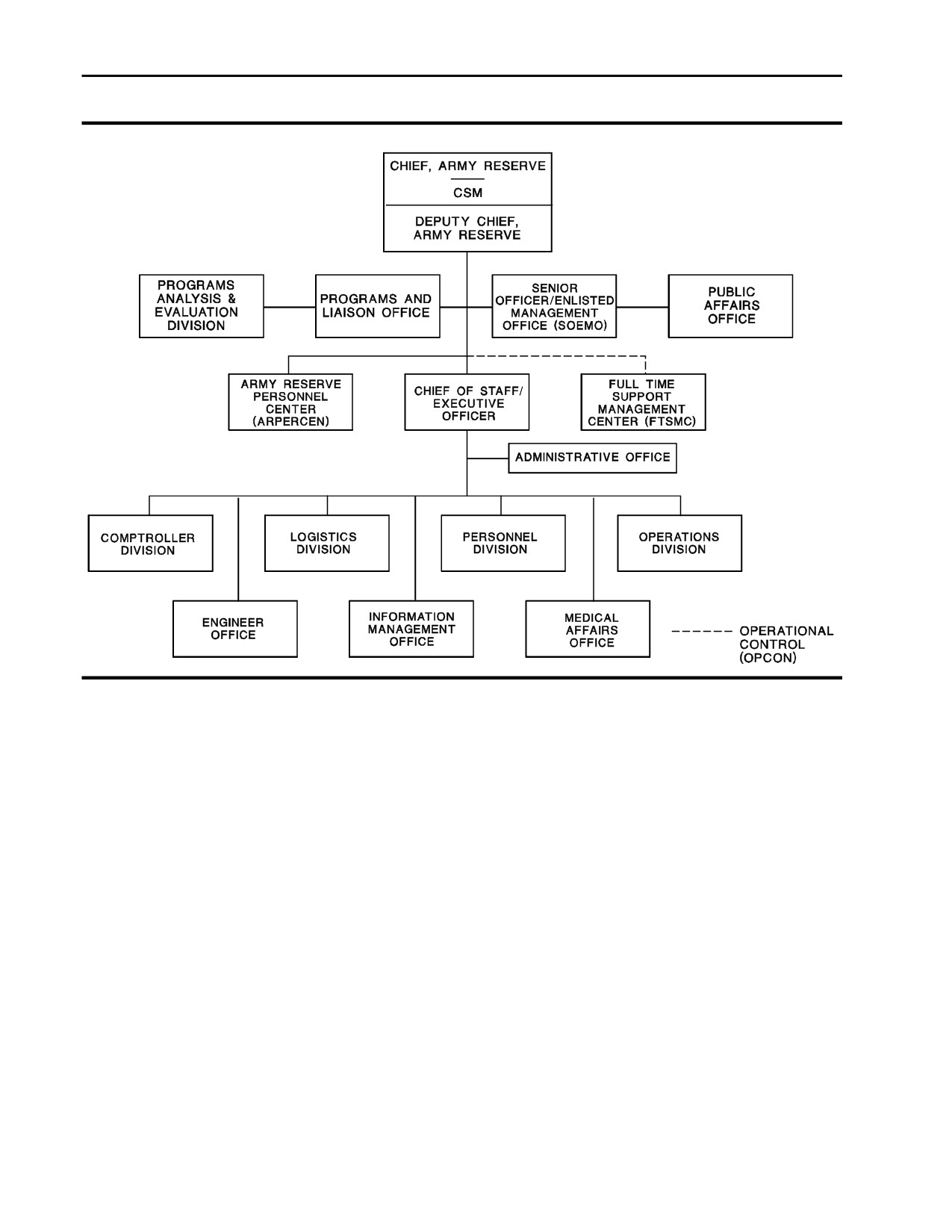
FM 100-11, Force Integration
Figure 3-5. Organization of the Chief, Army Reserve
AT period during the training year. The general
Section IV:
trend is to consolidate these Unit Training Assem-
Reserve Component Training and
blies during the year to accomplish four UTAs dur-
Equipment Program
ing a single weekend each month. This MUTA-4
3-10. Reserve Component training program
configuration provides continuity for individual and
a. All enlisted personnel without prior service perform
crew training, qualification and familiarization fir-
an initial period of active duty for training (ADT) under
ing, field training, and refresher training.
Active Army auspices. This includes BT/AIT or OSUT
d. AT consists of mission-essential training con-
and is a minimum of 12 weeks. An alternative training
ducted at the training site, and includes collective
method is the “split-training” concept, whereby a RC
and individual training.
member may do BT (OSUT Phase I) during one year and
e. The USARF school system conducts profes-
AIT (OSUT Phase II) the following year.
sional development and MOS training for officers
b. The Active Army prescribes the training pro-
and enlisted personnel of the Active Army and RC.
grams of the ARNG and the USAR, both during
Upon mobilization, USARF school personnel aug-
IDT (commonly referred to as Unit Training Assem-
ment the TRADOC school system, Army training
blies
(UTAs), multiple Unit Training Assemblies
centers (ATC), and other activities.
(MUTAs), drills, or assembly periods), and during a
3-11. Reserve Component equipment program
two week period generally known as annual training.
ARNG and USAR units train to the same standards
a. The policy of “first to fight, first resourced”
as the Active Army.
is to ensure that units employed first are adequately
c. ARNG and USAR units, as elements of the
equipped. Under this policy, some RC units receive
Selected Reserve, participate in a required minimum
substantial amounts of modern equipment. Army
of 48 drills (UTAs) and a two-week (14 to 15 days)
procurement distributes new equipment and priority
3-6
FM 100-11, Force Integration
sequence determines the redistribution of excess
b. Military technicians. ARNG and USAR
equipment. Later-deploying units, whether Active
technicians provide full-time assistance and support
Army or RC, are provided minimum essential
and act as representatives for their commanders
equipment for training.
during non-drill periods. Technicians ensure conti-
nuity in administration, supply, maintenance, and
b. The National Guard and Reserve Equipment
training, and are critical to mobilization prepared-
Appropriation is a special appropriation designated
ness. Both ARNG and USAR technicians are Fed-
for the acquisition of equipment by the RCs to im-
eral Civil Service employees. The provisions of the
prove readiness. Also known as the Dedicated Pro-
Civil Service System apply to Army Reserve techni-
curement Program
(DPP), Congress may further
cians (ART). The same provisions apply to ARNG
fence these funds for the purchase of specific items
technicians except as modified by Public Law
of equipment. DPP funds compliment the Service
90-486 (National Guard Technician Act of 1968);
appropriations that primarily fund force moderniza-
32 USC 709; and regulations prescribed by the
tion, thereby improving training and readiness in the
NGB.
RC.
c. Active Guard Reserve. AGR soldiers serve on
Section V:
active duty in support of the RCs. Personnel gov-
Reserve Component Assistance
erned by 10 USC are available for worldwide as-
signment. Personnel governed by 32 USC remain
3-12. Full time support personnel
under control of the state.
Military and civilian positions for full-time support
d. Other Federal Civil Service personnel. Civil
(FTS) personnel provide assistance in organizing,
service employees who are not classified as military
administering, recruiting and retaining, instructing,
technicians.
and training RC organizations. They provide skills,
stability, continuity, and a full-time availability not
Section VI:
provided by part-time drilling Reservists. Full-time
Summary
personnel support the development and maintenance
of Selected Reserve units and individual readiness.
Over half of the Army’s total deployable forces are
The four categories of FTS are—
in the ARNG and Army Reserve. The management
of these forces is of paramount importance to the
a. Active Component. Soldiers assigned directly
total force. The structure for RC management in-
to USAR units who serve exactly as if assigned to
cludes the Congress, DOD, HQDA, states, MA-
Active Army units.
COMs, and units. Two key managing agencies at
HQDA are the NGB and OCAR. At MACOM level,
states, FORSCOM, USARC, and CONUS armies
have a leading role in preparing RC forces for mobi-
lization and deployment.
3-7
///////////////////////////////////////