FMI 4-93.2 The Sustainment Brigade (February 2009) - page 4
Support to the Operating Forces
FIELD
SERVICE
COMPANY
HEADQUARTERS
SLCR
PLATOON
PLATOON
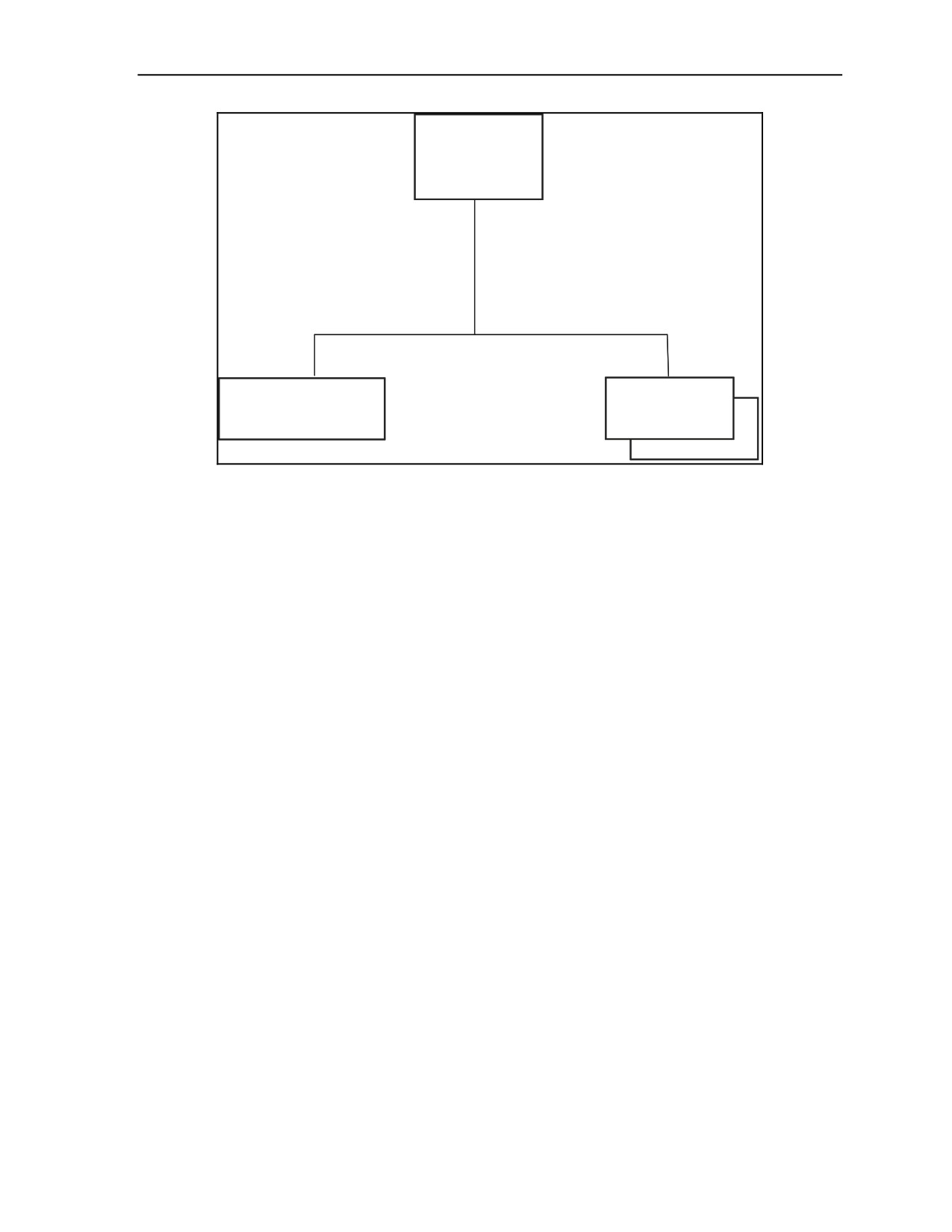
Figure 4-23. Field Service Company
TRANSPORTATION
4-79. The mobility branch of the TSC SPO provides staff supervision of all transportation and coordinates
directly with the MCB. The MCB is attached to the TSC/ESC and manages movement control across the
entire theater of operations. The MCB would be attached to a sustainment brigade when the MCB is
deployed to an AO in which the sustainment brigade is the highest sustainment C2 HQ. The MCB and its
MCTs coordinate all movement in the JAO/AO to include all divisional areas.
4-80. Transportation expertise in the sustainment brigade is provided by the transportation branch of the
distribution operations division. This section works with the other elements of the brigade SPO integrating
movements with materiel management. The theater opening element, when assigned, augments the staff of
a sustainment brigade and provides the technical expertise to open a theater of operations and establish the
initial theater distribution network. The motor transportation battalion SPO receives technical supervision
and guidance from the brigade SPO to support the theater distribution mission. Transportation assets of the
CSSB and functional transportation battalions provide distribution from the sustainment brigades forward
and retrograde of damaged or surplus items.
MOVEMENT CONTROL
4-81. Movement control is the planning, routing, scheduling, controlling, coordination, and ITV of
personnel, units, equipment, and supplies moving over multiple lines of communication. It involves
synchronizing and integrating logistics efforts with other elements that span the spectrum of military
operations.
4-82. The MCB will—
z
Continue to provide command, control, and technical guidance to 4 to 10 MCTs.
z
Provide asset visibility and maintain ITV of tactical and nontactical moves within its assigned
geographical area (including unit moves and convoys).
z
Assist in planning and executing plans and operations.
z
Apply and meet movement priorities provided by the TSC and sustainment brigade.
z
Support the entire spectrum of distribution.
4 February 2009
FMI 4-93.2
4-27
Chapter 4
The MCB will also coordinate with host nation authorities for cargo transfer locations, road clearances,
border clearances, escort support, and transportation support. The MCB will have as many subordinate
MCTs as needed to operate in its area of operations, based on the number of customers, air terminals, rail
terminals, seaports, and MSRs it must support. The MCB will provide logistics support to the MCTs under
its C2. However, MCTs operating away from their HQ will require logistics support from other units.
4-83. The MCT is the basic and most critical level in the movement control process. MCTs are the
common point of contact for mode operators and users of transportation. The MCT is a 21-Soldier team
created with the capability to perform every type of movement control mission. It is designed to provide
maximum flexibility in its employment. Each team has a headquarters section and four identical subunits
(or sections). The MCT can operate as a single team or separately at up to four different locations. For
example, a single MCT can be deployed initially to provide movement control functions at an airfield
while simultaneously providing cargo documentation. As the mission expands, the team can deploy a
section onto the MSRs to conduct movement control operations. As the operation matures, that same MCT
can operate at a second airfield or seaport. The operational use of the MCT can be specifically tailored to
the mission and operational environment. The standardization of MCTs increases the number of teams
available for deployment, since each unit is tailorable in the truest sense of that term. If METT-TC factors
dictate that the MCT needs to be split into four sections in different locations, each section can be properly
equipped with the vehicles, communications equipment, STAMIS, and generators it needs to operate
independently.
4-84. MCTs process movement requests and arrange transport for moving personnel, equipment, and
sustainment supplies. They process convoy clearance requests and special hauling permits. MCTs
coordinate with the MCB for the optimal mode (air, rail, inland waterway, or highway) for unprogrammed
moves and commit the mode operators from the sustainment brigade, LOGCAP, multinational elements,
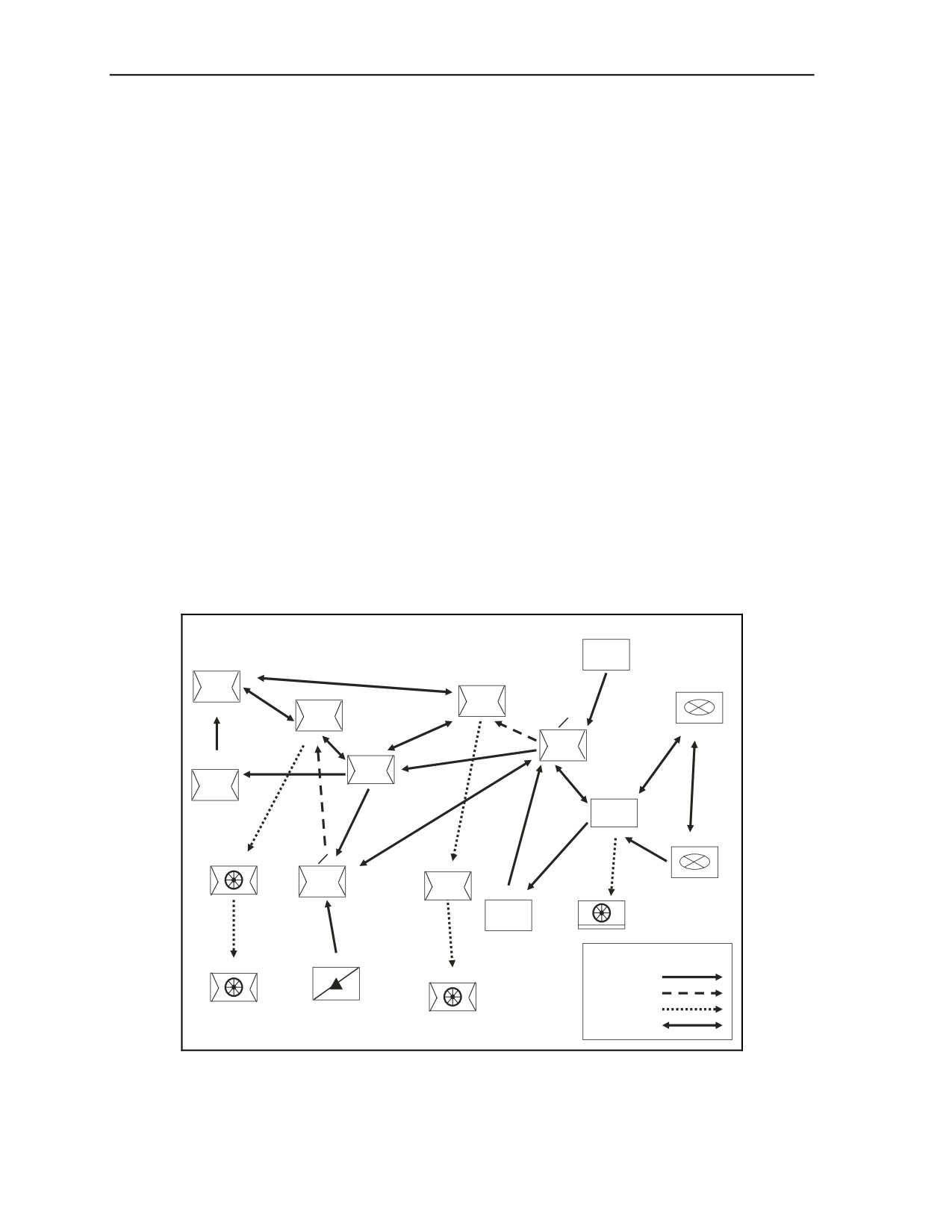
and the host nation. They also assist in carrying out the movement program. Figure 4-24 shows the surface
transportation request process.
XX
DIV
++
X
G4 TRANS
TSC
DTO
X
X
SUST
MOB BRANCH*
SUST
(TD)
SPO
O
BDE S4
SPO
MCT
II
++
MCB
ESC
S3
II
MOB BRANCH*
BSB
SPO
II
O
II
II
MCT
CSSB
BN S4
XX
FSC
SPO
I
SPO
DIV
G4 TRANS
DTO
Information Flow
X
I
Request
I
Commitment
Tasking
Coordination
* The mobility branch within the TSC/ESC DMC provides guidance, plans and policies and staff supervision for
transportation operations.
Figure 4-24. Surface Transportation Request Process
4-28
FMI 4-93.2
4 February 2009
Support to the Operating Forces
4-85. MCTs are arrayed on the battlefield at various nodes to best support the TSC concept of support. In
general, a MCT collocates with a Sustainment Brigade to provide movement control support on an area
basis to EAB units or units not assigned/attached to a Division. An additional MCT can work directly for
the Division G-4 Transportation Officer (DTO) to assist in the planning and execution of movement
control in the division area of operations. MCTs can operate at an APOD to facilitate the movement of
ground cargo
(primarily palletized), assist in passenger manifesting, and provide air load planning
capability. MCTs operating at SPODs facilitate the ground movement of containerized cargo and assist in
the marshalling/staging of equipment for onward movement. Elements of a MCT can locate at other critical
nodes (for example Central Receiving and Shipping Point (CRSP), Convoy Support Center (CSC), TDC,
and container yards, as needed) to provide cargo documentation capability or for the added visibility and
management of distribution operations. MCTs are also used to enforce the highway regulation plan
established by the TSC and will deploy its sections along Main Supply Routes (MSR) to augment convoy
tracking operations and provide on the ground traffic deconfliction. For more information on movement
control in a theater of operations refer to FM 4-01.30.
4-86. The sustainment brigade SPO distribution integration branch coordinates with the MCT, MCB, HN
transportation agencies, transportation mode operators, and customers. This office assists in planning and
executing plans for the reception, staging, onward movement, and retrograde of personnel, equipment, and
sustainment supplies. This includes actions associated with marshaling and staging areas. When serving in
a sustainment brigade that has the port mission, the distribution integration branch will have the
responsibility to monitor, manage, and execute the movement and port clearance plans and programs. The
branch also monitors the use of trailers, containers, and flat racks located in sustainment brigade AO and
coordinates with users to expedite return of these assets to the transportation system.
From
To
US
US
TRANSCOM
TRANSCOM
Strategic
Strategic
MTMC/
SDDC
SDDC
++
++
TRANSCOM
TSC
Theater
+
x
Theater
TCE
SUST BDE
II
(TO)
MC (EAC)
II
MC
Corps
II
MC (CORPS)
MCT (AREA)
MCT (PORT)
MCT
(CGO)
MCT
Division
MCT (REG)
MCT (DIV)
Division
BDE
9
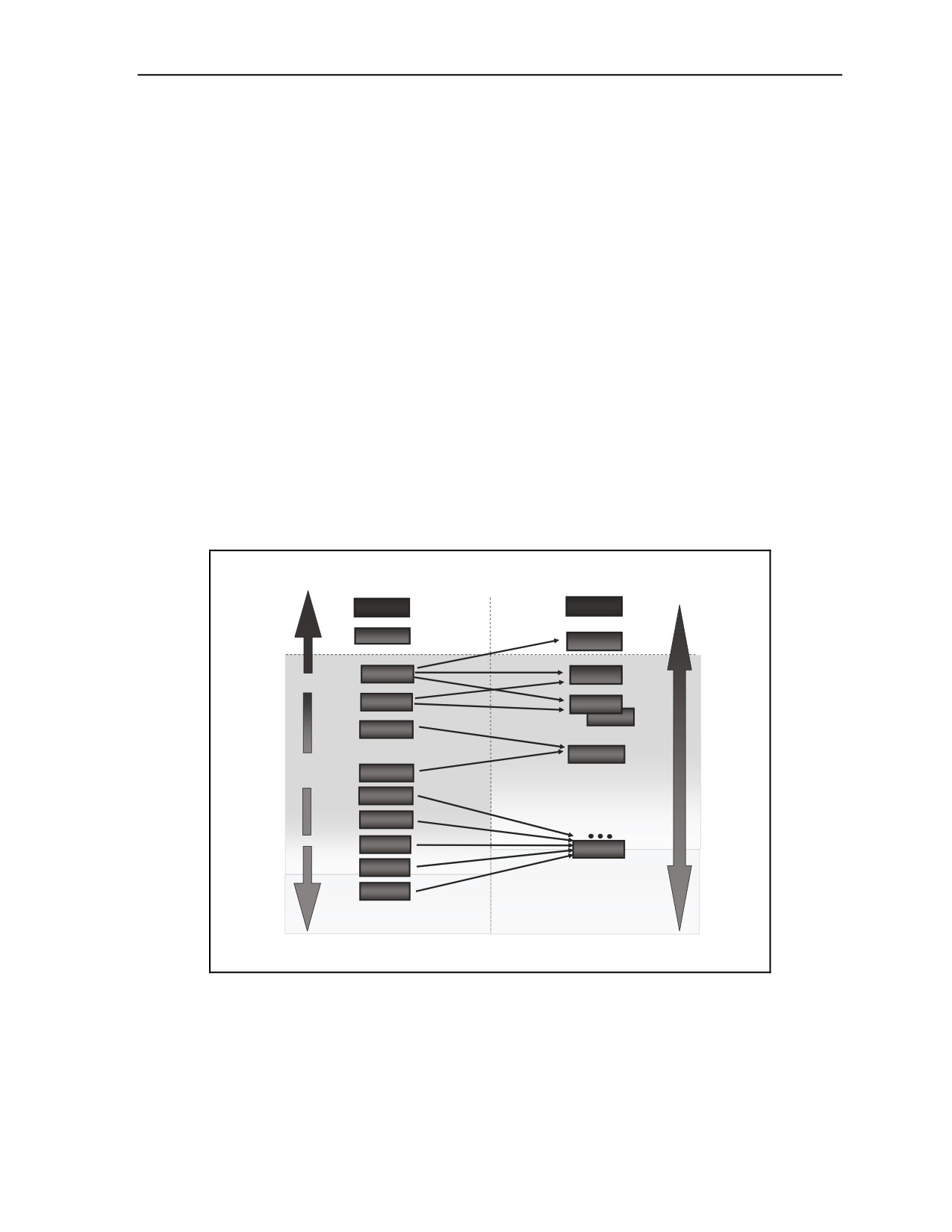
Figure 4-25. Modularity Movement Control Migration
MOTOR TRANSPORT PLANNING
4-87. Motor transport planning, particularly in its early stages, must be based upon a set of broad planning
factors and assumptions. These factors should be used only in the absence of specific data relating to the
4 February 2009
FMI 4-93.2
4-29
Chapter 4
current situation. Because of the different services performed, loads carried, and terrain crossed, caution
should be exercised when analyzing the following factors:
z
Task vehicle and driver availability rate.
z
Vehicle payload capacity.
z
Operational hours per shift.
z
Operational day.
z
Daily round trips.
z
Operational distance per shift.
z
Rate of march in the hour.
z
Delay times.
z
Threats and protection requirements.
From
To
US
TRANSCOM
US
TRANSCOM
Strategic
Strategic
SDDC
SDDC
++
++
TRANSCOM
TSC
+
++
Theater/
TCE
ESC
…
EAC
III
TRANS
TTOE
OR
GRP
x
SUST BDE
II
TRML
II
Theater/
TRML
EAD
II
MOTOR
II
TRANS
MOTOR
TRANS
II
RAIL
II
RAIL
II
MC (EAC)
II
Corps
II
MC
MC (CORPS)
DIV
BCT/DIV
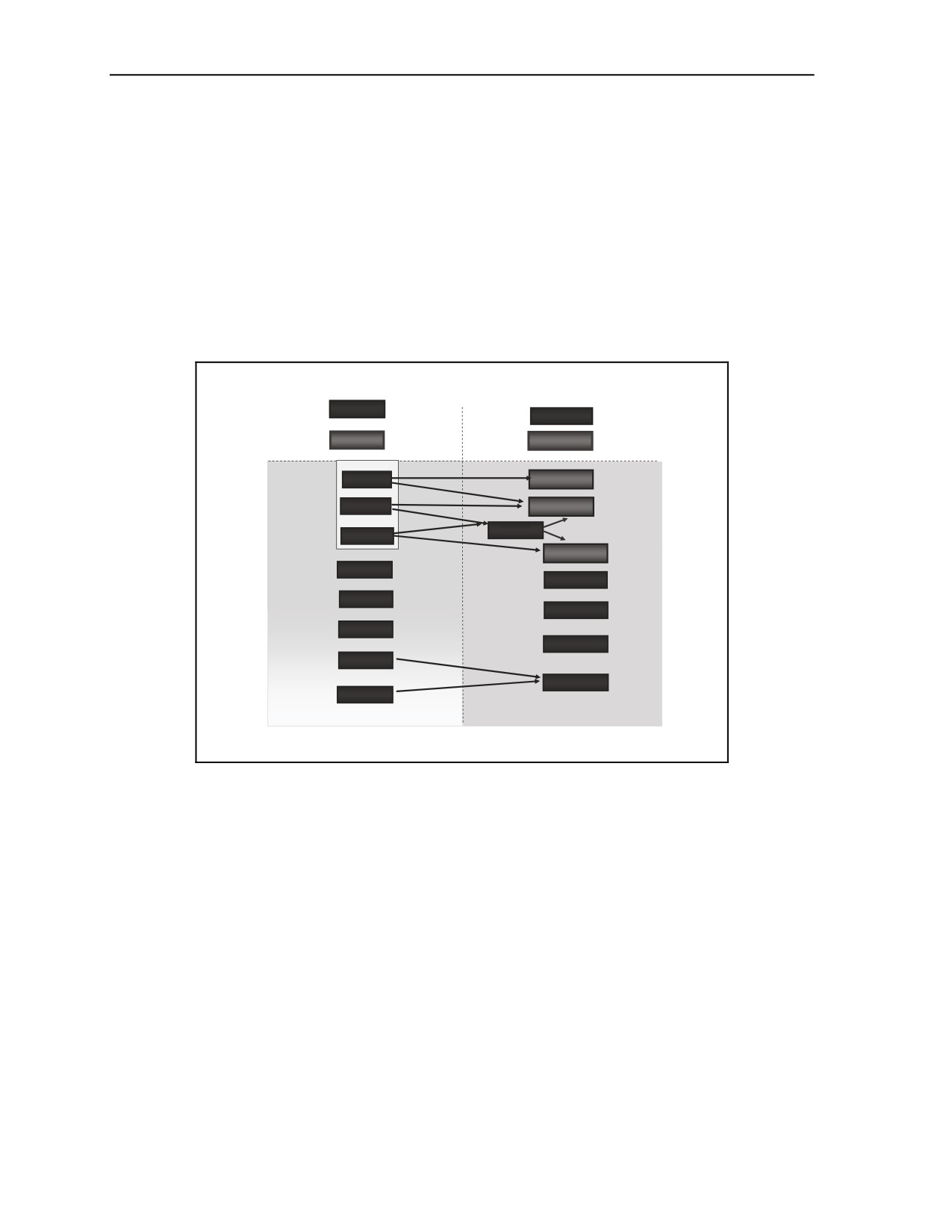
Figure 4-26. Modularity Transportation Management Migration
CONTAINER MANAGEMENT
4-88. Recent history has shown that inter-modal operations are critically affected by the manner in which
container management policies are enforced and container management is subsequently executed.
Container management is a command function, not just a sustainment function. Due to the nature of
container use, commanders at all echelons must be involved in container proper control. Therefore, a
container management program must be established at a theater-level echelon that permits centralized
management. For Army forces, the ASCC will provide further direction and control measures in order to
maintain greatest discipline at the least cost. Sustainment brigade commanders must implement the theater
management program for subordinate units.
4-89. Our industry partners will continue to use this method of packaging and distribution within the
global environment for the foreseeable future; therefore, it is vital to maintain the control and flow of
containers. Operations must fully integrate container management into the distribution system. Full-
spectrum inter-modal distribution management capabilities include systems to maintain visibility, manage
disposition at destination, and enable a rapid return to the distribution system to ensure adequate numbers
4-30
FMI 4-93.2
4 February 2009
Support to the Operating Forces
are available to maintain deployment, employment, sustainment, and retrograde operational pace. See AR
56-4 for more information on container management.
4-90. Successful container management ensures the following:
z
Expeditious movement of throughput and high-priority container shipments.
z
Minimal time for holding and/or consolidating cargo.
z
100 percent in-transit visibility of containers and contents.
z
Economical movements via container use.
z
Movement of containers as fast as mode operators and consignees can handle them.
z
Integration of military and commercial container management systems.
z
Consolidation of single consignee shipments.
z
Detention and demurrage reduction.
z
Management of container availability to support retrograde movements.
Flatrack Management Operations
4-91. Flatracks and containers offer tactical efficiencies that serve to increase the pace of sustainment
operations. The key to these efficiencies and maintaining this pace is congruent flatrack/container
management procedures at each stage or level of support (FSC, BSB, sustainment brigade, ESC, and TSC).
An increased operational depth and the reduction of redundant logistics force structure challenge
flatrack/container management and, ultimately, the sustainment of combat power. Flatrack/container
employment, management, and retrograde operations are the responsibility of distribution managers. In the
sustainment brigade, the support operations officer must track flatracks and containers dispersed
throughout the distribution system within its operational span of control.
Logistics Support Area Flatrack Management
4-92. Sustainment brigades operating a logistics support area (LSA) face increased flatrack management
challenges especially when transportation assets to move supplies and retrograde flatracks are limited.
Management responsibilities within the LSA rest with the support operations officer and the distribution
division. Their responsibilities include:
z
Identifying a flatrack collection point upon occupation of the LSA.
z
Managing all common user flatracks on an area basis.
z
Ensuring flatrack exchange (providing a back hauled flatrack for every one received) procedures
are adhered to as a matter of priority.
z
Maximizing the use of PLS/HEMMT-LHS platforms for retrograding flatracks from the flatrack
collection point back into the distribution system.
z
Reporting flatrack on-hand quantity by location, status, and condition to the flat-rack control
office established by the senior manager in theater of operations (in accordance with AR 710-2,
Inventory Management Supply Policy Below the National Level).
z
Coordinating with the servicing MCB for supplemental transportation support when
retrograding flatracks from the LSA flatrack collection point (FRCP).
4-93. Flatrack exchange is the preferred method for retrograding flatracks. FRCPs outside of the LSA are
designated for flatrack consolidation purposes when required and these proposed locations are reported to
the distribution division.
Flatrack Reporting Procedures
4-94. Accurate daily reporting of flatracks in a unit’s area of operations by location, status, and condition
is critical to efficient management of these assets within the distribution system. Separate reports may not
be required for reporting flatrack status, since distribution managers may roll flatrack status into existing
reports. Requests for supplemental transportation to retrograde flatracks in the operational area are
submitted as routine transportation requests through support operations channels. Flatrack procedures
4 February 2009
FMI 4-93.2
4-31
Chapter 4
outlined in this chapter should be reinforced and clarified with unit tactical standing operating procedures
(TACSOPs).
AERIAL DELIVERY
4-95. Aerial delivery consists of Service fixed-wing, rotary-wing and, in some cases Unmanned Aircraft
Systems (UASs), conducting air-land, airdrop, and sling-load cargo operations. It supports the sustainment
requirements of combat units on a noncontiguous AO with extended LOCs, reducing the amount of traffic
on major ground supply routes. Aerial delivery capability requirements include—
z
Providing operational planning and task execution supervision for all aerial delivery operations.
z
Receiving, classifying, and performing field level maintenance of all air item equipment.
z
Requisitioning, receiving, inspecting, storing, and issuing air item equipment.
z
Packing and rigging supplies and equipment for forward, lateral, and retrograde distribution.
z
Packing personnel and cargo parachutes and temporarily storage of rigging air item supplies and
equipment for use by the Army, Air Force, or other Services.
z
Providing personnel and cargo parachute supplies, parachute packing, and field level
maintenance of air item supplies and equipment; along with rapid rigging and de-rigging of
cargo air transport equipment.
4-96. Air-land operations provide for greatest cargo tonnage movement and are conducted routinely on an
inter-theater basis. Using this method, air carriers normally terminate at a relatively secure APOD,
physically descending, landing, and spending time on the ground to off-load. In doing so, supplies and
equipment are normally introduced to the ground for onward movement and distribution. Continued, intra-
theater, air-land movement to forward austere airfields commonly restricts the use of fixed-wing aircraft
due to threat capabilities, necessary airfield preparation, and off-load capabilities. When continued intra-
theater, air-land operations are conducted, rotary-wing assets conducting internal cargo carrying operations
are normally employed. However, use of rotary-wing aerial delivery platforms can present range
limitations.
4-97. Airdrop permits throughput of supplies from as far rearward as the National level, directly to the
using unit, and reduces the need for forward airfields, landing zones, and materiel handling equipment,
effectively reducing the forward battlefield footprint, as well as mitigating the enemy threat to traditional
surface methods of distribution. Airdrop provides the capability to supply the force, even when land lines
of communication have been disrupted, adding flexibility to the distribution system. New aerial delivery
platforms increase the flexibility and responsiveness to move supplies quickly and precisely to a BSB or
throughput to a maneuver unit from a sustainment base. Certain contingencies may require airdrop re-
supply support from the beginning of hostilities. However, the requisite airdrop support structure may not
be in a theater of operations due to deployment priorities. In such cases, the strategic-level commander
should consider having a portion of the supporting airdrop supply company deploy to designated APOEs
responding to the deployment and where supply support to the contingency area is more abundant. This
might include airdrop capability at Intermediate Staging Bases, Depots, and DLA locations. When in-
theater, airdrop supply companies, functioning as part of the Sustainment Brigade, should be located at
major transportation, supply and distribution hubs with capable airfields. Such hubs should also include
depot and DLA sites, where supplies may be rigged or pre-rigged and readily available for tasked aircraft.
Using the range and speed of air carriers, forces then fly intra-theater airdrop missions, supplying directly
to the airdrop location and then returning to a transportation hub.
4-98. Air-drop operations provide for the ability to supply and distribute cargo, using parachutes and
platforms to release supplies and equipment from an aircraft while in flight. When conducted in range, this
method of aerial delivery requires no descent or landing deep in a combat area or remote area. Recent
changes, innovations, and technology applications have revived the air-drop method, producing both high
and low altitude release capabilities. These changes provide air carriers significantly increased survivability
as they are able to avoid traditional, mid-level airspace release where threat weaponry is now most
prominent. While still considered niche capability, the air-drop method offers significant growth potential
as it supports numerous non-traditional users and has many employment applications.
4-32
FMI 4-93.2
4 February 2009
Support to the Operating Forces
4-99. Innovations in air drop methods will allow for support from greater distances and from high altitude
with significantly increased on-ground accuracies. An autonomously guided, precision airdrop system,
employed from high altitudes and offset from drop zones can deliver critical warfighting supplies to within
150 meters or better of its planned ground location. Low altitude airdrop improvements provide for
increased on-ground accuracy and greatly reduced airdrop equipment costs.
4-100. New aerial delivery platforms are being developed to give the flexibility and responsiveness to
move certain supplies quickly and precisely to a BSB or throughput to a maneuver unit. Aerial delivery
also reduces the amount of resupply convoys. The sustainment brigade may be task organized with
Quartermaster aerial resupply companies that would prepare platforms for air-drop, air-land, or sling load
mission. ILAR, which consists of Air Land, Airdrop, and Helicopter Sling load operations, is an integral
and an increasingly critical component of theater distribution and sustainment operations. By design and
intent, ILAR will be conducted in balance and in synchronization with surface distribution operations to
ensure that Army units and joint combatant commanders have the aerial resupply capabilities and enablers
needed to meet operational requirements in the conduct of Full Spectrum Operations. The sustainment
brigade may be task organized with Quartermaster aerial resupply companies that will be required to plan
and execute ILAR operations. Using a combination of surface and aerial delivery assets, the sustainment
brigade will be responsible for providing a fully integrated and synchronized aerial resupply capability,
which ensures effective, efficient, and responsive support and services; takes advantage of joint intermodal
enablers; and is transparent to but fully supportive of our joint combatant commanders and the operational
needs of our forces. New and innovative joint aerial resupply platforms; aerial resupply aircraft (fixed
wing, rotary wing, and unmanned aircraft systems); modular packaging and containers; configured loads;
aerial delivery systems, such as Joint Precision Airdrop and Low-Cost, Low-Altitude Aerial resupply
systems; and evolving state-of-the-art technologies are being developed and fielded to meet the full
spectrum of operational and support requirements. Properly implemented and synchronized with surface
distribution assets, ILAR will effectively reduce the number of convoys, expedite the distribution of
supplies, and of special significance, greatly enhance protection.
4-101. Rotorcraft sling loading provides for rapid movement of heavy, outsized cargo directly to the user,
bypassing surface obstacles. This provides greater responsiveness and flexibility to the ground commander
by reducing planning cycle time. It also allows the use of multiple flight routes and landing sites, which
enhance survivability of the aircraft and crew. Rotorcraft are highly flexible, forward positioned, aerial
delivery platforms. Operationally, they are able to perform missions surrounding all three methods of aerial
delivery in support of Full Spectrum Operations.
4-102. The increased use of UASs as a supply distribution platform is of growing importance. UASs are
currently designed to be application specific and are weight limited. There are still employment
opportunities to provide lighter, but critically needed supplies, to a broad range of customers and low cost.
Disposable UASs are being examined in the Science and technology base.
4-103. Integrating logistics aerial re-supply with emerging enablers and commercial business practices
raises aerial delivery to the next higher level. This capability synchronizes doctrine, organization, training,
materiel, leadership and education, personnel, and facilities (DOTMLPF) solutions to improve aerial re-
supply operations for current forces. It leverages all aerial delivery platforms and techniques available in
the most advantageous combination to provide both inter- and intra-theater supply support and is a key
component of Theater Distribution. This aerial re-supply capability, when conducted in balance and
synchronization with surface distribution operations, better ensures the Geographic Combatant Commander
a more robust menu of movement options and enablers necessary for meeting the requirements of Full
Spectrum Operations. This capability includes developing a low cost air drop system for use in supporting
humanitarian assistance operations or when recovery is not likely; creating a suite of precision cargo
airdrop systems that can be used to support various weight categories and mission scenarios maximizing
the cargo airdrop capability of the C-17 and future aircraft; designing a way to safely jettison aboard
aircraft; and, streamlining the aerial delivery request processes to enable timely support to the Soldier. In
addition, developing a low velocity cargo airdrop system that can operate at 500 feet or less, will increase
delivery accuracy, which permits the use of much smaller drop zones and reduced load dispersion on the
demilitarized zone. The total effect of an integrated logistics aerial re-supply system will be to enhance
4 February 2009
FMI 4-93.2
4-33
Chapter 4
operational response, improve load survivability, reduce the logistics footprint, and significantly improve
protection.
MOVEMENT CONTROL BATTALION (MCB)
4-104. The MCB commands and controls between four and ten movement control teams (MCTs),
provides technical supervision, and coordinates the use of common user transportation assets theater-wide.
The MCB also provides visibility of unit moves, convoy movements, and operational moves. The MCB is
assigned to the TSC and accountable for the execution of the movement program and performance of the
theater transportation system. In the current force, an MCB will be under the TACON or administrative
control (ADCON) of a sustainment brigade when the sustainment brigade is the senior sustainment HQ in
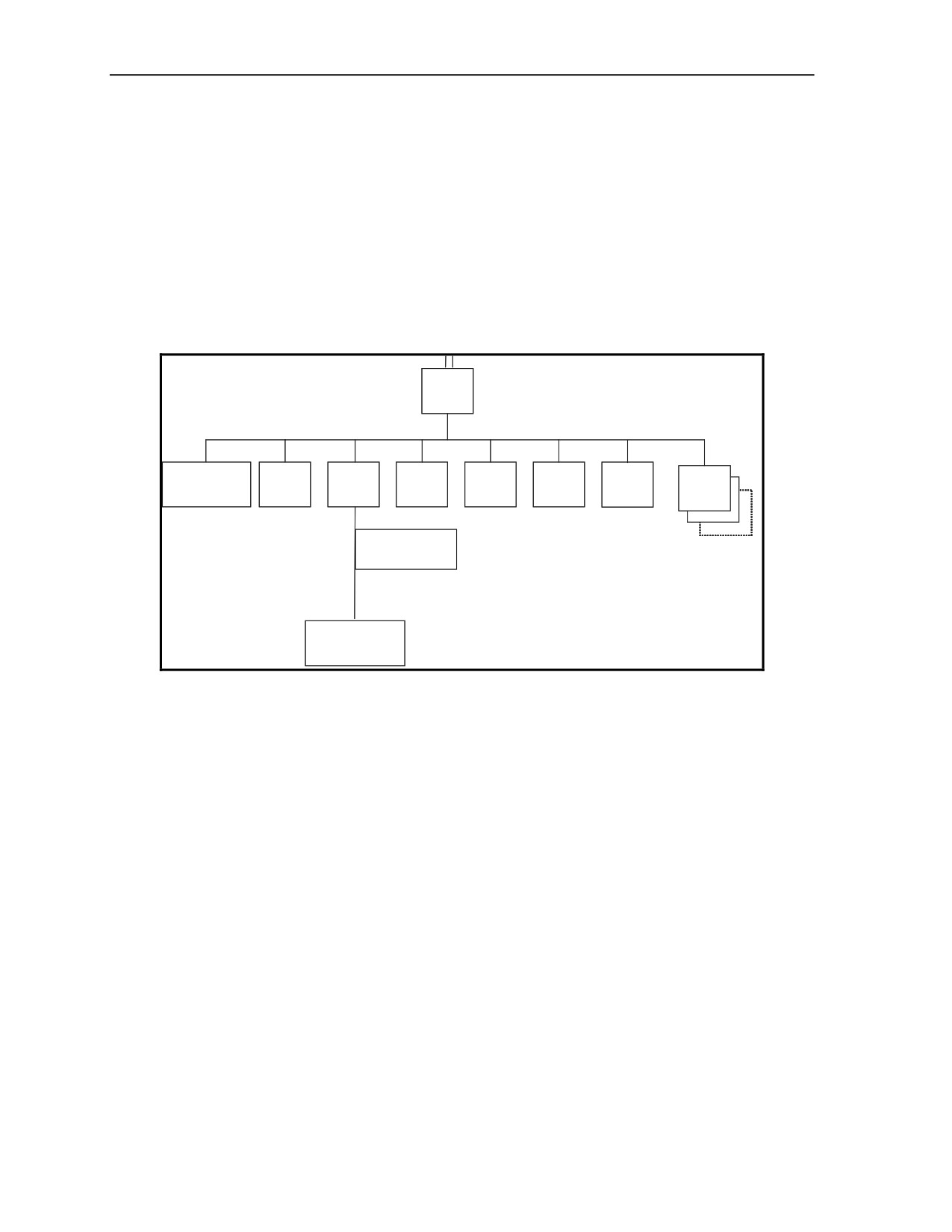
an AO. Figure 4-27 shows the organizational structure of a MCB HQs.
MCB
COMMAND
S-1
S-2/3
S-4
UMT
S-6
HHD
SECTION
MCT
PLANS
OPERATIONS
21 Man Team
HIGHWAY
TRAFFIC
Figure 4-27. Movement Control Battalion Headquarters
Movement Control Teams (MCT)
4-105. The MCT is the lynchpin of the Movement Control System. At least one will normally be
collocated with the sustainment brigade to support brigade operations. Elements of an MCT may also
collocate with operational area under the command of a sustainment brigade such as ports or convoy
support centers. An MCT is a 21-person team with the capability to perform every type of movement
control mission on a 24-hour basis. It is designed to provide maximum flexibility in its employment. Each
team has a headquarters section and four identical sub-units (or sections). The MCT is capable of operating
as a single team or separately at up to four different locations. The MCT is capable of conducting the
following missions:
z
Coordinate transportation support, highway clearance, and inbound clearance for moving units,
personnel, and cargo.
z
Coordinate transportation movements, diversions, re-consignments, and transfers of units,
cargo, and personnel.
z
Provide technical expertise to transportation users within its assigned area of responsibility.
z
Provide ITV of unit equipment and sustainment cargo movements in an assigned area of
responsibility.
z
Observe, assess, and report on the progress of tactical and nontactical transportation movements
along MSRs or alternate supply routes and through critical nodes.
z
Adjust movement schedules as necessary to coordinate the movement of authorized traffic.
4-34
FMI 4-93.2
4 February 2009
Support to the Operating Forces
z
Provide first destination reporting points.
z
Provide as many as four sub-units to four separate locations, each performing a different aspect
of movement control.
z
Commit transportation assets.
MOTOR TRANSPORTATION BATTALION
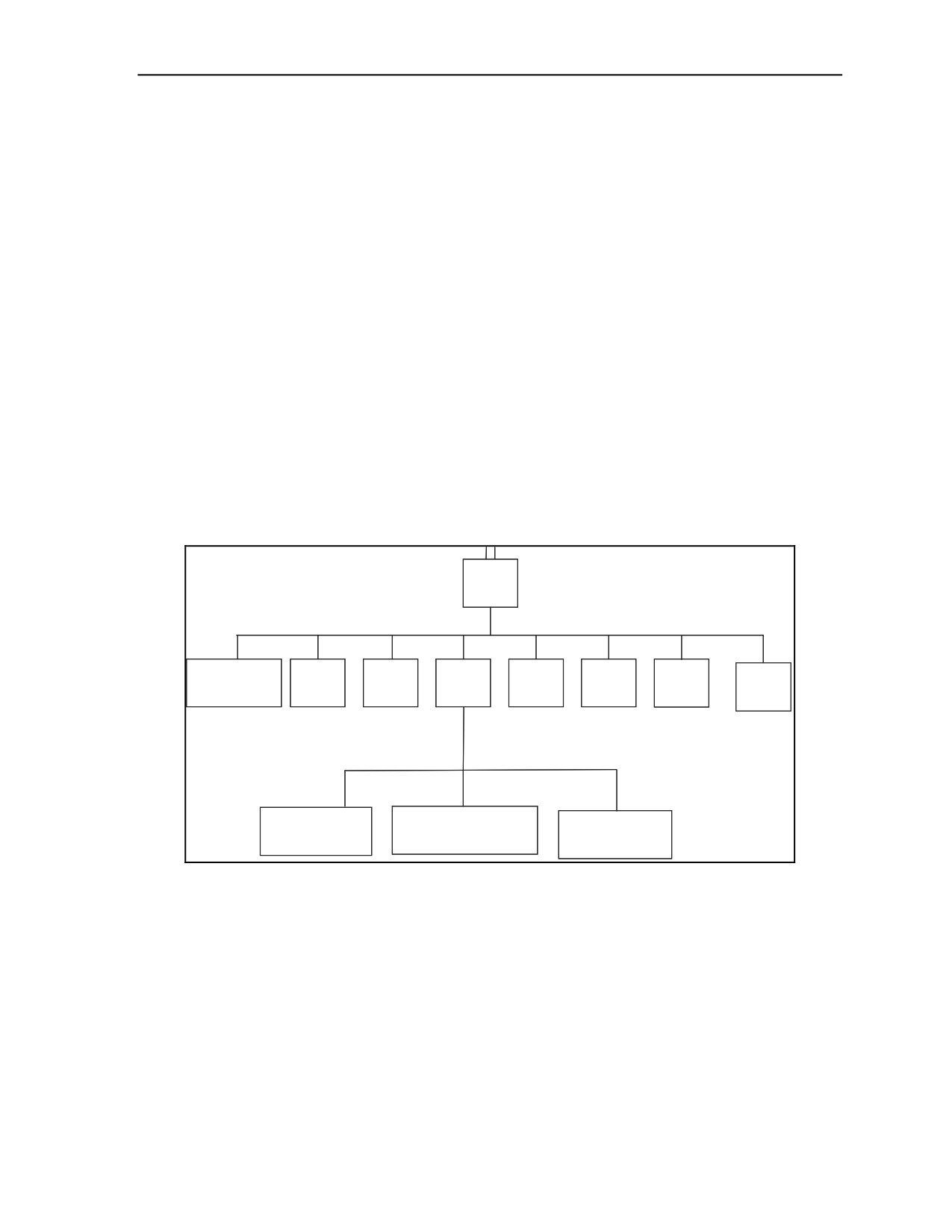
4-106. The mission of the motor transportation battalion (see Figure 4-28) is to command, control, and
supervise units conducting motor transport operations and terminal operations
(less seaport). Motor
transportation battalions are typically assigned to the TSC upon arrival into a theater of operations, and are
further attached to a Sustainment Brigade. Its core capabilities are providing C2 and technical supervision
for three to seven motor transport or cargo transfer companies. The battalion plans and schedules
requirements to conform to the overall movement program. The staff—
z
Translates transportation requirements from higher HQs into specific vehicle or unit
requirements.
z
Evaluates highway traffic plans affecting road movement, to include terrain, road conditions,
and security.
z
Supervises the operation of truck terminals, trailer transfer points, and/or a trailer relay system.
z
Coordinates for host nation support as available.
The motor transportation battalion SPO receives guidance and technical direction from the sustainment
brigade SPO when analyzing requirements and planning for transportation operations.
MTB
COMMAND
S-1
S-2/3
SPO
S-4
S-6
UMT
HHD
SECTION
SUPPORT
MODE
COMMUNICATIONS
OPERATIONS
OPERATIONS
Figure 4-28. Motor Transportation Battalion Headquarters
TRANSPORTATION TERMINAL BATTALION
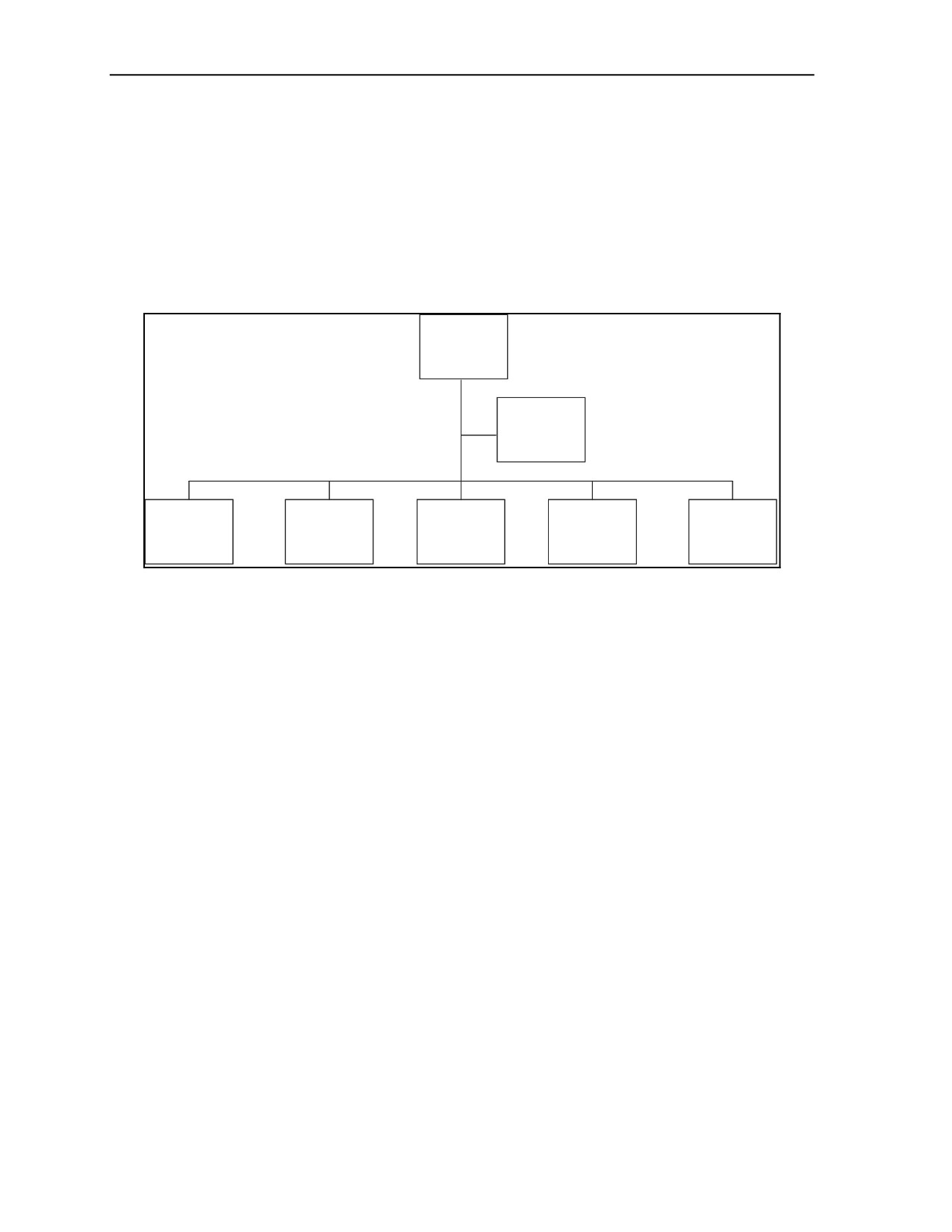
4-107. The mission of the Transportation Terminal Battalion (see Figure 4-29) is to command, control,
and supervise units conducting terminal operations. Transportation Terminal Battalions are typically
assigned to the TSC upon arrival into a theater of operations and are further attached to a Sustainment
Brigade. Terminal operations include truck, rail, air, as well as marine terminals and ports. Its core
capabilities are providing C2 and technical supervision for three to seven terminal operations and/or
watercraft companies. The battalion plans and schedules requirements to coincide with the strategic and
operational distribution and movement programs. The objective is to balance the flow of materiel and
personnel from strategic transportation modes with the ability of the operational providers to clear the
4 February 2009
FMI 4-93.2
4-35
Chapter 4
terminal or port. Achieving this is paramount to keeping the ports of debarkation uncongested and units,
personnel, and supplies flowing smoothing into and out of a theater of operations. The staff—
z
Translates transportation requirements from higher HQs into specific vessel discharge and
terminal/port clearance schedules.
z
Evaluates terminal and port facilities for usability.
z
Evaluates ingress and egress routes and highway traffic plans affecting road movement, to
include terrain, road conditions, and security.
z
Supervises the operation of truck, rail, air and marine terminals.
z
Coordinates for host nation support as available.
TML
BATTALION
SPECIAL
STAFF
HHC
S-1
S-2/3
S-4
S-6
Figure 4-29. Transportation Terminal Battalion
TRANSPORTATION COMPANIES
4-108. Transportation companies provide lift capability for both the operational and tactical sustainment
mission of the sustainment brigade. Truck companies move personnel and materiel throughout the
distribution system, while cargo transfer and terminal companies provide capabilities essential to the
theater opening, port operations, and hub operations. Transportation companies are typically assigned to
the CSSB or functional transportation battalions that are attached to sustainment brigades. This section of
the chapter identifies various transportation companies that might be attached to a sustainment brigade and
provides information on general capabilities of each company.
Truck Companies
4-109. Truck companies provide transportation for the movement of break-bulk cargo, containers, bulk
water, POL, preconfigured loads on flatracks, heavy lift combat systems, and personnel by motor transport.
Trucks generally move along designated supply routes in convoys, which are groups of vehicles moving
from the same origin to a common destination and organized under a single commander for the purpose of
control.
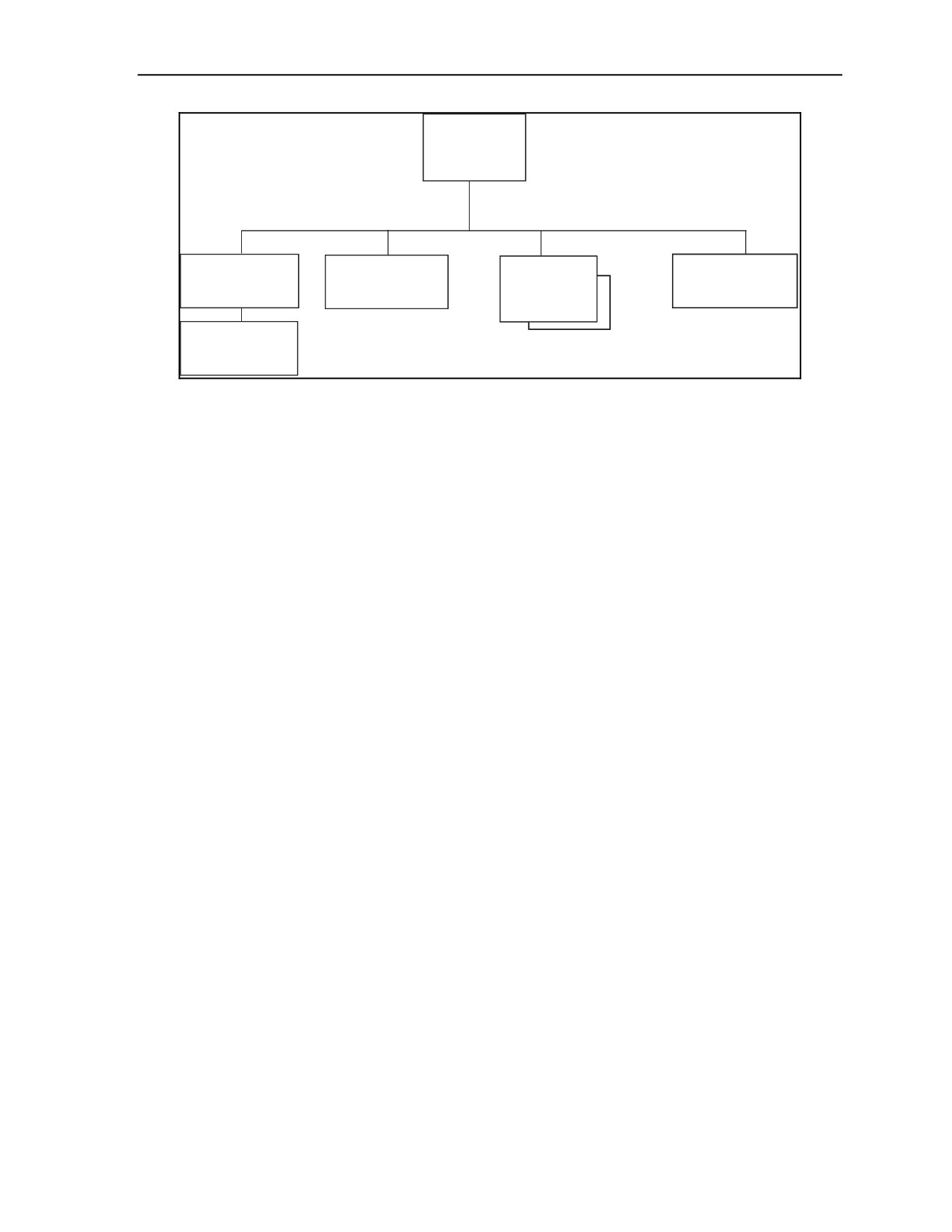
4-110. There are three basic types of truck companies: light-medium, medium, and heavy. As the name
implies, light-medium truck companies (see Figure 4-30) have two types of vehicles with which to provide
transportation support from the Family of Medium Tactical Vehicles (FMTV), a series of vehicles based on
a common chassis that vary by payload and mission requirements. The Light Medium Tactical Vehicle
(LMTV) has a 2.5-ton capacity (cargo and van models), while the Medium Tactical Vehicle (MTV) has a
5-ton capacity (cargo and long-wheelbase cargo with and without materiel handling equipment, tractor,
van, wrecker, and dump truck models). Three truck variants and two companion trailers with the same
cube and payload capacity as their prime movers provide air drop capability.
4-36
FMI 4-93.2
4 February 2009
Support to the Operating Forces
LIGHT/MEDIUM
TRUCK
COMPANY
LIGHTT/MEDIUM
HEADQUARTERS
MAINTENANCE
LIGHT
TRUCK
PLATOON
PLATOON
TRUCK
PLATOON
PLATOON
OPERATIONS
SECTION
Figure 4-30. Light-medium Truck Company
4-111. On a 24-hour basis, the Light-Medium Truck Company can provide up to 43, 5-ton cargo trucks
for transport missions and 8 tactical tractor-semi-trailer combinations for transport missions. It has a one
time lift capability as follows:
z
Breakbulk General Cargo
190 STONS
z
Breakbulk Ammunition
342 STONS
z
Pallets
370
z
463L Pallets
67
z
Containers, Twenty foot (TEU)
8
4-112. The FMTV performs local and line haul, unit mobility, unit resupply, and other missions in
combat and logistics units. It is rapidly deployable worldwide and operates on primary and secondary
roads, trails, and cross-country terrain in all climatic conditions. Commonality of parts across varied truck
chassis significantly reduces the logistics burden and operating and support costs.
4-113. Medium truck companies (see Figure 4-31) have some variant of the M915A3 Line Haul Tractor,
which tows the M872 34-ton flatbed trailer, M967 5,000-gallon bulk fuel tanker, and M1062 7,500-gallon
bulk fuel trailer; or the PLS truck. PLS trucks have a self-load/off-load capability with demountable cargo
bed (CROP), a central tire inflation system to enhance mobility, and are air transportable via C-5, C-130
and C-17, as well as deployable by rail and sea. CROP is NATO-interoperable and fits inside a single ISO
container. The PLS container handling unit transports ISO containers.
4-114. On a 24-hour basis, the Medium Truck Company Cargo provides up to 52 trucks for mission
operations and has a one time lift capability as follows:
z
Breakbulk General Cargo
395 STONS
z
Breakbulk Ammunition
709 STONS
z
Pallets
1060
z
463L Pallets
212
z
Containers, Twenty foot (TEU)
106
z
Containers, Forty foot (FEU)
53
z
Water
242,210 GALS
4 February 2009
FMI 4-93.2
4-37
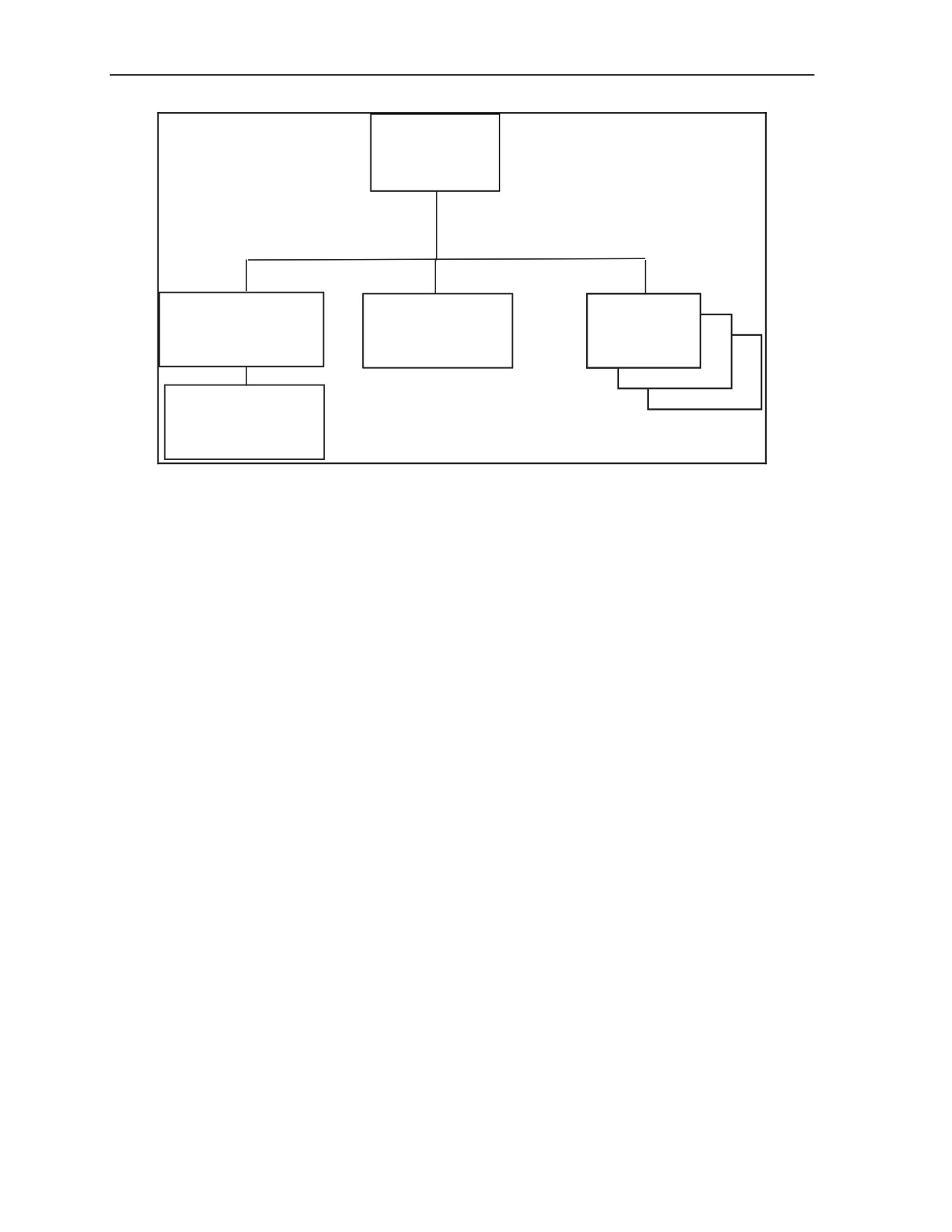
Chapter 4
MEDIUM
TRUCK
COMPANY
HEADQUARTERS
MAINTENANCE
TRUCK
PLATOON
PLATOON
PLATOON
OPERATIONS
SECTION
Figure 4-31. Medium Truck Company
4-115. On a 24-hour basis, the Transportation POL Truck Company (7.5K Theater) provides up to 53
trucks for mission operations and has a one time lift capability for bulk fuel of 371,000 gallons.
4-116. On a 24-hour basis, the Transportation POL Truck Company (5K Theater) provides up to 53
trucks for mission operations and has a one time lift capability of 238,500 gallons of bulk fuel.
4-117. With a 84.7 percent task vehicle availability rate, operating on a two-shift basis, and making four
round trips per day (two per operating shift) in local hauls or two round trips (one per operating shift) in
line hauls, the Transportation Medium Truck Company (Cargo) Corps provides:
CARGO HAULS
LOCAL LINE HAULS
CONTAINERS (Dry/Refrigerated)
203
102
NONCONTAINERIZED (Palletized/Packaged)
974 STONS
487 STONS
WATER
304,920 GAL
609,840 GAL
4-118. With a 84.7 percent task vehicle availability; this unit, operating on a two-shift basis, and making
four round-trips per day (two per operating shift) in local hauls or two round trips (one per operating shift)
in line hauls, the Transportation Medium Truck Company (POL) is capable of transporting the 1,016,400
gallons of petroleum in local hauls and 508,200 gallons of petroleum in line hauls.
4-119. On a 24-hour basis, the Transportation PLS Truck Company provides up to 53 trucks for mission
operations and has a one time lift capability as follows:
z
Breakbulk General Cargo
379 STONS
z
Breakbulk Ammunition
681 STONS
z
Pallets
864
z
463L Pallets
216
z
Containers, Twenty foot (TEU)
108
z
Containers, Forty foot (FEU)
0
z
Bulk Water
216,000 GALS (must be equipped with HIPPO)
z
Bulk Fuel
270,000 GALS (must be equipped with POL Tank racks)
4-38
FMI 4-93.2
4 February 2009
Support to the Operating Forces
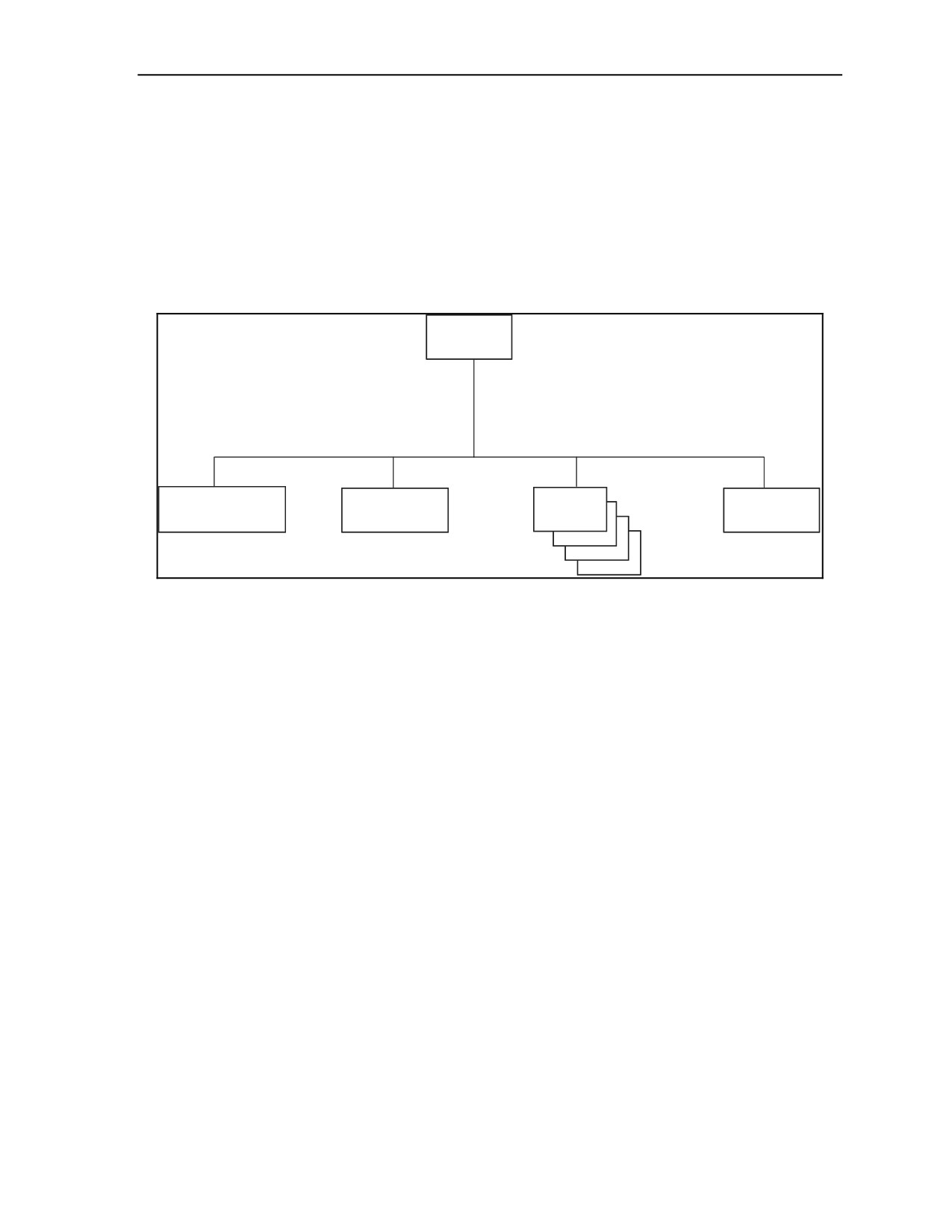
4-120. The Transportation Combat Heavy Equipment Transport Company (see Figure 4-32) can provide
a one-time lift of 86 tracked combat vehicles (one tracked vehicle per heavy equipment transport [HET]).
Six of these units operating simultaneously, can relocate a brigade size heavy maneuver force.
4-121. Management and visibility of limited heavy equipment transport systems (HETS) (see Figure 4-
23), which consist of the M1070 Truck Tractor and the M1000 Heavy Equipment Transporter Semi-trailer,
are particularly critical when supporting a heavy force. HETs transport payloads up to 70 tons - primarily
Abrams tanks. Maneuver commanders rely heavily on the capabilities the combat HET Company brings to
an operation: transport, recovery, and evacuation of combat-loaded main battle tanks and other heavy
tracked and wheeled vehicles to and from the battlefield.
HET
COMPANY
HEADQUARTERS
OPERATIONS
TRUCK
MAINTENANCE
PLATOON
SECTION
PLATOON
PLATOON
Figure 4-32. Combat HET Company
MARINE/TERMINAL TRANSPORTATION COMPANIES
4-122. The Sustainment Brigade may require watercraft and terminal units to execute its mission. The
type and quantity of units required will be METT-TC dependent and take into account several factors to
include the type and scale of the sustainment brigade’s mission and the availability of host nation or
commercial assets.
4-123. Army marine and terminal units manage and execute port or inland terminal operations services.
They can administer and supervise contracts for stevedore and related terminal services, inland waterway,
and highway/rail transport operations in support of port or terminal reception and clearance activities.
Transportation Terminal Battalions attached to the sustainment brigade provide C2, planning, and
supervision of attached units employed in the operation of terminals. Cargo transfer operations are simply
the removal of cargo and materiel from one mode of transport and placing it on another mode for continued
movement. The two main units that provide this capability to the Army are the Seaport Operations
Company and the Inland Cargo Transfer Company (ICTC). These two companies may be assigned to a
CSSB or functional battalion to perform intermodal operations at a seaport or at APODs and distribution
hubs or terminals respectively.
4-124. Augmentation elements like the automated cargo documentation team provide automated
documentation support for cargo discharged from ships. Port Management Teams (PMT) provide contract
supervision and management for contracted execution or augmentation of port operations. Terminal
Management Teams provide management of all or part of a port operation and works in coordination with
the PMT.
4-125. Beaches ideally suited for LOTS without prior preparation or alteration are rare. Therefore, some
engineering support is normally required to enable landing craft to beach and to provide exits from the
beach to marshaling areas and the clearance transportation network. This capability is beyond the units
depicted below.
4 February 2009
FMI 4-93.2
4-39
Chapter 4
Heavy Watercraft Company
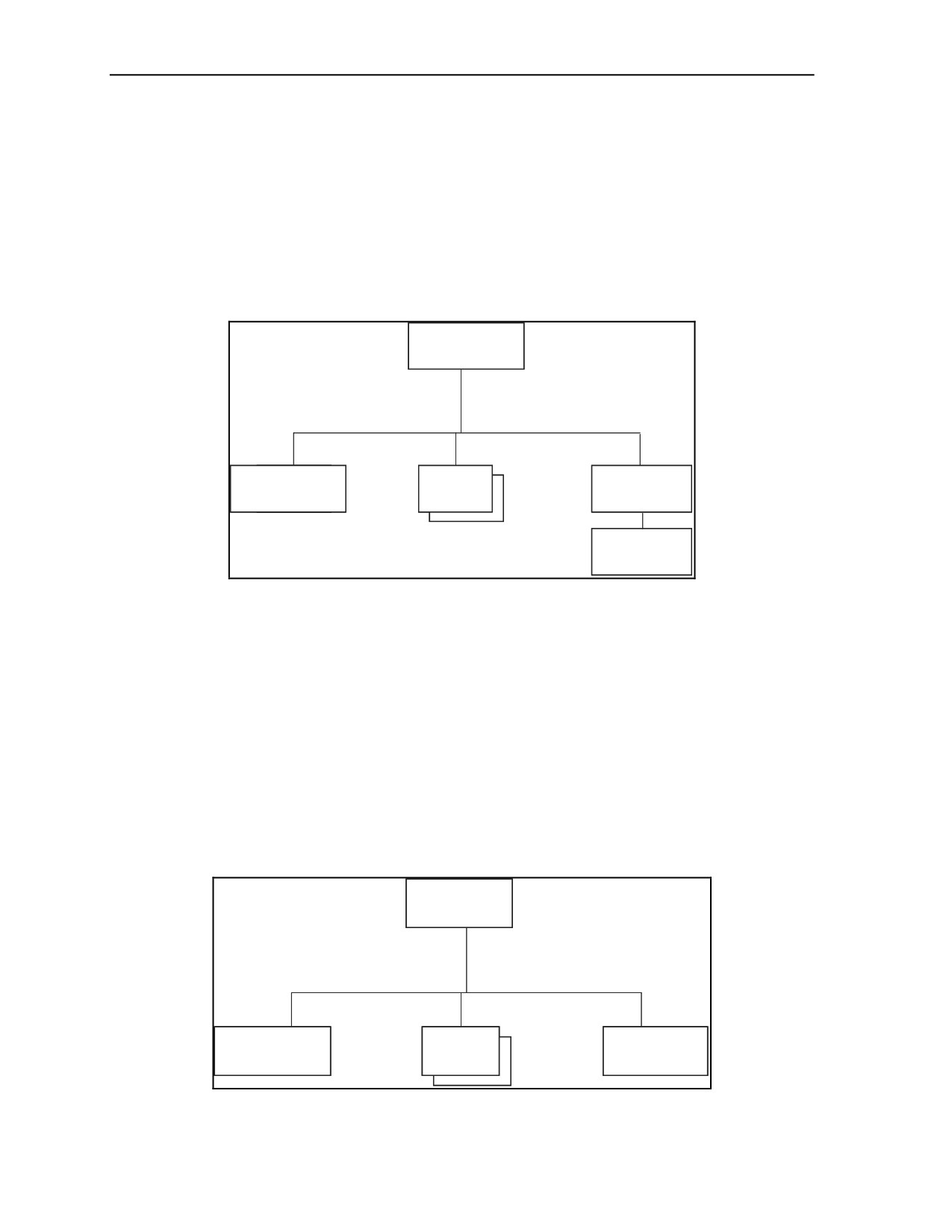
4-126. The heavy watercraft company’s (see Figure 4-33) mission is to perform waterborne transportation
of personnel, cargo, and equipment during intratheater lift, water terminal, waterborne tactical and joint
amphibious, riverine, or LOTS operations. It is normally assigned to a sustainment brigade for theater
opening. Its capabilities are to--
z
On a 24-hour basis, provide up to eight landing craft (LCU 2000) for transport missions.
z
Move five M-1 main battle tanks or twenty-four 20-foot containers with each LCU 2000.
z
Transport 2,800 STON of cargo consisting of vehicles, containers, and/or general cargo.
z
Self-deploy tasked vessels when this unit is equipped with LCU 2000s.
HEAVY
WATERCRAFT
COMPANY
HEADQUARTERS
BOAT
MAINTENANCE
PLATOON
PLATOON
PLATOON
DS
MAINTENANCE
SECTION
Figure 4-33. Heavy Watercraft Company
Medium Boat Detachment
4-127. The mission of the Medium Boat Detachment (see Figure 4-34) is to perform waterborne transport
of personnel, cargo, and equipment during water terminal, waterborne tactical, and joint amphibious,
riverine, or LOTS operations. It is currently equipped with the seven LCM-8s (MOD 1) and two LCM-8s
(MOD 2). The unit is normally assigned to a TSC and attached to either a Transportation Terminal
Battalion or CSSB conduction marine terminal operations. At full strength the unit can--
z
Transport an average of 1,000 STONs of non-containerized cargo based on an average of 42
STONs per landing craft each making two trips a day.
z
Transporting 240 20-foot containers per day based on one container per landing craft each
making 20 trips per day.
z
Transport 2400 combat equipped Soldiers in one lift.
MEDIUM
BOAT
DETACHMENT
DETACHMENT
BOAT
MAINTENANCE
HEADQUARTERS
SECTION
TEAM
Figure 4-34. Medium Boat Detachment
4-40
FMI 4-93.2
4 February 2009
Support to the Operating Forces
Seaport Operations Company
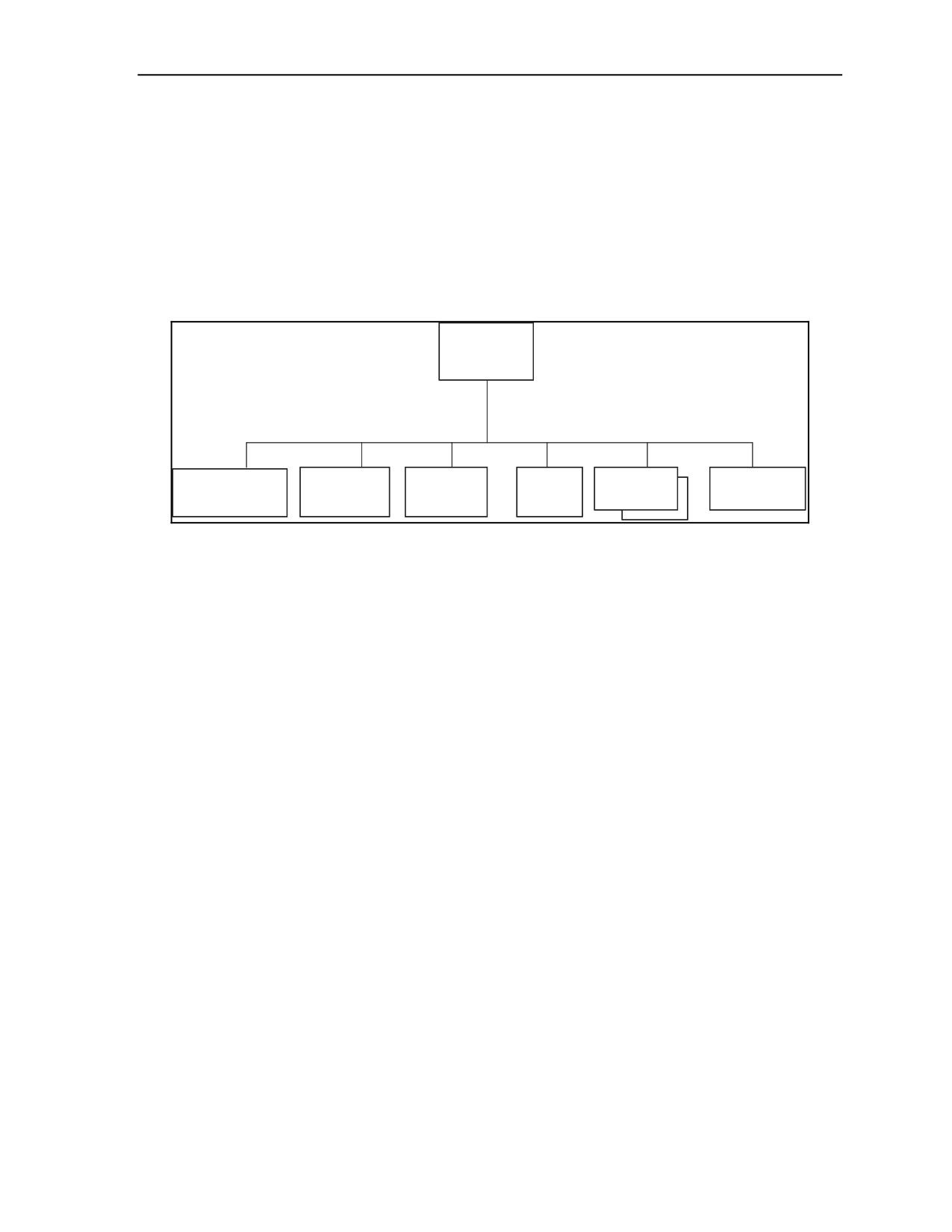
4-128. The seaport operations company’s (see Figure 4-35) mission is to perform seaport terminal service
operations to discharge and load containerized cargo and wheeled/tracked vehicles in fixed seaports or in
LOTS sites. It is normally assigned to a port or JLOTS complex operating under the TSC or a sustainment
brigade conducting theater opening. Its capabilities include:
z
In a fixed port: discharge or load up to 375 containers, 750 wheeled/tracked vehicles, or 1,875
STONs of break-bulk cargo per day.
z
In a LOTS operation: discharge or load up to 150 containers, or 750 STONs of break-bulk
cargo, or 450 wheeled/tracked vehicles per day.
SEAPORT
OPERATIONS
COMPANY
MARSH
HEADQUARTERS
OPERATIONS
DOCUMENT
SHIP
MAINTENANCE
SECTION
AREA
PLATOON
PLATOON
SECTION
SECTION
SECTION
Figure 4-35. Seaport Operations Company
Modular Causeway Company
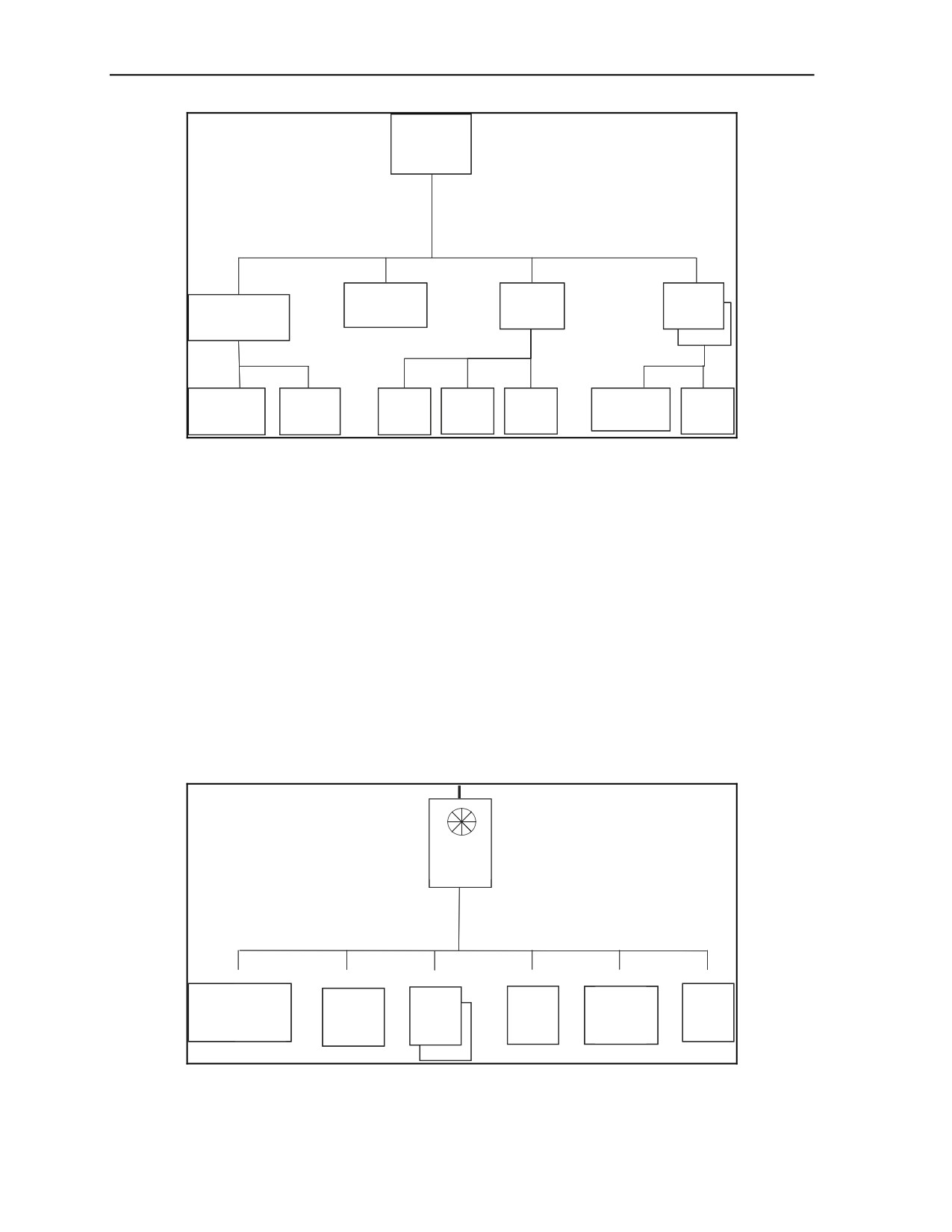
4-129. The modular causeway company’s (see Figure 4-36) mission is to provide movement support for
cargo and equipment during intra-theater lift, water terminal, waterborne tactical and joint amphibious,
riverine, and JLOTS operations. It is normally assigned to a port or JLOTS complex operated by a
transportation terminal battalion, but may be attached to the US Navy or US Marine Corps to support joint
amphibious, riverine, or JLOTS operations. Several variants of causeway sections can be configured to
meet mission needs. C2 is provided by a transportation battalion subordinate to a sustainment brigade. Its
organic elements have the following characteristics and capabilities:
z
Floating Causeway Pier. Consists of 1 to 17 non-powered causeway sections (CSNP) [up to
1,200 feet in length], with a dry bridge for the discharge of cargo and equipment from landing
craft directly to an unimproved shoreline or degraded fixed port facility.
z
Causeway Ferry. Consists of one powered causeway section (CSP) and up to three CSNPs for
moving rolling stock, break bulk, containerized cargo from ship to shore.
z
Roll-On/Roll-Off Discharge Platforms. Consists of up to 18 CSNPs that interface between roll
on/roll off (RO/RO) ships and lighters for the rapid discharge of rolling stock.
4 February 2009
FMI 4-93.2
4-41
Chapter 4
CSWY
COMPANY
MAINTENANCE
CSWY
RO/RO
COMPANY
SECTION
PLATOON
PLATOON
HEADQUARTERS
RO/RO
BEACH
FC
FC
CSWY
RO/RO
OPERATIONS
DISCHARGE
SUPPORT
MAIN
SLWT
FERRY
SLWT
Figure 4-36. Modular Causeway Company
Floating Craft Company
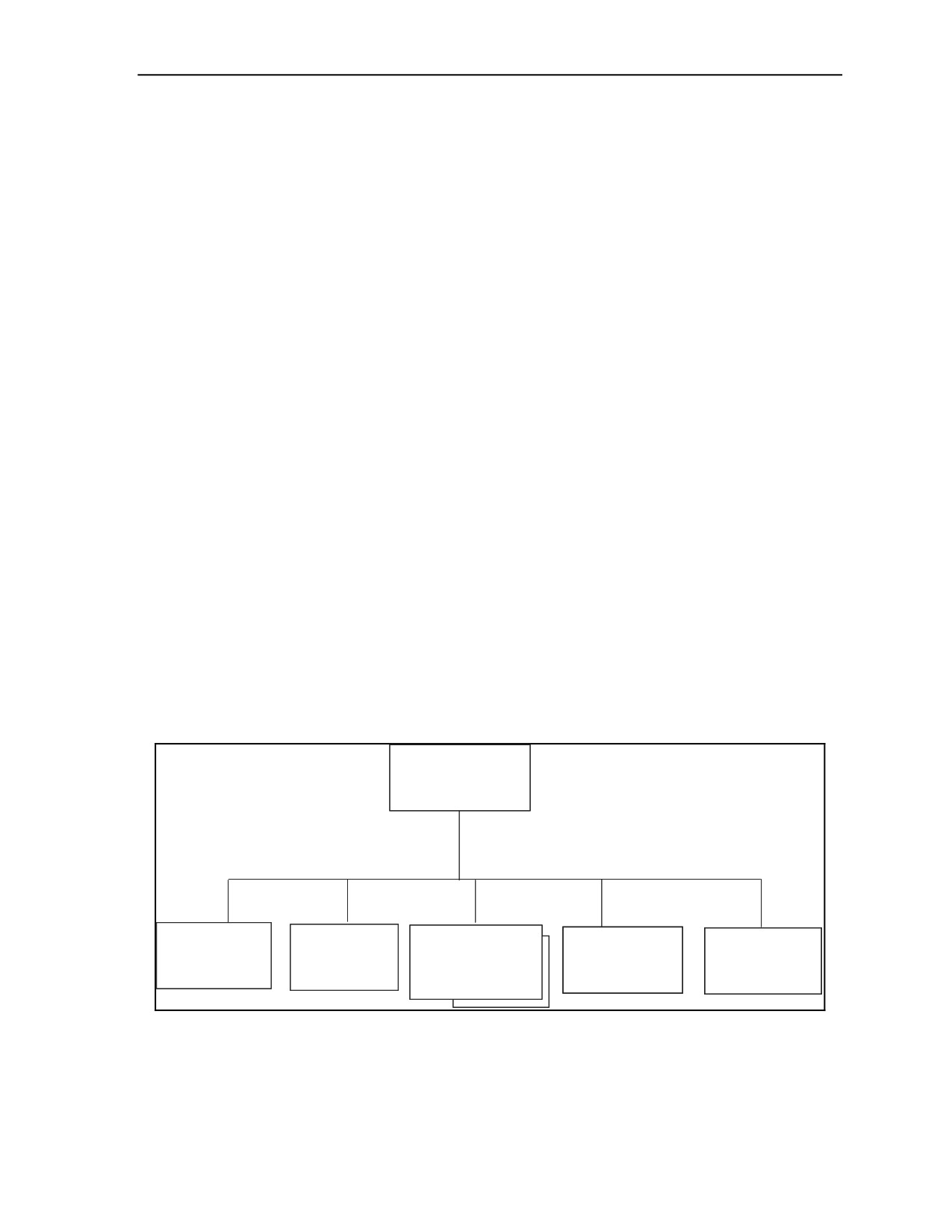
4-130. The mission of the floating craft company (see Figure 4-37) is to perform floating craft and
harborcraft operations during intratheater lift; water terminal; waterborne tactical; and joint amphibious,
riverine, or JLOTS operations. This company is normally assigned to a port or JLOTS complex operated
by a transportation terminal battalion subordinate to a sustainment brigade. Its organic elements have the
following capabilities:
z
Large Tug. Performs ocean and coastal towing, salvage, and recovery operations, general
purpose harbor duties, and firefighting service.
z
Small Tugs. Performs tug services in support of water terminal and inland waterway operations.
z
Floating Crane. Loads and discharges heavy lift cargo that is beyond the capacity of a ship's
gear.
z
Barges. Transport up to 324 STONs of deck-loaded dry cargo or 93,000 gallons of bulk fuel.
Capable of serving as a refueling point for Army watercraft operating in the area.
FLOATING
CRAFT
COMPANY
••
••
••
••
••
LARGE
FLOATING
FUEL
HEADQUARTERS
MISSION
SMALL
TUG
TUG
CRANE
BARGE
SUPPORT
Figure 4-37. Floating Craft Company
4-42
FMI 4-93.2
4 February 2009
Support to the Operating Forces
Logistics Support Vessel (LSV) Detachment
4-131. The LSV detachment and the LSV with its full crew compliment should be considered
synonymous; the detachment is the vessel and its crew. The mission of the LSV Detachment is to—
z
Provide transportation for vehicles, containers, and/or general cargo to remote, underdeveloped
areas along coastlines and Inland Waterways.
z
Support unit deployments, relocations, and port to port operations.
z
Assist in discharging and back-loading ships in a RO/RO or lots operation.
z
Provide cargo transportation along coastal main supply routes (MSRs).
The Detachment is capable of self-sustainment for a period of 30 to 45 days with accommodations for a
31-member crew. The unit is assigned to a TSC and can be attached to a Sustainment Brigade with a
requirement to provide intra-theater lift assets or to a Transportation Terminal Battalion or CSSB
conducting marine terminal operations. The vessel is capable of self-delivery to a Theater of Operations
and meets the requirement to transit the Panama and Suez Canals. The LSV can transport 2,000 STONS of
cargo, consisting of vehicles, containers, and/or general cargo.
Inland Cargo Transportation Company (ICTC)
4-132. The ICTC’s (see Figure 4-38) mission is to discharge, load, and transship cargo at air, rail, or truck
terminals; to supplement cargo/supply handling operations to alleviate cargo backlogs; to operate cargo
marshalling area as required. The ICTC can also perform the functions of an arrival/departure airfield
control group (A/DACG). Normally assigned to a sustainment brigade conducting theater opening or
theater distribution, this unit’s capabilities are to operate rail, truck, or air terminals on a 24-hour per day
basis and to operate intermodal terminals in a theater hub or TDC. The ICTC can accomplish the
following:
z
In rail intermodal or truck terminal operations, transship 2,400 STONs of break-bulk cargo or
600 containers.
z
In air terminal operations, transship 1,500 STONs of break-bulk cargo or 600 containers.
z
At inland terminals, it can perpetuate cargo documentation and re-document diverted or
reconsigned cargo.
z
During container operations, the unit can stuff and unstuff containers. However, this capability
degrades other capabilities.
INLAND
CARGO
TRANSPORTATION
COMPANY
COMPANY
OPERATIONS
CARGO
DOCUMENTATION
MAINTENANCE
HEADQUARTERS
SECTION
TRANSPORTATION
SECTION
SECTION
PLATOON
Figure 4-38. Inland Cargo Transfer Company
4 February 2009
FMI 4-93.2
4-43
Chapter 4
Arrival/Departure Airfield Control Group
4-133. The arrival/departure airfield control group (A/DACG) is an ad hoc organization provided by the
supporting installation and is designed to assist AMC and the deploying unit in receiving, processing, and
loading personnel and equipment. Its composition is mission dependent but cargo transfer companies are
best suited for the role. In CONUS, the A/DACG is a shared responsibility between Installation
Management Command installations and FORSCOM units.
Port Support Activity
4-134. The port support activity (PSA) is an ad hoc support organization designed to assist SDDC with
the loading or discharge of cargo, vehicles, and equipment at seaports. The PSA coordinates offload of
units and equipment with the sustainment brigade to ensure onward movement and RSOI support.
Normally SDDC verifies the resources required and provides them from their own resources or contracts
for them. SDDC may also request additional PSA support from the sustainment brigade supporting the
theater base.
However, unit support requests beyond standard port operations
(aircraft
assembly/disassembly, convoy reception) are the responsibility of the requestor. The PSA is operationally
controlled by the military port or transportation terminal battalions/brigades (TTB) commander. The TTB
are US Army Reserve units assigned to SDDC.
CENTRALIZED RECEIVING AND SHIPPING POINT
4-135. A Centralized Receiving and Shipping Point (CRSP) is a dock-to-dock distribution center using
the hub and spoke method of efficiently delivering cargo. Generally, cargo is not warehoused at a CRSP,
with the common holding period being 24 hours or less. The objective is to move cargo as quickly and
efficiently as possible, the exception being frustrated cargo, cargo destined to low volume consignees, or
battle damaged equipment which might require inspection and processing. Although traditional use of
CRSPs was for container handling only, the mission was expanded to great advantage during Operation
Iraqi Freedom. Use of CRSP operations reduced transit times and provided greater security as the convoy
operators were more familiar with assigned terrain and threats than in-theater personnel who had
previously been performing the convoy operations all the way to the tactical level. Under the CRSP
concept, theater convoys deliver to a CRSP(s) with CSSBs operating convoys delivering to the consignee,
forward operating base (FOB), or other CRSP. Each CRSP would arrange for backhaul both from the
FOBs to the CRSP and from the CRSP to the theater-level supply units. Convoys should pick up all
retrograde cargo from a FOB, regardless of whether or not the consignee is part of the CRSP’s network as
it is easier for the CRSP to use the CRSP network to trans-ship the retrograde to the appropriate CRSP.
AMC could, as arranged, come to the CRSP to pick up equipment for turn-in and remove the equipment
from the units’ property books.
4-136. The overall advantage of the CRSP was that theater trucks moved in and out of the AO quickly,
providing faster throughput. Because the CRSP had a better understanding of the threat, battle rhythm, and
missions of the FOBs, there was minimal disruption delivering cargo during combat operations. The use of
CRSPs resulted in the elimination of the possibility of the BSBs not being ready to download, with the
consequence of trucks being idle. The CRSP operation made the movement of supplies more efficient.
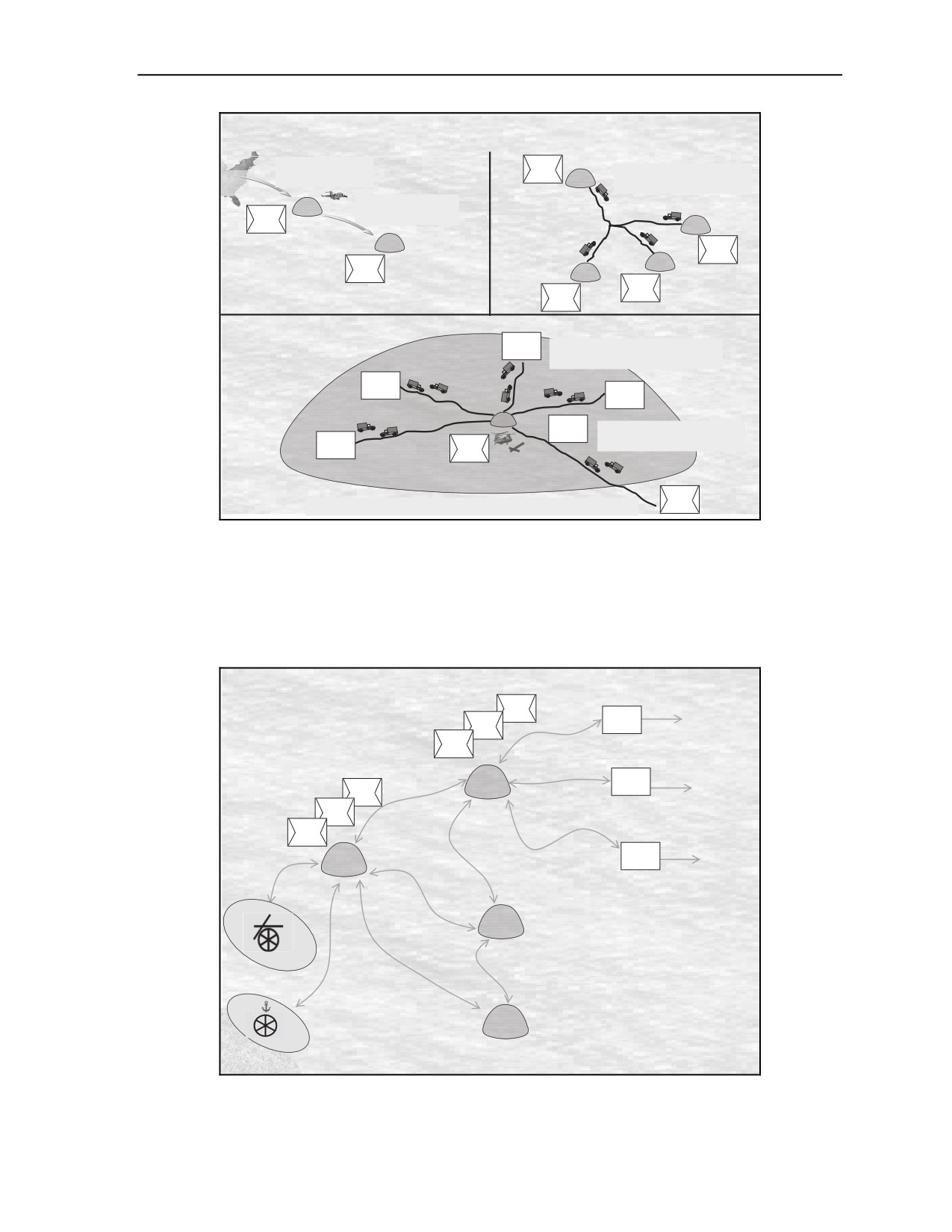
Figure 4-39 depicts the possible lay down of CRSPs in an AOR over time.
4-44
FMI 4-93.2
4 February 2009
Support to the Operating Forces
++
Strategic lift to
TSC
Theater delivers and
Theater Base
CRSP
retrogrades from CRSPS
++
Intra Theater lift to
CRSP
TSC
SUS BDE CRSP
CRSP
X
CRSP
X
SUST
CRSP
SUST
X
CRSP
X
SUST
1
2
SUST
II
BSB
SUS BDE delivers / retrogrades
to BSB CRSPs
II
II
BSB
BSB
II
CRSP
II
X
BSB
SUS BDE receives supplies
BSB
from Theater (Truck / Air)
SUST
++
3
ESC
*CRSP cycle is complete with Theater Delivery / Retrograde
Figure 4-39. CRSP Concept of Operations
4-137. CRSPs should be used for all classes of supply except ammunition. Any mode of distribution
should be accessible. Personnel should be capable of properly packing containers, loading helicopters, or
building 463L pallets for fixed wing aircraft. A CRSP may be collocated with an MCT, A/DACG, or
USAF Aerial Port. Figure 4-40 depicts CRSP operations in one area.
++
II
X
ESC
BSB
II
SUST
CSSB
II
++
CRSP
BSB
X
TSC
II
SUST
CSSB
II
PSA
BSB
CRSP
CRSP One CRSP may do
area support for all
classes of supply
CRSP
Figure 4-40. CRSP During Offensive Operations
4 February 2009
FMI 4-93.2
4-45
Chapter 4
4-138. A CRSP must have the equipment and personnel capable of running convoys, handling materiel
inside the warehouse, and handling containers and 463L pallets. Personnel should have the skill to properly
pack and unpack containers and to properly build 463L pallets. There are also requirements for tracking
and manifesting cargo, transmitting ITV data to the DOD ITV system, and for burning and reading RF
tags. There must be resident within the CRSP the capability to track by container, pallet ID, transportation
control number (TCN), or transportation movement release (TMR); possibly in secure mode. A CRSP also
requires secure voice and data communication capability.
THEATER DISTRIBUTION CENTER
4-139. Unlike the CRSP, the theater distribution center (TDC) holds and stores supplies in addition to
performing the functions of a hub. As well as tracking en route cargo, the TDC will perform many of the
same receiving and issuing functions of an SSA and would cross-level excess materiel to cover shortages
among the units it supports. A TDC must perform the following:
z
Supply management functions found in a quartermaster support company.
z
Cargo tracking and convoy movement control functions found in movement control teams.
z
Cargo handling functions found in cargo transfer companies.
C2 would be provided by a sustainment brigade (TD). The TDC would require a large area for operations
to include covered climate-controlled storage for cargo, open storage for containers and MILVANs, secure
storage for high value cargo, and possible capability for refrigerated storage if contractor support is
unavailable for food acquisition and storage. To prevent pilferage, the entire area should remain secured
with controlled access. Unless the center establishes operations in a prepared location, engineering assets
may be necessary to prepare the site. The distribution center (DC) should be able to handle all classes of
supply except ammunition. POL storage and issuance is also a possibility. Personnel should be capable of
stuffing containers, loading helicopters, or building 463L pallets for fixed wing aircraft. A TDC may be
collocated with an MCT, A/DACG, or USAF Aerial Port.
4-140. The DC must be located near major road networks, airfields, and railheads to receive and
distribute supplies through a variety of means. The platoon would require a variety of equipment to
perform its mission, especially materials handling equipment (MHE) to include all terrain capable, organic
bulk transport equipment, long haul transportation assets, light sets, generators, computers, RF
interrogators, and radios. A TDC must have the equipment and personnel capable of organizing convoys,
handling materiel inside the warehouse, and handling containers and 463L pallets. Personnel should have
the skill to stuff and unstuff containers and to properly build 463L pallets. TDCs would provide for receipt,
storage, issue, and distribution of supplies. It would configure LOGPAC loads for forward distribution and
supports line haul and local haul motor transport operations. A TDC serves as a functional base for
subsistence distribution. The maintenance activity provides emergency refueling and repair of vehicles
transiting the DC as well as complete support of owned equipment. The TDC provides ITV of cargo being
throughput and stored, to include burning and reading RF tags and transmitting ITV data to the DOD ITV
system. It also performs the cargo documentation function. There must be resident within the DC the
capability to track by container, pallet ID, TCN, or TMR; possibly in secure mode. A DC also requires
secure voice and data communication capability.
CONVOY SUPPORT CENTERS (CSC)
4-141. CSC provide mess, maintenance, crew rest facilities, and other personnel and equipment in
support of convoys moving along Main Supply Routes/Alternate Supply Routes (MSR/ASR). CSC’s can
also serve as Life Support Areas and, in some instances, a site for supply point distribution. They are a
cross between a trailer/cargo transfer point and an intermediate truck terminal with the mission to support,
enhance, and otherwise facilitate direct haul convoy operations. CSCs are located along the MSR/ASR,
generally every 200 miles or as required by METT-TC. When practical, they will be collocated with
existing organizations such as the TDC/hub, an intermodal terminal, or a Central Receiving and Shipping
Point
(CRSP). When operating as a stand alone facility, they may require additional capability for
protection above Level 1. Services provided by all CSCs are refueling, quick-fix maintenance, and asset
recovery. They are established at the discretion of the Combatant Commander, and are normally operated
4-46
FMI 4-93.2
4 February 2009
Support to the Operating Forces
by a CSSB. CSC’s must have the appropriate equipment to read RF tags and to enable ITV of units and
supplies moving within the theater distribution system. CSC’s must also have the appropriate equipment to
support internal CSC operations and to support external, secure, and non-secure communication with the
C2 HQ and with en route convoys. This would require, as a minimum, a Command Post Node. The level of
support provided is mission dependent.
4-142. CSCs may be formed from any combination of logistics units, usually consisting of a battalion
headquarters to provide C2 and other company/platoon-sized logistics units, as necessary, to provide the
desired level of support. Three levels of CSC support are described below.
Truck Stop
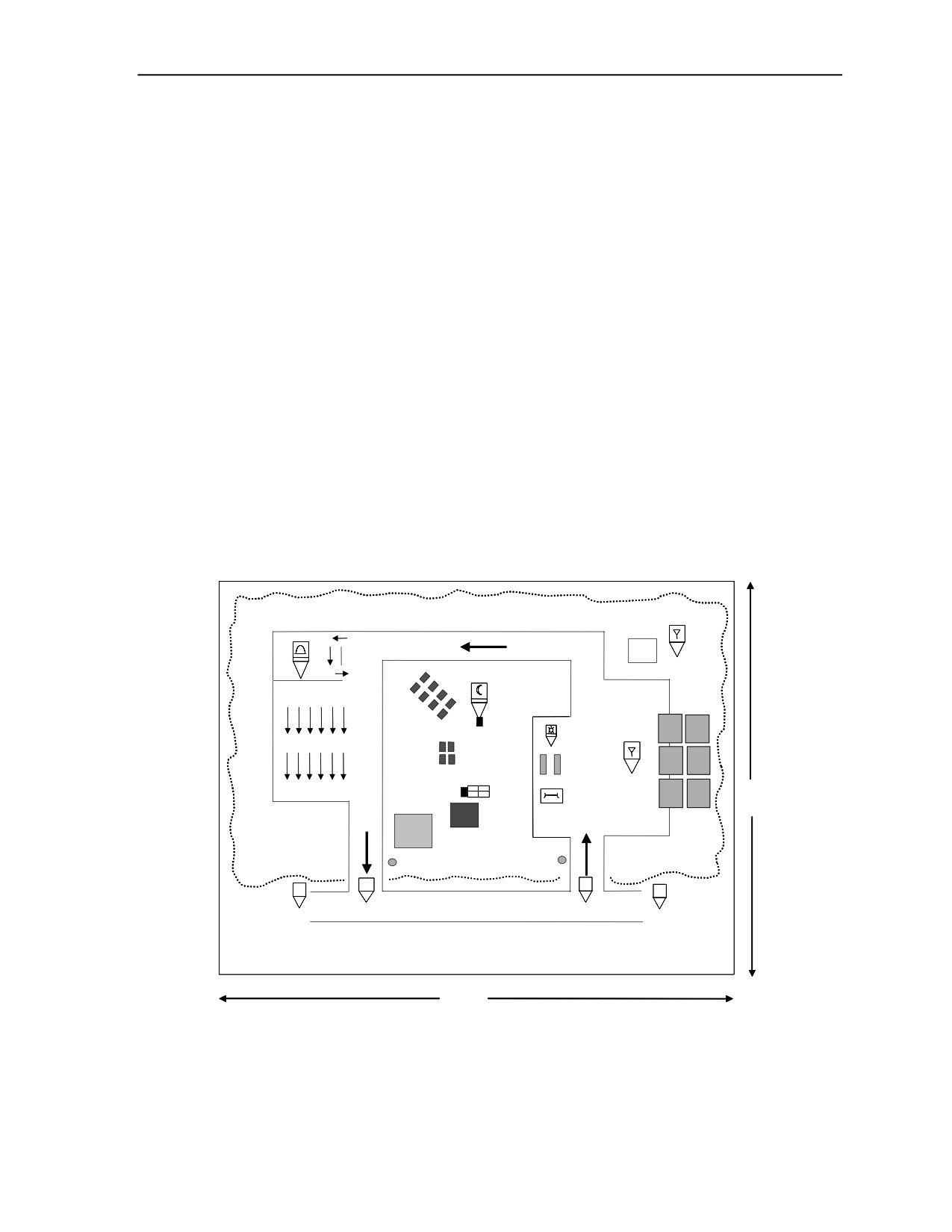
4-143. A truck stop CSC (see Figure 4-41) is a full service CSC that operates as part of a larger support
area, supporting convoys moving through the area en route to another hub or final destination. The
sustainment brigade designates a CSSB to provide C2 of a CSC providing full support. Support units
required to man the truck stop type of CSC are: POL support platoon (50K) with bag farm, MCT,
maintenance contact team, medical treatment team, and an infantry platoon for security (METT-TC). The
truck stop CSC is capable of providing bulk and retail Class III, bulk and bottled water, Class I (MKT-
UGR/MRE), Class IX (ASL and prescribed load list), Class V for protection, and replenishing combat
lifesaver
(CLS) bags. The truck stop medical treatment team is authorized to carry limited CLS bag
resupply stocks to support contingency resupply operations for convoys. Limited stocks consist of
common high use CLS restock items minus controlled substances (narcotics). A truck stop CSC provides
life support for all convoy personnel and might include one or more 150-person modules of the Force
Provider set (tents and cots), a shower, laundry, and clothing repair (SLCR) team from a field services
company and Army and Air Force Exchange Service support.
BERM
BERM
AVIATION
POL POINT
CL V
H
LANDING PAD
CL 1/WATER
TRANSIT
TENTS
VEHICLE
POL POINT
CONVOY STAGING AREA
PERM PARTY
TENTS
MEDICAL
1000 M
MAINT AREA
H
C2
LZ/PZ
RF INT
RF INT
MP
MP
BERM
BERM
TCP
TCP
MAIN SUPPLY ROUTE
1500 M
Figure 4-41. Truck Stop Convoy Support Center
4 February 2009
FMI 4-93.2
4-47
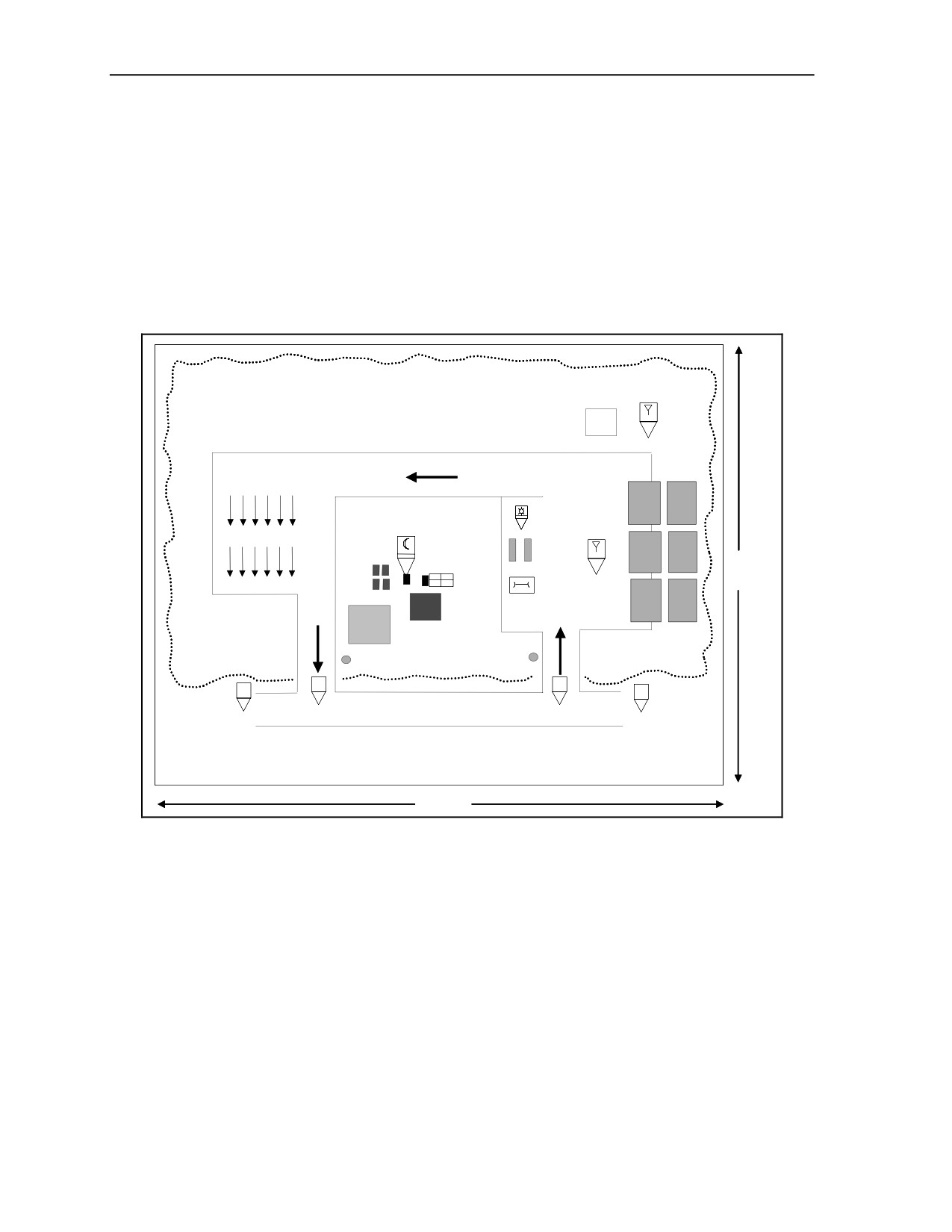
Chapter 4
Mini-Mart
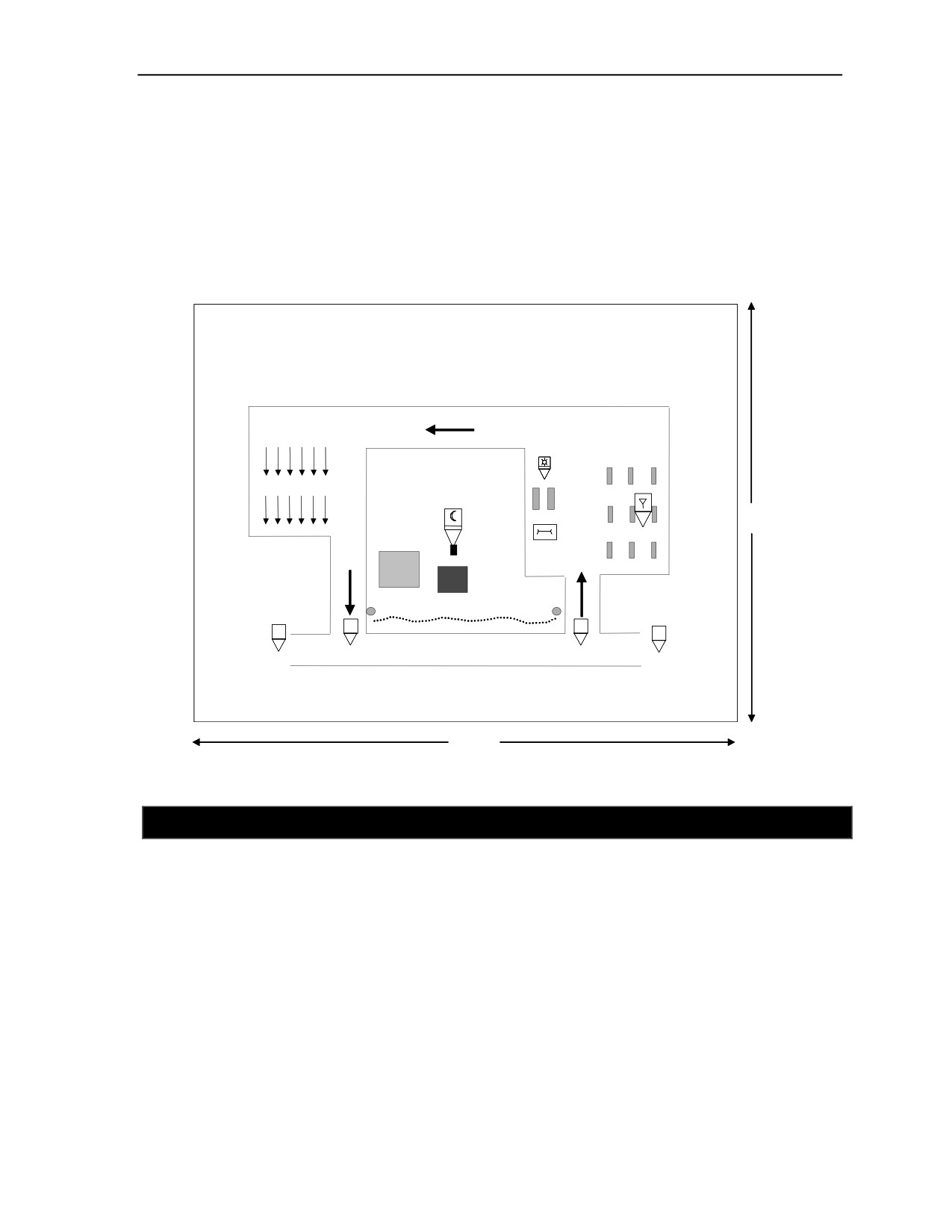
4-144. Mini-Mart CSC (see Figure 4-42) is a medium service CSC that operates as part of a smaller
support area supporting convoys moving through the area en route to another hub or final destination. The
CSSB provides C2 for the Mini-Mart CSC. Support units required to man the truck stop type of CSC are:
POL support platoon (50K) with bag farm, MCT, maintenance contact team, medical treatment team, and
an infantry platoon for security (METT-TC). The Mini-Mart CSC is capable of providing bulk and retail
Class III, bulk and bottled water, Class I (MKT-UGR/MRE), and replenishing combat lifesaver (CLS) bags
using procedures prescribed in paragraph 4-165 above. LOG automation is supported by ULLS/SAMMS
and DAMMS-R. There is no life support capability except for CSC personnel.
BERM
BERM
AVIATION
POL POINT
H
LANDING PAD
VEHICLE
CL 1/WATER
POL POINT
CONVOY STAGING AREA
PERM PARTY
TENTS
MEDICAL
250 M
MAINT AREA
H
C2
LZ/PZ
RF INT
RF INT
MP
MP
BERM
TCP
TCP
BERM
MAIN SUPPLY ROUTE
500 M
Figure 4-42. Mini-Mart Convoy Support Center
4-48
FMI 4-93.2
4 February 2009
Support to the Operating Forces
Pit Stop
4-145. Pit stop CSC (see Figure 4-43) provides minimal service. It is normally limited to Class III and
Class I (MRE/water) and possibly minimal maintenance support. The CSSB provides C2 for the Pit Stop
CSC. Support units required to man the truck stop type of CSC are: POL support platoon (truck to truck),
MCT, maintenance contact team, CLS capability, and an infantry squad for security (METT-TC). The
truck stop CSC is capable of providing bulk and retail Class III, bulk and bottled water, and Class I (MKT-
UGR/MRE). There is no LOG automation. There is no life support capability except for CSC personnel.
CONVOY STAGING AREA
POL POINT
WATER
100 M
MAINT AREA
C2
H
LZ/PZ
RF INT
RF INT
MP
MP
TCP
TCP
MAIN SUPPLY ROUTE
200 M
Figure 4-43. Pit Stop Convoy Support Center
SECTION IV - PERSONNEL SERVICES SUBFUNCTION
HUMAN RESOURCES SUPPORT
4-146. The objective of HR support is to maximize operational effectiveness and to facilitate enhanced
support to the total force (Soldiers, DOD civilians, Joint service personnel, and others that deploy with the
force). Reliable, responsive, and timely HR support in the operational area is critical to supporting the
operational commander and the force. It relies on secure, non-secure, robust, and survivable
communications and digital information systems. These provide a common operational picture, asset
visibility, predictive modeling, and exception reporting—important to making accurate and timely manning
decisions. HR support as described in FM 1-0, Human Resources Support, consists of 10 core functions
and capabilities. These include—
z
Personnel readiness management (PRM).
z
Personnel accountability and strength reporting (PASR).
z
Personnel information management (PIM).
4 February 2009
FMI 4-93.2
4-49
Chapter 4
z
Reception, replacement, redeployment, rest and recuperation, and return-to-duty (R5).
z
Casualty operations.
z
Essential personnel services (EPS).
z
Postal operations.
z
MWR.
z
Band operations.
z
HR planning and operations.
HR reporting is discussed further discussed in Appendix D.
4-147. At the unit level, the focus of HR support encompasses all core functions listed in paragraph 4-168
and are conducted by brigade and battalion S-1 sections for assigned or attached personnel (see FMI 1-
0.01, S-1 Operations for additional information). HR units attached to the sustainment brigade provide HR
support on an area basis.
4-148. The commander of sustainment organizations is responsible for the training, readiness oversight,
and mission execution of assigned/attached HR organization. FMI 1-0.02, Theater Level HR Operations,
provide additional detail on these area support functions. The commander has an overall responsibility for:
z
Postal. The commander has the overarching mission to ensure adequate postal forces and
activities are in place to ensure the timely delivery of mail to/from Soldiers in the brigade
footprint and for ensuring compliance with USPS directives. The commander must also ensure
postal force is trained and mission capable and that adequate facilities are established and
sustained.
z
Casualty. The commander has a critical role to ensure casualty elements (platoons and teams)
are resourced and distributed in compliance with theater policy that ensures timely and accurate
reporting. The commander must be prepared to provide or coordinate augmentation in the event
of mass casualty. Through the assigned HR Company, the commander ensures casualty
personnel are trained and capable to execute this mission.
z
R5. The commander has the responsibility to ensure R5 operations are resourced and adequate
to account for all personnel entering or exiting at all APOD/E and SPOD/E when an R5 Team is
assigned. The critical HR task accomplished in R5 operations is personnel accountability which
updates the theater database (DTAS). The commander ensures all life support, transportation,
and coordination requirements are provided in a timely manner to minimize any delays,
particularly for personnel joining their units.
4-149. The HR Branch within the SPO is the commander’s hub for HR integration, synchronization,
planning, coordination, sustainment, and operations. This is a valuable asset that provides the commander a
well trained and capable staff to plan and coordinate sufficient HR organizations needed to provide HR
support based on the commander’s intent. It is critical that the HR Branch is included in the planning
process of the staff (SPO). The HR Branch provides technical guidance and resources to the SRC12
organizations (supporting units) ensuring they have the capability to provide the required postal, R5, and
casualty support directed in the HR concept of support. Guided by supported/supporting relationships, the
G-1/S-1s request support and resources for postal and R5 operations through the HR Branch. The HR
Branch processes the request, prioritizes the request based on the available HR resources and scope of
requested support to determine supportability. If the HR Branch is unable to support the request with HR
assets internal to its sustainment brigade, the HR Branch forwards the request to the ESC/TSC’s SPO for
resolution.
HUMAN RESOURCES COMPANY
4-150. The HR company provides theater-directed HR support for the postal, R5, and casualty core
competencies. The company is tailorable and scalable, allowing Sustainment commanders to tailor the
support to meet the requirements of the supported population. The HR Company has specific capabilities
and associated tasks and is not intended to augment S-1 sections for the delivery of HR support outside the
postal, R5, and casualty core competencies.
4-50
FMI 4-93.2
4 February 2009
Support to the Operating Forces
4-151. The MMT team provides tailorable HR support to the theater of operations by establishing,
coordinating, and executing military mail terminal operations under the control of the sustainment brigade
with the augmentation of an HR company. The MMT mission is a specific task required to ensure the
overall effectiveness of the theater postal system.
4-152. The TG R5 team provides tailorable HR support to establish the TG R5 center at the inter-theater
APOD to establish and maintain the personnel accountability of entering, departing, and transiting
personnel and to coordinate the execution of sustainment tasks within the Sustainment brigade and joint
elements operating in and around the APOD. The TG R5 center mission is a critical element of the early
theater opening sustainment mission and has an enduring requirement during theater distribution
operations, as it ensures the establishment and maintenance of an accurate theater deployed accountability
system required by Congress.
FINANCIAL MANAGEMENT OPERATIONS
4-153. The finance operations mission is to sustain Army, joint, and multinational operations by
providing timely commercial vendor and contractual payments, providing various pay and disbursing
services, maintaining battle flexibility for combat units to engage enemy forces and following policies and
guidelines established by the National FM providers. Financial management units provide support during
all operational phases. The level of support varies according to the nature of the operation and depending
on METT-TC factors. Finance operations support must be responsive to the demands of the unit
commanders at all levels, requiring FM leaders to anticipate and initiate the finance support needed. FM
reporting is discussed further discussed in Appendix E.
FINANCIAL MANAGEMENT SPO (FM SPO)
4-154. The Sustainment Brigade FM Support Operations Team (FM SPO) monitors and tracks financial
management operations throughout the area of operations (AO). The team integrates all FM operations;
plans the employment of FM units; coordinates FM requirements; synchronizes the FM network; and
manages the FM systems. It also coordinates for additional operational and strategic FM support when
needed. All functions of the FM SPO are closely coordinated with the FM CO commander and either the
Division or ARFOR G-8. Some of these functions include:
z
Integrate all FM operations within the AO. The FM SPO evaluates the adequacy of support
throughout the AO by analyzing workload data, supporting population size, scheduling support
at forward operating bases, and making recommendations to maximize the efficiency of limited
FM resources. It monitors the use of cash or instruments representing cash in the operational
area during full spectrum operations.
z
Plan employment of FM units. The FM SPO works with the Financial Management Center
(FMC), G-8, and FM COs to adapt financial management support to changes in the operational
area.
z
Synchronize division FM network. The FM SPO coordinates financial management efforts for
the sustainment brigade across all supporting FM COs, contracting offices, and civil affairs
units.
z
Manage all FM systems. In coordination with the FMC, G-8, and FM CO, monitors the
employment and update of financial management systems used for disbursing, military pay,
travel pay, vendor pay, and resource management. Planning would include coordinating
communications support for expanding electronic banking initiatives.
z
Coordinate FM requirements. In coordination with the FMC, G-8, and FM CO, coordinates cash
requirements for special funding sources such as Commander's Emergency Response Program,
Soldier support (check cashing, casual pays, and vendor payments).
z
Coordinate operational FM support. The FM SPO establishes mutually supporting flow of
information among the FMC, G-8, and the FM CO, enabling responsive FM support in the
operational area.
4 February 2009
FMI 4-93.2
4-51
Chapter 4
FM COMPANY (FM CO)
4-155. The FM CO is assigned to either the sustainment brigade STB or a CSSB. The FM CO analyzes
the supported commander’s tasks and priorities to identify the financial resource requirements that will
enable mission accomplishment. The FM CO performs the following functions:
z
Ensures regulatory guidelines, directives, and procedures are adhered to by all operational
elements of the FM CO and subordinate FM detachments.
z
Establishes Disbursing Station Symbol Numbers and Limited Depository accounts.
z
Provides limited US and non-US pay support.
z
Funds subordinate FM detachments and determines the need for currency (US and foreign) and
its replenishment.
z
Maintains regulatory accountable records.
z
Provides EPW, civilian internee, and Local National pay support.
z
Establishes banking relationships and procedures.
z
Makes payments on prepared and certified vouchers.
z
Receives collections.
z
Receives and controls all currencies and precious metals.
z
Cashes negotiable instruments.
z
Converts foreign currency.
z
Protects funds from fraud, waste, and abuse.
z
Establishes a management internal control process providing reasonable assurance that
government assets are protected and safeguarded.
z
Ensures funds and other assets are protected and revenues and expenditures are properly
accounted for in accordance with congressionally mandated accounting and reporting
requirements.
SECTION V - ARMY HEALTH SERVICE SUPPORT SUBFUNCTION
ARMY HEALTH SYSTEM (AHS) SUPPORT
4-156. AHS supports a subcomponent of the military health system capabilities to deliver HSS and FHP
in support of full spectrum operation. AHS support involves the delineation of support responsibilities by
capabilities (roles of care) and geographical area (area support). The AHS that executes the HSS/FHP
initiatives is a single, seamless, and integrated system. It is a continuum from the point of injury or
wounding through successive roles of care to the CONUS-support base. The AHS encompasses the
promotion of wellness and preventive, curative, and rehabilitative medical services. It is designed to
maintain a healthy and fit force and to conserve the fighting strength of deployed forces.
SUSTAINMENT BRIGADE
4-157. The sustainment brigade surgeon section
(see also Chapter
2) acts primarily as a medical
coordination and synchronization element for the sustainment brigade. The brigade surgeon section
coordinates through the division surgeon section with the medical brigade for Role 2 support for the
sustainment brigade and its subordinate units. It also coordinates for COSC, preventive medicine, dental,
ground ambulance, air ambulance, veterinary, and laboratory support as required. The sustainment brigade
supports the medical brigade and MMB by delivering Class VIII to forward based medical units/elements
and the MEDLOG officer in the brigade surgeon section coordinates the shipment of Class VIII by the
sustainment brigade.
MEDICAL BRIGADE (MED BDE)
4-158. The MED BDE may be OPCON to a sustainment brigade when the sustainment brigade is in a
command relationship with the senior tactical headquarters. The MED BDE provides a scalable
4-52
FMI 4-93.2
4 February 2009
Support to the Operating Forces
expeditionary medical C2 capability for assigned and attached medical functional plugs task-organized for
support of deployed forces. The MED BDE brings all requisite medical C2 and planning capabilities to
provide responsive and effective AHS throughout the AO. Some MED BDE subordinate elements will
collocate with sustainment units in LSAs and FOBs, because MTFs require essential non-medical supplies
and services and the LSAs and FOBs will require AHS support since most sustainment units do not contain
organic medical assets.
MEDICAL REPORTING
4-159. The MC4 and Theater Medical Information Program support the information management
requirements for the brigade surgeon section and BCT medical units. The brigade surgeon section uses
BCS3, FBCB2, and MC4-TMIP to support mission planning, coordination of orders and subordinate tasks,
and to monitor/ensure execution throughout the mission.
4-160. The MC4-TMIP is an automated system, which links health care providers and medical support
providers, at all levels of care, with integrated medical information. The MC4-TMIP receives, stores,
processes, transmits, and reports medical C2, medical surveillance, casualty movement/ tracking, medical
treatment, medical situational awareness, and medical logistics data across all levels of care.
4 February 2009
FMI 4-93.2
4-53
Appendix A
LOGISTICS PREPARATION OF THE BATTLEFIELD
Logistics preparation of the battlefield (LPB) is a key conceptual tool available to
personnel in building a flexible strategic/operational support plan. Logistics
preparation of the theater of operations consists of the actions taken by logisticians at
all echelons to optimize means (force structure, resources, and strategic lift) of
supporting the joint force commander’s plan. These actions include identifying and
preparing ISBs and forward operating bases; selecting and improving LOC;
projecting and preparing forward logistics bases; and forecasting and building
operational stock assets forward and afloat. LPB focuses on identifying the resources
currently available in the theater of operations for use by friendly forces and ensuring
access to those resources. A detailed estimate of requirements, tempered with
logistics preparation of the theater of operations, allows support personnel to advise
the JTF/ASCC/ARFOR commander of the most effective method of providing
responsive support.
INTELLIGENCE IN SUPPORT OF LOGISTICS
A-1. The logistician uses intelligence to develop and execute the logistics support plan. Logistics
intelligence is critical to the planning effort. Some of the areas that should be included in the intelligence
analysis are listed below:
z
Intent to engage in multinational operations and the extent of logistics support to be provided to
non-DOD agencies and allies.
z
Available resources in the AO.
z
Conditions that alter consumption factors, such as severe climate changes or a requirement to
provide support to allies.
z
Capabilities of local facilities to support reception and staging operations.
z
Foreign military logistics structure, national infrastructure capabilities, and political inclination
to facilitate joint forces support.
z
Environmental, geographical, climatological, and topographical factors that may affect support
operations.
z
Analysis of the capabilities of the host nation’s and region’s LOCs and capabilities to support
the operation.
A-2. Intelligence is equally critical for war and stability operations. Logisticians must have a complete
logistics data base or file to develop a solid plan for the LPB.
A-3. LPB is those actions (force structure, resources, and strategic lift) taken to reduce the cost of
logistically supporting an OPLAN or a contingency plan. LPB minimizes or eliminates potential problems
at the outbreak of hostilities, during deployment, and throughout the operations. It is a systematic tool used
by logisticians and commanders to complete their mission. It becomes the basis for deciding where, when,
and how to deploy limited resources (supplies, equipment, people, and money).
A-4. The ASCC of a combatant command will prepare supporting Army plans with logistics planners
concentrating on the logistics plans. Once logistics planners know the contingency country or geographic
region, they can begin to build a logistics information data base. This applies even if the command has a
small chance of being deployed to a particular area. Once completed, the information data base file can be
4 February 2009
FMI 4-93.2
A-1
Appendix A
used to develop a comprehensive plan for LPB. The relative priority given to this effort will depend on the
concept of operations and other command priorities. The key point is that the logisticians cannot afford to
wait until maneuver units deploy to begin the LPB. It is a complex and time consuming function. If
planners anticipate correctly at the national and combatant command levels, troops should never have to be
inserted into a completely cold base.
A-5. Any actions that can reduce the cost of moving supplies, equipment, and people into an objective or
contingency area are candidates for inclusion in the LPB plan. Planning must provide for the timely arrival
of sustainment assets that are balanced according to the mission. Strategic lift assets are extremely limited.
Commanders cannot afford to squander even one sortie on movement of unnecessary supplies, equipment,
or personnel. A well thought out LPB plan and the time required for proper execution, will allow better use
of our scarce strategic lift.
RELEVANT LOGISTICS INFORMATION
A-6. The following paragraphs contain types of relevant logistics information. These can be added to or
taken away as individual missions dictate.
GEOGRAPHY
A-7. Collect information on climate and terrain in the AO. Determine if current maps are available. Use
this information to determine when various types of supplies, equipment, and field services will be needed.
For example, use water information to determine the need for early deployment of well-digging assets and
water production and distribution units.
SUPPLY
A-8. Collect information on supply items that are readily available in the AO. Determine which of these
can be used in support of US forces. Subsistence items, bulk petroleum, and barrier materials are often
available in country. Collect information on the supply system of the armed forces of the supported
country, determine if it is compatible with the US system. Has the host nation bought, through foreign
military sales, repair parts supporting current US systems? Can contingency contracting provide resources
from HNS sources or third country sources until Army capabilities arrive in the AOR? Answers to these
types of questions will aid in analyzing whether HNS negotiations are possible.
FACILITIES
A-9. Collect information on warehousing and cold storage facilities, production and manufacturing plants,
reservoirs, administrative facilities, sanitation capabilities, and hotels. Their availability could reduce the
requirement for deployment of similar capacity.
TRANSPORTATION
A-10. Collect information on road nets, truck availability, rail nets, bridges, ports, cargo handlers
(longshoremen), petroleum pipelines, and MHE. Also collect information on traffic flow, choke points, and
control problems.
MAINTENANCE
A-11. Collect information on maintenance facilities that could support US or coalition equipment. Examine
the supported country’s armed forces. Could they supplement our capability? Is there a commonality in
equipment and repair parts? Does the country have adequate machine works for possible use in the
fabrication of repair parts?
A-2
FMI 4-93.2
4 February 2009
Logistics Preparation of the Battlefield
GENERAL SKILLS
A-12. Collect information on the general population of the supported country. Is English commonly
spoken? Are personnel available for interpreter/translator duties? Will a general labor pool be available?
What skills are available that can be translated to joint forces? Will drivers, clerks, MHE operators, food
service personnel, guards, mechanics, and longshoremen be available?
MISCELLANEOUS
A-13. Include any other information that could prove useful. Set up other categories as needed.
SOURCES OF INFORMATION
A-14. Collecting intelligence is not as difficult as it first may appear. A lot of information is routinely
collected. There are several sources that can aid the logistician in building the LOGEEI data file. The
below are some possible sources of information.
EMBASSY STAFFS
A-15. The State Department has a worldwide network of embassies. These embassies are excellent sources
of detailed information on a particular country. Embassy staffs routinely do country studies that, when
current, can provide the bulk of the information you may need. A good library is another excellent source
of information.
INTELLIGENCE PREPARATION OF THE BATTLEFIELD (IPB) RELATED DATA
A-16. The weather and terrain data bases in the IPB, with its overlays, can provide excellent current
information. This can be used in preselecting LOCs and sites for sustainment facilities. The event analysis
matrix and template in the IPB (see FM 34-130) can also be used to assess the need for road, rail, airfield,
port, and bridge improvements.
CIVIL AFFAIRS DATA
A-17. Civil affairs
(CA) units CMO can provide information and knowledge of the operational
environment to US and other coalition forces as directed. CA with their unique interaction and continuous
dialogue with indigenous populations, institutions, intergovernmental organizations, NGOs, and US
agencies and organizations can provide valuable information in support of the sustainment brigade mission
and GCC’s overall plan.
4 February 2009
FMI 4-93.2
A-3
Appendix B
PROTECTION
Protection consists of those actions taken to prevent or mitigate hostile actions
against DOD personnel (to include family members), resources, facilities, and critical
information. Additionally, counter proliferation and consequence management
actions associated with chemical, biological, radiological, nuclear, and high yield
explosive weapons, which includes toxic industrial material and improvised
explosive devices (IED) should be addressed. These actions conserve the fighting
force’s potential so it can be applied at the decisive time and place and incorporate
the coordinated and synchronized offensive and defensive measures to enable the
effective employment of the joint force while degrading opportunities for the enemy.
This appendix contains aspects of protection that are relevant to the sustainment
brigade. Refer to FM 3-10 for more detailed information on protection.
SECTION I - RESPONSIBILITIES AND RISK MANAGEMENT
RESPONSIBILITIES OF THE SUSTAINMENT BRIGADE
B-1. The sustainment brigade is designed to plan and conduct base and base cluster self-defense. It has
the capability to defend against level I threats, assist in destruction of level II threats, and escape or evade
against level III threats. When faced with a threat beyond its capabilities, the sustainment brigade relies on
resources within supported maneuver units to assist in defeating the threat. Conducting an active defense
against any level of threat will degrade the sustainment brigade’s capability to conduct its primary mission
to a greater or lesser degree dependent upon the level of the threat. All duties and functions in this
appendix which are required of a sustainment brigade might also be required of a CSSB, especially base
commander and base defenses functions.
RISK MANAGEMENT
B-2. This section will briefly address risk management. Commanders and staff officers whose
responsibilities include risk management should refer to FM 5-19.
B-3. Risk management is a process that assists decision makers in reducing or offsetting risk by
systematically identifying, assessing, and controlling risk arising from operational factors and making
decisions that weigh risks against mission benefits. Risk is an expression of a possible loss or negative
mission impact stated in terms of probability and severity. The risk management process provides leaders
and individuals a method to assist in identifying the optimum course of action. Risk management must be
fully integrated into planning, preparation, and execution. Commanders are responsible for the application
of risk management in all military operations. Risk management facilitates the mitigation of the risks of
threats to the force. For the purposes of this process, threat is defined as a source of danger—any opposing
force, condition, source, or circumstance with the potential to negatively impact mission accomplishment
and/or degrade mission capability.
B-4. Military operations are inherently complex, dynamic, and dangerous, and by nature, involve the
acceptance of risk. Because risk is often related to gain, leaders weigh risk against the benefits to be gained
from an operation. The commander’s judgment balances the requirement for mission success with the
inherent risks of military operations. Leaders have always practiced risk management in military decision
4 February 2009
FMI 4-93.2
B-1
Appendix B
making. However, the approach to risk management and the degree of success vary widely depending on
the leader's level of training and experience.
B-5. Since our involvement in the Korean conflict, US forces have suffered more losses from
noncombatant causes than from enemy action. Key factors contributing to those losses include:
z
Rapidly changing operational environment.
z
High operational pace.
z
Equipment failure, support failure, and effects of the physical environment.
z
Human factors.
B-6. The fundamental goal of risk management is to enhance operational capabilities and mission
accomplishment with minimal acceptable loss. The basic principles that provide a framework for
implementing the risk management process include:
z
Accept no unnecessary risk: An unnecessary risk is any risk that, if taken, will not contribute
meaningfully to mission accomplishment or will needlessly endanger lives or resources. No one
intentionally accepts unnecessary risks. The most logical choices for accomplishing a mission
are those that meet all mission requirements while exposing personnel and resources to the
lowest acceptable risk. All military operations and off-duty activities involve some risk. The risk
management process identifies threats that might otherwise go unidentified and provides tools to
reduce risk. The corollary to this axiom is “accept necessary risk” required to successfully
complete the mission.
z
Make risk decisions at the appropriate level: Anyone can make a risk decision. However, the
appropriate level for risk decisions is the one that can make decisions to eliminate or minimize
the threat, implement controls to reduce the risk, or accept the risk. Commanders at all levels
must ensure that subordinates know how much risk they can accept and when to elevate the
decision to a higher level. Ensuring that risk decisions are made at the appropriate level will
establish clear accountability. The risk management process must include those accountable for
the mission. After the commander, leader, or individual responsible for executing the mission or
task determines that controls available to them will not reduce risk to an acceptable level, they
must elevate decisions to the next level in the chain of command.
z
Accept risk when benefits outweigh the cost: The process of weighing risks against benefits
helps to maximize mission success. Balancing costs and benefits is a subjective process and
must remain a leader's decision.
z
Anticipate and manage risk by planning: Integrate risk management into planning at all
levels. Commanders must dedicate time and resources to apply risk management effectively in
the planning process and where risks can be more readily assessed and managed. Integrating risk
management into planning, as early as possible, provides leaders the greatest opportunity to
make well-informed decisions and implement effective risk controls. During the execution phase
of operations, the risk management process must be applied to address previously unidentified
risks while continuing to evaluate the effectiveness of existing risk control measures and modify
them as required.
B-7.
Proper application of the risk management process will assist leaders in maintaining the health and
safety of their personnel and the mission capable rates for their equipment.
SECTION II - THE THREAT
B-8. Hostile action against US forces may occur at any time, any place, and under any conditions.
Recognizable, armed combatants or persons who are or appear to be civilians may commit hostile actions.
Sustainment personnel must exercise vigilance against such attacks because the enemy seeks soft targets
and assumes that these can be found in the areas and facilities that sustain US forces. Therefore,
sustainment personnel should approach their tasks with the same warrior spirit that their combined arms
counterparts exercise in their duties. This is especially true on the evolving battlefield with increased
lethality, larger AOs, and more noncontiguous operations. Either the commander has to use more assets to
secure sustainment activities or accept greater risk and reduced levels of sustainment activities when
B-2
FMI 4-93.2
4 February 2009
Protection
sustainment personnel substitute protection measures for sustainment operations. In any case, sustainment
personnel understand, train for, and plan security operations within the context of their support activities.
B-9. Sustainment elements are prime targets for the asymmetrical threat forces on the noncontiguous
operational area. Terrorists, saboteurs, opposition special operations forces, and others all pose a threat to
sustainment personnel, installations, and convoys. By effectively cutting LOCs between sustainment and
maneuver elements or by damaging and disrupting C2, C2 information systems, sustainment automation,
and/or facilities these opposing forces hope to have significant negative impact on US maneuver forces
with minimum risk to their own. The sustainment brigade and its subordinate organizations must plan for
and be able to defend against these threats while conducting the primary mission.
COMBAT ACTION
B-10. The combat threat in the sustainment brigade AO may include individual acts of sabotage; inserting
large, organized forces; snipers, and artillery, mortar, air, and missile attacks. Large-scale enemy attacks
may require committing US reserve forces, combat units from forward areas, HN resources, or
multinational resources. US forces are trained to cope with threat forces when and where they attempt to
disrupt support operations. They use active and passive measures to defend against detection from the air
and attack from the air, ground, and sea.
B-11. An understanding of the threat to the sustainment brigade and detailed IPB and LPB products help to
protect the support structure. Threat forces conduct operations in the sustainment brigade areas and bases
to seize and maintain the initiative, facilitate strategic and operational level penetrations, and degrade or
destroy forces’ ability to conduct support operations.
B-12. To achieve these aims, enemy activities target:
z
Command and control nodes.
z
Air defense artillery sites.
z
Critical support facilities and units such as:
Ammunition and weapon storage sites and delivery systems.
SPODs.
APODs.
POL terminals and facilities.
Maintenance, supply, and services activities.
z
Regeneration sites.
z
Key choke points along LOCs.
B-13. Base commanders form base defense forces that provide internal base security and reinforce the base
perimeter when threatened. The base defense force operates under guidance of the S-3. The sustainment
brigade’s base cluster operations center (BCOC) must establish a communications protocol that keeps all
the bases and units informed of enemy activity and that allows reporting of enemy activity throughout the
base cluster.
B-14. Defense planning includes these levels of threats:
z
Level I—Threats that base or base cluster self-defense measures can defeat.
z
Level II—Threats that initial response forces, but not base or base cluster self-defense measures,
can defeat. Bases and base clusters can delay level II threats until response forces arrive.
z
Level III—Threats targeting several friendly elements as part of a larger, coordinated effort,
rather than individual, separate entities. They require a tactical combat force (TCF) to defeat
them.
4 February 2009
FMI 4-93.2
B-3
Appendix B
SECTION III - CHEMICAL, BIOLOGICAL, RADIOLOGICAL, AND NUCLEAR
(CBRN) ENVIRONMENT
CBRN DEFENSE
B-15. The ability to sustain combat operations with an appropriate level of support is vital to operational
success. Operations in CBRN environments place significant burdens on the sustainment system.
Sustainment operations and facilities are at particular risk to CBRN attack to the degree that they rely on
fixed sites (ports, airfields, and so on) or must remain in particular locations for extended periods of time.
The need to operate in CBRN environments will add to the physical and psychological demands of military
operations, with degrading effects on the performance of individuals and units. The sustainment brigade S-
3 is responsible for CBRN planning.
PROTECTIVE EQUIPMENT
B-16. Sufficient equipment must be available to protect not only the uniformed force but also the essential
supporting US and civilian work forces. This is of particular concern for sustainment operations where
potentially significant numbers of contract and HN personnel support operations. Individual and unit
training for proper sizing, use of, and care for this individual and crew-served equipment is required to take
full advantage of its capabilities.
CBRN DEFENSE PRINCIPLES
B-17. Three principles that specifically address the hazards created by CBRN weapons include: avoidance
of CBRN hazards, particularly contamination; protection of individuals and units from unavoidable CBRN
hazards; and decontamination in order to restore operational capability.
AVOIDANCE
B-18. Successful contamination avoidance prevents disruption to operations and organizations by
eliminating unnecessary time in cumbersome protective postures and minimizing decontamination
requirements. Avoiding contamination requires the ability to recognize the presence or absence of CBRN
hazards in the air, on water, land, personnel, equipment, and facilities. Surveillance and detection
capabilities enable units to recognize CBRN hazards. The fusion of these capabilities with information
from other sources yields an overall surveillance picture supporting decisions for specific avoidance,
protection, and decontamination actions. These surveillance and detection results also establish
requirements for other avoidance measures such as sounding alarms, marking hazards, and warning forces.
Leaders at all levels must implement measures designed to avoid or limit exposure consistent with mission
requirements. These measures should include increased use of shelters during CBRN employment
windows and providing key information for movement before, during, and after CBRN attacks. In planning
for contamination avoidance, leaders must include an assessment of the capabilities of available detection
systems. Particular challenges include the unanticipated use of biological agents and the capabilities and
limitations of current remote and stand-off detection systems.
PROTECTION
B-19. CBRN protection requires the planning, preparation, training, and execution of physical defenses to
negate the effects of CBRN weapons and hazards to personnel and materiel. As staffs analyze their mission
requirements and conditions, the planning process will yield specific actions required before, during, and
after CBRN attacks. As commanders anticipate and identify CBRN risks, these actions should be clearly
communicated and rehearsed from command to individual levels. CBRN protection conserves the force by
providing individual and collective protection postures and capabilities.
B-4
FMI 4-93.2
4 February 2009
Protection
B-20. Commanders adopt a mission oriented protective posture
(MOPP) to establish flexible force
readiness levels for individual CBRN protection. MOPP analysis
(the process of determining a
recommended MOPP) integrates CBRN protection requirements (derived from CBRN threat assessments)
with mission requirements in light of the performance degradation caused by wearing protective
equipment. MOPP analysis relies on accurate IPB and CBRN hazard prediction as well as a clear
understanding of the force’s ability to quickly increase its CBRN protection. To facilitate adapting to
varying mission demands across a combatant command’s AO, MOPP decisions should be delegated to the
lowest level possible and retained at higher levels only in exceptional cases. The JFC has overall
responsibility for providing guidance for levels of protection and ensuring timely warning of CBRN risks.
Force components may require variations of configurations, such as “mask only” for identified situations,
but should standardize configurations where possible. Tactics techniques and procedures (TTPs) that
address specific techniques and procedures for MOPP analysis and donning protective equipment can be
found in FM 3-11.4, the Multi-service Tactics, Techniques and Procedures
(MTTP) for chemical,
biological, radiological, and nuclear (CBRN) protection.
B-21. Sustaining operations in CBRN environments may require collective protection equipment, which
provides a toxic free area (TFA) for conducting operations and performing life support functions such as
rest, relief, and medical treatment. Contamination transfer into the TFA compromises the health and safety
of all occupants and jeopardizes their ability to support the mission. Therefore, training must include
procedures for TFA entry and exit. When collective protection is not available and mission requirements
permit, plans must be developed, exercised, and evaluated to move personnel to alternative TFAs that are
well away from the contaminated areas. If evacuation is not possible, building occupants may be able to
gain limited protection by closing all windows and doors, turning off ventilation systems, and moving to
closed, inner rooms. If there is some advance warning, occupants may be able to increase protection by
sealing windows, doors, and openings, while recognizing that the building or space may quickly become
uninhabitable without cooling or ventilation.
DECONTAMINATION
B-22. Decontamination supports the post-attack restoration of forces and operations to a near-normal
capability. Decontamination is intended to minimize the time required to return personnel and mission-
essential equipment to a mission capable state. Because decontamination may be labor intensive and assets
are limited, commanders must prioritize requirements and decontaminate only what is necessary.
Commanders may choose to defer decontamination of some items and, depending on agent type and
weather conditions, opt to either defer use of equipment or allow natural weathering effects (temperature,
wind, and sunlight) to reduce hazards. Decontamination is organized into three categories that reflect
operational urgency: immediate, operational, and thorough. Decontamination also entails special
considerations for patients, sensitive equipment, aircraft, fixed sites, and the retrograde of equipment. The
extent and time required for decontamination depends on the situation, mission, degree of contamination,
and decontamination assets available. TTPs provide details for the technical aspects of decontamination
and can be found in FM 4-11.5, MTTP for CBRN Decontamination.
B-23. Retrograde cargo may require extensive decontamination measures; specialized, highly sensitive
monitoring equipment; extended weathering; or destruction. Retrograde of previously contaminated
equipment may be delayed until after conflict termination.
B-24. Fixed site decontamination techniques focus on fixed facilities and mission support areas such as C2
information systems, supply depots, aerial and seaports, medical facilities, and maintenance sites.
Sustainment Operational Considerations
B-25. Sustainment elements will operate throughout the theater of operations. Sustainment elements
directly supporting engaged forces will be small, mobile units. Sustainment elements providing area
support may involve larger, more complex transportation, maintenance and supply activities conducted at
fixed or semi-fixed sites.
4 February 2009
FMI 4-93.2
B-5