FMI 4-93.2 The Sustainment Brigade (February 2009) - page 2
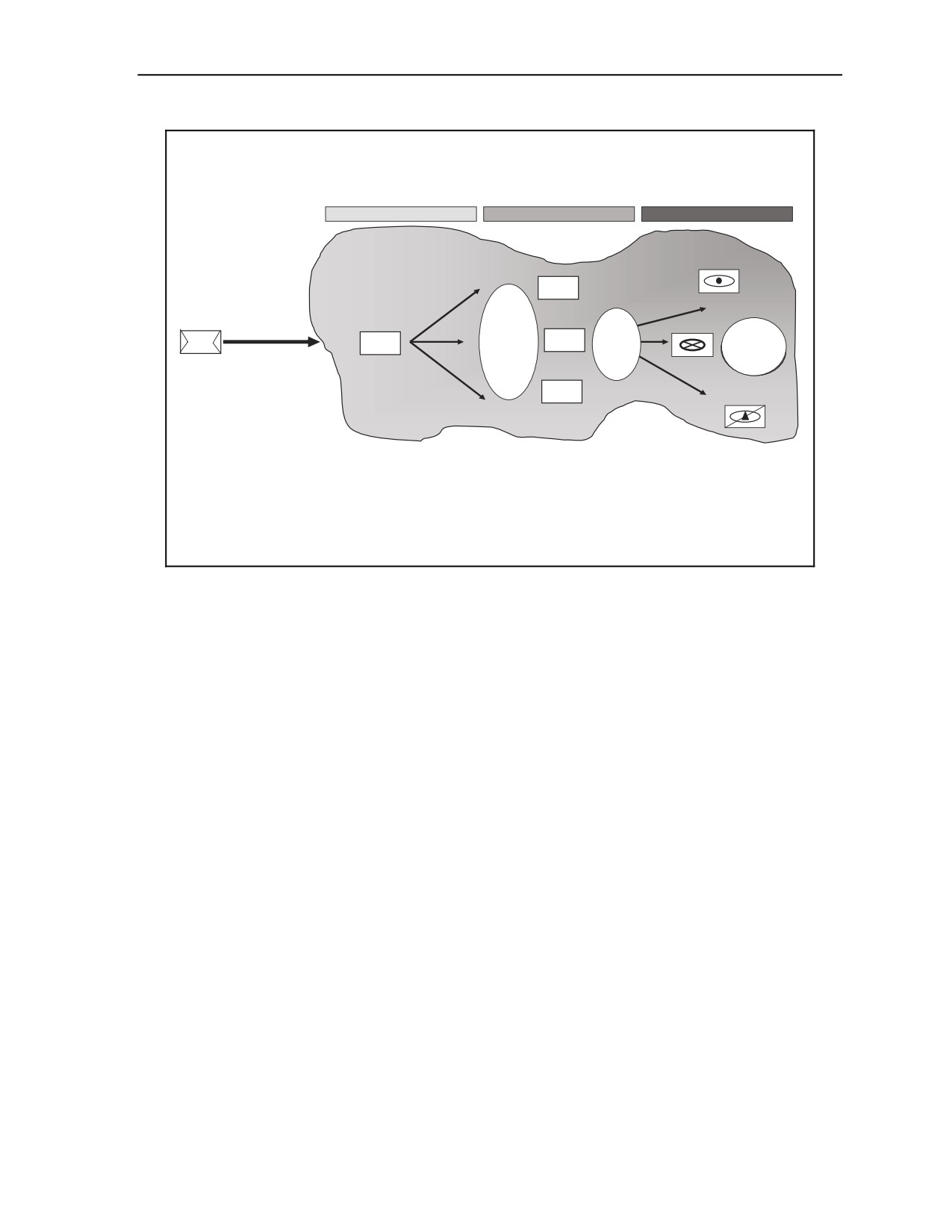
Missions and Organizations
3d Combat Load
2d Combat Load
1st Combat Load
II
I
FSC
X
I
II
II
SUST
FSC
BSB
RO
RO
OBJ
I
FSC
II
BSB - Brigade Support Battalion
FSC - Forward Support Company
OBJ - Objective
RO - Replenishment Operations
SUST - Sustainment Brigade
Figure 2-4. Replenishment Operations
OPERATIONAL DISTANCES
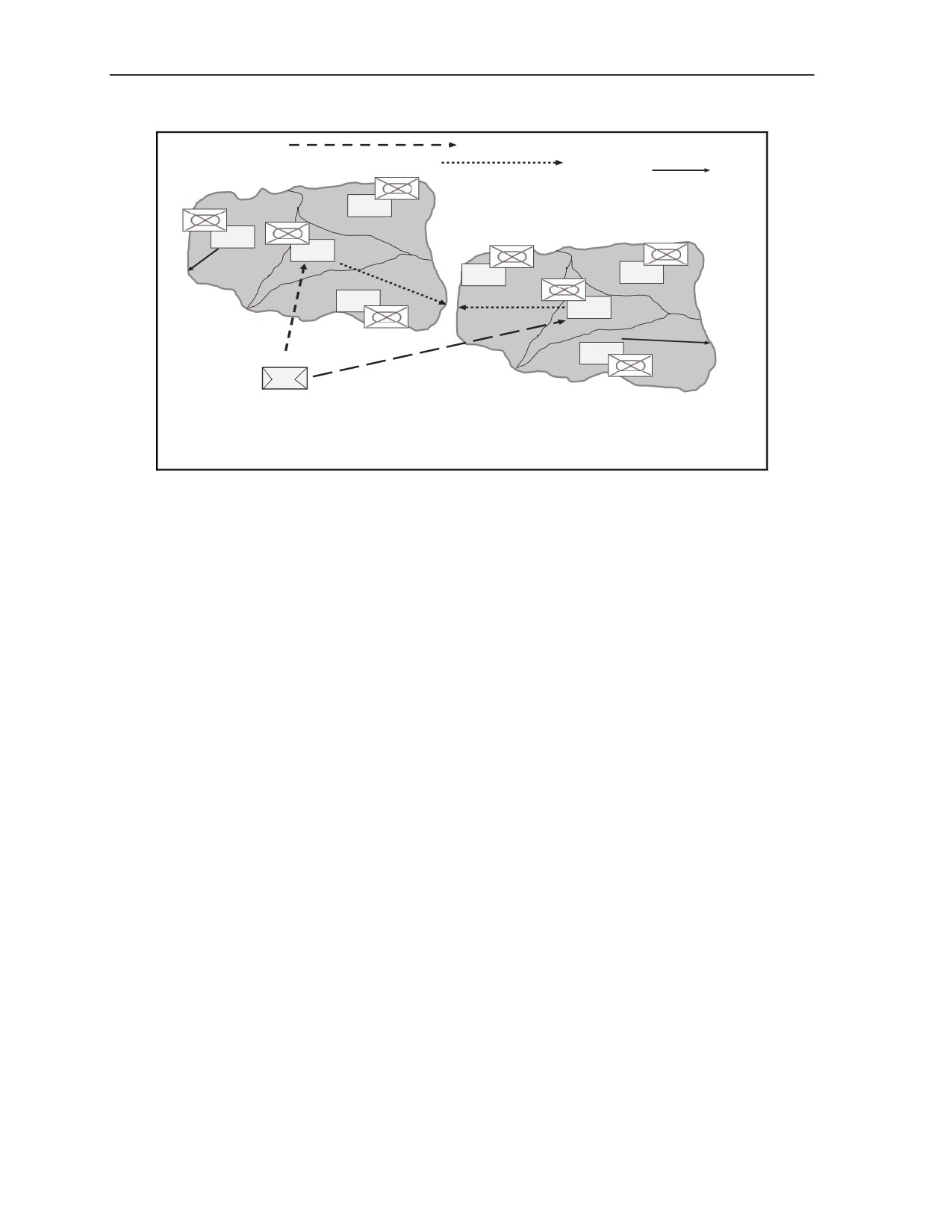
2-25. As a general guideline, in order to prevent overreach of units in tactical environments, the
recommended distance between a Sustainment Brigade and the BSBs it supports should be from 60 to no
more than 175 KM (see Figure 2-5). The 175 KM limit reflects one line haul trip a day (max 222 KM-20%
= 177 KM), and is constrained by fuel consumption of the distribution platform(s). The lower distance of
60 KM reflects line haul in rough terrain (6 hr x 10 KM/hr). For both, the assumption is that the longest
time a driver can continuously and safely drive in a shift is 6 hours (one way trip). There is also an
assumption of two drivers per vehicle. Ideally, the BSBs should be from 30 KM to 45 KM from combat
operations and the FSCs should be from 4 KM to 15 KM from combat.
4 February 2009
FMI 4-93.2
2-11
Chapter 2
60 - 175 KM
30 - 45 KM
II
4 - 15 KM
I
II
FSC
X
I
FSC
II
II
II
BSB
I
I
FSC
X
FSC
I
II
FSC
II
BSB
I
II
FSC
X
SUST
BSB - Brigade Support Battalion
FSC - Forward Support Company
SUST - Sustainment Brigade
Figure 2-5. Operational Distances
2-26. The following considerations should be used in determining operational distances:
z
Sustainment Brigade’s will locate near major transportation nodes (airfields, rail heads, inland,
water ports).
z
There are no CSCs inside a division’s assigned area of operation.
z
Line haul convoys will not normally be refueled by BSBs.
z
Distances are constrained by the vehicle with the heaviest fuel consumption.
z
Distribution platforms should return with a 20 percent capacity fuel safety margin.
z
The longest time a driver can continuously and safely drive in a shift is 6 hours.
z
Critical items are distributed via throughput (normally by air).
z
Sustainment Brigade’s schedule of line haul replenishments to BSBs.
z
Poor roads reduce travel time by half from that of good roads.
z
Night driving reduces travel time by half from day driving.
ARMY UNIVERSAL TASK LIST (AUTL) TASKS
2-27. The AUTL contains guidance for developing the sustainment brigade mission essential task list
(METL). The sustainment brigade develops its battle-focused METL as described in FM 7-0 based on
guidance from the ASCC and TSC. Sustainment brigade METL developers consider those specific AUTL
tasks that support the Army’s lead service responsibilities (Chairman of the Joint Chiefs of Staff manual
3500.04C). These tasks are either stated or implied in the ASCC and GCC war plans.
2-28. The sustainment brigade performs AUTL tasks when the division is the ARFOR HQ supported by
the sustainment brigade directly. Some tactical-level tasks covered in the Army Universal Task List (FM 7-
15), may also apply because the sustainment brigade’s subordinate units will perform operational to
tactical-level support tasks and conduct convoys which are combat operations. The TSC commander
approves the sustainment brigade METL.
2-12
FMI 4-93.2
4 February 2009
Missions and Organizations
SECTION II - STAFF ROLES AND FUNCTIONS
2-29. The sustainment brigade comprises a brigade HQ (commander and staff) for controlling and
assessing operations and a special troops battalion (STB) to provide support to personnel assigned to the
sustainment brigade and the STB. All other mission capabilities are supplied by elements task organized to
the sustainment brigade. The sustainment brigade is tailorable and can provide effective support for
multiple brigade-sized organizations. The size and capabilities of the sustainment brigade are determined
by METT-TC considerations.
2-30. The sustainment brigade HQ coordinates, synchronizes, monitors, and controls sustainment
operations within its assigned AO, through subordinate tailored sustainment units. It can be augmented
from the TSC to manage joint logistics operations and can provide CUL in support of joint forces. As
mentioned before, the brigade may conduct a wide-range of operations, depending on its organization and
mission requirements. It will typically establish a base within its AO to provide centralized control of
operations. Decentralized execution of operations may be conducted within the base or at designated
locations within its support area.
2-31. The sustainment brigade has the ability to deploy an Early Entry Element (EEE). The EEE provides
the sustainment brigade commander the capability to forward deploy limited brigade capabilities. The EEE
provides C2 of sustainment operations during initial operations and while establishing the theater base.
Sustainment brigades tasked to conduct theater distribution or sustainment, use their EEEs to establish an
initial C2 presence in a theater of operations and to provide for continuous C2 when the brigade
incrementally repositions its forces in support of on-going or anticipated mission requirements. The EEE is
formed from organic sustainment brigade and STB elements as directed by the commander. The EEE
provides limited capabilities to C2 the sustainment brigade mission within the assigned AO prior to the full
deployment of the brigade.
THE COMMAND GROUP
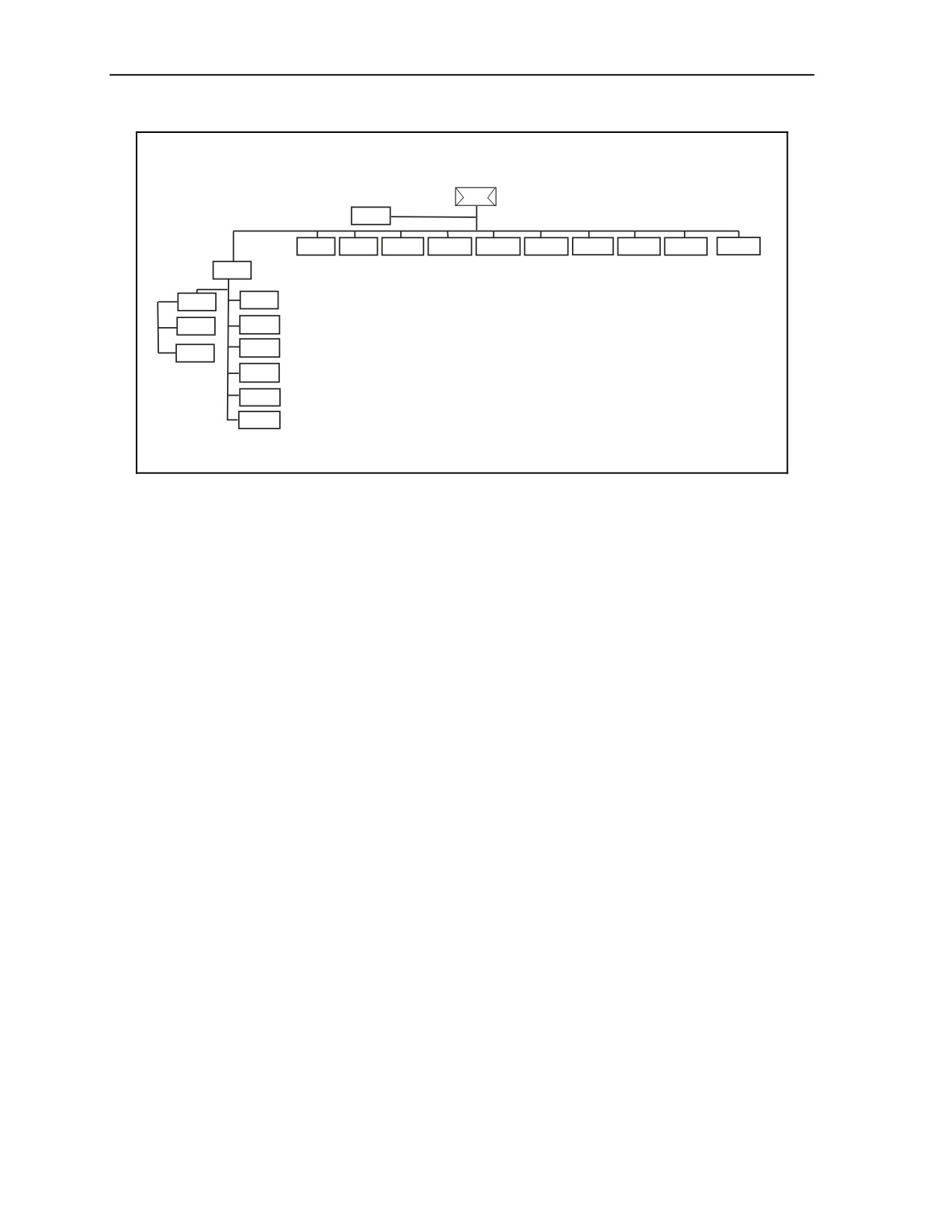
2-32. The command group, depicted in Figure 2-6, consists of the brigade commander, the deputy
commander, the coordinating staff officers (S-1, S-2, S-3, S-4, S-6, SPO), and certain special and personal
staff officers (command sergeant major, staff judge advocate, surgeon, and chaplain). It provides C2 of
assigned and attached units and directs sustainment brigade operations and integrates the functions of the
coordinating staff. The following staff specific paragraphs discuss each staff element’s responsibilities in
broad terms.
2-33. The deputy commanding officer (DCO) is the commander’s principal staff officer, directing and
overseeing staff coordination and ensuring effective and prompt staff actions. The DCO also oversees
coordinating and special staff officers. The commander normally delegates authority to the DCO for
executive management of coordinating and special staff officers. The DCO also serves as EEE commander
when tasked.
2-34. The commander, DCO, and the command sergeant major each have a Force XXI Battle Command,
Brigade and Below (FBCB2) in order to support situational awareness of force locations.
4 February 2009
FMI 4-93.2
2-13
Chapter 2
SUST
BDE
CMD
GRP
S1
S2
S3
S4
S6
UMT
SJA
PAO
SURG
SPO
STB
HHC
S1
FOOD
S2/3
SVC
S4
MAINT
UMT
TDT
TRTMT
Figure 2-6. Sustainment Brigade Staff Organization
THE COORDINATING STAFF
2-35. These staff sections perform common staff responsibilities that are briefly described below with
more detail provided in FM 6-0. They develop internal sustainment brigade policies and plans in their
respective technical areas and provide guidance, priorities, and allocations to subordinate commands. They
also review the plans of counterpart staffs in subordinate units.
S-1 SECTION
2-36. The S-1 section is principally responsible for the delivery of human resources (HR) support to all
assigned and attached personnel in the Sustainment Brigade, to include subordinate organizations. HR
support includes personnel readiness management, personnel accountability, strength reporting, R5
operations, casualty operations, essential personnel services, postal operations, morale, welfare, and
recreation
(MWR) operations, and HR planning and operations. Essential personnel services include
military pay, awards and decorations, evaluations, ID documents, promotions, and personnel actions. The
S-1 is directly linked with the Human Resources Command for strength management, replacement
operations, personnel accounting, and strength reporting. The S-1 section receives technical guidance from
the TSC or ESC G-1 and the HR Operations Cell. The S-1 provides technical guidance to all subordinate
battalion S-1. Automation support is provided by FBCB2, Battle Command Sustainment Support System
(BCS3), and when implemented, the Defense Integrated Military Human Resources System (DIMHRS).
See FM 1-0 (Human Resources Support) and FMI 1-0.01 (S-1 Operations) for additional information.
S-2 SECTION
2-37. The S-2 is the principal staff officer to the commander in matters concerning security and
intelligence. Primary tasks include: intelligence readiness, the Commander’s priority intelligence
requirements, collection plan, indications and warnings, and MDMP. By using information systems and
technology, the S2 identifies threat composition, strength, capabilities, and courses of action; conducts
intelligence and logistics preparation of the battlefield; and provides terrain and weather analysis with an
emphasis on lines of communication. The S2 also contributes to the All Source Analysis System (ASAS)
and disseminate relevant intelligence from ASAS into current operations and future plans. The S2 prepares
Annex B of the operations order; monitors the intelligence requirements to support current and future
operations; monitors intelligence analysis of higher, lower, adjacent, and subordinate units; coordinates
2-14
FMI 4-93.2
4 February 2009
Missions and Organizations
with other intelligence agencies to effectively provide predictive and timely intelligence to support logistic
missions. The S2 utilizes the most effective and secure means to track and disseminate threat information
and provide intelligence products.
S-3 SECTION
2-38. The S-3 is the principal staff officer for the commander in matters concerning operations, plans,
protection, organization, and training. Primary tasks include training, operations, plans, force development,
and modernization. Using Maneuver Control System (MCS), the S-3 performs the following:
z
Prepares and issues warning and fragmentary orders
(FRAGOs) to support the current
operations.
z
Monitors the operations of higher, lower, and adjacent units.
z
Monitors operations.
z
Coordinates with supported units to synchronize future operations and the transition from the
current operation to a future operation without loss of momentum and unit integrity.
z
Manages the terrain.
z
Plans for, utilizes, and optimizes automation for mission planning, course of action
development, rehearsals, operational planning, and after action reviews.
The S-3 uses Movement Tracking System (MTS) to track convoy operations.
S-4 SECTION
2-39. The S-4 is the principal staff officer for the commander in matters concerning internal sustainment
and readiness. Primary tasks include: sustainment operations and plans, supply, maintenance,
transportation, and field services. The S-4 advises the commander and staff on all internal logistics issues;
coordinates estimates, plans, annexes, and orders for internal sustainment operations; tracks the current
operation, provides staff oversight of food service operations, property book operations, and maintenance
operations for the sustainment brigade and its subordinates. The S-4 is normally tasked to oversee the
deployment of the sustainment brigade and its subordinate units.
2-40. The property book office
(PBO) supervises all input and output from the automated process
supporting the property book system and Class VII. The office manages Class VII items stocked within the
brigade itself. It coordinates supply transaction documents and verifies records and processes data for entry
into the property book system. The PBO receives records and verifies data entered on supply transaction
documents for supported units. It processes unit requests for issue and turn-in of organizational property
using Property Book Unit Supply Enhanced (PBUSE). The teams process financial liability investigations
of property loss, statements of charges, and other accountability documents.
S-6 SECTION
2-41. The S-6 major tasks involve Network Operations (NETOPS) and information management. The S-6
provides technical staff supervision over signal support activities throughout the sustainment brigade. The
S-6 provides technical supervision of all communications asset attachments, coordinates with the
supporting signal unit to maintain access to higher echelons common user signal networks, develops and
coordinates signal support plans, and ensures redundant signal means are available to maintain the
network. More detailed information about the S-6 section’s role and responsibilities can be found in
Chapter 3.
SUPPORT OPERATIONS (SPO) SECTION
2-42. The SPO is the principal staff officer for coordinating support for all units within the sustainment
brigade’s assigned AO. The SPO also provides technical supervision of all sustainment operations
conducted by the sustainment brigade and is therefore the key interface between supported units and the
TSC/ESC. The SPO provides planning, preparation, and C2 of the execution of all sustainment operations
4 February 2009
FMI 4-93.2
2-15
Chapter 2
in the sustainment brigade’s AO, to include theater opening, distribution, and sustainment operations. The
SPO section provides centralized coordination of all actions supporting subordinate units and all non-
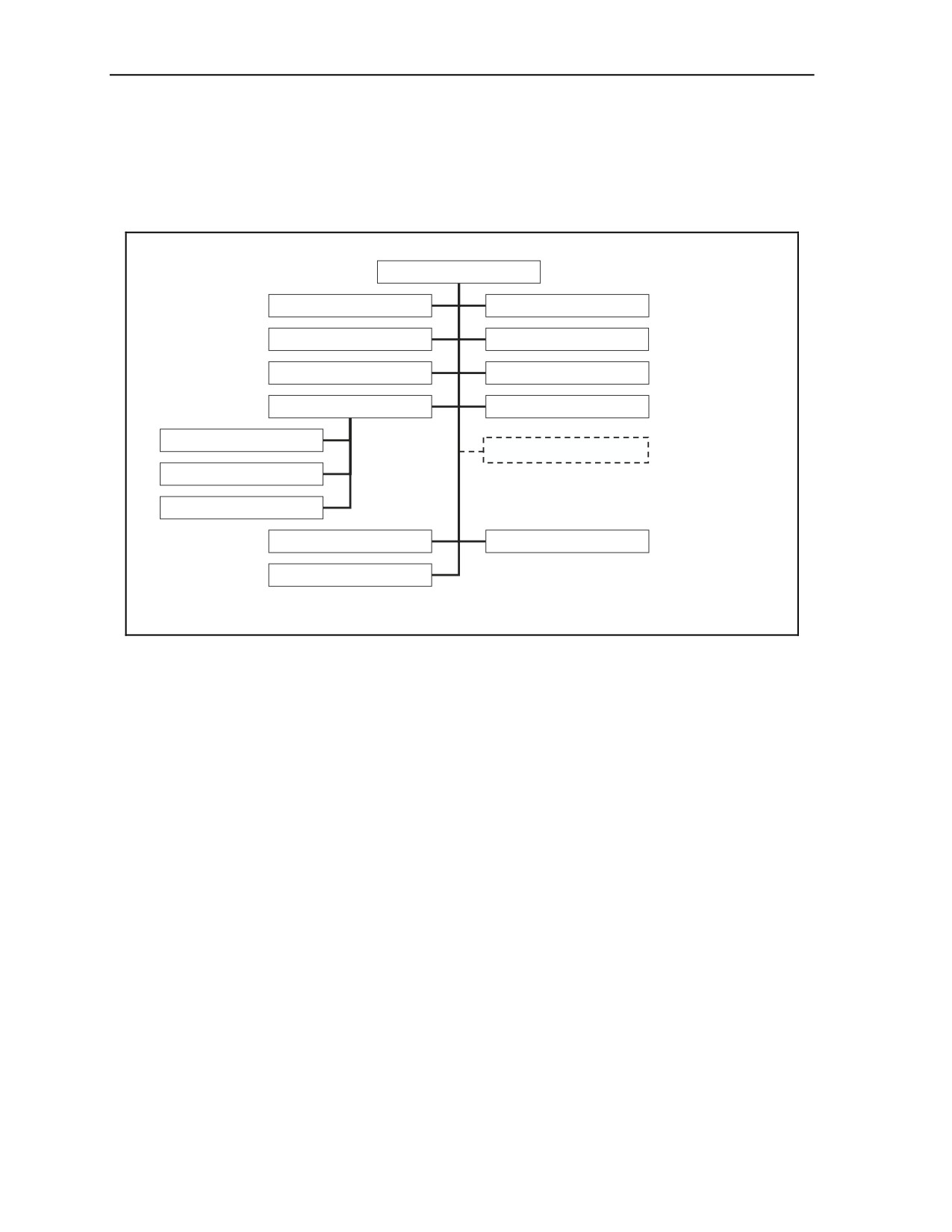
brigade forward support units. The support operations staff is depicted in Figure 2-7. A brief description
of each staff element follows.
Support Operations
Plans
Distribution Integration
Maintenance
Mobility
CSSAMO
CL V Munitions
Supply & Services Branch
Human Resources
General Supply Section
Aug
Element
CL III / Water Section
Field Services
Financial Management
Civil Mil Ops
Multinational Support
CSSAMO - Combat Service Support Automation Management Office
AUG - Augmentation
Figure 2-7. Sustainment Brigade SPO
PLANS BRANCH
2-43. The plans branch develops the concept of support and support plans for future operations in concert
with the sustainment brigade S-3 and the G-3 of the supported units. This office also coordinates with the
G-3 of supported units. The branch recommends/incorporates all technologies/automation, combat unit
requirements, unit historical data, current/future replenishment posture, mobility data, and commander’s
guidance into the development of the support plan. The branch in conjunction with the brigade S-3
develops the operations order and associated logistics annexes to all plans and orders using BCS3. It
maintains the running estimate, and utilizes interoperable automation and communications to perform the
daily management functions and fusion of all requirements for all elements within the SPO associated with
tasking control for external support operations.
DISTRIBUTION INTEGRATION BRANCH
2-44. The Distribution Integration Branch coordinates and synchronizes the movement of all personnel,
equipment, and supplies in the assigned area. It provides capacity visibility and ensures an uninterrupted
flow of support. The focus of this branch is to plan and monitor the execution of distribution operations; to
collect, collate, and analyze support information for the SPO, and to be the fusion center for brigade
distribution-related information, using BCS3, Transportation Coordinator’s Automated Information for
Movement System (TC AIMS), and MTS. It synchronizes operations within the distribution system to
maximize throughput and follow-on sustainment and executes the priorities recommended by the Mobility
Branch. It maintains automated transportation movement control, tracking and request system. In addition
to accomplishing their specific commodity/management missions, all other branches will channel
information to this branch to improve the total distribution system visibility and to allow for overall
2-16
FMI 4-93.2
4 February 2009
Missions and Organizations
coordination, prioritization, and decision-making by the SPO. It compiles the distribution plan from the
input described above and publishes the distribution/push matrix for tasking of distribution assets. To do
this job effectively, the Distribution Integration Branch relies on coordination and information exchange, in
particular between the Supply, Human Resources, and the Mobility Branches. If requirements are beyond
the capability/capacity of the sustainment brigade’s subordinate units, then this branch notifies the TSC
with the concurrence of the SPO and S-3.
MAINTENANCE BRANCH
2-45. The maintenance branch manages maintenance for the supported units and provides staff oversight
of subordinate unit readiness, using Standard Army Maintenance System - Enhanced (SAMS-E). This
office plans and forecasts maintenance and related materiel requirements based on future operational plans
and it coordinates the disposal of enemy equipment. It prepares all maintenance plans and annexes for
support plans and orders and provides status reports. This office also is responsible for managing
maintenance production for electronic systems for the brigade and for managing maintenance production
for test, measurement, and diagnostic equipment for the brigade.
MOBILITY BRANCH
2-46. The Mobility Branch collects, validates, and manages requirements for air and surface movements
from supported units, determines the most appropriate mode for the requirements, and recommends
priorities of movement for each separate mode. The requirements and recommendations are passed to the
Distribution Integration Branch for action. The Mobility Branch provides staff oversight of all allocated
transportation assets and coordinates directly with the MCT using MTS. The branch exercises staff
oversight over transportation operations for the sustainment brigade. Mission planning for deployment,
movement, sustainment, reconstitution, and redeployment is performed by the branch in conjunction with
the distribution integration branch using TCAIMS. It provides movement management for personnel and
materiel (except bulk POL by pipeline) in the assigned area. It provides guidance, advice, and staff
oversight on the employment and capabilities of air, land, and water transportation for subordinate units, to
include hub operations.
COMBAT SERVICE SUPPORT AUTOMATION MANAGEMENT OFFICE (CSSAMO)
2-47. The CSSAMO installs and monitors the combat service support automated information system
interface (CAISI) and Very Small Aperture Terminals (VSAT) network and satellite operations to provide
assured, unclassified but sensitive, non-secured communications and provides user customer support in
sustaining and operating the STAMIS used in the sustainment brigade and supported battalions (especially
those functional battalions that do not have an organic CSSAMO); this includes all installation, testing,
loading, and troubleshooting of STAMIS software, limited hardware, user owned communications devices,
and monitoring user training programs and new equipment fielding. The CSSAMO also establishes the
unclassified wireless network, domain-name service and monitors network traffic and protection status. It
provides software maintenance support to organic sustainment brigade elements. The CSSAMO may also
provide support to subordinate battalions, functional brigades, and other units in the supported AO, and
might, if required, provide temporary support to BCT and support brigades as directed.
CLASS V MUNITIONS BRANCH
2-48. The Class V Munitions Branch coordinates and supervises supply management of all ammunition
operations for the AO using Standard Army Ammunition System - Materiel Management Center (SAAS-
MMC). The branch maintains asset visibility of all munitions, maintains the munitions portion of the COP
through TAV/ITV, and conducts munitions reach operations for supported units. The Class V branch will
intensively monitor and manage critical munitions and Controlled Supply Rates established by the TSC.
4 February 2009
FMI 4-93.2
2-17
Chapter 2
SUPPLY AND SERVICES (S&S) BRANCH
2-49. The S&S branch coordinates and supervises supply management for water, Class I, II, III, IV, VII,
and IX supplies for the AO. This branch plans and determines the requirements and recommends priorities
for the allocation and distribution control of supplies. It conducts automated requisition of commodities
and makes recommendations on redistribution within the AO. It maintains visibility of on-hand and in-
bound supply stockage using BCS3, recommends ASL mobility requirements, and develops basic load
recommendations. This branch also provides advice on the receipt, storage, and distribution of supplies
within its AO.
General Supply Section
2-50. The general supply section controls and manages Class I, II, III (P), IV and IX supplies to the
supported elements. It directs the receipt, storage, and distribution of Class I, II, III (P), IV and IX supplies
within the AO. This section uses PBUSE and corps/theater automated data processing service center
(CTASC) flyaway automation.
Class III-Water Section
2-51. The Class III-water section controls and manages the bulk fuel and water supply to the supported
elements. It directs the receipt, storage, inspection, testing, issue, distribution, and accountability of the
bulk fuel and water stocks for the AO. There is no automation that supports water or Class III supply
operations.
Field Services Section
2-52. The field services section coordinates for field services for supported forces. Field services involve
light textile repair, laundry, shower, mortuary affairs (MA), and aerial delivery support. During combat
operations, military personnel provide most of the field service support in forward areas, with support from
HNS and contractors.
HUMAN RESOURCES (HR) BRANCH
2-53. The HR branch is responsible for planning, coordinating, integrating, and synchronizing the
activities of subordinate units (HR companies, platoons, and teams) for the SPO in the sustainment brigade
area of the theater of operations. This includes ensuring they are resourced, correctly positioned, and
properly allocated to provide required postal, R5, and casualty support (see FM 1-0, Human Resources
Support and FMI 1-0.02, Theater Level HR Support). Critical functions are:
z
Serve as integrator between Human Resource Sustainment Center (HRSC), supported units (G-
1/S-1) and HR Companies, Military Mail Terminal Team, and Theater R5 Gateway Team.
z
Synchronize HR support for postal, casualty, and R5 operations with other sustainment elements
and organizations.
z
Plan, project, and recommend HR support requirements for current and future military
operations. Includes assessing the current situation, forecasting HR requirements based on the
progress of the operation, making execution and adjustment decisions, and directing actions to
apply HR resources and support at decisive points and time.
z
Provide technical guidance to supported units (G-1/S-1) and supporting HR organizations (HR
Co, MMT, R5 Gateway). The HR branch receives technical guidance from the HR branch of the
ESC SPO and the HRSC of the TSC.
z
Deploy as part of the sustainment brigade or ESC early entry element to assist/ensure initial
theater R5 Personnel Processing Center (PPC) and postal operations are established.
z
Coordinate and provide technical training to supported and supporting units.
2-18
FMI 4-93.2
4 February 2009
Missions and Organizations
z
Coordinate the execution of non-HR sustainment tasks (billeting, feeding, and transportation)
with other sustainment elements.
FINANCIAL MANAGEMENT (FM) BRANCH
2-54. The FM branch monitors and tracks FM operations throughout the sustainment brigade AO. It
integrates all FM operations, assists in planning the employment of FM units, coordinates requirements,
synchronizes the FM network, and manages the FM systems in coordination with the financial
management center (FMC) and G-8. This includes ensuring FM companies and subordinate detachments
are resourced, correctly positioned, and properly allocated to provide required financial management
support (see FM 1-06, Financial Management). Critical functions are:
z
Serves as integrator between the financial management center (FMC), supported units, ESC
SPO, FM companies, and detachments.
z
Synchronizes FM support with other sustainment elements and supported organizations for
commercial vendor services, paying agent services, Soldier disbursing services, stored value
card program, and other financial management services.
z
Plans and recommends FM support requirements for current and future military operations,
including assessing the current situation, and forecasting FM requirements, to include cash
holding authority.
z
Provides technical guidance to supported units and supporting FM organizations (FM company
and detachments).
z
Receives operational guidance from the FM branch of the ESC SPO and technical guidance
from the FMC of the TSC.
z
Deploys as part of the sustainment brigade or ESC early entry element to assist/ensure initial FM
capabilities are established to support initial entry and set conditions for subsequent follow-on
operations.
z
Coordinates and provides technical training to supported and supporting units to include
operational reviews of companies and detachments conducted by the internal control branch of
the FMC.
CIVIL AFFAIRS SECTION
2-55. The Civil Affairs Section is the principal advisor to the commander in matters regarding civil affairs.
Primary tasks include: establish the civil-military operations center; evaluate civil considerations during
mission analysis and prepare for transitioning the AO from military to civilian control. The civil affairs is
also responsible for the following:
z
Advising and counseling the commander and staff on CMO.
z
Developing civil affairs annexes, plans, and guidance.
z
Responding to DA, DOD, and NGO queries.
z
Reviewing plans for civil affairs implications in stability and reconstruction operations.
z
Coordinating with the SPO concerning civil affairs assets and operations in support of stability
and reconstruction operations.
z
Providing staff assistance to the SPO/contracting elements to locate, coordinate, and develop
local sourcing for service and support.
MULTINATIONAL SUPPORT BRANCH
2-56. The Multinational Support Branch manages requirements for multinational units supported by the
sustainment brigade. It also provides the base to which liaison officers are assigned from multinational
units which are either being supported by the brigade or which are not being supported but are conducting
operations in conjunction with the brigade.
4 February 2009
FMI 4-93.2
2-19
Chapter 2
SPECIAL AND PERSONAL STAFF
2-57. Special staff officers help the commander and other staff members perform their functional
responsibilities. Special staff officers usually deal routinely with more than one coordinating staff officer.
For example, the STB commander routinely deals with the brigade S-3, but coordinates with the S-1, S-2,
SPO, S-4, and others.
2-58. Personal staff members work under the commander’s immediate control. They also may serve as
special staff officers when they coordinate with other staff members. When performing their duties as
special staff officers, personal staff officers may work through the DCO and under a coordinating staff
officer for coordination and control purposes.
COMMAND SERGEANT MAJOR
2-59. The command sergeant major (CSM) is a member of the commander’s personal staff by virtue of
being the commands senior noncommissioned officer (NCO). The CSM is responsible for providing the
commander with personal, professional, and technical advice on enlisted Soldier matters and the NCO
corps. The CSM’s duties and responsibilities vary according to the commander’s specific desires or needs;
however, general duties are:
z
Provide advice and recommendations to the commander and staff in matters pertaining to
enlisted personnel.
z
Help formulate and supervise enforcement of established policies and standards concerning
enlisted personnel performance, training, appearance, and conduct.
z
Maintain communication with subordinate NCOs and other enlisted personnel through NCO
channels.
z
Monitor unit and enlisted personnel training and make corrections as necessary.
z
Administer and monitor the unit NCO development program and sergeant’s time training.
z
Provide counsel and guidance to NCOs and other enlisted personnel.
z
Administer and chair unit selection and Soldier boards for enlisted personnel.
z
Receive and orient newly assigned enlisted personnel.
z
Help inspect command activities and facilities.
z
Monitor and recommend actions to enhance the morale and discipline of the command.
z
Assist the STB commander to coordinate unit security operations.
SURGEON
2-60. The sustainment brigade surgeon ensures that all AHS support functions are considered and included
in operation plans and operation orders. The sustainment brigade surgeon is a full-time special staff officer
answering directly to the sustainment brigade commander on matters that pertain to the health of the
command. He/She coordinates for AHS support for both Health Service Support (HSS) and force health
protection (FHP). The sustainment brigade command surgeon coordinates AHS support operation with
both the division surgeon and the medical brigade (MEDBDE) commander and helps establish medical
guidelines for the division and the sustainment brigade. The duties and responsibilities of the sustainment
brigade surgeon include both HSS and FHP functions.
Health Service Support
2-61. The sustainment brigade surgeon's duties and responsibilities for AHS may include—
z
Advising the commander on the health of the sustainment brigade units.
z
Plans and coordinating for HSS for sustainment brigade units (including but not limited to,
medical treatment, medical logistics, medical evacuation, hospitalization, dental support,
preventive medicine [PVNTMED], behavioral health, and clinical medical laboratory support).
2-20
FMI 4-93.2
4 February 2009
Missions and Organizations
z
Developing and coordinating the HSS portion of AHS operation plans to support the
sustainment commander’s decisions, planning guidance, and intent in support of full spectrum
operations (see FM 4-02.12 and FM 8-55).
z
Determining the medical workload requirements (patient estimates).
z
Advises the sustainment brigade commander on policy regarding the eligibility of care for non-
US military personnel.
z
Maintaining situational understanding by coordinating for current HSS information with
surgeons of the next higher, adjacent, and subordinate HQ.
z
Recommending task organization of medical units/elements in support to sustainment brigade
units to satisfy all HSS mission requirements.
z
Recommending policies concerning medical support of stability operations (that include civil-
military operations).
z
Monitoring troop strength of medical personnel and their utilization.
z
Coordinating and synchronizing health consultation services.
z
Evaluating and interpreting medical statistical data.
z
Monitoring medical logistics and blood management operations in the theater (see FM 4-02.1).
z
Monitoring medical regulating and patient tracking operations for sustainment brigade personnel
(see FM 4-02.2).
z
Determining sustainment brigade training requirements for first aid and for maintaining wellness
of the command.
z
Ensuring field medical records are maintained on each Soldier assigned to the TSC at their
primary care medical treatment facility per AR 40-66 and FM 4-02.4.
z
Establishing, in coordination with the chain of command, and promulgating a plan to ensure
individual informed consent is established before administering investigational new drugs as
described in Executive Order 13139.
z
Recommending disposition instructions for captured enemy medical supplies and equipment.
(Refer to FM 4-02 for additional information on the Geneva Conventions.)
z
Submitting to higher HQ those recommendations on medical problems/conditions that require
research and development.
z
Coordinates and synchronizes:
Health education and combat lifesaver training for the brigade.
Mass casualty plan developed by the S-3.
Medical care of enemy prisoners of war (EPW), detainees, and civilians within the brigade
AO.
Treatment of sick, injured, or wounded Soldiers.
Medical evacuation, including use of both the Army’s dedicated medical evacuation
(MEDEVAC) platforms (air and ground).
Medical logistics including Class VIII resupply, blood management, and medical
maintenance.
Health-related reports and battlefield statistics.
Collection and analyses of operational data for on-the-spot adjustments in the medical
support structure and for use in post operations combat and materiel development studies.
Army Health System support for stability and civil support operations
4 February 2009
FMI 4-93.2
2-21
Chapter 2
Force Health Protection
2-62. The sustainment brigade surgeon's duties and responsibilities for FHP may include—
z
Identifying potential medical-related commander’s critical information requirements (priority
intelligence requirements and friendly force information requirements) as they pertain to the
health threat; ensuring they are incorporated into the command’s intelligence requirements.
z
Coordinating for veterinary support for food safety, animal care, and veterinary preventive
medicine to include zoonotic diseases transmissible to man.
z
Planning for and implementing FHP operations to counter health threats (see FM 4-02.17).
Force health protection operations may include:
Planning for and accomplishing redeployment and post deployment health assessments.
Establishing and executing a medical surveillance program (refer to AR 40-5, AR 40-66,
and FM 4-02.17 for an in-depth discussion).
Establishing and executing an occupational and environmental health surveillance program
(see FM 3-100.4).
Recommending combat and operational stress control, behavioral health, and substance
abuse control programs (see FM 4-02.51).
Ensuring the general threat, health threat, and medical intelligence considerations are
integrated into AHS support operation plans and orders.
Advising commanders on FHP chemical, biological, radiological, and nuclear (CBRN)
defensive actions, such as immunizations, use of chemoprophylaxis, pretreatments, and
barrier creams.
Identifying health threats and medical-related commander’s critical information
requirements.
z
Maintaining situational understanding by coordinating for current FHP information with
surgeon staffs of the next higher, adjacent, and subordinate HQs.
z
Coordinates and synchronizes:
Combat and operational stress control program with the division surgeon section (DSS) and
supporting medical brigade.
Veterinary food inspection, military working dogs and other animal care, and veterinary
preventive medicine activities of the command, as required.
Preventive medicine services to include identification of health threats.
Preventive dentistry support program for the prevention of cavities and gum disease.
Area medical laboratory support to include the identification of biological and chemical
warfare agents, as required.
BRIGADE SURGEON SECTION
2-63. The sustainment brigade surgeon section (BSS) assists the sustainment brigade surgeon with the
above responsibilities. The BSS monitors and tracks operations with medical communications for Medical
Communications for Combat Casualty Care (MC4) System and provides updated information to the
surgeon and the SPO chief for building capabilities to meet the sustainment brigade’s medical requirements
identified by the surgeon. Other functions include:
z
Planning for the AHS support for the sustainment brigade’s units.
z
Identifying and coordinating through the DSS and as authorized directly with medical brigade
elements to support requirements of the sustainment brigade.
z
Coordinating/managing medical evacuation and treatment capabilities.
z
Coordinating/managing Class VIII resupply capabilities.
z
Ensuring medical support is integrated and synchronized with the sustainment brigade’s
operational support plan.
2-22
FMI 4-93.2
4 February 2009
Missions and Organizations
The BSS consist of two cells (a plans and operations cell and a medical logistics (MEDLOG) and
sustainment cell). Also, under the technical control of the surgeon is the medical treatment team and
evacuation squad.
Medical Plans and Operations Cell
2-64. The medical plans and operations cell is normally staffed with medical operations officers (Major,
04, AOC 70H00), an medical operations NCO (E-7, military occupational specialty 68W40). The primary
function of this cell is medical planning to ensure that adequate AHS support is available and to provide, in
a timely and efficient manner, for the sustainment brigade and its attached units. This cell coordinates with
the DSS and, as authorized, with medical brigade for the placement and support requirements of medical
units and elements located in the sustainment brigade AO. See FM 8-55 and FMI 4-02.21 for additional
information on medical staff planning.
Medical Logistics and Sustainment Cell
2-65. The medical logistics and sustainment cell is normally staffed with a MEDLOG officer (Major, 04,
AOC 70K00). This cell receives daily updates on the status of Class VIII within the brigade and from
attached medical units/elements. The MEDLOG and sustainment cell coordinate shortfalls in throughput
distribution with the supporting MEDLOG company or supply support activity (SSA). This cell may
update priorities with the supporting MEDLOG activity to correct deficiencies in the delivery system. The
supporting MEDLOG company or SSA will forward information to the MEDLOG and sustainment cell on
items filled and shipped and on those requisitions that were not filled. This cell provides daily updates to
the sustainment brigade surgeon and SPO chief on the status of Class VIII in the brigade. See FM 4-02.1
for definitive information on MEDLOG operations.
STAFF JUDGE ADVOCATE
2-66. The staff judge advocate (SJA) is a member of the commander’s personal staff. The SJA section
consists of a staff judge advocate, operational law attorney, and paralegal NCO. Battalion paralegals serve
at either the unit level or are consolidated at the brigade level. The SJA communicates directly with the
commander to provide legal advice for all matters affecting law of land warfare, morale, good order, and
discipline of the command. For other than disciplinary matters, the SJA serves under the supervision of the
chief of staff and provides legal services to the staff, and coordinates with other staff members to provide
responsive legal services throughout the organization.
2-67. The SJA, as a field representative of the judge advocate general, provides technical supervision over
all judge advocate general’s corps personnel and legal services in the command. This includes the
following:
z
Planning legal support.
z
Requesting resources.
z
Conducting and evaluating training.
z
Assigning and professionally developing judge advocate general’s corps personnel assigned to
the command.
The SJA may also use the legal technical channel to communicate with the judge advocate general and
other supervisory judge advocates.
2-68. The SJA is responsible for all legal support and services required by the command. The SJA’s duties
include:
z
Participating, along with the commander and staff, in mission planning and the military decision
making process.
z
Preparing legal estimates, drafting legal annexes, and reviewing operational plans and orders.
z
Interpreting status of forces agreements.
z
Developing, interpreting, and training rules of engagement and rules on the use of force.
4 February 2009
FMI 4-93.2
2-23
Chapter 2
z
Advising on the application of the law of war
(and other humanitarian law) to military
operations, including the legal aspects of targeting.
z
Coordinating determinations on the status and proper treatment of EPW, detainees, and civilian
noncombatants.
z
Ensuring the proper reporting and investigations of violations of the law of war.
z
Advising on legal aspects of civil-military operations.
z
Litigating courts-martial and administrative separation boards.
z
Preparing Soldier disciplinary actions
(courts-martial, non-judicial punishment, and other
routine matters in administering military justice).
z
Providing or coordinating a wide array of administrative and civil law services including (but
not limited to) government ethics, labor and employment law, environmental law, health care
law, and related litigation.
z
Providing legal assistance services.
z
Processing foreign claims arising in a field environment.
z
Coordinating trial defense services with the TDT cell located in the sustainment brigade (the US
Army Trial Judiciary provides trial judiciary services independently).
z
Providing technical supervision of legal personnel in the command and its subordinate units.
PUBLIC AFFAIRS OFFICER
2-69. The public affairs officer (PAO) is a personal staff officer who serves as the sustainment brigade’s
spokesperson. He/She responds to media queries in a timely manner and ensures that the media clearly
understands and accurately states the command position. This section anticipates and responds to Soldiers’
needs for military and domestic information. It provides media representatives with accreditation, meal,
billet, transport, and escort support as authorized and appropriate. The following are some additional duties
and responsibilities of the PAO:
z
Plans and supervises the command public affairs program.
z
Advises and informs the commander of the public affairs impact and implications of planned or
implemented operations.
z
Serves as the brigade’s spokesperson for all communications with external media.
z
Assesses the information requirements and expectations of the Army and the public, monitors
the media and public opinion, and evaluates the effectiveness of public affairs plans and
operations.
z
Facilitates media efforts to cover operations by expediting the flow of complete, accurate, and
timely information.
z
Coordinates sustainment support of civilian journalists under administrative control of the
command.
z
Conducts liaison with media representatives to provide accreditation, food service, billets,
transport, and escorts when authorized and appropriate.
z
Develops, disseminates, educates, and trains the command on policies and procedures for
protecting against the release of information detrimental to the mission, national security, and
personal privacy.
z
Informs Soldiers, family members, and DOD civilians of their rights under the Privacy Act, their
responsibilities for operations security (OPSEC), and their roles as implied representatives of the
command when interacting with news media.
z
Coordinates with appropriate staffs to ensure that disseminated public information is consistent
with their staff responsibilities.
z
Assesses and recommends news, entertainment, and other information needs of Soldiers and
home station audiences.
2-24
FMI 4-93.2
4 February 2009
Missions and Organizations
z
Works closely with the CMO branch and other agencies to integrate strategy and unify efforts to
communicate the Army’s perspective and to support the mission’s tactical and operational
objectives.
z
Advises (in coordination with the SJA) the commander and staff on Privacy and Freedom of
Information Act matters.
UNIT MINISTRY TEAM (UMT)
2-70. The sustainment brigade UMT consists of at least one chaplain and one chaplain assistant NCO. The
mission of the brigade UMT is to perform or provide unit religious support to the command group and
brigade staff and to exercise technical supervision over the provision of religious support by subordinate
UMTs throughout the brigade's AO. It develops plans, policies, and programs for religious support. It
coordinates and synchronizes area and denominational religious support coverage within the brigade.
Chaplains personally deliver religious support. They have two roles: religious leader and staff officer. The
chaplain as a religious leader executes the religious support mission to ensure the free exercise of religion
for Soldiers and authorized personnel. As a personal staff officer, the chaplain serves as an advisor to the
brigade commander on matters of religion, moral atmosphere, morale as affected by religion, and the
impact of indigenous religions on operations. The chaplain assistant NCO serves as the section NCO In
Charge and assists the chaplain in providing religious support. Under the direction of the chaplain, the
chaplain assistant NCO coordinates and synchronizes all tactical, logistical, and administrative actions
necessary to carry out religious support operations. The chaplain assistant NCO supervises, trains, and
mentors subordinate UMT chaplain assistants in military occupational specialty specific tasks; participates
in operational staff planning, tracking, and execution; and coordinates and manages protection for the
sustainment brigade UMT.
SECTION III - THE SPECIAL TROOPS BATTALION (STB)
2-71. The sustainment brigade’s only organic subordinate unit is the STB. The STB provides C2 for
assigned/attached personnel and units. The STB has a HQ company (HHC). It integrates the functions of
the battalion S-1, S-2, S-3, S-4, and unit ministry team (UMT) staff sections and provides the company to
which brigade and STB personnel are assigned. Figure 2-7 depicts a hypothetical STB.
STB HEADQUARTERS
2-72. Consisting of a battalion commander, executive officer, command sergeant major, chaplain, and an
S-1, S-2, S-3, and S-4 staff, the STB HQ provides C2 of assigned and attached personnel and units of the
STB and directs support for the assigned units. The staff also provides information and advice to supported
commanders. Organic to the STB are a HQ company, a food service section, a maintenance section, trial
defense team (TDT), a treatment section (medical), and a UMT. These elements are discussed in the
following paragraphs. When augmenting the sustainment brigade, financial management and human
resource elements may also be attached to the STB.
COMMANDER OF SPECIAL TROOPS BATTALION
2-73. The commander of STB is responsible for Soldiers assigned to the sustainment brigade HQ that are
not assigned or attached to subordinate commands. Besides common staff responsibilities, the STB
commander is responsible for the following:
z
Developing the sustainment brigade HQ occupation plan.
z
Providing for protection of the headquarters and personnel transiting the base, which may
include C2 of attached units designated to conduct base defense or other protection missions.
z
Arranging for movement and moving the HQ.
z
Providing training and morale activities for HQ personnel.
4 February 2009
FMI 4-93.2
2-25
Chapter 2
z
Providing food service, quartering, medical support, field sanitation, and supply for HQ
personnel.
z
Receiving and accommodating visitors and augmentees.
z
Providing motor transportation organic to or allocated for use by the HQ.
z
Maintaining equipment organic to or allocated for use by the HQ.
z
Serving as Brigade Headquarters Commandant.
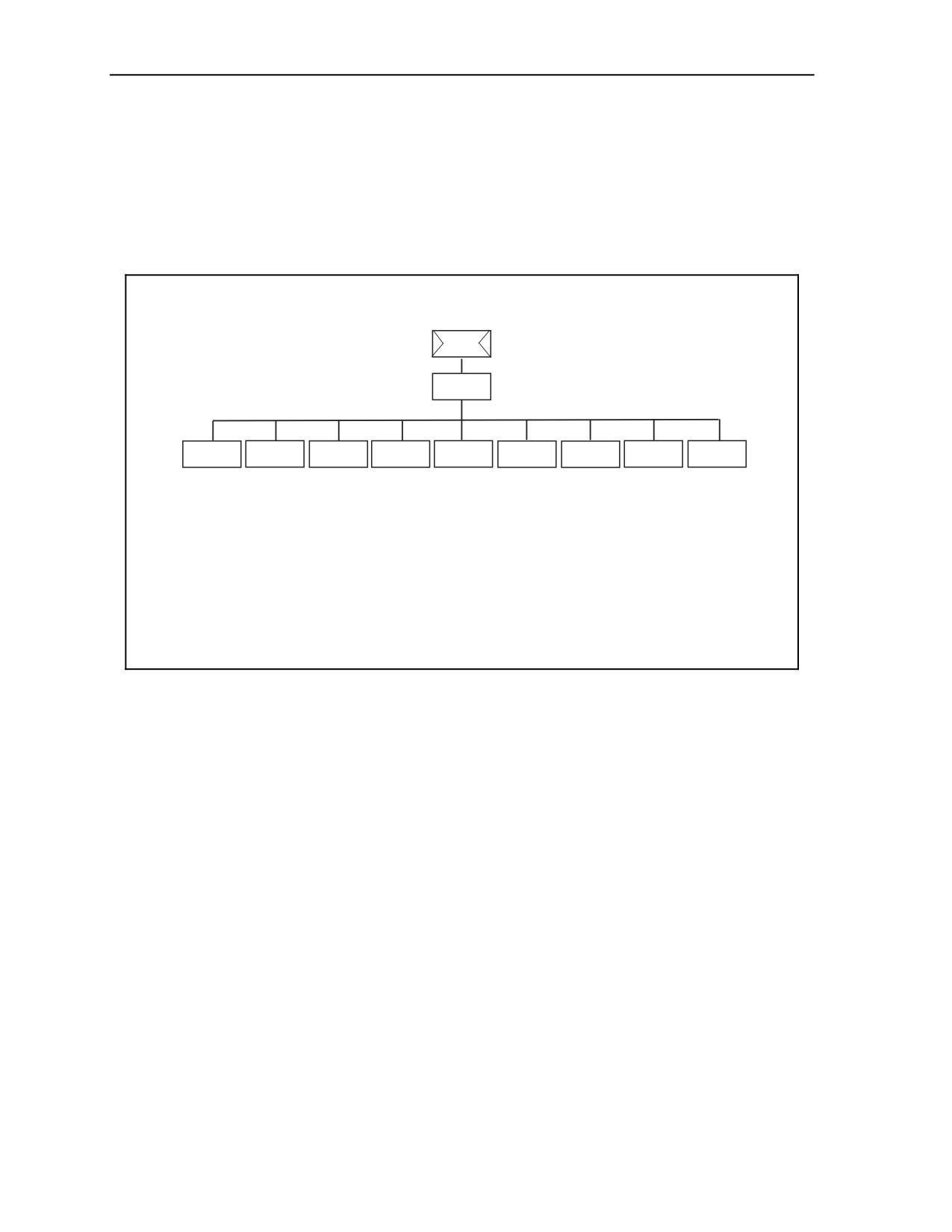
SUST
BDE
STB
FIELD
HHC
S-1
S-2/3
S-4
UMT
TDT
MAINT
TRTMT
FEED
HHC - Headquarters and Headquarters Company
STB - Special Troops Battalion
SUST - Sustainment Brigade
TDT - Trial Defense Team
TRTMT - Medical Treatment Section
UMT - Unit Ministry Team
Figure 2-8. Notional Special Troops Battalion
Headquarters and Headquarters Company (HHC)
2-74. The HHC provides C2 and oversight of all company level operations for the sustainment brigade HQ
and STB. The HHC is responsible for the Soldiers assigned to the sustainment brigade and STB HQ.
Besides common responsibilities, the commander is also responsible for the following:
z
Commanding and controlling the company.
z
Developing the HQ occupation plan.
z
Ensuring local HQ security.
z
Arranging for and moving the HQ, unit training, and MWR activities.
z
Coordinating food service, billeting, field sanitation, supply, field maintenance for organic
equipment and coordinating HSS and FHP.
The supply room utilizes PBUSE to manage STB supplies.
Food Service Section
2-75. The food service section provides food service for personnel assigned/attached to the STB. See
Chapter 4 for further information. The feeding standard is to provide Soldiers at all echelons three quality
meals per day. The meals fed depend on the prevailing conditions. Disposing of garbage is important to
avoid leaving signature trails and to maintain field sanitation standards.
2-26
FMI 4-93.2
4 February 2009
Missions and Organizations
Maintenance Section
2-76. The maintenance section provides field maintenance for vehicles and equipment assigned to the
STB. It is the primary field maintenance provider for the sustainment brigade HQ, the STB, all
assigned/attached assets smaller than battalion-level and not assigned to a battalion. Units or elements of
the support maintenance company (SMC) or an attached component repair company (CRC) support the
maintenance section with sustainment level maintenance, when required. The maintenance section has a
standard Army maintenance system (SAMS) which supports maintenance functions for the whole brigade
and also readiness reporting for the brigade.
Trial Defense Team (TDT)
2-77. The TDT is assigned to the HHC of the STB, but attached to the US Army Legal Services Agency
for all purposes except administrative and logistics support
(in accordance with Chapter
6, Army
Regulation (AR) 27-10; and FM 27-100). The Commander, US Army Legal Services Agency exercises
complete Uniform Code of Military Justice (UCMJ) and disciplinary authority over all TDT personnel.
The Chief, US Army Trial Defense Service exercises independent supervision, control, and direction over
all TDT personnel and their mission. The primary mission of the TDT is to provide trial defense support to
Soldiers and other authorized recipients within the assigned AO. That entails two essential tasks:
z
Organize, control, sustain, and assess defense services.
z
Provide defense services.
2-78. Specifically, as regards providing defense services, it offers Priority I defense services, which
include:
z
Representing Soldiers at general and special courts-martial.
z
Represent Soldiers at article 32 UCMJ proceedings.
z
Represent Soldiers during investigations.
z
Counsel pretrial detainees.
It also offers Priority II defense services, which are:
z
Provide consultation for Soldiers facing formal article 15 UCMJ proceedings.
z
Represent Soldiers at administrative elimination boards.
z
Provide consultation for Soldiers suspected of criminal offenses.
z
Represent Soldiers at lineups.
z
Provide consultation for Soldiers facing summary courts-martial.
z
Represent Soldiers at grade reduction boards.
z
Represent recruiters facing misconduct allegations.
z
Provide consultation for Soldiers facing administrative separation that are not entitled to a
board.
The TDT also offers Priority III defense services, which include:
z
Support legal assistance operations.
z
Assist with other legal services.
Unit Ministry Team (UMT)
2-79. The STB UMT consists of one chaplain and one chaplain assistant. The mission of the STB UMT is
to provide and perform unit religious support to Soldiers, families, and authorized civilians as directed by
the STB commander. The UMT provides area and denominational religious support in accordance with the
brigade religious support plan under the technical supervision of the sustainment brigade chaplain.
Chaplains personally deliver religious support. They have two roles: religious leader and staff officer. The
chaplain as a religious leader executes the religious support mission, to ensure free exercise of religion for
Soldiers and authorized personnel. The chaplain is a personal staff officer and serves as an advisor to the
4 February 2009
FMI 4-93.2
2-27
Chapter 2
STB commander on matters of religion, moral atmosphere, morale as affected by religion, and the impact
of indigenous religions on operations. The chaplain assistant is a Soldier trained to assist the chaplain in
providing religious support. Under the direction of the chaplain, the chaplain assistant coordinates and
synchronizes all tactical, logistical, and administrative actions necessary to carry out religious support
operations. The chaplain assistant coordinates and manages protection for the STB UMT.
MEDICAL PLATOON
2-80. The medical platoon provides AHS support for HSS and FHP for the sustainment brigade HHC and
operate under the supervision of the sustainment brigade surgeon. The medical platoon is organized with a
HQ section, a treatment squad, and one ambulance squad. The medical platoon is primarily responsible for
providing Role 1 medical care to the HHC and to other sustainment brigade subordinate units located in the
HHC base cluster. This care includes emergency medical treatment advanced trauma management (ATM)
and sick call services. The medical platoon uses the MC4 system to support the brigade.
Medical Platoon Headquarters
2-81. The medical platoon headquarters section provides command, control, communications, and
resupply for the medical platoon. The platoon HQ consists of the medical platoon leader (the field surgeon
also assigned as a member of a medical treatment team) and the platoon sergeant (E-6, health care
sergeant) that also serves as a member of a treatment team. The medical platoon is dependent on the
surgeon section for planning, coordination, and synchronization of HSS/FHP missions. The platoon uses
Movement Tracking System (MTS) to track MTS-equipped ambulances. See FM 4-02.4 and FM 8-55 for
additional information on planning, preparation, and execution of HSS activities.
Treatment Squad
2-82. The treatment squad consists of two treatment teams; Alpha and Bravo. These teams operate the
Role 1 medical treatment facility (MTF) and provide medical care and treatment for the sustainment
brigade.
Ambulance Squad
2-83. Medical platoon ambulances provide ground ambulance evacuation primarily within the sustainment
brigade AO. Ambulance team personnel provide medical evacuation and en route care from a Soldier's
point of injury or a casualty collection point to the sustainment brigade Role 1 MTF.
SECTION IV - FUNCTIONAL ORGANIZATIONS
2-84. The FM and HR organizations covered in this section are not organic to the sustainment brigade.
When they are attached to the sustainment brigade, they are usually further attached to the STB and might
alternately be attached to a CSSB as mission dictates.
FINANCIAL MANAGEMENT COMPANY (FM CO)
2-85. FM companies provide financial management support to BCTs and other units in the sustainment
brigade AO. The FM CO exercises C2 over company headquarters section and three to seven FM
detachments. The FM CO provides support on an area basis within an AO, to include support to joint and
multinational commands, units, Soldiers, and authorized civilians and contractors. The theater FMC, FM
SPO, and G-8 provide technical coordination to all FM COs within their AO. Their mission is to analyze
the supported commander’s tasks and priorities to identify the financial resource requirements that will
enable mission accomplishment. The functions of planning and integrating financial management
operations will be provided from the financial management branch within the sustainment brigade support
operation section.
2-28
FMI 4-93.2
4 February 2009
Missions and Organizations
2-86. The FM company relies on the Financial Management Tactical Platform (FMTP) as an integrated
system with multiple software capabilities. FM operations depend on electronic submission of finance
documents through the FMTP to Defense Finance and Accounting Service for disbursing, vendor support,
and travel and military pay.
XXXX
ASCC
+ +
G8
TSC
X
FMC
G8
SUST
C2
TECH GUIDANCE
II
II
SPO
STB
OR
CSSB
ASCC - Army Service Component Command
FM Ops
CSSB - Combat Sustainment Support Battalion
FMC - Financial Management Center
FM CO - Financial Management Company
SPO FM OPS - Support Operations Financial Management
I
Operations
STB - Special Troops Battalion
FM CO
SUST - Sustainment Brigade
TSC - Theater Sustainment Command
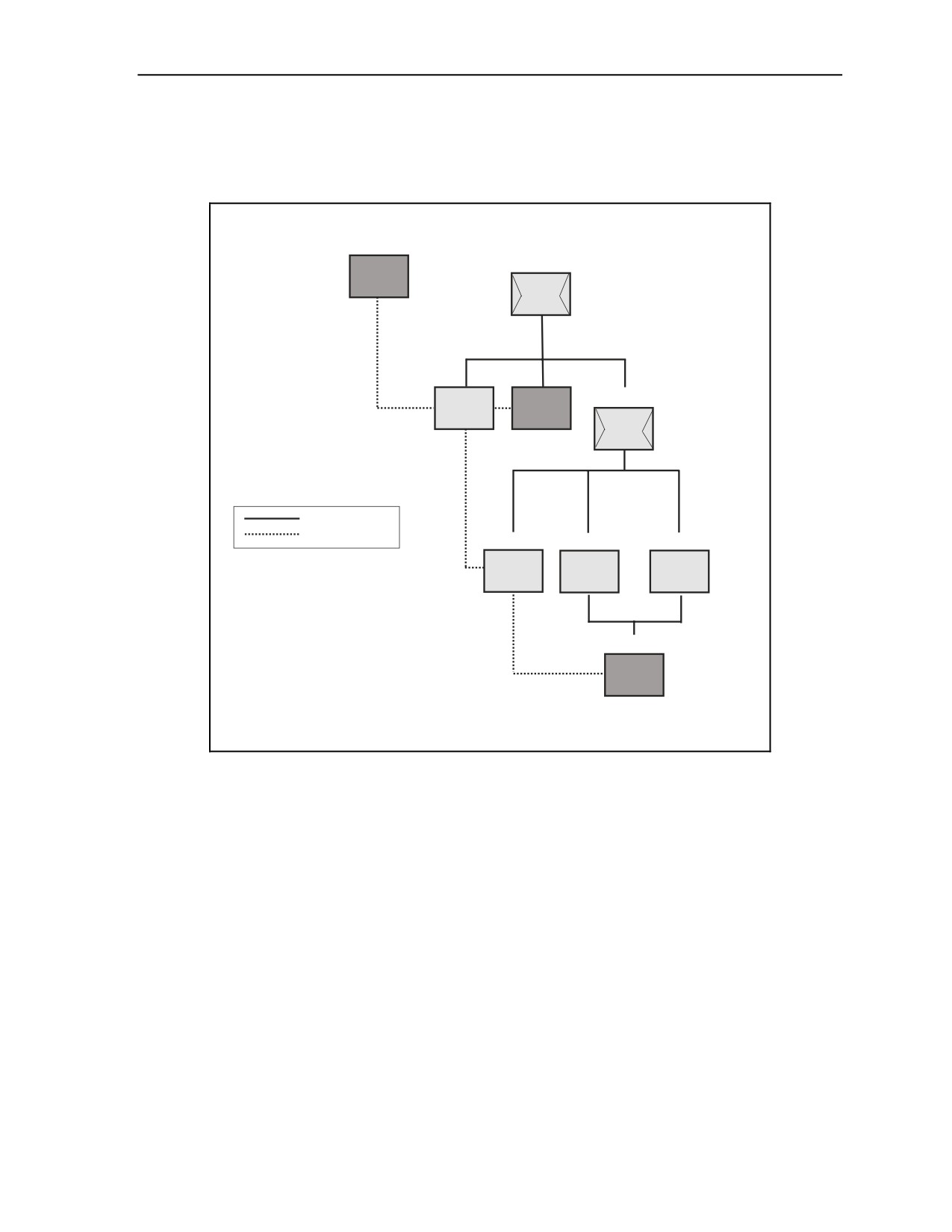
Figure 2-9. Placement of Financial Management Organizations
HUMAN RESOURCES (HR) COMPANY, PLATOONS OR TEAMS
2-87. The HR company delivers HR area support for postal; reception, replacement, rest and recuperation,
return to duty, and redeployment (R5) personnel accountability; and casualty operations in the deployed
AOR. The HR company can be tailored for a postal, R5, or combined mission by task organizing the
company headquarters with specialized postal teams or R5 plans and operations teams.
z
An HR company (postal) consists of a company headquarters, a postal plans and operations
team (with postal directory capability), and between two and six postal platoons. It either
provides Defense Post Office area postal support or supports MMT operations.
z
An HR company (R5) consists of the R5 plans and operations team (includes data integration
capability), two to six R5 platoons, each of which has two or three R5 Personnel Accounting
Teams to execute R5 personnel accountability operations at intra-theater APODs or supports the
TG R5 center at the inter-theater APOD.
z
Small AORs may receive postal and R5 support from the same HR company. HR companies are
assigned to the Sustainment brigade STB or CSSB. They may also operate under the C2 of a TG
R5 Task Force, if created by the Sustainment brigade commander.
4 February 2009
FMI 4-93.2
2-29
Chapter 2
z
HR companies receive technical guidance from the HR operations cell in the Sustainment
Brigade and ESC SPO and from the Human Resource Sustainment Center (HRSC) in the TSC.
HR companies do not support essential personnel services, MWR, or personnel readiness
management operations executed by S-1 and G-1 sections as defined by the Personnel Services
Delivery Redesign (PSDR).
+ +
TSC
C2
O
TECH GUIDANCE
SRC12 HR
UNIT
HRSC
SUSTAINMENT
++
UNIT
ESC
O
SPO
HR Ops
X
SUST
O
SPO
HR Ops
O
O
ESC - Expeditionary Sustainment Command
CSSB - Combat Sustainment Support Battalion
MMT
TG R5
HR - Human Resources
HRSC - Human Resources Sustainment Center
Dependent on
METT-TC - Mission, Enemy, Terrain and Weather,
Sust Bde mission
Troops and Support Available, Time Available,
Civil Considerations
STB
OR
CSSB
MMT - Military Mail Terminal
PSTL - Postal
R5 - Reception, Replacement, Return to duty,
Rest and Recuperation, Redeployment
SPO - Support Operations
SRC - Standard Requirements Code
HR
HR
HR
STB - Special Troops Battalion
(PSTL)
(R5)
(PSTL/R5/C)
SUST - Sustainment Brigade
TG - Theater Gateway
HR Companies based on METT-TC
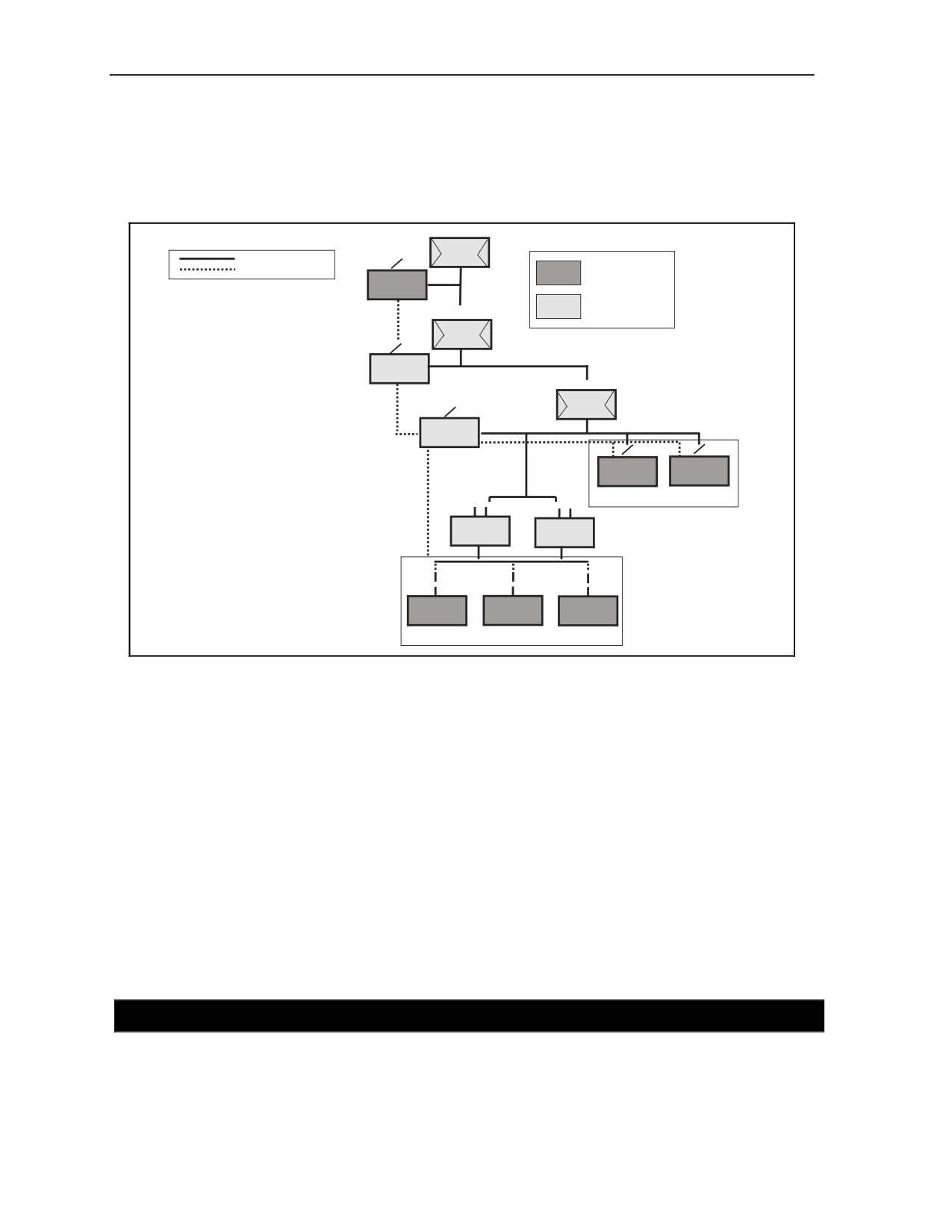
Figure 2-10. Placement of Human Resources Organizations
2-88. The MMT is a LTC-led team which provides specialized equipment and the expertise to establish the
Army element of a joint MMT with the augmentation of a HR company (postal) in the port area which
coordinates, receives, and processes incoming theater mail and dispatches retrograde mail to Continental
United States (CONUS). The MMT team will deploy initially with the Sustainment brigade with the TO
mission and will then transition to a theater distribution role. The MMT team can serve as the C2 element
of a MMT task force if formed in conjunction with an HR company (postal) by the Sustainment brigade
commander.
2-89. The TG R5 is a LTC-led team which forms the TG R5 center when augmented with an HR company
(R5). It coordinates and executes R5 operations at the inter-theater APOD to gain and maintain personnel
accountability of personnel entering, departing, or transiting the theater at the APOD. The team further
coordinates the execution of required supporting transportation activities and life support operations for
transient personnel into and out of the TG R5 center. The TG R5 team operates as an element of the
Sustainment brigade with TO mission initially and subsequently transitions to a TD role. The TG R5 team
can serve as the C2 element of a TG R5 task force if formed in conjunction with an HR company (R5) by
the Sustainment brigade commander.
SECTION V - DISTRIBUTION AND MATERIEL MANAGEMENT
2-90. Distribution management is the process of planning and synchronizing the time definite delivery of
materiel, equipment, units, personnel, and services to, within, and from the AO. Distribution management
involves the fusion of information derived from a number of processes: commander’s oversight, Army
Battle Command Systems, physical distribution, and materiel management. The premise of the distribution
2-30
FMI 4-93.2
4 February 2009
Missions and Organizations
operations in the current force is to reduce the time it takes the right supplies (both demand supported and
bulk) to travel from the source of supply to the point of need. The transformed distribution management
system will eliminate reliance on stockpiles and static inventories located forward at each echelon, which
was a characteristic of the old Army of Excellence supply-based system. Distribution substitutes speed for
mass, makes use of a COP providing situational understanding, and ensures efficiency of delivery systems,
while ensuring visibility of assets in the pipeline. In essence, the distribution system becomes the
“warehouse,” representing "inventory in motion" reducing both the organizational and materiel footprint
within the AO. Logisticians control the destination, speed, and volume of the distribution system. The key
elements of distribution management (C2, physical distribution, and materiel management) are further
amplified below. The commander (in concert with guidance from superior HQ) provides the priorities and
mission plan for units. The commander’s guidance, in conjunction with the readiness shortfalls for that
unit, determines the priorities for materiel delivery and fulfillment. Included in physical distribution are not
only the vehicles themselves, but also the management of movement, routing, ITV assets, facilities, and
material handling equipment.
COMMAND AND CONTROL OF DISTRIBUTION
2-91. The Army conducts distribution management at all levels from strategic to tactical. One of the key
components of the modular force concept is to have centralized C2 of units at EAB. As such, the TSC is
the central distribution manager for the theater of operations. The sustainment brigade is responsible for
managing distribution within its assigned AO by balancing the existing capabilities of the distribution
infrastructure with the day-to-day and projected operational requirements. The Sustainment brigade issues
distribution directives to CSSBs, which in turn issues directives to transportation companies for execution.
The Sustainment brigade and CSSBs command all sustainment forces inside their assigned areas. The BSB
is not under the command of the TSC, or Sustainment brigade, but rather is their supported unit. The BSB
SPO issues distribution directives to the Distribution Company to replenish the FSCs.
2-92. Effective distribution management applies the principles of managing distribution centrally,
optimizing infrastructure, minimizing stockpiles, maximizing throughput, and maintaining a seamless
pipeline. The TSC’s role in distribution management is in the development of the theater’s distribution.
The TSC’s DMC coordinates and monitors the strategic distribution flow with USTRANSCOM. The DMC
collects, analyzes, and monitors ITV distribution flow and executes changes in the distribution priorities
established by ASCC G-4. The ESC performs the same function except it is confined to its theater of
operation. It monitors and provides updates to the time definite delivery schedules and distribution
priorities in accordance with ARFOR G-4 and TSC SPO guidance.
2-93. The sustainment brigade collects and analyzes ITV distribution information to monitor routes and
locations of its convoys. This assists in movement control for convoy protection through a unit’s AO. The
Sustainment brigade also uses the ITV to establish delivery schedules to its CSSBs in support of the TSC
and/or its supported command’s priority of supply and effort. The BSB focuses on delivering timely,
dependable, accurate, and consistent support to the BCT through the FSCs. It monitors and tracks any
inbound Sustainment brigade convoys to synchronize protection issues. The SPO synchronizes and
establishes delivery schedules to the FSCs through the BSB’s Distribution Company.
PHYSICAL DISTRIBUTION
2-94. Physical distribution is defined as the facilities, installations, platforms, and packaging needed to
physically store, maintain, move, and control the flow of military materiel, personnel, and equipment
between the point of receipt into the military system and the point of issue to using activities and units;
including retrograde activities. The Sustainment brigade manages distribution nodes in its assigned AO.
The Sustainment brigade and CSSB track and maintain visibility of assets (ground and aerial platforms)
that are available for distribution. The CSSB maintains visibility of its capacity to store commodities as
another aspect of physical distribution. The level of physical distribution increases from the TSC to the
BSB while the level of distribution management decreases. The TSC and ESC’s roles in physical
distribution are minimal. However, visibility is still maintained over theater distribution assets within the
4 February 2009
FMI 4-93.2
2-31
Chapter 2
distribution network. The ESC maintains visibility of theater of operations distribution assets. The TSC and
ESC can direct cross-leveling of distribution resources to meet tactical requirements to optimize the
distribution flow.
MATERIEL MANAGEMENT
2-95. Materiel management is the supervision and management of supplies and equipment throughout the
strategic, operational, and tactical level areas of operation that includes cataloging, requirements
determination, procurement, overhaul, and disposal of materiel. Materiel management is the monitoring
and control of on-hand stocks, ensuring quality control, requirements determination, local purchase,
retrograde, and distribution of materiel. It also provides visibility to the distribution management effort of
assets in stationary stocks at all echelons. A portion of materiel management is maintenance management
which provides oversight of parts requirements and also projections of parts availability
(return of
reparables, for instance).
MATERIEL MANAGEMENT TRANSITION FROM LEGACY FORCE TO MODULARITY
2-96. The transition to a modular force has resulted in new organizations replacing the familiar structure of
materiel management centers. While the changes are significant, all of the functions of materiel
management will continue to be performed in better, more efficient ways. The major change under modular
design is the elimination of the legacy materiel management centers (MMC) at the division and corps level.
The functions of the Division Materiel Management Center (DMMC) and Corps Materiel Management
Center (CMMC) have migrated to the Distribution Management Centers (DMC) located in the TSC
primarily and within the ESC and the sustainment brigade SPO as delegated. The asset visibility sections
from these centers have been moved to the division and corps G-4 shops to enable the G-4 to see the
status of property within the division or corps and take what actions the division or corps commander may
direct for the units assigned or attached to the division. Enablers coming on line will make materiel
management easier and more logical. Some of these enablers are: PBUSE, the Single Army Logistics
Enterprise, and Business Intelligence tools. Figure 2-11 illustrates the migration of some of the materiel
management functions from AOE units to current units.
2-32
FMI 4-93.2
4 February 2009

Missions and Organizations
AOE
Category
Modular Force
• Property Book Management
• Property Accountability: BDEs (BCTs
- Division: DMMC
Class VII
and SPT BDEs) with embedded PBOs
- Non-Division: Embedded PBO at Brigade
Property
• Asset Visibility: Division/Corps/Army
• Asset Visibility: DMMC/CMMC/TMMC
Accountability
Service Component Command (ASCC)
Asset Visibility
G-4
• DMMC, CMMC, TMMC
• TSC, ESC (if utilized), SUST BDE DMC
General
- Overlapping redundancy
manages stocks
Supplies
• BCT requirements sent to TSC/ESC
Class I, Water,
DMC through supporting SUS BDE
Class IIIB
• DMMC (DAO): Coordinates and
• BSB BAO: Coord BCT requirements
controls Class V use within the Division
• Div/Corps G-4: Planning and oversight
• CMMC: Managed Corps CSAs/ASPs
• TSC/ESC/SUST BDE: Manage stocks,
• TMMC: Managed Theater TSA/ASPs
Class V
issues MROs to CSSBs ASAs
• TMMC ICW ASCC G-3: Establish CSRs
• TSC ICW ASCC G-3: Establishes
CSRs/Stockage Obj/NICP requisitions
• DMMC/CMMC/TMMC with duplication
• BSB: maint mgmt/readiness for its BCT
at Division/Corps/Theater G-4
Maintenance/
• Division/Corps G-4: Monitors
Readiness
readiness information for CDR,
Management
establishes priorities, write plans/orders
• Managed by hierarchal MMCs (DMMC,
• SUST BDE single face to the customer
CMMC, TMMC)
• Overall centralized management at the
• Each level conducted manager reviews
Demand
TSC/ASC or ESC (if utilized)
with SARSS-2 boxes
Supported
• Time sensitive RIC GEO functions
• SARSS data communicated to
Class II, IIIP,
pushed to SUST BDEs as required
hierarchal boxes (SARSS-1 to SARSS-
IV, IX
• SARSS-1 data communicated to
2A/D to SARSS-2A/C)
CTASC directly
Figure 2-11. Modularity Materiel Management Migration
ORGANIZATIONAL ROLES IN MATERIEL MANAGEMENT
Army Sustainment Command (ASC)
2-97. This is the single Army national materiel manager for units stationed in the CONUS. ASC is a
subordinate unit of the Army Materiel Command. It provides continuous equipment and materiel readiness
to CONUS forces through effective planning, resourcing, and materiel and distribution management in
accordance with the Army Force Generation (ARFORGEN) process. It achieves this by synchronizing
strategic with operational and tactical logistics and by integrating acquisition, logistics, and technology. It
accomplishes this in order to quickly and efficiently generate and project combat power to support
expeditionary operations. It is, for all practical intents and purposes, the “CONUS TSC” and performs the
same materiel management functions for units in CONUS that a TSC would for deployed forces.
Theater Sustainment Command (TSC)
2-98. The TSC manages materiel for all Army forces assigned or deployed within the assigned region and,
as appropriate, for joint, multinational, and international forces. TSC managers are linked with the G-4s in
their areas of operations for resource prioritization. The TSC also coordinates with the AMC Field Support
Brigade Commander to support national-level system and materiel requirements.
Expeditionary Sustainment Command (ESC)
2-99. The ESC synchronizes the AO distribution systems and provides distribution oversight. The ESC
can assist in tracking where requests are in the supply system and coordinates distribution assets when
appropriate to redirect essential items based on the priority of support and the division or corps
commander’s priorities.
4 February 2009
FMI 4-93.2
2-33
Chapter 2
Sustainment Brigades
2-100. Sustainment brigades execute the materiel management and distribution guidance from the TSC or
ESC (from ASC for those sustainment brigades stationed in CONUS when not deployed). When the ESC
is deployed, the command relationship with the ESC enables the TSC to issue directives to redistribute and
surge logistics capabilities across the theater of operations to fulfill requirements as needed. The
sustainment brigade SPO interfaces with the TSC or ESC
(or ASC) materiel managers for asset
management, visibility, and distribution to support the division or any other assigned customer units. When
deployed, sustainment brigades provide physical distribution and distribution management of materiel to
brigade combat teams and echelons-above-brigade units as part of a theater-wide distribution process and
area support to units within an assigned AO, normally under the C2 the TSC or its ESC.
2-101. Sustainment brigades operate from operational to tactical levels. Within guidance provided by the
TSC, they actively execute specific materiel management functions at these levels of operation. The
Sustainment Brigades manage the execution of multifunctional and functional logistics. They provide
support within the assigned AO with their internal stocks and support of other requirements above and
beyond the BSB capabilities. They interface with the TSC material managers for asset management,
visibility, and distribution to support customers. They execute the materiel management and distribution
guidance from the TSC.
Materiel Management Functions and Responsibilities of the Sustainment Brigade Support Operations Office
(SPO)
2-102. The SPO is responsible to the sustainment brigade commander for a number of critical sustainment
functions. The scope of materiel management decreases in theater of operations as the materiel flows from
TSC to sustainment brigade, to BSB. The sustainment brigade SPO’s focus is on limited materiel
management functions that are critical to their subordinate units. The TSC may delegate additional materiel
management functions forward to meet any time sensitive requirements.
2-103. The below listed functions include the primary materiel readiness and management roles of the
SPO section:
z
Assist the TSC/ESC materiel management Distribution Management Center
(DMC) with
problems in their MRF.
z
Work with the TSC/ESC and Army Authorized Stockage List (ASL) team to implement ASL
changes.
z
Intensively manage and coordinate all aircraft on the ground and Aviation Intensive
Management Item issues.
z
Manage performance reports and perform monthly review and analysis.
z
Monitor customer wait time and ASL fill rate.
z
Manage the retrograde program of The Standard Army Retail Supply System (SARSS-1) sites in
their area of responsibility to ensure equipment gets properly processed, tagged, and sent to the
proper locations.
z
Manage the Depot-Level Reparable top 30 report.
z
Reconcile the Over-age Recoverable Items Listing with subordinate units.
z
Provide supply discrepancy reports as necessary and local purchase management.
2-104. The following are some enablers of materiel management at the sustainment brigade:
z
SARSS-1.
z
CTASC (fly-away system).
z
Logistics Information Warehouse.
Combat Sustainment Support Battalions (CSSBs) and Brigade Support Battalions (BSBs)
2-105. Both of these units perform materiel management, within their capabilities, for supported units.
Both the CSSB and the BSB are enabled with visibility through STAMIS such as PBUSE, SARSS-1,
2-34
FMI 4-93.2
4 February 2009
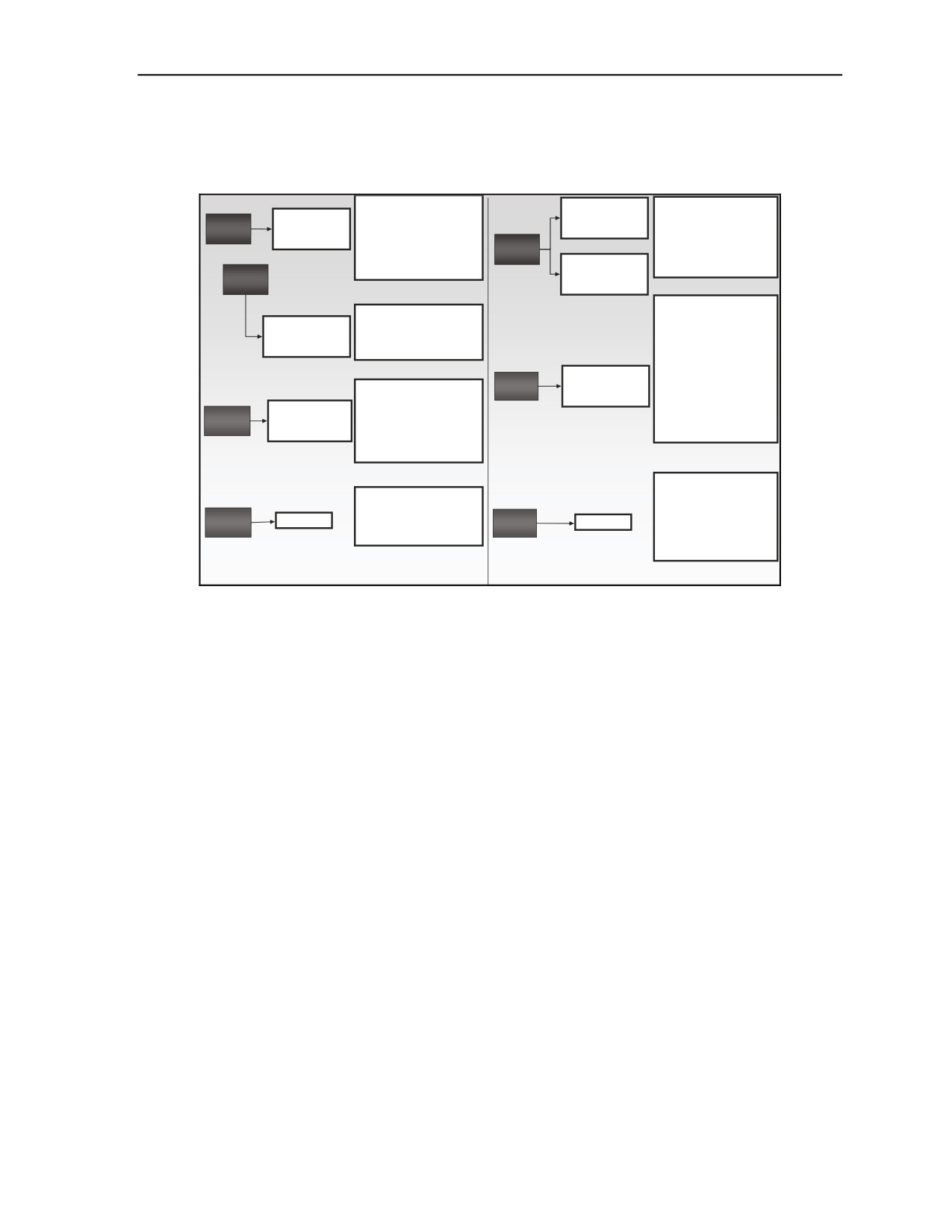
Missions and Organizations
SAAS-MOD and SAMS, the Unit Level Logistics System-Aviation Enhanced (ULLS-AE), and the MTS.
All are enabled to perform logistics C2 through BCS3.
++
• Theater focused
• Provides oversight, plans
• Manages all classes of
and policy for all units and
supply except CL VIII & CL X
G4 MAIN
operations in theater
TSC, SPO, DMC
• Controls CTASC parameters
Sustainment Ops
Supply Branch
• Coordinates w/ national
XXXX
• Monitors LCOP, Asset
TSC
providers
Visibility & ITV with BCS3,
Munitions Branch
• Issues materiel directives to
GCSS-A, TC-AIMS II
SUST BDEs
Army
• Determines / establishes
• Assists BSBs in est. ASL
logistics priorities within the
+
stockage requirements
theater
• Conducts MRF management
• Generates ORIL report
G4 OCP
• Linked with TSC
ESC
Sustainment Ops
• Provides oversight, plans
• AO/JOA focused
and policy for all units and
• By exception, performs
operations in AO/JOA
ESC, SPO, DMC
materiel management of all
• Monitors the LCOP, Asset
classes of supply except CL
Visibility and In-Transit
Supply Branch
VIII & CL X
Visibility
Munitions Branch
• Assists in expediting critical
• Determines / establishes
supplies
logistics priorities within the
AO/JOA
• Linked with the TSC or
G4
ESC and supporting
Corps/
sustainment brigade
• Area Support Focused
Supply Section
• Monitors, advises, and
Division
• Focused on internal stocks
X
coordinates distribution of
Maintenance Section
inside BCTs
critical supplies ISO units in
• Monitors & tracks
SPO
AO
readiness
SUST
Supply Branch
• Manages CSSB internal
• Issues cross-leveling
Munitions Branch
inventory
directives across BCTs
• Executes materiel directives
• Tracks EOH
from TSC
• Manages bulk commodities
and CL V
• Provides oversight, plans
and policy for the BDE
• BCT focused
• Monitors the LCOP, Asset
II
• Manages ASL and CL V
X
Visibility and In-Transit
stocks to support BCT
Visibility
customers
• Determines / establishes
BSB
SPO
• Manages retrograde
BDE
S4
logistics priorities within the
• Conducts internal ASL
BDE
Reviews w/TSC oversight
•Monitors & tracks readiness
•Tracks EOH
•Linked with its BSB
Materiel Managers
Materiel Readiness
Figure 2-12. Materiel Management Agencies and Functions Throughout the
Theater of Operations
REPORTING AND RELATIONSHIPS
2-106. Material management reports need to flow in two channels. Reporting will flow through command
channels to keep the higher maneuver HQ appraised of the strength and capabilities of subordinate units.
Therefore BSBs will report to their BCT HQ S-4, which will report to division and corps HQ G-4, and so
on. However, since BCTs, divisions, and corps are not sources of sustainment, the BSB’s and aviation
support battalions should submit their requirements and forecasts to their supporting sustainment brigade in
order to get required support. When reporting electronically, all involved echelons in the sustainment
chain that have an interest should be copied on the report; especially the ESC and TSC HQ. Of course,
when all parties are using BCS3, reports are not necessary since relevant information is populated in BCS3.
Everyone on the network can see and utilize the reported information. One of the fundamental principles of
the modular force logistics concept is “centralized EAB logistics C2,” which will enable the most efficient
and effective end-to-end distribution process. It is essential that EAB logistics planners be synchronized
with corps, division, and brigade logistics planners so that a maximum amount of collaborative planning
can occur routinely from day to day. Figure 2-13 below demonstrates this reporting concept.
4 February 2009
FMI 4-93.2
2-35
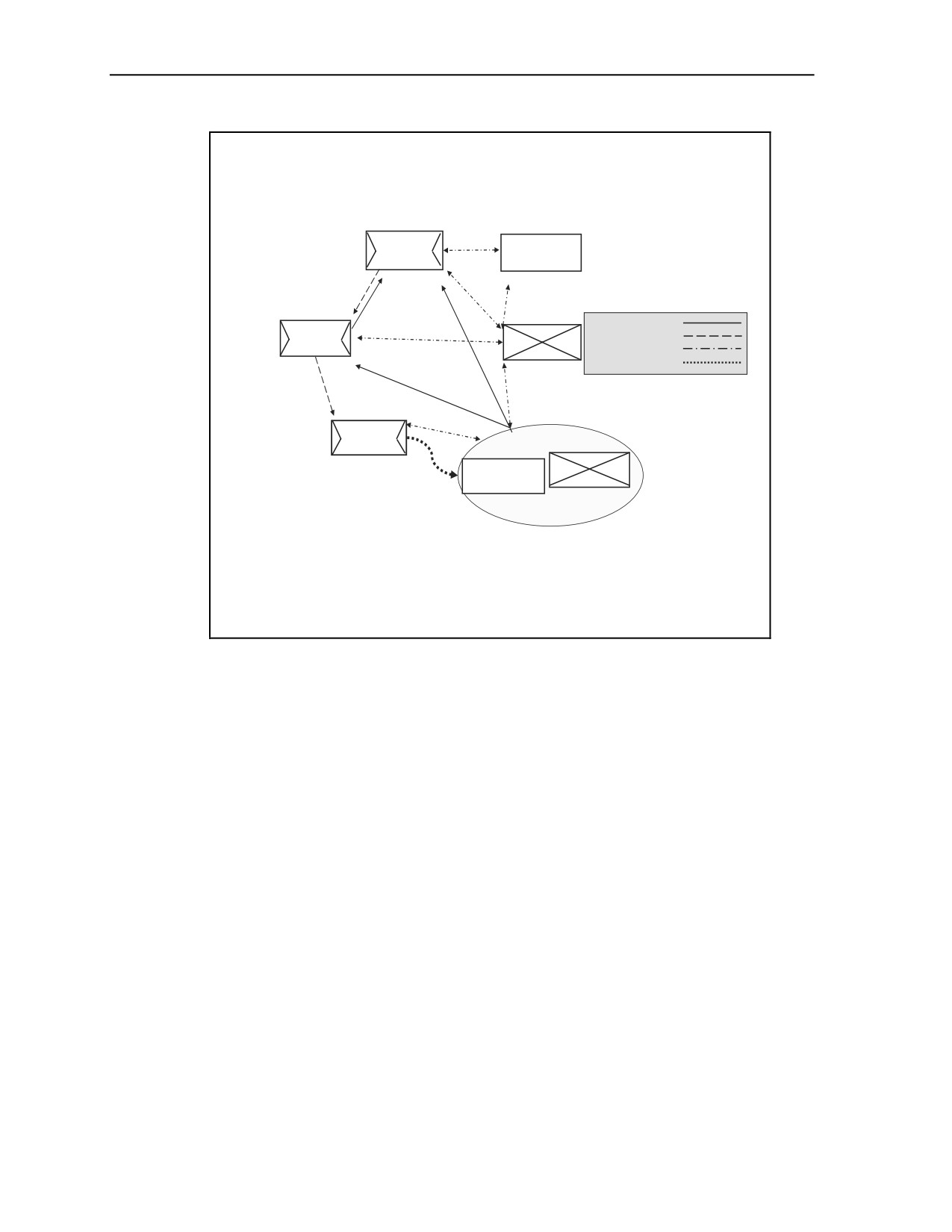
Chapter 2
++
XXX
TSC
ARFOR
X
XX
Requirements
Directives
SUST
Coordination
Replenishment
I I
CSSB
X
I I
BSB
ARFOR - Army Forces
BSB - Brigade Support Battalion
CSSB- Combat Sustainment Support Battalion
SUST - Sustainment Brigade
TSC - Theater Sustainment Command
Figure 2-13. Requirements Flow
2-36
FMI 4-93.2
4 February 2009
Chapter 3
COMMAND, CONTROL, AUTOMATION, AND
COMMUNICATION
As an integral component of the joint and Army battlefield communications network,
the sustainment brigades employ satellite and network-based communications that
enable C2, visibility of the distribution system, and identification of support
requirements. The COP is a joint requirement to provide visibility of data and
decision-support tools needed to manage a joint distribution system. This chapter also
describes the command relationships that support the C2 responsibilities of the
sustainment.
SECTION I - COMMAND AND CONTROL
ROLE OF THE COMMANDER
3-1. The commander’s role is to establish a command climate for the command, prepare it for operations,
direct it during operations, and continually assess subordinates. Commanders visualize the nature and
design of operations through estimates and input from subordinates. They describe support operations in
terms of time, space, resources, purpose, and action; employing intent, commander’s critical information
requirements, and mission orders to direct planning, preparation, and mission execution.
3-2. Commanders direct with mission orders. Mission orders enable subordinate commanders to
understand the situation, their commander’s mission and intent, and their own mission. The commander’s
intent and concept of operations set guidelines that provide unity of effort while allowing subordinate
commanders to exercise initiative in planning, preparing, and executing their operations. Mission orders
stress not only the tasks required of subordinates but also understanding their context and purpose.
SUBORDINATE UNITS AND ACTIVITIES
3-3. The sustainment brigade provides C2 for all organic and attached elements. These include the STB
and any assigned or attached CSSBs, functional battalions, and any DA personnel and/or contractors.
LIAISON REQUIREMENTS
3-4. The sustainment brigade may find requirements for liaisons to provide improved communications
with higher and/or supported units. This situation is most likely to be found when the sustainment brigade
is in support of joint or multinational forces. Language, customs, and cultures can become issues even in
joint operations. These issues may be more pronounced when support is provided to a multinational force,
potentially increasing the liaison requirement.
STAFF FUNCTIONS
3-5. Staffs provide commanders with relevant information in usable forms that help commanders achieve
accurate situational understanding. Situational understanding enables commanders to make timely
decisions and allows staffs to rapidly synchronize, integrate, and fuse actions in accordance with the
commander’s intent. For detailed information on the organization and functions of the sustainment brigade
staff, see Chapter 2.
4 February 2009
FMI 4-93.2
3-1
Chapter 3
COMMAND AND CONTROL (C2) SYSTEM
3-6.
Commanders employ a C2 system - a combination of people, organizations, technological means
and resources, and procedures - to allocate resources and direct the execution of support operations. The
commander’s C2 system manages information to produce and disseminate a common operational picture
(COP) to the commander, staff, and subordinate units. The goal is to provide knowledge based on relevant
information to which they can apply judgment to reach situational understanding and discern operational
advantages. An effective C2 system allows the commander to:
z
Operate freely throughout the AO and exercise C2 from anywhere in the operational area.
z
Delegate authority to subordinate commanders and staff to allow decentralized execution of
operations.
z
Synchronize actions throughout the AO.
z
Focus on critical actions instead of details.
SECTION II - AUTOMATION
3-7. Automation systems give leaders the ability to penetrate some of the fog of war by providing near
real time situational awareness. Automated data feeds for both logistics and C2 information enable the
commander to read the situation and anticipate requirements.
3-8. The Army has fielded a number of systems that give commanders a more timely and accurate view
of the situation in order to better support the tactical operation. These systems generally fall into two
categories: C2 automation systems and business process systems. This section provides an introduction and
a brief description of these systems which include C2 systems, Army Battle Command System (ABCS),
LandWarNet, and STAMIS, such as SARSS, SAMS-E, and PBUSE.
C2 AUTOMATION SYSTEMS
3-9. C2 automation systems provide commanders with data integrated from a variety of sources to
include other information systems and STAMIS. This accumulated data enhance the commander’s
situational awareness and help to increase situation understanding. While not a replacement for the Military
Decision Making Process, C2 automation systems provide tools to aid commanders and their staffs in the
decision making process.
ARMY BATTLE COMMAND SYSTEM (ABCS)
3-10. ABCS is the integration of fielded, developmental, future battlefield automated systems, and
communications employed in training and tactical environments, in developed and undeveloped theaters,
and in fixed installations and mobile facilities. ABCS allows for a System of Systems concept. Ultimately,
the System of Systems will essentially provide the Soldier with the same type of service that the Internet
provides to its customers today. In the commercial environment, customers can access the Internet from
separate computers without even knowing the location of the network they are attached to. In the future,
the Soldier will have a similar capability when using the ABCS, allowing a commander to see multiple
systems on one screen and seamlessly pass data from one program to the next. See Figure 3-1 for a
pictorial of ABCS. ABCS in use are:
z
Global Command and Control System-Army (GCCS-A).
z
Maneuver Control System (MCS).
z
All Source Analysis System (ASAS).
z
Battle Command Sustainment Support System (BCS3).
z
Air and Missile Defense Planning and Control System.
z
Force XXI Battle Command, Brigade and Below (FBCB2).
z
Tactical Airspace Integration System (TAIS).
z
Digital Topographic Support System (DTSS).
3-2
FMI 4-93.2
4 February 2009
Command, Control, Automation, and Communication
z
Integrated Meteorological System (IMETS).
z
Integrated Systems Control (ISYSCON)
GLOBAL COMMAND AND CONTROL SYSTEM - ARMY (GCCS-A)
3-11. GCCS-A is the Army link for ABCS to the Global Command and Control System (GCCS). GCCS-A
will provide a suite of modular applications and information and decision support to Army strategic and
operational theater-level planning for theater operations and sustainment. GCCS-A supports the
apportionment, allocation, logistics support, and deployment of Army forces to the combatant commands.
Functionality includes: force tracking, host nation and CMO support, theater air defense, targeting,
psychological operations, C2, logistics, medical, provost marshal, counter-drug, and personnel status.
GCCS-A will be primarily deployed from corps to division.
MANEUVER CONTROL SYSTEM (MCS)
3-12. MCS is the primary battle command information source, providing the common operational picture,
decision aids, and overlay capabilities to support the tactical commander and the staff. This is done via
interface with the force level information database populated from the other Battlefield Automated System.
MCS will satisfy information requirements for a specific operation, track resources, display situational
awareness, effect timely control of current combat operations, and effectively develop and distribute plans,
orders, and estimates in support of future operations. It will also support the military decision making
process.
FORCE XXI BATTLE COMMAND, BRIGADE AND BELOW (FBCB2)
3-13. FBCB2 is a suite of digitally interoperable applications and platform hardware. The suite is designed
to provide on-the-move, real-time, and near-real-time situational awareness as well as C2 information to
sustainment leaders from brigade to the platform and Soldier level. FBCB2 is a mission essential sub-
element and a key component of ABCS. FBCB2 will feed the ABCS common database with automated
positional friendly information and current tactical battlefield geometry for friendly and known/suspected
enemy forces. Common hardware and software design will facilitate training and standard operating
procedures.
BATTLE COMMAND SUSTAINMENT SUPPORT SYSTEM (BCS3)
3-14. BCS3 is the Army’s logistics C2 automation system. It aligns sustainment, in-transit, and force data
to aid commanders in making critical decisions. This system capability provides operators the complete
operational picture in the form of total asset visibility to quickly and efficiently see the status of selected
critical items. BCS3 provides a visual of the operational area through a map centric display. The system’s
software is capable of running on classified or unclassified networks. It provides the ability to plan,
rehearse, train, and execute on the same system. The system provides sustainment and movement
information for command decisions by displaying current status and the tools to determine future
projections of fuel, ammunition, critical weapons systems, and personnel. It integrates actionable data from
numerous available ABCS and STAMIS to support battle command. BCS3 is fielded at every echelon from
theater through the brigade and will support predictive sustainment based on the impact of dues-in and the
status of combat essential items such as fuel, ammunition, weapons systems, and personnel. BCS3 has four
main functional features which, together with medical and movement information, encompass the overall
logistics common operational picture (COP):
z
Deployment/Redeployment/RSO Tracking: BCS3 enables better tracking of unit assets
through the deployment and RSO processes by leveraging radio frequency (RF)-in-transit
visibility
(ITV) technology and manifest information from systems such as the Global Air
Transportation Execution System (GATES) and the Worldwide Port System `(WPS).
z
Logistics Reporting: BCS3 provides a method of reporting that is based on Excel spreadsheets
at the unit source data level, and can be easily input into the first BCS3 database in the
4 February 2009
FMI 4-93.2
3-3
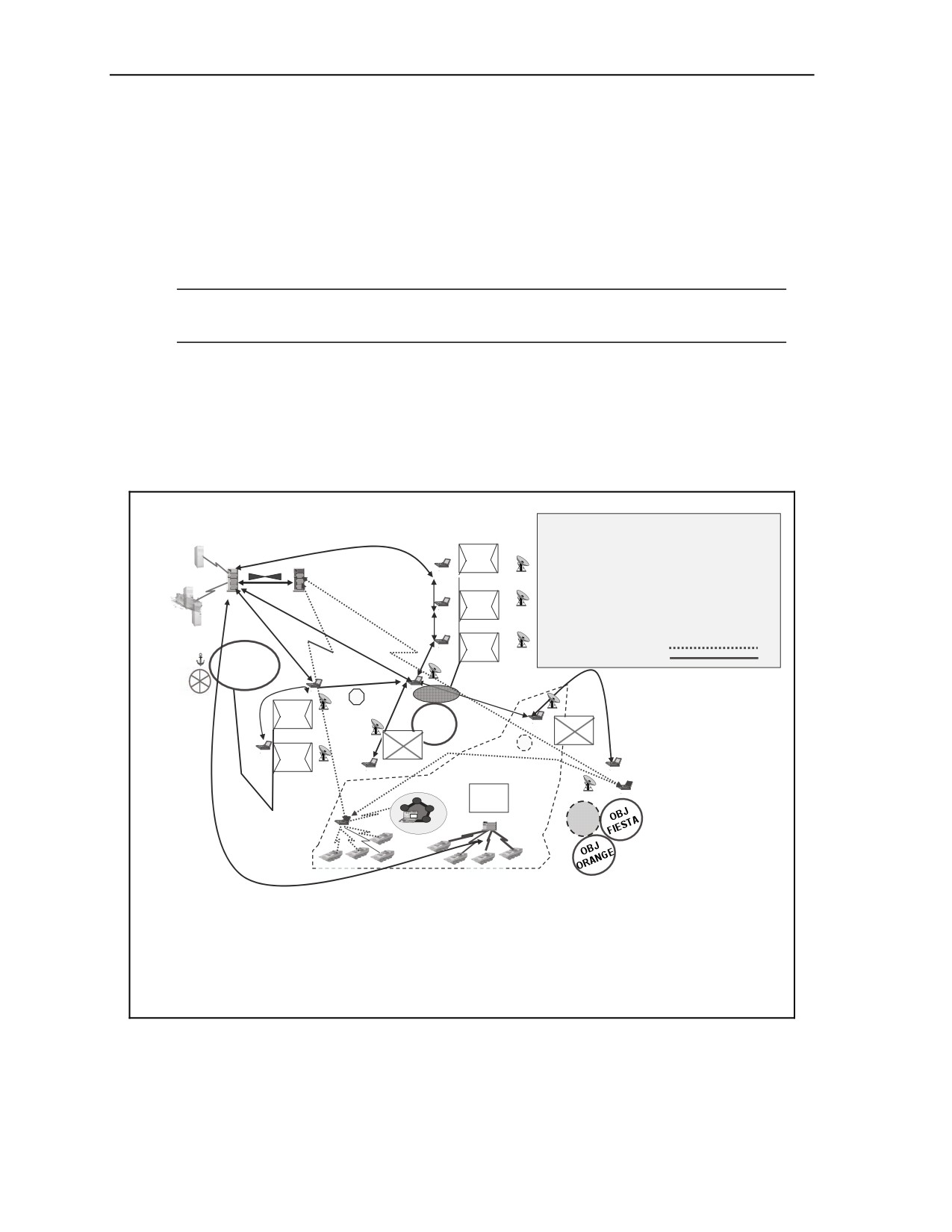
Chapter 3
organization architecture. Once the data is consolidated and updated, reports can be tailored to
the individual using unit’s desires (see Appendix C).
z
Convoy Tracking: Through the employment of MTS and other satellite based tracking systems,
BCS3 facilitates convoy planning and execution management. Above all, BCS3 provides a near
real-time picture of convoy movement and provides commanders with the capability to
communicate directly with vehicles equipped with different satellite based tracking devices. The
map-centric display can be tailored to meet the needs of the user and can be as focused or
expanded as the mission dictates. Proximity alerts can also be established to warn of convoy or
individual vehicle deviation from prescribed route or plan.
Note: proximity alerts are not restricted to convoy management; a proximity alert is an event
based tool that can be set up to inform the user when a specified event occurs.
z
Commodity Management: This tool provides the commander with enhanced distribution
management, to include ITV and location of stocks and storage on the ground. The system
provides a map-centric view from joint and strategic system, facilitating efficient planning and
execution for units, their task organization, supply point locations, and tracking of inbound
supplies and spares. The system provides the ability to portray supply points and SSA on-hand
assets. BCS3 also generates reports by Class of Supply or commodity.
ABCS: Army Battle Command System
National Servers
BCS3: Battle Command Sustainment Support System
ITV
++
CAISI: Combat-Service-Support Automated Information
SVR
DataSync
BCS3 Guard
ESC
Systems Interface
BCS3
FBCB2: Force XXI Battle Command Brigade and Below
CP 1
BCS3
FBCB2-BFT: FBCB2-Blue Force Tracking
VSAT
ILAP
X
GCCS-A: Global Command and Control System - Army
SVR
ILAP: Integrated Logistics Analysis Program
SUST
ITV: In-Transit Visibility
ARF I
BCS3
VSAT
LIDB: Logistics Integrated Database
LIDB
X
MCS: Maneuver Control System
SVR
VSAT: Very Small Aperture Terminal
BCS3
SUST
SIPR/Classified Network
VSAT
THEATER
NIPR/Unclassified Network
BASE
VSAT
BCS3
++BCS3
CSC
Hub
VSAT
VSAT
XX
TSC
XX
TAA
BCS3
X
VSAT
CSC
BCS3
SUST
VSAT
BCS3
BCS3
I
BSB
ABCS
VSAT
BCS3
FSC
GCCS-A
FOB
BCS3
MCS
FBCB2
BFT
CSC - Convoy Support Center
ESC - Expeditionary Sustainment Command
FOB - Forward Operating Base
FSC - Forward Support Company
SUST - Sustainment Brigade
TAA - Tactical Assembly Area
TSC - Theater Sustainment Command
Figure 3-1. C2 Automation Systems and BCS3
3-4
FMI 4-93.2
4 February 2009
Command, Control, Automation, and Communication
3-15. BCS3 also provides the following capabilities:
z
Visibility of Current and Future Combat Power: BCS3 provides the maneuver commander
the capability to assess current combat power. This staff running estimate provides the status of
fuel
(Class III
[B]), ammunition, weapons platforms/equipment, and personnel. BCS3 also
provides the maneuver commander the capability to predict future combat power displayed in
24-hour increments (up to 96 hours) for the current task organization.
z
Commander’s Critical Information Requirements (CCIR) Tracking with Alerts: BCS3
enables commanders to track resources and establish automated CCIR alerts when critical
resources require tracking or are below required levels. Critical supply indicators can be pre-set
to automatically alert commanders when they fall below prescribed levels. The user can also set
up an exception report so BCS3 depicts the mission capable status of weapons platforms,
personnel, and equipment. The CCIR alert is a visual and/or audio cue that prompts the user that
the parameter has been exceeded.
STANDARD ARMY MANAGEMENT INFORMATION SYSTEMS
3-16. STAMIS provide detailed, day-to-day processing of management information and are the key source
of data for the C2 systems. This section discusses current STAMIS critical to sustainment brigade
operations.
THE STANDARD ARMY RETAIL SUPPLY SYSTEM (SARSS)
3-17. SARSS consists of two interrelated subsystems: SARSS-1 and SARSS-2AC/B. SARSS-1 is the
automated system that operates at all SSA to receive, store, and issue supplies directly to the user. SARSS-
1 also maintains the accountable records. SARSS-1 has interfaces to receive and process requests for issue
from the Unit Level Logistics System (ULLS), PBUSE, and the SAMS. SARSS-2AC (or commonly
referred to as the CTASC) is the automated supply management system used by managers at the TSC. It
provides the tools for managers to manage stockage levels and support relationships (for example, what
units are supported by what SSA for a particular Class of Supply), and establishes operating parameters.
CTASC also maintains a custodial availability balance file that provides visibility of SARSS-1 assets to
control the lateral issue process of assets between SSAs. It also performs non-time sensitive supply
management functions for document history, catalog update, demand analysis, and provides a financial
systems interface. The ESC and sustainment brigades have limited CTASC access via secure net terminal
on the desktop or laptop personal computer, that enable managers to query into the CTASC. All SARSS-1
boxes communicate directly to the CTASC, not the “fly-away” boxes.
PROPERTY BOOK UNIT SUPPLY ENHANCED (PBUSE)
3-18. PBUSE is an automated property accountability system that provides online management
information and automated reporting procedures for the PBO. It is designed to assist commanders at all
echelons in identifying, acquiring, accounting, controlling, storing, and properly disposing of materiel
authorized to conduct the unit mission. PBUSE integrates and replaces the functionality of the legacy
Standard Property Book System-Redesigned and the Unit Level Logistics System-S4 (ULLS-S4). PBUSE
provides users the ability to process transactions for materiel supply classes I, II, limited III (P), IV, VII,
and limited IX. It also allows units to perform all the unit property management functions provided for all
prescribed organizational and installation assets. It interfaces with SARSS at the forward distribution
points to requisition property book and other accountable items required by units. It generates applicable
hand receipts/sub-hand receipts and component listings. PBUSE performs automated reporting of assets to
support Army TAV.
4 February 2009
FMI 4-93.2
3-5
Chapter 3
STANDARD ARMY MAINTENANCE SYSTEM (SAMS)
3-19. There are three versions of SAMS: SAMS-1, SAMS-2, and SAMS-E which will eventually replace
SAMS-1, SAMS-2, and ULLS-G. SAMS-1 is an automated maintenance management system used at the
support maintenance company and component repair company found in the sustainment brigades and in the
BSB’s field maintenance company and FSC. The system automates work order registration and document
registers, inventory control and reorder of shop and bench stock, as well as automating work order parts
and requisitioning. It produces pre-formatted and ad hoc reports and allows extensive online inquiry.
3-20. SAMS provides the capability for automated processing of field and sustainment maintenance shop
production functions, maintenance control work orders, and key supply functions. Requisitions are
prepared automatically and an automatic status is received from SARSS-1. It also provides completed work
order data to the logistics support activity (LOGSA) for equipment performance and other analyses.
3-21. SAMS-1 automates maintenance documentation and information gathering and transmittal. It also
provides the following:
z
Management of work orders and work order tasks.
z
Allows transfer of repair parts and/or due-ins between work orders and shop stock.
z
Accounts for direct, indirect, and nonproductive man-hours.
z
Simplifies and standardizes collecting and using maintenance data.
SAMS-1 improves readiness management and visibility by providing equipment status and asset data;
raises the quality and accuracy of performance, and lowers cost and backlog through improved
maintenance management. SAMS-1 uses commercial off the shelf (COTS) hardware.
3-22. The SAMS-2 is an automated maintenance management system used at the SPO section of the
sustainment brigade, CSSBs, and BSB. Field commanders use SAMS-2 to collect and store equipment
performance and maintenance operations data. They use this data to determine operator and maintenance
guidance to give to their subordinate maintenance units. SAMS-2 also provides the capability of
monitoring equipment non-mission capable status and controlling/coordinating maintenance actions and
repair parts utilization to maximize equipment availability. SAMS-2 receives and processes maintenance
data to meet information requirements of the manager and to fulfill reporting requirements to customers,
higher maintenance and readiness managers, and the wholesale maintenance level. Management can access
data instantly to control, coordinate, report, analyze, and review maintenance operations. SAMS-2 also:
z
Maintains equipment status by line number and unit within the command.
z
Maintains a record of critical repair parts and maintenance problem areas.
z
Provides visibility of backlog and planned repair requirements.
z
Provides maintenance performance and cost evaluation tools.
SAMS-2 provides maintenance and management information to each level of command from the user to
the DA level. SAMS-2 collects, stores, and retrieves maintenance information from SAMS-1 sites and
allows managers to coordinate maintenance workloads. SAMS-2 passes key maintenance and supply
information to higher commands for maintenance engineering and readiness reporting requirements.
SAMS-2 operates on COTS hardware.
3-23. SAMS-Enhanced is the replacement system that combines the functionality of SAMS-1, SAMS-2,
and ULLS-G. This gives the FSCs, SPOs, and TSC one common operating system that simplifies
automation repair and management.
3-6
FMI 4-93.2
4 February 2009
Command, Control, Automation, and Communication
TRANSPORTATION COORDINATOR’S AUTOMATED INFORMATION FOR MOVEMENT SYSTEM
II (TC-AIMS II)
3-24. TC-AIMS II is being developed as the Army unit move deployment system. It will replace the legacy
system, Transportation Coordinator Automated Command and Control Information System (TC-ACCIS)
and provide enhanced functionality. TC-AIMS II, in conjunction with joint force requirements generator II,
allows Army units to receive and source time-phased force deployment data received from Joint Operation
Planning and Execution System (JOPES). Units will use TC-AIMS II to create and maintain operational
equipment lists and unit deployment lists. This information along with the movement information sourced
in TC-AIMS II is used to update JOPES through either the computerized movement planning and status
system or joint force requirements generator II. The information is also sent to other interface partners such
as integrated booking system, WPS, and GATES to allow for the booking and tracking of transportation
assets used for deployment. TC-AIMS II also allows units and installations to create military shipping
labels (MSL) and radio frequency identification (RFID) tags to allow for ITV of their equipment. It also
allows installation transportation offices to create the documentation for unit moves, such as commercial
bills of lading and HAZMAT documentation.
THE STANDARD ARMY AMMUNITION SYSTEM-MODERNIZED (SAAS-MOD)
3-25. SAAS-MOD automates retail ammunition management functions in the TSC DMC and sustainment
brigade SPO. The system provides ITV and automates receiving, storing, and issuing operations at Army
operated TOE/TDA ASAs. SAAS-MOD is a multi-command STAMIS that integrates all retail munitions
supply functions and processes. It does this using automated identification technology (AIT) such as RF
tags and on desktop type computers in a windows environment. It provides ITV and stock record
accounting at the retail level. There are four suites of SAAS-MOD: SAAS-ASP, SAAS-MMC, SAAS-
DAO, and SAAS-ATHP. Functions include management of basic load, war reserve, and operational
stocks. SAAS-MOD can, either directly or indirectly, provide information to, or receive information from,
the following systems:
z
SAAS to SAAS.
z
LOGSA.
z
Worldwide Ammunition Reporting System - New Technology (WARS-NT).
z
Property Book Unit Supply Enhanced (PBUSE).
z
Army Electronic Product Support (AEPS).
z
Transportation Information Systems - Theater Operations (TIS-TO).
z
Unit Level Logistics System, Level 4 (ULLS S-4) (until replaced by PBUSE).
z
Total Ammunition Management and Information System (TAMIS).
z
BCS3.
THEATER ARMY MEDICAL MANAGEMENT INFORMATION SYSTEM (TAMMIS)
3-26. Of the original six subsystems in TAMMIS, an Army legacy medical system, the only module still in
use is Medical Supply (MEDSUP). TAMMIS-MEDSUP continues to be the primary Army legacy system
for Class VIII inventory management. It provides intermediate-level supply management capabilities for
operation of Class VIII SSAs and internal supply operations for hospitals. Intermediate-level supply
capabilities include the ability to process orders from external retail-level customers and to manage the
materiel release process and facilitate shipping operations to reach distant customers using military or
commercial transportation networks. It requires the ability to print DOD standard shipping documents,
aggregate materiel shipments by customer, and pass data to external DOD systems for movement planning
and ITV. At the retail level, TAMMIS-MEDSUP receives Class VIII requisitions from the TAMMIS
customer assistance module (TCAM) on the MC4 hardware platform. The TAMMIS application, as a
legacy system, is not a part of the joint Theater Medical Information Program (TMIP-J) family of systems
and is only intended as an interim solution until it can be replaced. The proposed replacement for
4 February 2009
FMI 4-93.2
3-7
Chapter 3
TAMMIS-MEDSUP is Theater Enterprise-Wide Logistics System (TEWLS) which will ultimately be
integrated into DMLSS.
FINANCIAL MANAGEMENT TACTICAL PLATFORM (FMTP)
3-27. FMTP is a deployable, modular local area network-configured hardware platform that supports
finance and resource management operations and functions across the entire spectrum of conflict. System
functionality includes vendor services, military pay, disbursing, accounting, travel, and resource
management
3-28. The FMTP is designed to use the CAISI for its communications. It also has the ability to function
with tactical systems like the signal company’s JNN found within a sustainment brigade or supported BCT.
It integrates essential Defense Finance and Accounting System software into a user-friendly package. The
system operates on non-developmental item hardware at all levels of the deployed environment, wherever
finance units can be found. FMTP is fielded in two configurations: basic and expanded. The basic
configuration has six notebook computers, two portable printers, one file server, and one laser printer. The
expanded configuration employs 19 notebook computers and two laser printers.
3-29. Systems operating on FMTP include:
z
Deployable Disbursing System (DDS). DDS is a single disbursing system that supports
disbursing operations deployed in tactical environment. DTS provided automated accounting
and disbursing documentation to mobile and remote military operations within contingency
locations requiring foreign currency operations.
z
Defense Joint Military Pay System
(DJMS). DJMS is the Joint system for pay and
entitlements for the Active and Reserve Components.
z
Integrated Automated Travel System (IATS). IATS is seamless, paperless temporary duty
travel system interfacing with accounting, reservation, disbursing, banking, and archiving
systems.
z
Commercial Accounts Payable System (CAPS). CAPS is used to automate manual functions
in the accounts payable offices such as:
Automatically suspense commercial payments and follow-up letters.
Provide payment computations.
Produce vouchers and management reports.
Compute the payment due date, interest penalties, and determine lost discounts.
Allow for entry and processing of purchase rates.
Purchase orders/contracts.
Determine foreign currency rates.
Maintain the Electronic fund transfer information for vendors whose contracts specify this
type of payment.
z
The Database Commitment Accounting System (dbCAS). dbCAS is a commitment ledger
system that runs on a stand-alone computer. This system records and manages committed funds
and funding data and passes obligations to STANFINS. The dbCAS ledger/user will send
commitment data to Split to be forwarded to STANFINS for obligation. The records are
obligated, sent back to Split, and returned to the user for updating of commitment/obligation
records and status of funds.
z
Paper Check Conversion Over the Counter (PCC OTC). PCC-OTC converts personal and
business checks into electronic funds transfers.
z
Stored Value Card (SVC). The SVC, also know as the Eagle Cash Card, is a credit card-sized
plastic card with an embedded integrated circuit. Typically SVC cards have no value until they
are activated and have funds placed on them electronically. Value can be added to cards in a
number of ways, including payroll or other financial file transfer, from a credit or debit card, or
from cash or checks.
3-8
FMI 4-93.2
4 February 2009
Command, Control, Automation, and Communication
DEPLOYED THEATER ACCOUNTABILITY SOFTWARE
3-30. The Deployed Theater Accountability Software (DTAS) is the cornerstone of accurate accountability
of the deployed force. DTAS is a user friendly application that is the sole personnel accountability tool for
a deployed unit. This software is designed to report to theater level the personnel accountability
information for deployed units. The DTAS System operates on a secure network (for example, secure
internet protocol router network [SIPRNET]), but is capable of operating disconnected from the network.
There are three distinct levels of DTAS.
TACTICAL PERSONNEL SYSTEM
3-31. The Tactical Personnel System (TPS) is an automated tactical strength management system. It
provides the field with an application that can serve as a deployment-manifesting platform for all military
personnel, civilians (DOD Federal, non-DOD Federal, Contractors), and Foreign Nationals.
DEFENSE CASUALTY INFORMATION PROCESSING SYSTEM-FORWARD
3-32. Defense Casualty Information Processing System-Forward is an automated system used to record
and report casualty data. The system is employed by HR units, typically Casualty Liaison Teams,
BDE/BCT S-1 sections, and G-1s performing casualty reporting missions, and is capable of producing
automated casualty reports. Defense Casualty Information Processing System-Forward can operate in both
the non-secure internet protocol router network (NIPRNET) and SIPRNET modes. Classified casualty
reports sent to the theater Casualty Assistance Center may require reentry into an unclassified system prior
to forwarding to the Casualty and Mortuary Affairs Operations Center (CMAOC) at Human Resources
Command.
UNIT LEVEL LOGISTICS SYSTEM - AVIATION (ENHANCED) (ULLS[E])
3-33. This system provides the capability to automate logistics in all aviation units. It performs the unit
level maintenance, Class IX supply, aircraft historical records and readiness reporting functions found in
The Army Maintenance Management System-Aviation (TAMMS-A), plus it has been re-designed to take
advantage of numerous technological advances in aviation maintenance. ULLS-A(E) leverages new
technology featuring: automated aircraft logbook, automated aircraft maintenance, supply chain
management, aviator records management, decision support, and ad hoc query and reporting.
TRANSPORTATION INFORMATION MANAGEMENT SYSTEM - THEATER OPERATIONS
(TIS-TO)
3-34. TIS-TO (replacement of the Department of the Army Movement Management System) provides an
automated information processing capability for planning, programming, coordinating, and controlling
movements and transportation resources in a theater of operations. System functions will support multiple
sustainment missions in garrison and tactical environments with capabilities to facilitate rapid transition
from peacetime to wartime operations. Transportation planners, movement managers, mode operators,
trans-shippers, traffic controllers, and unit movement personnel use TIS-TO in an effort to provide a
continuous automated flow of accurate and concise transportation information throughout the theater of
operations.
3-35. TIS-TO is critical to successfully accomplishing the planning, coordinating, and controlling of
movements and transportation resources in a theater of operations. Transportation managers rely on TIS-
TO to provide timely and accurate information for import and intra-theater cargo, which can be used to
better manage available fleet assets. The system uses a Department of Defense Activity Address Code
database that provides up-to-date customer addresses and point of contact information used by movements
control organizations as well as military mode operators to aid with timely pick-up and delivery of
personnel and materiel in the deployment and distribution system. By taking advantage of Citrix
technology, transportation managers in other regions of the theater of operations are able to receive near
real time information for movements coming into or leaving their AOs.
4 February 2009
FMI 4-93.2
3-9