FMI 4-93.2 The Sustainment Brigade (February 2009) - page 1
Field Manual Interim
Headquarters
Department of the Army
No. 4-93.2
Washington, D.C., 4 February 2009
THE SUSTAINMENT BRIGADE
Contents
Page
PREFACE
vi
SECTION I - THEATER OPERATIONAL ENVIRONMENT
1-1
THEATER OF OPERATIONS
1-2
SECTION II - COMMAND AND SUPPORT RELATIONSHIPS
1-2
COMMAND RELATIONSHIPS
1-2
SUPPORT RELATIONSHIPS
1-4
PRIORITIES OF SUPPORT AND UNITY OF EFFORT
1-6
SECTION III - STRATEGIC LEVEL SUPPORT ORGANIZATIONS
1-9
US TRANSPORTATION COMMAND (USTRANSCOM)
1-9
DEFENSE LOGISTICS AGENCY (DLA)
1-11
US ARMY MATERIEL COMMAND (USAMC)
1-11
SECTION IV - SUPPORT OF MILITARY, CIVILIAN, JOINT, AND
MULTINATIONAL ORGANIZATIONS
1-15
ORGANIZING THE JOINT FORCE
1-15
SUSTAINMENT BRIGADE ROLE
1-15
INTERAGENCY SUPPORT
1-17
HOST NATION SUPPORT
1-18
MULTINATIONAL SUPPORT
1-18
Chapter 2
MISSIONS AND ORGANIZATION
2-1
SECTION I - MISSIONS AND TASKS
2-1
GENERAL
2-1
MISSIONS
2-1
THEATER OPENING MISSION
2-4
THEATER DISTRIBUTION MISSION
2-7
Distribution Restriction: Approved for public release; distribution is unlimited.
4 February 2009
FMI 4-93.2
i
Contents
SUSTAINMENT MISSION
2-9
ARMY UNIVERSAL TASK LIST (AUTL) TASKS
2-12
SECTION II - STAFF ROLES AND FUNCTIONS
2-13
THE COMMAND GROUP
2-13
SUPPORT OPERATIONS (SPO) SECTION
2-15
SPECIAL AND PERSONAL STAFF
2-20
SECTION III - THE SPECIAL TROOPS BATTALION (STB)
2-25
STB HEADQUARTERS
2-25
SECTION IV - FUNCTIONAL ORGANIZATIONS
2-28
FINANCIAL MANAGEMENT COMPANY (FM CO)
2-28
HUMAN RESOURCES (HR) COMPANY, PLATOONS OR TEAMS
2-29
SECTION V - DISTRIBUTION AND MATERIEL MANAGEMENT
2-30
COMMAND AND CONTROL OF DISTRIBUTION
2-31
PHYSICAL DISTRIBUTION
2-31
MATERIEL MANAGEMENT
2-32
Chapter 3
COMMAND, CONTROL, AUTOMATION, AND COMMUNICATION
3-1
SECTION I - COMMAND AND CONTROL
3-1
ROLE OF THE COMMANDER
3-1
SUBORDINATE UNITS AND ACTIVITIES
3-1
LIAISON REQUIREMENTS
3-1
STAFF FUNCTIONS
3-1
COMMAND AND CONTROL (C2) SYSTEM
3-2
SECTION II - AUTOMATION
3-2
C2 AUTOMATION SYSTEMS
3-2
STANDARD ARMY MANAGEMENT INFORMATION SYSTEMS
3-5
JOINT SYSTEMS
3-10
TECHNOLOGIES
3-11
EMERGING SYSTEMS
3-12
SECTION III - COMMUNICATIONS
3-13
S-6 STAFF SECTION
3-13
BRIGADE SIGNAL COMPANY
3-14
COMMUNICATIONS SUPPORT PLAN
3-15
HOST NATION INTERFACE
3-16
RADIO NETS
3-16
MOVEMENT TRACKING SYSTEM (MTS)
3-17
CONTINGENCY SATELLITE COMMUNICATIONS
3-17
Chapter 4
SUPPORT TO THE WARFIGHTER
4-1
SECTION I - OVERVIEW
4-1
SUSTAINMENT WARFIGHTING FUNCTION
4-1
SECTION II - COMBAT SUSTAINMENT SUPPORT BATTALION (CSSB)
4-3
SECTION III - LOGISTICS SUBFUNCTION
4-5
MAINTENANCE
4-6
SUPPLY
4-7
ii
FMI 4-93.2
4 February 2009
Contents
FIELD SERVICES
4-22
TRANSPORTATION
4-27
SECTION IV - PERSONNEL SERVICES SUBFUNCTION
4-49
HUMAN RESOURCES SUPPORT
4-49
FINANCIAL MANAGEMENT OPERATIONS
4-51
SECTION V - ARMY HEALTH SERVICE SUPPORT SUBFUNCTION
4-52
ARMY HEALTH SYSTEM (AHS) SUPPORT
4-52
Appendix A
LOGISTICS PREPARATION OF THE BATTLEFIELD
A-1
INTELLIGENCE IN SUPPORT OF LOGISTICS
A-1
RELEVANT LOGISTICS INFORMATION
A-2
SOURCES OF INFORMATION
A-3
Appendix B
PROTECTION
B-1
SECTION I - RESPONSIBILITIES AND RISK MANAGEMENT
B-1
RESPONSIBILITIES OF THE SUSTAINMENT BRIGADE
B-1
RISK MANAGEMENT
B-1
SECTION II - THE THREAT
B-2
COMBAT ACTION
B-3
SECTION III - CHEMICAL, BIOLOGICAL, RADIOLOGICAL, AND
NUCLEAR (CBRN) ENVIRONMENT
B-4
CBRN DEFENSE
B-4
CBRN DEFENSE PRINCIPLES
B-4
WARNING SYSTEMS
B-6
MATERIALS HANDLING EQUIPMENT (MHE)
B-6
AERIAL PORTS
B-6
SEA PORTS
B-6
RECEPTION STAGING AND ONWARD MOVEMENT (RSO)
B-7
MAIN SUPPLY ROUTES (MSRs)
B-7
CONTRACTOR AND HNS CONSIDERATIONS
B-8
SECTION IV - FIRE SUPPORT
B-8
FIRE SUPPORT CONSIDERATIONS
B-8
SECTION V - PROTECTIVE MEASURES
B-8
PROTECTIVE MEASURES
B-8
SECTION VI - CONVOY SECURITY
B-10
SECTION VII - BASES AND BASE CLUSTERS
B-14
INDIVIDUAL UNIT COMMANDERS
B-15
BASE COMMANDER
B-15
BASE CLUSTER COMMANDER
B-15
BASE AND BASE CLUSTER DEFENSE PLAN
B-15
AREA DAMAGE CONTROL
B-16
Appendix C
LOGISTICS REPORTING
C-1
Glossary
.......................................................................................................... GLOSSARY-1
References
......................................................................................................REFERENCES-1
Index
................................................................................................................... INDEX-1
4 February 2009
FMI 4-93.2
iii
Contents
Figures
Figure 1-1. Notional TSC Organization
1-3
Figure 1-2. Notional Support Operations in a Developed Theater of Operations
1-4
Figure 1-3. Modular Logistics Relationship Chart for EAB Units
1-5
Figure 1-4. Modular Logistics Relationship Chart for Brigades and Below
1-6
Figure 1-5. Sustainment Brigade and Divisional Boundaries
1-9
Figure 2-1. A Notional Sustainment Brigade
2-2
Figure 2-2. Capabilities Augmentation Possibilities
2-3
Figure 2-3. Transportation Theater Opening Element (TTOE)
2-6
Figure 2-4. Replenishment Operations
2-11
Figure 2-5. Operational Distances
2-12
Figure 2-6. Sustainment Brigade Staff Organization
2-14
Figure 2-7. Sustainment Brigade SPO
2-16
Figure 2-8. Notional Special Troops Battalion
2-26
Figure 2-9. Placement of Financial Management Organizations
2-29
Figure 2-10. Placement of Human Resources Organizations
2-30
Figure 2-11. Modularity Materiel Management Migration
2-33
Figure 2-12. Materiel Management Agencies and Functions Throughout the Theater
of Operations
2-35
Figure 2-13. Requirements Flow
2-36
Figure 3-1. C2 Automation Systems and BCS3
3-4
Figure 4-1. Notional Sustainment Brigade
4-3
Figure 4-2. The CSSB Headquarters
4-4
Figure 4-3. Support Maintenance Company
4-6
Figure 4-4. Component Repair Company
4-7
Figure 4-5. Class I and Field Feeding Operations
4-9
Figure 4-6. Example of Water Distribution in a Mature Theater of Operations
4-10
Figure 4-7. Supply Distribution for General Supplies
4-11
Figure 4-8. Quartermaster Support Company
4-12
Figure 4-9. Fuel Operations
4-14
Figure 4-10. POL Supply Battalion Headquarters
4-14
Figure 4-11. Quartermaster Petroleum and Terminal Operations Company
4-15
Figure 4-12. Quartermaster POL Support Company
4-16
Figure 4-13. Ammunition Support
4-17
Figure 4-14. Ammunition Battalion Headquarters
4-18
Figure 4-15. Ammunition Ordnance Company
4-19
Figure 4-16. Class VII Operations
4-20
Figure 4-17. Class VIII Distribution
4-21
Figure 4-18. Class IX Operations
4-22
iv
FMI 4-93.2
4 February 2009
Contents
Figure
4-19. Mortuary Operations
4-24
Figure
4-20. Mortuary Affairs Collection Company
4-25
Figure
4-21. QM Mortuary Affairs Company
4-25
Figure
4-22. Hygiene and Field Services
4-26
Figure
4-23. Field Service Company
4-27
Figure
4-24. Surface Transportation Request Process
4-28
Figure
4-25. Modularity Movement Control Migration
4-29
Figure
4-26. Modularity Transportation Management Migration
4-30
Figure
4-27. Movement Control Battalion Headquarters
4-35
Figure
4-28. Motor Transportation Battalion Headquarters
4-36
Figure
4-29. Transportation Terminal Battalion
4-37
Figure
4-30. Light-medium Truck Company
4-38
Figure
4-31. Medium Truck Company
4-39
Figure
4-32. Combat HET Company
4-40
Figure
4-33. Heavy Watercraft Company
4-41
Figure
4-34. Medium Boat Detachment
4-41
Figure
4-35. Seaport Operations Company
4-42
Figure
4-36. Modular Causeway Company
4-43
Figure
4-37. Floating Craft Company
4-43
Figure
4-38. Inland Cargo Transfer Company
4-44
Figure
4-39. CRSP Concept of Operations
4-46
Figure
4-40. CRSP During Offensive Operations
4-46
Figure
4-41. Truck Stop Convoy Support Center
4-48
Figure
4-42. Mini-Mart Convoy Support Center
4-49
Figure
4-43. Pit Stop Convoy Support Center
4-50
Figure B-1. Notional Mobility Enhancement Brigade Movement Corridors
B-12
Figure C-1. Sample Class III (B) Input Report
C-3
Figure C-2. Sample Class V Input Report
C-4
Figure C-3. Sample Combat Power Report
C-5
Figure C-4. Sample Class III (b) Excel Format
C-6
Figure C-5. Sample Class V Excel Format
C-7
4 February 2009
FMI 4-93.2
v
Preface
This field manual interim (FMI) describes the organization, mission, and operations of the sustainment brigade
and its subordinate functional and multifunctional units. These subordinate units are task organized to the
sustainment brigade depending on the specific mission of the brigade. This manual also describes the
relationships of the sustainment brigade and its subordinate units to each other and to the organizations they
have command and support relationships with as well. This manual applies to the full spectrum of operations
extending from stable peace to general war. Doctrine is not intended to cover garrison operation.
This manual provides guidance for Army commanders, geographic combatant commanders (GCCs), joint force
commanders (JFCs), and logisticians throughout the Army. This field manual interim (FMI) serves as an
authoritative reference for students and personnel who -
z
Develop doctrine materiel (fundamental principles and TTP) and force structure.
z
Develop institutional and unit training.
z
Develop standing operating procedures (SOP) for unit operations.
This publication applies to the Active Army, the Army National Guard/Army National Guard of the United
States, and the United States Reserve unless otherwise stated.
The proponent for this manual is the United States Army Training and Doctrine Command. The preparing
agency is the Unites States Army Combined Arms Support Command (USACASCOM). Send comments and
recommendations on Department of the Army (DA) Form 2028 (Recommended Changes to Publications and
Blank Forms) to Commanding General, USACASCOM, ATTN: ATCL-CDC-DA, 3901 A Avenue, Fort Lee,
Virginia 23801-1809.
Unless this publication states otherwise, masculine nouns and pronouns do not refer exclusively to men.
vi
FMI 4-93.2
4 February 2009
Chapter 1
THE ROLE OF THE SUSTAINMENT BRIGADE IN ARMY
OPERATIONS
In response to the challenge of transforming into an expeditionary Army, the modular
force was designed. To compliment the modular force, the Modular Force Logistics
Concept was developed to provide commensurate increased operational flex and
unity of command. For the logistician, this involved streamlining traditional systems
for command and control (C2), theater opening, and theater distribution. Logisticians
today must be prepared to conduct a wide-ranging array of concurrent operations to
support deployment, employment, sustainment, redeployment, and reconstitution.
This command structure is enabled by visibility of the distribution system, its
contents, and theater infrastructure. This includes visibility of main supply routes
(MSRs) in concert with multi-nodal and multi-modal operations that form the
backbone of the system. Logistics planners are provided the capability to identify,
prioritize, and modify routes for personnel, equipment, and supplies moving
throughout the distribution network. Commanders combine visibility of the
distribution system with clear lines of C2 to channel assets as they move throughout
the operational environment.
SECTION I - THEATER OPERATIONAL ENVIRONMENT
1-1. In the recent past, the nature of operational environments changed significantly. This section
addresses these changes and how the Army has adapted to accommodate them. One key feature is a
distribution system that relies on visibility and flexibility instead of mass. The sustainment brigade is a key
element in providing support and services to warfighting units to ensure freedom of action, extended
operational reach, and prolonged endurance.
CHANGES IN THE OPERATIONAL ENVIRONMENT
1-2. Commanders must be prepared and able to conduct operations in permissive, uncertain, and hostile
environments. These environments are likely to comprise difficult terrain, adverse climates, and adaptive
enemies. Within the context of social, physical, and economic conditions characteristic of failed states and
fractured societies, commanders may expect rampant crime with international linkages as well as religious
and ethnic tension. This environment is further characterized by:
z
A complex, noncontiguous battlefield, where boundaries will not be clearly defined.
z
A threat scenario in which potential adversaries are not readily identifiable.
z
Simultaneous, geographically dispersed operations that will result in extremely long and
potentially unsecured lines of communications (LOCs).
z
The prevalence of joint organizations at the operational level and single service organizations
operating in a collaborative or interdependent joint environment at the tactical level.
z
A significant degree of joint and single service interaction with other governmental and non-
governmental organizations (NGOs), multinational forces, and contractors.
4 February 2009
FM 4-93.2
1-1
Chapter 1
THEATER OF OPERATIONS
1-3. A theater of operations is a geographical area for which a Geographic Combatant Commander
(GCC) is assigned military responsibility. The command views a theater of operations from a strategic
perspective and assesses the level of international military cooperation available with the degree of
dedicated US military resources necessary. These factors influence prospective Army operations in each
theater of operations or GCC area of responsibility (AOR).
DESIGNATION OF THE AREA OF OPERATIONS
1-4. To conduct operations within its geographic area of responsibility, the GCC may designate a specific
area within the AOR as a theater of war, theater of operations, or a joint operations area
(JOA).
Commanders may use these terms independently or in conjunction with one another, depending on the
needs of the operation. If used in conjunction, the theater of war would encompass the larger area with
smaller theaters of operation and JOAs within it. Joint Publication (JP) 3-0 describes the criteria for each
designation in more detail. This manual uses the more generic term area of operations (AO) to refer to any
area where the commander may deploy a sustainment brigade to conduct operations. The GCC (or
subordinate combatant commander) maintains responsibility for the operations of US forces in an AOR or
designates a joint task force (JTF) to command forces in a designated area. The Army Service Component
Commander (ASCC) provides Army forces to the joint force commander (JFC)/JTF to support those
operations. JP 3-0 discusses theater organization.
SECTION II - COMMAND AND SUPPORT RELATIONSHIPS
COMMAND RELATIONSHIPS
THEATER SUSTAINMENT COMMAND (TSC)
1-5. The TSC is the central Army logistics C2 headquarters (HQ) in a theater of operations and the senior
Army logistics HQ for the Theater Army (for example, USAREUR-7th Army, United States Army, Pacific
Command--8th Army) or a JFC. The TSC consolidates many of the functions previously performed by
Corps Support Commands and Theater Support Commands into a central operational echelon that is
responsible for C2 of theater opening
(TO), theater distribution
(TD), and sustainment operations
conducted in support of Army and, on order, joint, interagency, and multinational forces. The TSC is
regionally focused and globally employable. Its modular design provides the TSC commander with the
operational flexibility to adapt C2 as requirements develop; including deploying an Expeditionary
Sustainment Command (ESC) to provide an additional measure of responsiveness, agility, and flexibility
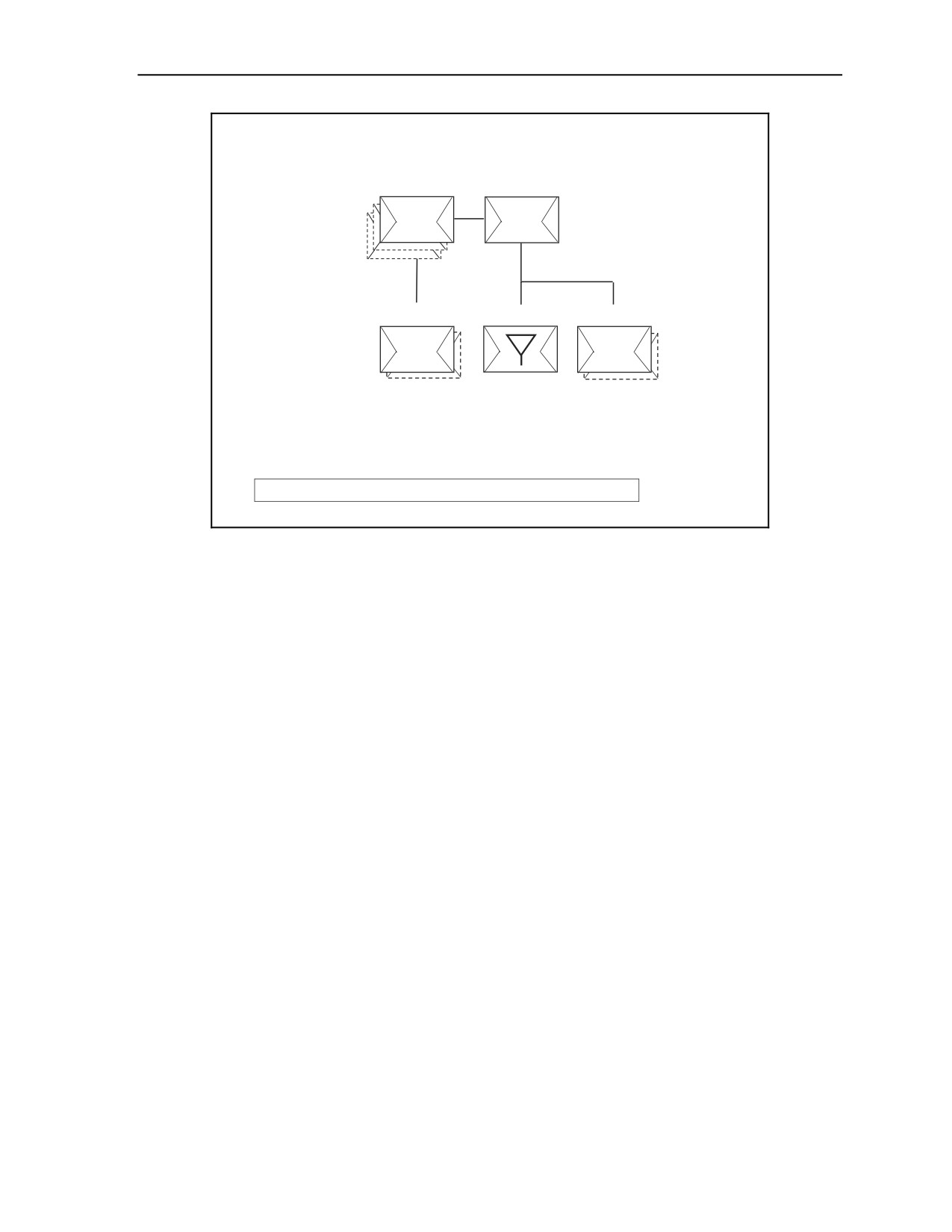
for employment. Figure 1-1 shows a notional TSC with multiple ESCs available to deploy to separate
JOAs and multiple sustainment brigades to provide support to multiple AOs as required. See FM 4-93.4 for
more information on the TSC.
1-2
FMI 4-93.2
4 February 2009
The Role of the Sustainment Brigade in Army Operations
*
++
++
ESC
TSC
X
III
X
SUST
SUST
ESC - Expeditionary Sustainment Command
SUST - Sustainment Brigade
TSC - Theater Sustainment Command
* ESC functions as an operational command post of the TSC
Figure 1-1. Notional TSC Organization
Expeditionary Sustainment Command (ESC)
1-6. The Expeditionary Sustainment Command (ESC), attached to a Theater Sustainment Command
(TSC), provides command and control (C2) for attached units in an area of operation as defined by the
TSC. As a deployable command post for the TSC, the ESC provides operational reach and span of control.
The ESC plans and executes sustainment, distribution, theater opening and reception, staging, and onward
movement for Army forces in full spectrum operations. It may serve as the basis for an expeditionary joint
sustainment command when directed by the Combatant Commander or his designated Coalition/Joint Task
Force Commander. The TSC establishes C2 of operational level theater opening, sustainment, distribution,
and redistribution in specific areas of operation by employing one or more ESC. Each ESC provides a
rapidly deployable, regionally focused, control and synchronization capability, mirroring, on a smaller
scale, the organizational structure of the TSC. By design, the ESC provides C2 for operations that are
limited in scale and scope; employing reach capabilities to provide augmented support where practical. The
ESC also oversees TO, TD, and sustainment operations in accordance with TSC plans, policies, programs,
and mission guidance.
1-7. The TSC may operate from a command center located in sanctuary, employing one or multiple ESC
to establish a forward presence to control and direct deployed units. Mission, enemy, terrain and weather,
troops and support available - time available and civil (METT-TC) considerations such as operational pace,
span of control, conflict escalation, or operational environment may result in the deployment of the TSC to
a forward area. When this occurs, the ESC may redeploy or it may be assigned another mission within the
theater of operations. See FM 4-93.4 for more information on the ESC.
Sustainment Brigades
1-8. The sustainment brigades consolidate selected functions previously performed by corps and division
support commands and area support groups into a central operational echelon and provide C2 of TO, TD,
and sustainment operations. Greater detail on these missions and organization of the sustainment brigade is
provided in the remainder of this manual. Combat Sustainment Support Battalions (CSSB) are the building
blocks of the sustainment brigades. Their designs are standardized and can consist of up to eight
4 February 2009
FM 4-93.2
1-3
Chapter 1
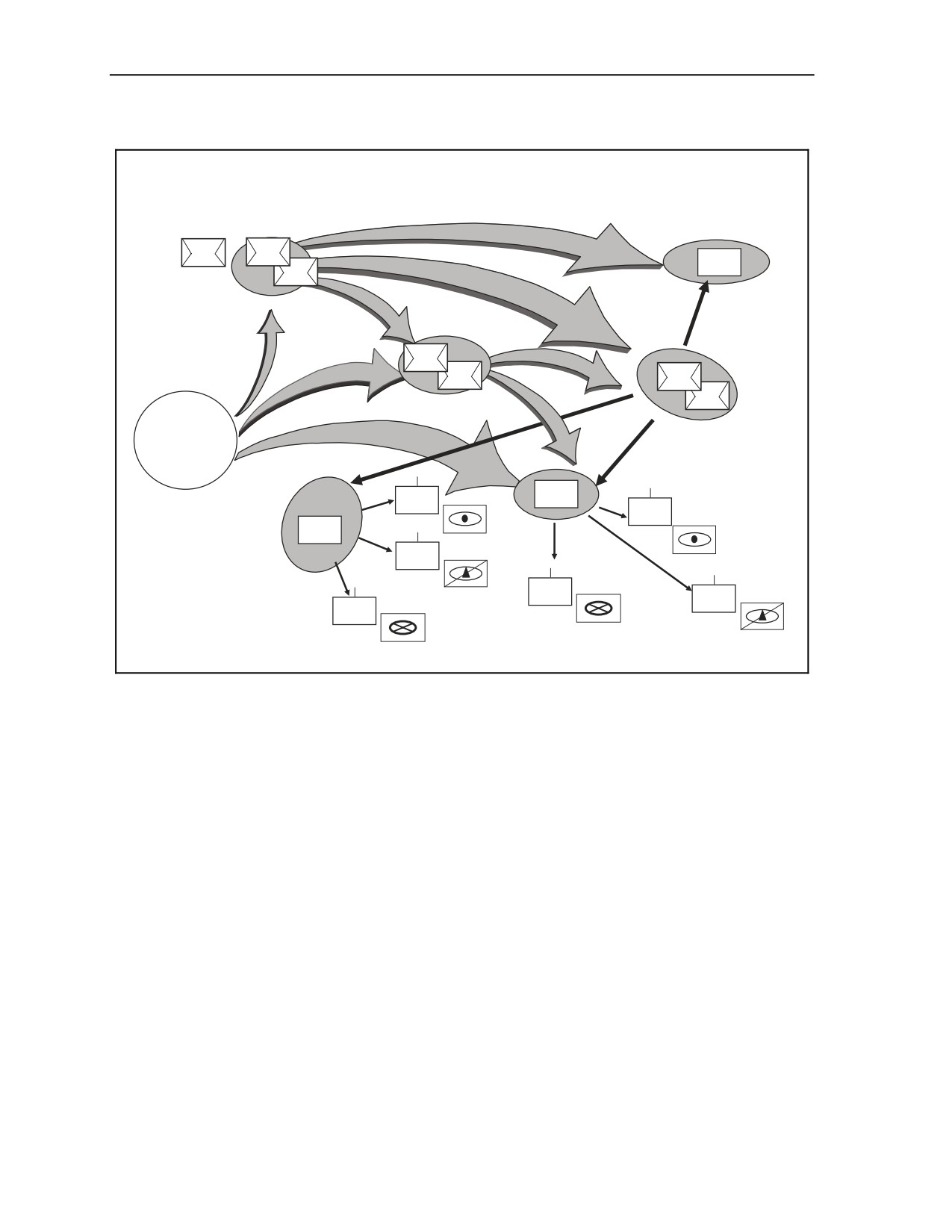
companies. CSSBs are modular and task organized to support TO, TD, area sustainment, or life support
missions. Figure 1-2 depicts the support relationships that might exist in a developed theater of operations.
Theater Base
+ +
X
II
TSC
SUST
II
BSB
CSSB
Theater Opening
X
SUST
II
X
CSSB
SUST
II
CSSB
Theater
Distribution
Strategic &
National
Sustain
Providers
II
BSB
FSC
II
II
FSC
II
BSB
FSC
II
FSC
II
FSC
II
FSC
II
Figure 1-2. Notional Support Operations in a Developed Theater of Operations
SUPPORT RELATIONSHIPS
1-9. Per FM 3-0, in the Army, support is a specified relationship whereas in JP 3-0 support is a joint
command relationship. Support is the action of a force that aids, protects, complements, or sustains another
force in accordance with a directive requiring such action. The primary purpose of the support relationship
is to indicate which commanders are providing support to a designated command/organization. Designation
of a support relationship does not provide authority to organize and employ commands and forces, nor
does it include authoritative direction for administrative and logistics support. Table B-3 in FM 3-0
demonstrates inherent responsibilities for support relationships.
1-10. Commanders establish support relationships when subordination of one unit to another is
inappropriate. They assign a support relationship when—
z
The support is more effective when the supporting unit is controlled by a commander with the
requisite technical and tactical expertise.
z
The echelon of the supporting unit is the same as or higher than that of the supported unit. For
example, the supporting unit may be a brigade and the supported unit may be a battalion. It
would be inappropriate for the brigade to be subordinated to the battalion, hence the use of an
Army support relationship.
z
The supporting unit may provide support to several units simultaneously. Prioritization of
requirements is an essential function of command, as assigning support relationships is an aspect
of mission command.
1-4
FMI 4-93.2
4 February 2009

The Role of the Sustainment Brigade in Army Operations
RELATIONSHIPS OF ECHELONS ABOVE BRIGADE (EAB) SUSTAINMENT UNITS
1-11. The parent organization of the TSC is the Theater Army. The ESC is intended to be an operational
command post of the TSC, but may be employed as a separate echelon of command. When employed as a
separate command, the ESC may need augmentation from the TSC as determined through mission analysis.
The sustainment brigade is assigned to the TSC, or the ESC when employed as a separate command. Any
of these EAB support units may be placed under tactical control (TACON) of a combined arms HQ for a
specific purpose such as protection or METT-TC. CSSBs and functional battalions are assigned to the
sustainment brigade. The TSC is assigned to support a particular theater of operations. Sustainment
brigades and their CSSBs provide support on an area basis and may also be assigned specific units to
support. In a small operation and in the absence of an ESC, a sustainment brigade may be the senior
logistical C2 HQ in a JOA and may be TACON to the senior maneuver HQ. During theater opening
operations, the sustainment brigade may also provide C2 for all units in their AO (such as MPs, engineer,
or chemical) as directed by an OPORD and in the absence of their brigade HQ. The TSC, ESC,
sustainment brigade, and CSSB are in a general support relationship to the ARFOR, Corps as JTF,
Division, brigade combat teams (BCT), and functional Brigades (see also JP 3-0 and FM 3-0). Figure 1-3
contains a table depicting these relationships in graphical form.
Unit 9
Parent
ARFOR1
Corps
Division
BCT &
Org
in JOA
as JTF
Support BDE
TSC2
Theater Army
GS 2/3
GS
GS
GS
TSC/TSC (-) 4
Theater Army
GS 4/5
GS 6
GS
GS
ESC 6/7
TSC
GS
GS
GS
GS
SUST
TSC
GS
GS
GS8
GS
CSSB /
SUS BDE
GS
GS
GS
GS
Functional Bn
All of the logistics units listed here are assigned to the TSC. This chart describes the support relationships that typically exist
within a theater of operations.
1 - Level of command designated as ARFOR is irrelevant (i.e. Corps, Division, etc.).
2 - TSC operating from home station or in sanctuary at theater level.
3 - “GS” is a specified relationship, see JP 3-0 and FM 3-0.
4 - TSC deployed in part or whole.
5 - Listed in OPORD Annex A as TSC(-).
6 - Army units are assigned to the ARFOR, not to the JTF.
7 - Acting as forward command post of TSC.
8 - GSs DIV(s) and non-DIV elements on an area basis as assigned.
9 - Any of these EAB GS units may be TACON for a specific purpose such as force protection, METT-TC.
Figure 1-3. Modular Logistics Relationship Chart for EAB Units
RELATIONSHIPS FOR BRIGADES AND BELOW
1-12. The heavy BCT, infantry BCT, and the fires brigade have organic Brigade Support Battalions
(BSBs) and Forward Support Companies (FSCs). The FSCs are assigned to the BSB and can be in direct
support, operational control (OPCON), attached, or assigned to the supported battalions. Combat aviation
brigades also have organic BSBs and FSCs, but the FSCs are assigned to the supported aviation battalions.
The Striker Brigade Combat Team (SBCT) has an organic BSB, but no FSCs. The SBCT task organizes
4 February 2009
FM 4-93.2
1-5

Chapter 1
support packages into forward logistics elements to provide support similar to that of an FSC. The
Maneuver Enhancement Brigade (MEB) has organic BSBs and FSCs. Within the MEB, engineer battalions
have FSCs, but military police (MP) and chemical battalions do not. The engineer battalions are the parent
of the FSCs. Support to the Battlefield Surveillance Brigade (BFSB) comes from a brigade support
company assigned directly to the BFSB. The sustainment brigades have neither BSBs nor FSCs. Figure 1-4
contains a table depicting these relationships in graphical form.
organic organic
FSC’S FSC to BSB
FSC to SPT’d BN
Bde Type
BSB1
FSC1
Parent2
Relationship3
Relationship4
H/IBCT
Yes
Yes
BSB
Assigned
DS/OPCON/Attached
SBCT
Yes
No5
N/A
N/A
N/A
SUST
No
No
N/A
N/A
N/A
FIRES
Yes
Yes
BSB
Assigned
DS/OPCON/Attached
AVN Bde
Yes
Yes
AV Bn DS6
Assigned
MEB
Yes
Yes7
EN Bn DS6
Assigned
BFSB
No
BSC
N/A8
N/A8
N/A
1- These 2 columns address which BDEs have BSBs and FSCs
2- Addresses what unit the FSC is assigned to.
3 - Addresses the relationship between the FSC and the BSB.
4 - Defines the likely command or support relationship that may exist between the FSC and the unit it supports.
5 - The SBCT task organizes support packages into forward logistics elements (FLEs).
6 - ‘DS’ means that the BSB provides replenishment to the FSC, but no formal relationship exists.
7 - Engineers battalions have FSCs, but MP and chemical battalions do not.
8 - Support to BFSB comes from a Bde Support Company assigned directly to BFSB; there is no BSB or FSC.
Figure 1-4. Modular Logistics Relationship Chart for Brigades and Below
PRIORITIES OF SUPPORT AND UNITY OF EFFORT
1-13. From the President, Secretary of Defense, and GCCs, on down to divisions; commanders
communicate their requirements and priorities for support through commander’s intent, orders, the
planning process, and briefings/conferences (see FM 3-0 for in-depth discussion). While doing so, they
also ensure that coordination occurs not only with subordinate units, but also with their higher HQ and
laterally to units which may be called upon to perform in a supporting role. Commanders at all levels
continually ensure cohesiveness and unity of effort. Under the concept of centralized logistics C2, the
TSC/ESC supports the GCC or JTF commander by ensuring that all actions throughout the theater of
operations or JOA, for which the TSC/ESC is responsible, continually support unified action and reinforce
the commander’s intent. Commanders at all levels must ensure that the supported commander has
confidence in the concept of support and that supporting plans enable the objectives of the supported
commanders. They do this by continuous coordination, to include attending battlefield update briefings and
commanders’ conferences of both the supported commander and their own higher HQ (or sending
appropriate command representation). Additionally, assigning liaison officers to the supported
commander’s planning staff provides unity of effort and ensures that the supporting commander is
knowledgeable of future operations and of the supported commander’s intent throughout the planning
cycle.
1-6
FMI 4-93.2
4 February 2009
The Role of the Sustainment Brigade in Army Operations
We have learned in OEF (Operation Enduring Freedom) and OIF (Operation Iraqi
Freedom) that the support command relationship is probably the most powerful
command relationship in terms of gaining access to additional capabilities. It
provides the authority and basis for interdependence, and may be the most
appropriate in today’s operational environment. This support relationship in
essence makes the supporting commanders responsible for the success of the
supported commander. They can’t simply provide some forces and walk away
from the challenge. Rather, it requires them to stay involved with the supported
commander and continue to aid and assist him as he conducts operations.
This support relationship allows for the horizontal integration discussed upfront
in this section. The support command authority is increasingly being used to
provide a supported commander access to capabilities that he doesn’t own. The
flexibility of this support command relationship is one of its greatest advantages.
It supports decentralized execution within mission type orders and commander’s
intent.
GEN (Ret) Gary Luck
“Insights on Joint Operations: The Art and Science”
September 2006
1-14. Supporting and supported commanders must develop a collaborative environment. Although the
value of face-to-face interaction is undisputed, capabilities that improve long-distance collaboration among
dispersed forces can enhance both planning and execution of operations. A collaborative environment is
one in which participants share data, information, knowledge, perceptions, and ideas. Collaboration
provides planners with a view of the whole plan while working on various portions of a plan, which
facilitates identifying and resolving conflicts early. The following are some leadership practices of
supported and supporting commanders that have proven to be highly effective in the field.
Some supported commander best practices:
z
Identify needs to supporting commanders. This is a continuing, not a one time, activity.
z
Request liaison from supporting commanders to help coherently integrate supporting capabilities
in the operation.
z
When there are issues with the quality of support, bring it to the attention of the supporting
commander first and to the next higher HQ only if the issue is not resolved.
Some supporting commander best practices:
z
Recognize the supporting unit’s role in ensuring the success of the supported commander.
z
Believe and follow through on the ‘one team/one fight’ vision to set the conditions for success.
z
Understand and respect the authority of the supported commander.
z
Recognize that, at times, support to another supported commander may have an even higher
priority than the direct support mission (as directed by the TSC/ARFOR).
z
Take time in ascertaining supported commanders’ requirements and understanding the overall
priorities in apportioning of forces to accomplish both assigned tasks and those of other
supported commanders.
z
Send liaisons to supported commanders to assist them in planning and in ascertaining their
requirements.
z
Develop appropriate command relationships with subordinate units to ensure all responsibilities
are fulfilled. Just as close proximity is important with supported commanders; ensure
subordinate commanders are kept apprised of the whole operation and the role of their unit in
the theater operation.
z
Mentor subordinate commanders.
1-15. Because the AO of the sustainment brigades are no longer along divisional boundaries, but rather are
METT-TC, one sustainment brigade may provide support to more than one division (or major combat
force) and also more than one sustainment brigade may provide support to forces belonging to a single
4 February 2009
FM 4-93.2
1-7
Chapter 1
division. If more than one division is supported by one sustainment brigade, the TSC, in concert with the
ASCC plan, will clarify which division has the priority of effort and will ensure that the sustainment
brigade is updated as priorities change. In the instance of more than one sustainment brigade providing
support to forces belonging to a single division, the division commander should have to coordinate and
request support from only one sustainment brigade with courtesy copy to the TSC/ESC. The two
sustainment brigades then coordinate their actions for support. This is to ensure optimum and continuing
support and instill confidence in the division commander. It should be transparent to the division
commander that more than one sustainment brigade is providing support. Normally the sustainment brigade
assigned to provide direct support to the division will also be performing the Manager Review File (MRF)
and Routing Identifier Code-Geographic (RIC-GEO) management for the entire division, while the other
sustainment brigade delivers the supplies. During RSOI, the sustainment brigade performing theater
opening will provide life support and C2 to any unit undergoing the RSOI process, especially if the unit is
without its HQ. Likewise the sustainment brigade operating a major hub in the theater distribution role will
provide distribution direct to the ultimate consignee where possible.
SUPPORT RELATIONSHIPS DURING OPERATION IRAQI FREEDOM
Unlike previous Army operations where one DISCOM was assigned per division,
in OIF, sustainment brigades were assigned to provide support on an area basis
to all units present in the area. The sustainment brigade commanders had to
ensure that needed support was provided and the division or other supported
commanders had confidence in the quality of support.
Due to terrain and other considerations, sustainment brigade commanders found
themselves providing support across divisional boundaries with one brigade
providing all the support to division A except for one BCT which was physically
closer to a second sustainment brigade. The second sustainment brigade
provided support to the BCT of division A while being in direct support of
division B. Figure 1-5 depicts this concept that sustainment brigades’ AOs may
not coincide with divisional boundaries, but may, in fact, overlap divisional
boundaries with two sustainment brigades providing support to units
subordinate to one division.
The sustainment brigade commanders decided that the unit which was providing
support should be completely transparent to the division commanders. The
sustainment brigade commander providing the majority of support to the division
was responsible for division BUB attendance and for briefing the division
commander of the plan of support. The sustainment brigade commanders kept
each other appraised of overlapping responsibilities. The BCT’s BSB provided
requirements directly to the second sustainment brigade with copy furnished to
the first sustainment brigade.
All sustainment brigade commanders reported that they operated across the JOA
when necessary with positive results. The ESC approved DIRLAUTH for the
sustainment brigades which the commanders used to full advantage providing
support to each others’ customers and operations as conditions changed and
forces surged.
Source: Oral History of Various Sustainment Brigade Commanders
1-8
FMI 4-93.2
4 February 2009

The Role of the Sustainment Brigade in Army Operations
SUSTAINMENT BRIGADE OPERATING AREA
DIVISION BOUNDARIES
X
X
X
X
SUST
X
SUST
X
X
X
A DIVISION AO
B DIVISION AO
Figure 1-5. Sustainment Brigade and Divisional Boundaries
SECTION III - STRATEGIC LEVEL SUPPORT ORGANIZATIONS
1-16. Strategic level support embraces national level sustainment base capabilities that support the broad
goals and objectives that the President and Secretary of Defense establish in national security policies. At
the theater level the TSC/ESC coordinate with elements of strategic level organizations to ensure a smooth
flow of support into and throughout the theater of operations. In almost all operations, elements of the
national strategic organizations deploy to the theater of operations to enhance this coordination.
Sustainment brigades, in particular when performing theater opening operations, will work together with
the subordinate units of these strategic organizations. Also when the sustainment brigade is the senior
Army LOG C2 HQ in an AOR, the brigade will be coordinating directly with deployed elements from
these strategic providers. Some of these elements, from strategic partners such as the United States Army
Materiel Command (USAMC) and the Defense Logistics Agency (DLA) work closely with, and in some
cases have deployed subordinate elements which have a command or support relationship with the
TSC/ESC and sustainment brigades as described below. The US Transportation Command
(USTRANSCOM) and subordinate elements also work closely with the Sustainment Brigade in its
execution of theater opening operations, described in detail in Chapter 2.
US TRANSPORTATION COMMAND (USTRANSCOM)
1-17. USTRANSCOM provides air, land, and sea transportation for the Department of Defense (DOD),
both in time of peace and in time of war through its component commands: the Air Force’s Air Mobility
Command, the Army’s Military Surface Deployment and Distribution Command, and the Navy’s Military
Sealift Command. The command maintains the capability to rapidly open and manage common-use aerial
ports and seaports for the GCC. The contributions of USTRANSCOM’s component commands are
discussed below.
4 February 2009
FM 4-93.2
1-9
Chapter 1
AIR MOBILITY COMMAND (AMC)
1-18. AMC provides strategic and tactical airlift, air refueling, and aeromedical evacuation services for
deploying, sustaining, and redeploying US forces, including rapidly employing aerial ports around the
world. The AMC also contracts with commercial air carriers through Civil Reserve Air Fleet and other
programs for movement of DOD passengers and cargo. The sustainment brigade will receive airlift
schedules from and coordinate strategic air movements with representatives of AMC.
MILITARY SEALIFT COMMAND (MSC)
1-19. MSC provides sealift transportation services to deploy, sustain, and redeploy US forces around the
globe with a fleet of government-owned and chartered US-flagged ships. MSC executes Voluntary
Intermodal Sealift Agreement contracts for chartered vessels. Sealift ships principally move unit equipment
from the US to theaters of operation all over the world. In addition to sealift ships, MSC operates a fleet of
prepositioned ships strategically placed around the world and loaded with equipment and supplies to
sustain Army, Navy, Marine Corps, Air Force, and DLA operations. These ships remain at sea, ready to
deploy on short notice, which significantly reduces the response time for the delivery of urgently needed
equipment and supplies to a theater of operation. The sustainment brigade and the Army Field Support
Brigade (AFSB) will receive sealift schedules from and coordinate Army Prepositioned Stocks (afloat)
activities with representatives of MSC.
MILITARY SURFACE DEPLOYMENT AND DISTRIBUTION COMMAND (SDDC)
1-20. SDDC provides ocean terminal, commercial ocean liner service, and traffic management services to
deploy, sustain, and redeploy US forces on a global basis. The command is responsible for surface
transportation and is the interface between DOD shippers and the commercial transportation carrier
industry. The command also provides transportation for troops and materiel to ports of embarkation in the
US and overseas and manages sea ports worldwide, coordinating for onward movement with the
sustainment brigade.
JOINT TASK FORCE - PORT OPENING (JTF-PO)
1-21. The JTF-PO is a joint capability designed to rapidly and initially operate aerial ports of debarkation,
establish a distribution node, and facilitate port throughput within a theater of operations. The JTF-PO is
not a standing task force, but is a jointly trained, ready set of forces constituted as a joint task force at the
time of need.
1-22. The JTF-PO facilitates joint reception, staging, onward movement, and integration and theater
distribution by providing an effective interface with the theater JDDOC and the sustainment brigade for
initial aerial port of debarkation (APOD) operations. Its capabilities include:
z
APOD assessment.
z
APOD opening and initial operation.
z
Movement control including coordination for onward movement of arriving cargo and
passengers.
z
Establishment of joint in-transit visibility and radio frequency identification network.
z
Moving cargo up to 10 miles to a designated location for handover to the sustainment brigade
for onward movement.
1-23. The JTF-PO is designed to deploy and operate for 45 to 60 days. As follow-on theater logistic
capabilities arrive, the JTF-PO will begin the process of transferring mission responsibilities to arriving
sustainment brigade forces or contracted capabilities to ensure the seamless continuation of airfield and
distribution operations.
1-10
FMI 4-93.2
4 February 2009
The Role of the Sustainment Brigade in Army Operations
JOINT DEPLOYMENT DISTRIBUTION OPERATIONS CENTER (JDDOC)
1-24. The JDDOC is a joint capability designed to support GCC operational objectives by assisting in the
synchronization of strategic and theater resources to maximize distribution, force deployment, and
sustainment. Its goal is to maximize GCC combat effectiveness through improved total asset visibility.
1-25. The JDDOC, under the control and direction of the GCC, directs, coordinates, and synchronizes
forces’ deployment and redeployment execution and strategic distribution operations to enhance the GCC’s
ability to effectively and efficiently build and sustain combat power. The JDDOC is an integral component
of the GCC staff, normally under the direction of the GCC Director of Logistics (J4). However, GCC’s can
place the JDDOC at any location required or under the operational control of another entity in the GCC
area of responsibility. The JDDOC will normally be coordinating with the TSC/ESC, but on small scale
operations, may be coordinating directly with a sustainment brigade operating as the senior Army LOG C2
HQ in the theater of operations.
DEFENSE LOGISTICS AGENCY (DLA)
1-26. DLA is the DOD’s primary strategic-level logistics provider and is responsible for providing a
variety of logistics support to the military services. DLA has the capability of providing a forward presence
in the operational area via its DLA contingency support teams (DCSTs). DLA normally provides a DCST
to each major joint operation to serve as the focal point for coordinating DLA support. The DLA DCSTs
may either collocate with the joint force commander J-4, the TSC Distribution Management Center
(DMC), or the AFSB when the Army is the lead Service for significant common user logistics (CUL)
support. The in-theater DCST integrates strategic to operational level materiel management support of
DLA common commodities such as subsistence, clothing and other general supplies, Class IV
construction/barrier materiel, package/bulk petroleum, and medical materiel.
1-27. DLA also provides in-theater defense reutilization and marketing services. DLA assists the joint
force commander J-4; establishes theater specific procedures for the reuse, demilitarization, or disposal of
facilities, equipment, and supplies, to include hazardous materiel (HAZMAT) and waste. Initially, salvage
and excess materiel is collected in the main theater distribution point and/or the brigade support areas as
the situation permits. As the theater of operations matures, this materiel is evacuated to collection points for
inspection and classification. The TSC or sustainment brigade coordinates with Defense Reutilization and
Marketing Service to perform distribution management operations for the Army forces.
US ARMY MATERIEL COMMAND (USAMC)
1-28. USAMC support to deployed Army forces is coordinated via the Army Sustainment Command
(ASC) and is executed in the operational area by the Army Field Support Brigade (AFSB) and Contracting
Support Brigade (CSB). The AFSB, when deployed, will be OPCON to the TSC and responsible for
planning and controlling all USAMC and other acquisition logistics and technology (ALT) functions in the
operational area less theater support contracting. The CSB, when deployed, will also be OPCON to the
TSC and responsible for theater support contracting.
OPERATIONAL CONTRACT AND OTHER ACQUISITION, LOGISTICS, AND
TECHNOLOGY SUPPORT
1-29. Acquisition, logistics, and technology
(ALT) support consists of a numerous unique support
functions in a deployed AO to include rapid equipment fielding support, technical equipment support,
prepositioned stock support, and contracting support. Most of this ALT support is conducted through two
O-6 level USAMC units: the Army Field Support Brigade (AFSB) and the Contracting Support Brigade
(CSB). AFSB and CSB provide support to the sustainment brigade under the C2 of the TSC or ESC. The
exception to this doctrinal rule of thumb is when the sustainment brigade is the senior Army LOG C2 HQ
in the AO. In this situation, the ARFOR commander may choose to OPCON AFSB and CSB elements to
the sustainment brigade.
4 February 2009
FM 4-93.2
1-11
Chapter 1
THE ARMY FIELD SUPPORT BRIGADE (AFSB)
1-30. The AFSB is the primary ALT unit for the Army and is responsible to control all ALT functions, less
theater support contracting and Logistic Civil Augmentation Program (LOGCAP) support, in the AO. The
AFSB is a small table of organization and equipment (TOE) and augmented table of distribution and
allowances (TDA) HQ that leverages reach (for technical support) and call-forward procedures to bring the
requisite USAMC and Assistant Secretary of the Army for Acquisition, Logistics, and Technology
(ASA[ALT]) program executive officers (PEOs) (such as, PEO Ground Combat Systems) and their
subordinate product/project managers (PMs) (such as, PM Stryker Brigade Combat Team) capabilities
forward to the AO. These capabilities are organized in a USAMC-wide contingency TDA consisting of
nearly 2,000 personnel. Specific AFSB functions include, but are not limited to:
z
Army Logistics Assistance Program (LAP) support.
z
System support contract management.
z
Army Preposition Stocks (APS) offload support.
z
USAMC research and development call forward support.
z
USAMC Life Cycle Management Command (LCMC) call forward support.
z
PM/PEO rapid-fielding and equipment modification support.
z
Contractor personnel accountability and deployment support.
1-31. Two key AFSB subordinate units are the Army Field Support Battalion (AFBN) and the brigade
logistics support team (BLST). AFSBNs are small, tailorable, deployable, O-5 level TDA organizations of
approximately 22 personnel, mostly LCMC logistics assistant representatives (LARs), aligned to specific
division HQ. BLSTs are similar to AFSBNs, but are smaller, O-4 level organizations (can also be lead by a
warrant officer) that provide DS LAP support to a specific BCT or aviation brigade. Since sustainment
brigades DO NOT have a DS BLST, they receive GS ALT support (less theater support contracting and
LOGCAP) from a designated AFSBN commander on GS basis. Additional AFSB information can be
found in FMI 4-93.41.
CONTRACTING SUPPORT BRIGADE (CSB)
1-32. The Army has recently consolidated its theater support contracting capabilities into separate TOE
units. These units include the CSB, Contingency Contracting Battalions (CCBN), Senior Contingency
Contracting Teams (SCCT), and Contingency Contracting Teams (CCTs). These consolidated units are
made up of primarily 51C military occupational specialty officers and noncommissioned officers. Like the
AFSB, these units are currently assigned to the ASC, but are scheduled to come under the command of the
new, US Army Contracting Command, and its subordinate, Expeditionary Contracting Command, in the
near future. The CSB and its subordinate unit's primary missions include:
z
Provide theater support contracting capabilities to deployed Army forces, as well as other
military forces, governmental agencies, and/or non-governmental agencies as directed.
z
Develop contracting support plans: normally at the ARFOR level. These plans will include
mission specific LOGCAP support information.
z
Coordinate execution of LOGCAP support to ensure it is not in competition with existing or
planned theater support contracts.
z
In close coordination with the supporting AFSB, provide contracting advice and planning
assistance to senior maneuver and sustainment commanders.
1-33. In major operations, the CSB will normally be OPCON to the TSC or a separate joint theater support
contracting command. In these situations, theater support contracting actions will provide general support
to the sustainment brigade. In smaller operations, a CCBN could be placed OPCON to the sustainment
brigade, if the sustainment brigade is the senior sustainment command in the AO and the CSB is not
deployed. Additional CSB information can be found in FMI 4-93.42 (in development).
1-12
FMI 4-93.2
4 February 2009
The Role of the Sustainment Brigade in Army Operations
SUSTAINMENT BRIGADE’S ROLE IN PLANNING AND MANAGING OPERATIONAL CONTRACT
SUPPORT
1-34. Contracting is a key source of support for deployed armed forces across full spectrum operations.
Because of the importance and unique challenges of operational contract support, the sustainment brigade
commander and staff need to fully understand their role in planning for and managing contracted support in
the AO. Current doctrine describes three broad types of contracted support: theater support, external
support, and systems support.
Theater Support Contracts
1-35. These contracts support deployed operational forces under prearranged contracts, or contracts
awarded from the mission area, by contracting officers under the C2 of the CSB. Theater support
contractors are employed to acquire goods, services, and minor construction support, usually from local
commercial sources, to meet the immediate needs of operational commanders. Theater support contracts
are the type of contract typically associated with contingency contracting. Sustainment brigades will often
be the requiring activity for theater support contract support actions related to both internal and external
missions. Theater support contracts in support of the sustainment brigade’s missions are normally executed
through a general support CCT or regional contracting office.
External Support Contracts
1-36. These types of contracts provide a variety of support to deployed forces. External support contracts
may be prearranged contracts or contracts awarded during the contingency itself to support the mission and
may include a mix of US citizens, third-country nationals, and local national subcontractor employees. The
largest and most commonly used external support contract is LOGCAP. This Army program is commonly
used to provide life support, transportation support, and other support functions to deployed Army forces
and other elements of the joint force as well. Depending on METT-TC factors, the sustainment brigade
may or may not serve as a major requiring activity (the unit responsible to develop and assist in managing
specific contract support requirements) for LOGCAP support, but in almost all operations will serve as
supported unit relative to LOGCAP support. If designated by the ARFOR and/or TSC commander as the
lead requiring activity for any significant LOGCAP task order support actions, the sustainment brigade
would normally be augmented by an USAMC logistic support officer (LSO) from Team LOGCAP-
Forward (TLF).
System Support Contracts
1-37. System support contracts are pre-arranged contracts by the USAMC LCMCs and separate
ASA(ALT) PEO and PM offices. Supported systems include, but are not limited to, newly fielded weapon
systems, C2 infrastructure, such as the Army Battle Command Systems (ABCS) and standard Army
management information system (STAMIS), and communications equipment. System contractors, made up
mostly of US citizens, provide support in garrison and may deploy with the force to both training and real-
world operations. They may provide either temporary support during the initial fielding of a system, called
interim contracted support or long-term support for selected materiel systems, often referred to as
contractor logistic support. The sustainment brigade does not normally have a significant role to play in
planning for or coordinating system support contracts other than coordinating and executing support of
system support contract related personnel.
1-38. For the sustainment brigade, the major challenge is ensuring theater support and external contract
support (primarily LOGCAP related support) actions are properly incorporated and synchronized with the
overall sustainment brigade support effort. It is imperative that the sustainment brigade SPO, with or
without LSO augmentation, closely work with the TSC/ESC SPO, the ARFOR G-4, the CSB, and the
supporting TLF. It is also important to understand the sustainment brigades do not have any dedicated
contingency contracting officers on their staff and this support will be provided on a GS basis through
the supporting CSB. Because of these new modular force contracting support arrangements, it is imperative
4 February 2009
FM 4-93.2
1-13
Chapter 1
for the sustainment brigade staff be trained on their role in the operational contract support planning and
execution process as described below:
Contract Planning
1-39. The sustainment brigade must be prepared to develop “acquisition ready” requirement packets for
submission to the supporting contracting activity. The packets must include a detailed performance work
statement (PWS) (previously referred to as a statement of work or SOW) for service requirements or
detailed item description(s)/capability for a commodity requirement. In addition to the PWS, packets must
include a Letter of Justification (LOJ) or Letter of Technical Direction (LOTD) for service requirements.
Depending upon command policies, certain items or specific dollar amount requests may require formal
acquisition review board packet review.
Contract Management
1-40. The sustainment brigade plays a key role in theater support contract and LOGCAP task order
management. One of the most important sustainment brigade tasks in this process is to nominate and track
contract officer representatives (CORs) (sometimes referred to as contract officer technical representatives
or COTRs) for every service contract and LOGCAP task order as directed. It will also nominate a receiving
official for all supply contracts. Quality COR and receiving official support is key to ensuring contractors
provide the service or item in accordance with the contract. The sustainment brigade must also manage
funding for each contract and request funds in advance of depletion of current funds or all contract work
will stop until adequate funds are available. Finally, in some operations, the sustainment brigade will be
required to provide formal input to LOGCAP award fee and performance evaluation boards.
Contract Close Out
1-41. The sustainment brigade is responsible for completing receiving reports: certifying that the
contracted goods or services were received by the Army. The contracting officer shall receive a copy of the
receiving report from the sustainment brigade so the contract can be closed out and the contractor can be
paid.
For general postings of questions and discussions of contracting issues on the internet, see the
on “Battlefield Contracting.” For online training covering basic contracting familiarization go to
“SCOE courses,” and enroll in “151-CAF-DL, Contractors Accompanying the Force (CAF).”
COR training can be found on-line through the DAU website; www.dau.mil. COR training is
also available by attending the course taught at Fort Lee, Virginia or one taught by the support
contracting activity.
1-42. In some major operations, the operational contract support tasks discussed above can be a major
challenge for a sustainment brigade. When faced with major operational contract support management
tasks, it is imperative the sustainment brigade commander organize some type of contract management cell
within the S4 and/or SPO shop to ensure these tasks are properly accomplished. In long-term operations, as
seen in OIF and OEF, the sustainment brigade will need to ensure direct coordination and transfer of
operational contract support related information prior to relief in place/transfer of authority (RIP/TOA).
Additionally, when the advance party arrives in the AO, it is essential specifically designated unit
personnel actively seek out current information on local contract support capabilities, policies, and
procedures. This individual must be prepared to coordinate the formal hand over of existing contract
management responsibilities from the redeploying unit. It is critical to know when recurring service
contracts will be ending, because it generally takes 30 to 60 days to obtain funding approval. If the unit
waits until the contract is about to expire before additional funds are requested, the sustainment brigade
could lose the contracted service until funds are available. The vignette below provides insight to
sustainment brigade operational contract support challenges in current operations.
1-14
FMI 4-93.2
4 February 2009
The Role of the Sustainment Brigade in Army Operations
During operations in Iraq, the 1st Sustainment Brigade unexpectedly found itself
with significant tasks related to both Logistics Civil Augmentation Program
(LOGCAP) and various theater support contracts. Once confronted with this
situation, the commander directed a formal mission analysis that identified
significant training and organizational shortfall. In order to resolve the situation,
the 1st Sustainment Brigade Commander directed the creation of a contract
support coordination cell formed from internal resources within the SPO. This ad
hoc section’s primary mission was to focus on contracting, planning, and
management activities. The contract support coordination cell was comprised of
and officer in charge
(O-5 level) and three sections: quality assurance,
purchasing, and planning and programming with total manning of two officers
and three NCOs. The cell’s mission included nominating and tracking contracting
officer representatives, monitoring existing support contracts, developing
performance work statements and statements of work for new requirements,
planning for funds to support existing and future contracts, coordinating with
contracting activities such as Team LOGCAP Forward and the local regional
contracting officer.
Center for Army Lessons Learned’s Reverse-Collection and Analysis
Team (R-CAAT) program
SECTION IV - SUPPORT OF MILITARY, CIVILIAN, JOINT, AND
MULTINATIONAL ORGANIZATIONS
1-43. The Army may operate in a joint coalition or multinational environment. The following section
describes the broad roles of support involved when operating in such an environment and discusses the
sustainment brigade’s role in general terms.
ORGANIZING THE JOINT FORCE
1-44. The JFC can organize forces in several different ways. The JFC directs operations through service
component commanders or establishes functional commands. Such functional commands may include a
joint forces land component to provide centralized direction and control of all land operations, including
other Services land forces (see JP 0-2 and JP 3-31). The combatant commander or JFC may assign a lead
Service to provide CUL to avoid redundancy and achieve greater efficiency (see JP 4-07).
SUSTAINMENT BRIGADE ROLE
1-45. The TSC and/or Sustainment Brigade may be called upon to support joint and/or multinational
operations. As such, the roles and missions of the Sustainment Brigade may expand to include support to
other services in accordance with Title 10, and/or support to forces of other nations in accordance with
bilateral and multilateral agreements. See FM 4-93.4, Theater Sustainment Command, JP 3-16, and JP 4-0
for further information on these types of operations.
SETTING THE THEATER BASE
1-46. A critical component of the TSC’s effort to set the theater base is its focus on organizing and
positioning of capabilities to support the conduct of future operations. The sustainment brigade performing
theater opening has OPCON of units processing through reception, staging, and onward movement until
their HQ arrives and is operational. Key activities include: ensuring the timely arrival of deploying units in
the theater of operations; coordinating support from national/strategic partners; establishing theater
personnel accountability and fiscal oversight; and establishing visibility of the distribution network. The
sustainment brigade must also consider and integrate the Finance Management Center and the Human
Resources Sustainment Center (HRSC), including a Reception, Replacement, Rest and Recuperation,
Return to Duty, and Redeployment (R5) element as appropriate.
4 February 2009
FM 4-93.2
1-15
Chapter 1
BUILDING THE THEATER BASE
1-47. The TSC expands its operational capabilities and capacity to meet the future operational
requirements of the JFC. A key consideration is the establishment of interdependencies between the
Services and government agencies to minimize competition for limited strategic and theater resources.
Critical tasks for the sustainment brigade (TO) include:
z
Provide C2 for theater opening capabilities.
z
Maintain connectivity with national/strategic partners.
z
Conduct reception, staging, and onward movement operations.
z
Update/finalize distribution plans to ensure the JFC’s concept of operations is supportable.
1-48. The TSC plans and establishes and the sustainment brigade executes the theater segment of the
distribution system in coordination with USTRANSCOM and the GCC/JTF Commander. The TSC
provides for the integrated support of land component forces throughout a distributed operational
environment via the sustainment brigades. Critical tasks include: providing C2 for integrated inter- and
intra-theater support and expanding the distribution system to build and sustain combat power for future
decisive operations.
SETTING CONDITIONS FOR FOLLOW-ON OPERATIONS
1-49. The TSC sets the conditions for follow-on operations by providing for the integrated support of land
component forces throughout the theater of operations. It accomplishes this through the continued
synchronization of distribution operations, executed by a network of sustainment brigades. It capitalizes on
the inter-dependencies created between the Services and government agencies to achieve greater
operational with fewer redundant capabilities.
FACILITATING THE REDEPLOYMENT PROCESS
1-50. The sustainment brigade facilitates the redeployment and the retrograde process through its C2 of the
distribution system, maintaining situational awareness of system capacity and leveraging joint capabilities.
While many of the procedures used to deploy forces, draw pre-positioned stocks, conduct reception staging
and onward movement (RSO), and distribute supplies within the theater of operations apply to the
redeployment process, two factors in particular complicate redeployment operations.
z
First, the same elements that operate and manage the theater distribution system during
deployment and sustaining operations perform similar roles during redeployment. When
redeployment and deployment and sustaining operations occur simultaneously, the TSC may
find it necessary to rebalance its forces or change the missions of subordinate units to effectively
support on-going operations and redeployment.
z
Second, requirements vary widely depending on the nature and scale of redeployment
operations, theater infrastructure, and other factors. For example, redeployment operations could
range from personnel only to entire units and their equipment. Depending upon the political and
military strategy, unit rotations may occur while decisive operations continue unabated or during
operational transitions. Key considerations include but are not limited to: size of the force
redeploying and deploying; infrastructure requirements and limitations; security requirements;
traffic circulation; staging areas; distribution system capacity; quantity of supplies and materiel
to be redistributed (both internally and through the Defense Reutilization and Marketing Office);
the amount and kinds of material that require disposal agricultural inspections; and establishing
accountability of retrograde cargo. The challenge for the sustainment brigade is effective
coordination and synchronization, vertically and horizontally, to ensure responsive simultaneous
support to not only on-going distributed operations, but also redeployment. R5 elements are
critical to the coordination and synchronization effort.
1-16
FMI 4-93.2
4 February 2009
The Role of the Sustainment Brigade in Army Operations
INTERAGENCY SUPPORT
1-51. The DOD performs both supported and supporting roles with other agencies. During combat or in
humanitarian assistance operations, the DOD may likely be the lead agency and supported by other
agencies. When the Army (through the DOD) is tasked to provide military support to civil authorities, its
forces perform in a supporting role. The sustainment brigade may be tasked to support the local head of
another agency, such as an ambassador, or may employ the resources of other US Government agencies or
even private firms. Whether supported or supporting, close coordination is the key to efficient and effective
interagency operations.
Interagency Coordination
Interagency coordination forges a vital link between military operations and nonmilitary
organization activities. These may include governmental agencies of the United States,
host nations, and partner nations. It may also include regional and international
nongovernmental organizations. Theater strategies routinely incorporate the capabilities
of the entire US interagency network.
FM 1, The Army (June 2005)
1-52. The GCC controls and is accountable for military operations within a specified area of responsibility.
The commander defines the parameters, requests the right capabilities, tasks supporting DOD components,
coordinates with the appropriate Federal agencies, and develops a plan to achieve the common goal.
Sustainment brigades may be responsible for providing sustainment to other government agencies within
their assigned AOs. During the early stages of military operations in austere environments or in small
operations, the sustainment brigade may be the only organization capable of providing supplies, services,
and life support to other Federal elements. Operations in a military, civilian, joint, and multinational
environment create challenges with regard to “in-kind” compensations required by inter-service support
agreements (ISSAs). Planners and operators must be keenly aware of ISSAs as they relate to Title 10 to
avoid legal issues.
1-53. Nongovernmental organizations
(NGOs) do not operate within either the military or the
governmental hierarchy. Their relationship with the Armed Forces is neither supported nor supporting. An
associate or partnership relationship exists between military forces and engaged NGOs. If formed, the focal
point where US military forces provide coordinated support to NGOs would be the civil-military
operations center of a JTF HQ.
1-54. The sustainment brigade might be required to support civil operations. The commander and staff
must understand roles and responsibilities in such operations. FM 1, The Army, defines the Army’s role
during civil support operations. Civil support operations address the consequences of manmade or natural
accidents and incidents beyond the capabilities of civilian authorities. Under US law, the federal and state
governments are responsible for those tasks normally associated with stability and reconstruction
operations. Army forces conduct civil support operations when requested, providing expertise and
capabilities to lead agency authorities. During civil support operations, the Army performs a supporting
role and is called upon regularly to provide assistance to civil authorities to deal with natural disasters
(such as, hurricanes, floods, and fires), as well as manmade incidents (such as, riots and drug trafficking).
The military is called on to perform these missions because it is able to move and organize large numbers
of trained personnel to provide a coordinated response to incidents at home. Logistics support to civil
support operations requires early and integrated planning among the Services, sustaining organizations like
the sustainment brigade, and other federal agencies as required. For more information see JP 3-08 and JP
3-27.
4 February 2009
FM 4-93.2
1-17
Chapter 1
HOST NATION SUPPORT
1-55. The sustainment brigade will coordinate for HNS (negotiated by the US Department of State) or for
the contracting of resources and materiel as required in support of its mission.
1-56. HNS and local procurement may provide a full range of sustainment, operational, and tactical
support. HNS agreements fulfilling the command requirements for support need to be pre-negotiated. Such
support arrangements must be integrated into the distribution plan and coordinated with other services,
allies, and coalition partners to prevent competition for resources and ensure high priority requirements are
met. HNS may include functional or area support and use of host nation facilities, government agencies,
civilians, or military units. Pre-established arrangements for HNS can reduce the requirement for early
deployment of US assets and can offset requirements for early strategic lift by reducing requirements for
moving resources to the theater of operations.
MULTINATIONAL SUPPORT
1-57. Multinational support may consist of CUL support provided from one multinational partner to
another. One or more of the following organizational and/or management options facilitates multinational
support:
z
National support elements provide national support.
z
Individual acquisition and cross-servicing agreements provide limited support.
z
A lead nation provides specific support to other contributing nation military forces.
z
A role-specialist nation provides a specific common supply item or service.
z
A multinational integrated logistics unit provides limited common supply and service support.
z
A multinational joint logistics center manages CUL support.
1-58. In all cases, the multinational force commander directs specific multinational CUL support within
the applicable laws and regulations of the HN. When operating within a formal alliance, the sustainment
brigade executes CUL support in accordance with applicable standardization agreements or quadripartite
standardization agreements. FM 4-0, JP 4-07, and JP 4-08 discuss multinational logistics support.
1-59. Financial management companies may be required to provide dispersing support to multinational
forces. This support may include paying agent funding and commercial vendor payment services among
others.
1-18
FMI 4-93.2
4 February 2009
Chapter 2
MISSIONS AND ORGANIZATION
The sustainment brigades are subordinate commands of the TSC, designed to provide
C2 of theater opening, distribution, and sustainment within an assigned area of
operation. The level of assignment and mission assigned to the sustainment brigade
determine the mix of functional and multifunctional subordinate battalions under the
control of the brigade. The brigades provide C2 and staff supervision of
replenishment, life support activities, human resources and financial management
support, and distribution management.
SECTION I - MISSIONS AND TASKS
GENERAL
2-1. The major missions performed by the sustainment brigades are theater opening (TO), theater
distribution
(TD), and sustainment. These missions are interrelated and, throughout the course of an
operation, a sustainment brigade will likely perform more than one of these functions simultaneously. This
chapter discusses the organizational structures that support these missions.
2-2. The sustainment brigade is a flexible, tailorable organization. All sustainment brigade HQ are
identical in organizational structure and capabilities. Organic to the sustainment brigade are the brigade HQ
and a special troops battalion (STB). The core competency of the sustainment brigade is C2 of sustainment
operations, providing C2 and staff supervision of life support activities and distribution management to
include movement control as an integral component of the theater distribution system. During the
ARFORGEN process, functional and multifunctional subordinate battalions are task organized to the
sustainment brigade to enable it to accomplish its role and missions. Figure 2-1 depicts a developed theater
of operations and the support relationships that might exist there.
MISSIONS
2-3. The sustainment brigade, attached to an ESC/TSC, provides command and control for all
subordinate units, and provides sustainment in an area of operations as defined by the ESC/TSC. The
sustainment brigade plans and executes sustainment, distribution, theater opening and reception, staging,
and onward movement of Army forces in full spectrum operations as directed by the ESC/TSC.
2-4. All sustainment brigades have the same general capability to manage theater opening, theater
distribution, and sustainment operations. Each sustainment brigade is a multifunctional organization,
tailored and task organized to provide support for multiple brigade-sized or smaller units using its’
subordinate battalions, companies, platoons, and teams to perform specific sustainment functions. In the
sustainment role, the brigade is primarily concerned with the continuous management and distribution of
stocks, human resources support, execution of financial management support, and allocation of
maintenance in the AO to provide operational reach to maneuver commanders.
2-5. The sustainment brigade management tasks are coordinating and integrating personnel, equipment,
supplies, facilities, communications, and procedures to support the maneuver commander’s intent. The
sustainment brigade may require augmentation in those areas where it lacks staff expertise and/or
functional support capabilities (see Figure 2-2). For example, the TSC commander may augment the
sustainment brigade with transportation units to enable it to oversee and execute port clearance and
4 February 2009
FMI 4-93.2
2-1
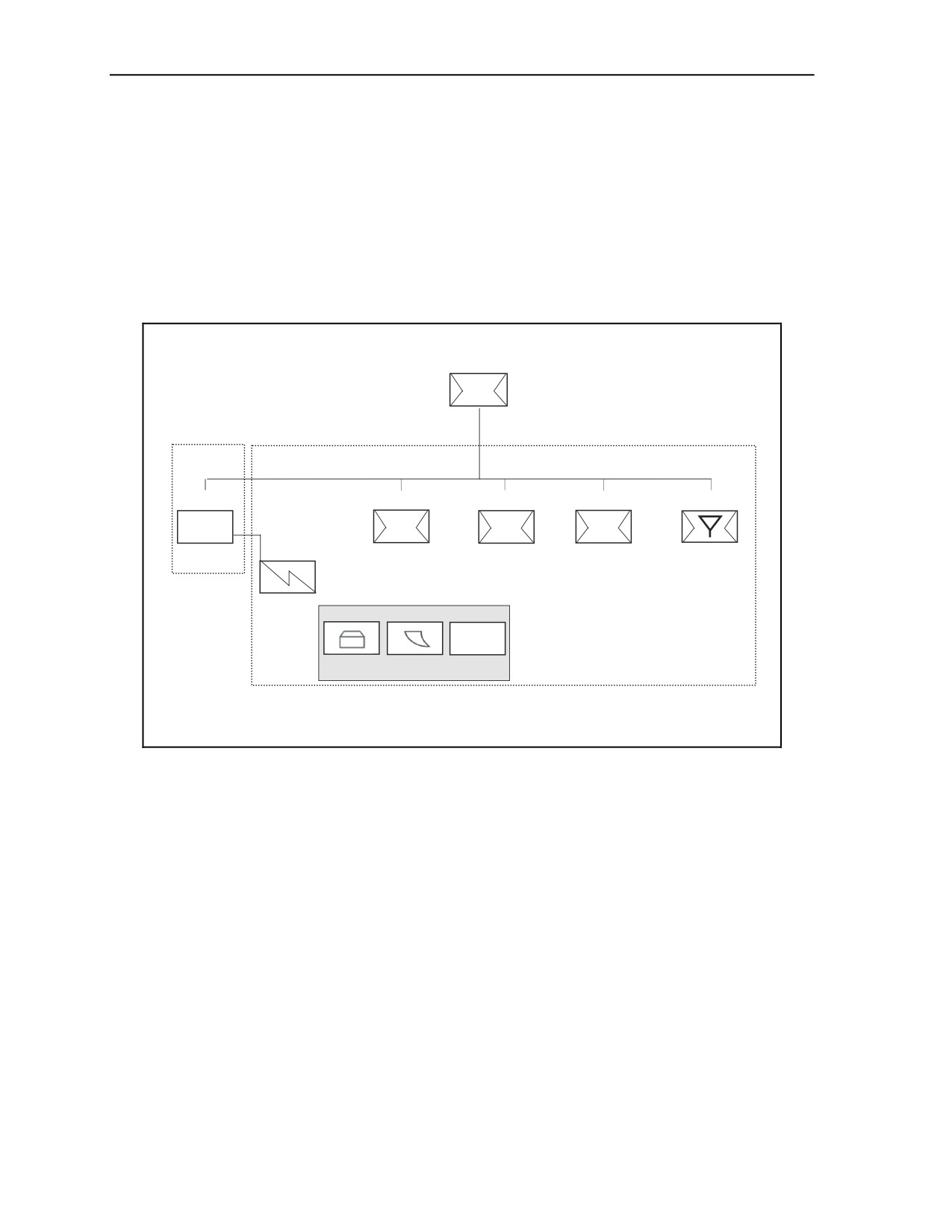
Chapter 2
terminal operations if the sustainment brigade is given the theater opening mission. Likewise a sustainment
brigade may serve as the senior joint logistics HQ in an AO when provided augmentation commensurate to
the mission. Under the modular construct, organizational designs incorporate multifunctional, self-reliant
sustainment capabilities within the BCT and BSB, providing much greater self-reliance at this echelon.
Each BCT, for example, carries three combat loads on organic transportation assets minimizing the need
for external support, which is most likely provided by a sustainment brigade during replenishment
operations. Therefore, if the sustainment brigade is supporting units which do not have this robust
capability whether they are US Army units which have not transformed or are multi-national forces, the
sustainment brigade and subordinates will need to be tailored to provide greater support.
X
SUST
Organic
Attached
As required by METT-TC
II
II
II
II
II
STB
CSSB
CSSB
CSSB
I
I
I
I
HR
(R5)
(Attached to STB or CSSB)
CSSB - Combat Sustainment Support Battalion
HR (R5) - Human Resources (Reception, Replacement, Return to duty, Rest and Recuperation, Redeployment)
STB - Special Troops Battalion
SUST - Sustainment Brigade
Figure 2-1. A Notional Sustainment Brigade
2-2
FMI 4-93.2
4 February 2009
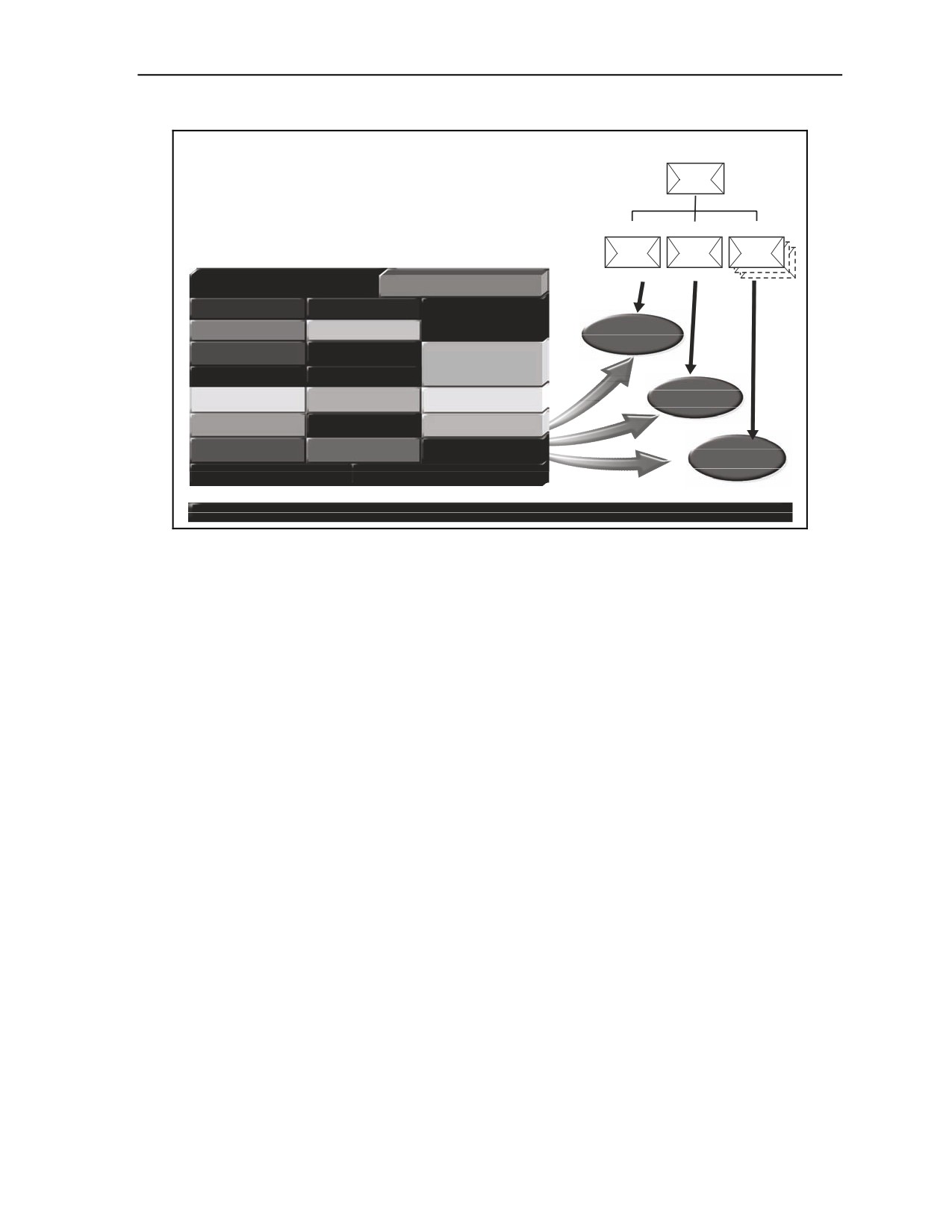
Missions and Organizations
X
Capabilities Menu
SUST
II
II
II
CSSB
CSSB
CSSB
MAINTENANCE
PORT OPERATIONS
TTOE
SHOWER & LAUNDRY
DISTRIBUTION
FIELD FEEDING
SUPPLY
MANAGEMENT
THEATER
OPENING
EOD
AMMUNITION
WATER
PRODUCTION
POL
AERIAL DELIVERY
THEATER
TRANSPORTATION
DISTRIBUTION
CARGO TRANSFER
DISTRIBUTION
MOVEMENT
TERMINAL
CONTROL
LIFE SUPPORT
OPERATION
MORTUARY
HOST NATION
AFFAIRS
LOGCAP
SUPPORT
SUSTAIN
HUMAN RESOURCES
FINANCIAL MANAGEMENT
Capabilities Based – Flexible & Scaleable!
Figure 2-2. Capabilities Augmentation Possibilities
2-6. During periods where only Special Operations Forces are operating in a theater, support operations
may be executed under the C2 of the Sustainment Brigade (Special Operations) (Airborne)(SB[SO][A])
which has an modification table of organization and equipment-deployable organization and is assigned to
USASOC. When deployed, the SB(SO)(A) acts as the logistics HQ for a joint special operations task force
(JSOTF). The SB(SO)(A) has the capability to provide technical control to Army special operations forces
(ARSOF) in the planning and execution of Special Operations Forces (SOF) logistics, including Army
Health System (AHS) support. The SB(SO)(A) will serve as the primary logistics operator and advisor to
the USASOC Commander and will primarily focus on operational to tactical logistics support. The
SB(SO)(A) will monitor and update the common operational picture (COP), synchronize and manage
sustainment and distribution operations, determine and anticipate requirements, and plan, coordinate, and
synchronize both current and future operations for deployed SOF units. The brigade will also integrate
ARSOF support requirements into the ASCC support plan and ensure a timely response to ARSOF
requirements. When required, the SB(SO)(A) may also serve as an early entry element to C2 up to one
CSSB in support of a conventional force expansion in the theater of operation. See FMI 3-05.140, Army
Special Operations Forces Logistics.
SUSTAINMENT BRIGADE OPERATIONAL CAPABILITIES
z
Provides supplies, field services, field and selected sustainment level maintenance, recovery,
and field feeding for itself and its assigned subordinates.
z
Plans and conducts base and base cluster self-defense. Defends against level I threats, assists in
destruction of level II threats and escapes or evades against level III threats.
z
Capable of operating as part of an Army or joint force.
z
Coordinates host nation support (HNS) established by the Department of State.
z
Capable of deploying an advance party to support early entry operations.
z
Provides theater opening, theater distribution, and sustainment management information and
advice to commanders and staff within its AO and the TSC.
z
Exercises technical supervision over operations for all assigned units.
4 February 2009
FMI 4-93.2
2-3
Chapter 2
z
Combat service support automation management office (CSSAMO) provides logistics STAMIS
management, plans, policies, and procedures for logistics automations functions/systems to the
sustainment brigade, area support and backup support to the BSB CSSAMOs in the support
footprint.
z
Provides limited materiel management for internal stocks, Class I, II (including unclassified map
stocks), Class III and water, Classes IV, V, VII, and IX and maintenance management of
internal assets.
z
Provides a liaison team to augment other HQs as necessary.
z
Manages and maintains the sustainment brigade property records.
z
Maintains data in support of the Army equipment status reporting database and the Army
equipment status reporting system.
z
Provides human resources, financial management, legal services, and religious support to
assigned units and authorized personnel within the sustainment brigade’s area of responsibility.
z
Appoints contracting officer representatives
(COR) to monitor contractor performance,
certify receipt of services, and act as liaisons between the requiring activity and the
contracting officer.
THEATER OPENING MISSION
2-7. Theater opening (TO) is the ability to rapidly establish and initially operate ports of debarkation (air,
sea, and rail) to establish sustainment bases and to facilitate port throughput for the reception, staging, and
onward movement of forces within a theater of operations. Although port operations are a critical
component of the theater opening function, theater opening is comprised of much more: communications,
intelligence, civil-military operations, services, human resources, financial management, force health
protection, engineering, movement
(air/land/water transport, inland terminal operations), materiel
management, maintenance, and contracting. A sustainment brigade will be one of the first organizations
into a theater of operations.
2-8. When given the mission to conduct theater opening, the sustainment brigade is designated a
Sustainment Brigade (TO) and a mix of functional battalions and multi-functional CSSBs are assigned
based on mission requirements. The sustainment brigade HQ staff may be augmented with a Transportation
Theater Opening Element (TTOE) to assist in managing the theater opening mission. The augmentation
element provides the sustainment brigade with additional manpower and expertise to C2 TO functions, to
conduct transportation planning and provides additional staff management capability for oversight of
reception, staging, onward movement, and integration (RSOI) operations, port operations, node and mode
management, intermodal operations, and movement control.
2-9. Conducting efficient and effective theater opening operations requires unity of effort among the
various commands and a seamless strategic-to-tactical interface. Theater opening is a complex joint process
involving the GCC; strategic and joint partners such as USTRANSCOM, USAMC, and DLA. Also critical
to the theater opening effort is the JDDOC which has the mission to improve in-transit visibility and to
support the geographic combatant commander’s operational objectives by synchronizing and optimizing
the interface of inter-theater and intra-theater distribution to integrate the proper flow of forces, equipment,
and supplies. In coordination with the supporting AFSB and CSB CDR or principal assistant responsible
for contracting (PARC), the sustainment brigade will participate in assessing and acquiring available host
nation (HN) infrastructure capabilities and contracted support. Working together, theater opening functions
set the conditions for effective support and lay the groundwork for subsequent expansion of the theater
distribution system.
2-10. The critical tasks for theater opening include: C2, reach and in-transit visibility; transportation
management; theater RSOI; distribution and distribution management; movement control and movement
2-4
FMI 4-93.2
4 February 2009
Missions and Organizations
management; life support; contracting support; and initial theater sustainment. Given the mission of theater
opening, a sustainment brigade, together with the TTOE, should have capabilities to conduct the following:
z
Establishing the theater base and infrastructure necessary for the joint force to expand to fully
developed theater distribution and support operations.
z
Establishing and managing initial theater distribution operations. This includes distribution
management, movement control and materiel management, and both surface and aerial re-supply
operations.
z
Soldier support, to include all life support services needed to support theater opening operations.
z
Establish the Military Mail Terminal (MMT), Theater Gateway Reception, Replacement, Return
To Duty, Rest And Recuperation, and Redeployment (TG R5) Personnel Processing Center
(PPC), and initial Casualty Assistance Center during theater opening operations prior to the
beginning of personnel flow, if tactically feasible.
z
Financial management
z
Establishing the required elements of the Army distribution system.
z
Establishing and operating staging areas and/or bases.
z
Establishing and operating supply support areas for staging sustainment stocks.
z
Clearing incoming personnel and cargo at APODs and sea ports of debarkation (SPODs),
working with USTRANSCOM elements, especially from SDDC and AMC.
z
Designating and preparing routes for onward movement (in conjunction with the respective
engineer coordinator).
z
Coordinating movement within the theater of operations with the Movement Control Battalion
(MCB).
z
Identifying and occupying the real estate needed for marshaling areas and the theater staging
bases.
z
Establish initial financial management support operations in order to provide commercial vendor
services support, banking and currency support, paying agent support, and limited pay support.
z
Establishing C2 links to provide in-theater connectivity among tactical, joint, and strategic
support systems for integrating initial Army force deployments.
z
Planning operational support area RSO&I nodes in conjunction with the ARFOR staff.
z
Assist in developing and executing the Army portions of the joint movement program developed
by the Joint Movement Center.
z
Establishing connectivity with Global Transportation Network that receives data from the
Worldwide Port System (WPS) and Consolidated Aerial Port System to monitor the movement
of forces and cargo, as well as the movement of military and commercial airlift, sealift, and
surface assets.
z
Establishing and conducting rail operations and Army terminal operations at SPODs and
APODs, to include forming arrival/departure airfield control groups (A/DACG).
z
Establish and manage Joint Logistics Over-the-Shore (JLOTS) operations.
z
Air terminal operations include movement control, cargo transfer, unit and cargo marshaling,
cargo documentation, and port clearance.
z
Establishing and operating initial Army force provider facilities and arranging for required
commercial or HNS-operated theater staging bases.
z
Providing equipment deprocessing and property transfers for prepositioned unit equipment.
z
Establishing areas for staging of Army Prepositioned Stocks (APS) materiel, transitioning
personnel, and supplies.
z
Establishing and operating in-theater force and materiel tracking information management
systems.
z
Validating air, sea, rail, and highway deployment rates for the force.
z
Establishing movement management activities and conducting movement control operations.
z
Coordinating port clearance and inland theater movement of forces and materiel.
4 February 2009
FMI 4-93.2
2-5
Chapter 2
TRANSPORTATION THEATER OPENING ELEMENT (TTOE)
2-11. The TTOE (see Figure 2-3) is assigned to a TSC and attached to a sustainment brigade (TO). The
element provides command, control, administration, logistics, and supervision of the operating elements of
the unit in the performance of mission tasks. The TTOE provides staff augmentation to the sustainment
brigade (TO). It augments a sustainment brigade support operations section by giving it the capabilities
required to provide staff oversight of select TO operations. This includes establishing the initial
distribution network and providing support to assigned customers; conducting minimum essential early-
entry operations prior to employment of full theater opening capabilities; and C2 of employed units. Once
expansion of the theater is largely complete or as conditions warrant, the TTOE will likely move to
augment the ESC/TSC to manage the theater-wide movements and transportation mission. When the TTOE
is resident with the sustainment brigade and the ESC/TSC has not yet arrived, the TTOE will have the
mission to coordinate with all organizations conducting distribution functions impacting the JOA theater
opening operations, regardless of whether the function occurs at the strategic, operational, or tactical levels.
The TTOE will remain with the sustainment brigade, providing theater-level transportation staff
augmentation, when the sustainment brigade is the senior sustainment HQ in the JOA.
Sustainment
Brigade
SPO
Theater
TTOE
JDDOC
LNO
Terminal
Transportation
Movements
Operations
Branch
Branch
JDDOC - Joint Deployment Distribution Operations Center
Staff Supervision
LNO - Liaison Officer
Coordination
SPO - Support Operations
TTOE - Transportation Theater Opening Element
Figure 2-3. Transportation Theater Opening Element (TTOE)
2-12. The TTOE, which by design integrates into the brigade SPO section, includes the following:
z
Terminal Operations Branch - Advises on the use and implementation of assigned, attached,
contracted, and HN terminal and water craft operations; provides terminal infrastructure
assessment; monitors and coordinates operation and positioning of terminal operations,
including motor, rail, inter-modal, air, and sea; monitors and maintains status of terminal assets
to ensure proper employment and appropriate tasking; and provides advice and expertise to the
plans division in matters concerning terminal operations.
z
Transportation Branch - Advises on the use and implementation of assigned, attached,
contracted, and HN motor transport assets; provides guidance on positioning of motor transport,
air, and rail assets; monitors and maintains the status of all modal transportation assets in the AO
2-6
FMI 4-93.2
4 February 2009
Missions and Organizations
and ensures proper tasking; and provides advice and expertise to the plans division in matters
concerning mode transportation operations.
z
Movements Branch
- Implements and monitors movements programs and commits
transportation assets in support of RSOI operations; maintains operational status; provides
information and guidance on transportation operations to subordinate groups and battalions;
maintains ITV; conducts transportation planning; plans support for contingency operations; and
conducts exceptional movement requirements; coordinates the evacuation of civilian refugees
and US civilians with proper authority; provides the senior sustainment HQ the required
personnel to conduct theater-level (Executive Agent) movement control/management.
2-13. When circumstances warrant, the SB (SO)(A) may be tasked to oversee early entry theater opening
in an operation expanding from SOF to conventional forces. When assigned this mission, the SB(SO)(A) is
usually OPCON to the TSC. When assigned tailored CSSBs and functional sustainment companies, the SB
(SO)(A) can—
z
Receive forces and provide C2 of theater opening, theater distribution, signal, financial
management, personnel, ammunition, transportation, maintenance, supply and services, human
resources, and religious and other logistics elements.
z
Support Army special operations task force early entry operations under C2 of the TSC until
relieved by a conventional sustainment brigade HQ.
z
Establish and manage initial theater-opening operations, to include RSO functions and the
establishment of the theater base.
z
Establish and manage initial theater distribution operations.
THEATER DISTRIBUTION MISSION
2-14. Theater distribution (TD) is a decisive element of multifunctional support operations that include the
following:
z
Air, land, and sea operations.
z
Management of materiel.
z
Management of assets.
z
Developing requirements and priorities.
z
Synchronization with the capability to perform retrograde functions critical to the repair of
vehicles, equipment, weapons and components.
Critical tasks include the following:
z
Synchronizing multi-nodal, multi-modal distribution operations across an asymmetric
operational environment in support of JFC requirements.
z
Maintaining visibility of the distribution system.
z
Performing distribution management.
The sustainment brigade performing TD operations will coordinate with the JDDOC, the ESC/TSC DMC,
MCB/movement control teams (MCT), the J-4 of the Joint Force Land Component Commander, and the
logistics staffs or SPO’s of supported organizations. The theater JDDOC supports theater distribution by
ensuring end to end visibility, managing strategic transportation assets, and synchronizing priorities.
2-15. The sustainment brigade (TD) is assigned and operates the ground transportation assets and manages
selected aerial resupply assets, as well as the theater ground distribution network (nodes, rest halts, and
distribution hubs) from the theater base distribution hub to other sustainment brigades, the BSBs, or to
Centralized Receiving and Shipping Points (CRSPs). It is designed to provide C2 to assigned and attached
units for the purpose of conducting distribution operations in the AO. Distribution operations include:
receive, store, issue, distribute, trans-load, configure, reconfigure, classify, and collect stocks and unit
equipment. It also includes the reception and transportation of units and replacement personnel.
4 February 2009
FMI 4-93.2
2-7
Chapter 2
2-16. When task organized to provide theater distribution the sustainment brigade may have capabilities
which include:
z
Configuring/reconfiguring loads as required. Distributing to and retrograding from BCTs, other
brigades, and other forces operating in the AO (if directed).
z
Storing bulk supplies and authorized stockage list (ASL) items for distribution and internal
consumption.
z
Managing and integrating surface distribution, ILAR assets (for example Air Land, Airdrop,
Helicopter Sling Load), and rail operations.
z
As directed by the TSC, providing the distribution of all supplies and services for which the
sustainment brigade is responsible.
z
Planning and controlling the use of surface transport for missions within assigned AO.
z
Organizing the movements of subordinate units within its AO, which requires coordination with
the supported maneuver elements concerning current and proposed locations and movement of
units.
z
Providing guidance and assistance to units in the AO on matters relating to airdrop.
z
Providing staff supervision of technical training for personnel regarding the rigging and loading
of supplies and equipment for airdrop and aerial resupply.
z
In coordination with the TSC, integrating joint and commercial distribution capabilities.
z
Delivering supplies, materiel, equipment, and personnel over the theater ground distribution
network from theater base to BCTs and forward distribution points as required.
z
Maintaining surveillance over the theater ground distribution network.
z
Operating forward distribution points to receive, store, issue, configure, and reconfigure
materiel.
z
Conducting retrograde, redirection, frustrated cargo, and redistribution operations.
z
Establishing/maintaining total asset visibility/in-transit visibility TAV/ITV over commodities,
equipment, personnel, units, and ground assets flowing in the distribution network to include
what is inbound from the strategic base.
z
Integrating the battlefield distribution information network.
z
Executing the TSC’s theater distribution plan.
z
Operating regional distribution hubs, to include CRSPs.
z
Synchronizing movements with the MEB through secured mobility corridors.
z
Leveraging the available distribution infrastructure and optimizing pipeline flow to meet
requirements and priorities.
z
Projecting distribution pipeline volume, flow rates, contents, and associated node and port
requirements. Adjusting pipeline flow and responding to changing operational requirements.
z
Monitoring RSOI in order to integrate and prioritize unit moves and sustainment moves.
z
Monitoring distribution terminal operations and the flow of multi-consignee shipments.
z
Synchronizing reception of Army resources with theater movement control operations.
z
Providing advice and recommended changes to the distribution system to the TSC commander,
JFC distribution managers, or HN/contracted providers.
z
Maintaining visibility of the physical, resource, communications, and automation networks
within the assigned AO.
z
Identifying capacity problem areas and actions to take within the distribution system.
z
Managing and controlling the distribution pipeline flow through anticipatory support and the
synchronization of materiel management and movement control.
z
Distribution planning.
z
Establish Convoy Support Centers (CSC) at the direction of the TSC.
2-8
FMI 4-93.2
4 February 2009
Missions and Organizations
SUSTAINMENT MISSION
2-17. Sustainment is the provision of the logistics, personnel services, and health service support necessary
to maintain operations until mission accomplishment (see FM 3-0). The endurance of Army forces is
primarily a function of their sustainment. Sustainment determines the depth to which Army forces can
conduct decisive operations, allowing the commander to seize, retain, and exploit the initiative. Endurance
is the ability to employ combat power anywhere for protracted periods. Endurance stems from the ability to
generate, protect, and sustain a force. It involves anticipating requirements and making the most effective,
efficient use of available resources. Sustainment also enables strategic and operational reach. Army forces
require strategic and operational reach to deploy and immediately conduct operations anywhere with little
or no advanced notice (see FM 3-0).
2-18. The sustainment warfighting function consists of three subfunctions: logistics, personnel services,
and health service support. Chapter 4 will provide a detailed discussion of the sustainment warfighting
function. These three subfunctions are further broken down as follows:
z
Logistics Subfunction—
Maintenance.
Transportation.
Supply.
Field services.
Distribution.
Contracting.
General engineer support.
z
Personnel Services Subfunction—
Human resources support.
Financial management.
Legal support.
Religious support.
Band support.
z
Health Service Support Subfunction—
Organic and area medical support.
Hospitalization.
Treatment aspects of dental care.
Behavioral health and neuropsychiatric treatment.
Clinical laboratory services and treatment of chemical, biological, radiological, and nuclear
patients.
Medical evacuation.
Medical logistics.
2-19. The sustainment brigade performs sustainment operations from the operational to tactical levels.
Operational sustainment focuses on theater operations that involve force deployment/reception, movement
distribution, sustainment, and reconstitution. The initial focus is on generating a force ready to conduct
operations. Support begins during force generation but becomes the primary focus once operations begin.
Key Army functions associated with operational level sustainment include the following:
z
Coordinating supply of arms, munitions, and equipment.
z
Synchronizing supply and distribution of fuel and water.
z
Ensuring effective cross-leveling of supplies and efficient retrograde and redeployment of
equipment, personnel, and supplies.
z
Maintaining equipment and stocks that support the supply system.
z
Coordinating support of forces, to include: personnel, human resources, supply, equipment, field
services, health, religious support, financial management, and legal services.
z
Managing materiel, controlling movement, and managing distribution.
4 February 2009
FMI 4-93.2
2-9
Chapter 2
z
Providing lead service CUL to other services, multinational partners, and civilian agencies on
order.
z
Establishing, managing, and maintaining facilities, including storage areas and maintenance
areas.
z
Providing direct support field maintenance to units in its assigned AO.
z
Planning, coordinating, managing, and supervising the positioning and security of sustainment
activities.
Coordinate through CSB for contingency contracting.
Maintaining visibility of customer locations.
Maintaining information regarding support relationships.
2-20. The sustainment brigades are assigned multifunctional battalions and functional battalions and
companies tailored and task organized to the specific mission. The sustainment brigade will normally have
multiple CSSBs assigned to provide distribution and supplies to BCTs and supporting brigades operating
within its assigned AO and other forces operating in or transiting its AO.
2-21. These supported brigades may be in one division or multiple divisions. The sustainment brigade (or
logistics task force in a joint environment) establishes a base(s) within the AO to conduct operations. The
MEB may be responsible for the terrain assignment and establishing secure movement corridors. The
sustainment brigade base will be integrated into area terrain management and protection plans based on
established C2 relationships and the physical space occupied.
2-22. Key elements of the Army support structure at the operational level include APS, dedicated
transportation, general support supply, sustainment maintenance, and human resources elements. Many of
the stocks to support the AO are stored by Army logistics units, allowing tactical-level logistics units to
remain mobile. Support at the operational level includes CUL support to joint and multinational forces, as
required. Many different sources contribute to these support functions, including contractors, DA and DOD
civilians, US Army and joint services, and multinational military organizations, and host nation resources.
2-23. Sustainment at the tactical level encompasses those activities that maintain and supply forces. The
two ways that sustainment brigades provide support for a deployed Army force at this level are:
z
The organic support battalions and Forward Support Companies (FSCs) of the BCTs and other
brigades.
z
Replenishment furnished to EAB organizations on an area basis.
Replenishment Operations
2-24. Replenishment operations (ROs) are preplanned operations that allow combat forces to replenish
routinely. An RO is a deliberate, time sensitive operation to replace used stocks within a BCT or support
brigade (see Figure 2-4). These operations which may be, but are not normally, augmented with assets
from the sustainment brigade, are quick and in-stride with the supported commander’s battle rhythm. The
purpose of the RO is to replace stocks used by a brigade. It may be either deliberate or hasty if
circumstances allow. Typical activities that take place during the RO include rearming, refueling,
maintaining, medical support, and essential personnel replacement to meet immediate needs. The BSB
conducts RO to its FSCs and the FSCs also conduct RO to the combat loads of individual Soldiers and
weapons platforms. The BSB will need to coordinate the timing of the RO with the sustainment brigade to
ensure that the delivery from the sustainment brigade supports both the required stockade levels and the
timing of its RO.
2-10
FMI 4-93.2
4 February 2009
///////////////////////////////////////