FM 3-60 (FM 6-20-10) The Targeting Process (NOVEMBER 2010) - page 3
Brigade Combat Team and Battalion Task Force Targeting
Lethal Fires Element Personnel and Their Responsibilities
Assistant Brigade Fire Support Officer
4-50. The assistant brigade FSO is a field artillery officer who assists the brigade FSO in all duties and is
prepared to assume the brigade FSO responsibilities. The assistant brigade FSO and the brigade FSO split
responsibilities between the main CP and the tactical CP when both CPs are deployed. The BCT
commander and brigade FSO determine who operates from which location and the manning and equipment
needed to support the operation. The command group or the assistant brigade FSO serves as a shift leader
in the fires cell element when not deployed with the tactical CP.
4-51. The assistant brigade FSO participates in the war gaming process to develop the HPTL and AGM.
The BCT fire support execution matrix is completed by assistant brigade FSO. The assistant brigade FSO
coordinates with the task force FSO to ensure task force plans—
z
Meet the BCT commander's guidance.
z
Avoid unplanned duplication.
z
Use all assets assigned to the task force.
z
Develop observer overlay with assigned observers for all BCT targets as required.
4-52. The assistant brigade FSO coordinates the attack of targets by all fire support weapons system. A
critical task consists of positioning and controlling the BCT observation assets with the BCT S-2. The
position advises the commander, executive officer, and S-3 on the following—
z
The ability of the fire support systems to defeat HPT and other designated targets.
z
The best means of attack.
z
The best type of munitions to achieve the commander's desired results.
4-53. Once the HPTL is approved, the assistant brigade FSO ensures that fire planning and fire support
requests are processed according to the BCT commander's guidance. The assistant brigade FSO informs the
fires battalion and task force FSO of the target types designated HPT and targets that must be processed
quickly. The position is responsible for developing the AGM.
Targeting Officers
4-54. The BCT fires cell is organized with two targeting officers. These officers serve as advisors to the
brigade commander, brigade FSO, and the brigade staff on all fire support and ISR assets available to the
brigade. This assists the brigade staff in maximizing fire support coverage and synchronizing effects on the
battlefield in order to achieve the commander’s intent and end state.
4-55. Targeting officers work with the plans section, brigade FSO, and the targeting working group during
the MDMP to determine which targets need to be engaged and the desired effects for each engagement in
order to achieve the commander’s intent. These individuals produce the targeting and assessment guidance
to be distributed with the BCT OPLAN/OPORD. The targeting team develops the follow tools—
z
HPTL.
z
AGM.
z
TSS.
z
Targeting synchronization matrix.
z
Fire support related MOP and MOE for BCT assessment.
z
Coordinate with the TACP for air support request and target area deconfliction.
4-56. The targeting officers collect, analyze, process, produce, and disseminate targeting information and
products. The information and products are necessary for the employment of coordinate seeking precision
guided munitions. These individuals’ role is vital to synchronizing all target acquisition assets attached,
organic, or under control of the BCT. Providing reactive counterfire guidance, radar deployment
instructions are essential to the organic fires battalion S-2. The BCT acquisition systems and assets
available through reach-back are critical to locating HPT for attack. These individuals assist in collateral
damage estimation recommendations for the BCT commander and staff.
26 November 2010
FM 3-60
4-13
Chapter 4
4-57. The targeting officers are integral to fusing the BCT fires cell with the intelligence apparatus. The
ability to gain and maintain information superiority between the fires cell, the BCT S-2, and the FA
battalion S-2 allows commanders’ to execute decisions and maintain the initiative. The role of the targeting
officer is similar to the functioning of the field artillery intelligence officer (FAIO). In this capacity, these
individuals help the S-2 and the brigade FSO determines specific target vulnerabilities. The enemy’s
current state of vulnerabilities achieved by defeat is information that must become knowledge among
commanders and staffers. The ability to identify these functions or capabilities that were defeated enhances
the operational picture. The targeting officer, in coordination with the brigade FSO, consolidates and
distributes the target list, restricted target list, and no-strike list. During operations, these individuals
monitor compliances with the restrictions and report incidents where the restrictions may have been
violated.
4-58. The targeting officers provide recommendations to the targeting working group on updating targeting
priorities. These individuals prepare products for the targeting working group as directed by the brigade
FSO. They direct updating and purging of targeting files as required. The targeting officers ensure that
interoperability is maintained with collection assets of the BCT. The reactive counterfire guidance and
radar deployment instructions are critical to the brigade FSO, plans section, targeting working group, and
all subordinate units.
4-59. The brigade headquarters is organized with a main and a tactical CP. These targeting officers provide
the targeting experience to conduct 24 hour brigade operations and targeting expertise in both CP. Also,
this capability allows the commander the option of assigning the responsibilities of lethal and nonlethal
targeting and/or assessment amongst the targeting officers.
Fires Cell Operations Noncommissioned Officer
4-60. The fires cell operations noncommissioned officer is the senior enlisted assistant to the brigade FSO.
This individual must understand and actively participate in the MDMP and production of the
OPLAN/OPORD. The position serves as shift leader in the fires cell; either at the main CP or tactical CP.
Major responsibilities include the following—
z
Ensuring that the fires cell is fully manned for 24-hour operations and all of its equipment is
fully functional.
z
Performing fires cell digital network management and troubleshooting to ensure internal and
external connectivity.
z
Supervising the enlisted personnel in the fires cell and processing administrative matters
pertaining to the fires cell.
z
Managing fires cell situational understanding input to the BCT common operational picture.
z
Managing FSCM and ensuring they are accurately tracked throughout the BCT.
z
Coordinating with the air defense and airspace management/brigade aviation element for
airspace requirements necessary to integrate fires with other airspace user.
z
Preparing required reports in accordance with BCT standing operating procedures.
z
Maintaining files and documents.
z
Developing and enforcing the fires cell standing operating procedures.
Fire Support Noncommissioned Officers
4-61. The fire support noncommissioned officers function as enlisted assistants to the brigade FSO and the
assistant brigade FSO. One or the other may deploy with the brigade FSO and command group 1. The fire
support noncommissioned officer assists the shift leaders as needed in either the fires cell operations
element (tactical CP) or fires cell plans and targeting element (main CP) to enable 24-hour operations when
not deployed with the brigade FSO.
Target Analyst/Targeting Noncommissioned Officers
4-62. The target analyst and the targeting noncommissioned officers, together with the targeting officers,
provide a 24-hour capability to plan and coordinate targeting operations. Their primary responsibilities
include the following—
z
Operating and maintaining the targeting computer systems.
z
Maintaining the targeting common operational picture display.
4-14
FM 3-60
26 November 2010
Brigade Combat Team and Battalion Task Force Targeting
z
Maintaining the target production display.
z
Updating and purging targeting files as directed by the targeting officers.
z
Ensuring targets that are acquired are processed to the appropriate fire support assets in
accordance with the targeting synchronization matrix.
z
Ensuring essential voice and digital connectivity within and outside of the fires cell.
z
Coordinate with TACP.
Fire Support Specialist
4-63. Fire support specialists work under the supervision of the fire support operations noncommissioned
officer. They support the operations and plans and the targeting element as directed. Their primary
responsibilities follow—
z
Operating the elements’ computer systems.
z
Supporting the development of fire support planning and targeting products as directed by the
plans and targeting battle captain and targeting officers.
z
Operating and maintaining voice communications equipment.
z
Maintaining updated unit information— for example, fire support teams, combat observation
and lasing teams, radar, battery, and mortar locations and digital/voice status.
z
Maintain the current no-fire area list.
z
Fire mission processing.
z
Coordinating clearance of fires with adjacent and other affected units/assets.
z
Operating and maintaining voice communications equipment.
z
Operating assigned vehicles.
COLT
4-64. A combat observation and lasing team is a fire support team controlled at the brigade level that is
capable of target acquisition and has both laser-range finding and laser-designating capabilities. It is
designed to maximize the use of laser-guided munitions. COLT is organic to the BCT headquarters and
headquarters company. Each BCT has five COLTs. The brigade FSO is responsible for training the COLT
and for performing pre-combat checks and mission briefings/rehearsals before employment. Their
employment is planned and executed under the supervision of the BCT fires cell. The COLT could be used
as independent observers to weight key or vulnerable areas. Although originally conceived to interface with
the copperhead, a COLT can be used with any munitions that require reflected laser energy for final
ballistic guidance. The COLT self-location and target ranging capabilities allows first-round fire for effect
with conventional munitions to be achieved.
4-65. The COLT gives the maneuver commander a powerful capability to attack point targets as well as
area targets with accuracy. To maximize the effectiveness of the COLT, positioning must be carefully
considered. To provide the best coverage and to allow the greatest survivability for the COLT,
consideration should also be given to employing them as pairs, or with a company/troop fire support team,
or partnered with elements of the reconnaissance squadron.
4-66. The brigade FSO or representative develops the observation plan by positioning COLT, joint fires
observers, and joint terminal attack controllers to support the BCT commander’s overall intent. The
commander approves their positioning during development of the initial fire support plan, ISR plan, and
airspace control plan. Joint terminal attack controllers or forward air controllers (airborne) may employ
personnel conducting terminal guidance operations to facilitate close air support using terminal attack
control procedures.
4-67. COLT provides observation of and can attack key targets as part of BCT operations. Support and
security for them is a consideration, since they are extremely vulnerable if positioned forward of the
maneuver battalions or reconnaissance squadron without security. Planning and integrating them into the
reconnaissance squadron scheme of operations should always be considered, which will provide them some
degree of security. COLT should always be an integral part of the BCT observation plan. They should not
be positioned outside the range of friendly artillery during defensive operations. During offensive
26 November 2010
FM 3-60
4-15
Chapter 4
operations, they should not be positioned outside the ability of the BCT to ensure their support,
protection/extraction, and the ability to communicate with the BCT tactical CP or main CP.
Tactical Air Control Party
4-68. An Air Force TACP (which is typically attached to an army CP) is collocated with the fires cell at
the BCT main CP. The overarching mission of the BCT TACP is to plan, coordinate, and direct air support
for land forces. The air component air liaison officer advises the BCT commander and staff on air support
for BCT operations. The air liaison officer leverages the expertise of the TACP with linkages to the
division and corps TACP to plan, to coordinate, to synchronize, and to execute air support operations. The
TACP maintains situational understanding of the total air support picture.
4-69. The TACP attached to the BCT is sufficiently resourced to support BCT operations from both the
tactical and main CP. The BCT TAC TACP focuses on execution of the current fight, immediate joint
tactical air support requests, and current airspace requirements. The main TACP monitors current
operations, and focuses on future operations, preplanned joint tactical air support requests, and future
airspace requirements. The battalion level TACP includes an air liaison officer and joint terminal attack
controllers. Air Force joint terminal air controllers are required at each maneuver battalion company and
reconnaissance troop and are employed by the company/troop commander to provide close air support to
support the company/troop. TACP coordinates activities through an Air Force air request net and the
advanced airlift notification net. TACP functions include the following—
z
Serving as the air component representative, providing advice to the BCT commander and staff
on the capabilities, limitations, and employment of air support, airlift, and reconnaissance.
z
Providing an air component coordination interface with not only the BCT fires cell, but also
those of the battalions and squadron fires cells, and the air defense and airspace
management/brigade aviation element.
z
Assisting in the synchronization of air and surface fires and preparing the air support plan.
z
Providing direct liaison for local air defense and airspace management activities.
z
Integrating into the staff to facilitate planning air support for future operations and advising on
the development and evaluation of close air support, air interdiction, reconnaissance, and J-
SEAD programs.
z
Providing terminal control for close air support and operating the Air Force air request net.
Other Joint and Army Augmentation to the Fires Cell
4-70. Joint and Army augmentation is essential to BCT operations. In addition to the Air Force TACP,
other joint augmentation includes liaison officers to plan and coordinate naval surface fire support and
Marine Corps support.
Naval Surface Fire Support Liaison Officer
4-71. The naval surface fire support liaison officer supervises a naval surface fire support team that may be
attached to the BCT fires cell and coordinates and controls naval surface fires. The BCT naval surface fire
support team communicates on the division/corps/theater army naval surface fire support high frequency
net to gain naval surface fires. This net is also used for daily planning between the BCT and
division/corps/theater army. Below brigade, BCT fire support digital and frequency modulation radio nets
are used to exchange requests for naval fire support. When naval fire support is available and the general
tactical situation permits its use, naval firepower can provide large volumes of devastating, immediately
available, and responsive fire support to combat forces operating near coastal waters. These fires may be in
support of amphibious operations within range of Navy aircraft and gunfire, but they also may be made
available to support land operations. Normally, the fires cell coordinates naval surface fire support.
However, a Marine Corps liaison element within the Marine Expeditionary Force headquarters provides
task-organized, trained, and equipped teams to facilitate the planning, coordination, and terminal control of
air, artillery, and naval surface fires when operating with multinational forces.
4-16
FM 3-60
26 November 2010
Brigade Combat Team and Battalion Task Force Targeting
United States Marine Corps Liaison Officer
4-72. A Marine Corps (may also be a liaison team) may augment the fires cell based on METT-TC to
coordinate naval and/or Marine Corps air support to the BCT. The fires cell processes requests for
Navy/Marine Corps air support through this liaison and/or team. A firepower control team may be attached
to the maneuver battalions and/or reconnaissance squadron to perform terminal control of Navy/Marine
Corps air support. In the absence of an observer from the firepower control team, the company/troop fire
support team or the Air Force joint terminal attack controller may control naval and/or Marine Corps air.
Nonlethal Fires Element (Main CP)
4-73. As described earlier, nonlethal fires are any weapon system’s fires that do not directly seek the
physical destruction of the intended target and are designed to impair, disrupt, or delay the performance of
enemy forces, functions, or facilities. The fires cell’s nonlethal fires element includes civil affairs, EW, and
information engagement personnel. The brigade legal section is also collocated with the fires cell. Working
under the guidance and direction of the executive officer, the nonlethal fires element with other staff cells,
plans, coordinates, integrates, and synchronizes scalable fires to support BCT operations. This includes
developing nonlethal fires related MOP and MOE.
Information Engagement Staff Offiecr
4-74. The S-7 is responsible for the planning, the coordination, the integration, and the synchronization of
inform and influence activities for the BCT. Primary responsibilities include—
z
Advising the BCT commander and staff on all aspects of inform and influence activities.
z
Coordinating aspects of inform and influence activities with the fires cell nonlethal fires element.
z
Ensuring that inform and influence activities are integrated into staff processes and orders.
z
Maintaining friendly information situational awareness and providing relevant information to the
BCT common operational picture.
z
Conducting assessment of Army information tasks in BCT operations.
z
Briefing deception operations. (See FM 3-13 for more details.)
Electronic Attack Officer
4-75. The EW officer provides the necessary EW subject matter expertise to support targeting, execution,
and assessment for all BCT EW operations. Responsibilities include—
z
Requesting and obtaining intelligence reports and identifying enemy intelligence targets.
z
Recommending electronic attack objectives in developing TSS and high priority targets.
z
Nominating targets for electronic attacks.
z
Developing electronic attacks related to MOP and MOE for BCT assessment.
z
Coordinating with the reconnaissance squadron for electronic attack operations to disrupt enemy
or adversary.
z
Recommending electronic attack employments for inclusion into the AGM, TSS, targeting
synchronization matrix and fire support tasks.
z
Recommending electronic attack objectives and synchronize reconnaissance squadron
operations.
z
Identifying potential conflicts of electromagnetic spectrum use by EW assets and coordinating
deconfliction.
z
Recommending electronic protect and EW support operations to support targeting.
z
Deciding what EW tasks are essential to the success of future operations.
z
Focusing where assets are deployed to detect HPT.
z
Deciding whether the intended effect achieved by electronic attack was successful or not.
z
Addressing who and when portion of task. (See FM 3-36 for more details on EW integration into
the targeting process.)
26 November 2010
FM 3-60
4-17
Chapter 4
Psychological Operations Noncommissioned Officer
4-76. The psychological operations noncommissioned officer provides the necessary subject matter
expertise support to targeting, execution, and assessment for all BCT military information support
operations. Responsibilities include—
z
Developing and recommending supporting military information support operations objectives
and potential targets to the BCT commander.
z
Writing the Appendix 10 - Information Engagement of ANNEX C - OPERATIONS of the BCT
OPORD.
z
Serving as the nonlethal fires noncommissioned officer in charge.
z
Developing, related MOP and MOE, and monitoring the effectiveness of military information
support operations for BCT assessment.
z
Coordinating with public affairs regarding counterpropaganda efforts.
z
Establishing voice and digital linkage with supporting military information support operations
elements.
z
Coordinating resources for supporting military information support operations elements.
Civil Affairs Officer
4-77. The BCT S-9 provides civil affairs expertise for the planning, coordinating, and the monitoring of
civil affairs operations in the BCT area of operations. This by definition includes populace and resource
control (including noncombatant evacuation operations and dislocated civilian operations), foreign
humanitarian assistance, civil information management, nation assistance, and support to civil
administration. Major functions include—
z
Serving as the staff proponent for the organization, use, and integration of attached civil affairs
forces.
z
Developing plans, policies, and programs to further the relationship between the BCT and the
civil component in the BCT area of operations.
z
Serving as the primary advisor to the BCT commander on the effect of civilian populations on
BCT operations.
z
Assisting in the development of the plans, the policies, and the programs that are needed to
deconflict civilian activities with military operations within the BCT area of operations. This
includes displaced civilian operations, but is not limited to populace and resources control.
z
Advising the BCT commander on legal and moral obligations incurred from the long- and
short-term effects
(economic, environmental, and health) of BCT operations on civilian
populations.
z
Coordinating, synchronizing, and integrating civil-military plans, programs, and policies with
operational objectives.
z
Advising on prioritizing and monitoring expenditures of allocated funds dedicated to civil
affairs, operations, and facilitating movement, security, and control of funds to subordinate units.
Coordinating with funds controlling authority, comptroller, or resource managers to meet the
commander’s objectives.
z
Conducting, coordinating, and integrating deliberate planning for civil affairs operations in
support of BCT operations.
z
Coordinating and integrating area assessments and area studies in support of civil affairs
operations.
z
Advising the BCT commander and staff on protection of culturally significant property and
facilities (religious building, shrines and consecrated places, museums, monuments, art, archives
and libraries).
z
Facilitating integration of civil affairs inputs to the BCT common operational picture.
z
Advising the BCT commander on using military units and assets that can perform civil affairs
missions.
4-18
FM 3-60
26 November 2010
Brigade Combat Team and Battalion Task Force Targeting
4-78. Major capabilities of the BCT civil affairs staff include—
z
Providing tactical level planning, management, coordination, and synchronization of key civil
affairs functions within the BCT commander’s area of operations.
z
Providing a mechanism for civil-military coordination, collaboration, and communication within
the BCT area of operations.
z
Assisting the logistics officer with identifying and coordinating for facilities, supplies, and other
material resources available from the local civil sector to support BCT operations.
4-79. The S-9 brings civilian considerations to the forefront during the targeting process to achieve the
desired nonlethal effects on the host nation population. These actions help ensure that civilians have
minimal impact on BCT tactical operations. The position is responsible for the following—
z
Integrating civil affairs objectives/HPT with the BCT targeting process.
z
Developing civil affairs related MOP and MOE for BCT assessment.
z
Writing Annex K, the civil affairs operations annex to the BCT OPORD.
z
Conducting liaison with key civilian authorities and leaders in the BCT area of operations.
z
Synchronizing civilian relief effort with BCT objectives.
z
Providing a direct linkage with the civil-military operations center (when established).
z
Providing the BCT commander, staff and subordinate elements with regional/cultural expertise
through reachback.
Note: See FM 3-05.40 and FM 3-05.401 for more information on civil affairs.
Public Affairs Officer
4-80. The BCT public affairs officer roles include serving as the principle adviser to the commander and
staff for media engagement and conducting media operations. Public affairs officer has a legal
responsibility to factually and accurately inform various publics—domestic and foreign—without intent to
propagandize or change behavior. The public affairs officer plans and executes Soldier and community
outreach both foreign and domestic. The public affairs officer and staff provide training and support to
stability operations in coordination with the S-9 and civil affairs staff in the fires cell nonlethal fires
element.
Public Affairs Noncommissioned Officer
4-81. The public affairs noncommissioned officer supervises day to day operation of public affairs for the
BCT, directs activities of the public affairs specialist and public affairs broadcast specialist, and leads the
public affairs activities of the BCT in the absence of the public affairs officer.
Public Affairs Specialist/Public Affairs Broadcast Specialist
4-82. The public affairs specialist/public affairs broadcast specialist works under the supervision of the
public affairs noncommissioned officer to support BCT public affairs activities as directed. The public
affairs specialists have the joint responsibilities which include the development of public affairs planning
and targeting products (working with the fires cell battle captain and targeting officers) and, as directed by
the public affairs officer and public affairs noncommissioned officer operating and maintaining voice
communications equipment, coordinating media escorts and operating assigned vehicles. They also have
the following specific responsibilities—
z
Public Affairs Specialist. The public affairs specialist coordinates release of print and
Web-based command information products to higher echelon headquarters, responds to media
requests/queries, supports command information programs, coordinates the Hometown News
Release Program, acquires and transmits photographs and information strategy products between
higher and lower echelon, and performs limited newsgathering.
z
Public Affairs Broadcast Specialist. The public affairs broadcast specialist coordinates release
of radio and television and visual information products to higher echelon headquarters; acquires
and transmits audio-visual, radio/television and Web-based products for higher and lower
26 November 2010
FM 3-60
4-19
Chapter 4
echelon headquarters, family members, and unit support groups; coordinates the radio and
television hometown news release program; performs limited electronic audio and video
newsgathering; and determines visual information requirements.
Note. See FM 3-61.1 for more information on public affairs.
Brigade Legal Section
4-83. The brigade judge advocate, along with the trial counsel and the paralegal noncommissioned officer,
forms the brigade operational law team. The brigade operational law team is a section positioned with the
main CP as part of nonlethal fires element. The section is deployable forward in whole or in part as directed
by the brigade judge advocate. The brigade judge advocate serves both as a personal staff officer to the
BCT commander and a special staff officer. The legal team provides legal advice during the MDMP and all
other planning and targeting working group sessions conducted by the BCT staff. The members of the
brigade legal section serve as subject matter experts on rules of engagement and rules of interaction,
targeting, international law, law of war (including treatment of detainees, enemy prisoners of war, civilians
on the battlefield, and other noncombatants) and all other legal aspects of BCT operations. In addition to
providing support in international and operational law, the brigade legal section provides advice and
support to the commander in administrative and civil law, contract and fiscal law, military justice, claims,
and legal assistance. The paralegal noncommissioned officer provides administrative and paralegal support
to the judge advocates in the brigade legal section and supervises the paralegals in BCT battalions.
Note. See FM 1-04 for more information on legal support to the targeting process.
Tactical Command Post Fires Element
4-84. The designated members of the tactical CP fires element are part of the fires cell’s lethal and
nonlethal fires elements in the BCT main CP, or are deployed forward with the tactical CP when it is
deployed. When deployed with the tactical CP the fires element tracks and maintains situational
understanding of all fire support assets. Its main function is to execute current operations, focusing on the
decisive fight. Functions of the tactical CP fires element include the following—
z
Monitoring the tactical situation.
z
Maintaining and updating unit information and digital/voice status.
z
Ensuring tactical fire control with supporting field artillery and target acquisition assets.
z
Monitoring processing of preplanned fires in the fire support plan.
z
Coordinating clearance of all fires with units.
z
Maintaining and updating the current active no fire area list.
z
Maintaining digital link to field artillery and target acquisition assets.
z
Tracking and maintaining situational understanding of close air support.
z
Tracking and maintaining situational understanding of naval surface fire support.
z
Sending fire missions to the battalion fire direction center for processing.
z
Requesting assessment reports.
z
Ensuring mission fired reports and artillery target intelligence reports are received and
processed.
FIRE SUPPORT COORDINATION ORGANIZATIONS AT BCT SUBORDINATE ECHELONS
4-85. The BCT has organic fire support organizations: battalion/squadron fires cells and company/troop
fire support teams that work closely with the battalion/squadron fires cell. These organizations are vital
parts of the combined arms infrastructure that exists within the BCT.
4-86. Fire support organizations in the maneuver battalions and the reconnaissance squadron support their
respective commanders but work closely with the BCT fires cell. The brigade FSO will advise the BCT
commander on training, personnel management, maintenance, and equipment readiness for all subordinate
4-20
FM 3-60
26 November 2010
Brigade Combat Team and Battalion Task Force Targeting
fire support organizations. The maneuver battalions and the reconnaissance are each organized with a fires
cell and each have an Air Force TACP. The fire support teams are assigned to the battalion/squadron
headquarters and headquarters companies to facilitate training, but deploy to the maneuver companies and
the reconnaissance troops for tactical operations. The infantry company fire support team includes platoon
forward observers for each of its platoons. The brigade troops battalion has fire support planners in its S-3
section to help the commander and staff plan and execute sustainment area fires up to a Level II threat.
SUBORDINATE FIRES CELLS AND AIR COMPONENT TACP
Battalion/Squadron Fires Cell
4-87. The battalion/squadron fires cell provides an organic fire support coordination capability within the
reconnaissance squadron, brigade special troops battalion, and maneuver battalion headquarters. The fires
cell assists the battalion/squadron in executing its portion of the BCT scheme/concept of fires as well as
their own scheme/concept of fires. Through its computer systems, the fires cell provides the company/troop
fire support team digital linkage to the battalion/squadron mortars as well as to fire support assets available
at the BCT or higher levels.
Fires Support Officer
4-88. The FSO is a field artillery officer. The FSO serves maneuver units at all levels from company up to
theater army. FSO is responsible for either advising the force commander or assisting the chief of fires or
FSCOORD to advise the force commander on fire support matters. The battalion/squadron FSO is
responsible for the planning, the coordination, and the execution of fire support for the battalion/squadron
commander’s concept of operation. FSO responsibilities include the following—
z
Advising the commander and his staff on fire support matters. This includes making
recommendations for integrating battalion/squadron mortars into the scheme/concept of fires and
their movement in the scheme of maneuver.
z
Supervising all functions of the battalion/squadron fires cell.
z
Ensuring all fire support personnel are properly trained to support battalion/squadron operations.
z
Preparing and disseminating the fire support execution matrix and/or the fire support plan.
z
Assisting in the coordination for positioning or movement of fire support assets in the
battalion/squadron area of operations.
z
Conducting bottom up refinement of the BCT fire support plan.
z
Directing development of battalion/squadron fire support tasks.
z
Coordinating with the TACP on close air support missions and for terminal control personnel.
z
Providing coordination channels to the BCT fires cell nonlethal fires element for inform and
influence activities or other scalable fires related support.
z
Planning, directing, and monitoring the employment of laser designators where they will best
support the commander’s concept of operation.
z
Translating the commander’s intent into attack guidance for orders.
z
Establishing and maintaining communications with the BCT fires cell, subordinate unit fire
support teams, and the battalion/squadron mortars.
z
Participating in fire support rehearsals.
z
Processing requests for additional fire support with the BCT fires cell.
z
Providing staff supervision of the field artillery assets attached or under the operational control
of the battalion/squadron.
z
Disseminating the approved target list and execution matrix to subordinate elements.
z
Recommending appropriate changes in the target list and attack guidance when required.
Assistant Fire Support Officer
4-89. The battalion/squadron assistant FSO acts as the battalion/squadron FSO in the fire support officer’s
absence. The assistant FSO interfaces with the battalion/squadron S-2 and provides the S-2 and the
26 November 2010
FM 3-60
4-21
Chapter 4
battalion/squadron FSO with information on the vulnerabilities of targets. The vulnerabilities of targets
consist of specific requirements for accuracy of target location assurance, level of target description, and
duration the target may be considered viable for attack by fire support systems. The responsibilities of the
assistant FSO include—
z
Helping the battalion/squadron S-2 write their target acquisition and ISR plans.
z
Helping provide staff supervision of the target acquisition assets attached, organic, and under the
operational control of the battalion/squadron.
z
Developing, recommend to the commander, and disseminating the AGM to subordinate
elements; recommending changes in attack guidance.
z
Determining, recommending, and processing time-sensitive HPT to the BCT fires cell.
z
Coordinating with the battalion/squadron S-2 for target acquisition coverage and processing of
battalion/squadron HPT.
z
Producing a TSS matrix for target acquisition assets with the battalion/squadron S-2.
z
Coordinating integration of fire support into battalion/squadron tactical operations center
operations, to include physical arrangements of fire support equipment, responsibilities
involving tactical operations center operations, and security.
Battalion Targeting Officer
4-90. The targeting officer supervises the counterfire operations section and the target processing element
within the battalion CP. The targeting officer serves as the battalion counterfire officer. The responsibilities
of the targeting officer include—
z
Advising the commander on acquisition system employment, capabilities, and limitations.
z
Performing predictive analysis of enemy fire support locations.
z
Assisting in the integration of intelligence and other war fighting functions.
z
Assisting the intelligence war fighting function with the integration of ISR collection assets.
z
Assisting in target production by developing the HPTL, AGM, and TSS.
z
Directing the targeting meeting.
Target Acquisition Platoon Leader
4-91. The target acquisition platoon leader (131A Warrant Officer) supervises the battalion’s target
acquisition platoon and serves as the brigade assistant counterfire officer when positioned with the BCT
fires cell. The responsibilities of the target acquisition platoon leader include—
z
Performing tactical coordination for field artillery radars, survey and met in support of the
supported higher headquarters, to include communications, security, protection, logistics, and
administration.
z
Advising the commander on acquisition system employment, capabilities, and limitations.
Fire Support/Targeting Noncommissioned Officers
4-92. The fire support and targeting noncommissioned officers together with the assistant FSO and fire
support sergeant provide a 24-hour capability to plan and coordinate targeting operations. Their primary
responsibilities include the following—
z
Coordinating the close air support operations with TACP representative.
z
Operating and maintaining the targeting computer systems.
z
Maintaining the targeting common operational picture display.
z
Maintaining the target production display.
z
Updating and purging targeting files as directed by the BCT targeting officer.
z
Ensuring targets that are acquired are processed to the appropriate fire support assets in
accordance with the targeting synchronization matrix.
z
Ensuring essential voice and digital connectivity within and outside of the fires cell.
4-22
FM 3-60
26 November 2010
Brigade Combat Team and Battalion Task Force Targeting
Fire Support Sergeant
4-93. The battalion/squadron fire support sergeant is the enlisted assistant to both the battalion/squadron
FSO and assistant FSO. His responsibilities include the following—
z
Training and validating enlisted personnel of the battalion/squadron fires cell and fire support
team.
z
Assisting the battalion/squadron FSO in developing fire support tasks to support
battalion/squadron operations.
z
Ensuring voice and digital connectivity with the BCT fires cell, supported and supporting units,
and fire support assets.
z
Planning and coordinating all support (administrative and logistical) for the fires cell.
z
Maintaining and updating the fire support status charts and situation maps.
Fire Support Specialist
4-94. The responsibilities of the fire support specialist include—
z
Operating and maintaining the fires cell’s equipment, including computer equipment.
z
Helping in fire support planning and coordination.
z
Operating and maintaining communications equipment.
z
Preparing and maintaining a situation map.
z
Preparing and posting daily staff journals and reports.
z
Assisting in establishing, operating, and displacing the fire support equipment.
Air Force Tactical Air Control Party
4-95. The Air Force liaison element to the battalion is identified as the TACP. The TACP primary mission
is to advise the battalion commander on the capabilities and limitations of air power and assist the ground
effort in planning, requesting, and coordinating close air support. The TACP/joint terminal attack controller
is capable and authorized to perform terminal attack control of close air support for the battalion.
Note. See ATTP 3-09.36 for capabilities and tasks that are unique and significantly challenged
by close air support at the tactical level.
4-96. Joint terminal attack controllers in the Air Force TACP—
z
Coordinate with the joint fires observers.
z
Know the enemy situation, selected targets, and location of friendly units.
z
Know the battalion/squadron plans, position, and needs.
z
Validate targets of opportunity in regard to the target’s proximity to friendly elements and that
targets are accurately located.
z
Advise the commander on proper employment of air assets.
z
Submit immediate requests for close air support.
z
Control close air support with supported commander’s approval.
z
Perform BDA.
PREPARING AND CONDUCTING TARGETING WORKING GROUP
PREPARING FOR TARGETING WORKING GROUP SESSIONS
4-97. Preparation and focus are keys to success of the BCT targeting working group. The working group
performs targeting functions and represents the interest of the commander. These include—
z
Assessing previous executed targeting cycles.
z
Providing relevant information and analysis.
z
Maintaining running estimates and making recommendations.
26 November 2010
FM 3-60
4-23
Chapter 4
z
Preparing targeting products.
z
Monitoring operations.
z
Assessing the progress of operations.
z
Consolidating proposed/draft decision points.
z
Consolidating draft commander’s critical information requirements for each target.
z
Integrating necessary enablers into the concept for each target.
z
Preparing input to targeting fragmentary order.
z
Updating targeting synchronization matrix.
z
Updating cover pages of targeting packet (baseball cards).
4-98. Each representative must come to each session prepared to discuss available assets, capabilities,
limitations, and BDA requirements related to fires, intelligence, and maneuver functions. This means
participants must conduct detailed prior coordination and be prepared to conduct planning, coordination,
and deconfliction associated with targeting and operations. This preparation must be focused around the
BCT commander’s intent and a solid understanding of the current situation.
4-99. The BCT S-3 must be prepared to provide the following information—
z
Current friendly situation.
z
Maneuver assets available.
z
Current combat power.
z
Requirements from higher headquarters (including recent fragmentary orders or tasking).
z
Changes to the commander’s intent.
z
Changes to existing fire support tasks.
z
Changes to the task organization.
z
Planned operations.
4-100. The BCT S-2 must be prepared to provide the following—
z
Current enemy situation.
z
Current ISR plan.
z
Planned enemy courses of action (situation template) tailored to the time period discussed.
z
ISR and target acquisition collection assets available and those the S-2 must request from higher
headquarters.
4-101. The brigade FSO must be prepared to provide the following—
z
Fire support assets/resources available.
z
Proposed HPTL, TSS, AGM, targeting synchronization matrix, and changes to fire support tasks
for the time period discussed.
z
Recommended changes to FSCM for the period being discussed.
4-102. The specific situation dictates the extent of the remaining targeting working group member’s
preparation. They prepare to discuss in detail (within their own warfighting functional or staff section area)
available assets and capabilities, the integration of their assets into targeting decisions, and the capabilities
and limitations of enemy assets. The following tools should be available to facilitate the conduct of the
targeting working group: HPTL, TSS, AGM, consolidated matrix to include the targeting synchronization
matrix, fire support task(s) or other product(s) per standing operating procedure, a list of delivery
assets/resources, and a list of collection assets/resources. For instance—
z
Targeting synchronization matrix. The targeting synchronization matrix visually illustrates the
HPT and designed to list specific targets with locations, in each category. The matrix has entries
to identify if a target is covered by a named area of interest; the specific detect, deliver, and
assess assets for each target; and attack guidance. Once completed, the targeting synchronization
matrix serves as a basis for updating the ISR plan, observation plan, unit airspace plan, and
issuing a fragmentary order once the targeting working group concludes its session. In addition,
it facilitates the distribution of results produced by the targeting working group.
4-24
FM 3-60
26 November 2010

Brigade Combat Team and Battalion Task Force Targeting
z
List of potential detection and delivery assets/resources. A list of all potential detection and
delivery assets/resources available to the BCT helps all attendees visualize what assets may be
available for detection and delivery purposes. It is essential that staff members are prepared to
discuss the potential contribution for the particular assets within their area of expertise, and able
to identify terrain, airspace, and frequency spectrum requirements to ensure assets are a feasible
solution.
CONDUCTING THE TARGETING WORKING GROUP SESSION
Targeting Working Group Typical Agenda
4-103. The brigade FSO chairs the targeting working group and is responsible for keeping it focused. The
FSO opens each session of the targeting working group by conducting a roll call, and then briefly explains
its purpose. This position prepares, and describes the agenda and specifies the time period to be addressed.
The FSO is the arbitrator of any disagreements that may arise and ensures the session stays on track with
the stated purpose and consistent with the BCT commander’s guidance and intent. The brigade FSO actions
empower the targeting working group to make adjustment within their area of expertise.
4-104. The following agenda (table 4-1) provides information covered by core targeting working group
members. The agenda helps to validate the targeting working group visualization. The visualization allows
the commanders to develop their intent and planning guidance for the operations.
Table 4-1. Targeting working group agenda (example)
AGENDA
WHO
WHAT
S-2 Staff Representative
•Weather
•Enemy situation and decision points (event template)
•Battle damage assessment for targets engaged since last session
•Analysis of enemy most likely and dangerous courses of action for next 24-72 hrs
•Recommended changes to priority intelligence requirements
•Intelligence, surveillance, and reconnaissance plan
•New requirements from higher headquarters
S-3 Staff Representative
•Summarizes current situation
•Provides status of combat power
•Commander’s guidance and intent
•Planned operations during the focus period
•Briefs current targeting products including the high-payoff target list, attack guidance
Brigade Fire Support Officer
matrix, target selection standards, targeting synchronization matrix, and fire support
or Fires Cell Representative
tasks
•Status of fire support assets
•Approved preplanned air requests and targets planned for next two days air cycles
•Proposed high-payoff target list with target locations for concurrence and approval
•Recommend, in conjunction with the Air Force air liaison officer, changes to working
preplanned air requests
•Advises the group on the capabilities and limitations of air power
Air Liaison Officer
•Briefs high-payoff targets that have been attacked and associated battle damage
Fires Cell Targeting Officer
assessment
•Provides radar status and active radar zones
•Briefs counterfire situation
•Identify airspace requirements
Air Defense and Airspace
•Receive airspace control measure requests
Management/Brigade
•Identify airspace conflicts
Aviation Element
•Submit approved airspace control measure requests to higher
Information Engagement
•Provides assessment of inform and influence type targets
•Recommends new inform and influence type targets
Officer
•Brigade combat team electronic warfare plan
Electronic Warfare Officer
•Deconflict frequency utilization with the signal staff officer
•Judge advocate, psychological operations noncommissioned officer, civil affairs staff
Others as required
officer, liaison officers, and others provides amplification as required
26 November 2010
FM 3-60
4-25
Chapter 4
Staff Participation
4-105. Maximum participation by the staff is essential. Staff members and warfighting function
representatives must share their expertise and respective running estimate information on the capabilities
and limitations of both friendly and enemy systems. They should also consider providing redundant means,
if feasible, to decide, detect, deliver, and assess (D3A) targets.
Agenda
4-106. After the brigade FSO opens the session, the S-2 provides an intelligence update. The S-2 briefs
the current enemy situational using event templates with current HVT locations, the commander’s critical
information requirements, named areas of interest, and conduct an overview of the current ISR plan. The
S-2 continues with the BDA on targets previously engaged since the last session of the targeting working
group and the impact on the enemy COA. Most importantly, the intelligence section prepares a predictive
analysis of future enemy COA for the next 24-72 hours using the event template and a list of HVT. Finally,
the agenda provides for an opportunity to brief changes to the commander’s critical information
requirement. The intelligence section products must be tailored to the designated time period to be
discussed at the session which generally includes—
z
The enemy situation.
z
Review of the current ISR plans.
z
BDA of targets engaged since the last session of the targeting working group and the impact on
the enemy COA.
z
An analysis of the enemy’s most probable COA and locations for the next 24 to 36 hours
(possibly projecting out 72 hours for targets subject to air attacks).
z
Recommended changes to the PIR for the commander’s approval when present, or review by the
staff.
4-107. The S-3 discusses any particular guidance from the commander, changes to the commander's
intent, and any changes since the last session of the targeting working group to include task organization,
requirements from higher headquarters to include recent fragmentary orders and taskings, current combat
power, the current situation of subordinate units, planned operations, and maneuver assets/resources
available. Finally, the S-3 informs the staff of the status of assets/resources available for the targeting
process. The operations section products must be tailored to the designated time period to be discussed at
the session but generally include a friendly situation update that—
z
Briefs any new requirements from higher headquarters since the last targeting working group
session.
z
Summarizes the current tactical situation.
z
Informs on the status of available assets/resources (combat power).
z
If the commander is not present, briefs any particular guidance from the commander and
changes to his intent.
z
Briefs planned operations during the period covered by the targeting working group session.
4-108. The brigade FSO briefs fire support assets available including status of fire support tasks, radars,
close air support sorties available, status of naval surface fire support, and ammunition availability, HPTL,
TSS, AGM, and targeting synchronization matrix.
4-109. The brigade FSO reviews the approved preplanned air requests for the period and those planned
for the next two joint air tasking cycles (this may be briefed by the Air Force air liaison officer)—normally
done in 24 hour increments. The Air Force air liaison officer advises and assists the FSO who recommends
changes to the preplanned air support requests and target nominations for the planning cycle. The position
provides proposed targeting guidance for the designated periods, a new targeting synchronization matrix
with the proposed list of HPT, and locations for the staffs' concurrence and refinement. Once changes have
been made to the HPTL. The brigade FSO facilitates a crosswalk to complete the rest of the matrix by
identifying a detector, determining an attack means, and assigning an asset to assess each HPT—
z
Step One. The first step is to select, or update the HPTL. These targets are derived from the
S-2’s list of HVT.
4-26
FM 3-60
26 November 2010
Brigade Combat Team and Battalion Task Force Targeting
z
Step Two. The next step is to determine and prioritize collection assets responsible for detecting,
confirming, or denying the location of each suspected target or HPT. This information should
then be entered into the detect portion of the targeting synchronization matrix. Be specific, state
what unit or asset must detect, confirm, or deny the location of each specific target. Clear and
concise tasking is given to the acquisition assets/resources. Mobile HPT is detected and tracked
to maintain current target location. Task external air assets with a joint tasking air support
request and record the joint tasking air support request number for tracking higher headquarters
approval and processing during air tasking cycle. Submit airspace control means requests is for
those air assets that require airspace use. Assets/resources are placed in the best position
according to the running estimates of when and where the enemy targets will be located.
Consider assigning a named area of interest to the target and enter the number on the targeting
synchronization matrix.
z
Step Three. The third step is to determine which attack asset/resource will be used to attack
each target once detected or confirmed by using the list of delivery assets/resources available.
Enter this information into the deliver portion of the targeting synchronization matrix. The
effects of scalable fires are considered depending on the commander’s targeting guidance and
desired effects. Consider redundant means to attack each target. The attack guidance is entered
when determining an attack asset/resource for each target. Determine for each delivery means
when to attack the target (immediately, as acquired, or planned) and the desired effects for each
target. For instance, the effects of fire support can be to deceive, degrade, delay, deny, destroy,
disrupt, divert, exploit, interdict, neutralize, or suppress the target.
z
Step Four. The final step is to determine and prioritize which assets will assess how well the
attack was executed and if the attack resulted in the desired effects. Enter this information into
the assess portion of the targeting synchronization matrix.
4-110. At the conclusion of the crosswalk, the targeting synchronization matrix should be complete. The
brigade FSO should keep the focus of the discussion to within the possibilities of friendly unit operations
and should be the final arbitrator when completing the targeting synchronization matrix.
4-111. Based on the situation, additional staff members will need to provide the capabilities and
limitations of their available assets/resources. They must be prepared to discuss the integration of their
assets/resources into the targeting process. Additionally, they must also be able to discuss in detail the
capabilities and limitations of enemy assets within their area of expertise. If, it is impossible for a particular
staff officer to attend the session, they must provide their products and information to the primary staff
officer that has supervisory responsibility for their particular area.
SUBSEQUENT ACTIONS
4-112. Upon completion of the targeting working group session, the commander is briefed on the results.
Once the results of the targeting working group session are approved targeting products are updated,
written, and reproduced for distribution. This must be accomplished quickly, allowing sufficient time for
subordinate units to react, plan, rehearse, and execute. Targeting working group products include—
z
Update HPTL, TSS, AGM, and observer overlay. These, with data from the ISR plan may be
combined into a unit specific targeting synchronization matrix.
z
Updated fire support tasks.
z
Update tasking(s) to subordinate units and assets. The S-3 should prepare and issue a
fragmentary order to subordinate elements to execute the planned attack and assessment of
targets developed by the targeting working group.
z
Update ISR plan. The S-2 reorients his acquisition assets and updates and disseminates the ISR
plan.
z
Update unit airspace plan. The air defense and airspace management/brigade aviation element
ensures all brigade airspace requirements for organic and supporting air assets are integrated at
the BCT and passed to the airspace element.
26 November 2010
FM 3-60
4-27

Chapter 4
4-113. After the targeting process is completed, the staff obtains the commander’s approval and then
prepares fragmentary orders with new tasks to subordinate units. The plan is rehearsed, if time permits.
Targeting actions continue using the targeting products the unit has adopted.
SYNCHRONIZATION
4-114. The key to effective synchronization of targeting is the thorough use of the targeting process in the
planning, preparation, and execution of the maneuver plan. As the commander and staff form the
operations plan during the war gaming process, the decision support template is developed. It is the key to
synchronizing the fire support plan with the scheme of maneuver. The decision support template facilitates
the BCT commander’s staff war gaming. It also identifies critical fire support triggers on the battlefield and
is an aid in synchronizing the warfighting functions. The war gaming process identifies the decision points
for the commander. The decision support template graphically portrays the decision points and the options
available to the commander if an action occurs. The decision support template provides the information
required to provide effective fires in support of the maneuver force.
4-115. The attack guidance provided fire support personnel and units must define how, when, with what
restrictions, and in what priority to attack different targets. This should include guidance on the
following—
z
Final protective fires.
z
Screening fires.
z
Obscuration.
z
Illumination.
z
Positioning.
z
Engagement method.
z
Counterfire targets.
4-116. Firing units must know the critical time and location they must be in to support each phase of an
operation.
4-117. The commander and brigade FSO remembers that all tasks must be assigned. If a task is not
assigned to an individual, everyone will believe it is someone else's responsibility. Unassigned tasks may
never be carried out. For example, simply assigning responsibility for firing on a planned target is not
enough. The criteria for firing must be made clear. Previsions are made to ensure the forward observer or
FSO in questioned is fully aware of his responsibilities and will be able to carry out the task.
4-118. The fire support execution matrix is the blueprint for executing the fires portion of the OPORD
and should correspond to the synchronization matrix. There is no specific format for how a fire support
execution matrix is set up. An example is shown below. The matrix is clear, simple, and concise. It
communicates the commander's concept of fires and plan for execution. The synchronization matrix is easy
to develop and detailed enough to implement. It should be tied to the events on the decision support
template. The BCT fire support execution matrix allocates resources and assigns responsibilities for
observing and executing BCT targets. (See table 4-2.) It defines the transition from the BCT to the task
force fight. The task force fire support execution matrix is a stand-alone document. It is detailed enough for
battalion FSO and company FSO to assume control and execute the task force commander's intent for fire
support. See FM 6-20-40 and FM 6-20-50 for additional information.
Table 4-2. BCT fire support execution matrix (example)
Phase
Advance
Assault
Advance
Secure
POF
2AR
77IN
78AR
2AR
PRI TGT
6
TF 77IN
AB 1000
AB 1010
AB 1004
TF 1AR
AB 1009
AB 1008
4-28
FM 3-60
26 November 2010

Brigade Combat Team and Battalion Task Force Targeting
Table 4-2. BCT fire support execution matrix (example)
Phase
Advance
Assault
Advance
Secure
TF 78AR
AB 1002
A4B
AB 1003
AB 1005
TF 2AR
A1B
AB 1001
A3B
AB 1006
AB 1007
Bde
A2B
CAS
CAS
CAS
*Bde PREP
*Div PREP
CFL
PL Horse
O/O PL Dog
Legend:
A#B - group of targets
AB #### - target number
AR - armor
Bde - brigade
CAS - close air support
CFL - coordinated fire line
Div - division
IN - infantry
O/O - on order
PL - phase line
POF - priority of fire
PREP - preparation
PRI - priority
PRI TGT - priority target
TF - task force
4-119. At task force level, the battalion FSO prepares the fire support execution matrix. (See table 4-3.)
The battalion FSO coordinates with the company FSO and mortar platoon leader. In conjunction with the
task force S-3, the battalion FSO positions and controls the organic mortars of the task force. With the S-2,
the FSO positions and controls observation assets. This coordination is needed to ensure the fire support
plan—
z
Meets the commander's guidance.
z
Avoids unplanned duplication.
z
Uses all assets assigned to the task force.
z
Assigns observers and backup observers for all task force targets and BCT targets assigned to
the task force.
z
Specifies who, when, where, and how for detecting and delivering fires on targets.
Table 4-3. Task force fire support execution matrix (example)
AA
LD/LC
PL Gun
PL Pistol
PL Saber
FA PRI
FA POF
Series Finish
FA POF
Team Tank
AB 3002
FA PRI C3B
155 mm FPF
MORT B POF
MORT B POF
MORT POF
MORT B POF
MORT B POF
Team A
MORT B PR
MORT B PR
155 mm FPF
7
AB 3110
AB 3119
MORT A POF
Team C
MORT A PR
6
AB 3207
MORT A POF
MORT A POF
Team D
MORT A PR
5
AB 3216
Scouts
FA POF
4
Group C4B
ACA ORANGE
F16 (ground alert)
Groups C7B, C8B,
FA POF Groups
TF
Series Joe
TOT 0800
0815 - 1015
C9B, ACA
C12B & C13B
3
Grape 0/0
Attack Aircraft
TAI 6
TAI 5
1
A
B
C
D
E
Legend :
AA - assembly area
ACA - airspace coordination area
A#B - group of targets
AB #### - target number
FA - field artillery
FPF - final protective fire
LC - line of contact
LD - line of departure
MORT - mortar
O/O - on order
POF - priority of fire
PRI - priority
PRI TGT - priority target
TAI - target area of interest
TF - task force
TOT - time on target
4-120. Clear, well practiced standard/standing operating procedures (SOP) within division, BCT, and task
force teams are essential to synchronizing the targeting effort. The SOPs must specify when and how
tasking and requests for support and information are to be passed.
26 November 2010
FM 3-60
4-29
Chapter 4
4-121. Rehearsals are required to build confidence and understanding among all warfighting functions
before combat operations. Rehearsals at all levels are key to understanding—
z
The concept of the operation.
z
Verifying specific responsibilities and timing.
z
Backup procedures to help synchronize unit operations.
4-122. A rehearsal is an effective tool for identifying and refining concept of operations. However,
rehearsals should not be used for making major changes to the plan. Any last minute, major changes to the
scheme of maneuver made during rehearsals may cause a reduction in the effectiveness of fire support.
4-123. The key fire support points that should be emphasized during rehearsals are—
z
Positioning and movement plans of fire support and target acquisition systems are synchronized
with the maneuver concept of operations and the ISR plan.
z
Target acquisition plan under the supervision of the field artillery S-2 is verified.
z
Integration of the target acquisition and intelligence collection plan is verified.
z
Fire support plan incorporating scalable fires and electronic attacks are validated with the
scheme of maneuver, the commander's intent, and the attack guidance.
z
Obstacle and barrier plan of the maneuver force is incorporated into the fire support plan.
z
Fire support coordination measures and the airspace coordinating measures are fully integrated
with maneuver graphic control measures.
z
Target locations, engagement criteria, rules of engagement, and trigger points or events to
initiate attack are verified.
z
Fire support plan and ISR plan are synchronized with the maneuver concept of operations and
meets the commander's intent.
z
Primary and backup observers for each target are assigned to support the fire support plan.
z
Battlefield handoff points to indicate transition from the BCT fight to the battalion task force
fight are clearly identified; for example, phase lines, terrain features, grid coordinates, and so
forth.
z
Responsibilities for clearance of fires are clearly spelled out.
4-124. Rehearsals are conducted early enough for essential personnel to attend, disseminate and
implement minor changes, and get into position before plan execution. If time does not permit a complete
rehearsal with all essential personnel and equipment, some form of rehearsal must take place with all key
leaders. It can be as simple as a leader discussion over a sand table or a radio rehearsal tactical exercise
without troops over similar terrain. Rehearsals provide the commander and the brigade/battalion FSO with
a final opportunity to synchronize the fire support plan with the scheme of maneuver before the battle. If
possible, the fire support plan should be rehearsed with the maneuver plan. A combined rehearsal improves
responsiveness of fires and synchronization of all warfighting functions. At the end of an effective
rehearsal, everyone involved in the detecting and delivery functions of the targeting process should know
their responsibilities and the cues for action.
4-30
FM 3-60
26 November 2010
Appendix A
Find, Fix, Track, Target, Engage, and Assess
The dynamic targeting process occurs during the detect, deliver and assess functions
of the decide, detect, deliver, and assess (D3A) methodology and phase 5: mission
planning and execution of the joint targeting cycle. Decisions have already been
made, orders have already been published, and subordinate units are determining how
to execute the attacks, or may even be in the middle of execution.
Dynamic targeting is required because not all targets are located accurately enough or
identified in sufficient time for inclusion in the deliberate targeting process. A target
of opportunity may emerge, or a change in the situation may necessitate a change to a
planned target. These targets still require confirmation, verification, validation, and
authorization, but in a shorter timeframe than the deliberate targeting process allows.
Dynamic targeting is primarily designed to attack time-sensitive targets (TST) and
high-payoff targets (HPT). Lower priority targets are normally not worth redirecting
assets from previous planned or assigned missions.
The process developed to facilitate dynamic targeting at the joint level is find, fix,
track, target, engage, and assess (F2T2EA). While the steps are listed in the order
presented to ease explanation, several steps are accomplished simultaneously and
overlapped. For example, the track step frequently continues through the completion
of the assess step.
STEP 1 - FIND
A-1. The find step involves intelligence collection based on joint intelligence preparation
of
the
operational environment (JIPOE). Traditional intelligence, surveillance, and reconnaissance (ISR) assets, as
well as nontraditional assets, may provide initial detection of an entity.
A-2. Each entity is immediately evaluated as a potential target. Based on the situation and the
commander’s guidance, some entities are clearly identified not a target. Other entities may be clearly
identified as a target already included in the targeting process. The remaining entities display some
characteristics of a target, but need more analysis to categorize them properly. These entities requiring
further analysis are called emerging targets.
EMERGING TARGET
A-3. The term “emerging target” is used to describe a detection that meets sufficient criteria to be
developed as a potential target using dynamic targeting. The criticality and time sensitivity of an emerging
target, and its probability of being a potential target, is initially undetermined. Emerging targets normally
require further reconnaissance and/or analysis to develop, confirm, and continue dynamic targeting.
A-4. During the find step, an emerging target will be—
z
Designated a probable target or identified as a TST and the dynamic targeting process is
continued.
z
Designated a probable target not requiring dynamic targeting and passed to deliberate targeting.
z
Discarded completely or entered on the no-strike list.
z
Analyzed until a determination can be made (that is, continuing the find step).
26 November 2010
FM 3-60
A-1
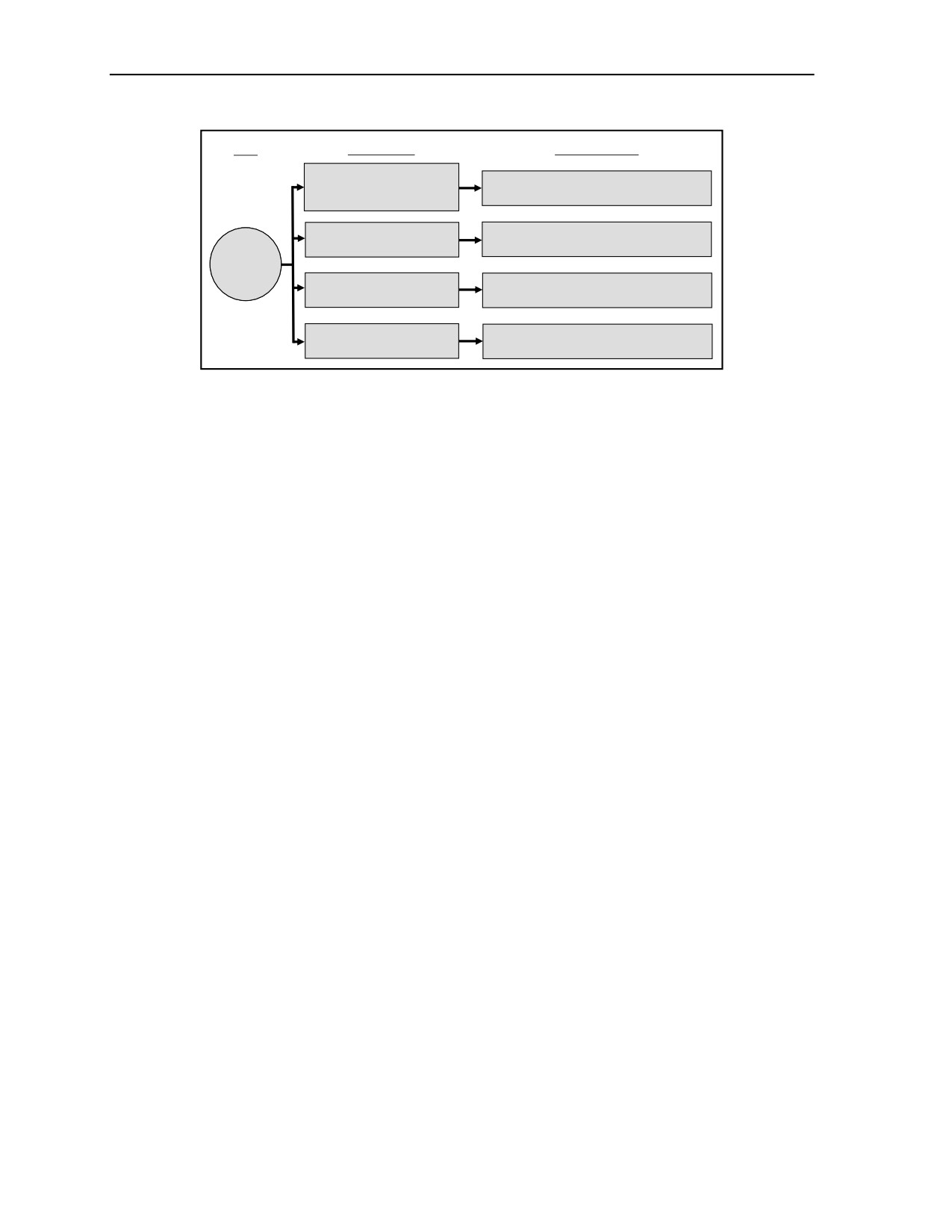
Appendix A
Input
Determination
Follow-on actions
Probable target or time-
Enter probable target in collaborative tools
sensitive target requiring
fix, track, and target
dynamic targeting
Probable target not requiring
Pass to deliberate targeting process
dynamic targeting
Emerging
target
Not a target
Discard or enter on no-strike list
Unknown
Continue find phase
Figure A-1. Find step determinations and follow on actions
A-5. Sometimes the entire dynamic targeting process can occur within the span of a few minutes. An
aircraft returning from a mission detects and identifies an emerging target, and determines it to be a
potential target. The aircraft commander relays the information to higher and receives approval to engage
the target.
A-6. In this example, find and fix steps are completed nearly simultaneously without the need for
traditional reconnaissance. The aircraft commander continues to track the target during an abbreviated
coordination and approval process. The entity is targeted, engaged, and an initial assessment is conducted
by the same system that initially detected the target.
INPUTS
A-7. Inputs to the find step—
z
Clearly delineated joint force commander (JFC) dynamic targeting guidance and priorities.
z
Focused JIPOE to include identified named areas of interest, target areas of interest, and cross
cueing of intelligence disciplines to identify potential target deployment sites or operational
environments. (The Army still uses the IPB process.)
z
Collection plans based on the joint intelligence preparation of the operational environment.
OUTPUTS
A-8. Outputs of the find step—
z
Potential targets detected and nominated for further development within dynamic targeting.
STEP 2 - FIX
A-9. The fix step of dynamic targeting includes actions to determine the location of the probable target.
This step also results in a positive identification of a probable target as worthy of engagement as well as
determining its position and other date with sufficient fidelity to permit engagement.
A-10. The fix step begins after a probable target requiring dynamic targeting is detected. When a probable
target is identified, sensors are focused to confirm target identification and precise location. This may
require diverting assets from other uses. The collection manager may have to make a decision on whether
the diversion of reconnaissance assets from the established collection plan is merited. The collection,
correlation, and fusing of data continues in order to confirm that the target meets the criteria to be classified
as a TST or other target requiring dynamic targeting.
A-11. Completing the fix step in a timely manner requires reconnaissance and surveillance with the
capability to identify stationary and mobile targets, day or night, in any weather conditions, through all
forms of terrain, camouflage, or concealment, to the degree of accuracy required by the engaging weapon
A-2
FM 3-60
26 November 2010
Find, Fix, Track, Target, Engage, and Assess
systems. The ISR assets must also provide both operators and intelligence analysts with the location of the
target with an accuracy that allows engagement by available weapons systems.
A-12. An unanticipated or unplanned TST may be identified during the fix step, requiring JFC confirmation
and classification as a TST. The determination or estimation of the target’s window of vulnerability defines
the timeliness required for successful prosecution, and influences the required prioritization of assets and
the risk assessment. TST receive the highest priority in dynamic targeting.
INPUTS
A-13. Inputs to the fix step—
z
Probable targets requiring dynamic targeting.
z
Sensor information on the target.
OUTPUTS
A-14. Outputs of the fix step—
z
Target identification, classification, and confirmation.
z
Target location accuracy refined to the level required for target engagement.
z
Determination or estimation of target time characteristics.
STEP 3 - TRACK
A-15. During the track step, the target is observed and its activity and movement are monitored. Once the
target is located and identified, maintain contact until an engagement decision is made and executed.
A-16. The track step begins once a definite fix is obtained on the target and ends when the engagement’s
results in the desired effect upon the target. Some targets may require continuous tracking upon initial
detection as an emerging target. Sensors may be coordinated to maintain situational awareness or track
continuity. Target windows of vulnerability should be updated when warranted. Relative priorities for
information requirements are based on JFC guidance and objectives. TST generally receive the highest
priority. If track continuity is lost, the fix step will likely have to be recompleted (and potentially the find
step as well).
INPUTS
A-17. Inputs to the track step—
z
Confirmed target.
z
Target location and plot of movement (if applicable).
OUTPUTS
A-18. Outputs of the track step—
z
Track continuity maintained on a target by appropriate sensor or combination of sensors.
z
Sensor prioritization scheme.
z
Updates to target window of vulnerability.
STEP 4 - TARGET
A-19. The target step takes an identified, classified, located, and prioritized target; finalizes the desired
effect and targeting solution against it to include obtains required approval to engage. The target step can
be time consuming due to the large number of requirements that must be satisfied. Timely decisions are
more likely if target step actions can be initiated or completed in parallel with other steps.
A-20. The target step begins with target validation. Operations personnel ensure that an attack on the target
complies with guidance, the law of war, and the rules of engagement. The target step matches available
attack and sensor assets against the desired effect. Restrictions are resolved and the actions against the
26 November 2010
FM 3-60
A-3
Appendix A
target are coordinated and deconflicted. Risk assessment is performed before weapon systems selection.
Weapon system is selected for engaging the target and assessment requirements are submitted.
INPUTS
A-21. Inputs to the target step—
z
Identified, classified, located, and prioritized target.
z
Restrictions for consideration are collateral damage estimation guidance, weapons of mass
destruction, consequences of execution, law of war, rules of engagement, no-strike list, and
restricted target list, component boundaries, and fire support coordination measures (FSCM).
z
Situational awareness on available assets from all components.
OUTPUTS
A-22. Outputs of the target step—
z
The desired effect is validated.
z
Target data finalized in a format useable by the system that will engage it.
z
Asset deconfliction and target area clearance considerations are resolved.
z
Target execution approval
(decision) in accordance with JFC and Service components
commander’s guidance.
z
Assessment collection requirements are submitted.
z
Consequence of execution prediction and assessment for weapons of mass destruction targets is
performed.
STEP 5 - ENGAGE
A-23. During the engage step, the targets are confirmed as hostile and action is taken against the target.
A-24. The engagement is ordered and transmitted to the system selected to engage it. Engagement orders
must be transmitted to, received by, and understood by those engaging the target. The engagement is
managed and monitored by the engaging component and the desired result is successful action against the
target.
INPUTS
A-25. Inputs to the engage step—
z
Target approval decision.
z
Selected engagement option.
OUTPUTS
A-26. Outputs of the engage step—
z
Issuing and passing of the engagement order.
z
Target engagement via scalable fires.
z
Engagement direction and control.
STEP 6 - ASSESS
A-27. The assess step of dynamic targeting is the same as phase 6, the assessment phase of the joint
targeting cycle. Both examine the results of the target engagement and the results of both must be
integrated to provide the overall joint targeting assessment.
A-28. During the assess step, information is collected about the results of the engagement to determine
whether the desired effects were achieved. TST or other HPT may require an immediate assessment to
provide quick results and to allow for expeditious reattack recommendations.
A-4
FM 3-60
26 November 2010
Find, Fix, Track, Target, Engage, and Assess
INPUTS
A-29. Inputs to the assess step—
z
Assessment requests matched against desired scalable fires.
OUTPUTS
A-30. Outputs of the assess step—
z
Estimated or confirmed engagement results to decisionmakers in a timely manner.
z
Reattack recommendations.
26 November 2010
FM 3-60
A-5
Appendix B
Find, Fix, Finish, Exploit, Analyze, and Disseminate
Find, fix, finish, exploit, analyze, and disseminate
(F3EAD) provides maneuver
leaders at all levels with a methodology that enables them to organize resources and
array forces across the range of Full Spectrum Operations. While the targeting aspect
of F3EAD is consistent with the decide, detect, deliver, and assess
(D3A)
methodology, F3EAD provides the maneuver commander an additional tool to
address certain targeting challenges, particularly those found in a counterinsurgency
environment. F3EAD is not a replacement for D3A nor is it exclusive to targeting;
rather it is an example of tactics, techniques, and procedures that works best at the
battalion/tactical level for leaders to understand their operational environment and
visualize the effects they want to achieve.
In counterinsurgency operations, targets assigned to nonlethal assets are frequently
more important than targets assigned to lethal assets, and F3EAD is equally
applicable for both. Effective targeting identifies options to support the commander’s
intent and objectives. For nonlethal effects, those options may include civil-military
operations; information operations; and political, economic, and social programs.
Lethal operations against targets are most typically designed to kill.
F3EAD is especially well suited and is the primary means for engaging personalities
or high-value individuals (HVI). A high-value individual is a person of interest
(friendly, adversary, or enemy) who must be identified, surveilled, tracked and
influenced through the use of information or fires. An HVI may become a high-
payoff target (HPT) that must be acquired and successfully attacked (exploited,
captured, or killed) for the success of the friendly commander’s mission. In this
role, F3EAD features massed, persistent reconnaissance, or surveillance cued to a
powerful and decentralized all-source intelligence apparatus to find a HVI in the
midst of civilian clutter and find his exact location. This precise location enables
surgical finishing operations (lethal or nonlethal) that emphasize speed to catch a
mobile target. The emphasis on speed is not only to remove a combatant from the
battlefield, but also to take the opportunity to gain more information on the foe. The
exploit and analyze steps are often the main effort of F3EAD because these steps
provide insight into the enemy’s network and may open new lines of operation. The
information accumulated during the exploit and analyze steps frequently starts the
cycle over again by providing leads, or start points into the network that can be
observed and tracked.
THE PROCESS WITHIN THE PROCESS
B-1. To gain an understanding of the F3EAD process, it is instructive to see how F3EAD is used within
D3A and can begin during any phase of D3A methodology. The process still begins with a decide function
in which decisions are made on priorities and the allocation of resources. The decide step is performed
continuously, and requires extensive, persistent analytical work by operations and intelligence personnel.
They analyze large quantities of all-source intelligence reporting to determine the following—
z
Threat validity.
z
Actual importance of potential targets.
26 November 2010
FM 3-60
B-1
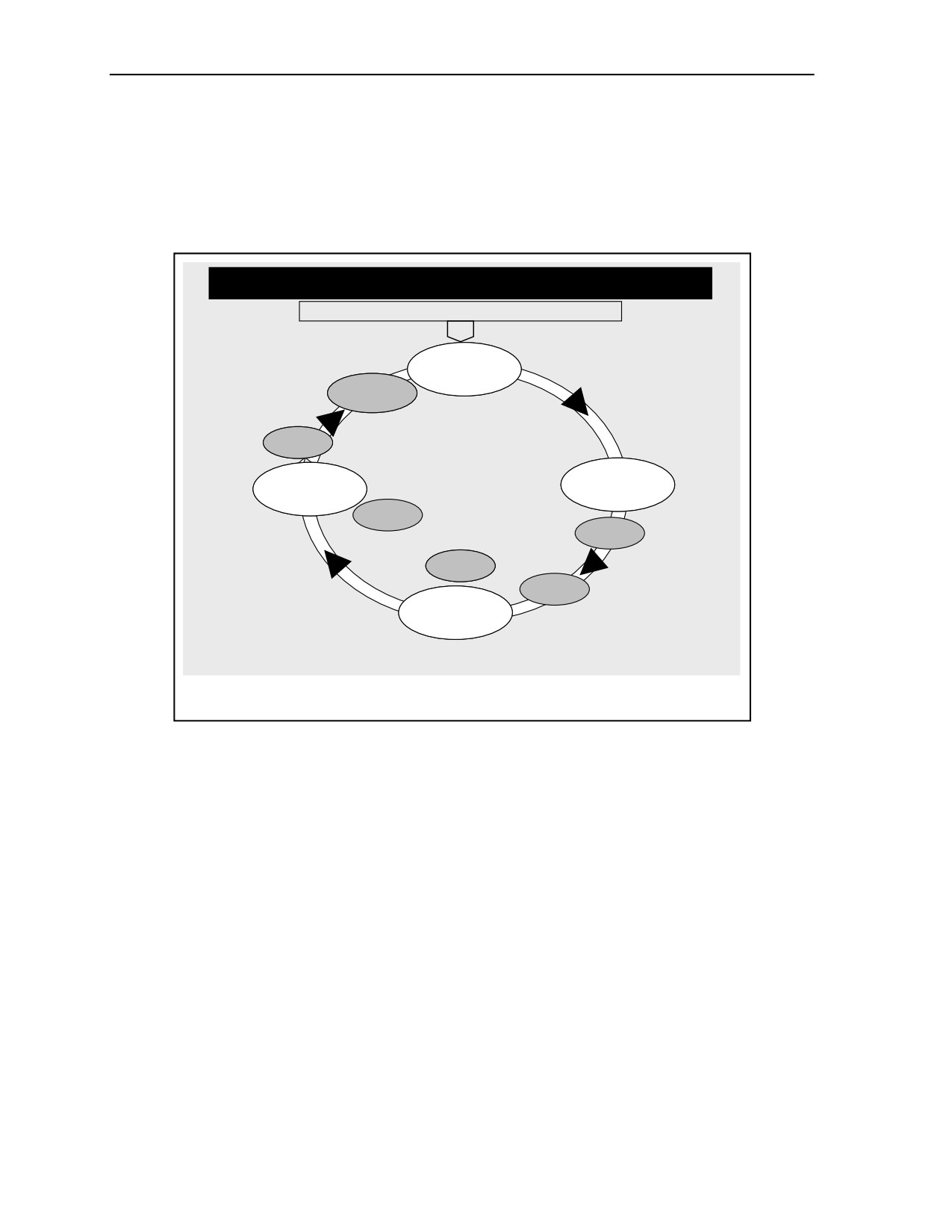
Appendix B
z
Best means to engage the target.
z
Expected effects of engaging the targets (which will guide actions to mitigate negative effects).
z
Any changes required to the exploitation plan.
B-2. As figure B-1 indicates, the detect function is broken into two parts, Find and Fix. During the find
step, the HVI is identified and the target’s network is mapped and analyzed. During the Fix step a specific
location and time to engage the HVI is identified and the validity of the target is confirmed.
HVI targeting process F3EAD within D3A
Commander’s Targeting Guidance
• Reattack recommendation
• Provides insight into the enemy network
• Identify HVI
• Offers new lines of operations
• Identify desired effect
• Provides leads or start points
DECIDE
• Establish priority
• Assign collection assets
Disseminate
• Assign finish assets
Analyze
DETECT
ASSESS
• Target exploitation
Exploit
• Document exploitation
Find
• Site exploitation
• Detainees
Finish
• Confirm probable HVI
Fix
• Focus sensors
• Locate
DELIVER
• Determine time available
• Maintain track
• Launch mission
• Maintain HVI identification
• Capture
• Refine location
• Kill
• Update time available
Legend:
D3A - decide, detect, deliver, and assess
F3EAD - find, fix, finish, exploit, analyze, and disseminate
HVI - high-value individual
Figure B-1. High-value individual targeting process
B-3.
In counterinsurgency operations, the target sets often will include HVI that require special care or
caution in treatment because failure to attack them or to attack them improperly can lead to adverse
consequences. As a result, the find step may take a considerable amount of time from days to even weeks
as targets are identified and the target’s network is mapped and analyzed.
B-4. The Finish step of F3EAD mirrors the deliver function of D3A when the action planned against the
target is initiated and completed. Where the finish step differs from the deliver function in D3A is the
nature of the means the commander will apply against identified target sets. In addition to systems typically
associated with delivering effects in the D3A methodology, means used by a maneuver commander in
counterinsurgency operations can include actions such as sniper, counter sniper, tactical callout, vehicle
interdiction, and small ambush teams.
B-5. The exploit, analyze, and disseminate steps amplify the assess function. The engaging unit takes the
opportunity to gather additional information during the exploit step, determines the implications and
relevance of the information during the analyze step, and publishes the results during the disseminate step.
B-6. It is important to remember that the targeting process is continuous process. For any given target, the
process tends to follow the flow depicted in figure B-1. At any given time however, a unit may be at the
find step for some targets, the exploit step for several other targets, and at the fix, finish, analyze, or
disseminate step for still other targets. Similarly, the unit may disseminate information pertaining to the
B-2
FM 3-60
26 November 2010
Find, Fix, Finish, Exploit, Analyze, and Disseminate
location of a target prior to the finish step or exploit step. Generally, the process will follow the depicted
flow, but don’t let the process restrict what needs to happen next.
STEP 1: FIND
Effective operations are shaped by timely, specific, and reliable intelligence, gathered,
and analyzed at the lowest possible level.
Field Manual (FM) 3-24
B-7. Collection plans need to be tailored to support the F3EAD process, driven largely by the requirement
for time compression. Intelligence preparation of the battlefield (IPB) and area situational awareness
collection will be an ongoing effort as day-to-day operations are conducted, but once an insurgent cell or
HVI is identified, time is at a premium for building the target information folder. Once the target
information folder is approved for collection, very specific information on possible take down locations
must be collected quickly yet without alerting the HVI. This requires layering of collection efforts and
assets.
B-8. HVI targeting will most often be conducted in counterinsurgency operations where the enemy
frequently hides among civilian clutter. Persistent and high fidelity intelligence is often the key to defeating
a foe whose primary strength is denying friendly forces a target. In contrast to major theater operations
where the purpose is to find and destroy ships, tank formations, or infrastructure, the most difficult task in
insurgencies is finding the enemy.
B-9. ISR assets are most effective against such enemies when massed. The insurgent’s ability to hide in
plain sight demands persistent collection in order to detect his presence. Persistent collection requires long
dwell times and must be focused using multiple sensors on discrete parts of the network in order to achieve
the fidelity of information required for targeting.
B-10. The effectiveness of reconnaissance and surveillance grows exponentially when it is cued to and
driven by other sources of intelligence rather than operating alone. The enemy is so well hidden that it takes
multiple sources of intelligence to corroborate information. Signals intelligence for example, can locate a
target but may not be able to discern who it is. An airborne sensor with full motion video can track but not
necessarily identify the target. Human intelligence can provide intent but may not be able to fix a target to a
precise location. However, these disciplines working together are able to focus the spotlight on foes that are
hidden in the general population, so they can be captured or killed. Without a robust, collaborative
intelligence network to guide it, sensors are often used in reactive modes that negate their true power and
tend to minimize their full potential. These intelligence disciplines provide a start point into the enemy
network that can be exploited through persistent and patient observation. With this type of start point, one
can mass reconnaissance forces with confidence that assets are not being wasted.
B-11. Inherent in massing is rejecting the commonly held practice of “fair sharing” intelligence among
multiple units. Massing implies focus and priority. Selected parts of the enemy’s network receive focus,
which should be unwavering for a specified time. This is counterintuitive to those who feel the need to fair
share assets as a way to cover more space and service more priorities. The problem with a low-contrast and
fleeting foe, however, is that enemy actions are not easily predictable. Without prediction, the next best
things are redundancy and saturation. The inability to mass employment of ISR assets over a large
geographic area often results in a loss of effectiveness.
B-12. One tactic that is critical to improve effectiveness against an insurgent is nodal analysis (or link
analysis). Insurgent networks do not exist in a vacuum. They interact with supporters in the population and,
less directly, with their supporters buried in the power structure. HVI interacts with key leaders in politics,
security, the economy, and real estate, as well as the general population.
B-13. Life pattern analysis is connecting the relationships between places and people by tracking their
patterns of life. While the enemy moves from point to point, reconnaissance or surveillance tracks and
notes every location and person visited. Connections between those sites and persons to the target are built,
and nodes in the enemy’s network emerge. Link analysis and life pattern analysis identify these
relationships in order to flesh out the target information folder. To be effective, there must be sufficient
intelligence on the network the HVI belongs to in order to know the effect of his removal. Just because he
26 November 2010
FM 3-60
B-3
Appendix B
is the cell leader may not be a good enough reason to target him. How will the cell be hurt by his removal?
How long will it take to replace him?
B-14. This analysis has the effect of taking a shadowy foe and revealing his physical infrastructure for
things such as funding, meetings, headquarters, media outlets, and weapons supply points. As a result, the
network becomes more visible and vulnerable, thus negating the enemy’s asymmetric advantage of denying
a target. Nodal analysis uses the initial start point to generate additional start points that develop even more
lines of operation into the enemy’s network. The payoff of this analysis is huge but requires patience to
allow the network’s picture to develop over a long term and accept the accompanying risk of potentially
losing the prey.
B-15. Networks are notably resistant to the loss of any one or even several nodes. The focus of targeting is
not just to identify an individual who is a leader in the network. Instead, it is to identify the critical leader
whose removal will cause the most damage to the network. The ultimate success is to remove sufficient
critical nodes simultaneously—or nearly so—such that the network cannot automatically reroute linkages,
but suffers catastrophic failure.
INPUTS
B-16. Inputs to the find step—
z
Commander’s guidance and priorities.
z
IPB, to include identified named areas of interest, target areas of interest, and cross cueing of
intelligence disciplines to identify potential target sites or operational environments.
z
Life pattern analysis.
z
Collection plans based on the IPB.
OUTPUTS
B-17. Outputs of the find step—
z
Potential HVI detected and nominated for further development.
z
Target folders.
z
HVI network identified and analyzed.
STEP 2: FIX
B-18. The continued collection effort paints a picture of the HVI. The intelligence staff officer (S-2) can
draw broad behavior patterns that will focus the specific collection requirements from analysis of the
intelligence. The information harvested from the focused and persistent collection reveals the life patterns
of the HVI includes overnight locations, daily routes, visitations, and trustworthy associates. National and
unit intelligence assets then corroborate the life patterns. As the details are filled in, it becomes possible to
anticipate where the HVI is most likely to spend time or visit.
B-19. Not only does this intelligence provide the unit a more complete understanding of the network, it also
helps the unit to confirm that the planned action will have the desired result and be worth the cost.
Sometimes, intelligence gained from continuing to monitor the HVI is more significant than killing or
capturing the HVI. An action against one target may reduce the chance of success against a more important
target.
B-20. Maintaining persistent, continuous intelligence support is particularly hard at lower echelons of
command and small units where intelligence assets are less available than at the brigade combat team
(BCT) and higher commands. In these units, it is important for the command to establish intelligence
support teams with personnel who know the targets and are trained in the unit standard/standing operating
procedures (SOP) for sensor preparation/briefings, patrol debriefings, data collection, and able to fuse this
information with the unit’s operational plan to finish the target.
B-21. As the probable location of the HVI target is narrowed to a few sites, the unit is able to identify
feasible courses of action and begin refining the planned actions of the finish force. At some point the
information leads the unit to determine a HVI target is likely to be a specific location (fix) at a specific time
B-4
FM 3-60
26 November 2010
Find, Fix, Finish, Exploit, Analyze, and Disseminate
or within a specific time frame. Depending on the accuracy and reliability of the information, the unit may
chose to verify the information through other means. Once the unit is satisfied that the fix is valid, they may
chose to launch the finish force.
INPUTS
B-22. Inputs to the fix step—
z
Probable HVI.
z
Information on the target and the target’s network.
OUTPUTS
B-23. Outputs of the fix step—
z
Target identification and confirmation.
z
Target location accuracy refined to the level required for target engagement.
z
Determination or estimation of target time characteristics.
STEP 3: FINISH
B-24. The window of opportunity to engage the target requires a well trained and rehearsed finish force and
a well developed SOP. The force will normally not have the time to create elaborate plans. Instead, the
force will be required to adapt a known drill to the existing conditions and rapidly execute the required
actions, such as a raid, ambush, or cordon and search. The force must also be prepared to conduct
follow-on operations based on information found during exploitation on the objective.
INPUTS
B-25. Inputs to the finish step—
z
HVI location within a given time frame.
OUTPUTS
B-26. Outputs of the finish step—
z
Target isolated and engaged.
z
Target location secured.
z
Exploitation force on site.
STEP 4: EXPLOIT
B-27. Once secured, the target site must be exploited. Site exploitation is a methodical, detailed collection
process to gather potential intelligence. Effective site exploitation requires prior planning to include SOP,
search plans, prepared site exploitation kits, and tactical questioning plans. Units must make these
preparations in advance of the finish step in order to be conduct effective actions on the objective.
B-28. The site exploitation team may have a variety of enablers in direct support, or it may come solely
from the unit. In any case, they must have clear instructions on what to look for in the specific site and
training in how to conduct the investigation. Some units use “smart cards” with target specific information
and predetermined questions. Such aids have been useful in preparing and guiding the exploitation teams.
Some organizations prefer designated assault/exploitation units. Continual preparation for these type
missions allows the development and refinement of SOP.
B-29. F3EAD differs from other targeting models because of its emphasis on the exploit and analyze steps
as the main effort. This recognizes the importance of intelligence in fighting the low contrast foe and
aggressively supplying multisource start points for new information collection. More than the other steps,
this feeds the intelligence operations cycle in which intelligence leads to operations that yield more
intelligence leading to more operations. The emphasis on raids is essential to gather intelligence on the
26 November 2010
FM 3-60
B-5
Appendix B
enemy network; simply killing the enemy will not lead to greater effectiveness against their networks. In
fact, capturing the enemy for purposes of interrogating is normally the preferred option.
B-30. Target exploitation and document exploitation are important law enforcement activities critical to
F3EAD. Documents and pocket litter, as well as information found on computers and cell phones, can
provide clues that analysts need to evaluate enemy organizations, capabilities, and intentions. The enemy’s
network becomes known a little more clearly by reading his email, financial records, media, and servers.
Target and document exploitation help build the picture of the enemy as a system of systems.
B-31. The interrogation of detainees is crucial to revealing the enemy’s network. The ability to talk to
insurgent leaders, facilitators, and financiers about how the organization functions offers significant insight
on how to take that organization apart. Intelligence from detainees drives operations, yielding more
detainees for additional exploitation and intelligence.
INPUTS
B-32. Inputs to the exploit step—
z
Secured target location.
z
Targeted questions.
z
Site exploitation preparation and SOP.
OUTPUTS
B-33. Outputs of the exploit step—
z
Documented information.
z
Detailed reports.
z
Follow on targets for immediate execution.
STEP 5: ANALYZE
B-34. The bottom line of the analyze step is to examine and evaluate information and rapidly turn it into
actionable intelligence that can be applied to defeat the enemy’s network. Some information may be
immediately actionable, such as information providing the location of another HVI. Other information may
need further analysis and corroboration.
B-35. The avalanche of information requires the staff to streamline operations to allow for this data to be
stored, analyzed, recalled, and disseminated as necessary. New or additional players must be included in
the collection and assessment process. National and theater level technical assets will also be critical and
mechanisms to facilitate their integration must be developed. All of this will require modifications of
existing planning mechanisms and procedures, and learning how to incorporate new sources.
B-36. The objective is to make intelligence, not information. To do this you have to invest resources and
focus on preparation. The level of dedicated resources (mainly personnel) will have a direct correlation to
the quality and quantity of developed intelligence. Too few resources result in an extrication of raw
information effort, instead of an analytical and understanding effort. The more investment the greater the
return.
INPUTS
B-37. Inputs to the analyze step—
z
Document information.
z
Detailed reports.
OUTPUTS
B-38. Outputs of the analyze step—
z
Actionable intelligence.
B-6
FM 3-60
26 November 2010
Find, Fix, Finish, Exploit, Analyze, and Disseminate
z
Correlated information.
z
Intelligence assessments.
STEP 6: DISSEMINATE
B-39. The sisseminate step is simple but time consuming. The goal is to make sure everyone else knows
what you know. Even information that appears to be irrelevant may hold the key to unlocking a network for
someone else. Fortunately, the various computer programs and networks greatly aid the dissemination
process.
B-40. Prioritizing the dissemination effort is essential. Some information will answer a priority intelligence
requirement (PIR) and should be forwarded to the requesting agency immediately. Other information may
be important based on the operational environment. Still other information will be routine and can be
handled routinely.
INPUTS
B-41. Inputs to the disseminate step—
z
Relevant and correlated information.
z
Actionable intelligence.
z
Intelligence assessments.
OUTPUTS
B-42. Outputs of the disseminate step—
z
Databases, matrices, and assessments are updated.
z
Intelligence and information is pushed to higher, lower, and adjacent units.
z
Information is made available to everyone with a need to know.
MEASURING SUCCESS
B-43. Measuring success when conducting F3EAD targeting requires analysis conducted in two stages.
The first stage occurs immediately after the finish step and should answer questions associated directly to
the target and its network. Examples of first stage metrics include—
z
Killed or captures insurgents.
z
Changes in insurgent patterns.
z
Captured equipment and documents.
B-44. The second stage of analysis takes the longer view. These metrics provide the yardstick for JFC to
examine progress made toward meeting objectives established in the joint campaign plan to include—
z
Changes in local attitudes towards United States and host nation forces to include public
perceptions.
z
Changes in the quality or quantity of information provided by individuals or groups.
z
Changes in the economic or political situation of an area.
26 November 2010
FM 3-60
B-7
Appendix C
National Intelligence Organizations Support to Targeting
Many intelligence organizations within the United States Government are tasked with
collecting information on potential threats against friendly interest. Only a portion of
the information is relevant to any given operation. Successful military operations
require information that is fused and focused.
Combatant command joint intelligence operations center possess organizational
processes to integrate and synchronize military, national, operational, and tactical
intelligence capabilities to increase intelligence fidelity and timeliness of
dissemination to Service components, and to decrease duplication of effort by
intelligence centers.
The intelligence directorate of a joint staff (J-2) assesses the combatant command’s
organic tasking, collection, processing, exploitation, and dissemination capabilities to
support the combatant command’s selected operations through all phases of conflict.
The combatant command J-2 determines intelligence shortfalls and, working with the
Defense Joint Intelligence Operations Center (DJIOC), begins to establish federated
partnerships with other intelligence organizations to address these shortfalls.
Federated partnerships are formal agreements with other theater joint intelligence
operations centers, Service intelligence centers, defense intelligence agencies, reserve
intelligence elements, or other nongovernmental intelligence agencies to assist with
the combatant command J-2 intelligence responsibilities.
In a “federated approach,” a joint force commander (JFC) receives its principal
intelligence support from the combatant command’s joint intelligence operations
center, which receives information from all echelons and performs all-source analysis
and production. The following paragraphs contain information on the organizations
that may provide expertise for federated intelligence support to targeting and allow
access to more actionable information than would otherwise be available to JFC.
DEPUTY DIRECTOR FOR TARGETING, JOINT STAFF
INTELLIGENCE DIRECTORATE
C-1. The Deputy Directorate for Targeting, Joint Staff Intelligence Directorate is a unique organization
since it is a major component of the Defense Intelligence Agency, which is a combat support agency, as
well as a fully integrated element of the joint staff. The J-2 is the primary coordination element for national
level intelligence support to joint targeting.
C-2. The deputy directorate for targeting functions as the lead agent for providing and coordinating
national level intelligence support to joint targeting. Specific deputy directorate for targeting
responsibilities include—
z
Providing the Chairman of the Joint Chiefs of Staff and the operations directorate of a joint staff
(J-3) with targeting, assessment, and technical support during contingency and crisis action
planning.
z
Providing the combatant commands, if requested and validated, with intelligence community
target development through all phases of the targeting cycle.
26 November 2010
FM 3-60
C-1
Appendix C
z
Assisting the combatant commands in establishing, coordinating, or supporting federated
intelligence operations, to include target development and assessment.
z
Assisting combatant commands with coordination of intelligence community target vetting.
z
Providing functional expertise on targeting and targeting related issues undergoing Joint Staff,
Secretary of Defense, and Presidential review. This includes, but is not limited to, command
target lists, planning orders, warning orders, and sensitive target and review products.
Note. See Joint Publication (JP) 2-0 for additional details.
DEFENSE INTELLIGENCE AGENCY, DEFENSE JOINT
INTELLIGENCE OPERATIONS CENTER
C-3. The Director of the Defense Intelligence Agency serves as the Chief, DJIOC and reports to the
Secretary of Defense through the Chairman of the Joint Chiefs of Staff. The Defense Intelligence Agency
provides finished target intelligence to the President, Secretary of Defense, and JFC, providing worldwide
support across the entire spectrum of conflict.
C-4. The DJIOC plans, prepares, integrates, directs, synchronizes, manages continuous full spectrum
Department of Defense intelligence operations in support of the combatant commands, and is the primary
conduit through which national level target intelligence support is provided to the combatant commands
and subordinate joint forces. This includes targeting, information operations, battle damage assessment
(BDA), current intelligence, and target systems analysis of the adversary. The DJIOC coordinates and
prioritizes military intelligence requirements across the combatant commands, combat support agencies,
Reserve Components, and Service component intelligence centers.
C-5. DJIOC is responsible for providing target intelligence to the President of the United States or
Secretary of Defense, combatant commanders, and joint task force commanders in support of joint
worldwide operations. The DJIOC directly supports Joint Staff J-2 targeting efforts by consolidating all-
source target development and material production. The DJIOC and combatant command JIOC controls
national intelligence assets and determine requirements through the Director of National Intelligence and
intelligence community representatives to combatant commands.
Note. For additional details, see JP 2-01.
JOINT FUNCTIONAL COMPONENT COMMAND FOR
INTELLIGENCE, SURVEILLANCE, AND RECONNAISSANCE
C-6. The Joint Functional Component Command for Intelligence, Surveillance, and Reconnaissance
(JFCC-ISR) plans, integrates, and coordinates defense global ISR strategies in support of joint operation
planning and combatant command planning/operations in accordance with the United States Strategic
Command’s combatant command plan assigned ISR mission. The Joint Functional Component Command
for Intelligence, Surveillance, and Reconnaissance formulates recommendations to integrate global ISR
capabilities associated with the missions and requirements of Department of Defense ISR assets in
coordination with the DJIOC and Commander, United States Strategic Command. The Joint Functional
Component Command for Intelligence, Surveillance, and Reconnaissance provides personnel and resources
in direct support of the combatant command joint intelligence operations center.
NATIONAL SECURITY AGENCY
C-7. The National Security Agency provides critical intelligence support to all phases of joint targeting.
The National Security Agency’s Information Warfare Support Center serves as the agency’s primary point
of contact for organizations seeking specific targeting or targeting related analytical information. The
Information Warfare Support Center directly assists with the preparation of information operations
strategies as well as all-source targeting studies for the Department of Defense, Joint Staff, combatant
commands, and joint task forces. This support includes analysis of communications networks or other
aspects of the information infrastructure, as well as operational Signals Intelligence. The National Security
C-2
FM 3-60
26 November 2010
National Intelligence Organizations Support to Targeting
Agency is also responsible for providing the combatant command, Joint Staff J-2, and Defense Joint
Intelligence Operations Center with the intelligence gain or loss assessment, which is an evaluation of the
quantity and quality of intelligence data lost if desired effects are created on a target. The National Security
Agency is also tasked with keeping the Defense Joint Intelligence Operations Center, combatant command
Joint Intelligence Operations Centers, and other interested command and agencies informed of agency
activities that take place in each respective combatant commander’s area of responsibility or subordinate
joint forces’ operational area.
NATIONAL GEOSPATIAL-INTELLIGENCE AGENCY
C-8. The National Geospatial-Intelligence Agency is a Department of Defense combat support agency, as
well as a national intelligence organization. The agency provides tailored mapping products, services, and
training support to the Department of Defense, Joint Staff, combatant commands, and joint task forces.
Mapping products use geodetically controlled source material and refined mensuration techniques and data.
Major targeting assistance includes the digital point positioning database and the mensuration of precise
points to support targeting. The National Geospatial-Intelligence Agency is the central authority
responsible for managing imagery intelligence and is the primary source for geospatial intelligence analysis
and products at the national level. For this reason, their staff plays a critical role providing collection
support to target intelligence efforts. The DJIOC validates all national imagery nomination requests,
deconflicts multiple requirements, and implements tasking of national imagery assets.
C-9. The National Geospatial-Intelligence Agency will, when requested, provide geospatial intelligence
support to the combatant command via a support team or as part of a national intelligence support team.
Their support teams are established at each combatant command headquarters and are in direct support to
the combatant command joint intelligence operations center. The support team provides the full spectrum
of National Geospatial-Intelligence Agency’s geospatial intelligence capabilities and is composed of a core
cadre that includes geospatial analysts, imagery analysts, and staff officers. The support team also has full
connectivity with the agency to ensure reachback capability into their total support effort. A National
Geospatial-Intelligence Agency support team would contribute to responsive imagery tasking, collection,
processing, exploitation, and dissemination in support of joint targeting efforts.
Note. For more on geospatial intelligence capabilities, target support products, and services see
JP 2-03 and JP 3-60.
JOINT INFORMATION OPERATIONS WARFARE COMMAND
C-10. The Joint Information Operations Warfare Command plans, integrates, and synchronizes
information operations in support of JFC and serves as the United States Strategic Command lead for
enhancing information operations across the Department of Defense. It exists to provide the full range of
information operations options to the supported commander, focusing on the operational level of war, but
prepared to support tactical and strategic level requirements as well.
C-11. The Joint Information Operations Warfare Command supports the JFC by conducting following
tasks—
z
Supports the integration of operational security, military information support operations, military
deception, public affairs, electronic warfare (EW), and destruction throughout the planning and
execution phases of an operation.
z
Interfaces with the Joint Staff, Services, Department of Defense, and intergovernmental agencies
to coordinate and integrate information operations efforts for joint task force commanders.
z
Participates in joint special technical operations support to combatant commanders.
z
Provides planning consideration guides and precision influence target folders to supported
combatant commands.
z
Coordinates and integrates the information operations portion of the intelligence preparation of
the operational environment.
z
Evaluates information operations effectiveness in military operations.
26 November 2010
FM 3-60
C-3
Appendix C
z
Provides communications system and intelligence nodal analysis and information operations
targeting support.
z
Assists with strategic information operations planning and engagement.
JOINT WARFARE ANALYSIS CENTER
C-12. The Joint Warfare Analysis Center assists in preparation and analysis of joint operation plan
(OPLAN) and Service chiefs’ analysis of weapons effectiveness. It provides the Joint Staff, combatant
commands, joint force commanders, and other Department of Defense and intergovernmental agencies with
precision targeting and deterrent options for selected networks and nodes. The Joint Warfare Analysis
Center provides specialized analysis for use in developing targeting strategies. The analysis includes
innovative and accurate engineering and modeling based targeting options and helps provide planners with
an understanding of risks and consequences, including collateral damage estimates. They normally provide
this support to the joint task force through the supported combatant command.
DEFENSE THREAT REDUCTION AGENCY
C-13. The Defense Threat Reduction Agency is a combat support agency charged with developing methods
to deal more effectively with threats by chemical, biological, radiological, nuclear, and high-yield
explosives weapons of mass destruction and preventing future threats. It covers a broad spectrum of
activities, but is directly involved in the targeting process by making collateral damage and casualty
estimations when employing weapons against facilities that may contain weapons of mass destruction. The
Defense Threat Reduction Agency provides target characterization and high fidelity weapons effects
modeling to support physical and functional defeat of hardened and deeply buried targets.
C-14. The Defense Threat Reduction Agency—
z
Maintains continuous global situational awareness of weapons of mass destruction to support
decisive action.
z
Provides hazard predictions and consequence management expertise.
z
Develops technologies and tactics, techniques, and procedures to hold at risk and defeat critical
military targets protected in tunnels and other deeply buried, hardened facilities.
z
Provides the Department of Defense nuclear mission support.
z
Provides enhanced capabilities to assess enemy weapons of mass destruction operations.
JOINT SPACE OPERATIONS CENTER
C-15. The Joint Space Operations Center is the primary United States Strategic Command interface for
coordinating and delivering joint space effects to the supported commander, to include all aspects of joint
operation planning and the air tasking cycle. The Joint Space Operations Center is responsible for
analyzing and targeting enemy space capabilities in support of theaters. Joint Space Operations Center
targeteers can evaluate theater Air Operation Directives and nominate specific space related targets to meet
a theater commander’s objectives.
C-16. The primary functions of the Joint Space Operations Center are to—
z
Develop a global space operations strategy to meet Commander, United States Strategic
Command objectives and guidance.
z
Assist development of theater space operations strategy to meet the geographic combatant
commander objectives and guidance through robust interaction with theater space coordination
authority.
z
Produce and disseminate the joint space tasking order.
z
Task and execute day-to-day space operations for assigned and attached space forces.
z
Receive, assemble, analyze, filter, and disseminate space related all-source intelligence and
weather information to support air and space operations planning, execution, and assessment.
C-4
FM 3-60
26 November 2010
National Intelligence Organizations Support to Targeting
z
Conduct operational level assessments to determine mission and overall space operations
effectiveness as required by the Commander, United States Strategic Command, and other
geographic combatant command to support global and theater combat assessments.
Note. See JP 3-14 for additional details.
JOINT TECHNICAL COORDINATING GROUP FOR MUNITIONS
EFFECTIVENESS
C-17. Joint Technical Coordinating Group for Munitions Effectiveness is a vital joint service activity that
develops operational effectiveness estimates for all nonnuclear munitions and munitions effective miss
distance tables that contain collateral damage distances for all air-to-surface and surface-to-surface
conventional munitions, and continuously updates Joint Munitions Effectiveness Manuals used by the
Services for training and tactics development, operational targeting, weapons selection, aircraft load outs,
and planning for ammunition procurement, survivability, and development of improved munitions. The
Joint Technical Coordinating Group for Munitions Effectiveness directs the analytical effort of working
groups necessary to determine degrading effects of various terrain environments on nonnuclear munitions
effectiveness and improving the database for target vulnerability, delivery accuracy, and weapons
characteristics.
NATIONAL AIR AND SPACE INTELLIGENCE CENTER
C-18. The National Air and Space Intelligence Center is the sole national center for integrated intelligence
analysis on air and space systems, forces, and threats. It assesses current and projected foreign air and space
capabilities and intentions, develops targeting and mission planning intelligence materials, and evaluates
evolving technologies of potential adversaries. Such technical information is useful in determining how to
create specific effects on specific targets and target systems. In addition to expertise on worldwide air
assets, the National Air and Space Intelligence Center also has leading experts on long-range surface-to-
surface missiles (such as medium range and intercontinental ballistic missiles).
C-19. The National Air and Space Intelligence Center can provide target systems analysis of—
z
Communications system and intelligence.
z
Air forces and airfields.
z
Integrated air defense forces.
z
Space forces.
z
Ballistic missile forces.
UNITED STATES JOINT FORCES COMMAND QUICK REACTION
TEAM
C-20. The United States Joint Forces Command quick reaction team is a rapidly deployable team of
targeting personnel and collection managers designed to provide immediate crisis support to combatant
commands. The quick reaction team can deploy within 24 hours at the request of a combatant commander
via Joint Staff J-2 or the Defense Joint Intelligence Operations Center. They are trained analysts, but must
be integrated into existing theater intelligence organizations as they deploy with no organic automated data
processing or communications support. The supported combatant commander determines the team’s
location within theater (headquarters, joint intelligence operations center, joint task force, or component
command) based on assessed needs. The quick reaction team is not a permanent targeting or collection
augmentation and should be returned to national control as mobilization or individual augmentation arrive
to support the combatant commander’s requirements.
CENTRAL INTELLIGENCE AGENCY
C-21. The Central Intelligence Agency, through its target support group within its Office of Military
Affairs works closely with the Department of Defense on many issues relating to every phase of the
26 November 2010
FM 3-60
C-5
Appendix C
targeting cycle. The target support group makes a variety of Central Intelligence Agency resources
available to military target planners. They can provide target systems analysis of communications system
and intelligence, weapons of mass destruction, and counterterrorism. Additionally, in peacetime, applicable
request for information are routed to the Central Intelligence Agency to be addressed by the agency’s
Office of Military Affairs. The target support group provides information and expertise in support of
military target development and processes formal requests for target nominations (review and approval by
the agency’s leadership) to add the Central Intelligence Agency selected targets to a Department of Defense
plan. The target support group manages all military Special Technical Operations and Special Access
Program compartments, and deconflicts military targeting with Central Intelligence Agency operational
assets. In a crisis or war, Central Intelligence Agency personnel or teams can be attached to combatant
commands, joint task forces, or joint force components, as required.
DEPARTMENT OF STATE, BUREAU OF INTELLIGENCE AND
RESEARCH
C-22. The central point of contact within the Department of State for intelligence, analysis, and research is
the Bureau of Intelligence and Research. The Bureau of Intelligence and Research produces intelligence
studies and analyses, which have provided valuable information in support to targeting. As the lead foreign
affairs agency and the enabler of United States diplomacy, the State Department has a unique perspective
on the nations of the world. All-source reporting via Foreign Service channels at American embassies or
consular posts has also proven useful, particularly during the objectives and guidance, target development,
and combat assessment phases of the targeting cycle. Intelligence concerning political and military leaders,
cultural trends and thoughts, and economics—to name just a few areas—can provide information that ties
military strategy to the entire spectrum of national power. Even from a purely military standpoint, such
intelligence can enhance understanding of adversary motivations.
C-6
FM 3-60
26 November 2010
Appendix D
Example Formats and Target Reports
The targeting products developed during the targeting process are actually tools. The
commander, the targeting working group, supporting, and supported units use them.
The products allow them to control and synchronize targeting in an effective and
efficient way. There are no prescribed formats. Each unit will develop tools that work
best for them. Factors to consider in developing formats are as follows—
z
Type and level of the command.
z
Operating environment.
z
Assets available.
z
Missions.
z
Standard/standing operating procedures (SOP).
Regardless of the formats used, the decide, detect, deliver, and assess
(D3A)
methodology associated with the command decision cycle must be followed. The
quality of targeting products is paramount to the commander’s and staff’s ability to
attain and maintain credibility with other warfighting functions. Targeting products
can be presented in many forms. These forms may be oral presentations, hard copy
publications, or electronic format.
The purpose of this appendix is to provide a menu of formats and a focus on the
targeting information and knowledge the commander and staff requires. The formats
may be copied or modified by the targeting working group to support requirements of
the command.
HIGH-PAYOFF TARGET LIST
D-1. The modified high-payoff target list (HPTL) (see figure D-1 below) is a sample of the basic format
described in Chapter 2.
26 November 2010
FM 3-60
D-1