FM 3-60 (FM 6-20-10) The Targeting Process (NOVEMBER 2010) - page 2
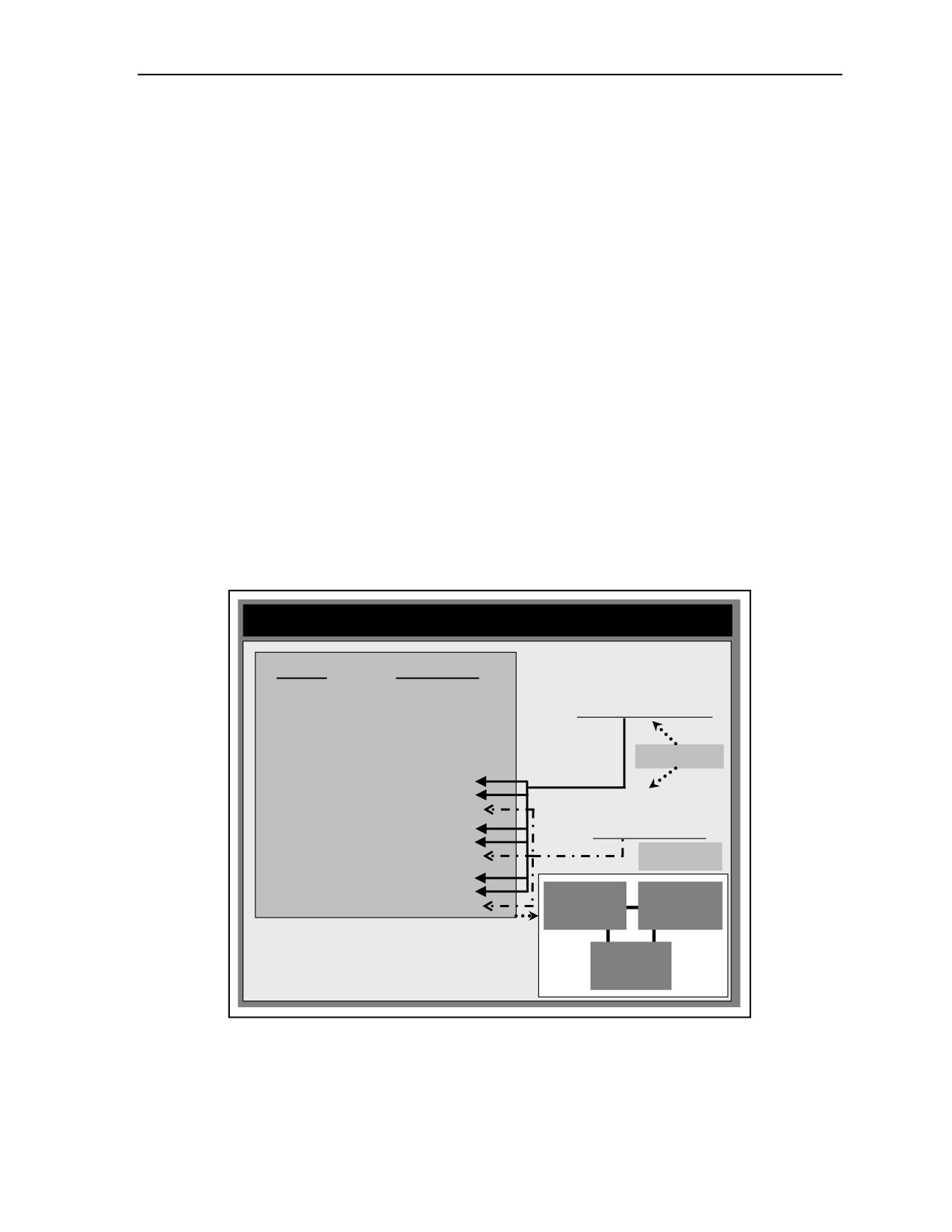
The Targeting Methodology
z
Required munitions not available.
z
Targets out of range.
2-96. The fires cell must decide if the selected weapon should attack under different criteria or if a different
weapon should be used.
ASSESS
2-97. Commanders continuously assess the operational environment and the progress of operations, and
compare them to their initial vision and intent. Commanders adjust operations based on their assessment to
ensure objectives are met and the military end state is achieved.
2-98. The assessment process is continuous and directly tied to the commander’s decisions throughout
planning, preparation, and execution of operations. Staffs help the commander by monitoring the numerous
aspects that can influence the outcome of operations and provide the commander timely information
needed for decisions. The commander’s critical information requirement is linked to the assessment process
by the commander’s need for timely information and recommendations to make decisions. Planning for the
assessment process helps staffs by identifying key aspects of the operation that the commander is interested
in closely monitoring and where the commander wants to make decisions.
2-99. Assessment occurs at all levels and across the spectrum of conflict. (See figure 2-8.) Even in
operations that do not include combat, assessment of progress is just as important and can be more complex
than traditional combat assessment. As a rule, the level at which a specific operation, task, or action is
directed should be the level at which such activity is assessed. To do this, commanders and their staffs
consider assessment ways, means, and measures during planning, preparation, and execution. This properly
focuses assessment and collection at each level, reduces redundancy, and enhances the efficiency of the
overall assessment process.
ASSESSMENT LEVELS AND MEASURES
LEVEL
GUIDANCE
Assessed using Measures of
Effectiveness
National
• End State and
(Are We Doing the Right Things?)
Strategic
Objective
Theater
• End State and
Nonlethal
Strategic
Mission
Objectives
z Effects
Assessed using Measures of
Tasks
Operational
• Mission
Performance
Objectives
(Are We Doing Things Right?)
z Effects
Combat
Tasks
Assessment
Tactical
• Mission
Objectives
z
Effects
Battle
Munitions
Tasks
Damage
Effectiveness
Assessment
Assessment
Reattack or
Future
Targeting
Figure 2-8. Assessment levels and measures
26 November 2010
FM 3-60
2-19
Chapter 2
COMBAT ASSESSMENT
2-100. Combat assessment is the determination of the effectiveness of force employment during military
operations.
2-101. Combat assessment is composed of three elements—
z
BDA.
z
Munitions effectiveness assessment.
z
Reattack recommendation.
2-102. In combination, BDA and munitions effectiveness assessment inform the commander of effects
against targets and target sets. Based on this information, the threat's ability to make and sustain war and
centers of gravity are continuously estimated. During the review of the effectiveness of air operations,
redirect recommendations are proposed or executed.
Battle Damage Assessment
2-103. BDA includes known or estimated threat unit strengths, degraded or destroyed threat weapon
systems, and all know captured, wounded, or killed threat personnel during the reporting period. BDA in
the targeting process pertains to the results of attacks on targets designated by the commander. Producing
BDA is primarily an intelligence responsibility, but requires coordination with operational elements to be
effective. BDA requirements may be translated into PIR. BDA accomplishes the following purposes—
z
At the tactical level, commanders use BDA to get a series of timely and accurate snapshots of
their effect on the enemy. It provides commanders an estimate of the enemy's combat
effectiveness, capabilities, and intentions. This helps the staff determine when, or if, their
targeting effort is accomplishing their objectives.
z
As part of the targeting process, BDA helps to determine if a restrike is necessary. The
information is used to allocate or redirect weapon systems to make the best use of available
combat power.
2-104. The need for BDA for specific HPT is determined during the decide function in the targeting
process. BDA requirements should be recorded on the AGM and the intelligence collection plan.
Commanders must be aware that resources used for BDA are the same resources used for target
development and acquisition. The commander's decision must be made with the understanding that an asset
used for BDA may not be available for target development and acquisition. BDA information is received
and processed by the analysis and control element, and the results of attack are analyzed in terms of desired
effects. The results are disseminated to the targeting working group. The targeting working group must
keep the following BDA principles in mind—
z
BDA must measure things that are important to commanders. Measurable things made available
effortlessly are not priority.
z
BDA must be objective. Receiving BDA product from another echelon, the G-2/S-2 should
verify the conclusions (time permitting). The intelligence officers strive to identify and resolve
discrepancies between the BDA analysts at different headquarters at all echelons.
z
The degree of reliability and credibility of the assessment relies largely upon collection
resources. The quantity and quality of collection assets influence whether the assessment is
highly reliable (concrete, quantifiable, and precise) or has low reliability (best guess). The
intelligence synchronization manager plans and coordinates organic and nonorganic collection
assets to obtain the most reliable information when conducting BDA for each HPT.
2-105. Each BDA has three components. They are—
z
Physical damage assessment.
z
Functional damage assessment.
z
Target system assessment.
2-106. These three assessments require different sensors, analytical elements, and timelines. They are not
necessarily subcomponents of each BDA report.
2-20
FM 3-60
26 November 2010
The Targeting Methodology
Physical Damage Assessment
2-107. Physical damage assessment estimates the quantitative extent of physical damage through
munitions blast, fragmentation, and/or fire damage effects to a target. This assessment is based on observed
or interpreted damage.
Functional Damage Assessment
2-108. Functional damage assessment estimates the effect of attack on the target to perform its intended
mission compared to the operational objective established against the target. This assessment is inferred
based on all-source intelligence and includes an estimate of the time needed to replace the target function.
A functional damage assessment is a temporary assessment (compared to target system assessment) used
for specific missions.
Target System Assessment
2-109. Target system assessment is a broad assessment of the overall impact and effectiveness of all types
of attack against an entire target systems capability; for example, enemy air defense artillery systems. It
may also be applied against enemy unit combat effectiveness. A target system assessment may also look at
subdivisions of the system compared to the commander's stated operational objectives. It is a relatively
permanent assessment (compared to a functional damage assessment) that will be used for more than one
mission.
2-110. BDA may take different forms besides the determination of the number of casualties or the amount
of equipment destroyed. Other information of use to the targeting working group includes the following—
z
Whether the targets are moving or hardening in response to the attack.
z
Changes in deception efforts and techniques.
z
Increased communication efforts as the result of jamming.
z
Whether the damage resulting from an attack is affecting the enemy's combat effectiveness as
expected.
2-111. Damage assessments may also be passive by compiling information in regards to a particular target
or area. An example is the cessation of fires from an area. If BDA is to be made, the targeting working
group must give intelligence acquisition systems adequate warning for sensor(s) to be directed at the target
at the proper time.
2-112. BDA results may change plans and earlier decisions. The targeting working group must
periodically update the decisions made during the decide function concerning the following—
z
IPB products.
z
HPTL.
z
TSS.
z
AGM.
z
ISR plan.
z
OPLAN.
Munitions Effectiveness Assessment
2-113. The G-3, in coordination with the fires cell and targeting working group, conducts munitions
effectiveness assessment concurrently and interactively with BDA, as a function of combat assessment.
Munitions effectiveness assessment is an assessment of the military force in terms of the weapon systems
and munitions effectiveness. Munitions effectiveness assessment is conducted using approved
weaponeering software and provides the basis for recommendations to increase the effectiveness of the
following—
z
Methodology.
z
Tactics.
z
Weapon system.
z
Munition.
z
Weapon delivery parameters.
26 November 2010
FM 3-60
2-21
Chapter 2
2-114. The G-3, in coordination with the fires cell, develops the munitions effectiveness assessment by
determining the effectiveness of munitions, weapons systems, and tactics. Munitions effect on targets can
be calculated by using approved weaponeering software. The targeting working group may generate
modified commander's guidance to the assistant chief of staff, logistics/logistics staff officer concerning the
following—
z
Unit basic load.
z
Required supply rate.
z
Controlled supply rate.
Reattack Recommendation
2-115. Based on the BDA and munitions effectiveness assessment analysis, the G-2 and G-3 consider the
level to which operational objectives have been achieved and make recommendations to the commander.
Reattack and other recommendations should address operational objectives relative to the following—
z
Target.
z
Target critical elements.
z
Target systems.
z
Enemy combat force strengths.
ASSESSMENT METRICS AND MEASUREMENTS
Assessment Metrics
2-116. The staff should develop metrics to determine if operations are properly linked to the joint force
commander’s (JFC) overall strategy and the larger hierarchy of operational and national objectives. These
metrics evaluate the results achieved during joint operations. Metrics can be objective (using sensors or
personnel to directly observe damage inflicted) or subjective (using indirect means to ascertain results),
depending on the metric applied to either the objective or task. Both qualitative and quantitative metrics
should be used to avoid unsound or distorted results. Metrics can either be inductive (directly observing the
operational environment and building situational awareness cumulatively) or deductive (extrapolated from
what was previously known of the adversary and operational environment). Success is measured by
indications that the effects achieved are influencing enemy, friendly, and/or neutral activity in desired ways
among various target systems.
Measurement Types
2-117. The assessment process use measure of performance (MOP) and measure of effectiveness (MOE)
to evaluate progress toward task accomplishment, effects creation, and objective achievement. Well
devised measure can help the commanders and staffs understand the causal relationship between specific
tasks and desired effects (JP 3-60).
2-22
FM 3-60
26 November 2010

The Targeting Methodology
WHO
COMMANDERS
WHAT
GUIDANCE
WHEN
VISUALIZATION
WHERE
INTENT
TO ATTACK
IPB
ASSESS ASSETS
MISSION
DETECT ASSETS
Scouts
Fire Finder Radar
Infantry
ATK Aircraft
Armor
DECIDE
COLT
COLT
KNIGHT
KNIGHT
MP
MP
GSR
Civil Affairs
SOF
Fire Finder Radar
TARGETING
MISO
ATK Aircraft
ASSESS
DETECT
Engineers
TEAM
Engineers
Scouts
CAS
LLVI
ADA Radars
Shell Reports
UAS
Civil Affairs
JFO
ADA Radars
JTAC
DELIVER
UAS
FAC(A)
DELIVERY ASSETS
DELIVERY EFFECTS
Artillery
CAS
Harass
Inform
Infantry
GSR
Degrade
Influence
ATK Aircraft
Naval Gunfire
Suppress
Disorganize
Armor
MISO
Disrupt
Deceive
ADA
MP
Neutralize
Organize
Engineers
Scouts
Co-opt
Deny
AT Assets
Chemical
Warn
Isolate
Mortars
Smoke
Divert
Destroy
UAS
EA
Exploit
Interdict
AI
Public Affairs
Delay
Legend:
ADA - air defense artillery
AI - air interdiction
AT - antitank
ATK - attack
CAS - close air support
COLT - combat observation and lasing team
Co-opt - neutralize or win over through assimilation
EA - electronic attack
FAC(A) - forward air controller (airborne)
GSR - ground surveillance radar
IPB - intelligence preparation of the battlefield
JFO - joint fires observe
JTAC - joint terminal attack controller
LLVI - low level voice intercept
MISO - military information support operations
MP - military police
SOF - special operations forces
UAS - unmanned aircraft system
Figure 2-9. D3A methodology
Note. Figure 2-9 provides an example of assets available when conducting D3A methodology.
Measures of Performance
2-118. MOP answers the question “Are we doing things right?” and are the criteria for measuring task
performance or accomplishment. MOP is quantitative, but can apply qualitative attributes to accomplish the
task. Measurements are used in most aspects of combat assessment, since it typically seeks specific,
quantitative data or a direct observation of an event to determine accomplishment of tactical tasks. MOP
has relevance for noncombat operations as well as tons of relief supplies delivered or noncombatants
evacuated. MOP is used to measure operational and strategic tasks, but the type of measurement may not be
as precise or as easy to observe (JP 3-60).
2-119. MOP helps answer questions like, “was the action taken, were the tasks completed to standard, or
how much effort was involved?” Regardless of whether there was or was not a tactical, immediate effect,
“did the assigned force execute the ‘fires,’ ‘maneuver,’ or ‘information’ actions as required by the specified
or implied task?” MOP is used by the commander to assess whether his directives were executed by
subordinate units as intended or if the units were capable of completing the specified action. Typical
measures might include the following—
z
Did the designated unit deliver the correct ordinance?
z
How many leaflets were dropped, what type of leaflets, and did they saturate the target?
z
How many potholes were filled and include the time taken to complete the task?
z
How much potable water was delivered to the village?
26 November 2010
FM 3-60
2-23
Chapter 2
Measures of Effectiveness
2-120. MOE answers the question, “are we doing the right things?” and are used to assess changes in
system behavior, capability, or the operational environment. They are tied to measuring the attainment of
an end state, achievement of an objective, or creation of an effect. They do not measure task
accomplishment or performance. While MOE may be harder to derive than MOP for a discrete task, they
are nonetheless essential to effective assessment (JP 3-60).
2-121. MOE indicates progress toward attainment of each desired effect or indicate the avoidance of an
undesired effect. MOE is a direct form of measurement, like an eyewitness account of a bridge span being
down; some may be more circumstantial indicators, such as measurements of traffic backed up behind a
downed bridge. MOE is typically more subjective than MOP but can be crafted as either qualitative or
quantitative indicators to reflect a trend as well as show progress relative to a measurable threshold.
2-122. For example, if the desired effect is that Brown government forces withdraw from the cities, the
MOE could be stated as increase or decrease in level of forces in the cities. Progress toward this effect can
be measured intelligence collection. However, if the desired effect is that the Brown government engages
the terrorists in order to cause them to leave the country, a MOE such as increase or decrease in coercive
content of diplomatic communiqués could be more difficult to track, measure, and interpret.
Characteristics of Metrics
2-123. Assessment metrics should be relevant, measurable, responsive, and resourced so there is no false
impression of task or objective accomplishment. Both MOP and MOE can be quantitative or qualitative in
nature, but meaningful quantitative measures are preferred because they may be less susceptible to
subjective interpretation (JP 3-60).
Relevant
2-124. MOP and MOE should be relevant to the task, effect, operation, the operational environment, the
desired end state, and the commander’s decisions. This criterion helps avoid collecting and analyzing
information that is of no value to a specific operation. It also helps ensure efficiency by eliminating
redundant efforts.
Measurable
2-125. Assessment measures should have qualitative or quantitative standards they can be measured
against. To measure change effectively, a baseline measurement should be established prior to execution to
facilitate accurate assessment throughout the operation.
Responsive
2-126. Assessment processes should detect situation changes quickly enough to enable effective response
by the staff and timely decisions by the commander. Assessors should consider the time required for an
action or actions to take effect within the operational environment and for indicators to develop. Many
actions require time to implement and may take even longer to produce a measurable result.
Resourced
2-127. To be effective, the assessment process must be adequately resourced. Staffs should ensure
resource requirements for collection efforts and analysis are built into plans and monitored. An effective
assessment process can help avoid duplication of tasks and avoid taking unnecessary actions, which in turn
can help preserve military power.
2-24
FM 3-60
26 November 2010
Chapter 3
Corps and Division Targeting
Targeting at corps and division level may be at the tactical or operational levels of
war. It involves commanders and staff officers in the decide, detect, deliver, and
assess (D3A) methodology in support of tactical operations.
The design of the Army corps headquarters provides a core on which to build a
combined or joint force land component headquarters. The corps headquarters
becomes the Army forces for all Army units including those units not under
operational control of the corps. The corps has operational control of the Army
division and tactical control of the Marine Corps division. The composition of the
headquarters should roughly reflect the composition of the joint and multinational
land forces involved. While acting as a joint forces land component command
(JFLCC) headquarters, the corps headquarters will also perform duties of the Army
forces headquarters and normally have operational control of subordinate Army units.
Like the theater army operational command post (CP), the corps will use Army
doctrine and procedures but refer to joint doctrine. The corps headquarters constituted
and so designated as a joint task force (JTF) by the Secretary of Defense or a
combatant commander. Joint interdependence requires Army leaders and staff to
understand joint doctrine and procedures when participating in joint operational
planning and assessment.
Normally, the division will be under the operational control of a JFLCC, the Army
forces, or a corps headquarters for major combat operations. For small-scale
operations, it may be a JFLCC or the Army forces operations control of a JTF.
FIRES CELL
3-1. The primary action agency for targeting at the corps and division level is the fires cell. The fires cell
coordinates available weapon systems that provide Army indirect fires, joint fires, electronic attacks,
and the associated targeting process. The fires cell implements the commander’s intent through the
physical attacks on enemy capabilities or the degradation of enemy command nodes and control
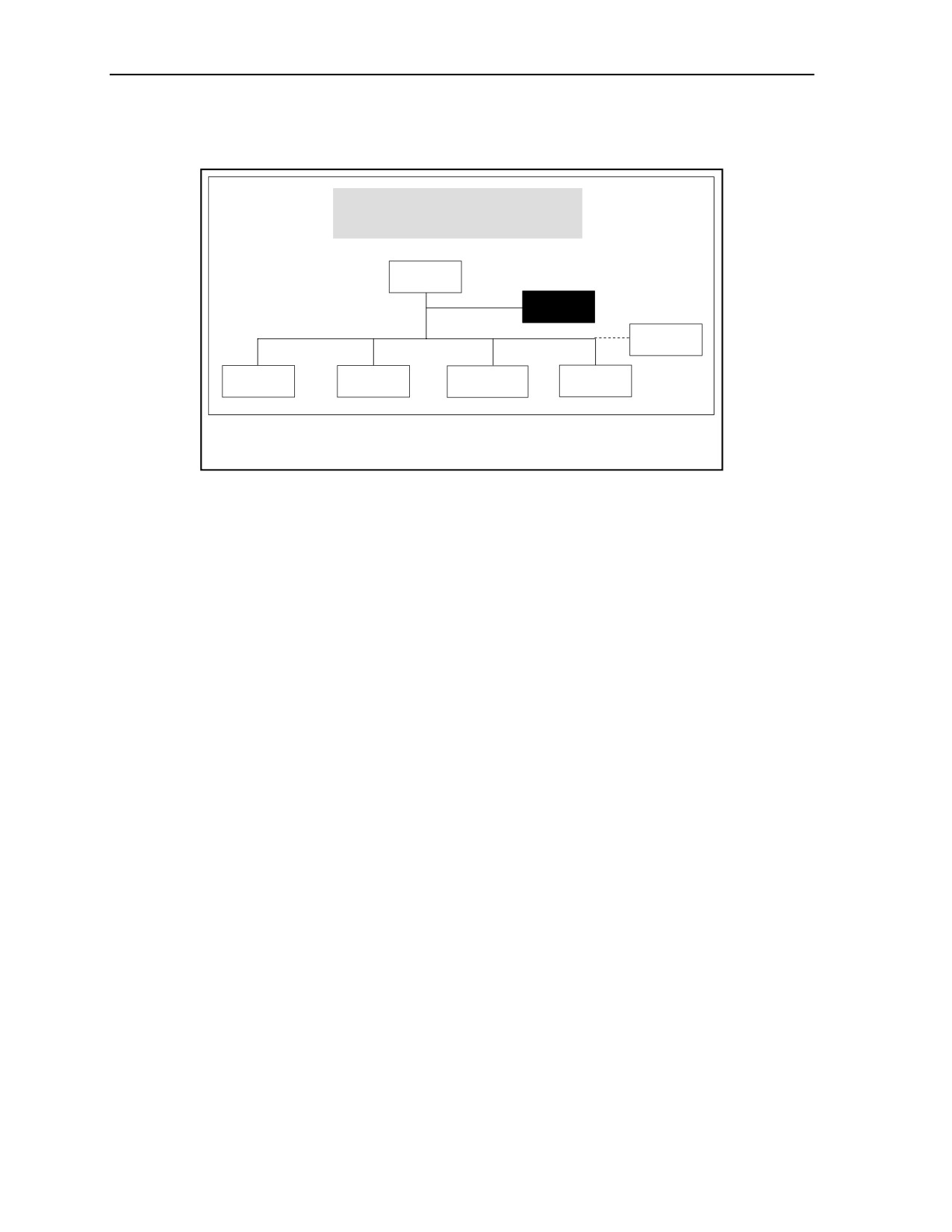
systems. An example of a fires cell is shown in figure 3-1.
3-2. The fires cell uses the D3A methodology and understands the joint targeting cycle. At a minimum,
the fires cell will be responsible for nominating targets for inclusion in the joint targeting process and
must understand the targeting deadlines and how to influence the process to achieve the corps or
division commander’s objectives.
3-3. The fires cell synchronizes all shaping fires and directs the attack of targets by organic or attached
fire support. This includes synchronizing fires for joint suppression of enemy air defense (J-SEAD) to
support air and aviation operations. It coordinates the use of airspace through the airspace command
and control element. It coordinates air support requirements through the air support operations center
and corps or division tactical air control party (TACP).The fires cell coordinates directly with the
battlefield coordination detachment.
3-4. There are two fires cells in the corps and division, one cell at the main CP and another at the tactical
CP. The fires cell at the main CP has four elements—
z
Fires element.
z
Current operations cell.
26 November 2010
FM 3-60
3-1
Chapter 3
z
Electronic attack section.
z
Field artillery intelligence officer.
Main CP Fires Cell
(Corps and Division)
MAIN
TACP
TAC CP
EA
FE
COC
FAIO
Section
Legend:
COC - current operations cell
FE - fires element
CP - command post
TAC CP - tactical command post
EA - electronic attack
TACP - tactical air control party
FAIO - field artillery intelligence officer
Figure 3-1. Fires cell
FIRES ELEMENT
3-5. The fires element synchronizes joint, interagency, multi-national assets, fire support, and sensor
management. It provides input to the intelligence collection plan, intelligence, surveillance, and
reconnaissance (ISR) synchronization matrix, and the targeting process.
3-6. Specific functions include—
z
Synchronize joint, interagency, and multinational assets.
z
Recommend distribution decision of close air support assets to commander.
z
Provide access to joint fires to interagency and multi-national forces.
z
Prioritize and allocate fires resources.
z
Conduct airspace coordination.
z
Conduct fire support knowledge management.
z
Provide input into the joint air tasking cycle that produces the air tasking order/airspace control
order/special instructions.
z
Coordinate with other Service components.
z
Maintain fires common operational picture.
z
Time-sensitive target (TST) nomination, management, and execution.
z
Conduct target development.
z
Conduct target coordinate mensuration when applicable.
z
Conduct munitions effects analysis (weaponeering) when applicable.
z
Conduct collateral damage estimation when applicable.
z
Conduct target management.
z
Review and comply with rules of engagement.
z
Maintain list of high-value individuals (HVI).
z
Develop and maintain the high-payoff target list (HPTL).
z
Monitor and nominate targets to the restricted target list and no-strike list.
z
Consolidate, prioritize, and nominate targets for inclusion in the joint integrated prioritized target
list.
z
Develop target selection standards (TSS).
3-2
FM 3-60
26 November 2010
Corps and Division Targeting
z
Provide input to collection plan; synchronizing ISR assets with designated targets.
z
Conduct combat assessments.
z
Integrate and synchronize fire support and synchronize cyber-electromagnetic activities into
D3A process.
z
Advise on application of joint fires.
z
Chair candidate target list review board.
3-7. If the corps or division headquarters becomes the Army forces, JTF, or JFLCC headquarters, the fires
element may also be required to—
z
Serves as the core for a JTF joint fires element.
z
Conduct sensor management and synchronization.
z
Interface with battlefield coordination detachment and higher joint fires element.
z
Identify fires effects requirements from other components (air interdiction/naval surface fires).
z
Review and comment on the joint force air component commander’s (JFACC) apportionment
recommendation.
z
Recommend JFLCC assets for the joint force commander’s (JFC) allocation (Army Tactical
Missile System/attack helicopter).
z
Advise on fires asset distribution (priority) to land forces.
z
Develop JFLCC priorities, timing, and effects for air interdiction within the joint operational
area.
z
Develop JFLCC targeting guidance and priorities.
z
Develop the JFLCC command target lists and fire support coordination measures (FSCM).
z
Execute the joint targeting coordination board (JTCB) and the JTCB working group.
CURRENT OPERATIONS CELL
3-8. This cell executes current operations, prepares, and sets conditions necessary for future operations
simultaneously.
FIELD ARTILLERY INTELLIGENCE OFFICER ELEMENT
3-9. As a participant in the division, corps, and joint targeting process, the field artillery intelligence
officer (FAIO) coordinates with corps internal and external all-source intelligence elements to provide
input to the development, nomination, and prioritization of targets.
3-10. Specific functions include—
z
Develop and nominate priority targets.
z
Participate in the joint targeting process and cycle.
z
Ensure that targets are prioritized and sequenced in current operations and future plans.
z
Coordinate with the analysis and control element for all source target information to develop
target nominations.
z
Operate computers systems used in the targeting process.
z
Develop the sensitive target approval and review packets.
ELECTRONIC ATTACK SECTION
3-11. The electronic attack section serves as the principal planning section on the corps or division staff.
The section plans, coordinates, integrates, deconflicts, and assesses the use of physical attack,
electronic attack, EW support, computer network attack, and computer network exploitation for current
and future operations. These capabilities are intended to degrade, destroy, and exploit an adversary’s
ability to use the electromagnetic spectrum, computers, and telecommunication networks.
26 November 2010
FM 3-60
3-3
Chapter 3
3-12. Specific functions include—
z
Plan, coordinate, integrate, synchronize, and deconflict electronic attack, electronic protection,
electronic support, and physical attack.
z
Be familiar with the EW support to current operation plan (OPLAN) and concept plans.
z
Recommend and promulgate electronic attack special instructions and rules of engagement.
z
Archive electronic attack planning, execution data, and lessons learned.
z
Identify and coordinate intelligence support requirements for joint electronic attack activities.
z
Coordinate with ISR assets and national agencies in assessing the adversary’s ability to use
electromagnetic spectrum, computers, and telecommunication networks.
z
Plan, coordinate, and assess electronic support requirements.
z
Plan, coordinate, and assess electronic deception.
z
Coordinate spectrum management and radio frequency deconfliction related to joint,
interagency, intergovernmental, and multinational EW.
z
Plan, assess, and coordinate friendly electronic security measures related to electronic attack
activities.
z
Plan, request, employ, and synchronize nonorganic joint, interagency, intergovernmental, and
multinational EW capabilities.
z
Employ joint capabilities at the tactical level for shared awareness and unhindered collaboration.
z
Maintain current assessment of EW resources available to the JFC.
z
Plan and prioritize scalable fires and electronic attack.
z
Predict effects of friendly and enemy EW operations.
z
Integrate electronic attack and intelligence preparation of the battlefield (IPB) into the military
decisionmaking process (MDMP).
z
Serve as the jamming control authority.
z
Implement EW policies to control the electromagnetic spectrum or to attack the enemy.
3-13. If the corps becomes an Army forces, JTF, or JFLCC headquarters, the EW coordination cell may
also be required to—
z
Serve as the JFC EW representative.
z
Serve as the principal EW planner on the joint staff as part of the operational directorate of a
joint staff (J-3) and coordinate with the command’s information operations cell.
z
Serve as a member of the standing joint planning group for EW planning and execution.
z
Serve as joint EW coordination center to plan operational level EW for the JFC.
z
Coordinate and monitor joint coordination EW reprogramming.
z
Prepare EW portion of estimates and tabs to joint force OPLAN.
z
Participate in joint targeting board to formulate and recommend EW targets.
z
Participate in joint boards/cells.
TACTICAL COMMAND POST FIRES CELL
3-14. Coordinated fires at the corps tactical CP. Specific functions include—
z
Execute fires plan in support of a specific operation.
z
Request and coordinate close air support and air interdiction.
z
Synchronize scalable fires.
z
Conduct lethal fires, assess, and reattack recommendations.
z
Coordinate with maneuver and control element.
z
Synchronize joint, interagency, multinational assets.
z
Interface with battlefield coordination detachment and higher joint fires element.
z
Coordinate with other components.
z
Coordinate EW activities.
3-4
FM 3-60
26 November 2010
Corps and Division Targeting
REQUIREMENTS FOR SUCCESSFUL TARGETING
3-15. The operating environment and targeting capabilities influence the D3A methodology. Planning is
different for a conventional war against a sophisticated enemy, requiring interdiction of operational
targets, than that for stability operations against an insurgent force where targets are difficult to locate.
With evolving security threats, each corps and division staff is concerned with several contingency
plans. High-value targets (HVT) and HPTs are developed for plans that are regional and for which
adequate intelligence is available. In addition, for planning purposes, each contingency has an
associated list of forces that contains listings of available nonorganic collection and delivery assets.
3-16. Targeting is the process of selecting targets and matching the appropriate response to them—scalable
capabilities—based on the mission, enemy, terrain and weather, troops and support available, time
available and civil considerations (METT-TC). The targeting process is an integral part of the way
Army headquarters solve problems. Both the joint targeting cycle and the D3A methodology facilitate
the MDMP. The D3A methodology is merely a mechanism for grouping the targeting tasks which
must occur.
3-17. Targeting is done throughout the current and anticipated areas of interest. The operational success of
the corps and/or division battle depends on—
z
The commander's battle plan.
z
The timeliness and accuracy of intelligence from national, theater, corps, and division assets.
z
The speed with which the corps or division achieves and exploits its tactical and operational
advantages.
z
The ability of the staff to synchronize a multi-Service targeting effort.
3-18. The corps targeting working group is a planner and an executor of the targeting process. It has the
assets needed to see, plan, and execute targeting for shaping operations while synchronizing targeting
in support of decisive and sustainment operations. To engage the enemy, it involves the coordinated
use of all of the following—
z
Intelligence.
z
Surface-to-surface fires.
z
Army aviation.
z
Air component.
z
Special operations forces.
z
Unmanned aircraft system.
z
Navy and Marine Corps assets.
z
Joint terminal attack controller and/or joint fires observer.
3-19. The corps uses the collection assets in the surveillance brigade to collect data throughout the area of
operations. The corps targeting working group also has various systems that link it to echelons above
corps and national collection and weapon systems. The corps main CP has communications,
computers, and intelligence elements to synchronize the overall operations and long-range targeting.
The below elements are critical to the targeting process—
z
Field artillery units.
z
Army attack reconnaissance aviation.
z
Special operations forces.
z
Electromagnetic activities.
z
Air component.
z
Naval assets.
z
Joint terminal attack controller and/or joint fires observer.
3-20. With these links, the fires cell can aggressively attack the commander's HPT.
26 November 2010
FM 3-60
3-5
Chapter 3
D3A METHODOLOGY
3-21. The actions and functions of the corps and division targeting working groups are essentially the same
with the chief difference being the capabilities of the assets available for targeting. The division relies
heavily upon corps and echelons above corps assets for targeting support for its shaping operations.
3-22. The commander directs the targeting effort. The process begins with the commander's guidance after
the G-3 and G-2 present their initial mission analyses. Along with his mission statement, the
commander must give his guidance on—
z
What he expects the unit to do.
z
What he feels are the most important targets.
z
What general effects he wants to have on those targets.
3-23. One individual must supervise the targeting process. In the main CP, the chief of fires is responsible
for supervising the targeting process and the targeting working group. At corps level, the G-3 could be
an alternative supervisor. The targeting working group incorporates the mission statement the
commander's intent, and the concept of the operation into the target value analysis process.
3-24. Once the staff has this information, the targeting working group analyzes enemy course of action
(COA) and identifies basic HVT at the same time. As the staff war games friendly COA, the targeting
working group develops initial proposals on HPT and attack guidance. After the commander selects
the final COA and issues further guidance, the targeting working group—
z
Refines and prioritizes the HPTL.
z
Develops the attack guidance matrix (AGM).
z
Submits these products to the commander for approval.
3-25. Once approved, the HPTL and AGM (form the basis for the activities of the targeting working group.
The G-3 ensures that the intelligence, operations, plans, and fires cells incorporate these products into
the operation order (OPORD) and its annexes. For example, included are tasks to subordinate units,
coordinating instructions, and priority intelligence requirements (PIR). The G-2, G-3, and chief of fires
determine what additional support is required for collection and target attack. When support
requirements have been determined, they submit the appropriate requests.
3-26. The targeting working group provides TSS to the fires cell by using the following—
z
Timeliness.
z
Target status (stationary or moving).
z
Target characteristics consist of size, accuracy, and target location error (TLE) requirements for
each weapon systems.
3-27. The targeting working group also determines the targets that require BDA. Only the most critical
targets should be selected, as valuable assets must be diverted from target or situation development to
perform BDA.
3-28. The G-2 ensures appropriate HPT is approved as PIR and a collection plan that focuses on answering
the commander's PIR is developed. The collection management section provides targeting information
to the intelligence analyst for analysis. The FAIO helps the analyst in this process. FAIO provides
knowledge of requirements for identifying the most important and perishable targets. The FAIO and
analyst inform the targeting working group when major changes in the tactical situation warrant
reevaluation of the HPTL. The targeting working group continually assesses the current situation and
future needs. At the same time, the team reevaluates the HPTL, AGM, BDA requirements, and TSS
and updates them as necessary. The FAIO works closely with the collection management section as
well. The FAIO helps that section translate targeting working group requirements into guidance for the
collection plan and provides expertise on field artillery target acquisition systems.
3-29. The analysis and control element and FAIO evaluate the information from the collection
management section against the TSS and HPTL to determine targets or suspected targets. Targets are
immediately passed to the fires cell for attack. Enemy activities that do not achieve TSS are suspected
targets. Enemy activities that appear on the HPTL but categorized as suspected targets are passed to
3-6
FM 3-60
26 November 2010
Corps and Division Targeting
the fires cell for correlation with information available at the fires cell. This correlation may produce a
valid target. Also, the FAIO should request the collection manager focus additional collection assets to
further develop selected suspected targets. The position coordinates with the collection manager to
retrieve BDA data as acquired.
3-30. Nonlethal targeting is a critical part of the targeting methodology. Staff members responsible for
military deception, public affairs, EW activities, information protection, and operations security attend
the targeting working group sessions. These capabilities are coordinate, integrate, and synchronize into
the nonlethal targeting effort in support of tactical operations. The same process used to determine
when a radar system should be attacked with the Army Tactical Missile System is also used to
determine when building a new sewer system will influence local leaders to support friendly
objectives. All available weapons system must be completely integrated to ensure every effort is
directed toward achieving the commander’s desired effect.
3-31. The EW officer integrates the electromagnetic activities as part of the overall military operations.
The electromagnetic activities are an integral part of the targeting process. The electromagnetic
activities effort divided the electronic warfare into three actions: electronic attack, electronic
protection, and electronic support. The actions of electronic warfare are to seize, retain, and exploit an
advantage over adversaries and enemies across the corps and division electromagnetic spectrum. These
actions include also denying and degrading adversary and enemy information operations and
protecting friendly mission command networks and systems. The EW officer and staff coordinate their
efforts with the targeting working group to accomplish the commander’s objectives. The EW officer
provides recommendations before the technical control element receives the collection plan and the
division EW composite target list. The limited allocation of intelligence and EW assets causes conflict
between the collection plan and the division EW composite target list. The G-3 finalizes any
conflicting recommendations between G-2, EW officer, and the technical control element.
3-32. The fires cell receives most target nominations from the FAIO. Once a target is received, the fires
cell analyzes it in terms of TSS and the AGM, prioritizes it, and determines an appropriate attack
method. The fires cell may consult with other agencies to facilitate target engagement. This is
especially necessary when weapons system availability, rules of engagement, or other considerations
determine the method of attack. Coordinated attacks or any combination of scalable fires may
necessitate temporary augmentation of the fires cell. The fires cell directs the selected attack unit to
engage the target and provide BDA data through the G-3 or representative of the unit at the main CP.
The all-source analysis section and FAIO analyze BDA data for selected targets to evaluate the
effectiveness of the attack. However, the targeting working group determines whether the commander's
attack guidance has been achieved or further fires are necessary.
3-33. Targets and missions beyond the capability of the corps or division to properly service with their
assets are passed to higher headquarters for action. The staff must know when the requests must be
submitted for consideration within the requested echelon target planning cycle. The synchronization of
these missions with ongoing operations may be critical to the success of the unit mission. Close
coordination between supported and supporting components is required to ensure vertical integration
and synchronization of plans. A key to coordination for both planning and execution is the use of
liaison officers at all headquarters.
3-34. During this process, the commander, chief of staff, G-2, G-3, Army aviation commander, and chief
of fires exert considerable influence. Targeting is a process that involves the entire staff. Leaders must
keep the targeting effort focused so that the targeting cells devote their fullest efforts to the process.
3-35. The targeting process is a continuous and cyclical effort. Phases occur at the same time when
executing current operations and planning future operations. The phases are sequential in the context
of any given planning cycle. Recurring events and their associated products are best managed through
workable standard/standing operating procedures (SOP). SOPs must be tailored to the unit's structure
and operating environment to ensure a cohesive, coordinated targeting effort. A sample SOP for a
targeting working group at corps or division level is located in Appendix F.
26 November 2010
FM 3-60
3-7
Chapter 3
CORPS AND DIVISION SYNCHRONIZATION
3-36. The focus is on shaping targets and operational targets at the corps level. These targets must be
engaged to shape the battlefield for the decisive battle at division level and below. The corps
long-range assets must be integrated and synchronized with joint force systems. Simultaneously, the
corps commander must support detect and deliver requirements of subordinate units. Corps, and
perhaps division, HVT located throughout the depth of the battlefield. Corps and division commanders
set the targeting priorities, timing, and effects consistent with the higher commander's guidance.
Mission analysis and plan development establish what conditions must be achieved for success. The
mission analysis determines the combat activities, sequence of activities, and application of resources
that will achieve the conditions for success. While all conditions may not be met, the commander is
responsible for the coordination and synchronization of supporting Service and joint assets in his area
of responsibility.
3-37. The corps ensures subordinate divisions and separate units understand the corps mission and concept
of operations. Each division plan supports the corps commander's intent and guidance. The corps
shaping operations establish the conditions for the divisions to fight the corps commander's decisive
operations. This understanding between corps and division means that each command supports the
other. Missions and targets may be passed from corps to divisions as the more appropriate executor.
The divisions may also have missions and targets that are beyond their capabilities that require the
corps to provide support. This is important considering the limited range of division assets to detect
and attack targets. The corps may coordinate attack of corps HPT in a division area; similarly, the
division may ask the corps to acquire division HPT beyond the capability of the division. This mutual
support must be coordinated and synchronized during the decide phase of the planning process.
Synchronization includes all of the following—
z
Coordinating the acquisition, tracking and reporting of targets of concern at either, or both
echelons.
z
Submit airspace control means requests to coordinate airspace requirements.
z
Vertical exchange of target information.
z
Attack of targets outside the area of operations of an echelon.
z
Target engagement criteria.
z
Allocation of assets.
z
Establishment of communications links between sensor systems, decisionmakers, and weapon
systems.
Note. An example is the acquisition of a corps HPT by division assets that is reported to corps
and attacked by corps assets.
3-38. The fires cell, subordinate units, and Service components liaisons play key roles in the
synchronization process.
AIR-GROUND OPERATIONS AT CORPS LEVEL
INTERDICTION
3-39. Interdiction is an action to divert, disrupt, delay, or destroy the enemy’s military potential before it
can be used effectively against friendly forces or to otherwise achieve objectives
(JP 3-03). A
successful interdiction requires a combination of other Service components’ resources and a robust
liaison between these components. The Service components combined fundamental actions to divert,
disrupt, delay, or destroy the enemy should be conducted across the full breadth and depth of the area
of operations. The Service component commanders’ staff creates challenging and simultaneous
demands on the enemy and their resources. All of these actions and collective efforts create, enhance,
and sustain the friendly scheme of maneuver for a joint interdiction.
3-8
FM 3-60
26 November 2010
Corps and Division Targeting
3-40. The commander completes the mission analysis that includes guidance, intent, and desired effect.
The fires cell elements conduct a preliminary analysis of the mission to identify factors pertaining to
ground forces. The mission is restated and planning guidance is given to the targeting element for their
consideration when preparing their running estimates. The targeting element identifies the high-value
targets for scalable fires and actions as in air interdiction, suppression of enemy air defense (SEAD),
special operations forces, and strategic attack to contribute to a successful outcome of a joint campaign
or major operations.
3-41. The fires cell interfaces with the battlefield coordination detachment assigned to the appropriate joint
air operations center or a combined air operations center. Tasks include exchanging current
intelligence and operational data, support requirements, and coordinating Army forces’ requirements
for airspace control measures, FSCM, and air support operations requests. The battlefield coordination
detachment serves as the Army forces’ liaison to articulate the commander’s request for air operations
support for ground operations to complement the JFC end state. The main CP fires cell is the targeting
process link to planning, coordinating, integrating, and synchronizing ground forces into the joint
integration operations.
THEATER AIR-GROUND SYSTEM
3-42. The theater air-ground system provides liaison elements from corps down to battalion level. See
FM 3-52.2 for complete details.
Tactical Air Control Party
3-43. The TACP at corps and lower levels provide advice and planning assistance on the employment of
air support. The TACP works with the fire support elements at each level. At corps and division level,
the TACP consists of the following liaison personnel—
z
Air liaison officers.
z
Joint terminal attack controllers.
z
Airlift mobility liaison officers.
z
Reconnaissance liaison officers.
3-44. The Air Force air request net is used by TACP at all levels and the air support operations center to
request and coordinate close air support operations. When the COMAFFOR is also the JFACC, the
JFACC will augment the air operations center with elements from other components to create a joint
air operations center. When the air operations center becomes a joint air operations center, the Air
Forces air request net becomes the joint air request net.
3-45. The TACP is supervised by the air liaison officer and performs the following functions—
z
Serves as the Air Force commander's representative, providing advice to the commander on the
capabilities, limitations, and employment of air support, airlift, and air reconnaissance.
z
Provide a coordination interface with the respective fires cell and airspace command and control
element. Help synchronize air and surface fires and helps prepare the air support plan. Provide
direct liaison for local air defense and airspace management activities.
z
Advise, help develop, and evaluate close air support, interdiction, reconnaissance, and SEAD
targets.
Air Support Operations Center
3-46. The air support operations center is directly subordinate to the air operations center and is
responsible for the coordination and control of air component missions in its assigned area requiring
integration with other supporting arms and ground forces. The air support operations center processes
immediate close air support requests received over the joint air request net, coordinates execution of
preplanned, and immediate close air support and normally exercises tactical control of joint forces
made available for tasking. Once the ground element approves immediate requests, the air support
operations center tasks on-call missions or diverts—with ground element approval—scheduled
missions. The air support operations center may be granted launch and/or divert authority over all or
26 November 2010
FM 3-60
3-9
Chapter 3
some of these missions. If the air support operations center has not been given control of on-call or
scheduled missions, they must contact the air operations center or joint air operations center to launch
or divert close air support missions. (See JP 3-09.3 for more information on the air support operations
center.)
3-47. The air support operations center is responsible for establishing and maintaining the theater air
control system at levels below the corps.
Joint Air Operations Center
3-48. The personnel assigned to the joint air operations center normally pass control of close air support
missions to the air support operations center. The air support operations center passes requests that
cannot be satisfied with previously distributed assets to the joint air operations center. The JFACC
normally retains control over all air interdiction and reconnaissance operations supporting the corps as
directed by the JFC. The JFACC has the authority to redirect aircraft to support immediate air support
requests.
Airspace Command and Control
3-49. The airspace command and control element is the Army’s operational approach to accomplishing the
functional activity of airspace control. The airspace command and control element enhances the
synchronization of forces using airspace. This element is part of the commander’s staff and participates
in the Army and joint tasks associated with the mission command warfighting function at each echelon
of the Army. The team effort is required to coordinate and integrate airspace user requirements during
plans and operations. Graphic control measures include airspace coordinating measures that regulate
airspace users and are integrated with other graphic control measures and FSCM. The airspace
requirements are the commander’s responsibility and extend down through all tactical command levels
to the maneuver brigade. The airspace element integrates key staff, missile defense, fires cell, and air
traffic service, to include the air maintenance unit and liaison personnel. The Army air-ground system
works in conjunction with the theater air control system to coordinate and integrate both Army
component aviation support and Air Force component support with Army ground maneuver.
3-50. The airspace command and control element is under the direction of the G-3 air, and is the primary
lead in the planning and management of airspace over the ground battle at corps and division. The
airspace element staffer integrates and helps synchronize all functional operations that share airspace
with other friendly forces, including the following—
z
Fire support.
z
Air and missile defense.
z
Army aviation.
z
Intelligence.
z
Intra-theater airlift.
z
Amphibious.
z
Joint and multinational.
TARGETING RESPONSIBILITIES
3-51. The Army targeting responsibility begins with the commander and the process include the G-3/S-3,
fire support, airspace, intelligence, and other supporting staff and liaison personnel. The formal
structure of the elements at corps and division depend on the operating environment. Tailoring the
formal structure of the staff working environment is necessary to ensure a cohesive, coordinated
targeting effort. Key personnel and their targeting responsibilities are listed below.
COMMANDER
3-52. The commander issues guidance on the concept of operation. The concept of operations and mission
defined by the commander’s intent facilitates a shared understanding and focus for the targeting
3-10
FM 3-60
26 November 2010
Corps and Division Targeting
working groups. The targeting working group relies on individual initiative and coordination to act
within the concept of operations.
CHIEF OF STAFF
3-53. The chief of staff is responsible for supervising the targeting process and chairs targeting boards.
CHIEF OF FIRES
3-54. The chief of fires is a functional staff officer serving at division and corps level who is responsible
for advising the commander on the best use of available fire support resources, providing input to
necessary orders, and developing and implementing the fire support plan. Normally, the chief of fires
is the colonel or senior lieutenant colonel in charge of the fires cell.
3-55. The chief of fires is essential to effective fire support. The position is responsible for the operations
and training of the fires cell as well as contributing to the work of the current operations, future
operations, and plans cell as required. The corps fires cell coordinates available weapon systems that
provide Army indirect fires, joint fires, EW activities, and the associated targeting process. Specific
duties at the modular corps headquarters include—
z
Plan, coordinate, and synchronize all aspects of fire support—
Physical attack/strike operations.
Electronic attack.
Electronic protection.
Electronic support.
z
Advise the corps commander and staff of available fire support, including capabilities and
limitations.
z
Chair the targeting working group.
z
Participate in the MDMP.
z
Work with the commander, deputy commander, and chief of staff to integrate scalable indirect
fires and joint fires into the concept of operations.
z
Develop, recommending, and briefing the concept of fires to the corps commander, and
preparing the fires paragraph of all OPLAN/OPORD.
z
Coordinate training of force subordinate organization fires cells with their respective maneuver
units and with the fires battalions.
z
Accompany the force commander in the command group during execution of tactical operations.
DEPUTY CHIEF OF FIRES
3-56. The deputy chief of fires provides the latest status of fire support resources and finalizes the attack
guidance formulated by the commander and the chief of fires. The deputy chief of fires specific actions
include the following—
z
Coordinate the functions of the targeting working group.
z
Recommend target priorities for acquisition and attack based on target value analysis and war
gaming.
z
Recommend to the chief of staff methods of attack for targets.
z
Support by the other members of the targeting working group, develop the HPTL, AGM, and
BDA requirements.
z
Develop timeliness and accuracy guidelines for the TSS for use by the FAIO and the fires cell
with the G-2 plans/operations officer.
z
Assist by the EW officer to develop targets for electronic attack.
z
Monitors changes in the situation and reassess the HPTL, AGM, timeliness, and accuracy
guidelines of the TSS, and BDA requirements.
z
Synchronize timing of attack with the G-3 and subordinate units.
26 November 2010
FM 3-60
3-11
Chapter 3
z
Coordinate support for subordinate units attack requirements.
z
Coordinate SEAD, J-SEAD, and joint air attack team.
z
Receive BDA and, with the G-2 and G-3, determines if an attack resulted in the desired effects
or if additional attacks are required.
z
Ensure target nominations meet validation review for integration on the joint integrated
prioritized target list.
INTELLIGENCE OFFICER
3-57. The G-2 synchronizes the ISR plan and provides information on the current enemy situation as well
as provides estimates as to what the enemy is capable of doing in the future. The position provides
assessments of probable enemy actions, analyzes, and identifies targets based on the commander's
guidance. The G-2 more specific actions are as follows—
z
Develop and monitors the enemy situation.
z
Develop and provides IPB products to the other targeting working group members.
z
Pass HPT and suspected HPT to the fires cell.
z
Develop HVT.
z
Develop the HPTL, AGM, and BDA requirements with the other members of the targeting
working group.
z
Distribute the intelligence collection plan to collection managers.
z
Provide input to the fires cell on TSS.
z
Periodically reassess the HPTL, AGM, and BDA requirements with the deputy chief of fires and
G-3 plans/operations officer.
z
Receive BDA and, with the deputy chief of fires, determines if an attack resulted in desired
effects or if additional attacks are required.
z
Provide input for the decision support template.
z
Participate in the extensive intra-staff coordination with the rules of engagement.
OPERATIONS OFFICER
3-58. The G-3 officer's actions are as follows—
z
Develop the HPTL, AGM, and BDA requirements and ensures they are integrated with the
decision support template with the other members of the targeting working group.
z
Concentrate on future and contingency operations.
z
Ensure the plans reflect the commander's concept of operation.
z
Periodically reassess the HPTL, AGM, and BDA requirements with the deputy chief of fires and
G-2 plans/operations officer.
z
Determine if an attack resulted in the desired effects or if additional attacks are required with the
deputy chief of fires and G-2 plans/operations officer.
z
Coordinate the implementation of tailored rules of engagement to support national policies.
OPERATIONS AIR
3-59. The G-3 air's actions are as follows—
z
Supervise the airspace element.
z
Approve the airspace annex.
z
Prioritize and integrate airspace users and airspace control means requests.
z
Synchronize airspace requirements with warfighting functions during the operations process.
z
Coordinate the integration of tactical airlift.
3-12
FM 3-60
26 November 2010
Corps and Division Targeting
SPECIAL OPERATIONS LIAISON
3-60. The Army special operations forces commanders may establish or receive liaison and coordination
elements with higher and adjacent units or other agencies, as appropriate. These elements may include
a special operations command and control element, the special forces liaison element, or a special
operations liaison element. The element may consist of a single Soldier. When provided, the special
operations forces liaison actions are as follows—
z
Forward target nominations and missions requirements to the JFC for consideration by the
JTCB.
z
Coordinate JTCB tasking with the joint force special operations component commander for
feasibility assessment and execution.
FIELD ARTILLERY INTELLIGENCE OFFICER
3-61. The FAIO actions include the following—
z
Collocate with the G-2 staff particularly the collection manager and all-source analysis section.
z
Expedite targeting information from the analysis and control element to the fires cell.
z
Monitor the enemy situation and keeps the deputy chief of fires informed. Recommends changes
to priorities and attack means.
z
Provide input concerning the threat, TSS, attack guidance, and list of HPT types.
z
Supervise or conduct target coordinate mensuration when applicable.
z
Supervise or conduct weaponeering when applicable.
z
Supervise or conduct collateral damage estimation when applicable.
z
Provide information to the intelligence cell regarding accuracy requirements and timeliness of
information for the fire support system.
z
Ensure essential target information is compared to TSS prior to passing a target to the fires cell.
z
Advise the deputy chief of fires when changes in the situation warrant reassessment of the HPTL
and AGM.
CORPS AND DIVISION TARGETING OFFICER
3-62. The corps and division targeting officer's actions follow—
z
Deploy to the corps or division main CP to help form the fires cell.
z
Advise and keeps the chief of fires informed on issues concerning targeting and fire support.
z
Participate as a member of the targeting working group at corps or division.
z
Help determine the HPTL.
z
Help determine the AGM.
z
Help determine the TSS.
z
Supervise or conduct target coordinate mensuration when applicable.
z
Conduct munitions effects analysis (weaponeering) when applicable.
z
Supervise or conduct collateral damage estimation when applicable.
z
Interface with the fires cell in subordinate units.
z
Keep the FAIO informed on changes to the HPTL, TSS, and AGM.
z
Pass targets received from the FAIO to weapon systems in the most expedient manner.
z
Perform duties as a targeting officer at the battlefield coordination detachment when required.
INTELLIGENCE PLANS/OPERATIONS OFFICER
3-63. The G-2 plans/operations officer's actions follow—
z
Maintain a current enemy situation map.
z
Maintain the target database.
z
Evaluate and analyzes combat information with the FAIO to identify HVT and recommend HPT.
26 November 2010
FM 3-60
3-13
Chapter 3
z
Apply the criteria for timeliness and accuracy from the TSS.
z
Report HPT to the FAIO.
z
Template potential HVT and/or HPT.
z
Recommend named/target areas of interest to the G-2 to support targeting.
z
Participate in the dissemination and early planning process with the rules of engagement.
3-64. Coordinate with the collection manager section to ensure adequate intelligence collection to support
targeting.
ASSISTANT DIVISION AIR DEFENSE OFFICER
3-65. The assistant division air defense officer's actions follow—
z
Advise the commander and staff on the forward area air defense plan.
z
Integrate Army airspace information from high to medium air defense and forward area air
defense assets.
z
Develop and maintains Army airspace utilization and situation.
z
Request, maintain, and disseminate airspace control measures and restrictions.
z
Synchronize friendly airspace usage with forward area air defense assets.
z
Provide air and missile defense PIR to intelligence collection managers.
z
Nominate active forward operating bases, forward air controller, and forward arming and
refueling points.
AIR LIAISON OFFICER
3-66. The air liaison officer’s action areas follow—
z
Command the air support operation center and the corps and division TACP.
z
Monitor the air tasking order.
z
Advise the commander and his staff on the employment of air support assets.
z
Review, coordinate, and assist with processing of preplanned air support requests/joint tasking
air support requests.
z
Coordinate redistribution of close air support resources.
z
Coordinate approval of requests for immediate close air support.
z
Provide air component input to analysis and plans.
z
Receive, processes, exploits, and disseminates air intelligence.
z
Provide intelligence support to EW operations.
z
Provides air component PIR to intelligence collection managers.
z
Coordinate supporting aircraft airspace requirements with airspace element.
AVIATION OFFICER
3-67. The aviation officers have the following responsibilities—
z
Advise on employment of aviation.
z
Coordinate aerial reconnaissance.
z
Recommend airspace control measures for all aviation operations.
ELECTRONIC WARFARE OFFICER
3-68. The EW officer integrates the electronic attack in the targeting process and integrates electronic
attack information requirements into the OPLAN, OPORD, and other planning products. The EW
officer plans and coordinates electromagnetic activities. The EW officer interfaces between division
and higher headquarters, the JFACC, multinational forces, and other components. The EW officer—
z
Assists in coordinating electronic attack, electronic protection, and electronic support.
z
Recommends to the commander’s staff whether to engage a target with an electronic attack.
3-14
FM 3-60
26 November 2010
Corps and Division Targeting
z
Determines the electromagnetic requirements against specific HPT and HVT.
z
Ensures electronic attacks meet the desired effect for targeting objective.
z
Coordinates EW support and electronic attacks with the signals intelligence collection manager.
z
Provides electronic attack requirements for airborne electronic attacks through the TACP.
z
Serves as the jamming control authority for ground or airborne electronic attack.
z
Coordinates with the chief of fires to integrate electromagnetic activities with overall fire
support planning and into the targeting process.
z
Coordinates with the chief of fires/fire support officer to prepare the fires annex for OPLAN and
OPORD.
z
Coordinates, prepares, and maintains the EW target list, electronic attack tasking, and requests.
z
Identifies opportunities for effective targeting using electronic attacks.
z
Assists the G-3 in coordinating EW requirements and tasking with the G-2, military intelligence
unit commander, and other agencies as required.
z
Coordinates with the assistant chief of staff, signal/signal staff officer to deconflict frequencies
and the joint restricted frequency list with EW targets.
z
Determines and requests theater army electronic attack support.
z
Expedites electromagnetic activities reports to the targeting working group.
ENGINEER OFFICER
3-69. The engineer officer's actions are as follow—
z
Advise on the obstacle and/or barrier plan.
z
Advise on attack of targets with scatterable mines.
z
Template potential HVT and/or HPT (mechanical breaching and minelayers).
z
Help develop time-phase lines on the decision support templates and describe the effects of
terrain on maneuver.
z
War game and synchronize the effects of artillery scatterable mines.
z
Develop HPTL, AGM, and BDA requirements with other members of targeting working group.
z
Recommend HPT and named/target areas of interest to support the employment of artillery
scatterable mines.
z
Provide advice on environmental issues and coordinates with other members to determine the
impact of operations on the environment.
PSYCHOLOGICAL OPERATIONS OFFICER
3-70. The psychological operations officer’s responsibilities include—
z
Advise the commander and unit staff on the military information support operations.
z
Nominate military information support operations targets.
z
Provide military information support operations input to the command targeting guidance.
z
Coordinate military information support operations targeting with relevant sections such as fires,
information operations, civil affairs, deception officer, and the information engagement officer.
z
Conduct military information support operations planning.
z
Evaluate the effectiveness of military information support operations with the intelligence
directorate of a joint staff (J-2)/G-2 of the unit.
CIVIL AFFAIRS REPRESENTATIVE
3-71. The civil affairs operations staff officer—
z
Advises on the effects of friendly operations on the civilian populace.
z
Produces input to the restricted target list.
z
Coordinates and provides situational awareness of the civil components to the IPB and targeting
process.
26 November 2010
FM 3-60
3-15
Chapter 3
DIVISION, BRIGADE, AND BATTALION LIAISON OFFICERS
3-72. The actions of these liaison officers follow—
z
Address the interests of the supporting commander as it relates to the supported commander’s
guidance on target nominations for shaping fires and operations.
z
Coordinate with sending headquarters about targets added to the HPTL and the synchronization
of the collection plan and AGM.
z
Facilitate communication as soon as possible exchanging target information in sector, taskings,
and coordination measures.
SIGNAL SUPPORT OFFICER
3-73. The signal support officer's actions follow—
z
Manage information resources to support the commander's information requirements.
z
Coordinate closely with the chief of staff, G-3 and other targeting working group members to
synchronize information systems.
z
Advise on the employment of information systems.
z
Prepare the signal support annex to the OPORD and OPLAN.
OTHER PERSONNEL
3-74. During certain operations, personnel and agencies that will support the targeting process could
include the following—
z
Staff judge advocate.
z
Deception officer and/or the information engagement officer.
z
Air and naval gunfire liaison company.
z
Army divisions and brigades coordinate Navy and Marine Corps support through an attached air
and naval gunfire liaison company.
FIRES BRIGADE
3-75. Depending on the mission assigned to the corps or division, one or more fires brigades (FIB) may be
included in the forces allocated for that mission. Fires brigades are normally assigned, attached, or
placed in the operational control of a division. However, they may be attached or placed in operational
control to a corps, JFLCC, a JTF or another Service component or functional component.
3-76. The FIB brings with it additional assets that augment the targeting capabilities of the corps or
division. The FIB main CP fires cell is the primary organization responsible for integrating with the
corps or division staff and for executing fires directed by the corps or division. The fires cell plans,
coordinates, synchronizes, and integrates the fires, movement and maneuver, and protection
warfighting functions for FIB operations.
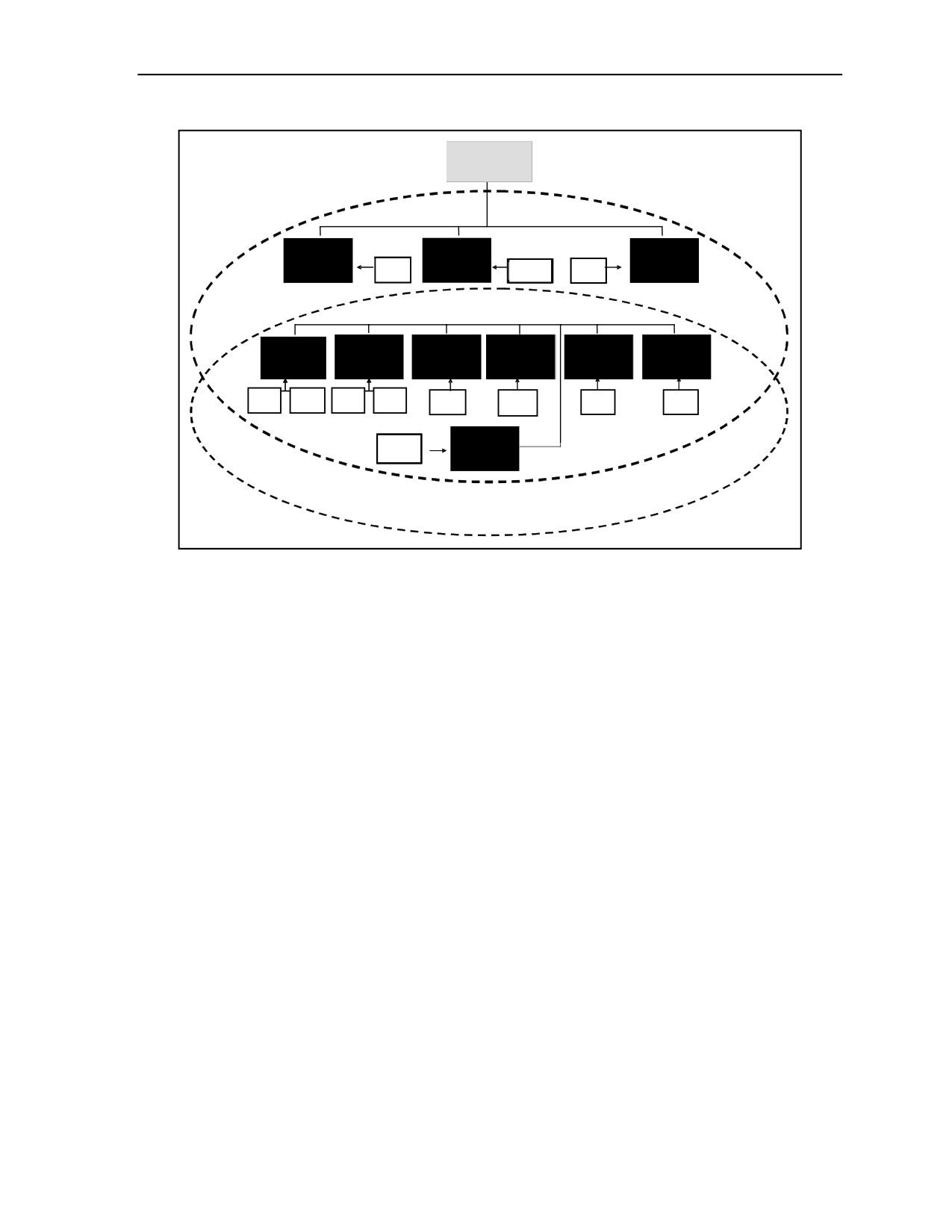
3-77. The FIB fires cell includes operations and counterfire, target processing, fire control, lethal fires,
nonlethal fires, air defense and airspace management, air support, and liaison elements. (See figure
3-2.) The operations and counterfire, target processing, and fire control elements form the nucleus of
the FIB main CP current operations integrating cell. Each of the other elements in the fires cell assists
these current operations core elements by providing additional expertise or dedicated manpower on an
as needed basis. Conversely, scalable indirect fires, air defense and airspace management, air support,
and liaison elements are the fires cell’s primary contributors to the FIB main CP plans integrating cell,
when that cell is activated. Elements and dedicated manpower in the fires cell assist with planning by
providing expertise on an as needed basis.
3-16
FM 3-60
26 November 2010
Corps and Division Targeting
Fires Cell
Operations &
Target
Fire Control
Counterfire
Operations
Processing
Target
Fire
Element
Element
&
Element
Counterfire
Processing
Control
Current
Operations
Air Defense
Fire Support
Nonlethal
Lethal
and Airspace
Air Support
Liaison
Coordination
Fires
Fires
Management
Element
Element
Element
Element
Element
Element
Staff Judge
Public
Inform and
Air Defense
Air
Advocate
Fires
Affairs
Influence
Fires
Airspace
Support
Liaison
Activities
Management
Intelligence
Targeting
Plans
Targeting
Element
Figure 3-2. FIB fires cell and elements (example)
3-78. The following paragraphs provide an overview of the elements of the FIB fires cell.
Operations and Counterfire Element
3-79. Led by the FIB S-3, the FIB fires cell’s operations and counterfire element’s focuses not only on
overall execution of both the FIB current operation but directs execution of its counterfire operation as
well. The operations and counterfire element tracks and maintains situational understanding of all FIB
assets. Among other responsibilities, the operations and counterfire element is responsible for—
z
Execute fires in support of a division, corps, or other higher headquarters current operations
(including special operations forces operating in the supported headquarters’ area of operations).
z
Act as the supported higher headquarters’ force field artillery headquarters if so designated by
the supported Commander.
z
Position of assigned radars, meteorological sections, and supporting fire support-related units.
Target Processing Element
3-80. The FIB fires cell’s target processing element is focused on reactive counterfire. The target
processing element develops and nominates priority target sets, coordinates with the targeting (may be
part of either the intelligence or fires cell) fire control, lethal and nonlethal fires elements, and
participates in sessions of the targeting working group. Target processing element personnel ensure
targets are prioritized and sequenced in current operations and future plans. Duties and responsibilities
of the target processing element include—
z
Recommend and update target acquisition coverage.
z
Manage field artillery target acquisition assets and position areas.
z
Orient field artillery target acquisition assets to ensure required coverage of the FIB air
operations.
26 November 2010
FM 3-60
3-17
Chapter 3
Fire Control Element
3-81. The FIB fires cell’s fire control element controls the delivery of tactical field artillery fires in support
of current operations. It provides tactical fire control through automated weapon systems with manual
backup and communications equipment.
Fire Support Coordination Element
3-82. The FIB fires cell’s fire support coordination element supervises selected (normally the lethal and
nonlethal fires elements and targeting elements) in planning, coordinating, synchronizing, and
integrating the use of Army indirect fires, joint fires, and electronic attacks through the targeting
process. This includes synchronizing physical attack and cyber/electromagnetic activities against the
threat/adversary.
Lethal Fires Element
3-83. The FIB fires cell’s lethal fires element (in concert with the nonlethal fires element) synchronizes the
planning of fire support including Army indirect fires, joint fires, and electronic attacks to support the
commander’s intent through physical destruction, information and denial, enemy system collapse, and
erosion of enemy will. The requirements for strike, counterfire, or fires in support of shaping
operations will be given to the FIB in the form of mission orders. For example, if the division, corps,
or other supported higher headquarters are conducting an attack to seize an objective or series of
objectives, the FIB would likely receive tasks to isolate and reduce objectives, disrupt reinforcement,
protect flanks, and interdict enemy artillery.
Nonlethal Fires Element
3-84. The FIB fires cell’s nonlethal fires element (in concert with the lethal fires element) synchronizes the
planning of fire support, including Army indirect fires, joint fires, and electronic attacks to support the
commander’s intent through physical destruction, information and denial, enemy system collapse, and
erosion of enemy will. The fires cell synchronizes physical attack and cyber/electromagnetic activities
against enemy/adversary capabilities. The FIB fires cell’s nonlethal fires element is responsible for all
aspects of scalable fires in support of FIB operations. This includes planning, coordinating,
synchronizing, and integrating inform and influence activities (the FIB does not have an information
engagement staff officer [S-7]) and the nonlethal aspects of EW activities for FIB operations.
Air Defense and Airspace Management Element
3-85. The FIB fires cell’s air defense and airspace management element is designed to work with a
division, corps, or theater airspace command and control element but is capable of limited independent
operations should the FIB be employed independent of a division, corps, or other higher headquarters.
The air defense and airspace management element is the principle FIB staff element that plans and
coordinates airspace use by air and missile defense, Army aviation and unmanned aircraft system
assets in support of FIB operations and then submits air control means requests to the division and
corps airspace command and control elements for synchronization and deconfliction and further
processing of air-space control means for inclusion in the airspace control order.
Air Support Element
3-86. The FIB fires cell’s air support element consists of the Air Force TACP assigned or attached to the
FIB.
Liaison Element
3-87. Duties and responsibilities of the liaison element include—
z
Establish liaison with higher, adjacent, and supported units (as required).
z
Exchange data and coordinating fire support across boundaries, when directed.
3-18
FM 3-60
26 November 2010
Corps and Division Targeting
Targeting Element
3-88. The targeting element provides targeting support to the lethal fires element or works in concert with
corps or division analysis and control element in target development based on mission. The targeting
element also prepares recommendations for FIB targeting working group sessions and implements the
resulting decisions through targeting guidance.
26 November 2010
FM 3-60
3-19
Chapter 4
Brigade Combat Team and Battalion Task Force Targeting
The brigade combat team (BCT) commander synchronizes warfighting functions
within their area of operations. Fires, intelligence, movement, and maneuver are
warfighting functions integrated into the planning and operations to accomplish the
BCT missions. The focus of the targeting effort comes from—
• The division plan and/or order.
• The BCT mission statement.
• The BCT commander's intent.
The BCT battle is essentially the division’s close combat. The targeting decisions at a
higher headquarters affect targeting decisions at subordinate headquarters. The BCT
staff uses the targeting products of the division. Division level tasking is integrated
into the BCT targeting process. BCT targeting addresses assets under BCT control.
The high-payoff target list (HPTL) and attack guidance matrix (AGM) at BCT and
task force are normally more detailed and focused. They provide the information the
sensor or observer and a weapon system require to identify and attack high-payoff
targets (HPT).
Targeting at the BCT and battalion task force level is frequently not as formal as at
higher headquarters. The task force may not develop its own formal HPTL or AGM
in the format presented in this manual. However, the concept of the targeting process
is still valid and useful at task force level. The task force uses or modifies the existing
BCT HPTL, AGM, and other targeting products. At the task force level, the HPTL is
developed through war gaming. HPT matrix replicates the task force decision support
template and addressed in a synchronization matrix. The synchronization matrix
identifies the responsible observers with each HPT, designation of weapon systems,
and activation of associated control measures such as fire support coordination
measures
(FSCM)/airspace coordinating measures. The synchronization matrix
addressing friendly and enemy actions may be posted on operational graphics
supporting the task force operation order (OPORD) or operation plan (OPLAN). A
more formal representation of this information may be developed in a separate
HPTL, collection plan, and fire support execution matrix. The focus of the decide
function of the targeting process at task force level is to provide observers with
critical information. The observer detects targets and passes target acquisition reports
to the fire direction center of the weapon systems so that the maneuver receives
timely and effective fire support.
FUNCTIONS
4-1. Targeting functions at BCT and task force level include the following—
z
Develop the HPTL.
z
Develop attack guidance.
26 November 2010
FM 3-60
4-1
Chapter 4
z
Establish target selection standards (TSS).
z
Nominate targets to higher headquarters.
z
Synchronize the intelligence, surveillance, and reconnaissance (ISR) plan.
z
Synchronize maneuver and fire support.
z
Integrate countermobility, mobility, and survivability operations.
z
Receive and evaluate battle damage assessment (BDA).
z
Monitor fire support systems and ammunition.
z
Develop and synchronize the ISR plan with the fire support plan. (Focus on positioning
observers early to support the top-down fire plan.)
PLANNING CONSIDERATIONS
4-2. The fast-paced, ever-changing nature of the battlefield at BCT and task force levels presents
challenges to the targeting process, including—
z
BCT battle rhythm affects when and where targets will be acquired.
z
Targets are generally highly mobile.
z
The BCT has limited assets with which to detect and attack long range targets, especially
moving targets.
z
Planning time is limited, and planners are executers.
z
Planning is primarily focused on current operations out to the next 36 hours.
4-3. Planning considerations at the BCT and task force levels are very similar. Plans must be simple, but
contain sufficient detail so that subordinate units can execute with precision and vigor. Rehearsals are
critical for success on the battlefield. Planning time must be allocated for rehearsals. Rehearsals clarify the
fire plan for observers, sensor operators, weapon system managers, and the maneuver units they support.
Rehearsals facilitate the synchronization of maneuver with fires and other warfighting functions.
Rehearsals result in an improved understanding of the situation, commander’s intent, concept of operations,
and tasks to subordinate units throughout the brigade sector of operations.
4-4. There is normally not enough planning time available for the brigade fire support officer
(FSO)/battalion FSO to wait for subordinate elements to forward targets for inclusion in the fire support
plan. Top-down fire planning overcomes this lack of planning time. Fire support plans are disseminated to
subordinate levels as early as possible and contain the following—
z
Commander's intent and concept of fires.
z
Targeting guidance.
z
HPTL and AGM.
z
Specific tasking for BCT targets.
z
FSCMs, air coordination measures, and other graphic control measures for integration and
synchronization with task force plans.
4-5. A fire support execution matrix is often used to disseminate this information.
4-6. The brigade/battalion FSO establishes a reasonable cutoff time for submitting routine changes to the
target list before the start of combat operations. Targeting is a continuous process, and emergency and
critically important changes will be accommodated anytime. However, the time for routine changes must
be limited to allow time to finalize, disseminate, and rehearse the fire support plan.
4-7. Targeting functions at task force level rely heavily on the targeting products from BCT. The targeting
working group must understand the BCT commander's targeting guidance, to include the following—
z
Criteria for attack and engagement.
z
HPT.
z
Any constraints during each phase of the battle.
4-8. The targeting working group must know—
z
What targets are planned in the task force area of operations?
4-2
FM 3-60
26 November 2010
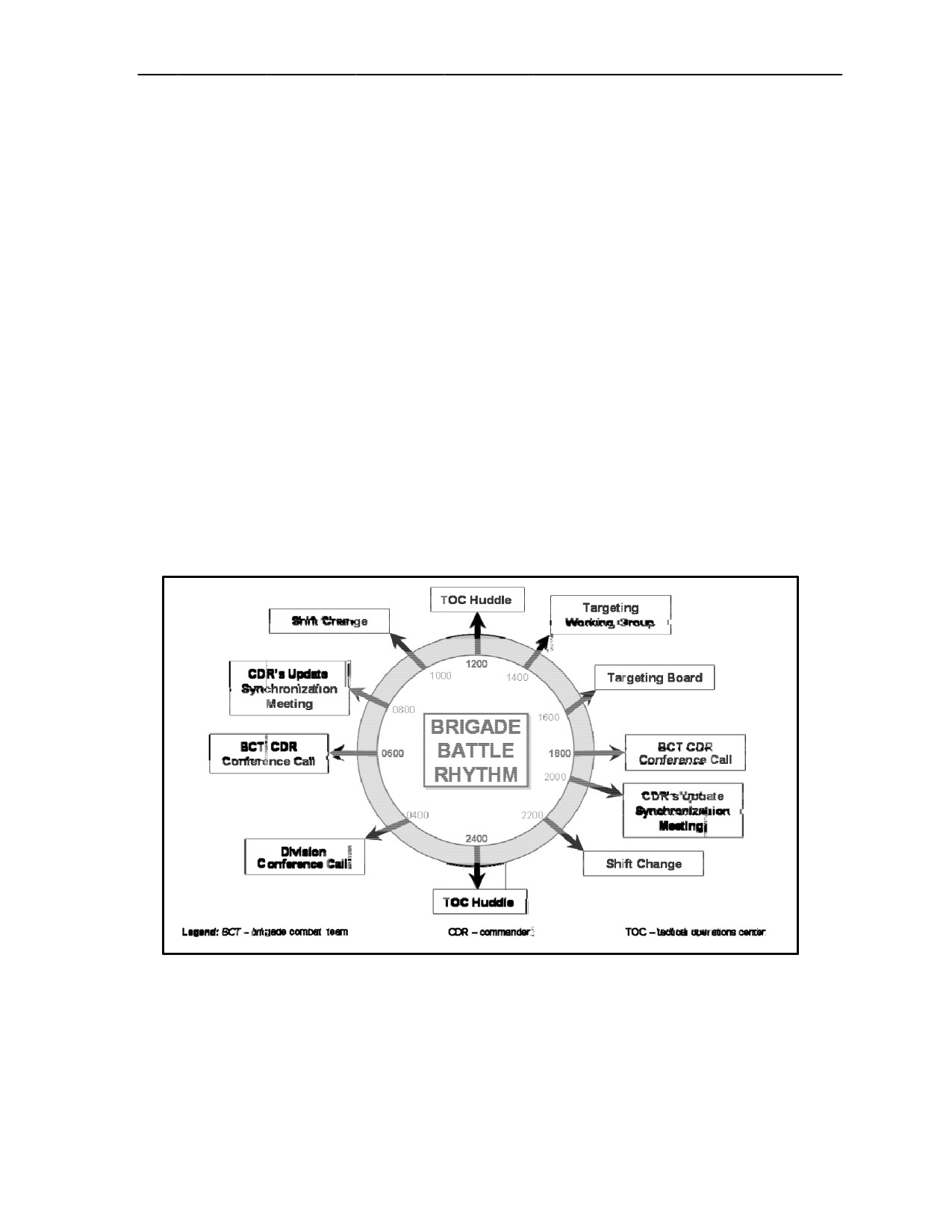
Brigade Combat Team and Battalion Task Force Targeting
z
What
responsibilities the team has
for BCT targets?
z
What
targeting detection and delivery assets are
allocated to the task force?
4-9. For example, assets could include all of the following—
z
Close
air support sorties.
z
Tactical unmanned
aircraft systems.
z
Combat observation
and lasing teams (COLT).
z
Army
aviation support.
z
Priorities of fires.
z
Allocation of special types of ammunition, such
as family of scatterable mines and dual-purpose
improved conventional munitions
4-10. The targeting working
group must know the FSCM
in effect during each phase of the battle. The
cutoff time for submission of changes to the
target list and
the BCT rehearsal time are also needed.
TARGETING
WORKING GROUP BATTLE RHYTHM
4-11. The targeting working
group is a critical event in the BCT battle rhythm. The timing serves to
nest
the BCT battle rhythm into the
higher headquarters targeting process. Targeting working group sessions
must be effectively integrated
into the BCT battle rhythm and nested within the higher headquarters
targeting cycle to ensure that the results of the targeting process focuses,
rather than disrupt operations
(See figure 4-1.)
Thus, task organization changes, modifications to the ISR plan, target
nominations that
exceed organic capabilities, air
support requests, and changes to the HPTL and specified
fire support,
inform and influence activities, and electronic warfare (EW) tasks all must be made with full awareness of
time available to
prepare and execute.
Figure 4-1. Brigade battle rhythm (example)
4-12. The timing of targeting
working group sessions is critical. While the time-focus
for BCT level
sessions of the targeting working group is normally 24 to 36 hours out, the BCT employment of
“reachback” assets and certain
targeting decisions, such as
target nominations and air support requests,
must be planned
in advance and in conjunction with the division, corps, theater army, and the joint air
tasking cycle. For these reasons, the BCT targeting focus is
24, 48, and 72
hours. However, commanders
must choose a targeting cycle
based on the pace of operations in their area of operations. In stability
operations the targeting timeline may be extended to focus as much as one month or more in the future. The
26 November 2010
FM 3-60
4-3
Chapter 4
brigade FSO also schedules internal fires cell targeting meetings so fire support, inform/influence activities,
and EW activities related target nominations arrive within the BCT and higher echelon target nomination
windows.
4-13. Experience in the BCT has shown the benefits of two targeting working group sessions daily at the
main command post (CP). A preliminary session facilitated by the fires cell ensures the effects of scalable
fires and meet the BCT commander’s guidance and intent. The brigade FSO, fires cell planners, and
targeting working group assess ongoing targeting efforts, and ensure air support requests with target
nominations are processed through higher headquarters to meet division, corps, theater army, and joint task
force targeting timelines. The second session is generally more formal than the first and is focused on
updating the commander, gaining new guidance, and obtaining approval of planned and proposed targeting
actions. Targeting working group sessions should be the minimum length required to present targeting
information, situation updates, provide recommendations, and obtain decisions.
BCT TARGETING WORKING GROUP MEMBERSHIP
4-14. The targeting working group is a grouping of predetermined staff representatives concerned with
targeting who meet to provide analysis, coordinate, and synchronize the targeting process, and provide
recommendations to the targeting board. The targeting working group focuses and synchronizes the BCT
combat power and resources toward finding, tracking, attacking, and assessing HPT. The following
personnel should normally attend sessions of the targeting working group—
z
Brigade FSO (leads the working group).
z
BCT operations staff officer (S-3) (alternate lead).
z
BCT intelligence staff officer (S-2) representative.
z
BCT collection manager.
z
Information engagement staff officer (S-7).
z
EW officer.
z
Psychological operations noncommissioned officer.
z
BCT civil affairs staff operations officer (S-9) representative.
z
Fires cell targeting officers.
z
Brigade legal section.
z
Organic fires battalion S-2/S-3 (if available).
z
Combat observation and lasing and fire support team chiefs (if available).
z
Fires cell representatives from the maneuver battalions, the reconnaissance squadron, and the
brigade special troops battalion (if available).
z
Military intelligence company commander/collection manager.
z
Air Force air liaison officer/tactical air control party (TACP) representative.
z
Air defense airspace management/brigade aviation element representative.
z
Special operations forces representative.
z
Reinforcing unit liaison officers.
z
Naval gunfire liaison officer/naval surface fire support representative.
z
BCT engineer officer (assistant brigade engineer/engineer liaison officer in his absence).
z
BCT chemical, biological, radiological, and nuclear officer.
z
Weather officer.
z
BCT logistics staff representative.
z
BCT signal staff representative.
z
Joint, interagency, multinational representatives as needed.
BCT TARGETING BOARD MEMBERSHIP
4-15. The targeting board is a temporary grouping of selected staff representatives with delegated
decision authority to provide targeting decision recommendations for command approval. When the
4-4
FM 3-60
26 November 2010
Brigade Combat Team and Battalion Task Force Targeting
process or activity being synchronized requires command approval, a board is the appropriate forum. The
targeting board usually includes—
z
BCT executive officer (chairs the board).
z
BCT S-3 (alternate chair).
z
BCT intelligence staff officer.
z
BCT signal staff officer.
z
BCT information engagement staff officer.
z
BCT civil affairs operations staff officer.
z
Fire support coordinator.
z
Brigade FSO.
z
BCT engineer.
z
Air defense airspace management/brigade aviation element officer.
z
EW officer.
z
Air liaison officer.
z
Fires cell targeting officers.
z
Psychological operations detachment commander.
z
Civil affairs unit leader.
z
Brigade legal section.
z
BCT logistics staff (sustainment cell) representative.
z
Organic fires battalion S-2/S-3 (if available).
z
Combat observation and lasing and fire support team chiefs (if available).
z
Representatives from the maneuver battalions, the reconnaissance squadron, and the brigade
special troops battalion (if available).
z
Military intelligence company commander/collection manager.
z
Special operations forces representative.
z
Reinforcing unit liaison officers.
z
Naval gunfire liaison officer/naval surface fire support representative.
z
Assistant brigade engineer/engineer liaison officer.
z
Joint, interagency, multinational representatives as needed.
BCT TARGETING RESPONSIBILITIES
4-16. The following provides a brief overview of targeting specific responsibilities for selected BCT
personnel.
BCT Commander
4-17. The BCT commander directs the targeting effort. Before preparation of formal running estimates,
guidance and direction is provided on the following—
z
State the expectation for the command.
z
Establish the what, when, and why to accomplish the mission.
z
Intent for shaping the battlefield in terms of time and space.
z
Identify the critical enemy vulnerability that will lead most directly to accomplishing the
mission.
z
Stress the time and place as critical element during the battle.
z
State the desired end state respecting time, force, enemy, and terrain.
z
Establish guidance for units having priority of fires.
z
Identify high-value targets and state the desired effects.
z
BDA requirements.
z
State the rules of engagement and commander’s intent.
26 November 2010
FM 3-60
4-5
Chapter 4
4-18. With this information, the staff prepares formal estimates. After presentation of these estimates, the
commander refines the previous guidance. Who approves the HPTL developed by his brigade FSO, S-3,
and S-2, or amends the list and approves it. HPT that cannot be acquired or attacked with BCT assets are
forwarded to the division targeting working group for consideration. The brigade FSO develops the attack
guidance and submits it to the commander for approval. As the battle progresses and more information
become available, the commander may have to change his guidance to react to changes.
BCT Deputy Commander
4-19. The BCT deputy commander is second in command of the BCT and is prepared to assume
command at any time necessary. The role, responsibilities, and authority vary based on the commander’s
desires, the BCT mission, and the scope and complexity of the operations conducted by the brigade. The
BCT commander delegates responsibility to his deputy commander for specific areas and/or functions, and
the authority necessary to control them in order to extend the commander’s span of control.
BCT Executive Officer
4-20. The BCT executive officer is the commander’s principal staff leader. Who directs, coordinates,
supervises, trains, and synchronizes the work of the staff, ensuring efficient and prompt staff actions. The
commander normally delegates executive management authority (equivalent to command of the staff) to
the executive officer for the coordinating and special staff. These decisions often include modifications to
targeting products. Decisions normally include approving or modifying—
z
HPTL/refinements.
z
Targeting synchronization matrix.
z
BCT focus for fire support.
z
Air support request/joint air support request for air interdiction and close air support or the
refinement of those previously submitted.
z
Attack plan/refinements.
z
Fragmentary orders.
z
Measures of performance (MOP) and measures of effectiveness (MOE) for scalable fires.
z
Fire support tasks.
z
Inform and influence tasks.
z
EW tasks.
BCT Intelligence Officer
4-21. The S-2 is responsible for preparing the ISR plan and maintains information on the current enemy
situation. The role provides assessment of possible enemy actions, provides analyses, and identifies targets
based on the BCT commander’s guidance. Specific targeting responsibilities include—
z
Developing target arrays.
z
Providing enemy capabilities and projected courses of action.
z
Providing intelligence preparation of the battlefield (IPB) products to the targeting working
group.
z
Developing high-value targets (HVT) in coordination with staff.
z
Determining which HPT can be acquired with organic assets.
z
Developing support requests for acquiring HPT beyond the capabilities of organic assets.
z
Coordinating the collection and dissemination of targeting information with the targeting
officers in the fires cell.
z
Developing and supervising implementation of the ISR plan.
z
Advising the S-3 about assessment collection capabilities.
z
Coordinating with the brigade FSO for indirect fires to support the ISR plan.
z
Participate in the dissemination and early planning process of rules of engagement.
4-6
FM 3-60
26 November 2010
Brigade Combat Team and Battalion Task Force Targeting
4-22. The BCT S-2 must inform other BCT staff personnel, the field artillery S-2, and task force S-2 of
the following—
z
Target arrays.
z
Enemy capabilities and projected course of action (COA).
z
The civilian situation (in the absence of the S-9).
z
HVT.
4-23. To do this, the S-2 leads the staff IPB, by using the tools of target value analysis, and applies what
he knows about the enemy situation. This provides a base of HVT that is adjusted according to current
enemy dispositions and composition.
4-24. After the HPTL is approved, the S-2 determines which targets can be acquired with organic,
attached or assets in support of the BCT. Targets that cannot be acquired at brigade level are translated into
requests for information from higher headquarters.
4-25. The BCT S-2 coordinates with the fires battalion S-2, targeting officer, and task force intelligence
officers for the collection and distribution of targeting information. This includes production of the TSS
matrix for target acquisition assets supporting the BCT. The S-2 also plans and supervises an aggressive
collection effort focused on the BCT HPT, priority intelligence requirements (PIR), and intelligence
requirement.
4-26. The S-2 must inform the other members of the staff when major changes in the tactical situation
warrant reevaluation of the HPTL. After the S-3 and brigade FSO state requirements for timeliness and
accuracy, the S-2 must translate these into collection tasking. The S-2 must work closely with the brigade
FSO and S-3 to decide which targets are best suited for coordinated attack. A coordinated attack may
involve a combination of a wide array of attack methods, to include—
z
Destructive methods.
z
Electronic monitoring.
z
Offensive EW.
z
Deception to enhance the effectiveness of the attack.
4-27. The S-2 must also advise the S-3 on BDA collection capabilities.
4-28. The S-2 is relied on significantly by the S-3 to assist him in the development of a comprehensive
ISR plan. The plan must tell commanders what they need to know in time for them to act. It is commander
oriented and commander directed. The ISR plan will answer the commander's PIR by tasking appropriate
assets to gather information. It will also ensure that observers are focused on designated named area of
interest to facilitate the targeting effort. The BCT S-2 and the brigade FSO will coordinate indirect fires
planned to support ISR assets. (See Field Manual Interim (FMI) 2-01for additional information.)
BCT Operations Officer
4-29. The BCT S-3 must work closely with the BCT S-2 and brigade FSO to prioritize the HPTL before
its approval by the commander. Priorities should address the following—
z
When the targets should be engaged.
z
The desired effect on the target.
z
Those target types that should be attacked immediately.
4-30. The decision to designate a target type for immediate attack is especially critical. Assets are
diverted from a mission in progress to attack that target type.
4-31. The S-3 is responsible for giving a detailed interpretation of the commander's concept of the
operation to all personnel engaged in brigade-level targeting. The guidance that results from this
interpretation must specify the targets that the commander feels are most important and the targets that pose
the greatest threat to the mission. The S-3 should specify the desired effects on the target when they are
different from those recommended by the brigade FSO or S-2. The where or when HPT should be attacked
for the greatest benefit to the friendly operation. The S-3 or brigade FSO must coordinate with division for
26 November 2010
FM 3-60
4-7
Chapter 4
those targets that are important to the BCT. Although the emphasis is on HPT, other targets of lower
priority also may be attacked.
4-32. The BCT S-3’s specific targeting responsibilities include—
z
Working with the S-2 and brigade FSO to prioritize the HPTL before approval by the
commander.
z
Synchronizing fires, intelligence, and airspace requirements with maneuver operations.
z
Determining the targets to be attacked immediately and desired effects.
z
Providing a detailed interpretation of the commander’s concept of the operation.
z
Providing guidance about which targets are most important to the commander.
z
Deciding when and where targets should be attacked.
z
Periodically reassessing the HPTL, TSS, AGM, targeting synchronization matrix, MOP, MOE,
and fire support tasks with the brigade FSO and S-2.
z
Determining with the brigade FSO and S-2 if an attack resulted in the desired effects or if
additional attacks are required.
z
Coordinate the dissemination and early planning process of rules of engagement.
Fire Support Coordinator
4-33. The BCT organic fires battalion commander is the fire support coordinator. The fire support
coordinator is the BCT commander’s primary advisor for planning and employing the field artillery assets.
Additional responsibilities include integrating all scalable fires for his mission.
Brigade Fire Support Officer
4-34. The brigade FSO is the senior field artillery staff officer at brigade level. This position is
responsible for all scalable fires planning and execution.
4-35. The brigade FSO plans and coordinates the fires warfighting function for BCT operations. The
position works closely with the executive officer and S-3 to ensure mutual understanding of all aspects of
fire support assessment, planning, preparation, and execution for BCT operations. Responsibilities are to
assist as needed in planning, during the transition to execution, and flowing smoothly into execution. The
brigade FSO finalizes the attack guidance formulated by the BCT commander and chairs the targeting
working group. His targeting specific actions are—
z
Overseeing overall targeting execution.
z
Ensuring all aspects of targeting are addressed and understood during the targeting process (task,
purpose, location sensor/back-up, fire mission thread, rehearsal, delivery asset, and assessment).
z
Developing and updating targeting products including fire support tasks, HPTL, TSS, AGM,
targeting synchronization matrix, sensor-shooter matrix, MOP, and MOE for scalable fires.
z
Conducting assessment in conjunction with the S-2 and S-3.
z
Preparing the fire support execution matrix.
z
Ensuring subordinate battalion FSO and fires cells fully understand target execution
responsibilities and planning fire support in accordance with the BCT commander’s top down
fire plan.
z
Establishing target refinement standards to facilitate completion of the fire support plan prior to
execution.
z
Consolidating target refinements and planned targets from the subordinate battalion/squadron
FSO, fires cells, and resolving duplications.
z
Providing target refinement to higher headquarters for established division, corps, and theater
army targets.
z
Coordinating requests for additional fire support from subordinate battalion/squadron FSO and
fires cells.
z
Coordinating support for subordinate unit attack requirements.
4-8
FM 3-60
26 November 2010
Brigade Combat Team and Battalion Task Force Targeting
z
Coordinating suppression of enemy air defense (SEAD), joint suppression of enemy air defense
(J-SEAD), and joint air attack team operations.
z
Receiving assessment reports and, with the S-2 and S-3, determining if an attack resulted in the
desired effects, or if additional attacks are required.
z
Formulating the re-attack recommendation.
z
Ensuring target nominations are validated, processed, and updated to achieve the desired effect
using joint air assets.
z
Coordinating with the air component air liaison officer on use of tactical air assets.
Targeting Officers
4-36. The targeting officer in the fires cell facilitates the exchange of information among the military
intelligence company’s analysis and control team, BCT S-2, and subordinate fires cells. These
responsibilities are similar to the field artillery intelligence officer at the division and corps. The targeting
duties include—
z
Helping the BCT S-2 to develop the ISR and target acquisition plans.
z
Helping to provide staff supervision of target acquisition assets organic to, attached to, or under
control of the BCT.
z
Coordinating with the BCT S-2 for target acquisition coverage and processing of HPT.
z
Producing the targeting synchronization matrix for target acquisition assets supporting the BCT.
z
Conducting target coordinate mensuration when applicable.
z
Conducting munitions effects analysis (weaponeering) when applicable.
z
Conducting collateral damage estimation when applicable.
z
Developing, recommending, and disseminating the AGM, MOP, and MOE to subordinate
elements.
z
Developing, recommending, and disseminating approved fire support tasks to subordinate
elements.
z
Managing target lists for planned fires.
z
Coordinating and distributing the restricted target list in coordination with the brigade FSO.
Air Force Air Liason Officer
4-37. The air component air liaison officer’s targeting actions are—
z
Monitoring execution of the joint air tasking cycle.
z
Advising the commander and staff about employment of air assets.
z
Receiving, coordinating, planning, prioritizing, and synchronizing immediate requests for close
air support.
z
Providing air component input to analysis and plans.
Information Engagement Staff Officer
4-38. The S-7 is responsible for the overall planning, preparation, execution, and assessment of
information tasks for the BCT. The position targeting responsibilities include—
z
Synchronizing appropriate aspects of inform and influence activities with the fires, maneuver,
and other warfighting functions.
z
Assessing enemy vulnerabilities, friendly capabilities, and friendly missions.
z
Nominating inform/influence activities targets for attack.
z
Briefing deception operations.
z
Providing operation security measures.
z
Synchronizing Army information tasks.
26 November 2010
FM 3-60
4-9
Chapter 4
Electronic Warfare Officer
4-39. The EW officer’s targeting responsibilities include—
z
Determining HPT to engage with electronic attack.
z
Submitting air support requests and airspace control means requests for EW aircraft support.
z
Recommending EW methods of target engagement.
z
Planning and coordinating tasking and requests to satisfy electronic attacks and EW support
requirements.
z
Assisting the S-2 with the electronic portion of IPB.
z
Identifying threat electronic attack capabilities and targets.
Psychological Operations Noncommissioned Officer
4-40. The psychological operations noncommissioned officer targeting responsibilities include—
z
Specifying military information support operations targets during the target nomination process
and recommending them to the targeting team.
z
Providing assessments of military information support operations actions and programs.
z
Identifying and nominate targets for the restricted target list and no-strike list.
z
Coordinating and deconflicting military information support operations targeting with planners.
z
Synchronizing and deconflict military information support operations with subordinate elements.
z
Providing military information support operations relevant information.
Civil Affairs Officer
4-41. The S-9’s targeting responsibilities include—
z
Providing advice on the affects of friendly actions on the civilian populace.
z
Producing input to the restricted target list.
z
Providing assessments of the effectiveness of civil affairs operations.
Brigade Judge Advocate
4-42. The brigade judge advocate’s targeting responsibilities include—
z
Analyzing the operations relative to the rules of engagement, United States laws, existing host
nation law, and international law.
z
Analyzing the nominated or potential target under the law of war.
z
Analyzing the plans for detention operations can include evaluation for potential future criminal
prosecution of a target, site exploitation, and evidence preservation.
z
Identifying the need for potential legal support to operations.
z
Provide interpretations of the rules of engagement.
Liaison Officers
4-43. Liaison officer targeting responsibilities include—
z
Addressing concerns of their respective commanders. Submitting and explaining the significance
of target nominations to support their unit’s operations.
z
Providing feedback to their respective commanders on which targets are added to the HPTL and
how they are synchronized with the ISR plan and AGM.
z
Providing feedback to their commanders on target nominations made to higher headquarters.
z
Informing their organization of higher level targets that fall into their sectors along with the
tasking and coordination measures involved.
z
Providing supported unit with required targeting information from the supporting or subordinate
unit.
4-10
FM 3-60
26 November 2010
Brigade Combat Team and Battalion Task Force Targeting
BCT FIRES CELL
4-44. The BCT fires cell is led by the brigade FSO. It is staffed by members that have expertise that is
integral to the fires warfighting function. It has resources to plan for future operations from the main CP
and to support current operations from the tactical CP (when deployed). Additionally the section has the
limited capability to provide coverage to the command group and the deputy command group when
deployed. Fires cell staff are assigned to the following elements within the fires cell of the main CP and
current operations cell of the tactical CP—
z
Lethal fires element (main CP).
z
Nonlethal fires element (main CP).
z
The TACP operates from the main CP with selected personnel deployed with the tactical CP
when deployed.
z
Tactical CP fires element. Selected personnel from the lethal and nonlethal fires elements deploy
with the tactical CP when the tactical CP is deployed, otherwise they are part of main CP fires
cell.
4-45. The fires cell of the main CP expands their functions to include the follow— inform and influence
activities, civil affairs operations personnel, an enhanced air component TACP, and collocation of the
brigade legal section. The result is a multi-functional organization with much improved capability
including—
z
The improved capability of planning, integrating, and synchronizing activities for BCT
operations.
z
The improved ability to integrate available capabilities into targeting.
z
The capability of managing counterfire operations when required.
z
Improved joint fires connectivity.
4-46. All elements work from the main CP if the tactical CP is not deployed. Selected personnel from the
main CP fires elements make up the fires element of the tactical CP (the entire tactical CP is the BCT
current operations cell) when the tactical CP is deployed. The rest remain at the main CP. The BCT TACP
collocates with the fires cell in the main CP (but is sufficiently robust that a selected portion of it can be
deployed with the tactical CP). As mission, enemy, terrain and weather, troops and support available, time
available, civil considerations (METT-TC) dictates, the fires cell in the main CP can be augmented by other
Service components or joint resources and assets, including those for inform and influence activities, and
related activities as needed.
4-47. The S-7, S-9, and public affairs officer plan, coordinate, integrate, and synchronize all aspects of
inform and influence activities to support BCT operations. The S-7, S-9, and public affairs officer conduct
all aspects of their duties to support BCT operations, to include supporting the brigade FSO with the
integration of their capabilities into the targeting process. They are part of the targeting working group that
integrates inform and influence activities into the targeting process. The fire support organizations at
battalion/squadron level and below coordinate fires, to include organic mortars and any additional fire
support allocated by the BCT fires cell, for delivery on time and on target. Together the BCT fires cell and
the fires cells of subordinate BCT organizations enable the BCT to conduct operations to protect the force
and shape the battlefield.
4-48. The fires cell is the centerpiece of the BCT targeting architecture, focused on both lethal and
nonlethal target sets. The fires cell thus collaboratively plans, coordinates, and synchronizes fire support,
aspects of inform and influence activities (such as artillery and air delivered leaflets) in an integrated
fashion with the other warfighting functions to support BCT operations. The targeting working group
brings together representatives of all staff sections concerned with targeting. It synchronizes the
contributions of the entire staff to the work of the fires cell. The brigade legal section is colocated with the
fires cell in order to provide legal review of plans, targeting and orders. The fires cell coordinates and
integrates joint fire support into the BCT commander’s concept of operations. Primary functions of the fires
cell includes the following—
z
Planning, coordinating, and synchronizing fire support for BCT operations.
z
Working with the S-7, S-9, public affairs officer, and brigade judge advocate to integrate fires,
including appropriate aspects of inform and influence activities into the BCT targeting process.
26 November 2010
FM 3-60
4-11
Chapter 4
z
Collaborating in the IPB process.
z
Coordinating the tasking of sensors during development of the ISR plan with the BCT S-2, the
military intelligence company commander (as needed), and the reconnaissance squadron to
acquire targets.
z
Participating in the BCT military decisionmaking process (MDMP).
z
Briefing the BCT commander on the fire support plan.
z
Disseminating the approved plan to BCT fire support organizations, the fires battalion, the
division’s fires brigade and the division and corps fires cells.
z
Participating in the BCT targeting process.
z
Ensuring battalion fires cells plan fires in accordance with the BCT commander’s guidance for
current and future operations.
z
Preparing the fires portion of the BCT OPORD that describes the concept/scheme of fires to
support BCT operations.
z
Managing the establishment of and changes to FSCM.
z
Coordinating maneuver space for the positioning of field artillery assets.
z
Coordinating airspace requirement with the air defense and airspace management/brigade
aviation element.
z
Submitting airspace control means requests to integrate airspace requirement.
z
Coordinating clearance for attacks against targets (clearance of fires).
z
Coordinating assessment.
z
Coordinating requests for additional fire support to include joint fires.
z
Providing input to the common operational picture to enhance situational understanding.
Lethal Fires Element (Main CP)
4-49. A fires element is a component of the fires cell. A fires element is normally collocated with its parent
fires cell but may operate within another CP cell. The principal function of the lethal fires element is
planning scalable fires for future BCT operations and targeting. The BCT main CP facilitates collaboration
of fires with the other warfighting functions. The lethal fires element prepares scalable fires inputs and
products used in the MDMP and targeting process. On adoption of a COA, the element produces and
disseminates the fire support portions of the BCT OPLAN/OPORD. The lethal fires element prepares
recommendations for BCT targeting working group sessions and implements the resulting decisions
through the targeting guidance in fires computer systems. Leveraging the ISR assets available at the main
CP, the element plans and executes the scalable fires portion of BCT shaping operations. Functions of the
fires cell lethal fires element include the following—
z
Providing lethal fires input to the ISR plan.
z
Developing the fire support concept for each COA.
z
Developing no-strike lists and identifying FSCM.
z
Developing/refining targeting guidance for each COA.
z
Developing target criteria for input into computer systems for each COA.
z
Producing the HPTL, TSS, and AGM, targeting synchronization matrix and lethal fires tasks for
the BCT OPLAN/OPORD.
z
Preparing products for the targeting working group.
z
Developing fire support related MOP and MOE for BCT assessment.
z
Implementing targeting guidance in computer systems.
z
Providing reactive counterfire guidance and radar deployment instructions to the organic fires
battalion.
z
Updating/purging targeting files.
z
Assisting the operations element in clearance of fires when required.
z
Planning and executing lethal fires for BCT shaping operations as directed.
4-12
FM 3-60
26 November 2010