FM 3-60 (FM 6-20-10) The Targeting Process (NOVEMBER 2010) - page 1
*FM 3-60 (FM 6-20-10)
Field Manual
Headquarters,
Department of the Army
No. 3-60
Washington, DC, 26 November 2010
The Targeting Process
Contents
Page
PREFACE
iv
INTRODUCTION
v
Chapter 1
TARGETING PRINCIPLES AND PHILOSOPHY
1-1
Doctrinal Basis
1-1
Targeting Principles
1-2
Targeting Guidance
1-2
Targeting Categories
1-4
Targeting Methodology
1-6
Targeting and Military DecisionMaking Process
1-7
Service Components Targeting Methodology
1-12
Air-Ground Operations Relationship
1-12
Targeting Personnel and Responsibilites
1-12
Chapter 2
TARGETING METHODOLOGY—LETHAL AND NONLETHAL
2-1
General
2-1
Decide
2-2
Detect
2-10
Deliver
2-15
Assess
2-19
Chapter 3
CORPS AND DIVISION TARGETING
3-1
Fires Cell
3-1
Requirements for Successful Targeting
3-5
D3A Methodology
3-6
Corps and Division Synchronization
3-8
Air-Ground Operations at Corps Level
3-8
Targeting Responsibilities
3-10
Chapter 4
BRIGADE COMBAT TEAM AND BATTALION TASK FORCE TARGETING . 4-1
Functions
4-1
Planning Considerations
4-2
Targeting Working Group Battle Rhythm
4-3
Distribution Restriction: Approved for public release; distribution is unlimited.
*This publication supersedes FM 6-20-10, 8 May 1996.
i
Contents
BCT Targeting Working Group Membership
4-4
BCT Targeting Board Membership
4-4
BCT Targeting Responsibilities
4-5
BCT Fires Cell
4-11
Preparing and Conducting Targeting Working Group
4-23
Synchronization
4-28
Appendix A
FIND, FIX, TRACK, TARGET, ENGAGE, AND ASSESS
A-1
Appendix B
FIND, FIX, FINISH, EXPLOIT, ANALYZE, AND DISEMINATE
B-1
Appendix C
NATIONAL INTELLIGENCE ORGANIZATIONS SUPPORT TO TARGETINGC-1
Appendix D
EXAMPLE FORMATS AND TARGET REPORTS
D-1
Appendix E
TARGETING CHECKLIST
E-1
Appendix F
SAMPLE TARGETING TEAM STANDARD OPERATING PROCEDURES
F-1
Appendix G
COMMON DATUM
G-1
Appendix H
TARGET NUMBERING
H-1
GLOSSARY
Glossary-1
REFERENCES
References-1
INDEX
Index-1
Figures
Figure 1-1. Targeting categories
1-6
Figure 1-2. Targeting methodology
1-7
Figure 1-3. D3A methodology and the MDMP
1-8
Figure 2-1. D3A methodology cycle
2-1
Figure 2-2. Targeting products (example)
2-3
Figure 2-3. High-payoff target list (example)
2-6
Figure 2-4. Target selection standards matrix (example)
2-8
Figure 2-5. Attack guidance matrix (example)
2-9
Figure 2-6. Target report
2-13
Figure 2-7. Target validation considerations
2-15
Figure 2-8. Assessment levels and measures
2-19
Figure 2-9. D3A methodology
2-23
Figure 3-1. Fires cell
3-2
Figure 3-2. FIB fires cell and elements (example)
3-17
Figure 4-1. Brigade battle rhythm (example)
4-3
Figure A-1. Find step determinations and follow on actions
A-2
Figure B-1. High-value individual targeting process
B-2
Figure D-1. High-payoff target list (sample)
D-2
Figure D-2. Target selection standards matrix (sample)
D-2
ii
FM 3-60
26 November 2010
Contents
Figure D-3. Attack guidance matrix (sample)
D-3
Figure D-4. Combined HPTL TSS AGM (sample)
D-6
Figure D-5. Target selection standards worksheet (sample)
D-7
Figure D-6. Targeting synchronization matrix (sample)
D-8
Figure D-7. Combined lethal/nonlethal targeting synchronization matrix (sample)
D-9
Figure D-8. Alternate targeting synchronization matrix format (sample)
D-10
Figure D-9. Delivery standards matrix (sample)
D-11
Figure D-10. Baseball card (front side) (sample)
D-14
Figure D-11. Baseball card (backside) (sample)
D-15
Figure D-12. Picture of HVI residence (sample)
D-15
Figure D-13. HVI link diagram (sample)
D-16
Figure D-14. HVI reports (sample)
D-16
Figure D-15. HVI summary/assessment (sample)
D-17
Figure F-1. Targeting working group (example)
F-1
Figure F-2. Targeting working group agenda (example)
F-2
Figure F-3. Meeting times interface between corps and division (example)
F-3
Figure G-1. Map margin datum (example)
G-2
Tables
Table 1-1. Crosswalk of operations process, joint targeting cycle, D3A, and MDMP
1-11
Table 4-1. Targeting working group agenda (example)
4-25
Table 4-2. BCT fire support execution matrix (example)
4-28
Table 4-3. Task force fire support execution matrix (example)
4-29
Table D-1. HPTL-AGM option 1 (sample)
D-4
Table D-2. HPTL-AGM option 2 (sample)
D-4
Table D-3. Target report (sample)
D-12
Table D-4. Air tasking order (example)
D-13
Table H-1. Assignment of first letter (example)
H-1
Table H-2. Assignment of letters (example)
H-2
Table H-3. Assignment of blocks of numbers (example)
H-2
Table H-4. Additional assignment of blocks of numbers (example)
H-2
26 November 2010
FM 3-60
iii
Preface
PURPOSE
This publication (Field Manual [FM] 3-60, The Targeting Process) describes the targeting process used by the
United States Army. The FM 3-60 is descriptive and not prescriptive in nature. This manual has applicability in
any theater of operations. The manual offers considerations for commanders and staffers in preparing for
challenges with targeting, yet it is flexible enough to adapt to dynamic situation. FM 3-60 replaces FM 6-20-10,
Tactics, Techniques, and Procedures for the Targeting Process.
The development and research of FM 3-60 parallels similar ongoing efforts by other Army proponents to
develop their own supporting branch doctrine and tactics, techniques, and procedures for the division, support
brigades, brigade combat teams, and subordinate elements.
ADMINISTRATIVE INFORMATION
Unless this publication states otherwise, masculine nouns and pronouns do not refer exclusively to men.
This publication applies to the Active Army, the Army National Guard/Army National Guard of the United
States, and the United States Army Reserve unless otherwise stated.
The United States Army Training and Doctrine Command is the proponent for this publication. The preparing
agency is the United States Army Fires Center of Excellence and Fort Sill. Users are invited to send written
comments and recommendations on a DA Form 2028 (Recommended Changes to Publications and Blank
Forms) directly to Directorate of Training and Doctrine, 700 McNair Avenue, Suite 128 ATTN: ATSF-DD,
Fort Sill, OK 73503; by e-mail to atsfddd@conus.army.mil; or submit an electronic DA Form 2028.
iv
FM 3-60
26 November 2010
Introduction
SCOPE
Field Manual (FM) 3-60, The Targeting Process consists of five chapters and eight appendices to describe the
Army’s targeting process. Each chapter and appendix addresses how the decide, detect, deliver, and assess
(D3A) methodology enhances the targeting process. The D3A is a methodology which optimizes the integration
and synchronization of maneuver, fire support, and intelligence from task force to corps level operations. The
D3A is described without tying it to specific hardware that will eventually become dated. The Army’s targeting
process consists of time tested techniques organized in a systematic framework.
The FM
3-60 addresses how D3A methodology interfaces with the joint targeting cycle, military
decisionmaking process (MDMP), and operations process. The joint targeting fundamental principles and
doctrinal guidance are also presented in this publication.
Successful targeting requires that the leadership team and their staff possess an understanding of the functions
associated with the targeting process. The FM 3-60 builds on the collective knowledge, experience gained
through recent operations, and numerous exercises. The manual is rooted in time tested principles and
fundamentals, while accommodating force design, new technologies, and diverse threats to national security.
The targeting process is challenging. The challenge includes locating, identifying, classifying, tracking, and
attacking targets and assessing battle damage with limited assets and weapon systems, which makes this process
complicated. The process becomes even more difficult with long range and fast moving targets. It is even more
complex at division and higher echelons with more decisionmakers, acquisitions, surveillance assets, and
weapon systems. This challenge is particularly true when joint and combined assets are included. The
competition for assets is intense. Many intelligence systems are capable of situation development, target
acquisition, and battle damage assessment (BDA), but may not be able to do all at the same time. Detailed
guidance, thorough planning, and disciplined execution prevent unnecessary redundancy and make the most of
available combat power.
Chapter 1 begins with the basics and introduction to targeting.
Chapter 2 describes the Army’s targeting process in detail.
Chapter 3 addresses targeting at the corps and division level.
Chapter 4 addresses targeting at the brigade combat team and battalion level.
Appendix A describes the joint dynamic targeting process.
Appendix B describes a method for targeting high-value individuals (HVI).
Appendix C describes the targeting support available from national agencies.
Appendix D provides examples of targeting products applicable to the operations process.
Appendix E provides a targeting checklist.
Appendix F provides a targeting working group standard/standing operating procedure.
Appendix G provides information on the common datum.
Appendix H explains the target numbering system for targeting.
26 November 2010
FM 3-60
v
Chapter 1
Targeting Principles and Philosophy
According to joint publication (JP) 3-60, a target is an entity or object considered for
possible engagement or other action. Targets also include the wide array of mobile
and stationary forces, equipment, capabilities, and functions that an enemy
commander can use to conduct operations. Targeting is the process of selecting and
prioritizing targets and matching the appropriate response to them, considering
operational requirements and capabilities (JP 3-0). The emphasis of targeting is on
identifying resources (targets) the enemy can least afford to lose or that provide him
with the greatest advantage, then further identifying the subset of those targets which
must be acquired and attacked to achieve friendly success. Denying these resources
to the enemy makes him vulnerable to friendly battle plans. These resources
constitute critical enemy vulnerabilities. Successful targeting enables the commander
to synchronize intelligence, maneuver, fire support systems, nonlethal systems, and
special operations forces by attacking the right target with the best system at the right
time. Targeting is a complex and multidiscipline effort that requires coordinated
interaction among many command functions. These command functions in
collaboration are referred to as the targeting working group and include, but are not
limited to, the fires, intelligence, current operations, future operations, and plans
cells. Representatives from these cells are essential to a comprehensive targeting
process. Other members of the staff may help them in the planning and execution
phases of targeting. Close coordination among all cells is crucial for a successful
targeting effort. Sensors and collection capabilities under the control of external
agencies must be closely coordinated for efficient and quick reporting of fleeting or
dangerous targets. In addition, the appropriate means and munitions must attack the
vulnerabilities of different types of targets.
DOCTRINAL BASIS
1-1. The Army will not operate alone in the uncertain, ambiguous security environment described in
JP 3-0, JP 3-60, and field manual (FM) 3-0. Operations involving Army forces will frequently participate in
joint operations. The overarching operational level considerations are for the joint force commander (JFC)
to synchronize the action of air, land, sea, space, and special operations forces to achieve strategic and
operational objectives through integrated, joint campaign and major operations. The JFC seeks to win
decisively and quickly and with minimum casualties and minimal collateral damage. The application of
scalable fires is essential in defeating the enemy’s ability and will to fight. The JFC uses a variety of means
to divert, limit, disrupt, delay, damage, or destroy the enemy’s air, surface, and subsurface military
potential throughout the joint operational area. The specific criteria of the above terms must be established
by the commander and well understood by targeting working group members. Conflicts will be dominated
by high technology equipment and weapons and fought over extended distances by highly integrated joint
and combined task forces. The characteristics of the future battlefield will challenge the joint force and
Service component commanders’ ability to efficiently and effectively employ limited numbers of
sophisticated acquisition and weapon systems against a diverse target array with efficiently and effectively.
1-2. Targeting is a critical process of the fires warfighting function. The fires warfighting function is the
related tasks and systems that provide collective and coordinated use of Army indirect fires and joint fires
through the targeting process (FM 3-0) It includes tasks associated with integrating and synchronizing the
effects of the types of fires with the effects of other warfighting functions. Commanders integrate these
26 November 2010
FM 3-60
1-1
Chapter 1
tasks into the concept of operations during planning and adjust them based on the targeting guidance. Fires
normally contribute to the overall effect of maneuver, but commanders may use them separately for
decisive and shaping operations. The fires warfighting function includes the following tasks:
z
Decide surface targets.
z
Detect and locate surface targets.
z
Provide fire support
z
Assess effectiveness.
z
Integrate and synchronize cyber-electromagnetic activities .
1-3. These tasks are integrated into the operational level during planning and adjusted based on the
targeting guidance.
TARGETING PRINCIPLES
1-4. The enemy presents a large number of targets, frequently more than can be serviced with available
intelligence, acquisition, and attack assets. The targeting process weighs the benefits and the cost of
attacking various targets in order to determine which targets, if attacked, are most likely to contribute to
achieving the desired end state. Adhering to four targeting principles should increase the probability of
creating desired effects while diminishing undesired or adverse collateral effects. These principles are—
z
The targeting process is focused on achieving the commander’s objectives. It is the function of
targeting to achieve efficiently those objectives within the parameters set at the operational level,
directed limitations, the rules of engagement, or rules for the use of force, the law of war, and
other guidance given by the commander. Every target nominated must contribute to attaining the
commander’s objectives.
z
Targeting is concerned with the creation of specific desired effects through lethal and nonlethal
actions. Target analysis considers all possible means to achieve desired effects, drawing from all
available capabilities. The art of targeting seeks to achieve desired effects with the least risk and
expenditure of time and resources.
z
Targeting is a command function that requires the participation of many disciplines. This entails
participation from all elements of the unit staff, special staff, special augmentees, other agencies,
organizations, and multinational partners. Many of the participants may directly aid the targeting
effort while working at locations vast distances from the unit. Even company level targeting
elements frequently have access to intelligence and analysis generated by national elements.
z
Targeting seeks to achieve effects through lethal and nonlethal actions in a systematic manner. A
targeting methodology is a rational and iterative process that methodically analyzes, prioritizes,
and assigns assets against targets systematically to achieve those effects that will contribute to
achieving the commander’s objectives. If the desired effects are not achieved, targets are
recycled through the process.
TARGETING GUIDANCE
1-5. The commander’s targeting guidance must be articulated simply yet authoritatively. The guidance
must be easily understood across the combined and joint environment of operational areas. Targeting
guidance must focus on essential enemy capabilities and functions that could interfere with the
achievement of friendly objectives, such as, the ability to exercise control of forward units, the ability to
mass fire support, or (in stability operations) the ability to manufacture explosive devices. These are high
value targets needed by the enemy to accomplish his own mission and to keep friendly forces from
achieving theirs.
1-6. The commander’s targeting guidance describes the desired effects to be generated by scalable fires,
physical attack, and cyber/electromagnetic activities against enemy and adversary operations. The ability to
execute the listed elements in different locations at the same time producing the following desired effects—
deceive, degrade, delay, deny, destroy, disrupt, divert, exploit, interdict, neutralize, and suppress. Terms
such as delay, disrupt, divert, and destroy have long been used to describe the effects of artillery fire on
enemy capabilities; as have terms such as destroy, disrupt, degrade, deny, deceive, and exploit to describe
1-2
FM 3-60
26 November 2010
Targeting Principles and Philosophy
the effects of information operations (FM 3-13). The terms are not mutually exclusive. Action associated
with one desired effect may also support other desired effects. For example, delay can result from
disrupting, diverting, or destroying enemy capabilities or targets.
1-7. Various scalable fires can be employed by a commander to achieve the following effects on an
enemy or adversary—
z
Deceive. To deceive is to cause a person to believe what is not true (FM 3-13). Military
deception seeks to mislead adversary decisionmakers by manipulating their understanding of
reality. Decisionmakers can be deceived because they operate in an uncertain environment.
Uncertainties about the situation and the inability to predict outcomes accurately require
adversaries to take risks that can expose them to the effects of friendly fires.
z
Degrade. To degrade is to use nonlethal or temporary means to reduce the effectiveness or
efficiency of adversary command and control systems and information collection efforts or
means (FM 3-13).
z
Delay. To delay is to slow the time of arrival of enemy forces or capabilities or alter the ability
of the enemy or adversary to project forces or capabilities. When enemy forces are delayed
friendly forces gain time (JP 3-03). For delay to have a major impact, the enemy must face
urgent movement requirements or the delay must enhance the effect(s) of friendly operations.
When delayed enemy forces mass behind a damaged route segment a more concentrated set of
targets and a longer period of exposure to friendly fires results. (JP 3-03).
z
Deny. To deny is to withhold information about Army force capabilities and intentions that
adversaries need for effective and timely decisionmaking (FM 3-13). To deny is also to hinder or
prevent the enemy from using terrain, space, personnel, supplies, or facilities. Destruction of
enemy equipment is an effective means of denying his use of the electromagnetic spectrum;
however, the duration of denial will depend on the enemy’s ability to reconstitute. The electronic
warfare (EW) representative must consider unintended consequences of EW operations. Friendly
electronic attack could potentially deny essential services to a local populace, which in turn
could result in loss of life and/or political ramifications.
z
Destroy. In the context of defeat mechanisms, to destroy is to apply lethal combat power on an
enemy capability so that it can no longer perform any function and cannot be restored to a usable
condition without being entirely rebuilt (FM 3-0). A building is destroyed when all vertical
supports and spanning members are damaged to such an extent that nothing is salvageable. In the
case of bridges, all spans must have dropped and all piers must require replacement. The amount
of damage needed to render a unit combat ineffective depends on the unit’s type, discipline, and
morale. Any such percentages must be specified by the supported unit commander. Area fire
weapons require considerable ammunition and time to destroy armored or dug in targets as direct
hits with high explosive shells are generally required. Precision guided munitions are a better
means of destroying such targets. When used in the EW context, destruction is the elimination of
targeted adversary’s systems. Sensors and command nodes are lucrative targets because their
destruction strongly influences the enemy’s perceptions and ability to coordinate actions. EW
support supports destruction by providing target location and/or information. Adversary systems
that use the electromagnetic spectrum can be destroyed by a variety of weapons and techniques,
ranging from conventional munitions and directed energy weapons to network attacks.
z
Disrupt. To disrupt is to interrupt or impede enemy or adversary capabilities or systems,
upsetting the flow of information, operational tempo, effective interaction, or cohesion of the
enemy force or those systems (JP 3-03). Disrupt is a tactical mission task in which a commander
integrates direct and indirect fires, terrain, and obstacles to upset an enemy’s formation or
tempo, interrupt his timetable, or cause his forces to commit prematurely or attack in piecemeal
fashion. In information operations, disrupt is breaking and interrupting the flow of information
between selected command and control nodes (FM 3-13). Any of these may in turn cause enemy
forces to commit prematurely or attack in a piecemeal fashion. Attacking command and control
nodes may force the enemy to use less capable, less secure backup communications systems that
can be more easily exploited by friendly force. Attacking enemy lines of communications may
force the enemy to use less capable transportation modes to communicate with and sustain their
26 November 2010
FM 3-60
1-3
Chapter 1
forces. Uncertainty as to whether or not forces, materiel, or supplies will arrive can directly
affect enemy commanders, their staffs, and forces.
z
Divert. To divert is to force the enemy or adversary to change course or direction. Diversion
causes enemy forces to consume resources or capabilities critical to enemy operations in a way
that is advantageous to friendly operations. Diversions draw the attention of enemy forces away
from critical friendly operations and prevent enemy forces and their support resources from
being employed for their intended purpose. Diversions can also cause more circuitous routing
along lines of communications, resulting in delays for enemy forces (JP 3-03).
z
Exploit. To exploit is in information operations, to gain access to adversary command and
control systems to collect information or to plant false or misleading information (FM 3-13).
z
Interdict. To interdict is to divert, disrupt, delay, or destroy the enemy’s military surface
capability before it can be used effectively against friendly forces, or to otherwise achieve objectives
(JP 3-03).
z
Neutralize. To neutralize is to render enemy personnel or material incapable of interfering with
a particular operation (FM 1-02). The unit is effective again when the casualties are replaced
and/or damage is repaired. Any such percentages must be specified by the supported unit
commander. Neutralization fires are delivered against targets located by accurate map
inspection, indirect fire adjustment, or a target acquisition device. The assets required to
neutralize a target vary according to the type and size of the target and the weapon ammunition
combination.
z
Suppress. To suppress is to temporarily degrade the performance of a force or weapons system
below the level needed to accomplish the mission (FM 1-02). Firing high explosive rounds with
variable time fuzes reduces the combat effectiveness of personnel and armored targets by
creating apprehension and surprise and by causing tracked vehicles to button up. Obscuration is
used to blind or confuse. Fires used to suppress are useful against likely, suspected, or
inaccurately located enemy units where time is essential. They can be provided by small delivery
units or means and require little ammunition. Suppression fires such as a smoke screen continue
long enough to degrade enemy performance.
1-8.
The commander can also provide restrictions as part of his targeting guidance. Targeting restrictions
fall into two categories. The two categories are no-strike list and restricted target list. The no-strike list
consists of objects or entities protected by the following—
z
Law of armed conflict.
z
International laws.
z
Rules of engagement.
z
Other considerations.
The no-strike list is developed independently of and in parallel to the candidate target list.
1-9. A restricted target list is a valid target with specific actions. Listed below are some examples of
specific actions—
z
Limit collateral damage.
z
Preserve select ammo for final protective fires.
z
Do not strike during daytime.
z
Strike only with a certain weapon.
z
Proximity to no-strike facilities.
Note. See JP 2-0 and JP 3-60 for additional information on legal considerations and targeting
restrictions.
TARGETING CATEGORIES
1-10. There are two targeting categories— deliberate and dynamic.
1-4
FM 3-60
26 November 2010
Targeting Principles and Philosophy
DELIBERATE TARGETING
1-11. Deliberate targeting prosecutes planned targets. These targets are known to exist in an operational
area and have actions scheduled against them. Examples range from targets on target lists in the applicable
plan or order, targets detected in sufficient time to be placed in the joint air tasking cycle, mission type
orders, or fire support plans.
1-12. There are two types of planned targets: scheduled and on-call-
z
Scheduled targets exist in the operational environment and are located in sufficient time or
prosecuted at a specific, planned time.
z
On-call targets have actions planned, but not for a specific delivery time. The commander
expects to locate these targets in sufficient time to execute planned actions. These targets are
unique in that actions are planned against them using deliberate targeting, but execution will
normally be conducted using dynamic targeting such as close air support missions and time-
sensitive targets (TST).
DYNAMIC TARGETING
1-13. Dynamic targeting prosecutes targets of opportunity and changes to planned targets or objectives.
Targets of opportunity are targets identified too late, or not selected for action in time, to be included in
deliberate targeting. Targets prosecuted as part of dynamic targeting are previously unanticipated,
unplanned, or newly detected. If the target is not critical or time-sensitive enough to warrant prosecution
during the current execution period, the target may be developed for prosecution during a later execution
period. Analysis of the target may also determine that no action is needed.
1-14. There are two types of targets of opportunity: unplanned and unanticipated-
z
Unplanned targets are known to exist in the operational environment, but no action has been
planned against them. The target may not have been detected or located in sufficient time to
meet planning deadlines. Alternatively, the target may have been located, but not previously
considered of sufficient importance to engage.
z
Unanticipated targets are unknown or not expected to exist in the operational environment.
TIME-SENSITIVE TARGETS
1-15. A TST is a JFC designated target requiring immediate response because it is a highly lucrative,
fleeting target of opportunity or it poses (or will soon pose) a danger to friendly forces (JP 3-60). TST is a
JFC designated target or target type of such high importance to the accomplishment of the JFC mission and
objectives or one that presents such a significant strategic or operational threat to friendly forces or allies,
that the JFC dedicates intelligence collection and attack assets or is willing to divert assets away from other
targets in order to find, fix, track, target, engage, and assess (F2T2EA) it/them.
1-16. TST comprises a very small or limited number of targets due to the required investment of assets and
potential disruption of planned execution, and are only those targets designated by the JFC and identified as
such in the JFC guidance and intent. TSTs are normally executed dynamically; however, to be successful,
they require considerable deliberate planning and preparation within the joint targeting cycle.
1-17. Service component commanders may designate high-priority targets that present significant risks to
or opportunities for component forces and/or missions. These are generally targets that the Service
component commander(s) have nominated to the JFC TST list, but were not approved as TSTs. This class
of targets may require rapid processing and cross component coordination, even though they did not qualify
for inclusion on the JFC TST list. The JFC and Service component commanders should clearly designate
these targets prior to execution of military operations. Such targets will generally be prosecuted using
dynamic targeting. These targets should receive the highest priority possible, just below targets on the JFC
TST list.
26 November 2010
FM 3-60
1-5
Chapter 1
SENSITIVE TARGETS
1-18. Certain targets require special care or caution in treatment because failure to attack them or to attack
them improperly can lead to major adverse consequences. Example includes leadership targets (high-value
individuals [HVI]) that must be handled sensitively due to potential political repercussions; targets located
in areas with a high risk of collateral damage; and weapons of mass destruction facilities, where an
improper attack can lead to major long-term environmental damage. Such targets are often characterized as
“sensitive” in one respect or another, without having the intrinsic characteristics, by definition, of a
sensitive target. Nonetheless, the manner in which they are attacked is sensitive and may require
coordination with and approval from the JFC or higher authorities. In most cases, it is best to establish
criteria for engaging such targets in as much detail as possible during planning, before combat commences.
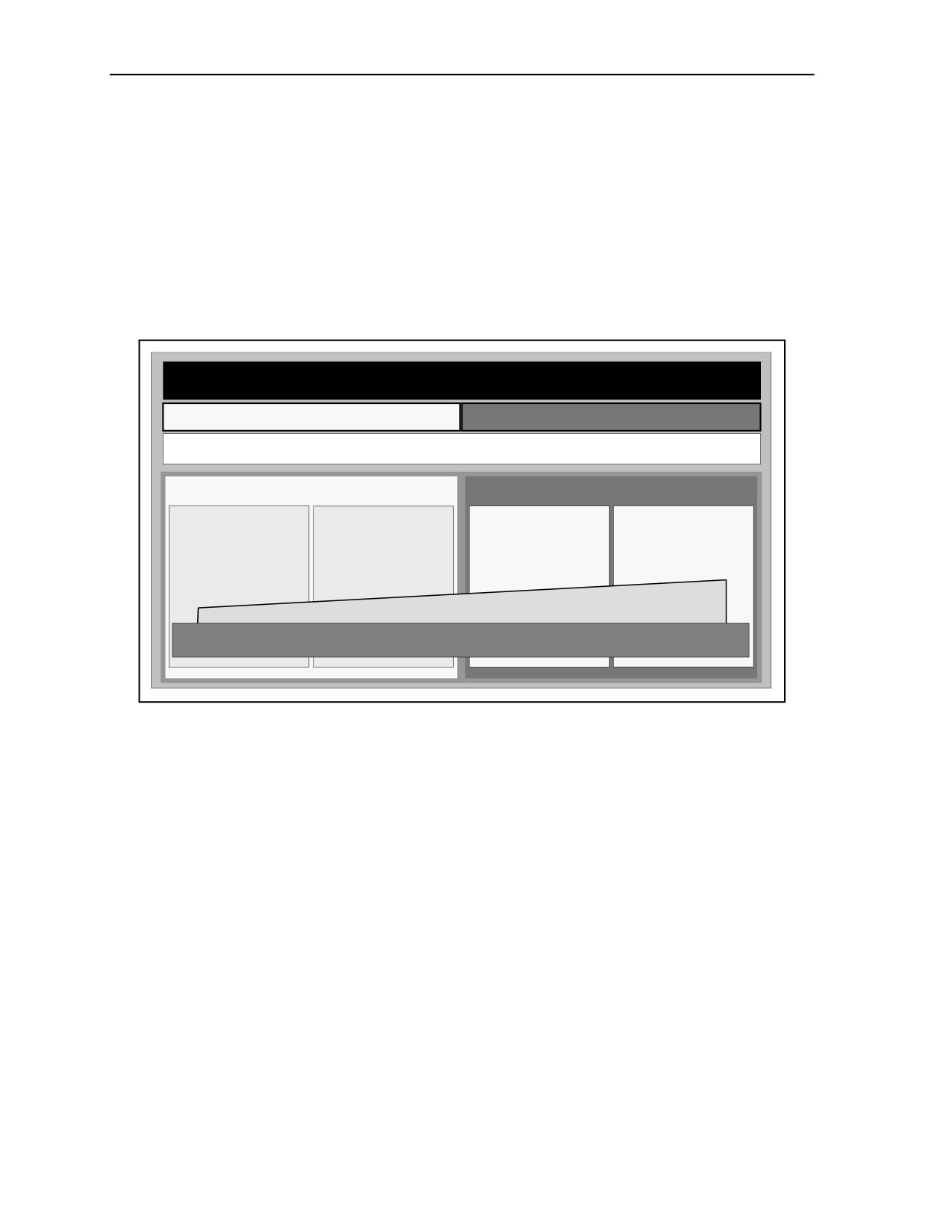
(See figure 1-1.)
TARGETING CATEGORIES
DELIBERATE TARGETING
DYNAMIC TARGETING
Target Types
Planned
Targets of Opportunity
Scheduled
On-call
Unplanned
Unanticipated
Targets
Targets
Targets
Targets
Time-sensitive Targets
Sensitive Targets
Figure 1-1. Targeting categories
TARGETING METHODOLOGY
1-19. Targeting process and the decide, detect, deliver, and assess (D3A) methodology is time tested and
performed by the commander’s staff in planning and executing of targets. The methodology has four
functions. Details of each function are presented in Chapter 2. This methodology organizes the efforts of
the commander and staff to accomplish key targeting requirements. The targeting process supports the
commander’s decisions. It helps the targeting working group decide which targets must be acquired and
attacked. It helps in the decision of which attack option to use to engage the targets. Options can be lethal
or nonlethal and/or organic or supporting at all levels through the range of operations as listed—maneuver,
electronic attack, psychological, attack aircrafts, surface-to-surface fires, air to surface, or a combination of
these operations. In addition, the process helps in the decision of who will engage the target at the
prescribed time. It also helps targeting working groups determine requirements for combat assessment to
assess targeting and attack effectiveness. (See figure 1-2.)
1-6
FM 3-60
26 November 2010
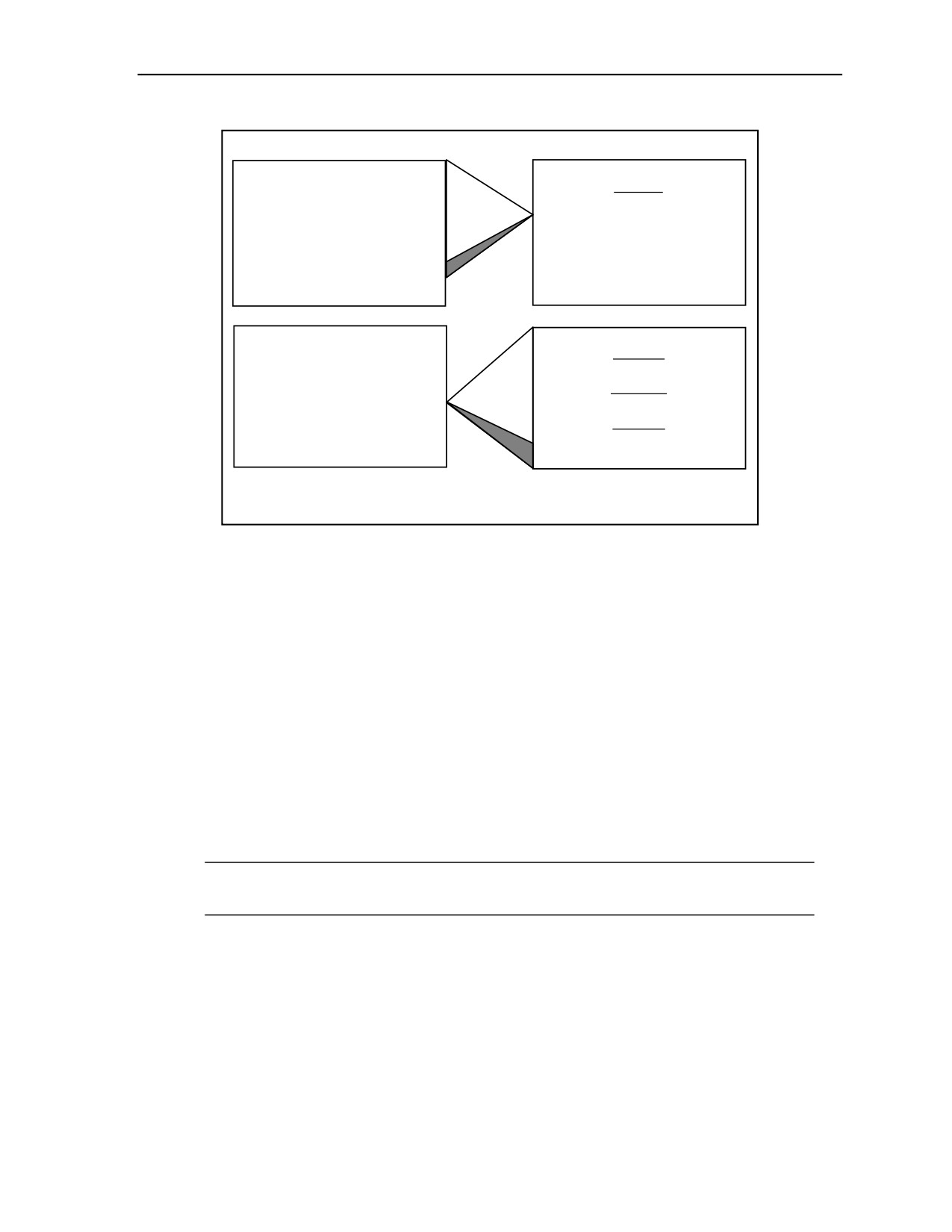
Targeting Principles and Philosophy
COMMAND & STAFF PROCESS
D3A METHODOLOGY
Receipt of Mission
DECIDE
Mission Analysis
(Scheme Of Maneuver / Fires, High-
Planning Guidance & Intent
payoff Target List, Intel Collection
COA Development
Plan, Attack Guidance Matrix,
COA Analysis (War Game)
Target Selection Standards)
COA Comparison
COA Approval
Orders Production
DETECT
Execute Intelligence Collection Plan
Rehearsal
DELIVER
Execute
Execute Attack Guidance Matrix
Assess / Feedback
ASSESS
Combat Assessment
Legend:
COA - course of action
D3A - decide, detect, deliver & assess
Figure 1-2. Targeting methodology
TARGETING AND MILITARY DECISIONMAKING PROCESS
1-20. The D3A methodology is an integral part of the military decisionmaking process (MDMP) from
receipt of the mission through operation order (OPORD) execution and assessment. Like MDMP, targeting
is a leadership driven process. Targeting frequently begins simultaneously with receipt of mission, and may
even begin based on a warning order. As the MDMP is conducted, targeting becomes more focused based
on the commander’s guidance and intent. The composite risk management process is an integral tool in the
MDMP and is compatible process that aligns with MDMP. The S-3 in units without a protection cell and
the safety officer integrates the composite risk management into the MDMP. See FM 5-19 for a more
detailed illustration of the first four steps of composite risk management conducted in the MDMP.
MDMP
1-21. The commander is responsible for mission analysis but may have his staff conduct a detailed mission
analysis for his approval. The mission analysis considers intelligence preparation of the battlefield (IPB),
environmental considerations, enemy situation, and potential enemy course of action (COA).
Note. The joint targeting cycle uses the term joint intelligence preparation of the operational
environment (JIPOE).
1-22. The commander provides his initial planning guidance and intent for further COA developments. The
initial guidance and intent is given in a warning order. A warning order is sent to subordinate units to allow
them to begin planning, providing them as much lead time as possible.
1-23. The plans cell develops potential friendly COAs based on facts and assumptions identified during
IPB and mission analysis. These developed friendly COAs are usually checked by the commander or chief
of staff to ensure they comply with the commander’s initial guidance and intent and meet considerations for
COA development. The intelligence staff develops as many possible enemy COAs as time allows.
26 November 2010
FM 3-60
1-7
Chapter 1
1-24. The rules are developed by the rules of engagement cell under the supervision of the operations
offices and assisted by staff judge advocate, based on commander’s guidance, during the planning phase of
the operations process.
1-25. Once approved for further development, a friendly COA is war gamed against the most likely and/or
most threatening enemy COA to determine their suitability, acceptability, and feasibility. These results are
normally briefed to the commander in a decision briefing. Following a decision by the commander,
adjustments are made, if necessary, to the selected COA and orders preparation begins. A warning order is
with as much information as possible to expedite their planning.
1-26. The OPORD is completed by the staff and approved by the commander and then issued to
subordinates. Subordinate units continue their planning process and modifying supporting plans as
necessary. Rehearsals should be conducted before execution. The order is executed, and the commander
and staff assess activities and results. The assessment provides them with feedback for modifying current
plans or identifying new missions.
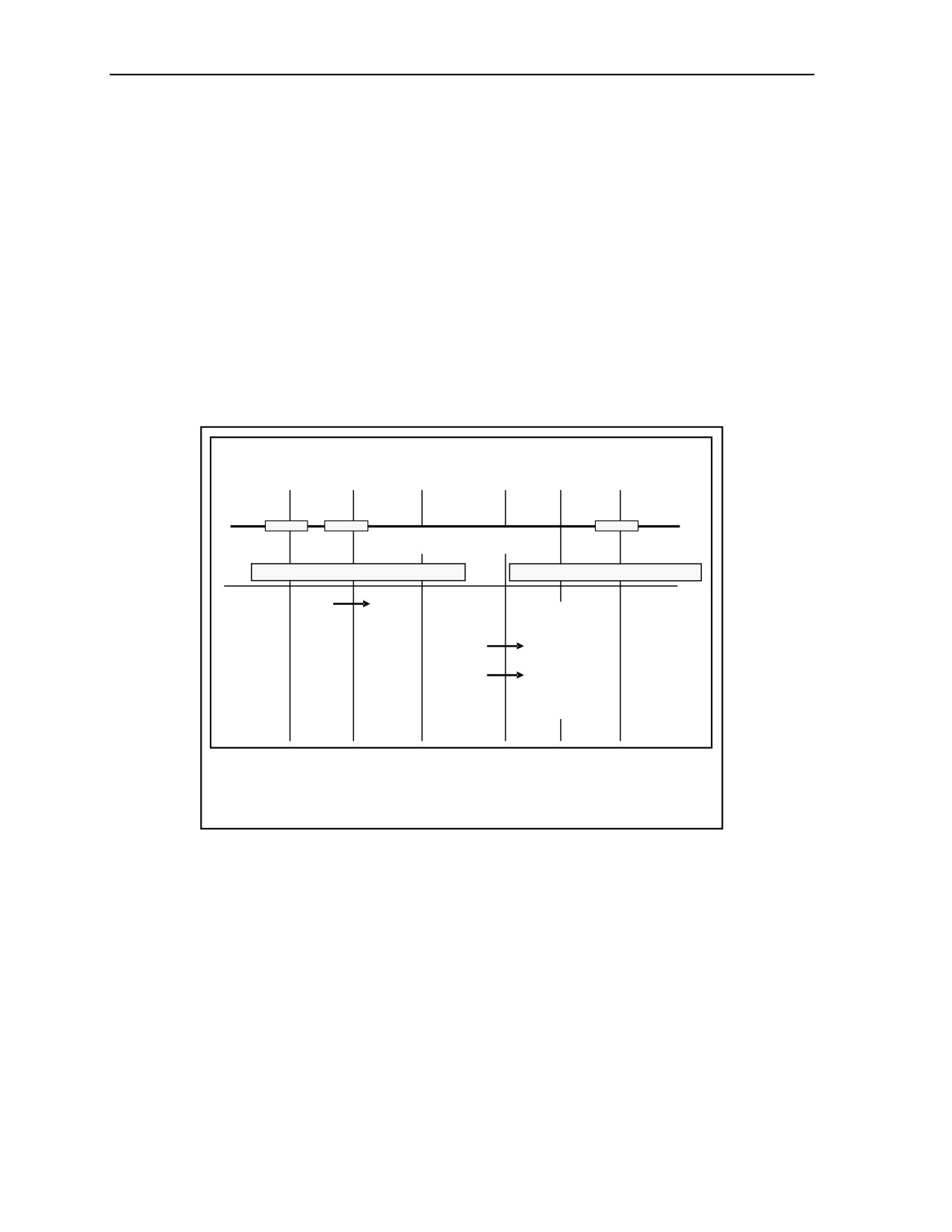
1-27. Figure 1-3 illustrates the relationship between the D3A methodology and the MDMP along with
products generated during the targeting process.
Integration of the targeting process into the
MDMP
Receipt
Mission
COA
COA
COA
COA
Orders
of Mission
Analysis
Development
Analysis
Comparison
Approval
Production
(War Game)
Warning order
Warning order
Warning order
D3A Methodology
DECIDE
DETECT DELIVER ASSESS
Gather tools:
Finish TSM with
Hardcopy of
Develop
Receive
•Blank TSM
HPTL
HPTL
input from all
TSM
Refine TSM with
•Blank asset chart
warfighting functions
•Blank AGM,
Develop NAIs
input from all
HPTL, AGM, &
warfighting functions
HPTL, & TSS chart
TSS part of
Refine AGM
Develop
order
& TSS
Refine AGM
TSS / AGM
Develop target list
& TSS
Determine
Update detect,
& FSCMs
available assets
delivery, assess
Develop target list
availability chart
& FSCMs
ATO request
Legend:
AGM - attack guidance matrix
ATO - air tasking order
COA - course of action
D3A - decide, detect, deliver, and assess
FSCM - fire support coordination measure
HPTL - high-payoff target list
HVT - high-value target
MDMP - military decisionmaking process
TSM - target synchronization matrix
TSS - target selection standard
Figure 1-3. D3A methodology and the MDMP
D3A IN MDMP
1-28. The decide function coincides with the MDMP from the mission analysis through the issuing of the
approved plan or order. The detect function starts with the commanders approval of the plan or order and is
accomplished during execution of the plan or order. Once detected, targets are attacked and assessed as
required targeting working groups are used as a vehicle to focus the targeting process within specified time.
1-29. D3A methodology functions occur simultaneously and sequentially during the operations process.
While an individual target may progress through each step of the process sequentially, there are normally
multiple targets in each step of the process. As decisions are made in planning future operations, the current
operations staff conducts the detection, execution, and planning of targets based on prior decisions.
1-8
FM 3-60
26 November 2010
Targeting Principles and Philosophy
Decide
1-30. The decide function is the most important and requires close interaction between the commander and
the intelligence, plans, operations, fires cells, and staff judge advocate. The staff officers must clearly
understand the following—
z
Unit mission.
z
Commander’s intent (scheme of maneuver and scheme of fires).
z
Commander’s planning guidance.
z
Rules of engagement.
1-31. With this information, the staff officers can prepare their respective running estimates. From the
standpoint of targeting, the fire support, intelligence, and operations estimates are interrelated and closely
coordinated among each cell. Key staff products include target value analysis, and the intelligence estimate
from the intelligence and targeting the intelligence officers. War gaming allows the chief of fires/fire
support officer (FSO) to develop the decide function products. The decide function gives a clear picture of
the priorities that apply to the following—
z
Tasking of target acquisition assets.
z
Information processing.
z
Selection of an attack means and measures of effectiveness.
z
Requirement for combat assessment.
z
Target sets.
1-32. The resulting OPORD addresses key points of the decision support template. The order contains
commander’s critical information requirements to include the following—
z
Priority intelligence requirements (PIR).
z
Information requirements.
z
Intelligence, surveillance, and reconnaissance (ISR) plan.
z
Target acquisition tasks.
z
High-payoff target list (HPTL).
z
Attack guidance matrix (AGM).
z
Target selection standards (TSS).
z
Any requirements for assessment.
Detect
1-33. The detect targeting function is conducted during the execution of the OPORD. During detection, the
assistant chief of staff, intelligence
(G-2)/intelligence staff officer
(S-2), and assistant chief of staff,
operations (G-3)/operations staff officer (S-3) supervise the execution of the ISR plan. Target acquisition
assets gather information and report their findings back to their controlling headquarters, which in turn pass
pertinent information to the tasking agency. Some collection assets provide actual targets, while other
assets must have their information processed to produce valid targets. Not all of the information reported
would benefit the targeting effort, but it may be valuable to the development of the overall situation. The
target priorities developed in the decide function are used to expedite the processing of targets. Situations
arise where the attack, upon location and identification, of a target is either impossible (for example out of
range) or undesirable (outside of but moving toward an advantageous location for the attack). Critical
targets that we cannot or choose not to attack in accordance with the attack guidance must be tracked to
ensure they are not lost. Tracking suspected targets expedites execution of the attack guidance. Tracking
suspected targets keeps them in view while they are validated. Planners and executers must keep in mind
that assets used for target tracking may be unavailable for target acquisition. As targets are developed,
appropriate weapon systems are tasked in accordance with the attack guidance and location requirements of
the system.
26 November 2010
FM 3-60
1-9
Chapter 1
Deliver
1-34. The deliver function main objective is to attack targets in accordance with the attack guidance
provided. The tactical solution (the selection of weapon system or a combination of weapons system) leads
to a technical solution for the selected weapon. The technical solution includes the following—
z
Specific attack unit.
z
Type of ordnance.
z
Time of attack.
z
Coordinating instructions.
Assess
1-35. The commander and staffers assess the results of mission execution. If combat assessment reveals
that the commander’s guidance has not been met, detect and deliver functions of the targeting process must
continue to focus on the targets involved. This feedback may result in changes to original decisions made
during the decide function. These changes influence the continue execution of the plan and made available
to subordinate units as appropriate.
1-36. The targeting process is continuous and crucial to the synchronization of combat power. The
identification and subsequent development of targets, the attack of the targets, and the combat assessment
of the attacks provide the commander with vital feedback on the progress toward reaching the desired end
state.
Targeting Interrelationships
1-37. While the targeting process may be labeled differently at the joint level the same targeting tasks are
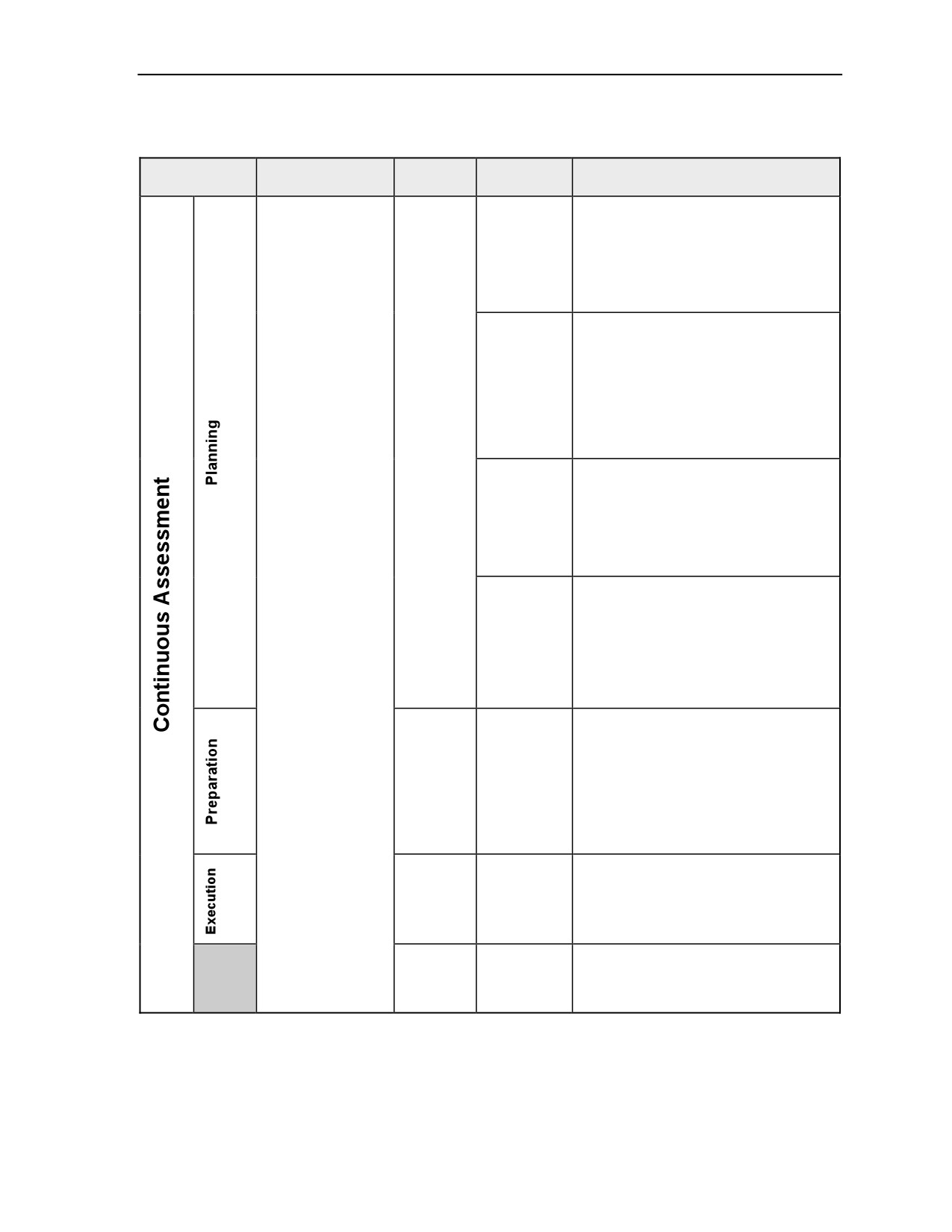
being accomplished, as demonstrated in table 1-1. For more information on the Joint Targeting Process see
JP 3-60.
1-10
FM 3-60
26 November 2010
Targeting Principles and Philosophy
Table 1-1. Crosswalk of operations process, joint targeting cycle, D3A, and MDMP
Operations
Joint Targeting
D3A
MDMP
Targeting Task
Process
Cycle
Mission
• Perform target value analysis to develop fire
Analysis
support (including cyber/electromagnetic and
1. The End State
inform/influence activities) high- value
and Commanders
targets.
Objectives
• Provide fire support, inform/influence, and
cyber/electromagnetic activities input to the
commander’s targeting guidance and desired
effects.
• Designate potential high-payoff targets.
• Deconflict and coordinate potential high-
payoff targets.
• Develop high-payoff target list.
Course of
• Establish target selection standards.
Action
• Develop attack guidance matrix.
Development
2. Target
• Develop fire support and
Development and
cyber/electromagnetic activities tasks.
Prioritization
• Develop associated measures of
Decide
performance and measures of effectiveness.
Course of
• Refine the high-payoff target list.
Action
• Refine target selection standards.
Analysis
• Refine the attack guidance matrix.
• Refine fire support tasks.
3. Capabilities
• Refine associated measures of
Analysis
performance and measures of effectiveness.
• Develop the target synchronization matrix.
• Draft airspace control means requests.
• Finalize the high-payoff target list.
• Finalize target selection standards.
4. Commander’s
• Finalize the attack guidance matrix.
Decision and Force
• Finalize the targeting synchronization
Assignment
Orders
matrix.
Production
• Finalize fire support tasks.
• Finalize associated measures of
performance and measures of effectiveness.
• Submit information requirements to S-2.
• Execute ISR Plan.
• Update information requirements as they
are answered.
• Update the high-payoff target list, attack
guidance matrix, and targeting
Detect
synchronization matrix.
5. Mission Planning
• Update fire support and
and Force
cyber/electromagnetic activities tasks.
Execution
• Update associated measures of
performance and measures of effectiveness.
• Execute fire support and electronic attacks
in accordance with the attack guidance
Deliver
matrix and the targeting synchronization
matrix.
6. Assessment
• Assess task accomplishment (as
determined by measures of performance).
Assess
• Assess effects (as determined by measures
of effectiveness).
26 November 2010
FM 3-60
1-11
Chapter 1
SERVICE COMPONENTS TARGETING METHODOLOGY
1-38. Targeting occurs at all echelons within a joint command. Targeting is complicated by the requirement
to deconflict procedures and priorities among the different Service components and multinational forces.
The JFC is responsible for integrating attacks throughout the operational environment.
1-39. Each Service component has established unique doctrine and tactics, techniques, and procedures for
targeting. Several publications address targeting procedures through their emerging doctrinal manuals. The
habitual integration of resources from one or more Service components has been developed to support the
targeting requirements of another Service component and multinational forces. Chapter 3 discusses the joint
targeting process and phases.
1-40. Targeting is a multifaceted and a coordinated process. Existing Service components have four
procedures in common for acquisition, selection, and attack of targets—
z
Deciding in advance what is to be targeted.
z
Locating the target.
z
Attacking the target.
z
Assessing the results of the attack.
1-41. This common approach to targeting mirrors the D3A methodology functions presented in this
manual. The targeting process is accomplished by each Service components applying their developed
tactics, techniques, and procedures within a joint framework established by the JFC. The organizational
challenge for the JFC is to meld existing Service component architecture into an effective joint targeting
working group for operational level targets without degrading their primary mission of targeting support to
their respective components.
1-42. From the JFC perspective, a target is selected for strategic and/or operational reasons. Subsequently,
a decision made whether to attack the target involves weapons employment. The targets selected or
nominated in this process must support the JFC campaign plan and contribute to the success of present and
future major operations. The JFC relies on the tactical level commanders to orchestrate the execution of
matching the appropriate response to target. Control measures, such as a fire support coordination line,
must be repositioned as needed to take full advantage of all assets available to the joint force. The JFC best
influences the outcome of future tactical battles by setting the conditions for those battles and allocating
resources to the Service components.
AIR-GROUND OPERATIONS RELATIONSHIP
1-43. The air and ground component commanders’ have capabilities that overlaps The JFC assists in
planning, coordinating, and integrating of these operations. Both components have intelligence collection
assets and weapon systems with long-range capabilities. The capabilities of one Service component
complement the capabilities of the other. Therefore, both air and ground weapons system must be
synchronized to gain the greatest efficiency and technological advantage. This requires air and ground
component commanders and their staffers to share the effort in acquiring and attacking targets throughout
the operational area.
1-44. Staffers must understand the coordination requirements, measures to acquire, attacks targets safely
and efficiently in an operational environment at all echelons. The battlefield is four-dimensional. The four
dimensions are width, length, altitude or depth, and time. Current coordination and control measures for
example fire support coordination measures
(FSCM), airspace coordinating measures, and
graphic/maneuver control measures permit the complementary, simultaneous attack of targets by air and
ground weapons system.
TARGETING PERSONNEL AND RESPONSIBILITES
1-45. Key targeting working groups are members of the commander’s coordinating and special staffs.
These members perform the targeting process as part of their normal responsibilities within the MDMP.
From their initial estimates and analysis, to their supervision and execution of the plan, they continue to
1-12
FM 3-60
26 November 2010
Targeting Principles and Philosophy
revise and update their estimates. The relative formality of the decisionmaking process depends on time
available and the level of the command (see FM 5-0).
1-46. The commander is responsible for the targeting effort. The intelligence, operations, and fire support
officers form the core of the targeting working group at each level. The targeting working group has three
primary functions in assisting the commander—
z
Helps in synchronizing operations.
z
Recommends targets to acquire and attack. The team also recommends the most efficient and
available assets to detect and attack these targets.
z
Identifies combat assessment requirements. Combat assessment can provide crucial and timely
information to allow analysis of the success of the plan or to initiate revision of the plan. See
Chapter 2 for more details on combat assessment.
1-47. The targeting effort is continuous at all levels of command. Continuity is achieved through parallel
planning by targeting working groups from corps through battalion task force. Targeting is not just a
wartime function. This process must be exercised before battle if it is to operate effectively. The members
of the targeting working group must be familiar with their roles and the roles of the other team members.
That familiarity can only be gained through staff training.
26 November 2010
FM 3-60
1-13

Chapter 2
The Targeting Methodology
The modern battlefield presents high volume of targets and vulnerabilities for attack.
The purpose of targeting methodology is to integrate and synchronize scalable fires
with the maneuver operations. The targeting planning team has the responsibility to
conduct planning, coordination, and deconfliction associated with the Army’s
targeting process. The purpose of this chapter is to explain the decide, detect, deliver,
and assess (D3A) methodology, which is designed to enhance fire support planning
and the intelligence targeting process.
GENERAL
2-1. Targeting is a combination of intelligence functions, planning battle command, weaponeering,
operational execution, and combat assessment. Effective targeting identifies the targeting options, both
lethal and nonlethal that support the commander’s objectives. The D3A methodology facilitates the attack
of the right target with the right asset at the right time (see figure 2-1).
D3A Methodology
DECIDE
ASSESS
DETECT
DELIVER
Figure 2-1. D3A methodology cycle
2-2. The targeting process provides an effective method for matching the friendly force capabilities
against enemy targets. Lethal targets are best addressed with operations to kill, damage, disrupt, or capture;
nonlethal targets are best engaged with civil-military operations, inform and influence activities,
negotiation, political programs, economic programs, social programs, and other noncombat methods. In a
counter insurgency operations, nonlethal targets are just as important as lethal targets and the targeting is
frequently directed toward nonlethal options.
2-3. A very important part of the targeting process is the identification of potential fratricide situations
and the necessary coordination measures to positively manage and control the attack of targets. These
26 November 2010
FM 3-60
2-1
Chapter 2
measures are incorporated in the coordinating instructions and appropriate annexes of the operation plan
(OPLAN) and/or operation order (OPORD).
2-4. Targeting is a dynamic process. The process must keep up with the constant changing within area of
operations. The tools and products described in this chapter must be updated based on combat assessment
and situation understanding. Remember also, that the targeting process is repetitive. It is very seldom that
decisions are made without any information from a previous targeting cycle. Intelligence from external
agencies or intelligence previously generated internally feeds the decisionmaking.
2-5. The Army’s targeting process comprises the following four functions—
z
Decide which targets to engage.
z
Detect the targets.
z
Deliver (conduct the operation).
z
Assess the effects of the operation.
DECIDE
2-6. The decide function is the first step in the targeting process. This step provides the overall focus and
sets priorities for intelligence collection and attack planning. The decide functions draws heavily on a
detailed intelligence preparation of the battlefield
(IPB) and continuous assessment of the situation.
Targeting priorities must be addressed for each phase or critical event of an operation. The decisions made
are reflected in visual products. The products are as follow—
z
The high-payoff target list (HPTL) is a prioritized list of high-payoff targets (HPT). The HPT is
a target whose loss to the enemy and will significantly contribute to the success of the friendly
course of action (COA). HPT is those high-value targets (HVT) that must be acquired and
successfully attacked for the success of the friendly commander’s mission. The HVT is a target
the enemy commander requires for the successful completion of the mission. The loss of a HVT
is expected to degrade important enemy functions significantly throughout the friendly
commander’s area of interest.
z
The intelligence, surveillance, and reconnaissance (ISR) plan is designed to answer some of the
commander's priority intelligence requirements (PIR), to include those HPT designated as PIR.
The plan, within the availability of additional collection assets, supports the acquisition of more
HPT. Determining the intelligence requirements is the first step in the collection management
process. For a more detailed description. See Field Manual (FM) 5-0.
z
Target selection standards (TSS) address accuracy or other specific criteria that must be met
before targets can be attacked.
z
The attack guidance matrix (AGM) is a matrix, approved by the commander, which
addresses which targets will be attacked, how, when, and the desired effects.
2-7. The products of the decide function are briefed to the commander. Upon his approval, his decisions
are translated into the OPORD with annexes. Specific targeting products are required at echelons indicated
in figure 2-2 below.
2-2
FM 3-60
26 November 2010

The Targeting Methodology
Brigade
Task
Product
Corps Division
Combat
Force
Team
HPTL
Yes
Yes
Yes
Yes1
ISR Plan
Yes
Yes
Yes
TSS
Yes
Yes
Yes
Yes1
AGM2
Yes
Yes
Yes
Yes1
1At battalion task force level, the high-payoff target list, attack guidance matrix,
and target selection standards should be addressed. The process is very
informal and may not result in written products. The products produced by the
brigade may be used by the battalion task force.
2At brigade level and below, the fire support execution matrix provides attack
guidance. The fire support execution matrix is discussed in detail in FM 6-20-40
and FM 6-20-50, to be revised and renumbered as FM 3-09.42.
Legend:
AGM - attack guidance matrix
HPTL - high- payoff target list
ISR - intelligence, surveillance and reconnaissance
TSS - target selection standards
Figure 2-2. Targeting products (example)
MISSION ANALYSIS
2-8. The commander and staff plans for future operations by analyzing one or more alternative COAs at
all echelons. Each COA is based on the following—
z
Mission analysis.
z
Current and projected battle situations.
z
Exploit opportunities.
2-9. The process begins with receipt of a mission, whether assigned by higher headquarters or deduced by
the commander. The commander, with or without input from his staff, analyzes the mission; considers tasks
that must be performed, their purpose, and limitations on the unit. The completed analysis is the basis for
developing a restated mission. The restated mission is the origin from which to start the targeting process.
INTELLIGENCE PREPARATION OF THE BATTLEFIELD
2-10. IPB can be best described as the process of understanding the battlefield, the enemy, and the options
presented. The objective of IPB is the early identification of probable enemy COA. It is a continuous and
systematic method for analyzing the enemy, weather, and terrain in a geographical area. The IPB provides
much of the information for the intelligence estimate and is the foundation for the rest of the targeting
process.
2-11. IPB begins with analysis of enemy doctrine and capabilities in a geographical area, the terrain, and
the effects of weather on that terrain to include tactics, techniques, and procedures that threat/adversary
forces prefer to employ. The products of IPB are HVT list, civil considerations, modified combined
obstacle overlay, threat models, threat capabilities, weather effects matrix, and event template/matrix.
These products are used to visualize the threat/adversary characteristics, predict enemy intentions, and
develop COA with statements. These products assist in target value analysis and initial identification of
potential HVT. Doctrinal templates convert the threat characteristics into graphics. Situation graphics help
in refining HVT for specific area of operations and threat/adversary COA.
26 November 2010
FM 3-60
2-3
Chapter 2
2-12. Concurrent with development of the situation graphics are an examination of enemy decision points
and/or critical nodes as a part of each COA. The examination shows what might happen if the enemy
commander’s plan fails and what actions make up his failure options. Evaluation of threat/adversary COA
with statement leads to identification of critical enemy functions in each COA and the HVT associated with
each function.
2-13. IPB in counterinsurgency operations places greater emphasis on civil considerations, especially to
win the local population’s support to defeat an insurgency in the area of operations. A continuous IPB
process identifies new intelligence requirements. The IPB products are revised throughout the operation.
Intelligence and civil affairs personnel provide information on the relative importance of different target
personalities and areas and the projected effects of scalable fires. Specifically, the intelligence analysts
need to identify individuals and groups to engage as potential counterinsurgency supporters, targets to
isolate from the population, and targets to eliminate. IPB in counterinsurgency operations requires
personnel to work in areas like economics, anthropology, and governance that may be outside their
expertise. Civil affairs forces are subject-matter experts. The personnel trained and equipped specifically to
analyze the civil aspects of the common operating picture. Therefore, integrating staffs and drawing on the
knowledge of personnel not trained in intelligence operations and external experts with local, regional, and
cultural knowledge are critical to effective preparation.
2-14. Applying the IPB process helps the commander to selectively apply and maximize combat power at
critical points in time and space. It does this by describing the battlefield environment, how the natural
environment affects friendly units and likely threat/adversary COAs. Situational graphics support the
development of event templates. Event templates help identify critical enemy activities. It also identifies
named areas of interest where specific enemy activities or events will help confirm or deny the adoption of
a particular COA. Potential HPTs are identified. HPTs are those HVT that must be attacked to give the
commander a significant advantage in defeating the enemy. This work is further analyzed in the war
gaming process.
Note. See the Field Manual Interim (FMI) 2-01.301 and FM 3-24 for additional details.
TARGET VALUE ANALYSIS AND WAR GAMING
2-15. The intelligence staff and targeting officer evaluates and integrates the various factors of the
operational environment that affects both friendly and threat/adversary operations. This coordination helps
to develop the intelligence summary which contains HPT, HVT lists, and may include high-value
individual (HVI). Target value analysis yields HVT for a specific enemy COA. Target value analysis
involves a detailed analysis of enemy doctrine, tactics, equipment, organizations, and expected behavior for
a selected COA. The target value analysis process identifies potential HVT sets associated with critical
enemy functions that could interfere with the friendly COA or that are vital to enemy success.
2-16. Target spreadsheets (or target folders, as appropriate) identify the HVT in relation to a type of
operation. The target spreadsheets give detailed targeting information for each HVT. The information on
target spreadsheets and target sheets are used during the IPB and the war gaming processes. The targeting
section within the analysis and control element under the operational control of the assistant chief of staff,
intelligence (G-2) incorporates all-source intelligence to develop both tools.
2-17. The target value analysis process provides a relative ranking of target sets. The war game begins
when the target analyst in the G-2 or the intelligence staff officer (S-2) plays the role of the threat
commander or acts as the ISR officer.
2-18. Alternative friendly developments are analyzed in terms of their impact on enemy operations and
likely responses during war gaming. The enemy battlefield functions that must be attacked to force the best
enemy response are identified. The commander and his staff analyze the criticality of friendly battlefield
functions with regard to a specific COA. The best places to attack HPT become more refined during war
gaming of friendly options. These places are called target areas of interest. Target areas of interest are
points or areas where the commander can acquire and engage HPTs by fires and/or maneuver. Decision
points or decision time phase lines are used to ensure that the decision to engage or not to engage occurs at
the proper time. Decision points and target areas of interest are recorded on the assistant chief of staff,
2-4
FM 3-60
26 November 2010
The Targeting Methodology
operations’ (G-3) decision support template. The purpose of war gaming is to finalize individual running
estimates and to develop all of the following—
z
Scheme of maneuver.
z
Fire support plan.
z
Friendly decision support template.
2-19. HVTs are identified and prioritized during the war gaming phase of planning. In addition, it
identifies the subset of HVTs that must be acquired and attacked for the friendly mission to succeed. HVTs
may be nominated as HPTs when these targets can be successfully acquired, vulnerable to attacks, and such
an attack supports the commander’s scheme of maneuver. Once identified and nominated, HPTs are
grouped into a list identifying them for a specific point in the battle. The completed HPTL is submitted to
the commander for approval. The approved HPTL becomes a formal part of the fire support plan.
2-20. The G-3 or operations staff officer (S-3) normally leads the war game and role-plays the friendly
COA statements. The operations section establishes the technique and recording method for the war game.
The G-2 or S-2 role plays the enemy's most dangerous and likely COA by using enemy doctrine and tactics.
When available, the assistant chief of staff, and plans/plans staff officer war games the civilian COA. The
deputy chief of fires or fire support officer (FSO) advises the G-3/S-3 on using available fire support
weapons system and records the needs for fire support. The G-3/S-3 uses the war game to determine
adequacy of fire support. Operations staff works directly with the intelligence section to ensure full use of
fire support target acquisition assets in the intelligence collection plan. The air liaison officer and deputy or
assistant aviation officer advises on availability and employment of air assets to include airspace
coordinating measures. Other key staff officers who are vital and should be consulted, consist of the
following—
z
G-3 air or brigade aviation officer for airspace integration with organic and supporting airspace
users.
z
Logistics officer for supportability considerations.
z
Engineer officer for mobility, countermobility, survivability, and environmental considerations.
z
Air defense artillery officer for air defense coverage.
2-21. Input from the rest of the staff achieves a complete analysis of the impact of all warfighting
functions. This ensures the AGM is synchronized with the decision support template, and selection of HPT
is supported by PIR and the intelligence collection tasks.
TARGET SELECTION
2-22. The staff war games different COA statements to develop the HPT. As each friendly option is war
gamed by the staff, the G-2 or S-2 identifies HVT from which the staff nominates HPT. The HPT is targets
that are critical to friendly success. Targets that can be acquired and attacked are candidates for the HPTL.
Targets that need outside acquisition or attack are sent to higher headquarters. The key to HPT is that they
are critical to the enemy commander's needs (HVT) and the friendly concept of the operation. HPTs
support the friendly force commander's scheme of maneuver and intent. The war game phase helps the
commander to focus reconnaissance assets on HPTs to conduct battle damage assessment (BDA). The
analysis and control element’s collection manager helps identify and task the sensors needed for collection
of the HPT. The collection manager can determine the best sensor and its availability by referencing the
ISR synchronization matrix. A detailed discussion of the ISR synchronization matrix is contained in TC 2-
01.
HIGH-PAYOFF TARGET LIST
2-23. The HPTL identifies the HPTs by phases in the battle and order of priority in the figure 2-3. Target
value is usually the greatest factor contributing to target payoff. However, other things to be considered
include the following—
z
The sequence or order of appearance.
z
The ability to detect, identify, classify, locate, and track the target. (This decision must include
sensor availability and processing timeline considerations.)
26 November 2010
FM 3-60
2-5

Chapter 2
z
The degree of accuracy available from the acquisition system(s).
z
The ability to engage the target.
z
The ability to defeat the target on the basis of attack guidance.
z
The resources required to do all of the above.
Phase of the Operation—1—Isolate the Enemy Unit:
Priority
Category
High-payoff target
1
Fire Support
Mortars
2
Maneuver
Insurgent teams
Electromagnetic
3
Cell phone
Activities
Electromagnetic
4
FM radio
Activities
5
Civilians
Hostile civilian crowds
*A hostile crowd is defined as 25 or more people with
leadership interfering or capable of interfering with the
BCT operations.
Legend: BCT - brigade combat team FM - frequency modulation
Figure 2-3. High-payoff target list (example)
2-24. Targets are prioritized according to the considerations above within specific time windows. The
targeting working group sets priorities for the targets according to its judgment and the advice of the fires
cell targeting officer and the field artillery intelligence officer
(FAIO). Target spreadsheets give a
recommended priority and attack sequence. If the target spreadsheet or war gaming departs from the
commander's guidance, it is noted on the proposed HPTL to inform the commander of the conflict. The
target category of the HPT is shown, either by name or by number, on the list. The category name and
number are shown on the target spreadsheet. The number of target priorities should not be excessive. Too
many priorities will dilute the intelligence collection acquisition and attack efforts. The approved list is
given to the operations, intelligence, and fires cells. It is used as a planning tool to determine attack
guidance and to refine the collection plan. This list may also indicate the commander's operational need for
BDA of the specific target and the time window for collecting and reporting it.
Note. Any format serves the purpose of a HPTL for linking targets with phases of battle.
2-25. One way to organize the HPTL is to group all HPTs into target sets that reflect the capabilities and
functions the commander has decided to engage. Target sets are identified and prioritized for each phase of
the operation. Within the sets, individual targets are rank ordered by target value, sequence of appearance,
importance, or other criteria that satisfy the commander’s desired effects. In this way, the targeting working
group reduces, modifies, and reprioritizes HVTs while ensuring that HPTs support the concept of
operations.
2-26. The commander’s guidance may require changes, which should be annotated on the HPTL. The
target name or number and description are placed on the list for specific HPTs in each category. Once the
commander approves or amends the HPTL, it goes back to the targeting working group to help them
develop the AGM and collection plan.
2-6
FM 3-60
26 November 2010
The Targeting Methodology
INTELLIGENCE, SURVEILLANCE, AND RECONNAISSANCE PLAN
2-27. The G-2/S-2 develops collection strategies that support the commander's concept of operations with
available resources. Collection management orchestrates the intelligence system of weapons system to
focus the intelligence effort in support of operations. If BDA is needed, collection is planned to satisfy that
requirement as well.
2-28. ISR is a continuous combined arms effort led by the operations and intelligence staffs in coordination
with the staff that sets reconnaissance and surveillance in motion. The PIR and other intelligence
requirements drive the collection effort. The commander takes every opportunity to improve his situational
understanding about the enemy and terrain. Commanders integrate reconnaissance and surveillance to form
an integrated ISR plan that capitalizes on their different capabilities. The ISR plan is often the most
important part of providing information and intelligence that contribute to answering the commander’s
critical information requirement. For the G-2/S-2, an effective ISR plan is critical in answering the PIR.
Upon the completion of planning, the initial ISR plan becomes annex L (Intelligence, Surveillance, and
Reconnaissance) of the OPORD/OPLAN. See FM 5-0 for additional information.
2-29. The ISR plan is not a military intelligence specific product—although the G-3/S-3 is the staff
proponent of the ISR plan—it is an integrated staff product executed by the unit at the direction of the
commander. The G-2/S-2, however, must maintain situational understanding in order to recommend
changes or further development of the ISR plan. Based on the initial IPB and commander’s critical
information requirement, the staff—primarily the G-2/S-2—identifies gaps in the intelligence effort and
develops an initial ISR plan based on available ISR assets. The G-3/S-3 turns this into an initial ISR annex
that tasks reconnaissance and surveillance assets as soon as possible to begin the collection effort.
2-30. The G-3/S-3, assisted by the G-2/S-2, uses the ISR plan to task and direct the available ISR assets to
answer the PIR and intelligence requirements. Conversely, the staff revises the plan as other intelligence
gaps are identified if the information is required to fulfill the commander’s critical information requirement
or in anticipation of future intelligence requirements. With staff participation, the G-2/S-2 intelligence
officer synchronizes the collection effort through a complementary product to the ISR plan
- the
intelligence synchronization plan.
TARGET SELECTION STANDARDS
2-31. Target selection standards (TSS) are criteria applied to enemy activity (acquisitions and
battlefield information) and used in deciding whether the activity is a target. TSS put nominations into
two categories targets and suspected targets. Targets meet accuracy and timeliness requirements for attack.
Suspected targets must be confirmed before any attack. See Annex D for a sample target selection
standards worksheet. Units may develop their own worksheet format.
2-32. TSS is based on the enemy activity under consideration and available weapon systems by using the
following—
z
Weapon system target location accuracy requirements (target location error [TLE]). Special
consideration must be given to TLE for the employment of guided precision munitions.
z
Size of the enemy activity (point or area).
z
Status of the activity (moving or stationary).
z
Timeliness of the information.
2-33. Considering these factors, different TSS may exist for a given enemy activity based on different
weapons system. For example, an enemy artillery battery may have a 150-meter TLE requirement for
attack by cannon artillery and a 1 kilometer requirement for attack aircrafts. TSS is developed by the fires
cell in conjunction with the military intelligence personnel. Intelligence analysts use TSS to quickly
determine targets from battlefield information and pass the targets to the fires cell. Weapon system
managers such as fires cells, fire control elements, or fire direction centers use the TSS to identify targets
for attack quickly. Commands can develop standard TSS based on threat characteristics and doctrine
matched with the standard available weapon systems.
2-34. TSS worksheet is given to the G-2 or S-2 by the fires cell. The FAIO use TSS to identify targets that
are forwarded to a fires cell. Intelligence analysts evaluate the source of the information as to its reliability
26 November 2010
FM 3-60
2-7

Chapter 2
and accuracy, confirm that the size and status of the activity meet the TSS, and then compare the time of
acquisition with the dwell time. Accurate information from a reliable source must be verified before
declaring it a target if the elapsed time exceeds dwell time.
Note. Dwell time is the length of time a target is doctrinally expected to remain in one location.
2-35. The G-2 or S-2 knows the accuracy of acquisition systems, associated TLE, and the expected dwell
times of enemy targets. He can then specify whether information he reports to the weapon system manager
is a target or a suspected target. Some situations require intelligence assets to identify friendly or foe before
approval to fire is given. HPT that meet all the criteria should be tracked until they are attacked in
accordance with the AGM. Location of targets that do not meet TSS should be confirmed before they are
attacked. The TSS can be graphically depicted in a TSS matrix as shown in the figure 2-4.
High-payoff target
Timelines
Accuracy
Mortars
10 minutes
100 meters
Insurgent teams
30 minutes
100 meters
Cell phone
Within two hours of H-hour
Placed/received within 12 km of Fustina airfield
FM radio
20 minutes
150 meters
Hostile civilian crowds
Within six hours of H-hour
Within 12 km of Fustina village
Legend: FM - frequency modulation H - hour (H-hour is the time for a scheduled event to begin.)
Figure 2-4. Target selection standards matrix (example)
2-36. The matrix lists each weapon system that forwards targets directly to the fires cell, fire control
element, or fire direction center. The effects of weather and terrain on the collection assets and on enemy
equipment are considered. TSS is keyed to the situation. However, the greatest emphasis is on the enemy
situation, considering deception and the reliability of the source or agency that is reporting.
ATTACK GUIDANCE
2-37. Knowing target vulnerabilities and analyzing the probable effect an attack will have on enemy
operations allows a staff to propose the most efficient available attack option. Key guidance is whether the
commander wishes to disrupt delay, limit damage, or destroy the enemy. During war gaming, decision
points linked to events, areas of interest, or points on the battlefield are developed. These decision points
cue the command decisions and staff actions where tactical decisions are needed.
2-38. Based on commander's guidance, the targeting working group recommends how each target should
be engaged in terms of the effects of fire and attack options to use. Effects of fire can be to harass,
suppress, neutralize, or destroy the target. The subjective nature of what is meant by these terms means the
commander must ensure the targeting working group understands his use of them. Application of fire
support automation system default values further complicates this understanding.
2-39. The decision of what weapon system to use is made at the same time as the decision on when to
acquire and attack the target. Coordination is required when deciding to attack with two different means
such as electronic warfare (EW) and combat air operations. Coordination requirements are recorded during
the war game process.
2-40. The commander, with recommendations from the targeting working group, must approve the attack
guidance. This guidance should detail the following—
z
A prioritized list of HPT.
z
When, how, and desired effects of attack.
2-8
FM 3-60
26 November 2010

The Targeting Methodology
z
Any special instructions.
z
HPTs that require BDA.
2-41. This information is developed during the war game. Attack guidance applies to both planned targets
and targets of opportunity. Accordingly, attack guidance may address specific or general target
descriptions. Attack guidance is provided to weapon system managers via the AGM.
ATTACK GUIDANCE MATRIX
2-42. The AGM consists of columns for the following—
z
Specific HPT.
z
Timing of attack.
z
How targets are attacked.
z
Target categories.
z
Restrictions.
Note. An example of the AGM is shown in figure 2-5.
High-payoff target
When
How
Effect
Remarks
Mortars
I
Field Artillery
Destroy
Use search and attack teams in restricted areas
Insurgent teams
I
Field Artillery
Neutralize
Destroy mission command
Cell phone
A
Electronic Attack
Disrupt
Disrupt service starting H-2
FM radio
A
Electronic Attack
Disrupt
No jamming until H-3 to preserve intelligence
Hostile civilian crowds
A
MISOP/MP
Dispersed
25 or more with leadership constitute crowd
Legend:
(A) - as acquired FM - frequency modulation H - hour (H-hour is the time for a scheduled event to begin.)
(I) - immediate and special case MISOP - military information support operations MP - military police
Figure 2-5. Attack guidance matrix (example)
High-Payoff Target Column
2-43. This column lists the prioritized HPTs identified during war gaming. These targets have priority for
engagement.
WHEN Column
2-44. Timing the attack of targets is critical to maximizing the effects. During war gaming, the optimum
time is identified and reflected in the WHEN column. The letter P indicates that the target should not be
engaged now but should be planned for future firing (for example, a preparation, a suppression of enemy
air defense (SEAD) program, or a countermobility program) or simply should be put on file. Such targets
should be engaged in the sequence that they are received in the headquarters, with respect to the priority
noted in the HPTL. Designators (A, I, and P) on should be limited to a very small percentage of targets and
only for the most critical types. Too many immediate targets are disruptive and lower the efficiency of
weapon systems. Immediate attacks take precedence over all others and are conducted even if weapon
systems must be diverted from attacks already underway. Some examples of very important targets
include—
z
Missile systems capable of chemical, biological, radiological, and nuclear attack.
z
Division headquarters.
z
Certain identified individuals.
z
Chemical, biological, radiological, and nuclear weapons storage and support facilities.
26 November 2010
FM 3-60
2-9
Chapter 2
2-45. The G-3 or S-3 and chief of fires/brigade FSO must establish procedures within the main command
post (CP) that allow for immediate attack of targets.
HOW Column
2-46. The HOW column links the weapon system to the HPT. It is best to identify a primary and backup
weapon system for attack of HPTs.
EFFECTS Column
2-47. Effects refer to the target attack criteria. The targeting working group should specify attack criteria
according to the commander's general guidance. Target attack criteria should be given in quantifiable terms
(for example, as a percentage of casualties or destroyed elements, time, ordnance, and allocation or
application of assets). In addition, it can be noted as the number of battery or battalion volleys.
REMARKS Column
2-48. Some examples of how this column should be used are—
z
Note accuracy or time constraints.
z
Note required coordination.
z
Limitations on the amount or type of ammunition.
z
Any need for BDA.
2-49. This column should note which targets should not be attacked in certain tactical situations (for
example, targets not to be attacked if the enemy is withdrawing).
2-50. As the operation progresses through time, the AGM may change. The AGM is a tool that must be
updated based on the changing enemy situation. It should be discussed and updated during routine staff
planning meetings. Consider separate AGM for each phase of the concept of operations.
FORMATS
2-51. The formats for the HPTL, TSS, and AGM presented in the preceding paragraphs are examples only.
Targeting personnel must understand all the considerations that are involved in building these targeting
tools. However, experienced staffs may prefer to develop their own formats tailored for their situation.
Alternative formats are provided in Appendix D.
DETECT
2-52. Detect is the next critical function in the targeting process. The G-2 or S-2 is responsible for directing
the effort to detect HPTs identified in the decide function. The ability to identify the specific who, what,
when, and how for target acquisition, the G-2 or S-2 must work closely with all of the following—
z
Analysis and control element.
z
Assistant chief of staff, information engagement.
z
Information engagement staff officer (S-7).
z
FAIO.
z
Targeting officer and/or FSO.
2-53. This process determines accurate, identifiable, and timely requirements for collection systems. The
analysis and control element’s targeting section is responsible for ensuring that the collection system asset
managers understand these requirements.
2-54. Information needs for target detection are expressed as PIR and/or information requirements. Their
relative priority depends on the importance of the target to the friendly scheme of maneuver and tracking
requirements coupled with the commander's intent. PIRs support detection of HPT incorporated into the
overall collection plan of the unit.
2-10
FM 3-60
26 November 2010
The Targeting Methodology
2-55. Targets are detected and tracked by the maximum use of all available assets. The G-2 or S-2 must
focus the intelligence acquisition efforts on the designated HPTs and PIRs. The collection manager
considers the availability and capability of all collection assets at the strategic, operational, and tactical
levels. The joint force assets are available to the collection manager. The intelligence officer translates the
PIR and intelligence requirement into specific information requirements and specific orders and requests. If
possible, he arranges direct dissemination of targeting information from the collector to the targeting cell or
targeting intelligence to the fires cell.
2-56. In counterinsurgencies, intelligence regarding factors of the operational environment affecting the
populace requires particular attention. Such intelligence is important for developing political, social, and
economic programs. Intelligence personnel continuously analyze large quantities of all-source intelligence
reporting to determine the following—
z
Threat validity.
z
Actual importance of potential targets.
z
Best means to engage the target.
z
Expected effects of engaging the targets (which will guide actions to mitigate negative effects).
z
Any changes required to the exploitation plan.
DETECTION PROCEDURES
2-57. It is essential that all ISR assets be used effectively and efficiently. Duplication of effort among
available assets must be avoided unless it is required to confirm target information. The intelligence cell
develops and manages the collection plan to avoid duplication at corps and division level. At the same time,
the intelligence cell ensures that no gaps in planned collection exist. This allows timely combat information
to be collected to answer the commander's intelligence requirements. This information lets analysts develop
the enemy situation and identify targets.
2-58. Desired HPTs must be detected in a timely, accurate manner. Clear and concise tasks must be given
to the reconnaissance units or surveillance systems that can detect a given target. Mobile HPTs must be
detected and tracked to maintain a current target location. Target tracking is inherent to detection. The fires
cell tells the G-2 or S-2 the degree of accuracy required and dwell time for a target to be eligible for attack.
The G-2 or S-2 must match accuracy requirements to the TLE of the collection systems. If the target type
and its associated signatures (electronic, visual, thermal, and so forth) are known, the most capable
collection asset can be directed against the target. The asset can be placed in the best position according to
estimates of when and where the enemy target will be located.
2-59. As the assets collect information for target development, it is forwarded to the intelligence analysts
of the analysis and control element. They use the information in performing situation and target
development. When the analysts identify a target specified for attack, it is passed to the fires cell. The fires
cell executes the attack guidance against the target. Close coordination among the intelligence staff and the
fires cell is essential to ensure that the targets are passed to a weapon system that will engage the target. To
ensure the exchange is timely, the FAIO must have access to the analysis and control element workstation.
The FAIO coordinates with the G-2 and fires cell to pass HPTs and other targets directly to the fire control
element at the fires battalion or fires brigade or, if approved by the maneuver commander, directly to a
firing unit. The result is an efficient attack of targets that have been designated in advance for attack. Some
units have found it advantageous to locate the FAIO in the analysis and control element with
communications to the fires cell. The FAIO notifies the fires cell immediately when intelligence
information warrants attack. This allows the FAIO to focus on intelligence information analysis and the
fires cell to manage the control of fires. The FAIO functions are performed by the targeting officer at
brigade and the battalion’s S-2.
2-60. Tracking is an essential element of the detect function of the targeting process. Tracking priorities are
based on the commander's concept of the operation and targeting priorities. Tracking is executed through
the collection plan. Not all targets will be tracked. However, many critical targets move frequently or
constantly. As such, these HPTs require tracking.
26 November 2010
FM 3-60
2-11
Chapter 2
THE ISR SYNCHRONIZATION MATRIX
2-61. The ISR synchronization matrix is a product used by the intelligence officer to ensure that collection
tasks are tied to scheme of maneuver in time and space, effectively linking reconnaissance and surveillance
to maneuver and effects. The ISR synchronization matrix is typically constructed in spreadsheet format and
is always accompanied by an ISR overlay that graphically depicts the information contained in the matrix.
The intelligence officer uses the matrix to synchronize reconnaissance and surveillance tasks in the same
way the operations officer uses the maneuver synchronization matrix to synchronize the overall unit
scheme of maneuver.
INTELLIGENCE SYNCHRONIZATION
2-62. The intelligence officer, with staff participation, orchestrates the entire collection effort to include all
assets the commander controls, assets of lateral units and higher echelon units and organizations, and
intelligence reach to answer the PIR and other intelligence requirements. Intelligence synchronization
activities include the following—
z
Conducting requirements management includes—
Anticipate.
Develop.
Analyze.
Validate.
Prioritize intelligence requirements.
z
Recommending PIR to the commander. Manage the commander’s intelligence requirements,
requests from subordinate and lateral organizations, and tasks from higher headquarters.
Eliminate satisfied requirements and add new requirements as necessary.
z
Developing specific information requirements from the PIR.
z
Converting the specific information requirements into reconnaissance and surveillance tasks.
The S-2/G-2 assigns intelligence production and tasks to subordinate intelligence elements or
personnel, submits requests for information to higher and lateral echelons, and coordinates with
(or assists) the G-3/S-3 to develop and assign reconnaissance and surveillance tasks.
z
Comparing the reconnaissance and surveillance tasks to the capabilities and limitations of the
available ISR assets (in coordination with the operations officer).
z
Forwarding specific information requirements that cannot be answered by available assets to
higher or lateral organizations as requests for information.
z
Assessing collection asset reporting and intelligence production to evaluate the effectiveness of
the collection effort.
z
Maintaining situational understanding to identify gaps in coverage and to identify the need to
redirect ISR assets.
z
Updating the ISR plan. The G-2/S-2 manages and updates the ISR plan, and ISR
synchronization matrix, as PIR is answered and new requirements arise.
ESSENTIAL TARGET INFORMATION
2-63. Targets and suspected targets may be passed to the targeting working group by a number of means. It
is important that the essential information be passed for proper analysis and attack to take place. As a
minimum, the target report must include the following—
z
Reporting agency.
z
Date time group of acquisition by the sensor.
z
Description of the activity.
z
Size of the target.
z
Target location and altitude.
z
TLE.
z
Dwell time.
z
Status (stationary or moving).
2-12
FM 3-60
26 November 2010
The Targeting Methodology
2-64. The date time group is important as the dwell time of the target is analyzed. The dwell time of the
target determines whether to attack based on the likelihood of the target having moved.
2-65. The target description and size are compared with the AGM. Description should include posture (dug
in or in the open) and activity
(moving or stationary). This information is used to determine the
following—
z
Attack means.
z
Intensity of attack.
z
Number of assets to be committed.
z
Other technical considerations.
2-66. The target location must be given as accurately as possible within the confines of timeliness. The
targeting working group can request TLE for a target on the basis of the attack criteria. However, a sensor
may report a target with a large TLE. The target will still be processed and the team will determine whether
to engage the target and by what means.
2-67. Figure 2-6 provides a blank format of a sample target report. For a filled in sample see Annex D.
Units may develop their own format.
LINE NUMBER
1. Report Agency: _________________________________
2. Type of Sensor: _________________________________
3. Report DTG: ____________________________________
4. Acquisition DTG: ________________________________
5. Distribution: ____________________________________
6. Posture1: ______________
___________
_ ____
7. Activity2: ______________________________________
8. Size3: ________________________________________
9. Location4: ____________________________________
10. Location Error5: ______________________________
NOTES:
1Dug-in, in the open, in built-up areas, and so on.
2Moving (direction) or stationary.
3Unit size, diameter, and so on.
4Grid coordinates
5+ / - meters
Figure 2-6. Target report
TARGET DEVELOPMENT
2-68. Target development is the systematic examination of potential target systems and their components,
individual targets, and even elements of targets to determine the necessary type and duration of the action
26 November 2010
FM 3-60
2-13
Chapter 2
that must be exerted on each target to create an effect that is consistent with the commander’s specific
objectives (Joint Publication [JP] 3-60). Target development includes functions such as target research,
nomination, deconfliction, aimpoint recommendation, target materials production, and collateral damage
estimation. Target development generally results in four products: target development nominations, target
folders, collection and exploitation requirements, and target briefs. Detailed analysis should characterize
the function, criticality, and vulnerabilities of each potential target, linking targets back to targeting
objectives and measures of effectiveness.
TARGET VETTING
2-69. Vetting is a part of target development that assesses the accuracy of the supporting intelligence to
targeting (JP 3-60). It is a key component of the target development process to establish a reasonable level
of confidence in a candidate target’s functional characterization. In target vetting, G-2/S-2 coordinates an
intelligence community review of the target data for accuracy of the supporting intelligence. An assessment
of the supporting intelligence will include a minimum of target identification, significance, collateral data
estimation, geospatial or location issues, impact on the enemy or friendly forces, impact of not conducting
operations against the target, environmental sensitivity, and intelligence gain/loss concerns. Vetting does
not include an assessment of compliance with the law of war or rules of engagement.
TARGET VALIDATION
2-70. Validation is a part of target development that ensures all vetted targets meet the objectives and
criteria outlined in the commander’s guidance and ensures compliance with the law of war and rules of
engagement (JP 3-60). Targets are validated against multinational concerns in a bilateral environment.
Target vetting and validation should be revisited as new intelligence becomes available or the situation
changes. Target validation is done by targeteers, in consultation with the planners and other
experts/agencies, as required.
2-71. Target validation asks such questions as—
z
Does the desired target effect contribute to achieving one or more of the commander’s
objectives, achieve desired operational effects, or achieve supporting sub tasks?
z
Does the desired target effect support the end state?
z
Does the desired target effect comply with the commander’s guidance and intent?
z
Is attacking the target lawful? What is the law of war and rules of engagement considerations?
z
Does the target contribute to the adversary’s capability and will to wage war?
z
Is the target (still) operational? Is it (still) a viable element of a target system? Where is the
target located?
z
Will striking the target arouse political or cultural “sensitivities”?
z
How will striking the target affect public opinion (enemy, friendly, and neutral)?
z
Are there any facilities or targets on the no-strike list or restricted target list collocated with the
target being validated?
z
What is the relative potential for collateral damage or collateral effects, to include casualties?
Consider collateral damage concerns in relation to law of war, rules of engagement, and
commander’s guidance.
z
What psychological impact will operations against the target have on the adversary, friendly
forces, or multinational partners?
z
What would be the impact of not conducting operations against the target?
z
Is it feasible to attack this target at this time? If not, could it be targeted at another time? What is
the risk?
z
Would attacking the target generate significant environmental impacts or arouse environmental
sensitivities?
z
Will attacking the target negatively affect friendly operations due to current or planned friendly
exploitation of the target?
z
How will actions taken against the target impact on other operations?
2-14
FM 3-60
26 November 2010

The Targeting Methodology
z
What is the target’s proximity to friendly elements?
2-72. Figure 2-7 provides several examples of both desirable and undesirable effects to be considered
during target validation.
TARGET VALIDATION CONSIDERATIONS
Attack
Don’t Attack
(Desirable Effects)
(Undesirable Effects)
• Military
• Military
- Degrade adversary’s capability
- Preserve for follow-on forces’
and/or will
material exploitation
- Take advantage of adversary’s
- Chemical, biological, radiological
weakness
or nuclear hazard
- Enable our COA
- Hinder adversary COA
• Political / Diplomatic
- Law of warfare, rules of
• Political / Diplomatic
engagement, treaty, or
- Improve world standing or
agreement violation
balance of power
- Adversely affect domestic or
- Weaken adversary’s status or
international elections
power in the world or region
- Collateral damage
• Informational
• Informational
- Generate favorable press
- Intelligence loss outweighs
- Enable information superiority
target value
- Generate unfavorable press
- Risk of blowback
• Economic
- Undercut adversary’s ability to
• Economic
sustain operations
- Cost of rebuilding
- Adverse impact on US or allies
Legend:
COA - course of action
US - United States
Figure 2-7. Target validation considerations
DELIVER
2-73. The deliver function of the targeting process executes the target attack guidance and supports the
commander's battle plan once the HPT has been located and identified.
26 November 2010
FM 3-60
2-15
Chapter 2
ATTACK OF TARGETS
2-74. The attack of targets must satisfy the attack guidance developed in the decide function. Target attack
requires several decisions and actions. These decisions fall into two categories: tactical and technical.
2-75. Tactical decisions determine the following—
z
The time of the attack.
z
The desired effect, degree of damage, or both.
z
The weapon system to be used.
z
Potential for collateral damage or collateral effects.
2-76. On the basis of these tactical decisions, the technical decisions describe the following—
z
Number and type of munitions.
z
Unit to conduct the attack.
z
Response time of the attacking unit.
2-77. These decisions result in the physical attack of the target.
TACTICAL DECISIONS
Time of Attack
2-78. The time of attack is determined according to the type of target: planned target or target of
opportunity.
Planned Targets
2-79. Some targets will not appear as anticipated. Target attack takes place only when the forecasted
enemy activity occurs in the projected time or place. The detection and tracking of activities associated
with the target becomes the trigger for target attack. Once the designated activity is detected the targeting
working group does the following—
z
The G-2 verifies the enemy activity as the planned target to be attacked. Monitoring decision
points and named/target areas of interest associated with HPTs.
z
The G-2 validates the target by conducting a final check of the reliability of the source and the
accuracy (time and location) of the target. Then he passes the target to the fires cell.
z
The current operations officer checks the legality of the target in terms of the rules of
engagement.
z
Determines if the weapon system(s) planned is available and still the best weapon for the attack.
z
The fires cell coordinates as required with higher, lower, and adjacent units, other Services,
allies, and host nation. This is particularly important where potential fratricide situations are
identified.
z
The fires cell issues the fire mission request to the appropriate executing unit(s).
z
The fires cell informs the G-2 of target attack.
z
The G-2 alerts the appropriate assessment asset responsible for BDA (when applicable).
Targets of Opportunity
2-80. HPTs of opportunity are processed the same as planned HPTs. Targets of opportunity not on the
HPTL are first evaluated to determine when, or if, they should be attacked. The decision to attack targets of
opportunity follows the attack guidance and is based on a number of factors such as the following—
z
Activity of the target.
z
Dwell time.
z
Target payoff compared to other targets currently being processed for engagement.
2-81. If the decision is made to attack immediately, the target is processed further. The availability and
capabilities of weapon systems to engage the target are assessed. If the target exceeds the capabilities or
2-16
FM 3-60
26 November 2010
The Targeting Methodology
availability of the unit weapon systems, the target should be sent to a higher headquarters for immediate
attack. If the decision is to defer the attack, continue tracking, determine decision point(s) for attack, and
modify collection tasking as appropriate.
Desired Effects
2-82. Desired effects achieve damage or casualties to the enemy or material that a commander desires
to achieve from an identical target engagement. Damage effects on material are classified as light,
moderate, or severe.
2-83. Effects of fires can only be properly assessed by an observer or with an analyst. It is important that
each target has a primary and alternate observer at the brigade combat team (BCT) and task force level.
Each observer must understand the desired effects to include the when and for how long they are required.
Emphasis on this issue during training will enhance the effectiveness and efficiency of fire support.
Weapons System
2-84. The last tactical decision to be made is the selection of the appropriate weapon system. For planned
targets, this decision should have been made during the decide function of the targeting process. A check
must be made to ensure that the selected weapon system is available and can conduct the attack. If not, the
targeting working group must determine the best weapons system available to attack the target.
2-85. A key part of determining the appropriate method of attack is weaponeering. Weaponeering is
defined as the process of determining the quantity of a specific type of lethal or nonlethal weapons required
to achieve a specific level of damage to a given target, considering target vulnerability, weapons
characteristics and effects, and delivery parameters (JP 3-60). Weaponeering also considers such things as
enemy actions (the effects of actions and countermeasures), munition delivery errors and accuracy, damage
mechanism and criteria, probability of kill, weapon reliability, and trajectory. The commander’s intent and
end state, desired effects, tasks, and guidance provide the basis for weaponeering assessment activities.
Targeting personnel quantify the expected results of fires against prioritized targets to produce desired
effects. Since time constraints may preclude calculations of potential effects against all targets, calculations
should proceed in a prioritized fashion that mirrors the HPTL.
2-86. The weaponeering process is divided into several general steps and is not tied to a specific
methodology or organization. The steps are not rigid and may be accomplished in different order or
combined. The steps of the weaponeering process are—
z
Identify collection requirements.
z
Obtain information on friendly forces.
z
Determine target elements to be analyzed.
z
Determine damage criteria.
z
Determine weapons effectiveness index.
z
Determine aim points and impact points.
z
Evaluate weapon effectiveness.
z
Prepare preliminary documentation.
z
Review collection requirements.
2-87. Collateral damage estimation is a methodology that assists the commander in staying within the law
of war and rules of engagement. The law of war requires reasonable precautions to ensure only legitimate
military objects are targeted. The law of war requires combatants to refrain from intentionally targeting
civilian or noncombatant populations or facilities. The law of war also stipulates that anticipated civilian or
noncombatant injury or loss of life and damage to civilian or noncombatant property incidental to attacks
must not be excessive in relation to the expected military advantage to be gained. Failure to observe these
obligations could result in disproportionate negative effects on civilians and noncombatants and be
considered a law of war violation. Furthermore, United States leadership and the military could be subject
to global criticism, which could adversely affect current and future military objectives and national goals.
26 November 2010
FM 3-60
2-17
Chapter 2
2-88. During the targeting process, the staff has the responsibility to mitigate the unintended or incidental
risk of damage or injury to the civilian populace and noncombatants, military personnel, structures in the
immediate area, targets that are on the no-strike and/or restricted target list, livestock, the environment,
civil air, and anything that could have a negative effect on military operations. This will assist the
commander in weighing risk against military necessity and in assessing proportionality within the
framework of the military decisionmaking process (MDMP).
2-89. Taking into account the weaponeering for a given target, the collateral damage estimation level 2
provides the assessment of whether a target meets the minimum requirement (criteria and approving
authority) for employment of surface-to-surface scalable fires. A qualified individual with a current
validation helps the commander and staff to evaluate collateral risk against targets during planning and the
execution phases.
2-90. One method of mitigating collateral damage is reducing TLE by conducting target coordinate
mensuration. Mensuration is the application of mathematical principles to a two dimensional surface in
order to accurately determine the most accurate location of a target on all three planes of a Cartesian
surface. Mensuration is applied to a target to reduce TLE. Correlating the expected target location to a
highly refined coordinate reduces the TLE and provides a precise aimpoint that can be engaged with only
the force necessary to achieve the desired effect.
2-91. The targeting working group must always determine the weapon system for targets of opportunity,
subject to the maneuver commander's approval. All available attack assets should be considered. Attacking
targets should optimize the capabilities of—
z
Light and heavy ground forces.
z
Attack aircrafts.
z
Field artillery.
z
Mortars.
z
Naval gunfire.
z
Combat air operations (both close air support and air interdiction).
z
EW.
z
Military information support operations.
z
Civil affairs teams.
2-92. The availability and capabilities of each resource is considered using the following—
z
Desired effects on the target.
z
Payoff of the target.
z
Degree of risk in the use of the asset against the target.
z
Impact on friendly operations.
2-93. In some cases, the target attack must be coordinated among two or more weapon systems.
Engagement of a target by indirect fires along with electronic attacks or monitoring may be of greater
benefit than simply firing at the target.
TECHNICAL DECISIONS
2-94. Once the tactical decisions have been made, the fires cell directs the weapon system to attack the
target. The fires cell provides the weapon system manager with the following—
z
Selected time of attack.
z
Effects desired in accordance with previous discussion.
z
Any special restraints or requests for particular munitions types.
2-95. The weapon system managers—fires battalion S-3, air liaison officer, aviation, brigade naval gunfire
liaison officer, and so on—determines if his system can meet the requirements. The fires cell is notified
when a weapon system is unable to meet the requirements. There are various reasons a weapon system may
not be able to meet the requirements, which may include the following—
z
Systems not available at the specified time.
2-18
FM 3-60
26 November 2010
///////////////////////////////////////