FM 3-52.3 JATC MULTI-SERVICE PROCEDURES FOR JOINT AIR TRAFFIC CONTROL (JULY 2003) - page 3
Appendix E
AIR TRAFFIC CONTROL EQUIPMENT
1. Army ATC Equipment
a. AN/TSQ-198 Tactical Terminal Control System. The AN/TSQ-198 is a HMMWV
mounted ATC system used to provide arrival/departure information, limited weather,
wind direction and speed information, and sequencing instructions. The AN/TSQ-198
will provide VFR control of air traffic at LZs, DZs, PZs, initial airfield, and temporary
helicopter operating areas. The AN/TSQ-198 communications system can also convert
to a portable battery-operated man-pack configuration. Major communications
components include the AN/VRC-83 Have-Quick radio sets, AN/VRC-90F single channel
ground and airborne radio system (SINCGARS), and the AN/ARC-220 high frequency
radio set. When the AN/TSQ-198 is used at an airfield, it is only used until larger and
more capable facilities are installed. Four air traffic controllers are normally assigned
to operate the AN/TSQ-198 for a 24-hour period. The AN/TSQ-198 is sling loadable by a
UH-60 or similar helicopter and can be transported by a single C-130 aircraft load.
b. AN/TSQ-70A Aircraft Control Central. The AN/TSQ-70A provides tactical air
traffic control tower facilities. The AN/TSQ-70A is used at airfields/landing areas to
provide air traffic regulation, aircraft separation, in-flight assistance, landing and
takeoff control, and ground control. Personnel may operate it from controls inside the
shelter or by portable consoles remotely located within 100-foot radius of the shelter.
Its major components include UHF/VHF/FM/HF radios. Six air traffic controllers are
normally assigned to operate the AN/TSQ-70A for a 24-hour period. The AN/TSQ-70A
can interface with other facilities via landline or VHF/UHF/FM/HF non-secure radios.
Note: The TSQ-70A uses analog equipment for communications and requires
special consideration when interfacing with digital equipment. The
AN/TSQ-70A (shelter only) is sling loadable by a CH-47D or similar
helicopter and can be transported by a single C-141 or similar aircraft
load. The AN/TSQ-70A is fielded to the Army National Guard and will be
replaced with the AN/MSQ-135 MOTS by 2008.
c. AN/TSW-7A Air Traffic Control Central. The AN/TSW-7A provides tactical ATC
tower facilities. The ATC Central provides ground-to-aircraft, aircraft-to-ground, and
surface communications within a designated tactical landing area or airfield. It is used
to provide air traffic regulation, aircraft separation, in-flight assistance, landing and
takeoff control, and ground control. Major components of the AN/TSW-7A include
AN/VRC-83 Have-Quick radio sets, AN/VRC-92E (SINCGARS) radios and one HF radio.
Nine air traffic controllers normally assigned to operate the AN/TSW-7A for a 24-hour
period. The AN/TSW-7A (shelter only) is sling loadable by a CH47-D or similar
helicopter and can be transported by a single C-17 or similar aircraft load. The
AN/TSW-7A is fielded to both the active Army and Army National Guard and will be
replaced with the AN/MSQ-135 MOTS by 2008.
d. AN/TSQ-71B Landing Control Central. The AN/TSQ-71B ground controlled
approach (GCA) radar is a precision radar set, providing course line and glide path
E-1
tracking of aircraft to within 20 feet (altitude) and 1.3° runway alignment of a
predetermined landing point (touchdown). Aircraft position, as determined by the GCA
radar, is relayed to the aircraft pilot using the radio communications facilities provided
with the AN/TSQ-71B. An ASR capability is provided to a maximum radar range of 40
nm. Major components of the AN/TSQ-71B include the shelter, AN/TPX-44 IFF
interrogator antenna, the AN/MJQ-15 power generation set, and the AN/TPN-18 Radar
Set (GCA). Radio communications include UHF /VHF/FM radios. The AN/TSQ-71B can
interface with other facilities via landline or VHF/UHF/FM radios. Normally, the
AN/TSQ-71B will only interface with the tower facility on the same airfield/landing
area. The AN/TSQ-71B uses analog equipment for communications and requires special
consideration when interfacing with digital equipment. Seven air traffic controllers are
normally assigned to operate the AN/TSQ-71B for a 24-hour period. The AN/TSQ-71B
(shelter only) is sling loadable by a CH-47D or similar helicopter and can be transported
by a single C-141 or similar aircraft load or dismounted configuration by a single C-130
aircraft. The AN/TSQ-71B is fielded to the active Army and the AN/TSQ-71A is fielded
to the Army National Guard. Both systems are being replaced with the AN/TPN-31 Air
Traffic Navigation, Integration, and Coordination System (ATNAVICS).
e. AN/TSC-61B Airspace Information Center (AIC). The AN/TSC-61B provides
facilities for air traffic coordination and in-flight assistance within an assigned zone of
responsibility on a continuous basis. The AN/TSC-61B is used by the AIC section to
establish air-to-ground radio communications. There are also facilities for telephone
and ground-to-ground radio communications with associated airfields and ground
installations, as well as adjacent ATC facilities. Eight air traffic controllers are
normally assigned to operate the AN/TSC-61B for a 24-hour period. The AN/TSC-61B
provides radio/landline communications capabilities to include UHF/VHF/FM/HF radio
sets. The AN/TSC-61B (shelter only) is sling loadable by a CH-47D or similar helicopter
and can be transported by a single C-141 or similar aircraft load. A single C-130
aircraft can transport the dismounted shelter configuration. The AN/TSC-61B is fielded
to both the active Army and Army National Guard and is being replaced with the
AN/TSQ-221 TAIS.
f. AN/TRN-30 (V) 1/(V) 2 Radio Beacon Set. The AN/TRN-30 (V) 1/(V) 2 non
directional radio beacon set transmits a homing signal that is used in airborne direction
finding sets installed in selected helicopters and fixed-wing aircraft. The radio beacon
set provides an AM radio frequency signal on any one of 964 channels in the frequency
ranges from 200 to 535.5 kHz and 1605 to 1750.5 kHz in tunable increments of 5 kHz.
The radio frequency output is modulated by a 1020-Hz tone, which is automatically
keyed to form Morse Code characters in four-letter groups, as selected by the operator,
or manually keyed as desired. The transmission ranges of the radio beacon set are:
AN/TRN-30 (V) 1 - 28 KM (15 nm) with 15-foot antenna /6 KM (25 nm) with 30-foot
antenna and AN/TRN-30 (V) 2 - 93 KM (50 nm), tactical mode/186 KM (100 nm), semi-
fixed mode. Both systems are air or ground transportable. The AN/TRN-30 (V)1 is
deployed with the tactical aviation control team and tower section and the AN/TRN-30
(V)2 is deployed with the AIC section.
g. AN/MSQ-135 Mobile Tower System. The AN/MSQ-135 MOTS will replace the
AN/TSQ-70A and the AN/TSW-7A, Aircraft Control Central. The AN/MSQ-135 is a
highly mobile ATC tower shelter mounted on a HMMWV. The AN/MSQ-135 provides
terminal ATC services for selected high traffic landing areas in the EAC, corps, and
E-2
division areas. The AN/MSQ-135 has digital air/ground communication and digital
linkage into A2C2, air traffic services, and local command nets. The AN/MSQ-135 is
normally manned with six to nine ATC operators. The AN/MSQ-135 is equipped with
the AN/VRC-92E SINCGARS radio sets, AN/ARC-220 HF radio set, and the AN/PRC-
117 multi-mode radio sets. The AN/MSQ-135 can be deployed mounted on a HMMWV
or be air lifted by C-130 aircraft or CH47D or similar helicopter. The AN/MSQ-135 will
be fielded to both the active Army and Army National Guard.
h. AN/TPN-31 Air Traffic Navigation, Integration, and Coordination System
(ATNAVICS). The AN/TPN-31 is currently being fielded to replace the AN/TSQ-71A
and AN/TSQ-71B, Landing Control Central. The AN/TPN-31 is a HMMWV mounted
survivable radar system that will provide continuous, near all weather, landing
precision assistance and departure recovery capability at Army tactical airfields and
landing areas. Additionally, the AN/TPN-31 will provide area surveillance and aircraft
identification capability for a minimum of a 25 nm radius of all sites where employed.
The AN/TPN-31 is designed for employment at division, corps, and echelon above corps.
The system consists of three integrated radars: ASR, PAR, and secondary surveillance
radar. Seven air traffic controllers normally man the AN/TPN-31. The AN/TPN-31 can
be airlifted by C-130 aircraft or sling loaded by CH-47 or larger helicopter. The
AN/TPN-31 is being fielded to both the active Army and Army National Guard.
i.
AN/TSQ-221 Tactical Airspace Integration System. The AN/TSQ-221 is a
battlefield automation system to meet both Army Airspace Command and Control
(A2C2) and ATS AIC requirements. It is being fielded to division, corps, and EAC to
replace the AN/TSC-61B, Flight Coordination Central. The AN/TSQ-221 is a member of
the Army Battle Command System (ABCS) family of systems and is capable of
exchanging critical battlefield information with other ABCS systems and the Theater
Battle Management Control System. Each sub system is a modified standard army
shelter mounted on a HMMWV variant. Each shelter contains an Air Defense System
Integrator (ADSI) - the AN/TSQ-214 (V). The ADSI system can accept inputs from up to
eight TADILs, forward area air defense (FAAD) data link (FDL), and sensor-linked data
from a variety of digitized radar systems. The ADSI fuses these inputs of real-time
airspace user data, creating a near real-time A2C2 picture. The AN/TSQ-211 also
contains an extensive communications suite, which includes AN/VRC-90 SINCGARS
radio set, AN/VRC-92 SINCGARS radio sets, AN/VRC-83 Have Quick radio sets,
AN/VRC-220 HF radio set, AN/PSC-5 SATCOM radio set, VRC-200 UHF radio set,
EPLRS radio set, and S95 HF receiver set. Two workstations, using ABCS common
hardware and software, are permanently mounted inside the shelter with two
additional remote workstations with transit cases, which can be remoted up to 2,000
meters (basic issue cabling limits this to 500 meters). The workstations also employ
airspace management software capable of near real-time airspace deconfliction and two
or three-dimensional displays of airspace situational awareness.
j.
An airspace workstation is being fielded to critical A2C2 cells to include liaisons
to the LCC, CRC, corps command post, Striker Brigade Combat Team, and BCD.
k. Portable Airfield Lighting System. PALS will provide ATS units with a lighted
landing area on improved or unimproved airfields for fixed or rotary-wing aircraft.
PALs provide precision visual approach with course and glide slope cues. Variants of
the system will be fielded with the TTCS and MOTS. The system includes a laser
centerline indicator laser glide slope indicator, portable airfield lighting for 5,000 feet of
E-3
runway, trailer, generator, and battery charging system. Fielding of PALS is
tentatively scheduled to begin in 2005.
2. Marine ATC Equipment
a. Marine ATC Detachment Equipment
(1) AN/TPS-73 Air Traffic Control Section. The AN/TPS-73 is a two-dimensional,
transportable tactical airport surveillance radar system operating in the E-band (2705-
2895 MHz). It is designed for a tactical environment with electronic countermeasures
features, including blanking sectors and polarization diversity. The AN/TPS-73 is
manned and controlled from the AN/TSQ-131, using the AN/TPS-73 control panel. The
AN/TPN-73 is enclosed in an International Organization for Standardization (ISO)
shelter for independent transport. The antenna drive tilts to permit ground level
assembly/disassembly of the 10-piece antenna. The antenna, 16-inch air conditioning
ducts, and shelter skids are packed within the shelter. Unmanned during operations,
the AN/TPS-73 must be physically located within cable radius (500 feet) of the AN/TSQ-
131. The AN/TPN-73 is a two-dimensional nonlinear radar capable of a 60 nm
surveillance range for its primary radar, 120 nm search range for its secondary radar
(IFF), and is capable of detecting airborne targets up to an altitude of 60,000 feet. The
ATCS is capable of interrogating IFF modes I, II, IIIC, and IV. Radar and IFF
information from the ATCS are processed within the control and communications
subsystem (CCS) and can be forwarded to other agencies via data link and or voice
communications.
(a) Interface.
• Radio, phone, and intercom access.
• With AN/TSQ-131 via orderwire control unit (OCU) or field phone.
(b) Transportation.
• By air: C-130, C-141, C-17,C-5, CH-53 can transport as an external load
using 40,000 pound slings.
• By ground: tractor-trailer, logistic vehicle system (LVS), or mobilizers.
(c) Setup. The system can be packed-out or set up in four hours by four
Marines.
(2) AN/TPN-22 All-Weather Landing Subsystem. The AN/TPN-22 is an I-band
(9000-9200 MHz), three-dimensional, track while search, air transportable, phased
array radar that provides the data input to the TSQ-131 for display, enabling
controllers to monitor and control aircraft within the landing area airspace. The
AN/TPN-22’s pencil beam radar has 46-degree azimuth coverage, a 10 nm range, and an
8-degree (minus 1 to plus 7 degrees) angular coverage in elevation. The AN/TPN-22
provides Mode I/IA, Mode II, and Mode III approach services via tactical digital
information link (TADIL) C for all-weather landings. The AN/TPN-22 is capable of
automatic tracking for up to six aircraft simultaneously. The AN/TPN-22 operates in
concert with the AN/TSQ-131.
(a) Modes.
E-4
• Mode I is automatic and functions as the landing control and guidance
sensor, providing detection and position data to the AN/TSQ-131.
• Mode II is semiautomatic and provides position, glideslope, and course
lines to the TSQ-131 that sends the information to the instruments of equipped aircraft.
The final controller in AN/TSQ-131 must monitor approach(s).
• Mode III sends GCA azimuth/elevation data to the controller in the
AN/TSQ-131, allowing the controller to verbally guide aircraft to the runway. Upon
initial setup, AN/TPN-22 is unmanned and its functions are monitored remotely from
AN/TSQ-131.
(b) Antenna Placement. Consider the number and layout of runways before
antenna placement, additionally, place the antenna within 500 feet of the CCS, due to
cable restrictions. The AN/TPN-22 can maintain data on four transmitter distributor
points but can provide service to only one runway at a time.
(c) Interface. The AN/TPN-22 provides for transmission of radar, video,
antenna, and mode/status information from the AN/TPN-22 to the AN/TSQ-131.
Remote control and status panel interface is only operative when the AN/TPN-22 is in
auto mode and is required to be fully operable for Mode I and II operations.
(d) Transportation Requirements.
• By air: C-130, C-141, C-5, CH-53 can transport as an external load
using 40,000 pound slings.
• By ground: tractor-trailer, LVS.
(e) Setup. Three Marines can site survey and set up the system for one
runway within 3 hours.*
(3) CCS-AN/TSQ-131.
(a) The AN/TSQ-131 is the heart of the MATCALS. It is an air
transportable facility containing all equipment, excluding sensors, to meet display and
communications requirements for providing full IFR ATC services to expeditionary
airfields. It functions as a collection point for radar data produced by the ATCS and the
All Weather Landing System. The CCS consists of two ISO shelters, which allow its
employment in either a single or dual shelter configuration. Each shelter provides four
processor display system (PDS) consoles, which serve as operational workstations for
crewmembers. Each PDS has its own communications capability. In addition to
intercommunications and switchboard circuits, the CCS provide access to 1 x HF, 2 x
VHF amplitude modulation (AM), 1 x VHF FM, 6 x UHF, and 2 x multi-band ARC-210
radios. One UHF radio is reserved for TADIL-C. In addition to accessing single
channel radios, the CCS provides access to 10 external telephone lines. A dual shelter
configuration would then double the communications capabilities. The CCS has the
capability to automatically exchange certain elements of command, tactical intelligence,
and situation data with other MATCDs, TAOCs, and the TACC via TADIL-B. The
AN/TSQ-131 has a 20-channel tape recorder and has secure voice capability. The CCS
is a software driven system.
(b) Interface. Provides for digital interface (not video) of control and data
messages between various peripherals. Remote control units located within the
E-5
AN/TSQ-131 provide status and remote control of the AN/TPN-22, AN/TPS-73, and
AN/TRN-44. Interface with the TSQ-120A/B if accomplished by OCU radios and field
phones. External agencies (weather, VFR, air operations) by field phones and ground-
to-ground radio nets. Crash alarm wired from tower.
(c) Transportation Requirements.
• By air: C-130, C-141, C-17, C-5, CH-53 can transport as an external
load.
• By ground: tractor-trailer, LVS.
(d) Setup.
• six Marines can set up 1 x AN/TSQ-131 in 2 hours.*
• six Marines can set up 2 x AN/TSQ-131s in 5 hours.*
• Two AN-TSQ-131s with 1 x AN/TPS-73 and 1 x AN/TPN-22 can be set
up in 10 hours by 12 Marines.
(4) AN/TSQ-120A/B Air Traffic Control Central (ATC Tower).
(a) Description. The AN/TSQ-120 is a transportable ATC tower facility,
which provides operators with 360-degree visual observance of aircraft, both on the
ground and in the air, operating within a designated control zone and visual control
over ground vehicles operating in the vicinity of the runway. The ATC tower can be
erected to heights of 8 feet, 16 feet, or 24 feet. The ATC tower provides operator
positions from where aircraft and airfield control is effected through the use of radio
communications and visual aids. The ATC tower provides operators with access to 1 x
HF, 3 x VHF/AM, 1 x VHF/FM, 5 x UHF single channel radios, and up to 10 telephone
lines. The TSQ-120B ATC tower provides operators with access to 1 HF and 8 multi-
band ARC-210 radios and up to 10 telephone lines. The AN/TSQ-120B model is capable
of encrypted communications, has a second crash net radio, and is equipped with an ISO
shelter. All audio communications are recorded.
(b) Transportation Requirements.
• By air: C-130, C-141, C-17, And C-5.
• By ground: tractor-trailer, LVS, 5 ton.
(c) Setup. four Marines can erect the system to a height of 24 feet within 5
hours.*
(5) AN/TRN-44 Tactical Air Navigation (TACAN).
(a) The AN/TRN-44 set is a transportable, dual-channel navigational aid
which operates in the D-band (962-1213 MHz) and provides up to 100 TACAN equipped
aircraft with range, bearing and station identification information within an effective
radius coverage of 200 nm. It is used for both en route navigation guidance and as an
instrument approach aid. When employed as a stand-alone, NAVAID technicians man
it, but when employed with the AN/TSQ-120 or AN/TSQ-131, it can unmanned and
remotely monitored.
(b) Transportation Requirements.
• By air: C-130, C-141, C-17, C-5.
E-6
• By ground: tractor-trailer, LVS, 5 ton.
(c) Setup.
4 hours by four Marines.*
(6) Maintenance Repair Group-AN/TSM-170.
(a) Description. The AN/TSM-170 group consists of four standard ISO
shelters, which contain the workbenches, test equipment, cabinets, tools, and other
equipment necessary for section maintenance of Fleet Marine Force (FMF) ATC
equipment. All shelters allow some degree of flexibility to accommodate changed
maintenance demands based on mission and equipment configuration. The AN/TSM-
170 group consists of the following shelters:
• OA-9141/TSM-170 - Auxiliary Equipment Repair Group.
• OA-9142/TSM-170 - Communications Equipment Repair Group.
• OA-9143/TSM-170 - Radar Equipment Repair Group.
• OA-9144/TSM-170 - Electronic Module Repair Group.
(b) Interface. With other FMF ATC equipment is by field phone.
(c) Transportation Requirements.
• By air: C-130, C-141, C-17, And C-5. CH-53 can transport as an
external load.
• By ground: tractor-trailer, LVS.
(d) Setup. Each AN/TSM-170 is configured for immediate deployment and
requires 30 minutes setup time.*
*NOTE: All references to personnel utilized for setup of equipment refers to
maintenance personnel. Controllers may assist but do not have the
expertise to erect radar, NAVAID, or tower systems outside of the RLST,
manpack radios and portable NAVAIDS.
b. Marine ATC Mobile Team Equipment. In addition to airfield marking
equipment the MMT utilizes the following equipment.
(1) VHF/UHF Manpack Radios
(a) AN/PRC-113 Transceiver. This equipment operates in secure and non-
secure voice mode. It can be used for Have Quick/whisper mode operations.
(b) AN/PRC-117F Transceiver. This multi-band radio operates VHF/UHF
secure and non-secure communications. It operates in SINCGARS, Have Quick, and
satellite communications (SATCOM) mode. The COMSEC equipment is a built-in
module.
(c) AN/PSC-5 Satellite Transceiver. This multi-band radio operates
VHF/UHF LOS and SATCOM/demand assigned multiple access. Embedded COMSEC
allows secure and non-secure communications.
(2) HF Manpack Radios.
E-7
(a) AN/PRC-138 HF-single side band/VHF-FM Transceiver. This
equipment operates 1.6-60 MHz using electronic counter-countermeasures, automatic
link establishment, voice, data, digital voice, or encryption.
(b) AN/PRC-150 HF-(single side band) SSB/VHF-FM Transceiver.
Embedded crypto, digital voice and data, automated link establishment, and electronic
counter-countermeasures features.
(3) AN/TSQ-216 Remote Landing Site Tower. The AN/TSQ-216 provides a tower
capability for remote site operations. Designed for initial and transitional operations
the RLST is mounted on a heavy HMMWV. The AN/TSQ-216 provides up to two
controllers with communications access to three UHF AM, two VHF AM/FM, one HF
SSB and six landlines. All radios are capable of encrypted communications. Power and
ECU’s are provided by a trailer mounted generator system that provides a primary and
a backup. Personnel can operate the system while it is attached to the HMMWV or act
as a stand-alone system with antennas remotable up to 1 kilometer. The system has
both overt and infrared ALDIS lamp capabilities, a weather sensor station and
AN/PSN-11 GPS.
(a) Transportation Requirements.
• By air: C-130, C141, C-17, C-5, CH-53
• By ground: flatbed, railroad cars, self-transportable.
(b) Setup. 45 minutes by 2 Marines
(4) AN/TPN-30 Marine Remote Area Approach and Landing System. The
AN/TPN-30 MRAALS is a 2-person, portable, all-weather instrument landing system.
It transmits azimuth, distance, and elevation data in the J-band (15.412-15.680 GHz)
and distance measuring equipment (DME)/station identification data in the D-band
(962-1213 MHz). It provides 40-degree azimuth and 20-degree elevation guidance out to
10 nm on final approach to aircraft equipped with the ARA-63 airborne radar system. It
also provides 360-degree DME and station identification information out to 40 nm.
(a) Transportation Requirements.
• By air: C-130, C-141, C-17, C-5, CH-53, CH-46, And UH-1N.
• By ground: tractor-trailer, LVS, 5-ton, HMMWV or equivalent.
(b) Setup. 10-15 minutes by 2 Marines.
(5) Distance Azimuth Measuring Equipment. This equipment is a man portable
stand-alone TACAN system. It is a LOS transmitter providing azimuth and DME to a
range of 40 nm. It operates in the D-band (962-1213 MHz).
(a) Setup. 10 minutes by 1 Marine.
(6) AN/PPN-19 Multiband Transponder. This equipment is used as a radar
reference point for landing zones. It is compatible with most radar equipped aircraft
including the KC-130, AC-130, and MC-130.
(7) Runway Marking Systems. The MMT uses ACR/L-32 remote control runway
lights, VS-17 Airfield Marker Panels, P-Nut lights, or chemlights to mark various zones
for day and night use, either overtly or covertly.
E-8
c. Equipment Acquisition Programs. Planned improvements to Marine ATC
equipment include the TTCS and the Common Aviation Command and Control System
(CAC2S) described below:
(1) Tactical Terminal Control System. TTCS is designed to replace the
MATCALS system in order to provide a rapidly deployable surveillance and precision
approach radar system. TTCS will allow for data link connectivity with other C2 assets
to contribute to a common tactical air picture. TTCS will consist of three HMMWVs
with trailers and required logistics support vehicles. Capable of rapidly deploying via
KC-130 transport aircraft, TTCS will provide the Marine Corps with the capability to
provide surveillance coverage and ATC services to 60 nm and 60,000 feet above ground
level in IMCs with minimal footprint.
(2) Aviation Command and Control System. CAC2S and its communications
suite may replace the AN/TSQ-131 upon the end of its service life. The CAC2S
initiative will provide a common equipment suite within the MACCS, thus enhancing
interoperability and reducing logistics requirements. CAC2S’s standardized hardware
suite will be equipped with a MACCS-common complement of servers, workstations,
processors, etc. CAC2S’s software will consist of standardized common components with
agency specific (TACC, TAOC, DASC, etc.) applications. Each system will have a
modular design and will be configured to meet each agency’s mission requirements
3. Navy Amphibious ATC Equipment.
With the exception of PRC-113s, TACRONs do not own any ATC equipment.
Amphibious ATC equipment is installed on LHA-1 (Tarawa-San Diego), LHA-2 (Saipan-
Norfolk), LHA-3 (Belleau Wood-Japan), LHA-4 (Nassau-Norfolk), LHA-5 (Peleliu-San
Diego), LHD-1 (Wasp-Norfolk), LHD-2 (Essex-San Diego), LHD-3 (Kearsarge-Norfolk),
LHD-4 (Boxer-San Diego), LHD-5 (Bataan-Norfolk), and LHD-6 (Bon Homme Richard-
San Diego). Table E-1 lists Navy Amphibious ATC Equipment
E-9

HULL
SHIP
CURRENT
LOAD
FUTURE
CDC
COM
PLAY
HEADSET
PAR
SPN-41A
NAV
RADARS
UIC
DISPLAY
DTS
DISPLAY
SYSTEM
SUITE
BACK
JACKBOX
ILS
SRCE
/IFF
LHA-1
TARAWA
TPX-42V-13
USQ69B-D
TPX-42V-13
NTDS
LS537
RD390
(10)
(8)
SPN-35B
DONE
KCMX
SPN43B, 52,
20550
(SAN DIEGO)
V-002
USQ69B-S
V-XX ADS
ACDS BLK 1
IVN - 98
40, 67
ADSOD201
IFF - SAME
LHA-2
SAIPAN
TPX-42V12
USH26
TPX-42V-13
ACDS
LS537
RD379A
10
8
SPN-35B
DONE
ACDS
SPN43C,
20632
(NORFOLK)
V002.Y8
USQ69
V-XX ADS
B0/L10
IVN - 01
SPKR
KCMX
48E, 40, 67
OD201
2ND QTR
IFF - 43, 48
FY 04
(CIFF)
LHA-3
BELLEAU
TPX-42V13
USQ69B-D
TPX-42V-13
NTDS
LS537
RC3212
10
8
SPN-35A
DONE
SRN-25
SPN43C,
20633
WOOD
V002.Y9
USQ69B-S
V-XX ADS
ACDS B0/L10
IVN - 01
SPKR
KCMX
48E,40, 67
(JAPAN)
OD-201
2ND QTR
IFF - SAME
FY 04
LHA-4
NASSAU
TPX-42V-13
USQ69B-D
TPX-42V-13
ACDS B0/L10
LS537
RC3212
10
8
SPN-35B
DONE
ACDS
SPN43B, 48E,
20725
(NORFOLK)
V002.Y8
USQ69B-S
V-XX ADS
IVN - 99
SPKR
KCMX
40, 67
OD201
2ND QTR
IFF - 43, 48
FY 04
(CIFF)
LHA-5
PELELIU
TPX-42V13
USQ69B-D
TPX-42V-13
NTDS
LS537
RC3212
10
8
SPN-35B
FY03
PCNAV
SPN43C,
20748
(SAN DIEGO)
V002.Y9
USQ69B-S
V-XX ADS
ACDS BLK 1
IVN - 01
SPKR
KCMX
48E, 40, 67
OD-201
2ND QTR
IFF - SAME
FY 04
LHD-1
WASP
TPX-42V-
USH26
TPX-42V-13
ACDS BLK 1
LS654
RD379A
10
8
SPN-35B
DONE
SDMS
SPN43C, 49,
21560
(NORFOLK)
12V002.Y8OD
USQ69
V-XX ADS
SPKR
KCMX
48E, 67
201
3RD QTR
IFF - 43, 49
FY 03
LHD-2
ESSEX
TPX-42V12
USH26
TPX-42V-13
ACDS BLK
LS654
RD379A
10
8
SPN-35B
DONE
SDMS
SPN43C, 49,
21533
(SAN DIEGO)
V002.Y8
USQ69
V-XX ADS
0/L 9
KCMX
48E, 67
OD-201
3RD QTR
IFF - 43, 49
FY 04
LHD-3
KEARSARGE
TPX-42V12
USH26
TPX-42V-13
ACDS BLK
LS654
RD379A
10
8
SPN-35B
DONE
SDMS
SPN43C, 49,
21700
(NORFOLK)
V002.Y8
USQ69
V-XX ADS
0/L 10
KCMX
48E, 67
OD-201
2ND QTR
IFF - 43, 49
FY 03
LHD-4
BOXER
TPX-42V12
USH26
TPX-42V-13
ACDS BLK
LS654
RD379A
10
8
SPN-35A
DONE
SDMS
SPN43B, 49,
21808
(SAN DIEGO)
V002.Y8
USQ69
V-XX ADS
0/L 9
KCMX
48E, 67
OD-201
4TH QTR
IFF - 43, 49
FY 04
LHD-5
BATAAN
TPX-42V13
USQ69B-S
TPX-42V-13
ACDS BLK
PICT
RC3212
10
SPN-35B
DONE
SDMS
SPN43C, 49,
21879
(NORFOLK)
V002.Y8
USQ69B-D
V-XX ADS
0/L 10
SPKR
KCMX
48E, 67
OD-201
2ND QTR
IFF - 43,49
FY 04
LHD-6
BON HOMME
TPX-42V13
USH26
TPX-42V-13
ACDS BLK
PICT
RC3212
(10)
SPN-35B
DONE
SDMS
SPN43C, 49,
22202
RICHARD
V002.Y8
USQ69B-S
V-XX ADS
0/L 10
KCMX
48E, 67
(SAN DIEGO)
OD-201
2ND QTR
IFF - 43, 49
FY 04
LHD-7
IWO JIMA
TPX-42V-13
USH26
TPX-42V-13
ACDS BLK
PICT
WORD
(10)
SPN-35B
DONE
SDMS
SPN43C, 49,
(NORFOLK)
V-V002 Y8
USQ69B-S
V-XX ADS
0/L 10
SAFE
KCMX
48E, 67
ADS OD201
IFF - 43, 49
MCS-12
INCHON
SPA-25G
N/A
N/A
LINK 14
TA970
RD390
5
4
SPN-35B
N/A
GYRO
SPN43B
(INGALSIDE)
RPTR
(1) Description. The active duty operated and maintained AN/TPN-19 Landing
Control Central (Radar Set) can be configured as a complete radar approach control
(RAPCON) with radar final control, RAPCON with ASR only, or a GCA only facility.
(2) Capabilities. The radar unit is used by air traffic controllers to locate and
identify arriving and departing aircraft and provide final approach guidance. These
services can be provided in all types of weather. The radar unit is capable of identifying
aircraft using secondary radar within a 200 nm radius, SFC - 60,000 feet, and primary
radar coverage to 60 nm, SFC - 40,000 feet. The PAR portion provides both azimuth
and elevation information from 20 nm to touchdown. The unit has six display indicators
that are capable of providing both ASR and PAR displays in the operations shelter.
With all these indicators and communications equipment installed, the unit is capable
of taking over ATC operations at busy airports. Since personnel can rotate the PAR
antenna and lock it into numerous positions, the unit is capable of providing approaches
to four runways, but the unit can provide guidance to only one runway at a time.
(3) Personnel. Normally, required ATC personnel include 2 air traffic controllers
from a combat communications group (CCG), 10 radar maintenance, 1 radio
maintenance, 1 power production, 1 refrigeration maintenance, and 18 air traffic
controllers (UTC-tasked from fixed base assets).
(4) Interface. The AN/TPN-19 can interface with other facilities via landline or
UHF/VHF radio. These facilities include other ATC facilities and wing operations
centers.
Note: The TPN-19 uses analog equipment for communications, and requires
special consideration when interfacing with digital equipment.
(5) Transportation requirements by air using one of the following four methods:
(a) 7 x C-130s
(b) 2 x C-17s
(c)
3 x C-141s
(d) 1 x C-5 (36 pallet positions without self-propelled vehicles)
(6) Transportations requirements by road requires a combination of the following
methods:
(a) M-923 loaded with mobility readiness spares package (MRSP) towing
PAR shelter.
(b) M-923 loaded with MRSP towing ASR shelter M-923 loaded with
support towing Ops A shelter.
(c) M-923 loaded with support towing Ops B shelter.
(d) M-35 loaded with power support towing ASR/OPS Pallet.
(e) M-35 towing S530A shelter.
(f) M-35 loaded with MRSP, towing S530B shelter or 280 shelter.
(g) M-35 loaded with life support, towing the PAR pallet.
(h) M-35 loaded with fuel drums, towing mobile electric power (MEP) 005.
E-11
(i) M-35 loaded with fuel drums, towing MEP 005.
(j) M-35 loaded with baggage, towing MEP 005.
(k) M-35 loaded with support towing MEP 005.
(l) M-35 loaded with support towing MEP 006.
(m)M-35 loaded with support towing MEP 006.
(7) A minimum of 10 trained maintenance personnel and 2 trained air traffic
controllers can install the AN/TPN-19 with a minimum of 1 operational PAR display, 2
surveillance displays with primary and secondary radar data, 4 UHF radios and 1 VHF
radio in 36 hours. If the 18 controllers sent in to augment the team are included this
time should drop to 26 hours for the same capabilities.
Note: After being set up, the AN/TPN-19 must be flight inspected prior to being
declared mission capable.
b. AN/MPN-14K Landing Control Central.
(1) Description. The ANG operated and maintained AN/MPN-14K Landing
Control Central (Instrument Landing Aid) can be configured as a complete RAPCON
with radar final control, RAPCON with ASR only, or a GCA only facility. The system
can deploy autonomously, configured as a GCA only facility, providing limited final
approach guidance. The radar unit is used by air traffic controllers to locate and
identify arriving and departing aircraft and provide final approach guidance. They can
provide these services in al types of weather.
(2) Capabilities. The radar unit is capable of providing 60 nm primary radar
coverage, SFC - 40,000 feet and 200 nm secondary, SFC - 60,000 feet IFF/Selective
Identification Feature sweep coverage. The PAR portion provides both azimuth and
elevation information from 20 nm to touchdown. The unit has three ASR indicators and
one PAR indicator in the operations shelter. The unit is capable of ATC operations at
busy airports with single runway operations.
(3) Personnel. Normally, required ATC personnel include 1 ATC officer, 16 air
traffic controllers and 1 TERPS specialist.
(4) Interface. The AN/MPN-14K is capable of interface with the AN/MSN-7
mobile control tower and other facilities via landline, radio (UHF/VHF) and microwave
link. The system uses analog equipment for communications and requires special
consideration when interfacing with digital equipment.
(5) Transportation requirements by air using one of the following three methods:
(a) 3 x C-130s
(b) 1 x C-17s
(c)
1 x C-5
(6) Transportation requirements by road using a combination of the following
methods:
(a) M-923 loaded with MSRP towing ops shelter
(b) M-923 loaded with support towing maintenance shelter
E-12
(c) M-35 loaded with fuel drums, towing MEP 806B generator
(d) M-35 loaded with support towing MEP 806B generator
(e) M-35 loaded with support cables
(7) Minimal Mission Capability and Setup Timing. A minimum of 11
maintenance and 16 ATC personnel are required to install the AN/MPN-14K with 1
operational PAR scope, 3 operational ASR scopes, secondary radar, 4 UHF and 2 VHF
radios within 24 hours. After being set up, the AN/MPN-14K must receive a flight
inspection prior to being declared mission capable.
c. AN/MPN-25 Rapid deployment Landing System (GCA-2000).
(1) Description. The AN/MPN-25 is a rapidly deployable tactical ground control
approach system capable of providing both ASR and PAR service. The Air Mobility
Command operates and maintains 3 x AN/MPN-25 (Ground Controlled Approach-2000)
systems. These radar units will allow air traffic controllers to provide surveillance and
precision approach landing capability down to 200-foot ceilings and ½ mile visibility.
(2) Capability. ‘X’ band radar (mode 1-4 capable) range: PAR 20 nm to
touchdown, ASR 30 nm, and secondary surveillance radar (SSR) 100 nm. Six
programmable VHF/UHF radios with commercial interface capability for power and
telephonic communications. Deployed as a self-contained system providing power
through a trailerable generator system. Four operating positions (ASR/PAR) three
control positions and one supervisor /maintenance position. The PAR is capable of being
sited and aligned to provide radar coverage to at least six runways. The number of
runways to be covered is an important factor in siting sensor.
(3) Personnel and AFSCs. Normally deploys with one 13M3, four 1C171, four
1C151 (one TERPS qualified) and two dedicated 2E071 (one minimum staff sergeant)
radar maintenance technicians. Additionally one maintenance and two controller site
survey qualified personnel.
(4) Interface. The AN/MPN-25 uses digital equipment and requires special
consideration when interfacing with analog equipment. Radar signal can be remoted to
fixed radar facility, distance determined on available wiring. Can be connected to
commercial power and phone lines.
(5) Transportation requirements by air:
(a) 1 x C130 (7 pallet positions)
(b) 1 x C-17 (7 pallet positions)
(c)
1 x C-5 (7 pallet positions)
Note: 7 pallet positions does not include personnel support equipment or vehicle
(Heavy Hummer) if required.
(6) Transportation by ground.
(a) Heavy Hummer - Short distances
(b) 1 x Extended flat bed semi trailer (low bed)
(c)
2 x Standard size Flat bed trucks (low bed)
E-13
(7) Minimum mission capability and setup timing. Once unit is on site and
TERPS is completed, it can be operational in 3 hours. After system is operational a
flyability check is required IAW AFMAN 11-225 paragraphs 107.31 and 109.5c
(emergency military use only) for military aircraft. A flight check is required prior to
allowing contract civil air carriers to conduct approaches.
d. AN/MSN-7 Tower Restoral Vehicle (TRV).
Figure E-1 AN/MSN-7 Tower Restoral Vehicle
(1) Description. The AN/MSN-7 consists of a vehicle-mounted shelter (M-1113
HMMWV) containing ATC equipment and space for three air traffic controller personnel
to perform aircraft launch and recovery operations. Transported to the theater of
operations by air, personnel can drive it to its final operating location, set it up quickly,
and conduct self-sustained operations in a bare-base environment. If necessary, the
system can be quickly torn down and moved to a new operating location. The system's
communications capabilities are robust, allowing the AN/MSN-7 to temporarily replace
existing ATC tower facilities while they are being repaired or refurbished.
(2) Threats. The AN/MSN-7 mission, to supply ATC service in bare-base
locations, may make the system a primary target of surface-to-surface and air-to-surface
munitions.
(a) Although the AN/MSN-7 may be located in vulnerable areas during an
attack against the airfield, the system's high mobility and relatively small size will
allow its crew to react quickly and move the system to a sheltered area.
(b) A threat also exists from hostile special operations forces. Due to its
small size and weight, small arms fire and lightweight explosives easily damage the
AN/MSN-7.
(c) A secondary threat is present due to the AN/MSN-7's close proximity to
other primary targets on the airfield. The system could suffer collateral damage if it is
near one of these targets during an airfield attack. Survivability may be aided by
camouflage and the fact that emissions from the AN/MSN-7 need be present only during
aircraft launch and recovery operations.
(d) Electronic warfare and electronic countermeasures will be a partial
jamming threat to communications used by the system. The use of HAVE QUICK
E-14
capable radios will give anti-jam protection to ultrahigh frequency (UHF)
communications.
(3) Capabilities. During wartime, the AN/MSN-7 is capable of quickly deploying
and operating in a bare base environment. Forward operating locations demand that
the system be self-supporting. If hostile airfields are captured, the AN/MSN-7 is
capable of rapid redeployment to the captured area in order to exploit these resources
and render ATC service to friendly forces. The system will remain mostly in a non-
operational state (in storage) during peacetime. The storage requirements allow storage
almost anywhere space is available. Personnel can rapidly ready and transport the
system to locations where ATC service has been lost, e.g. due to natural disaster. Once
there, the system will supply temporary service until repairs are made to fixed tower
assets. The system is designed for setup and operation under all expected
environmental conditions.
(4) Personnel. The proposed number of ATC personnel required to operate the
AN/MSN-7 include two air traffic controllers (from active duty CCG or ANG UTC-
tasked), four radio maintenance, one power production, one refrigerator maintenance,
and eight air traffic controllers (ANG or active duty fixed base UTC-tasked).
(5) Interface. The AN/MSN-7 is inter-operable with the host wing C2 structure
for fixed base operations. The AN/MSN-7 does not require a Wing Command and
Control System workstation. Any communications with Theater Air Control or the
Airlift Control System will take place via radio or landline. Frequency allocations for
ground-to-air radios are such that operation of the AN/MSN-7 is transparent to aircraft
supported by ATC operations conducted from the AN/MSN-7 within the constraints of
the system's intended mission. Frequency allocations for the land mobile radios (LMRs)
ensure interoperability with other base functions such as communications squadrons
and base operations. Since the AN/MSN-7 operates in foreign countries, interface and
interoperability considerations with existing and potential allied ATC and C2 systems
are imperative.
(6) Transportation Requirements. A single AN/MSN-7 system must fit, without
disassembly, into one C-130 aircraft. This requirement is limited to the prime mover
and support vehicle; it does not include manpower or all the necessary sustainment
equipment detailed in the UTC. Personnel can drive the AN/MSN-7 to its operating
location using either unimproved roads or, if necessary, by crossing moderately rough
open terrain. The ability to travel at a 50 mph cruising speed on paved roads enables
the AN/MSN-7 to move reasonable distances from its storage location to embarkation
point, or from its debarkation point to its operating location. This capability conserves
airlift sorties.
(7) Minimal Mission Capability and Setup Timing. Personnel can make the
AN/MSN-7 fully operational within 1 1/2 hours, after arrival on site by a maximum of
four trained personnel. AN/MSN-7 setup time will be no more than 2 hours when these
personnel are wearing chemical, biological, and radiological or arctic weather gear. The
same time and personnel constraints apply to the system when dismantling and
packing for storage or redeployment.
e. AN/TRN-26 Tactical Air Navigation (TACAN)
E-15
(1) Description. The active duty and ANG operated and maintained AN/TRN-26
is designed for use at remote landing strips and forward operating areas. The system
provides radio navigation information (azimuth or bearing, identification, and range) to
as many as 100 aircraft simultaneously. Due to the UHF carrier, the transmitted
information is limited to LOS.
(2) Capabilities. The system has an acquisition range of 35 nm at 1,500 feet
above unobstructed terrain and a maximum reception range of 100 nm. Internal
monitoring equipment provides a continuous check of all significant TACAN parameters
and shuts the TACAN off when a fault occurs. The shelterized AN/TRN-26B is
preferred for long-term deployments and those to locations with extreme climate
conditions but both A and B models meet the same operational requirements.
Frequency Range: Low band, TX 962 - 1024 MHz, channels 1-63, RX 1025 - 1087 MHz,
High band, TX 1151 - 1213 MHz, channels 64-126, RX 1088 - 1150 MHz. The AN/TRN-
26 operates in “X” mode only which is related to pulse spacing of 12 micro seconds.
AN/TRN-26A only operates in high band, AN/TRN-26B can operate either high band or
low band dependent on antenna used.
(3) Personnel. The proposed number of personnel required to operate the
AN/TRN-26 TACAN includes three METNAV maintenance and one power production
personnel.
(4) Interface. The AN/TRN-26 does not require interface with other facilities.
However, it normally has an indicator connected to the RAPCON or tower to allow 24-
hour status observation. Frequency authorization is required.
(5) Transportation requirements by air:
(a) 1 x C-130
(b) 1 x C-141 (AN/TRN-26A: two pallet positions, AN/TRN-26B: three pallet
positions without self-propelled vehicle)
(6) Transportation requirements by road:
(a) AN/TRN-26A: M-923 loaded with MRSP & AN/TRN-26A TACAN
(b) M-923/925 with pallet towing TRN-26B shelter and M-35 with pallet
towing M-103
(7) Siting requirements: When siting the AN/TRN-26B, there are three things to
keep in mind: airfield, equipment, and operational requirements. One may find a good
site that meets both airfield and equipment requirements, but does not provide final
approach guidance to the aircraft. The main purpose in siting the AN/TRN-26 is to
ensure that a building or a flat surface that may reflect the TACAN signal does not
block line of sight for final approach. The TERPS specialist inputs all necessary
requirements to ensure compatibility with existing and/or proposed instrument
approach procedures when siting the TACAN.
(a) Airfield Requirements: Site the TACAN no less than 500 feet from the
runway centerline, 200 feet from the centerline of any taxiway, and 125 feet from the
edge of any runway apron. The system should also be 1,000 feet from any 25-foot
obstacles to prevent signal degradation.
E-16
(b) Equipment Requirements: The AN/TRN-26 TACAN signal can be
reflected. If the reflected signal hits the line of sight signal, the signal is canceled out,
and the pilot will not receive guidance information. To prevent signal reflection, site the
TACAN in a rough area, free of large, hard, flat surfaces such as lakes, highways, metal
building, and even taxiways.
(c) Operational Requirements: The TACAN final approach radials must be
less than 30 degrees off of the final approach course and intersect the extended runway
centerline between the end of the runway and points 3,000 feet out. The ideal location
is mid-field and 500 feet from the runway centerline. For ATC purposes, the TACAN
should be sited within 6,000 feet of the radar unit. For communications between ATC
facilities, one should site the TACAN on the same side of the runway as the tower.
(d) Minimal Mission Capability and Setup Timing. Three maintenance
personnel can make the TACAN operational within four hours. At least one integral
monitor and one receiver/transmitter with 63-channel capability identification, and at
least 360-watt output power are required to declare the TACAN operational. Prior to
being declared mission capable, the AN/TRN-26 must receive a flight inspection.
f. AN/TRN-41 Tactical Air Navigation (TACAN).
(1) Description. The AN/TRN-41 is a portable, lightweight, air droppable,
unmanned TACAN designed to provide bearing, facility identification, and distance
information. The ground equipment consists of a transponder with associated antenna
system and the aircraft is equipped with an interrogator. The TACAN transmits
continuous bearing information to an unlimited number of aircraft and provides slant
range distance information to as many as 100 aircraft simultaneously. Due to the UHF
carrier, the transmitted information is limited to LOS use only, with a range of 75 nm.
The AN/TRN-41 does not require any other type of equipment to be operational.
(2) Transportation requirements by air:
(a) 1 x C-130
(b) 1 x C-141 (1 pallet position, without self-propelled vehicle)
(3) Transportation requirements by road: 1 x M-35 with AN/TRN-41
TACAN/Generator /Generator MRSP/support
(4) Minimal Mission Capability and Setup Timing. Two meteorological/
navigational aid technicians should setup 63 channels with identification and at least
100 watts of power output in 4 hours.
g. AN/MRC-144 Mobile HF/UHF/VHF Radio System (currently STT only)
(1) Description. The AN/MRC-144 is a mobile HF/VHF/UHF communications
facility with an AN/GRC-206 package mounted in an M-998 HMMWV. It provides SSB
HF, VHF/FM, VHF/AM, and UHF communications, with a full compliment of portable
backup radios. This system can be remotely operated up to 2 km away. All radios have
secure voice capability. When used in an ATC capacity, task air traffic controllers
separately. Four air traffic controllers (modified UTC from fixed base assets) are
required.
E-17
(2) Interface. The AN/MRC-144 can communicate with any radio in the
UHF/VHF AM, VHF FM, and HF range. Also, it can communicate with any UHF AM
radio that has been modified with HAVE QUICK II.
(3) Transportation requirements by air:
(a) 1 x C-130
(b) 1 x C-141 (5 pallet positions, includes one self-propelled vehicle [M-998])
(4) Transportation requirements by road: M-998 HMMWV and towing M-101
trailer
(5) Minimal Mission Capability and Setup Timing. One radio technician and one
radio operator should have HF/SSB, VHF/FM, UHF/AM, and VHF/AM radios available
over 90 percent of the tuning range in 45 minutes.
h. AN/MRN-23 Mobile VORTAC
(1) Description. Air Mobility Command (AMC) purchased two MRN-23s to
resolve a Global Reach Laydown program deficiency that called for a deployable
contingency ATCALS that supports both military and civil aircraft requirements. Prior
to the development of this unit, DOD had no deployable equipment that met the civil
requirements. The MRN-23 is an integrated very high frequency omnidirectional range
station (VOR) (FRN-44) and TACAN (TRN-41) facility and provides both military and
civilian aircraft with suitable radio navigation information (azimuth, bearing, and
range).
(2) Capabilities. The TACAN has a LOS usable range of 150 nm and the VOR is
50-plus nm. The system provides VOR, DME, and TACAN for en route navigation and
non-precision approaches.
(3) Interface. The AN/MRN-23 does not require interface with other facilities,
however, it is capable of being remotely monitored.
(4) The system is certified for transportation on a C-130, C-141, C-17, or C-5
aircraft. It is packaged with a prime mover (HMMVV) and is capable of being loaded
and unloaded without the use of specialized cargo handling equipment.
(5) Minimal Mission Capability and Setup Time. The MRN-23 provides
reliability and is capable of being setup and maintained by two technicians.
i.
AN/TRN-45 Mobile Microwave Landing System.
(1) Description. The MMLS provides precision navigation guidance for exact
aircraft alignment and descent of aircraft on approach to a selected runway by providing
three-dimensional navigation guidance. It integrates azimuth, elevation angle, and
range DME information to provide precise aircraft positioning. The components of an
MMLS are similar to an instrument landing system (ILS). There is a glideslope
antenna known as an elevation station and a localizer antenna known as an azimuth
station.
(2) Capabilities. The MMLS can fulfill a variety of needs in the transition,
approach, landing, missed approach, and departure phases of flight. Some additional
capabilities associated with MMLS include curved and segmented approaches,
selectable glideslope angles, accurate three-dimensional positioning of the aircraft in
E-18
space, and the establishment of boundaries to ensure clearance from obstructions in the
terminal area. The azimuth service limitation is 15 nm from the facility, with lateral
coverage extending to a maximum of 40 degrees either side of the facility. The elevation
service limitation is 15 nm from the facility, from 0 degrees to 15 degrees, and up to at
least 20,000 feet. The minimum glide path angle is 2.50 degrees with a maximum angle
of 6.40 degrees. Any glide path angle established over 3.60 degrees requires a waiver.
The elevation station transmits its guidance signals on the same carrier frequency as
the azimuth station. The single frequency is time-shared between angle and data
function. Coverage extends to a distance of at least 15 nm. MMLS has 200 discrete
channels. The system has low susceptibility to interference from weather conditions
and airport ground traffic, but has a high susceptibility to television signals.
(3) Interface. The MMLS is similar to an ILS system in operation (providing
both azimuth and elevation guidance) and can be set up in two different configurations.
The system is normally installed in the collocated configuration where the elevation
antenna (glide slope) and azimuth antenna (localizer) are set up near the touchdown
point of the runway. A split site configuration of the system is set up more like a
traditional ILS system where the elevation station is near the touchdown point and the
azimuth station is located at the stop end of the runway.
(4) The elevation station is located approximately 156 feet to 306 feet either side
or runway centerline for a collocated site (up to 450 feet for a split-site installation). On
assault landing strips, the MMLS shall be configured to allow a RPI of 300 to 500 feet
from threshold. For fixed runway configurations, site the system for coincidence with
an established VGSI system and/or established precision procedures.
(5) Transportation requirements air: 1 x C-130
(6) Transportation requirements by road: 1 x M-35/M-923
(7) Minimal Mission Capability and Setup Timing. The system requires four
personnel. Currently, there personnel are not assigned to the system. Special
Operations Command uses combat controllers (operations section) to install the system,
and the ANG has embedded the system into the TACAN UTC (maintenance section).
The system can be operational within 1.5 hours.
j.
Special Tactics Squadrons. In addition to the AN/MRC-144, AN/TRN-41
TACAN, AN/TRN-45 Mobile Microwave Landing System (MMLS) and airfield marking
equipment, the STS possess VHF/UHF/HF/FM manpack radios.
k. Future Acquisitions of AN/MPN-26 Mobile Approach Control System (MACS)
(1) Description. The AN/MPN-26 MACS is scheduled for delivery starting in
FY04 and continuing through FY07. This 18 unit purchase will replace both the Air
Force AN/TPN-19s and the ANG AN/MPN-14K radar systems. This lighter, more
transportable, modern equipment will fix on-going maintenance and readiness problems
of these older legacy systems. The total MACS system consists of an ASR subsystem,
PAR subsystem, and an operations center subsystem (see figure E-2).
E-19
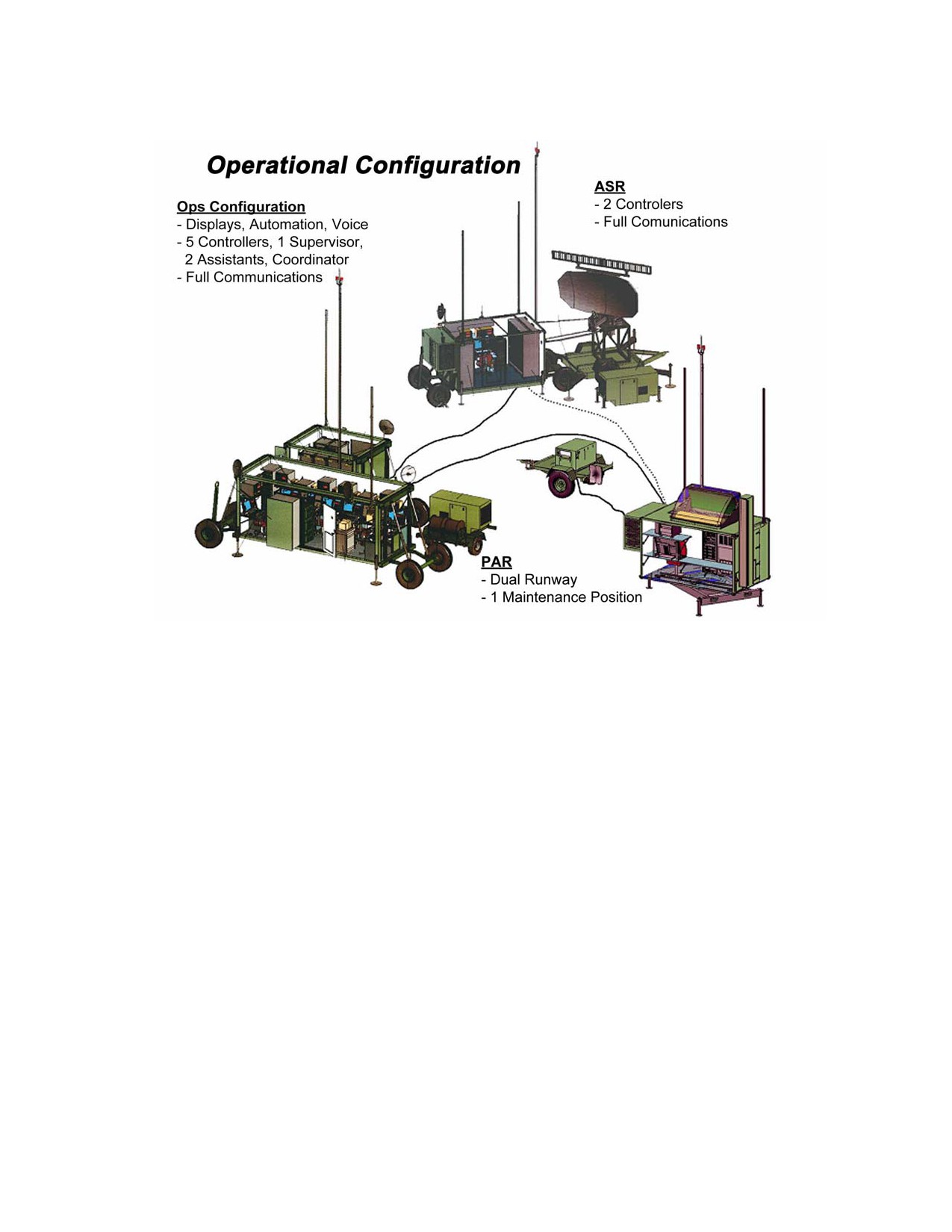
Figure E-2 AN/MPN-26 Mobile Air Traffic Control System
(a) The operations center is contained in two DOD standard shelters. Ops 1
is a 20-foot ISO container and is transported using an M-1022A1 mobilizer. It contains
the automation software (MTAS), distributed communications, and the airfield
automation and weather display systems. Operationally it consists five controller
positions, two assistant controller positions one supervisor position and one coordinator
position. Ops 2 is contained in a DOD Standard S-280 shelter and transported with a
M-720 mobilizer. It consists of all electronics required for the ASR system to include,
radio equipment racks, MTAS processors, TRI-terminal access controller interface, and
the maintenance computer.
(b) The ASR subsystem is contained in a DOD standard S-280 shelter and
transported on a M-720 Mobilizer. It consists of the Primary Surveillance Radar (PSR)
System, SSR System, automation capabilities, airfield automation weather display
system, distributed communications, and two operator positions. The communications
equipment, which are accessible from all MACS operator positions, consists of
UHF/VHF radios, intercom capability, landlines, and voice switching systems. The
ASR/PRS antennas and generator are trailer mounted for transportation and remain on
the trailer during operation.
(c) The PAR system is contained in a modified S-280 shelter and
transported on a M-832 mobilizer. It consists of a precision approach radar, PAR
automation system, communications, and 1 display position. The PAR should be solid
E-20
state. The communications equipment consists of UHF/VHF radios, intercom
capability, and landlines.
(d) MACS is required to support many different missions. As such, make
MACS flexible in order to meet the needs of the Air Force and ANG. Each MACS
subsystem is housed in separate shelters for both operations and transport, equipped
with its own environmental control unit and power generation equipment, and capable
of autonomous operation as dictated by the deployment scenarios:
• Full MACS (ASR, PAR and OPS)
• ASR only
• Operations only
• Operations and ASR only
• Operations and PAR only
• ASR and PAR both
(2) Capabilities. The MACS will provide ATC services, day and night, in all
weather conditions, to military and civil aircraft. Tailor The system will be tailorable to
meet the requirements of the theater commander and operate within FAA performance
parameters. MACS will be interoperable with the civil system to conduct force training
and in response to crisis such as domestic disaster relief, or catastrophic failure of fixed
systems.
(a) The PSR is capable of providing surveillance coverage from surface to
20,000 feet over 360 degree azimuth, and has a range of 0.5 nm to 60 nm from the
radar. The PSR can process a total of 400 aircraft and 300 non aircraft targets. The
SSR provides aircraft surveillance information to the system’s automation system. It
shall interface with aircraft equipped with all ATC Radar Beacon System (ATCRBS)
transponders and be capable of interrogating modes 2, 3/A, and C. The SSR system
provides coverage from surface to 40,000 feet, 360 degree azimuth, and a range of 0.5 to
200 nm from the radar antenna.
(b) MACS PAR provides coverage from -1 to +7 degrees elevation, ±15
degrees azimuth and 20 nm in range. PAR can display up to 40 uncontrolled tracks
with associated data in the PAR surveillance coverage volume. MACS PAR will have
the capability to display up to 40 uncontrolled tracks with associated data in the PAR
surveillance coverage volume. The operator can designate up to six tracks as controlled
tracks and is able to select/de-select the display of controlled track information at the
PAR operations console. Unique symbology is used to differentiate between
uncontrolled and controlled tracks. A built in test for the PAR will be able to detect and
isolate at least 95 percent of all failures to a single LRU, as well as detect and isolate at
least 98 percent of all failures to three or less LRUs.
(3) Personnel.
(a) In Garrison. The planned personnel authorization (UTC) for each
MACS in-garrison at Air Force locations is: eight radar maintenance, two air traffic
controllers, one communications maintenance, one power production, one heating,
ventilation, air conditioning (HVAC), and three air traffic control automation system
specialists (ATCSSs) to maintain the MACS Terminal Automation System (MTAS)
E-21
software. The radar maintenance personnel assigned with the MACS will accomplish
MTAS hardware maintenance.
(b) Personnel Assigned for Deployment. The number of Air Force personnel
for deployment will vary depending on the mission scenario. In a typical scenario,
MACS deploys with the in-garrison UTC personnel package (6 people) and an additional
18 controllers and automation personnel from fixed base RAPCONS will augment if
required. Only two UTC ATCSSs will deploy on an initial tasking with one left in
reserve to support the AEF 90-day rotation with a fixed base ATCSS. The ANG
deployment UTC (34) will include the same number of personnel as required by the Air
Force and meet the same deployment criteria.
(4) Interface. The MACS will be capable of setup using a microwave links or
fiber optic links between shelters (up to 15,000 feet). The MACS will interface with
other facilities via landline or UHF/VHF radios. These facilities include other ATC
facilities and wing operations centers. The MACS will interface with other ATC long
range and short range radars using a common digitizer (CD-2) input and CD-2 output.
MACS will also interface with the MSN-7 Mobile Tower using a microwave link or fiber
optic link and will have a radar tower coordination system as part of the MACS.
Additionally, MACS will interface with Tri-Tac and TDC equipment.
(5) Transportation by Air. The MACS shall be air transportable by inter- and
intra-theater airlift (e.g.,C-130, C-141, C-5, C-17 aircraft, etc.). The MACS, equipment
only, will be transportable on three C-130 aircraft including system placement and
setup equipment, 10 crew members, cables and interconnects, calibration and
performance monitoring aids, spare parts and test equipment required for 30 days of
operations. System equipment includes power generation and environmental control
units but excludes consumables such as fuel normally found at an operational location.
This only includes MACS operational equipment and does not include base operational
support items and a back up power source
(6) Transportation by Ground. MACS is ground transported by semi-trailer
flatbed trucks, military cargo vehicles, or towed using standard military dolly sets that
support the MACS weight and cubic feet. MACS is capable of being towed at highway
speeds on improved roads and reduced speeds on unimproved roads and various
terrains prior to setup. The exact configuration of ground transportation of MACS will
not been determined until the units are fielded and deployment documents are
produced.
(7) Mission Capability and Setup Timing. The MACS System (ASR, Ops and
PAR) shall be capable of physical, on-site setup and tear down by 15 personnel shall be
accomplished in 12 hours or less. Personnel wearing appropriate cold weather clothing
and/or full nuclear, biological, chemical mission oriented protective posture clothing
shall accomplish the same task in 18 hours or less. The setup includes the MTAS
adaptation as well as the shelter and hardware positioning. The 15 setup personnel are
normally assigned to the UTC (In Garrison). Additional deployed air traffic controllers
may augment these personnel. The preliminary site survey time is not included in the
setup time. Additionally, prior to being declared mission capable the MACS must
receive a flight inspection. (See chapter 1).
E-22

5. Communications Capabilities
The Services have different communications capabilities as depicted in table E-2.
Table E-2 Service-Specific Communications Capabilities
Organization
Systems
Comm Capability
Air Force (STT)
Provide VFR/Limited IFR
UHF AM/FM/Voice/Data Secure, VHF AM/FM/Voice
MMLS Precision Landing
/Data/Secure, HF Secure/Voice/Data, SATCOM-
Capability for MLS-equipped C-130
TACSAT/Secure, IMARSAT, HAVE QUICK, SINGARS
/ C-17
Air Force
MSN-7 L+2 Hours
5 UHF/4 VHF
(Combat
Mobile Control Tower
3 Landlines 3 Direct hotlines
Comm)
TPN-19 L+36 Hours
HAVE QUICK/9 UHF/5 VHF
Mobile RAPCON
3 Landlines 13 Direct hotlines
Air Force ANG
MPN-14 L+24 Hours
HAVE QUICK/7 UHF/5 VHF
(ATCS)
Mobile RAPCON
6 Landlines 1 Direct hotlines
MSN-7 L+2 Hours
5 UHF/4 VHF
Mobile Control Tower
3 Landlines 3 Direct hotlines
AN-26 TACAN L+4 hours
N/A
Army
TSQ-198
1 UHF HAVE QUICK /Voice/Data (Secure)
VFR Service
1 VHF HAVE QUICK /Voice/Date (Secure)
1 HF Voice/Data (Secure)
1 FM SINGARS (Secure)
TSQ-71B
3 UHF/3 VHF
VFR/IFR ATS Service
2 FM SINGARS (Secure)
Precision Approaches
TSC-61B
3 VHF/3 UHF/3 SINGARS (Secure)
En route Flight Following
1 HF
Airspace Integration
TSW-7A
3 VHF/3 UHF/3 SINGARS (Secure)
VFR/IFR ATS Tower Service
1 HF
Marine MMT
Provide VFR/Limited IFR MRAALS
4 PRC-117 (F) Multiband Transceivers
Initial
(ARA-63 Radar Equipped Aircraft)
1 PRC-150 HF/VHF Transceiver
Distance Azimuth Measuring
UHF AM/FM/Voice/Data Secure
Equipment (TACAN)
VHF AM/FM/Voice/Data Secure
HF Secure/Voice/Data/automated link establishment
SATCOM, HAVE QUICK, SINCGARS
Marine ATC
TSQ-120A Control Tower
5 GRC-171 UHF/AM Radios
Detachment
3 GRC-211 VHF/AM Radios
Transition/
1 VRC-82 VHF/FM Radio
Sustainment
10 Landlines
TSQ-120B Control Tower
8 ARC-210 Multiband Radios
2 URC-94 HF Radio
1 HT-1000 VHF/FM Radio
10 Landlines
SATCOM/ HAVE QUICK /SINCGARS
TSQ-131 Radar Command And
2 ARC-210 Multiband Radios
Control Subsystem (Dual Shelter
6 GRC-171 UHF/AM Radios
Configuration Double Capability)
3 GRC-211 VHF/AM Radios
1 URC-94 HF Radio
UHF AM/FM/Voice/Data Secure
VHF AM/FM/Voice/Data Secure
HF Secure/Voice
SATCOM, HAVE QUICK, SINCGARS, TADIL B&C
E-23
Appendix F
Sample ATC Handover Checklist
SAMPLE ONE
1. CONTROL # _______________
2. MISSION # _____________ A. CHANGE # _________ B. REF # _____________
3. FREQUENCY (PRIMARY/Alternate):
A. UHF
(P)_________________ (A)_________________
B. VHF
(P)_________________ (A)_________________
C. HF
(P)_________________ (A)_________________
D. FM
(P)_________________ (A)_________________
E. SATCOM (UP) _______________ (DN)_______________
4. THREAT ____________________________________________________________
5. FLD ELEV ____________________ FT MSL
6. TD ZONE ELEV _______________ FT MSL
7.DIMENSIONS
L
W
A. RWY
_________ FT
___________ FT
B. TXWY
_________ FT
___________ FT
C. OVRN
_________ FT
___________ FT
D. HELIPD _________ FT
___________ FT
8. USABLE TXWY
Y / N
9. ACTIVE RWY ________/_______ RUNWAY CROSSING POINTS (RCP) ________
10. MAXIMUM ON GROUND:
A. C-130_________________
B. C-141_________________
C. C-5___________________
D. MC-130_______________
E. C-17__________________
F. HELO ________________
G. OTHER ______________
11. PARKING SPOTS
A. LOCATIONS
(1) FIXED-WING
____________________________________________
(2) HELO
____________________________________________
F-1
12. MARSHALLERS REQ: A. FIXED-WING : Y / N
B. HELO: Y / N
13. HOT CARGO AREA
Y / N
LOCATION
_________________________________________
14. REFUELING PTS
Y / N
LOCATION
_________________________________________
15. ARMING AREAS
Y / N
LOCATION
_________________________________________
16. AVERAGE ON LOAD TIME __________ MIN
17. AVERAGE OFF LOAD TIME __________ MIN
18. OBSTACLES ON AIRFIELD:
Y / N
A. TREES
Y / N ___________ FT
B. WIRES
Y / N ___________ FT
C. HOUSES
Y / N ___________ FT
D. PERSONNEL
Y / N ___________ FT
E. DITCHES
Y / N ___________ FT
F. TERRAIN
Y / N ___________ FT
G. POLES
Y / N ___________ FT
19. OBSTACLES IN CLASS D AIRSPACE: Y / N
A. TREES
Y / N ____________ FT
B. WIRES
Y / N ____________ FT
C. HOUSES
Y / N ____________ FT
D. PERSONNEL
Y / N ____________ FT
E. DITCHES
Y / N ____________ FT
F. TERRAIN
Y / N ____________ FT
G. POLES
Y / N ____________ FT
20. BLIND SPOTS
A. VISUAL ______________________________________________________________
B. RADIO _______________________________________________________________
21. NAVAIDS
A. TACAN G / R
(1) LOCATION ________________________________________________________
(2) FREQUENCY ______________________________________________________
(3) POWER SOURCE __________________________________________________
F-2
B. MMLS G / R
(1) LOCATION ________________________________________________________
(2) FREQUENCY ______________________________________________________
(3) POWER SOURCE
C. ZM G / R
(1) LOCATION ________________________________________________________
(2) FREQUENCY ______________________________________________________
(3) POWER SOURCE __________________________________________________
D. ILS G / R
(1) LOCATION ________________________________________________________
(2) FREQUENCY ______________________________________________________
(3) POWER SOURCE
E. NDB G / R
(1) LOCATION ________________________________________________________
(2) FREQUENCY ______________________________________________________
(3) POWER SOURCE __________________________________________________
22. NONRADAR HANDOFF PROCEDURES
A. HDG _________________________________________________________________
B. HANDOFF
(1) TIME (hhmm) ______________________________________________________
(2) FIX
_______________________________________________________________
(3) ALT _______________________________________________________________
(4) FREQUENCY ______________________________________________________
(5) LOCATION ________________________________________________________
(6) C/S ________________________________________________________________
23. AIRFIELD LIGHTING:
A. AMP 1 _______________________________________________________________
B. AMP 2 _______________________________________________________________
C. AMP 3 _______________________________________________________________
D. AMP 4 _______________________________________________________________
E. NONE________________________________________________________________
24. SR __________________________
25. SS __________________________
F-3
26. TERPS ______________________________________________________________Y / N
27. REPORTING POINTS
A. LOC _________________________________________________________________
B. ALT__________________________________________________________________
C. PATTERN ____________________________________________________________
28. HOLDING POINTS VFR
A. LOC _________________________________________________________________
B. ALT__________________________________________________________________
C. PATTERN ____________________________________________________________
29. HOLDING POINTS IFR
A. LOC _________________________________________________________________
B. ALT__________________________________________________________________
C. PATTERN ____________________________________________________________
30. TRAFFIC PATTERNS
A. LEFT ________________________________________________________________
B. RIGHT _______________________________________________________________
C. STRAIGHT IN ________________________________________________________
D. OVHD _______________________________________________________________
E. OTHER ______________________________________________________________
31. JETTISON AREA
A. LOC _________________________________________________________________
B. ALT__________________________________________________________________
32. BAILOUT AREA
A. LOC _________________________________________________________________
B. ALT__________________________________________________________________
33. FUEL DUMP AREA
A. LOC _________________________________________________________________
B. ALT__________________________________________________________________
34. NOTAMS _______________________________________________________________
_____________________________________________________________________________
35. CURRENT TRAFFIC _____________________________________________________
36. PROJECTED TRAFFIC ___________________________________________________
37. ALTERNATE AIRFIELDS ________________________________________________
F-4
38. FRIENDLY FORCES:
AGENCY C/S
MGRS LOCATION FREQ KEY TAPE
A. DEPARTING ATC _________________________________________________
B. ARTY COLUMN ___________________________________________________
C. FDCD. AIR BASE DEFENSE _______________________________________
E. ALCE _____________________________________________________________
F. ALCC _____________________________________________________________
G. AFSOB____________________________________________________________
H. CRASH/RESCUE __________________________________________________
I. CLOSE AIR SUPPORT ______________________________________________
J. MEDEVAC ________________________________________________________
K. TOC ______________________________________________________________
L. US ARMY MAIN FORCES _________________________________________
M. US MARINE FORCES _____________________________________________
N. US NAVY MAIN FLEET ___________________________________________
O. ALLIED FORCES__________________________________________________
P. ABCCC____________________________________________________________
Q. AWACS ___________________________________________________________
39. TRAFFIC INFORMATION: (Use DELTA THREE message format flow tasking)
40. WEATHER: (Use GOLF message format)
41. ARTILLERY: (Use HOTEL ONE message format)
42. REMARKS:
______________________________________________________________________________
______________________________________________________________________________
______________________________________________________________________________
43. PASSED TO _________________ DTG ___________________Z
INITIALS___________
(dd/hhmm/mm/yy)
CHANGE #_______
PASSED TO ____________________ DTG ___________________Z
INITIALS___________
(dd/hhmm/mm/yy)
F-5
Sample ATC Handover Checklist
SAMPLE TWO
1. Airfield Name: __________________________________________________
2. Airfield Location: ________________________________________________
LAT/LONG: __________________________/_______________________________
3. ICAO Identifier: _________________________________________________
4. Airfield Frequencies:
(P) UHF/VHF
(S) UHF/VHF
ATIS
________/_______
________/________
Approach Control
________/_______
________/________
Tower Control
________/_______
________/________
Ground Control
________/_______
________/________
Clearance Delivery ________/_______
________/________
Base Operations
________/_______
________/________
SAR
________/_______
________/________
WX Metro
________/_______
________/________
5. Airfield Diagram:
6. Usable Runways: ________/________/________/________/________/________
7. Usable Taxiways: ________/________/________/_______/________/________
F-7
8. Dimensions:
Length
Width
Composition
PCN
Runway
_______ft
_______ft
____________
___/___/___/___/__
_______ft
_______ft
____________
___/___/___/___/__
_______ft
_______ft
____________
___/___/___/___/__
_______ft
_______ft
____________
___/___/___/___/__
Length
Width
Composition
PCN
Taxiway
_______ft
_______ft
____________
___/___/___/___/__
_______ft
_______ft
____________
___/___/___/___/__
_______ft
_______ft
____________
___/___/___/___/__
_______ft
_______ft
____________
___/___/___/___/__
_______ft
_______ft
____________
___/___/___/___/__
_______ft
_______ft
____________
___/___/___/___/__
_______ft
_______ft
____________
___/___/___/___/__
_______ft
_______ft
____________
___/___/___/___/__
Helipad
_______ft
_______ft
____________
___/___/___/___/__
_______ft
_______ft
____________
___/___/___/___/__
_______ft
_______ft
____________
___/___/___/___/__
_______ft
_______ft
____________
___/___/___/___/__
AV-8B Pad_______ft
_______ft
____________
___/___/___/___/__
_______ft
_______ft
____________
___/___/___/___/__
_______ft
_______ft
____________
___/___/___/___/__
_______ft
_______ft
____________
___/___/___/___/__
9. Traffic Pattern:
Entry Point
Altitude
Point of Descent
Left
______________
_______________
_________________
Right
______________
_______________
_________________
Straight-in
______________
_______________
_________________
Overhead
______________
_______________
_________________
Other
______________
_______________
_________________
F-8
10. Pattern Altitude:
Turbo-Jet ____________________________
Propeller-Driven _____________________
Helicopter ____________________________
Altitude Remarks:
_________________________________________________________________________________
_________________________________________________________________________________
_________________________________________________________________________________
_________________________________________________________________________________
11. NAVAIDs Location
/
Frequency
/
Power Source
(Lat/Long)
NDB
_________________________/________________/____________________
VOR
_________________________/________________/____________________
TACAN
_________________________/________________/____________________
VORTAC _________________________/________________/____________________
MLS
_________________________/________________/____________________
ILS
_________________________/________________/____________________
GPS
_________________________/________________/____________________
VASI
_________________________/________________/____________________
ASR
_________________________/________________/____________________
PAR
_________________________/________________/____________________
12. Hot Cargo Area: Y___ N___
Location ______________________________________
13. Refueling Points: Y___ N___
Location ______________________________________
14. Arming/De-arming Area:Y___ N___
Location ______________________________________
15. Parking Locations/Spots/Restrictions:
Fixed-Wing __________________________________________________________________
_____________________________________________________________________________
Rotary-Wing _________________________________________________________________
_____________________________________________________________________________
VIP/VAL_____________________________________________________________________
_____________________________________________________________________________
F-9
16. Obstacles on Airfield: Y___ N___
Trees
Y___ N___
_____________Ft
Wires
Y___ N___
_____________Ft
Houses
Y___ N___
_____________Ft
Personnel
Y___ N___
_____________Ft
Ditches
Y___ N___
_____________Ft
Terrain
Y___ N___
_____________Ft
Poles
Y___ N___
_____________Ft
17. Blind Spots:
Visual __________________________________________________________
Radio __________________________________________________________
18. Non-Radar Procedures:
Heading
__________________________________________________________
Handoff Time __________________________________________________________
Fix
_________________________________________________________________
Altitude
__________________________________________________________
Frequency
__________________________________________________________
Location
__________________________________________________________
19. TERPS: Y ___ N ___
20. Reporting Points:
#1
#2
#3
#4
Location
_________
_________
__________
____________
Altitude
_________
_________
__________
____________
21. Holding Points VFR:
Location
_________
_________
__________
____________
Altitude
_________
_________
__________
____________
Pattern
_________
_________
__________
____________
22. Holding Points IFR:
Location
_________
_________
__________
____________
Altitude
_________
_________
__________
____________
Pattern
_________
_________
__________
____________
23. Bailout Area:
Location
_________
_________
__________
____________
Altitude
_________
_________
__________
____________
F-10

24. Jettison Area:
Location
_________
_________
__________
____________
Altitude
_________
_________
__________
____________
25. Fuel Dump Area:
Location
_________
_________
__________
____________
Altitude
_________
_________
__________
____________
26. Alternate/Divert Airfields Information:
TACAN
Heading
Dist
ELEV
FUEL
Longest
APCH
TWR
NAVAID
NAME
channel
from
(nm)
Runway
freq
freq
airfield
27. Weather:
Wind: Prevailing __________/__________ Surface __________/__________
VSBY __________Mi
Ice
Y___ N___
Wet Y___ N___ Rain/Snow
Breaking Action
Good___ Fair___ Poor___ NIL___ UNK ___
Other:_____________________________________________________________________
_______________________________________________________________________________
Remarks:
_______________________________________________________________________________
_______________________________________________________________________________
_______________________________________________________________________________
F-11
Appendix G
SAMPLE NOTICE TO AIRMEN
EXAMPLE #1
Key FIRs: A, B, C, D, etc
A0XXX/01 - SPECIAL NOTICE. FOR US OPERATORS: CIVIL AIRCRAFT
OPERATIONS INTO “X COUNTRY” ARE NOT PERMITTED UNLESS AUTHORIZED IN
ACCORDANCE WITH THE PROVISIONS OF SFAR 90. IN ORDER TO PROVIDE
GREATER SAFETY AND VISIBILITY FOR CIVIL AVIATION FLIGHTS INTO AND
OUT OF “X COUNTRY”
(“X” FIR), THE FOLLOWING PROCEDURES ARE
RECOMMENDED AND WILL CONTINUE UNTIL FURTHER NOTICE. PARTICIPATION
IS VOLUNTARY BUT HIGHLY RECOMMENDED TO ENHANCE SAFETY FOR ALL
HUMANITARIAN ASSISTANCE (HA) AND OTHER INTERNATIONAL
ORGANIZATION/NON-GOVERNMENT ORGANIZATION (IO/NGO) SPONSORED FLIGHTS,
AND OTHER CIVIL AVIATION FLIGHTS WITHIN “X” FIR WHERE INTENSE
MILITARY COMBAT OPERATIONS ARE CONTINUING INTO THE FORESEEABLE
FUTURE. PARTICIPATING AGENCIES MUST UNDERSTAND THERE IS AN ONGOING
MILITARY OPERATION IN “X” AND NON-MILITARY FLIGHT OPERATIONS WILL BE
CONDUCTED AT SIGNIFICANT RISK. COMPLYING WITH THESE PROCEDURES DOES
NOT RELIEVE PILOTS OF THE RESPONSIBILITY TO SEE AND AVOID OTHER
AIRCRAFT OR FOR MAINTAINING SAFE TERRAIN/OBSTACLE CLEARANCE AT ALL
TIMES. IN ADDITION, THESE PROCEDURES DO NOT REPLACE OR NEGATE THE
NEED FOR A FLIGHT PLAN. AN INTERNATIONAL FLIGHT PLAN IS STILL
REQUIRED. ALSO, WHILE IN THE “X” FIR, ALL CIVIL AIRCRAFT SHOULD
MAINTAIN A CONTINUOUS LISTENING WATCH ON ONE OR BOTH INTERNATIONAL
EMERGENCY FREQUENCIES (VHF 121.5 AND/OR UHF 243.0 MHZ). END PART 1
OF 6 WIE UNTIL UFN
A0XXX/01 - SPECIAL NOTICE. FURTHERMORE, ATC PROCEDURES, AS
NOTIFIED, APPLY OUTSIDE “X”. THE PROCEDURES BELOW SIMPLY PROVIDE
FORCES CONDUCTING COMBAT OPERATIONS IN “X” WITH A MEANS OF PLANNING
FOR, MONITORING AND, WHERE POSSIBLE, DECONFLICTING FLIGHTS BY
CIVILIAN AIRCRAFT OPERATING WITHIN THE COMBAT ZONE. UNTIL THE
SITUATION SETTLES IN “X”, PROCEDURES FOR CIVIL AVIATION MUST
NECESSARILY BE RESTRICTIVE TO PREVENT INVOLVING CIVILIANS WITH
MILITARY OPERATIONS. AIRCREW OF CIVIL AIRCRAFT WILL FORFEIT ANY
PROTECTIONS DUE THEIR CIVILIAN STATUS AND SERIOUSLY ENDANGER THEIR
SAFETY AND THE SAFETY OF THEIR AIRCRAFT IF THEY TRANSPORT MILITARY
MATERIAL FOR “X FORCES”, PROVIDE TRANSPORTATION TO “X FORCES”
PERSONNEL, OR OTHERWISE SUPPORT “X FORCES”. THE PROCEDURES DETAILED
BELOW SHALL BE ACCOMPLISHED ONLY DURING DAYLIGHT HOURS AND IN VISUAL
METEOROLOGICAL CONDITIONS. HA AND IO/NGO FLIGHTS ARE NOT
RECOMMENDED AT NIGHT OR DURING INSTRUMENT METEOROLOGICAL CONDITIONS.
PRE-NOTIFICATION OF CIVILIAN FLIGHTS SHOULD BE ACCOMPLISHED AT LEAST
24-HOURS PRIOR TO FLIGHT INTO “X”. THIS PRE-NOTIFICATION MAY BE
ACCOMPLISHED BY PASSING DETAILS OF THE PROPOSED FLIGHT TO ONE OF THE
FOLLOWING AGENCIES: END PART 2 OF 6 WIE UNTIL UFN
G-1
A0XXX/01 - SPECIAL NOTICE. A. THE UNITED STATES XXXXXXX COMMAND
(XXXXXXCOM) JOINT CIVIL- MILITARY OPERATIONS TASK FORCE (JCMOTF).
THIS OFFICE IS OPEN 24 HOURS A DAY AND CAN BE REACHED VIA ANY OF THE
FOLLOWING MEANS: TELEPHONE: USA XX-XXX-XXX-XXXX FAX: USA XX-XXX-XXX-
XXXX E-MAIL: XXXXXXXXXXX@XXXXXX.XXX B. THE COALITION HUMANITARIAN
LIAISON CENTER (CHLC) IN XXXXXX, XXXXXXXX. THIS OFFICE IS OPEN 24
HOURS A DAY AND CAN BE REACHED VIA THE FOLLOWING MEANS: POINT OF
CONTACT: XXXXXXX XXXXXXXX TELEPHONE: XX-XXX-XXX-XXXX E-MAIL:
XXXXXXXXXXX@XXXXXX.XXX (PREFERRED CONTACT METHOD) C. THE CHLC IN
XXXXXXXXXX, XXXXXXXXX. THIS OFFICE IS OPEN 24 HOURS A DAY AND CAN
BE REACHED VIA THE FOLLOWING MEANS: POINT OF CONTACT: XXX XXXXXX
PHONE: XX-XXX-XXX-XXXX EMAIL: XXXXXXXXXXX@XXXXXX.XXX IF PRE-
NOTIFICATION MUST BE MADE WITH LESS THAN 24 HOURS, OPERATORS ARE TO
CONTACT THE CHLC AS SOON AS POSSIBLE. IF CHANGES MUST BE MADE TO A
PREVIOUSLY NOTIFIED FLIGHT, OPERATORS ARE TO CONTACT ANY OF THE
ABOVE AGENCIES AS SOON AS POSSIBLE PRIOR TO THE FLIGHT COMMENCING OR
IF AN EMERGENCY DICTATES A CHANGE TO A FLIGHT ALREADY IN PROGRESS,
FOLLOW THE COMMUNICATIONS PROCEDURES OUTLINED BELOW. END PART 3 OF
6 WIE UNTIL UFN
A0XXX/01 - SPECIAL NOTICE. COMMUNICATIONS PROCEDURES FOR ALL HA
AND IO/NGO FLIGHTS: BEFORE ENTERING “X COUNTRY” FIR CONTACT AIRBORNE
EARLY WARNING (AEW), AIR CONTROL AGENCY (ACA), CALLSIGN XXXXX OR
XXXXXXX_ ON XXX.XXX MHZ (P) (VHF) OR XXX.XX MHZ (S) (UHF) EMERGENCY:
121.5 (INTERNATIONAL EMERGENCY FREQUENCY) “IF REQUIRED ADD” NOTE:
AEW OR ACA IS NOT AN ATC AGENCY AND CANNOT PROVIDE ANY AIR TRAFFIC
SERVICES. THEY WILL ONLY PROVIDE A LISTENING WATCH AND, WHERE
POSSIBLE, INFORMATION ON OTHER TRAFFIC KNOWN TO BE OPERATING IN THE
AREA. RESPONSIBILITY FOR SEPARATION FROM OTHER TRAFFIC ON A SEE AND
AVOID BASIS REMAINS AT ALL TIMES WITH THE PILOT OF THE CIVIL
AIRCRAFT. FAILURE TO COMPLY WITH THESE PROCEDURES MAY RESULT IN
INTERCEPTION BY ARMED COALITION AIRCRAFT. TRANSPONDER CODE: MODE
3/A CODE XXXX OR (OR AS ASSIGNED DURING PRE-NOTIFICATION BY THE
JCMOTF OR CHLC). HUMANITARIAN AIRCRAFT/ ASSISTANCE AIRCRAFT
ASSIGNED AN ATC DISCRETE MODE 3/A CODE EN ROUTE TO THE AUTHORIZED “X
COUNTRY” ENTRY POINT MUST CHANGE MODE 3/A CODE TO XXXX OR AS
ASSIGNED BY JCMOTF/CHLC WHEN ENTERING “X COUNTRY” AIRSPACE, PRIOR
TO CONTACTING AEW. AEW MAY ASSIGN A DISCRETE MODE 3/A CODE TO
DISCRIMINATE BETWEEN INDIVIDUAL FLIGHTS. APPROVED “X COUNTRY” ENTRY
POINTS: END PART 4 OF 6 WIE UNTIL UFN
A0XXX/01 - SPECIAL NOTICE. FROM XXX (COUNTRY) & (AIRWAY)
ROUTINGS AVAILABLE: VXXX, AXXX, VXXX, ETC. CURRENT AIRFIELDS USED
FOR HUMANITARIAN AID/ASSISTANCE: XXXXX, XXXXX, XXXXX, ETC ROUTINGS:
NOTE _ RETURN ROUTINGS WILL BE BY REVERSE PATH. FLY APPROPRIATE
ICAO SEMI-CIRCULAR LEVELS. END PART 5 OF 6 WIE UNTIL UFN
A0XXX/01 - SPECIAL NOTICE. XXXXXX AIRFIELD HAS SUSTAINED
CONSIDERABLE DAMAGE AS A RESULT OF RECENT HOSTILITIES. USE CAUTION
DURING APPROACH AS THERE ARE LIKELY TO BE OTHER AIRCRAFT OPERATING
IN THE AREA; LIMITED TERMINAL CONTROL IS CURRENTLY PROVIDED AT
XXXXXX AIRFIELD BY UNITED STATES AIR FORCE, MARINE CORPS, AND ARMY
TACTICAL CONTROLLERS WHO WILL ISSUE LANDING AND TAKE OFF CLEARANCES.
G-2