FMI 6-02.45, C1 Signal Support to Theater Operations (May 2008) - page 4
 

  Главная      Manuals     FMI 6-02.45, C1 Signal Support to Theater Operations (May 2008)


Search            copyright infringement  


Content      ..     2      3      4      5     ..


FMI 6-02.45, C1 Signal Support to Theater Operations (May 2008) - page 4


Chapter 3 

Office of the 

Director 

1/0/1/2 

TNOSC 

Operations 

Division 

1/0/1/2 

IDM/CS 
Division 

0/0/0/0 

Enterprise 

Service 

Division 

0/0/0/0 

Network 

Management 

Division 

1/0/0/1 

Enterprise 

System 

Management 

Division 

1/0/0/1 

Information 

Assurance 

Division 

0/1/0/1 

Deployment 

Support 
Division 

0/0/1/1 

Tactical 

Integration 

Cell (TIC) 

0/1/3/4 

Tactical 

Network 

Team (TNT) 

4/0/8/12 

Network 

& System 

Monitoring 

Branch 

0/0/1/1 

Information 

Assurance 

Branch 

0/0/1/1 

System Support 

& Integration 

Branch 

0/0/1/1 

Database 

Management 

& Applications 

Branch 

0/0/0/0 

Data Network 

Branch 

0/0/1/1 

Voice Systems 

Branch 

0/0/1/1 

Transmission 

Systems 

Branch 

0/0/2/2 

Info Structure 

Service 

Branch 

1/0/0/1 

Service 

Level 

Management 

Branch 

1/0/0/1 

Configuration 

Management 

Branch 

1/0/0/1 

IDM 

Branch 

0/0/0/0 

Mission 

Support 

Branch 

0/0/0/0 

Action 

Request 

Center 
0/0/6/6 

Office of the

Director

1/0/1/2

TNOSC

Operations

Division

1/0/1/2

IDM/CS
Divisi

O

on

0/0/0/0

Enterprise

Service

Division

0/0/0/0

Network

Management

Division

1/0/0/1

Enterprise

System

Management

Division

1/0/0/1

Information

Assurance

Division

0/1/0/1

Deployment

Support
Division

0/0/1/1

Tactical

Integration

Cell (TIC)

0/1/3/4

Tactical

Network

Team (TNT)

4/0/8/12

Network

& System

Monitoring

Branch

0/0/1/1

Information 

Assurance

Branch

0/0/1/1

System Support

& Integration

Branch

0/0/1/1

Database

Management

& Applications

Branch

0/0/0/0

Data Network

Branch

0/0/1/1

Voice Systems

Branch

0/0/1/1

Transmission

Systems

Branch

0/0/2/2

Info Structure

Service

Branch

1/0/0/1

Service

Level

Management

Branch

1/0/0/1

Configuration

Management

Branch

1/0/0/1

IDM

Branch

0/0/0/0

Mission

Support

Branch

0/0/0/0

Action

Request

Center
0/0/6/6

ffice of the

Director

1/0/1/2

TNOSC

Operations

Division

1/0/1/2

IDM/CS
Division

0/0/0/0

Enterprise

Service

Division

0/0/0/0

Network

Management

Division

1/0/0/1

Enterprise

System

Management

Division

1/0/0/1

Information

Assurance

Division

0/1/0/1

Deployment

Support
Division

0/0/1/1

Tactical

Integration

Cell (TIC)

0/1/3/4

Tactical

Network

Team (TNT)

4/0/8/12

Network

& System

Monitoring

Branch

0/0/1/1

Information 

Assurance

Branch

0/0/1/1

System Support

& Integration

Branch

0/0/1/1

Database

Management

& Applications

Branch

0/0/0/0

Data Network

Branch

0/0/1/1

Voice Systems

Branch

0/0/1/1

Transmission

Systems

Branch

0/0/2/2

Info Structure

Service

Branch

1/0/0/1

Service

Level

Management

Branch

1/0/0/1

Configuration

Management

Branch

1/0/0/1

IDM

Branch

0/0/0/0

Mission

Support

Branch

0/0/0/0

Action

Request

Center
0/0/6/6

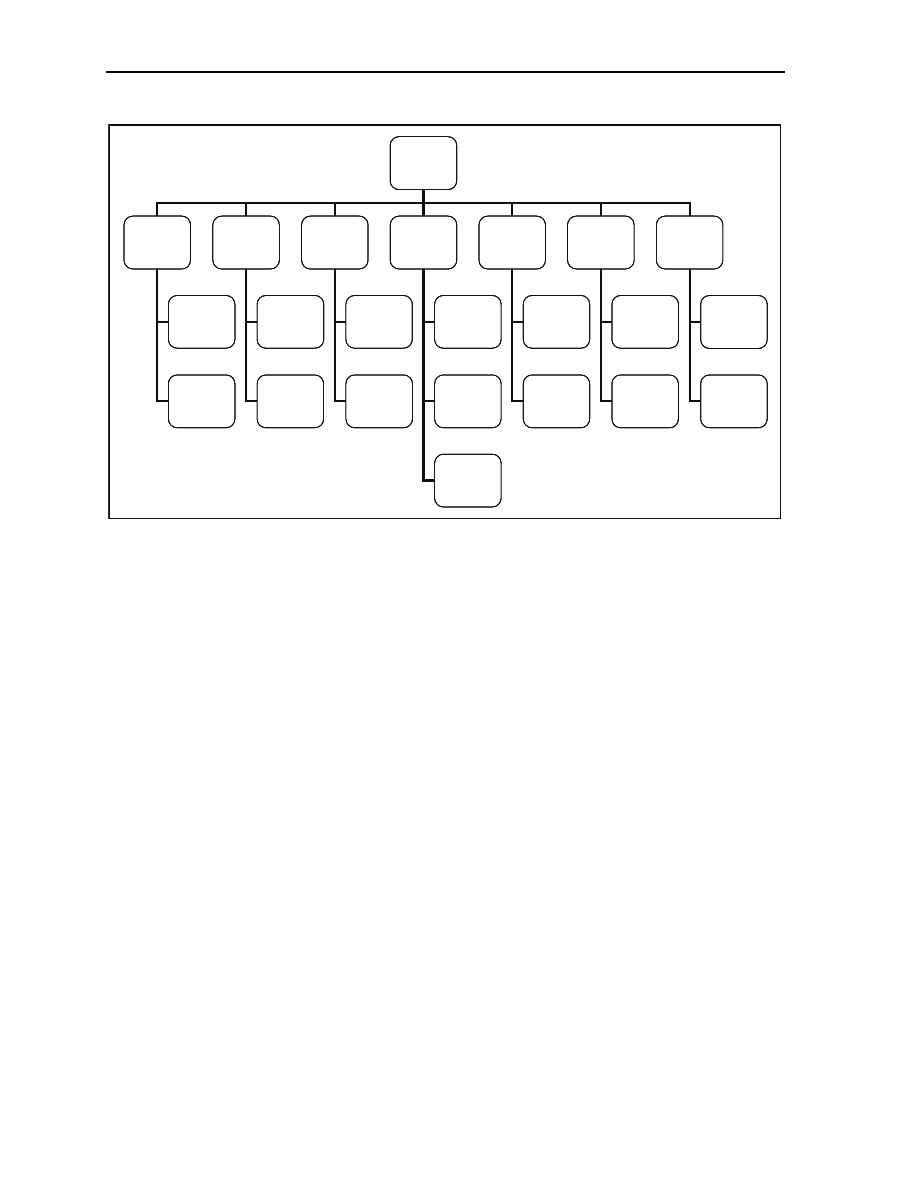
Figure 3-3. Theater NETOPS and Security Center 

3-21.  TNOSC mission, roles, and responsibilities are as follows: 

z

To develop and maintain theater NETOPS situational awareness for LWN resources by 
consolidating input from subordinate, supporting, or other service Network Operations and 
Security Centers (NOSCs). 

z

To control performance of technical functions as required under the oversight of the ASCC G-6. 

z

To provide visibility and status information to the CCDR, the signal command, and the 
A-GNOSC. 

z

To exercise configuration control including day-to-day systems management and protection of 
theater networks, services, and applications. 

z

To enforce network operating standards and report any configuration violations detected on 
Army networks. 

z

To report network status to the combatant command’s Theater Network Operations Control 
Center (TNCC) and the Joint Task Force-Global Network Operations (JTF-GNO) Theater 
Network Operations Center (TNC). In some cases, the TNOSC may provide visibility to other 
service component NOSCs. 

z

To perform and coordinate any network tasks that span the theater or multiple regional director 
regions ensuring consistent service among regions. 

z

To serve as the signal command NETOPS center of gravity for all theater issues regarding the 
LWN. 

z

To operate in conjunction with its counterpart Regional Computer Emergency Response Team 
(RCERT) to provide comprehensive CND of assigned networks. 

z

To execute and enforce LWN policies and procedures promulgated by the Army Chief 
Information Officer (CIO) through the A-GNOSC. 

z

To provide information dissemination management (IDM) support for organizations within 
theater to include the dissemination of LWN health and status to the appropriate organizations 
and commands within the theater. 

3-6 


FMI 6-02.45 

5 July 2007 

Network Operations 

z

To operate, manage and defend Army-owned, deployed, operational network items, long-haul 
communications, theater gateways, Army DISN Router Program, and security resources. 

z

To develop and maintain theater TTP to implement the NETOPS concept of operations to 
supplement and address theater-unique missions and responsibilities.  

z

To identify any new physical or logical property that should be addressed in the asset resource 
management process. 

z

To establish or augment a JTF Joint Network Operations Control Center (JNCC), JTF ARFOR 
Network Operations and Security Center (NOSC), and corps and division NOSC to operate, 
maintain, and defend the JOA as required. 

z

To provide value-added services to Army Forces in a JOA. 

T

ACTICAL 

L

EVEL 

M

ANAGEMENT 

3-22.  LWN management at the tactical level entails the integrated, coordinated, and standardized set of 
systems, organizations, applications, and TTP that provide technical oversight of the myriad of unit 
network resources that comprise the tactical portion of LWN. Tactical networks extend from ASCC 
deployed forces to the BCT and battalion levels engaged in joint, combined, or single-service task force 
Warfighting. 

3-23.  Deployed forces typically access reachback capabilities and applications through theater resources 
but may directly link to the DISN via a STEP or teleport site. These links to DISN services are operated 
and managed by the signal command subordinate strategic commands. NETCOM is ultimately responsible 
for the operation and maintenance of the LWN enterprise and has authority to implement and enforce 
enterprise policy and provide authoritative direction concerning the techniques, procedures, standards, 
configurations, designs, devices and systems to accomplish specific functional tasks and missions. This 
mission is executed globally through the A-GNOSC and in each theater through the signal command and 
associated TNOSC. 

3-24.  Below the signal command, Army organizations establish their respective NOSCs and are 
responsible for implementing and enforcing all NETOPS policies and procedures to their TNOSC. There 
are TTSBs, TSSBs, ESBs, and corps, division, and brigade organic signal companies that implement 
NETOPS to leverage the LWN and the GIG. 

3-25.  NETOPS organizations found in a signal command are designed primarily to provide functional 
management of assigned network resources used in extending LWN throughout the theater. Corps, 
division, brigade, and battalion will perform all associated NOSC functions necessary to manage and 
secure their respective network assets or the aggregate resources assigned to them. They provide NETOPS 
capabilities and situational awareness to the supported commander and serve as coordinating and reporting 
points that feed essential information regarding systems, services, and overall infrastructure to the TNOSC. 

3-26.  JTF ARFOR is the Army organization with direct C2 of all NETOPS in the deployed AO, including 
all subordinate corps, divisions, and BCTs. The ARFOR NOSC, Tactical Network Team (TNT), works for 
the JTF JNCC and performs network management under direction of the Army TNOSC. The ARFOR 
NOSC (TNT) disseminates information to Army elements under its C2 in close coordination with the JTF. 

3-27.  NETOPS in the corps, division, and BCT are the lowest levels where a significant amount of 
NETOPS planning, management, and task execution occur. The planning process is iterative and occurs 
throughout all phases of operations following the military decisionmaking process (MDMP) every time a 
new mission is received. Operating the network is limited in the early phases of operations and becomes 
the predominant set of activities as units deploy into theater and begin combat operations. At times 
deployed NETOPS elements will need to coordinate directly with the TNOSC, but this is always done in 
coordination with and under the direction of the ARFOR/JTF and their respective NOSC. While this 
relationship does not affect unit force structure, employment, or C2, it may affect the nature of available 
LWN services. 

5 July 2007 


FMI 6-02.45 

3-7 

Chapter 3 

3-28.  NETOPS at the battalion level is generally limited and requires a combination of planning and 
operating tasks that occur throughout all phases of operation based on the receipt of mission orders, the 
subsequent MDMP, and the changing battlefield conditions. The requirements inherent in the 
configuration, monitoring, management, and reconfiguration of the battalion LAN is executed by the 
battalion S-6 using Integrated System Control (V)4. The battalion S-6 is responsible for including every 
system supporting battalion operations in the network architecture databases. The S-6 is also responsible 
for coordinating with the brigade S-6 and/or higher headquarters G-6 for the development of the network 
architecture. The network configuration databases used in the execution of the LAN management 
requirements will be controlled based on mission requirements at the brigade and/or corps/division level. 

3-29.  Common services and applications management addresses the standardization and consolidation of 
IT across the enterprise. This allows the Army to utilize personnel required to perform these tasks and 
increase the quality of service provided to the end users while at the same time reducing the total cost of 
providing these services. As consolidation of routine functions causes the physical execution of those 
functions to move away from the physical proximity of the customer, the role of the local IT provider, 
generally the DOIM, changes to that of customer representative for the overall information NETOPS team. 

SECTION III – JOINT GLOBAL AND JOINT THEATER ORGANIZATIONS 

STRATEGIC/JOINT 

3-30.  The NETOPS hierarchy starts at the JTF-GNO. This USSTRATCOM run organization is the highest 
level of global NETOPS, GIG control, and management (see Figures 3-4 and 3-5). NETOPS relationships 
encompass OPCON, orders, reporting, reaction to CND events, and other activities as outlined in the Joint 
CONOPS for GIG NETOPS in theater. 

SECDEF 

COCO

COM 

Agency 

NETOPS Org

T

JTF-GNO 

GIS

GSSC 

rvices GNOSC

SUC,SCC,FCC 

JTF 

NETOPS Forces 

TN

GNC 

Mission 

Partner 

IC RC 

CERT/C

S

D

OPCON 

Supported 

RSSC 

rt 

Coordination 

Coordination 

Coo

Supported 

Command Relationship Legend 

OPCON 
ADCON 

Direct Support 

General Support 

Coordination 

TACON 

A

R

GNCC 

SECDEF

e 10/3

l

Tit

es

c

i

v

r

e

USST

T

NCC/ 

MC

GNSC 

Se

Non-DOD 

-I

IRT 

ir

e

ct

 S

upp

or

General Support 

TA

C

O

ADCON 

C

o

or

di

nat

io

COCO

COCO

General Suppo

rdination 

Dir

ec

t S

u

ppor

COCOM

USSTRATCOM

Agency

NETOPS Org

TNCC/

GNCC

JTF-GNO

GISMC

GSSC

GNSC

Services GNOSC

SUC,SCC,FCC 

JTF

NETOPS Forces

TNC

GNC

Non-DOD 

Mission

Partner

IC-IRC

CERT/CIRT

Services 

Title 10/32

Services 

Title 10/32

D

ir

e

ct

 S

upp

or

t

General Support

TA

C

O

N

ADCON

C

o

or

di

nat

io

n

COCO

M

COCO

M

OPCON

Supported

RSSC

RSSC

General Support

Coordination

Coordination

Coordination

Dir

ec

t S

u

ppor

t

Supported

Command Relationship Legend

OPCON
ADCON

Direct Support

General Support

Coordination

TACON

Supported

Command Relationship Legend

OPCON
ADCON

Direct Support

General Support

Coordination

TACON

Figure 3-4. Global NETOPS 

3-8 

FMI 6-02.45 

5 July 2007 

Network Operations 

SECDEF 

GCC 

ces 

Title 10/32 

Agency 

NETOPS Org 

T

JTF-GNO 

GSSC 

GNSC 

Services GNOSC

SUC,SCC,FCC, JTF, 

NETOPS Forces 

TN

GNC 

Mission 

Partner 

IC

C

/CIRT 

D

rt 

Coordination 

Co

Sup

ted 

Command Relationship Legend 

OPCON 
ADCON 

Direct Support 

General Support 

Coordination 

TACON 

Coordination 

A

USSTR

NCC 

SECDEF

M

O

TC

i

v

Ser

JTF-GNO

GSSC

DO

-

Non

RC

-I

RT

E

GISMC 

ire

ct

 S

u

pport 

General Support 

TACON 

ADCON 

Co

or

di

na

tion 

CO

COM 

CO

C

O

Supported 

RSSC 

General Suppo

ordination 

GNCC 

FCC 

por

GCC

USSTRATCOM

Services

Title 10/32

Agency

NETOPS Org

TNCC

GISMC

GNSC

Services GNOSC

SUC,SCC,FCC, JTF,

NETOPS Forces

TNC

GNC

Non-DOD 

Mission

Partner

IC-IRC

CERT/CIRT

D

ire

ct

 S

u

pport

General Support

TACON

ADCON

Co

or

di

na

tion

CO

COM

CO

C

O

M

Supported

RSSC

RSSC

General Support

Coordination

Coordination

GNCC

FCC

Supported

Command Relationship Legend

OPCON
ADCON

Direct Support

General Support

Coordination

TACON

Supported

Command Relationship Legend

OPCON
ADCON

Direct Support

General Support

Coordination

TACON

Command Relationship Legend

OPCON
ADCON

Direct Support

General Support

Coordination

TACON

Coordination

Figure 3-5. Theater NETOPS 

G

LOBAL 

NETOPS S

UPPORT 

C

ENTER 

3-31.  The Global Network Operations Support Center (GNSC) provides the day-to-day technical 
operation, control, and management of the portions of the GIG that support global operations but are not 
assigned to a combatant command. This includes GIG backbone, STEP mission support, services 
provisioning, network engineering, circuit implementation, and inter-theater connectivity from CONUS to 
the Pacific, European, Southern, and SWA theaters. The GNSC determines operational impacts of major 
degradations and outages, and coordinates responses to degradations and outages that affect joint 
operations, and provides general support to the geographical CCDRs and TNCs and direct support to the 
functional CCDRs. 

G

LOBAL 

NETOPS C

ONTROL 

C

ENTER 

3-32.  The primary mission of a Global Network Operations Control Center (GNCC) is to advise the 
functional CCDR and optimize the portion of the GIG resources supporting that commander’s assigned 
missions and operations. To be effective, each GNCC must remain cognizant of all current, future, or 
contemplated operations in which their portion of the GIG will play a role. Each GNCC will monitor the 
CCDRs’ GIG assets and coordinate with the Global Network Operations Center (GNC) and supporting 
TNC any mission or operational impacts that are associated with system or network anomalies or resource 
limitations. 

3-33.  Additionally, the GNCC has direct liaison authorization with the TNCCs. This authorization gives 
the GNCCs and TNCCs the ability to coordinate scheduled changes in the GIG or troubleshoot outages. 

5 July 2007 

FMI 6-02.45 

3-9 

Chapter 3  

T

HEATER 

NETOPS C

ONTROL 

C

ENTER 

3-34.  The TNCC is responsible for the CCDR’s operation of theater-wide network resources across all 
involved components and services. The TNCC issues directives to the TNC and component NETOPS 
organizations to ensure that the theater network supports the theater mission. USSTRATCOM and the JTF-
GNO are in support of the theater CCDR and ensure that the GIG is capable of supporting the theater 
CCDRs’ requirements. When there are conflicts or resource contention between CCDRs’ requirements, the 
JTF-GNO will arbitrate resource requirements.  

J

OINT 

NETOPS C

ONTROL 

C

ENTER 

3-35.  The JNCC serves as the NOSC responsible for managing the tactical communications supporting the 
deployed portion of the JTF. It exercises OPCON and technical management over network service and 
control centers belonging to deployed components and subordinate commands. The JNCC performs 
planning, execution, technical, and management functions and provides the appropriate TNCC with 
NETOPS situational awareness and assessments of mission impact regarding system and network events. 
Task force elements will provide the JNCC with current (near real-time) situational awareness of network 
status and potential issues. 

ARMY SERVICE COMPONENTS 

3-36.  The TNOSC is the Army component center of gravity for theater LWN NETOPS, management and 
control. While each Army functional component, ASCC, or subordinate element may establish systems 
controls (SYSCONs) or NOSCs for local system and network oversight, the TNOSC is the single point of 
contact for issues affecting joint interoperability, configuration, security, and operation of the LWN in 
theater. 

3-37.  Signal command forces such as theater signal brigades and ESBs must ensure reliable, timely 
information flow to the JTF ARFOR, TNOSC, and their own commanders in regard to the status of their 
network forces and LWN systems. Supporting signal brigades should designate a single office within their 
communications staffs to coordinate with the signal command G-6, JTF ARFOR, and JTF-J6. All related 
LWN tactical, strategic, and fixed station elements will perform network control and reconfiguration, and 
act upon the TNOSC enterprise NETOPS guidance and coordinate with relevant C2 hierarchy. Army 
component strategic and fixed station elements should also formulate and publish plans, orders, and 
internal operating instructions for the use of their communications systems that address the core 
requirements to change circuit and routing paths, direct troubleshooting to resolve problems, execute 
packet-routed network traffic and circuit management functions, and provide status information.  

3-10 

FMI 6-02.45 

5 July 2007 

Chapter 4 

Theater Operations 

Theater operation assets are those signal elements that fall under the signal command 
of any given theater, as well as those entities that fall under NETCOM that support 
signal operations for a ASCC AO and above. Those elements include soldiers, 
systems, equipment, materiel, applications, and facilities apportioned within a theater 
to install, operate, maintain, and defend LWN capabilities which provide network 
enabled capability and facilitate IS at strategic, operational, and tactical levels. This 
chapter discusses the missions, functions, and characteristics of theater operations as 
they relate to changes fueling the Army transformation and modularity. 

LEVERAGING THEATER OPERATION ASSETS 

4-1.  Theater operation assets are designed to do the “heavy lifting” in extending GIG services to the JFC, 
ASCC commander, and Army elements operating in theater operational echelons and above. Most often 
this means installing and operating large-scale, non-mobile network infrastructures, tactical gateways, 
heavy network systems, nodes and hubs necessary for increased bandwidth, range extension, and theater 
reachback. Theater operations often provide large-scale connections between tactical networks and the 
GIG. Theater operations provide a pooled network provisioning capability in general support of tactical 
forces without organic network support. An ESB’s mission is significant in not only installing, operating, 
maintaining, and defending the LWN at higher levels of command, but also in providing network support 
to ASCC elements operating at the tactical corps/division levels. 

4-2.  The primary design of theater operations is to provide the resources and personnel necessary to meet 
flexible conditions sometimes in austere environments. They meet the requirements for large-scale network 
and information services for major command posts, installations, facilities, base clusters, and enclaves. 
Most notably, they provide networks and services supporting large user populations located at— 

z

JTF, ARFOR, JFLCC, or Theater Army HQ. 

z

Theater base support and intermediate staging bases. 

z

Seaports of debarkation (SPODs) and aerial ports of debarkation (APODs). 

z

TAAs. 

z

Theater and logistics support centers. 

z

Logistics operations centers and supporting temporary installations. 

PROVIDING “OTHER” SERVICE SUPPORT 

4-3.  Theater operations also perform a variety of missions to meet specialized requirements. This extends 
to supporting other services such as NGOs and the DHS.  

S

UPPORT TO 

NAVFOR, MARFOR

 OR 

AFFOR C

OMPONENT 

JTF 

4-4.  A JTF performing missions having specific, limited objectives or missions of short duration 
normally dissolves when its purpose is complete. These missions very likely generate very specialized 
network requirements that cannot be met with organic resources. The JTF must often rely on a signal 
command to augment those of its service component in order to tie joint network requirements effectively 
to the GIG and fully integrate service communications links to ARFOR, AFFOR, MARFOR, JSOTF, and 
NAVFOR. Vital to the JTF mission is the capability of the signal command to provide an in-range 

5 July 2007 

FMI 6-02.45 

4-1 

Chapter 4  

extension of reachback services. Because JTF and combined headquarters are not fixed organizations, 
network support must be scaled to the requirement based on METT-TC. One aspect of meeting modularity 
requirements is the ability to “plug and play” signal assets to meet unique or tailored needs. 

S

UPPORT TO 

T

HE 

DHS 

4-5.  The mission of the DHS is to prevent terrorist attacks within the United States, reduce America’s 
vulnerability to terrorism, and to minimize damage, mitigate effects, and recover from attacks that do 
occur. To accomplish this mission, DHS has the authority to mobilize resources of the federal government 
to include CONUS based signal assets. The foremost role of these assets is to provide LWN capability in 
support of DHS crisis situations and the interface of Army information systems with government agency 
information systems. Crisis response operations involve Army tactical elements in a variety of roles. C2 of 
those elements require flexible, secure communications system networks that are independent of civilian 
and government networks. Army networked communications provide responders with communications 
means that are free from the potential degradation posed by threat activity or overuse. They also enable 
interface with other branches of service to provide joint force capability should the situation require it. 

S

UPPORT TO 

SOF 

4-6.  SOF is a very specific mission that may find signal commands augmenting organic, dedicated SOF 
signal forces tasked to provide C2 networks and communications systems to a JSOTF, CUWTF or 
coalition SOF task force. On occasion, SOF must operate in conventional environments or require theater 
augmentation to meet network requirements. Base operational support to SOF units often calls on signal 
commands. Particular to this case are Civil Affairs, psychological operations, and SOF engaged in 
specialized theater missions such as WMD counter proliferation, coalition support, security assistance, 
foreign internal defense, as well as network links into theater LWN. 

SECTION I – MAJOR COMMANDS 

NETCOM/9TH SC(A) 

4-7.  NETCOM/9th SC(A), as a direct reporting unit to Headquarters, Department of the Army (HQDA) 
CIO/G-6, is the predominant signal force and network service provider related to the Army and Theater 
LWN enterprise and the GIG. NETCOM/9

th

 SC(A) has authority to implement and enforce enterprise 

policy and provides authoritative guidance concerning the techniques, procedures, standards, 
configurations, designs, devices and systems to accomplish specific functional tasks and missions. 
NETCOM/9

th

 SC(A) has full enterprise level responsibility for all global Army networks and information 

systems that comprise LWN.  NETCOM/9

th 

SC(A) CONUS trained and organized tactical forces are 

OPCON to US Army Forces Command (FORSCOM), specifically for the purpose of supporting specific 
national command authority objectives.  NETCOM/9

th

 SC(A) delivers IT and common user services and 

exercises ADCON of service assigned and attached forces in support of the GCC and the ASCC 
commanders. 

4-8.  Headquarters, NETCOM/9th SC(A) is comprised of a standard general officer level staff (G-1 
through G-4 and G-8) located at Fort Huachuca, Arizona, and an liaison officer (LNO) staff and leadership 
presence in the National Capital Region working directly with Army CIO/G-6 and other DOD service 
staffs (see Figure 4-1). The headquarters has the capability to deploy C2 or technical elements and sub-
elements to a theater of operations in order to support CCDR requirements directly or to augment 
subordinate units.   

4-9.  NETCOM/9

TH 

SC(A) is the single Army authority to operate, control, and defend the Army’s 

infostructure at the enterprise level.  It is a global enterprise framework including theater signal commands, 
brigades, NETOPS and security centers and RCIOs, with the senior Theater-level signal commander 
serving as the ASCC G-6. It has the authority to implement and enforce enterprise policy and provides 
authoritative direction concerning the techniques, procedures, standards, configurations, designs, devices 
and systems to accomplish specific functional tasks and missions.  It exercises authoritative enterprise 

4-2 

FMI 6-02.45 

5 July 2007 

Theater Operations 

NETOPS technical direction over all organizations that operate, connect to or maintain the LWN Army’s 
portion of the GIG.  NETCOM/9

th 

SC(A), in supporting the CIO/G-6 and serving as a global and theater 

force provider has the responsibility to— 

z

Assign operational tasks affecting theater LWN. 

z

Designate network related objectives to support combatant command requirements. 

z

Resource operational requirements. 

z

Provide staff actions in direct support of mobilization requirements. 

z

Provide deployment or deployment sustainment operations. 

z

Provide integration oversight for the Active Army and Army Reserve (USAR). 

z

Provide oversight of training and exercises. 

z

Provide support to the Homeland Security Operations Center  and reachback operations. 

4-10.  NETCOM also performs the following tasks and functions: 

z

Executes oversight for centralized configuration and compliance for theater LWN. This requires 
monitoring and oversight of configuration changes of Army tactical and strategic voice and data 
infrastructures to ensure interoperability with joint directives. 

z

Manages the Army Military Affiliate Radio System program. 

z

Provides engineering support to the ASCC G-6 or signal command as required or when 
requested. 

z

Engineers, installs, operates, and maintains data networks in support of JTF, Army, and 
nongovernmental agencies as required. 

z

Serves as the proponent for quality assessment, quality control, and assistance control for 
communications infrastructure, systems, networks, and sub-networks by means of deployed 
assessment teams. 

Command 

Section 

Office of 

The G1 

Office of 

The G2 

Office of 

The G3 

Office of 

The G4 

Office of 

The G8 

ASA-

INSCOM 

ESTA 

A-GNOSC 

Strategic 
Brigades 

Operational 

Brigades 

ADCON ONLY 

Command

Section

Command

Section

Office of

The G1

Office of

The G1

Office of

The G2

Office of

The G2

Office of

The G3

Office of

The G3

Office of

The G4

Office of

The G4

Office of

The G8

Office of

The G8

ASA-

INSCOM

ASA-

INSCOM

ESTA

A-GNOSC

Strategic 
Brigades

Operational 

Brigades

ADCON ONLY

Figure 4-1. NETCOM/9th SC(A) organization 

5 July 2007 


FMI 6-02.45 

4-3 

Chapter 4  

NETCOM M

AJOR 

S

UBORDINATE 

E

LEMENTS 

4-11.  In addition to its command relationship with CONUS and OCONUS signal commands, NETCOM 
also has direct relationship over several subordinate elements that are vital to the LWN and network 
enabled capabilities: Enterprise Systems Technology Activity (ESTA), the A-GNOSC, and the Army 
Signal Activity - United States Army Intelligence and Security Command (ASA-INSCOM). 

Enterprise Systems Technology Activity  

4-12.  ESTA is NETCOM’s subordinate and is responsible for engineering, installing, operating, 
maintaining, and defending enterprise networks throughout the LWN. ESTA develops, implements, and 
enforces enterprise systems management (ESM) processes and activities required to operate and manage 
the LWN and Army interface with the GIG. In addition, ESTA— 

z

Serves the Army CIO/G-6.  

z

Coordinates external requirements with the HQDA staff and major Army command CIOs. 

z

Establishes ESM and IA policies and procedures and executes necessary actions to ensure 
common user services within a secure NETOPS framework across the LWN enterprise.  

z

Provides operational policy and functional staff oversight for ESM operations to CONUS 
installation DOIMs and RCIOs. 

z

Assesses, develops, staffs, and manages ESM functional proponent requirements and service 
level agreements for the LWN. 

z

Conducts testing, evaluation, and architectural review of operational architectures to ensure that 
new systems facilitate technological compliance. Ensures all capabilities fielded within the 
LWN conform to established standards, practices, and procedures.  

z

Provides technical expertise to execute long-haul and base communications programs.  

z

Provides oversight of all Army activities related to the allocation, allotment, and assignment of 
RF spectrum. 

Army Global Network Operations and Security Center 

4-13.  A-GNOSC is another essential sub-element of NETCOM. Its mission is to develop and disseminate 
LWN situational understanding by collecting and maintaining near real-time status information on vital 
LWN resources, networks, information systems, and intra-theater gateways (STEP and teleport). Its 
primary mission focus centers on LWN operational compliance, management, and defense. The A-GNOSC 
is integrated with the 1st Information Operations Command (Land) and the Army Computer Emergency 
Response Team (ACERT) to create a consolidated NETOPS center called A-GNOSC/ACERT TOC. Each 
TNOSC is integrated with a RCERT. 

Compliance  

4-14.  The A-GNOSC has the authority to ensure implementation of and compliance with approved DOD, 
Joint, and Army NETOPS policies and procedures. The A-GNOSC also maintains liaison with the Army 
operations center and the 1st Information Operations Command. The A-GNOSC will ensure compliance 
with network system standards and operational procedures before any IT resource, network, system, or 
application is connected to the LWN. A-GNOSC will also participate in reviews, tests, evaluations, and 
forums affecting information systems development, architectures, applications, and interfaces. 

Management 

4-15.  The A-GNOSC interfaces with the JTF-GNO GNC, all Army TNOSCs, and functional and other 
service NOSCs in order to provide worldwide operational and technical support across strategic, 
operational, and tactical levels. It serves to resolve problems affecting network services and operations in 
two or more theaters and also oversees domain name services (DNS) and IP services provisioning and 
management for Army Forces. 

4-4 


FMI 6-02.45 

5 July 2007 

Theater Operations 

Defense 

4-16.  Operating in conjunction with the ACERT, the A-GNOSC plays a major role in a comprehensive 
and global network defense for the LWN and tactical networks, including monitoring compliance with 
issued IA vulnerability alerts and directing Army-wide actions.  

Army Signal Activity - United States Army Intelligence and Security Command  

4-17.  ASA-INSCOM falls under the command authority of NETCOM/9th SC(A) and under OPCON of 
the INSCOM. The ASA-INSCOM commander serves dual roles and is also the INSCOM G-6. ASA-
INSCOM’s mission is to provide planning, programming, budgeting, engineering, installation, and 
operational management of secure and non-secure telecommunications to the NSA, HQDA, INSCOM, and 
NETCOM/9th SC(A). 

SECTION II – STRATEGIC AND FIXED STATION ELEMENTS 

Strategic and Fixed Station 

The terms 

strategic

 and 

fixed station 

describe organizations that do not typically 

deploy from their home stations and include organizations that provide intra- and/or 
inter-theater communications. These organizations typically support both power 
projection and C2 requirements spanning from the Warfighter through the SecDef to 
the President of the United States. They form the “backbone” of the LWN and are the 
focal point for installation support and theater extension. Because of the fluid nature 
of the contemporary operational environment, some theater and strategic 
organizations find themselves supporting the operational level of war. For this 
reason, efforts have been made to re-designate all strategic and fixed station 
organizations as “operational base” signal forces.    

Note. 

The strategic signal organizational structure is in the process of changing. The focus is 

shifting the current structure from a scenario-based to a capability-based design. The following 
outlines the new structure and its capabilities. 

STRATEGIC SIGNAL BRIGADES 

4-18.  The mission of a Strategic Signal Brigade is to provide operational base and sustaining signal 
support (communications, automation, and network management) to maintain the Warfighter in a 
geographic AOR and to enable power projection platforms required for force projection. These units 
provide the following: 

z

Command and control, operations, logistics, and administrative support for all assigned 
communications assets (earth terminals, microwave systems, COMSEC equipment, fiber 
optics/cable, etc.). 

z

Installation, operation and maintenance of tactical interface, and sustaining base and strategic 
signal support functions (communications, automation, and network management) to sustain the 
Warfighter in a geographic AOR. 

z

NETOPS at the installation level. 

z

Access to the LWN for all Army assets assigned to a geographic area and to tactical Army assets 
deployed in other theaters. 

z

Support to the brigade staff that is responsible for planning, coordinating, and supervising the 
brigade mission area functions. 

z

Advice to the commanders, staff, and information system users on the capabilities, limitations, 
and employment of all tactical and non-tactical signal and network assets available to a 
particular supported command. 

5 July 2007 


FMI 6-02.45 

4-5 

Chapter 4  

z

Advice to the supported commanders and staff on IM, automation policy, technical matters, 
performance, and supervision of system analysis and programming functions on related abilities. 

z

All-source intelligence assessments and estimates at the operational and strategic levels dealing 
with enemy capabilities, intentions, and vulnerabilities pertaining to the LWN and to the 
commander. This also entails predicting the enemy courses of action, producing threat estimates, 
ensuring proper dissemination of intelligence information and products, and evaluating 
intelligence products as they relate to the LWN and the GIG. 

2

S

IGNAL 

B

RIGADE 

4-19.  This brigade is a subordinate command of NETCOM/9th SC(A) with OPCON vested in United 
States Army, European Command (USAREUR). The 2nd Signal Brigade’s mission is to install, operate, 
and maintain the communications infrastructure and systems capable of extending the GIG on order to 
Army, joint, and combined forces. 

21

ST 

S

IGNAL 

B

RIGADE 

4-20.  This brigade is a subordinate command of NETCOM/9th SC(A). The 21st Signal Brigade’s mission 
is to provide for the integration of telecommunications services that include tactical and fixed stations for 
the DOD and other federal agencies within CONUS and to provide visual documentation of US, allied, and 
hostile forces during combat operations and peacetime training exercises. 

160

TH 

S

IGNAL 

B

RIGADE 

4-21.  This brigade is a subordinate command of NETCOM/9th SC(A). The 160th Signal Brigade is 
OPCON to United States Army Central Command during peacetime. Its command and support 
relationships can change during wartime. Currently headquartered in SWA, the brigade has extended the 
LWN to the Warfigher by installing commercial communications facilities and capabilities throughout the 
United States  Central Command (CENTCOM). Their primary mission is to install, operate, and maintain 
strategic communications in an active theater of war. 

516

TH 

S

IGNAL 

B

RIGADE 

4-22.  This brigade is a subordinate command of 311th Signal Command (Theater) (SC[T]) with OPCON 
vested in the United States Army, Pacific Command (USARPAC). The 516th Signal Brigade’s mission is 
to provide signal support to Pacific Warfighting forces, to provide theater information and communication 
systems policy and programming functions, and to advise the Commanding General, USARPAC, on 
resources required by major subordinate commands (MSCs) for C2 and communications system 
deployable assets. 

S

TRATEGIC 

B

ATTALIONS

, C

OMPANIES AND 

M

ODULES 

4-23.  NETCOM/9th SC(A) theater strategic signal battalions and companies provide the Army’s 
worldwide strategic LWN information backbone that can be extended wherever combat forces deploy. 
These organizations can be found in both a Strategic Signal Brigade and a Tactical Signal Brigade. This 
seamless information infrastructure is operational 24 hours a day, 7 days a week, 365 days a year. The 
network is a mix of tactical and commercial systems that capitalize on new and emerging technologies to 
provide enhanced capabilities to deployed and fixed station Warfighters. NETCOM strategic units 
stationed in theaters of operation provide operational and strategic communications services to CCDRs and 
Army Warfighters. The strategic signal force structure is a critical element in enabling joint and 
expeditionary battle command communications across the full spectrum of operations. The following 
strategic battalion and company table of organization and equipment designs are based on capability 
requirements specific to that location’s executive agent responsibilities and mission directives that were 
identified by NETCOM. Figure 4-2 represents the strategic design that is driving the new strategic force 
structure currently being implemented. 

4-6 


FMI 6-02.45 

5 July 2007 

Theater Operations 

Core Capabilities

Core Capabilities

Organizational

Organizational

TELEPORT/MIDAS

TELEPORT/MIDAS

BASE BA

BA

ND

SE BAND

Constructs

Constructs

TEC CONTROL

TEC CONTROL

MILSTAR (FRC-181)

MILSTAR (FRC-181)

EARTH TERMINAL

EARTH TERMINAL

MICROWAVE

MICROWAVE

NETW

NE

ORK

TWORK

Cable, Inst/

Cable, Inst/

TRANSPORT

TRANSPORT

SPLICER

SPLICER

SERVICES

SERVICES

Force

Force 

SWITCH

SWITCH

Structure

Structure

Antenna Maintenance

Antenna Maintenance

NETWORK

NETWORK

COMSEC LOG

COMSEC LOG

MAINTENANCE 

BN

MAINTENANCE

BN

BN

SUPPORT

SUPPORT

SERVICES

SERVICES

OFFICE OF THE G6

OFFICE OF THE G6

COMMO TEAM

COMMO TEAM

NETW

NE

ORK

TWORK

EAM,(CUTS,

EAM,(CUTS,

C2

C2

SMART, SWITCH)

SMART, SWITCH)

DMS, CAW

DMS, CAW

NETW

NET ORK

WORK 

INFO CENTER

INFO CENTER

SERVICE

SERVICE

CENTER

CENTER

OPS/NETWORK

OPS/NETWORK

SERVICES

SERVICES

CO

CO

CO

CO

CO

CO

Figure 4-2. Strategic design 

Battalion Headquarters 

4-24.  Battalion Headquarters provides C2, staff planning, and supervision of assigned and attached 
strategic signal units. 

Company Headquarters 

4-25.  Company Headquarters provides C2 and logistic support for the company. Its operations section is 
responsible for planning, coordinating, and supervising the operations of all company strategic 
communication and signal support missions. 

4-26.  The Network Service Center, Network Transport Services, Network Maintenance Services, and 
Network Command and Control are organizational constructs that were derived from consolidating like 
functions and small teams to create a standardized design that is based on a core capability. 

Network Service Center 

4-27. 

NETOPS. 

Responsible for planning, coordinating, and supervising the Network Service Center. 

4-28. 

Network Management Section.

 Provides inside/outside plant operation and maintenance on digital 

telecommunication equipment. 

4-29. 

Data Network Administration Team. 

Provides IA assistance for network systems unique to a 

geographic region, also LNO to Regional Network Operations and Security Center. 

4-30. 

Dial Central Office. 

Provides inside/outside plant operation and maintenance on voice 

telecommunication equipment for a geographic region. 

4-31. 

Dial Service Assistance Switch Operations. 

Provide information support and dial assistance for 

customers in a geographic region. 

5 July 2007 

FMI 6-02.45 

4-7 

Chapter 4  

4-32. 

Network Management Team.

 Provides technical customer assistance and, as required, dispatches 

voice/digital touch labor maintainers for a geographic region.  

4-33. 

Video Telecommunication Hub. 

Provides operation and maintenance of commercial Video 

Telecommunication Hub/Bridge for a geographic region. 

4-34. 

DMS/COMSEC Team.

 Provides DMS organizational/individual electronic messaging and 

COMSEC material support for customers in a geographic region. 

4-35. 

Certification Authorization Workstation (CAW) Team.

 Provides COMSEC material support and 

management for customers in a geographic region. 

4-36. 

DSN Switch (Defense System Network). 

Provides operation and maintenance of a commercial 

and/or tactical electronic switching system for a geographic region. 

4-37. 

Area Support Team

.

 Provides installation, operation, and maintenance of commercial 

communication systems for a geographic region. 

Network Transport Services 

4-38. 

Global Operations.

 Responsible for planning, coordinating, and supervising the operations and 

maintenance of SATCOM terminal sites. 

4-39. 

SATCOM Terminal Teams.

 Provide earth terminal communications as part of the DSCS which is 

used to establish CCDRs networks, emergency action message (EAM) dissemination, force direction, 
integrated tactical warning and assessment (ITW&A) reception, and summary transmissions. 

4-40. 

Baseband Teams

. Provide a tactical interface to the DSCS, which is used to establish CCDRs 

networks, JTF networks, and EAM dissemination, force direction, and ITW&A reception and summary 
transmissions.   

4-41. 

Advanced Baseband Teams. 

Provide additional commercial and military bands that provide a 

tactical interface to the DSCS using teleport as the baseband. Types of advanced baseband include the 
following: UFG, EHF, C, Ka, and Ku. 

4-42. 

Automated Technical Control. 

Provides an intermediate level of OPCON and technical direction 

over Defense Communications System (DCS) facilities and systems, as required by DISA. The following 
identify the two different facility classifications:  

z

Circuit (V) 1: Technical Control with 100 to 1000 circuits. 

z

Circuit (V) 2: Technical Control with 1000 + circuits. 

4-43.

 Microwave Teams. 

Provide installation, operation, and maintenance of microwave communications 

for a geographic area. 

4-44. 

Cable Install/Splice Teams.

 Provide permanent and emergency splicing of copper and fiber optic 

cable systems, as well as installation and maintenance of base support cable and wire systems within a 
geographic area. 

Network Maintenance Services 

4-45. 

COMSEC Log Support Team.

 Provides COMSEC custodian functions, COMSEC equipment 

maintenance, and COMSEC logistics functions to a geographic region. 

4-46. 

Antenna Maintenance Team. 

Supervises the emergency and scheduled maintenance services and 

quality assurance inspections for antenna and antenna support structure of the Army and other government 
agencies. 

4-47. 

Long-Haul Maintenance Team.

 Provides electronic equipment maintenance of communication 

systems, i.e. microwave. The team performs engineering quality control and continuity testing of 
microwave circuits, trunks, systems, and facilities. 

4-8 

FMI 6-02.45 

5 July 2007 

Theater Operations 

Network C2 

4-48. 

EAM Systems.

 Provide emergency and contingency communications to a region along the entire 

spectrum of conflict. 

4-49. 

ASCC/CCDR Communication Team.

 Provides communications support in the form of secure 

frequency modulation radio, UHF TACSAT, record telecommunications message support, and COMSEC 
equipment maintenance to combatant and/or Army Service Component Commanders.  

4-50. 

Communications Management Support Team (CMST).

 Provides deployable communications 

support directly to Secret Service agents engaged in protective missions for presidential candidates, visiting 
dignitaries, and other special events, as directed. 

4-51. 

Office of the G-6.

 Provides plans, operations, staff oversight, and coordination for information and 

communication systems support to Army, Joint, and Combined Headquarters. 

4-52. 

MILGROUP COLUMBIA.

 Provides supported commander communications assistance in the form 

of single channel TACSAT, HF radio, secure frequency modulation radio, non-tactical single channel 
radio, automated information and COMSEC installation, operation, and maintenance (IOM). It also 
provides signal advice, expertise, and training to non-signal personnel in supported units. 

4-53. 

JTF BRAVO Honduras

.

 Provides staff oversight, planning, coordination, management, and 

command of telecommunications system and information systems support functions support to combat and 
non-combat Army, Joint, and Combined Headquarters. 

SECTION III – SIGNAL OPERATIONS 

ORGANIZATIONS FOR THE MODULAR FORCE 

4-54.  Chapter 1 addresses modular forces and their construct in the Army. In theater, the numbered Army 
is organized and equipped primarily as the ASCC for a geographical combatant command. To support 
command, control, telecommunications, and network requirements, the ASCC commander calls upon 
several modular, multifunctional, scalable units that provide communications network support across 
theater echelons and spectrum of conflict. 

A

RMY 

S

ERVICE 

C

OMPONENT 

C

OMMAND 

G-6 

4-55.  Theater LWN is greatly dependent on many factors starting with the ASCC G-6. The ASCC G-6 is 
responsible for all LWN operations within a specified geographical region. The theater G-6 provides LWN 
support to the geographical combatant command, to Army units operating in the theater in support of the 
geographical combatant command, and to other services and joint elements as directed by the geographical 
combatant command and theater army commanders. 

4-56.  The ASCC G-6 serves as the theater senior signal officer providing network oversight of theater 
LWN and joint systems under its control. Additionally, the ASCC G-6 develops theater LWN requirements 
and manages the activities and resources needed to install, employ, and protect all operational and strategic 
networks supporting the ASCC and its subordinate forces. The ASCC G-6 will also ensure proper 
integration and protection of all tactical networks employed by maneuver and tactical forces at the 
corps/division and BCT levels to ensure those tactical commanders have the quality of service they need to 
prosecute the fight. Some duties of the ASCC G-6 are to— 

z

Provide and maintain NETOPS situational awareness of the theater LWN environment and 
network asset availability. 

z

Maintain network status and provide oversight of NETOPS, changes, threats, and emerging 
requirements of the theater LWN. 

z

Provide internal IT support to ASCC headquarters. 

z

Execute and manage theater EMS management functions. 

z

Coordinate with host-nation communications authorities. 

5 July 2007 


FMI 6-02.45 

4-9 

Chapter 4  

z

Provide oversight of the theater CND posture. 

z

Oversee theater COMSEC operations to include storage, management, distribution, inspection, 
and compliance. 

z

Provide input to the TNCC and JNCC as required. 

z

Provide theater battlefield EMS management to include allotment, assignment, and control of 
radio and SATCOM frequencies for units assigned, attached, or OPCON to the ASCC and 
spectrum issues affecting joint, coalition, and host-nation agency requirements. 

z

Execute CIO functions for the theater and oversees theater enterprise programs, projects, and 
initiatives in accordance with Clinger-Cohen Act and AR 25-1. 

z

Coordinate LWN IA activities with IO Cell, TNOSC, and RCERT and recommend theater 
information operations condition postures in accordance with G-2/G-3/IO. 

z

Act as JTF J-6 or JFLCC J-6/ARFOR G-6 as required. 

Note. 

Most theater level signal assets are scheduled for reorganization. It would not be 

uncommon for the senior signal organization in a theater to be a signal brigade as opposed to a 
Signal Command (Theater) (SC(T)). These brigade commanders will hold the same 
responsibilities as a SC(T) commander. 

S

IGNAL 

C

OMMAND 

(T

HEATER

4-57.  The SC(T) is the highest level, deployable organization in charge of theater LWN. It is a major 
subordinate command of NETCOM and operates OPCON of a supported ASCC. The SC(T) is organized, 
equipped, and manned to plan, engineer, integrate, manage, and defend the Army’s portion of the GIG with 
the mission of operating as the primary network provider for theater LWN. It exercises C2 over strategic 
and tactical organizations, the TNOSC, visual information (VI) resources, wire and cable and commercial 
infrastructures, and theater signal maintenance. Total force composition under the C2 of the SC(T) is 
dependent on METT-TC (Figure 4-3) and the CCDRs’ requirements.   

4-58.  A SC(T) or senior theater signal brigade provides signal support to the ASCC including MCO 
missions. The SC(T) will command and control multiple theater signal brigades and joint and coalition 
information signal support elements. ASCC missions that do not involve MCO will usually receive support 
by a signal brigade rather than a full SC(T). 

4-59.  The SC(T) HQ is a standard Table of Organization and Equipment design. In order to meet regional 
or theater-unique METT-TC based requirements and combatant command’s daily operational 
requirements, it may be necessary to provide an augmentation table of distribution and allowances and a 
Modified Table of Organization and Equipment exception authorization document to tailor the SC(T) to 
meet selected fixed infrastructure mission requirements.  

4-60.  The commander of the theater’s senior signal organization SC(T) or Signal Brigade (Tactical) serves 
as the theater G-6. While the SC(T) commander receives mission orders from the ASCC commander, the 
SC(T) also performs network management through technical channels via HQ NETCOM, the applicable 
Geographical Combatant Command J-6, and the USSTRATCOM/JTF-GNO for service and global 
enterprise management, technical compliance, and network defense. 

4-61.  The SC(T) is dependent upon other organizations for large-scale communication infrastructure 
architecture engineering support; theater facility engineering support; health services; human resource, 
finance, and administrative services; troop transportation support; and legal services. The SC(T) is also 
dependent upon the ASCC for theater COMSEC and EMS managment. 

4-10 


FMI 6-02.45 

5 July 2007 

Theater Operations 

++

++

++

++

Signal 

Command 

Signal

Command

Signal

Signa

Command

l

Command

X

X

I

I


I

X

I

X

Combat 
Camera 

Tactical 

Install Net 

Net Opns & 

Secty Cntr 

TACTICAL 

STRATEGIC

Combat
Camera

Tactical

Install Net

Net Opns &

Secty Cntr

TACTICAL

STRATEGIC

•C2 of 3-5 tactical Signa

•C2 of 3-5 tactical Signal

battalions

battalions

•Extends GIG enterprise

•Extends GIG enterprise

services to tactical

services to tactical

forc

for es

ces

•Each Signal battalion

•Each Signal battalion

provides joint IT

provides joint IT 

services to 30 CPs

services to 30 CPs

• Combat camera

• Combat camera

support to Army, Joint,

support to Army, Joint,
and others

and others

• Provides intelligence

• Provides intelligence

via COMCAM

via COMCAM
documentation to

documentation to
support Army and joint

support Army and joint 
commanders in theater,

commanders in theater,
JCS, and national

JCS, and national 
leaders

leaders

•Rapid installation and/or

•Rapid installation and/or

restoration of the

restoration of the 
Defense Communi-

Defense Communi-
cations System (DCS)

cations System (DCS)

•Installation of network

•Installation of network

and cable systems to

and cable systems to
support Army and joint

support Army and joint
force communications,

force communications,
automation, and

automation, and
information systems

information systems

•C2 of 3-5 strategic

•C2 of 3-5 strategic

Signal battalions

Signal battalions

•Operates and defends

•Operates and defends

the Army portion of the

the Army portion of the 
Global Information Grid

Global Information Grid
(LandWarNet)

(LandWarNet)

•Supports joint power

•Supports joint power

projection and C2 of

projection and C2 of
Army and joint forces in

Army and joint forces in
the Theater  AO

the Theater  AO

•Meets Combatant

•Meets Combatant 

Commander’s daily

Commander’s daily
operational requirements

operational requirements
(CCDOR)

(CCDOR)

• 24/7/365 capability

• 24/7/365 capability
• Technical control,

• Technical control,

direction, and defense

direction, and defense
of LWN.

of LWN.

•Technical coordination

•Technical coordination 

with joint theater and

with joint theater and
national NETOPS

national NETOPS 
agencies

agencies

Number of Bde(s) based on 
TAA ROA and/or METT-TC 
scenarios 

Number of Bde(s) based on
TAA ROA and/or METT-TC 
scenarios

Figure 4-3. SC(T) subordinate elements 

4-62.  The SC(T)’s mission is also to— 

z

Provide C2 and supervision for units assigned, attached, and OPCON to the SC(T). 

z

Provide a staff component for various operational commands including JTF J-6, JFLCC J-6, 
ARFOR G-6, and corps/division G-6. 

z

Support early entry mission requirements. 

z

Provide operational management of signal assets responsible for install, operate, maintain and 
defend (IOM-D) theater LWN to include centralized management of voice, data, messaging, and 
VTC capabilities. 

z

Provide IA management supporting information protection for theater LWN systems. 

z

Develop policies and procedures for IA support in order to protect, detect, and react to the 
ACERT strategies as directed by the ASCC G-6. 

z

When tasked, establish the JNCC with augmentation from other services or provide the Army’s 
portion to the JNCC, once established. 

z

Provide oversight to the TNOSC. 

z

Plan, engineer, and manage signal support systems installed by the SC(T) and network 
interfaces to existing systems installed by joint, combined, and allied units. 

z

Plan, engineer, and manage requirements for special-purpose communications/information 
systems. 

z

Provide planning and staff management of the GMFs/TACSAT Theater SATCOM Monitoring 
Center and Army GMFs in the theater of operations. 

z

Work closely with the DISA and ASCC G-6 concerning DISN matters to include coordinating 
with host-nation communications organizations for planning and using commercial and host-
nation assets within theater. 

z

Provide planning, staff supervision, and coordination of SC(T) logistics, public affairs, and 
command information programs, inspector general matters, comptroller services concerning 
programming, budgeting, and controlling funds, and to facilitate engineering support. 

5 July 2007 


FMI 6-02.45 

4-11 


Content      ..     2      3      4      5     ..