CHEMICAL, BIOLOGICAL, RADIOLOGICAL, AND NUCLEAR DEFENSE (CBRND) FUNCTIONAL NEEDS ANALYSIS. FINAL REPORT (2005) - page 24
For Official Use Only
CBRND Functional Needs Analysis/Functional Solution Analysis
Chapter 13 Tactical Shield Tasks
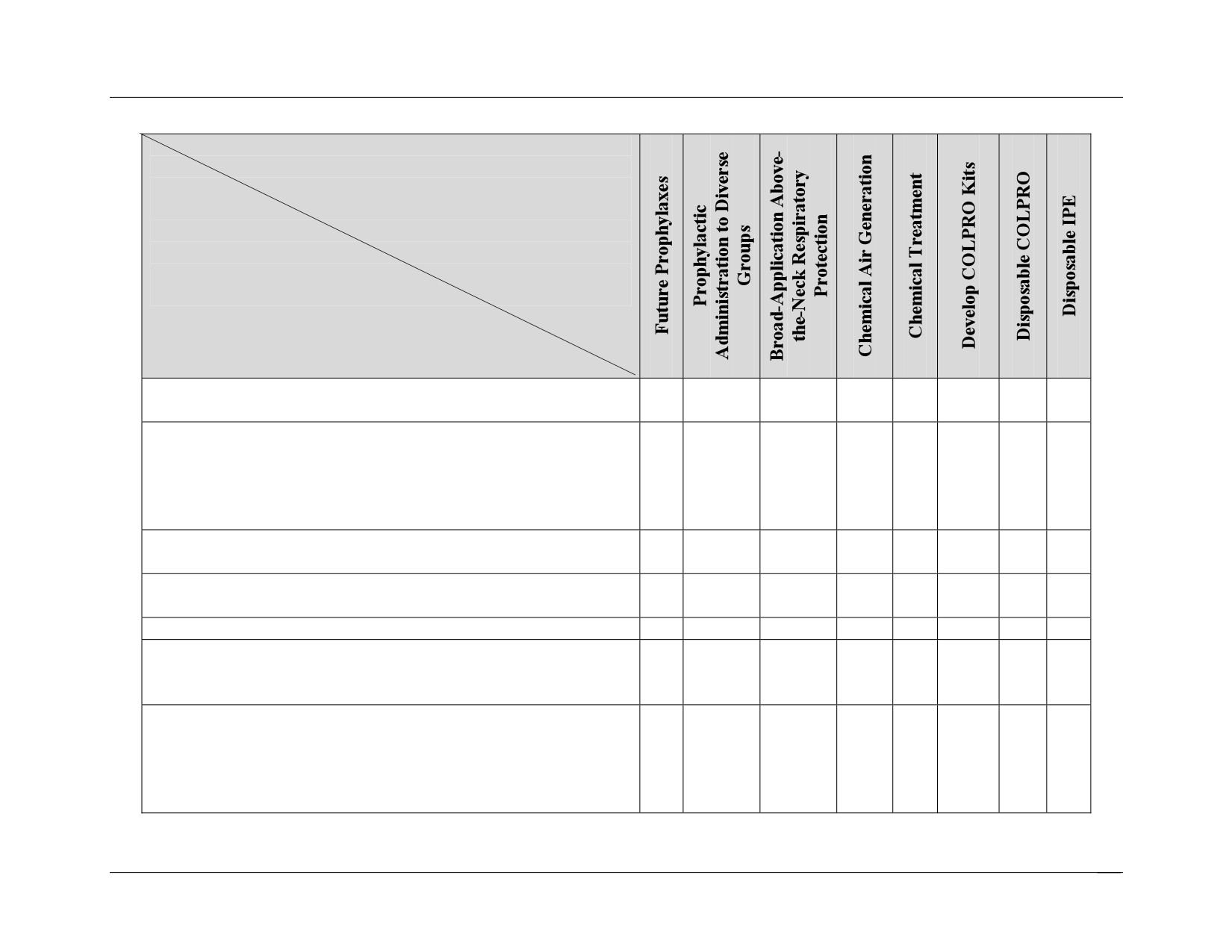
Table 13.14-3. TASHLD 14: IMA Assessment (continued)
Ideas for Material
Approaches
(IMA)
Identified Gaps
CBRN/TIM protective packagings are limited or not identified
X
X
for other than specialized functions.
Movement of CBRN/TIM contaminated material is generally
limited initially to tactical ground transport. Air transport
(tactical rotary-wing) is a last resort due to concerns about asset
X
X
X
contamination. Tactical and strategic fixed-wing air transport is
not considered an acceptable means of transport.
CBRND protective equipment and measures do not protect
X
X
X
X
X
X
X
X
against all CBRN/TIM agents.
Medical prophylaxis does not exist for all threat CBRN/TIM
X
X
and TIM agents.
Prophylaxis for MWA is virtually nonexistent.
X
X
The predominant means of protection of supporting assets is
decontamination of the asset following secondary
X
X
X
exposure/contamination.
The issue and administration of prophylaxis to eligible civilians
requires review due to questions regarding applicability to the
range of body types, ages, and physical/medical factors inherent
X
X
within a potential population, as well as possible long-term
health issues and legal implications.
For Official Use Only
297
For Official Use Only
CBRND Functional Needs Analysis/Functional Solution Analysis
Chapter 13 Tactical Shield Tasks
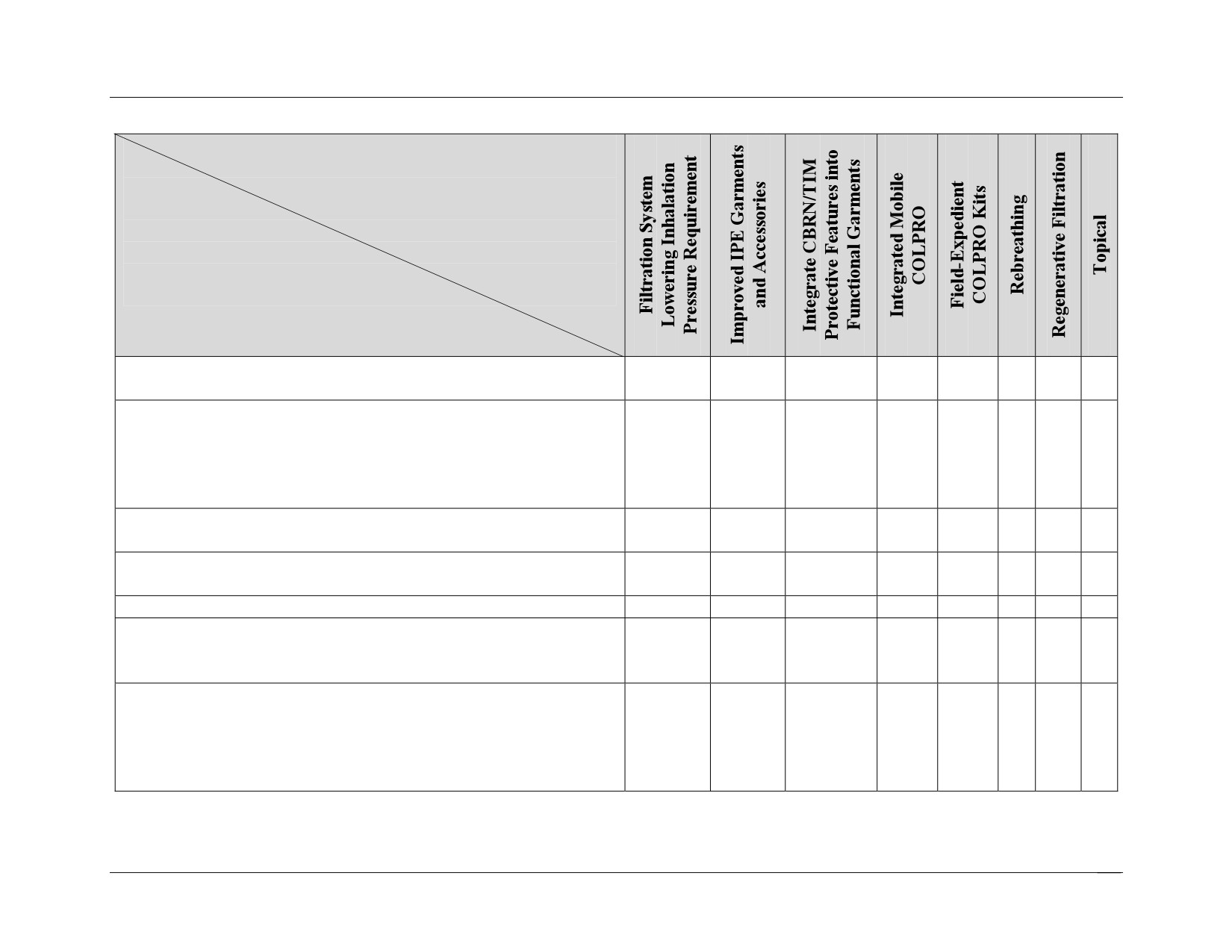
Table 13.14-3. TASHLD 14: IMA Assessment (continued)
Ideas for Material
Approaches
(IMA)
Identified Gaps
CBRN/TIM protective packagings are limited or not identified
X
for other than specialized functions.
Movement of CBRN/TIM contaminated material is generally
limited initially to tactical ground transport. Air transport (tactical
rotary-wing) is a last resort due to concerns about asset
X
X
X
contamination. Tactical and strategic fixed-wing air transport is
not considered an acceptable means of transport.
CBRND protective equipment and measures do not protect
X
X
X
X
X
X
X
X
against all CBRN/TIM agents.
Medical prophylaxis does not exist for all threat CBRN/TIM and
X
TIM agents.
Prophylaxis for MWA is virtually nonexistent.
X
The predominant means of protection of supporting assets is
decontamination of the asset following secondary
X
X
X
exposure/contamination.
The issue and administration of prophylaxis to eligible civilians
requires review due to questions regarding applicability to the
range of body types, ages, and physical/medical factors inherent
X
within a potential population, as well as possible long-term health
issues and legal implications.
For Official Use Only
298
For Official Use Only
CBRND Functional Needs Analysis/Functional Solution Analysis
Chapter 14. Strategic National Sustain Tasks
CHAPTER 14. STRATEGIC NATIONAL SUSTAIN
TASKS
For Official Use Only
For Official Use Only
CBRND Functional Needs Analysis/Functional Solution Analysis
Chapter 14. Strategic National Sustain Tasks
Table of Contents
List of Acronyms
ii
14.0
Strategic National Sustain
1
14.1
Task SNSUST 1: Establish restoration operation agreements and policies with
allies, allied military organizations, potential host nations, and coalition partners
5
14.2
Task SNSUST 2: Establish international decontamination standards and policies
11
14.3
Task SNSUST 3: Establish policies and guidelines for joint restoration operations
16
14.4
Task SNSUST 4: Establish policies and guidelines for post-conflict remediation
of restoration operation sites
20
14.5
Task SNSUST 5: Establish policies and guidelines for interagency roles and
responsibilities for restoration operations
24
14.6
Task SNSUST 6: Establish multinational interoperability standards for restoration
operations
28
14.7
Task SNSUST 7: Establish international infectious disease quarantine and
isolation standards and policies for biological warfare attacks
34
14.8
Task SNSUST 8: Determine restoration operations impact on strategic
deployment, sustainment, and redeployment
38
14.9
Task SNSUST 9: Supply strategic forces and assets with adequate
decontamination capability
44
14.10
Task SNSUST 10: Establish forward presence of decontamination units and
facilities in theater
50
14.11
Task SNSUST 11: Provide restoration operation “Global Family of Engagement
Plan” policies and guidelines to combatant commanders
55
14.12
Task SNSUST 12: Coordinate CBRN elimination operations
59
i
For Official Use Only
For Official Use Only
CBRND Functional Needs Analysis/Functional Solution Analysis
Chapter 14. Strategic National Sustain Tasks
14.0 Strategic National Sustain
14.0.1
Introduction
At the strategic level of war, a nation, often as a member of a group of nations, determines
national or multinational (alliance or coalition) security objectives and guidance, and develops
and uses national resources to accomplish these objectives. Activities at this level establish
national and multinational military objectives, sequence initiatives, define limits and assess risks
for the use of military and other instruments of national power, develop global plans or theater
war plans to achieve these objectives, and provide military forces and other capabilities in
accordance with strategic plans. The Strategic National sublevel encompasses U.S. Department
of Defense (DoD), service, and interagency tasks. Twelve Strategic National Sustain tasks were
identified in the chemical, biological, radiological, and nuclear (CBRN) Functional Area
Analysis (FAA), including a task for elimination operations. However, the detailed analysis of
the elimination tasks has been deferred to the Joint Requirements Office for Chemical,
Biological, Radiological, and Nuclear Defense (JRO-CBRND-sponsored FAA/Functional Needs
Analysis (FNA) of the weapons of mass destruction (WMD) elimination and interdiction
functional areas.
This chapter, detailing the Strategic National (SN) Sustain (SUST) area, restates relevant
information from the CBRND Defense (CBRND) FAA including a description of each of the 12
SNSUST tasks, derivation of the task, an indication of other linked tasks, and the pertinent
conditions. The Functional Needs Analysis (FNA) section addresses the capability and
deficiency analysis and a brief description of potential near-term changes. Once all the
capabilities are considered, the assessment concludes with a separate, overarching look at the
entire capability spectrum to identify remaining gaps and/or synergies. The FSA section
addresses possible solutions for the deficiencies identified in the FNA section. These are
categorized into materiel or non-materiel. The non-materiel solutions are addressed first and
reflect one or more of the six areas of DOTLPF: doctrine, organization, training, leadership,
personnel, and facilities. If there is no non-materiel solution to the deficiencies, then materiel
solutions are considered. These encompass broad approaches that are not system-specific. These
potential materiel approaches are addressed in the Ideas for Materiel Approaches (IMA) section.
The IMAs provide a possible near- or far-term resolution to identified deficiencies within the
individual capabilities.
Most of the SNSUST tasks involve required capabilities of major staffs or staff sections within
DoD. In those areas where a DoD staff or agency needed to interact within the interagency, the
task focused on DoD capabilities required to facilitate the interaction.
14.0.2
FNA Summary
Table 14.0-1 summarizes the overall current and projected capability to perform the SNSUST
tasks identified in the CBRND FAA. The overall capability to conduct these tasks in the current
time frame is assessed as “red.” The greatest deficiency is the lack of universally accepted
standards of cleanliness for all types of decontamination operations and the development of
policies for detection and verification of those standards. The Office of the Secretary of Defense
1
For Official Use Only
For Official Use Only
CBRND Functional Needs Analysis/Functional Solution Analysis
Chapter 14. Strategic National Sustain Tasks
(OSD) and the Chairman of the Joint Chiefs of Staff (CJCS) are responsible for ensuring that
military representatives are able to coordinate with allies, allied military organizations, potential
host nations, and coalition partners for the development of policies and planning for restoration
operations within an active theater under military control to limit potential CBRN hazards. The
capability to establish restoration operation agreements and policies exists now administratively.
Mechanisms currently used are North Atlantic Treaty Organization (NATO) working groups that
develop Standardization Agreements (STANAGs) and Allied Joint Publications (AJPs) as well
as American, British, Canadian, and Australian Armies Program (ABCA) Quadrapartite working
groups. Ad hoc formations of coalitions can include establishment of policies, responsibilities,
and procedures for restoration operations required from CBRN contamination if the threat
situation warrants. While the current state of “tactical-level” agreements and policies is mature
and robust, those agreements and policies do not reflect the needs of operational level and above
multinational organizations, therefore no standardized agreements; doctrine; and tactics,
techniques, and procedures (TTPs) have resulted for these levels of war. Tasks for establishing a
variety of policies and guidelines for joint restoration operations and post-conflict remediation of
restoration operation sites have not been accomplished. While the Joint Staff has the ability to
perform these tasks, it has not yet done so. In addition, there is little in the way of operational
level and above experience, doctrine, or TTPs to help guide the process. At a minimum, the
projected capability will improve to “yellow” following a decision to act on these requirements.
Table 14.0-1. Strategic National Sustain Summary FNA Findings
Capability
Task
CBRN Strategic National Sustain Task Title
Number
Near/
Current
Far
Mid
Establish restoration operation agreements and
SNSUST 1
policies with allies, allied military organizations,
•
•
•
potential host nations, and coalition partners.
Establish international decontamination
SNSUST 2
standards and policies.
•
•
•
Establish policies and guidelines for joint
SNSUST 3
restoration operations.
•
•
•
Establish policies and guidelines for post-
SNSUST 4
conflict remediation of restoration operation
•
•
•
sites.
Establish policies and guidelines for interagency
SNSUST 5
roles and responsibilities for restoration
•
•
•
operations.
Establish multinational interoperability standards
SNSUST 6
for restoration operations.
•
•
•
Establish international infectious disease
SNSUST 7
quarantine and isolation standards and policies
•
•
•
for biological warfare attacks.
2
For Official Use Only
For Official Use Only
CBRND Functional Needs Analysis/Functional Solution Analysis
Chapter 14. Strategic National Sustain Tasks
Determine restoration operations impact on
SNSUST 8
strategic deployment, sustainment, and
•
•
•
redeployment.
Supply strategic forces and assets with adequate
SNSUST 9
decontamination capability.
•
•
•
Establish forward presence of decontamination
SNSUST 10
units and facilities in theater.
•
•
•
Provide restoration operation “Global Family of
SNSUST 11
Engagement Plan” policies and guidelines to
•
•
•
combatant commanders.
SNSUST 12
Coordinate CBRN elimination operations.
NA
NA
NA
OVERALL
•
•
•
14.0.3
FSA Summary
The paragraphs below summarize the assessment of all potential doctrine, organization, training,
materiel, leadership and education, personnel, and facilities (DOTMLPF) (non-materiel and
materiel) solutions for the capability gaps identified in the FNA section.
14.0.3.1
DOTLPF
The DOTLPF solutions identified in this chapter are associated primarily with actions that must
include concept development to provide the basis for policy and guidelines for the majority of
national-level tasks. The greatest need is the establishment of universally accepted standards of
cleanliness for all types of decontamination operations and the development of policies for
detection and verification of those standards. Concepts must also be developed that will guide
operational and above conduct of multinational restoration operations and experimentation
conducted to refine the concepts. Refined concepts must be tested in full-scale exercises and
lessons learned applied to the writing of and revision of concepts, doctrine, and TTPs. Other
solutions include the development of leader education programs and increasing the capability of
CBRND staffs at all levels. CJCS and interagency partners must work out procedures and
exercise scenarios for the complex interactions between agencies required before, during, and
after CBRND restoration operations. The Emergency Support Functions (ESF) in the Federal
Response Plan provide a framework for defining these responsibilities. The current version of the
Universal Joint Task List (UJTL) does not apply outside DoD although future editions are
intended for the interagency audience. Interagency roles and responsibilities must be defined,
especially for post-conflict aspects of restoration operations. Other solutions include the
development of leader education programs for interagency, CBRND, and non-CBRND leaders.
Few exercises and little experimentation have taken place to facilitate the formulation of data
useful for Joint Capabilities Integration and Development System (JCIDS) analysis at the
operational level and above. It is imperative that these exercises/experiments take place and
lessons learned be integrated into doctrine, TTPs, and guidance and further tested through
exercises. Only then can JCIDS analysis truly identify capability gaps and requirements. Other
3
For Official Use Only
For Official Use Only
CBRND Functional Needs Analysis/Functional Solution Analysis
Chapter 14. Strategic National Sustain Tasks
solutions include the development of leader education programs for both CBRND and non-
CBRND leaders and automated system enhancements and tools that will help with the
integration of decontamination tasks into exercises and the follow-on gathering of data for
analysis.
14.0.3.2
IMA
The Global Command and Control System (GCCS) does not provide useful information on
restoration operations for deployment, sustainment, and redeployment considerations and does
not receive information from the Joint Warning and Reporting Network (JWARN). An
automated system must be developed to provide location (global positioning system [GPS]) and
unit/activity restoration operation status through component command unit communication
systems into the NBC (Nuclear, Biological, and Chemical) Battle Management System and from
there into JWARN and GCCS. Systems must be automatic and provide analysis of impact of
restoration operations on strategic deployment, sustainment, and redeployment. Automated tools
must be developed that take the relevant data (when gathered) and provide a means to forecast
strategic force restoration operation requirements.
4
For Official Use Only
For Official Use Only
CBRND Functional Needs Analysis/Functional Solution Analysis
Chapter 14. Strategic National Sustain Tasks
14.1
Task SNSUST 1: Establish restoration operation agreements and policies with allies,
allied military organizations, potential host nations, and coalition partners
14.1.1
Functional Area Analysis
14.1.1.1
Definition
To seek out those countries with which the United States will cooperate during potential military
operations. Prearranged agreements prior to combat operations will facilitate restoration
operations in the event of CBRN/toxic industrial material (TIM) contamination of forces,
equipment, and facilities. Per QDR 2001, U.S. alliances, as well as a wide range of bilateral
security relationships, are a centerpiece of U.S. security. In conjunction with interagency
partners, CJCS will establish agreements with allies and potential coalition host nations to
establish policy, responsibilities, and procedures for restoration operations required from
CBRN/TIM contamination. As circumstances change, the agreements are subsequently reworked
and maintained to include international agreements for post-conflict remediation of restoration
operation sites.
14.1.1.2
Derivation
UJTL (SN 9.2.2, SN 7.5, SN 8.1.12), QDR 2001
14.1.1.2.1
Supported Task: N/A
14.1.1.2.2
Lateral Task: SNSHA 3
14.1.1.2.3
Supporting Tasks: STSUST 4, STSUST 7
14.1.1.3
Condition
Perform this task under conditions of:
Physical. N/A
Military
1. Partial preexisting arrangements. (C2.1.1.2)
2. Limited personnel expertise. (C2.2.4.5)
3. Ambiguous threat. (C2.9.3)
Civil
1. Limited foreign government support. (C3.1.2.3)
2. Moderately opposed foreign public opinion. (C3.1.2.4)
5
For Official Use Only
For Official Use Only
CBRND Functional Needs Analysis/Functional Solution Analysis
Chapter 14. Strategic National Sustain Tasks
14.1.2
Functional Needs Analysis
14.1.2.1
Capability and Deficiency Assessment Summary
Table 14.1-1 discusses the only capabilities that currently exist to perform the task to the
designated standards. No other capabilities are projected that will accomplish this task.
Current Capability and Deficiency
The current assessment is “yellow.” OSD and the CJCS are responsible for ensuring that military
representatives are able to coordinate with allies, allied military organizations, potential host
nations, and coalition partners for the development of policies and planning for restoration
operations within an active theater under military control to limit potential CBRN hazards. The
capability to establish restoration operation agreements and policies exists now administratively.
Mechanisms currently used are NATO working groups that develop STANAGs and AJPs as well
as ABCA Quadrapartite working groups. Ad hoc formations of coalitions can include
establishment of policies, responsibilities, and procedures for restoration operations required
from CBRN contamination if the threat situation warrants. The ABCA Coalition Operations
Handbook provides a good point of departure for establishing restoration operations policies
within newly formed coalitions. Combatant command (COCOM) staffs can formulate these
types of ad hoc agreements (with State Department permission/cooperation in peacetime) or
through Theater Engagement Plans that conform to CBRND initiatives in the “Global Family of
Engagement Plans” (see Task SNSUST 11).
Projected Near/Mid-Term Capability and Deficiency
No other capabilities are currently projected for the near/mid term. No capability improvements
are forecast for the near/mid term.
Projected Far-Term Capability and Deficiency
No other capabilities are currently projected for the far-term future. DOTMLPF should improve
in all deficient areas as a result of initiatives that use data resulting from focused
experimentation. Joint TTPs (JTTPs), training and exercises, and education will all improve
leading to a far-term assessment of “green.”
6
For Official Use Only
For Official Use Only
CBRND Functional Needs Analysis/Functional Solution Analysis
Chapter 14. Strategic National Sustain Tasks
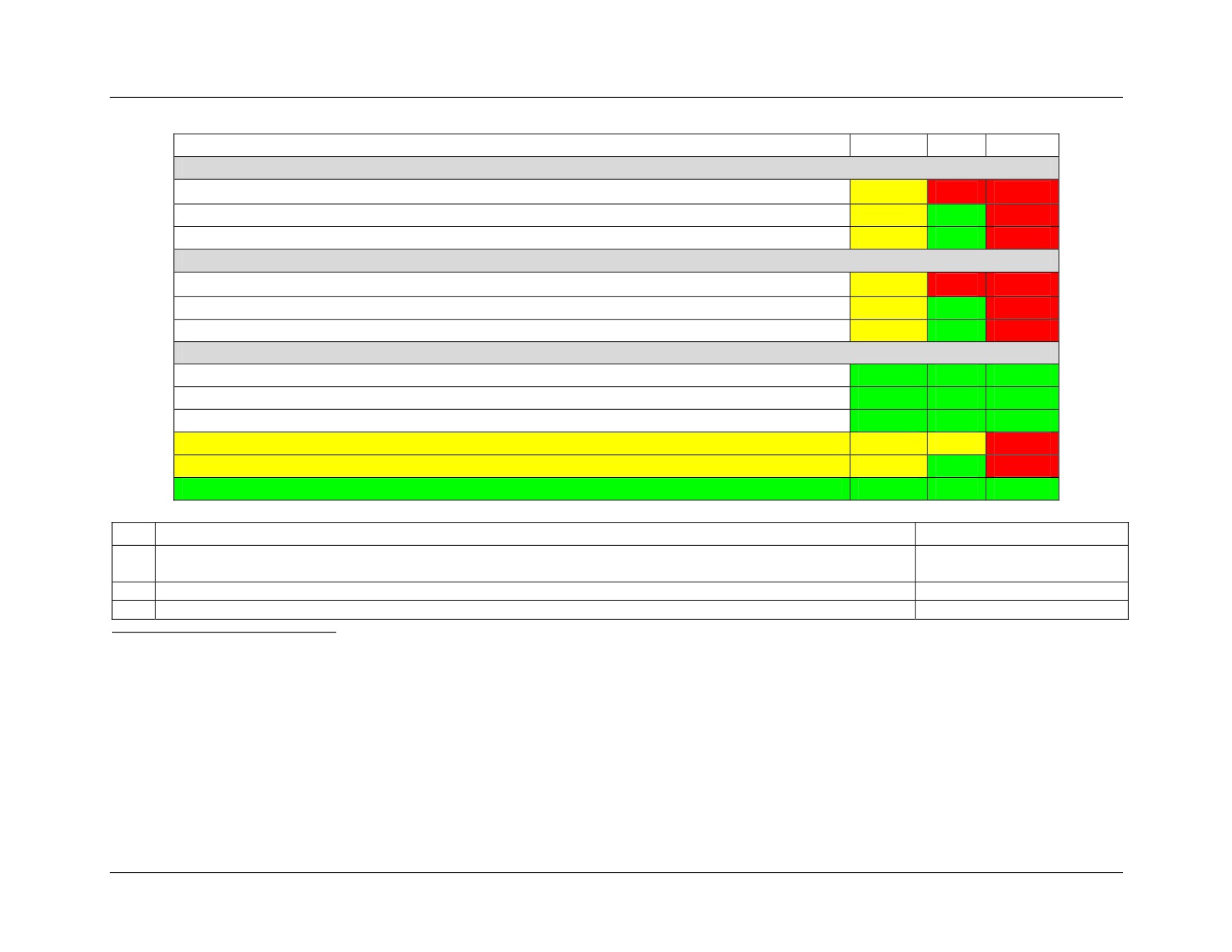
Table 14.1-1. SNSUST 1: Capability and Deficiency Assessment
Capability/Measure
M1
M2
M3
Current
COCOMs (U.S. Forces, Korea [USFK]) using Theater Engagement.
Y1
R2
R3
American, British, Canadian, and Australian Armies Program (ABCA) (Quadripartite)
Y4
G5
R6
NATO Working Group
Y7
G8
R9
Near/Mid
COCOMs (USFK) using Theater Engagement.
Y10
R
R
American, British, Canadian, and Australian Armies Program (ABCA) (Quadripartite)
Y11
G
R
NATO Working Group
Y12
G
R
Far
COCOMs (USFK) using Theater Engagement.
G13
G
G
American, British, Canadian, and Australian Armies Program (ABCA) (Quadripartite)
G14
G
G
NATO Working Group
G15
G
G
Current Overall Capability
Y
Y
R
Near/Mid-Term Overall Capability
Y
G
R
Far-Term Overall Capability
G
G
G
FAA Measure
Scale
M1
Restoration operation agreements and policies have been established with all nonadversary nations prior to combat
G - Yes, Y - Limited, R - No
operations.
M2
Existing agreements and policy statements are updated regularly.
G - Yes, Y - Limited, R - No
M3
International exercises/experimentation provide feedback on efficacy of agreements and policy.
G - Yes, Y - Limited, R - No
1 Nothing precludes COCOM staff from accomplishing this task, and in other areas of CBRND, particularly within Central Command and USFK, engagement and cooperation
have taken place to varying degrees. USFK has the most robust cooperation on CBRND. But broadly speaking, restoration operation theater engagement plan (TEP) has so far not
been initiated. The Joint Forces Staff College is interested in using CBRND issues in its TEP training curriculum.
2 There are no restoration operation agreements or policy statements within the framework of TEP at this time.
3 While there have been many international exercises, an exercise focused on restoration of operations has not been conducted. The Restoration Operations (RESTOPS) Advanced
Concept Technology Demonstration (ACTD) (USFK), when published. will provide information about fixed-site restoration but does not focus on multinational restoration
operations.
4 Basic agreements and policies relating to many aspects of CBRND interoperability have been established for the four-member Quadrapartite Armies. Many interoperability
issues for restoration operations remain, particularly issues at higher than tactical level
5 Working groups update agreements and policies on a regular basis. The updates to agreements and policies relating to restoration are limited to the comprehensiveness of the
initial products.
6 While Quadrapartite exercises usually take place every two years, many focusing on interoperability, an exercise focused on restoration of operations has not been conducted.
7
For Official Use Only
For Official Use Only
CBRND Functional Needs Analysis/Functional Solution Analysis
Chapter 14. Strategic National Sustain Tasks
7 Basic agreements and policies relating to many aspects of CBRND interoperability and common policies have been established (primarily in the form of STANAGs) for all of the
26 member nations that will provide military forces. Cooperation with Russia and other “partner” countries on defense against CBRN is also increasing. Many interoperability
issues for restoration operations remain, particularly issues at higher than tactical level.
8 Working groups update agreements and policies on a regular basis. The updates to agreements and policies relating to restoration are limited to the comprehensiveness of the
initial products.
9 While there have been many international exercises, an exercise focused exclusively on restoration of operations has not been conducted. When published, the RESTOPS ACTD
(USFK) will provide information about fixed sites.
10 Limited changes/improvements are expected in the near/mid term.
11 Limited changes/improvements are expected in the near/mid term.
12 Limited changes/improvements are expected in the near/mid term.
13 Continual improvements are expected across the board as COCOM exercises/experimentation efforts provide valuable lessons learned at appropriate levels.
14 Continual improvements are expected across the board as ABCA exercises/experimentation efforts provide valuable lessons learned at appropriate levels.
15 Continual improvements are expected across the board as NATO exercises/experimentation efforts provide valuable lessons learned at appropriate levels.
8
For Official Use Only
For Official Use Only
CBRND Functional Needs Analysis/Functional Solution Analysis
Chapter 14. Strategic National Sustain Tasks
14.1.3
Functional Solution Analysis
14.1.3.1
DOTLPF Assessment Summary
This section addresses the deficiencies and suggests potential non-materiel solutions. If there are
no non-materiel solutions, or they are only partial solutions, the remaining non-materiel need is
then stated. Materiel needs are assessed in the IMA section.
1.
Deficiency: No restoration operation agreements and policies with allies, allied military
organizations, potential host nations, and coalition partners that focus at operational level and
above.
Non-Materiel Solutions: Doctrine: Establish agreements and policies with allies, allied
military organizations, potential host nations, and coalition partners to include restoration
operations considerations at operational level and above. This task will likely have to be done
in conjunction with new exercises and experiments.
2.
Deficiency: No international exercises focused on restoration operations.
Non-Materiel Solutions: Doctrine: Provide input to working groups and councils to
establish policies and guidelines to include operational-level and above restoration operations
in international exercises. Training: Develop exercises that focus on multinational restoration
operations considerations at operational level and above. Multinational and coalition training
exercises at the Joint National Training Center (JNTC) must test and capture lessons learned
on joint and combined restoration operations. Facilities: Incorporate telemetrics and
infrastructure to support operational-level and above multinational restoration operation
training at JNTC.
3.
Deficiency: No concepts/doctrine have been established for operational level and above.
Non-Materiel Solutions: Doctrine: Establish doctrine, i.e., staff guidance, that focuses on
operational-level and above restoration operations considerations (Chairman of the Joint
Chiefs of Staff Instruction [CJCSI], Chairman of the Joint Chiefs of Staff Manual [CJCSM],
or JTTPs). This task will likely have to be done in conjunction with new exercises and
experiments. Doctrinal publications provide no guidance useful for developing international
restoration policies at this level. Joint Publication (JP) 3-11 provides operational-/tactical-
level decontamination considerations only. STANAG 2426 (NBC Contamination Control
Policy for NATO Forces), a successful example of the process, still has flaws. The progress
of Quadripartite Standardization Agreement (QSTAG) 1335 (NBC Decontamination,
Following ABCA Operations, For Redeployment And/Or Recovery) has been hampered by an
inability to develop international standards for contamination levels. Key to defining
restoration policies is reaching agreement among subject matter experts as to what constitutes
an acceptable level of contamination. Debate on how clean is “clean” will continue until
international standards are developed and codified. International standards on acceptable
levels of contamination must be developed. Medical experts must define acceptable levels of
hazard to permit development of sensitive detection devices and effective decontaminants.
As lessons are learned from JNTC and theater-level multinational exercises, doctrine must be
developed that can be incorporated into pertinent joint publications.
9
For Official Use Only
For Official Use Only
CBRND Functional Needs Analysis/Functional Solution Analysis
Chapter 14. Strategic National Sustain Tasks
4. Deficiency: There is no Joint Professional Military Education (JPME) leader education on
multinational restoration operations or TEP.
Non-Materiel Solutions: Leadership: Once concepts and doctrine are developed, include as
learning areas in JPME requirements. Work with the Joint Forces Staff College (JFSC) to
integrate restoration operations into TEP curriculum.
5. Deficiency: CBRND Staffs do not have adequate capability, experience, or education.
Non-Materiel Solutions: Organization: Analyze CBRND staffing in all organizations in
light of the tasks required of them in this JCIDS. Recommend staffing/organizational
changes, enhancements, or alternative fixes as required. Leadership: Analyze training/
education received by CBRND specialists assigned to joint staffs. Recommend training/
education changes, enhancements, or alternative fixes as required. Personnel: Analyze
experience base of CBRND specialists assigned to joint staffs. Recommend career track
changes, prerequisites, enhancements, or alternative fixes as required.
14.1.3.2
IMA Assessment Summary
N/A
10
For Official Use Only
For Official Use Only
CBRND Functional Needs Analysis/Functional Solution Analysis
Chapter 14. Strategic National Sustain Tasks
14.2
Task SNSUST 2: Establish international decontamination standards and policies
14.2.1
Functional Area Analysis
14.2.1.1
Definition
To determine internationally accepted standards of decontamination and establish globally
accepted policy for determining compliance and enforcement of the standards. Decontamination
standards and policy must be established prior to combat operations and maintained with allies
and potential coalition hosts and partners. Further, it is important to have globally accepted
standards to facilitate international cooperation during periods of CBRN/TIM emergencies
resulting in widespread contamination and to clarify when once contaminated assets may be
returned to unrestricted utility. Decontamination standards will provide common measures for
assessing levels of decontamination. Furthermore, it is important to have globally accepted
standards to facilitate international cooperation during CBRN/TIM emergencies with widespread
contamination. As circumstances change (e.g., sensitive detection devices needed for hazardous
low-dosage agents), the standards will need to be subsequently reworked and maintained.
14.2.1.2
Derivation
UJTL (SN 9.2.2, SN 7.5, SN 8.1.12)
14.2.1.2.1
Supported Task: N/A
14.2.1.2.2
Lateral Task: SNSHA 3
14.2.1.2.3
Supporting Task: STSUST 4
14.2.1.3
Condition
Perform this task under conditions of:
Physical. N/A
Military
1. No preexisting arrangements. (C2.1.1.2)
2. Limited personnel expertise. (C2.2.4.5)
3. Restricted information exchange. (C2.3.1.8)
4. Ambiguous threat. (C2.9.3)
Civil
1. Mixed support for political policies. (C3.1)
2. Limited foreign government support. (C3.1.2.3)
11
For Official Use Only
For Official Use Only
CBRND Functional Needs Analysis/Functional Solution Analysis
Chapter 14. Strategic National Sustain Tasks
14.2.2
Functional Needs Analysis
14.2.2.1
Capability and Deficiency Assessment Summary
Table 14.2-1 discusses the only capabilities that currently exist to perform the task to the
designated standards. No other capabilities are projected that will accomplish this task.
Current Capability and Deficiency
The current assessment is “red.” OSD and the CJCS are responsible for ensuring that military
representatives are able to coordinate with allies, allied military organizations, potential host
nations, and coalition partners for establishing decontamination standards and policies. The
capability to establish decontamination standards and policies exists now administratively.
Mechanisms currently used are NATO working groups that develop Standardization Agreements
(STANAGs) and Allied Joint Publications (AJPs) as well as ABCA Quadrapartite working
groups. The most significant technical hurdle is the lack of agreement about decontamination
standards for movement of previously contaminated equipment.
Projected Near/Mid-Term Capability and Deficiency
No other capabilities are currently projected for the near/mid term. Limited changes
/improvements are expected in the near/mid term.
Projected Far-Term Capability and Deficiency
No other capabilities are currently projected for the far-term future. Limited improvements are
expected across the board although NATO exercises/experimentation efforts will provide
valuable lessons learned at appropriate levels. Little progress is expected until standards that
define how clean is “clean” are established and accepted throughout the international
community.
12
For Official Use Only
For Official Use Only
CBRND Functional Needs Analysis/Functional Solution Analysis
Chapter 14. Strategic National Sustain Tasks
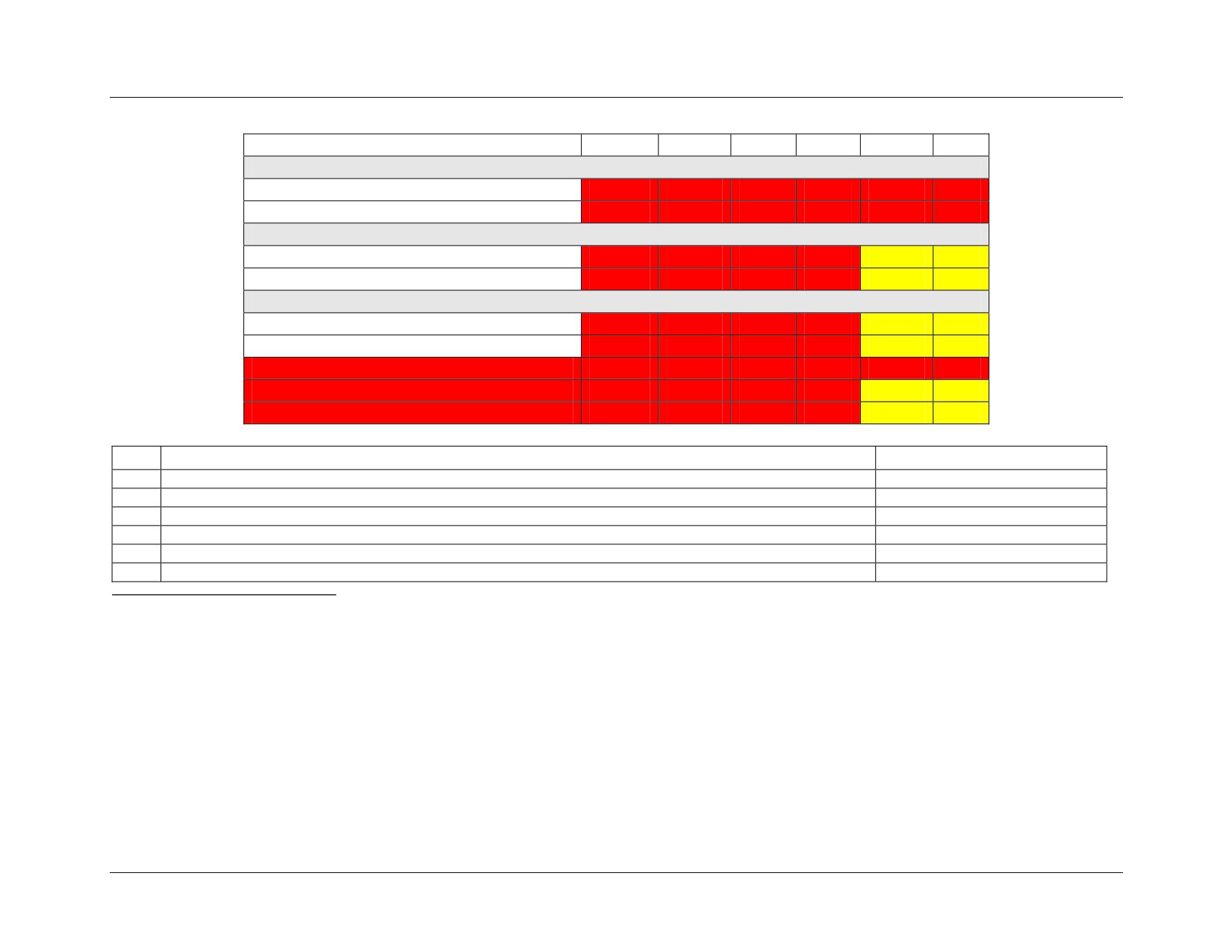
Table 14.2-1. SNSUST 2: Capability and Deficiency Assessment
Capability/Measure
M1
M2
M3
M4
M5
M6
Current
ABCA Quadrapartite Working Group
R1
R2
R3
R4
R5
R6
NATO Working Groups
R7
R8
R9
R10
R11
R12
Near-Mid
ABCA Quadrapartite Working Group
R13
R
R
R
Y14
Y15
NATO Working Groups
R16
R
R
R
Y17
Y18
Far
ABCA Quadrapartite Working Group
R19
R
R
R
Y
Y
NATO Working Groups
R20
R
R
R
Y
Y
Current Overall Capability
R
R
R
R
R
R
Near/Mid-Term Overall Capability
R
R
R
R
Y
Y
Far-Term Overall Capability
R
R
R
R
Y
Y
FAA Measure
Scale
M1
Internationally accepted standards of decontamination are established.
G - Yes, Y - Limited, R - No
M2
Policy for determining compliance with and enforcement of standards is established.
G - Yes, Y - Limited, R - No
M3
Standards are modified after advances in detection technology enable lower levels of agent detection.
G - Yes, Y - Limited, R - No
M4
Existing policy is updated regularly.
G - Yes, Y - Limited, R - No
M5
International exercises/experimentation provide feedback on efficacy of standards and policy.
G - Yes, Y - Limited, R - No
M6
Mechanism/international body is established to facilitate agreement on decontamination standards.
G - Yes, Y - Limited, R - No
1 No internationally accepted standards of decontamination are established. Standard agreements outlining doctrinal procedures for conducting decontamination at the tactical level
do exist. But standards that define how clean is “clean” after decontamination do not currently exist.
2 No policies for determining compliance with and enforcement of standards are established.
3 No standards currently exist to be modified.
4 No policies are in place to be updated.
5 Because the standards do not exist, they have never been exercised or been part of experimentation.
6 No doctrine has been developed other than defining tactical-level decontamination to be done to limit mission degradation.
7 No internationally accepted standards of decontamination are established. Standard agreements outlining doctrinal procedures for conducting decontamination at the tactical level
do exist. But standards that define how clean is “clean” after decontamination do not currently exist.
8 No policies for determining compliance with and enforcement of standards are established.
9 No standards currently exist to be modified.
10 No policies are in place to be updated.
11 Because the standards do not exist, they have never been exercised or been part of experimentation.
12 No doctrine has been developed other than defining tactical-level decontamination to be done to limit mission degradation.
13
For Official Use Only
For Official Use Only
CBRND Functional Needs Analysis/Functional Solution Analysis
Chapter 14. Strategic National Sustain Tasks
13 Limited changes/improvements are expected in the near/mid term.
14 Limited improvements and new experimental progress will yield usable data in the near/mid to far term.
15 As a result of anticipated experimentation, DOTLPF will improve in the near/mid to far term.
16 Limited changes/improvements are expected in the near/mid term.
17 Limited improvements and new experimental progress will yield usable data in the near/mid to far term.
18 As a result of anticipated experimentation, DOTLPF will improve in the near/mid to far term.
19 Limited improvements are expected across the board as ABCA exercises/experimentation efforts provide valuable lessons learned at appropriate levels. Little progress is
expected until standards that define how clean is “clean” are established and accepted throughout the international community.
20 Limited improvements are expected across the board as NATO exercises/experimentation efforts provide valuable lessons learned at appropriate levels. Little progress is
expected until standards that define how clean is “clean” are established and accepted throughout the international community.
14
For Official Use Only
For Official Use Only
CBRND Functional Needs Analysis/Functional Solution Analysis
Chapter 14. Strategic National Sustain Tasks
14.2.3
Functional Solution Analysis
14.2.3.1
DOTLPF Assessment Summary
This section addresses the deficiencies and suggests potential non-materiel solutions. If there are
no non-materiel solutions, or they are only partial solutions, the remaining non-materiel need is
then stated. Materiel needs are assessed in the IMA section.
1.
Deficiency: No decontamination standards and policies (above tactical level) with allied
military organizations, potential host nations, and coalition partners.
Non-Materiel Solutions: Doctrine: Establish decontamination standards and policies with
allied military organizations, potential host nations, and coalition partners to include
detection standards for previously contaminated materiel and equipment.
2.
Deficiency: No doctrine has been developed that would lead to a universally agreed upon
standard of decontamination that would satisfy cross-border movement of previously
contaminated equipment.
Non-Materiel Solutions: Doctrine: JP 3-11 provides no definitive guidance for the
establishment of international decontamination standards. Again, the problem is rooted
primarily in a lack of internationally agreed-upon levels of decontamination/permissible level
of contamination. The progress in the development of draft QSTAG 1335 (NBC
Decontamination, Following ABCA Operations, for Redeployment and/or Recovery) has
been hampered by an inability to develop international standards for contamination levels.
The concept of “clearance decontamination” ideally describes the ultimate result of definitive
guidance and standards. Clearance decontamination is defined in AJP 3-8 as
“decontamination of equipment and/or personnel on temporary or permanent removal from
an operation to a standard sufficient to allow unrestricted transportation, maintenance,
employment and disposal.” The development of international standards would ideally
provide a mechanism for the transport of previously contaminated military equipment across
international borders once the equipment was certified as having met the standard.
Complicating the establishment of these standards is the fact that establishment of
contamination standards is a civil, as well as a military, problem. Civil authorities have a
responsibility to safeguard their citizens and dare not allow previously contaminated material
to enter their countries unless they meet (yet to be established) agreed upon and certifiable
standards. Commercial industrial organizations, particularly in the transport sector, must be
assured that neither transport personnel nor equipment will be harmed by hazards that cannot
be detected by current technology or exists at levels that have not yet been determined to be
hazardous.
14.2.3.2
IMA Assessment Summary
N/A
15
For Official Use Only
For Official Use Only
CBRND Functional Needs Analysis/Functional Solution Analysis
Chapter 14. Strategic National Sustain Tasks
14.3
Task SNSUST 3: Establish policies and guidelines for joint restoration operations
14.3.1
Functional Area Analysis
14.3.1.1
Definition
To establish, prior to combat operations, and then maintain policy and guidelines that will
facilitate the planning and execution of joint restoration operations. CJCS, rather than individual
commanders, must provide guidance on support to special operations forces (SOF) and foreign
consequence management (CM) to facilitate intertheater standardization of restoration
operations. This action must be accomplished by CJCS rather than individual combatant
commands to facilitate intertheater standardization of restoration operations. Includes guidance
on support to SOF and support required for foreign CM.
14.3.1.2
Derivation
UJTL (SN 9.2.2, SN 7.5, SN 5.4.2, SN 8.1.12)
14.3.1.2.1
Supported Task: N/A
14.3.1.2.2
Lateral Task: SNSHA 8
14.3.1.2.3
Supporting Tasks: STSUST 1, STSUST 2
14.3.1.3
Condition
Perform this task under conditions of:
Physical. N/A
Military
1. No preexisting arrangements. (C 2.1.1.2)
2. Limited personnel expertise. (C2.2.4.5)
Civil. N/A
14.3.2
Functional Needs Analysis
14.3.2.1
Capability and Deficiency Assessment Summary
Table 14.3-1 discusses the only capability that currently exists to perform the task to the
designated standard. No other capability is projected that will accomplish this task.
16
For Official Use Only
For Official Use Only
CBRND Functional Needs Analysis/Functional Solution Analysis
Chapter 14. Strategic National Sustain Tasks
Current Capability and Deficiency
The current assessment is “red.” CJCS has numerous responsibilities to include but not limited to
prepare strategic plans, prepare military strategy and assessments, prepare joint logistic and
mobility plans, etc. The joint staff has the skill and experience to establish policies and
guidelines for joint restoration operations but has not yet done so.
Projected Near/Mid-Term Capability and Deficiency
No other capability is currently projected for the near/mid term. No capability improvement is
forecast for the near/mid term.
Projected Far-Term Capability and Deficiency
DOTMLPF should improve in all deficient areas as a result of initiatives that use data resulting
from focused experimentation. JTTPs, training and exercises, and education will all improve but
lead to a far-term assessment of only “yellow.”
17
For Official Use Only
For Official Use Only
CBRND Functional Needs Analysis/Functional Solution Analysis
Chapter 14. Strategic National Sustain Tasks
Table 14.3-1. SNSUST 3: Capability and Deficiency Assessment
Capability: CJCS
M1
M2
M3
M4
Current Overall Capability1
R2
R3
R4
R5
Near/Mid-Term Overall Capability
R
R
R
R
Far-Term Overall Capability6
Y7
Y
Y
Y
FAA Measure
Scale
M1
Policies and guidelines for joint restoration operations are established.
G - Yes, Y - Limited, R - No
M2
Existing policies and guidelines are updated regularly.
G - Yes, Y - Limited, R - No
M3
Joint exercises/experimentation provides feedback on efficacy of policy and guidelines.
G - Yes, Y - Limited, R - No
M4
Guidelines on supporting SOF and foreign CM are established.
G - Yes, Y - Limited, R - No
1 Little joint doctrine or TTPs have been developed above the tactical level. There is no experience factor in establishing guidance for joint restoration operations at the operational
level and above.
2The joint staff has the basic capability to perform this task but there are currently no policies and guidelines for joint/multinational restoration operations above the tactical level.
There are multi-Service and individual Service policies/tactical guidelines, but no definitive guidelines and policies for joint/multinational forces above the tactical level.
Service/multinational terminology has developed different terms for similar concepts, resulting in potential operational confusion during complex combat operations.
3 There are no policies and guidelines.
4An exercise focused on joint restoration operations has not been conducted. To preclude operational confusion during complex restoration operations, guidelines must be
established and exercised to determine deficiencies.
5 No guidelines on supporting SOF and foreign CM are established, but there is a requirement for COCOMs to develop plans to support requests for foreign CM.
5 There are no policies and guidelines.
6DOTMLPF should improve in all deficient areas as a result of initiatives that use data resulting from focused experimentation.
7The overall status should improve to “yellow” due to a multitude of initiatives but is not anticipated to improve more than that due to the length of time it will take for
experimentation and DOTMLPF initiatives to provide feedback and lessons learned.
18
For Official Use Only
For Official Use Only
CBRND Functional Needs Analysis/Functional Solution Analysis
Chapter 14. Strategic National Sustain Tasks
14.3.3
Functional Solution Analysis
14.3.3.1
DOTLPF Assessment Summary
This section addresses the deficiencies and suggests potential non-materiel solutions. If there are
no non-materiel solutions, or they are only partial solutions, the remaining non-materiel need is
then stated. Materiel needs are assessed in the IMA section.
1. Deficiency: No policies and guidelines for joint restoration operations.
Non-Materiel Solutions: Doctrine: Establish policies and guidelines for joint restoration
operations.
2. Deficiency: No guidelines on supporting SOF and foreign CM are established.
Non-Materiel Solutions: Doctrine: Establish policies and guidelines on supporting SOF and
foreign CM.
3. Deficiency: No exercises focused on restoration operation.
Non-Materiel Solutions: Training: Develop joint exercises that include or focus on joint
restoration operations. Facilities: Incorporate required telemetrics and infrastructure to
support joint restoration operation exercises and experiments at JNTC.
4. Deficiency: No doctrine has been established.
Non-Materiel Solutions: Doctrine: Establish doctrine and TTPs at the operational level and
above, i.e., staff guidance (CJCSI, CJCSM or JTTPs).
5. Deficiency: No JPME education on restoration of operations.
Non-Materiel Solutions: Leadership: Develop JPME leader education on joint restoration
operations. Provide focused education on joint restoration operations to CBRND leaders and
staffers.
14.3.3.2
IMA Assessment Summary
N/A
19
For Official Use Only
For Official Use Only
CBRND Functional Needs Analysis/Functional Solution Analysis
Chapter 14. Strategic National Sustain Tasks
14.4
Task SNSUST 4: Establish policies and guidelines for post-conflict remediation of
restoration operation sites
14.4.1
Functional Area Analysis
14.4.1.1
Definition
To establish, prior to combat operations, policy and guidelines that U.S. forces will adhere to
under circumstances not covered by existing international agreements or agreements with allies,
allied military organizations, potential host nations, and coalition partners. CJCS establishes and
maintains policy/guidelines for post-conflict remediation of restoration operation sites for those
circumstances. The importance of post-conflict CBRND considerations being developed prior to
the conflict to facilitate planning and troop protection has been made patently clear by situations
such as low-level CBRN/TIM hazard considerations during Desert Storm.
14.4.1.2
Derivation
UJTL (SN 9.2.2, SN 5.4.2, SN 8.1.12)
14.4.1.2.1
Supported Task: N/A
14.4.1.2.2
Lateral Tasks: SNSHA 3, SNSHA 8
14.4.1.2.3
Supporting Task: STSUST 3
14.4.1.3
Condition
Perform this task under conditions of:
Physical. N/A
Military
1. No preexisting arrangements. (C2.1.1.2)
2. Limited personnel expertise. (C2.2.4.5)
Civil. N/A
14.4.2
Functional Needs Analysis
14.4.2.1
Capability and Deficiency Assessment Summary
Table 14.4-1 discusses the only capability that currently exists to perform the task to the
designated standard. No other capability is projected that will accomplish this task.
20
For Official Use Only
For Official Use Only
CBRND Functional Needs Analysis/Functional Solution Analysis
Chapter 14. Strategic National Sustain Tasks
Current Capability and Deficiency
The current assessment is “red.” CJCS has numerous responsibilities including but not limited to
preparing strategic plans, military strategy and assessments, joint logistic and mobility plans, etc.
The importance of post-conflict CBRN considerations being developed prior to the conflict to
facilitate planning and troop protection was made patently clear by confusion over low-level
CBRN hazard considerations during Desert Storm. Hazards may extend some distance beyond
the immediate area and all affected areas, to include transfer of contamination by individuals,
animals, vehicles, etc. must be considered. The joint staff has the skill and experience to
establish policies and guidelines for post-conflict remediation of restoration operation sites but
has not yet done so.
Projected Near/Mid-Term Capability and Deficiency
No other capability is currently projected for the near/mid term. Little capability improvement is
forecast for the near/mid term except that DOTMLPF should improve in all deficient areas as a
result of initiatives that use data resulting from focused experimentation.
Projected Far-Term Capability and Deficiency
No other capabilities are currently projected for the far-term future. The overall status should
improve to “yellow” due to a multitude of initiatives but is not anticipated to improve more than
that due to the length of time it will take for experimentation and DOTMLPF initiatives to
provide feedback and lessons learned.
21
For Official Use Only
For Official Use Only
CBRND Functional Needs Analysis/Functional Solution Analysis
Chapter 14. Strategic National Sustain Tasks
Table 14.4-1. SNSUST 4: Capability and Deficiency Assessment
Capability: CJCS
M1
M2
M3
Current Overall Capability1
R2
R3
R4
Near/Mid-Term Overall Capability5
R
R
R
Far-Term Overall Capability
Y6
Y
Y
FAA Measure
Scale
M1
Policies and guidelines for post-conflict remediation of restoration operation sites are established.
G - Yes, Y - Limited, R - No
M2
Policies and guidelines are updated regularly.
G - Yes, Y - Limited, R - No
M3
International/joint exercises or experimentation provide feedback on efficacy of policy and guidelines.
G - Yes, Y - Limited, R - No
1 No joint doctrine or TTPs has been developed above the tactical level. There is no experience factor in establishing guidance for post-conflict remediation of restoration operation
sites at the operational level and above.
2 The joint staff has the basic capability to perform this task but there are currently no policies and guidelines for post-conflict remediation of restoration operation sites.
3 There are no policies and guidelines.
4 An exercise focused on joint restoration operations has not been conducted. To preclude operational confusion during post-conflict remediation of restoration operation sites,
guidelines must be established and exercised to determine deficiencies.
5 DOTMLPF should improve in all deficient areas as a result of initiatives that use data resulting from focused experimentation.
6 The overall status should improve to “yellow” due to a multitude of initiatives but is not anticipated to improve more than that due to the length of time it will take for
experimentation and DOTMLPF initiatives to provide feedback and lessons learned.
22
For Official Use Only
For Official Use Only
CBRND Functional Needs Analysis/Functional Solution Analysis
Chapter 14. Strategic National Sustain Tasks
14.4.3
Functional Solution Analysis
14.4.3.1
DOTLPF Assessment Summary
This section addresses the deficiencies and suggests potential non-materiel solutions. If there are
no non-materiel solutions, or they are only partial solutions, the remaining non-materiel need is
then stated. Materiel needs are assessed in the IMA section.
1. Deficiency: Policies and guidelines for post-conflict remediation of restoration operation
sites do not exist.
Non-Materiel Solutions: Doctrine: Establish policies and guidelines for post-conflict
remediation of restoration operation sites.
2. Deficiency: No exercises have focused on restoration operations.
Non-Materiel Solutions: Training: Develop exercises to include restoration operations.
Facilities: Incorporate required infrastructure into JNTC.
3. Deficiency: No doctrine/TTPs have been established.
Non-Materiel Solutions: Doctrine: Establish doctrine and TTPs at the operational level and
above, i.e., staff guidance (CJCSI, CJCSM or JTTPs). Multinational working groups must
develop policies/guidelines for post-conflict remediation (rather than just mitigation) of
restoration operation sites resulting from Allied/coalition operations in conjunction with
pertinent civilian organizations and agencies.
4. Deficiency: JPME education on restoration of operations does not exist.
Non-Materiel Solutions: Leadership: Develop JPME leader education on joint restoration
operations. Provide focused education on joint restoration operations to CBRND leaders and
staffers.
14.4.3.2
IMA Assessment Summary
N/A
23
For Official Use Only
For Official Use Only
CBRND Functional Needs Analysis/Functional Solution Analysis
Chapter 14. Strategic National Sustain Tasks
14.5
Task SNSUST 5: Establish policies and guidelines for interagency roles and
responsibilities for restoration operations
14.5.1
Functional Area Analysis
14.5.1.1
Definition
To establish, prior to combat operations, policy and guidelines that will facilitate interagency
roles and responsibilities for restoration operations. To facilitate interagency coordination, CJCS,
in conjunction with interagency partners, will define these roles and responsibilities prior to
combat operations and will maintain them. DoD and interagency partners must work out
procedures and train for the complex interactions between agencies required during CBRN/TIM
restoration operations.
14.5.1.2
Derivation
UJTL (SN 9.2.2, SN 8.3.1, SN 7.5)
14.5.1.2.1
Supported Task: N/A
14.5.1.2.2
Lateral Task: SNSHA 3
14.5.1.2.3
Supporting Task: STSUST 4
14.5.1.3
Condition
Perform this task under conditions of:
Physical. N/A
Military
1. No preexisting arrangements. (C 2.1.1.2)
2. Limited personnel expertise. (C2.2.4.5)
3. Poor joint staff integration. (C2.3.1.1)
Civil
1. Correct interdepartmental/interagency relationships. (C3.1.1.3)
14.5.2
Functional Needs Analysis
14.5.2.1
Capability and Deficiency Assessment Summary
Table 14.5-1 discusses the only capability that currently exists to perform the task to the
designated standard. No other capability is projected that will accomplish this task.
24
For Official Use Only
For Official Use Only
CBRND Functional Needs Analysis/Functional Solution Analysis
Chapter 14. Strategic National Sustain Tasks
Current Capability and Deficiency
The current assessment is “red.” CJCS has numerous responsibilities, including but not limited to
preparing strategic plans, military strategy and assessments, joint logistic and mobility plans, etc.
The joint staff has the ability to establish policies and guidelines for interagency roles and
responsibilities for restoration operations but has not yet done so.
Projected Near/Mid-Term Capability and Deficiency
No other capability is currently projected for the near/mid term. Little capability improvement is
forecast for the near/mid term except that DOTMLPF should improve in all deficient areas as a
result of initiatives that use data resulting from focused experimentation.
Projected Far-Term Capability and Deficiency
The overall status should improve to “yellow” due to a multitude of initiatives but is not
anticipated to improve more than that due to the length of time it will take for experimentation
and DOTMLPF initiatives to provide feedback and lessons learned.
25
For Official Use Only
For Official Use Only
CBRND Functional Needs Analysis/Functional Solution Analysis
Chapter 14. Strategic National Sustain Tasks
Table 14.5-1. SNSUST 5: Capability and Deficiency Assessment
Capability: CJCS
M1
M2
M3
Current Overall Capability1
R2
R3
R4
Near/Mid-Term Overall Capability
R
R
R
Far-Term Overall Capability5
Y6
Y
Y
FAA Measure
Scale
M1
Policies and guidelines for interagency role and responsibilities for restoration operations are established.
G - Yes, Y - Limited, R - No
M2
Policies and guidelines are updated regularly.
G - Yes, Y - Limited, R - No
M3
National exercises/experimentation provide feedback on efficacy of policy and guidelines.
G - Yes, Y - Limited, R - No
1 No joint doctrine or TTPs has been developed to address interagency roles and responsibilities for restoration operations. There is no experience factor in establishing guidance
for interagency roles and responsibilities for restoration operations.
2 The joint staff has the basic capability to perform this task, but there are currently no policies and guidelines for interagency roles and responsibilities for restoration operations.
3 There are no policies and guidelines.
4 An exercise focused on joint restoration operations has not been conducted. To preclude operational confusion about interagency roles and responsibilities for restoration
operations, guidelines must be established and exercised in conjunction with interagency partners to determine deficiencies.
5 DOTMLPF should improve in all deficient areas as a result of initiatives that use data resulting from focused experimentation.
6 The overall status should improve to “yellow” due to a multitude of initiatives but is not anticipated to improve more than that due to the length of time it will take for
experimentation and DOTMLPF initiatives to provide feedback and lessons learned.
26
For Official Use Only
For Official Use Only
CBRND Functional Needs Analysis/Functional Solution Analysis
Chapter 14. Strategic National Sustain Tasks
14.5.3
Functional Solution Analysis
14.5.3.1
DOTLPF Assessment Summary
This section addresses the deficiencies and suggests potential non-materiel solutions. If there are
no non-materiel solutions, or they are only partial solutions, the remaining non-materiel need is
then stated. Materiel needs are assessed in the IMA section.
1.
Deficiency: Policies and guidelines for post-conflict remediation of restoration operation
sites do not exist.
Non-Materiel Solutions: Doctrine: Establish policies and guidelines for interagency roles
and responsibilities for restoration operations.
2.
Deficiency: No exercises have focused on restoration operations.
Non-Materiel Solutions: Training: Develop exercises to include restoration operations.
Facilities: National-level CBRN exercises must include as exercise objectives the testing of
interagency roles and responsibilities in restoration operations. As plans are made for the
establishment of a Joint National Training Center (QDR 2001), TTPs for testing interagency
roles in restoration operations must be integrated into training center plans.
3.
Deficiency: No doctrine/TTPs have been established.
Non-Materiel Solutions: Doctrine: Establish doctrine and TTPs at the operational level and
above, i.e., staff and interagency guidance (CJCSI, CJCSM, JTTPs and pertinent interagency
publications). UJTL 6.0 development must include defining interagency restoration operation
tasks. JP 3-11 revisions must address in doctrine the interactions required between joint
forces and interagency partners before, during, and after restoration operations resulting from
CBRN contamination. The ESF in the Federal Response Plan provides a framework for
defining these responsibilities.
4.
Deficiency: JPME education on restoration of operations does not exist.
Non-Materiel Solutions: Leadership: Develop JPME leader education on joint restoration
operations that includes interagency roles and responsibilities. Work with interagency
partners to develop leader education for their training/education venues. Provide focused
education on joint restoration operation interagency roles and responsibilities to CBRND
leaders and staffers.
14.5.3.2
IMA Assessment Summary
N/A
27
For Official Use Only
For Official Use Only
CBRND Functional Needs Analysis/Functional Solution Analysis
Chapter 14. Strategic National Sustain Tasks
14.6
Task SNSUST 6: Establish multinational interoperability standards for restoration
operations
14.6.1
Functional Area Analysis
14.6.1.1
Definition
To establish, prior to combat operations, multinational interoperability standards for restoration
operations. To facilitate multinational cooperation, CJCS, in conjunction with interagency
partners, will establish these standards prior to combat operations and will maintain them.
Standards must include common terminology, procedures, decontaminants, equipment, and
replacement parts.
14.6.1.2
Derivation
UJTL (SN 9.2.2, SN 7.5, SN 8.3.1), Allied Joint Publication (AJP) 3-8
14.6.1.2.1
Supported Task: N/A
14.6.1.2.2
Lateral Task: SNSHA 7
14.6.1.2.3
Supporting Task: STSUST 10
14.6.1.3
Condition
Perform this task under conditions of:
Physical. N/A
Military
1. Partial preexisting arrangements. (C2.1.1.2)
2. Limited personnel expertise. (C2.2.4.5)
Civil
1. Mixed support for political policies. (C3.1)
2. Limited foreign government support. (C3.1.2.3)
14.6.2
Functional Needs Analysis
14.6.2.1
Capability and Deficiency Assessment Summary
Table 14.6-1 discusses the only capabilities that currently exist to perform the task to the
designated standards. No other capabilities are projected that will accomplish this task.
28
For Official Use Only
For Official Use Only
CBRND Functional Needs Analysis/Functional Solution Analysis
Chapter 14. Strategic National Sustain Tasks
Current Capability and Deficiency
Current capability is assessed as “yellow.” OSD and CJCS are responsible for ensuring that
military representatives are able to coordinate with allies, allied military organizations, potential
host nations, and coalition partners for the establishment of multinational interoperability
standards for restoration operations. The capability to establish restoration operation
interoperability agreements and policies exists now administratively. Mechanisms currently used
are NATO working groups that develop STANAGs and AJPs as well as ABCA Quadrapartite
working groups. Ad hoc formations of coalitions can include establishment of policies,
responsibilities, and procedures for restoration operations required from CBRN contamination if
the threat situation warrants. The ABCA Coalition Operations Handbook provides a good point
of departure for establishing restoration operations policies within newly formed coalitions.
USFK has a mature relationship with South Korea. COCOM staffs can formulate these types of
ad hoc agreements (with State Department permission/cooperation in peacetime) or through
TEPs that conform to CBRND initiatives in the “Global Family of Engagement Plans” (see Task
SNSUST 11).
Projected Near/Mid-Term Capability and Deficiency
No other capability is currently projected for the near/mid term. Little capability improvement is
forecast for the near/mid term with the exception that DOTMLPF should improve in some areas
as a result of initiatives that use data resulting from focused experimentation. Overall assessment
will remain at “yellow.”
Projected Far-Term Capability and Deficiency
No other capability is currently projected for the far-term future. DOTMLPF should improve in
all deficient areas as a result of initiatives that use data resulting from focused experimentation.
JTTPs, training and exercises, and education will all improve, leading to a far-term assessment of
“green.”
29
For Official Use Only
For Official Use Only
CBRND Functional Needs Analysis/Functional Solution Analysis
Chapter 14. Strategic National Sustain Tasks
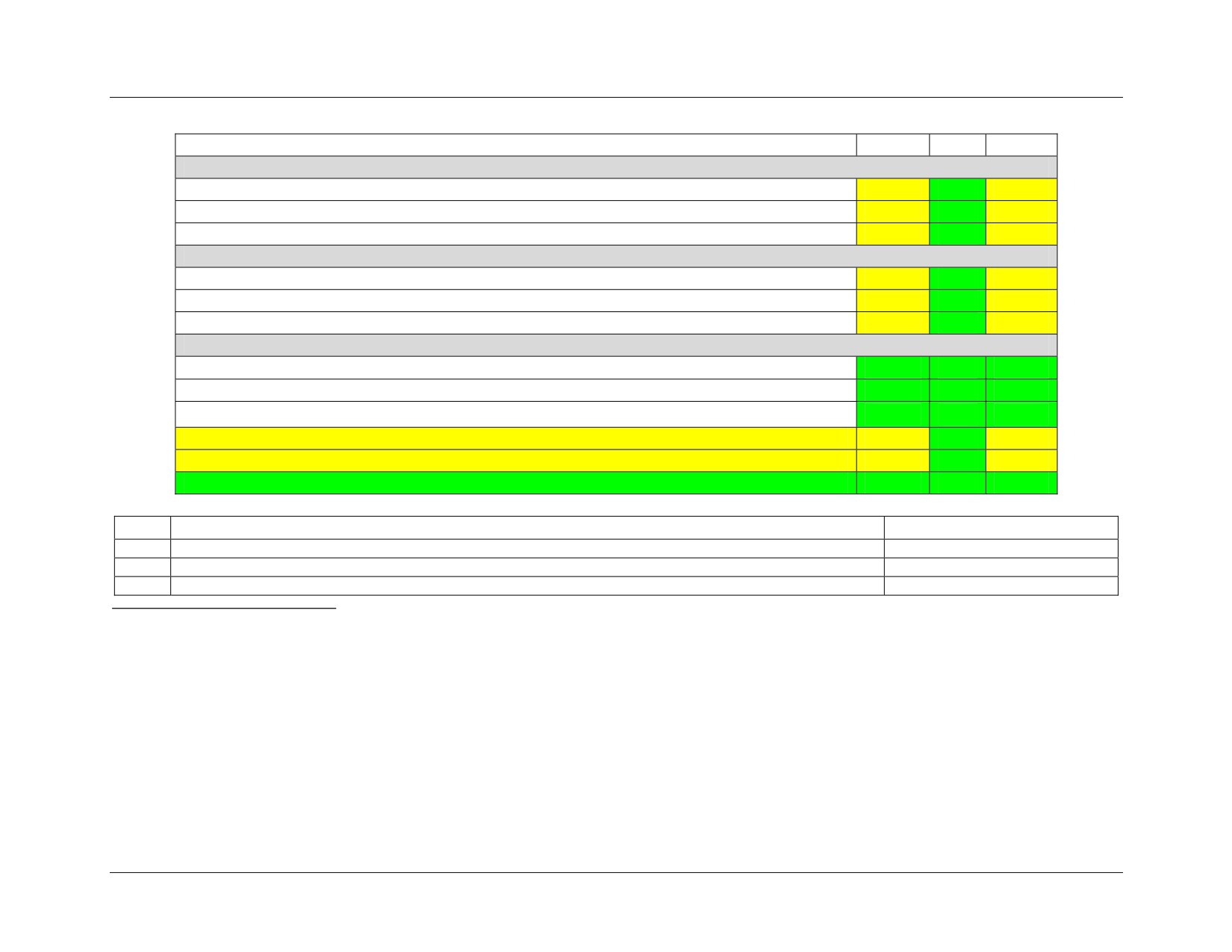
Table 14.6-1. SNSUST 6: Capability and Deficiency Assessment
Capability/Measure
M1
M2
M3
Current
COCOMs (USFK) Using Theater Engagement.
Y1
G2
Y3
American, British, Canadian, and Australian Armies Program (ABCA) (Quadripartite)
Y4
G5
Y6
NATO Working Group
Y7
G8
Y9
Near/Mid
COCOMs (USFK) using Theater Engagement.
Y10
G
Y
American, British, Canadian, and Australian Armies Program (ABCA) (Quadripartite)
Y11
G
Y
NATO Working Group
Y12
G
Y
Far
COCOMs (USFK) using Theater Engagement.
G13
G
G
American, British, Canadian, and Australian Armies Program (ABCA) (Quadripartite)
G14
G
G
NATO Working Group
G15
G
G
Current Overall Capability
Y
G
Y
Near/Mid-Term Overall Capability
Y
G
Y
Far-Term Overall Capability
G
G
G
FAA Measure
Scale
M1
Interoperability standards for restoration operations are established.
G - Yes, Y - Limited, R - No
M2
Existing interoperability standards are updated regularly.
G - Yes, Y - Limited, R - No
M3
International/joint exercises or experimentation provide feedback on efficacy of interoperability standards.
G - Yes, Y - Limited, R - No
1 Nothing precludes COCOM staff from accomplishing this task, and in other areas of CBRND interoperability, particularly within CENTCOM and USFK, engagement and
cooperation has taken place to varying degrees. USFK has the most robust cooperation on CBRND. But broadly speaking, restoration operation TEP has so far not been initiated.
JFSC is interested in using CBRND issues in its TEP training curriculum.
2 Existing interoperability standards are updated on a regular basis.
3 USFK exercises are usually conducted on a regular basis. An exercise specifically focused on restoration of operations has not been conducted. When published, the RESTOPS
ACTD (USFK) will provide information about fixed-site restoration but does not focus on multinational restoration operations or operational interoperability.
4 Basic tactical-level decontamination interoperability issues are addressed in varying levels of detail and are basically adequate. Interoperability standards for restoration
operations considerations are virtually nonexistent above the tactical level.
5 Existing interoperability standards are updated on a regular basis.
6 ABCA Armies conduct interoperability exercises every two years. An exercise specifically focused on restoration of operations has not been conducted. There will be no exercise
in 2004 due to operational commitments.
30
For Official Use Only
For Official Use Only
CBRND Functional Needs Analysis/Functional Solution Analysis
Chapter 14. Strategic National Sustain Tasks
7 Basic tactical-level decontamination interoperability issues are addressed in varying levels of detail and are basically adequate. Interoperability standards for restoration
operations considerations are virtually nonexistent above the tactical level. Many interoperability issues for restoration operations remain, particularly issues at higher than tactical
level.
8 Existing interoperability standards are updated on a regular basis.
9 NATO exercises are usually conducted on a regular basis. An exercise specifically focused on restoration of operations has not been conducted.
10 Limited changes/improvements are expected in the near/mid term.
11 Limited changes/improvements are expected in the near/mid term.
12 Limited changes/improvements are expected in the near/mid term.
13 Continual improvements are expected across the board as COCOM exercises/experimentation efforts provide valuable lessons learned at appropriate levels.
14 Continual improvements are expected across the board as ABCA exercises/experimentation efforts provide valuable lessons learned at appropriate levels.
15 Continual improvements are expected across the board as NATO exercises/experimentation efforts provide valuable lessons learned at appropriate levels.
31
For Official Use Only
For Official Use Only
CBRND Functional Needs Analysis/Functional Solution Analysis
Chapter 14. Strategic National Sustain Tasks
14.6.3
Functional Solution Analysis
14.6.3.1
DOTLPF Assessment Summary
This section addresses the deficiencies and suggests potential non-materiel solutions. If there are
no non-materiel solutions, or they are only partial solutions, the remaining non-materiel need is
then stated. Materiel needs are assessed in the IMA section.
1. Deficiency: No multinational interoperability standards for restoration operations exist above
tactical level.
Non-Materiel Solutions: Doctrine: Establish multinational interoperability standards for
restoration operations at operational level and above.
2. Deficiency: No exercises have focused on restoration operations.
Non-Materiel Solutions: Doctrine: Establish working groups and councils to establish
policies and guidelines to include restoration operations. Training: Develop exercises that
include restoration operations. Facilities: Incorporate multinational restoration operation
interoperability training capabilities into JNTC.
3. Deficiency: Multinational doctrine for restoration operations is virtually nonexistent above
the tactical level.
Non-Materiel Solutions: Doctrine: Establish interoperability doctrine, i.e., staff guidance,
for operational level and above. Revision of disconnects in AJP 3-8 would be a first step in
resolving multinational deficiencies.
4. Deficiency: There is a lack of standard communications equipment or compatibility.
Non-Materiel Solutions: None.
14.6.3.2
IMA Assessment Summary
Table 14.6-2 shows possible materiel approaches that address the remaining materiel
requirements of the DOTMLPF assessment.
32
For Official Use Only
For Official Use Only
CBRND Functional Needs Analysis/Functional Solution Analysis
Chapter 14. Strategic National Sustain Tasks
Table 14.6-2. SNSUST 6: IMA Assessment
Idea for Materiel
Capability Gap
Description
Approach
Lack of standard
Command, control,
Need to establish common standard equipment
communications
communications,
specifications, procedures, and doctrine to
equipment or
computers, intelligence
address the process and methods for providing
compatibility
equipment
accurate, timely, and relevant information
distribution between ABCA coalition nations.
Incompatibility between national applications of
communications equipment hinders timely
distribution of information or coordination for
restoration operations. Work-arounds, software,
or emerging technologies may facilitate
interoperability of these systems in the future.
Although establishing technical interoperability
between systems must be the immediate near-
term goal, it does not guarantee the full
capability of feature sets, which certain staffs
may require to conduct restoration operations.
Also, U.S. forces internally do not have
integrated capability between command and
control systems and CBRND systems.
33
For Official Use Only
For Official Use Only
CBRND Functional Needs Analysis/Functional Solution Analysis
Chapter 14. Strategic National Sustain Tasks
14.7
Task SNSUST 7: Establish international infectious disease quarantine and isolation
standards and policies for biological warfare attacks
14.7.1
Functional Area Analysis
14.7.1.1
Definition
To establish, prior to combat operations, international infectious disease quarantine and isolation
standards and policy for biological warfare attacks. To facilitate international cooperation, CJCS,
in conjunction with interagency partners, will establish these standards and policy prior to
combat operations and will maintain them and then seek and ensure international consensus.
Biological attacks that occur during wartime are likely to be much more severe than peacetime
epidemics. In addition, there will also be the complication of wartime conditions and
requirements for moving or evacuating military personnel.
14.7.1.2
Derivation
UJTL (SN 4.3.3, SN 7.5, SN 8.1.12)
14.7.1.2.1
Supported Task: N/A
14.7.1.2.2
Lateral Task: SNSHA 9
14.7.1.2.3
Supporting Task: STSUST 4
14.7.1.3
Condition
Perform this task under conditions of:
Physical. N/A
Military
1. No preexisting arrangements. (C2.1.1.2)
2. Limited personnel expertise. (C2.2.4.5)
3. Restricted information exchange. (C2.3.1.8)
4. Ambiguous threat. (C2.9.3)
Civil
1. Mixed support for political policies. (C3.1)
2. Limited foreign government support. (C3.1.2.3)
34
For Official Use Only
For Official Use Only
CBRND Functional Needs Analysis/Functional Solution Analysis
Chapter 14. Strategic National Sustain Tasks
14.7.2
Functional Needs Analysis
14.7.2.1
Capability and Deficiency Assessment Summary
Table 14.7-1 discusses the only capability that currently exists to perform the task to the
designated standard. No other capability is projected that will accomplish this task.
Current Capability and Deficiency
The current assessment is “red.” CJCS has numerous responsibilities, including, but not limited
to, preparing strategic plans, military strategy and assessments, joint logistic and mobility plans,
etc. Although international agreements govern the establishment and control of infectious disease
quarantine standards, these standards have not been developed with intentional biological
warfare in mind. Standards and procedures for reception, staging, onward movement, and
integration (RSOI) of forces through and in allied or coalition partner countries when biological
warfare has been initiated have not been developed. The outbreak of a disease requiring
international quarantine could prevent the projection of forces into a critical area. The joint staff
has the capability to work with the Surgeon General and interagency partners and allies to
establish international infectious disease quarantine and isolation standards and policies for
biological warfare attacks but has not yet done so.
Projected Near/Mid-Term Capability and Deficiency
No other capability is currently projected for the near/mid term. Little capability improvement is
forecast for the near/mid term.
Projected Far-Term Capability and Deficiency
No other capability is currently projected for the far-term. DOTMLPF should improve in all
deficient areas as a result of initiatives that use data resulting from focused experimentation.
JTTPs, training and exercises, and education will all improve but lead to a far-term assessment of
only “yellow.”
35
For Official Use Only
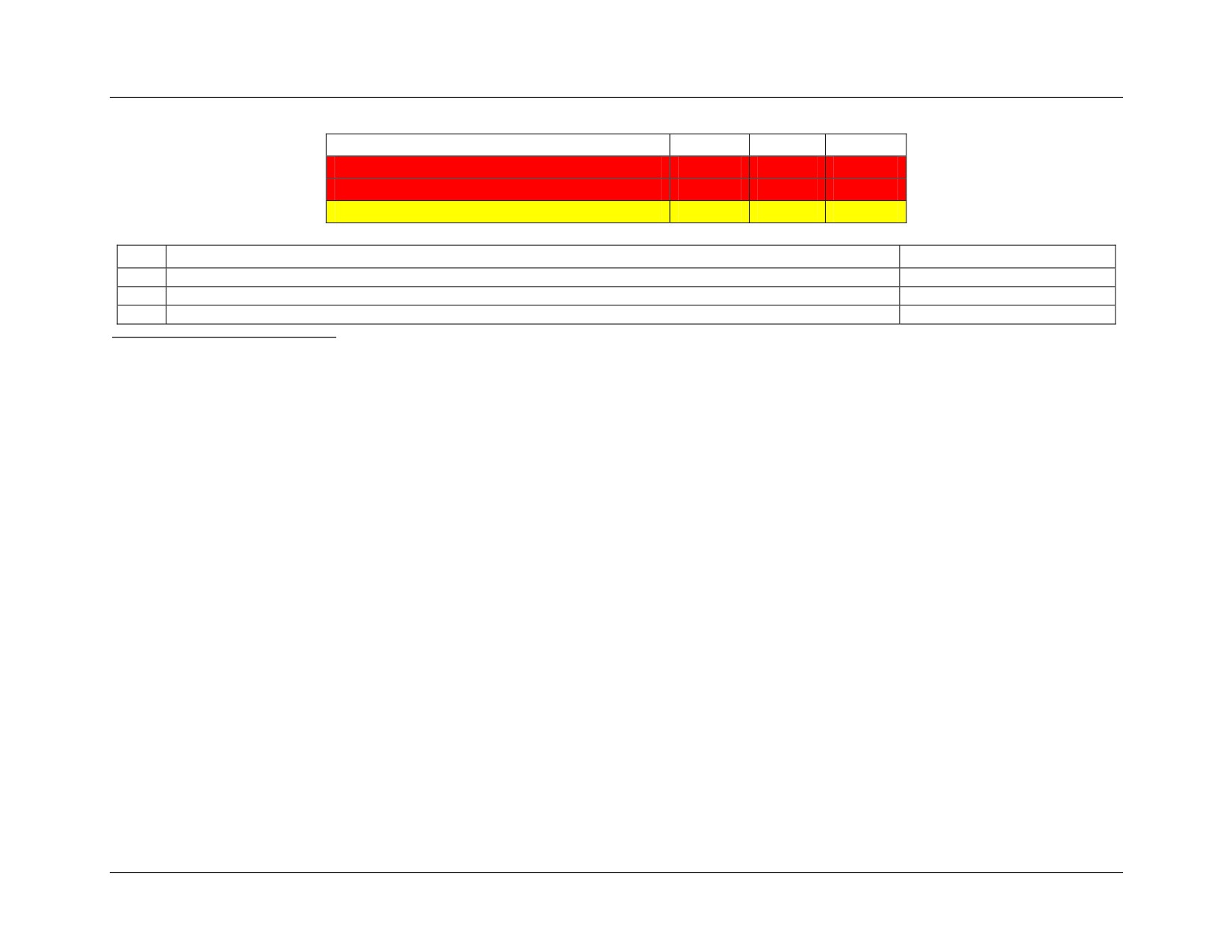
For Official Use Only
CBRND Functional Needs Analysis/Functional Solution Analysis
Chapter 14. Strategic National Sustain Tasks
Table 14.7-1. SNSUST 7: Capability and Deficiency Assessment
Capability: CJCS
M1
M2
M3
Current Overall Capability1
R2
R3
R4
Near/Mid-Term Overall Capability
R5
R
R
Far-Term Overall Capability6
Y7
Y
Y
FAA Measure
Scale
M1
International infectious disease quarantine standards and policies for biological warfare attacks are established.
G - Yes, Y - Limited, R - No
M2
Policies and guidelines are updated regularly.
G - Yes, Y - Limited, R - No
M3
International/joint exercises or experimentation provide feedback on efficacy of standards and policies.
G - Yes, Y - Limited, R - No
1 No doctrine or TTPs exist. Leader education does not address this issue.
2 Although international agreements govern the establishment and control of infectious disease quarantine and isolation standards, these standards have not been developed with
intentional biological warfare in mind. Standards and procedures for RSOI of forces through and in allied or coalition partner countries when biological warfare has been initiated
have not been developed. Emerging problems resulting from Severe Acute Respiratory Syndrome (SARS) highlight problems that could be anticipated. The outbreak of a disease
requiring international quarantine could prevent the projection of forces into a critical area.
3 There are no standards and policies.
4 While there have been many international/joint exercises, an exercise focused on infectious disease quarantine and isolation for biological warfare attacks has not been conducted.
5 The overall status should improve to “yellow” due to a multitude of initiatives but is not anticipated to improve more than that due to the length of time it will take for
experimentation and DOTMLPF initiatives to provide feedback and lessons learned. When an automated tool that integrates deployment, sustainment, and redeployment data with
restoration operation impacts and projections is developed, the 2-hour time standard may be achievable.
6 DOTMLPF should improve in all deficient areas as a result of initiatives that use data resulting from focused experimentation.
7 Although international agreements govern the establishment and control of infectious disease quarantine and isolation standards, these standards have not been developed with
intentional biological warfare in mind. Standards and procedures for RSOI of forces through and in allied or coalition partner countries when biological warfare has been initiated
have not been developed. Emerging problems resulting from SARS highlight problems that could be anticipated. The outbreak of a disease requiring international quarantine could
prevent the projection of forces into a critical area.
36
For Official Use Only
For Official Use Only
CBRND Functional Needs Analysis/Functional Solution Analysis
Chapter 14. Strategic National Sustain Tasks
14.7.3
Functional Solution Analysis
14.7.3.1
DOTLPF Assessment Summary
This section addresses the deficiencies and suggests potential non-materiel solutions. If there are
no non-materiel solutions, or they are only partial solutions, the remaining non-materiel need is
then stated. Materiel needs are assessed in the IMA section.
1. Deficiency: There is no international infectious disease quarantine/isolation standard and
policy for biological warfare attacks.
Non-Materiel Solutions: Doctrine: Establish international infectious disease quarantine
standard and policy for biological warfare attacks.
2. Deficiency: No exercise focused on quarantine/isolation for biological warfare attacks has
been conducted.
Non-Materiel Solutions: Training: Develop exercises to include scenarios requiring
biological warfare attacks that pose quarantine/isolation issues. Facilities: Incorporate ability
to exercise/conduct experimentation into JNTC.
3. Deficiency: No doctrine has been established.
Non-Materiel Solutions: Doctrine: Establish doctrine, i.e., staff guidance (CJCSI, CJCSM
or JTTPs) for international infectious disease quarantine standard and policy for biological
warfare attacks.
4. Deficiency: No JPME courses address quarantine standards and policies for biological
warfare attacks.
Non-Materiel Solutions: Leadership: Establish JPME/interagency/multinational leader
education on quarantine standards and policies for biological warfare attacks.
14.7.3.2
IMA Assessment Summary
N/A
37
For Official Use Only
For Official Use Only
CBRND Functional Needs Analysis/Functional Solution Analysis
Chapter 14. Strategic National Sustain Tasks
14.8
Task SNSUST 8: Determine restoration operations impact on strategic deployment,
sustainment, and redeployment
14.8.1
Functional Area Analysis
14.8.1.1
Definition
To make a specific assessment of the impact that ongoing or planned restoration operations will
have on the requirement to conduct strategic deployment, sustainment, and redeployment. CJCS
receives input from deployment, sustainment, or redeployment locations that have been targeted
by CBRN/TIM weapons concerning the status of restoration operations for key locations,
facilities, and equipment that are required for strategic deployment, sustainment, or
redeployment of forces and determines the impact. CJCS also receives input regarding key
strategic forces and means that are contaminated as a result of CBRN/TIM attacks at their
locations regarding the status of restoration operations designed to prepare them for strategic
deployment/redeployment or for strategic sustainment activities.
14.8.1.2
Derivation
UJTL (SN 9.2.2, SN 1.1.4, SN 1.1.5, SN 1.2.5)
14.8.1.2.1
Supported Task: N/A
14.8.1.2.2
Lateral Task: SNSHA 10
14.8.1.2.3
Supporting Task: STSUST 13
14.8.1.3
Condition
Perform this task under conditions of:
Physical
1. Persistent CBRN/TIM effects. (C1.3.3.1-3)
Military
1. Stressful mission. (C2.1)
2. No mission preparation. (C2.1.3)
3. Weak forces assigned. (C2.2.1)
4. Negligible personnel experience. (C2.2.4.5)
5. Limited lift assets. (C2.5.2)
6. High rear-area security. (C2.7.1)
7. Limited host nation support. (C2.8.5)
8. Conventional and terrorist threat form. (C2.9.2)
9. Fully developed state of conflict. (C2.10.1)
38
For Official Use Only
For Official Use Only
CBRND Functional Needs Analysis/Functional Solution Analysis
Chapter 14. Strategic National Sustain Tasks
Civil
1. Limited foreign government support. (C3.1.2.3)
14.8.2
Functional Needs Analysis
14.8.2.1
Capability and Deficiency Assessment Summary
Table 14.8-1 discusses the only capability that currently exists to perform the task to the
designated standard. No other capability is projected that will accomplish this task.
Current Capability and Deficiency
The current assessment is “yellow.” CJCS has numerous responsibilities, including
synchronizing and monitoring worldwide military operations and activities, including
determining the restoration operation impact, whether on forces or facilities, on strategic
deployment, sustainment, and redeployment. The joint staff likely has the skill and experience to
manually conduct the task, but there are several obstacles that will prevent meeting the required
timeline and hinder the process.
Projected Near/Mid-Term Capability and Deficiency
No other capability is currently projected for the near/mid term. Little capability improvement is
forecast for the near/mid term.
Projected Far-Term Capability and Deficiency
No other capability is currently projected for the far-term. DOTMLPF should improve in all
deficient areas as a result of initiatives that use data resulting from focused experimentation.
JTTPs, training and exercises, and education will all improve but lead to a far-term assessment of
only “yellow.”
39
For Official Use Only
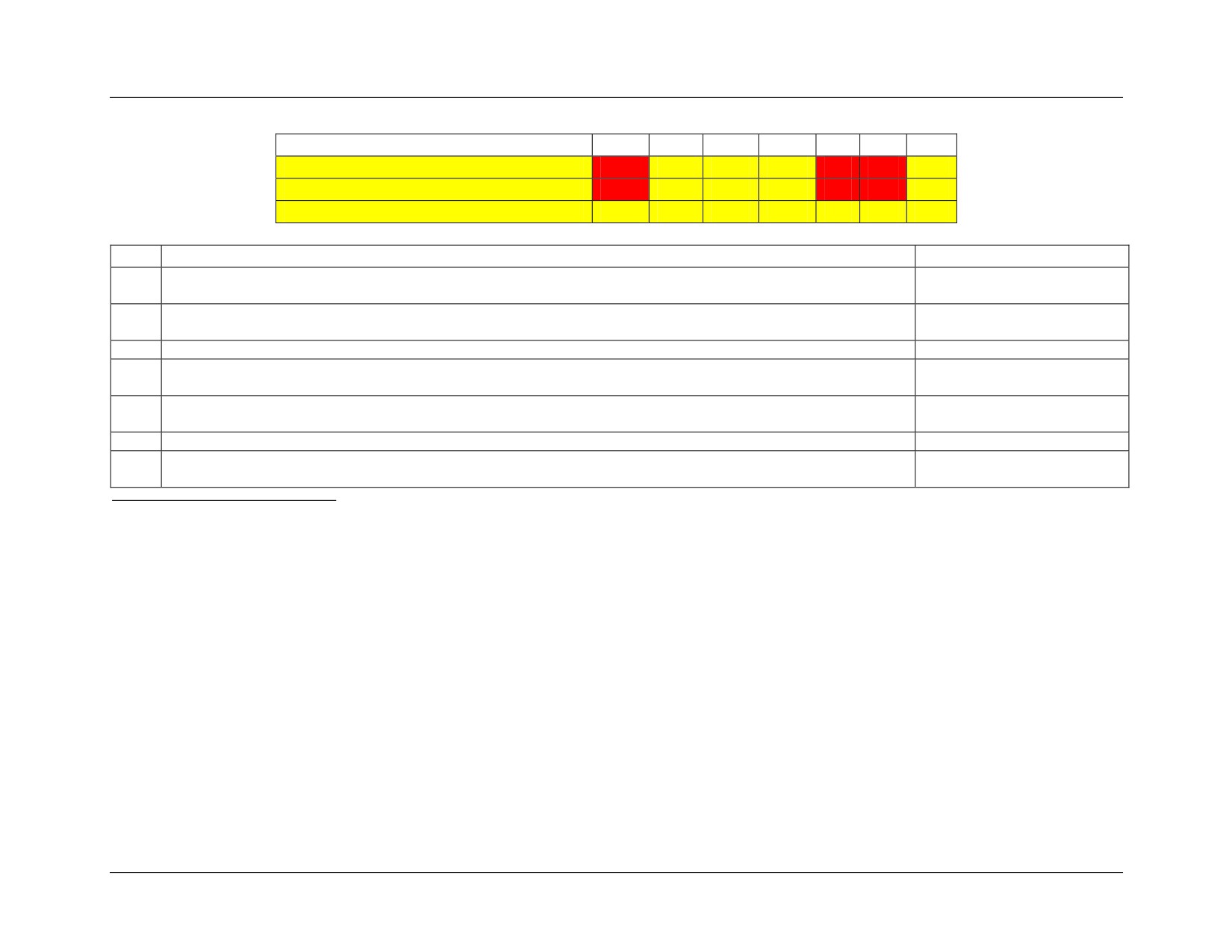
For Official Use Only
CBRND Functional Needs Analysis/Functional Solution Analysis
Chapter 14. Strategic National Sustain Tasks
Table 14.8-1. SNSUST 8: Capability and Deficiency Assessment
Capability: CJCS J-3
M1
M2
M3
M4
M5
M6
M7
Current Overall Capability1
R2
Y3
Y4
Y5
R6
R7
Y8
Near/Mid-Term Overall Capability
R
Y
Y
Y
R
R
Y
Far-Term Overall Capability
Y9
Y
Y
Y
Y
Y
Y
FAA Measure
Scale
M1
Determination of restoration operation impact on strategic deployment, sustainment, and redeployment is made within
G - Yes, Y - Limited, R - No
2 hours.
M2
Total force pending strategic deployment, sustainment, and redeployment is analyzed for impact due to restoration
G - Yes, Y - Limited, R - No
operations.
M3
All restoration operations meet established deployment, sustainment, and redeployment priorities.
G - Yes, Y - Limited, R - No
M4
All key locations, facilities, and equipment required to facilitate deployment, sustainment, or redeployment of
G - Yes, Y - Limited, R - No
strategic forces and means that are affected by restoration operations are included in assessment.
M5
National/joint exercises provide lessons learned on procedures for determining restoration operation impact on
G - Yes, Y - Limited, R - No
strategic deployment, sustainment, and redeployment.
M6
National/joint experimentation provides data on efficacy of current/proposed procedures.
G - Yes, Y - Limited, R - No
M7
Operational and analytical/planning staffs have the training and experience to develop contingency plans in the event
G - Yes, Y - Limited, R - No
restoration operations are incomplete or inadequate for deployment, sustainment, or redeployment.
1 Concepts, doctrine and, TTPs focusing restoration operation impact on strategic deployment, sustainment, and redeployment are limited. CBRND staffs and staffing at all levels
are not robustly manned making it difficult to apply CBRND subject matter expertise when required. CBRND staffs are not adequately trained/experienced on strategic CBRND
issues. JPME does not currently address this issue.
2 The J-3 staff would ultimately have the means to make a determination of the impact of ongoing or projected restoration operations on strategic deployment, sustainment, and
redeployment. Although the J-3 staff is skilled and experienced, they would have little skill or experience with CBRND issues concerning restoration operations. For restoration
operation issues, their current capability is does not receive information from JWARN. It is unlikely that assessments can be made manually within 2 hours, slowing down the
process. The GCCS does not provide useful information on restoration operations for deployment/redeployment considerations and sustainment.
3 Limited. Nothing precludes the J-3 staff from considering the total force involved, but because the current capability for analysis is manual accuracy may not be as dependable
and might be subject to human errors.
4 Limited. Nothing precludes the J-3 staff from developing strategic restoration operation priorities designed to meet established strategic deployment, sustainment, and
redeployment priorities, but because the current capability for analysis is manual, accuracy may not be as dependable subject to human errors.
5 Limited. Nothing precludes the J-3 staff from including all key locations, facilities, and equipment required to facilitate deployment of strategic forces and assets that are affected
by restoration operations in the assessment, but because the current capability for analysis is manual, accuracy may not be as dependable subject to human errors.
6 No exercise focused on restoration operation impact on strategic deployment, sustainment, and redeployment has been conducted.
7 No experiment focused on restoration operation impact on strategic deployment, sustainment, and redeployment has been conducted.
8 Limited. The J-3 staff (or sister planning staffs) have the skill and training to develop contingency plans or orders when strategic deployment, sustainment, or redeployment sites,
facilities, or units are out of action. They do not have experience with restoration operations/CBRND issues causing the problem.
9 The overall status should improve to “yellow” due to a multitude of initiatives but is not anticipated to improve more than that due to the length of time it will take for
experimentation and DOTMLPF initiatives to provide feedback and lessons learned. When an automated tool that integrates deployment, sustainment, and redeployment data with
restoration operation impacts and projections is developed, the 2-hour time standard may be achieved.
40
For Official Use Only
For Official Use Only
CBRND Functional Needs Analysis/Functional Solution Analysis
Chapter 14. Strategic National Sustain Tasks
14.8.3
Functional Solution Analysis
14.8.3.1
DOTLPF Assessment Summary
This section addresses the deficiencies and suggests potential non-materiel solutions. If there are
no non-materiel solutions, or they are only partial solutions, the remaining non-materiel need is
then stated. Materiel needs are assessed in the IMA section.
1.
Deficiency: J-3 staff has little skill or experience with CBRND issues concerning restoration
operations.
Non-Materiel Solutions: Doctrine: Establish TTPs to assist the J-3 staff assess the
restoration operation impact on strategic deployment. Training: Establish training to assist
the J-3 staff assess the restoration operation impact on strategic deployment. Personnel:
Provide at least one operator per watch with extensive experience in CBRND issues
including restoration operation impacts.
2.
Deficiency: There are no procedures or checklists supporting this task.
Non-Materiel Solutions: Doctrine: Develop procedures and checklist to facilitate manual
determination of restoration operation impact on strategic deployment, sustainment, and
redeployment.
3.
Deficiency: There are no exercises to support this task.
Non-Materiel Solutions: Training: Develop joint exercises that include or focus on joint
restoration operations impacts on strategic deployment, sustainment, and redeployment.
4.
Deficiency: There is no experimentation to support this task.
Non-Materiel Solutions: Training: Integrate J-3 staff into JRO experimentation campaign
plan for FY2009/10 UNIFIED ENDEAVOR and all work ups. Include this task for concept
experimentation.
5.
Deficiency: Concepts, doctrine, and TTPs focusing restoration operation impact on strategic
deployment, sustainment, and redeployment are limited.
Non-Materiel Solutions: Doctrine: Develop concepts, doctrine, and TTPs focusing on
restoration operation impact on strategic deployment, sustainment, and redeployment.
6.
Deficiency: CBRND staffs are not adequately trained/experienced on strategic CBRND
issues.
Non-Materiel Solutions: Leadership: Analyze training/education received by CBRND
specialists assigned to joint staffs. Recommend training/education changes, enhancements, or
alternative fixes as required. Personnel: Analyze experience base of CBRND specialists
assigned to joint staffs. Recommend career track changes, prerequisites, enhancements, or
alternative fixes as required.
7.
Deficiency: JPME does not currently address this issue.
Non-Materiel Solutions: Leadership: Develop JPME leader training requirements and
curriculum on restoration operations.
41
For Official Use Only
For Official Use Only
CBRND Functional Needs Analysis/Functional Solution Analysis
Chapter 14. Strategic National Sustain Tasks
8. Deficiency: CBRND staffs and staffing at all levels is inadequate.
Non-Materiel Solutions: Organization: Analyze CBRND staffing in all organizations in
light of the capabilities required of them in this task. Recommend staffing/organizational
changes, enhancements, or alternative fixes as required.
9. Deficiency: GCCS does not provide useful information on restoration operations for
deployment, sustainment, and redeployment considerations and does not receive information
from JWARN.
Non-Materiel Solutions: None.
10. Deficiency: The current capability for analysis is manual and slow and might be subject to
human errors.
Non-Materiel Solutions: Training (partial): Additional operation training on current
capability.
14.8.3.2
IMA Assessment Summary
Table 14.8-2 shows possible materiel approaches that address the remaining materiel
requirements of the DOTMLPF assessment.
42
For Official Use Only
For Official Use Only
CBRND Functional Needs Analysis/Functional Solution Analysis
Chapter 14. Strategic National Sustain Tasks
Table 14.8-2. SNSUST 8: IMA Assessment
Idea for Materiel
Capability Gap
Description
Approach
GCCS does not provide
Automated Systems
An automated system must be developed to
useful information on
provide location (GPS) and unit/activity
restoration operations for
restoration operation status through
deployment, sustainment,
component command unit communication
and redeployment
systems into the NBC Battle Management
considerations and does
System and from there into JWARN and
not receive information
GCCS. System must be automatic and
from JWARN.
provide analysis of impact of restoration
operations on strategic deployment,
sustainment, and redeployment.
The current capability for
Automated Tool
An automated tool that integrates
analysis is manual and
deployment, sustainment, and redeployment
slow and might be
data with restoration operation impacts and
subject to human errors.
projections must be developed.
43
For Official Use Only
For Official Use Only
CBRND Functional Needs Analysis/Functional Solution Analysis
Chapter 14. Strategic National Sustain Tasks
14.9
Task SNSUST 9: Supply strategic forces and assets with adequate decontamination
capability
14.9.1
Functional Area Analysis
14.9.1.1
Definition
To ensure that strategic forces and assets are supplied with adequate decontamination capability
in order to sustain operations critical to the execution of the National Military Strategy. CJCS
manages the JCIDS process for restoration operations and decontamination. Complex
decontamination issues, to include prioritization of austere decontamination capability, will
require modeling, simulation, realistic exercises, and experimentation to determine both
requirements and determinations of what constitutes “adequate decontamination capability.”
14.9.1.2
Derivation
UJTL (SN 9.2.1, SN 5.3.5.3).
14.9.1.2.1
Supported Task: N/A
14.9.1.2.2
Lateral Task: SNSHA 6
14.9.1.2.3
Supporting Tasks: STSUST 5, STSUST 9
14.9.1.3
Condition
Perform this task under conditions of:
Physical. N/A
Military
1. Multiple competing apportionments. (C2.2.2)
2. Limited personnel experience. (C2.2.4.5)
3. Limited host nation support. (C2.8.5)
Civil
1. Limited foreign government support. (C3.1.2.3)
14.9.2
Functional Needs Analysis
14.9.2.1
Capability and Deficiency Assessment Summary
Table 14.9-1 discusses the only capability that currently exists to perform the task to the
designated standard. No other capability is projected that will accomplish this task.
44
For Official Use Only
For Official Use Only
CBRND Functional Needs Analysis/Functional Solution Analysis
Chapter 14. Strategic National Sustain Tasks
Current Capability and Deficiency
The current assessment is “red.” JRO-CBRND is responsible for the planning, coordination, and
oversight of joint CBRN defense requirements to include ensuring that strategic forces and assets
are supplied with adequate decontamination capability. The JRO has the skill and experience to
conduct the task, but there is a major shortfall of data at the operational level and above.
Projected Near/Mid-Term Capability and Deficiency
No other capability is currently projected for the near/mid term. Little capability improvement is
forecast for the near/mid term.
Projected Far-Term Capability and Deficiency
No other capability is currently projected for the far-term. DOTMLPF should improve in all
deficient areas as a result of initiatives that use data resulting from focused experimentation.
JTTPs, training and exercises, and education will all improve but lead to a far-term assessment of
only “yellow.”
45
For Official Use Only
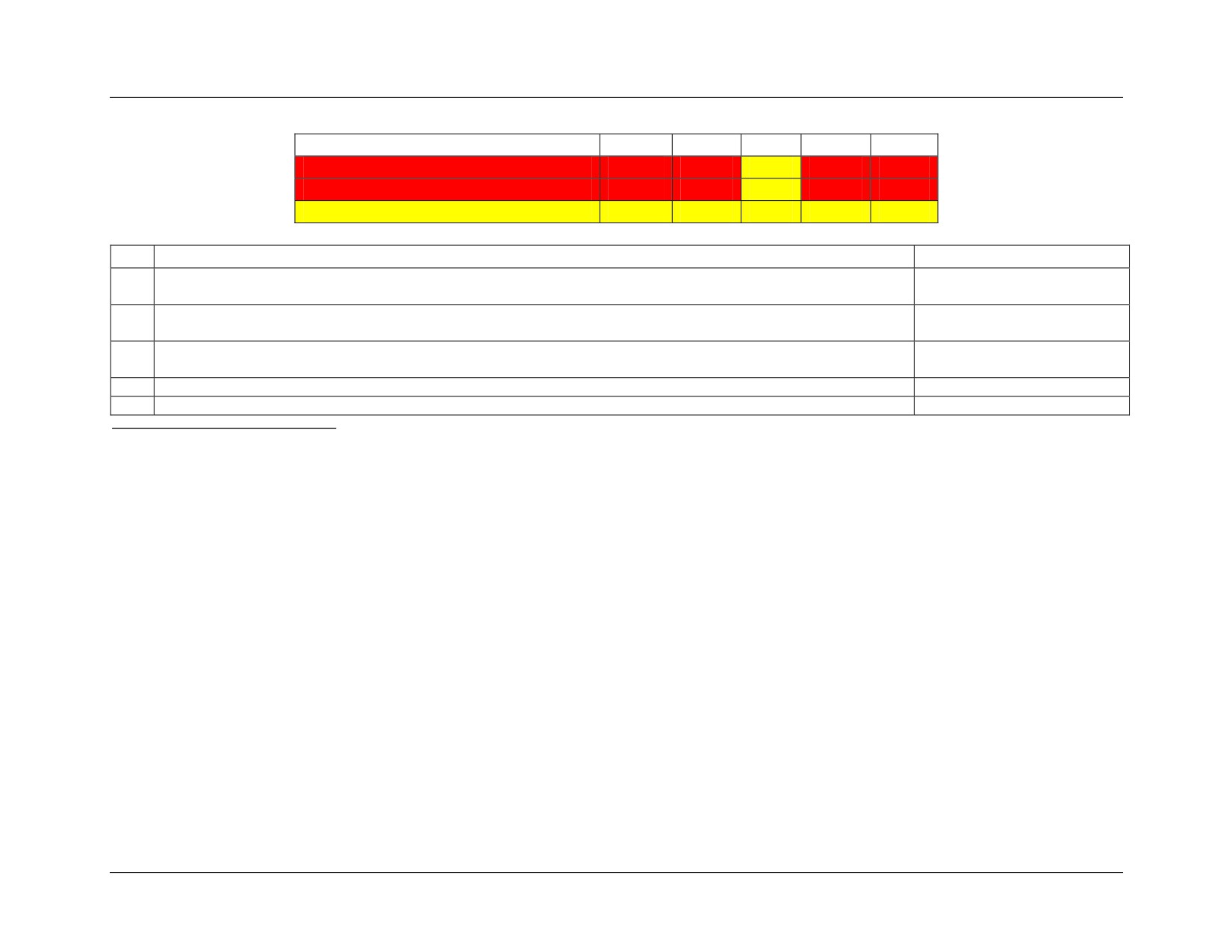
For Official Use Only
CBRND Functional Needs Analysis/Functional Solution Analysis
Chapter 14. Strategic National Sustain Tasks
Table 14.9-1. SNSUST 9: Capability and Deficiency Assessment
Capability: CJCS JRO-CBRND
M1
M2
M3
M4
M5
Current Overall Capability1
R2
R3
Y4
R5
R6
Near/Mid-Term Overall Capability
R
R
Y
R
R
Far-Term Overall Capability
Y7
Y
Y
Y
Y
FAA Measure
Scale
M1
National/joint exercises provide lessons learned on supplying strategic forces and assets with adequate
G - Yes, Y - Limited, R - No
decontamination capability.
M2
National/joint experimentation provides data on efficacy of current/proposed procedures for supplying strategic forces
G - Yes, Y - Limited, R - No
and means with adequate decontamination capability.
M3
The JCIDS process includes a comprehensive examination of CBRN “Sustain” considerations at all levels of war (SN,
G - Yes, Y - Limited, R - No
ST, OP, and TA).
M4
Required capability can be supplied.
G - Yes, Y - Limited, R - No
M5
Required capability is supplied when forecast.
G - Yes, Y - Limited, R - No
1 Concepts, doctrine, and TTPs focusing on restoration operation requirements at the operational and strategic levels are very limited. CBRN staffs and staffing at all levels are not
robustly manned, making it difficult to apply CBRND subject matter expertise to planning and evaluating exercises when required. CBRND staffs are not adequately
trained/experienced on strategic CBRND issues. JPME does not currently address this issue.
2 While there have been many national/joint exercises that have included some restoration operations issues, an exercise focused on restoration operations for a strategic force has
not been conducted except in USFK. While many tactical-level issues have been captured from this and other exercises for examination, operational-/strategic-level issues are
virtually nonexistent.
3 The RESTOPS ACTD, conducted in USFK, has focused on restoration operations for fixed facilities. When published, the results are expected to provide abundant data for
restoration operations for fixed facilities. There have been no experiments focusing on operational level and above warfighting restoration operations concepts and issues.
4 Limited. The JCIDS process is currently being used to conduct a comprehensive examination of CBRN Sustain considerations at all levels of war (SN, ST, OP, and TA) within
the limitations of currently available data. The issue is with the “comprehensiveness” of the data available for examination. While data at the tactical level are reasonably available,
operational-level and above data are virtually nonexistent.
5 Determination of what is required can not be made without realistic modeling, simulation, exercises and experimentation to determine both requirements and determinations of
what constitutes “adequate decontamination capability.”
6 Forecasting methods can not be developed until required capability can be determined. Determination of what is required can not be made without realistic modeling, simulation,
exercises, and experimentation to determine both requirements and determinations of what constitutes “adequate decontamination capability.”
7 The overall status should improve to “yellow” due to a multitude of initiatives but is not anticipated to improve more than that due to the length of time it will take for
experimentation and DOTMLPF initiatives to provide feedback and lessons learned.
46
For Official Use Only
For Official Use Only
CBRND Functional Needs Analysis/Functional Solution Analysis
Chapter 14. Strategic National Sustain Tasks
14.9.3
Functional Solution Analysis
14.9.3.1
DOTLPF Assessment Summary
This section addresses the deficiencies and suggests potential non-materiel solutions. If there are
no non-materiel solutions, or they are only partial solutions, the remaining non-materiel need is
then stated. Materiel needs are assessed in the IMA section.
1.
Deficiency: An exercise including fully integrated exercise objectives or focused on
restoration operations for a strategic force has not been conducted.
Non-Materiel Solutions: Doctrine: Establish guidelines, checklists, and exercise planning
tools to integrate restoration operation objectives into joint exercises. Training: Facilitate the
development of exercises that include fully integrated exercise objectives or are totally
focused on restoration operations for joint strategic forces. Facilities: Incorporate
infrastructure and telemetric requirements into development of JNTC.
2.
Deficiency: Relevant and comprehensive operational-/strategic-level issues are virtually
nonexistent.
Non-Materiel Solutions: Doctrine: Develop guides for observer/controllers (O/Cs) so that
they are better able to capture relevant lessons learned from exercises. Integrate captured data
into future JCIDS analysis. Organization: Ensure that organizations that conduct joint
exercises likely to reveal relevant data are adequately staffed with CBRN subject matter
experts or that external O/C teams (provided by JRO) can be easily integrated into the
exercise control/data collection plan. Training: Provide assistance to joint exercise
developers on restoration operation scenarios and objectives and develop CBRN-centric
training for O/Cs. Leadership: Integrate techniques for developing joint exercise restoration
operation training objectives into leader training. Personnel: Ensure that personnel chosen to
be observer/controllers have requisite combination of technical expertise, operational/
exercise experience, and CBRN-centric joint exercise O/C training.
3.
Deficiency: There have been no experiments focusing on operational-/strategic-level
warfighting restoration operations concepts and issues.
Non-Materiel Solutions: Training: Include this task for concept JRO experimentation
campaign plan for FY2009/10 UNIFIED ENDEAVOR and all work-ups.
4.
Deficiency: There is no determination of what constitutes “adequate CBRND
decontamination or medical capability” for strategic forces.
Non-Materiel Solutions: Doctrine: Develop plan for how to determine (through modeling,
simulation, or experimentation) what constitutes adequate CBRND decontamination or
medical capability for strategic forces. Training: Determine (through modeling, simulation,
or experimentation) what constitutes adequate CBRND decontamination or medical
capability for strategic forces.
5.
Deficiency: There is no method of forecasting strategic force requirements.
47
For Official Use Only
For Official Use Only
CBRND Functional Needs Analysis/Functional Solution Analysis
Chapter 14. Strategic National Sustain Tasks
Non-Materiel Solutions: Doctrine (partial): Develop methodology for how to
forecast/determine adequate CBRND decontamination or medical capability for strategic
forces.
6.
Deficiency: Concepts, doctrine, and TTPs focusing on restoration operation requirements at
the operational and strategic levels are very limited.
Non-Materiel Solutions: Doctrine: Develop robust concepts, doctrine, and TTPs focusing
on restoration operation requirements at the operational and strategic levels.
7.
Deficiency: CBRN staffs and staffing at all levels is not adequate.
Non-Materiel Solutions: Doctrine: Establish plans to support strategic forces with adequate
decontamination capability. Organization: Establish plans to support strategic forces with
adequate decontamination capability. Leadership: Establish plans to support strategic forces
with adequate decontamination capability. Personnel: Establish plans to support strategic
forces with adequate decontamination capability.
8.
Deficiency: CBRND staffs are not adequately trained/experienced on strategic CBRND
issues.
Non-Materiel Solutions: Doctrine: Develop guides and TTPs focusing on CBRND Staff
roles, responsibilities, and procedures for planning and conducting restoration operation at
the operational and strategic levels. Training: Analyze training received by CBRND
specialists assigned to joint staffs. Recommend training changes, enhancements, or
alternative fixes as required. Leadership: Analyze education received by CBRND specialists
assigned to joint staffs. Recommend education changes, enhancements, or alternative fixes as
required.
9.
Deficiency: JPME does not currently address this issue.
Non-Materiel Solutions: Leadership: Commanders, staff directors, and leaders at all levels
require extensive education on CBRND issues. Without a complete understanding of how
CBRND issues can impact the warfight, they are unable to fully appreciate operational
implication of CBRND and apply corrective or remedial actions.
14.9.3.2
IMA Assessment Summary
Table 14.9-2 shows possible materiel approaches that address the remaining materiel
requirements of the DOTMLPF assessment.
48
For Official Use Only
For Official Use Only
CBRND Functional Needs Analysis/Functional Solution Analysis
Chapter 14. Strategic National Sustain Tasks
Table 14.9-2. SNSUST 9: IMA Assessment
Idea for Materiel
Description
Capability Gap
Approach
There is no method
Automated tools
Develop automated tools that take the relevant
of forecasting
data (when gathered) and provide a means to
strategic force
forecast strategic force restoration operation
requirements.
requirements.
49
For Official Use Only
For Official Use Only
CBRND Functional Needs Analysis/Functional Solution Analysis
Chapter 14. Strategic National Sustain Tasks
14.10 Task SNSUST 10: Establish forward presence of decontamination units and
facilities in theater
14.10.1
Functional Area Analysis
14.10.1.1
Definition
To assess requirements for decontamination units and facilities in a specific theater prior to the
initiation of hostilities and to conduct their deployment and employment. In conjunction with
interagency partners, CJCS establishes this forward presence of decontamination units and
facilities in theater. Deployments that demonstrate a capability to sustain operations despite use
of CBRN/TIM weapons will rely on the visibility of a robust decontamination capability to help
deter CBRN/TIM weapon use.
14.10.1.2
Derivation
UJTL (SN 9.2.1, SN 3.1.1, SN 5.4, SN 7.1.3, ST 7.1.6), QDR 2001.
14.10.1.2.1
Supported Task: N/A
14.10.1.2.2
Lateral Task: SNSHA 6
14.10.1.2.3
Supporting Tasks: STSUST 5, STSUST 6, STSUST 9, STSUST 10, STSUST
11, STSUST 12, STSUST 14
14.10.1.3
Condition
Perform this task under conditions of:
Physical. N/A
Military
1. Strong preexisting arrangements. (C2.1.1.2)
2. Major military commitments from other nations. (C2.1.1.7)
3. Abundant sustainment facilities. (C2.8.1)
4. Sufficient deployed supplies (30-90 days). (C2.8.2)
5. Extensive host nation support. (C2.8.5)
Civil
1. Limited lift assets available. (C2.5.2)
2. Limited foreign government support. (C3.1.2.3.)
50
For Official Use Only
For Official Use Only
CBRND Functional Needs Analysis/Functional Solution Analysis
Chapter 14. Strategic National Sustain Tasks
14.10.2
Functional Needs Analysis
14.10.2.1
Capability and Deficiency Assessment Summary
Table 14.10-1 discusses the only capability that currently exists to perform the task to the
designated standard. No other capability is projected that will accomplish this task.
Current Capability and Deficiency
The current assessment is “yellow.” CJCS has numerous responsibilities to establishing forward
presence of decontamination units and facilities in theater. The joint staff likely has the skill and
experience to conduct the task, but there are several obstacles that will hinder the process.
Projected Near/Mid-Term Capability and Deficiency
No other capability is currently projected for the near/mid term. Little capability improvement is
forecast for the near/mid term.
Projected Far-Term Capability and Deficiency
No other capability is currently projected for the far-term. Standard operating procedures (SOPs),
guidelines, and DOTMLPF should improve in all deficient areas as a result of initiatives that use
data resulting from focused experimentation. JTTPs, training and exercises, and education will
all improve but only moderately. Experiments and exercises focused on theater restoration
operations will be conducted. Lessons learned from RESTOPS ACTD will be integrated into
future exercises and experimentation that looks at issues other than fixed sites. The overall
assessment will remain at “yellow” in the far-term.
51
For Official Use Only
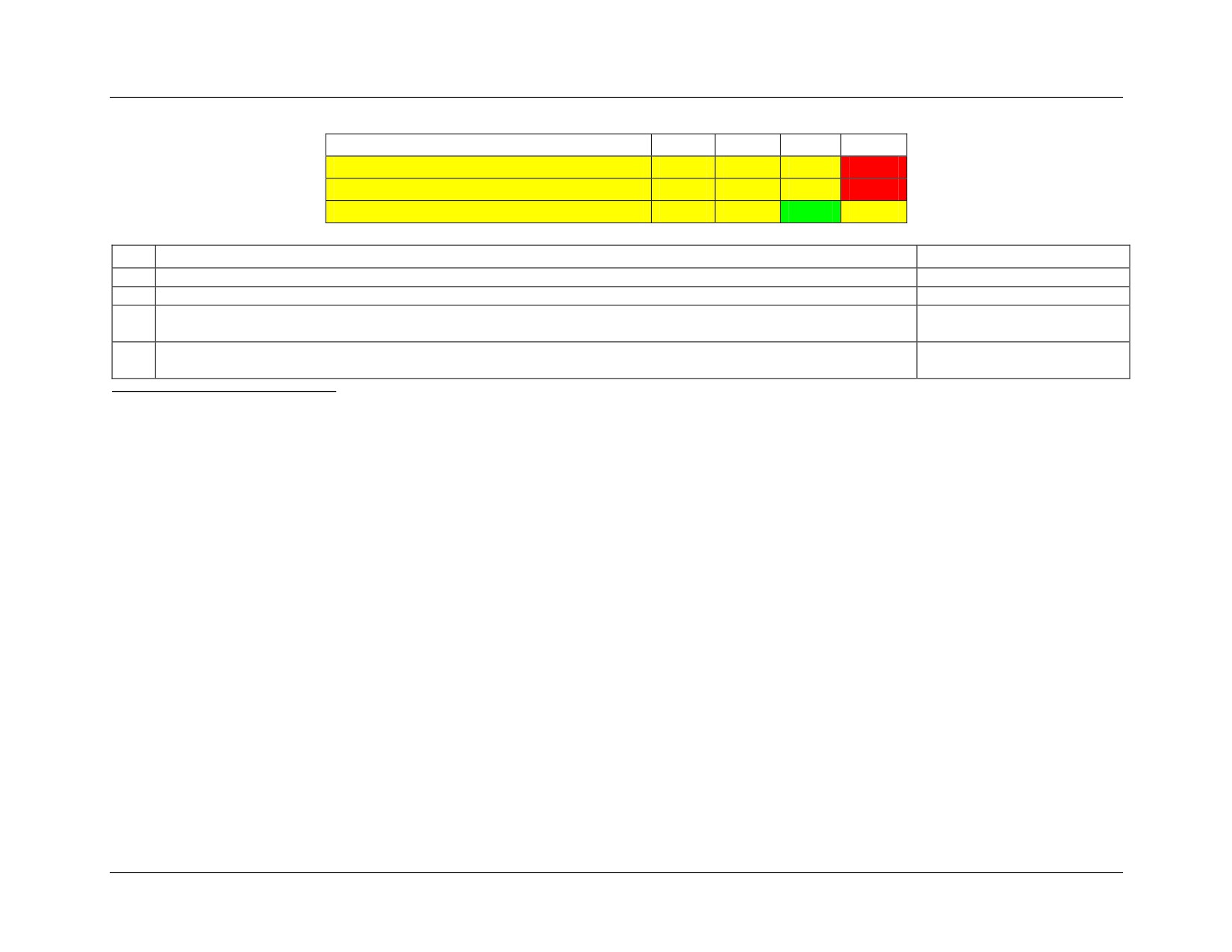
For Official Use Only
CBRND Functional Needs Analysis/Functional Solution Analysis
Chapter 14. Strategic National Sustain Tasks
Table 14.10-1. SNSUST 10: Capability and Deficiency Assessment
Capability: CJCS J-3
M1
M2
M3
M4
Current Overall Capability1
Y2
Y3
Y4
R5
Near/Mid-Term Overall Capability
Y
Y
Y
R
Far-Term Overall Capability6
Y
Y
G7
Y8
FAA Measure
Scale
M1
Required decontamination units and facilities are in theater when required.
G - Yes, Y - Limited, R - No
M2
Required decontamination units and facilities in theater are prepared to conduct operations when required.
G - Yes, Y - Limited, R - No
M3
National/joint exercises provide lessons learned on coordinating forward presence of decontamination units and
G - Yes, Y - Limited, R - No
facilities in theater.
M4
SOP and guidelines for structure and requirements for rapid deployable decontamination unit and facilities are
G - Yes, Y - Limited, R - No
established
1 Concepts, doctrine, and TTPs focusing on establishing forward presence of decontamination units are very limited. CBRN staffs and staffing at all levels are not robustly manned,
making it difficult to apply CBRND subject matter expertise to planning and evaluating exercises when required. CBRND staffs are not adequately trained/experienced on strategic
CBRND issues. JPME does not currently address this issue.
2 Currently very limited units and facilities are available to deploy to theater. Data are currently unavailable to help determine what is “required” (see Task SNSUST 9).
3 While individual units and capabilities conduct training, the integration of these units and capabilities into operational-level and above exercises is very limited. Therefore, there
are few data on whether they will be able to conduct operations when required.
4 The RESTOPS ACTD, conducted in USFK, has focused on restoration operations for fixed facilities. When published, the results are expected to provide abundant data for
restoration operations for fixed facilities. There have been no experiments focusing on operational-level and above warfighting restoration operations concepts and issues to
include establishing forward presence of decontamination units.
5 SOPs and guidelines for structure and requirements for rapid deployable decontamination unit and facilities are not established.
6 DOTMLPF should improve in all deficient areas as a result of initiatives that use data resulting from focused experimentation.
7 Experiments and exercises focused on theater restoration operations will be conducted. Lessons learned from RESTOPS ACTD will be integrated into future exercises and
experimentation that looks at issues other than fixed sites.
8 SOPs and guidelines should improve as a result of focused experimentation.
52
For Official Use Only
For Official Use Only
CBRND Functional Needs Analysis/Functional Solution Analysis
Chapter 14. Strategic National Sustain Tasks
14.10.3
Functional Solution Analysis
14.10.3.1
DOTLPF Assessment Summary
This section addresses the deficiencies and suggests potential non-materiel solutions. If there are
no non-materiel solutions, or they are only partial solutions, the remaining non-materiel need is
then stated. Materiel needs are assessed in the IMA section.
1.
Deficiency: Data are currently unavailable to help determine what is “required”.
Non-Materiel Solutions: Doctrine: Establish TTPs and methodologies to assist the J-3 staff
determine capability requirements when establishing forward presence of decontamination
units. Training: Establish training to assist the J-3 staff to determine capability requirements
when establishing forward presence of decontamination units.
2.
Deficiency: There are few data on whether decontamination units will be able to conduct
operations when required.
Non-Materiel Solutions: Training: Integrate this task into exercises and experiments to
develop reliable data.
3.
Deficiency: There have been no experiments focusing on operational-level and above
warfighting restoration operations concepts and issues to include establishing forward
presence of decontamination units.
Non-Materiel Solutions: Training: Integrate this task into exercises and experiments to
develop reliable data.
4.
Deficiency: Concepts, doctrine, and TTPs focusing on establishing forward presence of
decontamination units are very limited.
Non-Materiel Solutions: Training: Develop enhanced concepts, doctrine, and TTPs
focusing on establishing forward presence of decontamination units based on data collected
in exercises and experiments.
5.
Deficiency: CBRN staffs and staffing at all levels are not robustly manned, making it
difficult to apply CBRND subject matter expertise to planning and evaluating exercises when
required.
Non-Materiel Solutions: Organization: Analyze CBRN staffing in all organizations in light
of the capabilities required of them in this task. Recommend staffing/organizational changes,
enhancements, or alternative fixes as required.
6.
Deficiency: CBRND staffs are not adequately trained/experienced on strategic CBRND
issues.
Non-Materiel Solutions: Training: Analyze training/education received by CBRND
specialists assigned to joint staffs. Recommend training/education changes, enhancements, or
alternative fixes as required.
7.
Deficiency: JPME does not currently address this issue.
53
For Official Use Only
For Official Use Only
CBRND Functional Needs Analysis/Functional Solution Analysis
Chapter 14. Strategic National Sustain Tasks
Non-Materiel Solutions: Leadership: Develop JPME leader training requirements and
curriculum on restoration operations.
8. Deficiency: SOPs and guidelines for structure and requirements for rapid deployable
decontamination unit and facilities are not established.
Non-Materiel Solutions: Doctrine: Develop SOPs and guidelines for rapid deployable
decontamination unit and facilities. Organization: Develop structure and requirements for
rapid deployable decontamination unit and facilities.
14.10.3.2
IMA Assessment Summary
N/A
54
For Official Use Only
For Official Use Only
CBRND Functional Needs Analysis/Functional Solution Analysis
Chapter 14. Strategic National Sustain Tasks
14.11 Task SNSUST 11: Provide restoration operation “Global Family of Engagement
Plan” policies and guidelines to combatant commanders
14.11.1
Functional Area Analysis
14.11.1.1
Definition
To formulate policy for restoration operation “Global Family of Engagement Plans” and to
provide this policy, as well as specific guidelines, to combatant commanders for execution. In
conjunction with interagency partners, CJCS establishes and develops this policy and guidelines
prior to combat operations. Because the threat of CBRN/TIM weapons is of concern to all
nations and potential allies, offering assistance in establishing a restoration operational
capability, through training or equipment, can help forge new friendships and cooperation.
Decontamination operational issues will be easier to address in remote or austere areas if the host
nation has a decontamination capability.
14.11.1.2
Derivation
UJTL (SN 9.2.1, SN 8, SN 7.5, SN 5.4.3), CJCSM 3113.01a.
14.11.1.2.1
Supported Task: N/A
14.11.1.2.2
Lateral Task: SNSHA 11
14.11.1.2.3
Supporting Task: STSUST 8
14.11.1.3
Condition
Perform this task under conditions of:
Physical. N/A
Military
1. No preexisting arrangements. (C 2.1.1.2)
2. Limited personnel expertise. (C2.2.4.5)
Civil. N/A
14.11.2
Functional Needs Analysis
14.11.2.1
Capability and Deficiency Assessment Summary
Table 14.11-1 discusses the only capability that currently exists to perform the task to the
designated standard. No other capability is projected that will accomplish this task.
55
For Official Use Only
For Official Use Only
CBRND Functional Needs Analysis/Functional Solution Analysis
Chapter 14. Strategic National Sustain Tasks
Current Capability and Deficiency
The current assessment is “red.” CJCS has numerous responsibilities, including, but not limited
to, preparing and reviewing joint policies and guidelines, etc. The concept of “global family of
engagement plans” is the phrase embodiment used in the Theater Engagement Planning (TEP)
Joint Manual (CJCSM 3113.01a) to describe action mandated by Defense Planning Guidance FY
2002-2007 (6 April 2000) to develop a process to globally integrate all military engagement
activities. The TEPs from each geographic combatant commander or designated Executive Agent
are integrated into the “Global Family of Engagement Plans,” which is approved by CJCS and
forwarded to the Under Secretary of Defense for Policy for review. This process and the review
and any guidance or support to aid the COCOM in the initial development of the TEP is a
strategic national-level activity and—from the standpoint of Sense, Shape, Shield, and Sustain,
as embodied in the CBRND Enabling Concept—must be accomplished, at a minimum, with the
technical assistance and support of JRO-CBRND. When we say “Restoration Operation Global
Family of Engagement Plans,” we mean the integration of Sustain CBRND Enabling Concept
ideas into any policies and guidelines that would impact on COCOM development of TEPs.
Projected Near/Mid-Term Capability and Deficiency
No other capabilities are currently projected for the near/mid term. DOTMLPF should improve
in all deficient areas as a result of initiatives that use data resulting from focused
experimentation. JTTPs, training and exercises, and education will all improve but lead to a far-
term assessment of only “yellow.”
Projected Far-Term Capability and Deficiency
No other capabilities are currently projected for the far term. No capability improvements are
forecast for the far term. The overall status will remain “yellow” despite a multitude of initiatives
and is not anticipated to improve more than that due to the inherent difficulties posed by
international relations.
56
For Official Use Only
For Official Use Only
CBRND Functional Needs Analysis/Functional Solution Analysis
Chapter 14. Strategic National Sustain Tasks
Table 14.11-1. SNSUST 11: Capability and Deficiency Assessment
Capability: CJCS
M1
M2
M3
Current Overall Capability1
R2
R3
R4
Near/Mid-Term Overall Capability
Y5
Y
Y
Far-Term Overall Capability
Y
Y
Y
FAA Measure
Scale
M1
Restoration operation “Global Family of Engagement Plan” policies and guidelines are established.
G - Yes, Y - Limited, R - No
M2
Policies and guidelines are updated regularly.
G - Yes, Y - Limited, R - No
M3
Joint exercises/experimentation provide feedback on efficacy of policy and guidelines.
G - Yes, Y - Limited, R - No
1 No doctrine, i.e., staff guidance or JTTPs, has been established specifically for restoration operations.
2 No. Although generic guidance exists in CJCSM 3113.01a , the “Global Family of Engagement Plans” does not include restoration operations.
3 There are no polices or guidelines to update.
4 While there have been many joint exercises, an exercise focused on restoration operations and the efficacy of restoration operation “Global Family of Engagement Plan” policies
and guidelines has not been conducted.
5 The overall status should improve to “yellow” due to a multitude of initiatives but is not anticipated to improve more than that due to the inherent difficulties posed by
international relations.
57
For Official Use Only
For Official Use Only
CBRND Functional Needs Analysis/Functional Solution Analysis
Chapter 14. Strategic National Sustain Tasks
14.11.3
Functional Solution Analysis
14.11.3.1
DOTLPF Assessment Summary
This section addresses the deficiencies and suggests potential non-materiel solutions. If there are
no non-materiel solutions, or they are only partial solutions, the remaining non-materiel need is
then stated. Materiel needs are assessed in the IMA section.
1.
Deficiency: Restoration operation are not included in the “Global Family of Engagement
Plans.”
Non-Materiel Solutions: Doctrine: Ensure that “Global Family of Engagement Plan”
policies and guidelines include restoration operations.
2.
Deficiency: No exercises have focused on restoration operation.
Non-Materiel Solutions: Doctrine: Establish working groups to establish policies and
guidelines that include restoration operations. Training: Develop exercises that include
restoration operations and focus on gathering information of the efficacy of global family of
engagement planning. Facilities: Incorporate into JNTC.
3.
Deficiency: No doctrine, i.e., staff guidance or JTTPs, has been established.
Non-Materiel Solutions: Doctrine: Establish doctrine, i.e., staff guidance/policies (CJCSI,
CJCSM or JTTPs). Such policies and guidelines should be included in documents like
CJCSM 3113.01A Theater Engagement Planning, Defense Planning Guidance, the Joint
Staff Capabilities Plan, and any CBRN-specific publications might provide guidance on
CBRN defense integration into TEP.
4.
Deficiency: No training provides feedback.
Non-Materiel Solutions: Training: Develop training on “Global Family of Engagement
Plan” restoration operation considerations so that lessons learned can be gathered.
5.
Deficiency: No JPME courses address “Global Family of Engagement Planning” including
restoration operations.
Non-Materiel Solutions: Leadership: Develop JPME leader education on “Global Family of
Engagement Plan” restoration operation considerations. Provide materials to JFSC so it can
use restoration operations as a TEP example.
14.11.3.2
IMA Assessment Summary
N/A
58
For Official Use Only
For Official Use Only
CBRND Functional Needs Analysis/Functional Solution Analysis
Chapter 14. Strategic National Sustain Tasks
14.12 Task SNSUST 12: Coordinate CBRN elimination operations
14.12.1
Functional Area Analysis
14.12.1.1
Definition
To coordinate global planning and execution of CBRN elimination operations. U.S. Armed
Forces may conduct military operations for the explicit purpose of eliminating the CBRN
weapons or capabilities held by an adversary. Specifically, U.S. military operations across the
range of conflict and nonconflict situations (e.g., peace operations, humanitarian assistance, or
military support to civil authorities) also may entail a requirement to eliminate, or support the
elimination of, CBRN weapons or capabilities. CBRN elimination is the systematic removal of a
capability within a nation or organization to develop, deploy, or employ CBRN weapons. The
degree or extent of elimination is a strategic objective, defined by a strategic end state, and
ranges from complete removal of all capability (including research, production, and training for
any form of CBRN weapon) to the focused removal of specific capabilities. This task
encompasses three primary subtasks: Exploitation (locating, characterizing, and securing CBRN
materiel, weapons, equipment, personnel, and infrastructure, and developing appropriate forensic
evidence); Disposition (destroying, dismantling, rendering safe, removing, transferring, or
otherwise verifiably disposing of CBRN materiel, weapons, equipment, and infrastructure); and
Monitoring and Redirection (monitoring, inspecting, and redirecting/converting the CBRN
infrastructure).
14.12.1.2
Derivation
Combatant Commander’s Planning Guide for WMD Elimination Operations (Draft).
14.12.1.2.1
Supported Task: N/A
14.12.1.2.2
Lateral Task: SNSHA 10
14.12.1.2.3
Supporting Task: STSUST 9
14.12.1.3
Condition
Perform this task under conditions of:
Physical
1. Chemical, Biological, Radiological or Nuclear threat form. (Potential types of CBRN
capabilities, potential hazards or effects in the target country requiring exploitation,
disposition, or monitoring and redirection.) (C1.3.3.1-3)
This task is analyzed in the WMD Interdiction and Elimination JCIDS Analysis.
59
For Official Use Only
For Official Use Only
CBRND Functional Needs Analysis/Functional Solution Analysis
Chapter 15. Strategic Theater Sustain Tasks
CHAPTER 15. STRATEGIC THEATER SUSTAIN
TASKS
For Official Use Only
For Official Use Only
CBRND Functional Needs Analysis/Functional Solution Analysis
Chapter 15. Strategic Theater Sustain Tasks
Table of Contents
List of Acronyms
ii
15.0
Strategic Theater Sustain
1
15.1
Task STSUST 1: Establish theater restoration operation policy and guidelines
5
15.2
Task STSUST 2: Establish theater restoration operation priorities
9
15.3
Task STSUST 3: Establish theater restoration operation responsibilities
13
15.4
Task STSUST 4: Establish theater restoration operations guidance for strategic
deployment, sustainment, and redeployment, including NEO and AE operations
17
15.5
Task STSUST 5: Incorporate units to support restoration operations in the TPFDL
24
15.6
Task STSUST 6: Designate joint restoration operation site areas
28
15.7
Task STSUST 7: Coordinate multinational restoration operations
32
15.8
Task STSUST 8: Develop TEPs for restoration operation considerations and
activities for assigned theater or designated countries
36
15.9
Task STSUST 9: Coordinate SOF restoration operations requirements
40
15.10
Task STSUST 10: Provide JTF HQ for command and control of restoration
operations
44
15.11
Task STSUST 11: Coordinate the decontamination of strategically significant
areas/terrain
50
15.12
Task STSUST 12: Coordinate the decontamination of strategically significant
facilities or fixed sites
54
15.13
Task STSUST 13: Determine the impact of restoration operations on theater
residual capability
58
15.14
Task STSUST 14: Plan CBRN elimination operations
63
i
For Official Use Only
For Official Use Only
CBRND Functional Needs Analysis/Functional Solution Analysis
Chapter 15. Strategic Theater Sustain Tasks
15.0 Strategic Theater Sustain
15.0.1
Introduction
At the strategic level of war, a nation, often as a member of a group of nations, determines
national or multinational (alliance or coalition) security objectives and guidance, and develops
and uses national resources to accomplish these objectives. Activities at this level establish
national and multinational military objectives, sequence initiatives, define limits and assess risks
for the use of military and other instruments of national power, develop global plans or theater
war plans to achieve these objectives, and provide military forces and other capabilities in
accordance with strategic plans. The Strategic Theater (ST) sublevel encompasses combatant
command (COCOM) tasks. Fourteen ST Sustain (SUST) tasks were identified in the chemical,
biological, radiological, and nuclear (CBRN) Functional Area Analysis (FAA) including a task
for elimination operations. However, the detailed analysis of the elimination tasks has been
deferred to the Joint Requirements Office for Chemical, Biological, Radiological, and Nuclear
Defense (JRO-CBRND) sponsored FAA/Functional Needs Analysis (FNA) of the weapons of
mass destruction (WMD) elimination and interdiction functional areas.
This chapter, detailing the STSUST area, restates relevant information from the CBRND FAA,
including a description of each of the 14 STSUST tasks, derivation of the task, an indication of
other linked tasks, and the pertinent conditions. The FNA section addresses the capability and
deficiency analysis and a brief description of potential near term changes. Once all the
capabilities are considered, the assessment concludes with a separate, overarching look at the
entire capability spectrum to identify remaining gaps and/or synergies. The Functional Solutions
Analysis (FSA) section addresses possible solutions for the deficiencies identified in the FNA
section. These are categorized into materiel or non-materiel. The non-materiel solutions are
addressed first and reflect one or more of the six areas of DOTLPF: doctrine, organization,
training, leadership, personnel, and facilities. If there is no non-materiel solution to the
deficiencies, then materiel solutions are considered. These encompass broad approaches that are
not system-specific. These potential materiel approaches are addressed and in the Ideas for
Materiel Approaches (IMA) section. The IMAs provide a possible near- or far-term resolution to
identified deficiencies within the individual capabilities.
Most of the STSUST tasks involve required capabilities of major staffs or staff sections within
the U.S. Department of Defense (DoD). In those areas where a DoD staff or agency needed to
interact within the interagency, the task focused on DoD capabilities required to facilitate the
interaction.
15.0.2
FNA Summary
Table 15.0-1 summarizes the overall current and projected capability to perform STSUST tasks
identified in the CBRND FAA. The overall capability to conduct these tasks in the current time
frame is assessed as “yellow.” The combatant commander coordinates policies, guidelines, and
responsibilities with the theater commanders to govern theater restoration operations and
establishes priorities. Nothing precludes the COCOM staff from accomplishing these tasks,, but
there is very little in the way of existing doctrine or tactics, techniques, and procedures (TTPs) to
1
For Official Use Only

For Official Use Only
CBRND Functional Needs Analysis/Functional Solution Analysis
Chapter 15. Strategic Theater Sustain Tasks
help guide them. Procedures that specifically address moving sustainment cargo from
uncontaminated to contaminated lift assets for movement into contaminated ports of debarkation
(PODs) are currently manual, making the process slow, labor-intensive, and subject to human
error. Without joint TTPs (JTTPs), training, or exercises to prepare them, the COCOM staff may
not have adequate expertise or time to complete these tasks before they are required. While any
COCOM could provide a Joint Task Force (JTF) HQ for command and control of restoration
operations, it has never been accomplished. The joint exercise UNIFIED ENDEAVOR allows a
COCOM to exercise in the establishment and training of a JTF, but the exercise has never been
used to establish a JTF for the specific mission of conducting large-scale restoration operations.
The COCOM staff would ultimately have the means to make a determination of the impact of
ongoing or projected restoration operations on theater residual capability. Although the COCOM
staff is skilled and experienced, they would have little skill or experience with CBRND issues
concerning restoration operations. For restoration operation issues their current capability is
manual, slowing down the process. The Global Command and Control System (GCCS) does not
provide useful information on restoration operations for residual capability determinations and
does not receive information from the Joint Warning and Reporting Network (JWARN). It is
unlikely that assessments can be made manually within 2 hours. Although improvements are
expected in many of the areas, the capability projection will remain “yellow”. This overall
projected assessment remaining the same for STSUST tasks is based on anticipated extrapolated
results of current and programmed doctrine, organization, training, materiel, leadership and
education, personnel, and facilities (DOTMLPF) initiatives. There are no major technological
barriers to be overcome. It is rather a matter of emphasis in future budgeting and programming
of resources in order to initiate or enhance recommended DOTMLPF solutions. The estimated
pace of change reflected in this assessment could be accelerated or slowed based on decisions to
accelerate or slow the implementation of recommended solutions.
Table 15.0-1. Strategic Theater Sustain Summary FNA Findings
Capability
Task
CBRN Strategic Theater Sustain Task Title
Number
Near/
Current
Far
Mid
Establish theater restoration operation policy
STSUST 1
and guidelines.
•
•
•
Establish theater restoration operation
STSUST 2
priorities.
•
•
•
Establish theater restoration operation
STSUST 3
responsibilities.
•
•
•
Establish theater restoration operations
guidance for strategic deployment, sustainment,
STSUST 4
and redeployment, including NEO and AE
•
•
•
operations.
Incorporate units to support restoration
STSUST 5
operations in the TPFDL.
•
•
•
2
For Official Use Only
For Official Use Only
CBRND Functional Needs Analysis/Functional Solution Analysis
Chapter 15. Strategic Theater Sustain Tasks
STSUST 6
Designate joint restoration operation site areas.
•
•
•
STSUST 7
Coordinate multinational restoration operations.
•
•
•
Develop TEPs for restoration operation
STSUST 8
considerations and activities for assigned
•
•
•
theater or designated countries.
Coordinate SOF restoration operations
STSUST 9
requirements.
•
•
•
Provide JTF HQ for command and control of
STSUST 10
restoration operations.
•
•
•
Coordinate the decontamination of strategically
STSUST 11
significant areas/terrain.
•
•
•
Coordinate the decontamination of strategically
STSUST 12
significant facilities or fixed sites.
•
•
•
Determine the impact of restoration operations
STSUST 13
on theater residual capability.
•
•
•
STSUST 14
Plan CBRN elimination operations.
N/A
N/A
N/A
OVERALL
•
•
•
15.0.3
FSA Summary
The paragraphs below summarize the assessment of all potential DOTMLPF (non-materiel and
materiel) solutions for the capability gaps identified in the FNA section. The ideas for materiel
approaches primarily highlight the need for automated tools to replace processes that are
currently manual and thereby slow, labor-intensive, and subject to human error.
15.0.3.1
DOTLPF
The DOTLPF solutions identified in this chapter are associated primarily with decontamination
and CBRND medical operations for joint forces. Non-materiel and materiel solutions have been
identified. Non-materiel solutions include such things as development of TTPs for operational
and thorough decontamination of sensitive equipment and fixed facilities (interior and exterior),
along with applicable training programs. Remaining materiel requirements include the need for
decontaminants that are nontoxic, noncorrosive, and environmentally friendly. These
decontaminants must neutralize agents on a variety of surfaces such as aircraft skin and sensitive
equipment, while using little or no water. In addition, they must be compatible with each other.
Other remaining materiel requirements include application devices that allow for
decontamination of porous surfaces, along with hard-to-reach and large areas while protecting
the operator from spray-back or extensive IPE requirements.
3
For Official Use Only
For Official Use Only
CBRND Functional Needs Analysis/Functional Solution Analysis
Chapter 15. Strategic Theater Sustain Tasks
15.0.3.2
IMA
This section summarizes possible materiel approaches that address the remaining materiel
requirements of the DOTMLPF assessment. All assessments to facilitate developing theater
restoration operation priorities must be done manually, increasing the time required to establish
priorities when the CBRN situation changes. Automated systems and tools must be developed to
facilitate this process. Procedures that specifically address moving sustainment cargo from
uncontaminated to contaminated lift assets for movement into contaminated PODs are currently
manual, making the process slow, labor-intensive, and subject to human error. It is important to
develop automated tools and integrate procedures into automated systems that specifically
address moving sustainment cargo from uncontaminated to contaminated lift assets for
movement into contaminated PODs.
4
For Official Use Only
For Official Use Only
CBRND Functional Needs Analysis/Functional Solution Analysis
Chapter 15. Strategic Theater Sustain Tasks
15.1
Task STSUST 1: Establish theater restoration operation policy and guidelines
15.1.1
Functional Area Analysis
15.1.1.1
Definition
To establish, prior to combat operations, policy and guidelines that will facilitate theater
restoration operations. To facilitate joint and multinational intratheater execution of
decontamination operations, the combatant commander provides these policy and guidelines,
prior to combat operations, to the theater commanders to govern theater restoration operations.
The wide variety of potential allies, as well as possible threat configurations and capabilities,
requires both general and specific guidance. As threat capabilities change or improve, so too
must the guidance. Includes guidance on support to special operations forces (SOF) and support
required for foreign consequence management (CM).
15.1.1.2
Derivation
UJTL (ST 9.4, ST 7.1.5, ST 4.2.3, ST 5.4.1), AJP 3-8.
15.1.1.2.1
Supported Task: SNSUST 3
15.1.1.2.2
Lateral Tasks: STSHA 6, STSUST 14
15.1.1.2.3
Supporting Tasks: OPSUST 1, OPSUST 12
15.1.1.3
Condition
Perform this task under conditions of:
Physical. N/A
Military
1. Partial preexisting arrangements. (C2.1.1.2)
2. Limited personnel expertise. (C2.2.4.5)
3. Poor joint staff integration. (C2.3.1.1)
Civil. N/A
15.1.2
Functional Needs Analysis
15.1.2.1
Capability and Deficiency Assessment Summary
Table 15.1-1 discusses the only capability that currently exists to perform the task to the
designated standard. There is only one capability that exists, and no other capability is projected
that will accomplish this task.
5
For Official Use Only