CHEMICAL, BIOLOGICAL, RADIOLOGICAL, AND NUCLEAR DEFENSE (CBRND) FUNCTIONAL NEEDS ANALYSIS. FINAL REPORT (2005) - page 21
For Official Use Only
CBRND Functional Needs Analysis/Functional Solution Analysis
Chapter 13 Tactical Shield Tasks
13.4.3
Functional Solution Analysis
13.4.3.1
DOTLPF Assessment Summary
This section addresses the deficiencies and suggests potential non-materiel solutions. If there are
no non-materiel solutions, or they are only partial solutions, the remaining non-materiel need is
then stated. Materiel needs are assessed in the IMA section.
1.
Deficiency: Include in doctrine requirement for allocation of COLPRO for MWDs.
Partial Non-Materiel Solution: Doctrine: Incorporate into doctrine, policy, procedures, and
TTPs the provision of COLPRO for MWD activities and functions supporting operations
with threat. Organization: Organizational supporting structures, manning, and resources to
support MWD COLPRO operations. Training: Formal and recurring training of MWD units
and personnel on COLPRO operations for MWDs. Leadership: Ensure recognition of MWDs
as a limited valuable resource requiring protection. Facilities: Develop supporting
infrastructure (e.g., logistics, veterinary services, communications, etc.) to support MWD
COLPRO.
2.
Deficiency: Include in doctrine requirement for COLPRO access for MWDs accompanied by
handlers away from primary MWD COLPRO.
Partial Non-Materiel Solution: Doctrine: Incorporate into doctrine, policy, procedures, and
TTPs the requirement to permit accompanied MWD access to COLPRO when away from
MWD COLPRO operations. Leadership: Ensure recognition of MWDs as a limited valuable
resource requiring protection and enforcement of doctrine.
3.
Deficiency: MWDs are not equipped, trained, and prepared to survive a CBRN/TIM
environment.
Partial Non-Materiel Solution: Doctrine: Establish doctrine, policy, and procedures for
CBRND protection of MWDs and training enabling CBRN/TIM environment survival.
Organization: Ensure organizational consideration for maintenance and support of MWD
CBRND protective equipment, measures, and activities. Training: Establish institutional and
unit training of MWD handlers and MWDs for CBRND measures and activities. Integrate
into CBRND exercises and evaluations. Leadership: Ensure awareness and planning for
CBRND measures and requirements for MWD survivability. Facilities: Develop supporting
infrastructure for MWD CBRND (e.g., logistics, veterinary surveillance, communications,
training, etc.).
4.
Deficiency: Command staff does not possess clear guidance for planning and providing
CBRN/TIM protection training and CBRND protection resources to MWD.
Non-Materiel Solution: Doctrine: Promulgate doctrine, policy, and procedures addressing
MWD and operations for CBRND. Training: Establish CBRND training, exercise, and
evaluation criteria and programs for MWDs and conduct CBRND training, exercises, and
evaluations. Leadership: Implement and manage CBRND training, equipping, and protection
of MWDs.
5.
Deficiency: Adjust MOPP protocols to address MWDs.
For Official Use Only
87
For Official Use Only
CBRND Functional Needs Analysis/Functional Solution Analysis
Chapter 13 Tactical Shield Tasks
Non-Materiel Solution: Doctrine: Adjust doctrine, policy, procedures, and TTPs to address
actions for the protection of MWDs at each MOPP level. Training: Establish institutional and
unit training for the conduct of MWD-related MOPP level actions. Leadership: Incorporate
MWD-related activities for each MOPP level into planning and disseminated instructions.
6.
Deficiency: Prophylaxis for MWAs is virtually nonexistent.
Partial Non-Materiel Solution: Doctrine: Establish doctrine, policy, and procedures for
CBRND protection of MWDs and survival within a CBRN/TIM environment. Organization:
Ensure organizational consideration for maintenance and support of MWD CBRND
protective equipment, measures, and activities. Training: Establish institutional and unit
training of handlers and MWDs on CBRND measures and activities. Leadership: Ensure
awareness and planning for CBRND measures and requirements for MWD survivability.
Facilities: Develop supporting infrastructure for MWD CBRND (e.g., logistics, veterinary
surveillance, etc.).
7.
Deficiency: Existing CBRND DOTLPF is inadequate, or nonexistent, for MWDs.
Non-Materiel Solution: Doctrine: Promulgate doctrine, policy, and procedures addressing
MWDs for CBRND. Organization: Identify organizational services and activities necessary
to support survivability of MWDs within a CBRN/TIM environment. Training: Establish
CBRND training, exercise, and evaluation criteria and programs for MWD handlers and
MWDs and conduct CBRND training, exercises, and evaluations. Leadership: Implement
and manage CBRND DOTLPF for MWDs.
13.4.3.2
IMA Assessment Summary
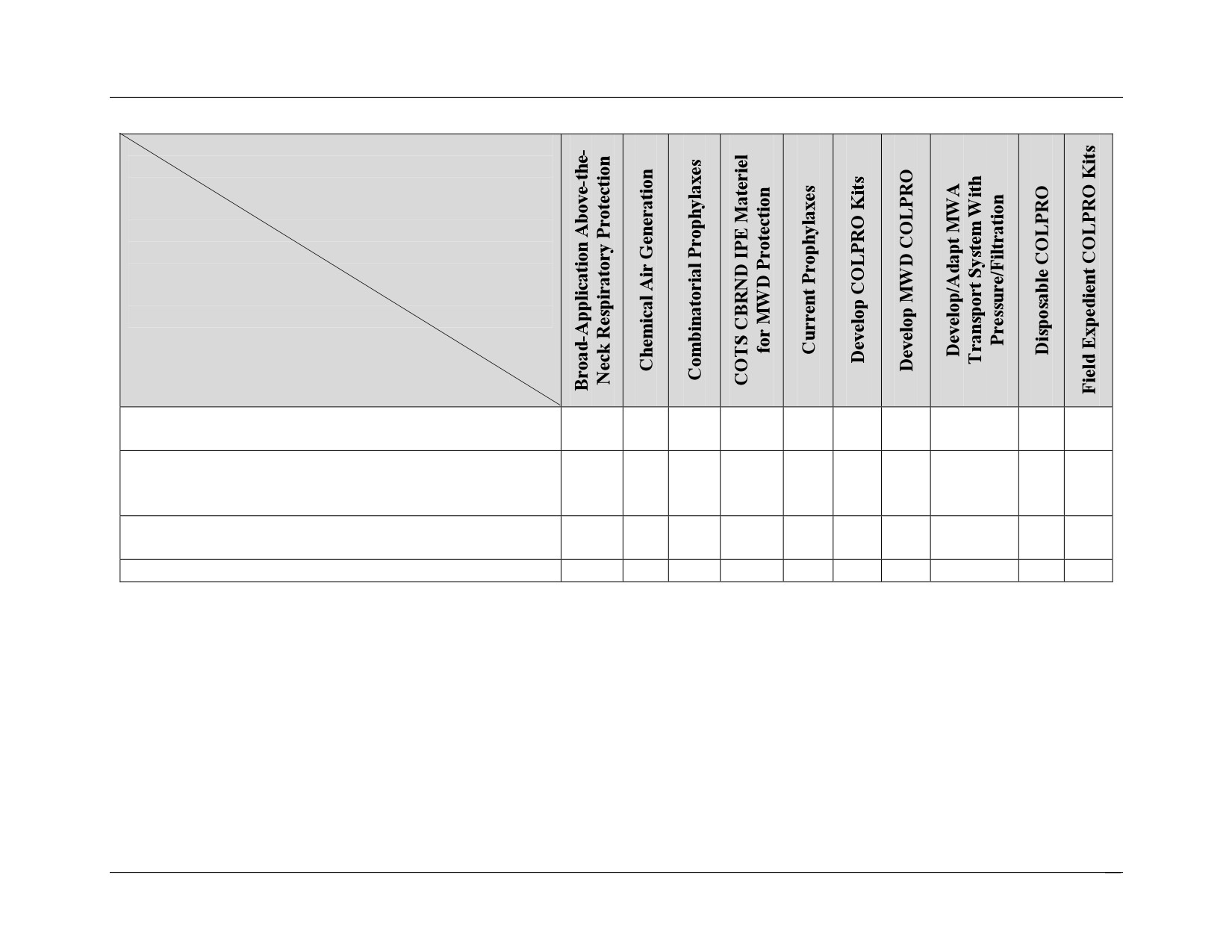
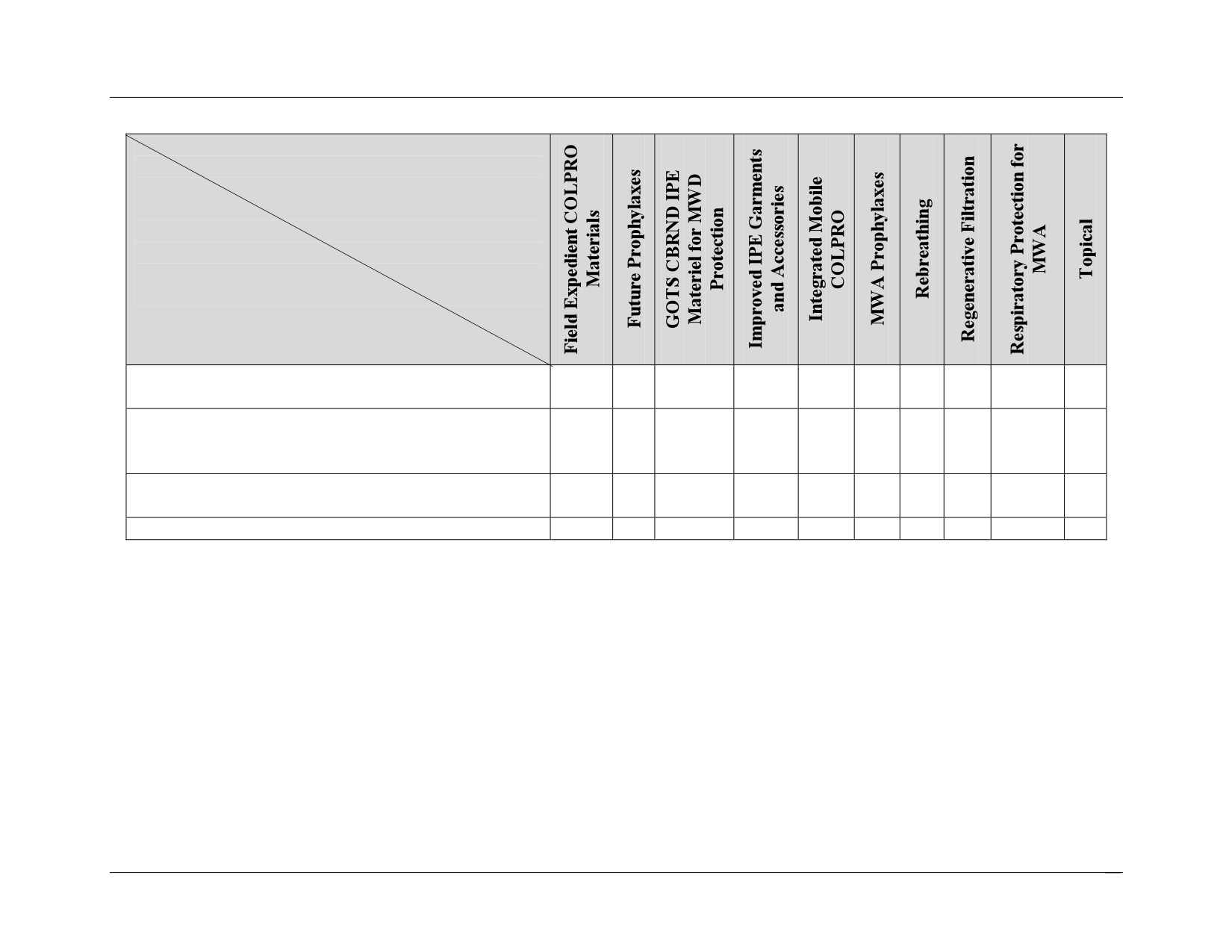
Table 13.4-2 is a list of ideas for material approaches and a corresponding description of each
idea. Approaches vary from modifying current COLPRO systems to the development of new
antibodies and vaccines. Table 13.4-3 identifies which of the material approaches might address
specific materiel deficiencies identified in the DOTMLPF assessment.
For Official Use Only
88

For Official Use Only
CBRND Functional Needs Analysis/Functional Solution Analysis
Chapter 13 Tactical Shield Tasks
Table 13.4-2. TASHLD 4: Materiel Approaches
Idea for Materiel Approach
Description
Broad-application above-the-
Develop above-the-neck respiratory protection with broad application for the general population,
neck respiratory protection
including MWAs.
Chemical air generation
Integrated compounds within warfighter’s IPE applying chemical reaction to generate oxygen
without reliance upon external sources.
Combinatorial prophylaxes
Develop prophylaxes affording protection or minimizing the impact from a broad range of
CBRN/TIM agents.
COTS CBRND IPE materiel
Adapt COTS protective equipment, where necessary and desirable, for CBRND of MWDs.
for MWD protection
Current prophylaxes
There currently exists a variety of prophylaxes used for protection against CBRN. FDA testing and
necessary modifications of prophylactics must be made to obtain FDA approval. Review available
medical material and prophylaxes for application to high-risk TIMs.
Develop COLPRO kits
Develop COLPRO kits containing all necessary supplies to construct field-expedient COLPRO that
is easily stored and maintained in ready condition, easily and safely erected, operated, maintained,
and striked within a CBRN/TIM environment by IPE-encumbered personnel using minimal
resources and supports COLPRO requirements.
Develop MWD COLPRO
Develop or adapt joint-level MWD transport and field kenneling systems for COLPRO function as
transporter, field shelter, and COLPRO.
Develop/adapt MWA
Develop or adapt MWA transport systems to provide COLPRO protection from CBRN/TIM agents.
transport system with
pressure/filtration
Disposable COLPRO
Develop one-time-use COLPRO that is rapidly erected with little instruction, training, and effort and
affords term protection for critical activities and functions, maintenance and repair activities,
prelocated consumables, as well as personnel associated with this task.
Field-expedient COLPRO
Develop field-expedient COLPRO kits designed to adapt existing structures, tentage, etc., for the
kits
expansion of COLPRO field capabilities and mission support and the provision of collective
protection to the force, critical functions and activities, maintenance and repair activities and
functions, resources, etc.
Field-expedient COLPRO
Identify commonly available materials (duct tape, plastic sheeting, wooden crate, plywood, tarps,
materials
coverings, wraps, caulk, sealant gels/sprays, etc.) for application in the construction of expedient
COLPRO needed to construct field-expedient COLPRO when COLPRO availability is limited or not
advantageous.
For Official Use Only
89
For Official Use Only
CBRND Functional Needs Analysis/Functional Solution Analysis
Chapter 13 Tactical Shield Tasks
Idea for Materiel Approach
Description
Future prophylaxes
Some preexposure prophylaxes for biological agents require several administrations, immunity
attainment is time-consuming, or the period of coverage does not address the full operational period.
Future prophylaxes should provide immunity against all known threat CBRN and high-risk TIM
agents, as well as potential future threat agents, and be FDA approved. CBRND medical
countermeasures are needed providing a sustained level of protection over an extended period of
time (minimally the operational period), do not require multiple administrations, are easily
disseminated and administered, support a minimum level of protection, protect against a broad range
of agents, cover the range of preexposure to post-exposure/presymptomatic application needs, and
are applicable to the protected population (including eligible civilians).
GOTS CBRND IPE materiel
Adapt existing GOTS CBRND materiel (e.g., PPW, etc.) for application to CBRND of MWDs.
for MWD protection
Improved IPE garments and
Develop new generation of IPE garments and accessories (e.g., boots/boot covers, gloves, hoods,
accessories
etc.) using modern materials permitting greater range of motion, longer wear without performance
degradation, increased durability, integrated into warfighter personal equipment, and protects against
all threat CBRN and high-risk TIM agents.
Integrated mobile COLPRO
Develop warfighting platforms (air, land, and sea) with COLPRO that is an integral part of the
operational system and protects against current and future/advanced agents.
Modular COLPRO
Develop modular COLPRO that can be erected in various configurations to protect various groups of
people separately by their designation (EPWs, civilian, etc.); accommodates small to large numbers
of people; protects all critical activities and functions, MWAs, prelocated consumables, and
maintenance/repair activities; and addresses the commander’s intent.
MWA prophylaxes
Develop or adapt CBRND medical countermeasures and veterinary medicine for preexposure and
post-exposure/presymptomatic protection of MWDs from CBRN/TIM. Develop topical that is easy
to apply and provides shielding from CBRN/TIM, preventing agent absorption through hair or skin.
Rebreathing
Closed circuit mechanism to permit an individual’s exhaled air to be filtered, CO2 removed and
recirculated for breathing, allowing user to make use of all available oxygen in a closed environment.
Regenerative filtration
CBRN regenerative filters able to flush retained agent, neutralize agent, or by other inherent means
affords extended period of protection.
Respiratory protection for
Modify existing technology for application by MWAs to provide some protection from CBRN/TIM.
MWAs
Specific masks would be desirable that are comparable to the human form factor.
Topical
Develop topical barrier that is easily applied (i.e., spray), acts as a contact hazard barrier, and affords
protection from CBRN/TIM.
For Official Use Only
90
For Official Use Only
CBRND Functional Needs Analysis/Functional Solution Analysis
Chapter 13 Tactical Shield Tasks
Table 13.4-3. TASHLD 4: IMA Assessment
Ideas for Material
Approaches
(IMA)
Identified Gaps
Include in doctrine requirement for allocation of
X
X
X
X
X
COLPRO for MWDs.
Include in doctrine requirement for COLPRO access for
MWDs accompanied by handlers away from primary
X
X
X
X
X
MWD COLPRO.
MWDs are not equipped, trained, and prepared to
X
X
X
X
X
X
X
X
X
X
survive a CBRN/TIM environment.
Prophylaxis for MWAs is virtually nonexistent.
X
X
For Official Use Only
91
For Official Use Only
CBRND Functional Needs Analysis/Functional Solution Analysis
Chapter 13 Tactical Shield Tasks
Table 13.4-3. TASHLD 4: IMA Assessment (continued)
Ideas for Material
Approaches
(IMA)
Identified Gaps
Include in doctrine requirement for allocation of
X
X
X
COLPRO for MWDs.
Include in doctrine requirement for COLPRO access
for MWDs accompanied by handlers away from
X
X
primary MWD COLPRO.
MWDs are not equipped, trained, and prepared to
X
X
X
X
X
X
X
X
X
X
survive a CBRN/TIM environment.
Prophylaxis for MWAs is virtually nonexistent.
X
X
X
For Official Use Only
92
For Official Use Only
CBRND Functional Needs Analysis/Functional Solution Analysis
Chapter 13 Tactical Shield Tasks
13.5
Task TASHLD 5: Protect evacuees, detainees, civilians, and other identified groups
from CBRN/TIM effects
13.5.1
Functional Area Analysis
13.5.1.1
Definition
Establish and provide COLPRO and/or individual protection to eligible civilians and detainees.
The afforded protection is dependent upon the function and activities performed by the
individual. NOTE: Civilians will encompass the full range of body types, ages, disabilities, and
may include both genders.
13.5.1.2
Derivation
Joint Enabling Concept for CBRN Operations, An Operational Concept for Biological Defense,
Protection Joint Functional Concept, UJTL (TA 7, TA 7.1).
13.5.1.2.1
Supported Task: OPSHLD 6
13.5.1.2.2
Lateral Task: TASHA 24
13.5.1.2.3
Supporting Task: N/A
13.5.1.3
Condition
Perform this task under conditions of:
Physical
1. Undeveloped to highly developed land. (C1.1.1)
2. Riverine to open sea. (C1.2)
3. Natural and induced air. (C1.3)
4. Immediate to delayed danger, and potential long-term health hazard of atmospheric
weapons effects. (C1.3.3)
Military
1. Partially completed mission preparation. (C2.1.3)
2. Marginal forces. (C2.2)
3. Marginal to adequate forces allocated. (C2.2.3)
4. Poor personnel (evacuees, detainees, civilians, and other identified group) nutrition and
health. (C2.2.4.1)
5. Poor personnel physical conditioning. (C2.2.4.3)
6. Poor mission-essential government-service civilian physical conditioning. (C2.2.4.3 -
NEW)
7. Poor mission-essential contract-service civilian physical conditioning. (C2.2.4.3 - NEW)
For Official Use Only
93
For Official Use Only
CBRND Functional Needs Analysis/Functional Solution Analysis
Chapter 13 Tactical Shield Tasks
8. Poor evacuee, detainee, and other civilian physical conditioning. (C2.2.4.3 - NEW2)
9. Negligible personnel experience. (C2.2.4.5)
10. Limited staff expertise. (C2.3.1.3)
11. Limited deployed supplies. (C2.8.2)
12. No prepositioned materiel. (C2.8.4)
13. No host-nation support. (C2.8.5)
14. Negligible to limited commercial procurement. (C2.8.6)
Civil
1. Negative foreign government support. (C3.1.2.3)
2. Aggressively opposed foreign public opinion. (C3.1.2.4)
3. Uncertain international organization support. (C3.1.2.5)
4. Poor civil health. (C3.3.1.4)
13.5.2
Functional Needs Analysis
13.5.2.1
Capability and Deficiency Assessment Summary
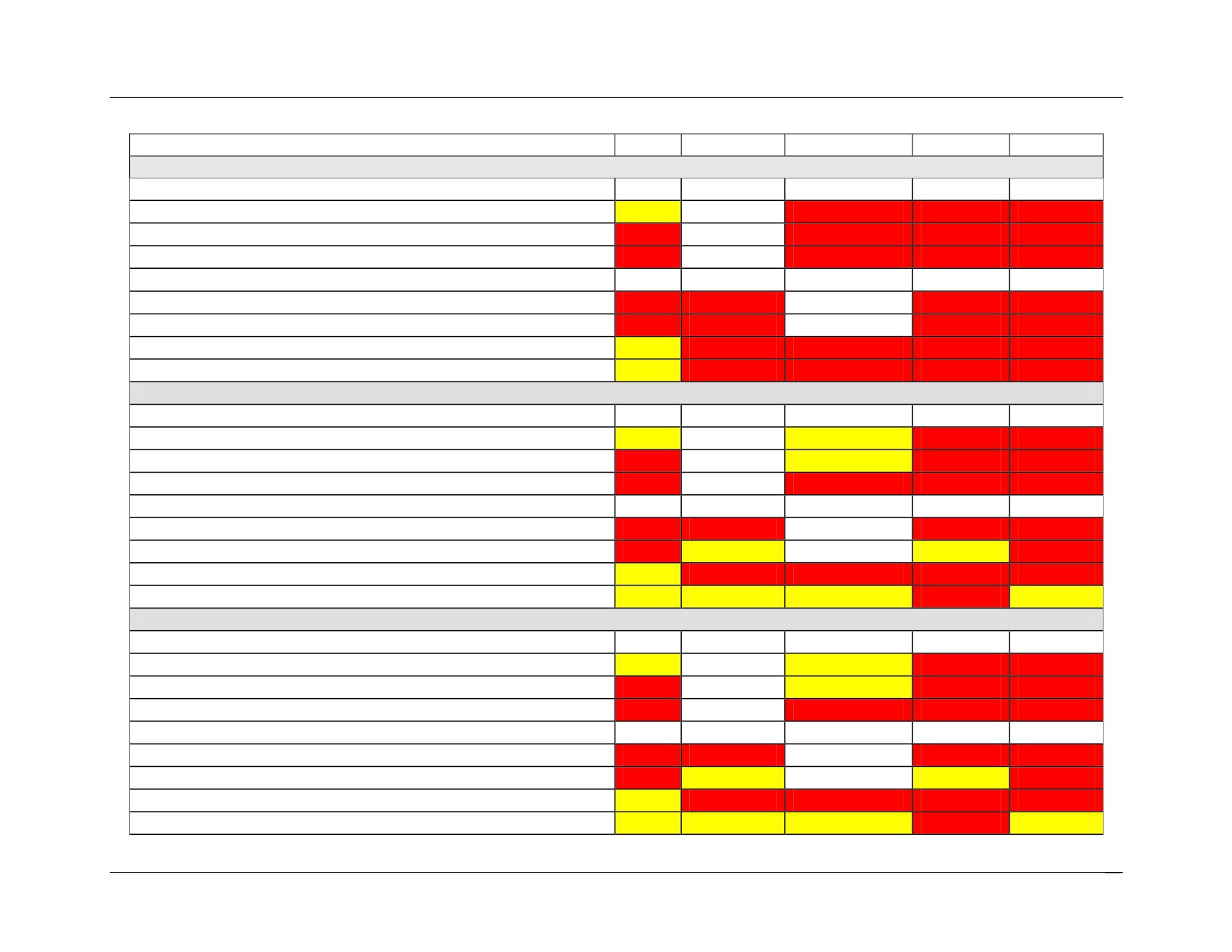
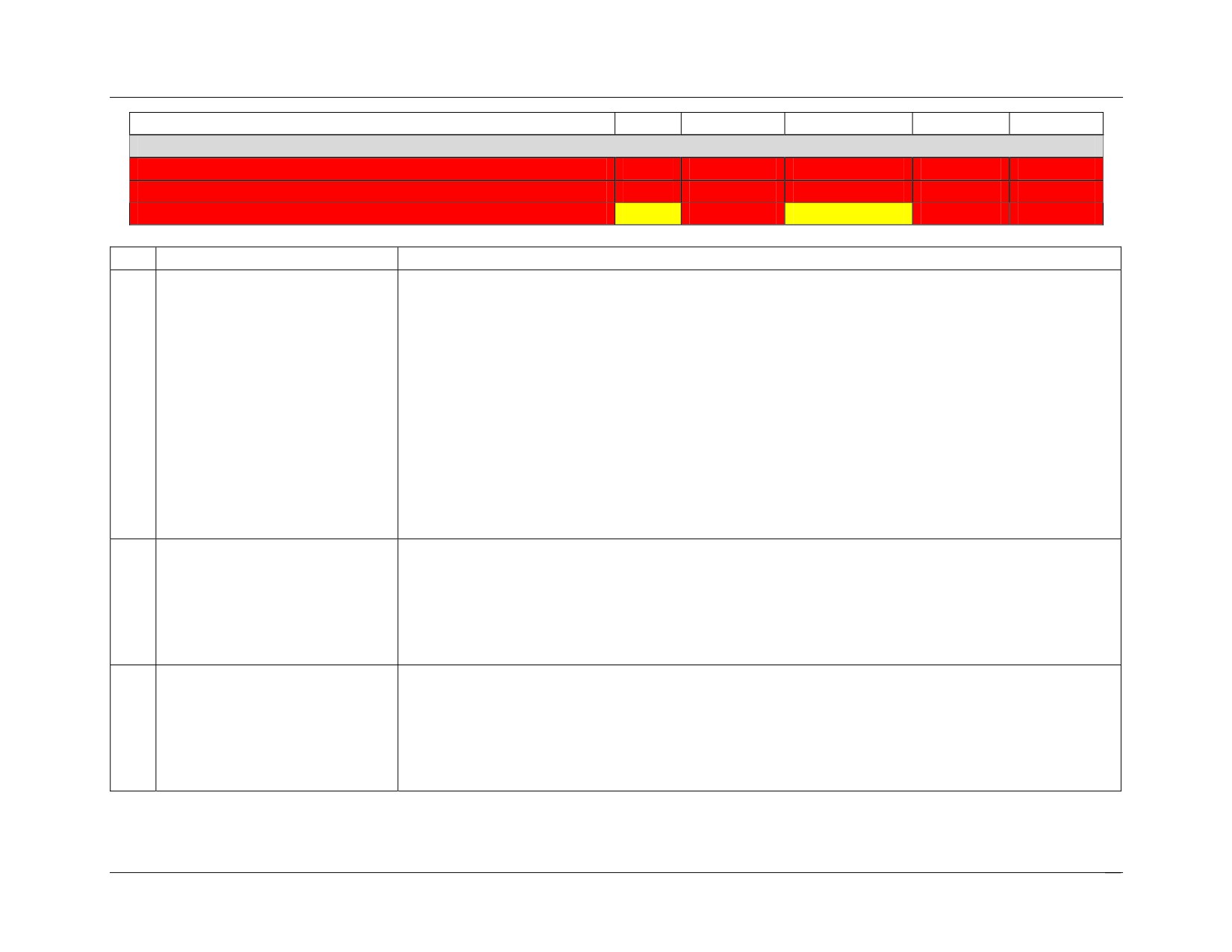
Table 13.5-1 discusses various capabilities to perform the task to the designated standards. The
overall capabilities for current, near/mid, and far term are rated “red.” Although improvements
between the periods occur for specific capabilities and are reflected in the associated identified
values, the improved capabilities are not sufficient to change the overall assessed color ratings
for this task.
Current Capability and Deficiency
Collective protection would afford the most widespread protection to the affected groups, but
these assets are limited in quantity and are intended for warfighter protection as a primary role.
CBRND respiratory/ocular and percutaneous protection are available in certain situations, either
possessed by detainees or provided in theater for dependents and contractors. But widespread use
in all cases are limited based on the physical variety of individuals that would need to be
considered, i.e., children of various ages. The Guardian Program is attempting to address the
protection of critical personnel within the civilian populace on an established military installation
but is currently focused upon installation response and mitigation capabilities primarily
addressing first responders and follow-on incident management. Planning, respiratory/ocular
protection, percutaneous protection, COLPRO, and training are included in this program.
However, the provision of IPE and COLPRO for application of CBRND for detainees, civilians,
and other identified groups is not adequately addressed in current DOTLMPF and stocks are
inadequate, if they exist at all.
2 The current UJTL condition description applies to only military personnel. The description should be expanded to include
evacuees, detainees, and other civilians.
For Official Use Only
94
For Official Use Only
CBRND Functional Needs Analysis/Functional Solution Analysis
Chapter 13 Tactical Shield Tasks
Projected Near/Mid-Term Capability and Deficiency
The projected mid-term fielding of JECP will expand capabilities to provide COLPRO for
support of operations. However, the quantities remain in question and timing may shift to late
mid term. The Guardian Program is expected to address critical civilian personnel within the
general installation/facility population during the near to early mid-term. However, the Guardian
Program is not expected to address general population, detainees, and non-U.S. personnel, nor
operations involving locations other than established U.S. installations and facilities. Although
additional assets are projected for the warfighter, no change is projected to DOTLPF.
Projected Far-Term Capability and Deficiency
Continued fielding of JECP is expected during the far term with possible expansion of the
program to address other identified and applicable COLPRO issues. The Guardian Program is
expected to continue to address and resolve or mitigate CBRND issues on a limited basis for
U.S. installations and facilities. Although additional assets are projected for the warfighter, no
change is projected to DOTLPF.
13.5.2.2
Resource Systems
Individual Protection
1.
Respiratory/Ocular Protection:
COTS: Commercially available systems of protection, manufactured and tested meeting
OSHA standards for the United States or equivalent organization in other nations.
M17 Series Masks w/M13 Series Filters: Obsolescent warfighter system of protection.
Retained in selected HTAs for NEO application. Designed for adults.
Other warfighter respiratory/ocular protection as available: Includes all standard warfighter
respiratory/ocular systems of protection (e.g., M40, MCU-2A/P, etc.) that may be
available and applied at the direction of the commander.
2.
Percutaneous Protection:
COTS: Commercially available systems of protection, manufactured and tested meeting
OSHA standards for the United States or equivalent organization in other nations.
Obsolescing warfighter percutaneous protection: Obsolete or obsolescing warfighter CBRN
ensembles, usually first- or second-generation protection, retained in selected HTAs for
NEO application, when applied. Designed for adults.
Other warfighter percutaneous protection as available: Includes all standard Service-
specific warfighter percutaneous protective assets (e.g., BDO, Saratoga, etc.) that may be
available and applied at the direction of the commander.
3.
Medical Protection: Standard warfighter CBRND prophylaxes. Designed for military
population profile.
For Official Use Only
95
For Official Use Only
CBRND Functional Needs Analysis/Functional Solution Analysis
Chapter 13 Tactical Shield Tasks
COLPRO
1. Mobile COLPRO:
CBPS: M1113 HMMWV-mounted COLPRO system consisting of a hardshell filtration, power,
and transport and expandable softshell tentage with contamination control area/entry. The
COLPRO unit is designated the Lightweight Multipurpose shelter (LMS).
CITADEL: System of protection installed with USN vessels to afford protection to selected
connected spaces including C4ISR, medical, and R2.
2.
Fixed-Site COLPRO:
MGPTS: USMC Medium General Purpose Tent System (MGPTS) with CB Protective Liner
System designed for support of USMC operational C4ISR and R2.
CP-DEPMEDS: Component-based system of tentage, connective corridors, ISO containers,
etc., with COLPRO liners for configuration into field hospitals and includes supporting
power and utility systems, lighting, engine control units, and filtration systems. Large
system requiring extensive use of resources to prepare location, erect/strike, operate, and
maintain.
JTCOPS: Similar to CP-DEPMEDS, but for critical functions and activities of the force
(e.g., staff operations, aircrew housing and briefing, etc.).
CP-EMEDS: USAF air-transportable system similar to CP-DEPMEDS on a smaller scale
and configurable from one medical shelter to a 25-bed field hospital.
CP-SSS: USAF small-scale COLPRO transportable system designed to support C2
functions.
JECP: Projected program of COLPRO designed for application in highly mobile operations,
expeditionary operations, forced-entry operations, and/or to supplement larger-scale
COLPRO systems in support of operations. Consists of building/room and tentage insert
kits and small-unit stand-alone COLPRO kits.
M20/M20A1 SCPE: Lightweight and modular COLPRO system consisting of an inflatable
liner for insert into rooms or buildings.
Building integrated COLPRO systems: COLPRO systems designed and installed into
buildings as integral systems, usually facility construction. Post-construction installation
is based upon building design and COLPRO requirements. Varies between buildings
based upon applied technology, date of construction/installation, system engineering,
facility function, etc. Most existing facility COLPRO was established during Cold War
period.
MOPP Methodology: Stepped level of CBRND protective measures. Standardized levels permit
the rapid increase or decrease of unit MOPP level.
Unit Staff: Application of DOTLPF, knowledge, experience, and acquired skills for the conduct
of CBRND by command staff (as individual entities and a single body) and appropriate
supporting activities.
For Official Use Only
96
For Official Use Only
CBRND Functional Needs Analysis/Functional Solution Analysis
Chapter 13 Tactical Shield Tasks
Table 13.5-1. TASHLD 5: Capability and Deficiency Assessment
System/Measure
M1
M2
M3
M4
M5
Current
Individual Protection
2.3
N/A
2.0
2.0
1.3
Respiratory/Ocular Protection
41
N/A
32
33
24
Percutaneous Protection
35
N/A
36
37
28
Medical Protection
09
N/A
09
09
09
Collective Protection
0
0
N/A
0
1.0
Mobile COLPRO
010
011
N/A
011
112
Fixed-Site COLPRO
013
014
N/A
014
112
Mission-Oriented Protective Posture (MOPP) Methodology
415
015, 16
315, 17
115, 18
019
Unit Staff
420
021
320, 22
023
220, 24
Near/Mid
Individual Protection
2.3
N/A
2.7
2.0
1.3
Respiratory/Ocular Protection
41
N/A
42, 25
33
24
Percutaneous Protection
35
N/A
46, 25
37
28
Medical Protection
09
N/A
09
09
09
Collective Protection
0
2.0
N/A
2.0
1
Mobile COLPRO
010
011
N/A
011
112
14, 25, 26
14, 25, 26
Fixed-Site COLPRO
013
4
N/A
4
112
MOPP
415
015, 16
315, 17
115, 18
019
20, 22, 25, 26
20, 24, 27
Unit Staff
420
421, 25, 26
4
023
4
Far
Individual Protection
2.3
N/A
3.3
2.0
1.3
Respiratory/Ocular Protection
41
N/A
52, 25
33
24
Percutaneous Protection
35
N/A
56, 25
37
28
Medical Protection
09
N/A
09
09
09
Collective Protection
0
2.5
N/A
2.5
1
Mobile COLPRO
010
011
N/A
011
112
Fixed-Site COLPRO
013
521, 25, 26
N/A
514, 25, 26
112
MOPP
415
015, 16
315, 17
115, 18
019
20, 22,25, 26, 27
Unit Staff
520, 27
5
21, 25, 26, 27
5
023
520, 24, 27
For Official Use Only
97
For Official Use Only
CBRND Functional Needs Analysis/Functional Solution Analysis
Chapter 13 Tactical Shield Tasks
System/Measure
M1
M2
M3
M4
M5
Overall
Current Overall Capability
3
0
3
1
1
Near/Mid-Term Overall Capability
3
2
3
1
2
Far-Term Overall Capability
4
3
4
1
2
FAA Measure
Scale
M1
Plans established for protecting
8-10: Plans, policies, and procedures provide clear and specific guidance for the provision of CBRND protective
detainees, civilians, and other
measures, equipment, and training to detainees (with and without CBRND articles and personal effects
identified groups from CBRN/TIM
authorized under the appropriate Geneva Convention), eligible civilians, and other plan identified and similar
effects.
groups. Resources are allocated and in place for the effective accomplishment of this task. Forces are trained and
equipped to provide CBRND protection as outlined in the appropriate plans, policies, and procedures.
4-7: Plans provide general guidance and information for the provision of CBRND protective equipment and
training to detainees (with and without CBRND articles and personal effects authorized under the appropriate
Geneva Convention), eligible civilians, and other plan identified and similar groups. Resources are allocated and
available for the accomplishment of this task. Forces are trained and equipped to support CBRND protection of
these groups.
1-3: Plans reference doctrine and policy on the provision of CBRND protective equipment to detainees (with and
without CBRND articles and personal effects authorized under the appropriate Geneva Convention), eligible
civilians, and other similar groups. Forces are trained on doctrine and policy regarding CBRND protection of
these groups.
0: Plans do not address the provision of CBRND protection for detainees, eligible civilians, and similar groups.
M2
Eligible non-force members are
8-10: CBRND COLPRO is available, allocated, in place, and provides protection from all CBRN agents and
protected using COLPRO.
high-risk TIMs for all sheltering eligible non-force members.
4-7: CBRND COLPRO is available, allocated, in place, and provides protection from all CBRN warfare agents
and selected high-risk TIMs for sheltering eligible non-force members.
1-3: CBRND COLPRO is available, allocated, in place, and provides protection against all CBRN warfare
agents for sheltering eligible non-force members.
0: CBRND COLPRO is not allocated and in place for sheltering eligible non-force members.
M3
Eligible non-force members are
8-10: Eligible non-force members are trained, equipped, and possess ready access to CBRND protective
protected using IPE.
measures and equipment.
4-7: Mission support eligible civilians and at-risk eligible civilians are trained, equipped, and possess ready
access to CBRND protective measures and equipment.
1-3: Training, equipping, and ready access to CBRND protective measures and equipment is limited to select
groups.
0: Training, equipping, and ready access to CBRND protective measures and equipment is nonexistent.
For Official Use Only
98
For Official Use Only
CBRND Functional Needs Analysis/Functional Solution Analysis
Chapter 13 Tactical Shield Tasks
M4
Detained personnel possess or are
8-10: Detained personnel are trained, equipped, and possess ready access to COLPRO and immediate
provided individual protection
identifiable IPE for protection against CBRN/TIM agent exposure.
and/or collective protection against
4-7: Detained personnel are equipped and possess access to COLPRO and/or identifiable IPE for protection
exposure to CBRN/TIM agents.
against CBRN/TIM agent exposure.
1-3: Detained personnel are equipped and possess access to IPE for protection against CBRN/TIM agent
exposure.
0: Detained personnel are not equipped or possess access to IPE.
M5
There is effective DOTMLPF in
8-10: DOTLPF exists and is adequate for this task. Task can be effectively performed with little or no direct
place to conduct task.
impact upon operations.
4-7: Most critical aspects of DOTLPF for this task are addressed. Task can be performed with limitations
requiring work-arounds.
1-3: DOTLPF is inadequate for accomplishment of this task.
0: DOTLPF does not exist for this task.
1 Plans exist in selected HTAs for the protection of eligible civilians, primarily civilians not supporting operations, using existing and obsolescing force standard and limited
acquired COTS respiratory/ocular protective assets. At the direction of the commander, stocks of force equipment and consumables may be applied to offset shortages in
equipment for the short term. Current plans for operations outside the United States call for the evacuation of eligible civilians to safe areas outside the AO. Civilians supporting
the mission and remaining within the AO, particularly non-U.S. personnel, however, are not adequately addressed for the provision of military force-equivalent CBRND IPE.
Civilians supporting the mission within the United States and its governed territories are governed by OSHA requirements. However, equipage of these personnel is currently
restricted to selected activities and functions. Most civilian personnel, both those performing mission support and not, are not equipped and trained for survival in a CBRN/TIM
environment. Plans for the collection and housing of EPWs and detained civilians envision locations far to the rear or outside the AO. However, these personnel are required to be
furnished and afforded protection throughout their custody, not just the period of long-term containment. EPWs governed by the Geneva Convention for the Treatment of Prisoners
of War, are permitted to retain personal effects and protective equipment such as CBRN protective masks and clothing. However, both governing Geneva Conventions for
prisoners of war (POWs) and civilians require the detaining force protect the detainees. The U.S., as a signatory of the Conventions, is obligated to provide protective assets to
these personnel if they do not possess protective respiratory/ocular devices and working stocks were not captured from the adversary. Consequently, the U.S. must provide
protection from the point of capture until release. Stocks designed to support force operational needs would be subject to issue if a threat exists. EPW-designated IPE, including
respiratory/ocular protection, which is clearly identifiable, does not exist and the potential is present for confusion in identification between EPW and force members. Current
planning does not consider this potential force impacting issue.
2 Civilians supporting the mission within the United States and its governed territories are governed by OSHA requirements. However, equipage of these personnel is currently
restricted to selected activities and functions such as hazardous materials response teams, EMS, fire department, etc. Most civilian personnel, both those performing mission
support and not, are not equipped and trained for survival in a CBRN/TIM environment. Force stocks are also applied during operations directed by national authorities requiring
rapid response for the evacuation and/or protection of designated personnel or groups. Civilians not supporting the mission in selected HTAs are provided CBRND respiratory/
ocular protection using obsolescing force standard (M17 series masks with M13 series filters) and limited acquired COTS respiratory/ocular protection. Additional assets must be
pulled from force stocks should the available designated assets be depleted. At the direction of the commander, stocks of force equipment and consumables may be applied to
offset shortages in equipment for the short term. Civilians on U.S. installations and facilities within the United States and its territories are generally not equipped with CBRND
respiratory/ocular protection. However, the Guardian Program is reviewing FP protective measures at U.S. installations and facilities for civilian personnel and will be addressing
these issues for critical members of the installation/facility populace. The Guardian Program, however, is not likely to address non-U.S. personnel supporting operations and
civilians protected under a national authority-directed evacuation/protection rapid response operation.
For Official Use Only
99
For Official Use Only
CBRND Functional Needs Analysis/Functional Solution Analysis
Chapter 13 Tactical Shield Tasks
3 EPWs governed by the Geneva Convention for the Treatment of Prisoners of War, are permitted to retain personal effects and protective equipment such as CBRN protective
masks and clothing. However, both governing Geneva Conventions for POWs and civilians require the detaining force protect the detainees. The U.S., as a signatory of the
Conventions, is obligated to provide protective assets to these personnel if they do not possess protective IPE and working stocks were not captured from the adversary.
Consequently, the U.S. must provide protection from the point of capture until release. Stocks designed to support force operational needs would be subject to issue if a threat
exists. EPW-designated IPE that is clearly identifiable does not exist and the potential is present for confusion in identification between EPW and force members. Current planning
does not consider this potential force impacting issue. Plans for the collection and housing of EPWs and detained civilians envision locations far to the rear or outside the AO.
However, these personnel are required to be furnished and afforded protection throughout their custody, not just the period of long-term containment.
4 Doctrine, policy, procedures, TTPs, and planning are inadequate to afford effective CBRND respiratory/ocular protection to detainees, civilians, and other identified groups.
Eligible civilians are not defined, the provision of CBRND measures and material to other than U.S. military members is not sufficiently addressed, and current DOTLPF does not
reflect and support the changing nature of the force. DOTLPF providing guidance for CBRND of detainees does not exist.
5 Plans exist in selected HTAs for the protection of eligible civilians, primarily civilians not supporting operations, using existing and obsolescing force standard and limited
acquired COTS percutaneous protective assets. At the direction of the commander, stocks of force equipment and consumables may be applied to offset shortages in equipment for
the short term. Current plans for operations outside the United States call for the evacuation of eligible civilians to safe areas outside the AO. Civilians supporting the mission and
remaining within the AO, particularly non-U.S. personnel, however, are not adequately addressed for the provision of military force equivalent CBRND IPE. Civilians supporting
the mission within the United States and its governed territories are governed by OSHA requirements. However, equipage of these personnel is currently restricted to selected
activities and functions. Most civilian personnel, both those performing mission support and not, are not equipped and trained for survival in a CBRN/TIM environment. Plans for
the collection and housing of EPWs and detained civilians envision locations far to the rear or outside the AO. However, these personnel are required to be furnished and afforded
protection throughout their custody, not just the period of long-term containment. EPWs governed by the Geneva Convention for the Treatment of Prisoners of War, are permitted
to retain personal effects and protective equipment such as CBRN protective masks and clothing. However, both governing Geneva Conventions for POWs and civilians require
the detaining force protect the detainees. The U.S., as a signatory of the Conventions, is obligated to provide protective assets to these personnel if they do not possess protective
respiratory/ocular devices and working stocks were not captured from the adversary. Consequently, the U.S. must provide protection from the point of capture until release. Stocks
designed to support force operational needs would be subject to issue if a threat exists. EPW-designated IPE, including percutaneous protection, which is clearly identifiable, does
not exist and the potential is present for confusion in identification between EPW and force members. Current planning does not consider this potential force impacting issue.
6 Civilians supporting the mission within the United States and its governed territories are governed by OSHA requirements. However, equipage of these personnel is currently
restricted to selected activities and functions such as hazardous materials response teams, EMS, fire department, etc. Most civilian personnel, both those performing mission
support and not, are not equipped and trained for survival in a CBRN/TIM environment. Force stocks are also applied during operations directed by national authorities requiring
rapid response for the evacuation and/or protection of designated personnel or groups. Civilians not supporting the mission in selected HTAs are provided CBRND percutaneous
protection using obsolescing force standard and limited acquired COTS respiratory/ocular protection. Additional assets must be pulled from force stocks should the designated
assets be depleted. At the direction of the commander, stocks of force equipment and consumables may be applied to offset shortages in equipment for the short term. Civilians on
U.S. installations and facilities within the United States and its territories are generally not equipped with CBRND respiratory/ocular protection. However, the Guardian Program is
reviewing FP protective measures at U.S. installations and facilities for critical civilian personnel and will be addressing these issues. The Guardian Program, however, is not likely
to address non-U.S. personnel supporting operations and civilians protected under a National authority-directed evacuation/protection rapid response operation.
7 EPWs governed by the Geneva Convention for the Treatment of Prisoners of War, are permitted to retain personal effects and protective equipment such as CBRN protective
masks and clothing. However, both governing Geneva Conventions for POWs and civilians require the detaining force protect the detainees. The U.S., as a signatory of the
Conventions, is obligated to provide protective assets to these personnel if they do not possess protective IPE and working stocks were not captured from the adversary.
Consequently, the U.S. must provide protection from the point of capture until release. Stocks designed to support force operational needs would be subject to issue if a threat
exists. EPW-designated IPE that is clearly identifiable does not exist and the potential is present for confusion in identification between EPW and force members. Current planning
does not consider this potential force impacting issue. Plans for the collection and housing of EPWs and detained civilians envision locations far to the rear or outside the AO.
However, these personnel are required to be furnished and afforded protection throughout their custody, not just the period of long-term containment.
8 Doctrine, policy, procedures, TTPs, and planning are inadequate to afford effective CBRND percutaneous protection to detainees, civilians, and other identified groups. Eligible
civilians are not defined, the provision of CBRND measures and material to other than U.S. military members is not sufficiently addressed, and current DOTLPF does not reflect
and support the changing nature of the force. DOTLPF providing guidance for CBRND of detainees does not exist.
9 Doctrine, policy, procedures, TTPs, and planning do not address the provisioning of CBRND medical countermeasures to nonmilitary members.
For Official Use Only
100
For Official Use Only
CBRND Functional Needs Analysis/Functional Solution Analysis
Chapter 13 Tactical Shield Tasks
10 Plans do not adequately address the provisioning of mobile COLPRO systems for the protection of nonoperational personnel and predominantly rely upon IPE and evacuation
for these personnel in HTAs and the AO. Civilians supporting the mission are not considered separately, but are included in unit mobile sheltering requirements if integrated into a
force unit. COLPRO for other civilians supporting the mission (e.g., Host-nation personnel, contractor employees, third-party nationals, etc.) is generally not planned or provided.
Mobile COLPRO within the United States and its territories is predominantly confined to deployable unit warfighting resources and selected Homeland Defense response
activities. LHA/LHDs and selected grey-water combatant vessels are outfitted with CITADEL COLPRO. These systems are dedicated to vessel crew and operations, but may be
applied to protect otherwise unprotected personnel.
11 Current mobile COLPRO systems are predominantly integrated into selected combat vehicles/vessels and do not support the protection of detainees, civilians, and other eligible
or identified groups. The only currently fielded land-based mobile COLPRO is CBPS. The CBPS system is available on a mobile platform and can provide a limited number of
people protection. The CBPS consists of a dedicated M1113 HMMWV with an LMS mounted on the back and provides a highly mobile, contamination-free, environmentally
controlled work area for forward deployed medical units. The CBPS has been fielded to treatment squads, forward surgical teams, and medical companies. Four personnel are
required to operate the CBPS. However, these systems are limited in supply and are generally dedicated to medical and C4ISR operations.
12 Doctrine, policy, procedures, TTPs, and planning are inadequate to afford effective CBRND COLPRO protection to detainees, civilians, and other identified groups. Eligible
civilians are not defined, the provision of CBRND measures and material to other than U.S. military members is not sufficiently addressed, and current DOTLPF does not reflect
and support the changing nature of the force. DOTLPF providing guidance for CBRND of detainees does not exist.
13 Plans do not adequately address the provisioning of mobile COLPRO systems for the protection of nonoperational personnel and predominantly rely upon IPE and evacuation
for these personnel in HTAs and the AO. Civilians supporting the mission are not considered separately, but are included in unit sheltering requirements if integrated into a force
unit. COLPRO for other civilians supporting the mission (e.g., host-nation personnel, contractor employees, third-party nationals, etc.) is generally not planned or provided.
14 The USMC MGPTS with CB Protective Liner System provides a positive-pressure, filtered-air, toxic-free shelter for protection against CBRN agents. However, there are
insufficient quantities to protect detainees, civilians, and other identified groups from CBRN/TIM effects. The CP-DEPMEDS provides a clean, toxic-free, environmentally
controlled, patient treatment area and the components are designed to integrate as field hospitals. They are packaged as a set for deployment to threat areas for hospital operations.
The entire composite hospital consists of expandable tentage, passageways, environmental control units, and ISO shelters. The CP-DEPMEDS exist in very limited quantities.
Although it could be applied to provide COLPRO to the task identified groups, its designed and primary function is that of medical care. A similar COLPRO is the USAF’s CP-
EMEDS, which is an air-transportable medical facility deployable in various configurations from a single shelter to a 25-bed patient hospital. The CP-EMEDS is in a very limited
number and, like the CP-DEPMEDS, is designed for its primary function of the provision of medical care. The USAF CP-SSS is a small-scale CPS applied for the conduct of C2
operations, maintenance of critical equipment, force beddown, and the provision of R2 for sortie generators and key leadership. This shelter is in limited supply and unlikely
sufficient quantities would be available to support a group of any size, especially during operations against an adversary. The M20/M20A1 SCPE is a lightweight, modular system
involving a liner designed for inflation within a room or building. The M20A1 serves to bridge the gap between the M20 SCPE and CBPS. Quantities are limited and are not likely
to be available during operations against an adversary. Current COLPRO systems are not available in the quantities and types necessary to support the protection of eligible
civilians and detainees. Current plans generally do not address the application of COLPRO to non-force personnel and do not allocate the limited COLPRO resources to this
activity. Fixed-site COLPRO within the United States and its territories is predominantly designed for nuclear fallout and does not address other CBRN/TIM hazards and threats
arising after September 11, 2001. Selected critical key facilities are equipped with CBRN COLPRO, but are not available to other than designated personnel. Fixed-site CBRN
COLPRO is installed in facilities housing selected activities and functions within HTAs. However, these facilities are dedicated to critical operational requirements and restricted
to assigned and designated personnel. However, the Guardian Program is reviewing FP protective measures at U.S. installations and facilities for critical civilian personnel and will
be addressing these issues. The Guardian Program, however, is not likely to address non-U.S. personnel supporting operations and civilians protected under a national authority-
directed evacuation/protection rapid response operation. The projected mid-term fielding of JECP may alleviate COLPRO shortages but will likely be insufficient to satisfy both
operational and eligible civilian sheltering needs.
15 Plans incorporate MOPP levels and methodologies are adjustable to meet local operations and threat needs. MOPP levels and methodologies are generally considered to apply to
equipped nonmilitary personnel. Plans within HTAs may incorporate this perception. However, doctrine, policy, procedures, and TTPs do not address their application to these
personnel.
16 Nonmilitary personnel are generally not trained and fully integrated into exercises and evaluations requiring the use of COLPRO as relates to the appropriate MOPP levels.
17 Nonmilitary personnel are generally not trained, equipped, and fully integrated into exercises and evaluations requiring the use of IPE at the appropriate MOPP levels.
Designated nonmilitary personnel performing selected functions and activities (e.g., EMS, fire department, etc.) are trained, equipped, and exercised/evaluated.
18 Detained personnel may not be cognizant of U.S. MOPP levels and their associated actions. Alternative designations and training may be required to enhance detainee survival.
For Official Use Only
101
For Official Use Only
CBRND Functional Needs Analysis/Functional Solution Analysis
Chapter 13 Tactical Shield Tasks
19 Doctrine, policy, procedures, and TTPs do not address the application of MOPP levels and associated training and equipping of non-U.S. military personnel. DOTLPF providing
guidance for CBRND of detainees does not exist.
20 Unit staff personnel planning is guided by current doctrine, policy, procedures, and TTPs. Select HTA doctrine does provide limited guidance on the provisioning of protection
to in-place, known, eligible civilians not supporting the mission (e.g., military dependents, etc.). However, the emphasis within HTAs is upon short-term protection until
evacuation. Planning for the provision of CBRND to nonmilitary personnel is a combination of known available assets not otherwise committed to operations, threat, number of
persons involved, ability to protect the target population, available relocation resources, expected time to move the population, and expected operational demands. DOTLPF
providing guidance for CBRND of detainees does not exist. The protection of non-force members within the United States and its territories is constrained by available protective
resources and impacted by OSHA requirements for nonuniformed personnel. Staff training, processes, and planning/operating guidance do not adequately consider civilians
supporting the mission and remaining within the AO, particularly non-U.S. personnel. The provisioning and standards for civilians performing mission support tasks, activities, and
functions are not adequately addressed for the provision of military force equivalent CBRND IPE where and when appropriate. Civilians supporting the mission within the United
States and its governed territories are governed by OSHA requirements. Staff personnel representing selected activities such as fire department, EMS, and other similar standard
response functions are aware and knowledgeable of OSHA requirements and are involved in staff planning and operational processes. However, equipage of these personnel is
currently restricted to selected activities and functions. Further, host-nation standards and requirements similar to OSHA may exist and apply to non-U.S. personnel, activities, and
functions supporting the mission and are not generally known to the staff. Most civilian personnel, both those performing mission support and not, are not addressed in planning
for survival and operations within a CBRN/TIM environment.
21 Availability of COLPRO for other than operational needs is not a consideration the unit staff can reasonably expect or build into plans. However, the Guardian Program is
reviewing FP protective measures at U.S. installations and facilities for critical civilian personnel and will be addressing these issues. The Guardian Program, however, is not likely
to address non-U.S. personnel supporting operations and civilians protected under a National authority-directed evacuation/protection rapid response operation. The projected mid-
term fielding of JECP may alleviate COLPRO shortages but will likely be insufficient to satisfy both operational and eligible civilian sheltering needs.
22 Unit staff planners in selected HTAs do address the short-term protection of nonmilitary personnel not supporting the mission. However, the equipping and training of civilians
supporting the mission is not adequately defined and addressed for planning action by unit staff planners and supporting functions. However, the Guardian Program is reviewing
FP protective measures at U.S. installations and facilities for critical civilian personnel and will be addressing these issues. The Guardian Program, however, is not likely to address
non-U.S. personnel supporting operations and civilians protected under a National authority-directed evacuation/protection rapid response operation. The projected mid-term
fielding of JECP may alleviate COLPRO shortages but will likely be insufficient to satisfy both operational and eligible civilian sheltering needs.
23 DOTLPF providing guidance for CBRND of detainees does not exist.
24 Doctrine, policy, procedures, and TTPs do not address the application of MOPP levels and associated training and equipping of non-U.S. military personnel other than for
selected personnel, functions, and activities such as fire department, EMS, and similar entities. DOTLPF providing guidance for CBRND of detainees does not exist.
25 Improvements are expected as a result of the Guardian Program as assets are identified and fielded for critical civilian personnel. However, protection of the general population
is not likely to be addressed.
26 The projected fielding of JECP in the mid term includes adaptive/insertive COLPRO for existing tentage and facilities. Quantities to be fielded of these systems has not been
determined.
27 Continued Guardian Program progress and corresponding development of associated detailed DOTLPF is expected to address the protection of the critical nonmilitary populace
at U.S. facilities and installations. The Guardian Program, however, is not likely to address non-U.S. personnel supporting operations and civilians protected under a National
authority-directed evacuation/protection rapid response operation. Further, the Guardian Program is not expected to address detainees.
For Official Use Only
102
For Official Use Only
CBRND Functional Needs Analysis/Functional Solution Analysis
Chapter 13 Tactical Shield Tasks
13.5.3
Functional Solutions Analysis
13.5.3.1
DOTLPF Assessment Summary
This section addresses the deficiencies and suggests potential non-materiel solutions. If there are
no non-materiel solutions, or they are only partial solutions, the remaining non-materiel need is
then stated. Materiel needs are assessed in the IMA section.
1.
Deficiency: The definition of “eligible civilians” is not clear.
Non-Materiel Solutions: Doctrine: Define “eligible civilians” supporting the
mission/military operations for CBRND and establish their inclusion in the force within
doctrine, policy, procedures, and TTPs. Define other eligible civilians and their relationship
to the force, protection afforded by the force, and obligations of the force and the target
population. Organization: Identify organizational services dependent upon civilians for
mission/military operations success. Identify organization services and activities necessary to
support survivability of eligible civilians, detainees, evacuees, and other designated/identified
groups. Training: Establish CBRND training, exercise, and evaluation criteria and programs
for eligible civilians, detainees, evacuees, and other designated/identified groups; and
conduct CBRND training, exercises, and evaluations. Leadership: Implement and manage
CBRND training, equipping, and protection of eligible civilians, detainees, evacuees, and
other designated/identified groups. Personnel: Ensure that eligible civilians supporting the
mission/military operations are qualified in CBRND and capable of performing their
responsibilities in a CBRN/TIM environment. Facilities: Develop supporting infrastructure
for eligible civilian, detainees, and other designated group CBRND (e.g., logistics, medical,
training, communications, security, etc.).
2.
Deficiency: The command staffs do not possess clear guidance for planning and providing
CBRN/TIM protection training and CBRND protection resources to eligible civilians,
detainees, evacuees, and other non-U.S. military identified groups.
Non-Materiel Solutions: Doctrine: Promulgate doctrine, policy, and procedures addressing
civilian personnel, detainees, non-U.S. personnel, and other groups and operations for
CBRND. Organization: Identify organizational services and activities supporting the mission
performed by civilian personnel and operations. Address organizational issues (e.g., who
provides the equipment, support forces to train and equip, etc.) related to the provision of
CBRN/TIM protection to eligible civilians, detainees, evacuees, and other identified groups.
Training: Establish CBRND training, exercise, and evaluation criteria and programs for
eligible civilians, detainees, and other designated personnel. Conduct CBRN/TIM training,
exercises, and evaluations including these groups, where appropriate. Leadership: Implement
and manage CBRND training, equipping, and protection of eligible civilians, detainees, and
other designated personnel. Personnel: Ensure that eligible civilians supporting the
mission/military operations are qualified in CBRND and capable of performing their
responsibilities in a CBRN/TIM environment. Facilities: Develop supporting infrastructure
for eligible civilian, detainees, and other designated group CBRND (e.g., logistics, medical,
training, communications, security, etc.).
For Official Use Only
103
For Official Use Only
CBRND Functional Needs Analysis/Functional Solution Analysis
Chapter 13 Tactical Shield Tasks
3.
Deficiency: DOTLPF is inadequate or nonexistent addressing CBRND of eligible civilians,
detainees, evacuees, and other designated/identified groups.
Non-Materiel Solutions: Doctrine: Promulgate doctrine, policy, procedures, and TTPs
addressing CBRND of eligible civilians, detainees, evacuees, and other designated/identified
groups. Organization: Identify organization services and activities necessary to support
survivability of eligible civilians, detainees, evacuees, and other designated/identified groups.
Training: Establish CBRND training, exercise, and evaluation criteria and programs for
eligible civilians, detainees, evacuees, and other designated/identified groups; and conduct
CBRND training, exercises, and evaluations. Leadership: Implement and manage CBRND
training, equipping, and protection of eligible civilians, detainees, evacuees, and other
designated/identified groups. Personnel: Establish criteria and requirements that eligible
civilians supporting the mission/military operations are medically qualified to perform their
tasks in a CBRN/TIM environment using CBRND resources and are adequately trained in
CBRND and operations within a CBRN/TIM environment. Facilities: Develop supporting
infrastructure for eligible civilian, detainees, and other designated group CBRND (e.g.,
logistics, medical, training, communications, security, etc.).
4.
Deficiency: Policies and plans do not adequately address the protection of eligible civilians,
detainees, evacuees, and other designated groups from CBRN/TIM.
Non-Materiel Solutions: Doctrine: Promulgate doctrine, policy, and procedures addressing
eligible civilians, detainees, evacuees, and other designated groups for CBRND. Includes
specific guidance for planning and operations involving these groups. Leadership: Ensure
awareness of need for planning and resource allocation for the protection of eligible civilians,
detainees, evacuees, and other designated groups from the effects of CBRN/TIM.
5.
Deficiency: Eligible civilians, detainees, evacuees, and other identified groups are not
equipped and trained to survive a CBRN/TIM environment.
Partial Non-Materiel Solutions: Doctrine: Establish doctrine, policy, procedures, and TTPs
for the identification, equipping, preparing, training, and protection of eligible civilians,
detainees, evacuees, and other identified groups for survival and operations within a
CBRN/TIM environment. Organization: Ensure organizational consideration for
maintenance and support of eligible civilian, detainee, evacuee, and other identified group
CBRND protective equipment, measures, and activities. Training: Establish institutional and
unit training of eligible civilians supporting the mission for CBRND measures and activities.
Includes training of other civilians, detainees, evacuees, and other identified groups for
survival in a CBRN/TIM environment. Also includes integration into CBRND exercises and
evaluations. Leadership: Ensure awareness and planning for CBRND measures and
requirements for eligible civilian, detainee, evacuee, and other identified group survival.
Personnel: Ensure that eligible civilians supporting the mission/military operations are
qualified in CBRND and capable of performing their responsibilities in a CBRN/TIM
environment. Facilities: Develop supporting infrastructure for eligible civilian, detainees,
and other designated group CBRND (e.g., logistics, medical, training, communications,
security, etc.).
6.
Deficiency: Most civilians are not equipped or have access to IPE for survival within a
CBRN/TIM environment. Detainees are likely not to possess IPE.
For Official Use Only
104
For Official Use Only
CBRND Functional Needs Analysis/Functional Solution Analysis
Chapter 13 Tactical Shield Tasks
Partial Non-Materiel Solutions: Doctrine: Establish in doctrine, policy, and procedures the
provisioning of civilians, evacuees, detainees, and other designated groups with CBRND that
addresses the variation within a potential population. Institute in doctrine, policy, and
procedures the central correlation of plans and taskings to identify eligible civilian, detainee,
evacuee, and other designated group CBRND support requirements for two or more
concurrent operations with threat with comparison to existing and programmed quantities
and types of CBRND systems and resources, to include replenishment and preposition of
CBRND assets for these groups. Organization: Ensure organizational consideration for
maintenance and support of eligible civilian, detainee, evacuee, and other identified group
CBRND protective equipment, measures, and activities. Training: Establish institutional and
unit training of eligible civilians supporting the mission for CBRND measures and activities.
Training of other civilians, detainees, evacuees, and other identified groups for survival in a
CBRN/TIM environment. Integrate into CBRND exercises and evaluations. Leadership:
Ensure awareness and planning for CBRND measures and requirements for eligible civilian,
detainee, evacuee, and other identified group survival. Personnel: Ensure that eligible
civilians supporting the mission/military operations are qualified in CBRND and capable of
performing their responsibilities in a CBRN/TIM environment. Facilities: Develop
supporting infrastructure for eligible civilian, detainees, and other designated group CBRND
(e.g., logistics, medical, training, communications, security, etc.).
7.
Deficiency: Most civilians performing essential activities supporting operations are not
equivalently equipped to their military counterparts. This statement is particularly true of
contractors.
Partial Non-Materiel Solutions: Doctrine: Establish in doctrine, policy, and procedures the
application of standards for protection of eligible civilians supporting the mission/military
operations addressing the variation within the potential protected working populations.
Organization: Identify organizational services dependent upon civilians for mission/military
operations success. Training: Establish institutional and unit training of eligible civilians
supporting the mission for CBRND measures and activities. Integrate into CBRND exercises
and evaluations. Leadership: Implement and manage CBRND training, equipping, and
protection of eligible civilians. Personnel: Ensure that eligible civilians supporting the
mission/military operations are qualified in CBRND and capable of performing their
responsibilities in a CBRN/TIM environment. Facilities: Develop supporting infrastructure
for eligible civilians supporting the mission/operations CBRND (e.g., logistics, medical,
training, communications, security, etc.).
8.
Deficiency: Short-notice NEO evacuation operations for other than existing areas prepared in
advance for NEO activities, are likely to necessitate the use of military force assets which
may provide inadequate protection for segments of the potential population (e.g., babies,
young children, disabled, etc.).
Partial Non-Materiel Solutions: Doctrine: Establish in doctrine, policy, and procedures the
application of standards for protection of evacuees during NEO operations with threat and
addressing the variation within the potential protected working populations. Leadership:
Awareness and ensure plans adequately address CBRND protection of evacuees during NEO
operations with threat. Facilities: Infrastructure supports the acquisitioning and provisioning
of COTS/GOTS material for the protection of evacuees.
For Official Use Only
105
For Official Use Only
CBRND Functional Needs Analysis/Functional Solution Analysis
Chapter 13 Tactical Shield Tasks
9. Deficiency: Prophylaxis for eligible civilians is not addressed.
Non-Materiel Solutions: Doctrine: Establish in doctrine, policy, and procedures
requirement to address the administration, provision, and application of medical CBRN/TIM
protective countermeasures by other than U.S. forces (e.g., civilians, non-U.S. forces,
detainees, etc.). Organization: Address organizational issues (e.g., who provides the
equipment, support forces to train and equip, etc.) related to the provision of CBRN/TIM
protection to eligible civilians, detainees, evacuees, and other identified groups. Training:
Include eligible civilians, detainees, and other identified groups in CBRND training,
exercises, and evaluations. Identify training requirements and responsibilities for non-U.S.
personnel. Leadership: Ensure leadership awareness of criticality and increased dependence
of military operations, requirements to protect detainees, and need to protect other
eligible/designated groups. Personnel: Require eligible civilians supporting the mission to
meet minimum standards for safe use of CBRND resources.
10. Deficiency: Availability of prophylaxis is questionable for issue and administration to
eligible civilians.
Non-Materiel Solutions: Doctrine: Establish in doctrine, policy, and procedures the
application of CBRND standards and prophylaxis for protection of eligible civilians
addressing the variation within a potential protected population. Training: Establish CBRND
training, exercise, and evaluation criteria and programs for eligible civilians and conduct
CBRN/TIM training, exercises, and evaluations, where appropriate. Leadership: Implement
and manage CBRND training, equipping, and protection of eligible civilians.
11. Deficiency: The issue and administration of prophylaxis to eligible civilians requires review
due to questions regarding applicability to the range of body types, ages, and physical/
medical factors inherent within a potential population, as well as possible long-term health
issues and legal ramifications.
Non-Materiel Solutions: Doctrine: Establish in doctrine, policy, and procedures the
application of CBRND standards and prophylaxis for protection of eligible civilians
addressing the variation within a potential protected population. Training: Establish CBRND
training, exercise, and evaluation criteria and programs for eligible civilians and conduct
CBRN/TIM training, exercises, and evaluations, where appropriate. Leadership: Implement
and manage CBRND training, equipping, and protection of eligible civilians.
13.5.3.2
IMA Assessment Summary
Table 13.5-2 is a list of ideas for material approaches and a corresponding description of each
idea. While current IPE could be used for mission essential civilians; the larger quantities
required meeting this task and the difficulties/hazards associated with it make IPE unrealistic.
Approaches need to focus on use of current COLPRO systems and developing field-expedient
and rapidly deployable systems. Table 13.5-3 identifies which of the material approaches might
address specific materiel deficiencies identified in the DOTMLPF assessment.
For Official Use Only
106
For Official Use Only
CBRND Functional Needs Analysis/Functional Solution Analysis
Chapter 13 Tactical Shield Tasks
Table 13.5-2. TASHLD 5: Materiel Approaches
Idea for Materiel Approach
Description
Procure/develop field-expedient
Procure COLPRO kits similar to those used for the Chemical Stockpile Emergency Preparedness
COLPRO kits
Program for appropriate activities and requirements. This protective measure is currently provided
to populations located in the vicinity of chemical demilitarization sites. Other materials may be
adaptable and procured to establish COLPRO in existing structures. Develop field-expedient
COLPRO kits designed to adapt existing structures, tentage, etc., for the expansion of COLPRO
field capabilities and mission support and the provision of collective protection to the force,
critical functions and activities, maintenance and repair activities and functions, resources, etc.
Disposable COLPRO
Develop one-time-use COLPRO that is rapidly erected with little instruction, training, and effort
and affords term protection for critical activities and functions, maintenance and repair activities,
prelocated consumables, as well as personnel associated with this task.
Modular COLPRO
Develop modular COLPRO that can be erected in various configurations to protect various groups
of people separately by their designation (EPW, civilian, etc.); accommodates small to large
numbers of people; protects all critical activities and functions, MWAs, prelocated consumables,
and maintenance/repair activities; and addresses the commander’s intent.
For Official Use Only
107
For Official Use Only
CBRND Functional Needs Analysis/Functional Solution Analysis
Chapter 13 Tactical Shield Tasks
Table 13.5-3. TASHLD 5: IMA Assessment
Ideas for Material
Approaches
(IMA)
Identified Gaps
Eligible civilians, detainees, evacuees, and other identified groups are not equipped and trained to
X
X
X
survive a CBRN/TIM environment
Most civilians are not equipped or have access to IPE for survival within a CBRN/TIM
X
X
X
environment. Detainees are likely not to possess IPE.
Most civilians performing essential activities supporting operations are not equivalently equipped to
X
X
X
their military counterparts. This statement is particularly true of contractors.
Short-notice NEO evacuation operations for other than existing areas prepared in advance for NEO
activities, are likely to necessitate the use of military force assets which may provide inadequate
X
X
X
protection for segments of the potential population (e.g., babies, young children, disabled, etc.).
For Official Use Only
108
For Official Use Only
CBRND Functional Needs Analysis/Functional Solution Analysis
Chapter 13 Tactical Shield Tasks
13.6
Task TASHLD 6: Provide safe, collectively protected environment for critical and
essential mission tasks and activities and for rest and relief
13.6.1
Functional Area Analysis
13.6.1.1
Definition
COLPRO provides a contamination-free (MOPP-free) environment where critical activities (e.g.,
command and control, communication, and maintenance of low-density assets) can be
performed, and provides MOPP relief for individuals and units. COLPRO may be included in a
fixed facility, transportable shelter, mobile-mounted shelter, vehicle, aircraft, ship, or an
expedient shelter. Entry/exit procedures must be strictly followed to prevent introducing
contamination into a CPS. A CPS is brought to fully operational condition if not done so prior to
an attack.
Because COLPRO assets are limited (if available at all), commanders must prioritize those
activities that are critical to battlefield success to be performed in CPS. Forces are rotated, when
and where possible, for rest and relief within CPS facilities or outside the hazard area. The
facility, vessel, or vehicular (air or ground) CPS clean air supply system is activated if COLPRO
filtration systems were not placed into operation prior to the event. Unoccupied vehicles (air and
surface) remain sealed to prevent the infiltration of contamination. Environmental Sheltering
with Reduced CB Hazard CPS is placed into operation. Prior to an actual attack, CPS may be
activated and the following tasks performed:
• CPSs are assessed and prepared for use. The commander may place a CPS into operation or
on standby for an anticipated attack.
• Facilities, vehicles, vessels, and aircraft are prepared wherever possible against infiltration of
a CBRN/TIM agent.
• Expedient shelters are established in facilities, vehicles, vessels, aircraft, etc., for protection
of resources. Expedient shelters may also be constructed using available materials.
13.6.1.2
Derivation
Joint Enabling Concept for CBRN Operations, An Operational Concept for Biological Defense,
Protection Joint Functional Concept, UJTL (TA 5, TA 7, TA 7.1).
13.6.1.2.1
Supported Task: OPSHLD 7
13.6.1.2.2
Lateral Task: TASHA 24
13.6.1.2.3
Supporting Task: N/A
For Official Use Only
109
For Official Use Only
CBRND Functional Needs Analysis/Functional Solution Analysis
Chapter 13 Tactical Shield Tasks
13.6.1.3
Condition
Perform this task under conditions of:
Physical
1. Undeveloped to highly developed land. (C1.1.1)
2. Riverine to open sea. (C1.2)
3. Natural and induced air. (C1.3)
4. Immediate to delayed danger, and potential long-term health hazard of atmospheric
weapons effects. (C1.3.3)
Military
1. Partially completed mission preparation. (C2.1.3)
2. Marginal forces. (C2.2)
3. Marginal to adequate forces allocated. (C2.2.3)
4. Negligible personnel experience. (C2.2.4.5)
5. Limited staff expertise. (C2.3.1.3)
6. Limited deployed supplies. (C2.8.2)
7. Limited CONUS resupply. (C2.8.3)
8. No prepositioned materiel. ( 2.8.4)
9. No host-nation support. (C2.8.5)
10. Negligible to limited commercial procurement. (C2.8.6)
Civil. N/A
13.6.2
Functional Needs Analysis
13.6.2.1
Capability and Deficiency Assessment Summary
Table 13.6-1 discusses current capabilities to perform the task to the designated standards. The
overall capabilities for current, near/mid, and far term are rated “yellow.” Although
improvements between the periods occur for specific capabilities and are reflected in the
associated identified values, the improved capabilities are not sufficient to change the overall
assessed color ratings for this task.
Current Capability and Deficiency
Current site COLPRO generally requires extensive site preparation and resources to erect,
operate, and strike but cannot be erected/striked in a CBRN/TIM environment. Mobile COLPRO
is a diversity of systems ranging from forced clean air systems to full COLPRO. However, their
application is limited. In general, current COLPRO is limited in quantity and does not adequately
support expeditionary and highly mobile maneuver operations, particularly those in an austere
environment with reduced logistical footprints. Most mobile platforms (including land, sea, and
air) are not equipped with COLPRO. This circumstance requires prioritization of available assets
For Official Use Only
110
For Official Use Only
CBRND Functional Needs Analysis/Functional Solution Analysis
Chapter 13 Tactical Shield Tasks
to address critical activities/functions and the application of IPE for CBRND. However, although
prioritization is applied for critical activities and functions, not all such requirements can be
satisfied with current COLPRO. Individual protection, therefore, remains the mainstay for
protection against CBRN/TIM agents. The Services currently field a variety of CBRND assets
providing respiratory/ocular, percutaneous, and COLPRO protection. This diversity of assets
complicates the logistical support of operations with threat for joint operations. Existing Service-
specific IPE is limited in the period and scope of protection afforded the warfighter.
Respiratory/ocular and percutaneous CBRND assets protect against known chemical and
biological warfare agents and particulate radiologicals. Protection is afforded to a select number
of TIMs. Physiological and psychological encumbrances increase with prolonged wear. Regular
exercising and wear to acclimate and adjust the wearer to enable performance of assigned
functions and activities are necessary and performed to reduce the impact of encumbrances and
subsequent degradation of performance.
Medical prophylaxes do exist for the protection of the warfighter against a limited number of
biological and chemical agents. However, few are FDA approved. A number possess IND
authorization for application. Medications are considered for their potential prophylactic value,
but are not always FDA approved for this purpose. Not all threat CBRN agents are addressed by
CBRND medical countermeasures. Efficacy, time to achieve a level of protection, and the
number of administrations vary between prophylaxes.
COTS protective assets are applied for selected eligible civilians such as hazardous materials,
firefighters, EMS, etc. However, eligible civilians (in general) and MWAs are not adequately
addressed by DOTLPF for CBRND. Clear DOTLPF addressing the CBRND provisioning and
training of eligible civilians is inadequate. MWAs are not afforded protection against the effects
of CBRN/TIM agents, including COLPRO. MOPP DOTLPF is adequate for military personnel
and operations. The establishment of adjustable MOPP levels, reflective of local operations and
threat, are well defined, as are continuing evaluation for change/adjustments. However,
operations increasingly involve U.S. and non-U.S. civilians. MOPP DOTLPF does not
adequately address their presence and inclusion into MOPP methodologies and levels,
particularly when these personnel may (or may not) be equipped with nonstandard IPE. DOTLPF
does address the need for R2 of non-COLPRO-protected personnel in a contamination/hazard-
free environment at least once every 24 hours. The methodology includes COLPRO, rotation to a
clean area, and other planned considerations. However, operational requirements may not
support this activity, particularly by engaged elements. Further, the largely manual current nature
of command operations inherently delays protective actions versus automation, further
complicated by the current stovepipe reporting and information flow as information flows
vertically without a corresponding horizontal flow for alerting/warning of CBRN/TIM agents.
Projected Near/Mid-Term Capability and Deficiency
JECP is projected to initially field during the mid term with three COLPRO systems primarily
addressing expeditionary operations. The P3I upgraded CBPS, JTCOPS, CP-DEPMEDS,
fielding of the JSLNBCRS variants, and backfit of LHA/LHD vessels are projected to include
COLPRO in the mid term. These systems, depending upon the quantity fielded, may provide
additional COLPRO to address critical needs. However, individual protection is projected to
For Official Use Only
111
For Official Use Only
CBRND Functional Needs Analysis/Functional Solution Analysis
Chapter 13 Tactical Shield Tasks
remain the principal method of CBRND. Future configurations focus on reducing psychological
and physiological stresses associated with the wearing of IPE, as well as striving for
commonality of form factor among all services to reducing the logistics burden, development
cost, and improved availability. The JPACE, JSLIST, JSAM, and JSGPM are projected to be
initially fielded during the mid term. The JSLIST is under review for NIOSH certification for
compliance with OSHA protective standards. The certification will permit application of the
garment for AT/FP installation activities within CONUS and selected OCONUS. The possibility
exists for potential application by requiring eligible civilians. Legacy Service-specific IPE will
remain in the inventory throughout the mid term and into the far term during the transition to the
joint IPE systems. Ongoing R&D into medical prophylaxes will provide additional prophylactic
measures but still fail to address all threat CBRN agents and high-threat/high risk TIMs
(particularly TICs). Otherwise, changes from current capabilities and deficiencies are not
projected.
Projected Far-Term Capability and Deficiency
The potential for COLPRO in the Future Tactical Lift Option builds upon the mid-term
COLPRO capabilities. As with the mid term, CBRND will continue to rely upon individual
CBRND protection against CBRN/TIM agents. Future configurations focus upon reducing
psychological and physiological stresses associated with the wearing of IPE, as well as striving
for commonality of form factor among all Services. The standardization of CBRND respiratory/
ocular and percutaneous protection which will reduce the logistics burden and development cost
and subsequently improve availability. Legacy Service-specific IPE will continue to be replaced
by the joint systems of CBRND protective equipment until fielding is complete to all Service
units, including Guard and Reserve, early in the far term. Next-generation IPE assets are in R&D
and are expected to be fielded sometime in the far term. However, specifics of design,
characteristics, and protective capabilities are not as yet determined for these systems. Continued
R&D into potential medical prophylaxes may result in additional protective measures for the
force. However, specifics are unknown at this time. Additional changes in capabilities from the
mid term are not projected.
13.6.2.2
Resource Systems
Individual Protection
1. Respiratory/Ocular Protection:
COTS: Commercially available systems of protection, manufactured and tested meeting
OSHA standards for the United States or equivalent organization in other nations.
M42 CB Protective Mask: U.S. Army mask system designed for military standard profile
and uses standard C-2 canister. M42 integrates with combat vehicle clean air supply
system and has a connectable dynamic microphone for combat vehicle intercom system.
M45 Aircrew Aviator Mask: Replaces M42 and M49 systems for U.S. Army. Available with
a canister-compatible hose assembly and a valve cassette that enables use of supplied air
(from aircraft, SCBA or PAPR). The M45 is used by military personnel who cannot fit
the M40A1, M42A2, or MCU-2/P masks.
For Official Use Only
112
For Official Use Only
CBRND Functional Needs Analysis/Functional Solution Analysis
Chapter 13 Tactical Shield Tasks
MCU-2A/P: Mainstay USAF and USN system for nonaviator personnel and aircrew
personnel not performing flight operations, except for aircrew personnel not issued
aviator systems and noncombat platforms/airframes without clean air supply systems.
Applies C-2 filter for filter air.
Joint Service General Purpose Mask (JSGPM): Initial fielding projected in the mid term
replacing Service-specific standard respiratory/ocular protective systems. Provides
respiratory/ocular protection from CBRN agents and selected TIMs. Improves field-of-
vision and encumbrances associated with existing Service systems.
Joint Service Chemical Environment Survival Mask (JCESM): COTS one-time use, one-
size-fits-all, respiratory/ocular protective system affording two hours of protection in
low-level CBRN vapor, aerosol, and particulate environments. Selected force element
application only.
2.
Percutaneous Protection:
COTS: Commercially available systems of protection, manufactured and tested meeting
OSHA standards for the United States or equivalent organization in other nations.
Battle Dress Overgarment (BDO): U.S. Army/USAF two-piece camouflage-patterned
garment (top and trousers) providing 24-hour protection against CBRN agents in vapor,
liquid, droplet, and particulate forms.
Saratoga: USMC two-piece camouflage-patterned garment (top and trousers) providing 24-
hour protection against CBRN agents in vapor, liquid, droplet, and particulate forms.
Launderable for hygiene.
CPOG: Legacy two-piece green garment currently in use with USN providing limited-term
protection against CBRN agents in vapor, liquid, droplet, and particulate forms.
Chemical Protective Undergarment (CPU): Worn under standard IPE as additional layer of
protection against contact with CBRN agents.
BVO/GVO: Vinyl overboots (VO) worn over wearer’s standard footwear and protects
against contact with CBRN agents. Available in black (BVO) and green (GVO).
Chemical Protective Footwear Cover (CPFC): Legacy system of CBRN protective footwear
cover in use by USN. Requires wearer to pull protective sole tabs up and wrap/tie laces
around cover to secure over footwear.
Chemical Protective Glove (CPG): Standard CBRN protective glove. Available in 7-, 14-,
and 25-mil thicknesses addressing functional requirements for durability, dexterity, and
tactile sensitivity.
Chemical Protective Helmet System (CPHS): CBRN protective camouflage-patterned
helmet cover to protect helmet from contact with CBRN contaminants.
SCALP: Disposable, lightweight, impermeable overgarment designed for wear over IPE for
additional protection in grossly contaminated environments. Applied by personnel
required to leave protective sheltering in these environments to perform mission-critical
tasks. Also applied by decontamination units/teams and medical personnel performing
decontamination or potentially at risk for prolonged contact with liquids.
Wet-Weather Gear: Includes Severe-Weather Gear (USN). Provides barrier against contact
with liquids potentially damaging to protective abilities of IPE.
M-2 Apron: Butyl rubber-coated sleeved apron worn over IPE and applied by
decontamination units/teams and other designated personnel performing decontamination
For Official Use Only
113
For Official Use Only
CBRND Functional Needs Analysis/Functional Solution Analysis
Chapter 13 Tactical Shield Tasks
or potentially at risk for contact with liquids. Provides barrier against contact with liquids
potentially damaging to protective abilities of IPE. Decontaminable.
Joint Service Lightweight Integrated Suit Technology (JSLIST): Two-piece (jacket and
trousers) CBRN risk-taking protective garment with integrated hood. Affords protection
against selected TIM agents. Reduces physiological and psychological encumbrances
associated with existing Service-specific systems it replaces with initial fielding in the
mid term. Under review for NIOSH certification for OSHA protection standards.
Joint Block I/II Glove Upgrade (JB1/2GU): Projected fielding in near mid term replacing
CPG for designated force elements requiring increased tactility/durability for mission
performance. Various configurations under consideration.
Joint Firefighter Integrated Response Ensemble (JFIRE): Incorporates JSLIST into
firefighter bunker gear, permitting firefighters to conduct firefighting operations within a
CBRN/TIM environment.
Multi-purpose Overboot (MULO): Projected initial fielding in mid term and replacing
legacy CBRN footwear covers.
3.
Medical Protection:
Vaccines: Immunizations providing a level of acquired immunity against the effects of
CBRN agents.
Topicals: Protective barrier products applied to the skin to enhance protection of wear
against contact with CBRN/TIM agents. Includes both inert and reactive materials.
Medications: Medical materials taken to mitigate or prevent the effects of exposure to
CBRN/TIM agents. Includes medications taken routinely or upon exposure (but prior to
symptom display) to build resistance/immunity or to mitigate/resolve medical impacts of
CBRN/TIM agent exposure/contamination.
COLPRO
1. Mobile COLPRO
CBPS: M1113 HMMWV-mounted COLPRO system consisting of a hardshell filtration,
power, and transport and expandable softshell tentage with contamination control
area/entry. The COLPRO unit is designated the Lightweight Multipurpose shelter (LMS).
Crewed Combat Vehicles (Ground): Two types of COLPRO. First supplies filter air using
forced clean air supply system. Requires wear of IPE and connection to crew mask. This
is the type of system in the M1A1 Abrams MBT. Second system is incorporates full
COLPRO and permits reduction of IPE during operation. JSLNBCRS is an example of
the second type of system.
Airframe Air Supply System: Provides clean air from compressed air storage system either
until aircraft is outside of contamination and airframe interior is flushed of vapor
contaminants or throughout flight operations.
CITADEL: System of protection installed with USN vessels to afford protection to selected
connected spaces including C4ISR, medical, and R2.
For Official Use Only
114
For Official Use Only
CBRND Functional Needs Analysis/Functional Solution Analysis
Chapter 13 Tactical Shield Tasks
2.
Fixed-Site COLPRO
MGPTS: USMC Medium General Purpose Tent System (MGPTS) with CB Protective Liner
System designed for support of USMC operational C4ISR and R2.
CP-DEPMEDS: Component-based system of tentage, connective corridors, ISO containers,
etc., with COLPRO liners for configuration into field hospitals and includes supporting
power and utility systems, lighting, engine control units, and filtration systems. Large
system requiring extensive use of resources to prepare location, erect/strike, operate, and
maintain.
JTCOPS: Similar to CP-DEPMEDS, but for critical functions and activities of the force
(e.g., staff operations, aircrew housing and briefing, etc.).
CP-EMEDS: USAF air-transportable system similar to CP-DEPMEDS on a smaller scale
and configurable from one medical shelter to a 25-bed field hospital.
CP-SSS: USAF small-scale COLPRO transportable system designed to support C2
functions.
JECP: Projected program of COLPRO designed for application in highly mobile operations,
expeditionary operations, forced-entry operations, and/or to supplement larger-scale
COLPRO systems in support of operations. Consists of building/room and tentage insert
kits and small-unit stand-alone COLPRO kits.
M20/M20A1 SCPE: Lightweight and modular COLPRO system consisting of an inflatable
liner for insert into rooms or buildings.
Building integrated COLPRO systems: COLPRO systems designed and installed into
buildings as integral systems, usually facility construction. Post-construction installation
is based upon building design and COLPRO requirements. Varies between buildings
based upon applied technology, date of construction/installation, system engineering,
facility function, etc. Most existing facility COLPRO was established during Cold War
period.
MOPP Methodology: Stepped level of CBRND protective measures. Standardized levels permit
the rapid increase or decrease of unit MOPP level.
Unit Staff: The application of DOTLPF for all phases of operations with threat from preplanning
to post-force return to home stations. Includes all aspects of C2 and supporting staff activities/
functions (e.g., logistics, intelligence, etc.) enabling mission and task accomplishment.
For Official Use Only
115
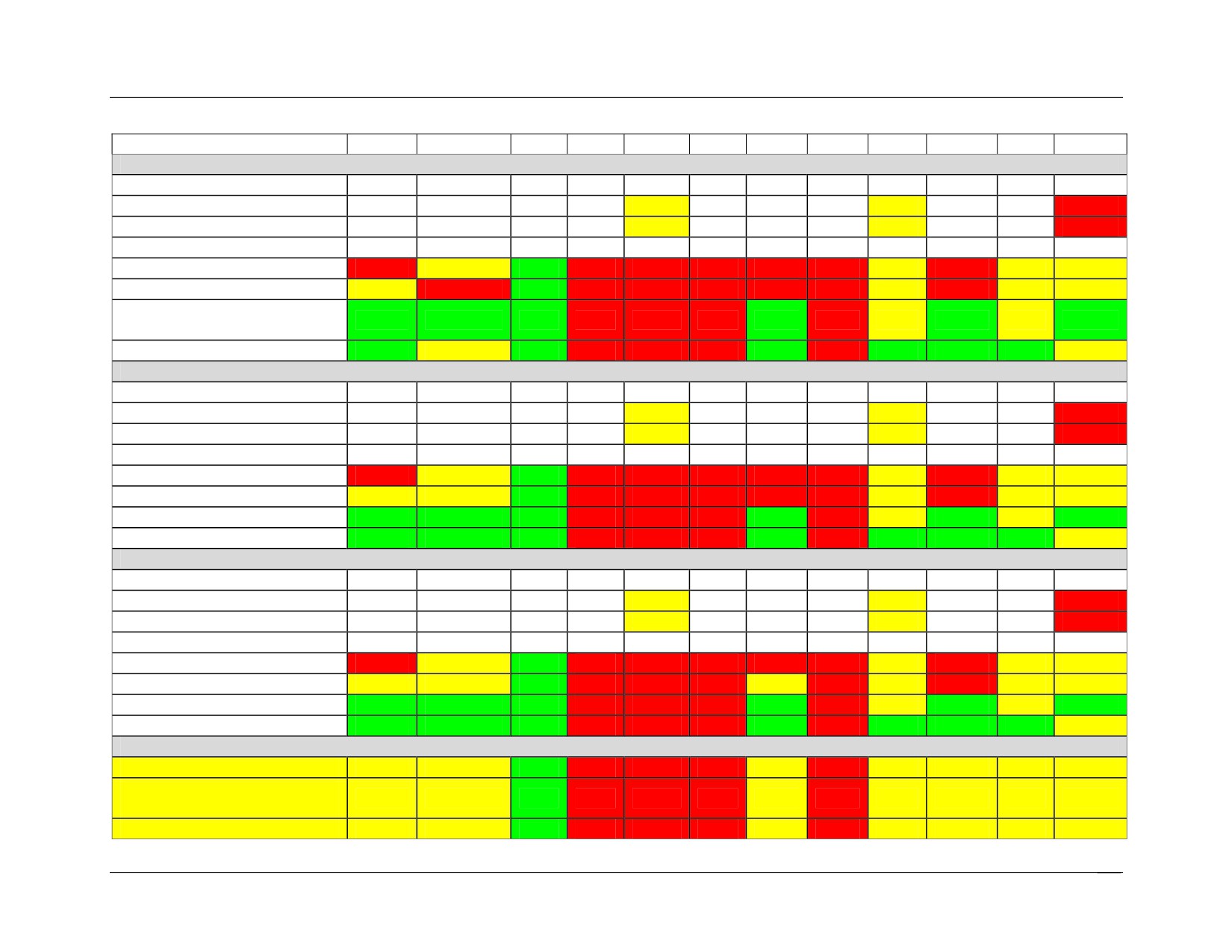
For Official Use Only
CBRND Functional Needs Analysis/Functional Solution Analysis
Chapter 13 Tactical Shield Tasks
Table 13.6-1. TASHLD 6: Capability and Deficiency Assessment
System/Measure
M1
M2
M3
M4
M5
M6
M7
M8
M9
M10
M11
M12
Current
Individual Protection
N/A
N/A
N/A
N/A
4
N/A
N/A
N/A
6
N/A
N/A
3
Respiratory/Ocular Protection
N/A
N/A
N/A
N/A
41
N/A
N/A
N/A
62
N/A
N/A
33
Percutaneous Protection
N/A
N/A
N/A
N/A
44
N/A
N/A
N/A
65
N/A
N/A
33
Collective Protection
4
3.5
9
0
1
0
1.5
0
6
2
6
4
Mobile COLPRO
36
67
96
08
29
010
16
011
612
16
613
48, 9,,14
Fixed-Site COLPRO
515
116
915
08
017
010
215
018
612
315
613
48,17,19
Mission-Oriented Protective
820
820
820
08
021
010
820
018
622
820
620
820
Posture (MOPP) Methodology
Unit Staff
823
624
923
08
021
010
825
018
826
823
827
623,25,26
Near/Mid-Term
Individual Protection
N/A
N/A
N/A
N/A
4
N/A
N/A
N/A
6
N/A
N/A
3
Respiratory/Ocular Protection
N/A
N/A
N/A
N/A
41,28
N/A
N/A
N/A
629
N/A
N/A
33
Percutaneous Protection
N/A
N/A
N/A
N/A
44,30
N/A
N/A
N/A
631
N/A
N/A
33
Collective Protection
4.5
5
9
0
1
.5
2
0
6
2
6
4
Mobile COLPRO
36,32
67
96
033
29
010
16
011
62
16
613
48, 9,14
Fixed-Site COLPRO
615,34
415,16,34,35
915
08
017
110,36
315
018
65
315
613
48, 17,19
MOPP
820
820
820
08
021
010
820
018
622
820
620
820
Unit Staff
823
824,37
923
08
021
010
825
018
826
823
838
623,25,26
Far-Term
Individual Protection
N/A
N/A
N/A
N/A
4
N/A
N/A
N/A
6
N/A
N/A
3
Respiratory/Ocular Protection
N/A
N/A
N/A
N/A
41,28, 39
N/A
N/A
N/A
640
N/A
N/A
33
Percutaneous Protection
N/A
N/A
N/A
N/A
44,30, 41
N/A
N/A
N/A
642
N/A
N/A
33
Collective Protection
5
5.5
9
0
1
1
2.5
0
6
2
6
4
6,32,43
Mobile COLPRO
3
67
96
044
29
010
16
011
62
16
613
48,9,14
15,34,45
15,16,34,35,45
Fixed-Site COLPRO
7
5
915
08
017
210,36
415
018
65
315
613
48,17,19
MOPP
820
820
820
08
021
010
820
018
622
820
620
820
Unit Staff
823
824,37
923
08
021
010
825
018
826
823
846
623,25,26
Overall
Current Overall Capability
7
6
9
0
0
1
6
0
7
6
7
5
Near/Mid-Term Overall
7
7
9
0
0
1
6
0
7
6
7
5
Capability
Far-Term Overall Capability
7
7
9
0
0
1
6
0
7
6
7
5
For Official Use Only
116
For Official Use Only
CBRND Functional Needs Analysis/Functional Solution Analysis
Chapter 13 Tactical Shield Tasks
FAA Measure
Scale
M1
Critical activities and
8-10: All critical facilities and activities are equipped with operational COLPRO.
functions are afforded
4-7: Selected critical facilities and activities possess are equipped or possess access to operational COLPRO.
COLPRO.
1-3: Selected key critical facilities and activities are equipped or possess access to COLPRO.
0: Critical facilities and activities are not equipped or possess access to COLPRO.
M2
Unit COLPRO systems are
8-10: COLPRO requires minimal unit resources to rapidly and safely erect, place into operation, and maintain upon
established/ operational
implementation instructions.
rapidly within receipt of
4-7: COLPRO requires the application of considerable unit resources to rapidly and safely erect, place into operation,
commander’s orders.
and maintain upon implementation instructions.
1-3: COLPRO requires significant unit and assistive resources to rapidly and safely erect, place into operation, and
maintain upon implementation instructions.
0: COLPRO cannot be rapidly and safely erected, placed into operation, and maintained upon implementation
instructions.
M3
Priorities are established for
8-10: Detailed prioritization of available and appropriate COLPRO is established, implemented, and adjusted when
use of COLPRO assets.
necessary to support critical activities and functions, and the rotation of forces for rest and relief based upon mission,
criticality, threat, assessments, and resources.
4-7: General prioritization of COLPRO exists and is applied to the allocation of available COLPRO to critical activities,
functions, and force rest and relief.
1-3: Prioritization of available COLPRO is inadequate to address the allocation of available COLPRO to critical
activities, functions, and force rest and relief.
0: COLPRO prioritization is nonexistent.
M4
Sustained operational
8-10: Sufficient and adequate COLPRO is available and operational to sustain operational capabilities within a
capability is achieved with
CBRN/TIM environment.
COLPRO.
4-7: Adequate operational capabilities are sustained for selected functions and activities with available and operational
COLPRO.
1-3: Sustained operational capabilities are seriously degraded and limited within a CBRN/TIM environment and are not
mitigated by the application of COLPRO.
0: Sustained operational capability is not supported by COLPRO and individual protection.
M5
Unit COLPRO systems are
8-10: COLPRO is rapidly and safely erected/striked, placed in operation, and maintained within a CBRN/TIM
erectable within a
environment by personnel encumbered by IPE and with minimal resources.
contaminated environment
4-7: COLPRO is safely erected/striked, placed in operation, and maintained within a CBRN/TIM environment by IPE-
while encumbered by
encumbered personnel.
MOPP.
1-3: Selected COLPRO is safely erected/striked, placed in operation, and maintained within a CBRN/TIM environment
by IPE-encumbered personnel.
0: COLPRO cannot be rapidly and safely erected, placed into operation, and maintained by IPE-encumbered personnel.
For Official Use Only
117
For Official Use Only
CBRND Functional Needs Analysis/Functional Solution Analysis
Chapter 13 Tactical Shield Tasks
M6
Unit and personnel are
8-10: Units and personnel are fully trained and routinely exercised and evaluated on the effective application of
trained and capable of
expedient COLPRO measures and equipment.
fabricating expedient
4-7: Units and personnel are fully trained and evaluated on the application of expedient COLPRO measures and
sheltering using available
equipment upon predeployment notification for operations with threat.
material and/or kits.
1-3: Units and personnel are provided limited training on the application of expedient COLPRO measures and
equipment.
0: Training, exercising, and evaluation of forces on the application of expedient COLPRO measures and equipment is
inadequate or nonexistent.
M7
All personnel possess access
8-10: Units are adequately equipped with or have sufficient access to COLPRO to provide all personnel with R&R
to collective protection for
access more than once every 24 hours.
rest and relief in a 24-hour
4-7: Units are adequately equipped with or have sufficient access to COLPRO to provide all personnel with R&R
period.
access at least once every 24 hours.
1-3: Units are equipped with or have access to COLPRO to provide personnel with R&R access once every 24 hours.
0: Units are inadequately equipment and possess insufficient access to COLPRO to provide all personnel with R&R
access at least once every 24 hours.
M8
Appropriate collective
8-10: COLPRO affording a minimum necessary and safe level of protection for maintenance of contaminated critical
protection for maintenance
items is available and in place and maintains support of OPTEMPO and operations.
precludes maintenance
4-7: COLPRO is available and in place affording reduced protection requirements for maintenance of contaminated
backlog resulting from
critical items essential to OPTEMPO and operations.
contaminated critical items
1-3: Limited COLPRO is available and in place supporting the maintenance of selected contaminated critical assets
not repairable due to lack of
essential to OPTEMPO and operations.
collectively protected
0: COLPRO does not exist to perform maintenance of contaminated critical assets.
maintenance facilities.
M9
Operational activities and
8-10: Operational capabilities are maintained within a CBRN/TIM environment through the application of COLPRO
functions are not degraded/
and individual protection.
unavailable due to
4-7: Operational capabilities are degraded or limited within a CBRN/TIM environment but are supported by the
CBRN/TIM release.
application of COLPRO and individual protection.
1-3: IPE encumbrances and COLPRO availability impose serious impacts and limitations upon operational capabilities
and performance of functions and activities within a CBRN/TIM environment.
0: IPE encumbrances and COLPRO availability preclude operational capability and performance within a CBRN/TIM
environment.
M10
Forces are collectively
8-10: Forces are allocated and have in place CBRND COLPRO in required quantities and types and are afforded
protected against
protection from all CBRN agents and high-risk TIMs.
CBRN/TIM environment.
4-7: Forces are allocated and have in place CBRND COLPRO in sufficient quantities and types to afford protection
from all CBRN agents and selected high-risk TIMs.
1-3: Forces are allocated and have in place CBRND COLPRO in quantities and types to afford protection from all
CBRN warfare agents.
0: Forces are not allocated and have in place sufficient CBRND COLPRO quantities and types to afford protection from
CBRN agents.
For Official Use Only
118
For Official Use Only
CBRND Functional Needs Analysis/Functional Solution Analysis
Chapter 13 Tactical Shield Tasks
M11
Procedures prepared to
8-10: Detailed procedures and measures are in place for the decontamination and removal of contaminated resources
prevent spread of
during entry processing, and are checked by shelter personnel for compliance and presence of contamination, prior to
contamination into
accessing the contamination-free interior of the shelter and all force personnel are trained to perform the procedures and
collective protection
measures. The procedures and measures are posted, in brief, within the CCA as guidance and reference.
interior.
4-7: Designated shelter personnel receive detailed training on procedures and measures for the decontamination/
removal of entering contaminated resources and the conduct of checking for contamination presence, prior to release and
access to the contamination-free interior of the shelter and force personnel are provided limited training to perform the
procedures and measures under the direction of the overseeing shelter personnel. General procedures and measures are
posted, in brief, within the contamination control.
1-3: Shelter and force personnel are provided general guidelines and procedures and limited training for
decontamination and removal of contaminated resources during entry processing prior to accessing the contamination-
free interior of the shelter.
0: Procedures are not provided and personnel trained to preclude the introduction and spread of contamination within the
COLPRO contamination-free area.
M12
There is effective
8-10: DOTLPF exists and is adequate for this task. Task can be effectively performed with little or no direct impact
DOTMLPF in place to
upon operations.
conduct task.
4-7: Most critical aspects of DOTLPF for this task are addressed. Task can be performed with limitations requiring
work-arounds.
1-3: DOTLPF is inadequate for accomplishment of this task.
0: DOTLPF does not exist for this task.
1 Doctrine, policy, procedures, training, exercises, and evaluations serve to build the capability of individuals to perform tasks while wearing respiratory/ocular protection.
However, the encumbrances associated with percutaneous protection do degrade performance and limit the conduct of certain tasks. Prolonged wear places stress upon the
individual and will impact performance. Doctrine, policies, procedures, TTPs, and training do not address the erection of COLPRO within a contaminated environment but do
address the operation and maintenance of COLPRO in a toxic environment. CBRND IPE is currently Service-specific and protects against all known CBRN warfare agents and
selected TIMs. Respiratory/ocular protection is diverse across the Services and performed functions. The M40/M42 CB Protective Mask is in service with the U.S. Army. The
mask uses the C-2 canister for filtration of CBRN contaminants. The M42 integrates with combat vehicle filtration protection system and has a dynamic microphone with cable for
connection to vehicle communications systems. The M45 Aircrew Aviator Mask replaced the U.S. Army M43 Type II and M49 Mask Systems. The system uses a low-profile
canister compatible hose assembly for both hose and face-mounted configurations. The mask system incorporates selectable filtration for support both during aircraft systems
activation and using the connectable filter pack. The mask also is applied to personnel who cannot be fitted with the standard M40A1, M42A2, or MCU-2A/P masks. The MCU-
2A/P is the mainstay USAF and USN mask employed by personnel not equipped with aircrew masks and by aircrew when not performing flight operations. The MCU-2A/P is also
used by aircrew during flight operations who are not equipped with aircrew masks. COTS equipment meeting OSHA requirements (and NFPA for firefighters) is applied by
selected civilian personnel performing specific functions such as firefighting, EMS, hazardous materials, etc.
2 Doctrine, policy, procedures, training, exercises, and evaluations serve to build the capability of individuals to perform tasks while wearing respiratory/ocular protection.
However, the encumbrances associated with ocular/respiratory protection do degrade performance and limit the conduct of certain tasks. Prolonged wear places stress upon the
individual and will impact performance. Doctrine, policy, and procedures are inadequate for sustained operations within a CBRN/TIM environment, especially forces conducting
expeditionary operations in austere environments and possessing reduced logistical footprints.
3 Doctrine, policies, procedures, TTPs, and training do not address the erection of COLPRO within a contaminated environment but do address the operation and maintenance of
COLPRO in a toxic environment.
For Official Use Only
119
For Official Use Only
CBRND Functional Needs Analysis/Functional Solution Analysis
Chapter 13 Tactical Shield Tasks
4 Doctrine, policy, procedures, training, exercises, and evaluations serve to build the capability of individuals to perform tasks while wearing percutaneous protection. However,
the encumbrances associated with percutaneous protection do degrade performance and limit the conduct of certain tasks. Prolonged wear places stress upon the individual and will
impact performance. Doctrine, policies, procedures, TTPs, and training do not address the erection of COLPRO within a contaminated environment but do address the operation
and maintenance of COLPRO in a toxic environment. Service-specific CBRND percutaneous protection is currently applied for the protection of the force against known CBRN
warfare agents and selected TIMs. The BDO, used by the USAF and U.S. Army, is a two-piece garment providing protection for a 24-hour period against chemical agent vapors,
liquids, and droplets; biological agents and toxins and contact with radioactive particles. The BDO’s protective abilities are lost if the suit is torn, ripped, splashed with POL, or is
saturated with water and is designed for a one-time use and is worn by ground and most flight personnel (non-high-performance aircraft). The USMC uses the Saratoga COLPRO
suit similar in design to the BDO, but launderable for personnel hygiene. The CPOG is a legacy two-piece garment for protection against CBRN agents. The CPOG is in use with
the USN. The CPU is designed to provide an additional layer of protection for the warfighter and is worn under standard IPE. The BVO/GVO overboots are applied over the
wearer’s standard footwear to protect against contact with CBRND. The USN uses the CPFC, commonly called the “fishtail” for its design, to protect the wearer’s footwear. The
CPFC, considered obsolete, does provide a measure of antislip protection shipboard. Hand protection is provided by the CPG in 7-, 14-, and 25-mil thicknesses to meet warfighter
hand protection and dexterity needs. The CPHS is designed to prevent contact of the warfighter’s helmet with liquid contamination which may be absorbed, impact helmet
integrity, and/or constitute a potential secondary hazard to the wearer. Standard wet-weather gear (e.g., poncho, rain parka, rain suit, etc.) is also applied as a barrier against
saturation of the warfighter’s protective ensemble by contact with liquids such as rain, sea spray, etc. COTS assets meeting OSHA requirements (and NFPA for firefighters) are
applied by selected civilian personnel performing specific functions such as firefighting, EMS, hazardous materials, etc.
5 Doctrine, policy, procedures, training, exercises, and evaluations serve to build the capability of individuals to perform tasks while wearing percutaneous protection. However,
the encumbrances associated with percutaneous protection do degrade performance and limit the conduct of certain tasks (especially those associated with the repair and
maintenance of delicate and intricate assets). Prolonged wear places stress upon the individual and will impact performance. Doctrine, policy, and procedures are inadequate for
sustained operations within a CBRN/TIM environment, especially forces conducting expeditionary operations in austere environments and possessing reduced logistical footprints.
6 Inadequate quantities of mobile COLPRO systems exist to support highly mobile and expeditionary operations with reduced footprint. Further, there is insufficient quantities of
COLPRO to protect all critical activities and functions within the force. Prioritization is required of the available resources. Current mobile COLPRO systems are predominantly
integrated into selected combat vehicles/vessels. Selected U.S. Naval combat vessels may be equipped with full COLPRO (CITADEL). However, these systems are generally
restricted to critical operations areas of the ships. The critical areas are contiguous in that they share common bulkheads and movement between areas is not prevented. CCAs are
operated in areas located between the covered areas and the remainder of the ship. These areas are designated. The remainder of the interior of the vessel uses the Circle William
concept. Circle William requires prior warning of the presence of a CBRN/TIM in the path of the ship or knowledge of an impending attack to be fully effective. This concept
requires the shutdown of the ventilation system and sealing of hatches, bulkheads, and other such openings to seal the interior of the vessel from intrusion by a CBRN/TIM.
However, the majority of these actions are performed manually and are initiated upon detection of the potential CBRN/TIM agent. There are concerns about the potential for large
amounts of a CBRN/TIM agent to be drawn in by the high-velocity ventilation systems and dispersed throughout the interior of the ship during the period between agent encounter
and completion of Circle William. There are concerns about the ability of the vessel to remain in Circle William until it is determined the vessel is no longer exposed to a
CBRN/TIM. U.S. Naval combat vessels with full COLPRO of their critical functions currently include the DDG-51 class of destroyers, selected LSDs (vessel hulls 44 through 52),
LHDs (vessel hulls 1 through 6), LHAs (vessel hulls 1 through 5), and four of the AOE-6 (vessel hulls 6 through 8 and 10) class ships. Submarines are considered fully protected
so long as they remain sealed and do not take in air. The LHD and LHA Amphibious Assault Ships are undergoing a COLPRO backfit of SCPE for their critical functions. Other
areas of these ships will use the Circle William Concept. Carriers, frigates, cruisers, DD-963 class destroyers, and other vessels not discussed earlier in note, do not currently afford
their critical functions full COLPRO. Naval hospital ships, U.S. Naval auxiliaries, and USCG vessels are not equipped with COLPRO. Areas critical to the safe operation of the
ship may not be protected against CBRN/TIMs. Ability of these vessels to successfully incorporate a concept similar to Circle William is a concern. There are also concerns about
the ability of these vessels to prevent infiltration of CBRN/TIM into their interior. Infiltration of vapors can cause a build up of concentrations within the vessel that could exceed
the levels surrounding the ship. U.S. Coast Guard (USCG) vessels are under the control and direction of DoD during a declared war. During peacetime, however, USCG is under
the auspices of the Department of Homeland Security. USCG vessels are often attached to U.S. operations overseas for port security, coastal patrol, and similar functions. USCG
personnel are also dispatched with military forces deploying overseas for peacekeeping and other operations. USCG vessels and personnel served in Vietnam, Haiti, Granada, and
other force deployments. The ability of USCG resources to effectively integrate into DoD operations involving potential CBRN/TIM events is a concern. Mobile COLPRO are
armored or soft-skinned vehicle-supported and -based systems. They include both ground and air platforms. The operation of the COLPRO may not be supported while the vehicle
is in motion. They may or may not include CBRN/TIM filtration systems. Mobile COLPRO run the full range of protective capabilities from passive to fully protective COLPRO.
The majority of vehicles qualify as passive COLPRO, provided the exchange of air between the interior and the exterior is limited. Mobile COLPRO systems generally do not
For Official Use Only
120
For Official Use Only
CBRND Functional Needs Analysis/Functional Solution Analysis
Chapter 13 Tactical Shield Tasks
provide protection for large numbers of personnel. Currently, the M1A1 Abrams MBT and the M93A1 FOX NBC Reconnaissance System Block I provide full COLPRO for their
crews. The CBPS is a general use fully protective COLPRO system mounted on an ECV HMMWV. The CBPS may be used for C4 operations, as aid stations, or for other needs.
A variety of Environmental Sheltering with Reduced CB Hazard (ESRCBH) CPS exists in a small percentage aircraft and other vehicles. The majority of these provide clean
filtered air through piping or hose systems. In both the ESRCBH CPS and passively protective COLPRO systems, the occupants must wear a minimum of respiratory/ocular
protection. Combat crewed vehicles are not generally equipped with CBRN/TIM filtration systems. These vehicles are not able to provide clean filtered air to crew and passengers
and thereby extend the operational capabilities of the force. Support vehicles are similar to combat vehicles in that they do not routinely have CBRN/TIM filtration systems.
Operators and passengers must, as with the combat vehicles, depend upon their IPE for clean air and protection. Unlike the combat-crewed vehicles, support vehicles generally are
more open for infiltration by CBRN/TIM agents. Most airframes are also not equipped with CBRN/TIM filtration systems. They are either open exchange (normally lower altitude
airframes) or provide the ability to switch to bottled air (usually jet aircraft). The concern is the aircrews are dependent upon the filtration systems of their IPE to provide clean
filtered air. This reduces the extended operational time of the aircrew to that of their IPE. A concern is the inability to conduct mobile combat operations and to move large
numbers of troops throughout a CBRN/TIM hazard area without the need to maintain them in IPE. Degradation of performance is a factor after a period of time wearing IPE.
7 Existing mobile COLPRO varies on the time period required to setup and establish operations. This may range from a few seconds (to activate system and manipulate switch to
transfer from open air to filtered) or to several hours for ground preparation and system setup. If the COLPRO systems are set up and in readiness for placement into operation, this
task can usually be accomplished quickly.
8 Doctrine, policies, procedures, TTPs, and existing COLPRO systems do not address and support sustained operations within a CBRN/TIM environment.
9 Mobile COLPRO systems installed as integral systems of combat systems can generally be placed into operation within a contaminated environment. However, selected systems
must be erected and/or require extensive preparation that must be performed within a clean environment. Doctrine, policies, procedures, and TTPs do not address the erection and
establishment of COLPRO within a contaminated environment. They are predicated upon these systems being prepared and in place prior to the presence of contaminants.
10 Expedient COLPRO (ECP) kits, procedures, and training do not currently exist.
11 Mobile COLPRO for the maintenance of critical material does not exist.
12 Limited COLPRO is available in type and quantity to support operations, particularly multiple operations with threat. Limitations are considered during planning and alternatives
are developed by the staff. The combination of IPE and available COLPRO provides flexibility to meet and maintain operational capability.
13 Doctrine, policy, procedures, and TTPs outline the steps and requirements for removal of exposed/contaminated articles and decontamination of entering personnel prior to
accessing the shelter interior. The CCA is located between the contaminated area and the shelter interior. All actions are taken in this area under the oversight of the designated and
trained shelter management personnel. The force is provided varying levels of training for processing through the CCA. This ranges from predeployment training, exercises, and
evaluations to briefings by the CCA personnel prior to entry. Procedures may be posted within the CCA for each processing station. Radiological monitoring is feasible for
checking for contamination on personnel completing the processing. However, chemical and biological detection and monitoring capabilities are limited for verification of
decontamination.
14 Inadequate quantities of mobile COLPRO systems exist to support highly mobile and expeditionary operations with reduced footprint. Further, there is insufficient quantities of
COLPRO to protect all critical activities and functions within the force. Prioritization is required of the available resources.
15 There is insufficient quantities of COLPRO to protect all critical activities and functions within the force. Prioritization is required of the available resources. The USMC
MGPTS with CB Protective Liner System provides a positive-pressure, filtered-air, toxic-free shelter for protection against CBRN agents. However, there are insufficient
quantities to protect all critical activities and functions from CBRN/TIM effects. The CP-DEPMEDS provides a clean, toxic-free, environmentally controlled, patient treatment
area and the components are designed to integrate as field hospitals. They are packaged as a set for deployment to threat areas for hospital operations. The entire composite hospital
consists of expandable tentage, passageways, environmental control units, and ISO shelters. The CP-DEPMEDS exist in very limited quantities. Although it could be applied to
provide COLPRO to the task identified groups, its designed and primary function is that of medical care. A similar COLPRO is the USAF’s CP-EMEDS, which is an air-
transportable medical facility deployable in various configurations from a single shelter to a 25-bed patient hospital. The CP-EMEDS is in a very limited number and, like the CP-
DEPMEDS, is designed for its primary function of the provision of medical care. The USAF CP-SSS is a small-scale CPS applied for the conduct of C2 operations, maintenance
of critical equipment, force beddown, and the provision of R2 for sortie generators and key leadership. This shelter is in limited supply and unlikely sufficient quantities would be
available to support a group of any size, especially during operations against an adversary. The M20/M20A1 SCPE is a lightweight, modular system involving a liner designed for
inflation within a room or building. The M20A1 serves to bridge the gap between the M20 SCPE and CBPS. Quantities are limited and are not likely to be available in any large
quantity during operations against an adversary. Current COLPRO systems are not available in the quantities and types necessary to support the protection of eligible civilians and
detainees. Current plans generally do not address the application of COLPRO to non-force personnel and do not allocate the limited COLPRO resources to this activity. Fixed-site
For Official Use Only
121
For Official Use Only
CBRND Functional Needs Analysis/Functional Solution Analysis
Chapter 13 Tactical Shield Tasks
COLPRO within the United States and its territories is predominantly designed for nuclear fallout and does not address other CBRN/TIM hazards and threats arising after
September 11, 2001. Selected critical key facilities are equipped with CBRN COLPRO, but are not available to other than designated personnel and specific functions and
activities. Fixed-site CBRN COLPRO is installed in facilities housing selected activities and functions within HTAs. However, these are not present for all critical activities and
functions. However, the Guardian Program is reviewing FP protective measures at U.S. installations and facilities and will address COLPRO for critical activities/functions. The
Guardian Program, however, is not likely to address field COLPRO operations.
16 Current site COLPRO requires significant resources, often involving assistive resources such as heavy construction equipment, to prepare the site and setup the system. Support
services such as utilities are often required. These operations are often large and complex involving more than the COLPRO structure itself. Existing site COLPRO systems cannot
be rapidly setup and placed into operation. However, if the COLPRO systems are setup and in readiness for placement into operation, this can usually be accomplished quickly.
17 Current site COLPRO systems are not designed or enabled for erection and/or striking within a CBRN/TIM environment. Doctrine, policies, procedures, and TTPs do not
support the erection and striking of COLPRO within a toxic environment. They predicate COLPRO establishment prior to the presence of contamination and striking after
decontamination within an otherwise clean environment.
18 Doctrine, policies, procedures, and TTPs do not address the application of COLPRO for maintenance of contaminated critical material with reduced IPE. Material must currently
be contaminated prior to entry into COLPRO.
19 There are insufficient quantities of COLPRO to protect all critical activities and functions within the force. Prioritization is required of the available resources.
20 Plans incorporate MOPP levels and methodologies are adjustable to meet local operations and threat needs as determined by the commander. MOPP levels and methodologies
define protective requirements and readiness for various level of threat and include the activation and operation of COLPRO as well as the ear and readiness of IPE by the force.
MOPP levels and methodologies seek to protect the force through an integrated DOTLPF, COLPRO, and IPE scaled approach.
21 Doctrine, policies, procedures, and TTPs do not support the erection and striking of COLPRO within a toxic environment. They predicate COLPRO establishment prior to the
presence of contamination and striking after decontamination within an otherwise clean environment.
22 MOPP levels and methodologies provide flexibility for the adjustment of IPE to meet local operational and threat requirements. The intent is to achieve and maintain the lowest
level necessary for survival of the force and operational accomplishment. Adjustments are made as dictated by local circumstances. However, prolonged wear of IPE will degrade
performance.
23Doctrine, policy, procedures, and TTPs combined with staff experience, training, and knowledge provide the basis for prioritization of allocation of limited COLPRO resources.
Not all critical activities and functions can currently be allocated COLPRO. Requirements must be balanced with operational needs, available resources, and alternative protective
capabilities. The staff functions formulate the allocation collaboratively and make recommendations to the commander for decisioning. The determinations are identified in plans
and disseminated to the force. Adjustments are made when necessary during operations or upon changes in available resources.
24 Staff plans are initiated within the AO to support operations and are adjusted as necessary to address changes in resources, threat, and circumstances. COLPRO are sited,
prepared, and placed in readiness for operations to protect personnel, activities, and functions against the CBRN/TIM threat. The staff disseminates the alerting and warning to
subordinate elements to commence CBRND operations. Currently, the transmission and reception of CBRN/TIM hazard alarm, warning, and report information is performed
manually predominantly using ATP-45 formats and processes. Each unit is responsible for ensuring potentially or indirectly affected subordinate units are notified of the hazard.
This task is generally performed using nondedicated existing and available communications systems. Personnel are trained to react to these messages and to perform the
appropriate actions. The training is reinforced during deployment preparation for operations with a threat. However, adjacent units, particularly non-U.S. and often other U.S.
Services, may not receive alerts, warnings, and reports until these have been processed up through channels and then disseminated back down channels, creating unnecessary
delays with potential ramifications for OPTEMPO and unit survivability.
25 Doctrine, policy, procedures, and TTPs require operational planning staffs consider and plan for the provision of at least one R2 within every 24-hour period for all force
members. This requirement addresses the protective life of current IPE and provides for IPE exchange, feeding, and other needs of the force which cannot be performed within a
CBRN/TIM environment. Staffs monitor and ensure resources are in place and available for support of the force commensurate with operational requirements and OPTEMPO.
Alternatives identified in existing literature include rotation of units on the line, partial rotation of personnel within a unit, and a dedicated COLPRO-equipped support unit which
travels the line.
26 Unit staff planning and preparations include preparing the force for operations within a CBRN/TIM environment. Degradation is considered in the development of taskings, R2
requirements, and force application. MOPP levels are developed, implemented, and adjusted to meet local operational needs and threat. Constant evaluation of force activities is
performed for necessary changes and modifications to maintain force operational capabilities. Unit staff provides for R2 of personnel operating outside COLPRO at least once
every 24 hours within COLPRO. Staff also manages COLPRO allocation and operations for support of operational requirements and critical activities/functions.
For Official Use Only
122
For Official Use Only
CBRND Functional Needs Analysis/Functional Solution Analysis
Chapter 13 Tactical Shield Tasks
27 Commander and staff planning and predeployment preparation include ensuring shelter personnel are designated and trained to perform their tasks in a CBRN/TIM environment.
Shelter operations are monitored and issues are addressed by the staff as necessary to ensure the safety and well-being of the force.
28 Legacy systems will remain in the inventory throughout the mid term. These systems will be gradually replaced by new joint systems of respiratory/ocular protection as they are
fielded. The JSGPM also replaces current Service-specific ocular/respiratory protection. The system provides respiratory and ocular protection from CBRN agents and selected
TIMs. The field-of-vision is improved and encumbrances associated with legacy systems are reduced. The JSGPM incorporates state of the art technology and is designed to
integrate with future warfighter CBRND IPE and function equipment/assets. The Guardian Program is projected to review, assess, and implement protection for critical members
of the installation/facility populace during the mid term. This will predominantly be COTS-based assets for respiratory/ocular protection. However, the Guardian Program is not
expected to address eligible civilian protection within the AO for other than existing U.S. military installations and facilities.
29 Doctrine, policy, procedures, training, exercises, and evaluations serve to build the capability of individuals to perform tasks while wearing respiratory/ocular protection.
However, the encumbrances associated with ocular/respiratory protection do degrade performance and limit the conduct of certain tasks. Prolonged wear places stress upon the
individual and will impact performance. Doctrine, policy, and procedures are inadequate for sustained operations within a CBRN/TIM environment, especially forces conducting
expeditionary operations in austere environments and possessing reduced logistical footprints.
30 Legacy systems will remain in the inventory throughout the mid term. These systems will be gradually replaced by new joint systems of percutaneous protection as they are
fielded. The JSLIST NBC Protective Garment is a two-piece, risk-taking, overgarment with integrated hood affording protection against CBRN agents and selected TIMs. The
garment reduces the physiological and psychological encumbrances associated with legacy systems. The JSLIST is under evaluation by NIOSH for application to OSHA
protection requirements. The JPACE replaces the Service-specific systems. The JPACE provides aircrew members with equivalent protection to the JSLIST ensemble. The JPACE
is designed to not interfere with emergency ejection from a combat aircraft and continues to provide CBRN percutaneous protection following ejection and during escape and
evasion operations. The ensemble is both flame-retardant and self-extinguishing to permit emergency egress from a burning aircraft. Further, the ensemble provides CBRN
protection when subject to rotor, propeller, and jet wash. Joint Service glove upgrades are provided under the Joint Block 1 and 2 Glove Upgrade Program (JB1/2GU) in the near
and mid term. The JB1GU responds to an urgent need by designated elements of the force for increased tactility/durability supporting mission requirements. The JB1GU is
expected to meet most of the requirements within the JSLIST ORD and is viewed as an evolutionary approach in the development of the JB2GU. Versions under consideration
include a protective inner glove worn under existing warfighter gloves, a replacement glove for existing hand wear, or a combination of glove shell and liner affording CBRN
protection of the legacy gloves they are projected to replace. The JFIRE addresses protection of military firefighters within a CBRN/TIM environment conducting firefighting
operations involving structural and crash/firefighting/rescue. The JFIRE incorporates the JSLIST into firefighter bunker gear. The MULO is projected to replace legacy footwear
covers. The ability of the MULO to provide adequate antislip protection for USN personnel asea is under review. The Guardian Program is projected to review, assess, and
implement protection for critical members of the installation/facility populace during the mid term. This will predominantly be COTS-based assets for percutaneous protection.
However, the Guardian Program is not expected to address eligible civilian protection within the AO for other than existing U.S. military installations and facilities. MWA
percutaneous protection is not programmed or forecasted.
31 Doctrine, policy, procedures, training, exercises, and evaluations serve to build the capability of individuals to perform tasks while wearing percutaneous protection. However,
the encumbrances associated with percutaneous protection do degrade performance and limit the conduct of certain tasks (especially those associated with the repair and
maintenance of delicate and intricate assets). Prolonged wear places stress upon the individual and will impact performance. Doctrine, policy, and procedures are inadequate for
sustained operations within a CBRN/TIM environment, especially forces conducting expeditionary operations in austere environments and possessing reduced logistical footprints.
32 Fielding of the P3I upgraded CBPS for heavy/airborne use is projected for the mid term, as are two variants of the JSLNBCRS, the M93A1 Fox NBCRS Block II, and backfit of
LHA/LHDs to include CITADEL.
33 Doctrine, policies, procedures, TTPs, and existing COLPRO systems do not address and support sustained operations within a CBRN/TIM environment.
34 JTCOPS Block I is projected for initial fielding during the mid term. The projected initial capabilities fielding of JECP is within the mid term and will include adaptive insertable
COLPRO systems (including liner) for existing buildings/rooms and stand-alone COLPRO for small groups of personnel. JECP may provide the capability to provide COLPRO
for critical activities and functions; however, JECP acquisition quantities have not as yet been determined.
35 JECP is requirements include rapid setup and initiation of operation.
36 Identification, development and/or acquisition of assets for JECP include ECP assets for adaptation of tentage and structures to support expeditionary operations. The JECP
program is currently proceeding through the JCIDS process.
37 The projected fielding of JWARN will decrease the time taken to disseminate alerting and warning information to the force. Additionally, JWARN will enable the notification of
adjacent units connected to the network. Manual notification methods and means will remain foundational for many units during the transition period and for elements of units.
For Official Use Only
123
For Official Use Only
CBRND Functional Needs Analysis/Functional Solution Analysis
Chapter 13 Tactical Shield Tasks
38 Commander and staff planning and predeployment preparation include ensuring shelter personnel are designated and trained to perform their tasks in a CBRN/TIM environment.
Shelter operations are monitored and issues are addressed by the staff as necessary to ensure the safety and well-being of the force.
39 The next-generation series of nonaviator respiratory/ocular protective assets is in R&D. The capabilities and fielding of these assets are not as yet determined.
40 Doctrine, policy, procedures, training, exercises, and evaluations serve to build the capability of individuals to perform tasks while wearing respiratory/ocular protection.
However, the encumbrances associated with ocular/respiratory protection do degrade performance and limit the conduct of certain tasks. Prolonged wear places stress upon the
individual and will impact performance. Doctrine, policy, and procedures are inadequate for sustained operations within a CBRN/TIM environment, especially forces conducting
expeditionary operations in austere environments and possessing reduced logistical footprints.
41 The next-generation series of nonaviator percutaneous protective assets is in R&D. The capabilities and fielding of these assets are not as yet determined.
42 Doctrine, policy, procedures, training, exercises, and evaluations serve to build the capability of individuals to perform tasks while wearing percutaneous protection. However,
the encumbrances associated with percutaneous protection do degrade performance and limit the conduct of certain tasks (especially those associated with the repair and
maintenance of delicate and intricate assets). Prolonged wear places stress upon the individual and will impact performance. Doctrine, policy, and procedures are inadequate for
sustained operations within a CBRN/TIM environment, especially forces conducting expeditionary operations in austere environments and possessing reduced logistical footprints.
43 The projected Future Tactical Lift Option is under evaluation for the potential addition of COLPRO in the design and production specifications. A decision on the inclusion of
COLPRO in the LHA(R) is expected in the mid term.
44 Doctrine, policies, procedures, TTPs, and existing COLPRO systems do not address and support sustained operations within a CBRN/TIM environment.
45 JTCOPS Block II is projected for the far term. Continued fielding of JECP.
46 Commander and staff planning and predeployment preparation include ensuring shelter personnel are designated and trained to perform their tasks in a CBRN/TIM environment.
Shelter operations are monitored and issues are addressed by the staff as necessary to ensure the safety and well-being of the force.
For Official Use Only
124
For Official Use Only
CBRND Functional Needs Analysis/Functional Solution Analysis
Chapter 13 Tactical Shield Tasks
13.6.3
Functional Solutions Analysis
13.6.3.1
DOTLPF Assessment Summary
This section addresses the deficiencies and suggests potential non-materiel solutions. If there are
no non-materiel solutions, or they are only partial solutions, the remaining non-materiel need is
then stated. Materiel needs are assessed in the IMA section.
1.
Deficiency: CBRND protective equipment and measures do not protect against all
CBRN/TIM agents.
Partial Non-Materiel Solutions: Doctrine: Strengthen doctrine and require the joint
development of CBRND protective assets/measures to protect forces against all CBRN
agents and high-threat/high-risk TIMs. Leadership: Enforce compliance with established
standards (see Doctrine) for prophylactic CBRND protection.
2.
Deficiency: Encumbrances associated with ocular/respiratory and percutaneous protection
degrade performance and limit the conduct of certain tasks.
Partial Non-Materiel Solutions: Organization: Develop organizational structures,
resources, staffing, and capabilities to support personnel exchange and R2 to preclude
degradation of tasks and to promote the well-being of the force. Training: Ensure training,
exercises, and evaluations effectively promote acclimation and endurance of wear of IPE.
Leadership: Ensure awareness of degradation effects.
3.
Deficiency: Current doctrine, the UJTL, and operational planning do not adequately address
sustained operations within a CBRN/TIM environment.
Non-Materiel Solutions: Doctrine: Include in doctrine, policy, procedures, and UJTL
sustained operations within a CBRN/TIM environment. Training: Train, exercise, and
evaluate the force for sustained operations within a CBRN/TIM environment. Leadership:
Recognize criticality of readiness of the force for potential sustained operations within a
CBRN/TIM environment, training providing the skills to manage the force in these
circumstances, and willingness and ability to implement necessary changes and activities to
prepare and appropriately apply the force.
4.
Deficiency: Current DOTLPF does not adequately address the erection, maintenance,
operations, and striking of CPSs within a CBRN/TIM environment.
Non-Materiel Solutions: Doctrine: Establish in doctrine, policy, procedures, and TTPs the
erection, maintenance, operation, and striking of CPS within a CBRN/TIM environment for
CBRND. Organization: Organizational structures supporting the erection, maintenance,
operation, and striking of CPSs within a CBRN/TIM environment for CBRND. Training:
Develop institutional and unit-level training on the erection, maintenance, operation, and
striking of CPSs within a CBRN/TIM environment to support operations and provide for
CBRND of the force. Leadership: Ensure awareness and knowledge of establishing CPSs
within a CBRN/TIM environment for operations within a CBRN/TIM environment.
Facilities: Develop infrastructure to support erection, maintenance, operation, and striking of
CPSs within a CBRN/TIM environment (e.g., logistics, training, etc.).
For Official Use Only
125
For Official Use Only
CBRND Functional Needs Analysis/Functional Solution Analysis
Chapter 13 Tactical Shield Tasks
5.
Deficiency: Not all critical facilities and activities are equipped with COLPRO.
Non-Materiel Solutions: Doctrine: Enforce existing doctrine and policy.
6.
Deficiency: Most naval vessels (including supply and transport vessels, carriers, and others)
do not possess COLPRO.
Partial Non-Materiel Solutions: Doctrine: Incorporate into doctrine, policy, and procedures
the provision of COLPRO for at-risk vessels (civilian contract and military). Organization:
Develop organizational structures, resources, staffing, and capabilities to support COLPRO
operations on vessels supporting operations and at-risk. Training: Train, exercise, and
evaluate crews for vessel COLPRO operations for CBRND. Leadership: Recognize
differences and challenges associated with CBRND operations by at-risk vessels (both
military and contract civilian) supporting operations. Facilities: Develop supporting
infrastructure (e.g., logistics, maintenance, power systems, etc.) for vessel COLPRO.
8.
Deficiency: USCG assets supporting operations are not adequately equipped with CBRND
assets and resources.
Partial Non-Materiel Solutions: Doctrine: Establish with doctrine, policy, and procedures
responsibilities for equipping, training, and supporting USCG assets supporting force
operations during periods of other than declared war. Organization: Develop organizational
structures, agreements, resources, and staffing to support and ensure survivability of
supporting USCG resources. Training: Train, exercise, and evaluate USCG CBRND
capabilities as integral component of force. Leadership: Recognize differences and
challenges associated with CBRND operations by USCG assets and personnel, training
providing skills and knowledge to managed operations involving these assets, and the ability
and willingness to implement necessary changes and activities to prepare for and conduct
operations with a CBRN/TIM threat. Facilities: Develop supporting infrastructure for
CBRND of the force, including allocated USCG assets and personnel.
9.
Deficiency: Current mobile COLPRO is inadequate to support operations by highly mobile
forces.
Non-Materiel Solutions: Doctrine: Complete analysis and central correlation/ comparison
of national and strategic plans to identify quantities and types of mobile COLPRO (and
supporting consumables) necessary and available to support highly mobile forces for
envisioned plans and taskings. Organization: Develop organizational structures, resources,
staffing, and capabilities to conduct CBRND, including mobile COLPRO, of highly mobile
forces. Training: Train, exercise, and evaluate CBRND, including mobile COLPRO,
capabilities of the force in a CBRN/TIM threat during highly mobile force operations.
Leadership: Recognize differences and challenges associated with CBRND operations by
highly mobile forces, training providing skills and knowledge to manage operations in these
circumstances, and ability and willingness to implement necessary changes and activities to
prepare for and conduct expeditionary operations with a CBRN/TIM threat. Facilities:
Develop supporting infrastructure for CBRND of highly mobile forces.
10. Deficiency: Maneuvering forces are inadequately equipped with COLPRO capabilities.
Non-Materiel Solutions: Doctrine: Complete the JCIDS process and central correlation/
comparison of national and strategic plans to identify CBRND resources necessary and
For Official Use Only
126
For Official Use Only
CBRND Functional Needs Analysis/Functional Solution Analysis
Chapter 13 Tactical Shield Tasks
available to support maneuver operations, particularly expeditionary operations during the
first 30-90 days following commencement of hostilities, with a reduced logistical footprint.
Organization: Develop organizational structures, resources, staffing, and capabilities to
conduct maneuver operations, particularly expeditionary operations during the first 30-90
days of operations following commencement of hostilities, while possessing reduced
logistical footprint. Training: Train, exercise, and evaluate maneuver capabilities
(particularly expeditionary capabilities) of the force in a CBRN/TIM threat with reduced
logistical footprint during the initial 30-90 days of operations using organic, prepositioned,
and planned CBRND resources supporting operations. Leadership: Recognize differences
and challenges associated with maneuver operations, particularly expeditionary operations
during the first 30-90 days following commencement of hostilities, with a reduced logistical
footprint; training providing skills and knowledge to manage operations in these
circumstances; and ability and willingness to implement necessary changes and activities to
prepare for and conduct expeditionary operations with a CBRN/TIM threat. Facilities:
Develop supporting infrastructure for expeditionary operations during the first 30-90 days
following commencement of hostilities and with a reduced logistical footprint.
11. Deficiency: Existing COLPRO requires extensive services, logistics, and resources to
establish.
Partial Non-Materiel Solutions: Doctrine: Establish in doctrine, policy, procedures, and
TTPS guidelines and requirements for COLPRO by type of operation and involved forces.
Organization: Develop minimal organizational structures, resources, and assets essential to
the erection and establishment of COLPRO by system type. Training: Develop institutional
and unit-level training on the erection and establishment of COLPRO with emphasis upon
minimalization of committed resources. Leadership: Ensure awareness and knowledge of
extent of committed resources to establish various types of COLPRO. Facilities: Review
infrastructure with view towards minimalization of required services, logistics, and resources
to erect and establish COLPRO.
12. Deficiency: ECP kits, procedures, and training do not currently exist.
Partial Non-Materiel Solutions: Doctrine: Establish in doctrine, policy, procedures, and
TTPs the use and application of ECP for CBRND. Organization: Organizational structures
supporting the application of ECP for CBRND. Training: Develop institutional and unit-level
training on the application of ECP to support operations and provide for CBRND of the
force. Leadership: Ensure awareness and knowledge of versatility and application of ECP for
operations within a CBRN/TIM environment. Facilities: Develop infrastructure to support
ECP (e.g., logistics, training, etc.).
13. Deficiency: COLPRO for maintenance of critical contaminated material permitting reduced
IPE is nonexistent.
Partial Non-Materiel Solutions: Doctrine: Develop and establish in doctrine, policies,
procedures, and TTPs requirements, standards, and guidelines for the application of
COLPRO to maintenance activities on critical material that is contaminated and required for
maintenance of OPTEMPO and mission success. Organization: Develop organizational
structures, resources, staffing, and capabilities to enable effective application of COLPRO for
maintenance of critical assets. Training: Implement institutional, recurring, and unit training
For Official Use Only
127
For Official Use Only
CBRND Functional Needs Analysis/Functional Solution Analysis
Chapter 13 Tactical Shield Tasks
for all personnel tasked with performance of critical asset maintenance in the conduct of
maintenance and repair activities in a CBRN/TIM environment upon contaminated assets.
Exercises and evaluations incorporate criteria challenging this capability. Leadership:
Recognize ability to sustain OPTEMPO and for mission success with the capability to
perform sensitive repairs on critical assets. Facilities: Develop supporting infrastructure
enabling and supporting maintenance and repair activities on contaminated assets.
14. Deficiency: Inadequate COLPRO to support expeditionary and highly mobile forces.
Partial Non-Materiel Solutions: Doctrine: Develop and disseminate appropriate doctrine,
policy, and procedures for the application of common materials for COLPRO and for
COLPRO kits and components. Organization: Develop organizational structures, resources,
staffing, and capabilities to enable effective application of available COLPRO and
implementation of expedient COLPRO capabilities. Training: Establish initial and recurring
training of all members of the force on the conduct of expedient COLPRO. Exercises and
evaluations incorporate criteria challenging this capability. Leadership: Recognize potential
for expedient COLPRO to improve force capabilities and survivability. Facilities: Develop
supporting infrastructure enabling expedient COLPRO and the effective application of
available COLPRO.
15. Deficiency: Expeditionary operations are a particular concern as most CBRND systems and
associated logistics are not designed for a highly mobile force, with a reduced logistical
footprint, and for the initial period of operations until the theater matures (usually the first
30-90 days).
Non-Materiel Solutions: Doctrine: Complete the JCIDS process and central
correlation/comparison of national and strategic plans to identify CBRND resources
necessary and available to support expeditionary operations during the first 30-90 days
following commencement of hostilities and with a reduced logistical footprint. Organization:
Develop organizational structures, resources, staffing, and capabilities to conduct
expeditionary operations while possessing reduced logistical footprint and during the first
30-90 days of operations following commencement of hostilities. Training: Train, exercise,
and evaluate expeditionary capabilities of the force in a CBRN/TIM threat with reduced
logistical footprint during the initial 30-90 days of operations using CBRND resources
supporting expeditionary operations. Leadership: Recognize differences and challenges
associated with expeditionary operations during the first 30-90 days following
commencement of hostilities and with a reduced logistical footprint, training providing skills
and knowledge to manage operations in these circumstances, and ability and willingness to
implement necessary changes and activities to prepare for and conduct expeditionary
operations with a CBRN/TIM threat. Facilities: Develop supporting infrastructure for
expeditionary operations during the first 30-90 days following commencement of hostilities
and with a reduced logistical footprint.
16. Deficiency: COLPRO for other than radiological is almost nonexistent, including critical
facilities, outside HTA OCONUS.
Non-Materiel Solutions: Doctrine: Enforce existing doctrine and policy.
For Official Use Only
128
For Official Use Only
CBRND Functional Needs Analysis/Functional Solution Analysis
Chapter 13 Tactical Shield Tasks
17. Deficiency: Manual nature of current alerting and warning processes impact dissemination to
subordinate and neighboring units and implementation of MOPP requirements for CBRND.
Non-Materiel Solutions: Doctrine: Include requirement for cross-Service notification of
adjacent force elements. Training: Include cross-Service notification of adjacent force
elements in training criteria. Incorporate criteria into exercises and evaluations to challenge
alerting and notification of adjacent force elements. Leadership: Ensure awareness of
adjacent elements and criticality of time to protect the force. Facilities: Develop supporting
infrastructure for cross-Service communications.
18. Deficiency: Insufficient COLPRO is available to support rest and resupply activities for all
personnel within a 24-hour period necessary to support sustained operations within a
contaminated environment. This is particularly true of forward operating light forces.
Non-Materiel Solutions: Doctrine: Enforce existing doctrine and policies.
19. Deficiency: Quantities and availability of mobile COLPRO is inadequate.
Non-Materiel Solutions: Doctrine: Complete analysis and central correlation/comparison of
national and strategic plans to identify quantities and types of mobile COLPRO (and
supporting consumables) necessary and available to support highly mobile forces for
envisioned plans and taskings. Organization: Develop organizational structures, resources,
staffing, and capabilities to conduct CBRND, including mobile COLPRO, of highly mobile
forces. Training: Train, exercise, and evaluate CBRND, including mobile COLPRO,
capabilities of the force in a CBRN/TIM threat during highly mobile force operations.
Leadership: Recognize differences and challenges associated with CBRND operations by
highly mobile forces, training providing skills and knowledge to manage operations in these
circumstances, and ability and willingness to implement necessary changes and activities to
prepare for and conduct expeditionary operations with a CBRN/TIM threat. Facilities:
Develop supporting infrastructure for CBRND of highly mobile forces.
20. Deficiency: Airlift assets (both tactical and strategic) are not equipped with COLPRO.
Partial Non-Materiel Solutions: Doctrine: Incorporate into doctrine, policy, and procedures
the provision of COLPRO to aircrew and passengers in appropriate airframes (military and
civilian). Training: Train, exercise, and evaluate aircrews and supporting entities for airframe
COLPRO operations for CBRND. Leadership: Recognize criticality of protecting aircrew
and passengers of appropriate tactical and strategic airframes from the effects of CBRN/TIM
agents. Facilities: Develop supporting infrastructure (e.g., logistics, aircraft maintenance,
etc.) for airframe COLPRO.
13.6.3.2
IMA Assessment Summary
Table 13.6-2 is a list of ideas for material approaches and a corresponding description of each
idea. Approaches focus on procurement of existing systems and development of field-expedient
and modular systems. Table 13.6-3 identifies which of the material approaches might address
specific materiel deficiencies identified in the DOTMLPF assessment.
For Official Use Only
129
Table 13.6-11. TASHLD 6: Materiel Approaches
Idea for Materiel
Description
Approach
Assess CBRND material
Test and assess all CBRND material for protective abilities against
future threat agents, including TIM.
Develop COLPRO kits
Develop COLPRO kits containing all necessary supplies to
construct field-expedient COLPRO that is easily stored and
maintained in ready condition, easily and safely erected, operated,
maintained, and striked within a CBRN/TIM environment by IPE-
encumbered personnel using minimal resources and supports
COLPRO requirements.
Develop and establish
Develop, preposition, and maintain reserve stocks of generic
generic unit CBRND kits
CBRND kits for a standard unit. Components are adjusted as
necessary for specific operations involving threat.
Disposable COLPRO
Develop one-time-use COLPRO that is rapidly erected with little
instruction, training, and effort and affords term protection for
critical activities and functions, maintenance and repair activities,
prelocated consumables, as well as personnel associated with this
task.
Field-expedient
Develop field-expedient COLPRO kits designed to adapt existing
COLPRO kits
structures, tentage, etc., for the expansion of COLPRO field
capabilities and mission support and the provision of collective
protection to the force, critical functions and activities,
maintenance and repair activities and functions, resources, etc.
Field-expedient
Identify commonly available materials (duct tape, plastic sheeting,
COLPRO materials
wooden crate, plywood, tarps, coverings, wraps, caulk, sealant
gels/sprays, etc.) for application in the construction of expedient
COLPRO needed to construct field-expedient COLPRO when
COLPRO availability is limited or not advantageous.
Integrated mobile
Develop warfighting platforms (air, land, and sea) with COLPRO
COLPRO
that is an integral part of the operational system and protects
against current and future/advanced agents.
Modular COLPRO
Develop modular COLPRO that can be erected in various
configurations to protect various groups of people separately by
their designation (EPW, civilian, etc.); accommodates small to
large numbers of people; protects all critical activities and
functions, MWAs, prelocated consumables, and
maintenance/repair activities; and addresses the commander’s
intent.
Regenerative filtration
CBRN regenerative filters able to flush retained agent, neutralize
agent, or by other inherent means affords extended period of
protection.
For Official Use Only
CBRND Functional Needs Analysis/Functional Solution Analysis
Chapter 13 Tactical Shield Tasks
Table 13.6-12. TASHLD 6: IMA Assessment
Ideas for Material
Approaches
(IMA)
Identified Gaps
CBRND protective equipment and measures do not protect against
X
X
X
all CBRN/TIM agents.
Encumbrances associated with ocular/respiratory and percutaneous
protection degrade performance and limit the conduct of certain
X
X
X
X
X
X
X
tasks.
Most naval vessels (including supply and transport vessels, carriers,
X
X
X
X
X
X
and others) do not possess COLPRO.
USCG assets supporting operations are not adequately equipped
X
X
X
X
X
X
X
with CBRND assets and resources.
Existing COLPRO requires extensive services, logistics, and
X
X
X
X
X
X
X
X
resources to establish.
ECP kits, procedures, and training do not currently exist.
X
X
X
X
X
X
COLPRO for maintenance of critical contaminated material
X
X
X
X
X
X
X
X
permitting reduced IPE is nonexistent.
Inadequate COLPRO to support expeditionary and highly mobile
X
X
X
X
X
X
X
X
X
forces.
Airlift assets (both tactical and strategic) are not equipped with
X
X
X
X
X
X
X
COLPRO.
For Official Use Only
131
For Official Use Only
CBRND Functional Needs Analysis/Functional Solution Analysis
Chapter 13 Tactical Shield Tasks
13.7
Task TASHLD 7: Provide COLPRO for repairing critical assets
13.7.1
Functional Area Analysis
13.7.1.1
Definition
Repairing critical components (e.g., avionics, electronics, etc) is especially difficult while
wearing full MOPP gear. Decontamination of contaminated critical assets may not be possible or
achievable. However, the nature of these assets may be such they are essential to military
operations and replacements may not be readily available. The repair of these assets and their
return to service and supports the force and mission. COLPRO is used to permit MOPP-reduced
repair operations to continue in contaminated environments. Because COLPRO assets are
limited, commanders must prioritize items to be repaired.
13.7.1.2
Derivation
Joint Enabling Concept for CBRN Operations, Protection Joint Functional Concept, UJTL (TA
5, TA 7, TA 7.1).
13.7.1.2.1
Supported Task: OPSHLD 7
13.7.1.2.2
Lateral Task: TASHA 24
13.7.1.2.3
Supporting Task: N/A
13.7.1.3
Condition
Perform this task under conditions of:
Physical
1. Undeveloped to highly developed land. (C1.1.1)
2. Riverine to open sea. (C1.2)
3. Natural and induced air. (C1.3)
4. Immediate to delayed danger, and potential long-term health hazard of atmospheric
weapons effects. (C1.3.3)
Military
1. Partially completed mission preparation. (C2.1.3)
2. Marginal forces. (C2.2)
3. Marginal to adequate forces allocated. (C2.2.3)
4. Normal personnel experience. (C2.2.4.5)
5. Limited staff expertise. (C2.3.1.3)
6. Limited deployed supplies. (C2.8.2)
7. No prepositioned materiel. (C2.8.4)
For Official Use Only
132
For Official Use Only
CBRND Functional Needs Analysis/Functional Solution Analysis
Chapter 13 Tactical Shield Tasks
Civil. N/A
13.7.2
Functional needs Analysis
13.7.2.1
Capability and Deficiency Assessment Summary
Table 13.7-1 discusses the performance of the task to the designated standards. The overall
capabilities for current, near/mid, and far term are rated “yellow.” Although improvements
between the periods occur for specific capabilities and are reflected in the associated identified
values, the improved capabilities are not sufficient to change the overall assessed color ratings
for this task.
Current Capability and Deficiency
Decontamination of contaminated complex, sensitive, and/or electronic assets may not possible
due to component materials. Servicing of these assets often requires the application of
instrumentation for assessment and subsequent repairs/maintenance involving high levels of
dexterity, visual acuity, tactility, and finite movements within very confined, restricted, and
potentially hazardous spaces. Often, these assets perform critical functions in operations and are
high-value/low-density assets. The loss of these assets to await replacements may affect the
success of the force. For example, a critical piece of electronics in a targeting pod attached to a
ground combat support airframe may require repair to enable the airframe to successfully
perform its task. Aggressive adversary activities and/or attrition of resources may necessitate
maximum sustained application of remaining resources. Repair capabilities upon contaminated
assets of this nature supports OPTEMPO sustainment and sortie generation. Current capabilities
are inadequate to support this need. These assets must be repaired outside COLPRO (adversely
impacting the ability to perform high-fidelity-type repairs), replaced (potentially removing the
end asset out of operations until a replacement component/asset is received), or decontaminated
(not always possible due to constructed materials or design). Services currently field a variety of
CBRND assets providing respiratory/ocular, percutaneous, and COLPRO protection. This
diversity of assets complicates the logistical support of operations with threat for joint
operations. The assets protect against known chemical and biological warfare agents and
particulate radiologicals. Protection is afforded to a select number of TIMs. Existing Service-
specific IPE is limited on the period and scope of protection afforded the warfighter.
Physiological and psychological encumbrances increase with prolonged wear. This tendency
requires regular exercising and wear to acclimate and adjust the wearer to enable performance of
assigned functions and activities. Current site COLPRO generally requires extensive site
preparation and resources to erect, operate, and strike but cannot be erected/striked in a
CBRN/TIM environment. Mobile COLPRO is a diversity of systems ranging from forced clean
air systems to full COLPRO. However, their application is limited and does not include
maintenance activities of critical contaminated assets. In general, current COLPRO is limited in
quantity and does not adequately support expeditionary and highly mobile maneuver operations,
particularly those in an austere environment with reduced logistical footprints. Most mobile
platforms (including land, sea, and air) are not equipped with COLPRO. This circumstance
requires prioritization of available assets to address critical activities/functions and the
application of IPE for CBRND. However, although prioritization is applied for critical activities
For Official Use Only
133
For Official Use Only
CBRND Functional Needs Analysis/Functional Solution Analysis
Chapter 13 Tactical Shield Tasks
and functions, not all such requirements can be satisfied with current COLPRO. Individual
protection, therefore, remains the mainstay for protection against CBRN/TIM agents. The
Services currently field a variety of CBRND assets providing respiratory/ocular, percutaneous,
and COLPRO protection. This diversity of assets complicates the logistical support of operations
with threat for joint operations. Existing Service-specific IPE is limited in the period and scope
of protection afforded the warfighter. Respiratory/ocular and percutaneous CBRND assets
protect against known chemical and biological warfare agents and particulate radiologicals.
Protection is afforded to a select number of TIMs. Physiological and psychological
encumbrances increase with prolonged wear. Regular exercising and wear to acclimate and
adjust the wearer to enable performance of assigned functions and activities is necessary and
performed to reduce the impact of encumbrances and subsequent degradation of performance.
COTS protective assets are applied for selected eligible civilians such as hazardous materials,
firefighters, EMS, etc. However, eligible civilians and MWAs are not adequately addressed by
DOTLPF for CBRND. Clear DOTLPF addressing the provisioning and training of eligible
civilians with CBRND is inadequate. MWAs are not afforded protection against the effects of
CBRN/TIM agents, including COLPRO. MOPP DOTLPF is adequate for military personnel and
operations. The establishment of adjustable MOPP levels, reflective of local operations and
threat, are well defined, as are continuing evaluation for change/adjustments. However,
operations increasingly involve U.S. and non-U.S. civilians. MOPP DOTLPF does not
adequately address their presence and inclusion into MOPP methodologies and levels,
particularly when these personnel may (or may not) be equipped with nonstandard IPE.
Projected Near/Mid-Term Capability and Deficiency
JECP is projected to initially field during the mid term with three COLPRO systems primarily
addressing expeditionary operations. JTCOPS, CP-DEPMEDS, and the P3I upgraded CBPS are
projected to include COLPRO in the mid term. These systems, depending upon the quantity
fielded, may provide additional COLPRO to address critical needs. However, these systems, as
with current systems, are not projected to support this task. Individual protection is projected to
remain the principal method of CBRND. Future configurations focus on reducing psychological
and physiological stresses associated with the wearing of IPE, as well as striving for
commonality of form factor among all services to reducing the logistics burden, development
cost, and improved availability. The JPACE, JSLIST, JSAM, and JSGPM are projected to be
initially fielded during the mid term. The JSLIST is under review for NIOSH certification for
compliance with OSHA protective standards. The certification will permit application of the
garment for AT/FP installation activities within CONUS and selected OCONUS. The possibility
exists for potential application by requiring eligible civilians. Legacy Service-specific IPE will
remain in the inventory throughout the mid term and into the far term during the transition to the
joint IPE systems.
Projected Far-Term Capability and Deficiency
As with the mid term, CBRND will continue to rely upon individual CBRND protection against
CBRN/TIM agents. Future configurations focus upon reducing psychological and physiological
stresses associated with the wearing of IPE, as well as striving for commonality of form factor
among all Services. The standardization of CBRND respiratory/ocular and percutaneous
For Official Use Only
134
For Official Use Only
CBRND Functional Needs Analysis/Functional Solution Analysis
Chapter 13 Tactical Shield Tasks
protection which will reduce the logistics burden and development cost and subsequently
improve availability. Legacy Service-specific IPE will continue to be replaced by the joint
systems of CBRND protective equipment until fielding is complete to all Service units, including
Guard and Reserve, early in the far term. Next-generation IPE assets are in R&D and are
expected to be fielded sometime in the far term. However, specifics of design, characteristics,
and protective capabilities are not as yet determined for these systems.
13.7.2.2
Resource Systems
Individual Protection
1.
Respiratory/Ocular Protection:
COTS: Commercially available systems of protection, manufactured and tested meeting
OSHA standards for the United States or equivalent organization in other nations.
M40/M42 CB Protective Mask: U.S. Army mask system designed for military standard
profile and uses standard C-2 canister. M42 integrates with combat vehicle clean air
supply system and has a connectable dynamic microphone for combat vehicle intercom
system.
M45 Aircrew Aviator Mask: Replaces M42 and M49 systems for U.S. Army. Available with
a canister-compatible hose assembly and a valve cassette that enables use of supplied air
(from aircraft, SCBA or PAPR). The M45 is used by military personnel who cannot fit
the M40A1, M42A2, or MCU-2/P masks.
MCU-2A/P: Mainstay USAF and USN system for nonaviator personnel and aircrew
personnel not performing flight operations, except for aircrew personnel not issued
aviator systems and noncombat platforms/airframes without clean air supply systems.
Applies C-2 filter for filter air.
Joint Service General Purpose Mask (JSGPM): Initial fielding projected in the mid term
replacing Service-specific standard respiratory/ocular protective systems. Provides
respiratory/ocular protection from CBRN agents and selected TIMs. Improves field-of-
vision and encumbrances associated with existing Service systems.
Joint Service Chemical Environment Survival Mask (JCESM): COTS one-time use, one-
size-fits-all, respiratory/ocular protective system affording two hours of protection in
low-level CBRN vapor, aerosol, and particulate environments. Selected force element
application only.
2.
Percutaneous Protection:
COTS: Commercially available systems of protection, manufactured and tested meeting
OSHA standards for the United States or equivalent organization in other nations.
Battle Dress Overgarment (BDO): U.S. Army/USAF two-piece camouflage-patterned
garment (top and trousers) providing 24-hour protection against CBRN agents in vapor,
liquid, droplet, and particulate forms.
Saratoga: USMC two-piece camouflage-patterned garment (top and trousers) providing 24-
hour protection against CBRN agents in vapor, liquid, droplet, and particulate forms.
Launderable for hygiene.
For Official Use Only
135
For Official Use Only
CBRND Functional Needs Analysis/Functional Solution Analysis
Chapter 13 Tactical Shield Tasks
CPOG: Legacy two-piece green garment currently in use with USN providing limited-term
protection against CBRN agents in vapor, liquid, droplet, and particulate forms.
Chemical Protective Undergarment (CPU): Worn under standard IPE as additional layer of
protection against contact with CBRN agents.
BVO/GVO: Vinyl overboots (VO) worn over wearer’s standard footwear and protects
against contact with CBRN agents. Available in black (BVO) and green (GVO).
Chemical Protective Footwear Cover (CPFC): Legacy system of CBRN protective footwear
cover in use by USN. Requires wearer to pull protective sole tabs up and wrap/tie laces
around cover to secure over footwear.
Chemical Protective Glove (CPG): Standard CBRN protective glove. Available in 7-, 14-,
and 25-mil thicknesses addressing functional requirements for durability, dexterity, and
tactile sensitivity.
Chemical Protective Helmet System (CPHS): CBRN protective camouflage-patterned
helmet cover to protect helmet from contact with CBRN contaminants.
SCALP: Disposable, lightweight, impermeable overgarment designed for wear over IPE for
additional protection in grossly contaminated environments. Applied by personnel
required to leave protective sheltering in these environments to perform mission-critical
tasks. Also applied by decontamination units/teams and medical personnel performing
decontamination or potentially at risk for prolonged contact with liquids.
Wet-Weather Gear: Includes Severe-Weather Gear (USN). Provides barrier against contact
with liquids potentially damaging to protective abilities of IPE.
M-2 Apron: Butyl rubber-coated sleeved apron worn over IPE and applied by
decontamination units/teams and other designated personnel performing decontamination
or potentially at risk for contact with liquids. Provides barrier against contact with liquids
potentially damaging to protective abilities of IPE. Decontaminable.
Joint Service Lightweight Integrated Suit Technology (JSLIST): Two-piece (jacket and
trousers) CBRN risk-taking protective garment with integrated hood. Affords protection
against selected TIM agents. Reduces physiological and psychological encumbrances
associated with existing Service-specific systems it replaces with initial fielding in the
mid term. Under review for NIOSH certification for OSHA protection standards.
Joint Block I/II Glove Upgrade (JB1/2GU): Projected fielding in near mid term replacing
CPG for designated force elements requiring increased tactility/durability for mission
performance. Various configurations under consideration.
Joint Firefighter Integrated Response Ensemble (JFIRE): Incorporates JSLIST into
firefighter bunker gear, permitting firefighters to conduct firefighting operations within a
CBRN/TIM environment.
Multi-purpose Overboot (MULO): Projected initial fielding in mid term and replacing
legacy CBRN footwear covers.
COLPRO
1. Mobile COLPRO
CBPS: M1113 HMMWV-mounted COLPRO system consisting of a hardshell filtration,
power, and transport and expandable softshell tentage with contamination control
area/entry. The COLPRO unit is designated the Lightweight Multipurpose shelter (LMS).
For Official Use Only
136
For Official Use Only
CBRND Functional Needs Analysis/Functional Solution Analysis
Chapter 13 Tactical Shield Tasks
Crewed Combat Vehicles (Ground): Two types of COLPRO. First supplies filter air using
forced clean air supply system. Requires wear of IPE and connection to crew mask. This
is the type of system in the M1A1 Abrams MBT. Second system is incorporates full
COLPRO and permits reduction of IPE during operation. JSLNBCLR is an example of
the second type of system.
CITADEL: System of protection installed with USN vessels to afford protection to selected
connected spaces including C4ISR, medical, and R2.
2.
Fixed-Site COLPRO
MGPTS: USMC Medium General Purpose Tent System (MGPTS) with CB Protective Liner
System designed for support of USMC operational C4ISR and R2.
CP-DEPMEDS: Component-based system of tentage, connective corridors, ISO containers,
etc., with COLPRO liners for configuration into field hospitals and includes supporting
power and utility systems, lighting, engine control units, and filtration systems. Large
system requiring extensive use of resources to prepare location, erect/strike, operate, and
maintain.
JTCOPS: Similar to CP-DEPMEDS, but for critical functions and activities of the force
(e.g., staff operations, aircrew housing and briefing, etc.).
CP-EMEDS: USAF air-transportable system similar to CP-DEPMEDS on a smaller scale
and configurable from one medical shelter to a 25-bed field hospital.
CP-SSS: USAF small-scale COLPRO transportable system designed to support C2
functions.
JECP: Projected program of COLPRO designed for application in highly mobile operations,
expeditionary operations, forced-entry operations, and/or to supplement larger-scale
COLPRO systems in support of operations. Consists of building/room and tentage insert
kits and small-unit stand-alone COLPRO kits.
M20/M20A1 SCPE: Lightweight and modular COLPRO system consisting of an inflatable
liner for insert into rooms or buildings.
Building integrated COLPRO systems: COLPRO systems designed and installed into
buildings as integral systems, usually facility construction. Post-construction installation
is based upon building design and COLPRO requirements. Varies between buildings
based upon applied technology, date of construction/installation, system engineering,
facility function, etc. Most existing facility COLPRO was established during Cold War
period.
MOPP Methodology: Stepped level of CBRND protective measures. Standardized levels permit
the rapid increase or decrease of unit MOPP level.
Unit Staff: The application of DOTLPF for all phases of operations with threat from preplanning
to post-force return to home stations. Includes all aspects of C2 and supporting staff activities/
functions (e.g., logistics, intelligence, etc.) enabling mission and task accomplishment.
For Official Use Only
137
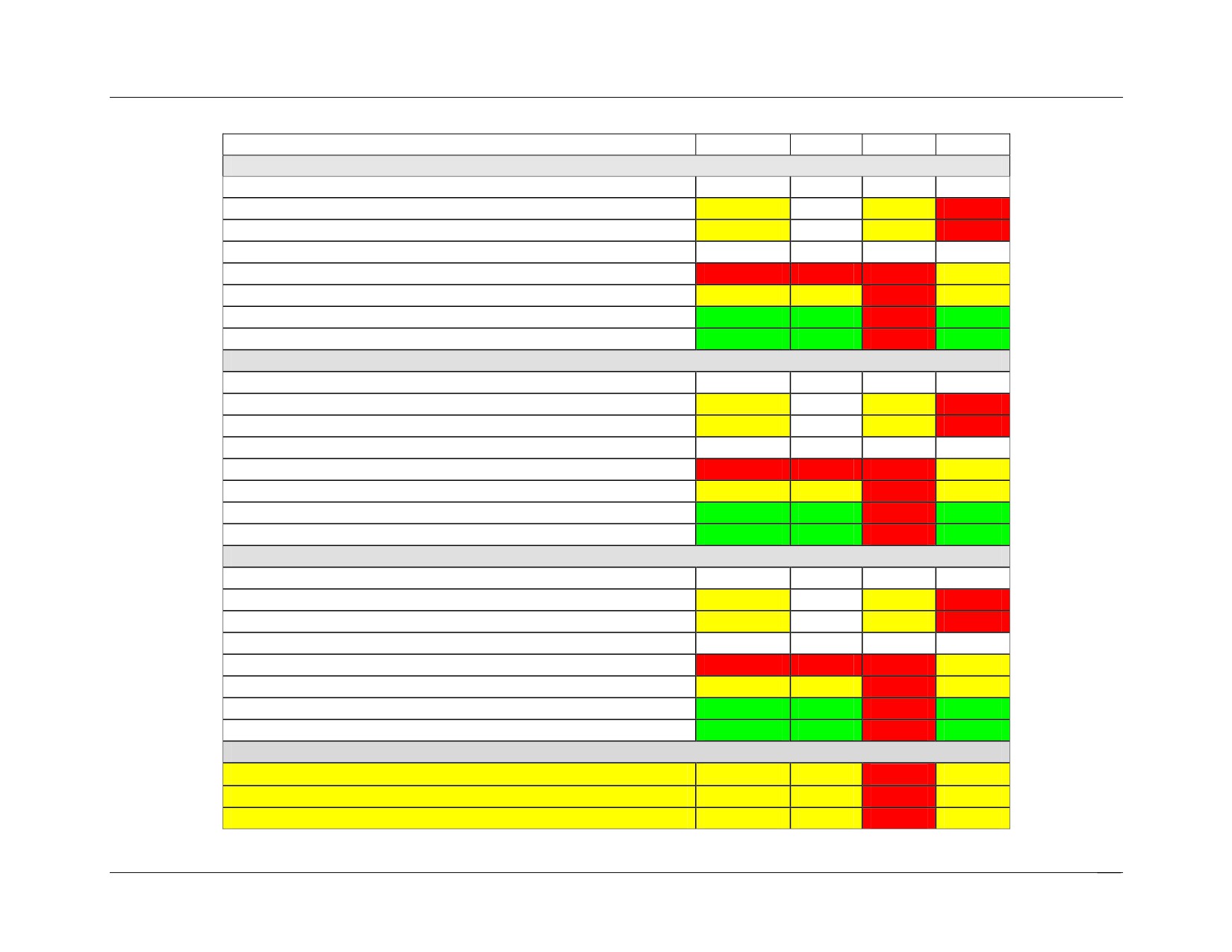
For Official Use Only
CBRND Functional Needs Analysis/Functional Solution Analysis
Chapter 13 Tactical Shield Tasks
Table 13.7-1. TASHLD 7: Capability and Deficiency Assessment
System/Measure
M1
M2
M3
M4
Current
Individual Protection
4
N/A
4
3
Respiratory/Ocular Protection
41
N/A
41
32
Percutaneous Protection
43
N/A
43
32
Collective Protection
4
4
1
4
Mobile COLPRO
34
34
25
45,6
Fixed-Site COLPRO
57
57
08
48,9
Mission-Oriented Protective Posture (MOPP) Methodology
810
810
011
810
Unit Staff
812
812
011
611,12
Near/Mid
Individual Protection
4
N/A
4
3
Respiratory/Ocular Protection
41, 13
N/A
41,13
314
Percutaneous Protection
43, 15
N/A
43,15
32
Collective Protection
4.5
4.5
1
4
Mobile COLPRO
34,16
34, 16
25
45,6
Fixed-Site COLPRO
67,17
67, 17
08
48,9
MOPP
810
810
011
810
Unit Staff
812
812
011
611,12
Far
Individual Protection
4
N/A
4
3
1,13, 18
1,13,18
Respiratory/Ocular Protection
4
N/A
4
319
Percutaneous Protection
43,15, 20
N/A
43,15,20
32
Collective Protection
5
5
1
4
4,16,21
Mobile COLPRO
34,16,21
3
25
45,6
Fixed-Site COLPRO
77,17,22
77,17,22
08
48,9
MOPP
810
810
011
810
Unit Staff
812
812
011
611,12
Overall
Current Overall Capability
6
7
1
5
Near/Mid-Term Overall Capability
6
7
1
5
Far-Term Overall Capability
6
7
1
5
For Official Use Only
138
For Official Use Only
CBRND Functional Needs Analysis/Functional Solution Analysis
Chapter 13 Tactical Shield Tasks
FAA Measure
Scale
M1
Repair activities are not
8-10: Maintenance and repair activities supporting operations are maintained within a CBRN/TIM environment
degraded/unavailable due to
through the application of COLPRO and individual protection.
CBRN/TIM attacks.
4-7: Maintenance and repair activities supporting operations are degraded or limited within a CBRN/TIM environment
but are supported by the application of COLPRO and individual equipment.
1-3: IPE encumbrances and COLPRO availability impose serious impacts and limitations upon maintenance and repair
activities supporting operations within a CBRN/TIM environment.
0: IPE encumbrances and COLPRO availability preclude maintenance and repair activities and performance supporting
operations within a CBRN/TIM environment.
M2
Critical repair activities are
8-10: Critical repair activities and functions are equipped with COLPRO affording the minimum necessary and safe
accommodated by
level of protection for maintenance of contaminated critical items as well as full protection of maintenance personnel
COLPRO.
during periods not performing maintenance on contaminated assets.
4-7: Critical repair activities are equipped with COLPRO affording reduced protection requirements for maintenance
of contaminated critical items.
1-3: Selected critical repair activities are equipped with COLPRO supporting the maintenance of contaminated critical
assets.
0: Critical repair activities are not equipped with COLPRO to perform maintenance of contaminated critical assets.
M3
COLPRO is rapidly
8-10: COLPRO is rapidly and safely erectable/striked, placed in operation, and easily maintained within a CBRN/TIM
erectable within
environment by personnel encumbered by IPE and with minimal resources.
contaminated environment
4-7: COLPRO is safely erectable/striked, placed in operation, and maintained within a CBRN/TIM environment by
by personnel wearing IPE.
IPE-encumbered personnel.
1-3: COLPRO that is safely erectable/striked, placed in operation, and maintained within a CBRN/TIM environment
by IPE-encumbered personnel is inadequate and/or does not exist in sufficient quantities to support operations.
0: COLPRO that is safely erectable/striked, placed in operation, and maintained within a CBRN/TIM environment by
IPE-encumbered personnel is nonexistent.
M4
There is effective
8-10: DOTLPF exists and is adequate for this task. Task can be effectively performed with little or no direct impact
DOTMLPF in place to
upon operations.
conduct task.
4-7: Most critical aspects of DOTLPF for this task are addressed. Task can be performed with limitations requiring
work-arounds.
1-3: DOTLPF is inadequate for accomplishment of this task.
0: DOTLPF does not exist for this task.
1 Doctrine, policy, procedures, training, exercises, and evaluations serve to build the capability of individuals to perform tasks while wearing respiratory/ocular protection.
However, the encumbrances associated with percutaneous protection do degrade performance and limit the conduct of certain tasks. Prolonged wear places stress upon the
individual and will impact performance. Doctrine, policies, procedures, TTPs, and training do not address the erection of COLPRO within a contaminated environment but do
address the operation and maintenance of COLPRO in a toxic environment. CBRND IPE is currently Service-specific and protects against all known CBRN warfare agents and
selected TIMs. Respiratory/ocular protection is diverse across the Services and performed functions. The M40/M42 CB Protective Mask is in service with the U.S. Army. The
mask uses the C-2 canister for filtration of CBRN contaminants. The M42 integrates with combat vehicle filtration protection system and has a dynamic microphone with cable for
connection to vehicle communications systems. The M45 Aircrew Aviator Mask replaced the U.S. Army M43 Type II and M49 Mask Systems. The system uses a low-profile
For Official Use Only
139
For Official Use Only
CBRND Functional Needs Analysis/Functional Solution Analysis
Chapter 13 Tactical Shield Tasks
canister compatible hose assembly for both hose and face-mounted configurations. The mask system incorporates selectable filtration for support both during aircraft systems
activation and using the connectable filter pack. The mask also is applied to personnel who cannot be fitted with the standard M40A1, M42A2, or MCU-2A/P masks. The MCU-
2A/P is the mainstay USAF and USN mask employed by personnel not equipped with aircrew masks and by aircrew when not performing flight operations. The MCU-2A/P is also
used by aircrew during flight operations who are not equipped with aircrew masks. COTS equipment meeting OSHA requirements (and NFPA for firefighters) is applied by
selected civilian personnel performing specific functions such as firefighting, EMS, hazardous materials, etc.
2 Doctrine, policies, procedures, TTPs, and training do not address the erection of COLPRO within a contaminated environment but do address the operation and maintenance of
COLPRO in a toxic environment.
3 Doctrine, policy, procedures, training, exercises, and evaluations serve to build the capability of individuals to perform tasks while wearing percutaneous protection. However,
the encumbrances associated with percutaneous protection do degrade performance and limit the conduct of certain tasks. Prolonged wear places stress upon the individual and will
impact performance. Doctrine, policies, procedures, TTPs, and training do not address the erection of COLPRO within a contaminated environment but do address the operation
and maintenance of COLPRO in a toxic environment. Service-specific CBRND percutaneous protection is currently applied for the protection of the force against known CBRN
warfare agents and selected TIMs. The BDO, used by the USAF and U.S. Army, is a two-piece garment providing protection for a 24-hour period against chemical agent vapors,
liquids, and droplets; biological agents and toxins and contact with radioactive particles. The BDO’s protective abilities are lost if the suit is torn, ripped, splashed with POL, or is
saturated with water and is designed for a one-time use and is worn by ground and most flight personnel (non-high-performance aircraft). The USMC uses the Saratoga COLPRO
suit similar in design to the BDO, but launderable for personnel hygiene. The CPOG is a legacy two-piece garment for protection against CBRN agents. The CPOG is in use with
the USN. The CPU is designed to provide an additional layer of protection for the warfighter and is worn under standard IPE. The BVO/GVO overboots are applied over the
wearer’s standard footwear to protect against contact with CBRND. The USN uses the CPFC, commonly called the “fishtail” for its design, to protect the wearer’s footwear. The
CPFC, considered obsolete, does provide a measure of antislip protection shipboard. Hand protection is provided by the CPG in 7-, 14-, and 25-mil thicknesses to meet warfighter
hand protection and dexterity needs. The CPHS is designed to prevent contact of the warfighter’s helmet with liquid contamination which may be absorbed, impact helmet
integrity, and/or constitute a potential secondary hazard to the wearer. Standard wet-weather gear (e.g., poncho, rain parka, rain suit, etc.) is also applied as a barrier against
saturation of the warfighter’s protective ensemble by contact with liquids such as rain, sea spray, etc. COTS assets meeting OSHA requirements (and NFPA for firefighters) is
applied by selected civilian personnel performing specific functions such as firefighting, EMS, hazardous materials, etc.
4 Limited COLPRO is available in type and quantity to support operations, particularly multiple operations with threat. Limitations are considered during planning and alternatives
are developed by the staff. The combination of IPE and available COLPRO provides flexibility to meet and maintain operational capability. Prioritization is required of the
available resources. Current mobile COLPRO systems are predominantly integrated into selected combat vehicles/vessels. Selected U.S. Naval combat vessels may be equipped
with full COLPRO (CITADEL). However, these systems are generally restricted to critical operations areas of the ships. These areas are designated. The remainder of the interior
of the vessel uses the Circle William concept. Circle William requires prior warning of the presence of a CBRN/TIM in the path of the ship or knowledge of an impending attack to
be fully effective. This concept requires the shutdown of the ventilation system and sealing of hatches, bulkheads, and other such openings to seal the interior of the vessel from
intrusion by a CBRN/TIM. However, the majority of these actions are performed manually and are initiated upon detection of the potential CBRN/TIM agent. There are concerns
about the potential for large amounts of a CBRN/TIM agent to be drawn in by the high-velocity ventilation systems and dispersed throughout the interior of the ship during the
period between agent encounter and completion of Circle William. There are concerns about the ability of the vessel to remain in Circle William until it is determined the vessel is
no longer exposed to a CBRN/TIM. Mobile COLPRO are armored or soft-skinned vehicle-supported and -based systems. They include both ground and air platforms. They may or
may not include CBRN/TIM filtration systems. Mobile COLPRO run the full range of protective capabilities from passive to fully protective COLPRO. The majority of vehicles
qualify as passive COLPRO, provided the exchange of air between the interior and the exterior is limited. Mobile COLPRO systems generally do not provide protection for large
numbers of personnel. The CBPS is a general use fully protective COLPRO system mounted on an ECV HMMWV. The CBPS may be used for C4 operations, as aid stations, or
for other needs.
5 Mobile COLPRO systems installed as integral systems of combat systems can generally be placed into operation within a contaminated environment. However, selected systems
must be erected and/or require extensive preparation that must be performed within a clean environment. Doctrine, policies, procedures, and TTPs do not address the erection and
establishment of COLPRO within a contaminated environment. They are predicated upon these systems being prepared and in place prior to the presence of contaminants.
6 Doctrine, policies, procedures, TTPs, and existing COLPRO systems do not address and support sustained operations within a CBRN/TIM environment. Inadequate quantities of
mobile COLPRO systems exist to support highly mobile and expeditionary operations with reduced footprint. Further, there is insufficient quantities of COLPRO to protect all
critical activities and functions within the force. Prioritization is required of the available resources.
For Official Use Only
140
For Official Use Only
CBRND Functional Needs Analysis/Functional Solution Analysis
Chapter 13 Tactical Shield Tasks
7 Limited COLPRO is available in type and quantity to support operations, particularly multiple operations with threat. Limitations are considered during planning and alternatives
are developed by the staff. The combination of IPE and available COLPRO provides flexibility to meet and maintain operational capability. There is insufficient quantities of
COLPRO to protect all critical activities and functions within the force. Prioritization is required of the available resources. The USMC MGPTS with CB Protective Liner System
provides a positive-pressure, filtered-air, toxic-free shelter for protection against CBRN agents. However, there are insufficient quantities to protect all activities and functions from
CBRN/TIM effects. The CP-DEPMEDS provides a clean, toxic-free, environmentally controlled, patient treatment area and the components are designed to integrate as field
hospitals. They are packaged as a set for deployment to threat areas for hospital operations. The entire composite hospital consists of expandable tentage, passageways,
environmental control units, and ISO shelters. The CP-DEPMEDS exist in very limited quantities. Although it could be applied to provide COLPRO to the task identified groups,
its designed and primary function is that of medical care. A similar COLPRO is the USAF’s CP-EMEDS, which is an air-transportable medical facility deployable in various
configurations from a single shelter to a 25-bed patient hospital. The CP-EMEDS is in a very limited number and, like the CP-DEPMEDS, is designed for its primary function of
the provision of medical care. The USAF CP-SSS is a small-scale CPS applied for the conduct of C2 operations, maintenance of critical equipment, force beddown, and the
provision of R2 for sortie generators and key leadership. This shelter is in limited supply and unlikely sufficient quantities would be available to support a repair operation of any
size, especially during operations against an adversary. The M20/M20A1 SCPE is a lightweight, modular system involving a liner designed for inflation within a room or building.
The M20A1 serves to bridge the gap between the M20 SCPE and CBPS. Quantities are limited and are not likely to be available in any large quantity during operations against an
adversary. Fixed-site COLPRO within the United States and its territories is predominantly designed for nuclear fallout and does not address other CBRN/TIM hazards and threats
arising after September 11, 2001. Selected critical key facilities are equipped with CBRN COLPRO, but are not available to other than designated personnel and specific functions
and activities. Fixed-site CBRN COLPRO is installed in facilities housing selected activities and functions within HTAs. However, these are not present for all activities and
functions. However, the Guardian Program is reviewing FP protective measures at U.S. installations and facilities and will address COLPRO for critical activities/functions. The
Guardian Program, however, is not likely to address field COLPRO operations.
8 Current site COLPRO systems are not designed or enabled for erection and/or striking within a CBRN/TIM environment. Doctrine, policies, procedures, and TTPs do not support
the erection and striking of COLPRO within a toxic environment. They predicate COLPRO establishment prior to the presence of contamination and striking after decontamination
within an otherwise clean environment.
9 Doctrine, policies, procedures, and TTPs do not address the application of COLPRO for maintenance of contaminated critical material with reduced IPE. Material must currently
be contaminated prior to entry into COLPRO. Doctrine, policies, procedures, TTPs, and existing COLPRO systems do not address and support sustained operations within a
CBRN/TIM environment. Inadequate quantities of COLPRO systems exist to support all critical activities and functions within the force. Prioritization is required of the available
resources.
10 Plans incorporate MOPP levels and methodologies are adjustable to meet local operations and threat needs as determined by the commander. MOPP levels and methodologies
define protective requirements and readiness for various level of threat and include the activation and operation of COLPRO as well as the ear and readiness of IPE by the force.
MOPP levels and methodologies seek to protect the force through an integrated DOTLPF, COLPRO, and IPE scaled approach. MOPP levels and methodologies provide flexibility
for the adjustment of IPE to meet local operational and threat requirements. The intent is to achieve and maintain the lowest level necessary for survival of the force and
operational accomplishment. Adjustments are made as dictated by local circumstances. However, prolonged wear of IPE will degrade performance.
11 Doctrine, policies, procedures, and TTPs do not support the erection and striking of COLPRO within a toxic environment. They predicate COLPRO establishment prior to the
presence of contamination and striking after decontamination within an otherwise clean environment.
12Doctrine, policy, procedures, and TTPs combined with staff experience, training, and knowledge provide the basis for prioritization of allocation of limited COLPRO resources.
Not all critical activities and functions can currently be allocated COLPRO. Requirements must be balanced with operational needs, available resources, and alternative protective
capabilities. The staff functions formulate the allocation collaboratively and make recommendations to the commander for decisioning. The determinations are identified in plans
and disseminated to the force. Adjustments are made when necessary during operations or upon changes in available resources. Unit staff planning and preparations include
preparing the force for operations within a CBRN/TIM environment. Degradation is considered in the development of taskings, R2 requirements, and force application. MOPP
levels are developed, implemented, and adjusted to meet local operational needs and threat. Constant evaluation of force activities is performed for necessary changes and
modifications to maintain force operational capabilities. Unit staff provides for R2 of personnel operating outside COLPRO at least once every 24 hours within COLPRO. Staff
also manages COLPRO allocation and operations for support of operational requirements and critical activities/functions.
13 Legacy systems will remain in the inventory throughout the mid term. These systems will be gradually replaced by new joint systems of respiratory/ocular protection as they are
fielded. The JSGPM also replaces current Service-specific ocular/respiratory protection. The system provides respiratory and ocular protection from CBRN agents and selected
TIMs. The field-of-vision is improved and encumbrances associated with legacy systems are reduced. The JSGPM incorporates state of the art technology and is designed to
For Official Use Only
141
For Official Use Only
CBRND Functional Needs Analysis/Functional Solution Analysis
Chapter 13 Tactical Shield Tasks
integrate with future warfighter CBRND IPE and function equipment/assets. The Guardian Program is projected to review, assess, and implement protection for critical members
of the installation/facility populace during the mid term. This will predominantly be COTS-based assets for respiratory/ocular protection. However, the Guardian Program is not
expected to address eligible civilian protection within the AO for other than existing U.S. military installations and facilities.
14 Doctrine, policies, procedures, TTPs, and training do not address the erection of COLPRO within a contaminated environment but do address the operation and maintenance of
COLPRO in a toxic environment.
15 Legacy systems will remain in the inventory throughout the mid term. These systems will be gradually replaced by new joint systems of percutaneous protection as they are
fielded. The JSLIST NBC Protective Garment is a two-piece, risk-taking, overgarment with integrated hood affording protection against CBRN agents and selected TIMs. The
garment reduces the physiological and psychological encumbrances associated with legacy systems. The JSLIST is under evaluation by NIOSH for application to OSHA
protection requirements. Joint Service glove upgrades are provided under the Joint Block 1 and 2 Glove Upgrade Program (JB1/2GU) in the near and mid term. The JB1GU
responds to an urgent need by designated elements of the force for increased tactility/durability supporting mission requirements. The JFIRE addresses protection of military
firefighters within a CBRN/TIM environment conducting firefighting operations involving structural and crash/firefighting/rescue. The JFIRE incorporates the JSLIST into
firefighter bunker gear. The JB1GU is expected to meet most of the requirements within the JSLIST ORD and is viewed as an evolutionary approach in the development of the
JB2GU. Versions under consideration include a protective inner glove worn under existing warfighter gloves, a replacement glove for existing hand wear, or a combination of
glove shell and liner affording CBRN protection of the legacy gloves they are projected to replace. The MULO is projected to replace legacy footwear covers. The ability of the
MULO to provide adequate antislip protection for USN personnel asea is under review. The Guardian Program is projected to review, assess, and implement protection for critical
members of the installation/facility populace during the mid term. This will predominantly be COTS-based assets for percutaneous protection. However, the Guardian Program is
not expected to address eligible civilian protection within the AO for other than existing U.S. military installations and facilities.
16 Fielding of the P3I upgraded CBPS for heavy/airborne use is projected for the mid term, as are two variants of the JSLNBCRS, the M93A1 and Fox NBCRS Block II to include
COLPRO.
17 JTCOPS Block I is projected for initial fielding during the mid term. The projected initial capabilities fielding of JECP is within the mid term and will include adaptive insertable
COLPRO systems (including liner) for existing buildings/rooms and stand-alone COLPRO for small groups of personnel. JECP may provide the capability to provide COLPRO
for critical activities and functions; however, JECP acquisition quantities have not as yet been determined.
18 The next-generation series of nonaviator respiratory/ocular protective assets is in R&D. The capabilities and fielding of these assets are not as yet determined.
19 Doctrine, policies, procedures, TTPs, and training do not address the erection of COLPRO within a contaminated environment but do address the operation and maintenance of
COLPRO in a toxic environment.
20 The next-generation series of nonaviator percutaneous protective assets is in R&D. The capabilities and fielding of these assets are not as yet determined.
21 A decision on the inclusion of COLPRO in the LHA(R) is expected in the mid term.
22 JTCOPS Block II is projected for the far term. Continued fielding of JECP.
For Official Use Only
142
For Official Use Only
CBRND Functional Needs Analysis/Functional Solution Analysis
Chapter 13 Tactical Shield Tasks
13.7.3
Functional Solution Analysis
13.7.3.1
DOTLPF Assessment Summary
This section addresses the deficiencies and suggests potential non-materiel solutions. If there are
no non-materiel solutions, or they are only partial solutions, the remaining non-materiel need is
then stated. Materiel needs are assessed in the IMA section.
1.
Deficiency: CBRND protective equipment and measures do not protect against all
CBRN/TIM agents.
Partial Non-Materiel Solutions: Doctrine: Promulgate requirement for development of
CBRND protective equipment and measures to protect against all CBRN/TIM agents,
particularly high-risk/high-threat agents. Leadership: Enforce compliance with established
standards (see Doctrine) for prophylactic CBRND protection.
2.
Deficiency: Encumbrances associated with ocular/respiratory and percutaneous protection
degrade performance and limit the conduct of certain tasks.
Partial Non-Materiel Solutions: Organization: Develop organizational structures,
resources, staffing, and capabilities to support personnel exchange and R2 to preclude
degradation of tasks and to promote the well-being of the force. Training: Ensure training,
exercises, and evaluations effectively promote acclimation and endurance of wear of IPE.
Leadership: Ensure awareness of degradation effects.
3.
Deficiency: Current doctrine, the UJTL, and operational planning do not adequately address
sustained operations within a CBRN/TIM environment.
Non-Materiel Solutions: Doctrine: Include in doctrine, policy, procedures, and UJTL
sustained operations within a CBRN/TIM environment. Training: Train, exercise, and
evaluate the force for sustained operations within a CBRN/TIM environment. Leadership:
Recognize criticality of readiness of the force for potential sustained operations within a
CBRN/TIM environment, training providing the skills to manage the force in these
circumstances, and willingness and ability to implement necessary changes and activities to
prepare and appropriately apply the force.
4.
Deficiency: Current DOTLPF does not adequately address the erection, maintenance,
operations, and striking of CPSs within a CBRN/TIM environment.
Non-Materiel Solutions: Doctrine: Establish in doctrine, policy, procedures, and TTPs the
erection, maintenance, operation, and striking of CPSs within a CBRN/TIM environment for
CBRND. Organization: Organizational structures supporting the erection, maintenance,
operation, and striking of CPSs within a CBRN/TIM environment for CBRND. Training:
Develop institutional and unit-level training on the erection, maintenance, operation, and
striking of CPS within a CBRN/TIM environment to support operations and provide for
CBRND of the force. Leadership: Ensure awareness and knowledge of establishing CPSs
within a CBRN/TIM environment for operations within a CBRN/TIM environment.
Facilities: Develop infrastructure to support erection, maintenance, operation, and striking of
CPSs within a CBRN/TIM environment (e.g., logistics, training, etc.).
For Official Use Only
143
For Official Use Only
CBRND Functional Needs Analysis/Functional Solution Analysis
Chapter 13 Tactical Shield Tasks
5.
Deficiency: Not all critical facilities and activities are equipped with COLPRO.
Non-Materiel Solutions: Doctrine: Enforce existing doctrine and policy.
6.
Deficiency: Most naval vessels (including supply and transport vessels, carriers, and others)
do not possess COLPRO.
Partial Non-Materiel Solutions: Doctrine: Incorporate into doctrine, policy, and procedures
the provision of COLPRO for at-risk vessels (civilian contract and military). Organization:
Develop organizational structures, resources, staffing, and capabilities to support COLPRO
operations on vessels supporting operations and at-risk. Training: Train, exercise, and
evaluate crews for vessel COLPRO operations for CBRND. Leadership: Recognize
differences and challenges associated with CBRND operations by at-risk vessels (both
military and contract civilian) supporting operations. Facilities: Develop supporting
infrastructure (e.g., logistics, maintenance, power systems, etc.) for vessel COLPRO.
7.
Deficiency: Current mobile COLPRO is inadequate to support operations by highly mobile
forces.
Non-Materiel Solutions: Doctrine: Complete analysis and central correlation/comparison of
national and strategic plans to identify quantities and types of mobile COLPRO (and
supporting consumables) necessary and available to support highly mobile forces for
envisioned plans and taskings. Organization: Develop organizational structures, resources,
staffing, and capabilities to conduct CBRND, including mobile COLPRO, of highly mobile
forces. Training: Train, exercise, and evaluate CBRND, including mobile COLPRO,
capabilities of the force in a CBRN/TIM threat during highly mobile force operations.
Leadership: Recognize differences and challenges associated with CBRND operations by
highly mobile forces, training providing skills and knowledge to manage operations in these
circumstances, and ability and willingness to implement necessary changes and activities to
prepare for and conduct expeditionary operations with a CBRN/TIM threat. Facilities:
Develop supporting infrastructure for CBRND of highly mobile forces.
8.
Deficiency: Maneuvering forces are inadequately equipped with COLPRO capabilities.
Non-Materiel Solutions: Doctrine: Complete the JCIDS process and central correlation/
comparison of national and strategic plans to identify CBRND resources necessary and
available to support maneuver operations, particularly expeditionary operations during the
first 30-90 days following commencement of hostilities, with a reduced logistical footprint.
Organization: Develop organizational structures, resources, staffing, and capabilities to
conduct maneuver operations, particularly expeditionary operations during the first 30-90
days of operations following commencement of hostilities, while possessing reduced
logistical footprint. Training: Train, exercise, and evaluate maneuver capabilities
(particularly expeditionary capabilities) of the force in a CBRN/TIM threat with reduced
logistical footprint during the initial 30-90 days of operations using organic, prepositioned,
and planned CBRND resources supporting operations. Leadership: Recognize differences
and challenges associated with maneuver operations, particularly expeditionary operations
during the first 30-90 days following commencement of hostilities, with a reduced logistical
footprint; training providing skills and knowledge to manage operations in these
circumstances; and ability and willingness to implement necessary changes and activities to
prepare for and conduct expeditionary operations with a CBRN/TIM threat. Facilities:
For Official Use Only
144
For Official Use Only
CBRND Functional Needs Analysis/Functional Solution Analysis
Chapter 13 Tactical Shield Tasks
Develop supporting infrastructure for expeditionary operations during the first 30-90 days
following commencement of hostilities and with a reduced logistical footprint.
9. Deficiency: Existing COLPRO requires extensive services, logistics, and resources to
establish.
Partial Non-Materiel Solutions: Doctrine: Establish in doctrine, policy, procedures, and
TTPS guidelines and requirements for COLPRO by type of operation and involved forces.
Organization: Develop minimal organizational structures, resources, and assets essential to
the erection and establishment of COLPRO by system type. Training: Develop institutional
and unit-level training on the erection and establishment of COLPRO with emphasis upon
minimalization of committed resources. Leadership: Ensure awareness and knowledge of
extent of committed resources to establish various types of COLPRO. Facilities: Review
infrastructure with view towards minimalization of required services, logistics, and resources
to erect and establish COLPRO.
10. Deficiency: ECP kits, procedures, and training do not currently exist.
Partial Non-Materiel Solutions: Doctrine: Establish in doctrine, policy, procedures, and
TTPs the use and application of ECP for CBRND. Organization: Organizational structures
supporting the application of ECP for CBRND. Training: Develop institutional and unit-level
training on the application of ECP to support operations and provide for CBRND of the
force. Leadership: Ensure awareness and knowledge of versatility and application of ECP for
operations within a CBRN/TIM environment. Facilities: Develop infrastructure to support
ECP (e.g., logistics, training, etc.).
11. Deficiency: COLPRO for maintenance of critical contaminated material permitting reduced
IPE is nonexistent.
Partial Non-Materiel Solutions: Doctrine: Develop and establish in doctrine, policies,
procedures, and TTPs requirements, standards, and guidelines for the application of
COLPRO to maintenance activities on critical material that is contaminated and required for
maintenance of OPTEMPO and mission success. Organization: Develop organizational
structures, resources, staffing, and capabilities to enable effective application of COLPRO for
maintenance of critical assets. Training: Implement institutional, recurring, and unit training
for all personnel tasked with performance of critical asset maintenance in the conduct of
maintenance and repair activities in a CBRN/TIM environment upon contaminated assets.
Exercises and evaluations incorporate criteria challenging this capability. Leadership:
Recognize ability to sustain OPTEMPO and for mission success with the capability to
perform sensitive repairs on critical assets. Facilities: Develop supporting infrastructure
enabling and supporting maintenance and repair activities on contaminated assets.
12. Deficiency: Inadequate COLPRO to support expeditionary and highly mobile forces.
Partial Non-Materiel Solutions: Doctrine: Develop and disseminate appropriate doctrine,
policy, and procedures for the application of common materials for COLPRO and for
COLPRO kits and components. Organization: Develop organizational structures, resources,
staffing, and capabilities to enable effective application of available COLPRO and
implementation of expedient COLPRO capabilities. Training: Establish initial and recurring
training of all members of the force on the conduct of expedient COLPRO. Exercises and
For Official Use Only
145
For Official Use Only
CBRND Functional Needs Analysis/Functional Solution Analysis
Chapter 13 Tactical Shield Tasks
evaluations incorporate criteria challenging this capability. Leadership: Recognize potential
for expedient COLPRO to improve force capabilities and survivability. Facilities: Develop
supporting infrastructure enabling expedient COLPRO and the effective application of
available COLPRO.
13. Deficiency: Quantities and availability of mobile COLPRO is inadequate.
Non-Materiel Solutions: Doctrine: Complete analysis and central correlation/comparison of
national and strategic plans to identify quantities and types of mobile COLPRO (and
supporting consumables) necessary and available to support highly mobile forces for
envisioned plans and taskings. Organization: Develop organizational structures, resources,
staffing, and capabilities to conduct CBRND, including mobile COLPRO, of highly mobile
forces. Training: Train, exercise, and evaluate CBRND, including mobile COLPRO,
capabilities of the force in a CBRN/TIM threat during highly mobile force operations.
Leadership: Recognize differences and challenges associated with CBRND operations by
highly mobile forces, training providing skills and knowledge to manage operations in these
circumstances, and ability and willingness to implement necessary changes and activities to
prepare for and conduct expeditionary operations with a CBRN/TIM threat. Facilities:
Develop supporting infrastructure for CBRND of highly mobile forces.
14. Deficiency: Airlift assets (both tactical and strategic) are not equipped with COLPRO.
Partial Non-Materiel Solutions: Doctrine: Incorporate into doctrine, policy, and procedures
the provision of COLPRO to aircrew and passengers in appropriate airframes (military and
civilian). Training: Train, exercise, and evaluate aircrews and supporting entities for airframe
COLPRO operations for CBRND. Leadership: Recognize criticality of protecting aircrew
and passengers of appropriate tactical and strategic airframes from the effects of CBRN/TIM
agents. Facilities: Develop supporting infrastructure (e.g., logistics, aircraft maintenance,
etc.) for airframe COLPRO.
13.7.3.2
IMA Assessment Summary
Table 13.7-2 is a list of ideas for material approaches and a corresponding description of each
idea. Approaches focus on procurement of existing systems, and development of field-expedient
and modular systems. Table 13.7-3 identifies which of the material approaches might address
specific materiel deficiencies identified in the DOTMLPF assessment.
For Official Use Only
146
For Official Use Only
CBRND Functional Needs Analysis/Functional Solution Analysis
Chapter 13 Tactical Shield Tasks
Table 13.7-2. TASHLD 7: Materiel Approaches
Idea for Materiel Approach
Description
Assess CBRND material
Test and assess all CBRND material for protective abilities against future threat agents, including
TIM.
Develop COLPRO kits
Develop COLPRO kits containing all necessary supplies to construct field-expedient COLPRO
that is easily stored and maintained in ready condition, easily and safely erected, operated,
maintained, and striked within a CBRN/TIM environment by IPE-encumbered personnel using
minimal resources and supports COLPRO requirements.
Develop and establish generic
Develop, preposition, and maintain reserve stocks of generic CBRND kits for a standard unit.
unit CBRND kits
Components are adjusted as necessary for specific operations involving threat.
Disposable COLPRO
Develop one-time-use COLPRO that is rapidly erected with little instruction, training, and effort
and affords term protection for critical activities and functions, maintenance and repair activities,
prelocated consumables, as well as personnel associated with this task.
Field-expedient COLPRO kits
Develop field-expedient COLPRO kits designed to adapt existing structures, tentage, etc., for the
expansion of COLPRO field capabilities and mission support and the provision of collective
protection to the force, critical functions and activities, maintenance and repair activities and
functions, resources, etc.
Field-expedient COLPRO
Identify commonly available materials (duct tape, plastic sheeting, wooden crate, plywood, tarps,
materials
coverings, wraps, caulk, sealant gels/sprays, etc.) for application in the construction of expedient
COLPRO needed to construct field-expedient COLPRO when COLPRO availability is limited or
not advantageous.
Integrated mobile COLPRO
Develop warfighting platforms (air, land, and sea) with COLPRO that is an integral part of the
operational system and protects against current and future/advanced agents.
Modular COLPRO
Develop modular COLPRO that can be erected in various configurations to protect various groups
of people separately by their designation (EPW, civilian, etc.); accommodates small to large
numbers of people; protects all critical activities and functions, MWAs, prelocated consumables,
and maintenance/repair activities; and addresses the commander’s intent.
Regenerative filtration
CBRN regenerative filters able to flush retained agent, neutralize agent, or by other inherent
means affords extended period of protection.
For Official Use Only
147
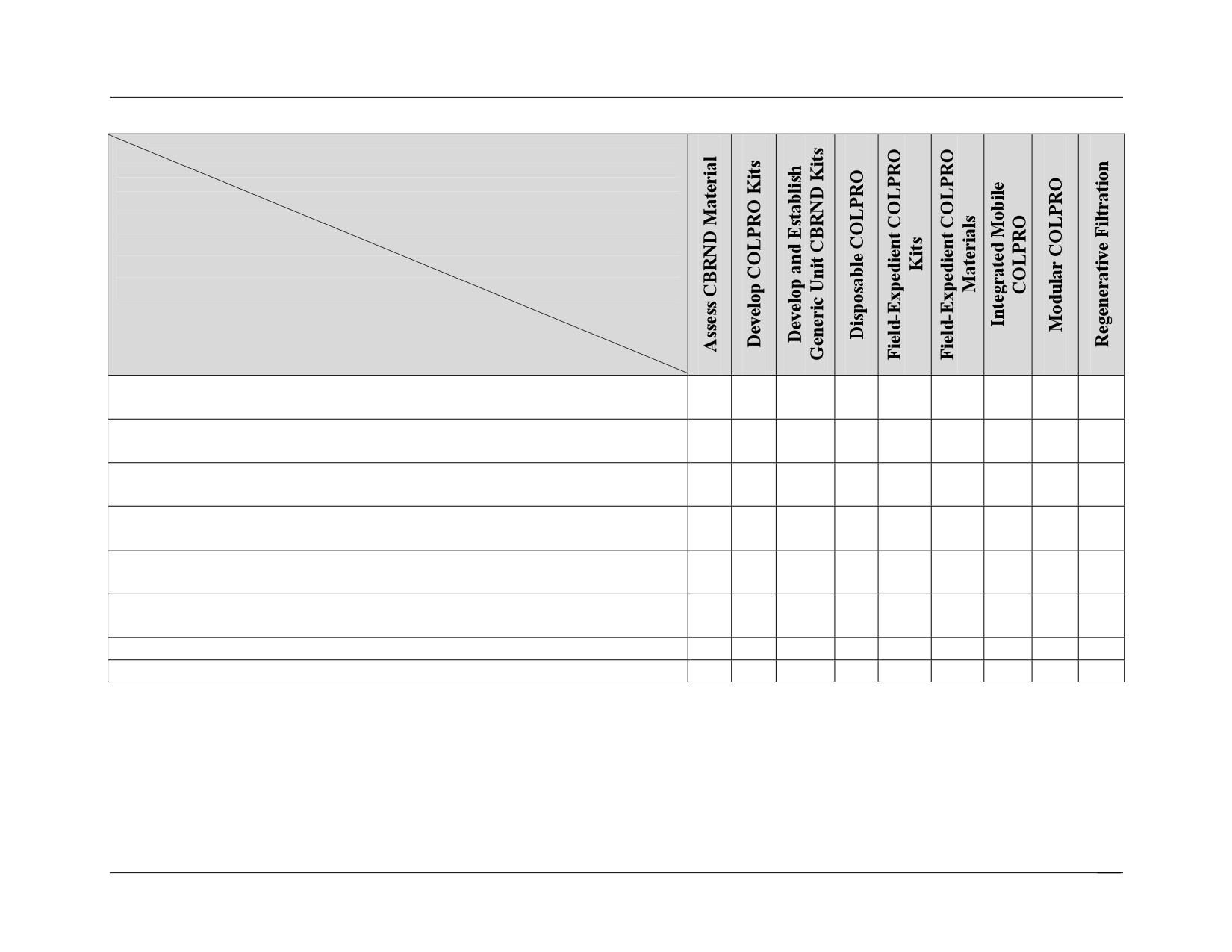
For Official Use Only
CBRND Functional Needs Analysis/Functional Solution Analysis
Chapter 13 Tactical Shield Tasks
Table 13.7-3. TASHLD 7: IMA Assessment
Ideas for Material
Approaches
(IMA)
Identified Gaps
CBRND protective equipment and measures do not protect against all
X
X
X
CBRN/TIM agents.
Encumbrances associated with ocular/respiratory and percutaneous
X
X
X
X
X
X
X
X
X
protection degrade performance and limit the conduct of certain tasks.
Most naval vessels (including supply and transport vessels, carriers, and
X
X
X
X
X
X
others) do not possess COLPRO
Existing COLPRO requires extensive services, logistics, and resources to
X
X
X
X
X
X
X
X
establish.
Expedient COLPRO (ECP) kits, procedures, and training do not currently
X
X
X
X
X
X
exist.
COLPRO for maintenance of critical contaminated material permitting
X
X
X
X
X
X
X
X
reduced IPE is nonexistent.
Inadequate COLPRO to support expeditionary and highly mobile forces.
X
X
X
X
X
X
X
X
X
Airlift assets (both tactical and strategic) are not equipped with COLPRO.
X
X
X
X
X
X
X
For Official Use Only
148
For Official Use Only
CBRND Functional Needs Analysis/Functional Solution Analysis
Chapter 13 Tactical Shield Tasks
13.8
Task TASHLD 8: Prelocate consumables to COLPRO and units
13.8.1
Functional Area Analysis
13.8.1.1
Definition
CBRND stocks fall in both medical and nonmedical categories. Items are transported and
positioned in anticipation of need. Especially critical are consumables such as filters and extra
sets of protective overgarments. NBC staff personnel work closely with logisticians and medical
service personnel to ensure required stocks are on hand or readily available. Refer to individual
Service documents for specifics.
13.8.1.2
Derivation
Joint Enabling Concept for CBRN Operations, Protection Joint Functional Concept, UJTL (TA
7, TA 7.1).
13.8.1.2.1
Supported Task: OPSHLD 8
13.8.1.2.2
Lateral Task: TASHA 20
13.8.1.2.3
Supporting Task: N/A
13.8.1.3
Condition
Perform this task under conditions of:
Physical
1. Undeveloped to highly developed land. (C1.1.1)
2. Riverine to open sea. (C1.2)
3. Natural and induced air. (C1.3)
4. Immediate to delayed danger, and potential long-term health hazard of atmospheric
weapons effects. (C1.3.3)
Military
1. Partially completed mission preparation. (C2.1.3)
2. Marginal forces. (C2.2)
3. Marginal to adequate forces allocated. (C2.2.3)
4. Negligible personnel experience. (C2.2.4.5)
5. Limited staff expertise. (C2.3.1.3)
6. Limited deployed supplies. (C2.8.2)
7. No prepositioned materiel. (C2.8.4)
8. No host-nation support. (C2.8.5)
9. Negligible to limited commercial procurement. (C2.8.6)
For Official Use Only
149
For Official Use Only
CBRND Functional Needs Analysis/Functional Solution Analysis
Chapter 13 Tactical Shield Tasks
Civil. N/A
13.8.2
Functional Needs Analysis
13.8.2.1
Capability and Deficiency Assessment Summary
Table 13.8-1 discusses various current and expected capabilities applied to accomplish this task.
The overall capabilities for current, near/mid, and far term are rated “yellow.” Although
improvements between the periods occur for specific capabilities and are reflected in the
associated identified values, the improved capabilities are not sufficient to change the overall
assessed color ratings for this task.
Current Capability and Deficiency
DOTLPF is central to ensuring the prepositioning of consumables for asset availability to the
warfighter. General logistics DOTLPF exists addressing the planning, movement, management
and positioning of material for support of operations. Reallocation and integration of resources
are addressed in existing DOTLPF. Deficiencies include inadequate quantities and types of
COLPRO, inadequate prophylaxes addressing all CBRN agents and high-threat/high-risk TIMs
(particularly TICs), insufficient DOTLPF for sustained operations within a CBRN/TIM
environment, individual combat loads restricting available weight and space for CBRND
materiel, and the absence of CBRND for MWDs. Expeditionary and highly mobile force
operations, both with reduced and limited logistical support, are not adequately addressed in
DOTMLPF, and the design of most CBRND systems and associated logistics does not
adequately support these type of operations. Deploying eligible civilians and MWAs
(particularly MWDs) are not equipped and trained to survive a CBRN/TIM environment; nor
does the command staff possess clear guidance for planning and providing CBRND of these
personnel and elements. The Services currently field a variety of CBRND assets providing
respiratory/ocular, percutaneous, and COLPRO protection. This diversity of assets complicates
the logistical support of operations with threat for joint operations. Existing Service-specific IPE
is limited in the period and scope of protection afforded the warfighter. Respiratory/ocular and
percutaneous CBRND assets protect against known chemical and biological warfare agents and
particulate radiologicals. Protection is afforded to a select number of TIMs. Physiological and
psychological encumbrances increase with prolonged wear. Regular exercising and wear to
acclimate and adjust the wearer to enable performance of assigned functions and activities are
necessary and performed to reduce the impact of encumbrances and subsequent degradation of
performance. Current site COLPRO generally requires extensive site preparation and resources
to erect, operate, and strike but cannot be erected/striked in a CBRN/TIM environment. Mobile
COLPRO is a diversity of systems ranging from forced clean air systems to full COLPRO.
However, their application is limited. In general, current COLPRO is limited in quantity and
does not adequately support expeditionary and highly mobile maneuver operations, particularly
those in an austere environment with reduced logistical footprints. Most mobile platforms
(including land, sea, and air) are not equipped with COLPRO. This circumstance requires
prioritization of available assets and the application of IPE for CBRND. Medical prophylaxes do
exist for the protection of the warfighter against a limited number of biological and chemical
agents. However, few are FDA approved. A number possess IND authorization for application.
For Official Use Only
150
For Official Use Only
CBRND Functional Needs Analysis/Functional Solution Analysis
Chapter 13 Tactical Shield Tasks
Medications are considered for their potential prophylactic value, but are not always FDA
approved for this purpose. Not all threat CBRN agents are addressed by CBRND medical
countermeasures. Efficacy, time to achieve a level of protection, and the number of
administrations vary between prophylaxes. COTS protective assets are applied for selected
eligible civilians such as hazardous materials, firefighters, EMS, etc. However, eligible civilians
(in general) and MWAs are not adequately addressed by DOTLPF for CBRND. Clear DOTLPF
addressing the CBRND provisioning and training of eligible civilians is inadequate. MWAs are
not afforded protection against the effects of CBRN/TIM agents, including COLPRO. MOPP
DOTLPF is adequate for military personnel and operations. The establishment of adjustable
MOPP levels, reflective of local operations and threat, are well defined, as are continuing
evaluation for change/adjustments. However, operations increasingly involve U.S. and non-U.S.
civilians. MOPP DOTLPF does not adequately address their presence and inclusion into MOPP
methodologies and levels, particularly when these personnel may (or may not) be equipped with
nonstandard IPE.
Projected Near/Mid-Term Capability and Deficiency
Future configurations focus on reducing psychological and physiological stresses associated with
the wearing of IPE, as well as striving for commonality of form factor among all services to
reducing the logistics burden, development cost, and improved availability. The JPACE, JSLIST,
JSAM, and JSGPM are projected to be initially fielded during the mid term. The JSLIST is under
review for NIOSH certification for compliance with OSHA protective standards. The
certification will permit application of the garment for AT/FP installation activities within
CONUS and selected OCONUS. The possibility exists for potential application by requiring
eligible civilians. Legacy Service-specific IPE will remain in the inventory throughout the mid
term and into the far term during the transition to the joint IPE systems. Ongoing R&D into
medical prophylaxes will provide additional prophylactic measures but still fail to address all
threat CBRN agents and high-threat/high risk TIMs (particularly TICs). JECP is projected to
initially field during the mid term with three COLPRO systems primarily addressing
expeditionary operations. The P3I upgraded CBPS, JTCOPS, CP-DEPMEDS, fielding of the
JSLNBCRS variants, and backfit of LHA/LHD vessels are projected to include COLPRO in the
mid term. These systems, depending upon the quantity fielded, may provide additional COLPRO
to address critical needs. However, although the fielding of joint Service assets will gradually
improve logistics, the force will continue to contend with the logistics support of existing
Service-specific assets. Otherwise, changes from current capabilities and deficiencies are not
projected.
Projected Far-Term Capability and Deficiency
Future configurations focus upon reducing psychological and physiological stresses associated
with the wearing of IPE, as well as striving for commonality of form factor among all Services.
The standardization of CBRND respiratory/ocular and percutaneous protection which will
continue to reduce the logistics burden and development cost and subsequently improve
availability. Legacy Service-specific IPE will continue to be replaced by the joint systems of
CBRND protective equipment until fielding is complete to all Service units, including Guard and
Reserve, early in the far term. Next-generation IPE assets are in R&D and are expected to be
For Official Use Only
151
For Official Use Only
CBRND Functional Needs Analysis/Functional Solution Analysis
Chapter 13 Tactical Shield Tasks
fielded sometime in the far term. However, specifics of design, characteristics, and protective
capabilities are not as yet determined for these systems. Continued R&D into potential medical
prophylaxes may result in additional protective measures for the force. However, specifics are
unknown at this time. The potential for COLPRO in the Future Tactical Lift Option builds upon
the mid-term COLPRO capabilities. Additional changes in capabilities from the mid term are not
projected.
13.8.2.2
Resource Systems
Individual Protection
1.
Respiratory/Ocular Protection:
COTS: Commercially available systems of protection, manufactured and tested meeting
OSHA standards for the United States or equivalent organization in other nations.
M17 Series Masks w/M13 Series Filters: Obsolescent warfighter system of protection.
Retained in selected HTAs for NEO application. Designed for adults.
MBU-19/P Chemical-Biological Aircrew Eye/Respiratory Protection (AERP): USAF
combat aircrew protection. Includes protective hood, MBU-12/P mask, C-2 canister,
intercom for ground communications, and blower assembly.
A/P22P-14(V) Respirator Assembly: USN/USMC system for rotary-wing (Version 1 for
USN) and fixed-wing (Versions 2-4 for USN/USMC) aircrews. Includes CB filter, dual
air/oxygen supply, and crossover manifold for dual protective capabilities in air or on
ground. Version 1 is not compatible with aircraft oxygen supply systems; Version 2
applied to EA-6B and F18A airframes; Version 3 to AV-8B and F-18C/D aircraft; and
Version 4 is used for C-130 airframes.
M40/M42 CB Protective Mask: U.S. Army mask system designed for military standard
profile and uses standard C-2 canister. M42 integrates with combat vehicle clean air
supply system and has a connectable dynamic microphone for combat vehicle intercom
system.
M45 Aircrew Aviator Mask: Replaces M42 and M49 systems for U.S. Army. Available with
a canister-compatible hose assembly and a valve cassette that enables use of supplied air
(from aircraft, SCBA or PAPR). The M45 is used by military personnel who cannot fit
the M40A1, M42A2, or MCU-2/P masks.
M48 CB Apache Aviator Mask: Used by Apache aviator and flight support personnel.
Replaced M43 Type 1 mask system and uses blower assembly with C-2 filter canister.
MCU-2A/P: Mainstay USAF and USN system for nonaviator personnel and aircrew
personnel not performing flight operations, except for aircrew personnel not issued
aviator systems and noncombat platforms/airframes without clean air supply systems.
Applies C-2 filter for filter air.
Joint Service Aviator Mask (JSAM): Initial fielding projected in the mid term replacing
Service-specific aviator respiratory/ocular protective systems. Provides CBRN protection
under high-G conditions, compatible with existing and projected aviator CBRN IPE,
flame and thermal protective, reduces stress associated with existing aviator IPE, and
may be donned/doffed during flight.
For Official Use Only
152
For Official Use Only
CBRND Functional Needs Analysis/Functional Solution Analysis
Chapter 13 Tactical Shield Tasks
Joint Service General Purpose Mask (JSGPM): Initial fielding projected in the mid term
replacing Service-specific standard respiratory/ocular protective systems. Provides
respiratory/ocular protection from CBRN agents and selected TIMs. Improves field-of-
vision and encumbrances associated with existing Service systems.
Joint Service Chemical Environment Survival Mask (JCESM): COTS one-time use, one-
size-fits-all, respiratory/ocular protective system affording two hours of protection in
low-level CBRN vapor, aerosol, and particulate environments. Selected force element
application only.
2.
Percutaneous Protection:
COTS: Commercially available systems of protection, manufactured and tested meeting
OSHA standards for the United States or equivalent organization in other nations.
Battle Dress Overgarment (BDO): U.S. Army/USAF two-piece camouflage-patterned
garment (top and trousers) providing 24-hour protection against CBRN agents in vapor,
liquid, droplet, and particulate forms.
Saratoga: USMC two-piece camouflage-patterned garment (top and trousers) providing 24-
hour protection against CBRN agents in vapor, liquid, droplet, and particulate forms.
Launderable for hygiene.
CPOG: Legacy two-piece green garment currently in use with USN providing limited-term
protection against CBRN agents in vapor, liquid, droplet, and particulate forms.
Chemical Protective Undergarment (CPU): Worn under standard IPE as additional layer of
protection against contact with CBRN agents.
CWU-66/P: One-piece USAF green flightsuit providing 24-hour protection against CBRN
agents in vapor, liquid, droplet, and particulate forms. Available in tan as CWU-77/P
flightsuit.
Disposal Aircrew Protective Cape: Transparent disposable cape covering head and shoulders
of aviator during periods between aircraft mounting/dismounting and shelter.
BVO/GVO: Vinyl overboots (VO) worn over wearer’s standard footwear and protects
against contact with CBRN agents. Available in black (BVO) and green (GVO).
Chemical Protective Footwear Cover (CPFC): Legacy system of CBRN protective footwear
cover in use by USN. Requires wearer to pull protective sole tabs up and wrap/tie laces
around cover to secure over footwear.
Disposable Aircrew Footwear Cover: Transparent disposable footwear covers worn over
aviator footwear to protect aviator during periods between aircraft mounting/dismounting
and shelter.
Chemical Protective Glove (CPG): Standard CBRN protective glove. Available in 7-, 14-,
and 25-mil thicknesses addressing functional requirements for durability, dexterity, and
tactile sensitivity.
Disposable Aircrew Hand Protection: Transparent disposable hand coverings applied by
USAF, USN, and USMC over aviator gloves during periods between aircraft
mounting/dismounting and shelter. Also applied as between aviator inner and outer
gloves enabling essential functional requirements for dexterity and tactile sensitivity.
Chemical Protective Helmet System (CPHS): CBRN protective camouflage-patterned
helmet cover to protect helmet from contact with CBRN contaminants.
For Official Use Only
153
For Official Use Only
CBRND Functional Needs Analysis/Functional Solution Analysis
Chapter 13 Tactical Shield Tasks
SCALP: Disposable, lightweight, impermeable overgarment designed for wear over IPE for
additional protection in grossly contaminated environments. Applied by personnel
required to leave protective sheltering in these environments to perform mission-critical
tasks. Also applied by decontamination units/teams and medical personnel performing
decontamination or potentially at risk for prolonged contact with liquids.
Wet-Weather Gear: Includes Severe-Weather Gear (USN). Provides barrier against contact
with liquids potentially damaging to protective abilities of IPE.
M-2 Apron: Butyl rubber-coated sleeved apron worn over IPE and applied by
decontamination units/teams and other designated personnel performing decontamination
or potentially at risk for contact with liquids. Provides barrier against contact with liquids
potentially damaging to protective abilities of IPE. Decontaminable.
Medical Barrier Assets: Standard barrier assets applied by Medical Services personnel
against contact with biohazards. May provide a degree of additional barrier protection
against CBRN hazards when applied with IPE.
Patient Protective Wrap (PPW): Enclosed casualty bag made of CBRN protective materials.
Incorporates small flexible transparent window positioned over casualties face for
viewing by medical practitioners. Uses cardboard stays to maintain separation of bag
from casualty’s face. Does not permit head-to-toe viewing of casualty. Supports limited
medical assistance. Requires the wear of standard warfighter respiratory/ocular
protection. Two wraps currently in stock. Legacy system provides protection up to 3
hours and newer system up to 6 hours.
Joint Service Lightweight Integrated Suit Technology (JSLIST): Two-piece (jacket and
trousers) CBRN risk-taking protective garment with integrated hood. Affords protection
against selected TIM agents. Reduces physiological and psychological encumbrances
associated with existing Service-specific systems it replaces with initial fielding in the
mid term. Under review for NIOSH certification for OSHA protection standards.
Joint Protective Aircrew Ensemble (JPACE): CBRN protective aviator flightsuit projected
for initial fielding in the mid term and replacing Service-specific CBRN protective
flightsuits. Provides JSLIST equivalent protection and provides protection when subject
to rotor, propeller, and jetwash. Flame-retardant and self-extinguishing properties.
Supports escape and evasion requirements.
Joint Block I/II Glove Upgrade (JB1/2GU): Projected fielding in near mid term replacing
CPG for designated force elements requiring increased tactility/durability for mission
performance. Various configurations under consideration.
Joint Firefighter Integrated Response Ensemble (JFIRE): Incorporates JSLIST into
firefighter bunker gear, permitting firefighters to conduct firefighting operations within a
CBRN/TIM environment.
Multi-purpose Overboot (MULO): Projected initial fielding in mid term and replacing
legacy CBRN footwear covers.
3.
Medical Protection:
Vaccines: Immunizations providing a level of acquired immunity against the effects of
CBRN agents.
Topicals: Protective barrier products applied to the skin to enhance protection of wear
against contact with CBRN/TIM agents. Includes both inert and reactive materials.
For Official Use Only
154
For Official Use Only
CBRND Functional Needs Analysis/Functional Solution Analysis
Chapter 13 Tactical Shield Tasks
Medications: Medical materials taken to mitigate or prevent the effects of exposure to
CBRN/TIM agents. Includes medications taken routinely or upon exposure (but prior to
symptom display) to build resistance/immunity or to mitigate/resolve medical impacts of
CBRN/TIM agent exposure/contamination.
COLPRO
1.
Mobile COLPRO
CBPS: M1113 HMMWV-mounted COLPRO system consisting of a hardshell filtration,
power, and transport and expandable softshell tentage with contamination control
area/entry. The COLPRO unit is designated the Lightweight Multipurpose shelter (LMS).
Crewed Combat Vehicles (Ground): Two types of COLPRO. First supplies filter air using
forced clean air supply system. Requires wear of IPE and connection to crew mask. This
is the type of system in the M1A1 Abrams MBT. Second system is incorporates full
COLPRO and permits reduction of IPE during operation. JSLNBCLR is an example of
the second type of system.
Airframe Air Supply System: Provides clean air from compressed air storage system either
until aircraft is outside of contamination and airframe interior is flushed of vapor
contaminants or throughout flight operations.
CITADEL: System of protection installed with USN vessels to afford protection to selected
connected spaces including C4ISR, medical, and R2.
2.
Fixed-Site COLPRO
MGPTS: USMC Medium General Purpose Tent System (MGPTS) with CB Protective Liner
System designed for support of USMC operational C4ISR and R2.
CP-DEPMEDS: Component-based system of tentage, connective corridors, ISO containers,
etc., with COLPRO liners for configuration into field hospitals and includes supporting
power and utility systems, lighting, engine control units, and filtration systems. Large
system requiring extensive use of resources to prepare location, erect/strike, operate, and
maintain.
JTCOPS: Similar to CP-DEPMEDS, but for critical functions and activities of the force
(e.g., staff operations, aircrew housing and briefing, etc.).
CP-EMEDS: USAF air-transportable system similar to CP-DEPMEDS on a smaller scale
and configurable from one medical shelter to a 25-bed field hospital.
CP-SSS: USAF small-scale COLPRO transportable system designed to support C2
functions.
JECP: Projected program of COLPRO designed for application in highly mobile operations,
expeditionary operations, forced-entry operations, and/or to supplement larger-scale
COLPRO systems in support of operations. Consists of building/room and tentage insert
kits and small-unit stand-alone COLPRO kits.
M20/M20A1 SCPE: Lightweight and modular COLPRO system consisting of an inflatable
liner for insert into rooms or buildings.
Building integrated COLPRO systems: COLPRO systems designed and installed into
buildings as integral systems, usually facility construction. Post-construction installation
For Official Use Only
155
For Official Use Only
CBRND Functional Needs Analysis/Functional Solution Analysis
Chapter 13 Tactical Shield Tasks
is based upon building design and COLPRO requirements. Varies between buildings
based upon applied technology, date of construction/installation, system engineering,
facility function, etc. Most existing facility COLPRO was established during Cold War
period.
MOPP Methodology: Stepped level of CBRND protective measures. Standardized levels permit
the rapid increase or decrease of unit MOPP level.
Unit Staff: The application of DOTLPF for all phases of operations with threat from preplanning
to post-force return to home stations. Includes all aspects of C2 and supporting staff
activities/functions (e.g., logistics, intelligence, etc.) enabling mission and task accomplishment.
For Official Use Only
156