CHEMICAL, BIOLOGICAL, RADIOLOGICAL, AND NUCLEAR DEFENSE (CBRND) FUNCTIONAL NEEDS ANALYSIS. FINAL REPORT (2005) - page 15
For Official Use Only
CBRND Functional Needs Analysis/Functional Solution Analysis
Chapter 10. Strategic National Shield Tasks
10.10.3
Functional Solution Analysis
10.10.3.1
DOTLPF Assessment Summary
This section addresses the deficiencies associated with policies, standards, and criteria for the
determination of CBRN/TIM protection requirements and means supporting national and
strategic guidance, intent, plans, and taskings. The deficiencies can be addressed by non-materiel
solutions. If there are no non-materiel solutions, or they are only partial solutions, the remaining
non-materiel need is then stated. Materiel needs are assessed in the IMA section. Non-materiel
solutions include analysis to identify required quantities and types of CBRND systems to support
concurrent operations; the application of JCIDS and, as required, RDTE&A activities for
CBRND resources to support expeditionary operations. Additionally, institute in doctrine, policy,
and procedures the central correlation of national and strategic plans and taskings to identify
CBRND support requirements for two or more concurrent operations possessing CBRND threat
and comparison to existing and programmed quantities and types of CBRND systems and
resources.
1.
Deficiency: Available CBRND systems are not available in sufficient quantities to support
the envisioned and published national military concurrent operations.
Non-Materiel Solutions: Doctrine: Institute in doctrine, policy, and procedures the central
correlation of national and strategic plans and taskings to identify CBRND support
requirements for two or more concurrent operations with CBRN/TIM threat with comparison
to existing and programmed quantities and types of CBRND systems and resources. Perform
analysis to identify required quantities and types of CBRND systems. Leadership: Implement
development of plans and taskings consistent with available CBRND capabilities as
determined by central correlation and comparison of national and strategic plans and
taskings.
2.
Deficiency: The requirements of plans that identify CBRND systems required to support
operations are not centrally correlated with other plans.
Non-Materiel Solutions: Doctrine: Institute in doctrine, policy, and procedures the central
correlation of national and strategic plans and taskings to identify CBRND support
requirements for two or more concurrent operations with CBRN/TIM threat with comparison
to existing and programmed quantities and types of CBRND systems and resources.
Leadership: Implement development of plans and taskings consistent with available CBRND
capabilities as determined by central correlation and comparison of national and strategic
plans and taskings.
3.
Deficiency: Existing COLPRO systems are not generally designed for a highly mobile force
with a reduced logistical footprint, and the initial period of operations until the theater
matures (usually the first 30-90 days).
Non-Materiel Solutions: Doctrine: Incorporate into doctrine, policy, and procedures
standards for expeditionary forces possessing reduced logistical footprint during the first 30-
90 days of operations following commencement of hostilities. Perform JCIDS and, as
required, develop RDTE&A activities for CBRND resources supporting expeditionary
operations. Organization: Develop organizational structures, resources, staffing, and
109
For Official Use Only
For Official Use Only
CBRND Functional Needs Analysis/Functional Solution Analysis
Chapter 10. Strategic National Shield Tasks
capabilities to conduct expeditionary operations while possessing reduced logistical footprint
and during the first 30-90 days of operations following commencement of hostilities.
Training: Train, exercise, and evaluate expeditionary capabilities of the force in a
CBRN/TIM threat with reduced logistical footprint during the initial 30-90 days of operation
using CBRND resources supporting expeditionary operations. Leadership: Recognize
differences and challenges associated with expeditionary operations during the first 30-90
days following commencement of hostilities and with a reduced logistical footprint, training
providing skills and knowledge to manage operations in these circumstances, and ability and
willingness to implement necessary changes and activities to prepare for and conduct
expeditionary operations with a CBRN/TIM threat. Facilities: Develop supporting
infrastructure for expeditionary operations during the first 30-90 days following
commencement of hostilities and with a reduced logistical footprint.
4.
Deficiency: Expeditionary forces are not necessarily equipped to support national and
strategic operations
Non-Materiel Solutions: Doctrine: Complete JCIDS process and central correlation/
comparison of national and strategic plans to identify CBRND resources necessary and
available to support expeditionary operations during the first 30-90 days following
commencement of hostilities and with a reduced logistical footprint. Conduct JCIDS and, as
required, develop RDTE&A activities for CBRND resources supporting expeditionary
operations. Organization: Develop organizational structures, resources, staffing, and
capabilities to conduct expeditionary operations while possessing reduced logistical footprint
and during the first 30-90 days of operations following commencement of hostilities.
Training: Train, exercise, and evaluate expeditionary capabilities of the force in a
CBRN/TIM threat with reduced logistical footprint during the initial 30-90 days of operation
using CBRND resources supporting expeditionary operations. Leadership: Recognize
differences and challenges associated with expeditionary operations during the first 30-90
days following commencement of hostilities and with a reduced logistical footprint, training
providing skills and knowledge to manage operations in these circumstances, and ability and
willingness to implement necessary changes and activities to prepare for and conduct
expeditionary operations with a CBRN/TIM threat. Facilities: Develop supporting
infrastructure for expeditionary operations during the first 30-90 days following
commencement of hostilities and with a reduced logistical footprint.
10.10.3.2
IMA Assessment Summary
N/A
110
For Official Use Only
For Official Use Only
CBRND Functional Needs Analysis/Functional Solution Analysis
Chapter 10. Strategic National Shield Tasks
10.11 Task SNSHLD 11: Manage the provisioning of the force with CBRN/TIM
protection systems, equipment and supplies addressing identified threats
10.11.1
Functional Area Analysis
10.11.1.1
Defintion
To address the development and acquisition of systems of protection against current and
projected CBRN/TIM threats. Includes the planning, coordination, programming, and oversight
of research, development, and acquisition activities to protect the force. Also includes
modification of existing systems and the development of new systems of protection to meet force
requirements.
Note: Ties to SNSHLD 10 for identification of CBRN/TIM protection capability requirements.
10.11.1.2
Derivation
Joint Enabling Concept for CBRN/TIM Operations, Protection Joint Functional Concept, UJTL
(SN 1.1.5, SN 1.1.6, SN 2.4.1.2, SN 3.4.4, SN 4.3.3, SN 5.2, SN 5.2.3, SN 6.1, SN 7.5, SN 9, SN
9.2, AN 9.2.1, SN 9.2.2).
10.11.1.2.1
Supported Task: N/A
10.11.1.2.2
Lateral Tasks: SNSHA 5, SNSHLD 10
10.11.1.2.3
Supporting Task: N/A
10.11.1.3
Condition
Perform this task under conditions of:
Physical
1. Immediate to delayed danger, and potential long-term health hazard of atmospheric
weapons effects. (C1.3.3)
Military
1. Some interoperability. (C2.2.6)
2. Partial joint staff integration. (C2.3.1.1)
3. Partial multinational integration. (C2.3.1.2)
4. Slow pipeline responsiveness. (C2.8.3.1)
5. Extensive commercial procurement. (C2.8.6)
Civil
1. Correct interdepartmental/interagency relationships. (C3.1.1.3)
111
For Official Use Only
For Official Use Only
CBRND Functional Needs Analysis/Functional Solution Analysis
Chapter 10. Strategic National Shield Tasks
10.11.2
Functional Needs Analysis
10.11.2.1
Capability and Deficiency Assessment Summary
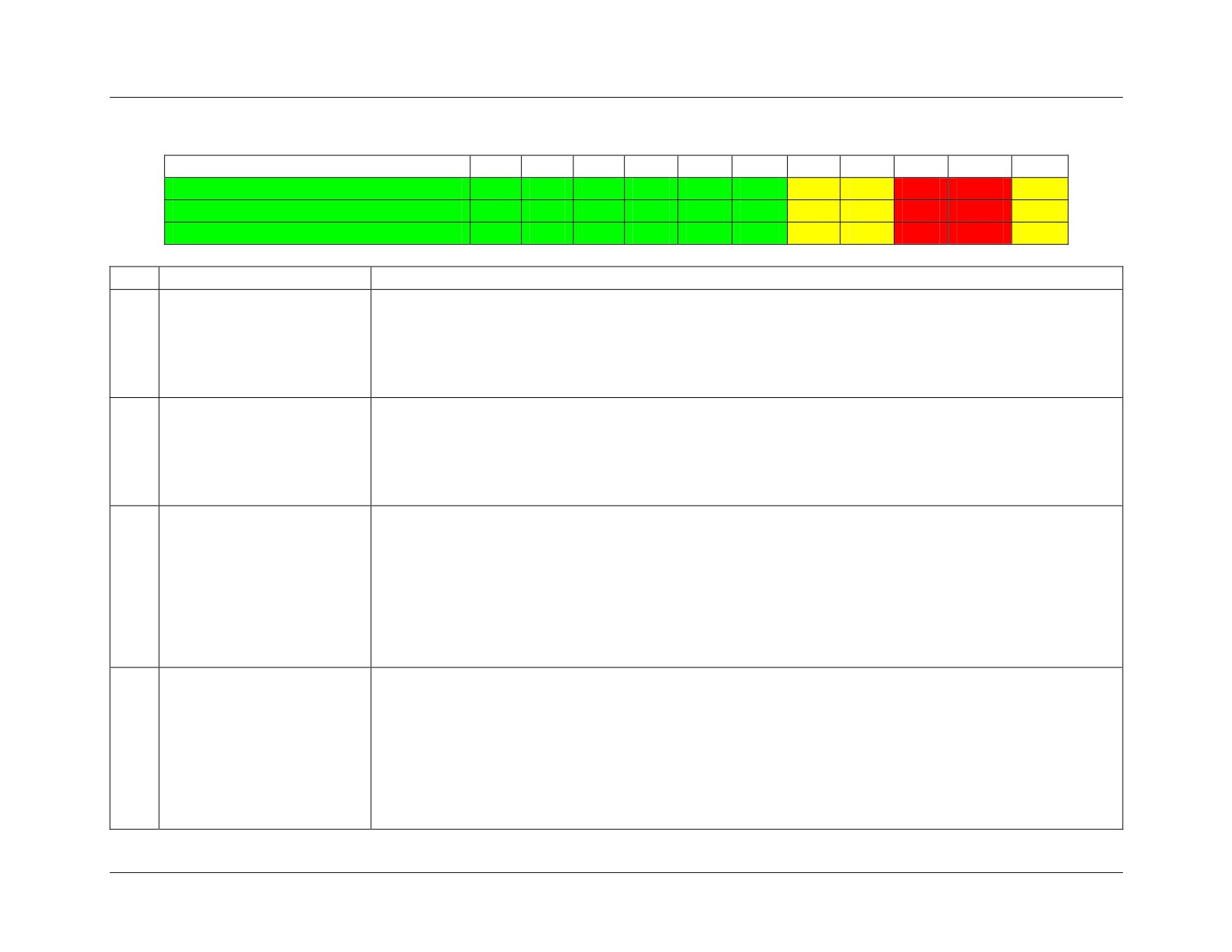
Table 10.11-1 discusses the only capability that exists to perform the task to the designated
standard. CJCS/joint staff supervises process to manage CBRN/TIM protective requirements
essential to protect the force against identified threats and enable positive accomplishment of
national and strategic goals, plans, and taskings.
Current Capability and Deficiency
Procedures exist to manage the provisioning of the force with CBRND protection systems,
equipment, and supplies addressing the identified threats. The process reviews and analyses both
current and programmed capabilities against current and projected requirements and to prioritize
development, acquisition, and allocation actions. Deficiencies include the lack of available
stockpiled CBRND systems in sufficient quantities to support envisioned and published national
military concurrent operations, and the potential impact of critical components and protective
systems manufactured outside the United States. The overall current assessment is “green.”
Projected Near/Mid-Term Capability and Deficiency
No projected changes to this task.
Projected Far-Term Capability and Deficiency
No projected changes to this task.
112
For Official Use Only
For Official Use Only
CBRND Functional Needs Analysis/Functional Solution Analysis
Chapter 10. Strategic National Shield Tasks
Table 10.11-1. SNSHLD 11: Capability and Deficiency Assessment
Capability: CJCS—Joint Staff
M1
M2
M3
M4
M5
M6
M7
M8
M9
M10
M11
Current Overall Capability1
G2
G3
G3
G3
G3
G3
Y4
Y4
R5
R6
Y7
Near/Mid-Term Overall Capability
G
G
G
G
G
G
Y
Y
R
R
Y
Far-Term Overall Capability
G
G
G
G
G
G
Y
Y
R
R
Y
FAA Measure
Scale
M1
Documented assessment
G: Overarching single process exists for the determination and assessment of required capabilities not satisfied by
identifies unsatisfied required
current and projected capabilities for both materiel and non-materiel CBRND.
CBRN/TIM protection
Y: Each Service operates a single process for the determination and assessment of required capabilities not satisfied
capabilities addressing threat.
by current and projected capabilities for both materiel and non-materiel CBRND.
R: The process for determination and assessment of required capabilities not satisfied by current and projected
capabilities for materiel and/or non-materiel CBRND is in adequate or nonexistent.
M2
Required CBRN/TIM
G: Overarching single process exists for the identification and ranking of non-materiel solutions to required
protection capabilities are
capabilities not satisfied by current and projected CBRND capabilities.
evaluated to determine
Y: Each Service operates a single process for the identification and ranking of non-materiel solutions to required
whether capabilities can be
capabilities not satisfied by current and projected CBRND capabilities.
satisfied through non-materiel
R: The process for identification and ranking of non-materiel solutions to required capabilities not satisfied by
measures and activities.
current and projected CBRND capabilities is inadequate or nonexistent.
M3
Required CBRN/TIM
G: Overarching single process exists for the identification and ranking of potential materiel modification of current
protection materiel capabilities
materiel solutions to required capabilities not satisfied by current and projected CBRND capabilities or by non-
are evaluated to determine
materiel solutions.
whether capabilities can be
Y: Each Service operates a single process for the identification and ranking of potential materiel modification of
satisfied by modification of
current materiel solutions to required capabilities not satisfied by current and projected CBRND capabilities and or
current assets.
by non-materiel solutions.
R: The process for identification and ranking of potential materiel modification of current materiel solutions to
required capabilities not satisfied by current and projected CBRND capabilities or by non-materiel solutions is
inadequate or nonexistent.
M4
Required CBRN/TIM
G: Overarching single process exists for the identification and ranking of potential materiel modification of current
protection materiel capabilities
friendly government materiel solutions to required capabilities not satisfied by current and projected CBRND
not satisfied by previous
capabilities or by non-materiel solutions and not solved by modification of current assets.
standard (M3) are evaluated to
Y: Each Service operates a single process for the identification and ranking of potential materiel modification of
determine whether capabilities
current friendly government materiel solutions to required capabilities not satisfied by current and projected CBRND
can be satisfied by
capabilities or by non-materiel solutions and not solved by modification of current assets.
modification of current assets
R: The process for the identification and ranking of potential materiel modification of current friendly government
of friendly governments.
materiel solutions to required capabilities not satisfied by current and projected CBRND capabilities or by non-
materiel solutions and not solved by modification of current assets is inadequate or nonexistent.
113
For Official Use Only
For Official Use Only
CBRND Functional Needs Analysis/Functional Solution Analysis
Chapter 10. Strategic National Shield Tasks
M5
Required CBRN/TIM
G: Overarching single process exists for the identification and ranking of potential applications of current technology
protection materiel capabilities
and materiels to required capabilities not satisfied by current and projected CBRND capabilities or by non-materiel
not satisfied by previous two
solutions and not solved by modification of current U.S. and friendly government assets.
standards (M3 and M4) are
Y: Each Service operates a single process for the identification and ranking of potential applications of current
evaluated to determine
technology and materiels to required capabilities not satisfied by current and projected CBRND capabilities or by
whether capabilities can be
non-materiel solutions and not solved by modification of current U.S. and friendly government assets.
satisfied using current
R: The process for the identification and ranking of potential applications of current technology and materiels to
technology and materiels.
required capabilities not satisfied by current and projected CBRND capabilities or by non-materiel solutions and not
solved by modification of current U.S. and friendly government assets is inadequate or nonexistent.
M6
Required CBRN/TIM
G: Overarching single process exists to evaluate and identify materiel capabilties which can be reasonably satisified
protection materiel capabilities
by current or ongoing research and development (R&D) of new technologies/materials to enable required capabilities
not satisfied by previous three
that are not satisfied by current and projected CBRND capabilities, cannot be satisfied by non-materiel solutions,
standards (M3-M5) are
cannot be solved by modification of current U.S. and friendly government assets, and cannot be achieved using
evaluated to determine
current technologies and materiel.
whether capabilities can be
Y: Each Service operates a single process to evaluate and identify materiel capabilties which can be reasonably
reasonably satisfied by current
satisified by current or ongoing R&D of new technologies/materials to enable required capabilities that are not
or ongoing research for
satisfied by current and projected CBRND capabilities, cannot be satisfied by non-materiel solutions, cannot be
development of new
solved by modification of current U.S. and friendly government assets, and cannot be achieved using current
technologies or materials.
technologies and materiel.
R: The process to evaluate and identify materiel capabilties which can be reasonably satisified by current or ongoing
R&D of new technologies/materials to enable required capabilities that are not satisfied by current and projected
CBRND capabilities, cannot be satisfied by non-materiel solutions, cannot be solved by modification of current U.S.
and friendly government assets, and cannot be achieved using current technologies and materiel is inadequate or
nonexistent.
M7
CBRN/TIM protection
G: All identified CBRND protection requirements are satisfied within five years.
capability requirements can be
Y: Critical CBRND protection requirements are generally satisfied within five years, when possible under current
satisfied within the next five
technologies and materiel.
years.
R: CBRND protection requirements are not satisfied within five years.
M8
CBRN/TIM protection
G: All identified CBRND protection requirements are funded for resolution within five years.
capability requirements are
Y: Critical CBRND protection requirements are generally funded for resolution within five years, when possible
funded for resolution within
under current technologies and materiel.
the next five years.
R: CBRND protection requirements are not funded for resolution within five years.
M9
All critical protection assets,
G: All CBRND assets, components, and consumables are manufactured and assembled within the United States.
materials, or components are
Industry is able to meet routine replenishment requirements and to quickly surge to maintain support of operational
manufactured within the
and replenishment requirements.
United States, and U.S.
Y: All critical CBRND assets, components, and consumbables are manufactured within the United States. Industry is
manufacturing is able to meet
able to meet routine replenishment requirements and to surge for operational and replenishment support.
demand.
R: Critical CBRND assets, components, and/or consumables are not manufactured within the United States, and U.S.
industry does not offer equivalent substitution.
114
For Official Use Only
For Official Use Only
CBRND Functional Needs Analysis/Functional Solution Analysis
Chapter 10. Strategic National Shield Tasks
M10
CBRND requirements are fully
G: CBRND systems are stockpiled in plan identified required quantities and types to support sustained operations
stockpiled enabling sustained
against multiple CBRN/TIM attacks in staggered major conflicts with concurrent smaller-scale contingency
operations against multiple
operations.
CBRN/TIM attacks in
Y: CBRND systems are stockpiled or available to support sustained operations against multiple CBRN/TIM attacks
staggered major conflicts with
in staggered major conflicts with concurrent smaller-scale contingency operations. Adjustments to plan requirements
concurrent smaller-scale
are made to adjust to limitations in quantities and types of CBRND systems.
contingency operations.
R: CBRND systems are not stockpiled and/or available in sufficient quantities and types to support sustained
operations against multiple CBRN/TIM attacks in staggered major conflicts with concurrent smaller-scale
contingency operations.
M11
Replenishment effectively
G: Industry maintains capacity to support routine and operational minimum CBRND asset stock levels without any
maintains minimum CBRND
period of shortage.
asset stock levels.
Y: Industry maintains capacity to meet routine minimum CBRND asset stock level replenishment requirements and
can surge production capacity over a period of time.
R: Routine and/or operational replenishment of minimum CBRND asset stock levels is inadequte or nonexistent.
1 Adequate DOTLPF exists to identify capability gaps and solutions. DOTLPF is not adequate for determination of the actual CBRND requirements for concurrent operations as
defined in current national and strategic policy. Implementation of existing DOTLPF for stockpiling and replenishment is inadequate. Implementation is impacted by budgetary,
logistical, and programmatic constraints as well as conflicting operational needs.
2 The JCIDS process outlined in CJCSI 3170.01D and CJCSM 3170.01A detail the process for determining unsatisfied capabilities and identification of the means for resolution.
The process reviews and analyzes both current and programmed capabilities against current and projected operational requirements. Both the JCIDS FAA and FNA review existing
and projected protection capabilities. Using the tasks identified in the FAA as primary input, the FNA produces as output a list of capability gaps or shortcomings that require
solutions and indicates the time frame in which those solutions are needed. The FNA may also identify redundancies in capabilities that reflect inefficiencies. The FNA includes
supportability as an inherent part of defining capability needs.
3 The FSA is an operationally based assessment of potential DOTLPF approaches to solving (or mitigating) one or more of the capability gaps (needs) identified in the FNA. The
needs identified in the FNA are inputs to the FSA. The FSA’s outputs are potential solutions to needs, including in order of priority: integrated DOTLPF changes, product
improvements to existing materiel or facilities alone, adoption of interagency or foreign materiel solutions that have limited non-materiel DOTLPF consequences, and finally, new
materiel starts that have limited non-materiel DOTLPF consequences.
4 All CBRND protection capability requirements cannot be funded and resolved within the next five years. Constraints include funding availability, other critical operational
requirements, and technological maturity. Prioritization of solutions to requirements for acquisition and development are determined and projected, as appropriate, to resolve or
mitigate gaps and deficiencies. Funding and allocation authority for CBRND protection requirements are included in the POM process and compete with other requirements. The
prioritization of solutions, anticipated costs, maturity of technology, criticality of the gap, method of resolution, production availability and capabilities, necessary research and
development, testing and evaluation, supporting DOTLPF, and other factors influence the timeline for resolution and the associated budget projections. A gap may be quickly and
easily resolved within five years of identification while others may require longer periods before the solution is fielded.
5 Critical components for protective systems are manufactured outside the US. For example, carbon beads used for construction of JSLIST IPE is manufactured overseas. The
process is proprietary and manufacturing within CONUS is not available. Production of JSLIST and similar products are also constrained by the availability and manufacturing
capacities of components originating outside the United States. The trend towards globalization of trade emphasizing the development of specialties is increasing. Manufacturing
capabilities, particularly textile, are moving off-shore. This has an impact upon the ability of the United States to rapidly respond to circumstances by increasing existing
manufacturing capabilities. It also places the United States potentially at production risk should a supplying nation disagree with U.S. actions and policies, placing a block on
exports to the United States for critical materials and components.
6 Available CBRND systems are not stockpiled in sufficient quantities to support the envisioned and published national military concurrent operations. Systems are reallocated,
when necessary, from stocks dispersed to installations and units for support of units deploying or operating within an area of operations. CBRND systems required to support
operations are identified by specific plans. However, the requirements of these plans are not centrally correlated with other plans. Comparison is essential to relate plan identified
CBRND requirements against existing and programmed quantities and types. Comparison must consider support requirements of two or more concurrent operations with
115
For Official Use Only
For Official Use Only
CBRND Functional Needs Analysis/Functional Solution Analysis
Chapter 10. Strategic National Shield Tasks
CBRN/TIM threat. Expeditionary operations are a particular concern. Existing COLPRO systems are not generally designed for a highly mobile force, with a reduced logistical
footprint, and the initial period of operations until the theater matures (usually the first 30-90 days).
7 Available CBRND systems are not stockpiled in sufficient quantities to support the envisioned and published national military concurrent operations. Timing for replenishment of
systems is dependent upon manufacturing capabilities, system age, and funding availability. Production for replenishment by industry may require a period to expand or establish
manufacturing capabilities which could exceed the necessary replenishment timeline. This is particularly applicable when components or systems are dependent upon non-U.S.
manufacturing capabilities.
116
For Official Use Only
For Official Use Only
CBRND Functional Needs Analysis/Functional Solution Analysis
Chapter 10. Strategic National Shield Tasks
10.11.3
Functional Solution Analysis
10.11.3.1
DOTLPF Assessment Summary
This section addresses the deficiencies associated with policies, standards, and criteria for the
provisioning of the force with CBRND protection systems, equipment, and supplies addressing
the identified threats. The deficiencies can be addressed by non-materiel solutions. If there are no
non-materiel solutions, or they are only partial solutions, the remaining non-materiel need is then
stated. Materiel needs are assessed in the IMA section. Non-materiel solutions include analysis
to identify prioritization of capability requirements to address threats, identification of critical
components and systems manufactured outside the United States with identification of
alternative sources or methods of supply; determined of required quantities and types of CBRND
systems, including consumables, to support concurrent operations; the application of JCIDS and,
as required, RDTE&A activities for CBRND resources to support expeditionary operations.
Additionally, the taks includes instituting in doctrine, policy, and procedures the central
correlation of national and strategic plans and taskings to identify CBRND support requirements
for two or more concurrent operations possessing CBRND threat and comparison to existing and
programmed quantities and types of CBRND systems and resources.
1.
Deficiency: All CBRND protection capability requirements cannot be satisfied within the
next five years.
Non-Materiel Solutions: Doctrine: Increase CBRND funding to meet anticipated needs.
Prioritize solutions to requirements for development and/or acquisition. Conduct analysis to
identify prioritization of capability requirements to address threat. Organization: Implement
development of plans and taskings consistent with available and projected CBRND
capabilities.
2.
Deficiency: Critical components for protective systems are manufactured outside the United
States.
Non-Materiel Solutions: Doctrine: Incorporate into doctrine, policy, and procedures the
identification of critical CBRND components and systems, to include the identification of
alternatives (e.g., other sources of supply, stockpiling, manufacturing incentives, etc.).
Conduct analysis to identify critical components and systems manufactured outside the
United States and identification of alternative sources of supply. Leadership: Awareness of
vulnerabilities associated with procurement of non-U.S. manufactured critical CBRND
components and planning for vulnerability mitigation.
3.
Deficiency: Available CBRND systems are not stockpiled in sufficient quantities to support
the envisioned and published national military concurrent operations.
Non-Materiel Solutions: Doctrine: Institute in doctrine, policy, and procedures the central
correlation of national and strategic plans and taskings to identify CBRN/TIM support
requirements for two or more concurrent operations with threat with comparison to existing
and programmed quantities and types of CBRND systems and resources, to include
replenishment. Stockpile as necessary to support determined requirements. Conduct analysis
of required CBRND system types and quantities, including consumables. Leadership:
Implement development of plans and taskings consistent with stockpile support capabilities.
117
For Official Use Only
For Official Use Only
CBRND Functional Needs Analysis/Functional Solution Analysis
Chapter 10. Strategic National Shield Tasks
4.
Deficiency: The requirements of plans that identify CBRND systems required to support
operations are not centrally correlated with other plans.
Non-Materiel Solutions: Doctrine: Institute in doctrine, policy, and procedures the central
correlation of national and strategic plans and taskings to identify CBRN/TIM support
requirements for two or more concurrent operations with threat with comparison to existing
and programmed quantities and types of CBRND systems and resources, to include
replenishment. Conduct analysis to identify required quantities and types of CBRND
systems. Leadership: Implement development of plans and taskings consistent with available
CBRND capabilities as determined by central correlation and comparison of national and
strategic plans and taskings.
5.
Deficiency: Existing COLPRO systems are not generally designed for a highly mobile force,
with a reduced logistical footprint, and the initial period of operations until the theater
matures (usually the first 30-90 days).
Non-Materiel Solutions: Doctrine: Complete JCIS process and central correlation/
comparison of national and strategic plans to identify CBRND resources necessary and
available to support expeditionary operations during the first 30-90 days following
commencement of hostilities and with a reduced logistical footprint. Conduct JCIDS and, as
required, develop RDTE&A activities for CBRND resources supporting expeditionary
operations.Organization: Organizational structures, resources, staffing, and capabilities to
conduct expeditionary operations while possessing reduced logistical footprint and during the
first 30-90 days of operations following commencement of hostilities. Training: Train,
exercise, and evaluate expeditionary capabilities of the force in a CBRN/TIM threat with
reduced logistical footprint during the initial 30-90 days of operations using CBRND
resources supporting expeditionary operations. Leadership: Recognize differences and
challenges associated with expeditionary operations during the first 30-90 days following
commencement of hostilities and with a reduced logistical footprint, training providing skills
and knowledge to manage operations in these circumstances, and ability and willingness to
implement necessary changes and activities to prepare for and conduct expeditionary
operations with a CBRN/TIM threat. Facilities: Supporting infrastructure for expeditionary
operations during the first 30-90 days following commencement of hostilities and with a
reduced logistical footprint.
6.
Deficiency: DOTLPF is not adequate for determination of the actual CBRND requirements
for concurrent operations as defined in current national and strategic policy.
Non-Materiel Solutions: Doctrine: Institute in doctrine, policy, and procedures the central
correlation of national and strategic plans and taskings to identify CBRN/TIM support
requirements for two or more concurrent operations with threat with comparison to existing
and programmed quantities and types of CBRND systems and resources, to include
replenishment. Conduct analysis to identify required quantities and types of CBRND
systems. Leadership: Implement development of plans and taskings consistent with available
CBRND capabilities as determined by central correlation and comparison of national and
strategic plans and taskings.
118
For Official Use Only
For Official Use Only
CBRND Functional Needs Analysis/Functional Solution Analysis
Chapter 10. Strategic National Shield Tasks
7. Deficiency: Implementation of existing DOTLPF for stockpiling and replenishment is
inadequate.
Non-Materiel Solutions: Doctrine: Enforce existing DOTLPF for stockpiling and
replenishment.
10.11.3.2
IMA Assessment Summary
N/A
119
For Official Use Only
For Official Use Only
CBRND Functional Needs Analysis/Functional Solution Analysis
Chapter 10. Strategic National Shield Tasks
10.12 Task SNSHLD 12: Allocate protection resources for CBRND
10.12.1
Functional Area Analysis
10.12.1.1
Definition
To ensure adequate, efficient, and timely availability of CBRN/TIM protection resources to the
force. Also supports assistance to nations provided under military assistance and the family of
engagement plans to eliminate WMD vulnerabilities. Effective allocation of CBRND resources
includes the identification, stockpiling, prepositioning, movement, distribution, and management
of these resources to optimize protection of the force. Allocation of resources includes the
development, positioning, and movement of generic unit CBRND kits. These kits contain
common CBRND assets (consumable and nonconsumable) for a standard size unit or set of
units. The kits are basic building blocks tailorable to specific requirements. The kits provide
ready CBRND resources for a rapidly deployed force and are prepositioned to reduce planning
and preparation, unit deployment logistics, time-phased force and deployment list (TPFDL), and
movement requirements.
10.12.1.2
Derivation
Joint Enabling Concept for CBRN/TIM Operations, Protection Joint Functional Concept, UJTL
(SN 1.1.5, SN 1.1.6, SN 2.4.1.2, SN 3.4.4, SN 4.3.3, SN 5.2, SN 5.2.3, SN 6.1, SN 7.5, SN 9, SN
9.2, AN 9.2.1, SN 9.2.2).
10.12.1.2.1
Supported Task: N/A
10.12.1.2.2
Lateral Task: SNSHA 5
10.12.1.2.3
Supporting Tasks: STSHLD 2, STSHLD 3, STSHLD 4, STSHLD 8, STSHLD
11
10.12.1.3
Condition
Perform this task under conditions of:
Physical
1. Immediate to delayed danger, and potential long-term health hazard of atmospheric
weapons effects. (C1.3.3)
Military
1. Limited military commitments from other nations. (C2.1.1.7)
2. Some interoperability. (C2.2.6)
3. Partially completed mission preparation. (C2.1.3)
4. Partial joint staff integration. (C2.3.1.1)
5. Partial multinational integration. (C2.3.1.2)
120
For Official Use Only
For Official Use Only
CBRND Functional Needs Analysis/Functional Solution Analysis
Chapter 10. Strategic National Shield Tasks
6. Sufficient deployed supplies. (C2.8.2)
7. Sufficient CONUS resupply. (C2.8.3)
8. Slow pipeline responsiveness. (C2.8.3.1)
9. Limited prepositioned materiel. (C2.8.4)
10. Extensive commercial procurement. (C2.8.6)
Civil
1. Correct interdepartmental/interagency relationships. (C3.1.1.3)
10.12.2
Functional Needs Analysis
10.12.2.1
Capability and Deficiency Assessment Summary
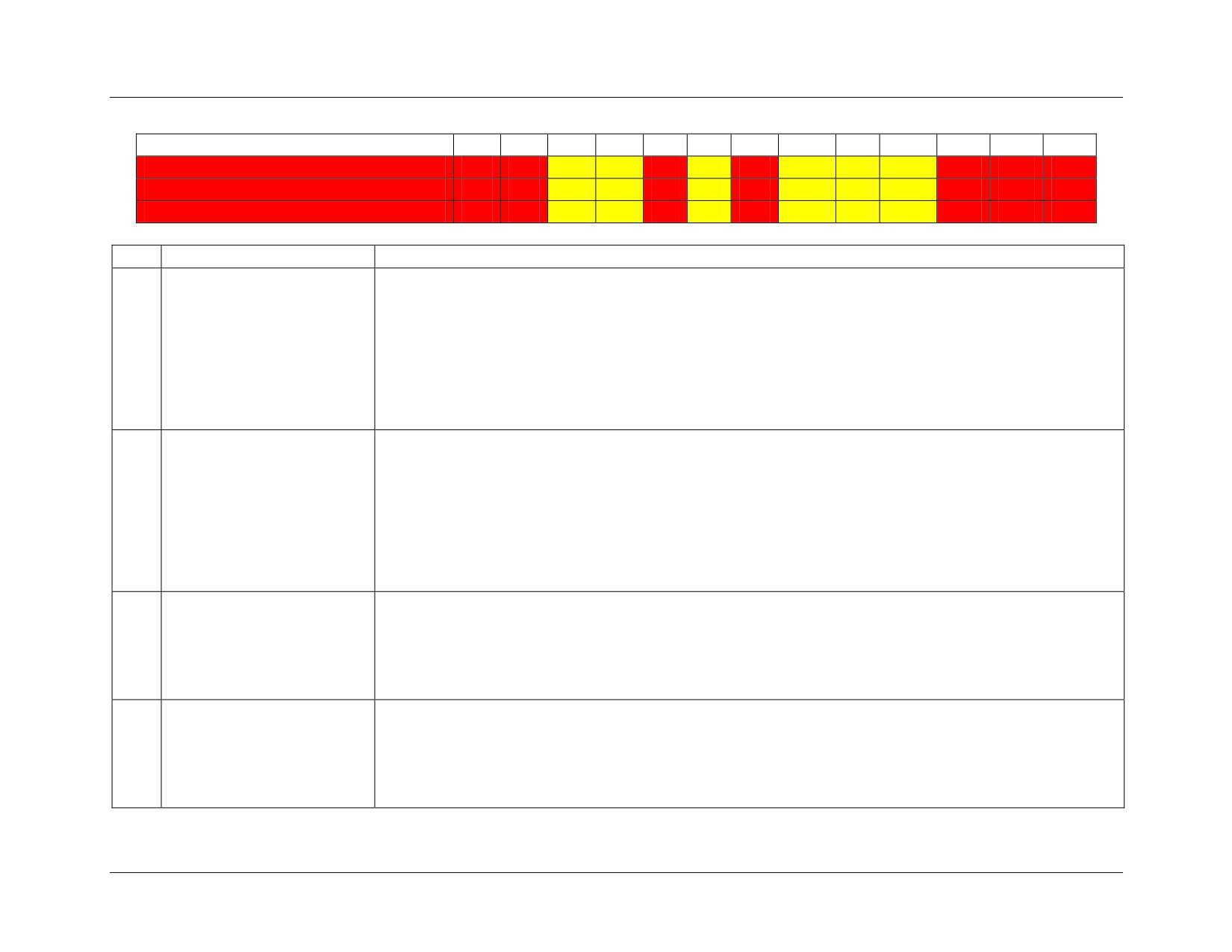
Table 10.12-1 discusses the only capability that exists to perform the task to the designated
standard. CJCS/joint staff identifies CBRND resource requirements and availability, prepares
resource taskings to support requirements, and allocates resources to support national and
strategic planning.
Current Capability and Deficiency
Logistics procedures exist to allocate protection resources for CBRND of the force. Deficiencies
include the lack of prepositioned and stockpiled CBRND systems in sufficient quantities to
support envisioned and published national military concurrent operations and the potential
impact of critical components and protective systems manufactured outside the United States.
Overall current assessment is “red.”
Projected Near/Mid-Term Capability and Deficiency
No change projected for this task.
Projected Far-Term Capability and Deficiency
No change projected for this task.
121
For Official Use Only
For Official Use Only
CBRND Functional Needs Analysis/Functional Solution Analysis
Chapter 10. Strategic National Shield Tasks
Table 10.12-1. SNSHLD 12: Capability and Deficiency Assessment
Capability: CJCS—Joint Staff
M1
M2
M3
M4
M5
M6
M7
M8
M9
M10
M11
M12
M13
Current Overall Capability1
R2
R2
Y3
Y3
R4
Y5
R6
Y2, 3
Y5
Y7
R8
R9
R3
Near/Mid-Term Overall Capability
R
R
Y
Y
R
Y
R
Y
Y
Y
R
R
R
Far-Term Overall Capability
R
R
Y
Y
R
Y
R
Y
Y
Y
R
R
R
FAA Measure
Scale
M1
Prepositioned CBRND
G: CBRND systems are prepositioned in plan identified required quantities and types to support sustained operations
requirements enable sustained
against multiple CBRN/TIM attacks in staggered major conflicts with concurrent smaller-scale contingency
operations against multiple
operations.
CBRN/TIM attacks in
Y: CBRND systems are prepositioned or available to support sustained operations against multiple CBRN/TIM
staggered major conflicts with
attacks in staggered major conflicts with concurrent smaller-scale contingency operations. Adjustments to plan
concurrent smaller-scale
requirements are made to adjust to limitations in quantities and types of CBRND systems.
contingency operations.
R: CBRND systems are not prepositioned and/or available in sufficient quantities and types to support sustained
operations against multiple CBRN/TIM attacks in staggered major conflicts with concurrent smaller-scale
contingency operations.
M2
CBRND requirements are
G: CBRND systems are stockpiled in plan identified required quantities and types to support sustained operations
stockpiled enabling sustained
against multiple CBRN/TIM attacks in staggered major conflicts with concurrent smaller-scale contingency
operations against multiple
operations.
CBRN/TIM attacks in
Y: CBRND systems are stockpiled or available to support sustained operations against multiple CBRN/TIM attacks
staggered major conflicts with
in staggered major conflicts with concurrent smaller-scale contingency operations. Adjustments to plan requirements
concurrent smaller-scale
are made to adjust to limitations in quantities and types of CBRND systems.
contingency operations.
R: CBRND systems are not stockpiled and/or available in sufficient quantities and types to support sustained
operations against multiple CBRN/TIM attacks in staggered major conflicts with concurrent smaller-scale
contingency operations.
M3
Replenishment effectively
G: Industry maintains capacity to support routine and operational minimum prepositioned CBRND asset stock levels
maintains minimum CBRND
without any period of shortage.
asset prepositioned stock
Y: Industry maintains capacity to meet routine minimum prepositionedCBRND asset stock level replenishment
levels.
requirements and can surge production capacity over a period of time.
R: Routine and/or operational replenishment of minimum prepositioned CBRND asset stock levels is inadequte or
nonexistent.
M4
Replenishment effectively
G: Industry maintains capacity to support stockpile routine and operational minimum CBRND asset stock levels
maintains minimum stockpile
without any period of shortage.
CBRND asset stock levels.
Y: Industry maintains capacity to meet routine minimum stockpile CBRND asset stock level replenishment
requirements and can surge production capacity over a period of time.
R: Routine and/or operational replenishment of minimum stockpile CBRND asset stock levels is inadequte or
nonexistent.
122
For Official Use Only
For Official Use Only
CBRND Functional Needs Analysis/Functional Solution Analysis
Chapter 10. Strategic National Shield Tasks
M5
All strategic forces are
G: Strategic forces are adequately equipped or possess ready access to CBRND resources to support national and
equipped for sustained
strategic operations within a CBRN/TIM environment.
CBRN/TIM environment
Y: Strategic forces are equipped or possess access to CBRND resources upon notification to support national and
operations.
strategic operations with threat and conduct sustained operations within a CBRN/TIM environment.
R: Strategic forces are inadequately equipped or possess inadequate access to CBRND resources to support national
and strategic operations within a CBRN/TIM environment.
M6
Required COLPRO systems
G: COLPRO is available in required quantities and types to support the full range of envisioned and planned
are available.
operations.
Y: COLPRO is available in sufficient types and quantities to support major operations.
R: COLPRO is inadequate or nonexistent to support operations.
M7
All critical facilities and
G: All identified critical facilities and activities are equipped with operational COLPRO.
activities are equipped with
Y: All identified critical facilities and activities possess or are programmed to be equipped with COLPRO.
COLPRO.
R: All critical facilities and activities are not equipped and/or are not programmed to be equipped with COLPRO.
M8
Required CBRND
G: CBRND systems are stockpiled and prepositioned in plan identified required quantities and types to support
consumables are available.
sustained operations against multiple CBRN/TIM attacks in staggered major conflicts with concurrent smaller-scale
contingency operations.
Y: CBRND systems are stockpiled and prepositioned or available to support sustained operations against multiple
CBRN/TIM attacks in staggered major conflicts with concurrent smaller-scale contingency operations. Adjustments
to plan requirements are made to adjust to limitations in quantities and types of CBRND systems.
R: CBRND systems are not stockpiled and/or prepositioned and/or available in sufficient quantities and types to
support sustained operations against multiple CBRN/TIM attacks in staggered major conflicts with concurrent
smaller-scale contingency operations.
M9
Required transportable
G: Operational transportable COLPRO is available in required quantities and types to support the full range of
COLPRO available and
envisioned and planned operations.
operational.
Y: Operational transportable COLPRO is available in sufficient types and quantities to support major operations.
R: Operational transportable COLPRO is inadequate or nonexistent to support operations.
M10
Required mobile COLPRO
G: Operational mobile COLPRO is available in required quantities and types to support the full range of envisioned
available and operational.
and planned operations.
Y: Operational mobile COLPRO is available in sufficient types and quantities to support major operations.
R: Operational mobile COLPRO is inadequate or nonexistent to support operations.
M11
Required unit CBRND
G: Generic unit CBRND kits are defined, prepositioned, stockpiled, and available in plan identified required
resources are available and
quantities to support a basic range of sustained operations against multiple CBRN/TIM attacks in staggered major
ready.
conflicts with concurrent smaller-scale contingency operations.
Y: Generic unit CBRND kits are defined, prepositioned, stockpiled, or available to support sustained operations
against multiple CBRN/TIM attacks in staggered major conflicts with concurrent smaller-scale contingency
operations. Adjustments to plan requirements are made to adjust to limitations in quantities of available generic unit
CBRND kits.
R: Generic unit CBRND kits are not defined, prepositioned, stockpiled, and/or available in sufficient quantities to
support sustained operations against multiple CBRN/TIM attacks in staggered major conflicts with concurrent
smaller-scale contingency operations.
123
For Official Use Only
For Official Use Only
CBRND Functional Needs Analysis/Functional Solution Analysis
Chapter 10. Strategic National Shield Tasks
M12
Required non-mission support
G: Non-mission support civilian CBRND is adequately stockpiled and prepositioned to support national and
civilian CBRND equipment is
strategic operations with a CBRN/TIM threat.
stockpiled and prepositioned.
Y: Non-mission support civilian CBRND is generally stockpiled and deployed to support national and strategic
operations with threat.
R: Stockpiles and/or preposititoned CBRND equipment for non-mission support civilians are inadequate or
nonexistent and unable to support national and strategic operations with a CBRN/TIM threat.
M13
Required prepositioned
G: Preposititoned CBRND assets are identfied and available in plan identified required types and quantities to
CBRND assets are at
support a basic range of sustained operations against multiple CBRN/TIM attacks in staggered major conflicts with
designated locations.
concurrent smaller-scale contingency operations.
Y: Preposititoned CBRND assets are available in adequate types and quantities to support sustained operations
against multiple CBRN/TIM attacks in staggered major conflicts with concurrent smaller-scale contingency
operations. Adjustments to plan requirements are made to adjust to limitations in quantities of available generic unit
CBRND kits.
R: Prepositioned CBRND assets are inadequate or nonexistent to support sustained operations against multiple
CBRN/TIM attacks in staggered major conflicts with concurrent smaller-scale contingency operations.
1 General logistics DOTLPF exists addressing the allocation, prepositioning, and stockpiling of materiel. The application and implementation of this DOTLPF is inadequate.
Further, the general logistics DOTLPF requires review and adjustment to support the force during and following transformation.
2 Available CBRND systems are not prepositioned in sufficient quantities to support the envisioned and published national military concurrent operations. CBRND systems, when
available, are moved from stockpiles to support operations. Additional systems are reallocated, when necessary, from stocks dispersed to installations and units for support of units
deploying or operating within an area of operations. Both reallocations necessitate TPFD allocation and support. CBRND systems required to support operations are identified by
specific plans. However, the requirements of these plans are not centrally correlated with other plans. Comparison is essential to relate plan identified CBRND requirements
against existing and programmed quantities and types. Comparison must consider support requirements of two or more concurrent operations with CBRN/TIM threat.
Expeditionary operations are a particular concern. Existing COLPRO systems are not generally designed for a highly mobile force, with a reduced logistical footprint, and the
initial period of operations until the theater matures (usually the first 30-90 days). Prepositioning is accomplished using prelocated material within friendly nations and onboard
ships. However, prepositioning must consider the potential for operations without seaports and where access is restricted by noninvolved nations.
3 Available CBRND systems are not prepositioned in sufficient quantities to support the envisioned and published national military concurrent operations. Timing for
replenishment of systems is dependent upon manufacturing capabilities, system age, and funding availability. Production for replenishment by industry may require a period to
expand or establish manufacturing capabilities which could exceed the necessary replenishment timeline. This concern is particularly applicable when components or systems are
dependent upon non-U.S. manufacturing capabilities.
4 Current doctrine and policy does not adequately address sustained operations within a CBRN/TIM environment. Strategic force equipage is based upon current doctrine, policy,
and associated planning documents.
5 Mature theater CPS is available. These include Joint Transportable Collective Protection System (JTCOPS), Chemically Protected Deployable Medical System (CP-DEPMEDS),
Tent, Expandable, Modular, Personnel (TEMPER) systems, and Service-designed systems. Current CPS is inadequate to support expeditionary operations, particularly in austere
environments by highly mobile forces and possessing a reduced logistical footprint.
6 Not all critical facilities and activities are equipped with COLPRO.
7 Mobile COLPRO exists in selected tactical combat and support vehicles. The quantities and types of these vehicles are limited and are dedicated to specific missions. Current
mobile COLPRO is inadequate to support operations by hig hly mobile forces.
8 Generic unit CBRND kits are not defined in current doctrine. Limited CBRND asset assemblies do exist and are prepositioned at selected sites. However, these assemblies are
generally unit specific.
9 Non-mission support civilian CBRND equipment is not stockpiled and prepositioned.
124
For Official Use Only
For Official Use Only
CBRND Functional Needs Analysis/Functional Solution Analysis
Chapter 10. Strategic National Shield Tasks
10.12.3
Functional Solution Analysis
10.12.3.1
DOTLPF Assessment Summary
This section addresses the deficiencies associated with policies, standards, and criteria for the
provisioning of the force with CBRND protection systems, equipment, and supplies addressing
the identified threats. The deficiencies can be addressed by non-materiel solutions. If there are no
non-materiel solutions, or they are only partial solutions, the remaining non-materiel need is then
stated. Materiel needs are assessed in the IMA section. Non-materiel solutions include analysis
to identify critical components and systems manufactured outside the United States with
identification of alternative sources or methods of supply; determination of required quantities
and types of CBRND systems, including consumables, to support concurrent operations;
identification of common CBRND assets (including consumables) and quantities for standard
size units; identification of critical facilities and activities; analysis and RD&E to establish
standards for equipping potential populations; application of JCIDS and, as required, RDTE&A
activities (as appropriate) to obtain, stockpile, and preposition CBRND materiel and to support
expeditionary operations. Additionally, institute in doctrine, policy, and procedures the central
correlation of national and strategic plans and taskings to identify CBRND support requirements
for two or more concurrent operations possessing CBRND threat and comparison to existing and
programmed quantities and types of CBRND systems and resources; sustained operations within
a CBRN/TIM environment; and define and incorporate generic CBRND kits. Conduct review
and adjustment of general logistics DOTLPF to support the force during and following
transformation.
1. Deficiency: Available CBRND systems are not stockpiled in sufficient quantities to support
the envisioned and published national military concurrent operations.
Non-Materiel Solutions: Doctrine: Institute in doctrine, policy, and procedures the central
correlation of national and strategic plans and taskings to identify CBRN/TIM support
requirements for two or more concurrent operations with threat with comparison to existing
and programmed quantities and types of CBRND systems and resources, to include
replenishment. Stockpile as necessary to support determined requirements. Conduct analysis
of required CBRND system types and quantities, including consumables. Leadership:
Implement development of plans and taskings consistent with stockpile support capabilities.
2. Deficiency: The requirements of national and strategic plans are not centrally correlated with
other plans.
Non-Materiel Solutions: Doctrine: Institute in doctrine, policy, and procedures the central
correlation of national and strategic plans and taskings to identify CBRN/TIM support
requirements for two or more concurrent operations with threat with comparison to existing
and programmed quantities and types of CBRND systems and resources, to include
replenishment. Conduct analysis to identify required quantities and types of CBRND
systems. Leadership: Implement development of plans and taskings consistent with available
CBRND capabilities as determined by central correlation and comparison of national and
strategic plans and taskings.
125
For Official Use Only
For Official Use Only
CBRND Functional Needs Analysis/Functional Solution Analysis
Chapter 10. Strategic National Shield Tasks
3.
Deficiency: Existing COLPRO systems are not generally designed for a highly mobile force,
with a reduced logistical footprint, in austere environment, and the initial period of
operations until the theater matures (usually the first 30-90 days).
Non-Materiel Solutions: Doctrine: Complete JCIS process and central correlation/
comparison of national and strategic plans to identify CBRND resources necessary and
available to support expeditionary operations during the first 30-90 days following
commencement of hostilities and with a reduced logistical footprint. Conduct JCIDS and, as
required, develop RDTE&A activities for CBRND resources supporting expeditionary
operations. Organization: Develop organizational structures, resources, staffing, and
capabilities to conduct expeditionary operations while possessing reduced logistical footprint
and during the first 30-90 days of operations following commencement of hostilities.
Training: Train, exercise, and evaluate expeditionary capabilities of the force in a
CBRN/TIM threat with reduced logistical footprint during the initial 30-90 days of
operations using CBRND resources supporting expeditionary operations. Leadership:
Recognize differences and challenges associated with expeditionary operations during the
first 30-90 days following commencement of hostilities and with a reduced logistical
footprint; training providing skills and knowledge to manage operations in these
circumstances, and ability and willingness to implement necessary changes and activities to
prepare for and conduct expeditionary operations with a CBRN/TIM threat. Facilities:
Develop supporting infrastructure for expeditionary operations during the first 30-90 days
following commencement of hostilities and with a reduced logistical footprint.
4.
Deficiency: Current doctrine and policy does not adequately address sustained operations
within a CBRN/TIM environment.
Non-Materiel Solutions: Doctrine: Include in doctrine, policy, and procedures sustained
operations within a CBRN/TIM environment. Organization: Ensure resources, taskings, and
staff are in place or available to perform sustained operations within a CBRN/TIM
environment. Training: Train, exercise, and evaluate the force for sustained operations within
a CBRN/TIM environment. Leadership: Recognize criticality of readiness of the force for
potential sustained operations within a CBRN/TIM environment, training providing the skills
to manage the force in these circumstances, and wiliness and ability to implement necessary
changes and activities to prepare and appropriately apply the force.
5.
Deficiency: Not all critical facilities and activities are equipped with COLPRO.
Non-Materiel Solutions: Doctrine: Enforce existing doctrine and policies. Remaining Non-
Materiel Needs: Conduct analysis to identify critical facilities and activities.
6.
Deficiency: CBRND asset assemblies or kits are generally unit-specific.
Non-Materiel Solutions: Doctrine: Incorporate generic and unit-specific CBRND kits into
doctrine, policy, and procedures. Unit-specific CBRND kits should tailor generic kits.
Conduct analysis to identify common CBRND assets (including consumables) and quantities
for standard size units. Facilities: Supporting infrastructure for the acquisition, stockpiling,
prepositioning, maintenance, and movement of generic CBRND unit kits.
7.
Deficiency: Generic unit CBRND kits are not defined in current doctrine.
126
For Official Use Only
For Official Use Only
CBRND Functional Needs Analysis/Functional Solution Analysis
Chapter 10. Strategic National Shield Tasks
Non-Materiel Solutions: Doctrine: Incorporate generic and unit-specific CBRND kits into
doctrine, policy, and procedures. Unit-specific CBRND kits should tailor generic kits.
Facilities: Supporting infrastructure for the acquisition, stockpiling, prepositioning,
maintenance, and movement of generic CBRND unit kits. Remaining Non-Materiel Needs:
Conduct analysis to identify common CBRND assets (including consumables) and quantities
for standard size units.
8.
Deficiency: Non-mission support civilian CBRND equipment is not stockpiled and
prepositioned.
Non-Materiel Solutions: Doctrine: Establish in doctrine, policy, and procedures the
provisioning of civilians addressing the variation within a potential population. Institute in
doctrine, policy, and procedures the central correlation of national and strategic plans and
taskings to identify eligible civilian CBRND support requirements for two or more
concurrent operations with threat with comparison to existing and programmed quantities
and types of CBRND systems and resources, to include replenishment and prepositioning of
CBRND assets for civilians. Conduct analysis and RD&E to establish standards for
equipping potential population. Conduct JCIDS and develop RDTE&A, as appropriate, to
obtain, stockpile, and preposition CBRND for potential population. Training: Establish
CBRND training, exercise, and evaluation criteria and programs for eligible civilians and
conduct CBRND training, exercises, and evaluations, as appropriate. Leadership: Implement
planning and management of CBRND training, equipping, stockpiling, prepositioning, and
protection of eligible civilians. Facilities: Develop supporting infrastructure for the
acquisition, stockpiling, prepositioning, maintenance, and movement of eligible civilian
CBRND resources.
9.
Deficiency: The application and implementation of this DOTLPF is inadequate.
Non-Materiel Solutions: Doctrine: General logistics DOTLPF requires review, adjustment,
and aggressive implementation to support the force during and following transformation.
10.12.3.2
IMA Assessment Summary
N/A
127
For Official Use Only
For Official Use Only
CBRND Functional Needs Analysis/Functional Solution Analysis
Chapter 11. Strategic Theater Shield Tasks
CHAPTER 11. STRATEGIC THEATER SHIELD
For Official Use Only
For Official Use Only
CBRND Functional Needs Analysis/Functional Solution Analysis
Chapter 11. Strategic Theater Shield Tasks
Table of Contents
List of Acronyms
ii
11.0
Strategic Theater Shield
1
11.1
Task STSHLD 1: Determine CBRN/TIM protection requirements and means
supporting CBRND national and Strategic Theater guidance, intent, plans, and
taskings
4
11.2
Task STSHLD 2: Provide for the allocation, sustainment, and positioning of
CBRN/TIM protection supplies, equipment, and systems
10
11.3
Task STSHLD 3: Coordinate medical prophylaxis to reduce impact of
CBRN/TIM
21
11.4
Task STSHLD 4: Ensure adequate individual protection for eligible civilians
30
11.5
Task STSHLD 5: Establish appropriate CBRN/TIM protective measures and
resources for deploying/redeploying joint forces at assembly, staging, and
embarkation, debarkation, and en route locations
37
11.6
Task STSHLD 6: Establish Protective Posture Protocols to ensure protection level
is consistent with the threat and minimizes risk while limiting the impact on
mission execution
47
11.7
Task STSHLD 7: Integrate coalition/non-U.S. and joint force CBRN/TIM
protective measures and assets
59
11.8
Task STSHLD 8: Ensure adequate protective measures and resources are
available to coalition partners and other designated non-U.S. forces
70
11.9
Task STSHLD 9: Provide COLPRO for critical activities/functions, rest, and
relief
76
11.10
Task STSHLD 10: Employ protective measures to minimize the effects of
adversary use of CBRN weapons and TIM exposure
86
11.11
Task STSHLD 11: Ensure adequate CBRN/TIM protective equipment and
supplies to support medical operations
96
For Official Use Only
i
For Official Use Only
CBRND Functional Needs Analysis/Functional Solution Analysis
Chapter 11. Strategic Theater Shield Tasks
11.0 Strategic Theater Shield
11.0.1
Introduction
Strategic level of war is divided into two sublevels: Strategic National and Strategic Theater
(ST). This chapter focuses upon the ST level of war at the national (combatant command) level
of task development and implementation. At this level, combatant command (COCOM)
authorities—often in cooperation with other nations—implement and establish national or
multinational (alliance or coalition) security objectives and guidance and develop and apply
national resources to accomplish these objectives. Decisions and activities at the ST level
implement national and multinational military objectives, specify the sequencing of activities and
actions, develop supporting global plans and means to attain these objectives, delineate limits
and assess risks for the application of military power, and provide military forces and other
capabilities as outlined in strategic plans.1
This chapter, detailing the Strategic Theater area, restates relevant information from the
chemical, biological, radiological, and nuclear defense (CBRND) Functional Area Analysis
(FAA), including a description of each of the 11 ST Shield (SHLD) tasks, derivation of the task,
an indication of other linked tasks, and the pertinent conditions. The Functional Needs Analysis
(FNA) section addresses the capability and deficiency analysis, and a brief description of
potential near-term changes. Once all the capabilities are considered, the assessment concludes
with a separate, overarching look at the entire capability spectrum to identify remaining gaps
and/or synergies. The Functional Solutions Analysis (FSA) section addresses possible solutions
for the deficiencies identified in the FNA section. Solutions for STSHLD are non-materiel and
are reflected in one or more of the six areas of DOTLPF: doctrine, organization, training,
leadership, personnel, and facilities. Annotations under Materiel are non-materiel in nature, but
do not align in one of the six non-materiel aspects of DOTLPF. These annotations include
research, analysis, and other actions to address and establish solutions for the deficiencies.
Most of the ST tasks involve doctrine, policies, and procedures providing parameters for
planning, decisioning, and actions or activities to accomplish the tasks. These range from the
positioning and sustainment of CBRND materiel and resources, through protection of forces
throughout the deployment cycle and the integration of coalition CBRND resources, to mass
medical and contaminated/exposed casualty and remains operations.
Tasks associated with forces include constituent elements of the transforming force such as
civilians, military working animals (MWAs), coalition/alliance forces, and third-party nationals.
Increasing reliance upon nonmilitary personnel (such as government employees and contractors)
as operational enablers dictated their inclusion as force members.
11.0.2
FNA Summary
Table 11.0-1 summaries the overall current and projected capability to perform the STSHLD
tasks identified in the CBRND FAA. The overall capability to conduct STSHLD tasks in the
1 Appendix A to Enclosure B, para. 3a, CJCMS 3500.04C, Universal Joint Task List, July 2002, CJCS.
1
For Official Use Only

For Official Use Only
CBRND Functional Needs Analysis/Functional Solution Analysis
Chapter 11. Strategic Theater Shield Tasks
current time frame is assessed as “yellow.” There are key deficiencies in COCOM ability to
protect populations other than military members as well as support concurrent CBRND
operations, especially those associated with sustained and expeditionary operations within a
chemical, biological, radiological, and nuclear (CBRN)/toxic industrial material (TIM)
environment. It is projected that the overall status will remain “yellow” in the near/mid term,
with limited improvements in specific measures within specific tasks.
Table 11.0-1. Strategic Theater Shield Summary FNA Findings
CBRN
Capability
Strategic
Theater
CBRN Strategic Theater Shield Task
Shield
Title
Near/
Current
Far
Task
Mid
Number
Determine CBRN/TIM protection
requirements and means supporting
STSHLD 1
CBRND national and Strategic Theater
•
•
•
guidance, intent, plans, and taskings
Provide for the allocation, sustainment,
STSHLD 2
and positioning of CBRN/TIM protection
•
•
•
supplies, equipment, and systems
Coordinate medical prophylaxis to
STSHLD 3
reduce impact of CBRN/TIM
•
•
•
Establish standards, criteria, and
procedures for training, equipping, and
STSHLD 4
protecting eligible civilians not
•
•
•
supporting the mission from threat
CBRN/TIM agents
Establish appropriate CBRN/TIM
protective measures and resources for
STSHLD 5
deploying/redeploying joint forces at
•
•
•
assembly, staging, embarkation,
debarkation, and en route locations
Establish Protective Posture Protocols to
ensure protection level is consistent with
STSHLD 6
the threat and minimizes risk while
•
•
•
limiting the impact on mission execution
Integrate coalition/non-U.S. and joint
STSHLD 7
force CBRN/TIM protective measures
•
•
•
and assets
2
For Official Use Only
For Official Use Only
CBRND Functional Needs Analysis/Functional Solution Analysis
Chapter 11. Strategic Theater Shield Tasks
Ensure adequate protective measures and
resources are available to coalition
STSHLD 8
partners and other designated non-U.S.
•
•
•
forces
Provide COLPRO for critical
STSHLD 9
activities/functions, rest and relief
•
•
•
Employ protective measures to minimize
STSHLD 10
the effects of adversary use of CBRN
•
•
•
weapons and TIM exposure
Ensure adequate CBRN/TIM protective
STSHLD 11
equipment and supplies to support
•
•
•
medical operations
OVERALL
•
•
•
11.0.3
FSA Summary
The paragraphs below summarize the assessment of all potential doctrine, organization, training,
materiel, leadership and education, personnel, and facilities (DOTMLPF) solutions for the
capability gaps identified in the FNA section. The summaries also address the non-materiel
solutions annotated under Materiel as discussed earlier. STSHLD addresses non-materiel actions
and activities. Therefore, materiel solutions are not applicable to this level of war.
11.0.3.1
DOTLPF
The non-materiel DOTLPF solutions identified in this chapter are associated primarily with the
level of protection afforded by CBRND systems and measures and the readiness of force
populations for CBRND activities and actions. Non-materiel solutions are identified. These
solutions include such actions as the establishment of doctrine addressing the needs of the force,
its constituent populations, and mass medical operations involving non-U.S. military personnel,
applicable training programs, infrastructures and organizational structures supporting CBRND
operations within sustained CBRN/TIM environments for the transformed force, leadership
CBRND awareness and decisioning enablers, and criteria for civilian personnel performing
mission related activities within a CBRN/TIM environment. Also identified are analyses,
assessments, evaluations, and programs to assist the clarification and resolution of identified
deficiencies.
11.0.3.2
IMA
All solutions identified for the Strategic Theater level of war within Shield are non-materiel
approaches. Materiel solutions are not applicable to this Shield level of war.
3
For Official Use Only
For Official Use Only
CBRND Functional Needs Analysis/Functional Solution Analysis
Chapter 11. Strategic Theater Shield Tasks
11.1 Task STSHLD 1: Determine CBRN/TIM protection requirements and means
supporting CBRND national and Strategic Theater guidance, intent, plans, and
taskings
11.1.1
Functional Area Analysis
11.1.1.1
Definition
To establish current and projected CBRN/TIM protection capabilities and requirements to
protect against threat CBRN/TIM agents and hazards. Ensures the successful and decisive
accomplishment of operations within threat environments. Includes the assessment of national
and theater guidance, intent, plans, and taskings against current and future threats and operations.
The assessment identifies CBRN/TIM protection needs and determines the appropriate
supporting quantity and mix of CBRN/TIM protection resources. The determination of protective
resources balances operational requirements with optimal CBRN/TIM protection. The
determination seeks to minimize hazards, physical encumbrances, performance limitations, and
adverse impacts on mission capabilities. Supports assistance to nations provided under military
assistance and the family of engagement plans to eliminate weapons of mass destruction (WMD)
vulnerabilities.
11.1.1.2
Derivation
Joint Enabling Concept for CBRN/TIM Operations, An Operational Concept for Biological
Defense, Protection Joint Functional Concept, UJTL (ST 2.2.1, ST 2.4, ST 2.4.1.1, ST 2.4.1.2, ST
4.2.6, ST 5, ST 5.1, ST 5.1.1, ST 5.1.2, ST 5.1.3, ST 5.2, ST 5.2.1, ST 5.3.1.1, ST 5.3.1.4, ST 5.4.1,
ST 6, ST 6.2, ST 7.1.1, ST 9, ST 9.3, ST 9.4).
11.1.1.2.1
Supported Task: SNSHLD 10
11.1.1.2.2
Lateral Task: STSHA 3
11.1.1.2.3
Supporting Task: N/A
11.1.1.3
Condition
Perform this task under conditions of:
Physical
1. Immediate to delayed danger, and potential long-term health hazard of atmospheric
weapons effects. (C1.3.3)
Military
1. Partially completed mission preparation. (C2.1.3)
2. Partial interoperability. (C2.2.6)
3. Partial joint staff integration. (C2.3.1.1)
4
For Official Use Only
For Official Use Only
CBRND Functional Needs Analysis/Functional Solution Analysis
Chapter 11. Strategic Theater Shield Tasks
4. Partial multinational integration. (C2.3.1.2)
5. Limited deployed supplies. (C2.8.2)
6. Sufficient continental United States (CONUS) resupply. (C2.8.3)
7. Slow pipeline responsiveness. (C2.8.3.1)
8. Limited prepositioned materiel.(C2.8.4)
9. Extensive commercial procurement. (C2.8.6)
Civil
1. Correct interdepartmental/interagency relationships. (C3.1.1.3)
2. Limited foreign government support. (C3.1.2.3)
3. TIMs present in the civilian sector. (C3.3.7.5)
11.1.2
Functional Needs Analysis
11.1.2.1
Capability and Deficiency Assessment Summary
Table 11.1-1 discusses the only capability that exists to perform the task to the designated
standard.
Current Capability and Deficiency
Procedures exist to assess national and Strategic Theater guidance, intent, plans, taskings, and
threats are assessed by the COCOM staff to determine operational requirements and to identify
CBRND protection needs supporting future and ongoing operations. The process includes the
training, acquisition, allocation, and equipping of forces. Strategic Theater forces are adequately
trained, equipped (or resources are accessible), and prepared to conduct Strategic Theater
operations. Adequate DOTLPF exists to assess requirements, identify and allocate resources, and
to equip the force. Deficiencies include the availability, in sufficient quantities and types, of
CBRND systems to support envisioned and published Strategic Theater concurrently. Further,
existing CBRND collective protection (COLPRO) systems are not generally designed for a
highly mobile expeditionary force, in an austere environment, with a reduced logistical footprint,
and during the initial period of operations until the theater matures, usually the first 30-90 days
following commencement of hostilities. The overall current capability is “yellow.”
Projected Near/Mid-Term Capability and Deficiency
No change is projected for this task.
Projected Far-Term Capability and Deficiency
No change is projected for this task.
5
For Official Use Only