CHEMICAL, BIOLOGICAL, RADIOLOGICAL, AND NUCLEAR DEFENSE (CBRND) FUNCTIONAL NEEDS ANALYSIS. FINAL REPORT (2005) - page 14
For Official Use Only
CBRND Functional Needs Analysis/Functional Solution Analysis
Chapter 10. Strategic National Shield Tasks
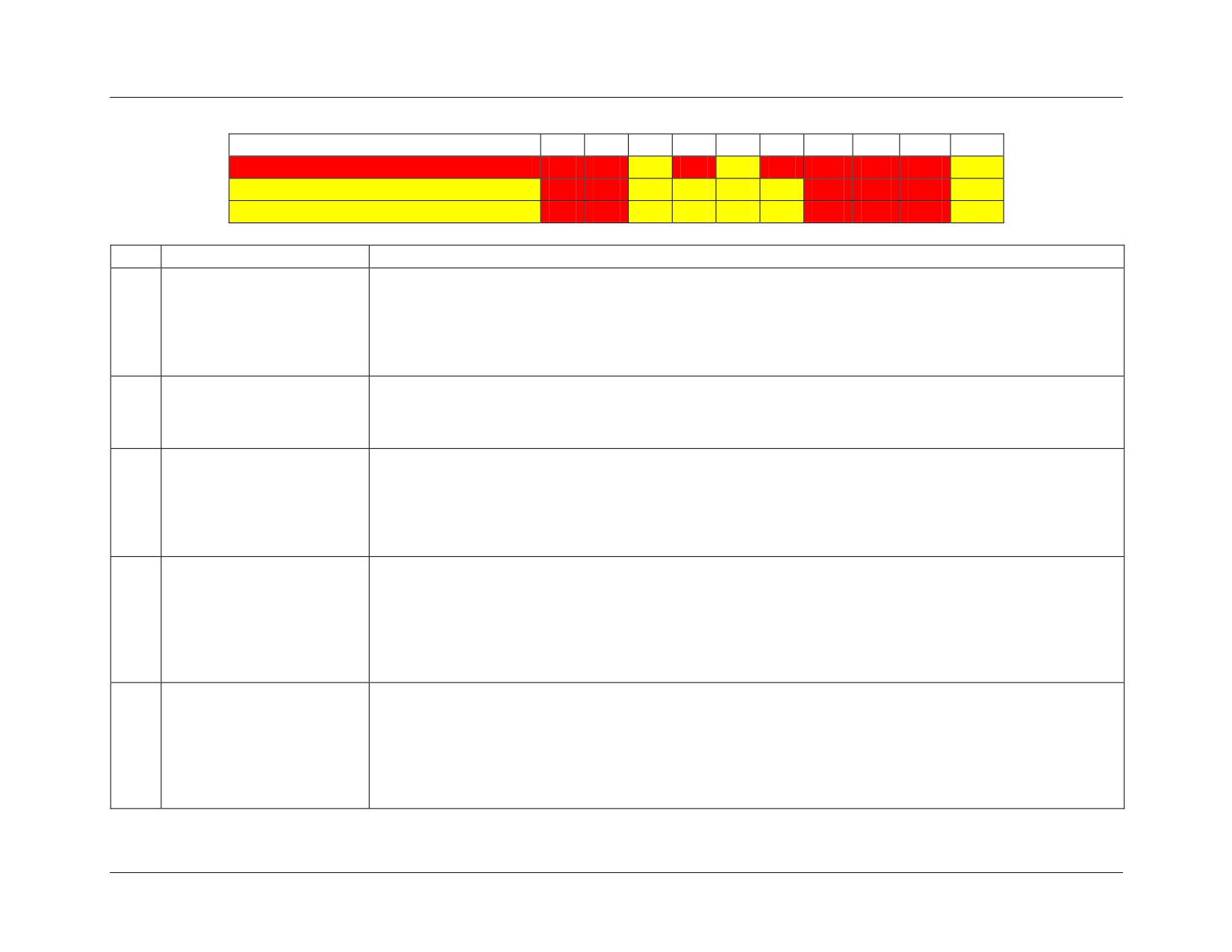
Table 10.4-1. SNSHLD 4: Capability and Deficiency Assessment
Capability: CJCS—Joint Staff
M1
M2
M3
M4
M5
M6
M7
M8
M9
M10
Current Overall Capability1
R2
R3
Y4
R5
Y6
R7
R8
R9
R10
Y11
Near/Mid-Term Overall Capability
R
R
Y
Y
Y
Y
R
R
R
Y
Far-Term Overall Capability
R
R
Y
Y
Y
Y
R
R
R
Y
FAA Measure
Scale
M1
Standards establish and define
G: Standards define and identify requirements for the protection of eligible civilians not supporting the mission and
eligible civilians not
military operations for CBRND.
supporting the mission and
Y: Eligible civilians not supporting the mission and military operations are defined and generally addressed in
military operations.
CBRND standards.
R: Eligible civilians not supporting the mission and military operations are inadequately or not addressed and defined
in CBRND standards.
M2
Standards address training
G: CBRND training standards exist for eligible non-mission support civilians and establish specific requirements.
non-mission support civilians
Y: CBRND training standards provide general requirements for CBRND training of eligible non-mission support
to operate in CBRN/TIM
civilians.
hazards.
R: CBRND standards do not exist or are inadequate for CBRND training of eligible non-mission support civilians.
M3
Standards address equipping
G: CBRND provisioning standards establish specific requirements for the provisioning of at-risk eligible non-mission
non-mission support civilians
support civilians with CBRND protective equipment and are address in CBRND planning.
for survival within a
Y: Plans establish requirements and exist for the provisioning of eligible non-mission support civilians with CBRND
CBRN/TIM environment.
protective equipment and is primarily limited to Outside the Continental United States (OCONUS) HTAs.
R: Plans do not exist or do not establish CBRND requirements for the provisioning of eligible non-mission support
civilians.
M4
Standards and procedures
G: CBRND standards and procedures provide specific guidance and requirements for the provisioning of protective
address protection equipment
equipment to eligible non-mission support civilians and fully address the complete range of body types, ages, and
for the full range of body
physical capabilities within the population.
types, ages, and physical
Y: CBRND standards and procedures are limited and general or address only the predominant characteristics of at-
capabilities inherent to the
risk eligible non-mission support civilian populations.
non-mission support civilian
R: Standards and procedures do not or inadequately address the full range of body types, ages, and physical
populace.
capabilities within the at-risk eligible non-mission support civilian populace.
M5
Standards established for
G: CBRND standards are established and address the characteristics (e.g., age, gender, medical condition, etc.)
medical prophylaxis for non-
inherent within an eligible non-mission support civilian population.
mission support civilians that
Y: Force CBRND prophylactic standards are applied to a segment of an eligible at-risk non-mission support civilian
might encounter a
population when determined essential by authorized medical authorities. Standard medical practices, modified as
CBRN/TIM environment.
necessary by medical authorities, are applied when possible to protect other segments of the population.
R: CBRND prophylactic standards do not exist or cannot be applied for the protection of eligible non-mission
support civilians.
39
For Official Use Only
For Official Use Only
CBRND Functional Needs Analysis/Functional Solution Analysis
Chapter 10. Strategic National Shield Tasks
M6
Protective equipment
G: CBRND protective equipment is authorized and available for provisioning and survival of all members of an
available for non-mission
eligible at-risk non-mission support civilian population.
support civilians for the full
Y: CBRND protective equipment is available and provided for segments of an eligible at-risk non-mission support
range of body types, ages, and
civilian population.
physical capabilities inherent
R: Authorized and available CBRND protective equipment is not existent or is inadequate for the protection of
to the non-mission support
eligible at-risk non-mission support civilians.
civilian populace.
M7
Non-mission support civilians
G: Recurrent CBRND training is provided to eligible at-risk non-mission support civilians and is sufficient in depth
routinely at base/facility/unit
and scope to promote survivability in a CBRN/TIM environment.
are trained to operate in
Y: Familiarization CBRND training is provided to eligible at-risk non-mission civilians upon entry into an OCONUS
CBRN/TIM hazards.
HTA and is limited in scope and/or depth.
R: CBRND training and/or training requirements of eligible at-risk civilians are inadequate or nonexistent for survival
in a CBRN/TIM environment.
M8
All base/facility/units conduct
G: Annual CBRND exercises address sustained operations within a toxic CBRN/TIM environment, and involve all
annual CBRND exercises.
personnel (military and civilian) and activities as integral participants.
Y: Annual CBRND exercises involve limited segments of an eligible at-risk non-mission support population and
address sustained operations within a toxic CBRN/TIM environment.
R: Annual CBRND exercises are not conducted or do not address sustained operations within a CBRN/TIM
environment, and do not generally integrate eligible at-risk non-mission civilians as participants.
M9
CBRND exercises fully
G: CBRND exercise criteria establish and requires the integration of at-risk non-mission civilians as participants.
integrate civilians not
Y: CBRND exercise criteria provides for limited integration of at-risk non-mission civilians as participants.
supporting the mission.
R: CBRND exercises and exercise criteria do not generally integrate eligible at-risk non-mission civilians as
participants.
M10
DoD-level exercise evaluation
G: Distinct DoD and joint exercise plans and evaluation requirements exist for sustained operations within a toxic
criteria exist, including
CBRN/TIM environment. Service-specific exercises and evaluations are developed based upon the DoD and joint
timing, type, content, and
plans and evaluation requirements.
scoring.
Y: DoD and joint exercise plans and evaluation requirements exist and include CBRN/TIM operations as
components. Operations within a toxic CBRN/TIM environment are addressed in Service exercises and evaluations.
R: DoD, joint, and Service-specific exercise plans and evaluation requirements are inadequate, do not exist, or do not
address CBRN/TIM operations.
1 DOTLPF exists for military forces. However, civilian personnel and operations are not adequately addressed.
2 Standards are inadequate. Eligible civilians not supporting the mission and military operations are not defined and adequately addressed.
3 Training of non-mission support civilians to operate in CBRN/TIM hazards are not addressed in standards.
4 Noncombatant Evacuation Operations plans for selected areas include the provisioning of non-mission support civilians with minimal protective equipment; generally drawn
from mission stocks or obtained through COTS. However, existing standards detailing eligibility, type of equipment, training, and other CBRN/TIM survival areas are inadequate
or nonexistent.
5 Standards and procedures addressing protection equipment for the range of body types, ages, and physical capabilities inherent within a potential protection population are
inadequate or nonexistent. COTS protective equipment is being addressed as part of the Guardian Program and may provide some protective resources for protected populations.
6 Standards for medical prophylaxis are developed for the force. They are inadequate or fail to address other potential protected populations.
40
For Official Use Only
For Official Use Only
CBRND Functional Needs Analysis/Functional Solution Analysis
Chapter 10. Strategic National Shield Tasks
7 Military-provided protective equipment does not adequately address the range of body types, ages, and physical capabilities inherent within a civilian populace. COTS protective
equipment is being addressed as part of the Guardian Program and may provide some protective resources for protected populations.
8 Training is nonexistent or haphazard at best. Doctrine, policy, standards, procedures, and TTPs do not adequately address training of civilian personnel.
9 Base, facilities, and units are required to conduct CBRND exercises. However, these exercises do not fully involve all personnel and activities. Nor do they address sustained
operations within a contaminated environment. Nonmilitary personnel, although potentially at risk, are not integrated as participants.
10 Non-mission support civilians are not generally integrated into CBRND exercises.
11 Joint exercise plans include evaluation criteria, timing, type, content, and scoring. However, these are not the foundation for development of Service-specific exercise and
evaluations. Additionally, there is a need for distinct CBRN/TIM-specific exercise/evaluations focusing upon sustained operations and the integration of civilian personnel.
41
For Official Use Only
For Official Use Only
CBRND Functional Needs Analysis/Functional Solution Analysis
Chapter 10. Strategic National Shield Tasks
10.4.3
Functional Solution Analysis
10.4.3.1
DOTLPF Assessment Summary
This section addresses the deficiencies associated with standards, criteria, and procedures for
training, equipping, and protecting eligible civilians not supporting the mission/military
operations from threat CBRN/TIM agents. The deficiencies can be addressed by non-materiel
solutions. If there are no non-materiel solutions, or they are only partial solutions, the remaining
non-materiel need is then stated. Materiel needs are assessed in the IMA section. Non-materiel
solutions include defining and integrating eligible civilians not supporting the mission/military
operations into CBRND standards, criteria, doctrine, policy, and procedures for training,
equipping, and protection. Analysis and RD&E to determine standards for equipping eligible
civilians not supporting the mission/military operations for survival in a CBRN/TIM
environment and includes supporting training, exercising, and evaluation criteria and programs
are specified in the DOTLPF Assessment Summary. Standards, criteria, doctrine, policy, and
procedures for CBRND protection of eligible civilians not supporting the mission/military
operations do not address the application of presymptomatic prophylaxis and do not adequately
address protection for the range of body types, ages, and physical capabilities inherent within a
civilian population. Nor is the potential for CBRND for sustained CBRN/TIM environments.
1.
Deficiency: Eligible civilians not supporting the mission and military operations are not
defined and adequately addressed.
Non-Materiel Solutions: Doctrine: Define eligible civilians not support the mission/military
operations for CBRND and address in doctrine, policy, procedures, and TTPs. Training:
Establish CBRND training, exercise, and evaluation criteria and programs for eligible
civilians not support the mission/military operations and conduct CBRN/TIM training,
exercises, and evaluations, where appropriate. Leadership: Implement and manage CBRND
training, equipping, and protection of eligible civilians not supporting the mission/military
operations.
2.
Deficiency: Training of non-mission support civilians to operate in CBRN/TIM hazards is
not addressed in standards.
Non-Materiel Solutions: Doctrine: Establish CBRND training, exercise, and evaluation
standards and criteria for eligible civilians not supporting the mission/military operations.
Training: Establish CBRND training, exercise, and evaluation criteria and programs for
eligible civilians not support the mission/military operations and conduct CBRN/TIM
training, exercises, and evaluations, where appropriate. Leadership: Implement and manage
CBRND training, equipping, and protection of eligible civilians not supporting the
mission/military operations.
3.
Deficiency: Existing standards detailing eligibility, type of equipment, training, and other
CBRN/TIM survival areas are inadequate or nonexistent.
Non-Materiel Solutions: Doctrine: Establish in doctrine, policy, and procedures the
application of standards for protection of eligible civilians not supporting the
mission/military operations. Training: Establish CBRND training, exercise, and evaluation
criteria and programs for eligible civilians not support the mission/military operations and
42
For Official Use Only
For Official Use Only
CBRND Functional Needs Analysis/Functional Solution Analysis
Chapter 10. Strategic National Shield Tasks
conduct CBRN/TIM training, exercises, and evaluations, where appropriate. Leadership:
Implement and manage CBRND training, equipping, and protection of eligible civilians not
supporting the mission/military operations.
4.
Deficiency: Standards and procedures addressing protection equipment for the range of body
types, ages, and physical capabilities inherent within a potential protection population are
inadequate or nonexistent.
Non-Materiel Solutions: Doctrine: Establish in doctrine, policy, and procedures the
application of standards for protection of eligible civilians not supporting the
mission/military operations addressing the variation within a potential protected population.
Training: Establish CBRND training, exercise, and evaluation criteria and programs for
eligible civilians not support the mission/military operations and conduct CBRN/TIM
training, exercises, and evaluations, where appropriate. Leadership: Implement and manage
CBRND training, equipping, and protection of eligible civilians not supporting the
mission/military operations.
5.
Deficiency: Standards are inadequate or fail to address other potential protected populations.
Non-Materiel Solutions: Doctrine: Establish in doctrine, policy, and procedures the
application of standards for protection of eligible civilians not supporting the
mission/military operations addressing the variation within a potential protected population.
6.
Deficiency: Military-provided protective equipment does not adequately address the range of
body types, ages, and physical capabilities inherent within a civilian populace.
Non-Materiel Solutions: Doctrine: Establish in doctrine, policy, and procedures the
application of standards for protection of eligible civilians not supporting the
mission/military operations addressing the variation within a potential protected population.
Training: Establish CBRND training, exercise, and evaluation criteria and programs for
eligible civilians not support the mission/military operations and conduct CBRN/TIM
training, exercises, and evaluations, where appropriate.
7.
Deficiency: Doctrine, policy, standards, procedures, and TTPs do not adequately address
training of civilian personnel.
Non-Materiel Solutions: Doctrine: Establish CBRND training, exercise, and evaluation
standards and criteria for eligible civilians not supporting the mission/military operations.
Training: Establish CBRND training, exercise, and evaluation criteria and programs for
eligible civilians not support the mission/military operations and conduct CBRN/TIM
training, exercises, and evaluations, where appropriate. Leadership: Implement and manage
CBRND training, equipping, and protection of eligible civilians not supporting the
mission/military operations.
8.
Deficiency: CBRND exercises do not fully involve all personnel and activities.
Non-Materiel Solutions: Doctrine: Doctrine, policy, and procedures requiring
comprehensive participation and integration of all potentially affected personnel and
activities in CBRND exercises. Organization: All affected entities are aware of and
participate in comprehensive exercises. Training: All personnel (military and nonmilitary)
are trained in appropriate CBRND protective measures. Leadership: Recognition of the value
43
For Official Use Only
For Official Use Only
CBRND Functional Needs Analysis/Functional Solution Analysis
Chapter 10. Strategic National Shield Tasks
of comprehensive exercises to enhance readiness, survival, and promote interaction between
activities.
9. Deficiency: CBRND exercises do not address sustained operations within a contaminated
environment.
Non-Materiel Solutions: Doctrine: Incorporate sustained operations within a CBRN/TIM
environment into doctrine, policy, and procedures. Organization: Ensure resources, taskings,
and staff are in place or available to support civilians during sustained operations within a
CBRN/TIM environment. Training: Train, exercise, and evaluate capabilities and activities
for sustained operations within a CBRN/TIM environment. Leadership: Recognize criticality
for potential sustained operations within a CBRN/TIM environment, raining providing skills
to manage operations in these circumstances, and willingness to implement necessary
changes and activities to prepare for sustained CBRND operations.
10. Deficiency: Nonmilitary personnel, although potentially at risk, are not integrated as
participants in CBRND exercises.
Non-Materiel Solutions: Doctrine: Address CBRND of nonmilitary personnel in doctrine,
policy, and procedures; and include CBRND preparatory activities such as training and
exercises. Organization: Identify organization services required to support eligible civilians
not supporting the mission/military operations. Training: Establish CBRND training,
exercise, and evaluation standards, criteria, and programs for eligible civilians not supporting
the mission/military operations. Leadership: Implement and manage CBRND training,
equipping, protection, and exercising of eligible civilians not supporting the mission/military
operations.
11. Deficiency: DoD-level exercise evaluation criteria are not the foundation for development of
Service-specific exercise and evaluations.
Non-Materiel Solutions: Doctrine: Reinforce existing doctrine and policy for development
of Service-specific exercises and evaluations based upon joint exercise plans. Leadership:
Ensure joint exercise plans are used in the development of Service-specific exercises and
evaluations.
12. Deficiency: There is a need for distinct CBRN/TIM-specific exercise/evaluations focusing
upon sustained operations and the integration of civilian personnel.
Non-Materiel Solutions: Doctrine: Incorporate sustained operations within a CBRN/TIM
environment, integrating eligible civilians not supporting the mission/military operations,
into doctrine, policy, and procedures and require specific exercising and evaluations for these
operations. Training: Train, exercise, and evaluate for sustained operations within a
CBRN/TIM environment. Leadership: Recognize criticality for potential sustained
operations within a CBRN/TIM environment, raining providing skills to manage operations
in these circumstances, and willingness to implement necessary changes and activities to
prepare for sustained CBRND operations.
13. Deficiency: Civilian personnel and operations are not adequately addressed in DOTLPF.
Non-Materiel Solutions: Doctrine: Doctrine, policy, and procedures addressing civilian
personnel and operations for CBRND. Organization: Identify organization services and
44
For Official Use Only
For Official Use Only
CBRND Functional Needs Analysis/Functional Solution Analysis
Chapter 10. Strategic National Shield Tasks
activities necessary to support survivability of civilian personnel within a CBRN/TIM
environment. Training: Establish CBRND training, exercise, and evaluation criteria and
programs for civilian personnel and operations not supporting the mission/military
operations; and conduct CBRND training, exercises, and evaluations. Leadership: Implement
and manage CBRND training, equipping, and protection of eligible civilian personnel not
supporting the mission/military operations.
10.4.3.2
IMA Assessment Summary
N/A
45
For Official Use Only
For Official Use Only
CBRND Functional Needs Analysis/Functional Solution Analysis
Chapter 10. Strategic National Shield Tasks
10.5
Task SNSHLD 5: Establish standards, criteria, and procedures for training,
equipping, and protecting MWAs from threat CBRN/TIM agents
10.5.1
Functional Area Analysis
10.5.1.1
Defintion
To reduce the impact of CBRN/TIM releases or collateral ROTA on U.S.and allied-, friendly-, or
nonaligned-nation MWAs. Standards and procedures address common and interoperable
requirements and criteria for training (formal and unit level) of handlers and MWAs, particularly
military working dogs (MWDs), to survive within a CBRN/TIM environment. The standards
establish and define MWAs and specify the minimal level of protection required for MWDs and
military working equines (MWEs). The standards for MWE further identify the circumstances in
which protection is afforded against CBRN/TIM agents. The standards address the equipping of
MWA-using units, handlers, and MWAs with MWA protective systems (individual and
collective) for sustained survival within a CBRN/TIM environment. These include protective
measures (materiel and nonmateriel) supporting operational requirements and affording MWA
protection against expected threats. Standards and procedures outline protective equipment,
medical/veterinary measures, and other programs supporting survivability, and specify the
conduct and evaluation of assessment exercises that are focused upon CBRND operations to
ensure readiness.
10.5.1.2
Derivation
Joint Enabling Concept for CBRN/TIM Operations, Protection Joint Functional Concept, UJTL
(SN 3.4.4, SN 4.3.4, SN 5.1.1, SN 6.1, SN 7.5, SN 9, SN 9.1.3, SN 9.2.1).
10.5.1.2.1
Supported Task: N/A
10.5.1.2.2
Lateral Task: SNSHA 3
10.5.1.2.3
Supporting Task: N/A
10.5.1.3
Condition
Perform this task under conditions of:
Physical
1. Immediate to delayed danger, and potential long-term health hazard of atmospheric
weapons effects. (C1.3.3)
Military
1. Partially completed mission preparation. (C2.1.3)
2. Marginal to strong forces assigned. (C2.2.1)
3. Some interoperability. (C2.2.6)
46
For Official Use Only
For Official Use Only
CBRND Functional Needs Analysis/Functional Solution Analysis
Chapter 10. Strategic National Shield Tasks
4. Partial joint staff integration. (C2.3.1.1)
5. Partial multinational integration. (C2.3.1.2)
Civil
1. Correct interdepartmental/interagency relationship. (C3.1.1.3)
10.5.2
Functional Needs Analysis
10.5.2.1
Capability and Deficiency Assessment Summary
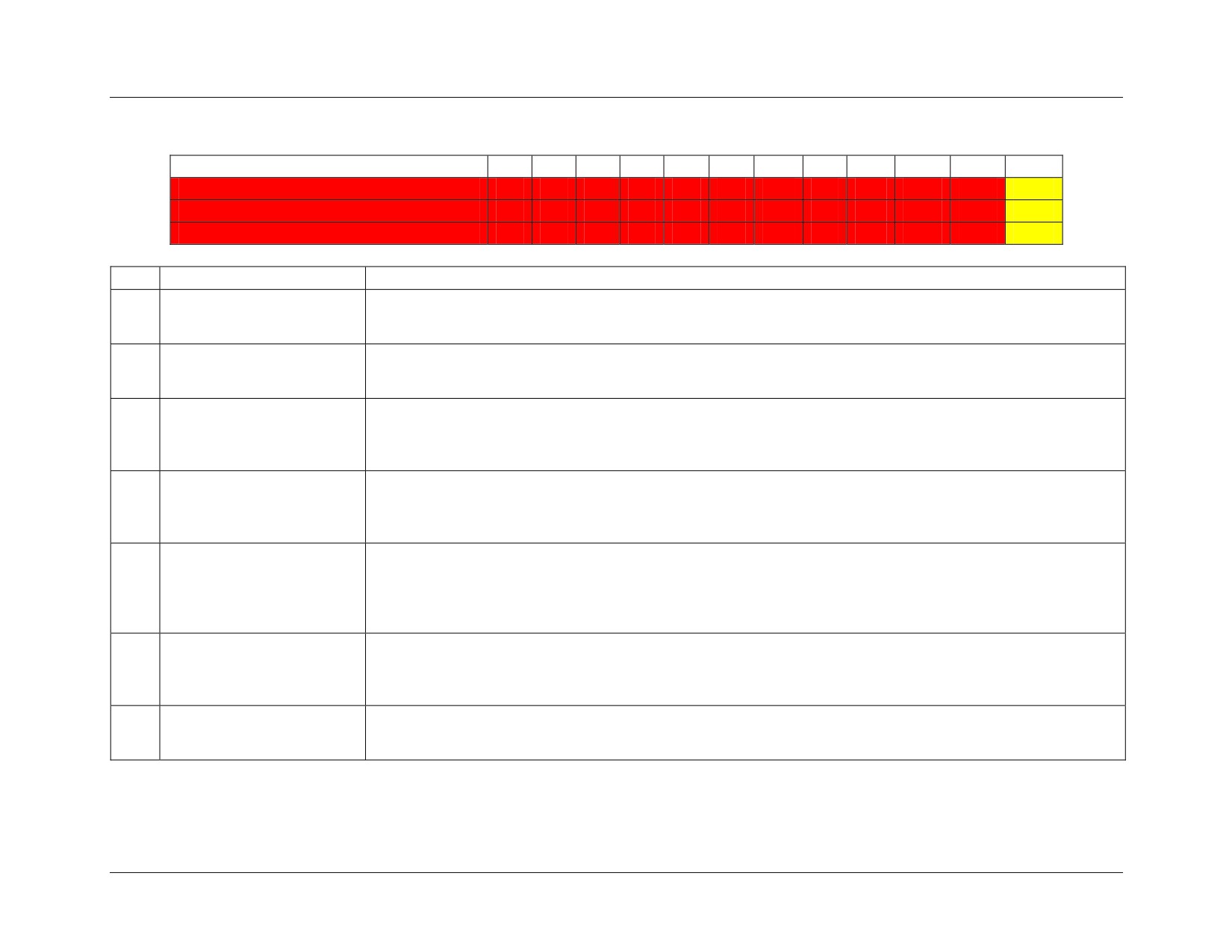
Table 10.5-1 discusses the absence of standards, criteria, and procedures for training, equipping,
and protecting MWAs from threat CBRN/TIM agents. CJCS/joint staff promulgates and
establishes comprehensive program of CBRN/TIM defense for MWAs including prophylaxis,
training, equipment, processes, exercising and evaluation, and DOTLPF.
Current Capability and Deficiency
No capability. Deficiencies include the lack of CBRND protection of MWAs. particularly
MWD. The overall current capability is “red.”
Projected Near/Mid-Term Capability and Deficiency
No change is projected for this task.
Projected Far-Term Capability and Deficiency
No change is projected for this task.
47
For Official Use Only
For Official Use Only
CBRND Functional Needs Analysis/Functional Solution Analysis
Chapter 10. Strategic National Shield Tasks
Table 10.5-1. SNSHLD 5: Capability and Deficiency Assessment
Capability: CJCS—Joint Staff
M1
M2
M3
M4
M5
M6
M7
M8
M9
M10
M11
M12
Current Overall Capability1
R2
R2
R3
R3
R2
R4
R5
R6
R7
R8
R9
Y10
Near/Mid-Term Overall Capability
R
R
R
R
R
R
R
R
R
R
R
Y
Far-Term Overall Capability
R
R
R
R
R
R
R
R
R
R
R
Y
FAA Measure
Scale
M1
Standards establish and define
G: Standards define and specify CBRND requirements for all MWAs.
MWAs.
Y: Standards define and specify CBRND requirements for predominant MWAs.
R: CBRND standards are nonexistent or inadequately address MWAs.
M2
Standards address training
G: CBRND training standards detail requirements enabling survival of all MWAs.
MWA handlers and MWAs to
Y: CBRND training standards specify requirements enabling survival of predominant MWAs.
survive CBRN/TIM hazards.
R: CBRND training standards are nonexistent or inadequately address MWAs.
M3
Standards and procedures
G: CBRND standards address equipping all MWAs for survival.
address equipping MWAs for
Y: CBRND standards and procedures specify equipment promoting survival of predominant MWAs.
survival within a CBRN/TIM
R: CBRND equipment standards and procedures are nonexistent or inadequately address survival of MWAs.
environment.
M4
Standards and procedures
G-CBRND standards and procedures specify requirements and provide detailed guidance enabling survival of MWDs.
specifically address MWD
Y: CBRND standards and procedures provide general guidance and requirements for survival of MWDs.
protection and survival within
R: CBRND standards and procedures do not address or are inadequate for survival of MWDs.
a CBRN/TIM environment.
M5
Standards established for
G: CBRND medical prophylaxis standards for MWAs provide a minimum protection equivalent to protection afforded
medical prophylaxis for
handlers.
MWAs that might encounter
Y: CBRND medical prophylaxis standards for MWAs are limited and/or do not provide the equivalent level of
a CBRN/TIM environment.
protection as handlers.
R: CBRND medical prophylaxis standards for MWAs are nonexistent or are inadequate.
M6
Protective equipment is
G: CBRND protective equipment is available, allocated, and provides protection equivalent to handlers.
available for MWAs.
Y: CBRND protective equipment for MWAs is allocated and limited to selected circumstances of protection (e.g.,
collective protection [COLPRO] for kenneling or IPE when away from COLPRO).
R: CBRND protective equipment for MWAs is nonexistent or is inadequate.
M7
All MWA handlers and
G: All MWAs and handlers are trained to promote survival in a toxic CBRN/TIM environment.
MWAs are trained to operate
Y: Predominant species MWAs and handlers are trained to promote survival in a toxic CBRN/TIM environment.
in CBRN/TIM hazards.
R: MWA training for CBRND is nonexistent or inadequate.
48
For Official Use Only
For Official Use Only
CBRND Functional Needs Analysis/Functional Solution Analysis
Chapter 10. Strategic National Shield Tasks
M8
All base/facility/units conduct
G: Annual CBRND exercises address sustained operations within a toxic CBRN/TIM environment and involve all
annual CBRND exercises.
personnel (military and civilian), MWAs, and activities as integral participants.
Y: Annual CBRND exercises provide for limited MWA participation and address sustained operations within a toxic
CBRN/TIM environment.
R: Annual CBRND exercises are not conducted or do not address sustained operations within a CBRN/TIM
environment, and do not realistically integrate MWAs.
M9
CBRND exercises fully
G: CBRND exercises fully and realistically integrate MWAs and handlers.
integrate MWA handlers and
Y: CBRND exercises provide for limited integration of MWAs and handlers.
MWAs.
R: CBRND exercises do not integrate or inadequately involve MWA handlers and MWAs.
M10
DoD-level policy exists for
G: DoD-level policies, procedures, and requirements for CBRND establish baseline minimums for MWA protection
CBRN/TIM protection of
promoting survivability and continued resource application when and as appropriate.
MWAs.
Y: DoD-level policies, procedures, and requirements for MWA CRND provide adequate guidance for protection of
predominant MWAs.
R: DoD-level policies, procedures, and requirements for CBRND of MWAs are nonexistent or inadequate.
M11
DoD-level training standards
G: DoD-level CBRND training standards detail requirements enabling survival of all MWAs.
exist for CBRN/TIM
Y: DoD-level CBRND training standards specify requirements enabling survival of predominant MWAs.
protection for MWAs.
R: DoD-level CBRND training standards are nonexistent or inadequately address MWAs.
M12
DoD-level exercise
G: Distinct DoD and joint exercise plans and evaluation requirements exist for sustained operations within a toxic
evaluation criteria exist,
CBRN/TIM environment. Service-specific exercises and evaluations are developed based upon the DoD and joint
including timing, type,
plans and evaluation requirements.
content, and scoring.
Y: DoD and joint exercise plans and evaluation requirements exist and include CBRN/TIM operations as components.
Operations within a toxic CBRN/TIM environment are addressed in Service exercises and evaluations.
R: DoD, joint, and Service-specific exercise plans and evaluation requirements are inadequate, do not exist, or do not
address CBRN/TIM operations.
1 There is not effective DOTLPF in place to conduct this task.
2 CBRN/TIM defense standards do not adequately address, or are nonexistent, for MWAs.
3 CBRN/TIM defense standards and procedures do not adequately address, or are nonexistent, for MWAs.
4 Protective equipment does not exist for MWAs.
5 MWAs are not equipped and trained to operate in, or survive, CBRN/TIM hazards.
6 Base, facilities, and units are required to conduct CBRND exercises. However, these exercises do not fully involve all personnel and activities. Nor do they address sustained
operations within a contaminated environment. MWAs (particularly MWDs), although potentially at risk, are not integrated as participants.
7 MWAs are not equipped and trained to operate in, or survive, CBRN/TIM hazards.
8 DoD-level policies do not adequately address, or are nonexistent, for CBRN/TIM protection of MWAs.
9 DoD-level training standards do not adequately address, or are nonexistent, for CBRN/TIM protection of MWAs.
10 Joint exercise plans include evaluation criteria, timing, type, content, and scoring. However, these are not the foundation for development of Service-specific exercises and
evaluations. Additionally, there is a need for distinct CBRN/TIM-specific exercises/evaluations focusing upon sustained operations and the integration of MWAs.
49
For Official Use Only
For Official Use Only
CBRND Functional Needs Analysis/Functional Solution Analysis
Chapter 10. Strategic National Shield Tasks
10.5.3
Functional Solution Analysis
10.5.3.1
DOTLPF Assessment Summary
This section addresses the deficiencies associated with standards, criteria, and procedures for
training, equipping, and protecting MWAs from threat CBRN/TIM agents. The deficiencies can
be addressed by non-materiel solutions. If there are no non-materiel solutions, or they are only
partial solutions, the remaining non-materiel need is then stated. Materiel needs are assessed in
the IMA section. Non-materiel solutions focus upon the establishment and operation of a
CBRND programmatic area for MWAs with emphasis upon MWDs. CBRND standards, criteria,
doctrine, policy, procedures, and TTPs fail to address the protection and survival of these assets.
CBRND protective assets (including presymptomatic prophylaxis, individual protection, and
collective protection) are not available or programmed. CBRND training, exercising, and
evaluation do not include the protection of MWAs. The inability to ensure survivability of
MWAs, particularly MWD, until relocated outside of the hazard area, to collective protection, or
the hazard is resolved—not to continue operations within the hazard—is the core deficiency.
1.
Deficiency: CBRN/TIM defense standards and procedures do not adequately address, or are
nonexistent, for MWAs, particularly MWDs.
Non-Materiel Solutions: Doctrine: Establish in doctrine, policy, standards, and procedures
CBRND protection of MWAs, particularly MWDs.
2.
Deficiency: Protective equipment does not exist for MWAs.
Non-Materiel Solutions: Doctrine: Develop plan for acquisition of CBRND protective
equipment for MWDs.
3.
Deficiency: MWAs are not equipped and trained to operate in, or survive, CBRN/TIM
hazards.
Non-Materiel Solutions: Doctrine: Establish doctrine, policy, and procedures CBRND
protection of MWAs and training for CBRN/TIM environment survival. Organization:
Ensure organizational consideration for maintenance and support of MWA CBRND
protective equipment, measures, and activities. Training: Institutional and unit training of
handlers and MWAs for CBRND measures and activities is required. Leadership: Ensure
awareness and planning for CBRND measures and requirements for MWA survivability.
Facilities: Develop supporting infrastructure for MWA CBRND (e.g., logistics, veterinary
surveillance, etc.).
4.
Deficiency: CBRND exercises do not fully involve all personnel and activities.
Non-Materiel Solutions: Doctrine: Develop doctrine, policy, and procedures requiring
comprehensive participation and integration of all potentially affected personnel, MWAs, and
activities in CBRND exercises. Organization: Ensure that all affected entities are aware of
and participate in comprehensive CBRND exercises. Training: Ensure that all personnel
(military and nonmilitary) and MWAs are trained in appropriate CBRND protective
measures. Leadership: Ensure recognition of the value of comprehensive exercises including
MWAs to enhance readiness, survival, and promote interaction between activities.
50
For Official Use Only
For Official Use Only
CBRND Functional Needs Analysis/Functional Solution Analysis
Chapter 10. Strategic National Shield Tasks
5.
Deficiency: CBRND exercises do not address sustained operations within a contaminated
environment.
Non-Materiel Solutions: Doctrine: Incorporate sustained operations within a CBRN/TIM
environment into doctrine, policy, and procedures. Organization: Ensure resources, taskings,
and staff are in place or available to support MWAs during sustained operations within a
CBRN/TIM environment. Training: Train, exercise, and evaluate capabilities and protective
activities for sustained operations within a CBRN/TIM environment. Leadership: Recognize
criticality for potential sustained operations within a CBRN/TIM environment, impact upon
MWA availability, and training providing skills to manage operations in these circumstances,
and willingness to implement necessary changes and activities to prepare for sustained
CBRND operations.
6.
Deficiency: MWAs (particularly MWDs), although potentially at risk, are not integrated as
participants in CBRND exercises addressing sustained operations within a contaminated
environment.
Non-Materiel Solutions: Doctrine: Address CBRND of MWAs, with emphasis on MWDs,
in doctrine, policy, and procedures and include CBRND preparatory activities such as
training and exercises. Organization: Identify organization services required to support
MWAs, with emphasis on MWDs, during sustained operations within a CBRN/TIM
environment. Training: Establish CBRND training, exercise, and evaluation standards,
criteria, and programs for MWAs, with emphasis on MWDs. Leadership: Implement and
manage CBRND training, equipping, protection, and exercising of MWAs, with emphasis on
MWDs.
7.
Deficiency: DoD-level policies do not adequately address, or are nonexistent, for
CBRN/TIM protection of MWAs.
Non-Materiel Solutions: Doctrine: Establish in DoD-level doctrine, policies, and guidance
CBRND protective measures and activities for MWAs. Leadership: Awareness of criticality
of MWAs for mission support and the conduct of operations and the need for MWD CBRND
protective equipment, measures, and activities.
8.
Deficiency: DoD-level exercise evaluation criteria are not the foundation for development of
Service-specific exercise and evaluations.
Non-Materiel Solutions: Doctrine: Reinforce existing doctrine and policy for development
of Service-specific exercises and evaluations based upon joint exercise plans and include
MWA CBRND measures and activities. Leadership: Ensure joint exercise plans are used in
the development of Service-specific exercises and evaluations.
9.
Deficiency: There is a need for distinct CBRN/TIM-specific exercise/evaluations focusing
upon sustained operations and the integration of MWAs.
Non-Materiel Solutions: Doctrine: Incorporate sustained operations within a CBRN/TIM
environment, integrating MWAs, into doctrine, policy, and procedures and require specific
exercising and evaluations for these operations. Training: Train, exercise, and evaluate for
sustained operations within a CBRN/TIM environment. Leadership: Recognize criticality for
potential sustained operations within a CBRN/TIM environment, impact upon MWA
availability, and training providing skills to manage operations in these circumstances and
51
For Official Use Only
For Official Use Only
CBRND Functional Needs Analysis/Functional Solution Analysis
Chapter 10. Strategic National Shield Tasks
willingness to implement necessary changes and activities to prepare for sustained CBRND
operations.
10. Deficiency: There is not effective DOTLPF in place to conduct this task.
Non-Materiel Solutions: Doctrine: Develop doctrine, policy, and procedures addressing
MWAs and operations for CBRND. Organization: Identify organization services and
activities necessary to support survivability of MWAs within a CBRN/TIM environment.
Training: Establish CBRND training, exercise, and evaluation criteria and programs for
MWAs and MWA operations and conduct CBRND training, exercises, and evaluations.
Leadership: Implement and manage CBRND training, equipping, and protection of MWAs.
Facilities: Develop supporting infrastructure for MWA CBRND (e.g., logistics, veterinary
surveillance, etc.).
10.5.3.2
IMA Assessment Summary
N/A
52
For Official Use Only
For Official Use Only
CBRND Functional Needs Analysis/Functional Solution Analysis
Chapter 10. Strategic National Shield Tasks
10.6
Task SNSHLD 6: Establish standards, criteria, and procedures for training,
equipping, and protecting all classes of supplies from contamination by threat
CBRN/TIM agents
10.6.1
Functional Area Analysis
10.6.1.1
Defintion
To reduce the impact of CBRN/TIM releases or collateral ROTA on U.S.and allied-, friendly-, or
nonaligned-nation military equipment and supplies. Specifies common and interoperable
standards addressing protection activities and resources for all classes of supplies. These include
preparing forces to protect and apply equipment and supplies within threat CBRN/TIM
environments and the provision of clear and understandable procedures. Resource protection
includes the application of tailored protection to distinct equipment. The standards and
procedures address
• training (formal and unit level) of personnel to apply CBRN/TIM protection to equipment
and supplies to prevent contamination,
• equipping of units and identified equipment for operations within a CBRN/TIM environment,
and
• specifying the conduct and evaluation of assessment exercises focused upon CBRND
operations readiness.
10.6.1.2
Derivation
Joint Enabling Concept for CBRN/TIM Operations, Protection Joint Functional Concept, UJTL
(SN 1.1.6, SN 1.2.3, SN 3.3.6, SN 3.4.4, SN 4.3.3, SN 5.2.3, SN 6.1, SN 7.5, SN 9, SN 9.1.2, SN
9.2.1, SN 9.2.2).
10.6.1.2.1
Supported Task: N/A
10.6.1.2.2
Lateral Task: SNSHA 3
10.6.1.2.3
Supporting Task: N/A
10.6.1.3
Condition
Perform this task under conditions of:
Physical
1. Immediate to delayed danger, and potential long-term health hazard of atmospheric
weapons effects. (C1.3.3)
Military
1. Partially completed mission preparation. (C2.1.3)
53
For Official Use Only
For Official Use Only
CBRND Functional Needs Analysis/Functional Solution Analysis
Chapter 10. Strategic National Shield Tasks
2. Marginal to strong forces assigned. (C2.2.1)
3. Some interoperability. (C2.2.6)
4. Partial joint staff integration. (C2.3.1.1)
5. Partial multinational integration. (C2.3.1.2)
Civil
1. Correct interdepartmental/interagency relationships. (C3.1.1.3)
10.6.2
Functional Needs Analysis
10.6.2.1
Capability and Deficiency Assessment Summary
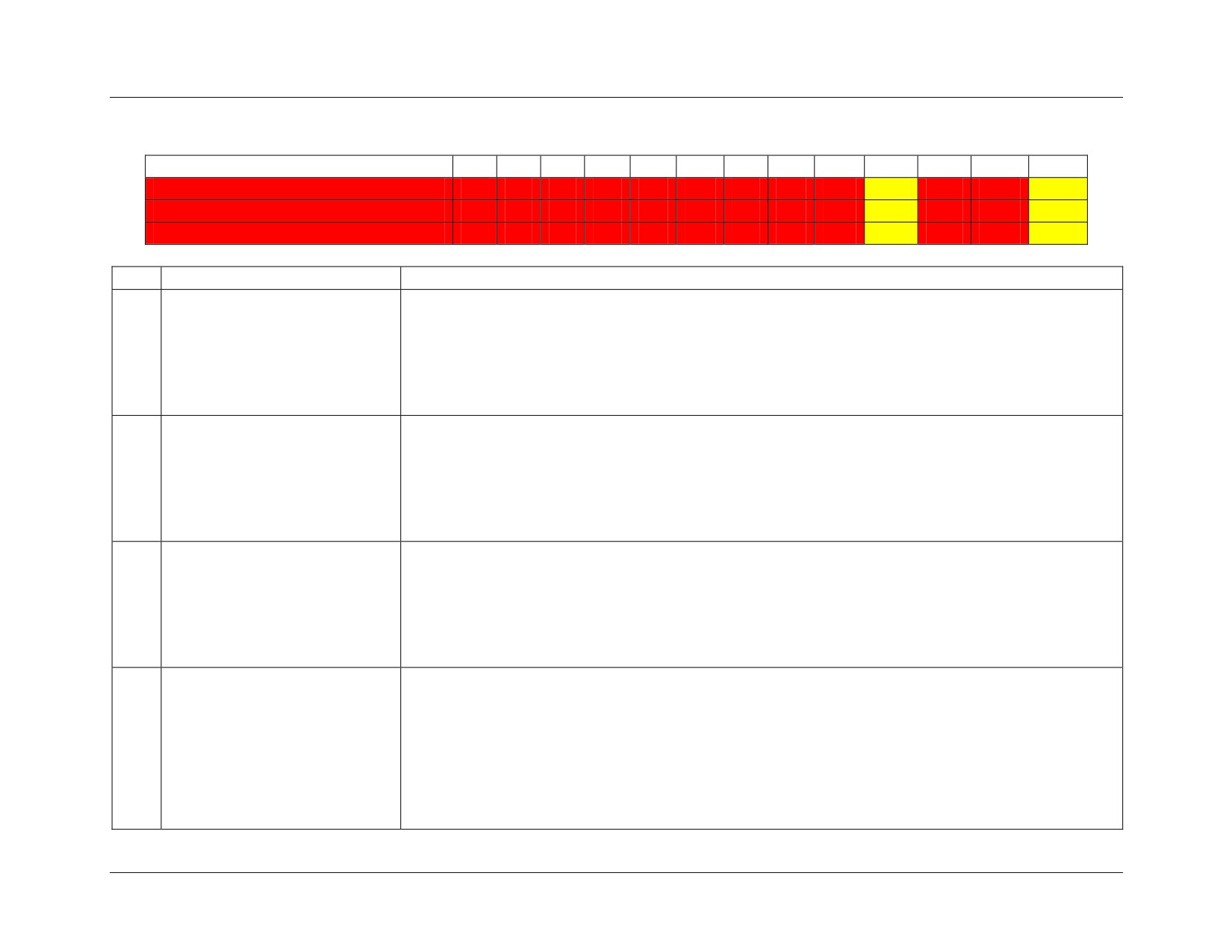
Table 10.6-1 discusses the only capability that exists to perform the task to the designated
standard. CJCS/joint staff promulgates and establishes the program of CBRN/TIM defense
measures for equipment and supplies including coverings, training, coatings, materials,
processes, exercising and evaluation, and DOTLPF.
Current Capability and Deficiency
Protection policies, standards, and criteria exist for CBRND protection of equipment and
supplies but are generally limited to the housing of materiel in structures, two protective coatings
designed for combat vehicles, the application of layers of plastic wrap for cargo in transit, and
limited specific-purpose packagings. Deficiencies include inadequate or nonexistent
interoperable standards, criteria, and procedures for the protection of all classes of supply.
Overall current capability is “red.”
Projected Near/Mid-Term Capability and Deficiency
No change projected for this task.
Projected Far-Term Capability and Deficiency
No change projected for this task.
54
For Official Use Only
For Official Use Only
CBRND Functional Needs Analysis/Functional Solution Analysis
Chapter 10. Strategic National Shield Tasks
Table 10.6-1. SNSHLD 6: Capability and Deficiency Assessment
Capability: CJCS—Joint Staff
M1
M2
M3
M4
M5
M6
M7
M8
M9
M10
M11
M12
M13
Current Overall Capability1
R2
R3
R3
R3
R4
R5
R6
R7
R3
Y8
R9
R10
Y11
Near/Mid-Term Overall Capability
R
R
R
R
R
R
R
R
R
Y
R
R
Y
Far-Term Overall Capability
R
R
R
R
R
R
R
R
R
Y
R
R
Y
FAA Measure
Scale
M1
Standards and procedures in place
G: Established and applied standards and procedures provide clear and detailed guidance and requirements
for protection of equipment and
addressing the protection of equipment and supplies against contamination during sustained operations within a
supplies from CBRN/TIM
persistent CBRN/TIM environment.
contamination.
Y: Standards and procedures are adequate and address the protection of critical equipment and supplies against
contamination during sustained operations within a CBRN/TIM environment.
R: Standards and procedures are inadequate or nonexistence for the protection of equipment and supplies against
CBRN/TIM contamination.
M2
Common and interoperable
G: Overarching single set of standards specify common and interoperable requirements and measures for the
standards exist for handling
marking and handling of exposed and/or contaminated equipment and supplies and details required protective
exposed and contaminated
measures for tasked personnel and units.
equipment and supplies.
Y: General joint standards establish common guidelines for the marking and handling of exposed and/or
contaminated equipment and supplies and identifies protective measures for tasked personnel and units.
R: Common and interoperable standards are inadequate or nonexistent for the marking and handling of exposed
and/or contaminated equipment and supplies, and to identify protective measures for tasked personnel and units.
M3
Common and interoperable
G: Overarching single set of standards specify common and interoperable requirements and measures for the
standards exist for safe application
safe use of exposed and/or contaminated equipment and supplies and details required protective measures for
involved in protection of
applying personnel and units.
equipment and supplies.
Y: General joint standards establish common guidelines for the safe use of exposed and/or contaminated
equipment and supplies and identifies protective measures for applying personnel and units.
R: Common and interoperable standards are inadequate or nonexistent for the safe use of exposed and/or
contaminated equipment and supplies, and to identify protective measures for applying personnel and units.
M4
Common and interoperable
G: Overarching single set of standards specify common and interoperable requirements and measures for the
standards exist for transporting
safe transport of exposed and/or contaminated equipment and supplies and details required protective measures
exposed and contaminated
for transporting personnel, transport resources, and units.
equipment and supplies.
Y: General joint standards establish common guidelines for the safe transport of exposed and/or contaminated
equipment and supplies and identifies protective measures for transporting personnel, transport resources, and
units.
R: Common and interoperable standards are inadequate or nonexistent for the safe transport of exposed and/or
contaminated equipment and supplies, and to identify protective measures for transporting personnel, transport
resources, and units.
55
For Official Use Only
For Official Use Only
CBRND Functional Needs Analysis/Functional Solution Analysis
Chapter 10. Strategic National Shield Tasks
M5
Standards address training units
G: Training standards address the protection of all equipment and supplies, including assets not stored within
and personnel to protect equipment
facilities and tents, against contamination during sustained operations within a persistent CBRN/TIM
and supplies from CBRN/TIM
environment.
hazards.
Y: Training standards address the protection of critical equipment and supplies, including assets not stored
within facilities and tents, against contamination during sustained operations within a CBRN/TIM environment.
R: Training standards are nonexistent or limited and/or inadequate for the protection of equipment and supplies,
including assets not stored within facilities and tents, against CBRN/TIM contamination.
M6
Standards and procedures address
G: Overarching single set of standards specify common and interoperable requirements and measures for the
equipping distinct assets with
identification and evaluation of at-risk assets (e.g., palletized cargo, aircraft support equipment, etc.) for
tailored protection for a
mandatory equipage with tailored protection (e.g., asset-specific coverings, etc.) and the provision of procedures
CBRN/TIM environment.
for their application against CBRN/TIM contamination.
Y: Common guidelines are established for the provision of tailored protection of critical assets against
CBRN/TIM contamination.
R: Common and interoperable standards are inadequate or nonexistent for the provision of tailored CBRN/TIM
protection of distinct assets.
M7
Standards and procedures
G: Standards and procedures address the application of CBRN protective barrier movement and storage
established for CBRN/TIM
materials (e.g., packaging, coverings, coatings, etc.) to all equipment and supplies, including assets not generally
protective packing, containerizing,
stored within facilities and tents, against potential contamination during sustained operations within a persistent
packaging, covering, and coating
CBRN/TIM environment.
for equipment and supplies that
Y: Standards and procedures address the use of CBRN protective barrier movement and storage materials to
might encounter contamination
critical equipment and supplies, including assets not stored within facilities and tents, against potential
within a CBRN/TIM environment.
contamination during sustained operations within a CBRN/TIM environment.
R: Standards and procedures are nonexistent or limited and/or inadequate for the protection of equipment and
supplies, including assets not stored within facilities and tents, against CBRN/TIM contamination.
M8
Protective packing, containers,
G: CBRN protective barrier movement and storage materials (e.g., packaging, coverings, coatings, etc.) are
packaging, covering, and coatings
stockpiled and readily available for the protection of all equipment and supplies potentially subject to
available for all equipment and
exposure/contamination throughout sustained operations within a CBRN/TIM environment.
supplies.
Y: CBRN protective barrier movement and storage materials (e.g., packaging, coverings, coatings, etc.) are
available for the protection of critical assets throughout sustained operations within a CBRN/TIM environment.
R: CBRN protective barrier movement and storage materials (e.g., packaging, coverings, coatings, etc.) are
inadequate or nonexistent to protect equipment and supplies against contamination within a CBRN/TIM
environment.
M9
All force personnel are trained to
G: Overarching single set of training standards specify common and interoperable requirements for the safe
operate in CBRN/TIM hazards
handling and application of contaminated and uncontaminated equipment/supplies during sustained operations
using contaminated and
within a CBRN/TIM environment.
uncontaminated assets.
Y: General joint training standards establish common guidelines for the safe use of uncontaminated and/or
contaminated equipment and supplies within a CBRN/TIM environment and identifies protective measures for
applying personnel and units.
R: Common and interoperable training standards are inadequate or nonexistent for the safe use of
uncontaminated and/or contaminated equipment and supplies within a CBRN/TIM environment.
56
For Official Use Only
For Official Use Only
CBRND Functional Needs Analysis/Functional Solution Analysis
Chapter 10. Strategic National Shield Tasks
M10
All base/facility/units conduct
G: Annual CBRND exercises fully integrate all personnel and activities and address sustained operations within
annual CBRND exercises.
a CBRN/TIM environment and includes the protection and, when appropriate, application of contaminated or
exposed material involving all classes of equipment and material.
Y: Annual CBRND exercises fully involve military and direct mission civilian support personnel/functions and
address sustained operations within a toxic CBRN/TIM environment, to include the protection and application of
exposed/contaminated critical equipment and material.
R: Annual CBRND exercises are not conducted or do not address sustained operations within a CBRN/TIM
environment, and do not generally integrate the protection and application of exposed/contaminated equipment
and material.
M11
DoD-level policies exist for
G: DoD-level policies, procedures, and requirements for CBRND establish baseline minimums for the
CBRN/TIM protection of
protection of equipment and supplies, including assets which may not be sheltered, against
equipment and supplies.
exposure/contamination during sustained operations within a toxic CBRN/TIM environment.
Y: DoD-level policies, procedures, and requirements for protection of equipment and supplies provide adequate
guidance for the critical assets against exposure/contamination during sustained operations within a toxic
CBRN/TIM environment.
R: DoD-level policies, procedures, and requirements for CBRND of equipment and supplies are nonexistent or
inadequate.
M12
DoD-level training standards exist
G: DoD-level CBRND training standards detail requirements and measures for protection of all equipment and
for CBRN/TIM protection of
supplies against CBRN/TIM exposure/contamination.
equipment and supplies.
Y: DoD-level CBRND training standards specify requirements and measures for protection of critical equipment
and supplies against CBRN/TIM exposure/contamination.
R: DoD-level CBRND training standards are nonexistent or inadequately address the protection of equipment
and supplies against CBRN/TIM exposure/ contamination.
M13
DoD-level exercise evaluation
G: Distinct DoD and joint exercise plans and evaluation requirements exist for sustained operations within a
criteria, including timing, type,
toxic CBRN/TIM environment and incorporates the protection and, when appropriate, application of
content, and scoring.
contaminated or exposed material involving all classes of equipment and material. Service-specific exercises and
evaluations are developed based upon the DoD and joint plans and evaluation requirements.
Y: DoD and joint exercise plans and evaluation requirements exist and include CBRN/TIM operations as
components. Exercise criteria includes exposed and/or contaminated equipment and/or supplies. Operations
within a toxic CBRN/TIM environment are addressed in Service exercises and evaluations.
R: DoD, joint, and Service-specific exercise plans and evaluation requirements are inadequate, do not exist, or
do not address CBRN/TIM operations, to include exposed/contaminated equipment and supplies.
1 There is not effective DOTLPF in place to conduct task.
2 Standards and procedures are inadequate for protection of equipment and supplies from CBRN/TIM contamination. CBRN/TIM protective coverings are limited in coverage and
quantities. CBRN/TIM protective coatings are limited to two. CBRN/TIM protective packagings are limited or not identified. Standards and proced ures applying commonly
available materials for CBRN/TIM protection are limited or nonexistent.
3 Common and interoperable standards are inadequate or nonexistent for handling exposed and contaminated equipment and supplies other than decontamination.
4 Equipment and supplies protection is generally seen as placed under coverings (e.g., buildings, tents, tarps, etc.). However, standards do not address open stored material. Units
and personnel training is limited, generally a short briefing on covering, and not adequate to preclude unnecessary loss of assets.
5 Tailored protection (e.g., customized coverings for palletized cargo or certain types of equipment) are not addressed in standards and procedures.
57
For Official Use Only
For Official Use Only
CBRND Functional Needs Analysis/Functional Solution Analysis
Chapter 10. Strategic National Shield Tasks
6 Equipment and supplies protection is generally seen as placed under coverings (e.g., buildings, tents, tarps, etc.). However, standards do not address open stored material.
CBRN/TIM protective coverings are limited in coverage and quantities. CBRN/TIM protective coatings are limited to two. CBRN/TIM protective packagings are limited or not
identified. Standards and procedures applying commonly available materials for CBRN/TIM protection are limited or nonexistent.
7 CBRN/TIM protective packing, containers, packaging, coverings, and coatings are generally not identified, not in sufficient quantities when identified, and not readily available.
However, CBRN/TIM protective packing, containers, and packaging generally do not exist. Coatings are limited to two, and one covering exists.
8 Base, facilities, and units are required to conduct CBRND exercises. However, these exercises do not fully involve all personnel and activities. Nor do they address sustained
operations within a contaminated environment. The protection of all classes of equipment and material are not generally exercised to include post-contamination activities such as
decontamination, food safety, etc.
9 DoD-level policies do not adequately address, or are nonexistent, for CBRN/TIM protection of all classes of equipment and supplies.
10 DoD-level training standards do not adequately address, or are nonexistent, for CBRN/TIM protection of equipment and supplies beyond expedient covering and
decontamination.
11 Joint exercise plans include evaluation criteria, timing, type, content, and scoring. However, these are not the foundation for development of Service-specific exercise and
evaluations. Additionally, there is a need for distinct CBRN/TIM-specific exercise/evaluations focusing upon sustained operations and protection of equipment and supplies.
58
For Official Use Only
For Official Use Only
CBRND Functional Needs Analysis/Functional Solution Analysis
Chapter 10. Strategic National Shield Tasks
10.6.3
Functional Solution Analysis
10.6.3.1
DOTLPF Assessment Summary
This section addresses the deficiencies associated with policies, standards, and criteria for
CBRND protection of all classes of supply. The deficiencies can be addressed with non-materiel
solutions. If there are no non-materiel solutions, or they are only partial solutions, the remaining
non-materiel need is then stated. Materiel needs are assessed in the IMA section. Non-materiel
solutions include research, development, test, evaluation and acquisition (RDTE&A) to address
protection of equipment and supplies from CBRN/TIM contamination. Establish in doctrine,
policy, procedures, and TTPs the solutions, standards, criteria, and information identified by
RDTE&A efforts for joint application, planning, training, and integration into CBRND exercises
and evaluations.
1.
Deficiency: Standards and procedures are inadequate for protection of equipment and
supplies from CBRN/TIM contamination.
Non-Materiel Solutions: Doctrine: Establish in doctrine, policy, standards, and procedures
CBRND protection of all classes of supplies, to include the use of CBRND protective
packagings, coverings, and coatings.
2.
Deficiency: Common and interoperable standards are inadequate or nonexistent for handling
exposed and contaminated equipment and supplies other than decontamination.
Non-Materiel Solutions: Doctrine: Promulgate, establish, and enforce the application of
overarching joint standards for handling exposed and contaminated equipment and supplies
through other than decontamination (i.e., continued use to support operations in selected
circumstances, segregation and marking, etc.). Training: Include CBRND protection of
materiel task performance within a CBRN/TIM environment as an essential requirement
element of formal and unit training. Leadership: Leadership awareness of measures to
protect all classes of supplies from CBRN/TIM contamination and joint standards for
handling exposed and contaminated equipment and supplies.
3.
Deficiency: Standards do not address open stored material.
Non-Materiel Solutions: Doctrine: Promulgate and establish doctrine, policy, standards, and
procedures addressing the protection of materiel stored in the open.
4.
Deficiency: Units and personnel training is limited, generally a short briefing on covering,
and not adequate to preclude unnecessary loss of assets.
Non-Materiel Solutions: Training: Train, exercise, and evaluate the force against the
standards (see Footnotes 1, 2, and 5 above) for protection of materiel, identification of
contaminated materiel, and the handling of CBRN/TIM-contaminated resources. Leadership:
Enforce compliance with established standards (see “Doctrine”) for CBRN/TIM protective
measures and activities for all classes of materiel.
5.
Deficiency: Tailored protection (e.g., customized coverings for palletized cargo or certain
types of equipment) are not addressed in standards and procedures.
59
For Official Use Only
For Official Use Only
CBRND Functional Needs Analysis/Functional Solution Analysis
Chapter 10. Strategic National Shield Tasks
Non-Materiel Solutions: Doctrine: Develop doctrine, policies, procedures, and standards
addressing the application of tailored CBRND protective coverings for specific resources and
applications. Training: Train, exercise, and evaluate the force for application of tailored
CBRND protective coverings. Leadership: Implement and manage the provision of tailored
protective coverings for selected materiel, training of force, and the appropriate application
of the CBRND protective coverings.
6.
Deficiency: CBRN/TIM protective coverings are limited in coverage and quantities.
Non-Materiel Solutions: Doctrine: Develop RDTE&A plan for protection of equipment and
supplies against CBRN/TIM contamination.
7.
Deficiency: CBRN/TIM protective packing, containers, packaging, coverings, and coatings
are generally not identified, not in sufficient quantities when identified, and not readily
available.
Non-Materiel Solutions: Doctrine: Integrate protective measures, assets, and activities for
CBRND of all classes of supplies into doctrine, policy, and procedures. Leadership:
Implement, manage, and enforce the application of CBRND protective measures, assets, and
activities for all classes of supplies. Also, awareness of need for materiel protection.
8.
Deficiency: CBRND exercises do not fully involve all personnel and activities.
Non-Materiel Solutions: Doctrine: Doctrine, policy, and procedures requiring
comprehensive participation and integration of all potentially affected personnel, all classes
of supplies, and activities in CBRND exercises. Organization: All affected entities are aware
of and participate in comprehensive CBRND exercises. Training: All personnel (military and
nonmilitary) are trained in protection of materiel under their responsibility and appropriate
CBRND protective measures and materiel. Leadership: Recognition of the value of
comprehensive exercises to enhance readiness, survival, and promote interaction between
activities.
9.
Deficiency: CBRND exercises do not address sustained operations within a contaminated
environment.
Non-Materiel Solutions: Doctrine: Incorporate sustained operations within a CBRN/TIM
environment into doctrine, policy, and procedures, to include the protection of materiel from
contamination and the application of contaminated material to support operations.
Organization: Ensure resources, taskings, and trained personnel are in place or available to
support protection of material during sustained operations within a CBRN/TIM environment.
Training: Train, exercise, and evaluate capabilities and protective activities for sustained
operations within a CBRN/TIM environment. Leadership: Recognize criticality for potential
sustained operations within a CBRN/TIM environment, training providing skills to manage
operations in these circumstances, and willingness to implement necessary changes and
activities to prepare for sustained CBRND operations.
10. Deficiency: The protection of all classes of equipment and material are not generally
exercised to include post-contamination activities such as decontamination, food safety, etc.
Non-Materiel Solutions: Doctrine: Address CBRND protection of equipment material in
doctrine, policy, and procedures; and include CBRND preparatory activities such as training
60
For Official Use Only
For Official Use Only
CBRND Functional Needs Analysis/Functional Solution Analysis
Chapter 10. Strategic National Shield Tasks
and exercises. Organization: Identify organizational resources required to provide CBRND
protection of equipment and supplies. Training: Establish CBRND training, exercise, and
evaluation standards, criteria, and programs for protection of equipment and supplies.
Leadership: Implement and manage CBRND training, equipping, protective measures, and
exercising.
11. Deficiency: DoD-level policies do not adequately address, or are nonexistent, for
CBRN/TIM protection of all classes of equipment and supplies.
Non-Materiel Solutions: Doctrine: Review and enhance DoD-level doctrine, policies, and
guidance on CBRND protective measures to prevent contamination, and the operational
application of contaminated assets of, all classes of supplies. Leadership: Develop
recognition and awareness of need to preclude contamination where possible and discourse
on operational application of contaminated material, especially for operations in austere
environments at extremes of LOC or operations otherwise logistically constrained.
12. Deficiency: DoD-level exercise evaluation criteria are not the foundation for development of
Service-specific exercise and evaluations.
Non-Materiel Solutions: Doctrine: Reinforce existing doctrine and policy for development
of Service-specific exercises and evaluations based upon joint exercise plans. Leadership:
Ensure joint exercise plans are used in the development of Service-specific exercises and
evaluations.
13. Deficiency: There is a need for distinct CBRN/TIM-specific exercise/evaluations focusing
upon sustained operations and protection of equipment and supplies.
Non-Materiel Solutions: Doctrine: Incorporate sustained operations within a CBRN/TIM
environment, protection of equipment and supplies, into doctrine, policy and procedures and
require specific exercising and evaluation for these operations. Training: Train, exercise, and
evaluate for sustained operations within a CBRN/TIM environment. Leadership: Recognize
criticality for potential sustained operations within a CBRN/TIM environment, impact upon
availability of equipment and supplies, and training providing skills to manage operations in
these circumstances, and willingness to implement necessary changes and activities to
prepare for sustained CBRND operations.
14. Deficiency: There is not effective DOTLPF in place to conduct task.
Non-Materiel Solutions: Doctrine: Develop doctrine, policy, and procedures addressing
protection of material and supplies from CBRN/TIM contamination and the operational
application of contaminated resources. Organization: Identify organization services and
activities necessary to provide CBRND protection of equipment and supplies. Training:
Establish CBRND training, exercise, and evaluation criteria and programs for protection of
all classes of supply; and conduct CBRND training, exercises, and evaluations. Leadership:
Implement and manage CBRND training, equipping, protective measures, and exercising.
10.6.3.2
IMA Assessment Summary
N/A
61
For Official Use Only
For Official Use Only
CBRND Functional Needs Analysis/Functional Solution Analysis
Chapter 10. Strategic National Shield Tasks
10.7
Task SNSHLD 7: Establish standards, criteria, and procedures for hazardous or
contaminated materials and samples marking, packing, storage, handling, and
transportation
10.7.1
Functional Area Analysis
10.7.1.1
Defintion
To reduce the potential for secondary contamination/release of hazardous or contaminated
materials and samples to U.S., allied, friendly, or nonaligned military forces and civilians,
MWAs, and equipment, supplies, and facilities. Policy and standards address requirements and
criteria for training (formal and unit level) of personnel to package, mark, handle, transport, and
store hazardous or contaminated materials and samples. Addresses common and interoperable
standards and procedures specifying protection activities and resources for hazardous or
contaminated materials and samples. The standards and procedures address
• equipping and preparing forces to apply containment packing and packaging/containers;
• applying required CBRN/TIM protective equipment and measures for handling, transporting,
and storing;
• specifying the conduct and evaluation of assessment exercises to ensure readiness; and
• transporting CBRN/TIM-exposed or -contaminated material across U.S., host nation, third-
country, or international airspace, territory, or waters.
10.7.1.2
Derivation
Joint Enabling Concept for CBRN/TIM Operations, An Operational Concept for Biological
Defense, Protection Joint Functional Concept, UJTL (SN 1.1.6, SN 1.2.3, SN 3.3.6, SN 3.4.4, SN
4.3.3, SN 5.2.3, SN 6.1, SN 7.5, SN 9, SN 9.1.2, SN 9.2.1, SN 9.2.2).
10.7.1.2.1
Supported Task: N/A
10.7.1.2.2
Lateral Task: SNSHA 3
10.7.1.2.3
Supporting Task: N/A
10.7.1.3
Condition
Perform this task under conditions of:
Physical
1. Immediate to delayed danger, and potential long-term health hazard of atmospheric
weapons effects. (C1.3.3)
Military
1. Partially completed mission preparation. (C2.1.3)
62
For Official Use Only
For Official Use Only
CBRND Functional Needs Analysis/Functional Solution Analysis
Chapter 10. Strategic National Shield Tasks
2. Marginal to strong forces assigned. (C2.2.1)
3. Some interoperability. (C2.2.6)
4. Partial joint staff integration. (C2.3.1.1)
5. Partial multinational integration. (C2.3.1.2)
6. Sufficient deployed supplies. (C2.8.2)
7. Slow pipeline responsiveness. (C2.8.3.1)
8. Limited prepositioned materiel. (C2.8.4)
Civil
1. Correct interdepartmental/interagency relationships. (C3.1.1.3)
2. Limited foreign government support (C3.1.2.3)
10.7.2
Functional Needs Analysis
10.7.2.1
Capability and Deficiency Assessment Summary
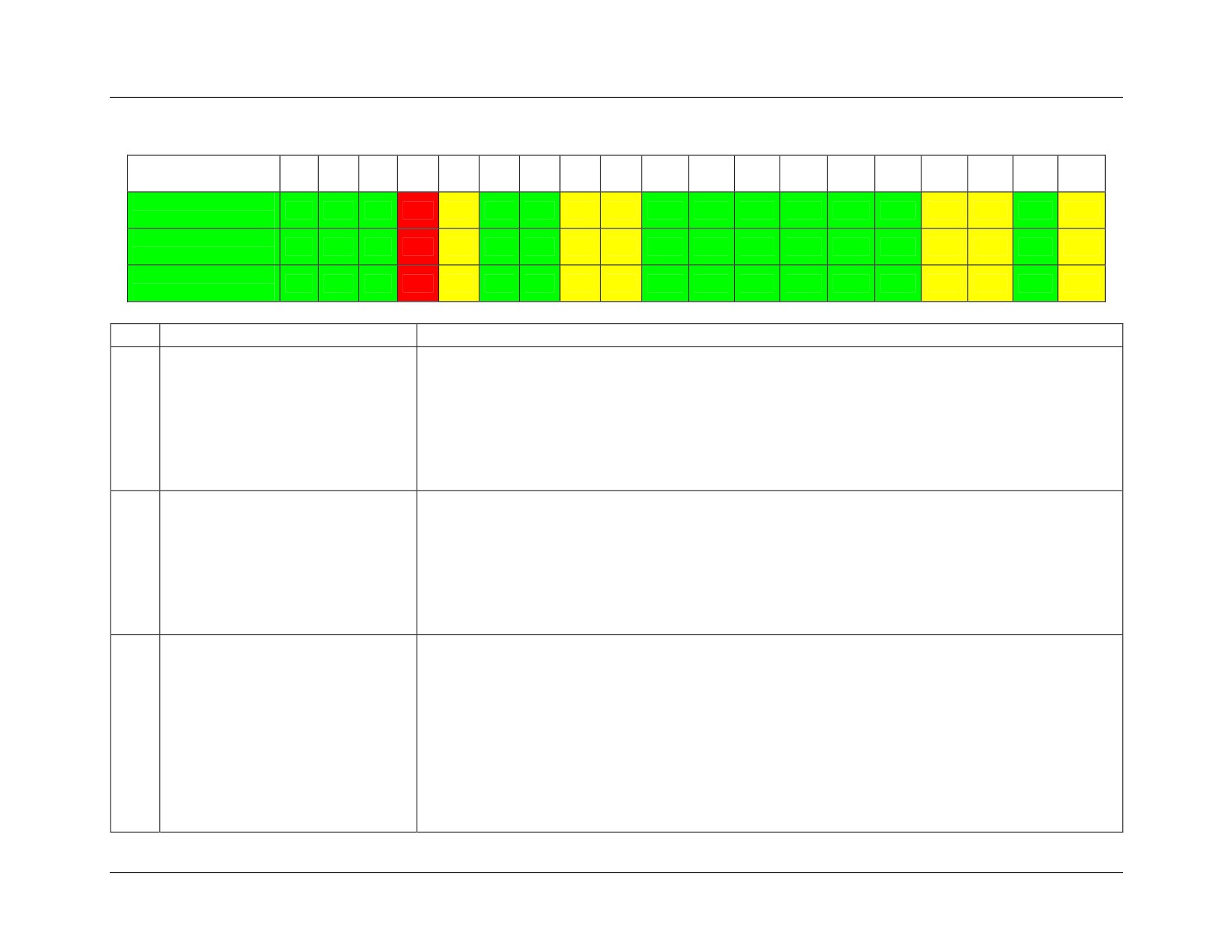
Table 10.7-1 discusses the only capability that exists to perform the task to the designated
standard. CJCS/joint staff promulgates, establishes, and implements standards, criteria, and joint
training for the safe management of hazardous or contaminated materials. Includes marking,
packing, storing, handling, transporting, and other related activities.
Current Capability and Deficiency
International standards and procedures exist for hazardous or contaminated material and samples.
These often form the basis for internal national codes. Primary duty personnel in selected
specialties (e.g., epidemiology, hazardous materials, laboratory, and others) are generally trained
in international and U.S. national standards and procedures as outlined in DoD and Service
directives and guidelines. Deficiencies include training of augmentation/additional duty
personnel, preparatory activities, and availability of packing/containers/packaging. Overall
current assessment is “green.”
Projected Near/Mid-Term Capability and Deficiency
No change is projected for this task.
Projected Far-Term Capability and Deficiency
No change is projected for this task.
63
For Official Use Only
For Official Use Only
CBRND Functional Needs Analysis/Functional Solution Analysis
Chapter 10. Strategic National Shield Tasks
Table 10.7-1. SNSHLD 7: Capability and Deficiency Assessment
Capability: CJCS—
M1
M2
M3
M4
M5
M6
M7
M8
M9
M10
M11
M12
M13
M14
M15
M16
M17
M18
M19
Joint Staff
Current Overall
G2
G2
G3
R2
Y4
G4
G4
Y5
Y6
G7
G5
G5
G5
G8
G9
Y8
Y10
G11
Y12
Capability1
Near/Mid-Term
G
G
G
R
Y
G
G
Y
Y
G
G
G
G
G
G
Y
Y
G
Y
Overall Capability
Far-Term Overall
G
G
G
R
Y
G
G
Y
Y
G
G
G
G
G
G
Y
Y
G
Y
Capability
FAA Measure
Scale
M1
International standards and
G: Internationally accepted standards and procedures exist for the packaging and containment of hazardous or
procedures exist for packaging and
infectious materials crossing international borders and are applicable to CBRN-exposed/contaminated
containment of hazardous or
material.
contaminated material and samples.
Y: Internationally accepted standards and procedures exist for the packaging and containment of selected
CBRN-exposed/contaminated material and are restricted to specifically identified international border
movements.
R: Internationally accepted standards are nonexistent or inadequate for packaging and containment for
international movement of CBRN-exposed/contaminated material.
M2
International standards and
G: Internationally accepted standards and procedures exist for the marking and identification of hazardous or
procedures exist for marking and
infectious materials crossing international borders and are applicable to CBRN-exposed/contaminated
identification of hazardous or
material.
contaminated material and samples.
Y: Internationally accepted standards and procedures exist for the marking and identification of selected
CBRN-exposed/contaminated material and are restricted to specifically identified international border
movements.
R: Internationally accepted standards are nonexistent or inadequate for marking and identification for the
international movement of CBRN-exposed/contaminated material.
M3
International standards and
G: Internationally accepted standards and procedures exist for the storage of hazardous or infectious materials
procedures exist for storage of
during crossing of international borders and are applicable to CBRN-exposed/contaminated material. These
hazardous or contaminated material
standards and procedures frequently form the basis of internal national codes which are applicable for storage
and samples.
within a nation.
Y: Internationally accepted standards and procedures exist for the storage of selected CBRN-
exposed/contaminated material and are restricted to specifically identified international border movements.
These standards and procedures may form the basis of internal national codes applicable to storage within a
nation.
R: Internationally accepted standards are nonexistent or inadequate for storage during the international
movement of CBRN-exposed/contaminated material and are not generally applied to internal national codes
applicable for storage within a nation.
64
For Official Use Only
For Official Use Only
CBRND Functional Needs Analysis/Functional Solution Analysis
Chapter 10. Strategic National Shield Tasks
M4
International standards and
G: Internationally accepted standards and procedures exist for the transport of hazardous or infectious
procedures exist for transport of
materials crossing international borders and are applicable to CBRN-exposed/contaminated material.
hazardous or contaminated material
Y: Internationally accepted standards and procedures exist for the transport of selected CBRN-
and samples including across
exposed/contaminated material and are restricted to specifically identified international border movements.
international boundaries.
R: Internationally accepted standards are nonexistent or inadequate for the international movement of CBRN-
exposed/contaminated material across international boundaries.
M5
DoD-level training standards exist for
G: DoD-level CBRND training standards detail requirements and measures for the packaging and
packaging and containment of
containment of CBRN/TIM hazardous or contaminated material and samples.
hazardous or contaminated material
Y: DoD-level CBRND training standards provide general requirements and measures for the packaging and
and samples.
containment of CBRN/TIM hazardous or contaminated material/samples.
R: DoD-level CBRND training standards are nonexistent or inadequately address the packaging and
containment of CBRN/TIM hazardous or contaminated material and samples.
M6
DoD-level training standards exist for
G: DoD-level CBRND training standards detail requirements for the marking and identification of
marking and identification of
CBRN/TIM hazardous or contaminated material and samples.
hazardous and contaminated material
Y: DoD-level CBRND training standards general requirements exist for the marking and identification of
and samples.
CBRN/TIM hazardous or contaminated material/samples.
R: DoD-level CBRND training standards are nonexistent or inadequately address the marking and
identification of CBRN/TIM hazardous or contaminated material and samples.
M7
DoD-level training standards exist for
G: DoD-level CBRND training standards detail requirements for the safe storage of CBRN/TIM hazardous or
storage of hazardous and
contaminated material and samples.
contaminated material and samples.
Y: DoD-level CBRND training standards general requirements exist for the safe storage of CBRN/TIM
hazardous or contaminated material/samples.
R: DoD-level CBRND training standards are nonexistent or inadequately address the safe storage of
CBRN/TIM hazardous or contaminated material and samples.
M8
DoD-level training standards exist for
G: DoD-level CBRND training standards detail requirements for the safe transport of CBRN/TIM hazardous
transport of hazardous or
or contaminated material and samples.
contaminated material and samples.
Y: DoD-level CBRND training standards general requirements exist for the safe transport of CBRN/TIM
hazardous or contaminated material/samples.
R: DoD-level CBRND training standards are nonexistent or inadequately address the safe transport of
CBRN/TIM hazardous or contaminated material and samples.
M9
DoD-level exercise evaluation criteria
G: Distinct DoD and joint exercise plans and evaluation requirements exist for sustained operations within a
exist, including timing, type, content,
toxic CBRN/TIM environment and incorporates the preparation and movement of CBRN/TIM hazardous or
and scoring.
contaminated material and samples. Service-specific exercises and evaluations are developed based upon the
DoD and joint exercise plans and evaluation requirements.
Y: DoD and joint exercise plans and evaluation general requirements exist and include CBRN operations as
components. Service-specific exercises and evaluations do not fully and sequentially address the entire
process involving the preparation, storage, handling, and movement of CBRN/TIM hazardous or
contaminated material and samples.
R: DoD, joint, and Service-specific exercise plans and evaluation requirements are inadequate, do not exist, or
do not address CBRN/TIM operations.
65
For Official Use Only
For Official Use Only
CBRND Functional Needs Analysis/Functional Solution Analysis
Chapter 10. Strategic National Shield Tasks
M10
Standards and procedures in place for
G: DoD/joint standards and procedures detail requirements for the packaging and containment of hazardous
packaging and containment of
or contaminated material and samples. Service-specific standards and procedures incorporate the DoD/joint
hazardous or contaminated material
standards.
and samples.
Y: DoD/joint standards and procedures provide general guidance for the packaging and containment of
hazardous or contaminated material and samples. Service-specific standards and procedures may vary, but not
in critical aspects, from the DoD/joint standards and procedures.
R: Standards and procedures are inadequate or nonexistent for the packaging and containment of hazardous or
contaminated material and samples.
M11
Common and interoperable standards
G: DoD/joint standards and procedures detail common and interoperable requirements for the safe handling of
for handling hazardous or
hazardous or contaminated material and samples. Service-specific standards and procedures incorporate the
contaminated material and samples
DoD/joint standards.
exist.
Y: DoD/joint standards and procedures provide common general guidance for the safe handling of hazardous
or contaminated material and samples. Service-specific standards and procedures may vary, but not in critical
aspects, from the DoD/joint standards and procedures.
R: Common standards and procedures are inadequate or nonexistent for the safe handling of hazardous or
contaminated material and samples.
M12
Common and interoperable standards
G: DoD/joint standards and procedures detail common and interoperable requirements for the safe storage of
for safe storage of hazardous or
hazardous or contaminated material and samples. Service-specific standards and procedures incorporate the
contaminated material and samples
DoD/joint standards.
exist.
Y: DoD/joint standards and procedures provide common general guidance for the safe storage of hazardous or
contaminated material and samples. Service-specific standards and procedures may vary, but not in critical
aspects, from the DoD/joint standards and procedures.
R: Common standards and procedures are inadequate or nonexistent for the safe storage of hazardous or
contaminated material and samples.
M13
Common and interoperable standards
G: DoD/joint standards and procedures detail common and interoperable requirements for the safe transport
for transporting hazardous or
of hazardous or contaminated material and samples. Service-specific standards and procedures incorporate the
contaminated material and samples
DoD/joint standards.
exist.
Y: DoD/joint standards and procedures provide common general guidance for the safe transport of hazardous
or contaminated material and samples. Service-specific standards and procedures may vary, but not in critical
aspects, from the DoD/joint standards and procedures.
R: Common standards and procedures are inadequate or nonexistent for the safe transport of hazardous or
contaminated material and samples.
M14
Standards address training units and
G: Training standards address the application of protective barrier materials and assets, identification and
personnel to pack, containerize/
marking, and the safe handling and transport of hazardous or contaminated material/samples.
package, mark, handle, and transport
Y: Training standards generally address the application of protective barrier materials and assets,
hazardous or contaminated material or
identification and marking, and the safe handling and transport of hazardous or contaminated
samples.
material/samples.
R: Training standards are nonexistent or inadequately address the application of protective barrier materials
and assets, identification and marking, and the safe handling and transport of hazardous or contaminated
material and samples.
66
For Official Use Only
For Official Use Only
CBRND Functional Needs Analysis/Functional Solution Analysis
Chapter 10. Strategic National Shield Tasks
M15
Standards and procedures address
G: Overarching single set of standards specify common and interoperable requirements and measures for the
equipping units and personnel
protection of personnel and activities performing the preparation, storage, handling, and transport of
packing, storing, handling, or
hazardous or contaminated material/samples.
transporting hazardous or
Y: Common guidelines are established for the provision of protection of personnel and activities performing
contaminated material or samples
logistical functions associated with hazardous or contaminated material/samples.
with CBRN/TIM protective
R: Common and interoperable standards are inadequate or nonexistent for the provision of protection of
equipment.
personnel and activities associated with functions involving the preparation, storage, handling, and transport
of hazardous or contaminated material/samples.
M16
All applicable personnel trained to
G: Training standards address the application of protective barrier materials and assets, identification and
pack, containerize/package, store,
marking, and the safe handling and transport of hazardous or contaminated material/samples by all applicable
transport, mark, and identify
personnel (primary and augmentation).
hazardous or contaminated material
Y: Training standards address the application of protective barrier materials and assets, identification and
and samples.
marking, and the safe handling and transport of hazardous or contaminated material/samples by personnel
with these as routine responsibilities.
R: Training standards are nonexistent or inadequately address the application of protective barrier materials
and assets, identification and marking, and the safe handling and transport of hazardous or contaminated
material and samples by personnel subject to perform these tasks.
M17
All applicable personnel equipped
G: All personnel subject to perform tasks associated with the preparation, storage, handling, and/or transport
with protective equipment to pack,
of hazardous and contaminated material and samples are appropriately equipped.
containerize/package, handle, and
Y: Designated personnel with routine responsibilities to perform preparation, storage, handling, and/or
transport hazardous and contaminated
transport of hazardous and contaminated material and samples are appropriately equipped.
material and samples.
R: Protective equipment assets are inadequate or nonexistent for the provision of protection of personnel
possessing routine functions involving the preparation, storage, handling, and transport of hazardous or
contaminated material/samples.
M18
Protective packing, containers, and
G: CBRN protective barrier movement and storage materials (e.g., packaging, containers, etc.) are readily
packaging available for hazardous or
available for the movement of hazardous or contaminated material and samples.
contaminated material and samples.
Y: CBRN protective barrier movement and storage materials (e.g., packaging, containers, etc.) are available
for the movement of selected material and samples.
R: CBRN protective barrier movement and storage material is nonexistent or not available to support the
movement of hazardous or contaminated material and samples.
M19
All base/facility/unit conduct annual
G: Annual CBRND exercises fully integrate all personnel and activities and address sustained operations
CBRND exercises.
within a CBRN/TIM environment and includes the preparation, storage, handling, and transport of hazardous
or contaminated material and samples by all applicable personnel.
Y: Annual CBRND exercises fully involve military and direct mission civilian support personnel/functions
and address operations within a toxic CBRN/TIM environment, to include aspects of the preparation, storage,
handling, and transport of hazardous or contaminated material and samples by personnel possessing routine,
nonemergency functions involving these activities.
R: Annual CBRND exercises are not conducted or do not address operations within a CBRN/TIM
environment and do not generally integrate the preparation, storage, handling, or transport of hazardous or
contaminated material and samples.
67
For Official Use Only
For Official Use Only
CBRND Functional Needs Analysis/Functional Solution Analysis
Chapter 10. Strategic National Shield Tasks
1 Effective DOTLPF is in place for the conduct of this task by primary duty personnel whose duties include the performance of the task. DOTLPF is inadequate for augmentation
or additional duty personnel tasked to accomplish these functions. Nor is general knowledge DOTLPF for recognition of a potential hazard using international markings provided
to the general force.
2 Current international standards address only fully contained (packaged) hazardous materials and samples. There is a lack of standards for shipping contaminated items that cannot
be completely encapsulated to contain the associated hazards. No international standards have been established providing acceptable threshold levels of contamination. Without
established maximum contamination allowances, diplomatic clearances for overflight and landings may be denied for the air transport of contaminated and formerly contaminated
aircraft and cargo. Without overflight and landing clearances, the air shipment of contaminated or formerly contaminated cargo will be significantly impeded. Internationally
accepted standards exist for the packaging, handling, movement, and marking of hazardous or infectious materials crossing international borders. These are promulgated under the
auspices of the United Nations. Air transported material is governed by the International Civil Aviation Organization Technical Instructions (ICAO TI) on the Safe Transport of
Dangerous Goods by air augmenting Annex 18 to the Convention on International Civil Aviation. Maritime transported materials are governed by the International Maritime
Dangerous Goods (IDMG) Code mandated by Chapter 7 of the International Convention for the Safety of Life at Sea (SOLAS). Note: Not all chapters of the IDMG are mandatory.
Infectious material is governed under the World Health Organization (WHO) promulgated International Health Regulations of 1969 (as amended). Codes and standards are also
promulgated by the International Atomic Energy Agency (IAEA). The primary two documents are the Code of Conduct on the Safety and Security of Radioactive Sources and the
International Atomic Energy Regulations for the Safe Transport of Radioactive Materials. All the international standards provide instructions on the handling and marking of
hazardous and infectious material. However, additional requirements may be imposed by individual countries upon material identified, destined, transshipped, within or pass
through/over their borders.
3 International standards address the movement of material across international boundaries. Storage requirements generally address storage within transport means. Storage
requirements are generally within the purview of the host country and its standards. Many countries, however, do use the international standards and recommendations as a basis
for their internal codes.
4 Training standards exist for primary duty personnel performing cargo movement activities. However, primary packaging and containment of contaminated material and samples
is the responsibility of the initiating activity (e.g., Technical Escort Unit [TEU], medical facility, CBRN/TIM survey and sampling, field lab, etc.). The correct marking and
identification is dependent upon notification and initial marking/identification actions by the preparing activity. These personnel may, or may not, be trained in required packaging,
containment, marking, and identification of collected material and samples.
5 Training standards exist for primary duty personnel performing cargo movement activities. However, primary packaging and containment of contaminated material and samples
is the responsibility of the initiating activity (e.g., TEU, medical facility, CBRN/TIM survey and sampling, field lab, etc.). The correct marking and identification is dependent
upon notification and initial marking/identification actions by the preparing activity. These personnel may or may not be trained in required packaging, containment, marking, and
identification of collected material and samples. There are no established procedures or training standards to address the interior contamination of airlift aircraft in the event of
agent release. Interior decontamination capabilities are inadequate. Therefore, training standards to address this deficient area are also inadequate.
6 Joint exercise plans include evaluation criteria, timing, type, content, and scoring. However, these are not the foundation for development of Service-specific exercise and
evaluations. Additionally, there is a need for distinct CBRN/TIM-specific exercise/evaluations that include the packing, marking, and movement of hazardous/infections material
and samples.
7 Standards and procedures existing under Department of Transportation, Occupational Safety and Health Administration (OSHA), and Centers for Disease Control (CDC)
regulations and requirements. DoD standards and procedures incorporate these requirements. However, the standards and procedures are generally known and applied by primary
duty personnel. Implementation by Services is guided by Service directives and guidelines developed from DoD requirements. Service directives and guidelines are unique to the
Service, although based upon a common foundation.
8 Standards and procedures detailed by Department of Transportation, OSHA, and CDC regulations and requirements. DoD standards and procedures incorporate these
requirements. However, only primary duty personnel performing these functions are trained, knowledgeable, and able to apply the standards. Training by Services is guided by
Service directives and guidelines developed from DoD and Service requirements. Primary duty personnel whose field does not include these tasks in their specialty description
may not be trained to perform these functions. Training to recognize a potential hazard through identification of international markings is not provided to the general force.
Training of augmentation and additional duty personnel to accomplish these tasks is gener ally minimal and inadequate.
9 Standards and procedures detailed by Department of Transportation, OSHA, and CDC regulations and requirements. DoD standards and procedures incorporate these
requirements. However, the standards and procedures are generally known and applied by primary duty personnel. Equipping is dependent upon known requirements.
10 Personnel in a field possessing a task for this function in their specialty description may not be trained and equipped to accomplish the task.
68
For Official Use Only
For Official Use Only
CBRND Functional Needs Analysis/Functional Solution Analysis
Chapter 10. Strategic National Shield Tasks
11 Protective packing, containers, and packaging for hazardous or contaminated material and samples is generally available to those whose primary function includes the
preparation and storage of this material.
12 Base, facilities, and units are required to conduct CBRND exercises. However, these exercises do not generally include activities necessitating the packing, marking, storage, and
movement of hazardous or contaminated material and samples.
69
For Official Use Only
For Official Use Only
CBRND Functional Needs Analysis/Functional Solution Analysis
Chapter 10. Strategic National Shield Tasks
10.7.3
Functional Solution Analysis
10.7.3.1
DOTLPF Assessment Summary
This section addresses the deficiencies associated with policies, standards, and criteria for
hazardous or contaminated material and samples marking, packing, storage, handling, and
transportation. The deficiencies can be addressed by non-materiel solutions. If there are no non-
materiel solutions, or they are only partial solutions, the remaining non-materiel need is then
stated. Materiel needs are assessed in the IMA section. Non-materiel solutions include
addressing in doctrine, policy, and procedures the training of personnel performing augmentation
or direct support functions (e.g., preparation, storing, moving, handling, transporting, etc.) of
hazardous, contaminated, or infectious material and incorporating standards into institutional and
unit training, exercises, and evaluations for all personnel and activities performing these tasks
and functions (regardless of whether primary responsibility or support). The inclusion in
doctrine, policy, procedures, and TTPs recognition training and knowledge of all force personnel
of international markings identifying hazardous, contaminated, or infectious material provides
early identification of hazards and appropriate actions.
1.
Deficiency: Non-primary duty personnel may, or may not, be trained in required packaging,
containment, marking, and identification of collected material and samples.
Non-Materiel Solutions: Training: Personnel performing augmentation or direct support
functions (e.g., storing, moving, handling, transporting, etc.) of hazardous, contaminated, or
infectious material require training commensurate with their responsibilities. Leadership:
Ensure all personnel identified in “Training” are trained and knowledgeable.
2.
Deficiency: The correct marking and identification is dependent upon notification and initial
marking/identification actions by the preparing activity.
Non-Materiel Solutions: Doctrine: Enforce existing doctrine, policies, and procedures for
marking and identification actions by preparing activities. Training: Personnel performing
preparation, storage, movement, handling, transport, etc., of hazardous, contaminated, or
infectious material are fully trained and evaluated for correct marking and identification of
these materials. Leadership: Ensure compliance with standards, procedures, and
requirements for the preparation, storage, movement, handling, transport, and other
associated actions for hazardous, contaminated, or infectious material, including marking and
identification.
3.
Deficiency: DoD-level training standards do not exist for non-primary duty personnel
performing hazardous/contaminated cargo movement and transport activities.
Non-Materiel Solutions: Doctrine: Adjust existing doctrine, policies, and procedures to
require all personnel and activities performing tasks and functions, regardless of whether
primary responsibility or support, associated with the preparation, storage, movement,
handling, transport, and other tasks associated with hazardous, contaminated, or infectious
material are trained to standards. Training: Incorporate standards into institutional and unit
training, exercises, and evaluations for all personnel and activities performing tasks and
functions, regardless of whether primary responsibility or support, associated with the
preparation, storage, movement, handling, transport, and other tasks associated with
70
For Official Use Only
For Official Use Only
CBRND Functional Needs Analysis/Functional Solution Analysis
Chapter 10. Strategic National Shield Tasks
hazardous, contaminated, or infectious material. Leadership: Enforcement of standards and
management of training to ensure readiness of all personnel and activities to safely perform
their tasks and functions, regardless of whether primary responsibility or support, associated
with the preparation, storage, movement, handling, transport, and other tasks associated with
hazardous, contaminated, or infectious material.
4.
Deficiency: DoD-exercise evaluation criteria are not the foundation for development of
Service-specific exercise and evaluations.
Non-Materiel Solutions: Doctrine: Reinforce existing doctrine and policy for development
of Service-specific exercises and evaluations based upon joint exercise plans and include the
preparation, storage, movement, handling, transport, and other tasks associated with
hazardous, contaminated, or infectious material. Leadership: Ensure joint exercise plans are
used in the development of Service-specific exercises and evaluations.
5.
Deficiency: There is a need for distinct CBRN/TIM-specific exercise/evaluations that
include the packing, containerization/packaging, marking, handling, and transporting of
hazardous or contaminated material or samples
Non-Materiel Solutions: Doctrine: Incorporate the preparation, storage, movement,
handling, transport, and other tasks associated with hazardous, contaminated, or infectious
material into exercises and evaluations criteria anda requirements. Training: Train, exercise,
and evaluate the preparation, storage, movement, handling, transport, and other tasks
associated with hazardous, contaminated, or infectious material. Leadership: Recognize
criticality for the safe preparation (including marking and identification), storage, movement,
handling, transport, and other tasks associated with hazardous, contaminated, or infectious
material.
6.
Deficiency: Common and interoperable standards for safe packaging, containment, handling,
and storage of hazardous or contaminated material and samples are generally known and
applied by primary duty personnel only.
Non-Materiel Solutions: Training: Ensure all personnel, regardless of whether primary
responsibility or support, performing preparation, storage, movement, handling, transport,
etc., of hazardous, contaminated, or infectious material, are fully trained and evaluated for
application of common and interoperable standards for the safe packaging, containment,
handling, storage, and transport of hazardous or contaminated material and samples including
marking and identification of these materials. Leadership: Recognize criticality for the safe
preparation (including marking and identification), storage, movement, handling, transport,
and other tasks associated with hazardous, contaminated, or infectious material and ensure
personnel identified in “Training” are trained and comply with requirements.
7.
Deficiency: Personnel in a field possessing a task to pack, containerize/package, handle, and
transport hazardous and contaminated material and samples in their specialty description may
not be trained and equipped to accomplish the task.
Non-Materiel Solutions: Training: Train, exercise, and evaluate all personnel and activities
performing tasks and functions, regardless of whether primary responsibility or support,
associated with the preparation, storage, movement, handling, transport, and other tasks
associated with hazardous, contaminated, or infectious material, are trained to standards.
71
For Official Use Only
For Official Use Only
CBRND Functional Needs Analysis/Functional Solution Analysis
Chapter 10. Strategic National Shield Tasks
Leadership: Recognize criticality for the safe preparation (including marking and
identification), storage, movement, handling, transport, and other tasks associated with
hazardous, contaminated, or infectious material a and ensure personnel are properly
equipped, adequately trained, and fully comply with requirements.
8.
Deficiency: Base/facility annual CBRND exercises do not generally include activities
necessitating the packing, marking, storage, and movement of hazardous or contaminated
material and samples.
Non-Materiel Solutions: Doctrine: Incorporate the safe preparation, storage, movement,
handling, transport, and other tasks associated with hazardous, contaminated, or infectious
materials into CBRND exercises and evaluations criteria and requirements. Organization:
Ensure resources, taskings, and staff are in place or available to support the safe preparation,
storage, movement, handling, transport, and other organization assigned tasks associated with
hazardous, contaminated, or infectious materials. Training: Train, exercise, and evaluate
capabilities and activities for the safe preparation, storage, movement, handling, transport,
and other organization assigned tasks associated with hazardous, contaminated, or infectious
materials. Leadership: Recognize criticality for the safe preparation (including marking and
identification), storage, movement, handling, transport, and other tasks associated with
hazardous, contaminated, or infectious material a and ensure personnel are properly
equipped, adequately trained, fully comply with requirements, and are prepared and ready to
perform the tasks and activities.
9.
Deficiency: DOTLPF is inadequate for augmentation or additional duty personnel tasked to
accomplish these functions.
Non-Materiel Solutions: Doctrine: Adjust existing doctrine, policies, and procedures to
require all personnel and activities performing tasks and functions, regardless of whether
primary responsibility or support, associated with the preparation, storage, movement,
handling, transport, and other tasks associated with hazardous, contaminated, or infectious
material are trained to standards. Organization: Ensure resources, taskings, and staff are in
place or available to support the safe preparation, storage, movement, handling, transport,
and other organization assigned tasks associated with hazardous, contaminated, or infectious
materials. Training: Incorporate standards into institutional and unit training, exercises, and
evaluations for all personnel and activities performing tasks and functions, regardless of
whether primary responsibility or support, associated with the preparation, storage,
movement, handling, transport, and other tasks associated with hazardous, contaminated, or
infectious material. Leadership: Recognize criticality for the safe preparation (including
marking and identification), storage, movement, handling, transport, and other tasks
associated with hazardous, contaminated, or infectious material a and ensure personnel are
properly equipped, adequately trained, fully comply with requirements, and are prepared and
ready to perform the tasks and activities.
10. Deficiency: General knowledge DOTLPF for recognition of a potential hazard using
international markings is not provided to the general force.
Non-Materiel Solutions: Training: Establish recognition training of all force personnel of
international markings identifying hazardous, contaminated, or infectious material.
Leadership: Ensure all subordinate personnel are trained, knowledgeable, and are able to
72
For Official Use Only
For Official Use Only
CBRND Functional Needs Analysis/Functional Solution Analysis
Chapter 10. Strategic National Shield Tasks
correctly interpret international markings identifying hazardous, contaminated, or infectious
material.
11. Deficiency: Absence of international standards for maximum allowable levels of
contamination for transportation of contaminated cargo through sovereign airspace could
result in the denial of overflight and landing clearance to contaminated aircraft and cargo.
Non-Materiel Solutions: Doctrine: Revise current doctrine to emphasize the risk to
intertheater movement of aircraft and cargo posed by exposure to chemical and biological
warfare agents. Stress the importance of contamination avoidance to the preservation of
intertheater airlift capabilities. Training: Incorporate advanced CBRN contamination
avoidance and control measures into joint and Service air mobility education and training
courses. Leadership: Ensure that key decision makers and personnel in positions of
leadership are aware of the ramification of aircraft and equipment contamination and
protective measures to mitigate the risk to air mobility operations.
10.7.3.2
IMA Summary
N/A
73
For Official Use Only
For Official Use Only
CBRND Functional Needs Analysis/Functional Solution Analysis
Chapter 10. Strategic National Shield Tasks
10.8
Task SNSHLD 8: Establish standards, criteria, and procedures for safe handling
and safely transporting CBRN/TIM-exposed or -contaminated casualties and
MWAs
10.8.1
Functional Area Analysis
10.8.1.1
Defintion
To ensure the efficient and consistent application of standards for safe handling and transport of
exposed or contaminated casualties following a CBRN/TIM release. This task includes
• standards and procedures for the provision of protective equipment to casualties (including
casualties unable to wear IPE);
• prevention of secondary contamination of attending personnel, support equipment, and
transport assets;
• common procedures for handling and transporting CBRN/TIM-exposed or -ontaminated
personnel and MWAs; and
• transport of exposed or contaminated casualties and MWAs across U.S., host nation, third-
country, or international airspace, territory, or waters.
10.8.1.2
Derivation
Joint Enabling Concept for CBRN/TIM Operations, An Operational Concept for Biological
Defense, Protection Joint Functional Concept, UJTL (SN 1.1.5, SN 1.2.3, SN 2.2.1, SN 4.3.3, SN
4.3.4, SN 8.1.6, SN 9, SN 9.2.2).
10.8.1.2.1
Supported Task: N/A
10.8.1.2.2
Lateral Task: SNSHA 3
10.8.1.2.3
Supporting Task: N/A
10.8.1.3
Condition
Perform this task under conditions of:
Physical
1. Immediate to delayed danger, and potential long-term health hazard of atmospheric
weapons effects. (C1.3.3)
Military
1. Some interoperability. (C2.2.6)
2. Partial joint staff integration. (C2.3.1.1)
3. Partial multinational integration. (C2.3.1.2)
4. Sufficient deployed supplies. (C2.8.2)
74
For Official Use Only
For Official Use Only
CBRND Functional Needs Analysis/Functional Solution Analysis
Chapter 10. Strategic National Shield Tasks
5. Sufficient continental United States (CONUS) resupply. (C2.8.3)
6. Slow pipeline responsiveness. (C2.8.3.1)
7. Limited prepositioned materiel. (C2.8.4)
Civil
1. Correct interdepartmental/interagency relationships (C3.1.1.3)
2. Limited foreign government support (C3.1.2.3)
10.8.2
Functional Needs Analysis
10.8.2.1
Capability and Deficiency Assessment Summary
Table 10.8-1 discusses the only capability that exists to perform the task to the designated
standard. CJCS/joint staff institutes and provides joint Service oversight of DOTMLPF program
for the safe handling and transport of exposed or contaminated casualties and MWAs providing
for the enhanced survivability of exposed and contaminated casualties as well as MWAs.
Current Capability and Deficiency
International standards specify international requirements for the movement of contaminated
(infectious) individuals/animals across international borders. However, U.S. national standards
addressing the transport of CBRN/TIM-exposed and -contaminated casualties within the United
States do not exist. Training guidelines for selected groups do exist for the handling of exposed
and contaminated casualties and are generally performed at the unit level. Existing guidance for
the protection of exposed and contaminated casualties specifies the application of either CPS or
standard IPE for CBRND protection. Deficiencies include the lack of CBRND standards,
criteria, doctrine, policy, procedures, TTPs for the protection of casualties unable to wear
standard IPE and CPS is not available or applicable (such as movement from COLPRO-equipped
medical facility for evacuation). Standards, criteria, and procedures do not adequately address
the handling and transport of CBRN/TIM-exposed or -contaminated MWA casualties. The
overall current capability is assessed as “red.”
Projected Near/Mid-Term Capability and Deficiency
No change projected for this task.
Projected Far-Term Capability and Deficiency
No change projected for this task.
75
For Official Use Only
For Official Use Only
CBRND Functional Needs Analysis/Functional Solution Analysis
Chapter 10. Strategic National Shield Tasks
Table 10.8-1. SNSHLD 8: Capability and Deficiency Assessment
Capability: CJCS—Joint Staff
M1
M2
M3
M4
M5
M6
M7
M8
M9
M10
M11
M12
M13
M14
M15
M16
Current Overall Capability1
Y2
R3
R4
R5
Y6
Y7
R8
R9
Y10
R9
Y11
R12
Y10
G13
R12
R14
Near/Mid-Term Overall Capability
Y
R
R
R
Y
Y
R
R
Y
R
Y
R
Y
G
R
R
Far-Term Overall Capability
Y
R
R
R
Y
Y
R
R
Y
R
Y
R
Y
G
R
R
FA A Measure
Scale
M1
International standards
G: Internationally accepted standards and procedures exist for the transport of exposed or contaminated casualties across
exist for transport of
international borders and are applicable to CBRN/TIM casualties.
exposed or contaminated
Y: Internationally accepted standards and procedures exist for the transport of selected CBRN-exposed/contaminated
casualties (human and
casualties and are restricted to specifically identified international border movements.
MWAs).
R: Internationally accepted standards are nonexistent or inadequate for the international movement of CBRN-
exposed/contaminated material across international borders.
M2
National standards and
G: Mandated national standards and procedures exist for the transport of exposed or contaminated casualties across state
procedures exist for
borders, are applicable to CBRN/TIM casualties, and are applied without variance and additional restrictive
transport of exposed and
requirements across all states.
contaminated casualties
Y: National standards and procedures exist for the transport of exposed or contaminated casualties across state borders,
and MWAs, including
are applicable to CBRN/TIM casualties, and are applied with minor additional restrictive requirements across all states.
across state boundaries.
R: National standards and procedures applicable to CBRN-exposed or -contaminated casualties are inadequate,
nonexistent, are applied with significant additional restrictive requirements by the states, or widely vary between states.
M3
DoD-level training
G: DoD-level CBRND training standards detail requirements and measures for the safe handling of exposed and
standards exist for handling
contaminated casualties, including MWAs.
of exposed or contaminated
Y: DoD-level training standards provide general requirements and measures for the safe handling of exposed and
casualties and MWAs.
contaminated casualties, including MWAs.
R: DoD-level CBRND training standards are nonexistent or inadequately address the safe handling of exposed and
contaminated casualties, including MWAs.
M4
DoD-level training
G: DoD-level CBRND training standards detail requirements for the safe transport of CBRN-exposed or -contaminated
standards exist for transport
casualties, including MWAs.
of exposed or contaminated
Y: DoD-level CBRND training standards provide general requirements for the safe transport of CBRN-exposed or
casualties and MWAs.
-contaminated casualties, including MWAs.
R: DoD-level CBRND training standards are nonexistent or inadequately address the safe transport of CBRN-exposed
or -contaminated casualties, including MWAs.
76
For Official Use Only
For Official Use Only
CBRND Functional Needs Analysis/Functional Solution Analysis
Chapter 10. Strategic National Shield Tasks
M5
DoD-level exercise
G: Distinct DoD and joint exercise plans and evaluation requirements exist for sustained operations within a toxic
evaluation criteria exist,
CBRN/TIM environment and incorporates as a distinct critical area of evaluation the handling and movement of CBRN-
including timing, type,
exposed or -contaminated casualties, including MWAs. Service-specific exercises and evaluations are developed based
content, and scoring.
upon the DoD and joint exercise plans and evaluation requirements.
Y: DoD and joint exercise plans and evaluation general requirements exist and include CBRN operations as
components. Service-specific exercises and evaluations do not fully and sequentially address the entire process of
handling and movement of CBRN-exposed or -contaminated casualties, including MWAs.
R: DoD, joint, and Service-specific exercise plans and evaluation requirements are inadequate, do not exist, or do not
fully address CBRN operations and the handling/movement of CBRN-exposed or -contaminated casualties.
M6
Standards and procedures
G: DoD/joint standards and procedures detail common and interoperable requirements for the protection of exposed or
in place for protection of
contaminated casualties and MWAs, including those medically unable to wear IPE. Service-specific standards and
exposed or contaminated
procedures incorporate the DoD/joint standards.
casualties and MWAs.
Y: DoD/joint standards and procedures provide common general guidance for the protection of exposed or contaminated
casualties and MWAs, including those medically unable to wear IPE. Service-specific standards and procedures may
vary, but not in critical aspects, from the DoD/joint standards and procedures.
R: Common standards and procedures are inadequate or nonexistent for the safe handling of exposed or contaminated
casualties and MWAs, including those medically unable to wear IPE.
M7
Common and interoperable
G: DoD/joint standards and procedures detail common and interoperable requirements for the safe handling of exposed
standards exist for handling
or contaminated casualties and MWAs, including those medically unable to wear IPE. Service-specific standards and
exposed or contaminated
procedures incorporate the DoD/joint standards.
casualties and MWAs.
Y: DoD/joint standards and procedures provide common general guidance for the safe handling of exposed or
contaminated casualties and MWAs, including those medically unable to wear IPE. Service-specific standards and
procedures may vary, but not in critical aspects, from the DoD/joint standards and procedures.
R: Common standards and procedures are inadequate or nonexistent for the safe handling of exposed or contaminated
casualties and MWAs, including those medically unable to wear IPE.
M8
Common and interoperable
G: DoD/joint standards and procedures detail common and interoperable requirements for the safe transport of exposed
standards exist for
or contaminated casualties and MWAs. Service-specific standards and procedures incorporate the DoD/joint standards.
transporting exposed or
Y: DoD/joint standards and procedures provide common general guidance for the safe transport of exposed or
contaminated casualties
contaminated casualties and MWAs. Service-specific standards and procedures may vary, but not in critical aspects,
and MWAs.
from the DoD/joint standards and procedures.
R: Common standards and procedures are inadequate or nonexistent for the safe transport of exposed or contaminated
casualties and MWAs.
M9
Standards address training
G: Training standards address the application of protective assets and the safe handling and transport of exposed or
units and personnel to
contaminated casualties/MWAs, including those medically unable to wear IPE.
protect, handle, and
Y: Training standards generally address the application of protective assets and the safe handling and transport of
transport exposed or
exposed or contaminated casualties/MWAs, including those medically unable to wear IPE.
contaminated casualties
R: Training standards are nonexistent or inadequately address the application of protective assets and the safe handling
and MWAs.
and transport of exposed or contaminated casualties and MWAs, including those medically unable to wear IPE.
77
For Official Use Only
For Official Use Only
CBRND Functional Needs Analysis/Functional Solution Analysis
Chapter 10. Strategic National Shield Tasks
M10
Standards and procedures
G: Training standards address the application of protective barrier materials, assets, procedures, and detection equipment
address training units and
to protect personnel, equipment, and transport assets against secondary exposure/contamination from exposed or
personnel to protect
contaminated casualties and MWAs.
themselves, support
Y: Training standards generally address the application of protective barrier materials, assets, procedures, and detection
equipment, and
equipment to protect personnel, equipment, and transport assets against secondary exposure/contamination from exposed
transportation assets
or contaminated casualties and MWAs.
against secondary
R: Training standards are nonexistent or inadequately address the application of protective barrier materials, assets,
exposure/contamination.
procedures, and detection equipment to protect personnel, equipment, and transport assets against secondary
exposure/contamination from exposed or contaminated casualties and MWAs.
M11
Standards and procedures
G: Overarching single set of standards specify common and interoperable requirements and measures for the protection
address equipping units and
of personnel and activities performing the handling and transport of exposed or contaminated casualties/MWAs.
personnel handling or
Y: Common guidelines are established for the provision of protection of personnel and activities performing handling
transporting exposed and
and transport functions associated with exposed or contaminated casualties/MWAs.
contaminated casualties
R: Common and interoperable standards are inadequate or nonexistent for the provision of protection of personnel and
and MWAs with CBRN/
activities associated with functions involving the handling and transport of exposed or contaminated casualties/MWAs.
TIM protective equipment.
M12
Standards and procedures
G: Overarching single set of standards specify common and interoperable requirements and measures for the protection
address protection of
of exposed or contaminated casualties/MWAs, including those medically unable to wear standard IPE.
exposed and contaminated
Y: Common guidelines are established for the provision of protection of exposed or contaminated casualties/MWAs,
casualties and MWAs,
including those medically unable to wear standard IPE.
including those unable to
R: Common and interoperable standards are inadequate or nonexistent for the provision of protection to exposed or
wear IPE.
contaminated casualties/MWAs, including those medically unable to wear standard IPE.
M13
All applicable personnel
G: Training standards address the application of protective equipment assets and the safe handling and transport of
are trained to safely handle
exposed or contaminated casualties/MWAs by all applicable personnel (primary and augmentation).
and transport exposed or
Y: Training standards address the application of protective equipment assets and the safe handling and transport of
contaminated casualties
exposed or contaminated casualties/MWAs by personnel with these as designated responsibilities.
and MWAs.
R: Training standards are nonexistent or inadequately address the application of protective equipment assets and the safe
handling and transport of exposed or contaminated casualties and MWAs by personnel subject to perform these tasks.
M14
All applicable personnel
G: All personnel subject to perform tasks associated with the handling and/or transport of exposed and contaminated
are equipped with
casualties and MWAs are appropriately equipped.
protective equipment to
Y: Designated personnel with designated responsibilities to perform handling and/or transport of exposed and
safely handle and transport
contaminated casualties and MWAs are appropriately equipped.
exposed or contaminated
R: Protective equipment assets are inadequate or nonexistent for the provision of protection of personnel possessing
casualties and MWAs.
routine functions involving the handling and transport of exposed or contaminated casualties/MWAs.
M15
Protective equipment is
G: CBRN protective equipment for exposed and contaminated casualties/MWAs, to include those medically unable to
available for exposed and
wear IPE, are readily available and provide protection for an extended period.
contaminated casualties
Y: CBRN protective equipment assets for exposed contaminated casualties/MWAs, to include those medically unable to
and MWAs, including
wear IPE, are available.
those medically unable to
R: CBRN protective equipment is nonexistent or not available to support exposed and/or contaminated casualties and/or
wear IPE.
MWAs, including those medically unable to wear IPE.
78
For Official Use Only
For Official Use Only
CBRND Functional Needs Analysis/Functional Solution Analysis
Chapter 10. Strategic National Shield Tasks
M16
All base/facility/units
G: Annual CBRND exercises fully integrate all personnel and activities and address sustained operations within a
conduct annual CBRND
CBRN/TIM environment and includes the handling and transport of exposed or contaminated casualties and MWAs by
exercises to include distinct
all applicable personnel.
CBRN/TIM-specific
Y: Annual CBRND exercises fully involve military and direct mission civilian support personnel/functions and address
exercise/evaluations
operations within a toxic CBRN/TIM environment, to include aspects of the handling and transport of exposed or
encompassing mass
contaminated casualties and MWAs by personnel possessing routine non-emergency functions involving these activities.
CBRN/TIM casualty
R: Annual CBRND exercises are not conducted or do not address operations within a CBRN/TIM environment and do
transport, medical reception
not generally integrate the handling and transport of exposed or contaminated casualties and MWAs.
and triage, and treatment.
1 DOTLPF is inadequate for the transport of exposed/contaminated casualties by air. DOTLPF is also nonexistent for the protection and care of casualties unable to wear IPE and
MWAs.
2 International standards exist for the transport of contaminated individuals across international borders. These are promulgated under the auspices of the World Health
Organization (WHO)-promulgated International Health Regulations of 1969 (as amended) specifies international requirements.
3 National standards and procedures addressing the transport of exposed and contaminated casualties within the United States do not exist.
4 Training standards are not promulgated at the joint level addressing training standards for the handling of exposed and contaminated casualties and MWAs. Guidelines do exist
for the performance of these functions. However, training is generally inadequate and, although limited formal training may be provided for selected groups, usually performed at
the unit level. MWAs are not equipped or prepared against CBRN/TIM agents.
5 DoD training standards do not exist for the transport of exposed and contaminated casualties. Unit-level training is limited to the movement of casualties to the medical facility
and is predominantly reliant upon tactical ground transport. Air transport (tactical rotary wing) is a last resort due to concerns about asset contamination. Tactical and strategic
fixed wing air transport is not considered an acceptable means of transport. MWAs are not equipped or prepared against CBRN/TIM agents.
6 Joint exercise plans include evaluation criteria, timing, type, content, and scoring. However, these are not the foundation for development of Service-specific exercise and
evaluations. Additionally, there is a need for distinct CBRN/TIM-specific exercise/evaluations that include mass CBRN/TIM casualty transport, medical reception and triage, and
treatment.
7 Existing guidance specifies the application of either CPS or standard IPE to protect exposed and contaminated casualties against further contamination until decontaminated.
However, these standards do not address casualties who cannot be adequately protected by standard IPE (due to injuries or medical requirements) and CPS is not available. MWAs
are not equipped or prepared against CBRN/TIM agents.
8 Common and interoperable standards are not promulgated by DoD addressing training for handling exposed and contaminated casualties and MWAs. Guidelines do exist for the
performance of these functions. However, training is generally inadequate and, although limited formal training may be provided for selected groups by the Services, usually
performed at the unit level. MWAs are not equipped or prepared against CBRN/TIM agents.
9 Common and interoperable standards do not exist for the transport of exposed and contaminated casualties. Unit-level training is limited to the movement of casualties to the
medical facility and is predominantly reliant upon tactical ground transport. Air transport (tactical rotary wing) is a last resort due to concerns about asset contamination. Tactical
and strategic fixed wing air transport is not considered an acceptable means of transport. Prior decontamination of exposed/contaminated casualties is the only identified means for
protecting transportation assets against secondary contamination. The predominant means is decontamination of the asset following secondary exposure/contamination. Existing
standards and procedures provide adequate protection of personnel against secondary exposure/contamination. Standards and procedures require the application of protective
equipment and measures if the potential exists for contamination/exposure. MWAs are not equipped or prepared against CBRN/TIM agents. Protection of support equipment,
particularly medical equipment necessary for casualty treatment, is inadequate.
10 Standards do address general training requirement for the transport of casualties to medical care, although not CBRN/TIM-specific. Similarly, the general standard to protect
casualties is an existing requirement, though it too is not CBRN/TIM-specific. Standards do exist for the handling and protection of exposed and contaminated casualties by
medical and selected specialized activities. Casualties who cannot be adequately protected by standard IPE (due to injuries or medical requirements) are not addressed. MWAs are
not equipped or prepared against CBRN/TIM agents.
79
For Official Use Only
For Official Use Only
CBRND Functional Needs Analysis/Functional Solution Analysis
Chapter 10. Strategic National Shield Tasks
11 MWAs are not equipped or prepared against CBRN/TIM agents. Existing standards and procedures provide adequate protection of personnel against secondary
exposure/contamination. Standards and procedures require the application of protective equipment and measures if the potential exists for contamination/exposure. However, air
transport resources are inadequately equipped and prepared to transport exposed and contaminated casualties and MWAs.
12 MWAs are not equipped or prepared against CBRN/TIM agents. Exposed and contaminated casualties (human and MWA) unable to wear IPE are not adequately addressed in
standards and procedures. Protective equipment is not available for these casualties. Casualties able to wear standard IPE are required to apply the equipment outside of CPS.
However, medical units are not provided stocks of standard IPE for use by patients. Medical policy is the patient’s unit is responsible for providing the equipment to the medical
unit for use by the patient. Operationally involved units may be delayed, at best, in providing equipment.
13 Existing standards and procedures provide adequate protection of personnel against secondary exposure/contamination. Standards and procedures require the application of
protective equipment and measures if the potential exists for contamination/exposure. MWAs are not equipped or prepared against CBRN/TIM agents.
14 Base, facilities, and units are required to conduct CBRND exercises. There is a need for distinct CBRN/TIM-specific exercise/evaluations that include mass CBRN/TIM casualty
transport, medical reception and triage, and treatment.
80
For Official Use Only
For Official Use Only
CBRND Functional Needs Analysis/Functional Solution Analysis
Chapter 10. Strategic National Shield Tasks
10.8.3
Functional Solution Analysis
10.8.3.1
DOTLPF Assessment Summary
This section addresses the deficiencies associated with policies, standards, and criteria for the
safe handling and transport of CBRN/TIM-exposed or -contaminated human and MWA
casualties. The deficiencies can be addressed with non-materiel solutions. If there are no non-
materiel solutions, or they are only partial solutions, the remaining non-materiel need is then
stated. Materiel needs are assessed in the IMA section. Non-materiel solutions includes the
development of CBRND protective equipment for MWD and casualties unable to wear standard
IPE; addressing in doctrine, policy, and procedures standards and criteria for both institutional
and unit-level training on the safe handling and transport of CBRN/TIM-exposed or
-contaminated human and MWA casualties; establishment of doctrine, policy, procedures, and
TTPs for the safe transport of CBRN/TIM-exposed or -contaminated human and MWA
casualties; and the incorporation of exercise and evaluation standards and criteria into CBRND
doctrine, policy, procedures, and TTPs for the safe handling and transport of these casualties.
1.
Deficiency: National standards and procedures addressing the transport of exposed and
contaminated casualties within the United States do not exist.
Non-Materiel Solutions: Doctrine: Establish in doctrine, policy, standards, and procedures
for the safe transport (air, ground, and sea) of exposed and contaminated casualties. Training:
Include standards and procedures for the safe transport (air, ground, and sea) of exposed and
contaminated casualties as an essential element of formal and unit training.
2.
Deficiency: Training standards are not promulgated at the joint level addressing training
standards for the handling of exposed and contaminated casualties.
Non-Materiel Solutions: Doctrine: Promulgate doctrine, policy, and procedures the
application of institutional and unit training standards for the handling of exposed and
contaminated MWA casualties. Training: Establish training, exercise, and evaluation
standards for the safe handling of exposed and contaminated MWA casualties. Leadership:
Implement and manage training and equipping of functions and activities handling exposed
and contaminated MWA casualties.
3.
Deficiency: Training standards are not promulgated at the joint level addressing training
standards for the handling of exposed and contaminated casualties and MWAs.
Non-Materiel Solutions: Doctrine: Promulgate doctrine, policy, and procedures the
application of institutional and unit training standards for the handling of exposed and
contaminated casualties/MWAs. Training: Establish training, exercise, and evaluation
standards for the safe handling of exposed and contaminated casualties and/or MWAs by
applicable units and personnel. Leadership: Implement and manage training and equipping of
functions and activities handling exposed and contaminated casualties/MWAs.
4.
Deficiency: Training is generally inadequate and, although limited formal training may be
provided for selected groups, is usually performed at the unit level.
Non-Materiel Solutions: Training: Establish and implement training, exercise, and
evaluation standards for the safe handling of exposed and contaminated casualties/MWAs
81
For Official Use Only
For Official Use Only
CBRND Functional Needs Analysis/Functional Solution Analysis
Chapter 10. Strategic National Shield Tasks
5.
Deficiency: DoD training standards do not exist for the transport of exposed and
contaminated casualties.
Non-Materiel Solutions: Doctrine: Promulgate doctrine, policy, and procedures the
application of institutional and unit training standards for the handling of exposed and
contaminated casualties, including prevention of secondary exposure/contamination.
Training: Establish training, exercise, and evaluation standards for the safe handling and
protection of exposed and contaminated casualties, including prevention of secondary
exposure/contamination. Leadership: Establish and implement training, exercise, and
evaluation standards for the safe handling of exposed and contaminated casualties, including
prevention of secondary exposure/contamination.
6.
Deficiency: DoD training standards do not exist for the transport of exposed and
contaminated casualties.
Non-Materiel Solutions: Doctrine: Promulgate doctrine, policy, and procedures the
application of institutional and unit training standards for the handling of exposed and
contaminated MWA casualties, including prevention of secondary exposure/contamination.
Training: Establish training, exercise, and evaluation standards for the safe handling and
protection of exposed and contaminated MWA casualties, including prevention of secondary
exposure/contamination. Leadership: Establish and implement training, exercise, and
evaluation standards for the safe handling of exposed and contaminated MWA casualties,
including prevention of secondary exposure/contamination.
7.
Deficiency: DoD-level exercise evaluation criteria are not the foundation for development of
Service-specific exercise and evaluations.
Non-Materiel Solutions: Doctrine: Reinforce existing doctrine and policy for the
development of Service-specific exercises and evaluations based upon joint exercise plan and
include the safe handling, transport, and management of contaminated casualties/MWAs.
Leadership: Ensure joint exercise plans are used in the development of Service-specific
exercises and evaluations.
8.
Deficiency: There is a need for installation, facility, and unit-level distinct CBRN/TIM-
specific exercise/evaluations that include mass CBRN/TIM casualty transport, medical
reception and triage, and treatment.
Non-Materiel Solutions: Doctrine: Incorporate the safe handling, transport, protective
measures, medical reception and triage, and treatment of contaminated casualties/MWAs into
doctrine, policy and procedures and requires specific exercising and evaluation for these
operations and activities that includes all activities and functions conducting these functions
including nonmedical activities and functions. Organization: Ensure resources, taskings, and
trained personnel are in place or available to support the handling, transport, protective
measures, medical reception and triage, and treatment of contaminated casualties/MWAs by
all activities and functions conducting these functions including nonmedical activities and
functions. Training: Train, exercise, and evaluate the handling, transport, protective
measures, medical reception and triage, and treatment of contaminated casualties/MWAs by
all activities and functions conducting these functions including nonmedical activities and
functions, including the prevention of secondary exposure/contamination. Leadership:
82
For Official Use Only
For Official Use Only
CBRND Functional Needs Analysis/Functional Solution Analysis
Chapter 10. Strategic National Shield Tasks
Implement and manage training, equipping, protective measures, and exercising for the safe
handling, transport, medical reception and triage, and treatment of contaminated
casualties/MWAs by all activities and functions conducting these functions including
nonmedical activities and functions.
9. Deficiency: MWAs are not equipped or prepared against CBRN/TIM agents.
Non-Materiel Solutions: Doctrine: Establish doctrine, policy, standards, and procedures for
CBRND protection of MWAs and contaminated MWA casualties, including prevention of
secondary exposure/contamination. Organization: Organizational considerations for the safe
handling, transport, protective measures, medical reception and triage, and treatment of
contaminated casualties/MWAs by all activities and functions conducting these functions
including nonmedical activities and functions, including the prevention of secondary
exposure/contamination. Training: Institutional and unit-level training for CBRND
protection of MWAs including MWA casualties and encompasses the prevention of
secondary exposure/contamination. Leadership: Awareness and planning for CBRND
protective requirements for MWAs and contaminated MWA casualty survivability.
Facilities: Supporting infrastructure for MWD CBRND and contaminated MWD casualties
(e.g., logistics, veterinary services, etc.).
10. Deficiency: Standards do not address casualties who cannot be adequately protected by
standard IPE (due to injuries or medical requirements) and CPS is not available.
Non-Materiel Solutions: Doctrine: Promulgate doctrine, policy, and procedures the
application of CBRND standards for the protection of casualties who cannot be adequately
protected by standard IPE, including prevention of secondary exposure/contamination.
Organization: Organizational considerations for the protection of casualties who cannot be
adequately protected by standard IPE, including prevention of secondary exposure/
contamination. Includes ensuring resources, taskings, and trained personnel are in place or
available. Training: Establish training, exercise, and evaluation standards/criteria involving
exposed and contaminated casualties. Leadership: Recognize criticality for the protection of
casualties who cannot be adequately protected by standard IPE, training providing skills to
manage operations of these types, and willingness to implement necessary changes and
activities to prepare to perform and support protective operations/activities.
11. Deficiency: Standards do not address MWA casualties who cannot be adequately protected
by standard IPE (due to injuries or medical requirements) and CPS is not available.
Non-Materiel Solutions: Doctrine: Promulgate doctrine, policy, and procedures the
application of CBRND standards for the protection of MWA casualties who cannot be
adequately protected by standard IPE, including prevention of secondary exposure/
contamination. Organization: Organizational considerations for the protection of MWA
casualties who cannot be adequately protected by standard IPE, including prevention of
secondary exposure/contamination. Includes ensuring resources, taskings, and trained
personnel are in place or available. Training: Establish training, exercise, and evaluation
standards/criteria involving exposed and contaminated MWA casualties. Leadership:
Recognize criticality for the protection of MWA casualties who cannot be adequately
protected by standard IPE, training providing skills to manage operations of these types, and
83
For Official Use Only
For Official Use Only
CBRND Functional Needs Analysis/Functional Solution Analysis
Chapter 10. Strategic National Shield Tasks
willingness to implement necessary changes and activities to prepare to perform and support
protective operations/activities.
12. Deficiency: Common and interoperable standards are not promulgated by DoD addressing
training for handling exposed and contaminated casualties.
Non-Materiel Solutions: Doctrine: Promulgate doctrine, policy, and procedures the
application of institutional and unit training standards for the handling of exposed and
contaminated casualties. Training: Establish training, exercise, and evaluation standards for
the safe handling of exposed and contaminated casualties. Leadership: Implement and
manage training and equipping of functions and activities handling exposed and
contaminated casualties.
13. Deficiency: Common and interoperable standards are not promulgated by DoD addressing
training for handling exposed and contaminated MWA casualties.
Non-Materiel Solutions: Doctrine: Promulgate doctrine, policy, and procedures the
application of institutional and unit training standards for the handling of exposed and
contaminated MWA casualties. Training: Establish training, exercise, and evaluation
standards for the safe handling of exposed and contaminated MWA casualties. Leadership:
Implement and manage training and equipping of functions and activities handling exposed
and contaminated MWA casualties.
14. Deficiency: Training is generally inadequate and, although limited formal training may be
provided for selected groups by the Services, usually performed at the unit level for the
handling of exposed and contaminated casualties.
Non-Materiel Solutions: Doctrine: Incorporate institutional and unit-level training standards
and criteria addressing the safe handling, transport, protective measures, medical reception
and triage, and treatment of contaminated casualties into doctrine, policy and procedures and
require specific exercising and evaluation for these operations and activities that
encompasses all activities and functions conducting these functions including nonmedical
activities and functions. Training: Train, exercise, and evaluate the handling, transport,
protective measures, medical reception and triage, and treatment of contaminated casualties
by all activities and functions conducting these functions including nonmedical activities and
functions, including the prevention of secondary exposure/contamination Leadership:
Implement and manage training, equipping, protective measures, and exercising for the safe
handling, transport, protective measures, medical reception and triage, and treatment of
contaminated casualties by all activities and functions conducting these functions including
nonmedical activities and functions.
15. Deficiency: Training is generally inadequate and, although limited formal training may be
provided for selected groups by the Services, usually performed at the unit level for the
handling of exposed and contaminated MWA casualties.
Non-Materiel Solutions: Doctrine: Incorporate institutional and unit-level training standards
and criteria addressing the safe handling, transport, protective measures, medical reception
and triage, and treatment of contaminated MWA casualties into doctrine, policy and
procedures and require specific exercising and evaluation for these operations and activities
that encompasses all activities and functions conducting these functions including
84
For Official Use Only
For Official Use Only
CBRND Functional Needs Analysis/Functional Solution Analysis
Chapter 10. Strategic National Shield Tasks
nonmedical activities and functions. Training: Train, exercise, and evaluate the handling,
transport, protective measures, medical reception and triage, and treatment of contaminated
MWA casualties by all activities and functions conducting these functions including
nonmedical activities and functions, including the prevention of secondary exposure/
contamination Leadership: Implement and manage training, equipping, protective measures,
and exercising for the safe handling, transport, protective measures, medical reception and
triage, and treatment of contaminated MWA casualties by all activities and functions
conducting these functions including nonmedical activities and functions.
16. Deficiency: Protection of support equipment, particularly medical equipment necessary for
casualty treatment, is inadequate.
Non-Materiel Solutions: Doctrine: Establish in doctrine, policy, and procedures protective
measures against secondary contamination or exposure from CBRN/TIM-contaminated
casualties of support equipment including medical/veterinary equipment. Organization:
Identify organizational services, resources, taskings, and activities to provide protection of
equipment and personnel from secondary exposure/contamination to CBRN/TIM agents and
to provide for the safe handling, transport, protective measures, medical reception and triage,
and treatment of contaminated casualties. Training: Train, exercise, and evaluate the
handling, transport, protective measures, medical reception and triage, and treatment of
contaminated casualties by all activities and functions conducting these functions, including
nonmedical activities and functions and the prevention of secondary exposure/contamination
to support equipment and personnel. Leadership: Implement and manage training, equipping,
protective measures, and exercising the prevention of secondary exposure of resources while
performing handling, transport, protective measures, medical reception and triage, and
treatment of contaminated casualties. Facilities: Supporting infrastructure for the safe
handling, transport, provision of protective measures, medical reception and triage, and
treatment of contaminated casualties, including the prevention of secondary exposure/
contamination to support equipment and personnel.
17. Deficiency: Protection of support equipment, particularly medical equipment necessary for
casualty treatment, is inadequate.
Non-Materiel Solutions: Doctrine: Establish in doctrine, policy, and procedures protective
measures against secondary contamination or exposure from CBRN/TIM-contaminated
MWA casualties of support equipment including medical/veterinary equipment.
Organization: Identify organizational services, resources, taskings, and activities to provide
protection of equipment and personnel from secondary exposure/contamination to
CBRN/TIM agents and to provide for the safe handling, transport, protective measures,
medical reception and triage, and treatment of contaminated MWA casualties. Training:
Train, exercise, and evaluate the handling, transport, protective measures, medical reception
and triage, and treatment of contaminated MWAs by all activities and functions conducting
these functions, including nonmedical activities and functions and the prevention of
secondary exposure/contamination to support equipment and personnel. Leadership:
Implement and manage training, equipping, protective measures, and exercising the
prevention of secondary exposure of resources while performing handling, transport,
protective measures, medical reception and triage, and treatment of contaminated MWA
casualties. Facilities: Supporting infrastructure for the safe handling, transport, provision of
85
For Official Use Only
For Official Use Only
CBRND Functional Needs Analysis/Functional Solution Analysis
Chapter 10. Strategic National Shield Tasks
protective measures, medical reception and triage, and treatment of contaminated
casualties/MWAs, including the prevention of secondary exposure/contamination to support
equipment and personnel.
18. Deficiency: Air transport resources are inadequately equipped and prepared to transport
exposed and contaminated casualties.
Non-Materiel Solutions: Doctrine: Promulgate and implement doctrine, policy, standards,
and procedures for the safe transport by air of exposed and contaminated casualties,
including the prevention of secondary exposure/contamination of the airframe and aircrew.
Organization: Organizational resources, taskings, and trained personnel are in place or
available to support the safe air transport of exposed and contaminated casualties, including
the prevention of secondary exposure/contamination of the airframe and aircrew. Training:
Institutional and unit-level training for application of standards for the safe transport by air of
exposed and contaminated casualties. Exercising and evaluations to assess capabilities and
prepare for the conduct of safe transport by air of exposed and contaminated casualties.
Training, exercising, and evaluation include measures to prevent secondary
exposure/contamination of the airframe and aircrew. Leadership: Recognize criticality for
the protection of air transport resources from secondary contamination/exposure to
CBRN/TIM agents while providing safe air transport of exposed and contaminated
casualties. Facilities: Supporting infrastructure for the safe air transport of contaminated
casualties, including the prevention of secondary exposure/contamination to airframe and
aircrew.
19. Deficiency: Air transport resources are inadequately equipped and prepared to transport
exposed and contaminated MWA casualties.
Non-Materiel Solutions: Doctrine: Promulgate and implement doctrine, policy, standards,
and procedures for the safe transport by air of exposed and contaminated MWA casualties,
including the prevention of secondary exposure/contamination of the airframe and aircrew.
Organization: Organizational resources, taskings, and trained personnel are in place or
available to support the safe air transport of exposed and contaminated MWA casualties,
including the prevention of secondary exposure/contamination of the airframe and aircrew.
Training: Institutional and unit-level training for application of standards for the safe
transport by air of exposed and contaminated MWA casualties. Exercising and evaluations to
assess capabilities and prepare for the conduct of safe transport by air of exposed and
contaminated MWA casualties. Training, exercising, and evaluation include measures to
prevent secondary exposure/contamination of the airframe and aircrew. Leadership:
Recognize criticality for the protection of air transport resources from secondary
contamination/exposure to CBRN/TIM agents while providing safe air transport of exposed
and contaminated MWA casualties. Facilities: Supporting infrastructure for the safe air
transport of contaminated MWA casualties, including the prevention of secondary
exposure/contamination to airframe and aircrew.
20. Deficiency: DOTLPF is inadequate for the transport of exposed/contaminated casualties by
air.
Non-Materiel Solutions: Doctrine: Doctrine, policy, and procedures addressing the safe
transport of exposed and contaminated casualties by air. Organization: Organizational
86
For Official Use Only
For Official Use Only
CBRND Functional Needs Analysis/Functional Solution Analysis
Chapter 10. Strategic National Shield Tasks
structures, resources, taskings, and trained staff to enable and support the safe transport of
exposed and contaminated casualties by air. Training: Institutional and unit-level training for
the safe transport by air, of exposed and contaminated casualties. Exercises and evaluations
to assess capabilities and prepare for the conduct of safe transport of exposed and
contaminated casualties. Leadership: Recognize criticality of air transport of exposed and
contaminated casualties for survivability and treatment. Facilities: Supporting infrastructure
for the safe air transport of contaminated casualties.
21. Deficiency: DOTLPF is inadequate for the transport of exposed/contaminated MWA
casualties by air.
Non-Materiel Solutions: Doctrine: Develop doctrine, policy, and procedures addressing the
safe transport of exposed and contaminated MWA casualties by air. Organization: Develop
organizational structures, resources, taskings, and trained staff to enable and support the safe
transport of exposed and contaminated MWA casualties by air. Training: Establish
institutional and unit-level training for the safe transport by air of exposed and contaminated
MWA casualties, including exercising and evaluations to assess capabilities and prepare for
the conduct of safe transport of exposed and contaminated MWA casualties. Leadership:
Recognize criticality of air transport of exposed and contaminated MWA casualties for
survivability and treatment. Facilities: Develop supporting infrastructure for the safe air
transport of contaminated MWA casualties.
22. Deficiency: DOTLPF is nonexistent for the protection and care of casualties unable to wear
IPE.
Non-Materiel Solutions: Doctrine: Promulgate doctrine, policy, and procedures the
application of CBRND standards for the protection of casualties who cannot be adequately
protected by standard IPE, including prevention of secondary exposure/contamination.
Organization: Ensure organizational considerations for the protection of casualties who
cannot be adequately protected by standard IPE, including prevention of secondary
exposure/contamination. Includes ensuring resources, taskings, and trained personnel are in
place or available. Training: Establish training, exercise, and evaluation standards/criteria
involving exposed and contaminated casualties who cannot be adequately protected by
standard IPE. Leadership: Recognize criticality for the protection of casualties who cannot
be adequately protected by standard IPE, training providing skills to manage operations of
these types, and willingness to implement necessary changes and activities to prepare to
perform and support protective operations/activities. Facilities: Develop supporting
infrastructure (e.g., consumables, transport COLPRO, power production, etc.) to enable
survival of exposed and contaminated casualties who cannot be adequately protected by
standard IPE.
23. Deficiency: DOTLPF is nonexistent for the protection and care of MWA casualties.
Non-Materiel Solutions: Doctrine: Promulgate doctrine, policy, and procedures the
application of CBRND standards for the protection of MWA casualties who cannot be
adequately protected by standard IPE, including prevention of secondary exposure/
contamination. Organization: Organizational considerations for the protection of MWA
casualties who cannot be adequately protected by standard IPE, including prevention of
secondary exposure/contamination. Includes ensuring resources, taskings, and trained
87
For Official Use Only
For Official Use Only
CBRND Functional Needs Analysis/Functional Solution Analysis
Chapter 10. Strategic National Shield Tasks
personnel are in place or available. Training: Establish training, exercise, and evaluation
standards/criteria involving exposed MWA casualties who cannot be adequately protected by
standard IPE. Leadership: Recognize criticality for the protection of MWA casualties who
cannot be adequately protected by standard IPE, training providing skills to manage
operations of these types, and willingness to implement necessary changes and activities to
prepare to perform and support protective operations/activities. Facilities: Supporting
infrastructure (e.g., consumables, transport COLPRO, power production, etc.) to enable
survival of exposed and contaminated MWA casualties who cannot be adequately protected
by standard IPE.
10.8.3.2
IMA Assessment Summary
N/A
88
For Official Use Only
For Official Use Only
CBRND Functional Needs Analysis/Functional Solution Analysis
Chapter 10. Strategic National Shield Tasks
10.9
Task SNSHLD 9: Establish standards, criteria, and procedures for safe handling
and transport of CBRN/TIM-exposed or -contaminated human and MWA remains
10.9.1
Functional Area Analysis
10.9.1.1
Defintion
To ensure the efficient, consistent, and safe handling and transport of exposed or contaminated
human and MWA remains, including standards of mortuary care and common procedures for
transporting remains across U.S., host nation, third-country, or international airspace, territory, or
waters.
10.9.1.2
Derivation
Joint Enabling Concept for CBRN/TIM Operations, An Operational Concept for Biological
Defense, Protection Joint Functional Concept, UJTL (SN 1.1.5, SN 1.2.3, SN 4.2.2, SN 4.3.3, SN
4.3.4, SN 8.1.6, SN 9, SN 9.2.2).
10.9.1.2.1
Supported Task: N/A
10.9.1.2.2
Lateral Task: SNSHA 3
10.9.1.2.3
Supporting Task: N/A
10.9.1.3
Condition
Perform this task under conditions of:
Physical
1. Immediate to delayed danger, and potential long-term health hazard of atmospheric
weapons effects. (C1.3.3)
Military
1. Some interoperability. (C2.2.6)
2. Partial joint staff integration. (C2.3.1.1)
3. Partial multinational integration. (C2.3.1.2)
4. Sufficient deployed supplies. (C2.8.2)
5. Sufficient CONUS resupply. (C2.8.3)
6. Slow pipeline responsiveness. (C2.8.3.1)
7. Limited prepositioned materiel. (C2.8.4)
Civil
1. Correct interdepartmental/interagency relationships. (C3.1.1.3)
2. Limited foreign government support (C3.2.1.3)
89
For Official Use Only
For Official Use Only
CBRND Functional Needs Analysis/Functional Solution Analysis
Chapter 10. Strategic National Shield Tasks
10.9.2
Functional Needs Analysis
10.9.2.1
Capability and Deficiency Assessment Summary
This section addresses the only capability that exists to perform the task to the designated
standard. CJCS/joint staff institutes and provides joint Service oversight of comprehensive
DOTMLPF program for the safe handling and transport of exposed or contaminated human and
MWA remains addressing the chain of action and movement from theater to final interment.
Current Capability and Deficiency
CBRN/TIM-contaminated remains are handled as hazardous or infectious materials when
crossing international borders and are under auspices of international treaties and standards.
Nations conforming to United Nations treaties, regulations, and codes with impact upon
international transport of remains are identified. However, these treaties and standards do not
specifically address exposed and contaminated human and MWA remains resulting from a
CBRN/TIM agent. U.S. national standards also exist for the movement of remains but do not
extend to exposed and contaminated remains. CDC guidelines for movement of highly infectious
remains exist and are applied to specific cases for epidemiological investigation only. Training
standards also exist for transport of remains and mortuary activities. However, the transport
standards and procedures do not adequately address CBRN/TIM-exposed or -contaminated
remains. The overall current capability is assessed as “yellow.”
Projected Near/Mid-Term Capability and Deficiency
No changes are projected for this task.
Projected Far-Term Capability and Deficiency
No changes are projected for this task.
90
For Official Use Only
For Official Use Only
CBRND Functional Needs Analysis/Functional Solution Analysis
Chapter 10. Strategic National Shield Tasks
Table 10.9-1. SNSHLD 9: Capability and Deficiency Assessment
Capability: CJCS—
M1
M2
M3
M4
M5
M6
M7
M8
M9
M10
M11
M12
M13
M14
M15
M16
M17
M18
M19
M20
M21
Joint Staff
Current Overall
G2
R3
G4
Y5
R6
Y7
Y8
R9
Y10
R9
G11
R12
Y11
Y12
G13
R14
G15
R12
G13
R16
Y17
Capability1
Near/Mid-Term
G
R
G
Y
R
Y
Y
R
Y
R
G
R
Y
Y
G
R
G
R
G
R
Y
Overall Capability
Far-Term Overall
G
R
G
Y
R
Y
Y
R
Y
R
G
R
Y
Y
G
R
G
R
G
R
Y
Capability
FAA Measure
Scale
M1
International standards exist for
G: Internationally accepted standards and procedures exist for the transport of exposed or contaminated human and
transport of exposed or
MWA remains across international borders and are applicable to CBRN/TIM casualties.
contaminated human and
Y: Internationally accepted standards and procedures exist for the transport of selected CBRN-
MWA remains.
exposed/contaminated human and MWA remains and are restricted to specifically identified international border
movements.
R: Internationally accepted standards are nonexistent or inadequate for the international movement of CBRN-
exposed/contaminated human and MWA remains across international borders.
M2
International standards exist for
G: Internationally accepted standards and procedures exist for the mortuary care, storage, and preparation of
mortuary care of exposed or
exposed or contaminated human and MWA remains and are applicable to CBRN/TIM casualties that will cross
contaminated human and
international borders.
MWA remains.
Y: Internationally accepted standards and procedures exist for the mortuary care, storage, and preparation of CBRN-
exposed/contaminated human and MWA remains and are restricted to specifically identified international border
movements.
R: Internationally accepted standards are nonexistent or inadequate for the mortuary care, storage, and preparation of
CBRN-exposed/contaminated human and MWA remains for crossing international borders.
M3
International standards for IPE
G: Internationally accepted standards and procedures exist for protective barrier materials and IPE for application to
exist for exposed or
exposed or contaminated human and MWA remains crossing international borders and are applicable to CBRN/TIM
contaminated remains.
casualties.
Y: Internationally accepted standards and procedures exist for protective barrier materials and IPE for application to
CBRN/TIM-exposed or -contaminated human and MWA and are restricted to specifically identified international
border movements.
R: Internationally accepted standards are nonexistent or inadequate for protective barrier materials and IPE for
application to exposed or contaminated human and MWA remains that cross international borders.
91
For Official Use Only
For Official Use Only
CBRND Functional Needs Analysis/Functional Solution Analysis
Chapter 10. Strategic National Shield Tasks
M4
National standards and
G: Mandated national standards and procedures exist for the transport of exposed or contaminated human and MWA
procedures exist for transport
remains across state borders, are applicable to CBRN/TIM casualties, and are applied without variance and
of exposed or contaminated
additional restrictive requirements across all states.
human and MWA remains,
Y: National standards and procedures exist for the transport of exposed or contaminated human and MWA remains
including across state
across state borders, are applicable to CBRN/TIM casualties, and are applied with minor additional restrictive
boundaries.
requirements across all states.
R: National standards and procedures applicable to CBRN-exposed or -contaminated human and MWA remains are
inadequate, nonexistent, are applied with significant additional restrictive requirements by the states, or widely vary
between states.
M5
Nations are identified that
G: Nations recognizing and conforming to internationally accepted standards and procedures for the handling and
conform with international
international transport of exposed and contaminated human and MWA remains are identified and published in
policies regarding the handling
DoD/joint procedures and TTPs.
and transport of exposed or
Y: Nations recognizing and generally conforming to internationally accepted standards and procedures for the
contaminated human and
handling and international transport of exposed and contaminated human and MWA remains are identified and
MWA remains.
published in DoD/joint procedures and TTPs.
R: Identification and publishing within DoD/joint procedures and TTPs of nations recognizing and conforming to
internationally accepted standards and procedures are nonexistent or inadequate for the handling and international
transport of exposed and contaminated human and MWA remains.
M6
DoD-level training standards
G: DoD-level CBRND training standards detail requirements and measures for the safe handling of exposed and
exist for handling of exposed
contaminated human and MWA remains.
or contaminated human and
Y: DoD-level training standards provide general requirements and measures for the safe handling of exposed and
MWA remains.
contaminated human and MWA remains.
R: DoD-level CBRND training standards are nonexistent or inadequately address the safe handling of exposed and
contaminated human and MWA remains.
M7
DoD-level training standards
G: DoD-level CBRND training standards detail requirements for the safe transport of CBRN-exposed or
exist for transport of exposed
-contaminated human and MWA remains.
or contaminated human and
Y: DoD-level CBRND training standards provide general requirements for the safe transport of CBRN-exposed or
MWA remains.
-contaminated human and MWA remains.
R: DoD-level CBRND training standards are nonexistent or inadequately address the safe transport of CBRN-
exposed or -contaminated human and MWA remains.
M8
DoD-level standards exist for
G: DoD-level standards detail requirements for protective barriers and equipment for CBRN-exposed or
protective equipment for
-contaminated human and MWA remains.
exposed or contaminated
Y: DoD-level standards provide general requirements for protective barriers and equipment for CBRN-exposed or
remains (human and MWAs).
-contaminated human and MWA remains.
R: DoD-level CBRND training standards are nonexistent or inadequately address protective barriers and equipment
for CBRN-exposed or -contaminated human and MWA remains.
92
For Official Use Only
For Official Use Only
CBRND Functional Needs Analysis/Functional Solution Analysis
Chapter 10. Strategic National Shield Tasks
M9
DoD-level exercise evaluation
G: Distinct DoD and joint exercise plans and evaluation requirements exist for sustained operations within a toxic
criteria exist, including timing,
CBRN/TIM environment and incorporates as a distinct critical area of evaluation the handling and movement of
type, content, and scoring.
CBRN-exposed or -contaminated human and MWA remains. Service-specific exercises and evaluations are
developed based upon the DoD and joint exercise plans and evaluation requirements.
Y: DoD and joint exercise plans and evaluation general requirements exist and include CBRN operations as
components. Service-specific exercises and evaluations do not fully and sequentially address the entire process of
handling and movement of CBRN-exposed or -contaminated human and MWA remains.
R: DoD, joint, and Service-specific exercise plans and evaluation requirements are inadequate, do not exist, or do
not fully address CBRN operations and the handling/movement of CBRN-exposed or -contaminated human and
MWA remains.
M10
Standards and procedures are
G: Overarching single set of standards specify common and interoperable requirements and measures for the proper
in place for containment of
containment of CBRN-exposed or -contaminated human and MWA remains to preclude secondary exposure and/or
exposed and contaminated
contamination to processing, handling, transporting, and interment personnel, support equipment, and/or transport
human and MWA remains to
assets.
preclude secondary exposure
Y: Common guidelines are established for the containment of CBRN-exposed or -contaminated human and MWA
and/or contamination.
remains to preclude secondary exposure and/or contamination to processing, handling, transporting, and interment
personnel, support equipment, and/or transport assets.
R: Common and interoperable standards are inadequate or nonexistent for the containment of CBRN-exposed or -
contaminated human and MWA remains to preclude secondary exposure and/or contamination to processing,
handling, transporting, and interment personnel, support equipment, and/or transport assets.
M11
Common and interoperable
G: DoD/joint standards and procedures detail common and interoperable requirements for the safe handling of
standards exist for handling
exposed or contaminated human and MWA remains. Service-specific standards and procedures incorporate the
exposed or contaminated
DoD/joint standards.
human and MWA remains.
Y: DoD/joint standards and procedures provide common general guidance for the safe handling of exposed or
contaminated human and MWA remains. Service-specific standards and procedures may vary, but not in critical
aspects, from the DoD/joint standards and procedures.
R: Common standards and procedures are inadequate or nonexistent for the safe handling of exposed or
contaminated human and MWA remains.
M12
Common and interoperable
G: DoD/joint standards and procedures detail common and interoperable requirements for the safe transport of
standards exist for transporting
exposed or contaminated human and MWA remains. Service-specific standards and procedures incorporate the
exposed or contaminated
DoD/joint standards.
human and MWA remains.
Y: DoD/joint standards and procedures provide common general guidance for the safe transport of exposed or
contaminated human and MWA remains. Service-specific standards and procedures may vary, but not in critical
aspects, from the DoD/joint standards and procedures.
R: Common standards and procedures are inadequate or nonexistent for the safe transport of exposed or
contaminated human and MWA remains.
93
For Official Use Only
For Official Use Only
CBRND Functional Needs Analysis/Functional Solution Analysis
Chapter 10. Strategic National Shield Tasks
M13
Standards address training
G: Training standards address the application of protective containment, barrier, and protective assets and the safe
mortuary, transport, and
processing, handling, transport, and interment of exposed or contaminated human and MWA remains.
supporting units and personnel
Y: Training standards generally address the application of protective containment, barrier, and protective assets and
to contain, handle, and
the safe processing, handling, transport, and interment of exposed or contaminated human and MWA remains.
transport exposed and
R: Training standards are nonexistent or inadequately address the application of protective containment, barrier, and
contaminated human and
protective assets and the safe processing, handling, transport, and interment of exposed or contaminated human and
MWA remains.
MWA remains.
M14
Standards and procedures
G: Training standards address the application of protective barrier materials, personal and containment assets,
address training mortuary,
procedures, and detection equipment to protect personnel, equipment, and transport assets against secondary
transport, and supporting units
exposure/contamination from CBRN/TIM-exposed or -contaminated human and MWA remains.
and personnel to protect
Y: Training standards generally address the application of protective barrier materials, personal and containment
themselves, support equipment,
assets, procedures, and detection equipment to protect personnel, equipment, and transport assets against secondary
and transportation assets
exposure/contamination from CBRN/TIM-exposed or -contaminated human and MWA remains.
against secondary exposure/
R: Training standards are nonexistent or inadequately address the application of protective barrier materials,
contamination.
personal and containment assets, procedures, and detection equipment to protect personnel, equipment, and transport
assets against secondary exposure/contamination from CBRN/TIM-exposed or -contaminated human and MWA
remains.
M15
Standards and procedures
G: Overarching single set of standards specify common and interoperable requirements and measures for the
address equipping units and
protection of personnel and activities performing the processing, handling, transport, and interment of CBRN/TIM-
personnel handling or
exposed or -contaminated human and MWA remains.
transporting exposed and
Y: Common guidelines are established for the provision of protection of personnel and activities performing the
contaminated human and
processing, handling, transport, and interment of CBRN/TIM-exposed or -contaminated human and MWA remains.
MWA remains with
R: Common and interoperable standards are inadequate or nonexistent for the provision of protection of personnel
CBRN/TIM protective
and activities associated with functions involving the the processing, handling, transport, and interment of
equipment.
CBRN/TIM-exposed or -contaminated human and MWA remains.
M16
Standards and procedures
G: Overarching single set of standards specify common and interoperable requirements and measures for the proper
address containment of
containment of CBRN-exposed or -contaminated human and MWA remains.
exposed and contaminated
Y: Common guidelines are established for the containment of CBRN-exposed or -contaminated human and MWA
human and MWA remains
remains.
R: Common and interoperable standards are inadequate or nonexistent for the containment of CBRN-exposed or
-contaminated human and MWA remains.
M17
Common procedures exist for
G: Overarching single set of standards and procedures specify common and interoperable requirements for the
marking the location of
marking the site location and maps for CBRN/TIM-exposed or -contaminated human and MWA remains to include
exposed and contaminated
language, symbols, color, and shape.
remains and include language,
Y: Common guidelines are established for the marking the site location and maps for CBRN/TIM-exposed or
symbols, color, and shape.
-contaminated human and MWA remains to include language, symbols, color, and shape.
R: Common and interoperable standards are inadequate or nonexistent for the marking the site location and maps for
CBRN/TIM-exposed or -contaminated human and MWA remains to include language, symbols, color, and shape.
94
For Official Use Only
For Official Use Only
CBRND Functional Needs Analysis/Functional Solution Analysis
Chapter 10. Strategic National Shield Tasks
M18
All applicable personnel are
G: Training standards address the application of protective equipment assets and the safe handling and transport of
trained to safely handle and
CBRN/TIM-exposed or -contaminated human and MWA remains by all applicable personnel (primary and
transport exposed or
augmentation).
contaminated casualties and
Y: Training standards address the application of protective equipment assets and the safe handling and transport of
MWAs.
CBRN/TIM-exposed or -contaminated human and MWA remains by personnel with these as designated
responsibilities
R: Training standards are nonexistent or inadequately address the application of protective equipment assets and the
safe handling and transport of CBRN/TIM-exposed or -contaminated human and MWA remains by personnel
subject to perform these tasks.
M19
All applicable personnel are
G: All personnel subject to perform tasks associated with the handling and/or transport of CBRN/TIM-exposed and
equipped with protective
-contaminated human and MWA remains are appropriately equipped.
equipment to safely handle and
Y: Designated personnel with designated responsibilities to perform handling and/or transport of CBRN/TIM-
transport exposed and
exposed and -contaminated human and MWA remains are appropriately equipped.
contaminated human and
R: Protective equipment assets are inadequate or nonexistent for the provision of protection of personnel possessing
MWA remains.
routine functions involving the handling and transport of CBRN/TIM-exposed and -contaminated human and MWA
remains.
M20
Protective containment systems
G: CBRN protective equipment and materials for exposed and contaminated human and MWA remains are readily
are available for exposed and
available and provide containment protection for an extended period.
contaminated human and
Y: CBRN protective equipment assets for exposed contaminated human and MWA remains are available.
MWA remains.
R: CBRN protective equipment is nonexistent or not available to support exposed and/or contaminated human
and/or MWA remains.
M21
Base/facility/units conduct
G: Annual CBRND exercises fully integrate all personnel and activities and address sustained operations within a
annual CBRND exercises.
CBRN/TIM environment and includes the handling and transport of exposed or contaminated human and MWA
remains by all applicable personnel.
Y: Annual CBRND exercises fully involve military and direct mission civilian support personnel/functions and
address operations within a toxic CBRN/TIM environment, to include aspects of the handling and transport of
exposed or contaminated human and MWA remains by personnel possessing routine non-emergency functions
involving these activities.
R: Annual CBRND exercises are not conducted or do not address operations within a CBRN/TIM environment and
do not generally integrate the handling and transport of exposed or contaminated human and MWA remains.
1 DOTLPF is inadequate to accomplish this task.
2 Contaminated remains are handled as hazardous or infectious materials when crossing international borders and are under the treaty auspices of the United Nations. The primary
applicable codes are under the World Health Organization (WHO) and promulgated under the International Health Regulations of 1969 (as amended). Transport requirements are
also governed by the international Civil Aviation Organization Technical Instructions (ICAO TI) on the Safe Transport of Dangerous Goods by Air; International Maritime
Dangerous Goods (IDMG) Code, and the International Atomic Energy Agency (IAEA) Internal Atomic Energy Regulations for the Safe Transport of Radioactive Materials.
However, these standards do not specifically address exposed or contaminated human and MWA remains as the result of a CBRN/TIM agent.
3 International standards for mortuary activities for exposed and contaminated human and MWA remains as a result of a CBRN/TIM agent do not exist. Mortuary activities are
generally determined by national standards.
4 Internationally accepted standards do exist for the packaging of hazardous or infectious materials crossing international borders. These do not specifically address exposed and
contaminated remains from a CBRN/TIM agent. The standards are promulgated under the auspices of the United Nations. The primary applicable codes are under the World
95
For Official Use Only
For Official Use Only
CBRND Functional Needs Analysis/Functional Solution Analysis
Chapter 10. Strategic National Shield Tasks
Health Organization (WHO) and promulgated under the International Health Regulations of 1969 (as amended). Transport packaging requirements are also governed by the
international Civil Aviation Organization Technical Instructions (ICAO TI) on the Safe Transport of Dangerous Goods by Air; International Maritime Dangerous Goods (IDMG)
Code, and the International Atomic Energy Agency (IAEA) Internal Atomic Energy Regulations for the Safe Transport of Radioactive Materials. However, these standards do not
specifically address exposed or contaminated human and MWA remains as the result of a CBRN/TIM agent.
5 National standards and procedures for the movement of human and MWA remains do exist. The extention of these standards and procedures to exposed and contaminated
remains does not currently exist. CDC guidelines for movement of highly infectious remains do exist and are applied for specific cases of epidemiological investigation. It is also
noted each state possess unique requirements for the movement and interment of remains.
6 International standards specifically addressing exposed or contaminated human and MWA remains as the result of a CBRN/TIM agent do not exist. Nations conforming to
existing United Nations treaties, regulations, and codes with impact upon international transport of exposed/contaminated materials and samples are identified.
7 Training standards exist for primary duty personnel performing mortuary activities. However, augmentation and additional duty personnel are trained at the unit level and training
in inadequate for CBRN/TIM-exposed/contaminated remains.
8 Training standards exist for the transport of remains. However, these standards do not adequately address CBRN/TIM-exposed and -contaminated remains.
9 CBRN/TIM containment packaging for exposed/contaminated remains is inadequate or nonexistent.
10 Joint exercise plans include evaluation criteria, timing, type, content, and scoring. However, these are not the foundation for development of Service-specific exercise and
evaluations. Additionally, there is a need for distinct CBRN/TIM-specific exercise/evaluations that include mortuary activities for CBRN/TIM exposed/contaminated remains.
11 Standards and procedures exist for the handling of exposed/contaminated remains. However, these are generally only known and applied by primary duty mortuary personnel.
Transporting and supporting units/personnel are generally trained to handle and transport unexposed/uncontaminated remains. The extention of existing standards and procedures
addressing exposed/ contaminated remains is inadequate or nonexistent.
12 Standards and procedures for the movement of human and MWA remains do exist. The extention of these standards and procedures to exposed and contaminated remains does
not currently exist. CDC guidelines for movement of highly infectious remains do exist and are applied for specific cases of epidemiological investigation. It is also noted each
state possess unique requirements for the movement and interment of remains.
13 Existing standards and procedures provide adequate protection of personnel against secondary exposure/contamination. Standards and procedures require the application of
protective equipment and measures if the potential exists for contamination/ exposure. Mortuary personnel performing decontamination and remains preparation additionally
require splash protection against decontaminants and body fluids.
14 Containment is not adequately address in current standards and procedures. CBRN/TIM containment packaging for exposed/contaminated remains is inadequate or nonexistent.
Current procedures provide for decontamination and temporary interment to reduce and eliminate contaminants.
15 Procedures for marking interment areas exist. However, containment markings standards do not exist.
16 Protective containment systems are inadequate or nonexistent.
17 Base, facilities, and units are required to conduct CBRND exercises. There is a need for distinct CBRN/TIM-specific exercise/evaluations that include mortuary activities.
96
For Official Use Only
For Official Use Only
CBRND Functional Needs Analysis/Functional Solution Analysis
Chapter 10. Strategic National Shield Tasks
10.9.3
Functional Solution Analysis
10.9.3.1
DOTLPF Assessment Summary
This section addresses the deficiencies associated with policies, standards, and criteria for the
safe handling and transport of CBRN/TIM-exposed or -contaminated human and MWA remains.
The deficiencies can be addressed by non-materiel solutions. If there are no non-materiel
solutions, or they are only partial solutions, the remaining non-materiel need is then stated.
Materiel needs are assessed in the IMA section. Non-materiel solutions include analysis of
current and proposed national and international (U.S. and other nations) standards for their
application to CBRN/TIM-exposed and -contaminated human and MWA remains; inclusion of
identified standards into doctrine, policy, procedures, and TTPs; RDTE&A of containment and
alternative protective systems for CBRN/TIM-contaminated or -exposed remains; and analysis of
current and proposed national and international standards for marking and identification of
CBRN/TIM-exposed and -contaminated human and MWA remains. Incorporate the safe
handling, preparation, transport, protective measures, mortuary activities, storage, and final
disposition of CBRN/TIM-exposed/contaminated human and MWA casualties into doctrine,
policy, procedures, and TTPs and require specific exercising and evaluation for these operations
and activities encompassing all activities and functions performing these tasks, including
nonmortuary activities and functions. Specify requirements and guidelines for the safe air
transport of CBRN/TIM-exposed and -contaminated remains in doctrine, policy, procedures, and
TTPs.
1.
Deficiency: International standards for mortuary activities for exposed and contaminated
remains as a result of a CBRN/TIM agent do not exist.
Non-Materiel Solutions: Doctrine: Establish in doctrine, policy, and procedures the
application of identified international standards and requirements for mortuary activities as
applied to exposed and contaminated remains resulting from a CBRN/TIM agent. Training:
Include identified international standards and requirements for mortuary activities as applied
to exposed/contaminated remains resulting from a CBRN/TIM agent as an essential element
of formal and unit training, as well as exercise and evaluation standards and criteria.
Leadership: Implement and manage training, equipping, protective measures, and exercising
for the safe movement of exposed/contaminated remains resulting from a CBRN/TIM agent.
2.
Deficiency: International standards for mortuary activities for exposed and contaminated
MWA remains as a result of a CBRN/TIM agent do not exist.
Non-Materiel Solutions: Doctrine: Establish in doctrine, policy, and procedures the
application of identified international standards and requirements for mortuary activities as
applied to exposed and contaminated MWA remains resulting from a CBRN/TIM agent.
Training: Include identified international standards and requirements for mortuary activities
as applied to exposed/contaminated MWA remains resulting from a CBRN/TIM agent as an
essential element of formal and unit training, as well as exercise and evaluation standards and
criteria. Leadership: Implement and manage training, equipping, protective measures, and
exercising for the safe movement of exposed/contaminated MWA remains resulting from a
CBRN/TIM agent.
97
For Official Use Only
For Official Use Only
CBRND Functional Needs Analysis/Functional Solution Analysis
Chapter 10. Strategic National Shield Tasks
3.
Deficiency: The extension of national standards and procedures for the movement of
exposed and contaminated remains is inadequate or nonexistent.
Non-Materiel Solutions: Doctrine: Coordinate with appropriate national agencies and
authorities to establish in doctrine, policy, and procedures national standards and
requirements for the movement of exposed/contaminated remains resulting from a
CBRN/TIM agent. Training: Establish and implement training, exercise, and evaluation
standards and criteria for the safe movement of exposed/contaminated remains resulting from
a CBRN/TIM agent. Leadership: Implement and manage training, equipping, protective
measures, and exercising for the safe movement of exposed/contaminated remains resulting
from a CBRN/TIM agent. Facilities: Develop supporting infrastructure for the handling,
movement, storage, and final disposition of exposed/contaminated remains resulting from a
CBRN/TIM agent.
4.
Deficiency: The extension of national standards and procedures for the movement of MWA
exposed and contaminated remains is inadequate or nonexistent.
Non-Materiel Solutions: Doctrine: Coordinate with appropriate national agencies and
authorities to establish in doctrine, policy, and procedures national standards and
requirements for the movement of exposed/contaminated MWA remains resulting from a
CBRN/TIM agent. Training: Establish and implement training, exercise, and evaluation
standards and criteria for the safe movement of exposed/contaminated MWA remains
resulting from a CBRN/TIM agent. Leadership: Implement and manage training, equipping,
protective measures, and exercising for the safe movement of exposed/contaminated MWA
remains resulting from a CBRN/TIM agent. Facilities: Develop supporting infrastructure for
the handling, movement, storage, and final disposition of exposed/contaminated MWA
remains resulting from a CBRN/TIM agent.
5.
Deficiency: Augmentation and additional duty personnel training is inadequate for
CBRN/TIM exposed/contaminated remains.
Non-Materiel Solutions: Doctrine: Incorporate institutional and unit-level training standards
and criteria addressing the safe handling, preparation, transport, protective measures,
mortuary activities, storage, and final disposition of CBRN/TIM exposed/contaminated
casualties into doctrine, policy and procedures and require specific exercising and evaluation
for these operations and activities that encompasses all activities and functions conducting
these tasks, including nonmortuary activities and functions. Training: Train, exercise, and
evaluate the handling, preparation, transport, protective measures, mortuary activities,
storage, and final disposition of CBRN/TIM exposed/contaminated casualties by all
functions and activities conducting these tasks including nonmortuary activities and functions
and encompassing the prevention of secondary exposure/contamination. Leadership:
Implement and manage training, equipping, protective measures, and exercising for the safe
handling, preparation, transport, protective measures, mortuary activities, storage, and final
disposition of CBRN/TIM exposed/contaminated casualties by all functions and activities
conducting these tasks including nonmortuary activities and functions.
6.
Deficiency: Augmentation and additional duty personnel training is inadequate for
CBRN/TIM-exposed/contaminated MWA remains.
98
For Official Use Only
For Official Use Only
CBRND Functional Needs Analysis/Functional Solution Analysis
Chapter 10. Strategic National Shield Tasks
Non-Materiel Solutions: Doctrine: Incorporate institutional and unit-level training standards
and criteria addressing the safe handling, preparation, transport, protective measures,
mortuary activities, storage, and final disposition of CBRN/TIM-exposed/contaminated
MWA casualties into doctrine, policy and procedures and require specific exercising and
evaluation for these operations and activities that encompasses all activities and functions
conducting these tasks, including nonmortuary activities and functions. Training: Train,
exercise, and evaluate the handling, preparation, transport, protective measures, mortuary
activities, storage, and final disposition of CBRN/TIM-exposed/contaminated MWA
casualties by all functions and activities conducting these tasks including nonmortuary
activities and functions and encompassing the prevention of secondary exposure/
contamination. Leadership: Implement and manage training, equipping, protective measures,
and exercising for the safe handling, preparation, transport, protective measures, mortuary
activities, storage, and final disposition of CBRN/TIM-exposed/contaminated MWA
casualties by all functions and activities conducting these tasks including nonmortuary
activities and functions.
7.
Deficiency: CBRN/TIM containment packaging for exposed/contaminated remains is
inadequate or nonexistent.
Non-Materiel Solutions: Doctrine: Include the application of CBRN/TIM containment
packaging/systems designed for exposed/contaminated remains in doctrine, policy, and
procedures. Organization: Identify organizational resource and support requirements for the
application of CBRN/TIM containment packaging/systems for exposed/contaminated
remains. Training: Train, exercise, and evaluate the application of CBRN/TIM containment
packaging/systems for exposed/contaminated remains. Leadership: Implement and manage
training, equipping, protective measures, and exercising for the safe application of
CBRN/TIM containment packaging/systems for exposed/contaminated remains.
8.
Deficiency: DoD-level exercise evaluation criteria are not the foundation for development of
Service-specific exercise and evaluations.
Non-Materiel Solutions: Doctrine: Reinforce existing doctrine and policy for the
development of Service-specific exercises and evaluations based upon joint exercise plan and
include the handling, preparation, transport, protective measures, mortuary activities, storage,
and final disposition of CBRN/TIM-exposed/contaminated human/MWA casualties that
encompasses all functions and activities performing these tasks including nonmortuary
activities and functions. Training: Ensure joint exercise plans are used in the development of
Service-specific exercises and evaluations.
9.
Deficiency: There is a need for distinct CBRN/TIM-specific exercise/evaluations that
include mortuary activities for CBRN/TIM exposed/contaminated remains.
Non-Materiel Solutions: Doctrine: Incorporate the safe handling, preparation, transport,
protective measures, mortuary activities, storage, and final disposition of CBRN/TIM
exposed/contaminated human/MWA casualties into doctrine, policy and procedures and
require specific exercising and evaluation for these operations and activities that
encompasses all activities and functions conducting these tasks, including nonmortuary
activities and functions. Organization: Ensure resources, taskings, and trained personnel are
in place or available to support the handling, preparation, transport, protective measures,
99
For Official Use Only
For Official Use Only
CBRND Functional Needs Analysis/Functional Solution Analysis
Chapter 10. Strategic National Shield Tasks
mortuary activities, storage, and final disposition of CBRN/TIM-exposed/contaminated
human/MWA casualties by all activities and functions conducting these tasks, including
nonmortuary activities and functions. Training: Train, exercise, and evaluate the handling,
preparation, transport, protective measures, mortuary activities, storage, and final disposition
of CBRN/TIM-exposed/contaminated human/MWA casualties by all activities and functions
conducting these tasks, including nonmortuary activities and functions. Leadership:
Implement and manage training, equipping, protective measures, and exercising for the safe
handling, preparation, transport, protective measures, mortuary activities, storage, and final
disposition of CBRN/TIM-exposed/contaminated human/MWA casualties by all activities
and functions conducting these tasks, including nonmortuary activities and functions.
10. Deficiency: Standards and procedures for the handling of exposed/contaminated remains are
generally only known and applied by primary duty mortuary personnel.
Non-Materiel Solutions: Doctrine: Incorporate institutional and unit-level training standards
and criteria addressing the safe handling, preparation, transport, protective measures,
mortuary activities, storage, and final disposition of CBRN/TIM-exposed/contaminated
casualties into doctrine, policy and procedures and require specific exercising and evaluation
for these operations and activities that encompasses all activities and functions conducting
these tasks, including nonmortuary activities and functions. Training: Train, exercise, and
evaluate the handling, preparation, transport, protective measures, mortuary activities,
storage, and final disposition of CBRN/TIM-exposed/contaminated casualties by all
functions and activities conducting these tasks including nonmortuary activities and functions
and encompassing the prevention of secondary exposure/contamination. Leadership:
Implement and manage training, equipping, protective measures, and exercising for the safe
handling, preparation, transport, protective measures, mortuary activities, storage, and final
disposition of CBRN/TIM-exposed/contaminated casualties by all functions and activities
conducting these tasks including nonmortuary activities and functions.
11. Deficiency: Standards and procedures for the handling of exposed/contaminated MWA
remains are generally only known and applied by primary duty mortuary personnel.
Non-Materiel Solutions: Doctrine: Incorporate institutional and unit-level training standards
and criteria addressing the safe handling, preparation, transport, protective measures,
mortuary activities, storage, and final disposition of CBRN/TIM-exposed/contaminated
MWA casualties into doctrine, policy and procedures and require specific exercising and
evaluation for these operations and activities that encompasses all activities and functions
conducting these tasks, including nonmortuary activities and functions. Training: Train,
exercise, and evaluate the handling, preparation, transport, protective measures, mortuary
activities, storage, and final disposition of CBRN/TIM-exposed/contaminated MWA
casualties by all functions and activities conducting these tasks including nonmortuary
activities and functions and encompassing the prevention of secondary
exposure/contamination. Leadership: Implement and manage training, equipping, protective
measures, and exercising for the safe handling, preparation, transport, protective measures,
mortuary activities, storage, and final disposition of CBRN/TIM-exposed/contaminated
MWA casualties by all functions and activities conducting these tasks including nonmortuary
activities and functions.
100
For Official Use Only
For Official Use Only
CBRND Functional Needs Analysis/Functional Solution Analysis
Chapter 10. Strategic National Shield Tasks
12. Deficiency: Transporting and supporting units/personnel are generally only trained to handle
and transport unexposed/uncontaminated remains.
Non-Materiel Solutions: Doctrine: Incorporate institutional and unit-level training standards
and criteria addressing the safe handling, preparation, transport, protective measures,
mortuary activities, storage, and final disposition of CBRN/TIM-exposed/contaminated
casualties into doctrine, policy and procedures and require specific exercising and evaluation
for these operations and activities that encompasses all activities and functions conducting
these tasks, including nonmortuary activities and functions. Organization: Ensure resources,
taskings, and trained personnel are in place or available to support the handling, preparation,
transport, protective measures, mortuary activities, storage, and final disposition of CBRN/
TIM-exposed/contaminated casualties by all activities and functions conducting these tasks,
including nonmortuary activities and functions. Training: Train, exercise, and evaluate the
handling, preparation, transport, protective measures, mortuary activities, storage, and final
disposition of CBRN/TIM-exposed/contaminated casualties by all functions and activities
conducting these tasks including nonmortuary activities and functions and encompassing the
prevention of secondary exposure/contamination. Leadership: Implement and manage
training, equipping, protective measures, and exercising for the safe handling, preparation,
transport, protective measures, mortuary activities, storage, and final disposition of
CBRN/TIM-exposed/contaminated casualties by all functions and activities conducting these
tasks including nonmortuary activities and functions. Facilities: Supporting infrastructure for
the handling, movement, storage, and final disposition of exposed/contaminated remains
resulting from a CBRN/TIM agent.
13. Deficiency: Transporting and supporting units/personnel are generally only trained to handle
and transport unexposed/uncontaminated MWA remains.
Non-Materiel Solutions: Doctrine: Incorporate institutional and unit-level training standards
and criteria addressing the safe handling, preparation, transport, protective measures,
mortuary activities, storage, and final disposition of CBRN/TIM-exposed/contaminated
MWA casualties into doctrine, policy and procedures and require specific exercising and
evaluation for these operations and activities that encompasses all activities and functions
conducting these tasks, including nonmortuary activities and functions. Organization: Ensure
resources, taskings, and trained personnel are in place or available to support the handling,
preparation, transport, protective measures, mortuary activities, storage, and final disposition
of CBRN/TIM-exposed/contaminated MWA casualties by all activities and functions
conducting these tasks, including nonmortuary activities and functions. Training: Train,
exercise, and evaluate the handling, preparation, transport, protective measures, mortuary
activities, storage, and final disposition of CBRN/TIM-exposed/contaminated MWA
casualties by all functions and activities conducting these tasks including nonmortuary
activities and functions and encompassing the prevention of secondary
exposure/contamination. Leadership: Implement and manage training, equipping, protective
measures, and exercising for the safe handling, preparation, transport, protective measures,
mortuary activities, storage, and final disposition of CBRN/TIM-exposed/contaminated
MWA casualties by all functions and activities conducting these tasks including nonmortuary
activities and functions. Facilities: Supporting infrastructure for the handling, movement,
storage, and final disposition of exposed/contaminated MWA remains resulting from a
CBRN/TIM agent.
101
For Official Use Only
For Official Use Only
CBRND Functional Needs Analysis/Functional Solution Analysis
Chapter 10. Strategic National Shield Tasks
14. Deficiency: Prior decontamination of exposed/contaminated remains is the only identified
means for protecting transportation assets against secondary contamination.
Non-Materiel Solutions: Doctrine: Include the application of CBRN/TIM containment
packaging/systems designed for exposed/contaminated remains (as well as other alternative
methods to preclude secondary exposure/contamination of resources) in doctrine, policy, and
procedures. Training: Train, exercise, and evaluate the application of CBRN/TIM
containment packaging/systems and other alternatives for exposed/contaminated remains.
Leadership: Implement and manage training, equipping, protective measures, and exercising
for the safe application of CBRN/TIM containment packaging/systems and other alternatives
for exposed/contaminated remains.
15. Deficiency: Concerns about contaminating valuable airlift assets currently limit their
availability to move exposed/contaminated remains. NOTE: This concern is compounded by
the lack of effective aircraft interior decontamination systems and near-real-time low-level
chemical and biological hazard detection systems.
Non-Materiel Solutions: Doctrine: Include the application of CBRN/TIM containment
packaging/systems designed for exposed/contaminated remains (as well as other alternative
methods to preclude secondary exposure/contamination of resources) in doctrine, policy, and
procedures. Training: Train, exercise, and evaluate the application of CBRN/TIM
containment packaging/systems and other alternatives for exposed/contaminated remains to
preclude secondary exposure/contamination of airframes and aircrew. Leadership:
Implement and manage training, equipping, protective measures, and exercising for the safe
application of CBRN/TIM containment packaging/systems and other alternatives for
exposed/contaminated remains to preclude secondary exposure/contamination of airframe
and aircrew.
16. Deficiency: Containment is not adequately addressed in current standards and procedures.
Non-Materiel Solutions: Doctrine: Include the application of CBRN/TIM containment
packaging/systems and other alternatives designed for exposed/contaminated remains in
doctrine, policy, and procedures. Training: Train, exercise, and evaluate the application of
CBRN/TIM containment packaging/systems and other alternatives for exposed/contaminated
remains. Leadership: Implement and manage training, equipping, protective measures, and
exercising for the safe application of CBRN/TIM containment packaging/systems for
exposed/contaminated remains.
17. Deficiency: Protective containment systems are inadequate or nonexistent.
Non-Materiel Solutions: Doctrine: Include the application of CBRN/TIM containment
packaging/systems and other alternatives designed for exposed/contaminated remains in
doctrine, policy, and procedures. Organization: Training: Train, exercise, and evaluate the
application of CBRN/TIM containment packaging/systems and other alternatives for
exposed/contaminated remains. Leadership: Implement and manage training, equipping,
protective measures, and exercising for the safe application of CBRN/TIM containment
packaging/systems for exposed/contaminated remains.
18. Deficiency: Containment marking standards do not exist.
102
For Official Use Only
For Official Use Only
CBRND Functional Needs Analysis/Functional Solution Analysis
Chapter 10. Strategic National Shield Tasks
Non-Materiel Solutions: Doctrine: Establish in doctrine, policy, and procedures the
application of identified international and national standards and marking requirements
exposed and contaminated remains resulting from a CBRN/TIM agent. Training: Include
identified international and national standards and marking requirements as applied to
exposed/contaminated remains resulting from a CBRN/TIM agent as an essential element of
formal and unit training, as well as exercise and evaluation standards and criteria.
Leadership: Implement and manage training, equipping, protective measures, and exercising
for the marking of exposed/contaminated remains resulting from a CBRN/TIM agent.
19. Deficiency: There is a need for distinct CBRN/TIM-specific base, facility, and unit-level
exercise/evaluations that include mortuary activities.
Non-Materiel Solutions: Doctrine: Incorporate the handling, preparation, transport,
protective measures, mortuary activities, storage, and final disposition of CBRN/TIM-
exposed/contaminated human/MWA casualties into exercises and evaluations and encompass
all functions and activities conducting these tasks, including nonmortuary activities and
functions. Training: Train, exercise, and evaluate the handling, preparation, transport,
protective measures, mortuary activities, storage, and final disposition of CBRN/TIM-
exposed/contaminated human/MWA casualties into exercises and evaluations and encompass
all functions and activities conducting these tasks, including nonmortuary activities and
functions. Leadership: Implement and manage training, equipping, protective measures, and
exercising the prevention of secondary exposure of resources while performing handling,
preparation, transport, protective measures, mortuary activities, storage, and final disposition
of CBRN/TIM-exposed/contaminated human/MWA casualties.
20. Deficiency: DOTLPF in inadequate to accomplish this task.
Non-Materiel Solutions: Doctrine: Doctrine, policy, and procedures addressing the safe
handling, preparation, transport, protective measures, mortuary activities, storage, and final
disposition of CBRN/TIM-exposed/contaminated remains. Organization: Organization
structures, resources, taskings, and trained staff availability to enable and support the safe
handling, preparation, transport, protective measures, mortuary activities, storage, and final
disposition of CBRN/TIM-exposed/contaminated remains. Training: Institutional and unit-
level training for the safe handling, preparation, transport, protective measures, mortuary
activities, storage, and final disposition of CBRN/TIM-exposed/contaminated remains.
Leadership: Recognize important of the safe handling, preparation, transport, protective
measures, mortuary activities, storage, and final disposition of CBRN/TIM-exposed/
contaminated remains and ensure personnel are properly equipped, adequately trained, fully
comply with requirements, and are prepared and ready to perform the necessary tasks and
activities. Facilities: Supporting infrastructure for the handling, movement, storage, and final
disposition of exposed/contaminated remains resulting from a CBRN/TIM agent.
10.9.3.2
IMA Assessment Summary
N/A
103
For Official Use Only
For Official Use Only
CBRND Functional Needs Analysis/Functional Solution Analysis
Chapter 10. Strategic National Shield Tasks
10.10 Task SNSHLD 10: Determine CBRN/TIM protection requirements and means
supporting CBRND national and strategic guidance, intent, plans, and taskings
10.10.1
Functional Area Analysis
10.10.1.1
Defintion
To establish current and projected CBRN/TIM protection capabilities and requirements to
protect the force against threat CBRN/TIM agents and hazards. Ensures the successful and
decisive accomplishment of operations within threat environments. The assessment includes the
review of national and strategic guidance, intent, plans, and taskings to identify CBRN/TIM
protection requirements. It also includes determining the appropriate supporting quantity and mix
of CBRN/TIM protection equipment. The assessment and identification of CBRN/TIM
protection requirements and means also entails
• reviewing current and projected threats, operations, and programs to determine protection
capability requirements,
• assessing current and programmed protection capabilities to meet those requirements,
• identifying capability requirements that are unsatisfied (entirely or partially), and
• outlining nonmateriel and materiel solutions for subsequent action.
10.10.1.2
Derivation
Joint Enabling Concept for CBRN/TIM Operations, An Operational Concept for Biological
Defense, Protection Joint Functional Concept, UJTL (SN 1.1.5, SN 1.1.6, SN 2.4.1.2, SN 3.4.4,
SN 4.3.3, SN 5.2, SN 5.2.3, SN 6.1, SN 7.5, SN 9, SN 9.2, AN 9.2.1, SN 9.2.2).
10.10.1.2.1
Supported Task: N/A
10.10.1.2.2
Lateral Tasks: SNSHA 5, SNSHLD 11
10.10.1.2.3
Supporting Tasks: STSHLD 1, STSHLD 5, STSHLD 6
10.10.1.3
Condition
Perform this task under conditions of:
Physical
1. Immediate to delayed danger, and potential long-term health hazard of atmospheric
weapons effects. (C1.3.3)
Military
1. Partial multinational integration. (C2.3.1.2)
2. Extensive commercial procurement. (C2.8.6)
104
For Official Use Only
For Official Use Only
CBRND Functional Needs Analysis/Functional Solution Analysis
Chapter 10. Strategic National Shield Tasks
Civil
1. Correct interdepartmental/interagency relationship. (C3.1.1.3)
10.10.2
Functional Needs Analysis
10.10.2.1
Capability and Deficiency Assessment Summary
Table 10.10-1 discusses the only capability that exists to perform the task to the designated
standard. CJCS/joint staff manages process to assess and determine CBRND requirements
essential to the positive accomplishment of national and strategic goals, plans, and taskings.
Current Capability and Deficiency
Procedures exist to determine and assess capability requirements for both materiel and non-
materiel in support of CBRND national and strategic guidance, intent, plans, and taskings. The
process reviews and analyses both current and programmed capabilities against current and
projected requirements. Strategic forces are adequately trained, equipped (or possess accessible
resources), and prepared to support national and strategic operations. Deficiencies include the
lack of available systems in sufficient quantities to support envisioned and published national
military concurrent operations and existing CBRND COLPRO systems are not generally
designed for expeditionary operations. The overall current assessment is “green.”
Projected Near/Mid-Term Capability and Deficiency
No projected changes to this task.
Projected Far-Term Capability and Deficiency
No projected changes to this task.
105
For Official Use Only

For Official Use Only
CBRND Functional Needs Analysis/Functional Solution Analysis
Chapter 10. Strategic National Shield Tasks
Table 10.10-1. SNSHLD 10: Capability and Deficiency Assessment
Capability: CJCS—Joint Staff
M1
M2
M3
M4
M5
M6
M7
M8
Current Overall Capability1
R2
G3
G4
G5
G6
G7
G8
G9
Near/Mid-Term Overall Capability
R
G
G
G
G
G
G
G
Far-Term Overall Capability
R
G
G
G
G
G
G
G
FAA Measure
Scale
M1
Required CBRND
G: CBRND systems are available in plan identified required quantities and types to support multiple concurrent national
systems, by needed type,
and strategic military operations with threat.
are available to support
Y: CBRND systems are available in sufficient required quantities and types to support multiple concurrent national and
national and strategic
strategic military operations with threat. Adjustments to plan requirements are made to adjust to limitations in quantities
operations.
and types of CBRND systems.
R: CBRND systems are not available in sufficient quantities and types to support concurrent national and strategic
military operations with threat.
M2
Strategic forces are
G: Strategic forces are adequately equipped or possess ready access to CBRND resources to support national and strategic
equipped to support
operations with threat.
national and strategic
Y: Strategic forces are equipped or possess access to CBRND resources upon notification to support national and strategic
operations.
operations with threat.
R: Strategic forces are inadequately equipped or possess inadequate access to CBRND resources to support national and
strategic operations with threat.
M3
Strategic forces are
G: Strategic forces are trained and exercised routinely for the attainment and assessment of the skills, knowledge, and
trained and prepared to
abilities to support national and strategic operations with threat.
support national and
Y: Selected strategic forces are trained and exercised routinely for the attainment and assessment of the skills, knowledge,
strategic operations.
and abilities to support national and strategic operations with threat. Remaining strategic forces are trained and exercised
upon notification to prepare for national and strategic operations with threat.
R: Training and exercising of strategic forces for national and strategic operations with threat is inadequate or nonexistent.
M4
Protection capability
G: Overarching single process exists for the determination and assessment of capability requirements for both materiel
requirements are
and non-materiel CBRND.
determined.
Y: Each Service operates a single process for the determination and assessment of capability requirements for both
materiel and non-materiel CBRND.
R: The process for determination and assessment of capability requirements for materiel and/or non-materiel CBRND is
in adequate or nonexistent.
M5
Existing (and projected, if
G: Overarching single process exists for the determination and assessment of current and projected capabilities for both
appropriate) protection
materiel and non-materiel CBRND.
capabilities are
Y: Each Service operates a single process for the determination and assessmentof current and projected capabilities for
determined.
both materiel and non-materiel CBRND.
R: The process for determination and assessment of current and projected capabilities for materiel and/or non-materiel
CBRND is in adequate or nonexistent.
106
For Official Use Only
For Official Use Only
CBRND Functional Needs Analysis/Functional Solution Analysis
Chapter 10. Strategic National Shield Tasks
M6
Assessment specifies
G: Overarching single process exists for the determination and assessment of required capabilities not satisfied by current
CBRND capability
and projected capabilities for both materiel and non-materiel CBRND.
requirements not satisfied.
Y: Each Service operates a single process for the determination and assessment of required capabilities not satisfied by
current and projected capabilities for both materiel and non-materiel CBRND.
R: The process for determination and assessment of required capabilities not satisfied by current and projected capabilities
for materiel and/or non-materiel CBRND is in adequate or nonexistent.
M7
Assessment identifies and
G: Overarching single process exists for the identification and ranking of solutions to required capabilities not satisfied by
ranks non-materiel
current and projected capabilities for non-materiel CBRND.
solutions to meet
Y: Each Service operates a single process for the identification and ranking of solutions to required capabilities not
unsatisfied capability
satisfied by current and projected capabilities for non-materiel CBRND.
requirements.
R: The process for identification and ranking of required capabilities not satisfied by current and projected capabilities for
non-materiel CBRND is in adequate or nonexistent.
M8
Assessment identifies and
G: Overarching single process exists for the identification and ranking of solutions to required capabilities not satisfied by
ranks materiel solutions to
current and projected capabilities for materiel CBRND.
meet unsatisfied
Y: Each Service operates a single process for the identification and ranking of solutions to required capabilities not
capability requirements.
satisfied by current and projected capabilities for materiel CBRND.
R: The process for identification and ranking of required capabilities not satisfied by current and projected capabilities for
materiel CBRND is in adequate or nonexistent.
1 There is effective DOTLPF in place to conduct this task.
2 Available CBRND systems are not available in sufficient quantities to support the envisioned and published national military concurrent operations. CBRND systems required to
support operations are identified by specific plans. However, the requirements of these plans are not centrally correlated with other plans. Comparison is essential to relate plan
identified CBRND requirements against existing and programmed quantities and types. Comparison must consider support requirements of two or more concurrent operations with
CBRN/TIM threat. Expeditionary operations are a particular concern. Existing COLPRO systems are not generally designed for a highly mobile force, with a reduced logistical
footprint, and the initial period of operations until the theater matures (usually the first 30-90 days).
3 Strategic forces are adequately equipped or accessible resources to support national and strategic operations. However, expeditionary operations remain a concern.
4 Strategic forces are trained and prepared to support national and strategic operations.
5 The JCIDS process, identified in CJCSI 3170.01D and CJCSM 3170.01A, provides the means for determining and assessing capability requirements (materiel and non-materiel).
The process reviews and analyzes both current and programmed capabilities against current and projected operational requirements. Operational requirements are drawn from
national strategies, JOCs, JFCs, JICs, integrated architectures, the Universal Joint Task List (UJTL), the anticipated range of broad capabilities that an adversary might employ, and
other sources as input. The FAA of the Joint Capabilities Integration and Development System (JCIDS) process performs this determination.
6 The JCIDS process, identified in CJCSI 3170.01D and CJCSM 3170.01A, provides the means for determining and assessing capability requirements (materiel and non-materiel).
The process reviews and analyzes both current and programmed capabilities against current and projected operational requirements. Both the JCIDS FAA and FNA review existing
and projected protection capabilities.
7 The FNA assesses the ability of current and programmed joint capabilities to accomplish the tasks that the FAA identified under the full range of operating conditions and to the
designated standards. Using the tasks identified in the FAA as primary input, the FNA produces as output a list of capability gaps or shortcomings that require solutions and
indicates the time frame in which those solutions are needed. The FNA may also identify redundancies in capabilities that reflect inefficiencies. The FNA includes supportability as
an inherent part of defining capability needs.
8 On the basis of the FNA-documented capability needs, potential solutions are identified in the JCIDS FSA, including (in order of priority) integrated DOTLPF changes
leveraging existing materiel capabilities, product improvements to existing materiel or facilities, adoption of interagency or foreign materiel solutions, and finally, initiation of new
materiel programs. Identified capability needs or redundancies (excess to the need) establish the basis for developing materiel approaches and/or DOTLPF approaches.
107
For Official Use Only
For Official Use Only
CBRND Functional Needs Analysis/Functional Solution Analysis
Chapter 10. Strategic National Shield Tasks
9 The FSA ranks potential solutions. The priorities (in order) are (1) integrated DOTLPF changes that leverage existing materiel capabilities, (2) product improvements to existing
materiel or facilities, (3) adoption of interagency or foreign materiel solutions, and (4) initiation of new materiel programs.
108
For Official Use Only