CHEMICAL, BIOLOGICAL, RADIOLOGICAL, AND NUCLEAR DEFENSE (CBRND) FUNCTIONAL NEEDS ANALYSIS. FINAL REPORT (2005) - page 12
For Official Use Only
CBRND Functional Needs Analysis/Functional Solution Analysis
Chapter 9. Tactical Shape Tasks
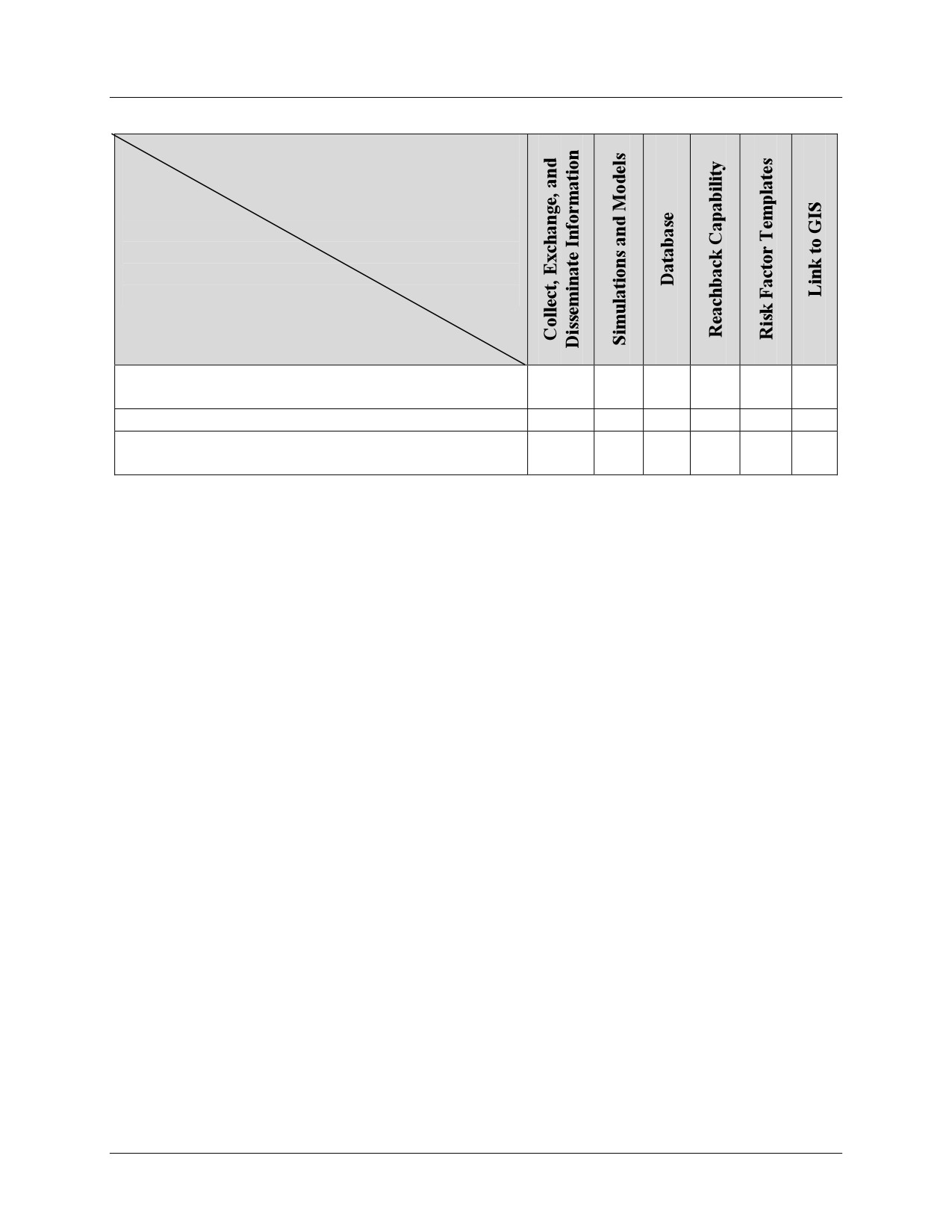
Table 9.19-4. TASHA 19: Materiel Approaches
Idea for Materiel Approach
Description
Collect, exchange, and
Develop a system that collects and analyzes CBRN
disseminate information
information and sensor input, generates, edits, and
disseminates NBC reports, including downwind-hazard plots,
and overlays and verify receipt of reports and plots.
Transmission of data uses existing communications nets.
Simulations and models
Develop a system enabling operational commanders to
efficiently execute “what if” scenarios and facilitate the
evaluation of plausible adversary and friendly COAs, CBRN
employment, and TIM ROTA.
Database
Develop a system for obtaining information, archiving data,
accessing databases, performing information/data queries, and
exchanging data files in support of CBRN functions and
activities.
Reachback capability
Develop a system providing the ability to rapidly and securely
reach back and contact CBRN experts and obtain CBRND
plans, procedures, information, and lessons learned.
Risk factor templates
Develop a system merging CBRN, intelligence, and
operational data and plans into standardized formats for
application to effectively and rapidly accomplish CBRN/TIM
functions and activities.
Link to GIS
Develop a system resident in standard C4ISR systems and
interface to GIS to provide input to the COP.
150
For Official Use Only
For Official Use Only
CBRND Functional Needs Analysis/Functional Solution Analysis
Chapter 9. Tactical Shape Tasks
Table 9.19-5. TASHA 19: IMA Assessment
Ideas for Material
Approaches
(IMA)
Identified Gaps
Absence of ability to automate detection and
X
X
warning reports.
Inadequate integration of emerging capabilities.
X
X
X
X
X
X
Inadequate integration of emergent C4ISR
X
X
X
X
X
X
capabilities.
151
For Official Use Only
For Official Use Only
CBRND Functional Needs Analysis/Functional Solution Analysis
Chapter 9. Tactical Shape Tasks
9.20
Task TASHA 20: Manage CBRN material resources to ensure effective CBRND
task accomplishment
9.20.1
Functional Area Analysis
9.20.1.1
Definition
This task encompasses the ability to ensure resources are available to effectively perform
CBRND tasks across command echelons and units, as well as in support of coalition units,
NGOs, and indigenous civil authorities. Resources managed include CBRN systems, items of
equipment, consumables, and supplies. Involves resource tracking to ensure the effective
allocation of CBRND systems equipment, supplies, and consumables throughout the operating
area. Also manages demand for transportation and maintenance support for CBRND systems.
9.20.1.2
Derivation
UJTL (TA 5, TA 5.2.1, TA 6.5, TA 7, TA 7.1), Protection Joint Functional Concept, Military
Transformation: A Strategic Approach, Sense and Respond Logistics: Co-Evolution of an
Adaptive Capability Document Concept, Sense and Respond CONOPs.
9.20.1.2.1
Supported Task: OPSHA 3
9.20.1.2.2
Lateral Task: TASHLD 8
9.20.1.2.3
Supporting Task: N/A
9.20.1.3
Condition
Perform this task under conditions of:
Physical. N/A
Military
1. Partial preexisting arrangements. (C2.1.1.2)
2. Limited personnel experience. (C2.2.4.5)
3. Low military systems reliability. (C2.2.5.3)
4. Some interoperability. (C2.2.6)
5. Partial joint staff integration. (C2.3.1.1)
6. Partial multinational integration. (C2.3.1.2)
7. Limited staff expertise. (C2.3.1.3)
8. Restricted information exchange. (C2.3.1.8)
9. High information volume. (C2.3.1.9)
10. Limited deployed supplies. (C2.8.2)
11. Limited CONUS resupply. (C2.8.3)
Civil. N/A
152
For Official Use Only
For Official Use Only
CBRND Functional Needs Analysis/Functional Solution Analysis
Chapter 9. Tactical Shape Tasks
9.20.2
Functional Needs Analysis
9.20.2.1
Capability and Deficiency Assessment Summary
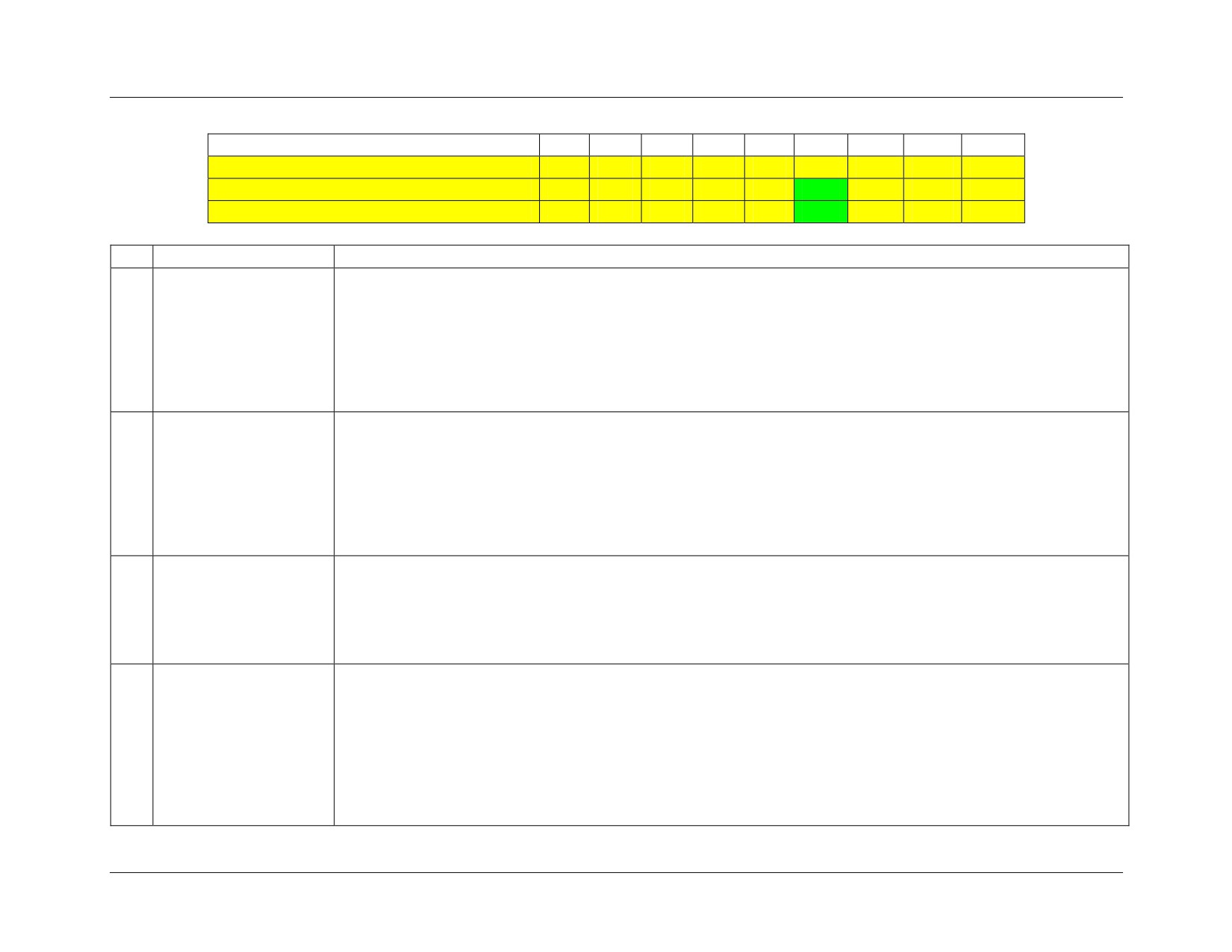
Table 9.20-1 discusses individual capabilities to perform this task to the designated standards.
U.S. forces have the capability to manage and maintain CBRND materiel resources (for U.S.
forces only) for short-term, moderate-intensity CBRND operation; they do not have the current
(or future) capability to ensure effective task accomplishment in high-intensity CBRND
operations or for coalition partners. The overall capability for current, near/mid, and far term are
rated “yellow.” Although improvements between the periods occur for specific capabilities and
are reflected in the associated identified values, the improved capabilities are not sufficient to
change the overall assessed color ratings for this task.
9.20.2.2
Overall Capability and Deficiency Assessment Summary
Table 9.20-2 shows the overall capabilities and deficiencies for this task.
Current Capability and Deficiency
The joint forces have limited capacity to provide and manage CBRN resources in a sustained
CBRND operation. Defense logistics processes and systems do exist to manage assets and
Service-specific processes and systems are incorporated. Current deficiencies include lack of
access to maintenance information; lack of supplies, equipment, and consumables to equip joint
forces for sustained high-intensity CBRND operations; lack of effective tools to determine COA;
insufficient and stove-piped systems track CBRND logistics items; and lack of integration of
CBRND logistics in the COP.
Projected Near/Mid-Term Capability and Deficiency
The DoD effort to standardize data structures and promote integration/interoperability will
provide increased opportunities for improvements in CBRND logistics management processes.
New DoD systems are expected to be in compliance with DISA standards and net-centric
capable, as appropriate during the current and near term for interoperability and net-centric
operations. Substantial upgrades to legacy systems are required to include DISA standards and
net-centric capabilities. Further, the mix of legacy and compliant systems will continue to require
the attentiveness and awareness of staffs to ensure effective collection, integration, and
dissemination of information until the legacy systems are either replaced or modified for
compliance. However, the current deficiencies remain and the potential opportunities afforded by
the DoD initiative and enhanced automation capabilities are not fully realized for CBRND.
Projected Far-Term Capability and Deficiency
All legacy systems are projected to either be in compliance with, or replaced by new systems that
are compliant with, DISA standards and fully support net-centric operations in the far term.
Otherwise, no change is projected for this task.
153
For Official Use Only
For Official Use Only
CBRND Functional Needs Analysis/Functional Solution Analysis
Chapter 9. Tactical Shape Tasks
Table 9.20-1. TASHA 20: Capability and Deficiency Assessment
Capability: Manage CBRN Resources
M1
M2
M3
M4
M5
M6
M7
M8
M9
Current Overall Capability
41
41
41
52
41
71
53
54
55
Near/Mid-Term Overall Capability
4
4
4
5
4
8
5
5
5
Far-Term Overall Capability
5
5
5
5
5
9
5
5
5
FAA Measure
Scale
M1
There is access to
8-10: Queriable, interoperable, and integrated logistics automated systems substantially or fully track and report availability
CBRND information for
and operational status of all CBRND assets—end items, consumables, and components—including maintenance, location,
maintenance.
condition, and manufacturer lot status data.
4-7: CBRND assets are tracked and reported using predominantly manual means, generally limited to aggregate information
(except possibly for selected end items).
1-3: CBRND asset information inadequate for determination of availability and status of material for support of operations.
0: CBRND asset information is not available for determination of availability and status of material for support of
operations.
M2
Tools and processes are
8-10: CBRND logistics management doctrine, policies, procedures, TTPs and supporting interoperable and integrated
available to manage
automated systems and tools exist, are in place, provide current and accurate information to the COP, and support effective
CBRND material
management of CBRND material.
resources.
4-7: General logistics doctrine, policies, procedures, TTPs, and supporting automated systems and manual processes exist,
are in place, support predominantly manual management of material, and can provide selected information on CBRND
material.
1-3: Logistics management processes are inadequate for CBRND material.
0: Logistics management processes are nonexistent for CBRND material.
M3
CBRND logistic tracking
8-10: CBRND logistics management doctrine, policies, procedures, TTPs, and supporting interoperable and integrated
system is sufficient.
automated systems exist, are in place, and provide current and accurate information to the COP for CBRND material.
4-7: General logistics doctrine, policies, procedures, TTPs, and supporting automated systems and manual processes exist,
are in place, and can provide selected information on CBRND material.
1-3: Logistics management processes are inadequate for monitoring CBRND material.
0: Logistics management processes are nonexistent for CBRND material.
M4
Sufficient replacement
8-10: Adequate replacements end items, components, and consumables are available to rapidly support operations.
systems are available.
Replenishment is sufficient to maintain stocks and support routine and operational requirements.
4-7: Replacement end items, components, and consumables are available to support operations. Systems may be drawn
from noncommitted operational units and stocks to meet operational needs. Replenishment is sufficient to meet operational
requirements.
1-3: Replacement systems, components, and/or consumables are available in inadequate numbers exist to support
operations, and/or replenishment is inadequate to effectively support operational requirements.
0: Replacement systems, components, and/or consumables are not available and/or replenishment cannot support operational
requirements.
154
For Official Use Only
For Official Use Only
CBRND Functional Needs Analysis/Functional Solution Analysis
Chapter 9. Tactical Shape Tasks
M5
Appropriate CBRND
8-10: CBRND logistics management doctrine, policies, procedures, TTPs, and supporting interoperable and integrated
logistics management
automated systems exist, are in place, and provide current and accurate information to the COP for CBRND material.
processes are in place.
4-7: General logistics doctrine, policies, procedures, TTPs, and supporting automated systems and manual processes exist,
are in place, and can provide selected information on CBRND material.
1-3: Logistics management processes are inadequate for CBRND material.
0: Logistics management processes are nonexistent for CBRND material.
M6
Analytical tools are used
8-10: Automated logistics systems substantially or fully perform analytical processing of CBRND material data to assess
to assess logistics demand
logistical demands for plausible COAs.
for COA results.
4-7: Analytical process for the assessment of plausible CBRND material impacts upon COAs is performed predominantly
using manual means, is limited to available trained resources, and the quality and currency of the assessed data.
1-3: Inadequate capability to perform CBRND material assessments for the evaluation of plausible COAs.
0: Nonexistent capability to perform CBRND material assessments for the evaluation of plausible COAs.
M7
Units are fully equipped
8-10: Units are equipped with necessary CBRND materials and assets in the quantities and types to effectively conduct
for CBRND operations.
sustained operations and maintain OPTEMPO within a CBRN/TIM hazard environment.
4-7: Units are equipped with necessary CBRND material and assets in adequate quantities to conduct operations within a
CBRN/TIM hazard environment.
1-3: Units are inadequately equipped with sufficient types or quantities of CBRND material and assets to conduct
operations within a CBRN/TIM hazard environment.
0: Units are not equipped with types or quantities of CBRND material and assets for operations within a CBRN/TIM hazard
environment.
M8
CBRND resources are
8-10: Adequate replacements end items, components, and consumables are available to rapidly support operations.
limited or not employed
Replenishment is sufficient to maintain stocks and support routine and operational requirements.
due to insufficient/lack of
4-7: Replacement end items, components, and consumables are available to support operations. Systems may be drawn
supporting consumables
from noncommitted operational units and stocks to meet operational needs. Replenishment is sufficient to meet operational
requirements.
1-3: Replacement systems, components, and/or consumables are inadequate in numbers to support operations, and/or
replenishment is inadequate to support operational requirements.
0: Replacement systems, components, and/or consumables are not available and/or replenishment cannot support operational
requirements.
M9
There is effective
8-10: DOTLPF exists and is adequate for this task. Task can be effectively performed with little or no direct impact upon
DOTLPF in place to
operations
conduct task.
4-7: Most critical aspects of DOTLPF for this task are addressed. Task can be performed with limitations requiring work-
arounds.
1-3: DOTLPF is inadequate for accomplishment of this task.
0: DOTLPF does not exist for this task.
1 Stovepiped Service logistics systems exist for maintenance, stocks, transport, and requisitioning. However, these systems are not interoperable and integrated. Predominantly
manual means are applied to obtain and aggregate information, generally using manual reporting processes. General logistics DOTLPF are in place and support manual processes.
However, the information is not integrated into the COP for awareness and for rapid or immediate COA decisioning support. Assessment processes and integration into COA
development is generally performed manually. The effectiveness of CBRND logistics management is dependent upon the experience, skill, knowledge, and training of the assigned
155
For Official Use Only
For Official Use Only
CBRND Functional Needs Analysis/Functional Solution Analysis
Chapter 9. Tactical Shape Tasks
staff personnel and the quality and accuracy of the base information and varies between staffs. Net-centric operations and DISA data standards address interoperability and the
interchange of information among DoD systems and elements. DoD systems are expected to be increasingly in compliance with the DISA standards and net-centric capable, as
appropriate, during the mid term. New DoD systems are currently required to be in compliance with DISA standards and net-centric capable when fielded. All remaining legacy
systems are projected to either be replaced by, or be fully compliant with, DISA standards and net-centric capable in the far term. Interoperability with coalition partners, especially
non-NATO partners, may be a continuing issue requiring maintenance of attentiveness and awareness by the responsible centers. The programmed initial fielding of JOEF and
JEM in the mid term, with fielding completed early in the far-term, provides the staff with tools to identify and assess COAs supporting the effective allocation of CBRND
resources. However, the process will remain unchanged.
2 CBRND equipment, systems, and types are available in sufficient quantities to support JTF operations in a CBRN environment, provided there do not exist conflicting demands
to support multiple concurrent operations with CBRN threat. A number of CBRND assets are low-density items and may require transfer from nonparticipating units to meet JTF
requirements. Further, the majority of the types of systems do not adequately support sustained operations and require infusion of increased CBRND resources to maintain
OPTEMPO. For example, COLPRO systems are generally large-scale systems, limited in number, and do not adequately support expeditionary and high-maneuver operations,
particularly in austere environments at the extremes of the lines of communication. Currently, replacement must be drawn from other deployable, but untasked, units. JECP is
programmed to field in the mid term and will provide COLPRO flexibility to support most operations and situations. Replenishment of depot supporting stocks of systems,
components, and consumables are largely dependent upon manufacturer production surge capacities and available production line capacities. Often, assets are manufactured under
sole source contracts, may contain proprietary materials/processes, and the asset or critical components may be produced outside of the United States. Further, asset
replacement/replenishment is dependent upon planning, available logistical transport resources, assigned priority in relation to other mission-critical assets, and the location and
status of the needed asset. DOTLPF provides for the acquisition and maintenance of war reserve materiel (WRM) stocks to meet projected operational requirements. However,
funding of WRM acquisitions and levels maintenance are performed by the Services and generally addressed after other operational requirements are satisfied. Funding of WRM
stocks of CBRND assets are not forecasted by the Services due to changing operational requirements and is performed on annually based upon available funds. Availability of
systems is further complicated in circumstances involving non-CBRND equipped partner forces, increasing demand upon available systems for initial and replacement support.
Other CBRND-capable partners may offset initial CBRND system requirements, but replacement and support of partner-provided assets requires close coordination and
cooperation between the JTF and the providing partner.
3 Limited availability of selected types and specific systems does not permit the allocation of these resources to all units possessing planned operational taskings. A number of
CBRND assets are low density and inadequate to support multiple operations involving a threat. Planners consider the availability of CBRND resources, threat, risks, and projected
operational requirements to identify CBRND requirements. Determination of the mix of systems is performed by the planners based upon this logistical information. Adjustments
are accomplished upon implementation of plans and as needed during operations to provide adequate quantities and types of CBRND materials for support of CBRN operations.
However, planning and CBRND assets do not adequately support sustained operations within a CBRN/TIM operations.
4 CBRND equipment, systems, and types are available in sufficient quantities to support JTF operations in a CBRN environment, provided there do not exist conflicting demands to
support multiple concurrent operations with CBRN threat. A number of CBRND assets are low-density items and may require transfer from nonparticipating units to meet JTF
requirements. Further, the majority of the types of systems do not adequately support sustained operations and require infusion of increased CBRND resources to maintain OPTEMPO.
For example, COLPRO systems are generally large-scale systems, limited in number, and do not adequately support expeditionary and high-maneuver operations, particularly in austere
environments at the extremes of the lines of communication. Currently, replacement must be drawn from other deployable, but untasked, units. JECP is programmed to field in the mid
term and will provide COLPRO flexibility to support most operations and situations. Replenishment of depot supporting stocks of systems, components, and consumables are largely
dependent upon manufacturer production surge capacities and available production line capacities. Often, assets are manufactured under sole source contracts and may contain
proprietary materials/processes and the asset or critical components may be produced outside of the United States. Further, asset replacement/replenishment is dependent upon planning,
available logistical transport resources, assigned priority in relation to other mission-critical assets, and the location and status of the needed asset. DOTLPF provides for the acquisition
and maintenance of WRM stocks to meet projected operational requirements. However, funding of WRM acquisitions and levels maintenance are performed by the Services and
generally addressed after other operational requirements are satisfied. Funding of WRM stocks of CBRND assets are not forecasted by the Services due to changing operational
requirements and is performed on an annually based upon available funds. Availability of systems is further complicated in circumstances involving non-CBRND equipped partner
forces, increasing demand upon available systems for initial and replacement support. Other CBRND-capable partners may offset initial CBRND system requirements, but replacement
and support of partner-provided assets requires close coordination and cooperation between the JTF and the providing partner.
5 Existing DOTLPF adequately addresses the performance of this task although predominantly using manual means. DOTLPF requires improvement to sufficiently address areas
increasingly important for the transformed force and the changing operational environment. DOTLPF will continue to need to evolve as systems, tactics, and situations change.
156
For Official Use Only
For Official Use Only
CBRND Functional Needs Analysis/Functional Solution Analysis
Chapter 9. Tactical Shape Tasks
9.20.3
Functional Solution Analysis
9.20.3.1
DOTLPF Assessment Summary
This section addresses the deficiencies and suggests potential non-materiel solutions. If there are
no non-materiel solutions or they are only partial solutions, the remaining non-materiel need is
then stated. Materiel needs are assessed in the IMA section.
1. Deficiency: Inadequate access to maintenance information.
Partial Non-Material Solutions: Doctrine: Doctrine and TTPs are required for emergent
access to maintenance information. Training: Training programs are required to ensure
personnel know-how to access information.
2. Deficiency: Inadequate ability to query and apply automated logistics information for
CBRND.
Partial Non-Material Solutions: Doctrine: Develop doctrine, policy, and TTPs
incorporating CBRND into logistics information processes. Training: Ensure CBRN staff
cell receive initial and recurring training on accessing automated logistics information
systems and processing information.
3. Deficiency: Inadequate integration of emergent capabilities and systems.
Partial Non-Material Solutions: Doctrine: Doctrine and TTPs need to evolve relevant to
emerging capability. Training: Ensure training programs are available for the effective use of
emergent resource management systems.
9.20.3.2
IMA Assessment Summary
Table 9.20-4 is a list of ideas for material approaches and a corresponding description of each
idea. In addition to the material approaches involving data access, modeling and automated tools,
this task also brings in the need for interfacing with logistical data to determine the current status
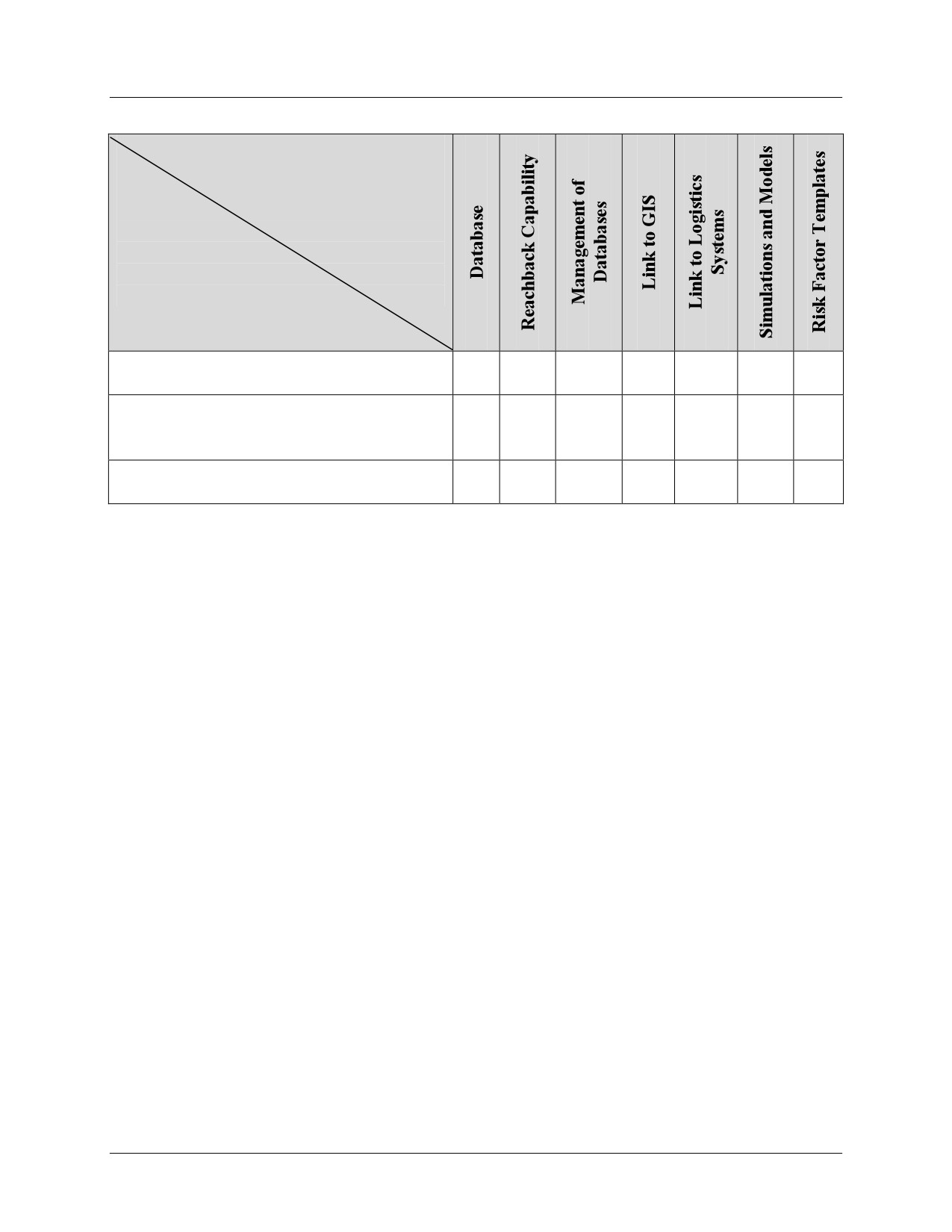
of CBRND equipment down to unit level. Table 9.20-5 identifies which of the material
approaches might address specific materiel deficiencies identified in the DOTMLPF assessment.
157
For Official Use Only
For Official Use Only
CBRND Functional Needs Analysis/Functional Solution Analysis
Chapter 9. Tactical Shape Tasks
Table 9.20-4. TASHA 20: Materiel Approaches
Idea for Materiel Approach
Description
Database
Develop a system for obtaining information, archiving data,
accessing databases, performing information/data queries, and
exchanging data files in support of CBRN functions and
activities.
Reachback capability
Develop a system providing the ability to rapidly and securely
reach back and contact CBRN experts and obtain CBRND
plans, procedures, information, and lessons learned.
Management of databases
Develop a system to link and manage the accuracy, adequacy,
and availability of CBRND information databases. Includes
access management, content control, and the conduct of data
set management. Also includes process to identify database
actions such as consolidation of similar databases,
establishment of new databases, archiving of obsolete
databases, etc.
Link to GIS
Develop a system resident in standard C4ISR systems and
interface with GIS to provide input to the COP.
Link to logistics systems
Develop an automated interface that tracks CBRND supplies
and equipment and their status and condition through existing
DoD logistics systems.
Simulations and models
Develop a system enabling operational commanders to
efficiently execute “what if” scenarios and facilitate the
evaluation of plausible adversary and friendly COAs, CBRN
employment, and TIM ROTA.
Risk factor templates
Develop a system merging CBRN, intelligence, and
operational data and plans into standardized automated
formats for application to effectively and rapidly accomplish
CBRN/TIM functions and activities.
158
For Official Use Only
For Official Use Only
CBRND Functional Needs Analysis/Functional Solution Analysis
Chapter 9. Tactical Shape Tasks
Table 9.20-5. TASHA 20: IMA Assessment
Ideas for Material
Approaches
(IMA)
Identified Gaps
Inadequate access to maintenance
X
X
X
X
X
information
Inadequate ability to query and apply
automated logistics information for
X
X
X
X
X
CBRND
Inadequate integration of emergent
X
X
X
capabilities and systems
159
For Official Use Only
For Official Use Only
CBRND Functional Needs Analysis/Functional Solution Analysis
Chapter 9. Tactical Shape Tasks
9.21
Task TASHA 21: Conduct immediate or local battlespace CBRN/TIM incident
COA assessment for maneuvering forces
9.21.1
Functional Area Analysis
9.21.1.1
Definition
Includes immediate or local CBRN/TIM incident COA assessment for maneuvering forces. Also
includes evaluating adversary COAs against maneuver force vulnerabilities and COAs for
maneuvering forces response. This considers all aspects of Shield, Shape, Sense, and Sustain
operational elements. As part of the process, tactical end states are envisioned for sustained
operation while enduring CBRN attacks.
9.21.1.2
Derivation
UJTL (TA 2.4, TA 5, TA 5.2.1, TA 6.5, TA 7, TA 7.1), Protection Joint Functional Concept,
Military Transformation: A Strategic Approach.
9.21.1.2.1
Supported Task: OPSHA 6
9.21.1.2.2
Lateral Task: N/A
9.21.1.2.3
Supporting Task: N/A
9.21.1.3
Condition
Perform this task under conditions of:
Physical
1. Moderately developed land. (C1.1)
2. Major storm weather systems. (C1.3.1.2)
3. Precipitating weather. (C1.3.1.3)
4. Strong atmospheric weapons effects. (C1.3.3)
Military
1. Limited modern military systems. (C2.2.5)
2. Partial joint staff integration. (C 2.3.1.1)
3. Limited staff expertise. (C2.3.1.3)
4. Restricted information exchange. (C2.3.1.8)
5. High information volume. (C2.3.1.9)
6. Low certitude of data. (C2.4.6)
Civil. N/A
160
For Official Use Only
For Official Use Only
CBRND Functional Needs Analysis/Functional Solution Analysis
Chapter 9. Tactical Shape Tasks
9.21.2
Functional Needs Analysis
9.21.2.1
Capability and Deficiency Assessment Summary
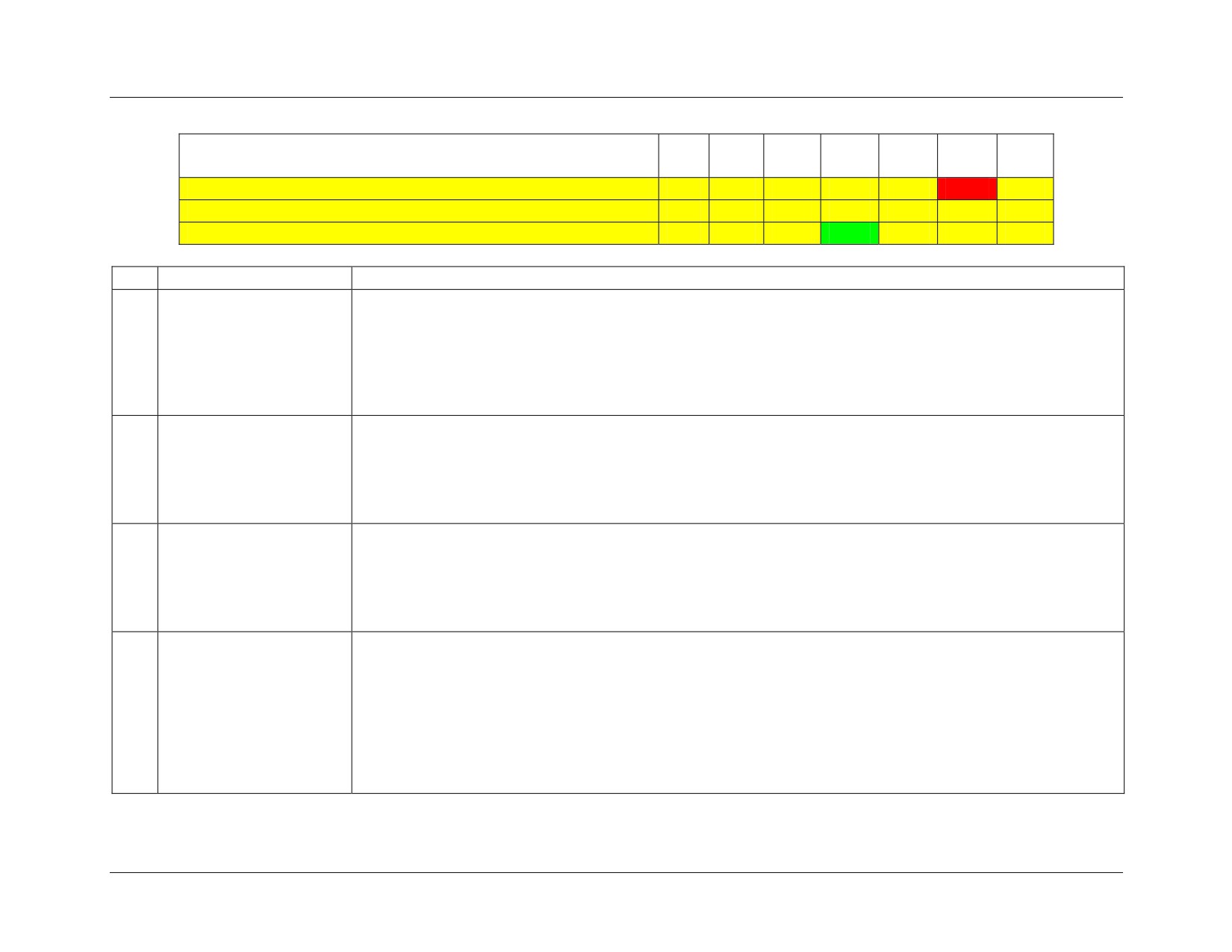
Table 9.21-1 discusses individual capabilities to perform this task to the designated standards.
The current capability to conduct CBRN/TIM incident COA assessment for maneuvering forces
is a manual process (essentially ATP-45 and map overlays), augmented with limited automated
tools that work in isolation and are not part of the COP. The overall capability for current,
near/mid, and far term are rated “yellow.” Although improvements between the periods occur for
specific capabilities and are reflected in the associated identified values, the improved
capabilities are not sufficient to change the overall assessed color ratings for this task.
Current Capability and Deficiency
Staffs and units have the capability to account for all Sense, Shape, Shield, and Sustain factors in
manual and mental processes. CBRND resource information is not included in the COP, and
there is a limited capability to share local information between adjacent units. Current
deficiencies include limited decision and assessment tools, lack of automated processes, lack of
capability to account for resources, lack of collaborative capability, the inability for agent/release
characterization at lower unit levels, and lack of CBRN resource visibility in the COP.
Projected Near/Mid-Term Capability and Deficiency
The programmed initial deployment of JWARN, JOEF, and JEM during the mid term provides
enhanced staff capability to effectively and rapidly assess CBRN events and to conduct COA
assessment. The DoD effort to standardize data structures and promote integration/
interoperability will provide increased opportunities for improvements in CBRND logistics
management processes. Developmental “born joint” DoD information systems will be compliant
with the four elements of the NR-KPP, ensuring interoperability, information assurance,
integration to the appropriate community of interest, as well as GIG architecture. Substantial
upgrades to legacy systems are required to include DISA standards and net-centric capabilities.
Further, the mix of legacy and compliant systems will continue to require the attentiveness and
awareness of staffs to ensure effective collection, integration, and dissemination of information
until the legacy systems are either replaced or modified for compliance. However, the current
deficiencies remain and the potential opportunities afforded by the DoD initiative and enhanced
automation capabilities are not fully realized for CBRND.
Projected Far-Term Capability and Deficiency
The completion of deployment of JWARN, JOEF, and JEM is expected during the early far term.
All legacy systems are projected to either be in compliance with, or replaced by new systems that
are compliant with, DISA standards and fully support net-centric operations in the far term.
Otherwise, no change projected for this task.
161
For Official Use Only
For Official Use Only
CBRND Functional Needs Analysis/Functional Solution Analysis
Chapter 9. Tactical Shape Tasks
Table 9.21-1. TASHA 21: Capability and Deficiency Assessment
Capability: Immediate or Local Battlespace CBRN/TIM
M1
M2
M3
M4
M5
M6
M7
Incident COA Assessment for Maneuvering Forces
Current Overall Capability
61
52
53
64
45
36
57
Near/Mid-Term Overall Capability
6
5
5
7
4
4
5
Far-Term Overall Capability
7
5
5
8
5
7
5
FAA Measure
Scale
M1
Assessment is conducted
8-10: Electronic collaborative workspaces with automated tools exist and are predominantly applied for evaluation,
collaboratively.
assessment, planning, and decisioning processes.
4-7: Manual collaborative processes are predominantly applied for the evaluation, assessment, planning, and decisioning
processes.
1-3: Collaborative processes are inadequate for the conduct of evaluation, assessment, planning, and decisioning
processes.
0: Collaborative processes do not exist for the conduct of evaluation, assessment, planning, and decisioning processes.
M2
Operational and
8-10: All intelligence, operations, and CBRN staff personnel are formally trained and receive recurring refresher
analytical/planning staffs
training on the conduct of CBRN COA assessment for event response.
have the training and
4-7: Limited training is provided, is inconsistent, and/or is administered in preparation for operations to intelligence,
experience to effectively
operations, and CBRN cell specialists for the processing and conduct of CBRN event response COA assessment.
assess CBRN event
1-3: Adversary CBRN event response COA assessment training is inadequate to support operations.
response COAs.
0: Adversary CBRN event response COA assessment training is nonexistent.
M3
There are sufficient doctrine
8-10: Doctrine, policies, procedures, and TTPs are adequate for effective assessments and are actively revised to exploit
and TTPs for effective
current, emerging, and projected technologies and changes to tactics, systems, capabilities, and situations.
assessments.
4-7: Doctrine, policies, procedures, and TTPs for assessment exist but are predominantly manual and are periodically
revised to exploit technologies and operational changes.
1-3: Doctrine, policies, procedures, and TTPs are inadequate for effective assessments.
0: Doctrine, policies, procedures, and TTPs are nonexistent for effective assessments.
M4
All pertinent Sense, Shape,
8-10: Automated processes, templates, and collaborative spaces ensure all relevant issues and needs are addressed. Staff
Shield, and Sustain factors
and CBRN specialists are highly trained, knowledgeable, and possess access to needed reference material and impacting
are considered.
information.
4-7: Manual processes are predominantly applied to address pertinent CBRND issues and are dependent upon the
training, skill, experience, and knowledge of staff participants.
1-3: Processes are inadequate for the identification and planning of pertinent CBRND issues, and/or staff and/or CBRN
specialist participants do not possess adequate training, skill, experience, and knowledge to adequately perform the task.
0: Processes do not exist for the identification and planning of pertinent CBRND issues, and/or staff and/or CBRN
specialist participants do not possess training, skill, experience, and knowledge to perform the task.
162
For Official Use Only
For Official Use Only
CBRND Functional Needs Analysis/Functional Solution Analysis
Chapter 9. Tactical Shape Tasks
M5
CBRND resources location,
8-10: CBRND logistics management doctrine, policies, procedures, TTPs, and supporting interoperable and integrated
status, and availability
automated systems and tools exist, are in place, provide current and accurate information to the COP, and support
displayed by COP.
effective management of CBRND material.
4-7: General logistics doctrine, policies, procedures, TTPs and supporting automated systems and manual processes
exist, are in place, support predominantly manual management of material, and can provide selected information on
CBRND material. Placement on the COP, when performed, is by manual entry.
1-3: Logistics management processes are inadequate for CBRND material.
0: Logistics management processes are nonexistent for CBRND material.
M6
Accurate local data are
8-10: Micrometeorology, microterrain, unit element locations, and CBRN detection and characterization data are
available.
available, accurate, and effectively applied to microlevel hazard prediction using automated systems and tools. Data are
correlated and processed to identify and characterize the hazard and the results are posted on the COP in near-real time.
4-7: Meso-/macrometeorological and terrain, unit locations, and CBRN detection and characterization data are available,
accurate, and adequately applied to meso-/macrolevel hazard prediction. Data is correlated and processed predominantly
using manual means to identify and characterize the hazard. Input to the COP is usually performed manually.
1-3: Meteorology, terrain, unit location, and/or CBRN detection and characterization data are inadequate to support
operations.
0: Meteorology, terrain, unit location, and/or CBRN detection and characterization data are nonexistent.
M7
There is effective DOTLPF
8-10: DOTLPF exists and is adequate for this task. Task can be effectively performed with little or no direct impact
in place to conduct task.
upon operations.
4-7: Most critical aspects of DOTLPF for this task are addressed. Task can be performed with limitations requiring
work-arounds.
1-3: DOTLPF is inadequate for accomplishment of this task.
0: DOTLPF does not exist for this task.
1 Assessments currently require collaboration using traditional means such as telephone calls, personal visits, mail routing, e-mail, and other similar means. There is an absence of
electronic collaborative workspaces within which differing functions and activities are able to cooperatively assist the evaluation, assessment, planning, and decisioning process
without time delay and the need for physical presence. Automated tools could effectively enhance and be enhanced by these electronic rooms. Collaborative workspaces support
net-centric operations. These workspaces are inevitable and a natural progression with the increasing utility of automation and information sharing.
2 Limited training is provided to intelligence, operations, and CBRN cell specialists for the processing and conduct of CBRN incident COA development and assessment.
Consistent formal and refresher training on immediate or local battlefield CBRN incident COA development and assessment is not regularly and routinely performed. Limited
routine training is provided and often is not focused until preparation for operations. The fielding of JEM and JOEF provide capability to refine cell specialist skills as part of local
training and exercising/evaluations. Initial fielding of JEM and JOEF is projected for mid term with completion of fielding in the early far term. However, supporting and requiring
DOTLPF is necessary to ensure attainment and maintenance of capability.
3 Doctrine, policies, procedures, and TTPs exist and are sufficient for the manual performance of effective CBRN incident assessment. This is not true for current, emerging, and
projected automated and simulated based assessment tools. Doctrine, policies, procedures, and TTPs must evolve to accommodate changes in tactics, systems, capabilities, and
situations.
4 Manual processes exist and are applied by staff and NBC specialists. However, the breadth and depth of planning and consideration of CBRND issues is dependent upon the
knowledge, skills, and experience of the participants in the process. The projected initial fielding of JEM and JOEF, with fielding completed in the early far term, provides
enhanced automated capabilities to conduct COA development and determination of supporting resource allocations for CBRND.
5 Stovepiped Service logistics systems exist for maintenance, stocks, transport, and requisitioning. However, these systems are not interoperable and integrated. Predominantly
manual means are applied to obtain and aggregate information, generally using manual reporting processes. General logistics DOTLPF are in place and support manual processes.
However, the information is not integrated into the COP for awareness and for rapid or immediate COA decisioning support. CBRN units are identified and tracked at the unit
163
For Official Use Only
For Official Use Only
CBRND Functional Needs Analysis/Functional Solution Analysis
Chapter 9. Tactical Shape Tasks
level. The specific status of the unit, to include available resources, is current as of the last report by the unit. Assessment processes and integration into COA development is
generally performed manually. The effectiveness of CBRND logistics management is dependent upon the experience, skill, knowledge, and training of the assigned staff
personnel, quality and accuracy of the base information, and varies between staffs. Net-centric operations and DISA data standards address interoperability and the interchange of
information among DoD systems and elements. DoD systems are expected to be increasingly in compliance with the DISA standards and net-centric capable, as appropriate,
during the mid term. New DoD systems are currently required to be in compliance with DISA standards and net-centric capable when fielded. All remaining legacy systems are
projected to either be replaced by, or be fully compliant with, DISA standards and net-centric capable in the far term. Interoperability with coalition partners, especially non-NATO
partners, may be a continuing issue requiring maintenance of attentiveness and awareness by the responsible centers. The programmed initial fielding of JOEF and JEM in the mid
term provides the staff with tools to identify and assess COAs supporting the effective allocation of CBRND resources. However, the process will remain unchanged. Completed
fielding of JEM and JOEF is expected in the early far term.
6 Current DOTLPF and available limited automated systems fielded with operational units is inadequate to perform micro-level data assimilation and display. Micro-level data,
when available, is at greater depth of detail than required by the current standard ATP process. Hazard identification, characterization, and hazard impacts are conducted at the
meso-/macrolevel and are consistent with ATP-45 processes. The ATP-45 process broadly applies the information without consideration of changes in terrain and meteorology at
dispersed unit locations. The ATP-45 process is inadequate to meet needs in urban or complex terrain. The initial mid-term fielding of JWARN, JOEF, and JEM will expand data
collection, assessment, and display capabilities. Data will be accessed on a continuing basis and processed information updated. Completion of the fielding of JWARN, JOEF, and
JEM is expected in the early far term.
7 Existing DOTLPF adequately addresses the performance of this task although predominantly using manual means. DOTLPF requires improvement to sufficiently address areas
increasingly important for the transformed force and the changing operational environment. DOTLPF will continue to need to evolve as systems, tactics, and situations change.
164
For Official Use Only
For Official Use Only
CBRND Functional Needs Analysis/Functional Solution Analysis
Chapter 9. Tactical Shape Tasks
9.21.3
Functional Solution Analysis
9.21.3.1
DOTLPF Assessment Summary
This section addresses the deficiencies and suggests potential non-materiel solutions. If there are
no non-materiel solutions or they are only partial solutions, the remaining non-materiel need is
then stated. Materiel needs are assessed in the IMA section.
1.
Deficiency: Absence of COA tool for CBRN incident impact.
Partial Non-Material Solutions: Training: Develop training programs that encompass and
support operational application of emergent assessment tools.
2.
Deficiency: Lack of collaborative capability available to CBRND staff cells and specialists.
Partial Non-Material Solutions: Doctrine: Enhance doctrine and TTPs to support active
collaboration among the joint forces and coalition partners. Training: Develop training,
exercises, and evaluations supporting and challenging collaborative processes among
involved forces.
3.
Deficiency: Lack of advanced training programs for automated tools
Non-Material Solutions: Training: Implement training programs for staff members on
collaborative assessment processes.
4.
Deficiency: Inadequate doctrine and TTPs accounting for emergent JWARN and JEM
capability.
Non-Material Solutions: Doctrine: Expand doctrine and TTPs to address the application of
advanced assessment tools.
5.
Deficiency: Lack of characterization capability at the unit level.
Partial Non-Material Solutions: Organization: Make provision for sensors at the unit level.
Training: Establish training programs for the effective local level use of sensors.
9.21.3.2
IMA Assessment Summary
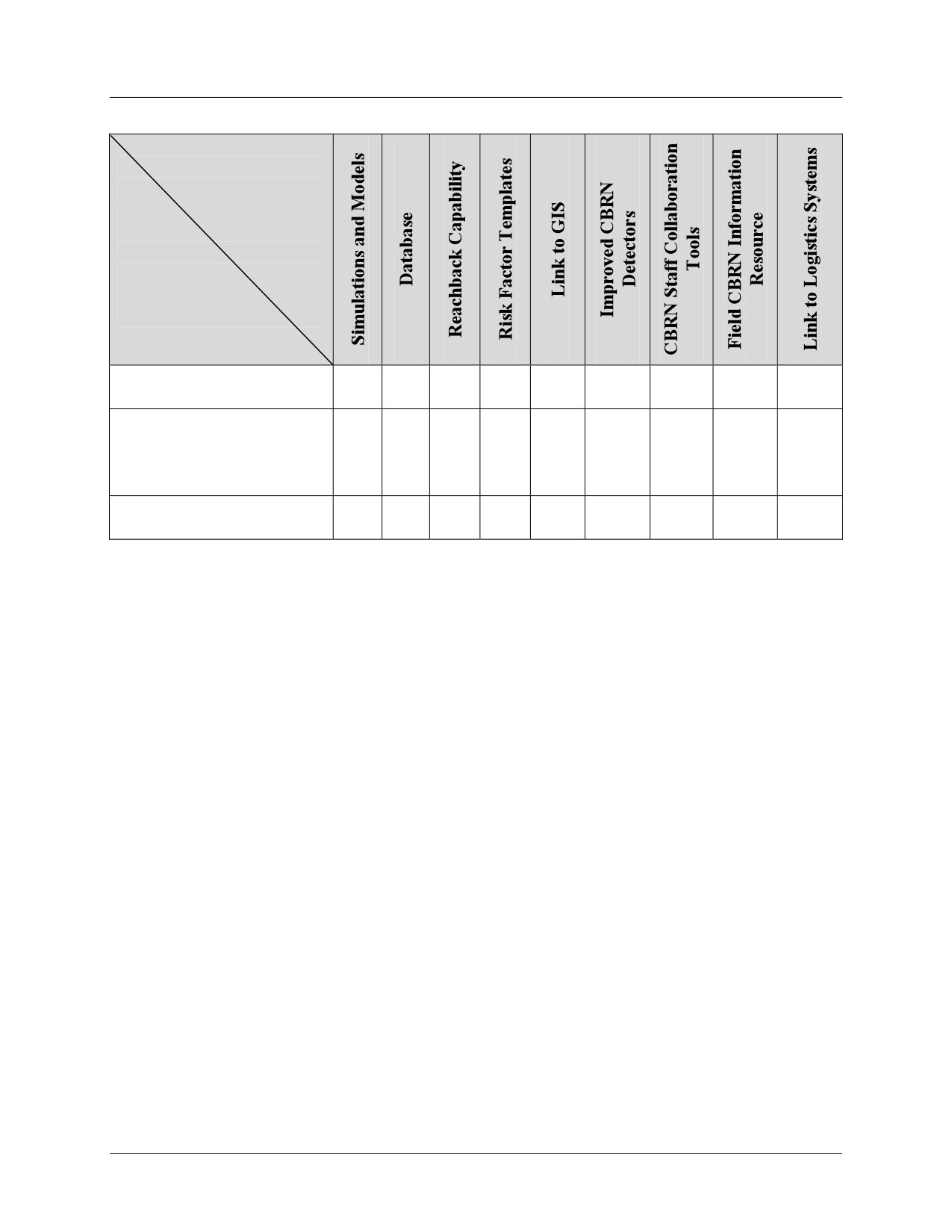
Table 9.21-4 is a list of ideas for material approaches and a corresponding description of each
idea. Simulations and models, data reachback capability, links to GIS, improved sensors and
tables and templates are all material approaches to accomplish this task. Table 9.21-5 identifies
which of the material approaches might address specific materiel deficiencies identified in the
DOTMLPF assessment.
165
For Official Use Only
For Official Use Only
CBRND Functional Needs Analysis/Functional Solution Analysis
Chapter 9. Tactical Shape Tasks
Table 9.21-4. TASHA 21: Materiel Approaches
Idea for Materiel Approach
Description
Simulations and models
Develop a system enabling operational commanders to
efficiently execute “what if” scenarios and facilitate the
evaluation of plausible adversary and friendly COAs, CBRN
employment, and TIM ROTA.
Database
Develop a system for obtaining information, archiving data,
accessing databases, performing information/data queries, and
exchanging data files in support of CBRN functions and
activities.
Reachback capability
Develop a system providing the ability to rapidly and securely
reach back and contact CBRN experts and obtain CBRND
plans, procedures, information, and lessons learned.
Risk factor templates
Develop a system merging CBRN, intelligence, and
operational data and plans into standardized automated formats
for application to effectively and rapidly accomplish
CBRN/TIM functions and activities.
Link to GIS
Develop a system resident in standard C4ISR systems and
interface with GIS to provide input to the COP.
Improved CBRN detectors
Ensure current and future detector programs quickly identify,
quantify and disseminate detected CBR/TIM agent events.
CBRN staff collaboration
Develop automated system among and between CBRND
tools
specialists and other functions (e.g., operations, logistics) to
allow collaboration between these functional areas and link to
the COP.
Field CBRN information
Develop a field resource system that will provide and search
resource
archived information for CBRN/TIM agents, effects,
treatments, etc.
Link to logistics systems
Develop an automated interface that tracks CBRND supplies
and equipment and their status and condition through existing
DoD logistics systems.
166
For Official Use Only
For Official Use Only
CBRND Functional Needs Analysis/Functional Solution Analysis
Chapter 9. Tactical Shape Tasks
Table 9.21-5. TASHA 21: IMA Assessment
Ideas for Material
Approaches
(IMA)
Identified Gaps
Absence of COA tool for
X
X
X
X
X
X
X
CBRN incident impact.
Lack of collaborative
capability available to the
X
X
X
X
X
X
CBRND staff cells and
specialists.
Lack of characterization
X
X
X
capability at the unit level.
167
For Official Use Only
For Official Use Only
CBRND Functional Needs Analysis/Functional Solution Analysis
Chapter 9. Tactical Shape Tasks
9.22
Task TASHA 22: Provide CBRN attack or TIM release impact assessment
throughout the local or immediate battlespace
9.22.1
Functional Area Analysis
9.22.1.1
Definition
The impact assessments are made by unit and command staffs as rapidly as possible. Access to
local meteorology data and environmental conditions are essential to the assessment process.
Assessments are time-phased over the predicted hazards fate. Addresses impacts to personnel,
casualties, operations, terrain, equipment, and fixed, as well as, mobile forces. This assessment
of the CBRN/TIM hazard impact is combined with other assessments of the situation to enable a
complete combat risk assessment by the commander. As part of the process, tactical end states
are envisioned for sustained operations, while enduring CBRN attacks.
9.22.1.2
Derivation
UJTL (TA 5, TA 5.2.1, TA 6.5, TA 7, TA 7.1), Protection Joint Functional Concept, Military
Transformation: A Strategic Approach.
9.22.1.2.1
Supported Task: OPSHA 12
9.22.1.2.2
Lateral Task: N/A
9.22.1.2.3
Supporting Task: N/A
9.22.1.3
Condition
Perform this task under conditions of:
Physical
1. Moderately developed land. (C1.1)
2. Induced air. (C1.3)
3. Temperate climate. (C1.3.1)
4. Strong atmospheric weapons effects. (C1.3.3)
Military
1. Limited modern military systems. (C2.2.5)
2. Partial joint staff integration. (C2.3.1.1)
3. Limited staff expertise. (C2.3.1.3)
4. Restricted information exchange. (C2.3.1.8)
5. High information volume. (C2.3.1.9)
6. Low certitude of data. (C2.4.6)
Civil. N/A
168
For Official Use Only
For Official Use Only
CBRND Functional Needs Analysis/Functional Solution Analysis
Chapter 9. Tactical Shape Tasks
9.22.2
Functional Needs Analysis
9.22.2.1
Capability and Deficiency Assessment Summary
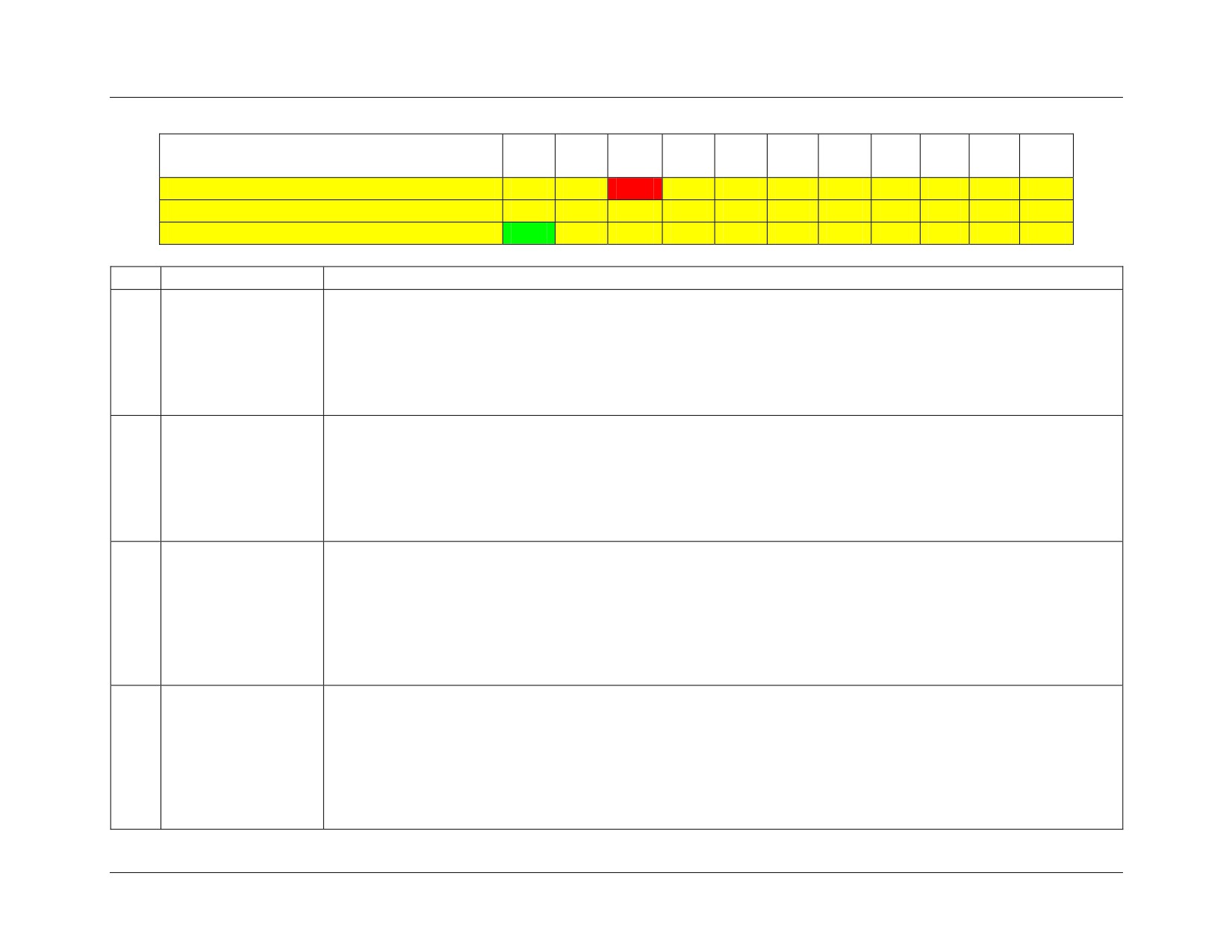
Table 9.22-1 discusses individual capabilities to perform this task to the designated standards.
The capability includes the current manual method of preparing and distributing impact
assessments in the present and the mid- to far-term fielding of JWARN, JEM, and JOEF to meet
the identified standards. The overall capability for current, near/mid, and far term are rated
“yellow.” Although improvements between the periods occur for specific capabilities and are
reflected in the associated identified values, the improved capabilities are not sufficient to change
the overall assessed color ratings for this task.
Current Capability and Deficiency
Limited manual, nonnetworked capability exists to assess impacts of CBRN attack or TIM
release. Current deficiencies include limited automation, constrained archival capabilities, and
lack of sophisticated assessment tools.
Projected Near/Mid-Term Capability and Deficiency
JWARN, in conjunction with JEM and JEOF, will provide substantial improvement in the area.
JWARN, JEM, and JOEF are projected for initial deployment during the mid term. However, the
limitation to ATP-45 information and processes restricts the systems to the meso-/macrolevel of
assessment and modeling. Coalition partners are not certain to possess sufficient automated
capabilities to exchange, integrate, and process CBRND information.
Projected Far-Term Capability and Deficiency
Completion of deployment of JWARN, JOEF, and JEM is expected in the early far term.
Otherwise, no change is projected for this task.
169
For Official Use Only
For Official Use Only
CBRND Functional Needs Analysis/Functional Solution Analysis
Chapter 9. Tactical Shape Tasks
Table 9.22-1. TASHA 22: Capability and Deficiency Assessment
Capability: Impact Assessment of the
M1
M2
M3
M4
M5
M6
M7
M8
M9
M10
M11
Local Immediate Battlespace
Current Overall Capability
61
42
13
54
54
55
56
57
68
49
510
Near/Mid-Term Overall Capability
6
5
4
5
5
5
5
5
6
5
5
Far-Term Overall Capability
8
5
6
7
7
6
5
5
6
6
5
FAA Measure
Scale
M1
CBRN/TIM
8-10: CBRN staff cell, unit staff, and automated systems possess unrestricted access to stored data on CBRN and TIM
information is
agents. Data sets are integrated and interoperable with CBRN systems. Additional information support is available using
accessible.
electronic Reachback and connectivity to information sources located outside the AO. Reachback is transparent to the user.
4-7: CBRN staff cell and unit personnel predominantly depend upon doctrine, policies, procedures, TTPs, reference material,
and acquired training and knowledge for evaluation and assessment of CBRN and TIM agents.
1-3: Access to CBRN and/or TIM information is inadequate to support operations.
0: Access to CBRN and/or TIM information is nonexistent.
M2
CBRN staff cell and
8-10: CBRN staff cell and units possess dedicated information technology resources and tools for the accomplishment and
units have access to
performance of their duties and responsibilities. These are used to support operational and training requirements.
dedicated information
4-7: CBRN staff cell and units are able to access shared information technology resources and tools for operational
technology resources
requirements and training
to perform tasks and
1-3: CBRN staff cell and units possess limited access to shared information technology resources for operational
responsibilities.
requirements and training
0: CBRN staff cell and units do not possess access to information technology.
M3
Plausible end states
8-10: Standardized M&S capability exists to assess and visualize potential end-states based upon assessed COAs (both CBRN and
envisioned are based
TIM) and is applied by all operating forces and staffs, is reviewed and assessed against other COAs, and the selected COA is placed
on the response COAs.
into the COP. M&S continuously refreshes as new information drawn from interoperable sources and selections are made.
4-7: Operating force staff possess M&S capability and resources to perform M&S visualization of potential end-states based
upon assessed COAs (CBRN or TIM) and is commonly applied by operating forces and staffs. Selected COA is placed into
the COP and refreshes as new information is processed.
1-3: Visualization of potential COA end-states are inadequate for minimal support of operations.
0: Visualization of potential COA end-states are nonexistent.
M4
An automated
8-10: Secure, interoperable, and interactive electronic processes and workspaces with automated tools exist and are
assessment process is
predominantly applied by all relevant echelons of the joint force, coalition partners, and other authorized entities.
in place.
4-7: Collaborative and interoperable manual processes are predominantly applied by most planning staffs of the joint force,
coalition partners, and other authorized entities.
1-3: Process is inadequate or collaboration and interoperability is limited within or between elements of the joint force,
coalition partners, and other authorized entities.
0: Process is nonexistent, or are not collaborative and interoperable within or between elements of the joint force, coalition
partners, and other authorized entities.
170
For Official Use Only
For Official Use Only
CBRND Functional Needs Analysis/Functional Solution Analysis
Chapter 9. Tactical Shape Tasks
M5
Assessment is
8-10: Integrated, interoperable, and interactive automated systems substantially collect, validate, compile, process, and
conducted in a time
evaluate CBRN information in near-real time for assessment and COA determination. Information is posted on the COP.
responsive manner.
4-7: Doctrine, policies, procedures, TTPs, and formats exist and are applied and are generally performed manually for
assessment. Timeliness is contingent upon operational considerations and unit/personnel capabilities.
1-3: The timeliness of assessment is not adequate to minimally support survival and operational needs.
0: The timeliness of assessment fails to support survival and operational needs.
M6
The assessment is
8-10: Electronic collaborative workspaces with automated tools exist and are predominantly applied for evaluation,
conducted
assessment, planning, and decisioning processes.
collaboratively.
4-7: Manual collaborative processes are predominantly applied for evaluation, assessment, planning, and decisioning processes.
1-3: Collaborative processes are inadequate for the conduct of evaluation, assessment, planning, and decisioning processes.
0: Collaborative processes do not exist for the conduct of evaluation, assessment, planning, and decisioning processes.
M7
Analytical/planning
8-10: All intelligence, operations, and CBRN staff personnel are formally trained and receive recurring refresher training on
staffs have the training
the conduct of CBRN COA assessment for event response.
and experience to
4-7: Limited training is provided, is inconsistent, and/or is administered in preparation for operations to intelligence,
effectively assess
operations, and CBRN cell specialists for the processing and conduct of CBRN event response COA assessment.
adversary and
1-3: Adversary CBRN event response COA assessment training is inadequate to support operations.
CBRN/TIM event
0: Adversary CBRN event response COA assessment training is nonexistent.
response COAs.
M8
Analytical/planning
8-10: All intelligence, operations, and CBRN staff personnel are formally trained, receive recurring refresher training, and
staffs have the training
are routinely exercised and evaluated on the use of automated tools and processes for assessment of CBRN COA events and
and experience to
their potential impacts upon forces and operations.
effectively assess the
4-7: Limited training is provided, is inconsistent, and/or is administered in preparation for operations to intelligence,
CBRN/TIM event
operations, and CBRN cell specialists for the predominantly manual conduct of assessments of CBRN events and their
situation and its
potential impacts upon forces and operations.
impacts.
1-3: CBRN event situation and impact assessment training is inadequate to support operations.
0: CBRN event situation and impact assessment training is nonexistent.
M9
There are sufficient
8-10: Doctrine, policies, procedures, and TTPs are adequate for effective assessments and are actively revised to exploit
doctrine and TTPs for
current, emerging, and projected technologies and changes to tactics, systems, capabilities, and situations.
effective assessments.
4-7: Doctrine, policies, procedures, and TTPs for assessment exist but are predominantly manual and are periodically revised
to exploit technologies and operational changes.
1-3: Doctrine, policies, procedures, and TTPs are inadequate for assessments.
0: Doctrine, policies, procedures, and TTPs are nonexistent for effective assessments.
M10
Accurate
8-10: Micrometeorology is available, accurate, and effectively applied to microlevel hazard prediction using automated
meteorological data
systems and tools. Data is correlated and processed to characterize CBRN hazards as impacted by weather, and the results
are available.
are posted on the COP in near-real time.
4-7: Meso-/macrometeorological data are available, accurate, and adequately applied to meso-/macrolevel hazard prediction.
Data are correlated and processed predominantly using manual means to characterize CBRN hazards as impacted by
weather. Input to the COP is usually performed manually.
1-3: Meteorology data are inadequate to support operations.
0: Meteorology data are nonexistent.
171
For Official Use Only
For Official Use Only
CBRND Functional Needs Analysis/Functional Solution Analysis
Chapter 9. Tactical Shape Tasks
M11
There is effective
8-10: DOTLPF exists and is adequate for this task. Task can be effectively performed with little or no direct impact upon
DOTLPF in place to
operations.
conduct task.
4-7: Most critical aspects of DOTLPF for this task are addressed. Task can be performed with limitations requiring work-
arounds.
1-3: DOTLPF is inadequate for accomplishment of this task.
0: DOTLPF does not exist for this task.
1 CBRN staff cell and unit personnel deploy with hard and electronic copies of doctrine and reference material for the performance of their duties and responsibilities. However,
training and acquired knowledge provide the basis for decisioning and the effective application of the manually accessed information sources.
2 CBRN staff cell personnel and unit personnel possess access to shared information technology resources and tools. CBRN personnel do not possess dedicated information
technology to perform training and operational requirements. Available resources are shared with other requiring activities and functions. The projected initial fielding of JWARN,
JOEF, and JEM provide using CBRN personnel to more efficiently perform their tasks and responsibilities. The fielding of JWARN, JOEF, and JEM is projected to be completed
during the early far term.
3Insufficient simulation capability in available automated assessment tools or completely unavailable for manual vulnerability assessment. Currently available modeling and
simulation tools are limited to HPAC- and VLSTRACK-based systems designed for graphics-enhanced systems. COTS M&S tools, such as ADASHI, provide limited capabilities
but are not DISA certified. Current M&S tools, additionally, are not interoperable and are not linked within the COP. They must be manually data entered and manipulated. JOEF
and JEM are envisioned as providing forces with the tools to assess and simulate plausible adversary COAs. Additionally, they may be also used to assess actual events and for
training. JOEF and JEM will be initially fielded in the mid term with fielding completion expected in early far-term. However, the extent to which JOEF and JEM will address
TIM (and the specific agents to be included) is not as yet determined. JOEF is projected to include analytical tools for the evaluation of COAs and will draw information from
diverse sources operating using GIG Enterprise Services. Visualization through modeling and simulation is projected to be accomplished using JEM. JOEF and JEM are
programmed to link with the COP via GIG Enterprise Service. However, not all coalition partners are certain to possess sufficient automated capabilities for the integration and
application of generated and displayed CBRND information.
4 The assessment process is performed manually by most planning staffs. Automated tools, systems, and processes are not in place at this time. Timeliness is a factor of operational
considerations, available communications capabilities, and skilled personnel. The fielding of JWARN, JOEF, and JEM to operational units in the mid term will provide automated
assessment tools for application in planning and response to CBRN/TIM events. However, not all coalition partners are certain to possess sufficient automated capabilities for the
exchange, integration, and application of automated CBRND information and processes.
5 Assessments currently require collaboration using traditional means such as telephone calls, personal visits, mail routing, e-mail, and other similar means. There is an absence of
electronic collaborative workspaces within which differing functions and activities are able to cooperatively assist the evaluation, assessment, planning, and decisioning process
without time delay and the need for physical presence. Automated tools could effectively enhance and be enhanced by these electronic rooms. Collaborative workspaces support
net-centric operations. These workspaces are inevitable with the increasing utility of automation and information sharing. The initial fielding during the mid term of JWARN,
JOEF, and JEM provide the CBRN staff cell with tools for conducting assessments and developing COAs. The fielding of JWARN, JOEF, and JEM is expected to be completed
during the early far term. However, not all coalition partners are certain to possess sufficient automated capabilities for the integration and application of automated CBRND
information.
6 Limited training is provided to intelligence, operations, and CBRN cell specialists for the processing and conduct of CBRN incident COA development and assessment.
Consistent formal and refresher training on immediate or local battlefield CBRN incident COA development and assessment is not regularly and routinely performed. Limited
routine training is provided and often is not focused until preparation for operations. Collaborative processes for planning, evaluation, assessment, and decisioning are manual in
nature and time-consuming. The fielding of JEM and JOEF provide capability to refine cell specialist skills as part of local training and exercising/evaluations. JEM and JOEF are
projected for initial fielding during the mid term and completion of fielding expected during the early far term. However, supporting and requiring DOTLPF is necessary to ensure
attainment and maintenance of capability.
7 Limited training is provided to intelligence, operations, and CBRN cell specialists for the processing and conduct of CBRN incident COA development and assessment.
Consistent formal and refresher training on immediate or local battlefield CBRN incident COA development and assessment is not regularly and routinely performed. Limited
routine training is provided and often is not focused until preparation for operations. The fielding of JEM and JOEF provide capability to refine cell specialist skills as part of local
training and exercising/evaluations. JEM and JOEF are projected for initial fielding during the mid term and completion of fielding expected during the early far term. However,
supporting and requiring DOTLPF is necessary to ensure attainment and maintenance of capability.
172
For Official Use Only
For Official Use Only
CBRND Functional Needs Analysis/Functional Solution Analysis
Chapter 9. Tactical Shape Tasks
8 Doctrine, policies, procedures, and TTPs exist are sufficient for the manual performance of effective CBRN incident assessment. This statement is not true for current, emerging,
and projected automated and simulated based assessment tools. Doctrine, policies, procedures, and TTPs must evolve to accommodate changes in tactics, systems, capabilities, and
situations.
9 Current DOTLPF and available limited automated systems fielded with operational units is inadequate to perform microlevel data assimilation and display. Microlevel data, when
available, is at greater depth of detail than required by the current standard ATP process. Hazard identification, characterization, and hazard impacts are conducted at the meso-
/macrolevel and are consistent with ATP-45 processes. The ATP-45 process broadly applies the information without consideration of changes in terrain and meteorology at
dispersed unit locations. The ATP-45 process is inadequate to meet needs in urban or complex terrain. The projected fielding of JWARN, JOEF, and JEM will expand data
collection, assessment, and display capabilities. JWARN, JOEF, and JEM are projected to be initially fielded in the mid term with fielding expected to be completed in the early far
term. Data will be accessed on a continuing basis and processed information updated. However, these systems are based upon the ATP-45 process and formats. Further, the
modeling and simulation software is meso-/macrolevel.
10 Existing DOTLPF adequately addresses the performance of this task although predominantly using manual means. DOTLPF requires improvement to sufficiently address areas
increasingly important for the transformed force and the changing operational environment. DOTLPF will continue to need to evolve as systems, tactics, and situations change.
173
For Official Use Only
For Official Use Only
CBRND Functional Needs Analysis/Functional Solution Analysis
Chapter 9. Tactical Shape Tasks
9.22.3
Functional Solution Analysis
9.22.3.1
DOTLPF Assessment Summary
This section addresses the deficiencies and suggests potential non-materiel solutions. If there are
no non-materiel solutions or they are only partial solutions, the remaining non-materiel need is
then stated. Materiel needs are assessed in the IMA section.
1. Deficiency: Inadequate access to information and archived data.
Partial Non-Material Solutions: Doctrine: Improve doctrine, policies, procedures, and
TTPs required enhancing information archival and access. Training: Improve training for use
of archives.
2. Deficiency: Lack of advanced impact assessment tools.
Partial Non-Material Solutions: Doctrine: Improve doctrine, procedures, policies, and
TTPs for advanced assessment tools as fielded. Training: Training programs are required for
effective application of advanced assessment tools.
3. Deficiency: Insufficient training, due to staff turnover.
Non-Material Solutions: Training: Training programs are required for effective application
of advanced assessment tools.
9.22.3.2
IMA Assessment Analysis
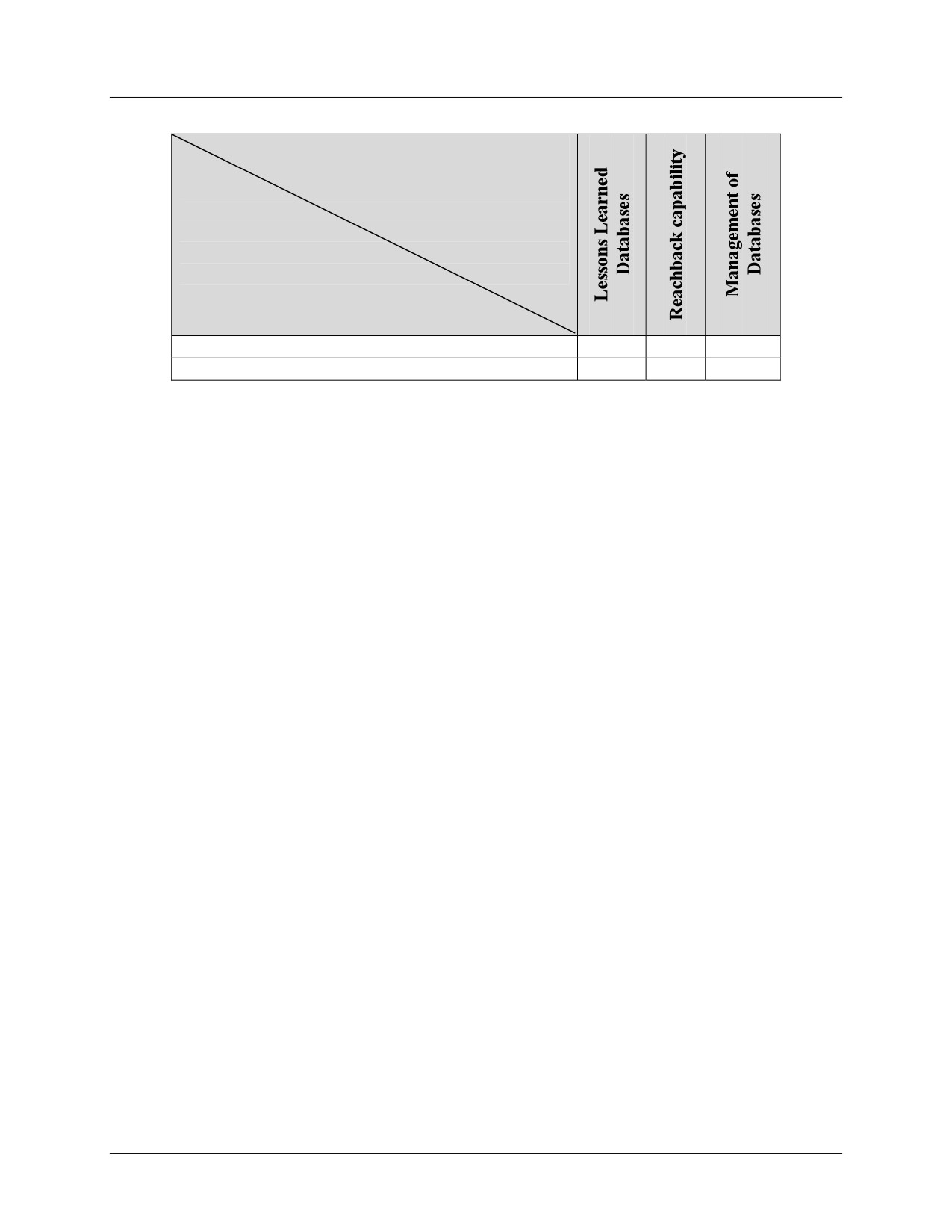
Table 9.22-4 is a list of ideas for material approaches and a corresponding description of each
idea. Approaches for this task include reachback capability to lessons learned databases and the
management and maintenance of those databases. Table 9.22-5 identifies which of the material
approaches might address specific materiel deficiencies identified in the DOTMLPF assessment.
174
For Official Use Only
For Official Use Only
CBRND Functional Needs Analysis/Functional Solution Analysis
Chapter 9. Tactical Shape Tasks
Table 9.22-4. TASHA 22: Materiel Approaches
Idea for Materiel Approach
Description
Lessons learned databases
Develop/consolidate databases for operational and training
lessons learned.
Reachback capability
Develop a system providing the ability to rapidly and
securely reach back and contact CBRN experts and obtain
CBRND plans, procedures, information, and lessons learned
Management of databases
Develop a system to link and manage the accuracy,
adequacy, and availability of CBRND information databases.
Includes access management, content control, and the
conduct of data set management. Also includes process to
identify database actions such as consolidation of similar
databases, establishment of new databases, archiving of
obsolete databases, etc.
175
For Official Use Only
For Official Use Only
CBRND Functional Needs Analysis/Functional Solution Analysis
Chapter 9. Tactical Shape Tasks
Table 9.22-5. TASHA 22: IMA Assessment
Ideas for Material
Approaches
(IMA)
Identified Gaps
Inadequate access to information and archived data.
X
X
X
Lack of advanced impact assessment tools.
X
X
176
For Official Use Only
For Official Use Only
CBRND Functional Needs Analysis/Functional Solution Analysis
Chapter 9. Tactical Shape Tasks
9.23
Task TASHA 23: Conduct immediate or local battlespace CBRN/TIM incident
COA assessment for fixed and mobile sites
9.23.1
Functional Area Analysis
9.23.1.1
Definition
Includes local or immediate CBRN/TIM incident COA assessment for specific fixed sites.
Includes evaluating local adversary attack COAs and local responses for accurate response and
mitigation of COAs. Sense, Shape, Shield, and Sustain factors are thoroughly addressed. During
the process tactical end states are envisioned for sustained operations, while enduring CBRN
attacks. The assessments impact fixed-site planning and preparations.
9.23.1.2
Derivation
UJTL (TA 5, TA 5.2.1, TA 6.5, TA 7, TA 7.1), Protection Joint Functional Concept, Military
Transformation: A Strategic Approach.
9.23.1.2.1
Supported Task: OPSHA 6
9.23.1.2.2
Lateral Task: N/A
9.23.1.2.3
Supporting Task: N/A
9.23.1.3
Condition
Perform this task under conditions of:
Physical
1. Moderately developed land. (C1.1)
2. Induced air. (C1.3)
3. Temperate climate. (C1.3.1)
4. Strong atmospheric weapons effects. (C1.3.3)
Military
1. Limited modern military systems. (C2.2.5)
2. Partial joint staff integration. (C2.3.1.1)
3. Limited staff expertise. (C2.3.1.3)
4. Restricted information exchange. (C2.3.1.8)
5. High information volume. (C2.3.1.9)
6. Low certitude of data. (C2.4.6)
Civil. N/A
177
For Official Use Only
For Official Use Only
CBRND Functional Needs Analysis/Functional Solution Analysis
Chapter 9. Tactical Shape Tasks
9.23.2
Functional Needs Analysis
9.23.2.1
Capability and Deficiency Assessment Summary
Table 9.23-1 discusses individual capabilities to perform this task to the designated standards.
The capabilities include the current manual method of preparing incident assessments and the
mid- to far-term fielding of JWARN, JEM and JOEF to meet the identified standards. The
overall capability for current, near/mid, and far term are rated “yellow.” Although improvements
between the periods occur for specific capabilities and are reflected in the associated identified
values, the improved capabilities are not sufficient to change the overall assessed color ratings
for this task.
Current Capability and Deficiency
Joint forces have limited capability to conduct CBRN/TIM incident COA assessment for fixed
and mobile sites. Manual, subjective, processes are currently used. Visibility of CBRND
resources on the COP is not currently available. Hazard information transfer is limited to
ATP-45 format, a manual (preautomation) system.
Projected Near/Mid-Term Capability and Deficiency
When fielded, JWARN (with JOEF and JEM) will help with COA assessment and increase the
potential for collaborative assessments. JWARN (with JOEF and JEM) are projected for initial
fielding in the mid term. DOTLPF must be prepared to support emerging systems. JWARN will
provide the joint forces with a comprehensive analysis and response capability to minimize the
effects of hostile NBC attacks as well as accidents and incidents. JOEF and JEM will interface
through and with JWARN. It will provide the operational capability to employ NBC warning
technology which will collect, analyze, identify, locate, report and disseminate NBC warnings.
JWARN will be compatible and integrated with joint and Service Common Operating
Environment-based operational and non-Common Operating Environment-based tactical
C4ISR systems. However, the limitation to ATP-45 information and process restricts the system
to the meso-/macrolevel. The DoD effort to standardize data structures and promote
integration/interoperability will provide increased opportunities for improvements in CBRND
logistics management processes. New DoD systems are expected to be in compliance with DISA
standards and net-centric capable, as appropriate during the current and near term for
interoperability and net-centric operations. Substantial upgrades to legacy systems are required to
include DISA standards and net-centric capabilities. Further, the mix of legacy and compliant
systems will continue to require the attentiveness and awareness of staffs to ensure effective
collection, integration, and dissemination of information until the legacy systems are either
replaced or modified for compliance. However, the current deficiencies remain and the potential
opportunities afforded by the DoD initiative and enhanced automation capabilities are not fully
realized for CBRND.
178
For Official Use Only
For Official Use Only
CBRND Functional Needs Analysis/Functional Solution Analysis
Chapter 9. Tactical Shape Tasks
Projected Far-Term Capability and Deficiency
Fielding of JWARN (with JOEF and JEM) is expected to be completed in the early far term. All
legacy systems are projected to either be in compliance with, or replaced by new systems that are
compliant with, DISA standards and fully support net-centric operations in the far term.
Otherwise, no change is projected for this task.
179
For Official Use Only

For Official Use Only
CBRND Functional Needs Analysis/Functional Solution Analysis
Chapter 9. Tactical Shape Tasks
Table 9.23-1. TASHA 23: Capability and Deficiency Assessment
Capability: Conduct Immediate or Local Battlespace CBRN/TIM
M1
M2
M3
M4
M5
M6
M7
Incident COA Assessment for Fixed and Mobile Sites
Current Overall Capability
51
52
53
64
45
46
57
Near/Mid-Term Overall Capability
6
5
5
7
4
5
5
Far-Term Overall Capability
7
5
5
8
5
6
5
FAA Measure
Scale
M1
Assessment is conducted
8-10: Electronic collaborative workspaces with automated tools exist and are predominantly applied for evaluation,
collaboratively.
assessment, planning, and decisioning processes.
4-7: Manual collaborative processes are predominantly applied for the evaluation, assessment, planning, and
decisioning processes.
1-3: Collaborative processes are inadequate for the conduct of evaluation, assessment, planning, and decisioning
processes.
0: Collaborative processes do not exist for the conduct of evaluation, assessment, planning, and decisioning
processes.
M2
Operational and analytical/
8-10: All intelligence, operations, and CBRN staff personnel are formally trained and receive recurring refresher
planning staffs have the
training on the conduct of CBRN COA assessment for event response.
training and experience to
4-7: Limited training is provided, is inconsistent, and/or is administered in preparation for operations to intelligence,
effectively assess CBRN event
operations, and CBRN cell specialists for the processing and conduct of CBRN event response COA assessment.
response COAs.
1-3: Adversary CBRN event response COA assessment training is inadequate to support operations.
0: Adversary CBRN event response COA assessment training is nonexistent.
M3
There are sufficient doctrine
8-10: Doctrine, policies, procedures, and TTPs are adequate for effective assessments and are actively revised to
and TTPs for effective
exploit current, emerging, and projected technologies and changes to tactics, systems, capabilities, and situations.
assessments.
4-7: Doctrine, policies, procedures, and TTPs for assessment exist but are predominantly manual and are
periodically revised to exploit technologies and operational changes.
1-3: Doctrine, policies, procedures, and TTPs are inadequate for assessments.
0: Doctrine, policies, procedures, and TTPs are nonexistent for effective assessments.
M4
All pertinent Sense, Shape,
8-10: Automated processes, templates, and collaborative spaces ensure all relevant issues and needs are addressed.
Shield, and Sustain factors are
Staff and CBRN specialists are highly trained, knowledgeable, and possess access to needed reference material and
considered.
impacting information.
4-7: Manual processes are predominantly applied to address pertinent CBRND issues and are dependent upon the
training, skill, experience, and knowledge of staff participants.
1-3: Processes are inadequate for the identification and planning of pertinent CBRND issues, and/or staff and/or
CBRN specialist participants do not possess adequate training, skill, experience, and knowledge to adequately
perform the task.
0: Processes do not exist for the identification and planning of pertinent CBRND issues, and/or staff and/or CBRN
specialist participants are not trained, experienced, and knowledgeable in the task.
180
For Official Use Only
For Official Use Only
CBRND Functional Needs Analysis/Functional Solution Analysis
Chapter 9. Tactical Shape Tasks
M5
CBRND resources location,
8-10: CBRND logistics management doctrine, policies, procedures, TTPs, and supporting interoperable and
status, and availability
integrated automated systems and tools exist, are in place, provide current and accurate information to the COP, and
displayed on COP.
support effective management of CBRND material.
4-7: General logistics doctrine, policies, procedures, TTPs and supporting automated systems and manual processes
exist, are in place, support predominantly manual management of material, and can provide selected information on
CBRND material. Placement on the COP, when performed, is by manual entry.
1-3: Logistics management processes are inadequate for CBRND material.
0: Logistics management processes are nonexistent for CBRND material.
M6
Accurate local meteorological
8-10: Micrometeorology is available, accurate, and effectively applied to microlevel hazard prediction using
data are available.
automated systems and tools. Data is correlated and processed to characterize CBRN hazards as impacted by
weather, and the results are posted on the COP in near-real time.
4-7: Meso-/macrometeorological data are available, accurate, and adequately applied to meso-/macrolevel hazard
prediction. Data is correlated and processed predominantly using manual means to characterize CBRN hazards as
impacted by weather. Input to the COP is usually performed manually.
1-3: Meteorology data are inadequate to support operations. Dedicated CBRN/TIM information processing
mechanisms are inadequate to support CBRN/TIM processing for decisioning.
0: Dedicated CBRN/TIM information processing mechanisms do not exist.
M7
There is effective DOTLPF in
8-10: DOTLPF exists and is adequate for this task. Task can be effectively performed with little or no direct impact
place to conduct task.
upon operations
4-7: Most critical aspects of DOTLPF for this task are addressed. Task can be performed with limitations requiring
work-arounds.
1-3: DOTLPF is inadequate for accomplishment of this task.
0: DOTLPF does not exist for this task.
1 Assessments currently require collaboration using traditional means such as telephone calls, personal visits, mail routing, e-mail, and other similar means. There is an absence of
electronic collaborative workspaces within which differing functions and activities are able to cooperatively assist the evaluation, assessment, planning, and decisioning process
without time delay and the need for physical presence. Automated tools could effectively enhance and be enhanced by these electronic rooms. Collaborative workspaces support
net-centric operations. These workspaces are inevitable with the increasing utility of automation and information sharing.
2 Limited training is provided to intelligence, operations, and CBRN cell specialists for the processing and conduct of CBRN incident COA development and assessment.
Consistent formal and refresher training on immediate or local battlefield CBRN incident COA development and assessment is not regularly and routinely performed. Limited
routine training is provided and often is not focused until preparation for operations. The fielding of JWARN, JEM and JOEF provide capability to refine cell specialist skills as
part of local training and exercising/evaluations. These systems are projected for initial fielding within the mid term, and fielding is expected to be completed in the early far term.
However, supporting and requiring DOTLPF is necessary to ensure attainment and maintenance of capability.
3 Doctrine, policies, procedures, and TTPs exist are sufficient for the manual performance of effective CBRN incident assessment. This statement is not true for current, emerging,
and projected automated and simulated-based assessment tools. Doctrine, policies, procedures, and TTPs must evolve to accommodate changes in tactics, systems, capabilities, and
situations.
4 Manual processes exist and are applied by staff and NBC specialists. However, the breadth and depth of planning and consideration of CBRND issues is dependent upon the
knowledge, skills, and experience of the participants in the process. The projected initial fielding of JWARN, JEM and JOEF, with fielding completed in the early far term, provide
enhanced automated capabilities for CBRND.
5 Stovepiped Service logistics systems exist for maintenance, stocks, transport, and requisitioning. However, these systems are not interoperable and integrated. Predominantly
manual means are applied to obtain and aggregate information, generally using manual reporting processes. General logistics DOTLPF are in place and support manual processes.
However, the information is not integrated into the COP for awareness and for rapid or immediate COA decisioning support. CBRN units are identified and tracked at the unit
181
For Official Use Only
For Official Use Only
CBRND Functional Needs Analysis/Functional Solution Analysis
Chapter 9. Tactical Shape Tasks
level. The specific status of the unit, to include available resources, is current as of the last report by the unit. Assessment processes and integration into COA development is
generally performed manually. The effectiveness of CBRND logistics management is dependent upon the experience, skill, knowledge, and training of the assigned staff
personnel, quality and accuracy of the base information, and varies between staffs. Net-centric operations and DISA data standards address interoperability and the interchange of
information among DoD systems and elements. DoD systems are expected to be increasingly in compliance with the DISA standards and net-centric capable, as appropriate,
during the mid term. New DoD systems are currently required to be in compliance with DISA standards and net-centric capable when fielded. All remaining legacy systems are
projected to either be replaced by, or be fully compliant with, DISA standards and net-centric capable in the far term. Interoperability with coalition partners, especially non-NATO
partners, may be a continuing issue requiring maintenance of attentiveness and awareness by the responsible centers. The programmed initial fielding of JOEF and JEM in the mid
term provides the staff with tools to identify and assess COAs supporting the effective allocation of CBRND resources. However, the process will remain unchanged. Completed
fielding of JEM and JOEF is expected in the early far term.
6 Current DOTLPF and available limited automated systems fielded with operational units is inadequate to perform microlevel meteorological data assimilation and display.
Microlevel meteorological data, when available, is at greater depth of detail than required by the current standard ATP process. Hazard identification, characterization, and hazard
impacts are conducted at the meso-/macrolevel and are consistent with ATP-45 processes. The ATP-45 process broadly applies the information without consideration of changes in
terrain and meteorology at dispersed unit locations. The ATP-45 process is inadequate to meet needs in urban or complex terrain. The initial mid-term fielding of JWARN, JOEF,
and JEM will expand data collection, assessment, and display capabilities. Data will be accessed on a continuing basis and processed information updated. Completion of the
fielding of JWARN, JOEF, and JEM is expected in the early far term. However, the ATP-45 process and formats are applied by JWARN, JOEF, and JEM.
7 Existing DOTLPF adequately addresses the performance of this task, although predominantly using manual means. DOTLPF requires improvement to sufficiently address areas
increasingly important for the transformed force and the changing operational environment. DOTLPF will continue to need to evolve as systems, tactics, and situations change
182
For Official Use Only
For Official Use Only
CBRND Functional Needs Analysis/Functional Solution Analysis
Chapter 9. Tactical Shape Tasks
9.23.3
Functional Solution Analysis
9.23.3.1
DOTLPF Assessment Summary
This section addresses the deficiencies and suggests potential non-materiel solutions. If there are
no non-materiel solutions or they are only partial solutions, the remaining non-materiel need is
then stated. Materiel needs are assessed in the IMA section.
1. Deficiency: Inadequate doctrine covering the mechanism and requirement for collaborative
development of fixed site CBRN/TIM incident assessments.
Non-Material Solutions: Doctrine: Ensure doctrine, policies, procedures, and TTPs
enabling effective CBRN assessments collaboration are in place and adequate to meet
operational needs. Training: Integrate into formal and informal training and challenging
exercise and evaluation criterion for CBRN assessments collaboration applying emerging
technologies and processes.
2. Deficiency: Insufficient doctrine and training to ensure staff personnel can effectively
respond to a CBRN/TIM event.
Non-Material Solutions: Doctrine: Enhance doctrine, policies, procedures, and TTPs
enabling effective the production and maintenance of effective staff personnel for
CBRN/TIM event response. Training: Integrate into formal and informal training
challenging exercise and evaluation criteria to produce and sustain sufficient and effective
staff personnel to respond to CBRN/TIM events.
3. Deficiency: Lack of specific doctrine for the effective use of JWARN, JOEF and JEM
assessments.
Non-Material Solutions: Doctrine: As the development of JWARN, JOEF and JEM
progresses, the full range of doctrine should be developed for their effective use and
application for CBRN/TIM response.
9.23.3.2
IMA Assessment Analysis
N/A
183
For Official Use Only
For Official Use Only
CBRND Functional Needs Analysis/Functional Solution Analysis
Chapter 9. Tactical Shape Tasks
9.24
Task TASHA 24: Manage the CBRND response and mitigation efforts
9.24.1
Functional Area Analysis
9.24.1.1
Definition
Response and event mitigation management are executed dynamically and collaboratively across
the affected and responding commands. All Shape, Sense, Shield, and Sustain factors are
considered. Includes coordination with coalition partners, NGOs, and indigenous authorities and
organizations. Ensure plans, TTPs, and standard operating procedures exist and drills are
conducted. Manage resources including personnel, supplies (consumables), and equipment.
Actions involve resource allocation, reallocation, tracking and taskings. Includes managing
survey, reconnaissance, and decontamination actions. Encompasses the management of CBRN
casualty processing throughout the JOA. Restoration operations may be required as a distinct
operation independent of joint participation after a CBRN incident.
9.24.1.2
Derivation
UJTL (TA 2.4, TA 5, TA 5.2.1, TA 5.5, TA 7, TA 7.1), Protection Joint Functional Concept,
Military Transformation: A Strategic Approach.
9.24.1.2.1
Supported Task: OPSHA 8
9.24.1.2.2
Lateral Tasks: TASENS 13, TASENS 17, TASHLD 1, TASHLD 2, TASHLD 3,
TASHLD 4, TASHLD 5, TASHLD 6, TASHLD 7, TASHLD 12, TASHLD 13,
TASHLD 14, TASUST 1, TASUST 2, TASUST 3, TASUST 4, TASUST 8,
TASUST 9, TASUST 10, TASUST 11, TASUST 12, TASUST 13, TASUST 14,
TASUST 15, TASUST 16, TASUST 17, TASUST 18, TASUST 19, TASUST 20,
TASUST 21
9.24.1.2.3
Supporting Task: N/A
9.24.1.3
Condition
Perform this task under conditions of:
Physical
1. Moderately developed land. (C1.1)
2. Induced air. (C1.3)
3. Major storm weather systems. (C1.3.1.2)
4. Precipitating weather. (C1.3.1.3)
5. Strong atmospheric weapons effects. (C1.3.3)
Military
1. Restrictive mission instructions. (C2.1.1)
184
For Official Use Only
For Official Use Only
CBRND Functional Needs Analysis/Functional Solution Analysis
Chapter 9. Tactical Shape Tasks
2. Partial preexisting arrangements. (C2.1.1.2)
3. Partially completed mission peparation. (C2.1.3)
4. Partial personnel capability. (C2.2.4)
5. Limited modern military systems. (C2.2.5)
6. Partial joint staff integration. (C2.3.1.1)
7. Partial multinational integration. (C2.3.1.2)
8. Limited staff expertise. (C2.3.1.3)
Civil
1. Limited foreign government support. (C3.1.2.3)
2. Significant TIM present in the civilian sector. (C3.3.7.5)
9.24.2
Functional Needs Analysis
9.24.2.1
Capability and Deficiency Assessment Summary
Table 9.24-1 discusses individual capabilities to perform this task to the designated standards.
The capabilities include the current manual method of preparing incident assessments and the
mid- to far-term fielding of JWARN, JEM and JOEF to meet the identified standards. The
overall capability for current, near/mid, and far term are rated “yellow.” Although improvements
between the periods occur for specific capabilities and are reflected in the associated identified
values, the improved capabilities are not sufficient to change the overall assessed color ratings
for this task.
Current Capability and Deficiency
Existing doctrine and training provide manual mechanisms to manage CBRND response and
WMD/TIM hazard mitigation. Deficiencies include lack of ability to collect CBRND
information across echelons; lack of ability to assess unit, personnel, and equipment adequacy;
lack of means to use M&S to evaluate COAs; and absence of effective decision support tools.
Projected Near/Mid-Term Capability and Deficiency
The projected initial fielding of the JWARN, JOEF, and JEM during the mid term enhances and
provides visibility of CBRND information and processes. However, adequate DOTLPF to
capitalize upon the potential benefits of these systems does not currently exist. Additionally,
these systems are based upon the preautomation ATP-45 information reporting formats and
processes. The DoD effort to standardize data structures and promote integration/interoperability
will provide increased opportunities for improvements in CBRND logistics management
processes. New DoD systems are expected to be in compliance with DISA standards and net-
centric capable, as appropriate during the current and near term for interoperability and net-
centric operations. Substantial upgrades to legacy systems are required to include DISA
standards and net-centric capabilities. Further, the mix of legacy and compliant systems will
continue to require the attentiveness and awareness of staffs to ensure effective collection,
integration, and dissemination of information until the legacy systems are either replaced or
185
For Official Use Only
For Official Use Only
CBRND Functional Needs Analysis/Functional Solution Analysis
Chapter 9. Tactical Shape Tasks
modified for compliance. However, the current deficiencies remain and the potential
opportunities afforded by the DoD initiative and enhanced automation capabilities are not fully
realized for CBRND.
Projected Far-Term Capability and Deficiency
Fielding of JWARN (with JOEF and JEM) is expected to be completed in the early far term. All
legacy systems are projected to either be in compliance with, or replaced by new systems that are
compliant with, DISA standards and fully support net-centric operations in the far term.
Otherwise, no change is projected for this task.
186
For Official Use Only
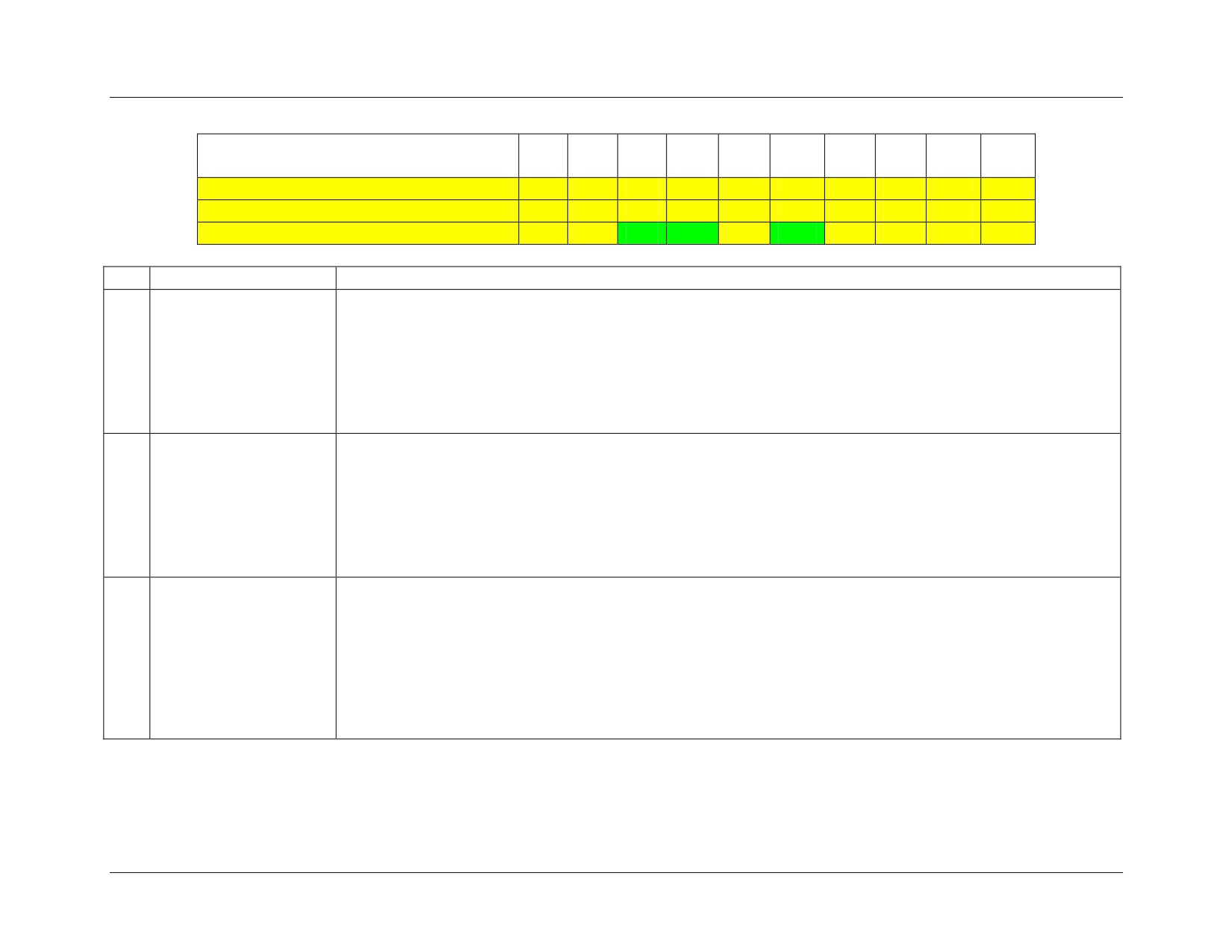
For Official Use Only
CBRND Functional Needs Analysis/Functional Solution Analysis
Chapter 9. Tactical Shape Tasks
Table 9.24-1. TASHA 24: Capability and Deficiency Assessment
Capability: Manage the CBRND
M1
M2
M3
M4
M5
M6
M7
M8
M9
M10
Response and Mitigation Efforts
Current Overall Capability
51
52
63
64
45
66
57
58
69
510
Near/Mid-Term Overall Capability
6
5
7
7
4
7
5
6
6
5
Far-Term Overall Capability
7
5
8
8
5
8
5
5
7
6
FAA Measure
Scale
M1
Compiled and correlated
8-10: Interoperable and integrated automated systems, processes, and tools collect, compile, correlate, and process
theater CBRN Information
CBRN/TIM information for decisioning and planning. Standardized automated templates and M&S tools provide
available.
visualization and rapid attainment of situational awareness. Information is continuously processed and updated.
4-7: Manual processes are predominantly applied for the collection, compilation, correlation, and processing of
CBRN/TIM information. The process may be restricted in the number of sources compiled and correlated and is dependent
upon the knowledge, training, and experience of performing personnel.
1-3: Compilation and correlation of CBRN information is inadequate to support operations
0: Compilation and correlation of CBRN information is nonexistent
M2
Allocation of CBRN units
8-10: Sufficient numbers and types of trained, manned, and equipped CBRND units and CBRN specialists are available to
and personnel is adequate.
support concurrent operations and routine requirements.
4-7: CBRN units and specialists are available to support a major operation and selected routine requirements. Training,
manning, and equipage will vary from unit to unit and dependent upon unit type. Specialist experience will vary from
minimal to substantial. Allocations are likely to be at a reduced level with augmentation by nonprimary-duty personnel.
1-3: CBRND specialists and units are available to support a major operation. Experience will vary from minimal to
substantial. Routine requirements are filled by nonprimary-duty personnel.
0: Quantity and/or type of CBRND units and specialists are insufficient to support operations.
M3
Allocation of CBRND
8-10: Adequate quantities and types of CBRND equipment, systems, and material are available, allocated, ready, and
systems and equipment is
match JTF operations (e.g., Expeditionary, High Maneuver, etc.) and environments (e.g., jungle, extreme cold terrain,
adequate.
desert, etc.). Includes support of sustained operations in a CBRN/TIM environment.
4-7: Sufficient quantities and types of CBRND equipment, systems, and material are allocated and ready for support of
JTF operations in a CBRN/TIM environment. Adjustments to planned quantities are performed when necessary for
availability. Alternatives are identified, supporting material availability determined, and appropriate allocation actions are
taken.
1-3: CBRND systems and equipment allocation is inadequate to support operations.
0: CBRND systems and equipment allocation processes do not exist.
187
For Official Use Only
For Official Use Only
CBRND Functional Needs Analysis/Functional Solution Analysis
Chapter 9. Tactical Shape Tasks
M4
All pertinent Sense, Shape,
8-10: Automated processes, templates, and collaborative spaces ensure all relevant issues and needs are addressed. Staff
Shield, and Sustain
and CBRN specialists are highly trained, knowledgeable, and possess access to needed reference material and impacting
information is available.
information.
4-7: Manual processes are predominantly applied to address pertinent CBRND issues and are dependent upon the training,
skill, experience, and knowledge of staff participants.
1-3: Processes are inadequate for the identification and planning of pertinent CBRND issues, and/or staff and/or CBRN
specialist participants do not possess adequate training, skill, experience, and knowledge to adequately perform the task.
0: Processes do not exist for the identification and planning of pertinent CBRND issues, and/or staff and/or CBRN
specialist participants are not trained, experienced, and knowledgeable in the task.
M5
CBRND resources
8-10: CBRND logistics management doctrine, policies, procedures, TTPs, and supporting interoperable and integrated
location, status and
automated systems and tools exist, are in place, provide current and accurate information to the COP, and support effective
availability displayed by
management of CBRND material.
COP.
4-7: General logistics doctrine, policies, procedures, TTPs and supporting automated systems and manual processes exist,
are in place, support predominantly manual management of material, and can provide selected information on CBRND
material. Placement on the COP, when performed, is by manual entry.
1-3: Logistics management processes are inadequate for CBRND material.
0: Logistics management processes are nonexistent for CBRND material.
M6
Mechanism in place to
8-10: Highly interoperable, integrated, and dedicated system and tools collect, compile, correlate, process, report, and
process CBRN/TIM
provide visualization of CBRN/TIM information for decisioning in near-real time.
information rapidly to
4-7: Dedicated mechanisms are in place to process CBRN/TIM information for decisioning.
meet decision needs.
0: Dedicated CBRN/TIM information processing mechanisms are inadequate or do not exist.
M7
There is means to track
10: Highly integrated dedicated system provides accurate, timely, and current unit-level mission capability status,
unit level mission
including existing degradation and mitigation/restoration activities and status.
degradation and
4-7: Dedicated mechanisms are in place to process and provide critical data elements on unit mission capability status.
restoration status.
Tracking mechanisms provide minimal information.
1-3: Dedicated unit-level mission capability status tracking mechanisms are inadequate to support operations
0: Dedicated unit-level mission capability status tracking mechanisms do not exist.
M8
Staff sufficiently trained or
8-10: Staff personnel are experience, formally trained, receive recurring refresher training, and are fully challenged in
experienced to coordinate
exercises and evaluations on effective incident response and mitigation COA development and decisioning. Interoperable
response and mitigation.
and integrated automated systems, tools, and processes support efficient and accurate incident response actions and the
minimal application of resources necessary for successful mitigation activities.
4-7: Selected staff personnel are trained to perform effective incident response and mitigation COA development and
decisioning. Processes are predominantly manual, although some units may possess limited automated capabilities. Staff
incident response and mitigation management competencies and experience will vary within and between units, but
sufficient capability exists to successfully perform the essential tasks.
1-3: Staff training, experience, and/or competencies are inadequate for successful CBRN/TIM incident response and/or
mitigation.
0: Staff training, experience, and/or competencies are nonexistent for successful CBRN/TIM incident response and/or
mitigation.
188
For Official Use Only
For Official Use Only
CBRND Functional Needs Analysis/Functional Solution Analysis
Chapter 9. Tactical Shape Tasks
M9
Plans, TTPs, and SOPs
8-10: Doctrine, policies, procedures, and TTPs are adequate for effective response to an event and mitigation. Unit plans
have been developed,
and SOPs are developed applying these documents, automated tools and systems, and training—both formal and recurring
trained and exercised.
refresher training—of performing personnel. Unit-level training is performed to ensure personnel are ready, capable, and
prepared to perform their taskings. Routine and recurring exercises and evaluations fully challenge unit and individual
capabilities to effectively and rapidly respond to an event and perform necessary mitigation efforts. Doctrine, policies,
procedures, TTPs, and SOPs are actively revised to exploit current, emerging, and projected technologies and changes to
tactics, systems, capabilities, and situations.
4-7: Doctrine, policies, procedures, and TTPs for assessment exist but processes are predominantly manual. Unit plans and
SOPs apply these documents and the knowledge, experience, and training of the performing personnel. Response and
mitigation training is inconsistent and/or is administered to unit personnel in preparation for operations with CBRN threat.
Exercises and evaluations do not generally fully challenge capabilities. Doctrine, policies, procedures, TTPs, and SOPs are
periodically revised to exploit technologies and operational changes.
1-3: Doctrine, policies, procedures, TTPs, SOPs, training, and/or exercises and evaluations are inadequate for incident
response and mitigation
0: Doctrine, policies, procedures, TTPs, SOPs, training, and/or exercises and evaluations are nonexistent for effective
incident response and mitigation.
M10
There is effective
8-10: DOTLPF exists and is adequate for this task. Task can be effectively performed with little or no direct impact upon
DOTLPF in place to
operations.
conduct task.
4-7: Most critical aspects of DOTLPF for this task are addressed. Task can be performed with limitations requiring work-
arounds.
1-3: DOTLPF is inadequate for accomplishment of this task.
0: DOTLPF does not exist for this task.
1 Manual process exists and is applied by staff and NBC specialists. The process is dependent upon the knowledge, sills, and experience of the performing personnel. These factors
will vary within and between staffs ranging from minimal to substantial capabilities. The projected mid-term initial fielding of JWARN, JOEF, and JEM (with fielding expected to
be completed in the early far term) to operational units will provide some capabilities to compile and correlate CBRN information and to post to the COP. However, current
processes remain and require NBC specialist and staff action.
2 Sufficient CBRND specialists are available to support a major operation and selected routine Service requirements. Augmentation is applied to support core CBRND specialists
where possible to reduce impact. Availability of trained and experienced CBRND specialists is low and strained when support is required for more than one large-scale operation
involving CBRN threat. Routine requirements support reduces as demand rises to support operations. Sufficient CBRND units are available of the necessary types to support a
major operation and selected routine Service requirements. Availability of trained, equipped, and manned CBRND units is low and strained when support is required for more than
one large-scale operation involving CBRN threat. Routine support capabilities reduce as demand rises to support operations.
3 CBRND equipment, systems, and types are available in sufficient quantities to support JTF operations in a CBRN environment, provided there does not exist conflicting demands to
support multiple concurrent operations with CBRN threat. Protection from high-risk TIMs is minimal in current CBRND equipment, systems, and material. Further, the majority of the types
of systems do not adequately support sustained operations and require infusion of increased CBRND resources to maintain OPTEMPO. COLPRO systems, for example, are generally large-
scale systems and do not adequately support expeditionary and high maneuver operations, particularly in austere environments at the extremes of the lines of communication. JECP is
programmed to field in the mid term and will provide COLPRO flexibility to support most operations and situations. The JSLIST is programmed to field during the mid term and is
undergoing certification to meet OSHA Level “C” requirements for TIMs. The JSGPM filtration system will provide a level of protection against selected TIMs and is programmed to field
during the mid term. The fielding of these protective systems will be gradual and planners will be required to consider remaining legacy systems as well as the newer joint systems in
planning and support. However, as the number of elements possessing joint systems increases, the diverse support requirements will lessen and improvements in operational support are
expected. The programmed initial fielding of JOEF and JEM in the mid term provides the staff with tools to identify and assess COAs supporting the effective allocation of CBRND
resources. However, the process will remain largely unchanged. Completion of the deployment of JOEF and JEM is projected during the early far term.
189
For Official Use Only
For Official Use Only
CBRND Functional Needs Analysis/Functional Solution Analysis
Chapter 9. Tactical Shape Tasks
4 Manual processes exist and are applied by staff and NBC specialists. However, the breadth and depth of planning and consideration of CBRND issues is dependent upon the
knowledge, skills, and experience of the participants in the process. The projected initial fielding of JEM and JOEF, with fielding completed in the early far term, provide enhanced
automated capabilities for CBRND.
5 Stovepiped Service logistics systems exist for maintenance, stocks, transport, and requisitioning. However, these systems are not interoperable and integrated. Predominantly
manual means are applied to obtain and aggregate information, generally using manual reporting processes. General logistics DOTLPF are in place and support manual processes.
However, the information is not integrated into the COP for awareness and for rapid or immediate COA decisioning support. CBRN units are identified and tracked at the unit
level. The specific status of the unit, to include available resources, is current as of the last report by the unit. Assessment processes and integration into COA development is
generally performed manually. The effectiveness of CBRND logistics management is dependent upon the experience, skill, knowledge, and training of the assigned staff
personnel, quality and accuracy of the base information, and varies between staffs. Net-centric operations and DISA data standards address interoperability and the interchange of
information among DoD systems and elements. DoD systems are expected to be increasingly in compliance with the DISA standards and net-centric capable, as appropriate,
during the mid term. New DoD systems are currently required to be in compliance with DISA standards and net-centric capable when fielded. All remaining legacy systems are
projected to either be replaced by, or be fully compliant with, DISA standards and net-centric capable in the far term. Interoperability with coalition partners, especially non-NATO
partners, may be a continuing issue requiring maintenance of attentiveness and awareness by the responsible centers. The programmed initial fielding of JOEF and JEM in the mid
term provides the staff with tools to identify and assess COAs supporting the effective allocation of CBRND resources. However, the process will remain unchanged. Completed
fielding of JEM and JOEF is expected in the early far term.
6 Doctrinal mechanisms are in place for processing CBRN/TIM information and subsequent decisioning. Process is predominantly manual, time-consuming, and labor-intensive.
Information sources are either not interoperable or possess limited interoperability. CBRN information must compete for resources with other priority operational information
processes. Processing and decisioning may be delayed due to lack of dedicated C4ISR capabilities for CBRN information collection, processing, interpretation, and dissemination.
The projected mid-term initial fielding of JWARN, JOEF, and JEM, with fielding expected to be completed during the early far term, to operational units provides the staff with
tools and capabilities to perform aspects of the process; however, the largely manual nature of the process will remain.
7 Doctrinal processes are applied to track unit mission capability status, critical issues, and projected/estimated corrective dates. This is a predominantly manual, time-consuming,
labor-intensive, and information-minimizing process. Continued advances in automated technologies, systems, and tools, coupled with net-centric operations and DISA data
standardization, may cause the gradual movement to automated processes and systems that are interoperable, integrate information from a variety of sources, and reduce manpower
requirements.
8 Limited training is provided to staff personnel for the conduct of CBRN/TIM response and mitigation management. Consistent formal and refresher training on immediate or local
battlefield CBRN incident response and mitigation COA development and implementation is not regularly and routinely performed. Limited routine training is provided and often is not
focused until preparation for operations with threat. The fielding of JEM and JEOF provide capability to refine skills as part of local training and exercising/evaluations. However, supporting
and requiring DOTLPF is necessary to ensure attainment and maintenance of capability.
9 Doctrine, policies, procedures, and TTPs exist are sufficient for the manual performance of effective CBRN incident assessment. This statement is not true for current, emerging,
and projected automated and simulated-based assessment tools. Doctrine, policies, procedures, and TTPs must evolve to accommodate changes in tactics, systems, capabilities, and
situations.
10 Existing DOTLPF adequately addresses the performance of critical aspects of this task, although predominantly using manual means. DOTLPF requires improvement to
sufficiently address areas increasingly important for the transformed force and the changing operational environment. DOTLPF will continue to need to evolve as systems, tactics,
and situations change.
190
For Official Use Only
For Official Use Only
CBRND Functional Needs Analysis/Functional Solution Analysis
Chapter 9. Tactical Shape Tasks
9.24.3
Functional Solution Analysis
9.24.3.1
DOTLPF Assessment Summary
This section addresses the deficiencies and suggests potential non-materiel solutions. If there are
no non-materiel solutions or they are only partial solutions, the remaining non-materiel need is
then stated. Materiel needs are assessed in the IMA section.
1.
Deficiency: Inadequate ability to process CBRN/TIM information rapidly to meet decision
needs.
Partial Non-Material Solutions: Doctrine: Reinforce in doctrine the need for rapid analysis
and response to CBRN/TIM events. Training: Enhance training reinforcing rapid analysis
and response to CBRN/TIM events.
2.
Deficiency: Inadequate staff training programs.
Non-Material Solutions: Training: Enhance training of staff personnel to ensure adequate
acquisition and maintenance of ability to effectively handle CBRN mitigation and response.
3.
Deficiency: Inadequate timeliness in the warning process affecting timely protective measure
implementation.
Partial Non-Material Solutions: Doctrine: Expand doctrine including the range of “Man in
the Loop” in the warning process.
4.
Deficiency: Lack of ability to assess equipment adequacy.
Partial Non-Material Solutions: Organization: Review table of organization and equipment
standards against actual organization and personnel to ensure adequate to support CBRN
assessments. Personnel: Acquire and maintain adequate and sufficient CBRN personnel to
support CBRN requirements.
5.
Deficiency: Interoperability barriers exist that limit force collaboration with interagencies
and coalition partners.
Non-Materiel Solutions: Doctrine: Develop doctrine, policies, procedures, and processes
addressing the establishment and maintenance of collaborative arranges with interagencies
and coalition partners. Training: Integrate into initial and recurrent training of unit command
staff personnel the application of means and processes for the establishment and maintenance
of effective collaboration with interagencies and coalition partners. Incorporate into exercise
and evaluation criteria requirements challenging unit command staff establishment and
application of collaborative arrangements. Leadership: Ensure recognition of criticality to
operations of effective collaboration with interagencies and coalition partners.
9.24.3.2
IMA Assessment Summary
Table 9.24-4 is a list of ideas for material approaches and a corresponding description of each
idea. Material approaches to accomplish this task identify the automation and management of
historical, technical and sensor data, as well as analytical tools and linkages to the COP. Table
191
For Official Use Only
For Official Use Only
CBRND Functional Needs Analysis/Functional Solution Analysis
Chapter 9. Tactical Shape Tasks
9.24-5 identifies which of the material approaches might address specific materiel deficiencies
identified in the DOTMLPF assessment.
192
For Official Use Only
For Official Use Only
CBRND Functional Needs Analysis/Functional Solution Analysis
Chapter 9. Tactical Shape Tasks
Table 9.24-4. TASHA 24: Materiel Approaches
Idea for Materiel Approach
Description
Lessons learned databases
Develop/consolidate databases for operational and training
lessons learned.
Reachback capability
Develop a system providing the ability to rapidly and securely
reach back and contact CBRN experts and obtain CBRND
plans, procedures, information, and lessons learned.
Management of databases
Develop a system to link and manage the accuracy, adequacy,
and availability of CBRND information databases. Includes
access management, content control, and the conduct of data
set management. Also includes process to identify database
actions such as consolidation of similar databases,
establishment of new databases, archiving of obsolete
databases, etc.
Simulations and models
Develop a system enabling operational commanders to
efficiently execute “what if” scenarios and facilitate the
evaluation of plausible adversary and friendly COAs, CBRN
employment, and TIM ROTA.
Database
Develop a system for obtaining information, archiving data,
accessing databases, performing information/data queries, and
exchanging data files in support of CBRN functions and
activities.
Risk factor templates
Develop a system merging CBRN, intelligence, and
operational data and plans into standardized automated formats
for application to effectively and rapidly accomplish
CBRN/TIM functions and activities.
Collect, exchange, and
Develop a system that collects and analyzes CBRN
disseminate information
information and sensor input, generates, edits, and
disseminates NBC reports, including downwind-hazard plots,
and overlays and verify receipt of reports and plots.
Transmission of data uses existing communications nets.
Link to GIS
Develop a system resident in standard C4ISR systems with
interface to GIS to provide input to COP
193
For Official Use Only
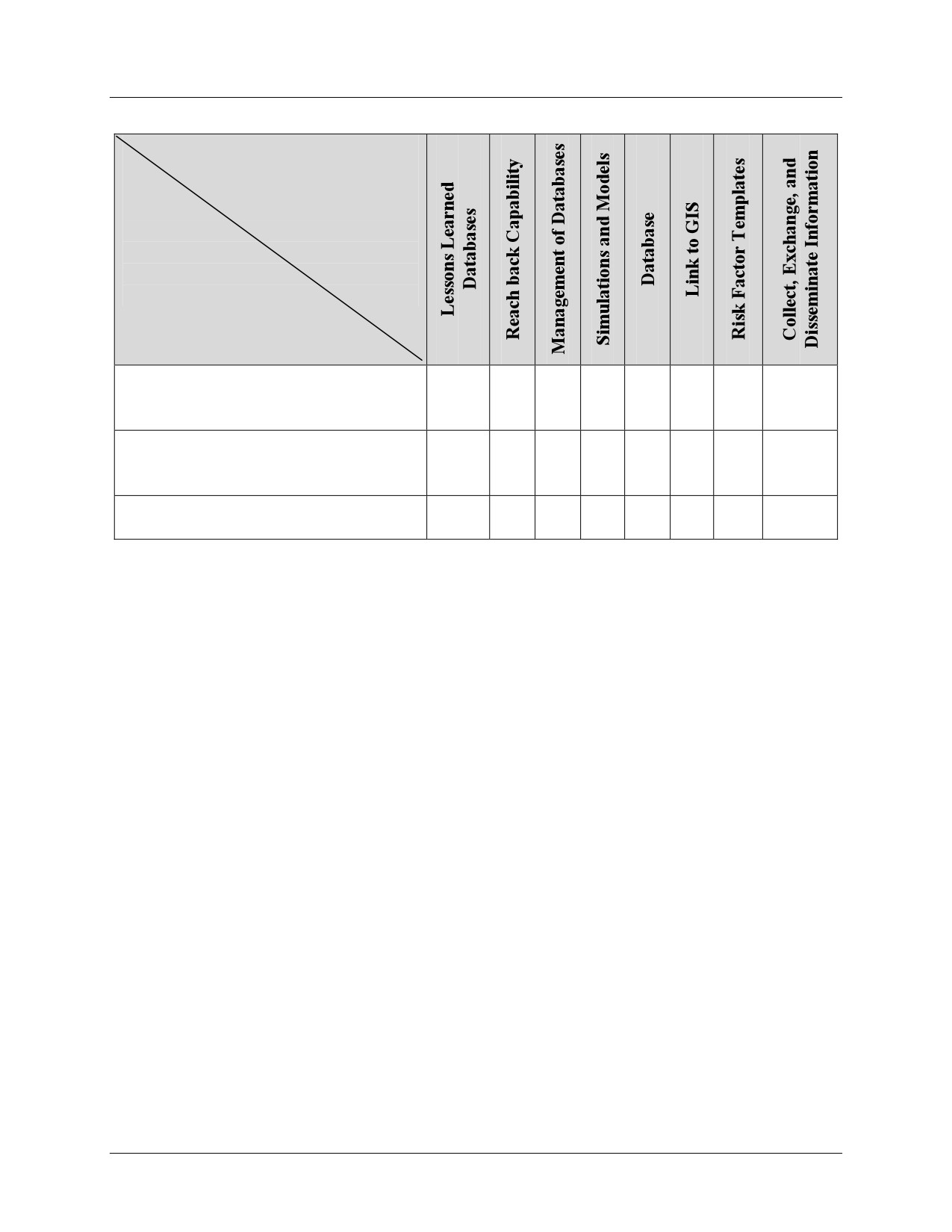
For Official Use Only
CBRND Functional Needs Analysis/Functional Solution Analysis
Chapter 9. Tactical Shape Tasks
Table 9.24-5. TASHA 24: IMA Assessment
Ideas for Material
Approaches
(IMA)
Identified Gaps
Inadequate ability to process
CBRN/TIM information rapidly to
X
X
X
X
X
X
meet decision needs.
Inadequate timeliness in the warning
process affecting timely protective
X
X
X
X
measure implementation.
Lack of ability to assess equipment
X
X
X
X
X
X
X
adequacy.
194
For Official Use Only
For Official Use Only
CBRND Functional Needs Analysis/Functional Solution Analysis
Chapter 9. Tactical Shape Tasks
9.25
Task TASHA 25: Provide tactical CBRN/TIM weapons information to the
combatant commander
9.25.1
Functional Area Analysis
9.25.1.1
Definition
To obtain information and data from all sources that provide information about the CBRN/TIM
weapons situation on the battlefield and in the JOA. These data are provided to the combatant
commander.
9.25.1.2
Derivation
OPSENS 1.
9.25.1.2.1
Supported Task: OPSHA 10
9.25.1.2.2
Lateral Task: N/A
9.25.1.2.3
Supporting Task: N/A
9.25.1.3
Condition
Perform this task under conditions of:
Physical. N/A
Military
1. Minimal time available. (C2.1.5)
2. Negligible to marginal intelligence database. (C2.4.4)
3. Negligible to difficult theater intelligence access. (C2.4.4)
4. Little or no certitude of data. (C2.4.6)
5. Nuclear, chemical and biological threat form. (C2.9.2)
Civil
1. Negative foreign government support. (C3.1.2.3)
2. Aggressively opposed foreign public opinion. (C3.1.2.4)
3. No international organization support. (C3.1.2.5)
9.25.2
Functional Needs Analysis
9.25.2.1
Capability and Deficiency Assessment Summary
Table 9.25-1 discusses individual capabilities to perform this task to the designated standards.
The capabilities include the current manual method of preparing incident assessments and the
195
For Official Use Only
For Official Use Only
CBRND Functional Needs Analysis/Functional Solution Analysis
Chapter 9. Tactical Shape Tasks
mid- to far-term fielding of JWARN, JEM and JOEF initial fielding to meet the identified
standards. The overall capability for current, near/mid, and far term are rated “yellow.” Although
improvements between the periods occur for specific capabilities and are reflected in the
associated identified values, the improved capabilities are not sufficient to change the overall
assessed color ratings for this task.
Current Capability and Deficiency
Existing doctrine and training provide manual mechanisms to manage CBRND information for
the combatant commander. Deficiencies include the lack of automated warning and reporting
system for CBRN attacks and the lack of reachback capability to CBRND databases.
Projected Near/Mid-Term Capability and Deficiency
The projected fielding of the JWARN, JOEF, and JEM suite enhances and provides visibility of
CBRND information and processes. JWARN, JOEF, and JEM are projected for initial fielding in
the mid term. However, adequate DOTLPF to capitalize upon the potential benefits of these
systems does not currently exist. Further, integration of disparate sensor systems must be
realized.
Projected Far-Term Capability and Deficiency
JWARN, JOEF, and JEM are expected to complete fielding in the early far term. Sensors and
IDN capabilities are in development with stated fielding sometime in the far term. This
achievement is dependent upon the progression of sensor technologies necessary for an IDN.
196
For Official Use Only
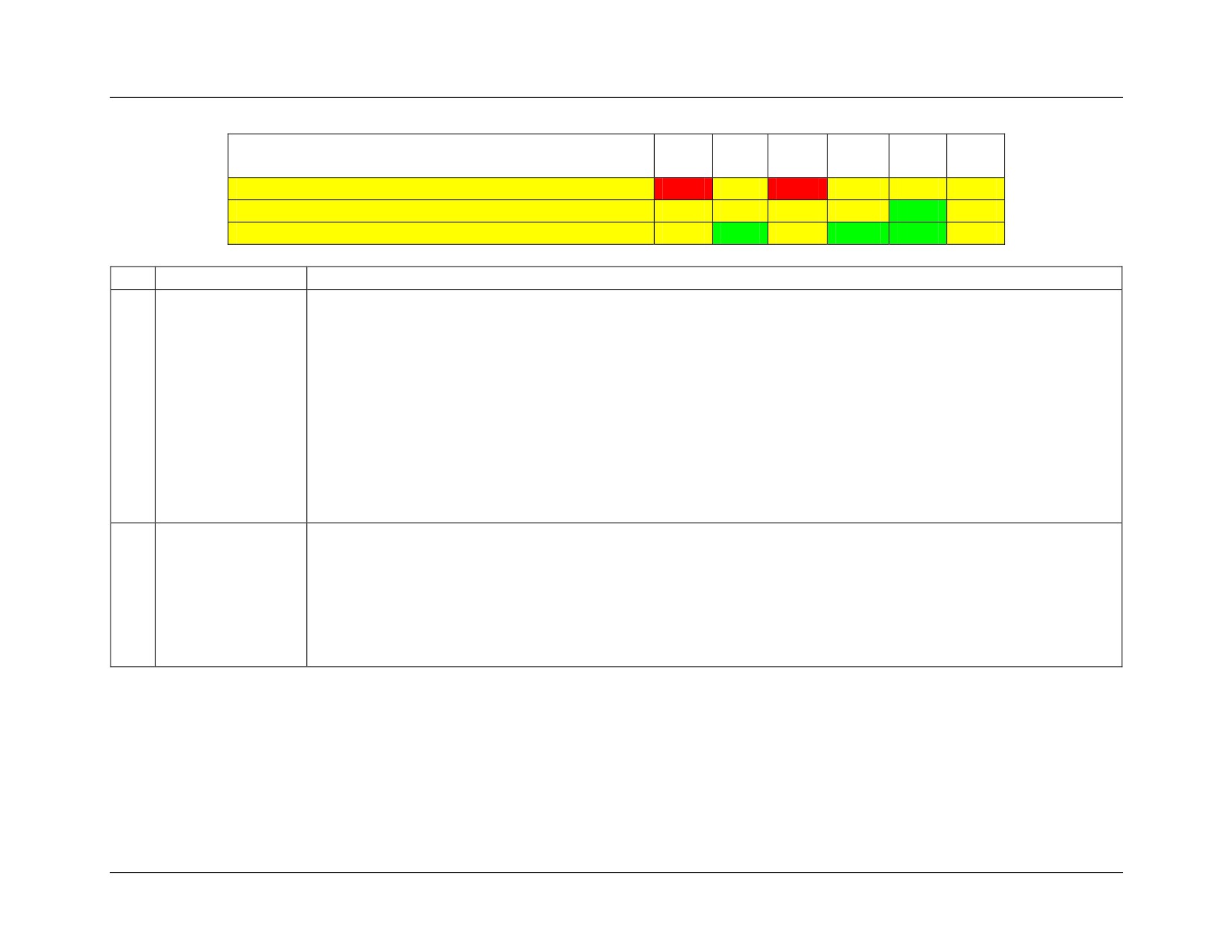
For Official Use Only
CBRND Functional Needs Analysis/Functional Solution Analysis
Chapter 9. Tactical Shape Tasks
Table 9.25-1. TASHA 25: Capability and Deficiency Assessment
Capability: Provide Tactical CBRN/TIM Weapons
M1
M2
M3
M4
M5
M6
Information To The Combatant Commander
Current Overall Capability
21
52
21,2
42
63
54
Near/Mid-Term Overall Capability
4
5
4
5
8
5
Far-Term Overall Capability
6
8
6
8
9
5
FAA Measure
Scale
M1
CBRN/TIM weapon
8-10: Integrated, interoperable, and interactive battlefield automated systems and sensor networks collect, validate, correlate,
capabilities on the
compile, and process weapons data with known weapons characteristics to detect and identify CBRN/TIM weapon capabilities
battlefield can be
in near-real time for dissemination to forces of alerting and warning of hazards. CBRN/C4ISR, and COP systems are
detected.
continuously updated with information.
4-7: Battlefield systems and sensor networks exist. Information and data are predominantly manually processed by CBRN and
unit personnel against known weapons characteristics to detect and identify CBRN/TIM weapons capabilities. Doctrine,
policies, procedures, TTPs, reference material, and acquired training and knowledge are the foundation for this action and will
vary between staffs based upon experience and acquired capabilities. CBRN, C4ISR, and COP systems are updated with
information.
1-3: Battlefield systems and sensor networks and/or CBRN and unit staff personnel knowledge and capabilities are inadequate
to support survival and operational requirements for the identification and detection of CBRN/TIM weapons capabilities.
0: Battlefield systems and sensor networks are nonexistent or CBRN and unit staff personnel are trained to detect and identify
CBRN/TIM weapons capabilities.
M2
CBRN/TIM weapon
8-10: Integrated, interoperable, and interactive battlefield automated systems collect, validate, process, and correlate weapons
capabilities on the
data with known weapons characteristics to identify CBRN/TIM weapons capabilities in near-real time for situation assessment
battlefield can be
and COA determination. Information is posted on the COP.
identified.
4-7: CBRN and unit personnel predominantly depend upon manual processes for identification of CBRN/TIM weapon
capabilities. Doctrine, policies, procedures, TTPs, reference material, and acquired training and knowledge are the foundation
for this action and will vary between in experience and capabilities between staff.
1-3: Battlefield identification of CBRN/TIM weapon capabilities is inadequate to support operational requirements.
0: Battlefield identification of CBRN/TIM weapon capabilities is nonexistent.
197
For Official Use Only
For Official Use Only
CBRND Functional Needs Analysis/Functional Solution Analysis
Chapter 9. Tactical Shape Tasks
M3
Time to detect
8-10: Integrated and interoperable battlefield automated systems and sensor networks exist and are in place. Information from
CBRN/TIM weapon
these systems are collected, correlated, validated, compiled and processed in near-real time for input to integrated,
capabilities is
interoperable, and interactive automated systems that process and correlate weapons data with known weapons characteristics
adequate.
to identify CBRN/TIM weapons capabilities in near-real time for dissemination to forces of alerting and warning of hazards.
CBRN, C4ISR, and COP systems are continuously updated with information.
4-7: Battlefield systems and sensor networks exist. Information and data are manually compiled and processed for
dissemination to Forces of altering and warning of hazards. CBRN staff cell and unit personnel predominantly depend upon
manual processes for identification of CBRN/TIM weapon capabilities. Doctrine, policies, procedures, TTPs, reference
material, and acquired training and knowledge are the foundation for this action and will vary between in experience and
capabilities between staff. CBRN, C4ISR, and COP systems are updated with information.
1-3: Battlefield systems and sensor networks are inadequately or not integrated and/or interoperable, and/or are inadequate to
support survival and operational requirements; or identification of CBRN/TIM weapon capabilities is inadequate to effectively
support operational requirements.
0: Battlefield systems and sensor networks s are nonexistent or identification of CBRN/TIM weapon capabilities nonexistent.
M4
Time to identify
8-10: Integrated, interoperable, and interactive automated systems collect, validate, process, and correlate weapons data with
CBRN/TIM weapon
known weapons characteristics to identify CBRN/TIM weapons capabilities in near-real time for situation assessment and COA
capabilities is
determination. Information is posted on the COP.
adequate.
4-7: CBRN staff cell and unit personnel predominantly depend upon manual processes for identification of CBRN/TIM
weapon capabilities. Doctrine, policies, procedures, TTPs, reference material, and acquired training and knowledge are the
foundation for this action and will vary between in experience and capabilities between staff. The time period taken to identify
weapon capabilities is adequate to meet operational requirements.
1-3: Timeliness for identification is inadequate to support operational requirements or identification capabilities are inadequate
to meet operational requirements.
0: Timeliness for identification does not support operational requirements or identification cannot be performed.
M5
Time to provide
8-10: Integrated, interoperable, and interactive automated systems substantially collect, validate, compile, process, and evaluate
CBRN/TIM weapon
CBRN/TIM weapon information in near-real time for assessment and COA determination. Information is posted on the COP.
information to the
4-7: Doctrine, policies, procedures, TTPs, and formats exist and are applied and are generally performed manually for
combatant
collection and determination of CBRN/TIM weapon information. Timeliness is contingent upon receipt of data/information,
commander is
operational considerations, and unit/personnel capabilities.
adequate.
1-3: The timeliness of CBRN/TIM weapon information is inadequate to support survival and operational needs.
0: The timeliness of CBRN/TIM weapon information fails to support survival and operational needs.
M6
There is effective
8-10: DOTLPF exists and is adequate for this task. Task can be effectively performed with little or no direct impact upon
DOTLPF in place to
operations
conduct task.
4-7: Most critical aspects of DOTLPF for this task are addressed. Task can be performed with limitations requiring work-
arounds.
1-3: DOTLPF is inadequate for accomplishment of this task.
0: DOTLPF does not exist for this task.
1 Limited battlefield systems and local sensor networks exist for the purpose of detecting a release or, as with missile tracking systems, weapons. However, these systems and
networks are not interoperable and integrated. Manual processes using largely manual resources are the predominant means of performing this task and are generally reliant upon
198
For Official Use Only
For Official Use Only
CBRND Functional Needs Analysis/Functional Solution Analysis
Chapter 9. Tactical Shape Tasks
the knowledge and experience of the CBRN and unit staff personnel. Networking battlefield systems and sensors using JWARN will permit the ability to reach back to CBRND
databases to improve identification and detection accuracy and speed. JWARN is projected for initial fielding in the mid term with completion of fielding expected in the far term.
The concurrent fielding of JEM and JOEF with JWARN will automate functions and provide interface to the COP to update and disseminate information.
2 Current processes are predominantly manual, time-consuming, and labor-intensive. Determinations are dependent upon the experience, knowledge, and training of the performing
personnel as well as available reference material. Networking CBRN sensors using JWARN will permit the ability to reach back to CBRND databases to improve identification
accuracy and speed. JWARN is projected for initial fielding in the mid term with completion of fielding expected in the far term.
3 Current processes are predominantly manual, time-consuming, and labor-intensive. Determinations are dependent upon the experience, knowledge, and training of the performing
personnel. The current manual method of providing alarm and warning to units/warfighters as well as situational awareness information to combatant commanders is slow and
prone to errors. The projected initial mid-term fielding to operational units of JWARN, JEM, and JOEF will automate functions and provide interface to the COP to keep
operational commanders informed. Fielding is projected for completion in the early far term.
4 Current DOTLPF include the ability to conduct this task using largely manual processes and available communications systems. However, processes and procedures for the
dissemination of information to neighboring units is not adequate. The retransmission of the information by higher echelon to all units potentially at risk or affected by a
CBRN/TIM event is performed as a work-around and assurance of notification. The fielding of JWARN, JOEF, and JEM initially performed during the mid term provides the
capability to perform horizontal notification and information dissemination in addition to existing vertical capabilities. JWARN, JOEF, and JEM are projected for completion of
fielding in the early far term. Lack of IDN and disparate sensor maturity prohibits development of supporting and associated DOTLPF. DOTLPF will need to evolve as systems,
tactics, and situations change.
199
For Official Use Only
For Official Use Only
CBRND Functional Needs Analysis/Functional Solution Analysis
Chapter 9. Tactical Shape Tasks
9.25.3
Functional Solution Analysis
9.25.3.1
DOTLPF Assessment Summary.
This section addresses the deficiencies and suggests potential non-materiel solutions. If there are
no non-materiel solutions or they are only partial solutions, the remaining non-materiel need is
then stated. Materiel needs are assessed in the IMA section.
1. Deficiency: Lack of automated warning and reporting system for CBRN attacks.
Partial Non-Material Solutions: Doctrine: Update and enhance doctrine, policies,
procedures, TTPs, and SOPs to support and integrate disparate sensors, JWARN, JEM, and
JOEF for effective CBRND. Training: Incorporate standards and criteria into formal and
informal training, exercises, and evaluation for the integration of disparate sensors and the
application of JWARN for effective CBRN warning and reporting.
2. Deficiency: Lack of reachback capability to CBRND databases and SMEs.
Partial Non-Material Solutions: Doctrine: Establish in doctrine, policies, procedures, and
TTPs requirements, guidelines, and processes for the rapid, secure, and accurate capability to
reach back to CBRN/TIM information essential to rapid and accurate field analysis and
response. Organization: Establish SME centers of excellence and structures to support
reachback activities. Training: Institute formal and informal training on reachback processes
and acquire and maintain SME capabilities. Personnel: Identify, acquire, and maintain SME
expertise to support CBRND Reachback. Facilities: Institute necessary infrastructure to
support reachback activities.
9.25.3.2
IMA Assessment Analysis
Table 9.25-4 is a list of ideas for material approaches and a corresponding description of each
idea. The ability to reach back to any CBRN/TIM information data locations is critical to the
effective accomplishment of this task and cannot be overemphasized. Table 9.25-5 identifies
which of the material approaches might address specific materiel deficiencies identified in the
DOTMLPF assessment.
200
For Official Use Only
For Official Use Only
CBRND Functional Needs Analysis/Functional Solution Analysis
Chapter 9. Tactical Shape Tasks
Table 9.25-4. TASHA 25: Materiel Approaches
Idea for Materiel Approach
Description
Collect, exchange, and
Develop a system that collects and analyzes CBRN
disseminate information
information and sensor input, generates, edits, and
disseminates NBC reports, including downwind-hazard
plots, and overlays and verify receipt of reports and plots.
Transmission of data uses existing communications nets.
Simulations and models
Develop a system enabling operational commanders to
efficiently execute “what if” scenarios and facilitate the
evaluation of plausible adversary and friendly COAs, CBRN
employment, and TIM ROTA.
Databases
Develop a system for obtaining information, archiving data,
accessing databases, performing information/data queries,
and exchanging data files in support of CBRN functions and
activities.
Reachback capability
Develop a system providing the ability to rapidly and
securely reach back and contact CBRN experts and obtain
CBRND plans, procedures, information, and lessons learned.
Link to GIS
Develop a system resident in standard C4ISR systems with
interface to GIS to provide input to the COP.
201
For Official Use Only
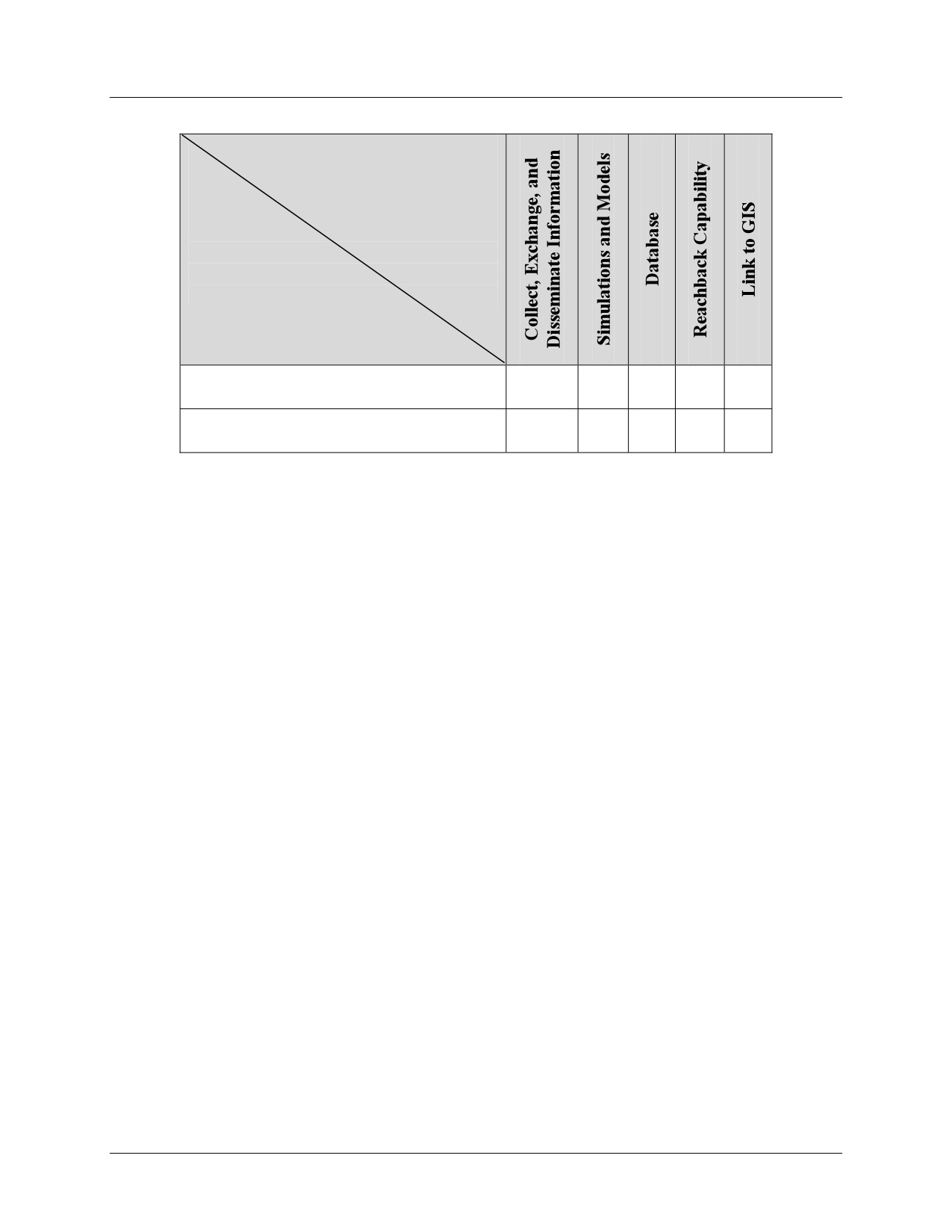
For Official Use Only
CBRND Functional Needs Analysis/Functional Solution Analysis
Chapter 9. Tactical Shape Tasks
Table 9.25-5. TASHA 25: IMA Assessment
Ideas for Material
Approaches
(IMA)
Identified Gaps
Lack of automated warning and
X
X
reporting system for CBRN attacks.
Lack of reachback capability to CBRND
X
X
X
X
databases and SMEs.
202
For Official Use Only
For Official Use Only
CBRND Functional Needs Analysis/Functional Solution Analysis
Chapter 9. Tactical Shape Tasks
9.26
Task TASHA 26: Establish battlespace CBRND information integration and
connectivity
9.26.1
Functional Area Analysis
9.26.1.1
Definition
Ensures the smooth integration and rapid dissemination of CBRN information across the GIG
within the immediate battlespace. Interoperability is a key component of the integration and
connectivity. The integration plan addresses CBRN system and software interoperability and
accreditation issues to facilitate the effective movement of essential CBRND information across
the defense information infrastructure and common operating environment. Operation center,
cell, or hub connectivity and interoperability support CBRND information activities and tasks.
Connectivity and inoperability with coalition partners and appropriate indigenous agencies and
NGOs are critical components. Operations centers of all echelons receive and transmit essential
and routine CBRND information. Connectivity to the IDN supports situational awareness.
9.26.1.2
Derivation
UJTL (TA 5, TA 5.2.1, TA 7, TA 7.1), Protection Joint Functional Concept, Military
Transformation: A Strategic Approach, Transformation Planning Guidance, An Operational
Concept for Biological Defense.
9.26.1.2.1
Supported Task: OPSHA 11
9.26.1.2.2
Lateral Task: N/A
9.26.1.2.3
Supporting Task: N/A
9.26.1.3
Condition
Perform this task under conditions of:
Physical. N/A
Military
1. Limited modern military systems. (C2.2.5)
2. Low military systems reliability. (C2.2.5.3)
3. Some interoperability. (C2.2.6)
4. Intermittent communications connectivity. (C2.3.1.6)
5. High information volume. (C2.3.1.9)
6. Intelligence dissemination and receipt partially exists. (C2.4.7)
Civil. N/A
203
For Official Use Only
For Official Use Only
CBRND Functional Needs Analysis/Functional Solution Analysis
Chapter 9. Tactical Shape Tasks
9.26.2
Functional Needs Analysis
9.26.2.1
Capability and Deficiency Assessment Summary
Table 9.26-1 discusses individual capabilities to perform this task to the designated standards.
There are one current and three expected near-future capabilities used to accomplish this task.
The capabilities include the current manual method of preparing incident assessments and the
mid- to far-term fielding of JWARN, JEM and JOEF to meet the identified standards. The
overall capability currently is rated “red.” Improvements in the near/mid term raise the
assessment to “yellow” and continue into the far term. Although improvements between the
near/mid-term and far-term periods occur for specific capabilities and are reflected in the
associated identified values, the improved capabilities are not sufficient to further change the
overall assessed color rating for this task in the far term.
Current Capability and Deficiency
Current methods for exchanging CBRND information are cumbersome and slow, consisting of
manual calculations and oral or written communication. Deficiencies include lack of automated
capability to process and disseminate CBRN information, lack of compatibility among CBRND
systems, and lack of information surety controls for CBRND.
Projected Near/Mid-Term Capability and Deficiency
Improvements in capabilities are envisioned with the fielding of the programmed JWARN,
JOEF, and JEM systems. JWARN, JOEF, and JEM are projected for initial fielding in the mid
term. Enhancements of existing information systems provide for potential integration of various
systems to provide current and detailed information for decisioning and action. However,
interoperability and integration is a DoD specific goal and is not mandatory upon other involved
agencies. New DoD systems are expected to be in compliance with DISA standards and net-
centric capable, as appropriate during the current and near term for interoperability and net-
centric operations. Substantial upgrades to legacy systems are required to include DISA
standards and net-centric capabilities. Further, the mix of legacy and compliant systems will
continue to require the attentiveness and awareness of staffs to ensure effective collection,
integration, and dissemination of information until the legacy systems are either replaced or
modified for compliance. However, the current deficiencies remain and the potential
opportunities afforded by the DoD initiative and enhanced automation capabilities are not fully
realized for CBRND. Interoperability and integration will be a gradual process.
Projected Far-Term Capability and Deficiency
The fielding of JWARN, JOEF, and JEM is expected to be completed in the early far term. All
legacy systems are projected to either be in compliance with, or replaced by new systems that are
compliant with, DISA standards and fully support net-centric operations in the far term.
Otherwise, no change is projected for this task.
204
For Official Use Only
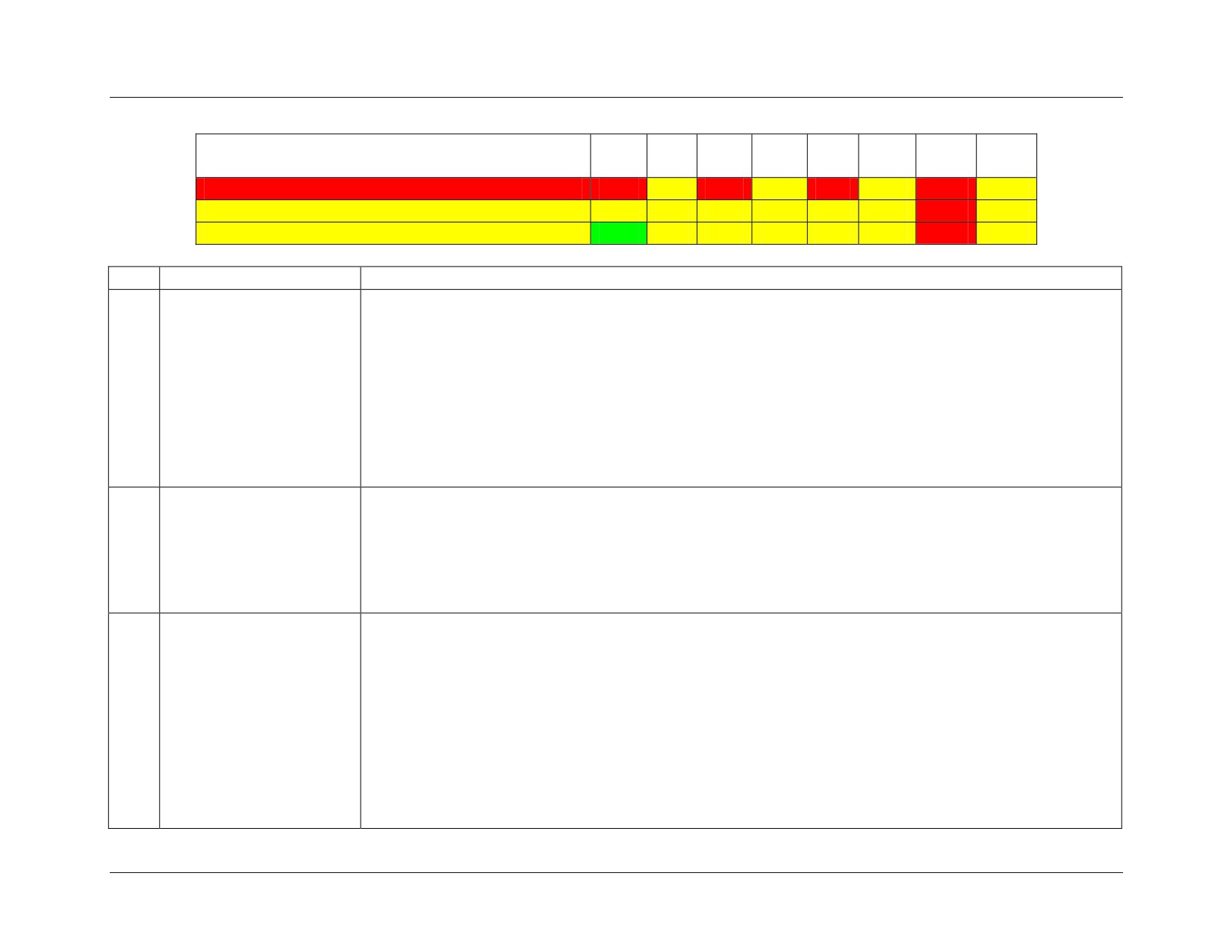
For Official Use Only
CBRND Functional Needs Analysis/Functional Solution Analysis
Chapter 9. Tactical Shape Tasks
Table 9.26-1. TASHA 26: Capability and Deficiency Assessment
Capability: Battlespace CBRND Information
M1
M2
M3
M4
M5
M6
M7
M8
Integration and Connectivity
Current Overall Capability
31
62
23
54
23
45
13
46
Near/Mid-Term Overall Capability
5
6
5
5
5
5
2
4
Far-Term Overall Capability
8
7
7
7
7
5
3
5
FAA Measure
Scale
M1
CBRND information is
8-10: Interoperable and integrated automated systems, processes, and tools collect, compile, correlate, and process
easily disseminated onto the
CBRN/TIM information for decisioning, planning, warning, reporting, and visualization. Information is continuously
GIG.
processed and updated over the GIG and posted on the COP in near-real time.
4-7: Manual processes are predominantly applied to the collection, compilation, correlation, and processing of
CBRN/TIM information for decisioning, planning, warning, and reporting. Information is updated periodically and
posted on the COP.
1-3: Processes are inadequate for the collection, compilation, correlation, processing, and/or dissemination of
CBRN/TIM information; or information dissemination is performed manually using existing communications systems.
0: Processes are nonexistent for the collection, compilation, correlation, processing, and/or dissemination of
CBRN/TIM information; or information dissemination cannot be accomplished using existing communications
systems.
M2
CBRND data and
8-10: Processes and formats exist generating detailed CBRND data and information. The data elements and formats
information formats are
are standardized and interoperable among all coalition partners.
interoperable across the
4-7: Manual processes and broad-based, and general formats exist and are employed for the dissemination of selected
coalition.
CBRND data and information to most need-to-know centers. Data elements and format are standardized and
recognized.
1-3: Data format and information interoperability are inadequate to support operational needs and requirements.
0: Data format and information interoperability are nonexistent.
M3
Operation center systems are
8-10: Automated operation center systems are interoperable with all force systems, and data elements and formats are
interoperable with force
standardized and interoperable and integrated between all coalition partners, participating agencies, and force
systems.
components. Information is disseminated using the GIG and displayed on the COP.
4-7: A combination of manual and automated processes are applied within the operation center to process and
disseminate information to all need-to-know centers. Information is updated periodically and posted on the COP.
Manual processes and broad-based, and general formats exist and are employed for the dissemination of selected
CBRND data and information. Data elements and format are standardized and recognized.
1-3: Operation center systems are not adequately interoperable with force, coalition, and/or participating agency
systems; and/or data elements and/or formats are inadequately interoperable and integratable across participating
entities.
0: Operation center systems are not interoperable with force, coalition, and/or participating agency systems; or data
elements and/or formats are not interoperable and integratable across participating entities.
205
For Official Use Only
For Official Use Only
CBRND Functional Needs Analysis/Functional Solution Analysis
Chapter 9. Tactical Shape Tasks
M4
Operation center systems
8-10: Automated operation center systems possess secure and uninterrupted connectivity with all force, coalition, and
possess connectivity with
participating agency systems with sufficient bandwidth to support the exchange of electronic information and data at a
force systems.
rate commensurate with intense operational activities.
4-7: Existing C4ISR systems provide connectivity to force, coalition, and participating agency systems on a priority
and as-available need basis. Connectivity and bandwidth is adequate to support most operations.
1-3: Operation center systems possess inadequate connectivity with similar force, coalition partner, and/or
participating agency systems; and/or necessary bandwidth.
0: Operation center systems possess inadequate or do not possess connectivity with similar force, coalition partner,
and/or participating agency systems; and/or bandwidth.
M5
Operation center software is
8-10: Automated operation center systems are interoperable with all force systems and data elements and formats are
interoperable with force
standardized and interoperable and integrated between all coalition partners, participating agencies, and force
software and formats.
components. Information is disseminated using the GIG and displayed on the COP.
4-7: A combination of manual and automated processes are applied within the operation center to process and
disseminate information to all need-to-know centers. Information is updated periodically and posted on the COP.
Manual processes and broad-based and general formats exist and are employed for the dissemination of selected
CBRND data and information. Data elements and format are standardized and recognized.
1-3: Operation center systems are not adequately interoperable with force, coalition, and/or participating agency
systems; or data elements and/or formats are inadequately interoperable and integratable across participating entities.
0: Operation center systems are not interoperable with force, coalition, and/or participating agency systems; or data
elements and/or formats are not interoperable and integratable across participating entities.
M6
Information surety controls
8-10: Active and in-depth automated information surety controls and processes correlate and validate received
are active.
information for authenticated originator, authorized coding sequence, data format, verification with other sources, and
indicators of tampering, secondary transport, or other information assurance surveillance requirements.
4-7: Manual and automated controls and processes are applied to validate and verify received information for potential
indications of adversary origination, tampering, and to ensure information is verified with other sources for accuracy
and completeness.
1-3: Information surety controls are inadequate to assure received and applied information is not affected by adversary
information warfare activities.
0: Information surety controls are nonexistent to assure received and applied information is not affected by adversary
information warfare activities.
M7
CBRN data and information
8-10: Processes and formats exist generating detailed CBRND data and information. The data elements and formats
are interoperable across other
are standardized and interoperable among all participating agencies.
agencies.
4-7: Manual processes and broad-based and general formats exist and are employed for the dissemination of selected
CBRND data and information to most need-to-know centers. Data elements and format are standardized and
recognized.
1-3: Data format and information interoperability is inadequate to support operational needs and requirements.
0: Data format and information interoperability is nonexistent.
206
For Official Use Only
For Official Use Only
CBRND Functional Needs Analysis/Functional Solution Analysis
Chapter 9. Tactical Shape Tasks
M8
There is effective DOTLPF
8-10: DOTLPF exists and is adequate for this task. Task can be effectively performed with little or no direct impact
in place to conduct task.
upon operations
4-7: Most critical aspects of DOTLPF for this task are addressed. Task can be performed with limitations requiring
work-arounds.
1-3: DOTLPF is inadequate for accomplishment of this task.
0: DOTLPF does not exist for this task.
1 CBRND information is not generally disseminated through the GIG. Information is disseminated using manually prepared formats and textual messages using existing C4ISR
communications systems. Posting on the COP, when accomplished, is performed manually. The projected mid-term initial fielding of JWARN, JEM, and JOEF will provide the
ability to disseminate CBRND information over the GIG enterprise service using C4ISR information systems and the COP. Completed fielding is expected in the early far term.
Net-centric operations and DISA data standards address interoperability and the interchange of information among DoD systems and elements. DoD systems are expected to be
increasingly in compliance with the DISA standards and net-centric capable, as appropriate, during the mid term. New DoD systems are currently required to be in compliance
with DISA standards and net-centric capable when fielded. All remaining legacy systems are projected to either be replaced by, or be fully compliant with, DISA standards and
net-centric capable in the far term.
2 The ATP-45 process, data elements, and formats are standardized throughout all NATO partners. ATP-45 is standard to all U.S. Forces and is generally recognized by most
coalition partners. ATP-45 is currently a manual process providing broad-based CBRND data and information. The mid-term initial fielding of JWARN, JEM, and JOEF will
automate many of the current manual processes. Completion of fielding of these systems is expected in the early far term. However, JWARN will continue to apply the ATP-45
data elements and processes. Current processes will remain. Net-centric operations and DISA data standards address interoperability and the interchange of information among
DoD systems and elements. DoD systems are expected to be increasingly in compliance with the DISA standards and net-centric capable, as appropriate, during the mid term. New
DoD systems are currently required to be in compliance with DISA standards and net-centric capable when fielded. All remaining legacy systems are projected to either be
replaced by, or be fully compliant with, DISA standards and net-centric capable in the far term. Interoperability with coalition partners, especially non-NATO partners, and other
agencies may be a continuing issue requiring maintenance of attentiveness and awareness by the responsible centers.
3 Operations center systems are not interoperable with most force, coalition, and participating agency systems. Other than the ATP-45 data elements and formats, most data
elements and formats are not interoperable with and between these systems. The mid-term initial fielding of JWARN, JEM, and JOEF does not resolve data interoperability and
integration issues. Net-centric operations and DISA data standards address interoperability and the interchange of information among DoD systems and elements. DoD systems are
expected to be increasingly in compliance with the DISA standards and net-centric capable, as appropriate, during the mid term. New DoD systems are currently required to be in
compliance with DISA standards and net-centric capable when fielded. All remaining legacy systems are projected to either be replaced by, or be fully compliant with, DISA
standards and net-centric capable in the far term. Interoperability with coalition partners, especially non-NATO partners, and other agencies may be a continuing issue requiring
maintenance of attentiveness and awareness by the responsible centers. Fielding of JWARN, JOEF, and JEM is expected to be completed early in the far term.
4 Current C4ISR systems in operation centers are generally stovepipe systems. Connectivity with other force, coalition partner, and participating agency systems is on a priority,
as-available basis and manually performed, provided connectivity and data exchange is not otherwise negated by data structures and transmission protocols. Net-centric operations
and DISA data standards address interoperability and the interchange of information among DoD systems and elements. DoD systems are expected to be increasingly in
compliance with the DISA standards and net-centric capable, as appropriate, during the mid term. New DoD systems are currently required to be in compliance with DISA
standards and net-centric capable when fielded. All remaining legacy systems are projected to either be replaced by, or be fully compliant with, DISA standards and net-centric
capable in the far term. Interoperability with coalition partners, especially non-NATO partners, and other agencies may be a continuing issue requiring maintenance of
attentiveness and awareness by the responsible centers. Bandwidth is adequate to support most operational requirements. However, the increasing demand for bandwidth to support
net-centric operations and to support interoperability and near-real-time data exchange in the mid to far term is likely to exceed available bandwidth, to the potential detriment of
operations.
5 A combination of manual and automated information surety controls and processes are currently applied to ensure information is complete, verified, authenticated, and
untampered. The process is time-consuming and the potential exists for errors to occur during periods of high OPTEMPO. JWARN, JEM, and JOEF—projected for initial fielding
in the mid term—include automated information surety controls and processes. These will assist in the process; however, these systems will require manual oversight and
operation. Fielding of these systems is expected to be completed in the early far term. Net-centric operations and DISA data standards address interoperability and the interchange
of information among DoD systems and elements. DoD systems are expected to be increasingly in compliance with the DISA standards and net-centric capable, as appropriate,
during the mid term. New DoD systems are currently required to be in compliance with DISA standards and net-centric capable when fielded. All remaining legacy systems are
207
For Official Use Only
For Official Use Only
CBRND Functional Needs Analysis/Functional Solution Analysis
Chapter 9. Tactical Shape Tasks
projected to either be replaced by, or be fully compliant with, DISA standards and net-centric capable in the far term. Interoperability with coalition partners, especially non-NATO
partners, and other agencies may be a continuing issue requiring maintenance of attentiveness and awareness by the responsible centers. Net-centric requirements and DISA
standards will, over the course of the mid and far term through updates to legacy systems and software or their replacement, increase integration of automated information surety
controls and processes. But information surety issues will remain with coalition partner and participating agency system information and data.
6 Current DOTLPF addresses the critical aspects of this task, although applying predominantly manual means for attainment. DOTLPF requires improvement to sufficiently
address information surety integration into force software and systems. This is especially critical with the increasing application of information systems on the battlefield within
net-centric operations. DOTLPF must continue to evolve as systems, tactics, and situations change.
208
For Official Use Only
For Official Use Only
CBRND Functional Needs Analysis/Functional Solution Analysis
Chapter 9. Tactical Shape Tasks
9.26.3
Functional Solution Analysis
9.26.3.1
DOTMLPF Assessment Summary
This section addresses the deficiencies and suggests potential non-materiel solutions. If there are
no non-materiel solutions or they are only partial solutions, the remaining non-materiel need is
then stated. Materiel needs are assessed in the IMA section.
1.
Deficiency: DOTMLPF is inadequate to support and effectively apply joint systems and
standards, and emerging technologies.
Partial Non-Material Solutions: Doctrine: Doctrine, policies, procedures, and TTPs must
ensure the integration of information assurance capabilities into legacy, evolving, and
emerging battlefield information technologies. Continued emphasis upon standardization of
data elements, formats, and the interoperability and connectivity of Force systems is
required. Organization: Ensure that organizational structures, processes, and capabilities
support implementation and the effective application of joint systems and emerging
technologies/systems. Training: Incorporate lessons learned and emerging technologies and
systems into initial, recurring and advanced training. Formulate standards and criteria for
challenging exercises and evaluations. Leadership: Ensure interoperability, connectivity, and
integration of deploying systems and standardization of data elements and formats are
pursued and accomplished. Facilities: Supporting necessary infrastructure.
2.
Deficiency: Insufficient emphasis upon compatibility and interoperability of CBRND
systems.
Partial Non-Material Solutions: Doctrine: Doctrine, policies, procedures, and TTPs must
ensure the interoperability of deploying systems and standardization of data elements and
formats.
3. Deficiency: Inadequate doctrine and training of the force.
Non-Material Solutions: Doctrine: Doctrine, policies, procedures, and TTPs require
ongoing update and enhancement to maintain currency with materiel developments and
operational needs. Training: Formal and recurring training, as well as challenging exercises
and evaluations, are essential to maintaining force capabilities and currency with materiel
developments and operational requirements.
9.26.3.2
IMA Assessment Analysis
Table 9.26-4 is a list of ideas for material approaches and a corresponding description of each
idea. The ability to obtain and process sensor data and tools to allow collaboration and
information exchange while maintaining the integrity of that information is essential to this task.
Table 9.26-5 identifies which of the material approaches might address specific materiel
deficiencies identified in the DOTMLPF assessment.
209
For Official Use Only
For Official Use Only
CBRND Functional Needs Analysis/Functional Solution Analysis
Chapter 9. Tactical Shape Tasks
Table 9.26-4. TASHA 26: Materiel Approaches
Idea for Materiel Approach
Description
Collect, exchange, and
Develop a system that collects and analyzes CBRN
disseminate information
information and sensor input, generates, edits, and
disseminates NBC reports, including downwind-hazard plots
and overlays, and verify receipt of reports and plots.
Transmission of data uses existing communications nets.
CBRN staff collaboration tools
Develop automated system among and between CBRND
specialists and other functions (e.g., operations, logistics) to
allow collaboration between these functional areas and link
to the COP.
Information assurance
Develop a CBRND system that processes and transmits
information in accordance with Information Assurance
Defense in Depth Standards, including certification and
accreditation in accordance with DoD and CJCS guidance.
210
For Official Use Only
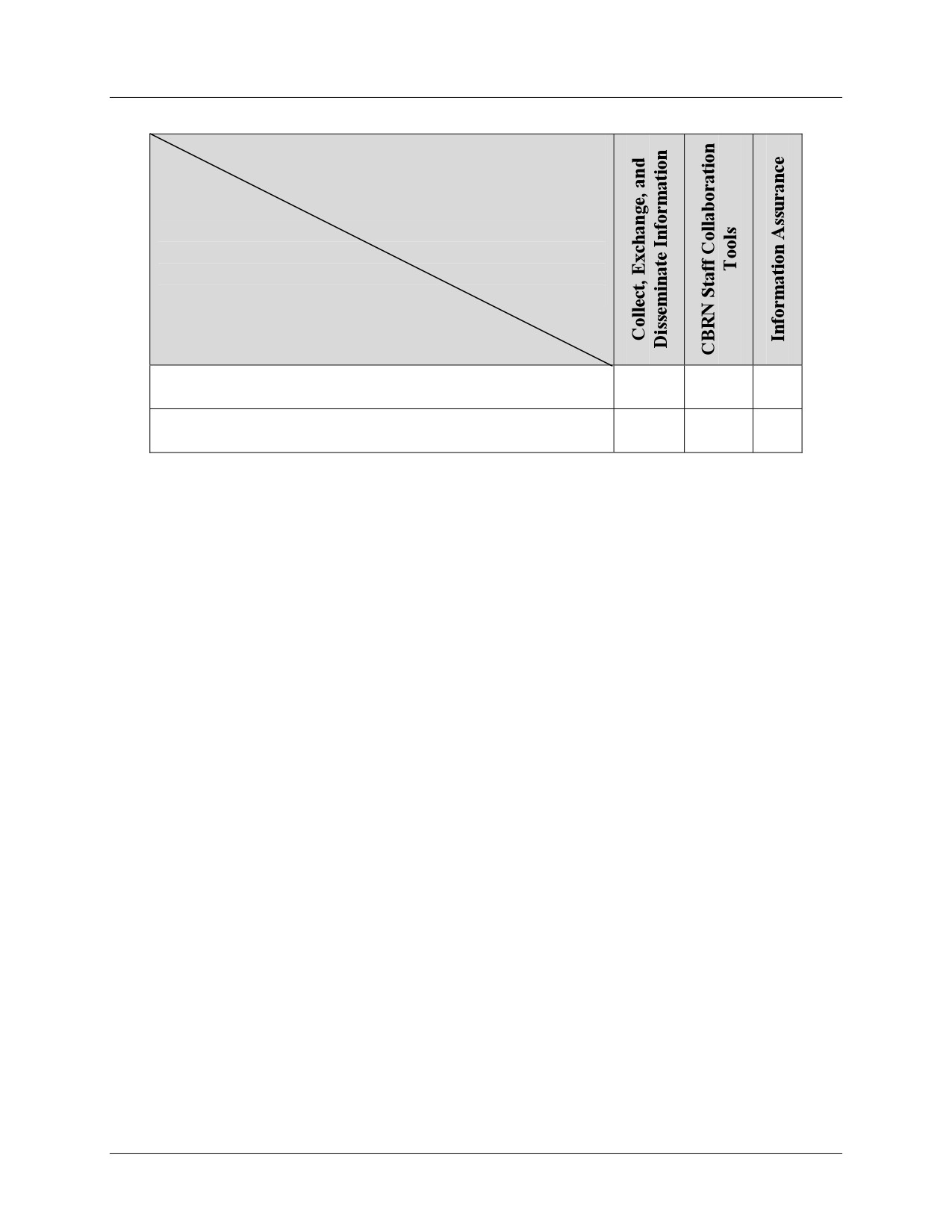
For Official Use Only
CBRND Functional Needs Analysis/Functional Solution Analysis
Chapter 9. Tactical Shape Tasks
Table 9.26-5. TASHA 26: IMA Assessment
Ideas for Material
Approaches
(IMA)
Identified Gaps
DOTMLPF is inadequate to support and effectively apply
X
X
X
Joint systems and standards, and emerging technologies.
Insufficient emphasis upon compatibility and
X
X
X
interoperability of CBRND systems
211
For Official Use Only
For Official Use Only
CBRND Functional Needs Analysis/Functional Solution Analysis
Chapter 9. Tactical Shape Tasks
9.27
Task TASHA 27: Ensure the means to collaboratively plan, assess, and manage
9.27.1
Functional Area Analysis
9.27.1.1
Definition
Ensures planners and staffs possess the appropriate means to collaboratively assess, plan, and
manage. Encompasses access to automated collaborative workspace tools that are integrated and
interoperable with existing C4ISR systems. Also encompasses movement of essential CBRN
information across networks and the GIG. Includes interactive access to information repositories
and expert advice. This task applies to all levels of command across the joint forces. This task
enables situational awareness, situational understanding, and effective decision making.
9.27.1.2
Derivation
UJTL (ST 2.2.1, ST 2.4.1, ST 2.5, ST 5, ST 5.1, ST 5.1.1, ST 5.1.2, ST 5.1.3, ST 5.1.4, ST 5.1.6, ST
5.2, ST 5.2.1, ST 5.3.1.1, ST 5.3.1.2, ST 5.3.1.3, ST 5.3.1.4, ST 5.3.3, ST 5.4.1, ST 5.4.3, ST 6, ST
6.2, ST 7.1.1, ST 8.1.4, ST 9, ST 9.3, ST 9.4, ST 9.5, ST 9.6), Protection Joint Functional
Concept, Military Transformation: A Strategic Approach, Transformation Planning Guidance,
An Operational Concept for Biological Defense.
9.27.1.2.1
Supported Task: OPSHA 11
9.27.1.2.2
Lateral Task: N/A
9.27.1.2.3
Supporting Task: N/A
9.27.1.3
Condition
Perform this task under conditions.
Physical. N/A
Military
1. Limited modern military systems. (C2.2.5)
2. Some interoperability. (C2.2.6)
3. Partial joint staff integration. (C2.3.1.1)
4. Partial multinational integration. (C2.3.1.2)
5. Restricted information exchange. (C2.3.1.8)
6. High information volume. (C2.3.1.9)
Civil
1. Fair information mangement. (C3.3.7.4)
212
For Official Use Only
For Official Use Only
CBRND Functional Needs Analysis/Functional Solution Analysis
Chapter 9. Tactical Shape Tasks
9.27.2
Functional Needs Analysis
9.27.2.1
Capability and Deficiency Assessment Summary
Table 9.27-1 discusses individual capabilities to perform this task to the designated standards.
The capabilities include the current manual method of preparing incident assessments and the
mid- to far-term fielding of JWARN, JEM and JOEF to meet the identified standards. The
overall capability for current, near/mid, and far term are rated “yellow.” Although improvements
between the periods occur for specific capabilities and are reflected in the associated identified
values, the improved capabilities are not sufficient to change the overall assessed color ratings
for this task.
Current Capability and Deficiency
Collaborative planning and management of CBRND activities is a manual and time-intensive
process. Some limited access is available to archived CBRN data. Current deficiencies include
absence of advanced tools for planning and assessment management; no robust capability for
remote situations; and absence of compliance with emerging network centric capability.
Projected Near/Mid-Term Capability and Deficiency
The fielding of the JWARN, JOEF, and JEM suite will significantly improve the capability of
the staff to plan, assess, and manage CBRND activities. Initial fielding is projected for the mid
term. However, improvements to this programmed capability are necessary. These include the
ability to access out-of-network experts, improved bandwidth, and expanded supporting
DOTLPF.
Projected Far-Term Capability and Deficiency
Fielding of JWARN, JOEF, and JEM is expected in the early far term.
213
For Official Use Only
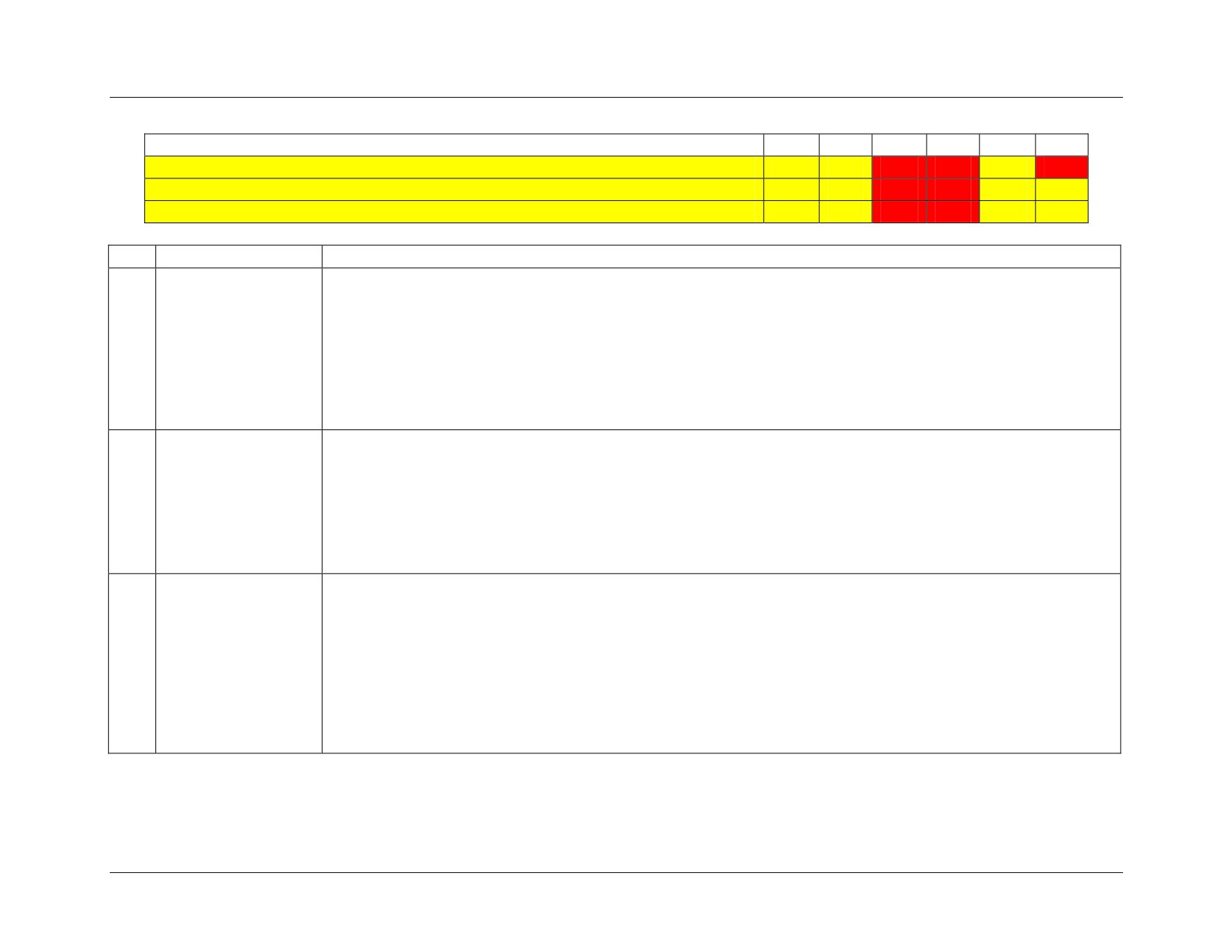
For Official Use Only
CBRND Functional Needs Analysis/Functional Solution Analysis
Chapter 9. Tactical Shape Tasks
Table 9.27-1. TASHA 27: Capability and Deficiency Assessment
Capability: Means of Collaboratively Planning, Assessing, and Managing
M1
M2
M3
M4
M5
M6
Current Overall Capability
51
51
32
32
43
34
Near/Mid-Term Overall Capability
5
5
3
3
5
4
Far-Term Overall Capability
6
6
3
3
7
5
FAA Measure
Scale
M1
Participants are able to
8-10: Secure, interoperable, and interactive electronic processes and workspaces with automated tools exist and are
exchange information.
predominantly applied by all relevant echelons of the joint force, coalition partners, and other authorized entities.
4-7: Collaborative and interoperable manual processes are predominantly applied by most planning staffs of the joint force,
coalition partners, and other authorized entities. Collaboration is performed via formal and informal review and comments of
drafted material, on-site representation, and/or voice discussions.
1-3: Collaborative processes are inadequate or are not adequately collaborative or interoperable within or between elements
of the joint force, coalition partners, and other authorized entities.
0: Collaborative processes do not exist or are not collaborative or interoperable within or between elements of the joint force,
coalition partners, and other authorized entities.
M2
Planning, assessment,
8-10: Secure, interoperable, and interactive electronic processes, workspaces, and automated tools exist and are
and management tools
predominantly applied by all relevant echelons of the joint force, coalition partners, and other authorized entities.
are interoperable.
4-7: Collaborative and interoperable manual processes and tools are predominantly applied by most staffs of the joint force,
coalition partners, and other authorized entities.
1-3: Tools and process are inadequate or are not adequately collaborative and interoperable within or between elements of
the joint force, coalition partners, and other authorized entities.
0: Tools and processes are nonexistent or are not collaborative and interoperable within or between elements of the joint
force, coalition partners, and other authorized entities.
M3
CBRND information
8-10: CBRN staff cell, unit staff, and automated systems possess unrestricted access to stored data and SMEs for CBRN/
repositories are
TIM agents and CBRND actions. CBRN/TIM agents and CBRND data sets are integrated and interoperable with CBRN
routinely accessible.
systems. Additional information support is available using electronic reachback and connectivity to information sources and
SMEs located outside the area of operations. Reachback is transparent to the user.
4-7: CBRN staff cell and unit personnel predominantly depend upon doctrine, policies, procedures, TTPs, reference
material, and acquired training and knowledge for evaluation and assessment of CBRN/TIM agents and determination of
CBRND actions as well as operational considerations. Reachback is routinely performed manually, although dependent upon
availability of communications resources.
1-3: Access to CBRN, TIM, and/or CBRND information repositories and/or SMEs is inadequate to support operations.
0: Access to CBRN, TIM, and/or CBRND information repositories and/or SMEs is nonexistent for support of operations.
214
For Official Use Only
For Official Use Only
CBRND Functional Needs Analysis/Functional Solution Analysis
Chapter 9. Tactical Shape Tasks
M4
Expert advice is
8-10: CBRN staff cell, unit staff, and automated systems possess unrestricted access to stored data and SMEs for CBRN/
routinely accessible.
TIM agents and CBRND actions. CBRN/TIM agents and CBRND data sets are integrated and interoperable with CBRN
systems. Additional information support is available using electronic reachback and connectivity to information sources and
SMEs located outside the area of operations. Reachback is transparent to the user.
4-7: CBRN staff cell and unit personnel predominantly depend upon doctrine, policies, procedures, TTPs, reference
material, and acquired training and knowledge for evaluation and assessment of CBRN/TIM agents and determination of
CBRND actions as well as operational considerations. Reachback is routinely performed manually, although dependent upon
availability of communications resources.
1-3: Access to CBRN, TIM, and/or CBRND information repositories and/or SMEs is inadequate to support operations.
0: Access to CBRN, TIM, and/or CBRND information repositories and/or SMEs is nonexistent for support of operations.
M5
CBRN information is
8-10: Interoperable and integrated automated systems, processes, and tools collect, compile, correlate, and process
processed using
CBRN/TIM information from systems and resources on the GIG for decisioning, information/action dissemination, warning
existing C4ISR assets.
and reporting, and situational awareness. Information is continuously processed, updated, and posted on the COP.
4-7: Manual processes are predominantly applied for the collection, compilation, correlation, and processing of CBRN/TIM
information. The process may be restricted as C4ISR systems access by CBRN personnel is shared with other staff personnel
and there may exist conflicting operational demands.
1-3: CBRN information processing is inadequate to support operations.
0: CBRN information processing is nonexistent for support operations.
M6
There is effective
8-10: DOTLPF exists and is adequate for this task. Task can be effectively performed with little or no direct impact upon
DOTLPF in place to
operations
conduct task.
4-7: Most critical aspects of DOTLPF for this task are addressed. Task can be performed with limitations requiring work-
arounds.
1-3: DOTLPF is inadequate for accomplishment of this task.
0: DOTLPF does not exist for this task.
1 CBRN/TIM and CBRND planning, assessments, and management currently require collaboration using traditional means such as telephone calls, personal visits, mail routing,
e-mail, and other similar means. There is an absence of electronic collaborative workspaces and tools that are interoperable and integrated through which differing functions and
activities are able to cooperatively assist and participate in the evaluation, assessment, planning, and decisioning process without time delay and the need for physical presence.
Automated tools could effectively enhance and be enhanced by collaborative workspaces. Collaborative workspaces and tools support net-centric operations. The mid-term initial
fielding of JWARN and its siting on existing C4ISR systems permits the reception and dissemination of CBRN/TIM event information. JWARN fielding is expected to be
completed in the early far term. However, the largely manual nature of current processes remains.
2 Predominantly manual access to CBRND information and guidance is performed to selected support entities and higher echelon of command. CBRN/TIM and CBRND
repositories do exist but are fragmented and generally not accessible by field units. SMEs and knowledge centers do exist for various aspects of CBRND but are generally not
known or accessible to deployed units. Reachback is performed in selected circumstances and is dependent upon operational considerations, available communications resources,
and personal knowledge of contacts for information. CBRN staff cell and unit personnel essentially rely upon electronic and hardcopy reference material taken by the staff and the
training and experience of the performing personnel.
3 Current processes are predominantly manual with limited automation. Process is labor- and time-consuming, and dependent upon the training, experience, and availability of
performing personnel as well as the quality of the collected information. The current capability is achieved using doctrine. CBRN staff cell and unit personnel possess access to
shared information technology resources and tools. CBRN personnel do not possess dedicated information technologies to perform training and operational requirements.
Available resources are shared with other requiring activities and functions. The communication of CBRN information is performed using existing and available C4ISR resources
but is not otherwise processed by these assets. The programmed mid-term initial fielding of JWARN, JOEF, and JEM, although CBRND-supporting technologies, will likely reside
215
For Official Use Only
For Official Use Only
CBRND Functional Needs Analysis/Functional Solution Analysis
Chapter 9. Tactical Shape Tasks
upon resident C4ISR hardware and not dedicated CBRND hardware resources. However, these systems are expected to reduce the time required to perform tasks and the
dissemination of information. JWARN, JOEF, and JEM are expected to be fully fielded in the early far term. These systems provide CBRN information processing capabilities.
4 -DOTLPF does address the collaborative assessment, planning, and management of CBRN/TIM incidents and CBRND. However, DOTLPF does not adequately address
dedicated CBRND staff cell information technology resources, information repositories, SMEs and SME centers, and automated tools and workspaces within the net-centric
environment. DOTLPF does not effectively support CBRND operations in a net-centric environment. DOTLPF must evolve to meet current and future needs resulting from
changes in systems, tactics, and situations.
216
For Official Use Only
For Official Use Only
CBRND Functional Needs Analysis/Functional Solution Analysis
Chapter 9. Tactical Shape Tasks
9.27.3
Functional Solution Analysis
9.27.3.1
DOTLPF Assessment Summary
This section addresses the deficiencies and suggests potential non-materiel solutions. If there are
no non-materiel solutions or they are only partial solutions, the remaining non-materiel need is
then stated. Materiel needs are assessed in the IMA section.
1.
Deficiency: Lack of CBRND information, data, and support systems meeting standards.
Partial Non-Material Solutions: Doctrine: Enhance doctrine, policies, procedures, and
TTPs to address the full scope of activities involving CBRN/TIM and CBRND information.
Include format, access, availability, transmission, processing, dissemination, and other
activities and functions critical to timely and accurate decisioning and response activities.
Training: Emphasis in formal and recurring training, as well as challenging criteria for
exercises and evaluations, upon means and methods ensuring timely, accurate, and effective
CBRN/TIM and CBRND planning, assessment, management, decisioning, and response.
2.
Deficiency: Absence of advanced tools for planning and assessment management.
Partial Non-Material Solutions: Training: Expand formal and recurring training, and
exercise and evaluation criteria, to include CBRN/TIM planning and assessment tools as they
are fielded.
3.
Deficiency: Lack of robust capability for very remote situations requiring high capacity and
competitiveness for bandwidth.
Partial Non-Material Solutions: Doctrine: Include mechanisms in doctrine, policy,
procedures, and TTPs for means and processes enabling remote locations to obtain needed
CBRND information. Training: Include mechanisms in formal and recurring training, and
their implementation and use in exercises and evaluations, for means and processes
addressing the ability of remote locations to obtain needed CBRND information.
4.
Deficiency: Absence of compliance with emerging network-centric capability.
Partial Non-Material Solutions: Doctrine: Ensure doctrine, policies, procedures, and TTPs
address the exchange CBRN/TIM and CBRND data and information across the network and
posting on the COP. Training: Ensure formal and recurring training, as well as exercise and
evaluation criteria, address the exchange of CBRN/TIM and CBRND data information across
the network and posting on the COP.
9.27.3.2
IMA Assessment Summary
Table 9.27-4 is a list of ideas for material approaches and a corresponding description of each
idea. Approaches here span the spectrum of approaches in previous paragraphs, including sensor
data acquisition and processing, modeling and simulation for planning and warning and, of
course, the ability to actively collaborate between units, commands, services, other agencies and
coalition partners. Table 9.27-5 identifies which of the material approaches might address
specific materiel deficiencies identified in the DOTMLPF assessment.
217
For Official Use Only
For Official Use Only
CBRND Functional Needs Analysis/Functional Solution Analysis
Chapter 9. Tactical Shape Tasks
Table 9.27-4. TASHA 27: Materiel Approaches
Idea for Materiel Approach
Description
Information assurance
Develop a CBRND system that processes and transmits information in accordance with
Information Assurance Defense in Depth Standards, including certification and accreditation in
accordance with DoD and CJCS guidance.
Collect, exchange, and
Develop a system that collects and analyzes CBRN information and sensor input; generates,
disseminate information
edits, and disseminates NBC reports, including downwind-hazard plots and overlays; and verify
receipt of reports and plots. Transmission of data uses existing communication nets.
Link to GIS
Develop a system resident in standard C4ISR systems with interface with GIS to provide input
to the COP.
Simulations and models
Develop a system that will enable operational commanders to efficiently execute “what if”
scenarios and facilitate the evaluation of COAs.
Database
Develop a system enabling operational commanders to efficiently execute “what if” scenarios
and facilitate the evaluation of plausible adversary and friendly COAs, CBRN employment, and
TIM ROTA.
Reachback capability
Develop a system providing the ability to rapidly and securely reach back and contact CBRN
experts and obtain CBRND plans, procedures, information, and lessons learned.
Risk factor templates
Develop a system merging CBRN, intelligence, and operational data and plans into
standardized automated formats for application to effectively and rapidly accomplish
CBRN/TIM functions and activities.
Link to COP
Develop a CBRND information system resident in standard C4ISR systems with interface with
GIS to provide input to the COP.
218
For Official Use Only
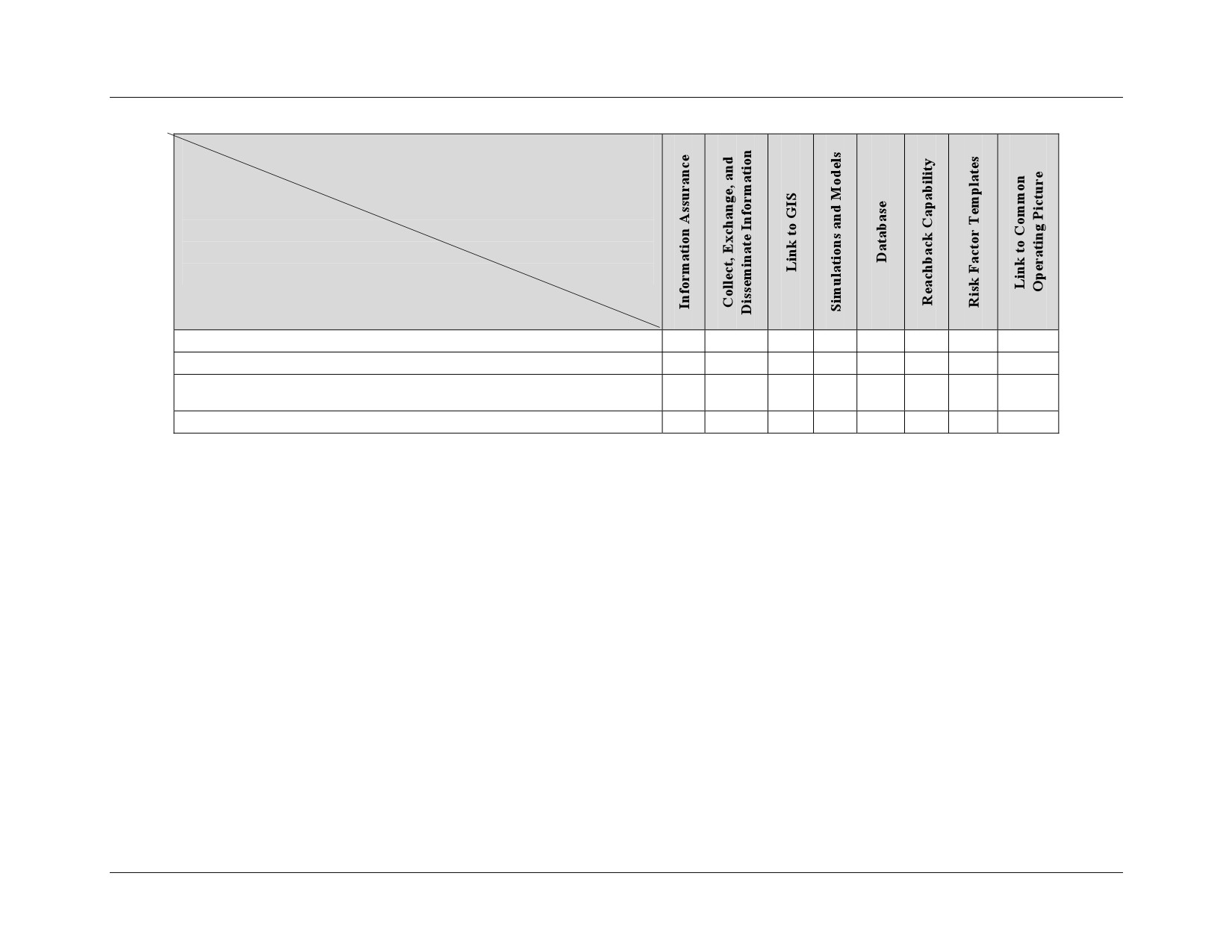
For Official Use Only
CBRND Functional Needs Analysis/Functional Solution Analysis
Chapter 9. Tactical Shape Tasks
Table 9.27-5. TASHA 27: IMA Assessment
Ideas for Material
Approaches
(IMA)
Identified Gaps
Lack of CBRND information, data, and support systems meeting standards
X
X
X
X
X
X
X
X
Absence of advanced tools for planning and assessment management.
X
X
X
X
X
X
Lack of robust capability for very remote situations requiring high capacity
X
X
X
and competitiveness for bandwidth.
Absence of compliance with emerging network centric capability.
X
X
X
X
219
For Official Use Only