CHEMICAL, BIOLOGICAL, RADIOLOGICAL, AND NUCLEAR DEFENSE (CBRND) FUNCTIONAL NEEDS ANALYSIS. FINAL REPORT (2005) - page 8

For Official Use Only
CBRND Functional Needs Analysis/Functional Solution Analysis
Chapter 6. Strategic National Shape Tasks
Table 6.14-1. SNSHA 14: Capability and Deficiency Assessment
Capability: Joint Staff Directorate for Intelligence, J-2
M1
M2
M3
Current Overall Capability1
Y2
Y3
Y4
Near/Mid-Term Overall Capability
Y5
Y
Y
Far-Term Overall Capability6
Y7
Y
Y
FAA Measure
Scale
M1
Countries or transnational organizations initiating the exportation of
G - Yes, Y - Limited, R - No
CBRN/TIM weapons or components to other countries or transnational
organizations are detected and identified.
M2
Intelligence on countries or transnational organizations initiating
G - Yes, Y - Limited, R - No
exportation of CBRN/TIM weapons or components to other countries or
transnational organizations is accurate.
M3
Strategic surprise does not occur.
G - Yes, Y - Limited, R - No
1 Joint intelligence and CBRN publications do not adequately address this issue. JRO-CBRND is not adequately staffed and
organized to meet its intelligence-related responsibilities. The J-2 staff is not adequately trained/educated in CBRN issues. CBRN
staff officers are not adequately trained/educated in intelligence issues. Experimentation does not provide feedback on
intelligence indicators for this task. JPME does not adequately cover the fusion of intelligence/CBRN issues.
2 The J-2 works with various national-level organizations to detect and identify countries or transnational organizations initiating
the exportation of CBRN/TIM weapons or components to other countries or transnational organizations. Techniques and
procedures to facilitate this process and to provide useful indicators may not be adequate.
3 The J-2 works with various national-level organizations to ensure accuracy of intelligence on countries or transnational
organizations initiating the exportation of CBRN/TIM weapons or components to other countries or transnational organizations.
Techniques and procedures to facilitate this process and to ensure accuracy may not be adequate.
4 The J-2 works with various national-level organizations to ensure that strategic surprise does not occur. Adequate resources and
means may not be sufficiently applied to ensure countries or transnational organizations initiating the exportation of CBRN/TIM
weapons or components to other countries or transnational organizations are detected.
5 Near/mid-term improvements for all measures will depend upon the emphasis placed upon, and efficacy of experimentation
which will be designed to close knowledge gaps.
6 DOTMLPF to support task should improve if effective experimentation closes knowledge gaps.
7 Once knowledge gaps are closed, concepts may be refined and new capabilities will be proposed and refined as a result of
experimentation.
73
For Official Use Only
For Official Use Only
CBRND Functional Needs Analysis/Functional Solution Analysis
Chapter 6. Strategic National Shape Tasks
6.14.3
Functional Solution Analysis
6.14.3.1
DOTLPF Assessment Summary
This section addresses the deficiencies and suggests potential non-materiel solutions. If there are
no non-materiel solutions, or they are only partial solutions, the remaining non-materiel need is
then stated. Materiel needs are assessed in the IMA Summary.
1.
Deficiency: Techniques and procedures to facilitate detecting and identifying countries or
transnational organizations initiating the exportation of CBRN/TIM weapons or components
to other countries or transnational organizations may not be adequate.
Non-Materiel Solutions: Doctrine: JRO-CBRND must work with J-2 and/or national
intelligence organizations to develop effective techniques, procedures, and indicators for
detecting and identifying countries/transnational organizations initiating the exportation of
CBRN/TIM weapons or components to other countries/transnational organizations. These
indicators must include the means to determine agent types, nuclear weapon types and
yields, TIMs being considered, means by which to release TIMs, delivery modes or systems,
countries and transnational organizations involved, business interests or industrial
organizations involved, shipping mechanisms, techniques used to avoid detection and enter
nation states, and routes.
2.
Deficiency: Techniques and procedures to ensure accurate intelligence on countries or
transnational organizations initiating the exportation of CBRN/TIM weapons or components
to other countries or transnational organizations may not be adequate.
Non-Materiel Solutions: Doctrine: JRO-CBRND must work with J-2 and/or national
intelligence organizations to develop effective techniques and procedures to ensure accurate
intelligence on countries or transnational organizations initiating the exportation of
CBRN/TIM weapons or components to other countries or transnational organizations and to
develop metrics to measure accuracy.
3.
Deficiency: Adequate resources and means may not be sufficiently applied to ensure that a
nation state or transnational organization initiating the exportation of CBRN/TIM weapons
or components to other countries or transnational organizations is detected.
Non-Materiel Solutions: Organization: The CBRN organization or staffing of the J-2 as
well as each national intelligence organization must be analyzed from a DoD standpoint to
ensure that they can provide required CBRN intelligence concerning CBRN hazards. These
hazards need to be detected, identified and quantified in order for Shape to provide a clear
understanding of the current and predicted CBRN situation to the commander. An
organization dedicated to providing CBRN technical expertise and assistance to the J-2 and
national-level intelligence organizations should be established. Training: JRO-CBRND must
work with J-2 and/or national intelligence organizations to develop effective training for
analysts as well as those managing all means of collection. The training must allow analysts
and collection managers the means by which to determine inadequacy of collection
mechanisms and a means to make recommendations for improvement. Leadership: JRO-
CBRND must work with J-2 and/or national intelligence organizations to develop an
effective CBRN education program for analysts as well as those managing all means of
74
For Official Use Only
For Official Use Only
CBRND Functional Needs Analysis/Functional Solution Analysis
Chapter 6. Strategic National Shape Tasks
collection. The education process must provide analysts and collection managers with the
tools they need to assess the efficacy of their analysis and collection efforts. Personnel:
Personnel should not be assigned to intelligence analysis or collection activities vital to
CBRN areas without requisite CBRN education and/or experience. Facilities: Training
requirements should be analyzed and special training facilities developed/modified if
required.
4.
Deficiency: Joint intelligence and CBRN publications do not adequately address this issue.
Non-Materiel Solutions: Doctrine: Joint intelligence and CBRN publications must be
enhanced to adequately address this issue and to interface with each other so that roles and
responsibilities are clearly delineated.
5.
Deficiency: JRO-CBRND is not adequately staffed and organized to meet its intelligence-
related responsibilities.
Non-Materiel Solutions: Organization: JRO-CBRND should have a staff section dedicated
to resolving CBRN intelligence community issues. Personnel: JRO-CBRND should have
adequate trained/experienced personnel assigned to man a staff section dedicated to
resolving CBRN intelligence community issues.
6.
Deficiency: The J-2 staff is not adequately trained/educated in CBRN issues.
Non-Materiel Solutions: Training: Develop training that will enable the J-2 staff to better
understand their CBRN role and enhance their ability to obtain intelligence that is required to
support the Shape function of strategic national CBRND. Leadership: Develop an education
program that will enable the J-2 staff to better understand their CBRN role and enhance their
ability to obtain intelligence that is required to support the Shape function of strategic
national CBRND.
7.
Deficiency: CBRN staff officers are not adequately trained/educated in intelligence issues.
Non-Materiel Solutions: Training: Develop training programs that allow CBRN staff
officers to better support the CBRN intelligence process. Leadership: Develop education
programs that allow CBRN staff officers to better understand the CBRN intelligence process
and their roles and responsibilities.
8.
Deficiency: Experimentation/red teaming does not provide feedback on intelligence
indicators for this task.
Non-Materiel Solutions: Training: JRO-CBRND must work with J-2 and/or national
intelligence organizations to integrate this task into both intelligence and CBRN
experimentation campaign plans. Interagency experimentation and exercises must also be
developed to cover nonproliferation issues.
9.
Deficiency: JPME does not adequately cover the fusion of intelligence/CBRN issues.
Non-Materiel Solutions: Leadership: Integrate intelligence/CBRN fusion issues into JPME.
10. Deficiency: DoD CBRN experts detailed to the national intelligence organizations do not
receive adequate preparation, support, or briefing for DoD lessons learned.
75
For Official Use Only
For Official Use Only
CBRND Functional Needs Analysis/Functional Solution Analysis
Chapter 6. Strategic National Shape Tasks
Non-Materiel Solutions: Organization: Ensure that CBRN organizations that provide DoD
detailees to national intelligence organizations are proactive in ensuring their institutional
CBRN intelligence needs are both understood and met and that the detailees they provide are
prepared in every way. Leadership: CBRN DoD detailees to national intelligence
organizations must be provided with formal educational preparation. Personnel: CBRN DoD
detailees to national intelligence organizations must possess adequate skill and experience.
6.14.3.2
IMA Assessment Summary
N/A
76
For Official Use Only
For Official Use Only
CBRND Functional Needs Analysis/Functional Solution Analysis
Chapter 7. Strategic Theater Shape Tasks
CHAPTER 7. STRATEGIC THEATER SHAPE
TASKS
For Official Use Only
For Official Use Only
CBRND Functional Needs Analysis/Functional Solution Analysis
Chapter 7. Strategic Theater Shape Tasks
Table of Contents
List of Acronyms
ii
7.0
Strategic Theater Shape
1
7.1
Task STSHA 1: Characterize the theater CBRN/TIM threat and situation
5
7.2
Task STSHA 2: Conduct theater CBRN/TIM vulnerability analysis
11
7.3
Task STSHA 3: Determine CBRND resources required to meet the theater
CBRND situation
17
7.4
Task STSHA 4: Ensure theater CBRND readiness
22
7.5
Task STSHA 5: Coordinate theater CBRND information systems and processes
27
7.6
Task STSHA 6: Provide theater CBRND strategy, plans, and policy
32
7.7
Task STSHA 7: Coordinate CBRND aspects of theater medical operations
36
7.8
Task STSHA 8: Coordinate theater CBRND operations
40
7.9
Task STSHA 9: Develop TEPs for Shape considerations and activities for
assigned theater or designated countries
45
7.10
Task STSHA 10: Establish theater cooperative CBRN/TIM-detection policies,
procedures, and networks
49
7.11
Task STSHA 11: Develop theater policies, standards, and procedures for
determining employment of CBRN/TIM weapons
54
i
For Official Use Only
For Official Use Only
CBRND Functional Needs Analysis/Functional Solution Analysis
Chapter 7. Strategic Theater Shape Tasks
7.0
Strategic Theater Shape
7.0.1
Introduction
At the strategic level of war, a nation, often as a member of a group of nations, determines
national or multinational (alliance or coalition) security objectives and guidance and develops
and uses national resources to accomplish these objectives. Activities at this level establish
national and multinational military objectives, sequence initiatives, define limits and assess risks
for the use of military and other instruments of national power, develop global plans or theater
war plans to achieve these objectives, and provide military forces and other capabilities in
accordance with strategic plans. The strategic theater sublevel encompasses combatant command
tasks. Eleven strategic theater shape tasks were identified in the chemical, biological,
radiological, and nuclear (CBRN) Functional Area Analysis (FAA).
This chapter, detailing the Strategic Theater (ST) Shape (SHA) area, restates relevant
information from the CBRN Defense (CBRND) FAA, including a description of each of the 11
STSHA tasks, derivation of the task, an indication of other linked-tasks, and the pertinent
conditions. The Functional Needs Analysis (FNA) section addresses the capability and
deficiency analysis and gives a brief description of potential near-term changes. Once all the
capabilities are considered, the assessment concludes with a separate, overarching look at the
entire capability spectrum to identify remaining gaps and/or synergies. The Functional Solutions
Analysis (FSA) section addresses possible solutions for the deficiencies identified in the FNA
section. These are categorized into materiel or non-materiel. The non-materiel solutions are
addressed first and reflect one or more of the six areas of DOTLPF: doctrine, organization,
training, leadership, personnel, and facilities. If there is no non-materiel solution to the
deficiencies, then materiel solutions are considered. These encompass broad approaches that are
not system-specific. These potential materiel approaches are addressed and in the Ideas for
Materiel Approaches (IMA) section. The IMAs provide a possible near- or far-term resolution to
identified deficiencies within the individual capabilities.
7.0.2
FNA Summary
Table 7.0-1 summarizes the overall current and projected capability to perform the STSHA tasks
identified in the CBRND FAA. The overall capability to conduct these tasks in the current time
frame is assessed as “yellow.” From a readiness point of view, any combatant command
(COCOM) staff has a team of operational planners and information command and control
specialists to include CBRND subject matter experts. This team of experts forms the backbone of
the COCOM staff and command structure. The COCOM staff is responsible for readiness, to
include CBRN issues and concerns. Joint Tactics, Techniques, and Procedures (JTTPs) and tools
to evaluate and assess CBRND staffs, capabilities, systems, and concepts within an Area of
Responsibility (AOR) are limited. Forces and staffs of other nations may or may not have
training, equipment, or experience to effectively conduct CBRND operations. The theater
CBRN/toxic industrial material (TIM) vulnerability analysis and risk assessments process
surpasses the sole purview of DoD. Actionable CBRN intelligence is only as valid as its source
and the time it takes to process. Possible and plausible CBRN employment and TIM hazards are
not necessarily also included in visualizing the impact of adversary Courses of Action (COAs)
1
For Official Use Only
For Official Use Only
CBRND Functional Needs Analysis/Functional Solution Analysis
Chapter 7. Strategic Theater Shape Tasks
on forces of interest. TIM vulnerability assessment tools are limited; TIM vulnerability analysis
must be conducted manually on a region-by-region basis. There are also deficiencies associated
with a COCOM’s ability to coordinate theater CBRND information systems and processes
required to meet the theater CBRN/TIM situation. As programmed, the Joint Warning and
Reporting Network (JWARN) is a suite of hardware and software that should, once fully
operational, provide adequate coverage to each of the measures listed in Table 7.0-1. Until
JWARN is fully operationally capable, limitations to CBRN information systems and processes
include manual data receipt and entry, limited interface with the Common Operating Picture
(COP), restricted information flow into the Global Command and Control System (GCCS) and
limitations to real-time situational awareness. JWARN is available within the theater and
interfaces with the GCCS but is currently limited to manual input and retrieval. Capability will
improve dramatically with the anticipated fielding initial operational capability (IOC) of the Joint
Effects Model (JEM) Block I in FY2006 and the IOC of the Joint Operational Effects Federation
(JOEF) Block I, Increment I in FY2008. JOEF will provide a significant CBRN-adaptive
planning capability. The JEM will provide a single, validated capability to predict and track
CBRN and TIM events and effects. The JOEF will provide an operational requirements
modeling and simulation system which accurately predicts CBRN effects on personnel,
equipment, and operations.
Despite continuing improvements in all of these areas, STSHA is projected only to “yellow”
over the mid term. The overall projected assessment remaining the same for ST-level Shape
tasks is based on anticipated extrapolated results of current and programmed doctrine,
organization, training, materiel, leadership and education, personnel, and facilities (DOTMLPF)
initiatives. There are no major technological barriers to be overcome, but major emphasis in
future budgeting and programming of resources will be required to initiate or enhance
recommended DOTMLPF solutions. The estimated pace of change reflected in this assessment
could be accelerated or slowed based on decisions to accelerate or slow the implementation of
recommended solutions. An additional assessment challenge is to anticipate and incorporate the
contribution that an educated, trained, and experienced leadership base will make to
improvements in CBRND Shape capability. Integration of CBRND capability improvements and
enhancements into the fabric of all DoD functions will be possible only when leaders at every
level have a foundational and practical understanding of the impacts of CBRN effects on their
functional areas. Leaders must be able to assess these impacts and to develop solutions within
their functional domains that will mitigate or eliminate these impacts.
Many of the current DOTMLPF solution recommendations have been made to correct
deficiencies in leader CBRND education and training. A CBRND-experienced leadership base
will be realized only when future education and training initiatives have been established long
enough to produce educated and trained leaders. As of October 2004 a new CJCSI 1800.01B,
Officer Professional Military Education Policy has been produced with no CBRND learning
areas or objectives. Lack of inclusion of CBRND learning areas/objectives has in the past been
cited by academic deans as a justification for why more emphasis could not be placed on
CBRND issues in their curricula. One of the 10 special areas of emphasis approved and proposed
for 2005 by the July 2004 Joint Faculty Education Conference Initial Assessment is combating
weapons of mass destruction (WMDs). But even if this proposal is accepted, special areas of
emphasis are nonbinding. Until this Chairman of the Joint Chiefs of Staff Instruction (CJCSI)
2
For Official Use Only

For Official Use Only
CBRND Functional Needs Analysis/Functional Solution Analysis
Chapter 7. Strategic Theater Shape Tasks
provides definitive and directive guidance for providing CBRND integration into Joint
Professional Military Education (JPME) curricula, this problem will continue.
Table 7.0-1. Strategic Theater Shape Summary FNA Findings
CBRN Strategic
CBRN Strategic Theater Shape Task Title
Capability
Theater Shape
Near/
Task Number
Current
Far
Mid
Characterize the theater CBRN/TIM threat and
STSHA 1
situation.
•
•
•
Conduct theater CBRN/TIM vulnerability
STSHA 2
analysis.
•
•
•
Determine CBRN resources required to meet
STSHA 3
the theater CBRN situation.
•
•
•
STSHA 4
Ensure theater CBRND readiness.
•
•
•
Coordinate theater CBRND information
STSHA 5
systems and processes.
•
•
•
STSHA 6
Provide theater CBRND plans and policy.
•
•
•
Coordinate CBRND aspects of theater medical
STSHA 7
operations.
•
•
•
STSHA 8
Coordinate theater CBRND operations.
•
•
•
STSHA 9
Develop TEPs for Shape-related issues.
•
•
•
Establish Theater cooperative CBRN/TIM-
STSHA 10
detection policies, procedures, and networks.
•
•
•
Develop theater policies, standards, and
STSHA 11
procedures for determining employment of
•
•
•
CBRN/TIM weapons.
OVERALL
•
•
•
7.0.3
FSA Summary
The paragraphs below summarize the assessment of all potential DOTMLPF (non-materiel and
materiel) solutions for the capability gaps identified in the FNA section.
7.0.3.1
DOTLPF
The DOTLPF solutions identified in this chapter are associated primarily with training and
doctrinal issues and include the development of JTTPs. Before a CBRN/TIM attack, the
combatant commander will need to be proactive in determining and shaping the theater
CBRN/TIM situation. In large measure, this shaping will be conducted in a virtual and simulated
3
For Official Use Only
For Official Use Only
CBRND Functional Needs Analysis/Functional Solution Analysis
Chapter 7. Strategic Theater Shape Tasks
environment. Although some CBRN-related training and evaluation may be conducted, such
events at the theater level are frequently stovepiped and compartmentalized. Therefore, an
accurate assessment of true capabilities is difficult to obtain. JTTPs, training, and exercises must
be developed to facilitate assessing theater CBRND readiness. Means and methods must be
developed to ensure currency and accuracy of intelligence throughout the intelligence acquisition
community. Incorporate Joint Intelligence Center (JIC) queries into overall intelligence
community (IC) capabilities. Develop formal JTTPs which address TIM hazards and their impact
on friendly and adversary COAs. Develop JTTPs to address regional TIM and biological warfare
agent vulnerability analysis. Universal Joint Task List (UJTL) 5.0 should be approved and
published at the earliest opportunity after being vetted. Staff planning guidance that provides
factors for CBRN resources under varying threat levels should be developed. Resource materiel
management positions with qualified logistics-CBRN experts are needed. JTTPs that specifically
address a joint CBRND logistic tracking system and JTTPs that specifically address joint
CBRND materiel resources, below the wholesale level, should be developed. The COCOM
commander will need to have a dedicated staff cell within the HQ to provide theater CBRND,
plans, policies, and guidance. JTTPs and joint training and education courses need to be
developed to focus planners on the complex nature of planning for CBRND operations,
restoration and elimination operations, and the development of planning guidance. Other
solutions include improvement in environmental health and safety training of deploying forces
and JTTPs for medical management of TIM casualties. International exercises must be held to
identify capability gaps in international CBRN/TIM employment verification procedures. New
doctrine and TTPs need to address procedures for all of the international community and
approaches to verifying TIM employment.
7.0.3.2
IMA
This paragraph summarizes possible material approaches that address the remaining materiel
requirements of the DOTLPF assessment. Continued work on analysis probability tools and
models is required. No automated tools exist for assisting in the conduct of global vulnerability
assessments focusing on potential adversary COAs. Because of the wide range of options
available to potential adversaries, tools must be available that can take as input that which is
known, and then model and forecast all potential COAs. Formal automated analytical processes
to facilitate TIM vulnerability analysis must be developed. Development of cooperative linkages
between various proponent and service detection and sensing technologies is required. Other
materiel needs include an automated global database/software program of CBRN/TIM hazards
and an automated plume-prediction technology tied to real-time geospatial unit location such as
JEM and JOEF.
4
For Official Use Only
For Official Use Only
CBRND Functional Needs Analysis/Functional Solution Analysis
Chapter 7. Strategic Theater Shape Tasks
7.1
Task STSHA 1: Characterize the theater CBRN/TIM threat and situation
7.1.1
Functional Area Analysis
7.1.1.1
Definition
To characterize the CBRN/TIM threat and situation for the combatant commanders and theater
component commanders. Uses Sense data to move from situational awareness as well as shared
awareness to shared understanding. Allows military leadership to develop a clear understanding
of the current and predicted CBRN/TIM situation and its impact on theater operations in near-
real time. Informs personnel; provides actual and potential impacts of CBRN/TIM hazards; and
envisions critical Sense, Shield, and Sustain end states, including preparing for operations and
visualizing the sequence of events that moves the theater force from its current state to those end
states. Includes establishing collection priorities and coordination with intelligence agencies to
collect information on CBRN/TIM capabilities encompassing such things as adversary intent and
objectives, weapons availability and capacity, expected tactics, potential targets, and willingness
or historic propensity to employ CBRN/TIM weapons. Also includes compiling and analyzing
intelligence information and data provided by intelligence agencies or resources satisfying the
theater CBRN/TIM threat intelligence collection plan. Provides processed theater CBRN/TIM
threat intelligence for development of regional vulnerability assessments and for an
understanding of the current and predicted CBRN/TIM situation. Provides the basis for CBRND
tasking of and warning to the combatant commanders and Services. Appropriate collaboration
occurs with interagency and international parties. This task further encompasses theater medical
intelligence to be collected in support of CBRND analysis.
7.1.1.2
Derivation
UJTL (ST 2.2.1, ST 2.4, ST 2.4.1, ST 2.5, ST 5.2.1, ST 5.3.3, ST 5.4.1, ST 6, ST 8.1.4, ST 8.2, ST
9, ST 9.4, ST 9.5, ST 9.6), Protection Joint Functional Concept, Military Transformation: A
Strategic Approach, Transformation Planning Guidance.
7.1.1.2.1
Supported Task: SNSHA 1
7.1.1.2.2
Lateral Tasks: STSENS 1, STSENS 2, STSENS 3, STSENS 4, STSENS 5,
STSENS 6, STSENS 8, STSENS 9, STSHA 2
7.1.1.2.3
Supporting Tasks: OPSHA 1, OPSHA 10
7.1.1.3
Condition
Perform this task under conditions of:
Physical N/A
Military
1. Restrictive mission instructions. (C2.1.1)
5
For Official Use Only
For Official Use Only
CBRND Functional Needs Analysis/Functional Solution Analysis
Chapter 7. Strategic Theater Shape Tasks
2. No preexisting arrangements. (C2.1.1.2)
3. No or outlined mission preparation. (C2.1.3)
4. Few modern military systems. (C2.2.5)
5. Few modern military simulation systems. (C2.2.5.5)
6. Poor Joint Staff integration. (C2.3.1.1)
7. Poor multinational integration. (C2.3.1.2)
8. Limited staff expertise. (C2.3.1.3)
9. Highly restricted information exchange. (C2.3.1.8)
10. High information volume. (C2.3.1.9)
11. Negligible intelligence database. (C2.4.2)
12. Negligible theater intelligence access. (C2.4.4)
13. Little or no certitude of data. (C2.4.6)
14. Negligible deployed supplies. (C2.8.2)
Civil
1. Correct interdepartmental/interagency relationships. (C3.1.1.3)
2. Negative foreign government support. (C3.1.2.3)
3. Uncertain international organization support. (C3.1.2.5)
4. Restrictive Presidential and/or Secretary of Defense decisions. (C3.1.3)
5. Low internationalism. (C3.2.6.5)
6. High health risk. (C3.3.1.5)
7. Unspecified TIM present in the civilian sector. (C3.3.7.5)
7.1.2
Functional Needs Analysis
7.1.2.1
Capability and Deficiency Assessment Summary
Table 7.1-1 discusses the proposed capability to perform the task to the designated standard.
There is only one capability that exists, and no other capability is projected that will accomplish
this task.
Current Capability and Deficiency
The Joint Intelligence Center of the joint force headquarters is responsible for providing and
producing the intelligence required to support the joint force commander and staff, components,
task forces and elements, and the national intelligence community (Joint Publication 1-02). Joint
intelligence and CBRN publications do not adequately address characterizing the theater
CBRN/TIM threat and situation. The theater-level CBRN staff is not adequately staffed and
organized to meet its intelligence-related responsibilities. The J2 staff is not adequately
trained/educated in CBRN issues. CBRN staff officers are not adequately trained/educated in
intelligence issues. Experimentation does not provide feedback on the accurate characterization
of the threat for this task. JPME does not adequately cover the fusion of intelligence/CBRN
issues. Therefore, the current overall assessment is “yellow.”
6
For Official Use Only
For Official Use Only
CBRND Functional Needs Analysis/Functional Solution Analysis
Chapter 7. Strategic Theater Shape Tasks
Projected Near/Mid-Term Capability and Deficiency
No other capability is currently projected for the near/mid term. Capability improvements are
forecast for the near/mid term through DOTMLPF improvements in all deficient areas as a result
of initiatives that use data resulting from focused experimentation. The overall assessment in the
near/mid term is “green.”
Projected Far-Term Capability and Deficiency
No other capability is currently projected for the far-term future. Continued DOTMLPF
enhancements will result from exercise and wargame lessons learned, resulting in an assessment
of “green” for the far term.
7
For Official Use Only
For Official Use Only
CBRND Functional Needs Analysis/Functional Solution Analysis
Chapter 7. Strategic Theater Shape Tasks
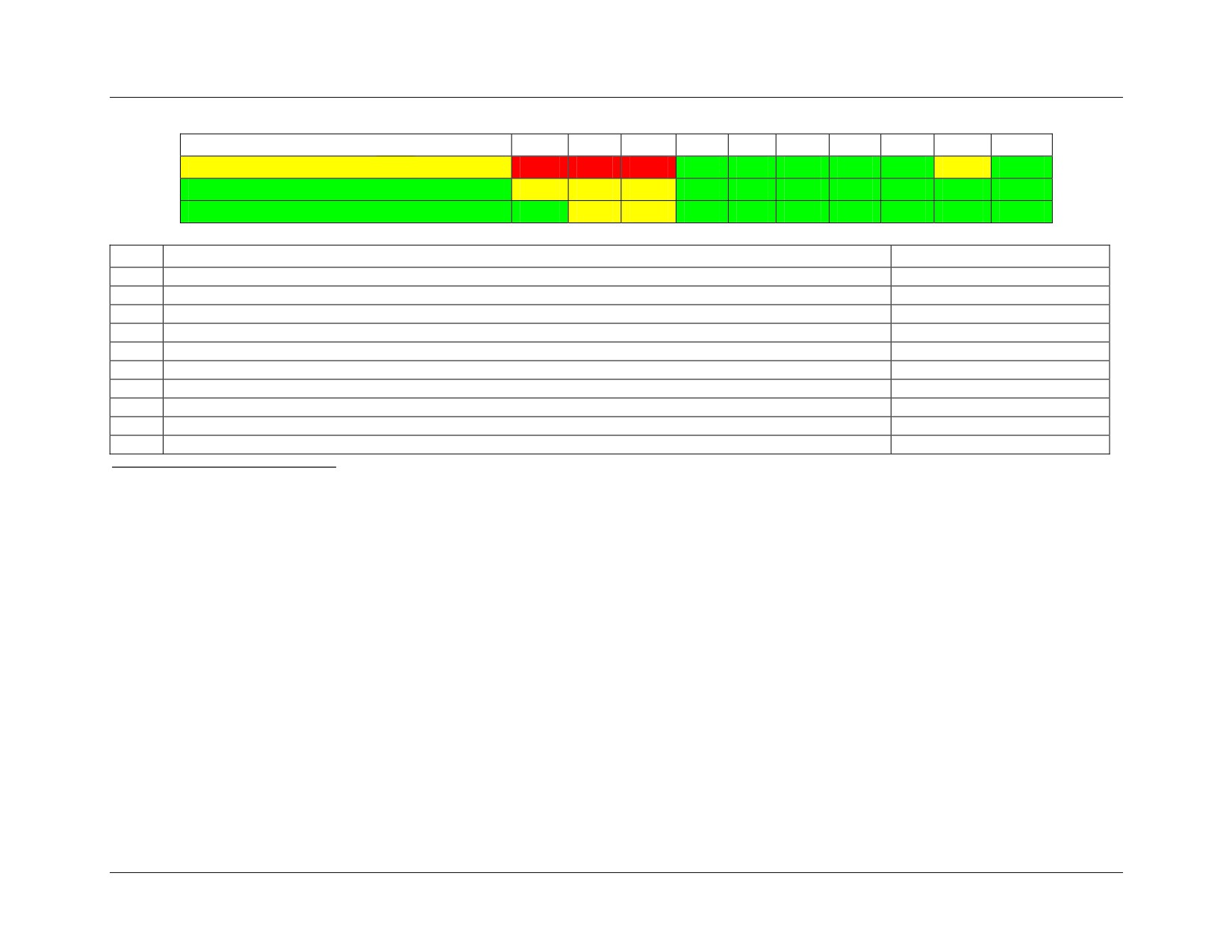
Table 7.1-1. STSHA 1: Overall Capability and Deficiency Assessment
Capability: Joint Force HQ JIC
M1
M2
M3
M4
M5
M6
M7
M8
M9
M10
Current Overall Capability1
R2
R3
R4
G5
G6
G7
G8
G9
Y10
G11
Near/Mid-Term Overall Capability12
Y13
Y14
Y15
G
G
G
G
G
G16
G
Far-Term Overall Capability17
G
Y
Y
G
G
G
G
G
G
G
FAA Measure
Scale
M1
Means exist to collect intelligence on designated theater adversaries.
G - Yes, Y - Limited, R - No
M2
Theater CBRN/TIM threat intelligence is current.
G - Yes, Y - Limited, R - No
M3
Theater CBRN/TIM threat intelligence is reliable.
G - Yes, Y - Limited, R - No
M4
All CBRN/TIM threat priority intelligence requests are covered by a collection plan.
G - Yes, Y - Limited, R - No
M5
Adequate means are available for CBRND staff to influence theater collection activities.
G - Yes, Y - Limited, R - No
M6
Multiple sources are integrated and deconflicted.
G - Yes, Y - Limited, R - No
M7
Medical intelligence guidance identifies information requirements and processes.
G - Yes, Y - Limited, R - No
M8
Medical CBRN/TIM intelligence criteria are established and defined.
G - Yes, Y - Limited, R - No
M9
Staff has sufficient training and experience to conduct the threat assessment.
G - Yes, Y - Limited, R - No
M10
CBRN/TIM threat intelligence is disseminated in near-real time.
G - Yes, Y - Limited, R - No
1 Although multiple national means of collection exist and can be requested by the COCOM staff, recent operational experience in S.W. Asia and congressional investigations have
rendered the efficacy of national intelligence collection, particularly human intelligence (HUMINT), suspect at best.
2 CBRN threat intelligence, particularly that relying on HUMINT, is dependent on factors that may prevent timely and current information.
3 CBRN threat intelligence, particularly that relying on HUMINT, is dependent on factors that may preclude obtaining reliable information.
4 Limited. CBRN threat intelligence is dependent on factors that may prevent reliable information.
5 Yes. The COCOM JIC staff can develop collection plans for CBRN threats.
6 Yes. The COCOM JIC has the means to provide input for theater collection activities.
7 Yes. All source intelligence analysis is the process where integration and deconfliction occurs.
8 Yes. The COCOM medical staff identifies intelligence information requirements and processes.
9 Yes. The COCOM medical staff has the means to establish and define medical CBRN/TIM intelligence criteria.
10 The JIC has the experience to conduct threat assessment but may be limited in CBRN training education and experience.
11 CBRN threat intelligence is disseminated in near-real time, via COLISEUM.
12 DOTMLPF should improve in all deficient areas as a result of initiatives that use data resulting from focused experimentation.
13 New national intelligence initiatives should provide enhanced means to collect intelligence on theater adversaries. Difficulties with HUMINT will continue to be a limiting
factor.
14 New national intelligence initiatives should provide enhanced means to ensure currency of intelligence. Difficulties with HUMINT will continue to be a limiting factor.
15 New national intelligence initiatives should provide enhanced means to ensure reliability of intelligence. Difficulties with HUMINT will continue to be a limiting factor.
16 CBRN training and exercises will benefit from JRO-sponsored enhancements. Staff members within the JIC will coordinate better with CBRND staffs and have more
experience.
17 Continued DOTMLPF enhancements will result from exercise and wargame lessons learned.
8
For Official Use Only
For Official Use Only
CBRND Functional Needs Analysis/Functional Solution Analysis
Chapter 7. Strategic Theater Shape Tasks
7.1.3
Functional Solution Analysis
7.1.3.1
DOTLPF Assessment Summary
This section addresses the deficiencies and suggests potential non-materiel solutions. If there are
no non-materiel solutions, or they are only partial solutions, the remaining non-materiel need is
then stated. Materiel needs are assessed in the IMA section.
1.
Deficiency: Currency of intelligence is dependent on the acquisition means and methods.
Non-Materiel Solutions: Doctrine: Develop means and methods to ensure currency of
intelligence throughout the intelligence acquisition and collection community.
2.
Deficiency: Joint intelligence and CBRN publications do not adequately address this issue.
Non-Materiel Solutions: Doctrine: Joint intelligence and CBRN publications must be
enhanced to adequately address this issue and to interface with each other so that roles and
responsibilities are clearly delineated.
3.
Deficiency: COCOM CBRND staff is not adequately staffed and organized to meet its
intelligence-related responsibilities.
Non-Materiel Solutions: Organization: Each theater-level CBRND staff should have a
section dedicated to resolving CBRN intelligence issues. Personnel: Each theater-level
CBRND staff should have adequate trained/experienced personnel assigned to man a section
dedicated to resolving CBRN intelligence issues.
4.
Deficiency: COCOM J2/JIC staffs are not adequately trained/educated in CBRN issues.
Non-Materiel Solutions: Training: Develop training that will enable each JIC staff to better
understand their CBRN role and enhance their ability to obtain intelligence that is required to
support the Shape function of theater-level CBRND. Leadership: Develop an education
program that will enable JIC staff to better understand their CBRN role and enhance their
ability to obtain intelligence that is required to support the Shape function of theater-level
CBRND.
5.
Deficiency: CBRN staff officers are not adequately trained/educated in intelligence issues.
Non-Materiel Solutions: Training: Develop training programs that allow CBRN staff
officers to better support the CBRN intelligence process. Leadership: Develop education
programs that allow CBRN staff officers to better understand the CBRN intelligence process
and their roles and responsibilities.
6.
Deficiency: Experimentation/red teaming does not provide feedback on accurate
characterization of the threat for this task.
Non-Materiel Solutions: Training: JRO CBRND must work with both the intelligence and
CBRN communities to integrate this task into both intelligence and CBRN experimentation
campaign plans.
7.
Deficiency: JPME does not adequately cover the fusion of intelligence/CBRN issues.
Non-Materiel Solutions: Leadership: Integrate intelligence/CBRN fusion issues into JPME.
9
For Official Use Only
For Official Use Only
CBRND Functional Needs Analysis/Functional Solution Analysis
Chapter 7. Strategic Theater Shape Tasks
8. Deficiency: JIC does not have influence over the national-level intelligence accuracy.
Non-Materiel Solutions: Doctrine: Develop means and methods to ensure accuracy of
intelligence throughout the intelligence acquisition and collection community.
7.1.3.2
IMA Assessment Summary
N/A
10
For Official Use Only
For Official Use Only
CBRND Functional Needs Analysis/Functional Solution Analysis
Chapter 7. Strategic Theater Shape Tasks
7.2
Task STSHA 2: Conduct theater CBRN/TIM vulnerability analysis
7.2.1
Functional Area Analysis
7.2.1.1
Definition
To conduct theater vulnerability assessments focusing on potential adversaries’ courses of action
(COAs). This theater strategic assessment compares regional-based vulnerabilities and risks.
Development of a shared understanding of potential adversaries’ CBRN/TIM COAs and the
associated vulnerabilities and risks enables timely and effective preparations for any potential
adversary acts. Includes the development of associated risk assessments.
7.2.1.2
Derivation
UJTL (ST 2.2.1, ST 2.4, ST 2.4.1, ST 2.4.1.1, ST 2.4.1.2, ST 2.5, ST 5, ST 5.1, ST 5.1.1, St 5.1.3,
ST 5.1.4, St 5.1.6, ST 5.2, ST 5.2.1, ST 5.3.1.1, ST 5.3.1.2, ST 5.3.1.3, ST 5.3.3, ST 6, ST 6.2, ST
6.1.6, ST 8.1.4, ST 8.2, ST 8.3.2, ST 9, ST 9.3, St 9.4, ST 9.5, ST 9.6), Protection Joint Functional
Concept, Military Transformation: A Strategic Approach.
7.2.1.2.1
Supported Task: SNSHA 2
7.2.1.2.2
Lateral Tasks: STSHA 1, STSHA 3, STSHA 4, STSHA 6, STSHA 7
7.2.1.2.3
Supporting Task: OPSHA 2
7.2.1.3
Condition
Perform this task under conditions of:
Physical. N/A
Military
1. No or outline mission preparation. (C2.1.3)
2. Few modern military systems. (C2.2.5)
3. Few modern military simulation systems. (C2.2.5.5)
4. No or some interoperability. (C2.2.6)
5. Negligible intelligence database. (C2.4.2)
6. Negligible theater intelligence access. (C2.4.4)
7. Little or no certitude of data. (C2.4.6)
11
For Official Use Only
For Official Use Only
CBRND Functional Needs Analysis/Functional Solution Analysis
Chapter 7. Strategic Theater Shape Tasks
Civil. N/A
7.2.2
Functional Needs Analysis
7.2.2.1
Capability and Deficiency Assessment Summary
Table 7.2-1 discusses the J2 JIC at the COCOM level: the only capability that currently exists to
perform the task “Conduct theater CBRN/TIM vulnerability analysis.” The J2 JIC is the only
capability that exists, and no other capability is projected that will accomplish this task.
Current Capability and Deficiency
The JIC is responsible for providing and producing the intelligence required to support the joint
force commander and staff, components, task forces and elements, and the national intelligence
community (Joint Publication 1-02). The current capability for the JIC to perform vulnerability
and risk assessments is “yellow.” The primary reason for this assessment is that the vulnerability
and risk assessment process requires information beyond organic DoD means. Also, there are
deficiencies in the validity of intelligence and availability of vulnerability and risk assessment
tools, particularly for TIM and biological warfare agents.
Projected Near/Mid-Term Capability and Deficiency
No other capability is currently projected for the near/mid term. Little capability improvement is
forecasted for the near/mid term. DOTMLPF should improve in all deficient areas as a result of
initiatives that use data resulting from focused experimentation.
Projected Far-Term Capability and Deficiency
No other capability is currently projected for the far term. The assessment will improve to
“green.” Vulnerability analysis guidelines will be enhanced to adequately address AOR-wide
TIM concerns. TIM vulnerability assessment tools will be enhanced. Continued DOTMLPF
enhancements will result from exercise and wargame lessons learned.
12
For Official Use Only
For Official Use Only
CBRND Functional Needs Analysis/Functional Solution Analysis
Chapter 7. Strategic Theater Shape Tasks
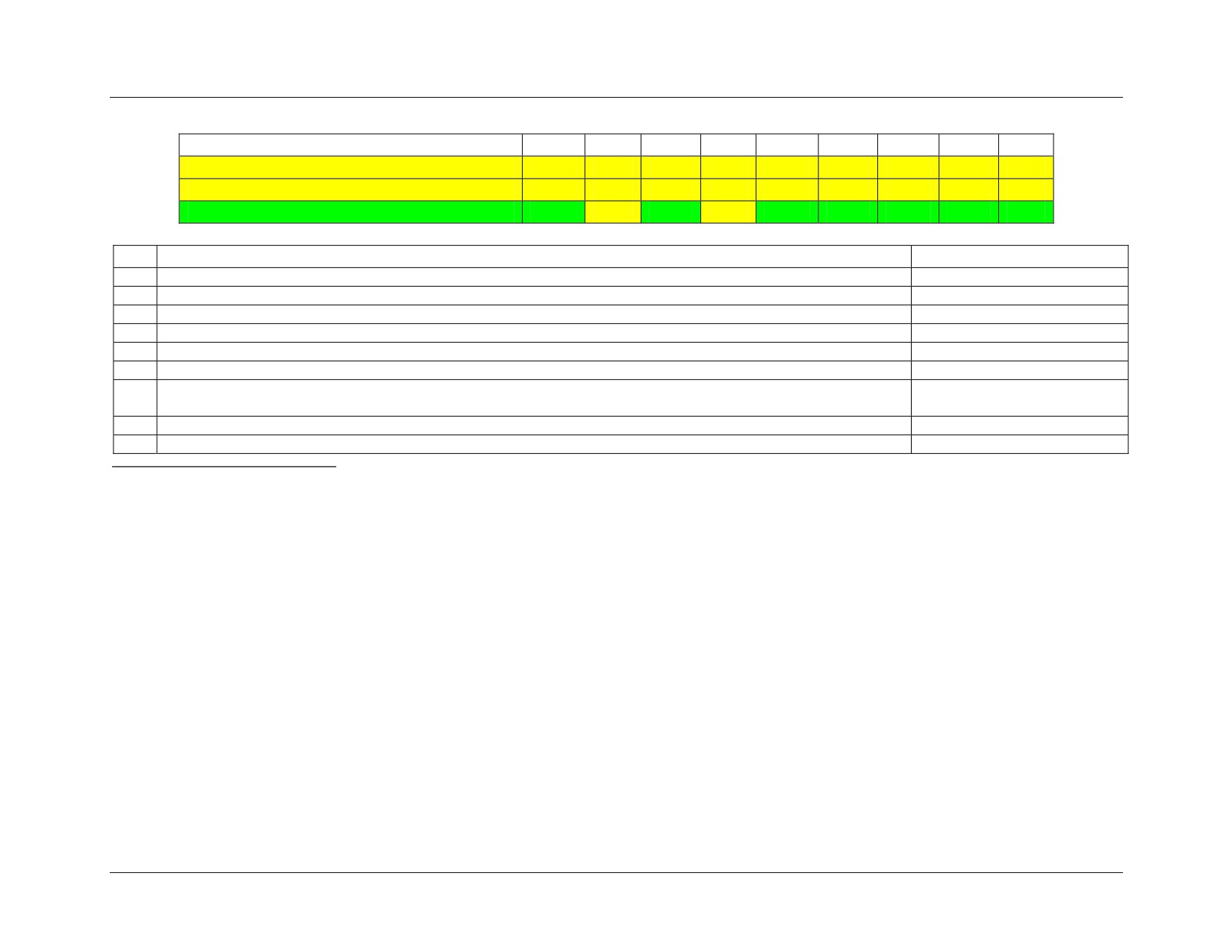
Table 7.2-1. STSHA 2. Capability and Deficiency Assessment
Capability: J-2 JIC
M1
M2
M3
M4
M5
M6
M7
M8
M9
Current Overall Capability1
Y2
Y3
Y4
Y5
Y6
Y7
Y8
Y9
Y10
Near/Mid-Term Overall Capability11
Y
Y
Y
Y
Y
Y
Y
Y
Y
Far-Term Overall Capability12
G13
Y
G14
Y
G15
G16
G17
G18
G19
FAA Measure
Scale
M1
Policies and guidelines for conducting theater vulnerability assessment are established.
G - Yes, Y - Limited, R - No
M2
Policies and guidelines for conducting theater risk assessment are established.
G - Yes, Y - Limited, R - No
M3
Analytical tools used to evaluate plausible adversary’s COAs are adequate.
G - Yes, Y - Limited, R - No
M4
Vulnerability assessment process exploits time-sensitive or priority actionable CBRN/TIM intelligence.
G - Yes, Y - Limited, R - No
M5
Means are available to collaboratively perform assessments.
G - Yes, Y - Limited, R - No
M6
Means exist to visualize the impact of adversary’s COAs on forces of interest.
G - Yes, Y - Limited, R - No
M7
Operational and analytical/planning staffs have the training and experience to effectively assess adversary’s
G - Yes, Y - Limited, R - No
CBRN/TIM COAs.
M8
Sufficient doctrine and TTPs for effective theater vulnerability and risk assessments are available.
G - Yes, Y - Limited, R - No
M9
Joint exercises/experimentation provide feedback on efficacy of vulnerability assessment doctrine and TTPs.
G - Yes, Y - Limited, R - No
1 No. Extremely limited. JTTPs for regional TIM and biological warfare agent vulnerability analysis are very limited.
2 Limited. The JIC either has been furnished or has developed vulnerability analysis guidelines. However, such guidelines may not adequately address an AOR-wide TIM concern.
3 Limited. The JIC has guidelines for conducting risk assessments. However, AOR-wide CBRN risk assessments surpass the sole purview of DoD.
4 The JIC has analytical tools used to evaluate plausible COAs. The military decision making process - classically used to evaluate COAs - has been considered adequate—but
CBRN/TIM integration into these tools may not be adequate.
5 Partial. The JIC has an ability to exploit time-sensitive or priority-actionable CBRN/TIM intelligence through net-centric means; however, actionable CBRN intelligence is only
as valid as its source and the time it takes to process.
6 Limited. The JIC has the means to collaboratively perform assessments with other agencies.
7 Limited. The JIC has the means to visualize the impact of adversary COAs. However, possible and plausible CBRN employment and TIM hazards are not necessarily also
included in this visualization.
8 By definition, the JIC has the training and experience to assess adversary COAs. However, the JIC may not have the training and experience to assess adversary CBRN/TIM
COAs.
9 Limited. The JIC has doctrine and JTTPs for AOR CBRN/TIM situational awareness. However, TIM vulnerability assessment tools are limited.
10 Limited. While joint exercises/experimentation can provide feedback on the vulnerability analysis process, TIM vulnerability analysis must be conducted manually on a region-
by-region basis.
11 DOTMLPF should improve in all deficient areas as a result of initiatives that use data resulting from focused experimentation.
12 Continued DOTMLPF enhancements will result from exercise and wargame lessons learned.
13 Vulnerability analysis guidelines will be enhanced to adequately address AOR-wide TIM concerns.
14 CBRN/TIM considerations will be integrated into JIC analytical tools.
15 Experimentation designed to discover required enhancements to interagency CBRND coordination issues will improve
collaborative efforts.
16 Possible/plausible CBRN and TIM hazards will be adequately represented in JIC COA visualization products.
13
For Official Use Only
For Official Use Only
CBRND Functional Needs Analysis/Functional Solution Analysis
Chapter 7. Strategic Theater Shape Tasks
17 DOTMLPF should improve in all deficient areas as a result of initiatives that use data resulting from focused experimentation,
providing the JIC with the training and experience to assess adversary CBRN/TIM COAs.
18 TIM vulnerability assessment tools will be enhanced.
19 TIM vulnerability assessment tools will be enhanced.
14
For Official Use Only
For Official Use Only
CBRND Functional Needs Analysis/Functional Solution Analysis
Chapter 7. Strategic Theater Shape Tasks
7.2.3
Functional Solution Analysis
7.2.3.1
DOTLPF Assessment Summary
This section addresses the deficiencies and suggests potential non-materiel solutions. If there are
no non-materiel solutions, or they are only partial solutions, the remaining non-materiel need is
then stated. Materiel needs are assessed in the IMAs section.
1.
Deficiency: AOR-wide CBRN risk assessments surpass the sole purview of DoD.
Non-Materiel Solutions: Doctrine: Incorporate JIC queries into overall IC capabilities.
2.
Deficiency: There is a lack of sophisticated and validated techniques and procedures
developed to assist collectors and collector managers in the acquisition of raw WMD
information.
Non-Materiel Solutions: Doctrine: Tactics, techniques, and procedures (TTPs) need to be
developed to cover all of the unique aspects of intelligence collecting on WMD issues across
the spectrum. Training: Discovery experimentation should be employed to investigate/
validate new ways of fusing CBRN/intelligence issues. Training needs to be developed to
assist collectors and collector managers in the acquisition of raw WMD information. This
training needs to be developed in collaboration with both the intelligence and the CBRND
communities. Leader Education: Learning areas and objectives covering CBRN/intelligence
fusion issues should be institutionalized in Officer Professional Military Education
(OPME)/JPME. These learning areas and objectives should be required at all
intermediate/senior-level colleges and in the Joint Forces Staff College.
3.
Deficiency: Possible and plausible CBRN employment and TIM hazards are not necessarily
included in visualizing the impact of adversary COAs on forces of interest.
Non-Materiel Solutions: Training: Develop formal JTTPs that address CBRN employment/
TIM hazards and their impact on friendly and adversary COA.
4.
Deficiency: Lack of automated tools exists for conducting global vulnerability assessments
focusing on potential adversary COAs of CBRN, including use of TIMs.
Non-Materiel Solutions: None
5.
Deficiency: JTTPs for regional TIM and biological warfare agent vulnerability analysis are
limited.
Non-Materiel Solutions: Doctrine: Develop JTTPs to address regional TIM and biological
warfare agent vulnerability analysis.
7.2.3.2
IMA Assessment Summary
Table 7.2-2 shows possible material approaches that address the remaining materiel requirements
of the DOTMLPF assessment.
15
For Official Use Only
For Official Use Only
CBRND Functional Needs Analysis/Functional Solution Analysis
Chapter 7. Strategic Theater Shape Tasks
Table 7.2-2. STSHA 2. IMA Assessment
Idea for Materiel Approach
Description
Automated tools
Continued work on analysis probability tools and models is
required. No automated tools exist for assisting in the
conduct of global vulnerability assessments focusing on
potential adversary CBRN/TIM COAs. Because of the wide
range of options available to potential adversaries, tools
must be available that can take as input that which is known,
and then model and forecast all potential COAs. Develop
formal automated analytical processes to evaluate
CBRN/TIM vulnerability analysis.
16
For Official Use Only
For Official Use Only
CBRND Functional Needs Analysis/Functional Solution Analysis
Chapter 7. Strategic Theater Shape Tasks
7.3
Task STSHA 3: Determine CBRND resources required to meet the theater CBRND
situation
7.3.1
Functional Area Analysis
7.3.1.1
Definition
To determine CBRND unit, personnel, equipment, and logistics resources required for a specific
theater of operations. Determines the required allocation, provisioning, positioning, tracking, and
sustaining of CBRND units and personnel throughout the theater, ensuring the availability of
appropriate units as well as personnel in the correct quantities and positions. Includes required
allocation of CBRND equipment, supplies, and consumables throughout the theater of operations
to include prepositioning and stockpiling. CBRND logistics are managed for extended
operations. Also includes adjustments to TPFDD to ensure timely arrival and employment of
CBRND resources.
7.3.1.2
Derivation
UJTL (ST 1.1.2, ST 2.2.1, ST 2.4.1.1, ST 2.4.1.2, ST 4.2.6, ST 5, ST 5.1, ST 5.1.1, ST 5.1.2, ST
5.1.3, ST 5.1.4, ST 5.1.6, ST 5.2, ST 5.2.1, ST 5.3.3, ST 5.4.1, ST 6, ST 6.2, ST 6.2.1, ST 7.1.1, ST
8.2.3, ST 9, ST 9.3, ST 9.4, ST 9.5, ST 9.6), Protection Joint Functional Concept, Military
Transformation: A Strategic Approach, Transformation Planning Guidance.
7.3.1.2.1
Supported Task: SNSHA 5
7.3.1.2.2
Lateral Tasks: STSHA 2, STSHA 6, STSHA 7, STSHA 8, STSHLD 1, STSHLD
2, STSHLD 9
7.3.1.2.3
Supporting Task: OPSHA 3
7.3.1.3
Condition
Perform this task under conditions of:
Physical
1. Immediate, delayed, or potential long-term atmospheric weapons effects. (C1.3.3)
Military
1. Limited military commitments from other nations. (C2.1.1.7)
2. No or outline mission preparation. (C2.1.3)
3. Marginal forces assigned. (C2.2.1)
4. Multiple competing apportionments. (C2.2.2)
5. Marginal forces allocated. (C2.2.3)
6. Low personnel capability. (C2.2.4)
7. Low military systems reliability. (C2.2.5.3)
17
For Official Use Only
For Official Use Only
CBRND Functional Needs Analysis/Functional Solution Analysis
Chapter 7. Strategic Theater Shape Tasks
8. Limited staff expertise. (C2.3.1.3)
9. Highly restricted information exchange. (C2.3.1.8)
10. No or partial time-phased force and deployment data (TPFDD) availability. (C2.5.1.1)
11. Negligible or short deployed supplies. (C2.8.2)
12. Unresponsive or slow pipeline responsiveness. (C2.8.3.1)
Civil
1. Limited foreign government support. (C3.1.2.3)
2. Limited international organization support. (C3.1.2.5)
7.3.2
Functional Needs Analysis
7.3.2.1
Capability and Deficiency Assessment Summary
Table 7.3-1 discusses the capabilities that currently exist to perform the task: determine CBRND
resources required to meet the theater CBRND situation to the designated standard. There is only
one capability that exists, and no other capability is projected that will accomplish this task.
Current Capability and Deficiency
The capability to execute this task resides in the COCOM HQ staff, and the current capability
assessment is “yellow.” The primary reason for this assessment centers around the mechanics of
logistics for CBRND materiel. The current system is Service-specific, and there are no JTTPs
that specifically address influences the flow of joint CBRN resources. The CBRND materiel
management process is manual, requiring a dedicated individual in the supporting materiel
management center (MMC). Training and experience are situation-dependent. CBRN
considerations include a wide array of threat-based tasks that require visibility from the tactical
to strategic theater level. Other concerns include tools and processes to manage CBRND
personnel and units.
Projected Near/Mid-Term Capability and Deficiency
No other capability is currently projected for the near/mid term. Some capability improvement is
forecast for the near/mid term, raising the assessment to “green.” Planning staffs will have been
provided the training and will acquire the experience necessary to determine required
adjustments to the TPFDD based on CBRN considerations. UJTL 5.0 will be fully implemented,
and Sense, Shape, Shield, and Sustain factors will be consistently considered as a result of
training, education and experience.
Projected Far-Term Capability and Deficiency
No other capability is currently projected for the far-term future. DOTMLPF should continue to
improve in all deficient areas as a result of initiatives that use data resulting from focused
experimentation.
18
For Official Use Only
For Official Use Only
CBRND Functional Needs Analysis/Functional Solution Analysis
Chapter 7. Strategic Theater Shape Tasks
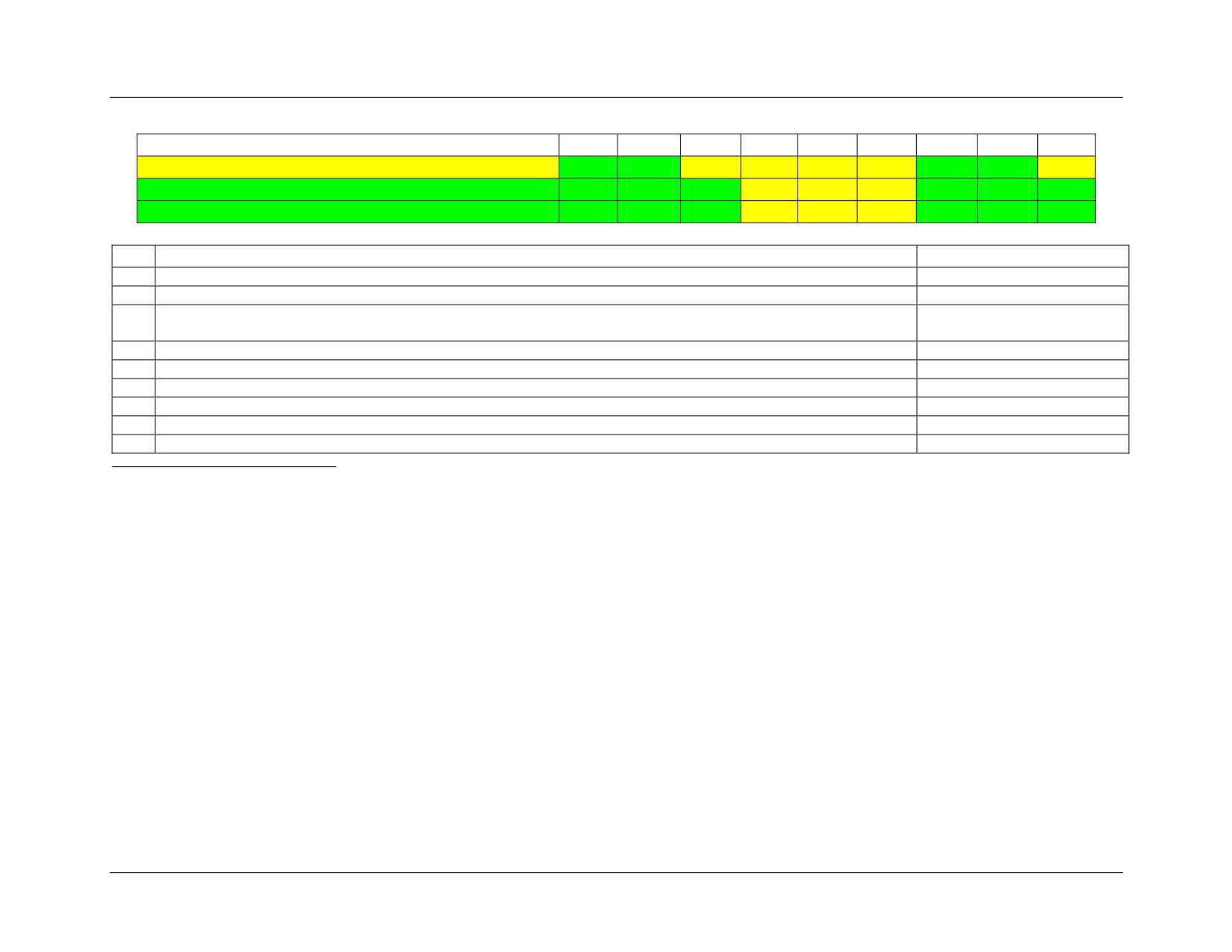
Table 7.3-1. STSHA 3: Capability and Deficiency Assessment
Capability: COCOM HQ
M1
M2
M3
M4
M5
M6
M7
M8
M9
Current Overall Capability1
G2
G3
Y4
Y5
Y6
Y7
G8
G9
Y10
Near/Mid-Term Overall Capability11
G
G
G12
Y
Y
Y
G
G
G13
Far-Term Overall Capability
G
G
G
Y
Y
Y
G
G
G
FAA Measure
Scale
M1
CBRND staff cells have the ability to influence the TPFDD.
G - Yes, Y - Limited, R - No
M2
Means exist to adjust the TPFDD based on CBRND considerations.
G - Yes, Y - Limited, R - No
M3
Planning staffs have the training and experience to determine required adjustments to the TPFDD based on CBRND
G - Yes, Y - Limited, R - No
considerations.
M4
Tools and processes are available to manage CBRND personnel and units.
G - Yes, Y - Limited, R - No
M5
Tools and processes are available to manage CBRND materiel resources.
G - Yes, Y - Limited, R - No
M6
CBRND logistics tracking system is sufficient.
G - Yes, Y - Limited, R - No
M7
Appropriate CBRND logistics management processes are in place.
G - Yes, Y - Limited, R - No
M8
Analytical tools are used to assess logistical demand.
G - Yes, Y - Limited, R - No
M9
All pertinent Sense, Shape, Shield, and Sustain factors are considered.
G - Yes, Y - Limited, R - No
1 Limited. There are no JTTPs that specifically address joint CBRND materiel resources below the wholesale level.
2 Yes. Operational staffs to include CBRND experts, have the ability to provide input to the TPFFD process.
3 Yes. The force mix can be adjusted given adequate time and strategic lift capabilities.
4 Limited. The force mix can be adjusted given adequate time and strategic lift capabilities. However, training and experience are situation-dependent. CBRN considerations
include a wide array of threat-based tasks that require visibility from the tactical to strategic theater level.
5 Limited. Processes exist to manage CBRND personnel and units, but allocation of those assets is subject to availability and in the case of units, readiness and deployability.
6 Limited. Processes are available to manage CBRND materiel resources. However, the process is manual, requiring a dedicated individual in the supporting MMC.
7 Limited. Any COCOM staff can track logistics. However, there is no dedicated system to track CBRND -related materiel.
8 Yes. CBRND-related materiel spans five separate classes of supply. The concept of focused-logistics allows the operational level logistician to track and ship assets and deliver
tailored packages and sustainment items. However, this process does not differentiate CBRND-specific items.
9 Yes. GSORTS has the capability to monitor specified materiel. However, CBRN equipment does not maintain its own class of supply, therefore, each item must be manually
tracked.
10 Limited. Until UJTL 5.0 is fully implemented, Sense, Shape, Shield, and Sustain factors may not be fully considered.
11 DOTMLPF should improve in all deficient areas as a result of initiatives that use data resulting from focused experimentation.
12 Planning staffs will have been provided the training and will acquire the experience necessary to determine required adjustments to the TPFDD based on CBRN considerations
13 UJTL 5.0 will be fully implemented and Sense, Shape, Shield, and Sustain factors will be consistently considered as a result of training, education, and experience.
19
For Official Use Only
For Official Use Only
CBRND Functional Needs Analysis/Functional Solution Analysis
Chapter 7. Strategic Theater Shape Tasks
7.3.3
Functional Solution Analysis
7.3.3.1
DOTLPF Assessment Summary
This section addresses the deficiencies and suggests potential non-materiel solutions. If there are
no non-materiel solutions, or they are only partial solutions, the remaining non-materiel need is
then stated. Materiel needs are assessed in the IMAs section.
1.
Deficiency: The current system is Service-specific. There are no JTTPs that specifically
address adjusting the flow of joint CBRN resources, personnel, and units.
Non-Materiel Solutions: Doctrine: Develop staff planning guidance that provides factors
for CBRN resources under varying threat levels.
2.
Deficiency: Training and experience are situation-dependent. CBRN considerations include a
wide array of threat-based tasks that require visibility from the tactical to strategic theater
level.
Non-Materiel Solutions: Training: Develop staff training that provides factors for CBRN
resources under varying threat levels.
3.
Deficiency: The CBRND materiel management process is manual, requiring a dedicated
individual in the supporting MMC.
Non-Materiel Solutions: Personnel: Resource materiel management positions with
qualified logistics-CBRN experts.
4.
Deficiency: The current system is Service-specific. There are no JTTPs that specifically
address a joint CBRND logistic tracking system.
Non-Materiel Solutions: Doctrine: Develop JTTPs that specifically address a joint CBRND
logistic tracking system.
5.
Deficiency: Until UJTL 5.0 is fully implemented, Sense, Shape, Shield, and Sustain factors
may not be fully considered.
Non-Materiel Solutions: Doctrine: Approve and publish UJTL 5.0 at the earliest
opportunity after being vetted.
6.
Deficiency: There are no JTTPs that specifically address joint CBRND materiel resources,
below the wholesale level.
Non-Materiel Solutions: Training: Develop JTTPs that specifically address joint CBRND
materiel resources, below the wholesale level.
7.3.3.2
IMA Assessment Summary
Table 7.3-2 shows possible material approaches that address the remaining materiel requirements
of the DOTMLPF assessment.
20
For Official Use Only
For Official Use Only
CBRND Functional Needs Analysis/Functional Solution Analysis
Chapter 7. Strategic Theater Shape Tasks
Table 7.3-2. STSHA 3. IMA Assessment
Idea for Materiel Approach
Description
Automated tool common
There is a need for automated tools to have a common user
interface
interface. Minimizing information overload on the operator,
as well as minimizing the software workload when
operating in multiple applications, is a key factor for the
automated decision support tools. Different software tools
need to have the same “look and feel.”
21
For Official Use Only
For Official Use Only
CBRND Functional Needs Analysis/Functional Solution Analysis
Chapter 7. Strategic Theater Shape Tasks
7.4
Task STSHA 4: Ensure theater CBRND readiness
7.4.1
Functional Area Analysis
7.4.1.1
Definition
To ensure theater forces are prepared to accomplish assigned missions in a CBRN/TIM
environment. Joint CBRND training, exercises, and rehearsals are key components to ensure
force readiness for operations in a CBRN/TIM environment. Operational concepts and new
systems are evaluated in realistic exercises and multinational environments. Forces are evaluated
and assessed for effective CBRND task performance across the range of military operations and
in a variety of physical environments. CBRND systems are evaluated for operational
effectiveness and performance utility. Includes the effective documentation and management of
lessons learned information to provide a historical record for trend analysis and a repository for
the warfighting staffs to examine during development of integrated priority lists.
7.4.1.2
Derivation
UJTL (ST 1.1.2, ST 2.2.1, ST 2.4.1, ST 2.4.1.1, ST 2.4.1.2, ST 4.2.4, ST 4.2.6, ST 5.1, ST 5.1.3, ST
5.1.4, ST 5.2.1, ST 5.3.1.1, ST 5.3.1.2, ST 5.3.1.4, ST 5.4.3, ST 6, ST 6.1.16, ST 6.2, ST 6.2.2, ST
9, ST 9.3, ST 9.4, ST 9.5, ST 9.6), Protection Joint Functional Concept, Military Transformation:
A Strategic Approach, Transformation Planning Guidance, Training Transformation
Implementation Plan.
7.4.1.2.1
Supported Task: SNSHA 6
7.4.1.2.2
Lateral Tasks: STSHA 2, STSHA 6, STSHLD 4, STSHLD 8, STSHLD 9,
STSHLD 11
7.4.1.2.3
Supporting Task: OPSHA 4
7.4.1.3
Condition
Perform this task under conditions of:
Physical
1. Immediate, delayed, or potential long-term atmospheric weapons effects. (C1.3.3)
Military
1. No or outline mission preparation. (C2.1.3)
2. Marginal forces assigned. (C2.2.1)
3. Low personnel capability. (C2.2.4)
4. Negligible personnel experience. (C2.2.4.5)
5. Few modern military systems. (C2.2.5)
6. Few modern military simulation systems. (C2.2.5.5)
22
For Official Use Only
For Official Use Only
CBRND Functional Needs Analysis/Functional Solution Analysis
Chapter 7. Strategic Theater Shape Tasks
7. Poor Joint Staff integration. (C2.3.1.1)
8. Limited staff expertise. (C2.3.1.3)
9. Highly restricted information exchange. (C2.3.1.8)
10. High information volume. (C2.3.1.9)
11. Little or no intelligence dissemination and receipt. (C2.4.7)
Civil. N/A
7.4.2
Functional Needs Analysis
7.4.2.1
Capability and Deficiency Assessment Summary
Table 7.4-1 discusses the only capability that currently exists to perform the task to the
designated standard. There is only one capability that exists, and no other capability is projected
that will accomplish this task.
Current Capability and Deficiency
The current assessment is “yellow.” Any COCOM staff has a team of operational planners and
information command and control specialists to include CBRND subject matter experts. This
team of experts forms the backbone of the COCOM staff and command structure. The COCOM
staff is responsible for readiness, to include CBRN issues and concerns. JTTPs and tools to
evaluate and assess CBRND staffs, capabilities, systems, and concepts within an AOR are
limited. Forces and staffs of other nations may or may not have training, equipment, or
experience to effectively conduct CBRND operations.
Projected Near/Mid-Term Capability and Deficiency
No other capability is currently projected for the near/mid term. No capability improvement is
forecast for the near/mid term.
Projected Far-Term Capability and Deficiency
No other capability is currently projected for the far-term future. DOTMLPF should improve in
all deficient areas as a result of initiatives that use data resulting from focused experimentation.
Joint TTPs, training and exercises, and education will all improve leading to a far-term
assessment of “green.”
23
For Official Use Only
For Official Use Only
CBRND Functional Needs Analysis/Functional Solution Analysis
Chapter 7. Strategic Theater Shape Tasks
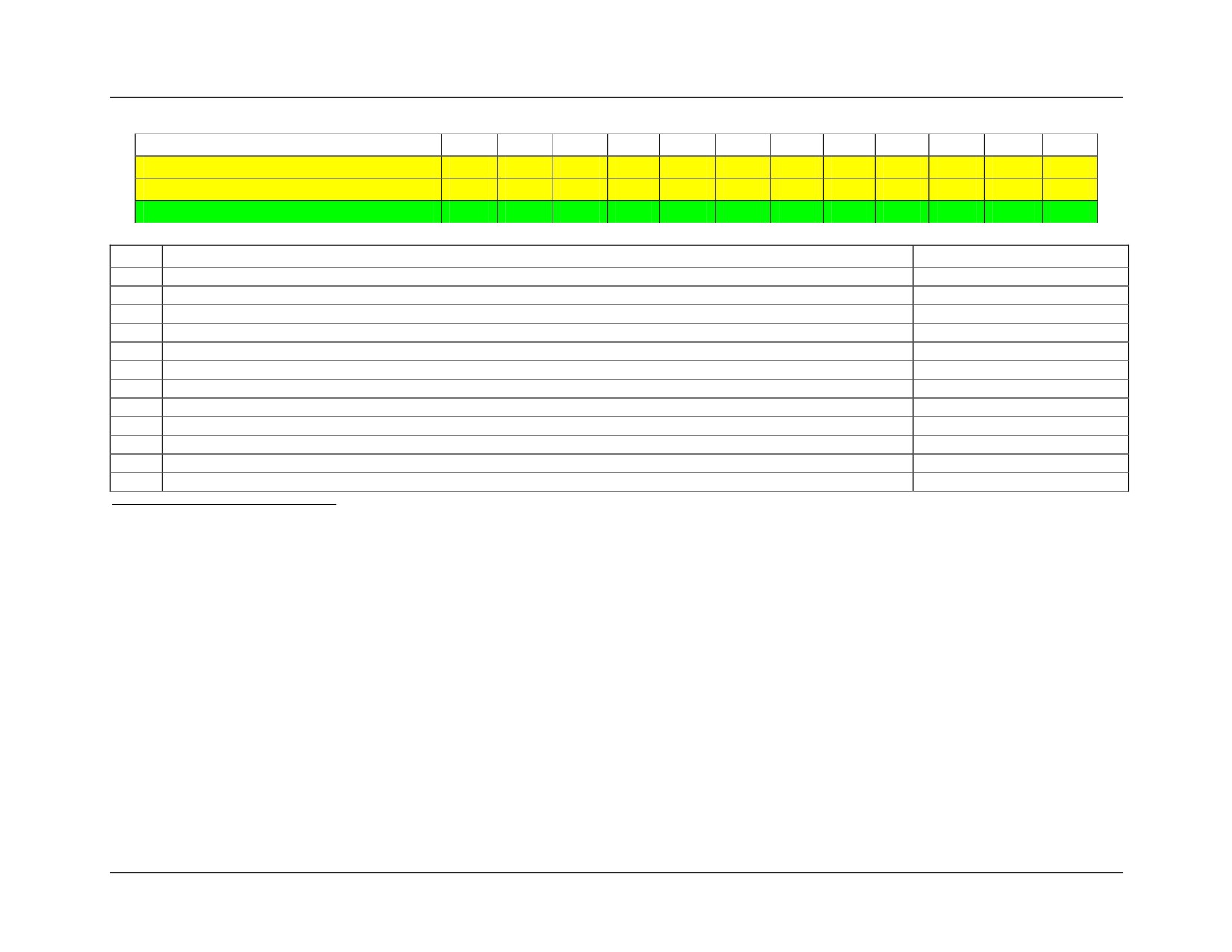
Table 7.4-1. STSHA 4: Capability and Deficiency Assessment
Capability: COCOM J-3
M1
M2
M3
M4
M5
M6
M7
M8
M9
M10
M11
M12
Current Overall Capability1
Y2
Y3
Y4
Y5
Y6
Y7
Y8
Y9
Y10
Y11
Y12
Y13
Near/Mid-Term Overall Capability
Y
Y
Y
Y
Y
Y
Y
Y
Y
Y
Y
Y
Far-Term Overall Capability
G14
G
G
G
G
G
G
G
G
G
G
G
FAA Measure
Scale
M1
Tools and processes are available to evaluate and assess CBRND capability in theater.
G - Yes, Y - Limited, R - No
M2
Units and HQ staffs are routinely evaluated and assessed in performing CBRND tasks.
G - Yes, Y - Limited, R - No
M3
CBRND systems and concepts, both current and projected, are assessed and evaluated under realistic conditions.
G - Yes, Y - Limited, R - No
M4
CBRND operations are exercised with coalition partners.
G - Yes, Y - Limited, R - No
M5
CBRND staff cells and units have access to dedicated information technology to support training.
G - Yes, Y - Limited, R - No
M6
HQ/unit exercises are conducted under simulated CBRN/TIM conditions.
G - Yes, Y - Limited, R - No
M7
Adequate training tools are available.
G - Yes, Y - Limited, R - No
M8
CBRND specialists/staffs are trained to perform required CBRND tasks.
G - Yes, Y - Limited, R - No
M9
Forces/staffs of other nations are trained in CBRND operations.
G - Yes, Y - Limited, R - No
M10
CBRND staff cells conduct training and rehearsals.
G - Yes, Y - Limited, R - No
M11
An accessible, digital information repository system is available.
G - Yes, Y - Limited, R - No
M12
Information repository is available to all operating forces.
G - Yes, Y - Limited, R - No
1 There are few training events that specifically address training forces/staffs of other nations for anticipated CBRND operations.
2 Limited. COCOM staff has tools and processes to evaluate and assess CBRND capabilities in theater. However, the current system is Service-specific. There are no JTTPs that
specifically addresses tools and processes to evaluate and assess joint CBRND capability.
3 Limited. Any COCOM staff can routinely evaluate and assess CBRND tasks, but the current system is Service-specific. There are no JTTPs and familiarization training that
specifically addresses evaluating and assessing joint CBRND tasks.
4 Limited. Any COCOM staff can assess and evaluate systems under realistic conditions, but the current system is Service-specific. There are no JTTPs and familiarization training
that specifically addresses assessing joint CBRND systems and concepts, both current and projected, under realistic conditions.
5 Limited. Any COCOM staff has the ability to exercise with coalition partners, but there are few exercises that specifically address CBRND operations with coalition partners.
6 Limited. Any COCOM staff has access to information technology to support training, but the current system is Service-specific. There are no JTTPs and familiarization training
that specifically addresses CBRND staff cells and units having access to dedicated information technology to support training.
7 The current system is Service-specific. There are no JTTPs and familiarization training that specifically addresses CBRND staff cells and units having access to dedicated
information technology to support training.
8 Limited. Any COCOM staff has the training, but the current system is Service-specific. There are no JTTPs and familiarization training that specifically addresses the joint force
CBRND readiness.
9 Limited. Any COCOM staff has CBRND specialists/staffs trained to perform CBRND tasks, but there are few JTTPs and familiarization training that specifically addresses the
CBRND specialists/staff task on joint force CBRND readiness.
10 Limited. Any COCOM staff has the ability to train forces/staffs of other nations, but there are few training events that specifically address training forces/staffs of other nations
for anticipated CBRND operations. Political constraints inhibit training forces/staffs of other nations on CBRN operations.
11 Limited. Any COCOM staff has the tools to conduct training and rehearsals, but there are limited JTTPs and familiarization training that specifically addresses joint force
CBRND readiness.
24
For Official Use Only
For Official Use Only
CBRND Functional Needs Analysis/Functional Solution Analysis
Chapter 7. Strategic Theater Shape Tasks
12 Limited. Any COCOM staff has access to digital information repository, but the units must know how to access it, through the Global Information Grid (GIG). There are limited
JTTPs and familiarization training that specifically addresses accessing the digital information repository.
13 Limited. Any COCOM staff has access to digital information repository, but the units must know how to access it, through the GIG. There are limited JTTPs and familiarization
training that specifically addresses accessing the digital information repository.
14 DOTMLPF should improve in all deficient areas (for all measures in this row) as a result of initiatives that use data resulting from focused experimentation. Joint TTPs,
training and exercises, and education will all improve.
25
For Official Use Only
For Official Use Only
CBRND Functional Needs Analysis/Functional Solution Analysis
Chapter 7. Strategic Theater Shape Tasks
7.4.3
Functional Solution Analysis
7.4.3.1
DOTLPF Assessment Summary.
This section addresses the deficiencies and suggests potential non-materiel solutions. If there are
no non-materiel solutions, or they are only partial solutions, the remaining non-materiel need is
then stated. Materiel needs are assessed in the IMAs section.
1. Deficiency: Limited JTTPs and familiarization training that specifically address joint
CBRND readiness.
Non-Materiel Solutions: Doctrine: Develop JTTP on joint CBRN readiness requirements to
meet the Joint Task Force/Joint Operations Area CBRN situation. JTTP must address
processes to evaluate and assess joint CBRND capability, tasks, systems, and concepts (both
current and projected, under realistic conditions). JTTP must also address procedures to
evaluate and assess CBRND specialists/staff in major units and headquarters. Training:
Develop joint training on joint CBRN readiness requirements to meet the theater CBRN
situation. Leadership: Expand joint leadership education course(s) on the joint CBRN
readiness requirements to meet the theater CBRN situation.
2. Deficiency: There are few exercises that specifically address CBRND operations with
coalition partners or the full spectrum of CBRN/TIM conditions.
Non-Materiel Solutions: Training: Develop exercises that specifically address CBRND
operations with coalition partners and introduce the full spectrum of CBRN/TIM conditions.
7.4.3.2
IMA Assessment Summary
N/A
26
For Official Use Only
For Official Use Only
CBRND Functional Needs Analysis/Functional Solution Analysis
Chapter 7. Strategic Theater Shape Tasks
7.5
Task STSHA 5: Coordinate theater CBRND information systems and processes
7.5.1
Functional Area Analysis
7.5.1.1
Definition
To ensure that theater CBRND information systems and processes allow joint forces to
effectively conduct operations in a CBRN/TIM environment. Establishes theater standards,
common operating procedures, and formats for plotting and predicting CBRN/TIM hazards,
along with alarm, warning, and reporting of the hazards. Establishes standards and procedures
for displaying CBRN/TIM hazard information via the theater COP. Includes maintaining theater
shared awareness of the current and projected CBRN/TIM threat and situation. Includes
establishing an interoperable CBRND Integrated Detection Network (IDN) to detect,
characterize, and warn of CBRN/TIM hazards. Ensures the smooth integration and rapid
dissemination of CBRND information across the GIG. Ensures that planners and staffs possess
the appropriate tools to collaboratively plan, assess, and manage CBRND processes. This task
includes access to automated collaborative workspace tools that are integrated/interoperable with
existing Command, Control, Communications, Computers, Intelligence, Surveillance, and
Reconnaissance (C4ISR) systems.
7.5.1.2
Derivation
UJTL (ST 2.2.1, ST 2.2.3, ST 2.4.1.1, ST 2.5, ST 5.1, ST 5.1.1, ST 5.1.3, ST 5.1.4, ST 5.1.6, ST
5.2, ST 5.2.1, ST 5.3.1.1, ST 5.3.1.2, ST 5.3.1.3, ST 6, ST 6.1.6, ST 6.2, ST 6.2.1, ST 6.2.2, ST
7.1.1, ST 7.5, ST 8.1.4, ST 8.2, ST 8.2.3, ST 9, ST 9.3, ST 9.4, ST 9.5, ST 9.6), Protection Joint
Functional Concept, Military Transformation: A Strategic Approach, Transformation Planning
Guidance, Joint Enabling Concept for CBRN Operations, An Operational Concept for
Biological Defense, DoD Net-Centric Data Strategy, DODI 8500.2.
7.5.1.2.1
Supported Task: SNSHA 7
7.5.1.2.2
Lateral Task: N/A
7.5.1.2.3
Supporting Task: OPSHA 5
7.5.1.3
Condition
Perform this task under conditions of:
Physical
1. Immediate, delayed, or potential long-term atmospheric weapons effects. (C1.3.3)
Military
1. No preexisting arrangements. (C2.1.1.2)
2. Negligible personnel experience. (C2.2.4.5)
27
For Official Use Only
For Official Use Only
CBRND Functional Needs Analysis/Functional Solution Analysis
Chapter 7. Strategic Theater Shape Tasks
3. Low military systems reliability. (C2.2.5.3)
4. Few modern military simulation systems. (C2.2.5.5)
5. Some or no interoperability. (C2.2.6)
6. Partial Joint Staff integration. (C2.3.1.1)
7. Poor multinational integration. (C2.3.1.2)
8. Limited staff expertise. (C2.3.1.3)
9. Highly restricted information exchange. (C2.3.1.8)
10. High information volume. (C2.3.1.9)
11. Little or no intelligence dissemination and receipt. (C2.4.7)
Civil
1. Limited foreign government support. (C3.1.2.3)
2. Limited international organization support. (C3.1.2.5)
3. Poor information management. (C3.3.7.4)
7.5.2
Functional Needs Analysis
7.5.2.1
Capability and Deficiency Assessment Summary
Table 7.5-1 discusses the only capability that currently exists to perform the task to the
designated standard. There is only one capability that exists, and no other capability is projected
that will accomplish this task. The COCOM HQ was assessed in light of current limited staff use
of JWARN and the anticipated fielding IOC of the Joint Effects Model (JEM) Block I in FY 06
and the IOC of the JOEF Block I, Increment I in FY2008. JOEF will provide a significant
CBRN-adaptive planning capability. The JEM will provide a single, validated capability to
predict and track CBRN and TIM events and effects. The JOEF will provide an operational
requirements modeling and simulation system which accurately predicts CBRN effects on
personnel, equipment, and operations.
Current Capability and Deficiency
The COCOM HQ was assessed in light of fielding of Block I of the JEM and JOEF. Since
JEM/JOEF IOC will not be met until FY2006/FY2008, respectively, all standards were assessed
as “yellow.” JWARN provides limited capability within the theater.
Projected Near/Mid-Term Capability and Deficiency
The COCOM will benefit from JEM and JOEF Block I, which will be IOC for the near/mid
term. All near/mid-term measures will be assessed as “green” if the IOC is met.
Projected Far-Term Capability and Deficiency
JOEF will provide the COCOM with enhanced capabilities and algorithms as block II/III are
IOC in FY2010.
28
For Official Use Only
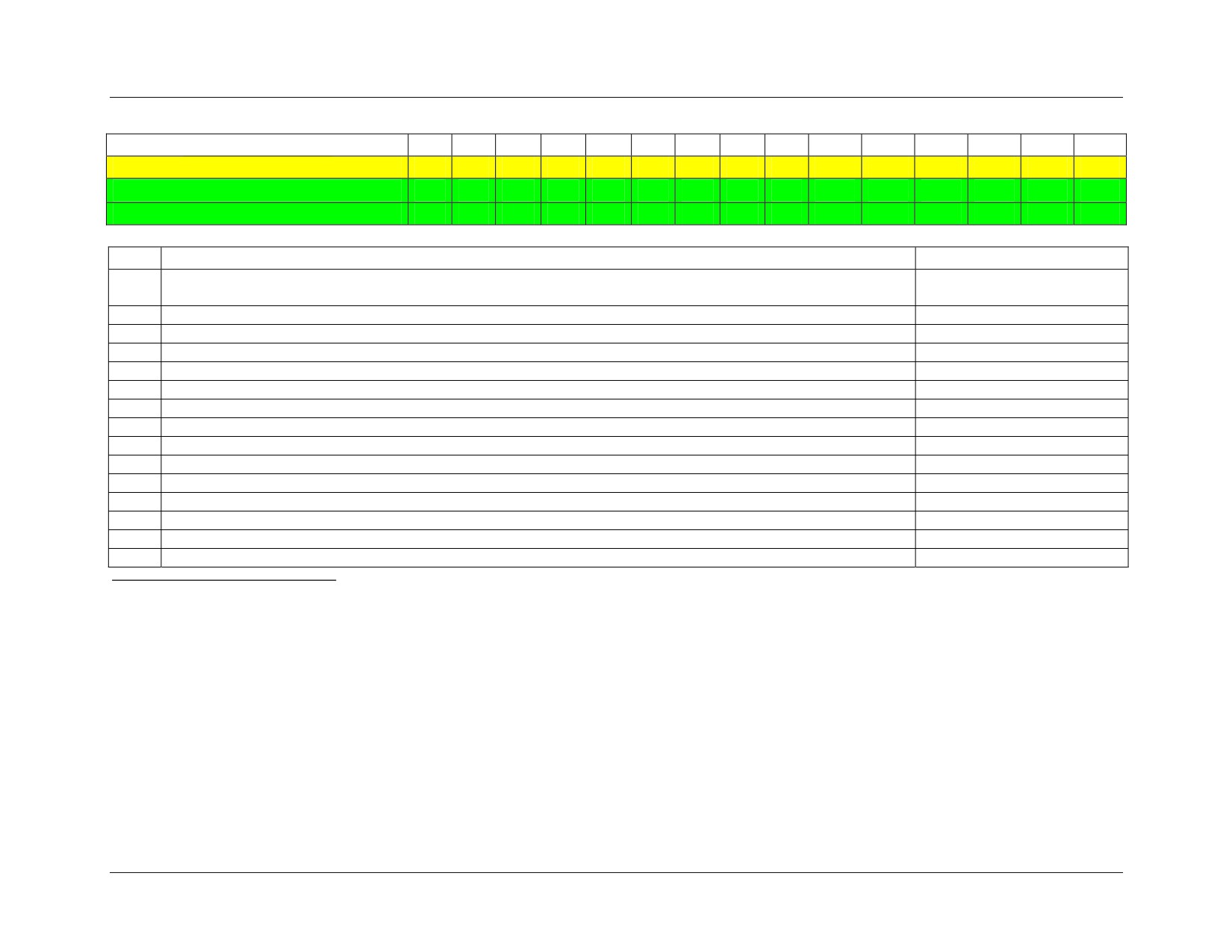
For Official Use Only
CBRND Functional Needs Analysis/Functional Solution Analysis
Chapter 7. Strategic Theater Shape Tasks
Table 7.5-1. STSHA 5: Capability and Deficiency Assessment
Capability: COCOM Staff
M1
M2
M3
M4
M5
M6
M7
M8
M9
M10
M11
M12
M13
M14
M15
Current Overall Capability
Y1
Y2
Y3
Y4
Y5
Y6
Y7
Y8
Y9
Y10
Y11
Y12
Y13
Y14
Y15
Near/Mid-Term Overall Capability
G16
G
G
G
G
G
G
G
G
G
G
G
G
G
G
Far-Term Overall Capability
G17
G
G
G
G
G
G
G
G
G
G
G
G
G
G
FAA Measure
Scale
M1
Hazards effects models and tools are adequate and available at all appropriate levels for assessment and decision
G - Yes, Y - Limited, R - No
making.
M2
Theater is adequately covered by the IDN.
G - Yes, Y - Limited, R - No
M3
Sensors managed at all echelons are networked to the IDN.
G - Yes, Y - Limited, R - No
M4
Sufficient doctrine and TTPs exist for effective IDN operation.
G - Yes, Y - Limited, R - No
M5
Joint forces are adequately trained to effectively operate the IDN.
G - Yes, Y - Limited, R - No
M6
All operation centers are networked to IDN.
G - Yes, Y - Limited, R - No
M7
IDN successfully tracks and monitors the hazard.
G - Yes, Y - Limited, R - No
M8
Means exist to disseminate routine, essential and critical CBRN/TIM threat intelligence rapidly.
G - Yes, Y - Limited, R - No
M9
Means exist to compile and display information on CBRN/TIM events that occurs throughout the theater.
G - Yes, Y - Limited, R - No
M10
Means exist to present information on the operational impact of a CBRN/TIM event.
G - Yes, Y - Limited, R - No
M11
Coalition and joint CBRND IDN provide automated warning and reporting.
G - Yes, Y - Limited, R - No
M12
CBRND information is easily disseminated onto the GIG.
G - Yes, Y - Limited, R - No
M13
CBRND data and information formats are interoperable across the coalition and interagency.
G - Yes, Y - Limited, R - No
M14
Required participants are able to exchange information through planning, assessment and management tools.
G - Yes, Y - Limited, R - No
M15
CBRND information is processed using existing C4ISR assets.
G - Yes, Y - Limited, R - No
1 Limited. JWARN is available within the theater to make assessment and decision making based on the hazards effects, but JEM will not be IOC until FY2006, and JOEF will not
be IOC until FY2008.
2 Limited. JWARN provides no capability, JEM will not be IOC until FY2006, and JOEF will not be IOC until FY2008.
3 Limited. JWARN provides no capability, JEM will not be IOC until FY2006, and JOEF will not be IOC until FY2008.
4 Limited. Doctrine and TTP are being developed as the different modules and blocks are being fielded.
5 Limited. Training is being conducted (new equipment training) and developed as the different modules and blocks are being fielded.
6 Limited. JWARN provides no capability, JEM will not be IOC until FY2006, and JOEF will not be IOC until FY2008.
7 Limited. JWARN is available within the theater and can be used to basically track and monitor the hazard, but JEM will not be IOC until FY2006, and JOEF will not be IOC until
FY2008.
8 Limited. JWARN is available within the theater and can disseminate routine, essential and critical CBRN threat intelligence rapidly, but JEM will not be IOC until FY2006, and
JOEF will not be IOC until FY2008.
9 Limited. JWARN is available within the theater and can compile and display information on CBRN events that occurs throughout the theater, but JEM will not be IOC until
FY2006, and JOEF will not be IOC until FY2008.
10 Limited. JWARN is available within the theater to basically present information on the operational impact of a CBRN event, but JEM will not be IOC until FY2006, and JOEF
will not be IOC until FY2008.
29
For Official Use Only
For Official Use Only
CBRND Functional Needs Analysis/Functional Solution Analysis
Chapter 7. Strategic Theater Shape Tasks
11 Limited. JWARN is available within the theater and can provide automated warning and reporting to the Coalition and joint forces, but JEM will not be IOC until FY2006, and
JOEF will not be IOC until FY2008.
12 Limited. JWARN is available within the theater but interfaces with only the GCCS, manually. JEM will not be IOC until FY2006, and JOEF will not be IOC until FY2008.
13 Limited. JWARN is available within the theater and allows CBRND data and information formats to be interoperable across the coalition and interagency environment but is
labor-intensive. JEM will not be IOC until FY2006, and JOEF will not be IOC until FY2008.
14 Limited. JWARN is available within the theater and is able to exchange information manually through planning, assessment and management tools. JEM will not be IOC until
FY2006, and JOEF will not be IOC until FY2008.
15 Limited. JWARN is available within the theater and CBRND information is manually processed using existing C4ISR assets. JEM will not be IOC until FY2006, and JOEF will
not be IOC until FY2008.
16 All near/mid-term measures will improve dramatically with the IOC of JEM Block I in FY2006 and the IOC of JOEF Block I, Increment I in FY2008.
17 All far-term measures will improve even more with JOEF Block II/III IOC in FY2010.
30
For Official Use Only
For Official Use Only
CBRND Functional Needs Analysis/Functional Solution Analysis
Chapter 7. Strategic Theater Shape Tasks
7.5.3
Functional Solution Analysis
7.5.3.1
DOTLPF Assessment Summary
This section addresses the deficiencies and suggests potential non-materiel solutions. If there are
no non-materiel solutions, or they are only partial solutions, the remaining non-materiel need is
then stated. Materiel needs are assessed in the IMAs section.
1. Deficiency: JWARN is available but is currently limited to manual input and retrieval.
Non-Materiel Solutions: Doctrine: JWARN doctrine (TTPs) will need to be developed and
updated as each module is fielded. Training: JWARN training will need to be developed and
updated as each module is fielded. Exercises and experiments could provide valuable insight
and feedback on JWARN capabilities. Leadership: JWARN leadership education will need
to be developed and updated as each module is fielded.
7.5.3.2
IMA Assessment Summary
N/A
31
For Official Use Only
For Official Use Only
CBRND Functional Needs Analysis/Functional Solution Analysis
Chapter 7. Strategic Theater Shape Tasks
7.6
Task STSHA 6: Provide theater CBRND strategy, plans, and policy
7.6.1
Functional Area Analysis
7.6.1.1
Definition
To provide theater strategy, plans, and policy providing goals and end states for CBRND
capabilities. Includes joint, multiagency, and international considerations. This task is geared to
enabling the national strategies. Includes providing strategic theater guidance for restoration and
elimination operations. Considers all Sense, Shape, Shield, and Sustain factors. Staff action in
deliberate and crisis planning modes is supported. Includes providing strategic guidance for
theater restoration and elimination operations.
7.6.1.2
Derivation
UJTL (ST 1.3.4, ST 1.3.7, ST 2.2.1, ST 2.2.3, ST 2.4.1, ST 2.4.1.1, ST 2.4.1.2, ST 4.2.4, ST 5, ST
5.1, ST 5.1.1, ST 5.1.2, ST 5.1.3, ST 5.1.4, ST 5.1.6, ST 5.2, ST 5.2.1, ST 5.3.1.3, ST 5.3.3, ST
5.4.1, ST 5.4.3, ST 6, ST 6.1.6, ST 6.2, ST 6.2.1, ST 7.1.1, ST 8.1.4, ST 8.2, ST 8.3.2, ST 9, ST 9.3,
ST 9.4, ST 9.5, ST 9.6), Protection Joint Functional Concept, Military Transformation: A
Strategic Approach, Transformation Planning Guidance, Combatant Commander’s Planning
Guide for WMD Elimination Operations.
7.6.1.2.1
Supported Task: SNSHA 8
7.6.1.2.2
Lateral Tasks: STSHA 2, STSHA 3, STSHA 4, STSHA 7, STSHA 8, STSHA 9,
STSHA 10, STSHA 11, STSHLD 5, STSHLD 6, STSUST 1, STSUST 2,
STSUST 3, STSUST 4, STSUST 5, STSUST 6, STSUST 14
7.6.1.2.3
Supporting Task: OPSHA 6
7.6.1.3
Condition
Perform this task under conditions of:
Physical. N/A
Military
1. Restrictive mission instructions. (C2.1.1)
2. No preexisting arrangements. (C2.1.1.2)
3. Negligible personnel experience. (C2.2.4.5)
4. Some or no interoperability. (C2.2.6)
5. Poor Joint Staff integration. (C2.3.1.1)
6. Limited staff expertise. (C2.3.1.3)
7. Negligible theater intelligence access. (C2.4.4)
Civil. N/A
32
For Official Use Only
For Official Use Only
CBRND Functional Needs Analysis/Functional Solution Analysis
Chapter 7. Strategic Theater Shape Tasks
7.6.2
Functional Needs Analysis
7.6.2.1
Capability and Deficiency Assessment Summary
Table 7.6-1 discusses the only capability that currently exists to perform the task to the
designated standard. There is only one capability that exists, and no other capability is projected
that will accomplish this task.
Current Capability and Deficiency
Any COCOM HQ has a team of operational planners and information command and control
specialists to include a CBRN staff cell. This team of experts forms the backbone of the theater
command structure. Restoration and interdiction/elimination operations are concepts that
planning staffs will continue to mature given specific threats within their respective AORs and
therefore could not be rated fully capable. The Military Decision-Making Process is a formal
concept that is universally accepted, and therefore plans and planning guidance should
incorporate considerations for all eventualities. However, as recent operations have shown,
CBRND-specific considerations had shortfalls. No specific means is available at this time to
identify and track CBRND resources or contaminated items that are required to be redirected,
removed, or disposed of. Institutional training that is focused on planning for restoration
operations and CBRN consequence management is limited. Therefore, the measures concerning
CBRND plans and planning guidance were rated as “yellow.”
Projected Near/Mid-Term Capability and Deficiency
No other capability is currently projected for the near/mid term. No capability improvement is
forecast for the near/mid term.
Projected Far-Term Capability and Deficiency
No other capability is currently projected for the far-term future. DOTMLPF should improve in
all deficient areas (for all measures in this row) as a result of initiatives that use data resulting
from focused experimentation. Joint TTPs, training and exercises, and education will all
improve, raising the far-term forecast to “green.”
33
For Official Use Only
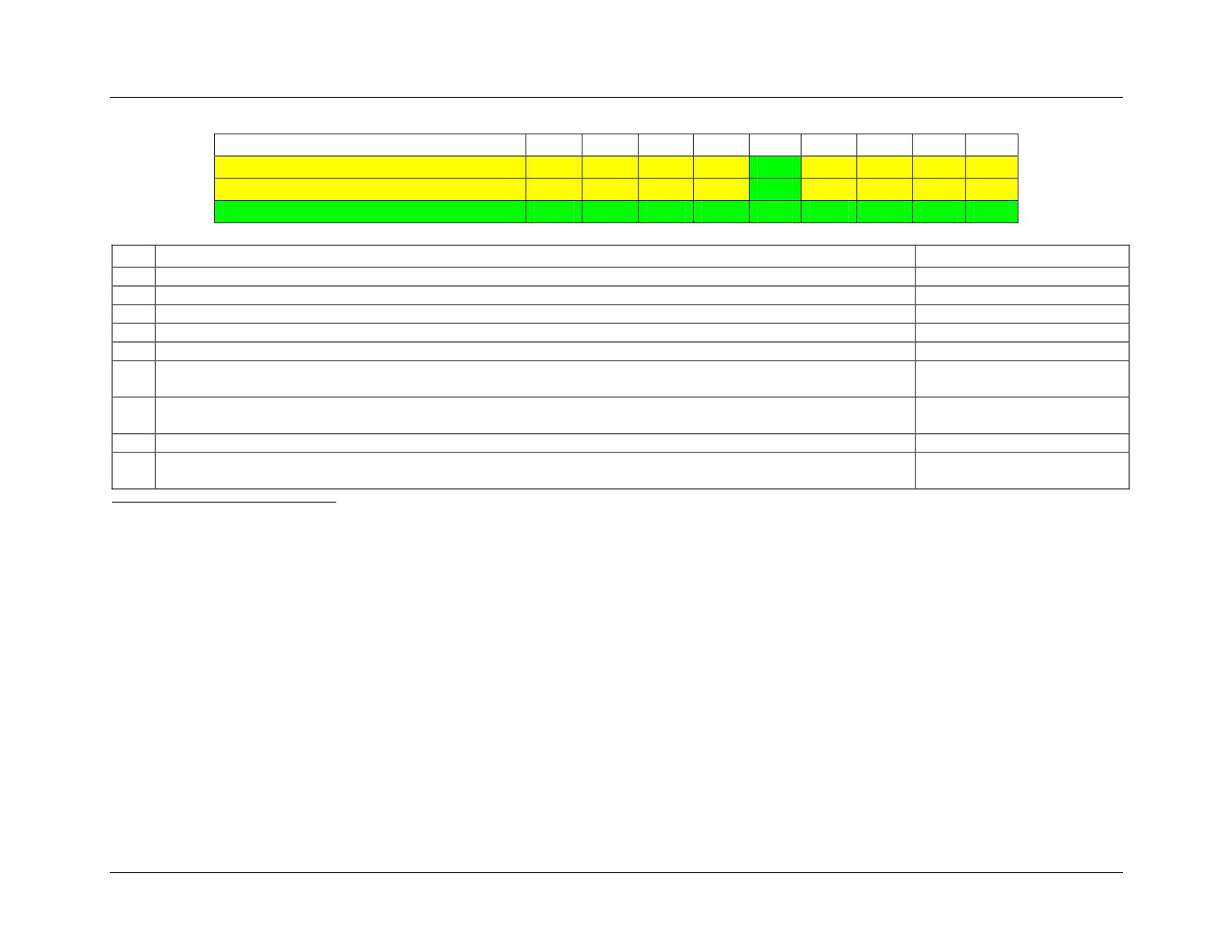
For Official Use Only
CBRND Functional Needs Analysis/Functional Solution Analysis
Chapter 7. Strategic Theater Shape Tasks
Table 7.6-1. STSHA 6: Capability and Deficiency Assessment
Capability: COCOM Staff
M1
M2
M3
M4
M5
M6
M7
M8
M9
Current Overall Capability1
Y2
Y3
Y4
Y5
G6
Y7
Y8
Y9
Y10
Near/Mid-Term Overall Capability
Y
Y
Y
Y
G
Y
Y
Y
Y
Far-Term Overall Capability
G11
G
G
G
G
G
G
G
G
FAA Measure
Scale
M1
Means exist to formulate CBRND planning guidance.
G - Yes, Y - Limited, R - No
M2
Planning staffs have the training and experience to effectively plan for CBRND operations.
G - Yes, Y - Limited, R - No
M3
Plans address all pertinent Sense, Shape, Shield, and Sustain issues.
G - Yes, Y - Limited, R - No
M4
Doctrine and TTPs are sufficient for effective CBRND planning.
G - Yes, Y - Limited, R - No
M5
Standing plans are adaptable to dynamically changing CBRND situations.
G - Yes, Y - Limited, R - No
M6
Operational and analytical/planning staffs have the training and experience to effectively plan for restoration
G - Yes, Y - Limited, R - No
operations.
M7
Operational and analytical/planning staffs have the training and experience to effectively plan for elimination
G - Yes, Y - Limited, R - No
operations.
M8
Joint, multiagency, and international considerations are included.
G - Yes, Y - Limited, R - No
M9
Means are established to identify and track CBRND resources or contaminated items that are required to be redirected,
G - Yes, Y - Limited, R - No
removed, or disposed of.
1 Limited. Institutional training for planning staffs is available. Institutional training that is focused on planning for restoration operations and CBRN consequence management is
limited.
2 Limited. Any COCOM staff has the ability to formulate planning guidance, but there are few JTTPs and education and training that specifically address formulating CBRND
planning guidance.
3 Limited. Any COCOM staff has the training and experience to plan operations, but there are few JTTPs and education and training that specifically address CBRND operations.
4 Limited. Any COCOM staff has the ability to develop plans, but there are few JTTPs that specifically address the process to select all pertinent Sense, Shape, Shield, and Sustain
issues.
5 Limited. There are doctrine and JTTPs that specifically address theater CBRND planning, but given the broad range of CBRN/TIM threats worldwide, each COCOM still needs
to develop its own TTPs for CBRN planning.
6 Yes. Standing plans are adaptable to dynamically changing CBRN situations.
7 Limited. Any COCOM operational and analytical/planning staff has the training and experience to effectively plan, but there are few JTTPs and courses that specifically address
restoration operations.
8 Limited. Any COCOM operational and analytical/planning staff has the training and experience to effectively plan, but there are few JTTPs and courses that specifically address
interdiction/elimination operations.
9 Limited. Joint, multiagency, and international considerations are infrequently included in plans at this time.
10 Limited. No specific means is available at this time to identify and track CBRND resources or contaminated items that are required to be redirected, removed, or disposed of.
11 DOTMLPF should improve in all deficient areas (for all measures in this row) as a result of initiatives that use data resulting from focused experimentation. Joint TTPs, training
and exercises, and education will all improve.
34
For Official Use Only
For Official Use Only
CBRND Functional Needs Analysis/Functional Solution Analysis
Chapter 7. Strategic Theater Shape Tasks
7.6.3
Functional Solution Analysis
7.6.3.1
DOTLPF Assessment Summary
This section addresses the deficiencies and suggests potential non-materiel solutions. If there are
no non-materiel solutions, or they are only partial solutions, the remaining non-materiel need is
then stated. Materiel needs are assessed in the IMAs section.
1.
Deficiency: Few JTTPs specifically address formulating CBRND planning guidance.
Non-Materiel Solutions: Doctrine: Develop joint doctrine on formulating CBRND planning
guidance for the theater. Training: Expand joint training on formulating CBRND plans and
policy for the theater.
2.
Deficiency: Few JTTPs specifically address CBRND operations.
Non-Materiel Solutions: Doctrine: Develop joint doctrine on planning CBRND restoration
and interdiction/elimination operations for the theater. Training: Develop joint training on
planning CBRND restoration and interdiction/elimination operations for the theater.
Leadership: Develop joint leader education course(s) on CBRND restoration and elimination
operations for the theater.
3.
Deficiency: Few JTTPs specifically address the process to select all pertinent Sense, Shape,
Shield, and Sustain issues and incorporate them into plans.
Non-Materiel Solutions: Doctrine: Develop joint doctrine on the process to select and
incorporate into plans all pertinent Sense, Shape, Shield, and Sustain issues. Training:
Develop joint training on the process to select all pertinent Sense, Shape, Shield, and Sustain
issues. Leadership: Develop joint educations course(s) on the process to select all pertinent
Sense, Shape, Shield, and Sustain issues.
4.
Deficiency: Given the broad range of CBRN/TIM threats worldwide, each COCOM still
needs to develop its own TTPs for CBRN planning.
Non-Materiel Solutions: Doctrine: Each COCOM HQ must develop procedures to
incorporate theater-specific CBRN/TIM threats into plans and policy.
5.
Deficiency: Joint, multiagency, and international considerations are seldom included in plans
at this time.
Non-Materiel Solutions: Doctrine: Include joint, multiagency, and international
considerations into all theater plans and policy.
6.
Deficiency: No specific means is available at this time to identify and track CBRND
resources or contaminated items that are required to be redirected, removed, or disposed of.
Non-Materiel Solutions: Doctrine: Develop specific TTPs or means to identify and track
CBRND resources or contaminated items that are required to be redirected, removed, or
disposed of.
7.6.3.2
IMA Assessment Summary. N/A
35
For Official Use Only
For Official Use Only
CBRND Functional Needs Analysis/Functional Solution Analysis
Chapter 7. Strategic Theater Shape Tasks
7.7
Task STSHA 7: Coordinate CBRND aspects of theater medical operations
7.7.1
Functional Area Analysis
7.7.1.1
Definition
To coordinate CBRND aspects of theater medical operations. Sets standards for personnel health
and fitness required for potential exposure to CBRN/TIM conditions (e.g., immuno-competency,
lung capacity, cholinesterase levels). Provides theater guidance for the conduct of medical
CBRND health assessments ensuring compliance with nationally established threshold criteria
for medical CBRND health assessments. Includes the coordination of medical surveillance
throughout the theater for indications of CBRN/TIM attack or release. Also includes pre- and
post-deployment medical evaluation to determine exposure to CBRN/TIM agents. Includes
developing medical courses of action for inclusion in theater planning. Includes all aspects of
CBRND medical logistics.
7.7.1.2
Derivation
UJTL (ST 2.2.1, ST 2.4.1, ST 2.4.1.1, ST 2.4.1.2, ST 4.2.6, ST 5, ST 5.1.1, ST 5.1.2, ST 5.1.3, ST
5.1.4, ST 5.1.6, ST 5.2, ST 5.2.1, ST 5.4.1, ST 5.4.3, ST 6, ST 6.2, ST 7.1.1, ST 8.1.4, ST 8.2.3, ST
8.3.2, ST 9.3, ST 9.4, ST 9.5, ST 9.6), Transformation Planning Guidance, Protection Joint
Functional Concept.
7.7.1.2.1
Supported Task: SNSHA 9
7.7.1.2.2
Lateral Tasks: STSHA 2, STSHA 3, STSHA 6, STSHA 8, STSHLD 3
7.7.1.2.3
Supporting Task: OPSHA 7
7.7.1.3
Condition
Perform this task under conditions of:
Physical. N/A
Military
1. No preexisting arrangements. (C2.1.1.2)
2. No or outline mission preparation. (C2.1.3)
3. Low personnel capability. (C2.2.4)
4. Poor personnel nutrition and health. (C2.2.4.1)
5. Negligible personnel experience. (C2.2.4.5)
6. Limited staff expertise. (C2.3.1.3)
7. Highly restricted information exchange. (C2.3.1.8)
36
For Official Use Only
For Official Use Only
CBRND Functional Needs Analysis/Functional Solution Analysis
Chapter 7. Strategic Theater Shape Tasks
Civil
1. Uncooperative interdepartmental/interagency relationships. (C3.1.1.3)
2. Limited international organzation support. (C3.1.2.5)
3. High health risk. (C3.3.1.5)
4. Insignificant science and technology. (C3.3.7)
7.7.2
Functional Needs Analysis
7.7.2.1
Capability and Deficiency Assessment Summary
Table 7.7-1 discusses the only capability to coordinate CBRND aspects of theater medical
operations to perform the task to the designated standard.
Current Capability and Deficiency
Medical screening is adequate and appropriate for this capability. Automated disease outbreak
tracking systems are generally available at the strategic national level and therefore, the theater-
level medical health care providers need a reachback capability. Personnel and record screening
are assessed as adequate. Procedures to isolate/quarantine casualties are assessed as limited
because the caveat included host nation individuals, a task outside the realm of the COCOM HQ.
Health risk assessment for TIM hazards are limited because a broad analysis of chemical and
toxic material production/storing capabilities has not been accomplished globally. The task
concerning units that were potentially or actually exposed to CBRN/TIM was rated limited
because a real-time/near-real-time geospatial understanding of units on the battlefield has not
been realized. The overall current assessment is on the low side of “yellow.”
Projected Near/Mid-Term Capability and Deficiency
JEM and JOEF are projected to be fielded in the near/mid-term future. JOEF will support real-
time decision making that will allow the commander to assess and react to actual and potential
impacts on the warfighting mission due to NBC hazards, logistical concerns, medical support
needs (e.g. casualty estimation, troop exposures, casualty care and treatment, etc.) and
deployment of NBC defense equipment. The project overall near/mid-term capability is “green.”
Projected Far-Term Capability and Deficiency
No changes in the foreseeable future. The project overall far-term capability is “green.”
37
For Official Use Only
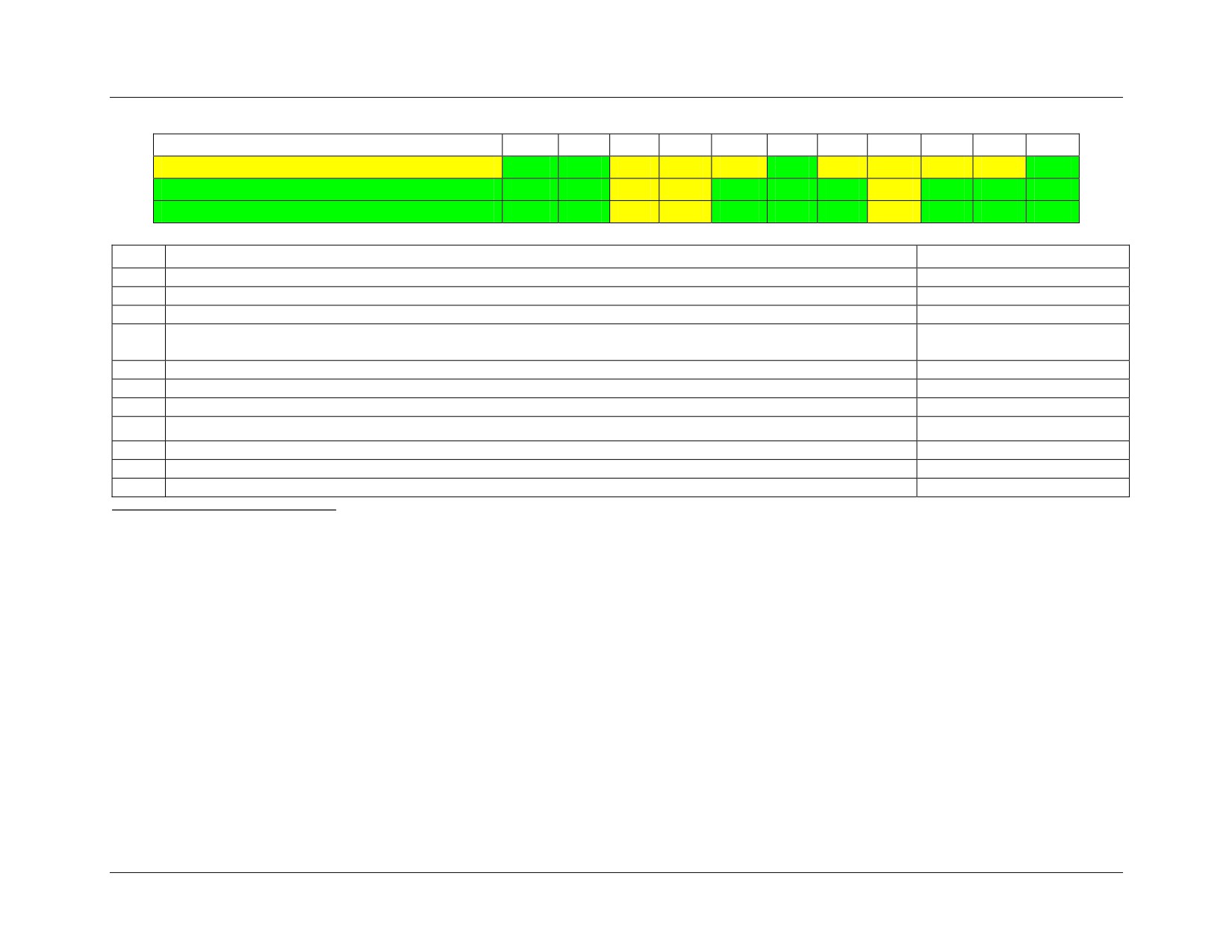
For Official Use Only
CBRND Functional Needs Analysis/Functional Solution Analysis
Chapter 7. Strategic Theater Shape Tasks
Table 7.7-1. STSHA 7: Capability and Deficiency Assessment
Capability: COCOM Medical Staff/Unit
M1
M2
M3
M4
M5
M6
M7
M8
M9
M10
M11
Current Overall Capability1
G2
G3
Y4
Y5
Y6
G7
Y8
Y9
Y10
Y11
G12
Near/Mid-Term Overall Capability
G
G
Y
Y
G13
G
G13
Y
G13
G13
G
Far-Term Overall Capability
G
G
Y
Y
G
G
G
Y
G
G
G
FAA Measure
Scale
M1
Personnel are screened for deployment eligibility.
G - Yes, Y - Limited, R - No
M2
Medical records are assessed for medical indicators.
G - Yes, Y - Limited, R - No
M3
Standards for personnel health and fitness are effective for potential CBRN/TIM environments.
G - Yes, Y - Limited, R - No
M4
Casualties (US, host nation, and third country nationals), both human and MWA, restricted by medical/veterinary
G - Yes, Y - Limited, R - No
isolation/quarantine, are identified.
M5
A theater-wide system for tracking the status of CBRND medical information exists.
G - Yes, Y - Limited, R - No
M6
Theater medical threats are identified and appropriate counter-measures are instituted.
G - Yes, Y - Limited, R - No
M7
CBRND health risk assessment estimate is available.
G - Yes, Y - Limited, R - No
M8
Units, potentially or actually exposed/contaminated by CBRN/TIM or ROTA event, are identified and tracked.
G - Yes, Y - Limited, R - No
M9
CBRND medical courses of action are integrated into theater planning.
G - Yes, Y - Limited, R - No
M10
Logistics requirements and deficiencies are identified.
G - Yes, Y - Limited, R - No
M11
Non-DoD sources are accessed for information.
G - Yes, Y - Limited, R - No
1 Limited. There is limited JTTPs to specifically address this task.
2 Yes. Personnel are screened before deployment.
3 Yes. Medical staffs can sufficiently assess records.
4 DoD-wide standards for general military personnel health and fitness are well documented and sustained. However, medical linkage to health criteria for CBRN should be
developed. Drawing of baseline cholinesterase levels needs to be standardized across the services.
5 Limited. Most theater medical/veterinary personnel are proficient at quarantine protocol. However, coordination across the joint services medical community (as well as host
nations/coalition partners) for identifying, screening, isolating, and quarantining infected personnel should be improved, to include the use of automated disease-outbreak tracking
systems. These systems should be fed into the J-2, CBRN, and preventive medicine experts to provide population indicators of biological weapons use in AOR.
6 There is a current limited capability to track the status of CBRND medical information, which will increase with the fielding of JEM and JOEF.
7 Yes. National medical assets can identify potential medical threats and institute limited medical countermeasures.
8 Limited. TIMs health risk assessment requires a broad analysis of chemical and toxic material production/storing capabilities in the area of operations. A database of global to
local TIM hazards does not currently exist. However, expertise can be made available to the COCOM to conduct a health risk assessment based on regional hazards.
9 Limited. Most COCOM staffs can track adequately those units actually or potentially exposed to CBRN/TIM. However, real-time/near-real-time understanding of the
geographical location of units on the battlefield, tied to automated plume prediction technology is necessary.
10 Unless specifically requested, medical COAs for CBRND are not typically included in theater plans, particularly for TIMs.
11 Logistics requirements are identified for some medical issues, but CBRND medical issues are typically not addressed.
12 Yes. Reachback capabilities exist for multiple medical need analyses.
13 JEM and JOEF increases the capability from partial to full.
38
For Official Use Only
For Official Use Only
CBRND Functional Needs Analysis/Functional Solution Analysis
Chapter 7. Strategic Theater Shape Tasks
7.7.3
Functional Solution Analysis
7.7.3.1
DOTLPF Assessment Summary
This section addresses the deficiencies and suggests potential non-materiel solutions. If there are
no non-materiel solutions, or they are only partial solutions, the remaining non-materiel need is
then stated. Materiel needs are assessed in the IMAs section.
1.
Deficiency: Coordination across the joint services medical community (as well as host
nations/coalition partners) for identifying, screening, isolating, and quarantining infected
personnel should be improved.
Non-Materiel Solutions: Doctrine: Doctrine for early identification for nonstandard and
novel chemical/biological threats needs to be developed. Training: Training on early
identification for nonstandard and novel chemical/biological threats needs to be
implemented.
2.
Deficiency: A global database of local CBRN/TIM hazards does not currently exist.
Non-Materiel Solutions: None
3.
Deficiency: Real-time/near-real-time understanding of the geographical location of units on
the battlefield tied to automated plume prediction technology does not exist.
Non-Materiel Solutions: None
4.
Deficiency: There is limited JTTPs to specifically address coordinating CBRND/TIM
aspects of theater medical operations.
Non-Materiel Solutions: Doctrine: Improvement in environmental health and safety
training of deploying forces is needed, JTTPs for medical management of CBRND/TIM
casualties needs to be improved or some form of reachback capability needs to be
implemented for health care professionals to conduct adequate assessments, diagnoses, and
treatment.
7.7.3.2
IMA Assessment Summary
Table 7.7-2 shows possible material approaches that address the remaining materiel requirements
of the DOTMLPF assessment.
Table 7.7-2. STSHA 7: IMA Assessment
Idea for Materiel Approach
Description
Automated database
Development of an automated global database/software
program of CBRN/TIM hazards or development of a theater
medical personnel reachback capability to national medical
and occupational safety and health databases.
Automated tool
Development of automated plume prediction technology tied
to real-time geospatial unit location is necessary.
39
For Official Use Only
For Official Use Only
CBRND Functional Needs Analysis/Functional Solution Analysis
Chapter 7. Strategic Theater Shape Tasks
7.8
Task STSHA 8: Coordinate theater CBRND operations
7.8.1
Functional Area Analysis
7.8.1.1
Definition
To provide overall coordination of theater CBRND operations. Preparatory activities are
coordinated with affected joint forces, coalition partners, and appropriate nongovernmental
organizations and indigenous agencies. Preparations are extended to cooperative nonaligned
nations to reduce their CBRN/TIM vulnerability and enhance collaborative operating potential.
CBRND resources provided by other nations and agencies, including resources identified under
agreements and treaties, are integrated into preparations. Multiple CBRN/TIM events could
occur in the same time frame throughout the theater. Rapid and effective response and mitigation
coordination is required. CBRN/TIM event information provided in the COP is used to formulate
appropriate actions and taskings. Includes the allocation and reallocation of CBRND resources to
joint commanders throughout the theater. Includes overall coordination and tracking of theater
restoration and elimination operations.
7.8.1.2
Derivation
UJTL (ST 1.1.2, ST 2.2.1, ST 2.4.1, ST 2.5, ST 5, ST 5.1, ST 5.2, ST 5.2.1, ST 5.3.1, ST 5.4.1, ST
5.4.3, ST 6, ST 7.1.1, ST 8.1, ST 8.2, ST 8.3.2, ST 9), Joint Enabling Concept for CBRN
Operations, Protection Joint Functional Concept, Military Transformation: A Strategic
Approach, Transformation Planning Guidance, An Operational Concept for Biological Defense.
7.8.1.2.1
Supported Tasks: SNSHA 10, SNSHA 14
7.8.1.2.2
Lateral Tasks: STSHA 3, STSHA 6, STSHA 7, STSUST 7, STSUST 11,
STSUST 12, STSUST 14
7.8.1.2.3
Supporting Tasks: OPSHA 8, OPSHA 12
7.8.1.3
Condition
Perform this task under conditions of:
Physical
1. Immediate, delayed, or potential long-term atmospheric weapons effects. (C1.3.3)
Military
1. No preexisting arrangements (C2.1.1.2)
2. No or outline mission preparation (C2.1.3)
3. Few modern military systems. (C2.2.5)
4. Few modern military simulation systems. (C2.2.5.5)
5. Poor Joint Staff integration. (C2.3.1.1)
40
For Official Use Only
For Official Use Only
CBRND Functional Needs Analysis/Functional Solution Analysis
Chapter 7. Strategic Theater Shape Tasks
6. Poor multinational integration. (C2.3.1.2)
7. Limited staff experience. (C2.3.1.3)
8. Negligible deployed supplies. (C2.8.2)
Civil
1. Correct interdepartmental/interagnecy relationships. (C3.1.1.3)
2. Negative foreign government support (C3.1.2.3)
3. Uncertain international organization support (C3.1.2.5)
4. Restrictive Presidentail and/or Secretary of Defense decisions. (C3.1.3)
7.8.2
Functional Needs Analysis
7.8.2.1
Capability and Deficiency Assessment Summary
Table 7.8-1 discusses the only capability that currently exists to perform the task to the
designated standard. There is only one capability that exists, and no other capability is projected
that will accomplish this task.
Current Capability and Deficiency
The COCOM operations directorate (J-3) provides the capability to perform this task. The
current capability is assessed as “yellow,” primarily centering on the JPME (does not mandate a
core minimum set of CBRNE tasks for mastery at the mid and Senior Service College levels) and
CBRN specialists (do not receive training as strategic planners). Also, allocation adequacy for
CBRN units, personnel, and CBRND systems was considered limited.
Projected Near/Mid-Term Capability and Deficiency
No other capability is currently projected for the near/mid term. Little capability improvement is
forecast for the near/mid term with the exception that UJTL 5.0 will be fully implemented and
Sense, Shape, Shield, and Sustain factors will be consistently considered as a result of training,
education, and experience.
Projected Far-Term Capability and Deficiency
No other capability is currently projected for the far-term future. Little capability improvement is
forecast for the far term with the exception that DOTMLPF should improve in all deficient areas
as a result of initiatives that use data resulting from focused experimentation.
41
For Official Use Only
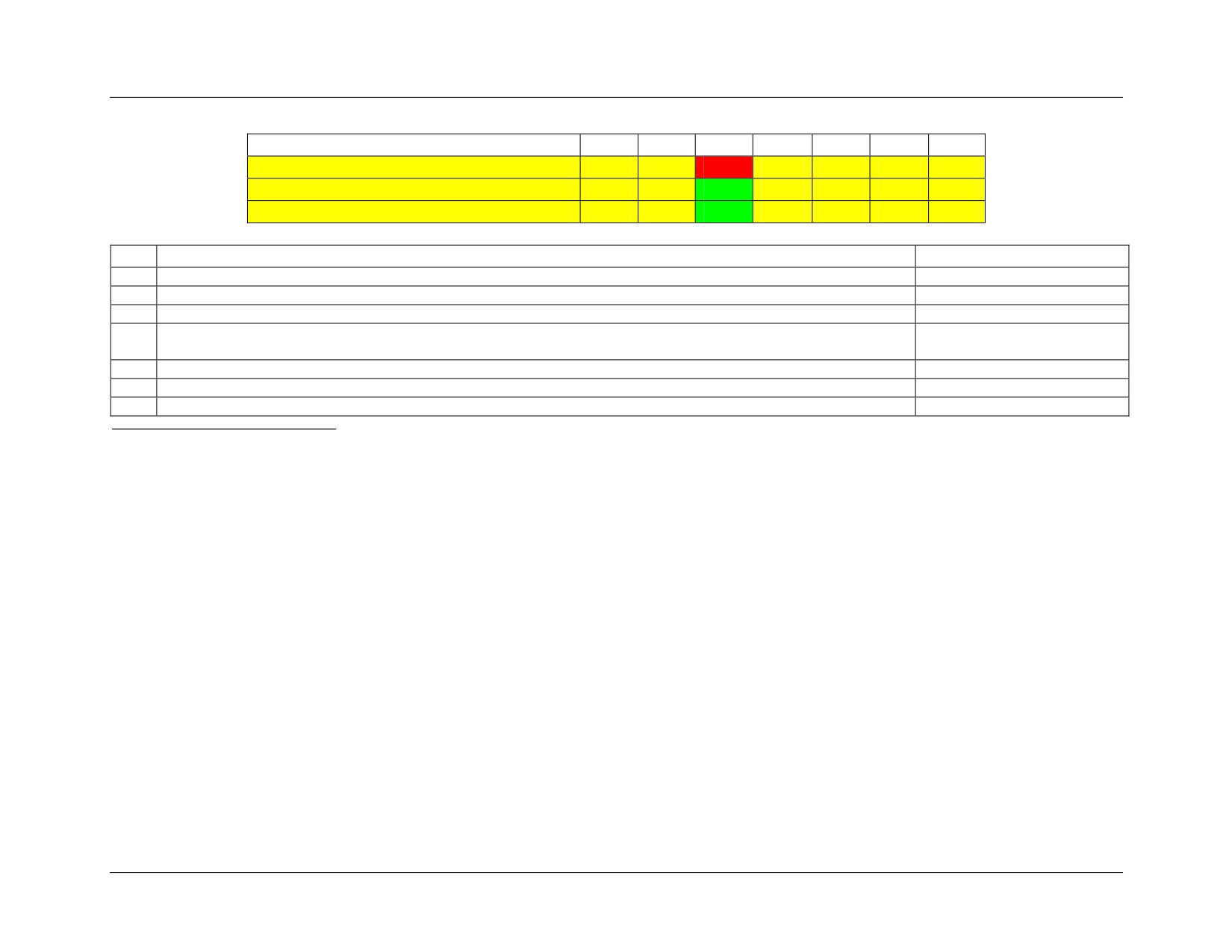
For Official Use Only
CBRND Functional Needs Analysis/Functional Solution Analysis
Chapter 7. Strategic Theater Shape Tasks
Table 7.8-1. STSHA 8: Capability and Deficiency Assessment
Capability: COCOM J-3
M1
M2
M3
M4
M5
M6
M7
Current Overall Capability1
Y2
Y3
R4
Y5
Y6
Y7
Y8
Near/Mid-Term Overall Capability9
Y
Y
G10
Y
Y
Y
Y
Far-Term Overall Capability11
Y
Y
G
Y
Y
Y
Y
FAA Measure
Scale
M1
CBRND units and personnel are adequately allocated.
G - Yes, Y - Limited, R - No
M2
CBRND systems and equipment are adequately allocated.
G - Yes, Y - Limited, R - No
M3
All pertinent Sense, Shape, Shield, and Sustain information is considered.
G - Yes, Y - Limited, R - No
M4
Coordination for CBRND operations includes transport, logistics, communications, and CBRND unit employment
G - Yes, Y - Limited, R - No
considerations.
M5
Doctrine and TTPs for theater CBRND coordination are available.
G - Yes, Y - Limited, R - No
M6
Theater staffs are adequately trained to effectively coordinate CBRND operations.
G - Yes, Y - Limited, R - No
M7
Theater exercises or experimentation provide feedback on efficacy of coordination of theater CBRND operations.
G - Yes, Y - Limited, R - No
1 No. JPME does not mandate a core minimum set of CBRNE tasks for mastery at the mid and Senior Service College levels. CBRN specialists do not receive training as strategic
planners.
2 Limited. Current apportionment to theaters within force structure constraints is appropriate. However, should interdiction fail, given multiple CBRN capable adversaries,
CBRND units and personnel are insufficient for multitheater CBRN events and subsequent restoration operations.
3 Limited. Current CBRND end-item systems are scarce assets. CBRND resources, especially detection and force protection systems, must be focused on most critical assets.
4 No. Not all pertinent Sense, Shape, Shield, and Sustain information is considered. UJTL 5.0 will establish Sense, Shape, Shield, and Sustain as critical domains. However, UJTL
4.7 does not.
5 Limited. COCOM J-3 can establish coordination; however, given the fluid nature of current and future military engagement areas, precise and finite coordination must await
execution orders.
6 Limited. Joint Publication 3 Series (Operations) addresses CBRND coordination considerations. However, TIM are not adequately addressed at the Strategic Theater level.
7 Limited. Joint Senior Leaders Course provides a limited orientation at the Strategic Theater and Operational levels. However, JPME does not mandate a core minimum set of
CBRNE tasks for mastery at the mid and Senior Service College levels.
8 Limited. Few exercises or experimentation adequately incorporate appropriate CBRN/TIM issues.
9 DOTMLPF should improve in all deficient areas as a result of initiatives that use data resulting from focused experimentation.
10 UJTL 5.0 will be fully implemented, and Sense, Shape, Shield, and Sustain factors will be consistently considered as a result of training, education, and experience.
11 Continued DOTMLPF enhancements will result from exercise and wargame lessons learned.
42
For Official Use Only
For Official Use Only
CBRND Functional Needs Analysis/Functional Solution Analysis
Chapter 7. Strategic Theater Shape Tasks
7.8.3
Functional Solution Analysis
7.8.3.1
DOTLPF Assessment Summary
This section addresses the deficiencies and suggests potential non-materiel solutions. If there are
no non-materiel solutions, or they are only partial solutions, the remaining non-materiel need is
then stated. Materiel needs are assessed in the IMAs section.
1.
Deficiency: Given multiple CBRN capable adversaries, CBRN units and personnel are
insufficient for multitheater CBRN events and subsequent restoration operations and
individual theater resources will be constrained.
Non-Materiel Solutions: Organization: Given the intensive requirements for
reconnaissance and decontamination in a CBRN environment, reevaluate allocation rules for
CBRN units. Personnel: Given the intensive requirements for information management,
reconnaissance and decontamination in a CBRN environment, reevaluate allocation rules for
CBRN personnel.
2.
Deficiency: Lack of automated CBRN/TIM hazard assessment capability.
Non-Materiel Solutions: None
3.
Deficiency: Few exercises or experimentation adequately incorporate appropriate
CBRN/TIM issues.
Non-Materiel Solutions: Doctrine: UJTL 5.0 should effectively drive consideration of
Sense, Shape, Shield, and Sustain domains. Training: Incorporate appropriate CBRN/TIM
issues into all theater-level exercises and experimentation.
4.
Deficiency: Given the fluid nature of current and future military engagement areas, precise
and finite CBRN logistical and operational coordination must await execution orders.
Non-Materiel Solutions: Doctrine: Develop staff planning guidance for predictive CBRN
operations and logistics.
5.
Deficiency: Theater TIM considerations are not adequately addressed at the Strategic
Theater level.
Non-Materiel Solutions: Doctrine: Develop a process and plan to address TIMs at the
Strategic Theater level.
6.
Deficiency: JPME does not mandate a core minimum set of CBRNE tasks for mastery at the
mid and Senior Service College levels.
Non-Materiel Solutions: Training: Conduct front-end analysis and training needs analysis
to develop and implement appropriate instruction at the intermediate and Senior Service
College level. Once training analysis is complete, resource manpower and time to support
resident instruction and develop distributed training.
7.8.3.2
IMA Assessment Summary
Table 7.8-2 shows possible material approaches that address the remaining materiel requirements
of the DOTMLPF assessment.
43
For Official Use Only
For Official Use Only
CBRND Functional Needs Analysis/Functional Solution Analysis
Chapter 7. Strategic Theater Shape Tasks
Table 7.8-2. STSHA 8: IMA Assessment
Idea for Materiel Approach
Description
Automated tool
Develop a theater TIM automated assessment tool that
allows staff planners predictive capability for TIM hazards
44
For Official Use Only
For Official Use Only
CBRND Functional Needs Analysis/Functional Solution Analysis
Chapter 7. Strategic Theater Shape Tasks
7.9
Task STSHA 9: Develop TEPs for Shape considerations and activities for assigned
theater or designated countries
7.9.1
Functional Area Analysis
7.9.1.1
Definition
To develop Theater Engagement Plans (TEPs) that will develop cooperation and trust through a
combination of restoration operations exercises, training, equipment exchange, and other
cooperative efforts. Many nations that would normally support U.S. initiatives may feel
threatened by hostile neighbors or nations that possess CBRN/TIM weapons. To ensure
cooperation and interoperability, the combatant commander develops TEPs for assigned theater
or designated countries. TEPs that include Shape considerations and activities can help to
mitigate reluctance to support the United States. If countries are provided with the means to
achieve situational understanding after CBRN/TIM attacks or if they are assured of U.S.
assistance, they will feel less threatened.
7.9.1.2
Derivation
UJTL (ST 9.4, ST 8.2.1, ST 8.1.2), CJCSM 3113.01A.
7.9.1.2.1
Supported Task: SNSHA 11
7.9.1.2.2
Lateral Tasks: STSENS 7, STSHA 6, STSUST 8
7.9.1.2.3
Supporting Task: OPSHA 9
7.9.1.3
Condition
Perform this task under conditions of:
Physical. N/A
Military
1. No preexisting arrangements. (C 2.1.1.2)
2. Limited personnel expertise. (C2.2.4.5)
Civil
1. Mixed support for political policies. (C3.1)
2. Limited foreign government support. (C3.1.2.3.)
45
For Official Use Only
For Official Use Only
CBRND Functional Needs Analysis/Functional Solution Analysis
Chapter 7. Strategic Theater Shape Tasks
7.9.2
Functional Needs Analysis
7.9.2.1
Capability and Deficiency Assessment Summary
Table 7.9-1 discusses the only capability that currently exists to perform the task to the
designated standards. There is only one capability that exists, and no other capability is projected
that will accomplish this task.
Current Capability and Deficiency
The combatant command develops TEPs for Shape considerations and activities for assigned
theater or designated countries. Nothing precludes the COCOM staff from establishing these
TEPs now, but there is very little in the way of existing doctrine or TTPs to help guide them.
Theater engagement planning is primarily a strategic planning document intended to link
COCOM-planned regional engagement activities with national strategic objectives. TEPs are
based on defense planning guidance. COCOM-planned and -supported operations and activities
produce multiple benefits in readiness, modernization, and engagement. However, peacetime
military engagement activities must be prioritized to ensure efforts are focused on those that are
of greatest importance, without sacrificing warfighting capability. Because weapons of mass
destruction represent the most significant threat to global security, it is an ideal candidate for
theater engagement planning, which identifies the synchronization of these activities on a
regional basis and illustrates the efficiencies gained from regional COCOM engagement
activities that support national strategic objectives. Nothing precludes a COCOM staff from
initiating theater engagement planning for Shape-related considerations. No guidance has been
provided and no doctrine exists specifically addressing for Shape-related consideration
integration into TEPs. No Shape-related exercises/experimentation have been conducted to
provide feedback on efficacy of TEPs for specific countries. No doctrine has been developed.
Leader education does not address this issue.
Projected Near/Mid-Term Capability and Deficiency
No other capability is currently projected for the near/mid term. Near/mid-term experimentation
results (as recommended in this Joint Capabilities Integration and Development System [JCIDS]
analysis) may lead to development of new capabilities. It is projected that improvements due to
coordination/DOTLPF enhancements will dramatically improve the ability of the COCOM staff
to develop TEPs for Shape-related issues, but the overall status will remain “yellow” due to the
inherent difficulty in initiating and developing new theater engagement planning programs.
Projected Far-Term Capability and Deficiency
No other capability is currently projected for the far-term future. The overall status is likely to
remain “yellow” due to the inherent difficulties posed by international relations.
46
For Official Use Only

For Official Use Only
CBRND Functional Needs Analysis/Functional Solution Analysis
Chapter 7. Strategic Theater Shape Tasks
Table 7.9-1. STSHA 9: Capability and Deficiency Assessment
Capability: COCOM HQ
M1
M2
M3
M4
Current Overall Capability1
Y2
G3
Y4
R5
Near/Mid-Term Overall Capability
Y
G
Y
R
Far-Term Overall Capability6
Y
G
Y
Y7
FAA Measure
Scale
M1
Shape TEPs are established for designated countries.
G - Yes, Y - Limited, R - No
M2
TEPs are modified after substantive changes are recommended and
G - Yes, Y - Limited, R - No
approved.
M3
TEPs meet guidelines of CJCSM 3113.01A.
G - Yes, Y - Limited, R - No
M4
Joint exercises/experimentation provide feedback on efficacy of TEPs for
G - Yes, Y - Limited, R - No
specific countries.
1 No doctrine has been developed. Leader education does not address this issue.
2 Nothing precludes a COCOM staff from initiating TEP for Shape-related considerations. No guidance has been provided, and
no doctrine exists specifically addressing Shape integration into TEP.
3 Nothing precludes meeting this standard once Shape-related TEPs are established.
4 CJCSM 3113.01A does not address integration of Shape-related considerations into TEP.
5 No Shape-related exercises/experimentation have been conducted to provide feedback on efficacy of TEPs for specific
countries.
6 Doctrine will be developed. Leader education will begin to address this issue.
7 Results of experimentation and feedback from insertion in training exercises will begin to provide valuable data on TEP-related
issues.
47
For Official Use Only
For Official Use Only
CBRND Functional Needs Analysis/Functional Solution Analysis
Chapter 7. Strategic Theater Shape Tasks
7.9.3
Functional Solution Analysis
7.9.3.1
DOTLPF Assessment Summary
This section addresses the deficiencies and suggests potential non-materiel solutions. If there are
no non-materiel solutions, or they are only partial solutions, the remaining non-materiel need is
then stated. Materiel needs are assessed in the IMAs section.
1. Deficiency: No guidance has been provided, and no doctrine/TTPs exists specifically
addressing Shape integration into TEPs.
Non-Materiel Solutions: Doctrine: Establish policies, TTPs, and guidelines that include
practical ways to enhance Shape-related consideration integration into TEPs.
2. Deficiency: No Shape exercises/experimentation have been conducted to provide feedback
on efficacy of TEPs for specific countries.
Non-Materiel Solutions: Training: Develop exercises to include Shape-related
considerations with TEP countries to determine efficacy of policy once established.
3. Deficiency: Leader education does not address this issue.
Non-Materiel Solutions: Leadership: At the urging of the Joint Forces Staff College
(JFSC), and as part of a Joint Requirements Office for Chemical, Biological, Radiological,
and Nuclear Defense (JRO-CBRND) joint education initiative, a team began to investigate
ways to develop CBRN defense initiatives as part of theater engagement planning. The
subject matter experts at the JFSC felt that in the current global environment, CBRND was
an ideal platform for military engagement, enhancing a common global defense capability
against weapons of mass destruction. The team plans to present these JCIDS tasks to the
JFSC as a foundation for the development of TEP education materials when they are
finalized.
7.9.3.2
IMA Assessment Summary
N/A
48
For Official Use Only
For Official Use Only
CBRND Functional Needs Analysis/Functional Solution Analysis
Chapter 7. Strategic Theater Shape Tasks
7.10 Task STSHA 10: Establish theater cooperative CBRN/TIM-detection policies,
procedures, and networks
7.10.1
Functional Area Analysis
7.10.1.1
Definition
To link theater active systems (such as Air Defense Radar) with passive detectors (such as
Biological Integrated Detection System [BIDS]) to produce a theater cooperative CBRN/TIM-
detection network. Builds a seamless web from the theater capabilities down to individual
tactical detectors within the theater battlespace to provide a means of detecting both delivery
vehicles and agents.
7.10.1.2
Derivation
UJTL (OP 7.5, OP 2.2.2).
7.10.1.2.1
Supported Task: SNSHA 12
7.10.1.2.2
Lateral Task: STSHA 6
7.10.1.2.3
Supporting Task: OPSHA 11
7.10.1.3
Condition
Perform this task under conditions of:
Physical. N/A
Military
1. Partial preexisting arrangements. (C2.1.1.2)
Civil
1. Limited foreign government support. (C3.1.2.3)
2. Moderately opposed foreign public opinion. (C3.1.2.4)
7.10.2
Functional Needs Analysis
7.10.2.1
Capability and Deficiency Assessment Summary
Table 7.10-1 discusses the only capability that currently exists to perform the task to the
designated standard. There is only one capability that exists, and no other capability is projected
that will accomplish this task.
49
For Official Use Only
For Official Use Only
CBRND Functional Needs Analysis/Functional Solution Analysis
Chapter 7. Strategic Theater Shape Tasks
Current Capability and Deficiency
While any theater-level staff can develop policies and procedures specific and unique to its
operational circumstances, this task is asking much more. This task is not normally a function of
a theater commander. This capability must be developed and facilitated by Strategic National
assets and passed to the field commander as a vetted operational capability package. Because of
this current deficiency, the capability is assessed as “red.” The capability to incorporate
cooperatively linked detection technologies does not currently exist; therefore, effective
DOTMLPF has not yet been developed.
Projected Near/Mid-Term Capability and Deficiency
No other capability is currently projected for the near/mid term. No capability improvement is
forecast for the near/mid term.
Projected Far-Term Capability and Deficiency
No other capability is currently projected for the far-term future. In the far term the capability
assessment should improve to “yellow.” A COCOM HQ has the ability to establish CBRN/TIM-
detection policies within the theater. As cooperative linkages between various systems
capabilities are coordinated and established between various detection technologies (e.g., BIDS,
phased-array radars, standoff motion detectors, passive monitors, vehicular-embedded detectors
with Global Positioning System (GPS) linkages and automatic position reporting, individual
detectors networked to centralized data servers, etc.) theater cooperative CBRN/TIM-detection
policies, procedures, and networks will be established in limited fashion. All supporting and
required DOTMLPF enhancements will be initiated, but it will take years of experimentation and
exercises before full capability is realized.
50
For Official Use Only
For Official Use Only
CBRND Functional Needs Analysis/Functional Solution Analysis
Chapter 7. Strategic Theater Shape Tasks
Table 7.10-1. STSHA 10: Capability and Deficiency Assessment
Capability: COCOM HQ
M1
M2
M3
M4
M5
M6
Current Overall Capability1
R2
R3
R4
R5
G6
R7
Near/Mid-Term Overall Capability
R
R
R
R
G
R
Far-Term Overall Capability
Y8
Y
Y
Y
G
Y
FAA Measure
Scale
M1
Theater cooperative CBRN/TIM-detection policy is established.
G - Yes, Y - Limited, R - No
M2
Theater cooperative CBRN/TIM-detection procedures are established.
G - Yes, Y - Limited, R - No
M3
Theater cooperative CBRN/TIM-detection networks are established.
G - Yes, Y - Limited, R - No
M4
Policy and procedures have been established with theater allies.
G - Yes, Y - Limited, R - No
M5
Existing policy and procedures are updated regularly.
G - Yes, Y - Limited, R - No
M6
Multinational exercises/experimentation provide feedback on efficacy of policies and procedures.
G - Yes, Y - Limited, R - No
1 Limited. Conceivably, any COCOM HQ could incorporate cooperatively linked detection technologies; however, the capability does not currently exist, therefore, effective
DOTMLPF is irrelevant.
2 A COCOM HQ has the ability to establish CBRN/TIM-detection policies within the theater as outlined in the Theater Security Cooperation Plan. However, cooperative linkages
between various systems capabilities, although proposed, have not yet been coordinated. Since no linkages currently exist between various detection technologies (e.g., BIDS,
phased-array radars, standoff motion detectors, passive monitors, vehicular-embedded detectors with GPS linkages and automatic position reporting, individual detectors
networked to centralized data servers, etc.), no theater cooperative CBRN/TIM-detection policies are required.
3 Any COCOM HQ CBRN cell has the ability to establish CBRN/TIM-detection procedures within the theater. However, distributed, cooperative CBRN/TIM-detection
capabilities do not currently exist, and theater cooperative CBRN detection procedures are not established.
4 Any COCOM HQ communications cell has the ability to establish networks within the theater. However, cooperative linkages between various system capabilities do not
currently exist; therefore, cooperative CBRN/TIM-detection networks need not be established.
5 Any COCOM HQ has the ability to establish policies and procedures. However, cooperative linkages between various system capabilities do not exist currently; therefore,
policies and procedures need not be established.
6 Any COCOM HQ has the ability to update policies and procedures regularly.
7 Since the capability to establish cooperative linkages between various detection technologies does not currently exist, exercises and experiments to provide feedback are not yet
necessary.
8 A COCOM HQ has the ability to establish CBRN/TIM-detection policies within the theater. As cooperative linkages between various systems capabilities are coordinated and
established between various detection technologies (e.g., BIDS, phased-array radars, standoff motion detectors, passive monitors, vehicular-embedded detectors with GPS linkages
and automatic position reporting, individual detectors networked to centralized data servers, etc.) theater cooperative CBRN/TIM-detection policies, procedures, and networks will
be established in limited fashion. All supporting and required DOTMLPF enhancements will be initiated, but it will take years of experimentation and exercises before full
capability is realized.
51
For Official Use Only
For Official Use Only
CBRND Functional Needs Analysis/Functional Solution Analysis
Chapter 7. Strategic Theater Shape Tasks
7.10.3
Functional Solution Analysis
7.10.3.1
DOTLPF Assessment Summary
This section addresses the deficiencies and suggests potential non-materiel solutions. If there are
no non-materiel solutions, or they are only partial solutions, the remaining non-materiel need is
then stated. Materiel needs are assessed in the IMAs section.
1.
Deficiency: Lack of a networked CBRN/TIM-detection capability.
Non-Materiel Solutions: None
2.
Deficiency: Since the capability to establish cooperative linkages between various detection
technologies does not currently exist, proposals and concepts must be tested in exercises and
experiments to provide feedback and test hypotheses.
Non-Materiel Solutions: Doctrine: Develop ideas, proposals, and concepts for
cooperatively linked detection technologies. Training: Before concepts for cooperatively
linked detection technologies can be fully developed and tested, exercises and experiments
will be necessary to refine and test concept hypotheses.
3.
Deficiency: The capability of cooperatively linked detection technologies does not currently
exist; therefore, effective DOTLPF has not been established.
Non-Materiel Solutions: Doctrine: Before cooperatively linked detection technologies reach
IOC, effective doctrine and JTTPs should be developed. Organization: Before cooperatively
linked detection technologies reach IOC, organizational requirements and changes should be
developed and executed. Training: Before cooperatively linked detection technologies reach
IOC, effective training for theater-level staffs should be developed. Leadership: Before
cooperatively linked detection technologies reach IOC, leader education should be developed
and integrated into the Joint Forces Staff College. Personnel: Before cooperatively linked
detection technologies reach IOC, personnel requirements need to be identified. Facilities:
Before cooperatively linked detection technologies reach IOC, facility needs must be
identified.
52
For Official Use Only
For Official Use Only
CBRND Functional Needs Analysis/Functional Solution Analysis
Chapter 7. Strategic Theater Shape Tasks
7.10.3.2
IMA Assessment Summary
Table 7.10-2 shows possible material approaches that address the remaining materiel
requirements of the DOTMLPF assessment.
Table 7.10-2. STSHA 10: IMA Assessment
Idea for Materiel Approach
Description
Networked detection system
Development of cooperative linkages between various
proponent and service detection and sensing technologies is
required. Concepts must first be developed based on
proposed linkages that will provide effective, integrated
CBRN/TIM-detection capabilities. These concepts must be
explored through experimentation and then cooperative
linkages established and tested. The entire package should
be developed as a system. As each Service develops
detection or sensing technologies, they should be analyzed
for inclusion into the CBRN/TIM cooperative detection
network and modifications (if required) be mandated for the
Service systems.
53
For Official Use Only
For Official Use Only
CBRND Functional Needs Analysis/Functional Solution Analysis
Chapter 7. Strategic Theater Shape Tasks
7.11 Task STSHA 11: Develop theater policies, standards, and procedures for
determining employment of CBRN/TIM weapons
7.11.1
Functional Area Analysis
7.11.1.1
Definition
To develop theater policy, standards, and procedures for verifying compliance with
internationally accepted standards and procedures. Includes standards and procedures to be used
by theater forces for determining first use of CBRN/TIM weapons by a nation-state or
transnational organization and the means by which verification of attack will be confirmed.
7.11.1.2
Derivation
UJTL (ST 9.6, ST 7.1.5, ST 7.2.3, ST 8.2.10).
7.11.1.2.1
Supported Task: SNSHA 13
7.11.1.2.2
Lateral Tasks: STSHA 6, STSHLD 7
7.11.1.2.3
Supporting Task: N/A
7.11.1.3
Condition
Perform this task under conditions of:
Physical. N/A
Military
1. No preexisting arrangements. (C 2.1.1.2)
2. Limited personnel expertise. (C2.2.4.5)
3. Restricted information exchange. (C2.3.1.8)
4. Ambiguous threat. (C2.9.3)
Civil
1. Mixed support for political policies. (C3.1)
2. Limited foreign government support. (C3.1.2.3.)
7.11.2
Functional Needs Analysis
7.11.2.1
Capability and Deficiency Assessment Summary
Table 7.11-1 discusses the capability that currently exists to perform the task to the designated
standards. There is only one capability that exists, and no other capability is projected that will
accomplish this task.
54
For Official Use Only
For Official Use Only
CBRND Functional Needs Analysis/Functional Solution Analysis
Chapter 7. Strategic Theater Shape Tasks
Current Capability and Deficiency
Any COCOM HQ has the basic ability to develop specific theater policies, standards, and
procedures for determining employment of CBRN/TIM weapons for its assigned theater or with
designated countries. In many cases national-level policy, standards, and procedures will already
be established and should be observed. However, in those cases where national-level policy,
standards, and procedures do not apply or where theater-specific situations require that they be
augmented, the COCOM staff has the capability. Additionally, the capability to establish
internationally accepted standards and procedures for determining employment of CBRN/TIM
weapons exists now administratively. Mechanisms currently used are NATO working groups
that develop Standardization Agreements (STANAGs) and Allied Joint Publications (AJPs) as
well as American, British, Canadian, and Australian Armies Program Quadrapartite working
groups. Theater exercises, even with close and traditional partners, seldom use realistic
CBRN/TIM scenarios or highlight verification exercise objectives. Doctrine and TTPs have not
yet been developed for collaborative verification procedures and for TIM. The capability is rated
on the low side of “green.”
Projected Near/Mid-Term Capability and Deficiency
No other capability is currently projected for the near/mid term. No capability improvement is
forecast for the near/mid term.
Projected Far-Term Capability and Deficiency
No other capability is currently projected for the far-term future. The far-term outlook is “green,”
however, as theater exercises will begin to use realistic CBRN/TIM scenarios and highlight
verification exercise objectives. Comprehensive doctrine and TTPs will be developed for
collaborative verification procedures and for TIM. International verification protocol will be
established.
55
For Official Use Only
For Official Use Only
CBRND Functional Needs Analysis/Functional Solution Analysis
Chapter 7. Strategic Theater Shape Tasks
Table 7.11-1. STSHA 11: Capability and Deficiency Assessment
Capability: COCOM HQ
M1
M2
M3
Current Overall Capability1
G2
G3
Y4
Near/Mid-Term Overall Capability
G
G
Y
Far-Term Overall Capability
G
G
G5
FAA Measure
Scale
M1
Theater policy and standards for determining employment of CBRN/TIM weapons are
G - Yes, Y - Limited, R - No
established.
M2
Existing policy and standards are updated regularly.
G - Yes, Y - Limited, R - No
M3
Theater exercises/experimentation provide feedback on efficacy of policy and
G - Yes, Y - Limited, R - No
standards.
1 Although basic guidelines exist, more comprehensive doctrine and TTPs needs to be developed for collaborative verification
procedures and for TIM. Every nation has its own national verification protocol.
2 Standards and policies have been developed at the national level that can be used by any COCOM. COCOMs have established
policies, standards, and procedures that can be used within the command and with traditional theater allies. When new
international partners join a COCOM-sponsored coalition, they must be integrated into the determination process and provided
with policies, standards, and procedures.
3 Any COCOM staff can update standards and policies as required.
4 Theater exercises, even with close and traditional partners, seldom use realistic CBRN/TIM scenarios or highlight verification
exercise objectives.
5 Theater exercises will begin to use realistic CBRN/TIM scenarios and highlight verification exercise objectives. Lessons
learned will provide data for DOTMLPF enhancements.
56
For Official Use Only
For Official Use Only
CBRND Functional Needs Analysis/Functional Solution Analysis
Chapter 7. Strategic Theater Shape Tasks
7.11.3
Functional Solution Analysis
7.11.3.1
DOTLPF Assessment Summary
This section addresses the deficiencies and suggests potential non-materiel solutions. If there are
no non-materiel solutions, or they are only partial solutions, the remaining non-materiel need is
then stated. Materiel needs are assessed in the IMAs section.
1. Deficiency: Doctrine and TTPs need to be developed for collaborative verification
procedures.
Non-Materiel Solutions: Doctrine: Develop doctrine and TTPs for collaborative
verification procedures that work for the international community.
2. Deficiency: There are no theater exercises that provide feedback on the processes employed
for determining employment of CBRN weapons and verification procedures.
Non-Materiel Solutions: Training: Insure development of and participate in theater
exercises that will provide feedback on the processes employed for determining employment
of CBRN weapons.
7.11.3.2
IMA Assessment Summary
N/A
57
For Official Use Only
For Official Use Only
CBRN Functional Needs Analysis/Functional Solution Analysis
Chapter 8. Operational Shape Tasks
CHAPTER 8. OPERATIONAL SHAPE TASKS
For Official Use Only
For Official Use Only
CBRN Functional Needs Analysis/Functional Solution Analysis
Chapter 8. Operational Shape Tasks
Table of Contents
List of Acronyms
ii
8.0
Operational Shape
1
8.1
Task OPSHA 1: Characterize the JOA CBRN/TIM threat and situation
6
8.2
Task OPSHA 2: Conduct JOA CBRN/TIM vulnerability analysis
13
8.3
Task OPSHA 3: Determine CBRND resources required to meet the JTF/JOA
CBRND situation
18
8.4
Task OPSHA 4: Ensure JTF or joint force CBRND readiness
23
8.5
Task OPSHA 5: Coordinate JTF/JOA CBRND information systems and processes
28
8.6
Task OPSHA 6: Provide JTF/JOA CBRND plans and policy
33
8.7
Task OPSHA 7: Coordinate CBRND aspects of JOA medical operations
37
8.8
Task OPSHA 8: Coordinate JTF/JOA CBRND operations
41
8.9
Task OPSHA 9: Provide Shape country assistance teams to support TEP
46
8.10
Task OPSHA 10: Provide JOA CBRN/TIM weapons information to the
combatant commander
50
8.11
Task OPSHA 11: Establish JOA cooperative CBRN/TIM detection policies,
procedures, and networks
55
8.12
Task OPSHA 12: Determine operational effects and impacts due to CBRN/TIM
hazards
60
i
For Official Use Only
For Official Use Only
CBRN Functional Needs Analysis/Functional Solution Analysis
Chapter 8. Operational Shape Tasks
8.0
Operational Shape
8.0.1
Introduction
The Operational (OP) level of war is where campaigns and major operations are planned,
conducted, and sustained to accomplish strategic objectives within theaters or areas of
operations. Activities at this level link tactics and strategy by establishing operational objectives
needed to accomplish the strategic objectives, sequencing events to achieve the operational
objectives, initiating actions, and applying resources to bring about and sustain these events.
These activities imply a broader dimension of time or space than do tactics; they ensure the
logistic and administrative support of tactical forces and provide the means by which tactical
successes are exploited to achieve strategic objectives. Twelve Operational Shape (SHA) tasks
were identified in the chemical, biological, radiological, and nuclear (CBRN) Functional Area
Analysis (FAA).
This chapter, detailing the Operational Shape (OPSHA) area, restates relevant information from
the CBRND Defense (CBRND) FAA including a description of each of the 12 OPSHA tasks,
derivation of the task, an indication of other linked tasks, and the pertinent conditions. The
Functional Needs Analysis (FNA) section addresses the capability and deficiency analysis, and a
brief description of potential near-term changes. Once all the capabilities are considered, the
assessment concludes with a separate, overarching look at the entire capability spectrum to
identify remaining gaps and/or synergies. The Functional Solutions Analysis (FSA) section
addresses possible solutions for the deficiencies identified in the FNA section. These are
categorized into materiel or non-materiel. The non-materiel solutions are addressed first and
reflect one or more of the six areas of DOTLPF: doctrine, organization, training, leadership,
personnel, and facilities. If there is no non-materiel solution to the deficiencies, then materiel
solutions are considered. These encompass broad approaches that are not system-specific. These
potential materiel approaches are addressed and in the Ideas for Materiel Approaches (IMAs)
section. The IMAs provide a possible near or far term resolution to identified deficiencies within
the individual capabilities.
8.0.2
FNA Summary
Table 8.0-1 summarizes the overall current and projected capability to perform the OPSHA tasks
identified in the CBRND FAA. The overall capability to conduct these tasks in the current time
frame is assessed as “red.” Before a CBRN/TIM attack, the joint force commander will need to
be proactive in determining and shaping the Joint Operations Area (JOA) CBRN/toxic industrial
material (TIM) situation. CBRND assets will be required to meet surge demands, and these
demands could potentially outstrip the current logistical philosophy of just-in-time delivery.
During the analysis, a conundrum for the planning staff was noticed. Active defense,
interdiction, and elimination measures applied effectively under the Sense, Shape, and Shield
domains could mitigate or even preclude the requirements for the extreme CBRND logistical and
medical burden imposed under the Sustain domain. However, a failure to apply appropriate
CBRND logistical planning and management factors early in the Shape domain could prove
catastrophic, should more aggressive active defense measures fall short or be precluded by other
restrictive criteria. Any operational-level HQ has a team of operational planners and information
1
For Official Use Only
For Official Use Only
CBRN Functional Needs Analysis/Functional Solution Analysis
Chapter 8. Operational Shape Tasks
command and control specialists to include CBRND subject matter experts. This team of experts
will form the backbone of any joint task force command structure. Restoration and elimination
operations are concepts that planning staffs will continue to develop given specific threats within
their respective Areas of Responsibility (AORs) and therefore could not be rated fully capable.
The Military Decision-Making Process is a formal concept that is universally accepted, and
therefore plans and planning guidance should incorporate considerations for all eventualities.
However, as recent operations have shown, CBRND-specific considerations had shortfalls.
Therefore, the measures concerning CBRND plans and planning guidance were not rated fully
capable. Joint Tactics, Techniques, and Procedures (JTTPs) and tools to evaluate and assess
CBRND staffs, capabilities, systems, and concepts within an AOR are limited. There are no
tactics, techniques, and procedures (TTPs) that specifically and comprehensively address the
impact of CBRN/TIM hazards on operational objectives. Forces and staffs of other nations may
not have training, equipment, or experience to effectively conduct CBRND operations. The
organizational structure of a subordinate joint force’s intelligence element is determined by the
Joint Force Commander (JFC) based on the situation and mission. All subordinate joint force
J-2s, however, will at a minimum require a core element of analytical and administrative
capabilities. Most situations will require augmentation of joint force intelligence capabilities
through the deployment and integration of theater intelligence elements into a joint intelligence
support element (JISE). Capabilities of the JISE include order of battle analysis; identification of
adversary centers of gravity (COGs); analysis of adversary command, control, communications,
and computers; targeting support; collection management; and maintenance of a 24-hour watch.
The biggest deficiency from a CBRN/TIM aspect is currency and reliability of intelligence data
and products. There are major deficiencies associated with an operational-level staff’s ability to
coordinate JOA/JTF CBRND information systems and processes required to meet the JTF/JOA
CBRN/TIM situation. As programmed, the Joint Warning and Reporting Network (JWARN) is a
suite of hardware and software that should, once fully operational, provide adequate capability
from a CBRND Command, Control, Communications, Computers, Intelligence, Surveillance,
and Reconnaissance (C4ISR) standpoint. Until JWARN is fully operationally capable (FOC),
limitations to CBRN information systems and processes include manual data receipt and entry,
limited interface with the Common Operating Picture (COP), restricted information flow into the
Global Command and Control System (GCCS), and limitations to real-time situational
awareness. Anticipated improvements over the near/mid term will raise the projected capability
rating to “yellow.”
Table 8.0-1. Operational Shape Summary FNA Findings
CBRN
Capability
Operational
CBRN Operational Shape Task Title
Shape Task
Near/
Current
Far
Number
Mid
Characterize the JOA CBRN/TIM threat and
OPSHA 1
situation.
•
•
•
OPSHA 2
Conduct JOA CBRN/TIM vulnerability analysis.
•
•
•
Determine CBRND resources required to meet the
OPSHA 3
JTF/JOA CBRND situation.
•
•
•
2
For Official Use Only
For Official Use Only
CBRN Functional Needs Analysis/Functional Solution Analysis
Chapter 8. Operational Shape Tasks
OPSHA 4
Ensure JTF or joint force CBRND readiness.
•
•
•
Coordinate JTF/JOA CBRND information systems
OPSHA 5
and processes.
•
•
•
OPSHA 6
Provide JTF/JOA CBRND plans and policy.
•
•
•
Coordinate CBRND aspects of JOA medical
OPSHA 7.
operations.
•
•
•
OPSHA 8
Coordinate JTF/JOA CBRND operations.
•
•
•
Provide Shape country assistance teams to support
OPSHA 9
TEP.
•
•
•
Provide JOA CBRN/TIM weapons information to the
OPSHA 10
combatant commander.
•
•
•
Establish JOA cooperative CBRN/TIM detection
OPSHA 11
policies, procedures, and networks.
•
•
•
Determine operational effects and impacts due to
OPSHA 12
CBRN/TIM hazards.
•
•
•
OVERALL
•
•
•
8.0.3
FSA Summary
The paragraphs below summarize the assessment of all potential doctrine, organization, training,
materiel, leadership and education, personnel, and facilities (DOTMLPF, non-materiel and
materiel) solutions for the capability gaps identified in the FNA section.
8.0.3.1
DOTLPF
The DOTLPF solutions identified in this chapter are associated primarily with training and
doctrinal issues and include the development of JTTPs. DOTMLPF recommendations include
the development of doctrine for active defense, interdiction, and elimination measures.
Development of joint training on determining joint CBRN resources required to meet the
JTF/JOA CBRN situation is suggested, as well as development of joint leadership education
course(s) on determining joint CBRN resources required to meet the JTF/JOA CBRN situation.
It would also be advisable to develop JTTPs that address the following:
• Adjusting the flow of resources based specifically on CBRN conditions.
• Determining adjustment of resources based on joint CBRND considerations.
• Influencing the flow of joint CBRN resources.
• Determining joint CBRN resources required to meet the JTF/JOA CBRN situation.
• Addressing a truly joint CBRND logistics management process.
• Developing JTTPs that address joint analytical tools to assess CBRND logistical demands.
3
For Official Use Only
For Official Use Only
CBRN Functional Needs Analysis/Functional Solution Analysis
Chapter 8. Operational Shape Tasks
Proposed solutions to deficiencies associated with the J2’s ability to conduct JOA CBRN/TIM
vulnerability analysis and potential DOTMLPF solutions include a need to develop joint
exercise/experiments that portray the JOA TIM threat and situation.
DOTMPLF solutions also suggest the following steps:
•
Develop Joint Professional Military Education (JPME) courses that address JISE functions
and CBRN/TIM threat and vulnerability analysis.
•
Develop doctrine and TTPs for vulnerability assessments that include near- and far-term TIM
hazard effects, mitigation, and remediation.
•
Develop formalized courses which instruct intelligence and CBRN specialists in TIM
vulnerability assessment processes and which include Occupational Safety and Health
Administration (OSHA) and U.S. Environmental Protection Agency standards in CBRN
JPME.
•
Develop standardized U.S. Department of Defense (DoD) TIM vulnerability analysis and
risk assessment processes.
•
Develop formal analytical processes to evaluate adversary courses of action (COA)s in
relation to TIM considerations.
•
Develop formal TTPs and JPME courses which address TIM hazards and their impact on
friendly and adversary COA.
•
Deconflict TIM permissible exposure limits between OSHA, deployed military, and host
nation guidelines, and standardize CBRN/TIM COA analysis process.
•
Exercise and capture lessons learned concerning the efficacy of TIM vulnerability analysis
processes.
•
The Office of the Command Surgeon should promulgate TIM health hazard effects,
mitigation techniques, and remediation processes for use by U.S. forces deployed abroad.
•
Review force structure.
•
Within end strength constraints, consider adjusting force structure as a result of lessons
learned from joint exercises/experiments.
•
Develop training support packages that incorporate lessons learned from joint exercises/
experiments.
•
Develop leadership education and JPME course(s) that incorporate lessons learned from
CBRND issues in joint exercises/experiments.
•
Review available data and lessons learned from historical wide area events, to validate
logistical planning factors. Such events could include natural disasters, large TIM releases,
terrorist activity, and testing historically conducted by the United States and the former
Soviet Union.
•
Develop a Joint Master Scenario Events List (JMSEL) and training for joint exercises/
experiments that address coordination of CBRND operations within a JOA.
•
Develop courses and JTTPs that address CBRND coordination within the JOA.
•
Actively pursue a joint lessons learned program that captures CBRND lessons from
exercises/experiments and real-world events.
•
Incorporate all lessons into the Joint Universal Lessons Learned System (JULLS).
4
For Official Use Only
For Official Use Only
CBRN Functional Needs Analysis/Functional Solution Analysis
Chapter 8. Operational Shape Tasks
8.0.3.2
IMA
This paragraph summarizes possible material approaches that address the remaining materiel
requirements of the DOTMLPF assessment. Materiel needs include an automated global
database/software program of CBRN/TIM hazards, and an automated plume prediction
technology tied to real-time geospatial unit location. Develop automated systems/tools designed
specifically to provide information on and determine operational impacts due to CBRN/TIM
hazards. Operational forces require the ability to determine operational effects and impacts due
to CBRN/TIM hazards and potential DOTMLPF solutions. Automation must be integrated into
existing systems to speed up the process and ensure accuracy.
5
For Official Use Only