CHEMICAL, BIOLOGICAL, RADIOLOGICAL, AND NUCLEAR DEFENSE (CBRND) FUNCTIONAL NEEDS ANALYSIS. FINAL REPORT (2005) - page 3
For Official Use Only
CBRND Functional Needs Analysis/Functional Solution Analysis
Chapter 2. Strategic National Sense Tasks
Civil
1. Cooperative nation
a. Limited foreign government support. (C3.1.2.3)
2. Uncooperative nation
a. Negative foreign government support. (C3.1.2.3)
This task is analyzed in the WMD Interdiction and Elimination JCIDS.
For Official Use Only
72
For Official Use Only
CBRND Functional Needs Analysis/Functional Solution Analysis
Chapter 2. Strategic National Sense Tasks
2.14 Task SNSENS 14: Monitor international scientific and technology
developments for potential CBRN/TIM implications
2.14.1
Functional Area Analysis
2.14.1.1
Definition
To use national means to gather information on international scientific and technology
developments, assess the information for applicability to CBRN/TIM weapons use, and
distribute the information to agencies that require the information. Tracks international
developments in biology, chemistry, nuclear physics, and nanotechnologies that could affect the
development or use of CBRN/TIM weapons. Fuses this information with other intelligence and
operational and environmental data to provide guidance for planning.
2.14.1.2
Derivation
UJTL (SN 9.1.3, SN 2.4.2.5), JP (2-0, 2-02).
2.14.1.2.1
Supported Task: N/A
2.14.1.2.2
Lateral Task: SNSHA 1
2.14.1.2.3
Supporting Task: STSENS 6
2.14.1.3
Condition
Perform this task under conditions of:
Physical. N/A
Military. N/A
Civil
1. Limited foreign government support. (C3.1.2.3)
2. Moderately opposed foreign public opinion. (C3.1.2.4)
2.14.2
Functional Needs Analysis
2.14.2.1
Capability and Deficiency Assessment Summary
Table 2.14-1 discusses the only capability that currently exists to perform the task to the
designated standards. There is only one capability that exists, and no other capability is projected
that will accomplish this task.
For Official Use Only
73
For Official Use Only
CBRND Functional Needs Analysis/Functional Solution Analysis
Chapter 2. Strategic National Sense Tasks
Current Capability and Deficiency
The Joint Staff Directorate for Intelligence, J-2, is responsible for working with national-level
organizations to obtain intelligence that is required to support joint operations. Per joint
intelligence doctrine, the J-2 is responsible for coordinating all intelligence-related CBRN
functions pertaining to adversary employment of CBRN weapons with the appropriate CBRN
staff element, but because of documented training, education, and experience issues, J2
personnel may not have a full grasp of what needs to be coordinated. As the Chairman of the
Joint Chiefs of Staff’s single source of expertise in addressing CBRN defense issues involving
the warfighter, JRO-CBRND must proactively engage the J2 to determine the adequacy of
current and projected national-level intelligence capabilities to monitor international scientific
and technology developments for potential CBRN/TIM implications. For the purposes of this
analysis, current capabilities are listed and issues that need to be further assessed and clarified
are provided for JRO-CBRND action. The overall current assessment is “yellow.”
Projected Near/Mid-Term Capability and Deficiency
No other capability is currently projected for the near/mid term. Near/mid-term experimentation
results (as recommended in this JCIDS analysis) may lead to development of new capabilities. It
is projected that improvements due to coordination/DOTMLPF enhancements will dramatically
improve DoD’s ability to monitor international scientific and technology developments for
potential CBRN/TIM implications resulting in a capability projection of “green.”
Projected Far-Term Capability and Deficiency
No other capability is currently projected for the far-term future. New organizational structures
or other capabilities resulting from near/mid-term experimentation results (as recommended in
this JCIDS analysis) may continue to improve DoD’s ability to monitor international scientific
and technology developments for potential CBRN/TIM implications.
For Official Use Only
74

For Official Use Only
CBRND Functional Needs Analysis/Functional Solution Analysis
Chapter 2. Strategic National Sense Tasks
Table 2.14-1. SNSENS 14: Capability and Deficiency Assessment
Capability: Joint Staff Directorate for Intelligence, J-2
M1
M2
Current Overall Capability1
Y2
Y3
Near/Mid-Term Overall Capability4
G5
G6
Far-Term Overall Capability
G
G
FAA Measure
Scale
M1
Strategic surprise does not occur due to science and technology
G - Yes, Y - Limited, R - No
developments.
M2
International scientific and technology developments with applicability to
G - Yes, Y - Limited, R - No
CBRN/TIM weapons are detected and cataloged.
1 Joint intelligence and CBRN publications do not adequately address this issue.
2 The J-2 works with various national-level organizations to ensure that strategic surprise does not occur. There may not be
adequate linkage between the implications of international scientific and technology developments for CBRN/TIM weapons and
operational impacts.
3 The J-2 works with various national-level organizations to ensure that information relating to international scientific and
technology developments for CBRN/TIM weapons are available if required. Joint intelligence and CBRN officers may not be
fully aware of what is required or important.
4 In the mid term, joint intelligence and CBRN publications can be updated to adequately address this issue.
5 In the mid term, problems with determining appropriate and effective linkage between the implications of international
scientific and technology developments for CBRN/TIM weapons and operational impacts can be identified and corrected as a
result of experimentation.
6 In the mid term, intelligence/CBRND fusion issues can be identified and corrected as a result of experimentation.
For Official Use Only
75
For Official Use Only
CBRND Functional Needs Analysis/Functional Solution Analysis
Chapter 2. Strategic National Sense Tasks
2.14.3
Functional Solution Analysis
2.14.3.1
DOTLPF Assessment Summary
This section addresses the deficiencies and suggests potential non-materiel solutions. If there are
no non-materiel solutions, or they are only partial solutions, the remaining non-materiel need is
then stated. Materiel needs are assessed in the IMA section.
1. Deficiency: There may not be adequate linkage between the implications of international
scientific and technology developments for CBRN/TIM weapons and operational
impacts.
Non-Materiel Solutions: Training: Develop an experimentation plan to determine the
linkage between the implications of international scientific and technology developments
for CBRN/TIM weapons and operational impacts. Integrate lessons learned into TTPs
and procedures that the J2 can coordinate with the intelligence community.
2. Deficiency: Joint intelligence and CBRN officers may not be fully aware of what is
required or important.
Non-Materiel Solutions: Leadership: Integrate TTPs developed through
experimentation into leader education for both intelligence and CBRN staff officers.
3. Deficiency: Joint intelligence and CBRN publications do not adequately address this
issue.
Non-Materiel Solutions: Doctrine: Integrate TTPs developed through experimentation
into both intelligence and CBRN joint publications.
2.14.3.2
IMA Assessment Summary
N/A
For Official Use Only
76
For Official Use Only
CBRND Functional Needs Analysis/Functional Solution Analysis
Chapter 2. Strategic National Sense Tasks
2.15 Task SNSENS 15: Provide Sense Global Family of Engagement Plan
policies and guidelines to combatant commanders
2.15.1
Functional Area Analysis
2.15.1.1
Definition
To formulate policy for Sense “Global Family of Engagement Plans” and to provide this policy,
as well as specific guidelines, to combatant commanders for execution. The Chairman of the
Joint Chiefs of Staff (CJCS), in conjunction with interagency partners, coordinates and develops
these policy and guidelines. Because the threat of CBRN/TIM weapons is of concern to all
nations and potential allies, offering assistance in establishing Sense capabilities, through
training or equipment, can help forge new friendships and cooperation. It will also make Sense
issues easier to address in remote or austere areas if the host nation has an existing Sense
capability.
2.15.1.2
Derivation
UJTL (SN 9.1.3, SN 8, SN 7.5, SN 5.4.3), CJCSM 3113.01A.
2.15.1.2.1
Supported Task: N/A
2.15.1.2.2
Lateral Tasks: SNSHA 8, SNSHA 11
2.15.1.2.3
Supporting Task: STSENS 7
2.15.1.3
Condition
Perform this task under conditions of:
Physical. N/A
Military
1. No preexisting arrangements. (C 2.1.1.2)
2. Limited personnel expertise. (C2.2.4.5)
Civil. N/A
2.15.2
Functional Needs Analysis
2.15.2.1
Capability and Deficiency Assessment Summary
Table 2.15-1 discusses the only capability that currently exists to perform the task to the
designated standards. There is only one capability that exists, and no other capability is projected
that will accomplish this task.
For Official Use Only
77
For Official Use Only
CBRND Functional Needs Analysis/Functional Solution Analysis
Chapter 2. Strategic National Sense Tasks
Current Capability and Deficiency
The CJCS has numerous responsibilities to include, but not limited to, preparing and reviewing
joint policies and guidelines, etc. The “Global Family of Engagement Plans” is the phrase used
in the Theater Engagement Planning (TEP) Joint Manual (CJCSM 3113.01a) to describe action
mandated by Defense Planning Guidance FY 2002-2007, 6 April 2000 to develop a process to
globally integrate all military engagement activities. The TEPs from each geographic combatant
commander or designated Executive Agent are integrated into the “Global Family of
Engagement Plans,” which is approved by the CJCS and forwarded to the Under Secretary of
Defense for Policy for review. This process and the review and any guidance or support to aid
combatant commanders in the initial development of the TEPs are a strategic national-level
activity and from the standpoint of Sense, Shape, Shield, and Sustain, as embodied in the
CBRND Enabling Concept, must be accomplished, at a minimum, with the technical assistance
and support of JRO-CBRND. “Sense Global Family of Engagement Plans” implies the
integration of Sense CBRND Enabling Concept ideas into any policies and guidelines that would
impact on combatant command development of TEPs. Current overall assessment is “red.”
Projected Near/Mid-Term Capability and Deficiency
No other capability is currently projected for the near/mid term. Near/mid-term experimentation
results (as recommended in this JCIDS analysis) may lead to development of new capabilities. It
is projected that improvements due to coordination/DOTMLPF enhancements will dramatically
improve DoD’s ability to articulate and provide Sense “Global Family of Engagement Plans”
and to provide policy, as well as specific guidelines, to combatant commanders for execution.
The overall status should improve to “yellow” due to these initiatives but is not anticipated to
improve more than that due to the inherent difficulties posed by international relations.
Projected Far-Term Capability and Deficiency
No other capability is currently projected for the far-term future. The overall status is likely to
remain “yellow” due to the inherent difficulties posed by international relations.
For Official Use Only
78

For Official Use Only
CBRND Functional Needs Analysis/Functional Solution Analysis
Chapter 2. Strategic National Sense Tasks
Table 2.15-1. SNSENS 15. Capability and Deficiency Assessment
Capability: CJCS
M1
M2
M3
Current Overall Capability1
R2
R3
R4
Near/Mid-Term Overall Capability
Y5
Y
Y
Far-Term Overall Capability
Y
Y
Y
FAA Measure
Scale
M1
Sense Global Family of Engagement Plan policies and guidelines are
G - Yes, Y - Limited, R - No
established.
M2
Existing policies and guidelines are updated regularly.
G - Yes, Y - Limited, R - No
M3
Joint exercises/experimentation provide feedback on efficacy of policy
G - Yes, Y - Limited, R - No
and guidelines.
1 No doctrine, i.e., staff guidance or joint TTPs, has been established specifically for restoration operations.
2 No. Although generic guidance exists in CJCSM 3113.01a, the “Global Family of Engagement Plans” does not include Sense
initiatives.
3 There are no polices or guidelines to update.
4 While there have been many joint exercises, an exercise focused on restoration operations and the efficacy of Sense “Global
Family of Engagement Plan” policies and guidelines has not been conducted.
5 The overall status should improve to “yellow” due to a multitude of initiatives but is not anticipated to improve more than that
due to the inherent difficulties posed by international relations.
For Official Use Only
79
For Official Use Only
CBRND Functional Needs Analysis/Functional Solution Analysis
Chapter 2. Strategic National Sense Tasks
2.15.3
Functional Solution Analysis
2.15.3.1
DOTLPF Assessment Summary
This section addresses the deficiencies and suggests potential non-materiel solutions. If there are
no non-materiel solutions, or they are only partial solutions, the remaining non-materiel need is
then stated. Materiel needs are assessed in the IMA section.
1.
Deficiency: CBRN Sense considerations are not included in the “Global Family of
Engagement Plans.”
Non-Materiel Solutions: Doctrine: Ensure that “Global Family of Engagement Plans”
policies and guidelines include CBRN Sense considerations.
2.
Deficiency: No exercises focused on CBRN Sense considerations.
Non-Materiel Solutions: Doctrine: Establish working groups to establish policies and
guidelines that include CBRN Sense considerations into TEP. Training: Develop
exercises that include CBRN Sense considerations and focus on gathering information of
the efficacy of Global Family of Engagement planning. Facilities: Incorporate into Joint
National Training Capability.
3.
Deficiency: No doctrine, i.e., staff guidance or joint TTPs (JTTPs), has been established
in support of this task.
Non-Materiel Solutions: Doctrine: Establish doctrine, i.e., staff guidance/policies,
(Chairman of the Joint Chiefs of Staff Instruction [CJCSI], Chairman of the Joint Chiefs
of Staff Manual [CJCSM], or JTTPs). Such policies and guidelines should be included in
documents like CJCSM 3113.01A Theater Engagement Planning, Defense Planning
Guidance, the Joint Staff Capabilities Plan, and any CBRN-specific publications might
provide guidance on CBRN defense integration into TEP.
4.
Deficiency: No training on this task provides feedback.
Non-Materiel Solutions: Training: Develop training on Global Family of Engagement
Plan CBRN Sense considerations so that lessons learned can be gathered.
5.
Deficiency: No JPME education on Global Family of Engagement Planning including
CBRN Sense considerations.
Non-Materiel Solutions: Leadership: Develop JPME leader education on Global Family
of Engagement Plan CBRN Sense considerations. Provide materials to the Joint Forces
Staff College so they can use CBRN Sense considerations as a TEP example.
2.15.3.2
IMA Assessment Summary
N/A
For Official Use Only
80
For Official Use Only
CBRND Functional Needs Analysis/Functional Solution Analysis
Chapter 2. Strategic National Sense Tasks
2.16 Task SNSENS 16: Provide global screening for endemic disease and/or
hazardous substances in the environment
2.16.1
Functional Area Analysis
2.16.1.1
Definition
To use national means to provide global screening for endemic diseases and/or hazardous
substances in the environment. All interagency capabilities are employed to ensure that endemic
diseases and/or hazardous substances in the environment are detected and that national military
forces are warned and appropriate preventive action is taken.
2.16.1.2
Derivation
UJTL (SN 4.3.3, SN 9.1.3).
2.16.1.2.1
Supported Task: N/A
2.16.1.2.2
Lateral Task: SNSHA 1
2.16.1.2.3
Supporting Task: STSENS 8
2.16.1.3
Condition
Perform this task under conditions of:
Military
1. Partial preexisting arrangements. (C2.1.1.2)
Civil
1. Limited foreign government support. (C3.1.2.3)
2. Moderately opposed foreign public opinion. (C3.1.2.4)
2.16.2
Functional Needs Analysis
2.16.2.1
Capability and Deficiency Assessment Summary
Table 2.16-1 discusses the only capability that exists to perform the task to the designated
standards.
Current Capability and Deficiency
Resources and DOTMLPF exist to support CJCS staff information and data collection,
processing, and correlation from a variety of sources (national, international, military, civilian,
etc.) to identify potential hazards and endemic diseases for evaluation and assessment of their
probable impact and the necessary protective measures. The DoD Global Emerging Infections
For Official Use Only
81
For Official Use Only
CBRND Functional Needs Analysis/Functional Solution Analysis
Chapter 2. Strategic National Sense Tasks
Surveillance and Response System (GEIS) and Armed Forces Medical Intelligence Center
(AFMIC) maintain active surveillance for infectious diseases that might affect military
personnel, readiness, and operations and are resources for the CJCS staff. Dissemination of
warnings to national strategic forces identifying these potential hazards and diseases, and the
associated protective measures are incorporated within existing doctrine. Deficiencies are related
to the level of automation of information and data resources and their compatibility.
Projected Near/Mid-Term Capability and Deficiency
No foreseeable changes in the near/mid term.
Projected Far-Term Capability and Deficiency
No foreseeable changes in the far term.
For Official Use Only
82

For Official Use Only
CBRND Functional Needs Analysis/Functional Solution Analysis
Chapter 2. Strategic National Sense Tasks
Table 2.16-3. SNSENS 16: Capability and Deficiency Assessment
Capability: CJCS
M1
M2
M3
M4
Current Overall Capability1
Y2
Y3
Y4
Y5
Near/Mid-Term Overall Capability
Y
Y
Y
Y
Far-Term Overall Capability
Y
Y
Y
Y
FAA Measure
Scale
M1
All diseases/hazards are identified.
G - Yes, Y - Limited, R - No
M2
Medical, operational, intelligence, and environmental data are correlated.
G - Yes, Y - Limited, R - No
M3
Diseases/hazards are identified in time to warn forces and take
G - Yes, Y - Limited, R - No
appropriate preventive measures.
M4
Diseases/hazards are identified in time to treat forces.
G - Yes, Y - Limited, R - No
1 Adequate DOTLPF exists to conduct this task.
2 Limited. Pathogens of military importance are identified. Outbreaks of new or mutated diseases assessed by the Centers for
Disease Control and/or World Health Organization are reviewed by AFMIC for inclusion. The DoD GEIS also provides
information on infectious diseases that posse a threat to personnel or reduce medical readiness. Other types of hazards are
reviewed for their impact upon military forces, depending upon type and scope. For example, ITF-40 assesses a number of
industrial chemicals for their potential impact. However, ITF-40 does not assess all the potential industrial chemicals, possibly
existing within an area of interest. Information must be collected, processed, and correlated from a variety of sources (national,
international, military, civilian, etc.) to identify potential hazards and endemic diseases for evaluation and assessment of their
probable impact and the necessary protective measures.
3 Limited. Resources such as the Centers for Disease Control, World Health Organization, International Atomic Energy Agency,
AFMIC, GEIS, North Atlantic Treaty Organization, Food and Agriculture Organization, and others are identified as reliable
sources for data and information about most areas of interest. However, much of the information and data must be collected,
processed, correlated, evaluated, and assessed manually. Many resource systems are not integrated or are not automated.
Information systems within DoD and other government agencies are frequently stovepiped and the information must be manually
transferred from one system to another. Additionally, data structures and fields are not always compatible between systems
impacting application of data transfer utilities.
4 Limited. Diseases and hazards within an area of interest are not static. These change overtime. National Strategic plan
implementation processes incorporate requirements for ensuring currency of information and decisioning parameters.
Adjustments are made as necessary. Identification of endemic diseases and hazards of military importance are disseminated and
are accompanied with guidance on preventive measures. Changes to this information is disseminated throughout operations.
However, the largely manual nature of the current process is time consuming and the potential exists for exposure prior to receipt
of warning.
5 Limited. Capability relies on in-country intelligence and data, which may be of questionable reliability.
For Official Use Only
83
For Official Use Only
CBRND Functional Needs Analysis/Functional Solution Analysis
Chapter 2. Strategic National Sense Tasks
2.16.3
Functional Solution Analysis
2.16.3.1
DOTLPF Assessment Summary
This section addresses the deficiencies and suggests potential non-materiel solutions. If there are
no non-materiel solutions, or they are only partial solutions, the remaining non-materiel need is
then stated. Materiel needs are assessed in the IMA section.
1. Deficiency: Not all potential hazards have been assessed for their military importance.
For example, ITF-40 does not assess all the potential industrial chemicals possibly
existing within an area of interest.
Non-Materiel Solutions: Doctrine: Expand existing doctrine to include all potential TIC
hazards. Leadership: Build leadership awareness of potential gap in existing information
and potential sources for information and data.
2. Deficiency: Data structures and fields are not always compatible between systems
impacting application of data transfer utilities.
Non-Materiel Solutions: Doctrine: Develop doctrine, processes, and procedures for
Defense Information Systems Agency (DISA)-compatible data mining of DoD and non-
DoD legacy systems.
3. Deficiency: The largely manual nature of the current process is time-consuming, and the
potential exists for exposure prior to receipt of warning.
Non-Materiel Solutions: Leadership: Develop leadership awareness of issues associated
with information collection and processing and the need for force preparedness and prior
knowledge of hazards/diseases of military importance in area of interest.
2.16.3.2
IMA Assessment Summary
N/A
For Official Use Only
84
For Official Use Only
CBRND Functional Needs Analysis/Functional Solution Analysis
Chapter 2. Strategic National Sense Tasks
2.17 Task SNSENS 17: Develop global environmental background data
including climatology
2.17.1
Functional Area Analysis
2.17.1.1
Definition
To use national means to obtain and assess global environmental background data (including
climatology) for potential CBRN/TIM implications. All interagency capabilities are employed to
obtain this information and to ensure that national military forces have access to processed data.
2.17.1.2
Derivation
UJTL (SN 9.1.3, SN 2.2.1).
2.17.1.2.1
Supported Task: N/A
2.17.1.2.2
Lateral Task: SNSHA 1
2.17.1.2.3
Supporting Task: STSENS 9
2.17.1.3
Condition
Perform this task under conditions of:
Physical. N/A
Military
1. Partial preexisting arrangements. (C2.1.1.2)
Civil
1. Limited foreign government support. (C3.1.2.3)
2. Moderately opposed foreign public opinion. (C3.1.2.4)
2.17.2
Functional Needs Analysis
2.17.2.1
Capability and Deficiency Assessment Summary
Table 2.17-1 discusses the various DoD and national capabilities that currently exist to perform
the task to the designated standards. Located at the University of California’s Lawrence
Livermore National Laboratory, the National Atmospheric Release Advisory Center (NARAC)
is a national support and resource center for planning, real-time assessment, emergency response,
and detailed studies of incidents involving a wide variety of hazards, including nuclear,
radiological, chemical, biological or natural emissions. NARAC is a distributed system,
providing modeling and geographical information tools for deployment to an end user’s
For Official Use Only
85
For Official Use Only
CBRND Functional Needs Analysis/Functional Solution Analysis
Chapter 2. Strategic National Sense Tasks
computer system, as well as real-time access to global meteorological and geographical
databases and advanced three-dimensional model predictions from the national center. DoD
operates a military environmental service system to provide specialized global meteorological,
space, environmental, and oceanographic analysis and prediction services in support of military
forces. Minor deficiencies in capability include the need to integrate CBRN considerations into
environmental and climatology processes, TTPs, and doctrine. In addition, more awareness of
the NARAC program is needed through education.
Current Capability and Deficiency
Current capabilities are robust and mature with only minor deficiencies in data currency and
program awareness.
Projected Near/Mid-Term Capability and Deficiency
Capabilities will improve only as a result of improved CBRN experimentation and integration
into exercises.
Projected Far-Term Capability and Deficiency
Capabilities will improve only as a result of improved CBRN experimentation and integration
into exercises.
For Official Use Only
86
For Official Use Only
CBRND Functional Needs Analysis/Functional Solution Analysis
Chapter 2. Strategic National Sense Tasks
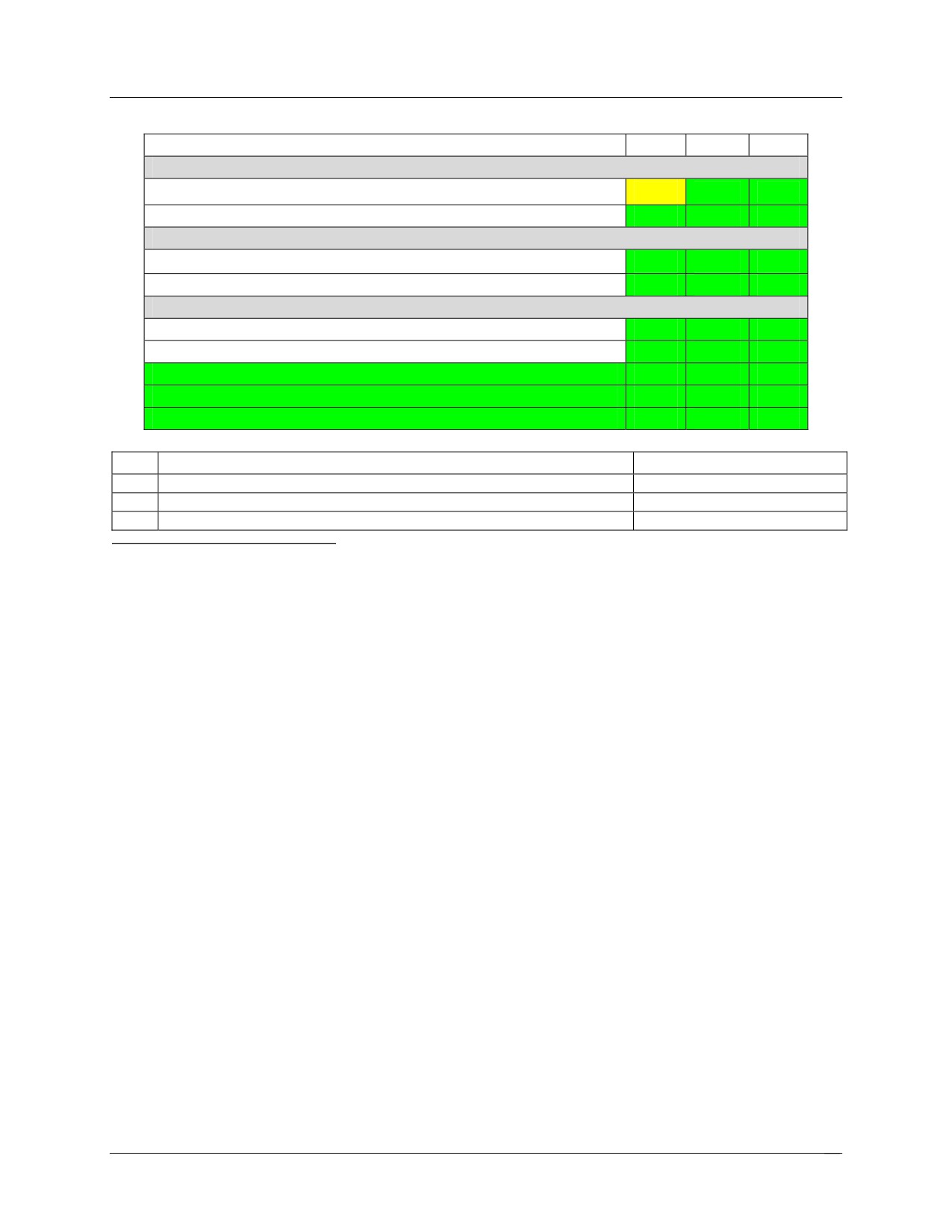
Table 2.17-1. SNSENS 17: Capability and Deficiency Assessment
Capability/Measure
M1
M2
M3
Current
National Atmospheric Release Advisory Center (NARAC)
Y1
G2
G3
Department of Defense Weather Programs
G4
G5
G6
Near/Mid
National Atmospheric Release Advisory Center (NARAC)
G7
G
G
Department of Defense Weather Programs
G
G
G
Far
National Atmospheric Release Advisory Center (NARAC)
G
G
G
Department of Defense Weather Programs
G
G
G
Current Overall Capability
G
G
G
Near/Mid-Term Overall Capability
G
G
G
Far-Term Overall Capability
G
G
G
FAA Measure
Scale
M1
Environmental background data are available for critical areas.
G - Yes, Y - Limited, R - No
M2
Climatology data are available for critical areas.
G - Yes, Y - Limited, R - No
M3
Available data can be accessed by forces with requirements.
G - Yes, Y - Limited, R - No
1 Environmental background data are available but may be dated.
2 The emergency response system collects meteorological data for the region around the release location and data from other
systems.
3 Yes. More awareness of program is needed.
4 Environmental background data are available or can be obtained for any area of the world.
5 Climatology data are available or can be obtained for any area of the world.
6 Total access is available through military command and control and communications systems.
7 Environmental data should be updated in the near/mid term.
For Official Use Only
87
For Official Use Only
CBRND Functional Needs Analysis/Functional Solution Analysis
Chapter 2. Strategic National Sense Tasks
2.17.3
Functional Solution Analysis
2.17.3.1
DOTLPF Assessment Summary
This section addresses the deficiencies and suggests potential non-materiel solutions. If there are
no non-materiel solutions, or they are only partial solutions, the remaining non-materiel need is
then stated. Materiel needs are assessed in the IMA section.
1. Deficiency: CBRN considerations need to be integrated into environmental and
climatology processes, TTPs, and doctrine.
Non-Materiel Solutions: Doctrine: Doctrine, TTPs, policies, and guidelines need to be
established for integrating CBRN considerations and for regular updating and centralizing
of environmental background data in critical area of operations.
2. Deficiency: More awareness of NARAC program is needed through education.
Non-Materiel Solutions: Leadership: Awareness of this capability needs to be addressed
throughout the JPME education process.
2.17.3.2
IMA Assessment Analysis
N/A
For Official Use Only
88
For Official Use Only
CBRND Functional Needs Analysis/Functional Solution Analysis
Chapter 3. Strategic Theater Sense Tasks
CHAPTER 3. STRATEGIC THEATER SENSE
TASKS
For Official Use Only
For Official Use Only
CBRND Functional Needs Analysis/Functional Solution Analysis
Chapter 3. Strategic Theater Sense Tasks
Table of Contents
List of Acronyms
ii
3.0
Strategic Theater Sense
1
3.1
Task STSENS 1: Sense the storage locations of CBRN/TIM weapons or
components in theater
4
3.2
Task STSENS 2: Sense the operational deployment of CBRN/TIM weapons in
theater
9
3.3
Task STSENS 3: Sense the employment of CBRN/TIM weapons in theater
14
3.4
Task STSENS 4: Sense theater CBRN/TIM hazards due to employment or ROTA
of CBRN/TIM weapons or materials
19
3.5
Task STSENS 5: Monitor compliance of theater signatories to treaties that touch
on CBRN/TIM matters (e.g., Chemical Weapons Convention) and states that are
eliminating their WMD CBRN treaty signatories and elimination states for
compliance
23
3.6
Task STSENS 6: Monitor theater scientific and technology developments for
potential CBRN/TIM implications
25
3.7
Task STSENS 7: Develop TEPs for Sense-related issues
29
3.8
Task STSENS 8: Provide theater screening for endemic diseases and/or hazardous
substances in the environment
33
3.9
Task STSENS 9: Develop theater environmental background data including
climatology
38
For Official Use Only
i
For Official Use Only
CBRND Functional Needs Analysis/Functional Solution Analysis
Chapter 3. Strategic Theater Sense Tasks
3.0
Strategic Theater Sense
3.0.1
Introduction
At the strategic level of war, a nation, often as a member of a group of nations, determines
national or multinational (alliance or coalition) security objectives and guidance, and develops
and uses national resources to accomplish these objectives. Activities at this level establish
national and multinational military objectives, sequence initiatives; define limits and assess risks
for the use of military and other instruments of national power, develop global plans or theater
war plans to achieve these objectives, and provide military forces and other capabilities in
accordance with strategic plans. The strategic theater (ST) sublevel encompasses combatant
command (COCOM) tasks. Nine strategic theater sense tasks were identified in the chemical,
biological, radiological, and nuclear (CBRN) Functional Area Analysis (FAA) including a task
for elimination operations. However, the detailed analysis of the elimination tasks has been
deferred to the Joint Requirements Office for Chemical, Biological, Radiological, and Nuclear
Defense (JRO-CBRND)-sponsored FAA/Functional Needs Analysis (FNA) of the weapons of
mass destruction (WMD) elimination and interdiction functional areas.
This chapter, detailing the Strategic Theater Sense area, restates relevant information from the
CBRND FAA, including a description of each of the nine Strategic Theater Sense tasks,
derivation of the task, an indication of other linked tasks, and the pertinent conditions. The FNA
section addresses the capability and deficiency analysis and a brief description of potential near-
term changes. Once all the capabilities are considered, the assessment concludes with a separate,
overarching look at the entire capability spectrum to identify remaining gaps and/or synergies.
The FSA section addresses possible solutions for the deficiencies identified in the FNA section.
The non-materiel solutions address one or more of the six areas of DOTLPF: doctrine,
organization, training, leadership, personnel, and facilities. Most of the Strategic Theater Sense
tasks involve required capabilities of major staffs or staff sections within the U.S. Department of
Defense (DoD). In those areas where a DoD staff or agency needed to interact within the
interagency, the task focused on DoD capabilities required to facilitate the interaction.
3.0.2
FNA Summary
The table below summarizes the overall current and projected capability to perform the Strategic
Theater Sense tasks identified in the CBRN Defense (CBRND) FAA. The overall capability to
conduct Strategic Theater Level Sense tasks (STSENSs) in the current time frame is assessed as
“yellow.” The COCOM J-2 is responsible for working with national/theater-level organizations
to obtain intelligence that is required to support joint theater operations. Per joint intelligence
doctrine, the J-2 is responsible for coordinating all intelligence-related CBRN functions
pertaining to adversary employment of CBRN weapons with the appropriate CBRN staff
element. But because of documented training, education, and experience issues, J2 personnel
may not have a full grasp of what needs to be coordinated. As the COCOM commander’s main
source of expertise in addressing CBRN defense issues involving the warfighter, the COCOM
CBRND staff must proactively engage the J2 to determine the adequacy of current and projected
theater-level intelligence capabilities to sense the operational deployment of CBRN weapons in
theater. To be proactive, the COCOM CBRND staff must be better prepared on
intelligence/CBRND fusion issues. For the purposes of this analysis, current capabilities are
For Official Use Only
1
For Official Use Only
CBRND Functional Needs Analysis/Functional Solution Analysis
Chapter 3. Strategic Theater Sense Tasks
listed, and issues that need to be further assessed and clarified are provided for JRO-CBRND
action. While the J2 and theater intelligence organizations have the responsibility to gather
intelligence on CBRN threat-related issues, they do not have the requisite understanding of
CBRN issues to fully address the requirements without assistance from the COCOM CBRND
staff. It is projected that improvements due to coordination/DOTLPF enhancements will
dramatically improve the ability of the COCOM staff to articulate and assess Sense
requirements, but the overall status will remain “yellow” due to the inherent difficulty in
gathering intelligence on CBRN/TIM proliferation activities.
Table 3.0-1. Strategic Theater Sense Summary FNA Findings
CBRN Strategic
CBRN Strategic Theater Sense Task
Theater Sense
Capability
Title
Task Number
Near/
Current
Far
Mid
STSENS 1
Sense the storage locations of CBRN/TIM
weapons or components in theater.
•
•
•
STSENS 2
Sense the operational deployment of
CBRN/TIM weapons in theater.
•
•
•
STSENS 3
Sense the employment of CBRN/TIM
weapons in theater.
•
•
•
STSENS 4
Sense theater CBRN/TIM hazards due to
employment or ROTA of CBRN/TIM
•
•
•
weapons or materials.
STSENS 5
Monitor CBRN treaty signatories and
N/A
N/A
N/A
elimination states for compliance.
STSENS 6
Monitor theater scientific and technology
developments for potential CBRN/TIM
•
•
•
implications.
STSENS 7
Develop TEPs for Sense-related issues.
•
•
•
STSENS 8
Provide theater screening for endemic
diseases and/or hazardous substances in
•
•
•
the environment.
STSENS 9
Develop theater environmental
background data including climatology.
•
•
•
OVERALL
•
•
•
3.0.3
FSA Summary
The paragraphs below summarize the assessment of all potential solutions for the capability gaps
identified in the FNA section.
For Official Use Only
2
For Official Use Only
CBRND Functional Needs Analysis/Functional Solution Analysis
Chapter 3. Strategic Theater Sense Tasks
3.0.3.1
DOTLPF
The DOTLPF solutions identified in this chapter include basic actions required to better prepare
the appropriate staffs. No training or experimentation has taken place to facilitate the formulation
of tactics, techniques, and procedures (TTPs) designed to facilitate the ability of intelligence
personnel to assess CBRND “sense” requirements. It is imperative that these exercises take place
and lessons learned be integrated into doctrine, TTPs, and guidance. Other solutions include the
development of leader education programs for both CBRND and intelligence staff officers so
that they are better prepared to understand the correlation between proliferation or theater
scientific/technology developments and potential CBRN/ toxic industrial material (TIM)
operational implications. A detailed analysis of how the theater intelligence/CBRN community is
organized and staffed to perform CBRN intelligence analysis and collection activities must be
conducted. In the case of hazards involving non-U.S. allies or countries that restrict information,
it is imperative that appropriate exercises/experimentation take place and lessons learned be
integrated into doctrine, TTPs, and guidance.
3.0.3.2
IMA
There are no materiel requirements.
For Official Use Only
3
For Official Use Only
CBRND Functional Needs Analysis/Functional Solution Analysis
Chapter 3. Strategic Theater Sense Tasks
3.1
Task STSENS 1: Sense the storage locations of CBRN/TIM weapons or components
in theater
3.1.1
Functional Area Analysis
3.1.1.1
Definition
To obtain information and data from all sources that determine where a military force or
transnational organization is storing CBRN/TIM weapons or components. Areas of interest
include storage locations, storage capacities, safety precautions, prevailing meteorological
conditions at sites, types of weapons or components stored, and facility entrances.
3.1.1.2
Derivation
UJTL (ST 9.6, ST 2, ST 2.2.1).
3.1.1.2.1
Supported Task: SNSENS 7
3.1.1.2.2
Lateral Task: STSHA 1
3.1.1.2.3
Supporting Task: OPSENS 1
3.1.1.3
Condition
Perform this task under conditions of:
Physical. N/A
Military
1. Negligible intelligence database. (C2.4.2)
2. Negligible theater intelligence access. (C2.4.2)
3. Conventional and terrorist threat form. (C2.9.2)
Civil
1. Negative foreign government support. (C3.1.2.3)
2. Aggressively opposed foreign public opinion. (C3.1.2.4)
3.1.2
Functional Needs Analysis
3.1.2.1
Capability and Deficiency Assessment Summary
Table 3.1-1 discusses the only capability that currently exists to perform the task to the
designated standards. There is only one capability that exists, and no other capability is projected
that will accomplish this task.
For Official Use Only
4
For Official Use Only
CBRND Functional Needs Analysis/Functional Solution Analysis
Chapter 3. Strategic Theater Sense Tasks
Current Capability and Deficiency
The COCOM J-2 assists the commander of a combatant command by providing higher echelon,
up to and including the National Military Joint Intelligence Center (NMJIC), and subordinate
commands with a single, coordinated CBRN intelligence picture by fusing national and theater
intelligence into all-source estimates and assessments. The COCOM J-2 is responsible for
working with national/theater-level organizations to obtain intelligence required to support joint
theater operations. Per joint intelligence doctrine, the J-2 is responsible for coordinating all
intelligence-related CBRN functions pertaining to adversary employment of CBRN weapons
with the appropriate CBRN staff element, but because of documented training, education, and
experience issues, J2 personnel may not have a full grasp of what needs to be coordinated. As the
COCOM commander’s main source of expertise in addressing CBRN defense issues involving
the warfighter, the COCOM CBRND staff must proactively engage the J2 to determine the
adequacy of current and projected theater-level intelligence capabilities to sense the storage
locations of CBRN/TIM weapons or components. To be proactive, the COCOM CBRND staff
must be better prepared on intelligence/CBRND fusion issues. For the purposes of this analysis,
current capabilities are listed, and issues that need to be further assessed and clarified are
provided for JRO-CBRND action.
Projected Near/Mid-Term Capability and Deficiency
No other capability is currently projected for the near/mid term. Near/mid-term experimentation
results (as recommended in this Joint Capabilities Integration and Development System [JCIDS]
analysis) may lead to development of new capabilities. It is projected that improvements due to
coordination/DOTLPF enhancements will dramatically improve the ability of the COCOM staff
to sense the storage locations of CBRN/TIM weapons or components in theater. The overall
status will remain “yellow” due to the inherent difficulty in gathering intelligence on CBRN/TIM
proliferation activities.
Projected Far-Term Capability and Deficiency
No other capability is currently projected for the far-term future. New organizational structures
or other capabilities resulting from near/mid-term experimentation results (as recommended in
this JCIDS analysis) may dramatically improve the ability of the COCOM staff to develop
intelligence indicators for sensing the storage locations of CBRN/TIM weapons or components
in theater, but the overall status is projected to remain “yellow” due to the inherent difficulty in
gathering intelligence on CBRN/TIM proliferation activities.
For Official Use Only
5

For Official Use Only
CBRND Functional Needs Analysis/Functional Solution Analysis
Chapter 3. Strategic Theater Sense Tasks
Table 3.1-1. STSENS 1: Capability and Deficiency Assessment
Capability: Combatant Command J-2
M1
M2
M3
Current Overall Capability1
Y2
Y3
Y4
Near/Mid-Term Overall Capability
Y
Y
Y
Far-Term Overall Capability5
Y
Y
Y
FAA Measure
Scale
M1
Storage locations of CBRN/TIM weapons or components are detected
G - Yes, Y - Limited, R - No
and identified.
M2
Strategic surprise does not occur.
G - Yes, Y - Limited, R - No
M3
Intelligence on storage locations of CBRN/TIM weapons or components
G - Yes, Y - Limited, R - No
is accurate.
1 Joint intelligence and CBRN publications do not adequately address this issue. The COCOM CBRN staff is not adequately
staffed and organized to meet its intelligence-related responsibilities. The COCOM J2 staff is not adequately trained/educated in
CBRN issues. CBRN staff officers are not adequately trained/educated in intelligence issues. Experimentation does not provide
feedback on intelligence indicators for this task. JPME does not adequately cover the fusion of intelligence/CBRN issues.
2 The COCOM J-2 works with various national/theater-level organizations to determine where a nation-state or transnational
organization is storing CBRN/TIM weapons or components. Techniques and procedures to facilitate this process and to provide
useful indicators may not be adequate.
3 The COCOM J-2 works with various national/theater-level organizations to ensure that strategic surprise does not occur.
Adequate resources and means may not be sufficiently applied in determining where a nation-state or transnational organization
is storing CBRN/TIM weapons or components.
4 The COCOM J-2 works with various national/theater-level organizations to ensure accuracy of intelligence determining where a
nation-state or transnational organization is storing CBRN/TIM weapons or components. Techniques and procedures to facilitate
this process and to ensure accuracy may not be adequate.
5 DOTMLPF should improve in all deficient areas as a result of initiatives that use data resulting from focused experimentation.
For Official Use Only
6
For Official Use Only
CBRND Functional Needs Analysis/Functional Solution Analysis
Chapter 3. Strategic Theater Sense Tasks
3.1.3
Functional Solution Analysis
3.1.3.1
DOTLPF Assessment Summary
This section addresses the deficiencies and suggests potential non-materiel solutions. If there are
no non-materiel solutions, or they are only partial solutions, the remaining non-materiel need is
then stated. Materiel needs are assessed in the Ideas for Materiel Approaches (IMA) section.
1.
Deficiency: Techniques and procedures to facilitate detecting and where a nation-state or
transnational organization is storing CBRN/TIM weapons or components may not be
adequate.
Non-Materiel Solutions: Doctrine: JRO-CBRND must work with the COCOM J2 and/or
theater intelligence organizations to develop effective theater techniques and procedures for
detecting and identifying where a nation-state or transnational organization is storing
CBRN/TIM weapons or components and to provide useful indicators. These indicators must
include types of storage facilities, techniques for storage in unlikely locations, storage
capacities, safety and security measures, transport and agent release techniques, and storage
capacity.
2.
Deficiency: Techniques and procedures to ensure accurate intelligence on where a nation-
state or transnational organization is storing CBRN/TIM weapons or components may not be
adequate.
Non-Materiel Solutions: Doctrine: JRO-CBRND must work with the COCOM J2 and/or
theater intelligence organizations to develop effective techniques and procedures to ensure
accurate theater intelligence on where a nation-state or transnational organization is storing
CBRN/TIM weapons or components and to develop metrics to measure accuracy.
3.
Deficiency: Adequate resources and means may not be sufficiently applied to accurately
determine where a nation-state or transnational organization is storing CBRN/TIM weapons
or components.
Non-Materiel Solutions: Organization: The CBRN organization or staffing of the COCOM
J2 as well as each theater intelligence organization must be analyzed from a CBRN
standpoint to ensure that they can provide required CBRN intelligence concerning CBRN
hazards. These hazards need to be detected, identified, and quantified for Shape to provide a
clear understanding of the current and predicted CBRN situation to the commander.
Training: JRO-CBRND must work with the COCOM J2 and/or theater intelligence
organizations to develop effective training for analysts as well as those managing all means
of collection. The training must allow analysts and collection managers the means by which
to determine inadequacy of collection mechanisms and a means to make recommendations
for improvement. Leadership: JRO-CBRND must work with the COCOM J2 and/or theater
intelligence organizations to develop an effective CBRN education program for analysts as
well as those managing all means of collection. The education process must provide analysts
and collection managers with the tools they need to assess the efficacy of their analysis and
collection efforts. Personnel: Personnel should not be assigned to intelligence analysis or
collection activities vital to CBRN areas without requisite CBRN education and/or
experience. Facilities: Training requirements should be analyzed and special training
facilities developed/modified if required.
For Official Use Only
7
For Official Use Only
CBRND Functional Needs Analysis/Functional Solution Analysis
Chapter 3. Strategic Theater Sense Tasks
4.
Deficiency: Joint intelligence and CBRN publications do not adequately address this issue.
Non-Materiel Solutions: Doctrine: Joint intelligence and CBRN publications must be
enhanced to adequately address this issue and to interface with each other so that roles and
responsibilities are clearly delineated.
5.
Deficiency: COCOM CBRND staff is not adequately staffed and organized to meet its
intelligence-related responsibilities.
Non-Materiel Solutions: Organization: COCOM CBRND staff should have a section
dedicated to resolving CBRN intelligence issues. Personnel: COCOM CBRND should have
adequate trained/experienced personnel assigned to man a section dedicated to resolving
CBRN intelligence issues.
6.
Deficiency: The J2 staff is not adequately trained/educated in CBRN issues.
Non-Materiel Solutions: Training: Develop training that will enable the COCOM J2 staff to
better understand their CBRN role and enhance their ability to obtain intelligence that is
required to support the Shape function of strategic theater CBRND. Leadership: Develop an
education program that will enable the COCOM J2 staff to better understand their CBRN
role and enhance their ability to obtain intelligence that is required to support the Shape
function of strategic theater CBRND.
7.
Deficiency: CBRN staff officers are not adequately trained/educated in intelligence issues.
Non-Materiel Solutions: Doctrine: Develop doctrine to provide guidance and outline
interaction and exchange of information between J-2, the intelligence community, and other
participating entities. Training: Develop training programs that allow CBRN staff officers to
better support the CBRN intelligence process. Leadership: Develop education programs that
allow CBRN staff officers to better understand the CBRN intelligence process and their roles
and responsibilities.
8.
Deficiency: Experimentation/red teaming does not provide feedback on intelligence
indicators for this task.
Non-Materiel Solutions: Training: Conduct small-scaled training sessions focused on
communications and recognizing less obvious indicators of CBRN/TIM weapons storage.
Incorporate the derived information into subsequent exercises that facilitate this and other
areas of the task.
9.
Deficiency: Joint Professional Military Education (JPME) does not adequately cover the
fusion of intelligence/CBRN issues.
Non-Materiel Solutions: Leadership: Integrate intelligence/CBRN fusion issues into JPME.
3.1.3.2
IMA Assessment Summary
N/A
For Official Use Only
8
For Official Use Only
CBRND Functional Needs Analysis/Functional Solution Analysis
Chapter 3. Strategic Theater Sense Tasks
3.2
Task STSENS 2: Sense the operational deployment of CBRN/TIM weapons in
theater
3.2.1
Functional Area Analysis
3.2.1.1
Definition
To obtain information and data from all sources that determine when a military force or
transnational organization is preparing to conduct or is conducting an operational deployment of
CBRN/TIM weapons. Includes information on civil and military plans related to deployment,
training conducted by military forces and civilians, and the overall CBRN/TIM defensive
preparedness of military forces.
3.2.1.2
Derivation
UJTL (ST 9.6, ST 2, ST 2.2.1).
3.2.1.2.1
Supported Task: SNSENS 8
3.2.1.2.2
Lateral Task: STSHA 1
3.2.1.2.3
Supporting Task: OPSENS 2
3.2.1.3
Condition
Perform this task under conditions of:
Physical. N/A
Military
1. Transnational organization
a. Negligible intelligence database. (C2.4.2)
b. Negligible theater intelligence access. (C2.4.2)
2. Nation-states
a. Marginal intelligence database. (C2.4.2)
b. Difficult theater intelligence access. (C2.4.2)
Common Military
1. Conventional and terrorist threat form. (C2.9.2)
Civil
1. Negative foreign government support. (C3.1.2.3)
2. Aggressively opposed foreign public opinion. (C3.1.2.4)
For Official Use Only
9
For Official Use Only
CBRND Functional Needs Analysis/Functional Solution Analysis
Chapter 3. Strategic Theater Sense Tasks
3.2.2
Functional Needs Analysis
3.2.2.1
Capability and Deficiency Assessment Summary
Table 3.2-1 discusses the only capability that currently exists to perform the task to the
designated standards. There is only one capability that exists, and no other capability is projected
that will accomplish this task.
Current Capability and Deficiency
The COCOM J-2 assists the commander of a combatant command by providing higher echelon,
up to and including the NMJIC, and subordinate commands with a single, coordinated CBRN
intelligence picture by fusing national and theater intelligence into all-source estimates and
assessments. The COCOM J-2 is responsible for working with national/theater-level
organizations to obtain intelligence that is required to support joint theater operations. Per joint
intelligence doctrine, the J-2 is responsible for coordinating all intelligence-related CBRN
functions pertaining to adversary employment of CBRN weapons with the appropriate CBRN
staff element. But because of documented training, education, and experience issues, J2
personnel may not have a full grasp of what needs to be coordinated. As the COCOM
commander’s main source of expertise in addressing CBRN defense issues involving the
warfighter, the COCOM CBRND staff must proactively engage the J2 to determine the adequacy
of current and projected theater-level intelligence capabilities to sense the operational
deployment of CBRN weapons in theater. To be proactive, the COCOM CBRND staff must be
better prepared on intelligence/CBRND fusion issues. For the purposes of this analysis, current
capabilities are listed and issues that need to be further assessed and clarified are provided for
JRO-CBRND action.
Projected Near/Mid-Term Capability and Deficiency
No other capability is currently projected for the near/mid term. Near/mid-term experimentation
results (as recommended in this JCIDS analysis) may lead to development of new capabilities. It
is projected that improvements due to coordination/DOTLPF enhancements will dramatically
improve the ability of the COCOM staff to articulate and assess “sense” requirements but the
overall status will remain “yellow” due to the inherent difficulty in gathering intelligence on
CBRN/TIM proliferation activities.
Projected Far-Term Capability and Deficiency
No other capability is currently projected for the far-term future. New organizational structures
or other capabilities resulting from near/mid-term experimentation results (as recommended in
this JCIDS analysis) may dramatically improve the ability of the COCOM staff to develop
intelligence indicators for sensing the operational deployment of CBRN/TIM weapons in theater,
but the overall status is projected to remain “yellow” due to the inherent difficulty in gathering
intelligence on CBRN/TIM proliferation activities.
For Official Use Only
10
For Official Use Only
CBRND Functional Needs Analysis/Functional Solution Analysis
Chapter 3. Strategic Theater Sense Tasks
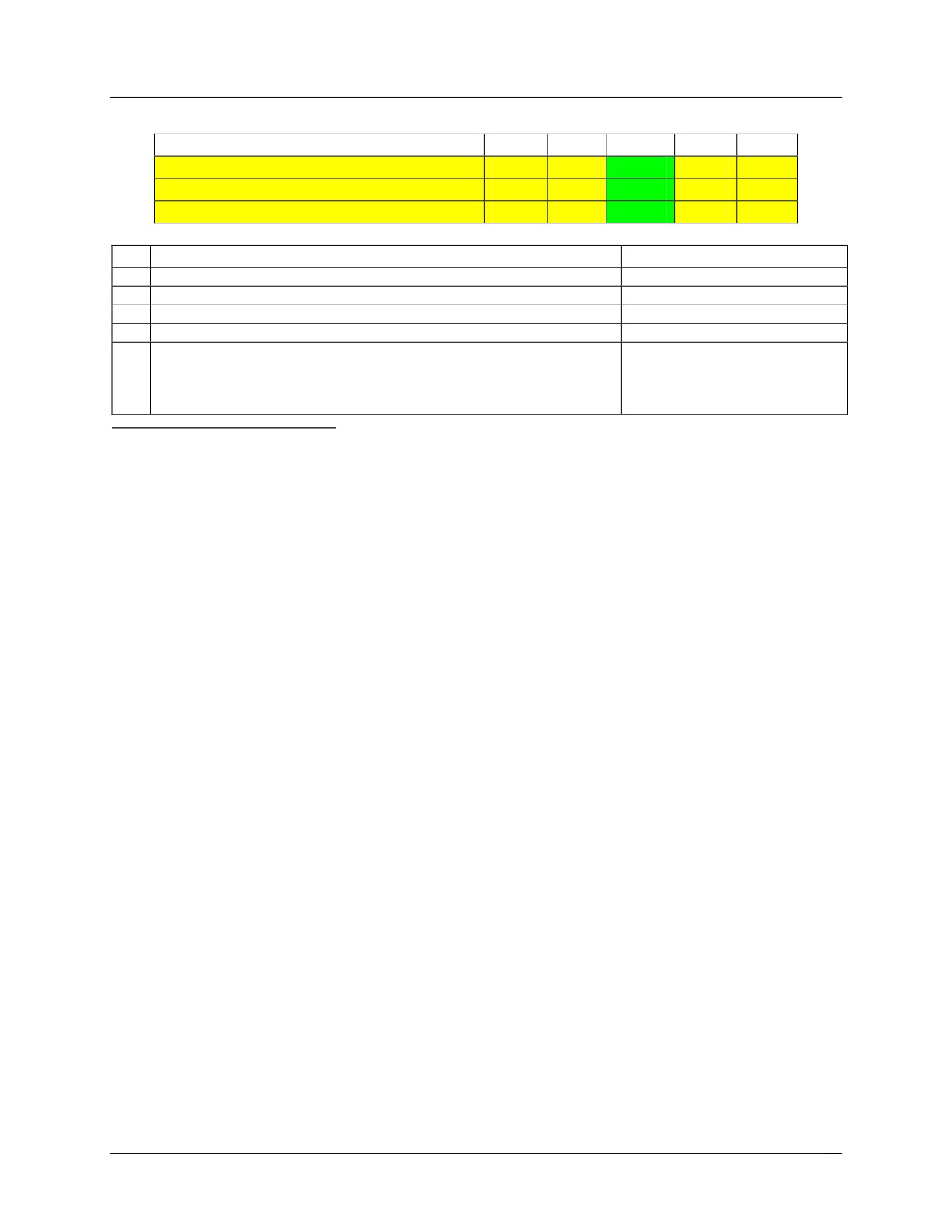
Table 3.2-1. STSENS 2: Capability and Deficiency Assessment
Capability: Combatant Command J-2
M1
M2
M3
M4
M5
Current Overall Capability1
Y2
Y3
G4
Y5
Y6
Near/Mid-Term Overall Capability
Y7
Y
G
Y
Y
Far-Term Overall Capability8
Y9
Y
G
Y
Y
FAA Measure
Scale
M1
Deploying CBRN/TIM weapons/units are detected and identified.
G - Yes, Y - Limited, R - No
M2
Intelligence on deploying CBRN/TIM weapons/units is accurate.
G - Yes, Y - Limited, R - No
M3
Deployment warning is provided to theater forces.
G - Yes, Y - Limited, R - No
M4
Strategic surprise does not occur.
G - Yes, Y - Limited, R - No
M5
There are indications (e.g., message traffic between potential suppliers
G - Yes, Y - Limited, R - No
and political leaders, indications of recent purchases of CBRN/TIM or
precursors, production equipment in operation, etc.) of increased interest
in CBRN/TIM weapons.
1 Joint intelligence and CBRN publications do not adequately address this issue. The COCOM CBRN staff is not adequately
staffed and organized to meet its intelligence-related responsibilities. The J2 staff is not adequately trained/educated in CBRN
issues. CBRN staff officers are not adequately trained/educated in intelligence issues. Experimentation does not provide feedback
on intelligence indicators for this task. JPME does not adequately cover the fusion of intelligence/CBRN issues.
2 The COCOM J-2 works with various national/theater-level organizations to detect and identify countries or transnational
organizations deploying CBRN/TIM weapons/units/teams. Techniques and procedures to facilitate this process and to provide
useful indicators may not be adequate.
3 The COCOM J-2 works with various national/theater-level organizations to ensure accuracy of intelligence on countries or
transnational organizations deploying CBRN/TIM weapons/units/teams. Techniques and procedures to facilitate this process and
to ensure accuracy may not be adequate.
4 Nothing precludes providing deployment warning to theater forces once the deployment is identified, detected, and confirmed.
5 The COCOM J-2 works with various national/theater-level organizations to ensure that strategic surprise does not occur.
Adequate resources and means may not be sufficiently applied to ensure countries or transnational organizations deploying
CBRN/TIM weapons/units/teams are detected.
6 The COCOM J-2 works with various national/theater-level organizations to determine indications of increased interest in
CBRN/TIM weapons. Adequate resources and means may not be applied to ensure countries or transnational organizations
showing increased interest are detected.
7 Near and mid-term improvements for all measures will depend upon the emphasis placed upon, and efficacy of experimentation
which will be designed to close knowledge gaps.
8 DOTMLPF to support task should improve if effective experimentation closes
knowledge gaps.
9 Once knowledge gaps are closed, concepts may be refined and new capabilities will be proposed and refined as a result of
experimentation.
For Official Use Only
11
For Official Use Only
CBRND Functional Needs Analysis/Functional Solution Analysis
Chapter 3. Strategic Theater Sense Tasks
3.2.3
Functional Solution Analysis
3.2.3.1
DOTLPF Assessment Summary
This section addresses the deficiencies and suggests potential non-materiel solutions. If there are
no non-materiel solutions, or they are only partial solutions, the remaining non-materiel need is
then stated. Materiel needs are assessed in the IMA section.
1.
Deficiency: Techniques and procedures to facilitate detecting and identifying countries or
transnational organizations deploying CBRN/TIM weapons/units/teams may not be adequate.
Non-Materiel Solutions: Doctrine: JRO-CBRND must work with the COCOM J2 and/or
theater intelligence organizations to develop effective techniques and procedures for
detecting and identifying countries or transnational organizations deploying CBRN/TIM
weapons/units/teams and to provide useful indicators. These indicators must include the
means to determine agent types, nuclear weapon types and yields, TIMS being considered,
means by which to release TIMS, delivery modes or systems, and unit designations and
formations.
2.
Deficiency: Techniques and procedures to ensure accurate intelligence on countries or
transnational organizations deploying CBRN/TIM weapons/units/teams may not be adequate.
Non-Materiel Solutions: Doctrine: JRO-CBRND must work with the COCOM J2 and/or
theater intelligence organizations to develop effective techniques and procedures to ensure
accurate intelligence on countries or transnational organizations deploying CBRN/TIM
weapons/units/teams and to develop metrics to measure accuracy.
3.
Deficiency: Adequate resources and means may not be sufficiently applied to ensure that a
nation-state or transnational organization deploying CBRN/TIM weapons/units/teams is
detected.
Non-Materiel Solutions: Organization: The CBRN organization or staffing of the COCOM
J2 as well as each theater intelligence organization must be analyzed from a CBRN
standpoint to ensure that they can provide required CBRN intelligence concerning CBRN
hazards. These hazards need to be detected, identified, and quantified for Shape to provide a
clear understanding of the current and predicted CBRN situation to the commander.
Training: Conduct a small-scaled exercise where “to identify resources needed to detect the
operational deployment of CBRN/TIM weapons” is one of the primary objectives. In
addition, JRO-CBRND must work with the COCOM J2 and/or theater intelligence
organizations to develop effective training for analysts as well as those managing all means
of collection. The training must allow analysts and collection managers the means by which
to determine inadequacy of collection mechanisms and a means to make recommendations
for improvement. Leadership: JRO-CBRND must work with the COCOM J2 and/or theater
intelligence organizations to develop an effective CBRN education program for analysts as
well as those managing all means of collection. The education process must provide analysts
and collection managers with the tools they need to assess the efficacy of their analysis and
collection efforts. Personnel: Personnel should not be assigned to intelligence analysis or
collection activities vital to CBRN areas without requisite CBRN education and/or
experience. Facilities: Training requirements should be analyzed and special training
facilities developed/modified if required.
For Official Use Only
12
For Official Use Only
CBRND Functional Needs Analysis/Functional Solution Analysis
Chapter 3. Strategic Theater Sense Tasks
4.
Deficiency: Joint intelligence and CBRN publications do not adequately address techniques
and procedures that will facilitate sensing the operational deployment for CBRN/TIM
weapons in theater.
Non-Materiel Solutions: Doctrine: Joint intelligence and CBRN publications must be
enhanced to adequately address techniques and procedures and to interface with each other
so that intelligence/CBRND roles and responsibilities are clearly delineated. Incorporate
information attained from the exercise into the doctrine and joint intelligence and CBRN
publications. Training: Conduct a small-scaled exercise where “to identify resources needed
to detect the operational deployment of CBRN/TIM weapons” is one of the primary
objectives.
5.
Deficiency: COCOM CBRND staff is not adequately staffed and organized to meet its
intelligence-related responsibilities.
Non-Materiel Solutions: Organization: COCOM CBRND staff should have a section
dedicated to resolving CBRN intelligence issues. Personnel: COCOM CBRND should have
adequate trained/experienced personnel assigned to man a section dedicated to resolving
CBRN intelligence issues.
6.
Deficiency: The J2 staff is not adequately trained/educated in CBRN issues.
Non-Materiel Solutions: Training: Develop training that will enable the COCOM J2 staff to
better understand their CBRN role and enhance their ability to obtain intelligence that is
required to support the Shape function of strategic theater CBRND. Leadership: Develop an
education program that will enable the COCOM J2 staff to better understand their CBRN
role and enhance their ability to obtain intelligence that is required to support the Shape
function of strategic theater CBRND.
7.
Deficiency: CBRN staff officers are not adequately trained/educated in intelligence issues.
Non-Materiel Solutions: Training: Develop training programs that allow CBRN staff
officers to better support the CBRN intelligence process. These training programs would
evolve from generalized, small-scaled training sessions to small-scaled, area-focused
exercises. Leadership: Develop education programs that allow CBRN staff officers to better
understand the CBRN intelligence process and their roles and responsibilities.
8.
Deficiency: Experimentation/red teaming does not provide feedback on intelligence
indicators for this task.
Non-Materiel Solutions: Training: JRO-CBRND must work with J2 and/or national
intelligence organizations to integrate this task into both intelligence and CBRN
experimentation campaign plans.
9.
Deficiency: JPME does not adequately cover the fusion of intelligence/CBRN issues.
Non-Materiel Solutions: Leadership: Integrate intelligence/CBRN fusion issues into JPME.
3.2.3.2
IMA Assessment Summary
N/A
For Official Use Only
13
For Official Use Only
CBRND Functional Needs Analysis/Functional Solution Analysis
Chapter 3. Strategic Theater Sense Tasks
3.3
Task STSENS 3: Sense the employment of CBRN/TIM weapons in theater
3.3.1
Functional Area Analysis
3.3.1.1
Definition
To obtain information and data from all sources that determine when a military force or
transnational organization is preparing to or is employing CBRN/TIM weapons. Areas of interest
include when the weapons will be employed, theater targets selected, weapons systems involved,
locations of weapons systems, and forces/personnel involved in the employment. Extracts
information from the medical, operational, intelligence, and environmental communities to
identify potential biological warfare activities. Includes verification of first use.
3.3.1.2
Derivation
UJTL (ST 9.6, ST 2, ST 2.2.1).
3.3.1.2.1
Supported Task: SNSENS 11
3.3.1.2.2
Lateral Task: STSHA 1
3.3.1.2.3
Supporting Tasks: OPSENS 3, OPSENS 7
3.3.1.3
Condition
Perform this task under conditions of:
Physical
1. Atmospheric. CBRN/TIM effects. (C1.3.3)
Military
1. Stressful mission. (C2.1)
2. No mission preparation. (C2.1.3)
3. Negligible personnel experience. (C2.2.4.5)
4. Conventional and terrorist threat form. (C2.9.2)
Civil
1. Limited foreign government support. (C3.1.2.3)
For Official Use Only
14
For Official Use Only
CBRND Functional Needs Analysis/Functional Solution Analysis
Chapter 3. Strategic Theater Sense Tasks
3.3.2
Functional Needs Analysis
3.3.2.1
Capability and Deficiency Assessment Summary
Table 3.3-1 discusses the only capability that currently exists to perform the task to the
designated standards. There is only one capability that exists, and no other capability is projected
that will accomplish this task.
Current Capability and Deficiency
The COCOM J-2 assists the commander of a COCOM by providing higher echelon, up to and
including the NMJIC, and subordinate commands with a single, coordinated CBRN intelligence
picture by fusing national and theater intelligence into all-source estimates and assessments. The
COCOM J-2 is responsible for working with national/theater-level organizations to obtain
intelligence that is required to support joint theater operations. Per joint intelligence doctrine, the
J-2 is responsible for coordinating all intelligence-related CBRN functions pertaining to
adversary employment of CBRN weapons with the appropriate CBRN staff element. But
because of documented training, education, and experience issues, J2 personnel may not have a
full grasp of what needs to be coordinated. As the COCOM commander’s main source of
expertise in addressing CBRN defense issues involving the warfighter, the COCOM CBRND
staff must proactively engage the J2 to determine the adequacy of current and projected theater-
level intelligence capabilities to sense the employment of CBRN/TIM weapons in theater. To be
proactive, the COCOM CBRND staff must be better prepared on intelligence/CBRND fusion
issues. For the purposes of this analysis, current capabilities are listed and issues that need to be
further assessed and clarified are provided for JRO-CBRND action.
Projected Near/Mid-Term Capability and Deficiency
No other capability is currently projected for the near/mid term. Near/mid-term experimentation
results (as recommended in this JCIDS analysis) may lead to development of new capabilities. It
is projected that improvements due to coordination/DOTLPF enhancements will dramatically
improve the ability of the COCOM staff to articulate and assess Sense requirements, but the
overall status will remain “yellow” due to the inherent difficulty in gathering intelligence on
CBRN/TIM proliferation activities.
Projected Far-Term Capability and Deficiency
No other capability is currently projected for the far-term future. New organizational structures
or other capabilities resulting from near/mid-term experimentation results (as recommended in
this JCIDS analysis) may dramatically improve the ability of the COCOM staff to develop
intelligence indicators for sensing the employment of CBRN/TIM weapons in theater, but the
overall status is projected to remain “yellow” due to the inherent difficulty in gathering
intelligence on CBRN/TIM proliferation activities.
For Official Use Only
15

For Official Use Only
CBRND Functional Needs Analysis/Functional Solution Analysis
Chapter 3. Strategic Theater Sense Tasks
Table 3.3-1. STSENS 3: Capability and Deficiency Assessment
Capability: Combatant Command J-2
M1
M2
M3
M4
M5
Current Overall Capability1
Y2
Y3
Y4
Y5
Y6
Near/Mid-Term Overall Capability
Y7
Y
Y
Y
Y
Far-Term Overall Capability8
Y9
Y
Y
Y
Y
FAA Measure
Scale
M1
CBRN attacks are detected and identified.
G - Yes, Y - Limited, R - No
M2
Reports on CBRN attacks are accurate.
G - Yes, Y - Limited, R - No
M3
Unambiguous attack warning is provided.
G - Yes, Y - Limited, R - No
M4
First use is verified.
G - Yes, Y - Limited, R - No
M5
Accurate attack assessments are provided.
G - Yes, Y - Limited, R - No
1 Joint intelligence and CBRN publications do not adequately address the issue of sensing the terrorist use of CBRN weapons, the
use of TIM as a weapon, or third-party situations where U.S. resources can not be brought to bear.
2 The COCOM J-2 works with the COCOM J-3 and various national/theater-level organizations to detect and identify
CBTN/TIM attacks. In the case of a nation-state conducting a CBRN attack against U.S. forces, the process is mature and
effective. In the event of terrorist use of CBRN, it may be difficult or impossible to detect or identify the attack, and in the case of
a biological attack or attacks involving TIM, it may be difficult to determine whether it is a natural disease outbreak or an
accident. In the event of use not involving U.S. forces or allies, it may be difficult to gain required information. Techniques and
procedures to facilitate this process when it involves terrorists or non-U.S. allies and to detect or identify attacks may not be
adequate.
3 Methods and procedures for accurately reporting CBRN attacks against U.S. forces are mature and effective. Methods and
procedures for accurately reporting third-party, terrorist and TIM attacks may not be adequate.
4 The COCOM J-2 works with the COCOM J-3 and various national/theater-level organizations to provide unambiguous
CBRN/TIM attack warning. In the case of determining whether a nation-state has conducted a CBRN attack against U.S. Forces,
the process is mature and effective. In the event of terrorist use of CBRN, it may be difficult or impossible to attribute the attack,
and in the case of a biological attack or attacks involving TIM, it may be difficult to determine whether it is a natural disease
outbreak or an accident. In the event of use not involving U.S. forces or allies, it may be difficult to gain required information.
Techniques and procedures to facilitate this process when it involves terrorists or non-U.S. allies and to provide unambiguous
warning may not be adequate.
5 Methods and procedures for verifying first use of CBRN against U.S. forces are mature and effective. Methods and procedures
for verifying first use in third-party, terrorist, and TIM attacks may not be adequate.
6 Methods and procedures for providing accurate attack assessments when CBRN is used against U.S. forces are mature and
effective. Methods and procedures providing accurate attack assessments in third-party, terrorist, and TIM attacks may not be
adequate.
7 Near/mid-term improvements for all measures will depend upon the emphasis placed upon, and efficacy of experimentation
which will be designed to close knowledge gaps.
8 As a result of focused experimentation, joint intelligence and CBRN publications will be able to adequately address the issue of
sensing theater hazards in third-party situations where U.S. resources cannot be brought to bear.
9 Once knowledge gaps are closed, concepts may be refined and new capabilities will be proposed and refined as a result of
experimentation.
For Official Use Only
16
For Official Use Only
CBRND Functional Needs Analysis/Functional Solution Analysis
Chapter 3. Strategic Theater Sense Tasks
3.3.3
Functional Solution Analysis
3.3.3.1
DOTLPF Assessment Summary
This section addresses the deficiencies and suggests potential non-materiel solutions. If there are
no non-materiel solutions, or they are only partial solutions, the remaining non-materiel need is
then stated. Materiel needs are assessed in the IMA section.
1.
Deficiency: Techniques and procedures involving sensing of terrorist CBRN attacks may not
be adequate.
Non-Materiel Solutions: Doctrine: Using the results of both experimentation and exercises,
develop TTPs that will address all issues surrounding sensing the CBRN attacks of terrorists.
Issues to be resolved include detecting and identifying the attacks, providing unambiguous
warning of attacks or impending attacks, providing accurate reports and assessments and
verification techniques and procedures. Training: Develop an experimentation/exercise
campaign to address all issues surrounding the sensing of CBRN attacks of terrorists at the
strategic theater level. Initial training should identify 2-3 essential, more general objectives
that target personnel as a whole. Subsequent training/exercises should build upon initial
objectives and encompass broader aspects of the task.
2.
Deficiency: Techniques and procedures involving sensing of small biological attacks may
not be adequate.
Non-Materiel Solutions: Doctrine: Using the results of both experimentation and exercises,
develop TTPs that will address all issues surrounding sensing of small biological attacks.
Issues to be resolved include detecting and identifying the attacks, providing unambiguous
warning of attacks or impending attacks, providing accurate reports and assessments and
verification techniques and procedures. Training: Develop an experimentation/exercise
campaign to address all issues surrounding the sensing of biological attacks of terrorists at
the strategic theater level. Initial training should identify 2-3 essential, more general
objectives that target personnel as a whole. Subsequent training/exercises should build upon
initial objectives and encompass broader aspects of the task.
3.
Deficiency: Techniques and procedures involving sensing of TIM attacks may not be
adequate.
Non-Materiel Solutions: Doctrine: Using the results of both experimentation and exercises,
develop TTPs that will address all issues surrounding sensing of TIM attacks. Issues to be
resolved include detecting and identifying the attacks, providing unambiguous warning of
attacks or impending attacks, providing accurate reports and assessments and verification
techniques and procedures. Training: Develop an experimentation/exercise campaign to
address all issues surrounding the sensing of TIM attacks of terrorists at the strategic theater
level. Initial training should identify 2-3 essential, more general objectives that target
personnel as a whole. Subsequent training/exercises should build upon initial objectives and
encompass broader aspects of the task.
4.
Deficiency: Techniques and procedures involving sensing of third-party attacks may not be
adequate.
For Official Use Only
17
For Official Use Only
CBRND Functional Needs Analysis/Functional Solution Analysis
Chapter 3. Strategic Theater Sense Tasks
Non-Materiel Solutions: Doctrine: Using the results of both experimentation and exercises,
develop TTPs that will address all issues surrounding sensing third-party CBRN attacks.
Issues to be resolved include detecting and identifying the attacks, providing unambiguous
warning of attacks or impending attacks, providing accurate reports and assessments and
verification techniques and procedures. Training: Develop an experimentation/exercise
campaign to address all issues surrounding the sensing of third-party CBRN attacks at the
strategic theater level.
5. Deficiency: Joint intelligence and CBRN publications do not adequately address the issue of
sensing the terrorist use of CBRN weapons, the use of TIMs as a weapon, or third-party
situations where U.S. resources can not be brought to bear.
Non-Materiel Solutions: Doctrine: Integrate all lessons learned and procedures into
appropriate joint publications.
3.3.3.2
IMA Assessment Summary
N/A
For Official Use Only
18
For Official Use Only
CBRND Functional Needs Analysis/Functional Solution Analysis
Chapter 3. Strategic Theater Sense Tasks
3.4
Task STSENS 4: Sense theater CBRN/TIM hazards due to employment or ROTA of
CBRN/TIM weapons or materials
3.4.1
Functional Area Analysis
3.4.1.1
Definition
To obtain information and data from all sources that determine the location and source of theater
CBRN/TIM hazards due to employment or release other than attack (ROTA) of CBRN/TIM
weapons or materials. Areas of interest include detecting, identifying, and quantifying those
CBRN/TIM hazards in all physical states (solid, liquid, gas). Enables the continued monitoring
and identification of hazards in support of shaping, shielding, and sustaining.
3.4.1.2
Derivation
UJTL (ST 9.6, ST 2, ST 2.2.1).
3.4.1.2.1
Supported Task: SNSENS 12
3.4.1.2.2
Lateral Task: STSHA 1
3.4.1.2.3
Supporting Task: OPSENS 4
3.4.1.3
Condition
Perform this task under conditions of:
Physical
1. Atmospheric CBRN/TIM effects. (C1.3.3)
2. Nuclear radiation effects. (C1.3.3.1.2)
Military
1. Stressful mission. (C2.1)
2. No mission preparation. (C2.1.3)
3. Negligible personnel experience. (C2.2.4.5)
Civil
1. TIMs are present. (C3.3.7.5)
For Official Use Only
19
For Official Use Only
CBRND Functional Needs Analysis/Functional Solution Analysis
Chapter 3. Strategic Theater Sense Tasks
3.4.2
Functional Needs Analysis
3.4.2.1
Capability and Deficiency Assessment Summary
Table 3.4-1 discusses the capabilities that currently exist to perform the task to the designated
standards. These are the only capabilities that exists, and no other capabilities are projected that
will accomplish this task.
Current Capability and Deficiency
The COCOM J-2 assists the commander of a COCOM by providing higher echelon, up to and
including the NMJIC, and subordinate commands with a single, coordinated CBRN intelligence
picture by fusing national and theater intelligence into all-source estimates and assessments.
Similarly, the combatant command J-3 is where all the COCOM’s planning, policies,
intelligence, manpower, communications, and logistics functions are translated into action. This
is the directorate that moves military forces and serves as the operational link between the
component warfighting commanders and the combatant commander. The J-3 is responsible for
synchronizing and monitoring theater-wide military operations and activities including reports of
theater CBRN/TIM hazards due to employment or ROTA of CBRN/TIM weapons or materials.
The COCOM staffs for intelligence and operations are able under most circumstances to
effectively sense theater CBRN/TIM hazards due to employment or ROTA of CBRN/TIM
weapons or materials. As the combatant commander’s main source of expertise in addressing
CBRN defense issues involving the warfighter, the COCOM CBRND staff must proactively
engage the J-2 and J-3 to determine the adequacy of current and projected national- and theater-
level operational and intelligence capabilities to sense when theater CBRN/TIM hazards due to
employment or ROTA of CBRN/TIM weapons or materials are present. For the purposes of this
analysis, current capabilities are listed and issues that need to be further assessed and clarified
are provided for JRO-CBRND action. The overall current capability is “yellow.”
Projected Near/Mid-Term Capability and Deficiency
No other capabilities are currently projected for the near/mid term. Near/mid-term
experimentation results (as recommended in this JCIDS analysis) may lead to development of
new capabilities. However, the overall capability remains “yellow.”
Projected Far-Term Capability and Deficiency
No other capabilities are currently projected for the far-term future. New organizational
structures or other capabilities resulting from near/mid-term experimentation results (as
recommended in this JCIDS analysis) may continue to improve the ability to sense theater
CBRN/TIM hazards due to employment or ROTA of CBRN/TIM weapons or materials. It is
projected that improvements due to coordination/DOTMLPF enhancements will dramatically
improve the ability of the COCOM to articulate and improve “sense” requirements resulting in a
capability projection of “green.”
For Official Use Only
20
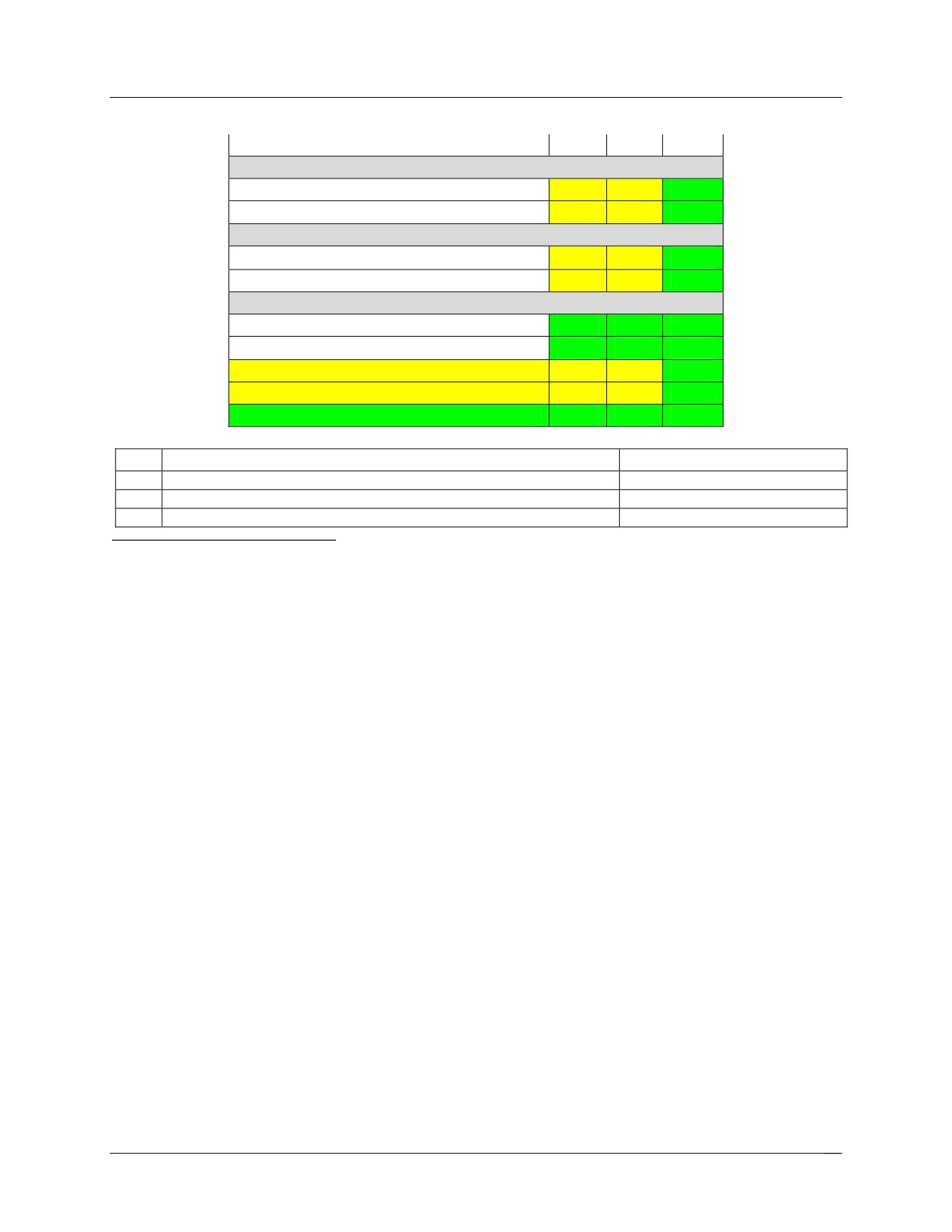
For Official Use Only
CBRND Functional Needs Analysis/Functional Solution Analysis
Chapter 3. Strategic Theater Sense Tasks
Table 3.4-1. STSENS 4: Capability and Deficiency Assessment
Capability/Measure
M1
M2
M3
Current
Combatant Command J-2
Y1
Y2
G3
Combatant Command J-3
Y4
Y5
G6
Near/Mid
Combatant Command J-2
Y
Y
G
Combatant Command J-3
Y
Y
G
Far
Combatant Command J-2
G7
G
G
Combatant Command J-3
G8
G
G
Current Overall Capability
Y
Y
G
Near/Mid-Term Overall Capability
Y
Y
G
Far-Term Overall Capability
G
G
G
FAA Measure
Scale
M1
Hazards are detected and identified.
G - Yes, Y - Limited, R - No
M2
Reports on hazards are accurate.
G - Yes, Y - Limited, R - No
M3
Hazard warning is provided.
G - Yes, Y - Limited, R - No
1 The J-2 works with the J-3 and various theater-level organizations to detect and identify CBRN/TIM hazards. In the case of a
nation-state conducting a CBRN attack against U.S. forces, the process is mature and effective. While it may not be possible to
attribute CBRN/TIM hazards as attacks, it will be possible to detect and identify hazards. In the event of use not involving U.S.
forces or allies, it may be difficult to gain required information. Techniques and procedures to facilitate this process when it
involves non-U.S. allies or countries that restrict information and access may not be adequate.
2 Methods and procedures for accurately reporting hazards involving U.S. forces are mature and effective. Methods and
procedures for accurately reporting hazards involving non-U.S. allies or countries that restrict information and access may not be
adequate.
3 Once a hazard or potential hazard is detected and identified, nothing precludes providing hazard warning to theater forces and
to the National Military Command Center (NMCC).
4 The J-3 is responsible for operations and command and control systems and ongoing current operations. The J-3 will coordinate
all information, and in conjunction with the J-2, deconflict and assess the hazard reports and send out taskings theater-wide for
further required detection, identification, or monitoring missions within the capabilities of operational forces. Coordination will
be required with the NMCC for detection and identification outside of theater capabilities.
5 Nothing precludes accurate reports within the operational capabilities of the combatant command. The J-3 must coordinate with
the NMCC for information or requirements outside of theater capabilities.
6 Once a hazard or potential hazard is detected and identified, nothing precludes providing hazard warning to theater forces and
to the NMCC.
7 New initiatives and better fusion between CBRND and J2 staffs as a result of focused experimentation will address and resolve
the issue of sensing theater hazards in third-party situations where U.S. resources cannot be brought to bear. DOTMLPF
enhancements will be available and integrated where applicable.
8 The J3 will be able to effectively interface with the NMCC on coordination of issues outside of the theater as a result of focused
experimentation.
For Official Use Only
21
For Official Use Only
CBRND Functional Needs Analysis/Functional Solution Analysis
Chapter 3. Strategic Theater Sense Tasks
3.4.3
Functional Solution Analysis
3.4.3.1
DOTLPF Assessment Summary
This section addresses the deficiencies and suggests potential non-materiel solutions. If there are
no non-materiel solutions, or they are only partial solutions, the remaining non-materiel need is
then stated. Materiel needs are assessed in the IMA section.
1.
Deficiency: In the event of theater CBRN/TIM hazards not involving U.S. forces or allies, it
may be difficult to detect or identify hazards and gain required information.
Non-Materiel Solutions: Doctrine: Using the results of both experimentation and exercises,
develop TTPs that will address all issues surrounding sensing theater CBRN/TIM hazards
due to employment or ROTA of CBRN/TIM weapons or materials. Issues to be resolved
include detecting and identifying hazards when they affect non-U.S. allies or countries that
restrict information and access.
2.
Deficiency: In the event of theater CBRN/TIM hazards involving non-U.S. allies or countries
that restrict information and access it may be difficult to gain accurate required information.
Non-Materiel Solutions: Doctrine: Using the results of both experimentation and exercises,
develop TTPs that will address all accuracy issues surrounding sensing theater CBRN/TIM
hazards due to employment or ROTA of CBRN/TIM weapons or materials. Issues to be
resolved include determining how to gain accurate information on hazards when they affect
non-U.S. allies or countries that restrict information and access.
3.
Deficiency: Joint intelligence and CBRN publications do not adequately address the issue of
sensing theater hazards in third-party situations where U.S. resources cannot be brought to
bear.
Non-Materiel Solutions: Doctrine: Integrate all information concerning actions to be taken
when hazards affect non-U.S. allies or countries that restrict information and access and
integrate lessons learned and procedures developed through experimentation into appropriate
joint publications.
4.
Deficiency: Experimentation and training may not be conducted as frequently and
extensively as required in order to identify capability gaps and required enhancements.
Non-Materiel Solutions: Training: Conduct experimentation and training as required in
order to identify capability gaps and required enhancements.
3.4.3.2
IMA Assessment Summary
N/A
For Official Use Only
22
For Official Use Only
CBRND Functional Needs Analysis/Functional Solution Analysis
Chapter 3. Strategic Theater Sense Tasks
3.5
Task STSENS 5: Monitor compliance of theater signatories to treaties that touch on
CBRN/TIM matters (e.g., Chemical Weapons Convention) and states that are
eliminating their WMD CBRN treaty signatories and elimination states for
compliance
3.5.1
Functional Area Analysis
3.5.1.1
Definition
To use COCOM resources to determine whether CBRN treaty signatories and those states
voluntarily or involuntarily participating in CBRN elimination procedures are in compliance.
3.5.1.2
Derivation
UJTL (ST 9.6, ST 2, ST 2.2.1, ST 8).
3.5.1.2.1
Supported Tasks: SNSENS 1, SNSENS 13
3.5.1.2.2
Lateral Task: STSHA 1
3.5.1.2.3
Supporting Task: OPSENS 5
3.5.1.3
Condition
Perform this task under conditions of:
Physical
1. CBRN threat form. (C1.3.3.1-3)
Military
1. Cooperative nation
a. Partial preexisting arrangements. (C2.1.1.2)
b. Limited military commitments from other nations. (C2.1.1.7
c. Limited host nation support. (C2.8.5
2. Uncooperative nation
a. No preexisting arrangements. (C2.1.1.2)
b. Negligible military commitments from other nations. (C2.1.1.7)
c. No host nation support. (C2.8.5)
Common Military Conditions
1. Limited personnel expertise. (C2.2.4.5)
For Official Use Only
23
For Official Use Only
CBRND Functional Needs Analysis/Functional Solution Analysis
Chapter 3. Strategic Theater Sense Tasks
Civil
1. Cooperative nation
a. Limited foreign government support. (C3.1.2.3.)
2. Uncooperative nation
a. Negative foreign government support. (C3.1.2.3.)
This task is analyzed in the WMD Interdiction and Elimination JCIDS Analysis.
For Official Use Only
24
For Official Use Only
CBRND Functional Needs Analysis/Functional Solution Analysis
Chapter 3. Strategic Theater Sense Tasks
3.6
Task STSENS 6: Monitor theater scientific and technology developments for
potential CBRN/TIM implications
3.6.1
Functional Area Analysis
3.6.1.1
Definition
To use combatant command resources to gather information on theater scientific and technology
developments, assess the information for applicability to CBRN/TIM weapons use, and
distribute the information to theater forces and national-level agencies that require the
information. Tracks theater developments in biology, chemistry, nuclear physics, and
nanotechnologies that could affect the development or use of CBRN/TIM weapons. Fuses this
information with other intelligence and operational and environmental data to provide guidance
for planning.
3.6.1.2
Derivation
UJTL (ST 9.6, ST 2.4.2.5).
3.6.1.2.1
Supported Tasks: SNSENS 1, SNSENS 14
3.6.1.2.2
Lateral Task: STSHA 1
3.6.1.2.3
Supporting Task: OPSENS 6
3.6.1.3
Condition
Perform this task under conditions of:
Physical. N/A
Military. N/A
Civil
1. Limited foreign government support. (C3.1.2.3)
2. Moderately opposed foreign public opinion. (C3.1.2.4)
3.6.2
Functional Needs Analysis
3.6.2.1
Capability and Deficiency Assessment Summary
Table 3.6-1 discusses the only capability that currently exists to perform the task to the
designated standards. There is only one capability that exists, and no other capability is projected
that will accomplish this task.
For Official Use Only
25
For Official Use Only
CBRND Functional Needs Analysis/Functional Solution Analysis
Chapter 3. Strategic Theater Sense Tasks
Current Capability and Deficiency
The COCOM J-2 assists the commander of a COCOM by providing higher echelon, up to and
including the NMJIC, and subordinate commands with a single, coordinated CBRN intelligence
picture by fusing national and theater intelligence into all-source estimates and assessments. The
COCOM J-2 is responsible for working with national- and theater-level organizations to obtain
intelligence that is required to support joint theater operations. Per joint intelligence doctrine, the
J-2 is responsible for coordinating all intelligence-related CBRN functions pertaining to
adversary employment of CBRN weapons with the appropriate CBRN staff element. But
because of documented training, education, and experience issues, J2 personnel may not have a
full grasp of what needs to be coordinated. As the COCOM commander’s main source of
expertise in addressing CBRN defense issues involving the warfighter, the COCOM CBRND
staff must proactively engage the J2 to determine the adequacy of current and projected theater-
level intelligence capabilities to monitor theater scientific and technology developments for
potential CBRN/TIM implications. For the purposes of this analysis, current capabilities are
listed, and issues that need to be further assessed and clarified are provided for JRO-CBRND
action. There may not be adequate linkage between the implications of international scientific
and technology developments for CBRN/TIM weapons and operational impacts. Joint
intelligence and CBRN officers may not be fully aware of what is required or important. Joint
intelligence and CBRN publications do not adequately address this issue. The overall current
capability is “yellow.”
Projected Near/Mid-Term Capability and Deficiency
No other capability is currently projected for the near/mid term. Near/mid-term experimentation
results (as recommended in this JCIDS analysis) may lead to development of new capabilities. It
is projected that improvements due to coordination/DOTMLPF enhancements will dramatically
improve the ability of the DoD to monitor international scientific and technology developments
for potential CBRN/TIM implications, but a capability projection of “yellow” is still made for
the near/mid term due to anticipated coordination challenges with theater partners and
cooperating countries.
Projected Far-Term Capability and Deficiency
No other capability is currently projected for the far-term future. New organizational structures
or other capabilities and cooperative ventures with theater partners resulting from near/mid-term
experimentation results (as recommended in this JCIDS analysis) should continue to improve the
ability of the DoD to monitor international scientific and technology developments for potential
CBRN/TIM implications resulting in a capability projection of “green.”
For Official Use Only
26
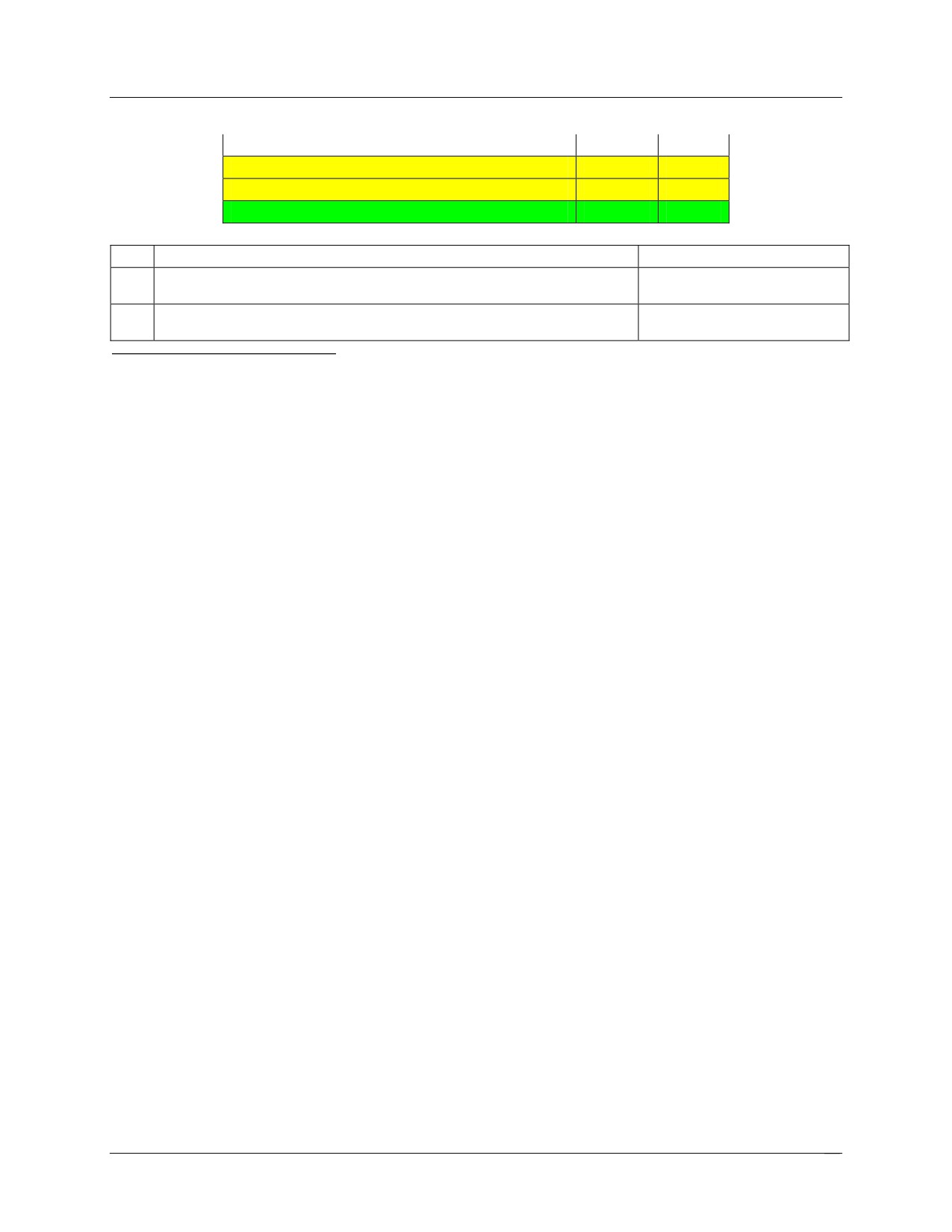
For Official Use Only
CBRND Functional Needs Analysis/Functional Solution Analysis
Chapter 3. Strategic Theater Sense Tasks
Table 3.6-1. STSENS 6: Capability and Deficiency Assessment
Capability: Combatant Command J-2
M1
M2
Current Overall Capability1
Y2
Y3
Near/Mid-Term Overall Capability4
Y
Y
Far-Term Overall Capability
G
G
FAA Measure
Scale
M1
Strategic theater surprise due to science and technology developments
G - Yes, Y - Limited, R - No
does not occur.
M2
Theater scientific and technology developments with applicability to
G - Yes, Y - Limited, R - No
CBRN/TIM weapons are detected and cataloged.
1 Joint intelligence and CBRN publications do not adequately address this issue.
2 The J-2 works with various national/theater-level organizations to ensure that strategic surprise does not occur. There may not
be adequate linkage between the implications of international scientific and technology developments for CBRN/TIM weapons
and operational impacts.
3 The J-2 works with various national/theater-level organizations to ensure that information relating to international scientific and
technology developments for CBRN/TIM weapons are available if required. Joint intelligence and CBRN officers may not be
fully aware of what is required or important.
4 Joint intelligence and CBRN publications will be updated to adequately address this issue.
For Official Use Only
27
For Official Use Only
CBRND Functional Needs Analysis/Functional Solution Analysis
Chapter 3. Strategic Theater Sense Tasks
3.6.3
Functional Solution Analysis
3.6.3.1
DOTLPF Assessment Summary
This section addresses the deficiencies and suggests potential non-materiel solutions. If there are
no non-materiel solutions or there are only partial solutions, the remaining non-materiel need is
then stated. Materiel needs are assessed in the IMA section.
1. Deficiency: There may not be adequate linkage between the implications of theater scientific
and technology developments for CBRN/TIM weapons and operational impacts.
Non-Materiel Solutions: Doctrine: Develop doctrine to provide guidance and outline
interaction and exchange of information between J-2, the intelligence community, and other
participating entities. Training: Develop an experimentation plan to determine the linkage
between the implications of theater scientific and technology developments for CBRN/TIM
weapons and operational impacts. Integrate lessons learned into TTPs and procedures that the
J2 can coordinate with the intelligence community.
2. Deficiency: Joint intelligence and CBRN officers may not be fully aware of what is required
or important.
Non-Materiel Solutions: Doctrine: Redefine the operational limitation of medics working as
operational/intelligence personnel. Organization: Provide medical intelligence support or
medical expertise to J-2 resources/offices. Leadership: Integrate TTPs developed through
experimentation into leader education for both intelligence and CBRN staff officers.
Personnel: Increase allocation of medical personnel to J-2 staff.
3. Deficiency: Joint intelligence and CBRN publications do not adequately address this issue.
Non-Materiel Solutions: Doctrine: Integrate TTPs developed through experimentation into
both intelligence and CBRN joint publications.
3.6.3.2
IMA Assessment Summary
N/A
For Official Use Only
28
For Official Use Only
CBRND Functional Needs Analysis/Functional Solution Analysis
Chapter 3. Strategic Theater Sense Tasks
3.7
Task STSENS 7: Develop TEPs for Sense-related issues
3.7.1
Functional Area Analysis
3.7.1.1
Definition
To develop Theater Engagement Plans (TEPs) that will allow cooperation and the building of
trust through a combination of Sense-related exercises, training, equipment exchange, and other
cooperative efforts. Many nations that would normally support U.S. initiatives may feel
threatened by hostile neighbors or nations that possess CBRN/TIM weapons. To ensure
cooperation and interoperability, the combatant commander develops TEPs for Sense-related
considerations and activities for assigned theater or designated countries. TEPs that include
Sense-related considerations and activities for assigned theater or designated countries can help
to mitigate reluctance to support the United States. If countries are provided with the means to
predict and determine CBRN/TIM attacks or if they are assured of U.S. assistance, they will feel
less threatened. The Chairman of the Joint Chiefs of Staff (CJCS), in conjunction with
interagency partners, coordinates “Global Family of Engagement Plan” policy and guidelines to
combatant commanders for Sense-related considerations.
3.7.1.2
Derivation
UJTL (ST 9.6, ST 8.2.1, ST 8.1.2), CJCSM 3113.01a.
3.7.1.2.1
Supported Task: SNSENS 15
3.7.1.2.2
Lateral Task: STSHA 9
3.7.1.2.3
Supporting Task: OPSENS 8
3.7.1.3
Condition
Perform this task under conditions of:
Physical. N/A
Military
1. No preexisting arrangements. (C 2.1.1.2)
2. Limited personnel expertise. (C2.2.4.5)
Civil
1. Mixed support for political policies. (C3.1)
2. Limited foreign government support. (C3.1.2.3.)
For Official Use Only
29
For Official Use Only
CBRND Functional Needs Analysis/Functional Solution Analysis
Chapter 3. Strategic Theater Sense Tasks
3.7.2
Functional Needs Analysis
Capability and Deficiency Assessment Summary
Table 3.7-1 discusses the only capability that currently exists to perform the task to the
designated standards. There is only one capability that exists, and no other capability is projected
that will accomplish this task.
Current Capability and Deficiency
The COCOM develops TEPs for restoration operation considerations and activities for assigned
theater or designated countries. Nothing precludes the COCOM staff from establishing these
TEPs now, but there is very little in the way of existing doctrine or TTPs to help guide them. A
TEP is primarily a strategic planning document intended to link COCOM-planned regional
engagement activities with national strategic objectives. TEPs are based on defense planning
guidance. COCOM-planned and -supported operations and activities produce multiple benefits in
readiness, modernization, and engagement. However, peacetime military engagement activities
must be prioritized to ensure that efforts are focused on those that are of greatest importance
without sacrificing warfighting capability. Because WMD represents the most significant threat
to global security, it is an ideal candidate for theater engagement planning. TEPs identify the
synchronization of these activities on a regional basis and illustrate the efficiencies gained from
regional COCOM engagement activities that support national strategic objectives. No Sense-
related experimentation or exercises have been conducted to provide feedback on efficacy of
TEPs for specific countries. Leader education does not address this issue. The overall current
assessment is “yellow.”
Projected Near/Mid-Term Capability and Deficiency
No other capability is currently projected for the near/mid term. Near/mid-term experimentation
results (as recommended in this JCIDS analysis) may lead to development of new capabilities. It
is projected that improvements due to coordination/DOTLPF enhancements will dramatically
improve the ability of the COCOM staff to develop TEPs for Sense-related issues, but the overall
status will remain “yellow” due to the inherent difficulty in initiating and developing new theater
TEP programs.
Projected Far-Term Capability and Deficiency
No other capability is currently projected for the far-term future. The overall status is likely to
remain “yellow” due to the inherent difficulties posed by international relations.
For Official Use Only
30
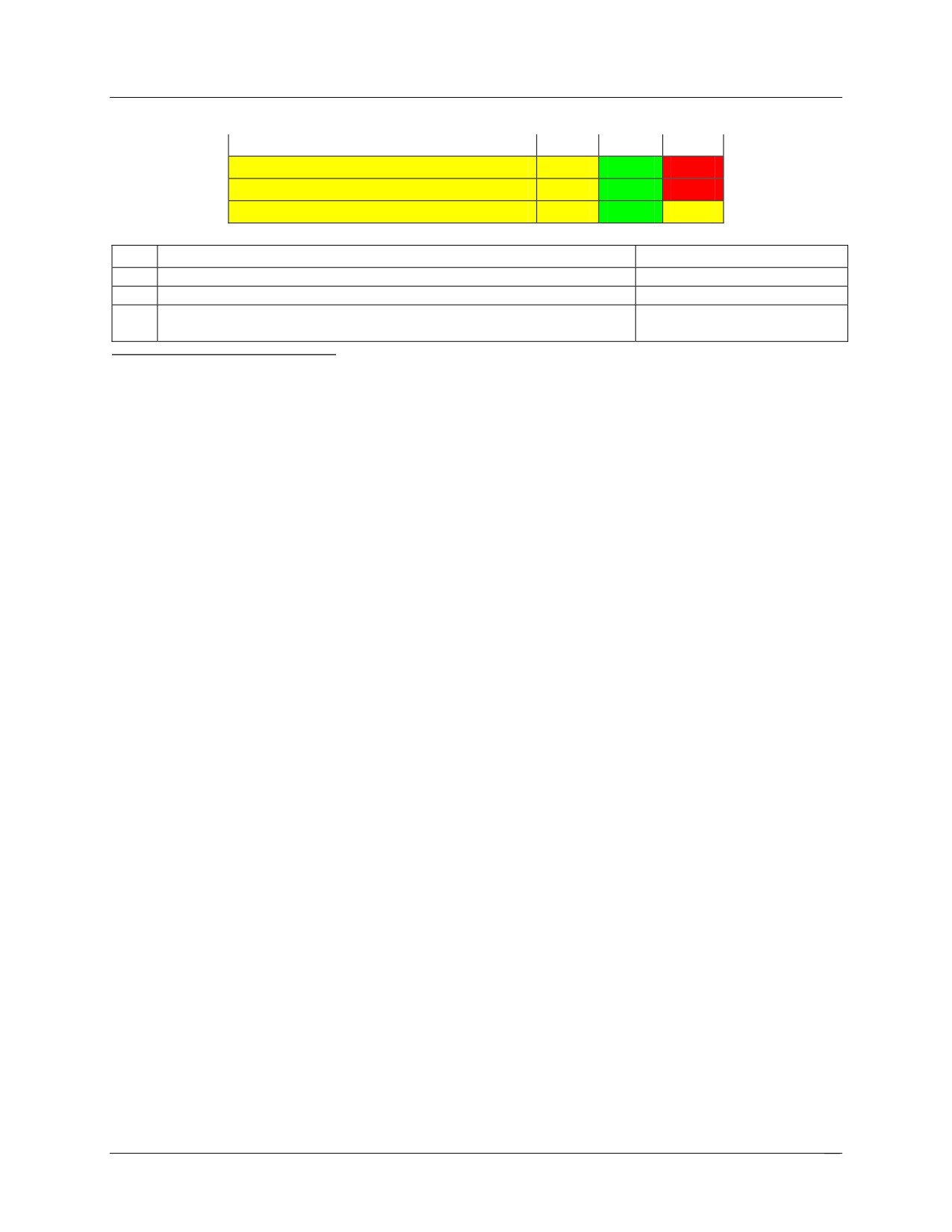
For Official Use Only
CBRND Functional Needs Analysis/Functional Solution Analysis
Chapter 3. Strategic Theater Sense Tasks
Table 3.7-1. STSENS 7: Capability and Deficiency Assessment
Capability: COCOM HQ
M1
M2
M3
Current Overall Capability1
Y2
G3
R4
Near/Mid-Term Overall Capability
Y
G
R
Far-Term Overall Capability5
Y
G
Y6
FAA Measure
Scale
M1
“Sense” related TEPs are established for designated countries.
G - Yes, Y - Limited, R - No
M2
Existing TEPs are updated regularly.
G - Yes, Y - Limited, R - No
M3
Joint exercises/experimentation provide feedback on efficacy of TEPs for
G - Yes, Y - Limited, R - No
specific countries.
1 No doctrine has been developed. Leader education does not address this issue.
2 Nothing precludes a COCOM staff from initiating theater engagement planning for sense-related considerations. No guidance
has been provided, and no doctrine exists specifically addressing restoration operation integration into theater engagement
planning.
3 Nothing precludes meeting this standard once sense-related TEPs are established.
4 No Sense-related exercises/experimentation have been conducted to provide feedback on efficacy of TEPs for specific
countries.
5 Doctrine will be developed. Leader education will begin to address this issue.
6 Results of experimentation and feedback from insertion in training exercises will begin to provide valuable data on TEP-related
issues.
For Official Use Only
31
For Official Use Only
CBRND Functional Needs Analysis/Functional Solution Analysis
Chapter 3. Strategic Theater Sense Tasks
3.7.3
Functional Solution Analysis
3.7.3.1
DOTLPF Assessment Summary
This section addresses the deficiencies and suggests potential non-materiel solutions. If there are
no non-materiel solutions, or they are only partial solutions, the remaining non-materiel need is
then stated. Materiel needs are assessed in the IMA section.
1.
Deficiency: No guidance has been provided and no doctrine/TTPs exists specifically
addressing restoration operation integration into theater engagement planning.
Non-Materiel Solutions: Doctrine: Establish policies, TTPs, and guidelines that include
practical ways to enhance sense-related consideration integration into theater engagement
planning. Training: Conduct training to test, validate, and identify additional ways to
enhance Sense-related consideration integration.
2.
Deficiency: No Restoration Operation exercises/experimentation have been conducted to
provide feedback on efficacy of TEPs for specific countries.
Non-Materiel Solutions: Training: Develop exercises to include Sense-related
considerations with TEP countries to determine efficacy of policy once established..
3.
Deficiency: Leader education does not address this issue.
Non-Materiel Solutions: Leadership: At the urging of the Joint Forces Staff College
(JFSC), and as part of a Joint Requirements Office for Chemical, Biological, Radiological,
and Nuclear Defense (JRO-CBRND) joint education initiative, a team began to investigate
ways to develop CBRN defense initiatives as part of theater engagement planning. The
subject matter experts at the JFSC felt that in the current global environment, CBRND was
an ideal platform for military engagement, enhancing a common global defense capability
against weapons of mass destruction. The team plans to present these JCIDS tasks to the
JFSC as a foundation for the development of TEP education materials when they are
finalized.
3.7.3.2
IMA Assessment Summary
N/A
For Official Use Only
32
For Official Use Only
CBRND Functional Needs Analysis/Functional Solution Analysis
Chapter 3. Strategic Theater Sense Tasks
3.8
Task STSENS 8: Provide theater screening for endemic diseases and/or hazardous
substances in the environment
3.8.1
Functional Area Analysis
3.8.1.1
Definition
To use COCOM resources to provide theater screening for endemic diseases and/or hazardous
substances in the environment. All theater capabilities are employed to ensure that endemic
diseases and/or hazardous substances in the environment are detected, theater military forces are
warned, and appropriate preventive action is taken.
3.8.1.2
Derivation
UJTL (ST 4.2.2, ST 9.6).
3.8.1.2.1
Supported Task: SNSENS 16
3.8.1.2.2
Lateral Task: STSHA 1
3.8.1.2.3
Supporting Task: OPSENS 9
3.8.1.3
Condition
Perform this task under conditions of:
Physical. N/A
Military
1. Partial preexisting arrangements. (C2.1.1.2)
Civil
1. Limited foreign government support. (C3.1.2.3)
2. Moderately opposed foreign public opinion. (C3.1.2.4)
3.8.2
Functional Needs Analysis
3.8.2.1
Capability and Deficiency Assessment Summary
Table 3.8-1 discusses the only capability that exists to perform the task to the designated
standard. Resources and DOTMLPF exist to support COCOM staff information and data
collection, processing, and correlation from a variety of sources (national, international, military,
civilian, etc.) to identify potential hazards and endemic diseases for evaluation and assessment of
their probable impact and the necessary protective measures. The DoD Global Emerging
Infections Surveillance and Response System (GEIS) and Armed Forces Medical Intelligence
For Official Use Only
33
For Official Use Only
CBRND Functional Needs Analysis/Functional Solution Analysis
Chapter 3. Strategic Theater Sense Tasks
Center (AFMIC) maintain active surveillance for infectious diseases that might affect military
personnel, readiness, and operations and are resources for the COCOM staff. Dissemination of
warnings to theater forces identifying these potential hazards and diseases and the associated
protective measures are incorporated within existing doctrine. Deficiencies are related to the
level of automation of information and data resources and their compatibility.
Current Capability and Deficiency
Pathogens of military importance are identified. Outbreaks of new or mutated diseases assessed
by the Centers for Disease Control (CDC) and/or the World Health Organization (WHO) are
reviewed by AFMIC for inclusion. The GEIS also provides information on infectious diseases
that pose a threat to personnel or reduce medical readiness. Other types of hazards are reviewed
for their impact upon military forces, depending upon type and scope. For example, ITF-40
assesses a number of industrial chemicals for their potential impact. Information must be
collected, processed, and correlated from a variety of sources (national, international, military,
civilian, etc.) to identify potential hazards and endemic diseases for evaluation and assessment of
their probable impact and the necessary protective measures.
Resources such as the CDC, WHO, the International Atomic Energy Agency (IAEA), AFMIC,
GEIS, North Atlantic Treaty Organization (NATO), Food and Agriculture Organization (FAO),
and others are identified as reliable sources for data and information about most areas of interest.
The combination of in-theater and reachback resources provide the COCOM staff with
information sources and data essential to the assessment process.
Diseases and hazards within an area of interest are not static. These change overtime. COCOM
plan implementation processes incorporate requirements for ensuring currency of information
and decision parameters. Adjustments are made as necessary. Identification of endemic diseases
and hazards of military importance are disseminated and are accompanied with guidance on
preventive measures. Changes to this information are disseminated throughout operations.
Adequate DOTLPF exists to conduct this task.
Not all potential hazards have been assessed for their military importance. For example, ITF-40
does not assess all the potential industrial chemicals possibly existing within an area of interest.
Much of the information and data must be manually collected, processed, correlated, evaluated,
and assessed. Many resource systems are not integrated or are not automated. Information
systems within DoD, theater, and other government agencies are frequently stovepiped, and the
information must be manually transferred from one system to another. Additionally, data
structures and fields are not always compatible between systems impacting application of data
transfer utilities.
The largely manual nature of the current process is time consuming and the potential exists for
exposure prior to receipt of warning.
The overall current capability is “yellow.”
For Official Use Only
34
For Official Use Only
CBRND Functional Needs Analysis/Functional Solution Analysis
Chapter 3. Strategic Theater Sense Tasks
Projected Near/Mid-Term Capability and Deficiency
There are no foreseeable changes in capability in the near/mid term.
Projected Far-Term Capability and Deficiency
There are no foreseeable changes in capability in the far term.
For Official Use Only
35

For Official Use Only
CBRND Functional Needs Analysis/Functional Solution Analysis
Chapter 3. Strategic Theater Sense Tasks
Table 3.8-1. STSENS 8: Capability and Deficiency Assessment
Capability: COCOM Staff
M1
M2
M3
M4
Current Overall Capability1
Y2
Y3
Y4
Y5
Near/Mid-Term Overall Capability
Y
Y
Y
Y
Far-Term Overall Capability
Y
Y
Y
Y
FAA Measure
Scale
M1
All diseases/hazards are identified
G - Yes, Y - Limited, R - No
M2
Medical, operational, intelligence, and environmental data are correlated
G - Yes, Y - Limited, R - No
M3
Diseases/hazards are identified in time to warn forces and take
G - Yes, Y - Limited, R - No
appropriate preventive measures
M4
Diseases/hazards are identified in time to treat forces.
G - Yes, Y - Limited, R - No
1 Adequate DOTLPF exists to conduct this task.
2 Limited. Pathogens of military importance are identified. Outbreaks of new or mutated diseases assessed by the CDC and/or
WHO are reviewed by AFMIC for inclusion. The GEIS also provides information on infectious diseases that pose a threat to
personnel or reduce medical readiness. Other types of hazards are reviewed for their impact upon military forces, depending upon
type and scope. For example, ITF-40 assesses a number of industrial chemicals for their potential impact. However, ITF-40 does
not assess all the potential industrial chemicals possibly existing within an area of interest. Information must be collected,
processed, and correlated from a variety of sources (national, international, military, civilian, etc.) to identify potential hazards
and endemic diseases for evaluation and assessment of their probable impact and the necessary protective measures.
3 Limited. Resources such as the CDC, WHO, IAEA, AFMIC, GEIS, NATO, FAO, and others are identified as reliable sources
for data and information about most areas of interest. However, much of the information and data must be collected, processed,
correlated, evaluated, and assessed manually. The combination of in-theater and reachback resources provide the COCOM staff
with information sources and data essential to the assessment process. Many resource systems are not integrated or are not
automated. Information systems within DoD, theater, and other government agencies are frequently stovepiped, and the
information must be manually transferred from one system to another. Additionally, data structures and fields are not always
compatible between systems impacting application of data transfer utilities.
4 Limited. Diseases and hazards within an area of interest are not static. These change over time. COCOM plan implementation
processes incorporate requirements for ensuring currency of information and decision-making parameters. Adjustments are made
as necessary. Identification of endemic diseases and hazards of military importance are disseminated and accompanied with
guidance on preventive measures. Changes to this information are disseminated throughout operations. However, the largely
manual nature of the current process is time-consuming, and the potential exists for exposure prior to receipt of warning.
5 The ability to identify endemic diseases in time to treat forces will rely on access to in-theater intelligence of the populace. This
will remain a difficult task under some conditions for the foreseeable future.
For Official Use Only
36
For Official Use Only
CBRND Functional Needs Analysis/Functional Solution Analysis
Chapter 3. Strategic Theater Sense Tasks
3.8.3
Functional Solution Analysis
3.8.3.1
DOTLPF Assessment Summary
This section addresses the deficiencies and suggests potential non-materiel solutions. If there are
no non-materiel solutions, or they are only partial solutions, the remaining non-materiel need is
then stated. Materiel needs are assessed in the IMA section.
1. Deficiency: Not all potential hazards have been assessed for their military importance. For
example, ITF-40 does not assess all the potential industrial chemicals possibly existing
within an area of interest.
Non-Materiel Solutions: Doctrine: Redefine the operational limitation of medics working as
operational/intelligence personnel. Organization: Provide medical intelligence support or
medical expertise to J-2 resources/offices. Leadership: Develop leadership awareness of
potential gap in existing information and potential sources for information and data.
Personnel: Increase allocation of medical personnel to J-2 staff.
2. Deficiency: The largely manual nature of the current process is time-consuming, and the
potential exists for exposure prior to receipt of warning.
Non-Materiel Solutions: Leadership: Develop leadership awareness of issues associated
with information collection and processing and need for force preparedness and prior
knowledge of hazards/diseases of military importance in area of interest.
3.8.3.2
IMA Assessment Summary
N/A
For Official Use Only
37
For Official Use Only
CBRND Functional Needs Analysis/Functional Solution Analysis
Chapter 3. Strategic Theater Sense Tasks
3.9
Task STSENS 9: Develop theater environmental background data including
climatology
3.9.1
Functional Area Analysis
3.9.1.1
Definition
To use COCOM resources to obtain and assess theater environmental background data
(including climatology) for potential CBRN/TIM implications. All theater capabilities are
employed to obtain this information and to ensure that theater military forces have access to
processed data.
3.9.1.2
Derivation
UJTL (ST 9.6, ST 2.2.3).
3.9.1.2.1
Supported Task: SNSENS 17
3.9.1.2.2
Lateral Task: STSHA 1
3.9.1.2.3
Supporting Task: OPSENS 10
3.9.1.3
Condition
Perform this task under conditions of:
Physical. N/A
Military
1. Partial preexisting arrangements. (C 2.1.1.2)
Civil
1. Limited foreign government support. (C3.1.2.3)
2. Moderately opposed foreign public opinion. (C3.1.2.4)
3.9.2
Functional Needs Analysis
3.9.2.1
Capability and Deficiency Assessment Summary
Tables 3.9-1 discusses the capability that currently exists to perform the task to the designated
standards within the theater. There is only one capability that exists, and no other capability is
projected that will accomplish this task.
For Official Use Only
38
For Official Use Only
CBRND Functional Needs Analysis/Functional Solution Analysis
Chapter 3. Strategic Theater Sense Tasks
Current Capability and Deficiency
The combatant command J-3 is where all the COCOM’s planning, policies, intelligence,
manpower, communications, and logistics functions are translated into action. This is the
directorate that moves military forces and serves as the operational link between the component
warfighting commanders and the combatant commander. The J-3 is responsible for developing
theater environmental background data, including climatology. The COCOM J-3 works with
various theater DoD assets, as well as the CJCS, which can access national DoD assets that
operate a military environmental service system to provide specialized theater meteorological,
space, environmental, and oceanographic analysis and prediction services in support of military
forces. Environmental background data are available or can be obtained for any area of the
theater. Climatology data are available or can be obtained for any area of the theater. Total
access is available through military command and control and communications systems.
DOTLPF is adequate in most areas. CBRN considerations need to be integrated into
environmental and climatology processes, TTPs and doctrine. The overall current capability is
“green.”
Projected Near/Mid-Term Capability and Deficiency
Capabilities will improve only as a result of improved CBRN experimentation and integration
into exercises.
Projected Far-Term Capability and Deficiency
Capabilities will improve only as a result of improved CBRN experimentation and integration
into exercises. This will ultimately result in effective enhancements to all DOTLPF.
For Official Use Only
39

For Official Use Only
CBRND Functional Needs Analysis/Functional Solution Analysis
Chapter 3. Strategic Theater Sense Tasks
Table 3.9-1. STSENS: Capability and Deficiency Assessment
Capability: COCOM Staff
M1
M2
M3
Current Overall Capability1
G2
G3
G4
Near/Mid-Term Overall Capability
G
G
G
Far-Term Overall Capability5
G
G
G
FAA Measure
Elaboration
Scale
M1
Environmental
Assesses if a means is available to gather environmental
G - Yes
background data are
background data at any location. Does not take into account
Y - Limited
available for essential
time/automation factors. If time/automation becomes a factor,
R - No
theater areas.
a tactical-level materiel solution that speeds process may need
to be considered.
M2
Climatology data are
Assesses if a means is available to gather climatology data at
G - Yes
available for essential
any location.
Y - Limited
theater areas.
R - No
M3
Available data can be
Assesses ability of theater forces to access data once they are
G - Yes
accessed by theater
available. Ability to assess data for CBRN implications is not
Y - Limited
forces with requirements.
part of metric.
R - No
1 Theater CBRN considerations need to be integrated into environmental and climatology processes, TTPs, and doctrine.
2 Environmental background data is available or can be obtained for any area of the theater.
3 Climatology data is available or can be obtained for any area of the theater.
4 Total access is available through military command and control and communications systems.
5 Through the results of experimentation and other initiatives, theater CBRN considerations will be integrated into environmental
and climatology processes, TTPs, and doctrine.
For Official Use Only
40
For Official Use Only
CBRND Functional Needs Analysis/Functional Solution Analysis
Chapter 3. Strategic Theater Sense Tasks
3.9.3
Functional Solution Analysis
3.9.3.1
DOTLPF Assessment Summary
This section addresses the deficiencies and suggests potential non-materiel solutions. If there are
no non-materiel solutions, or they are only partial solutions, the remaining non-materiel need is
then stated. Materiel needs are assessed in the IMA section.
1. Deficiency: CBRN considerations need to be integrated into environmental and climatology
processes, TTPs, and doctrine.
Non-Materiel Solutions: Doctrine: Integrate CBRN considerations into environmental and
climatology processes, TTPs, and doctrine at the theater level.
3.9.3.2
IMA Assessment Summary
N/A
For Official Use Only
41
For Official Use Only
CBRN Functional Needs Analysis/Functional Solution Analysis
Chapter 4. Operational Sense Tasks
CHAPTER 4. OPERATIONAL SENSE TASKS
For Official Use Only
For Official Use Only
CBRN Functional Needs Analysis/Functional Solution Analysis
Chapter 4. Operational Sense Tasks
Table of Contents
List of Acronyms
ii
4.0
Operational Sense
1
4.1
Task OPSENS 1: Sense the storage locations of CBRN weapons or components in
the JOA
4
4.2
Task OPSENS 2: Sense the operational deployment of CBRN weapons in the JOA
10
4.3
Task OPSENS 3: Sense the employment of CBRN weapons in the JOA
15
4.4
Task OPSENS 4: Sense JOA CBRN hazards due to employment or ROTA of
CBRN/TIM weapons or materials
20
4.5
Task OPSENS 5: Monitor combatant command designated activities within the
JOA for compliance with CBRN treaties or elimination requirements
25
4.6
Task OPSENS 6: Collect enemy weapons systems and new technologies for
exploitation of potential CBRN implications
27
4.7
Task OPSENS 7: Collect data for determining employment of CBRN/TIM
weapons in the JOA
31
4.8
Task OPSENS 8: Provide Sense country assistance teams to support TEP
35
4.9
Task OPSENS 9: Provide JOA screening for endemic disease and/or hazardous
substances in the environment
39
4.10
Task OPSENS 10: Develop JOA environmental background data including
climatology
43
For Official Use Only
i
For Official Use Only
CBRN Functional Needs Analysis/Functional Solution Analysis
Chapter 4. Operational Sense Tasks
4.0
Operational Sense
4.0.1
Introduction
The Operational (OP) level of war is where campaigns and major operations are planned,
conducted, and sustained to accomplish strategic objectives within theaters or areas of
operations. Activities at this level link tactics and strategy by establishing operational objectives
needed to accomplish the strategic objectives, sequencing events to achieve the operational
objectives, initiating actions, and applying resources to bring about and sustain these events.
These activities imply a broader dimension of time or space than do tactics; they ensure the
logistic and administrative support of tactical forces and provide the means by which tactical
successes are exploited to achieve strategic objectives. Ten OP Sense (OPSENS) tasks were
identified in the chemical, biological, radiological, and nuclear (CBRN) Functional Area
Analysis (FAA), including a task for elimination operations. However, the detailed analysis of
the elimination tasks has been deferred to the Joint Requirements Office for Chemical,
Biological, Radiological, and Nuclear Defense (JRO-CBRND)-sponsored FAA/ Functional
Needs Analysis (FNA) of the weapons of mass destruction (WMD) elimination and interdiction
functional areas.
This chapter, detailing the OPSENS area, restates relevant information from the chemical,
biological, radiological, and nuclear defense (CBRND) FAA, including a description of each of
the 10 OPSENS tasks, derivation of the task, an indication of other linked tasks, and the pertinent
conditions. The FNA section addresses the capability and deficiency analysis and a brief
description of potential near-term changes. Once all the capabilities are considered, the
assessment concludes with a separate, overarching look at the entire capability spectrum to
identify remaining gaps and/or synergies. The Functional Solutions Analysis (FSA) section
addresses possible solutions for the deficiencies identified in the FNA section. The non-materiel
solutions address one or more of the six areas of DOTLPF: doctrine, organization, training,
leadership, personnel, and facilities. Most of the OPSENS tasks involve required capabilities of
major staffs or staff sections within the U.S. Department of Defense (DoD). In those areas where
a DoD staff or agency needed to interact within the interagency, the task focused on DoD
capabilities required to facilitate the interaction.
4.0.2
FNA Summary
Table 4.0-1 summarizes the overall current and projected capability to perform the OPSENS
tasks identified in the CBRND FAA. The overall capability to conduct OPSENS tasks in the
current time frame is assessed as “yellow.” The OP-level J-2 is responsible for working with
theater-level organizations to obtain intelligence that is required to support joint OP-level
operations. Per joint intelligence doctrine, the J-2 is responsible for coordinating all intelligence-
related CBRN functions pertaining to adversary employment of CBRN weapons with the
appropriate CBRN staff element, but because of documented training, education, and experience
issues, J-2 personnel may not have a full grasp of what needs to be coordinated. As the OP-level
commander’s main source of expertise in addressing CBRN defense issues involving the
warfighter, the OP-level CBRND staff must proactively engage the J-2 to determine the
adequacy of current and projected theater-level intelligence capabilities to sense the employment
of CBRN/toxic industrial material (TIM) weapons in theater. To be proactive, the OP-level
For Official Use Only
1
For Official Use Only
CBRN Functional Needs Analysis/Functional Solution Analysis
Chapter 4. Operational Sense Tasks
CBRND staff must be better prepared on intelligence/CBRND fusion issues. For the purposes of
this analysis, current capabilities are listed and issues that need to be further assessed and
clarified are provided for JRO-CBRND action. While the J-2 and OP-level intelligence
organizations have the responsibility to gather intelligence on CBRN threat-related issues, they
do not have the requisite understanding of CBRN issues to fully address the requirements
without assistance from the OP-level CBRND staff. It is projected that improvements due to
coordination/ doctrine, organization, training, materiel, leadership and education, personnel, and
facilities (DOTMLPF) enhancements will dramatically improve the ability of the OP-level staff
to articulate and assess Sense requirements and the overall status will improve to “green.”
Table 4.0-1. Operational Sense Summary FNA Findings
CBRN
Capability
Operational
CBRN Operational Sense Task Title
Sense Task
Current
Near/Mid
Far
Number
OPSENS 1
Sense the storage locations of CBRN
weapons or components in the JOA.
•
•
•
OPSENS 2
Sense the operational deployment of CBRN
weapons in the JOA.
•
•
•
OPSENS 3
Sense the employment of CBRN weapons in
the JOA.
•
•
•
OPSENS 4
Sense JOA CBRN hazards due to
employment or ROTA of CBRN/TIM
•
•
•
weapons or materials.
OPSENS 5
Monitor combatant command designated
activities within the JOA for compliance
N/A
N/A
N/A
with CBRN treaties or elimination
requirements.
OPSENS 6
Collect enemy weapons systems and new
technologies for exploitation of potential
•
•
•
CBRN implications.
OPSENS 7
Collect data for determining employment of
CBRN/TIM weapons in the JOA.
•
•
•
OPSENS 8
Provide Sense country assistance teams to
support TEP.
•
•
•
OPSENS 9
Provide JOA screening for endemic disease
and/or hazardous substances in the
•
•
•
environment.
OPSENS 10
Develop JOA environmental background
data including climatology.
•
•
•
OVERALL
•
•
•
For Official Use Only
2
For Official Use Only
CBRN Functional Needs Analysis/Functional Solution Analysis
Chapter 4. Operational Sense Tasks
4.0.3
FSA Summary
The paragraphs below summarize the assessment of all potential DOTMLPF solutions for the
capability gaps identified in the FNA section.
4.0.3.1
DOTMLPF
The DOTMLPF solutions identified in this chapter include basic actions required to better
prepare the appropriate staffs. No training or experimentation has taken place to enable the
formulation of tactics, techniques, and procedures (TTPs) designed to facilitate the ability of
intelligence personnel to assess CBRND Sense requirements. It is imperative that these exercises
take place and lessons learned be integrated into doctrine, TTPs, and guidance. Other solutions
include the development of leader education programs for both CBRND and intelligence staff
officers and a detailed analysis of how the OP-level intelligence/CBRN community is organized
and staffed to perform CBRN intelligence analysis and collection activities. In the case of
deficiencies associated with service component-captured materiel exploitation units that are
trained to find and exploit enemy equipment or supplies of CBRN intelligence value and
potential, DOTMLPF solutions, TTPs, and doctrine across the services need to be assessed.
Training/education on this task needs to be integrated into the intelligence tasks of all Service
and joint schools and courses. In the case of deficiencies associated with collecting samples to
verify CBRN weapon employment and potential DOTMLPF solutions, TTPs must be developed
to guide the actions of non-Chemical commanders and units that may be required to collect
samples.
4.0.3.2
IMA
There are no materiel requirements.
For Official Use Only
3
For Official Use Only
CBRN Functional Needs Analysis/Functional Solution Analysis
Chapter 4. Operational Sense Tasks
4.1
Task OPSENS 1: Sense the storage locations of CBRN weapons or components in
the JOA
4.1.1
Functional Area Analysis
4.1.1.1
Definition
To obtain information and data from all sources that determine where a military force or
transnational organization is storing CBRN/TIM weapons or components in the joint operations
area (JOA). Areas of interest include storage locations, storage capacities, safety precautions,
prevailing meteorological conditions at sites, types of weapons or components stored, and
facility entrances.
4.1.1.2
Derivation
UJTL (OP 7.5, OP 2.2.2).
4.1.1.2.1
Supported Task: STSENS 1
4.1.1.2.2
Lateral Task: OPSHA 1
4.1.1.2.3
Supporting Tasks: TASENS 1, TASENS 2, TASENS 3, TASENS 4, TASENS
5, TASENS 6, TASENS 7, TASENS 8, TASENS 9, TASENS 10, TASENS 11,
TASENS 12
4.1.1.3
Condition
Perform this task under conditions of:
Physical. N/A
Military
1. Negligible intelligence database. (C2.4.2)
2. Negligible theater intelligence access. (C2.4.2)
3. Conventional and terrorist threat form. (C2.9.2)
Civil
1. Negative foreign government support. (C3.1.2.3)
2. Aggressively opposed foreign public opinion. (C3.1.2.4)
For Official Use Only
4
For Official Use Only
CBRN Functional Needs Analysis/Functional Solution Analysis
Chapter 4. Operational Sense Tasks
4.1.2
Functional Needs Analysis
4.1.2.1
Capability and Deficiency Assessment Summary
Table 4.1-1 discusses the only capability that currently exists to perform the task to the
designated standard. There is only one capability that exists, and no other capability is projected
that will accomplish this task.
Current Capability and Deficiency
The OP-level J-2 is responsible for working with theater-level and component command
intelligence organizations to obtain intelligence that is required to support JOA operations. Per
joint intelligence doctrine, the J-2 is responsible for coordinating all intelligence-related CBRN
functions pertaining to adversary employment of CBRN weapons with the appropriate CBRN
staff element. But because of documented training, education, and experience issues, J-2
personnel may not have a full grasp of what needs to be coordinated. As the OP-level
commander’s main source of expertise in addressing CBRN defense issues involving the
warfighter, the OP-level CBRND staff must proactively engage the J-2 to determine the
adequacy of current and projected theater-level intelligence capabilities to sense the storage
locations of CBRN/TIM weapons or components. To be proactive, the OP-level CBRND staff
must be better prepared on intelligence/CBRND fusion issues. For the purposes of this analysis,
current capabilities are listed and issues that need to be further assessed and clarified are
provided for JRO-CBRND action.
Projected Near/Mid-Term Capability and Deficiency
No other capability is currently projected for the near/mid term. Near/mid-term experimentation
results (as recommended in this Joint Capabilities Integration and Development System [JCIDS]
analysis) may lead to development of new capabilities. It is projected that improvements due to
coordination/DOTLPF enhancements will dramatically improve the ability of the OP-level staff
to sense the storage locations of CBRN/TIM weapons or components in the JOA, but the overall
status will remain “yellow” due to the inherent difficulty in gathering intelligence on CBRN/TIM
proliferation activities.
Projected Far-Term Capability and Deficiency
No other capability is currently projected for the far-term future. New organizational structures
or other capabilities resulting from near/mid-term experimentation results (as recommended in
this JCIDS analysis) may dramatically improve the ability of the OP-level staff to develop
intelligence indicators for sensing the storage locations of CBRN/TIM weapons or components
in the JOA, but the overall status is projected to remain “yellow” due to the inherent difficulty in
gathering intelligence on CBRN/TIM proliferation activities.
For Official Use Only
5
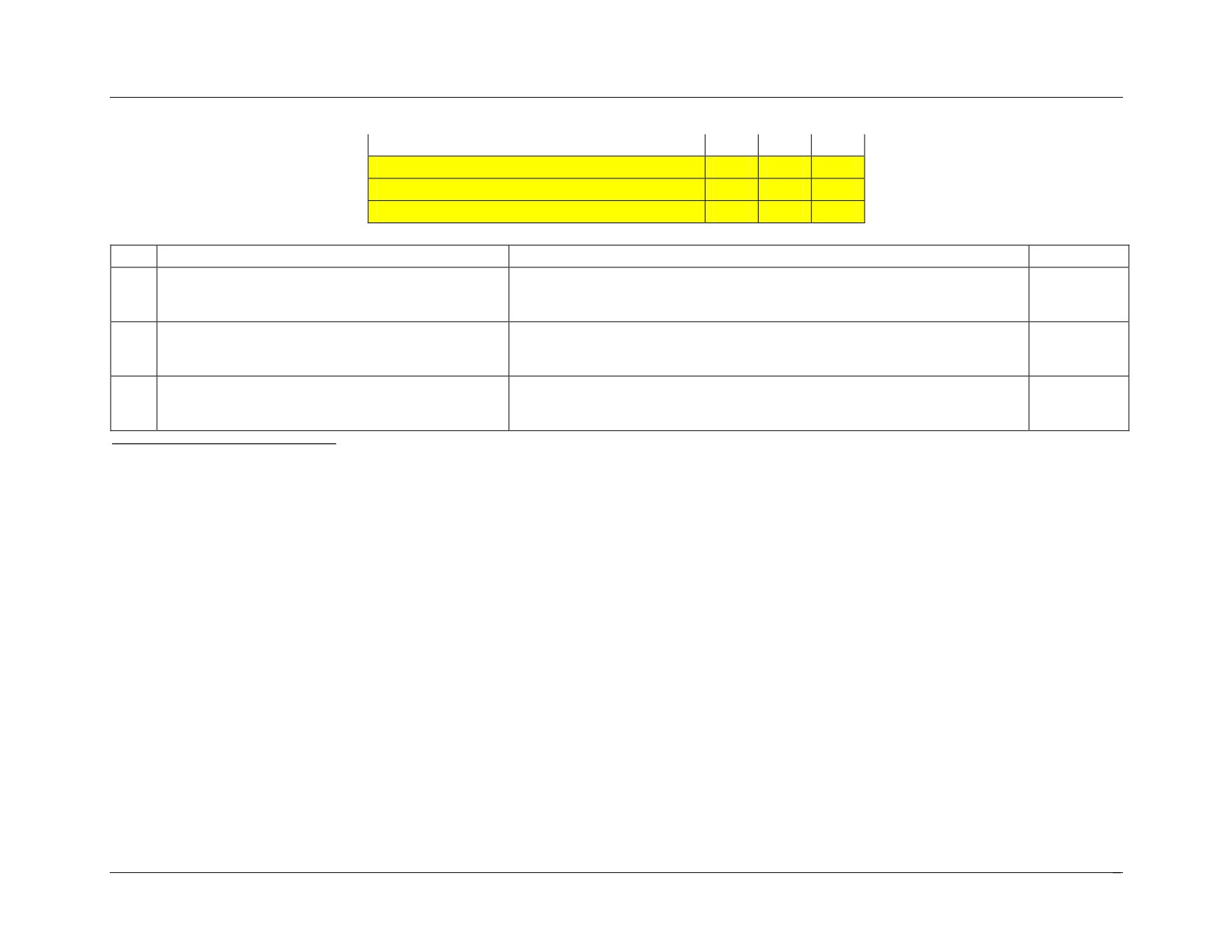
For Official Use Only
CBRN Functional Needs Analysis/Functional Solution Analysis
Chapter 4. Operational Sense Tasks
Table 4.1-1 OPSENS 1: Capability and Deficiency Assessment
Capability: Operational-Level Unit J-2
M1
M2
M3
Current Overall Capability1
Y2
Y3
Y4
Near/Mid-Term Overall Capability
Y
Y
Y
Far-Term Overall Capability5
Y
Y
Y
FAA Measure
Elaboration
Scale
M1
Storage locations of CBRN weapons or components
Assesses techniques and procedures used by the OP-level J-2 to work with
G - Yes
in the JOA are detected and identified.
intelligence organizations to ensure adequate detection and identification.
Y - Limited
R - No
M2
Intelligence on storage locations of CBRN weapons
Assesses techniques and procedures used by the OP-level J-2 to work with
G - Yes
or components is accurate.
intelligence organizations to ensure accuracy of intelligence.
Y - Limited
R - N
M3
Operational surprise does not occur.
Assesses whether adequate resources and means are applied to obviate
G - Yes
operational surprise.
Y - Limited
R - No
1 Joint intelligence and CBRN publications do not adequately address this issue. In some cases, the OP-level CBRN staff is not adequately staffed and organized to meet its
intelligence-related responsibilities. The OP-level J-2 staff is not adequately trained/educated in CBRN issues. CBRN staff officers are not adequately trained/educated in
intelligence issues. Experimentation does not provide feedback on intelligence indicators for this task. JPME does not adequately cover the fusion of intelligence/CBRN issues.
2 The OP-level J-2 works with various theater-level and component command intelligence organizations to determine where a nation-state or transnational organization is storing
CBRN/TIM weapons or components. Techniques and procedures to facilitate this process and to provide useful indicators may not be adequate.
3 The OP-level J-2 works with various theater-level and component command intelligence organizations to ensure accuracy of intelligence determining where a nation-state or
transnational organization is storing CBRN/TIM weapons or components. Techniques and procedures to facilitate this process and to ensure accuracy may not be adequate.
4 The OP-level J-2 works with various theater-level and component command intelligence organizations to ensure that operational surprise does not occur. Adequate resources and
means may not be sufficiently applied in determining where a nation-state or transnational organization is storing CBRN/TIM weapons or components.
5 DOTMLPF should improve in all deficient areas as a result of initiatives that use data resulting from focused experimentation.
For Official Use Only
6
For Official Use Only
CBRN Functional Needs Analysis/Functional Solution Analysis
Chapter 4. Operational Sense Tasks
4.1.3
Functional Solution Analysis
4.1.3.1
DOTLPF Assessment Summary
This section addresses the deficiencies and suggests potential non-materiel solutions. If there are
no non-materiel solutions or they are only partial solutions, the remaining non-materiel need is
then stated. Materiel needs are assessed in the Ideas for Materiel Approaches (IMA) section.
1.
Deficiency: Techniques and procedures to facilitate detecting and identifying where a nation-
state or transnational organization is storing CBRN/TIM weapons or components may not be
adequate.
Non-Materiel Solutions: Doctrine: JRO-CBRND must work with the various potential OP-
level J-2s and their typical alignment component command intelligence organizations to
develop effective JOA techniques and procedures for detecting and identifying where a
nation-state or transnational organization is storing CBRN/TIM weapons or components and
to provide useful indicators. Each service organization that might form the foundation of a
joint task force (JTF) has a different approach to both CBRN intelligence and its CBRN
staffing. Indicators to be developed must include types of storage facilities, techniques for
storage in unlikely locations, storage capacities, safety and security measures, transport and
agent release techniques, and storage capacity. Training: Conduct small-scaled training
sessions focused on recognizing less obvious indicators of CBRN/TIM weapons storage.
Incorporate the derived information into subsequent exercises that facilitate this and other
areas of the task.
2.
Deficiency: Techniques and procedures to ensure accurate intelligence on where a nation-
state or transnational organization is storing CBRN/TIM weapons or components may not be
adequate.
Non-Materiel Solutions: Doctrine: JRO-CBRND must work with the various potential OP-
level J-2s and their typical alignment component command intelligence organizations to
develop effective techniques and procedures to ensure accurate theater intelligence on where
a nation-state or transnational organization is storing CBRN/TIM weapons or components
and to develop metrics to measure accuracy.
3.
Deficiency: Adequate resources and means may not be sufficiently applied to ensure that
storage of CBRN/TIM weapons or components is detected.
Non-Materiel Solutions: Organization: The CBRN organization or staffing of the various
potential OP-level J-2s and their typical alignment component command intelligence
organizations must be analyzed from a CBRN standpoint to ensure that they can provide
required CBRN intelligence concerning CBRN hazards. These hazards need to be detected,
identified, and quantified in order for Shape to provide a clear understanding of the current
and predicted CBRN situation to the commander. Training: JRO-CBRND must work with
the various potential OP-level J-2s and their typical alignment component command
intelligence organizations to develop effective training for analysts as well as those managing
all means of collection. The training must allow analysts and collection managers the means
by which to determine inadequacy of collection mechanisms and a means to make
recommendations for improvement. Leadership: JRO-CBRND must work with the various
For Official Use Only
7
For Official Use Only
CBRN Functional Needs Analysis/Functional Solution Analysis
Chapter 4. Operational Sense Tasks
potential OP-level J-2s and their typical alignment component command intelligence
organizations to develop an effective CBRN education program for analysts as well as those
managing all means of collection. The education process must provide analysts and
collection managers with the tools they need to assess the efficacy of their analysis and
collection efforts. Personnel: Personnel should not be assigned to intelligence analysis or
collection activities vital to CBRN areas without requisite CBRN education and/or
experience. Facilities: Analyze training requirements and develop/modify special training
facilities if required.
4.
Deficiency: Joint intelligence and CBRN publications do not adequately address this issue.
Non-Materiel Solutions: Doctrine: Enhance joint intelligence and CBRN publications to
adequately address this issue and to interface with each other so that roles and responsibilities
are clearly delineated. Incorporate information attained from the exercise into the doctrine
and joint intelligence and CBRN publications. Training: Conduct a small-scaled exercise
where “to identify resources needed to detect the operational deployment of CBRN/TIM
weapons” is one of the primary objectives.
5.
Deficiency: Combatant command (COCOM) CBRND staff is not adequately staffed and
organized to meet its intelligence-related responsibilities.
Non-Materiel Solutions: Organization: Each JTF CBRND staff should have a section
dedicated to resolving CBRN intelligence issues. Personnel: Each JTF CBRND should
have adequate trained/experienced personnel assigned to man a section dedicated to
resolving CBRN intelligence issues. Ensure that a diverse COCOM CBRND staff with
personnel from different arenas and specialties is maintained. Training: Conduct small-
scaled training sessions focused on intelligence-related responsibilities. Incorporate the
derived information into subsequent exercises that facilitate this and other areas of the task.
This approach would better identify staffing and organization issues that could be addressed
in doctrine.
6.
Deficiency: The J-2 staff is not adequately trained/educated in CBRN issues.
Non-Materiel Solutions: Training: Develop training that will enable each JTF J-2 staff to
better understand their CBRN role and enhance their ability to obtain intelligence that is
required to support the Shape function of OP-level CBRND. Leadership: Develop an
education program that will enable each JTF J-2 staff to better understand their CBRN role
and enhance their ability to obtain intelligence that is required to support the Shape function
of OP-level CBRND. Personnel: Ensure that a diverse J-2 staff with personnel from different
arenas and specialties is maintained.
7.
Deficiency: CBRN staff officers are not adequately trained/educated in intelligence issues.
Non-Materiel Solutions: Training: Develop training programs that allow CBRN staff
officers to better support the CBRN intelligence process. Leadership: Develop education
programs that allow CBRN staff officers to better understand the CBRN intelligence process
and their roles and responsibilities. Personnel: Ensure that a diverse J-2 staff with personnel
from different arenas and specialties is maintained.
For Official Use Only
8