Mercedes-Benz ML320. Service manual - part 684
 

  Index      Mercedes     Mercedes-Benz ML320 - service and repair manual 1997-2005 year


Search            copyright infringement  


Content   ..  682  683  684  685   ..


Mercedes-Benz ML320. Service manual - part 684


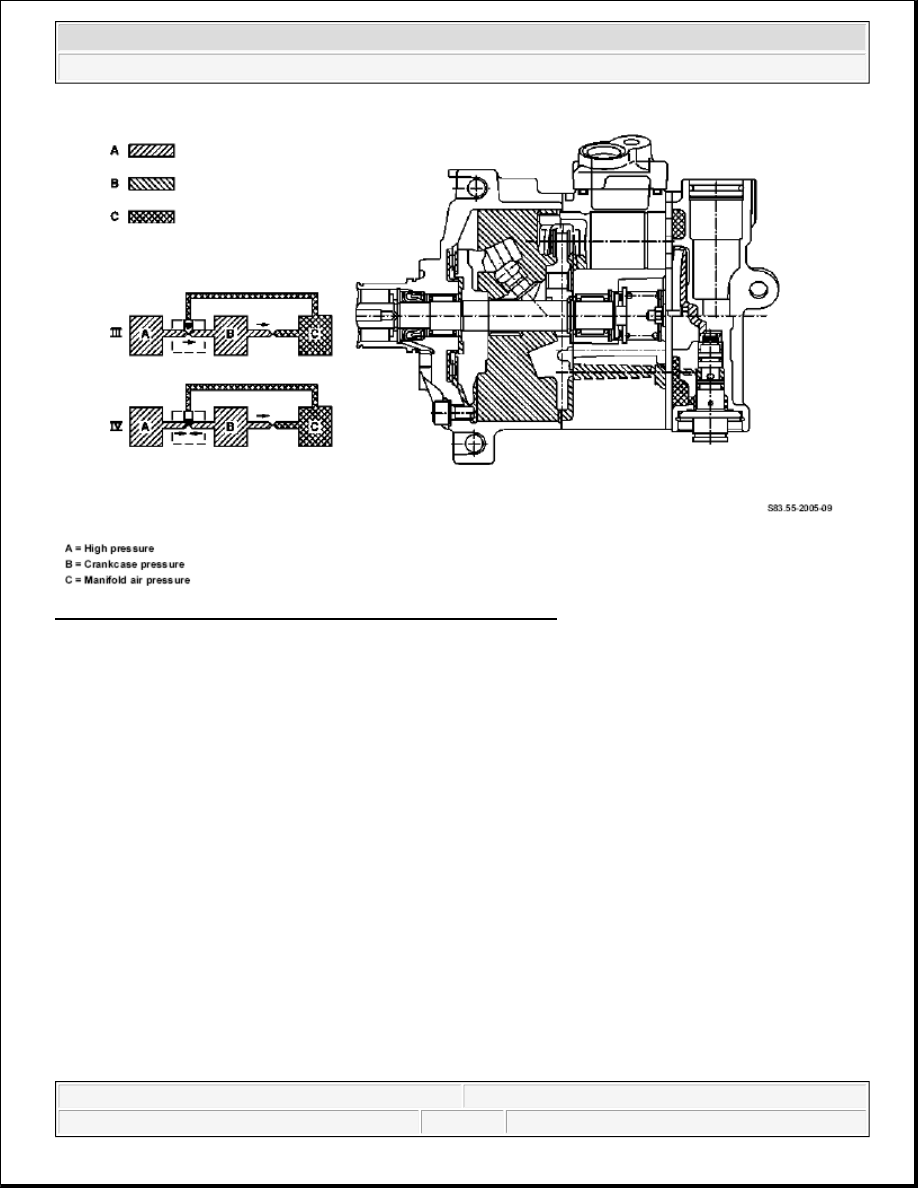
Fig. 101: Identifying Refrigerant Compressor, Function - (2 Of 2) 

Function  

5% power (III)  

If the engine speed is high or the thermal load is low, this results in a constantly low manifold air pressure C 
which keeps the control valve open. 

There is a flow from the high-pressure side A to the crankcase. The pressure in the crankcase B reaches a peak. 
Consequently, the swash plate is forced into a position in which only a minimum power is possible. The angle 
between the vertical and the swash plate is at its smallest. This results in a small stroke. 

Power from 5% to 100% output ( IV )  

If the conditions change again in that the thermal load increases or the engine speed drops, the manifold air 
pressure C increases. There is now no longer any flow between the rear opening and the crankcase. 

Due to the uniform flow from the crankcase to the inlet opening through the transfer duct, the high pressure A 
reaches almost the same level as the manifold air pressure C . Consequently, the swash plate angle increases 
and therefore the power increases until it reaches a maximum. 

REFRIGERANT COMPRESSOR, FUNCTION - GF83.55-P-2100-02P


2001 Mercedes-Benz ML320 

1998-2005 HVAC Climate Control - 163 Chassis


me 


Fig. 102: Identifying Refrigerant Compressor Components 

Function  

The rotary movement of the belt pulley (1) is transmitted via the refrigerant compressor shaft (13) to the stop 
plate (12), which is permanently fastened to the refrigerant compressor shaft (13) by way of a press fit. 

The rotation of the stop plate (12) is transmitted to the swash plate (4) by means of a hinged mechanism. 

Conversion of the swash plate's (4) rotary motion into the oscillating motion of the seven pistons (6) takes place 
via two sliding shoes each (11). 

The evaporation tank on the pressure side (5) and evaporation tank on the suction side (7) reduce gas pulsation 
in the refrigerant compressor by providing for uniform refrigerant flow. This helps to prevent noise in the 
compression process 

Volume control  

The refrigerant compressor control valve (8) has a corresponding control current applied to it to match the 
output requested. This in turn enables the compression volume to be regulated between 2 and 100 %. 

The position of the swash plate (4) is determined through monitoring, processing and evaluation of the 
following automatic air conditioning controlled variables: 

Pressure in the crankcase (2) of the refrigerant compressor 


2001 Mercedes-Benz ML320 

1998-2005 HVAC Climate Control - 163 Chassis


me 


Diaphragm pressure in the refrigerant compressor control valve (8) (approx. 2 bar)  

Suction pressure of refrigerant compressor  

The change in suction pressure which is dependent on the control current on the refrigerant compressor control 
valve (8) induces a change of pressure in the crankcase (2) and thus a corresponding adjustment of the swash 
plate (4). 

Automatic air conditioning (AAC [KLA]) OFF  

If the automatic air conditioning is regulated or manually switched off, the refrigerant compressor control valve 
(8) is completely opened. Refrigerant flows unobstructed over the high pressure side into the crankcase (2). This 
in turn leads to a rapid pressure rise in the crankcase (2). The coil body (10), for closing the refrigerant 
compressor, is displaced here to the right against the valve plate (9) and thus stops the flow of refrigerant over 
the intake side. 

Refrigerant compressor lubrication when automatic air conditioning switched off  

An internal lubrication circuit ensures the lubrication supply for all moving parts. 

Lubrication is ensured at a minimum refrigerant compressor volumetric flow by means of two valves being 
regulated. In doing so, the refrigerant is transported together with the compressor oil located in the crankcase 
(2) over the bored refrigerant compressor shaft (13). The mixture enters the cylinder housing, where it is 
compressed and then pumped into the refrigerant circuit. 

REFRIGERANT COMPRESSOR, DESIGN - GF83.55-P-2100-03P 


2001 Mercedes-Benz ML320 

1998-2005 HVAC Climate Control - 163 Chassis


me 


Fig. 103: Identifying Refrigerant Compressor Components

REFRIGERANT COMPRESSOR, LOCATION/TASK/DESIGN/FUNCTION - GF83.55-P-2100GH 

ENGINES 111.977, 112.942, 113.942/981, 612.963 in MODEL 163 up to 31.08.01 with CODE (580) Air 
conditioning or Tempmatic for USA refrigerant compressor 7SB16C
  

Design  

Refrigerant compressor 7SB16C  

Fig. 104: Identifying Refrigerant Compressor 7SB16C Components 

REFRIGERANT COMPRESSOR, LOCATION/TASK/DESIGN/FUNCTION - GF83.55-P-2100P 

ENGINE 111, 112, 113, 271, 272, 611, 612, 642, 646 in MODEL 203.0 /2 with CODE (580) Air 
conditioning (or Tempmatic for USA) with CODE (580) Automatic air conditioning with CODE (581) 
Automatic air conditioning with CODE (581) Comfort automatic air conditioning


Refrigerant compressor, 
position


GF83.55-P-2100-
01GH


Refrigerant compressor, 
task

The refrigerant compressor (A9) is responsible for induction 
and compression of the refrigerant.


Refrigerant compressor, 
function


GF83.55-P-2100-
02A


2001 Mercedes-Benz ML320 

1998-2005 HVAC Climate Control - 163 Chassis


me 


Content   ..  682  683  684  685   ..