FM 3-19.13 LAW ENFORCEMENT INVESTIGATIONS (JANUARY 2005) - page 12
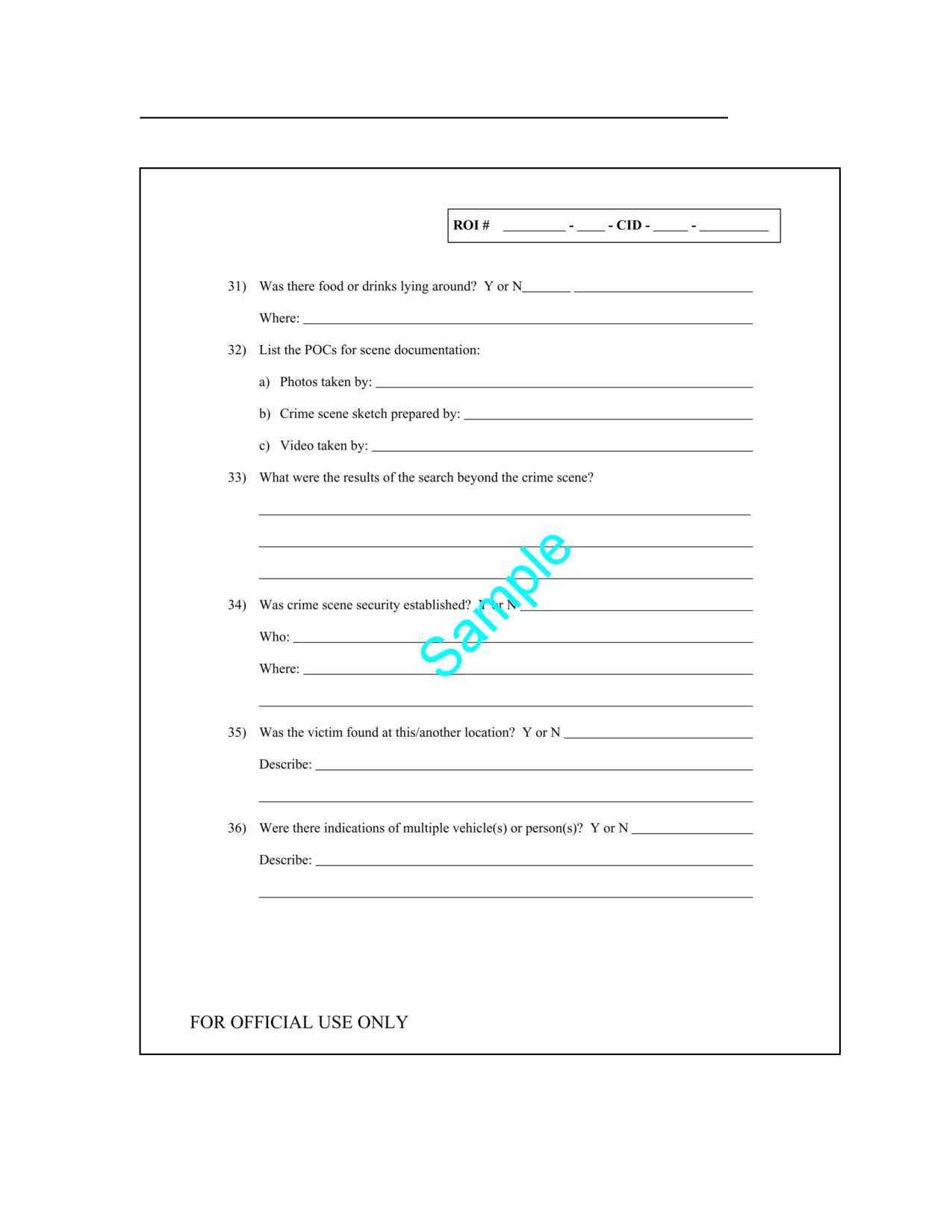
FM 3-19.13
Figure F-1. Sample of a Violent Crime Scene Checklist (Continued)
Violent Crime Scene Checklist F-11
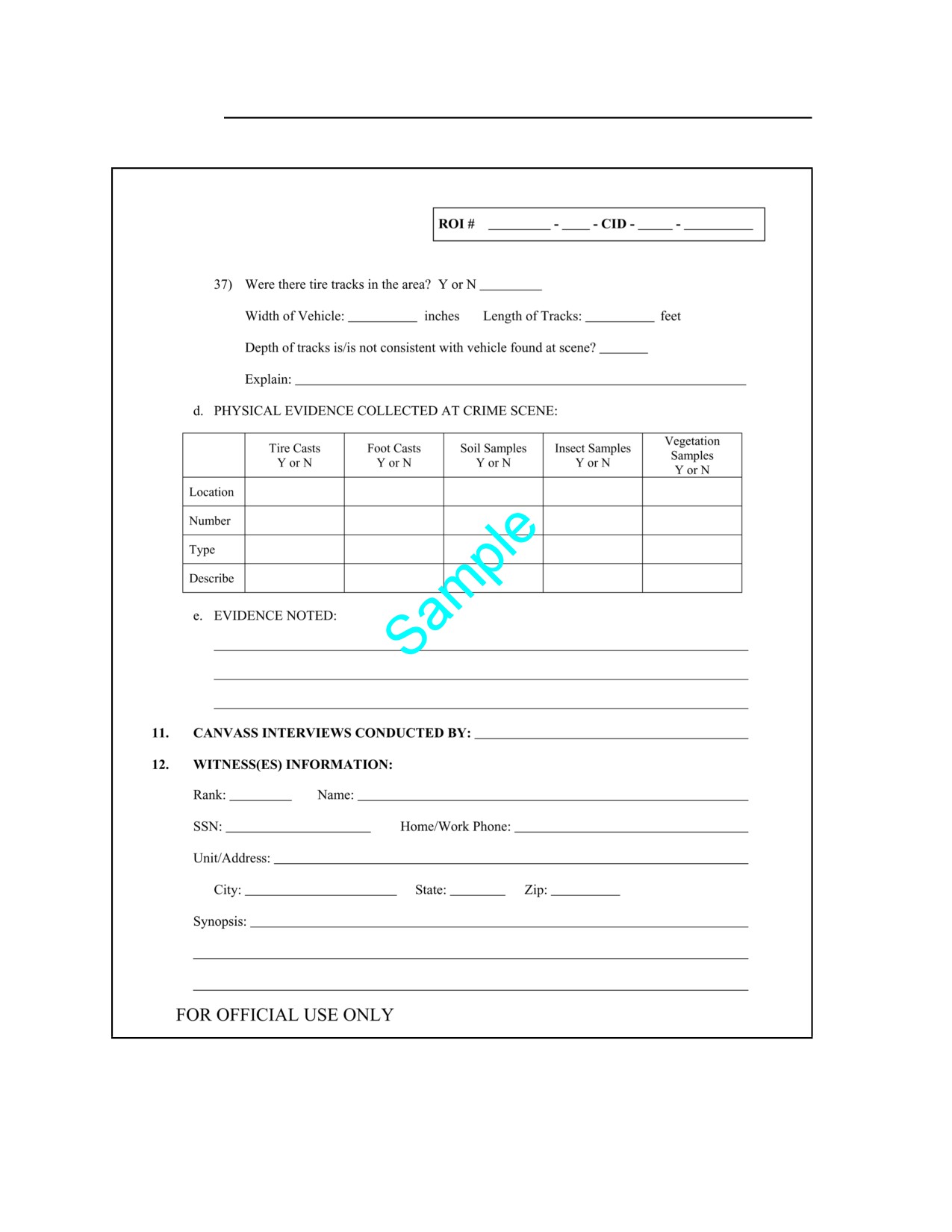
FM 3-19.13
Figure F-1. Sample of a Violent Crime Scene Checklist (Continued)
F-12 Violent Crime Scene Checklist
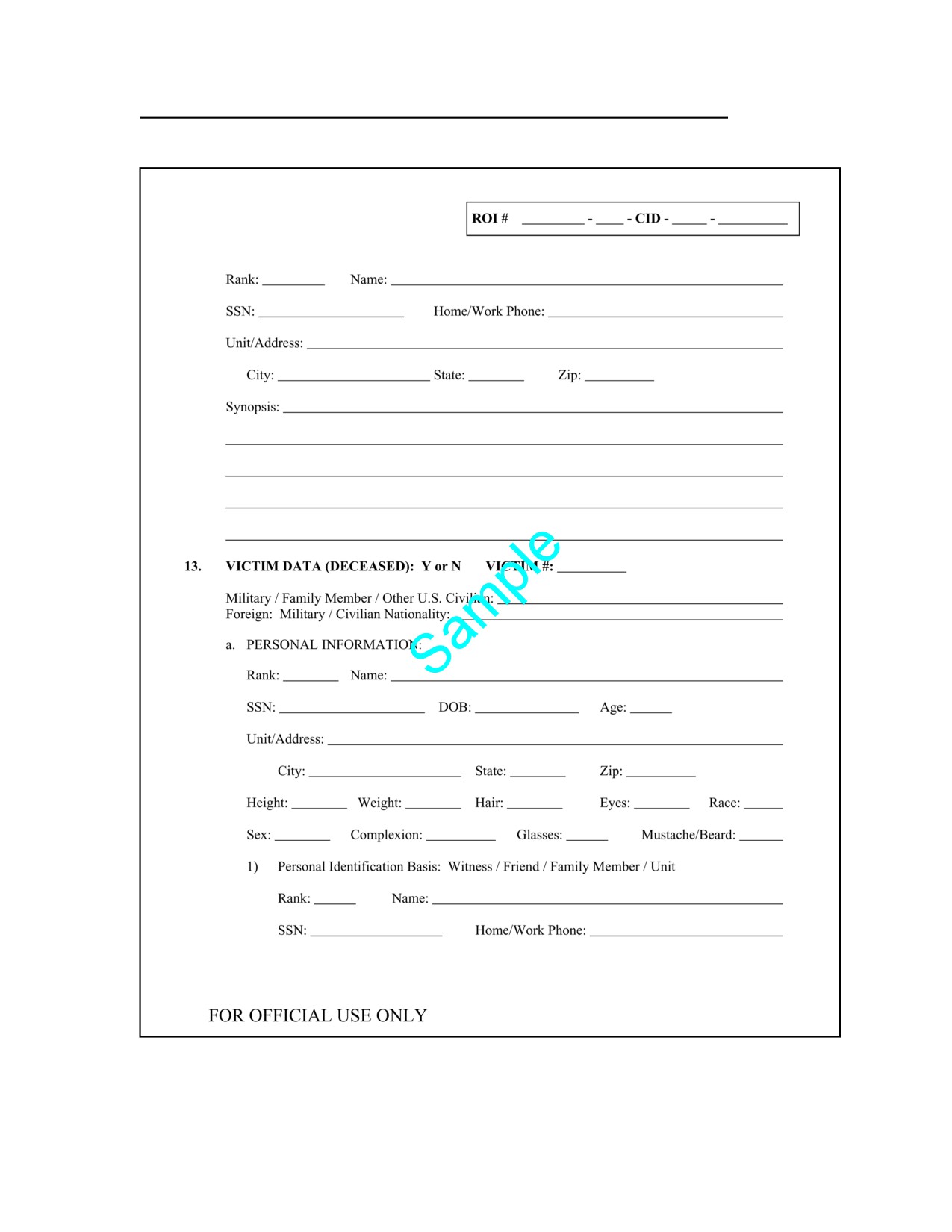
FM 3-19.13
Figure F-1. Sample of a Violent Crime Scene Checklist (Continued)
Violent Crime Scene Checklist F-13
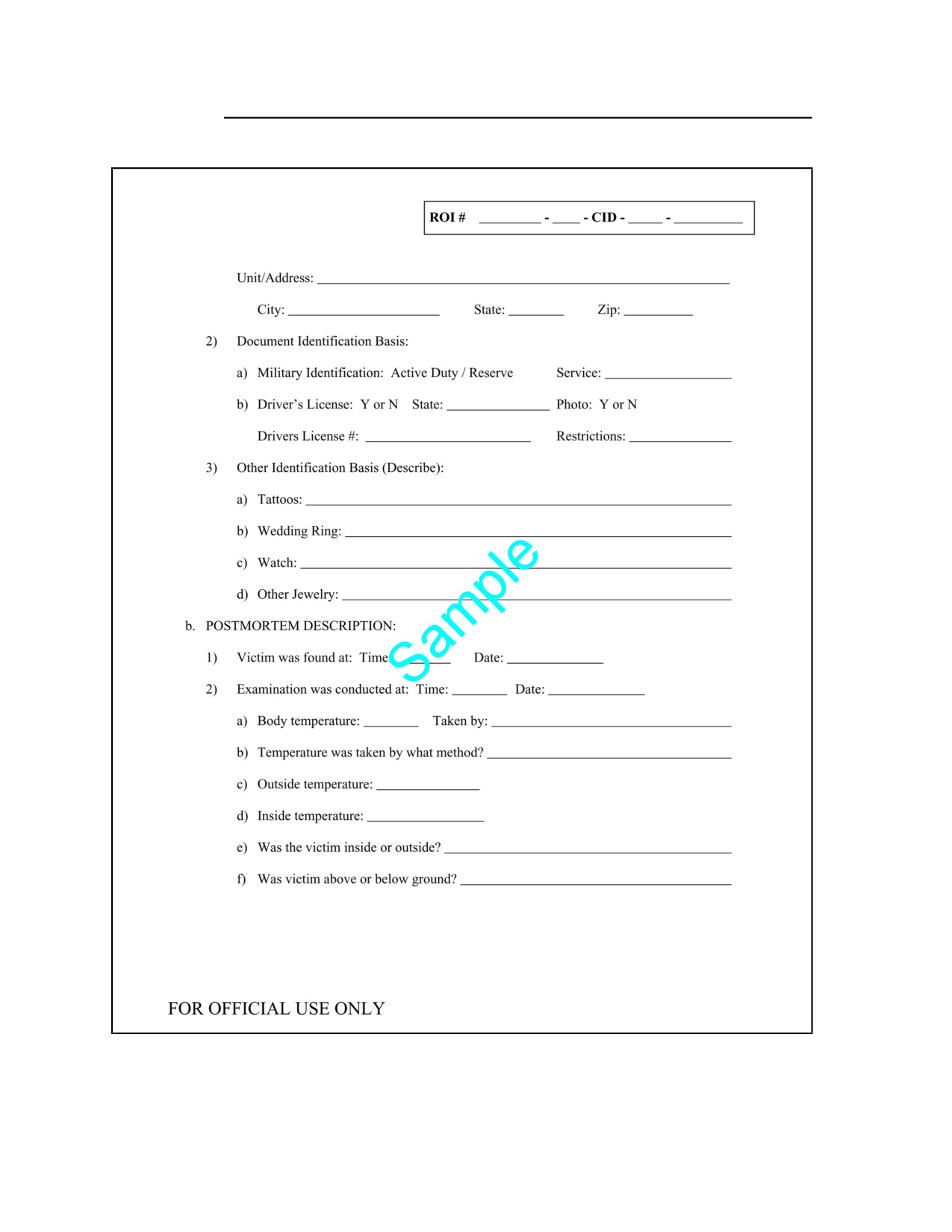
FM 3-19.13
Figure F-1. Sample of a Violent Crime Scene Checklist (Continued)
F-14 Violent Crime Scene Checklist
FM 3-19.13
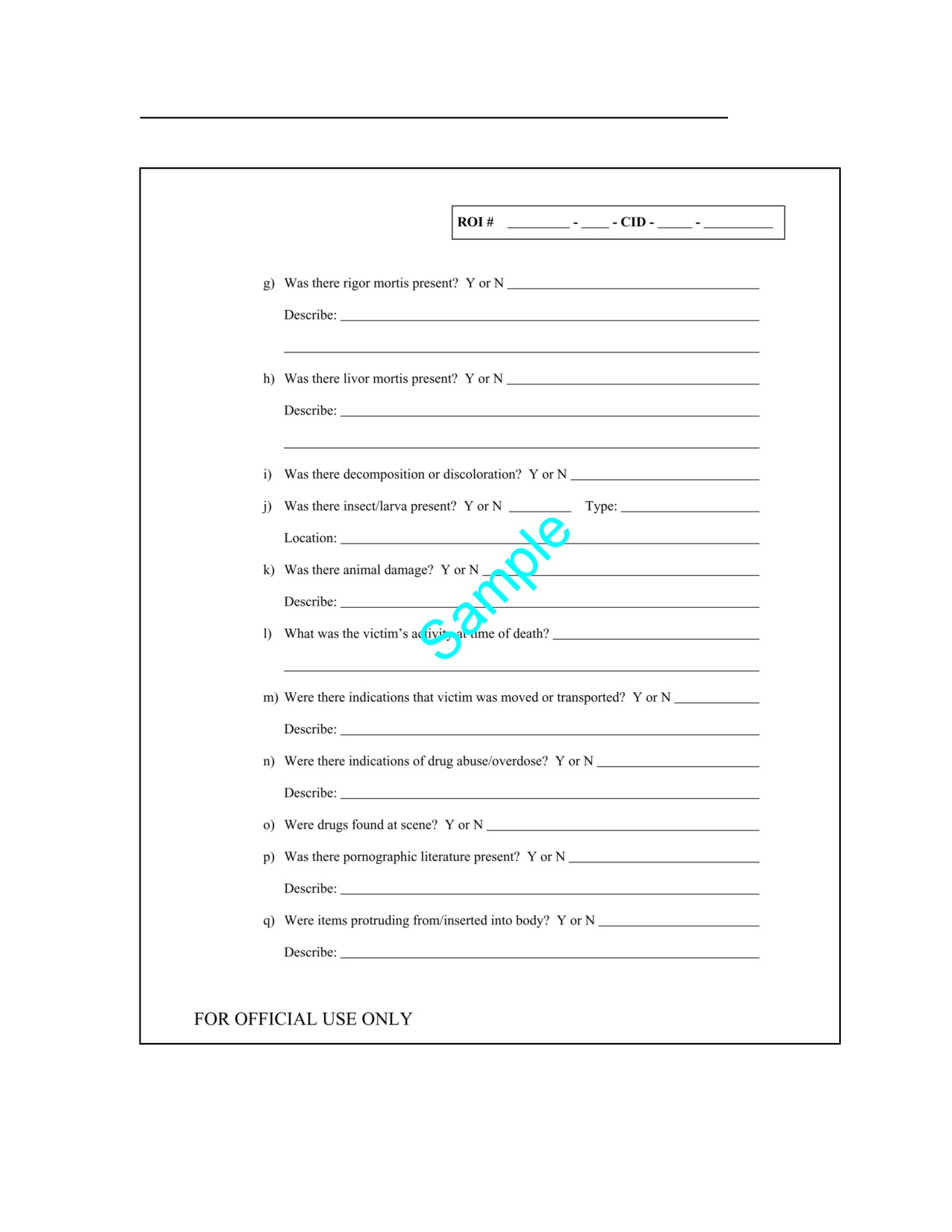
Figure F-1. Sample of a Violent Crime Scene Checklist (Continued)
Violent Crime Scene Checklist F-15
FM 3-19.13
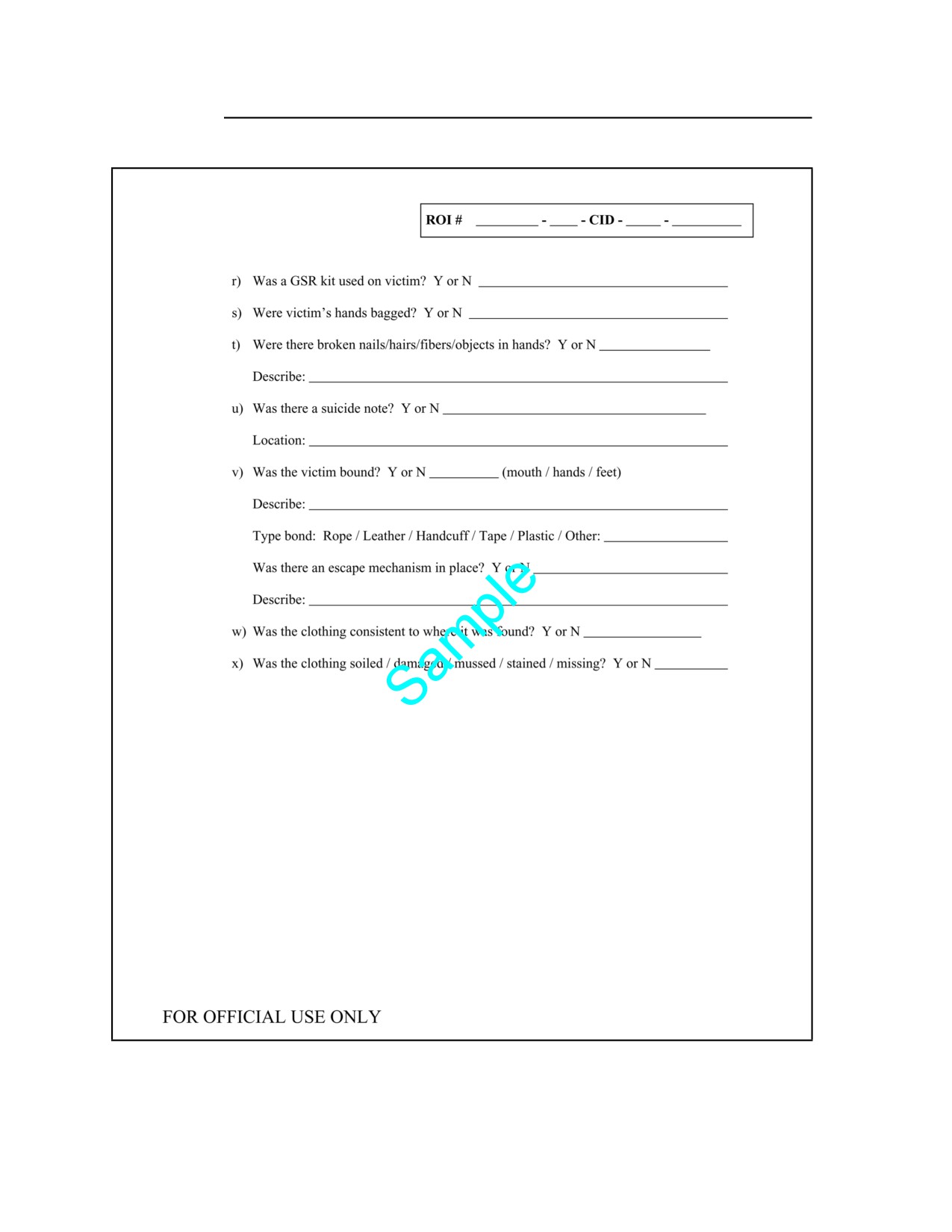
Figure F-1. Sample of a Violent Crime Scene Checklist (Continued)
F-16 Violent Crime Scene Checklist
FM 3-19.13
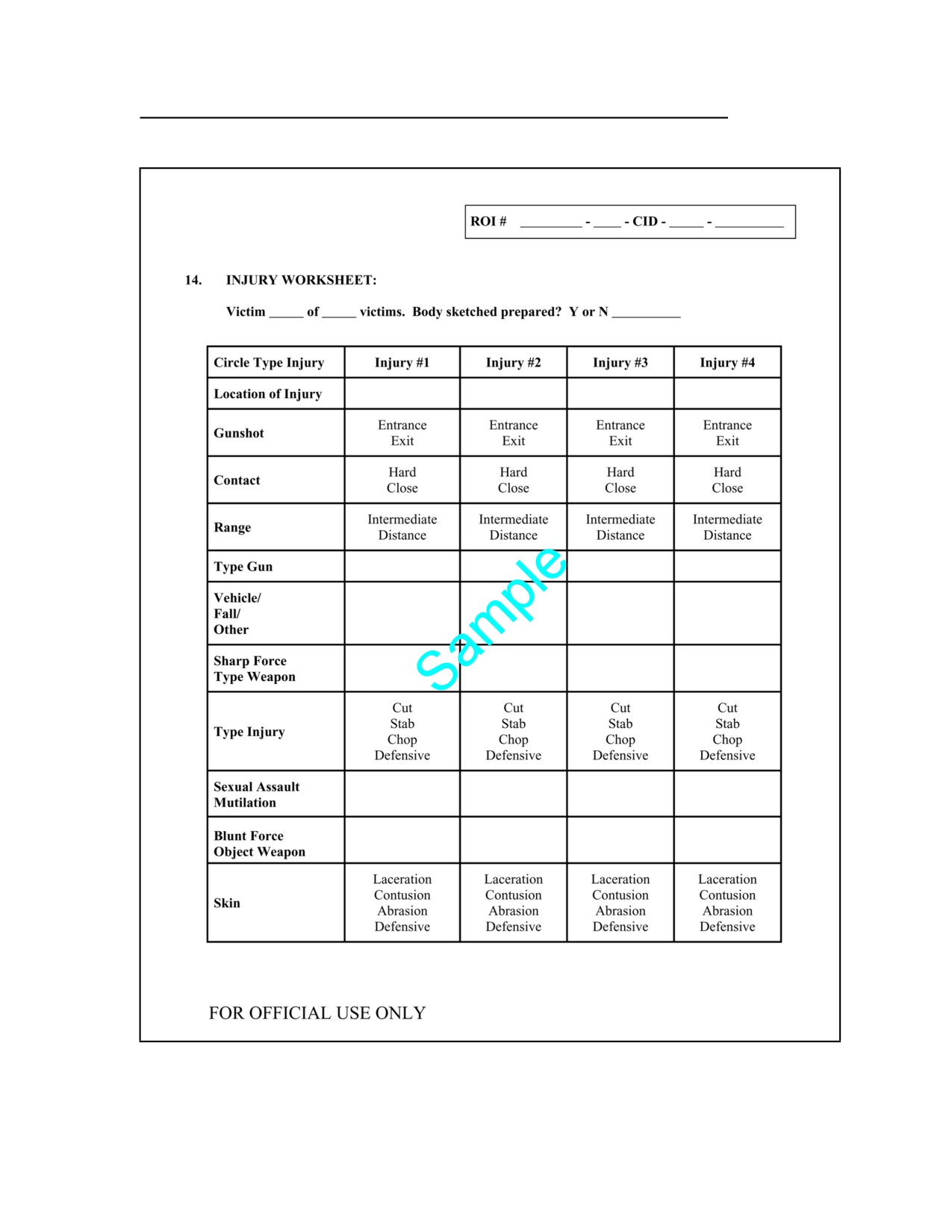
Figure F-1. Sample of a Violent Crime Scene Checklist (Continued)
Violent Crime Scene Checklist F-17
FM 3-19.13
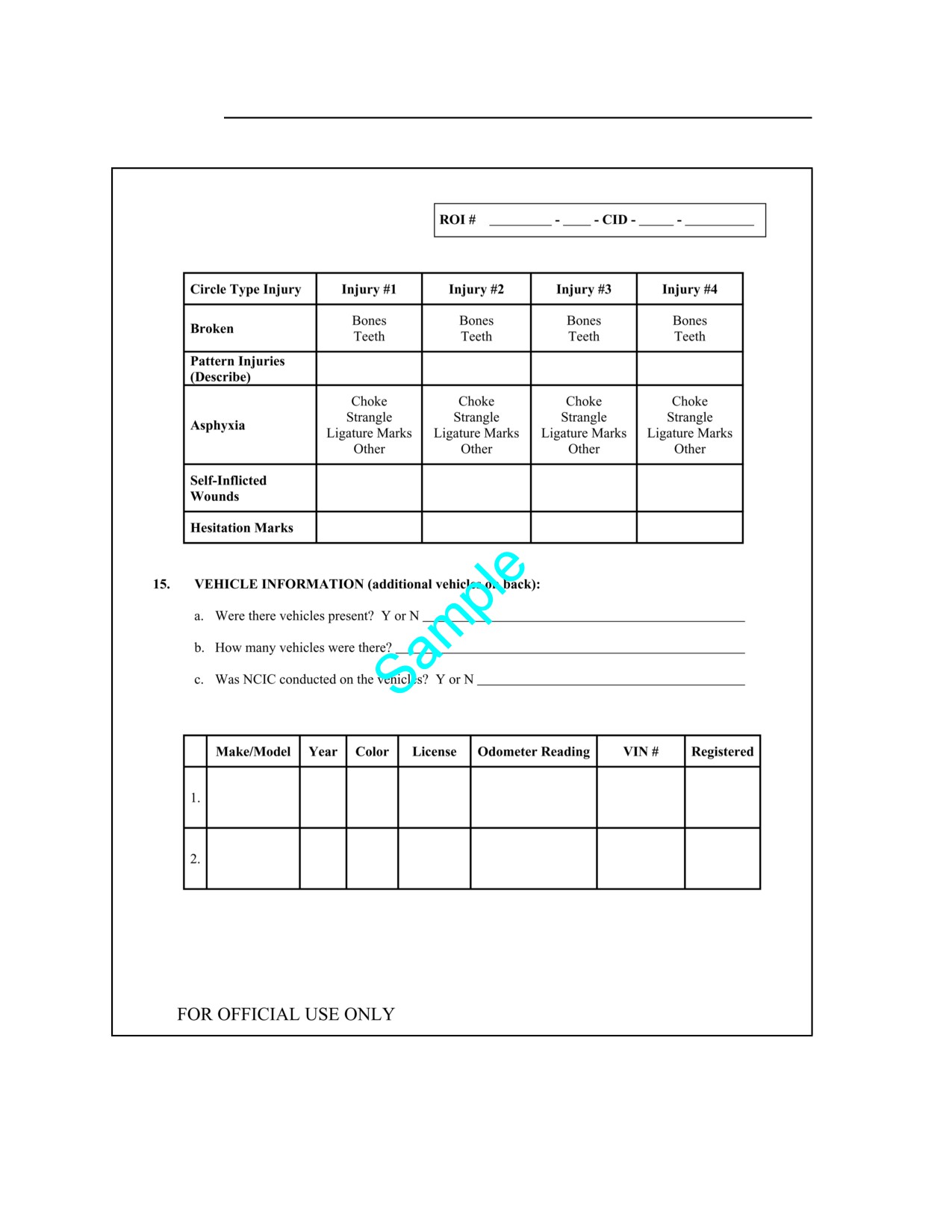
Figure F-1. Sample of a Violent Crime Scene Checklist (Continued)
F-18 Violent Crime Scene Checklist
FM 3-19.13
Figure F-1. Sample of a Violent Crime Scene Checklist (Continued)
Violent Crime Scene Checklist F-19
FM 3-19.13
Figure F-1. Sample of a Violent Crime Scene Checklist (Continued)
F-20 Violent Crime Scene Checklist
Appendix G
Fingerprinting Procedures
Fingerprints provide the most consistent and unique evidence
characteristics available at a crime scene; however, latent prints
discovered at a scene are only as valuable as the record prints obtained for
comparison. When collecting record prints, keep in mind that the ridge
detail is the most valuable part of the print and an excessive amount of ink
will obliterate and/or obstruct detail. Keep the ink to a minimum, be
mindful of ridge details, and collect as many surfaces as possible.
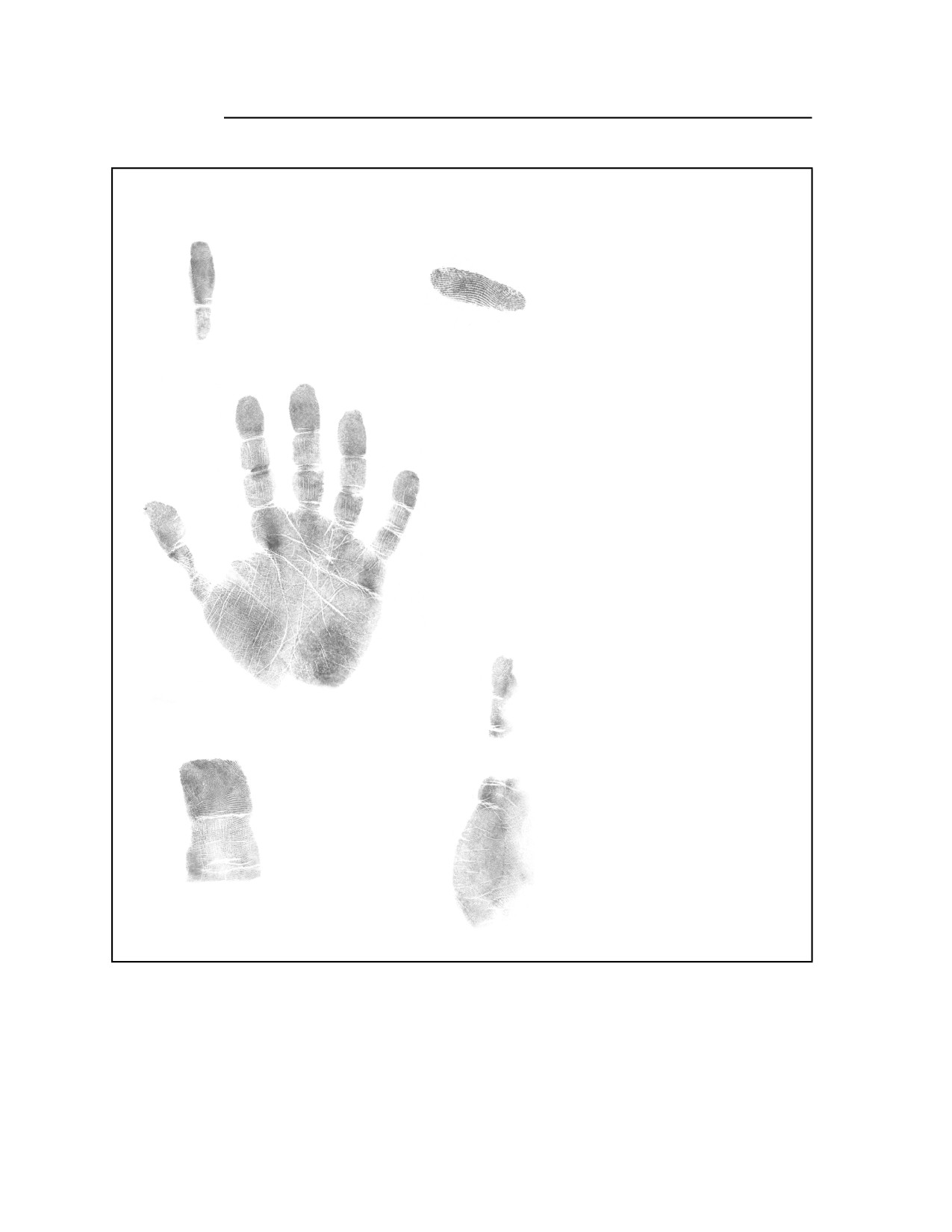
Figure G-1, page G-2, holds examples of the various surfaces that are
obtained during record print collection and are likely to be deposited at a
crime scene.
Fingerprinting Procedures G-1
FM 3-19.13
1. Start with entire finger flat
1. Roll fingertip from one side
against surface.
of the finger to the other,
using the rounded part of the
2. Roll finger to tip.
nail as a guide.
3. Repeat for all ten fingers.
2. Repeat for all ten fingers.
1. Roll a sheet of paper around a
cylindrical tube approximately three
inches in diameter and attach with
tape or rubber bands.
2. Ink entire surface of the palm,
including the fingers and the base
of the wrist.
3. Start at the base of the wrist and
roll the entire length of the hand on
the attached paper.
4. Repeat for other hand.
1. Start with palm flat on
surface.
1. Ink entire finger.
2. Lift thumb and rotate
2. Roll entire finger
wrist approximately 120°.
from nail edge to nail
edge.
3. Repeat for other hand.
3. Repeat for all ten
fingers.
Figure G-1. Procedures for Taking Record Finger and Palm Prints
G-2 Fingerprinting Procedures
Appendix H
Tire Chart
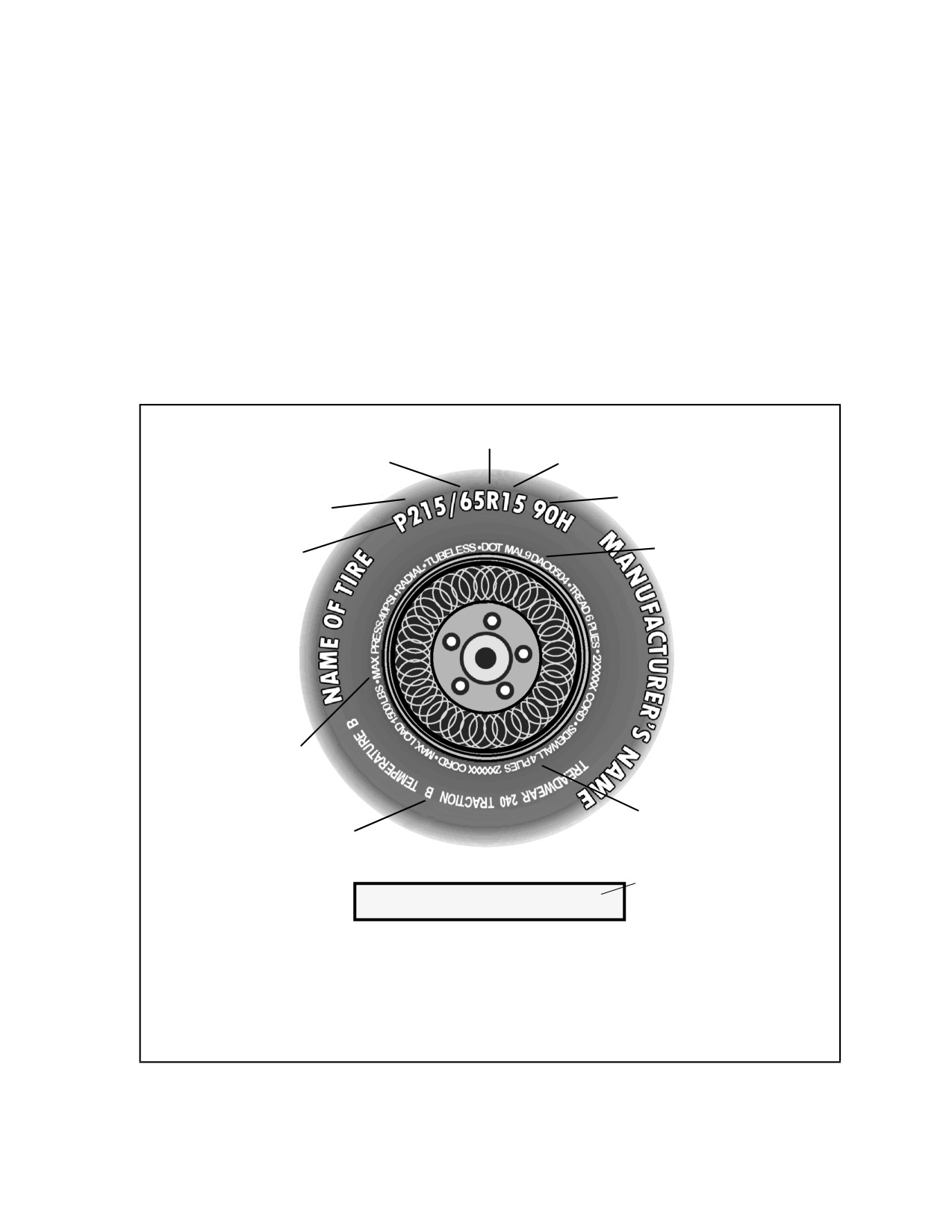
The information in Figure H-1 describes how to read a tire sidewall. It is
very useful for investigators who are required to cast tire impressions and
identify tire characteristics.
Radial
Ratio of height to
Diameter of wheel in inches
width (aspect ratio)
Load index and speed symbol
Width of tire in
millimeters
US DOT safety
standard code (serial
Passenger
number system
car tire
explained below)
Maximum cold
inflation and load
limit
Tire ply composition
and materials used
Treadwear, traction, and
temperature grades
DOT Serial Number System
Example of DOT safety
standard codes
DOT MA L9 DAO 0504
Legend
DOT = the tires meet or exceed the Department of Transportation’s safety standards.
MA = the code number assigned by the DOT to the manufacturing plant.
L9 = the tire size (in this case, P215/65R15).
DAO = a group of optional symbols that the manufacturer can use to identify the brand or other
significant characteristics of the tire.
0504 = the date the tire was made (fifth week of 2004). (The first two numbers designate the
week the tire was manufactured and the last two numbers indicate the year.)
Figure H-1. Tire Chart
Tire Chart H-1
Appendix I
Pharmacy Fold
A pharmacy fold is used as a quick, reliable evidence collection tool by
investigators. It is ideal for collecting powders and small particles of
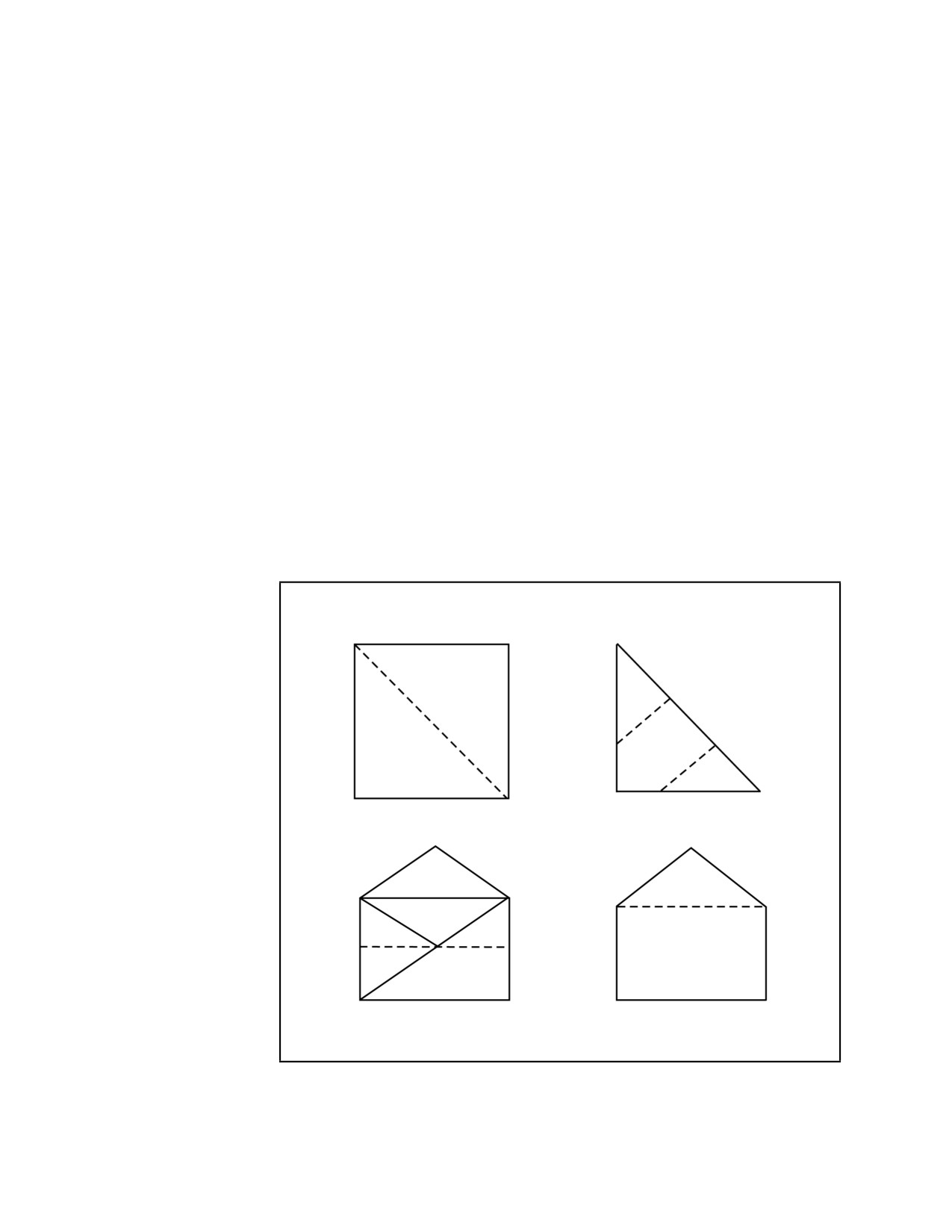
evidence. The steps for the pharmacy fold are as follows (see Figure I-1):
Step 1. Obtain or cut a square piece of paper the approximate size needed
to hold the material in question.
Step 2. Make a diagonal fold (as shown in A). Fold B and C together, then
fold at D.
Step 3. Open and place the sample in the center of the square and refold
in the same manner.
Step 4. Tuck triangle E into the slot formed by the fold of D and initial
and date the formed packet.
1
2
B
A
C
3
4
E
D
Figure I-1. Steps for the Pharmacy Fold
Pharmacy Fold I-1
Appendix J
Types of Surveillance
This appendix describes the surveillance types in detail and is
accompanied by graphics. It is intended to clarify/compliment the
surveillance types described in Chapter 26 and is not meant to be a stand-
alone appendix.
BASIC ABC PROCEDURE WITH NORMAL PEDESTRIAN TRAFFIC
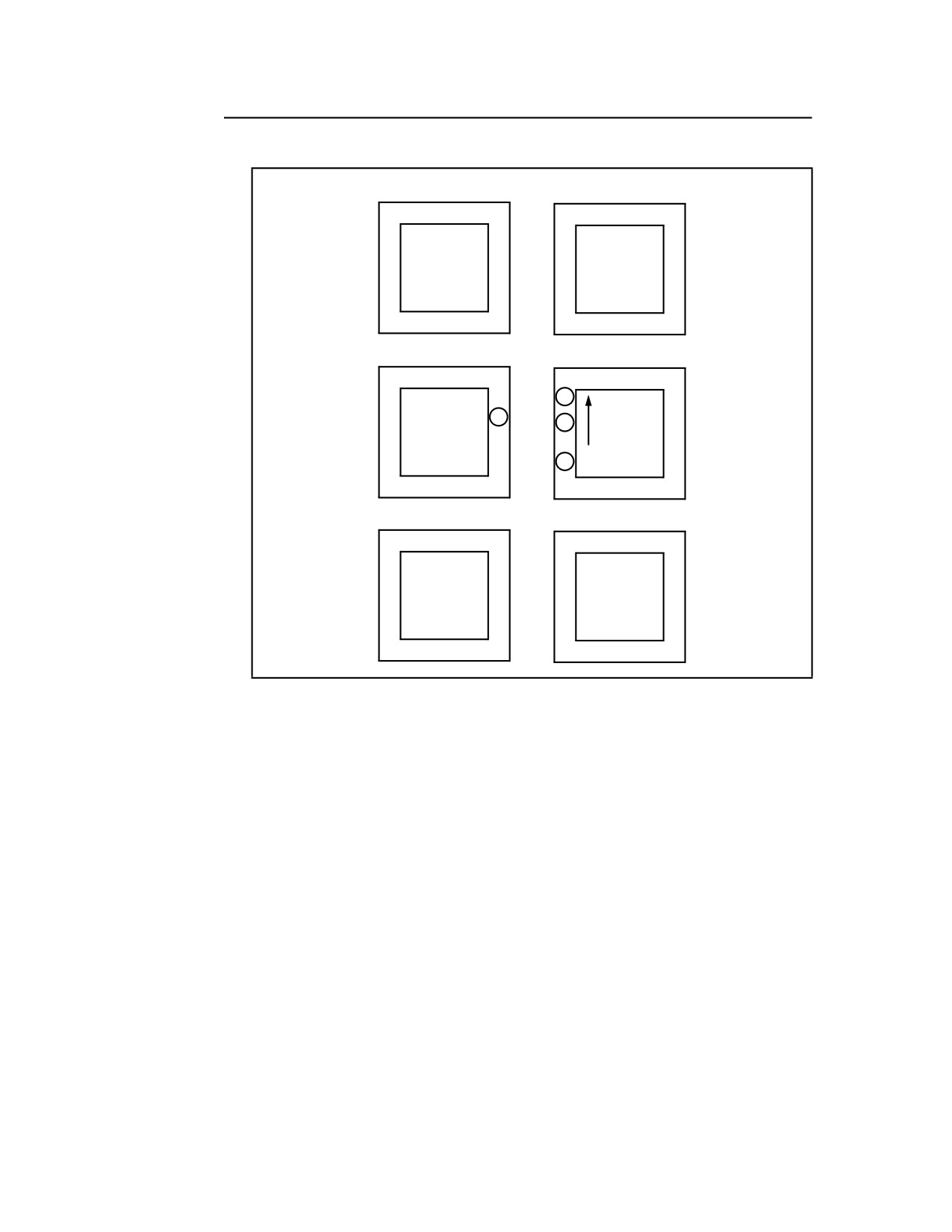
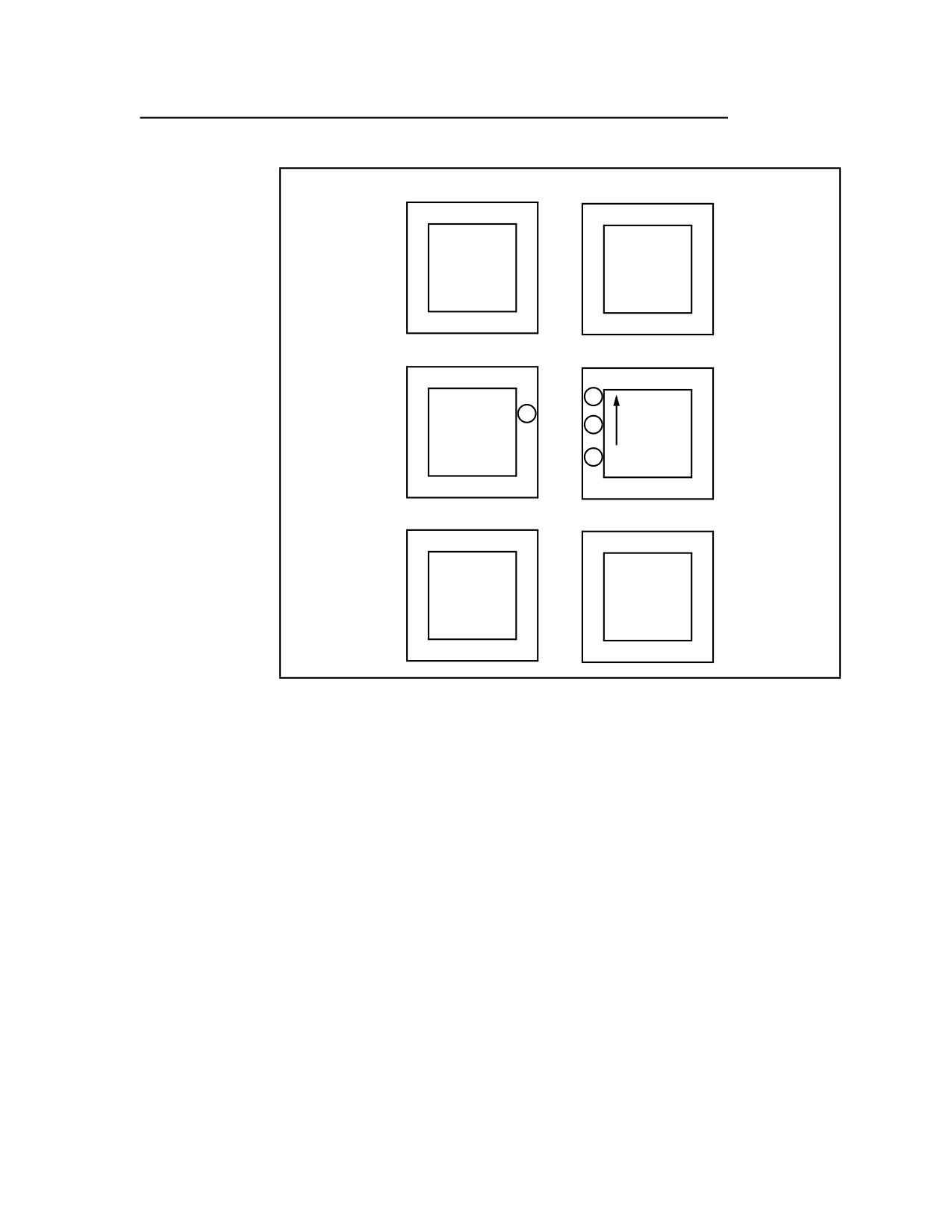
J-1. Besides tailing the subject from the rear on foot, one agent observes him
from the opposite side of the street. The subject is thus bracketed, and the
agents are provided with strategic positions from which to observe him,
especially when he turns a corner or reverses his direction. (See Figure J-1,
page J-2.)
J-2. The following are basic positions for foot surveillance:
z
Surveillant A is located to the rear of the subject with a reasonable
distance between them. A reasonable distance is determined by the
number of people on the street between surveillant A and the subject.
The fewer the people, the greater the distance should be. A common
mistake of many investigators is to have too much distance between
himself and the subject.
z
Surveillant B follows surveillant A and his responsibility is to keep
surveillant A in sight and to detect associates of the subject. The
distance between surveillant A and surveillant B is slightly more than
the distance between surveillant A and the subject.
z
Surveillant C is on the opposite side of the street and slightly to the
rear of the subject. Surveillant C’s responsibility is to keep both the
subject and surveillant A in sight.
VARIATIONS ON ABC PROCEDURE WITH LITTLE PEDESTRIAN
TRAFFIC
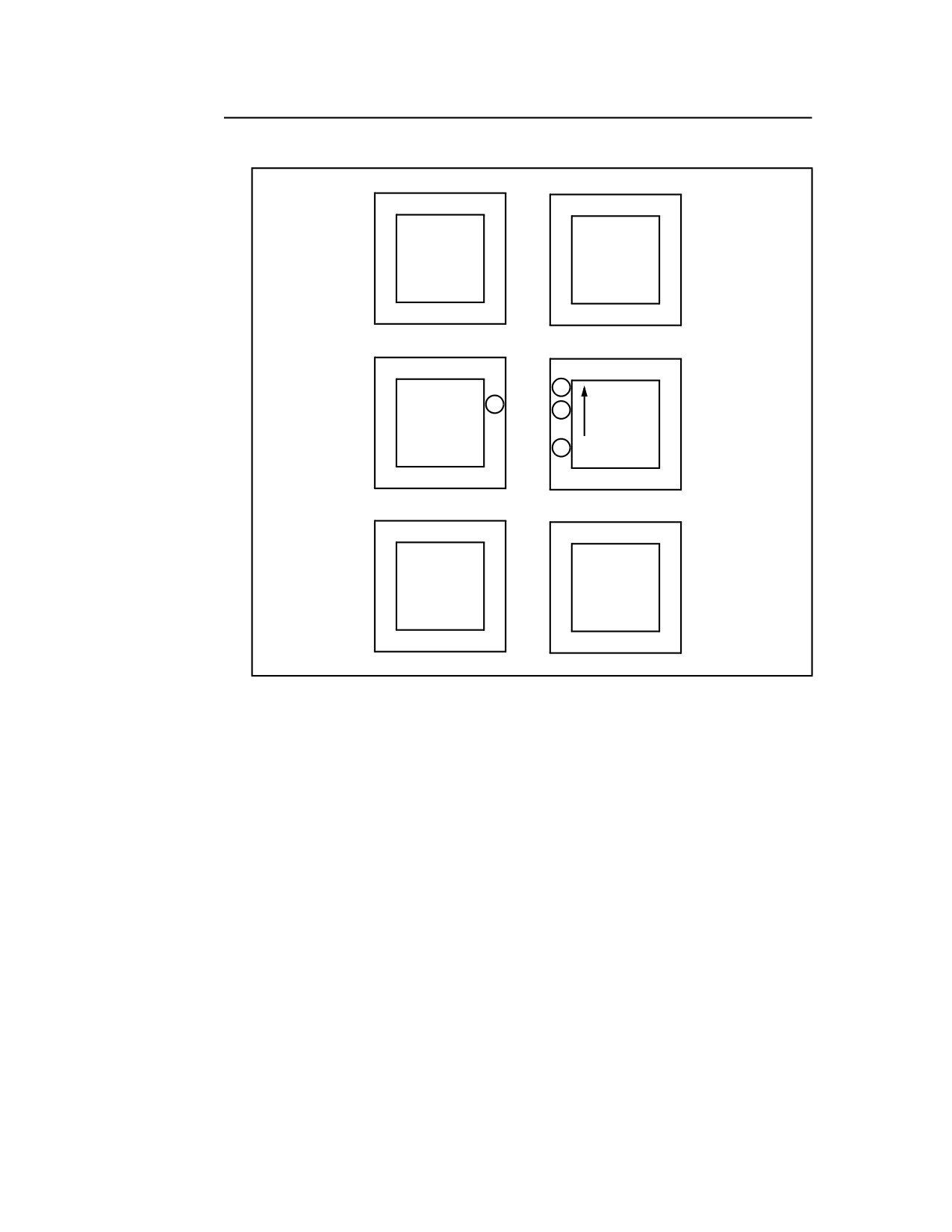
J-3. In a situation where there is a noticeable lack of people on the street, the
basic ABC positions may be varied.
J-4. The following are variations of basic positions:
z
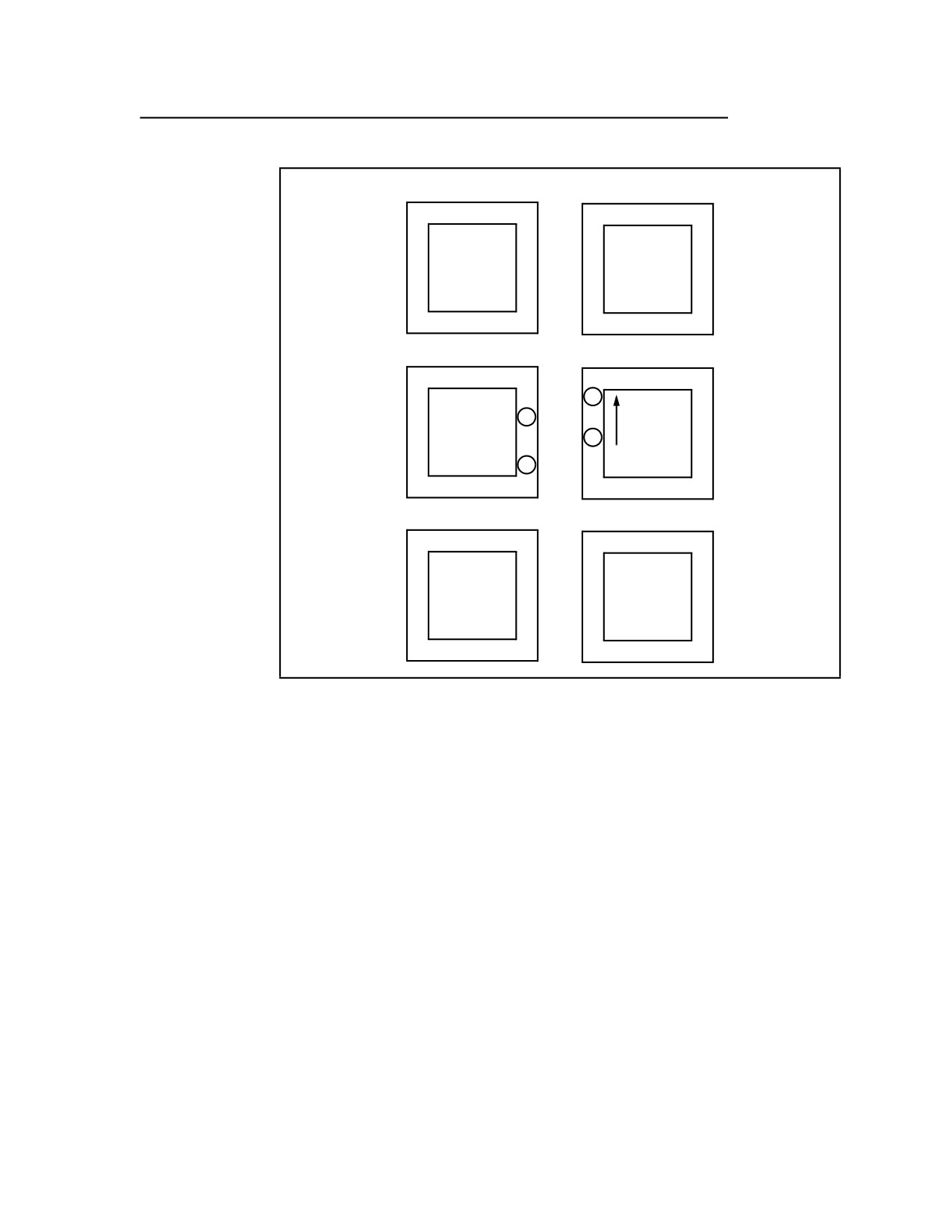
Two surveillants may be on the opposite side of the street, usually
designated as surveillant B and surveillant C.
z
Surveillant A remains to the rear of the suspect, but surveillant B
remains to the rear of surveillant C. Surveillant B concentrates on
keeping surveillant A and surveillant C in view. (See Figure J-2,
page J-3.)
Types of Surveillance J-1
FM 3-19.13
S
C
A
B
Figure J-1. Foot Surveillance Example 1
ABC PROCEDURE ON A VERY CROWDED STREET
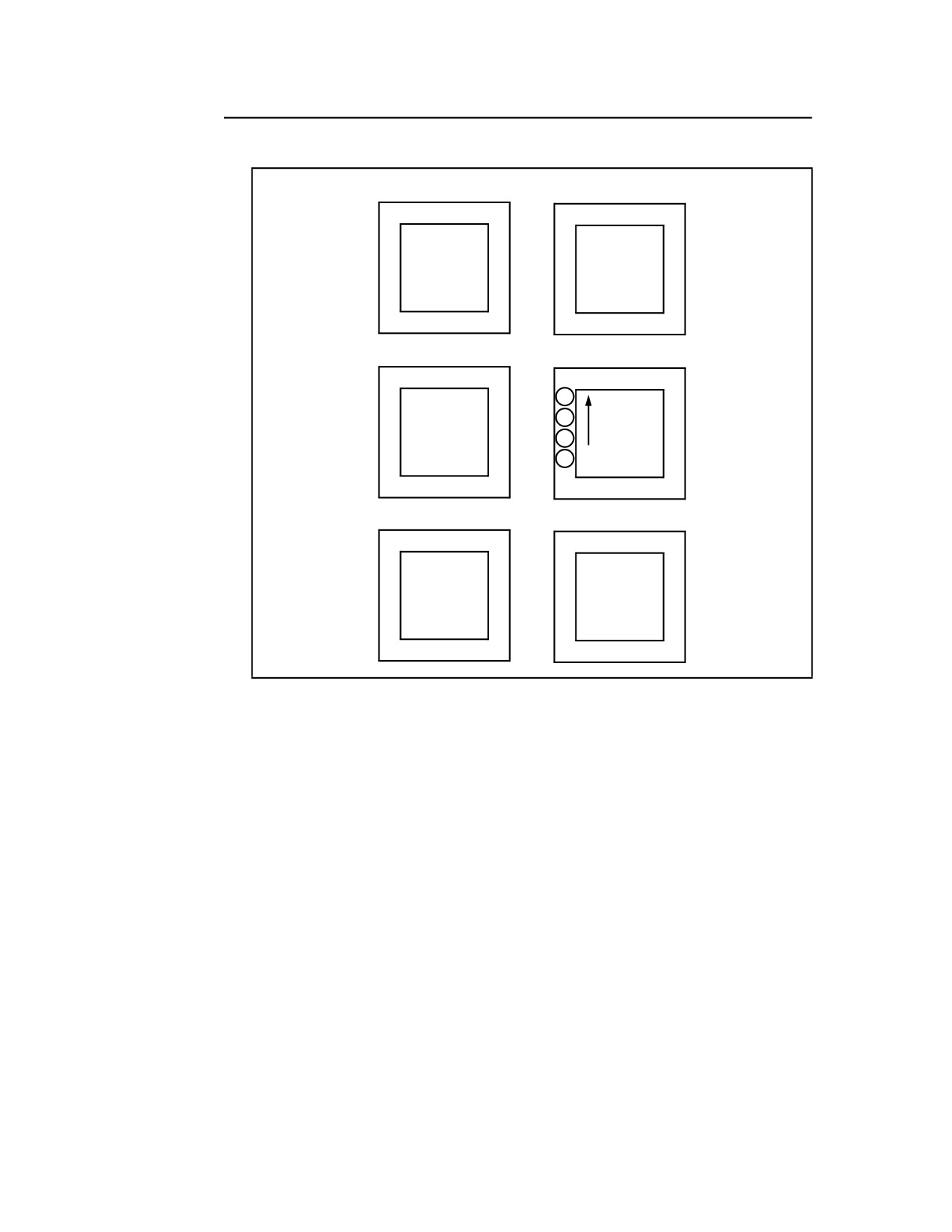
J-5. On very crowded streets, surveillant C’s position is on the same side of
the street as surveillant A and surveillant B and all surveillants are close to
the subject. (See Figure J-3, page J-4.)
J-6. In this variation, surveillant A should follow the subject very closely.
Surveillant B concentrates on keeping surveillant A in view. Surveillant C
concentrates on keeping surveillant B in view.
J-7. Three to five surveillants are usually used with the ABC method. Six to
eight individuals can also be used, but more than this leads to confusion and
causes the surveillance team to become unwieldy.
ON-FOOT LEADING SURVEILLANCE
J-8. In situations where the surveillants are confident that the subject is
likely to follow a particular route for a period of time, then the leading
surveillance method may be used. The basic ABC method is employed except
that one surveillant walks in front of the subject and leading him along the
expected route that the subject is going to take. This can be very effective in
J-2 Types of Surveillance
FM 3.19.13
S
C
A
B
Figure J-2. Foot Surveillance Example 2
that the subject (in most cases) is not suspicious of individuals in front of him
and walking in the same direction. (See Figure J-4, page J-5.)
POSITION CHANGES
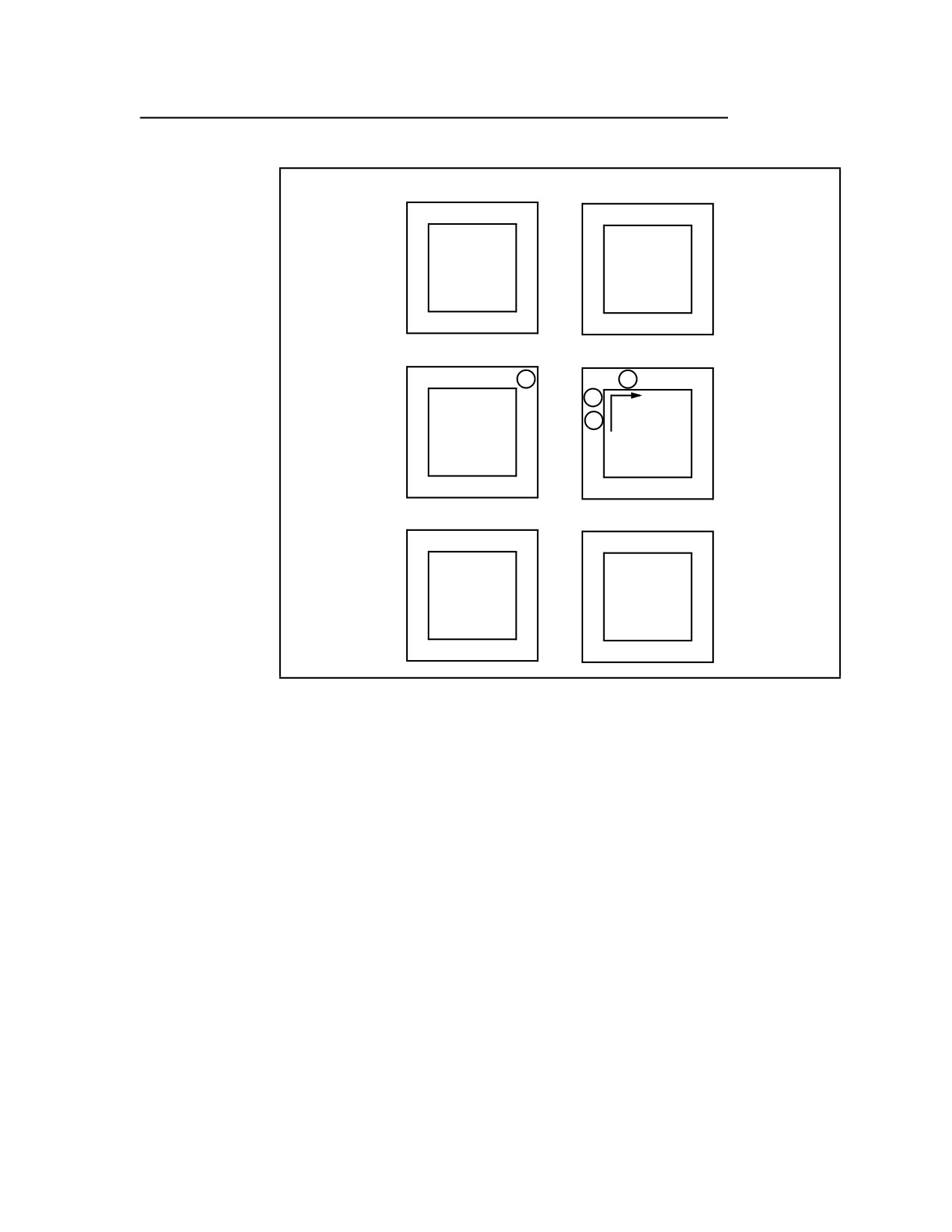
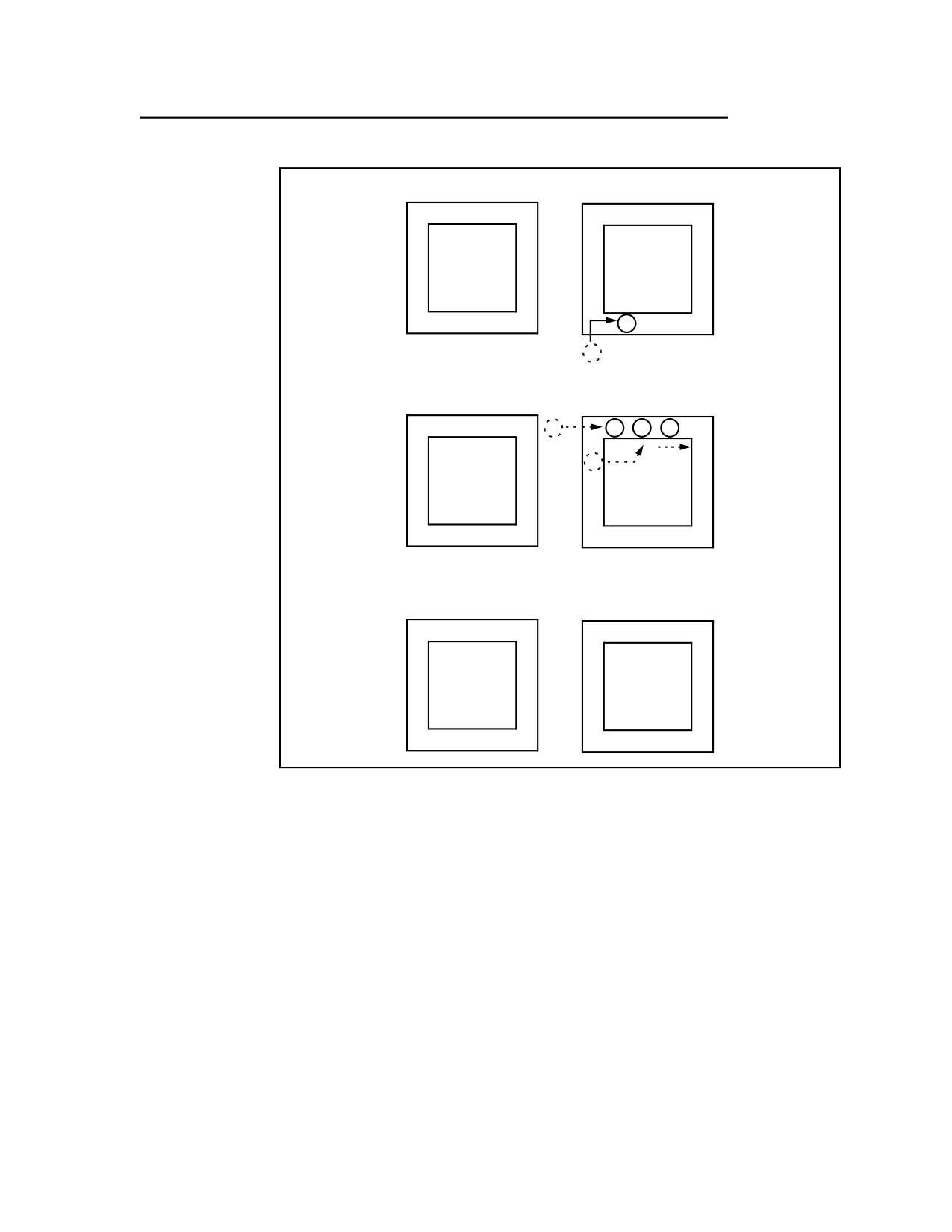
J-9. Except for varying the positions in the basic ABC method, the positions
are not changed—only the surveillants occupying the positions are changed.
Position changes are usually made at intersections. (See Figures J-5, J-6, J-7,
and J-8, pages J-6, J-7, J-8, and J-9.)
J-10. A frequent change in the ABC positions must be made if surveillance is
to be carried out successfully. These changes should be made, in most cases,
when the subject turns a corner at an intersection. The following is the
recommended procedures to rotate the positions when the subject turns a
corner:
z
As the subject approaches the intersection, surveillant C should lead
the subject and reach the intersection first. By pausing at the
intersection and turning to face the subject, surveillant C can watch
and signal to surveillant A and surveillant B concerning the subject’s
actions. (See Figure J-5, page J-6.)
Types of Surveillance J-3
FM 3-19.13
S
A
B
C
Figure J-3. Foot Surveillance Example 3
z
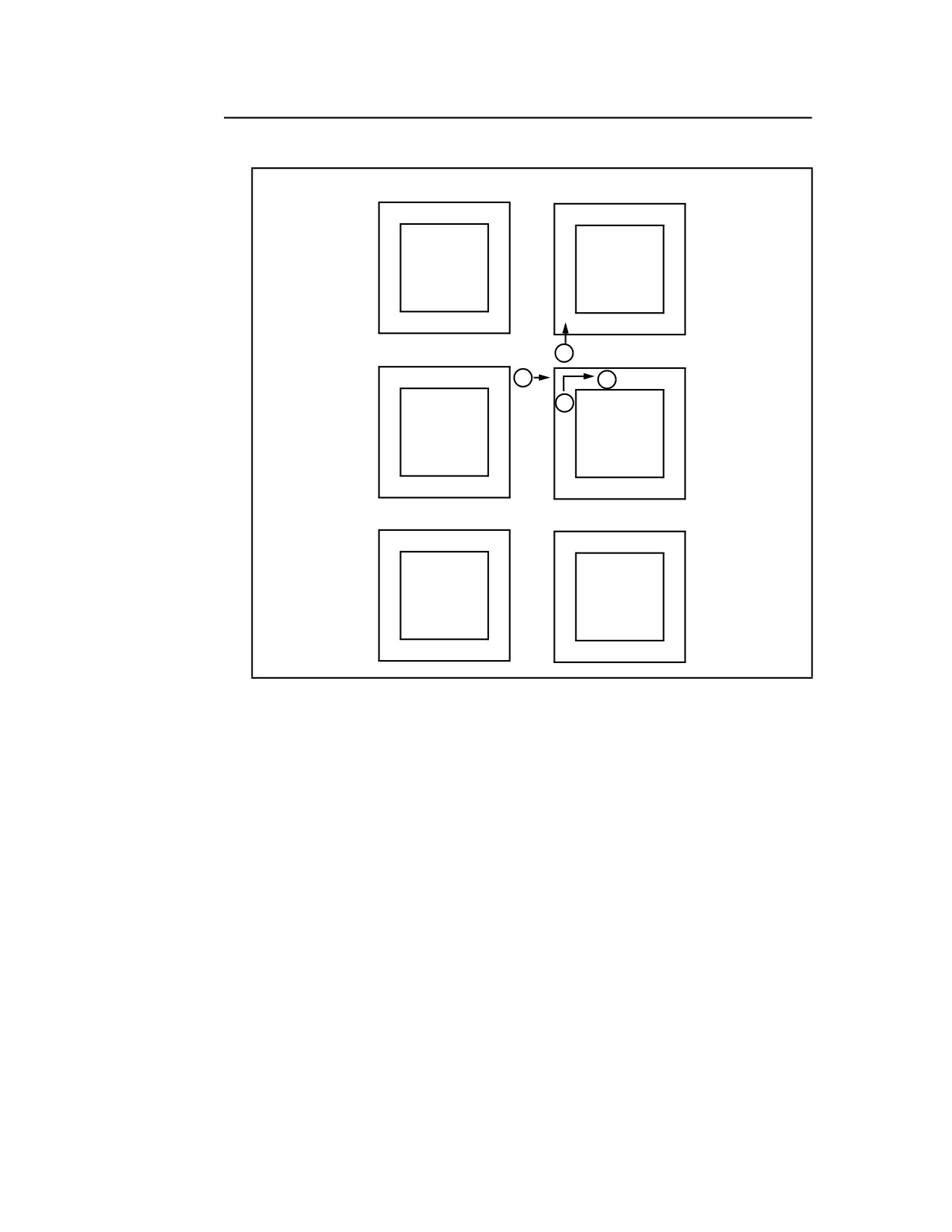
When the subject turns right, he may suddenly be out of sight of
surveillant A and surveillant B. They then must rely on surveillant C
to keep them informed of the subject’s movements. (See Figure J-6,
page J-7.)
z
Assuming that the subject continues to walk after turning right,
surveillant A would cross the intersection to the opposite side of the
street where the subject is now walking. Surveillant C would cross the
intersection and walk in the same direction as the subject and on the
same side of the street. Surveillant B would turn right (as the subject
did) and walk in the same direction and the same side of the street as
the subject.
z
A (now across the street from the subject) will assume surveillant C’s
position and responsibilities. Surveillant B and surveillant C (now on
the same side of the street and walking behind the subject) will
become surveillant A and surveillant B and assume the
responsibilities of those positions. Whether surveillant B or
surveillant C assumes surveillant A’s position will depend on which
one has been seen last or not at all by the subject. (See Figure J-7,
page J-8.)
J-4 Types of Surveillance
FM 3.19.13
B
C
S
A
Figure J-4. Foot Surveillance Example 4
J-11. This is one recommended procedure for changing the ABC positions at
an intersection. Circumstances might suggest another change. Whatever
position rotation is made, it must be done frequently, usually at intersections.
(See Figure J-8, page J-9.)
ONE-VEHICLE SURVEILLANCE
J-12. The use of only one surveillance vehicle should be avoided if at all
possible. It is difficult to achieve a successful surveillance with only one
vehicle. The subject must be kept in view and followed constantly by the same
vehicle. This greatly increases the chances of detection by the subject. The
lone surveillance vehicle must use all available traffic cover in remaining out
of the subject’s view. In heavy traffic, the surveillance vehicle must remain
very close to the subject or risk losing him. On rural roads and highways
greater distance must be allowed, even to the extent of losing sight of the
subject at times. The surveillants should make every effort to alter the
appearance of their vehicle so that it does not present the same picture to the
subject each time it is in view. This may be accomplished by doing the
following:
z
Changing seating arrangements within the surveillance vehicle.
z
Donning and removing hats, coats, and sunglasses.
Types of Surveillance J-5
FM 3-19.13
S
C
A
B
Figure J-5. Foot Surveillance Example 5
z
Changing vehicle license plates.
z
Turning into side streets or roads, and then returning back into traffic
to resume the tail.
J-13. Changing the appearance of the surveillance vehicle is especially
important in one-vehicle surveillance. The same principles can be applied
during a prolonged multiple-vehicle surveillance.
J-14. In one-vehicle surveillance, the observer from the vehicle will travel on
foot many times to take up a position of observation after the subject has
turned a corner or parked. From his position, the observer can give further
directional signals (by hand or radio) to the driver as to the subject’s activity.
TWO-VEHICLE OR MULTIPLE-VEHICLE SURVEILLANCE
J-15. Frequent change of the surveillants’ position in the lead or in the A
position is an important factor in determining the success of the surveillance.
Because this position is immediately behind the subject, it must be changed
often to avoid detection of the lead surveillance team. The lead position is
often referred to as the eyeball position.
J-6 Types of Surveillance
FM 3.19.13
C
S
A
B
Figure J-6. Foot Surveillance Example 6
J-16. Once surveillance begins, the surveillance vehicles are positioned
behind the subject as vehicle #1 (lead vehicle) and vehicles #2, #3, and #4. The
surveillants have to be continually aware of the need to switch the position of
the lead vehicle. The initial positions may be in caravan style with all vehicles
on the street or highway behind the subject, or one or more vehicles may be
situated on parallel streets.
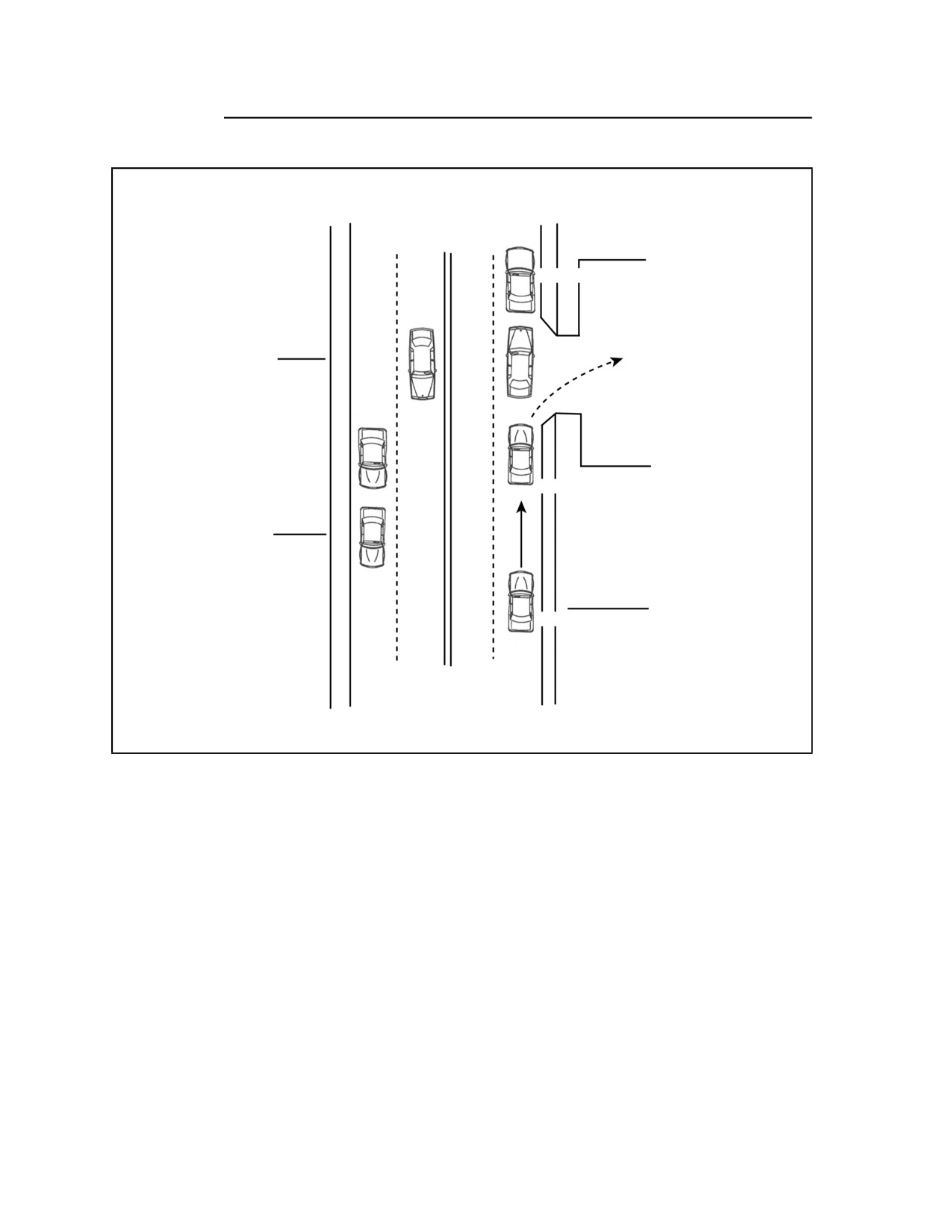
J-17. The length of time that a vehicle should be in the lead vehicle position is
a matter of judgment for the surveillant. It is based on traffic and street or
highway conditions. Intersections or open highways offer the best
opportunities for changing vehicle positions. On highways it is a simple
matter for vehicle #1 (lead vehicle) to reduce its speed slightly, while vehicle
#2 assumes the lead position. Vehicle #1 either drops back and gradually
becomes the last vehicle, or it may turn off, allowing the subject to see him
turn. This action can be very effective in dispelling fears or suspicions of the
subject. Parking areas or intersections can be very effective to convince a
subject that he is not being tailed by allowing him to see the lead vehicle turn
off. (See Figure J-9, page J-10.)
Types of Surveillance J-7
FM 3-19.13
A
C
S
B
Figure J-7. Foot Surveillance Example 7
LEFT TURNS
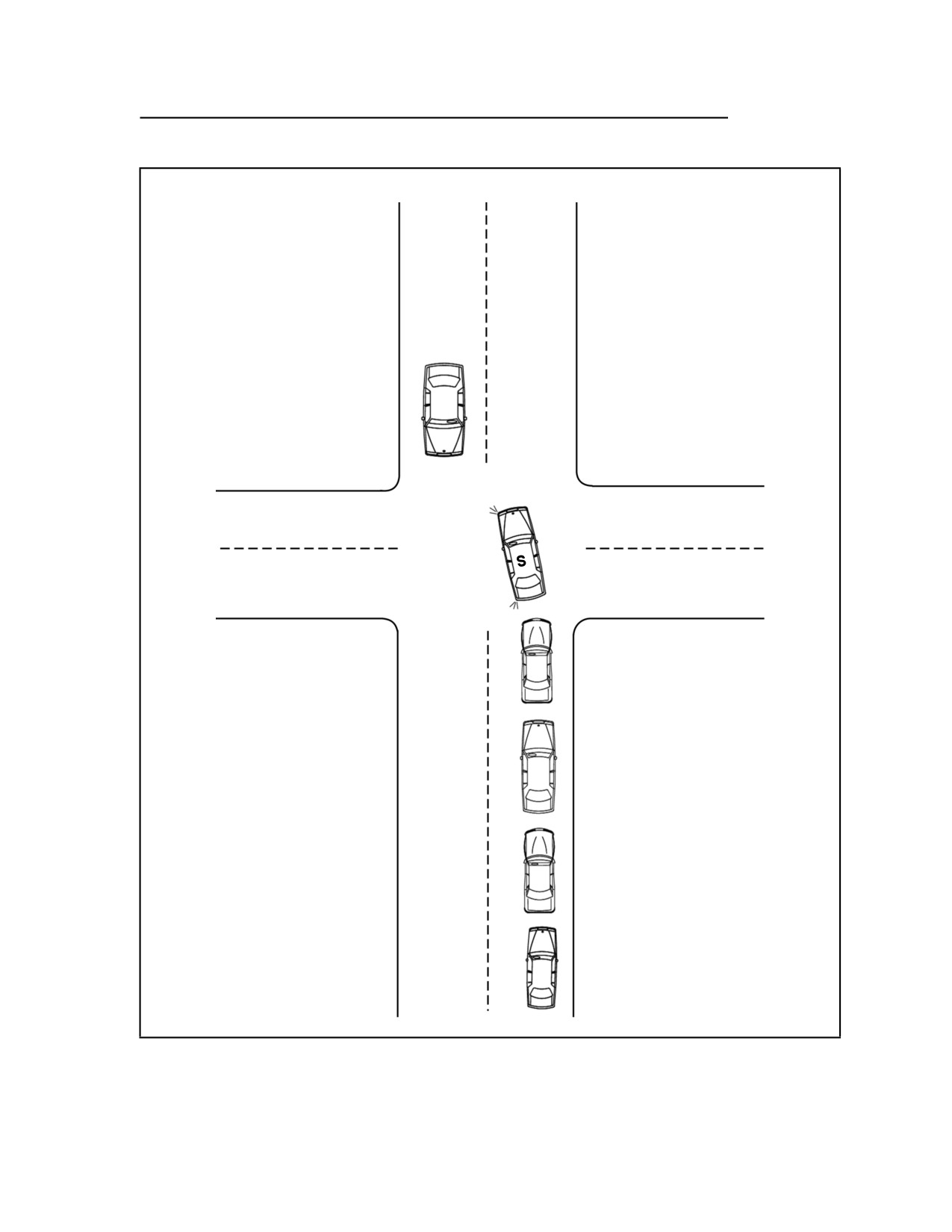
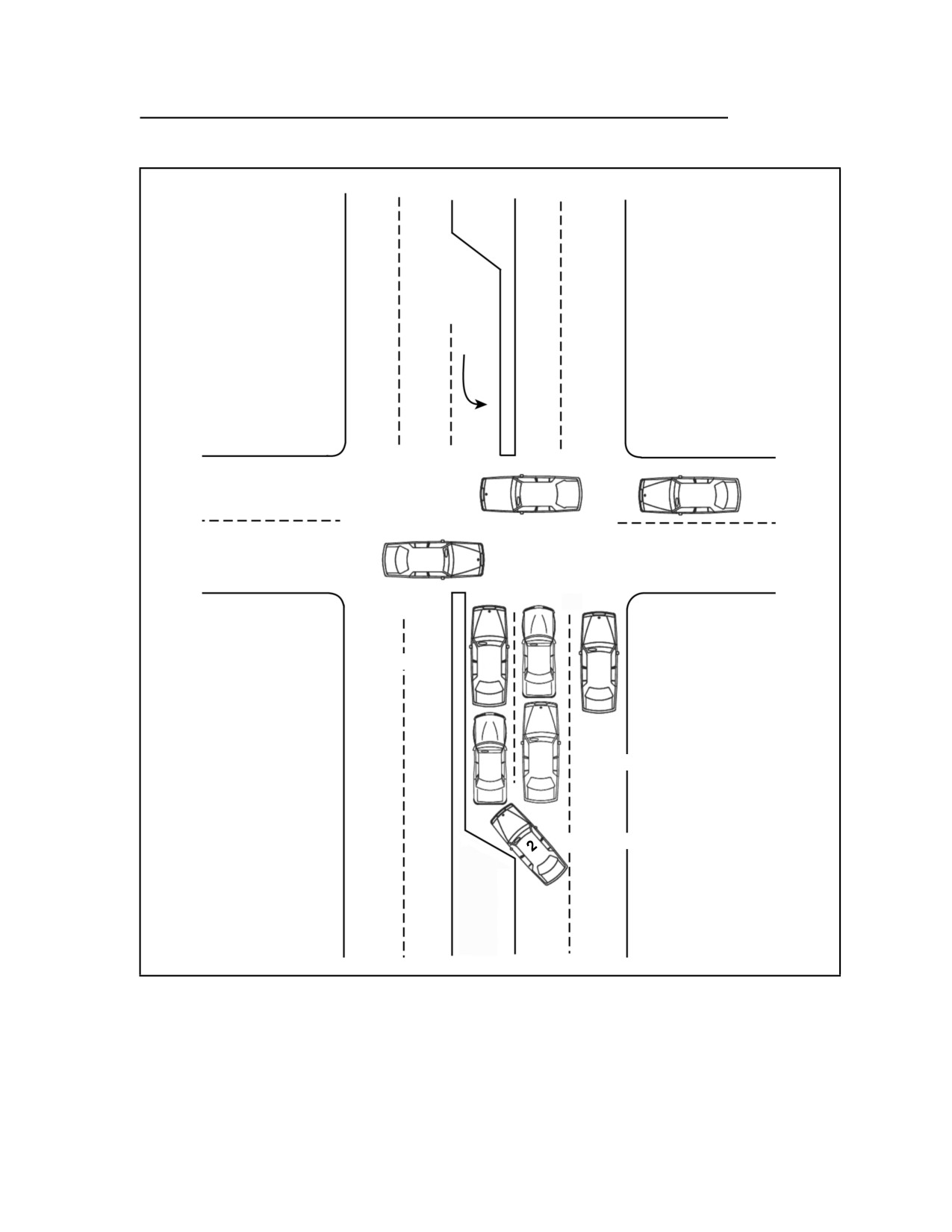
J-18. Intersections can present problems that may result in the loss of the
subject if handled incorrectly. This is particularly true with left turns (see
Figure J-10, page J-11). If a subject never made a turn at an intersection, the
chances of losing him would be greatly reduced. When the subject does make
turns at intersections, serious problems can arise for surveillants, even when
the subject is making no effort to lose them. Usually, surveillants handle right
turns without any problems. However, left turns present problems.
J-19. The actions of the surveillants during left turns are dictated by traffic
conditions and traffic lights for a few seconds. Left turns are made from a
variety of situations and present numerous possibilities for the subject. They
may be executed from highways or streets wide enough for two lanes of traffic
or from a divided four-lane highway or street. They may also be made from a
left-turn-only lane or from any turn lanes (against oncoming traffic). Left
turns are made with or without traffic lights.
J-8 Types of Surveillance
FM 3.19.13
A
A
C
C
B
S
B
Figure J-8. Foot Surveillance Example 8
J-20. These traffic situations present potential problems in maintaining
surveillance, losing the subject, and compromising surveillance. Vehicle #1
(lead vehicle) surveillants must be especially alert and use their best
judgment in making the decision of whether to relinquish their position to
vehicle 2 at left-turn situations.
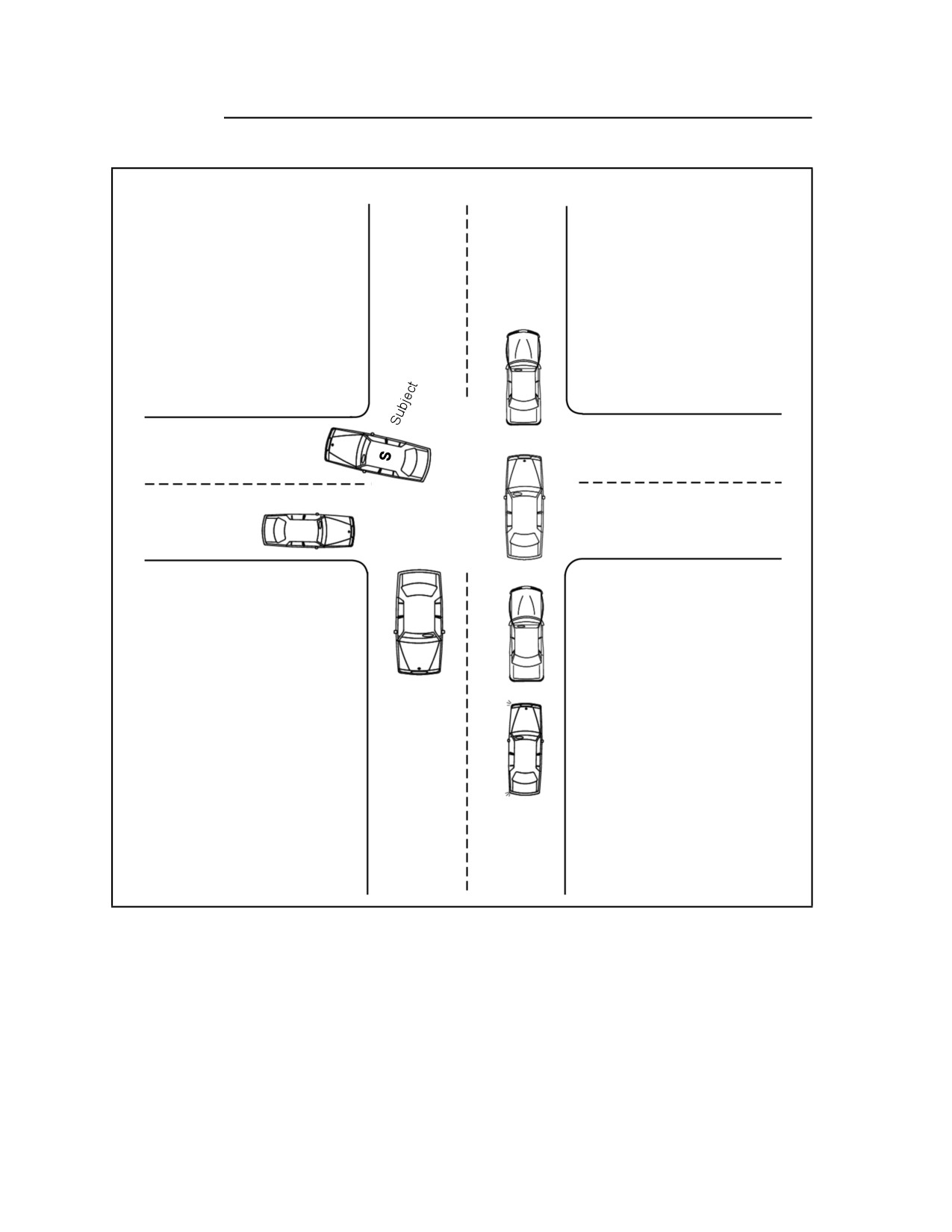
J-21. The key to success in handling left turns is for vehicle #1 (lead vehicle)
to maintain its position until it is sure that vehicle #2 is able to assume the
lead position and follow the subject through the left turn. If it is apparent to
the surveillants in vehicle #1 that vehicle #2 would be unable to follow the
subject through the left turn because of traffic conditions, vehicle #1 should
hold its position and delay making the change until after the turn is made.
(See Figures J-10 and J-11, page J-11 and J-12.)
LEFT-TURN-ONLY LANE WITHOUT TRAFFIC SIGNAL
J-22. A left-turn-only lane presents a problem when the subject is delayed at
the intersection because of oncoming traffic. The recommended procedure is
for vehicle #1 (lead vehicle) to continue through the intersection after it has
Types of Surveillance J-9
FM 3-19.13
Subject
S
Parking lot
1
Vehicle #1 (Lead
vehicle)
2
Vehicle #2
Figure J-9. Two-Vehicle Surveillance
determined that vehicle# 2 is close enough to assume the lead vehicle position
behind the subject. Vehicle #2 assumes the lead vehicle position in the left
turn lane and makes the turn behind the subject as quickly as possible.
Vehicle #1 moves through the intersection and performs a U-turn as soon as it
can safely do so and gets back to the intersection to assume a position behind
the subject. If for some reason vehicle #2 is not close enough to assume the
lead vehicle position at the intersection, vehicle #1 should not hesitate to get
into the left-turn lane behind the subject and make the turn with him. (See
Figure J-12, page J-13.)
GENERAL RULE OF THUMB FOR TURNS
J-23. During the surveillance of a vehicle, the subject may turn left or right or
make a U-turn. The turns may be legal or prohibited by law. Some turns will
be normal for the route that the subject is traveling, others will be for the sole
purpose of detecting or losing surveillance. When the subject makes a turn as
a detection maneuver, he will be looking behind him to see if a particular
J-10 Types of Surveillance
FM 3.19.13
Subject
Subject begins left turn
against on-coming
traffic.
Turn cannot be
completed until traffic
clears the intersection.
1
Vehicle #1
2
Vehicle #2
Figure J-10. Two-Vehicle Surveillance—Left Turn (Two-Lane Highway) Example 1
Types of Surveillance J-11
FM 3-19.13
1
Vehicle #1
Subject has now
completed the left turn and
vehicle #1 relinquishes its
position by driving through
the intersection.
Vehicle #2 will turn left and
assume vehicle #1’s
position behind the
subject.
Vehicle #2
2
(Caution: Vehicle #1
relinquishes its position
only after it decides that
vehicle #2 will be able to
make the turn.)
Figure J-11. Two-Vehicle Surveillance—Left Turn (Two-Lane Highway) Example 2
vehicle turned also. If he sees the same vehicle on several successive turns, he
is convinced that he is under surveillance.
J-24. Always remember that when the subject turns, vehicle #1 (lead vehicle)
should continue straight. This procedure cannot be followed with every turn
but should be used whenever it is practical to do so.
J-12 Types of Surveillance
FM 3.19.13
Note that vehicle
#1 (lead vehicle)
has relinquished
Subject
S
its position to
vehicle #2.
Vehicle #2 will
now assume
vehicle #1’s
position.
1
Vehicle #1
(Vehicle #1
should not give
up its position to
vehicle #2 until it
Vehicle #2
is confident that
vehicle #2 can
make the turn
with the subject.)
Figure J-12. Left-Turn-Only Lane Without a Traffic Signal
VEHICLE LEADING SURVEILLANCE
J-25. A variation of the standard ABC method of foot surveillance is to use
one surveillant in front of the subject, and the subject is lead for a period of
time as surveillance proceeds. When this method can be used, it is very
Types of Surveillance J-13
FM 3-19.13
effective. It is called leading surveillance. The same technique can be used
during vehicle surveillance and is just as effective. Its effectiveness can be
traced to the subject’s natural reaction about being concerned with who is
behind him and not who is in front of him.
J-26. This technique cannot be used in all surveillance situations. It be used
only when the surveillant can anticipate the subject’s travel route because of
previously obtained reliable information or the subject’s likely route as
indicated by his actions. In some situations, such as a subject driving at a very
slow speed, the leading surveillance method is the most effective technique.
When the subject is led in this manner, the surveillants in the vehicle behind
the subject should not be as close as they usually would. The surveillants
leading the subject should have at least one cover vehicle between themselves
and the subject.
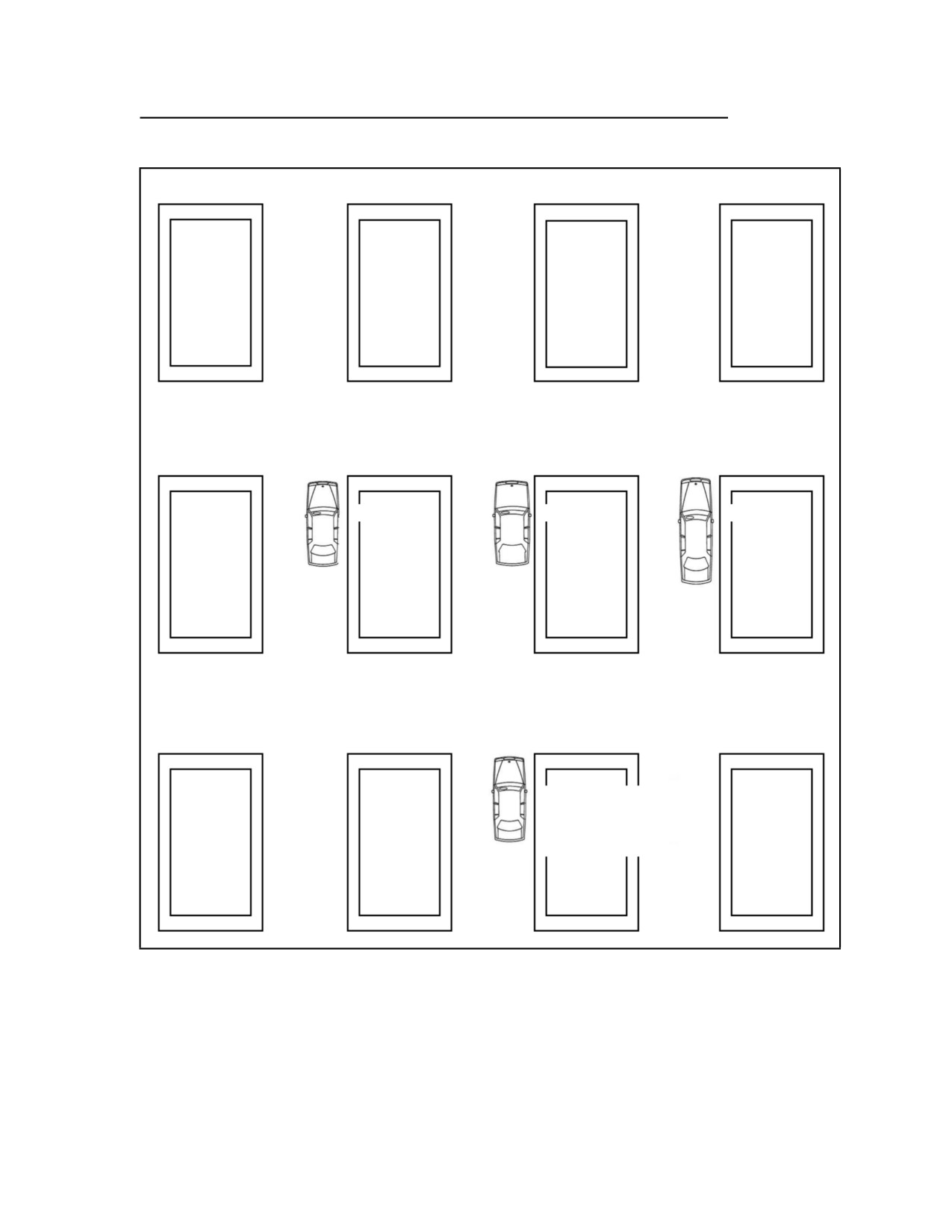
PARALLEL SURVEILLANCE
J-27. When the subject’s route of travel is fairly well established and can be
anticipated for short periods of time or if the surveillance is being conducted
in the city or an urban area, parallel surveillance may be used. As the name
implies, surveillance vehicles travel on streets that are parallel to that of the
subject. It is useful in removing surveillance vehicles from the subject’s view
on streets with little or no traffic and gives flexibility to the surveillants in the
paralleling vehicles when the subject turns.
J-28. Paralleling vehicles arrive at cross streets at about the same time as the
subject, or shortly before he does. This method is most effective in residential
areas where the traffic is light. If the subject stops, slows down, or increases
his speed, the timing of the paralleling vehicles is disrupted and the subject
may be lost. When a lead vehicle is positioned behind the subject, this problem
can be eliminated. This vehicle should be farther behind the subject than it
usually would be, and from this position, it can advise the paralleling vehicles
of the subject’s location if this becomes necessary. Once the subject turns at a
cross street, each surveillance vehicle will adjust according to his position at
the time the turn is made and assume a new position. (See Figure J-13.)
PROGRESSIVE SURVEILLANCE
J-29. Some criminal activities do not lend themselves to being penetrated by
routine surveillance methods. If the subjects involved are wary or extremely
tail conscious or if their activities are conducted very late at night or early in
the morning and involve traveling considerable distances, then any routine
surveillance is likely to be compromised. It is best to use experienced
investigators who are familiar with surveillance techniques and the area.
J-30. Several surveillance methods may be considered in these situations,
such as using some type of electronic surveillance device that allows tailing
the vehicle from a great distance (or using aircraft when possible). However,
the best method is probably using the progressive surveillance technique.
J-31. The progressive surveillance technique is particularly effective when
the subject’s route of travel takes him away from the city to more rural areas
and when part of his route of travel is unknown. This method involves
J-14 Types of Surveillance
FM 3.19.13
Residential area
Vehicle #2
Subject
Vehicle #3
2
S
3
Vehicle #1 (lead vehicle)
1
(Surveillance vehicle
may or may not follow
subject.)
Figure J-13. Parallel Surveillance
stationing surveillance vehicles at various points, preferably at intersections
along the suspected or known route. The vehicles, or a surveillant on foot, are
hidden at the intersections. When the subject fails to reach a particular
intersection after passing an earlier observation position, it is possible to
determine where he turned off. The surveillance is then resumed from that
point.
Types of Surveillance J-15
FM 3-19.13
J-32. Due to the time-consuming nature of this type of surveillance, its use is
limited to those occasions where it is known that the subject makes regular
trips to the same destination. In another version of this method, the
surveillance vehicles may tail the subject for a short distance after he passes
their position. The surveillance must be done with caution, or its purpose will
be defeated.
FOOT AND VEHICLE SURVEILLANCE
J-33. In some situations, it may be possible and desirable to use a vehicle in
conjunction with foot surveillance. This method is used most often in city or
urban areas where traffic is light and the vehicle can be quickly moved from
one street to another.
J-34. One or two investigators in a vehicle provide support to surveillants
conducting the foot surveillance. If two investigators are in the vehicle, one
can act as a reserve foot surveillant to assume a position as a member of the
foot surveillance team when a position change is required. The driver stays
alert to the subject’s location and acts as additional eyes for the foot
surveillants. A vehicle in this type of surveillance can give the foot surveillant
an important advantage—the ability to cover several blocks very quickly. This
is particularly important when observation of the subject is lost. The driver
must be careful to stay out of view of the subject.
J-35. Another important advantage of having a vehicle available during foot
surveillance is that the surveillants will be assured of transportation if the
subject should board a bus, taxicab, or any other form of transportation.
SURVEILLANT’S EVASIVE TACTICS RESPONSES
J-36. A subject will often use many tactics to detect surveillance. Surveillants
must be alert and prepared to counter such tactics. These tactics are used
when the subject suspects that he is under surveillance. They may also be
used as part of his routine driving patterns to make any possible surveillance
difficult. Some of the tactics commonly used by the subject are—
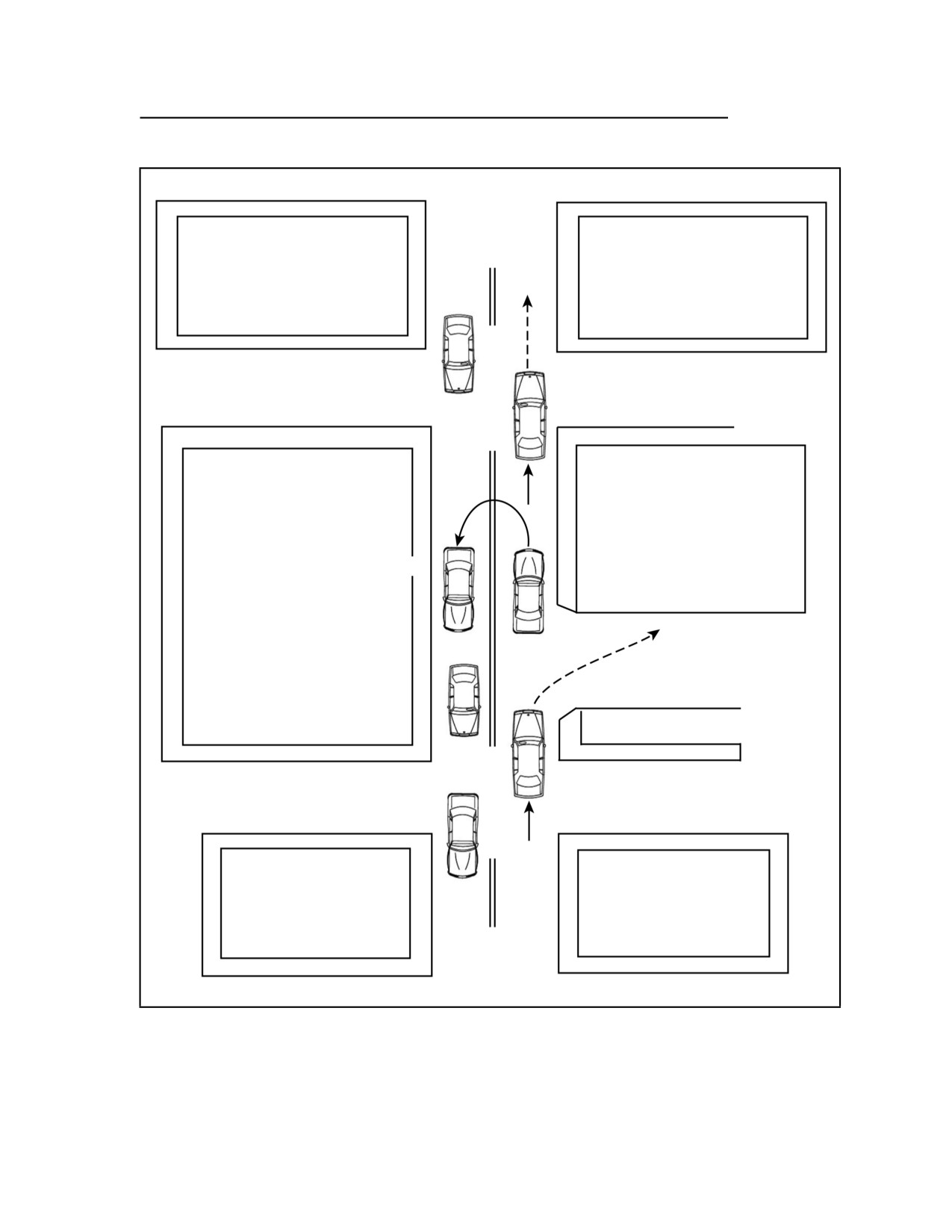
z
Performing U-turns in the street. Vehicle #1 (lead vehicle) notifies
the other vehicles of the subject’s action and continues through the
intersection. Vehicle #2 responds by driving into a parking lot or an
off-street area and assuming the lead vehicle position after the subject
has completed the U-turn and has passed by. Vehicle #1 performs a U-
turn when it is safe to do so or makes successive turns to get back into
a surveillance position, either as vehicle #2, #3, or #4. (See
Figure J-14.).
z
Making left or right turns. The lead vehicle notifies the other
vehicles of the subject’s action and continues through the intersection.
Vehicle #2 turns at the intersection behind the subject and assumes
the lead vehicle position. Vehicle #1 does a U-turn or makes successive
turns to get back into a surveillance position. If more than two
vehicles are involved in the surveillance, the other vehicles have an
J-16 Types of Surveillance
FM 3.19.13
Vehicle #1 (lead vehicle)
continues straight ahead
or parks.
1
Commercial area
Subject
S
Commercial area
S
Parking lot
2
Vehicle #2 pulls off street
into first convenient
parking area.
Figure J-14. U-Turns in the Street
Types of Surveillance J-17
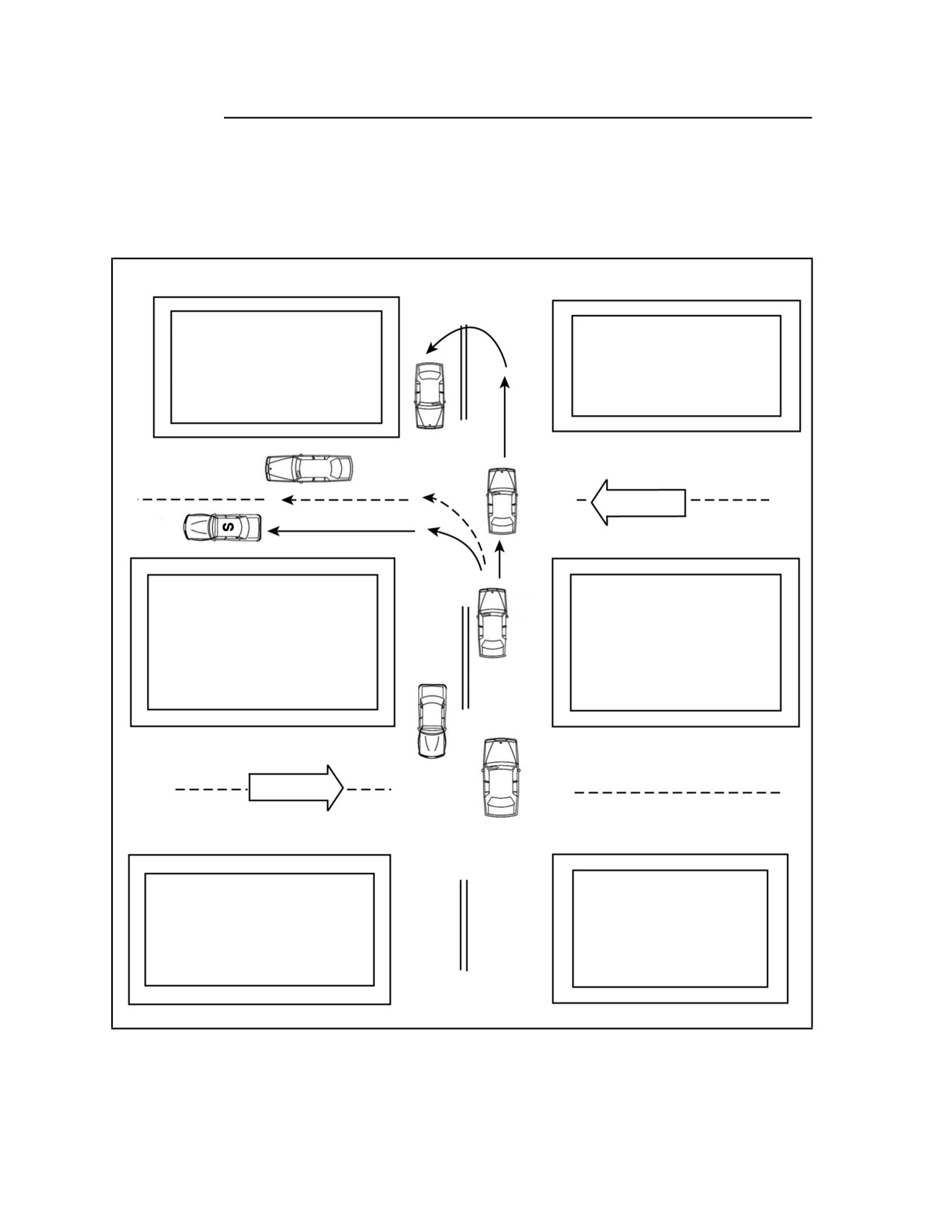
FM 3-19.13
option of turning at the intersection where the subject turned or
turning in the same direction on paralleling streets, depending on
traffic conditions and their distance from the subject. (See
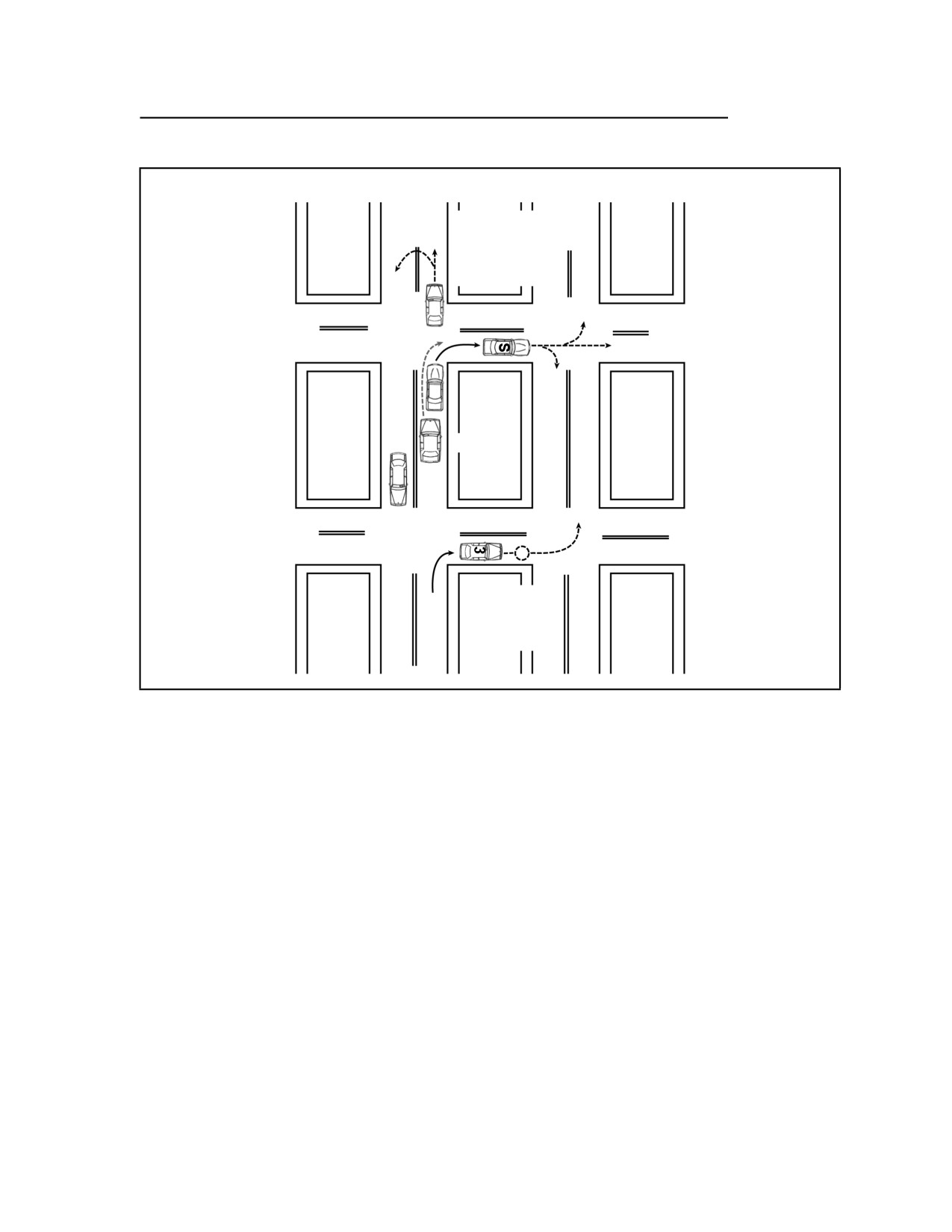
Figures J-15 and J-16.)
1
Vehicle #1
(lead
1
ONE WAY
vehicle)
Subject
Vehicle
#2
2
ONE WAY
Figure J-15. Left Turns
J-18 Types of Surveillance
FM 3.19.13
Vehicle #1 (lead
vehicle) may
make a U-turn or
continue to next
street.
1
Subject
S
2
Vehicle #2
Vehicle #3
x
Vehicle #3 stops
and awaits
directions from
vehicle #2.
Figure J-16. Right Turns
z
Turning at an intersection and stopping. Vehicle #1 (lead vehicle)
observes the subject as he drives through the intersection and notifies
the other vehicles of the subject’s action. Instead of vehicle #2 turning
at the intersection behind the subject, it stops at the intersection and
an observer goes on foot to continue observing. Vehicle #1 has the
option of making a U-turn and coming back to the intersection or
making successive turns and getting into position for the subject’s
expected route of travel when he continues. When the subject does
continue, vehicle #2 assumes the lead vehicle position. Other vehicles
involved in the surveillance use this opportunity to take up positions
to either parallel the subject or change to a closer surveillance position
in anticipation of assuming the lead position at the next stop.
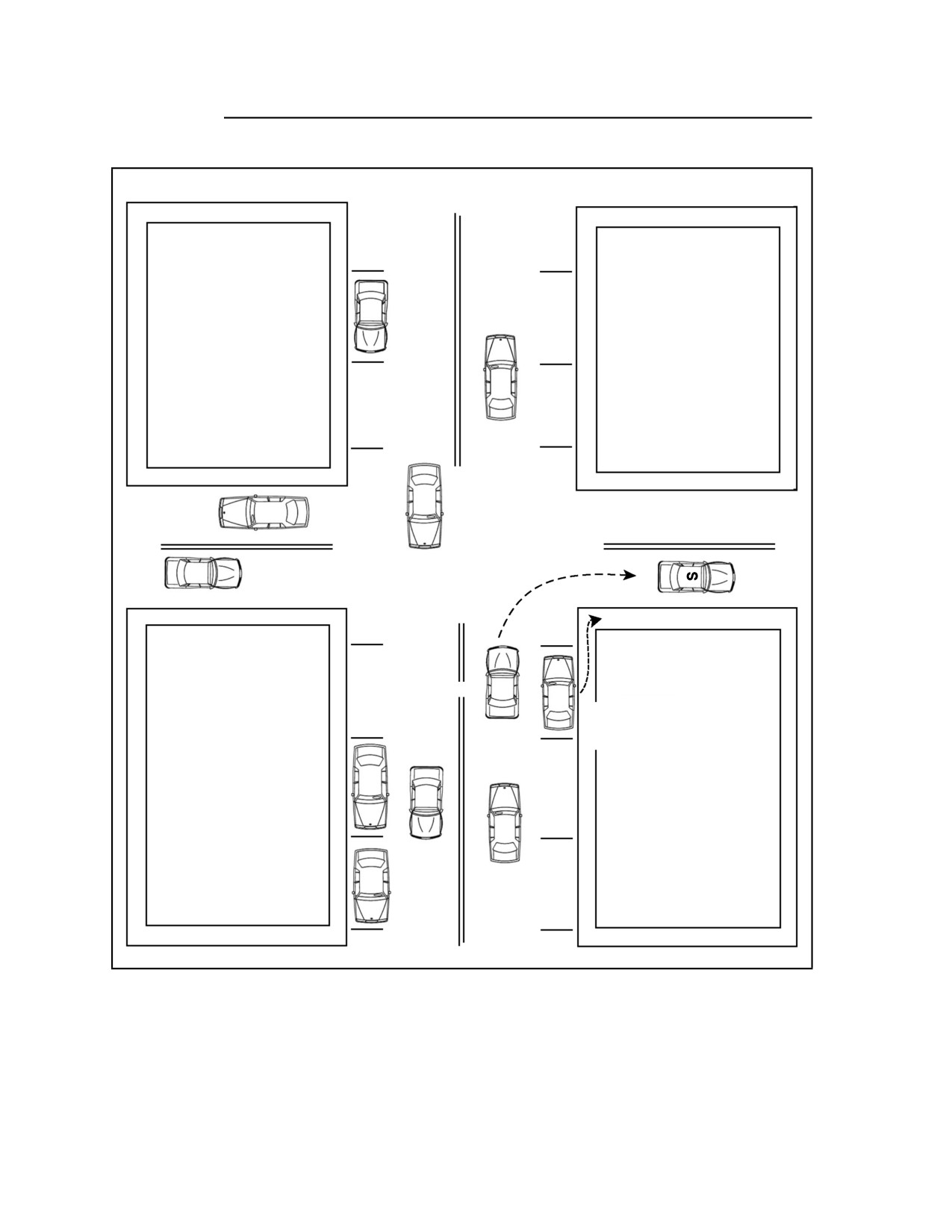
J-37. In one-vehicle surveillances, (see Figure J-17, page J-20) the subject
should not be followed around the corner if traffic is sparse. The observer
should dismount and travel on foot to the corner to observe the subject’s
actions. This procedure should also be followed in a multiple-vehicle
surveillance when a drive-by is not possible or practical, such as in rural or
isolated areas when the subject makes an abrupt turn and is suddenly out of
sight. In rural or isolated areas, subjects may use the following tactics:
Types of Surveillance J-19
FM 3-19.13
Residential or
commercial area
x
Observer on
foot to corner
Subject
S
1
Surveillance
vehicle stops
(vehicle #1)
Figure J-17. Subject Turns Corner—One-Vehicle Surveillance
z
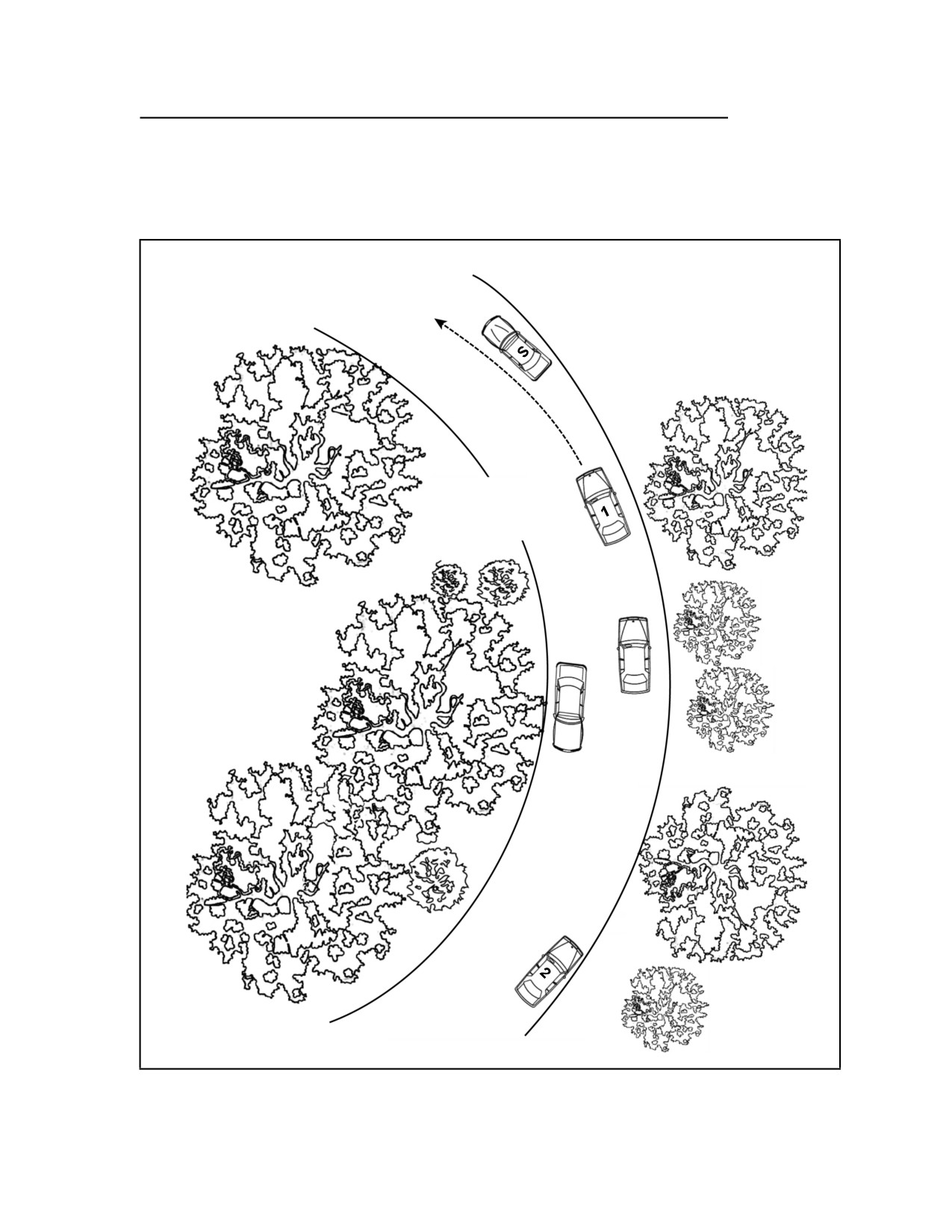
Stopping just beyond a curve or hill crest. Vehicle #1 (lead
vehicle) notifies vehicle #2 of the subject’s actions and drives on by.
Vehicle #2 stops and pulls off the road or onto a side road. An observer
from vehicle #2 goes on foot to observe the subject’s activities. Vehicle
J-20 Types of Surveillance
FM 3.19.13
#1 stops out of sight of the subject and attempts to have an observer
on foot observe the subject from the side opposite of vehicle #2. (See
Figure J-18.)
Subject stops at side
of road to allow
following traffic to
pass.
Vehicle #1 (lead
vehicle) radios
subject’s move to
vehicle #2 and
continues.
Vehicle #2 stops
or pulls into side
road.
Figure J-18. Subject Stops Beyond a Curve
Types of Surveillance J-21
FM 3-19.13
z
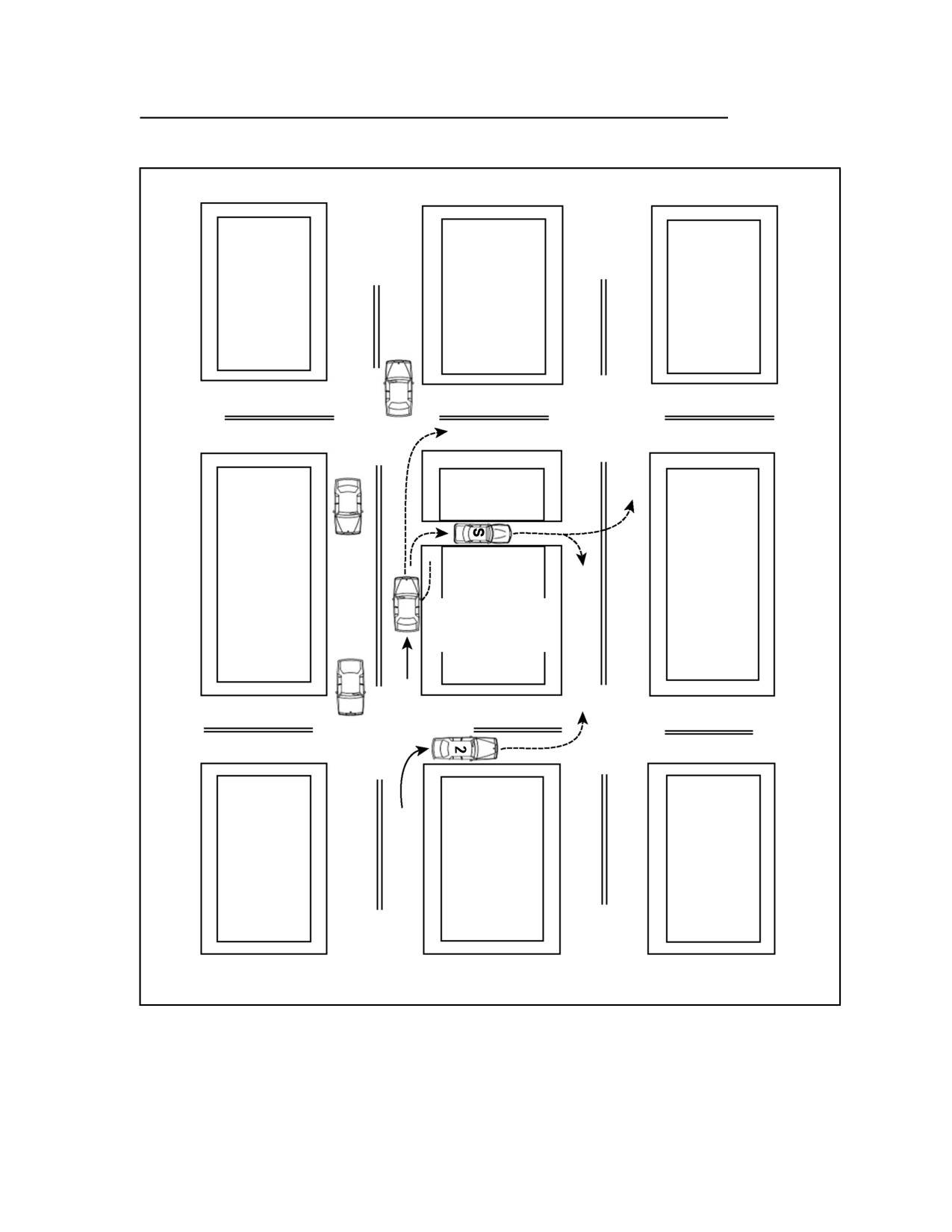
Turning into an alley. This tactic appears at first to be only a repeat
of a right turn, but it requires a different approach. Vehicle #1 (lead
vehicle) must stop before reaching the alley and street and allow an
observer to get out of the vehicle to approach on foot. Vehicle #2
should hold its position until the surveillant in vehicle #1 can
determine what the subject’s next move will be. A drive-by will be
ineffective in establishing the subject’s intentions in this situation
because of the limited or restricted visibility. (See Figure J-19.)
J-22 Types of Surveillance
FM 3.19.13
Subject
Alley
x
Vehicle #1 (lead
1
vehicle) halts
momentarily.
Vehicle #2
Figure J-19. Subject Turns Into an Alley
Types of Surveillance J-23
Appendix K
Undercover Mission Checklist
The undercover mission checklist, Figure K-1, should be used during the
initial planning phases and postoperation task organization. The checklist
will assist the leader in developing the overall operation plan.
STAGE 1: TRANSACTION POINT.
1. Have you surveilled the transaction point in depth?
Yes__________
No__________
2. Have you checked the number of entrances and exits? If so, give the specific number of each.
Entrances__________
Exits__________
3. Summarize where the transaction point is located in detail. Be specific.
__________________________________________________________________________________
__________________________________________________________________________________
4. Have you found specific surveillance points?
Yes__________
No__________
5. Draw a map of exits and entrances to the transaction point.
STAGE 2: BRIEFING OF ASSISTING AGENTS.
Date:__________________
Start time:______________
Location of the briefing:___________________________________________________________________
1. How many police officers are going to be used in support of this operation?____________________
2. List specific responsibilities by duty, name, and team number:
Special Duties:
a. Command post:_______________________________________
Team number ______________
b. Surveillance point:_____________________________________
Team number ______________
Figure K-1. Checklist for Undercover Missions
Undercover Mission Checklist K-1
FM 3-19.13
c. Takedown team_______________________________________
Team number ______________
d. Countersurveillance:_____________________________________ Team number ______________
3. List the vehicles/operators that will be used in the operation:
Vehicle
Driver
Call sign
a.
_________________
________________________________
________________________
b.
_________________
________________________________
________________________
c.
_________________
________________________________
________________________
4. Have you explained the location of the transaction point to all assisting police officers in detail? Provide
officers with a map of the transaction point (if needed).
Yes__________
No__________
5. Have you instructed the assisting officers where you want them to set up for surveillance on the operation?
Yes__________
No__________
6. Is there any specific equipment that will be used in support of this operation? If yes, specify what type of
equipment and who will be using it.
Yes__________
No__________
Type of equipment
Used by
a.
_______________________________
____________________________________________
b.
_______________________________
____________________________________________
c.
_______________________________
____________________________________________
7. Have the assisting officers been told the route the CI/UCA will travel when moving to and from the
transaction site?
Yes__________
No__________
8. Have the assisting officers met the CI/UCA, or have they been provided with a photograph as well as a
complete description of the type of clothing the CI/UCA will be wearing?
Yes__________
No__________
9. Have all of the assisting officers been briefed on the arrest signals/trouble signals that will be used in
support of this operation?
Yes__________
No__________
10. Have all assisting officers been briefed on physical force and arrest procedures?
Yes__________
No__________
11. Are all the police officers armed, and has all equipment been checked and accounted for before initiating
this surveillance to ensure that the equipment is on hand and functional?
Yes__________
No__________
Figure K-1. Checklist for Undercover Missions (Continued)
K-2 Undercover Mission Checklist
FM 3-19.13
STAGE 3: PAPERWORK.
Has all paperwork in support of this mission been prepared?
Yes__________
No__________
STAGE 4: PERSONNEL/COMMAND OFFICIALS BRIEFED.
1. Have the following individuals been briefed about this operation?
a. Chief of police.
Yes__________
No__________
b. Task force commander.
Yes__________
No__________
c. Prosecutor (if appropriate).
Yes__________
No__________
2. Has coordination been effected with all law enforcement agencies in the area where the operation is to take
place to ensure that they are aware that a police operation will be ongoing?
Yes__________
No__________
STAGE 5: PREBUY PROCEDURES.
1. Which police officer will be controlling the confidential informant (if appropriate)?
__________________________________________________________________________________
2. List the time, date, and location of the meet.
Time:________________
Date:________________
Location:_________________________________________________________________________
3. Has the informant been strip-searched?
Yes__________
No__________
By whom:______________________
Time began:______________________
Time ended:______________________
4. List all items the informant is wearing in detail (color, type, and condition).
a. Shirt:_________________________________________________________________________
b. Pants:________________________________________________________________________
c. Socks:________________________________________________________________________
d. Jacket:________________________________________________________________________
Figure K-1. Checklist for Undercover Missions (Continued)
Undercover Mission Checklist K-3