FM 3-11.3 MULTISERVICE TACTICS, TECHNIQUES, AND PROCEDURES FOR CHEMICAL, BIOLOGICAL, RADIOLOGICAL, AND NUCLEAR CONTAMINATION AVOIDANCE (FEBRUARY 2006) - page 9
Initial
Isolation
Zone
GN
Protective
Action
Zone
Spill
ERG
Distance
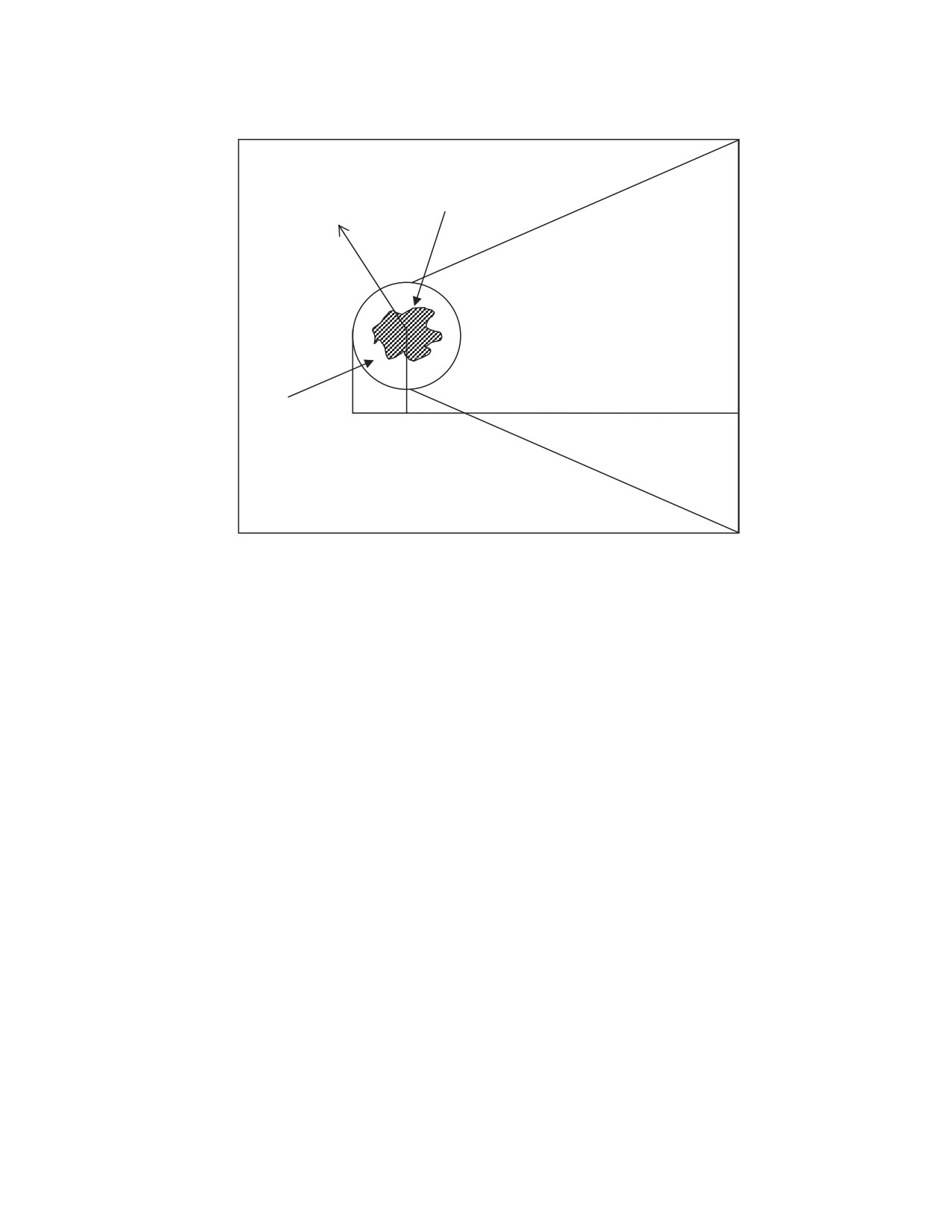
Figure H-5. Type T, Case 4: Small Methyl Isocyanate (UN/NA ID #2480) Spill at Night
o Wind Speed ≤10 kph. The wind direction is considered to be
variable, so draw another circle of radius equal to the protective action distance, centered at
the release location.
o Wind Speed >10 kph. Draw a line in the downwind direction
starting at the release location, of a length equal to the protective action distance. (For the
remaining steps, follow the drawing procedures from Appendix E rather than from the
ERG.) Draw a line at the end of the downwind direction line, perpendicular to the
downwind direction. Extend the downwind direction line in the upwind direction a distance
equal to twice the release area radius. Draw two lines from the upwind end of the
downwind direction line to the perpendicular line at the other end, which are tangent to the
top and bottom of the release area circle (see Figure H-5).
o Elevation. If the bulk of the material is elevated to a high
altitude, the wind speed and bearing at that height from the CBRN BWM or other
appropriate MET data should be used. If the material extends continuously from near the
ground to high elevation (above 50 m), the procedures for an elevated release should also be
used.
o Limitations. The initial hazard area is considered valid until
additional information is available. When significant changes in weather conditions occur,
a recalculation must be carried out (see Appendix E).
(e) Case 5, Release from a Bulk Storage Tank. Chemical storage tanks
can contain thousands of liters of TIC. Many of these chemicals exist as gases under
atmospheric conditions and are stored as a liquid under high pressure and low
temperatures. Some of the chemicals are extremely flammable as a vapor cloud. Damage
2 February 2006 FM 3-11.3/MCWP 3-37.2A/NTTP 3-11.25/AFTTP(I) 3-2.56
H-15
to one of these tanks can result in the stored liquid being ejected very quickly as a large
pool of very cold liquid. The pool will evaporate to form a vapor cloud, which is denser than
the surrounding air due to the lower temperature and differences in molecular weight.
This cloud will initially be affected more by gravity than the wind. The cloud will begin to
dilute by being mixed with surrounding air. Eventually, the cloud will no longer be denser
than the air and will move with the air as any other vapor or aerosol cloud. At this point,
however, the cloud concentration will most likely be low enough that it is no longer toxic.
So, any prediction procedures must focus on the behavior of the cloud before it has been
diluted. This behavior will be different than that predicted by assuming the hazard area
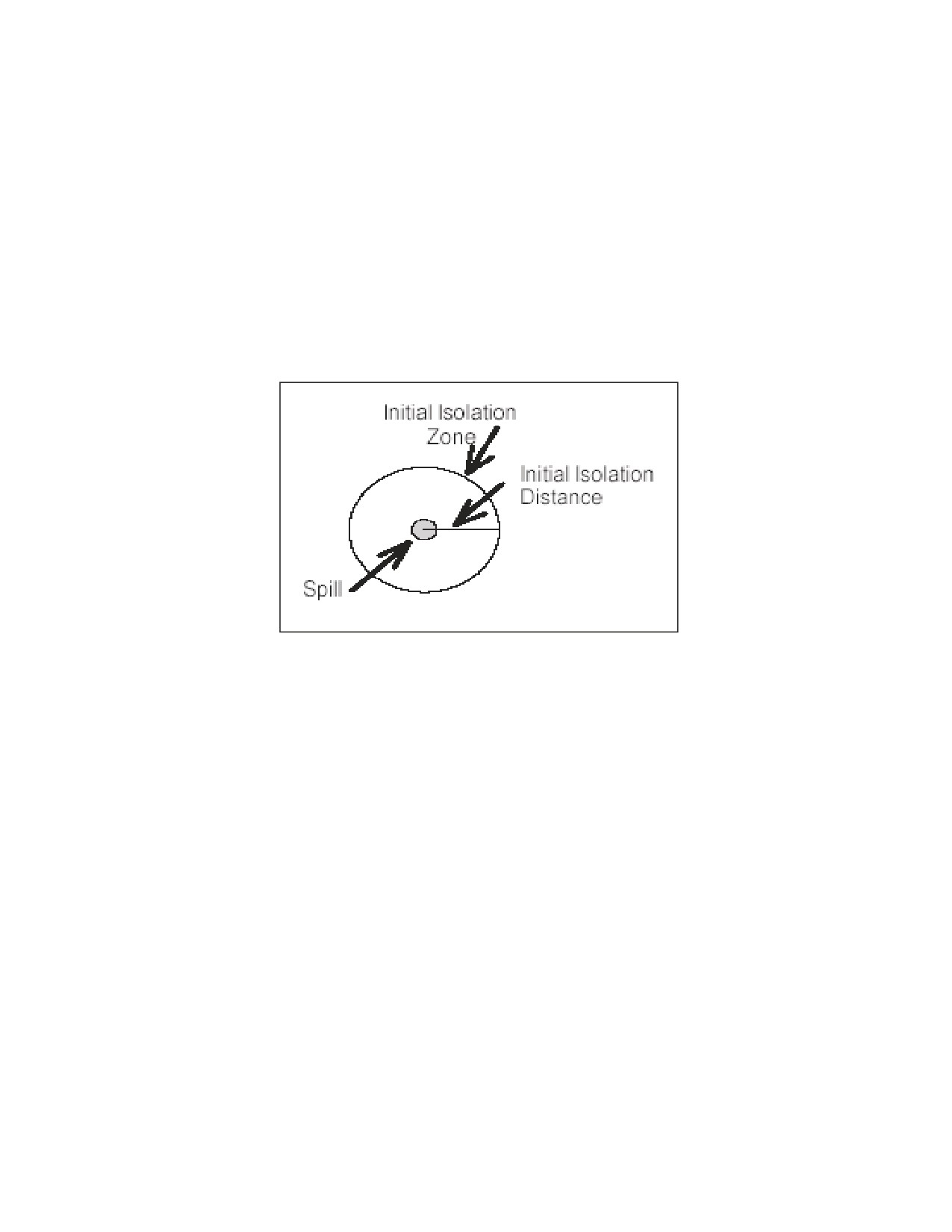
with the ERG. A simplified hazard is comprised of a circle, with the release location at its
center. The radius of the circle should be 2 km for the daytime and 6 km for nighttime (see
Figure H-6).
Figure H-6. Type T, Case 5
(3)
Hazard Prediction for Elevated Releases.
(a) If the release, momentum, or buoyancy carries the material
significantly (>50 m) above the ground surface, the hazard prediction should be repeated
using 2,000 m elevation from the CBRN BWM. The hazard area for an elevated release is
considered to be a combined hazard area, including spaces in between (see Figure H-7).
H-16 FM 3-11.3/MCWP 3-37.2A/NTTP 3-11.25/AFTTP(I) 3-2.56
2 February 2006
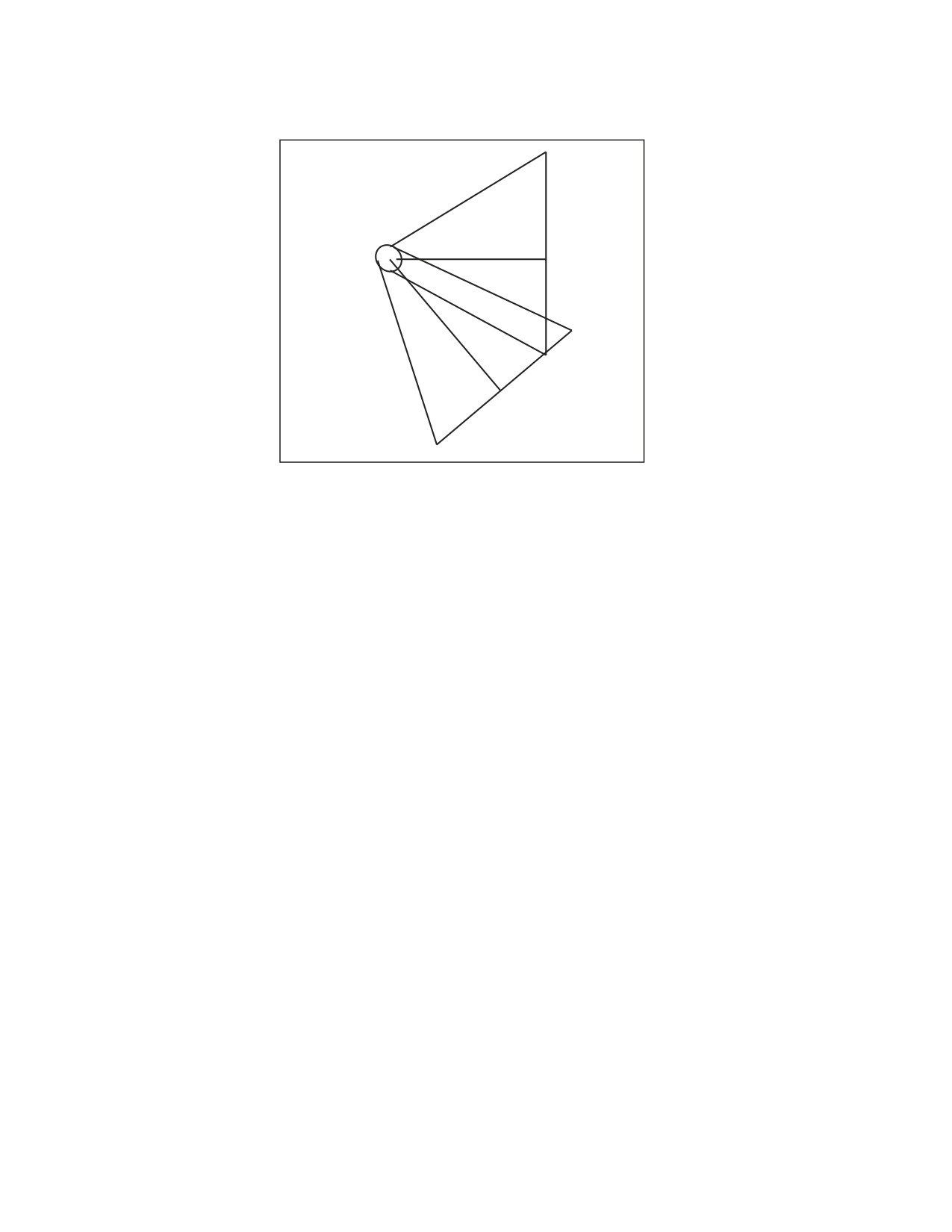
Figure H-7. Type T, Case 4: GB Rocket Stockpile Fire During the Day
(b) If merging or combining hazard regions for elevated releases or
changing MET conditions involves two triangular hazard regions having downwind
directions that are different by more than 90 degrees, the regions to be merged should be
replaced with a circle of a radius equal to the larger of the downwind distances. The time of
arrival at a location should be the earliest time resulting from the BWM or CDM.
(c)
Changes in MET conditions in the following BWMs should be handled
in the same manner as using CDMs.
7.
NBC4 ROTA Report
The NBC4 ROTA Report (Figure H-8, page H-18) is utilized to pass subsequent off-
target monitoring data or the results of a deliberate directed survey. The report will use
the information as described in Chapter III for lines ALFA, INDIA, QUEBEC, ROMEO,
SIERRA, TANGO, WHISKEY, YANKEE, and ZULU. Line GENTEXT in this message will
provide the initial background reading taken by the survey team for a nuclear or
radiological release. Readings for line ROMEO will indicate a reading above the initial
reported background reading and measured values for chemical and biological releases.
Decimals may be entered into line ROMEO if the reading is below 1 in the relevant unit of
measurement recorded (e.g., 0.123456 cGy/h).
a.
Purpose. The purpose of the NBC4 ROTA report is to report detection data and
pass monitoring and survey results. This report is used for two cases. Case 1 is used if an
attack is not observed and the first indication of contamination is by detection. Case 2 is
used to report the measured contamination as a part of a survey or monitoring team
mission.
b.
Precedence. All other messages after the initial NBC1 ROTA report has been
sent should be given a precedence, which reflects the operational value of the contents.
Normally, IMMEDIATE would be appropriate.
2 February 2006 FM 3-11.3/MCWP 3-37.2A/NTTP 3-11.25/AFTTP(I) 3-2.56
H-17

c.
Preparation. For detailed information regarding CBRN/ROTA reconnaissance,
monitoring, and survey, refer to Multiservice Tactics, Techniques, and Procedures for
Nuclear, Biological, and Chemical Reconnaissance.
NBC4 ROTA Report
Line Item
Description
Cond*
Example
ALFA
Strike serial number
O
ALFA/US/WEP/001/RN//
INDIA
Release information on CB agent attacks
O
INDIA/SURF/2978/-/SPEC//
or ROTA events
QUEBEC**
Location of reading/sample/detection and
M
QUEBEC/32VNJ481203/GAMMA/-//
type of sample/detection
ROMEO**
Level of contamination, dose rate trend
O
ROMEO/7CGH/DECR/DF//
and decay rate trend
SIERRA**
DTG of reading or initial detection of
M
SIERRA/202300ZSEP1997//
contamination
TANGO**
Terrain/topography and vegetation
M
TANGO/URBAN/URBAN//
description
WHISKEY
Sensor information
O
WHISKEY/-/POS/NO/HIGH//
YANKEE**
Downwind direction and downwind speed
M
YANKEE/270DGT/015KPH//
ZULU**
Actual weather conditions
O
ZULU/4/10C/7/5/1//
GENTEXT
General text
O
-
*The Cond column shows that each line item is operationally determined (O) or mandatory (M).
**Sets QUEBEC, ROMEO, SIERRA, and TANGO are a segment. With the exception of line ROMEO, this segment
is mandatory. Line items/segments are repeatable up to 20 times in order to describe multiple detection, monitoring,
or survey points.
Figure H-8. Sample NBC4 ROTA Report
8. NBC5 ROTA Report
The NBC5 ROTA Report (Figure H-9) outlines the actual extent of the ROTA ground
contamination from the survey data. The report uses information as described above for
lines ALFA, CHARLIE, INDIA, YANKEE, ZULU, and GENTEXT. Line OSCAR indicates
the time for which the contour is appropriate. Line XRAYA describes the level of the
contamination for the contour and the ground contaminated area resulting from any ROTA
event, whether it is radiological, biological, or chemical.
a.
Purpose. The purpose of the NBC5 ROTA report is to pass information on areas
of actual contamination. This report can include areas of possible contamination, but only
if the actual contamination coordinates are included in the report.
b.
Precedence. All other messages after the initial NBC1 ROTA report has been
sent should be given a precedence, which reflects the operational value of the contents.
Normally, IMMEDIATE would be appropriate.
H-18 FM 3-11.3/MCWP 3-37.2A/NTTP 3-11.25/AFTTP(I) 3-2.56
2 February 2006

NBC5 ROTA Report
Line Item
Description
Cond*
Example
ALFA
Strike serial number
O
ALFA/US/WEP/001/RN//
CHARLIE
DTG of report/observation and
O
CHARLIE/281530ZSEP1997//
event end
INDIA
Release information on CB agent
M
INDIA/SURF/2978/-/SPEC//
attacks or ROTA events
OSCAR
Reference DTG for estimated
M
OSCAR/281830ZSEP1997//
contour lines
XRAYA**
Actual contour information
M
XRAY ALFA /0.003CGH/334015N1064010W/
334020N1064010W/
334020N1064020W/
334015N1064020W/
334015N1064010W//
XRAYB**
Predicted contour information
O
YANKEE
Downwind direction and downwind
O
YANKEE/270DGT/015KPH//
speed
ZULU
Actual weather conditions
O
ZULU/4/10C/7/5/1//
GENTEXT
General text
O
*The Cond column shows that each line item is operationally determined (O) or mandatory (M).
**Sets are repeatable up to 50 times to represent multiple contours.
Figure H-9. Sample NBC5 ROTA Report
c.
Preparation.
(1)
Contaminated areas are shown on the contamination situation map, and
information about them must be passed to the other units and higher HQ. The most
expeditious means for this is the contamination overlay.
(2)
The preparation of this overlay is described in each respective appendix
(e.g., for the chemical contamination overlay, refer to Appendix E). Overlays are preferred
for transmission of NBC3 and NBC5 ROTA reports (see Figure H-10, page H-20). They
offer the advantages of being readily usable and accurate, and they are in hard copy for
future references. Overlays have the disadvantages of requiring special equipment or
messengers.
2 February 2006 FM 3-11.3/MCWP 3-37.2A/NTTP 3-11.25/AFTTP(I) 3-2.56
H-19
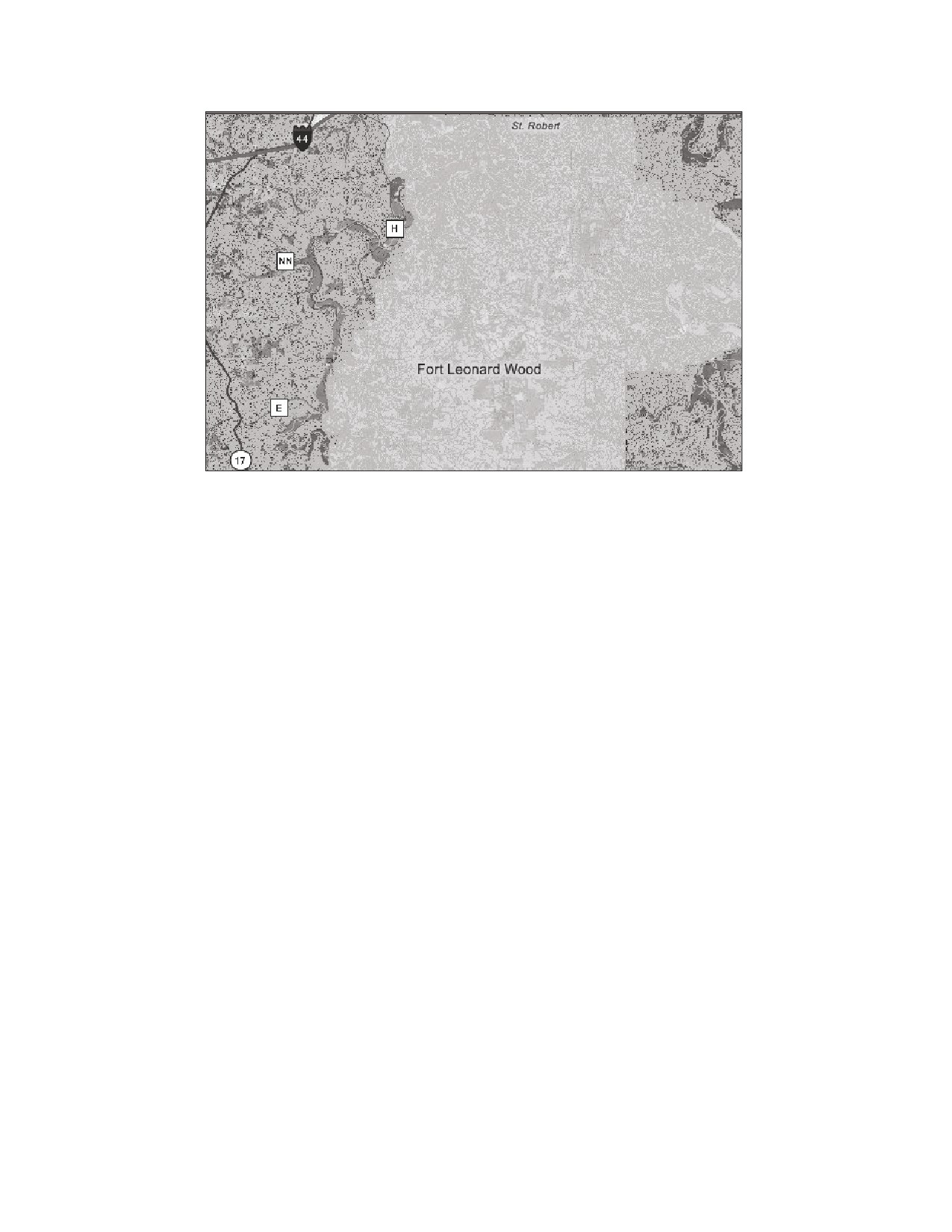
Figure H-10. Sample NBC5 ROTA Report Overlay (Without Marginal Data)
(3) Marginal information that should be included on the
overlay includes the following:
•
Map name.
•
Map number.
•
Scale.
•
Organization of preparer.
•
A legend containing nonstandard symbols/colors.
•
Type of report.
•
Lines of the report.
•
Grid register marks.
d .
Reporting Data.
(1)
Electronic communications are not always available. If this is the case, the
contamination overlay must be converted into a series of readings and coordinates for
transmission as an NBC5 ROTA report.
(2)
If electronic communications of the data or communications of a hard copy
are not available and if time and distance permit, contamination overlays are sent by
messenger. Data is transmitted manually by the NBC5 ROTA report as a last resort.
(3)
On the NBC5 ROTA report, a closed contour line on a plot is represented by
repeating the first coordinate.
H-20 FM 3-11.3/MCWP 3-37.2A/NTTP 3-11.25/AFTTP(I) 3-2.56
2 February 2006

9. NBC6 ROTA Report
The NBC6 ROTA report (Figure H-11) will be used to provide specific information (in
line GENTEXT) required to produce a more detailed ROTA hazard prediction.
a.
Purpose. The purpose of the NBC6 ROTA report is to pass detailed information
of a ROTA event.
b.
Precedence. All other messages after the initial NBC1 ROTA report has been
sent should be given a precedence, which reflects the operational value of the contents.
Normally, IMMEDIATE would be appropriate.
c.
Preparation. This report summarizes the information concerning a ROTA and is
prepared by the reporting unit, service equivalent, or higher organization, but only if
requested by higher HQ. It is used as an intelligence tool to help determine the enemy’s
future intentions.
d.
Submission. The NBC6 ROTA report is submitted to the higher HQ. It is
written in a narrative form with as much detail as possible.
NBC6 ROTA Report
Line Item
Description
Cond*
Example
ALFA
Strike serial number
O
ALFA/US/WEP/001/RN//
CHARLIE
DTG of report/observation and event
O
CHARLIE/281530ZSEP1997/
end
281545ZSEP1997//
FOXTROT
Location of attack or event
O
FOXTROT/32UNB058640/EE//
INDIA
Release information on CB agent
O
INDIA/SURF/2978/-/SPEC/-//
attacks or ROTA events
QUEBEC
Location and type reading/sample/
O
QUEBEC/32VNJ481203/GAMMA//
detection
SIERRA
DTG of reading
O
SIERRA/282300ZSEP1997//
GENTEXT
General text
M
GENTEXT/CBRN INFO/HOSPITAL VEHICLE
CARRYING RADIOACTIVE WASTE
OVERTURNED ON ROUTE 25//
*The Cond column shows that each line item is operationally determined (O) or mandatory (M).
Figure H-11. Sample NBC6 ROTA Report
2 February 2006 FM 3-11.3/MCWP 3-37.2A/NTTP 3-11.25/AFTTP(I) 3-2.56
H-21
THIS PAGE IS INTENTIONALLY LEFT BLANK.
Appendix I
STRIKE WARNING
1.
Background
This appendix addresses friendly nuclear attack warning messages and procedures.
2.
Friendly Nuclear-Attack Warning
The use of friendly nuclear attack warning is a vital part in the US ability to conduct
full-spectrum operations. It ensures the safety of US forces and their allies.
a.
Nuclear STRIKWARN. STRIKWARN is a system for the warning of friendly
nuclear strikes. This system applies to nuclear strikes that may affect forces operating on
land, over land, or at sea. The requirement for a standard warning message and for the
delineation of the notification channels is essential to ensure that friendly units get a
timely warning of a friendly nuclear strike. This allows personnel and units to take the
appropriate measures to protect themselves and their equipment and still be prepared to
exploit the weapon effects.
b.
Responsibilities. The responsibility for issuing a warning rests with the
coordinating commander. The coordinating commander is defined as the regional
commander who coordinates the activities of nuclear delivery and supporting units.
Commanders authorized to release nuclear strikes will ensure that strikes affecting the
safety of adjacent or other commands are coordinated. Commanders must allow sufficient
time to permit dissemination of the warnings to personnel so that they can take protective
measures, and they must prepare for exploiting the effects of the weapons.
c.
Recipients. The commander responsible for disseminating the STRIKWARN
must inform the following units:
(1)
Subordinate HQ whose units are likely to be affected by the strike.
(2)
Any land, air, and naval HQ/commands whose units are likely to be
affected by the strike.
(3)
Next higher level of command when the units that are not under the
command of the coordinating commander are likely to be affected by the strike.
(4)
Each unit concerned, down to the lowest level. Units will be warned by
their next higher HQ as to the level of the safety measures they should take, depending on
their proximity to the target.
NOTE: Only the information which is of direct interest to the units concerned
will be disseminated.
d.
Warnings.
(1)
Impending STRIKWARN. A warning of an impending strike will be
initiated no earlier than is necessary to complete the warning of personnel. Any means of
communication chosen by the staff, preferably secure, will be used to ensure that all
affected personnel are warned.
2 February 2006 FM 3-11.3/MCWP 3-37.2A/NTTP 3-11.25/AFTTP(I) 3-2.56
I-1
(2)
Use of Codes. STRIKWARN messages should be classified with regard to
current OPSEC instructions. If secure electronic means are not available, the message
should be encrypted. Only circuits and coding systems which meet the appropriate security
criteria will be used. Messages may be sent in the clear when the coordinating commander
determines that safety warnings override security requirements. A warning message will
not normally be sent in the clear earlier than 1 hour before the strike or time on target.
(3)
Precedence. Messages will be transmitted with the precedence adequate to
ensure the timely warning of all personnel expected to be affected by the strike.
(4)
Action on Canceled Attacks (Strikes). When strikes are canceled, the units
previously warned will be notified in the clear by the most expeditious means. The message
will be authenticated. For multiple strikes, all strikes have to be canceled before
disseminating cancellation messages. The target number or nickname of the strike should
be included.
(5)
Other Warnings. Dazzle warnings are to be passed to all flying units or
squadrons in the region. For dazzle warnings, only lines ALFA, DELTA, FOXTROT ONE
(designated ground zero [DGZ] only), and INDIA are sent.
e.
NBC3 Reports. When line HOTEL of the STRIKWARN indicates a surface or
subsurface burst, an NBC3 report will be transmitted as soon as possible after the
STRIKWARN. The development and transmission of this message is the responsibility of
the coordinating commander anytime the analysis indicates that fallout could affect
friendly units.
f.
Units of Measurement. Standard ground units of measure will be used for the
coordinates (UTM grid) and distance (meters). Organizations (e.g., Naval) which use
different units (e.g., LAT/LONG) will be responsible for converting the units for
retransmission to their subordinate units and for providing warning messages to land
forces in ground units when the effects of their weapons may be experienced by those land
forces.
g.
Line Items Used in STRIKWARN Messages. The list of message line items in
Table I-1 provides an overview of the STRIKWARN message format, serves to give the user
a total picture of the line items available for the message, and provides the order of use for
line items.
I-2
FM 3-11.3/MCWP 3-37.2A/NTTP 3-11.25/AFTTP(I) 3-2.56
2 February 2006

Table I-1. Line Items for STRIKWARN Messages
Line Item
Meaning
ALFA
STRIKWARN target Identifier
(Target number, nickname, or code word)
DELTA
DTG of strike or strike cancelled
(Multiple bursts: DTG attack will start, followed by DTG attack will end.
Single Burst: DTG of attack, followed by DTG after which the attack will be
cancelled.)
FOXTROT ONE
MSD 1
(Multiple Bursts: UTM grid coordinates of MSD 1 box.
Single Burst: MSD 2, three digits, in hundreds of meters, followed by MSD 2 box
coordinates.)
FOXTROT TWO
MSD 2
(Multiple bursts: UTM grid coordinates of MSD 2 box.
Single burst: MSD 2, three digits, in hundreds of meters, followed by MSD 1 box
coordinates.)
HOTEL
Number of surface bursts
(If one or more bursts have less than 99% assurance of being an airburst or if it is
a scheduled surface or subsurface burst, the number of surface bursts will be
reported on this line.)
INDIA
Number of bursts in a multiple strike
(Not reported if only one)
AKNLDG
Acknowledge requirement
3.
Zones of Warning and Protection Requirements
Zones of warning and protection signify various degrees of danger to US forces.
a.
The MSD is equal to the radius of safety (RS) for the yield, plus a buffer distance
(BD) related to the dispersion of the weapon system used. When surface bursts are used or
an intended air burst having less than 99 percent assurance of no militarily significant
fallout, the fallout hazard will be considered. Details will be transmitted in a subsequent
NBC3 NUC message if fallout will be a hazard to friendly forces.
b.
Commanders will be governed by the safety criteria in JP 3-12.2 or the specific
service manual addressing nuclear safety.
c.
If a unit commander is unable to evacuate Zone 1, he will immediately require
the maximum protection and report through his next higher HQ to the releasing/executing
commander.
d.
Negligible risk should not normally be exceeded unless significant advantage will
be gained.
e.
Maximum protection for the ground forces denotes that personnel are in
buttoned-up tanks or sheltered in foxholes with an overhead shielding.
f.
Minimum protection for ground forces denotes that personnel are prone on open
ground with all skin areas covered and with an overall thermal protection at least equal to
that provided by a two-layer uniform.
2 February 2006 FM 3-11.3/MCWP 3-37.2A/NTTP 3-11.25/AFTTP(I) 3-2.56
I-3
g.
Since the least separation distance (LSD) for light aircraft is exceeded by MSD 2,
aircraft remaining beyond MSD 2 will avoid significant degradation of the aircraft or pilot
performance (except Dazzle) severe enough to prevent mission accomplishment.
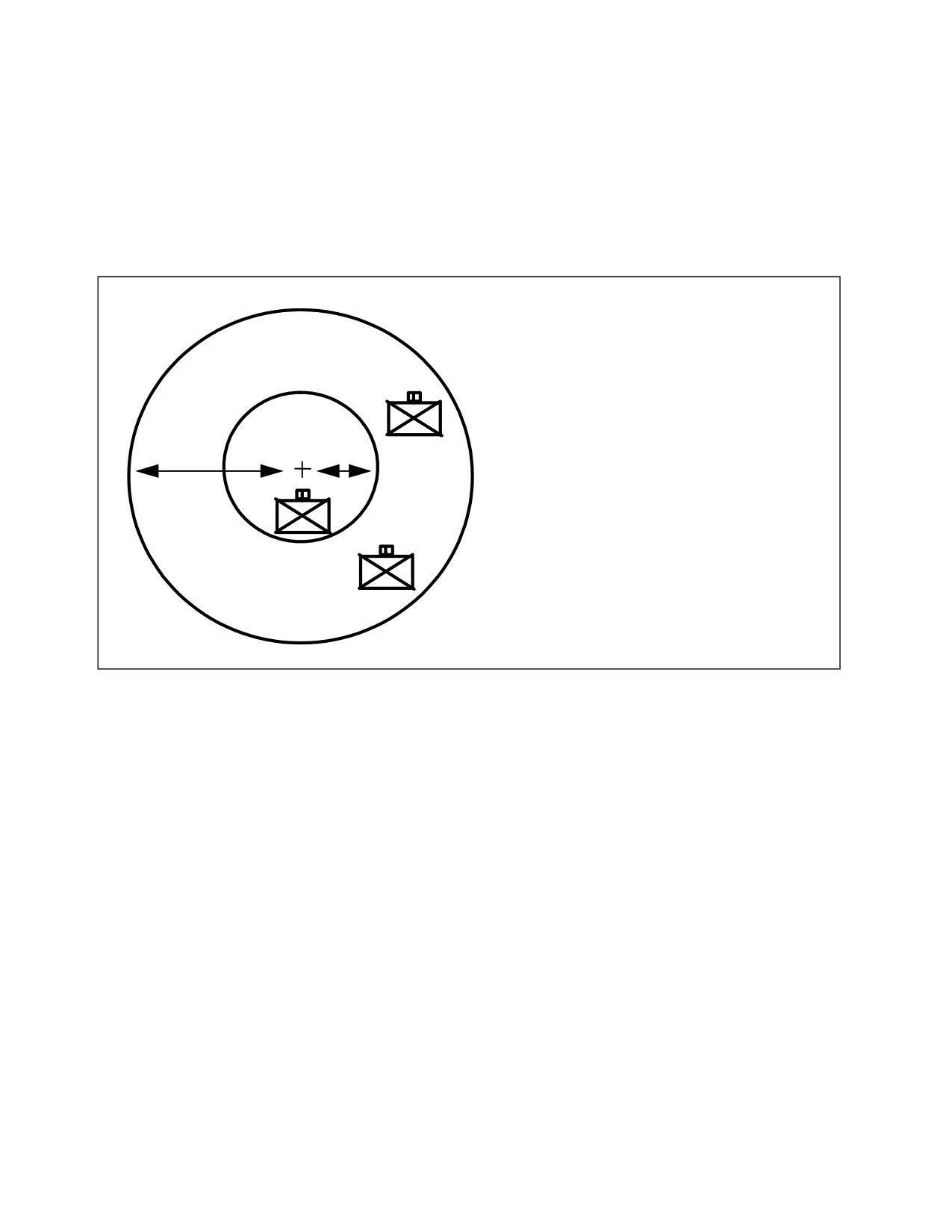
h. When a unit receives a STRIKWARN message, the first action is to plot it on the
tactical (situation) map. This identifies GZ or DGZ and how far the MSDs extend. The
commander can then determine what actions to take. Figure I-1 shows a plotted
STRIKWARN for a single burst.
Team A should evacuate MSD 1 if possible.
Otherwise, the unit will have to dismount and take
cover in foxholes. Evacuation is the first choice,
followed by seeking shelter with overhead cover. If
not evacuated, Team A may exceed the specified
C
risk. The other units will, as a minimum, assume a
prone position and protect against dazzle and EMP.
MSD 2
MSD 1
However, those not in a warned, protected posture
may exceed the specified risk.
A
B
Figure I-1. STRIKWARN Plot Showing MSD 1 and MSD 2, Single-Burst
4.
Plotting a STRIKWARN Message
Effectively plotting a STRIKEWARN message is paramount to establishing a unit’s
actions during a friendly nuclear attack.
a.
Single Burst (Figure I-1).
(1)
Step 1. Locate the GZ grid coordinates from line FOXTROT of the
STRIKWARN message, and then plot GZ.
(2)
Step 2. Draw MSD circles around GZ. The first 3 digits of line FOXTROT
is the radius of the MSD.
(3)
Step 3. Label the edge of the circles with the appropriate MSD.
(4)
Step 4. Label the marginal information on the map sheet. Marginal
information includes STRIKWARN message, NBC3 report, prepared-by unit, and map
scale.
I-4
FM 3-11.3/MCWP 3-37.2A/NTTP 3-11.25/AFTTP(I) 3-2.56
2 February 2006
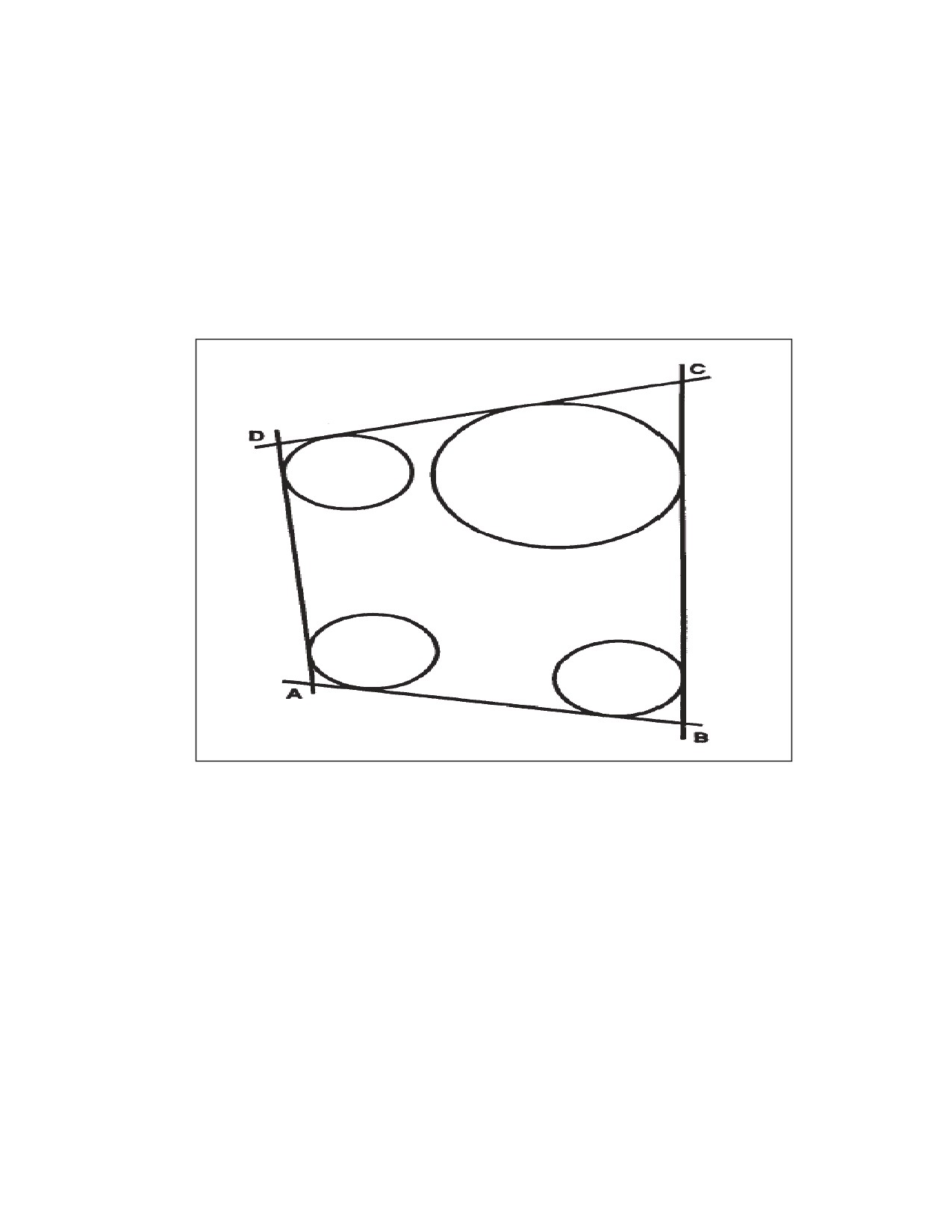
b.
Multiple Bursts (Figure I-2).
(1)
Step 1. Plot the GZ for each burst from line FOXTROT of the STRIKWARN
message.
(2)
Step 2. Construct tangent lines from each point to form a box.
(3)
Step 3. Label MSDs 1 and 2 along the corresponding tangent lines.
(4)
Step 4. Label the marginal information on the map sheet. Marginal
information includes STRIKWARN message, NBC3 report, prepared-by unit, and map
scale.
Figure I-2. STRIKWARN Plot Showing Multiple Bursts
)
2 February 2006 FM 3-11.3/MCWP 3-37.2A/NTTP 3-11.25/AFTTP(I) 3-2.56
I-5
THIS PAGE IS INTENTIONALLY LEFT BLANK.
Appendix J
NOMOGRAMS, TABLES, AND GRAPHS
This appendix provides a single reference for nomograms, tables, and graphs. The
nomograms, tables, and graphs referenced in earlier appendixes will be found here. The
procedures to use them are found in the appropriate appendix.
NOTES:
1. Above 18,000 meters, altitude layers for plotting vector diagrams continue to be
at 2,000-meter intervals. However, the map distance factors vary so little that
some of the columns in Tables J-1 through J-6 (pages J-1 through J-3) are
combined for convenience.
2. Uses for Tables J-7 through J-13 (pages J-4 through J-9) and Figures J-1
through J-54 (pages J-10 through J-62) are referenced throughout the previous
chapters and appendixes of this manual.
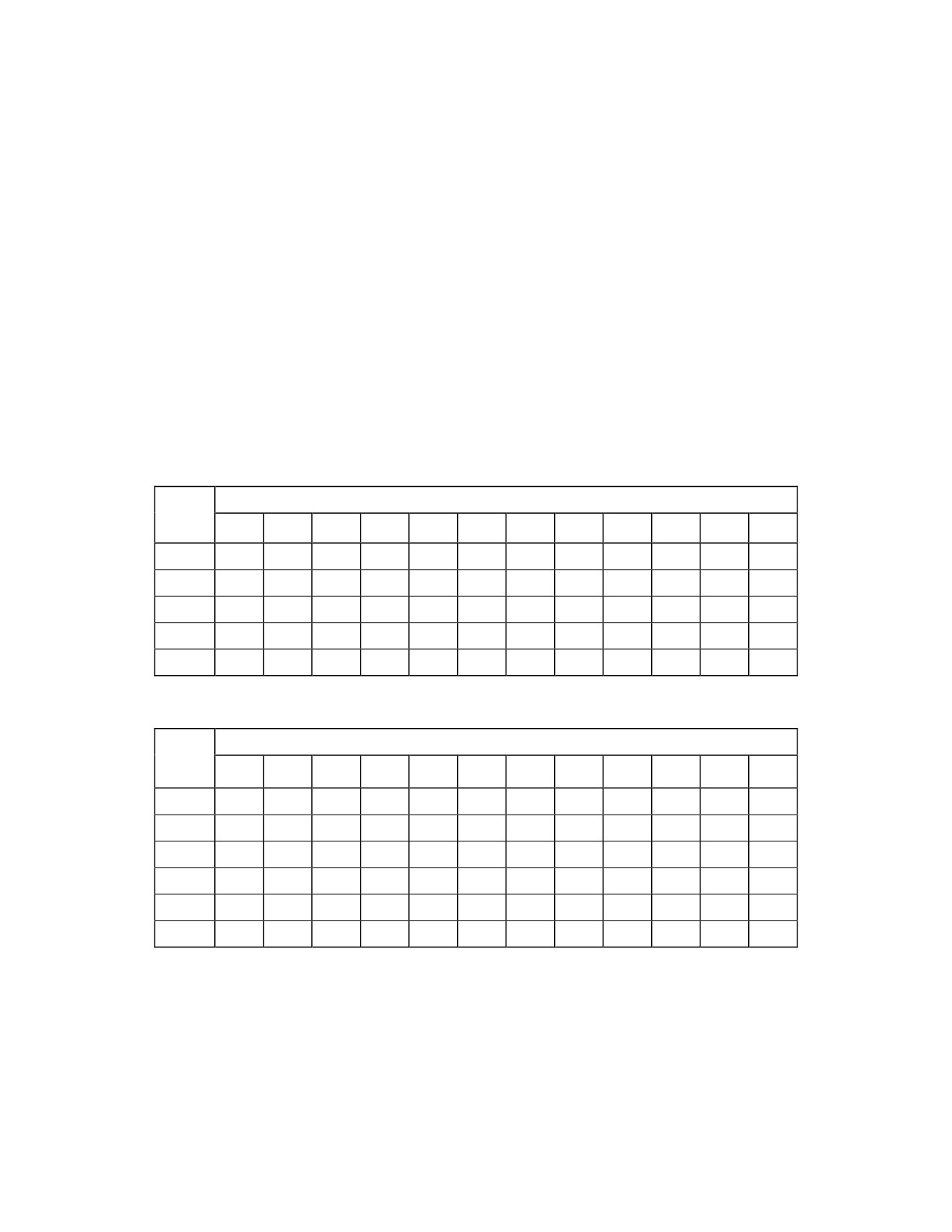
Table J-1. Map Distance, in cm, Map Scale 1:50,000, Wind Speed in KM/H
Wind
Altitude Layers (Thousands of Meters)
Speed
0-2
2-4
4-6
6-8
8-10
10-12
12-14
14-16
16-18
18-22
22-30
>30
(km/h)
5
6.8
5.8
5.2
5.0
4.8
4.4
4.2
4.0
3.8
3.8
3.6
3.4
10
13.6
11.8
10.4
10.0
9.6
9.0
8.4
8.0
7.8
7.6
7.2
6.8
15
20.4
17.6
15.6
15.0
14.4
13.4
12.6
12.0
11.6
11.2
10.8
10.2
20
27.2
23.6
20.8
20.0
19.2
18.0
16.8
16.0
15.6
15.0
14.2
13.6
25
34.0
29.4
26.0
25.2
24.0
22.4
21.0
20.0
19.4
18.8
17.8
17.0
Table J-2. Map Distance, in cm, Map Scale 1:50,000, Wind Speed in Knots
Wind
Altitude Layers (Thousands of Meters)
Speed
0-2
2-4
4-6
6-8
8-10
10-12
12-14
14-16
16-18
18-22
22-30
>30
(Knots)
12.6
11.0
9.6
9.4
9.0
8.4
7.8
7.4
7.2
7.0
6.6
6.4
5
10
25.2
21.8
19.2
18.6
17.8
16.6
15.6
14.8
14.4
14.0
13.2
12.6
15
37.8
32.8
28.8
28.0
26.8
25.0
23.4
22.2
21.6
20.8
19.6
19.0
20
50.4
43.6
38.4
37.2
35.6
33.2
31.2
29.6
28.8
27.8
26.2
25.2
25
63.0
54.6
48.0
46.6
44.6
41.2
39.0
37.0
36.0
34.8
32.8
31.6
30
65.6
65.4
57.6
55.8
53.4
49.8
46.8
44.4
43.2
41.8
39.4
37.8
2 February 2006 FM 3-11.3/MCWP 3-37.2A/NTTP 3-11.25/AFTTP(I) 3-2.56
J-1

Table J-3. Map Distance, in cm, Map Scale 1:100,000, Wind Speed in KM/H
Wind
Altitude Layers (Thousands of Meters)
Speed
(km/h)
0-2
2-4
4-6
6-8
8-10
10-12
12-14
14-16
16-18
18-22
22-30
>30
5
3.4
2.9
2.6
2.5
2.4
2.2
2.1
2.0
1.9
1.9
1.8
1.7
10
6.8
5.9
5.2
5.0
4.8
4.5
4.2
4.0
3.9
3.8
3.6
3.4
15
10.2
8.8
7.8
7.5
7.2
6.7
6.3
6.0
5.8
5.6
5.4
5.1
20
13.6
11.8
10.4
10.0
9.6
9.0
8.4
8.0
7.8
7.5
7.1
6.8
25
17.0
14.7
13.0
12.6
12.0
11.2
10.5
10.0
9.7
9.4
8.9
8.5
30
20.4
17.7
15.6
15.1
14.4
13.4
12.6
12.0
11.7
11.3
10.7
10.2
35
23.8
20.6
18.1
17.6
16.8
15.7
14.7
14.0
13.6
13.1
12.5
11.9
40
27.2
23.6
20.7
20.1
19.2
17.9
16.8
16.0
15.6
15.0
14.3
13.6
45
30.6
26.5
23.3
22.6
21.6
20.2
19.0
18.0
17.5
16.9
16.1
15.3
50
34.0
29.5
25.9
25.1
24.0
22.4
21.1
20.0
19.4
18.8
17.9
17.0
Table J-4. Map Distance, in cm, Map Scale 1:100,000, Wind Speed in Knots
Wind
Altitude Layers (Thousands of Meters)
Speed
Knots
0-2
2-4
4-6
6-8
8-10
10-12
12-14
14-16
16-18
18-22
22-30
>30
5
6.3
5.5
4.8
4.7
4.5
4.2
3.9
3.7
3.6
3.5
3.3
3.2
10
12.6
10.9
9.6
9.3
8.9
8.3
7.8
7.4
7.2
7.0
6.6
6.3
15
18.9
16.4
14.4
14.0
13.4
12.5
11.7
11.1
10.8
10.4
9.8
9.5
20
25.2
21.8
19.2
18.6
17.8
16.6
15.6
14.8
14.4
13.9
13.1
12.6
25
31.5
27.3
24.0
23.3
22.3
20.6
19.5
18.5
18.0
17.4
16.4
15.8
30
37.8
32.7
28.8
27.9
26.7
24.9
23.4
22.2
21.6
20.9
19.7
18.9
35
44.1
38.2
33.6
32.6
31.2
29.1
27.3
25.9
25.2
24.3
22.9
22.1
40
50.4
43.6
38.4
37.2
35.6
33.2
31.2
29.6
28.8
27.8
26.2
25.2
45
56.7
49.1
43.2
41.9
40.1
37.4
35.1
33.3
32.4
31.3
29.5
28.4
50
63.0
54.5
48.0
46.5
44.5
41.5
39.0
37.0
36.0
34.8
32.8
31.5
J-2
FM 3-11.3/MCWP 3-37.2A/NTTP 3-11.25/AFTTP(I) 3-2.56
2 February 2006

Table J-5. Map Distance, in cm, Map Scale 1:250,000, Wind Speed in KM/H
Wind
Altitude Layers (Thousands of Meters)
Speed
0-2
2-4
4-6
6-8
8-10
10-12
12-14
14-16
16-18
18-22
22-30
>30
(km/h)
5
1.4
1.2
1.0
1.0
1.0
0.9
0.8
0.8
0.8
0.8
0.7
0.7
10
2.7
2.4
2.1
2.0
1.9
1.8
1.7
1.6
1.6
1.5
1.4
1.4
15
4.1
3.5
3.1
3.0
2.9
2.7
2.5
2.4
2.3
2.3
2.1
2.0
20
5.4
4.7
4.1
4.0
3.8
3.6
3.4
3.2
3.1
3.0
2.9
2.7
25
6.8
5.9
5.2
5.0
4.8
4.5
4.2
4.0
3.9
3.8
3.6
3.4
30
8.2
7.1
6.2
6.0
5.8
5.4
5.1
4.8
4.7
4.5
4.3
4.1
35
9.5
8.2
7.3
7.0
6.7
6.3
5.9
5.6
5.4
5.3
5.0
4.8
40
10.9
9.4
8.3
8.0
7.7
7.2
6.7
6.4
6.2
6.0
5.7
5.4
45
12.2
10.6
9.3
9.0
8.6
8.1
7.6
7.2
7.0
6.8
6.4
6.1
50
13.6
11.8
10.4
10.0
9.6
9.0
8.4
8.0
7.8
7.5
7.1
6.8
55
15.0
12.9
11.4
11.0
10.6
9.9
9.3
8.8
8.6
8.3
7.9
7.5
60
16.3
14.1
12.4
12.0
11.5
10.8
10.1
9.6
9.3
9.0
8.6
8.2
75
20.4
17.7
15.5
15.1
14.4
13.4
12.6
12.0
11.7
11.3
10.7
10.2
100
27.2
23.5
20.7
20.1
19.2
17.9
16.9
16.0
15.6
15.0
14.3
13.6
Table J-6. Map Distance, in cm, Map Scale 1:250,000, Wind Speed in Knots
Wind
Altitude Layers (Thousands of Meters)
Speed
0-2
2-4
4-6
6-8
8-10
10-12
12-14
14-16
16-18
18-22
22-30
>30
Knots
5
2.5
2.2
1.9
1.9
1.8
1.7
1.6
1.5
1.4
1.4
1.3
1.3
10
5.0
4.4
3.8
3.7
3.6
3.3
3.1
3.0
2.9
2.8
2.6
2.5
15
7.6
6.5
5.8
5.6
5.3
5.0
4.7
4.4
4.3
4.2
3.9
3.8
20
10.1
8.7
7.7
7.4
7.1
6.6
6.2
5.9
5.8
5.6
5.2
5.0
25
12.6
10.9
9.6
9.3
8.9
8.3
7.8
7.4
7.2
7.0
6.6
6.3
30
15.1
13.1
11.5
11.2
10.7
10.0
9.4
8.9
8.6
8.3
7.9
7.6
35
17.6
15.3
13.4
13.0
12.5
11.6
10.9
10.4
10.1
9.7
9.2
8.8
40
20.2
17.4
15.4
14.9
14.2
13.3
12.5
11.8
11.5
11.1
10.5
10.1
45
22.7
19.6
17.3
16.7
16.0
14.9
14.0
13.3
13.0
12.5
11.8
11.3
50
25.2
21.8
19.2
18.6
17.8
16.6
15.6
14.8
14.4
13.9
13.1
12.6
55
27.7
24.0
21.1
20.5
19.6
18.3
17.2
16.3
15.8
15.3
14.4
13.9
60
30.2
26.2
23.0
22.3
21.4
19.9
18.7
17.8
17.3
16.7
15.7
15.1
75
37.8
32.7
28.8
27.9
26.7
24.9
23.4
22.2
21.6
20.9
19.7
18.9
100
50.4
43.6
38.4
37.2
35.6
33.2
31.2
29.6
28.8
27.8
26.2
25.2
2 February 2006 FM 3-11.3/MCWP 3-37.2A/NTTP 3-11.25/AFTTP(I) 3-2.56
J-3

Table J-7. Conversion Table, Degrees to Mils
Degrees
Mils
Degrees
Mils
Degrees
Mils
Degrees
Mils
1
17.78
65
1,155.55
165
2,933.33
265
4,711.11
2
35.55
70
1,244.44
170
3,022.22
270
4,800.00
3
53.33
75
1,333.33
175
3,111.11
275
4,888.89
4
71.11
80
1,422.22
180
3,200.00
280
4,977.78
5
88.89
85
1,511.11
185
3,288.89
285
5,066.67
6
106.67
90
1,600.00
190
3,377.78
290
5,155.55
7
124.44
95
1,688.89
195
3,466.67
295
5,244.44
8
142.22
100
1,777.78
200
3,555.55
300
5,333.33
9
160.00
105
1,866.67
205
3,644.44
305
5,422.22
10
177.78
110
1,955.55
210
3,733.33
310
5,511.11
15
266.67
115
2,044.44
215
3,822.22
315
5,600.00
20
355.55
120
2,133.33
220
3,911.11
320
5,688.89
25
444.44
125
2,222.22
225
4,000.00
325
5,777.78
30
533.33
130
2,311.11
230
4,088.89
330
5,866.67
35
622.22
135
2,400.00
235
4,177.78
335
5,955.55
40
711.11
140
2,488.89
240
4,266.67
340
6,044.44
45
800.00
145
2,577.78
245
4,355.55
345
6,133.33
50
888.89
150
2,666.67
250
4,444.44
350
6,222.22
55
977.78
155
2,755.55
255
4,533.33
355
6,311.11
60
1,066.67
160
2,844.44
260
4,622.22
360
6,400.00
J-4
FM 3-11.3/MCWP 3-37.2A/NTTP 3-11.25/AFTTP(I) 3-2.56
2 February 2006

Table J-8. Conversion Table and Distance Conversion Factors
To convert
To
Multiply by
kilometers
miles
0.62
kilometers
nautical miles
0.54
miles
kilometers
1.61
miles
nautical miles
0.87
nautical miles
kilometers
1.85
nautical miles
miles
1.15
meters
feet
3.28
feet
meters
0.30
mph
km/h
1.61
mph
knots
0.87
mph
m/sec
0.45
mph
ft/sec
1.47
km/h
mph
0.62
km/h
knots
0.54
km/h
m/sec
0.28
km/h
ft/sec
0.91
knots
km/h
1.85
knots
mph
1.15
knots
m/sec
0.51
knots
ft/sec
1.69
m/sec
km/h
3.60
m/sec
mph
2.24
m/sec
knots
1.94
m/sec
ft/sec
3.28
ft/sec
km/h
1.10
ft/sec
mph
0.68
ft/sec
knots
0.59
ft/sec
m/s
0.30
kilograms
pounds
2.20
pounds
kilograms
0.45
gallons
litres
3.79
litres
gallons
0.26
2 February 2006 FM 3-11.3/MCWP 3-37.2A/NTTP 3-11.25/AFTTP(I) 3-2.56
J-5

Table J-9. TFs/PFs
Environmental Shielding
TF
PF
Armoured Vehicles:
M1 Tank
0.0400
25.0000
M48 Tank
0.0200
50.0000
M60 Tank
0.0400
25.0000
M2 IFV
0.2000
5.0000
M3 CFV
0.2000
5.0000
M113 Armored Personnel Carrier
0.3000
3.3300
M109 Special-Purpose Howitzer
0.2000
5.0000
M548 Cargo Vehicle
0.7000
1.4300
M88 Recovery Vehicle
0.0900
11.1100
M577 Command Post Carrier
0.3000
3.3300
M551 Armored Recon Airborne Assault
Vehicle
0.2000
5.0000
M728 Combat Engineer Vehicle
0.0400
25.0000
Trucks:
¼-ton
0.8000
1.2500
¾-ton
0.6000
1.6700
2½-ton
0.6000
1.6700
4 to 7-ton
0.5000
2.0000
Structures:
Multistory Building:
Top floor
0.0100
100.0000
Lower floor
0.1000
10.0000
Frame house:
First floor
0.6000
1.6700
Basement
0.1000
10.0000
Urban Areas (In Open)
*0.7000
*1.4300
Woods
*0.8000
*1.2500
Underground shelters
0.0002
10.0000
Foxholes
0.1000
10.0000
*These factors apply to aerial survey dose rates.
J-6
FM 3-11.3/MCWP 3-37.2A/NTTP 3-11.25/AFTTP(I) 3-2.56
2 February 2006

Table J-10. Normalizing Factors (Correction to H+1 Hour)
Decay Exponent (n)
Time After
Burst
0.600
0.800
1.000
1.200
1.400
1.600
1.800
2.000
10 min
0.341
0.238
0.167
0.116
0.081
0.057
0.040
0.028
20 min
0.517
0.415
0.333
0.268
0.215
0.172
0.138
0.111
30 min
0.660
0.574
0.500
0.435
0.379
0.330
0.287
0.250
40 min
0.784
0.723
0.667
0.615
0.567
0.523
0.482
0.444
50 min
0.896
0.864
0.833
0.803
0.775
0.747
0.720
0.694
1 hr 0 min
1.000
1.000
1.000
1.000
1.000
1.000
1.000
1.000
1 hr 10 min
1.090
1.130
1.160
1.200
1.240
1.280
1.320
1.360
1 hr 20 min
1.180
1.250
1.330
1.410
1.490
1.580
1.670
1.770
1 hr 30 min
1.270
1.380
1.500
1.620
1.760
1.910
2.070
2.250
1 hr 40 min
1.350
1.500
1.660
1.840
2.040
2.260
2.500
2.770
1 hr 50 min
1.430
1.620
1.830
2.070
2.330
2.630
2.970
3.360
2 hr 0 min
1.510
1.740
2.000
2.290
2.630
3.030
3.480
4.000
2 hr 15 min
1.620
1.910
2.250
2.640
3.110
3.660
4.300
5.060
2 hr 30 min
1.730
2.080
2.500
3.000
3.600
4.330
5.200
6.250
2 hr 45 min
1.830
2.240
2.750
3.360
4.120
5.040
6.170
7.560
3 hr 0 min
1.930
2.400
3.000
3.730
4.650
5.800
7.220
9.000
3 hr 15 min
2.020
2.560
3.250
4.110
5.200
6.590
8.340
10.560
3 hr 30 min
2.120
2.720
3.500
4.490
5.770
7.420
9.530
12.250
3 hr 45 min
2.210
2.870
3.750
4.880
6.360
8.280
10.790
14.060
4 hr 0 min
2.290
3.030
4.000
5.270
6.960
9.190
12.120
16.000
4 hr 20 min
2.410
3.230
4.330
5.810
7.790
10.440
14.000
18.770
4 hr 40 min
2.520
3.420
4.660
6.350
8.640
11.760
16.000
21.770
5 hr 0 min
2.620
3.620
5.000
6.890
9.510
13.130
18.110
25.000
5 hr 20 min
2.730
3.810
5.330
7.450
10.410
14.560
20.350
28.440
5 hr 40 min
2.830
4.000
5.660
8.010
11.340
16.040
22.690
32.110
6 hr 0 min
2.930
4.190
6.000
8.580
12.280
17.580
25.150
36.000
6 hr 20 min
3.020
4.370
6.330
9.160
13.250
19.170
27.720
40.110
6 hr 40 min
3.120
4.560
6.660
9.740
14.230
20.800
30.410
44.440
7 hr 0 min
3.210
4.740
7.000
10.330
15.240
22.490
33.200
49.000
7 hr 20 min
3.300
4.920
7.330
10.920
16.270
24.230
36.100
53.770
7 hr 40 min
3.390
5.100
7.660
11.520
17.310
26.020
39.110
58.770
8 hr 0 min
3.480
5.270
8.000
12.120
18.370
27.850
42.220
64.000
9 hr 0 min
3.730
5.800
9.000
13.960
21.670
33.630
52.190
81.000
10 hr 0 min
3.980
6.310
10.000
15.840
25.110
39.810
63.090
100.000
11 hr 0 min
4.210
6.800
11.000
17.760
28.700
46.360
74.900
121.000
12 hr 0 min
4.440
7.300
12.000
19.720
32.420
53.290
87.600
144.000
2 February 2006 FM 3-11.3/MCWP 3-37.2A/NTTP 3-11.25/AFTTP(I) 3-2.56
J-7
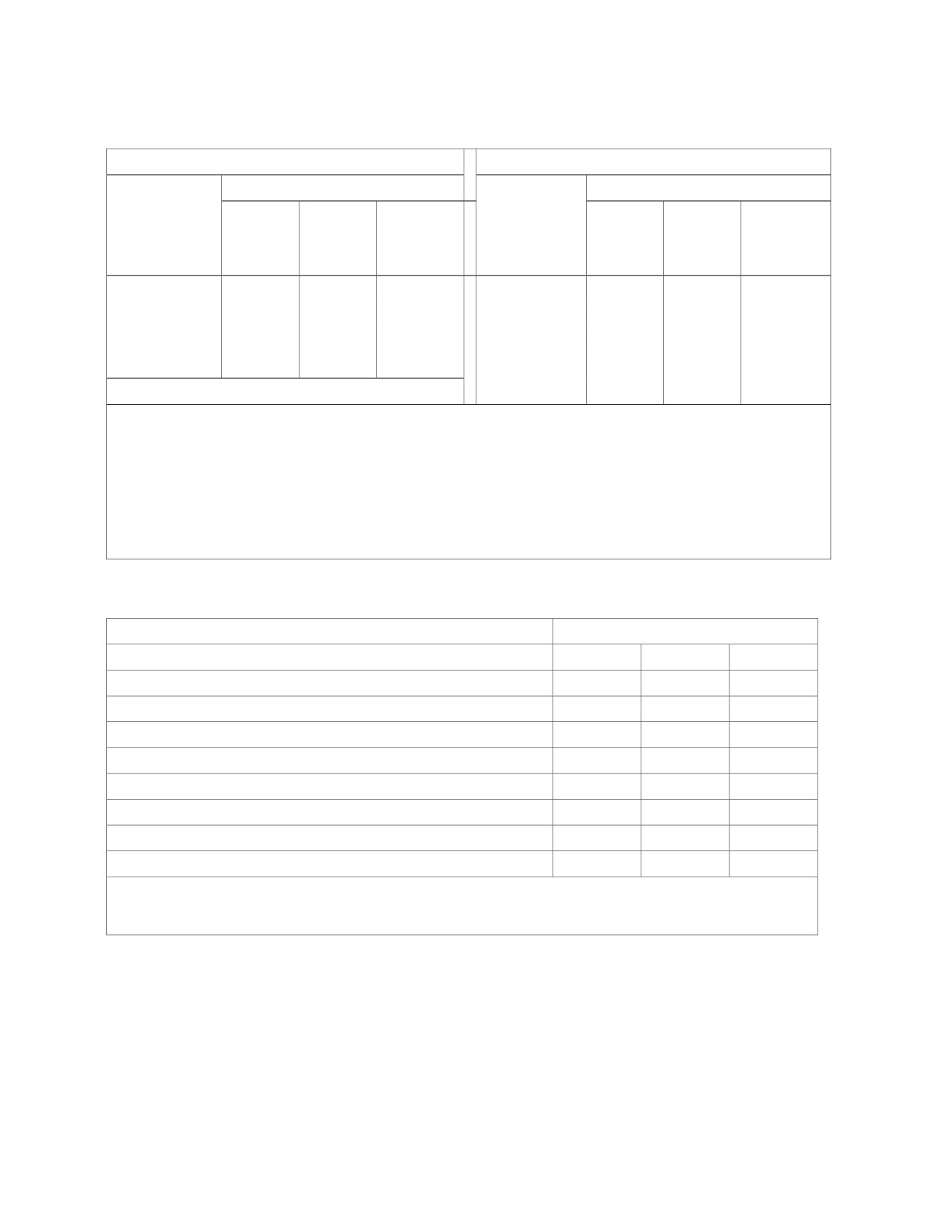
Table J-11. Determination of Stability Category
Morning (AM)
Afternoon (PM)
Sun
Sun
Condition of Sky
Condition of Sky
Elevation
Elevation
Angle
No clouds/
More than
Overcast
Angle
No clouds/
More than
Overcast
Less than
half
Less than
half
half
covered
half
covered
covered
covered
<4°
S
S
N
>46°
U
U
N
> 4°-32°
N
N
N
> 35°-46°
U
N
N
> 32°-40°
U
N
N
> 12°-35°
N
N
N
>40°
U
U
N
>
5°-12°
S
N
N
U = Unstable
N = Neutral
S = Stable
<5°
S
S
N
Enter with:
—Time of day.
—Degree of cloud cover.
—Sun elevation angle (night, >4°).
NOTES:
1. The stability category found in this table must be adjusted by using Table J-12.
2. The sun elevation table contains basic information. Nations may convert the table into a suitable format
for their own use.
Table J-12. Stability Category Adjustment
Specific Ground (Terrain) and
Stability Category
Weather Influences
U
N
S
Dry to slightly moist surface
U
N
S
Wet surface (i.e., after continuous rain or dew)
N
N
S
Frozen surface or partly covered with snow, ice, or frost.
N
S
S
Surface completely covered with snow
S
S
S
Continuous rainfall
N
N
N
Haze or mist (visibility 1-4 km)
N
N
S
Fog (visibility less than 1 km)
N
S
S
Downwind speed more than 18 kph
N
N
N
This table is used for the adjustment of the stability category found in Table J-11, taking into account influences
of surface and weather. All eight conditions of terrain and weather listed in Table J-12 must be checked, and in
case of doubt, the most stable category is to be chosen.
J-8
FM 3-11.3/MCWP 3-37.2A/NTTP 3-11.25/AFTTP(I) 3-2.56
2 February 2006

Table J-13. Radioactive Cloud and Stem Parameters (Stabilized at H+10 Minutes)
Yield
Cloud Top Height
Cloud Bottom
2/3 Stem Height
Cloud
Time of Fall
(KT)
Km 1,000 ft
Height
Radius
(Cloud Bottom)
Km 1,000 ft
Km 1,000 ft
Km mi
Hours*
0.15
2.4
7.9
1.3
4.3
0.9
2.9
0.4
0.2
0.4
0.20
2.6
8.5
1.4
4.6
0.9
3.1
0.5
0.3
0.4
0.30
2.8
9.2
1.5
4.9
1.0
3.3
0.6
0.4
0.4
0.40
3.0
9.8
1.6
5.3
1.1
3.5
0.7
0.4
0.5
0.50
3.2
11.0
1.7
5.6
1.1
3.7
0.7
0.4
0.5
0.60
3.3
11.0
1.8
5.9
1.2
3.9
0.8
0.5
0.5
0.70
3.4
11.0
1.8
5.9
1.2
3.9
0.8
0.5
0.5
0.80
3.5
11.0
1.9
6.2
1.3
4.1
0.9
0.6
0.5
0.90
3.6
12.0
2.0
6.6
1.3
4.4
0.9
0.6
0.5
1.00
3.7
12.0
2.0
6.6
1.3
1.1
1.0
0.6
0.5
2.00
4.4
14.0
2.3
7.5
1.5
2.0
1.3
0.8
0.6
3.00
5.1
17.0
2.8
9.2
1.9
3.1
1.5
0.9
0.7
4.00
5.7
19.0
3.3
11.0
2.2
7.3
1.7
1.1
0.8
5.00
6.3
21.0
3.6
12.0
2.4
8.0
1.9
1.2
0.9
6.00
6.7
22.0
4.0
13.0
2.7
8.7
2.1
1.3
1.0
7.00
7.2
24.0
4.3
14.0
2.9
9.3
2.2
1.4
1.0
8.00
7.5
25.0
4.6
15.0
3.1
10.0
2.3
1.4
1.1
9.00
7.9
26.0
4.8
16.0
3.2
11.0
2.4
1.5
1.1
10.00
8.2
27.0
5.1
17.0
3.4
11.0
2.6
1.6
1.1
20.00
11.0
36.0
7.2
24.0
4.8
16.0
3.4
2.1
1.5
30.00
12.0
39.0
7.6
25.0
5.1
17.0
4.0
2.5
1.6
40.00
12.0
39.0
8.0
26.0
5.3
17.0
4.6
2.9
1.6
50.00
13.0
43.0
8.3
27.0
5.5
18.0
5.0
3.1
1.7
60.00
13.0
43.0
8.5
28.0
5.7
19.0
5.4
3.4
1.7
70.00
14.0
46.0
8.7
29.0
5.8
19.0
5.8
3.6
1.8
80.00
14.0
46.0
8.9
29.0
5.9
19.0
6.1
3.8
1.8
90.00
14.0
46.0
9.1
30.0
6.1
20.0
6.4
4.0
1.8
100.00
14.0
46.0
9.3
31.0
6.2
21.0
6.7
4.2
1.9
200.00
16.0
53.0
10.0
33.0
6.7
22.0
9.0
5.6
2.0
300.00
17.0
56.0
11.0
36.0
7.3
24.0
11.0
6.8
2.1
400.00
18.0
59.0
12.0
39.0
8.0
26.0
12.0
7.5
2.3
500.00
19.0
62.0
12.0
39.0
8.0
26.0
13.0
8.1
2.3
600.00
20.0
66.0
12.0
39.0
8.0
26.0
14.0
8.7
2.3
700.00
20.0
66.0
13.0
43.0
8.7
29.0
15.0
9.3
2.4
800.00
21.0
69.0
13.0
43.0
8.7
29.0
16.0
9.9
2.4
900.00
21.0
69.0
13.0
43.0
8.7
29.0
17.0
11.0
2.4
MT 1.00
22.0
72.0
13.0
43.0
8.7
29.0
18.0
11.0
2.4
2.00
24.0
79.0
15.0
49.0
10.0
33.0
24.0
15.0
2.7
3.00
26.0
85.0
16.0
53.0
11.0
35.0
28.0
17.0
2.9
4.00
28.0
92.0
17.0
56.0
11.0
37.0
32.0
20.0
2.9
5.00
28.0
95.0
17.0
56.0
11.0
37.0
35.0
22.0
2.9
6.00
30.0
98.0
18.0
59.0
12.0
39.0
37.0
23.0
3.1
7.00
31.0
102.0
18.0
59.0
12.0
39.0
40.0
25.0
3.1
8.00
31.0
102.0
19.0
62.0
13.0
41.0
42.0
26.0
3.3
9.00
32.0
105.0
19.0
62.0
13.0
41.0
44.0
27.0
3.3
10.00
33.0
108.0
19.0
62.0
13.0
41.0
46.0
29.0
3.3
20.00
37.0
121.0
21.0
69.0
14.0
46.0
62.0
39.0
3.6
30.00
40.0
131.0
23.0
75.0
15.0
50.0
74.0
46.0
3.8
40.00
42.0
138.0
24.0
79.0
16.0
53.0
83.0
52.0
4.0
50.00
43.0
141.0
25.0
82.0
17.0
55.0
91.0
57.0
4.1
60.00
45.0
148.0
26.0
85.0
17.0
57.0
99.0
62.0
4.1
70.00
46.0
151.0
26.0
85.0
17.0
57.0
105.0
65.0
4.1
80.00
47.0
154.0
27.0
89.0
18.0
59.0
111.0
69.0
4.3
90.00
48.0
158.0
27.0
89.0
18.0
59.0
117.0
73.0
4.3
100.00
49.0
161.0
28.0
92.0
19.0
61.0
122.0
76.0
4.5
NOTE: 0.1 hour equals 6 minutes.
2 February 2006 FM 3-11.3/MCWP 3-37.2A/NTTP 3-11.25/AFTTP(I) 3-2.56
J-9
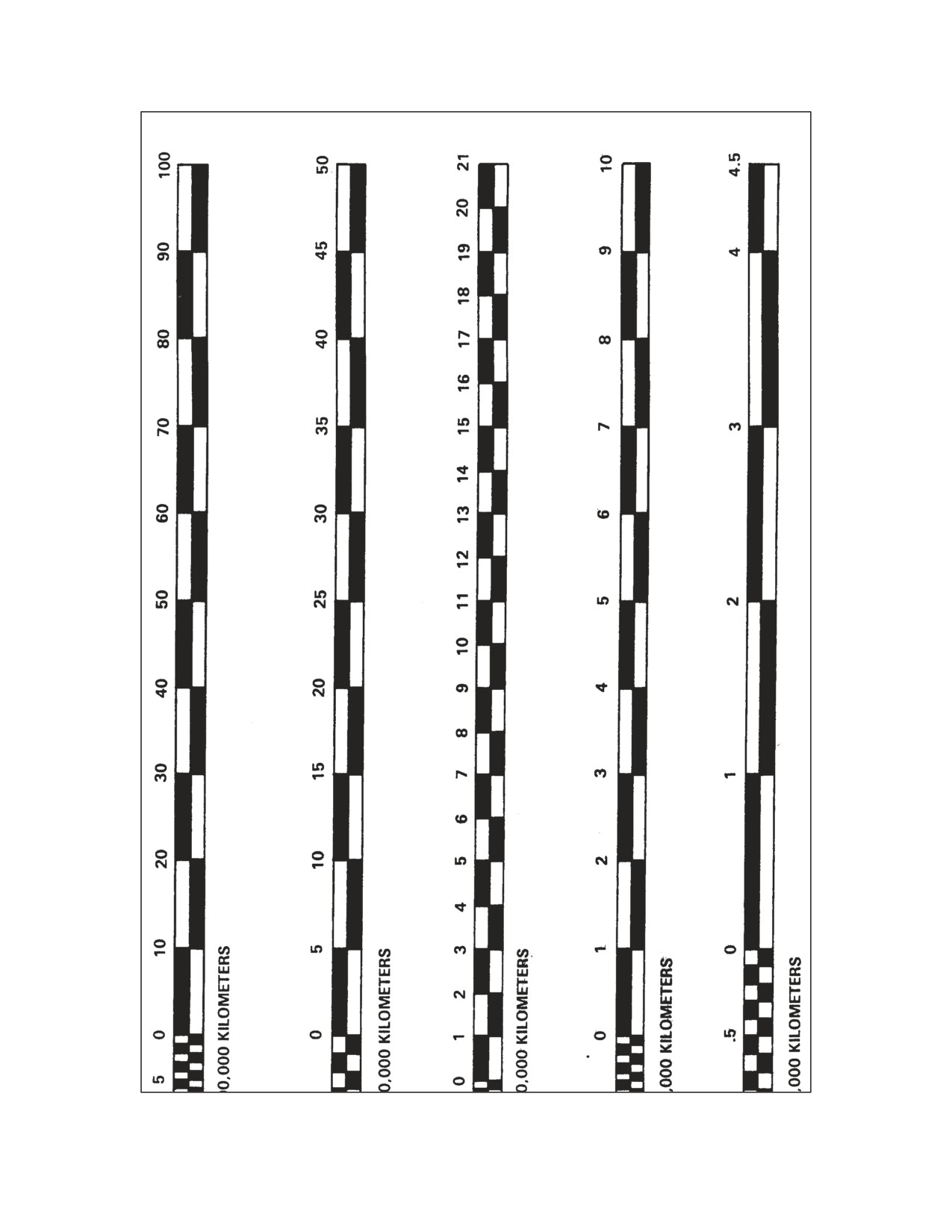
Figure J-1. Map Scales
J-10
FM 3-11.3/MCWP 3-37.2A/NTTP 3-11.25/AFTTP(I) 3-2.56
2 February 2006
Figure J-2. Hairline
2 February 2006 FM 3-11.3/MCWP 3-37.2A/NTTP 3-11.25/AFTTP(I) 3-2.56
J-11
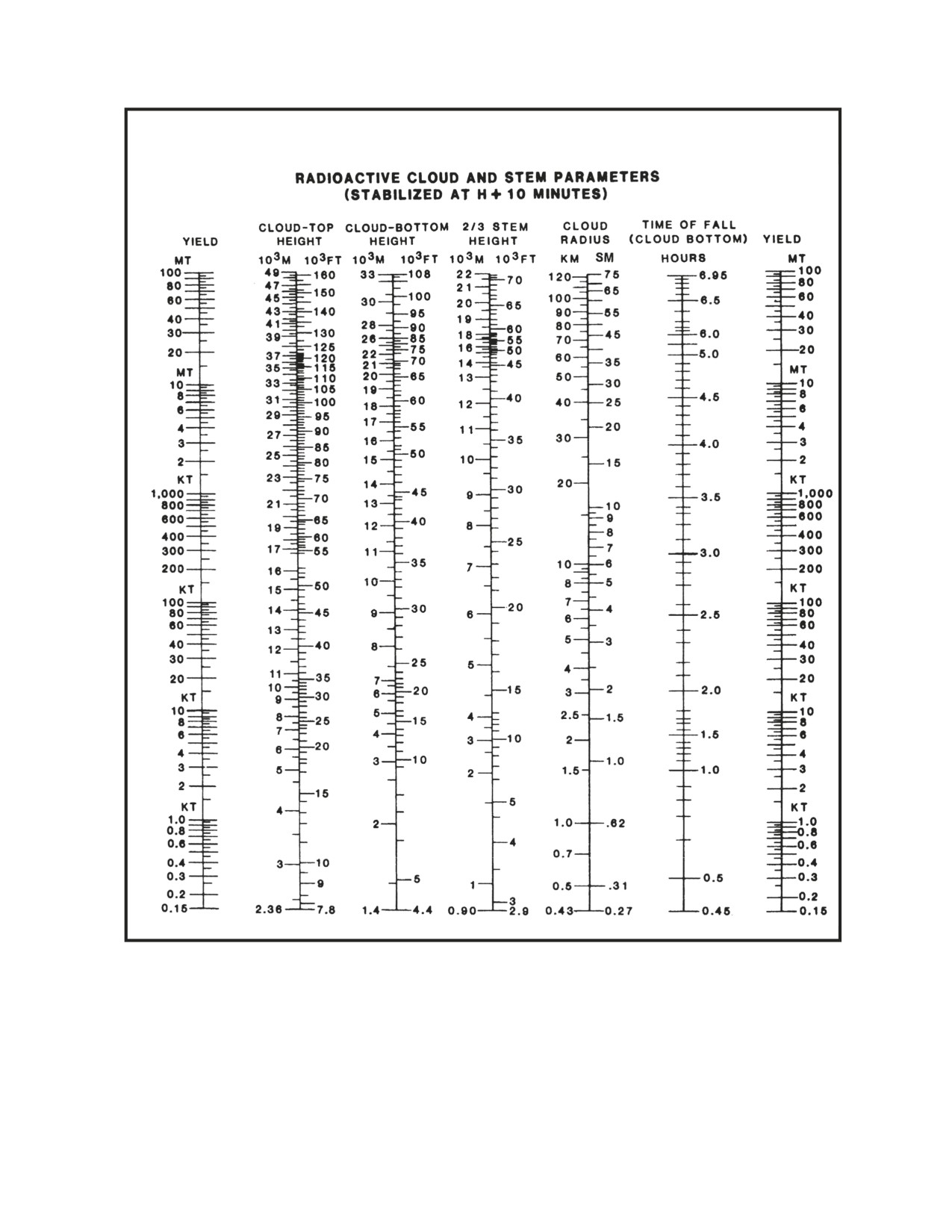
Figure J-3. Radioactive Cloud and Stem Parameters Nomogram (Stabilized at H+10 Minutes)
J-12
FM 3-11.3/MCWP 3-37.2A/NTTP 3-11.25/AFTTP(I) 3-2.56
2 February 2006
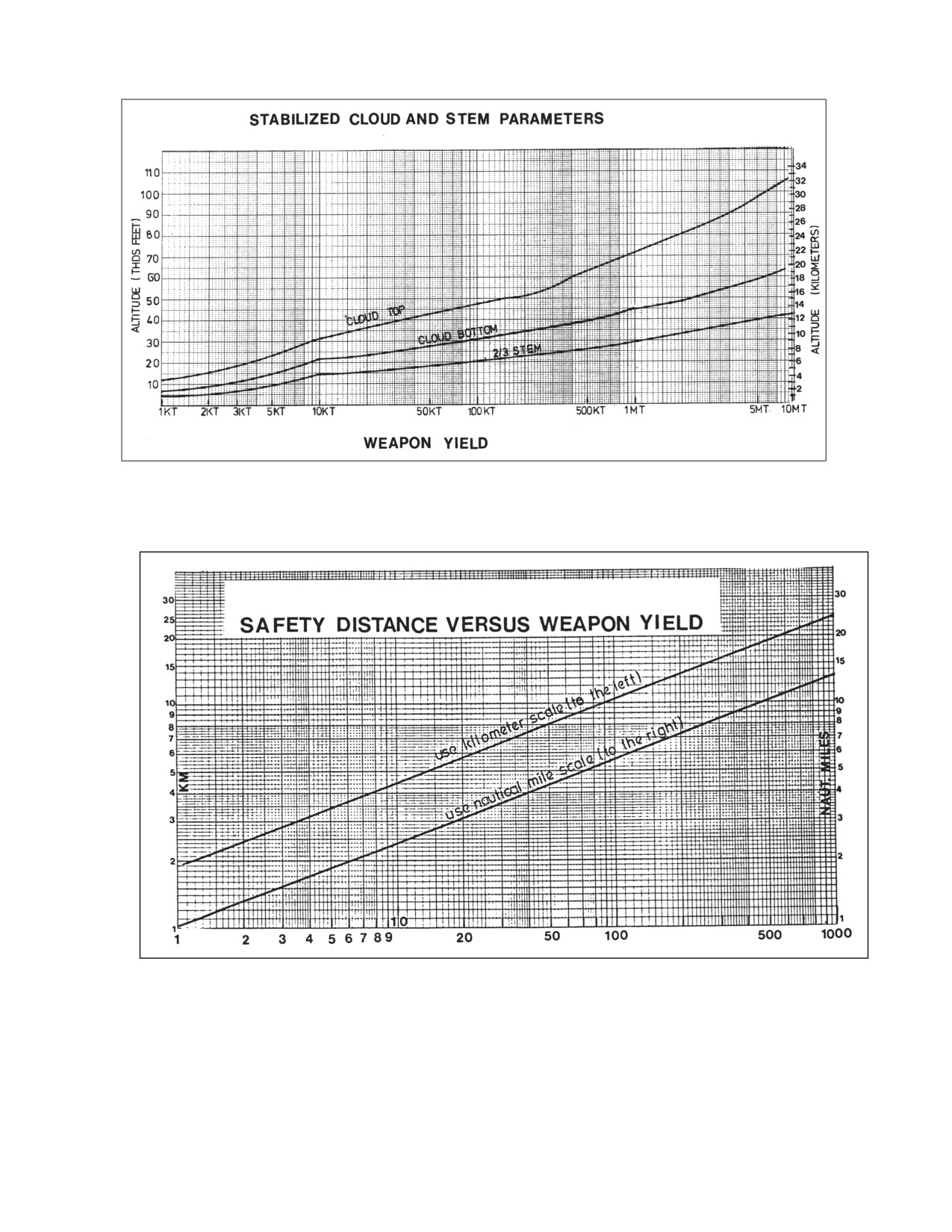
Figure J-4. Radioactive Cloud and Stem Parameters (Graph)
Figure J-5. Safety Distance as a Function of Weapon Yield
2 February 2006 FM 3-11.3/MCWP 3-37.2A/NTTP 3-11.25/AFTTP(I) 3-2.56
J-13
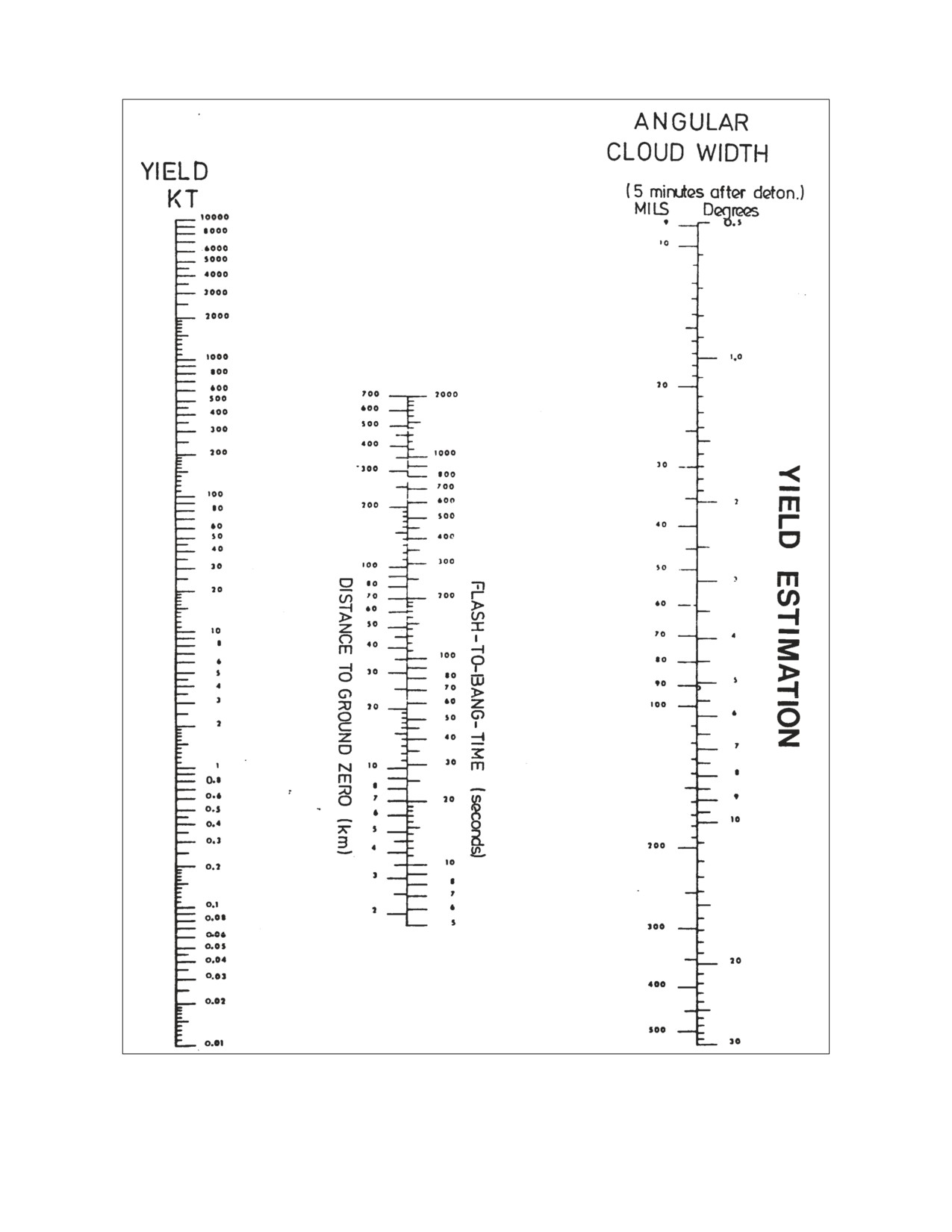
Figure J-6. Yield Estimation, Angular Cloud Width and Flash-to-Bang Time/Distance to GZ
J-14
FM 3-11.3/MCWP 3-37.2A/NTTP 3-11.25/AFTTP(I) 3-2.56
2 February 2006
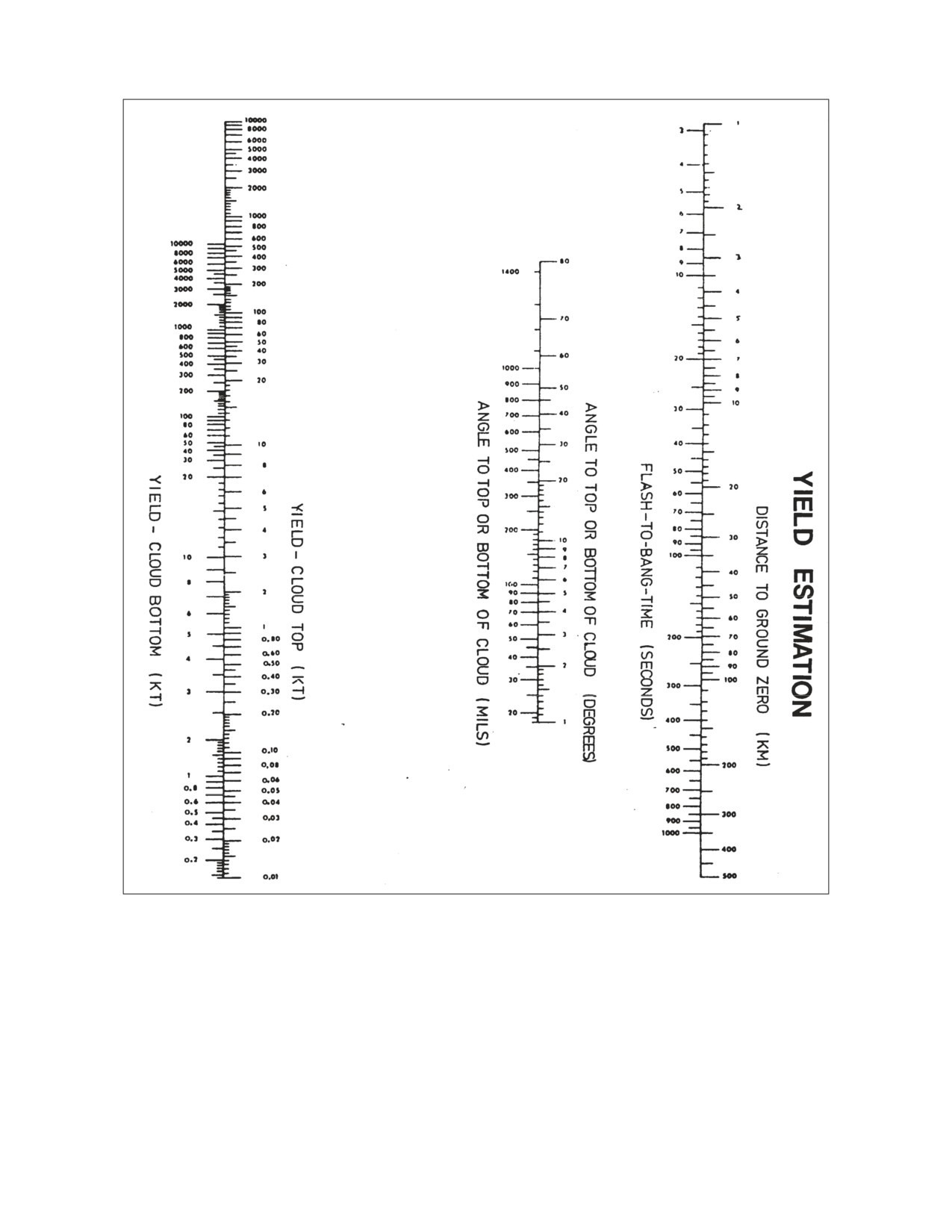
Figure J-7. Yield Estimation, Angle to Top/Bottom of Cloud and Flash-to-Bang Time/Distance
to GZ
2 February 2006 FM 3-11.3/MCWP 3-37.2A/NTTP 3-11.25/AFTTP(I) 3-2.56
J-15
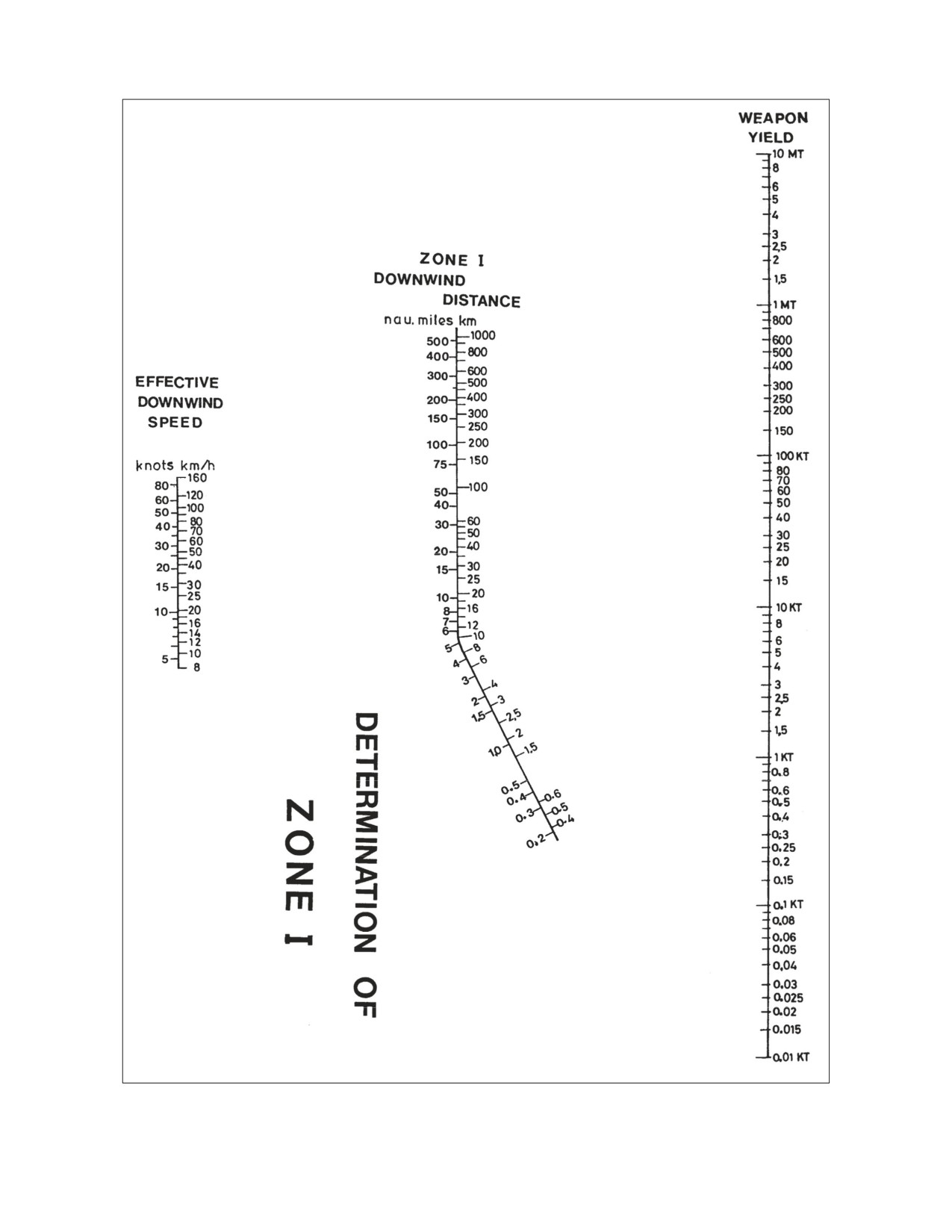
Figure J-8. Determination of Zone I, Downwind Distance
J-16
FM 3-11.3/MCWP 3-37.2A/NTTP 3-11.25/AFTTP(I) 3-2.56
2 February 2006
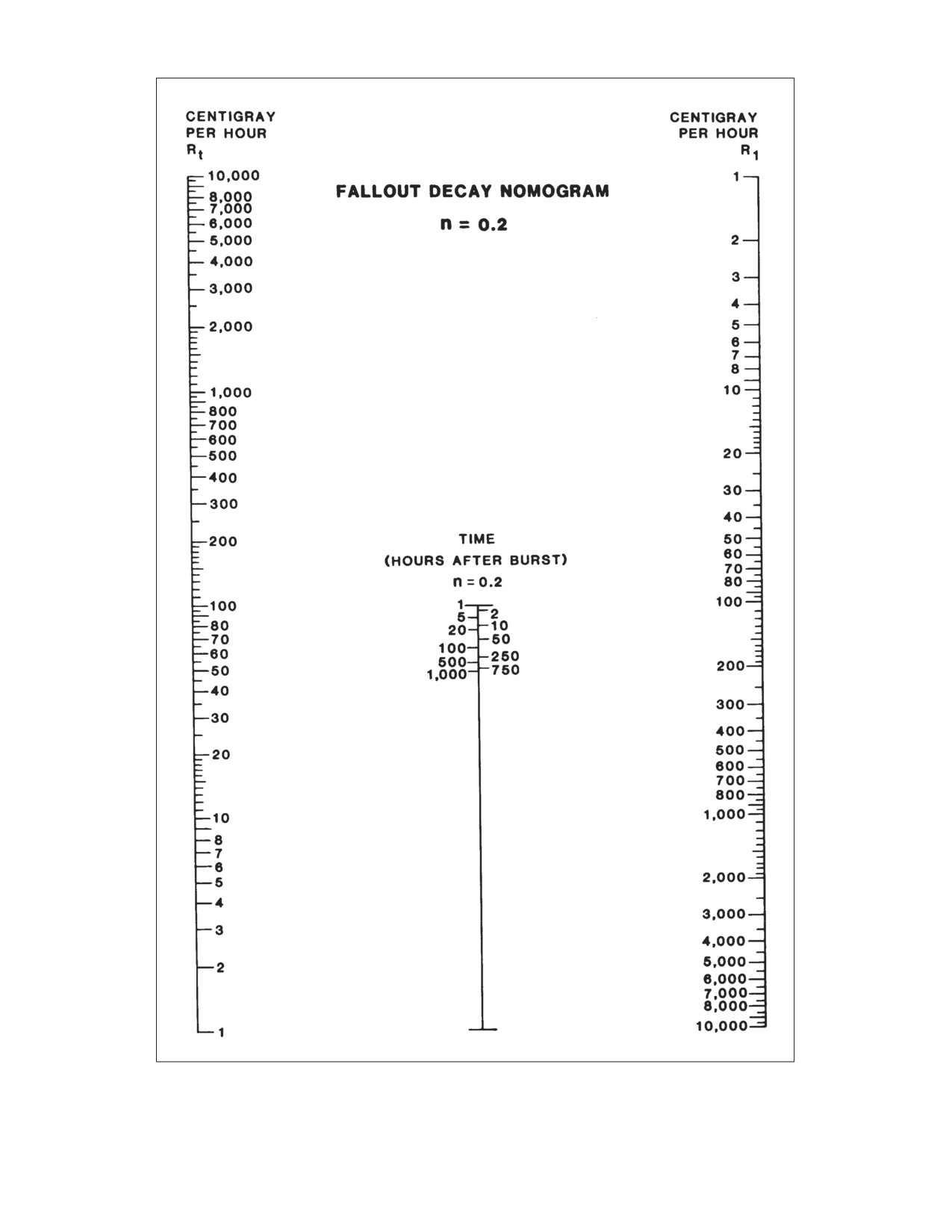
Figure J-9. Fallout Decay Nomogram (n=0.2)
2 February 2006 FM 3-11.3/MCWP 3-37.2A/NTTP 3-11.25/AFTTP(I) 3-2.56
J-17
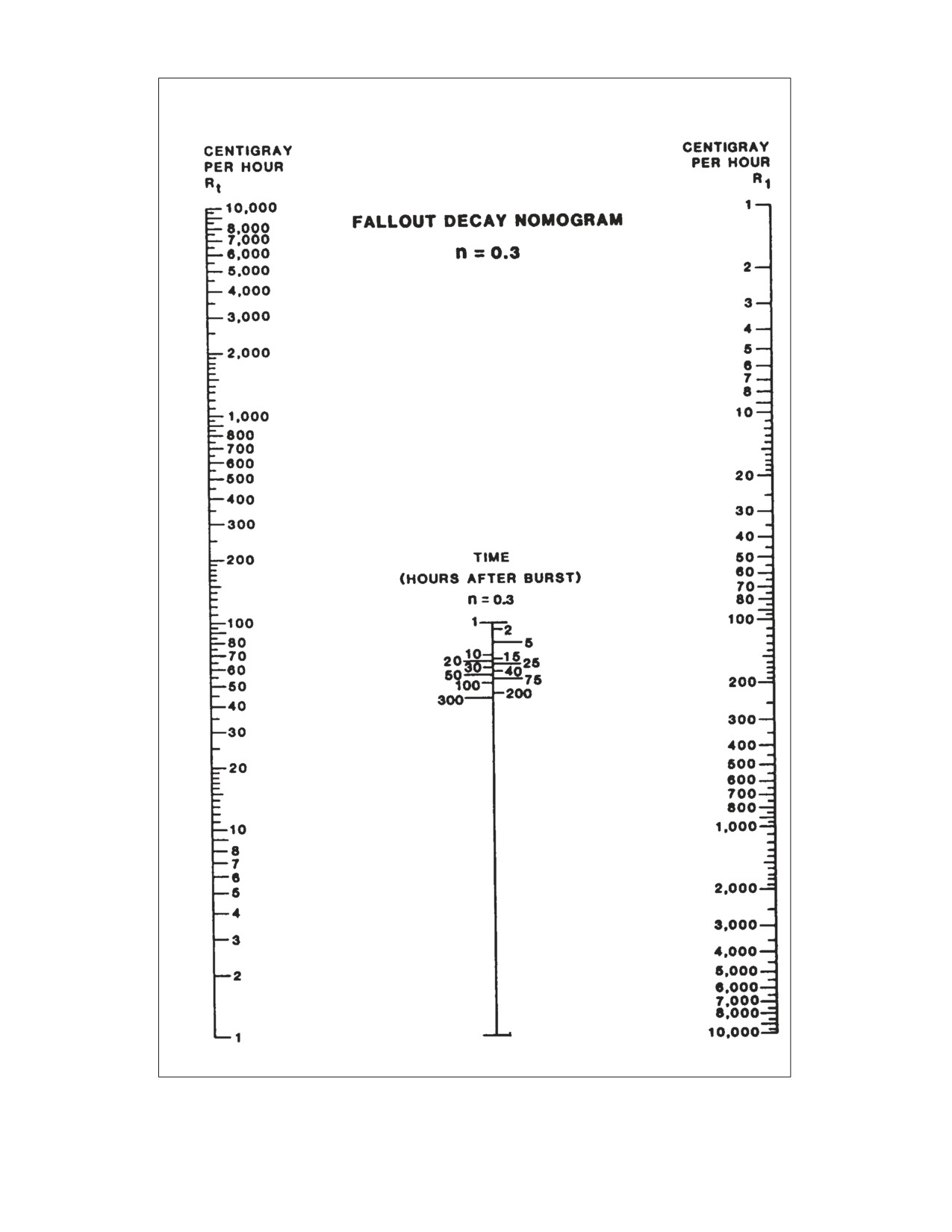
Figure J-10. Fallout Decay Nomogram (n=0.3)
J-18
FM 3-11.3/MCWP 3-37.2A/NTTP 3-11.25/AFTTP(I) 3-2.56
2 February 2006
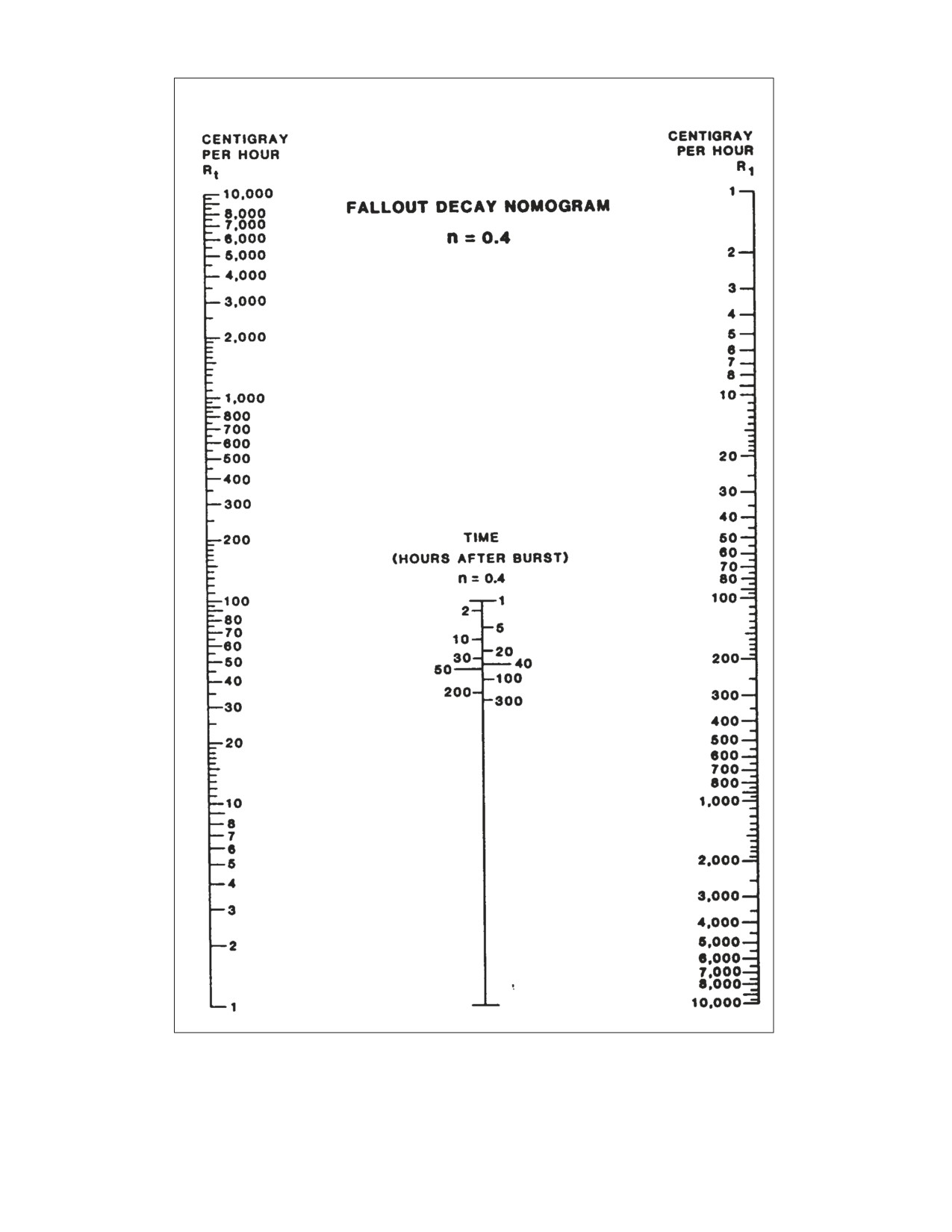
Figure J-11. Fallout Decay Nomogram (n=0.4)
2 February 2006 FM 3-11.3/MCWP 3-37.2A/NTTP 3-11.25/AFTTP(I) 3-2.56
J-19
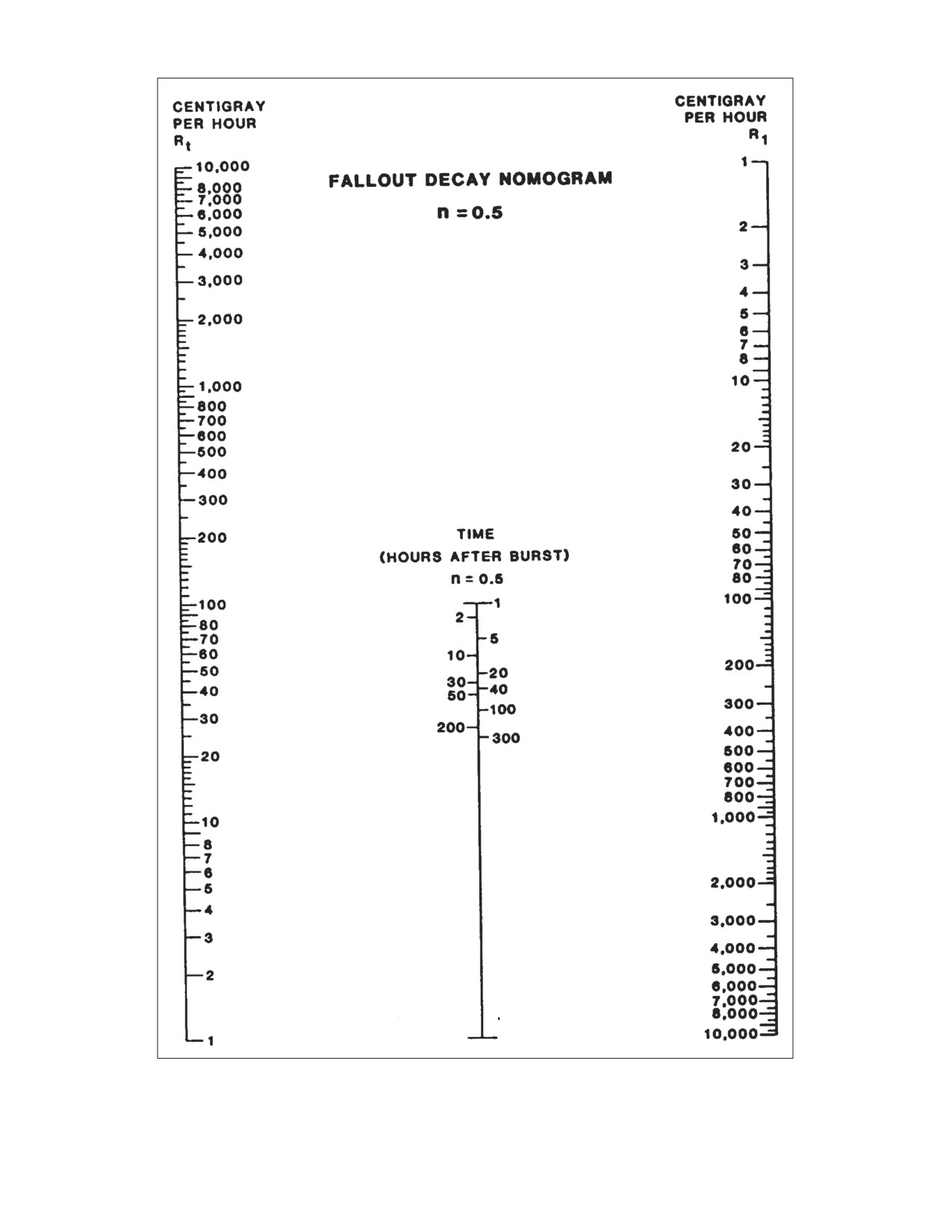
Figure J-12. Fallout Decay Nomogram (n=0.5)
J-20
FM 3-11.3/MCWP 3-37.2A/NTTP 3-11.25/AFTTP(I) 3-2.56
2 February 2006
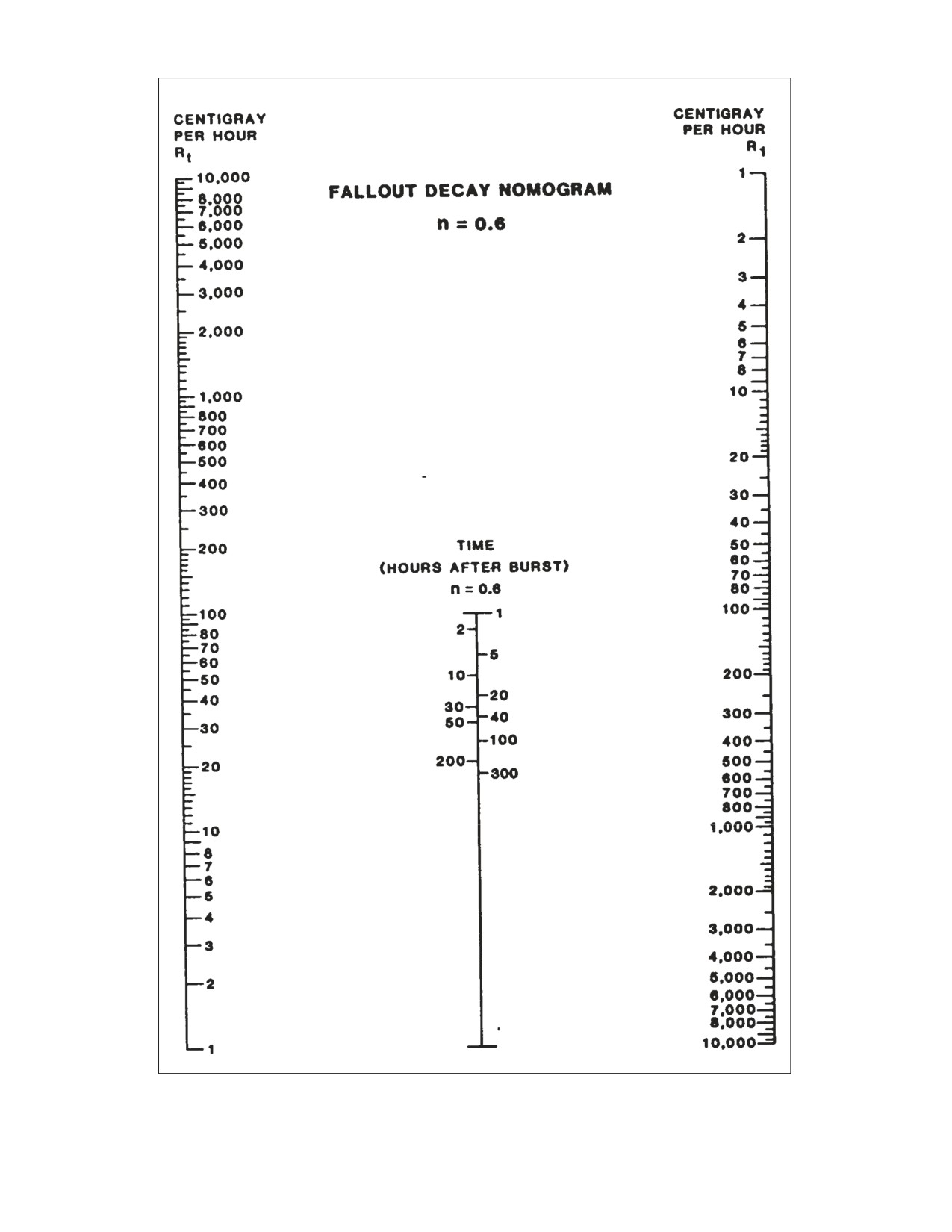
Figure J-13. Fallout Decay Nomogram (n=0.6)
2 February 2006 FM 3-11.3/MCWP 3-37.2A/NTTP 3-11.25/AFTTP(I) 3-2.56
J-21
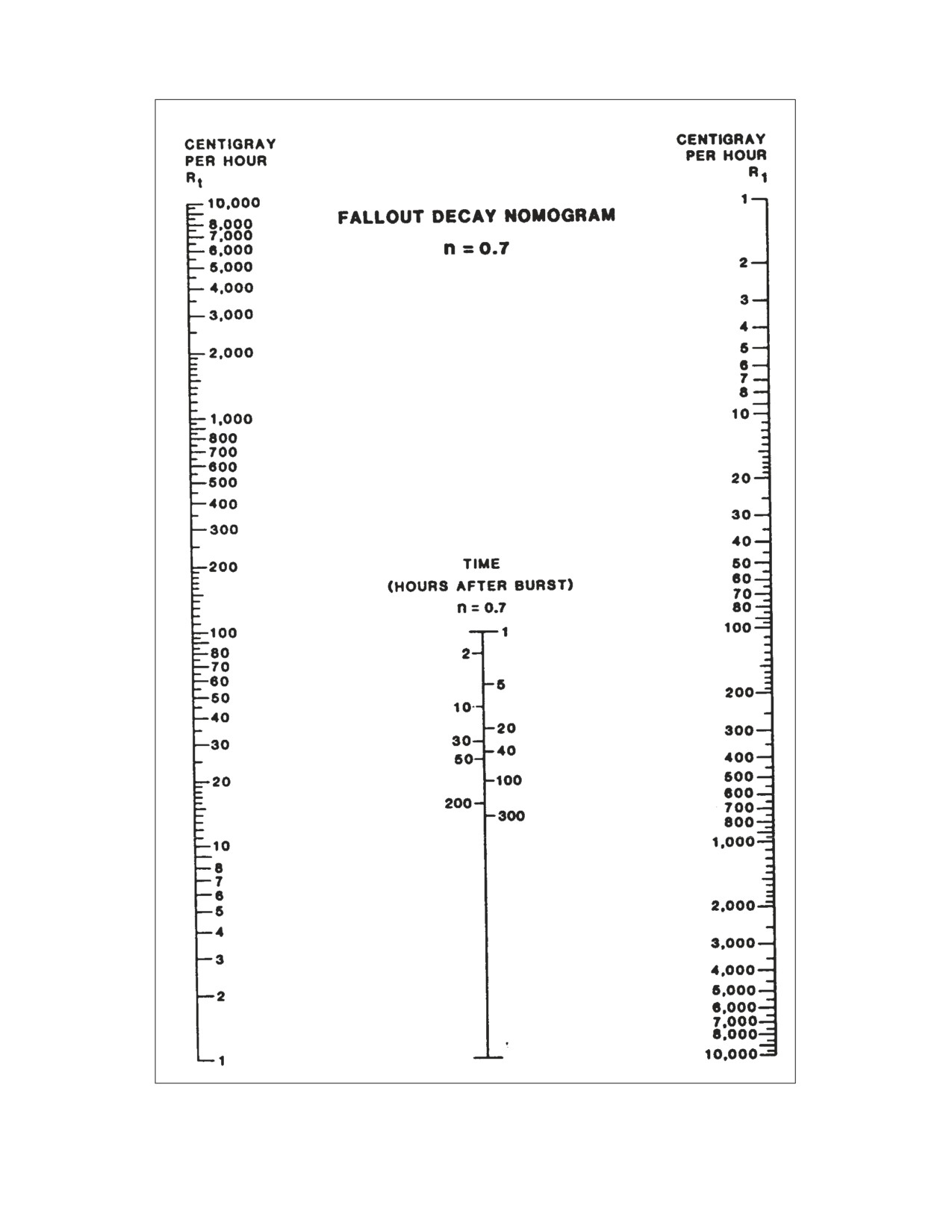
Figure J-14. Fallout Decay Nomogram (n=0.7)
J-22
FM 3-11.3/MCWP 3-37.2A/NTTP 3-11.25/AFTTP(I) 3-2.56
2 February 2006
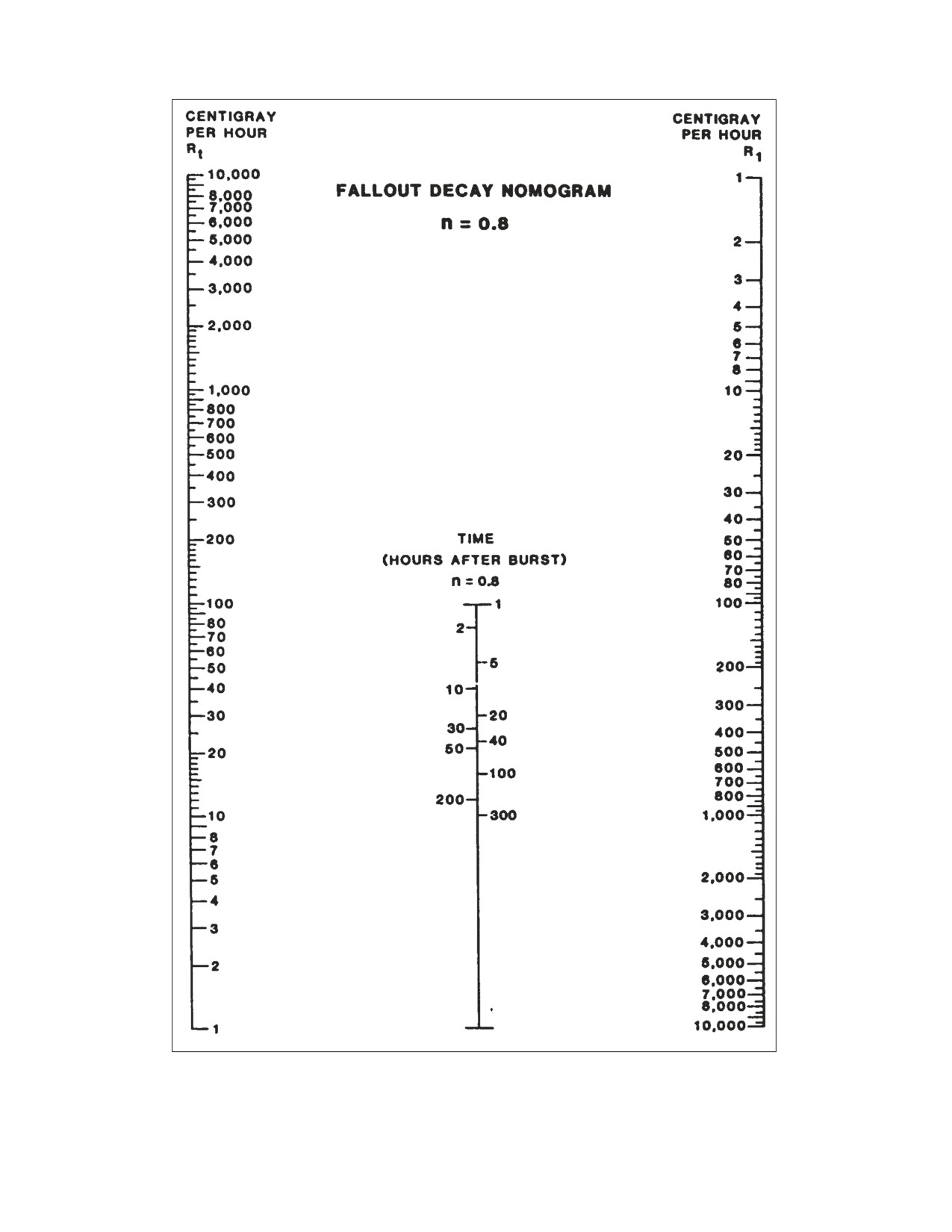
Figure J-15. Fallout Decay Nomogram (n=0.8)
2 February 2006 FM 3-11.3/MCWP 3-37.2A/NTTP 3-11.25/AFTTP(I) 3-2.56
J-23
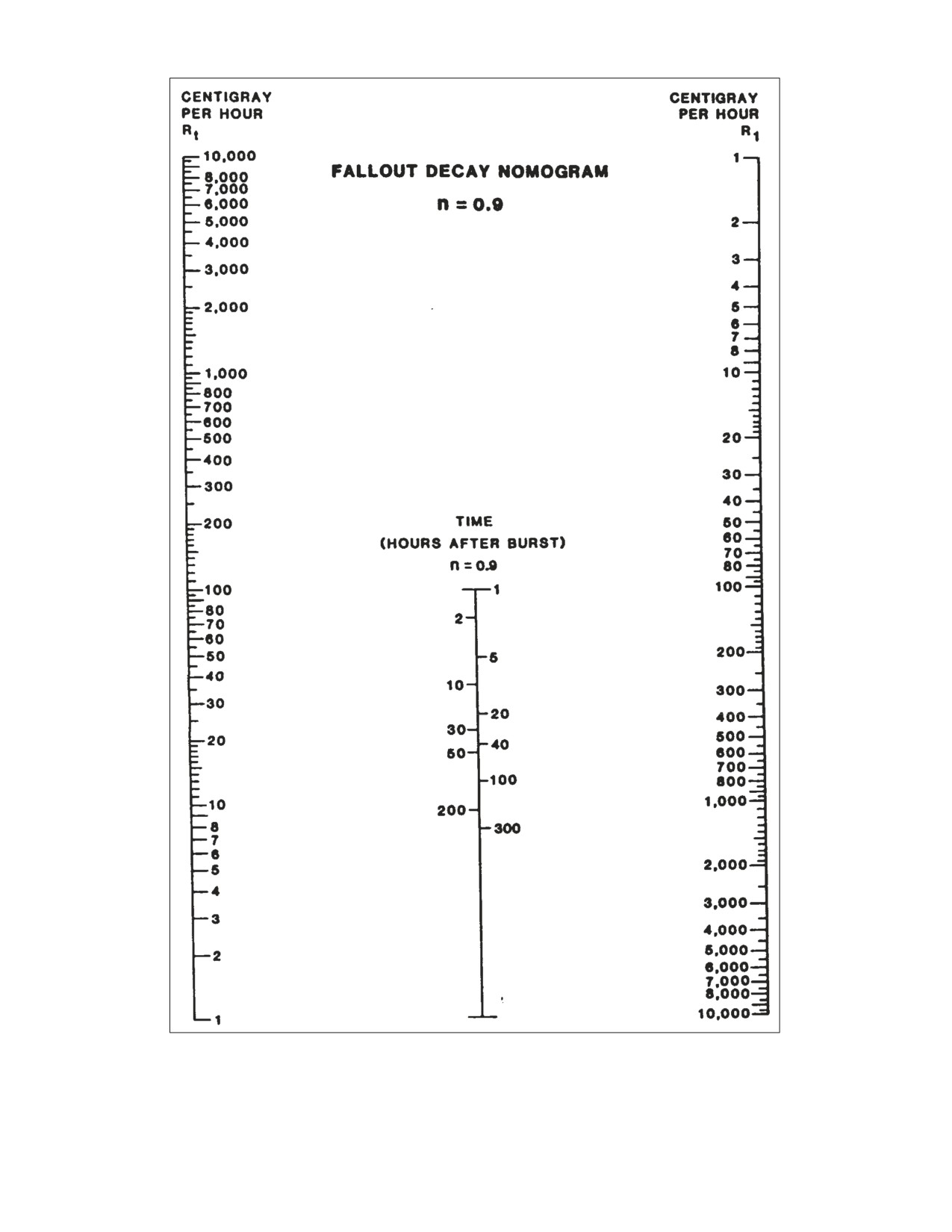
Figure J-16. Fallout Decay Nomogram (n=0.9)
J-24
FM 3-11.3/MCWP 3-37.2A/NTTP 3-11.25/AFTTP(I) 3-2.56
2 February 2006
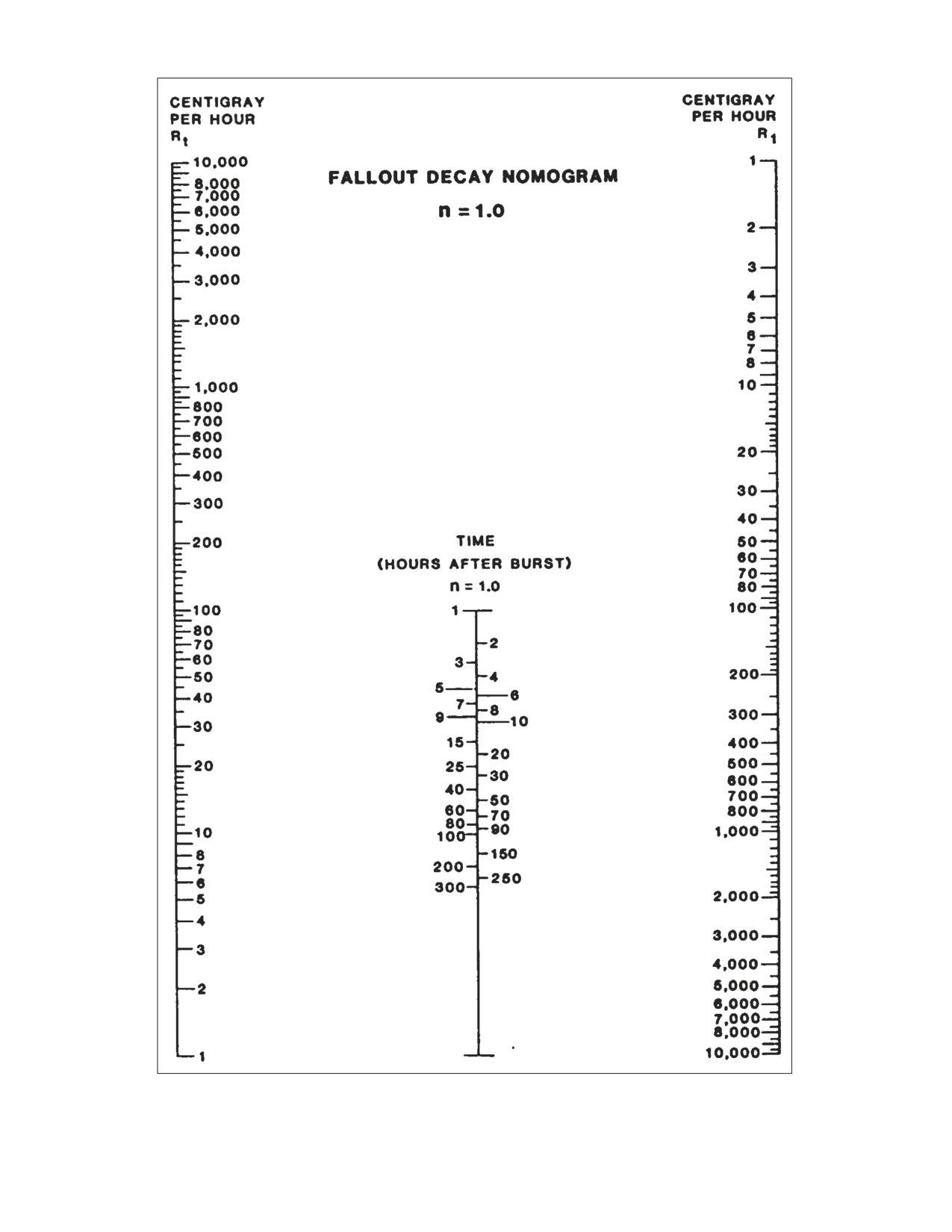
Figure J-17. Fallout Decay Nomogram (n=1.0)
2 February 2006 FM 3-11.3/MCWP 3-37.2A/NTTP 3-11.25/AFTTP(I) 3-2.56
J-25
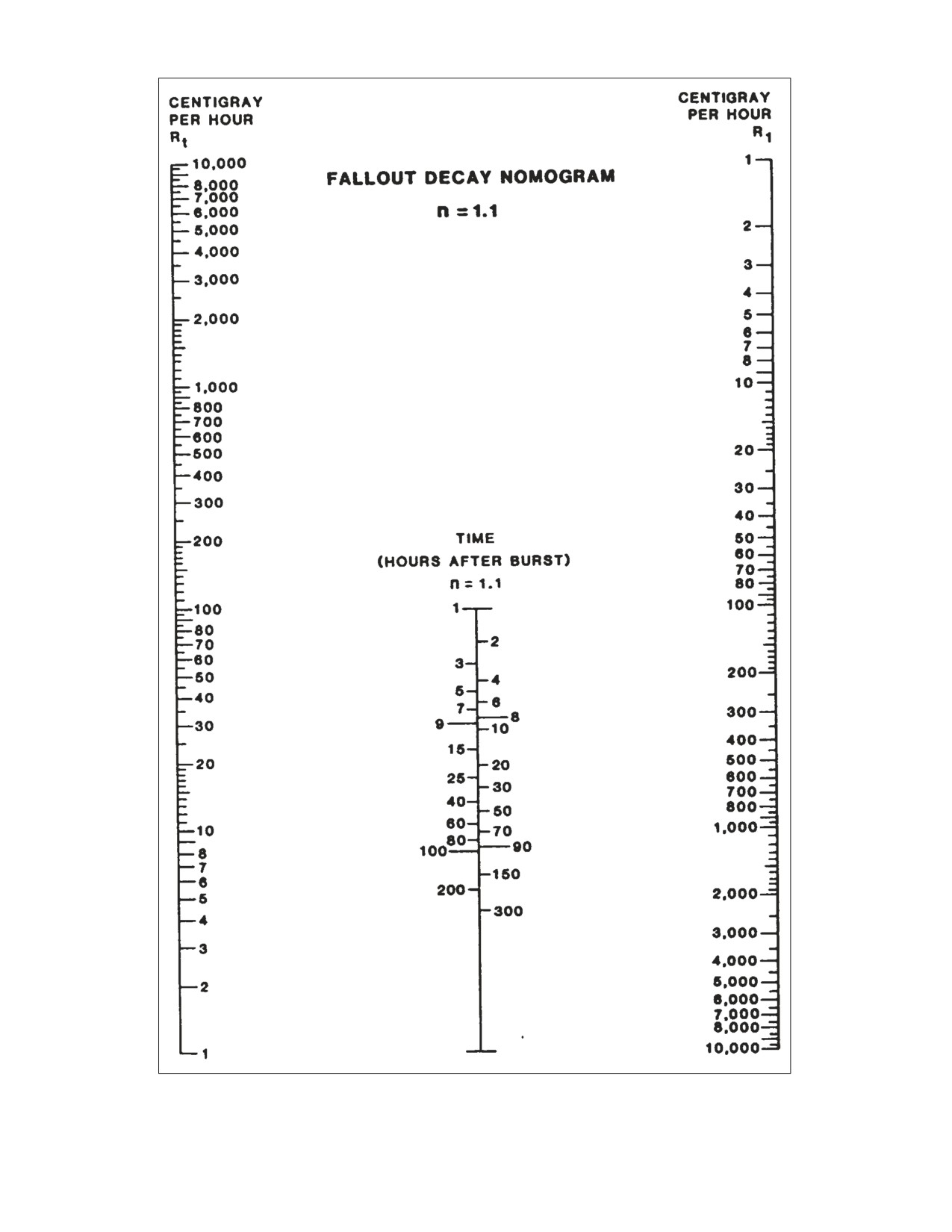
Figure J-18. Fallout Decay Nomogram (n=1.1)
J-26
FM 3-11.3/MCWP 3-37.2A/NTTP 3-11.25/AFTTP(I) 3-2.56
2 February 2006