FM 3-11.5 MULTISERVICE TACTICS, TECHNIQUES, AND PROCEDURES FOR CHEMICAL, BIOLOGICAL, RADIOLOGICAL, AND NUCLEAR DECONTAMINATION (April 2006) - page 4
begin to take place. Each of the CCA and TFA complex subcomponents has accompanying
space requirements, and there are several variables.
(1)
CCA Entrance. A single entrance area can be used for multiple processing
lines. However, the size needed for the entrance area depends on the number of personnel
the installation is expecting to process at any given time. This number will also drive the
sizes of the transportation point, CCA, and holding area where personnel can rest while
waiting for their turn to process.
(2)
CCA Processing Lines. The CCA processing lines will take a large amount
of space in order to optimize processing and FP ideals. Spread out the distance between
processing stations as far as reasonably possible. If space permits, stations should be
spaced approximately 18 meters apart and areas within each station should be 9 meters
apart. Establish the lines in an angular, staggered fashion as opposed to a straight line.
The line angle should be 20°. When using this method, the concentration of trailing vapor
hazards washing over people downwind of each processing station is significantly reduced.
(3)
Mask Refurbishment Area. Lay the out-processing lines with plenty of
space for the mask refurbishment area located in the contact hazard area (CHA). The mask
refurbishment area requires sufficient space for working; a disposal area for detection kits,
decontamination kits, hoods, and eye lens outserts; a stock of spare parts; and a holding
area for masks waiting to be checked.
(4)
Ground Chemical Ensemble (GCE) Aeration and the Contaminated-Waste
Disposal Area. The aeration and disposal areas have the potential to be as large or larger
than the processing lines. Therefore, an area of approximately 200 square meters is
recommended. This area should be separate from the CCA lines and the TFA by
approximately 50 meters.
(5)
Buffer or Transition Area. Once monitored, personnel remove their masks
and proceed to the TFA. At least 25 meters is recommended from the end of the vapor
hazard area (VHA) to the TFA.
(6)
TFA. The size of the TFA is the largest variable of all. An area of 500
square meters is recommended. The main housing portion of the TFA should be separated
from the CCA processing lines by the maximum distance available. A separation of at least
100 meters is recommended. A chemical-vapor detection network should exist between the
TFA and the CCA. See Multiservice Tactics, Techniques, and Procedures for Nuclear,
Biological, and Chemical Reconnaissance for guidance on setting up a chemical detection
network.
e.
Other CCA and TFA Consideration Factors. The selection process involves
numerous factors, to include the availability of areas that are upwind and a safe distance
from contamination, areas accessible by ground transportation, and areas offering as much
privacy and concealment as possible. Selecting locations that are out in the open may
invite secondary attacks and the unwanted curiosity of others. Additional considerations
include areas where localized weather conditions and wind patterns remain consistent,
areas away from valley and ridgelines, areas offering the most inherent necessities, and
areas within walking distance of the personnel shelter portion of the TFA. It will do no
good to decontaminate crew members if they cannot get to a clean area to rest and debrief.
If the shelter is not in the immediate area, arrange transportation.
4 April 2006
FM 3-11.5/MCWP 3-37.3/NTTP 3-11.26/AFTTP(I) 3-2.60
VII-5
(1)
The locations must also offer the best possible options for disposing of or
removing contaminated waste. Always coordinate the disposal of hazardous waste with
CBRN specialists.
(2)
For an airbase (AB), choosing a site near the ground personnel processing
line will facilitate resupply and provide better security. However, a potential secondary
hazard exists with this technique since ground crew personnel are more likely to encounter
contamination. However, the aircrew ensemble, by design, does not provide protection from
liquid contamination. They should not process through the ground crew CCA.
(3)
Multiple site locations should be chosen to ensure the coverage of threat
contingencies.
(4)
Other considerations during the site selection process are site security,
communications, the slope of the terrain, and the presence of other natural features. The
protection of equipment from temperature extremes, rain, and pilferage is also required.
(5)
For an AB, the decontamination site must be capable of accommodating the
appropriate aircraft type in the required numbers. It should be relatively secure but close
enough to refueling and rearming points to permit a reasonably quick turnaround if
required. The site should have sufficient terrain flight routes within 2 to 3 km to facilitate
entry and exit. A slight slope to the terrain is desirable but must remain within aircraft
limits. It is preferable to sequence groups of aircraft through the decontamination site to
prevent arriving or departing aircraft from interfering with decontamination operations.
Depending on the personnel and resources available, it may be possible to clean several
aircraft simultaneously.
f.
CCA and TFA Patient Decontamination Sites. Optimal requirements for a
decontamination site include the following:
(1)
Colocation with the supported MTF (not closer than 75 meters downwind or
crosswind and situated so that arriving vehicles and casualties can reach it without
approaching the MTF).
(2)
Access to water (free of CBRN contaminants but not necessarily potable).
(3)
Hookup to electricity or an electric generator for water pump operation and
lighting.
(4)
Approximately a 60-meter controlled perimeter and ground or floor
gradient sufficient to facilitate the drainage of contaminated water away from the
decontamination facility and MTF.
NOTE: For detailed instructions on patient decontamination, see Chapter X and
FM 4-02.7. Patient spot decontamination can be performed at the CHA with
transport to an MTF that has a patient decontamination station (PDS).
g.
Decontamination Site Layout. The CCA and TFA complexes are composed of
subelements; each is connected in some way and can only be successfully accomplished
through cohesive, integrated operations. See Figure VII-1 for an example of a
decontamination site layout.
VII-6
FM 3-11.5/MCWP 3-37.3/NTTP 3-11.26/AFTTP(I) 3-2.60
4 April 2006
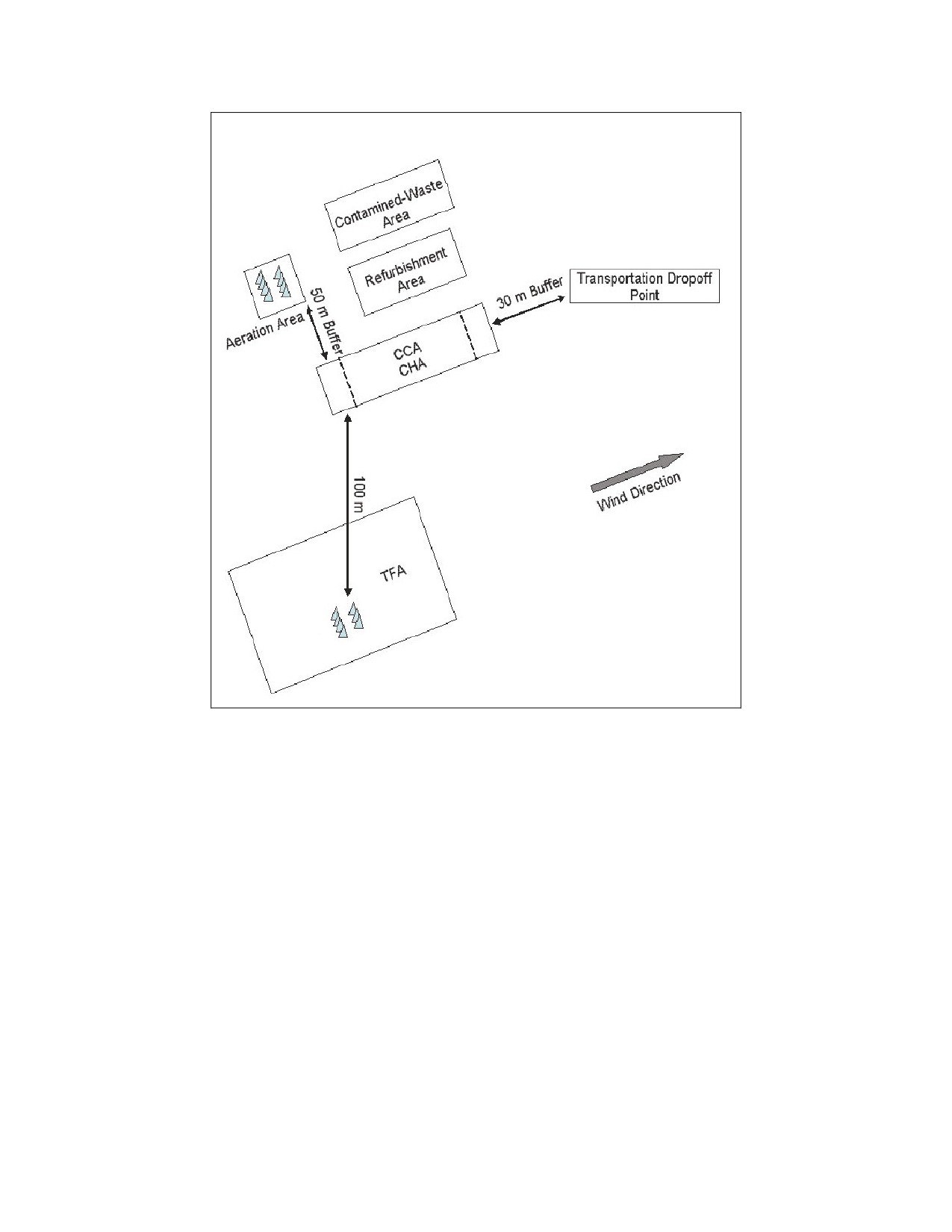
Figure VII-1. Sample Decontamination Site Layout
(1)
The transportation drop-off point should be located on the downwind side of
the CCA (approximately 30 meters). Establish a wind device (i.e., windsock) to monitor the
wind direction. It is in this area that the first active efforts are taken by individuals to
reduce contact and vapor hazards. As personnel leave the transportation drop-off point,
they should be directed (by a sign or by an attendant) to the CCA.
(2)
The entrance to the CCA includes the following areas: arrival and initial
decontamination, weapons clearing, wash and holding, and external equipment removal.
Use this CCA entrance for the following:
(a) To perform the initial decontamination of each person and his buddy
prior to entering the CHA.
(b) To inform personnel of the sequence of events and emergency response
procedures.
(c)
To provide a covered area for rest and relief while waiting to process.
(d) To allow for the turn-in of weapons and the removal of external
personal equipment other than the overgarment (i.e., helmet, vest [aircrew], web gear,
4 April 2006
FM 3-11.5/MCWP 3-37.3/NTTP 3-11.26/AFTTP(I) 3-2.60
VII-7
mask carrier, flak vest, and cold/wet weather gear). Most of this equipment cannot be
decontaminated to safe levels.
(3)
The CHA is where individuals remove their overgarments. The goals of the
CHA are contamination reduction in regards to processing personnel and the containment
of all contact hazards (i.e., agents in liquid or solid form) within the CCA. See Figure VII-2
and VII-3 (pages VII-9 and VII-10) for examples of a CCA layout for ground crew and
aircrew operations.
(4)
The overgarment removal area may not be necessary if the chemical threat
is low, the unit is sufficiently stocked with suits, and the resupply line is functioning. In
this case, previously used suits could be sent directly to the contaminated-waste disposal
area. However, if the threat of multiple CBRN attacks is probable, suits are in short
supply, or there is not a realistic resupply capability, then the removal area is critical to
mission sustainment. Units must perform a risk assessment before establishing an
overgarment aeration area. Personnel should consider the following when selecting a site:
(a) Locate the removal area as close to the CHA as possible. However,
ensure that the aeration area is downwind from the CHA and VHA transition point. Also,
ensure that the aeration area is far enough from the TFA and mask removal point that it
does not present a threat to unprotected personnel. The vapor hazard must be constantly
monitored because the collection of contaminated suits in a single area will create an
artificial hot spot.
(b) Ensure access to the suits for egress.
(c)
Optimize the effects of weathering. Expose the suits to high
temperatures, sunlight, and high winds; and also provide overhead cover to prevent
inadvertent recontamination.
(d) Secure the area using available resources.
(5)
It is probable that at least two contaminated-waste areas will be
required—one within the MOB area and one in conjunction with the CCA function. Site
selection should be based on prevailing winds for the season, and the site should be located
downwind of all personnel housing and rest-and-relief locations. If sufficient equipment
exists, place automatic vapor alarms around or downwind of the area. CBRN
reconnaissance personnel should periodically monitor outside the area with a handheld
vapor detection device, such as the ICAM or the M256.
(6)
The VHA provides the last chance for the CCA staff to verify that
processing personnel are free of contamination before transitioning to the TFA. In the case
of open-air processing, there should be at least a 15-meter buffer zone between the end of
the CHA and the monitoring station. At the end of the VHA, attendants should verify that
the chemical vapor concentrations are at safe levels before they let personnel remove their
mask. A decision to remove the mask will be based on the recommended safe levels
provided. Consequently, the two-stage approach of clothing removal and monitoring is
executed throughout this area.
VII-8
FM 3-11.5/MCWP 3-37.3/NTTP 3-11.26/AFTTP(I) 3-2.60
4 April 2006
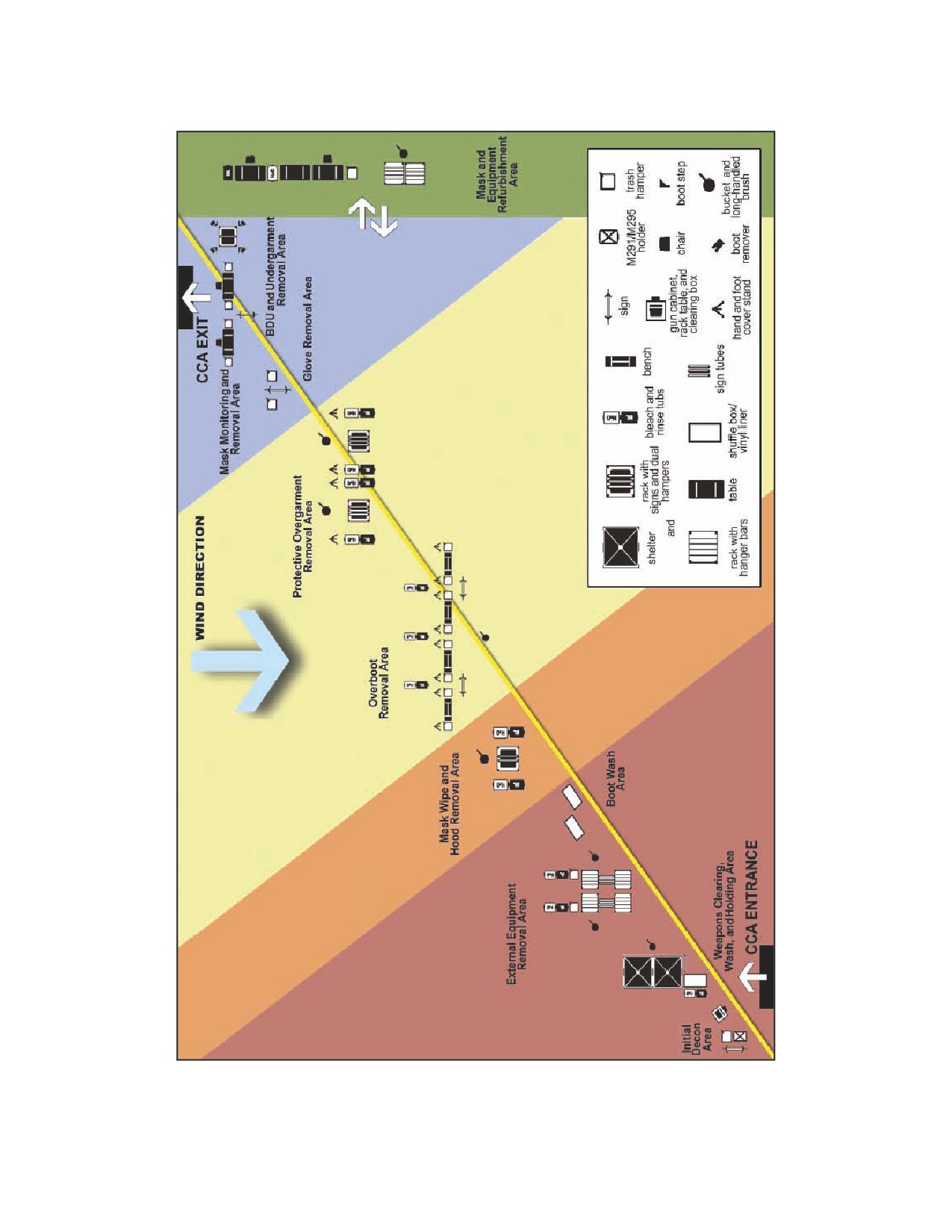
Figure VII-2. Example of a Ground Crew CCA Layout
4 April 2006
FM 3-11.5/MCWP 3-37.3/NTTP 3-11.26/AFTTP(I) 3-2.60
VII-9
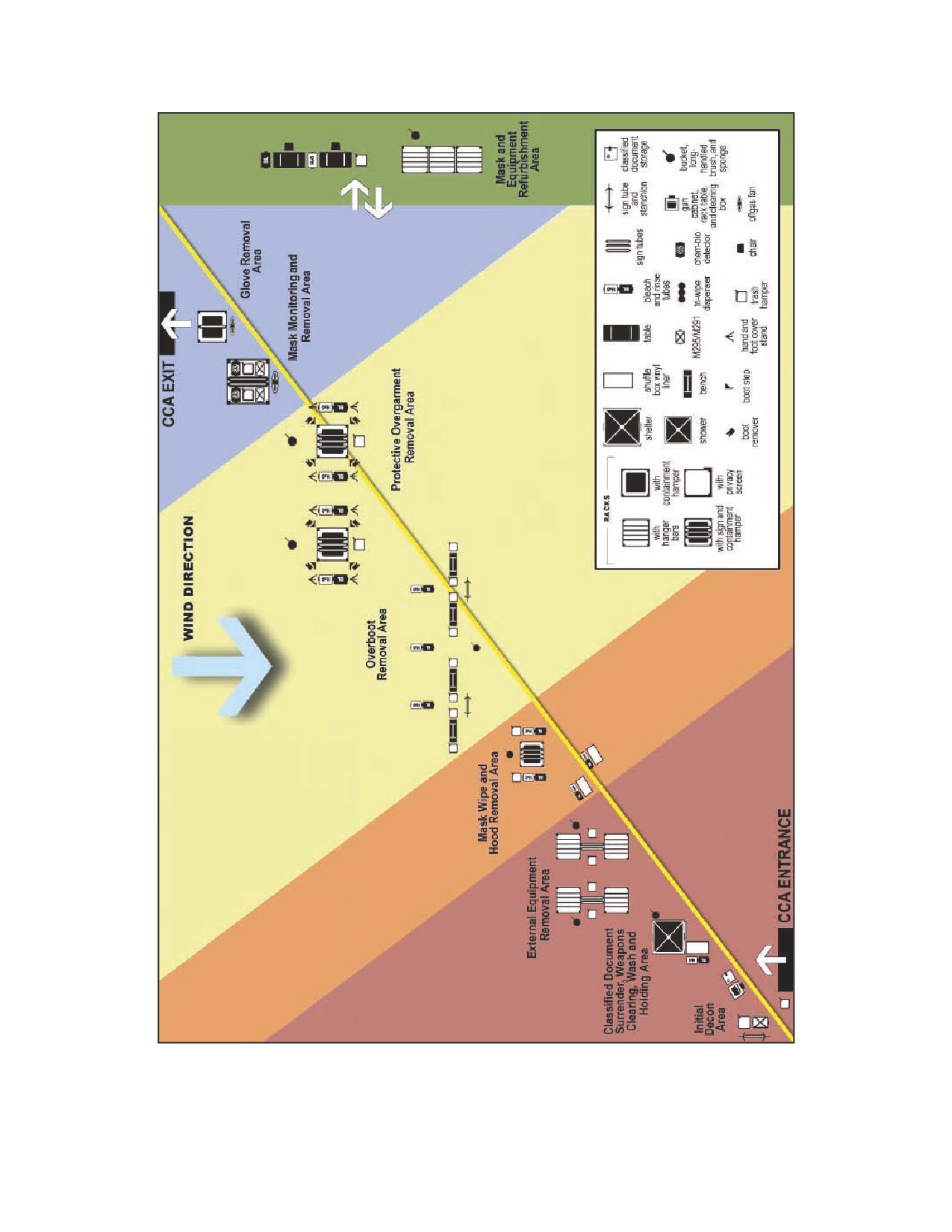
Figure V-3. Example of an Aircrew CCA Layout
VII-10
FM 3-11.5/MCWP 3-37.3/NTTP 3-11.26/AFTTP(I) 3-2.60
4 April 2006
(a) Personnel must remove clothing that could be “off-gassing” in the
VHA prior to entering the TFA. Personnel should not be allowed to automatically
transition into the TFA wearing their underwear if they were not using the battle dress
uniform (BDU) option since that layer of protection would be missing. Consequently, each
installation must develop a workable CONOPS for clothing replacement.
(b) If the threat dictates, personnel should be monitored with the ICAM
for “dusty” contamination within the VHA. The attendants’ sight and the use of M8/M9
paper are not effective, especially in the case of dusty mustard. In order to provide the
highest degree of protection for personnel, VHA attendants must routinely monitor the air
at the mask removal point.
(7)
The purpose of the mission-critical equipment (MCE) refurbishment area is
to decontaminate MCE and return it to the warfighter as quickly as possible. This area
includes refurbishment of the ground crew, firefighters, and explosive ordnance disposal
(EOD) equipment. To prevent bottlenecks during this process, this function should have
dedicated personnel when the CCA is fully operational. Regardless of whether it is a single
activity or several line-by-line activities, the personnel will require large supplies of plastic
bags, M8 paper, M291/M295 decontamination kits, sponges, and bleach. The refurbishment
area should be located outside the CCA processing lines. The refurbishment duties are
split between the CHA and the VHA. Ensure that adequate space, dedicated personnel,
and supplies are available for this tasking.
(a) Personnel in the TFA will remain vulnerable to a new CBRN attack
and radical wind shift until their masks are returned.
(b) Untrained personnel may inadvertently be the cause of casualties.
Extreme attention to detail is required regarding contamination identification, mask
decontamination (if appropriate), mask cleansing, and filter replacement. The eyes are the
most vulnerable part of the body, and the slightest mistake on the part of the mask
refurbishment team may result in vision problems and the immediate loss of productivity.
(8)
The transition buffer zone between the CCA and the TFA is the area where
personnel remove their masks prior to entering the TFA.
(9)
The TFA includes accountability and logistics resupply points.
(a) In open-air processing, the rest-and-relief area of the TFA is located at
least 200 yards outside the CCA boundary. Shifting wind directions or the accumulation of
contaminated materials (potential hazard effects from off-gassing or agent resuspension)
necessitate the need to establish the TFA far from the CCA in an open-air environment.
When overpressure systems are used, the entire structure beyond the point of the air lock is
the TFA.
(b) There is a requirement for the installation to operate egress
processing lines. Adequate space must be provided for sufficient egress lines to allow
personnel to process out of the TFA while keeping with shift change requirements. CCAs
should accommodate simultaneous ingress and egress lines and inhibit cross contamination
of egressing personnel. In a worst-case scenario, many lines may be necessary because
personnel would have to utilize previously used overgarments, combat boots, and clothing.
In this scenario, space would also have to exist to store these items along the egress
processing lines. There is also a space requirement for the storage of individual equipment
(i.e., web belts, canteens, first aid kits, helmets, M9 paper).
4 April 2006
FM 3-11.5/MCWP 3-37.3/NTTP 3-11.26/AFTTP(I) 3-2.60
VII-11
(c)
The size of the supply transition point depends on the wings CCA
implementation philosophy and the degree of contamination control utilized prior to the
attack.
(d) The size of the TFA is the largest variable of all. An area of 200
square meters is recommended. The main housing portion of the TFA should be separated
from the CCA processing lines by the maximum distance available. A separation of at least
100 meters is recommended. A chemical-vapor detection network should exist between the
TFA and the CCA.
(10) Other considerations during the site selection process are site security,
communications, terrain slope, and the presence of other natural features.
(11) Optimal requirements for the CCA and TFA patient decontamination sites
include the following:
(a) Colocation with the supported MTF (not closer than 75 meters
downwind or crosswind and situated so that arriving vehicles and casualties can reach it
without approaching the MTF).
(b) Access to water (free of CBRN contaminants but not necessarily
potable).
(c)
Hookup to an electricity source for water pump operation and lighting.
(d) Approximately a 60-meter controlled perimeter and ground or floor
gradient sufficient to facilitate the drainage of contaminated water away from the
decontamination facility and MTF.
(e) Protection of the equipment from temperature extremes, rain, and
pilferage is required.
6.
Personnel Processing Procedures (Radiological)
Prossessing personnel prior to actually sending them to decontamination can, in some
cases, help alleviate the need for decontamination altogether.
a.
Site Selection of the Contamination Control Station (CCS). The following
considerations apply for CCS site selection:
•
Locate the CCS downwind of the entry control point and operating areas, no
closer than 300 feet to the nearest hazard.
•
Select an area that is free of weeds, brush, and rocks. A paved area is preferred.
•
Ensure that the CCS team members monitor a 25-square-foot area around the
selected site.
CAUTION
The runoff of removed material should be carefully
contained since it will remain a radiological hazard.
b.
CCS Setup.
(1)
Setup procedures will begin after the area is monitored and deemed clear of
contamination.
VII-12
FM 3-11.5/MCWP 3-37.3/NTTP 3-11.26/AFTTP(I) 3-2.60
4 April 2006
(2)
Individuals setting up the CCS will don protective equipment and will
tape-up, ensuring that no skin is exposed, and determine and record background readings.
(3)
Administrative personnel will log all personnel in and out of the area and
inspect all personnel entering the area to ensure that they are properly dressed.
(4)
The team chief will inspect all CCS members and personnel processing into
the CCS for holes and tape.
c.
CCS Activation.
(1)
As soon as it is determined that there is contamination and that personnel
are returning to the CCS, personnel in the CCS will don their masks and tape-up, ensure
that the area is cleared of unnecessary personnel and material, contact the rear line, and
report the area “hot.” The CCS is now ready for processing.
(2)
The team chief will ensure that personnel are processed by priority (e.g.,
injured, TLs), move throughout the area, and monitor all actions in the CCS.
d.
Personnel Processing.
(1)
Personnel will be processed on a priority basis.
(2)
Injured personnel will be processed as follows:
•
If by ambulance, the vehicle will be allowed to leave and the route taken
will be closed, monitored, and cleaned if it is found to be contaminated.
•
If by litter, the person will be wrapped in a blanket and the litter will be
passed over the hot line and put into an ambulance on the clean side.
(3)
All equipment and documents will be dropped on the hot side of the
equipment drop table. Any contaminated item that needs to leave the area will be bagged.
The person requiring the item will pick it up after it has processed through the CCS. All
tape (except tape around wrists) will be removed and placed in the tape barrel (use the
buddy system).
(a) Station 1.
NOTE: The person being processed is seated.
•
Remove the bootie nearest the hot line, and place the bootie in the
barrel.
•
Ensure that the foot is held in the air to be monitored for radiological
contamination.
•
Place the boot down on the clean side of the hot line if the boot is
clean.
•
Remove and remonitor the boot if it is contaminated.
•
Repeat procedures for the other foot.
•
Instruct the person not to leave the mat until directed.
•
Stand up on the clean side of the hot line, and proceed to the next
station.
4 April 2006
FM 3-11.5/MCWP 3-37.3/NTTP 3-11.26/AFTTP(I) 3-2.60
VII-13
(b) Station 2.
NOTE: The person being processed will stand spread-eagle.
•
Conduct whole-body monitoring for alpha, beta, and gamma rays.
•
Monitor one side of the body for alpha rays and the other side for beta
and gamma rays.
•
Instruct the person to turn around 180° and repeat the monitoring.
•
Start monitoring at the inlet valve or filter inlet on the mask.
•
Monitor the rest of the head and shoulders.
•
Monitor the body trunk with a large X formation.
•
Instruct the individual to proceed to the medical station for processing
if no contamination is found.
•
Instruct the individual to proceed to Station 3 if contamination is
found.
(c)
Station 3.
•
Remove the hood from the head. If the hood unfastens from the suit,
take it off and put it in the barrel.
•
Remove the protective clothing.
•
Place the clothing in the barrel.
•
Proceed to Station 4.
(d) Station 4.
•
Use the same procedures as Station 2.
•
Have the person remove his outer clothing and place it in the barrel at
Station 3 if contamination is found.
•
Have the person return to Station 4 for remonitoring if contamination
is found.
•
Have the person remove his mask and proceed to the medical station
if no contamination is found.
•
Have the person put on clean protective clothing, and transport him to
the supporting MTF for decontamination if contamination is still found.
•
Ensure that all personnel exit through the medical station.
e.
Area Expansion. Establish another personnel processing line or a new area if
the existing area becomes too congested.
f.
CCS Shutdown. Use the following procedures for shutdown:
•
Monitor, clean, and discard (as required) all area equipment and material.
•
Monitor the area for remaining contamination.
•
Request assistance from specialized teams if the area is still contaminated.
VII-14
FM 3-11.5/MCWP 3-37.3/NTTP 3-11.26/AFTTP(I) 3-2.60
4 April 2006
Chapter VIII
AIRCRAFT AND AIRCREW DECONTAMINATION
1.
Background
This chapter addresses aircraft and aircraft cargo decontamination (i.e., general
planning, aircraft decontamination planning, aircraft decontamination levels and
procedures, civil air fleet and contract airlift decontamination, aircraft munitions
decontamination, and air cargo decontamination). For more detailed TTP for air and naval
forces aircraft and aircrew decontamination, see AFMAN 10-2602.
2.
General Planning
The protection of aircraft and aircrews is of utmost importance during a CBRN threat.
The ultimate goal is to minimize sortie generation degradation (by limiting the number of
personnel that are exposed, the amount of equipment exposed to the contamination, and
the time spent in IPE). The following factors should be considered during decontamination
planning:
a.
Combatant commanders have the responsibility to designate a decontamination
location and coordinate approval with the HNs. AB, airfield, and FARP commanders and
officers in charge must organize the capabilities and personnel of permanent, tenant, and
transient organizations to support decontamination operations.
(1)
Infrastructure factors that should be considered during the site selection
process include the adequacy of the aircraft ramp area, access to water (free of
contaminants but not necessarily potable), prevailing winds, the slope of the terrain,
security, and hookup to electricity or an electric generator (for water pump operation,
lighting, billeting, communications, etc.).
(2)
The goal is to eliminate or reduce the contamination and restore the
mission-critical resources to a condition that permits unrestricted use, handling, and
operation.
(3)
Thorough decontamination operations will be conducted after hostile
actions have terminated, when the commander determines it is in the unit’s best interest,
or when directed by higher authority.
b.
Operational units shall coordinate locations for parking the contaminated and
uncontaminated aircraft, the location of aircraft and aircrew decontamination sites,
maintenance personnel decontamination sites, and the retrogradation or disposal of
contaminated equipment and consumables with host commands.
c.
Aircraft are most vulnerable while they are on the ground and not protected by
overhead cover. For this reason, taxi time should be minimized and every effort made to
take advantage of available cover.
d.
Units and activities place special emphasis on securing the aircraft points of
ingress and egress by closing or covering cockpits, doors, and ramps when the aircraft is not
in use and prior to decontamination.
4 April 2006
FM 3-11.5/MCWP 3-37.3/NTTP 3-11.26/AFTTP(I) 3-2.60
VIII-1
e.
The priority of the decontamination should support sortie generation.
Maintenance procedures shall address the decontamination considerations (such as covered
areas for parking, inspections, servicing, munitions/pod/tank loading and unloading,
arming and dearming, and washing) prior to maintenance. The predecontamination
procedures focus on the following areas:
(1)
Protecting critical assets, using detection devices, marking and segregating
contaminated equipment, and removing and replacing contaminated coverings.
Commanders should use the contaminated equipment for contaminated operations.
(2)
Receiving and providing disposition of contaminated equipment or products
(e.g., support equipment, munitions, fuel, and spare parts). Actions may include moving
equipment and aircraft through a decontamination line or outside of the maintenance areas
for weathering.
f.
Aircraft returning from missions may present little or no threat of contamination
to the airfield or facility. Contaminated aircraft will be directed to an alternate
(contaminated) airfield before landing (if possible). The following actions are applicable in a
CBRN environment:
(1)
Use monitoring equipment to detect contamination on the aircraft and
aircrew, and report the results.
(2)
Remain in IPE until decontaminated.
(3)
Complete the immediate decontamination efforts as quickly as possible
once contamination is detected. Decontamination activities must be completed before the
agent absorbs into the surface (typically within minutes from the time of agent contact).
(a) Be aware of the locations of nonporous surfaces where the liquid may
stay. Though these surfaces are the most receptive to decontamination, they also represent
the most dangerous areas for liquid transfer and vapor hazard.
(b) Avoid exposing personnel to porous surfaces (e.g., painted metal or
rubber) that will sorb chemical agents. Although sorption minimizes the liquid transfer
hazard, the vapor hazard remains.
(4)
Perform the required servicing on the aircraft.
g.
Special Considerations.
(1)
Operational and thorough decontamination procedures are similar to
aircraft maintenance corrosion control.
(2)
Key leadership and installation personnel must realize that there are
limitations associated with decontamination efforts and form realistic expectations for an
effective decontamination.
(3)
CBRN agents can infiltrate the aircraft interior through the aircraft
environmental control system and contaminate the cockpit area and avionics bay. The
principal chemical-agent challenge to avionics components is vapor, regardless of the type
of agent.
(4)
The sensitivity of electrical equipment to chlorine or other water-based
solutions severely limits its feasibility for decontamination.
VIII-2
FM 3-11.5/MCWP 3-37.3/NTTP 3-11.26/AFTTP(I) 3-2.60
4 April 2006
(5)
Units conduct operational and thorough decontamination planning by
identifying C2 relationships, team requirements, equipment requirements,
decontamination assets, and contaminated-waste collection points. Team checklists guide
the decontamination team activities. These plans and checklists are focused on the unit
tasks (such as critical cargo movement and postconflict decontamination operations).
Requirements that exceed the unit or activity resources are included in the resource
requests.
(6)
No effective chemical compound is available for thorough aircraft
decontamination. STB corrodes the metal components and the aircraft skin. Immediate
decontamination may be performed using the service-authorized decontamination kits or
solutions.
3.
Aircraft Decontamination Levels and Procedures
The levels of decontamination for aircraft are the same as those described in Chapter I
(immediate, operational, thorough, and clearance). However, this section will address only
the first three levels. Aircrew decontamination procedures are outlined in Chapters III, IV,
and VII.
a.
Immediate Decontamination. There are three components of immediate
decontamination. They are skin decontamination, personal wipe down, and spot
decontamination. Skin decontamination and personal wipe down are described in Chapter
III.
b.
Spot Decontamination. Spot decontamination is an immediate decontamination
technique that will normally be performed on aircraft that have been recovered and will be
quickly turned around for continued flight operations. Spot decontamination reduces the
contamination on areas that must be touched during an operation and while servicing the
aircraft. Conducting spot decontamination will reduce contamination and limit its spread.
The following steps should be used for conducting spot decontamination ashore or afloat:
(1)
Spot Decontamination of Fixed-Wing Ejection Seat Aircraft and
Helicopters.
(a) Determine a location for the decontamination. The location to conduct
spot decontamination depends on the operating cycle, the space available (ship or facility),
and the size of the aircraft being decontaminated.
(b) Spot decontamination should be performed by the crew, division,
team, or work section responsible for the service being performed. All personnel involved in
spot decontamination shall wear appropriate nonaircrew MOPP gear. Wet-weather
clothing may be worn over MOPP gear to prevent the saturation of the nonaircrew
protective ensemble. Table VIII-1 (page VIII-4) and the following list, provide a baseline for
the areas that should be decontaminated prior to servicing the aircraft:
•
Refueling access.
•
Ordnance, armament, and equipment.
•
Ingress and egress (ladders, handholds, footholds, steps, etc.).
•
Preflight and postflight check areas.
•
Inspection areas.
4 April 2006
FM 3-11.5/MCWP 3-37.3/NTTP 3-11.26/AFTTP(I) 3-2.60
VIII-3

•
Canopies, windscreens, windows, and optical sensors.
•
Support equipment (seats, controls, chocks, chains, etc.).
•
Aircraft tie-down and tow points.
Table VIII-1. Aircraft Spot Decontamination
Action and
Areas to
Personnel
Decontaminants
Procedures
Remarks
Location
Decontaminate
Responsible
Refueling at
Fuel ports,
POL handler
Diesel fuel; JP8;
Wipe the fuel
Refueling
the refueling
hatches, and all
or hot, soapy
ports and
personnel should
point
areas that
water
hatches with a
conduct an
FARP
sponge dipped
operational
personnel touch
in the
decontamination
decontaminant.
after servicing
Do not allow the
contaminated
decontaminant
aircraft.
to enter the fuel
system. Control
the runoff
because the
agent will not be
neutralized.
This method
simply flushes
the
contamination
from the
surface.
Arming at the
Armament
Ammunition
JP8 or hot, soapy
Wipe the
rearming
system
handler
water
armament
CAUTION
point
system with a
Take care to
sponge dipped
prevent certain
in the
areas of the
decontaminant.
armament
Control the
system from
runoff because
being exposed
the agent will
to the
not be
decontaminant.
neutralized.
This method
simply flushes
Check the
the
armament system
contamination
TM for more
from the
information.
surface.
VIII-4
FM 3-11.5/MCWP 3-37.3/NTTP 3-11.26/AFTTP(I) 3-2.60
4 April 2006

Table VIII-1. Aircraft Spot Decontamination (Continued)
Action and
Areas to
Personnel
Decontaminants
Procedures
Remarks
Location
Decontaminate
Responsible
Entering and
Door handles,
Crew members,
JP8 or hot, soapy
Apply the
Procedures should
exiting the
steps, ladders,
POL handlers,
water
decontaminant.
be developed for
aircraft
handholds, and
and rearming
Prevent the
each type of
anywhere
all areas that
personnel
spread of liquid
aircraft. Before
may be touched
contamination
entering the
by aircrews
from the outside
aircraft, use an
of the aircraft to
IEDK on boots and
the inside.
gloves.
Control the
runoff because
the agent will
not be
neutralized.
This method
simply flushes
the
contamination
from the
surface.
Preflight and
Areas that must
Aircrew
Diesel fuel; JP8;
Wipe the areas
Overheated air
postflight
be touched as
or hot, soapy
that are
should not be used
checks
part of the
water on exterior
required to be
directly on
anywhere
inspection
surfaces
touched for the
instrumentation.
Hot air for
preflight and
The crew may want
Maintenance
interiors or areas
postflight
to wear wet-
inpections at
that are not
checks with a
weather gear to
aviation
compatible with
sponge dipped
prevent the
intermediate
decontaminants
in the
contamination of
maintenance
or liquids
decontaminant.
overgarments.
facilities
Wash gloves in
the
decontaminant
before touching
uncontaminated
surfaces.
Decontaminate
gloves with an
IEDK after the
inspection is
complete.
Control runoff
because the
agent will not be
neutralized.
This method
simply flushes
contamination
from the
surface.
4 April 2006
FM 3-11.5/MCWP 3-37.3/NTTP 3-11.26/AFTTP(I) 3-2.60
VIII-5

Table VIII-1. Aircraft Spot Decontamination (Continued)
Action and
Areas to
Personnel
Decontaminants
Procedures
Remarks
Location
Decontaminate
Responsible
Repair and
The parts or
Maintenance
Diesel fuel; 5%
Decontaminate
Caustic
recovery
areas that need
personnel
chlorine solution;
only those
decontaminants
anywhere
to be
(someone who
or hot, soapy
parts or
should be used
decontaminated
knows what
water on exterior
assemblies that
only on those
depending on
assembly or
parts or surfaces
need to be
areas that have
the situation
parts are
Hot air on interior
touched during
been removed
needed)
parts that are not
cannibalization.
from the aircraft.
compatible with
Assemblies must
liquids or
be rinsed
corrosive
thoroughly before
decontaminants.
replacing.
Overhaul at
All areas and
Maintenance
Diesel fuel; 5%
Wash with
Caustic
maintenance
equipment
personnel or a
chlorine solution;
diesel fuel;
decontaminants
facilities
required to be
decontamination
or hot, soapy
wash with hot,
should only be
worked on
unit
water
soapy water;
used on the
during the
Hot air for
and then rinse.
assemblies that
overhaul
surfaces that are
Check for
have been
easily destroyed
contamination
removed from the
by liquid or
with M8
aircraft. The
corrosion
detector paper
assemblies must
or the
be rinsed
ICAM/CAM. If
thoroughly before
time permits,
replacing. This will
allow the
have the same
equipment to
result as a
weather.
thorough
decontamination.
(c)
The procedures for spot decontamination are as follows:
•
Make available sufficient quantities of soapy water or applicable
aircraft cleaner and fresh water.
•
Scrub the service areas using brushes, rags, or sponges with soapy
water until deposited CB material, dirt, and grime are removed.
•
Rinse with fresh water from a bucket or hose.
•
Decontaminate gloves.
•
Perform service.
•
Decontaminate runoff cleaner by applying standard or nonstandard
decontaminant to the deck, ground, and airfield; and then hose overboard or into collection
sumps. If runoff is hosed without prior decontamination, it should be treated as
contaminated.
(2)
Spot Decontamination of Large-Frame, Fixed-Wing, Nonejection Aircraft.
If mission requirements do not allow ample time for operational decontamination or
weathering, provide spot decontamination of large-frame aircraft. Large-frame aircraft
(i.e., C-5, C-17, C130, and C141) will normally operate from an open ramp without cover
while on the ground for a short period of time. Their vulnerability to CBRN contamination
on the ground will result from being outside and unprotected at the time of a chemical
attack. Additionally, the size of the aircraft makes spot decontamination a much larger
VIII-6
FM 3-11.5/MCWP 3-37.3/NTTP 3-11.26/AFTTP(I) 3-2.60
4 April 2006
task. Contamination can also transfer from contaminated personnel or cargo allowed on
the aircraft.
NOTE: These procedures are written in generic form to cover all large-frame
aircraft and require the user’s knowledge of the applicable aircraft. For example,
the C-5 user would understand that decontamination of the cargo ramp area
would include both forward and aft ramps while the C-17, C-130, and C-141 users
would only be concerned with single aft ramps.
CAUTION
Ensure that all decontaminants used in these
procedures are authorized in appropriate aircraft and
maintenance manuals before execution. Failure to do
so may violate maintenance instructions and damage
the aircraft.
(a) A TL directs the efforts of two-person teams as they decontaminate
the aircraft. The TL can be any maintenance specialty code, military occupational specialty
(MOS), or Navy enlisted classification (NEC); but it is recommended that a qualified
aircraft crew chief be used. The mechanics performing as members of the two-person teams
can be any maintenance specialty code, MOS, or NEC provided they are familiar with the
ground handling and flight line safety procedures for the applicable aircraft and can work
in full MOPP gear.
(b) Three two-person teams designated as Teams A, B, and C are
recommended. The number of personnel can be adjusted based on the availability and
workload, provided the two-person team concept is not violated. Tasks are designated by
the letter (A, B, or C) of the team doing the work, but these team designations are optional
if more or less personnel are used.
(c)
The TL assembles the full team at the nose of the aircraft for a
situation and safety briefing. He uses the applicable aircraft ground handling TM or TO to
make the aircraft safe for maintenance. He briefs personnel on the absolute necessity of
operating in two-person teams and the use of the “buddy system” to enhance personal
decontamination and safety throughout the operation. The TL also performs the following
duties:
•
Ensures that the required supplies are available (such as M295 kits,
M9 tape, shuffle box, logbook, bags, heavy-duty plastic).
•
Ensures that the required equipment is available (such as handheld
radios and ICAMs/CAMs).
•
Uses M295 kits to spot-decontaminate ground fire extinguisher(s) to
ensure that they are available in an emergency.
•
Assigns two-person inspection teams to inspect and
spot-decontaminate portions of the aircraft interior and exterior.
(d) Team A performs the following duties:
•
Inspects (using the appropriate detection device) and
spot-decontaminates the crew entry area. Pays particular attention to the crew entry
doors, ladder, and handrail.
4 April 2006
FM 3-11.5/MCWP 3-37.3/NTTP 3-11.26/AFTTP(I) 3-2.60
VIII-7
•
Places the shuffle box with absorbent at the foot of the ladder.
•
Cleans feet in the shuffle box prior to entering the aircraft, checks
each other for contamination (decontaminate if necessary), and proceeds up the ladder into
the aircraft.
•
Inspects and decontaminates any contamination present onboard in
the crew entry area, to include the galley and closest floorboards.
•
Exits the aircraft and reports the findings to the TL for entry into the
log.
•
Disposes of the waste in the garbage bag.
•
Inspects (using ICAMs/CAMs or the appropriate detection device) and
spot-decontaminates the ground interphone connection/door. Pays particular attention to
the cable connection area and door latches.
•
Reports the findings to the TL for entry into the log.
•
Disposes of the waste in the garbage bag.
•
Inspect (using ICAMs/CAMs or the appropriate detection device) the
main landing gear (MLG) wheel wells.
•
Enters the MLG wheel wells. Records the detector reading in the
front and rear of each MLG wheel well.
•
Spot-decontaminates (as needed) any safety down-lock pins and wheel
chocks.
•
Reports the findings to the TL for entry into the log.
(e) Team B performs the following duties:
•
Inspects (using ICAMs/CAMs or the appropriate detection device) and
spot-decontaminates the ground power unit (GPU) and aircraft ground power receptacle.
Pays particular attention to the electrical plug area, the pintle hook area, and all knobs and
switches. Reports the findings to the TL for entry into the log. Disposes of the waste in the
garbage bag.
•
Inspects (using ICAMs/CAMs or the appropriate detection device) and
spot-decontaminates any ground servicing points that will be accessed prior to launch (i.e.,
oxygen, hydraulic, and latrine servicing ports). Pays particular attention to the connection
areas, doors and latches, and all knobs and switches. Reports the findings to the TL for
entry into the log. Disposes of the waste in the garbage bag.
•
Inspects (using ICAMs/CAMs or the appropriate detection device) the
nose landing gear (NLG) wheel well. Enters the NLG wheel well and records the detector
reading in the front and rear of the wheel well. Decontaminates (as needed) any safety
down-lock pins and wheel chocks. Reports the findings to the TL for entry into the log.
(f)
Team C performs the following tasks:
•
Inspects (using ICAMs/CAMs or the appropriate detection device) and
spot-decontaminates the fuel truck and hoses, and the aircraft fuel servicing ports (filler
caps if used) and fuel servicing panels. Pays particular attention to the hose connections,
VIII-8
FM 3-11.5/MCWP 3-37.3/NTTP 3-11.26/AFTTP(I) 3-2.60
4 April 2006
all knobs and switches, and the driver’s-side door area. Reports the findings to the TL for
entry into the log. Disposes of the waste in the garbage bag.
•
Inspects (using ICAMs/CAMs or the appropriate detection device) and
spot-decontaminates the aircraft ramp areas. Cleans feet in the shuffle box prior to
entering the aircraft, checks each other for contamination (decontaminates if necessary),
and enters the aircraft through the crew entry door after using the shuffle box. Pays close
attention to the ramp control panel and the ramp hinge areas. Decontaminates all knobs,
switches, and handles as appropriate. Reports the findings to the TL for entry into the log.
Disposes of the waste in the garbage bag.
(g) The TL reviews the aircraft forms and directs the teams to
spot-decontaminate any areas of the aircraft requiring access for maintenance (engine
nacelle latches, access panels, tires). The TL reports any abnormal findings or actions to
the maintenance and operations sections. He also accounts for all team members.
c.
Operational Decontamination. The goal of operational decontamination is to
limit the spread of contamination and to minimize the hazards to personnel, while allowing
operations to continue. The following procedures apply to ejection seat aircraft, large-frame
aircraft, and helicopters. Detailed aspects of specific operational personnel and equipment
procedures for air and naval forces are addressed in AFMAN 10-2602.
(1)
Responsibilities. Aerial ports of embarkation (APOEs) and APODs will
concentrate the decontamination efforts on operational decontamination during hostilities.
Thorough and clearance decontamination are generally conducted following the end of
hostilities. The magnitude of this effort will depend upon the type and concentration of
contamination, mission requirements, and available resources. Commanders conduct
operational decontamination to minimize contact hazards, accelerate the weathering
process, and limit cross contamination of mission-critical resources. Performing aircraft
wash down within 1 to 6 hours of contamination will speed the weathering process and may
allow the aircraft to be operated and maintained in reduced aircrew IPE or MOPP levels.
Aircraft operational decontamination is accomplished by decontaminating surfaces (exterior
and interior) that must be touched during aircraft servicing and operations.
(2)
Preparation.
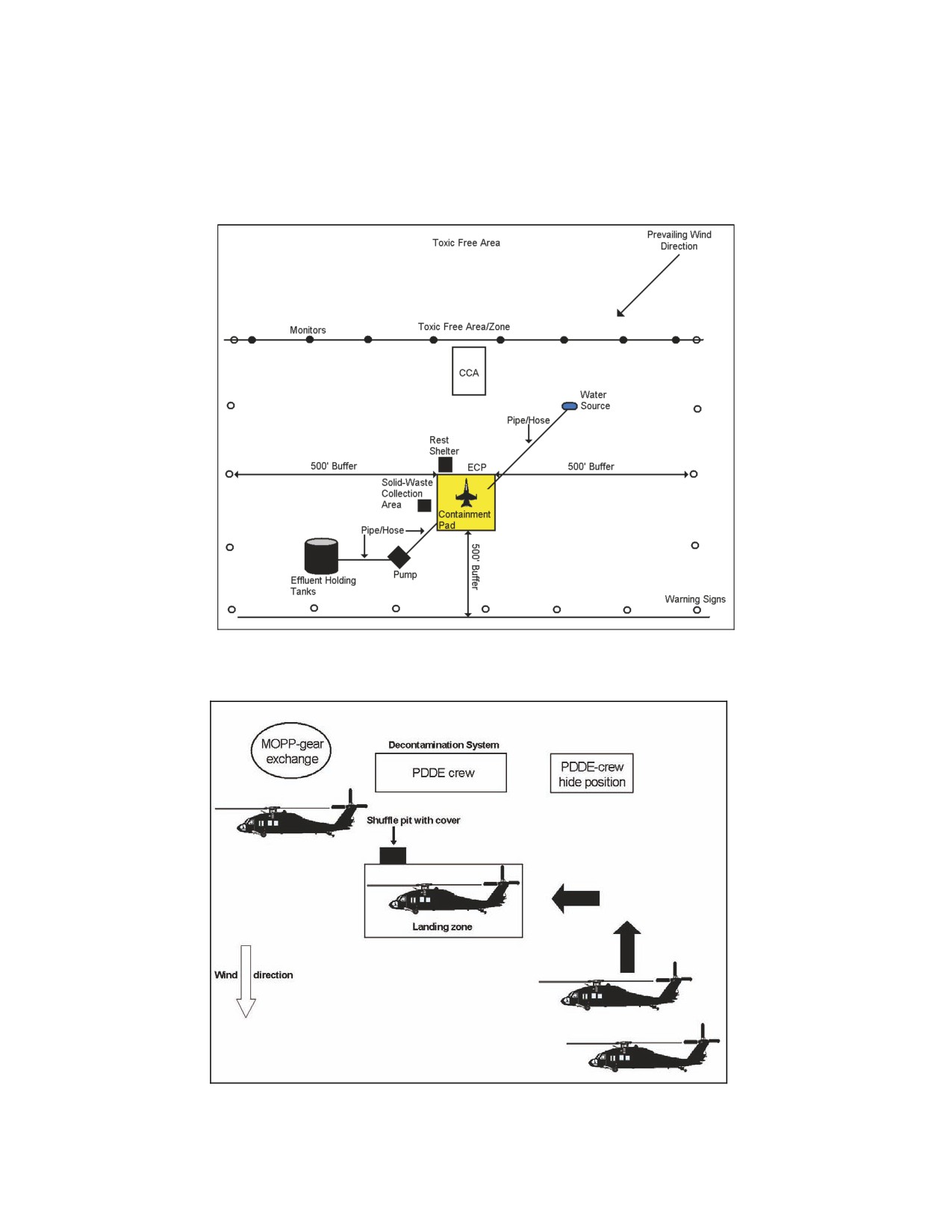
(a) Areas. Multiple areas will need to be set up, marked, and maintained
within zones to effectively control or eliminate the potential for cross contamination. The
locations depend on the operating cycle, the space available (facility or ship), and the type of
aircraft being decontaminated. Figures VIII-1 and VIII-2 (page VIII-10) depict examples of
stationary aircraft decontamination areas.
(b) Water. The site must have sufficient fresh water to wet the entire
exterior of the aircraft. For planning purposes, the following recommendations are
provided: CH46E, 250 gallons; CH53E, 350 gallons; F/A18, 300 gallons; and C130, 800
gallons.
NOTE: Water requirements are approximations. The water requirements for
specific aircraft should be based on the surface area compared to the
recommended water volumes provided above.
(c)
Equipment. Washing equipment that can produce 60 to 120 psi of
water pressure is preferred. The capacity to heat water and inject soap increases the
4 April 2006
FM 3-11.5/MCWP 3-37.3/NTTP 3-11.26/AFTTP(I) 3-2.60
VIII-9
effectiveness. The lack of pressurized washing equipment decreases the effectiveness of the
wash down and may require scrubbing to achieve the desired effect. The M17 lightweight
decontamination systems (USMC), M12 PDDA, standard water pumps, and pressure
washers, and firefighting equipment are examples of standard and field-expedient
equipment.
Figure VIII-1. Aircraft Operational Decontamination Site Layout
Figure VIII-2 Helicopter Operational Decontamination Site Layout
VIII-10
FM 3-11.5/MCWP 3-37.3/NTTP 3-11.26/AFTTP(I) 3-2.60
4 April 2006

(d) Decontamination Area or Pad. A suitable remote site that is at least
500 feet away from all other flight line activities must be selected to conduct aircraft
decontamination. The decontamination pad must have enough space so that all of the
drainage and wastewater runoff is collected and contained. The establishment and
enforcement of an entry control point is required to control and monitor access to the
decontamination pad.
(e) Containment Area. An aircraft decontamination containment area
should be large enough to completely cover the ground under the entire aircraft and catch
all the contaminated runoff water. The construction of the pad should be of a waterproof
material (vinyl, plastic, or tarp) with suitable sides (berm) to control and contain the water
or decontaminant runoff. Operational decontamination sites established at wash racks will
require a containment feature (such as sandbags, sand-filled fire hoses, or commercially
available containment berms or pools) that is large enough to accommodate the aircraft
being washed and to prevent runoff from spreading contamination. The pad size will vary
based on the type of aircraft requiring decontamination and must be built to accommodate
the largest known contaminated aircraft. Sample aircraft sizes and recommended pad
containment areas are given in Table VIII-2.
Table VIII-2. Sample Aircraft Sizes and Recommended Pad Containment Areas
Aircraft
Length
Wingspan
Recommended Pad
C-5
247' 10"
222' 9"
270' x 250'
C-17
173' 11"
170' 9"
200' x 200'
C-141
168' 4"
160'
180' x 180'
KC-135E
136' 3"
130' 10"
160' x 160'
C-130
97' 9"
132' 7"
125' x 160'
(f)
Overspray or Splatter Hazard Area. Another factor to consider is the
potential for an overspray or splatter hazard during decontamination operations. The
liquid containment system associated with a ground barrier is designed to allow the
wastewater to be collected in an appropriate container, pending further analysis and proper
disposal. If possible, establish the decontamination area at a 20° angle to the prevailing
winds. Using this method, the concentration of trailing vapor hazards will be significantly
reduced.
(g) Site. Sewer drains must be plugged, and a system for containing
discarded wastewater must be established using a temporary berm. Ensure that the
ground slope allows the runoff to flow to the downwind side of the washing operation but
still be retained in the area so that it will not cross contaminate other areas. All
wastewater used in the decontamination process will need to be collected and tested.
(h) Wastewater Storage. Wastewater storage tanks should be available to
store runoff. In areas where sufficient natural drainage exists to carry wastewater away
from the operation, wastewater lagoons could be constructed to provide a holding area for
the wastewater, pending proper disposal. If lagoons are utilized, they must be established
downwind of the decontamination area, properly marked, and fenced. Because of the large
construction requirements, lagoons should only be used as a last resort.
(i.)
Collection System. The design of the collection system largely
depends on the specific site conditions such as the slope of the land, soil composition, and
wind direction. Planners must also consider piping and sump pumps to move contaminated
4 April 2006
FM 3-11.5/MCWP 3-37.3/NTTP 3-11.26/AFTTP(I) 3-2.60
VIII-11
water into storage tanks or a holding lagoon. The quantity and selection of piping and
pumps depend on the slope and distance from the decontamination pad to the holding
tanks.
(3)
Procedures. Aircraft wash-down techniques are employed to reduce the
levels of contamination on the aircraft between sorties (when time allows). An aircraft
wash down should be performed as a minimum contamination reduction measure when
time does not permit a more extensive decontamination.
(a) All personnel involved in the aircraft wash down shall wear the
appropriate MOPP gear prior to the aircraft entering the decontamination site.
Wet-weather clothing or TAP aprons worn over MOPP gear is recommended to prevent the
saturation of the nonaircrew protective ensemble.
(b) Personnel place the appropriate barrier and contamination hazard
markings prior to commencing the wash down. They erect barriers to isolate the
decontamination site. Appropriate (CB) North Atlantic Treaty Organization (NATO)
contamination markers should be attached to the rope barrier to warn personnel of a
contamination hazard.
(c)
Aircraft stands or ladders should be available to the spray areas
inaccessible from the ground or deck. As a last resort, decontamination personnel can climb
on the aircraft.
(d) The aircraft is towed or taxied into position.
(e) The aircrew egress. If contaminated, the aircrew must remain with
the aircraft in IPE or may be directed to a personnel decontamination site (shore-based) or
CCA (ship) for the removal of contaminated IPE and flight gear.
(f)
The crew closes all of the hatches, doors, and windows on the aircraft.
(g) Warm, soapy water is applied to the aircraft. Spray should be applied
to the aircraft working upwind to downwind and top to bottom. Do not neglect the landing
gear and the belly of the aircraft. Angle the spray streams from 15° to 30° in order to avoid
water being introduced behind the hatch and cover seams that house the sensitive aircraft
components. Control the overspray to avoid transferring the contaminated runoff to
personnel or to areas outside the decontamination barrier.
CAUTION
Consult the appropriate aircraft maintenance publications for
areas that could be damaged by the application of water spray.
Prepare these areas for aircraft wash down as specified in TMs
for normal washing. The spray streams should be angled from
15° to 30° in order to avoid water being introduced behind the
hatch and cover seams that house the sensitive aircraft
components. Ensure that only approved aircraft cleaners are
used. The overspray should be controlled to avoid transferring
contaminated runoff to personnel or to areas outside of the
decontamination barrier.
(h) Rinse. Perform this optional step for corrosion control purposes if
time allows.
VIII-12
FM 3-11.5/MCWP 3-37.3/NTTP 3-11.26/AFTTP(I) 3-2.60
4 April 2006
(i)
Check the interior for liquid or solid contamination. If contamination
is discovered, spot-decontaminate by wiping with rags dipped in warm, soapy water or
another approved aircraft cleaner.
(j)
Move the aircraft to an area where it can weather.
(k) Repeat steps 3 (a) through (j) as required.
(4)
Site Close-Out. At the end of the decontamination procedures, the
decontamination pad must be cleaned with a standard or nonstandard decontamination
solution to ensure that all traces of contamination have been neutralized. Additionally, the
planners should consider that all joint- or crack-sealing material will need to be removed
and replaced.
d.
Thorough Decontamination. The goal of a thorough decontamination is to reduce
contamination to negligible levels or to eliminate it so that aircraft can be operated and
maintained safely for extended periods of time without aircrew IPE or nonaircrew IPE.
Thorough decontamination consists of personnel and equipment decontamination. Detailed
aspects of specific thorough personnel and equipment decontamination for air and naval
forces are addressed in AFMAN 10-2602. This section primarily addresses thorough
aircraft decontamination procedures for forces operating ashore. Thorough personnel
decontamination is outlined in Chapter V.
(1)
The DAD restores items so that they can be used without aircrew IPE or
nonaircrew IPE. Normally, the DED and the DAD are conducted as part of a reconstitution
or during breaks in combat operations.
(2)
The thorough decontamination of aircraft is costly in terms of time and
resources. A critical limitation to aircraft thorough decontamination is decontamination of
the interior. Electronics, electrical systems, and other sensitive components of cockpits,
flight decks, and cargo areas can become damaged if subjected to the volume of water that
would have to be introduced in order to effectively remove contamination from these areas.
As discussed, there are currently no available decontamination technologies, other than
using standard aircraft soaps and cleaners to displace contamination from an aircraft.
Therefore, in considering thorough decontamination of an aircraft, commanders must first
determine the extent of the contamination to the interior spaces of the aircraft. If these
spaces are heavily contaminated, it may make more sense to operationally decontaminate
the exterior of the aircraft, spot-decontaminate the interior of the aircraft, and allow the
aircraft to weather to an acceptable level instead of spending the resources to conduct a
thorough decontamination of the exterior, knowing that spot decontamination of the
interior is the best that can be achieved with the current decontamination technology.
(3)
The procedures for DAD are similar to those for operational
decontamination. The principal difference between the two techniques is the amount of
time that is required. There is a stationary, single-station method and a five-station
method for conducting DAD. In either method, DAD will take longer because of the
requirement to scrub the aircraft. Scrubbing the aircraft with soap will assist with the
contaminant removal process and increase the effectiveness of decontamination. All
personnel involved in the DAD may wear the appropriate rain gear. Rain gear is
recommended to prevent the saturation of the nonaircrew protective ensemble.
4 April 2006
FM 3-11.5/MCWP 3-37.3/NTTP 3-11.26/AFTTP(I) 3-2.60
VIII-13
(a) Determine the Location for the Decontamination. The location to
conduct aircraft decontamination is dependent on the operating cycle, space available at the
facility, and the type of aircraft being decontaminated.
(b) Conduct Site Preparation. Considerations for selecting a thorough
decontamination site and the preparation of that site are similar to those discussed in
operational decontamination (paragraph 3c). Thorough decontamination will require more
logistics support. For planning purposes, the following recommendations are provided: CH
46E, 500 gallons; CH-53E, 700 gallons; and C130, 1600 gallons. Containment at the DAD
will have to be increased to hold the additional runoff.
NOTE: Water requirements are approximations. The water requirements for
specific aircraft should be based on the surface area compared to the
recommended water volumes provided above.
(c)
Perform Single-Station Procedures.
•
Tow or taxi the aircraft into position; and close all of the hatches,
doors, and windows on the aircraft. Prepare the aircraft the same as for a normal washing,
and then initiate the decontamination process.
•
Apply warm, soapy water to the outside of the aircraft. Spray should
be applied to the aircraft, working from upwind to downwind and top to bottom.
CAUTION
Consult appropriate aircraft maintenance publications for areas
that could be damaged by the application of water spray.
Prepare these areas for aircraft wash down as specified in TMs
for normal washing. Spray streams should be angled from 15°
to 30° in order to avoid water being introduced behind the hatch
and cover seams that house sensitive aircraft components.
Ensure that only approved aircraft cleaners are used. The
overspray should be controlled to avoid transferring
contaminated runoff to other personnel or to areas outside of
the decontamination barrier.
•
Apply appropriate aircraft cleaner or soap to the exterior of the
aircraft using long-handled brushes or nonabrasive scrub pads. Scrub the soap into the
exterior surfaces of the aircraft, working from upwind to downwind and top to bottom. Pay
particular attention to the areas where contamination tends to accumulate, such as landing
gear, landing gear bays, tires, and areas with POL.
•
Check the interior spaces with a CAM/ICAM or M8 paper. If
contamination is discovered or suspected, spot-decontaminate these areas with rags or
sponges dipped in warm, soapy water or with another approved aircraft cleaner. Wring-out
the excess water to avoid contaminated runoff. Porous material such as cargo straps, seats,
and seat belts cannot be effectively spot-decontaminated. These items and other porous
items should be removed and weathered or discarded. Personnel performing the interior
decontamination must ensure that they are not transferring contamination inside of the
aircraft. If necessary, decontaminate the footgear and gloves before entering the aircraft.
VIII-14
FM 3-11.5/MCWP 3-37.3/NTTP 3-11.26/AFTTP(I) 3-2.60
4 April 2006
•
Apply rinse water to the outside of the aircraft. Spray should be
applied to the aircraft, working from upwind to downwind and top to bottom. Heated water
will aid in contamination removal.
WARNING
Overspray should be controlled to avoid
transferring the contaminated runoff to personnel
or to areas outside of the decontamination barrier.
CAUTION
Consult the appropriate aircraft maintenance
publications for areas that could be damaged by the
application of water spray. Spray streams should be
angled from 15° to 30° to avoid water being introduced
behind the hatch and cover seams that house the
sensitive aircraft components.
•
Check for contamination. Use the CAM/ICAM, M8A1, M22 ACADA,
MK26 Ship ACADA, M256/M256A1, or biological handheld assay (HHA) (as required) to
check the exterior for contamination. If contamination is found, recycle the aircraft
according to the command guidance or segregate the aircraft from personnel and other
aircraft for the weathering process to lower contamination levels.
(d) Perform Five-Station Procedures.
•
CBRN units may set up, operate, and close the DAD portion of the
thorough decontamination operation. Table VIII-3 (page VIII-16) shows the personnel and
equipment requirements for the five-station DAD. The site setup is the same for CBR. The
DAD area is composed of primary wash, decontaminant solution application, contact time
and interior decontamination, rinse, and check stations (see Figure VIII-3, page VIII-17).
4 April 2006
FM 3-11.5/MCWP 3-37.3/NTTP 3-11.26/AFTTP(I) 3-2.60
VIII-15

Table VIII-3. Personnel Requirements for DAD
Personnel
Stations
Equipment/Supplies
Decontamination Unit
Augmentees
Station 1—Primary wash
1 TL
2 scrubbers
1 PDDE
1 PDDE operator
1 3,000-gallon tank
1 sprayer
2 65-GPM pumps
6 long-handled brushes
5 TAP aprons
Liquid detergent
Station 2—Decontaminant
1 TL
4 appliers
1 PDDE
application
2 appliers
18 long-handled brushes
2 sprayers
9 mops with extra heads
1 PDDE operator
5 TAP aprons
Liquid detergent
Station 3—Interior
1 NCO (ICAM/CAM
2 assistants
2 AN/VDR-2s or
decontamination/wait
operator)
AN/PDR-77s
2 TAP aprons
6 30-gallon containers
10 books of M8 paper
30 sponges
8 M256A1 detector kits
50 plastic trash bags
1 clipboard with pen
1 stopwatch
1 ICAM/CAM
Station 4—Rinse
1 TL
None
1 PDDE
1 PDDE operator
1 3,000-gallon tank
2 sprayers
3 65-GPM pumps
1 TPU
2 TAP aprons
Station 5—Check
1 TL
None
1 CAM/ICAM
2 CAM/ICAM operators
10 M256A1 detector kits
20 books of M8 paper
2 AN/VDR-2s or
AN/PDR-77s
1 M8A1 or M22 ACADA
C2
1 TL
None
1 HMMWV
1 assistant
3 marking kits
Aircraft moving team
None
6 drivers
None
18 ground guides
Total Personnel
19
32
N/A
VIII-16
FM 3-11.5/MCWP 3-37.3/NTTP 3-11.26/AFTTP(I) 3-2.60
4 April 2006
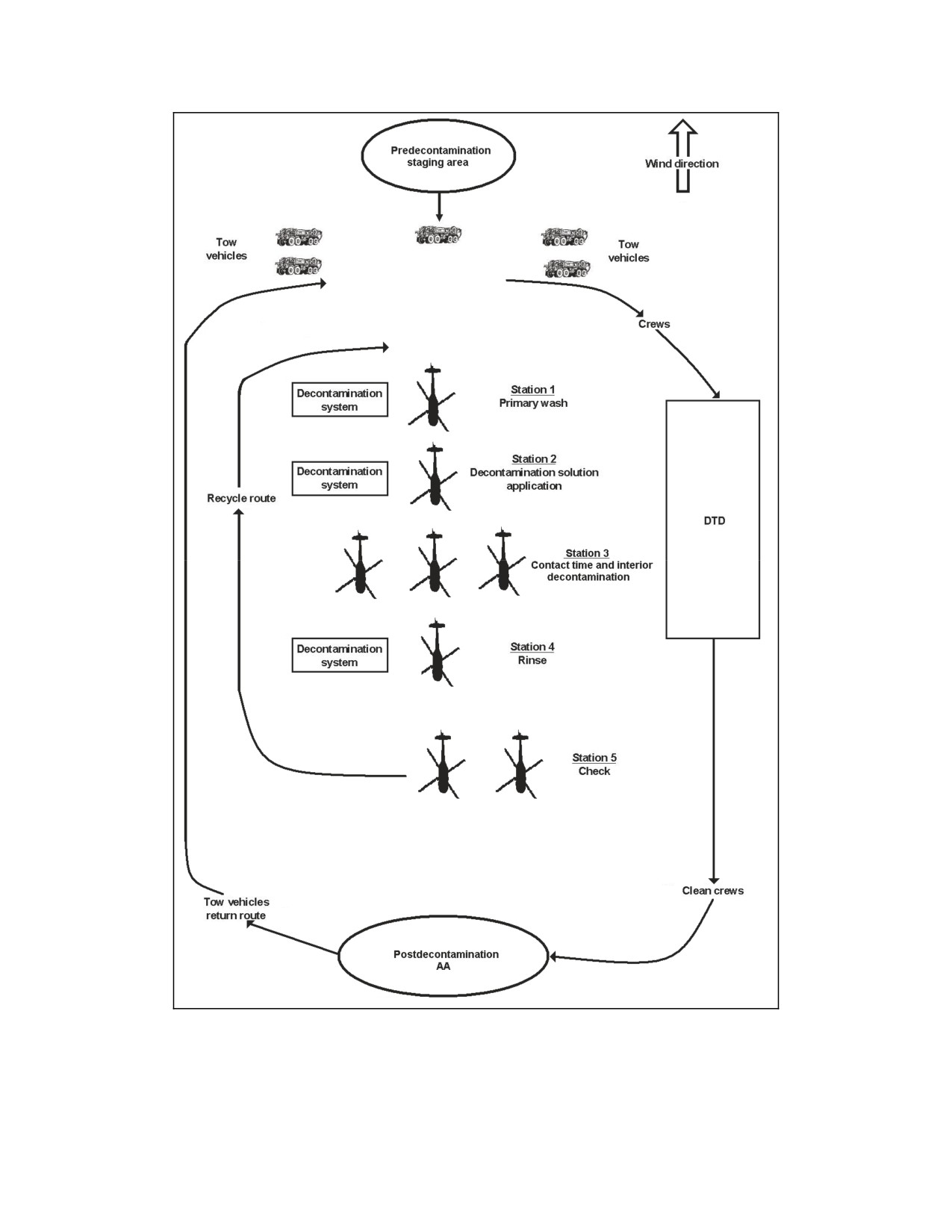
Figure VIII-3. Sample Layout for a DAD Station
4 April 2006
FM 3-11.5/MCWP 3-37.3/NTTP 3-11.26/AFTTP(I) 3-2.60
VIII-17
•
The representative actions that are taken at each station are as
follows:
o Station 1: Primary Wash. At this station, gross contamination is
removed from the aircraft. The aircraft is sprayed for 2 to 3 minutes with hot, soapy water.
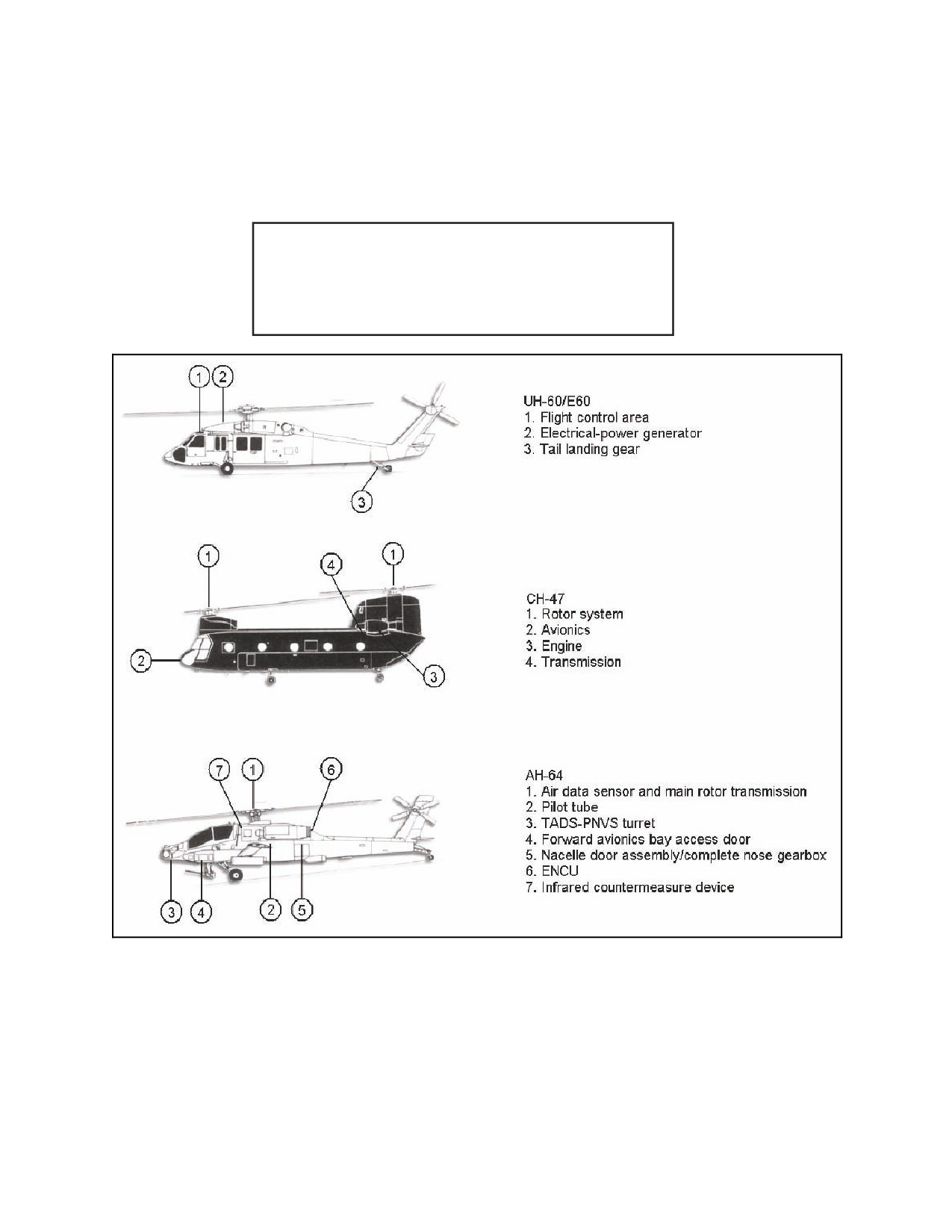
WARNING
To prevent damage, avoid hitting the aircraft’s skin
at a 90° angle. Also avoid the sensitive areas
shown in Figures VIII-4 and VIII-5.
Figure VIII-4. Sensitive Areas for the UH-60/E60, CH-47, and AH-64
VIII-18
FM 3-11.5/MCWP 3-37.3/NTTP 3-11.26/AFTTP(I) 3-2.60
4 April 2006
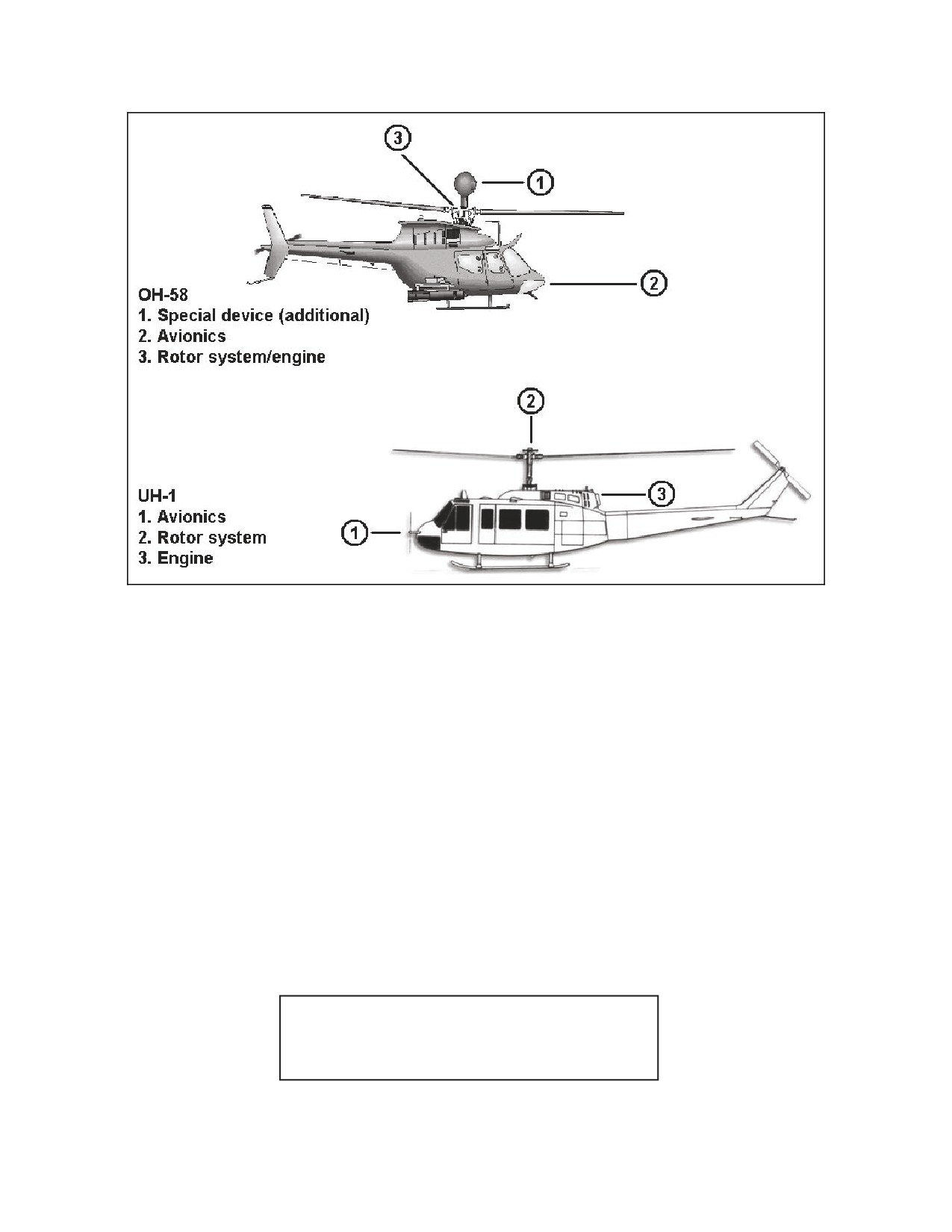
Figure VIII-5. Sensitive Areas for the OH-58 and UH-1
o Station 2: Decontaminant Application. At this station, a
decontamination solution is applied using a decontamination apparatus such as the M12A1
PDDE or the M17 LDS (in the siphon injector mode). After the solution is applied, a
member of the scrubbing team scrubs the aircraft skin. This allows the chemical agent to
mix with the decontamination solution (especially when thickened chemical agents are
present). STB and HTH should not be used because of their corrosive nature.
o Station 3: Contact Time and Interior Decontamination. At this
station, the decontamination solution is allowed to completely neutralize the chemical
agent; also, the interior of the aircraft is decontaminated (if necessary). The aircraft will
remain in Station 3 at least 30 minutes. The decontamination solution reacts with most
chemical agents within 5 minutes. However, allowing the decontamination solution to
remain on the contaminated surface for 30 minutes should ensure a complete
neutralization.
Inspect the interior of the aircraft for liquid contamination
using the CAM/ICAM and M8 detector paper. If a liquid-chemical contamination is
identified, decontaminate the interior of the aircraft.
WARNING
Personnel should not be in the aircraft during
this operation.
4 April 2006
FM 3-11.5/MCWP 3-37.3/NTTP 3-11.26/AFTTP(I) 3-2.60
VIII-19
Decontaminate the aircraft’s interior with hot, soapy water
as long as maintenance personnel approve the use of it on certain pieces of equipment. Use
IEDKs or damp, soapy washcloths to decontaminate optical and electrical equipment and
instruments.
NOTE: The IEDK leaves a charcoal residue on surfaces.
Use a radiac meter for radiological contamination to
determine the extent and location of the contamination inside the aircraft. If there is
contamination, determine the intensity of the contamination. If the contamination has an
intensity greater than 0.33 cGy, decontaminate the interior of the aircraft. Use hot, soapy
water to wash the contaminated areas and a sponge to mop up the water and the
contamination.
o Station 4: Rinse. Removed the decontamination solution is from
the aircraft. Spray the aircraft with water from top to bottom. Take care not to damage the
aircraft skin. This station will use about 250 gallons of water.
CAUTION
Failure to remove all of the decontamination
solution from the aircraft skin may cause corrosion.
o Station 5: Check. At this station, the completeness of the
decontamination is checked. Detection procedures vary depending on the type of
contamination. If significant contamination is found on the aircraft, recycle it to Station 2
for chemical contamination or to Station 1 for radiological contamination.
Use the ICAM to check for the presence of vapors. If the
ICAM indicates the presence of vapors, use the M8 detector paper to check for liquid
contamination. If it is suspected that these are producing a false positive, use an M256A1
detector kit to confirm or deny the presence of contamination. If the aircraft has significant
contamination remaining, recycle it. Desorption of chemical agents may occur after the
decontamination. On CARC-painted surfaces, the desorption of vapors will stop sooner
than on alkyd-painted surfaces.
Use the radiac meter to determine if any contamination
remains. If so, determine the intensity of the contamination.
•
The commander establishes the recycle criteria before starting a
decontamination operation. If contamination is detected at Station 5, the recycle criteria
are used to determine which aircraft are returned to Station 2 or, if radiologically
contaminated, to Station 1. If the unit has sufficient time and resources available, the
aircraft still having detectable levels of contamination should be recycled. However, time
and resources are usually limited and not all aircraft can be recycled.
e.
Operational and Thorough Decontamination. Operational and thorough
decontamination sites for aircraft must be selected with care. The decontamination area
must be large enough for the required number of aircraft, have an available water source,
VIII-20
FM 3-11.5/MCWP 3-37.3/NTTP 3-11.26/AFTTP(I) 3-2.60
4 April 2006
and allow for adequate drainage. The sites should be relatively secure; however, they
should be close enough to the AOs to allow for a reasonably quick turnaround of the
aircraft. The sites should not have less than a 5 percent slope. Decontamination sites
should be integrated into the tactical plan.
4.
Civil Reserve Air Fleet and Contract Airlift Operations
The Civil Reserve Air Fleet (CRAF) and contract airlift crews are provided ground
crew CW defense ensembles for emergency use. Crews receive just-in-time training in
order to quickly and properly don the suit and proceed to a protective shelter. Civil crews
are not expected to sustain operations in a CB environment. Therefore, they have no
decontamination capability.
a.
Civil aircraft are not usually modified for operations in a CBRN environment.
b.
Civil aircrews are not obligated or trained to fly into a contaminated
environment. The CRAF will not intentionally operate in a known contaminated
environment.
c.
If an aircraft becomes contaminated while on the ground, the crew will be
evacuated by the first available means and the aircraft will be grounded until it is
decontaminated.
5.
Aircraft Munitions Decontamination
This paragraph addresses aircraft munitions; specifically, contaminated munitions
assets, the decontamination of munitions assets, and the handling of contaminated waste.
a.
Munitions personnel must possess an immediate decontamination capability for
themselves (M291 and M295 decontamination kits, and glove and boot decontamination
troughs with 5 percent chlorine solutions) and an operational decontamination capability
for munitions, assets, and vehicles. For the decontamination operations to be beneficial,
the site personnel must initiate the decontamination shortly after the onset of
contamination since there will not be sufficient time for off-site personnel to arrive and
conduct the decontamination operations.
b.
If the aircraft munitions are contaminated while in the storage area, the
munitions handlers maintain MOPP4 (even if the aircraft parking area and other resources
are uncontaminated). If dealing with contaminated individually wrapped trailers in the
flight line weapons storage area, the weapons load crew removes the barrier material and
disposes of it as contaminated waste before transporting the load to the aircraft parking
area. However, if positioning the weapons without overhead cover for more than 1 hour at
(or in the immediate vicinity of) the aircraft parking area, the weapons load crew replaces
the barrier material before leaving for the site.
(1)
Because of the hazard that is imbedded in contaminated munitions
equipment and weapons, munitions personnel must conspicuously identify the
contaminated assets and keep them separated from the uncontaminated resources
(whenever possible). Contaminated munitions remain hazardous to unprotected personnel
for extended periods.
(2)
Contaminated munitions should be hung on the contaminated aircraft. If it
is necessary to use the contaminated munitions on uncontaminated aircraft, ordnance shall
be decontaminated before applying it to an aircraft.
4 April 2006
FM 3-11.5/MCWP 3-37.3/NTTP 3-11.26/AFTTP(I) 3-2.60
VIII-21
(3)
If the munitions area is contaminated and the weapons build process did
not have an overhead cover, the commanders should determine the need for additional
weapons during this period. If the munitions operation built enough weapons for the next
24 hours, it may not be necessary to continue building bombs in the first few hours after an
attack. Munitions work crews should conduct decontamination of the munitions area,
munitions equipment, and munitions.
(4)
The supervisors and munitions work crews shall ensure that the
contamination status of munitions and equipment is clearly marked.
c.
For the decontamination operations to be beneficial, the individual vehicle and
equipment operators must immediately decontaminate the parts of the munitions assets
that will be touched within 15 minutes of being contaminated. Units may organize and
equip contamination control teams to support sustained operations. They use the team
concept (normally two members) to assist unit personnel in developing and executing the
immediate decontamination measures, resupplying the unit with decontaminants, and
collecting and disposing of contaminated waste.
(1)
There is no need for extensive decontamination of each contaminated piece
of ordnance, vehicle, or equipment (trailer, bomb loader, etc.) as long as the personnel
clearly identify the contaminated assets as containing a residual hazard. The operator’s or
work center’s accomplishment of the immediate decontamination using M295
decontamination kits will suffice to continue the mission operations. The decontamination
operations will not produce significant results once the agent has sorbed into the paint or
other absorbent surfaces. Depending on the surface, this sorption takes place in periods
ranging from less than 1 minute up to 1 hour. Regardless of the decontamination technique
used, it will be relatively easy to remove agents from the smooth panels before they absorb
into the surface. However, the CBRN agents will tend to remain at low levels in crevices,
rivet heads, and joints.
(2)
The majority of munitions assets on installations use paint with
polyurethane compounds. Chemical agents readily sorb into this type of paint. Thus, the
decontamination operations will not have a significant effect unless they take place within
minutes after the time of contamination. Timely decontamination will reduce the residual
contact hazard. Impermeable surfaces (arming wires and other unpainted metal
components) do not allow the agent to penetrate. Therefore, these locations represent the
most dangerous areas on the contaminated assets.
(3)
Plastic and rubber components are porous materials, and the agents easily
soak into these components. While the use of the M295 decontamination kit or a 5 percent
chlorine solution will effectively reduce or eliminate the operational contact hazard, the
agent will remain imbedded in the material and an off-gassing hazard will remain.
(4)
There are no effective, operationally feasible methods for completely
decontaminating canvas storage covers, webbing, and other textile materials contaminated
with liquid chemical agents. These items will have to be weathered or removed and treated
as contaminated waste.
VIII-22
FM 3-11.5/MCWP 3-37.3/NTTP 3-11.26/AFTTP(I) 3-2.60
4 April 2006

6.
Air Cargo Movement Decontamination
Contamination can significantly disrupt the air and ground cargo movements if the
cargo handlers do not plan and execute preattack and postattack actions. The commanders
must identify and coordinate the task priorities, obtaining additional support when needed.
a.
Cargo handlers must effectively employ preattack and postattack measures to
minimize mission degradation and enable sustained operations. This includes the
coordinated use of a system that balances the mission criticality level (importance) of the
cargo with the hazard category (residual danger) associated with the materials to
determine the appropriate action. The cargo handlers will require assistance from their
unit CBRN reconnaissance team and CBRN specialists to determine the degree of
contamination that is present on the cargo, cargo storage areas, and cargo movement areas.
Personnel controlling the cargo movement will use Table VIII-4 to identify the mission
criticality of the material and will conspicuously mark the relative code on the cargo.
Table VIII-4. Cargo Movement Mission Criticality Level
Mission Criticality
Definition
Level
C—Critical
The cargo is sufficiently important that it must be transported within 4 hours,
regardless of the existence of contamination.
P—Priority
The cargo is sufficiently important that it must be transported within 12 hours,
regardless of the existence of contamination.
A—Accelerated
The cargo is sufficiently important that it must be transported within 24 hours,
regardless of the existence of contamination.
R—Routine
The mission can be delayed until contamination levels, such as MOPP4 are not
required, regardless of how long it takes the contamination to dissipate.
N—Negligible
The mission can be delayed until there is no measurable contamination. This
type of cargo should not be accepted inside the cargo movement area. Room
must be saved for higher priority cargo.
b.
Table VIII-5 may be used to determine the hazard category associated with the
cargo.
Table VIII-5. Cargo Movement Hazard Category
Hazard
Definition
Category
1
Actual or suspected surface disposition of biological pathogens
2
HD, L, or GB vapor present without contact hazard
3
VL or L contact hazard present without measurable vapor hazard
4
HD or GB contact hazard combined with a medium level of danger associated with vapor
concentrations (4 to 5 CAM/ICAM bars with HD and up to 6 CAM/ICAM bars with GB)
5
HD, L, GB, or VX contact hazard combined with a high level of danger associated with vapor
concentrations (6 or more ICAM/CAM bars with HD, positive M256A1 tab for L, 7 or more
ICAM/CAM bars with GB, or 6 or more CAM/ICAM bars with VX)
NOTE: In the case of GB, high vapor hazard alone can drive this category designation.
c.
In addition to the required CBRN reconnaissance, self-aid, and buddy care
activities, cargo handlers accomplish the following actions. The timing of the postattack
reconnaissance and self-aid buddy care activities depend on the situation, the direction
from the installation, and the unit chain of command. Unless otherwise directed, do not
4 April 2006
FM 3-11.5/MCWP 3-37.3/NTTP 3-11.26/AFTTP(I) 3-2.60
VIII-23

accomplish the following actions until after the liquid deposition phase of the attack has
ended.
(1)
Determine the contamination status of each individual cargo pallet.
Annotate and report the results to the commander.
(2)
Remove and replace the covering within 6 hours (the sooner the better) if a
single sheet of plastic is protecting the contaminated assets. Carefully remove the outer
layer and replace it as time permits if a double or triple sheet of plastic or canvas is
protecting the contaminated assets,. Carefully roll the material so that the contaminated
side is rolled to the inside, and discard the material as contaminated waste.
(3)
Mark the item as contaminated according to the unit marking procedures
(NBC marking kit, signs on all sides) if barrier material is not protecting the contaminated
cargo. Attach each type of signs to the cargo if it is contaminated with more than one type
of agent (e.g., CB).
(4)
Annotate the front of the appropriate NBC marking kit sign with the
mission criticality and hazard category designator for prioritizing the cargo movement. The
code for the mission criticality designator will be the first letter of the appropriate word
(i.e., “C” represents critical and “N” represents negligible). The code for the hazard category
is the number designator itself (i.e., “3” represents a contact hazard without a measurable
vapor hazard).
(5)
Annotate the specific agent, date, time of marking, and temperature (F or
Celsius [C]) at the time of the marking operation on the rear of the marking sign. If using
the DOD sampling kits (biological-agent samplers), annotate on the rear of the sign
whether the HHA tests are positive or negative.
(6)
Report the contamination status of each pallet to the unit operations center.
(7)
Use Table VIII-6 to determine what decontamination actions, if any, are
necessary based on the mission criticality level and hazard category of the contaminated
cargo.
Table VIII-6. Cargo Decontamination Actions (Negligible)
Mission
Hazard
Recommended Action
Criticality
Category
Level
Critical
1
Spray the cargo with water if it will not damage the contents. Triple-wrap
and mark “C1.”
Critical
2
Aerate for 30 minutes if the surrounding environment is clean. Triple-wrap
and mark “C2.”
Critical
3
Decontaminate with an IEDK. Triple-wrap and mark “C3.”
Critical
4
Decontaminate with an IEDK. Aerate for 30 minutes if GB is the agent and
the surrounding area is clean. Triple-wrap and mark “C4.”
Critical
5
Decontaminate with an IEDK. Aerate for 30 minutes if GB is the agent and
the surrounding area is clean. Triple-wrap and mark “C5.”
VIII-24
FM 3-11.5/MCWP 3-37.3/NTTP 3-11.26/AFTTP(I) 3-2.60
4 April 2006

Table VIII-6. Cargo Decontamination Actions (Negligible) (Continued)
Mission
Hazard
Recommended Action
Criticality
Category
Level
Priority
1
Same as “Critical 1.” In addition, wipe down the cargo with a dust remover,
reset the cargo with HHA, triple-wrap, and mark “P1.”
Priority
2
Aerate for 6 hours if the surrounding area is clean. Triple-wrap and mark
“P2.”
Priority
3
Decontaminate with an IEDK, recheck with the M8 paper, and use an IEDK
again if necessary. Triple-wrap and mark “P3.”
Priority
4
Aerate for 6 hours if the surrounding area is clean, decontaminate with an
IEDK, triple-wrap, and mark “P4.”
Priority
5
Aerate for 6 hours if the surrounding area is clean, decontaminate with an
IEDK, triple-wrap, and mark “P5.”
Accelerated
1
Same as “Priority 1.” In addition, expose the cargo to sunlight for 4 hours,
attempt a wash down, and conduct the wipe-down procedures again if the
second HHA test was positive. Triple-wrap and mark “A1.”
Accelerated
2
Aerate for 12 hours if the surrounding environment is clean, triple-wrap, and
mark as “A2.”
Accelerated
3
Same as “Priority 3.” In addition, aerate for 12 hours before the
decontamination process, recheck with the M8 paper, and decontaminate
with an IEDK as often as necessary or until time no longer permits.
Triple-wrap and mark “A3.”
Accelerated
4
Same as “Priority 4.” In addition, aeration time should be extended to 12
hours. Recheck with the M8 paper following the initial IEDK decontamination
action. Repeat the IEDK operation if the contact hazard still exists.
Triple-wrap and mark “A4.”
Accelerated
5
Same as “Priority 4.” In addition, aeration time should be extended to 12
hours. Recheck with the M8 paper following the initial IEDK
decontamination action. Repeat the IEDK operation if the contact hazard
still exists. Triple-wrap and mark “A5.”
Routine
1
Same as “Accelerated 1.” In addition, continue the weathering and wash-
down or wipe-down process until the HHA tests are negative. Triple-wrap
and mark “R1”
Routine
2
Same as “Accelerated 2.” Triple-wrap and mark “R2.”
Routine
3
Same as “Accelerated 3.” In addition, aerate for 24 hours before starting the
decontamination process. Triple-wrap and mark “R3.”
4 April 2006
FM 3-11.5/MCWP 3-37.3/NTTP 3-11.26/AFTTP(I) 3-2.60
VIII-25

Table VIII-6. Cargo Decontamination Actions (Negligible) (Continued)
Mission
Hazard
Recommended Action
Criticality
Category
Level
Routine
4
Same as “Accelerated 4.” In addition, the cargo should not be loaded until
the contact hazard has completely dissipated. Triple-wrap and mark “R4.”
Routine
5
Same as “Accelerated 5.” In addition, the cargo should not be loaded until
the contact hazard has completely dissipated. Triple-wrap and mark “R5.”
Negligible
1
Same as “Routine 1.” Triple-wrap and mark “N1.”
Negligible
2
Do not process unless the contamination dissipates or the mission criticality
level is upgraded. Triple-wrap and mark “N2.”
Negligible
3
Do not process unless the contamination dissipates or the mission criticality
level is upgraded. Triple-wrap and mark “N3.”
Negligible
4
Do not process unless the contamination dissipates or the mission criticality
level is upgraded. Triple-wrap and mark “N4.”
Negligible
5
Do not process unless the contamination dissipates or the mission criticality
level is upgraded. Triple-wrap and mark “N5.”
d.
Use the following detection guidelines when loading and transporting
contaminated cargo:
(1)
Determine the contamination status of the material handling equipment
and the transport vehicles. Determine if the items have measurable amounts of
contamination. Attempt to locate the pockets of contamination. This may entail the use of
a CAM/ICAM to pinpoint the pockets of dirt and grease that may house the agents in liquid
or dusty forms, which the M8 paper does not readily identify.
(2)
Take the following precautions if the transport vehicle is uncontaminated to
keep it clean during the cargo movement process:
(a) Conduct immediate decontamination on the portions of the material
handling equipment exposed to the cargo pallet or the transport vehicle. Use the M295
decontamination kit or 5 percent chlorine bleach solution to decontaminate.
(b) Place plastic or another barrier material in the bed of the transport
vehicle over the area where the cargo pallets will sit.
(c)
Replace the outer layer of barrier material on the cargo pallets (if
necessary).
(d) Ensure that the transport vehicle operator is the only person in the
transport vehicle and that he wears the appropriate level of IPE.
(e) Ensure that the local cargo handlers perform the actual cargo loading.
The cargo handlers should not touch, stand on, or go inside the vehicle unless absolutely
necessary. If it is necessary, they should use the decontamination troughs containing 5
percent chlorine solutions to decontaminate their gloves and boots before making contact.
(f)
Check the clean the transport vehicle for evidence of cross
contamination, and if contaminated, conduct an immediate decontamination.
VIII-26
FM 3-11.5/MCWP 3-37.3/NTTP 3-11.26/AFTTP(I) 3-2.60
4 April 2006
(g) Seal the vehicle chocks or other transport vehicle accessories that may
have come in contact with contaminated surfaces inside a plastic bag prior to loading.
(h) Mark the vehicle and the cargo to clearly identify the hazard
associated with the contaminated cargo.
(3)
Use the following guidelines when loading and transporting clean cargo
after attacks with CB agents:
(a) Determine the contamination status of the material handling
equipment and the transport vehicles.
(b) Take the following precautions if the material handling equipment or
transport vehicle is contaminated to prevent them from cross-contaminating the cargo
pallet during the cargo movement process:
•
Conduct immediate decontamination on the portions of the material
handling equipment that will come in contact with the cargo pallet.
•
Place at least two sheets of plastic or another layer of barrier material
in the bed of the transport vehicle over the area that the cargo pallets will sit on.
•
Ensure that the pallets have at least a double wrap of barrier
material. The transport vehicle operator should be the only person in the transport vehicle,
and he must wear the appropriate level of IPE.
•
Ensure that the local cargo handlers perform the actual cargo loading.
The cargo handlers should not touch, stand on, or go inside the vehicle or vehicles unless
absolutely necessary. If necessary, they should use the decontamination troughs containing
5 percent chlorine solutions to decontaminate their gloves and boots after making contact.
•
Check the pallets for evidence of cross-contamination, and if
contamination is present, immediately decontaminate.
•
Appropriately mark the vehicle to clearly identify the associated
hazard.
(4)
The cargo movement personnel should accomplish the following actions
when receiving contaminated cargo from another location:
(a) Acquire the available information concerning the cargo. This includes
the following:
•
A description of the cargo.
•
A description of the suspected contamination on the cargo.
•
The physical condition of the cargo.
•
The time of the estimated cargo contamination in relation to the
anticipated reception time at the installation.
•
The status of the vehicle operators.
•
Contact information for the CBRN specialists and the unit expecting
delivery.
(b) If the cargo does not have a high mission priority (as stated by the
receiving unit), assess the ability of the unit or cargo handlers to isolate the cargo upon
4 April 2006
FM 3-11.5/MCWP 3-37.3/NTTP 3-11.26/AFTTP(I) 3-2.60
VIII-27
reception. If choosing the isolation option, clearly cordon off the area surrounding the
pallets. Use a cordon radius of 25 feet (or as directed by CBRN personnel).
(c)
If the personnel must expediently use the contaminated cargo to
facilitate the mission operations, the receiving unit or cargo handlers should take the
following actions:
•
Ensure that the reception personnel are in the appropriate MOPP
(normally MOPP4).
•
Remove the layers of the barrier material (if present), cargo nets, or
pallet banding; and dispose of these items as contaminated waste.
•
Verify the type and level of the contamination (for example, VX in
liquid form on metal boxes with no measurable vapor hazard).
•
Remove the specific cargo from its packaging configuration (if
feasible), and dispose of the packing material as contaminated waste.
•
Accomplish the appropriate decontamination activities based on the
extent of the contamination, agent present, cargo surface, and time available.
•
Mark the contaminated cargo appropriately so that work center
personnel will immediately recognize the potential residual hazard.
e.
Use the following decontamination guidelines for aircraft pallets:
(1)
Determine, report, and annotate the contamination status of each pallet. If
a single sheet of barrier material protected the contaminated assets, remove and replace
the covering. Accomplish this within 6 hours (the sooner the better). Carefully roll the
material so that the contaminated side rolls to the inside, and then dispose of the material
as contaminated waste. If a double or triple sheet of plastic or canvas protected the
contaminated assets, remove the outer layer and replace it as time permits.
(2)
Dispose of the barrier material as contaminated waste in the appropriate
predetermined location. If a barrier material did not protect the contaminated property,
identify the item as contaminated.
(3)
Pay special attention to pallet netting. If the netting was contaminated, it
will most likely be impossible to decontaminate over time. Ensure that the contaminated
wrapping materials are disposed of in a temporary waste disposal area. Routinely transfer
the contaminated waste to the installation contaminated waste disposal site.
VIII-28
FM 3-11.5/MCWP 3-37.3/NTTP 3-11.26/AFTTP(I) 3-2.60
4 April 2006
Chapter IX
SHIPBOARD/MARITIME DECONTAMINATION
1.
Background
This chapter addresses shipboard CBR decontamination and the decontamination
aspects of CBRN recovery operations. Recovery operations involve those operations in
which military or civilian personnel, equipment, and supplies move from sites off of naval
ships (e.g., ashore or on another vessel into amphibious shipping)
2.
Shipboard Chemical, Biological, and Radiological Decontamination
Shipboard CBR decontamination requires a well-thought-out plan and organization.
a.
Shipboard Organization and Manning. The primary advisor to the commanding
officer for CBR decontamination actions is the damage control assistant (DCA). The
damage control organization includes the personnel assigned to damage control repair
stations, standoff detector operators, countermeasure washdown system operators,
ventilation control personnel, on-station monitors, survey teams, decontamination teams,
and personnel decontamination station operators coordinated through the damage control
center (DCC). Medical personnel are integrated into the shipboard chemical, biological, and
radiological defense (CBRD) organization. Shipboard personnel may be required to conduct
CBRD actions with a variety of routinely embarked units, including USN staffs, USN
aviation squadrons and detachments, USMC units, USN special warfare units, EOD
personnel, elements of Naval beach groups (NBGs) assault craft units, USCG law
enforcement detachments, and USA units. Minimum damage control repair station
manning requirements are outlined in NWP 3-20.31. The number of personnel may be
modified by the type of ship. See the commander’s repair party manual (Commander Naval
Surface Forces Instruction [COMNAVSURFORINST] 3541.1) for a particular ship class.
b.
Shipboard Decontamination Techniques and Procedures. Detailed CBR
decontamination actions are outlined in NWP 3-20.31, NSTM 470, and NSTM 070.
Shipboard CBRD decontamination and contamination control capabilities are focused on
the survivability of the unit and are conducted primarily by the shipboard damage control
organization.
c.
Shipboard Safety Precautions.
(1)
Countermeasure Wash Down System (CMWDS). For decontamination with
detergents, in the absence of an oxidizer, the contaminants are not chemically neutralized
and remain toxic. The possibility exists that the agent-contaminated water may drain or
flow in such a way that contamination remains on the ship. Decontamination operations
should be planned and conducted so that most of the runoff flows into the sea and that
areas of heavy traffic and sensitive areas are not recontaminated. Care should be taken to
minimize spraying or splashing of the contaminated liquid.
WARNING
Aircraft subjected to CMWDS will become deadlined
due to corrosion control requirements until
emergency reclamation maintenance is performed.
4 April 2006
FM 3-11.5/MCWP 3-37.3/NTTP 3-11.26/AFTTP(I) 3-2.60
IX-1
(2)
Protective Clothing. Full chemical protective clothing shall be worn, and
those personnel who might be exposed to contaminated spray should wear wet-weather
gear over the JSLIST. However, wearing wet-weather clothing will dramatically increase
heat stress. This factor shall be taken into consideration when planning the
decontamination efforts.
(3)
Surfaces. No decontaminated surface should be assumed to be completely
free of CBR hazards until suitable tests are negative. Traces of an agent will often remain
trapped in crevices or absorbed into paint even after treatment with an oxidizer.
Weathering will reduce contamination over time.
(4)
Sensitive-Equipment Decontamination. Most shipboard surfaces can be
safely treated with the standard hypochlorite and detergent solution. The solution shall
not, however, be used on aircraft, ordnance material, or electronic instruments because of
the risk of corrosion damage.
(5)
Use of Hypochlorite. Pure, undiluted calcium hypochlorite burns upon
contact with many organic compounds (including petroleum products and some chemical
agents). Calcium hypochlorite powder shall be added to the water before being used in ship
decontamination. The powder shall not be scattered onto shipboard surfaces. See NTRP
3-20.31.470 (NSTM 470) for mixing instructions and NTRP 3-20.31.670 (NSTM 670) for
stowage instructions.
d.
Decontamination Priorities. Faced with the presence of contamination, the
commander must decide to what degree decontamination is required. The best means of
contamination prevention or control is achieved through the proper use of the CMWDS.
However, aircraft that is exposed to the saltwater spray of the CMWDS will be deadlined
until emergency reclamation maintenance is performed. Pockets of contaminants may
require an operational or thorough decontamination through the use of fire hoses or other
means. Thorough decontamination is extremely labor-intensive. Clearance
decontamination is not technically feasible with onboard assets. Effective preparations for
CBR decontamination operations must include the designation of those areas for which
decontamination is absolutely essential to ensure the mission’s sustainability. The
decontamination of other areas will be deferred, and the crew will “fight dirty” as required.
When the mission permits, the ship should be repositioned to an uncontaminated location.
The need for additional decontamination measures should then be evaluated (natural
weathering may eliminate much of the hazard). All clear should be sounded as soon as
possible to allow a reduction in the MOPP level.
e.
Decontamination Levels. Decontamination is the primary countermeasure
process supporting sustained operations in CBRN environments. Risk management (RM)
requires that the decisions regarding the level of decontamination be implemented and the
optimum time for such implementation be allowed.
f.
Decontamination Materials. Decontamination materials consist of installed
systems and shipboard expedients. The installed systems include CMWDS, a fire main
system, decontamination stations, and ventilation control systems. Expedients consist of
readily available shipboard items such as brushes, buckets, bags, swabs, soap, calcium
hypochlorite, and rags (see NSTM 470).
g.
CBR Decontamination Actions after Attack.
IX-2
FM 3-11.5/MCWP 3-37.3/NTTP 3-11.26/AFTTP(I) 3-2.60
4 April 2006