FM 3-11.5 MULTISERVICE TACTICS, TECHNIQUES, AND PROCEDURES FOR CHEMICAL, BIOLOGICAL, RADIOLOGICAL, AND NUCLEAR DECONTAMINATION (April 2006) - page 2

Table IV-2. Operational Decontamination Phases (Continued)
Area
Actions
Preparation
Site selection
Ensure that the site is off the main route but has easy access.
(selected by the
Ensure that the site has a large enough area (120 square yards per site for a squad-size
controlling HQ)
element).
Ensure that the site has good overhead concealment.
Ensure that the site has food and water sources (plan for 100 gallons of water per vehicle).
Ensure that the site has good drainage.
Linkup
Ensure that the NCOIC knows where to link up with the contaminated unit and knows the location
for site setup. Radio communication is essential for the operations.
Ensure that the decontamination element is positioned properly and ready to dispense hot, soapy
Site setup
water.
Ensure that the contaminated unit sets up and operates the MOPP gear exchange at the same
time as the vehicle wash down. Consider contamination runoff when positioning the
decontamination element.
Execution
Site control
Ensure that the drivers of the contaminated vehicles know when to move into position at the
wash-down location.
Ensure that the contaminated unit has provided site security.
Vehicle spray
Ensure that the decontamination site NCOIC is processing vehicles at a rate of 2 to 3 minutes per
down
vehicle.
MOPP gear
Ensure that personnel are going through the MOPP gear exchange at the rate of 60 minutes per
exchange
squad/crew.
(buddy team)
Site Clearance
Cleanup
Ensure that the MOPP gear exchange area is cleaned up (NCOIC).
Marking
Ensure that the team properly marks the decontamination site (NCOIC).
Reporting
Send the NBC5 report forward (NCOIC).
a.
Preparation.
(1)
The preparation phase starts with the decision to conduct an operational
decontamination and ends with a site that is set up and ready for operation. The
ICAM/CAM is used to identify which vehicles need decontaminating, and decontamination
support is requested.
(2)
Coordination with higher HQ includes identifying the linkup point and the
unit that will provide the decontamination support. SOI are exchanged, and the technique
(decentralized company-size control, centralized battalion size control, or centralized
brigade-size control) is selected. The number and type of vehicles and the number of
personnel for a MOPP gear exchange are provided.
(3)
Site selection is done by the controlling HQ. The site may have been
designated in the OPORD or selected based on the current METT-TC.
(4)
Linkup at the designated point includes establishing security, positioning
necessary marshalling areas, camouflaging removal points, designating the direction of flow
into and out of the site, and ensuring that unit supply has sufficient replacement MOPP
gear.
4 April 2006
FM 3-11.5/MCWP 3-37.3/NTTP 3-11.26/AFTTP(I) 3-2.60
IV-3
(5)
Site setup requires the decontamination crew to position itself upwind from
the entrance, set up the MOPP gear exchange about 164 feet upwind from the vehicle wash
down at a 45° angle, and notify the contaminated unit when the site is ready.
b.
Execution.
(1)
The execution phase starts with establishing positive control over the site
and ends with processing the last contaminated vehicle and person through the site.
Vehicles move from the predecontamination area to the site upon order or by watching the
vehicle ahead. The assistant driver leaves the vehicle and proceeds to the MOPP gear
exchange point. The contaminated unit provides security. Throughout the execution
phase, periodic wind checks should be performed to ensure that the wind has not shifted
and placed the soldiers conducting the MOPP gear exchange in a CBRN hazard.
(2)
Each vehicle receives a 2- to 4-minute wash down with hot, soapy water
and moves to a point near the MOPP gear exchange area. Vehicles can be washed with
cold, soapy water or only cold water when hot, soapy water is not available. Any remaining
personnel requiring a MOPP gear exchange will get one then. When the squad or crew has
finished, personnel remount the vehicles and move into an after-decontamination AA to
await further instructions or move to their next battle position.
(3)
Vehicle Wash Down.
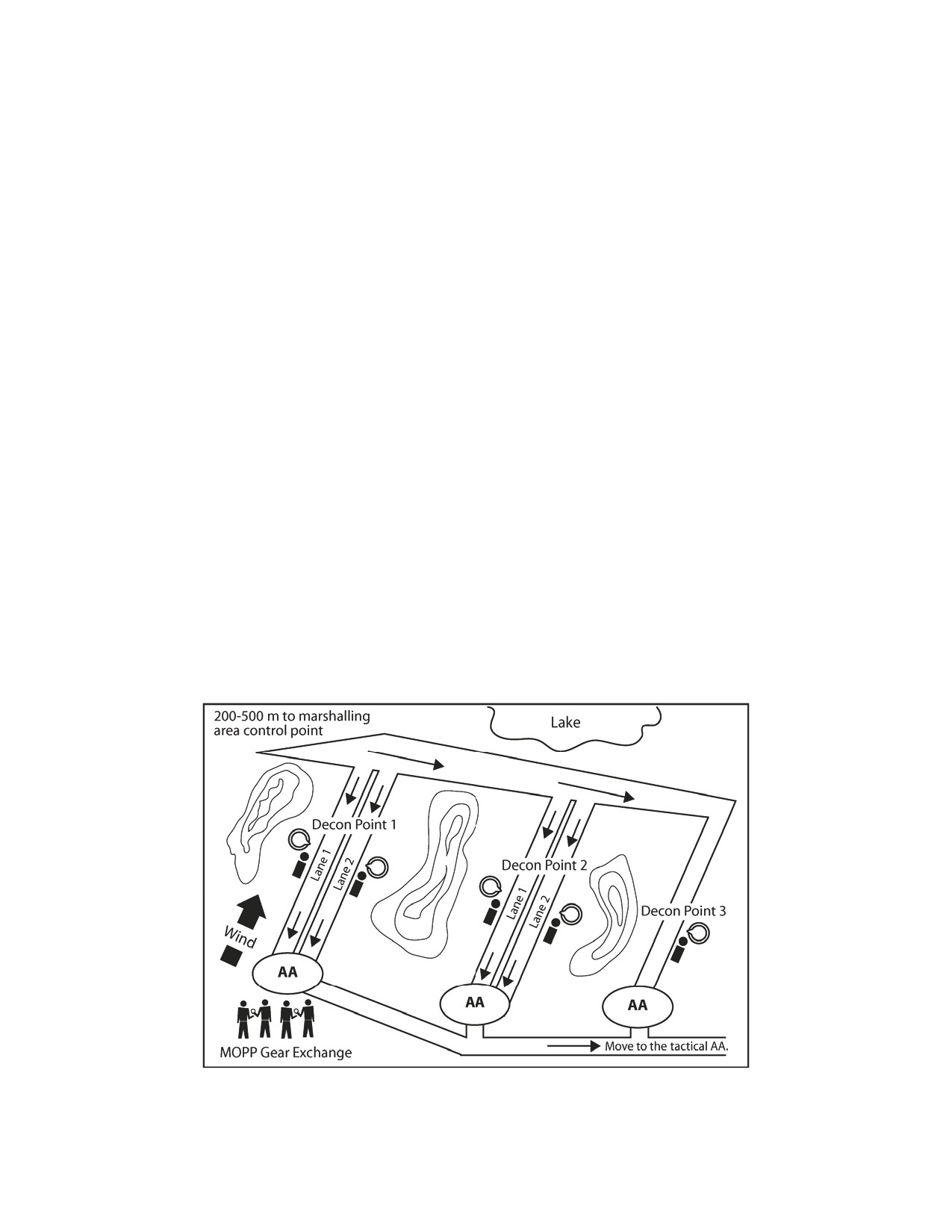
(a) A vehicle wash down may be conducted with or without standard
decontamination equipment in a one- or two-lane configuration. An unsupported wash
down requires the contaminated unit to use its assigned decontamination apparatuses or
other alternate washing equipment that can produce 60 to 120 pounds per square inch (psi)
of water pressure. The capacity to heat water and inject soap increases the effectiveness. A
supported wash down requires decontamination equipment assets that are organic to the
unit or from a supporting decontamination unit. A two-lane wash down is simply two
one-lane wash downs parallel to each other (see Figure IV-1).
Figure IV-1. Two-Lane Wash Down
IV-4
FM 3-11.5/MCWP 3-37.3/NTTP 3-11.26/AFTTP(I) 3-2.60
4 April 2006
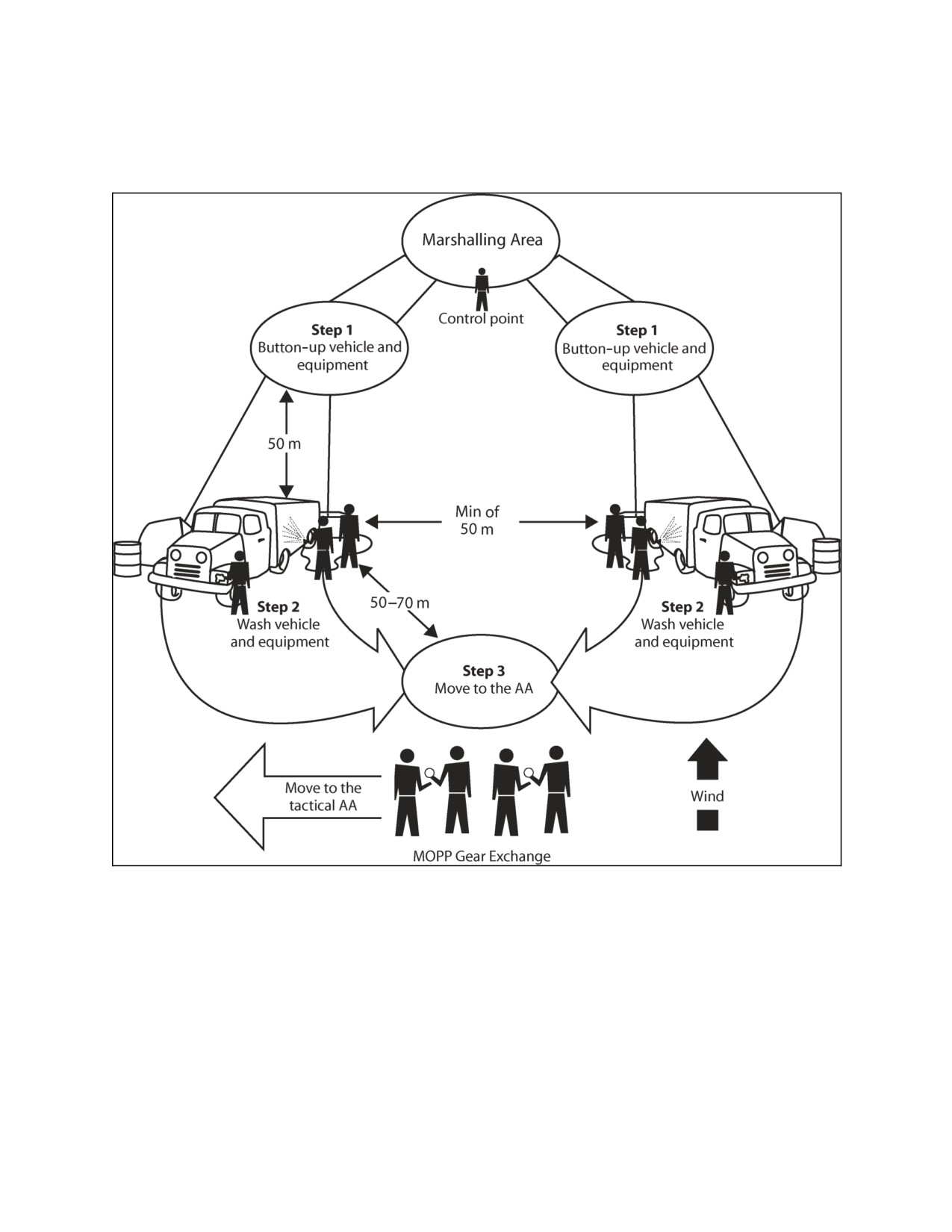
(b) Other configurations are limited only by the constraints of the
METT-TC. Figure IV-2 illustrates a dispersed operational decontamination setup. Table
IV-3, page IV-6, describes the vehicle wash-down process.
Figure IV-2. Dispersed Operational-Decontamination Setup
4 April 2006
FM 3-11.5/MCWP 3-37.3/NTTP 3-11.26/AFTTP(I) 3-2.60
IV-5

Table IV-3. Vehicle Wash-Down Process
Steps
Equipment
Procedures
1. Marshal the area. The
None
Personnel at the control point supervise the
unit is tactically
preparation of vehicles and direct
dispersed. Personnel at
movement out of the AA.
the control point direct
movement.
2. Button up.
None
The crew closes all access doors, hatches,
windows, and other openings. They remove
camouflage and cover muzzles. If required,
they (less drivers) move to the MOPP gear
exchange area. They move to the wash
area on order.
3. Wash down.
Delivery system (such as the M12, M17,
Personnel wash equipment from top to
MPDS, 65- or 125-GPM pump, firefighting
bottom. The decontamination crew wears a
equipment, and so forth) that delivers hot,
TAP or wet-weather gear over MOPP gear.
soapy water at 60 to 120 psi.
Sufficient water, fuel, and detergent for
vehicles.
4. Move to AA.
None
Vehicles move to the MOPP gear
exchange area (if required) or the next
battle position.
(4)
MOPP Gear Exchange. A MOPP gear exchange can be done with a buddy team,
a triple buddy team, or an individual (emergency). For planning purposes, estimate 30
minutes for a squad or a platoon-size element to complete the exchange. Since individual
performance is severely degraded after 6 hours at MOPP4, the MOPP gear exchange should
be scheduled before that time.
(a) Buddy Team Method. This method uses pairs of warfighters under the
supervision of their squad leader/team leader (TL) to conduct the buddy team MOPP gear
exchange. See Table IV-4 for the procedures for the buddy team method MOPP gear
exchange with the joint-service, lightweight, integrated suit technology (JSLIST). See
Table IV-5, page IV-11, for BDO MOPP gear exchange steps. See Table IV-6, page IV-19,
for the step-by-step procedures for units equipped with the combat vehicle crewman
uniform system (CVCUS)/chemical protective undergarment (CPU).
(b) Triple Buddy Team Method. This method is used by personnel equipped
with the M40A1, M42, or M43 mask with the quick-doff hood. A third person is needed to
hold the filter canister and hose to prevent pulling the mask away from the person’s face.
See Table IV-7, page IV-23, for the step-by-step procedures for this method. For units
equipped with the CVCUS/CPU, see Table IV-8, page IV-28.
(c)
Individual (Emergency) Method. This method is used only when a person
does not have a buddy to help him and the risk of MOPP gear failure demands that an
exchange occur. See Table IV-9, page IV-32, for the step-by-step procedures for this
method. For units equipped with the CVCUS/CPU, see Table IV-10, page IV-36. For the
procedures for the individual (emergency) method of MOPP gear exchange with the
JSLIST, see Table IV-11, page IV-39.
IV-6
FM 3-11.5/MCWP 3-37.3/NTTP 3-11.26/AFTTP(I) 3-2.60
4 April 2006

c.
Site Clearance. The site clearance phase includes cleanup, marking, and
reporting. METT-TC will dictate the cleanup requirements. Contaminated waste is
collected from the operational decontamination. See Appendix K for information on site
clearance procedures.
Table IV-4. Steps for the Buddy Team Method of MOPP Gear Exchange With the JSLIST
Chemical-Protective Ensemble
Required Steps
Contamination
Required
Required Procedures
Type
Equipment
1. Decontaminate gear
All
Four long-handled
The individual mixes three parts earth to two parts
(removes gross
brushes
STB.
contamination from
A large piece of
individual gear [weapon,
plastic (poncho or
helmet, load-bearing
similar material)
equipment, and mask
STB (bulk)
carrier]).
Shovel
CB
One 30-gallon
The individual removes and discards the
container
chemical-protective helmet cover. He brushes or
STB dry mix
rubs STB onto his individual gear (helmet and mask
carrier) and the hose of the M42 or M43 mask if
One IEDK
worn. He gently shakes off any excess STB and
sets aside his gear on an uncontaminated surface.
Radiological
Hot, soapy water
The individual brushes or wipes radiological
contamination from his individual gear. He washes
it with hot, soapy water (if available) and then sets it
aside to dry on an uncontaminated surface (plastic,
poncho, or similar material).
2. Prepare to
All
Cutting tool
Buddy 1 removes the M9 paper from Buddy 2’s
decontaminate (facilitates
overgarment. He unties the bow in Buddy 2’s coat
later removal of
retention cord if tied. He unfastens the webbing-
overgarment trousers
strip snap at the bottom front of Buddy 2’s coat and
and overboots).
releases the coat retention-cord loop at the waist.
Buddy 1 then loosens the bottom of the coat by
pulling the material away from Buddy 2’s body.
NOTES: 1. If wearing the M43 protective mask,
tie the microphone cord to the hose of the
mask. 2. The M40 voice amplifier (M7) and the
M42 detachable microphone cannot be
decontaminated and will be disposed of as
contaminated waste; however, ensure that
these items are contaminated before disposing
of them. Buddy 1 unfastens and loosely refastens
the hook-and-pile fasteners at Buddy 2’s wrists and
ankles. He unfastens or cuts the fasteners on
Buddy 2’s overboots. NOTE: A person can do
this step by himself or with the help of his
buddy.
4 April 2006
FM 3-11.5/MCWP 3-37.3/NTTP 3-11.26/AFTTP(I) 3-2.60
IV-7

Table IV-4. Steps for the Buddy Team Method of MOPP Gear Exchange With the JSLIST
Chemical-Protective Ensemble (Continued)
Required Steps
Contamination
Required
Required Procedures
Type
Equipment
3. Decontaminate mask
CB
Two IEDKs per
Buddy 1 instructs Buddy 2 to decontaminate his own
and hood (removes
person
gloves using an IEDK. Buddy 1 instructs Buddy 2 to
gross contamination).
place two fingers (thumb and forefinger) on his own
voicemitter to ensure the mask-to-face integrity.
Buddy 1 uses and IEDK to wipe Buddy 2’s eye lens
outserts from the top, down NOTE: Do not press so
hard that you break Buddy 2's face mask seal. If
wearing the JSLIST hood, stop here and move on
to Step 4. If wearing the one-piece hood or the
quick-doff hood, Buddy 1 wipes the rest of Buddy 2’s
hood from the top of the head to the bottom of the
hood. After he has finished wiping Buddy 2’s mask
and hood, he must wipe his own gloves in preparation
for rolling Buddy 2’s hood. He starts from the rear and
rolls Buddy 2’s hood, using 2-inch tucks, until it
reaches the center of his head. He rolls the front of
Buddy 2’s hood tightly under the outlet valve and filter.
He ensures that the hood is off Buddy 2’s garment.
Radiological
Three containers
Buddy 1 wipes Buddy 2’s mask and hood (if wearing
(about 3-gallon
the one-piece or quick-doff hood) with a sponge
capacity)
dipped in hot, soapy water and rinses them with a
sponge dipped in clean water. He dries Buddy 2’s
Two sponges
mask and hood with paper towels or rags. Buddy 2
Soapy water
wipes his own gloves. NOTE: Cool, soapy water is
not as effective for removing contamination, but it
Rinse water
can be used if you scrub longer. If the water
supply is limited, use drinking water from a
Paper towels or
canteen and a wet sponge or cloth. If water is not
similar drying
available, brush off the radioactive dust particles.
material
4. Remove
All
Two discard
Buddy 2 locates the suspender snap couplers on the
chemical-protective
containers (e.g.,
outside of his coat and releases them. If Buddy 2 is
coat (limits the spread
plastic bags)
wearing the JSLIST hood, then Buddy 1 unties Buddy
of agents and helps
2’s draw cord, presses the barrel lock release, and
prevent agents from
unsnaps the barrel lock. NOTE: If Buddy 1 has
penetrating through to
difficulty grasping the barrel lock, he should use
the undergarments or
the draw cord to pull the barrel lock away from the
the skin).
mask. This will allow him to grasp and unfasten
the barrel lock without touching the interior of the
hood. Buddy 1 unfastens Buddy 2’s front closure flap
and pulls the slide fastener down from the chin to the
bottom of the coat. Buddy 1 instructs Buddy 2 to turn
around. Buddy 1 grasps Buddy 2’s hood, rolls it inside
out, and pulls it off Buddy 2’s head. Buddy 1 grasps
Buddy 2’s coat at the shoulders, instructs him to make
a fist to prevent the chemical-protective gloves from
coming off, and pulls the coat down and away from
him, ensuring that the black part of the coat is not
touched. NOTE: If there is difficulty removing the
coat in this manner, Buddy 2 should pull one arm
out at a time. Buddy 1 lays the coat on the ground,
black side up. NOTE: Buddy 2 will use the coat later
as an uncontaminated surface to stand on when
putting on his new overgarment.
IV-8
FM 3-11.5/MCWP 3-37.3/NTTP 3-11.26/AFTTP(I) 3-2.60
4 April 2006
Table IV-4. Steps for the Buddy Team Method of MOPP Gear Exchange With the JSLIST
Chemical-Protective Ensemble (Continued)
Required Steps
Contamination
Required
Required Procedures
Type
Equipment
5. Remove
All
Two discard
Buddy 1 unfastens Buddy 2’s hook-and-pile fastener at
chemical-protective
containers (from
the waistband, unfastens the two front closure snaps,
trousers.
step 4)
and opens the fly slide fastener on the front of the
trousers. Buddy 1 grasps Buddy 2’s trousers at the
hips and pulls them down to his knees. Buddy 1
instructs Buddy 2 to lift one leg (with the foot pointed
down and bent slightly at the knee for stability). Buddy
1 grasps the trouser leg near Buddy 2’s elevated foot
with a hand on each side and pulls the trouser leg in an
alternating motion until Buddy 2 can step out of it.
Repeat the process for the other leg. Buddy 1 discards
the trousers.
CAUTION
Care must be taken to avoid contaminating
Buddy 2’s clothing or skin.
6. Remove
All
Two discard
Buddy 1 Instructs Buddy 2 to loosen his overboots by
chemical-protective
containers (from
alternately stepping on each heel and pulling up on his
overboots.
step 4)
foot. Buddy 1 pulls off Buddy 2’s overboots (one
overboot at a time), and Buddy 2 steps directly onto the
coat spread on the ground as each foot is withdrawn
from the overboot. NOTE: Buddy 2 may put his hand
on Buddy 1 for balance but must then
decontaminate his gloves. Buddy 1 discards the
overboots.
7. Remove
All
Two discard
Buddy 2 holds the fingertips of his gloves and partially
chemical-protective
containers (from
slides his hand out. When the fingers of both hands are
gloves and liners.
step 4)
free, he holds his arms away from his body and lets the
gloves drop off, away from the black side of the coat.
Buddy 2 removes the glove liners. Buddy 1 discards
the chemical-protective gloves and liners. NOTE: If
Buddy 2 has difficulty removing the gloves, then
Buddy 1 can assist.
CAUTION
Buddy 1 and Buddy 2 must take care to avoid
letting their gloves come in contact with the coat
spread on the ground.
8. Put on
All
One JSLIST
Buddy 1 opens the package containing the new
chemical-protective
chemical-
trousers without touching the inside of the package.
trousers.
protective
Buddy 2 removes the trousers. While standing on an
ensemble per
uncontaminated surface, Buddy 2 puts on his trousers,
person
closes the slide fastener, and fastens the two fly
opening snaps. He pulls his suspenders over his
shoulders and fastens the snap couplers. He adjusts
the length of the suspenders to ensure a comfortable fit.
He adjusts the hook-and-pile fastener at the waistband
for a snug fit.
CAUTION
Buddy 2 must take care to ensure that the
trousers touch only the uncontaminated surface.
4 April 2006
FM 3-11.5/MCWP 3-37.3/NTTP 3-11.26/AFTTP(I) 3-2.60
IV-9
Table IV-4. Steps for the Buddy Team Method of MOPP Gear Exchange With the JSLIST
Chemical-Protective Ensemble (Continued)
Required Steps
Contamination
Required
Required Procedures
Type
Equipment
9. Put on
All
One JSLIST
Buddy 1 opens the package containing the new coat
chemical-protective
chemical-
without touching the inside of the package. Buddy 2
coat.
protective
removes the coat without touching the outside of the
ensemble per
package. He puts on the coat, pulls the slide fastener
person
up as far as his chest, and secures the front closure
hook-and-pile fastener on the front flap up as far as
his chest. He pulls the bottom of the coat down over
his trousers. He grasps the loop on the back of the
overgarment, pulls the loop away from the coat, and
brings the loop forward between his legs, pulling on it
so that the bottom of the coat fits snugly over the
trousers. He places the loop over the webbing-strip
snap and fastens it. He adjusts the coat retention cord
if necessary and ties the excess cord in a bow.
10. Put on
All
One set of
Buddy 1 opens the package containing the new
chemical-protective
chemical-
overboots without touching the inside of the package.
overboots.
protective
Buddy 2 removes the overboots without touching the
overboots per
outside of the package. He puts the overboots on
person
over his combat boots and secures the fasteners. He
pulls his trouser legs over the overboots and secures
the two hook-and-pile fasteners on each ankle so that
they fit snugly around the overboots.
11. Put on
All
One JSLIST
Buddy 2 puts the hood on his head. He completely
chemical-protective
chemical-
closes the front slide fastener on the coat and secures
hood.
protective
the hook-and-pile fastener on the front flap as far as
ensemble per
the top of the slide fastener. He places the edge of
person
the hood around the edge of the mask and secures
the hook-and-pile fastener on the hood.
WARNING
The barrel lock release button must face
away from the rear of the user when
worn to avoid the barrel lock from
unfastening and possibly exposing the
user to contamination.
He pulls the draw cord tight around the edge of the
mask, snaps the ends of the barrel lock together,
squeezes both ends of the barrel lock while pulling the
draw cord, and slides the barrel lock up under his chin
to keep the cord in place. Without touching Buddy 2,
Buddy 1 inspects the hood and mask to ensure that
the hood is positioned properly and the skin is not
exposed. Buddy 2 adjusts the hood and mask as
directed. If Buddy 1’s assistance is required for
proper adjustment, Buddy 2 will decontaminate Buddy
1’s gloves before he touches the hood or mask.
IV-10
FM 3-11.5/MCWP 3-37.3/NTTP 3-11.26/AFTTP(I) 3-2.60
4 April 2006

Table IV-4. Steps for the Buddy Team Method of MOPP Gear Exchange With the JSLIST
Chemical-Protective Ensemble (Continued)
Required Steps
Contamination
Required
Required Procedures
Type
Equipment
12. Put on
All
One set of
Buddy 1 opens the package containing the new
chemical-protective
chemical-
chemical-protective gloves and liners without
gloves and liners.
protective gloves
touching the inside of the package. Buddy 2
with liners per
removes the gloves and liners without touching
person (correct
the outside of the package. He puts on the
size)
gloves and liners, pulls the cuffs of the coat over
M9 detector paper
the chemical-protective gloves, and fastens the
hook-and-pile fasteners on each sleeve of the
coat. He puts the M9 detector paper on as
required by the SOP.
13. Reverse roles.
All
One JSLIST
Buddy 1 and Buddy 2 reverse roles and repeat
chemical-
steps 2 through 13.
protective
ensemble per
person
One set of
chemical-
protective gloves
with liners per
person (correct
size)
14. Secure gear.
All
One chemical-
Buddy 1 places the new chemical-protective
protective helmet
helmet cover on the PASGT helmet if used. He
cover per person
uses the buddy system to check the fit of all
secured gear.
Table IV-5. Steps for the BDO MOPP Gear Exchange
Required Steps
Contamination
Required
Required Procedures
Type
Equipment
1. Decontaminate gear
All
Four long-handled
The individual mixes three parts earth to two
(removes gross
brushes
parts STB.
contamination from
A large piece of
individual gear
plastic (poncho or
[weapons, helmet,
similar material)
load-bearing
Shovels
equipment, and mask
carrier]).
CB
One 30-gallon
The individual removes and discards the
container
chemical-protective helmet cover if worn. He
STB dry mix
brushes or rubs STB onto his individual gear
(helmet and mask carrier) and the hose of the
One IEDK
M42 or M43 mask if worn. He gently shakes off
any excess STB and sets aside his gear on an
uncontaminated surface.
Radiological
Hot, soapy water
The individual brushes or wipes radiological
contamination from his individual gear. He
washes it with hot, soapy water (if available)
and then sets it aside to dry on an
uncontaminated surface (plastic, poncho, or
similar material).
4 April 2006
FM 3-11.5/MCWP 3-37.3/NTTP 3-11.26/AFTTP(I) 3-2.60
IV-11
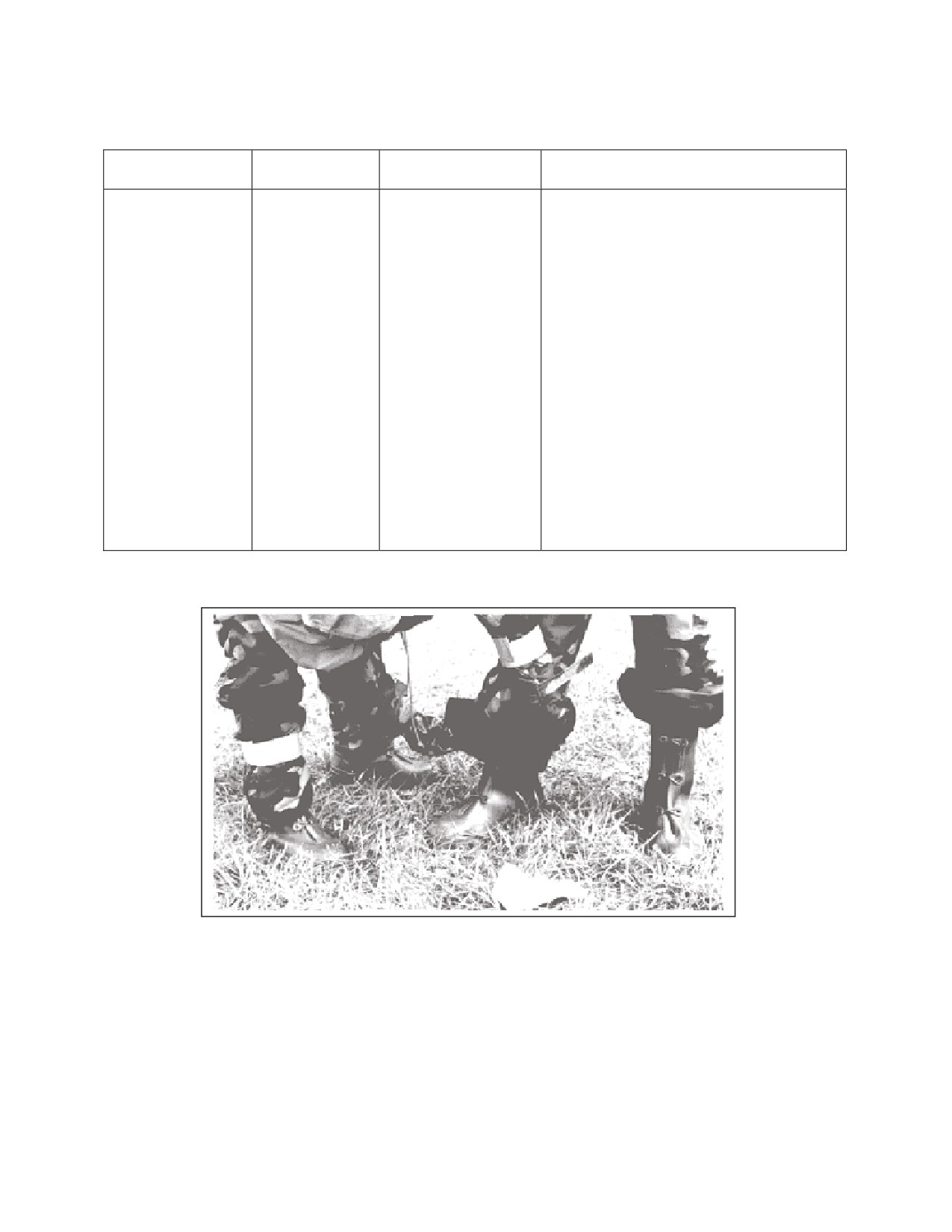
Table IV-5 Steps for the BDO MOPP Gear Exchange (Continued)
Required Steps
Contamination
Required Equipment
Required Procedures
Type
2. Prepare to
All
Cutting tool
Buddy 1 unfastens the shoulder straps on
decontaminate
Buddy 2’s hood, pulls them over his shoulder,
(facilitates later
and reattaches them to the hook-and-pile
removal of
fasteners. He loosens the draw cord on
BDO trousers and
Buddy 2’s hood. The M40 voice amplifier
overboots).
(M7) and the M42A2 detachable microphone
cannot be decontaminated and will be
disposed of as contaminated waste; however,
ensure that these items are contaminated
before disposing of them. Buddy 1 removes
the M9 detector paper from Buddy 2’s
overgarment. He unties Buddy 2’s draw cords
on the trouser legs. He unzips Buddy 2’s
trouser legs and rolls a cuff in each trouser
leg, ensuring that the cuffs do not come above
the tops of his overboots (see Figure IV-3).
He unfastens or cuts the fasteners on Buddy
2’s overboots. When wearing overboots, he
unsnaps both quick releases on Buddy 2’s
overboots. NOTE: An individual can do this
step by himself or with the help of his
buddy.
Figure IV-3. Rolling the Cuff in the Trouser
IV-12
FM 3-11.5/MCWP 3-37.3/NTTP 3-11.26/AFTTP(I) 3-2.60
4 April 2006
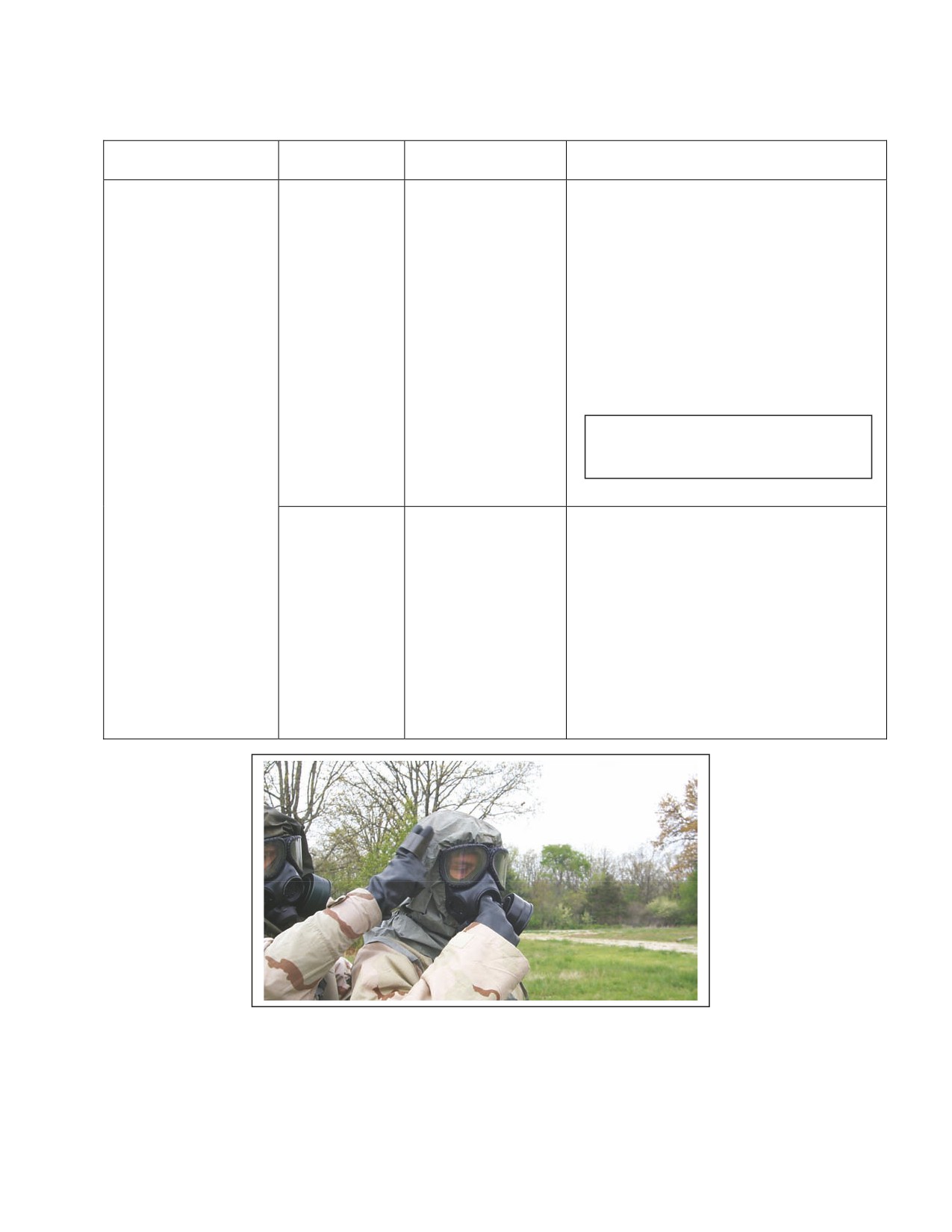
Table IV-5. Steps for the BDO MOPP Gear Exchange (Continued)
Required Steps
Contamination
Required Equipment
Required Procedures
Type
3. Decontaminate mask
CB
Two IEDKs per person
Buddy 1 uses an IEDK to wipe Buddy 2’s eye
and hood (removes
lens outserts from the top, down. NOTE: Do
gross contamination).
not press so hard that you break Buddy 2’s
face mask seal. Buddy 1 then wipes the rest of
Buddy 2’s hood from the top of the head to the
bottom of the hood (see Figure IV-4). After he
has finished wiping Buddy 2’s mask, he must
wipe his own gloves in preparation for rolling
Buddy 2’s hood. He starts at the rear and rolls
Buddy 2’s hood, using 2-inch tucks, until it
reaches the center of his head (see Figure IV-5,
page IV-14). He rolls the front of Buddy 2’s hood
tightly under the outlet valve and filter. He
ensures that the hood is off of Buddy 2’s BDO.
CAUTION
Place two fingers on the voicemitter to
prevent the mask seal from breaking.
Radiological
Two containers (about
Buddy 1 wipes Buddy 2’s mask and hood with a
4-gallon capacity)
sponge dipped in hot, soapy water and rinses
Two sponges
them with a sponge dipped in clean water. He
dries Buddy 2’s mask and hood with paper
Soapy water
towels or rags. Buddy 2 wipes his own gloves.
Rinse water
NOTES: 1. Cool, soapy water is not as
Paper towels or similar
effective for removing contamination, but it
drying material
can be used if you scrub longer. If the water
supply is limited, use drinking water from a
canteen and wet a sponge or cloth. If water
is not available, brush off the radioactive
dust particles. 2. Do not reverse roles. Only
Buddy 2’s hood will be decontaminated and
rolled at this time.
Figure IV-4. Wiping From the Head to the Bottom of the Hood
4 April 2006
FM 3-11.5/MCWP 3-37.3/NTTP 3-11.26/AFTTP(I) 3-2.60
IV-13
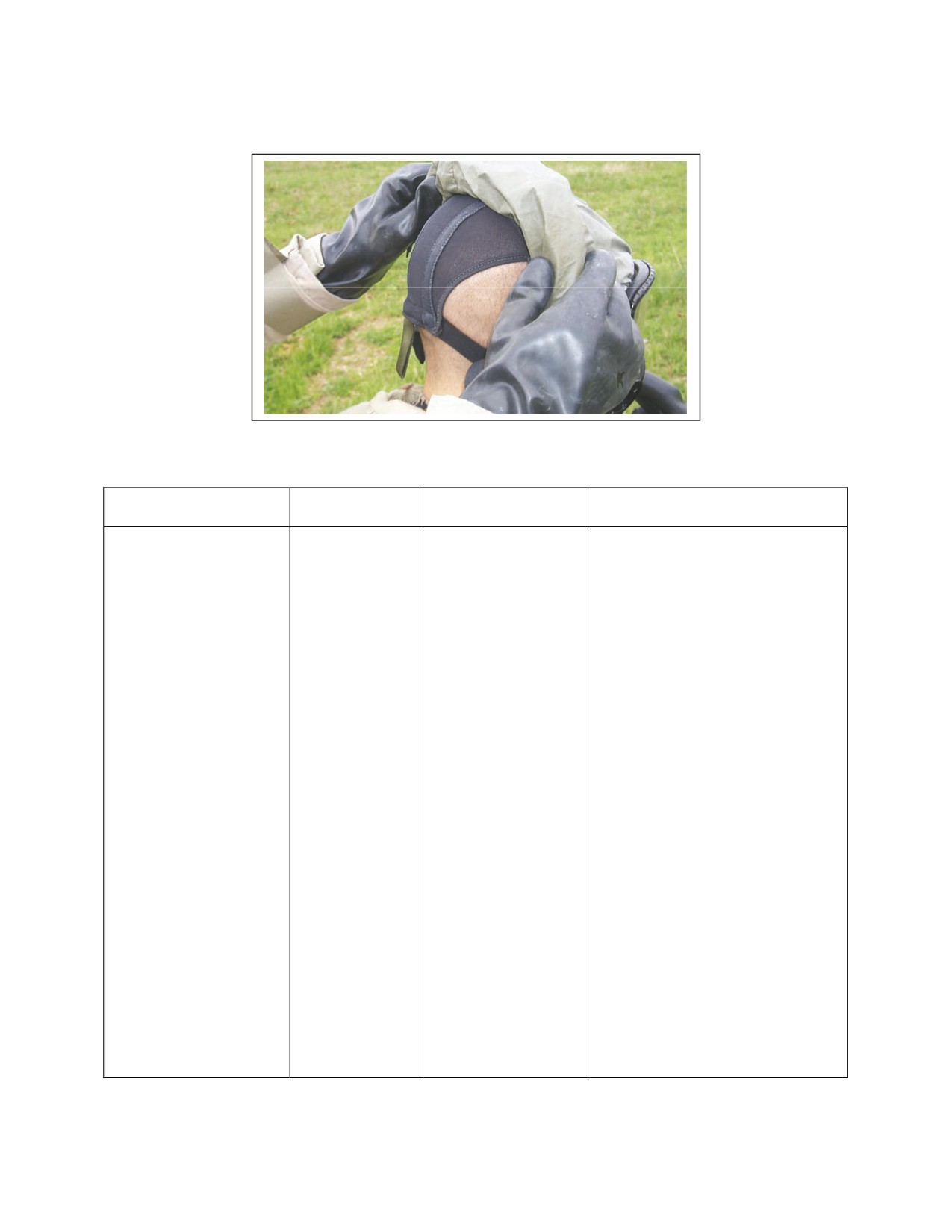
Figure IV-5. Rolling the Hood to the Center of the Head
Table IV-5. Steps for the BDO MOPP Gear Exchange (Continued)
Required Steps
Contamination
Required Equipment
Required Procedures
Type
4. Remove BDO and
All
Two discard containers
Buddy 1 grasps Buddy 2’s BDO jacket,
overboots (limits the
(e.g., plastic bags)
unsnaps the snaps individually (see
spread of agents and helps
Figure IV-6), and unties the draw cord
prevent agents from
at the bottom of the jacket. He
penetrating through to the
unfastens the hook-and-pile fasteners
undergarments or the
at the wrist of Buddy 2’s jacket and
skin).
then refastens them. He unfastens the
hook-and-pile fastener over the
zippered front of Buddy 2’s jacket and
unzips the jacket. He grasps Buddy
2’s jacket at the shoulders and
instructs him to make a fist. He then
pulls Buddy 2’s jacket down and away
from him, ensuring that the black part
of the jacket is not touched (see Figure
IV-7). He lays Buddy 2’s BDO jacket
on the ground, black side up (it will be
used to stand on later). He carefully
unfastens and unzips Buddy 2’s
trousers. NOTE: Do not loosen
Buddy 2’s waist tabs. He instructs
Buddy 2 to loosen his overboots by
alternately stepping on each heel and
pulling up on his foot (see Figure IV-8).
He grasps Buddy 2’s trousers and
pulls them down to his knees. He
instructs Buddy 2 to walk out of his
trousers and overboots simultaneously
and step onto the black side of the
jacket (see Figure IV-9, page IV-16).
Buddy 2 should step onto the jacket
wearing his mask, BDU, combat boots,
and gloves.
IV-14
FM 3-11.5/MCWP 3-37.3/NTTP 3-11.26/AFTTP(I) 3-2.60
4 April 2006
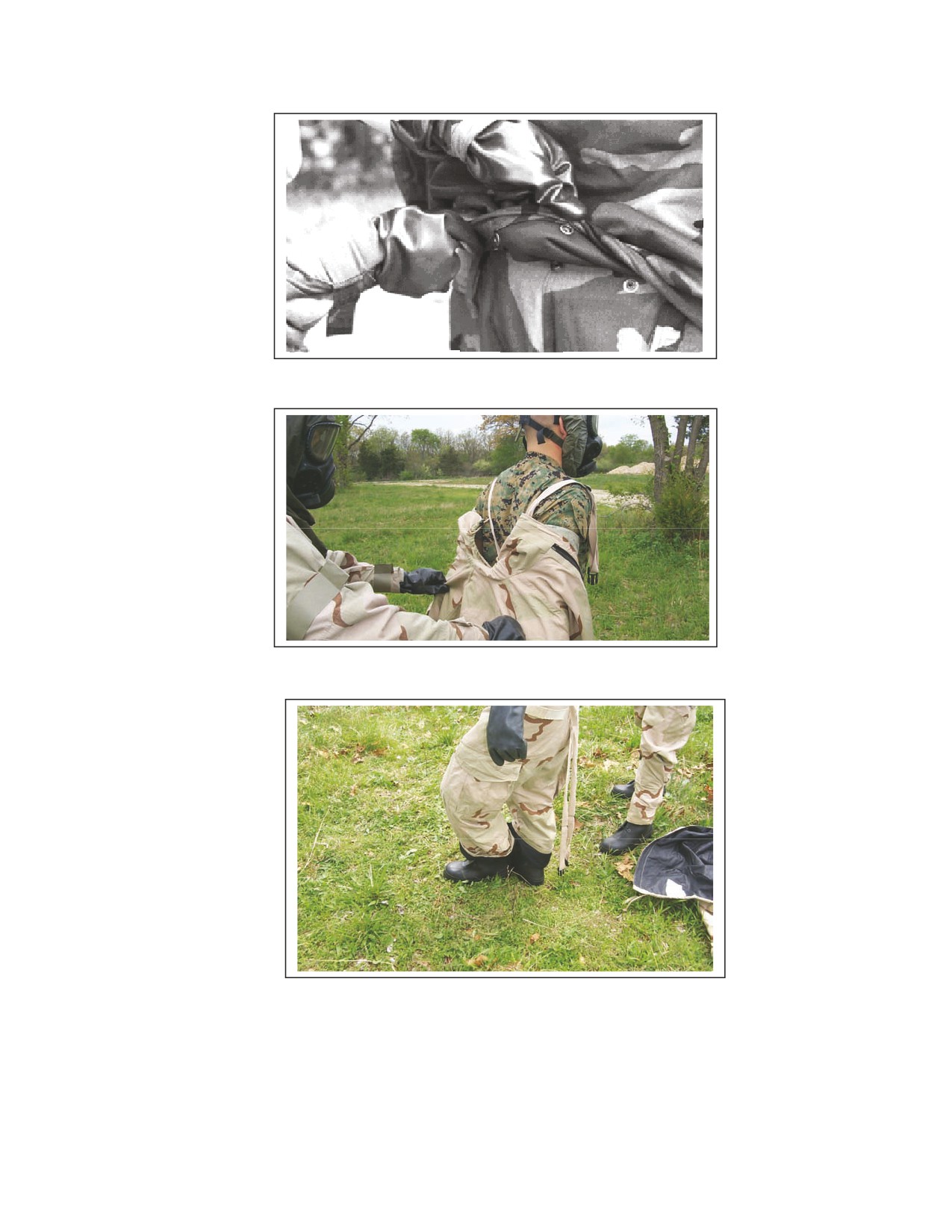
Figure IV-6. Unsnapping the Trousers from the Jacket
Figure IV-7. Pulling the Jacket Down and Away
Figure IV-8. Loosening the Overboots
4 April 2006
FM 3-11.5/MCWP 3-37.3/NTTP 3-11.26/AFTTP(I) 3-2.60
IV-15
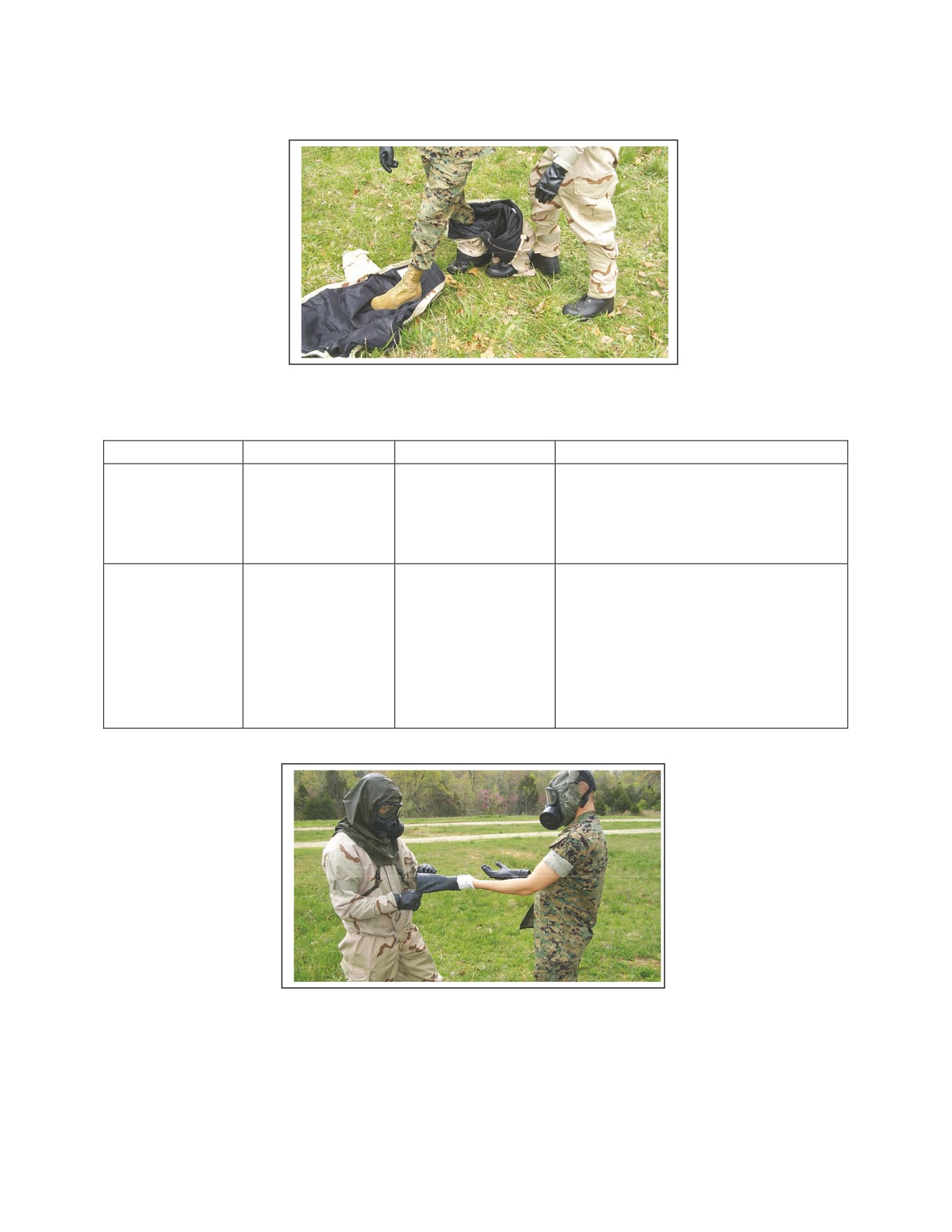
Figure IV-9. Stepping on the Black Lining of the Jacket
Table IV-5. Steps for the BDO MOPP Gear Exchange (Continued)
Required Steps
Contamination Type
Required Equipment
Required Procedures
5. Remove gloves.
All
Two discard
The individual holds the fingertips of his
containers (from step
gloves and partially slides his hand out.
4)
When the fingers of both hands are free, he
holds his arms away from his body and lets
the gloves drop (see Figure IV-10).
6. Put on BDO.
All
One set of CPOs per
Buddy 1 opens the package containing the
person
new BDO without touching the inside of the
package. Buddy 2 pulls out the BDO
without touching the outside of the package.
He puts on the BDO and fastens it, leaving
the trouser legs open (see Figure IV-11).
NOTE: Do not reverse roles. Only Buddy
2 will put on the clean overgarment at
this time.
Figure IV-10. Removing the Gloves
IV-16
FM 3-11.5/MCWP 3-37.3/NTTP 3-11.26/AFTTP(I) 3-2.60
4 April 2006
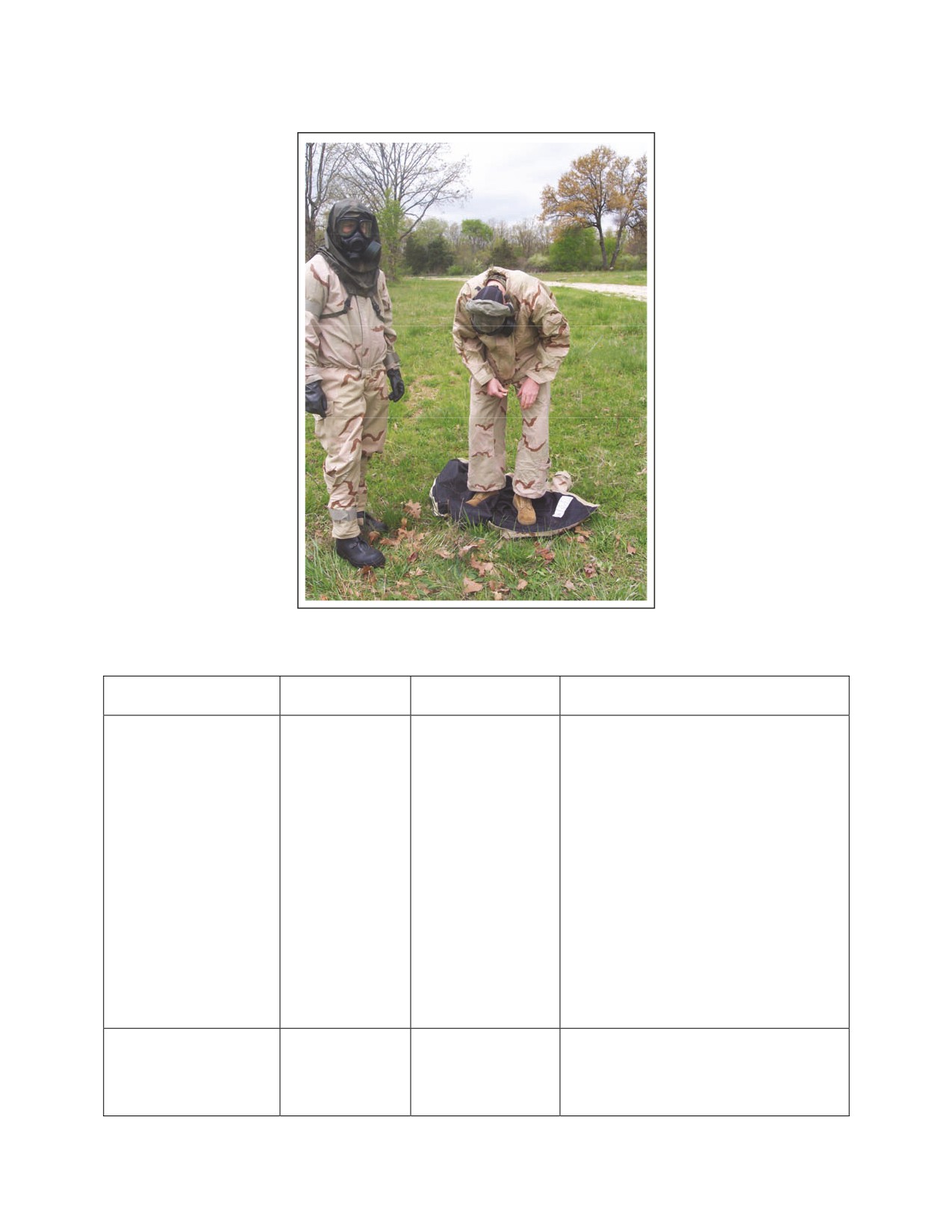
Figure IV-11. Putting on the New BDO
Table IV-5. Steps for the BDO MOPP Gear Exchange (Continued)
Required Steps
Contamination
Required
Required Procedures
Type
Equipment
7. Put on overboots and
All
One set of chemical-
Buddy 1 opens the package of clean
gloves.
protective
overboots without touching the inside of the
overboots per
package. Buddy 2 removes the overboots
person
from the package without touching the
One set of chemical-
outside of the package, puts them on, and
protective gloves
fastens his trouser legs. Buddy 1 opens
per person (correct
the package of clean gloves without
size)
touching the inside of the package. Buddy
2 removes the gloves from the package
M9 detector paper
without touching the outside of the package
and puts them on. Buddy 2 puts on the M9
detector paper (see Figure IV-12, page
IV-18). NOTE: Do not reverse roles.
Only Buddy 2 will put on the clean
overboots and gloves at this time. The
gloves and overboots will have a light
powdery coating. This is normal. It is
not necessary to remove it. It will not
affect the protective qualities.
8. Secure hood.
All
One IEDK
Buddy 1 uses an IEDK to wipe Buddy 2’s
gloves. He unrolls Buddy 2’s hood,
attaches the straps, and tightens the neck
cord. Buddy 1 and Buddy 2 reverse roles
and repeat steps 2 through 8.
4 April 2006
FM 3-11.5/MCWP 3-37.3/NTTP 3-11.26/AFTTP(I) 3-2.60
IV-17
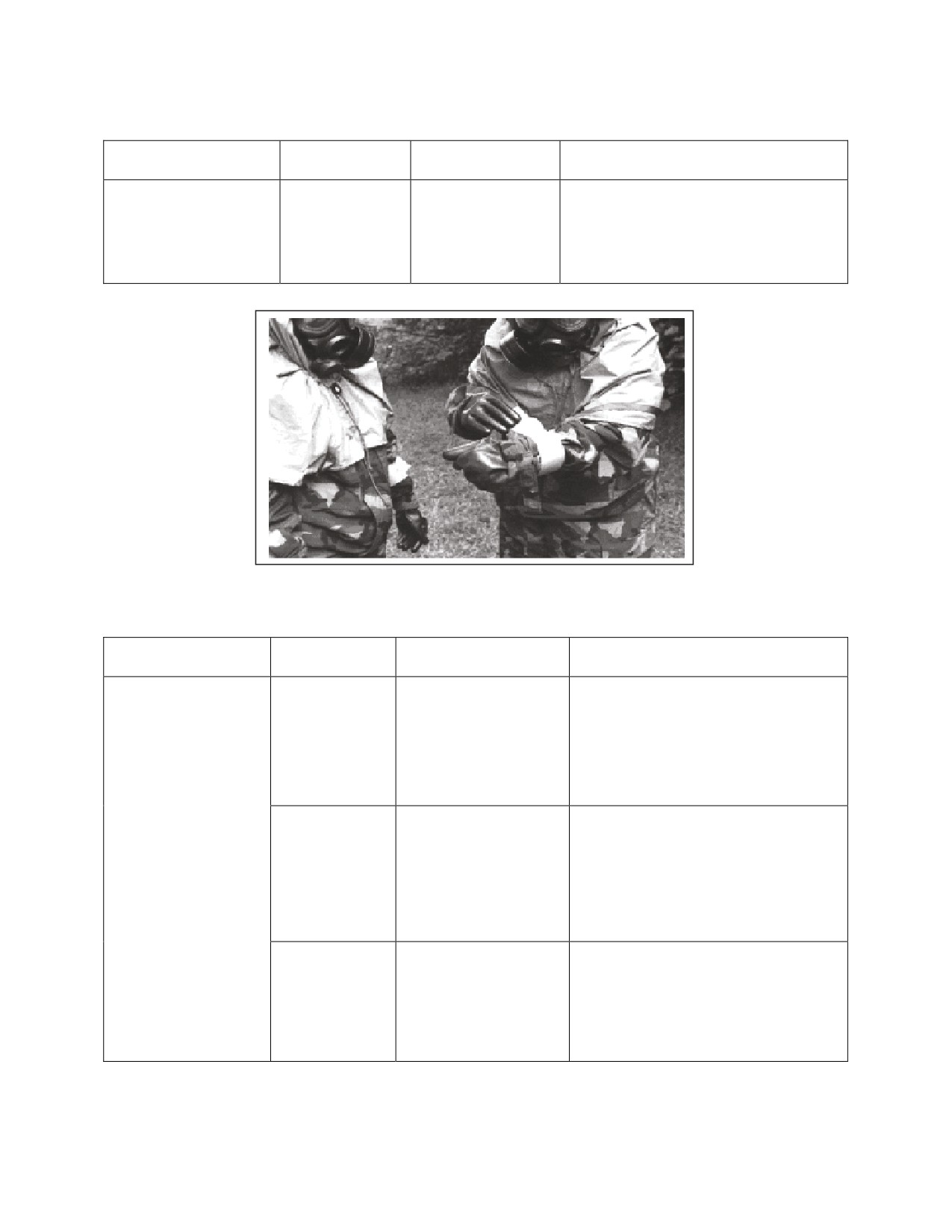
Table IV-5. Steps for the BDO MOPP Gear Exchange (Continued)
Required Steps
Contamination
Required
Required Procedures
Type
Equipment
9. Secure gear.
All
One chemical-
Each individual secures his individual gear
protective helmet
and puts it back on. He puts on a new
cover per person
chemical-protective helmet cover and
moves to the area of assembly. He uses
the Buddy system to check the fit of all
secured gear.
Figure IV-12. Putting on M9 Detector Paper
Table IV-6. Steps for the CVCUS and CPU (Buddy Team Method) MOPP Gear Exchange
Required Steps
Contamination
Required Equipment
Required Procedures
Type
1. Decontaminate gear
All
Four long-handled
The individual mixes three parts earth to
(removes gross
brushes
two parts STB.
contamination from
A large piece of plastic
individual gear
(poncho or similar
[weapons, helmet, load-
material)
bearing equipment, and
STB (bulk)
mask carrier]).
Shovel
CB
One 30-gallon container
The individual removes and discards the
STB dry mix
chemical-protective helmet cover. He
brushes or rubs the STB onto his
One IEDK
individual gear (helmet and mask carrier)
and the hose of the M42 or M43 mask if
worn. He gently shakes off any excess
STB and sets aside his gear on an
uncontaminated surface.
Radiological
Hot, soapy water
The individual brushes or wipes
radiological contamination from his
individual gear. He washes it with hot,
soapy water (if available) and then sets it
aside to dry on an uncontaminated
surface (plastic, poncho, or similar
material).
IV-18
FM 3-11.5/MCWP 3-37.3/NTTP 3-11.26/AFTTP(I) 3-2.60
4 April 2006

Table IV-6. Steps for the CVCUS and CPU (Buddy Team Method) MOPP Gear Exchange
(Continued)
Required Steps
Contamination
Required
Required Procedures
Type
Equipment
2. Prepare to
All
Cutting tool
Buddy 1 unfastens the shoulder straps on Buddy
decontaminate
2’s hood, pulls them over his shoulder, and
(facilitates MOPP
reattaches them to the hook-and-pile fastener. He
gear removal).
loosens the draw cord on Buddy 2’s hood. He
removes the M9 detector paper from Buddy 2’s
CVCUS. He unzips the ankles on both legs of
Buddy 2’s CVCUS. He unfastens or cuts the
fasteners on Buddy 2’s overboots. NOTE: A
person can do this step by himself or with the
help of his buddy.
3. Decontaminate
CB
Two IEDKs per
Buddy 1 instructs Buddy 2 to decontaminate his
mask and hood
person
own gloves using an IEDK. Buddy 1 instructs
(removes gross
Buddy 2 to place two fingers (thumb and forefinger)
contamination).
to his own front voicemitter to secure the mask to
his face for seal integrity. Buddy 1 uses an IEDK to
wipe Buddy 2’s eye lens outserts from the top,
down. NOTE: Do not press so hard that you
break Buddy 2's face mask seal. He then wipes
the rest of Buddy 2’s hood from the top of the head
to the bottom of the hood (see Figure IV-4, page
IV-13). After he has finished wiping Buddy 2’s
mask, he must wipe his own gloves in preparation
for rolling Buddy 2’s hood. He starts from the rear
and rolls Buddy 2's hood, using 2-inch tucks, until it
reaches the center of his head (see Figure IV-5,
page IV-14). He rolls the front of Buddy 2’s hood
tightly under the outlet valve and filter. He ensures
that the hood is off of Buddy 2’s garment.
Radiological
Three containers
Buddy 1 wipes Buddy 2’s mask and hood with a
(about 4-gallon
sponge dipped in hot, soapy water and rinses them
capacity)
with a sponge dipped in clean water. He dries
Two sponges
Buddy 2’s mask and hood with paper towels or
rags. Buddy 2 wipes his own gloves. NOTE: Cool,
Soapy water
soapy water is not as effective for removing
Rinse water
contamination, but it can be used if scrubbed
Paper towels or
longer. If the water supply is limited, use
similar drying
drinking water from a canteen and wet a sponge
material
or cloth. If water is not available, brush off the
radioactive dust particles. Only Buddy 2’s mask
and hood will be decontaminated and rolled at this
time.
4. Remove CVCUS
All
Two discard
Buddy 1 opens all the zippers on Buddy 2’s
and overboots
containers (e.g.,
CVCUS in the following order: wrist, ankles, and
(limits the spread of
plastic bags)
front. While standing behind Buddy 2, Buddy 1
contamination).
grasps the shoulders of Buddy 2’s CVCUS and
instructs him to make a fist to ensure that his
gloves do not come off. He then pulls Buddy 2’s
CVCUS down below his knees, turning it inside out.
Buddy 1 unzips Buddy 2’s CPU jacket and removes
it by grasping it at the shoulders, pulling it down,
and turning it inside out (see Figure IV-13). He
places it along side Buddy 2 with the clean side up.
4 April 2006
FM 3-11.5/MCWP 3-37.3/NTTP 3-11.26/AFTTP(I) 3-2.60
IV-19
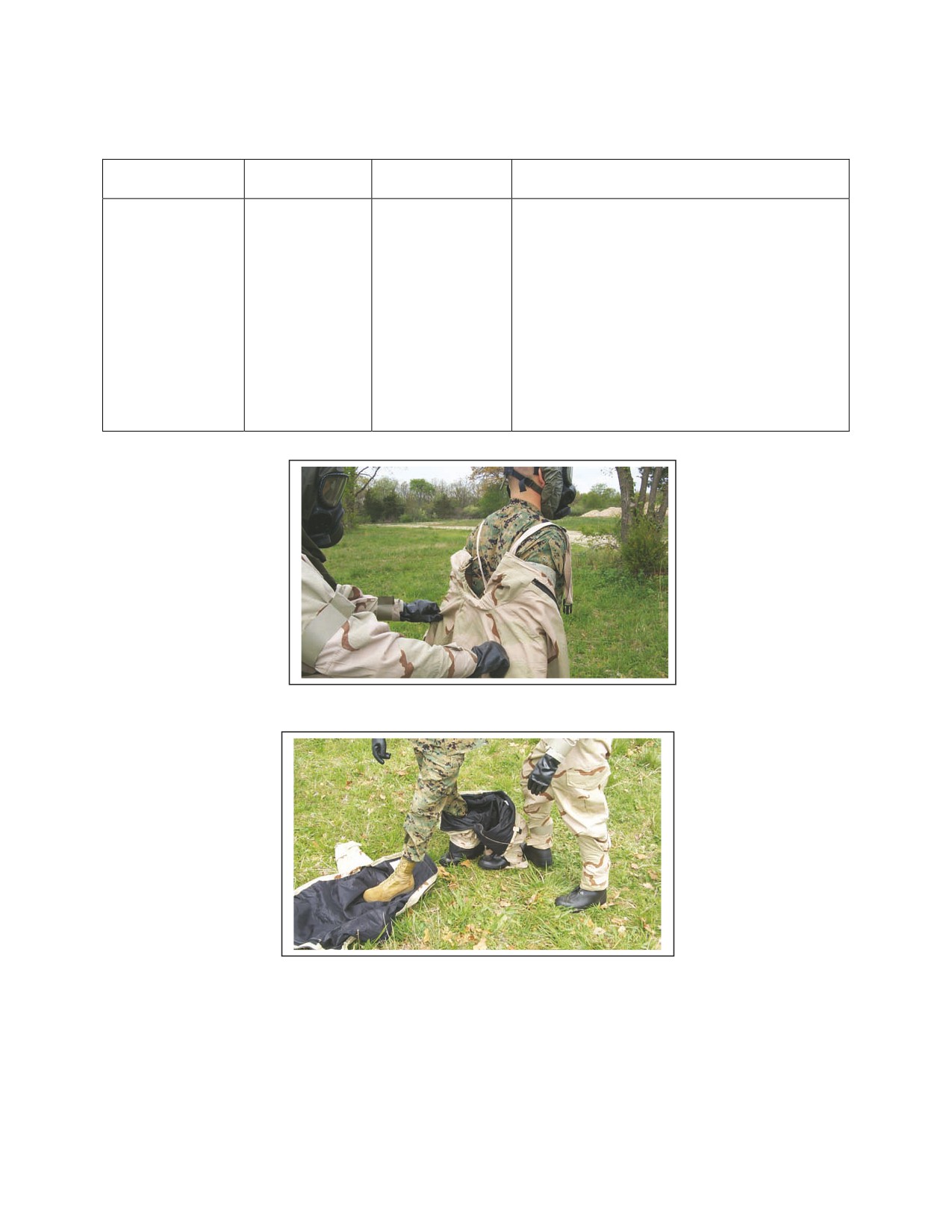
Table IV-6. Steps for the CVCUS/CPU (Buddy Team Method) MOPP Gear Exchange
(Continued)
Required Steps
Contamination
Required
Required Procedures
Type
Equipment
5. Remove
All
Two discard
Buddy 2 partially removes his overboots by
overboots and
containers (from
alternately stepping on each heel and pulling up on
gloves.
step 4)
his foot. Buddy 1 grasps one leg of Buddy 2’s
CVCUS and his overboot and instructs him to
remove his leg and foot simultaneously. As Buddy
2 removes each leg and foot, he steps directly onto
the clean inside of the CPU jacket (see Figure
IV-14). Buddy 1 discards the overboots. Buddy 2
holds the fingertips of his gloves and partially slides
his hand out. When the fingers of both hands are
free, he holds his arm away from his body and lets
the gloves drop. Buddy 2 removes his protective
glove liners. Buddy 1 discards the chemical-
protective gloves and liners.
Figure IV-13. Removing the Garment and Turning it Inside Out
Figure IV-14. Removing Your Leg and Foot From the Garment
IV-20
FM 3-11.5/MCWP 3-37.3/NTTP 3-11.26/AFTTP(I) 3-2.60
4 April 2006
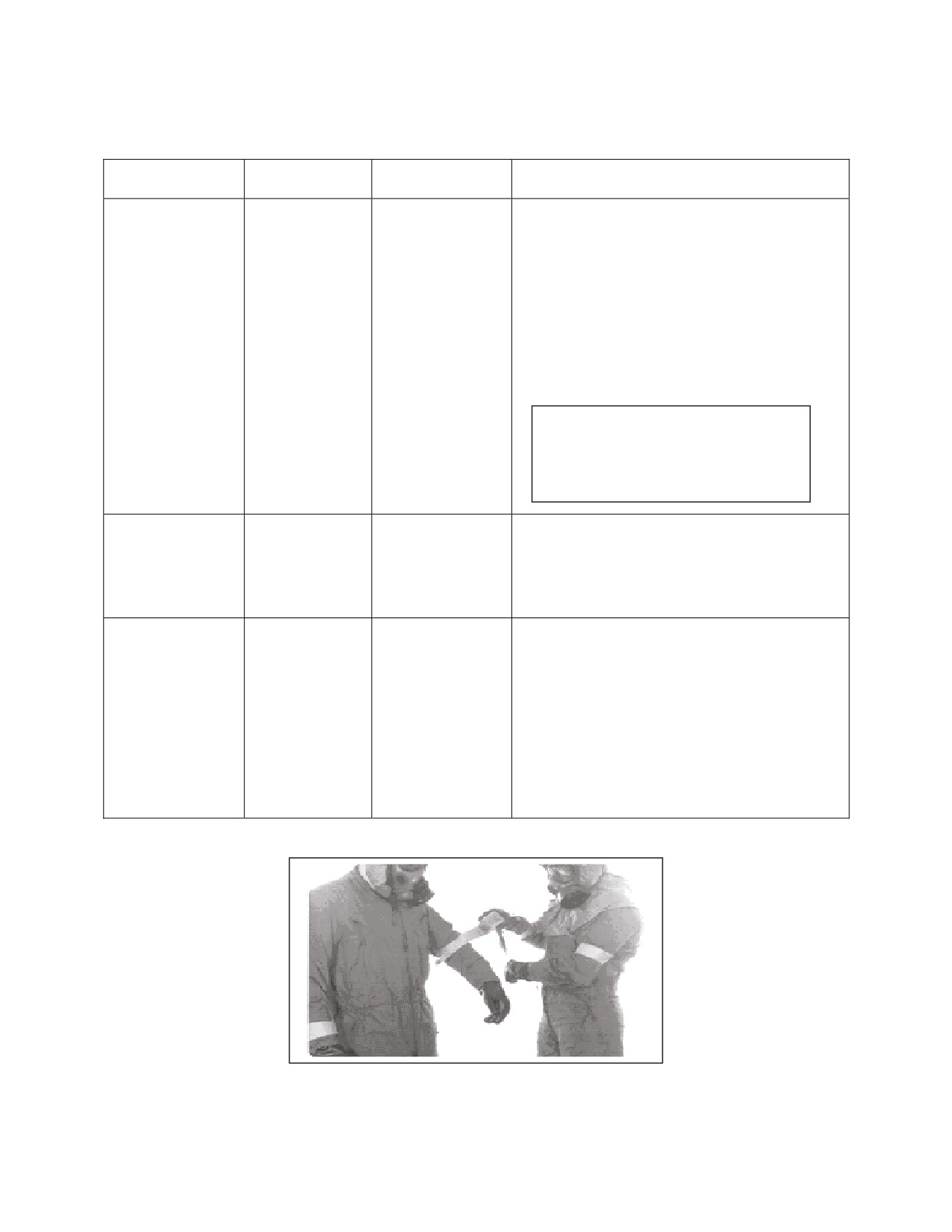
Table IV-6. Steps for the CVCUS and CPU (Buddy Team Method) MOPP Gear Exchange
(Continued)
Steps
Contamination
Required
Required Procedures
Type
Equipment
6. Remove CPU
All
Two discard
Buddy 2 partially removes his boots by alternately
trousers and
containers
stepping on each heel and pulling up on his foot.
combat boots.
Buddy 2 removes his foot, stepping directly onto
the clean side of the CPU jacket. Repeat the
procedure for the other foot. Next, Buddy 1 will
remove Buddy 2’s CPU trousers by pulling down on
the sides and turning them inside out. Buddy 2 is
now stripped to his underwear and mask and is
ready to put on new clothing. Combat boots should
remain beside Buddy 2 on the clean area of the
CPU jacket. Buddy 1 discards the CVCUS and
CPU trousers.
CAUTION
Use extreme caution to ensure that the
outside of the CPU does not touch the
skin or underclothing of Buddy 2 or the
combat boots.
7. Put on CPU and
All
One CPU and
Buddy 1 opens the package containing the new
CVCUS.
CVCUS per
CPU without touching the inside of the package.
person
Buddy 2 pulls out the CPU without touching the
outside of the package. He puts on the new
clothing in the following order: CPU trousers, CPU
jacket, combat boots, and CVCUS (over the CPU).
8. Put on overboots
All
One set of
Buddy 1 opens the package of clean overboots
and gloves.
chemical-
without touching the inside of the package. Buddy
protective
2 removes the overboots without touching the
overboots per
outside of the package and puts them on. Buddy 1
person
opens the package of clean gloves without
One set of
touching the inside. Buddy 2 removes the gloves
chemical-protective
without touching the outside of the package and
gloves per person
puts them on. Buddy 2 puts on the M9 detector
paper (see Figure IV-15). NOTE: The gloves and
M9 detector paper
overboots will have a light powdery coating.
This is normal. It is not necessary to remove it.
It will not affect the protective qualities.
Figure IV-15. Reapplying the M9 Detector Paper
4 April 2006
FM 3-11.5/MCWP 3-37.3/NTTP 3-11.26/AFTTP(I) 3-2.60
IV-21

Table IV-6. Steps for the CVCUS and CPU (Buddy Team Method) MOPP Gear Exchange
(Continued)
Steps
Contamination
Required
Required Procedures
Type
Equipment
9. Secure hood.
CB
One IEDK
Buddy 1 wipes his rubber gloves with an IEDK. He
unrolls Buddy 2’s hood, attaches the straps, and
tightens the neck cord. Buddy 1 and Buddy 2
reverse rolls and repeat steps 2 through 9.
10. Secure gear.
All
One chemical-
Each individual secures his individual gear and
protective helmet
puts it back on. He puts on a new
cover per person
chemical-protective helmet cover and moves to the
area of assembly. He uses the buddy system to
check the fit of all secured gear.
Table IV-7. Steps for the Triple Buddy Method of MOPP Gear Exchange With the M40A1 and
M42
Steps
Contamination
Required
Required Procedures
Type
Equipment
1. Decontaminate
All
Four long-handled
The individual mixes three parts earth to two parts
gear (removes
brushes
STB.
gross contamination
A large piece of
from individual gear
plastic (poncho or
[weapons, helmet,
similar material)
load-bearing
STB (bulk)
equipment, and
Shovel
mask carrier]).
CB
One 30-gallon
The individual removes and discards the
container
chemical-protective helmet cover if worn. He
STB dry mix
brushes or rubs STB onto his individual gear
(helmet and mask carrier) and the hose of the M42
One IEDK
or M43 mask if worn. He gently shakes off any
excess STB and sets aside his gear on an
uncontaminated surface.
Radiological
Hot, soapy water
The individual brushes or wipes radiological
contamination from his individual gear. He washes
it with hot, soapy water (if available) and then sets
it aside to dry on an uncontaminated surface
(plastic, poncho, or similar material).
IV-22
FM 3-11.5/MCWP 3-37.3/NTTP 3-11.26/AFTTP(I) 3-2.60
4 April 2006
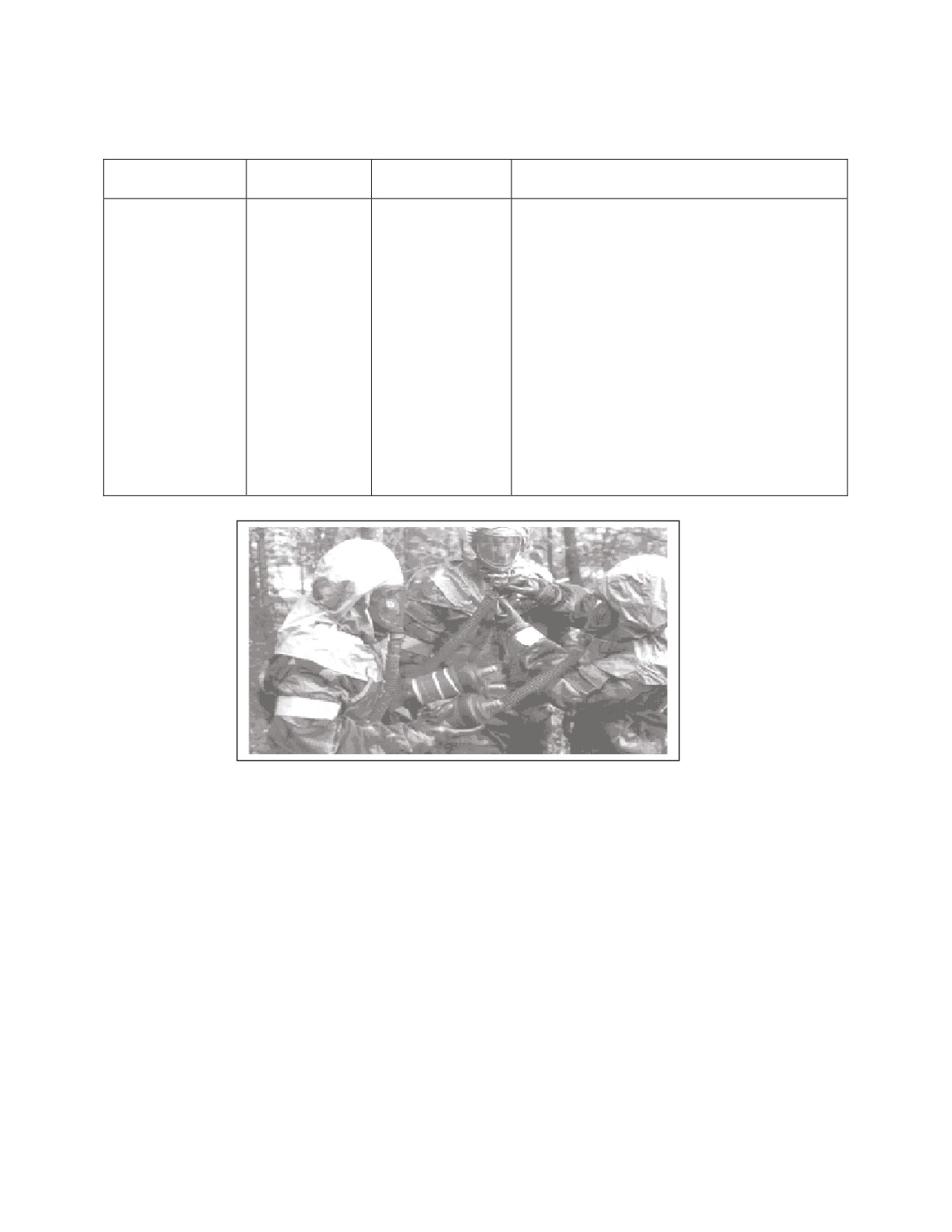
Table IV-7. Steps for the Triple Buddy Method of MOPP Gear Exchange With the M40A1 and
M42 (Continued)
Steps
Contamination
Required
Required Procedures
Type
Equipment
2. Prepare to
All
Cutting tool
Buddy 3 unfastens the shoulder and waist straps of
decontaminate
the M42 canister carrier from Buddy 2. Once the
(facilitates later
canister and canister carrier are removed, Buddy 3
removal of
holds or tends to the canister throughout the MOPP
overgarment
gear exchange. NOTE: The canister is attached
trousers and
to the mask by a hose; ensure that the hose
overboots).
does not become fully extended, potentially
causing a break in the seal of Buddy 2’s mask.
Buddy 1 unfastens the shoulder straps on Buddy
2’s hood, pulls them over his shoulder, and
reattaches them to the hook-and-pile fastener. He
loosens the draw cord on Buddy 2’s hood and ties
the microphone cord to the hose of his mask (see
Figure IV-16). He removes the M9 detector paper.
He unzips Buddy 2’s trouser legs and rolls a cuff in
each, ensuring that the cuffs do not come above
the tops of his overboots. He unfastens or cuts the
fasteners on Buddy 2’s overboots.
Figure IV-16. Tying the Microphone Cord to the Hose of the Mask
4 April 2006
FM 3-11.5/MCWP 3-37.3/NTTP 3-11.26/AFTTP(I) 3-2.60
IV-23

Table IV-7. Steps for the Triple Buddy Method of MOPP Gear Exchange With the M40A1 and
M42 (Continued)
Steps
Contamination
Required Equipment
Required Procedures
Type
3. Decontaminate
CB
Two IEDKs per person
Buddy 3 continues to hold the canister.
mask and hood
Buddy 1 uses an IEDK to wipe Buddy 2’s
(removes gross
eye lens outserts from the top, down.
contamination).
NOTE: Do not press so hard that Buddy
2’s face mask seal is broken. Buddy 3
continues to hold the canister. Buddy 1
then wipes the rest of Buddy 2’s hood from
the top of the head to the bottom of the
hood (see Figure IV-4, page IV-13). After
he has finished wiping the mask, he must
wipe his own gloves in preparation for
rolling Buddy 2’s hood, using 2-inch tucks,
until it reaches the center of his head (see
Figure IV-5, page IV-14). He rolls the front
of the hood tightly under the outlet valve
and star knob. He ensures that the hood is
off of Buddy 2’s garment.
Radiological
Three containers (about
Buddy 3 continues to hold the canister.
4-gallon capacity)
Buddy 1 wipes Buddy 2’s mask and hood
Two sponges
with a sponge dipped in hot, soapy water
and rinses them with a sponge dipped in
Soapy water
clean water. He dries Buddy 2’s mask and
Rinse water
hood with paper towels or rags. Buddy 2
Paper towels or similar
wipes his own gloves. NOTE: Cool, soapy
drying material
water is not as effective for removing
contamination, but it can be used if you
scrub longer. If the water supply is
limited, use drinking water from a
canteen and wet a sponge or cloth. Only
Buddy 2’s mask and hood will be
decontaminated and rolled at this time.
IV-24
FM 3-11.5/MCWP 3-37.3/NTTP 3-11.26/AFTTP(I) 3-2.60
4 April 2006
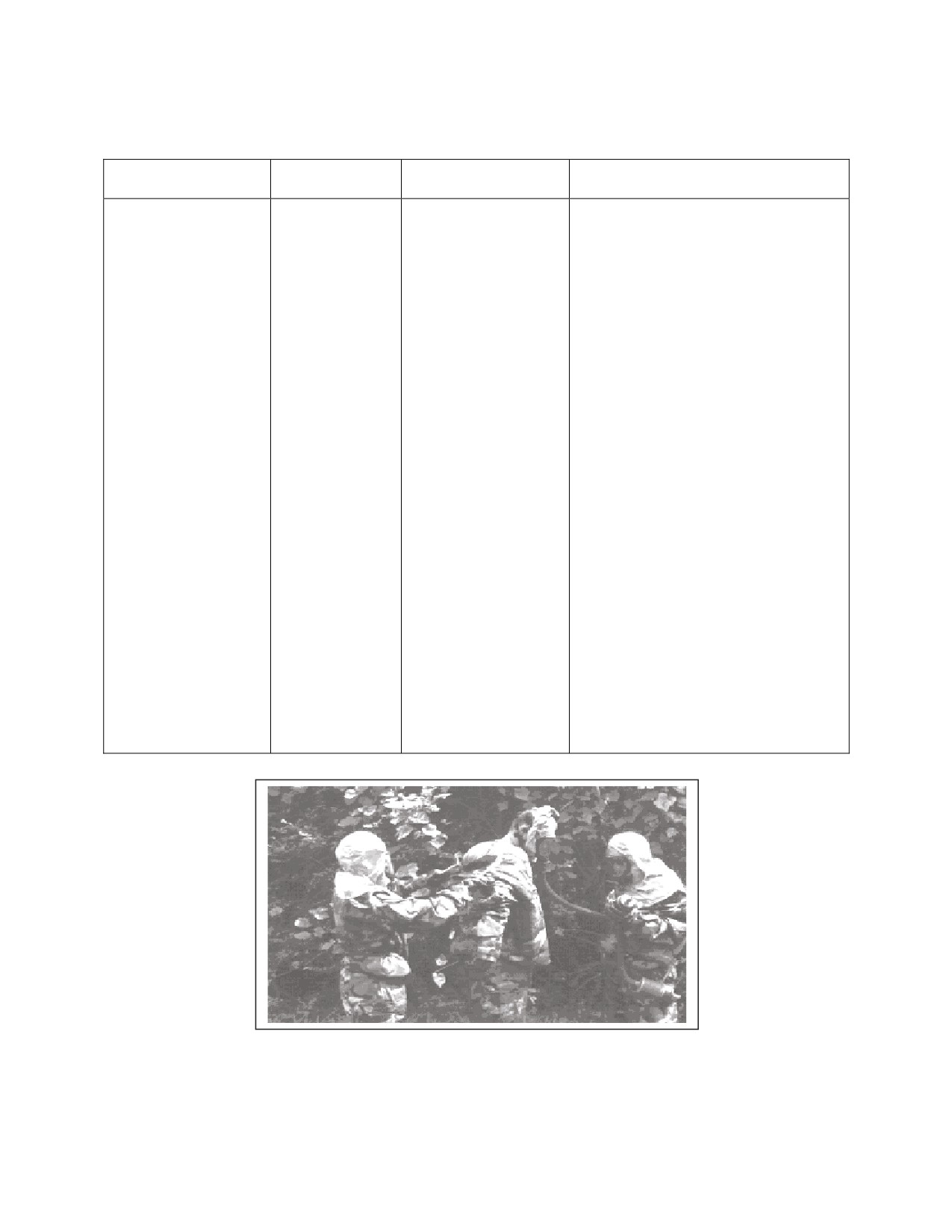
Table IV-7. Steps for the Triple Buddy Method of MOPP Gear Exchange With the M40A1 and
M42 (Continued)
Steps
Contamination
Required Equipment
Required Procedures
Type
4. Remove
All
Two discard containers
Buddy 3 continues to hold the canister.
overgarments and
(e.g., plastic bags)
Buddy 1 grasps Buddy 2’s outside
overboots (limits the
overgarment jacket, unsnaps the snaps
spread of agents and
individually, and unties the draw cord at
helps prevent agents
the bottom of the jacket. He unfastens
from penetrating
the hook-and-pile fastener at the wrist of
through to the
Buddy 2’s jacket and then refastens it. He
undergarments or the
unfastens the hook-and-pile fastener over
skin).
the zippered front of Buddy 2’s jacket and
unzips the jacket. Buddy 1 grasps Buddy
2’s jacket by the shoulders and instructs
him to make a fist. He then pulls the
jacket down and away from Buddy 2,
ensuring that the black part of the jacket is
not touched (see Figure IV-17). He lays
Buddy 2’s overgarment jacket on the
ground (it will be used to stand on later).
Buddy 1 carefully unfastens and unzips
Buddy 2’s trousers. NOTE: Do not
loosen Buddy 2’s waist tabs. Buddy 2
breaks the seals on his overboots by
alternately stepping on each heel and
pulling up on his foot. He grasps his
trousers and pulls them down to his
knees. Buddy 1 instructs Buddy 2 to walk
out of his trousers and overboots, taking
care not to step on the contaminated side
of the overgarment. If Buddy 2 is wearing
overboots, Buddy 1 removes Buddy 2’s
trousers first and then helps him step out
of his overboots onto the black side of the
jacket. Buddy 2 steps onto the jacket
wearing his mask, BDU, combat boots,
and gloves.
Figure IV-17. Removing the Outer Garment
4 April 2006
FM 3-11.5/MCWP 3-37.3/NTTP 3-11.26/AFTTP(I) 3-2.60
IV-25

Table IV-7. Steps for the Triple Buddy Method of MOPP Gear Exchange With the M40A1 and
M42 (Continued)
Steps
Contamination
Required Equipment
Required Procedures
Type
5. Remove gloves.
All
Discard containers
Buddy 3 continues to hold the canister.
(from step 4)
Buddy 2 holds the fingertips of his gloves
and partially slides his hand out. When
the fingers of both hands are free, he
holds his arms away from his body and
lets the gloves drop.
6. Put on the
All
One set of chemical-
Buddy 3 continues to hold the canister.
overgarment.
protective
Buddy 1 opens the package containing
overgarments per
the new overgarment without touching the
person
inside of the package. Buddy 2 pulls out
the overgarment without touching the
outside of the package. He puts on the
overgarment and fastens it, leaving the
trouser legs open. NOTE: Do not reverse
roles. Only Buddy 2 will put on the
clean overgarments at this time.
7. Put on overboots and
All
One set of chemical-
Buddy 3 continues to hold the canister.
gloves.
protective overboots
Buddy 1 opens the package of clean
per person
overboots without touching the inside of
One set of chemical-
the package. Buddy 2 removes the
protective gloves per
overboots without touching the outside of
person
the package, puts them on, and fastens
his trouser legs. Buddy 1 opens the
M9 detector paper
package of clean gloves without touching
the inside of the package. Buddy 2
removes the gloves without touching the
outside of the package and puts them on.
Buddy 2 puts on the M9 detector paper.
Do not reverse roles. NOTES: 1. Only
Buddy 2 will put on clean overboots
and gloves at this time. 2. The gloves
and overboots will have a light
powdery coating. This is normal. It is
not necessary to remove it. It will not
affect the protective qualities.
8. Secure hood.
All
One IEDK
Buddy 3 continues to hold the canister.
Buddy 1 wipes his rubber gloves with an
IEDK. He unrolls Buddy 2’s hood,
attaches the straps, and tightens the neck
cord. He checks the clips and neck cord
on Buddy 2’s hood. Buddy 3 returns the
canister to Buddy 2 and assists with
securing the canister carrier straps.
Buddy 1, Buddy 2, and Buddy 3 rotate
roles and repeat steps 2 through 8. They
rotate roles a third time for the final
buddy.
9. Secure gear.
All
One chemical-protective
Each individual secures his individual
helmet cover per
gear and puts it back on. He puts on a
person
new chemical-protective helmet cover and
moves to the AA. He uses the buddy
system to check the fit of all secured gear.
IV-26
FM 3-11.5/MCWP 3-37.3/NTTP 3-11.26/AFTTP(I) 3-2.60
4 April 2006

Table IV-8. Steps for the CVCUS and CPU (Triple Buddy Method) MOPP Gear Exchange With
the M40A1, M42, and M43 (Aviation and Armor)
Steps
Contamination
Required Equipment
Required Procedures
Type
1. Decontaminate
All
Four long-handled brushes
The individual mixes three parts earth to
gear (removes
A large piece of plastic
two parts STB.
gross
(poncho or similar
contamination from
material)
individual gear
STB (bulk)
[weapons, helmet,
Shovel
load-bearing
equipment, and
mask carrier]).
CB
One 30-gallon container
The individual removes and discards the
STB dry mix
chemical-protective helmet cover if worn.
He brushes or rubs STB onto his individual
One IEDK
gear (helmet and mask carrier) and the
hose of the M43 mask if worn. He gently
shakes off any excess STB and sets aside
his gear on an uncontaminated surface.
Radiological
Hot, soapy water
The individual brushes or wipes radiological
contamination from his individual gear. He
washes it with hot, soapy water (if
available) and sets it aside to dry on an
uncontaminated surface (plastic, poncho,
or similar material).
2. Prepare to
All
Cutting tool
Buddy 3 unfastens the shoulder and waist
decontaminate
straps of the M42 canister carrier from
(facilitates later
Buddy 2. Once the canister and canister
removal of
carrier are removed, Buddy 3 holds or
overgarment
tends the canister throughout the MOPP
trousers and
gear exchange. NOTE: The canister is
overboots).
attached to the mask by a hose; ensure
that the hose does not become fully
extended, potentially causing a break in
the seal of Buddy 2’s mask. Buddy 1
unfastens the shoulder straps on Buddy 2’s
hood, pulls them over his shoulder, and
reattaches them to the hook-and-pile
fastener. He loosens the draw cord on
Buddy 2’s hood and ties the microphone
cord to the hose of his mask. He removes
the M9 detector paper from Buddy 2’s
trouser legs and rolls a cuff in each,
ensuring that the cuffs do not come above
the tops of his overboots. He unfastens or
cuts the fasteners on Buddy 2’s overboots.
4 April 2006
FM 3-11.5/MCWP 3-37.3/NTTP 3-11.26/AFTTP(I) 3-2.60
IV-27

Table IV-8. Steps for the CVCUS and CPU (Triple Buddy Method) MOPP Gear Exchange With
the M40A1, M42, and M43 (Aviation and Armor) (Continued)
Steps
Contamination
Required Equipment
Required Procedures
Type
3. Decontaminate
CB
Two IEDKs per person
Buddy 1 uses an IEDK to wipe Buddy 2’s
mask and hood
hood, mask, and canister and the hose of
(removes gross
the M42 or M43 mask. NOTE: Do not
contamination).
press so hard that Buddy 2’s face mask
seal is broken. Buddy 3 continues to hold
the canister. After Buddy 1 wipes Buddy
2’s mask and his own gloves, he rolls
Buddy 2’s hood. He starts from the rear
and rolls Buddy 2’s hood, using 2-inch
tucks, until it reaches the center of his head
(see Figure IV-5, page IV-14). He rolls the
front of Buddy 2’s hood tightly under the
outlet valve and star knob. He ensures that
the hood is off of Buddy 2’s garment.
Radiological
Three containers (about
Buddy 3 continues to hold the canister.
4-gallon capacity)
Buddy 1 wipes Buddy 2's mask and hood
Two sponges
with a sponge dipped in hot, soapy water
and rinses them with a sponge dipped in
Soapy water
clean water. He dries Buddy 2’s mask and
Rinse water
hood with paper towels or rags. Buddy 2
Paper towels or similar
wipes his own gloves. NOTES: 1. Cool,
drying material
soapy water is not as effective for
removing contamination, but it can be
used if you scrub longer. If the water
supply is limited, use drinking water
from a canteen and wet a sponge or
cloth. If water is not available, brush off
the radioactive dust particles. Do not
reverse roles. 2. Only Buddy 2’s hood
will be decontaminated and rolled at this
time.
4. Remove CVCUS
All
Two discard containers
Buddy 3 continues to hold the canister.
overboots (limits
(e.g., plastic bags)
Buddy 1 opens all the zippers on Buddy 2’s
the spread of
CVCUS in the following order: wrist, ankles,
contamination).
and front. While standing behind Buddy 2,
Buddy 1 grasps the shoulders of Buddy 2's
CVCUS and instructs him to make a fist to
ensure that his gloves do not come off. He
then pulls Buddy 2’s CVCUS down below
his knees, turning it inside out. Buddy 1
unzips Buddy 2’s CPU jacket and removes
it by grasping it at the shoulders, pulling it
down, and turning it inside out. He places it
beside Buddy 2 with the clean side up.
IV-28
FM 3-11.5/MCWP 3-37.3/NTTP 3-11.26/AFTTP(I) 3-2.60
4 April 2006
Table IV-8. Steps for the CVCUS and CPU (Triple Buddy Method) MOPP Gear Exchange With
the M40A1, M42, and M43 (Aviation and Armor) (Continued)
Steps
Contamination
Required Equipment
Required Procedures
Type
5. Remove CPU
All
Two discard containers
Buddy 3 continues to hold the canister.
jacket and gloves.
(from step 4)
Buddy 1 has Buddy 2 partially remove his
overboots by alternately stepping on each
heel and pulling up on his foot. Buddy 1
grasps one leg of Buddy 2’s CVCUS and
his overboot and instructs him to remove
his leg and foot simultaneously. As Buddy
2 removes each leg and foot, he steps onto
the clean side of the CPU jacket. Buddy 1
discards the overboots. Buddy 2 holds the
fingertips of his gloves and partially slides
his hand out. When the fingers of both
hands are free, he holds his arms away
from his body and lets the gloves drop.
Buddy 2 removes his protective glove
liners.
6. Remove combat
All
Two discard containers
Buddy 3 continues to hold the canister.
boots and CPU
(from step 4)
Buddy 2 partially removes his boots by
trousers.
alternately stepping on each heel and
pulling up on his foot. Buddy 1 grasps one
of Buddy 2’s boots and instructs him to
remove his foot. As Buddy 2 removes his
foot, he steps directly onto the clean side of
the CPU jacket. He repeats the procedure
on the other foot. Next, Buddy 1 removes
Buddy 2’s CPU trousers by pulling down on
the sides and turning them inside out.
Buddy 2 is now stripped to his underwear
and mask and is ready to put on new
clothing. Combat boots should remain
beside Buddy 2 on the clean area of the
CPU jacket. Buddy 1 discards the CVCUS
and CPU trousers.
CAUTION
Use extreme care to ensure that the
outside of the CPU does not touch
the skin, underclothing, or combat
boots of Buddy 2.
7. Put on CPU and
All
One CVCUS and CPU per
Buddy 3 continues to hold the canister.
CVCUS.
person
Buddy 1 opens the package containing the
new CPU without touching the inside of the
package. Buddy 2 pulls out the CPU
without touching the outside of the
package. He puts on the new clothing in
the following order: CPU trousers, CPU
jacket, combat boots, and CVCUS (over
the CPU).
4 April 2006
FM 3-11.5/MCWP 3-37.3/NTTP 3-11.26/AFTTP(I) 3-2.60
IV-29

Table IV-8. Steps for the CVCUS/CPU (Triple Buddy Method) MOPP Gear Exchange With the
M40A1, M42, and M43 (Aviation and Armor) (Continued)
Steps
Contamination
Required Equipment
Required Procedures
Type
8. Put on overboots
All
One set of chemical-
Buddy 3 continues to hold the canister.
and gloves.
protective overboots per
Buddy 1 opens the package of clean
person
overboots without touching the inside of the
One set of chemical-
package. Buddy 2 removes the overboots
protective gloves per
without touching the outside of the package
person
and puts them on. Buddy 1 opens the
package of clean gloves without touching
M9 detector paper
the inside of the package. Buddy 2
removes the gloves without touching the
outside of the package and puts them on.
Buddy 2 puts on the M9 detector paper.
NOTE: The gloves and overboots will
have a light powdery coating. This is
normal. It is not necessary to remove it.
It will not affect the protective qualities.
9. Secure hood.
CB
One IEDK
Buddy 3 continues to hold the canister.
Buddy 1 wipes his rubber gloves with an
IEDK. He unrolls Buddy 2 hood, attaches
the straps, and tightens the neck cord. He
checks the snaps and neck cord on Buddy
2’s hood to ensure that they are closed.
Buddy 3 returns the canister to Buddy 2
and assists with securing the canister
carrier straps. Buddy 1, Buddy 2, and
Buddy 3 rotate rolls and repeat steps 2
through 9. They rotate roles a third time for
the final buddy.
10. Secure gear.
All
One chemical-protective
Each individual secures his individual gear
helmet cover per person
and puts it back on. He puts on a new
chemical-protective helmet cover and
moves to the AA. He uses the buddy
system to check the fit of all secured gear.
IV-30
FM 3-11.5/MCWP 3-37.3/NTTP 3-11.26/AFTTP(I) 3-2.60
4 April 2006

Table IV-9. Steps for the JSLIST, Individual (Emergency Method) MOPP Gear Exchange
Steps
Contamination
Required
Required Procedures
Type
Equipment
1. Decontaminate
CB
One IEDK
Use M8 detector paper to determine the areas of
gear (removes gross
gross contamination. Use field-expedient
contamination from
absorbents (sand, dirt, or rags) to remove gross
individual gear
liquid contamination. Take special care to avoid
[weapons, helmet,
touching these areas during overgarment removal.
load-bearing
Use an IEDK to decontaminate individual gear.
equipment, and mask
Radiological
Hot, soapy water
Remove and discard the chemical-protective
carrier]).
helmet cover. Brush or wipe radiological
contamination from the individual gear. Wash it
with hot, soapy water (if available), and then set it
aside to dry on an uncontaminated surface (plastic,
poncho, or similar material).
2. Prepare to
All
Cutting tool
Remove the M9 detector paper from the
decontaminate
overgarment. Untie the coat retention cord if tied.
(facilitates later
Unfasten the webbing-strip snap at the bottom front
removal of
of your coat and release the coat retention-cord
overgarment trousers
loop at your waist. Loosen the bottom of your coat
and overboots).
by pulling the material away from your body.
NOTE: If wearing the M43 protective mask, tie
the microphone cord to the hose of the mask.
Unfasten and loosely refasten the hook-and-pile
fasteners at your wrists and ankles. Unfasten or
cut the fasteners on the overboots. NOTE: The
M40 voice amplifier (M7) and the M42A2
detachable microphone cannot be
decontaminated and will be disposed of as
contaminated waste; however, ensure that
these items are contaminated before disposing
of them.
3. Decontaminate the
CB
Two IEDKS per
Use an IEDK to decontamination the exposed parts
mask and hood
person
of your mask. Start at the eye lens outserts and
(removes gross
wipe down. Wipe all the exposed parts of the
contamination).
mask. Wipe the front edge of the hood, including
the barrel lock and fasteners under your chin.
Decontaminate the gloves in preparation to release
the hood seal. NOTE: Pay particular attention to
the areas between your fingers when
decontaminating the gloves.
Radiological
Three containers
Wipe the mask and hood with a sponge dipped in
(about 3-gallon
hot, soapy water and rinse them with a sponge
capacity)
dipped in clean water. Dry the mask and hood with
Two sponges
paper towels or rags. Wipe the gloves. NOTE:
Cool, soapy water is not as effective for
Soapy water
removing contamination, but it can be used if
Rinse water
you scrub longer. If the water supply is limited,
Paper towels or
use drinking water from a canteen and wet a
similar drying
sponge or cloth. If water is not available, brush
material
off the radioactive dust particles.
4 April 2006
FM 3-11.5/MCWP 3-37.3/NTTP 3-11.26/AFTTP(I) 3-2.60
IV-31
Table IV-9. Steps for the JSLIST, Individual (Emergency Method) MOPP Gear Exchange
(Continued)
Steps
Contamination
Required Equipment
Required Procedures
Type
4. Remove chemical-
All
Two discard
Feel for and locate the suspender snap
protective coat (limits
containers (e.g.,
couplers on the outside of your coat and
the spread of agents
plastic bags)
releases them. Untie the draw cord if tied,
and helps prevent
press the barrel lock release, and unsnap
agents from penetrating
the barrel lock. NOTE: If it is difficult to
through to the
grasp the barrel lock, use the draw cord
undergarments or the
to pull it away from the mask, allowing
skin).
you to grasp and unfasten it without
touching the interior of the hood.
Unfasten the front closure flap, and pull the
slide fastener from your chin to the bottom
of the coat. Grasp the hood by the outside
surface near each end of the barrel lock, lift
it off your head, and reverse-roll the hood
one time while pulling the hood towards the
back of your head to remove it. Grasp the
front side of the coat, and pull it back until it
is off your shoulders. Put your arms behind
your back, and work your arms out of the
sleeves. NOTE: Ensure that the outside
of the coat does not touch your body.
Lay the coat on the ground, black side up.
NOTE: Use the coat later as an
uncontaminated surface to stand on
when putting on the new overgarment.
CAUTION
Take care to avoid contaminating the
inside surface of the coat.
5. Remove chemical-
All
Two discard
Unfasten the hook-and-pile fasteners at the
protective trousers and
containers (from step
waistband, unfasten the two front closure
overboots.
4)
snaps, and open the fly slide fastener on
the front of the trousers. Loosen the
overboots by alternately stepping on each
heel and pulling up the foot. Grasp the
trousers, and push them down to the
knees. Walk out of the trousers and
overboots simultaneously, and step onto
the black side of the coat.
CAUTION
Take care to avoid contaminating the
clothing and skin.
IV-32
FM 3-11.5/MCWP 3-37.3/NTTP 3-11.26/AFTTP(I) 3-2.60
4 April 2006
Table IV-9. Steps for the JSLIST, Individual (Emergency Method) MOPP Gear Exchange
(Continued)
Steps
Contamination
Required Equipment
Required Procedures
Type
6. Remove chemical-
All
Two discard
Wipe around the edges of the packages
protective gloves and
containers (from step
containing the new items (gloves,
liners.
4)
overgarments, and overboots) with an
IEDK, and then open them. Hold the
fingertips of the gloves, and partially slide
your hands out. When the fingers of both
hands are free, hold your arms away from
your body and let the gloves drop. Remove
the protective glove liners and discard them.
CAUTION
Take care to avoid letting the gloves
come in contact with the coat spread
on the ground.
7. Put on chemical-
All
One JSLIST chemical-
Remove the trousers from the package
protective trousers.
protective ensemble
without touching the outside. Put them on,
per person
close the slide fastener, and fasten the two
fly opening snaps. Pull the suspenders
over your shoulders, and fasten the snap
couplers. Adjust the length of the
suspenders to ensure a comfortable fit.
Adjust the hook-and-pile fastener at the
waistband for a snug fit.
8. Put on chemical-
All
One JSLIST chemical-
Remove the coat from the package without
protective coat.
protective ensemble
touching the outside. Put on the coat, close
per person
the slide fastener up as far as the chest,
and secure the front closure hook-and-pile
fastener on the front flap up as far as your
chest. Pull the bottom of the coat down
over the trousers. Grasp the loop on the
back of the coat and pull it out and away
from the back of the coat. Bring the loop
forward between your legs, pulling on it so
that the bottom of the coat fits snugly over
the trousers. Place the loop over the
webbing-strip snap on the front of the coat,
and fasten it. Adjust the retention cord, if
necessary, and tie the excessive cord in a
bow.
CAUTION
Take care to ensure that the body and
clothing touch only the inner surface of
the coat.
4 April 2006
FM 3-11.5/MCWP 3-37.3/NTTP 3-11.26/AFTTP(I) 3-2.60
IV-33
Table IV-9. Steps for the JSLIST, Individual (Emergency Method) MOPP Gear Exchange
(Continued)
Steps
Contamination
Required Equipment
Required Procedures
Type
9. Put on chemical-
All
One set of chemical-
Remove the overboots from the package
protective overboots.
protective overboots
without touching the outside. Put the
per person
overboots on over the combat boots, adjust
and secure the fasteners, pull the trouser
legs over the overboots, and secure the
two hook-and-pile fasteners on each ankle
so that they fit snugly around the overboot.
10. Put on chemical-
All
One JSLIST chemical-
Put the hood on your head, completely
protective hood.
protective ensemble
close the front slide fastener on the coat,
per person
and secure the hook-and-pile fastener on
the front flap as far as the top of the slide
fastener. Place the edge of the hood
around the edge of the mask, and secure
the hook-and-pile fastener on the hood.
Pull the draw cord tight around the edge of
the mask, snap the ends of the barrel lock
together, squeeze both ends of the barrel
lock while pulling the draw cord, slide the
barrel lock up under the chin to keep the
cord in place, and tie off the draw cord if
needed.
WARNING
The barrel lock release button must
face away from the user to avoid
the barrel lock from unfastening
and possibly exposing the user to
contamination.
CAUTION
Take care to ensure that the trousers
touch only the uncontaminated
surface.
11. Put on chemical-
All
One set of chemical-
Remove the gloves and liners from the
protective gloves and
protective gloves
package without touching the outside. Put
liners.
with liners per
on the liners and gloves, pull the cuffs of
person (correct size)
the coat over the gloves, and fasten the
hook-and-pile fasteners on each sleeve of
the coat. Put on the M9 detector paper as
required by the SOP.
12. Secure gear.
All contamination
One chemical-
Place the new chemical-protective helmet
protective helmet
cover on the PASGT helmet if used. Check
cover per person
the fit of all secured gear.
IV-34
FM 3-11.5/MCWP 3-37.3/NTTP 3-11.26/AFTTP(I) 3-2.60
4 April 2006

Table IV-10. Steps for the Individual (Emergency Method) BDO MOPP Gear Exchange
Steps
Contamination
Required
Required Procedures
Type
Equipment
1. Decontaminate
CB
One SDK
Use M8 detector paper to determine the areas of
gear (removes gross
gross contamination. Use field-expedient
contamination from
absorbents (sand, dirt, or rags) to remove gross
individual gear
liquid contamination. Take special care to avoid
[weapon, helmet,
touching these areas during overgarment removal.
load-bearing
Use an IEDK to decontaminate individual gear.
equipment, and
Radiological
Hot, soapy water
Brush or wipe radiological contamination from the
mask carrier]).
individual gear. Wash it with hot, soapy water (if
available), and then set it aside to dry on an
uncontaminated surface (plastic, poncho, or similar
material).
2. Prepare to
All
Cutting tool
Unfasten the shoulder straps on the hood, pull them
decontaminate
over your shoulders, and reattach them. Loosen
(facilitates removal of
the draw cord on the hood of the protective mask.
overgarment
NOTE: If wearing the M43 protective mask, tie
trousers and
the microphone cord to the hose of the mask.
overboots).
Remove the M9 detector paper from the
overgarment, and untie or cut the draw cords on the
trouser legs of the overgarment. Unzip the trouser
legs, and roll a cuff in each trouser leg, ensuring
that the cuffs do not come above the top of the
overboots. Unfasten or cut the fasteners on the
overboots.
4 April 2006
FM 3-11.5/MCWP 3-37.3/NTTP 3-11.26/AFTTP(I) 3-2.60
IV-35

Table IV-10. Steps for the Individual (Emergency Method) BDO MOPP Gear Exchange
(Continued)
Steps
Contamination
Required
Required Procedures
Type
Equipment
3. Decontaminate
CB
One IEDK
Wipe the eye lens outserts on the mask from the
mask and hood
top, down. Wipe the mask and gloves, and roll the
(removes gross
hood. Grasp the straps of the hood, and lift the
contamination from
hood off your shoulders and partially over your head
the mask and hood).
until most of the back of the head is exposed. Roll
the hood, starting at the chin, and work around the
entire mask until the rolled hood will stay up and off
of your shoulders. Tuck the straps and neck cord
into the roll. Roll the hood tightly against the mask
without pulling the hood off the back of the head.
Tuck the tail between the upper part of the canister
and the mask. NOTE: Tie the tail over and under
the hose for the M42 mask. Remove the
applicator mitt from the package with your
nondominant hand. Making a V, wipe down the
dominant hand, paying particular attention to areas
between your fingers. Once the dominant hand is
thoroughly wiped down, insert it into the applicator
mitt and thoroughly wipe down the nondominant
hand. Gently pat the voicemitter with black powder
until it is covered. Start at the top of the hood and
wipe down and away, patting until the surface of the
hood is covered by the black powder. Rewipe the
gloves, starting with the nondominant hand. Lift the
hood off your shoulders by grasping the shoulder
straps in one hand and placing the other hand on
top of your head and pulling the hood over your
head until the elastic band is over the knuckles and
most of the back of your head is exposed. Do not
expose your ears or pull the hood completely over
your face or mask. Tuck the shoulder straps,
underarm straps, and rolled portion of the hood
under the elastic band. When using the M40A1
mask with the quick-doff hood, remove the
underarm straps from the front of the hood and
place them over your shoulders. Refasten them on
the front of the hood. NOTE: Place two fingers on
the voicemitter of the mask to prevent
accidental breakage of the seal.
Radiological
Three containers
Wipe the mask and hood with a sponge dipped in
(about 4-gallon
hot, soapy water and rinse them with a sponge
capacity)
dipped in clean water. Dry the mask and hood with
Two sponges
paper towels or rags. NOTE: Cool, soapy water is
not as effective for removing contamination, but
Soapy water
it can be used if you scrub longer. If water is not
Rinse water
available, brush off the radioactive dust
Paper towels or
particles.
similar drying
material
IV-36
FM 3-11.5/MCWP 3-37.3/NTTP 3-11.26/AFTTP(I) 3-2.60
4 April 2006

Table IV-10. Steps for the Individual (Emergency Method) BDO MOPP Gear Exchange
(Continued)
Steps
Contamination
Required Equipment
Required Procedures
Type
4. Remove
All
Two discard containers
Grasp the overgarment jacket, and unsnap
overgarment and
(e.g., plastic bags)
the snaps individually. Untie the draw cord
overboots (prevents
Chemical-protective suit
at the bottom of the jacket. Unfasten the
agent from
with protective gloves
hook-and-pile fastener at the waist, and
penetrating through
and overboots
then refasten it. Unfastens the hook-and-
to the undergarments
pile fastener over the zippered front of the
or the skin).
jacket, and unzip the jacket. Grasp the front
of the jacket and pull the jacket back until it
is off your shoulders. Put your arms behind
your back, and work your arms out of the
sleeves. Do not let the outside of the jacket
touch the body. When the jacket is off, lay it
on the ground with the black side up.
Unfasten and unzip the trousers. Do not
loosen the waist tabs. Loosen the
overboots by alternately stepping on each
heel and pulling up on the foot. Grasp the
trousers, and push them down to the knees.
Walk out of the trousers and overboots
simultaneously, and step onto the black side
of the jacket. Step onto the jacket wearing
the mask, BDU, combat boots, and gloves.
5. Remove gloves.
All
Two discard containers
Wipe around the edges of the packages
(from step 4)
containing the new items (gloves,
One IEDK
overgarments, and overboots) with an IEDK.
Open the new packages. Hold the fingertips
of the gloves, and partially slide your hands
out. When the fingers of both hands are
free, hold your arms away from your body
and let the gloves drop.
6. Put on
All
One set of chemical-
Remove the overgarment from its package
overgarment.
protective
without touching the outside of the package.
overgarments per
Put on the overgarment and fasten it,
person
leaving the trouser legs open until you put
One IEDK
on the new overboots.
7. Put on overboots
All
One set of chemical-
Remove the overboots (one at a time) from
and gloves.
protective overboots
their package without touching the outside,
per person
and put them on. Remove the gloves from
One set of chemical-
their package without touching the outside,
protective gloves per
put them on, and fasten the trouser legs.
person
NOTE: The gloves and overboots will
have a light powdery coating. This is
normal. Do not remove it. It will not affect
the protective qualities.
8. Secure hood.
All
One chemical-protective
Secure individual gear, and put it back on.
helmet cover per
Put on a new chemical-protective helmet
person
cover and move to the AA.
4 April 2006
FM 3-11.5/MCWP 3-37.3/NTTP 3-11.26/AFTTP(I) 3-2.60
IV-37

Table IV-11. Steps for the CVCUS and CPU, Individual (Emergency Method) MOPP Gear
Exchange
Steps
Contamination
Required
Required Procedures
Type
Equipment
1. Decontaminate gear
CB
One SDK
Use M8 detector paper to determine the areas of
(removes gross
gross contamination. Use field-expedient
contamination from
absorbents (sand, dirt, or rags) to remove gross
individual gear
liquid contamination. Take special care to avoid
[weapon, helmet, load-
touching these areas during overgarment
bearing equipment,
removal. Use an IEDK to decontaminate the
and mask carrier]).
individual gear.
Radiological
Hot, soapy water
Brush or wipe radiological contamination from
the individual gear. Wash it with hot, soapy
water (if available), and then set it aside to dry
on an uncontaminated surface (plastic, poncho,
or similar material).
2. Prepare to
All
Cutting tool
Unfasten the shoulder straps on the hood, pull
decontaminate
them over the shoulders, and reattach them to
(facilitates removal of
the front of the hood. Loosen the draw cord on
overgarment trousers
the hood of the protective mask. NOTE: If
and overboots).
wearing the M43 protective mask, tie the
microphone cord to the hose of the mask.
Remove the M9 detector paper from the
overgarment, and untie or cut the draw cords on
the trouser legs of the overgarment. Unzip the
trouser legs, and roll a cuff in each trouser leg,
ensuring that the cuffs do not come above the
top of the overboots. Unfasten or cut the
fasteners on the overboots.
3. Decontaminate
CB
One IEDK
Wipe the eye lens outserts on the mask from the
mask and hood
top, down. Wipe the mask and gloves, and roll
(removes gross
the hood. Grasp the straps of the hood, and lift
contamination from the
the hood off your shoulders and partially over
mask and hood).
your head until most of the back of your head is
exposed. Roll the hood, starting at the chin, and
work around the entire mask until the rolled hood
will stay up and off your shoulders. Tuck the
straps and neck cord into the roll. Roll the hood
tightly against the mask without pulling the hood
off the back of your head. Tuck the tail between
the upper part of the canister and the mask.
NOTE: Tie the tail over and under the hose
for the M42 mask.
IV-38
FM 3-11.5/MCWP 3-37.3/NTTP 3-11.26/AFTTP(I) 3-2.60
4 April 2006

Table IV-11. Steps for the CVCUS/CPU, Individual (Emergency Method) MOPP Gear Exchange
(Continued)
Steps
Contamination
Required
Required Procedures
Type
Equipment
3. Decontaminate
CB
Remove the applicator mitt from the package with
mask and hood
the nondominant hand. Making a V, wipe down the
(continued)
dominant hand, paying particular attention to the
areas between your fingers. Once the dominant
hand is thoroughly wiped down, insert it into the
applicator mitt and thoroughly wipe down the other
hand. Gently pat the voicemitter with black powder
until it has been covered. Start at the top of the
hood and wipe down and away, patting until the
surface of the hood is covered by the black
powder. Rewipe the gloves, starting with the
nondominant hand. Lift the hood off your
shoulders by grasping the shoulder straps in one
hand and placing the other hand on top of your
head and pulling the hood over your head until the
elastic band is over your knuckles and most of the
back of your head is exposed. Do not expose your
ears or pull the hood completely over your face or
mask. Tuck the shoulder straps, underarm straps,
and rolled portion of the hood under the elastic
band. When using the M40A1 mask with the quick-
doff hood, remove the underarm straps from the
front of the hood and place them over your
shoulders. Refasten them on the front of the hood.
NOTE: Place two fingers on the voicemitter of
the mask to prevent accidental breakage of the
seal.
Radiological
Three containers
Wipe the mask and hood with a sponge dipped in
(about 4-gallon
hot, soapy water, and rinse them with a sponge
capacity)
dipped in clean water. Dry the mask and hood with
Two sponges
paper towels or rags. NOTE: Cool, soapy water
is not as effective for removing contamination,
Soapy water
but it can be used if you scrub longer. If water
Rinse water
is not available, brush off the radioactive dust
Paper towels or
particles.
similar drying
material
4. Remove CVCUS
All
Two discard
Open all the zippers on the CVCUS in the following
and overboots.
containers (e.g.,
order: wrists, ankles, and front. While standing
plastic bags)
adjacent to the clean area, grasp the front of the
CVCUS and pull it off your shoulders. Make a fist
to ensure that the gloves do not come off when
removing the CVCUS. Put your arms behind your
back, and work your arms out of the sleeves.
Loosen the overboots by alternately stepping on
each heel and pulling up on the foot. Pull the
CVCUS down below the knees, turning it inside
out. Do not let the outside of the CVCUS touch
your body. Walk out of the CVCUS and overboots
simultaneously, and step onto the clean area.
4 April 2006
FM 3-11.5/MCWP 3-37.3/NTTP 3-11.26/AFTTP(I) 3-2.60
IV-39

Table IV-11 Steps for the CVCUS/CPU, Individual (Emergency Method) MOPP Gear Exchange
(Continued)
Steps
Contamination
Required
Required Procedures
Type
Equipment
5. Remove jacket
All
Two discard
Wipe the gloves and around the edges of the
and gloves.
containers (from
packages containing the new items (gloves,
step 4)
undergarments, and overboots) with an IEDK.
Open the new packages. Hold the fingertips of the
gloves, and partially slide your hands out. When
the fingers of both hands are free, hold your arms
away from your body and let the gloves drop.
Open all hook-and-pile wrist fasteners, and unzip
the CPU jacket. Remove the CPU jacket by
grasping it at the shoulders and pulling it down,
turning it inside out. Place the jacket on a clean
area with the clean side up. Remove the protective
glove inserts.
6. Remove combat
All
Two discard
Unlace the combat boots, remove them, and step
boots and CPU
containers (from
directly onto the CPU jacket. Take off the CPU
pants.
step 4)
drawers by placing the hands beneath the
waistband and removing them, turning them inside
out. If wearing the BDU, stand on the clean area
(but not on the CPU jacket), and unlace the combat
boots. Partially remove the boots by alternately
stepping on each heel and pulling up on your foot.
Step out of each trouser leg and combat boot
simultaneously, and step directly onto the clean
side of the CPU jacket.
7. Put on CPU.
All
One set of chemical-
Remove the undergarment from the package
protective
without touching the outside. Put on the
undergarments per
undergarment in the following order: CPU trousers,
person
CPU jacket, combat boots, and CVCUS (over the
CPU trousers).
8. Put on overboots
CB
One set of chemical-
Remove the overboots from their package without
and gloves.
protective
touching the outside, and put them on. Remove
overboots per
the gloves from their package without touching the
person
outside, and put them on. Put on the M9 detector
One set of
paper. NOTE: The gloves and overboots will
chemical-
have a light powdery coating. This is normal. It
protective gloves
is not necessary to remove it. It will not affect
per person
the protective qualities.
M9 detector paper
9. Secure hood.
CB
One IEDK
Wipe the rubber gloves with an IEDK. Unroll the
hood, attach the straps, and tighten the neck cord.
10. Secure gear.
All
One chemical-
Secure individual gear, and put it back on. Put on a
protective helmet
new chemical-protective helmet cover, and move to
cover per person
the AA.
IV-40
FM 3-11.5/MCWP 3-37.3/NTTP 3-11.26/AFTTP(I) 3-2.60
4 April 2006
Chapter V
THOROUGH DECONTAMINATION
1.
Background
a.
Thorough decontamination operations reduce and sometimes eliminate
contamination from equipment and personnel. This allows the MOPP level to be reduced.
Operators and crew members must perform periodic checks on their equipment since there
is a risk of residual contamination. Operators make these checks with standard detectors
(e.g., M8/M9 paper, ICAM/CAM) and the M256A1 kit. This chapter focuses on land force
decontamination operations as part of ongoing combat operations or reconstitution
operations.
b.
Combat service support (CSS) elements replenish combat stocks, refit
equipment, and replace personnel and equipment, as required. The contaminated unit,
with some assistance from a decontamination unit, performs the DTD.
NOTE: The USN and the USMC do not have standing CBRN support units to
perform decontamination. See Appendix G for service CBRN decontamination
capabilities.
c.
A supporting CBRN unit performs the DED or DAD. The planning
considerations that are required to conduct a thorough decontamination operation and the
methods that various decontamination units use to conduct DTD/DED are discussed in this
chapter. The exact layout of a thorough decontamination site is determined by the
METT-TC. After a thorough decontamination operation, the unit moves out of the
decontamination site into a tactical AA. The unit, while in this tactical assembly, may
undergo reconstitution or may prepare for future operations.
NOTES:
1. See NSTM 470 and NSTM 070 for thorough decontamination procedures.
2. See NAVAIR 00-80T-121 for USN and USMC aircrews, aircraft, and support
equipment.
3. See Chapters VIII and IX for additional information on aviation and shipboard
decontamination.
4. See Recovery Operations in a Chemical, Biological, Radiological, and Nuclear
(CBRN) Environment for other information on USN and USMC thorough
decontamination.
5. See AFMAN 32-4005, AFMAN 32-4017, AFMAN 10-2602, and AFTO 11C15-1-3 for
USAF MOB, COB, and BB operating thorough decontamination TTP.
6. See Chapter VII for further information on fixed-site, port, and airfield
decontamination TTP.
4 April 2006
FM 3-11.5/MCWP 3-37.3/NTTP 3-11.26/AFTTP(I) 3-2.60
V-1
2.
Planning
Thorough decontamination is the most effective type of decontamination, but it is the
most resource-intensive.
a.
Thorough decontamination operations are conducted beyond the range of enemy
direct-fire systems. If a contaminated unit requires a thorough decontamination as part of
its reconstitution operations, the decontamination site is established near the
reconstitution area or the parent unit rear area. Company-size units are usually
reconstituted in the brigade rear area while battalion-level units are reconstituted in the
division rear area.
b.
All echelons prepare for thorough decontamination operations as part of the
overall planning process. The CBRN staff can begin to develop the decontamination plan
from the commander’s general guidance. Coordination with higher HQ is required to
determine the availability of engineer support for site preparation and closure. Engineers
provide support for sumps and drainage ditches. They also coordinate with the civil affairs
office for HNS (personnel, equipment, and supplies) and for environmental requirements
and restrictions.
c.
The CBRN staff selects possible lineup points throughout the unit area of
operation (AO) based on such factors as the decontamination type, terrain, mission, threat,
road network, and availability of water. Decontamination site locations that support these
lineup points are finalized after reconnaissance of the sites by the decontamination platoon.
After the decontamination sites are selected, linkup points are chosen to support each site.
A site may have more than one linkup point.
d.
Since decontamination assets are limited, the commander must establish
priorities of decontamination support and list the units in the order they will be
decontaminated. This can change from phase to phase during an operation. The CBRN
staff develops the priority of support based on an understanding of the commander’s intent.
e.
Giving the priority of support to the lead task force during the assault phase may
not be the best choice since the contaminated elements will not stop for decontamination
until after the assault is complete. The commander should establish a priority of work that
specifies the order in which equipment will be decontaminated. (For example, a priority of
work may be in this order: engineer equipment, artillery pieces, main battle tanks, and
long-haul vehicles.) Ships with embarked amphibious and aviation units will have to
prioritize similarly, as will aviation units operating ashore. A limiting factor is the
availability of water. A typical vehicle requires 500 gallons of water during the DED. The
actual amount of water required varies by the vehicle and its contamination level. The
supported unit CBRN staff must develop a water resupply plan for thorough
decontamination operations.
f.
A water resupply plan can be as simple as selecting a series of linkup points
along a route where the chemical unit can link up with a bulk water truck. More complex
water resupply plans include caching water throughout the AO, coordinating for the
movement of water bladders by aircraft, and identifying water sources in the unit AO. The
use of nonpotable, salt, and brackish waters should be considered. See Table V-1 for the
planning factors for the rinse station.
V-2
FM 3-11.5/MCWP 3-37.3/NTTP 3-11.26/AFTTP(I) 3-2.60
4 April 2006