FM 3-04.240 Instrument Flight for Army Aviators (April 2007) - page 9
Aircrew Coordination and Instrument Flight
DECISION MAKING
E-6. Decision making is the act of rendering a solution to a problem and defining a plan of action; it must
involve risk assessment. The quality of decision making and problem solving, throughout the planning and
execution phases of the mission, depends on information available, time constraints, and level of
involvement and information exchange among crew members. Although the entire crew should be
involved in the decision making and problem-solving process, the PC is the decision maker. Specific goals
include the following:
Under high stress, crew members rely on a pattern-recognition decision process to produce
timely responses. They minimize deliberation, consistent with available decision time. Crew
members focus on the most critical factors influencing their choice of responses. They
efficiently prioritize their specific information needs within the available decision time.
Under moderate to low stress, crew members rely on an analytical decision process to produce
high-quality decisions. They encourage deliberation when time permits. Arriving at the most
unbiased decision possible, crew members consider all important factors influencing their choice
of action. They consistently seek all available information relative to factors being considered.
WORKLOAD PRIORITY
E-7. This quality addresses the effectiveness of time and workload management. It assesses the extent to
which the crew, as a team, avoids distractions from essential activities, distributes and manages workload,
and avoids individual task overload. Specific goals include the following:
Crew members are able to identify and prioritize competing mission tasks. They appropriately
delay low-priority tasks until those tasks do not compete with more critical tasks. Crew members
consistently avoid nonessential distractions so that they do not affect task performance.
The PC actively manages distribution of mission tasks to prevent overloading any crew member,
especially during critical phases of flight. Crew members watch for workload buildup on others
and react quickly to adjust distribution of task responsibilities.
The PC ensures that all crew members do not focus on the same urgent task, such as an
emergency procedure, leaving no one to fly the aircraft.
UNEXPECTED EVENTS
E-8. This quality addresses crew performance under unusual circumstances that may involve high levels
of stress. Technical and managerial aspects of coping with the situation are important. Specific goals
include the following:
Crew actions reflect extensive rehearsal of emergency procedures in prior training and
premission planning and rehearsal. Crew members coordinate their actions and exchange
information with minimal verbal direction from the PC.
Each crew member appropriately adjusts individual workload and task priorities with minimal
verbal direction from the PC. The PC ensures that each crew member is used effectively when
responding to the emergency and that the workload is efficiently distributed.
STATEMENTS AND DIRECTIVES
E-9. This quality refers to the completeness, timeliness, and quality of information transfer. It includes
crew use of standard terminology and feedback techniques to verify information transfer. Emphasis is on
the quality of instructions and statements associated with navigation, obstacle clearance, and instrument
readouts. Specific goals include the following:
Crew members consistently make recommended callouts; statements and directives are always
timely.
Crew members use standard terminology in all communications; statements and directives are
clear and concise.
30 April 2007
FM 3-04.240
E-3
Appendix E
Crew members actively seek feedback from unresponsive crew members to obtain
acknowledgement and understanding of intent; crew members can request additional
clarification when necessary.
MISSION SITUATIONAL AWARENESS
E-10. Mission situational awareness considers the extent to which crew members keep each other informed
regarding aircraft status and mission. Information reporting helps the aircrew maintain a high level of SA.
The information reported includes aircraft position and orientation, equipment and personnel status,
environmental and battlefield conditions, and changes to mission objectives. SA by the entire crew is
essential to safe flight and effective crew performance. Situational awareness is enhanced by the following:
Crew members routinely update each other and highlight and acknowledge changes; they take
personal responsibility for scanning the entire flight environment, considering their assigned
workload and areas to scan.
Crew members actively discuss conditions and situations that can compromise SA; these
include—but are not limited to—stress, boredom, fatigue, and anger.
DECISIONS AND ACTIONS
E-11. This quality addresses the extent to which crew members are kept informed of decisions and actions
by other crew members. Crew members should respond verbally or by appropriately adjusting their
behaviors, actions, or control inputs to clearly indicate that they understand when a decision has been made
and what it is. Failure to do so may confuse fellow crew members and lead to uncoordinated operations.
Specific goals include the following:
Crew members announce decisions and actions, stating rationale and intentions as time permits;
the P verbally coordinates the transfer of, or inputs to, controls before action.
Crew members acknowledge announced decisions or actions and provide feedback on how these
decisions or actions will affect other crew tasks if necessary, they promptly request clarification
of decisions or actions.
SUPPORTING INFORMATION
E-12. This quality addresses the extent to which supporting information and actions are sought from the
crew by another crew member, usually the PC. Crew members should feel free to raise questions during the
flight regarding plans, revisions to plans, actions to be taken, and status of key mission information.
Specific goals include the following:
The PC encourages crew members to raise issues or offer information about safety or the
mission; crew members anticipate impending decisions and actions and offer information as
appropriate.
Crew members always request assistance from others before they become overloaded with tasks
or before they must divert attention from a critical task.
CREW MEMBER ACTIONS
E-13. This quality addresses the extent to which crew members cross-check each other to break the
sequence of events (error chains) that leads to accidents or degraded mission performance. Crew members
must be capable of detecting each other’s mistakes. Cross monitoring is particularly important when crews
are tired or overly focused on critical task elements and, thus, prone to mistakes. Specific goals include the
following:
Acknowledging crew error is a common occurrence, and active involvement of the entire crew
is required to detect and break error chains leading to accidents; crews constantly watch for
errors affecting flight safety or mission performance by monitoring their own performance as
well as the performance of others. When noting an error, quickly and professionally inform and
assist the crew member committing the error.
E-4
FM 3-04.240
30 April 2007
Aircrew Coordination and Instrument Flight
The crew thoroughly discusses the two-challenge rule before mission execution. When required,
effectively implement the two-challenge rule with minimal compromise to flight safety.
CREW SUPPORTING INFORMATION
E-14. This quality addresses the extent to which crew members anticipate and offer supporting information
and actions to the decision maker, usually the PC, when a decision must be made or an action taken. A
specific goal for crew members is to anticipate the need to provide information, warnings, or assistance to
the PC or P* during critical phases of flight. They provide required information in a timely manner.
ADVOCACY AND ASSERTION
E-15. This quality concerns the extent to which crew members are proactive in advocating a course of
action they consider best, even when others may disagree. Specific goals include the following:
Maintaining a professional atmosphere, crew members state the rationale for recommended
plans and courses of action, as time permits; they request feedback to ensure that others
correctly understand their statements or rationale. Time permitting, other crew members practice
good listening habits and wait for explanations before commenting on recommended plans or
courses of action.
The PC actively promotes objectivity in the cockpit by encouraging other crew members to
speak up when they disagree with senior members; every crew member displays a sense of
responsibility for adhering to flight regulations, operating procedures, and safety standards.
CREW-LEVEL AFTER-ACTION REVIEWS
E-16. This quality addresses the extent to which crew members review and critique their actions during or
after a mission segment and during periods of low workload or mission debriefing. Specific goals include
the following:
The crew critiques major decisions and actions by identifying options and factors omitted and
outlining ways to improve crew performance in future missions.
The critique of crew decisions and actions is professional. Allegations are avoided; the emphasis
is on education and improvement of crew performance.
CREW COORDINATION OBJECTIVES
E-17. Crew coordination elements and basic qualities are measured to determine if the program objectives
have been met. The five crew coordination objectives are the following:
Establish and maintain team relationships. A positive working relationship allows the crew
to communicate openly and freely and operate in a concerted manner.
Conduct mission planning and rehearsal. Explore all aspects of the assigned mission, and
analyze each segment for potential difficulties and possible reactions in terms of mission
requirements.
Establish and maintain workloads. Manage and execute the mission workload effectively and
efficiently with redistribution of task responsibilities as the mission situation changes.
Exchange mission information. Establish intracrew communications using effective patterns
and techniques that allow for the flow of essential data among crew members.
Cross monitor performance. Cross monitor actions and decisions of other crew members to
reduce the likelihood of errors affecting mission performance and safety.
STANDARDIZED COCKPIT PROCEDURES
E-18. Clearly defining a division of cockpit responsibilities ensures that duties that may distract the P* are
transferred to the pilot (P). Clear division of cockpit responsibilities is of particular importance during the
arrival and departure phases of flight. Because of different cockpit designs, units should modify these
30 April 2007
FM 3-04.240
E-5
Appendix E
procedures based on unit aircraft equipment. All Army aircraft require two pilots for IMC flight.
Appropriate verbiage and responsibilities serve as a guide to fully integrate the actions of the P* and P.
PILOT RESPONSIBILITIES
E-19. The P* is responsible for flying the aircraft. If autopilot equipped and it is coupled, the P* is
responsible for ensuring that the autopilot correctly captures and maintains selected altitudes and courses.
Unless required by a safety consideration, the P* shall avoid tasks that distract from the primary
responsibility of flying by directing the other crew members to accomplish these tasks. Distracting tasks,
especially those associated with departure and arrival, should be performed by the P, if possible. Managing
the workload placed upon the P during periods of high cockpit workload is responsibility of the P*.
E-20. The P is responsible for cross monitoring the P* and accomplishing tasks that may distract the P*
from his duties. The primary duty of the P is to keep the P* free to fly the aircraft. Basic P duties include
the following :
Maintain radio communications.
Navigate - know at all times the position of the aircraft.
Verify all navigational fixes for the flight.
Change NAVAID and communications radio frequencies.
Change transponder codes.
Copy clearances, local weather broadcasts, and other flight information.
Read and complete checklist items as required.
Set/adjust pages, switches, and systems as required.
Operate the FMS/GPS/onboard navigational system at the direction of the P* or as required for
the flight.
Change aircraft configuration at the direction of the P*, such as the following:
Power and propeller settings.
Flap selection.
Operating the gear handle.
Operating the weather avoidance equipment.
Set and arm altitude on the altitude preselector (if installed).
Take the following actions during IFR operations:
Ensure the correct altimeter setting and cross monitor the P* to assist in avoiding a
misreading.
Note takeoff time.
Assist P* in determining correct holding entry.
Calculate and monitor times for holding and approaches.
When on approach, watch for the runway environment.
Be prepared to direct and assist the P* with the missed approach procedure, if required.
MANAGEMENT
Flight Director Panel
E-21. The P* and P must coordinate efforts to manage the flight director system. The P* determines and
directs the P accordingly. The P makes changes to the altitude controls as required by newly assigned
altitudes without direction of the P*. The P does not make other changes to the P*’s flight director system
without P*’s direction. If the P is unable to assist, the P* may make minor changes to the flight director
system. Examples include:
Arming the approach mode.
Selecting IAS or vertical speed (VS).
E-6
FM 3-04.240
30 April 2007
Aircrew Coordination and Instrument Flight
Selecting heading (HDG) or NAV.
Selecting standby (STBY).
E-22. Changes to status of the flight director system coupled to the autopilot are announced and mutually
verified. When a selection is initiated, it is announced to the other pilot. P* announces when the flight
director captures a selected mode.
Power Levers (Fixed Wing)
E-23. The P* does not relinquish control of the power levers to the P. The P is limited to assisting the P*
by setting and maintaining the takeoff power as briefed. During the takeoff roll, if there is a need to abort
the takeoff, the P* retards the power levers.
DEVIATIONS
E-24. Certain circumstances may require deviation from guidelines conveyed in this manual. Such
deviations, when clearly communicated among the crew members, reflect good resource management and
coordinated crew actions.
CHECKLISTS
E-25. The P and P* should use the challenge and response method of reading the checklist. This is the
most positive way to proceed through a checklist because it allows for both pilots to remain aware of all
checklist-related activities. Flexibility with this method is required. During periods of high cockpit
workload (taxiing, departures or takeoffs, traffic patterns, descents, and approaches), the P* may not be
able to respond in a quick and positive manner. As a result, the benefits of the challenge and response do
not justify the additional workload that it places on the P*. Under these circumstances, the checklist should
still be read aloud; however, the P now also provides the response. The P should only accomplish
noncritical functions with command or acknowledgment. The operation of systems—such as landing gear,
flaps, autopilot, FMS, and flight director mode selections—require P* participation, mandating a response
of
“Confirmed.” For example, before landing, P initiates
“Gear DOWN/confirm,” and P* responds
“Confirmed.”
STERILE COCKPIT
E-26. The definition of a sterile cockpit is that only conversation required for safe aircraft operation is
conducted. A sterile cockpit shall exist under the following conditions:
From the start of the takeoff run through climb to a designated altitude, or the en route phase of
flight when cruise altitude is less than the designated altitude.
During descent from a designated altitude or the en route phase of flight into the terminal area
for approach and landing.
TWO-CHALLENGE RULE
E-27. The two-challenge rule allows one crew member to automatically assume the duties of another crew
member who fails to respond to two consecutive challenges or when aircraft control is in question. (For
example, the P* becomes fixated, confused, or task overloaded or otherwise allows the aircraft to enter an
unsafe position or attitude.) The P first asks the P* if he is aware of the aircraft position or attitude. If the
P* does not acknowledge this challenge, the P issues a second challenge. If the P* fails to acknowledge the
second challenge, the P assumes control of the aircraft.
E-28. Do not assume two challenges have to be made before control transfer. The two-challenge rule is the
maximum. If the situation warrants, control transfer immediately or after one challenge. The pilot assuming
the controls makes this decision. Challenges can also come from other crew members.
30 April 2007
FM 3-04.240
E-7

Appendix E
STANDARD CREW TERMINOLOGY
E-29. To enhance communication and crew coordination, crews should use words or phrases that are
understood by all participants. They must use clear, concise terms that can be easily understood and
complied with in an environment full of distractions. Multiple terms with the same meaning should be
avoided. DOD FLIP and FAA manual 7110.65 contain standard terminology for radio communications.
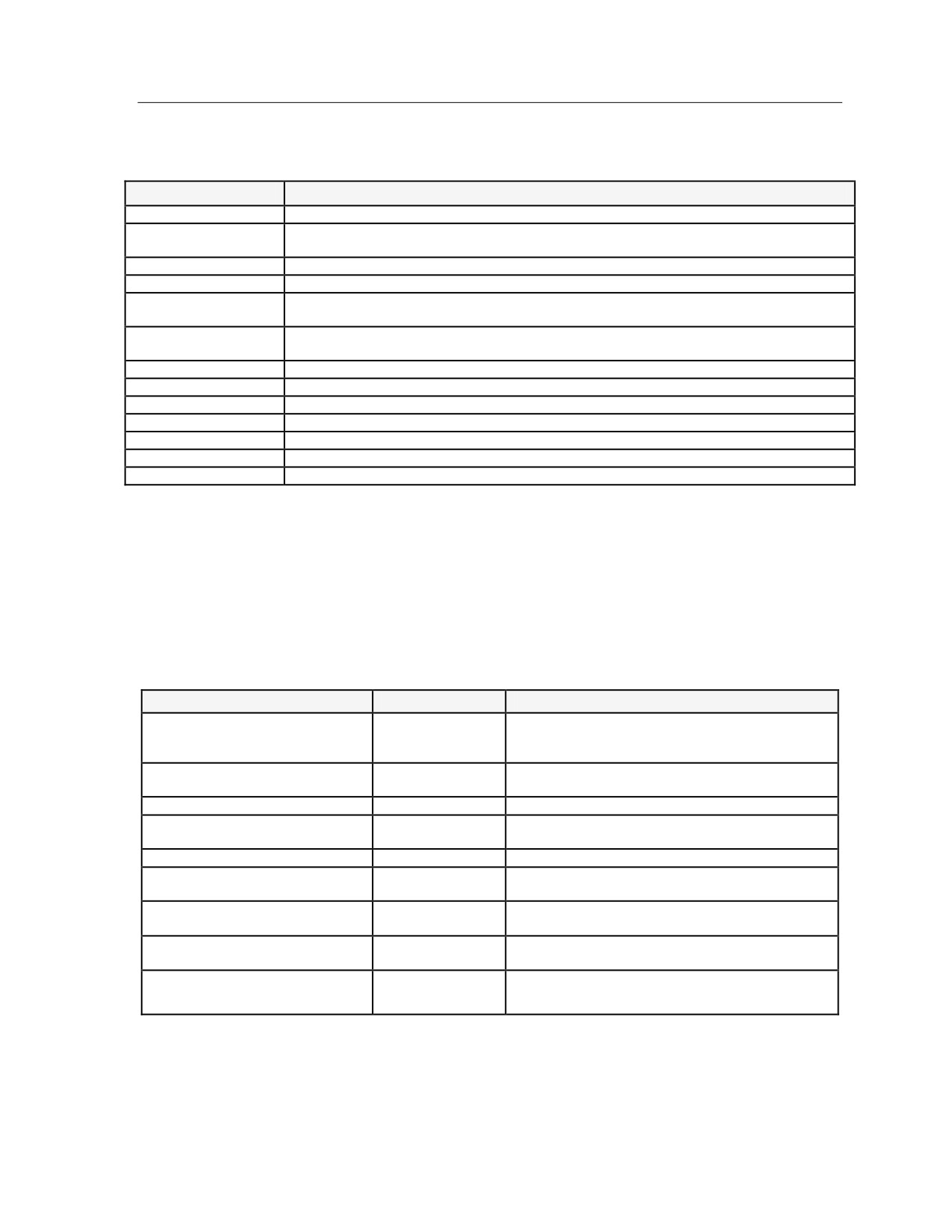
Operator’s manuals contain standard terminology for items of equipment. Table E-1 is a list of other
standard words and phrases that crew members may use.
Table E-1. Examples of standard words and phrases
Word or Phrase
Meaning
Abort
To terminate a preplanned maneuver (for example, an aborted takeoff).
Affirmative
Yes
Braking
Announcement made by the P* who intends to apply brake pressure.
Immediate action command to perform a maneuver to deviate from the present ground
Break
track; will be followed by “RIGHT,” or “LEFT.”
Command by the P* for a specified procedure to be read from the checklist by another
Callout
crew member.
No obstacle present to impede aircraft movement along intended direction of flight or
while taxiing on the ground; followed by direction of movement (Clear right/left). Also,
Clear
when preceded by the number one or two, indicates that the engine area has been
visually checked for personnel or other hazards before engine start.)
Contact
Traffic in sight or establish communication with.
Correct
Confirms a statement as being accurate; do not use “right” to indicate correct.
Statement that the P* is taking positive action to correct an out-of-tolerance flight
Correcting
parameter (drift or altitude).
An alert of the unannounced movement of the aircraft on final approach or takeoff; will be
Drifting
followed by direction (drifting right or left).
Egress
Immediate action command to get out of the aircraft.
Execute
Initiate an action.
Expect
Anticipate further instructions or guidance.
Fire light
Announcement of illumination of the master fire warning light.
Go ahead
Proceed with message.
Hold
Command to maintain present position.
Used as a command or announcement by the rated crew member (RCM) assuming
I have the controls
control of the flight controls.
Inside
Primary focus of attention is inside the aircraft.
Preceded by the word traffic, runway, obstacle, or descriptive term. Used to confirm that
In sight
an object is positively seen or identified.
Maintain
Command to keep or continue the same.
Move
Command to taxi the aircraft forward/backward, followed by distance. Also used to
forward/backward
announce intended forward or backward movement.
My power
The P* resumes control of the power levers from the P (fixed wing).
Negative
“No” or “that is not correct.”
Negative contact
Unable to establish communication with (followed by the name of the element).
No joy
Traffic or obstacle not positively seen or identified.
Normal
Condition as it should be. Airspeed check on takeoff roll.
Now
Indicates that an immediate action is required
Outside
Primary focus of attention is outside the aircraft.
Command to place the P*’s radio transmit selector switch to a designated position or to
Put me up
place a frequency in a specific radio.
Report
Command to notify.
Right
Used to indicate a direction to the right.
Roger
Message received and understood.
Rotate
The P callout when the aircraft has obtained takeoff decision speed (V1).
E-8
FM 3-04.240
30 April 2007
Aircrew Coordination and Instrument Flight
Table E-1. Examples of standard words and phrases
Word or Phrase
Meaning
Say again
Repeat transmission.
Command by the P* for the P to set takeoff power or maximum available power during a
Set power
go-around or missed approach (fixed wing).
Stand by
Wait. Duties of a higher priority are being performed.
Stop
Command to go no further; halt present action.
Traffic or obstacle positively seen or identified (will be followed by a repeat of the word
Talley
traffic or obstacle and the clock position).
Refers to any friendly aircraft that presents a collision hazard; will be followed by a clock
Traffic
position, distance, and reference to altitude.
Unable
Indicates the inability to comply with a specific instruction or request.
Up on
Indicates radio selected; followed by position number on ICS panel (Up on 3).
Verify
Request confirmation of information.
Wilco
I have received, understand, and will comply.
You have the controls
Used as a command or announcement by the pilot relinquishing the flight controls.
Your power
P returning control of the power levers to the P* (fixed wing).
You’re up
Announces a specific radio or frequency selected. “You’re up on 121.7 on number one.”
CREW COORDINATION CALLOUTS
E-30. Bold type identifies the crew member who should initiate the call. In certain situations, it is initiated
by the first crew member to observe or notice the event—and then the roles are reversed.
TAKEOFF
E-31. Table E-2 applies to an instrument takeoff.
Table E-2. Rotary and fixed wing instrument takeoff callouts
Action
P* Call/Response
P Call/Response
XX% (P calls actual value on torque display;
Collective increase to climb power
Climb power
continues to monitor and make calls as specified in
(Crew brief specifies value)
brief until climb airspeed reached)
10 KIAS from briefed climb
Roger 10 knots
10 knots prior
airspeed
Power levers advance
Set power
Power set
65 knots indicated (systems
Normal
normal)
Airspeed at V1
V1 Rotate
Abnormal or emergency condition
Aborting
Abort, Abort
prior to V1 (identified by P)
Aborting
(state
P* elects to abort prior to V1
Roger
problem)
Positive rate of climb (two
After P call “Gear
Positive rate
indications)
up”
“Gear is up” or “Gear did not retract”
Airspeed at 105 KIAS (flaps at
Flaps up
Flaps up
takeoff position)
CLIMB, CRUISE, AND DESCENT
E-32. If passing the 1,000-foot prior point and ATC communications are preventing the callout, either
crew member may raise the index finger in view of the other to indicate the 1,000-foot prior point (table
E-3, page E-10).
30 April 2007
FM 3-04.240
E-9

Appendix E
Table E-3. Climb/cruise/descent callouts
Action
P* Call/Response
P Call/Response
1,000 feet prior to level off
Roger
1,000 to go
Climbing through transition altitude
29.92 set left
29.92 set right
Descending through transition altitude or
XX.XX set (left or right as
Altimeter XX.XX
change to altimeter setting
applicable)”
ALL PHASES OF FLIGHT
E-33. Table E-4 applies to phases of flight.
Table E-4. Examples of calls/responses for all phases of flight
Observation
P* Call/Response
P Call/Response
100 feet prior to any altitude
Roger 100 to go
100 to go
Bank angle exceeds 30º
Correcting
Bank Angle
Airspeed deviates ± 10 KIAS
Increasing (decreasing) airspeed
Airspeed, XX knots low (high)
Altitude deviates ± 100 feet
Increasing (decreasing) altitude
Altitude, XX feet low (high)
Heading deviates ± 10º
Correcting right(left)”
Heading, XX degrees left (right)
INSTRUMENT APPROACH
E-34. Table E-5 applies to all instrument approaches except ground-controlled approach (GCA).
Table E-5. Examples of instrument approach calls/responses
Action
P* Call/Response
P Call/Response
Initial course/localizer movement
Roger
Course (localizer) alive
Course/localizer capture
Roger
Course (localizer) captured
Initial glide slope movement (precision
Roger
Glide slope alive
approach)
Glide slope capture (precision approach)
Roger
Glide slope captured
FAF
Time
Time started
1,000 feet before DA/DH/MDA
Roger
1,000 to go
500 feet before DA/DH/MDA
Roger
500 to go
100 feet before DA/DH/MDA
Roger
100 to go
MISSED APPROACH
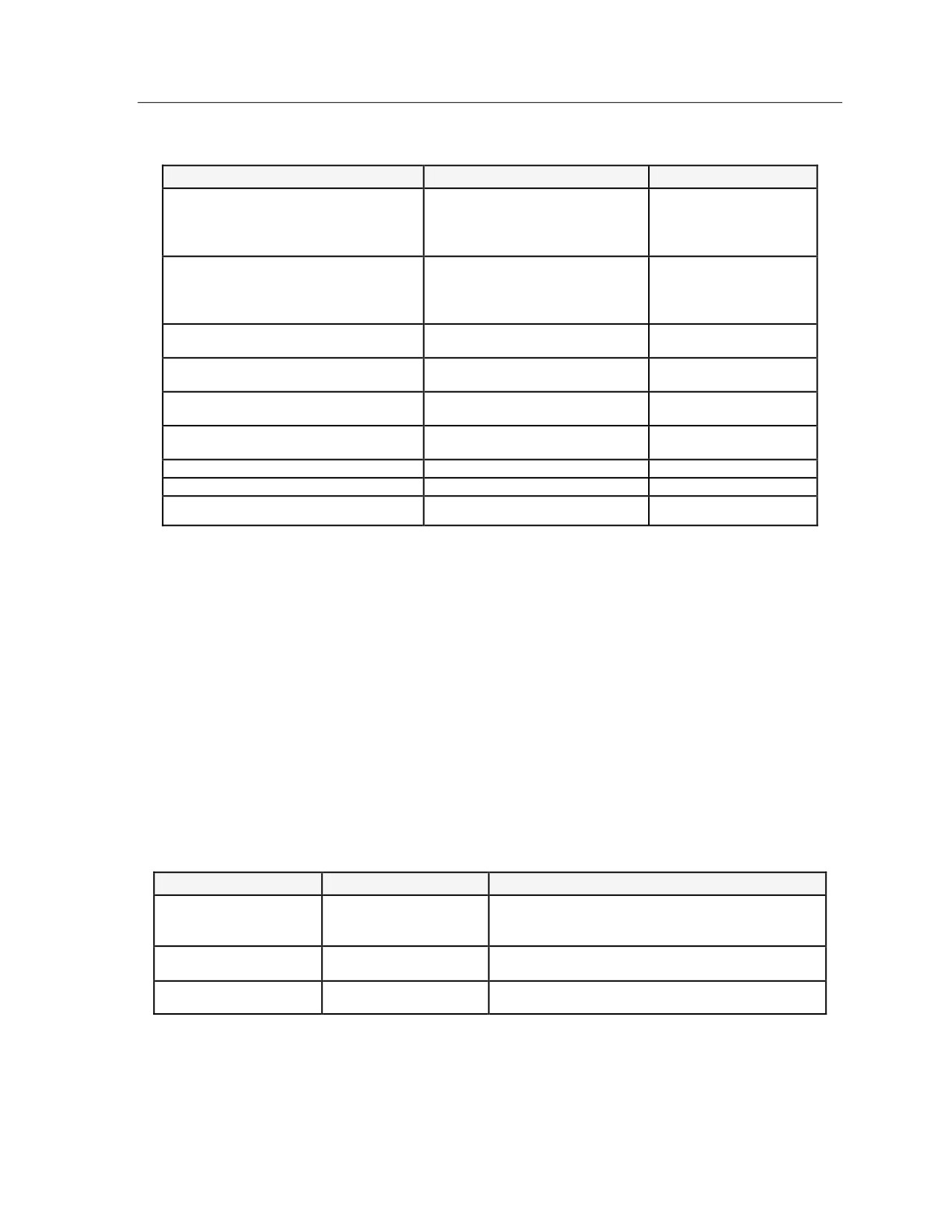
E-35. These callouts (table E-6, page E-11) apply when—
Aircraft has reached DA/DH, MAP, MAWP at the published MDA and appropriate visual
reference has not been called in sight.
Wind shear is encountered and affects the safe operation of flight.
If, after passing the FAF inbound, either the localizer, VOR, or GPS deviation indicator or glide
slope reaches full-scale deflection or if RAIM annunciation appears.
If, on reaching DA/DH or MAP, the aircraft is not continuously in a position from which a
descent to land on the intended runway can be made at a normal rate using normal maneuvers
permitting touchdown to occur within the touchdown zone.
If, while circling to land, visual contact with the runway environment is lost by both pilots.
E-10
FM 3-04.240
30 April 2007
Aircrew Coordination and Instrument Flight
Table E-6. Examples of missed approach calls/responses
Action
P* Call/Response
P Call/Response
DA/DH, Time’s up or
Straight-in approach-reaching missed
Roger, missed approach
MAP, negative
approach point, runway environment
(followed by missed approach
contact, missed
not in sight
actions)
approach
Visual contact lost, executing
Roger,
Circling approach-visual contact with
missed approach (followed by
Visual contact lost,
runway lost (crew member monitoring
actions)
execute missed
outside while circling initiates callout)
Roger, missed approach
approach
Go around segment after P* initiates
Climb power
Power set
the power application
After verifying two positive climb
Roger
Positive rate
indications
Go-around segment after P* initiates
Set power
Power set
the power application
After verifying two positive climb
Gear up
Positive rate
indications
Flaps beyond approach
Flaps approach
Flaps approach
Airspeed reaches 105 KIAS
Flaps up
Flaps up
When time and altitude permit
My power
Your power
VISUAL TRANSITION FROM INSTRUMENTS
E-36. The P seeks outside references during the approach while cross-monitoring the P*’s instruments.
Should visual reference deteriorate after a sighting call is made, call “visual contact lost.” If the aircraft has
not reached the missed approach point, the approach may be continued to DA/DH/MDA. If the aircraft has
passed the MAP and visual contact is lost, call “missed approach,” and complete missed approach actions.
E-37. Indicate to the P* when making the transition from instruments by stating the clock position along
with a visual cue. The callout indicates that the P* can remain in constant visual contact with the runway
environment from callout to landing. The P* must call “visual” before the aircraft continues below
DA/DH/MDA. After such a call is made, the P assumes primary responsibility for monitoring instrument
reference to touchdown and immediately calls out any deviation from normal operations. While at MDA
on straight in or circling approaches, the P should call out any deviation in altitude or abnormal approach
speeds. If level at MDA, the P* stays level at this altitude until calling “leaving MDA.” During a circling
maneuver when the runway is on the P’s side, use appropriate callouts to direct the P* when to make turns
with respect to the landing runway, traffic, or any necessary deviations (see table E-7).
Table E-7. Examples of calls/responses for instrument reference to visual
Action
P* Call/Response
P Call/Response
Approach lights (or other features identifiable with
Appropriate visual
On instruments (or
runway environment) in sight continue approach
references in sight
other intentions)
(or other recommended action)
Runway in sight (clock position), take over
Runway in sight
Runway in sight, visual
visually
P* departs MDA to land
Leaving MDA
Roger
APPROACH DEVIATIONS
E-38. Table E-8 shows examples of calls/responses for approach deviations. The two-challenge rule
applies to the callouts described in table E-8, page E-12.
30 April 2007
FM 3-04.240
E-11

Appendix E
Table E-8. Examples of calls/responses for approach deviations
Observation
P* Call/Response
P Call/Response
One dot (high/low) and
± one dot of glide slope
Correcting (up/down)
increasing/decreasing
One dot (left/right) and
± one dot of localizer/VOR/GPS
Correcting (left/right)
increasing/decreasing
5º (left/right) and
± 5º on NDB approach
Correcting (left/right)
increasing/decreasing
± 10 kts from approach speed
Increasing (decreasing) airspeed
Airspeed ten knots low (high)
Rate of descent exceeds 1,000 ft
Sink rate (amount) increasing
Reduce sink rate
per minute
(decreasing/holding)
EMERGENCIES/MALFUNCTIONS
E-39. The primary action during emergencies or system malfunctions is to continue flying the aircraft.
Table E-9 provides suggested callouts for these events.
Table E-9. Examples of emergency calls/responses
Observation
P* Call/Response
P Call/Response
“Confirm engine number one/two
Confirm engine failure number
Loss of an engine
has failed” or “Negative, number
one/two
(opposite) has failed”
Confirm or deny suspected
State conditions or indications
malfunction. (Make sure P*
Other system malfunctions
that lead you to believe that
continues to fly and does not get
you have a problem
distracted by emergency.)
Fixed Wing Specific
Loss of an engine (one or two)
“I confirm engine number
by control pressures and/or
Confirm engine number
one/two has failed,” or
instrument indications. Sequence
one/two has failed
“Yes, number X prop feathered,”
begins after power is applied and
Did the propeller feather?
or “No, it did not feather.”
aircraft stabilized.
Identify the number one/two
P places index finger on
(appropriate) prop lever
appropriate prop lever.
P* visually confirms the correct
Number one/two prop lever
Propeller did not feather
prop lever has been identified
identified.
“I agree, feather the prop” or
When directed by the P*, move
“Negative, reidentify the
prop to feather.
number X prop.”
Prop feathered.
Reaching designated airspeed,
Flaps up
Flaps up
according to operator’s manual
E-12
FM 3-04.240
30 April 2007
Glossary
SECTION I - ACRONYMS AND ABBREVIATIONS
14 CFR
Title 14 of the Code of Federal Regulations
AAF
Army airfield
AAR
after action report
AC
advisory circular
ACC
altocumulus castellanus (clouds)
acft
aircraft
ACSL
altocumulus (clouds)
ACTE
Aircrew Coordination Training Enhancement
ADAS
AWOS data acquisition system
ADDS
Aviation Digital Data Service
ADF
automatic direction finder
ADIZ
air defense identification zone
A/FD
Airport/Facility Directory
AFMAN
Air Force manual
AFOD
Army Flight Operations Detachment
AFSS
automated flight service station
aft
after
AFWA
Air Force weather agency
A/G
air/ground
AGL
above ground level
AHP
Army heliport
AIM
Aeronautical Information Manual
AIMS
ATCRBS, IFF, Mark XII identification system, and system
AIREP
air report
AIRMET
airman’s meteorological information
AKO
Army Knowledge Online
ALSF
approach lighting with sequenced flashing lights
alt
altitude
ALTN
alternate
ALTRV
Altitude Reservation
AM
amplitude modulation
AMD
amended
AMDT
amendment
AMOCC
air mobility operations control center
ANDS
acceleration-north/deceleration-south
30 April 2007
FM 3-04.240
Glossary-1
Glossary
ANT
antenna
AOPA
American Owners & Pilots Association
AOR
area of responsibility
AP
Area Planning
APG
Aviator Procedures Guide
appr
approach
AR
Army regulation
ARINC
Aeronautical Radio Incorporated
ARNG
Army National Guard
ARTCC
air route traffic control center
ARTS
automated radar terminal system
AS
airspeed
A/S
all stops
ASOS
automated surface observation system
ASR
airport surveillance radar
ATC
air traffic control
ATCRBS
Air Traffic Control Radar Beacon System
ATCT
airport traffic control tower
ATIS
automatic terminal information service
ATM
aircrew training manual
ATNAVICS
Air Traffic Navigation, Integration, and Coordination System
ATS
air traffic services
auto
automated
AWC
Aviation Weather Center
AWOS
automated weather observing system
B
beginning time
BC
back course
bd
board
BDL
Bradley International Airport designator
BECMG
becoming
BFO
beat frequency oscillator
BIRDTAM
bird activity NOTAM
BKN
broken
BL
blowing (dust, sand, snow, and/or spray)
BMNT
beginning morning nautical twilight
BR
mist
C
Celsius
C2
command and control
C/A
course acquisition
cal
calibrated
Glossary-2
FM 3-04.240
30 April 2007
Glossary
CAS
calibrated airspeed
CAT
clear air turbulence
cat
category
CB
cumulonimbus (clouds)
CBMAM
cumulonimbus mammatus (clouds)
CCSL
cirrocumulus (clouds)
CDI
course deviation indicator
CDU
control display unit
ceil
ceiling
CFA
controlled firing area
CFACC
combined forces air component commander
CFIT
controlled flight into terrain
CFP
computer flight plan
CH
compass heading; cargo helicopter; ceiling height (METAR code)
chan
channel
CIG
ceiling (height above ground level to base of clouds)
CLC
course line computer
CLD
clouds
CLR
clear
con
control
CONUS
continental United States
COP
changeover point
CP
circular polarization
CPU
central processing unit
CRAFT
clearance, route, approach, frequency, and transponder (code)
CRS
course
CTAF
common traffic advisory frequency
CWA
center weather advisory
D
degrees; day
DA
decision altitude; Department of the Army
DAFIF
Digital Aeronautical Flight Information File
DC
direct current
DD
Department of Defense
dep
departure
DER
departure end of the runway
desg
designation
DEST
destination
DH
decision height
DINS
DOD Internet NOTAM Distribution System
dist
distance
30 April 2007
FM 3-04.240
Glossary-3
Glossary
DME
distance measuring equipment
dn
down
DOD
Department of Defense
DOTD
Directorate of Training and Doctrine
DP
departure procedure
DR
dead reckoning
DS
dust storm
DSN
defense switched network
dsnt
distant
DT
daylight saving time
DTG
date-time group
DU
dust
DUATS
Direct User Access Terminal System
DURGC
during climb
DZ
drizzle
E
ending time; east
EAS
equivalent airspeed
EENT
ending evening nautical twilight
EFAS
en route flight advisory service
EFC
expect further clearance
E-field
electric field
EGI
embedded global positioning system/inertial navigation system
elev
elevation
EM
electromagnetic
emerg
emergency
EOVM
emergency obstruction video map
ESA
en route safe altitude
est
estimated
ETA
estimated time of arrival
ETD
estimated time of departure
ETE
estimated time en route
EUCARF
European Central Airspace Reservation Facility
ex
example
F
Fahrenheit
FA
area forecast
FAA
Federal Aviation Administration
FAF
final approach fix
FAR
Federal Aviation Regulation
FAT
free air temperature
FAWP
final approach waypoint
Glossary-4
FM 3-04.240
30 April 2007
Glossary
FBO
fixed base operator
FC
funnel cloud
FCG
Foreign Clearance Guide
fcst
forecast
FDC
flight data center
FG
fog
FIH
Flight Information Handbook
FIR
flight information region
FL
flight level
FLIP
Flight Information Publication
flt
flight
FM
frequency modulation; field manual
fm
from
FMC
flight management computer
FMS
flight management system
FOE
fixation, omission, and emphasis
FPM
feet per minute
FPNM
feet per nautical mile
FR
from
freq
frequency
FROPA
frontal passage
FSS
flight service station
ft
feet
FU
smoke
FZ
freezing
FZRA
light freezing rain
G
gust
GCA
ground controlled approach
GCO
ground communication outlet
GHz
gigahertz
GLS
GNSS landing system
GMT
Greenwich Mean Time
gnd
ground
GNSS
global navigation satellite system
GP
General Planning
GPS
global positioning system
GR
hailstones
GS
small hail or snow pellets
GUS
ground uplink station
gyr
gyroscope
30 April 2007
FM 3-04.240
Glossary-5
Glossary
gyro
gyroscope
HAA
height above airport
HAL
height above landing
HAT
height above touchdown
HDG
heading
HEIL
high intensity runway lights
HF
high frequency
HFD
Hartford
Hg
mercury
HH
Coast Guard helicopter
HIRL
high intensity runway lights
HIWAS
Hazardous In-flight Weather Advisory Service
hr
hours
HSI
horizontal situation indicator
HZ
haze
Hz
hertz
IAF
initial approach fix
IAP
instrument approach procedure
IAS
indicated airspeed
IAWP
initial approach waypoint
IC
ice crystals
ICAO
International Civil Aviation Organization
ID
identification
IDENT
identification
IF
intermediate fix
IFE
instrument flight examiner
IFF
identification friend or foe
IFR
instrument flight rules
IIMC
inadvertent instrument meteorological condition
illum
illumination (moon)
ILS
instrument landing system
IMC
instrument meteorological condition
inc
increasing
inop
inoperative
INS
inertial navigation system
IP
instructor pilot
IPH
Instrument Procedures Handbook
IR
IFR military training route
ISA
International Standard Atmospheric
ITO
instrument takeoff
Glossary-6
FM 3-04.240
30 April 2007
Glossary
IVSI
instantaneous vertical speed indicator
JFC
Joint force commander
JP
jet propulsion
KHz
kilohertz
KIAS
knots indicated airspeed
KM
kilometers
kt
knots
L
left
LAA
local airport advisory
LAAS
local area augmentation system
LAHSO
land and hold short operations
LDA
Localizer-type directional aid
ldg
landing
LF
low frequency
LHA
general-purpose amphibious assault ship
LHD
multipurpose amphibious assault ship
LLWAS
low-level wind shear alert system
LLZ
localizer facility
L/MF
low/medium frequency
LMM
locator middle marker
LNAV
lateral navigation
LOA
letter of agreement
LOC
localizer
LOM
locator outer marker
LPH
landing platform helicopter
LR
lead radial
LTD
limited
LTG
lighting
lvl
level
MAA
maximum authorized altitude
MALS
medium-intensity approach lighting system
MALSR
medium-intensity approach lighting system with runway alignment
indicator lights
MAP
missed approach point
MAWP
missed approach waypoint
max
maximum
MCA
minimum crossing altitude
MCS
master control station
MDA
minimum descent altitude
MEA
minimum en route altitude
30 April 2007
FM 3-04.240
Glossary-7
Glossary
MEF
maximum elevation figure
METAR
meteorological aviation report
MF
medium frequency
MFD
multifunction display
M-field
magnetic field
MH
magnetic heading
MHz
megahertz
MIA
minimum IFR altitude
MIFG
patches of shallow fog not deeper than 2 meters
MIN
minute
MLS
microwave landing system
MM
middle marker
MMLS
mobile microwave landing system
MN
magnetic north
MOA
military operations area
MOCA
minimum obstruction clearance altitude
MORA
minimum off route altitude
mov
moving
MR
moonrise
MRA
minimum reception altitude
MRAALS
Marine remote area automatic landing system
MS
moonset
MSA
minimum safe altitude
MSAW
minimum safe altitude warning
MSHP
mishap
MSL
mean sea level
MTR
military training route
MVA
minimum vectoring altitude
MVFR
marginal visual fight rules
N
north
N/A
not applicable
NACO
National Aeronautical Charting Office
NAD
North American datum
NAS
National Airspace System
NATS
North Atlantic Track System
NAUT
nautical
NAV
navigation
NAVAID
navigational aid
NAVAIR
Naval Air Systems Command
NCAR
National Center for Atmospheric Research
Glossary-8
FM 3-04.240
30 April 2007
Glossary
NCEP
National Centers for Environmental Prediction
NDB
nondirectional beacon
NEXRAD
Next Generation Weather Radar
NFDC
National Flight Data Center
NGA
National Geospatial-Intelligence Agency
NM
nautical miles
no
number
NOAA
National Oceanic and Atmospheric Adminstration
NOTAM
notice to airmen
NRP
national route program
NSA
national security area
NSN
national stock number
NSW
no significant weather
NTAP
Notices to Airmen Publication
NWS
National Weather Service
NYC
New York City
OAT
outside air temperature
OBS
omnibearing selector
OCONUS
outside continental United States
ODALS
outside directional approach lighting system
OIS
obstacle identification surface
OM
outer marker
onbd
onboard
ops
operations
OPTEMPO
operating tempo
OROCA
off route obstruction clearance altitude
OVC
overcast
OWS
operational weather squadron
P
pilot not on the controls
P*
pilot on the controls
PA
pressure altitude
pam
pamphlet
PANS-OPS
Procedures for Air Navigation Services-Aircraft Operations
PAR
precision approach radar
PC
pilot-in-command
PCL
pilot controlled lighting
PCN
planning change notice
PIREP
pilot weather report
PK
peak
PL
ice pellets
30 April 2007
FM 3-04.240
Glossary-9
Glossary
PMSV
Pilot-to-Metro Service
PO
dust/sand whirls
POB
persons on board
PPC
performance planning card
PPS
precise positioning service
PR
partial
pres
present; pressure
PRESFR
pressure falling rapidly
PRESRR
pressure rising rapidly
press
pressure
prob
probability (forecast)
P-static
precipitation static
PT
procedure turn
pt
point
pub
publication
pvt
private
PY
spray
QFE
atmospheric pressure at field elevation
QNE
standard altimeter
QNH
atmosphere pressure at nautical height
R
right
RA
rain
rad
radiation
RAIL
runway alignment indicator lights
RAIM
receiver autonomous integrity monitoring
RAMCC
Regional Air Movement Control Center
RAP
Research Applications Program
RAPCON
radar approach control
RCL
runway centerline lighting
RCM
rated crewmember
RCO
remote communications outlet
RCR
runway condition reading
REIL
runway end identifier lights
RF
radio frequency
rgnl
regional
RMI
radio magnetic indicator
RMK
remark
RNAV
area navigation
Rotor CLD
rotor cloud
RPM
revolutions per minute
Glossary-10
FM 3-04.240
30 April 2007
Glossary
RRS
Wiregrass (Midland City, Alabama) VORTAC
RSC
runway surface condition
RVR
runway visual range
RVSM
reduced vertical separation minumums
RVV
runway visual value
RWY
runway
S
south
SA
situational awareness
SARP
standards and recommended practice
SCSL
stratocumulus (clouds)
SCT
scattered
SEC
seconds
SFC
surface
SG
snow grains
SH
showers (precipitation)
SHRA
rain showers
SID
standard instrument departure
SIGMET
significant meteorological information
SKC
sky clear
sked
schedule
SLP
sea-level pressure
SM
statute mile
SN
snow
SOIR
simultaneous operations on intersecting runways
SPECI
special weather report
SPS
standard positioning service
SQ
squall
SR
sunrise
SS
sunset
SSALR
simplified short approach lighting system with runway alighment
indicator
SSALS
simplified short approach lighting system
SSN
social security number
SSR
secondary surveillance radar
STAR
standard terminal arrival route
STAT
statute
STBY
standby
STOL
short takeoff and landing
STT
special tactics team
SUA
special-use airspace
30 April 2007
FM 3-04.240
Glossary-11
Glossary
SVFR
special visual flight rules (fixed wing)
T
true
TAA
terminal arrival area
TACAN
tactical air navigation
TAF
terminal area forecast
TAS
true airspeed
TCH
threshold crossing height
TCU
towering cumulus (clouds)
TDZE
touchdown zone elevation
TEC
tower en route control
temp
temperature
tempo
temporary
TERPS
terminal instrument procedures
TFR
temporary flight restriction
TH
true heading
TIBS
telephone information briefing service
tkof
takeoff
TN
true north
TRACON
terminal radar approach control
TS
thunderstorms (precipitation)
TSO
technical standard order
TSRA
thunderstorm with rain
TTS
time to station
TWC
The Weather Channel
TWEB
transcribed weather broadcast
twr
tower
UCN
urgent change notice
UH
utility helicopter
UP
unknown precipatation
UHF
ultra high frequency
U.S.
United States
USAASA
United States Army Aeronautical Services Agency
USAAWC
United States Army Aviation Warfighting Center
USAR
United States Army Reserve
USNS
United States NOTAM System
UTC
universal time coordinated
V
variable
VA
volcanic ash
VAFTAD
volcanic ash forecast transport and dispersion
var
variation
Glossary-12
FM 3-04.240
30 April 2007
Glossary
VC
vicinity
VCFG
fog in the vicinity
VCSH
showers in the vicinity
VDP
visual descent point
VFR
visual flight rules
VHF
very high frequency
vis
visibility
VLF
very low frequency
VMC
visual meteorological conditions
VNAV
vertical navigation
Vne
velocity never exceed (airspeed)
VOR
very (high frequency) omnidirectional range
VORTAC
very (high frequency) omnidirectional radio range tactical air
navigation aid
VOT
VOR test facility
VR
VFR military training route
VRB
variable
VS
vertical speed
vsby
visibility
VSI
vertical speed indicator
VV
vertical visibility
VVI
vertical velocity indicator
W
without voice; west
w
with
WA
warning area
WAAS
wide area augmentation system
wea
weather
WMS
wide-area master station
wnd
wind
WGS
World Geodetic System
WP
waypoint
WRS
wide-area ground reference station
WS
report type designator for SIGMET
WSHFT
wind shift
WST
report type designator for convective SIGMET
wt
weight
WW
weather warning
WX
weather
Y
year
Z
zulu (time)
30 April 2007
FM 3-04.240
Glossary-13
Glossary
SECTION II - TERMS
aerodrome
Airfield; an area prepared for the accommodation (including any buildings, installations, and
equipment), landing and takeoff of aircraft.
agonic line
A line drawn on a map or chart joining points of 0 magnetic declination for a specified year date.
air route surveillance radar
Air route traffic control center radar used primarily to detect and display an aircraft’s position while
en route between terminal areas.
Airport/Facility Directory
An FAA publication containing information on all airports, communications, and NAVAIDs
pertinent to IFR flight; also known as A/FD.
annunciator
An electrically controlled signal board or indicator.
bezel
A rim that holds a transparent covering (as on a watch, clock, or headlight) or that is rotatable and
has special markings.
circling approach
A maneuver initiated by the aviator to align the aircraft with a runway for landing when a straight-in
landing from an instrument approach is not possible or is not desirable.
clearance limit
The fix, point, or location to which an aircraft is cleared when issued an air traffic clearance.
clearance void time
Used by ATC to advise an aircraft that the departure clearance is automatically canceled if takeoff is
not made prior to a specified time. The aviator must obtain a new clearance or cancel the IFR flight
plan if not off by the specified time.
common traffic advisory frequency (CTAF)
A designated frequency for the purpose of carrying out airport advisory practices while operating to
or from an airport that does not have a control tower or an airport where the control tower is not
operational. The CTAF is normally a UNICOM, MULTICOM, FSS frequency, or a tower
frequency. CTAF will be identified in appropriate aeronautical publications.
cruise clearance
Used in an ATC clearance to allow an aviator to conduct flight at any altitude from the minimum
IFR altitude up to and including the altitude specified in the clearance. Also authorizes an aviator to
proceed to and make an approach at the destination airport.
decision altitude
A specified altitude in the precision approach, charted in “feet MSL”, at which a missed approach
must be initiated if the required visual reference to continue the approach has not been established.
Also known as (DA).
DA will replace DH for Category I precision IAPs.
Glossary-14
FM 3-04.240
30 April 2007
Glossary
decision height
A specified altitude in the precision approach, charted in “height above threshold (HAT) elevation”,
at which a decision must be made to either continue the approach or to execute a missed approach.
Also known as (DH).
ILS Category II and III approach DHs are referenced to AGL and measured with a radar altimeter.
deviation
A magnetic compass error caused by local magnetic fields within the aircraft. Deviation error is
different on each heading.
dew point
The temperature at which a vapor (as water) begins or would begin to condense.
doghouse
A mark on the dial of a turn-and-slip indicator that has the shape of a doghouse.
Doppler radar
A radar system that differentiates between fixed and moving targets by detecting the apparent
change in frequency of the reflected wave caused by motion of the target or the observer.
encoding altimeter
An altimeter that sends signals to the ATC transponder, showing the pressure altitude the aircraft is
flying.
established
To be stable or fixed as, for example, on a route, route segment, altitude, heading, or published
segment of the approach.
established on course
The aircraft must be within half scale deflection for ILS and VOR/DME/TACAN/RNAV/GPS, or
within ±5 degrees of the required bearing for NDB.
fixating
Staring at a single instrument, thereby interrupting the cross-check process.
flight level
A level of constant atmospheric pressure related to a reference datum of 29.92 inches of mercury.
Each is stated in three digits that represent hundreds of feet. For example, FL 250 represents a
barometric altimeter indication of 25,000 feet; FL 355, an indication of 35,500 feet.
flimsy
A lightweight paper used especially for multiple copies.
height above airport
The height of the MDA above the published airport elevation. This is published in conjunction with
circling minimums; also known as HAA.
height above landing
The height above a designated helicopter landing area used for helicopter IAPs; also known as
HAL.
height above touchdown
The DH or MDA above the highest runway elevation in the touchdown zone (first 3,000 feet of the
runway). HAT is published on instrument approach charts in conjunction with all straight-in
minimums.
30 April 2007
FM 3-04.240
Glossary-15
Glossary
instrument approach procedure
A series of predetermined maneuvers for the orderly transfer of an aircraft under IFR from the
beginning of the initial approach to a landing or to a point from which a landing may be made
visually; also known as IAP.
isogonic lines
Lines drawn across aeronautical charts connecting points having the same magnetic variation.
Kollsman window
A barometric scale window of an altimeter referenced for changing altimeter settings.
lenticular
A type of cloud, shaped like a lens.
localizer
A directional radio beacon that provides to an aircraft an indication of its lateral position relative to
a predetermined final approach course.
lubber line
A fixed line on the compass of an aircraft that is aligned with the longitudinal axis of the aircraft.
Mach number
The ratio of the velocity of a body (as an aircraft) to that of sound in the surrounding medium (as
air).
magnetic bearing
The direction to or from a radio transmitting station measured relative to magnetic north.
magnetic heading
The direction an aircraft is pointed with respect to magnetic north; also known as MH.
marker beacon
A transmitter that directs its signal upward in a small, fan-shaped pattern. Used along the flightpath
when approaching an airport for landing, marker beacons indicate, both aurally and visually, when
the aircraft is directly over the facility.
middle marker
VHF marker beacon used in the ILS. When the NDB compass locator is collocated with an MM, it
is shown as LMM on instrument approach charts.
millibar
A unit of atmospheric pressure equal to 1/1000 bar or 100 pascals.
minimum descent altitude
The lowest altitude, expressed in feet above MSL, to which descent is authorized on final approach
or during circle-to-land maneuver in execution of a standard IAP where no glide slope is provided;
also known as MDA.
missed approach
A maneuver conducted by an aviator when an instrument approach cannot be completed to a
landing. A pilot executing a missed approach prior to the missed approach point (MAP) must
continue along the final approach to the MAP. The pilot may climb immediately to the altitude
specified in the missed approach procedure.
missed approach point
A point prescribed in each instrument approach procedure at which a missed approach procedure
shall be executed if the required visual reference does not exist.
Glossary-16
FM 3-04.240
30 April 2007
Glossary
movement area
The runways, taxiways, and other areas of an airport/heliport that are used for taxiing/hover taxiing,
takeoff and landing aircraft, exclusive of loading ramps, and parking areas.
MULTICOM
A mobile service, not open to public correspondence use, used for essential communications in the
conduct of activities performed by or directed from private aircraft.
outer marker
VHF marker beacon used in the ILS. When the NDB compass locator is collocated with an OM, it
is shown as LOM on instrument approach charts.
pascal
A unit of pressure in the meter-kilogram-second system equivalent to one newton per square meter.
pitot pressure
Ram air pressure used to measure airspeed.
pitot-static head
A combination pickup used to sample pitot pressure and static air pressure.
precipitation static
A form of radio interference caused by rain, snow, or dust particles hitting the antenna and inducing
a small radio-frequency voltage into it; also known as P-Static.
precision approach radar
An instrument approach in which ATC issues azimuth and elevation instructions for aviator
compliance, based on aircraft position in relation to the final approach course, glide slope, and
distance from the end of the runway as displayed on the controller’s radar scope; also known as
PAR.
radials
Courses oriented from a VOR or TACAN station.
relative bearing
The number of degrees measured clockwise between the heading of the aircraft and the direction
from which the bearing is taken.
reverse sensing
When the VOR needle indicates the reverse of normal operation. This occurs when the aircraft is
headed toward the station with a FROM indication or when headed away from the station with a TO
indication.
rigidity
The characteristic of a gyroscope that prevents its axis of rotation tilting as the Earth rotates.
rime
An accumulation of granular ice tufts on the windward sides of exposed objects that is formed from
supercooled fog or cloud and built out directly against the wind.
special-use airspace
Airspace in which certain activities are subject to restrictions that can create limitations on the
mixed use of airspace. Consists of prohibited, restricted, warning, military operations, and alert
areas.
St. Elmo’s fire
A corona discharge that lights up aircraft surface areas where maximum static discharge occurs.
30 April 2007
FM 3-04.240
Glossary-17
Glossary
standard rate turn
A turn of three degrees per second.
transmissometer
An instrument that measures the transmission of light through a fluid (as the atmosphere).
uncaging
Unlocking the gimbals of a gyroscopic instrument, making it susceptible to damage by abrupt flight
maneuvers or rough handling.
UNICOM
A nongovernment air/ground radio communication station that may provide airport information at
public use airports.
VFR Over-The-Top
A VFR operation in which an aircraft operates in VFR conditions on top of an undercast.
VFR-On-Top
ATC authorization for an IFR aircraft to operate in VFR conditions at any appropriate VFR altitude.
victor airways
Except in Alaska and coastal North Carolina, the VOR airways are predicated solely on VOR or
VORTAC navigation aids; they are depicted in blue on aeronautical charts.
VOR test facility
A ground facility which emits a test signal to check VOR receiver accuracy. Some VOTs are
available to the user while airborne, while others are limited to ground use only.
waypoint
A designated geographical location used for route definition or progress-reporting purposes and
defined relative to a VOR/DME station or in terms of latitude/longitude coordinates; also known as
WP.
ZULU
Time zone indicator for Universal Time.
Glossary-18
FM 3-04.240
30 April 2007
References
The bibliography lists field manuals by the new number, followed by the old number, when applicable. These
publications are sources for additional information on the topics in this field manual. Most joint publications
can be found at http://www.dtic.mil/doctrine/s_index.html. Most Army doctrinal publications are available
online at http://www.train.army.mil/. Federal Aviation Administration publications can be found online at
publishing.af.mil. Marine publications can be found online at https://www.doctrine.usmc.mil.
SOURCES USED
These are the sources quoted or paraphrased in this publication.
AIR FORCE PUBLICATIONS (AIR FORCE MANUAL)
AFMAN 13-220, Deployment of Airfield Operations, 1 May 1997
AFMAN 15-124, Meteorological Codes, 30 October 2001
ARMY PUBLICATIONS
AR 95-1, Flight Regulations, 3 February 2006
AR. 95-2, Airspace, Airfields/Heliports, Flight Activities, Air Traffic Control, and Navigational Aids,
29 December 2006
DA PAM 25-30, Consolidated Index of Army Publications and Blank Forms, 1 January 2007
DA PAM 738-751, Functional Users Manual for the Army Maintenance Management System—
Aviation (TAMMS-A), 15 March 1999
FM 1-120, Army Air Traffic Services Contingency and Combat Zone Operations, 22 May 1995
FM 1-230, Meteorology for Army Aviators, 30 September 1982
FM 1-564, Shipboard Operations, 29 June 1997
FM 3-04.301, Aeromedical Training for Flight Personnel, 29 September 2000
FM 3-52.3, Multi-service Procedures for Joint Air Traffic Control, 17 July 2003
DEPARTMENT OF DEFENSE PUBLICATIONS/JOINT PUBLICATIONS
DOD 4500.54-G, DOD Foreign Clearance Guide. 5 January 1992
DOD FLIP AP/1B, Military Training Route
FEDERAL AVIATION ADMINISTRATION (DEPARTMENT OF TRANSPORTATION)
PUBLICATIONS
AIM, Aeronautical Information Manual (AIM): Official Guide to Basic Flight Information and ATC
Procedures, 19 February 2006
FAA Advisory Circular 90-45A, Approval of Area Navigation Systems for use in the U.S. National
Airspace System, 21 February 1975
FAA Advisory Circular 150/5220-16C, Automated Weather Observing Systems (AWOS) for Non-
Federal Applications, 13 December 1999
FAA Order 7110.65, Air Traffic Control, 16 February 2006
FAA Order 7110.10, Flight Services, 3 August 2006
FAA Order 7210.3, Facility Operation and Administration, 3 August 2006
30 April 2007
FM 3-04.240
References-1
References
INTERNATIONAL CIVIL AVIATION ORGANIZATION (ICAO) PUBLICATIONS
ICAO Document 7910, Location Indicators, June 2006
MARINE PUBLICATIONS
Marine Corp Warfighting Publication (MCWP) 3-25.8, Marine Air Traffic Control Detachment
Handbook, 1 November 2004
DOCUMENTS NEEDED
These documents must be available to the intended users of this publication.
ARMY PUBLICATIONS
DA Form 2028, Recommended Changes to Publications and Blank Forms
DEPARTMENT OF DEFENSE PUBLICATIONS/JOINT PUBLICATIONS
DD Form 175, Military Flight Plan
DD Form 175-1, Flight Weather Briefing
DD Form 1613, Pilot’s Compass Correction Card
DD Form 1801, DOD International Flight Plan
FEDERAL AVIATION ADMINISTRATION (DEPARTMENT OF TRANSPORTATION)
PUBLICATIONS
FAA Form 7233-4, International Flight Plan
FAA Form 7233-1, Flight Plan
READINGS RECOMMENDED
These sources contain relevant supplemental information.
AFMAN 11-217, Volumes 1 and 2, Instrument Flight Procedures, 3 January 2005
AR 34-4, Army Standardization Policy, 15 March 1984
AR 40-8, Temporary Flying Restrictions Due to Exogenous Factors, 17 August 1976
AR 40-501, Standards of Medical Fitness, 27 June 2006
AR 95-10, Department of Defense Notice to Airmen (NOTAM) System, 1 August 2004
AR 385-10, The Army Safety Program, 29 February 2000
AR 385-95, Army Aviation Accident Prevention, 10 December 1999
AR 600-105, Aviation Service of Rated Army Officers, 15 December 1994
AR 600-106, Flying Status for Nonrated Army Aviation Personnel, 8 December 1998
DOD FLIP, Planning and En Route Publications
FAA-H-8083-3A. Airplane Flying Handbook, 2004
FAA-H-8083-15. Instrument Flying Handbook, 2001
FAA-H-8083-21. Rotorcraft Flying Handbook, 2004
FAA-H-8083-25. Pilot’s Handbook of Aeronautical Knowledge, 2003
FAA-H-8261-1. Instrument Procedures Handbook, 2004
FAR Part 1. Definitions and Abbreviations, 1 March 1992
FM 1-02, Operational Terms and Graphics, 21 September 2004
FM 1-100, Army Aviation Operations, 21 February 1997
References-2
FM 3-04.240
30 April 2007
References
FM 1-203, Fundamentals of Flight, 3 October 1988
FM 3-04.300, Flight Operations Procedures, 26 April 2004
FM 3-04.508, Aviation Life Support System Maintenance Management and Training Programs, 23
April 2004
FM 3-52, Army Airspace Command and Control in a Combat Zone, 1 August 2002
FM 3-100.2, ICAC2 Multiservice Procedures for Integrated Combat Airspace Command and Control,
30 June 2000
FM 5-19 (FM 100-14), Composite Risk Management, 21 August 2006
FM 7-0, Training the Force, 22 October 2002
FM 7-1, Battle Focused Training, 15 September 2003
FM 7-15, The Army Universal Task List, 31 August 2003
Naval Air Systems Command (NAVAIR) 00-80T-112, NATOPS Instrument Flight Manual, 15
October 2002
TC 1-210, Aircrew Training Program Commander’s Guide to Individual, Crew, and Collective
Training, 20 June 2006
TC 1-211, Aircrew Training Manual Utility Helicopter, UH-1, 9 December 1992
TC 1-218, Aircrew Training Manual Utility Airplane C-12, 13 September 2005
TC 1-237, Aircrew Training Manual, Utility Helicopter, H-60 Series, 27 September 2005
TC 1-238, Aircrew Training Manual, Attack Helicopter, AH-64A, 23 September 2005
TC 1-240, Aircrew Training Manual, Cargo Helicopter, CH-47D, 12 September 2005
TC 1-248, Aircrew Training Manual, OH-58D, Kiowa Warrior, 12 September 2005
TC 1-251, Aircrew Training Manual, Attack Helicopter AH-64D, 14 September 2005
TM 1-1500-204-23-1, Aviation Unit Maintenance (AVUM) and Aviation Intermediate Maintenance
(AVIM) Manual for General Aircraft Maintenance (General Maintenance and Practices)
Volume 1, 31 July 1992
TM 1-1500-204-23-2, Aviation Unit Maintenance (AVUM) and Aviation Intermediate Maintenance
(AVIM) Manual for General Aircraft Maintenance (Pneudralics Maintenance and Practices)
Volume 2, 31 July 1992
TM 1-1500-204-23-3, Aviation Unit Maintenance (AVUM) and Aviation Intermediate Maintenance
(AVIM) Manual for General Aircraft Maintenance (Maintenance Practices for Fuel and Oil
Systems) Volume 3, 31 July 1992
TM 1-1500-204-23-4, Aviation Unit Maintenance (AVUM) and Aviation Intermediate Maintenance
(AVIM) Manual for General Aircraft Maintenance (Electrical and Instrument Maintenance
Procedures and Practices) Volume 4, 31 July 1992
TM 1-1500-204-23-5, Aviation Unit Maintenance (AVUM) and Aviation Intermediate Maintenance
(AVIM) Manual for General Aircraft Maintenance
(Propeller, Rotor, and Powertrain
Maintenance Practices) Volume 5, 31 July 1992
TM 1-1500-204-23-6, Aviation Unit Maintenance (AVUM) and Aviation Intermediate Maintenance
(AVIM) Manual for General Aircraft Maintenance (Hardware and Consumable Materials)
Volume 6, 31 July 1992
TM 1-1500-204-23-7, Aviation Unit Maintenance (AVUM) and Aviation Intermediate Maintenance
(AVIM) Manual for General Aircraft Maintenance
(Nondestructive Testing and Flaw
Detection Procedures and Practices) Volume 7, 31 July 1992
TM 1-1500-204-23-8, Aviation Unit Maintenance (AVUM) and Aviation Intermediate Maintenance
(AVIM) Manual for General Aircraft Maintenance (Machine and Welding Shop Practices)
Volume 8, 31 July 1992
30 April 2007
FM 3-04.240
References-3
References
TM 1-1500-204-23-9, Aviation Unit Maintenance (AVUM) and Aviation Intermediate Maintenance
(AVIM) Manual for General Aircraft Maintenance (Tools and Ground Support Equipment)
Volume 9, 31 July 1992
TM 1-1500-204-23-10, Aviation Unit Maintenance (AVUM) and Aviation Intermediate Maintenance
(AVIM) Manual for General Aircraft Maintenance (Sheet Metal Shop Practices) Volume 10,
31 July 1992
TM 1-1500-328-23, Aeronautical Equipment Maintenance Management Policies and Procedures. 30
July 1999
TM 1-1510-218-10, Operator’s Manual for Army C-12C, C-12D, C-12T, and C-12C2 Aircraft. 4
September 2001
TM 1-1520-237-10, Operator’s Manual for UH-60A Helicopter, UH-60L Helicopter, EH-60A
Helicopter. 17 April 2006
TM 1-1520-238-10, Operator’s Manual for Helicopter, Attack, AH-64A Apache. 22 December 2005
TM 1-1520-240-10, Operator’s Manual for Army CH-47D Helicopter, 30 June 2006
TM 1-1520-248-10, Operator’s Manual for Army OH-58D Helicopter, 15 March 2005
TM 1-1520-251-10, Operator’s Manual for Helicopter, Attack, AH-64D Longbow Apache, 29 March
2002
TM 1-1520-253-10, Operator’s Manual for Army Models UH-60Q Helicopter, HH-60L Helicopter,
17 April 2006
TM 55-1520-210-10, Operator’s Manual for Army Model UH-1H/V Helicopters, 15 February 1988
Joint Pub 1-02, Department of Defense (DOD) Dictionary of Military and Associated Terms, 12 April
2001
NATO Standardization Agreement (STANAG) 2999, Use of Helicopters in Land Operations-
Doctrine-ATP-49(D), Volume 1, 18 May 2005
STANAG 3805, Doctrine for Joint Airspace Control-AJP-3.3-5(A), 5 April 2006
References-4
FM 3-04.240
30 April 2007
Index
References are to page numbers except for illustrations, which are listed by figure or table
numbers.
errors, 1-4
attitude indicator, 1-17, 2-5
A
fixed wing, 3-4
fixed wing, 3-3, 3-6
acceleration error, 1-14
radar, 1-7
rotary wing, 2-10, 2-12
remote altimeter setting, 4
Aeronautical Chart User
automated flight service
22
Guide, 10-4
station (AFSS), 4-9, 9-2
rotary wing, 2-11
Aeronautical Information
Automated Surface
altitude, 1-3
Manual (AIM), 10-3
Observing System (ASOS),
absolute, 1-3
agonic line, 1-11
C-20
density, 1-3
Air Navigation, 4-1
indicated, 1-3
Automated Weather
mandatory altitude for the
Observing System
air route traffic control center
(ARTCC), 9-5
approach, 4-18
(AWOS), C-20
maximum altitude for the
automatic direction finder
air traffic control facilities, 9-6
approach, 4-18
(ADF), 7-4
air traffic control frequencies,
maximum authorized
9-1
autorotations, 2-23
altitude (MAA), 4-7
Air Traffic Control
minimum altitude for the
B
Requirements and
approach, 4-18
barometric pressure, 1-5
Responsibilities, 11-6
minimum crossing altitude
Basic Radio Principles, 7-1
(MCA), 4-6
aircraft approach categories,
minimum en route altitude
beat frequency oscillator
4-20
(MEA), 4-5
(BFO), 7-4
aircraft control
minimum obstruction
bank, 2-8
C
clearance altitude
friction, 2-8
(MOCA), 4-6
Calculator Side, 5-1
pitch, 2-8
minimum reception
calibrated airspeed, 1-8
power, 2-8
altitude (MRA), 4-6
trim, 2-8
canceling an IFR flight plan,
off route obstruction
10-8
Airport Surveillance Radar
clearance altitude
(ASR), 10-51
(OROCA), 4-7
changeover point, 4-9
airport/facility directory
pressure, 1-3
circling
(A/FD), 10-3
selection, A-3
approach, 10-3
true, 1-3
minimums, 4-19
airspace classification, 8-1
angle of intercept, 7-21, 7-22
spproach, 10-54
class A airspace, 8-1
class B airspace, 8-1
approach
cold weather altimeter
class C airspace, 8-2
circling ,10-3, 10-54
correction, 1-5
class D airspace, 8-3
lighting systems, 4-21
communications failure, 11-8
class E airspace, 8-3
low altitude, 10-34
compass
class G airspace, 8-3
missed, 10-56
compass-only turns, 2-20
airspeed
straight-in, 10-3
correction card (DD Form
calibrated, 1-8
timed approach from a
1613), 1-13
equivalent,1-8
holding fix, 10-53
locator, 7-4
indicated, 1-8
to parallel runways, 10-53
systems, 1-10
true, 1-8
to stall, 3-24
turn computation, 2-21
without an operating
airspeed indicator, 1-7
turn correction diagram, 2
control tower, 10-30
fixed wing, 3-5
21
rotary wing, 2-11
approaches, 10-29
compass errors
alert area, 8-4
arc interception, 7-28
acceleration, 1-14
arc interception from a
deviation, 1-13
altimeter, 1-2
radial, 7-29
dip, 1-14
cold weather correction, 1
radial interception from an
oscillation, 1-15
5
arc, 7-29
turning, 1-14
encoding, 1-6
area planning (AP), 10-1
variation, 1-11
30 April 2007
FM 3-04.240
Index-1
Index
compulsory reporting point,
DD Form 175-1, C-1
estimated time en route
10-20
(ETE), A-4
dead reckoning
control sequence
computer, See CPU
F
at airport with control
26A/P
FAA Form 7233-1, 10-7
tower, 9-6
decision altitude (DA), 1-5
at airport without control
federal airway
decision height (DH), 1-5
tower, 9-7
jet route, 8-5
declination, 1-11
preferred IFR route, 8-5
controlled firing area (CFA),
Department of Defense
tower en route control, 8-6
8-4
Foreign Clearance Guide,
victor airway, 8-5
course deviation indicator
B-4
final approach fix (FAF), 1-5,
(CDI), 7-7
departure
4-16
course intercept, 7-21
departure procedure, 10
final approach guidance, 10
course reversal, 10-34
17
44
45/180, 10-36
departure procedure chart,
flight data center (FDC), 10
80/260, 10-36
4-11
13
CPU-26A/P, 5-1
diverse departure, 10-19
Flight Information Handbook
calculator side, 5-1
from airport without an
(FIH), 1-5, 10-2
converting distance to
operating control tower,
time, 5-12
10-19
Flight Management System,
distance conversion, 5-9
radar controlled, 10-19
1-20, 2-5
division, 5-12
Departures, 10-17
flight service station (FSS)
finding altitude for most
briefing, C-22
determining the direction of a
favorable wind, 5-16
course line, 4-25
flux valve, 1-16, 1-20
finding amount of fuel
burned, 5-7
Digital Aeronautical Flight
flying a DME arc, 7-30
finding fuel burn time, 5-6
Information File (DAFIF),
fog, 6-5
finding time for outbound
10-1
leg during holding, 5-4
Direct User Access Terminal
G
finding unknown wind, 5
System (DUATS), C-22
general planning (GP), 10-1
15
distance comparison, 4-3
GPS, 7-11, 10-44, E-12
fuel consumption, 5-6
approach procedures, 10
gallons and pounds
distance measuring
46
equipment (DME), 7-10
conversion, 5-6
final approach, 10-47
heading and ground
diverse departure, 10-19
flying the approach, 10-46
speed, 5-14
DME, 4-6, 4-7, 4-14, 7-2, 7
local area augmentation
multiplication, 5-11
28, 10-24, 10-29, 10-43
system (LAAS), 7-13
radius of action, 5-17
drawing a course line from a
missed approach, 10-47
rate of fuel consumption,
known point, 4-26
navigation, 7-33
5-8
receiver autonomous
short time and distance, 5
dynamic pressure, 1-7
integrity monitoring
3
E
(RAIM), 7-12, 10-46
time and distance, 5-2
satellite requirement, 7-34
true airspeed, 5-8
E6B computer, See CPU
wide area augmentation
true altitude, 5-10
26A/P
system (WAAS), 7-13
wind side, 5-13
electromagnetic (EM) wave,
gyroscopic systems, 1-16
crew coordination, E-5
7-1
callouts, E-9
embedded global positioning
H
cross-check, 2-5
system/inertial navigation
heading indicator
system (EGI), 7-12
fixed wing, 3-6
cross-check errors
emphasis, 2-7
Emergencies, 11-1
rotary wing, 2-12
fixation, 2-6
En Route, 10-20
height above airport (HAA), 4
omission, 2-6
19, 4-20
en route flight advisory
D
service (EFAS), C-28
height above landing (HAL),
4-19, 4-20
En Route Weather Reports,
DD Forms
C-20
height above touchdown
1613, 1-13, 7-8
(HAT), 4-19, 4-20
175, 10-5, A-1
equivalent airspeed, 1-8
175-1, A-1
helicopter procedures, 10-3
1801, 10-6
Index-2
FM 3-04.240
30 April 2007
Index
high altitude approach, 10-40
ILS, 10-22, 10-53, 10-57
obstacle identification
surface, 8-8
high frequency (HF) radio, 7-2
inadvertent icing encounter,
racetrack procedure, 8-15
11-2
holding, 10-24
standard altimeter (QNE),
beginning inbound timing,
inadvertent instrument
8-19
10-28
meteorological condition
transition altitude, 8-19
beginning outbound
(IIMC), 11-4
transponder operating
timing, 10-28
inadvertent thunderstorm
procedures, 8-20
DME, 10-29
encounter, 11-1
isogonic line, 1-11
drift correction, 10-25
inclinometer, 1-18, 1-19
finding time for outbound
J
leg during holding, 5-4
indicated airspeed, 1-8
jet route, 8-5
holding in lieu of
inertial navigation system
procedure turn, 4-15,
(INS), 7-14, 7-31
K
10-34, 10-37
initial approach fix (IAF), 4-13,
kilometer, 4-3
holding instructions, 10-25
10-34
pattern entry procedures,
Kollsman window, 1-2
instantaneous vertical speed
10-27
indicator (IVSI), 1-9
L
procedure turn (PT), 10-34
standard entry
instrument approach
land and hold short
procedures, 10-26
procedure, 4-4, 4-11
operations, 10-57
standard holding pattern
airport diagram, 4-21
Landing, 10-57
(no wind), 10-24
circling minimums, 4-19
landing fee, 10-57
standard holding pattern
landing straight-in
(with wind), 10-24
minimums, 4-19
local area augmentation
timed approach from a
margin identification, 4-11
system (LAAS), 7-13
holding fix, 10-53
plan view, 4-13
loss of situational awareness,
profile view, 4-16
11-4
homing to a station, 7-16
horizontal situation indicator,
instrument landing system
low-level wind shear alert
(ILS), 7-2, 10-47
system (LLWAS), 6-7
1-20
Instrument Procedures
I
M
Handbook (IPH), 10-4
ice formation temperature
Maltese cross symbol, 4-16
instrument takeoff (ITO)
ranges, 6-5
fixed wing, 3-1
mandatory altitude for the
IFR, C-7
rotary wing, 2-8
approach, 4-18
canceling an IFR flight
Maneuver Performance, 2-1
International Civil Aviation
plan, 10-8
Organization (ICAO), 8-7
marginal visual flight rules
clearances, 10-8
45 Degree/180 Degree
(MVFR), C-7, C-26
flight plan, 10-4
Procedure Turn, 8-10
maximum altitude for the
supplement, 10-2
80 degree/260 degree
approach, 4-18
IFR clearances, 9-3
procedure turn, 8-11
maximum authorized altitude
altimeter setting
IFR en route high altitude
(MAA), 4-7
procedures, 8-19
chart, 10-2
altimeter use in flight, 8-20
measuring direction on the
IFR en route low altitude
atmospheric pressure at
earth
chart, 4-4, 10-2
field elevation (QFE), 8
distance, 4-3
automated flight service
19
earth circumference, 4-3
station (AFSS), 4-9
atmospheric pressure at
speed, 4-4
hazardous inflight weather
nautical height (QNH),
measuring position on the
advisory service
8-19
earth
(HIWAS), 4-11
climb gradient, 8-8
decimal degrees, 4-2
legend, 4-5
departure procedures, 8-8
degrees and decimal
NAVAIDs and
departure rules, 8-9
minutes, 4-2
communication boxes,
departure with track
degrees, minutes, and
4-7
guidance, 8-9
seconds, 4-1
remote communications
holding, 8-17
outlet (RCO), 4-9
equator, 4-1
holding airspeed, 8-18
meridian, 4-1
transcribed weather
holding pattern length, 8
broadcast (TWEB), 4
meteorological aviation report
19
11
(METAR), C-7
maximum airspeed by
IFR supplement, 10-2
aircraft category, 8-10
30 April 2007
FM 3-04.240
Index-3
Index
military operations area
Other Maneuvers, 2-23, 3-24
S
(MOA), 8-4
outer marker (OM), 4-16
Sources of Flight Planning
military training route (MTR),
Information, 10-1
P
8-4
special use airspace (SUA),
pilot controlled lighting (PCL),
minimum altitude for the
8-3
4-21
approach, 4-18
alert area, 8-4
pilot-to-metro service (PTMS),
controlled firing area
minimum crossing altitude
C-28
(CFA), 8-4
(MCA), 4-6
pitot-static systems, 1-1
military operations area
minimum descent altitude
(MOA), 8-4
(MDA), 1-5, 10-45
plotter, 4-23
prohibited area, 8-3
minimum en route altitude
plotting and measuring, 4-23
restricted area, 8-3
(MEA), 4-5
position reports, 10-20
warning area, 8-4
minimum obstruction
power control
special weather report
clearance altitude (MOCA),
fixed wing, 3-8
(SPECI), C-8
4-6
rotary wing, 2-12
St. Elmo’s fire, 6-6, 11-2
minimum reception altitude
precipitation static (P-static),
standard crew terminology, E
(MRA), 4-6
11-2
8
minimum safe altitude (MSA),
precision approach radar
standard rate turn
4-14
(PAR), 10-52
fixed wing, 3-19
missed approach, 10-56
preferred IFR route, 8-5
rotary wing, 2-18
missed approach point
procedural tracks, 10-38
standard terminal arrival route
(MAP), 4-17, 10-44, 10-56,
(STAR), 10-22
procedure turn (PT), 4-15, 10
E-10
34
standard terminal arrival
N
Route chart, 4-11
prohibited area, 8-3
National Airspace System, 8
standard wind drift correction,
push the head, pull the tail, 7
1
7-21
16
National Airspace System
station passage, 7-25
R
(NAS)
statute mile, 4-3
off airways (direct), 10-16
radar altimeter, 1-7
step-down fix, 10-46
on airways, 10-15
radar approach, 10-50
straight climbs and descents
national security area, 8-5
ASR, 10-50
fixed wing, 3-12
no-gyro approach , 10-53
nautical knot, 4-4
rotary wing, 2-14
PAR, 10-50
nautical mile, 4-3
straight-and-level flight
radials, 7-6
Navigation Options in the
fixed wing, 3-2
radio magnetic indicator
National Airspace System,
rotary wing, 2-10
(RMI), 1-15
10-15
Straight-and-Level Flight, 2
radio wave types
Navigation Procedures, 7-14
10
sky wave, 7-2
Navigation Systems, 7-3
straight-in approach, 10-3
space wave, 7-2
no-gyro approach, 10-53
surface wave, 7-1
structural icing, 6-5
nondirectional beacon (NDB),
receiver autonomous integrity
T
4-7, 7-3, 7-18, 7-25, 7-36,
monitoring (RAIM), 7-12,
TACAN, 4-7, 7-8, 7-25, 7-28,
10-23, 10-42, 10-44, B-1,
10-46
10-44, B-2
E-12
reduced vertical separation
40-degree azimuth error
Notice to Airmen System, 10
minimums (RVSM), 10-14
lock-on, 7-9
11
regional air movement control
cone of confusion , -9
notices to airmen publication
center (RAMCC), B-1
teardrop procedure turn, 4-15
(NTAP), 10-4, 10-13
remote altimeter setting, 4-22
technical standard order
notices to airmen types, 10
remote compass transmitter,
(TSO)
11
1-16
C-115a, 7-34
C-129, 7-33
O
restricted area, 8-3
temporary flight restriction, 8
off route obstruction
runway visual range (RVR), 4
5
clearance altitude
20
(OROCA), 4-7
Index-4
FM 3-04.240
30 April 2007
Index
terminal area forecast (TAF),
timed, 2-19
C-16
two-challenge rule, E-7
terminal arrival area, 4-16
U
terminal high and low altitude
unusual attitudes
booklets, 10-2
fixed wing, 3-24
terminal radar approach
rotary wing, 2-23
control, 9-4
threshold crossing height
V
(TCH), 4-16
vertical situation indicator, 1
thunderstorms, 6-6
21
time and distance check from
vertical speed indicator (VSI),
a station, 7-26
1-8
fixed wing, 3-4
timed approaches from a
rotary wing, 2-11
holding fix, 10-53
vertical velocity indicator
touchdown zone elevation
(VVI), 1-8
(TDZE), 4-21
VFR, 7-14, 9-4, 10-8, 10-11,
tower en route control, 8-6, 9
10-19, 11-7, C-30
4
VFR over-the-top, 10-11
tracking
VFR-on-top, 10-10
inbound, 7-18
VFR-on-top, 8-3
outbound, 7-19
to a station, 7-16
victor airway, 8-5
transmissometer, 4-20
visual descent point (VDP), 4
17, 10-45
trim technique for fixed wing,
3-12
volcanic ash, 6-6
true airspeed, 1-8
VOR, 4-8, 7-5, 7-22, 9-1, 10
15, 10-42, 10-44, E-12
turbulence , 6-3
certified checkpoint, 7-8
turn coordinator, 1-19
changeover point (COP),
fixed wing, 3-7
4-9
turn-and-slip indicator, 1-18
radials, 7-6
rotary wing, 2-12
receiver accuracy check,
7-7
turning error, 1-14
test facility, 7-8
turns
tracking, 7-7
changing airspeed for
VORTAC, 7-10, 7-31, 10
fixed wing, 3-21
15, 10-43
changing airspeed for
rotary wing, 2-20
W
common errors for rotary
warning area, 8-4
wing , 2-22
weather briefing sources, A-1
common errors in fixed
wing , 3-22
Weather Reports Used For
compass only, 2-20
Planning, C-1
fixed wing, 3-19
Weather Risk Management
fixed wing climbing and
and Decision Making, C-21
descending, 3-21
wide area augmentation
holding in lieu of
system (WAAS), 7-13
procedure turn, 4-15
procedure turn (PT), 4-15,
wind drift, 6-2
10-34
angle, 6-2
rotary wing, 2-18
correction angle, 6-3
rotary wing climbing and
standard wind drift
descending, 2-22
correction, 7-21
steep turn in fixed wing, 3
wind shear, 6-6
20
scenario, 6-7
teardrop procedure turn,
Wind Side , 5-13
4-15
30 April 2007
FM 3-04.240
Index-5