FM 6-02.53 TACTICAL RADIO OPERATIONS (August 2009) - page 2
Chapter 4
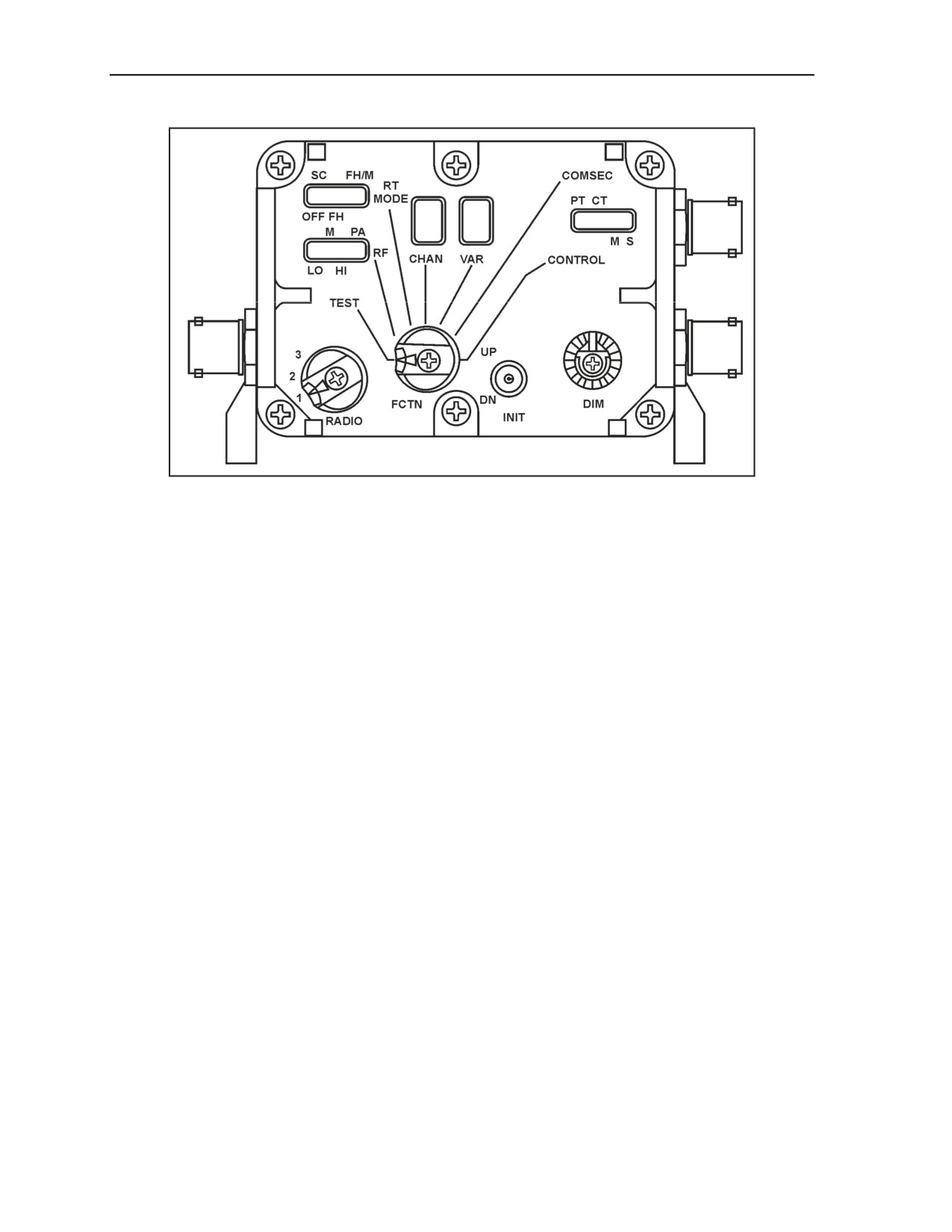
Figure 4-5. Intravehicular remote control unit, C-11291
SECURABLE REMOTE CONTROL UNIT
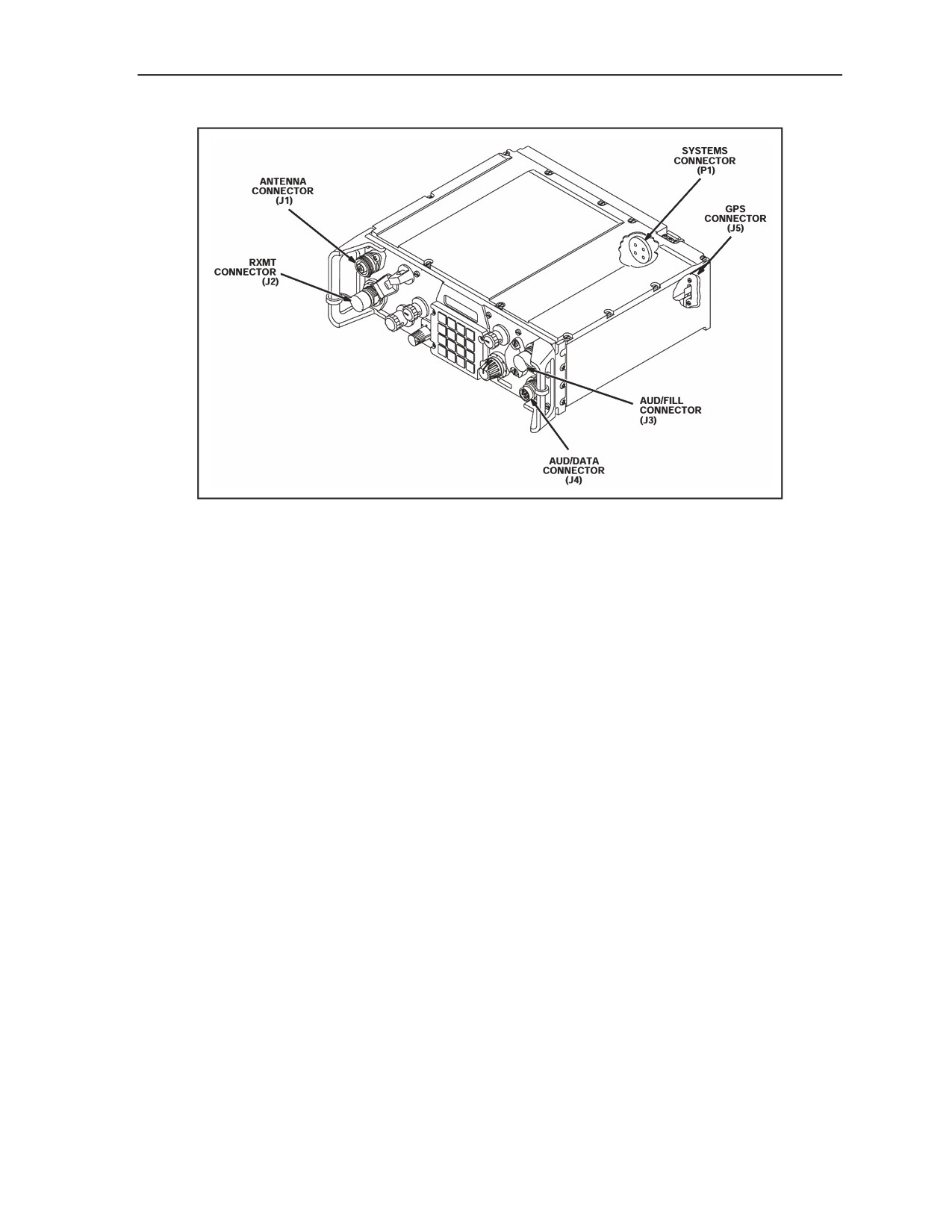
4-28. The SRCU, C-11561 can securely remote a single radio up to 4 km (2.4 miles). The SCRU and the
RT are connected using field wire on the binding posts of the amplifier adapter or battery box. The SRCU
appears and operates almost identically to the RT. The SRCU can secure the wire line between the radio
and the terminal set. The SRCU controls all radio functions including power output, channel selection, and
radio keying (refer to Figure 4-6, Securable remote control unit, C-11561).
4-29. The remote also provides an intercom function from the radio to the terminal unit and vice versa.
The COMSEC and data adapter devices may be attached directly to the SRCU for secure communications
over the transmission line, and optimal interface with digital data terminals. The SCRU replaced the
AN/GRA-39. Four main configurations of the SRCU include—
z
Manpack; radio in vehicular mounting adapter.
z
Vehicular mounting adapter; radio in manpack.
z
Manpack; radio in manpack.
z
Vehicular mounting adapter; radio in vehicular mounting adapter.
4-8
FM 6-02.53
5 August 2009
Very High Frequency Radio Systems
Figure 4-6. Securable remote control unit, C-11561
AN/CYZ-10, AUTOMATED NET CONTROL DEVICE
4-30. The AN/CYZ-10, automated net control device (ANCD) is capable of receiving cryptographic net
information from the Army Key Management System (AKMS) workstation. It can obtain keys from the
system key generators or from a hard copy key. Once received, the keys are correctly matched to the
cryptographic net information.
4-31. The ANCD has the capacity to store a large number of keys along with related information that will
assist a cryptographic NCS in accounting for, distributing, updating, and replacing cryptographic keys.
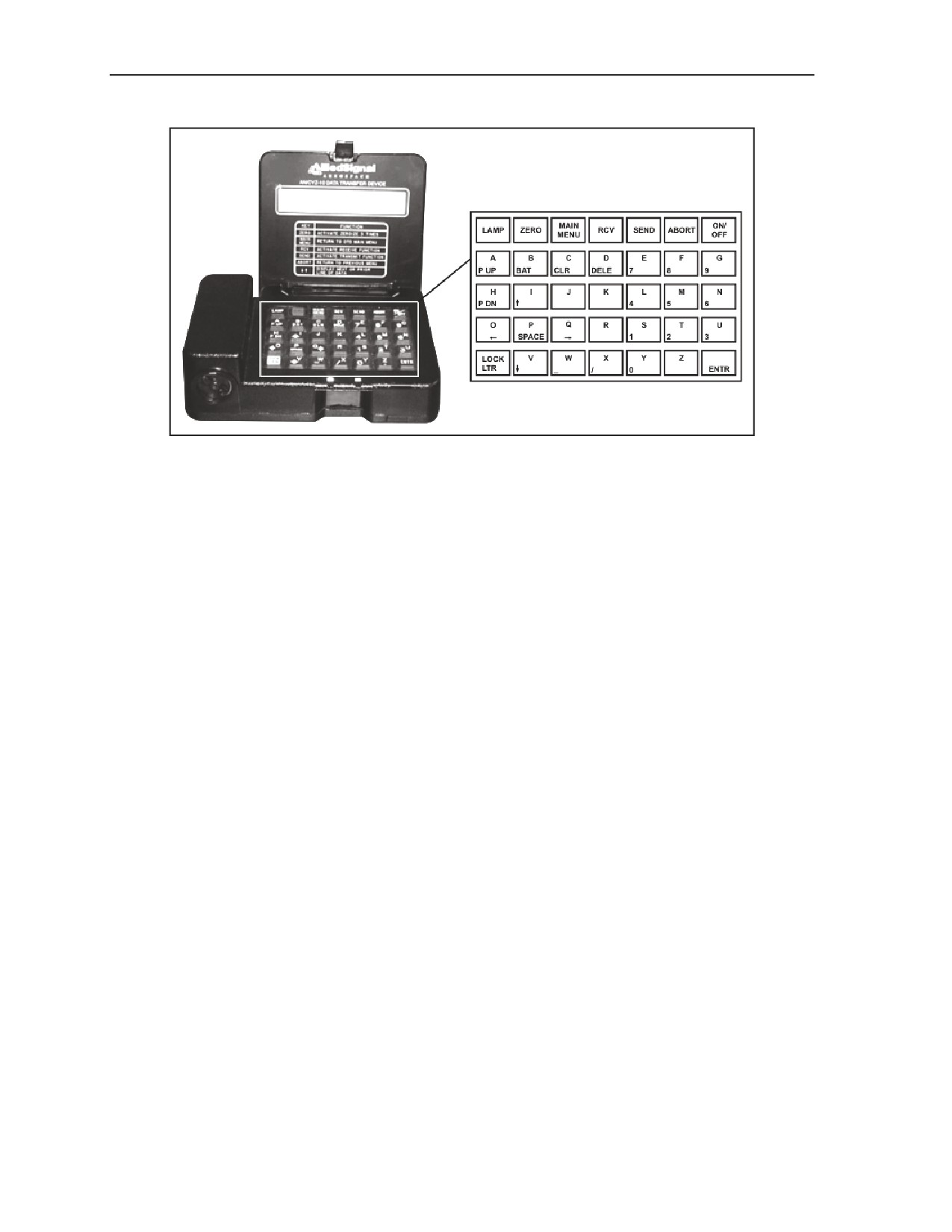
Figure 4-7 is an example of the ANCD, AN/CYZ-10. (Refer to TB 11-5820-890-12 for more information
on the ANCD.)
4-32. The ANCD is primarily used for handling COMSEC keys, FH data, sync times, and SOI
information. A typical ANCD data load at the operator level consists of two loadsets (COMSEC keys and
FH data for all six radio channels), each is good for 30 days of operation, plus 60 days of SOI information,
structured in five ten-day editions, containing two five-day sets each. The ANCD eliminates the need for
most paper SOI products. The ANCD replaces the KYK-13, KYX-15, MX-18290, and the MX-10579 in
support of SINCGARS.
4-33. The ANCD can store up to 20 loadsets (COMSEC and FH data). The number of smaller unit SOI
editions that can be stored in an ANCD depends on the size of the SOI extract. The ANCD can also store
up to
120 COMSEC keys (traffic encryption key [TEK] and key encryption key [KEK]) or 280
transmission security keys (TSKs).
5 August 2009
FM 6-02.53
4-9
Chapter 4
Figure 4-7. Automated net control device, AN/CYZ-10
4-34. The ANCD supports—
z
Memos—receives, stores, and transfers up to four short memos, each six lines in length, with 22
characters per line.
z
Over-the-air rekeying (OTAR)—supports both automatic keying and manual keying.
z
Broadcasts—transmits SOI information from one location to another electronically.
z
Secure telephone units (STUs)—allow COMSEC keys, FH data, and SOI information to be
sent from one location to another.
z
Precision lightweight global positioning system receiver
(PLGR)—is capable of being
loaded with the required operational key through the use of the ANCD.
COMPUTER SYSTEM, DIGITAL AN/PYQ-10
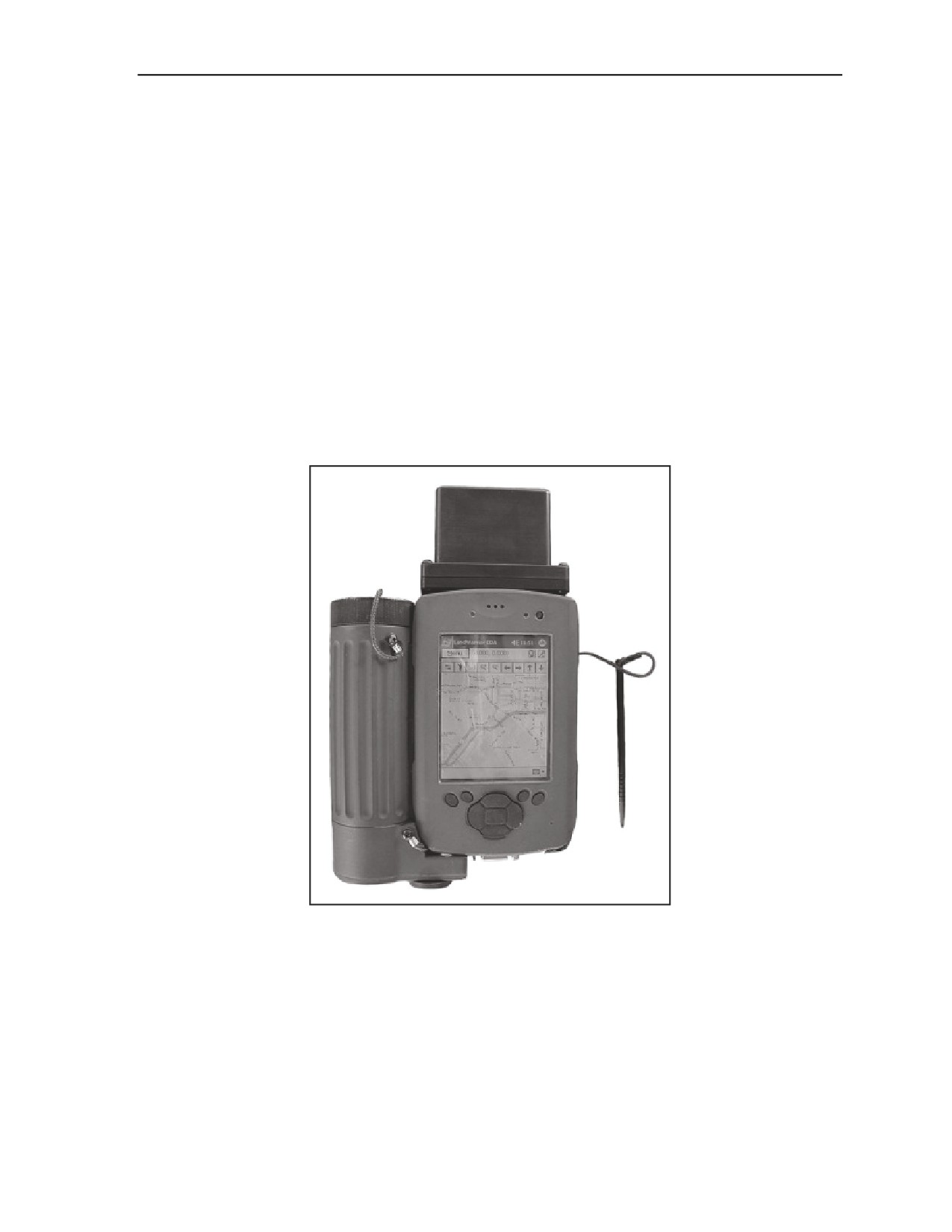
4-35. The AN/PYQ-10, simple key loader (SKL), was designed as a replacement for the AN/CYZ-10,
ANCD. (Refer to Figure 4-8 for an example of the SKL.) A limited understanding of the Electronic Key
Management System (EKMS) operating environment is helpful in understanding the operation of the SKL.
The components of the EKMS include—
z
EKMS Tier 0. The National Security Agency (NSA) central facility provides for production,
management, and distribution of specialized electronic cryptographic key and associated
materials.
z
EKMS Tier 1. Facilities serve as focal points for the production, management, and distribution
of service unique electronic cryptographic key and materials. Tier 1 facilities also provide an
interface between the central facility and service EKMS Tier
2 elements, and facilitate
interoperability for joint operations at the theater and strategic levels.
z
EKMS Tier 2. Tier 2 or local communications security management software
(LCMS)
workstations perform generation, management, and distribution of electronic keying material.
The LCMS workstation works in conjunction with the SKL to distribute electronic keying
material to those networks with electronically keyed COMSEC equipment.
z
Automated communications engineering software
(ACES) workstations. The ACES
workstation integrates cryptonet planning, electronic protection
(EP) distribution, and SOI
generation, management, and distribution. The ACES workstation works in conjunction with the
SKL to automate cryptonet control operations for networks with electronically keyed COMSEC
equipment.
4-10
FM 6-02.53
5 August 2009
Very High Frequency Radio Systems
z
EKMS Tier 3. Tier 3 or the SKL device integrates the functions of COMSEC key management,
control, distribution, EP management, SOI management, benign fill, and other specialized
capabilities into one comprehensive mobile system. The SKL will interface with the ACES and
LCMS workstations to receive its database information and then interface with end
cryptographic units to upload the required keying material and information to those units.
4-36. The hardware platform that hosts the SKL software (including the Secure Library) is a vendor
supplied ruggedized personal digital assistant device equipped with a KOV-21 Personal Computer Memory
Card International Association card. The SKL is not equipped with a hard drive so all programs are stored
in non-volatile flash memory.
4-37. The KOV-21 provides Type I encryption/decryption services and provides the secure interface
between the host computer and interfacing devices. The SKL uses an embedded KOV-21 approach. As
such, the NSA requires that a CIK be used to lock and unlock the KOV-21 information security card.
4-38. The CIK is a separate, removable, non-volatile memory device designed to protect internal SKL keys
and data from physical compromise when the SKL is in an unattended, non-secured environment. When
the CIK is removed from the SKL, the KOV-21 card cannot be unlocked. Therefore, access to the data is
denied. The absence of the CIK prevents the use of SKL operations. (Refer to TM 11-7010-354-12&P for
more information on the SKL.)
Figure 4-8. AN/PYQ-10 simple key loader
NAVIGATION SET, AN/PSN-11 PRECISION LIGHTWEIGHT GPS RECEIVER
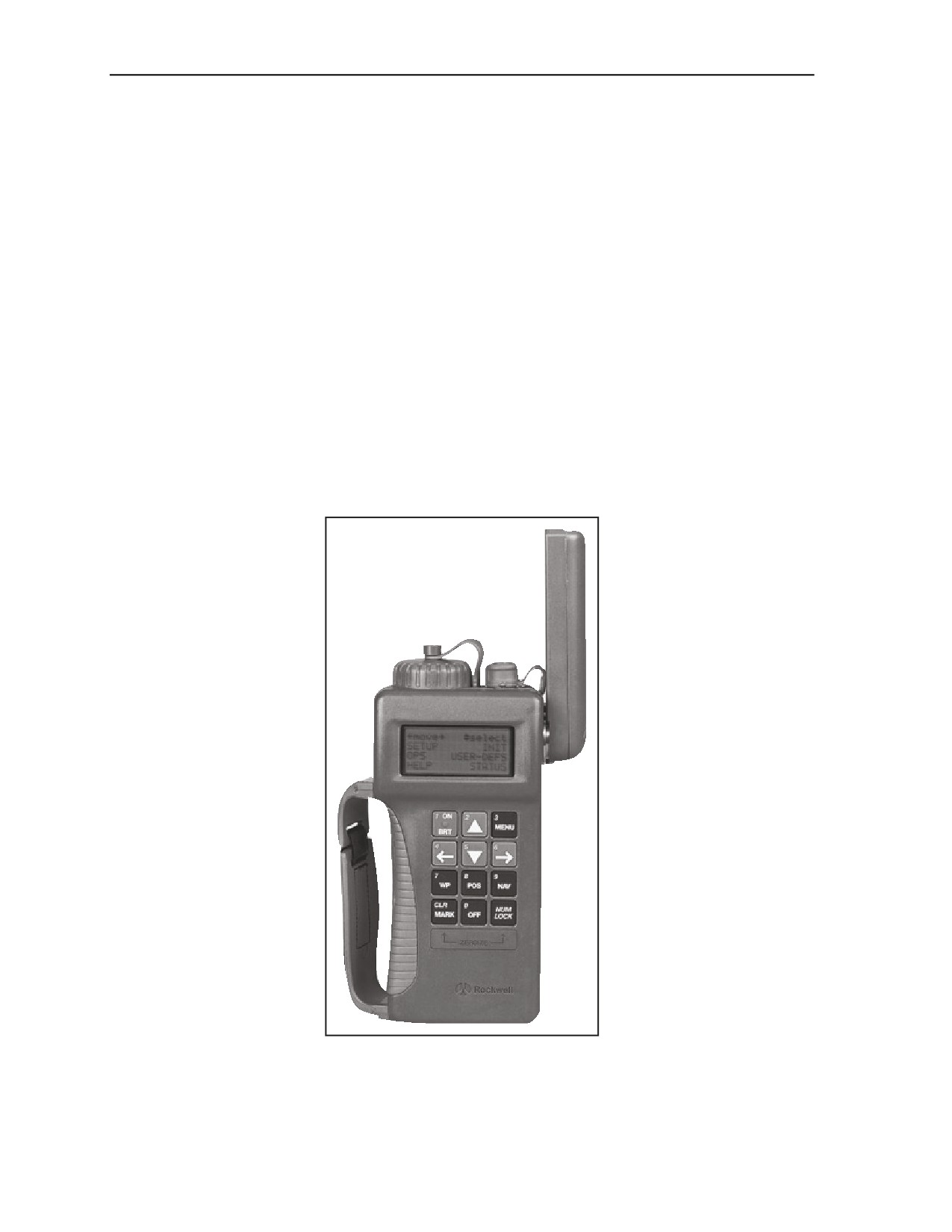
4-39. The PLGR is a self-contained, handheld, five channel single frequency GPS receiver that provides
accurate position, velocity, and timing data to individual Soldiers and integrated platform users. (Refer to
Figure 4-9 for an example of the PLGR.) The PLGR computes accurate position coordinates elevation,
speed, and time information from signals transmitted by the GPS satellites.
4-40. The PLGR selects satellites that are 10 degrees or more above the horizon (elevation angle) during
initial acquisition. The PLGR requires a minimum of three satellites for location and four for elevation. It
5 August 2009
FM 6-02.53
4-11
Chapter 4
also utilizes precise timing from satellite to receiver to determine location and elevation and LOS to
satellite receiver and COMSEC allow maximum accuracy. It can also be used with an external power
source and an external antenna. Features of the PLGR include—
z
Continuous tracking of up to five satellites.
z
Course/Acquisition, precise, and encrypted P code capability.
z
One handed operation.
z
Backlit display and keyboard for night operation.
z
Operates in all weather, day and night.
z
Produces no signal that can reveal your position.
z
Automatically tests itself during operation.
z
Capability to store up to 999 waypoints.
z
Capability to stores up to 15 routes with up to 25 legs per route.
z
Sealed against dust and water to a depth of 1 meter (3.2 ft).
z
Compatible with night vision goggles.
4-41. FH radios such as the SINCGARS depend on accurate time as part of the FH scheme. The PLGR
supports SINCGARS in terms of precise time synchronization. GPS time is loaded into the SINCGARS
from the PLGR. This data is loaded from connector J1 on the PLGR. The time figure of merit must be
seven or less and have a SINCGARS connected. (For more information on the PLGR refer to TB 11-5825-
291-10-2 and/or TM 11-5825-291-13.)
Figure 4-9. AN/PSN-11 precision lightweight GPS receiver
4-12
FM 6-02.53
5 August 2009
Very High Frequency Radio Systems
AN/PSN-13 (A) DEFENSE ADVANCE GPS RECEIVER
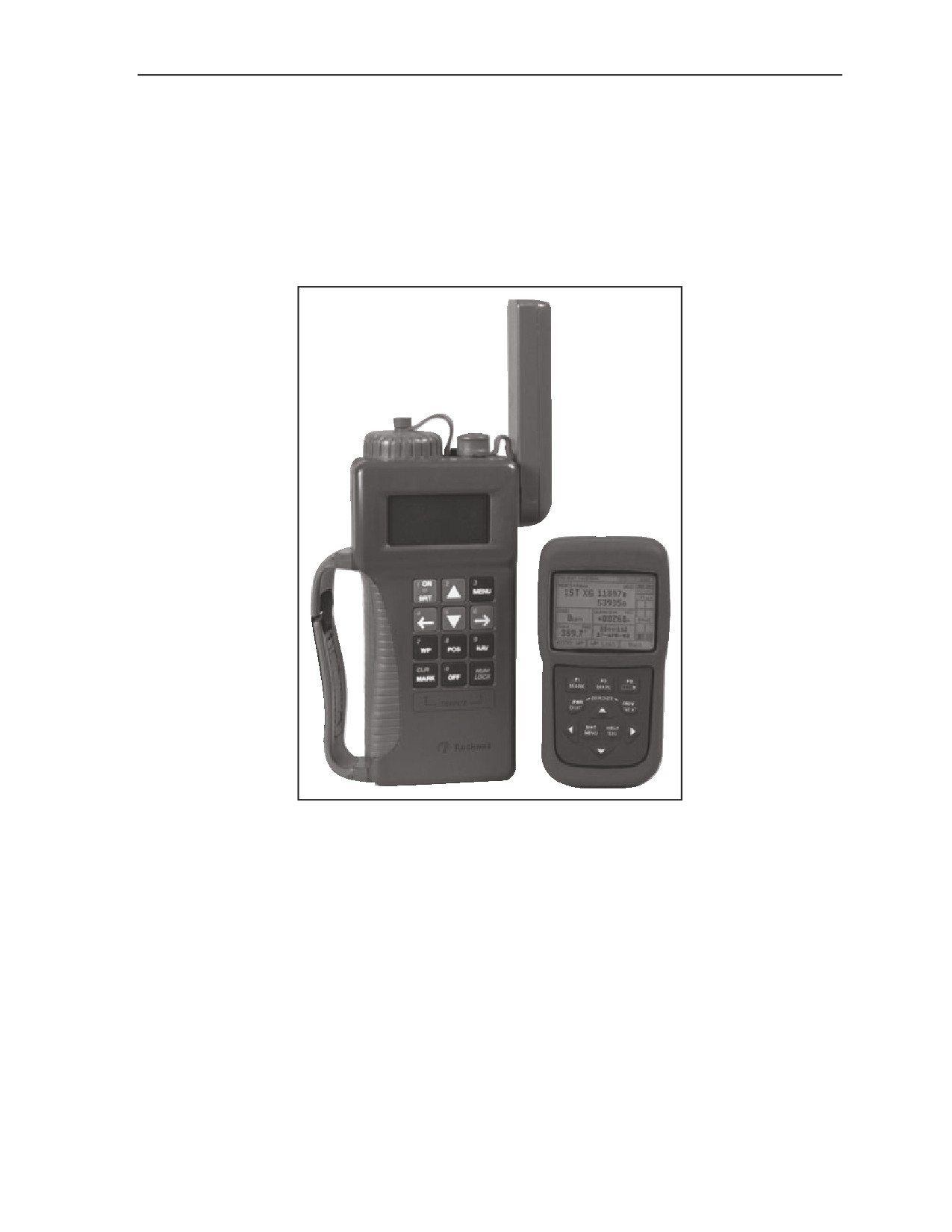
4-42. The defense advance global positioning system receiver (DAGR) was designed to replace the PLGR.
The DAGR collects and processes the GPS satellite link one (L1) and link two (L2) signals to provide
position, velocity, and timing information, as well as position reporting and navigation capabilities. The
DAGR is primarily a handheld unit with a built-in integral antenna, but can be installed in a host platform
(ground facilities, air, sea, and land vehicles) using an external power source and an external antenna.
When the DAGR is used as a handheld unit it can also operate with an external L1/L2 antenna external
power source. (Refer to Figure 4-10 for an example of the DAGR compared to a PLGR.)
Figure 4-10. AN/PSN-13 DAGR compared to a PLGR
4-43. Equipment capabilities and features of the DAGR include—
z
Signal acquisition using up to 12 channels.
z
Navigation using up to 10 channels.
z
Accepts differential GPS signals.
z
Backlit display and keypad for night operation.
z
Operates in all weather, day or night.
z
Produces no signals that can reveal your position.
z
Automatically tests itself during power up.
z
Operates on +9 to +32 volts direct current (VDC) external power.
z
Performs area navigation functions, storing up to 999 waypoints.
z
Stores up to 15 routes with up to 1000 legs for each route.
z
Resists jamming.
z
Resists spoofing when cryptographic keys are installed.
5 August 2009
FM 6-02.53
4-13
Chapter 4
z
Sealed against dust and water to a depth of 1 meter (3.2 ft) for 20 minutes.
z
Interconnects with other electronic systems.
z
Uses quick disconnect connectors and fasteners to allow easy unit replacement.
z
Compatible with night vision goggles and does not trigger blooming.
z
Uses internal compass to compute track and ground speed when moving at or below 0.5 meters
(1.6 ft) per second.
DAGR and SINCGARS
4-44. The DAGR has a precise positioning service, HAVEQUICK, and SINCGARS page that is used to
configure a DAGR communication port for a time synchronizing output from the DAGR (using external
connectors J1 or J2) to another piece of equipment, such as a SINCGARS. (For more information on the
DAGR refer to TB 11-5820-1172-10 and TM 11-5820-1172-13.)
VEHICULAR INTERCOMMUNICATIONS SYSTEM, AN/VIC-3
4-45. The VIS, AN/VIC-3 provides communications among crewmembers inside combat vehicles and
externally over as many as six CNRs. (Refer to TM 11-5830-263-10 for operators’ level information on the
VIC-3) The VISs active noise reduction (ANR) capability offers significant improvements in speech
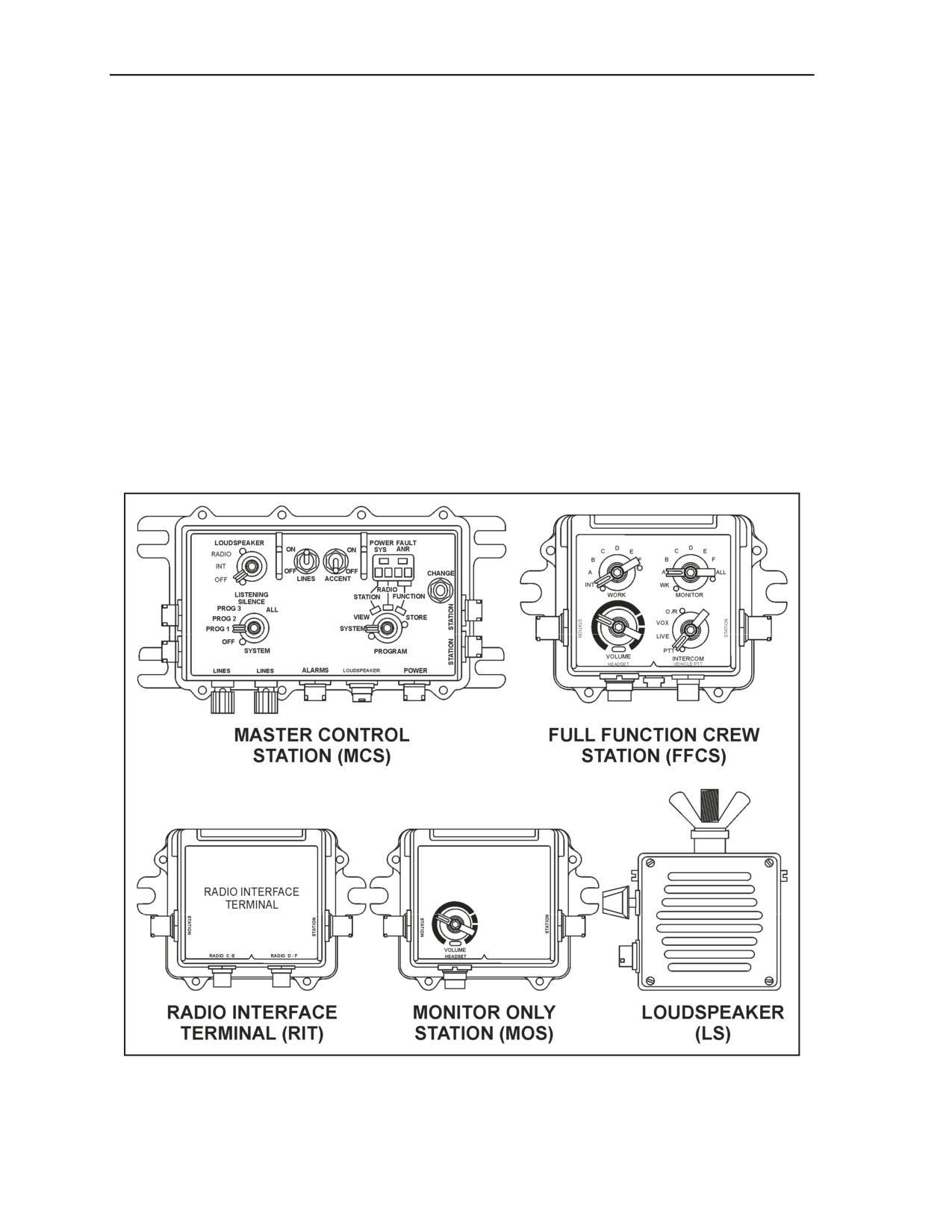
intelligibility, aural protection, and vehicle crew performance. Figure 4-11 shows the VIS components.
Figure 4-11. Vehicular intercommunications system, VIC-3 components
4-14
FM 6-02.53
5 August 2009
Very High Frequency Radio Systems
Master Control Station
4-46. The master control station (MCS) is the central node of the VIS. It connects directly to vehicle prime
power, and provides the rest of the system with regulated power. The MCS provides connections for up to
two radio transceivers, vehicle alarms, a loud speaker, and a pair of field wires (used to connect a field
telephone, another MCS, GRA-39, SRCU, or an AN/VIC-1). The MCS performs a BIT routine on power-
up, and continuous performance monitoring of the system.
4-47. The MCS contains built-in radio programming, providing control of radio access at all stations. The
MCS allows the vehicle commander to enter five radio access operating modes using the system switch.
Three of the modes are fully programmable, and when programmed, they contain specific rules that govern
the radio transmit and radio receive access for each individual crewmember. Complete program rules are
established on board at any time without external equipment.
Full Function Crew Station
4-48. The full function crew station is the interface between the VIS and the combat crewmember headset.
It controls the headset volume and provides the user access to up to six onboard radios. The radio
selections allow the user to communicate on any one radio while monitoring traffic on an additional radio
or all radios. The full function crew station provides live (hot-mike) or voice operated keying facilities for
hands free operation. An override facility provides an emergency position whereby the operator can force
his intercom signal to all other crewmembers.
Monitor Only Station
4-49. The monitor only station provides a listen-only intercom capability for crewmembers in vehicles. All
monitor only stations can operate through the vehicle slip rings. The monitor only station provides
independent control of the headset volume.
Radio Interface Terminal
4-50. The radio interface terminal, which has no user adjustable controls, provides an interface for two
additional radio transceivers, enabling the basic two radio systems to be expanded to six radios. The radio
interface terminal design (two station ports and two dual radio ports) and the VIS ring architecture will
accommodate radio placement above and below slip rings.
Loudspeaker
4-51. The system loudspeaker is connected to the MCS, broadcasting vehicle intercom or radio messages.
A single switch mounted on the MCS controls loudspeaker power and message traffic.
Headsets
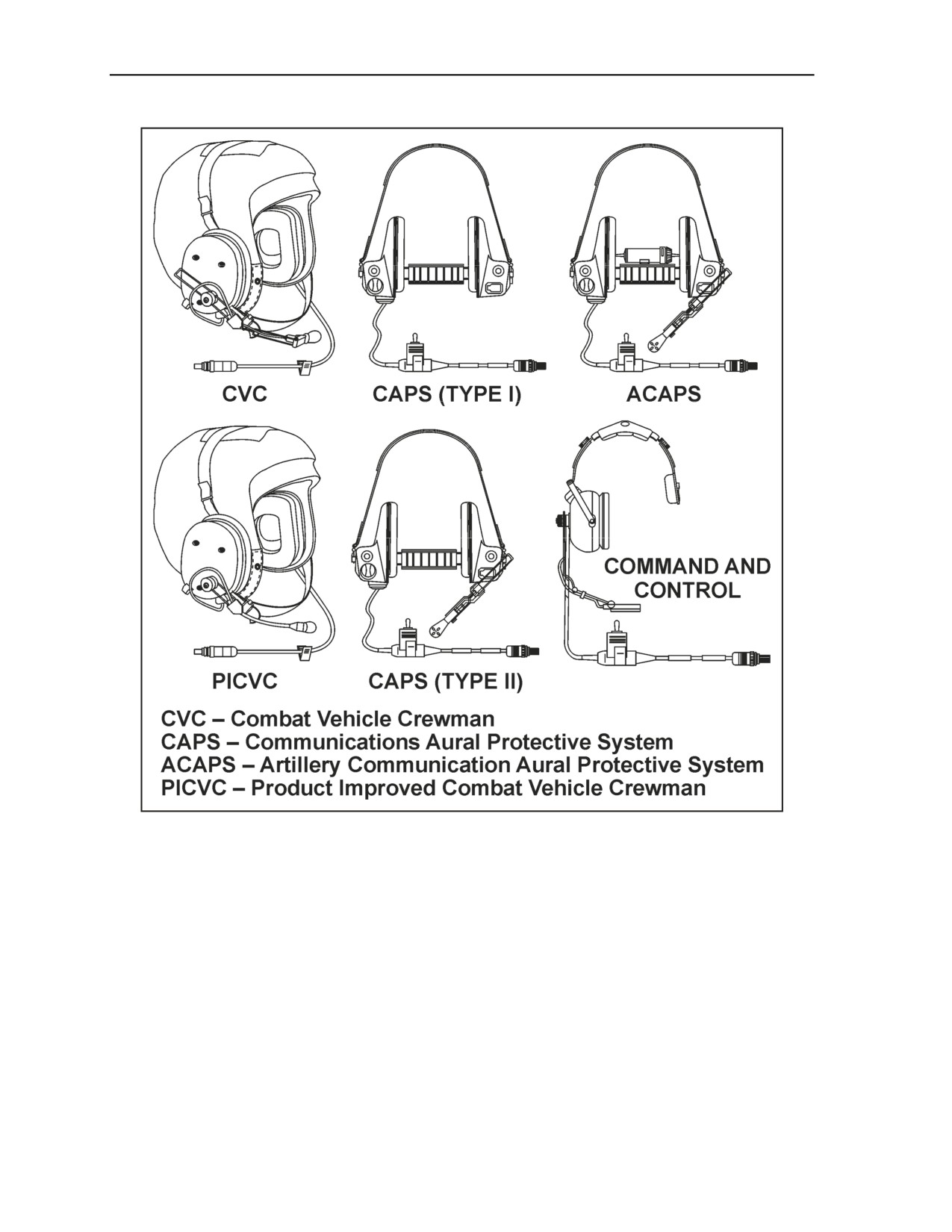
4-52. These headsets employ ANR and/or passive noise reduction to achieve noise reduction and enhance
audibility. ANR is accomplished (when turned on) by electronic generation of noise canceling acoustic
waves within each ear cup. Passive noise reduction is accomplished by soft conformal ear seals that are
snug against the head and alleviate or reduce outside noise. All headsets are connected to the VIS system
via a standard audio connector and quick-disconnect bailout connector to enable rapid disconnection from
the system. There are five different types of headsets. Refer to Figure 4-12 for an illustration of the
headsets.
5 August 2009
FM 6-02.53
4-15
Chapter 4
Figure 4-12. Vehicular intercommunications system, VIC-3 Headsets
HANDHELD REMOTE CONTROL RADIO DEVICE
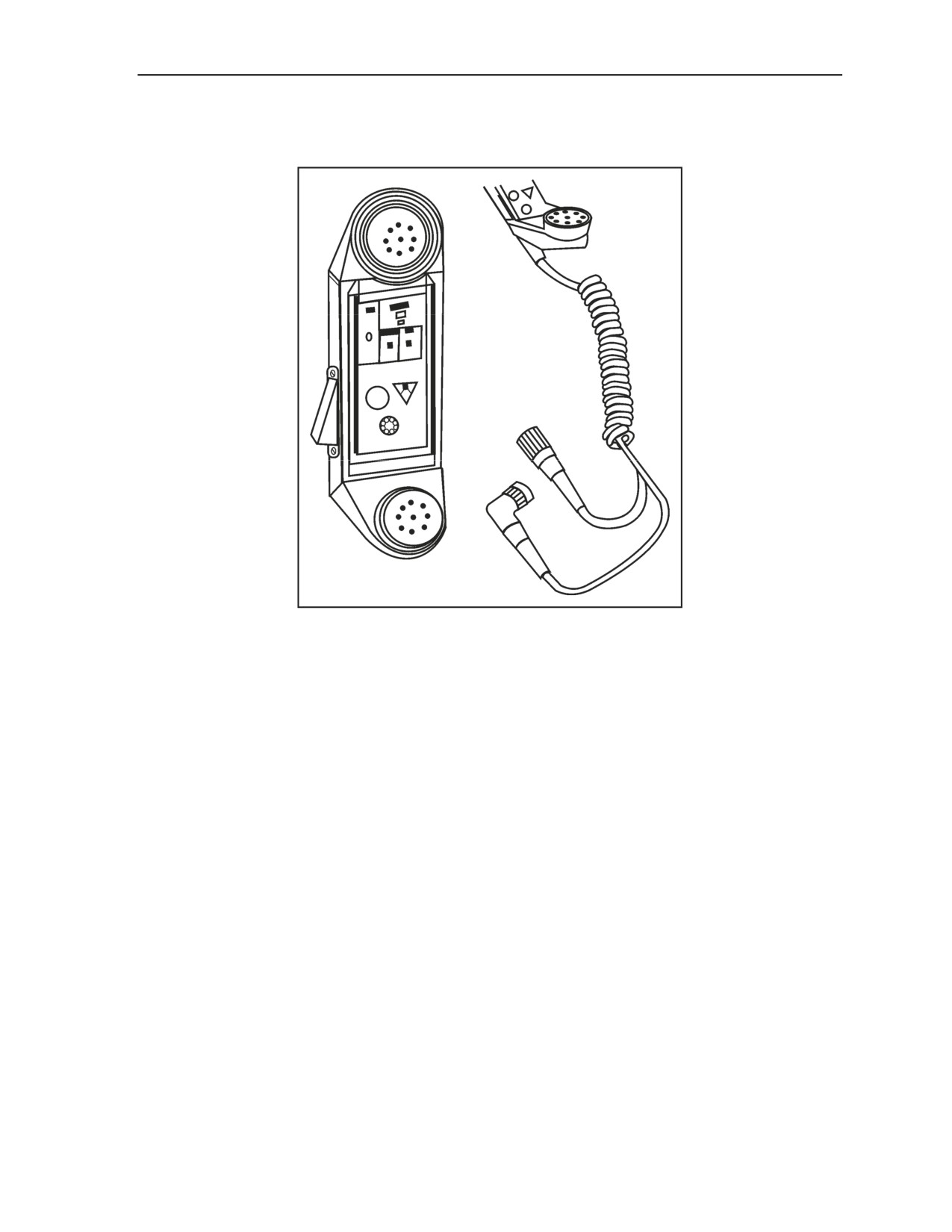
4-53. The handheld remote control radio device (HRCRD), C-12493/U, is used with the manpack radio
AN/PRC-119A/D/F and the dismount kits of vehicular radio configurations (AN/VRC-88A/D/F and
AN/VRC-91A/D/F). (Refer to TM 11-5820-890-10-6 for more information on the operations of the
HRCRD and SINCGARS.)
4-54. Figure 4-13 is an example of a HRCRD. The HRCRD enables the remote operator to control the
following functions of the radio—
z
Channel.
z
RF power.
z
Mode.
z
COMSEC.
4-16
FM 6-02.53
5 August 2009
Very High Frequency Radio Systems
z
Audio volume level.
z
Back light.
Figure 4-13. Handheld remote control radio device
SINGLE-CHANNEL GROUND AND AIRBORNE RADIO SYSTEM
PLANNING
4-55. The initial operation plan (OPLAN) and the units SOP determine the type of net(s) needed. The
network planner must answer the following questions—
z
What type of information is passed: data, voice, or both?
z
Does the unit require communications with users normally not in its network?
z
Is the network a common-user or a designated membership network?
z
Is wireless network extension needed to extend the network’s range?
4-56. The unit G-6/S-6, assistant chief of staff, operations (G-3) and operations officer (S-3) work together
to answer all these questions. Once these questions are answered, initial planning and coordination of the
network can begin. Many of the items will become part of the units SOP. (Refer to Appendix A for
information on FM networks.)
DATA NETS
4-57. The SINCGARS interfaces with several types of DTE, such as the secure digital net radio
interference, TSEC/KY-90. SINCGARS also provides automatic control of the radio transmission when a
data device is connected. It disables the voice circuit during data transmissions, preventing voice input
from disrupting the data stream; disconnecting the data device during emergency situations overrides the
disable feature. A single cable from the DTE to the radio or mounting adapter connects most DTEs.
5 August 2009
FM 6-02.53
4-17
Chapter 4
SECURE DEVICES
4-58. The SINCGARS uses an internal COMSEC module. The encryption format is compatible with
VHF/UHF wideband tactical secure voice system cryptographic equipment devices, provided they are
loaded with the same TEK. SINCGARS uses the KY-57/58 (VINSON) for non-ICOM airborne radio
systems.
4-59. The VINSON secure device has six preset positions: five for the TEK and one for a KEK. The TEK
positions allow operation in five different secure nets. The KEK position allows changing or updating the
TEK through OTAR. The ICOM secure module retains one TEK per preset hopset/net identifier (NET ID),
and one KEK.
4-60. The variables are loaded and updated the same in both devices. The ANCD does the initial loading;
variables can be updated by a second manual fill or by OTAR. In accordance with COMSEC regulations,
only the TEK may be transmitted over the air. The KEK must still be physically loaded into either the
VINSON or ICOM radio. Encryption variables are controlled through COMSEC channels and are
accounted for per Army Regulation (AR) 380-40. (Refer to Appendix F for information on COMSEC
compromise recovery procedures.)
4-61. Data input to the radio is interleaved into the radio’s digital data stream. The VINSON or ICOM
circuits encrypt the data before transmission. However, digital data may be encrypted before inputting the
information into the radio. COMSEC variables must be common for the transmitting and receiving
terminals; this is coordinated between the two units passing information.
SINGLE-CHANNEL GROUND AND AIRBORNE RADIO SYSTEM
WIRELESS NETWORK EXTENSION STATION
4-62. Due to the limited number of SATCOM channels available in an AOR, there is a crucial need for
single channel push to talk capability at the theater, corps, and division. Most of the SATCOM channels
available in an AOR are controlled and assigned at the corps level and higher, and FM communications at
corps, division, and brigade is used to provide SC communications on the move. FM wireless network
extension is the most available means of addressing the crucial need for single channel push to talk
capability at the theater, corps, and division. FM wireless network extension extends SC communications
around obstacles and across increased distances to its subordinate units.
4-63. The commander (with the recommendation of the signal officer) decides the critical nets requiring
wireless network extension support. Wireless network extension assets are primarily used to provide
support for the following nets—
z
C2.
z
Administrative and logistic (A&L).
z
Operations and intelligence (O&I).
z
Fires.
Note. Refer to Appendix A for more information on FM networks.
4-64. The wireless network extension station operates on the command network to which it is subordinate,
unless specifically tasked to operate on another net. The primary radio monitors the C2/O&I net; the
secondary radio provides the wireless network extension link. Prior planning provides the wireless network
extension station with the appropriate variables for the command net and wireless network extension net.
The unit SOP should direct how the wireless network extension variables are assigned in accordance with
possible alternatives.
4-65. SINCGARS can operate as either a secure or non-secure wireless network extension station. These
radios automatically pass secure signals even if the wireless network extension radios are operating non-
secure. However, the wireless network extension RTO cannot monitor the communications unless the
secure devices are filled and in the cipher mode.
4-18
FM 6-02.53
5 August 2009
Very High Frequency Radio Systems
WIRELESS NETWORK EXTENSION PLANNING
4-66. Wireless network extension planning must be linked to the military decision making process to
ensure success. During wireless network extension planning the S-6—
z
Ensures the communications operations course of action (COA) is integrated into the maneuver
COA.
z
Plots primary and secondary wireless network extension locations on the COA sketch. Location
selection must consider mission, enemy, terrain and weather, troops and support available, time
available, civil considerations (METT-TC) analysis.
z
Determines whether site collocation with another unit is required. Consideration must be given
to security/sleep plan, logistics, and evacuation.
z
Plans for contingency sites and establishes criteria, known to all concerned, that will initiate
relocation/evacuation procedures.
z
Develops reporting procedures to the establishing headquarters.
z
Builds a wireless network extension team equipment list, and considers including the following
communications equipment—
PLGR/DAGR.
ANCD/SLK.
Two OE-254 antennas with additional cables.
Any extra AN/PRC-119 radios (can be used as a backup RT).
Additional batteries.
z
Establishes a pre-combat checklist and rehearses prior to deployment.
WIRELESS NETWORK EXTENSION MODES
4-67. The SINCGARS (ground) has built-in wireless network extension capability that requires the
addition of a wireless network extension cable (CX-13298) for operations. SINCGARS can perform the
wireless network extension function three ways. The network can be—
z
Set up for SC to SC.
z
Made of mixed modes (FH to SC or vice versa).
z
Used in its full capability of FH to FH.
4-68. These options make wireless network extension flexible in operation. They also increase the prior
coordination required before deployment. This ensures all users have access to the wireless network
extension function.
Single-Channel to Single-Channel Operations
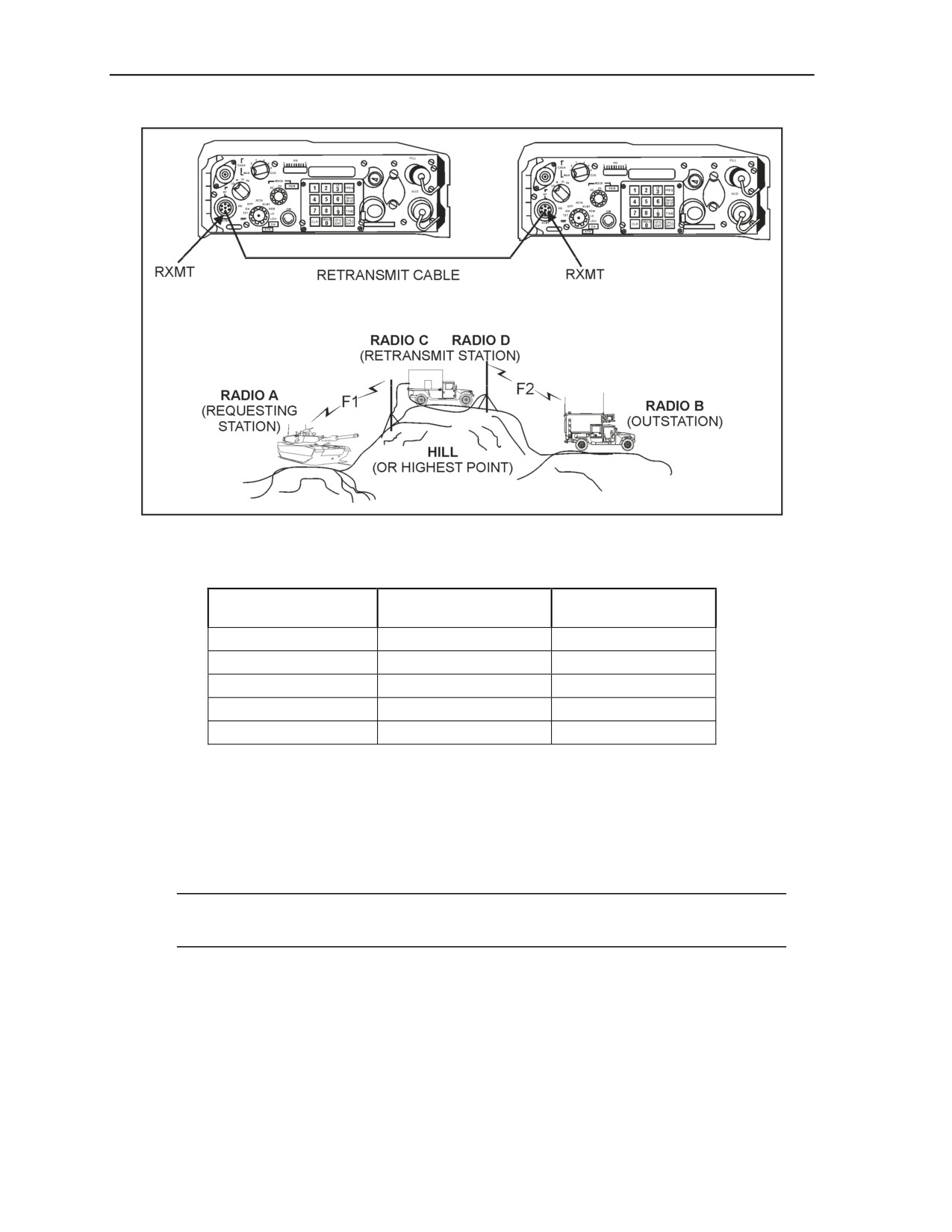
4-69. SC to SC operations require a 10 MHz separation between the frequencies (as shown in Figure 4-14,
Wireless network extension operations). Physically moving antennas farther apart or lowering power
output lessens the frequency separation. Table 4-3 shows the minimum antenna separation distance. The
network NCS must monitor the wireless network extension station to ensure the command hopset is
maintained. This ensures continuous communications for the unit.
Note. All RFs used should be obtained from unit SOIs which are coordinated with the unit
electromagnetic spectrum manager. Units can not establish their own wireless network extension
frequencies without electromagnetic spectrum manager coordination.
5 August 2009
FM 6-02.53
4-19
Chapter 4
Figure 4-14. Wireless network extension operations
Table 4-3. Minimum antenna separation distance
Minimum Frequency
High Power Separation
PA Power Separation
Separation Required
10 MHz
5 ft (1.5 meters)
5 ft (1.5 meters)
7 MHz
10 ft (3 meters)
60 ft (18.2 meters)
4 MHz
50 ft (15.2 meters)
150 ft (45.7 meters)
2 MHz
200 ft (60.9 meters)
400 ft (121.9 meters)
1 MHz
350 ft (106.6 meters)
800 ft (1463 meters)
Frequency Hopping to Single-Channel Operations
4-70. FH to SC operations is a simple mode to set up and operate with no requirement for frequency or
physical separation. The SC frequency should not be part of the hopset resource used on the FH side of the
wireless network extension. This method allows a SC radio user access to the FH net in an emergency
situation. Continual access to the FH net using this method should be avoided to prevent lessening the
ECCM capability of the SINCGARS.
Note. The wireless network extension station typically functions as the NCS during FH wireless
network extension operations.
Frequency Hopping to Frequency Hopping Wireless Network Extension Operations
4-71. FH to FH wireless network extension operations allows for the wireless network extension of FH
nets and is the simplest mode with no requirement for frequency or physical separation. FH wireless
network extension operations will either be the traditional F1:F2 or F1:F1, depending upon the model of
SINCGARS and mission. The SINCGARS ASIP provides the capability for F1:F1 operations.
4-20
FM 6-02.53
5 August 2009
Very High Frequency Radio Systems
4-72. F1:F2 operations require at least one of the NET IDs to be different (for example, NET ID F410 to
NET ID F411). Any one, or a combination of NET IDs, may change. The preferred method is for the NET
IDs, for each side of the wireless network extension, to be located within the same hopset. The wireless
network extension station RTO functions like the network NCS for the outstation link. In this function, the
RTO answers all cues, ERF, and authenticates net entry. The wireless network extension RTO must ensure
the outstation RT is placed in the FH master mode; this ensures timing on this link is established and
maintained.
4-73. F1:F1 operations allows for both NET IDs to be the same. This is important when operating in the
tactical Internet. Wireless network extension is not an option in the packet mode for SIP and earlier
SINCGARS, due to the critical timing associated with the packet mode. In a traditional F1:F1 wireless
network extension, a member of the outstation could potentially have captured the net due to the relatively
long delays encountered at the wireless network extension site; rendering the wireless network extension
packet lost.
4-74. The ASIP system overcomes this problem by assigning each radio at the wireless network extension
site as a dedicated receiver or transmitter. The ASIP shifts the incoming transmission by two hops in time
and utilizes the same hopset on each leg of the wireless network extension (commonly called F1:F1).
Therefore, packets are sent out the moment they are received without going through the process of
interleaving (arranging data in a noncontiguous manner to increase performance) and deinterleaving. The
shift in two hops is insignificant enough to affect the performance of the outstation and would make the
wireless network extension site appear to be a part of one big net. (Refer to Appendix D for information on
radio operations in unusual environments.)
SINGLE-CHANNEL GROUND AND AIRBORNE RADIO SYSTEM
JAMMING AND ANTI-JAMMING
4-75. Jamming is the intentional transmission of signals that interrupts your ability to transmit and receive.
If the radio signal is being jammed, the RTO will hear strong static, strange noise, random noise, no noise,
or the net may be quiet with no signals heard. These signals depend upon the type of jamming signals and
whether the radio net is operating in SC or FH mode. (Jamming and anti-jamming is addressed in detail in
Chapter 11, Communications Techniques: EP.)
4-76. The simplest method the enemy can utilize to disrupt your communication is to transmit noise or
audio signals onto a SC operating frequency, or on multiple FH frequencies during FH operation. If the
enemy can generate enough power onto a unit’s hopset, it is possible that communication capability will be
disrupted or even stopped.
4-77. While SINCGARS is thought to be jam resistant due to its FH capability, in the event that
SINCGARS is jammed, it may be necessary for you to take corrective actions. The action taken depends on
the type of jamming or interference that is disrupting net communications as well as the authorized FH
hopset that is available to the net.
4-78. When radio interference occurs, the RTO will determine if the interference is caused by jamming or
equipment failure. To do this, the RTO will—
z
Disconnect antenna; if noise continues, the radio may be faulty.
z
Set the “function”
FCTN switch to “squelch off”
SQ OFF and listen for modulated noise.
z
Look for a small signal strength indication on the RT front panel.
4-79. The following are corrective actions to take if jamming is indicated—
z
Reposition or reorient antenna to eliminate interference.
z
Notify supervisor of suspected jamming signals.
z
Continue to operate.
z
Work through jamming.
z
Report interference and jamming to the NCS.
5 August 2009
FM 6-02.53
4-21
Chapter 4
4-80. For those RT-1523F advanced system improvement program-enhanced (ASIP-E) pure nets, the NCS
will make a net call in SC mode and instruct all net members to switch to FH mode 2 and continue to
operate normally.
4-81. For those non-RT-1523F ASIP-E pure nets, the NCS will make a net call in SC mode and instruct all
non-RT-1523F ASIP-E radios to switch to the backup SC secure frequency SC/CT. All RT-1523F ASIP-E
radios will switch to FH mode 2. The NCS will operate the net in a FH mixed net operation utilizing a
SINCGARS mixed-mode wireless network extension site/station to provide communications between the
SC stations and the FH stations. Once the jamming source is neutralized, the NCS will instruct the net to
switch back to FH mode 1.
Note. Operation of SINCGARS in the SC/CT mode should only be done when absolutely
necessary.
AN/PRC-148 MULTIBAND INTER/INTRA TEAM RADIO
4-82. The multiband inter/intra team radio (MBITR) is used for company size nets depending on command
guidance and mission requirements. It also has the capabilities of being used as a handheld radio to support
the communications of a platoon, squad or team tactical environment for secure communications. It enables
small unit leaders to adequately control the activities of subordinate elements. The MBITR can perform
functions such as ground to air, ship to shore, SATCOM, civil military and multinational communications.
The MBITR was first developed for use by SOF but many units throughout the Army (and other
multinational governments) have seen an influx of the radio due to its value.
4-83. The MBITR radio set communicates with similar AM and FM radios to perform two-way
communication. The AN/PRC-148 was built for frequency and waveform interoperability with legacy and
newer systems (Joint Tactical Radio System [JTRS]). The radios concept was to ensure interoperability
with virtually any common US military or commercial waveform operating in the 30-512 MHz frequency
range with either FM or AM radio RF output, and with a user selectable power output from 0.1-5 watts.
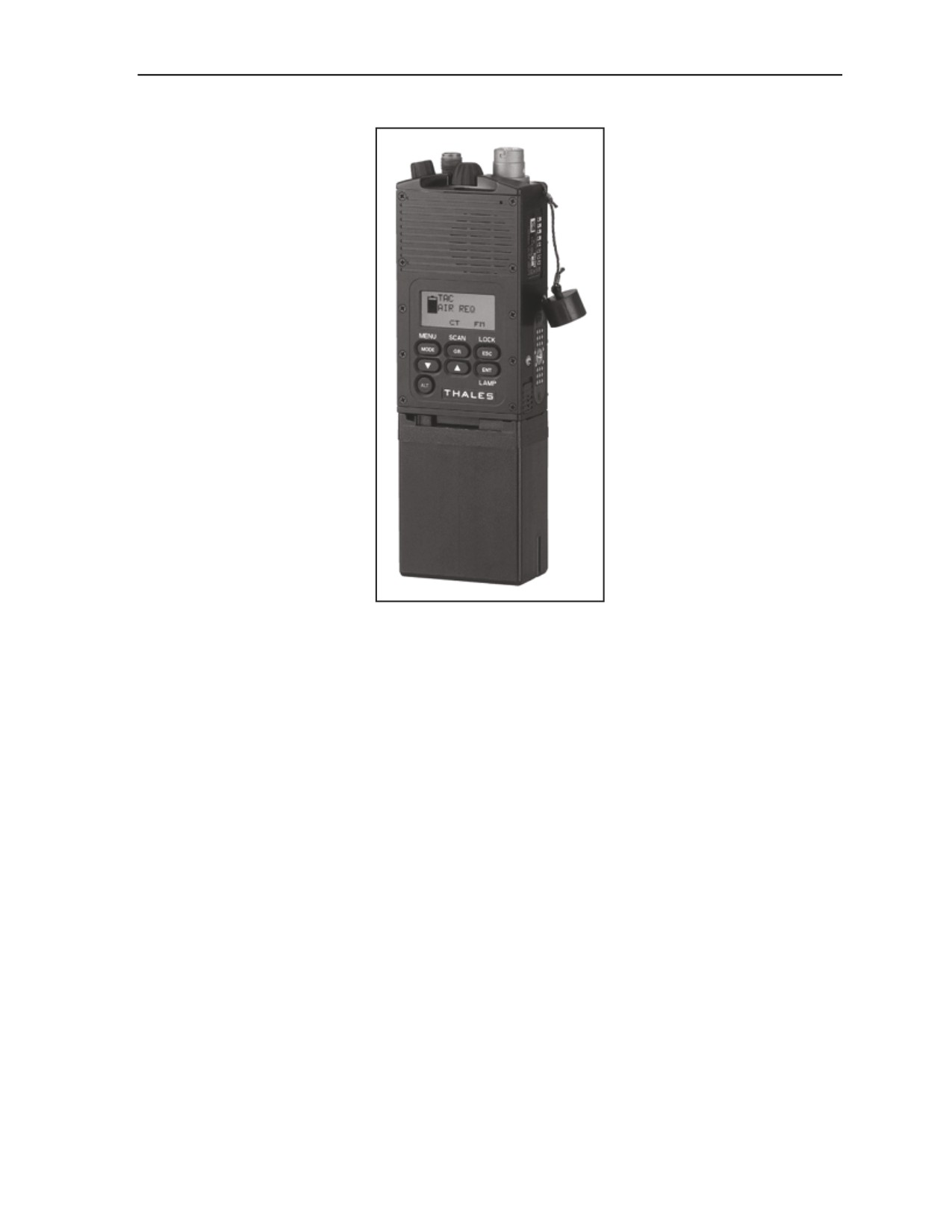
The AN/VRC-111 is the vehicular version of the MBITR. (Refer to Figure 4-15 for an example of the
MBITR radio.)
4-22
FM 6-02.53
5 August 2009
Very High Frequency Radio Systems
Figure 4-15. AN/PRC-148 MBITR radio
4-84. The MBITR is a portable, battery operated transceiver capable of providing both secure and non-
secure communications. The MBITR operates in clear (analog) and secure (digital) voice and data. The
basic radio is software upgradeable to add the following capabilities: SINCGARS, HAVEQUICK,
ANDVT, and wireless network extension.
4-85. The MBITR has the following operating characteristics—
z
Stores up to 100 preset channels organized in 10 groups with 16 channels each.
z
SINCGARS voice and SIP data interoperable.
z
HAVEQUICK I/II interoperable.
z
ANDVT interoperable.
z
Transmits voice in a whisper mode.
z
Transfers configuration information to other MBITRs by means of a cloning cable.
4-86. The radio is tunable over a frequency range of 30-512 MHz, in either 5 or 6.25 kHz tuning steps,
using 25.0 kHz channel bandwidth, 12.5 kHz when set for narrowband operation, and 5 kHz bandwidth
when set for ANDVT. The radio automatically selects the correct tuning size.
4-87. The RT consists of a SC modulated carrier. The modulating source is analog or digitized voice and
data signals at 12 (Federal Standard-1023) and 16 kbps (VINSON-compatible) in 25 kHz channel spacing.
For emergency situations the radio circuitry is capable of receiving clear messages while set for secure
mode operation.
AN/PRC-148 MBITR COMMUNICATIONS SECURITY
4-88. When operating in the secure mode, the radio disables the transmission of any tone squelch signals.
Encryption key fill is accomplished through the audio/key fill connector. The urban MBITR has a standard
5 August 2009
FM 6-02.53
4-23
Chapter 4
U-283/U six-pin connector that is fully compatible with the following key fill devices: KYK-13, KYX-15,
KOI-18, and the AN/CYZ-10 (data transfer device [DTD]).
AN/PRC-148 MBITR and SINCGARS
4-89. SINCGARS operation is only available in those radios with the optional SINCGARS capability
enabled. The following describes the transmission security (TRANSEC) capabilities of the MBITR with
SINCGARS option—
z
When operating in the SINCGARS mode, the available MBITR operating frequency range is
30-87.995 MHz.
z
MBITR with SINCGARS functionality includes the operating modes of the basic MBITR radio
and the following modes of operation—
SC clear FM analog voice operation, FM encrypted digital voice, and over-
the-air FM transfer of encrypted digital data. The SC data mode implements the SINCGARS
standard data mode and EDM.
FH PT digital voice operation, FH FM encrypted digital voice in 16 kbps
continuously variable slope delta mode, and, using the SINCGARS and SINCGARS SIP
waveforms, FH over-the-air FM transfer of encrypted digital data
AN/PRC-148 (MBITR) System Management
4-90. System management of the MBITR is the responsibility of the S-6 or communications section at all
echelons. A Windows based personal computer (PC) radio programmer is provided to manage the quantity
of radios. While all radio functions can be accomplished through the individual radio control panel if
required, it would be very difficult to set up the radios for a battalion or larger force manually using radio
front panel controls.
4-91. The PC programmer has a simple Windows “look and feel” interface that allows uploading and
downloading information such as assigned frequency lists, waveform data, power level etc. to the radio.
Once a radio is loaded with system information, it can be used to distribute this information (clone) to
another MBITR. This cloning feature allows the S-6 system manager to distribute technical information
down the tactical echelons to each individual radio in a command without fear of mistakes being made or
data being corrupted.
AN/PRC-148 MBITR in Urban Operations
4-92. In small tactical units area coverage and distance extension has always been a problem. In urban
operations communications inside buildings or over urban terrain has been a challenge. For these
conditions the MBITR system provides a
“back-to-back”
(two radios) wireless network extension
capability for both COMSEC and PT modes. Beside two radios, the only hardware required for wireless
network extension is a small cable kit and some electronic filters. When configured for wireless network
extension operations, a true digital repeater (digi-peater) is formed. Since the digits transmitted are merely
being repeated by the radios they do not degrade signal quality and the radios do not have to have any
COMSEC keys loaded in them.
AN/PRC-152 MULTIBAND HANDHELD RADIO
4-93. The AN/PRC-152 is a SC multiband handheld radio that has a JTRS architecture and software
communications architecture. It also provides the optimal transition to JTRS technology. The AN/PRC-152
supports SINCGARS, HAVEQUICK II, VHF/UHF AM and FM. HAVEQUICK II and VHF/UHF AM
and FM waveforms are ported versions of the preliminary JTRS library waveforms; validating the
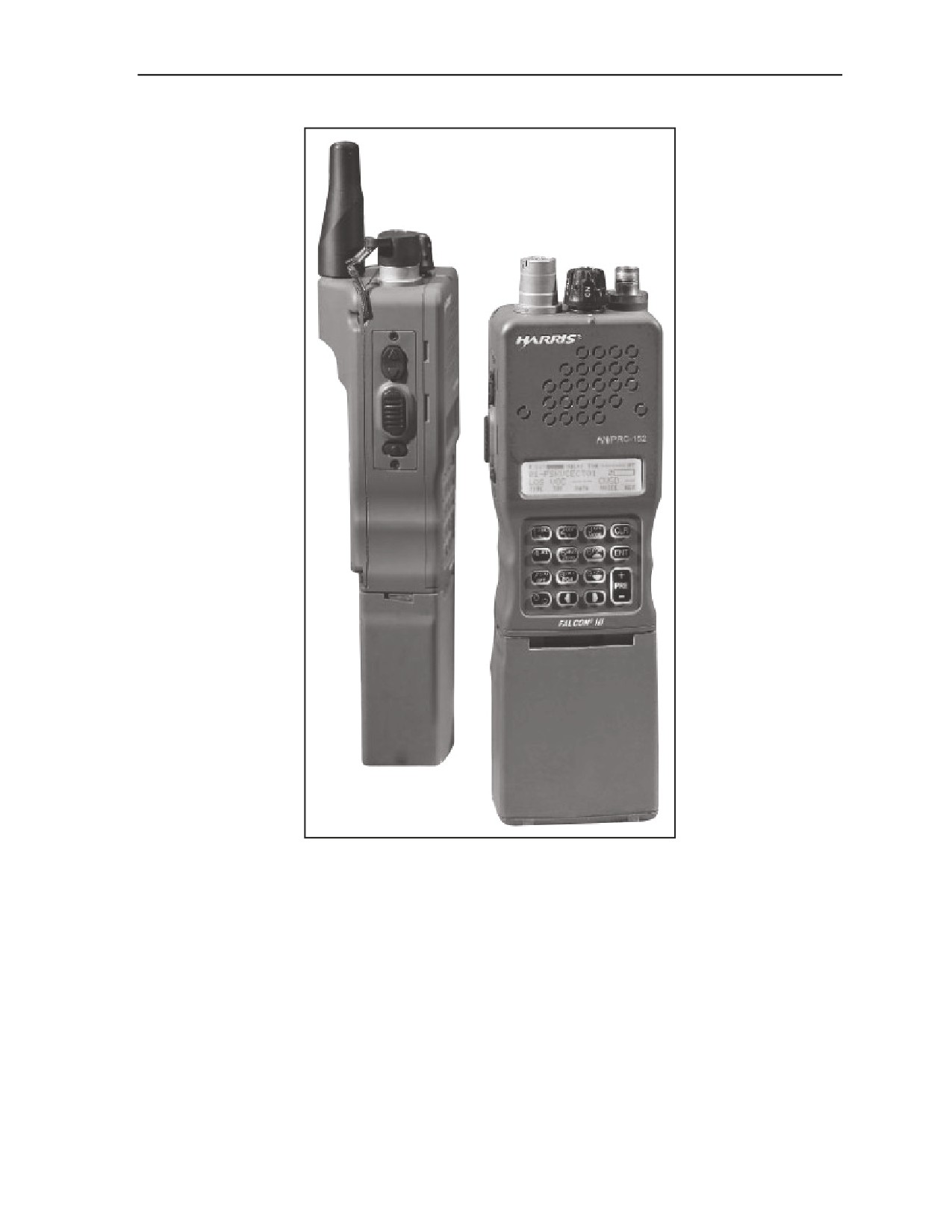
AN/PRC-152 JTRS architecture. Refer to Figure 4-16 for an example of an AN/PRC-152.
4-24
FM 6-02.53
5 August 2009
Very High Frequency Radio Systems
Figure 4-16. AN/PRC-152 multiband handheld radio
4-94. The AN/PRC-152 encryption device maximizes battery life in battery powered radios. It also
supports all JTRS COMSEC and TRANSEC requirements as well as the ability to support numerous
device compatibility modes: KY-57/VINSON, ANDVT/KYV-5, KG-84C, DS-101, and DS-102.
4-95. The AN/PRC-152 includes an embedded GPS receiver to display local position and to provide
automatic position reporting for SA on the battlefield. The vehicular version of the AN/PRC-152 is the
AN/VRC-110.
AN/PRC-152 VHF/UHF LINE OF SIGHT FIXED FREQUENCY PT
4-96. The AN/PRC-152 has the following VHF/UHF LOS operation frequency bands—
z
VHF low band of 30.00000-89.99999 MHz.
z
VHF high band of 90.00000-224.99999 MHz.
z
UHF band of 225.00000-511.99999 MHz.
5 August 2009
FM 6-02.53
4-25
Chapter 4
AN/PRC-152 VHF/UHF LINE OF SIGHT FIXED FREQUENCY CT
4-97. The AN/PRC-152 has following fixed frequency CT operation capabilities and limitations—
z
VINSON—16 kbps data rate, 25 kHz wideband COMSEC (KY-57/58) mode for secure voice
and data.
z
VINSON PT override—alerts the RTO that a receiving transmission from an AN/PRC-152 in
PT mode is being received.
z
KG-84C compatible—(data only) supports secure data transmission in FM mode 30.00000-
511.99999 MHz, and AM mode from 90.00000-511.99999 MHz. It is also used for UHF
SATCOM operation.
z
TEK—electronically loaded 128-bit transmission encrypted key used to secure voice and data
communications.
z
COMSEC fill—TEKs, TSKs, and KEKs can be filled from the following devices: ANCD, MX-
18290, KYK13, and KYX-15.
4-26
FM 6-02.53
5 August 2009
Chapter 5
Ultra High Frequency Radios
This chapter addresses the UHF radios and systems that play a major role in network
centric warfare such as the EPLRS, Blue Force Tracking (BFT), NTDR, JTIDS and
MIDS.
FORCE XXI BATTLE COMMAND, BRIGADE AND BELOW
5-1. The Force XXI Battle Command, Brigade and Below (FBCB2) form the principal digital C2 system
for the Army at brigade levels and below. It provides increased SA on the battlefield by automatically
disseminating throughout the network timely friendly force locations, reported enemy locations, and
graphics to visualize the commander’s intent and scheme of maneuver. FBCB2 is a key component of the
ABCS. Hardware and software are integrated into the various platforms at brigade and below, as well as at
appropriate division and corps elements necessary to support brigade operations.
5-2. FBCB2 is a battle command information system designed for units at the tactical level. It is a system
of computers, global positioning equipment, and communication systems that work together to provide
near real time information to combat leaders. FBCB2 provides increased SA to the commander by
depicting an accurate and automatic view of friendly forces, enemy forces, obstacles, and known battlefield
hazards. FBCB2 provides enhanced SA to the lowest tactical level—the individual Soldier—and a
seamless flow of C2 information across the battlefield.
5-3. FBCB2 supports OPCON through the transmission and receipt of orders, reports, and data. FBCB2
uses two forms of communications means: terrestrial and satellite. FBCB2 (terrestrial) uses EPLRS and
FBCB2 (satellite) uses BFT. FBCB2 features the interconnection of platforms through EPLRS (terrestrial)
and BFT (satellite) allowing the exchange of SA between the two systems. BFT systems share SA with
EPLRS and EPLRS share SA with BFT systems and ABCS that use reachback tunnels found in regional
operation centers.
ENHANCED POSITION LOCATION REPORTING SYSTEM
5-4. EPLRS supports the Army’s transformation brigades, and is interoperable with the USAF, USMC
and the USN. The EPLRS is currently employed in the C2 vehicle, battle command vehicle, Army
Airborne Command and Control System (A2C2S), and TOC/tactical command post (TAC CP) platforms at
the sustainment brigade and battalion level.
5-5. The EPLRS network is also the primary data communications system for the FBCB2, which is the
data traffic backbone of the tactical Internet from brigade to lower echelons. The FBCB2 integrates with
Army tactical C2 systems located within the brigade and battalion, and it provides real-time battlefield
pictures at the strategic level. Using EPLRS communications and position location features, the FBCB2
integrates emerging and existing communications, weapon, and sensor systems to facilitate automated
status, position, situation, and combat awareness reporting.
5-6. The EPLRS network provides the primary data and imagery communications transmission system. It
is employed in the combat platforms of the commander, executive officer, first sergeant, platoon leaders,
and platoon sergeants at the company and platoon level. The EPLRS is used as an alternate data
communications link (host-to-host) between C2 platforms at the brigade and battalion level. It is the
primary data communications link between battalion C2 platforms and company/platoon combat platforms.
The EPLRS can be employed in wireless network extension platforms and configured to provide wireless
network extension capability.
5 August 2009
FM 6-02.53
5-1
Chapter 5
5-7. EPLRS is a wireless tactical communications system that automatically routes and delivers
messages, enabling accurate and timely computer-to-computer communications on the battlefield. Using
time division multiple access (TDMA), FH, and error correction coding technologies, the EPLRS provides
the means for high-speed horizontal and vertical information distribution.
5-8. EPLRS radio sets are primarily used as jam-resistant, secure data radios that transmit and receive
tactical data that typically includes—
z
Operation orders (OPORDs).
z
Fire support plans.
z
Logistics reports.
z
SA data.
z
Cryptographic keys for radio sets.
z
Configuration files for radio sets.
z
E-mail.
5-9. The basis for EPLRS radio connectivity is the EPLRS needline. Each needline defines the
operational relationship between the source and destination EPLRS units, without specifying which
additional EPLRS units are part of the connection. The type of transmitted data, the mode of operation, and
the data rate effects the planning distance between individual EPLRS units and the number of “hops,” or
relays, that can be included in an EPLRS link. Accurate planning and network configuration is critical to
provide proper area coverage within the tactical environment. Refer to TB 11-5825-298-10-1, for more
information on EPLRS and refer to TM 11-5825-298-13&P and FM 6-02.72 for more information on
Enhanced Position Location Reporting System network manager (ENM).
ENHANCED POSITION LOCATION REPORTING SYSTEM
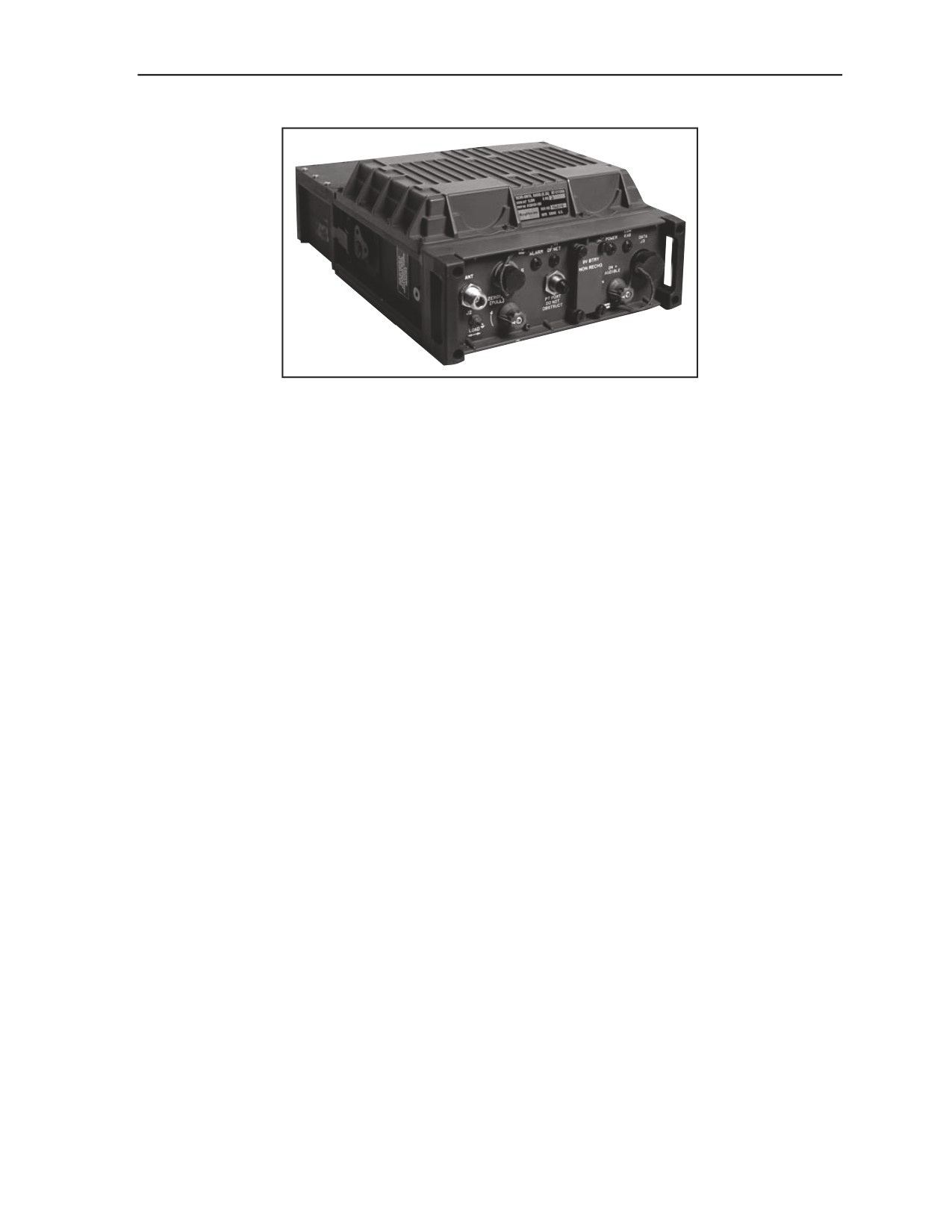
5-10. The EPLRS consists of an RT, an operator interface device (the user readout), an antenna, and a
power source (refer to Figure 5-1). The radio set provides transmission relay functions that are transparent
to the user.
5-11. The EPLRS radio set has the following characteristics and capabilities—
z
Operates in the 420-450 MHz UHF frequency band.
z
Provides secure, jam resistant digital communications and accurate position location
capabilities.
z
Uses TMDA, FH (512 times per second), and spread spectrum technology (eight frequencies
between 420-450 MHz).
z
Embedded COMSEC module, TRANSEC, and an adjustable power output provides secure
communications with a LPI/D.
z
BIT function that is activated at power turn on.
z
Uses an omnidirectional dipole antenna capable of covering the 420-450 MHz frequency
ranges.
z
Provides wireless network extension functions that are transparent to the user. The maximum
distance the EPLRS can cover is based on 3-10 km (1.8-6.2 miles) distance between each radio
and the maximum number of relays in the link.
z
Can handle up to 30 needlines. The maximum number of needlines available is dependent on the
bps required for each needline.
5-12. There are four different configurations of the EPLRS—
z
AN/PSQ-6 manpack radio set.
z
AN/VSQ-2 surface vehicle radio set.
z
ASQ-177C airborne radio set.
z
AN/GRC-229 grid reference radio set.
5-2
FM 6-02.53
5 August 2009
Ultra High Frequency Radios
Figure 5-1. Enhanced position location reporting system
5-13. The RF network consists of many EPLRS radio sets connected to host computers. This provides
secure host-to-host data communications for the host computers.
5-14. The radio set uses a wide band direct sequence spread spectrum waveform, TDMA, FH, and
embedded error correction encoding. These capabilities provide for secure, high speed data
communications networked between ground units and between ground units and aircraft. Most of the radio
sets attributes are programmable and this programmability lets the planner set up the best possible anti-jam
performance and data rate for the unique operational environment and mission.
5-15. EPLRS has automatic relay capabilities to support BLOS coverage. These capabilities are
automatically and continually adapted to the changing operational environment faced by a mobile
communications system.
5-16. The radio set also supports position location and identification capabilities. Position location allows
users to determine precisely where the user is. It is similar to, but independent of, the GPS. Using position
location data from the radio sets, some hosts may have the capability to determine where other radio sets
are and can perform navigation functions.
Enhanced Position Location Reporting System Needlines Functions
5-17. Needlines are also known as a logical channel number or permanent virtual circuit. There can be
many needlines running on a radio set at one time, supporting the hosts’ data communications needs.
Needlines can be activated manually via the user readout or host, or automatically by the host. The radio
set will automatically activate the needline if any data is received on the corresponding logical channel
number. If the radio set is turned off or power is lost, active needlines will be automatically reactivated
when the radio set is powered back on.
Types of Needlines
5-18. There are seven major types of needlines, each falling into the two major types of host-to-host
services (broadcast and point-to-point)—
z
Point-to-point needlines provide unequal data transfer capability for two endpoints’ hosts.
Either endpoint can have all the data transfer capability, or it can be split between them in
various ratios. Data is transferred at user data rates from 1,200 bps each way, up to 56,000 bps
all one way. An example of how a point-to-point needline works would be the same as one
person talking to another person on a telephone.
z
Simplex (one-way) needlines provide a single host the capability to send data to many hosts.
For simplex needlines, data is transferred at user data rates from 160-3,840 bps. An example of
how a simplex needline works would be the same effect as using a bullhorn to talk to many
people at the same time who cannot talk back.
5 August 2009
FM 6-02.53
5-3
Chapter 5
z
CSMA needlines provide many hosts the capability to send data to each other. For CSMA
needlines, data is transferred at user data rates from 150-487,760 bps (for the whole needline).
The radio set ensures there are no other radio sets using the CSMA needline and then sends data
from the host. When completed, another radio set will ensure no other radio sets are using the
needline and then transmit, and so on. This protocol allows many endpoints’ hosts (multiple
access) to use the same CSMA needline to send data to one or more endpoints’ hosts. An
example of a CSMA needline would be like a group of people on a contention voice net, each
speaking when they have something to say and no one else is speaking.
z
Multisource group (MSG) needlines provide up to 16 hosts the capability to send data to many
hosts. MSG needlines provide each source host guaranteed bandwidth without conflict, with
user data rates from 37.5-485,760 bps. Data transferred from one source also goes to the other
sources. If fewer sources are used, the sources can have more than 1/16th of the data transfer
capability. Each 1/16th is called a share. For example, a source endpoint can be assigned to have
4/16ths of the total MSG data transfer capability, with 12 other source endpoints each having
1/16th of the total MSG data transfer capability. If there are unused shares, a radio set whose
host load is larger than its assignment on the MSG needline will use these available shares. The
more shares a radio set has, the more data transfer capability it has. The radio set also supports
eight and four share MSG needlines that provide faster speed of service. An example of how an
MSG needline works would be the same effect as up to 16 people with bullhorns talking, in a
round robin fashion, to many people who cannot talk back. A MSG needline is similar to a
CSMA needline, but each sender has a dedicated, guaranteed amount of time to talk (similar to
many concurrent simplex needlines).
z
Low data rate duplex (two-way) needlines provide radio-acknowledged, higher reliability,
balanced data transfer between two hosts with data rates from 20-1920 bps each way. They
provide equal data rates in both directions. This data transfer capability may be used by either or
both endpoints. The endpoint radio sets will automatically ensure that the data is all delivered
using radio set to radio set acknowledgement protocols. This needline type requires preplanning
for the radio set to be able to use. An example of how a duplex needline works would be the
same effect as talking to another person on a telephone.
z
Dynamically allocated permanent virtual circuit (DAP) needlines are a special type of
duplex needline. They have capabilities similar to those of duplex needlines (rates are 60-1920
bps), but DAP needlines are automatically set up and deleted on demand by the host, without
any preplanning or NCS involvement. However, if the network resources are not available to
support the data rate requested by the host, the needline rate is reduced to the highest rate
available that the radio set can support.
z
High data rate (HDR) duplex needlines have the same features as duplex needlines except that
the data rates are higher, from 600-121,440 bps each way.
Enhanced Position Location Reporting System Communications Needlines Capabilities
5-19. An EPLRS radio set can support needlines as an endpoint, relay, or as both. A radio set can be a
relay on some needlines, an endpoint on other needlines, and both an endpoint and a relay on other
needlines, all at the same time. As an endpoint, a radio set can send and/or receive data to/from its host on
a needline. A radio set that is only a relay (not an endpoint) cannot send or receive data to/from its host,
and might not even have a host. For simplex, duplex, and DAP needlines, radio sets will automatically sign
up as a relay if they have the resources available.
5-20. For point-to-point, CSMA, MSG, and HDR duplex needlines, a relay can only be endpoints on the
needline, or they must be manually set up. When existing radio sets cannot support the EPLRS network
relay needs, then dedicated relays are required.
5-21. There can be many host-to-host communications services running on a radio set at one time. There
can be from one to thirty total needlines activated per radio set, depending upon the size of the needlines. If
the maximum number is stored in the radio set, then another activated needline will cause the deletion of
5-4
FM 6-02.53
5 August 2009
Ultra High Frequency Radios
the oldest stored needline. There can be a maximum of eight activated CSMA, HDR duplex, MSG, and
point-to-point needlines, total, per radio set.
5-22. A needline can use any of four waveform modes, 0-3. The higher the waveform mode number, the
higher data rate capability the needline has, but the lower the needlines anti-jam capabilities. (For more
information on EPLRS and system components refer to TM 11-5825-283-10.)
ENHANCED POSITION LOCATION REPORTING SYSTEM NETWORK MANAGER
5-23. The ENM equipment suite includes the following major components—
z
ENM software package (compact disk)—ENM software program which includes installation
program for loading ENM and EPLRS network planner onto ENM computer hard disk.
z
ENM computer— consisting of a central processing unit and associated cabling; host computer
platform for ENM software.
z
AN/VSQ-2D(V)1 surface vehicle radio set—RT-1720DI/G, RT-1720EI/G, or RT-1720FI/G,
with a user readout—also serves as the ENM radio set by connecting to the ENM computer.
z
Surface vehicle unit installation kit for SV-radio set—includes platform, cables, user readout
mount, and AS-3449/VSQ-1 antenna.
z
KOK-13 key—generator key generation device for generating red and black cryptographic keys
for network radio sets. (Not required for every ENM.)
z
KOI-18 tape reader—device for inputting seed key data into KOK-13.
z
AN/CYZ-10 DTD (ANCD)—key loading device for individually loading red keys into network
radio sets; receives keys from KOK-13; physically connects to each radio set to accomplish
loading.
Enhanced Position Location Reporting System Network Manager Characteristics and
Capabilities
5-24. The ENM is a collection of software applications that run on a rugged host computer. The ENM
software can run on Windows 2000 or Linux platforms and can be co-hosted with other applications as
operational needs require. The ENM performs automated network management and control of the EPLRS
network. The ENM assigns configuration parameters to radio set sets to allow them to perform their
missions. The ENM manages the generation of cryptographic keys from a KOK-13 to load into the radio
set.
5-25. The ENM application is installed on a rugged laptop computer and is used to configure a radio set
and to plan, monitor, manage, and maintain an EPLRS network. Hosting ENM on a laptop computer also
enables the ENM to be carried into the field for direct connection to a radio set for configuration and
troubleshooting. The ENM computer physically connects to an EPLRS radio set called an ENM radio set
directly via either Ethernet 802.3 or recommended standard-232 point-to-point protocol.
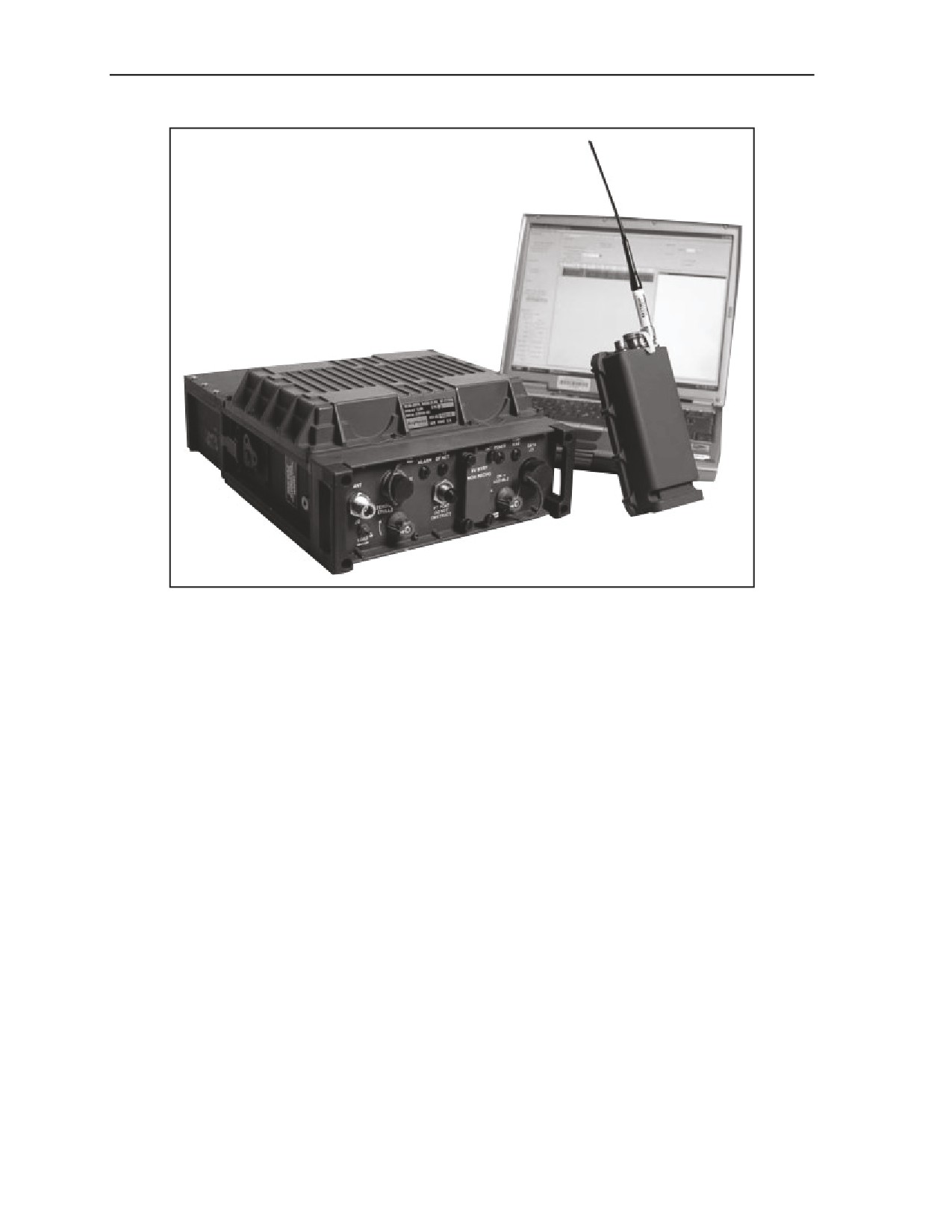
5-26. The ENM computer can also connect indirectly via a router using IP-over-Army Data Distribution
System Interface Protocol. Refer to Figure 5-2 for an example of the EPLRS radio set and a host computer.
The ENM vehicle is a high mobility multi-purpose wheeled vehicle that contains the ENM and other
communications equipment.
5 August 2009
FM 6-02.53
5-5
Chapter 5
Figure 5-2. EPLRS radio set and host computer
5-27. The ENM was designed to plan and manage the EPLRS radio set network. The ENM can
accommodate any size EPLRS radio set network. There are no restrictions on the number of radios that can
be stored and managed by a single ENM. However, a maximum of 64 needlines can be assigned to any
single radio set, so there are practical limitations to the size of the network.
5-28. The ENM’s software application manages and controls the EPLRS network based on a deployment
plan. ENM loads the radio sets with the configuration data needed to perform their missions. The ENM
also generates the cryptographic keys for the radio sets. The ENM runs on a rugged laptop computer that
connects to an assigned radio set.
5-29. The ENM operators set up, maintain, and manage the EPLRS network. There are two basic levels of
ENM controlled by software login: network and monitor. Network ENMs monitor the status of network
radio sets, configure radio sets over the air, initiate network timing, and perform other managerial tasks.
Monitor ENMs have a lower level of access and only monitor the status of the network radio sets. They
cannot perform the managerial task such as over-the-air reconfiguration of radio sets. Normally, one
network ENM is made responsible for issuing the time master initiate command and distributing updated
deployment plan files, if required. Other ENMs manage their own groups of assigned radio sets and
coordinate with the time master ENM as required.
5-30. The EPLRS network is designed to maintain continuity of operations. If a specific ENM is disabled,
control of the assets assigned to that ENM is automatically transferred to another ENM. Once an ENM is
used to initiate the network, the existing network will continue to operate even if all ENMs were disabled.
An ENM is not required for the radio sets to maintain the network and provide communications services to
the hosts.
5-6
FM 6-02.53
5 August 2009
Ultra High Frequency Radios
BLUE FORCE TRACKING
5-31. The BFT system is an L-band SATCOM tracking and communication system that provides the
commander eyes on the friendly forces and the ability to send and receive text messages. BFT maintains
SA of location and movement of friendly forces, sometimes termed “Blue Force,” assets. BFT provides the
Soldier with a globally responsive and tailorable capability to identify and track friendly forces in assigned
areas of operations (in near real time), thereby augmenting and enhancing C2 at key levels of command.
5-32. The BFT contains computer hardware and software, interconnecting cables, L-band satellite
transceiver, a PLGR, a mission data loader to transfer larger files, and an installation kit appropriate to the
host vehicle type (if applicable).
5-33. The BFT computer console tracks friendly units carrying portable miniature transmitter devices. The
transmitter devices are GPS-enabled, and send a signal via satellite detailing an individual or unit’s
location. Soldiers can program the transmitter devices to send location updates every five seconds. The
transmitter devices are small enough to be carried in a Soldier’s rucksack. Friendly forces appear as blue
squares on the system’s operator computer display. Units also have the capability to input enemy
coordinate positions and obstacles on patrol routes. Enemy units appear as red squares, and obstacles as
green squares. If units on the ground run into an enemy position, they can send that information to the
system, and everyone who is connected on that network will be able to see the new data. The tracking
system gives detailed information on friendly and enemy units up to a range of 5,000 miles. As long as the
systems are connected through the satellite network, commanders can see the activities of their brigade and
below-sized units.
5-34. The BFT supports a wide variety of joint missions and operations. BFT generates and distributes a
common view of the operational environment at the tactical and operational levels, identifying and sharing
that view with ground vehicles, rotary-wing aircraft, CPs, and Army and joint command centers.
NEAR TERM DIGITAL RADIO
5-35. The AN/VRC-108 is a LOS mobile packet radio network consisting of the NTDR and the network
management terminal. (Refer to TM 11-5820-1171-12&P and TB 11-5820-1171-10 for more information
on the NTDR.)
5-36. The NTDR (RT-1812) is a state-of-the-art, technology based digital radio. It is the primary data
communications transmission system, linking the ABCS at the brigade and battalion echelons. The NTDR
net provides a wireless wide-area network for Soldiers using ABCS host terminals located in TOCs. The
NTDR wide-area network allows Soldiers to transmit information at HDR between TOCs, to support C2
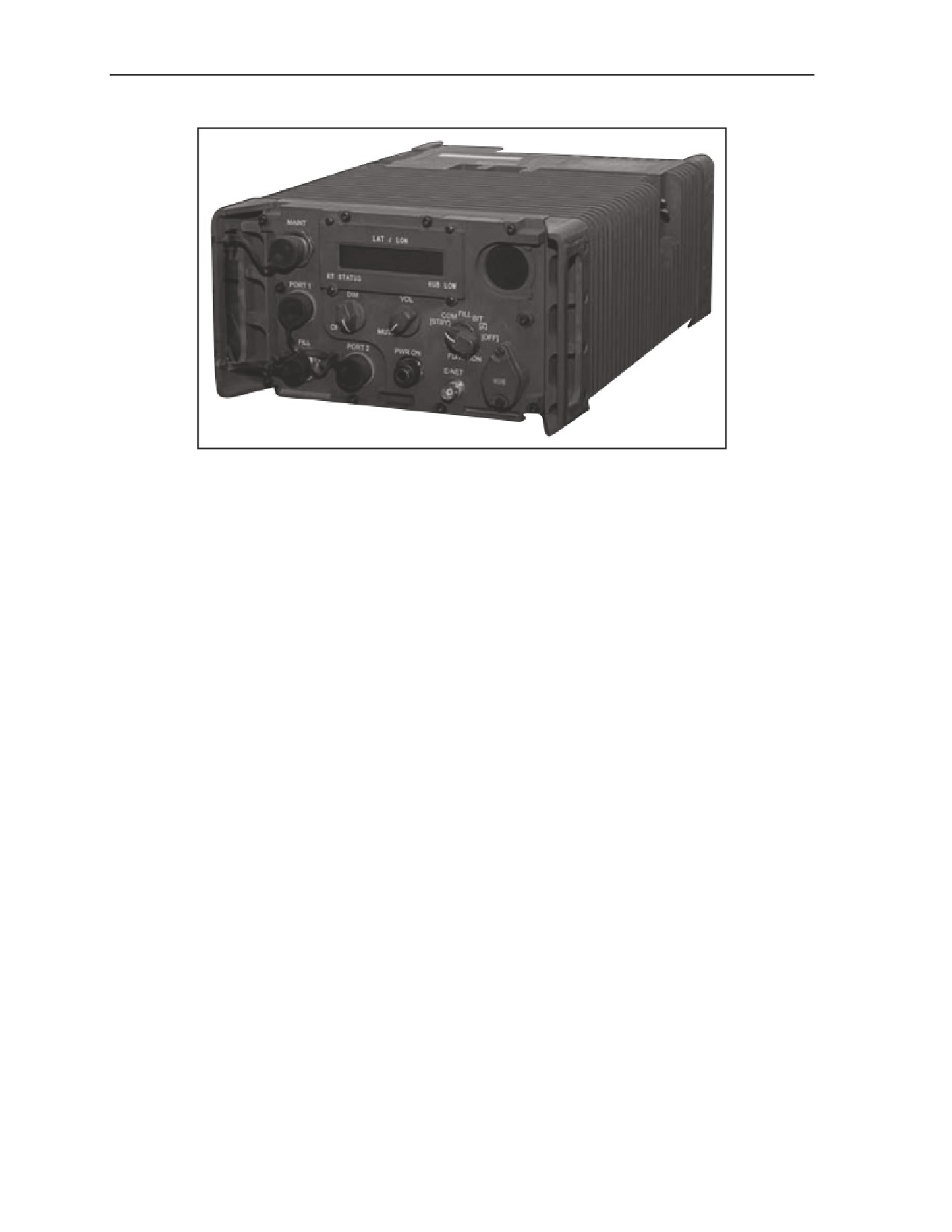
data and imagery information flow. The NTDR (refer to Figure 5-3) net transceivers are typically
employed in the following C2 platforms—
z
The battle command vehicle in the First Digitized Division.
z
C2 vehicles.
z
Selected M1068 TOC and tactical platforms.
z
UH-60 helicopters, equipped with the A2C2S.
5 August 2009
FM 6-02.53
5-7
Chapter 5
Figure 5-3. Near term digital radio
5-37. The key features of the NTDR are that it—
z
Operates in the UHF band (225-450 MHz) in discrete tuning steps of 0.625 MHz.
z
Provides direct sequence spreading at a chip rate of 8.0 MHz, which enhances performance with
respect to multiparous paths, jamming, and enemy interception.
z
Provides nominal digital throughput at 288 kbps. Transmitted data is encrypted, protected with
FEC and detection codes, and modulated onto an RF carrier. Received data is recovered
following the same processes, but in reverse.
z
Supports local area network (Ethernet) and serial (recommended standard-423 asynchronous
and recommended standard-422 synchronous and asynchronous) interfaces.
z
Includes a range of 10-20 km (6.2-12.4 miles).
z
Incorporates a GPS receive capability that provides the military grid reference system position
for the radio.
5-38. The brigade S-6, supporting the brigade OPLAN or OPORD, establishes NTDR networks to ensure
successful network operation. This requires the establishment of separate cluster nets, and a backbone net
to connect the clusters. A cluster may be formed by linking elements of a maneuver battalion together with
the backbone linking the battalion clusters with the brigade TOC. Cluster heads form within the clusters to
link the backbone, and to maintain connectivity. The NTDR has a self-organizing networking capability
that provides highly mobile operations. End-to-end routing within the NTDR net structure is IP based.
TACTICAL DIGITAL INFORMATION LINK-JOINT TERMINALS
5-39. Tactical digital information link-joint (TADIL-J) is an approved data link used to exchange real-time
information (NATO Link 16 is the near equivalent of TADIL-J). The TADIL-J is the protocol approved
for joint
(US only) air and missile defense surveillance and battle management. The TADIL-J is a
communications, navigation, and identification system that supports information exchange between tactical
communications systems. It is a secure, FH, jam-resistant, high capacity link, and uses the JTIDS or MIDS
communications data terminal for both voice and data exchange.
5-40. JTIDS/MIDS operates on the principal of time TDMA, wherein time slots are allocated among
participant JTIDS units for the transmission of data. This eliminates the requirement for an NCS by
providing a nodeless communications architecture.
5-8
FM 6-02.53
5 August 2009
Ultra High Frequency Radios
5-41. Army TADIL-J terminals are the JTIDS Class 2M and the MIDS low volume terminal (LVT)-2.
Although other services’ JTIDS and MIDS terminals exchange data and voice, Army JTIDS class 2M and
MIDS LVT-2 terminals have no voice capability.
5-42. TADIL-J networks participants include—
z
Joint Land Attack Cruise Missile Defense Elevated Netted Sensor System (JLENS).
z
F/A-18.
z
Airborne Warning and Control System (AWACS).
z
E-2C Hawkeye aircraft.
z
Tactical Air Operations Module (TAOM).
z
Short-range air defense (SHORAD).
z
Aegis ships.
z
Medium Extended Air Defense System (MEADS).
z
Patriot.
z
Air Operations Center.
z
Theater High Altitude Air Defense (THAAD).
z
Air and Missile Defense Command.
z
Joint tactical ground station (JTAGS).
TACTICAL DIGITAL INFORMATION LINK-JOINT TERMINALS AND ENHANCED POSITIONING
LOCATION REPORTING SYSTEM NETWORKS
5-43. EPLRS is the primary data distribution system for forward area air defense C2 weapon systems. The
typical SHORAD battalion use EPLRS to establish a data network that interconnects the Airspace
Command and Control, Air Battle Management Operations Center, C2 nodes, platoon and section
headquarters, and individual weapons systems. It passes the air picture and weapons control orders down,
and then sends weapons systems status back up through the system. The extended air picture received from
air and missile defense units, and E-3A Sentry/AWACS systems, are fused with the air picture received
from the AN/MPQ-64, Sentinel, filtered at the forward area air defense C2 node for specific geographical
areas of interest, and broadcast to all subscribers.
JOINT TACTICAL INFORMATION DISTRIBUTION SYSTEM
5-44. JTIDS is a UHF terminal that operates in the 960-1215 MHz frequency band. It uses the Department
of Defense’s
(DOD’s) primary tactical data link to provide secure, jam-resistant, high-capacity
interoperable voice and data communications for tactical platforms and weapon systems. Using TADIL-J
and the Interim JTIDS message specification, the Army JTIDS allows air defense artillery (ADA) units to
exchange mission essential data in near real-time, with other Army joint communications organizations
performing joint an AOR air and missile defense.
5-45. Army JTIDS supports joint interoperability and attainment of dominant SA, through integration of
high throughput Link 16 messages, standard and waveform. Integrated in Army AOR air and missile
defense weapons systems, Army JTIDS complements land force and joint force objectives for airspace
control, by rapidly and securely supporting the exchange of surveillance, identification, unit status, and
engagement information in both benign and electronic warfare (EW) conditions.
5-46. Host platforms for Army JTIDS/MIDS include—
z
Forward area air defense command, control, and intelligence.
z
Patriot power projection for Army command, control and communications.
z
JLENS.
z
THAAD.
z
MEADS.
z
JTAGS.
z
Air and Missile Defense Planning and Control System at ADA brigades and Army air and
missile defense commands.
5 August 2009
FM 6-02.53
5-9
Chapter 5
5-47. The Army currently uses the JTIDS and/or MIDS at several operational levels as the medium to
defense broadcast, and receive an enhanced joint air picture. An in-theater joint data net will provide
shared joint C2 data and targeting information. Sources of the joint data net include—
z
E-3A Sentry/AWACS.
z
Control and reporting center.
z
Intelligence platforms.
z
E-2C Hawkeye aircraft.
z
Aegis ships.
z
Fighter aircrafts.
z
USMC TAOM.
z
Air defense and airspace management cell.
z
ADA brigades.
z
SHORAD.
z
Patriot.
z
THAAD.
z
JTAGS.
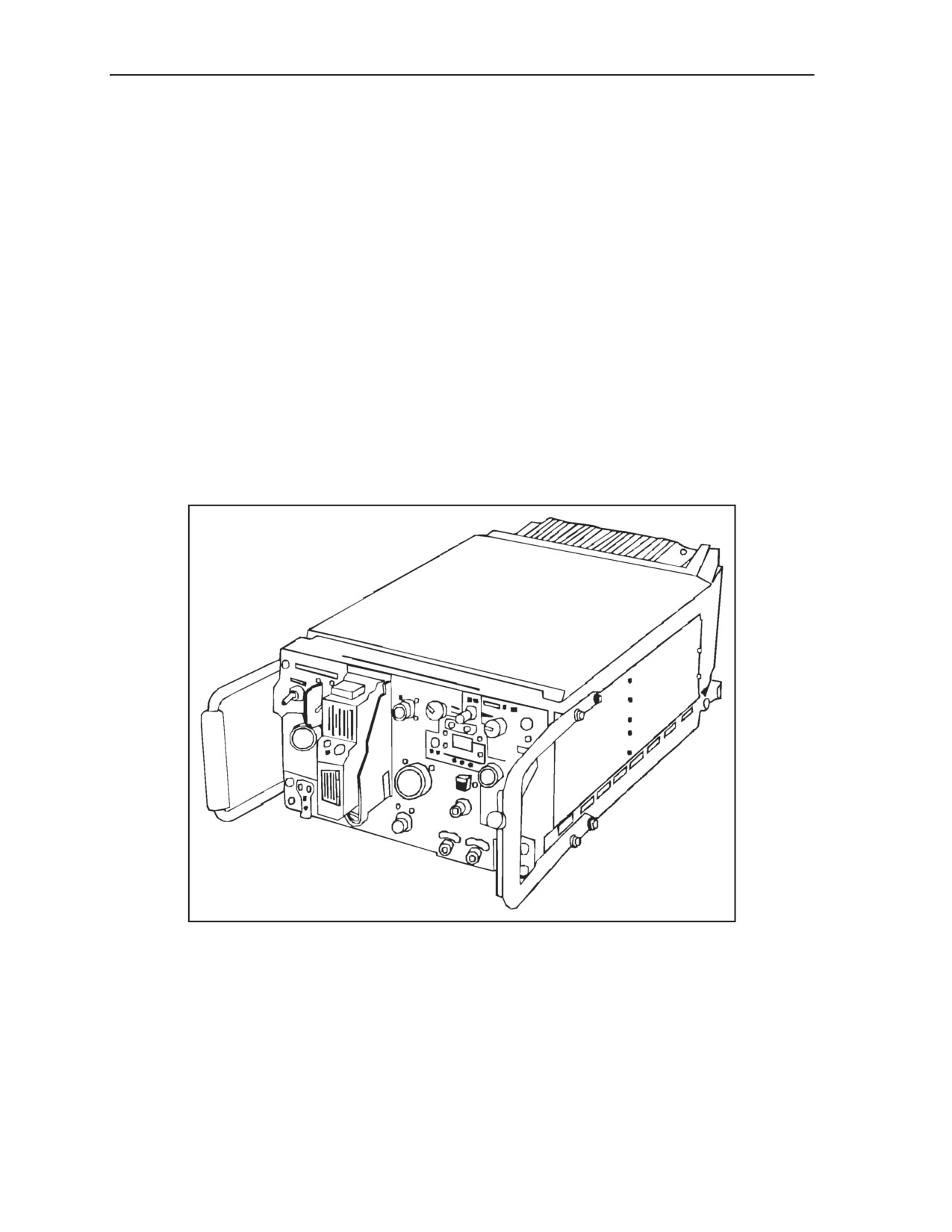
5-48. The Army JTIDS system is comprised of the Class 2M terminal, the JTIDS terminal controller, and
the JTIDS antenna. Figure 5-4 is an example of the JTIDS Class 2M radio, AN/GSQ-240 I.
Figure 5-4. JTIDS class 2M, AN/GSQ-240 I radio set
MULTIFUNCTIONAL INFORMATION DISTRIBUTION SYSTEM
5-49. MIDS is a communications, navigation, and identification system intended to exchange C2 data
information among various C2 and weapons platforms, to enhance varied missions of each Service. MIDS
is the follow-on to JTIDS terminals, providing improvements over the Class 2 family of terminals. MIDS is
smaller and lighter than its predecessor and can be installed in platforms that are limited in space and
weight. MIDS-equipped platforms are fully compatible with LINK 16 participants.
5-10
FM 6-02.53
5 August 2009
Ultra High Frequency Radios
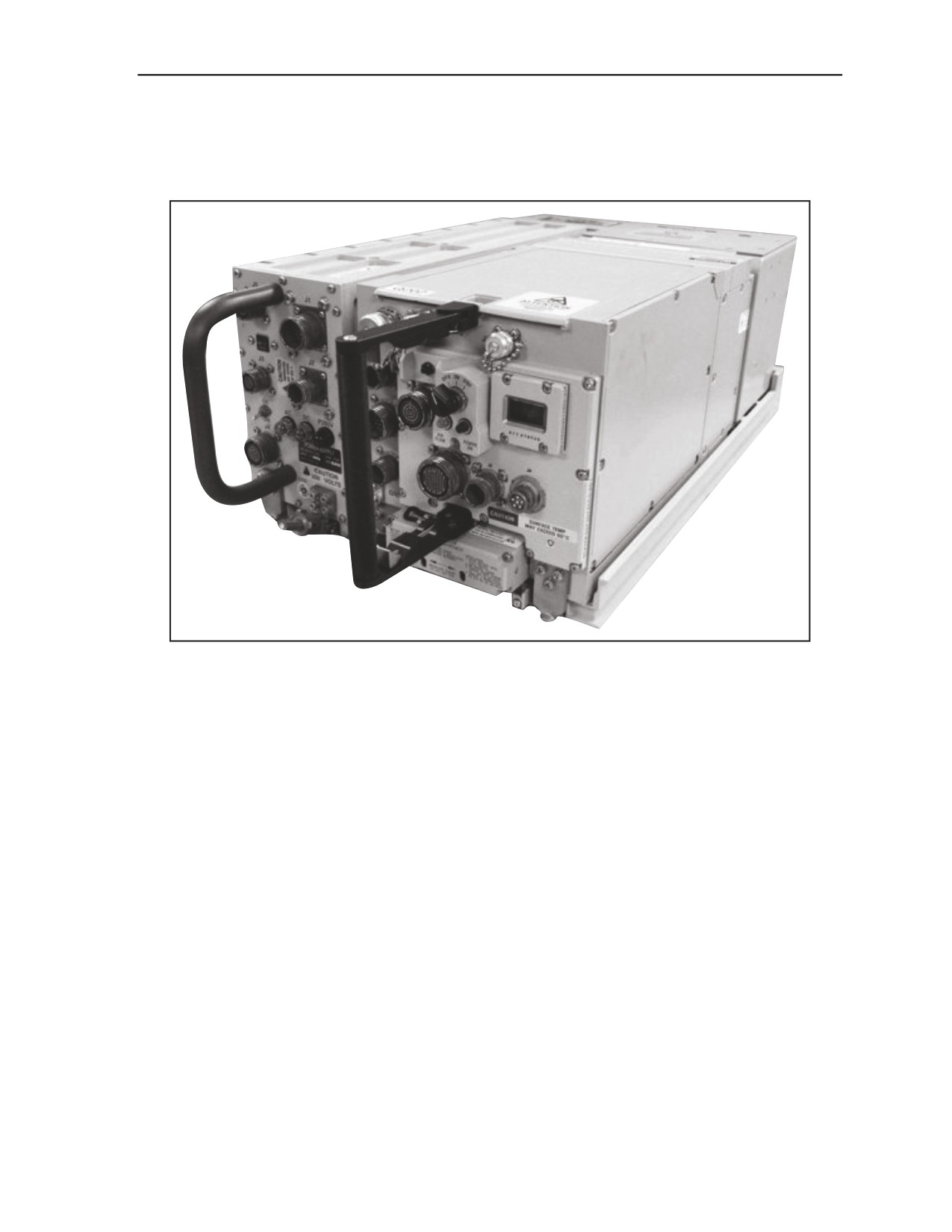
5-50. Army MIDS consists of a MIDS LVT-2, a terminal controller, and an antenna. Figure 5-5 shows the
Army MIDS LVT-2, AN/USQ-140. The Army MIDS provides jam-resistant, near real-time, high digital
data throughput communications, position location reporting, navigation, and identification capabilities to
host platforms.
Figure 5-5. Army MIDS LVT-2, AN/USQ-140
5 August 2009
FM 6-02.53
5-11
This page intentionally left blank.
Chapter 6
Single-Channel Tactical Satellite
This chapter addresses the Army SC TACSAT planning and employment. It also
addresses SC ground terminals, the AN/PSC-5, AN/PRC
117F and Army
conventional forces.
SINGLE-CHANNEL TACTICAL SATELLITE INTRODUCTION
6-1. The Army uses SC TACSAT to provide long-haul, worldwide communications coverage to support
critical C2 communications to ground and mobile operating forces. SC TACSAT provides the ability to
support a small number of burst transmissions per day for SOF, Ranger units, atomic demolition teams, and
long range surveillance units engaged in sensitive missions over extended distances and varied terrain. It
also provides secure voice communications for C2 for the Special Operations Command, airborne, air
assault, light infantry divisions, and light infantry brigades.
6-2. All Army SC TACSAT terminals provide half duplex operations. The radios provide the capability
of transmitting data rates of up to 56 kbps on 25 kHz (wideband) channels and 9.6 kbps on 5 kHz
(narrowband) channels. Due to the limited resources available on the UHF satellites and the increasing
requirements for access by Army and all Service users, the Joint Chiefs of Staff (JCS) mandated the use of
DAMA. This allows more access to the satellites through the automated sharing of the channel but reduces
the data rates provided to the users. Therefore, the normal access is limited to 2400 bps, providing voice
using ANDVT and data. The improvement of the voice encoder (VOCODER) in the radios using MELP
vastly improves the voice quality and clarity at 2400 bps to that found using VINSON encryption at 16
kbps.
6-3. The JCS and SC TACSAT community realized there were problems previously experienced with the
implementation of DAMA. MELP was not originally available and the users of voice found that
narrowband did not provide what they needed to support their missions. In addition, DAMA was hard for
operators to use and access could be preempted, causing the loss of communications during important
missions. Most importantly, the satellites being used are failing due to surpassing their life cycle and the
follow on system (both satellites and terminals), Mobile User Objective System, has been delayed.
6-4. The MIL-STDs governing the use of UHF were improved and implemented a higher data
throughput into the sharing of channels. This is known as the integrated waveform. Implementation of
integrated waveform is projected to take place in 2008. This will provide an improvement of up to four
times the accesses seen in DAMA on a 25 kHz channel. Radios will be required to have the MELP
VOCODER, providing the clear voice necessary for successful operations. Data rates on the channels can
be changed on demand for those that need to send large data files in a short period. Integrated waveform
will be implemented in two phases.
6-5. The first phase will allow for net communications, preplanned to support operations. Phase II will
allow for ad hoc communications, supporting point-to-point calls and nets that were not preplanned as the
mission dictates. The human machine interface will be simplified to allow for ease of operation. The
prevalent manpack systems (AN/PSC-5C, AN/PSC-5D, and AN/PRC-117F along with the airborne system
AN/ARC-231) will be the first to implement the integrated waveform.
5 August 2009
FM 6-02.53
6-1
Chapter 6
SINGLE-CHANNEL TACTICAL SATELLITE PLANNING
CONSIDERATIONS
6-6. The SC TACSAT mission provides worldwide tactical communications such as en route contingency
communications, in-theater communications, intelligence broadcast, and CNR range extension. SC
TACSAT radios link TOCs to all echelons, and include the long range surveillance units and Army SOF
units, which can operate hundreds of miles from main forces.
6-7. Army SC TACSAT operates in the UHF band, and is available in manpack and vehicle versions. The
radios’ lightness, availability, and ease of use make them valuable for mobile and covert operations
spanning full spectrum operations.
6-8. Commanders distribute terminals based on the mission and their preferences for communications.
Commanders can use the terminal based on their vision of the battle scenario; flexibility and mobility are
an inherent part of this architecture. Members of the Warfighter Network can be located anywhere within
an AOR given the extent of the satellite footprint.
6-9. Unlike most communications systems SC TACSAT has no planning range. The capability to
communicate depends on the location of the satellite for LOS. The channelization of each satellite is
standardized providing flexibility and interoperability in normal operations. Given a contingency mission,
the controlling authority can change the geosynchronous position of the satellite and improve the footprint
as required. Additionally, SC TACSAT will not directly interfere with other combat net communications
systems due to the frequency bands in which it operates.
DAMA NETWORKS
6-10. DAMA is a technique which matches user demands to available satellite time. Satellite channels are
grouped together as a bulk asset, and DAMA assigns users variable time slots that match the RTOs
information transmission requirements. The RTO does not notice a difference because the RTO appears to
have exclusive use of the channel. The increase in nets or radio users available by using DAMA depends
on the type of users. DAMA is most effective where there are many users operating at low to moderate
duty cycles. This describes many tactical nets; therefore, DAMA is particularly effective with SC TACSAT
systems.
6-11. DAMA efficiency also depends on how the system is formatted which is how the access is
controlled. The greatest user increase is obtained through unlimited access. This format sets up channel use
on a first-come-first-serve basis. Other types of formats are prioritized cueing access and minimum
percentage access. The prioritization technique is suitable for command type nets, while the minimum
percentage is suitable for support/logistic nets. Regardless of format, DAMA generally increases satellite
capability by 4-20 times over normal dedicated channel operation.
SINGLE-CHANNEL ULTRA HIGH FREQUENCY AND EXTREMELY
HIGH FREQUENCY TERMINALS
6-12. The following paragraphs address SC UHF and extremely high frequency (EHF) ground terminal
radios.
LST-5B, 5C AND 5D
6-13. The LST-5B and LST-5C (refer to Figure 6-1) are SC TACSATs that operate in either a manpack,
vehicular, shipboard, or airborne configuration. They are capable of operation by remote control via
dedicated hardware, or PC-based software through an X-mode connector. Both radios modulate in AM and
FM voice, cipher, data, and beacon. They use the frequency range of 225-399.995 MHz with channel
spacing of 5 kHz and 25 kHz.
6-2
FM 6-02.53
5 August 2009
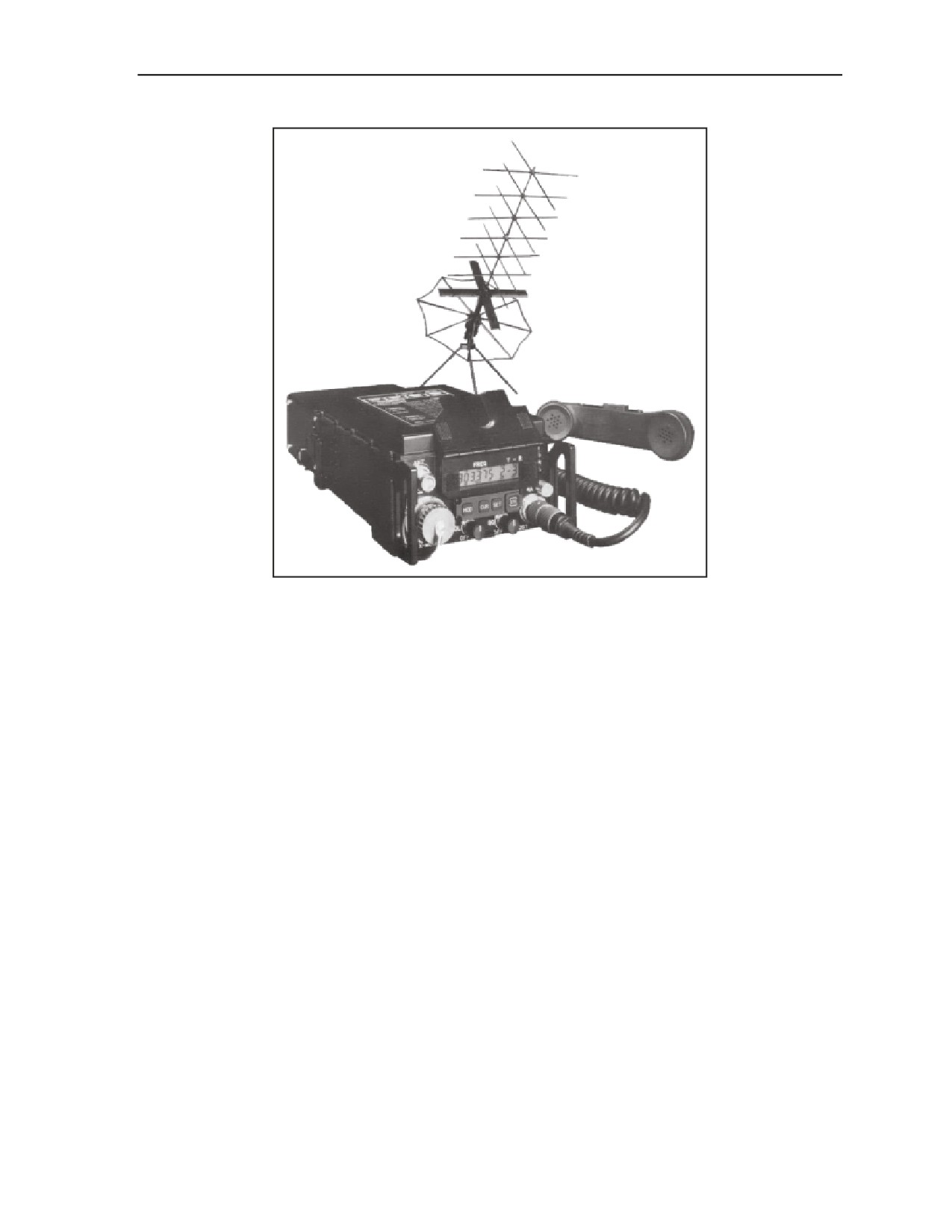
Single Channel Tactical Satellite
Figure 6-1. LST-5
6-14. The LST-5D has the added capability of DAMA, features embedded encryption devices for voice
and data communications, as well as the channel capacity increases made possible through DAMA channel
management. (Refer to FM 6-02.90 for more information on tactics, techniques, and procedures [TTP] for
UHF TACSAT and DAMA operations.)
SINGLE-CHANNEL ANTI-JAM MAN PORTABLE TERMINAL, AN/PSC-11
6-15. The AN/PSC-11 single-channel anti-jam man portable (SCAMP) terminal is a man packable system
that is packaged for storage or transport in two transit cases. The SCAMP consists of a RT, an interface
unit that encrypts and decrypts the voice and data by using COMSEC keys, a handheld control device (30
key keypad), and a handset. (There is additional associated equipment that is not provided with all
terminals.)
6-16. The AN/PSC-11 terminal interfaces with the military strategic and tactical relay system to provide
secure, survivable voice and data communications via a low data rate payload. It can operate over EHF
packages on fleet satellite and UHF follow-on systems. The AN/PSC-11 terminal operates in either point-
to-point or broadcast modes, and provides voice and data service at a maximum data rate of 2,400 bps. The
terminal can interface in the data mode with CNRs and PCs to provide range extension for conventional
units and SOF. The AN/PSC-11 terminal has the following characteristics and capabilities—
z
Throughput: 24 kbps (voice or data).
z
Modes of operation: point-to-point or broadcast.
z
Frequency: uplink, 43.5 to 45.5 gigahertz (GHz) Q Band with 2 GHz bandwidth.
z
Security: embedded COMSEC.
6-17. The AN/PSC-11 terminal
(refer to Figure
6-2) can interface with a variety of Army user
communications systems via the four baseband data ports. The satellite link is transparent to the user
communications system. The baseband equipment/systems do not control the satellite access of the
5 August 2009
FM 6-02.53
6-3
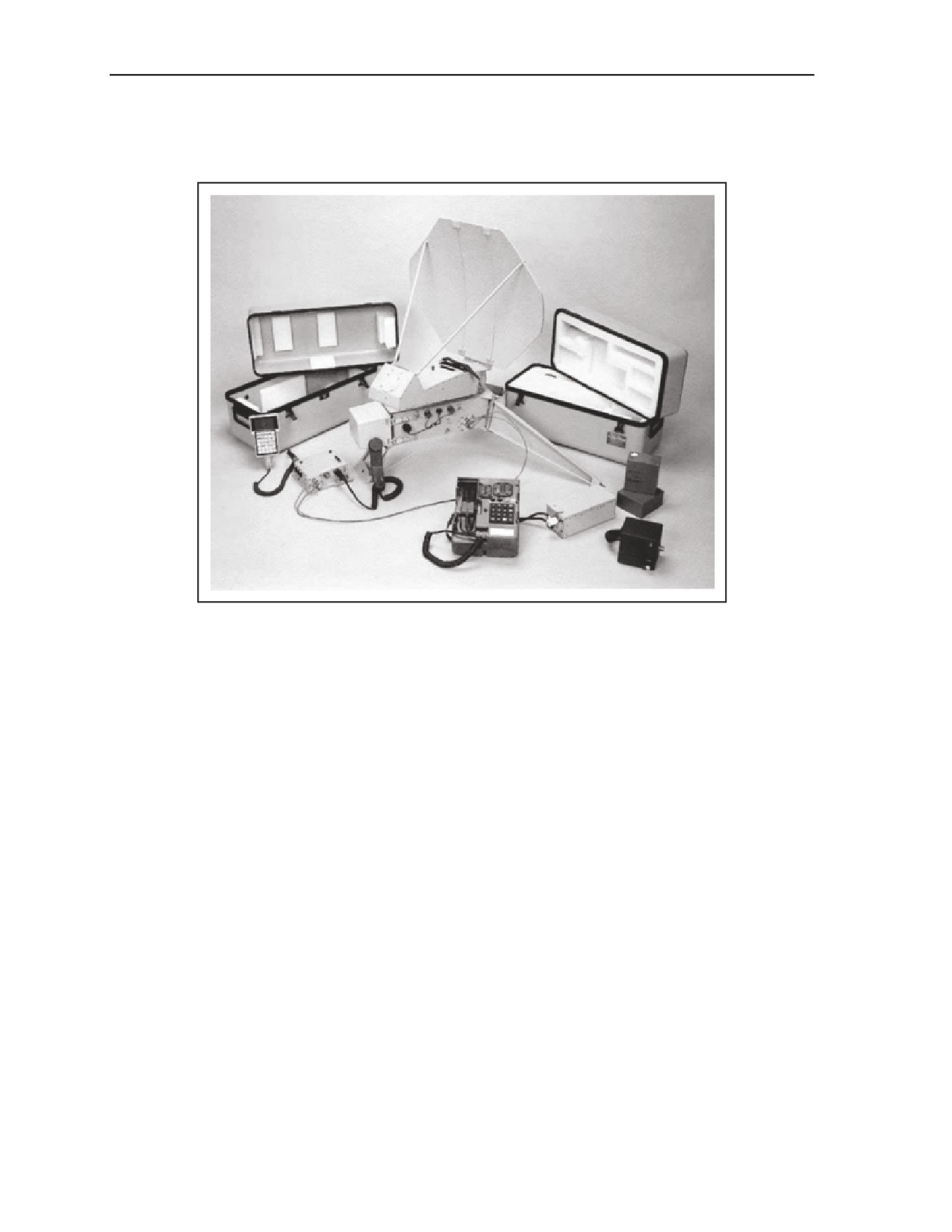
Chapter 6
AN/PSC-11 terminal. In all cases, the operator must first establish the satellite path via the AN/PSC-11.
Once the satellite path is operational, the baseband service can then be established. (Refer to TM 11-5820-
1157-10 for more information on the SCAMP.)
Figure 6-2. AN/PSN-11 SCAMP
AN/PSN-11 AND COMBAT NET RADIOS
6-18. The AN/PSC-11 terminal supports the SINCGARS SIP and ASIP radios, providing range extension
to CNR users. The SINCGARS RT operates in the data mode only with the AN/PSC-11. Figure 6-3 shows
the two AN/PSC-11/CNR configurations. With SINCGARS, the AN/PSC-11 operates in a full duplex,
point-to-point configuration that supports user baseband equipment, such as the STU III and all utilized
data systems. Additionally, the AN/PSC-11 provides range extension to the SINCGARS. The AN/PSC-11
can provide range extension to either a network or one SINCGARS. Connectivity via the red port or a
black port (with an external cryptographic device such as the KG-84/KIV-7) provides encryption.
6-4
FM 6-02.53
5 August 2009
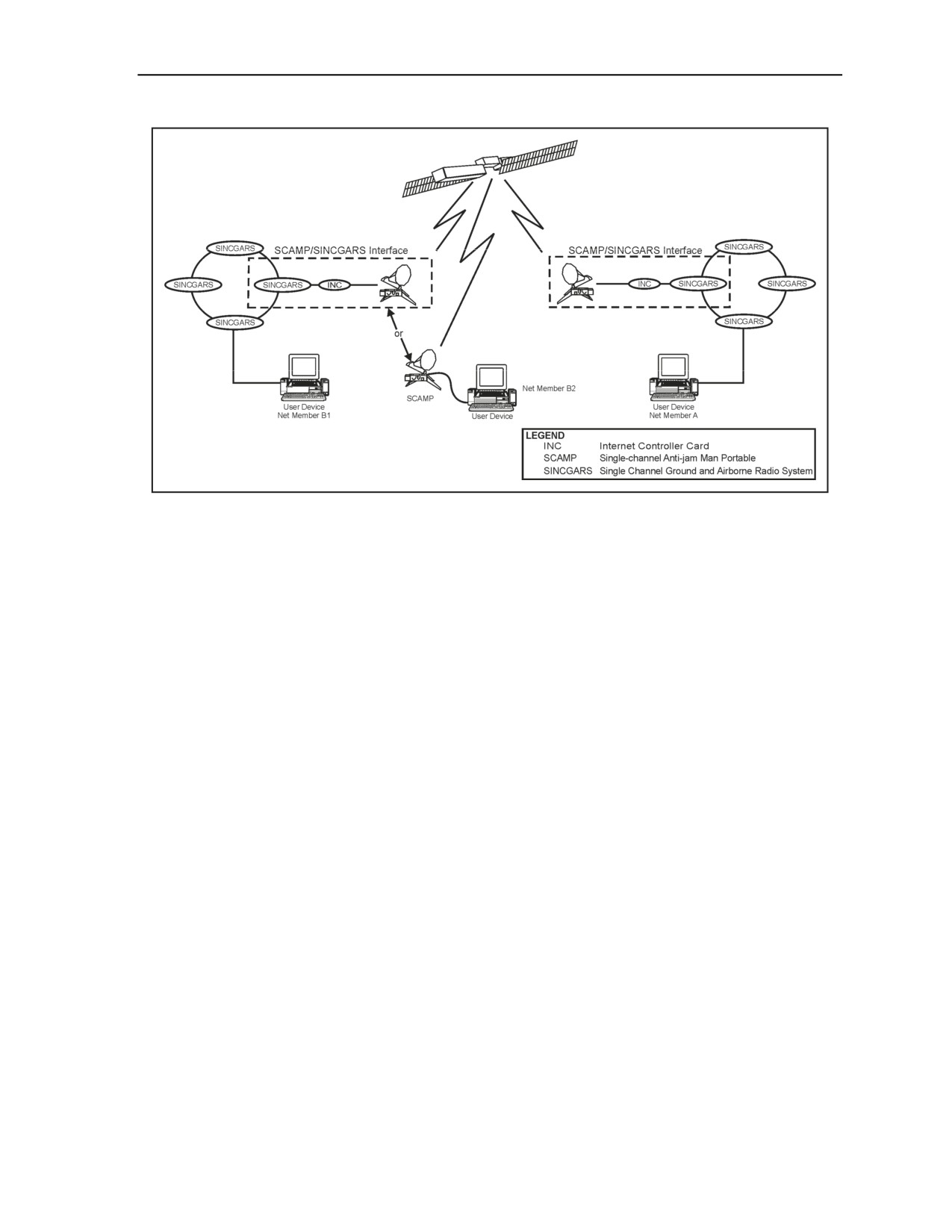
Single Channel Tactical Satellite
Figure 6-3. SCAMP/CNR configurations
AN/PSC-5 RADIO SET (SPITFIRE)
6-19. The AN/PSC-5 was built to replace the AN/PSC-3. Refer to Figure 6-4 for an example of an
AN/PSC-5, Spitfire. The Spitfire operates in the following PT LOS modes with the following
characteristics and capabilities—
z
Frequency bands of:
30.000-87.995 MHz.
108.000-129.995 MHz.
130.000-148.995 MHz.
156.000-173.995 MHz.
225.000-399.995 MHz.
z
Modulation to include:
AM—60 to 90 percent at 1 kHz AM for PT and CT LOS voice modulation;
50 percent minimum for beacon mode.
FM—±5.6 kHz deviation at 1 kHz FM for PT and CT LOS voice
modulation. The FM beacon modulation has a ±4 kHz nominal frequency deviation.
FM—frequency shift key (FSK) modulation rate of 16 kbps PT and CT
voice and data. Used in LOS and SATCOM modes.
z
Channel spacing: 5 kHz.
z
Squelch: Operator adjustable S/N ratio squelch. From
10dB signal, noise and distortion
(SINAD) at minimum squelched condition to at least 16 dB SINAD at maximum.
z
Half duplex operation.
z
PT: transmitted voice or data is not encrypted.
z
CT: When a cipher-text voice message is received or transmitted (mode switch in CT), a single
beep will be heard in the handset at the beginning of the reception or transmission.
z
Noise figure LOS: 10 dB nominal.
z
Six presets.
5 August 2009
FM 6-02.53
6-5
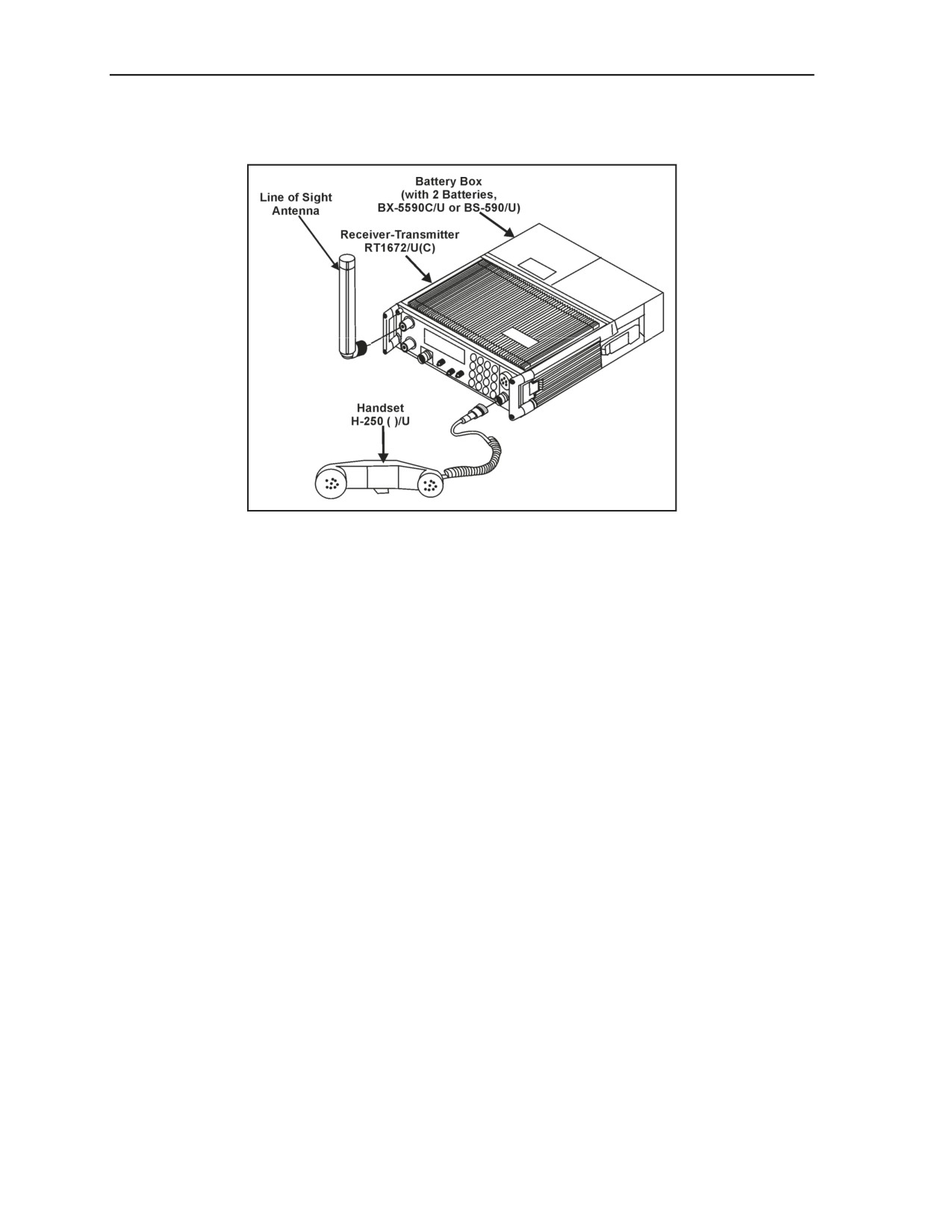
Chapter 6
z
Frequency scanning: capable of scanning five presets in LOS PT voice and CT (VINSON)
voice.
Figure 6-4. AN/PSC-5 radio set, Spitfire
6-20. The Spitfire can scan up to five LOS or dedicated SATCOM radio voice operation nets. Scanning
combinations of CT (VINSON) and PT nets is allowed in voice mode only.
6-21. The Spitfire operates in the following SATCOM modes with these characteristics and capabilities—
z
Frequency band: UHF band 225.000 MHz to 399.995 MHz.
z
Modulation to include:
AM—60 to 90 percent at 1 kHz AM for PT and CT LOS voice modulation;
50 percent minimum for beacon mode.
FM—±5.6 kHz deviation at 1 kHz FM for PT and CT LOS voice
modulation. The FM beacon modulation has a ±4 kHz nominal frequency deviation.
FM—FSK rate of 16 kbps PT and CT voice and data. Used in LOS and
SATCOM modes.
SBPSK—modulation rate of 1200, 2400, and 9600 bps. Used in SATCOM
mode.
z
Channel spacing: 5 kHz and 25 kHz.
z
Squelch: Operator adjustable S/N ratio squelch. From 10dB SINAD at minimum squelched
condition to at least 16 dB SINAD at maximum.
z
Half duplex operation.
z
PT: transmitted voice or data is not encrypted.
z
CT: When a cipher-text voice message is received or transmitted (mode switch in CT), a single
beep will be heard in the handset at the beginning of the reception or transmission.
z
Noise figure SATCOM: less than 4 dB (240-270 MHz).
z
Six presets.
6-6
FM 6-02.53
5 August 2009
Single Channel Tactical Satellite
6-22. The Spitfire operates in the following DAMA modes with the following capabilities and
limitations—
z
Frequency band: UHF band 225.000-399.995 MHz.
z
Modulation to include:
Shaped offset quadrature phase shift keying (PSK)—modulation rate of
600, 800, 1200, 2400, and 3000 bps used in 5 kHz DAMA mode.
Binary PSK—modulation rate of 19.2k and 9600 symbols per second used
in 25 kHz DAMA mode.
Differentially encoded quadrature PSK—modulation rate of
32,000
symbols per second used in 25 kHz DAMA mode.
z
Channel spacing: 5 kHz and 25 kHz, IAW MIL-STD 188-181, 188-182A, and 188-183.
z
Half duplex operation.
z
VINSON: 16 kbps data rate, 25 kHz COMSEC (KY-57/58) mode for secure voice and data.
z
KG-84 compatible modes 3 and 4 (data only).
z
ANDVT—2400 bps mode for secure voice and data.
z
Six sets DAMA (including 20 “sub-presets” each for 5 kHz service setup, 5 kHz message setup,
and 25 kHz service setup).
Spitfire Wireless Network Extension Capabilities
6-23. The Spitfire provides range extension for both SINCGARS and Spitfire radios. A Spitfire-to-Spitfire
wireless network extension is used when the network spans two satellite footprints. The actual terminals
used for wireless network extension are set up in the PT mode, a W-5 cable is used between the two radios
with SATCOM antennas connected, and the set up does not allow for an eavesdrop capability at the
wireless network extension site.
Note. Do not attach handsets or speakers to Spitfire terminals in the wireless network extension
configuration. If connected they will produce a non-secure beep broadcast and NSA mandates
secure, encrypted transmissions.
6-24. The Spitfire terminals may be set up in the wireless network extension mode with the LOS antennas
connected, but this is not recommended. A SINCGARS wireless network extension configuration is
recommended for this communications requirement.
6-25. The abbreviated wireless network extension mode for SINCGARS requires one Spitfire to be set up
with a SINCGARS at the wireless network extension site. Again, the Spitfire must be in PT mode to
accomplish the wireless network extension, or eavesdropping may take place at the SINCGARS terminal.
The SINCGARS operates in 25 kHz increments, the same as the LOS mode for the Spitfire. Both
SATCOM and DAMA, 5 kHz channels, must be requested for the Spitfire to accomplish the
communications link. The Spitfire set up at the distant end will be in the CT mode. It will then
encrypt/decrypt transmissions using the COMSEC employed by the SINCGARS.
6-26. Use the AN/PSC-5 for BLOS wireless network extension of SINCGARS nets. Each net requires a
SINCGARS and AN/PSC-5 terminal connected for wireless network extension. Figure 6-5 is an example
of a SINCGARS range extension with AN/PSC-5 (this configuration can also be modified for SINCGARS
to Spitfire communications).
6-27. In the PT mode, the wireless network extension AN/PSC-5 cannot monitor the network or send
messages; only the SINCGARS terminal can do this. Additionally, satellite channels must be in 25 kHz
increments for both SATCOM and DAMA. Once this configuration is complete, wireless network
extension occurs as if it were a SINCGARS-to-SINCGARS wireless network extension site. The major
difference is that the network at each end has BLOS capability.
5 August 2009
FM 6-02.53
6-7
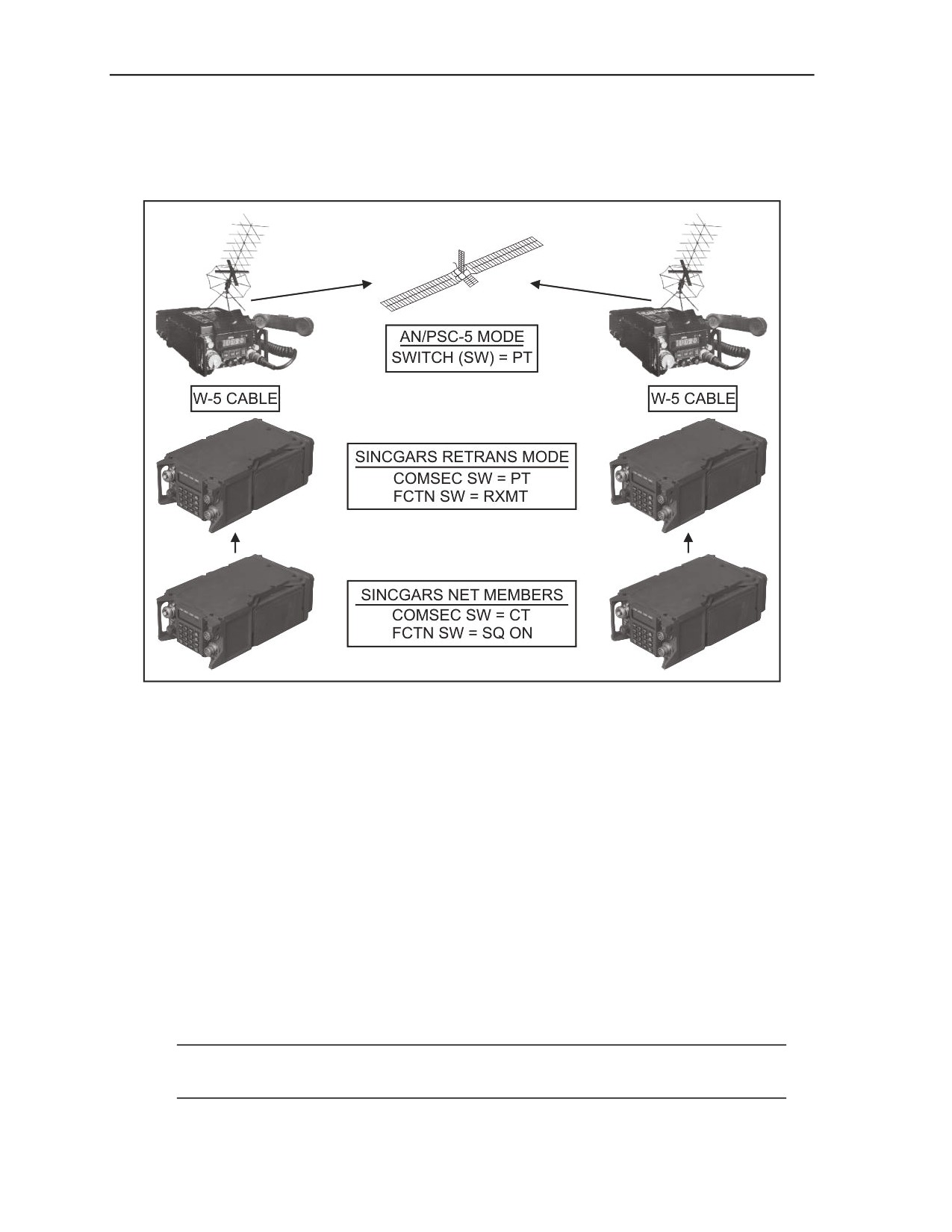
Chapter 6
6-28. Other available wireless network extension capabilities include DAMA-to-DAMA, DAMA-to-
SATCOM, SATCOM-to-LOS, and DAMA-to-LOS configurations. These are used based on mission
requirements, and are not normal wireless network extension configurations. (For more information on the
AN/PSC-5 refer to TM 11-5820-1130-12&P.)
Figure 6-5. SINCGARS range-extension with Spitfire
COMMUNICATIONS PLANNING
6-29. The Network Management System (NMS) provides the joint staff, GCC planning facilities, and the
subordinate units with a tool that consolidates and provides information to maintain a database. This
database necessary for the controllers to implement the DAMA process and receive allocations of satellite
resources.
6-30. The database will include information about the terminal, the user, and the services requested. This
information will include, but is not be limited to—
z
Type of terminal.
z
COMSEC being employed (not including key type).
z
I/O device attached.
z
Data rates of the I/O device.
z
Terminal address.
z
Network addresses terminal.
z
Guard lists.
Note. A guard frequency is a RF that is normally used for emergency transmissions and is
continuously monitored for example, UHF band 243.0 MHz and VHF band 121.5 MHz.
6-8
FM 6-02.53
5 August 2009
Single Channel Tactical Satellite
6-31. Although the NMS will not replace the need to document requirements in the integrated
communications database, it will eventually replace the need to generate a satellite access request.
Information passes electronically from planners within the unit, to their higher headquarters, via the joint
(UHF) military SATCOM network integrated control system as the mission dictates. When fielded, the
Army’s NMS will be a part of the integrated system control.
KEY DISTRIBUTION
6-32. Key distribution is critical in achieving secure satellite transmissions. The brigade COMSEC office
of record is responsible for the brigade COMSEC account. It also provides logistical support for the control
and distribution of internal brigade and subordinate battalion COMSEC material. Commanders must ensure
these procedures are established in a unit SOP. (TB 380-41 provides information on the procedures for
safeguarding, accounting, and the supply control of COMSEC material such as COMSEC material
distribution.)
Joint Communications Security Key Distribution
6-33. A joint contingency force (JCF), corps, and division key management plan (KMP) provides guidance
on the COMSEC key distribution; however, it does not change current unit procedures. The COMSEC
custodian is responsible for KMP coordination and the frequency manager is responsible for the satellite
access request. The COMSEC custodian and frequency manager need to ensure prior coordination is made
between the two so that all requests for COMSEC have been identified for all units.
Transmission Security (Orderwire) Key Distribution
6-34. The DAMA KMP will provide guidance on obtaining orderwire keys using the EKMS with the
DAMA control system. It will also provide instructions for the receipt of OTAR by the users. The Spitfire
provides an OTAR capability for orderwire keys. Spitfire operators should have the current and next
orderwire keys for each footprint in which they will be operating.
Note. Only the requesting unit’s COMSEC custodian with a valid COMSEC account can order
these keys. (Refer to TB 380-41.)
6-35. The DAMA semi-automatic controller (and possibly the NCS) places the orderwire keys in positions
0-7; the Spitfire uses positions 1-8. Careful coordination must be performed before the execution of any
DAMA operations. Additionally, the location of the key must be coordinated within each footprint to
ensure compatibility with the controller in all AOs.
AN/PSC-5I UHF TACTICAL GROUND TERMINAL (SHADOWFIRE)
6-36. The AN/PSC-5I is a field upgrade of the AN/PSC-5 Spitfire terminal. The upgrade was designed to
provide all the capabilities of the AN/PSC-5I plus additional capabilities for HAVEQUICK I and II and
SINCGARS anti-jam; the ability to receive and transmit OTARs; extended 30-420 MHz frequency range,
MIL-STD-188 to 181B HDR in LOS and SATCOM communications; and MIL-STD 188-184 embedded
advanced data controller.
6-37. Additional features include embedded tactical Internet range extension and MELP voice coding, 142
preset channels, advanced key loading, DS-101 fill capability and embedded tactical IPs and COMSEC.
AN/PSC-5D MULTIBAND MULTIMISSION RADIO
6-38. The AN/PSC-5D offers a higher frequency range than the Spitfire and Shadowfire. A LOS, 5 kHz,
25 kHz DAMA, and 25 kHz SATCOM comparison of the AN/PSC-5 family of radios and the AN/PRC-
117F is outlined in Table 6-1, 6-2 and 6-3. For more information on UHF SC TACSAT/DAMA refer to
FM 6-02.90.
5 August 2009
FM 6-02.53
6-9