FM 7-100.4 Opposing Force. Organization Guide (MAY 2007) - page 4
Local Insurgent Organization from the AFS Organizational Directories
Direct Action Cell (Assassination and Sniper), Insurgent Organization _______
DA CELL
(Assassin
& Sniper)
DA TEAM
(Assassin
& Sniper)
Cell Leader/Team Leader/Obs (x1)
AKM/BG-15
Team Leader/Observer (x1)
AKM/BG-15/PKM
Sniper/Designator (x2)
Mosin/Nagant/RPK
Assistant Sniper/Grenadier (x2)
RPG/AKMS
Driver/Security Pers (x2)
PM/AKMS
Total Personnel
8
PRINCIPAL ITEMS OF EQUIPMENT
Equipment
Total
Equipment
Total
9-mm Pistol, PM
2
Camcorder, Video
1
7.62-mm Assault Rifle, AKM
2
Camera, Digital
1
7.62-mm Carbine, AKMS
4
Electrician Set
1
7.62-mm GP MG, PKM
1
GPS Receiver, Handheld
1
7.62-mm LMG, RPK
2
Laser Rangefinder, Handheld
2
7.62-mm Sniper Rifle, Mosin/Nagant
2
Observation Scope, Day/Night
2
40-mm Grenade Launcher, BG-15
2
Night-Vision Goggles
4
ATGL, RPG-7V
2
Radios:
ATDL, RPG-22
1
Cell Phone
3
Demolition, Fuzes & Detonators *
Assorted
Computer, Laptop
1
Demolition Materiel **
Assorted
Computer, PDA
1
Improvised Explosive Device (IED) ***
4
Handheld, Long-Range Cordless-
Mines (AP, AT & AV) ****
Assorted
Telephone
1
Sedan, Civilian
1
Handheld, Very-Low-Power
8
Truck, Pickup ½ ton, Civilian
1
Portable, Satellite Telephone
1
Binoculars
2
NOTES: See next page.
_______________________________
* Includes bangalore torpedoes, shaped charges, AT grenades, other tactical demolitions.
** Includes remotely detonated mines, booby traps, and side-attack (AT & anti-vehicle) mines.
The mix is mission dependent and varies.
*** Assorted fuzes/detonators include time, optical, pressure, pressure release, command armed
fuzes, sensor fuzes
(acoustic, optical, infrared, seismic, magnetic), command detonated
(electronic, radio frequency [RF], pressure release).
**** Each assassination and sniper direct action cell has at least four assorted types of IED and
remote detonation devices. The number and type of IED varies and is determined by the
current mission.
3 May 2007
FM 7-100.4
C-15
Appendix C
Direct Action Cell (Assassination and Sniper), Insurgent Organization
(continued) _________________________________________________________
NOTES:
1. The primary mission of the assassination and sniper cell is to terrorize the population and/or to
assassinate preselected persons. The cell may indiscriminately select individual targets in crowded
marketplaces or religious and political gatherings with the sole intent to terrorize. This direct action
cell is extremely lethal in conducting individual assassinations and ambushes.
2. An assassination is a deliberate action to kill political leaders or VIPs, versus the killing of
common people, which is considered murder. The insurgent assassinates or murders people it cannot
intimidate, who have left the group, or who have some symbolic significance for the enemy or world
community. Insurgent organizations may refer to these killings as “punishment.” Many targets of
assassination are symbolic and often have a great psychological impact on the enemy. For example,
assassinating an enemy negotiator or successful businessperson can demonstrate the enemy’s inability
to protect its own people.
3. An assassination and sniper cell could select its own targets based on opportunity, as long as
hitting such targets supports (or does not conflict with) the overall goals of the insurgent organization.
However, the insurgent leadership can exercise centralized control as necessary, in order to
orchestrate concerted action or to achieve a specific goal in its area of influence.
4. Assassination methods include remotely-detonated bombing, the use of firearms, and poisoning.
The target’s vulnerabilities determine the method of assassination. For example, a target (individual)
who drives to work along the same route each day may be vulnerable to a sniper attack. Each action
requires detailed planning by many cells. The insurgent leadership and/or the planning cell selects the
assassination target after considering the input from the other cells. The assassination cells take
actions similar to those taken for a kidnapping. The difference is that a kidnapping seeks to keep the
target alive, while an assassination or murder does not.
5.
The structure, personnel, equipment, and weapons mix all depend on specific mission
requirements. Weapons appropriate to each mission are selected. The other equipment is left behind
or cached. The RPG, RPK, and/or sniper rifle may be needed in some cases and not in others. Other
weapons and equipment are added as required. The assassination and sniper cell has the same base-
line of weapons and equipment as the multifunction direct action cell.
6. The assassination and sniper cell consists of two teams. The cell leader serves as the team leader
of one team. Each team consists of five men: a team leader/observer
(spotter), a sniper
(shooter)/target designator, an assistant sniper, a security person, and a driver. If a vehicle is not
required, the driver may serve as an additional security person or ammo bearer.
7. When the role of the assassination and sniper cell reverts to that of a multipurpose cell, the
following role shifts occur. The cell leader remains as the cell leader and a team leader of one of the
teams. He retains the assault rifle AKM, with the 40-mm under-barrel grenade launcher BG-15. The
team leader of the second team puts aside his AKM/BG-15 and becomes the machinegunner, carrying
a 7.62-mm general-purpose machinegun PKM. He remains in charge of the second team. The snipers
in both teams put aside their Mosin/Nagant sniper rifles and become the gunners of the 7.62-mm light
machineguns RPK. The assistant sniper/designator puts aside his 7.62-mm Carbine AKMS and
becomes a grenadier with an RPG-7V. All cell members assist in carrying ammunition and RPG
rounds.
8. Every direct action cell is capable of performing all of the insurgent organization missions. When
not engaged in specialized activities, the assassination and sniper cell serves as a multifunction direct
action cell. Depending on mission requirements, the assassination and sniper cell may also serve as a
reconnaissance element, a stay-behind element, or provide security for other direct action cells. For
additional information, see FM 7-100.3.
C-16
FM 7-100.4
May 2007
Local Insurgent Organization from the AFS Organizational Directories
Direct Action Cell (Kidnapping and Extortion), Insurgent Organization _______
DA CELL
(Kidnapping
& Extortion)
Cell Leader (x1)
PKM
Asst Cell Leader (x1)
AKM/BG-15
Grenadiers (x2)
RPG/AKMS
Security Pers/Marksman (x1)
Mosin/Nagant
Security Pers (x1)
RPK
Driver (x2)
PM/AKMS
Total Personnel
8
PRINCIPAL ITEMS OF EQUIPMENT
Equipment
Total
Equipment
Total
9-mm Pistol, PM
2
Van, Civilian
1
7.62-mm Assault Rifle, AKM
1
Binoculars
2
7.62-mm Carbine, AKMS
4
Camcorder, Video
2
7.62-mm LMG, RPK
1
Camera, Digital
2
7.62-mm GP MG, PKM
1
GPS Receiver, Handheld
1
7.62-mm Sniper Rifle, Mosin/Nagant
1
Night-Vision Goggles
1
40-mm Grenade Launcher, BG-15
1
Radios:
ATGL, RPG-7V
2
Cell Phone
3
ATDL, RPG-22 *
1
Computer, Laptop
1
Demolition, Fuzes&Detonators **
Assorted
Computer, PDA
1
Demolition Materiel ***
Assorted
Handheld, Long-Range Cordless-
Improvised Explosive Device (IED) ****
4
Telephone
1
Mines (AP, AT & AV) *****
Assorted
Handheld, Very-Low-Power
8
Sedan, Civilian
1
Portable, Satellite Telephone
1
NOTES: See next page.
_______________________________
* The ATDL is issued as ammunition rather than a weapon—the BOI may vary. They are not
assigned to an individual.
** Assorted fuzes/detonators include time, optical, pressure, pressure release, command armed
fuzes, sensor fuzes
(acoustic, optical, infrared, seismic, magnetic), command detonated
(electronic, radio frequency [RF], pressure release).
*** Includes bangalore torpedoes, shaped charges, AT grenades, other tactical demolitions.
**** Each kidnapping and extortion direct action team has at least four assorted types of IED and
remote detonation devices. The number and type of IED varies and is determined by the
current mission.
***** Includes remotely detonated mines, booby traps, and side-attack (AT & anti-vehicle) mines.
The mix is mission dependent and varies.
3 May 2007
FM 7-100.4
C-17
Appendix C
Direct Action Cell (Kidnapping and Extortion),
Insurgent Organization (cont) _________________________________________
NOTES:
1. The primary mission of this direct action cell is to conduct kidnapping, extortion, hijacking, and
hostage-taking. These acts help to finance the organization and serve to influence and/or terrorize the
population. Each action, particularly a kidnapping, requires detailed planning and support by a
number of other cells.
2. A kidnapping and extortion cell could select its own targets based on opportunity, as long as
hitting such targets supports (or does not conflict with) the overall goals of the insurgent organization.
However, the insurgent leadership can exercise centralized control as necessary, in order to
orchestrate concerted action, and might identify certain targets or types of targets in order to achieve a
specific goal in its area of influence.
3. The intelligence cell provides information on the target’s vulnerabilities, weaknesses, and routine
behavior. Every member of the insurgent organization, as well as sympathizers, can help gather this
target information. The intelligence cell must thoroughly analyze the target so that it can advise the
insurgent leadership, the planning cell, and/or the kidnapping and extortion cell on selection of the
target site and method of kidnapping. Human intelligence is vital when planning and conducting a
kidnapping, and the intelligence cell continuously conducts surveillance on the target to identify
potential security flaws. It then determines flaws that the direct action cell can exploit.
4. The intelligence cell and/or the kidnapping and extortion cell conducts detailed reconnaissance
and surveillance of potential kidnap sites to determine the best site, considering cover, concealment,
and escape routes in its evaluation. Once the target and site are selected, the kidnapping and extortion
cell
(and/or the planning cell and intelligence cell) conducts detailed analysis to provide the
kidnapping and extortion direct action cell with the requisite data on the target. The information
required depends on the location of the target and site but includes⎯
• The exact route the target uses.
• The method of conveyance.
• Specifics of conveyance, such as its size, shape, speed, and construction.
• The number of security personnel, their location, disposition, and type of weapons used.
• The target’s likes, dislikes, allergies, habits, and routines.
5. After planning and reconnaissance, the kidnapping and extortion direct action cell conducts the
actual action. For a kidnapping, the cell leader designates a specific team to conduct the kidnapping.
After receiving intelligence, the team rehearses specific kidnapping techniques, such as an ambush or
abduction, and finalizes planning. The team plans the escape route in great detail because of the
complexities of transporting the victim. It usually disables the victim to make the escape easier. The
team determines the best method of disabling the victim (such as drugging, stunning, or binding him).
6. The information warfare cell helps create and maintain the fear caused by kidnapping and extortion
through its propaganda and media manipulation means.
7. Every direct action cell is capable of performing all of the insurgent organization missions. When
not engaged in specialized activities the kidnapping and extortion direct action cell serves as a
multifunction direct action cell. All cell members assist in carrying ammunition and RPG rounds.
8. For additional information, see FM 7-100.3.
C-18
FM 7-100.4
3 May 2007
Local Insurgent Organization from the AFS Organizational Directories
Direct Action Cell (Information Warfare), Insurgent Organization ____________
DA CELL
(Information
Warfare)
Cell Leader/Sr IW Spec (x1)
PKM
Asst Cell Leader/Sr IW Spec (x1)
AKM/BG-15
IW Spec (Video)/Grenadier (x1)
RPG/AKMS
IW Spec (Comms)/Grenadier (x1)
RPG/AKMS
Computer Tech/Security Pers (x1)
RPK
IW Spec/Marksman (x1)
Mosin/Nagant
IW Spec/Driver (x2)
PM/AKMS
Total Personnel
8
PRINCIPAL ITEMS OF EQUIPMENT
Equipment
Total
Equipment
Total
9-mm Pistol, PM
2
Binoculars
1
7.62-mm Assault Rifle, AKM
1
Camcorder, Video
3
7.62-mm Carbine, AKMS
4
Camera, Digital
3
7.62-mm GP MG, PKM
1
Electrician Set
1
7.62-mm LMG, RPK
1
GPS Receiver, Handheld
1
7.62-mm Sniper Rifle, Mosin/Nagant
1
Night-Vision Goggles
2
40-mm Grenade Launcher, BG-15
1
Radios:
ATGL, RPG-7V
2
Cell Phone
4
ATDL, RPG-22 *
1
Computer, Desktop
4
Demolition, Fuzes&Detonators **
Assorted
Computer, Laptop
8
Demolition Materiel ***
Assorted
Computer, PDA
8
Improvised Explosive Device (IED) ****
4
Handheld, Long-Range Cordless-
Mines (AP, AT, & AV) *****
Assorted
Telephone
4
Sedan, Civilian
1
Handheld, Very-Low-Power
8
Van, Civilian
1
Portable, Satellite Telephone
3
Antenna, Satellite
2
NOTES: See next page.
_______________________________
* The ATDL is issued as ammunition rather than a weapon—the BOI may vary. They are not
assigned to an individual.
** Assorted fuzes/detonators include time, optical, pressure, pressure release, command armed
fuzes, sensor fuzes
(acoustic, optical, infrared, seismic, magnetic), command detonated
(electronic, radio frequency [RF], pressure release).
*** Includes bangalore torpedoes, shaped charges, AT grenades, other tactical demolitions.
**** Each direct action cell (information warfare) has at least four assorted types of IED and
remote detonation devices. The number and type of IED varies and is determined by the
current mission.
***** Includes remotely detonated mines, booby traps, and side-attack (AT & anti-vehicle) mines.
The mix is mission dependent and varies.
3 May 2007
FM 7-100.4
C-19
Appendix C
Direct Action Cell (Information Warfare),
Insurgent Organization (continued)_____________________________________
NOTES:
1. The direct action cell (information warfare) supports the insurgent organization’s information
warfare (IW) plan and may or may not receive guidance from the information warfare cell. The direct
action nature of this cell and its title indicate the nature of its objective, purpose, and role. IED and
other attacks are often used to support the overall information warfare plan. These attacks may also
be used in a manner to cause (shift) blame for the attack to their enemy.
2. Depending on the size, nature, and focus of the insurgent organization, the direct action cell (IW)
may be capable of several functions. Some example functions performed by this cell are selective
sabotage actions; information management; media manipulation
(misinformation and
disinformation—psychological warfare [PSYWAR]); communications (cyber embeds via Internet
sites, propaganda and indoctrination videos, broadcast successes of the direct action teams); civic
actions; and assist in the cyber-mining for intelligence. All of these functions are integrated to further
short- and long-range goals.
3. Some of the functions may require specialized expertise. For example, the media manipulation
function (PSYWAR) may require expertise and/or advice from a cleric; a political, a tribal, ethic, or
cultural leader; or other experts. Portions of the direct action cell (IW) are probably dispersed.
4.
The mission, environment, geographic factors, and many other variables determine the
configuration and composition of each direct action cell. Direct action cells do not have a fixed
structure. Cell composition is not fixed and varies from cell to cell, mission to mission, environment
to environment. The structure, personnel, equipment, and weapons mix, all depend on specific
mission requirements. Personnel select weapons appropriate to the mission. The RPG, RPK, and/or
sniper rifle may be needed in some cases and not in others. Other weapons and equipment are added
as required, such as computers, computer rigged vehicles, specialized antennas, and communications.
5. The direct action cell (IW) typically contains from 6 to 10 personnel (8 personnel is the default,
which includes 2 drivers). The cells can be as small as 2 people or consist of over 20 people (broken
into teams if necessary), depending on mission, vehicle requirements, support and security personnel,
and other variables. Some functions can also be performed by personnel outside of the cell.
6. There may be as few as one direct action cell (IW) to over 20 direct action cells (IW), depending
on the mission and other factors.
7. Direct action personnel may be a mixture of men, women, and children. Local women and
children may be used as runners, videographer/camera operators, messengers, scouts, guides, suicide
bombers, drivers, porters, snipers, lookouts, or in other roles. They may also emplace and/or detonate
IEDs, booby traps, and mines. Women (and possibly children) may be fighters and participate in
“drive-bys”, assassinations, ambushes and/or assaults. They may also serve (willingly or unwillingly)
as suicide bombers.
8. Every direct action cell is capable of performing all of the insurgent organization missions. When
not engaged in specialized activities, the direct action cell (IW) serves as a multifunction direct action
cell. All cell members assist in carrying ammunition and RPG rounds.
9. Several members of the direct action cell (IW) may be hired information warfare specialists or
“gun fighters.”
10. For additional information on direct action information warfare, see FM 7-100.3.
C-20
FM 7-100.4
3 May 2007
Local Insurgent Organization from the AFS Organizational Directories
Direct Action Cell (Mortar and Rocket), Insurgent Organization _____________
DA CELL
(Mortar
& Rocket)
DA TEAM
DA TEAM
(Mortar)
(Rocket)
Cell Leader (x1)
PM/PKM
Total Personnel
13
PRINCIPAL ITEMS OF EQUIPMENT
Equipment
Total
Equipment
Total
9-mm Pistol, PM
3
Mines (AP, AT & AV) ******
Assorted
7.62-mm Assault Rifle, AKM
2
Sedan, Civilian
2
7.62-mm Carbine, AKMS
7
Truck, Pickup ½ ton, Civilian
2
7.62-mm GP MG, PKM
1
Aiming Circle/Goniometer
1
7.62-mm LMG, RPK
2
Binoculars
3
7.62-mm Sniper Rifle, Mosin/Nagant
1
Camcorder, Video
2
40-mm Grenade Launcher, BG-15
2
Camera, Digital
2
60-mm Mortar, Light, Type 90
GPS Receiver, Handheld
3
or 60-mm Commando Mortar, M70 *
1
Night-Vision Goggles
3
107-mm Lchr Single-Tube, Type 85,
Radios:
or 107-mm Single-Tube,
Cell Phone
7
MONOTUBE
1
Computer, Laptop
3
ATGL, RPG-7V
2
Computer, PDA
3
ATDL, RPG-22 **
1
Handheld, Long-Range Cordless-
Demolition, Fuzes&Detonators ***
Assort
Telephone
2
Demolition Materiel ****
Assorted
Handheld, Very-Low-Power
13
IED *****
4
Portable, Satellite Telephone
1
NOTES: See next page.
3 May 2007
FM 7-100.4
C-21
Appendix C
Direct Action Cell (Mortar and Rocket), Insurgent Organization (continued) ___
_______________________________
* 81/82-mm mortars (W-87 81-mm or 2B14-1 82-mm) may be substituted for the 60-mm
mortar. When 81/82-mm mortars are used, the team size is increased by three personnel
(ammo bearers) for a total team size of seven personnel.
** The ATDL is issued as ammunition rather than a weapon—the BOI may vary. They are not
assigned to an individual.
*** Assorted fuzes/detonators include time, optical, pressure, pressure release, command armed
fuzes, sensor fuzes
(acoustic, optical, infrared, seismic, magnetic), command detonated
(electronic, radio frequency [RF], pressure release).
**** Includes bangalore torpedoes, shaped charges, AT grenades, other tactical demolitions.
***** Each mortar and rocket direct action cell has at least four assorted types of IED and remote
detonation devices. The number and type of IED varies and is determined by the current
mission.
****** Includes remotely detonated mines, booby traps, and side-attack (AT & anti-vehicle) mines.
The mix is mission dependent and varies.
NOTES:
1. The primary purpose of the mortar and rocket direct action cell is to either terrorize or influence
the local populace and governing authorities. It may indiscriminately fire into crowded marketplaces
and religious gatherings with the intent to terrorize. Targets may also include religious or national
icons and/or landmarks.
2. These attacks are often used to support the overall information warfare plan. They may also be
used in a manner to cause (shift) blame for the attack to their enemy.
3. Every direct action cell is capable of performing all of the insurgent organization missions. When
not engaged in specialized activities, the mortar and rocket direct action cell serves as a multifunction
direct action cell. The mortars, rockets, and associated equipment may be cached or left behind, in
which case the members carry the weapons and munitions load similar to the multifunction cell. All
cell members assist in carrying ammunition and RPG rounds.
4. In some cases, a 120-mm Mortar, Type 86 (W86) may be substituted for the 81/82-mm mortar or
60-mm mortars. However, this substitution requires a light truck to transport each 120-mm mortar.
Generally, however, if the insurgents require 100-mm or 120-mm mortars, they look to the guerrillas
for support.
5. Improvised 107-mm single-tube rocket launchers are common. The improvised launchers may be
fabricated from PVC pipe, iron, or any other available material. Improvised 107-mm rocket firing
pads can be constructed of dirt, bamboo frames, crossed stakes, road embankments, a dike between
two rice fields, the brim of a combat trench, an earth mound, or a bomb crater.
6. For additional information, see FM 7-100.3.
C-22
FM 7-100.4
3 May 2007
Local Insurgent Organization from the AFS Organizational Directories
Direct Action Team (Mortar), Direct Action Cell (Mortar and Rocket) _________
DA TEAM
(Mortar)
(60-mm)
Mortar Team Leader/Asst Cell Ldr (x1)
AKM/BG-15
Mortar Gunner/Marksman (x1)
Type 90/Mosin-Nagant
Asst Mort Gunner/Grenadier (x1)
RPG/AKMS
Ammo Bearer/Asst Grenadier (x1)
AKMS
Driver/Ammo Bearer (x1)
AKMS
Driver/ Security Pers (x1)
PM/RPK
Total Personnel
6
PRINCIPAL ITEMS OF EQUIPMENT
Equipment
Total
Equipment
Total
9-mm Pistol, PM
2
Truck, Pickup ½ ton, Civilian
1
7.62-mm Assault Rifle, AKM
1
Aiming Circle/Goniometer
1
7.62-mm Carbine, AKMS
3
Binoculars
2
7.62-mm LMG, RPK
1
Camcorder, Video
1
7.62-mm GP MG, PKM
1
Camera, Digital
1
7.62-mm Sniper Rifle, Mosin/Nagant
1
GPS Receiver, Handheld
3
40-mm Grenade Launcher, BG-15
1
Night-Vision Goggles
2
60-mm Mortar, Light, Type 90
Radios:
or 60-mm Commando Mortar, M70 *
1
Cell Phone
4
ATGL, RPG-7V
1
Computer, Laptop
1
ATDL, RPG-22 **
1
Computer, PDA
1
Demolition, Fuzes&Detonators ***
Assorted
Handheld, Long-Range Cordless-
Demolition Materiel ****
Assorted
Telephone
1
IED *****
2
Handheld, Very-Low-Power
7
Mines (AP, AT & AV) ******
Assorted
Portable, Satellite Telephone
1
Sedan, Civilian
1
NOTES: See next page.
3 May 2007
FM 7-100.4
C-23
Appendix C
Direct Action Team (Mortar),
Direct Action Cell (Mortar and Rocket) (cont)_____________________________
_______________________________
* 81/82-mm mortars (W-87 81-mm or 2B14-1 82-mm) may be substituted for the 60-mm
mortar. When 81/82-mm mortars are used, the team size is increased by three personnel
(ammo bearers) for a total team size of seven personnel.
** The ATDL is issued as ammunition rather than a weapon—the BOI may vary. They are not
assigned to an individual.
*** Assorted fuzes/detonators include time, optical, pressure, pressure release, command armed
fuzes, sensor fuzes
(acoustic, optical, infrared, seismic, magnetic), command detonated
(electronic, radio frequency [RF], pressure release).
**** Includes bangalore torpedoes, shaped charges, AT grenades, other tactical demolitions.
***** Each mortar direct action team has at least two assorted types of IED and remote detonation
devices. The number and type of IED varies and is determined by the current mission.
****** Includes remotely detonated mines, booby traps, and side-attack (AT & anti-vehicle) mines.
The mix is mission dependent and varies.
NOTES:
1. The primary purpose of the mortar direct action team is to either terrorize or influence the local
populace and governing authorities. It may indiscriminately fire into crowded marketplaces and
religious gatherings with the intent to terrorize. Targets may also include religious or national icons
and/or landmarks.
2. These attacks are often used to support the overall information warfare plan. They may also be
used in a manner to cause (shift) blame for the attack to their enemy.
3. As with all direct action cells, key events (and results/successes) are digitally recorded on digital
video and still cameras. Upon mission completion, the recordings are turned over to the information
warfare cell for manipulation and exploitation. The videographer/camera operator may attempt to
blend in with the crowds and may disassociate him/herself from the operation. In other situations, the
key event/activity will be staged for the camera. Sympathizers among the local populace may also
serve in this role.
4. When the mortar and ammunition are transported in a vehicle, the ammo bearer may not be
required. Additional ammo bearers may be used when necessary. Noncombatant personnel or draft
animals may also be used as bearers or porters.
5. In some cases, a 120-mm Mortar, Type 86 (W86) may be substituted for the 81/82-mm mortar.
However, this substitution requires a light truck to transport each
120-mm mortar. Generally,
however, if the insurgents require 100-mm or 120-mm mortars they look to the guerrillas for support.
6. For additional information, see FM 7-100.3.
C-24
FM 7-100.4
3 May 2007
Local Insurgent Organization from the AFS Organizational Directories
Direct Action Team (Rocket), Direct Action Cell (Mortar and Rocket) _________
DA TEAM
(Rocket)
(107-mm)
Rocket Team Leader (x1)
AKM/BG-15
Rocket Gunner/LMG Gunner (x1)
Type 85/RPK
Asst Rocket Gunner/Grenadier(x1)
RPG/AKMS
Ammo Bearer/Asst Grenadier (x1)
AKMS
Driver/Ammo Bearer (x1)
AKMS
Driver/Security Per/Marksman (x1)
PM/AKMS
Total Personnel
6
PRINCIPAL ITEMS OF EQUIPMENT
Equipment
Total
Equipment
Total
9-mm Pistol, PM
1
Truck, Pickup ½ ton, Civilian
1
7.62-mm Assault Rifle, AKM
1
Binoculars
1
7.62-mm Carbine, AKMS
4
Camcorder, Video
1
7.62-mm LMG, RPK
1
Camera, Digital
1
40-mm Grenade Launcher, BG-15
1
GPS Receiver, Handheld
1
107-mm Lchr Single-Tube, Type 85,
Night-Vision Goggles
1
or 107-mm Single-Tube,
Radios:
MONOTUBE
1
Cell Phone
3
ATGL, RPG-7V
1
Computer, Laptop
1
Demolition, Fuzes & Detonators *
Assorted
Computer, PDA
1
Demolition Materiel **
Assorted
Handheld, Long-Range Cordless-
Improvised Explosive Device (IED) ***
2
Telephone
1
Mines (AP, AT & AV) ****
Assorted
Handheld, Very-Low-Power
6
Sedan, Civilian
1
NOTES: See next page.
_______________________________
* Assorted fuzes/detonators include time, optical, pressure, pressure release, command armed
fuzes, sensor fuzes
(acoustic, optical, infrared, seismic, magnetic), command detonated
(electronic, radio frequency [RF], pressure release).
** Includes bangalore torpedoes, shaped charges, AT grenades, other tactical demolitions.
*** Each rocket direct action team has at least two assorted types of IED and remote detonation
devices. The number and type of IED varies and is determined by the current mission.
**** Includes remotely detonated mines, booby traps, and side-attack (AT & anti-vehicle) mines.
The mix is mission dependent and varies.
3 May 2007
FM 7-100.4
C-25
Appendix C
Direct Action Team (Rocket),
Direct Action Cell (Mortar and Rocket) (continued) ________________________
NOTES:
1. The primary purpose of the rocket direct action team is to either terrorize or influence the local
populace and governing authorities. It may indiscriminately fire into crowded marketplaces and
religious gatherings with the intent to terrorize. Targets may also include religious or national icons
and/or landmarks.
2. These attacks are often used to support the overall information warfare plan. They may also be
used in a manner to cause (shift) blame for the attack to their enemy.
3. As with all direct action cells, key events (and results/successes) are digitally recorded on digital
video and still cameras. Upon mission completion, the recordings are turned over to the information
warfare cell for manipulation and exploitation. The videographer/camera operator may attempt to
blend in with the crowds and may disassociate him/herself from the operation. In other situations, the
key event/activity will be staged for the camera. Sympathizers among the local populace may also
serve in this role.
4. When the rockets are transported in a vehicle, the extra ammo bearer may not be required.
Additional ammo bearers may be used whenever necessary. Noncombatant personnel or draft
animals may also be used as bearers/porters.
5. Improvised 107-mm single-tube rocket launchers may be common. They may be fabricated from
PVC pipe, iron, or any other available material. Improvised 107-mm rocket firing pads can be
constructed of dirt, bamboo frames, crossed stakes, road embankments, a dike between two rice
fields, the brim of a combat trench, an earth mound, or a bomb crater.
6. For additional information, see FM 7-100.3.
C-26
FM 7-100.4
3 May 2007
Local Insurgent Organization from the AFS Organizational Directories
Intelligence Cell, Insurgent Organization ________________________________
INTELLIGENCE
CELL
Cell Leader/Sr Intel (x1)
PM/AKMS
Asst Cell Leader (x1)
PM/AKMS
Targeting (x1)
AKMS
Driver/Intel Pers (x1)
PM/AKM/BG-15
Driver/Intel Pers (x1)
PM/RPK
Total Personnel
5
PRINCIPAL ITEMS OF EQUIPMENT
Equipment
Total
Equipment
Total
9-mm Pistol, PM
4
Night-Vision Goggles
2
7.62-mm Assault Rifle, AKM
1
Radios:
7.62-mm Carbine, AKMS
3
Cell Phone
5
7.62-mm LMG, RPK
1
Computer, Laptop
5
40-mm Grenade Launcher, BG-15
1
Computer, PDA
5
Sedan, Civilian
2
Handheld, Long-Range Cordless-
Binoculars
3
Telephone
5
Camcorder, Video
2
Handheld, Very-Low-Power
5
Camera, Digital
2
Portable, Satellite Telephone
1
GPS Receiver, Handheld
2
NOTES: See next page.
3 May 2007
FM 7-100.4
C-27
Appendix C
Intelligence Cell, Insurgent Organization (continued) ______________________
NOTES:
1. The intelligence cell plans, coordinates, and implements the insurgent intelligence collection plan
and provides intelligence information to internal and external consumers. The cell also conducts
reconnaissance to obtain information about the activities, tactics, and resources of the enemy.
Reconnaissance methods include surveillance, use of informants, and infiltration of enemy
organizations. Observation is the most common method used to conduct reconnaissance.
2. In addition to conducting intelligence analysis, typical activities of any intelligence cell in the
insurgent organization may include tracking enemy movements; determining enemy TTP; scouting
potential targets; establishing enemy vulnerabilities; selecting attack locations; and stalking potential
assassination targets.
3. Intelligence cell personnel may serve in any occupation (such as a taxi or delivery driver, or truck
driver) which allows them to blend in with the population and still provides them the flexibility and
mobility needed to gather information.
4.
Every member of the insurgent organization is an intelligence-gathering mechanism. The
insurgent organization usually produces its own general intelligence and targeting information, to
include enemy orders of battle. Information in raw form may be freely provided by sympathizers
conducting surveillance on behalf of the insurgent organization while living, traveling, or working
near either a target area or the enemy. Raw information may also be purchased locally from affiliated
insurgents, guerrillas, or criminal organizations.
5. The insurgent organization’s intelligence is usually superior to the enemy’s due to its intimate
first-hand knowledge of all aspects of the local environment, penetration of governmental structures,
relationships with the population, and its ability to maintain observation across the countryside or
urban area.
6. Collecting information, overtly and clandestinely, is a continuous function performed by every
insurgent organization. Overt activities include the open collection of information by individuals who
circulate among the people. Clandestine activities involve secret collection of information. This can
include information collected through the use of extortion, bribery, or coercion. Groups clandestinely
collect information using electronic devices and human-intelligence agents who may join or infiltrate
popular organizations, government organizations, and nongovernmental organizations.
When planning any action, an intelligence cell analyzes information from both overt and
clandestine sources.
“Sleeper agents,” members of the insurgent organization
(or insurgent
movement) who may reside within the target area for years, often have the specific mission of
gathering information. The information they gather may later serve to support direct action missions.
7. The information gathered by the insurgent organization is used to plan future activities and
determine the feasibility of planned actions. In the offense, efforts are concentrated on the enemy at
his location and the area surrounding the target. In the defense, the reconnaissance effort is to
determine when and where the enemy will conduct offensive actions against friendly forces. When
affiliated with a higher (regional or national) insurgent organization, the information may be further
disseminated for combined attacks.
8. For additional information on insurgent intelligence activities and operations, see FM 7-100.3.
C-28
FM 7-100.4
3 May 2007
Local Insurgent Organization from the AFS Organizational Directories
Counterintelligence and Internal Security Cell, Insurgent Organization _______
CI AND
SECURITY
CELL
Cell Leader (x1)
PM/AKMS
Asst Cell Ldr/Ch CI (x1)
PM/AKMS
Chief Security (x1)
AKMS
Driver/CI Per (x1)
PM/AKM/BG-15
Driver/Security Pers (x1)
PM/RPK
Total Personnel
5
PRINCIPAL ITEMS OF EQUIPMENT
Equipment
Total
Equipment
Total
9-mm Pistol, PM
4
GPS Receiver, Handheld
1
7.62-mm Assault Rifle, AKM
1
Night-Vision Goggles
2
7.62-mm Carbine, AKMS
3
Radios:
7.62-mm LMG, RPK
1
Cell Phone
5
40-mm Grenade Launcher, BG-15
1
Computer, Laptop
5
Sedan, Civilian
1
Computer, PDA
5
Truck, Pickup ½ ton, Civilian
1
Handheld, Long-Range Cordless-
Binoculars
2
Telephone
5
Camcorder, Video
1
Handheld, Very-Low-Power
5
Camera, Digital
1
Portable, Satellite Telephone
1
NOTES:
1.
The local insurgent organization must place great emphasis on the conduct of internal
counterintelligence
(CI) activities because of the criticality of maintaining cohesion within the
hazardous environment in which it operates, and the susceptibility to infiltration by enemy agents. If
the local insurgent organization is infiltrated it will not survive.
2. It is within the CI and security cell that all operations security
(OPSEC) measures for the
organization’s activities, as well as other security measures, are developed, disseminated, and
enforced. In most organizations, violation of these security rules can result in immediate death to the
violator and/or his family members. Members of the CI and security cell infiltrate other cells to
identify security weaknesses or breaches. This cell is responsible for maiming or assassinating current
or former insurgent members who commit breaches. Paranoia among the members actually increases
security, since all members desire to remain free of suspicion. Individuals assigned to the CI and
security cell are usually mature, experienced, or senior in the organization.
3. The cellular structure of the organization helps ensure against the compromise of the identity,
location, or activities of leaders and members of other cells should there be a breach of internal
security.
4. For additional information, see FM 7-100.3.
3 May 2007
FM 7-100.4
C-29
Appendix C
Planning Cell, Insurgent Organization___________________________________
PLANNING
CELL
Cell Leader/Sr Planner (x1)
PM/AKMS
Asst Ldr/Current Plans (x1)
PM/AKMS
Current Plans (x1)
AKMS
Future Plans/Driver (x1)
PM/AKM/BG-15
Asst Plans/Driver (x1)
PM/RPK
Total Personnel
5
PRINCIPAL ITEMS OF EQUIPMENT
Equipment
Total
Equipment
Total
9-mm Pistol, PM
4
GPS Receiver, Handheld
2
7.62-mm Assault Rifle, AKM
1
Night-Vision Goggles
1
7.62-mm Carbine, AKMS
3
Radios:
7.62-mm LMG, RPK
1
Cell Phone
5
40-mm Grenade Launcher, BG-15
1
Computer, Laptop
5
Sedan, Civilian
1
Computer, PDA
5
Truck, Pickup ½ ton, Civilian
1
Handheld, Long-Range Cordless-
Binoculars
2
Telephone
5
Camcorder, Video
1
Handheld, Very-Low-Power
5
Camera, Digital
1
Portable, Satellite Telephone
1
NOTE: For additional information, see FM 7-100.3.
C-30
FM 7-100.4
3 May 2007
Local Insurgent Organization from the AFS Organizational Directories
Information Warfare Cell, Insurgent Organization _________________________
INFORMATION
WARFARE
CELL
Cell Leader/Sr IW Spec (x1)
PM/AKMS
Asst Cell Leader/Sr IW Spec (x1)
PM/AKMS
IW Specialist (Video) (x2)
AKMS
IW Specialist (Comms) (x2)
AKMS
Computer Technician (x2)
AKMS
IW Specialist (x1)
AKMS
IW Specialist (x1)
AKM/BG-15
IW Specialist/Driver (x1)
PM/RPK
IW Specialist/Driver (x2)
PM/AKMS
Total Personnel
13
PRINCIPAL ITEMS OF EQUIPMENT
Equipment
Total
Equipment
Total
9-mm Pistol, PM
5
GPS Receiver, Handheld
2
7.62-mm Assault Rifle, AKM
1
Night-Vision Goggles
2
7.62-mm Carbine, AKMS
11
Radios:
7.62-mm LMG, RPK
1
Cell Phone
12
40-mm Grenade Launcher, BG-15
1
Computer, Desktop
8
Sedan, Civilian
2
Computer, Laptop
12
Van, Civilian
1
Computer, PDA
12
Antenna, Satellite
2
Handheld, Long-Range Cordless-
Binoculars
2
Telephone
8
Camcorder, Video
4
Handheld, Very-Low-Power
12
Camera, Digital
4
Portable, Satellite Telephone
5
NOTES:
1. The information warfare (IW) cell plans, coordinates, and implements the insurgent organization’s
IW plan and provides guidance and assistance to the direct action cells (IW) whenever required. IED
and other attacks are often used to support the overall information warfare plan. These attacks may
also be used in a manner to cause (shift) blame for the attack to their enemy.
2. Depending on the size, nature, and focus of the insurgent organization, the IW cell may be capable
of several functions. Some example functions performed by the IW cell are information management
(internal methods, links, and security); media manipulation (PSYWAR) and public affairs designed to
influence the population; communications (cyber embeds via Internet sites, propaganda videos,
broadcast successes of direct action teams, printing); rumor control
(misinformation and
disinformation); selective sabotage actions; civic actions; indoctrination training; fund-raising
(including international); recruiting; and assist in cyber-mining for intelligence. All these functions
are integrated to further short- and long-range goals.
3. Some of the functions may require specialized expertise. For example, the media manipulation
function (PSYWAR) may require expertise and/or advice from a cleric; a political, a tribal, ethic, or
cultural leader; or other experts. Portions of the IW cell are probably dispersed.
4. For additional information on information warfare, see FM 7-100.3.
3 May 2007
FM 7-100.4
C-31
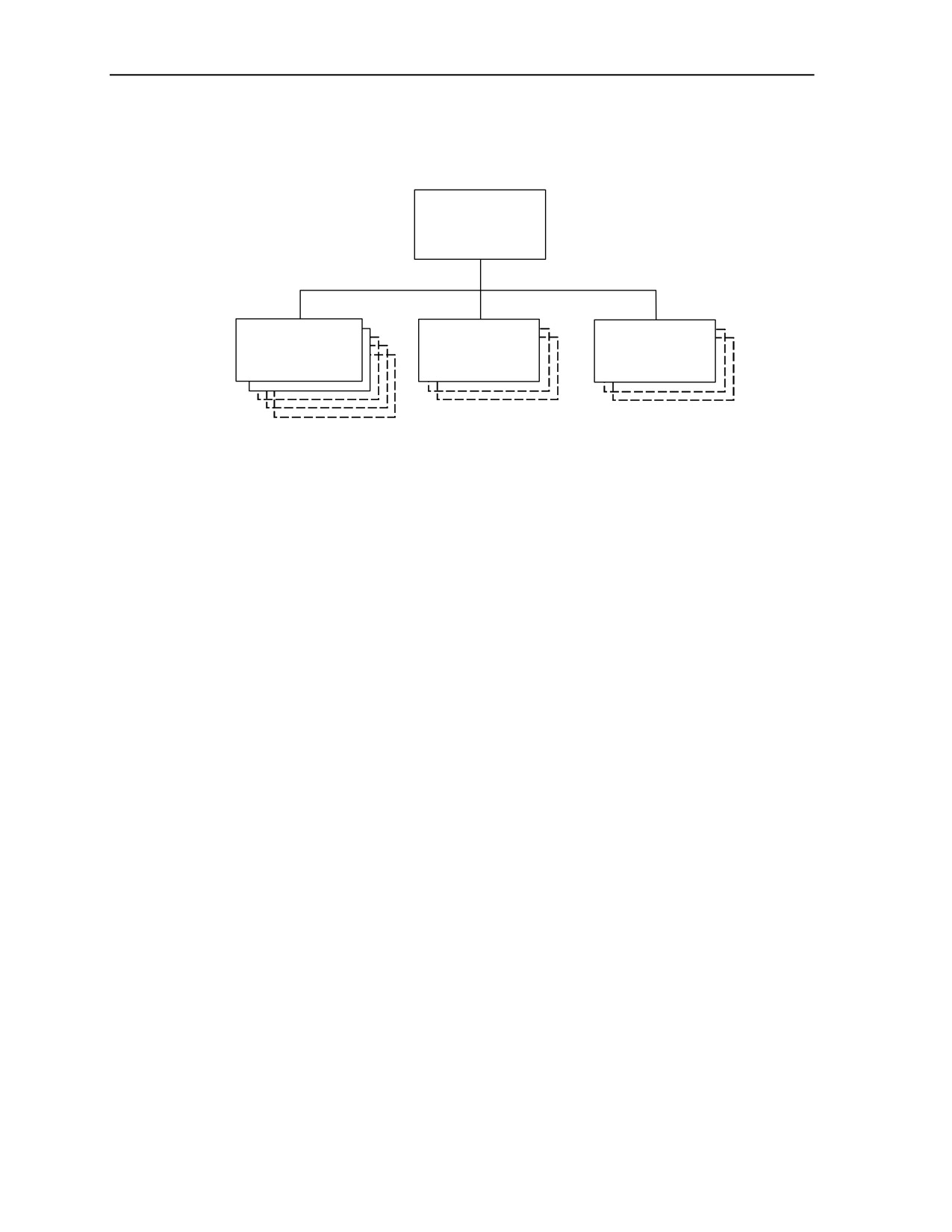
Appendix C
Technical Support Cell, Insurgent Organization __________________________
TECHNICAL
SUPPORT
CELL
DEMOLITION,
SUICIDE
WMD
SABOTAGE,
IED TEAM
SUPPORT
& IED TEAM
(INDIV & VEH)
TEAM
Cell Leader (x1)
PM/AKMS
Total Personnel
21
PRINCIPAL ITEMS OF EQUIPMENT
Equipment
Total
Equipment
Total
9-mm Pistol, PM
9
Camera, Digital
4
7.62-mm Assault Rifle, AKM
4
Electrician Set
8
7.62-mm Carbine, AKMS
13
GPS Receiver, Handheld
9
7.62-mm LMG, RPK
4
Night-Vision Goggles
4
40-mm Grenade Launcher, BG-15
4
Radios:
Demolition, Fuzes/Detonators *
Assorted
Base Station, Long-Range
Demolition Materiel **
Assorted
Cordless-Telephone
2
IED, Individual, Vest ***
3
Cell Phone
51
Vehicle Borne IED (VBIED) ***
2
Computer, Laptop
13
IED, WMD ***
1
Computer, PDA
9
Improvised Explosive Device (IED) ***
20
Handheld, Long-Range Cordless-
Mines (AP, AT, & AV) ****
Assorted
Telephone
13
Sedan, Civilian
4
Handheld, Very-Low-Power
21
Truck, Pickup ½ ton, Civilian
1
Manpack, Low-Power
2
Van, Civilian
4
Portable, Satellite Telephone
5
Binoculars
5
Vehicle Mount, Medium Power
1
Camcorder, Video
4
NOTES: See next page.
C-32
FM 7-100.4
3 May 2007
Local Insurgent Organization from the AFS Organizational Directories
Technical Support Cell, Insurgent Organization (continued) ________________
_______________________________
* Assorted fuzes/detonators include time, optical, pressure, pressure release, command armed
fuzes, sensor fuzes
(acoustic, optical, infrared, seismic, magnetic), command detonated
(electronic, radio frequency [RF], pressure release).
** Includes bangalore torpedoes, shaped charges, AT grenades, other tactical demolitions.
*** The number and types of IEDs and fuzing varies. Each demolition, sabotage, and IED team
has at least 10 IEDs fabricated and on-hand at any given time. Each suicide IED team has at
least three IED vests and two VBIEDs fabricated and on-hand at any given time (the two
VBIEDs may be any type of vehicle). Each WMD support team has at least one WMD IED
fabricated and on-hand at any given time; others may be in various stages of manufacture.
**** Includes remotely detonated mines, booby traps, and side-attack (AT & anti-vehicle) mines.
The mix is mission dependent and varies.
NOTES:
1. The number of teams subordinate to the technical support cell is not fixed and varies depending on
the specific mission, environment, geographic factors, and many other variables. Personnel and
equipment totals for the “typical” technical support cell in this example reflect only the teams shown
in solid boxes in the organizational diagram for the Technical Support Cell. The “default” is two
demolition, sabotage, and IED teams, one suicide IED team, and one WMD support team.
2. The technical support cell is the primary bomb factory for the insurgent organization. This cell
manufactures IEDs, suicide bombs (individual and vehicular), WMDs, and booby traps (booby traps
are actually a subcategory of IEDs). It is responsible for all acquisition, manufacturing, and storage
of IEDs, road-side bombs, WMD, suicide bombs (individual and vehicle), side-attack (AT and anti-
vehicle) mines, and other tactical demolitions and fuzing (including remote detonators).
The cell prepares these devices for distribution to other elements of the insurgent organization or
affiliated organizations and/or persons. Some technical support cells may be located in factories in
small villages (or other remote areas or local accommodations) where they build their IEDs and then
smuggle them into cities, where suppliers may then sell them
(distribute them) to insurgent
organizations. For security and survival, all of these activities are generally surreptitious.
3. Bombs (specifically IEDs) are the weapon of choice for the insurgent organization. They are
inexpensive, the materials are readily available, are relatively easy to build, and are extremely
destructive. Bombs may be very sophisticated or extremely simple. Bombs (IEDs) easily lend
themselves to terrorizing the population and are used in support of assassination, maiming, sabotage,
mass casualties, and mass disruption. The mix is always mission-dependent and always varies. Direct
action cells (multifunction) acquire IEDs (usually unassembled pre-manufactured components) from
the technical support cell. The direct action (multifunction) cell then assembles and adds fuzes and
detonators to the IEDs.
At a minimum, the direct action (multifunction) IED team or a small multifunction cell using
IEDs usually includes at least three people: a lookout, an IED emplacer, and the triggerman. The
multifunction team (or cell) emplaces the IEDs, and the triggerman detonates them at the appropriate
time. Whenever training, additional assistance, or IED expertise is required, the direct action
(multifunction) teams or cells receive it from the technical support cell.
4. IED attacks are often used to support the overall information warfare plan. They may also be used
in a manner to cause (shift) blame for the attack to their enemy.
Continued
3 May 2007
FM 7-100.4
C-33
Appendix C
Technical Support Cell, Insurgent Organization (continued) ________________
NOTES: (continued)
5. Some direct action (multifunction) cells may not have access to the expertise or products (IEDs)
provided by the technical support cell. In these cases, the direct action (multifunction) cells receive
the appropriate training from the technical support cell enabling them to manufacture limited qualities
of IEDs for their own use.
6. Although members of the technical support cell are very capable of emplacing and detonating
IEDs and other demolitions, they normally do not do so. Their expertise is far too critical for them to
routinely go on direct action missions. Direct action cells emplace and trigger the IEDs. On occasion,
a representative from the technical support cell may be required to accompany the direct action cell to
properly emplace and detonate the device, especially when dealing with WMD IEDs.
7. The technical support cell may train, advise, and provide expertise to direct action teams,
especially the multifunction teams, on how, where, and when, to emplace and detonate munitions and
on the proper assembly, fuzing, and detonation of the devices. Technical support cell personnel also
provide instruction on remotely detonated mines, IEDs, booby traps, road-side bombs, tactical
demolitions, WMD, suicide bombs, and side-attack (AT and anti-vehicle) mines.
8. The OPFOR commonly uses IEDs as “secondary devices” to detonate on the arrival of responding
personnel. IEDs can be detonated by a variety of means, including remote, command, electrical, trip
wire, pressure, time, and others.
9. Insurgent organizations use indiscriminate techniques such as mass casualty activities, weapons of
mass effects/disruption, and chemical, biological, radiological, and nuclear (CBRN) weapons, to
accomplish their goals. Those insurgent organizations requiring specific expertise in the fabrication,
emplacement, and detonation of radiation (dirty bombs) and biological weapons acquire the expertise
and material from outside the local insurgent organization.
10. CBRN weapons are the potential weapon of choice for organizations employing terror tactics,
since the actual or threat of use of CBRN weapons is real and very feasible. Insurgents might threaten
the use of these weapons as “saber rattlers” in response to political or military actions, or they may
actually use these weapons to terrorize the population.
11. Most insurgent organizations have easy access to toxic industrial chemicals (TICs). TICs are
highly toxic commercial chemical substances with acute toxicity that are produced in large quantities
for industrial purposes. They can be solid, liquid, or gas. These are the normal weapons of choice for
the WMD support team.
12. Cell personnel may be a mixture of men, women, and children. Local women and children may
be used as scouts, guides, suicide bombers, drivers, lookouts, or in other roles. Whenever necessary,
they may also emplace and/or detonate IEDs, booby traps, and mines. They may also serve (willingly
or unwillingly) as suicide bombers.
13. Cell composition is not fixed and varies from cell to cell, mission to mission, environment to
environment. This includes the personnel, equipment, and weapons mixes. Personnel select
equipment and weapons appropriate to the mission.
14. For additional information on the technical support cell, see FM 7-100.3.
C-34
FM 7-100.4
3 May 2007
Local Insurgent Organization from the AFS Organizational Directories
Demolition, Sabotage, and IED Team, Technical Support Cell _______________
DEMOLITION,
SABOTAGE
& IED TEAM
Team Leader/Sr Demo Expert (x1)
PM/AKMS
Asst Tm Ldr/Demo Expert/Electrician (x1)
AKMS
Demo Specialist/Communications (x1)
AKMS
Demo Specialist/Computer Tech (x1)
PM/RPK
Demo Specialist/Fuze (x1)
AKM/BG-15
Total Personnel
5
PRINCIPAL ITEMS OF EQUIPMENT
Equipment
Total
Equipment
Total
9-mm Pistol, PM
2
GPS Receiver, Handheld
2
7.62-mm Assault Rifle, AKM
1
Night-Vision Goggles
1
7.62-mm Carbine, AKMS
3
Radios:
7.62-mm LMG, RPK
1
Base Station, Long-Range
40-mm Grenade Launcher, BG-15
1
Cordless-Telephone
1
Demolition, Fuzes/Detonators *
Assorted
Cell Phone
15
Demolition Materiel **
Assorted
Computer, Laptop
3
Mines (AP, AT, & AV) ***
Assorted
Computer, PDA
2
Improvised Explosive Device (IED) ****
10
Handheld, Long-Range Cordless-
Sedan, Civilian
1
Telephone
3
Van, Civilian
1
Handheld, Very-Low-Power
5
Binoculars
1
Manpack, Low-Power
2
Camcorder, Video
1
Portable, Satellite Telephone
1
Camera, Digital
1
Vehicle Mount, Medium Power
1
Electrician Set
2
NOTES: See next page.
_______________________________
* Assorted fuzes/detonators include time, optical, pressure, pressure release, command armed
fuzes, sensor fuzes
(acoustic, optical, infrared, seismic, magnetic), command detonated
(electronic, RF, pressure release).
** Includes bangalore torpedoes, shaped charges, AT grenades, other tactical demolitions.
*** Includes remotely detonated mines, booby traps, and side-attack (AT & anti-vehicle) mines.
The mix is mission dependent and varies.
**** The number and types of IEDs and fuzing varies. The demolition, sabotage, and IED team
has at least 10 IEDs fabricated and on-hand at any given time. Other IEDs may be in various
stages of manufacture.
3 May 2007
FM 7-100.4
C-35
Appendix C
Demolition, Sabotage, and IED Team,
Technical Support Cell (continued) _____________________________________
NOTES:
1. The demolition, sabotage, and IED team is the primary IED and tactical munitions factory for the
technical support cell. This team manufactures IEDs, suicide bombs (individual and vehicular), and
booby traps (booby traps are actually a subcategory of IEDs). It is responsible for all acquisition,
manufacturing, and storage of IEDs, suicide bombs, road-side bombs, side-attack (AT and anti-
vehicle) mines, and other tactical demolitions and fuzing (including remote detonators). If necessary,
this team could also fabricate WMD.
The team prepares these devices for distribution to other elements of the insurgent organization or
affiliated organizations and/or persons. Some demolition, sabotage, and IED teams may be located in
factories in small villages (or other remote areas or local accommodations) where they build their
IEDs and then smuggle them into cities, where suppliers may then sell them (distribute them) to
insurgent organizations. For security and survival, all of these activities are generally surreptitious.
2. The number of demolition, sabotage, and IED teams subordinate to the technical support cell is not
fixed and varies depending on the specific mission, environment, geographic factors, and many other
variables. The default is two demolition, sabotage, and IED teams. All technical support cells have at
least two demolition, sabotage, and IED teams.
3. All demolition, sabotage, and IED team personnel may serve as drivers. They are also cross-
trained to perform all functions necessary to fabricate IEDs.
4. Although members of the demolition, sabotage, and IED team are very capable of emplacing and
detonating IEDs and other demolitions, they normally do not do so. Their expertise is far too critical
for them to routinely go on direct action missions. Direct action cells emplace and trigger the IEDs.
On occasion, a representative from the demolition, sabotage, and IED team may be required to
accompany the direct action cell to properly emplace and detonate the device.
5. The demolition, sabotage, and IED team may train, advise, and provide expertise to direct action
teams, especially the multifunction teams, on how, where, and when, to emplace and detonate
munitions and on the proper assembly, fuzing, and detonation of the devices. Demolition, sabotage,
and IED team personnel also provide instruction on remotely detonated mines, IEDs, booby traps,
road-side bombs, tactical demolitions, and side-attack (AT and anti-vehicle) mines.
6. The OPFOR commonly uses IEDs as “secondary devices” to detonate on the arrival of responding
personnel. IEDs can be detonated by a variety of means, including remote, command, electrical, trip
wire, pressure, time, and others.
7. Team personnel may be a mixture of men, women, and children. Local women and children may
be used as scouts, guides, suicide bombers, drivers, lookouts, or in other roles. Whenever necessary,
they may also emplace and/or detonate IEDs, booby traps, and mines. They may also serve (willingly
or unwillingly) as suicide bombers.
8. Team composition is not fixed and varies from team to team, mission to mission, environment to
environment. This includes the personnel, equipment, and weapons mixes. Personnel select
equipment and weapons appropriate to the mission.
9. These attacks are often used to support the overall information warfare plan. They may also be
used in a manner to cause (shift) blame for the attack to their enemy.
10. For additional information, see FM 7-100.3.
C-36
FM 7-100.4
3 May 2007
Local Insurgent Organization from the AFS Organizational Directories
Suicide IED TEAM (Individual and Vehicular), Technical Support Cell ________
SUICIDE
IED TEAM
(Indiv & Veh)
Team Leader/Sr Demo Expert (x1)
PM/AKMS
Asst Tm Ldr/Demo Expert/Electrician/Fuze (x1)
AKMS
Demo Specialist/Communications (x1)
AKMS
Demo Specialist/Computer Tech (x1)
PM/RPK
Demo Specialist/Mechanic/Welder (x1)
AKM/BG-15
Total Personnel
5
PRINCIPAL ITEMS OF EQUIPMENT
Equipment
Total
Equipment
Total
9-mm Pistol, PM
2
Camcorder, Video
1
7.62-mm Assault Rifle, AKM
1
Camera, Digital
1
7.62-mm Carbine, AKMS
3
Electrician Set
2
7.62-mm LMG, RPK
1
GPS Receiver, Handheld
2
40-mm Grenade Launcher, BG-15
1
Night-Vision Goggles
1
Demolition, Fuzes/Detonators *
Assorted
Radios:
Demolition Materiel **
Assorted
Cell Phone
10
Mines (AP, AT, & AV) ***
Assorted
Computer, Laptop
3
IED (Individual) Vest ****
3
Computer, PDA
2
Vehicle Borne IED (VBIED) ****
2
Handheld, Long-Range Cordless-
Sedan, Civilian
1
Telephone
3
Truck, Pickup ½ ton, Civilian
1
Handheld, Very-Low-Power
5
Van, Civilian
1
Portable, Satellite Telephone
1
Binoculars
1
NOTES: See next page.
___________________________________
* Assorted fuzes/detonators include time, optical, pressure, pressure release, command armed
fuzes, sensor fuzes
(acoustic, optical, infrared, seismic, magnetic), command detonated
(electronic, RF, pressure release).
** Includes bangalore torpedoes, shaped charges, AT grenades, other tactical demolitions.
*** Includes remotely detonated mines, booby traps, and side-attack (AT & anti-vehicle) mines.
The mix is mission dependent and varies.
**** The number and types of IED/VBIEDs and fuzing varies. The suicide IED team has at least
three IED vests and two VBIEDs fabricated and on-hand at any given time. The two VBIEDs
may be any type of vehicle. Other IED vests and VBIEDs may be in various stages of
manufacture.
3 May 2007
FM 7-100.4
C-37
Appendix C
Suicide IED TEAM (Individual and Vehicular),
Technical Support Cell (continued) _____________________________________
NOTES:
1. The number of suicide IED/VBIED teams subordinate to the technical support cell is not fixed
and varies depending on the specific mission, environment, geographic factors, and many other
variables. The default is one suicide IED/VBIED team. All technical support cells have at least
one suicide IED/VBIED team.
2. All suicide IED/VBIED team personnel are cross-trained to perform all functions necessary to
fabricate IEDs and VBIEDs including automotive welding and fabrication.
3. Although members of the IED/VBIED team are very capable of detonating IED/VBIEDs and
other demolitions, they normally do not do so—even to detonate a suicide IED/VBIED carried or
driven by someone else. Their expertise is far too critical for them to routinely go on direct
action missions. Direct action cells are responsible for the emplacement and detonation of the
IED/VBIEDs.
4. Suicide bombers/drivers are recruited by the recruiting cell, and turned over to direct action
cells to properly emplace the individual-carried IEDs and VBIEDs. Once the direct action cell has
ensured the proper emplacement of the IED/VBIED, they can either trigger the IED/VBIEDs
remotely or use other detonation methods. On occasion, a representative from the IED/VBIED
team may be required to accompany the direct action cell to ensure proper emplace and
detonation of the device/VBIED.
5. For additional information on suicide IED (individual) and VBIEDs, see FM 7-100.3.
C-38
FM 7-100.4
3 May 2007
Local Insurgent Organization from the AFS Organizational Directories
Weapons of Mass Destruction (WMD) Support Team,
Technical Support Cell _______________________________________________
WMD
SUPPORT
TEAM
Team Leader/Sr Demo Expert/Chem Tech (x1)
PM/AKMS
Asst Tm Ldr/Demo Expert/Electrician/Fuze (x1)
AKMS
Demo Specialist/Communications/Radiation (x1)
AKMS
Demo Specialist/Computer Tech (x1)
PM/RPK
Demo Specialist/Chemical Spec (x1)
AKM/BG-15
Total Personnel
5
PRINCIPAL ITEMS OF EQUIPMENT
Equipment
Total
Equipment
Total
9-mm Pistol, PM
2
Camera, Digital
1
7.62-mm Assault Rifle, AKM
1
Electrician Set
2
7.62-mm Carbine, AKMS
3
GPS Receiver, Handheld
3
7.62-mm LMG, RPK
1
Night-Vision Goggles
1
40-mm Grenade Launcher, BG-15
1
Radios:
Demolition, Fuzes/Detonators *
Assorted
Cell Phone
10
Demolition Materiel **
Assorted
Computer, Laptop
3
Mines (AP, AT, & AV) ***
Assorted
Computer, PDA
2
IED, WMD ****
1
Handheld, Long-Range Cordless-
Sedan, Civilian
1
Telephone
3
Van, Civilian
1
Handheld, Very-Low-Power
5
Binoculars
1
Portable, Satellite Telephone
1
Camcorder, Video
1
NOTES: See next page.
_______________________________
* Assorted fuzes/detonators include time, optical, pressure, pressure release, command armed
fuzes, sensor fuzes
(acoustic, optical, infrared, seismic, magnetic), command detonated
(electronic, RF, pressure release).
** Includes bangalore torpedoes, shaped charges, AT grenades, other tactical demolitions.
*** Includes remotely detonated mines, booby traps, and side-attack (AT & anti-vehicle) mines.
The mix is mission dependent and varies.
**** The number and types of WMD (CBRN) IEDs and fuzing varies. The WMD support team
has at least one WMD IED fabricated and on-hand at any given time. Others may be in
various stages of manufacture.
3 May 2007
FM 7-100.4
C-39
Appendix C
Weapons of Mass Destruction (WMD) Support Team,
Technical Support Cell (continued) _____________________________________
NOTES:
1. To accomplish their goals, insurgent organizations use indiscriminate techniques such as mass
casualty activities; weapons of mass effects/disruption; bombings or standoff attacks; or chemical,
biological, radiological, and nuclear
(CBRN) weapons. Those insurgent organizations requiring
specific expertise in the fabrication, emplacement, and detonation of radiation (dirty bombs) and
biological weapons acquire the expertise and material from outside the local insurgent organization.
2. The primary purpose of the WMD support team is to create weapons used to either terrorize or
influence the local populace and governing authorities. Such weapons may be indiscriminately
placed in crowded marketplaces and religious gatherings with the intent to terrorize. Targets may
also include religious or national icons and/or landmarks.
3. CBRN weapons are the potential weapon of choice for organizations employing terror tactics,
since the actual or threat of use of CBRN weapons is real and very feasible. Insurgent organizations
may obtain or use CBRN weapons for a variety of motives. Insurgents might threaten the use of these
weapons as “saber rattlers” to raise the ante in response to foreign political or military actions, or to
achieve a specific objective, or they may actually use these weapons to terrorize the population.
4. The number of WMD support teams subordinate to the technical support cell is not fixed and
varies depending on the specific mission, environment, geographic factors, and many other variables.
The default is one WMD support team. All technical support cells have at least one WMD support
team.
5. Most WMD support teams have easy access to toxic industrial chemicals (TICs). TICs are highly
toxic commercial chemical substances with acute toxicity that are produced in large quantities for
industrial purposes. They can be solid, liquid, or gas. These are the normal weapons of choice for the
WMD support team.
6. Although members of the WMD support team are very capable of emplacing and detonating
WMD IEDs and other demolitions, they normally do not do so. The team member’s expertise is far
too critical for them to routinely go on direct action IED emplacement missions. Direct action cells
emplace and trigger the IEDs. On occasion, a representative from the WMD support team may be
required to accompany the direct action cell to ensure proper emplacement and detonation of the
weapon.
7. All WMD support team personnel are cross-trained to perform all functions necessary to fabricate
WMD IEDs.
8. WMD IED attacks are used to support the overall information warfare plan. They may also be
used in a manner to cause (shift) blame for the attack to their enemy. For example, even though a
mass release of TICs causing numerous noncombatant casualties was due to an IED explosion, the
insurgent organization might be able to blame the casualties on the enemy as an intentional act.
9. For additional information on insurgent CBRN weapons and WMD and their employment, see FM
7-100.3.
C-40
FM 7-100.4
3 May 2007
Local Insurgent Organization from the AFS Organizational Directories
Logistics Cell, Insurgent Organization___________________________________
LOGISTICS
CELL
Cell Leader/Sr Logistician (x1)
PM/AKMS
Asst Cell Leader (x1)
PM/AKMS
Logistics Specialist (x1)
AKMS
Spt Spec/Driver (x1)
PM/AKM/BG-15
Spt Spec/Driver (x1)
PM/RPK
Total Personnel
5
PRINCIPAL ITEMS OF EQUIPMENT
Equipment
Total
Equipment
Total
9-mm Pistol, PM
4
Night-Vision Goggles
2
7.62-mm Assault Rifle, AKM
1
Radios:
7.62-mm Carbine, AKMS
3
Cell Phone
5
7.62-mm LMG, RPK
1
Computer, Desktop
2
40-mm Grenade Launcher, BG-15
1
Computer, Laptop
3
Sedan, Civilian
1
Computer, PDA
5
Truck, Pickup ½ ton, Civilian
1
Handheld, Long-Range Cordless-
Binoculars
1
Telephone
5
Camcorder, Video
1
Handheld, Very-Low-Power
5
Camera, Digital
1
Portable, Satellite Telephone
1
GPS Receiver, Handheld
2
NOTES:
1. The logistics cell is the resource planner for the insurgent organization. It is responsible for the
planning, acquisition, and distribution of all resources—human and materiel.
2. For additional information, see FM 7-100.3.
3 May 2007
FM 7-100.4
C-41
Appendix C
Communications and Tradecraft Cell, Insurgent Organization_______________
COMMS &
TRADECRAFT
CELL
Cell Leader/Sr Comms (x1)
PM/AKMS
Asst Cell Leader (x1)
AKMS
Tradecraft Spec (x1)
AKMS
Comms Spec/Driver (x1)
PM/AKM/BG-15
Computer Tech/Driver (x1)
RPK
Courier/Comms Spec/Motorcycle (x3)
PM/AKMS
Total Personnel
8
PRINCIPAL ITEMS OF EQUIPMENT
Equipment
Total
Equipment
Total
9-mm Pistol, PM
5
Night-Vision Goggles
4
7.62-mm Assault Rifle, AKM
1
Radios:
7.62-mm Carbine, AKMS
6
Base Station, Long-Range
7.62-mm LMG, RPK
1
Cordless-Telephone
1
40-mm Grenade Launcher, BG-15
1
Cell Phone
5
Motorcycle/motor scooter/bicycle
3
Computer, Desktop
3
Sedan, Civilian
1
Computer, Laptop
5
Van, Civilian
1
Computer, PDA
5
Antenna, Satellite
3
Handheld, Long-Range Cordless-
Binoculars
1
Telephone
5
Camcorder, Video
2
Handheld, Very-Low-Power
5
Camera, Digital
2
Portable, Satellite Telephone
3
GPS Receiver, Handheld
4
Vehicle Mount, Medium Power
1
NOTES:
1. The communications and tradecraft cell is the communications planner for the insurgent
organization. The cell facilitates communications inside and outside of the organization. It also
provides a courier service and maintains dead-drop locations and other tradecraft
(clandestine)
communications. Close coordination is maintained with the IW cell for Internet communications.
2. The communications and tradecraft cell advises on the feasibility of all insurgent activities from a
communications perspective. It determines the internal communications equipment necessary for the
success of direct action missions. The cell also provides communications, tradecraft, and
steganography expertise and training as required.
3. Typically, the courier uses a ubiquitous civilian model motorcycle, moped, motor scooter, bicycle,
sedan, or even a taxi. The courier probably will not have an overt weapon or radio and will appear to
be a noncombatant. Another insurgent may ride with the courier as a lookout or to provide security.
Depending on the circumstances, some couriers may not use vehicles and will be used instead as foot
messengers. Couriers may be male, female, or even children. Messages may be written, digital, via
Internet, encrypted, or memorized and presented orally.
4. The cell is equipped with small SATCOM antennas, long-range cordless telephones, and provides
digital and secure communications.
5. For additional information on insurgent communications and tradecraft, see FM 7-100.3.
C-42
FM 7-100.4
3 May 2007
Local Insurgent Organization from the AFS Organizational Directories
Finance Cell, Insurgent Organization____________________________________
FINANCE
CELL
Cell Leader/Ch Financial Off (x1)
PM/AKMS
Asst Cell Leader (x1)/Future Plans (x1)
PM/AKMS
IW integration/Finance Spec (x1)
AKMS
Finance Spec/Driver (x1)
PM/AKM/BG-15
Accountant/Driver (x1)
PM/RPK
Total Personnel
5
PRINCIPAL ITEMS OF EQUIPMENT
Equipment
Total
Equipment
Total
9-mm Pistol, PM
4
Radios:
7.62-mm Assault Rifle, AKM
1
Base Station, Long-Range
7.62-mm Carbine, AKMS
3
Cordless-Telephone
1
7.62-mm LMG, RPK
1
Cell Phone
5
40-mm Grenade Launcher, BG-15
1
Computer, Desktop
3
Sedan, Civilian
2
Computer, Laptop
5
Antenna, Satellite
2
Computer, PDA
5
Binoculars
1
Handheld, Long-Range Cordless-
Camcorder, Video
1
Telephone
5
Camera, Digital
1
Handheld, Very-Low-Power
5
GPS Receiver, Handheld
2
Portable, Satellite Telephone
3
Night-Vision Goggles
1
NOTES:
1. The finance cell is the financial and economic planner for the insurgent organization. It plans
fund-raising activities (including bribery, extortion, and robbery, and operating front companies) to
finance and resource the insurgent organization’s activities. This includes local, regional, and links to
national and international fund-raising activities. The cell also determines the roles of direct action
cells and other cells in acquiring additional funds for the insurgent organization.
2. Finance personnel establish and monitor internal and external funding and funds management
mechanisms. Similarly, skilled IW operators appeal to the local and international community,
possibly through the media, for political, monetary, and logistics support.
3. The finance cell determines the internal financial requirements necessary for the success of direct
action missions.
4. Recruiting may be wittingly or unwittingly financed from both governmental and
nongovernmental donations and grants.
5. For additional information on the role and mission of the finance cell and funding the insurgent
organization, see FM 7-100.3.
3 May 2007
FM 7-100.4
C-43
Appendix C
Shelter (Safe Houses) Cell, Insurgent Organization________________________
SHELTER
CELL
Cell Leader (x1)
PM/AKMS
Asst Cell Leader (x1)
PM/AKMS
Insurgent (x1)
AKMS
Insurgent/Driver (x1)
PM/AKM/BG-15
Insurgent/Driver (x1)
PM/RPK
Total Personnel
5
PRINCIPAL ITEMS OF EQUIPMENT
Equipment
Total
Equipment
Total
9-mm Pistol, PM
4
GPS Receiver, Handheld
2
7.62-mm Assault Rifle, AKM
1
Night-Vision Goggles
2
7.62-mm Carbine, AKMS
3
Radios:
7.62-mm LMG, RPK
1
Cell Phone
5
40-mm Grenade Launcher, BG-15
1
Computer, Laptop
5
Sedan, Civilian
1
Computer, PDA
5
Van, Civilian
1
Handheld, Long-Range Cordless-
Binoculars
2
Telephone
5
Camcorder, Video
1
Handheld, Very-Low-Power
5
Camera, Digital
1
Portable, Satellite Telephone
1
NOTES:
1. The shelter cell plans for, and provides, secure accommodation (safe houses) for direct action
cells, visiting and high-ranking insurgents, and other cell members. Maximum use is made of local
assistance and facilities regardless of capability. Sympathizers in the local populace may volunteer
their homes, equipment, vehicles, and services.
2.
Whenever necessary, the shelter cell conducts coordination with the intelligence, planning,
logistics, and transportation cells.
3. For additional information, see FM 7-100.3.
C-44
FM 7-100.4
3 May 2007
Local Insurgent Organization from the AFS Organizational Directories
Training Cell, Insurgent Organization ___________________________________
TRAINING
CELL
Cell Leader/Ch Trainer (x1)
PM/AKMS
Asst Cell Leader/Sr Trainer (x1)
PM/AKMS
Training Spec (x1)
AKMS
Training Spec/Driver (x1)
PM/AKM/BG-15
Training Spec/Driver (x1)
PM/RPK
Total Personnel
5
PRINCIPAL ITEMS OF EQUIPMENT
Equipment
Total
Equipment
Total
9-mm Pistol, PM
4
GPS Receiver, Handheld
2
7.62-mm Assault Rifle, AKM
1
Night-Vision Goggles
2
7.62-mm Carbine, AKMS
3
Radios:
7.62-mm LMG, RPK
1
Cell Phone
5
40-mm Grenade Launcher, BG-15
1
Computer, Laptop
5
Truck, Pickup ½ Ton, Civilian
1
Computer, PDA
5
Sedan, Civilian
1
Handheld, Long-Range Cordless-
Binoculars
1
Telephone
5
Camcorder, Video
1
Handheld, Very-Low-Power
5
Camera, Digital
1
Portable, Satellite Telephone
1
NOTES:
1. The training cell plans and facilitates training for the insurgent organization. Basic instruction
covers the organization, duties, and responsibilities of the insurgent organization; basic
marksmanship; surveillance and intelligence-collection methods; and basic tactical instruction and
communications techniques. Examples of specialized instruction may include advanced tactical
instruction, such as the proper conduct of ambushes, assassination, and sniper activities; advanced
surveillance and intelligence-collection methods; kidnapping and extortions; and advanced skill
training.
2. Training may be centralized or conducted at the cell level depending on the structure and mission
of the insurgent organization. Generally, it is a combination of both, with the basics taught in a
centralized location and specific mission and functional training conducted at the local cellular level.
3. For additional information on insurgent training, see FM 7-100.3.
3 May 2007
FM 7-100.4
C-45
Appendix C
Recruiting Cell, Insurgent Organization _________________________________
RECRUITING
CELL
Cell Leader/Ch Recruiter (x1)
PM/AKMS
Asst Cell Leader/Sr Recruiter (x1)
PM/AKMS
Recruiting Spec (x1)
AKMS
Recruiting Spec/Driver (x1)
PM/AKM/BG-15
Recruiting Spec/Driver (x1)
PM/RPK
Total Personnel
5
PRINCIPAL ITEMS OF EQUIPMENT
Equipment
Total
Equipment
Total
9-mm Pistol, PM
4
Night-Vision Goggles
2
7.62-mm Assault Rifle, AKM
1
Radios:
7.62-mm Carbine, AKMS
3
Cell Phone
5
7.62-mm LMG, RPK
1
Computer, Desktop
1
40-mm Grenade Launcher, BG-15
1
Computer, Laptop
5
Sedan, Civilian
2
Computer, PDA
5
Antenna, Satellite
1
Handheld, Long-Range Cordless-
Binoculars
1
Telephone
3
Camcorder, Video
1
Handheld, Very-Low-Power
5
Camera, Digital
1
Portable, Satellite Telephone
1
GPS Receiver, Handheld
2
NOTES: See next page.
C-46
FM 7-100.4
3 May 2007
Local Insurgent Organization from the AFS Organizational Directories
Recruiting Cell,
Insurgent Organization (continued) _____________________________________
NOTES:
1.
The recruiting cell is the manpower resourcing and recruitment planner for the insurgent
organization. Insurgent organizations may attempt to recruit current or former members of national
armed forces, both as trained operatives and as agents in place. Recruiting may be for particular
skills, training, and/or qualifications and may not be tied to ideological characteristics. Recruits
might not be aware of the true nature of the organization they are joining.
2. Often, legitimate organizations can serve as recruiting grounds for insurgent organizations.
Recruiting is often associated with the proliferation of a radical religious sect or groups associated
with militant ethnic or nationalist agendas. The organizations from which individuals can be recruited
need not necessarily be violent or illegal themselves, but simply contain populations that are
sympathetic to the same goals as the insurgent organization.
3. The recruiting cell uses many varied and different methods to persuade potential insurgents to join
them. Some of these methods/reasons may be monetary, religious, ethic, nationalistic, anger, promise
of power, or fear. Recruiting may be wittingly or unwittingly financed from both governmental and
nongovernmental donations and grants.
4. Insurgents may also use coercion and leverage to gain limited or one-time cooperation from useful
individuals. This cooperation can range anywhere from gaining information to conducting a suicide
bombing. Blackmail and intimidation are also common forms of coercion. Threats to family
members are also employed. Coercion is often directed at personnel in government security and
intelligence organizations.
5. Internal security is the primary concern of the insurgent organization when recruiting. Once a
potential recruit has passed the intense screening process and has been preselected for recruitment,
he/she is then closely monitored by the CI and internal security cell prior to full recruitment.
Insurgents at all levels are well aware that, if the local insurgent organization is infiltrated, it (or the
insurgents in it) will not survive.
6. The Internet is a powerful recruitment tool. The recruiting cell maintains close coordination with
the information warfare cell.
7. For additional information on insurgent recruiting methods and practices, see FM 7-100.3.
3 May 2007
FM 7-100.4
C-47
Appendix C
Transportation Cell, Insurgent Organization _____________________________
TRANSPORT
CELL
Cell Leader/Ch Transportation (x1)
PM/AKMS
Asst Cell Ldr/Sr Spt Spec (x1)
PM/AKM/BG-15
Transport Spec (x1)
PM/RPK
Transport Spec/Driver (x1)
AKMS
Spt Spec/Driver (x4)
AKMS
Total Personnel
8
PRINCIPAL ITEMS OF EQUIPMENT
Equipment
Total
Equipment
Total
9-mm Pistol, PM
2
Camera, Digital
1
7.62-mm Assault Rifle, AKM
1
GPS Receiver, Handheld
4
7.62-mm Carbine, AKMS
6
Night-Vision Goggles
4
7.62-mm LMG, RPK
1
Radios:
40-mm Grenade Launcher, BG-15
1
Cell Phone
8
Sedan, Civilian
2
Computer, Laptop
3
Truck, Pickup ½ ton, Civilian
1
Computer, PDA
3
Truck, Medium, Commercial
1
Handheld, Long-Range Cordless-
Van, Civilian
1
Telephone
3
Binoculars
1
Handheld, Very-Low-Power
8
Camcorder, Video
1
Portable, Satellite Telephone
1
NOTES: See next page.
C-48
FM 7-100.4
3 May 2007
Local Insurgent Organization from the AFS Organizational Directories
Transportation Cell,
Insurgent Organization (continued) _____________________________________
NOTES:
1. The transportation cell plans and facilitates transportation for the insurgent organization. It
responds to transportation requirements of other cells in the organization, especially the logistics and
direct action cells. If sufficient (or specific) transportation is not available, the transportation cell will
either provide or arrange it.
2. Insurgents may have no vehicles or supplies at all and depend completely on caches, porters, or
other transportation or supply means. Local sympathizers may volunteer their equipment and
services.
3. Depending on the mission, the local insurgent organization may be augmented by any and every
type of personnel and/or vehicle. Vehicles could be motorcycles, trucks, agricultural trucks,
commercial trucks, liquid cargo carriers (for POL or water), flat beds, busses, farm trailers, tractors,
sedans, ½ ton civilian pickup trucks (such as Toyotas or Nissans), high-mobility/all terrain vehicles,
bicycles, or carts.
4. Insurgents requisition or confiscate local civilian transportation assets and materiel. Anything of
transportation value will be used, or confiscated. This includes the use of civilian personnel for
porters and possibly as lookouts and security personnel. Draft animals may also be used as bearers
and/or porters.
5. The vehicles in the transportation cell are indistinguishable from civilian vehicles and are always
kept as dispersed as possible, in order to prevent detection and destruction by enemy forces. Rarely, if
ever, will all vehicles in the cell be colocated.
6.
Whenever possible, vehicles will be dispersed for use by locals as commercial, delivery,
agricultural, general cargo, construction, militia, and general-purpose vehicles used in every day life.
When required, the transportation cell will assemble the appropriate mix of vehicles to transport items
and/or personnel to a specific location. The vehicles then melt back into the general population and
environment.
7. Insurgents rely heavily on local and packaged water and POL products (fuel, oil, grease, or
lubricants). These packages range from 1- and 5-gallon cans to 55-gallon drums.
8. For additional information on insurgent transportation, see FM 7-100.3.
3 May 2007
FM 7-100.4
C-49
Appendix C
Civil Affairs Cell, Insurgent Organization ________________________________
CIVIL
AFFAIRS
CELL
Cell Leader/Ch Civil Affairs (x1)
PM/AKMS
Asst Cell Leader/Sr Civil Affairs (x1)
PM/AKMS
Civil Affairs Spec/Videographer (x1)
AKMS
CA & Media Spec/Driver (x1)
PM/AKM/BG-15
CA Spec/Driver (x1)
PM/RPK
Total Personnel
5
PRINCIPAL ITEMS OF EQUIPMENT
Equipment
Total
Equipment
Total
9-mm Pistol, PM
4
Night-Vision Goggles
2
7.62-mm Assault Rifle, AKM
1
Radios:
7.62-mm Carbine, AKMS
3
Cell Phone
5
7.62-mm LMG, RPK
1
Computer, Desktop
3
40-mm Grenade Launcher, BG-15
1
Computer, Laptop
5
Sedan, Civilian
1
Computer, PDA
5
Truck, Pickup ½ ton, Civilian
1
Handheld, Long-Range Cordless-
Binoculars
1
Telephone
5
Camcorder, Video
2
Handheld, Very-Low-Power
5
Camera, Digital
2
Portable, Satellite Telephone
2
GPS Receiver, Handheld
2
NOTES:
1. The civil affairs cell is responsible for the planning, preparation, and implementation of all
civil affairs activities for the insurgent organization. The civil affairs cell may work closely with
the information warfare cell for media manipulation.
2. Key events (and results/successes) of all insurgent organizations are digitally recorded on
digital video and still cameras. The recordings are turned over to the information warfare cell for
manipulation and exploitation and/or to sympathetic media for local or worldwide distribution.
3.
The videographer/camera operator may attempt to blend in with the crowds and may
disassociate him/herself from the operation. In other situations, the key event/activity will be
staged for the camera. Sympathizers in the local populace may also serve in this role.
4. For additional information, see FM 7-100.3.
C-50
FM 7-100.4
3 May 2007
Local Insurgent Organization from the AFS Organizational Directories
Medical Cell, Insurgent Organization ____________________________________
MEDICAL
CELL
Cell Leader/Ch Medic (x1)
PM/AKMS
Asst Cell Leader/Sr Medic (x1)
PM/AKMS
Medic (x1)
AKMS
Medic/Driver (x1)
AKMS
Medic Asst/Driver (x1)
PM/AKM/BG-15
Medic Asst/Driver (x1)
PM/RPK
Total Personnel
6
PRINCIPAL ITEMS OF EQUIPMENT
Equipment
Total
Equipment
Total
9-mm Pistol, PM
4
Litters, Medical
3
7.62-mm Assault Rifle, AKM
1
Medical Set, General
2
7.62-mm Carbine, AKMS
4
Night-Vision Goggles
2
7.62-mm LMG, RPK
1
Radios:
40-mm Grenade Launcher, BG-15
1
Cell Phone
6
Sedan, Civilian
1
Computer, Laptop
2
Truck, Pickup ½ ton, Civilian
1
Computer, PDA
2
Van, Civilian
1
Handheld, Long-Range Cordless-
Binoculars
1
Telephone
1
Camcorder, Video
1
Handheld, Very-Low-Power
6
Camera, Digital
1
Portable, Satellite Telephone
1
GPS Receiver, Handheld
2
NOTES:
1. Insurgent medics are combatants. When necessary⎯they fight. A medical aid station is usually
set up in a
(fairly) safe area, while other medics may accompany direct action cells or other
insurgents. Insurgent medical personnel may be a mixture of men and women. Women may make up
50% or more of the medical cell strength.
2. The insurgent force has a limited medical capability; however, local medical support is probably
available to differing degrees. Whenever possible, insurgent medical care is coupled with local
medical assets in the area. Maximum use is made of local medical assistance and facilities regardless
of medical capability.
3. Insurgents may or may not have the services of a civilian medical officer (physician) available. If
available, the physician can provide immediate trauma stabilization and minor surgical intervention,
while the medics provide limited medical intervention, minor surgery, and treatment of most common
illnesses and lesser wounds.
Continued
3 May 2007
FM 7-100.4
C-51
Appendix C
Medical Cell, Insurgent Organization (continued) _________________________
NOTES: (continued)
4. Sympathizers in the local populace may volunteer their homes, equipment, vehicles, and services.
Sympathizers may also assist in the evacuation of wounded insurgents to civilian, militia, state, or
even military facilities. Insurgents may receive assistance from local civilian medical personnel to
treat their ill and wounded. Noncombatants may also be conscripted or forced to serve as litter
bearers. When necessary, supported insurgent direct action cells receive litters from the medical cell
to transport wounded. The supported insurgent force provides its own litter bearers.
5. Severe and longer-term medical care relies on evacuation to civilian or other medical facilities.
More routine and excess ill and wounded are backhauled in general-purpose cargo vehicles, carts, or
even taxis to a civilian medical facility.
6.
Whenever possible, medical functions are performed in tents, tunnels, caves, or local
accommodations. In some instances, the medical cell will attempt to colocate with a village clinic.
7. For additional information on medical care available to insurgents, see FM 7-100.3.
C-52
FM 7-100.4
3 May 2007
Appendix D
Motorized Infantry Company from the AFS Organizational
Directories
This appendix provides an example of the information for an infantry company and
its subordinates, as found in the administrative force structure (AFS) organizational
directories under the motorized infantry battalion. It also includes the Excel®
spreadsheet for the personnel and equipment in the motorized infantry battalion as a
whole.
Note. For illustrative purposes, this FM contains several examples from the online AFS
organizational directories. Readers are reminded that even the baseline OPFOR organizations
are subject to change over time. Therefore, readers should always consult the online directories
for the latest, most up-to-date versions of organizational data.
INFANTRY AND MOTORIZED INFANTRY COMPANIES
D-1. OPFOR infantry units that are not mechanized (equipped with APCs or IFVs) may be motorized
infantry (truck-mounted) or just plain infantry (without trucks). The infantry company has sufficient assets
to transport the headquarters and primary weapons systems such as mortars and ATGMs (weapons
platoon). To transport the three infantry platoons over distance, however, it is dependent upon
augmentation from the transportation platoon of a motorized infantry battalion. Movement of the entire
infantry company (organic and individual weapons, equipment, ammunition, and supplies) requires an
additional six medium trucks (two per platoon). When an infantry company receives these transportation
assets, it becomes a motorized infantry company. Its subordinate infantry platoons and their infantry
squads become motorized infantry platoons and squads. Once the move is complete, the trucks return to the
battalion transportation platoon. At that point, the company again becomes essentially an infantry
company, with infantry platoons and infantry squads.
MOTORIZED INFANTRY COMPANY EXAMPLE
D-2. The example on the following pages comes from the Motorized Infantry Brigade folder in volume I
of the AFS organizational directories. Therefore, the infantry company in question is part of a motorized
infantry battalion. Since it is truck-mobile, with trucks available from the transportation platoon of the
motorized infantry battalion, it is a motorized infantry company.
3 May 2007
FM 7-100.4
D-1

Appendix D
Infantry Company, Inf and Mtzd Inf Bn __________________________________
INFANTRY
COMPANY
HQ & SVC
INFANTRY
WEAPONS
SECTION
PLATOON
PLATOON
Total Personnel
181
O-6/N-43/E-132
NOTES:
1. The infantry company has sufficient assets to transport the headquarters and primary weapons
systems such as mortars and ATGMs (weapons platoon). It is dependent upon augmentation from
higher (battalion transport platoon) to transport the three infantry platoons over distance. Movement
of the entire infantry company
(organic and individual weapons, equipment, ammunition, and
supplies) requires an additional six medium trucks (two per platoon). Once the move is complete the
trucks return to the battalion transport platoon.
2. The infantry company may also be augmented by motorcycles or high-mobility/all terrain vehicles
depending on the mission.
D-2
FM 7-100.4
3 May 2007
Motorized Infantry Company from the AFS Organizational Directories
Infantry Company, Inf and Mtzd Inf Bn (continued) ________________________
PRINCIPAL ITEMS OF EQUIPMENT
Equipment
Total
Equipment
Total
9-mm Pistol, PM
18
Truck, Medium
2
5.45-mm Assault Rifle, AK-74M
131
Trailer, Cargo, 1-Axle
2
5.45-mm Carbine, AKS-74U
21
Trailer, Cargo, 2-Axle
2
7.62-mm GP MG, PKM *
12
Trailer, Utility
7
7.62-mm Sniper Rifle, SVD *
11
Trailer, Water (1,200-Liter)
1
.50-cal Antimateriel Rifle, M82A1 *
2
Smoke Pots, Drums, Barrels,
12.7-mm HMG, NSV *
8
and Grenades
Assorted
35-mm AGL-Light, W-87 *
9
Aiming Circle/Goniometer
1
40-mm Grenade Launcher, GP-30
30
Binocular Laser Rangefinder *
42
60-mm Mortar, Light, Type 90 *
3
GPS Receiver, Handheld
53
ATGM Launcher, Milan 3 **
3
Laser Target Designator **
3
ATGM Lchr, Manportable-SR, Eryx *
3
Observation Scope, Day/Night * or **
2
ATGL-Long Range, RPG-29 *
6
Radar, GSR, Manportable, Fara-1
3
ATGL, Panzerfaust 3-T600 *
9
Thermal Viewer, Handheld, Sophie
14
ATDL, Armbrust ***
9
Night-Vision Goggles
61
ATDL, RPG-27 ***
4
Night-Vision Goggles (Driver)
12
Flame Weapon, RPO-A Series
23
Night-Vision Goggles (AK w/GP-30)
30
Minefield Breaching System-
Night-Vision Sight (Aiming Circle)
1
Explosive Charge, ZRP-2 ****
3
Radios:
Mine-Scattering System,
Handheld, Very-Low-Power
48
Manportable, PKM
3
Manpack, Low-Power
6
Mines (AP&AT) ***/*****
Assorted
Vehicle Mount, Medium-Power
12
Tactical Utility Vehicle, UAZ-469
7
Warning Receiver
1
Truck, Light
3
_______________________________
* With II night sight.
** With thermal sight.
*** Issued as ammunition rather than a weapon—the BOI may vary.
**** No dedicated operator/BOI. It is carried until needed
***** Includes remotely detonated mines and side-attack (AT & anti-vehicle) mines.
3 May 2007
FM 7-100.4
D-3