FM 2-0 INTELLIGENCE (MAY 2004) - page 2
FM 2-0 ___________________________________________________________________________________
information voids and, if appropriate, allow the commander to adjust the plan
prior to arrival in theater in response to changes in the OE or enemy actions.
1-127. Intelligence units extend established networks to connect intelligence
staffs and collection assets at various stages of the deployment flow. Where
necessary, units establish new communications paths to meet unique
demands of the mission. The theater and corps analysis and control elements
(ACEs) play a critical role in making communications paths, networks, and
intelli
ble to deploying forces.
gence databases availa
1-12
g the
8. Space-based systems are key to supporting intelligence durin
deployment and the subsequent stages of force projection operations by⎯
• Monitoring terrestrial AOIs through ISR assets to help reveal enemy
location and disposition, attempting to identify the enemy’s intent.
• Providing communications links between forces enroute and in the
continental United States (CONUS).
•
Permitting MI collection assets to accurately determine their position
through the Global Positioning System (GPS).
•
Providing timely and accurate data on meteorological, oceanographic,
and space environmental factors that might affect operations.
• Providing warning of theater ballistic missile launches.
• Providing timely and accurate weather information to all commanders
through the Integrated Meteorological System (IMETS).
1-129.
Situation development dominates intelligence operations activities
during initial entry operations. The G2/S2
attempts to identify all threats to
arriving forces and assists the commander in developing FP measures.
During entry operations, echelons above corps (EAC) organizations provide
intelligence. This support includes providing access to departmental and joint
intelligence and deploying scalable EAC intelligence assets. The entire effort
focuses downwardly to provide tailored support to deploying and deployed
echelons in response to their CCIRs (PIRs and FFIR).
1-130.
capabilities are enhanced, as collection
Collection and processing
assets build up in the deployment area, with emphasis on the build-up of the
in-theater capability required to conduct sustained ISR operations. As the
build-up continues, the G2/S2 strives to reduce total dependence on extended
split-based intelligence from outside the AO. As assigned collection assets
arrive into the theater, the G2/S2 begins to rely on them for tactical
intelligence although higher organizations remain a source of intelligence.
1-131. As the ARFOR enter the theater of operations, the joint force J2
implements and, where necessary, modifies the theater intelligence
architecture. Deploying intelligence assets establishes liaison with staffs and
units already present in the AO. Liaison personnel and basic communications
should be in place prior to the scheduled arrival of parent commands. ISR
units establish intelligence communications networks.
1-132. CONUS and other relatively secure intelligence bases outside the AO
continue to support deployed units. Systems capable of rapid receipt and
processing of intelligence from national systems and high capacity, long-haul
communications systems are critical to the success of split-based support of a
1-36
___________________________________________________________________________________ FM 2-0
force projection operation. These systems provide a continuous flow of
intelligence to satisfy many operational needs.
1-133. The G2/S2, in coordination with the G3/S3, participates in planning to
create conditions for decisive operations. The G2/S2 also adjusts collection
activities as combat strength builds. During entry operations the G2/S2⎯
• Monitors FP indicators.
• Monitors the ISR capability required to conduct sustained intelligence
operations.
• Monitors intelligence reporting on threat activity and I&W data.
• Develops measurable criteria to evaluate the results of the intelligence
synchronization plan.
•
Assesses⎯
Push versus pull requirements of intelligence reach.
Effectiveness of the intelligence communications architecture.
Reporting procedures and timelines.
Intelligence to OPLANs and OPORDs, branches, and sequels (to
include planning follow-on forces).
EMPLOYMENT
1-134. Employment is the conduct of operations to support a JFC com-
mander. Employment encompasses an array of operations, including but not
limited to⎯
• Entry operations (opposed or unopposed).
• Shaping operations (lethal and non-lethal).
• Decisive operations (combat or support).
• Postconflict operations
(prepare for follow-on missions or redeploy-
ment).
Entry Operations
1-135. Enemies often possess the motives and means to interrupt the
deployment flow of ARFOR. Threats to deploying forces may include
advanced conventional weaponry (air defense, mines, etc.) and WMD. Sea
and air ports of debarkation (PODs) should be regarded as enemy HPTs
because they are the entry points for forces and equipment. PODs are
vulnerable because they are fixed targets with significant machinery and
equipment that is vulnerable to attack; in addition to military forces and
materiel, HN support personnel, contractors, and civilians may all be
working there. An enemy attack, or even the threat of an enemy attack, on a
POD can have a major impact on force projection momentum. Commanders
at all levels require predictive intelligence so that they may focus attention
on security actions that reduce vulnerabilities. To avoid, neutralize, or
counter threats to entry operations, the commanders rely on the ability of the
G2/S2 to support future operations by accurately identifying enemy reactions
to US actions, anticipating their response to our counteractions and
predicting additional ECOAs.
1-136. Predictive intelligence also supports the decisions the commander and
staff must make about the size, composition, structure, and deployment
1-37
FM 2-0 ___________________________________________________________________________________
sequence of the force in order to create the conditions for success.
Commanders rely on predictive intelligence to identify potential friendly
decisions before the actual event. While thorough planning develops friendly
COAs to meet possible situations, the nature of an operation can change
significantly before execution. The G2/S2 must provide timely, accurate, and
predictive intelligence to ensure the commander can retain the initiative to
implement his plan or his decisions before he loses the opportunity to do so.
Shaping Operations
1-137. Shaping operations create and preserve conditions for the success of
the
decisive operation. Shaping operations include lethal and non-lethal
activities conducted throughout the AO. They support the decisive operation
by affecting enemy capabilities and forces, or by influencing enemy decisions.
G2/S2
intelligence analysis and ISR activities support the development and
execution of shaping operations by identifying threat centers of gravity and
decisive points on the battlefield. The G2/S2 also ensures the intelligence
process focuses on the CCIRs (PIRs and FFIRs). It is critical that the G2/S2
provide timely, accurate, and predictive intelligence to the commander so
that he
may execute shaping operations. Predictive intelligence should
provide sufficient time for the commander to understand how the enemy will
react to US COAs so that appropriate shaping operations can be
implemented.
Decisive Operations
1-13
ectly accomplish the task
8. Decisive operations are those that dir
assign
e operations conclusively
ed by the higher headquarters. Decisiv
dete
, battles, and engagements.
rmine the outcome of major operations
Continuously synchronized ISR activities, coupled with predictive intel-
ligence results and products during all stages of force projection, combine to
ensur
mmander is prepared to employ the right forces with the right
e the co
support to conduct decisive operations at the most appropriate place and
time. In addition to coordinating with the G3/S3 to synchronize all ISR
activities, the G2/S2 must answer the CCIRs (PIRs and FFIRs) and provide
continuous assessments of the enemy’s current situation and predict the
enemy’s subsequent COA, branches, and/or sequels.
Postconflict Operations
1-139. Upon cessation of hostilities or truce, deployed forces enter a new
stage of force projection operations. Postconflict operations focus on restoring
order, reestablishing HN infrastructure, preparing for redeployment of forces,
and planning residual presence of US forces. While postconflict operations
strive to transition from conflict to peace, there remains a possibility of
resurgent hostilities by individuals and forces. The ISR effort, particularly
predictive intelligence analysis, remains just as critical in postconflict
operations as in the other employment operations. ISR operations support
the postconflict emphasis on restoration operations exemplified by
commanders redirecting their CCIRs (PIRs and FFIRs) and IRs to support
units conducting these missions. These operations might include⎯
• Engineer units conducting mine clearing or infrastructure reconstruc-
tion operations.
1-38
___________________________________________________________________________________ FM 2-0
• Medical and logistics units providing humanitarian relief.
• MP units providing law and order assistance.
• CA units reestablishing local control and preparing for the orderly
transition of local governments and to support civil-military operations
(CMO).
SUSTAINMENT
1-140. Sustainment involves providing and maintaining levels of personnel
and materiel required to sustain the operation throughout its duration. It is
essential to generating combat power. CSS may be split-based between
locations within and outside CONUS. These operations include ensuring
units have the MI assets required to accomplish the mission, such as
personnel (including linguists), communications systems, ISR systems, and
appropriate maintenance support.
REDEPLOYMENT
1-141. Redeployment is the process by which units and materiel reposture
themselves in the same theater; transfer forces and materiel to support
another JFC’s operational requirements; or return personnel and materiel to
the home or demobilization station upon completion of the mission.
Redeployment operations encompass four phases:
• Recovery, reconstitution, and pre-deployment activities.
• Movement to and activities at the port of embarkation (POE).
• Movement to the POD.
• Movement to homestation.
1-142. As combat power and resources decrease in the AO, FP and I&W
become the focus of the commander's intelligence requirements. This in turn
drives the selection of those assets that must remain deployed until the end
of the operation and those that may redeploy earlier. The S2⎯
• Monitors intelligence reporting on threat activity and I&W data.
• Continues to conduct intelligence to FP.
• Requests ISR support (theater and national systems) and intelligence
in support of redeployment.
1-143. After redeployment, MI personnel and units recover and return to
predeployment activities. ISR units resume contingency-oriented peacetime
intelligence operations. RC ISR units demobilize and return to peacetime
activities. G2/S2s must⎯
• Monitor intelligence reporting on threat activity and I&W data.
• Update or consolidate databases.
• Maintain intelligence readiness.
• Provide their input into the Force Design Update (FDU) process to
refine modified table of organizations and equipment (MTOE) and
evaluate the need for Individual Mobilization Augmentee (IMA) per-
sonnel.
1-39
Chapter 2
Intelligence and Unified Action
UNIFIED ACTION
2-1. As discussed in JP 1-02 and Chapter 1, unified action describes the wide
scope of actions (including the synchronization of activities with govern-
mental and NGO agencies) taking place within unified commands, sub-
ordinate unified commands, or JTFs under the overall direction of the
commanders of those commands. Under unified action, commanders integrate
joint, single-service, special, and supporting intelligence operations with
interagency, nongovernmental, and multinational operations. The ARFOR
often brings unique ISR capabilities to unified action operations.
2-2. In a unified action, the intelligence staff takes on additional responsi-
bilities, relationships, and infrastructure to execute multi-service and
multinational intelligence operations. This chapter discusses the synchro-
nization of Army intelligence efforts with joint and other national and
international partners to achieve unity of effort and to accomplish the
commander’s intent.
THE LEVELS OF WAR
2-3. The levels of war are doctrinal perspectives that clarify the links
between strategic objectives and tactical actions. Although there are no finite
limits or boundaries between them, the three levels of war are strategic,
operational, and tactical (see Figure 2-1).
• The strategic level is that level at which a nation, often as one of a
group of nations, determines national and multinational security
objectives and guidance and develops and uses national resources to
accomplish them.
• The operational level is the level at which campaigns and major
operations are conducted and sustained to accomplish strategic
objectives within theaters or AOs. It links the tactical employment of
forces to strategic objectives.
• The tactical level is the employment of units in combat. It includes the
ordered arrangement and maneuver of units in relation to each other,
the terrain, and the enemy to translate potential combat power into
victorious battles and engagements.
2-4. Understanding the interdependent relationship of all three levels of war
helps commanders visualize a logical flow of operations, allocate resources,
and assign tasks. Actions within the three levels are not associated with a
particular command level, unit size, equipment type, or force or component
type. The concept of strategic, operational, and tactical intelligence
operations aids JFCs and their J2s in visualizing the flow of intelligence from
one level to the next. The concept facilitates allocating required collection,
analysis, production, and dissemination resources; and facilitates the
2-1
FM 2-0 ___________________________________________________________________________________
assignment of appropriate intelligence tasks to national, theater, component,
and supporting intelligence elements.
STRATEGIC
2-5. The President and the Secretary of Defense use strategic intelligence to
develop national strategy and policy, monitor the international situation,
prepare military plans, determine major weapon systems and force structure
requirements, and conduct strategic operations.
Restore the
National Policy
government of Kuwait
using military force
Destroy the Iraqi
Strategic Level
Theater Strategy
army south of the
Euphrates
Operation
Campaigns
Desert Storm
ARCENT attacks
Operational Level
Major Operations
to destroy the
Republican Guard
VII Corps attacks the
Battles
Iraqi 12th Corps and
the Republican Guard
2d ACR engages the
Tactical Level
Engagements
Tawakalna Division
at 73 Easting
Small Unit and
M1A1 tank engages
Crew Action
and destroys six T-72s
Figure 2-1. The Levels of War.
2-6. Intelligence supports joint operations across th
e full spectrum of
military operations. It
determines the current capabilities, and forecasts
future developments, of adversaries or potential adversaries that could affect
the national security and interests. A strategic operation also produces the
intelligence required by combatant commanders to prepare strategic
estimates, strategies, and plans to accomplish missions assigned by higher
authorities. Theater intelligence includes determining when, where, and in
what strength the adversary will stage and conduct theater level campaigns
2-2
___________________________________________________________________________________ FM 2-0
and strategic unified operations. The intelligence staff should also focus
predictive analysis efforts on identifying strategic threat events and how
these events will impact US actions at the strategic, operational, and tactical
levels. Intelligence operations support IO as well. Intelligence operations
support strategic planning by⎯
• Developing strategic intelligence policy.
• Preparing the strategic collection plan.
• Allocating national intelligence resources.
2-7.
ments generated from the
Intelligence requirements are those require
staf
t that are not a part of the
f’s IRs regarding the enemy and environmen
CCIRs (PIRs and FFIRs). Intelligence requirements require collection and
can provide answers in order to identify indicators of enemy actions or intent,
which reduce the uncertainties associated with an operation. Significant
changes (that is, branches and sequels) with an operation usually lead to
changes in intelligence requirements. Of particular importance is information
relating to enemy or threat strategic vulnerabilities, strategic forces,
strategic centers of gravity, and any capabilities relating to the development
and employment of CBRNE.
2-8. Global and regional issues and threats are identified and reported to the
President and the Secretary of Defense, as well as to the senior military
leadership and the combatant commanders. Intelligence requirements
include any foreign developments that could threaten the US, its citizens
abroad, or multinational military, political, or economic interests. Intelligence
also includes identifying hostile reactions to US reconnaissance activities and
indications of impending terrorist attacks (I&W). For a complete listing of
strategic tasks, refer to CJCSM 3500.04C.
OPERATIONAL
2-9. Combatant commanders and subordinate JFCs and their component
commanders are the primary users of intelligence. At the operational
echelons, intelligence⎯
• Focuses on the military capabilities and intentions of enemies and
threats.
• Provides analysis of events within the AOI and helps commanders
determine when, where, and in what strength the adversary might
stage and conduct campaigns and major operations.
•
Supports all phases of military operations, from mobilization all the
way through redeployment of US forces, and continues during
sustainment.
•
Supports all aspects of the joint campaign.
•
Identifies adversary centers of gravity and HVTs.
• Provides critical support to friendly IO.
2-10
est support
. The JFC and staff allocate intelligence resources and requ
from
national agencies, other theaters, and multinational partners. During
stability operations and support operations, operational intelligence includes
training and assisting multinational partners in conducting intelligence
operations.
2-3
FM 2-0 ___________________________________________________________________________________
2-11. Combatant commanders use intelligence concerning the nature and
characteristics of the battlespace to determine the type and scale of
operations. Intelligence also aids in determining the impact of significant
regional features and hazards on the conduct of both friendly and adversary
operations. Significant regional factors include the natural environment,
political, informational, economic, industrial, infrastructure, geographic,
demographic, topographic, hydrographic, climatic, populace, cultural,
medical, lingual, historical, and psychological aspects of the AOI. Intelligence
analysis also assists in determining the ROE and other restrictions which
will affect operations in the JFC’s AO.
2-12. Intelligence relating to the adversary’s military and nonmilitary
capabilities assists in determining the adversary’s ability to conduct military
operations. Factors that operational intelligence addresses include
mobilization potential, force structure
(including alliance forces), force
dispositions, equipment, military doctrine, C2 structure, and their MDMP.
Intelligence includes the continuous refinement of the OBs for the entire
array of the enemy’s forces in the AOI. For a complete listing of operational
tasks, refer to CJCSM 3500.04C.
US Army Intelligence and Security Command (INSCOM)
2-13. The U.S. Army has vested its intelligence at the operational level with
INSCOM, the major Army command (MACOM) responsible for the Army’s
intelligence forces above Corps. INSCOM’s mission is to conduct and support
dominant intelligence, security, and information operations for military
commanders and national decisionmakers. The INSCOM strategy is to
provide superior information and information capabilities to Army
commanders, while denying the same to adversaries. Headquarters (HQ),
INSCOM, in coordination with its major subordinate commands (MSCs),
provides a myriad of general intelligence support operations. INSCOM is
providing a globally focused, rapidly deployable, knowledge based, adaptively
force packaged capability, supporting commanders and leaders with
actionable intelligence at the point of decision. INSCOM serves as the
national to tactical Intelligence bridge.
Army Space Program Office (ASPO)
2-14. ASPO executes the Army’s Tactical Exploitation of National
Capabilities Program (TENCAP). The program focuses on exploiting current
and future tactical potential of national systems and integrating the
capabilities into the Army’s tactical decisionmaking process. Army TENCAP
systems enable the tactical commander maximum flexibility to satisfy
intelligence needs under a wide range of operational scenarios. ASPO is the
point of contact (POC) for all tactical activities between MACOMs or users
and the National Reconnaissance Office (NRO).
TACTICAL
2-15. Tactical commanders use intelligence for planning and conducting
battles and engagements. Relevant, accurate, predictive, and timely
intelligence allows tactical units to achieve an advantage over their
adversaries. Precise and predictive intelligence, on the threat and targets, is
2-4
___________________________________________________________________________________ FM 2-0
essential for mission success. Predictive intelligence also enables the staff to
better identify or develop ECOAs. Tactical intelligence⎯
• Identifies and assesses the enemy’s capabilities, COAs, and vulnera-
bilities, as well as describes the battlespace.
• Seeks to identify when, where, and in what strength the enemy will
conduct tactical level operations.
• Provides the commander with information on imminent threats to the
force including those from terrorists, saboteurs, insurgents, and foreign
intelligence collection.
•
Provides critical support to friendly IO.
•
Develops and disseminates targeting information and intelligence.
2-16
nd
. Intelligence provides the tactical commander with the information a
intelligence he requires to successfully employ combat forces against enemy
forces. Thus, intelligence tasks support the execution of battles and
engagements. These intelligence tasks are different from those at other levels
due to their ability to immediately influence the outcome of the tactical
commander’s mission. They include information gathered from tactical
sources, such as combat information, interrogations, debriefings, and eliciting
information from captured or misplaced personnel. For a complete listing of
tactical tasks, refer to FM 7-15.
CATEGORIES OF INTELLIGENCE
2-17. Directly or indirectly, the unit receives intelligence from throughout the
US intelligence community. The intelligence operations and products of
national, joint, and service organizations that make up the intelligence
community fall into one of six categories:
• I&W.
• Current intelligence.
• GMI.
• Target intelligence.
• S&T intelligence.
• CI.
2-18
telligence are distinguishable from each other
. The categories of in
prim
by the purpose of the intelligence product. The categories can
arily
overlap and some of the same intelligence is useful in more than one
category. Depending upon the echelon, intelligence organizations use
specialized procedures to develop each category of intelligence. The following
information describes each category.
INDICATIONS AND
WARNINGS
2-19. Indications and warnings
(I&W) are those intelligence activities
intended to detect and report time-sensitive intelligence information on
foreign developments that could involve a threat to the US or allied and/or
coalition military, political, or economic interests or to US citizens abroad.
I&W includes forewarning of enemy actions or intentions; the imminence of
hostilities; insurgency; nuclear or non-nuclear attack on the US, its overseas
2-5
FM 2-0 ___________________________________________________________________________________
forces, or alliled and/or coalition nations; hostile reactions to US reconnais-
sance activities; terrorist attacks; and other similar events. (JP 3-13). I&W
comes from time-sensitive information and analysis of developments that
could involve a threat to the US and multinational military forces, US
political or economic interests, or to US citizens. While the G2/S2 is primarily
responsible for producing I&W intelligence, each element, such as the MPs
conducting PIO, within every unit contributes to I&W through awareness of
the CCIRs and reporting related information.
CURRENT INTELLIGENCE
2-20. Current intelligence involves the integration of time-sensitive, all-
source intelligence and information into concise, accurate, and objective
reporting on the battlespace and current enemy situation. One of the most
important forms of current intelligence is the enemy situation portion of the
COP. The G2/S2 is responsible for producing current intelligence for the unit.
Current intelligence supports ongoing operations across full spectrum
operations. In addition to the current situation, current intelligence should
provide projections of the enemy’s anticipated situations (estimates) and their
implications on the friendly operation.
GENERAL MILITARY INTELLIGENCE
2-21. GMI is intelligence concerning military capabilities of foreign countries
or organizations or topics affecting potential US or multinational military
operations relating to armed forces capabilities, including OB, organization,
training, tactics, doctrine, strategy, and other factors bearing on military
strength and effectiveness and area and terrain intelligence. This broad
category of intelligence is normally associated with long-term planning at the
national level. However, GMI is also an essential tool for the intelligence staff
and should be in place long before the start of preparations for a particular
military operation. An up-to-date, comprehensive intelligence database is
critical to the unit’s ability to plan and prepare rapidly for the range of
operations and global environments in which it may operate. GMI supports
the requirement to quickly respond to differing crisis situations with
corresponding intelligence spanning the globe. One of the many places to get
information for GMI is the medical intelligence database. The G2/S2 planner
develops his initial IPB from GMI products.
2-22. The G2/S2 develops and maintains the unit’s GMI database on
potential threat forces and environments based on the commander’s
guidance. As an essential component of intelligence readiness, this database
supports the unit’s planning, preparation, execution, and assessment of
operations. The G2/S2 applies and updates the database as it executes its
intelligence production tasks.
TARGET INTELLIGENCE
2-23. Target intelligence is the analysis of enemy units, dispositions,
facilities,
and systems to identify and nominate specific assets or
vulnerabilities for attack, re-attack, or exploitation
(for intelligence). It
consists of two mutually supporting production tasks: target development
and combat assessment.
2-6
___________________________________________________________________________________ FM 2-0
• Target development is the systematic evaluation and analysis of target
systems, system components, and component elements to determine
HVTs for potential attack through maneuver, fires, or non-lethal
means.
•
Once attacked, combat assessment provides a timely and accurate
estimate of the affects of the application of military force (lethal or non-
lethal) an IO on targets and target systems based on predetermined
objectives.
SCIENTIFIC AND TECHNICAL INTELLIGENCE
2-24. Scientific and technical intelligence (S&TI) is the product resulting
from the collection, evaluation, analysis, and interpretation of foreign S&T
information which covers foreign developments in basic and applied research
and in applied engineering techniques and S&T characteristics, capabilities,
and limitations of all foreign military systems, weapons, weapon systems,
and materiel, the research and development (R&D) related thereto, and the
production methods employed for their manufacture.
2-25. S&T intelligence concerns foreign developments in basic and applied
sciences and technologies with warfare potential. It includes characteristics,
capabilities, vulnerabilities, and limitations of all weapon systems,
subsystems, and associated materiel, as well as related R&D. S&T intelli-
gence also addresses overall weapon systems and equipment effectiveness.
Specialized organizations⎯such as the Defense Intelligence Agency (DIA)
Missile and Space Intelligence Center (MSIC), INSCOM, Air Missile Defense
(AMD), Area Air and Missile Defense Command (AAMDC), and National
Ground Intelligence Center (NGIC)⎯produce this category of intelligence.
The G2/S2 establishes instructions within SOPs, orders, and plans for
handling and evacuating captured enemy materiel
(CEM) for S&T
intelligence (S&TI) exploitation.
COUNTERINTELLIGENCE
2-26. As previously defined at the end of Chapter 1, CI attempts to identify
and recommend countermeasures to the threat posed by foreign intelligence
security services (FISS) and the ISR activities of non-state entities such as
organized crime, terrorist groups, and drug traffickers. CI analysis
incorporates information from all sources as well as the results of CI
collection, investigations, and operations to analyze the multidiscipline threat
posed by foreign intelligence services and activities.
INTELLIGENCE
COMMUNITY
2-27. There are many organizations in the intelligence community that
support military operations by providing specific intelligence products and
services. The J2/G2/S2 and his staff must be familiar with these
organizations and the methods of obtaining information from them as
necessary. Figure 2-2 shows organizations that compose the intelligence
community.
2-7
FM 2-0 ___________________________________________________________________________________
Central
Defense
Intelligence
Intelligence
Agency
Agency
National
Department
Security
of State
Agency
National
Department
Geospatial-
of Energy
Intelligence
DIRECTOR
Agency
OF
CENTRAL
National
Department
INTELLIGENCE
Reconnaissance
of Treasury
(DCI)
Office
Federal Bureau
of
Army
Investigation
Intelligence
Air Force
Navy
Intelligence
Marine
Intelligence*
Corps
Intelligence
Legend:
Independent Agency
Department of Defense (DOD) Elements
Department Intelligence Elements (Other than DOD)
* USCG’s Intelligence Coordination Center (ICC) is a tenant command within the Navy’s MNIC.
Figure 2-2. Intelligence Community Membership.
DOD AGENCIES
Defense Intelligence Agency (DIA)
2-28. DIA is a combat support agency and a major collector and producer in
the defense intelligence community. The DIA supports the full spectrum of
operations to include basic MI, counterterrorism, counterdrugs, medical
intelligence, WMD and proliferation, United Nations (UN) peacekeeping and
multinational support, missile and space intelligence, noncombatant evacua-
tion operations (NEOs), targeting, combat assessment, and battle damage
assessment (BDA).
National Security Agency (NSA)
2-29. NSA ensures cryptologic planning and support for joint operations.
Working with the tactical cryptologic units of a command, the NSA provides
SIGINT and information security (INFOSEC), encompassing communications
security (COMSEC) and computer security, as well as telecommunications
2-8
___________________________________________________________________________________ FM 2-0
support and operations security
(OPSEC). The people and equipment
providing SIGINT, INFOSEC, and OPSEC constitute the United States
Cryptologic System (USCS). The NSA, through the USCS, fulfills cryptologic
command and/or management, readiness, and operational responsibilities in
support of military operations according to the Secretary of Defense tasking,
priorities, and standards of timeliness.
National Geospatial-Intelligence Agency (NGA)
2-30. The NGA (formerly National Imagery and Mapping Agency [(NIMA)]
mission is to provide timely, relevant, and accurate intelligence and geo-
spatial information in support of national security objectives of the United
States. The Director of NGA advises the Secretary of Defense, Director
Central Intelligence (DCI), Chairman of the Joint Chiefs of Staff (JCS), and
the combatant commanders on imagery, IMINT, and geospatial information.
The Operations Directorate, Customer Support Office, is the focal point for
interface with external customers, including the JCS, combatant commands,
services, and national and defense agencies.
National Reconnaissance Office (NRO)
2-31. The NRO develops and operates unique and innovative space
reconnaissance systems and conducts intelligence-related activities essential
for US security. The role of the NRO is to enhance US government and
military information superiority across full spectrum operations. NRO
responsibilities include supporting I&W, monitoring arms control
agreements, and performing crisis support to the planning and conduct of
military operations. The NRO accomplishes its mission by building and
operating IMINT and SIGINT reconnaissance satellites and associated
communications systems
US Navy (USN)
2-32. Naval intelligence products and services support the operating naval
forces, the Department of the Navy, and the maritime intelligence require-
ments of national level agencies. Naval intelligence operates the National
Maritime Intelligence Center
(NMIC). Naval intelligence responsibilities
include maritime intelligence on global merchant affairs, counter-narcotics,
fishing issues, ocean dumping of radioactive waste, technology transfer,
counter-proliferation, cryptologic related functions, CI, I&W support,
management of Coast Guard collection, and development of new weapons
systems and countermeasures.
US Marine Corps (USMC)
2-33. USMC intelligence provides pre-deployment training and force
contingency planning for requirements that are not satisfied by theater, other
service, or national capabilities. The Marine Corps Intelligence Agency
(MCIA) handles the integration, development, and application of GMI,
technical information, all-source production, and open-source information.
US Air Force (USAF)
2-34. USAF ISR assets fill a variety of roles to meet US national security
requirements. The USAF operates worldwide ground sites and an array
of
2-9
FM 2-0 ___________________________________________________________________________________
airborne ISR platforms to meet national level intelligence requirements. To
support day-to-day USAF operations and to meet specific USAF
requirements, intelligence professionals at the wing and squadron levels use
suites of interoperable analysis tools and dissemination systems to tailor
information received from all levels and agencies in the intelligence
community. USAF responsibilities include all-source information on aero-
space systems and potential adversaries’ capabilities and intentions,
cryptologic operations, I&W, IO, and criminal investigative and CI services.
NON-DOD AGENCIES
2-35. Although the primary focus of non-DOD members of the intelligence
community is strategic intelligence and support to the President and the
Secretary of Defense, these agencies also produce intelligence and
intelligence products that support operational and tactical ARFOR. This
responsibility includes assessing potential issues and situations that could
impact US national security interests and objectives. These agencies identify
global and regional issues and threats. Some of the intelligence products and
services these agencies provide are essential to accurate assessment of the
threat and battlespace, particularly during stability operations and support
operations.
Central Intelligence Agency (CIA)
2-36. The CIA’s primary areas of expertise are in HUMINT collection,
imagery, all-source analysis, and the production of political and economic
intelligence. CIA and military personnel staff the CIA’s Office of Military
Affairs
(OMA). As the CIA’s single POC for military support, OMA
negotiates, coordinates, manages, and monitors all aspects of agency support
for military operations. This support is a continuous process, which the
agency enhances or modifies to respond to a crisis or developing operation.
Interaction between OMA and the DCI representatives to the Office of the
Secretary of Defense (OSD), the Joint Staff, and the combatant commands
facilitates providing national level intelligence in support of joint operations,
contingency and operations planning, and exercises.
Department of State, Bureau of Intelligence and Research
2-37. The Bureau of Intelligence and Research coordinates programs for
intelligence, analysis, and research; it produces intelligence studies and
current intelligence analyses essential to foreign policy determination and
execution. Its subordinate Bureau of International Narcotics Matters
develops, coordinates, and implements international narcotics control
assistance activities. It is the principal POC and provides policy advice on
international narcotics control matters for the Office of Management and
Budget (OMB), the NSC, and the White House Office of National Drug
Control Policy
(ONDCP). The Bureau also oversees and coordinates the
international narcotics control policies, programs, and activities of US
agencies.
Department of Energy, Office of Nonproliferation and National Security
2-38. The Department of Energy’s Office of Nonproliferation and National
Security assists in the development of the State Department’s policy, plans,
2-10
___________________________________________________________________________________ FM 2-0
and procedures relating to arms control, nonproliferation, export controls,
and safeguard activities. Additionally, this office is responsible for⎯
• Managing the department’s R&D program.
• Verifying and monitoring arms implementation and compliance
activities.
• Providing threat assessments and support to headquarters and field
offices.
Department of the Treasury
2-39.
Treasury Department’s intelligence-related missions include
The US
producing and disseminating foreign intelligence relating to US economic
policy and participating with the Department of State in the overt collection
of general foreign economic information.
Federal Bureau of
Investigation (FBI)
2-40. The FBI is the principal investigative arm of the Department of Justice
(DOJ) and has primary responsibility for CI and counterterrorism operations
conducted in the US. CI operations contemplated by any other organizations
in the US must be coordinated with the FBI. Any overseas CI operation
conducted by the FBI must be coordinated with the CIA.
Department of Homeland Security
2-41. The mission of the Department of Homeland Security is to develop and
coordinate the implementation of a comprehensive national strategy to secure
the US from terrorist threats or attacks. The organizational construct of
homeland security mission is a framework of prepare, deter, preempt, defend,
and respond. Component agencies will analyze threats and intelligence,
guard our borders and airports, protect our critical infrastructure, and
coordinate the response of our nation for future emergencies. The component
agencies of the department include⎯
• US Coast Guard (USCG).
• US Customs Service.
• US Border Patrol.
• Federal Emergency Management Agency (FEMA).
• Immigration and Naturalization Service (INS).
• Transportation Security Administration.
• Federal Protective Service.
• Office of Domestic Preparedness.
United States Coast Guard (USCG)
2-42
partment of Homeland Security, has
. The USCG, subordinate to the De
unique missions and responsibilities as both an armed force and a law
enforcement agency (LEA), which makes it a significant player in several
national security issues. The USCG intelligence program supports counter-
drug operations, mass seaborne migration operations, alien migration
interdiction operations, living marine resource enforcement, maritime
intercept operations, port status and/or safety, counterterrorism, coastal and
2-11
FM 2-0 ___________________________________________________________________________________
harbor defense operations, and marine safety and/or environmental protec-
tion.
Other Agencies
2-43. There are a number of US Government agencies and organizations, not
members of the intelligence community, that are responsible for collecting
and maintaining information and statistics related to foreign governments
and international affairs. Organizations such as the Library of Congress, the
Departments of Agriculture and Commerce, the National Technical
Information Center, US Information Agency, US Information Service, and
the US Patent Office are potential sources of specialized information on
political, economic, and military-related topics. The intelligence community
may draw on these organizations to support and enhance research and
analysis and to provide relevant information and intelligence for planners
and decisionmakers. Many other US Government agencies may become
directly involved in supporting DOD especially during stability operations
and support operations. (See JP 2-02 for a description of agency support to
joint operations and intelligence.) These organizations include⎯
• Department of Transportation.
• Disaster Assistance Response Team within the Office of Foreign
Disaster.
• US Agency for International Development.
• NGA.
UNIFIED ACTION INTELLIGENCE OPERATIONS
2-44
ied action, ARFOR synchronize their actions with those of other
. In unif
participants to achieve unity of effort and to accomplish the combatant
commander’s objectives. Unified action links subordinates to the combatant
commander under combatant command (command authority) (COCOM).
Multinational, interagency, and nonmilitary forces work with the combatant
commander through cooperation and coordination. Combatant commanders
form theater strategies and campaigns, organize joint forces, designate
operational areas, and provide strategic guidance and operational focus to
subordinates. The aim is to achieve unity of effort among many diverse
agencies in a complex environment. Subordinate JFCs synchronize joint
operations in time and space, direct the action of foreign military forces
(multinational operations), and coordinate with governmental and NGOs
(interagency coordination) to achieve the same goal.
2-45. The J2 staff provides intelligence promptly, in an appropriate form, and
by any suitable means to those who need it. Intelligence personnel ensure
that the consumers understand the intelligence and assist them as they
apply the intelligence to their operations.
2-46. Dissemination requires establishing appropriate communications
systems and procedures. The J2 and other intelligence personnel must fully
participate in all operation planning and execution, and develop close
working relationships with the JFC and other staff elements.
2-12
___________________________________________________________________________________ FM 2-0
2-47. The commander and staff assess intelligence operations to determine
their effectiveness and to make any necessary improvements. The intelli-
gence process functions presented in Chapter 4 provide the criteria for
evaluating intelligence operations.
JOINT INTELLIGENCE OPERATIONS
2-48. The JTF commanders and his intelligence staff must⎯
• Understand the intelligence requirements of superior, subordinate, and
component commands.
• Identify organic intelligence capabilities and shortfalls.
•
Access theater and national systems to ensure appropriate intelligence
and CI products are available to the JTF.
2-49. The JTF’s intelligence effort focuses on integrating multi-source
inform
to all-source intelligence
ation and multi-echelon intelligence in
products that provide clear, relevant, and timely knowledge of the enemy and
battlespace. These products must be in formats that are readily understood
and directly usable by the recipient in a timely manner. They must neither
overload the user nor the communications architecture.
2-50. The J2 is the JTF commander’s focal point for intelligence. The J2
directly supports the JFC’s responsibilities for determining objectives,
directing operations, and evaluating the effects of those operations. The J2
supports the execution of the plan with the intelligence needed to sustain the
operation, attain joint force objectives, provide support to subordinate
commands, and continually support FP efforts. The J2 analyzes the potential
threat situation and provides assessments to support friendly opportunities.
The J2 then supports the execution of the plan with the operational
intelligence needed to sustain the operations, attain joint force objectives, and
support FP. To maintain the initiative, the JFC will seek to get inside the
adversary’s decisionmaking cycle; that is, the JFC will seek to develop
procedures and an organization in order to receive new and accurate
intelligence and respond to the new situation faster than the adversary. The
J2 must help in identifying the adversary’s decisionmaking cycle and
identifying vulnerabilities that may be exploited. The J2 also⎯
• Ensures the provision of the required ISR support to the JTF and its
subordinate functional and service components.
• Assists the JTF commander in defining intelligence responsibilities
and PIRs.
• Actively participates in joint staff planning and in planning, preparing,
executing, and assessing ISR efforts. This includes leading the JTF’s
joint collection board and providing representation at the joint
targeting board.
2-51.
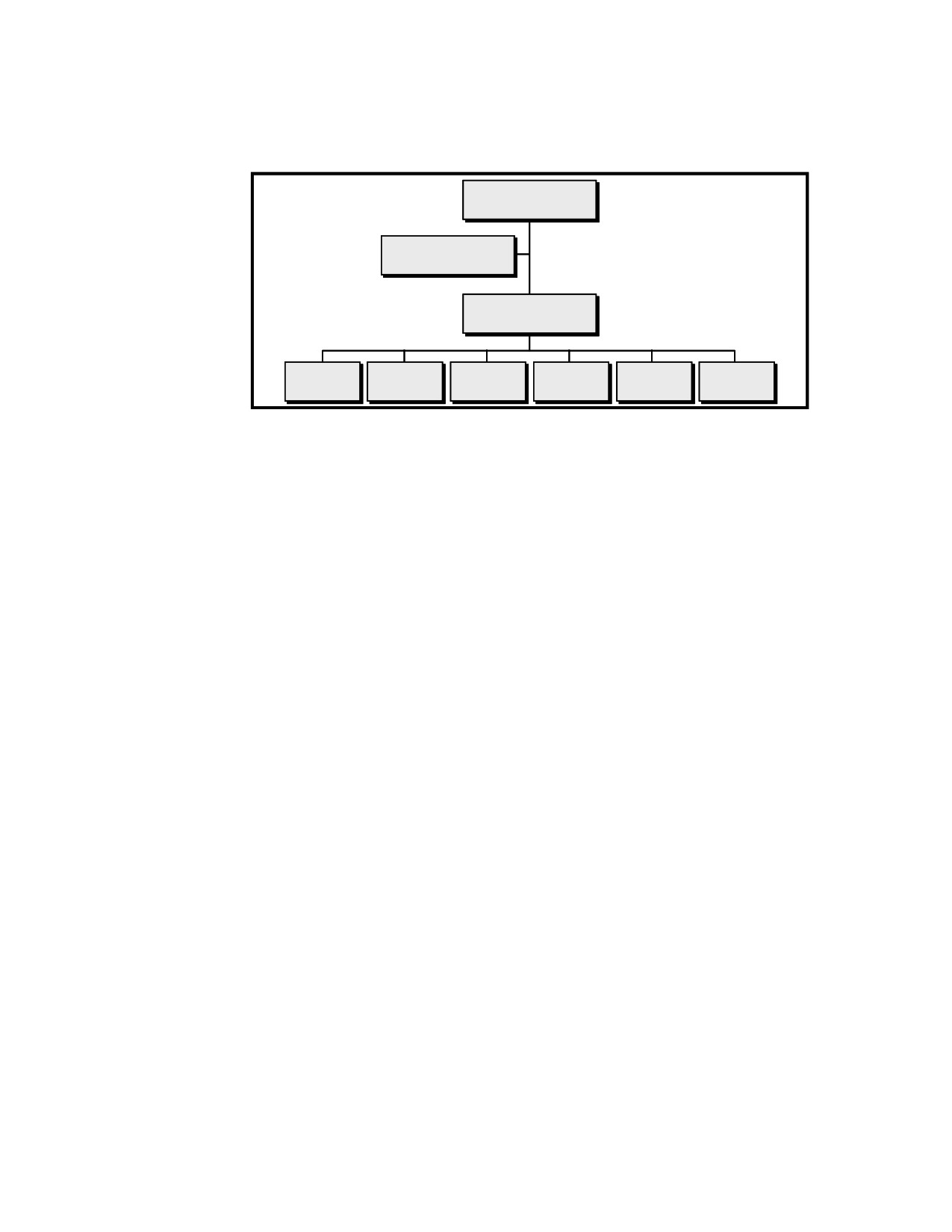
Figure 2-3 shows a typical JTF J2 organization. The overall organi-
zation of the JTF and operations will dictate actual composition of the J2. At
a minimum, a core element of analytical, ISR management, and admin-
istrative capabilities is required.
2-13
FM 2-0 ___________________________________________________________________________________
Director of Intelligence
Deputy
Director of Intelligence
Operations
Plans
Operations
Disclosure
JISE
J2X
SSO
Division
Division
Cell
Figure 2-3. Typical Joint Task Force J2 Organization.
Considerations In Joint Intelligence Operations
2-52. The Army, Air Force, Navy, Marine Corps, and SOF must provide
globally responsive assets to support the combatant commanders’ theater
strategies and the national security strategy. The capabilities of the other
armed forces complement those of ARFOR. During joint operations, they
provide support consistent with JFC-directed missions. When conducting
joint intelligence operations, there are a number of unique problems that can
arise due to the complexity of integrating the efforts of the different services
and commands. Elements affecting joint intelligence operations among the
different services include the following:
• Intelligence liaison is critical to the success of intelligence operations
and requires early establishment, particularly between units that have
not routinely trained together and possess differing capabilities. As a
minimum, organizations exchange liaison teams with the higher
echelon organization. Additional liaison may be necessary to facilitate
joint force collection, production, or dissemination requirements.
Liaison teams⎯
Support planning and C2 of intelligence operations.
Ensure timely two-way flow of intelligence between commands.
Manage intelligence and resource requirements of the subordinate
command.
Advise the commander on service ISR capabilities, limitations, and
employment.
• Commanders and staffs use IPB to understand the battlespace and
develop or refine plans and orders. IPB products exchanged between
echelons ensure a common picture of the battlespace and estimate of
the situation.
• Communications considerations for joint operations include⎯
Planning for intelligence communications transition to facilitate
execution of branches or sequels to the plan or to accommodate
shifting of the main effort from one force to another.
2-14
___________________________________________________________________________________ FM 2-0
Identifying the initial communications architecture to include
establishing procedures and protocols for information exchanges
(databases, text, imagery, voice, and video).
Balancing the availability of service-unique intelligence systems
between echelons or services. This may require each service
providing additional resources. The senior commander is respon-
sible for allocating resources.
Disseminating intelligence between commands and services.
Additional communications equipment, intelligence terminals, and
personnel may be required to balance capabilities between services.
• Identifying the databases each service possesses or has access to;
determining which databases will support the operation and, if
necessary, merge them into a single database; and ensure access by the
entire force.
• Providing a focal point for subordinate command access to national or
joint intelligence is essential. The senior commander will request and
allocate resources required to support this access.
2-53. The JFC’s intelligence requirements, concept of operation, and intent
drive the ISR effort. The different organizations and services participating in
joint intelligence operations must continuously share information, intel-
ligence, and products to satisfy requirements. See FM 2-01 for details on
intelligence requirements and RM. Activities required to facilitate an effect-
tive joint collection effort include⎯
• Coordinating intelligence and ISR operations to optimize capabilities of
collection assets and reduce duplication of effort.
• Integrating supporting national and theater intelligence collection
assets into the intelligence synchronization plan.
• Establishing procedures for tracking and handing off HPTs between
services and echelons.
• Establishing procedures for cueing Army and other service collection
assets.
• Coordinating airspace for ISR assets.
• Maximizing available linguist capabilities. Shortages of military
linguists trained in target languages may require cross-leveling Army
and other service linguists.
2-54. Reporting and intelligence production considerations in joint operations
include⎯
• Establishing production criteria and thresholds that produce timely
and relevant intelligence keyed to the commander’s intelligence and
targeting requirements. The ISM, attack guidance matrix (AGM), and
HPT list are examples of tools used to support joint intelligence and
targeting efforts. The sharing of these products to all echelons and
services is crucial.
• Establishing common methodology and criteria for producing the BDA
and supporting the combat assessment function.
• Establishing set standards for the number and frequency of periodic
reports such as intelligence summaries (INTSUMs).
2-15
FM 2-0 ___________________________________________________________________________________
Joint Intelligence Architecture
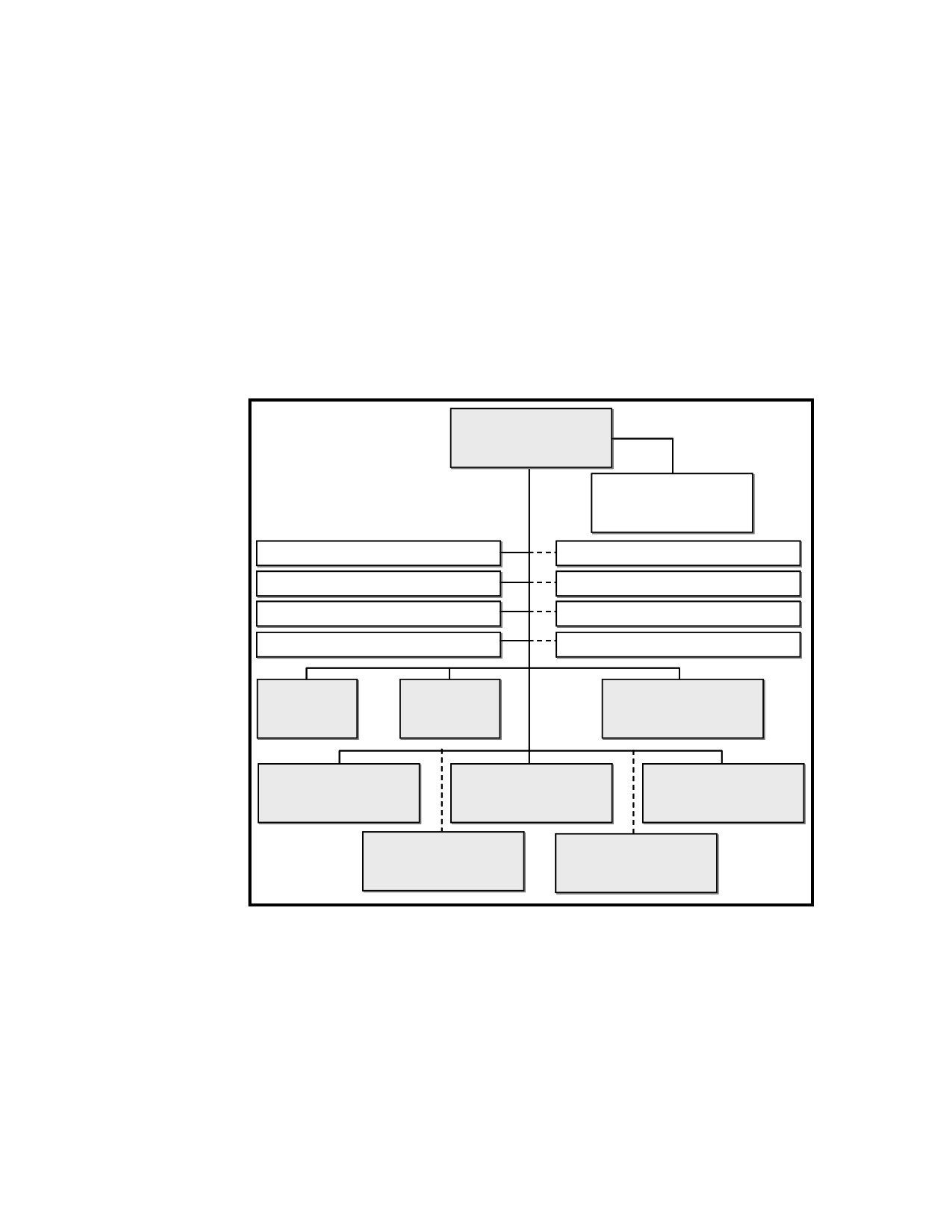
2-55. In addition to the J2 staffs at every joint level of command, the key
organizations in the joint intelligence architecture are the National Military
Joint Intelligence Center (NMJIC) (see Figure 2-4), the Joint Intelligence
Centers (JICs) or Joint Analysis Centers (JACs) of the unified commands,
and, when formed, the JTF’s joint intelligence support element
(JISE).
Working together, these organizations play the primary role in managing and
controlling joint intelligence operations. The formal relationships which link
these organizations facilitate information management and optimize
complementary intelligence functions by echelon without obstructing the
timely flow of intelligence up, down, or laterally.
Directorate for
Intelligence Joint
Staff, J2, VJ2
J2
Headquarters
Element
J2 Special Assistant
CIA Representative
Assistant J2 for Operations
NSA Representative (OSD)
Diversity Management Representative
DI Representative (DIA)
Joint Reserve Unit
NGA Customer Support Team
J2P Assessments,
J2A Admin
J2J Joint
Doctrine, Requirements,
Support
Staff Support
and Capabilities
J2O Crisis
J2M Crisis
J2T Targeting
Operations
Management
Support
Defense Collection
Terrorism Threat
Coordination
Warning
Center
Division
Figure 2-4. National Military Joint Intelligence Center.
2-56. The NMJIC is the focal point for intelligence activities in support of
joint operations. The NMJIC is the CJCS J2 intelligence watch within the
National Military Command Center (NMCC) in the Pentagon. When the
assigned or attached assets cannot satisfy the combatant commander and the
JTF commander’s crisis-related and time-sensitive intelligence requirements,
the NMJIC, as part of the J2’s staff, sends tasks to appropriate agencies to
fill the requirements. During crises, the NMJIC expands as necessary to
establish a working group, intelligence task force, or an expanded intelligence
task force. The NMJIC participates in targeting by developing national level
2-16
___________________________________________________________________________________ FM 2-0
target lists. When requested, the NMJIC supports the theater in performing
BDA. Besides supporting the combatant commands and JTFs, the NMJIC
supports any multinational partners and prescribed international organiza-
tions.
2-57. The JIC is organized in accordance with the combatant commander’s
prerogatives, but normally performs the general functions described in JP 2-0
and specific unified command intelligence TTP. The JIC is responsible for
providing intelligence to JTF and its subordinates during military operations.
If the JIC cannot meet the combatant commander’s requirements, the JIC
forwards requests to the NMJIC or to subordinate command levels through
established channels, using standard command procedures. In some cases,
the JIC may also ensure timely support by approving a direct communication
path, in advance, between requesters such as the JTF JISE and outside
producers. In this case, the parties must inform the JIC of all requests as
they occur. This method is most appropriate when the parties require
products and services, which the JIC does not routinely produce.
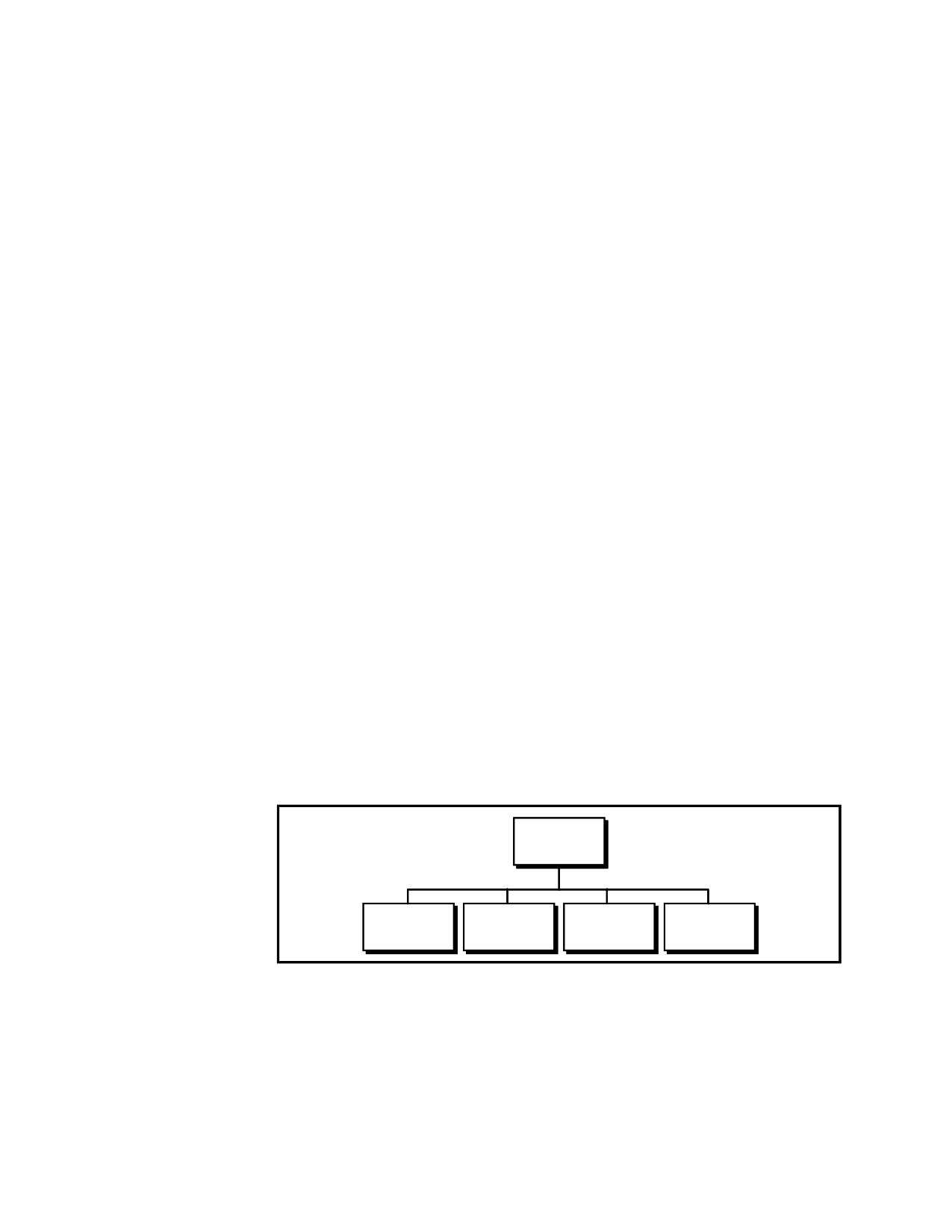
2-58. At the discretion of the JTF commander, the J2 can establish a JISE
during the crisis or preparation stage for operations to augment the J2 staff.
The JISE is a tailored subset of the JIC or the intelligence organization of the
service component designated as the JTF headquarters.
2-59. Under the direction of the J2, the JISE normally manages the
intelligence collection, production, and dissemination for the JTF. The JISE
provides intelligence to JTF operational forces and performs common
intelligence functions. By design, the JISE is scaleable and can expand to
meet the needs of the JTF and the operating environment. It is composed of
analytical experts, analysis teams, and ISR managers that provide services
and products, which the JTF, JTF staff, and subordinate components require.
These experts, mentioned above, focus on solving the operational intelligence
problems of concern to the JTF commander. The JISE’s capability to perform
all-source analysis and ISR synchronization is key to producing operational
intelligence that is timely, relevant, and complete. Figure 2-5 illustrates the
features of a typical JISE.
JISE
CM&D
Analysis
Targets/BDA
CI
Figure 2-5. Typical Joint Intelligence Support Element.
Joint Task Force Intelligence Organizations
2-60. In addition to the JISE, the JTF commander and J2 may require other
supporting JICs or teams based on projected operations. The JTF commander
may make a request to the NMJIC for specific national intelligence agency
capabilities. The NMJIC evaluates and coordinates the JTF commander’s
requirements with the J3, J5, and national intelligence agencies and tailors
2-17
FM 2-0 ___________________________________________________________________________________
the composition of the deployment packages to meet those needs. The
deployment packages, such as the National Intelligence Support Team
(NIST), provide access to the entire range of capabilities resident in the
national intelligence agencies and can focus those capabilities on the JTF
commander’s intelligence requirements. The J2X manages and coordinates
the HUMINT and CI activities of national, theater, and service components
operating within the JTF’s JOA. The Joint Captured Materiel Exploitation
Center
(JCMEC) assists in management of recovery, exploitation, and
disposal of captured enemy equipment
(CEE). The JTF commander’s
requirements dictate the composition and tailoring of such deployment
packages.
Augmentation Considerations
2-61. Depending on the scale of the operations, the intelligence organizations
described above and those of the JTF’s subordinate command may require
personnel augmentation. Optimum use of available intelligence assets is
essential to ensure quality support in meeting the JTF commander’s
requirements.
2-62. The demand for additional intelligence increases significantly during
crisis and wartime operations. As the need arises for more intelligence
personnel, the intelligence presence also increases at all command levels.
Locating additional intelligence personnel and knowing how to integrate
those personnel into the operation is vital. The JTF J2 should identify
intelligence personnel augmentation requirements in accordance with the
Chairman, Joint Chiefs of Staff (CJCS) Instruction 1301.01. The combatant
commander’s joint table of mobilization and distribution
(JTMD) also
contains the standing augmentation requirements. The JTMD should reflect
the need for either IMA or Individual Ready Reserve (IRR) personnel. The
combatant commander and the JTF refine personnel requirements and
initiate requests when they anticipate or start an operation.
2-63. A consideration for the JTF when requesting support or augmentation
is that these national level teams and individual augmentees are not totally
self-contained elements; rather they require logistic, information, and other
support from the supported command. Each deployment is unique based on
mission, duration, team composition, and capabilities required. A full NIST,
for example, requires a private, access-controlled area within a sensitive
compartmented information facility (SCIF) work environment and dedicated
secure communications.
2-64. For more information on intelligence operations as they apply to other
armed services, see the individual service intelligence doctrine. See also
JP 2-0 series, JP 3-0, JP 3-55, and JP 5-0 for more details on joint intelli-
gence operations and considerations.
Multinational Intelligence
2-65. Multinational intelligence operations take place within the structure of
an alliance or coalition. Some multinational military organizations, such as
the North Atlantic Treaty Organization (NATO) and the UN Command in the
Republic of Korea (ROK), are highly structured and enduring. Others, such
as the coalition formed during the Gulf War, are less formal and temporary.
2-18
___________________________________________________________________________________ FM 2-0
2-66. In multinational operations, the multinational force commander
(MNFC) exercises command authority over a military force composed of
elements from two or more nations. Therefore, in most multinational
operations, the JTF must share intelligence, as necessary, for mission
accomplishment with foreign military forces and coordinate exchange of
intelligence with those forces.
2-67. In some circumstances, the JTF may need to seek authority to go
outside the usual political-military channels to provide information to NGOs.
The JTF must tailor intelligence policy and dissemination criteria to each
multinational operation.
INTELLIGENCE REACH
2-68. Military forces use intelligence reach to rapidly access information,
receive support, and conduct collaboration and information sharing with
other units and organizations unconstrained by geographic proximity,
echelon, or command.
2-69. Intelligence reach supports minimizing the deployed footprint of ISR
assets. By providing enhanced information and tailored intelligence products,
intelligence reach can greatly enhance the intelligence capabilities of the unit
and play a significant role in improving the commander’s ability to make
decisions on the battlefield. It allows the commander to harness national,
joint, foreign, and other military organization resources. Table 2-1 shows
examples of partners and sources for intelligence reach.
2-70. Detailed planning and training are critical to the success of intelligence
reach operations. The following are steps that the staff can take to ensure
optimal use, operability, and effectiveness of intelligence reach:
• Establish data exchange methods and procedures.
• Establish electronic message transfer procedures.
• Establish homepages for identified forces.
• Establish POCs for I&W centers, production centers, Theater JICs,
DIA, INSCOM, and their major subordinate commands such as NGIC
and the theater intelligence brigades and groups.
• Ensure the intelligence staff has the necessary personnel, training,
automated systems, bandwidth, and resources to conduct intelligence
reach.
• Determine IRs through staff planning. Develop production require-
ments for identified intelligence gaps.
• Order geospatial products for the projected joint AOI.
• Establish and maintain a comprehensive directory of intelligence reach
resources before deployment and throughout operations. The value of
intelligence reach will greatly increase as the staff develops and
maintains ready access to rich information resources. These resources
are numerous and may include, for example, Army, Joint, DOD, non-
DOD, national, commercial, foreign, and university research programs.
Know what types of information the resources can provide. Con-
tinuously expand the resource directory through identification of new
resources.
2-19

FM 2-0 ___________________________________________________________________________________
• Use intelligence reach first to fill intelligence gaps and requirements
and answer RFIs. This technique can preclude unnecessary tasking or
risk to limited ISR assets.
• Maintain continuous situational understanding and anticipate intelli-
gence requirements. Use intelligence reach to fulfill these requirements
and provide the results to the commander and staff for planning and
decisionmaking.
• Exchange intelligence reach strategies with other units.
• Present the information retrieved through intelligence reach in a
usable form. Share the information derived from intelligence reach
with subordinate, lateral, and higher echelons. Ensure follow-on forces
have all information as well.
Table 2-1. Examples of Intelligence and Reach Partners and Sources.
ARMY
SERVICES
JOINT
DOD
ACE
ONI
USEUCOM JAC
DIA
ISE
NMIC
USSOUTHCOM JIC
CMO
TSE (TIB/TIG)
AIA
USSOCOM JIC
MSIC
902d
NAIC
USSPACECOM CIC
AFMIC
NGIC
MCIA
USJFCOM AIC
DHS
ATCAE
USCENTCOM JIC
NGA
ARISCs
USTRANSCOM JIC
NSA
USSTRATCOM
RSOCs
USPACOM JIC
USNORTHCOM JIC
NON-DOD
NATIONAL
COMMERICAL
FOREIGN
DOE
DCI
RAND
DIS
FBI
NIC
Jane’s Defence Weekly
NFHQ
DOS
CIA
Economic Intelligence Unit
DIO
DEA
NRO
CNN
FEMA
INR
Reuters
INS
DOT, Office of
Associated Press
Intel Support
United Press International
INTELLIGENCE REACH COMPONENTS
2-71. Intelligence reach requires the G2/S2 to develop a strategy on how best
to support the unit’s mission with intelligence reach capabilities. There are
six basic components of the strategy:
• Push
• Database Access.
• Pull.
• Broadcast Services.
• Collaborative Tools.
• Requirements Management.
2-20
___________________________________________________________________________________ FM 2-0
Push
2-72. Push occurs when the producers of intelligence or information are
knowledgeable of the customer’s requirements and are able to send the
desired intelligence to the customer without further requests. Push is
accomplished through the most appropriate or efficient dissemination means.
Unless coordinated as an acceptable dissemination method, push is not
accomplished solely by posting intelligence products on a web page. The
entity that posts the document must ensure the intended recipient is aware
of the product’s location or has received the product.
2-73. Push begins with the statement of intelligence interest (SII). The SII
establishes the unit’s intelligence and IRs. The SII is prepared by intelligence
staff organizations to register their interest in receiving recurring hardcopy
and softcopy reports, studies, and publications covering a wide variety of
intelligence subjects. The J2/G2/S2 works with the Department of the Army
Production and Dissemination Management (DAPDM) to establish a profile
for information transfer. Intelligence reports or information meeting the
unit’s requirements are then automatically sent directly to the unit’s
classified or unclassified networks or communication systems.
2-74. Organizations that push information and data down to subordinate
units must be careful of the amount, detail, and focus of the information they
are sending. Too much information will overwhelm the subordinate unit.
Crucial information may be lost in the midst of an overabundant flow of
information, much of which is of little use. Intelligence reach often runs more
efficiently if the user pulls the information or at least focuses the intelligence
producers to send the appropriate information with the correct level of detail
at the appropriate time.
Database Access
2-75. Access to local, theater, DOD, non-DOD, and commercial databases
allows analysts to leverage stored knowledge on topics ranging from basic
demographics to OB information. A validated DIA Customer Number
(acquired by the J2/G2/S2) in combination with Secret Internet Protocol
Network
(SIPRNET) and Joint Worldwide Intelligence Communications
System (JWICS) connectivity establishes access to most of the databases
online. The challenge for an analyst is to gain an understanding of the
structure, contents, strengths, and weaknesses of the database regardless of
database type. Additionally, the procedures are often difficult for extracting
portions or downloading and transferring the database to unit level
automated information systems.
2-76. Each intelligence discipline has unique databases established and
maintained by a variety of agencies. Database access is accomplished through
unit or agency homepages via SIPRNET (Intelink-S) and JWICS (Intelink).
The DAPDM office, upon approving the unit’s SII, validates the requirement
for access to the majority of these databases. Units coordinate with the DA
dissemination and program manager (DPM) and/or the agency for access to
those databases requiring passwords and permissions beyond normal
Intelink-S and Intelink access.
2-21
FM 2-0 ___________________________________________________________________________________
Pull
2-77. Pull occurs when the requestor is familiar enough with existing
databases and products to be able to anticipate the location of the desired
information. Knowledge of both the types and locations of intelligence
databases can greatly increase the efficiency of the Intelligence BOS by
saving time and effort on the part of analysts at every echelon.
2-78. The G2/S2 must also ensure that intelligence reach capability extends
to multinational forces, augmentees, and other services or organizations
working as part of the JTF. The G2/S2 must forward relevant intelligence to
units which do not possess the necessary automation to conduct intelligence
reach.
Broadcast Services
2-79. Broadcast services are an integrated, interactive dissemination system,
focusing on tactical user’s IRs using joint message formats. The theater
broadcast’s data prioritization and processing occur through information
management. Selected tactical, theater, DOD, and national collectors
broadcast their messages using prescribed message formats. The analyst
decides which types of messages are required. Broadcast service data is
responsive to the operational commander's information needs and allows
tactical users to construct successively detailed pictures of the battlespace.
2-80. Tactical users require intelligence and information to be available at
the lowest classification level possible (for example, collateral SECRET) and
releasable, as necessary, to multinational partners. Broadcast service
information management will adhere to national policy as it relates to the
provision of data to NATO or multinational partners.
Collaborative Tools
2-81. Collaboration is the sharing of knowledge, expertise, and information,
normally online, and may take numerous forms. Collaborative tools are
computer-based tools (groupware) that help individuals work together and
share information. They allow for virtual online meetings and data sharing.
As an example of the use of collaborative tools, the President or the Secretary
of Defense and DOD during a crisis situation will establish a number of crisis
action teams (CATs) or joint interagency working groups (JIAWGs). These
groups or teams are formed to address specified subjects or topics in support
of the warfighter or decisionmaker. The groups will focus on the crisis and
normally publish their products on a homepage. Analysts with online access
can participate in a number of ways. This includes passively accessing the
homepages to study the products, sending queries to the identified POCs, or
by having their organization join the CAT or JIAWG. Table 2-2 shows some
examples of collaborative tools.
Requirements Management
2-82. The RM system provides a mechanism for submitting RFIs, tasking,
and managing ISR assets. Analysts who are trained and familiar with the
RM process and the various tasking procedures can leverage its systems for
refined information. Each intelligence discipline has established procedures
2-22

___________________________________________________________________________________ FM 2-0
for requesting specific information. It is therefore advantageous to have
someone familiar with each discipline’s procedures to participate in
synchronizing the ISR effort. For example, an analyst receives a HUMINT-
based intelligence information report, which provides information on an
event or subject. If he requires more refined data or clarification, he should
submit a time-sensitive requirement or a source-directed requirement. This
creates a two-way communication from the field to the collectors without
creating additional standing requirements. The more familiar the analyst is
with the RM process, the better he can leverage it.
2-83. The intelligence reach component of RM includes the ability of an
intelligence officer at any level to request information, which is beyond what
is available at his location. The normal procedure for obtaining intelligence or
information not obtainable through the use of available ISR assets is to
submit an RFI to the next higher echelon. Users enter RFIs into the RM
system. See ST 2-33.5 for more information on intelligence reach operations
and FM 2-01 for more information on RM.
Table 2-2. Examples of Collaborative Tools.
Tool
Description
Chat (Audio and Text)
Used to conduct conversations online.
Permits real-time display of drawings, pictures, or
Whiteboard
documents for group discussion and comment. Participants
can annotate in real time as well.
Bulletin Board
Used to post notices and facilitate discussions on any topic.
Used at a desktop computer or a video teleconferencing
Video
(VTC) center to allow the person or group to see with whom
they are communicating.
Topics are posted to a website for discussion and comment
Discussion Groups (Newsgroups)
where participants can follow a line of discussion on a topic.
Virtual file cabinets allow information to be stored on web
File-Sharing Tools
servers, and are available to anyone having access to the
site and electronic permission to use the files.
Used in a virtual auditorium to allow lectures and briefings
Presentation Tools
to be given to an audience.
An entire team can use an application running on one
Application Sharing
computer to revise documents.
Allows live text input and editing by group members. Once
Text Tools
complete, the text document can be copied into word
processing software.
E-mail
Electronic mail.
The ability to preserve files, briefings, or other team or
project material for future reference. Properly organized, it
Persistent Capability
becomes an information management device and is
invaluable to a long-term effort.
Instant Messaging
This allows real-time exchange of notes and messages.
2-23
PART TWO
Intelligence in Full Spectrum Operations
Part Two provides a primer of what and who constitutes both MI and the Intelligence
BOS and the process that these entities use in order to provide warfighters and
decisionmakers with the intelligence they require in order to accomplish their
respective missions.
Chapter 3 discusses the role of MI and the Intelligence BOS within full spectrum
operations. It provides an overview of intelligence readiness, particularly the
intelligence requirements associated with force projection. The concept of MI asset
technical control is discussed as a complement to, not a replacement of, the Army’s
command and support relationships.
Chapter 4 presents the Intelligence Process⎯the Intelligence BOS methodology that
accomplishes the primary focus of intelligence in full spectrum operations, which
provides the warfighter with effective intelligence.
_________________________________________________________________________
Chapter 3
Fundamentals in Full Spectrum Operations
FULL SPECTRUM OPERATIONS
3-1. Army commanders at all echelons may combine different types of
operations simultaneously and sequentially to accomplish missions. Full
spectrum operations include offensive, defensive, stability, and support
operations. Missions in any environment require ARFOR that are prepared to
conduct any combination of these operations:
• Offensive operations aim to destroy or defeat an enemy. Their purpose
is to impose US will on the enemy and achieve decisive victory.
• Defensive operations defeat an enemy attack, buy time, economize
forces, or develop conditions favorable for offensive operations.
Defensive operations alone normally cannot achieve a decision. Their
purpose is to create conditions for a counteroffensive that allow ARFOR
to regain the initiative.
• Stability operations promote and protect US national interests by
influencing the threat, political, and information dimensions of the OE
through a combination of peacetime developmental, cooperative
activities, and coercive actions in response to crises. Regional security
is supported by a balanced approach that enhances regional stability
3-1
FM 2-0 ___________________________________________________________________________________
and economic prosperity simultaneously. ARFOR presence promotes a
stable environment.
• Support operations employ ARFOR to assist civil authorities, foreign or
domestic, as they prepare for or respond to crises and relieve suffering.
Domestically, ARFOR respond only when the President or Secretary of
Defense direct. ARFOR operate under the lead federal agency and
comply with provisions of US law, to include the Posse Comitatus and
Stafford Acts. (See FM 3-0.)
3-2. Intelligence supports the commander across full spectrum operations. It
helps the commander decide when and where to concentrate sufficient
combat power to overwhelm the enemy. ISR is essential for the commander to
preclude surprise from the enemy, maintain the initiative on the battlefield,
and win battles. Commanders at all levels synchronize intelligence with the
other BOSs to maximize their ability to see and strike the enemy
simultaneously throughout the AO.
3-3. Every soldier in the command is responsible for detecting and reporting
enemy activities, dispositions, and capabilities. This task is critical because
the environment we operate in is characterized by violence, uncertainty,
complexity, and asymmetric methods by the threat. The increased situational
awareness that soldiers develop through personal contact and observation is
a critical element of that unit’s ability to more fully understand the OE.
However, soldiers collect information, they are not intelligence collectors.
While medical personnel cannot be assigned ISR tasks due to their Geneva
Convention category status, medical personnel who gain information through
casual observation of activities in plain view while discharging their
humanitarian duties will report the information to their supporting
intelligence element.
OFFENSIVE OPERATIONS
3-4. Offensive operations at all levels require effective intelligence to help the
commander avoid the enemy’s main strength and to deceive and surprise the
enemy. During offensive operations, intelligence must provide the
commander with the composition, disposition, limitations, employment
characteristics, and anticipated enemy actions in a timely enough manner for
the commander to significantly affect the enemy commander’s decision cycle.
It ensures commanders have the intelligence they need to conduct offensive
operations with minimum risk of surprise.
DEFENSIVE OPERATIONS
3-5. The immediate purpose of defensive operations is to defeat an enemy
attack. Commanders defend to buy time, hold key terrain, hold the enemy in
one place while attacking in another, or destroy enemy combat power while
reinforcing friendly forces. Intelligence should determine the enemy's
strength, COAs, and location of enemy follow-on forces. The defending
commander can then decide where to arrange his forces in an economy-of-
force role to defend and shape the battlefield. Intelligence support affords him
the time necessary to commit the striking force precisely.
3-6. Intelligence in area defensive operations identifies, locates, and tracks
the enemy's main attack and provides the commander time to allocate
3-2
___________________________________________________________________________________ FM 2-0
sufficient combat power to strengthen the defense at the point of the enemy's
main effort. Intelligence should also identify where and when the commander
can most decisively counterattack the enemy's main effort or exploit enemy
vulnerabilities.
3-7. Although the battlefield is normally organized as decisive, shaping, and
sustaining operations, commanders conducting defensive operations may
delineate intelligence in battlefield organizational terms of deep area, close
area, and rear area.
STABILITY OPERATIONS
3-8. The environment is often much more complex during stability operations
and as a result intelligence is often more complex. In fact, intelligence is even
more important a factor
(or operational multiplier) during stability
operations. As a result, the commander must be even more involved in and
knowledgeable of ISR (to include ISR operations the commander controls and
other higher level ISR operations that may be occurring within his AO)
during stability operations. For example, the commanders must understand
the complex details of HUMINT and special access program
(SAP)
operations.
3-9. The commander requires the appropriate intelligence and IPB products
in order to determine how best to influence the threat, political and
information dimensions of the operational environment, and enhance
regional stability. The identification and analysis of characteristics of the
terrain and weather, politics, infrastructure, health status, civilian press,
attitudes, and culture of the local populace and all possible threats are
important in conducting stability operations. A lack of knowledge concerning
local politics, customs, and culture could lead to US actions which attack
inappropriate targets or which may offend or cause mistrust among the local
population.
SUPPORT OPERATIONS
3-10. Support operations are usually nonlinear and noncontiguous.
Commanders designate the decisive, shaping, and sustaining operations
necessary for mission success. However, determining the intelligence
requirements that drive the ISR effort intending to identify any potential
threat’s centers of gravity and decisive points may require a more complex
and unorthodox thought process than that used in offensive and defensive
operations. The G2/S2 may have to define the enemy differently. In support
operations, the adversary is often the effects of disease, hunger, or disaster on
a civilian population. US forces conducting support operations must also fully
understand the organization and identity of key figures or groups within the
region where they are operating, as these figures may influence greatly the
actions of the population⎯both civilian and military.
ELEMENTS OF COMBAT POWER
3-11. Combat power is the ability to fight. It is the total means of destructive
or disruptive force, or both, that a military unit or formation can apply
against the adversary at a given time. Commanders combine the elements of
3-3
FM 2-0 ___________________________________________________________________________________
combat power to meet constantly changing requirements and defeat an
enemy. The elements of combat power are⎯
• Manuever is the employment of forces, through movement combined
with fire or fire potential, to achieve a position of advantage with
respect to the enemy to accomplish the mission. Maneuver is the
means by which commanders concentrate combat power to achieve
surprise, shock, momentum, and dominance.
• Firepower provides the destructive force essential to overcoming the
enemy’s ability and will to fight. Firepower magnifies the effects of
maneuver by destroying enemy forces and restricting his ability to
counter friendly actions; maneuver creates the conditions for the
effective use of firepower.
• Leadership is the most dynamic element of combat power. Confident,
audacious, and competent leadership focuses on the other elements of
combat power and serves as the catalyst that creates conditions for
success. Leadership provides purpose, direction, and motivation in all
operations.
• Protection is the preservation of fighting potential of a force so the
commander can apply maximum force at the decisive time and place.
Protection is neither timidity nor risk avoidance.
• Information enhances leadership and magnifies the effects of
maneuver, firepower, and protection. Today, ARFOR use information
collected to increase their situational understanding before engaging
the enemy. Information from the COP and running estimates,
transformed into situational understanding, allows commanders to
combine the elements of combat power in new ways.
THE FOUNDATIONS OF ARMY OPERATIONS
3-12. Understanding the principles of war and tenets of Army operations is
fundamental to operating successfully across the range of military operations.
The principles of war and tenets of Army operations form the foundation of
Army operational doctrine. (Refer to FM 3-0 for a full description of the
Principles of War and Tenets of Army Operations.)
• The Principles of War provide general guidance for conducting war and
military operations other than war at the strategic, operational, and
tactical levels. The principles are the enduring bedrock of Army
doctrine.
• The Tenets of Army Operations build upon the principles of war. They
further describe the characteristics of successful operations. These
tenets are essential to victory.
THE OPERATIONAL FRAMEWORK
3-13. The operational framework consists of the arrangement of friendly
forces and resources in time, space, and purpose with respect to each other
and the enemy or situation. It consists of the AO, battlespace, and the
battlefield organization. The framework establishes an area of geographic
and operational responsibility and provides a way for commanders to
visualize how to employ forces against the enemy. Commanders design an
3-4
___________________________________________________________________________________ FM 2-0
operational framework to accomplish their mission by defining and arranging
its three components. They use the framework to focus combat power. The
operational framework provides a mechanism through which the commander
can focus the Intelligence BOS effort. Understanding the operational
framework, AOIR, and intelligence coordination line
(ICL) and their
relationship to each other is key to planning and executing ISR operations.
•
AO is an operational area defined by the JFC for land and naval forces.
AOs do not typically encompass the entire operational area of the JFC
but should be large enough for component commanders to accomplish
their missions and protect their forces. AOs should also allow
component commanders to employ their available systems to the limits
of their capabilities. The AO is the basic control measure for all
operations that defines the geographical area for which a particular
unit is responsible. The commander⎯
Assumes responsibility for intelligence, maneuver, fires, terrain
management, security, and movement within his AO.
Establishes control measures within his AO to assign responsi-
bilities, coordinate intelligence, fires, and maneuver, and to control
other activities.
•
Battlespace is the environment, factors, and conditions that must be
understood to successfully apply combat power, protect the force, or
complete the mission. This includes air, land, sea, space, and the
included enemy and friendly forces; facilities; weather; terrain; the
EMS; and the information environment within the operational areas
and AOIs. The G2/S2 performs IPB and synchronizes ISR activities
throughout the battlespace as determined by the commander’s METT-
TC considerations.
Area of influence is the geographical area in which a commander can
directly influence operations by maneuver of FS systems normally
under the commander’s command or control. Areas of influence
surround and include the associated AO.
AOI is that area of concern to the commander, including the area of
influence, areas adjacent thereto, and extending into enemy territory
to the objectives of current or planned operations. This area also
includes areas occupied by enemy forces who could jeopardize the
accomplishment of this mission. (See JP 1-02.)
Information environment refers to a commander’s battlespace that
encompasses information activity affecting the operation. To
envision that part of the information environment that is within
their battlespace, commanders determine the information activities
that affect their own operational capabilities and opposing C2 and
information systems.
Force Projection Bases are the intermediate staging bases and power
projection platforms.
Home Stations are the permanent locations of active and RC units.
To a significant degree, events occurring at home station affect the
morale and performance of deployed forces. Thus, the commander’s
battlespace encompasses all home station functions.
3-5
FM 2-0 ___________________________________________________________________________________
• Battlefield Organization is the allocation of forces in the AO by
purpose. It consists of three all-encompassing categories of operations:
Decisive Operations are those that directly accomplish the task
assigned by higher headquarters. Decisive operations conclusively
determine the outcome of major operations, battles, and
engagements.
Shaping Operations are operations at any echelon that create and
preserve conditions for the success of decisive operations.
Sustaining Operations are operations at any echelon that enable
shaping and decisive operations by providing CSS, rear area and
base security, movement control, terrain management, and
infrastructure development.
3-14. AOIs extend into enemy territory, to the objectives of current or
planned operations. They include areas occupied by enemy forces that could
jeopardize the accomplishment of the mission. AOIs also serve to focus
intelligence development and IO directed at factors outside the AO that may
affect the operation. (FM 3-0, para 4-79) The scheme of support includes the
coordination of reconnaissance and surveillance missions and AOIs with a
joint force or higher headquarters and lateral units to answer the intelligence
requirements within the AOI. The G2/S2 monitors enemy activities within
the AOI and provides intelligence on enemy activities that may affect the
unit.
3-15. The AOIR is an area allocated to a commander in which the
commander is responsible for the provision of intelligence within the means
at the commander’s disposal. It is an area allocated to the commander in
which the commander is responsible for the collection of information
concerning the threat and the environment and the analysis of that
information in order to produce intelligence. Higher headquarters also ensure
through intelligence handovers, collection management, and deconfliction
that problems with duplication, confliction, and command and control do not
occur in the AOIR. (FM 2-19.402/FM 34-80-2) They include the available ISR
assets, capability of the G2/S2 section, available intelligence architecture,
and METT-TC considerations. The AOIR cannot extend beyond a unit’s AOI;
however, it can be smaller than its AO as well as vary (expand or contract)
during an operation. An example of when a unit’s AOIR is smaller than its
AO is when a higher headquarters ISR effort covers an area within the unit’s
AO.
3-16. ICLs designate the boundary between AOIRs. The G2/S2 establishes
ICLs to facilitate coordination between higher, lateral, and subordinate units;
coordinates with the G3/S3 to direct subordinates to track enemy units and
HPTs in their areas; and hands over intelligence responsibility for areas of
the battlefield. The establishment of ICLs ensures that there are no gaps in
the collection effort; that all echelons are aware of the location, mission, and
capabilities of other assets. The G2/S2 keeps abreast of collection activities in
progress (all echelons) and battlefield developments through the ICLs. ICLs
help⎯
• Facilitate coordination between higher, lateral, and subordinate units.
3-6
___________________________________________________________________________________ FM 2-0
• Ensure higher, lateral, and subordinate units share information and
intelligence as enemy entities and HPTs move into, within, or
transition between AOIRs.
• Specify intelligence responsibility for areas of the battlefield.
ARMY CAPABILITIES
3-17. Commanders combine AC and RC ARFOR⎯consisting of different
types of units with varying degrees of modernization⎯with multinational
forces and civilian agencies to achieve effective and efficient unified action. A
broad range of organizations makes up the institutional Army that supports
the field Army. Institutional Army organizations design, staff, train, and
equip the force. The institutional Army assists in effectively integrating
Army capabilities. It does this through leadership and guidance regarding
force structure, doctrine, modernization, and budget. (See FM 100-11.)
TASK ORGANIZATION
3-18. The Army supports JFCs by providing tailored force packages to
accomplish joint missions and dominate enemies and situations on land.
Trained and equipped AC and RC units comprise these force packages.
Within these force packages, Army commanders organize groups of units for
specific missions. They reorganize for subsequent missions when necessary.
This process of allocating available assets to subordinate commanders and
establishing their command and support relationships is called task
organizing. A temporary grouping of forces designed to accomplish a
particular mission is a task organization. The ability of ARFOR to tailor
(select forces based upon a mission) and task organize (temporarily organize
units to accomplish a tactical mission) gives them extraordinary agility. It
allows operational and tactical level commanders to organize their units to
make the best use of available resources. The ability to task organize means
ARFOR can shift rapidly among offensive, defensive, stability, and support
operations.
COMBINED ARMS
3-19. The fundamental basis for the organization and operations of ARFOR is
combined arms. Combined arms is the synchronized or simultaneous
application of several arms⎯such as infantry, armor, field artillery,
engineers, air defense, and aviation⎯to achieve an effect on the enemy that
is greater than if each arm was used against the enemy separately or
sequentially. The ultimate goal of Army organization for operations remains
success in joint and combined arms warfare. Its combined arms capability
allows commanders to form Army combat, combat support (CS), and CSS
forces into cohesive teams focused on common goals.
3-7
FM 2-0 ___________________________________________________________________________________
COMMAND AND SUPPORT RELATIONSHIPS
3-20. Establishing clean command and support relationships is fundamental
in organizing for all operations. These relationships can achieve clear
responsibilities and authorities among subordinate and supporting units. The
commander designates command and support relationships within his
authority to weigh the decisive operation and support his scheme of
maneuver. Some forces available to a commander are given command or
support relationships that limit his authority to prescribe additional
relationships. Command and support relationships carry with them varying
responsibilities to the subordinate unit by parent and gaining units. By
knowing the inherent responsibilities of each command and support
relationship, a commander may organize his force to establish clear relation-
ships.
3-21. Command relationships establish the degree of control and responsi-
bility commanders have for forces operating under their tactical control
(TACON). When commanders establish command relationships, they
determine if the command relationship includes administrative control
(ADCON). Figure 3-1 shows command and support relationships.
3-22. Support relationships define the purpose, scope, and effect desired
when one capability supports another. Support relationships establish
specific responsibilities between supporting and supported unit. Army
support relationships are direct support (DS), general support (GS), general
support-reinforcing (GSR), and reinforcing.
3-23. While not an actual C2 function, technical control often affects certain
intelligence operations. Technical control ensures adherence to existing
policies or regulations and provides technical guidance for MI activities,
particularly HUMINT, SIGINT, and CI operations. Commanders direct
operations but often rely on technical expertise to plan, prepare, execute, and
assess portions of the unit’s collection effort. Technical control also involves
translating ISR tasks into the specific parameters used to focus highly
technical or legally sensitive aspects of the ISR effort. Technical control
includes, but is not limited to⎯
• Defining, managing, or guiding the employment of specific ISR assets.
• Identifying critical technical collection criteria such as technical
indicators.
• Recommending collection techniques, procedures, or assets.
• Conducting operational reviews.
• Conducting operational coordination.
• Conducting specialized training for specific MI personnel or units.
3-24. An example of technical control is the Prophet control team converting
the PIR and SOR sets from the MDMP process and assigning times and
anticipated enemy frequencies for subordinate Prophets to collect.
3-8

___________________________________________________________________________________ FM 2-0
INHERENT RESPONSIBILITIES ARE:
IF
Gaining Unit
Establishes/
RELATIONSHIP
Has
May Be
Can Impose
Receives
Assigned
Provides
Maintains
Has Priorities
Command
Task
Further Com-
IS:
CSS
Position
Liaison
Communica-
Established
Relation-
Organized
mand or Sup-
from:
or AO By:
To:
tions
by:
ship with:
by:
port
with:
Relationship of:
As re-
Attached;
Gaining
Gaining
Gaining
Gaining
quired by
Unit to which
OPCON;
Attached
Gaining unit
unit
unit
unit
unit
gaining
attached
TACON; GS;
unit
GSR; R; DS
Parent unit
and gaining
unit; gain-
As re-
As required by
OPCON;
Gaining
ing unit
Parent
Gaining
quired by
gaining unit
OPCON
Gaining unit
TACON; GS;
unit
may pass
unit
unit
gaining
and parent
GSR; R; DS
OPCON to
unit
unit
lower HQ.
Note 1
As re-
As required by
Gaining
Parent
Gaining
quired by
gaining unit
TACON
Parent unit
Gaining unit
GS; GSR; R; DS
unit
unit
unit
gaining
and parent
unit
unit
As re-
Parent
Gaining
quired by
As required by
Not
Assigned
Parent unit
Parent unit
Parent unit
unit
unit
parent
parent unit
Applicable
unit
Direct
Sup-
Parent
Supported
Parent unit;
Support
Parent unit
Parent unit
ported
Supported unit
Note 2
unit
unit
Supported unit
(DS)
unit
Reinforc-
Rein-
Reinforced
Parent
Reinforced
Parent unit;
Not
ing
Parent unit
Parent unit
forced
unit: then
unit
unit
reinforced unit
Applicable
(R )
unit
parent unit
Rein-
forced
General
Reinforced
unit and
Parent unit;
Support
Parent
unit and as
Not
Parent unit
Parent unit
Parent unit
as re-
then
Reinforc-
unit
required by
Applicable
quired by
reinforced unit
ing (GSR)
parent unit
parent
unit
As re-
General
Parent
quired by
As required by
Not
Support
Parent unit
Parent unit
Parent unit
Parent unit
unit
parent
parent unit
Applicable
(GS)
unit
NOTE 1. In NATO, the gaining unit may not task organize a multinational unit (see TACON).
NOTE 2. Commanders of units in DS may further assign support relationships between their subordinate units and elements
of the supported unit after coordination with the supported commander.
Figure 3-1. Army Command and Support Relationships and Inherent Responsibilities.
3-9
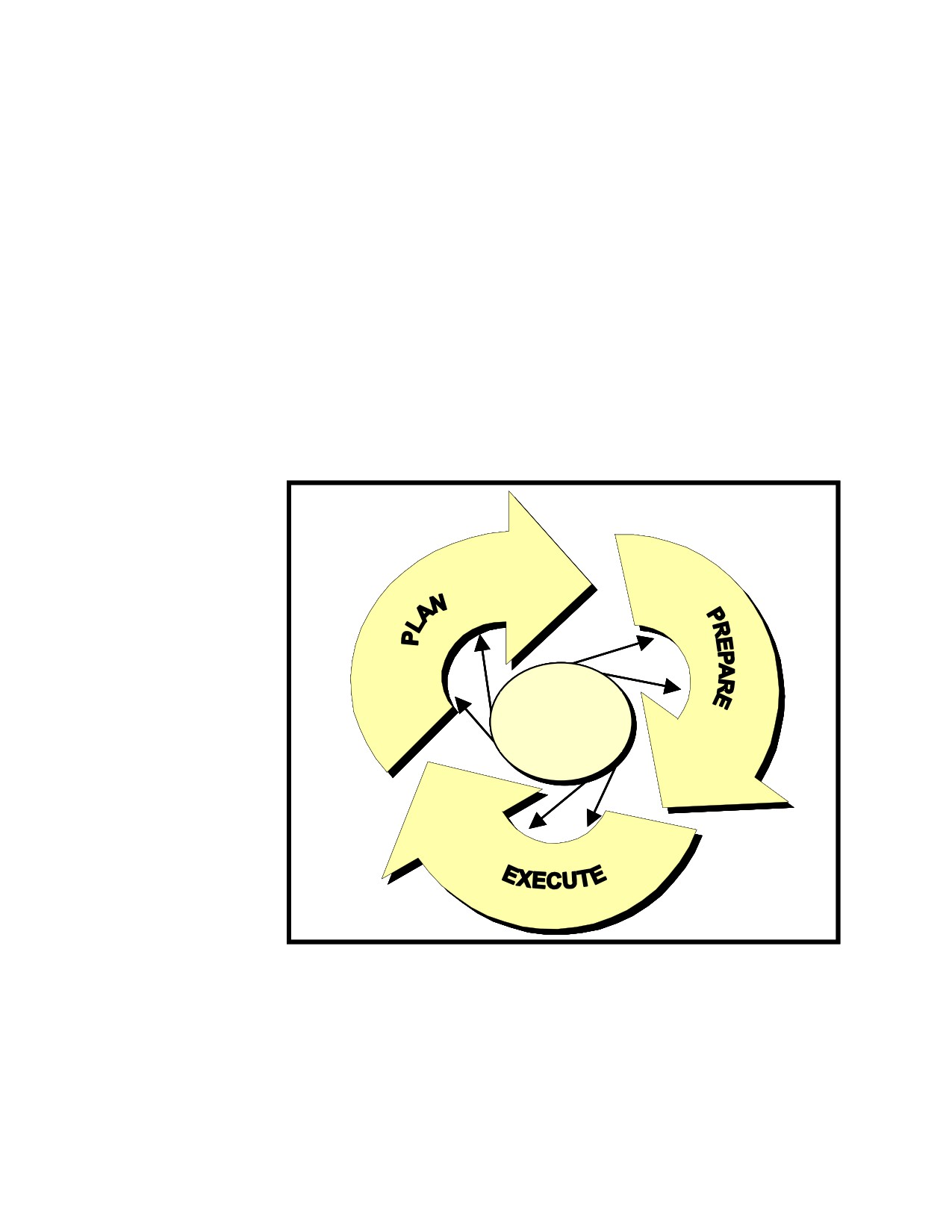
FM 2-0 ____________________________________________________________________________________
Chapter 4
Intelligence Process in Full Spectrum Operations
THE INTELLIGENCE PROCESS
4-1. Commanders use the operations process of plan, prepare, execute, and
assess to continuously design and conduct operations (see Figure 4-1). The
commander cannot successfully accomplish the activities involved in the
operations process without information and intelligence. The design and
structure of intelligence operations support the commander’s operations
process by providing him with intelligence regarding the enemy, the battle-
field environment, and the situation.
ASSESS
Battle
Command
ASSESS
ASSESS
Figure 4-1. The Operations Process.
4-2. Intelligence operations consist of the functions that constitute the
intelligence process: plan, prepare, collect, process, produce, and the three
common tasks of analyze, disseminate, and assess. Just as the activities of
the operations process overlap and recur as circumstances demand, so do the
functions of the intelligence process. Additionally, the analyze, disseminate,
and assess functions of the intelligence process occur continuously
throughout the intelligence process.
4-1
____________________________________________________________________________________FM 2-0
4-3. The operations process and the intelligence process are mutually
dependent. The commander, through the operations process, provides the
guidance and focus through CCIRs and PIRs that drives the intelligence
process; the intelligence process provides the continuous intelligence
essential to the operations process. Intelligence about the enemy, the
battlefield environment, and the situation allows the commander and staff to
develop a plan, seize and retain the initiative, build and maintain
momentum, and exploit success (see Figure 4-2). The intelligence process is
just one of the mechanisms that provides input to build the COP and
facilitate the commander’s situational understanding.
Facilitates
Situational
Understanding
Relevant
COMMANDER
Information
(which includes
Intelligence)
Operations Process
Intelligence Process
PREPARE
ASSESS
EXECUTE
is a
continuous
function
PRODUCE
ANALYZE,
DISSEMINATE,
PLAN
PROCESS
and ASSESS
are
PLAN
continuous
functions
COLLECT
PREPARE
The Operations Process
provides guidance and
focus which drives the
The Intelligence Process
Intelligence Process
provides continuous
intelligence input essential
to the Operations Process
Commander’s
Intent
Figure 4-2. The Relationship Between the Operations
and Intelligence Processes.
4-2
FM 2-0 ____________________________________________________________________________________
PLAN
4-4. The planning step of the intelligence process consists of activities that
include assessing the situation, envisioning a desired outcome (also known as
setting the vision), identifying pertinent information and intelligence require-
ments, developing a strategy for ISR operations to satisfy those require-
ments, directing intelligence operations, and synchronizing the ISR effort.
The commander’s intent, planning guidance, and CCIRs (PIRs and FIRs)
drive the planning of intelligence operations. Planning, managing, and
coordinating these operations are continuous activities necessary to obtain
information and produce intelligence essential to decisionmaking.
COORDINATE
4-5. Staff and leaders coordinate with various elements, units, and
organizations to ensure the necessary resources, linguist support
(see
Appendix B), information, intelligence, training, and procedures are in place
to facilitate effective intelligence operations.
•
Coordination for Movement of ISR Assets. All ISR assets at one time or
another will move through or near another unit’s AO. To avoid
fratricide, ISR elements must coordinate with units, G3/S3, G2/S2, and
each other, as well as coordinate with the fire support officer (FSO) to
establish no-fire areas and/or other control measures around ISR
assets and the air defense officer (ADO) in reference to aerial ISR
assets in order to establish the appropriate weapons control status.
•
Coordination for Information and Intelligence. The intelligence staff
must prepare and practice coordination with personnel from all MI
units, non-MI units, other service components, and multinational
organizations that may contribute to or facilitate the collection effort.
This coordination enables the G2/S2 to share and update databases,
information, and intelligence and ensures connectivity with those
organizations. All units are sources of relevant information regarding
the enemy and the operational environment.
•
Liaison. In order to accomplish the mission, exchange information and
intelligence, move through certain areas and ensure FP, it may be
necessary to coordinate with many different elements, organizations,
and local nationals of the country in which friendly forces are
conducting operations. Local nationals include police, town officials,
foreign military forces, and political and other key figures within the
AO. Operations may also necessitate coordination with other US and
multinational forces; for example, the International Police Task Force
(IPTF), Joint Commission Observers (JCO), Organization for Security
and Cooperation in Europe
(OSCE), Allied Military Intelligence
Battalion (AMIB), and Defense HUMINT Service (DHS).
•
Movement. Coordination with the G3/S3 ensures ease of movement and
safe passage of friendly forces through an area. Coordinating
movement also helps avoid fratricide.
4-3
____________________________________________________________________________________FM 2-0
INTELLIGENCE BOS CONSIDERATIONS
4-6. The Intelligence BOS is a unified system that anticipates and satisfies
intelligence needs. Commanders ensure its proper employment by clearly
articulating intent, designating CCIRs (PIRs and FFIRs), and prioritizing
targets. Commanders must, however, understand the limitations of the
Intelligence BOS to preclude unrealistic expectations of the system. The
following are Intelligence BOS limitations:
•
Intelligence only reduces uncertainty on the battlefield; it does not
eliminate it entirely. The commander will always have to determine
the presence and degree of risk involved in conducting a particular
mission.
•
The Intelligence BOS is composed of finite resources and capabilities.
Intelligence systems and soldiers trained in specific ISR skills are
limited in any unit. Once lost to action or accident, these soldiers and
systems are not easily replaceable; for some, it may not be possible to
replace them during the course of the current operation. The loss of
soldiers and equipment can result in the inability to detect or analyze
enemy actions. The loss of qualified language-trained soldiers, especial-
ly soldiers trained in low-density languages or skills, could adversely
affect intelligence operations as well.
•
The Intelligence BOS cannot effectively and efficiently provide
intelligence without adequate communications equipment, capacity,
and connectivity. Commanders and G2/S2s must ensure communica-
tions support to intelligence has the appropriate priority.
•
Commanders and G2/S2s cannot expect that higher echelons will
automatically send them everything they need. While intelligence
reach is a valuable tool, the push of intelligence products from higher
echelons does not relieve subordinate staffs from conducting detailed
analysis and focusing the efforts of higher headquarters. Nor can they
expect products pushed to them to be always at the level of detail they
require. Commanders and G2/S2s must focus higher echelons by
clearly articulating and actively pursuing intelligence requirements.
By providing higher echelons with a clear picture of the required
intelligence products, commanders can also narrow the flow of
intelligence and information and preclude being overwhelmed by too
much information.
4-7. Commanders should be aware that intelligence collection is enabled by,
and subject to, laws, regulations, and policies to ensure proper conduct of
intelligence operations. While there are too many to list here specifi-
cally, categories of these legal considerations include United States Codes
(USCs), Executive Orders, National Security Council Intelligence Directives
(NCSIDs), Army Regulations, United States Signal Intelligence Directives
(USSIDs), SOFAs, ROE, and other international laws and directives.
PREPARE
4-8. The prepare step includes those staff and leader activities which take
place upon receiving the OPORD, OPLAN, WARNO, or commander’s intent
4-4
FM 2-0 ____________________________________________________________________________________
to improve the unit’s ability to execute tasks or missions and survive on the
battlefield. These activities include⎯
•
Effecting necessary coordination in accordance with the OPORD,
METT-TC, unit SOP.
•
Establishing and testing the intelligence architecture. This activity
includes complex and technical issues like hardware, software,
communications, COMSEC materials, network classification, techni-
cians, database access, liaison officers (LNOs), training, funding, and
TTP.
•
Establishing an intelligence team attitude. This activity includes
knowing different unit’s and organization’s capabilities, training the
necessary collective skills, establishing effective relationships with
different units and organizations, developing mutual battle rhythms
and TTP, and leveraging the right architectures and collaboration
tools.
•
Coordinating effective analytic collaboration. Effective analytic
collaboration is necessary to maximize the complementary analytic
capabilities of different units and organizations that produce intelli-
gence within the same theater of operations. Coordinating this
collaboration is an effort-intensive activity that requires careful mutual
planning, division of labor, defined responsibilities, and procedures for
adapting to changing circumstances as they develop.
•
Establishing reporting procedures.
•
Conducting IPB.
•
Producing Intelligence Estimates.
•
Presenting briefings.
•
Ensuring staff and personnel are trained. If personnel are not
adequately trained at this point, they must be trained or the leader
must evaluate the risk they bring to the operation.
•
Planning refinement, brief-backs, SOP reviews, rehearsals, and coordi-
nating with various elements and organizations.
•
Establishing other troop-leading procedures (TLPs) or coordination, as
necessary, in accordance with METT-TC factors.
G2/S2 PREPARATION ACTIVITIES
4-9. The G2/S2 takes numerous steps before mission execution to ensure
intelligence operations run smoothly and effectively. These steps include, but
are not limited to, the following:
• Conduct rehearsals.
• Conduct communication rehearsals.
• Review and update available databases and IPB products.
• Review applicable SOPs, Army Regulations, DA Pamphlets, Field
Manuals, and ROE for guidance in conducting intelligence operations.
• Plan and practice actions supporting likely contingencies, or the
branches or sequels to an operation.
• Ensure coordination measures are still in effect.
• Ensure training (individual and collective).
4-5