FM 4-02.285 MULTISERVICE TACTICS, TECHNIQUES, AND PROCEDURES FOR TREATMENT OF CHEMICAL AGENT CASUALTIES AND CONVENTIONAL MILITARY CHEMICAL INJURIES (SEPTEMBER 2007) - page 4
that breaks down chemical agents such as Sarin or VX in seconds leaving a nontoxic liquid
that can be removed away with water. The RSDL is safe for use on all intact skin surfaces
and for limited duration use in the eyes. The RSDL reacts rapidly, providing full removal and
destruction of CW agents within two minutes, enabling efficient decontamination of
casualties.
b. The RSDL is a bright yellow viscous liquid that is spread onto skin that is exposed to
chemical agents or toxins. It is impregnated in a sponge pad packaged as a single unit in a
heat-sealed, compact, easy to use tear-open foil pouch. The packet can be carried for use
by service members to protect themselves and aid victims of a chemical attack.
c. The RSDL is a liquid broad spectrum chemical warfare agent and vesicating toxin
decontaminant invented by the Canadian Defence Research Establishment. The RSDL is
registered with the FDA and has been cleared for use by the US military based on studies
conducted by the US Army. It is available in three formats of which two are approved in the
US. A training simulant is also available which allows realistic training and incorporation of
human decontamination into training scenarios.
9. Procedures for Decontaminating Individual Equipment Using the M295 Kit
a. The M295 DKIE (Figure D-4) is designed for use in decontamination of individual
equipment.
(1) Use a stick or other object to remove any thickened spots of CW agent from the
equipment.
(2) Open the packet, remove the pad, and place your fingers through the slot in the
pad.
(3) Rub all surface areas of the equipment with the pad.
b. The contents of this kit are identical to those contained in the M291 SDK, except that
the packets are much larger.
WARNING
The M295 is not approved for use on the skin by the FDA. Only
use the M295 kit on equipment. Keep the decontaminating
material out of the eyes; it may be slightly irritating to the skin
and eyes.
D-8
FM 4-02.285/MCRP 4-11.1A/NTRP 4-02.22/AFTTP(I) 3-2.69
18 September 2007
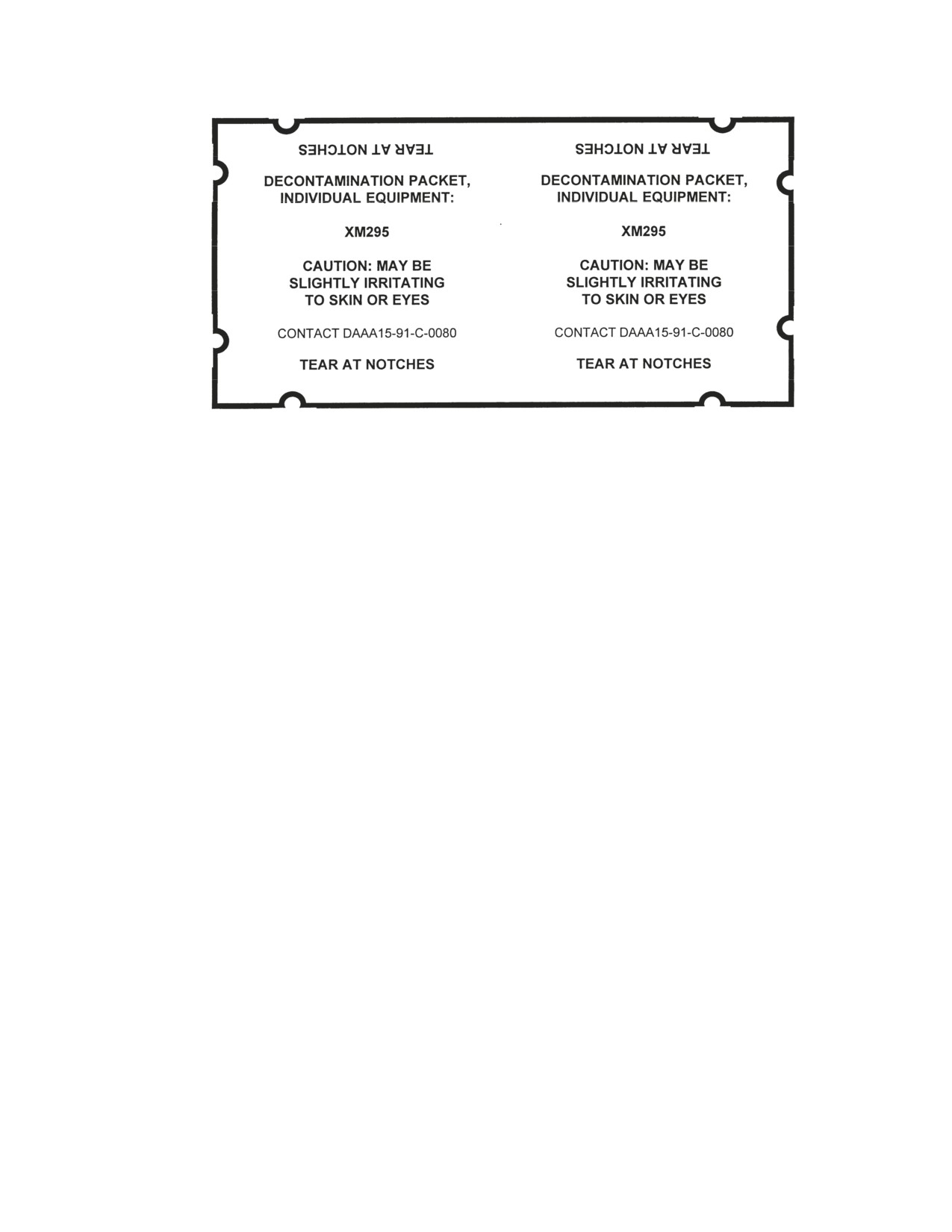
Figure D-4. The M295 Decontaminating Packet, Individual Equipment
18 September 2007 FM 4-02.285/MCRP 4-11.1A/NTRP 4-02.22/AFTTP(I) 3-2.69
D-9
Appendix E
PROCEDURES FOR ADMINISTERING THE
NERVE AGENT ANTIDOTES
1. Injection Site
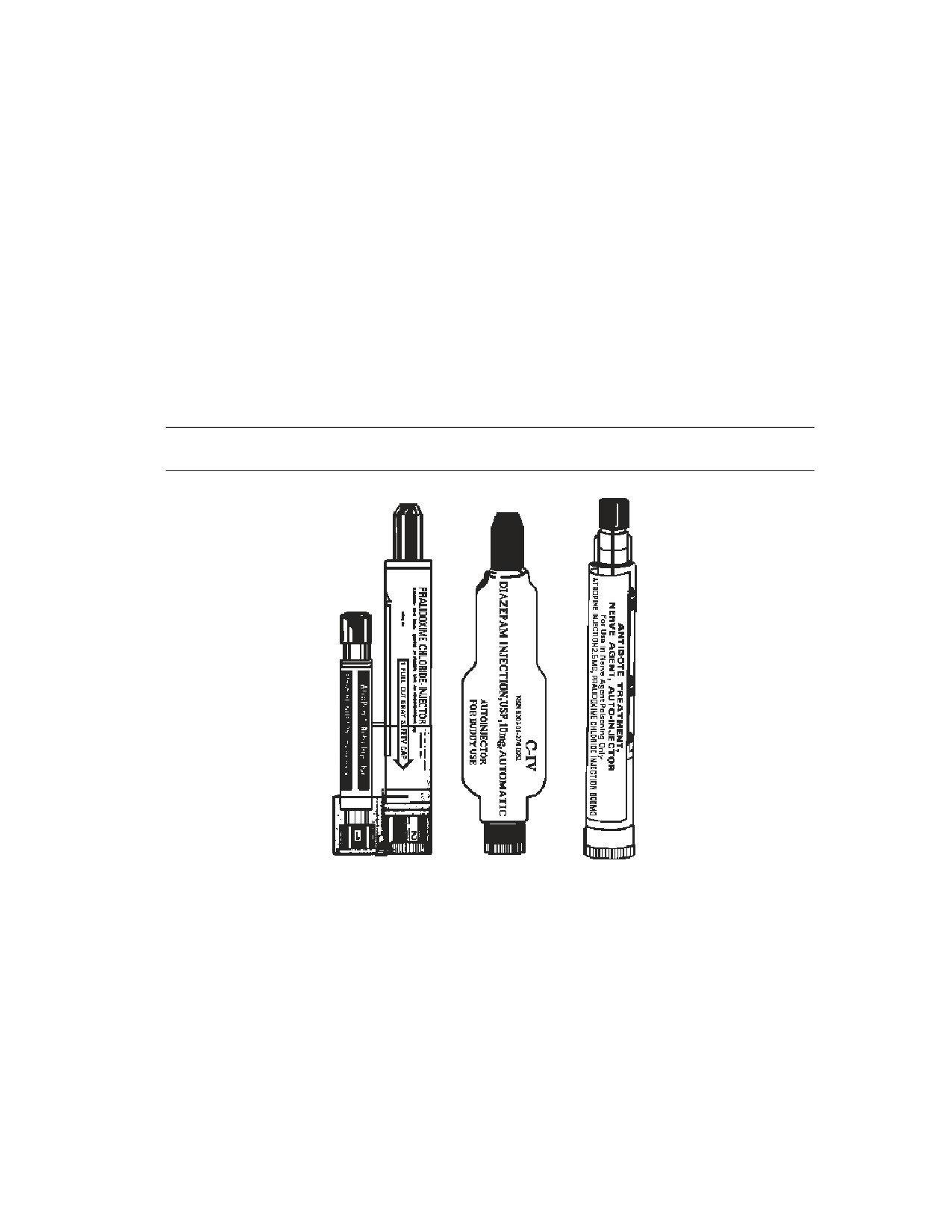
The injection site for administering the ATNAA or MARK I and CANA (Figure E-1) is
normally in the outer thigh muscle. The thigh injection site is the area about a hand’s width
above the knee to a hand’s width below the hip joint (Figure E-2). Injections should be given
into a large muscle area. If the individual is thinly built, then the injections should be
administered into the upper outer quarter (quadrant) of the buttocks (Figure E-3). Injecting
in the buttocks of thinly built individuals avoids injury to the thighbone.
Note: The ATNAA will replace the MARK I when the supplies of MARK I are
exhausted.
MARK I
CANA
ATNAA
Figure E-1. Nerve Agent Antidotes
2. Self-Aid
a. Self-Administer MARK I.
(1) If you experience any or all of the nerve agent mild exposure effects (Table III-2),
you must immediately put on your protective mask and self-administer one MARK I (Figure
E-1). Follow the procedure given in Table E-1.
18 September 2007 FM 4-02.285/MCRP 4-11.1A/NTRP 4-02.22/AFTTP(I) 3-2.69
E-1

(2) The MARK I is carried in your protective mask carrier, pocket of the MOPP
overgarment, or other location as specified in your unit tactical standing operating procedure
(TSOP). (In cold weather, the MARK I should be stored in an inside pocket of your clothing
to protect the antidote from freezing.) A frozen MARK I cannot be immediately used to
provide you with antidote, when needed.
(The MARK I can still be used after complete
thawing.)
Table. E-1. Self-Aid for Nerve Agent Poisoning
MARK I*
ATNAA*
STEP 1. Obtain one MARK I**.
STEP 1. Obtain one ATNAA**.
STEP 2. Check injection site.
STEP 2. Check injection site.
STEP 3. Hold MARK I at eye level with nondomi
STEP 3. Hold ATNAA with dominant hand (Figure
nant hand with the large injector on top
(Figure
E-9A).
E-4A).
STEP 4. Grasp small injector (Atropine) (Figure
STEP 4. Grasp safety cap with nondominant hand
E-4B) and remove from clip (Figure E-4C).
and remove from injector (Figure E-9B). Drop the
safety cap to the ground.
STEP 5. Clear hard objects from injection site.
STEP 5. Clear hard objects from injection site.
STEP 6. Inject Atropine at injection site applying
STEP 6. Inject ATNAA at injection site applying
even pressure to the injector
(Note: Do not jab)
even pressure to the injector (Note: Do not jab)
(Figure E-5 or E-6). Hold in place for 10 seconds.
(Figure E-5 or E-6). Hold in place for 10 seconds.
STEP 7. Hold used injector with nondominant hand
STEP 7. Bend needle of used injector by pressing
(Figure E-7A).
on a hard surface to form a hook.
STEP 8. Grasp the large (2-PAM Cl) injector (Figure
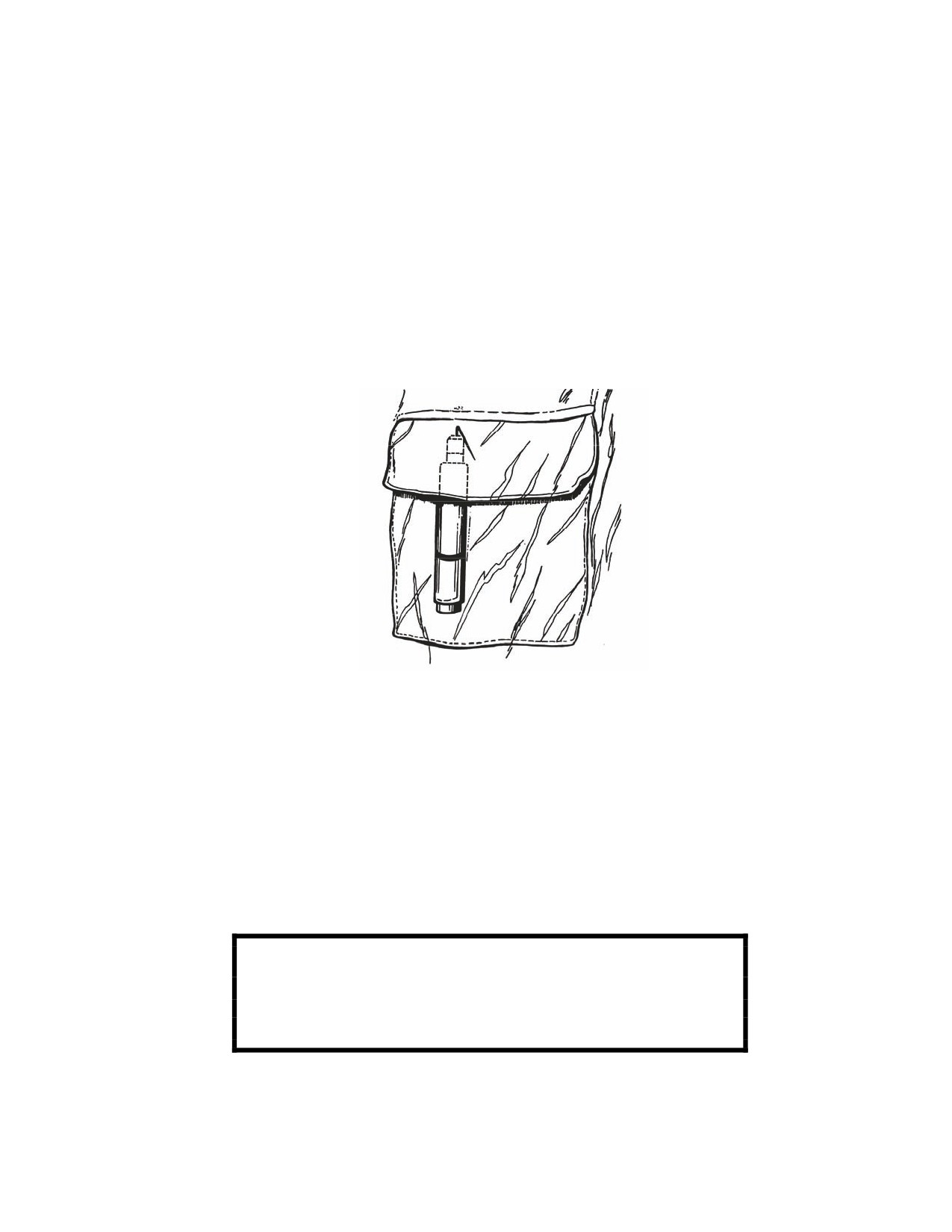
STEP 8. Attach used injector to blouse pocket flap
E-7B) and pull it from clip (Figure E-7C). Drop clip to
of BDO/JSLIST (Figure E-10).
ground.
STEP 9. Inject 2-PAM Cl at injection site applying
STEP
9.
Massage injection site, mission
even pressure to the injector (Figure E-5 or E-6).
permitting.
Hold in place for 10 seconds.
STEP 10. Bend the needles of all used injectors by
pressing on a hard surface to form a hook.
STEP 11. Attach all used injectors to blouse pocket
flap of BDO/JSLIST (Figure E-8).
STEP
12.
Massage injection site, mission
permitting.
LEGEND:
* Use steps listed for type of antidote device issued.
** Only administer one MARK I or ATNAA as self-aid. Do not self-administer CANA.
E-2
FM 4-02.285/MCRP 4-11.1A/NTRP 4-02.22/AFTTP(I) 3-2.69
18 September 2007
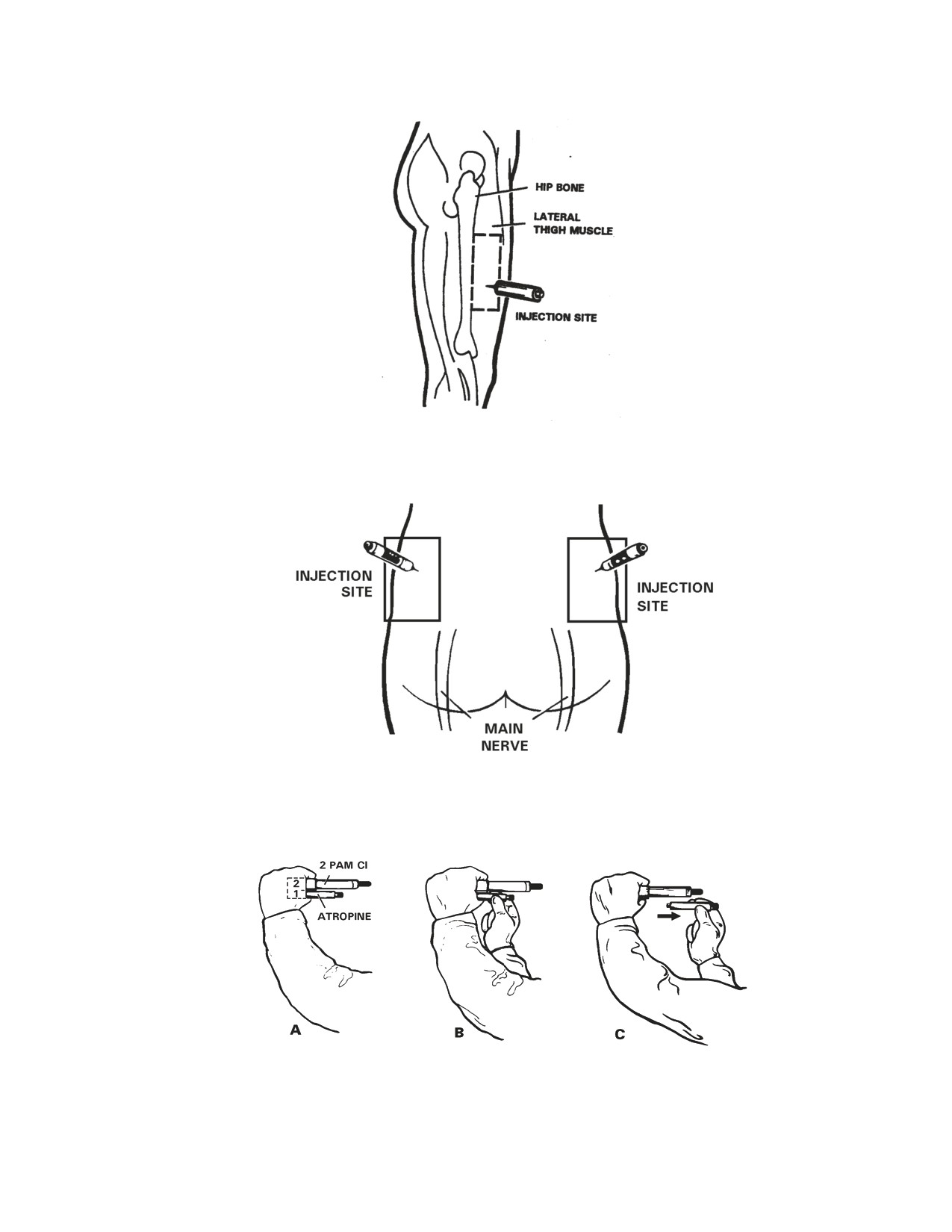
Figure E-2. Thigh Injection Site
Figure E-3. Buttocks Injection Site
Figure E-4. Removing Atropine Autoinjector from Clip
18 September 2007 FM 4-02.285/MCRP 4-11.1A/NTRP 4-02.22/AFTTP(I) 3-2.69
E-3
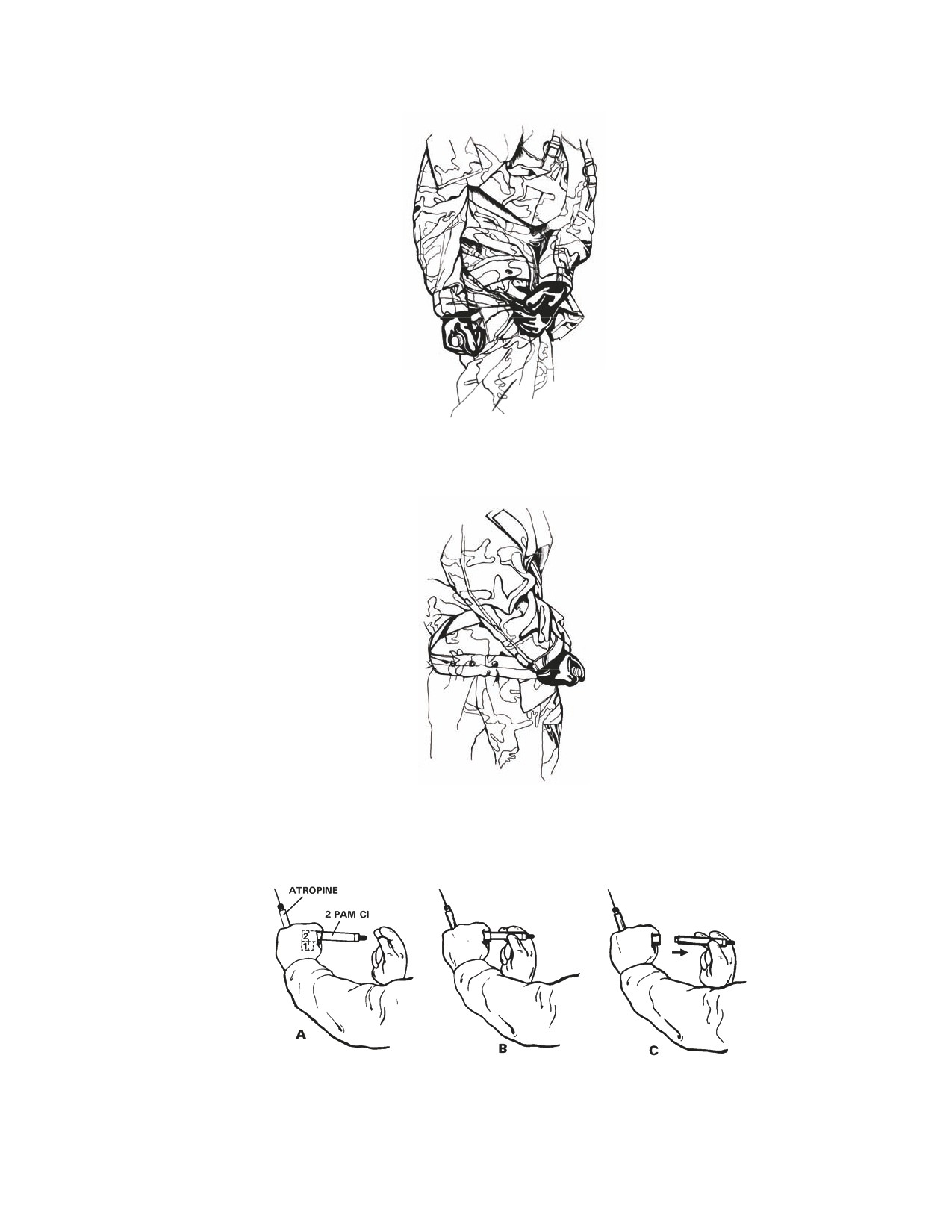
Figure E-5. Self-Aid Thigh Injection
Figure E-6. Self-Aid Buttocks Injection
Figure E-7. Removing 2-PAM Cl Autoinjector from Clip
E-4
FM 4-02.285/MCRP 4-11.1A/NTRP 4-02.22/AFTTP(I) 3-2.69
18 September 2007
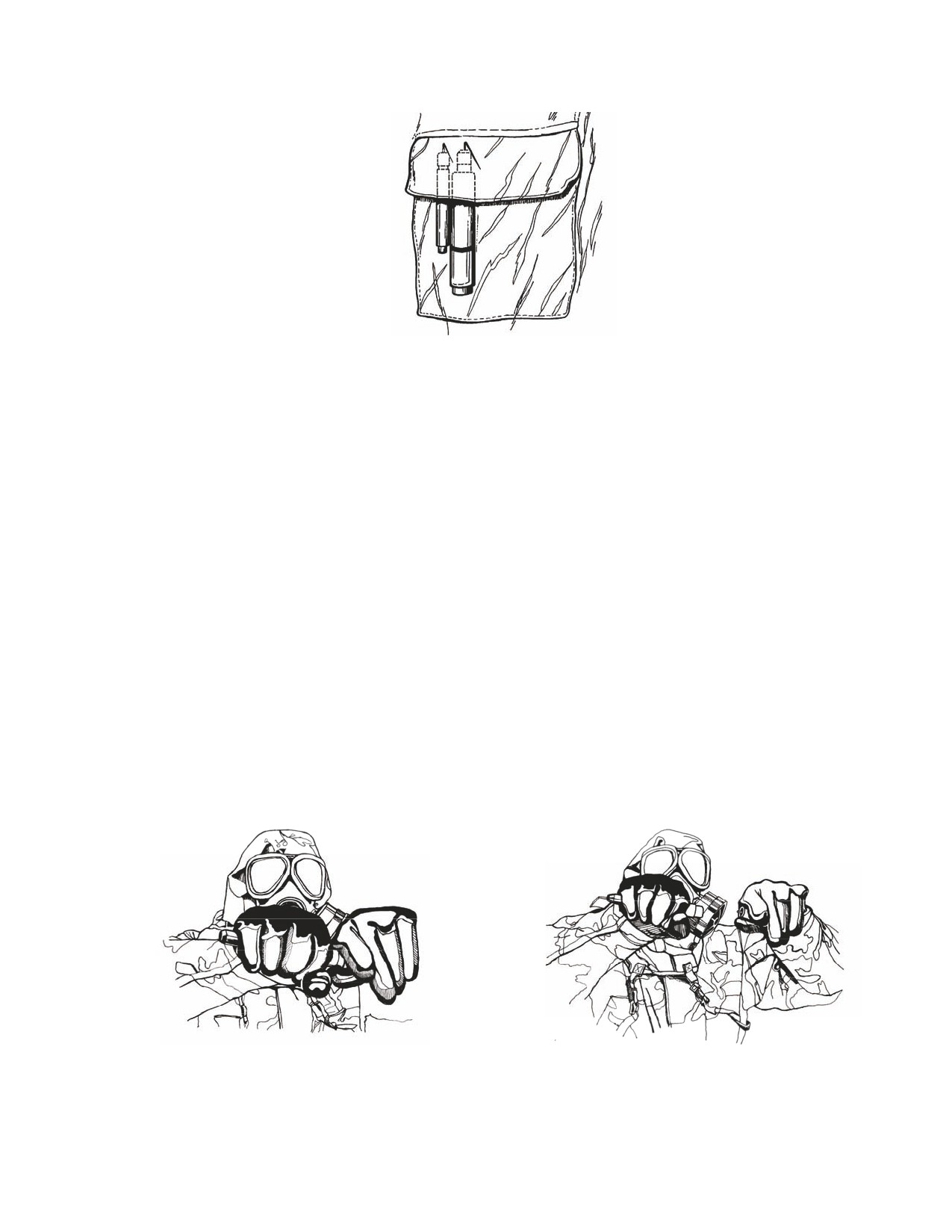
Figure E-8. One Set of Used Autoinjectors Attached to Pocket Flap
(3) After self-administering the first set of injections, wait 5 to 10 minutes. After
administering one set of injections, decontaminate the skin (Appendix D), if necessary, and
put on any remaining protective clothing.
• If the heart beats very rapidly and the mouth becomes very dry, enough antidote
was received to overcome the dangerous effects of the nerve agent. Do not inject another
MARK I. If unable to walk without assistance (ambulate), confused or disoriented then the
second set of injections are not needed. (If not needed, injecting a second MARK I injection
may create a nerve agent antidote overdose, which could cause incapacitation.)
• If the symptoms of nerve agent poisoning continue, seek someone else (a
buddy) to check the symptoms and administer the additional sets of injections, if required.
b. Self-Administer ATNAA.
(1) If an individual experiences any or all of the nerve agent mild exposure effects
(Table III-2), the individual must immediately put on his protective mask and self-administer
one ATNAA (Figure E-1). Follow the procedure given in Table E-1 above. The ATNAA is
carried in the individual’s protective mask carrier, pocket of the MOPP overgarment, or other
location as specified in the unit TSOP.
(In cold weather, the ATNAA should be stored in an
inside pocket of your clothing to protect the antidote from freezing.) A frozen ATNAA cannot
be immediately used to provide the individual with antidote, when needed. (The ATNAA can
still be used after complete thawing.)
A
B
Figure E-9. Preparing ATNAA or CANA for Injection
18 September 2007 FM 4-02.285/MCRP 4-11.1A/NTRP 4-02.22/AFTTP(I) 3-2.69
E-5
(2) After administering the first injection, wait 10 to 15 minutes. After administering
one ATNAA, the individual should decontaminate his skin (Appendix D), if necessary, and
put on any remaining protective clothing.
• If the heart beats very rapidly and the mouth becomes very dry the individual
received enough antidote to overcome the dangerous effects of the nerve agent. The
individual should not give himself another ATNAA. If unable to walk without assistance
(ambulate), confused or disoriented, the individual does not need the second ATNAA.
(If
not needed, injecting a second ATNAA injection may create a nerve agent antidote
overdose, which could cause incapacitation).
• If the individual continues to have symptoms of nerve agent poisoning, he should
seek someone else (a buddy) to check his symptoms and administer the remaining
antidotes, if required.
Figure E-10. Used ATNAA Attached to Clothing
c. Buddy Aid/Combat Lifesaver Aid. Service members may seek or require further
assistance after self-aid (self-administering one MARK I or ATNAA). A buddy must evaluate
the individual to determine if additional antidotes are required to counter the effects of the
nerve agent. Also, service members may experience severe exposure effects of nerve
agent poisoning (Table III-2); they will not be able to treat themselves. In either case, other
service members must perform buddy aid as quickly as possible. Before initiating buddy
aid, determine if one ATNAA or one set of MARK I autoinjectors has already been used. No
more than three sets (total) of the antidote are to be administered. Buddy aid also includes
administering the CANA with the third MARK I or ATNAA to prevent convulsions. Follow the
procedures indicated in Table E-2.
WARNING
Squat, do not kneel, when masking the casualty or administering
the nerve agent antidote to the casualty. Kneeling may force the
chemical agent into or through your protective clothing.
E-6
FM 4-02.285/MCRP 4-11.1A/NTRP 4-02.22/AFTTP(I) 3-2.69
18 September 2007

CAUTION
Do not use your own MARK I, ATNAA, or CANA on a casualty. If you
use your own, you may not have any antidote for self-aid.
WARNING
Squat, do not kneel, when masking the casualty or administering
the nerve agent antidote to the casualty. Kneeling may force the
chemical agent into or through your protective clothing.
WARNING
Do not inject into areas close to the hip, knee, or thighbone.
Table E-2. Buddy Aid/Combat Lifesaver Aid for Nerve Agent Casualty
MARK I*
ATNAA*
CANA**
STEP 1. Mask the casualty and
STEP 1. Mask the casualty and
STEP 1. Obtain buddy’s CANA.
position him on his side (swimmer's
position him on his side (swimmer’s
position).
position).
STEP 2. Position yourself near the
STEP 2. Position yourself near the
STEP 2. Check injection site.
casualty's thigh.
casualty’s thigh.
STEP 3. Obtain buddy’s three or
STEP 3. Obtain buddy’s three or
STEP 3. Hold CANA in a closed fist
remaining MARK I sets.
remaining ATNAAs.
with dominant hand (Figure E-9A).
STEP 4. Check injection site.
STEP 4. Check injection site.
STEP 4. Grasp safety cap with non-
dominant hand and remove from
injector
(Figure E-9B) drop safety
cap to the ground.
STEP 5. Hold MARK I with non-
STEP 5. Hold ATNAA in a closed
STEP 5. Clear hard objects from
dominant hand (Figure E-4A).
fist with dominant hand Figure
injection site.
E-9A).
STEP
6.
Grasp small injector
STEP 6. Grasp safety cap with non-
STEP 6. Inject CANA at injection
(atropine) and remove from clip
dominant hand and remove from
site by applying even pressure to the
(Figures E-4B and C).
injector
(Figure E-9B). Drop the
injector, not a jabbing motion (Figure
safety cap to the ground.
E-11 or E-12). Hold in place for 10
seconds.
STEP 7. Clear hard objects from
STEP 7. Clear hard objects from
STEP 7. Bend needle of injector by
injection site.
injection site.
pressing on a hard surface to form a
hook.
STEP 8. Inject atropine at injection
STEP 8. Inject ATNAA at injection
STEP 8. Attach used injector to
site by applying even pressure to
site by applying even pressure to the
blouse pocket flap of BDO/JSLIST
the injector, not a jabbing motion
injector, not a jabbing motion (Figure
(Figure E-13 and E-14).
(Figure E-5 or E-6). Hold in place
E-11 or E-12). Hold in place for 10
for 10 seconds.
seconds.
18 September 2007 FM 4-02.285/MCRP 4-11.1A/NTRP 4-02.22/AFTTP(I) 3-2.69
E-7
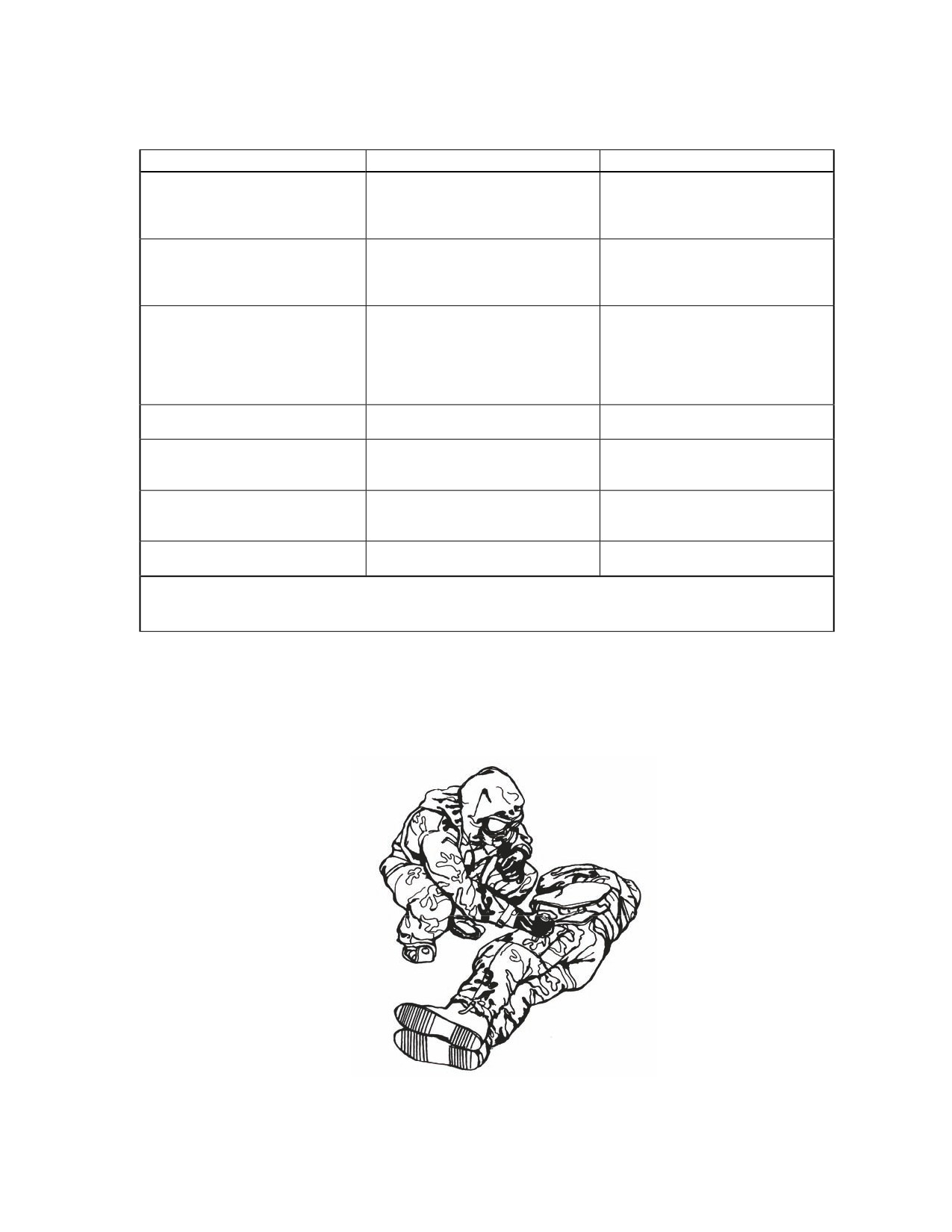
Table E-2. Buddy Aid/Combat Lifesaver Aid for Nerve Agent Casualty (Continued)
MARK I*
ATNAA*
CANA**
STEP 9. Hold used injector
STEP 9. Bend needle of injector
STEP 9. Massage injection site,
between little finger and ring
by pressing on a hard surface to
mission permitting.
finger of nondominant hand
form a hook.
(Figure E-7A).
STEP 10. Pull large injector
STEP 10. Attach all used injectors
(2-PAM Cl) from clip
(Figures
to
blouse pocket flap of
E-7B and C). Drop clip to
BDO/JSLIST (Figure E-14).
ground.
STEP 11. Inject 2-PAM Cl at
STEP 11. Massage injection site,
injection site by applying even
mission permitting.
pressure to the injector, not a
jabbing motion
(Figure E-11 or
E-12). Hold in place for
10
seconds.
STEP 12. Repeat steps above
for remaining MARK I sets.
STEP 13. Bend the needles of
all used injectors by pressing on
a hard surface to form a hook.
STEP
14.
Attach all used
injectors to blouse pocket flap of
BDO/JSLIST (Figure E-13).
STEP 15. Massage injection
site, mission permitting.
LEGEND:
* Use steps listed for the type of antidote device issued.
** CANA is used in buddy aid/combat lifesaver aid only. Do not use in self-aid.
Figure E-11. Injecting the Casualty’s Thigh
E-8
FM 4-02.285/MCRP 4-11.1A/NTRP 4-02.22/AFTTP(I) 3-2.69
18 September 2007
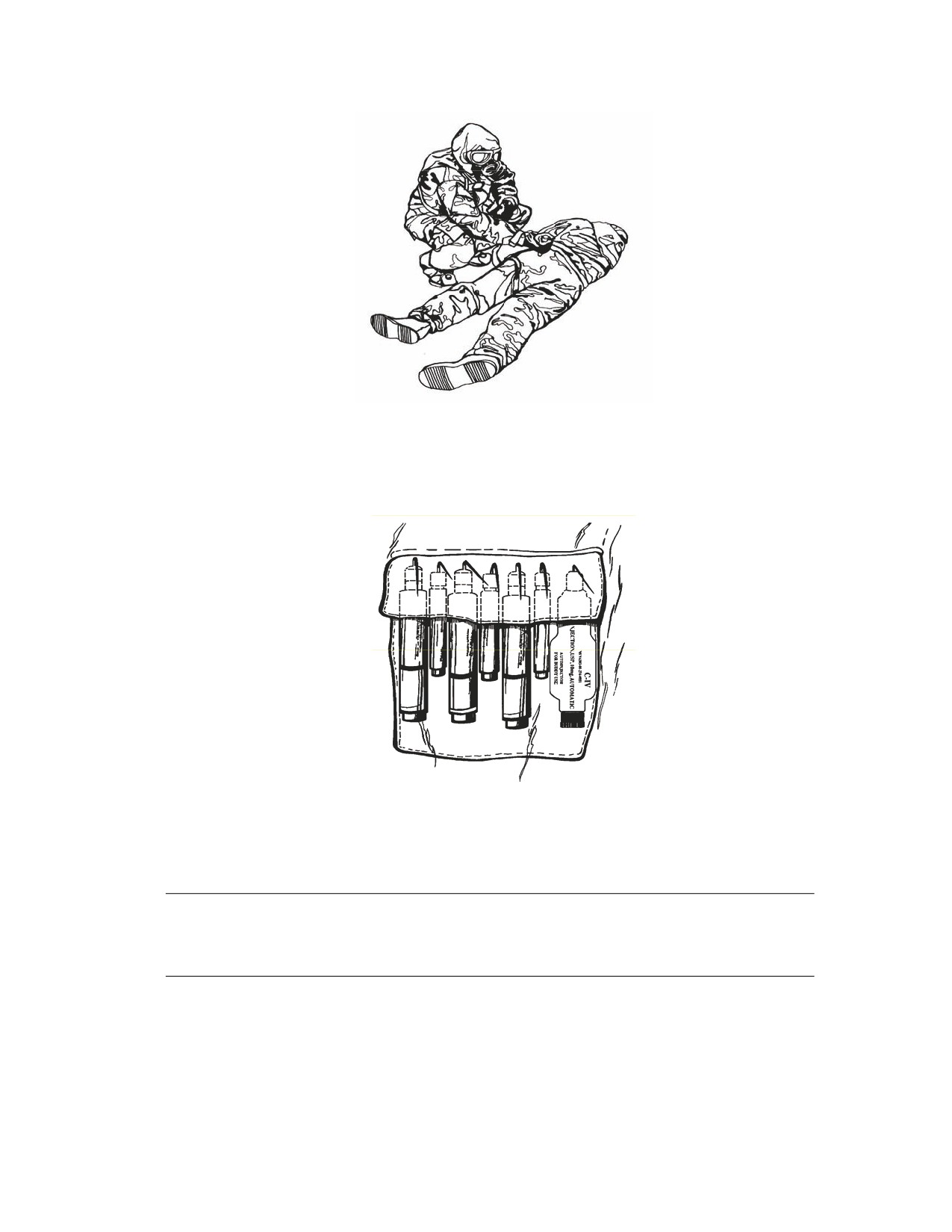
Figure E-12. Injecting the Casualty’s Buttocks
Figure E-13. Three Sets of Used MARK I Autoinjectors and
One CANA Attached to Pocket Flap
Note: Attach used autoinjectors to the casualty’s protective overgarment by lifting
the pocket flap and pushing the needles (one at a time) through the pocket
flap fabric. Bend each needle to form a hook. Be careful not to tear the
casualty’s protective garments or your gloves with the needles.
18 September 2007 FM 4-02.285/MCRP 4-11.1A/NTRP 4-02.22/AFTTP(I) 3-2.69
E-9
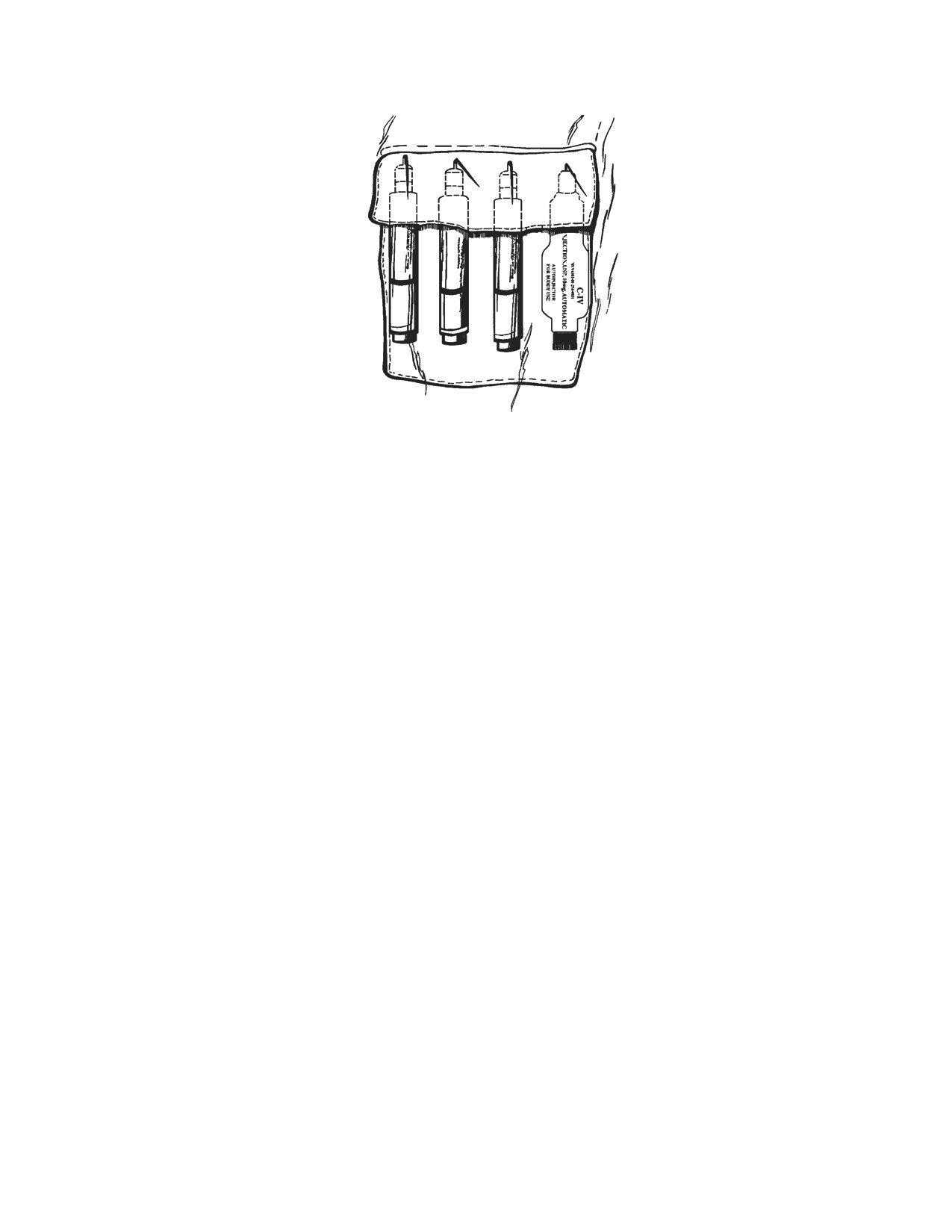
Figure E-14. Three Used ATNAA Autoinjectors and One CANA
Autoinjector Attached to Clothing
E-10
FM 4-02.285/MCRP 4-11.1A/NTRP 4-02.22/AFTTP(I) 3-2.69
18 September 2007

Appendix F
CHEMICAL WARFARE AGENTS AND TOXIC INDUSTRIAL
CHEMICALS IMMEDIATE/EMERGENCY TREATMENT
READY REFERENCE
This appendix provides an immediate/emergency treatment ready reference for the
treatment of casualties contaminated by CW agents and toxic industrial chemicals (Table
F-1).
Table F-1. Emergency Treatment Ready Reference
Lung-Damaging (Choking) Agents
AGENTS
Phosgene (CG), diphosgene (DP), chlorine, and chloropicrin (PS).
Eye and airway irritation.
Dyspnea, coughing, choking, chest tightness, and respiratory distress.
SIGNS &
Pathophysiology:
SYMPTOMS
central agents: laryngospasm, loss of airway.
peripheral agents: noncardiogenic pulmonary edema.
Odor: newly mown hay or freshly cut grass or corn.
Sensors: Miniature Continuous Air Monitoring System (MINICAMS), monitox
plus, Draeger tubes, Individual Chemical Agent Detector (ICAD), M18A2, M90,
DETECTION
and M93A1 FOX.
Other: M256A1, M8 paper, and M9 paper are not designed to identify
phosgene.
PROTECTION
Military chemical protective mask.
Vapor: removal of victim to uncontaminated/fresh air.
DECONTAMINATION
Liquid: copious water or soap/water solutions/irrigation.
FIRST AID/BUDDY
Termination of exposure.
AID
Enforced rest, warmth, and observation.
Termination of exposure.
Basic life support: airway control, oxygenation, and ventilation, and circulatory
support, as needed.
MEDICAL
Enforced rest, warmth, and observation.
MANAGEMENT
Supplemental oxygen with/without positive airway pressure.
More aggressive supportive therapy
(pulmonary and airway management,
antibiotic and/or steroid treatment), if required.
18 September 2007
FM 4-02.285/MCRP 4-11.1A/NTRP 4-02.22/AFTTP(I) 3-2.69
F-1

Table F-1.
Emergency Treatment Ready Reference (Continued)
Cyanogen Blood Agents
AGENTS
Hydrogen cyanide (AC) and cyanogen chloride (CK).
Low threshold between initial symptoms and severe physiological distress.
SIGNS &
After exposure to high concentration: brief period of rapid breathing followed by
SYMPTOMS
convulsions, respiratory and cardiac arrest.
Odor: peach kernels or bitter almonds (absent in 50%), pink color of skin.
Sensors: M256A1 detector ticket: AC vapor or gas in the air
M272 kit detects cyanide in water.
DETECTION
ICAD, M18A2, and M90 detectors detect AC.
Other: chemical agent monitor (CAM)/ICAM, M8A1, M8 and M9 paper do not
detect cyanide.
PROTECTION
Military chemical protective mask (vapor); MOPP IV (liquid).
Usually unnecessary.
DECONTAMINATION
Remove wet, contaminated clothing and decontaminate underlying skin with
water or soap/water solutions/irrigation.
Mask others who are unable to don their mask.
FIRST AID/BUDDY
Termination of exposure.
AID
Fresh, uncontaminated air.
Termination of exposure.
Basic life support: airway control, oxygenation, and assisted ventilation, and
MEDICAL
circulatory support, as needed.
MANAGEMENT
Antidotes: amyl nitrite inhalation ampules if available, followed by intravenous
sodium nitrite and sodium thiosulfate.
Supportive: administer oxygen, correct metabolic acidosis.
Vesicants
Sulfur mustard (HD), nitrogen mustard (HN), arsenical vesicants (lewisite [L],
AGENTS
phenyldichloroarsine
[PD], ethyldichloroarsine
[ED], methyldichloroarsine
[MD]), and phosgene oxime (CX).
Initial: asymptomatic (except L).
Subacute: skin, eye, and respiratory tract irritation; erythema and blisters on
SIGNS &
the skin and all exposed mucous membranes; conjunctivitis, corneal opacity,
SYMPTOMS
and reactive blepharospasm; pulmonary tissue and respiratory tract
inflammation; secondary bacterial pneumonia.
Late: bone marrow suppression, generalized sepsis (HD).
Odor: Garlic or tar (HD), geraniums (L), others faint or no odor.
Sensors: M256A1, M272, MINICAMS, ICAD, M18A2, M21, M90, M93A1 FOX,
DETECTION
bubbler, CAM/ICAM, Depot Area Air Monitoring System (DAAMS), M8 paper,
or M9 tape.
Other: M8A1 will not detect.
MOPP 4.
PROTECTION
OSHA Level A or B, depending on concentration.
DECONTAMINATION
Skin decontamination kit, copious water or soap/water solutions/irrigation.
FIRST AID/BUDDY
Termination of exposure/immediate decontamination.
AID
Protect blisters and open wounds.
Termination of exposure/immediate decontamination.
Basic life support: airway control, oxygenation, and ventilation, and circulatory
MEDICAL
support, as needed. Morphine may be needed to control pain.
MANAGEMENT
Supportive care: correct fluid losses, protective bandages for bullae, open
lesions.
F-2
FM 4-02.285/MCRP 4-11.1A/NTRP 4-02.22/AFTTP(I) 3-2.69
18 September 2007

Table F-1.
Emergency Treatment Ready Reference (Continued)
Nerve Agents
AGENTS
Tabun (GA), sarin (GB), soman (GD), cyclosarin (GF), and VX.
Mild:
unexplained runny nose, unexplained sudden headache, sudden
drooling, difficulty in seeing (dimness of vision and miosis), tightness in the
chest or difficulty breathing, wheezing and coughing, localized sweating and
muscular twitching in the area of contaminated skin, stomach cramps, nausea
SIGNS &
with or without vomiting, and tachycardia followed by bradycardia.
SYMPTOMS
Severe: strange or confused behavior, increased wheezing and increased
dyspnea, severely pinpointed pupils, red eyes with tearing, vomiting, severe
muscular twitching and general weakness, involuntary urination and
defecation, convulsions, unconsciousness, respiratory failure.
DETECTION
M256A1, CAM/ICAM, M8 paper, M9 tape, M8A1, and M8 alarm systems.
MOPP 4, and Levels A, B, and C
PROTECTION
SERPACWA.
OSHA A or B depending on concentration.
PRETREATMENT
SNAPP.
DECONTAMINATION
Skin decontamination kit, copious water or soap/water solutions/irrigation.
Termination of exposure/immediate decontamination.
FIRST AID/BUDDY
Antidotes: atropine and 2-PAM Cl by autoinjector.
(self-aid - one MARK I Kit
AID
or 1 ATNAA; buddy aid or combat life support—up to three sets of MARK I Kit
or 3 ATNAA).
Termination of exposure/immediate decontamination.
Antidotes:
atropine and
2-PAM Cl. diazepam
(severe exposure or
convulsions).
MEDICAL
Basic life support: airway control, oxygenation, and ventilation, and circulatory
MANAGEMENT
support, as needed.
Ventilation and suction of airways for respiratory distress.
MANAA (atropine inhaler).
Ocular symptoms: atropine sulfate ophthalmic ointment.
Incapacitating Agents
3-quinuclidinylbenzilate
(BZ). Others include anticholinergics, indoles, and
AGENTS
cannabinols.
Mydriasis; dry mouth; dry skin; altered mental status; confusion; disorientation;
SIGNS &
disturbances in perception and interpretation (illusions and/or hallucinations);
SYMPTOMS
denial of illness; short attention span; impaired memory.
DETECTION
None.
M40 chemical mask.
PROTECTION
Air purifying respiratory.
Gentle, but thorough flushing of skin and hair with soap and water is required.
DECONTAMINATION
M291, SDK can be used if washing is not possible. Remove clothing.
FIRST AID/BUDDY
Termination of exposure/immediate decontamination.
AID
Termination of exposure/immediate decontamination.
Antidote: physostigmine.
MEDICAL
Supportive: monitoring of vital signs, especially core temperature. Ice should
MANAGEMENT
not be used for skin cooling. Use water or alcohol soaked cloth to cool
patients.
CANA/diazepam may be used to control seizures.
18 September 2007
FM 4-02.285/MCRP 4-11.1A/NTRP 4-02.22/AFTTP(I) 3-2.69
F-3

Table F-1.
Emergency Treatment Ready Reference (Continued)
Riot Control Agents (Irritants)
O-chlorobenzylidene malononitrile
(CS), chloroacetophenone in chloroform
AGENTS
(CNC), bromobenzylcyanide
(CA), dibenz(b,f)-1,4-oxazepine
(CR), and
chloroacetophenone (CN).
Burning and pain on exposed mucous membranes and skin, eye pain and
SIGNS &
tearing, burning in the nostrils, respiratory discomfort, coughing and dyspnea,
SYMPTOMS
and tingling of the exposed skin.
DETECTION
M256A1, CAM/ICAM, M8 paper, M9 paper, M8A1 and M8 alarm systems.
Military chemical protective mask with hood; field clothing. Individuals handling
PROTECTION
CS should wear rubber gloves, rubber boots, and rubber apron.
Eyes: thoroughly flush with water, saline, or similar substance.
Skin: flush with copious amounts of soap and water.
DECONTAMINATION
Bleach should not be used for decontamination because it produces irritating
by-products from these agents,
Decontaminate CS-contaminated clothing by airing for a few minutes.
FIRST AID/BUDDY
Termination of exposure, no immediate decontamination.
AID
Is usually necessary; effects are self-limiting.
MEDICAL
Termination of exposure/immediate decontamination.
MANAGEMENT
Usually none is necessary; effects are self-limiting.
Vomiting Agents
Diphenylchloroarsine (DA), diphenylaminochloroarsine ([DM] Adamsite), and
AGENTS
diphenylcyanoarsine (DC).
Fullness in the nose and sinuses, severe headache, intense burning in the
throat, and chest tightness; eye irritation and lacrimation; intense coughing,
SIGNS & SYMPTOMS
sneezing and rhinorrhea. Nausea and vomiting are prominent. With high
doses there is prolonged period of malaise.
DETECTION
None available to field units.
The protective mask provides adequate protection. No protective clothing is
PROTECTION
required (briefly lift mask from face to permit vomiting when needed).
Eyes: thoroughly flush with water, saline, or similar substance.
Skin: flush with copious amounts of soap and water.
DECONTAMINATION
Bleach should not be used for decontamination because it produces irritating
by-products from these agents.
Decontaminate CS-contaminated clothing by airing for a few minutes.
FIRST AID/BUDDY
Wear the protective mask until in uncontaminated, fresh air.
AID
MEDICAL
Antiemetics for continued symptoms.
Aspirin or acetaminophen for
MANAGEMENT
headaches and general discomfort.
F-4
FM 4-02.285/MCRP 4-11.1A/NTRP 4-02.22/AFTTP(I) 3-2.69
18 September 2007

Table F-1.
Emergency Treatment Ready Reference (Continued)
Toxic Industrial Chemicals
Wide range of chemicals. Those most commonly encountered include
AGENTS
ammonia (NH3), carbon monoxide (CO), chlorine vapor, hydrogen sulfide,
and oxides of nitrogen (NOx).
Signs and symptoms primarily due to chemical burns of eyes, airways, and
SIGNS &
skin. In enclosed spaces, secondary effects due to displacement of oxygen
SYMPTOMS
may be fatal within minutes. Carbon monoxide binds to hemoglobin and
causes symptoms similar to cyanogens.
Many TICs can only be detected by commercial, industrial chemical
detectors, such as Draeger tubes, organic vapor analyzers (photoionization
DETECTION
detectors
[PIDs] and flame ionization detectors
[FIDs]), and gas
chromatographic analyzers. Typical chemical agent detectors fielded by the
military services will not detect or identify many hazardous TICs.
Self-contained breathing apparatus (SCBA). Military chemical protective
masks in general provide no protection against TICs; however, the joint
PROTECTION
service general-purpose mask will provide improved protection for selected
TIC. OSHA Level A, B, or C suits may be required depending on
concentrations.
DECONTAMINATION
In general: copious amounts of water or soap/water solutions.
FIRST AID/BUDDY
Termination of exposure/immediate decontamination.
AID
In general: removal from exposure area/decontamination of liquid agents
most important aspect of treatment.
MEDICAL
Monitor and treat for shock.
MANAGEMENT
Supportive/symptom-based treatment.
Agents with pulmonary effects may require supplemental oxygen,
suctioning, and airway control.
Smokes
Hexachloroethane, grained aluminum, and zinc oxide
(HC) containing
mixtures, fog oil
(SGF2), diesel fuel, sulfur trioxide-chlorosulfonic acid,
AGENTS
titanium tetrachloride (FM), red phosphorus (RP), and white phosphorus
(WP).
SIGNS &
Eye irritation, burning, lacrimation.
SYMPTOMS
Dyspnea, coughing, stridor.
DETECTION
Not applicable.
PROTECTION
Military chemical protective mask, field clothing.
Eyes: saline or water.
DECONTAMINATION
Skin: copious amounts of water or soap/water solution.
FIRST AID/BUDDY
Termination of exposure/immediate decontamination.
AID
Supportive care with oxygen administration, if needed.
MEDICAL
Bronchial constriction to HC smoke can be treated with epinephrine
MANAGEMENT
hydrochloride, as required.
18 September 2007
FM 4-02.285/MCRP 4-11.1A/NTRP 4-02.22/AFTTP(I) 3-2.69
F-5
REFERENCES
NATO STANAGs
2070, Emergency War Burial Procedures, Edition 4. 6 April 1999.
2132, Documentation Relative to Medical Evacuation, Treatment, and Cause of Death of
Patients. 7 August 1974.
2150, NATO Standards of Proficiency for NBC Defence. 25 October 2002.
2358, First Aid and Hygiene Training in NBC Operations. 12 June 1996.
2871, First-Aid Materiel for Chemical Injuries. 24 July 1995.
2873, Concept of Operations of Medical Support in Nuclear, Biological, and Chemical
Environments—AMedP-7(A). 16 October 1996.
2879, Principles of Medical Policy in the Management of a Mass Casualty Situation. 7
September 1998.
2954, Training of Medical Personnel for NBC Defence Operations. 12 May 2006.
2984, Graduated Levels of Chemical, Biological, Radiological and Nuclear Threats and
Associated Protection. 8 August 2007.
3497, Aeromedical Training of Aircrew in Aircrew NBC Equipment and Procedures. 26
January 1994.
ABCA QSTAGs
470, Documentation Relative to Medical Evacuation, Treatment and Cause of Death of
Patients. 14 August 1989.
816, Medical Aspects of Mass Casualty Situations. August 1990.
Quadripartite Advisory Publication
256, Coalition Health Interoperability Handbook. 1 May 2003.
Executive Order
Executive Order 13139, Improving Health Protection of Military Personnel Participating
in Particular Military Operations, 30 September 1999.
United States Code
10 United States Code, Section 1107, Notice of Use of an Investigational New Drug or a
Drug Unapproved for Its Applied Use. 3 January 2005.
18 September 2007 FM 4-02.285/MCRP 4-11.1A/NTRP 4-02.22/AFTTP(I) 3-2.69 References-1
Department Of Defense
ASD (HA) Policy Memorandum 03-007, Policy for Use of Force Health Protection
Prescription Products. 24 April 2003.
DODD 1404.10, Emergency-Essential (E-E) DoD U.S. Citizen Civilian Employees. 10
April 1992.
DODD 6200.2, Use of Investigational New Drugs for Force Health Protection. 1 August
2000.
DODI 3020.37, Continuation of Essential DoD Contractor Services During Crises, 6
November 1990.
DODI 6490.03, Deployment Health. 11 August 2006.
Joint
JP 4-02, Health Service Support. 31 October 2006.
JP 4-06, Mortuary Affairs in Joint Operations. 5 June 2006.
Multiservice
FM 3-11 (FM 3-100)/MCWP 3-37.1/NWP 3-11/AFTTP (I) 3-2.42, Multiservice Tactics,
Techniques, and Procedures for Nuclear, Biological, and Chemical Defense Operations. 10
March 2003.
FM 3-11.3, Multiservice Tactics, Techniques, and Procedures for Chemical and
Biological Contamination Avoidance. 2 February 2006.
FM 3-11.4
(FM 3-4)/MCWP 3-37.2/NTTP
3-11.27/AFTTP
(I)
3-2.46, Multiservice,
Tactics, Techniques, and Procedures for Nuclear, Biological, and Chemical
(NBC)
Protection. 2 June 2003.
FM
3-11.5/MCWP
3-37.3/NTTP
3-11.26/AFTTP(I)
3-2.60, Multiservice Tactics,
Techniques, and Procedures for Chemical, Biological, Radiological, and Nuclear
Decontamination. 4 April 2006.
FM
3-11.9/MCRP
3-37.1B/NTRP
3-11.32/AFTTP(I)
3-2.55, Potential Military
Chemical/Biological Agents and Compounds. 10 January 2005.
FM 3-11.34/MCRP 3-37.5/NWP 3-11.23/AFTTP(I) 3-2.33, Multiservice Procedures for
Nuclear, Biological and Chemical
(NBC) Defense of Theater Fixed Sites, Ports, and
Airfields. 29 September 2000.
FM 4-25.11 (FM 21-11)/NTRP 4-02.1.1/AFMAN 44-163(I)/MCRP 3-02G, First Aid. 23
December 2002.
FM 8-9/NAVMED-P-5059/AFJMAN 44-151, NATO Handbook on the Medical Aspects of
NBC Defensive Operations AMedP-6 (B), Part I - Nuclear, Part II - Biological, Part III -
Chemical. 1 February 1996.
FM 1-02 (FM 101-5-1)/MCRP 5-12A, Operational Terms and Graphics. 21 September
2004.
References-2
FM 4-02.285/MCRP 4-11.1A/NTRP 4-02.22/AFTTP(I) 3-2.69 18 September 2007
TB MED 507/Air Force Pamphlet (AFPAM) 48-152 (I), Heat Stress Control and Heat
Casualty Management. 7 March 2003.
TM 3-6665-311-10/TO
11H2-2-21, Operator’s Manual for Paper, Chemical Agent
Detector: M9. 31 August 1998.
TM 3-6665-331-10/TO 11H2-20-1, Operator’s Manual for Chemical Agent Monitor
(CAM). 12 June 1992.
Army
AR 40-7, Use of Investigational Drugs and Devices in Humans and the Use of
Scheduled I Controlled Drug Substances. 4 January 1991.
AR 40-400, Patient Administration. 13 October 2006.
AR 25-52, Authorized Abbreviations, Brevity Codes, and Acronyms. 4 January 2005.
FM 3-100.21 (FM 100-21), Contractors on the Battlefield. 3 January 2003.
FM 3-101, Chemical Staffs and Units. 19 November 1993.
FM 4-02.7 (FM 8-10-7), Health Service Support in a Nuclear, Biological, and Chemical
Environment Tactics, Techniques and Procedures. 1 October 2002.
FM 8-10-6, Medical Evacuation in a Theater of Operations Tactics, Techniques, and
Procedures. 14 April 2000.
FM 5-19 (FM 100-14), Composite Risk Management. 21 August 2006.
FM 8-55, Planning for Health Service Support. 9 September 1994.
FM 8-500, Hazardous Materials Injuries: A Manual for Pre-Hospital Care. 17 January
1997.
TM 3-4240-279-10, Operator’s Manual for Mask, Chemical-Biological: Field, ABC-M17
(NSN 4240-00-542-4450) Small; (4240-00-542-4451) Medium; (4240-00-542-4452) Large;
M17A1
(4240-00-926-4199) Small;
(4240-00-926-4201) Medium;
(4240-00-926-4200)
Large; M17A2
(4240-01-143-2017) X-Small;
(4240-01-143-2018) Small;
(4240-01-143-
2019) Medium; (4240-01-143-2020) Large. 5 October 1987.
TM 3-4240-280-10, Operator’s Manual for Mask, Chemical-Biological: Aircraft, ABC-
M24 and Accessories and Mask, Chemical-Biological, Tank, M25A1 and Accessories. 15
March 1988.
TM 3-4240-300-10-2, Operator’s Manual for Chemical-Biological Mask: Combat
Vehicle, M42 (NSN 4240-01-258-0064) Small, (4240-01-258-0065) Medium, (4240-01-258-
0066) Large. 30 August 1988.
TM 3-4240-312-12&P, Operator’s and Unit Maintenance Manual for Mask, Chemical-
Biological: Aircraft, M43, Type I
(NSN 4240-01-208-6966) Small, (4240-01-208-6967)
Medium, (4240-01-208-6968) Large, (4240-01-208-6969) Extra Large; Type II (4240-01-
265-2677) Small, (4240-01-265-2679) Medium, (4240-01-265-2678) Large, (4240-01-265-
2680) Extra Large. 30 June 1988.
TM 3-6665-307-10, Operator’s Manual for Chemical Agent Detector Kit: M256 (NSN
6665-01-016-8399) and M256A1 (6665-01-133-4964). 1 September 1985.
18 September 2007 FM 4-02.285/MCRP 4-11.1A/NTRP 4-02.22/AFTTP(I) 3-2.69 References-3
TB MED 502/Defense Logistics Agency Manual (DLAM) 1000.2, Occupational and
Environmental Health Respiratory Protection Program. 15 February 1982.
TB MED 577, Sanitary Control and Surveillance of Field Water Supplies. 15 December
2005.
Navy
NAVSUP P-409, MILSTRIP/MILSTRAP Desk Guide. 9 May 2003.
NSTM Chapter 470, Shipboard BW/CW Defense and Countermeasures. 6 August 1998.
NTTP 3-20-31, Surface Ship Survivability. October 2004.
OPNAVINST 5090.1, Environmental and Natural Resources Protection Manual. 26 May
1983.
TACMEMO 3-11.1-02, Guide to Biological Warfare Defense and Bioterrorism—Afloat
and Ashore. 2002.
Air Force
AFI 33-360, Volume 2, Content Management Program-Information Management Tool
(CMP-IMT). 20 March 2006.
AFI 41-106, Medical Readiness Planning and Training. 2 December 2004.
Other Publications
army.mil.
Textbook of Military Medicine, Part I, Warfare, Weaponry, and the Casualty, Medical
Aspects of Chemical and Biological Warfare. May 1997.
Emergency Response Guidebook. 2004. http://hazmat.dot.gov/pubs/erg/guidebook.htm.
Web sites
References-4
FM 4-02.285/MCRP 4-11.1A/NTRP 4-02.22/AFTTP(I) 3-2.69 18 September 2007
GLOSSARY
PART I—ABBREVIATIONS AND ACRONYMS
A
ABCA
American, British, Canadian, and Australian
AC
hydrogen cyanide (also called hydrocyanic acid)
AFI
Air Force instruction
AFMAN
Air Force manual
AFP
Air Force publication
AFTTP(I)
Air Force tactics, techniques, and procedures (interservice)
AMEDD
Army Medical Department
AR
Army regulation
ASD(HA)
Assistant Secretary of Defense (Health Affairs)
ATM
advanced trauma management
ATNAA
Antidote Treatment-Nerve Agent Autoinjector
attn
attention
B
BAL
British anti-Lewisite (dimercaprol)
BDO
battle dress overgarment
BZ
3-quinuclidinylbenzilate
C
C
Celsius
CA
bromobenzylcyanide
CAM
chemical agent monitor
CANA
convulsant antidote for nerve agent (diazepam)
CASEVAC
casualty evacuation
CBRN
chemical, biological, radiological, and nuclear
CG
phosgene
CK
cyanogen chloride
cm
centimeter(s)
CN
chloroacetophenone
CNC
chloroacetophenone in chloroform
CNS
central nervous system
CO
carbon monoxide
COCOM
combatant command (command authority)
COHb
carboxyhemoglobin
COMM
commercial
COSR
combat and operational stress reactions
CPAP
continuous positive airway pressure
CPS
collective protective shelter
CR
dibenz(b,f)-1,4-oxazepine
CS
O-chlorobenzylidene malononitrile
CW
chemical warfare
18 September 2007 FM 4-02.285/MCRP 4-11.1A/NTRP 4-02.22/AFTTP(I) 3-2.69
Glossary-1
CWC
Chemical Weapons Convention
CX
phosgene oxime
D
DA
diphenylchloroarsine; Department of the Army
DAAMS
Depot Area Air Monitoring System
DC
diphenylcyanoarsine
DEET
N,N-diethyl-meta-toluamide
DKIE
decontamination kit, individual equipment
DM
diphenylaminochloroarsine (Adamsite)
DNA
deoxyribonucleic acid
DOD
Department of Defense
DODD
Department of Defense directive
DODI
Department of Defense instruction
DP
diphosgene
DSN
Defense Switch Network
E
ED
ethyldichloroarsine
EMT
emergency medical treatment
F
F
Fahrenheit
FDA
Food and Drug Administration
FHP
force health protection
FHPPP
Force Health Protection Prescription Products
FID
flame ionization detector
FM
field manual (when used with a number); titanium tetrachloride
FMFM
Fleet Marine Force Manual
4N0
medical service technician (Air Force)
FS
sulfur trioxide-chlorosulfonic acid
G
G-agent
a nerve agent
G-CSF
granulocyte colony stimulating factor
GA
tabun
GB
sarin
GD
soman
GF
cyclosarin
gm
gram(s)
H
H2SO4
sulfuric acid
HAZMAT
hazardous material
HC
a mixture of hexachloroethane, grained aluminum, and zinc oxide
Glossary-2
FM 4-02.285/MCRP 4-11.1A/NTRP 4-02.22/AFTTP(I) 3-2.69 18 September 2007
HD
sulfur mustard
HF
hydrofluoric acid
HL
mustard/Lewisite mixture
HN
nitrogen mustard
HN1
2,2'-Dichlorotriethylamine
HN3
2,2',2''-Trichlorotriethylamine
HNO3
nitric acid
I
ICAD
individual chemical agent detector
ICAM
improved chemical agent monitor
IDN
initial distribution number
IM
intramuscular
IND
investigational new drug
IPE
individual protective equipment
IPPB
intermittent positive pressure breathing
IR
infrared
IV
intravenous
J
JP
joint publication
JSLIST
joint service lightweight integrated suit technology
L
L
Lewisite (chlorovinyldichloroarsine)
LC
lethal concentration
LCt
lethal concentration time
LC50
lethal concentration for 50 percent of those exposed
LD50
lethal dose for 50 percent of those exposed
LSD
d-lysergic acid diethylamide
M
MANAA
medical aerosolized nerve agent antidote
MCCDC
Marine Corps Combat Development Command
MCPDS
Marine Corps Publication Distribution System
MCRP
Marine Corps reference publication
MCWP
Marine Corps warfighting publication
MD
methyldichloroarsine
MEDLOG
medical logistics
MES
medical equipment set
METT-TC
mission, enemy, terrain and weather, troops and support available,
time available, and civil considerations
MG/mg
magnesium/milligram(s)
MINICAMS
Miniature Continuous Air Monitoring System
ml
milliliter(s)
mm
millimeter(s)
18 September 2007 FM 4-02.285/MCRP 4-11.1A/NTRP 4-02.22/AFTTP(I) 3-2.69
Glossary-3
mm-wave
millimeter and microwave
MILSTRIP
Military Standard Requisitioning and Issue Procedures
MOPP
mission-oriented protective posture
MRE
meal(s), ready to eat
MTF
medical treatment facility
MTTP
multiservice tactics, techniques, and procedures
N
N2O
nitrous oxide
N2O4
dinitrogen tetroxide
NAAK
Nerve Agent Antidote Kit
NATO
North Atlantic Treaty Organization
NAVMED
Navy medical publication
NAVSUP
Navy supplement
NBC
nuclear, biological, and chemical
NH3
ammonia
NO
nitric oxide
NO2
nitrogen dioxide
NOx
nitrogen oxides/oxides of nitrogen
NSTM
Naval ships technical manual
NTRP
Navy technical reference publication
NTTP
Navy tactics, techniques, and procedures
NWDC
Navy Warfare Development Command
NWP
Navy warfare publication
O
OC
Oleoresin Capsaicin
OPNAVINST
Office of the chief of Naval operations instruction
OPR
office of primary responsibility
OSHA
Occupational Safety and Health Administration
P
pam
pamphlet
PB
pyridostigmine bromide
PD
phenyldichloroarsine
PEEP
positive end-expiratory pressure
PFIB
perfluoroisobutylene
PID
photoionization detector
ppm
parts per million
PPW
patient protective wrap
PS
chloropicrin
Q
QAP
Quadripartite Advisory Publication
QSTAG
Quadripartite Standardization Agreement
Glossary-4
FM 4-02.285/MCRP 4-11.1A/NTRP 4-02.22/AFTTP(I) 3-2.69 18 September 2007
R
RP
red phosphorus
RSDL
Reactive Skin Decontamination Lotion
RTD
return to duty
S
SCBA
self-contained breathing apparatus
SDK
skin decontaminating kit
SERPACWA
skin exposure reduction paste against chemical warfare agents
SGF2
fog oil
SNAPP
soman nerve agent pyridostigmine bromide pretreatment
SOP
standing operating procedure
STANAG
Standardization Agreement (NATO)
T
TACMEMO
tactical memorandum
TB MED
technical bulletin, medical
TH
thermite
TIC
toxic industrial chemical
TIM
toxic industrial material
TM
technical manual
TRADOC
United States Army Training and Doctrine Command
TSOP
tactical standing operating procedure
2-PAM Cl
2-pralidoxime chloride
U
UNS
universal need statement
US
United States
USAF
United States Air Force
USAMEDDC&S
United States Army Medical Department Center and School
USMC
United States Marine Corps
USN
United States Navy
V
V-agent
a nerve agent
VX
O-ethyl methyl phosphonothiolate (a V-agent)
W
WBGT
wet bulb globe temperature
WP
white phosphorus
18 September 2007 FM 4-02.285/MCRP 4-11.1A/NTRP 4-02.22/AFTTP(I) 3-2.69
Glossary-5
PART II—TERMS AND DEFINITIONS
A
acetylcholine—A chemical compound formed from an acetic acid and choline that causes
muscles to contract (neurotransmitter). It is found in various organs
and tissues of the body. It is rapidly broken down by an enzyme,
cholinesterase. Excessive production of acetylcholine at the motor
end-plates (such as found in nerve agent poisoning) may result in
neuromuscular block.
acetylcholinesterase—An enzyme
(a protein produced in the cells) which stops
(inactivates) the action of acetylcholine by separating the
acetylcholine into its components of acetic acid and choline. This
occurs as soon as acetylcholine has produced a muscle contraction.
Nerve agents combine with acetylcholinesterase to prevent it from
performing its inactivation of acetylcholine.
adenosine triphosphate (ATP)—A biological molecule that is the source of cellular energy
in the body.
amyl nitrite—A chemical used as medicine. Amyl nitrite causes blood vessels to dilate.
The nitrite class of chemicals also binds with cyanogens.
analgesic—A substance that reduces or eliminates pain without a loss of consciousness.
antecubital fossae—The anterior area of the forearm, through which some nerves and
major blood vessels of the forearm can be accessed most easily.
anticholinergic (also cholinolytic)—An agent or chemical that blocks or impedes the
action of acetylcholine, such as the antidote atropine.
anticholinesterase—A substance which blocks the action of cholinesterase
(acetylcholinesterase) such as nerve agents.
anticonvulsant—Class of medications that prevent or relieve convulsions. Example:
diazepam.
antidote—A substance which neutralizes toxic agents or their effects (for example, atropine,
2-PAM Cl).
antiemetic—A chemical that reduces the urge to vomit.
apnea—Cessation of breathing.
arrhythmia—Abnormal or irregular electrical activity of the heart that results in an abnormal
heartbeat.
arsenic—A toxic heavy metal found in the vesicant Lewisite.
atropine—An anticholinergic used as an antidote for nerve agents to counteract excessive
amounts of acetylcholine. It also has other extensive medicinal uses.
atropine sulfate ophthalmic (1 percent) ointment—An ointment applied to the eye to
dilate the pupil, used in the relief of pain and to counteract miosis.
autonomic nervous system—The portion of the nervous system responsible for controlling
bodily functions not under conscious control, such as sweating,
digestion of food, salivation, changes in blood pressure or heart rate.
Glossary-6
FM 4-02.285/MCRP 4-11.1A/NTRP 4-02.22/AFTTP(I) 3-2.69 18 September 2007
B
beclomethasone—A glucocorticoid administered by aerosol inhalation and felt to relieve
bronchospasm and prevent or ameliorate pulmonary edema following
inhalation of chemical warfare agents such as CG.
betamethasone—A synthetic glucocorticoid, like beclomethasone, when administered by
aerosol inhaler is felt to assist in relieving bronchospasm and
ameliorate pulmonary edema following inhalation of chemical agents
such as CG.
blepharospasm—A twitching or spasmodic contraction of the orbicular oculi muscle around
the eye.
blister agent
(vesicant)—A chemical warfare agent that produces local irritation and
damage to the skin and mucous membranes, pain and injury to the
eyes, reddening and blistering of the skin, and when inhaled, damage
to the respiratory tract. Blister agents include mustards (HD and HN),
arsenicals
(L), phosgene oxime
(CX), and mustard and Lewisite
mixtures (HL).
blood agent (cyanogen)—A chemical warfare agent which is inhaled and absorbed into the
blood. The blood carries the agent to all body tissues where it
interferes with tissue oxygenation process. The brain is especially
affected. The effect on the brain leads to cessation of respiration
followed by cardiovascular collapse. Examples of blood agents are
AC and CK.
bradycardia—Heart rate less than 50.
British anti-Lewisite—Commercial name for a chemical compound (dimercaprol) which is
used as an (BAL) antidote for heavy metal poisoning—specifically,
arsenic (a component of L).
bromides—Any of the salts of hydrobromic acid, used as sedatives.
bulbar—Relating to the medulla oblongata, that area of the brain most adjacent to the
spinal cord and responsible for many automatic nervous functions,
such as respiration.
bullae—Medical term for blister.
C
cannabinols—An alkaloid derived from the hemp plant. (See cannabis.)
cannabis—The upper portion of the hemp plant, used as a hallucinogenic. It is known as
hashish and marijuana. (See cannabinols.)
carbon monoxide (CO)—A colorless, tasteless, odorless poison gas that gives no warning
of its presence. It is found in the fuel exhaust from all internal
combustion engines and fossil fuels. It results from inefficient and
incomplete combustion of these fuels. It is found in enclosed spaces
with poor ventilation such as closed garages, inside crew
compartments of vehicles, cellars, mines, and tunnels.
(The field
protective mask does not protect against carbon monoxide.)
carbon tetrachloride (pyrene)—Used as a solvent in industry. Its vapors are toxic and
must be used cautiously. It causes liver and kidney degeneration.
18 September 2007 FM 4-02.285/MCRP 4-11.1A/NTRP 4-02.22/AFTTP(I) 3-2.69
Glossary-7
carboxyhemoglobin (COHb)—A specific carbonyl group, formed by the combination of the
iron in hemoglobin with carbon monoxide.
chemical contamination—The deposition of chemical agents on personnel, clothing,
equipment, structures, or areas. Chemical contamination mainly
consists of liquid, solid particles, and
vapor hazards. Vapor
hazards are probably the most prevalent means of contaminating the
environment, although they are not necessarily a contact hazard.
chemical decontamination—The process of sufficiently reducing the hazard caused by
chemical agents in order to allow the mission to be continued.
Decontamination can be done by individual service members, unit
decontamination teams, or chemical units. Generally, methods used
for skin decontamination include removal and/or chemical
neutralization of agent(s); removal of clothing for medical examination;
for equipment, the methods used are removal, destruction, covering,
weathering, and chemical neutralization.
chemical warfare agent (chemical agent)—A chemical substance which, because of its
physiological, psychological, or pharmacological effects, is intended
for use in military operations to kill, seriously injure, or incapacitate
humans (or animals) through its toxicological effects. Excluded are
riot control agents, chemical herbicides, and smoke and flame
materials. Chemical agents are nerve agents, incapacitating agents,
blister agents (vesicants), lung-damaging agents, blood agents, and
vomiting agents.
Cheyne-Stokes respiration—A common and bizarre breathing pattern characterized by a
period of apnea lasting
10 to 60 seconds, followed by gradually
increasing respirations, and then a return to apnea. This condition
can be caused by exposure to a nerve agent.
chloramines—Substances containing chlorine and nitrogen, frequently used as wound
antiseptics.
chlorine—A gas that is used to treat drinking water. It is a highly irritating gas that is
destructive to the mucous membranes of the respiratory passages;
excessive inhalation may cause death. Chlorine was the first
chemical warfare agent used in World War I.
chloroacetophenone—A riot control agent.
chloroform—Originally used in vapor form as an anesthetic agent, which is no longer used
for that purpose. It is a clear, colorless liquid used in laboratory
procedures.
chloropicrin (PS)—A riot control agent. It is an irritant which produces severe sensory
irritation in the upper respiratory passages. Also used in industry as a
disinfectant and fumigant. It is a potent skin irritant as well that may
produce nausea and vomiting.
choking agent—See lung-damaging agent.
cholinergic—Referring to acetylcholine or nerve endings which liberate acetylcholine.
Acetylcholine transmits the nerve impulse across the neuromuscular
junction.
cholinesterase—The abbreviated term for acetylcholinesterase, which is an enzyme that
hydrolyses acetylcholine to acetic acid and choline upon the chemical
transmission of a nerve impulse across the neuromuscular junction.
Glossary-8
FM 4-02.285/MCRP 4-11.1A/NTRP 4-02.22/AFTTP(I) 3-2.69 18 September 2007
coagulation necrosis—A form of decay of dead tissues, during which the tissue become
dry, firm and opaque. During liquefaction necrosis, the tissues
disintegrate into fluid.
continuous positive airway pressure (CPAP)—CPAP is a method of maintaining the
patency of smaller airways and the alveoli of the lung through the
provision of air at all times that is at a higher than ambient pressure.
corticosteroid (steroid)—A group of hormones derived from the adrenal gland, primarily
anti-inflammatory in nature but also associated with sexual hormones
and electrolyte balance with profound effects upon the body.
curare—A naturally occurring alkaloid, also used in medicine, that blocks cholinergic
transmission in skeletal muscles, resulting in paralysis.
cyanide—The broad term used for any cyanide, which includes hydrogen cyanide and
cyanogen chloride.
cyanogen chloride (CK)—A blood CW agent. Acts similar to cyanide in depriving cells of
oxygen.
cyanogens—Current NATO generic term for blood agents that includes hydrogen cyanide
and CK. (See blood agent.)
cyanosis—Slightly bluish, grayish, slate-like, or dark purple discoloration of the skin due to
reduction of oxygen in the blood.
cycloplegic—An agent that causes paralysis of the ciliary muscle.
D
d-amphetamine (dextroamphetamine sulfate)—A medication that is a CNS stimulant.
Frequently used in drug abuse, a common isomer of amphetamine
sulfate.
desquamation—Shedding of the epidermis.
diazepam—An anticonvulsant drug used to decrease convulsive activity and reduce the
brain damage caused by prolonged seizure activity. Used in the
treatment of nerve agent poisoning.
diazinon—An insecticide that is a cholinesterase inhibitor.
dibenz-(b,f)-1,4-oxazepine (CR)—Similar to CS but minimum effective concentration is
lower and LCt50 is higher. Symptoms and treatment are similar to CS.
dichloroarsine—An arsenical vesicant such as phenyldichloroarsine and
chlorovinyldichloroarsine (L).
diphenylaminearsinechloride (Adamsite, DM)—A vomiting agent.
diphenylchloroarsine (DA)—A vomiting agent.
diphenylcyanoarsine (DC)—A vomiting agent.
diphosgene (DP)—A colorless liquid, related to phosgene, which produces delayed lung
irritation.
diphtheria—An acute contagious disease caused by Corynebacterium diphtheriae.
Diphtheria can produce fevers, pharyngitis, and myalgias. It is
notable for the formation of pseudomembranes in the pharynx. These
may dislodge and cause airway obstruction.
18 September 2007 FM 4-02.285/MCRP 4-11.1A/NTRP 4-02.22/AFTTP(I) 3-2.69
Glossary-9
d-lysergic acid diethylamide (LSD)—A hallucinogenic drug subject to abuse. Creates
bizarre behavior, psychosis. No legitimate use now, but has been
used experimentally in the study of mental disorders.
E
endotracheal tube—A tube placed through the lumen of the trachea to maintain a patent
airway and prevent aspiration by inflating a cuff that surrounds the
tube after the tube is in place.
epidemiological—Relating to the study of diseases.
epinephrine—A fight or flight hormone from the adrenal medulla produced by stress or
pain. Increases heart rate, dilates pupils, and increases respiratory
rate. Also known as adrenaline. Used as a medication to relieve
bronchial constriction.
epinephrine hydrochloride—A drug used to relieve bronchospasms or constrictions, such
as when exposed to HC mixture. It is administered by IM injection.
ethyldichloroarsine (ED)—A chemical warfare agent related to L used as a vesicant. May
be a respiratory tract irritant and cause pulmonary edema.
F
fasciculation—Localized contraction of muscle fibers, usually visible through the skin.
force health protection—Measures to promote, improve, or conserve the mental and
physical well-being of Service members. These measures enable a
healthy and fit force, prevent injury and illness, and protect the force
from health hazards.
fog oil—A smoke made from a special petroleum oil.
G
G-agent—A nerve agent such as GA, GB, GD or GF.
gangrene—A death of a body part, usually due to deficient or absent blood supply.
H
hallucinogen—A drug which produces visual, auditory, and olfactory imaginary sensations.
Such drugs are cannabinols, LSD, peyote, and alcohol.
HC mixture—A special smoke made from petroleum oil. It is a mixture of grained
aluminum, zinc oxide, and hexachloroethane.
health service support—All services performed, provided, or arranged to promote,
improve, conserve, or restore the mental or physical well-being of
personnel. These services include, but are not limited to, the
management of health services resources, such as manpower,
monies, and facilities; preventive and curative health measures;
evacuation of the wounded, injured, or sick; selection of the medically
fit and disposition of the medically unfit; blood management; medical
supply, equipment and maintenance thereof; combat and operational
stress control; and medical, dental, veterinary, laboratory, optometry,
nutrition therapy, and medical intelligence services.
Glossary-10
FM 4-02.285/MCRP 4-11.1A/NTRP 4-02.22/AFTTP(I) 3-2.69 18 September 2007
hydrogen cyanide (AC)—An extremely poisonous CW agent, which blocks the uptake of
oxygen by tissue cells (suppresses cellular respiration). It produces
rapid onset of symptoms from toxic effects including tachypnea,
dyspnea, paralysis, and respiratory arrest.
hydrogen sulfide—A noxious chemical with a strong odor of rotten eggs.
hydrolyze—Process of changing the characteristics of a chemical by subjecting it to water
with the production of a hydroxyl group and a hydrogen atom.
hyperemia—Increased redness of the skin, which usually disappears with pressure or
increased blood flow to a body part.
hyperventilation—Excessive breathing
(too rapid and/or too deep) with a resultant
decrease in carbon dioxide tension and respiratory alkalosis.
hypopyon—Pus in the anterior chamber of the eye.
hypovolemic shock—Insufficient blood volume to maintain adequate tissue oxygenation
and aerobic metabolism.
hypoxemia (hypoxia)—Insufficient oxygen in the circulatory system to adequately supply
tissue cells. This may be caused by lack of oxygen, inadequate
hemoglobin to carry oxygen, or interference with transfer of oxygen to
the cells.
I
incapacitating agent—A chemical warfare agent that produces a temporary disabling
condition that persists for hours to days after exposure has ceased.
Generally, CNS depressants and CNS stimulants are the two types
that are likely to be encountered in military operations. Examples are
cannabinols and phenothiazine compounds.
incendiary agent—A warfare agent used to burn supplies, equipment, and structures. The
main groups are thermite, magnesium, white phosphorus, and
combustible hydrocarbons (including oils and thickened gasoline).
individual protective equipment (IPE)—Protective equipment that includes the chemical
protective overgarment, mask with hood, rubber butyl gloves, and
booties.
intermittent positive pressure breathing (IPPB)—A method of ventilating a patient with
pressure greater than atmospheric during the inspiratory phase of
breathing.
investigational new drug (IND)—A phrase used to describe a medicinal that has not
received approval for a particular use by the Food and Drug
Administration. Investigational new drugs may be prescribed for this
alternate use by a physician who has an established relationship with
a patient, but may not normally be directed institutionally for use.
irritant agent—A tear agent, or lacrimator, which in very low concentrations acts primarily
on the eyes, causing intense pain and lacrimation.
Higher
concentrations cause irritation in the upper respiratory tract and the
skin, and sometimes nausea and vomiting. Examples of irritant
agents are CN, CNC, CA, and CS.
18 September 2007 FM 4-02.285/MCRP 4-11.1A/NTRP 4-02.22/AFTTP(I) 3-2.69
Glossary-11
L
lacrimal glands—Glands of the eye that produce tears.
latent period—Specifically in the case of mustard, the period between exposure and onset
of signs and symptoms; otherwise, an incubation period.
lewisite (chlorovinyldi-chloroarsine)—A fast-acting vesicant, lacrimator, and lung irritant.
liquefaction necrosis—Death of tissue, with softening to the point that tissue becomes at
least partially liquefied.
lung-damaging agent—A chemical warfare agent, also known as a “choking agent”, which
produces irritation to the eyes and upper respiratory tract and damage
to the lungs, primarily causing pulmonary edema. Examples of lung-
damaging agents are CG, DP, chlorine, PS, and CK.
M
M8 Chemical Agent Detector Paper—A chemical agent detector paper used to detect and
identify liquid V- and G-type nerve agents and H-type blister agents.
It does not detect chemical agent vapors.
M256 Chemical Agent Detector Kit—A kit that detects and identifies vapor concentrations
of nerve, blister, and blood agents.
M291 Skin Decontaminating Kit—A kit to perform emergency decontamination of the skin
and mask. The kit contains six decontamination packets.
M295 Decontamination Kit, Individual Equipment (DKIE)—A kit (similar to the M291 Skin
Decontaminating Kit) used to decontaminate Individual equipment,
such as the weapon, helmet, and other gear, that is carried by the
service member. Although similar to the M291, this kit is not FDA-
approved for use on the skin.
maceration—Destruction of soft tissue, usually associated with prolonged immersion in
water or wetness and may, in some cases, be associated with trauma.
malathion—Diethyl
[(dimethoxyphosphinothioyl)-thio] butanedioic acid, a commercial
organophosphorus insecticide.
Also known as carbophos,
maldison and mercaptothion and sold commercially as Celthion,
Cythion, Dielathion, El
4049, Emmaton, Exathios, Fyfanon and
Hilthion, Karbofos and Maltox.
MARK I—See Nerve Agent Antidote Kit (NAAK).
methyldichloroarsine (MD)—One of a group of vesicant chemical warfare agents.
methylprednisolone—A steroid medication derived from prednisolone, anti-inflammatory in
nature, and used to prevent or lessen the severity of pulmonary
edema.
miosis—Pinpoint or small pupils.
mission-oriented protective posture (MOPP)—A flexible system for protection against
NBC contamination. This posture requires personnel to wear only that
individual protective clothing and equipment consistent with the threat
work rate imposed by the mission, temperature, and humidity. There
are five levels of MOPP (zero through 4). MOPP 4 offers the greatest
protection but also degrades mission performance the most.
Glossary-12
FM 4-02.285/MCRP 4-11.1A/NTRP 4-02.22/AFTTP(I) 3-2.69 18 September 2007
morphine—A potent narcotic used in the control of pain, derived from opium that is readily
abused. It continues to be the analgesic of choice for initial pain
control in the combat-wounded service member.
muscarinic—A specific type of poisoning affecting the postganglionic parasympathetic
neuralmuscular junction, resulting from excess acetylcholine due to
inhibition of acetylcholinesterase. The result is a decrease in heart
rate, bronchoconstriction, and salivary and lacrimal gland stimulation.
mustard (HD)—A vesicant chemical warfare agent, which has been used extensively in
warfare. Creates destruction of epidermis, eye and pulmonary injury,
and, in high doses, bone marrow depression.
mydriasis—Large or dilated pupils.
N
necrosis—Death of tissue.
nerve agent—The most toxic of chemical warfare agents. They are organic esters of
phosphoric acid that have physiological effects
(inhibition of
cholinesterase). Nerve agents are absorbed into the body by
breathing, by injection, or through the skin, and affect the nervous and
the respiratory systems and various body functions. They include the
G- and V-agents. Examples of G-agents are tabun (GA), sarin (GB),
and soman (GD), and an example of a V-agent is VX.
Nerve Agent Antidote Kit (NAAK)—The nerve agent antidote used by the US Armed
Forces in the treatment of nerve agent poisoning. The kit consists of
four separate components: the atropine autoinjector, the pralidoxime
chloride autoinjector, the plastic clip, and the foam carrying case.
Also called the MARK I.
nicotinic—Referring to the toxic effect of nicotine on autonomic ganglia, initially stimulating,
then inhibiting neural impulses at the ganglia level as well as the
neuromuscular junction.
nitric acid—A caustic and corrosive acid widely used in industry and chemical laboratories.
nitric oxide (NO)—An unstable chemical compound formed by passing air through an
electric arc. Converts to nitrogen dioxide when exposed to air. Like
other nitrogen compounds (nitrogen dioxide),
it
is
extremely
hazardous to breathe.
Self-contained masks plus adequate
ventilation are mandatory when exposed to even small amounts.
nitrogen dioxide (NO2)—An irritating gas, one of several oxides of nitrogen, usually formed
from nitrogen tetroxide or by the reaction of certain metals with nitric
acid.
nitrogen mustard (HN)- A vesicant that attacks deoxyribonucleic acid (DNA). It is also
used as an antineoplastic agent (classed as an alkylating agent).
Several were developed as CW agents. Also produces pulmonary
injury and bone marrow depression.
nitrous oxide (N2O)—A chemical compound used as an inhalational anesthetic.
nonpersistent agent—A chemical agent that disperses or vaporizes rapidly after release
and presents an immediate short duration hazard. These agents are
generally released as aerosols, gases, vapors, liquids, or solids.
18 September 2007 FM 4-02.285/MCRP 4-11.1A/NTRP 4-02.22/AFTTP(I) 3-2.69
Glossary-13
O
O-chlorobenzylidene malononitrile (CS)—A tear gas used primarily as a riot control
agent. Potent eye, throat, and skin irritant, but incapacitation is short-
lived.
off-label indications—The use of licensed medications for purposes that are not approved
by the FDA.
organophosphate—A compound with a specific phosphate group which inhibits
acetylcholinesterase. Used in chemical warfare and as an insecticide.
oropharyngeal airway—A short airway inserted into the oropharynx to prevent the tongue
from obstructing the airway.
OSHA Level A—Encapsulating chemical resistant protective clothing with self-contained
breathing apparatus.
OSHA Level B—Nonencapsulating chemical resistant clothing, boots, and gloves with
ACBA type devices.
OSHA Level C—Nonencapsulating chemical resistant clothing, boots, and gloves with
specialized respiratory protection.
Respirator either removes
particulate matter or gases and vapors from the atmosphere.
oxime—A compound used to treat nerve agent poisoning. Oximes attach to the nerve agent
that is inhibiting the cholinesterase and break the agent-enzyme
bond to restore the normal activity of the enzyme. Oximes are less
useful after aging occurs, but with the exception of soman
(GD)
intoxicated individuals, casualties will be treated before significant
aging occurs.
ozone—A major air pollutant that is irritating and toxic to the respiratory system. It is a
bluish explosive gas or liquid formed when oxygen is exposed to the
silent discharge of electricity.
P
pallor—Paleness.
pannus—A covering over the cornea of the eye, usually from superficial vascular tissue,
producing a cloudy vascular film. Seen in some diseases or as a
result of irritation.
paralyzing agent—Any agent that prevents the use of certain muscles or groups of
muscles.
parathion—An organophosphate insecticide.
paroxysmal coughing—Sudden, uncontrolled coughing.
percutaneous—Through the skin, such as applying an ointment with medication or injection
by needle.
persistent agent—A chemical agent that continues to present a hazard for considerable
periods after delivery by remaining as a contact hazard and/or by
vaporizing very slowly to produce a hazard by inhalation. Generally,
may be in a solid or liquid state.
phenyldichloroarsine (PD)—A vesicant of the L group.
Glossary-14
FM 4-02.285/MCRP 4-11.1A/NTRP 4-02.22/AFTTP(I) 3-2.69 18 September 2007
phosgene (CG)—Carbonyl chloride, a chemical warfare agent used in World War I (was
leading cause of death). Causes severe pulmonary irritation and
injury.
phosgene oxime (CX)—Dichloroformoxime. A vesicant, as well as a lung irritant, used as a
chemical warfare agent.
phosphoric acid—A tribasic acid.
physical characteristics of chemical agents—Chemical agents cover the whole spectrum
of physical properties. Their physical state may be aerosol, gaseous,
liquid, or solid under normal conditions. Their vapor pressure (the
force exerted by the vapor when in equilibrium with the liquid or solid
at a given temperature) may be high or negligible. Their vapor density
varies from slightly lighter than air to considerably heavier than air.
Their range of odors varies from none to highly pungent. They may
be soluble or insoluble in water, fats, or organic solvents. The
physical characteristics may give an indication of the behavior of the
agents in the field with regard to vapor hazard, persistency,
decontamination methods required, and personal and subsistence
protection required.
physostigmine—A reversible anticholinesterase permitting an accumulation of
acetylcholine (cholinergic). It readily crosses the blood-brain barrier.
It improves the tone and action of skeletal muscles, increases
intestinal peristalsis, acts as a miotic in the eye, and is used in
treatment of BZ.
positive end-expiratory pressure
(PEEP)—A method of ventilating a patient where
positive pressure is maintained in the lungs at the end of the
expiratory cycle, thus maintaining a higher pressure than the
pulmonary circulation, which reduces the pooling or shunting of blood
in the lungs.
pralidoxime chloride
(2-PAM Cl)—An oxime used in the treatment chloride of
organophosphate
insecticides and nerve agent poisoning to block
the inhibition of acetycholinesterase.
prednisolone—A steroid (glucocorticoid) used in the treatment of choking agents over a
course of several days.
prostration—A condition marked by nausea, dizziness and weakness.
pulmonary edema—Swelling of the cells of the lungs, associated with an outpouring of fluid
from the capillaries into the pulmonary spaces, producing severe
shortness of breath. In later stages, produces expectoration of frothy
pink serous fluid and cyanosis.
pyrexia—An abnormal rise in body temperature.
pyridostigmine bromide (PB)—A chemical compound used medically to prevent the
blockage of acetylcholinesterase (AChE) by certain nerve agents. It
does this by temporarily blocking the site of attachment of nerve agent
to AchE prior to exposure to the nerve agent. On cessation of PB,
these sites are released, allowing reactivation of the enzyme.
18 September 2007 FM 4-02.285/MCRP 4-11.1A/NTRP 4-02.22/AFTTP(I) 3-2.69
Glossary-15
R
rales—An abnormal breathing sound characterized by the sound similar to that produce by
squeezing a sponge.
riot control agent—A chemical that produces transient effects that disappear within
minutes of removal from exposure and very rarely require medical
treatment.
Riot control agents are effective in quelling civil
disturbances and in some military operations, to preclude
unnecessary loss of life.
S
sarin
(GB)—A nerve agent of the organophosphorus group which inhibits
acetylcholinesterase.
secondary pneumonia—An infection in the lung produced by the seeding of the lung with
bacteria from a remote site of infection, or a pneumonia facilitated by
other underlying disease.
self-contained breathing apparatus
(SCBA)—An atmosphere-supplying respirator for
which the breathing air source is designed to be carried by the
user. OSHA Definition
sepsis—A condition marked by the presence of bacteria or biological toxins in the
bloodstream.
sequelae—Aftermath or consequence.
smokes—An obscurant system in which one or more solids are dispersed in a vapor or gas.
Smokes are made from special petroleum oils such as SGF2, HC,
FM, FS, and WP.
sodium bicarbonate—Commonly called baking soda. Has many uses, including use in
irrigating solutions, especially for the eyes.
sodium carbonate—An antacid. Also used as a solution for decontaminating the skin to
remove irritants. Can be used as a detergent.
sodium hypochlorite—Bleach, a source of chlorine, with decontamination and disinfectant
properties.
sodium nitrite—A hypotensive agent and methemoglobin former, used as an antidote for
cyanide poisoning to sequester the cyanide agent.
sodium sulfacetamide—A medication used either as an ointment or solution in the eye. It
is a mild antibacterial agent.
sodium thiosulfate—An antidote for cyanide or as a source of sulfhydryl groups for other
actions in the body. If used for cyanide poisoning, it should be
preceded with sodium nitrite.
soman
(GD)—A nerve agent member of the organophosphorus group; inhibits
acetylcholinesterase. Used as a chemical warfare agent.
soman nerve agent pyridostigmine bromide pretreatment (SNAPP)—Tablet Set A
blister pack containing a pretreatment medication to be used with
NAAK. The pack consists of twenty-one
30-mg pyridostigmine
bromide tablets. When used in conjunction with the MARK I, this
medication may enhances the service member’s survivability when
exposed to nerve agents.
Glossary-16
FM 4-02.285/MCRP 4-11.1A/NTRP 4-02.22/AFTTP(I) 3-2.69 18 September 2007
sulfadiazine topical burn cream—A sulfonamide drug used in the treatment of infections.
sulfur mustard—A sulfur-containing compound of the mustard agent class.
sulfur trioxide chlorosulfonic acid solution (FS)—An obscurant usually dispensed from
aircraft, forms hydrochloric and sulfuric acid on contact with moisture.
Is irritating to the eyes,
respiratory tract, and skin.
synechiae—Adhesion of parts, especially adhesion of the iris to the lens and cornea.
T
tabun (GA)—A nerve agent member of the organophosphorus group, which inhibits
acetylcholinesterase. Is used as a chemical warfare agent. Is the
least toxic of the nerve agents but can cause death rapidly.
tachycardia—Heart rate greater than 100.
thermite (TH)—Incendiaries that are a mixture of powdered iron oxide, powdered aluminum,
and other materials.
thiosulfate—A chemical compound used in the treatment of cyanide intoxication.
Thorazine™—May be used orally, IM, or IV.
titanium tetrachloride (FM)—A petroleum based oil that is converted into smoke for
battlefield obscuration. May be irritating to eyes and respiratory tract.
tranquilizer—A medication used in the treatment of various psychoneurotic, neurotic, and
psychotic disorders. Major tranquilizers are used for psychoses and
include phenothiazines, thioxanthenes, and butyrophenones. Minor
tranquilizers are used for treatment of neuroses and anxiety states
and include certain barbiturates, the benzodiazepines, and other
drugs.
U
ulceration—Breaking down of a surface (such as the skin or mucous membrane) to form an
ulcer.
urticant—A skin irritant that causes itching or a raised red area (wheal).
V
vacuoles—A cavity in a cell filled with fluid.
V-agent—A nerve agent of the organophosphorus group that inhibits acetylcholinesterase.
vertigo—Dizziness, where space seems to move around.
vesicle—A blister filled with serous fluid.
vesicant—A chemical blister agent, which injures the eyes and the lungs and burns or
blisters the skin. Examples are HD, L, and CX.
volatile/volatize- Capable of evaporating.
vomiting agent—Examples include DA, DM, and DC.
18 September 2007 FM 4-02.285/MCRP 4-11.1A/NTRP 4-02.22/AFTTP(I) 3-2.69
Glossary-17
W
wheezing—A whistling sound made in breathing, usually cause by partial obstruction of the
airways.
white phosphorus (WP)—A form of phosphorus that creates spectacular bursts when used
in artillery shells. Is very damaging to the skin since it continues to
burn upon exposure to oxygen.
Glossary-18
FM 4-02.285/MCRP 4-11.1A/NTRP 4-02.22/AFTTP(I) 3-2.69 18 September 2007