FM 4-02.285 MULTISERVICE TACTICS, TECHNIQUES, AND PROCEDURES FOR TREATMENT OF CHEMICAL AGENT CASUALTIES AND CONVENTIONAL MILITARY CHEMICAL INJURIES (SEPTEMBER 2007) - page 2
b. Issue to Service Members. Each service member will be issued and will carry one
CANA for use in the prevention and treatment of seizures from nerve agent poisoning.
c. The use of the CANA by or upon persons to whom it has not been prescribed (such
as contractors, DOD civilian casualties of terror or combat actions) is enabled by a DOD
policy (DODI 3020.37 and DODD 1404.10) that empowers health care providers and other
first responders and service members to use these medications in an emergency outside of
an MTF, as an element of prehospital or on-site emergency medical actions. Also, see FM
3-100.21 and AR 40-400 for more information.
Note: The CANA is not for use as self-aid. If a service member knows who he is
and where he is, he is most likely do not need CANA. The service member
needs to seek buddy aid if he feels that he needs CANA.
d. Protection from Freezing. The diazepam solutions freeze at about 30°F (-1.1°C).
Therefore, when the temperature is below freezing, the CANA should be protected from
freezing. Normally, the CANA issued to service members is carried in the protective mask
carrier. During cold weather when the temperature is below freezing, the injectors should be
carried in an inside pocket close to the body.
(Should the CANA become frozen, it can be
thawed multiple times, if necessary, and used.) Allowing the device to freeze will delay your
ability to administer the antidote when needed, which could lead to increased injury from
exposure to a nerve agent.
15. Principles for the Use of the MARK I and Antidote Treatment Nerve Agent
Autoinjector
The following are principles to be followed in the administration of the nerve agent antidotes.
a. Self-Aid. If an individual experiences most or all of the mild symptoms of nerve
agent poisoning (paragraph 5a), he should immediately stop breathing and put on his
protective mask. Then he should administer one ATNAA or one set of MARK I injections
into his lateral (outer portion) thigh muscle or buttocks.
(Self-aid procedure for administering
the autoinjectors is found in Appendix E.)
• Wait 10 to 15 minutes after the first set of injections since it takes that long for the
antidote to take effect. If able to walk, and know where and who you are, you may not need
a second set of MARK I injections.
WARNING
Injecting a second set of injections may create a nerve agent
antidote overdose, which could result in incapacitation.
• If symptoms of nerve agent poisoning are not relieved after administering one
ATNAA or one set of MARK I injections, seek someone else to check your symptoms. A
buddy must administer the second and third sets of injections, if needed.
b. Buddy Aid. If you encounter a service member suffering from severe signs of nerve
agent poisoning, render the following aid:
• Mask the casualty, if necessary. Do not fasten the hood.
18 September 2007 FM 4-02.285/MCRP 4-11.1A/NTRP 4-02.22/AFTTP(I) 3-2.69
III-19
• Administer, in rapid succession, three ATNAAs or sets of the MARK I. Follow
administration procedures outlined in Appendix E.
Note: Use the casualty’s own antidote autoinjectors when providing first aid. Do not
use your injectors on a casualty. If you do, you may not have any antidote
available when needed for self-aid.
c. Combat Lifesaver. The combat lifesaver must check to verify if the individual has
received three ATNAAs or sets of the MARK I. If not, the combat lifesaver performs first aid
as described for buddy aid above. If the individual has received the initial three ATNAA or
sets of MARK I, then the combat lifesaver may administer additional atropine injections at
approximately
10-minute intervals until breathing becomes easier and secretions are
reduced. Administer additional atropine at intervals as needed (to reduce airway resistance
and secretions and to maintain the heart rate above 90) or until the casualty is placed under
the care of medical personnel. Request medical assistance as soon as the tactical situation
permits.
d. Trauma Specialist/Corpsman/Air Force Medic (4N0 Career Field). If a patient has
received three ATNAAs or sets of MARK I but is not yet medically stable, then administer
additional atropine at approximately 10-minute intervals until breathing becomes easier and
secretions are reduced. Administer additional atropine at intervals as needed (to reduce
airway resistance and secretions and to maintain the heart rate above 90) or until the patient
is evacuated to an MTF. Provide assisted ventilation for severely poisoned patients, if
equipment is available. Monitor the patient for development of heat stress.
16. Principles for the Use of Convulsant Antidote for Nerve Agents
The following are principles to be followed in the administration of CANA.
a. Self-Aid. The CANA is not for use as self-aid. If an individual knows who he is,
where he is, and what he is doing, then CANA is not needed. If symptoms do not subside
after self-administering one MARK I or ATNAA, then the casualty needs to seek assistance
from a buddy.
b. Buddy Aid. When giving all three doses of MARK I or ATNAA antidotes at once as
buddy aid, administer the CANA.
• Mask the casualty, if necessary.
• Administer the CANA with the third MARK I or ATNAA to prevent convulsions.
• Do not administer more than one CANA. Follow administration procedures outlined
in Appendix E.
Note: Do not use your own CANA on the casualty. You may not have any antidote
for your own treatment, if needed.
c. Combat Lifesaver and Trauma Specialist/Corpsman/Air Force Medic (4N0 Career
Field). The combat lifesaver or trauma specialist/corpsman/Air Force medic (4N0 career
field) should administer additional CANA to patients suffering convulsions. Administer a
second, and if needed, a third CANA at 5- to 10-minute intervals for a maximum of three
injections (30 mg diazepam). Follow the steps and procedures described in buddy aid for
administering the CANA. Do not give more than two additional injections for a total of three
(one buddy aid plus two by combat lifesaver or trauma specialist/corpsman/Air Force medic
[4N0 career field]).
III-20
FM 4-02.285/MCRP 4-11.1A/NTRP 4-02.22/AFTTP(I) 3-2.69
18 September 2007
17. Treatment in a Medical Treatment Facility
Upon arrival at the MTF, a patient may still have signs/symptoms of nerve agent
poisoning. The patient may have received self-aid, buddy aid, combat lifesaver care, or
treatment by the trauma specialist/corpsman/Air Force medic (4N0 career field), or other
medical personnel in the field before and during evacuation. Additional injections or IV
administration of the nerve agent antidotes must be administered at the MTF.
a. Atropine. Decreased airway resistance and secretions should have been achieved
before the casualty is evacuated to an MTF; if not, then atropine is administered as follows:
• Mild symptoms should be treated by administering 2 mg of the atropine every 15
minutes until airway resistance decreases (that is, the patient can breathe easily or can be
ventilated adequately) and until secretions are reduced.
• Severe symptoms should be treated by administering 2 mg of atropine IM or IV as
available as frequently as required until airway resistance decreases (that is, the patient can
breathe easily or can be ventilated adequately) and until secretions are reduced. Doses of
2 mg of atropine (without 2-PAM Cl) can be injected every 10 to 30 minutes as long as
needed.
b. The 2-PAM Cl.
(1) Specifically as an adjunct to atropine, 2-PAM Cl is used to break the bond
between the nerve agent and cholinesterase if aging has not yet occurred. Clinically,
2-PAM Cl reduces muscle twitching, weakness, and paralysis (nicotinic effects) and is thus
complementary to the muscarinic effects of atropine. An important facet of the activity of
2-PAM Cl in such therapy is the reduced duration of required assisted ventilation. At the
MTF, 2-PAM Cl titration can be continued if needed.
• Mild symptoms should have been treated by administering at least one 600-mg
IM injection of 2-PAM Cl. If not, administer only if the condition has deteriorated.
• Severe symptoms should have been treated by administering three 600-mg IM
or IV injections of
2-PAM Cl before arriving at the MTF. If needed at the MTF, the
autoinjector dose of 600-mg can be repeated every 60 to 90 minutes if respiration has not
improved.
(2) At the MTF, 2-PAM Cl can also be given IV. The oxime must be given slowly
over 30 to 40 minutes. Therapeutic dosage will depend on the nerve agent, the time since
poisoning, and individual physiology. Therapeutic dose is estimated to be 15 to 25 mg. A
serious side effect of 2-PAM Cl doses greater than 15 mg is hypertension. Hypertension
can be transiently reversed by 5 mg phentolamine given intravenously. There are other
oximes beside 2-PAM Cl that may be used by countries conducting joint operations with US
forces. The oximes differ in their required doses, their toxicity, and their effectiveness. The
2-PAM Cl is the only FDA-approved oxime for nerve agent poisoning.
c. Diazepam. Diazepam (CANA) is used specifically as a treatment for convulsions in
nerve agent poisoned casualties. If brain damage is to be prevented in severe nerve agent
poisoned casualties, CANA must be administered early. Convulsions (seizures) should be
anticipated in all severe cases and treated with the CANA, repeated as necessary.
Whenever a patient is affected enough to require the administration of three MARK I Kits or
three ATNAA autoinjectors at the same time, CANA must be concurrently administered.
18 September 2007 FM 4-02.285/MCRP 4-11.1A/NTRP 4-02.22/AFTTP(I) 3-2.69
III-21
18. Administration of Follow-on Medical Treatment
The following medical treatment may also be administered in a CPS or a clean
(uncontaminated) environment, depending on the patient’s needs. Patients must be
decontaminated before entering MTFs. Modifications of these procedures may be used in a
contaminated environment although an increase in exposure will occur. If this is not done,
the patient may die.
a. Administration of Additional Atropine. For patients who are in severe respiratory
distress or are convulsing, all three ATNAA or three sets of their MARK I autoinjectors
should have been given.
(Convulsions are treated with diazepam, as described in
paragraph 18d below.) If relief does not occur and if airway resistance remains high
(tightness in the chest in a conscious patient or difficulty in ventilating an apneic patient), if
bronchial secretions and salivation do not decrease, or if the heart rate is less than 90 beats
per minute, administer additional atropine IM or IV as often as needed. In severe nerve
agent poisoning, the effect of each 2-mg atropine injection may be transient, lasting only 5 to
15 minutes. Therefore, these patients must be closely observed and atropine repeated at
intervals that relieve the muscarinic effects of the nerve agent for as long as necessary.
Patients who are sufficiently recovered to be able to treat themselves but who are not yet
stable for discharge/evacuation may self-administer medical aerosolized nerve agent
antidote (MANAA) (atropine inhaler) under medical supervision.
b. Management of Increased Airway Resistance. In an unconscious and apneic
patient, airway resistance may be so high that attempts at artificial ventilation (manually or
with a mechanical ventilator) may be unsuccessful. This underscores the need for
immediate atropine administration in an unconscious and apneic patient even before
intubation and ventilation are attempted. Atropine must be repeated as long as increased
airway resistance impedes effective ventilation.
c. Management of Bronchial Secretions and Salivation. Patients having excessive
airway secretions and salivation (an indication for additional atropine) should be lying on
their side, with the foot of the litter or bed elevated, if possible, to promote drainage. If
airway obstruction is occurring, the collar should be loosened, the tongue pulled out, and the
saliva and mucus cleared periodically from the mouth and pharynx by suction. An
oropharyngeal airway may then be inserted and suction carried out intermittently, as needed
(through and around the airway). If, despite concentrated efforts to carry out assisted
ventilation, the upper airway remains obstructed and adequate exchange of air does not
occur, administer additional atropine and insert an endotracheal tube.
d. Management of Convulsions. Convulsions are a prominent feature of nerve agent
poisoning. Patients who develop convulsions usually progress rapidly to unconsciousness
and generalized muscular weakness or flaccid paralysis, at which point external evidences
of convulsions cease. Administer CANA or IV diazepam until convulsions are controlled. It
is important to remember that an individual can still be having seizures when they are no
longer twitching. Body twitching is not a seizure indicator, only brain studies can definitely
provide this information. Administering CANA will help to protect the brain from damage due
to seizures and should be continued after a flaccid paralysis is noted.
e. Treatment of Ocular Symptoms. Ocular symptoms produced by local absorption of a
nerve agent do not respond to the systemic administration of atropine. Minimal pain relief
may be obtained by the local instillation of atropine sulfate ophthalmic ointment (1 percent),
repeated as needed at intervals of several hours for one to three days. If local ocular effects
III-22
FM 4-02.285/MCRP 4-11.1A/NTRP 4-02.22/AFTTP(I) 3-2.69
18 September 2007
of a nerve agent are present, the size of the pupils cannot be used as an indicator of the
systemic effects of the nerve agent or the atropine.
f.
Assisted Ventilation. If respiration is severely impaired or if it ceases after
administration of atropine, cyanosis will ensue and death will occur within minutes unless
immediate effective assisted ventilation is begun and maintained until spontaneous
respiration is resumed. Far forward in the field, an intubation or a cricothyroidotomy is the
most practical means of providing an airway for assisted ventilation, using a hand-powered
ventilator equipped with a CBRN filter. Only medical personnel trained to perform these
procedures should attempt them. It is important to anticipate increased airway resistance
and to administer atropine, preferably before intubation or cricothyroidotomy, to minimize
this problem. Intubation or cricothyroidotomy should not be deferred if required merely
because atropine is not available. When a casualty reaches an MTF where oxygen and a
positive pressure ventilator are available, these should be employed continuously until
adequate spontaneous respiration is resumed. Endotracheal intubation will most likely be
required.
Note: Treatment outlined in paragraphs 17 through 18 is based on the US Army
doctrine on the use of the ATNAA or MARK I and CANA. These procedures
do not address the uniqueness of other environments (such as the threat in
naval operations) where alternatives may be more constrained, requiring
modification in the procedures. Procedures to address these variations
should be issued by the Services concerned in accordance with their specific
needs.
19. Medical Aerosolized Nerve Agent Antidote
Atropine in large quantities will be required in the treatment of moderate and severe
nerve agent poisoned patients. A patient may require as much as 50 mg of atropine per 24
hours of care. The medical aerosolized nerve agent antidote is a multidose aerosolized
inhaler (described in the Federal Supply Catalog as “Atropine Sulfate, Inhalation, Aerosol”)
which provides another means of administering atropine at an MTF. The MTF must be in a
clean environment or the patients must be inside a CPS. The aerosolized atropine sulfate
will be self-administered by the patient under medical supervision.
Note: The MARK I autoinjector will continue to be the primary means for admin
istering atropine in self-aid, buddy aid, by the combat lifesaver, and by the
trauma specialist forward of the MTF. The trauma specialist will continue to
use the autoinjector atropine for patients requiring more than their three
MARK I doses of atropine.
a. Effects of Aerosolized Atropine Sulfate. Atropine inhibits the action of the excess
acetylcholine at the muscarinic sites (parasympathetic and some CNS sites); but not at the
nicotinic sites (skeletal muscles, most autonomic ganglia) and some CNS synapses. As a
result, atropine has a marked inhibitory effect on the peripheral muscarinic blockade but no
effect on the peripheral neuromuscular paralysis. Used alone, it has little influence on the
mortality rate in potentially fatal apneic cases for which assisted ventilation is many times
more effective. However, the combination of adequate atropinization plus assisted
ventilation is several times more effective in saving life as assisted ventilation alone.
18 September 2007 FM 4-02.285/MCRP 4-11.1A/NTRP 4-02.22/AFTTP(I) 3-2.69
III-23
b. Rate of Absorption of Aerosolized Atropine Sulfate. The precise absorption rate of
aerosolized atropine administered to nerve agent poisoned patients is unknown. However,
studies show that the observed absorption rate in healthy subjects indicates a promising role
in the treatment of nerve agent poisoned patients. These studies have shown that the
absorption rate of atropine administered by autoinjectors is significantly faster than the
absorption rate of atropine administered by aerosol. When rapid absorption is desired the
autoinjector should be used.
c. Description of the Atropine Sulfate, Inhalation, Aerosol. The MANAA consists of a
pressurized aluminum canister containing 240 inhalations of 0.43 mg atropine sulfate. A
mouthpiece made of opaque white plastic, serves as the actuator of the canister and as the
dispersal device for the atropine. Each actuation delivers a metered-dose of 0.43 mg
atropine sulfate (equivalent to 0.36 mg of atropine). The majority of the atropine particles
are less than 5 microns in diameter.
d. Principles in the use of the Atropine Sulfate, Inhalation, Aerosol. The MANAA should
be considered for use after effective atropinization by parenteral atropine has been
accomplished (a heart rate above 90 and reduced bronchial secretions).
(1) Medical personnel must ensure that the patient is lucid, responsive to
instructions, and is without significant respiratory impairment.
(2) Have the patient assume a semi-incumbent (about 45 degrees) position.
(3) Attach the mouthpiece to the canister.
(4) Shake the canister well.
(5) Tell the patient that he is to inhale the medication through his mouth.
(6) Instruct the patient to self-administer the aerosolized atropine sulfate as follows:
Note: The patient must keep the aerosol out of his eyes.
• Hold the inhaler with his thumb on the bottom of the mouthpiece and his
forefinger on top of the canister.
• Take a deep breath, then exhale, to fully empty his lungs. Tighten his lips on
the mouthpiece then slowly inhale another deep breath while squeezing the canister and
mouthpiece to administer one puff of the medication. Continue to breathe in slowly (about 5
seconds); hold his breath for about 10 seconds; then exhale slowly through his nose.
• Have the patient repeat the above procedures until the required number of puffs
have been administered; a maximum of 8 puffs per dose. The patient should assume
normal breathing for a 20- to 30-second interval between puffs. Medical personnel must
monitor the patient to ensure that the heart rate remains above 90 and bronchial secretions
are controlled. The patient is instructed to self-administer additional aerosolized atropine
needed to maintain adequate atropinization. The frequency for repeated administration is
usually 30 to 60 minutes. If the patient’s atropinization status cannot be maintained with the
aerosolized atropine, discontinue its use and administer atropine by autoinjector.
20. Nerve Agent Pyridostigmine Bromide Pretreatment for Soman Nerve Agent
Poisoning
a. This section prescribes the use of soman nerve agent pyridostigmine bromide
pretreatment
(SNAPP) as an adjunct to the MARK I or ATNAA for GD nerve agent
III-24
FM 4-02.285/MCRP 4-11.1A/NTRP 4-02.22/AFTTP(I) 3-2.69
18 September 2007
poisoning. When PB is used in conjunction with the atropine and 2-PAM Cl (paragraphs
17a, 17b, and Appendix E), the survivability of GD nerve agent-poisoned casualties may be
enhanced. Also covered in this section are the individual, unit, and command
responsibilities for the pretreatment regimen.
b. The FDA has approved 30-mg SNAPP tablets as a pretreatment against GD nerve
agent poisoning. Therefore, SNAPP is no longer considered investigational when used as a
GD nerve agent pretreatment.
c. Any potential benefits that may be derived from use of this pretreatment regimen will
be realized only in GD nerve agent poisoned casualties who have been treated with the
ATNAA or MARK I at the time of nerve agent exposure, and who have taken their
pretreatment medication within 8 hours prior to nerve agent exposure.
d. Minimal detrimental effects are expected at the recommended dosages. Adverse
effects and contraindications are described in paragraph 18b.
21. The Soman Nerve Agent Pyridostigmine Bromide Pretreatment Tablet Set
a. The SNAPP tablet blister pack
(Figure III-2 and Figure III-3) contains the
pretreatment medication to be taken within 8 hours prior to exposure to GD nerve agent at
which time the atropine and 2-PAM Cl are used. The blister pack contains 21 tablets. Each
tablet consists of 30 mg PB. Each blister pack contains enough tablets for seven days (one
taken every 8 hours).
b. Service members are initially issued one blister pack when the chemical protective
ensemble is expected to be opened for use. They are responsible for carrying the SNAPP
blister pack and safeguarding it against loss. Service members will secure the blister pack
in the sleeve or breast pocket of the chemical protective ensemble or as directed by local
standing operating procedure (SOP).
c. Orders to start taking SNAPP will be issued by the proper line authority within the
chain of command. It is not a medical decision (paragraph 26e).
18 September 2007 FM 4-02.285/MCRP 4-11.1A/NTRP 4-02.22/AFTTP(I) 3-2.69
III-25
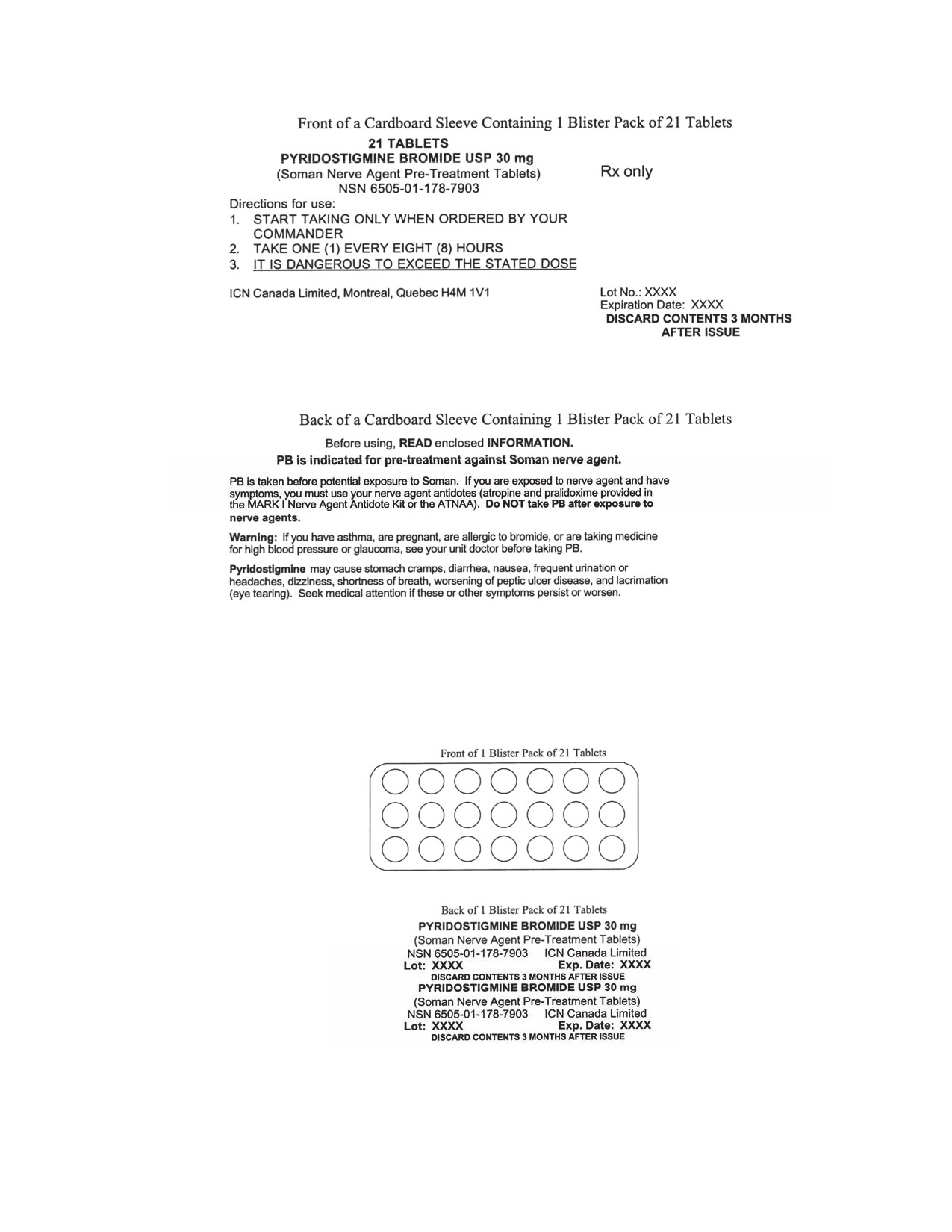
Figure III-2. Pyridostigmine Bromide Tablet Cardboard Sleeve Labels
Figure III-3. Pyridostigmine Bromide Blister Pack Front and Back Label
III-26
FM 4-02.285/MCRP 4-11.1A/NTRP 4-02.22/AFTTP(I) 3-2.69
18 September 2007
22. Effects of Pyridostigmine Bromide
a. Pyridostigmine bromide protects the acetylcholinesterase enzyme in the body from
the action of the nerve agent GD. Nerve agents irreversibly block acetylcholinesterase,
resulting in an excessive accumulation of acetylcholine at the neuromuscular junction, which
results in nerve agent poisoning and its accompanying symptoms. When enough PB is
given to bind temporarily with a certain percentage of the acetylcholinesterase in the body
before nerve agent exposure, the bound enzyme is thus converted into a “reserve force” that
is protected against the initial onslaught of nerve agent but that can then be freed up (as the
PB eventually leaves the enzyme naturally) to help counteract the excess acetylcholine.
b. Pyridostigmine bromide is not a true pretreatment. A true pretreatment would, by
itself, provide some protection directed specifically against a nerve agent. Though not
providing protection by itself, PB significantly enhances the efficacy of the ATNAA or MARK
I within one to three hours after taking the first tablet. Maximal benefit develops with time
and is reached when a tablet is taken every 8 hours.
23. Principles for the Use of Pyridostigmine Bromide
a. To be maximally effective, one SNAPP tablet should be taken every eight hours on a
continuous basis prior to exposure to a GD nerve agent until all 21 tablets in the blister pack
have been taken, or the individual has been directed to discontinue taking the medication. If
SNAPP is to be continued, another blister pack of the medication must be issued. This
regimen maintains an effective blood level of the medication. If a tablet is not taken every
eight hours, the beneficial effect of SNAPP as a pretreatment significantly diminishes after
eight hours from the last tablet.
b. Antidotes are still required in individuals who have received SNAPP prior to
exposure.
Note: Do not attempt to give a SNAPP tablet to a casualty with nerve agent symp
toms. The SNAPP must not be taken after exposure to GD. If SNAPP is
taken immediately before exposure or at the same time as poisoning by GD,
it is not expected to be effective and may make the effects of a sublethal
exposure to GD worse.
c. At times, a commander may defer administration of SNAPP on schedule. Examples
of this would be when service members—
(1) Have experienced sleep deprivation. The commander would have to decide
whether the service members should be allowed to sleep or be awakened to take the
pretreatment.
(2) Are in a contaminated environment. The commander would have to decide
whether or not to delay administration of the medication until the unit is safely out of the
contaminated area. In any case, the benefits versus the risks should be carefully weighed
before a decision is reached.
(3) As long as the risk is elevated, it is desirable to continue the pretreatment. The
pretreatment should continue regardless of MOPP level since the protective posture could
18 September 2007 FM 4-02.285/MCRP 4-11.1A/NTRP 4-02.22/AFTTP(I) 3-2.69
III-27
be breached at any time. Command guidelines should be developed for situations such
as—
• Providing collective protection or rest and relief shelters so that personnel can
remove their protective mask and take the tablets, or relocate small groups to an
uncontaminated area, if possible.
• Taking the tablets while in MOPP 4 could be hazardous. (Examples: Troops are
operating at night without lights or are in a CW agent vapor environment.) In either case it
would be more appropriate to delay taking the medication for a few hours until the tablets
can be taken in a less hazardous environment.
d. Pyridostigmine bromide should be used during pregnancy only if clearly needed.
24. Administration of Pyridostigmine Bromide Pretreatment in an Uncontami-
nated Environment
One 30-mg tablet is to be taken by mouth, with sufficient water to assist in swallowing
the medication, every eight hours as directed by the commander. If an individual missed a
dose, he should not make it up. The individual should not take two tablets at once because
of a missed dose—he should merely start again with one tablet every eight hours. Taking
two tablets at once could result in adverse side effects. Taking more than one tablet at a
time does not provide additional protection—and increases the risk of side effects. To make
it easier to track the number of pills taken during the course of a day, the first three pills
should be taken from a row of three against one of the ends of the packet. Additional pills
should then be taken as a total of one three-pill row per day.
25. Signs and Symptoms of Pyridostigmine Bromide Overdose, Adverse
Reactions, and Contraindications
a. Signs and symptoms of overdose, adverse reactions, or side effects are—
• Abdominal cramps.
• Nausea and vomiting.
• Diarrhea.
• Blurring of vision, miosis.
• Increased bronchial secretions.
• Cardiac arrhythmias, hypertension.
• Weakness, muscle cramps, and muscular twitching.
• Skin rash.
b. The most commonly expected side effects will be diarrhea and increased urinary
frequency. In most patients, these improve after the first day or two on SNAPP.
c. Contraindications.
(1) Since PB may increase bronchial secretions and aggravate bronchiolar
constriction, caution should be used in its administration to personnel with bronchial asthma.
(2) Pyridostigmine bromide is contraindicated in mechanical intestinal or urinary
obstructions.
III-28
FM 4-02.285/MCRP 4-11.1A/NTRP 4-02.22/AFTTP(I) 3-2.69
18 September 2007
(3) Pyridostigmine bromide should not be administered to personnel with known
hypersensitivity to anticholinesterase agents.
(4) Additional relative contraindications include hyperthyroidism, sensitivity to
bromide, peptic ulcer disease, and low serum acetylcholinesterase.
(5) Personnel who are self-administering PB while handling or working around
insecticides containing organophosphorus compounds should use additional precautions,
including the use of personal protective equipment, since any effects of exposure to these
compounds will be exacerbated by PB.
WARNINGS
1. Pyridostigmine bromide may increase bronchial secretions
and aggravate bronchiolar constriction; thus, caution should be
used in its administration to individuals with bronchial asthma.
2. Pyridostigmine bromide should also be used with caution in
individuals with hyperthyroidism, sensitivity to bromide, peptic
ulcer disease, and low serum acetylcholinesterase.
(6) If any of the above signs/symptoms occur, the service member should consult
unit medical personnel as soon as possible.
26. Emergency Medical Treatment for Pyridostigmine Bromide Adverse Side
Effects, Allergic Reactions, and Overdose
a. Ordinarily, discontinuing SNAPP should be adequate to alleviate the signs and
symptoms of adverse side effects, allergic reactions, and overdose. Pyridostigmine bromide
may persist in the blood for as long as 24 hours; however, after the blood level peaks in
about four hours, the effects of the medication gradually diminish.
b. Emergency treatment for an overdose of PB requires the administration of atropine in
adequate doses to overcome the cholinergic crisis. Initially, the 2 mg of atropine found in
the MARK I Kit or ATNAA should be used. In most cases, this will be sufficient. Further
administration of atropine may be necessary to control the cholinergic effects of PB. If
additional atropine is required, 2 mg should be administered by medical personnel every 10
to 15 minutes, thereby permitting the previous injection of atropine to exert its anticholinergic
effect prior to the next injection.
c. Severe cases may require assisted ventilation because of weakness but would be
unusual when the pretreatment medication was administered every eight hours as directed.
d. When stabilized, the patient should be evacuated for further observation and
treatment.
e. Responsibilities.
(1) The corps/division/wing/fleet commander will—
(a) Decide whether to begin, continue, or discontinue the administration of
SNAPP based on the threat. The intelligence officer, CBRN officer/chemical officer, and the
surgeon serve as advisors to the commander to assist him in determining if a chemical
nerve agent threat exists (for example, the presence of nerve agents in the combat zone or
18 September 2007 FM 4-02.285/MCRP 4-11.1A/NTRP 4-02.22/AFTTP(I) 3-2.69
III-29
a high probability of their use). Since SNAPP is a prescription drug, the command surgeon
or another physician should be personally involved in the decision to issue and use SNAPP.
After three days of self-administration of SNAPP by the service member, combat conditions
should be reevaluated by the commander and his staff to determinate whether to continue
the medication or not. Orders to discontinue the pretreatment can be made at any time,
depending on the situation. If the pretreatment is to be continued, then a second blister
pack must be ordered while the service member completes the administration of the seven
days (21 tablets) and is issued the second pack on the seventh day. Administration of the
medication beyond 14 days is not recommended without a thorough evaluation of the
situation and recommendation of the medical authority. The magnitude of the threat may
outweigh any possible adverse side effects and indicate continuance of the pretreatment.
(b) Train the service members to take SNAPP as directed to enhance their
survivability if they are exposed to GD. Service members must be trained to take SNAPP
during the day, at night, and while in MOPP 4, should these procedures become necessary.
(c) Issue unit SOPs for the retention and decontamination of SNAPP blister pack
during personnel decontamination and overgarment exchange.
(2) Units will—
(a) Obtain the supplies of SNAPP through medical supply channels.
(b) Maintain at least a two-week supply of SNAPP per member of the unit. One
SNAPP blister pack is issued to each member of the unit. An additional week’s supply of
SNAPP for each individual in the unit will be maintained in the unit area. Authorized
quantities will be commensurate with the latest doctrine for its use.
(c) Store SNAPP for individual issue and request replacements as the items are
issued, or as they exceed their labeled shelf life. Pyridostigmine bromide tablets should be
stored (refrigerated) in temperatures ranging from 35° to 46°F (2° to 8°C). If the medication
is removed from refrigeration for more than three months, do not issue to the individual
service member. Once issued to the individual service member, SNAPP must be replaced
every three months.
(d) Issue SNAPP to the service members at the time the chemical protective
ensemble is expected to be opened for use.
(3) Unit medical personnel will—
(a) Recognize the signs and symptoms of PB overdose, adverse reactions, and
side effects (paragraphs 25a and b above) for determining, on an individual basis, whether
or not a service member is to continue SNAPP based on any adverse reaction to the
medication.
(b) Advise the commander if any serious problems occur.
(4) The individual service member will—
(a) Take SNAPP as directed and in accordance with the provisions of paragraph
24 above.
(b) Cease taking SNAPP if exposed to nerve agent until directed to resume self-
administration by higher authority.
(c) Secure SNAPP supplies against loss and freezing.
III-30
FM 4-02.285/MCRP 4-11.1A/NTRP 4-02.22/AFTTP(I) 3-2.69
18 September 2007
Chapter IV
CYANOGEN BLOOD AGENTS
In April of this year, we witnessed the entry into force of the Chemical Weapons
Convention. It helps to ensure that these vile weapons never again will be the scourge
of any battlefield, the silent but certain doom of any civilian population.
United Nations Secretary General, Kofi K. Annan
6 June 1997
The Germans used hydrogen cyanide (under the name Zyklon B) during World War II
as a genocidal agent. Numerous reports indicate that hydrogen cyanide gas, along with
other chemical agents, were used in the 1980s during the Iran-Iraq War against the
Kurdish people of Halabja in northern Iraq. Cyanide can be found in various forms and
is a swift acting and deadly chemical. The means of exposure to cyanide are through
inhalation or ingestion of contaminated water and food, or from contact with
contaminated soil. Cyanide is also a decomposition product of plastics and many other
materials in fires and is one of the leading causes of death from fires. Cyanide
contamination can be the result of both natural processes and industrial activities. In air,
cyanide is present mainly as gaseous hydrogen cyanide.
1. General
a. Cyanogen blood agents are taken up by the blood or lymphatics and systemically
distributed to all tissues and organs of the body. Hence, they were historically called blood
agents. The subsequently introduced blister agents, nerve agents, and incapacitating agents
are also absorbed into the bloodstream and systemically distributed and are in that sense as
much blood agents as are the cyanides. The term blood agents may promote the incorrect
idea that the main action of the cyanides is in the blood. In fact, these agents produce their
effects by interfering with oxygen utilization at the cellular level. The term blood agents is still
in use, but it should be considered an obsolete term to be replaced by “cyanogen blood
agents.” Hydrogen cyanide (AC) and cyanogen chloride (CK) are the important agents in this
group.
b. Cyanogen chloride also produces central and peripheral pulmonary effects on the
respiratory tract because of its chlorine component (paragraph 7b). These agents can be
dispersed by artillery shell, mortar shell, rocket, aircraft spray, and bomb. All cyanogen blood
agents are nonpersistent.
2. Protection
The protective mask with a new filter gives protection against field concentrations of
cyanide. Due to their volatility and lack of persistency, a mask only posture can be assumed if
cyanide vapors are present. Two of the cyanogen blood agents that have been used in
warfare are:
a. Hydrogen Cyanide. Hydrogen cyanide is a colorless, highly volatile liquid with a density
30 percent less than water. It boils at 70°F (21.1°C) and freezes at 7°F (-13.9°C). It is highly
soluble and stable in water. It has a faint odor, somewhat like peach kernels or bitter almonds
that can be detected by only
40 to 60 percent of the population. Moreover, olfactory
18 September 2007
FM 4-02.285/MCRP 4-11.1A/NTRP 4-02.22/AFTTP(I) 3-2.69
IV-1
accommodation to the odor of cyanogen blood agents is rapid. Because AC is highly volatile,
AC vapor and gas dissipate quickly in the air. It is the only CW agent lighter than air.
b. Cyanogen Chloride. This is a colorless, highly volatile liquid with a density 18 percent
greater than water. Cyanogen chloride boils at 59°F (15.0°C) and freezes at 20°F (-6.7°C).
Although only slightly soluble in water, CK dissolves readily in organic solvents. The vapor of
CK is heavier than air and is very irritating to the eyes and mucous membranes. The pungent,
biting odor of CK may be masked by its irritating and lacrimatory properties. Although
nonpersistent, CK vapor may remain in a jungle and forest for up to hours under suitable
weather conditions.
3. Pathology
a. Hydrogen cyanide is thought to act by combining with cytochrome oxidase (an enzyme
located within mitochondria in cells) and is essential in the electron-transport system of
oxidative phosphorylation, or cellular respiration. Blockage of this enzyme results in failure of
the cell to use presented oxygen from the blood and produce energy and package it as
adenosine triphosphate. Hydrogen cyanide poisoning causes cells to switch to anaerobic
metabolism, with a buildup of lactic acid resulting in lactic acidosis. This can be measured by
medical laboratories. The CNS (particularly the respiratory center) is especially susceptible to
this effect and central apnea is the usual mechanism of death. Hydrogen cyanide in high
concentrations may cause death within a few minutes without anatomical changes. After
longer exposure to lower concentrations, there may be small areas of hemorrhage and
softening in the brain that are more pronounced in delayed deaths. Because the ability of cells
to extract oxygen from blood is impaired in cyanide victims, venous blood may be as red as
arterial blood; and cyanosis is not classically associated with cyanide poisoning. In fact, the
skin may have a pink color similar to that seen in carbon monoxide poisoning. The cherry-red
coloration seen in carbon monoxide poisoning results from the intrinsic color of
carboxyhemoglobin (COHb), whereas the pink tinge to the skin in cyanide poisoning reflects
the high oxygen content of capillary and venous blood.
b. Cyanogen chloride acts in two ways. Its systemic effects are similar to those of AC, but
because of its chlorine component, it also has local irritant effects on the eyes and in the upper
(central) respiratory tract and in the peripheral compartment of the respiratory tract (pulmonary
edema). Cyanogen chloride damages the respiratory tract, resulting in severe inflammatory
changes in the bronchioles and congestion and edema in the lungs. The fluid in the lungs may
accumulate much faster than in phosgene poisoning. All concentrations of CK produce eye
irritation and lacrimation.
4. Symptoms
a. The symptoms of AC depend upon the agent concentration and the duration of
exposure. Exposure to high concentrations of cyanide gas can produce fatalities within
minutes, whereas exposure to lower concentrations may produce symptoms gradually. At high
exposures, death usually occurs rapidly or there is prompt clinical recovery after removal of the
victim from the toxic environment. In animals, relapse and death have occurred hours after
apparent recovery; observation for 24 hours is therefore recommended for cyanide casualties.
High concentrations induce increased rate and depth of breathing (gasping) within seconds.
This gasping reflex may be so powerful that casualties cannot voluntarily hold their breath.
Unconsciousness and violent convulsions may occur after as little as 20 to 30 seconds, with
cessation of respiration within one minute. Cardiac failure follows shortly thereafter. Following
moderate exposure, weakness of the legs, vertigo, nausea, and headache appear very early.
These may be followed by convulsions and coma that may last for hours or days, depending
IV-2
FM 4-02.285/MCRP 4-11.1A/NTRP 4-02.22/AFTTP(I) 3-2.69
18 September 2007
on the duration of exposure to the agent. If coma is prolonged, recovery may disclose residual
damage to the CNS that may be manifested by irrationality, altered reflexes, and unsteady gait
that may last for several weeks or longer. Temporary or permanent nerve deafness has been
described. In mild cases, there may be headache, vertigo, and nausea for several hours
before complete recovery.
b. The signs and symptoms of CK are a combination of those produced by AC and those
produced by chlorine, which is a combination central/peripheral pulmonary agent. Initially, CK,
like AC, stimulates the respiratory center and then rapidly paralyzes it. In high concentrations,
however, its local irritant action may produce immediate intense irritation of the nose, throat,
and eyes, with coughing, tightness in the chest, and lacrimation. Afterwards, the exposed
person may become dizzy and increasingly dyspneic. Unconsciousness is followed by failing
respiration and death within a few minutes. Convulsions, retching, and involuntary urination
and defecation may occur. If these effects are not fatal, the signs and symptoms of pulmonary
edema may develop, heralded by dyspnea and eventually with persistent cough, production of
frothy sputum, and marked cyanosis.
5. Diagnosis
a. The diagnosis of AC poisoning is suggested by the history, the odor (if detected), the
rapid onset of symptoms, and the pink color of the casualties’ skin. Sudden collapse with loss
of consciousness, apnea, and convulsions is consistent both with nerve agent exposure and
cyanide poisoning.
b. In casualties exposed to CK, the diagnosis is further suggested by the rapid onset of
cyanide effects together with the intense irritation characteristic of exposure to chlorine.
c. In theory, miosis, twitching, hypersalivation, and cyanosis should be more prominent in
nerve agent casualties; in practice, it may be difficult to distinguish between nerve agent
exposure and cyanide exposure in this situation. Casualties that present with these signs and
that are unresponsive to nerve agent antidotes should be considered for a trial of cyanide
antidotes.
6. Prognosis
a. Hydrogen Cyanide. Death may occur rapidly. Occasionally, when there is prolonged
tissue anoxia, residual injury of the CNS may persist for weeks; some of this damage may be
permanent. Many casualties recover within hours without sequelae.
b. Cyanogen Chloride. Prognosis is similar to that for AC. Recovery from the systemic
effects is usually as prompt as in AC poisoning. A higher incidence of residual damage to the
CNS should be expected. Depending on the concentration of CK to which the casualty has
been exposed, the pulmonary effects may develop immediately
(suggestive of central
pulmonary damage) or may be delayed (consistent with peripheral pulmonary damage) until
the systemic effects have subsided. Thus, prognosis must be guarded.
7. Self-Aid
a. Hydrogen Cyanide. If you get a sudden stimulation to breathe or detect a bitter almond
odor during a chemical attack, put on your mask immediately. Speed in masking is absolutely
essential since the effects of this agent are so rapid that within a few seconds you will not be
able to put on your mask. Stop breathing until the mask is on, if possible. This may be very
difficult because of the agent’s strong respiratory stimulation. Once the mask is on, and
18 September 2007
FM 4-02.285/MCRP 4-11.1A/NTRP 4-02.22/AFTTP(I) 3-2.69
IV-3
sealed, then if the victim has uncontrolled rapid breathing, they will be protected by the mask
filter.
b. Cyanogen Chloride. Put on your mask immediately if you experience any irritation of
the eyes, nose, or throat.
8. Buddy Aid
Service members not masked must put on their masks immediately if any AC or CK is
present. The mask should be cleared by forcefully exhaling after it is donned and prior to the
first inhalation. Service members unable to mask should be masked by the nearest available
person (buddy).
9. Treatment
a. In AC or CK poisoning, if the patient’s respirations are feeble or have ceased,
immediately begin assisted ventilation, provide oxygen if available, start an IV, administer amyl
nitrite if available, and begin IV administration of sodium nitrite and sodium thiosulfate
(paragraphs b and c below). Before the treatment is rendered, either remove the patient from
the contaminated environment or mask the patient. Continue assisted ventilation until
spontaneous breathing returns or until 10 minutes after the last evidence of heart activity has
occurred.
b. If amyl nitrite is available and the environment is uncontaminated, hold one ampule, or
capsule (0.2, 0.3, or 0.35 ml, depending upon the formulation), close to a breathing patient’s
nose, crush the ampule, and allow the patient two to six breaths (15 seconds) from the ampule.
In a contaminated environment, it is not advisable to break the seal of the patient’s mask in
order to introduce a crushed ampule. For an apneic patient, crush one ampule in an Ambu
bag and ventilate the patient. The dose may be repeated in 3 to 5 minutes.
c. Intravenously inject one vial (10 ml of a 3 percent solution, or 300 mg) of sodium nitrite
over a period of three minutes. Immediately after completion of the sodium nitrite injection,
intravenously inject one bottle (50 ml of a 25 percent solution, or 12.5 gm) of sodium thiosulfate
over a
10-minute period. The sodium nitrite is given to produce methemoglobin, thus
sequestering the cyanide on the methemoglobin. The sodium thiosulfate combines with any
remaining free cyanide to form thiocyanate that is excreted from the body.
d. Caution should be exercised when giving methemoglobin formers, such as sodium
nitrite when there are other reasons for low oxygen saturations (such as if the casualty has
been in a fire) even if cyanide intoxication is suspected because neither methemoglobin nor
COHb carries oxygen.
CAUTION
Administer sodium nitrite and sodium thiosulfate ONLY
intravenously. Intramuscular administration will cause severe
tissue necrosis.
e. The decrease in blood pressure following sodium nitrite injections is usually not
clinically significant unless the patient is allowed to get into an upright position. The
development of a slight degree of cyanosis is evidence of a desirable degree of
methemoglobin formation
(methemoglobinemia). It is not anticipated that at the above
IV-4
FM 4-02.285/MCRP 4-11.1A/NTRP 4-02.22/AFTTP(I) 3-2.69
18 September 2007
dosages an extreme or injurious degree of methemoglobinemia will develop. If it does,
however, it should be treated by 100 percent oxygen inhalation.
f.
The lung irritant effects of CK are treated according to the presence of pulmonary
effects, as in chlorine poisoning.
18 September 2007
FM 4-02.285/MCRP 4-11.1A/NTRP 4-02.22/AFTTP(I) 3-2.69
IV-5
Chapter V
BLISTER AGENTS (VESICANTS)
During the 1980-1988 Iraq-Iran war, both Iran and Iraq reportedly used chemical
agents with both countries using vesicants and Iraq purportedly employing nerve
agents. It has also been widely reported that Iraq used chemical agents against
Kurdish civilians to quell an insurgency.
Congressional Research Service, The Library of Congress
20 May 2004
Mustard agents can rapidly penetrate clothing and skin. Mustard agents are fairly
easy to manufacture and hence can be the first chemical agent warfare of choice for
rogue countries, terrorists or belligerents. Modes of delivery for mustard agents may
be by artillery shell, mortar shell, rockets, bombs, or aircraft spray. Since World War
I, mustard agents have been used in numerous conflicts and are the most widely used
type of chemical warfare agent.
1. General
a. Blister agents (vesicants) are likely to be used to produce casualties and to force
opposing troops to wear full protective equipment. Blister agents are used to degrade
fighting efficiency rather than to kill, although exposure to such agents can be fatal.
Thickened and dusty blister agents will contaminate terrain, ships, aircraft, vehicles, or
equipment and present a persistent hazard. Dusty mustard refers to a form of sulfur
mustard (HD) developed as a dry powder. Vesicants include HD, nitrogen mustards (HN),
Lewisite (L) (this may be used in mixtures with HD), and halogenated oximes (such as
phosgene oxime [CX]). The properties and effects of halogenated oximes are different from
those of the other vesicants and, strictly speaking, CX is a corrosive and an urticant
(producing wheals or hives) rather than a vesicant. It is usually grouped with the true
vesicants.
b. Vesicants burn and blister the skin or any other part of the body they contact. They
may act on the eyes, mucous membranes, lungs, and skin; mustards may have delayed
effects on blood-forming organs. Lewisite causes pain within minutes of exposure and CX
causes immediate pain on contact, but the mustards are insidious in action, with little or no
pain at the time of exposure. In some cases, signs of injury may not appear for several
hours. Vesicants damage the respiratory tract when inhaled and cause vomiting and
diarrhea when ingested.
c. Some vesicants have an odor (HD may smell like tar or garlic; L may smell like
geraniums); others are odorless. Vesicants can poison food and water and make other
supplies dangerous to handle. Vesicants can be disseminated by artillery shell, mortar
shell, rocket, aircraft spray, and bomb.
d. The severity of a blister agent burn is directly related to the concentration of the
agent and the duration of contact with the skin. The severity of systemic effects from
mustard is not well correlated with the percentage of body surface area burned. This may
be due to factors such as agent concentration on the skin and concomitant inhalational
exposure.
18 September 2007 FM 4-02.285/MCRP 4-11.1A/NTRP 4-02.22/AFTTP(I) 3-2.69
V-1
2. Self-Aid
a. Assume MOPP 4 whenever liquid or vaporized agents are known to be present.
b. Immediately decontaminate the eyes or the skin if exposed to liquid or vapor agents.
Follow decontamination procedures as outlined in Appendix D.
3. Precautions for Receiving Casualties
a. Casualties contaminated with vesicants endanger unprotected attendants.
Individuals in contact with these casualties must be at MOPP 4, plus wear a butyl rubber
apron.
b. Special precautions must be taken when receiving contaminated casualties to
prevent injury to others. Contaminated casualties must be decontaminated outside the MTF
to prevent vapor accumulation indoors and cross contamination of hospital personnel and
equipment. Contaminated casualties should be separated from clean (uncontaminated)
casualties until decontamination is completed. Contaminated litters, blankets, and
equipment should be kept outdoors. All equipment, vehicles, watercraft, and aircraft that
have been used to transport contaminated casualties should be limited; once contaminated,
the same evacuation assets should be repeatedly used in the contaminated area until all
casualties have been evacuated. All evacuation assets used must be decontaminated
before return to full service. See Appendix B for further information on decontamination.
c. Vesicants present on casualties’ skin surface can present a hazard to individuals
receiving or treating these casualties even after several hours, but vesicants that have been
absorbed into the skin will not be a surface contact hazard. Blisters caused by mustard
agent exposure do not contain active agent and the fluid contained therein poses no
contamination risk beyond usual body fluid exposure.
4. Protection
a. The protective mask protects only the face, eyes, and respiratory tract. The mask
protects against both liquid and vapor forms of vesicants.
b. Chemical protective overgarments help prevent the vesicant from reaching the skin.
c. Skin exposure reduction paste against chemical warfare agents is a topical skin
protectant that provides added protection for selected skin areas. The SERPACWA is to be
used with the overgarment, not as a replacement for it. Use SERPACWA at potential points
of exposure such as the wrists, ankles, armpits, groin, and waistline. See Appendix D.
5. Sulfur Mustard
a. Physical Properties. Sulfur mustard
(commonly referred to simply as mustard)
occurs principally as a solid (below 58°F [14.4°C]), as an oily liquid ranging from colorless
when pure (neat) to dark brown when impure, and as HD vapor released from liquid.
Mustard gas exists only above 423°F (217.2°C). Mustard is heavier than water, but small
droplets may float on water surfaces and present a special hazard in contaminated areas.
Mustard is not related to the mustard plant but gets its name from its odor, which resembles
that of mustard, garlic, onions, or horseradish. Distilled HD, the most common form of HD,
is only slightly soluble in water, which gradually destroys it, but undissolved HD may persist
in water for long periods. It is most soluble in fats and oils. It is freely soluble in acetone,
carbon tetrachloride, alcohol, and liquid fuels (gasoline, kerosene, and diesel); however,
V-2
FM 4-02.285/MCRP 4-11.1A/NTRP 4-02.22/AFTTP(I) 3-2.69
18 September 2007
these solvents do not destroy HD. Mustard disappears from contaminated ground or
materials through evaporation or hydrolysis.
b. Persistence. The persistence of a hazard from HD vapor or liquid depends on the
degree of contamination by the liquid, type of HD, nature of the terrain, soil, or material
contaminated, type of munition used, and weather conditions. Mustard may persist much
longer in wooded areas than in the open. Mustard persists two to five times longer in winter
than in summer. The hazard from the vapor is many times greater under hot conditions than
under cool conditions. Standard CW agent detector kits should be used to detect the
presence of HD vapor in the field.
c. Cumulative Effect. Repeated exposures to HD produce cumulative effects. For
example, repeated exposures to vapors from spilled HD can produce disability by irritating
the airways and causing a chronic cough and pain in the chest.
6. Effects of Sulfur Mustard on the Eyes
a. Pathology, Symptoms, and Prognosis.
(1) The eyes are more susceptible to HD than either the respiratory tract or the skin.
Conjunctivitis follows an exposure time of about one hour to a concentration barely
perceptible by odor. A latent period of 4 to 12 hours follows mild exposure, after which there
is lacrimation and a sensation of grit in the eyes. The conjunctivae and the lids become red
and edematous. Heavy exposure irritates the eyes after one to three hours and produces
some severe lesions. Functional blindness results from blepharospasm and pain, causing
casualties to shut their eyes and keep them closed; permanent blindness, from agent
damage to the cornea or the globe, can also occur.
(2) Casualties should be reassured and a positive attitude taken. Care must be
exercised to avoid transferring liquid agent from the hands to the eyes. Mustard burns of
the eyes may be divided as follows:
• Mild conjunctivitis (75 percent of cases in World War I). Recovery takes one to
two weeks.
• Severe conjunctivitis with minimal corneal involvement (15 percent of the cases
in World War I). Blepharospasm, edema of the lids, and conjunctivae occur, as may
orange-peel roughening of the cornea. Recovery takes two to five weeks.
• Mild corneal involvement (10 percent of the cases in World War I). Areas of
corneal erosion stain green with fluorescein.
Superficial corneal scarring and
vascularization occurs, as does iritis. Temporary relapses occur and may require two to
three months of hospital convalescence.
• Severe corneal involvement (about 0.1 percent of HD casualties in World War I).
Ischemic necrosis of conjunctivae may be seen.
• In a small number of cases, delayed-onset keratitis may occur from as early as
eight months to decades after exposure; this can progress to erosions and ulcerations.
b. Treatment.
(1) Self-aid.
(a) The risk of leaving liquid vesicant in the eyes is much greater than the risk
from eye exposure to vesicant vapors during the short period of decontamination.
Therefore, decontamination must be done despite the presence of vapor.
18 September 2007 FM 4-02.285/MCRP 4-11.1A/NTRP 4-02.22/AFTTP(I) 3-2.69
V-3
(b) Speed in decontaminating the eyes is absolutely essential. This self-aid
procedure is very effective for HD within the first few seconds after exposure but is of less
value after two minutes. Decontamination is done the same as for other vesicants
(Appendix D).
(2) Treatment of mustard conjunctivitis.
(a) Mild lesions require little medical treatment. The lesions may become
secondarily infected, and a combination eye ointment, such as tobramycin with
dexamethasone, can be applied. Ophthalmic ointments will provide lubrication and minimal
antibacterial effects. The application of sterile petrolatum or a sterile antibiotic ointment
between the eyelids will provide additional lubrication and prevent the eyelids from sticking
together.
(b) More severe injuries will cause enough edema of the lids, photophobia, and
blepharospasm to obstruct vision. This obstruction of vision alarms patients. The lids may
be gently opened to assure the patients that they are not blind.
(c) The best pain control is the use of systemic narcotic analgesics. Patients
with severe photophobia and blepharospasm should have one drop of atropine sulfate
solution (1 percent) instilled in the eye three times a day, or as needed, to keep the pupil
dilated to prevent later synechiae formation. To prevent infection, a few drops of 10 percent
solution of sodium sulfacetamide should be instilled every four hours. Other antibacterial
ophthalmic preparations may be substituted for sodium sulfacetamide, which produces a
burning sensation on application.
(d) The eye must not be bandaged or the lids allowed to stick together. Prevent
the eyelids from sticking together as described in paragraph
6b(2)(a) above. The
accumulation of secretions in the conjunctival sac or pressure on the eye predisposes to
corneal ulceration. To prevent complications, the patient should be treated by an
ophthalmologist as soon as possible. When possible, the patient should be kept in a
darkened room, given dark sunglasses, or given an eyeshade to alleviate photophobia.
(3) Treatment of infected mustard burns of the eye.
(a) Secondary infection is a serious complication and increases the amount of
permanent corneal scarring. If infection develops, initial treatment should be carried out with
several drops of a 10 percent sodium sulfacetamide solution every 2 hours.
(b) After appropriate cultures, specific antibacterial preparations may be applied.
Irrigation should be gentle and employed only to remove accumulated exudate. Control
pain as described in paragraph 6b(2)(c) above. Refer patients with secondary infection or
other complications to an ophthalmologist. Local anesthetics should not be used.
7. Effects of Sulfur Mustard on the Skin
a. Pathology. The severity of the lesions and the rapidity with which they develop are
greatly influenced by weather conditions as well as by the degree of exposure. Hot, humid
weather strikingly increases the action of HD. Even under temperate conditions, the warm,
moist skin of the perineum, external genitalia, axillae, antecubital fossae, and neck are
particularly susceptible.
(1) Latent period. Exposure is followed by a latent period which varies with the
degree of exposure. It may be as short as an hour after liquid contamination, when the
weather is hot and humid, or as long as several days after mild vapor exposures. In
temperate weather the latent period for most vapor exposures is usually 6 to 12 hours.
V-4
FM 4-02.285/MCRP 4-11.1A/NTRP 4-02.22/AFTTP(I) 3-2.69
18 September 2007
(2) Erythema. Erythema gradually appears
(2 to
48 hours postexposure) and
becomes brighter, resembling sunburn. Slight edema of the skin may occur. In severe
burns, the edema may limit motion of the limb. Itching is common and may be intense. As
the erythema fades, increased areas of pigmentation are left; this sequence is reminiscent
of that seen in sunburn.
(3) Vesication. Except with mild vapor burns, erythema is followed by vesication.
This is caused by the progressive development of liquefaction necrosis of the cells in the
lower layers of the epidermis. Exudation of tissue fluid into the spaces so formed results in
an intraepidermal vesicle. Clinically, multiple pinpoint lesions may arise within the
erythematous skin; these enlarge and coalesce to form the typical blisters and bullae (which
are unusually large, domed, thin-walled, and yellowish and may be surrounded by
erythema). The blister liquid is clear or slightly yellow and tends to coagulate. The blister
fluid does not contain free (unfixed) HD and is not a vesicant. Liquid contamination of the
skin classically results in a ring of vesicles surrounding a gray-white area of skin which,
although necrotic, does not vesicate. This pattern is often not present and blisters may arise
indiscriminately in the affected area. As noted in paragraph 3c above, unreacted vesicant
on contaminated patients may pose a hazard to other individuals coming in contact with
them.
(4) Resorption. If the blister does not rupture, resorption takes place in about a
week. The roof forms a crust beneath which reepidermalization takes place; however,
because of their thinness and tenseness, the blisters are fragile and usually break. If the
roof becomes ragged, the burn may be considered an open wound.
(5) Healing. Since the damage to the dermis is relatively superficial, healing occurs
with little scar tissue formation, except in more extensive or infected burns where scarring is
more severe.
(6) Pigmentation. Mustard burns usually are followed by a persistent brown
pigmentation except at the site of actual vesication, where there may be a temporary
depigmentation due to exfoliation of the pigmented layers of the skin. Classic salt-and
pepper pigmentation seen in some healing patients reflects epithelial regeneration arising
from hair follicles and gradually spreading to confluence.
(7) Hypersensitivity. Mustard burns may lead to skin hypersensitivity to subsequent
exposures.
b. Symptoms and Prognosis.
(1) A notable characteristic of the action of HD is its insidiousness. Exposures to HD
are not accompanied by immediate cutaneous symptoms nor do any local manifestations
occur until erythema develops. At this time there may be itching and mild burning. This
pruritus may last several days and persist after healing. The blisters may be painful.
(2) Mustard erythema resolves at about the same rate as sunburn of like severity.
Healing times for HD blisters vary widely with both severity and anatomical location. Areas
of multiple pinpoint vesication usually heal, with skin peeling, in 1 to 2 weeks. Blisters of the
face usually heal in 1 to 2 weeks. Blisters located in other areas may take up to 2 to 4
weeks to heal. If cutaneous injury results in full-thickness coagulation necrosis, skin grafting
may ultimately be necessary. An HD burn of the skin is usually limited to the epidermis and
does not require grafting.
(3) Moderate contamination of HD skin lesions with saprophytic bacteria, which
cause no appreciable inflammatory reaction, does not seem to delay the HD burn healing.
18 September 2007 FM 4-02.285/MCRP 4-11.1A/NTRP 4-02.22/AFTTP(I) 3-2.69
V-5
Active infection, with inflammation and purulent exudation, may increase the severity of the
lesions and delay healing.
c. Diagnosis of Mustard Skin Lesions. Sulfur mustard and the nitrogen mustards
produce essentially identical skin burns. Mustard burns are also similar in appearance to
those caused by arsenical vesicants (L). Differentiation of mustard lesions from those
produced by arsenicals is based upon—
• History of exposure.
• Absence of pain or discomfort at the time of contamination (L is irritating and painful
within a few minutes of exposure).
• A zone of erythema surrounding blisters (not prominent with arsenicals). Vesicular
lesions, much like mild mustard burns, may be produced in sensitive individuals by a variety
of substances, notably plant poisons such as poison ivy or poison oak. The skin lesions of
plant contact, however, are on exposed skin and tend to be linear in configuration. The
earliest affected areas of skin from mustard are typically the skin folds, groin, and inner
aspects of the extremities.
d. Decontamination of Casualties. Casualties who have liquid HD on skin or clothing
and who have not been promptly decontaminated in the field will seldom be received by an
MTF in time to prevent subsequent blistering. Nevertheless, if erythema has not appeared,
known or likely contaminated skin areas should be decontaminated as described in
Appendix D. Even if late decontamination fails to prevent the eventual development of
blisters, it can still be life-saving by preventing continued absorption. It also can prevent the
spread of the agent to other sites on the casualty or to personnel and equipment at the MTF.
Promptly remove contaminated clothing from casualties outside the MTF to prevent more
severe burns and to lessen the vapor hazard to patients and attendants. Cut away and
discard hair contaminated with liquid HD. Decontaminate the exposed scalp and exposed
skin with the M291 SDK. If short of these substances, use copious water with soap or
shampoo for decontamination of skin and hair.
e. Treatment of Mustard Erythema. Mustard erythema in mild cases requires no
treatment. If an annoying itch is present, considerable relief may be obtained with topical
steroid creams or sprays. Severe erythema around the genitalia may become quite painful;
associated weeping and maceration may ensue. Treatment of such lesions with exposure
to the air may be desirable. Care must be taken so that secondary infection of tissue does
not occur.
f.
Treatment of Mustard Blisters.
(1) Forward field treatment. Unless painful, leave the blister intact. In a clean
environment, the blister may be antiseptically drained. Once the blister has broken, the
antiseptic removal of the ragged roof will decrease the possibility of secondary infection.
Application of burn creams or antibiotic ointments are best left to the hospital environment.
Sterile dressings are applied to protect the open areas.
(2) Deployed hospital and higher levels. Mustard blisters or deep lesions can be
handled in several ways depending on severity, preferences, and available facilities:
• Leave small blisters, 1 centimeter (cm) or less in diameter, intact. Larger blisters
that will likely rupture can be unroofed with subsequent cleansing and the application of an
antibiotic cream or ointment.
V-6
FM 4-02.285/MCRP 4-11.1A/NTRP 4-02.22/AFTTP(I) 3-2.69
18 September 2007
• Larger blisters can be aspirated using a sterile needle, leaving the blister roof as
a sterile dressing.
• The blister roof can be removed and artificial skin, cultured skin, or pig skin
placed as a temporary dressing (skin). Infection negates this treatment and requires open
care as initially described.
g. Treatment of Denuded Areas.
(1) Contamination of HD burns with saprophytic bacteria is common and unless
careful wound care is given, serious infection may result. If there is no inflammatory
reaction, the treatment is the same as for uncontaminated burns.
(2) Wounds that become infected must be treated with appropriate antibiotics after
adequate cultures have been obtained. The medical officer must evaluate the infection and
make the appropriate decision regarding further care.
(3) Mustard burns are associated with less fluid loss than are thermal burns of
corresponding degree and area, and strict application of standard burn fluid-replacement
protocols such as the Brooke and Parkland formulas may lead to fluid overload in an HD
patient. Fluid replacement should be governed by clinical judgment.
(4) Routine wound inspection aids in the early detection and institution of appropriate
therapy for any complicating bacterial infections. Appropriate antibacterial drugs may be
given either locally or systemically, as indicated. The early use of an appropriate topical
antibacterial agent (such as mafenide acetate or silver sulfadiazine cream) may prevent a
bacterial infection.
8. Effects of Sulfur Mustard on the Respiratory Tract
a. Pathology.
(1) Inhalation of HD vapor causes damage primarily to the laryngeal and
tracheobronchial mucosa. The lesions develop slowly after exposure. A single exposure to
a small amount of HD vapor ordinarily does not produce significant injury. Repeated or
chronic exposure to low concentrations of HD vapor may lead to progressive pulmonary
fibrosis, chronic bronchitis, and bronchiectasis. Moderate exposures result in hyperemia of
the respiratory mucous membrane and necrosis of the lining epithelium. In severe
exposures, the necrotizing action is accompanied by exudation resulting in a diphtheritic-like
pseudomembrane, which may form a cast of the tracheobronchial tree. Severe tracheal and
bronchial stenosis leading to death may be a late complication.
(2) In the more severe cases, the pulmonary parenchyma shows congestion, mild
patchy edema, and focal atelectasis. These changes may be sufficient to cause hypoxia
and are frequently complicated by bacterial infection of the lungs, resulting in suppurative
bronchitis and bronchopneumonia. In the preantibiotic era, the latter was responsible for
almost all deaths following vapor exposures. Pulmonary edema is not the primary effect of
low to moderate doses of HD but may be seen after massive exposures. The early mortality
from HD among American troops in World War I (slightly more than 2 percent) was due
almost entirely to such pulmonary complications following inhalation of vapor.
b. Symptoms and Prognosis. Respiratory tract lesions develop slowly and do not reach
maximal severity for several days. Symptoms begin with hoarseness, which may progress
to loss of voice. A cough (worse at night) appears early and later becomes productive.
Fever, dyspnea, rhonchi, and moist rales may develop. Patients who develop pulmonary
signs or symptoms within four hours of exposure to HD may have a grave prognosis. The
18 September 2007 FM 4-02.285/MCRP 4-11.1A/NTRP 4-02.22/AFTTP(I) 3-2.69
V-7
incidence of bronchopneumonia is high. Convalescence is slow; the cough may persist a
month or longer. Milder symptoms, such as hoarseness, last only one or two weeks.
c. Treatment of Respiratory Tract Injury Due to Mustard. Mild respiratory tract injury,
with hoarseness and sore throat only, usually requires no treatment. Cough may be
relieved by codeine-containing cough syrups. Laryngitis and tracheitis may be treated
symptomatically with steam or sterile cool mist inhalations. If more severe respiratory tract
injury is suspected, hospitalization may be advisable. In severe cases, intubation may be
required to ensure a patient airway, improve oxygenation, and aid in removal of secretions.
If evidence of bronchospasm is present, bronchodilators may be of benefit. If a bacterial
pneumonia occurs, isolation of the specific organisms with their antibiotic sensitivities should
be performed, and then antibiotic therapy can be limited to the specific agents.
Administration of prophylactic antibiotics in the absence of culture results is not
recommended.
9. Systemic and Gastrointestinal Effects of Sulfur Mustard
a. Pathology.
(1) Ingestion of HD produces vacuoles and nuclear swelling of the epithelial cells of
the gastrointestinal tract with eventual necrosis and desquamation with hemorrhage.
Absorption of HD from the intestinal lumen, or systemic distribution of large doses from any
route of exposure and absorption results in damage to the blood-forming organs.
(2) With lesser skin or respiratory exposures to HD, systemic distribution may occur
without the development of grossly apparent acute systemic lesions. With absorption and
systemic distribution of amounts approaching a lethal dose, injury to the hematopoietic
tissues (bone marrow, lymph nodes, and spleen) may result. Such hematopoietic damage
is reflected in the peripheral blood by leukopenia, thrombocytopenia, and anemia.
Lymphoid tissue is also involved usually with subsequent lymphocytopenia, but there may
be initial lymphocytosis.
(3) Mustard also damages deoxyribonucleic acid
(DNA), is mutagenic, and is
classified by the International Agency for Research on Cancer as a Group 1 carcinogen
(carcinogenic to humans). The incidence of cancers of the nasopharynx, larynx, and lung is
increased following chronic occupational exposure to HD vapor and theoretically could be
elevated following a single acute exposure although there is no scientific evidence to
support this.
b. Symptoms.
(1) Ingestion of food or water contaminated by liquid HD produces nausea, vomiting,
pain, diarrhea, and prostration. Mustard vapor does not significantly contaminate food or
water.
(2) Exposure of only the skin to HD may cause systemic symptoms such as malaise,
vomiting, and fever, coming on about the time of onset of the erythema. With severe
exposures, particularly by extensive liquid contamination of the skin, these symptoms may
be so marked as to result in prostration. Exceptional cases of severe systemic HD
poisoning may also present CNS symptoms
(such as cerebral depression) and
parasympathomimetic effects (such as bradycardia and cardiac irregularities).
(In animals,
cerebral excitation and salivation have been observed, as well as, bloody diarrhea with
excessive loss of fluid and electrolytes.) Hemoconcentration and hypovolemic shock may
occur.
V-8
FM 4-02.285/MCRP 4-11.1A/NTRP 4-02.22/AFTTP(I) 3-2.69
18 September 2007
(3) Sufficiently high doses of HD lead to bone marrow suppression and consequent
pancytopenia. This tends to occur between 7 and 21 days after exposure in most cases.
The first blood cell fraction to drop is the lymphocytes; relative lymphopenia is a warning
sign of impending pancytopenia. Such patients are at high risk for sepsis.
c. Prognosis.
(1) With mild to moderate field exposures to HD vapor, deaths rarely occur from
systemic effects of absorbed HD. Death may occur from prolonged exposures to high
concentrations of HD vapor or, in instances of extensive liquid contamination of the skin,
where decontamination is neglected or unduly delayed. The percentage of body surface
area involved in skin contamination is not correlated with mortality, probably because of
factors such as agent concentration, permeability characteristics of involved skin, and
concomitant vapor exposure. Nevertheless, skin contact with more than about 1 teaspoon
(5 ml) of liquid HD is likely to cause fatal systemic effects. This would be roughly equivalent
to 20 percent of the body surface area. The occurrence of shock or pronounced leukopenia
in these cases may be regarded as grave prognostic signs. Bone marrow failure is the most
frequent cause of late deaths. Ingestion of HD is rare but can cause severe injury, including
death.
(2) Never drink water that has been subjected to chemical attack until it has been
certified as fit to drink by medical personnel. Never eat foods that have been exposed to
liquid vesicants, unless in sealed cans or aluminum-laminated pouches (meal[s], ready to
eat [MRE] pouches), until examined by US Army veterinary personnel and certified as safe
to eat. Refer to FM 3-5/MCWP 3-37.3, FM 4-02.7, and Technical Bulletin, Medical (TB
MED) 577 for additional information.
d. Treatment of Systemic Effects of Mustard Poisoning.
(1) In the treatment of systemic symptoms, atropine subcutaneously (0.4 to 0.8 mg;
not the 2-mg automatic injector) may prove useful in reducing the gastrointestinal activity.
General discomfort and restlessness may be treated with sedatives but may also be a
manifestation of hypovolemic shock from severe systemic injury. In the exceptional cases of
severe systemic poisoning with vomiting, diarrhea, leukopenia, hemoconcentration, and
shock, every effort should be made to maintain an adequate nutritional status and to replace
the loss of fluid and electrolytes. There may be a need to monitor the white blood count,
hemoglobin, and platelets in severe systemic poisoning. If the white blood count decreases
significantly, isolation and appropriate antibiotics may be necessary.
(2) Sulfur donors such as sodium thiosulfate decrease systemic effects and elevate
the lethal dose for 50 percent of those exposed (LD50) when given before exposure or within
20 minutes after exposure in experimental animals (it has been theorized that the time
during which it is effective correlates with the time that systemically absorbed HD remains in
the circulation). Its efficacy is very doubtful if given later.
(3) One study in nonhuman primates demonstrated that granulocyte colony
stimulating factor (G-CSF) reduced the severity and duration of HD-induced pancytopenia.
(4) Injury due to the ingestion of liquid HD in food or water may require morphine
and atropine for relief of pain.
e. Secondary Bacterial Infection in Blister Agent Burns.
(1) Secondary bacterial infection may result if adequate wound care is not given.
Compared to the incidence of infection in thermal and traumatic wounds, the incidence of
18 September 2007 FM 4-02.285/MCRP 4-11.1A/NTRP 4-02.22/AFTTP(I) 3-2.69
V-9
sepsis in HD lesions is remarkably low, according to observations made at experimental
installations.
(2) Secondary infection becomes manifest several days after injury. Infection is
particularly disabling when it involves the feet, hands, genitals, or tissue overlying the joints
of the limbs.
(3) Secondary infection is more likely to occur in severe, rather than mild, vapor
injury to the respiratory tract. Severe respiratory symptoms will almost always be associated
with severe eye effects. Respiratory lesions may not develop for several days, and by then
the individual should have been evacuated as an eye injury casualty.
(4) Secondary infection is an uncommon complication of mild HD conjunctivitis and
normally will not prevent an individual from continuing duty.
f.
Mild and Long-Term Sequelae from Acute Exposure to Mustard.
(1) Mild conjunctival burns may be associated with pharyngitis, laryngitis, and
tracheitis, increasing in severity for several days. Occasionally, more extensive respiratory
infection may ensue.
(2) Long-term Sequelae from Acute Exposure to Mustard. Exposure to HD has been
reported to be associated with a variety of chronic diseases affecting especially the lungs,
skin, eyes, and the hematopoietic system. For further information, refer to the Textbook of
Military Medicine, Medical Aspects of Chemical and Biological Warfare, prepared by the
Borden Institute (http://www.bordeninstitute.army.mil).
10. Nitrogen Mustards
The HNs are oily, colorless, pale yellow liquids sparingly soluble in water but freely
soluble in organic solvents. Some have a faint fishy odor, while others are odorless. Their
volatility varies with the particular compound. All are persistent but not equally so. The
most likely to be encountered are HN1 and HN3. Nitrogen mustard (HN1) is more volatile
and less persistent than HD but only one-fifth as vesicant to the skin as HD. Nitrogen
mustard (HN3) is less volatile and more persistent and about equal to HD in its vesicant
effects. Nitrogen mustards are less readily hydrolyzed than HD. All of their hydrolytic
products, except the final ones, are toxic. Clinical presentation and management of HN
casualties are identical to that of HD casualties.
11. Arsenical Vesicants
a. These agents are organic dichloroarsines. The main ones are phenyldichloroarsine
(PD),
chlorovinyldichloroarsine
(lewisite
[L])
and ethyldichloroarsine
(ED);
methyldichloroarsine (MD) have also been used.
b. All arsenical vesicants are colorless to brown liquids, soluble in most organic
solvents but poorly soluble in water. In general, they are more volatile than mustard and
have fruity to geranium-like odors. They react rapidly with water to yield the corresponding
solid arsenoxides, with concurrent loss of volatility and most of their vesicant properties. As
liquids, they gradually penetrate rubber and most impermeable fabrics.
c. Vapors of arsenical agents are toxic, but they are so initially irritating to the eyes and
the respiratory tract that eye closure and avoidance of further inhalation when possible will
tend to limit vapor damage. The liquids will cause severe burns of the eyes and skin, while
field concentrations of the vapors are unlikely to cause permanent significant injuries.
Immediate decontamination is required to remove the liquid agents in time to prevent severe
V-10
FM 4-02.285/MCRP 4-11.1A/NTRP 4-02.22/AFTTP(I) 3-2.69
18 September 2007
burns, but decontamination is not required for vapor exposure unless pain is experienced.
When inhaled, the vapors cause sneezing and may produce irritation of the upper
respiratory tract.
More significant respiratory injury is unlikely from ordinary field
concentrations of vapor as long as the warning irritation is heeded and further inhalation is
avoided.
12. Effects of Arsenical Vesicants on the Eyes
a. Pathology, Symptoms, and Prognosis.
(1) Arsenical vesicants cause severe damage to the eye. Pain and blepharospasm
occur within seconds to minutes of contact. Edema of the conjunctivae and lids follows
rapidly and closes the eye within an hour. Inflammation of the iris usually is evident by this
time. After a few hours, the edema of the lids begins to subside, while haziness of the
cornea develops and iritis increases. The corneal injury, which varies with the severity of
the exposure, may heal without residuals, may induce pannus formation, or may progress to
massive necrosis. The iritis may subside without permanent impairment of vision if the
exposure was mild. After heavy exposure, hypopyon may ensue, terminating in necrosis,
depigmentation of the iris, and synechia formation.
(2) Arsenical vesicants rapidly produce a gray scarring of the cornea, like an acid
burn, at the point of contact. Necrosis and sloughing of both bulbar and palpebral
conjunctivae may follow very heavy exposure. All injured eyes are susceptible to secondary
infection. Mild conjunctivitis due to arsenical vesicants heals in a few days without specific
treatment. Severe exposure may cause permanent injury or blindness.
b. Treatment. Treatment is largely symptomatic. In severe cases, the systemic use of
morphine may be necessary for control of pain. When the conjunctival edema subsides
enough to permit ophthalmic examination, the cornea should be stained with fluorescein to
detect erosions, and the iris should be examined for iritis. Atropine sulfate ointment should
be instilled to obtain and maintain good mydriasis in all cases with corneal erosions, iritis,
cyclitis, or with marked photophobia or miosis. Sodium sulfacetamide solution may be used
to combat infection after the first 24 hours. Sterile petrolatum applied to the lid margins will
help prevent their sticking together. Irrigations of the eye should be sparing, employing only
isotonic solutions (such as normal saline). Occlusive dressings and pressure on the globe
must be avoided.
13. Effects of Arsenical Vesicants on the Skin
a. Pathology. Liquid arsenical vesicants produce more severe lesions of the skin than
liquid mustard. Contamination of the skin is followed shortly by erythema and then by
vesication that tends to cover the entire area of erythema. The surrounding halo of
erythema is less noticeable than with mustard blisters, although the two are often
indistinguishable. Classically, an L blister arises as a single lesion in the center of an area
of erythema and expands outward rather than forming the ring-like distribution around a
central grayish area as seen with HD. Microscopically, the blister roof is slightly thicker than
the mustard blister roof, consisting of almost the complete thickness of the epidermis and
showing more complete coagulation necrosis and less disintegrative necrosis than that of
the mustard blister. The yellowish blister fluid is slightly more opaque than that of the
mustard blister and, microscopically, contains more inflammatory cells. It contains a trace of
arsenic and may be vesicating. Within the dermis and subcutaneous tissue, there is deeper
injury to the connective tissue and muscle, greater vascular damage, and more severe
inflammatory reaction than is observed in mustard burns. In large, deep, arsenical vesicant
18 September 2007 FM 4-02.285/MCRP 4-11.1A/NTRP 4-02.22/AFTTP(I) 3-2.69
V-11
burns, there may be considerable tissue necrosis, gangrene, and slough. Lewisite damages
capillary endothelium and the resulting increase in capillary permeability leads to local
edema at the site of skin contact.
b. Symptoms. Stinging pain is felt usually in 10 to 20 seconds after contact with liquid
arsenical vesicants. The pain increases in severity with penetration and in a few minutes
becomes a deep, aching pain. Pain on contact or very shortly after contact with liquid
arsenical vesicants usually gives sufficient warning to allow for prompt decontamination and
avoidance of deep burns in conscious victims. After about five minutes of contact, there
appears a gray area of dead epithelium resembling that seen in corrosive burns. Erythema
is like that caused by mustard but is more painful. Local edema may be prominent. Itching
and irritation persist for only about 24 hours whether or not a blister develops. Blisters are
often well developed in 12 hours and are painful at first, in contrast to the relatively painless
mustard blister. Pain from blisters will diminish after 48 to 72 hours.
c. Prognosis. The erythema of arsenical vesicants usually resolves more rapidly and
with less pigmentation than that due to mustard. Small blisters heal in about the same time
as those due to mustard. Large lesions may involve deep injuries which heal slowly and
require skin grafts. After repeated burns, sensitization to arsenical vesicants occurs, as with
mustard.
d. Treatment.
(1) The treatment of arsenical skin and eye injury is entirely supportive and similar to
that of HD. The antidote dimercaprol (British anti-Lewisite [BAL]) is not available through
the US military medical supply system, but may be available through coalition forces during
international operations.
(2) Some blistering is inevitable in most arsenical vesicant cases that arrive at MTFs.
The treatment of the erythema, blisters, and denuded areas is identical with that for similar
mustard lesions. Lewisite blisters may contain a small amount of arsenic (0.8 to 1.3 mg/ml),
which can potentially be vesicating, so gloved precautions must be used when managing
filled blisters. A severe third-degree burn involving a large surface area is similar to a
thermal injury and must be managed by IV resuscitation to correct potential hypovolemic
shock. The fluid loss from L is greater than that from a corresponding mustard blister
because of the additional effect of L to damage capillary endothelium and thus cause
capillary leakage. Morphine and splinting of the affected parts may be necessary to relieve
pain. Hospitalization is indicated when the involved body surface area is greater than 20
percent. Hospitalization may be indicated when the involved area is less than 20 percent
but the depth of the skin involvement appears to be significant. The wound is debrided and
treated with mafenide acetate burn cream or silver sulfadiazine topical burn cream.
14. Effects of Arsenical Vesicants on the Respiratory Tract
a. Symptoms. The vapor of arsenical vesicants is so irritating to the respiratory tract
that a conscious casualty will tend immediately to put on a mask. Severe respiratory injuries
are likely to occur only among the wounded that cannot put on masks and those who are
caught without masks. The respiratory lesions are similar to those produced by mustard
except that the propensity of L to damage capillary endothelia in the lung means that
pulmonary edema, sometimes accompanied by pleural effusion, is to be expected after high
doses of the agent.
V-12
FM 4-02.285/MCRP 4-11.1A/NTRP 4-02.22/AFTTP(I) 3-2.69
18 September 2007
b. Prognosis. The prognosis is unknown because there have been no known human
cases of poisoning by vapors of arsenical vesicants. Extrapolating from animal experiments,
the prognosis probably is similar to that for respiratory injury by mustard.
c. Treatment. The treatment begins with that for mustard respiratory injury
(see
paragraph 8c) plus preparation for pulmonary edema. Refer to paragraph 15c below for a
discussion on the treatment of systemic effects of arsenical vesicants.
15. Systemic Effects of Arsenical Vesicants
a. Pathology and Symptoms. Absorbed arsenical vesicants may cause systemic
poisoning. A manifestation of this is a change in capillary permeability, which permits loss of
sufficient fluid from the bloodstream to cause hemoconcentration, shock, and death. In
nonfatal cases, hemolysis of erythrocytes has occurred with a resultant hemolytic anemia.
The excretion of oxidized products into the bile by the liver produces focal necrosis of that
organ, necrosis of the mucosa of the biliary passages with peribiliary hemorrhages, and
some injury of the intestinal mucosa.
(Acute systemic poisoning from large skin burns
causes pulmonary edema, diarrhea, restlessness, weakness, subnormal temperature, low
blood pressure, and hypovolemic shock in animals.)
b. Prognosis. Burns severe enough to cause shock and other systemic effects are life-
threatening. Even if the patient survives the acute effects, the prognosis must be guarded
for several weeks.
c. Indications for Treatment. The indications for systemic treatment, following exposure
to arsenical vesicants by any route, are—
• A cough with dyspnea and frothy sputum, which may be blood tinged, and other
signs of pulmonary edema.
• A skin burn the size of the palm of the hand, or larger, caused by a liquid arsenical
vesicant, which was not decontaminated within the first 15 minutes.
• Skin contamination by an arsenical vesicant covering 5 percent (about 1 square
foot) or more of the body surface, in which there is evidence of immediate skin damage
(gray or dead-white blanching of the skin), or in which erythema develops over the area
within 30 minutes.
d. Types of treatment. Following prompt decontamination with the M291 SDK or with
copious soap and water, follow treatment guidelines for mustard with the addition of
attention to the development and treatment of pulmonary edema.
e. Mixtures of Blister Agents. Arsenical vesicants such as L or PD are often mixed with
mustard. These mixtures do not produce more severe lesions than either agent alone, but
they tend to confuse and make diagnosis difficult.
16. Phosgene Oxime
a. Properties.
(1) Phosgene oxime (CX) (chemical name dichloroformoxime) is an example of the
class of CW agents called urticants (or nettle agents). These agents primarily irritate and
corrode the skin and mucous membranes. They differ from mustard by producing an
immediate sensation of pain, by producing wheals or hives instead of true blisters, and by
producing severe tissue necrosis. The pain may vary from a mild prickling to a feeling
resembling that caused by a severe bee sting. Phosgene oximes were first synthesized in
18 September 2007 FM 4-02.285/MCRP 4-11.1A/NTRP 4-02.22/AFTTP(I) 3-2.69
V-13
the late 1920s and became recognized as a potential agent for chemical warfare. It has a
military designation of CX and is one of the least studied chemical warfare agents, so
specific information is limited.
(2) Phosgene oxime has a disagreeable, penetrating odor. It may appear as a liquid
or as a colorless, crystalline solid readily soluble in water, as a liquid (between 104°F
[40.0°C] and 129°F [53.9°C]), or as a gas (above 129°F [53.9°C]). Phosgene oxime has a
significant vapor pressure. It is especially effective as a liquid.
b. Symptoms and Course of Lesions of Phosgene Oxime. Phosgene oxime is violently
irritating to the mucous membranes of the eyes and nose. Even very low concentrations of
it can cause lacrimation. Any exposure to liquid or vapor that produces pain will also
produce skin necrosis at the site of contact. Within 30 seconds, the area of contact
becomes blanched and is surrounded by an erythematous ring. This is followed by the
appearance of a wheal within the next 30 minutes. At about 24 hours, the original blanched
area acquires a brown pigmentation. At one week, an eschar forms in the pigmented area;
and at about three weeks, the eschar generally sloughs. Itching may be present throughout
the course of healing. Some 20 percent of those exposed to CX may be expected to show
healing delayed beyond two months.
c. Self-Aid. A properly-fitting protective mask protects the respiratory system. The field
protective mask, hood, and chemical protective overgarment protect the body. After
exposure, because of the rapid reaction of CX with tissue, decontamination will not be
entirely effective after pain has been produced.
Use the M291 SDK for skin
decontamination. If the M291 SDK is not available, flush the contaminated area as rapidly
as possible with copious amounts of soap and water to remove any CX that has not yet
reacted with tissue.
d. Treatment for Phosgene Oxime Injury. Treat as any other ulcerated necrotic skin
lesion with due consideration of other supportive measures, as with HD. Debridement and
excision may be needed.
V-14
FM 4-02.285/MCRP 4-11.1A/NTRP 4-02.22/AFTTP(I) 3-2.69
18 September 2007
Chapter VI
INCAPACITATING AGENTS
Proponents of chemical riot-control agents and chemical incapacitating agents argue
that they are non-lethal and humane alternatives to the use of deadly force and will
help reduce civilian casualties. In fact, as the Russian theatre hostage crisis
demonstrated, chemical incapacitating agents are far from non-lethal. They can be
as lethal as many other weapons of war. Civilian lethality in the Russian incident
was 15%, comparable to the levels of lethality achieved using military firearms,
artillery, and grenades.
Excerpt from a letter to President Bush and Prime Minister Blair
by Center for Arms Control and Non-Proliferation, 25 March 2003
Incapacitating agents are chemical agents that produce reversible disorder in the CNS
that interrupt cognitive ability. They produce many effects similar to those of
atropine, such as excessive pupil dilation, drying of bodily secretions, heart rate
changes, and decreased intestinal motility. The 3-quinuclidinylbenzilate (BZ), like
atropine, produces confusion, disorientation, slowing of mental and physical activity,
hallucination and sometimes depression after an onset of one hour or more. An
antidote such as physostigmine reverses these effects but because the effects of BZ
last from several hours to several days, repeated doses must be given.
1.
General
a. An incapacitating agent is a CW agent that produces temporary disabling conditions
that persist for hours to days after exposure (unlike that produced by riot control agents
which are usually momentary or fleeting in action). Medical treatment, while not essential,
may facilitate rapid recovery. The term incapacitating agents includes those agents that
are—
(1) Highly potent (an extremely low dose is effective) and logistically feasible.
(2) Able to produce their effects mainly by altering the higher regulatory activity of
the CNS.
(3) Temporary in duration of action, lasting hours or days, rather than of a
momentary or fleeting action.
(4) Unlikely to produce permanent injury in concentrations that are militarily effective.
b. Incapacitating agents are not considered to include—
(1) Lethal agents
(such as nerve agents which are incapacitating at sublethal
doses).
(2) Substances which cause permanent or long-lasting injury (such as blister agents,
choking agents, and those injuring the eyes).
(3) Common pharmaceutical substances with strong CNS actions (such as the
belladonna alkaloids, tranquilizers, and many hallucinogens). These drugs, although
effective and relatively safe, are logistically infeasible for large-scale use because of the
large amounts required.
18 September 2007 FM 4-02.285/MCRP 4-11.1A/NTRP 4-02.22/AFTTP(I) 3-2.69
VI-1
(4) Agents which are transiently effective by producing reflex responses interfering
with duty performance (such as vomiting and irritant agents).
(5) Agents which disrupt basic life-sustaining systems and prevent physical activity
(such as agents that lower the blood pressure, paralyzing agents [for example, curare],
respiratory depressants, and agents that interfere with oxygen transport). Although
theoretically effective, such agents almost invariably have a low margin of safety between
the effective dose and possible lethal dose. Therefore, these agents defeat the basic
purpose of an incapacitating agent: to reduce military effectiveness without endangering life.
c. Despite constraints imposed by the above definition, a great variety of mechanisms
remain by which CNS regulation and maintenance of performance could theoretically be
disrupted. In reality, only two general types of incapacitating CW agents are likely to be
encountered in military use. The two types of incapacitating agents of military relevance
are—
(1) Central nervous system depressants.
• These compounds produce their effects by interfering with cholinergic synapses
in the CNS. An example of this type of agent is BZ which blocks the muscarinic action of
acetylcholine both peripherally and centrally. The CNS anticholinergic compounds disrupt
the high integrative functions of memory, problem solving, attention, and comprehension.
A relatively high dose produces toxic delirium, destroying the individual’s ability to perform
any military task.
• Cannabinols and phenothiazine-type compounds are potential incapacitating
agents which seem to act as CNS depressants. The primary effects of these agents are to
sedate and destroy motivation rather than disrupt the ability to think.
• Opioid narcotics have multiple central nervous system effects, including CNS
depression. In sublethal doses, these narcotics can cause listlessness, significant
sedation, and affect alertness, attention, and problem solving. Fentanyl derivatives, such
as those used by the Russian military to break the siege of a Moscow theater in 2003,
cause rapid sedation with an effective dose.
(2) Central nervous system stimulants. These agents cause excessive nervous
system activity by facilitating transmission of impulses. The effect is to flood the cortex and
other higher regulatory centers with too much information.
This flooding makes
concentration difficult and causes indecisiveness and an inability to act in a sustained,
purposeful manner. A well-known drug that appears to act in this manner is d-lysergic acid
diethylamide
(LSD); similar effects are sometimes produced by large doses of
amphetamines.
2. Diagnosis
a. Currently, field laboratory methods do not permit isolation and identification of
specific agents in environmental or body fluids
(blood, urine, or cerebrospinal fluid).
Diagnosis rests almost entirely upon clinical presentation, combined with whatever field
intelligence or detector system data that may be available. Following a suspected
incapacitating agent attack, the following steps should be taken:
(1) Transport casualties to an uncontaminated area. After initial treatment, resistant
or disoriented individuals should be restrained in the triage area.
(2) Once the diagnosis of a nerve agent or other lethal substance has been ruled
out, the principal signs and symptoms to consider are those shown in Table VI-1.
VI-2
FM 4-02.285/MCRP 4-11.1A/NTRP 4-02.22/AFTTP(I) 3-2.69
18 September 2007

(3) In a large-scale attack, the diagnosis will be simplified by the epidemiological
distribution of the casualties. Characteristics common to all or most casualties, rather than
atypical features, should be identified. Very few other pharmaceutical classes can produce
delirium in militarily effective doses. Hallucinations produced by psychedelic indoles (such
as LSD) are different from those produced by glycolate anticholinergic compounds such as
BZ. Hallucinations from indoles tend to be abstract and geometric and are associated with
synesthesia (sensory crossover) and a sense of oneness with the universe. Subjects may
believe that they have special insights into reality; however, these insights are ineffable, that
is, difficult to describe to others. In contrast, anticholinergic hallucinations tend to be easily
described, although often odd. They are often Lilliputian, that is, the objects described tend
to decrease in size over time. Both indole and anticholinergic glycolate casualties may
remain quite aware of their environments and may comprehend quite well, although they
may react inappropriately. Patients with anticholinergic exposure may in fact realize their
hallucinations and illusions are unreal but are unable to rid themselves of these abnormal
perceptions.
Table VI-1. Signs and Symptoms Produced by Incapacitating Agents
Signs and Symptoms
Possible Etiology
Restlessness, dizziness, or giddiness; failure to obey
Anticholinergics
(such as BZ), indoles (such as
orders, confusion, erratic behavior; stumbling or
LSD), cannabinols (such as marijuana), anxiety
staggering; vomiting.
reaction, or other intoxications (such as alcohol,
bromides, barbiturates, and lead).
Dryness of mouth, tachycardia at rest, elevated
Anticholinergics.
temperature, flushing of face; blurred vision, pupillary
dilation; slurred or nonsensical speech, hallucinations
that are easily described and decreasing in size over
time, disrobing, mumbling, and picking behavior, and
lethargy progressing from stupor to coma.
Inappropriate smiling or laughter, irrational fear,
Indoles
(Schizophrenic psychosis may mimic in
distractibility, difficulty expressing self, perceptual
some respects).
distortions (including abstract and difficult-to-describe
hallucinations); labile increase in pupil size, heart rate,
blood pressure. Stomach cramps and vomiting may
occur.
Euphoric, relaxed, unconcerned daydreaming attitude,
Cannabinols.
easy laughter; hypotension and dizziness on sudden
standing.
Tremor, clinging or pleading, crying; clear answers,
Anxiety reaction.
decrease in disturbance with reassurance; history of
nervousness or immaturity, phobias.
(4) Anticholinergic glycolates block the action of acetylcholine at muscarinic sites in
the peripheral nervous system as well as in the CNS and cause peripheral effects that in
general are the opposite of those produced by nerve agents. This constellation of signs and
symptoms constitutes a characteristic anticholinergic toxidrome.
Pupillary dilation
(mydriasis) and paralysis of accommodation is classically described as the patient’s being
blind as a bat. Lack of cholinergic activation of sweat glands leads to anhidrosis (a patient
who is dry as a bone) and a resulting rise in core temperature; thus, the patient is hot as a
hare. In an attempt to dissipate the extra heat, superficial blood vessels in the dermis dilate,
leading to flushing, or a patient who is red as a beet (the so-called atropine flush named for
the prototypical anticholinergic).
Although tachycardia is the usual response to
anticholinergics, BZ is often associated with a rebound after a day or two to a normal heart
18 September 2007 FM 4-02.285/MCRP 4-11.1A/NTRP 4-02.22/AFTTP(I) 3-2.69
VI-3
rate or even bradycardia. The CNS component of the anticholinergic toxidrome consists of
the characteristic hallucinations described above along with semiautonomous behavior such
as plucking or picking at imaginary objects (so-called phantom behavior or woolgathering)
and disrobing, mumbling, social disinhibition, lethargy progressing through stupor to coma,
and paranoia as CNS symptoms resolve. Patients with the CNS component are sometimes
referred to as being mad as a hatter, although this description originally referred to
supposed mercury intoxication in hatters working mercury into felt. Identification of the
combination of the peripheral-nervous-system signs and symptoms (blind as a bat, dry as a
bone, hot as a hare, and red as a beet) with the CNS symptoms (mad as a hatter) is helpful
in the clinical confirmation of exposure to anticholinergic compounds.
(5) Since atropine is also an anticholinergic compound, overdose may produce a
similar signs and symptoms and may be confused with other glycolate anticholinergic
poisoning.
3. Protection, Decontamination, and First Aid
a. Protection. It is likely that such agents will be dispersed by smoke-producing
munitions or aerosols and use the respiratory tract as the portal of entry. The use of the
protective mask is essential to prevent inhalation of the agent. With some agents, the
percutaneous route may be used (especially with lipophilic solvents as adjuvants); thus,
MOPP 4 will be required.
b. Decontamination. Complete cleansing of the skin with soap and water should be
accomplished at the earliest opportunity. The M291 SDK can be used (Appendix D) if
washing is impossible. Symptoms may appear as late as 36 hours after percutaneous
exposure, even if the skin is washed within an hour. In fact, a delay in onset of several
hours is typical (the minimal latent period is probably 20 to 30 minutes after inhalational
exposure). This time should be used to prepare for the possibility of a surge in patient
numbers 6 to 24 hours after the attack.
c. First Aid. The most important considerations include—
(1) Weapons and other potentially harmful items should be removed from the
possession of suspected casualties. These include cigarettes, matches, medications, sharp
objects
(including autoinjectors), and small items that might be accidentally ingested.
Delirious casualties have been known to attempt to eat items bearing only a superficial
resemblance to food.
(2) If the casualty is stuporous or comatose, be sure that respiration is unobstructed;
then turn the casualty onto one side to avoid aspiration in case vomiting should occur.
(3) If the body temperature is elevated above
102°F
(38.9°C) and mucous
membranes are dry, immediate and vigorous cooling (as for heatstroke) is indicated.
Methods that can be used to cool the skin are spraying with 72 to 75°F (22.3 to 23.9°C)
water and air circulation
(fanning); applying alcohol or water-soaked cloths and air
circulation; and providing maximum exposure to air in a shaded area, along with maximum
air circulation. Do not use ice for skin cooling as this may damage skin. If body temperature
can not be lowered to safe levels, rapid evacuation should be accomplished since treatment
with appropriate medication may be lifesaving.
(4) Reassurance and a firm, but friendly, attitude by personnel administering first aid
will be beneficial. Even if a casualty is incoherent and may not understand what is being
said, reassurance should always be attempted; however, prompt and vigorous restraint and
early evacuation to an MTF remains paramount.
VI-4
FM 4-02.285/MCRP 4-11.1A/NTRP 4-02.22/AFTTP(I) 3-2.69
18 September 2007
(5) Although anticholinergic poisoning may produce alarming dryness and coating of
the lips and tongue, there is usually no danger of immediate dehydration. In such cases,
fluids should be given sparingly—if at all—because of the danger of vomiting and the
likelihood of temporary urinary retention due to paralysis of the bladder smooth muscle.
Moistening the mouth with an astringent swab may be comforting and will reduce the foul
breath associated with membrane parching. Rehydration, orally or parenterally, should be
instituted if clinical signs of dehydration occur.
d. Treatment.
(1) Anticholinergics.
(a) Certain cholinesterase inhibitors (such as physostigmine) are highly active
antagonists of the centrally active anticholinergics. Neostigmine and pyridostigmine are
ineffective because they ordinarily do not cross the blood-brain barrier. In contrast,
physostigmine readily passes into the brain. Treatment with 2 to 3 mg of physostigmine
salicylate IM will be required to alleviate symptoms. Repeated injections at intervals of
approximately 15 minutes to 1 hour may be required to produce a sustained level in tissues.
(b) Once a desirable effect is achieved, it should be maintained by oral
administration, slow IV injection, or infusion.
Physostigmine is a reversible
anticholinesterase compound (a carbamate) and controls signs and symptoms of BZ and
atropine poisoning only as long as its inhibition of cholinesterase lasts. Therefore, doses of
2 to 4 mg every one to two hours may be required. The dose should be titrated against
symptoms with gradual tapering of the dose as the effect of the poisoning runs its course.
This may vary from a few hours to several days. Physostigmine does not shorten the
clinical course of anticholinergic poisoning but only controls the symptoms during the course
of the poisoning. Oral dosing should replace IV therapy as soon as possible (2 to 5 mg
every one to two hours) and, because of reduced chance for overdose, is the preferred
method for redosing.
Notes: 1. Phenothiazines and other sedatives (such as chloral hydrate) will poten
tiate the effects of these depressant compounds and are specifically
contraindicated.
2. An overdose of physostigmine can result in cholinergic toxicity up to and
including muscle weakness, increased secretions, temporary apnea, and
seizures. Hypertension, dysrhythmias, and hallucinations have also been
reported. The presence of hallucinations may indicate either agent toxicity or
overdose of the antidote. Generally, the presence of associated nerve-agent
like effects will point to physostigmine overdose. If apnea occurs, assisted
ventilation is indicated. Small doses (0.5 mg) of atropine given intravenously
may be used to control less severe symptoms of overdose. Since the half-life
of physostigmine is only about 30 minutes, overtreatment usually does not
require any additional therapy for spontaneous recovery to occur. Then
treatment can be resumed, using a slightly smaller and less frequent dosage.
Many patients will be able to be managed by restraint, observation, and
evacuation without the administration of physostigmine.
(2) Indoles. No true antagonist to the indoles is known. The best treatment known
at present for LSD intoxication is the administration of diazepam 10 to 20 mg IV or IM to
sedate the patient until spontaneous recovery occurs. Chlorpromazine 50 to 100 mg IM
injection has been suggested, but does not appear to have any advantage over diazepam.
18 September 2007 FM 4-02.285/MCRP 4-11.1A/NTRP 4-02.22/AFTTP(I) 3-2.69
VI-5
(3) Cannabinols. Although stimulants such as d-amphetamine
(15 mg) can
antagonize the sedation and indifference induced by marijuana-like substances, their routine
use is discouraged. Although amphetamine may slightly potentiate the effects of LSD (if
given to such individuals in error), this is not a contraindication to its use if cannabinol
intoxication is suspected.
(4) Other Agents. Unfamiliar agents or mixtures of agents may be encountered on
future battlespace. In such instances, the general principles of restraint, close observation,
and supportive medical care (including airway management and circulatory support) apply.
No medication should be given until an etiological diagnosis can be made with reasonable
certainty—unless circumstances require it (for example, concomitant wounds, burns, or
fractures requiring major surgical intervention). For example, if opioid use is suspected,
naloxone may be administered in accordance with standard protocols. The judgment of the
medical officer remains the only useful guide to action in these complex and unforeseeable
circumstances.
VI-6
FM 4-02.285/MCRP 4-11.1A/NTRP 4-02.22/AFTTP(I) 3-2.69
18 September 2007
Chapter VII
RIOT CONTROL AGENTS (IRRITANT AGENTS
AND VOMITING AGENTS)
The Secretary of Defense shall take all necessary measures to ensure that the use by
the Armed Forces of the United States of any riot control agents and chemical
herbicides in war is prohibited unless such use has Presidential approval, in
advance.
Section 1 of Executive Order 11850
8 April 1975
After World War I, military and law enforcement agencies used chloroacetophenone
(CN) for different uses. In 1959, Corson and Stoughton (thus, the CS nomenclature)
manufactured O-chlorobenzylidene malononitrile (CS), a more potent but less toxic
chemical compound. In the late 1960s and mid 1970s, the United States used CS
extensively, primarily to disable enemy troops in underground tunnels in Vietnam.
Today, CN is in commercially available handheld devices (Mace®), for self-defense
protection. The military forces of most countries use CS as the training aid of choice
for the protective mask (gas chamber exercise), while many police forces use it for
crowd or riot control.
1.
Irritant Agents
a. Irritant agents (lacrimators) in very low concentrations act primarily on the eyes and
mucous membranes, causing intense pain and lacrimation. Higher concentrations irritate
the upper respiratory tract and the skin and sometimes cause nausea and vomiting.
Although rare, certain irritant agents have been implicated in deaths, usually in confined
spaces and due to either hypersensitivity reaction or acute exacerbation of restrictive lung
disease.
b. Lacrimators may be dispersed as fine particulate smoke (aerosols) or in solution as
droplet aerosols. Examples of irritant agents are O-chlorobenzylidene malononitrile (CS),
chloroacetophenone (CN), chloroacetophenone in chloroform (CNC), bromobenzylcyanide
(CA), dibenz(b,f)-1,4-oxazepine
(CR) and Oleoresin Capsaicin
(OC). They are used
primarily in training and in riot control. Under certain conditions and with Presidential
approval, they may also be used in combat. Some pulmonary agents, such as cyanogen
chloride (CK) and chloropicrin (PS), also induce lacrimation.
2. Protection
a. Protection against field concentrations of irritant agents is provided by the protective
mask and ordinary field clothing secured at the neck, wrists, and ankles. The protective
hood may also be worn with the mask. Individuals who handle CS should wear rubber
gloves, protective mask with hood, rubber boots, and rubber apron. The uniform should be
secured at the neck, wrists, and ankles.
b. Following exposure, clothing and individual equipment should be inspected for agent
residue. If found, individuals should change or decontaminate clothing to protect
18 September 2007 FM 4-02.285/MCRP 4-11.1A/NTRP 4-02.22/AFTTP(I) 3-2.69
VII-1
themselves and other unmasked persons. Decontaminate CS-contaminated clothing by
airing for a few minutes. Bleach, which produces irritating byproducts from these agents,
should not be used for decontamination.
3. Properties
a. Agent CS. Agent CS is a white crystalline solid that melts at 194°F (90.0°C) and is
stable under ordinary storage conditions. It has a pungent, pepper-like odor. A CS cloud is
white at the point of release and for several seconds after release. Agent CS is
disseminated by burning, exploding, and forming an aerosol. It may also be used in liquid
form in an appropriate solvent.
b. Agent CR. Agent CR is a pale yellow crystalline solid that melts at 163°F (72.8°C)
and is stable in organic solutions. It has limited solubility in water and is not hydrolyzed in
aqueous solutions. It has a pepper-like odor. The agent is currently in solution only for
dissemination in liquid dispensers. The solution in the dispensers contains 0.1 percent CR
in 80 parts propylene glycol and 20 parts water. In organic solutions, CR is an eye irritant at
concentrations of 0.0025 percent or lower. Agent CR differs from CS in being less toxic
when inhaled, although its effects on the skin are more pronounced and longer lasting. It is
also more persistent in the environment and on clothing.
c. Agents CN and CA. Agent CN is a white crystalline solid that boils at 478°F
(247.8°C) and freezes at 129°F (53.9°C). Agent CN may also be used in liquid form in
appropriate solvents. Agent CN is about one-tenth as potent as CS. Agent CA is usually a
liquid, with a boiling point of 468°F (242.2°C) and a freezing point of 77°F (25.0°C). The
odor of CN is like that of apple blossoms; the odor of CA is like that of sour fruit. These
agents may appear as bluish-white clouds at points of release. Solid agents are dispersed
as fine particulate smoke and as vapor from burning munitions, such as lacrimator candles
and grenades. Liquid agents may be dispersed from airplane spray or bursting munitions.
d. Agent OC. Oleoresin capsaicin (OC) commonly called pepper spray is derived from
the Capsicum plant, which includes chili peppers, red peppers, jalapeno and paprika, but not
black pepper. The capsicums are hardy and adaptable, sometimes developing new
characteristics of shape, color, size, and pungency. Today there are some 20 species and
300 varieties of Capsaicin Agent OC.
4. Effects
a. Agent CS.
(1) Eyes and respiratory tract. When an unmasked person enters a cloud of CS, the
effects are felt almost immediately. Irritation to the point of functional incapacitation begins
in 20 to 60 seconds, depending upon the degree of agent concentration. The effects last for
5 to 10 minutes after removal to fresh air. There is marked burning pain in the eyes with
copious lacrimation and blepharospasm, thin mucous nasal discharge, coughing, and
dyspnea. Because CS and other agents can be disseminated as small-particle aerosols,
foreign body eye injuries can result from inadvertent impaction into the cornea. Following
heavy exposures, there may be nausea and vomiting. Exposure to extremely high
concentrations in an enclosed space may cause tracheitis and bronchitis. Even if that
happens, permanent damage is very unlikely. These agents may exacerbate pre-existing
pulmonary disease.
(2) Skin. Warm, moist skin (especially on the face, neck, ears, and skin folds) is
susceptible to irritation by CS. A stinging sensation may occur promptly, even at moderately
VII-2
FM 4-02.285/MCRP 4-11.1A/NTRP 4-02.22/AFTTP(I) 3-2.69
18 September 2007
low concentrations. Higher concentrations may cause an irritant dermatitis with erythema
and, rarely, blisters on the same body regions. Stinging subsides after 5 to 10 minutes,
even with continued exposure. An increase in stinging is noted upon the individual’s
removal to fresh air. Repeated exposures may cause delayed hypersensitivity with allergic
contact dermatitis. Individuals engaged in bulk handling and exposed to large quantities of
CS report stinging sensations in warm, moist skin areas. Inflammation and blistering similar
to sunburn may occur after a heavy or prolonged exposure, especially if the individual’s skin
is fair.
b. Agent CR. Agent CR is similar in effect to CS, but the minimal effective con
centration is lower and the lethal dose (lethal concentration [LC]) is higher. Thus, the safety
ratio is greater than for CS. Symptoms and treatment are similar to those of CS.
c. Agents CN and CA.
(1) Eyes and respiratory tract. The vapors or smokes of these agents cause
basically the same reactions as does CS. Their effectiveness as lacrimators is generally
lower than CS; that is, higher concentrations of CN or CA are required to produce an irritant
effect equivalent to that of CS. Recovery is quick if exposure is brief, but prolonged
exposure may cause conjunctivitis and photophobia. Particle impaction in the eyes is also a
hazard when individuals are in close proximity to disseminating devices. Extremely high
concentrations of these agents in enclosed spaces may cause tracheitis, bronchitis,
pulmonary edema, or cerebral edema. Exposures of this magnitude are rare.
(2) Skin. Stinging of the skin and, with higher concentrations, irritant dermatitis may
occur in warm, humid weather. These agents are potential skin sensitizers, although
apparently less so than CS.
d. Agent OC. Exposure to OC results in irritation and inflammation of the mucous
membranes. The OC dilates the capillaries and causes temporary blindness. It causes
instant inflammation of the breathing tissues, restricting all but life support breathing.
5. Diagnosis
a. Agent CS. Diagnosis is made from the pepper-like odor, the presence of intense eye
effects, dyspnea, coughing, and rhinorrhea.
b. Agent CR. Diagnosis is similar to the diagnosis of CS. Agent CR produces a burn
ing sensation in the nose and sinuses.
c. Agents CN and CA. Diagnosis is made from their odors and from the marked
coughing and dyspnea in addition to the eye effects in paragraph 4a above. Headache and
depression may also appear as late effects of CN exposure.
d. Agent OC. Diagnosis is made from the pepper-like (hot cayenne) odor, dypnea,
coughing, and intense burning eye sensation.
6. Self-Aid
Put on the protective mask, clear it, and keep your eyes open as much as possible.
Move out of the contaminated environment, if possible. When your vision clears, go on with
your duties. When it is safe to do so, remove the mask and blot away the tears. Do not rub
the eyes. If drops or particles have entered the eye, try to forcibly open it and flush it with
copious amounts of water. If exposure has been heavy, significant erythema and, rarely,
blisters may develop. The cutaneous reaction can be prevented by immediately flushing the
skin with copious amounts of water. Do not use bleach.
18 September 2007 FM 4-02.285/MCRP 4-11.1A/NTRP 4-02.22/AFTTP(I) 3-2.69
VII-3
7. Treatment
a. Eyes. Ordinarily, the effects on the eyes are self-limiting and do not require
treatment. If large particles or droplets of the agent are in the eye, treatment as for
corrosive materials may be required. This is much less likely in CS and OC exposure than
in CA or CN exposure. Prompt irrigation of the eye with copious amounts of water is
essential. Impacted particles of the agent may be removed mechanically. After complete
decontamination, an ophthalmic corticosteroid ointment may be used. Patients heavily
exposed to CN or CA must be observed closely for development of corneal opacity and iritis.
If either condition develops, promptly evacuate the patient for definitive ophthalmologic
treatment. Retained particles after irrigation should be treated as foreign bodies.
b. Skin. Ordinarily, early
(up to one hour) erythema and stinging sensations are
transient and do not require treatment. Delayed erythema (irritant dermatitis) may be
treated with a bland shake lotion (such as calamine lotion) or a topical corticosteroid,
depending upon severity. Cases with blisters should be managed as a second degree burn.
Secondary infections are treated with appropriate antibiotics. If significant pruritus occurs,
an oral antihistamine should be used. Water, with or without soap, is the primary means of
decontamination.
c. Pulmonary. In the rare event of pulmonary effects following massive exposure,
evacuation for hospital care is required. Treatment is basically the same as for damage to
the respiratory tract from pulmonary agents (Chapter 2).
8. Prognosis
Most persons affected by irritant agents require no medical attention. Casualties are
rare. Severe reactions of the eyes or the skin may take days or weeks to heal, depending
upon their severity.
9. Vomiting Agents
Vomiting agents produce strong pepper-like irritation in the upper respiratory tract with
irritation of the eyes and lacrimation. They also cause violent uncontrollable sneezing,
coughing, nausea, vomiting, and a general feeling of bodily discomfort. The principal agents
in this group are diphenylchloroarsine (DA), diphenylaminochloroarsine (Adamsite) (DM),
and diphenylcyanoarsine (DC). They are dispersed as aerosols and produce their effects by
inhalation or by direct action on the eyes.
10. Protection
The protective mask gives adequate protection against field concentrations of vomiting
agents. No protective clothing is required.
11. Properties
All three agents (DA, DC, and DM) are crystalline solids and are usually dispersed by
heat as fine particulate smokes. When concentrated, DM smoke is canary yellow; DA and
DC smokes are white. All are colorless when diluted with air. Low concentrations of these
agents are effective and may not be detectable at the time of exposure. Agent DM is
different than the other riot control agents: it is more toxic, the effects do not seem to
appear immediately and more prolonged systemic effects (that is, headaches, mental
depression, and chills).
VII-4
FM 4-02.285/MCRP 4-11.1A/NTRP 4-02.22/AFTTP(I) 3-2.69
18 September 2007
12. Pathology
Vomiting agents produce local inflammation of the upper respiratory tract, the nasal
accessory sinuses, and the eyes.
13. Symptoms
a. Vomiting agents produce a feeling of pain and a sense of fullness in the nose and
sinuses, accompanied by a severe headache, intense burning in the throat, and tightness
and pain in the chest. Irritation of the eyes and lacrimation are produced. Coughing is
uncontrollable and sneezing is violent and persistent. Nasal secretions are greatly
increased and quantities of ropy saliva flow from the mouth. Nausea and vomiting are
prominent. Malaise and depression may occur during the progression of symptoms. Mild
symptoms, caused by exposure to very low concentrations, resemble those of a severe cold.
b. The onset of symptoms may be delayed for several minutes after initial exposure
(especially with DM). Therefore, an exposure may occur that can produce mild symptoms
before the presence of the smoke is suspected. If the mask is then donned, symptoms will
increase for several minutes despite adequate protection. As a consequence, the casualties
may believe their mask is ineffective and by removing it expose themselves further.
14. Diagnosis
The diagnosis is suggested by the history of exposure, the concurrence of respiratory
and eye irritation with nausea, and the relatively rapid spontaneous improvement that occurs
despite the original miserable appearance and condition of the patient.
15. Self-Aid
Put on the protective mask and wear it in spite of coughing, sneezing, salivation, and
nausea. If necessary, lift the mask from the face briefly to permit vomiting or to drain saliva
from the facepiece. Replace, clear, and recheck your mask. Carry on with your duties as
vigorously as possible—this will help lessen and shorten the symptoms. Combat duties
usually can be performed despite the effects of vomiting agents.
16. Treatment
Few cases should reach the MTF because recovery is usually prompt, the exception is
with high doses of these agents, particularly DM which can have more systemic effects of
malaise, cramping, vomiting, and diarrhea. Symptomatic relief may be obtained by using
antiemetics IM, IV, orally, or rectally. Aspirin or acetaminophen may be given to relieve
headaches and general discomfort.
17. Prognosis
Symptoms of exposure to field concentrations of vomiting agents usually disappear in 20
minutes to 2 hours, leaving no residual injury. A few instances of severe pulmonary injury
and death have occurred due to accidental exposures to high concentrations in confined
spaces.
18 September 2007 FM 4-02.285/MCRP 4-11.1A/NTRP 4-02.22/AFTTP(I) 3-2.69
VII-5
Chapter VIII
SMOKES
. . . then, out of nowhere, precision-guided bombs began to land on Taliban and al-
Qaeda positions. The explosions were deafening, and the timing so precise that, as
the soldiers described it, hundreds of Afghan horsemen literally came riding out of
the smoke, coming down on the enemy in clouds of dust and flying shrapnel. A few
carried RPGs. Some had as little as ten rounds for their weapons. And they rode
boldly—Americans, Afghans toward the Taliban and al-Qaeda fighters. It was the
first cavalry attack of the 21st century.
Excerpt from speech given by then Secretary of Defense Donald Rumsfeld
31 January 2002
Most smokes are not hazardous unless there is excessive concentration or prolonged
exposure to it. Hexachloroethane, grained aluminum, and zinc oxide (HC) smoke is
specifically dangerous combined with the above-mentioned conditions. Smokes are a
combat multiplier and are consistently used in the battlefield. As such, medical
personnel should be prepared to treat the range of possible reactions to military
smokes. Exposure to heavy smoke concentrations for extended periods can result in
casualties as well as physical and psychological injury and illness. Moreover, it can
also cause extensive equipment and materiel damage.
1.
General
a. Smokes obscure vision and are used to hide troops, equipment, and areas from
detection.
Chemicals used to produce smokes include hexachloroethane, grained
aluminum, and zinc oxide (HC) mixture, special petroleum oils (fog oil [SGF2]), diesel fuel,
red phosphorus (RP) in a butyl rubber matrix, and white phosphorus (WP) plasticized or
impregnated in wool felt wedges. There are several newer obscurants, such as phthalic
acid and graphite-based smokes, now used to defeat infrared (IR) and millimeter and
microwave (mm-wave) technologies. Sulfur trioxide-chlorosulfonic acid (FS) solution and
titanium tetrachloride
(FM) are seldom used in current operations. The chemical
composition of the petroleum-based and colored smokes is similar to the bulk materials from
which they are generated. The ignition of the HC mixture produces primarily zinc chloride
and only traces of phosgene (CG) and carbon monoxide (CO), although several other
pyrolysis products can also be detected and may vary in clinical importance according to the
conditions of exposure. Burning phosphorus mixtures produce smokes composed of highly
concentrated (60 to 80 percent) polyphosphorus acids.
b. High concentrations of smoke generated in closed spaces are extremely dangerous.
High concentrations of HC smoke generated under these conditions have caused fatalities.
In training, terephthalic-acid smoke should be substituted for HC smoke. Never use HC
munitions indoors or in closed compartments. Should oil smoke be generated in closed
spaces, personnel must immediately evacuate the area or wear self-contained air supply
equipment.
18 September 2007 FM 4-02.285/MCRP 4-11.1A/NTRP 4-02.22/AFTTP(I) 3-2.69
VIII-1
2. Protection Against Smokes
The protective mask gives the respiratory tract and the eyes adequate protection against
all smokes. The protective mask should always be worn when smoke screens are in use.
Both FS and FM are highly corrosive acids in liquid form; always wear protective clothing
when handling them. Solid WP is an incendiary and should not be handled. Skin irritation
can occur upon exposure to the phosphorus smokes because of their high acid content.
Zinc chloride has produced skin lesions and burns, generally at the site of a recent injury
such as an abrasion, burn, or chapping. If diesel fuel is left on the skin too long, it can
produce dermatitis. Personnel can reduce exposure to smokes by rolling down their
sleeves. Showering and laundering clothing following exposure to smokes will also reduce
the risk of skin irritation and sores.
3. Petroleum Oil Smokes
a. Physical Properties. These smokes are produced by vaporizing fuel oils in smoke
generators or engine exhausts. The generator or engine exhaust vaporizes either SGF2 or
diesel fuel and forces it into the air where it condenses into a dense white smoke.
b. Physiological Properties. Petroleum oil smokes are the least toxic smokes. They
seldom produce ill effects. Even prolonged exposure to these smokes has not been known
to cause lipoid pneumonia. During the Gulf War, our government was concerned that
returning Gulf War veterans would have severe health issues from inhaling the oil well fires
smoke in Iraq. Medical findings tell us that this environmental exposure was not a
significant problem, and attention has shifted to other deployment-related health issues and
concerns.
4. Zinc Oxide Mixtures
a. Properties. Zinc oxide mixture is a combination of hexachloroethane, grained
aluminum powder, and zinc oxide. On burning, the mixture produces zinc chloride that
rapidly absorbs moisture from the air to form a grayish white smoke. The more humid the
air, the more dense the HC smoke. This smoke can be dispersed by grenades, candles,
pots, artillery shells, and special air bombs. The smoke of HC has a sharp, acid odor, even
at moderate concentrations. The smoke of HC can cause nose, throat, and chest irritation,
and cough (typical central pulmonary effects) as well as slight nausea in some individuals.
More serious are its effects on the peripheral compartment (the gas exchange region) of the
respiratory tree, effects that can lead to pulmonary edema and death from exposures to
sufficiently high concentrations for as little as one minute. In addition, patients recovering
from pulmonary edema induced by HC smoke are at risk of developing late-onset pulmonary
fibrosis (cryptogenic organizing pneumonia).
b. Pathology. The irritant and corrosive action of zinc chloride may produce irritation
and hyperemia of the larynx, trachea, and large bronchi along with functional narrowing of
the smaller air passages. Irritation may be mild, and its absence does not exclude the
possibility of severe or even fatal damage to the peripheral compartment of the respiratory
tract. Chemical pneumonitis may result from moderate exposures. Death from exposure to
HC smoke may occur quite rapidly from irritative laryngospasm, acutely from central
pulmonary effects (acute tracheobronchitis, which may prove fatal within hours), within hours
to days from pulmonary edema (peripheral pulmonary damage), or much later, in patients
that after apparent recovery then develop cryptogenic organizing pneumonia, with growth of
cuboidal epithelium from the bronchioles into the alveoli (sometimes completely lining or
VIII-2
FM 4-02.285/MCRP 4-11.1A/NTRP 4-02.22/AFTTP(I) 3-2.69
18 September 2007