FM 7-100 Opposing Force Doctrinal Framework and Strategy (MAY 2003) - page 2
_________________________________________________________________________________Chapter 2
directorate’s goal is to ensure that the State remains the most powerful in
the region economically.
MINISTRY OF PUBLIC INFORMATION
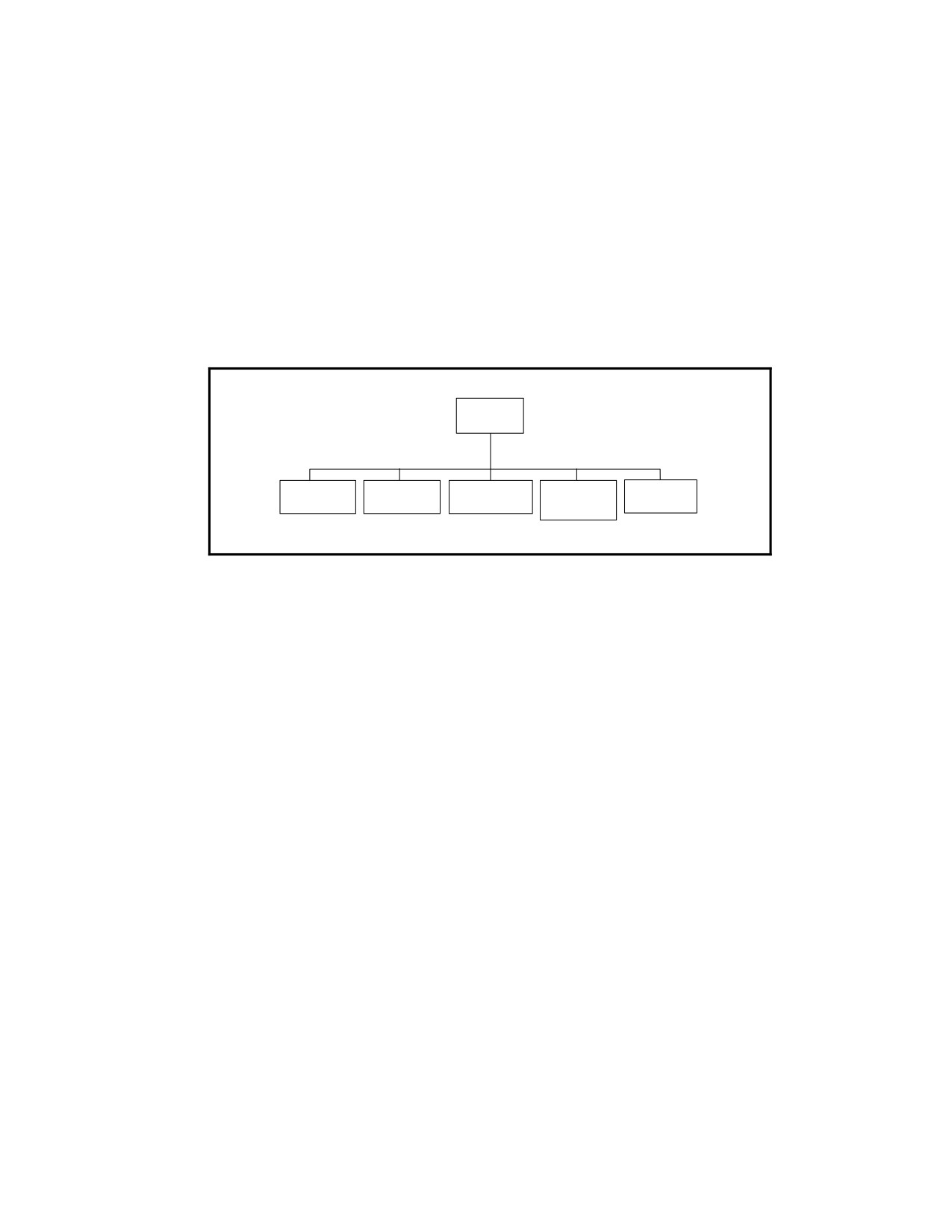
2-28. The Ministry of Public Information is responsible for the control and
dissemination of all political, diplomatic, economic, and military information
to the State’s populace, other regional actors, and the world. Information is
rigidly controlled to support the State. The ministry is also a key player in the
development and execution of all strategic IW campaigns. (See Figure 2-3.)
MINISTRY OF
PUBLIC
INFORMATION
STATE
INTERNATIONAL
CRITICAL
POLITICAL AND
LEGAL AFFAIRS
INFORMATION
INFORMATION
TECHNOLOGIES
CULTURAL
DIRECTORATE
DIRECTORATE
DIRECTORATE
DIRECTORATE
INFORMATION
DIRECTORATE
Figure 2-3. Ministry of the Public Information
STATE INFORMATION DIRECTORATE
2-29. The State Information Directorate is responsible for the control and
dissemination of information within the State. This directorate coordinates
with the SID to encourage public support for the State’s policies and pro-
grams and to counter hostile attempts to distort and frustrate those efforts.
It monitors and controls all internal media sources and reviews and censors
all information prior to authorizing its public release. With the assistance of
the State’s internal security forces, it tracks down sources of dissident or un-
derground newspapers and, upon finding them, halts publication. When pos-
sible, it tries to focus known internal subversive elements in a direction that
the regime can control.
INTERNATIONAL INFORMATION DIRECTORATE
2-30. The International Information Directorate maintains tight control of
information released to the international world. This directorate attempts to
manipulate the international media and the consumers of this information to
ensure that they will actively support the policies and goals of the State.
Thus, it plays a major role in perception management activities to influ-
ence international political and public opinion regarding the State and its
actions.
CRITICAL TECHNOLOGIES DIRECTORATE
2-31. The mission of the Critical Technologies Directorate is twofold. First, it
filters and protects the amount of information it releases to the State public
and to the world on the technological capabilities of the State. Second, it
2-7
FM 7-100 _________________________________________________________________________________
consistently researches ways to acquire new technologies to improve the
State’s technological base.
POLITICAL AND CULTURAL INFORMATION DIRECTORATE
2-32. The Political and Cultural Information Directorate plays a primary role
in producing government-approved information on political and cultural mat-
ters and disseminating it to the all the State’s residents. This directorate co-
ordinates with the Ministry of Education to disseminate such information
through the public schools. Other recipients of this information campaign in-
clude the youths who are required to join the State Youth Corps, the workers
who work within the State’s industrial and agricultural base, and all other
residents including those who serve at the highest military and governmen-
tal levels.
LEGAL AFFAIRS DIRECTORATE
2-33. The Legal Affairs Directorate provides legal advice and assistance to
the State. In wartime, this directorate works in close coordination with
the Legal Affairs Department of the Logistics Directorate in the Ministry
of Defense.
MINISTRY OF FINANCE AND ECONOMIC AFFAIRS
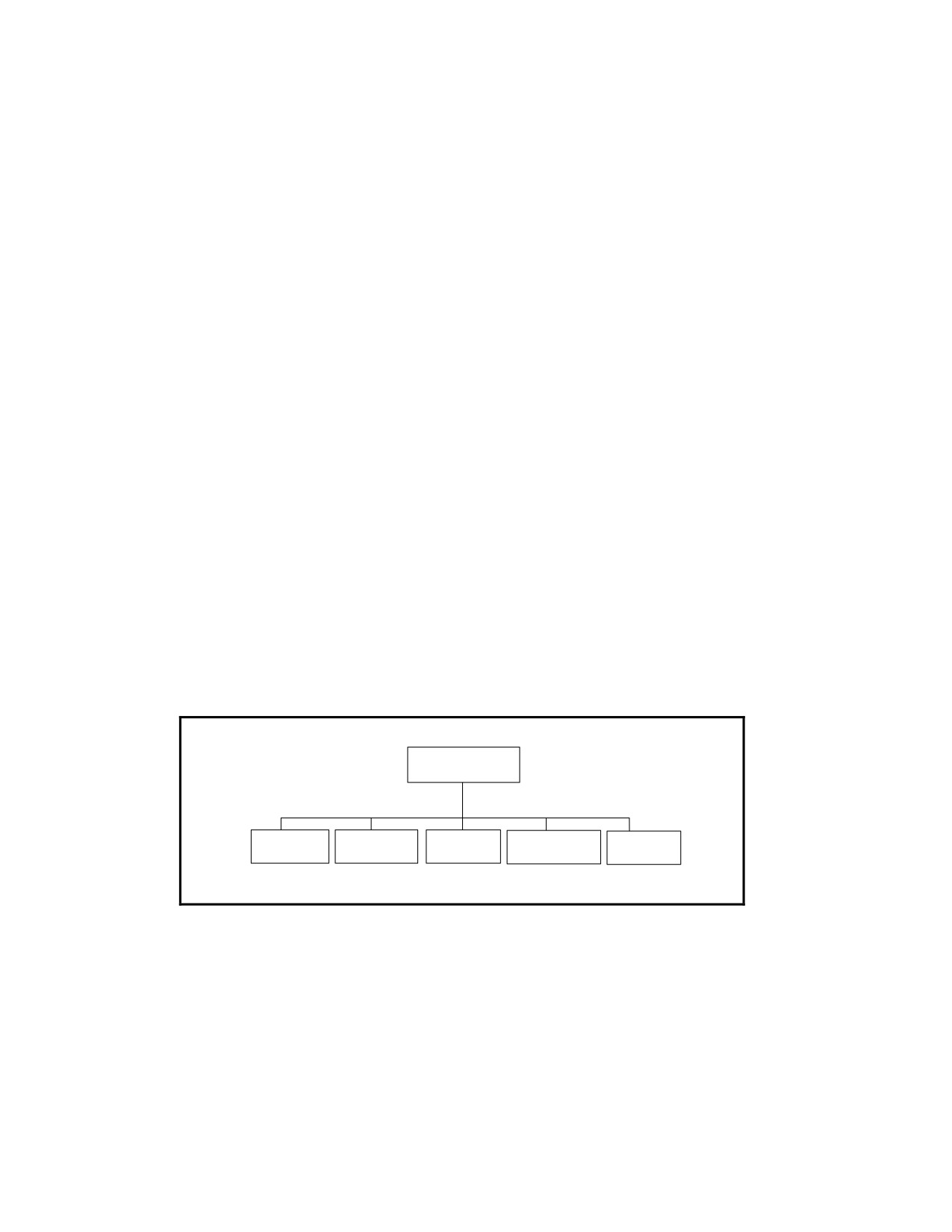
2-34. The Ministry of Finance and Economic Affairs formulates, implements,
and promotes the economic policy objectives of the State. It represents the
State in economic negotiations with foreign governments and international
organizations, explains its economic position and views, endeavors to pro-
mote its economic relations, and attempts to foster economic support and co-
operation from other nations. (See Figure 2-4.)
MINISTRY OF
FINANCE AND
ECONOMIC AFFAIRS
DOMESTIC AND
INDUSTRIES AND
LABOR AND
AGRICULTURE FOOD
TREASURY AND
FOREIGN TRADE
PRODUCTION
MANPOWER
AND LIVESTOCK
BANKING
DIRECTORATE
DIRECTORATE
DIRECTORATE
DIRECTORATE
DIRECTORATE
Figure 2-4. Ministry of Finance and Economic Affairs
DOMESTIC AND FOREIGN TRADE DIRECTORATE
2-35. The Domestic and Foreign Trade Directorate continually seeks ways to
improve the State’s balance of trade. It watches domestic production and con-
sumption figures to determine where surpluses exist that may be exported in
order to increase the State’s economic revenue. It exercises complete control
over domestic production, and it directs what will be exported and to what
country. The directorate sends representatives to regional and extraregional
2-8
_________________________________________________________________________________Chapter 2
countries to seek foreign imports and to arrange for foreign exports. All
transactions are based on what will benefit the State. This directorate man-
ages an active program for protection of sensitive economic information re-
lated to production, imports, and exports. However, it also executes a care-
fully orchestrated economic information campaign for effective dissemination
of appropriate information on the economic situation and economic policy,
both within the State and externally.
INDUSTRIES AND PRODUCTION DIRECTORATE
2-36. The Industries and Production Directorate controls all aspects of indus-
trial production within the State. It determines what will be produced and by
whom. It establishes strict quotas for the factories. Should factories fail to
meet these quotas, the directorate determines who is responsible for the
failure, and that person is severely punished. The directorate establishes
extensive outyear plans that will produce an industrial environment that
continues to support the State as it expands its economic status within the
global community.
LABOR AND MANPOWER DIRCTORATE
2-37. The Labor and Manpower Directorate controls all aspects of the State’s
work force. The directorate determines where labor is needed and assigns
personnel to work in those areas. During their intermediate school years, all
students are given State-developed aptitude tests. The State then assigns
these students to specialized secondary schools that will train them to per-
form in whatever career for which the State deems they are suited.
AGRICULTURE AND LIVESTOCK DIRECTORATE
2-38. The Agriculture and Livestock Directorate directs all aspects of agricul-
ture and livestock production. It assigns production quotas to individual
farmers. It also runs State-owned collective farms to which it also assigns
mandatory quotas for production. The directorate involves itself in techno-
logical research in order to find ways to improve production.
TREASURY AND BANKING DIRECTORATE
2-39. The Treasury and Banking Directorate controls all monetary assets
and fiscal matters within the State. Fiscal matters include but are not lim-
ited to: the cost of living index, the inflation index, the monetary exchange
rate, the balance of payments, and interest rates. The directorate conducts
regular reviews of State fiscal policies to ensure that the State receives
maximum advantage from its policies.
2-9
FM 7-100 _________________________________________________________________________________
MINISTRY OF THE INTERIOR
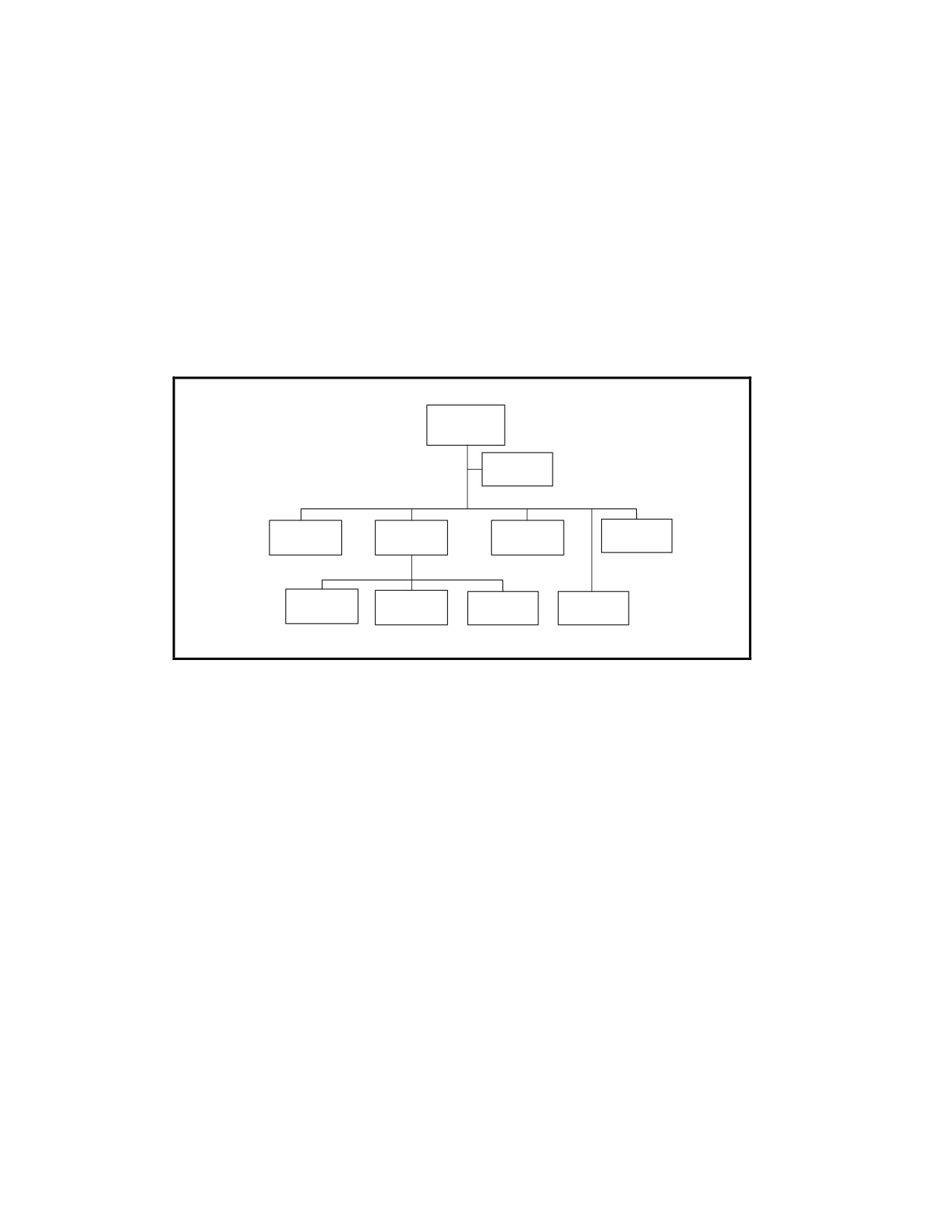
2-40. The State, like most nondemocratic nations, maintains large internal
security forces to deal with various internal threats to the regime. In peace-
time, the Chief of Internal Security heads the forces within the Ministry of
the Interior that fall under the general label of “internal security forces.” (See
Figure 2-5.) These forces are responsible for internal security and all related
functions. Members of these forces are selected from segments of the popula-
tion most loyal to the State government. (See FM 7-100.3 for more detail on
the various types of internal security forces.)
MINISTRY OF
THE
INTERIOR
CHIEF OF
INTERNAL
SECURITY
INTERNAL SECURITY FORCES
STATE
GENERAL
CIVIL
POLITICAL
SECURITY
POLICE
DEFENSE
DIRECTORATE
DIRECTORATE
DIRECTORATE
DIRECTORATE
BORDER
NATIONAL
SPECIAL-
GUARD
SECURITY
PURPOSE
INTELLIGENCE
DIRECTORATE
FORCES
FORCES
FORCES
Figure 2-5. Ministry of the Interior
2-41. Internal threats do not exist only in peacetime, but also continue and
often intensify during war. For instance, a regional enemy sharing a common
ethnic, religious, or cultural heritage with segments of the State’s population
may incite or support anti-State activities by those groups. During wartime,
therefore, some or all of the internal security forces from the Ministry of the
Interior become subordinate to the Supreme High Command (SHC). At that
time, the formal name “Internal Security Forces” applies to all forces resub-
ordinated from the Ministry of the Interior to the SHC, and the General Staff
controls and supervises their activities. In war, the Internal Security Forces
pick up additional missions that support the State in dealing with external
elements.
2-42. The primary imperative for the State is preservation of the regime and all
four instruments of national power. The State will use all means available to
• Protect political centers and the political leadership.
• Protect and control information.
• Protect key economic centers.
• Protect military forces.
2-43. Internal security forces aggressively suppress or crush organized
groups of dissidents, using force when necessary, regardless of whether the
2-10
_________________________________________________________________________________Chapter 2
dissident actions are violent or peaceful. The government may even use
Armed Forces against such groups. Government-controlled media either do
not report the incidents or manage public perception to put the blame on the
antigovernment group.
POLITICAL DIRECTORATE
2-44. The Political Directorate monitors the political activities of the State’s
population. It infiltrates possible subversive groups and tries to undermine
groups’ cohesiveness or redirect their efforts in directions the regime can
control.
STATE SECURITY DIRECTORATE
2-45. The State Security Directorate is responsible for preventing antigov-
ernment activities, investigating these activities, and prosecuting the perpe-
trators. During times of crisis and wartime, the directorate is also responsi-
ble for finding and neutralizing dissidents and spies. Elements of the direc-
torate deploy throughout the State. Many of these elements are paramilitary
units equipped for combat. They include Border Guard Forces, National Se-
curity Forces, and Special-Purpose Forces. Together with the regular Armed
Forces, these paramilitary forces help maintain the State's control over its
population in peace and war.
2-46. The Border Guard Forces patrol the State’s borders, both land and wa-
ter. They maintain security against unauthorized crossings into or out of the
State. They are charged with detecting, identifying, and intercepting illegal in-
filtrations and with arresting anyone attempting to exit the country unlawfully.
2-47. The National Security Forces are organized along military lines and
equipped with light weapons and sometimes heavy weapons and armored ve-
hicles. These units focus on subversive elements and crimes against the gov-
ernment. However, the State will also use these forces against regional or ex-
traregional enemies that invade the State. In turn, it can use its Armed Forces
against internal adversaries, when necessary.
2-48. Within the State Security Directorate, the Ministry of the Interior has
its own Special-Purpose Forces (SPF). These commando-type forces typically
operate in small SPF teams and are the most highly-trained and best-
equipped of the internal security forces. They are multifaceted, but are pri-
marily used for VIP security, hostage rescue, counterdrug, counterinsur-
gency, and counterterrorist activities. They also have the capability to con-
duct direct action attacks, such as sabotage in the enemy’s rear area. They
can infiltrate and disrupt enemy organizations (political, social, religious,
and military). They can also engage in intimidation, extortion, atrocities,
kidnapping, and assassination.
GENERAL POLICE DIRECTORATE
2-49. The General Police Directorate has responsibility for national, district,
and local police, fire protection, and the penal system. Its forces include the
paramilitary National Police and special police units that are equipped for
combat. The National Police focus almost entirely on maintaining internal
security; they are charged with protecting government facilities and with
2-11
FM 7-100 _________________________________________________________________________________
suppressing dissidents. Special police units assume responsibility for crush-
ing organized groups of dissidents and for domestic counterintelligence. Be-
cause some special police units are equipped with heavy weapons and ar-
mored vehicles, they do provide combat potential to conduct defensive opera-
tions if required.
CIVIL DEFENSE DIRECTORATE
2-50. The Civil Defense Directorate comprises a variety of paramilitary and
nonmilitary units. These units have the collective mission of protecting the
population and economic centers against the effects of all types of natural
disaster and warfare, as directed by the SID. In peacetime, normal missions
include emergency engineering, rescue, and similar disaster relief functions.
During wartime, civil defense units focus on identifying and repairing battle-
damaged facilities and structures including roads, bridges, airfields, and de-
pots. They sometimes protect important military, political, or economic cen-
ters against sabotage by internal or external threats and could also perform
other support-zone security missions.
INTELLIGENCE DIRECTORATE
2-51. The Intelligence Directorate is responsible for identifying and neutral-
izing subversive elements, as well as unsanctioned drug and criminal organi-
zations. It investigates and monitors subversive groups and infiltrates their
ranks. It routinely eavesdrops on communications of such groups and their
known leaders. It employs an extensive human intelligence (HUMINT) net-
work. It also monitors and collects information on foreign organizations oper-
ating within the State. These include not only foreign spies, but also foreign-
based corporations doing business in the State, as well as nongovernmental
and private volunteer organizations that government agents may infiltrate.
The State must examine such external organizations to determine how to
deal with negative influences or how it can manipulate these organizations to
support its own national security objectives.
2-52. In wartime, the assets of the Intelligence Directorate support the In-
ternal Security Forces and the overall national security strategy. The Inter-
nal Security Forces continue to operate an extensive HUMINT network
within the State as the cornerstone of its reconnaissance, intelligence, sur-
veillance, and target acquisition (RISTA) capability. During regional conflict,
the State expands the HUMINT network into enemy territory. This
HUMINT network will also help provide the State a RISTA capability that
may offset the technological advantages of an extraregional force.
MINISTRY OF DEFENSE
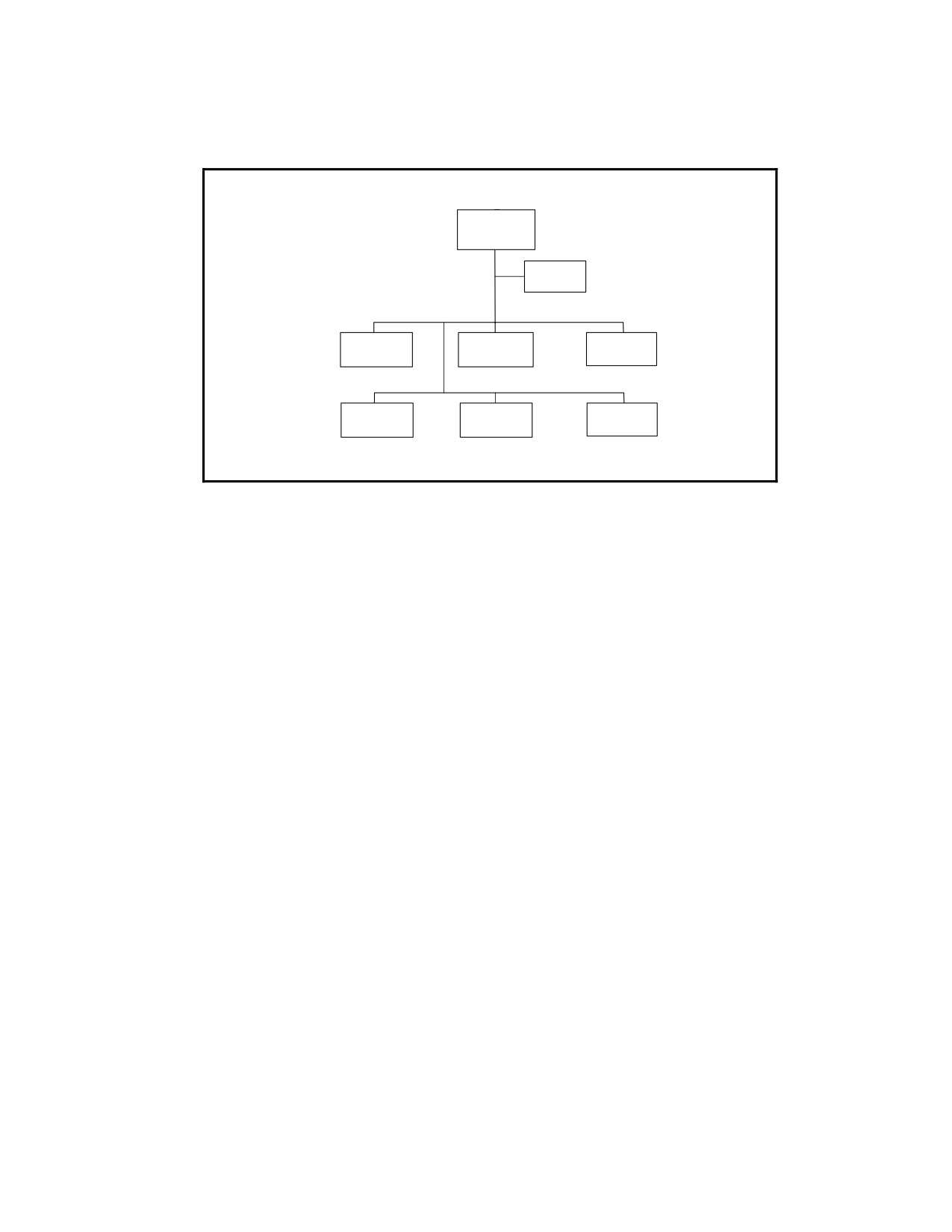
2-53. The NCA exercises control over the makeup and actions of the Armed
Forces through the Ministry of Defense (MOD) and the General Staff. The
MOD has six directorates. (See Figure 2-6.) It is responsible for the day-to-
day administration of the Armed Forces and for the readiness and overall de-
velopment of the six service components of the Armed Forces. However, the
General Staff has direct control over the six services. The General Staff also
oversees three functional directorates. In wartime, the MOD and General
Staff together form the Supreme High Command (SHC). (See Figure 2-7.)
2-12
_________________________________________________________________________________Chapter 2
MINISTRY OF
DEFENSE
GENERAL
STAFF
ACQUISITION &
POLITICAL
LOGISTICS
PROCUREMENT
DIRECTORATE
DIRECTORATE
DIRECTORATE
COMBAT
MILITARY
PERSONNEL
TRAINING
EDUCATION
DIRECTORATE
DIRECTORATE
DIRECTORATE
Figure 2-6. Ministry of Defense
POLITICAL DIRECTORATE
2-54. The Political Directorate maintains political control over the Armed
Forces and ensures that they adhere to State government policies and direc-
tives. It directs the political education, indoctrination, and political activities
of all Armed Forces personnel. It maintains records on possible subversive
members of the Armed Forces and monitors them to ensure that they remain
loyal to the State and do not initiate any actions contrary to State interests.
ACQUISITION AND PROCUREMENT DIRECTORATE
2-55. The Acquisition and Procurement Directorate coordinates the procure-
ment of all ammunition, weapons, and military equipment from domestic and
foreign sources. It ensures that the Armed Forces have sufficient quantities
of the types of equipment necessary to achieve State goals. See Chapter 7 for
more detail on the functions of this directorate.
LOGISTICS DIRECTORATE
2-56. The Logistics Directorate is responsible for the overall logistics support
of the Armed Forces, movement of troops and supplies, security of logistics
installations, maintenance of lines of communication (LOCs), and general de-
fense of the support zone. See Chapter 7 for more detail on the functions of
this directorate.
PERSONNEL DIRECTORATE
2-57. The Personnel Directorate formulates and implements national-level
military personnel policies, allocates personnel among the service compo-
nents, and establishes basic personnel administration procedures. See Chap-
ter 7 for more detail on the functions of this directorate.
2-13
FM 7-100 _________________________________________________________________________________
COMBAT TRAINING DIRECTORATE
2-58. The Combat Training Directorate plans, coordinates and supervises
combat training in all service components. It evaluates the state of prepared-
ness and combat efficiency of the Armed Forces and makes recommendations
to the State for improvement. See Chapter 7 for more detail on the functions
of this directorate.
MILITARY EDUCATION DIRECTORATE
2-59. The Military Education Directorate supervises and coordinates the
overall military school system. It provides guidance for curriculum development
and ensures that the school system teaches relevant and pertinent information.
Direct control of service schools and their curricula rests with the service com-
ponents. See Chapter 7 for more detail on the functions of this directorate.
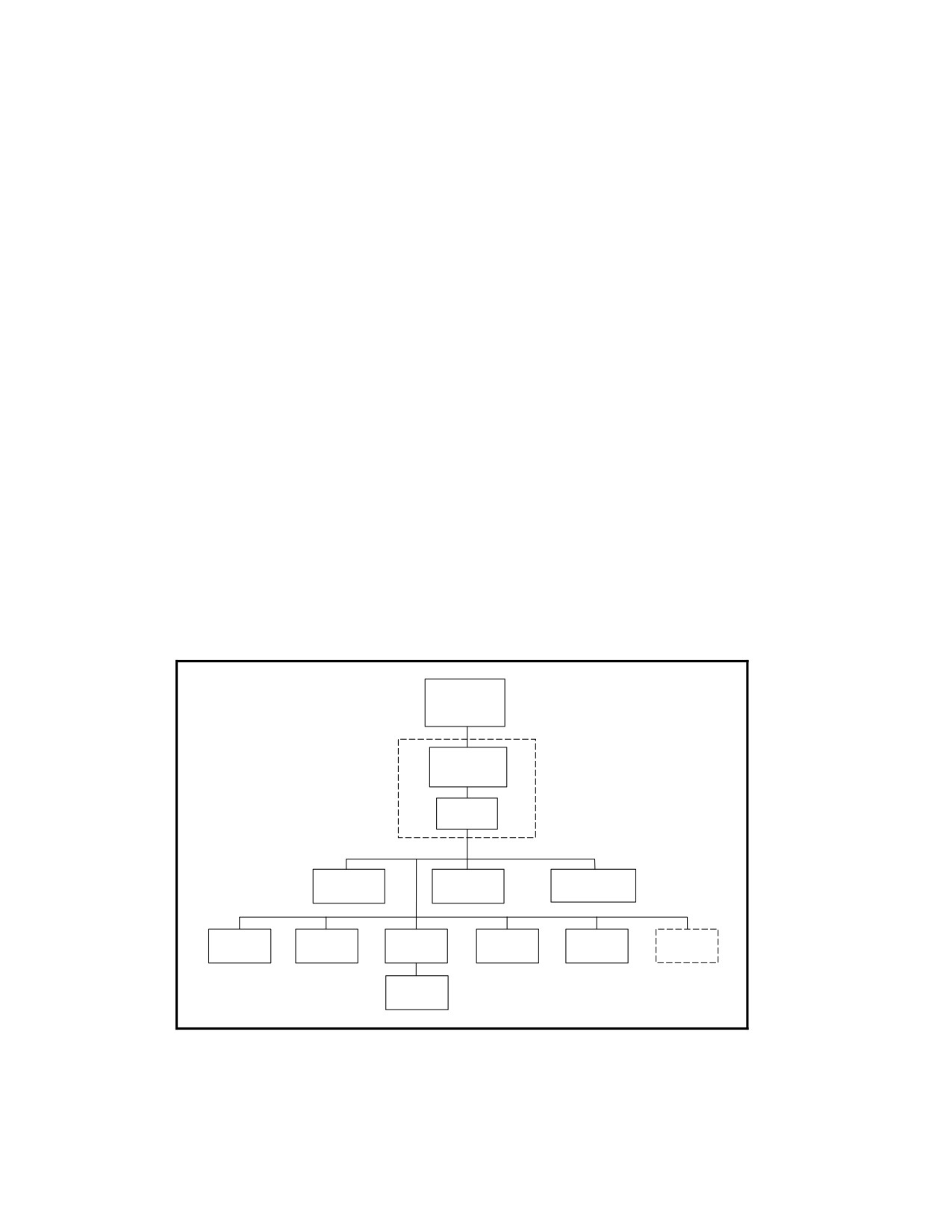
SUPREME HIGH COMMAND
2-60. While the Armed Forces are not a unified defense force, they do have
clear lines of command and control (C2). The State’s NCA exercises C2 via the
SHC, which includes the MOD and a General Staff drawn from all the ser-
vice components. (See Figure 2-7.) In peacetime, the MOD and General Staff
operate closely but separately. The MOD is responsible for policy, acquisi-
tions, and financing the Armed Forces. The General Staff promulgates policy
and supervises the service components; its functional directorates are responsi-
ble for key aspects of defense planning. During wartime, the MOD and General
Staff merge to form the SHC, which functions as a unified headquarters.
NATIONAL
COMMAND
AUTHORITY
MINISTRY OF
DEFENSE
SUPREME
HIGH COMMAND
GENERAL
STAFF
ORGANIZATION &
OPERATIONS
INTELLIGENCE
MOBILIZATION
DIRECTORATE
DIRECTORATE
DIRECTORATE
INTERNAL
STRATEGIC
SPF
ARMY
NAVY
AIR FORCE
SECURITY
FORCES
COMMAND
FORCES
AIR
DEFENSE
FORCES
Figure 2-7. Supreme High Command
2-14
_________________________________________________________________________________Chapter 2
FUNCTIONAL DIRECTORATES
2-61. Under the General Staff are three functional directorates for opera-
tions, intelligence, and organization and mobilization. These directorates
handle functions that transcend service boundaries.
Operations Directorate
2-62. The Operations Directorate is actually focused on developing plans for
the General Staff or SHC, rather than supervising execution of national-level
operations. In fact, the Operations Directorate is the strategic planning or-
ganization for the Armed Forces. During peacetime, it is responsible for the
development, staffing, promulgation, and continuing review of Armed Forces
mobilization and strategic campaign plans. It also reviews mobilization plans
of service components and important government ministries for the General
Staff and the NCA. The Operations Directorate plays the lead role in devel-
oping the national exercise program and provides support to General Staff
inspectors assigned to assess service performance in national exercises.
2-63. During combat operations, the Operations Directorate is responsible,
with the Intelligence Directorate, for maintaining a continuous estimate of
the situation for the SHC, and it contributes to the formal national estimate
process. The Operations Directorate also modifies or develops military stra-
tegic campaign plans based on guidance from the SHC. The directorate is used
to generate options and focuses on the long-, mid-, or short-term objectives of the
State. Consequently, the Operations Directorate assigns liaison officers to im-
portant government ministries.
Intelligence Directorate
2-64. The Intelligence Directorate fields national-level reconnaissance assets
and supports national intelligence requirements. At this level, limited in-
vestments in space-based technology and larger investments in buying prod-
ucts from other nations produce the greatest overall payoff. The State is able
to use commercial enterprises of other countries to obtain space-based imagery
intelligence and to support command and control.
2-65. The Armed Forces place a premium on HUMINT sources. They operate
HUMINT agents throughout the region and have some global capability
against those nations the State perceives as the most likely potential ene-
mies. The SPF Command, with both a regional and global capability, also
supports national intelligence requirements.
2-66. The State can procure signals intelligence (communications and elec-
tronic intelligence) means on the international market. Accordingly, the
Armed Forces’ capability is mixed and probably difficult to maintain, but not
inconsequential. Although the State has targeted regional opponents, it does
have some capability against the bandwidths in which it expects likely ex-
traregional opponents to operate. The Army, Navy, and Air Force components
have tactical assets appropriate to their respective ground, sea, and air venues.
2-67. The Intelligence Directorate is responsible for acquisition of unmanned
aerial vehicles (UAVs, including drones and remotely-piloted vehicles) in
support of the service components. The directorate also fields UAVs capable
2-15
FM 7-100 _________________________________________________________________________________
of supporting regional strategic intelligence requirements. National-level re-
connaissance units are routinely assigned in direct support of operational-
level units in the field and can be expected to operate well forward to provide
reconnaissance in depth.
Organization and Mobilization Directorate
2-68. The chief function of the Organization and Mobilization Directorate is
to determine the assets the services need to perform operations as directed
by the General Staff or SHC. As a result, the directorate both responds to
and contributes to the work of the Operations Directorate. The Organization
and Mobilization Directorate must also coordinate with other ministries of
the government to assure that their planning will meet wartime needs of the
plans that the Operations Directorate develops. Planning for determining re-
quirements to mobilize reserves and militia consumes a large percentage of
the Organization and Mobilization Directorate’s efforts.
2-69. During wartime, the Organization and Mobilization Directorate identi-
fies and recommends priorities of effort in coordination with civilian minis-
tries. It deals particularly with those ministries concerned with transporta-
tion and the production or acquisition of food, fuel, and materiel. Due to the
directorate’s broad charter, its priorities are in effect the State’s priorities.
Therefore, if it determines a priority, its decision may have the effect of law.
SERVICE COMPONENTS
2-70. The Armed Forces generally consist of six services. These include the
Army, Navy, Air Force, Strategic Forces, Special-Purpose Forces
(SPF)
Command, and Internal Security Forces. The Internal Security Forces are
subordinate to the Ministry of the Interior in peacetime, but become subordi-
nate to the SHC in time of war. The Armed Forces are not a fully unified de-
fense force, but are able to operate jointly as required. The Army is the domi-
nant partner among the military forces. Some functional forces may be or-
ganized as joint forces. For example, intelligence and IW units may operate
jointly in support of the Intelligence Directorate. The Armed Forces field
some reserve component forces in all services, but most reserve forces are
Army forces. Militia forces belong exclusively to the ground component.
Army
2-71. The Army, comprised of ground forces, is the largest and most influen-
tial of the State’s Armed Forces. This reflects the State’s analysis of its po-
tential enemies and the fact that the Armed Forces cannot hope to compete
qualitatively with the air and naval components of a major extraregional
power such as the United States. The Army is large and, in comparison to
most regional neighbors, is modern as well.
2-72. The composition of the Army reflects the great diversity of the geogra-
phy in which it operates and the Armed Forces’ notions about the value of
tempo in offensive operations. Accordingly, the Army includes armor, infan-
try, and a small number of airborne and special-purpose forces. Equally im-
portant, the Armed Forces field a large militia, composed primarily of infan-
try, that is designed to secure LOCs and defend the State if it decides to conduct
2-16
_________________________________________________________________________________Chapter 2
adaptive operations. The Army’s chief offensive power is its armor, mecha-
nized infantry, and airborne forces. The Army also has its own Special-
Purpose Forces (Army SPF) designed to support the ground forces at the op-
erational level and enable the Army to conduct reconnaissance and direct ac-
tion to the opponent’s operational depth.
2-73. The Army has adequate resources to conduct regional offensive opera-
tions supported and sustained by relatively modern conventional forces. Ar-
mor and mechanized infantry forces are the most capable and the most mod-
ern of the Army’s forces. Militia forces include many elements common to all
infantry forces, but are generally not capable of large offensive operations.
2-74. The Army devotes a large share of its means to fielding and maintain-
ing both rocket and tube artillery to support ground operations. The Army
also has some long-range rockets and surface-to-surface missiles (SSMs). Fire
support capability includes attack helicopters employed in close support. Attack
helicopter units also have a limited deep-attack capability. Army air defense is
based on the assumption that every soldier with a shoulder-fired surface-to-air
missile (SAM) is an air defense firing unit. The Army is assigned large numbers
of shoulder-fired SAMs and will also have mobile air defense units in support.
Navy
2-75. The State does not possess the industrial base to sustain a blue-water,
force-projection navy. It does, however, maintain a regional force-projection
navy with a significant access-control capability built on small surface com-
batants and submarines. The Navy can project naval infantry up to brigade
size regionally. While the Navy may have difficulty in warding off attack by
major surface combatants or air forces of extraregional powers, it is more
than adequate to operate against likely regional opponents.
2-76. The Navy is designed primarily to overwhelm regional enemies by
means of small fast-attack craft armed with antiship missiles but is also
equipped to challenge adversaries’ access to the region. Surface- and ground-
based antiship missile units form the bulk of the Navy. The Navy also fields
a submarine force designed primarily for access-control operations, but also
able to insert naval infantry to conduct raids against critical installations
within the region. The submarine force, with significant effort ahead of time,
may also insert SPF for reconnaissance or direct action outside the region.
This kind of operation assumes high risk and is unlikely without expectation
of an important payoff.
2-77. The Navy has also invested in antiship technology including wake-
homing mines and antiship mines. As a consequence, the Navy has the capa-
bility to challenge the most modern navies at maritime choke points, using a
combination of mines, shore- and sea-based antiship missiles, and submarines.
2-78. In the event of blockade, the State is able to sustain naval operations
from home ports for a limited time. The Navy can sustain force projection re-
gionally for limited duration. A month or more of combat operations that
cannot be directly supported without resupply from home ports can challenge
the State’s capacity. Submarine operations are the exception to this assess-
ment. The Navy may operate submarines outside the region by arrangements
with other governments. This capability, while not assured, cannot be ruled out.
2-17
FM 7-100 _________________________________________________________________________________
2-79. The Navy has a limited amphibious capability and possesses naval in-
fantry capable of conducting forcible entry against regional opponents. The
Navy fields organic Special-Purpose Forces (Naval SPF) that are able to con-
duct reconnaissance in support of landings or raids against critical targets.
2-80. Although the Navy is a coastal navy, it is able to maintain control of
inland waterways. This brown-water capability is generally disposed to de-
fend State waterways, but can conduct limited operations in estuaries or fur-
ther inland in support of Naval SPF or ground combat operations.
Air Force
2-81. The Air Force, like the Navy, is fundamentally a supporting arm. The
State’s assessment of the strategic picture is that it cannot hope to compete
with the most modern air forces in size or quality. The Air Force has devel-
oped a significant regional capability and adequate air defenses to challenge
outside air intervention. Its aircraft include fighters, bombers, tactical trans-
port, tankers, airborne early warning (AEW) aircraft, electronic warfare
(EW) aircraft, reconnaissance aircraft, and auxiliaries. The Air Force has a
combination of small numbers of state-of-the-art air-superiority aircraft, re-
connaissance and EW aircraft, and modern, but less than top-line ground-
attack aircraft consistent with State force design and procurement principles.
2-82. Along with its air-superiority aircraft, the Air Force has made impor-
tant investments in AEW, reconnaissance, and EW aircraft. These aircraft
are adequate to dominate the airspace against regional opponents. They may
also be sufficient to challenge outside forces that intervene in the region, at
least in early stages. They may prove effective in supporting access-control
operations during transition or adaptive operations. However, the State as-
sumes that these aircraft would not prove viable over the long term against
an extraregional threat. In the event of full-scale intervention by modern air
forces, the Air Force would not be able to accomplish more than local air par-
ity and would not be able to sustain even that. Due to its investment in
ground-based air defenses, however, the State could still be capable of pre-
venting opponents from attaining air supremacy without a long fight.
2-83. The Air Force’s bomber aviation forces include a combination of modern
and older systems. Deep operations against extraregional forces are unlikely
except against high-value targets that the State estimates to be worth the
expenditure of a scarce resource. Bombers and other fixed-wing aircraft can
have precision munitions and cluster bomb capability. The Air Force also
fields limited quantities of fuel-air explosives and standoff systems including
some short-range ground-attack and antiship cruise missiles.
2-84. The Air Force has transport aircraft designed to provide two capabili-
ties: force projection and insertion. Theater transports enable the projection
of airborne troops regionally. The Air Force also fields light transport aircraft
for insertion of its own SPF or those belonging to other components. None of
these aircraft affords a legitimate strategic force-projection capability. The
Air Force is able to sustain troops on the ground via an air bridge in the ab-
sence of a significant air-to-air threat. Transport helicopters supporting
ground forces operations may either come from Army aviation units or be al-
located from the Air Force.
2-18
_________________________________________________________________________________Chapter 2
2-85. The State’s national-level Air Defense Forces are subordinate to the Air
Force and reflect the State’s force development philosophy. They combine ob-
solescent and state-of-the-art air defense firing units to support area defense
and point defense of high-value assets. The State has invested in point-
defense technology that it believes can prove effective in defending against
cruise missiles.
2-86. Air Force SPF provide organic reconnaissance support and early warn-
ing for air defense sectors. They can conduct raids against enemy air bases
and installations. They also support search and rescue of aircrews. Finally,
SPF form the core for air base security.
2-87. The Air Force manages the State’s use of space-based assets and capa-
bilities. The State’s reliance on such means is minimal, with the concentra-
tion on satellite communication and navigation. The Armed Forces currently
have satellite communications (SATCOMs) at the operational level and are
in the process of extending this capability down to the tactical level. The
SATCOM capabilities the State now uses are commercially-leased circuits.
The State possesses limited indigenous space-based RISTA capabilities.
However, it can purchase commercially-available imagery products as
needed. The increasing ability to leverage commercial satellites will continue
to erode the advantage now enjoyed by the United States and other wealthy
nations with space-based platforms.
Strategic Forces
2-88. The Strategic Forces consist of long-range rocket and missile units. The
State can develop or purchase a number of theater ballistic missiles (TBMs),
as well as intermediate-range ballistic missiles (IRBMs). This constitutes the
bulk of the State’s strategic capability.
2-89. The missiles of the Strategic Forces are capable of delivering nuclear,
biological, and chemical (NBC) munitions, and the NCA is the ultimate NBC
release authority. Therefore, the NCA is likely to retain major elements of
the Strategic Forces under its direct control or under the SHC or a theater
headquarters in wartime.
2-90. The State considers the Strategic Forces capability, even when deliver-
ing conventional munitions, the responsibility of the NCA. Long-range mis-
siles and rockets are political tools, first and foremost. The Strategic Forces
could use long-range missiles and rockets to advance State political ends during
regional, transition, and adaptive operations. Unable to mount robust air cam-
paigns, the State can use these weapons to mount an equivalent effort.
2-91. In some cases, the SHC or theater commander may allocate some Stra-
tegic Forces assets down to operational-level commands. Conventionally-
armed rocket and missile units may be assigned directly in support of air,
naval, and ground forces.
Special-Purpose Forces Command
2-92. Together with Strategic Forces, SPF provide the State the ability to at-
tack both regional and extraregional enemies throughout their strategic depth.
The State will use SPF and insert them in advance of regional operations and
2-19
FM 7-100 _________________________________________________________________________________
in support of transition and adaptive operations. They are an essential ele-
ment of the concept of using all means necessary and critical to access-control
operations. The SPF Command’s assigned units provide a balanced capabil-
ity, including some tactical transport for use in inserting SPF units.
2-93. The General Staff or SHC normally reserves some units of the SPF
Command under its own control for strategic-level missions. It may assign
some SPF units to subordinate operational or theater commands, but can
still task the allocated units to support strategic missions, if required.
2-94. The SPF Command’s forces provide a regional and global strategic ca-
pability. In addition to conducting direct action, the SPF Command fields
strategic reconnaissance forces with which it is able to support national intel-
ligence requirements. It also has a capability to support terrorist and irregu-
lar forces operations in other countries. The State may be able to develop
means for SPF to deliver nuclear, biological, or chemical munitions.
2-95. Four of the five other service components also have their own SPF. In
contrast to the units of the SPF Command, the Army, Navy, and Air Force
SPF are designed for use at the operational level. The Internal Security
Forces also have their own SPF units. These service SPF normally remain
under the control of their respective services or a joint operational or theater
command. However, SPF from any of these service components could become
part of joint SPF operations in support of national-level requirements. The
SPF Command has the means to control joint SPF operations as required.
2-96. Any SPF units (from the SPF Command or from other service compo-
nents’ SPF) that have reconnaissance or direct action missions supporting
strategic-level objectives or intelligence requirements would normally be un-
der the direct control of the SHC or under the control of the SPF Command,
which reports directly to the SHC. So would any SPF units specially trained
and equipped to deliver NBC munitions in support of strategic objectives.
Also, any service SPF units assigned to joint SPF operations would temporar-
ily come under the control of the SPF Command or perhaps the SHC.
2-97. The SPF Command also includes elite commando units, specially
trained for missions in enemy territory. For administrative purposes, these
units may be grouped under a commando brigade headquarters. However,
commandos are employed as battalions, companies, platoons, and squads or
as small teams, depending on the type of mission. They generally conduct
various types of reconnaissance and combat missions in territory not con-
trolled by State forces. Sometimes, particularly in defensive situations, com-
mandos may be called on to perform regular infantry missions, filling gaps
between dispersed regular forces.
Internal Security Forces
2-98. In wartime, some or all of the internal security forces of the Ministry of
the Interior become subordinate to the SHC. Thus, they become the sixth
service component of the Armed Forces, under the formal designation Inter-
nal Security Forces. (For detail, see the Ministry of the Interior section in
this chapter or see FM 7-100.3.)
2-20
_________________________________________________________________________________Chapter 2
ADMINISTRATIVE FORCE STRUCTURE
2-99. The State’s Armed Forces have an administrative force structure that
manages military forces in peacetime. This administrative force structure is
the aggregate of various military headquarters, organizations, facilities, and
installations designed to man, train, and equip the forces. The administrative
force structure also has responsibility for disaster management and support
to other State agencies.
2-100. The administrative force structure includes all components of the
Armed Forcesnot only regular, standing forces (active component), but also
reserve and militia forces (reserve component). For administrative purposes,
both regular and reserve forces come under the headquarters of their respec-
tive service component. Each of the six service components is responsible for
manning, equipping, and training of its forces and for organizing them within
the administrative force structure. The administrative force structure also
includes major logistics facilities and installations (see Chapter 7).
Major Force Groupings
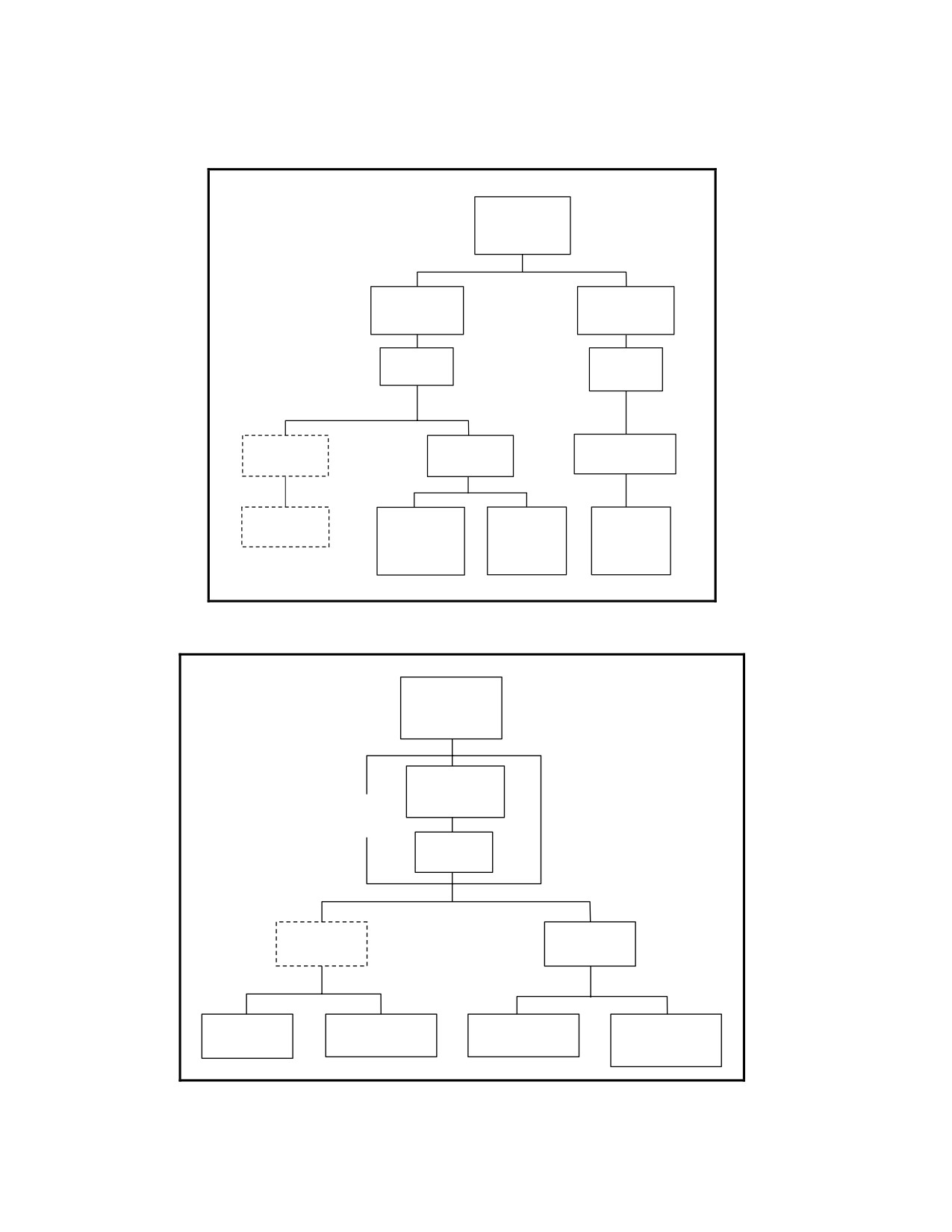
2-101. In peacetime, forces are commonly grouped into corps, armies, or army
groups for administrative purposes. In some cases, forces may be grouped
administratively under geographical commands designated as military re-
gions or military districts.1 Normally, these administrative groupings differ
from the Armed Forces’ go-to-war (fighting) force structure.
2-102. Peacetime. Each service commonly maintains its forces grouped un-
der single-service operational-level commands (such as corps, armies, or
army groups). A service might also maintain some separate single-service
tactical-level commands (divisions, brigades, or battalions) directly under the
control of their service headquarters. For example, the Army component
headquarters may retain centralized control of certain elite elements of the
ground forces, including airborne units and Army SPF. Major tactical-level
commands of the Air Force, Navy, Strategic Forces, and the SPF Command
often remain under the direct control of their respective service component
headquarters. This permits flexibility in the employment of these relatively
scarce assets in response to national-level requirements. In peacetime, the
internal security forces are under the administrative control of the Ministry
of the Interior. (See Figure 2-8.)
2-103. If the General Staff or SHC elects to create more than one theater
headquarters, it may allocate parts of the administrative force structure to
each of the theaters, normally along geographic lines. One example would be
to divide Air Force assets into theater air armies. Another would be to assign
units from the SPF Command to each theater, according to theater require-
ments. During peacetime, however, a separate theater headquarters would
exist for planning purposes only and would not have any forces actually sub-
ordinated to it.
1 A military district may or may not coincide with a political district within the State government.
2-21
FM 7-100 _________________________________________________________________________________
NATIONAL
COMMAND
AUTHORITY
MINISTRY OF
MINISTRY OF
DEFENSE
THE INTERIOR
GENERAL
CHIEF OF
STAFF
INTERNAL
SECURITY
INTERNAL
THEATER HQs
SERVICE HQs
SECURITY
FORCES HQ
SINGLE-
SINGLE-
SINGLE-
OSC HQs
SERVICE
SERVICE
SERVICE
NATIONAL/
OPERATIONAL-
DIVISIONS/
DISTRICT-
LEVEL
BRIGADES/
LEVEL
COMMANDS
BATTALIONS
COMMANDS
Figure 2-8. Peacetime Administrative Force Structure
NATIONAL
COMMAND
AUTHORITY
MINISTRY OF
DEFENSE
SUPREME
HIGH COMMAND
GENERAL
STAFF
SERVICE
THEATER HQs
HQs
SEPARATE
SINGLE-SERVICE
SEPARATE
FGs/OSCs
DIVs/DTGs/
OPERATIONAL-
SINGLE-SERVICE
BDEs/BTGs/BNs
LEVEL COMMANDS
DIVs/DTGs/
BDEs/BTGs/BNs
Figure 2-9. Wartime Fighting Force Structure
2-22
_________________________________________________________________________________Chapter 2
2-104. Wartime. In wartime, most major administrative commands continue
to exist under their respective service headquarters, but their normal role is
to serve as force providers during the creation of operational-level fighting
commands, such as field groups (FGs) or operational-strategic commands
(OSCs). OSC headquarters may exist in peacetime, for planning purposes,
but would not yet have any forces actually subordinate to them. The same
would be true of any theater headquarters planned to manage multiple
OSCs. FGs, on the other hand, are not normally standing headquarters, but
may be organized during full mobilization for war. Some single-service tacti-
cal commands may remain under their respective service headquarters or
come under the direct control of the SHC or a separate theater headquarters.
Some divisions and brigades would be task organized into division tactical
groups (DTGs) and brigade tactical groups (BTGs). (See Figure 2-9.)
2-105. After transferring control of its major fighting forces to one or more
task-organized fighting commands, an administrative headquarters, facility,
or installation continues to provide depot- and area support-level administra-
tive, supply, and maintenance functions. A geographically-based administra-
tive command also provides a framework for the continuing mobilization of
reserves to complement or supplement regular forces.
2-106. In rare cases, an administrative command could function as a fighting
command. This could occur, for instance, when a particular administrative
command happens to have just the right combination of forces for executing a
particular strategic campaign plan. Another case would be in times of total
mobilization, when an administrative command has already given up part of
its forces to a fighting command and then is called upon to form a fighting
command with whatever forces remain under the original administrative
headquarters.
Reserves and Militia
2-107. Although all six services field some reserve forces, most of the reserve
forces are Army forces. All militia forces belong to the Army component.
Overall planning for mobilization of reserves and militia is the responsibility
of the Organization and Mobilization Directorate of the General Staff. Each
service component headquarters would have a similar directorate responsible
for mobilization of forces within that service. Major geographical commands
(and other administrative commands at the operational level and higher)
serve as a framework for mobilization of reserve and militia forces.
2-108. During mobilization, some reserve personnel serve as individual re-
placements for combat losses in active units, and some fill positions (includ-
ing professional and technical specialists) that were left vacant in peacetime
in deference to requirements of the civilian sector. However, reservists also
man reserve units that are mobilized as units to replace other units that
have become combat-ineffective or to provide additional units necessary for
large, sustained operations.
2-109. Like active force units, most mobilized reserve and militia units do not
necessarily go to war under the same administrative headquarters that con-
trolled them in peacetime. Rather, they typically become part of a task-
organized operational- or tactical-level fighting command tailored for a
2-23
FM 7-100 _________________________________________________________________________________
particular mission. In most cases, the mobilized reserve units would be inte-
grated with regular military units in such a fighting command. In rare cases,
however, a reserve command at division level or higher might become a fight-
ing command or serve as the basis for forming a fighting command based
partially or entirely on reserve forces.
2-24
Chapter 3
Strategy for Total War
The State’s strategic concepts stem from its comparative strength and
perceived threats, both internally and regionally, but also take into ac-
count the realties of the global strategic environment. Chief among these
realities is that, while the State may seek to exploit regional opportuni-
ties, intervention by extraregional powers is possible. Therefore, the State
assumes that it must be prepared to deal with not only internal and re-
gional opponents, but also these outside forces.
This chapter first explains the overall concepts and principles involved in
the State’s national security strategy. Then it describes the four basic
types of strategic-level courses of action the State leadership uses to exe-
cute its strategy for total war in a strategic campaign. Finally, this chap-
ter focuses on the course of action called “strategic operations.” For fur-
ther detail on the other three courses of action, see Chapters 4 through 6.
NATIONAL SECURITY STRATEGY
3-1. National security strategy is the State’s vision for itself as a nation and
the underlying rationale for building and employing its instruments of na-
tional power. It outlines how the State plans to use its diplomatic-political,
informational, economic, and military instruments of power to achieve its
strategic goals. Among these goals are the State’s desires to build and main-
tain internal stability and to set the conditions for expanding its influence in
its region and eventually changing its position within the global community.
Formulating national security strategy is a continuous process based on
• National security interests.
• Threat perceptions.
• Political considerations.
• Foreign policy.
• Economic and military strengths and weaknesses.
• Resources and geography.
• History, religion, and culture.
• Technology.
3-2. Despite the term security, the State’s national security strategy defines
not just what the State wants to protect or defend, but what it wants to
achieve. The State’s primary strategic goal is continually expanding its influ-
ence in the region. This goal is a long-term aim for the State. To the State, it
does not matter how long it takes to expand its influence throughout the area,
but just that it continually makes expansionary progress. The State is willing to
3-1
FM 7-100 _________________________________________________________________________________
spend the amount of time necessary to achieve its goal. Thus, its national secu-
rity strategy is designed to allow the State to reach this primary goal.
3-3. The basic national security strategy focuses on the State’s expansionary
goals in the region. Thus, the State seeks to develop and maintain diplo-
matic-political, informational, economic, and military power sufficient to
dominate the region. However, the State assumes the distinct possibility of
extraregional intervention to thwart its regional aspirations. Therefore, to
the extent possible, it also invests in technology and establishes forces with
that possibility in mind. It builds a doctrine and strategy for employing all
these capabilities against all possible threats. Thus, there is no need to im-
provise if an extraregional force does intervene.
INTEGRATED PLANNING
3-4. The State’s leadership understands the benefits of deliberate planning,
perseverance, and willingness to spend the time and other resources neces-
sary to reach the State’s desired end state. Methodical planning by the gov-
ernment leaders at the national level results in a well-orchestrated, coordi-
nated State national security strategy for the conduct of total war. This strat-
egy guides the State toward its strategic goals by combining all the State’s
elements of power in a highly effective and efficient manner.
3-5. The Minister of National Security, through his Strategic Integration
Department (SID), integrates all the instruments of national power into one
cohesive national security strategy and orchestrates a unified strategic cam-
paign. The State’s leadership works well together because its members all
share the same ethical, cultural, and religious backgrounds. Leaders from
both the ruling class and the diplomatic-political, informational, economic,
and military instruments of power participate in strategic planning sessions.
They work in consonance to develop and implement a consolidated plan that
outlines the State’s strategy for total war.
SYSTEMS WARFARE
3-6. The State defines a system as a set of different elements so connected or
related as to perform a unique function not performable by the elements or
components alone. The essential ingredients of a system include the compo-
nents, the synergy among components and other systems, and some type of
functional boundary separating it from other systems. Therefore, a “system of
systems” is a set of different systems so connected or related as to produce
results unachievable by the individual systems alone. The State views the
operational environment, the battlefield, its own instruments of power, and
an opponent’s instruments of power as a collection of complex, dynamic, and
integrated systems composed of subsystems and components.
3-7. Systems warfare serves as a conceptual and analytical tool to assist in
the planning, preparation, and execution of warfare. With the systems ap-
proach, the intent is to identify critical system components and attack them in a
way that will degrade or destroy the use or importance of the overall system.
3-2
_________________________________________________________________________________Chapter 3
Principle
3-8. The primary principle of systems warfare is the identification and isola-
tion of the critical subsystems or components that give the opponent the ca-
pability and cohesion to achieve his aims. The focus is on the disaggregation
of the system by rendering its subsystems and components ineffective. While
the aggregation of these subsystems or components is what makes the overall
system work, the interdependence of these subsystems is also a potential vul-
nerability. Systems warfare has applicability or impact at all three levels of
warfare.
Application at the Strategic Level
3-9. At the strategic level, the instruments of power and their application are
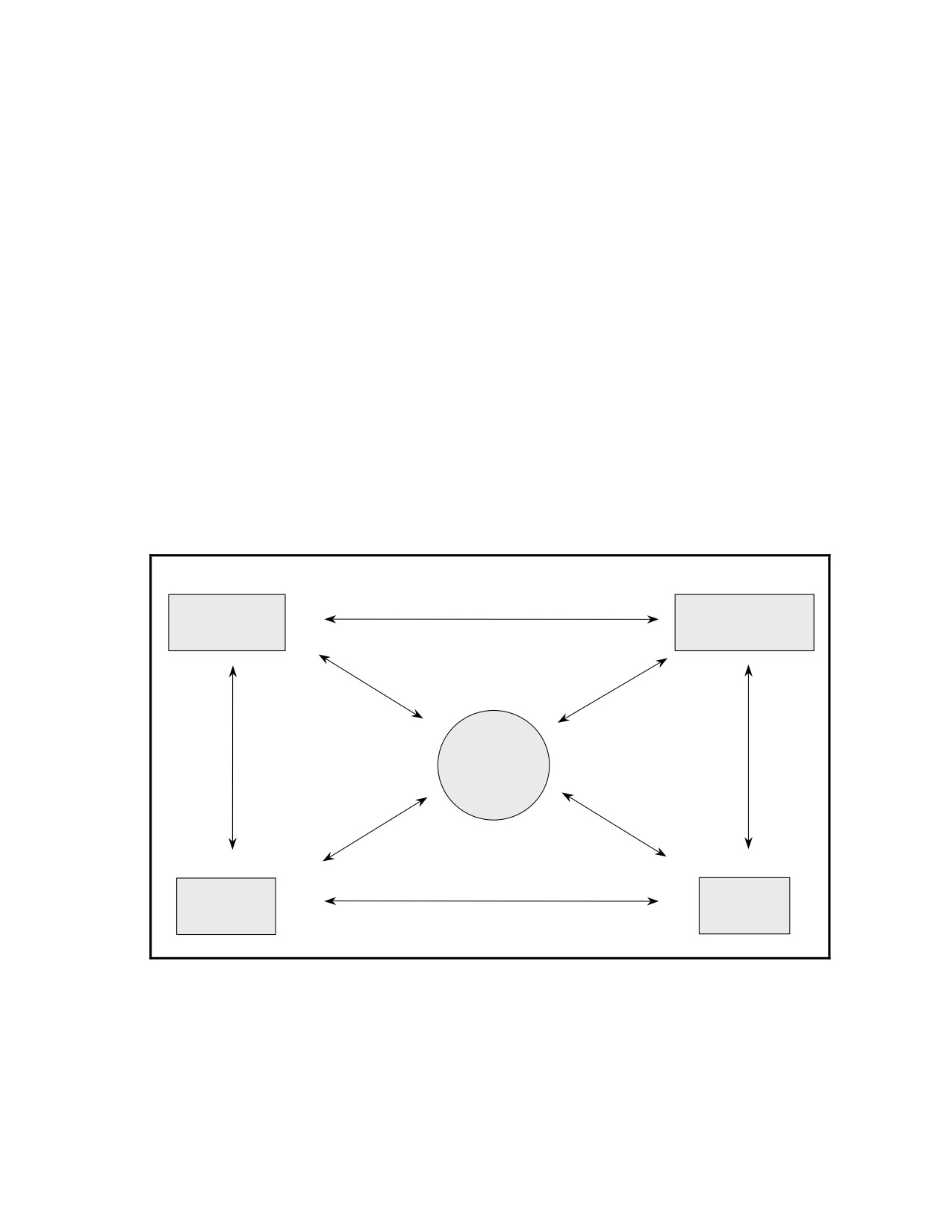
the focus of analysis. National power is a system of systems in which the in-
struments of national power work together to create a synergistic effect. (See
Figure 3-1.) Each instrument of power (diplomatic-political, informational,
economic, and military) is also a collection of complex and interrelated sub-
systems on its own part. The State clearly understands how to analyze and
locate the critical components of its own instruments of power and those of
its opponents.
DIPLOMATIC-
INFORMATIONAL
POLITICAL
SYSTEM:
NATIONAL
POWER
ECONOMIC
MILITARY
Figure 3-1. Systems Warfare at Strategic Level
3-10. Thus, the State can target the systems and subsystems that make up
the opponent’s instruments of power. At the strategic level, the State can use
its own instruments of power to counter or attack an opponent’s instruments
of power. The primary purpose is to subdue, control, or change the opponent’s
behavior. If the opponent’s strength lies in his military power, the State can
3-3
FM 7-100 _________________________________________________________________________________
attack the other instruments of power as a means of disaggregating or dis-
rupting the system and rendering the overall system ineffectivewithout
necessarily having to defeat the opponent militarily.
3-11. Conversely, the State identifies the critical components of its own in-
struments of national power and will aggressively aim to protect them from
such attack or vulnerabilities. It realizes that the continued functioning of
this system of systems as an aggregate is the key to its survival and its aspi-
rations.
Application at the Operational and Tactical Levels
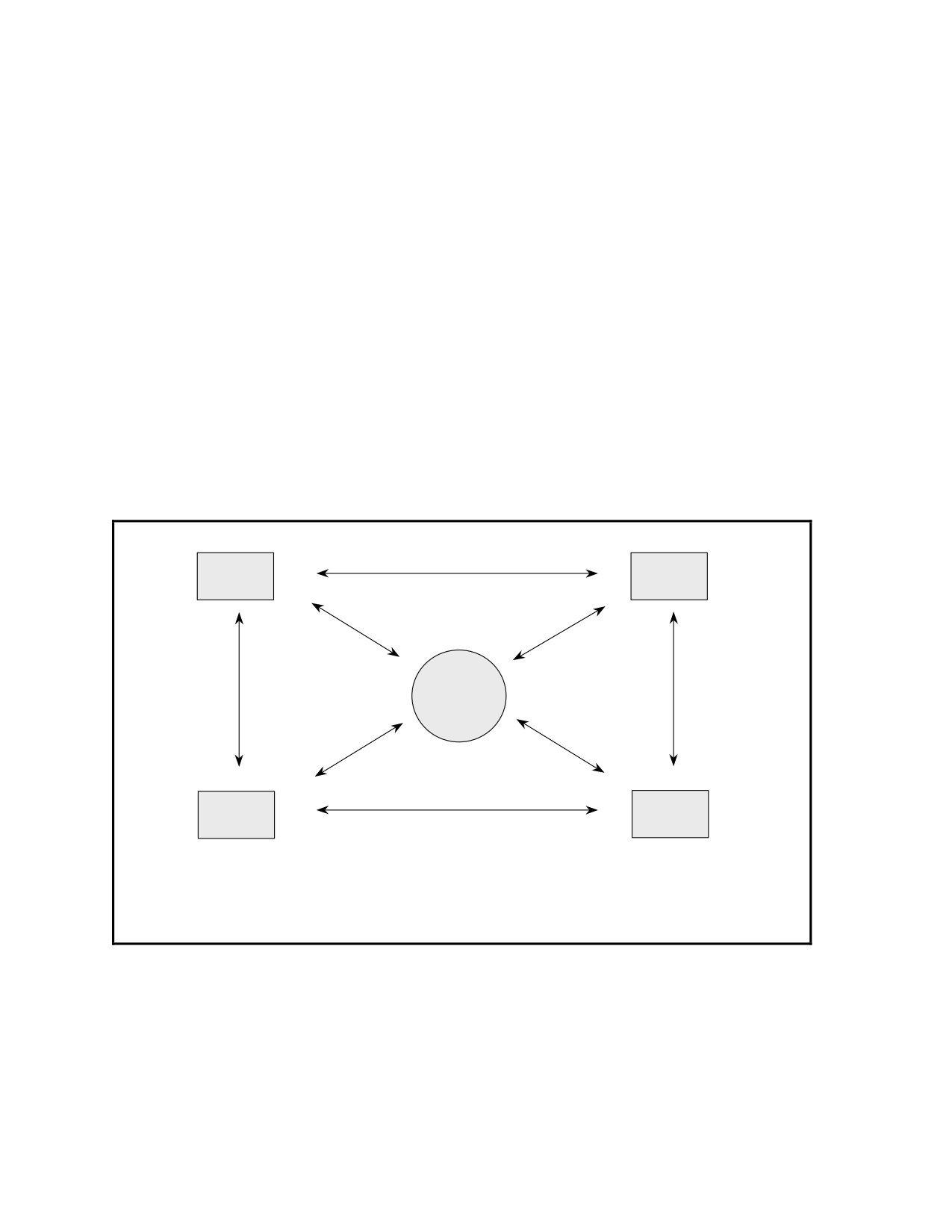
3-12. When it comes to military confrontation at the operational and tactical
levels, systems warfare focuses on disaggregating the enemy’s combat sys-
tem. (See Figure 3-2.) A combat system is defined as the combination of
weapons systems; organizations; logistics; command and control (C2); and re-
connaissance, intelligence, surveillance, and target acquisition (RISTA) that
are integrated and regulated by interaction or interdependence to achieve a
military function.
COMBAT
LOGISTICS
FORCES
FORCES
Examples:
Examples:
Tanks,
Transportation,
IFVs/APCs,
Ammunition,
Infantry
Fuel,
Rations,
Maintenance,
Medical
COMBAT
SYSTEM
COMBAT
C2 AND
SUPPORT
RISTA
FORCES
Examples:
Examples:
Artillery,
Headquarters,
SSMs,
Signal Nodes,
Air Defense,
Satellite Downlinks,
Engineers,
Reconnaissance Sensors
Direct Air Support
Figure 3-2. Systems Warfare at Operational and Tactical Levels
TOTAL WAR
3-13. The State differentiates between war and armed conflict; war is the
more comprehensive of the two. The State’s concept of war is “total war,” in-
volving the entire country and all its instruments of national power, not just
the military. It affects all aspects of life and society. Management of the war
3-4
_________________________________________________________________________________Chapter 3
effort resides with political leadership. Armed conflict is the aggregate of
military actions conducted to attain both military and political strategic
goals. It consists primarily of combat and related activities and falls under
the management of military leaders.
ALL MEANS NECESSARY
3-14. Closely related to the concept of “total war” is the concept of “all means
necessary.” In its broadest sense, the State’s approach to war calls for the in-
tegrated application of diplomatic-political, informational, economic, and
military factors to achieve victory. The State is capable of fielding and ma-
neuvering large formations and recognizes that the employment of those
forces in mass has its applications. Nevertheless, the State does not accept
that war must be attrition-based. It believes that, through the adaptive use
of all available capabilities, it can create opportunities that, properly lever-
aged, can defeat even a technologically superior opponent. This concept of “all
means necessary” simply means that, when threatened, the State will bring
to bear all its resources, without exception, to achieve a favorable result.
3-15. Against any potential opponentinternal, regional, or extraregionalthe
State will deal with the threat(s) not just with the Armed Forces, but with all
the elements of power at its disposal. The State will use all its elements of
power achieve its strategic goals during peace and war.
3-16. In wartime, State strategy for total war is how the State plans to man-
age the application and preservation of all its instruments of national power.
Thus, it is more than just military strategy (strategy as a higher level of mili-
tary action than operational art and tactics).
DISPROPORTIONATE INTERESTS
3-17. When engaged in a conflict within its own country or its own region,
the State has more vital interests in the conflict and its outcome than does an
extraregional adversary. The goals of the extraregional power for intervening
may be political or economic, while the State’s goal is expansion and survival.
What the extraregional power views as at most a major regional conflict, the
State views as total war. The extraregional power may seek to limit the con-
flict, but the State is fully committed. The State will wage total war, while
the extraregional enemy is more than likely waging a limited war. It will
commit all means necessary, for as long as necessary, to achieve its strategic
goals, while the extraregional power is often tied to a shorter timetable for its
commitment. The State will try to force the enemy to fight to get into the re-
gion; hitting his aerial and sea ports of debarkation (APODs and SPODs) also
has political value.
3-18. Victory may go to the State because it wants to win, needs to win, and
is willing to sacrifice to win. Victory need not equate to defeating the ex-
traregional enemy; it is sufficient to just get him to leave the region. In fact,
the State may be able to achieve its strategic goals by allowing the enemy to
claim victory and depart. In most cases, however, the State will have to try to
convince the extraregional power’s public and decision makers that the goal
of continued intervention is not worth the cost to them. While the extrare-
gional power typically has an aversion to heavy casualties, the State has a
3-5
FM 7-100 _________________________________________________________________________________
much higher threshold for accepting losses, as long as it can preserve its in-
struments of power. If the State has succeeded in preserving those instru-
ments of power (diplomatic-political, informational, military, and economic),
it can reassert its power and influence in the region after the extraregional
force departs. Achieving a stalemate or causing a major extraregional power
to evacuate the region constitutes a great victory, even if the State suffers
losses in doing so. Such a victory can bolster the State’s international pres-
tige, foster regional dominance, and strengthen internal support for its na-
tional security strategy.
NATIONAL STRATEGIC GOALS
3-19. The National Command Authority (NCA) determines the State’s stra-
tegic goals. The State’s overall goals are to continually expand its influence
within its region and eventually change its position within the global com-
munity. These are the long-term aims of the State.
3-20. Supporting the overall, long-term, strategic goals, there may be one or
more specific goals, each based on a particular threat or opportunity. Examples
of specific strategic goals might be
• Annexation of territory.
• Economic expansion.
• Destruction of an insurgency.
• Protection of a related minority in a neighboring country.
• Acquisition of natural resources located outside the State’s boundaries.
• Destruction of external weapons, forces, or facilities that threaten the
existence of the State.
• Defense of the State against invasion.
• Preclusion or elimination of outside intervention.
Each of these specific goals contributes to achieving the overall strategic
goals.
FRAMEWORK FOR IMPLEMENTING NATIONAL SECURITY STRATEGY
3-21. In pursuit of its national security strategy, the State is prepared to
conduct four basic types of strategic-level courses of action. Each course of ac-
tion involves the use of all four instruments of national power, but to differ-
ent degrees and in different ways. The State gives the four types the follow-
ing names:
• Strategic operationsstrategic-level course of action that uses all
instruments of power in peace and war to achieve the goals of the
State’s national security strategy by attacking the enemy’s strategic
centers of gravity. (For more detail, see the main heading on Strategic
Operations section later in this chapter.)
• Regional operationsstrategic-level course of action (including con-
ventional, force-on-force military operations) against opponents the
State overmatches, including regional adversaries and internal
threats. (See Chapter 4 for more detail.)
3-6
_________________________________________________________________________________Chapter 3
• Transition operationsstrategic-level course of action that bridges
the gap between regional and adaptive operations and contains some
elements of both, continuing to pursue the State’s regional goals while
dealing with the development of outside intervention with the poten-
tial for overmatching the State. (See Chapter 5 for more detail.)
• Adaptive operationsstrategic-level course of action to preserve the
State’s power and apply it in adaptive ways against opponents that
overmatch the State. (See Chapter 6 for more detail.)
Although the State refers to them as “operations,” each of these courses of
action is actually a subcategory of strategy. Each of these types of “opera-
tions” is actually the aggregation of the effects of tactical, operational, and
strategic military actions, in conjunction with the other three instruments of
national power, that contribute to the accomplishment of strategic goals. The
type(s) of operations the State employs at a given time will depend on the
types of threats and opportunities present and other conditions in the opera-
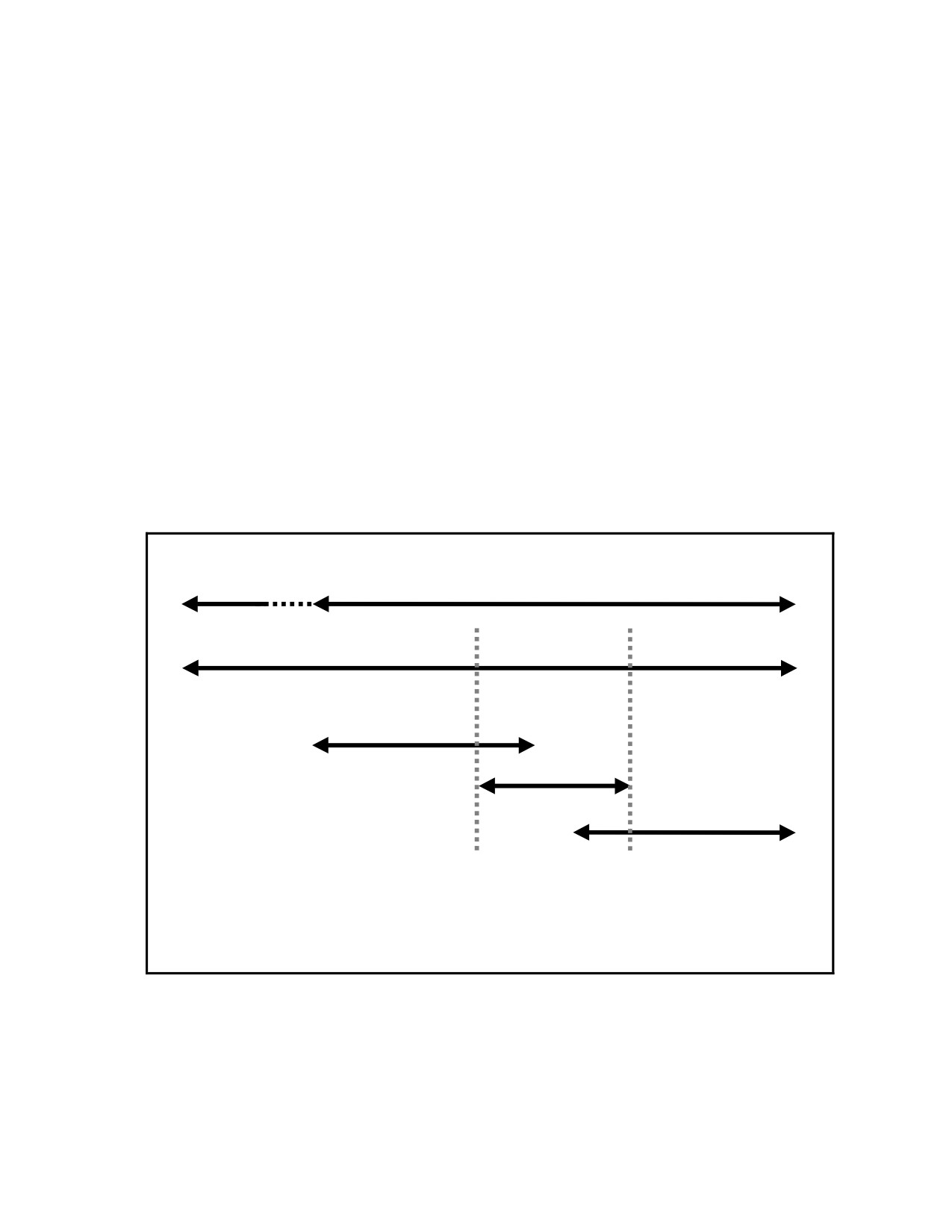
tional environment. Figure 3-3 illustrates the State’s basic conceptual frame-
work for how it could apply its various instruments of national power in the
implementation of its national security strategy.
Peace
War
STRATEGIC OPERATIONS
Against Enemy Strategic Centers of Gravity
REGIONAL
OPERATIONS
TRANSITION
OPERATIONS
ADAPTIVE
OPERATIONS
Against Opponents
Against Opponents
the State
that Overmatch
Overmatches
the State
Figure 3-3. Conceptual Framework for Implementing the State’s National Security Strategy
3-7
FM 7-100 _________________________________________________________________________________
3-22. Strategic operations are a continuous process not limited to wartime or
preparation for war. Once war begins, they continue during regional, transi-
tion, and adaptive operations and complement those operations. Each of the
latter three types of operations occurs only during war and only under certain
conditions. Transition operations can overlap regional and adaptive operations.
3-23. The national security strategy identifies branches, sequels, and contin-
gencies and the role and scope of each type of strategic-level action within
these modifications to the basic strategy. Successful execution of these
branches and sequels can allow the State to resume regional operations and
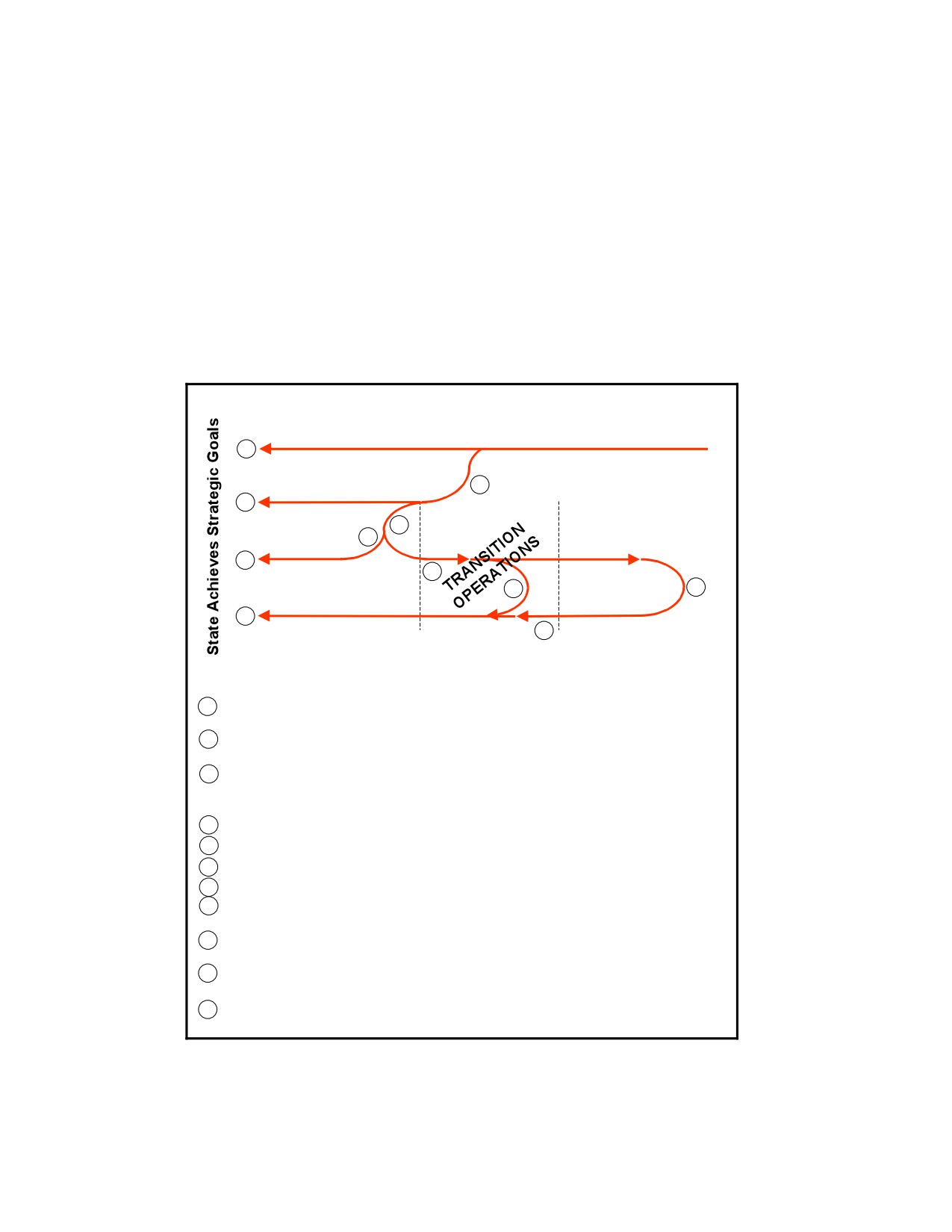
thus achieve its strategic goals. (See Figure 3-4.)
STRATEGIC OPERATIONS
Against Opponents’ Strategic Centers of Gravity
1
REGIONAL
and
OPERATIONS
2
3
or
REGIONAL
4
5
OPERATIONS
6
or
7
or
REGIONAL
ADAPTIVE
8
9
OPERATIONS
OPERATIONS
11
10
Against Regional
Opponents
Against Extraregional Opponents
1
State achieves its strategic goals without combat, through strategic
operations that compel other actors to yield to State’s will.
2
State must react to a particular regional threat or seizes an
opportunity to change status quo in region.
3
While strategic operations continue, State achieves its strategic
goals through regional operations against weaker neighbors, without
extraregional intervention.
4
Extraregional power threatens to intervene.
5
State deters extraregional intervention through strategic operations.
6
State achieves its strategic goals after deterring intervention.
7
State unable to deter intervention; begins transition operations.
8
State defeats early-entry forces or causes extraregional forces to
withdraw from region; transitions back to regional operations.
9
Extraregional forces fully deployed and overmatch State forces;
State conducts adaptive operations.
10
Extraregional forces withdraw from region after defeat or stalemate;
State begins transition back to regional operations.
State achieves its strategic goals after extraregional intervention.
11
Figure 3-4. Examples of Branches and Sequels in National Security Strategy
3-8
_________________________________________________________________________________Chapter 3
3-24. The national security strategy is designed to achieve one or more specific
strategic goals within the State’s region. Therefore, it typically starts with ac-
tions directed at an opponent within the regionan opponent that the State over-
matches in conventional military power, as well as other instruments of power.
3-25. The State will attempt to achieve its ends without resorting to armed
conflict. Accordingly, strategic operations are not limited to military means
and usually do not begin with armed conflict. The State may be able to achieve
the desired goal through pressure applied by other-than-military instruments of
power, perhaps with the mere threat of using its superior military power against
the regional opponent. These actions would fall under the general framework of
“strategic operations.”
3-26. When nonmilitary means are not sufficient or expedient, the State may
resort to armed conflict as a means of creating conditions that lead to the de-
sired end state. However, strategic operations continue even if a particular
regional threat or opportunity causes the State to undertake “regional opera-
tions” that include military means.
3-27. Prior to initiating armed conflict and throughout the course of armed
conflict with its regional opponent, the State continues to conduct strategic
operations to preclude intervention by outside playersby other regional
neighbors or by an extraregional power that could overmatch the State’s
forces. However, those operations always include branches and sequels for
dealing with the possibility of intervention by an extraregional power.
3-28. When unable to limit the conflict to regional operations, the State is
prepared to engage extraregional forces through “transition and adaptive op-
erations.” Usually, the State does not shift directly from regional to adaptive
operations. The transition is incremental and does not occur at a single, eas-
ily identifiable point. If the State perceives intervention is likely, transition
operations may begin simultaneously with regional and strategic operations.
Transition operations overlap both regional and adaptive operations. Transi-
tion operations allow the State to shift to adaptive operations or back to regional
operations. At some point, the State either seizes an opportunity to return to re-
gional operations, or it reaches a point where it must complete the shift to adap-
tive operations. Even after shifting to adaptive operations, the State tries to set
conditions for transitioning back to regional operations.
3-29. If an extraregional power were to have significant forces already de-
ployed in the region prior to the outbreak of hostilities, the State would not
be able to conduct regional operations using its normal, conventional design
without first eliminating those forces. In this case, the State would first use
strategic operationswith all means availableto put pressure on the al-
ready present extraregional force to withdraw from the region or at least re-
main neutral in the regional conflict. Barring that, strategic operations could
still aim at keeping the extraregional power from committing additional
forces to the region and preventing his forces already there from being able to
fully exercise their capabilities. If the extraregional force is still able to inter-
vene, the rest of the strategic campaign would have to start with adaptive op-
erations. Eventually, the State would hope to move into transition operations. If
3-9
FM 7-100 _________________________________________________________________________________
it could neutralize or eliminate the extraregional force, it could finally complete
the transition to regional operations and thus achieve its strategic goals.
STRATEGIC CAMPAIGN
3-30. To achieve one or more specific strategic goals, the NCA would develop
and implement a specific national strategic campaign. Such a campaign is the
aggregate of actions of all the State’s instruments of power to achieve a specific
set of the State’s strategic goals against internal, regional, and/or extraregional
opponents. There would normally be a diplomatic-political campaign, an informa-
tion campaign, and an economic campaign, as well as a military campaign. All of
these must fit into a single, integrated national strategic campaign.
3-31. The NCA will develop a series of contingency plans for a number of dif-
ferent specific strategic goals that it might want or need to pursue. These
contingency plans often serve as the basis for training and preparing the
State’s forces. These plans would address the allocation of resources to a po-
tential strategic campaign and the actions to be taken by each instrument of
national power contributing to such a campaign.
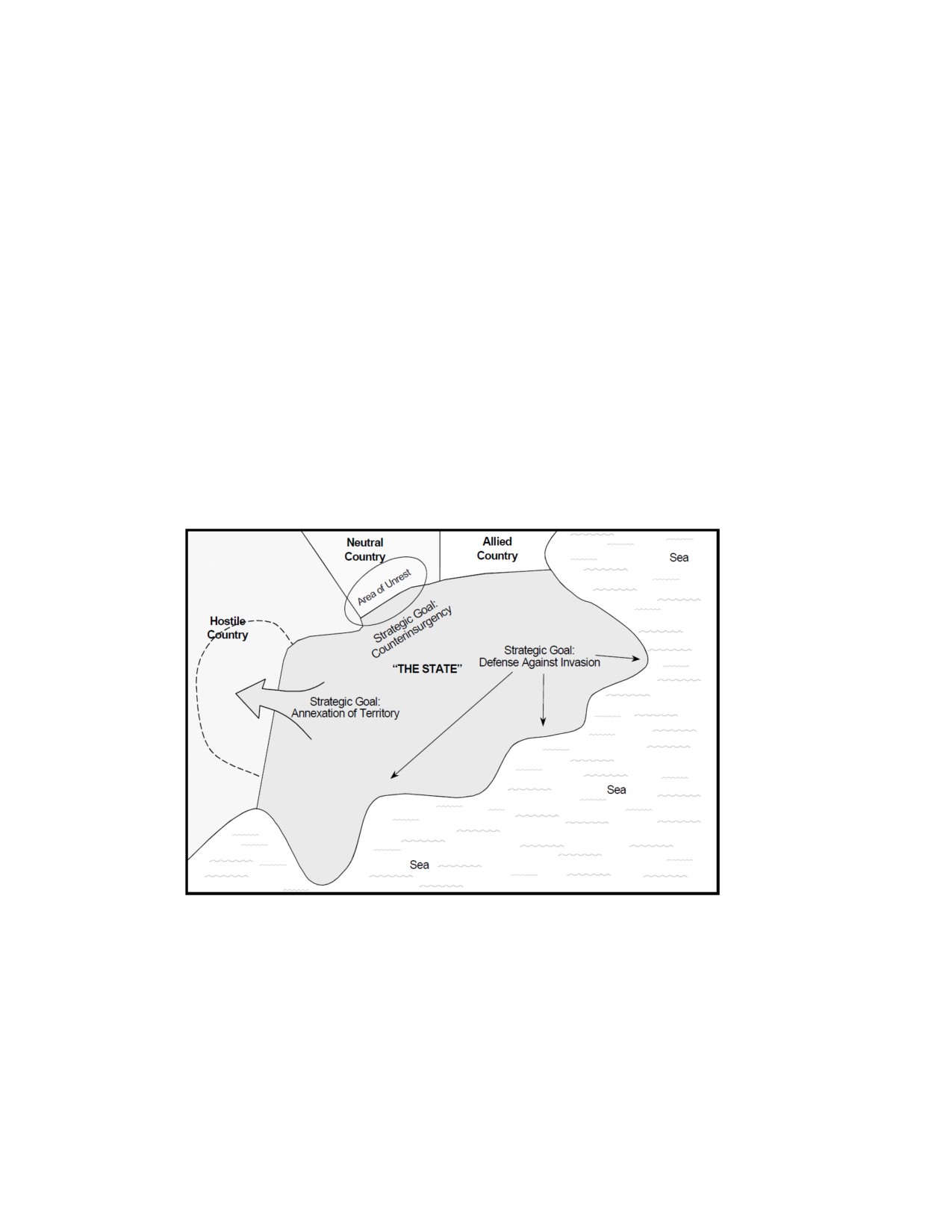
Figure 3-5. Example of a National Strategic Campaign
3-32.Aside from training exercises, the NCA would approve only one strategic
campaign for implementation at a given time. Nevertheless, the single cam-
paign could include more than one specific strategic goal. For instance, any
strategic campaign designed to deal with an insurgency would include con-
tingencies for dealing with reactions from regional neighbors or an extrare-
gional power that could adversely affect the State and its ability to achieve
the selected goal. Likewise, any strategic campaign focused on a goal that in-
volves the State’s invasion of a regional neighbor would have to take into con-
sideration possible adverse actions by other regional neighbors, the possibility
3-10
_________________________________________________________________________________Chapter 3
that insurgents might use this opportunity to take action against the State,
and the distinct possibility that the original or expanded regional conflict might
lead to extraregional intervention. Figure 3-5 shows an example of a single stra-
tegic campaign that includes three strategic goals. (The map of the State in this
diagram is for illustrative purposes only and does not necessarily reflect the ac-
tual size, shape, or physical environment of the State or its neighbors.)
NATIONAL STRATEGIC CAMPAIGN PLAN
3-33. The purpose of a national strategic campaign plan (national SCP) is to
integrate all the instruments of national power under a single plan. Even if
the State hoped to achieve the goal(s) of the campaign by nonmilitary means,
the national campaign plan would leverage the influence of its Armed Forces’
strong military presence and provide for the contingency that military force
might become necessary.
3-34. The national SCP is the end result of the SID’s planning effort. Based
on input from all State ministries, this is the plan for integrating the actions
of all instruments of power to set conditions favorable for achieving the central
goal identified in the national security strategy. The Ministry of Defense (MOD)
is only one of several ministries that provide input and are then responsible for
carrying out their respective parts of the consolidated national plan.
3-35. In waging a national strategic campaign, the State never employs mili-
tary power alone. Military power is most effective when applied in combina-
tion with diplomatic-political, informational, and economic instruments of
power. State ministries responsible for each of the four instruments of power
will develop their own campaign plans as part of the unified national SCP.
3-36. A national SCP defines the relationships among all State organiza-
tions, military and nonmilitary, for the purposes of executing that SCP. The
SCP describes the intended integration, if any, of multinational forces in
those instances where the State is acting as part of a coalition.
MILITARY STRATEGIC CAMPAIGN PLAN
3-37. During peacetime, the Operations Directorate of the General Staff is
responsible for developing, staffing, promulgation, and continuing review of the
military strategic campaign plan. It must ensure that the military plan would
end in achieving military conditions that would fit with the conditions created
by the diplomatic-political, informational, and economic portions of the national
plan that are prepared by other State ministries. Therefore, the Operations Di-
rectorate assigns liaison officers to other important government ministries.
3-38. In wartime, the MOD and the General Staff combine to form the Su-
preme High Command (SHC). The Operations Directorate continues to re-
view the military SCP and modify it or develop new plans based on guidance
from the Chief of the General Staff (CGS), who commands the SHC. It gener-
ates options and contingency plans for various situations that may arise.
Once the CGS approves a particular plan for a particular strategic goal, he
issues it to the appropriate operational-level commanders.
3-11
FM 7-100 _________________________________________________________________________________
3-39. The military SCP directs operational-level military forces, and each
command identified in the SCP prepares an operation plan that supports the
execution of its role in that SCP. The SCP assigns forces to operational-level
commands and designates areas of responsibility for those commands.
3-40. From the General Staff down through the operational and tactical lev-
els, the staff of each military headquarters has an operations element that is
responsible for planning. The plan at each level specifies the task organiza-
tion of forces allocated to that level of command, in order to best accomplish
the mission assigned by a higher headquarters. Once the commander at a
particular level approves the plan, he issues it to the subordinate command-
ers who will execute it.
THEATER
3-41. For the State, a theater is a clearly defined geographic area in which
the State’s Armed Forces plan to conduct or are conducting military opera-
tions. However, the term theater may have a different meaning for the State
than for a major extraregional power. For an extraregional power with global
force-projection capability, a theater is any one of several geographic areas of
the world where its forces may become involved. For the State, however, the
only theater (or theaters) in question would be within the region of the world
in which the State is located and is capable of exerting its regionally-centered
power. The extraregional power may not define the limits of this specific region
in exactly the same way that the State defines it, in terms of its own perceptions
and interests. Within its region, the State may plan or conduct a strategic cam-
paign in a single theater or in multiple theaters, depending on the situation.
3-42. The General Staff may create one or more separate theater headquar-
ters even in peacetime, for planning purposes. However, no forces would be
subordinated to such a headquarters until the activation of a particular SCP.
3-43. When there is only one theater, as is typical, the theater headquarters
may also be the field headquarters of the SHC, and the CGS may also be the
theater commander. Even in this case, however, the CGS may choose to focus
his attention on national strategic matters and to create a separate theater
headquarters, commanded by another general officer, to control operations
within the theater. A theater headquarters provides flexible and responsive
control of all theater forces.
3-44. When parts of the strategic campaign take place in separated geo-
graphical areas and there is more than one major line of operations, the State
may employ more than one theater headquarters, each of which could have
its own theater campaign plan. In this case, albeit rare, the SHC field head-
quarters would be a separate element exercising control over the multiple
theater headquarters.
3-45. The existence of one or more separate theater headquarters provides
flexibility to the State, in that it enables the SHC to focus on the strategic
campaign and to sustain the forces in the field. The theater headquarters
acts to effectively centralize and integrate General Staff control over theater-
wide operations and to exercise command over all forces assigned to a theater
in accordance with mission and aim assigned by the SHC.
3-12
_________________________________________________________________________________Chapter 3
3-46. For the State, a theater (or theaters) may include only those parts of
the region where it wishes to exert its own power and influence. However,
the theater(s) could also extend to areas where the State wishes to prevent
its regional neighbors or extraregional powers from exerting their power and
influence. During war, therefore, the State may extend its definition of a
given theater to include staging areas from which other forces can deploy into
the theater proper. In the event of threats from extraregional powers, the
State may authorize “out-of-theater” operations to neutralize a potential oppo-
nent’s power projection capabilities. For the State, the concept of theater(s) is
part of the concept of total war, which is not entirely military.
STRATEGIC OPERATIONS
3-47. The State’s “strategic operations” involve the application of any or all of
the four instruments of national power at the direction of the national-level
decision makers in the NCA. They occur throughout the strategic campaign.
The nature of strategic operations at any particular time corresponds to the
conditions perceived by the NCA. These operations also differ from the other
operations of a strategic campaign in that they are not limited to wartime
and can transcend the region. (For more detail, see the main heading on
Strategic Operations later in this chapter.)
3-48. During regional, transition, or adaptive operations, the State intends to
employ all its instruments of power in strategic operations against the en-
emy’s strategic centers of gravity. Even before the outset of regional opera-
tions, the State lays plans to prevent outside intervention in the region while
defeating its internal or regional enemies or otherwise achieving its strategic
goals. If extraregional intervention occurs, the State continues to employ
strategic operations while conducting transition and adaptive operations.
Strategic operations typically target intangible elements of the enemy’s ef-
forts against the State, including his will to fight, public support, and alli-
ances or coalitions.
REGIONAL OPERATIONS
3-49. The State possesses an overmatch in most, and sometimes all, elements
of power against regional opponents. It is able to employ that power in a con-
ventional operational design focused on offensive action. A weaker regional
neighbor may not actually represent a threat to the State, but rather an op-
portunity that the State can exploit. (For more detail on regional operations,
see Chapter 4.)
3-50. In such conditions, the State’s doctrine, organization, capabilities, and
national security strategy allow it to deal with internal and regional threats or
opportunities primarily through offensive action. This enables the State to con-
trol its own population and dominate neighboring nations, at least at the outset.
The State plans these operations well in advance and executes them as rapidly
as possible, in order to preclude regional alliances or outside intervention.
3-51. The State designs its military forces and employs an investment strat-
egy that ensures superiority in conventional military power over any of its re-
gional neighbors. Regionally-focused operations typically involve “conventional”
patterns of operation. However, the term conventional does not mean that the
3-13
FM 7-100 _________________________________________________________________________________
State will use only conventional forces and conventional weapons in such a con-
flict, nor does it mean that the State will not use some adaptive approaches.
3-52. During regional operations, the State also relies on its continuing stra-
tegic operations to preclude or control outside intervention. It tries to keep
foreign perceptions of its actions during a regional conflict below the thresh-
old that will invite in extraregional forces. The State wants to win the re-
gional conflict, but has to be careful how it does so. It works to prevent devel-
opment of international consensus for intervention and to create doubt
among possible participants.
TRANSITION OPERATIONS
3-53. Transition operations serve as a pivotal point between regional and
adaptive operations. The transition may go in either direction. The fact that
the State begins transition operations does not necessarily mean that it must
complete the transition from regional to adaptive operations (or vice versa).
As conditions allow or dictate, the “transition” could end with the State con-
ducting the same type of operations as before the shift to transition operations.
(For more detail on transition operations, see Chapter 5.)
3-54. The State conducts transition operations when other regional and/or
extraregional forces threaten the State’s ability to continue regional opera-
tions in a conventional design against the original regional enemy. At the
point of shifting to transition operations, the State still has the ability to ex-
ert all instruments of national power against an overmatched regional en-
emy. Indeed, it may have already defeated its original adversary. However,
its successful actions in regional operations have prompted either other re-
gional neighbors or an extraregional power to contemplate intervention. The
State will use all means necessary to preclude or defeat intervention.
3-55. Although the State would prefer to achieve its strategic goal through
regional operations, an SCP has the flexibility to be able to change and adapt
if required. Since the State assumes the possibility of extraregional interven-
tion, any SCP will already contain thorough plans for transition operations,
as well as adaptive operations, if necessary.
3-56. When an extraregional force starts to deploy into the region, the bal-
ance of power begins to shift away from the State. Although the State may
not yet be totally overmatched by the enemy force, it faces a threat it will not
be able to handle with normal, “conventional” patterns of operation designed
for regional conflict. Therefore, the State must begin to adapt its operations
to the changing threat.
3-57. While the State and its Armed Forces as a whole are in the condition of
transition operations, an operational- or tactical-level commander will still re-
ceive a mission statement in plans and orders from higher headquarters stating
the purpose of his actions. To accomplish that purpose and mission, he will use
as much as he can of the conventional patterns of operation that were available
to him during regional operations and as much as he has to of the more adap-
tive-type approaches dictated by the presence of an extraregional force.
3-58. Even extraregional forces may be vulnerable to “conventional” opera-
tions during the time they require to build combat power and create support
3-14
_________________________________________________________________________________Chapter 3
at home for their intervention. Against an extraregional force that either
could not fully deploy or has been successfully separated into isolated ele-
ments, the State’s Armed Forces may still be able to use some of the more
conventional patterns of operation. The State will not shy away from the use
of military means against an advanced extraregional opponent so long as the
risk is commensurate with potential gains.
3-59. Transition operations serve as a means for the State to retain the ini-
tiative and still pursue its overall strategic goal of regional expansion despite
its diminishing advantage in the balance of power. From the outset, one part
of the set of specific goals for any strategic campaign was the goal to defeat
any outside intervention or prevent it from fully materializing. As the State
begins transition operations, its immediate goal is preservation of its instru-
ments of power while seeking to set conditions that will allow it to transition
back to regional operations. Transition operations feature a mixture of offen-
sive and defensive actions that help the State control the strategic tempo
while changing the nature of conflict to something for which the intervening
force is unprepared. Transition operations can also buy time for the State’s
strategic operations to succeed.
3-60. There are two possible outcomes to transition operations. If the ex-
traregional force suffers sufficient losses or for other reasons must withdraw
from the region, the State’s operations may begin to transition back to re-
gional operations, again becoming primarily offensive. If the extraregional
force is not compelled to withdraw and continues to build up power in the re-
gion, the State’s transition operations may begin to gravitate in the other di-
rection, toward adaptive operations.
ADAPTIVE OPERATIONS
3-61. Generally, the State conducts adaptive operations as a consequence of
intervention from outside the region. Once an extraregional force intervenes
with sufficient power to overmatch the State, the full conventional design
used in regionally-focused operations is no longer sufficient to deal with this
threat. The State has developed its doctrine, organization, capabilities, and
strategy with an eye toward dealing with both regional and extraregional op-
ponents. It has already planned how it will adapt to this new and changing
threat and has included this adaptability in its doctrine. (For more detail on
adaptive operations, see Chapter 6.)
3-62. Having begun the process of adaptation during transition operations,
the State must continue to adapt its operations in order to address the grow-
ing threat. Thus, it completes the shift from regional operations to adaptive
operations. Adaptive operations help the State to mitigate its disadvantages
and exploit its advantages, as compared to the extraregional threat. The
State must also continue to deal with internal and regional threats as it pre-
pares to deal with the extraregional threat.
3-63. The longer the State can delay effective extraregional response to the
crisis in the region, the greater its chances for success. Failing to limit or in-
terrupt access to the region, the State will attempt to degrade further enemy
force projection, hold initial gains, and extend the conflict, while preserving
its own military capability and other instruments of national power.
3-15
FM 7-100 _________________________________________________________________________________
3-64. The State believes that adaptive operations can lead to several possible
outcomes. If the results do not completely resolve the conflict in the State’s
favor, they may at least allow the State to return to regional operations. Even
a stalemate may be a victory for the State, as long as it preserves enough of its
instruments of power to preserve the regime and lives to fight another day.
3-65. When an extraregional power intervenes with sufficient force to over-
match the State’s, the State and its Armed Forces have to adapt their pat-
terns of operation. The State still has the same forces and technology that were
available to it for regional operations, but must use them in creative and adap-
tive ways. It has already thought through how it will adapt to this new or chang-
ing threat in general terms. (See Principles of Operation versus an Extrare-
gional Power below.) It has already developed appropriate branches and sequels
to its basic SCP and does not have to rely on improvisation. During the course of
combat, it will make further adaptations, based on experience and opportunity.
3-66. When the State shifts to adaptive operations, these are often sanctuary-
based and more defensive in nature than were regional or transition opera-
tions. When overmatched in conventional power, the State seeks to preserve its
own power and apply it in adaptive ways. It expects its commanders to seize op-
portunity, tailor organizations to the mission, and make creative use of existing
capabilities even more than they did in regional and transition operations.
3-67. As part of the State’s strategy for total war, these adaptive operations
attempt to attack the intervening force throughout its depth and to destroy
its will and ability to fight. The intent is to delay, disrupt, wear down, and ul-
timately defeat the intervening force by the application of all means neces-
sary. These operations will use various combinations of military means, in-
cluding offense and defense, as well as paramilitary and nonmilitary means.
They can also use various combinations of weapons, possibly including weap-
ons of mass destruction (WMD).
PRINCIPLES OF OPERATION VERSUS AN EXTRAREGIONAL POWER
3-68. The State assumes the distinct possibility of intervention by a major
extraregional power in any regional conflict. It views the United States as
the most advanced extraregional force it might have to face. Like many other
countries, the State has studied U.S. military forces and their operations and
is pursuing lessons learned based on its assessments and perceptions. The
State is therefore using the United States as its baseline for planning adap-
tive approaches for dealing with the strengths and weaknesses of an extrare-
gional force. It believes that preparing to deal with intervention by U.S.
forces will enable it to deal effectively with those of any other extraregional
power. Consequently, it has devised the following principles for applying its
various instruments of diplomatic-political, informational, economic, and
military power against this type of threat.
Control Access into Region
3-69. Extraregional enemies capable of achieving overmatch against the
State must first enter the region using power-projection capabilities. There-
fore, the State’s force design and investment strategy is focused on access
controlto selectively deny, delay, and disrupt entry of extraregional forces
3-16
_________________________________________________________________________________Chapter 3
into the region and to force them to keep their operating bases beyond con-
tinuous operational reach. This is the easiest manner of preventing the ac-
cumulation of enemy combat power in the region and thus defeating a tech-
nologically superior enemy.
3-70. Access-control operations are continuous throughout the strategic cam-
paign and can reach beyond the theater as defined by the State’s NCA. They
can begin even before the extraregional power declares its intent to come into
the region, and continue regardless of whether the State is conducting regional,
transition, or adaptive operations. Access-control operations come in three basic
forms: strategic preclusion, operational exclusion, and access limitation.
3-71. Strategic Preclusion. Strategic preclusion seeks to completely deter
extraregional involvement or severely limit its scope and intensity. The State
would attempt to achieve strategic preclusion in order to reduce the influence
of the extraregional power or to improve its own regional or international
standing. It would employ all its instruments of power to preclude direct in-
volvement by the extraregional power. Actions can take many forms and of-
ten contain several lines of operation working simultaneously.
3-72.The primary target of strategic preclusion is the extraregional power’s
national will. First, the State would conduct diplomatic and perception man-
agement activities aimed at influencing regional, transnational, and world
opinion. This could either break apart ad hoc coalitions or allow the State to
establish a coalition of its own or at least gain sympathy. For example, the
State might use a disinformation campaign to discredit the legitimacy of dip-
lomatic or economic sanctions imposed upon it. The extraregional power’s
economy and military would be secondary targets, with both practical and sym-
bolic goals. This might include using global markets and international financial
systems to disrupt the economy of the extraregional power, or conducting physi-
cal and information attacks against critical economic centers. Similarly, the
military could be attacked indirectly by disrupting its power projection, mobili-
zation, and training capacity. Preclusive actions are likely to increase in inten-
sity and scope as the extraregional power moves closer to military action. If stra-
tegic preclusion fails, the State will turn to operational methods that attempt to
limit the scope of extraregional involvement or cause it to terminate quickly.
3-73. Operational Exclusion. Operational exclusion seeks to selectively
deny an extraregional force the use of or access to forward bases of operation
within the region or even outside the theater defined by the NCA. For exam-
ple, through diplomacy, economic or political connections, information cam-
paigns, and/or hostile actions, the State might seek to deny the enemy the
use of bases in other foreign nations. It might also attack population and
economic centers for the intimidation effect, using long-range missiles, WMD,
or Special-Purpose Forces (SPF).
3-74. Forces originating in the enemy’s homeland must negotiate long and
difficult air or surface lines of communication (LOCs) merely to reach the re-
gion. Therefore, the State will use any means at its disposal to also strike the
enemy forces along routes to the region, at transfer points en route, at aerial
and sea ports of embarkation (APOEs and SPOEs), and even at their home
stations. These are fragile and convenient targets in support of transition
and adaptive operations.
3-17