FM 4-02 (ATTP 4-02) Army Health System (August 2013) - page 2
Chapter 2
provides 24-hour continuous operations capability. This section develops policies and guidance for
training and training evaluation of the command. This section has four principal functional elements—the
current operations branch, the plans branch, the intelligence/operations branch, and the theater patient
movement center.
Current Operations Branch
2-56. The current operations branch is responsible for all operational planning functions to include
deployment, relocation, and redeployment of the MEDCOM (DS).
Plans Branch
2-57. The plans branch provides security, plans and operations, deployment, relocation, and redeployment
of the command. This branch exercises staff supervision over medical activities, assists the commander in
developing and training the unit’s mission essential task list, and identifies training requirements based on
medical missions and the unit’s training status. This branch is responsible for developing and
implementing training programs, directives, and orders and maintaining the unit readiness status reports of
each unit in the MEDCOM (DS). It authenticates and publishes OPLANs and OPORDs.
Intelligence/Operations Branch
2-58. The intelligence/operations branch provides security, plans and operations, deployment, relocation,
and redeployment support in the command. The branch acquires, analyzes, and evaluates intelligence, to
include health threat information, medical, and OEH surveillance data. In coordination with the preventive
medicine officer, it identifies disease and nonbattle injury trends and processes data accordingly. The
branch identifies the commander’s critical information requirements and other intelligence requirements. It
also presents intelligence assessments, evaluations, and recommendations to the deputy chief of staff,
security/plans/operations. The branch provides threat analysis to support operations security planning.
The branch develops plans and requirements for terrain studies, mapping, and charting. It collects and
distributes weather data. The branch assists the deputy chief of staff, security/plans/operations in preparing
OPLANs. Further, the branch provides advice and consultation on all activities comprised by the
protection warfighting function and risk management.
Theater Patient Movement Center
2-59. The theater patient movement center is responsible to the deputy chief of staff, security/plans/
operations for maintaining 24-hour continuous operations and conducting split-based operations. The
theater patient movement center is responsible for medical regulating of all patients in the AO and
preparation of patient statistical reports. This center coordinates with the theater patient movement
requirements center for intertheater evacuation of all patients leaving the theater and for specific patient
movement item requirements and medical attendant requirements. The theater patient movement center
interfaces with the theater patient movement requirements center for intratheater aeromedical evacuation
when evacuation distances exceed the capabilities of U.S. Army rotary-wing aircraft. This section
synchronizes intratheater evacuation plans with the intertheater evacuation plan to ensure a seamless
transition between tactical and strategic evacuation systems. This section performs patient tracking
procedures and monitors in-transit visibility of MEDCOM (DS) patients. Refer to JP 4-02 for additional
information on medical evacuation and medical regulating. Additionally, this section provides advice and
consultation on the maintenance and disposition of medical records. Refer to AR 40-66 and AR 40-400 for
information on the maintenance and disposition of medical records for deployed forces.
Deputy Chief of Staff, Logistics
2-60. The deputy chief of staff, logistics, has primary responsibility for monitoring all logistics support to
MEDCOM (DS) units, including Class VIII supply/resupply, medical equipment, medical equipment
maintenance and repair, optical fabrication, medical gases, medical contractors, general supply,
maintenance, transportation, food services, and construction support. The deputy chief of staff, logistics,
integrates those functions that sustain the MEDCOM (DS) assigned and attached units in the AO. This
2-12
FM 4-02
26 August 2013
Army Health System Mission Command
section provides staff supervision and overall coordination for internal logistics support of MEDCOM (DS)
units.
Medical Logistics Support Section
2-61. The MEDLOG support section monitors, coordinates, and facilitates MEDLOG operations within
the command. This includes Class VIII supply and resupply, blood management and distribution, medical
equipment maintenance and repair, medical gases, and optical lens fabrication and repair. This section
plans for the single integrated MEDLOG manager mission, when designated. As the single integrated
MEDLOG manager, it coordinates with and provides MEDLOG support to all Services deployed in the
AO. See paragraphs 9-15 through 9-16 for additional information on the single integrated MEDLOG
manager and the theater lead agent for medical materiel missions. This section coordinates with and
establishes a liaison with the MEDLOG management center forward team. The MEDLOG management
center forward team provides centralized, theater-level management of critical Class VIII materiel, patient
movement items, and medical maintenance. Refer to FM 4-02.1 for additional information on the
MEDLOG management center. Further, this section coordinates and facilitates contracting operations in
support of the medical mission.
(The availability of contracting support for medical services and supplies
may be limited by the stringent requirements of the Food and Drug Administration for medical supplies
and U.S. standards for professional services.)
Civil Affairs Section
2-62. The CA section integrates stability task planning within the MEDCOM (DS) AO and with the
theater Army assistant chief of staff, CA. This section provides the regional focus of the combatant
commander’s area of responsibility. This section conducts area assessments and estimates on the impact of
the local populace on MEDCOM (DS) operations to include the assessment of the host-/foreign-nation
medical infrastructure. The CA section facilitates and develops assessments of the host-nation medical
infrastructure to assist the MEDCOM (DS) commander in planning and executing AHS support in the AO.
This section develops cross-cultural communications to facilitate interpersonal relationships in a host-
nation environment. This section assists the MEDCOM (DS) commander in preparing medical functional
studies, assessments, and estimates of how the host-nation civilian and military populations affect patient
workloads in U.S. MTFs. It provides assistance to and liaisons for nongovernmental organizations and the
International Committee of the Red Cross that offers medical treatment/supplies to the host nation involved
in the conflict/operation.
Deputy Chief of Staff, Information Management
2-63. The deputy chief of staff, information management is responsible for all aspects of automation and
communications-electronics support within the MEDCOM (DS). This section establishes a medical
automation office and is responsible for medical automation policy and guidance for all subordinate
commands. This section identifies communications-electronics requirements for data transmission services
and coordinates these requirements with the signal command. This section provides advice and
consultation on the interface of medical automation systems with other automated systems within the
theater.
Deputy Chief of Staff, Comptroller
2-64. The deputy chief of staff, comptroller is responsible for budget preparation and resource
management analysis and implementation for the command. It provides staff assistance on budget matters;
establishes funding ceilings for subordinate units; and monitors budget program execution. This section
coordinates funding of foreign humanitarian assistance and other operations which may require special
and/or additional funding. This section funds approved contractual services and materiel. Further, it
monitors and provides advice and assistance on reimbursement for medical services rendered from third
parties, other Services, and multinational forces, as specified by regulations, memorandums of agreement
or understanding, or cross-servicing agreements.
26 August 2013
FM 4-02
2-13
Chapter 2
Clinical Services
2-65. The clinical services personnel serve as the commander’s principal consultants and technical
advisors for the command in general medicine, surgical, neuropsychiatry, COSC, BH, pharmacy services,
clinical practices, procedures and protocols, and optometry. This section is responsible for developing and
implementing clinical policies and procedures for the commander. Further, this section monitors and
coordinates with subordinate medical functional staff sections.
This paragraph implements STANAG 2068.
2-66. This staff section is responsible for—
z
Neuropsychiatry, BH, and COSC to include establishing and monitoring policies, programs, and
consultation services; advising on the medical evacuation priorities, procedures, medications,
and types of platforms to use for stress-related or mentally ill patients; and coordinating for
reconstitution, reinforcement, or augmentation of forward-deployed BH assets.
z
Medical and surgical services to include providing consultation support; monitoring patient
statistical data on types of wounds, injuries, and illnesses to identify trends; ensuring required
professional skills are available and requesting augmentation when required; monitoring care of
enemy prisoner of war
(EPW) or personnel in U.S. custody
(retained/detained); and
recommending the designation of MTFs for specific situations or medical conditions (such as
for EPW patients only or all cases of head trauma). This section also develops and implements
medical and surgical clinical policies and guidelines which are in consonance with the Defense
Medical Materiel Program Office Deployable Medical Systems Clinical Policy and Guidelines
and Patient Treatment Briefs and STANAG 2068. This section identifies medical issues
requiring research and clinical investigation.
z
Pharmacy to include developing and establishing a theater formulary; monitoring pharmacy
operations within the command to ensure compliance with regulatory requirements; providing
consultation on prescription and investigational new drugs; establishing policy and procedures
for dispensing over-the-counter drugs; monitoring proficiency of enlisted pharmacy personnel;
and establishing training programs as required.
z
Optometry to include monitoring the occupational vision program, providing consultation on all
matters pertaining to vision evaluation and correction, and developing protocols for the
diagnosis and treatment of ocular injuries and diseases in concert with supporting
ophthalmologist.
z
Medical laboratory to include monitoring medical laboratory operations within the command to
ensure adequate capability is available to meet medical laboratory requirements, coordinating
for reconstitution, reinforcement, or augmentation of medical laboratory resources, as required,
and providing consultation to subordinate medical laboratory personnel.
2-67. This section ensures that health care providers are properly credentialed and their scope of practice is
defined. They also establish quality assurance measures and peer review of technical matters. Further, this
section is responsible for establishing and monitoring professional medical education and training
programs and policies.
2-68. This section, in conjunction with the patient administration officers in the theater patient movement
center, monitors the maintenance and disposition of patient medical records.
Dental Services
2-69. Dental services personnel serve as the commander’s principal consultants and the command’s
technical advisor in dentistry. This section directs the establishment and implementation of policy and
programs for all dental activities, this includes preventive dentistry and educational programs, operational
dental care (emergency and essential), and oral and maxillofacial surgical procedures. This section ensures
2-14
FM 4-02
26 August 2013
Army Health System Mission Command
oral health surveillance policies, programs, and procedures are developed and implemented within the
theater. It also advises the commander on the dental aspects of foreign humanitarian assistance operations,
plans, and programs, as required. Refer to Tables 7-3 and 13-1 for the primary tasks and purposes of the
dental services function.
Veterinary Services
2-70. Veterinary services personnel serve as the commander’s principal consultant and the command’s
technical advisor for veterinary activities and employment of veterinary assets. This section provides
technical supervision of food inspection, animal medical care, and veterinary preventive medicine support.
The U.S. Army is the Executive Agent for veterinary services for all Services (DODD 6400.4) (with the
exception of food inspection operations on USAF installations). Refer to Table 11-1 for information on
veterinary services primary tasks.
Nutrition Care Services
2-71. Nutrition care services personnel serve as the commander’s principal consultant and the command’s
technical advisor in nutrition care. This section ensures the coordination required to obtain medical
supplemental rations is accomplished and that assigned and attached hospitals have required items to
prepare medical diets. This section also coordinates with the unit ministry team to ensure the availability
of rations for hospitalized patients with religion-based dietary restrictions. This section coordinates with
CA officers when nutrition issues arise in the conduct of stability tasks.
Chief Nurse
2-72. The chief nurse serves as the commander’s principal advisor on all issues affecting nursing practices
and personnel. This section develops, plans, and implements policies for nosocomial infection control and
quality assurance nursing programs. The chief nurse (nursing consultant) is responsible for nursing policy,
resourcing, and technical supervision of subordinate nursing personnel. This section analyzes and
evaluates nursing care and procedures in subordinate units. The nursing consultant evaluates host-nation
health care delivery systems and hospitalization capabilities and integrates clinical policy with joint and
multinational forces.
Preventive Medicine Section
2-73. The preventive medicine section serves as the commander’s principal consultant and the command’s
preventive medicine and environmental sciences advisors. This section develops, plans, and implements
preventive medicine policies and programs for the theater. These programs include medical surveillance,
OEH surveillance, pest management activities, epidemiological investigations, food service facility
sanitation and hygiene, and inspection of potable water supplies. This section monitors and analyzes
disease and nonbattle injury reports submitted by subordinate AHS units. It performs trend analysis which
is used to identify shifts from the baseline of diseases within the AO (as a shift may indicate the use of
biological warfare agents against the deployed force). It also evaluates host-nation capabilities and
integrates preventive medicine policy with joint and/or multinational forces. This section coordinates with
the CA section for operations to restore essential services in the host nation during operations characterized
predominantly by stability tasks. Refer to AR 40-5 and DA Pamphlet 40-11 for additional information on
preventive medicine programs. This section provides advice and consultation on preventive medicine
measures and issues arising in theater internment facilities.
2-74. This section, in conjunction with the chemical officer, advises the deputy chief of staff,
security/plans/operations and the MEDCOM (DS) commander on the medical aspects of CBRN defensive
measures. This includes, but is not limited to, policies, programs, and procedures pertaining to
immunizations; chemoprophylaxis; barrier creams; pretreatments; and the use of investigational new drugs.
For additional information on preventive medicine refer to Table 10-1 of this publication.
26 August 2013
FM 4-02
2-15
Chapter 2
Inspector General Section
2-75. The inspector general section is responsible to the commander for inquiring into and reporting on
matters that impact the overall efficiency of the command to include the performance of the mission, state
of discipline, operating efficiency, and economy. The inspector general section conducts inspections,
investigations, surveys, and studies as the commander directs and as laws and regulations prescribe.
Public Affairs Section
2-76. The public affairs section serves as the commander’s focal point for command information, public
information, and community relations matters. The MEDCOM (DS) public affairs officer has the overall
responsibility for building an understanding of AHS services/programs within the AO. Additionally, as the
official spokesperson for the command, releases information, as appropriate, on the medical aspects of—
z
Incidents, engagements, or accidents involving other commands, Services, and/or multinational
forces.
z
Stability tasks in conjunction with the CA officer.
z
Controversial issues that are likely to attract national media attention.
z
Detainee medical operations.
Staff Judge Advocate Section
2-77. The functions of the staff judge advocate (SJA) are to provide legal advice and services to the
commander, staff, subordinate commanders, Soldiers, and other authorized personnel. The SJA section
develops and executes plans and programs in the fields of criminal law and related military justice,
administrative law, litigation, environmental law, regulatory law, intelligence activities law, labor and
civilian personnel law, and medical jurisprudence. This section advises the commander on the legal
aspects of determining eligibility for care in U.S. military MTFs. This section also advises the commander
on any issues arising with the provisions of the Geneva Conventions and other international treaties or
agreements.
Company Headquarters
2-78. The company headquarters is responsible for Soldiers assigned to the MEDCOM (DS) headquarters
that are not assigned or attached to subordinate commands. Besides common staff responsibilities, the
company headquarters is responsible for: developing the MEDCOM (DS) headquarters occupation plan;
ensuring local headquarters security, to include constructing defensive positions; arranging for and moving
the headquarters; training; conducting morale, welfare, and recreation activities for headquarters personnel;
obtaining or providing food service, quarters, medical support, field sanitation, and supply for headquarters
personnel; receiving, accommodating, and orienting visitors and professional filler personnel; providing
and prioritizing motor transportation support (organic to or allocated for use by the headquarters); and
maintaining equipment organic to or allocated for use by the headquarters.
Unit Ministry Team
2-79. The unit ministry team provides religious support and pastoral care for assigned staff and
subordinate organizations. This team develops, exercises staff supervision over, and implements the
commander’s religious support program; provides moral and spiritual leadership to the command and
community; advises the commander and staff, in coordination with the CA officer, of the impact of faith
and practice of indigenous religious groups in the AO; and provides liaison to indigenous religious leaders.
This team coordinates with subordinate MEDCOM (DS) chaplains to ensure availability of rations within
the theater for hospitalized patients with religion-based dietary restrictions.
Joint Augmentation
2-80. The MEDCOM (DS) headquarters may be augmented by functional specialists from other Services
based on mission, enemy, terrain and weather, troops and support available, time available, and civil
2-16
FM 4-02
26 August 2013
Army Health System Mission Command
considerations and availability of joint augmentation resources. Augmentation support to coordinate and
facilitate interoperability in AHS support operations may include —
z
United States Air Force aeromedical evacuation liaison teams or other medical regulating
personnel to enhance medical regulating and medical evacuation of MEDCOM (DS) patients by
the USAF strategic aeromedical evacuation system.
z
United States Navy personnel to expedite and deconflict shore-to-ship/ship-to-shore air medical
evacuation operations conducted by U.S. Army rotary-wing medical evacuation aircraft and
hospitalization of U.S. Army personnel in USN afloat facilities.
z
United States Air Force and USN MEDLOG personnel when the U.S. Army is designated as the
single integrated MEDLOG manager to ensure responsive MEDLOG support, to include blood
management for Service-unique MEDLOG requirements.
z
United States Air Force and USN communications personnel to assure communications
connectivity and interoperability of communications equipment and of the automated
information system.
MEDICAL BRIGADE (SUPPORT)
2-81. The MEDBDE (SPT) is a subordinate mission command organization of the MEDCOM (DS). It
provides mission command of all assigned and attached AHS units. The focus of the MEDBDE (SPT) is
mission, enemy, terrain and weather, troops and support available, time available, and civil considerations
driven. One MEDBDE (SPT) may be providing direct support to a tactical commander, while another may
be providing AHS support to an EAB sustainment force. These organizations may be providing
simultaneous support to stability tasks occurring within their AO.
MISSION, ASSIGNMENT, AND BASIS OF ALLOCATION
2-82. The mission of the headquarters and headquarters company, MEDBDE (SPT) is to organize,
resource, train, sustain, deploys exercises mission command, and support assigned and attached health care
capabilities to provide flexible, responsive, and effective HSS and FHP to supported forces conducting
joint and simultaneous unified land operations. The MEDBDE (SPT) is assigned to the MEDCOM (DS).
2-83. The basis of allocation for the MEDBDE (SPT) is one per two to six subordinate battalions.
2-84. Organizations and functions combine the early entry, campaign, and expansion modules of the
MEDBDE (SPT) to provide a complete description of the composition and capabilities of the organization.
This unit is designated a Category II unit. (For unit categories, see AR 71-32.)
Capabilities and Dependencies
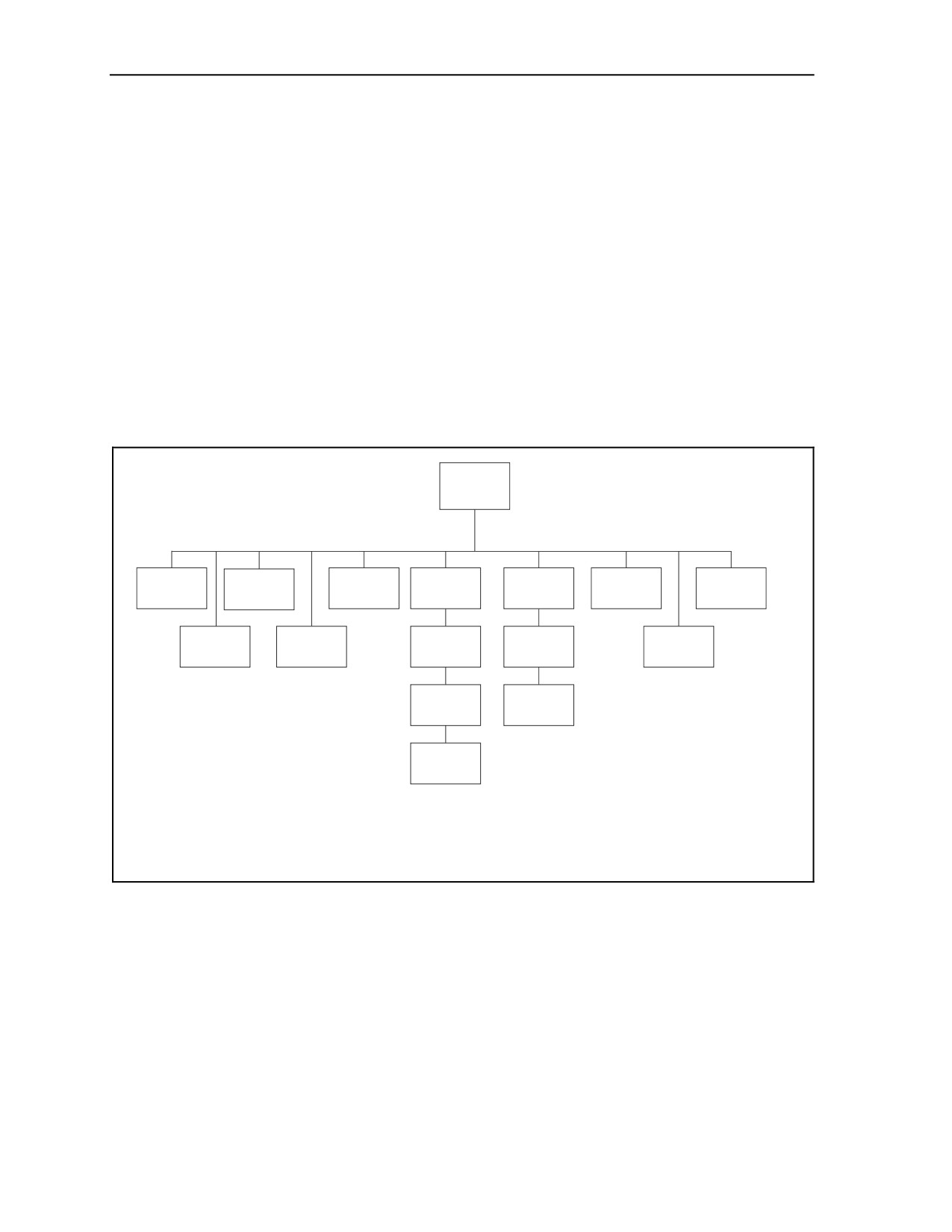
2-85. The MEDBDE (SPT) (Figure 2-4) is composed of three standard requirements code identified
modules (the early entry, expansion, and campaign modules).
2-86. The MEDBDE (SPT) provides—
z
Mission command of subordinate and attached units.
z
Operational medical plugs augmentation to Role 2 BCT medical companies.
z
Advice to the commanders on the medical aspects of their operations.
z
Medical staff planning, operational and technical supervision, and administrative assistance for
subordinate or attached units.
z
Coordination with the supporting patient movement requirements center for medical regulating
and strategic medical evacuation.
z
Medical consultation services in the following areas—
Preventive medicine.
Behavioral health to include COSC and neuropsychiatric care.
Food services.
z
Advice and recommendations for the conduct of operations predominated by stability tasks.
26 August 2013
FM 4-02
2-17
Chapter 2
z
Control and supervision of Class VIII supply and resupply to include blood management. When
designated by the combatant commander, serves as the single integrated MEDLOG manager.
z
A joint capable mission command capability when augmented with appropriate joint assets.
z
Support as the executive agent for veterinary services.
z
Assistance in the coordinated defense of the unit’s area.
z
Field maintenance on all organic equipment, except communications-electronics and
communications security.
z
Religious support and pastoral care ministry.
2-87. The MEDBDE (SPT) is dependent upon—
z
The sustainment brigade to arrange religious, legal, administration, finance, human resources,
transportation services, CBRN and decontamination assistance, and laundry and shower
services.
z
Class I ration support.
z
Waste disposal and construction support.
z
Supplemental transportation support requirements.
MEDICAL
BRIGADE
(SUPPORT)
COMMAND
CLINICAL
S-1
S-2
S-3
S-4
S-6
SECTION
OPERATIONS
UNIT
LOGISTICS
CJA
OPERATIONS
COMPANY
MINISTRY
OPERATIONS
SECTION
BRANCH
HQ
TEAM
BRANCH
LOGISTICS
PLANS
PLANS
BRANCH
BRANCH
IPMC
LEGEND: CJA command judge advocate
S-2
intelligence
HQ headquarters
S-3
operations
IPMC intratheater patient movement center
S-4
logistics
S-1
personnel
S-6
communication
Figure 2-4. Medical brigade (support)
STAFF FUNCTIONS
Organization and Function
2-88. Organizations and functions combine the early entry, campaign, and expansion modules of the
MEDBDE (SPT) to provide a complete description of the composition and capabilities of the organization.
This unit is designated a Category II unit. (For unit categories, see AR 71-32.)
2-18
FM 4-02
26 August 2013
Army Health System Mission Command
Internal Staff and Operations
2-89. The MEDBDE (SPT) coordinating staff (S-staff) and special staff manage the command’s internal
operations through coordination with staffs of higher, lower, and adjacent units. The staff’s efforts support
the commander and subordinate units by providing accurate and timely information. It produces estimates,
recommendations, plans and orders, and monitors execution. The staff streamlines cumbersome or time-
consuming procedures by ensuring that all activities contribute to mission accomplishment. Within the
MEDBDE (SPT) headquarters, staff sections coordinate their functional responsibilities with other
headquarters staff sections as required.
External Coordination
2-90. The MEDBDE (SPT) must coordinate with the MEDCOM (DS) and other headquarters within their
AO. External coordination with the combat aviation brigade and general support aviation battalion for
medical evacuation support by rotary-wing aircraft is critical.
Command Section
2-91. The command section provides mission command and management for all MEDBDE (SPT)
operations, activities, and services. The commander has overall responsibility for both the clinical and
operational aspects of all activities and operations conducted within the MEDBDE (SPT). The chief,
professional services is responsible to oversee the day-to-day clinical operations of the command.
S-1 Section
2-92. The personnel staff officer (S-1) section provides overall administrative services for the command, to
include personnel administration, and coordinates with elements of supporting agencies for finance,
personnel, legal, and administrative services.
S-2 Section
2-93. The intelligence staff officer (S-2) section performs all source intelligence assessments and estimates
for the command. It advises the commander and staff on nuclear/chemical surety and CBRN operations.
S-3 Section
2-94. The operations staff officer
(S-3) section is responsible for plans and operations, deployment,
relocation and redeployment of the MEDBDE (SPT), and supervising medical evacuation operations for
both air and ground.
S-3 Operations Branch
2-95. The S-3 operations branch is responsible for authenticating and publishing plans and orders. It
exercises staff supervision over AHS activities and advises the commander and staff on nuclear/chemical
surety and CBRN operations.
S-3 Plans Branch
2-96. The S-3 plans branch is responsible for the current planning in the MEDBDE (SPT) AO, to include
deliberate and crisis planning. Additionally, it plans for future operations in excess of 72 hours and
prepares major regional contingency plans for the MEDBDE (SPT). Further, this branch prepares,
authenticates, and publishes medical plans and OPLANs to include the integration of annexes and
appendixes prepared by other staff sections.
(Refer to ADRP 5-0 for additional information on the
operations process.)
26 August 2013
FM 4-02
2-19
Chapter 2
Intratheater Patient Movement Center
2-97. The intratheater patient movement center is responsible for maintaining 24-hour coordination and
oversight for patient regulating and administration within the MEDBDE (SPT) AO.
S-4 Section
2-98. The logistics staff officer
(S-4) section plans, monitors, coordinates, and facilitates MEDLOG
operations within the command. This includes Class VIII supply and resupply, blood management and
distribution, medical equipment maintenance and repair, medical gases, optical lens fabrication, spectacle
fabrication and repair, and contracting support. The section is responsible for ensuring service support
functions and directs and supervises the collection, evacuation, and accountability for all classes of supply
classified as salvage, surplus, abandoned, or uneconomically repairable. The section advises the
commander of logistical matters and unit mission capabilities. The section serves as the focal point for
property management and accountability procedures of all assigned or attached units. As a staff office,
they advise the commander on matters regarding supply and services support and other logistical functions.
As the materiel manager, they develop, coordinate, and supervise the supply support portion of an
integrated logistics support plan.
S-4 Logistics Operations Branch
2-99. The S-4 logistics operations branch monitors, coordinates, and facilitates MEDLOG operations
within the command. The branch exercises staff responsibility for units engaged in medical supply, optical
fabrication, medical maintenance, blood support, quality control operations and other medical logistical
support. The branch plans and directs activities of personnel and units responsible for the receipt, storage,
and issue of all Class VIII medical supply, optical fabrication support, blood support, and medical
maintenance support. The branch provides command policy and monitors the collection, evacuation, and
accountability for all MEDLOG items of supply classified as salvage, surplus, abandoned, or
uneconomically repairable. The branch plans, directs, and implements the multifunctional areas of medical
materiel management and their integration into the overall DOD logistics system, as well as the support
interface between the deployed MEDLOG resources and reach to the wholesale logistics system and
industry in the CONUS-support base. Further, he directs and/or exercises staff supervision of units
engaged in the production, acquisition, receipt, storage and preservation, issue, and distribution of medical
equipment, medical repair parts, and medical supplies. The branch serves as the focal point for medical
property management and accountability procedures. As the materiel manager, the branch develops,
coordinates, and supervises the supply support portion of an integrated logistics support plan
S-4 Logistics Plans Branch
2-100. The S-4 logistics plans branch completes the logistics staffing to monitor, coordinate, and facilitate
MEDLOG operations within the MEDBDE (SPT). This includes Class VIII supply and resupply, blood
management and distribution, medical equipment maintenance and repair, medical gases, and optical lens
fabrication and repair.
S-6 Section
2-101. The signal staff officer (S-6) section provides for all aspects of automation and communications-
electronics for the command. It determines mission command signal requirements, capabilities, and
operations. It also provides advice and consultation on medical automation systems in use within the
MEDBDE (SPT).
Clinical Operations Section
2-102. The clinical operations section serves as the commander’s principal consultants and technical
advisors for the command in general medicine, nursing services and activities, preventive medicine, COSC
and BH to include neuropsychiatric care and treatment, veterinary services, dental services, nutrition and
hospital food service activities, and medical laboratory support.
2-20
FM 4-02
26 August 2013
Army Health System Mission Command
Command Judge Advocate Section
2-103. The command judge advocate section furnishes legal advice and services to the MEDBDE (SPT)
in civil and criminal legal practice, including the fields of business, property, administration, and financial
operations under the jurisdiction of the DA. This section provides defense counsel services for U.S. Army
personnel whenever required by law or regulation and authorized by the Judge Advocate General or his
designee. These services include representation at trials by courts-martial, administrative boards, and other
criminal and adverse administrative actions. This section performs other defense-related duties as
prescribed by the U.S. Army Trial Defense Service. The command judge advocate section advises the
commander on ethical issues as they relate to health care operations. Further, it advises the commander
and the MEDCOM (DS) detainee operations medical director on issues pertaining to the treatment of
EPWs and detainees in subordinate CSHs and/or other MTFs. This section advises the commander on any
issues related to the Geneva Conventions and the protection of medical personnel, patients, facilities,
supplies, and transports. The command judge advocate advises the commander and his staff on the
eligibility of care determinations, policies, and procedures.
Company Headquarters
2-104. The company headquarters, MEDBDE (SPT), organizes, resources, trains, sustains, deploys,
exercises mission command, and supports assigned and attached health care capabilities to provide flexible,
responsive, and effective AHS to supported forces conducting joint and simultaneous unified land
operations.
Unit Ministry Team
2-105. The unit ministry team provides religious support and pastoral care ministry for assigned staff and
subordinate organizations of the command.
COORDINATION OF CLINICAL OPERATIONS
Responsibilities
2-106. The chief, professional services, has the responsibility to monitor the impact of all of the medical
functions on the clinical services provided within the command. He accomplishes this mission through the
activities of his staff and coordinating and synchronizing clinical requirements with other MEDBDE (SPT)
staff sections. He coordinates with—
z
The S-1 for all personnel matters relating to clinical staff personnel. The chief, professional
services, recommends the priority of fill and assignment of all clinical personnel to subordinate
MTFs. As required, he requests augmentation support for medical specialties not represented on
the TOE.
z
The S-2 for medical intelligence support. The clinical operations section develops,
recommends, and submits priority intelligence requirements and essential elements of friendly
information for information impacting clinical operations (to include the potential enemy use of
CBRN weaponry and toxic industrial material releases). This includes health threats within the
AO, potential diseases present in the multinational force, and the health status of enemy forces
who may become enemy EPWs or retained/detained personnel (to include new or exotic
diseases in enemy forces).
z
The S-3 for operational planning and medical regulating support. The clinical operations
section monitors current operations and assists in planning future operations by providing
clinical input into the development of AHS estimates and plans. They must evaluate proposed
courses of action for their impact on clinical capabilities and activities and recommend whether
they are feasible from a clinical viewpoint. Further, the clinical operations section must closely
monitor medical regulating activities, bed status, and/or operating room delays, if any, of
subordinate hospitals, patient movement items requirements, delays in the timely evacuation of
patients to and from MEDBDE (SPT) MTFs, and requirements for providing medical attendants
for en route patient care on USAF evacuation assets, if critical care air transport team support is
26 August 2013
FM 4-02
2-21
Chapter 2
not available. The clinical operations section recommends clinical capabilities (task-organized)
required to be deployed forward to support EAB personnel deployed in the AO to provide direct
support. The patient administration officer assigned to the intratheater patient movement center
serves as a consultant to the clinical operations section when issues concerning medical record
management arise.
z
The S-4 for MEDLOG support of critical Class VIII items required for patient care, to include
medical supplies, pharmaceuticals, medical equipment, and blood. The clinical operations section
monitors the blood distribution and reporting processes (Technical Manual [TM] 8-227-12) to
determine the impact on clinical operations of shortages and delays. Further, they monitor the
status of medical supplies, medical equipment, and medical equipment maintenance and repair
to ensure that sufficient quantities are on hand and/or on order to sustain patient care activities
within the command. They also work closely with the S-4 in identifying and obtaining
pharmaceuticals to treat diseases (to include biological warfare agents) not usually present in
U.S. forces (such as for EPWs). This section also advises the command on the management and
disposition of captured enemy medical supplies and equipment. The pharmacy officer assigned
to the S-4 serves as a consultant to the clinical operations section on all issues pertaining to
pharmaceuticals.
z
The S-6 for information management, automated information system requirements, and
communications-electronics support.
z
The command judge advocate section for all medical-legal matters to include the determination
of eligibility for medical care in U.S. MTFs. Further, the command judge advocate section
provides guidance on the provisions of the Geneva Conventions as they affect medical
personnel, equipment, evacuation platforms, and Class VIII supplies. He also provides guidance
on any legal issues involving care to EPW and retained and/or detained personnel.
z
The unit ministry team on religious matters that affect AHS operations to include faith-based
dietary restrictions and assistance in COSC programs and activities.
Technical Supervision
2-107. The chief, professional services, exercises his technical supervision of all AHS clinical activities
through his staff. He develops policies, procedures, and protocols for clinical activities within subordinate
MTFs. Treatment protocols implemented in the command are developed according to Defense Medical
Materiel Program Office standards and requirements, ARs, appropriate doctrinal publications, and sound
medical practice. He ensures that investigational new drug protocols are followed. He also monitors the
use of chemoprophylaxis, pretreatments, immunizations, and barrier creams. He ensures credentialing
policies are in place and are being adhered to. He further ensures that a quality assurance program is
implemented within the command which encompasses patient safety, risk management, infection control,
peer review, and quality assurance. He monitors the medical evacuation/medical regulating activities to
ensure necessary medical requirements and clearances for patients being evacuated are accomplished.
Further, he develops patient preparation protocols for patients entering the USAF evacuation system, as
required. He monitors the area support mission of assigned/attached Role 2 MTFs to ensure adequate AHS
support to transient troop populations within the MEDBDE (SPT) AO. He compiles and analyzes
wounded-in-action data to determine trends in wounding patterns, to forecast specialized care
requirements, and to recommend protective measures as appropriate. He identifies medical issues which
require medical research and development. The duties and functions of his staff include the—
z
Chief nurse, who is the senior nurse in the command and provides technical supervision of the
MEDBDE (SPT) subordinate MTFs nursing personnel (officer and enlisted). He establishes
nursing policies and reviews and monitors nursing practices. He monitors staffing levels,
personnel shortages, and advises the chief, professional services on the impact of nursing
shortfalls on the capability to provide required patient care. He recommends to the chief,
professional services the priority of assignment for nursing care personnel. The chief nurse also
ensures educational and training requirements are met and monitors in-service training activities
of subordinate MTFs. The chief nurse monitors mass casualty planning of subordinate MTFs,
provides consultation to subordinate MTF mass casualty coordinators during rehearsals of the
2-22
FM 4-02
26 August 2013
Army Health System Mission Command
mass casualty plan, and ensures that if training shortfalls are identified that appropriate
refresher/sustainment training is provided. He ensures that documentation of medical treatment
provided is appropriately documented in the individual health record using the prescribed forms
and/or electronic media. He directs routine reporting requirements and establishes format and
frequency of all formal nursing reports. The chief nurse monitors the quality assurance program
through records and reports provided by the subordinate medical treatment facilities. Quality
assurance programs are the responsibility of the subordinate MTF leadership and further
delegated to the assistant chief nurse, public health nurses, or clinical nurse officer-in-charge or
to a senior noncommissioned officer (NCO). In early phases of operations, the focus of MTFs is
on quality combat casualty care; it is essential that the major duties of all clinicians be directly
related to the delivery of patient care, rather than administrative oversight. As the theater
matures and the types of patient conditions being treated evolves from acute trauma to disease
and nonbattle injuries, the delegated quality assurance officer can devote more time to
administrative oversight of the quality assurance program.
z
Preventive medicine officer, environmental science officer, and senior preventive medicine
NCO, who monitor all preventive medicine activities and requirements of the command. The
preventive medicine officer establishes reporting requirements and frequency of reports (such as
the weekly disease and nonbattle injury report). He consolidates subordinate unit disease and
nonbattle injury reports and analyzes the data submitted to identify trends and to compare
incoming data with already established base-lines. If trends are identified, he recommends and
develops effective medical countermeasures and disseminates this information to all
subordinate, adjacent, and higher headquarters.
The preventive medicine officer and
environmental science officer analyze the data for indicators of the potential exposure of U.S.
forces to enemy employment of biological and chemical warfare agents (increases in endemic
disease rates in one specific geographic location or the appearance of diseases which can be
weaponized and are not endemic to the AO) and to OEH hazards. He receives, monitors,
reviews, and forwards supporting laboratory analysis of CBRN samples/specimens and chain of
custody documents for CBRN samples/specimens. He ensures that medical surveillance and
OEH surveillance activities are developed and implemented for the health threat present in the
AO. He monitors pest management, potable water inspection, and inspection of field
feeding/dining facility sanitation activities, toxic industrial materials sources and hazards, and
further ensures the procedures for the disposal of medical waste are being adhered to. The
preventive medicine NCO ensures that field hygiene and sanitation training and unit field
sanitation team training for subordinate units and personnel is current and adequate.
z
Veterinary preventive medicine officer and the veterinary services technician, who are
responsible for monitoring the implementation of programs for the inspection of food and food
sources for procurement, quality assurance, security, food defense, and sanitation. He also
monitors animal medical care activities and identifies MEDLOG shortfalls that will impact on
animal medical care activities.
z
Psychiatrist, behavioral science officer, and the BH NCO, who monitor all COSC activities and
the treatment of BH and neuropsychiatric cases within subordinate MTFs. The psychiatrist
ensures that all treatment programs for combat and operational stress are founded on proven
principles of combat psychiatry and are established and administered in accordance with current
doctrinal principles. He monitors the stress level of subordinate unit medical personnel and
provides consultation on traumatic event management support to health care providers after
mass casualty situations or other high stress events. He coordinates policies, procedures, and
protocols for the treatment of BH and neuropsychiatric disorders with the senior subordinate
unit psychiatrist and provides consultation on the requirements for the medical evacuation of
psychiatric patients. The psychiatrist also provides advice and guidance on any BH issues
arising within the theater internment facility if located in the MEDBDE (SPT) AO.
z
Dietitian and senior nutrition NCO, who monitors the status of medical diet supplemental
rations, hospital food service operations, and command health promotion program. The dietitian
provides consultation to subordinate hospitals on special diet requirements and preparation. He
further coordinates with the unit ministry team on faith-based dietary restrictions. In foreign
26 August 2013
FM 4-02
2-23
Chapter 2
humanitarian assistance operations, he provides consultation and advice on refeeding operations
for malnourished children and adults, dislocated person populations, and victims of man-made
or natural disasters. He also provides consultation on special dietary requirements for patients
being evacuated through the USAF evacuation system.
z
The chief, dental services, who monitors dental activities for the command. He receives reports
from subordinate units and consolidates this data for forwarding to higher headquarters. The
chief, dental services, establishes and coordinates policies, procedures, and protocols for the
treatment of dental conditions and preventive dentistry programs. He also serves as the
command’s dental surgeon.
2-108. Not all functional specialties are fully represented on the MEDBDE (SPT) headquarters staff.
Therefore the clinical operations section coordinates with subordinate AHS units for expertise in the
following areas—
z
The senior subordinate surgeon serves as the principal consultant to the chief, professional
services, on all matters pertaining to surgical policy and employment of FSTs. He maintains
visibility of the joint trauma system patient treatment issues, wounding patterns, and weapons
effects in order to ensure subordinate MTFs are informed, equipped, and supplied to provide
appropriate treatment. Additionally, the chief, professional services, can consult with the
surgical consultant on the MEDCOM (DS) staff.
z
The senior subordinate medical laboratory officer serves as the principal consultant to the chief,
professional services, on all matters pertaining to clinical laboratory support. He advises the
chief, professional services, on blood-banking and storage capabilities of Roles 2 and 3 MTFs
within the command. The senior medical laboratory NCO on the MEDBDE (SPT) staff
monitors the performance of MEDBDE (SPT) medical laboratories, identifies deficiencies, and
recommends solutions. Issues arising that exceed his skill set are referred to the senior
subordinate medical laboratory officer for resolution. This officer monitors the performance of
MEDBDE (SPT) medical laboratories, to include AML activities
(including CBRN
sample/specimen processing and chain of custody requirements) and MTF clinical laboratory
practices. He advises the chief, professional services, on blood-banking and storage capabilities
of Roles 2 and 3 MTFs within the command. He monitors Class VIII support as it impacts on
medical laboratory capabilities and advises the chief, professional services, of any shortfalls
which adversely impact on the performance of laboratory procedures.
z
The senior subordinate optometry officer serves as the principal consultant to the chief,
professional services, on all matters pertaining to optometric support and optical laboratory
support. If no optometry personnel are assigned to the command, the chief, professional
services, coordinates with the optometry officer on the MEDCOM (DS) staff.
z
The senior subordinate nuclear science officer serves as a consultant to the chief, professional
services, on all nuclear medicine issues. If there are no nuclear medicine officers assigned to
subordinate units, the chief, professional services, coordinates for this support with the
MEDCOM (DS) staff.
z
When required, the preventive medicine officer coordinates for support from subordinate
preventive medicine units for entomology and environmental engineering support. If these
preventive medicine specialties are not available in subordinate units, the preventive medicine
officer coordinates with the MEDCOM (DS) preventive medicine section for this support.
2-109. The clinical operations section coordinates with the higher and, when appropriate, adjacent
medical headquarters on any clinical issues which cannot be resolved at this level or that will adversely
impact clinical operations in other adjacent or higher commands. The clinical operations section monitors
medical specialty capabilities of subordinate hospitals and coordinates with its higher headquarters when
medical specialty augmentation team support is required.
2-110. The clinical operations section coordinates with and provides consultation to the medical section
of the theater internment facility and resettlement facilities established within the MEDBDE (SPT) AO for
the treatment and hospitalization of EPW, retained, and detained personnel.
2-24
FM 4-02
26 August 2013
Army Health System Mission Command
2-111. To facilitate monitoring clinical operations of subordinate MTFs, the clinical operations section
determines what reports are required, formats to be used, and at what frequency the reports will be
submitted. The intratheater patient movement center receives bed status reports and requests for medical
regulating/evacuation which should include the clinical operations section on distribution. The S-4
receives medical supply status from all subordinate facilities which the clinical operations section must
review to determine if the medical supply status of subordinate facilities will adversely impact patient care.
Additionally, he may develop a medical situation report for the clinical aspects of subordinate MTF
operations to remain apprised of daily/weekly operations. The clinical operations section also receives
medical situation reports from forward deployed FSTs to determine if reconstitution/replacement/
reinforcement of these assets is required. This report also provides information on the types of surgical
cases that will require follow-on surgery at subordinate MEDBDE (SPT) hospitals.
MEDICAL BATTALION (MULTIFUNCTIONAL)
2-112. Force structure changes occurring within the modular Army necessitated a redesign of the
functional medical battalions (area support, medical evacuation, and MEDLOG) into a multifunctional
organization which can provide the requisite planning, synchronization, and coordination for modular
medical companies, detachments, and teams/elements. Modularity has resulted in a smaller deployed
medical footprint through enhancing the capability to rapidly task-organize scalable medical capabilities.
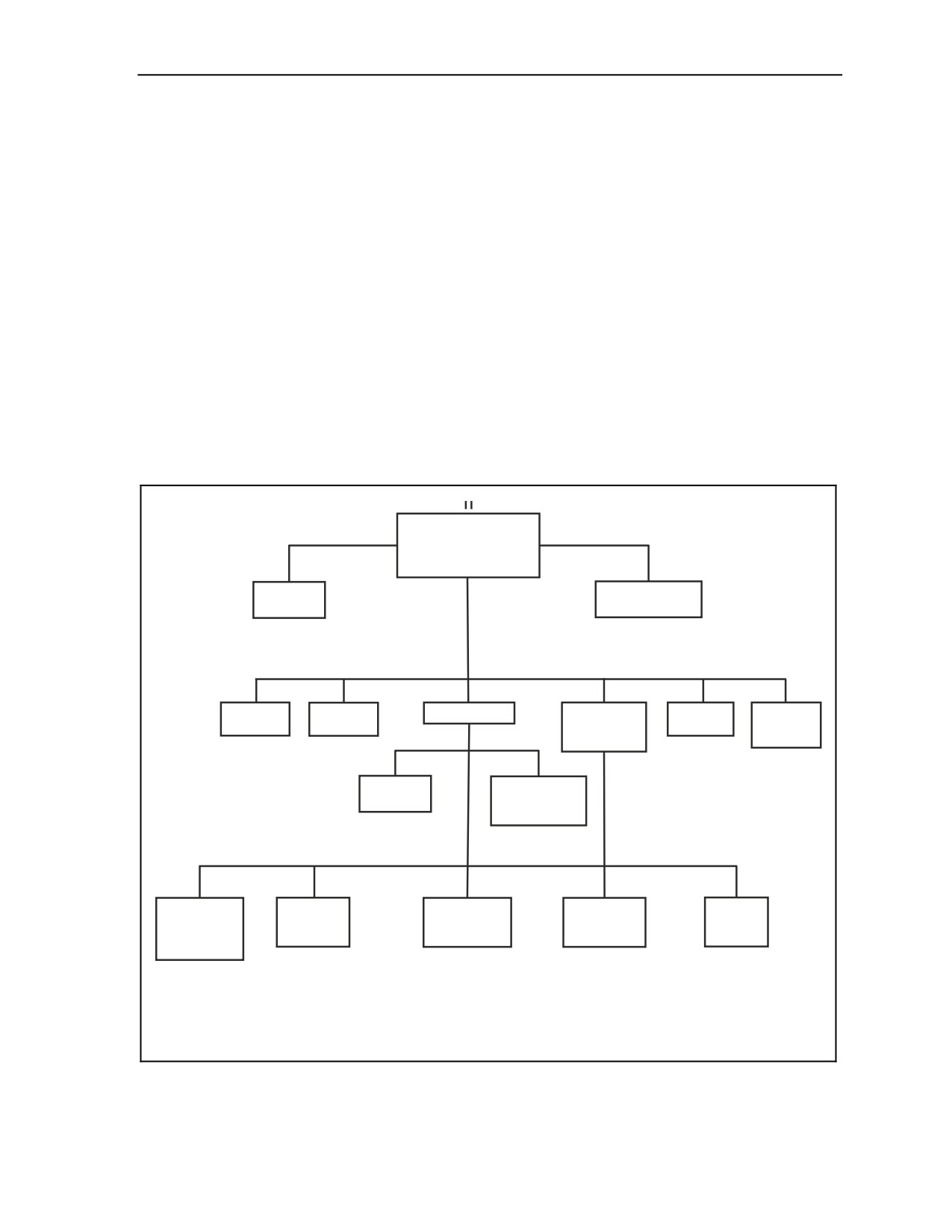
The MMB headquarters is depicted in Figure 2-5.
MEDICAL
BATTALION
(MULTIFUNCTIONAL)
COMMAND
DETACHMENT
SECTION
HEADQUARTERS
S-1
S-2/S-3
S-4
FORCE
S-6
UNIT
SECTION
SECTION
HEALTH
SECTION
MINISTRY
PROTECTION
TEAM
S-4
BATTALION
SECTION
MAINTENANCE
SECTION
FORCE
MEDICAL
MEDICAL
PREVENTIVE
MENTAL
HEALTH
LOGISTICS
OPERATIONS
MEDICINE
HEALTH
PROTECTION
SECTION
SECTION
SECTION
SECTION
OPERATIONS
LEGEND:
S-1
personnel
S-4
logistics
S-2
intelligence
S-6
communications
S-3
operations
Figure 2-5. Medical battalion (multifunctional)
26 August 2013
FM 4-02
2-25
Chapter 2
MISSION, ASSIGNMENT, AND BASIS OF ALLOCATION
2-113. The mission of the MMB is to provide scalable, flexible, and modular medical mission command,
administrative assistance, logistical support, and technical supervision capability for assigned and attached
medical functional organizations
(companies, detachments, and teams) task-organized for support of
deployed BCTs and EAB forces.
2-114. This TOE will be assigned to the MEDBDE (SPT) or the MEDCOM (DS). One MMB is
allocated as one MMB per combination of three to seven medical companies or ten to fifteen medical
detachments or teams. This basis of allocation is computed on the aggregate of total companies,
detachments, and teams assigned or attached. This unit is designated a Category II unit.
(For unit
categories, see AR 71-32.)
2-115. The MMB is the battalion-level medical headquarters in the AO. When fully manned, it
provides—
z
Medical mission command, staff planning, supervision of operations, medical and general
logistics support as required, and administration of the assigned and attached units conducting
medical operations in its supported AO.
z
Task-organization of EAB health care assets to meet the projected patient workload.
z
Advice to senior commanders in the AO on the health care aspects of their operations.
z
Coordination of medical regulating and patient movement with the MEDBDE (SPT) intratheater
patient movement center or the MEDCOM (DS) theater patient movement center, as required.
z
Monitoring, planning, and coordinating of medical ground and air medical evacuation within the
MMB AO. Coordinating requests with the supporting aviation unit for air medical evacuation
support requirements and synchronization of the air medical evacuation plan into the overall
medical evacuation plan.
z
Guidance for facility site selection and area preparation.
z
Consultation and technical advice on preventive medicine (medical entomology, medical and
OEH surveillance, and sanitary engineering), pharmacy procedures, COSC and BH, medical
records administration, veterinary services, nursing practices and procedures, and medical
laboratory procedures to supported units. Monitors and provides advice and consultation on
dental support activities within the MMB AO.
z
Monitoring and supervision of MEDLOG operations, to include Class VIII supply/resupply,
medical equipment maintenance and repair support, optical fabrication and repair support, and
blood management.
z
Planning and coordination of Role 1 and Role 2 medical treatment, to include staff advice on an
area support basis for EAB units without organic health care assets.
z
Unit-level maintenance for wheeled vehicles and power generation equipment and wheeled
vehicle recovery operations support to assigned or attached units.
z
Organizational communications equipment maintenance support for the battalion.
z
Food service support for staff and other medical elements dependent upon the battalion for food
service.
z
Maintenance of a consolidated property book for assigned units.
z
Religious support for the battalion staff, unit personnel of assigned/attached medical elements,
and casualties in subordinate MTFs in the MMB AO.
CAPABILITIES AND DEPENDENCIES
2-116. The MMB is a multifunctional medical mission command organization. The MMB headquarters
is composed of two standard requirements code identified modules (the early entry element and the
campaign support element) to facilitate the deployment and integration of the unit on the time-phased force
deployment list. This headquarters conducts operational planning for assigned and attached medical
functional companies, detachments, and teams. The early entry element can be deployed independently or
task-organized with a CSH as a medical multifunctional task force. The MMB headquarters should only be
2-26
FM 4-02
26 August 2013
Army Health System Mission Command
deployed as far forward as the division AO. Even in this circumstance, the MMB would remain under the
direct mission command of the MEDBDE (SPT) and not directly attached to the BCT. Detachments/teams
assigned or attached to the MMB may be further attached to the brigade support medical company to
augment or reconstitute BCT medical elements. The array of health care units assigned and attached will
vary depending upon mission, enemy, terrain and weather, troops and support available, time available,
and civil considerations factors.
STAFF ORGANIZATIONS AND FUNCTIONS
Internal Staff and Operations
2-117. The MMB’s coordinating staff and special staff sections manage the command’s internal
operations through coordination with staffs of higher, lower, and adjacent units. The staff’s efforts support
the commander and subordinate units. The staff supports the commander by providing accurate and timely
information. It produces estimates, recommendations, plans and orders, and monitors execution. The staff
streamlines cumbersome or time-consuming procedures by ensuring that all activities contribute to mission
accomplishment. Within the MMB headquarters, staff sections coordinate their areas of interest with other
headquarters staff sections as required.
Battalion Command Section
2-118. The battalion command section provides mission command of assigned and attached medical
companies and detachments.
S-1 Section
2-119. The S-1 section provides overall administrative services for the command, to include personnel
administration, and coordinates with elements of supporting agencies for finance, legal, and administrative
services. It is responsible for plans and operations, deployment, relocation, and deployment of the
battalion and its assigned units. It prepares broad planning guidance, policies, and programs for command
organizations, operations, and functions. This section assists the commander in developing and training
the unit’s mission essential task list. It identifies training requirements, based on AHS missions and the
unit’s training programs, directives, and orders. This section maintains the unit status reports for each
subordinate unit. This section performs all-source intelligence assessments and estimates for the
command. Further, it advises the commander and staff on nuclear/chemical surety and CBRN operations.
It acquires, analyzes, and evaluates intelligence to include health threat information and medical and OEH
surveillance data. It provides a 24-hour continuous operations capability.
S-2/S-3 Section
2-120. The S-2/S-3 section is responsible for security, plans, and operations, deployment, relocation, and
redeployment of the battalion and its assigned and attached units. It prepares broad planning guidance,
policies, and programs for command organization, operations, and functions. This section assists the
commander in developing and training the unit’s mission essential task list. It identifies training
requirements, based on FHP missions and the unit’s training programs, directives, and orders. This section
maintains the unit status reports for each subordinate unit. This section performs all-source intelligence
assessments and estimates for the command. Further, it advises the commander and staff on
nuclear/chemical surety and CBRN operations. It acquires, analyzes, and evaluates intelligence to include
health threat information and medical OEH surveillance data. This section provides a 24-hour continuous
operations capability.
S-4 Section
2-121. The S-4 section coordinates issues pertaining to medical and general supply for MMB operations,
hazardous waste disposal, contracting support with other staff sections and maintains consolidated property
book for the battalion.
26 August 2013
FM 4-02
2-27
Chapter 2
Force Health Protection Operations Section
2-122. The FHP operations section coordinates and monitors the execution of area medical support,
medical evacuation, and dental support within the MMB AO. The section is responsible for existing and
future medical planning in the MMB AO, to include deliberate and crisis planning. Additionally, it plans
future operations in excess of 72 hours and prepares major regional contingency plans for the MMB.
Further, it prepares, authenticates, and publishes medical plans and OPLANs to include the integration of
annexes and appendixes prepared by other staff sections. This section supervises the activities of the
MEDLOG, medical operations, preventive medicine, and BH sections. The section coordinates with each
internal staff organization planning activities and support requirements for subordinate medical functional
companies, detachments, and teams assigned and attached to the MMB.
2-123. The FHP operations section coordinates with the—
z
S-1 on matters pertaining to personnel casualty estimates from which patient workload is
derived and the priority of fill for subordinate AHS units.
z
S-2/S-3 on matters pertaining to—
Health threat and medical intelligence requirements. Develops, recommends, and submits
priority information requests and essential elements of friendly information
(EEFIs) for
information impacting clinical operations
(to include the potential enemy use of CBRN
weaponry and toxic industrial materials releases). This includes health threats and potential
diseases present in the AO and the health status of enemy forces who may become EPWs or
retained/detained personnel (to include new or exotic diseases in enemy forces).
Operational, planning, and medical regulating support. This section monitors current
operations and assists in planning future operations by developing and coordinating estimates
and plans. They must evaluate proposed courses of action for their impact on MMB capabilities
and activities and recommend whether they are feasible. Further, they must closely monitor
medical regulating activities delays in the timely evacuation of patients to and from MMB
MTFs. The FHP operations section recommends clinical and operational capabilities (task-
organized) required to be deployed forward to support MMB personnel deployed to the BCT or
to areas within the EAB to provide direct support.
z
S-4 for medical logistics support of critical Class VIII items required for patient care, to include
medical supplies, pharmaceuticals, medical equipment, and blood. The FHP operations section
monitors the blood distribution and reporting processes (TM 8-227-12) to determine the impact
on medical company (area support) clinical operations of shortages and delays. Further, they
monitor the status of medical supplies, medical equipment, and medical equipment maintenance
and repair to ensure that sufficient quantities are on hand and/or on order to sustain patient care
activities within the command. They also work closely with the MEDCOM (DS) and MEDBDE
(SPT) logistics in identifying and obtaining pharmaceuticals to treat diseases (to include BW
agents) not usually present in U.S. forces (such as for EPWs). This also includes medications
and medical equipment required to treat nontraditional populations, such as U.S. government
contractors, geriatric, pediatric, and obstetric patients. This section also advises the command
on the management and disposition of captured enemy medical supplies and equipment.
z
Battalion maintenance section on issues related to assigned wheeled vehicle maintenance,
power-equipment maintenance, and wheeled vehicle.
z
S-6 on matters pertaining to connectivity, information management, automation, and
communications. Ensures automated systems for MEDLOG management are established and
maintained and ensures connectivity to other medical information programs such as the U.S.
Transportation Command Regulating and Command and Control Evacuation System, Theater
Medical Information Program-Joint, and Medical Communications for Combat Casualty Care
System. Additionally ensures connectivity of medical platforms deployed in supported BCT
areas are adequately equipped with systems such as Force XXI battle command—brigade and
below or blue force tracker.
z
Detachment headquarters for logistical and administrative support requirements throughout the
headquarters for unit members.
2-28
FM 4-02
26 August 2013
Army Health System Mission Command
Medical Logistics Section
2-124. The MEDLOG section is responsible for the planning, coordination, and execution of the Class
VIII mission within the MMB AO. This includes blood and medical maintenance management.
Medical Operations Section
2-125. The medical operations section is responsible for the planning, coordination, and execution of the
medical area support mission within the MMB AO.
Preventive Medicine Section
2-126. The preventive medicine section is responsible for planning, coordination, and execution of the
preventive medicine mission within the MMB AO. This includes the management of preventive medicine
and veterinary assets. This section ensures medical and OEH surveillance programs are planned for,
established, and implemented within the MMB AO. They monitor disease and nonbattle injury reports
from subordinate units to determine the development of trends or the possible use of BW agents on
deployed forces. This section plans for and monitors veterinary inspection of Class I items, animal medical
care operations, and veterinary preventive medicine activities pertaining to the transmission of zoonotic
diseases to man.
Mental Health Section
2-127. The mental health section is responsible for the planning, coordination, and execution of the
COSC mission with the MMB AO. The section collects and records social and psychological data.
S-6 Section
2-128. The S-6 section is responsible for all aspects of information, management, automation, and
communications-electronics support to assigned and attached units.
Detachment Headquarters
2-129. The detachment headquarters provides for billeting, filed feeding, discipline, security, training,
and administration for Soldiers assigned to the headquarters.
Unit Ministry Team
2-130. The unit ministry team provides religious support and pastoral ministry for assigned staff and
patients. This team advises the commander on all matters in which religion impacts on command
programs, personnel, policy, and procedures. This team also provides for the spiritual well-being and
morale of headquarters personnel. The unit ministry team may also provide additional support to the
subordinate COSC units, if required.
External Coordination
2-131. The MMB must coordinate externally with the MEDBDE (SPT)/MEDCOM (DS) and in early
entry operations when a senior medical command headquarters is not present, with the sustainment brigade
staff and other supported units to accomplish the medical mission. This coordination is conducted mainly
through command surgeon channels for synchronization of the medical plan and external coordination with
the combat aviation brigade for medical evacuation. Coordinates and synchronizes the planning and
execution of AHS actions.
2-132. In the performance of their AHS mission, the MMB staff may be required to coordinate with
medical personnel/organizations of the other Services. For example, the USAF staff provides aeromedical
liaison teams to facilitate aeromedical evacuation aboard USAF resources. The MMB may be required to
coordinate directly with CONUS for support services under control of DA, DOD, and Secretary of
Defense. These include depots, arsenals, data banks, plants, research laboratories, and factories associated
with the U.S. Army Medical Research and Materiel Command.
26 August 2013
FM 4-02
2-29
Chapter 2
SECTION IV — MEDICAL COMMANDER, COMMAND SURGEON, AND LINE
COMMANDER
MEDICAL COMMANDER
2-133. The medical commander exercises mission command
(authority and direction) over his
subordinate medical resources. As discussed in Army doctrine on unified land operations, the commander
is the focus of mission command and uses two processes in the decision-making process. He uses an
analytic approach to evaluate information and data systematically, proposes courses of action, and
determines which course of action will provide the optimal results. The commander also makes decisions
intuitively. For the medical commander, the intuitive decision-making process is guided by professional
judgment gained from experience, knowledge, education, intelligence, and intuition. Experienced staff
members use their intuitive ability to recognize the key elements and implications of a particular problem
or situation, reject the impractical, and select an adequate solution.
2-134. The leader-developed medical professional has been trained in critical thinking, assessing
situations, determining requirements for follow-on services, and decisive decision-making skills since the
beginning of his professional career. These are essential and critical skills which have been taught,
nurtured, and cultivated throughout his professional medical education and training. The medical
commander’s experience base cannot be viewed from a purely military perspective of when he entered the
Army, but must be viewed holistically to encompass all of the training, education, and experience he
received prior to and after his military career began. The military and leader development training,
education, and experience coupled with his proven critical thinking skills and ability to take decisive action
make him the most qualified commander to determine how medical assets will be employed in support of
the operational commander and to successfully accomplish his Title 10 responsibilities for the care of his
Soldiers.
2-135. The construct of mission command provides for centralized planning and decentralized execution
and is driven by mission orders. Successful mission command demands that subordinate leaders at all
echelons exercise disciplined initiative, aggressive action, and to independently accomplish the mission
within the commander’s intent. Mission command gives the subordinate leaders at all echelons the greatest
possible freedom of action.
While mission command restrains higher-level commanders from
micromanaging subordinates, it does not remove them from the fight. Rather, mission command frees
these commanders to focus on accomplishing their higher commander’s intent and on critical decisions
only they can make. Within the medical mission command structure it enables the MEDCOM (DS)
commander to retain a regional focus in support of the combatant commander and the AO engagement
plan, while still providing effective and timely direct support to the supported operational commanders and
providing general support on an area basis to theater forces at EAB (such as those conducting aerial ports
of debarkation, sea ports of debarkation, and operational assembly areas operations or to other temporary
or permanent troop concentrations). One consequence of the enduring regional focus of the Army AO is to
drive specialization in its subordinate MEDCOM (DS) since unique health threats, local needs and
capabilities, other Service capabilities, and geographic factors are distinctly related to a particular region.
This characteristic is in contrast to some other staff and subordinate unit functions that are performed in
much the same ways regardless of region.
COMMAND SURGEON
DUTIES AND RESPONSIBILITIES
2-136. At all levels of command, a command surgeon is designated. This AMEDD officer is a special
staff officer charged with planning for and executing the AHS mission. At the lower levels of command,
this officer may be dual-hatted as an AHS unit commander; further, he may have a small staff section to
assist him in his planning, coordinating, and synchronizing the AHS effort within his AO.
2-30
FM 4-02
26 August 2013
Army Health System Mission Command
2-137. The command surgeon is responsible for ensuring that all AMEDD functions are considered and
included in running estimates, OPLANs, and OPORDs. The command surgeon retains technical
supervision of all AHS operations. At the higher levels of command, the scope of duties and
responsibilities expand to include all subordinate levels of command.
2-138. Through mission command, the command surgeon may be empowered to act somewhat
independently; however, the nonmedical commander can retain the authority to make the decisions which
he feels are critical. Mission command, to be successful, requires an environment of trust and mutual
understanding which may be challenging to establish for newly assigned staff members who have not had a
previous supporting relationship with the command. Sustainment unit commanders who previously
commanded multifunctional battalions earlier in their careers may want to rely on that experience rather
than the medical judgment and experience of a newly assigned command surgeon without realizing the
complexities of managing the full array of medical specialty units and personnel. The effectiveness,
responsiveness, and the efficiency of the deployed resources may be adversely impacted and Soldier
survival rates may decrease and disease and nonbattle injuries rates may rise.
2-139. The duties and responsibilities of command surgeons may include, but are not limited to—
z
Advising the commander on the health of the command.
z
Monitoring the three phases of TC3. Refer to paragraphs 1-7 though 1-10 for additional
information on TC3.
z
Developing and coordinating the HSS and FHP portion of OPLANs to support the
combatant/tactical commander’s decisions, planning guidance, and intent.
z
Determining the medical workload requirements (patient estimates) based upon the casualty
estimate developed by the assistant chief of staff, personnel and/or personnel staff officer (S-1).
z
Determining, in conjunction with the SJA and the chain of command, the eligibility for medical
care in a U.S. Army MTF.
z
Maintaining situational understanding.AHS units/elements to satisfy all mission requirements.
z
Recommending policies concerning support of stability tasks.
z
Monitoring the availability of and recommending the assignment, reassignment, and utilization
of AMEDD personnel within his AO.
z
Developing, coordinating, and synchronizing health consultation services.
z
Evaluating and interpreting medical statistical data.
z
Monitoring implementation of Army medical information programs.
z
Recommending policies and determining requirements and priorities for MEDLOG (to include
blood and blood products, medical supply/resupply, medical equipment maintenance and repair,
production of medicinal gases, optometric support, and fabrication of single- and multivision
optical lens spectacle fabrication and repair, and contract support).
z
Recommending medical evacuation policies and procedures.
z
Monitoring medical regulating and patient tracking operations.
z
Determining AHS training requirements.
z
Developing policies, protocols, and procedures pertaining to the medical and dental treatment of
sick, injured, and wounded personnel. These policies, protocols, and procedures will be in
consonance with applicable regulations, directives, and instructions; higher headquarters
policies; standard operating procedures (SOPs); applicable multinational force compatibility
agreements; memorandums of understanding or agreement; and Status of Forces Agreements.
z
Ensuring patient safety, quality assurance, infection control, and risk management programs are
established and implemented.
z
Ensuring field medical records and/or electronic medical records, when available, are
maintained on each Soldier at the primary care MTF according to AR 40-66.
z
Ensuring compliance with the theater blood bank service program.
26 August 2013
FM 4-02
2-31
Chapter 2
z
Ensuring a viable veterinary program (to include inspection of subsistence and outside the
continental U.S. food production and bottled water facilities, veterinary preventive medicine,
and animal medical care) is established.
z
Ensuring a medical laboratory capability or procedures for obtaining this support from out of
theater resources are established for the identification and confirmation and/or theater validation
of the use of suspect biological warfare and chemical warfare agents by opposition forces. This
also includes the capability for collecting specimens/samples, packaging, and handling
requirements and escort/chain of custody requirements. For additional information on AHS
support in a CBRN environment refer to Army medical doctrine.
z
Planning for and implementing preventive medicine operations and facilitating health risk
communications (to include preventive medicine programs and initiating preventive medicine
measures to counter the health threat).
z
Planning for and ensuring pre- and postdeployment health assessments are accomplished.
z
Establishing and executing a medical surveillance program (refer to DODD 6490.02E, Joint
Chiefs of Staff Memorandum MCM 0028-07 and AR 40-66 for an in-depth discussion).
z
Establishing and executing an OEH surveillance program.
z
Recommending COSC, BH, and substance abuse control programs.
z
Coordinating for medical intelligence with the supporting intelligence officer/section/unit.
Pursuing other avenues to obtain medical intelligence and/or medical information such as the—
National Center for Medical Intelligence.
United States Army Public Health Command.
Centers for Disease Control and Prevention.
United States Public Health Services.
International organizations (such as the United Nations, the World Health Organization, or
the Pan American Health Organization, and other nongovernmental organizations).
Information gathered from site visits to host-nation medical facilities.
z
Identifying commander’s critical information requirements, priority intelligence requirements,
essential elements of friendly information, and friendly forces information requirements as they
pertain to the health threat; ensuring they are incorporated into the command’s intelligence
requirements.
z
Coordinating for foreign humanitarian assistance, disaster relief, and medical response to
weapons of mass destruction or terrorist incidents, and defense support to civil authorities, when
authorized.
z
Advising commanders on AHS CBRN defensive actions (such as immunizations, use of
chemoprophylaxis, pretreatments, and barrier creams).
z
Ensuring individual informed consent is established before the administration of investigational
new drugs as described in AR 40-7.
z
Assessing special equipment and procedures required to accomplish the AHS mission in specific
environments such as urban operations, mountainous terrain, extreme cold weather operations,
jungles, and deserts. Requirements are varied, depending upon the scenario, and could
include—
Obtaining pieces of equipment or clothing not usually carried (piton hammers, extreme cold
weather parka, jungle boots, or the like).
Adapting medical equipment sets for a specific scenario to include adding items based on
the forecasted types of injuries to be encountered (such as more crush injuries and fractures in
urban operations or mountain operations). In certain scenarios (such as urban operations), some
medical supplies and equipment may not be carried into the fight initially (such as sick call
materials), but rather brought forward by follow-on forces. In mountain operations, bulky or
heavy items (such as extra tentage) may not accompany the force because of the difficulty in
traversing the terrain.
2-32
FM 4-02
26 August 2013
Army Health System Mission Command
Having individual Soldiers carry additional medical items, such as bandages and
intravenous fluids.
z
Recommending disposition instructions for captured enemy medical supplies and equipment.
Under the provisions of the Geneva Conventions, medical supplies and equipment are protected
from intentional destruction and should be used to initially treat sick, injured, or wounded EPWs
and detainees. Refer to Chapter 3 for additional information on the Geneva Conventions.
z
Submitting to higher headquarters those recommendations on medical problems/conditions that
require research and development.
z
Recommending theater policy for medically evacuating contaminated patients.
z
Coordinating and monitoring patient decontamination operations to include—
Theater policies on patient decontamination operations.
Layout and establishment of patient decontamination site.
Use of collective protection.
Use of nonmedical Soldiers to perform patient decontamination procedures under medical
supervision.
This paragraph implements STANAG 2132.
2-140. The command surgeon is responsible for the standard of care (scope of practice) which is provided
to sick, injured, and wounded Soldiers by subordinate medical personnel, he—
z
Ensures that standardized protocols for the alleviation of pain (to include the administration of
pain relief medications by nonphysician health care providers) are established and disseminated.
Further, he must ensure and certify that each military occupational specialty 68W Soldier,
working under the supervision of a physician, has received sufficient training to—
Recognize when pain management measures and medications are required.
Provide pain management measures (elevation, immobilization, and ice [when available]).
Select the appropriate medication (such as acetaminophen, ibuprofen, or morphine sulfate);
determine the mode of administration (oral or parenteral); be knowledgeable of the possible side
effects and how to treat them; and administer the appropriate medication.
Document the treatment provided (Department of Defense [DD] Form 1380 (U.S. Field
Medical Card) and/or DA Form 7656 (Tactical Combat Casualty Care Card), to include the
marking of individuals who have received morphine sulfate).
Note. When morphine is administered to a casualty in the field, the dose, Greenwich Mean
Time (ZULU time), date, route of entry, and name of the drug must be entered onto the DD
Form 1380 and/or DA Form 7656. Additionally, the combat medic (or other health care
provider) must mark the casualty with the letter “M” (for morphine) and the hour of injection
(such as “M 0830”) on the patient’s forehead with a skin pencil or another semipermanent
marking substance. The empty syrette, injection device, or its envelope should be attached to the
patient’s clothing.
z
Is also responsible for ensuring that all controlled substances are stored, safeguarded, issued,
and accounted for in accordance with the provisions of AR 40-3. The medical equipment set for
the combat medic includes morphine sulfate. When the mission supported involves a high risk
of trauma, the command surgeon may authorize the combat medic to carry morphine sulfate to
alleviate severe pain caused by trauma or wounding. This medication must be accounted for
when issued to the combat medic and upon mission completion.
26 August 2013
FM 4-02
2-33
Chapter 2
LINE COMMANDER
2-141. Line commanders and unit leaders must take an active role to counter the health threat to their
deployed forces. Command emphasis and support is required in the areas of health promotion, field
hygiene and sanitation, identification and treatment of Soldiers with potential mild traumatic brain injury,
and in promoting the COSC programs to include suicide prevention.
HEALTH PROMOTION
2-142. Health promotion is a leadership program that encompasses the assets of educational,
environmental, and AHS support services that enable individuals to increase control over and improve their
health in support of Army well-being. Commanders and leaders must raise the awareness of health
promotion programs and informational sources and establish a command climate which encourages
Soldiers to develop healthy habits and make the lifestyle changes required to maximize their personal
health and fitness.
2-143. Army health promotion is defined as any combination of health education and related
organizational, political, and economic interventions designed to facilitate behavioral and environmental
changes conducive to the health and well-being of the Army community. It focuses on the integration of
primary prevention and public health practices into community and organizational structure to ensure that
health and well-being are part of the way the Army does business. Health is the product of many personal,
environmental, and behavioral factors. Health promotion programs must consider a broad range of health-
related factors and should address the following areas:
z
Health education and the health promotion process.
z
Behavioral health interventions.
z
Physical programs.
z
Spiritual programs.
z
Environmental and social programs.
2-144. Army health promotion involves—
z
Identifying community health needs and setting priorities.
z
Developing and implementing health promotion programs to meet identified needs.
z
Evaluating the effectiveness of these programs.
z
Promoting resiliency.
z
Promoting and enhancing quality of life.
z
Promoting wellness along with well-being.
2-145. The health promotion process is similar to the risk management process described in FM 5-19.
FIELD HYGIENE AND SANITATION
2-146. To counter the health threat, commanders and leaders must ensure that field hygiene and
sanitation, preventive medicine measures, inspection of potable water and field feeding facilities, sleep
discipline (including work and rest schedules), and personal protective measures are instituted and receive
command emphasis. Field hygiene and sanitation combines with personal protective measures, to include
correctly wearing the uniform and using insect repellent, sunscreen, and insect netting. Leaders must
ensure that Soldiers practice these activities continuously during the force projection through
postdeployment cycles and processes.
MILD TRAUMATIC BRAIN INJURY/CONCUSSION
2-147. Mild traumatic brain injury/concussion is a major health threat facing Soldiers and is recognized
as a matter of significant military and operational concern. Concussive injuries are associated with
explosions or blasts and blows to the head during training activities or contact sports. Leaders and Soldiers
at all echelons must be aware of this invisible injury and receive mild traumatic brain injury/concussion
2-34
FM 4-02
26 August 2013
Army Health System Mission Command
education and training to help decrease stigma associated with seeking medical assistance. Commanders
must also be aware of leader reporting requirements, mandatory medical evaluations, and medical reporting
requirements. Leaders also have a responsibility to ensure their Soldiers receive a medical evaluation
following a concussive event, no matter how mild. Prompt medical attention as soon as possible after an
injury maximizes recovery, decreases risk of a subsequent concussion while the brain is healing, and
ultimately preserves combat power. Education, training, treatment, and tracking of injured Soldiers are the
keys to the Army’s Traumatic Brain Injury Management Strategy.
COMBAT AND OPERATIONAL STRESS
2-148. Stress in response to threatening or uncertain situations is a reality in all types of military
operations including major combat, stability, and defense support of civil authorities as well as during
training exercises, in garrison, and issues related to Family and home life. Soldiers are exposed to various
types of combat and operational stress throughout their military experience. Combat and operational stress
control does not take away the experiences faced while engaged in such operations, but provides
mechanisms to mitigate reactions to those experiences so that Soldiers remain combat effective and
maintain the quality of life to which they are entitled.
26 August 2013
FM 4-02
2-35
Chapter 3
Army Health System and the Effects of the Law of Land
Warfare and Medical Ethics
The U.S. is a party to numerous conventions and treaties pertinent to warfare on land.
Collectively, these treaties are often referred to as The Hague and Geneva
Conventions. Whereas the Hague Conventions concern the methods and means of
warfare, the Geneva Conventions concern the victims of war or armed conflict. The
Geneva Conventions are four separate international treaties, signed in 1949. The
Conventions are very detailed and contain many provisions, which are tied directly to
the medical mission. These Conventions are entitled—
z
Geneva Convention for the Amelioration of the Condition of the Wounded
and Sick in Armed Forces in the Field (GWS).
z
Geneva Convention for the Amelioration of the Condition of the Wounded,
Sick and Shipwrecked Members of the Armed Forces at Sea (GWS Sea).
z
Geneva Convention Relative to the Treatment of Prisoners of War (GPW).
z
Geneva Convention Relative to the Protection of Civilian Persons in Time of
War (GC).
SECTION I — THE LAW OF LAND WARFARE
3-1. The conduct of armed hostilities on land is regulated by the Law of Land Warfare. This body of law
is inspired by the desire to diminish the evils of war by—
z
Protecting both combatants and noncombatants from unnecessary suffering.
z
Safeguarding certain fundamental human rights of persons who fall into the hands of the enemy,
particularly detainees/enemy prisoners of war, the wounded and sick, and civilians.
z
Facilitating the restoration of peace.
3-2. The Law of Land Warfare places limits on the exercise of a belligerent’s power in the interest of
furthering that desire (diminishing the evils of war) and it requires that belligerents—
z
Refrain from employing any kind or degree of violence which is not actually necessary for
military purposes.
z
Conduct hostilities with regard for the principles of humanity and chivalry.
3-3. Refer to DODD 2311.01E, and FM 27-10 for additional information on the Land of Land Warfare.
SECTION II — GENEVA CONVENTIONS
PROTECTION OF THE WOUNDED AND SICK
3-4. The essential and dominant idea of the GWS is that the Soldier who has been wounded or who is
sick, and for that reason is out of the combat in a disabled condition, is from that moment protected. Friend
or foe must be tended with the same care. From this principle, numerous obligations are imposed upon
parties to a conflict.
26 August 2013
FM 4-02
3-1
Chapter 3
PROTECTION AND CARE
3-5. Article 12 of the GWS imposes several specific obligations regarding the protection and care of the
wounded and sick.
z
The first paragraph of Article 12, GWS, states:
“Members of the armed forces and other
persons mentioned in the following Article, who are wounded or sick, shall be respected and
protected in all circumstances.”
The word respect means “to spare, not to attack” and protect means “to come to someone’s
defense, to lend help and support.” These words make it unlawful to attack, kill, ill-treat, or in
any way harm a fallen and unarmed enemy soldier. At the same time, these words impose an
obligation to come to his aid and give him such care as his condition requires.
This obligation is applicable in all circumstances. The wounded and sick are to be
respected just as much when they are with their own army or in no man’s land as when they
have fallen into the hands of the enemy.
Combatants, as well as noncombatants, are required to respect the wounded. The
obligation also applies to civilians; Article
18, GWS, specifically states:
“The civilian
population shall respect these wounded and sick, and in particular abstain from offering them
violence.”
The GWS does not define what wounded or sick means, nor has there ever been any
definition of the degree of severity of a wound or a sickness entitling the wounded or sick
combatant to respect. Any definition would necessarily be restrictive in character and would
thereby open the door to misinterpretation and abuse. The meaning of the words wounded and
sick is thus a matter of common sense and good faith. It is the act of falling or laying down of
arms because of a wound or sickness which constitutes the claim to protection. Only the soldier
who is himself seeking to kill may be killed.
The benefits afforded the wounded and sick extend not only to members of the armed
forces, but to other categories of persons as well, classes of whom are specified in Article 13,
GWS. Even though a wounded person is not in one of the categories enumerated in the Article,
we must still respect and protect that person. There is a universal principle which says that any
wounded or sick person is entitled to respect and humane treatment and the care which his
condition requires. Wounded and sick civilians have the benefit of the safeguards of the
Geneva Conventions.
z
The second paragraph of Article 12, GWS, provides that the wounded and sick “. . . shall be
treated humanely and cared for by the Party to the conflict in whose power they may be, without
any adverse distinction founded on sex, race, nationality, religion, political opinions, or any
other similar criteria.”
All adverse distinctions are prohibited. Nothing can justify a belligerent in making any
adverse distinction between wounded or sick that require his attention, whether they are friend
or foe. Both are on equal footing in the matter of their claims to protection, respect, and care.
The foregoing is not intended to prohibit concessions, particularly with respect to food,
clothing, and shelter, which take into account the different national habits and backgrounds of
the wounded and sick.
The wounded and sick shall not be made the subjects of biological, scientific, or medical
experiments of any kind which are not justified on medical grounds and dictated by a desire to
improve their condition.
The wounded and sick shall not willfully be left without medical assistance, nor shall
conditions exposing them to contagion or infection be created.
z
The only reasons which can justify priority in the order of treatment are reasons of medical
urgency. This is the only justified exception to the principle of equality of treatment of the
wounded.
z
Paragraph 5 of Article 12, GWS, provides that if we must abandon wounded or sick, we have a
moral obligation to, “as far as military considerations permit,” leave medical supplies and
personnel to assist in their care. This provision is in no way bound up with the absolute
3-2
FM 4-02
26 August 2013
Army Health System and the Effects of the Law of Land Warfare and Medical Ethics
obligation imposed by paragraph 2 of Article 12 to care for the wounded. A belligerent can
never refuse to care for enemy wounded on the pretext that his adversary has abandoned them
without medical personnel and equipment.
ENEMY WOUNDED AND SICK
3-6. The protections accorded the wounded and sick apply to friend and foe alike without distinction.
Certain provisions of the GWS; however, specifically concern enemy wounded and sick. There are also
provisions in the GPW which, because they apply to prisoners of war generally, also apply to enemy
wounded or sick.
z
Article 14 of the GWS states that persons who are wounded and then captured have the status of
prisoners of war. However, that wounded soldier is also a person who needs treatment.
Therefore, a wounded soldier who falls into the hands of an enemy who is a Party to the GWS
and the GPW, such as the U.S., will enjoy protection under both Conventions until his recovery.
The GWS will take precedence over the GPW where the two overlap.
z
Article 16 of the GWS requires the recording and forwarding of information regarding enemy
wounded, sick, or dead. (See AR 190-8 for disposition of EPWs after hospital care.)
z
When intelligence indicates that large numbers of EPWs/detainees may result from an operation,
medical units may require reinforcement to support the anticipated additional EPW/detainee
patient workload.
SEARCH FOR AND COLLECTION OF CASUALTIES
3-7. Article 15 of the GWS imposes a duty on combatants to search for and collect the dead and wounded
and sick as soon as circumstances permit. It is left to the operational commander to judge what is possible
and to decide to commit his medical personnel to this effort. If circumstances permit, an armistice or
suspension of fire should be arranged to permit this effort.
ASSISTANCE OF THE CIVILIAN POPULATION
3-8. Article 18, GWS, addresses the civilian population. It allows a belligerent to ask the civilians to
collect and care for wounded or sick of whatever nationality. This provision does not relieve the military
authorities of their responsibility to give both physical and moral care to the wounded and sick. The GWS
also reminds the civilian population that they must respect the wounded and sick, and in particular, must
not injure them.
ENEMY CIVILIAN WOUNDED AND SICK
3-9. Certain provisions of the Geneva Conventions are relevant to the medical mission.
z
Article 16 of the GC provides that enemy civilians who are “. . . wounded and sick, as well as
the infirm, and expectant mothers, shall be the object of particular protection and respect.” The
Article also requires that, “As far as military considerations allow, each Party to the conflict
shall facilitate the steps taken to search for the killed and wounded [civilians], to assist . . . other
persons exposed to grave danger, and to protect them against pillage and ill-treatment [emphasis
added].”
The “protection and respect” to which wounded and sick enemy civilians are entitled is the
same as that accorded to wounded and sick enemy military personnel.
While Article 15 of the GWS requires Parties to a conflict to search for and collect the
dead, wounded, and sick members of the armed forces, Article 16 of the GC states that the
Parties must “facilitate the steps taken” in regard to civilians. This recognizes the fact that
saving civilians is the responsibility of the civilian authorities rather than of the military. The
military is not required to provide injured civilians with medical care in a combat zone.
However, if we start providing treatment, we are bound by the provisions of the GWS.
Provisions for treating civilians (enemy or friendly) will be addressed in EAB regulations.
26 August 2013
FM 4-02
3-3
Chapter 3
z
In occupied territories, the Occupying Power must accord the inhabitants numerous protections
as required by the GC. The provisions relevant to medical care include the—
Requirement to bring in medical supplies for the population if the resources of the occupied
territory are inadequate.
Prohibition on requisitioning medical supplies unless the requirements of the civilian
population have been taken into account.
Duty of ensuring and maintaining, with the cooperation of national and local authorities,
the medical and hospital establishments and services, public health, and hygiene in the occupied
territory.
Requirement that medical personnel of all categories be allowed to carry out their duties.
Prohibition on requisitioning civilian hospitals on other than a temporary basis and then
only in cases of urgent necessity for the care of military wounded and sick and after suitable
arrangements have been made for the civilian patients.
Requirement to provide adequate medical treatment to detained persons.
Requirement to provide adequate medical care in internment camps.
MEDICAL REPATRIATION
3-10. The Geneva Conventions provide for the repatriation of—
z
Retained health care personnel once they are no longer needed to provide health care to
members of their own forces (Article 28 and 39, GWS).
z
Seriously wounded and sick prisoners of war.
3-11. Parties to the conflict are bound to send back to their own country, regardless of number or rank,
seriously wounded and seriously sick prisoners of war (POWs), after having cared for them until they are
fit to travel. No sick or injured prisoner of war (POW) may be repatriated against his will during hostilities
(Article 109, GPW).
3-12. The following shall be directly repatriated (Article 110, GPW):
z
Incurably wounded and sick whose mental or physical fitness seems to have been gravely
diminished.
z
Wounded and sick who, according to medical opinion, are not likely to recover within one year,
whose condition requires treatment, and whose mental or physical fitness seems to have been
gravely diminished.
z
Wounded and sick who have recovered, but whose mental or physical fitness seems to have
been gravely and permanently diminished.
3-13. The following may be accommodated in a neutral country (Article 110, GPW):
z
Wounded and sick whose recovery may be expected within one year of the date of the wound or
the beginning of the illness, if treatment in a neutral country might increase prospects of a more
certain and speedy recovery.
z
Prisoners of war whose behavioral or physical health, according to medical opinion, is seriously
threatened by continued captivity.
3-14. The conditions which POWs accommodated in a neutral country must fulfill in order to permit their
repatriation will be fixed, as shall likewise their status, by agreement between the Powers concerned. In
general, POWs who have been accommodated in a neutral country, and who belong to the following
categories, should be repatriated:
z
Those whose state of health has deteriorated so as to fulfill the conditions laid down for direct
repatriation.
z
Those whose mental or physical powers remain, even after treatment, considerably impaired.
3-15. Upon the outbreak of hostilities, Mixed Medical Commissions will be appointed to examine sick and
wounded POWs and to make all appropriate decisions regarding them (Article 112, GPW). However,
POWs who, in the opinion of the medical authorities of the Detaining Power, are manifestly seriously
3-4
FM 4-02
26 August 2013
Army Health System and the Effects of the Law of Land Warfare and Medical Ethics
injured or seriously sick, may be repatriated without having been examined by a Mixed Medical
Commission.
PROTECTION AND IDENTIFICATION OF MEDICAL PERSONNEL
3-16. Article 24 of the GWS provides special protection for “Medical personnel exclusively engaged in the
search for, or the collection, transport or treatment of the wounded or sick, or in the prevention of disease,
[and] staff exclusively engaged in the administration of medical units and establishments . . . [emphasis
added].” Article 25 provides limited protection for “Members of the armed forces specially trained for
employment, should the need arise, as hospital orderlies, nurses or auxiliary stretcher-bearers, in the search
for or the collection, transport or treatment of the wounded and sick . . . if they are carrying out these duties
at the time when they come into contact with the enemy or fall into his hands [emphasis added].”
PROTECTION
3-17. There are two separate and distinct forms of protection.
z
The first is protection from intentional attack if medical personnel are identifiable as such by an
enemy in a combat environment. Normally, this is facilitated by medical personnel wearing an
armband bearing the distinctive emblem (a Red Cross or Red Crescent on a white background),
or by their employment in a medical unit, establishment, or vehicle (including medical aircraft
and hospital ships) that displays the distinctive emblem. Persons protected by Article 25 may
wear an armband bearing a miniature distinctive emblem only while executing medical duties.
z
The second protection provided by the GWS pertains to medical personnel who fall into the
hands of the enemy. Article 24 personnel are entitled to “retained person” status. They are not
deemed to be POWs, but otherwise benefit from the protections of the GPW. Article 28 of the
GWS states they are authorized to carry out medical duties only, and “. . . shall be retained only
in so far as the state of health . . . and the number of POWs require.” Article 25 personnel are
POWs, but shall be employed to perform medical duties in so far as the need arises. They may
be required to perform other duties or labor, and they may be held until a general repatriation of
POWs is accomplished upon the cessation of hostilities.
SPECIFIC CASES
3-18. Army Medical Department personnel and non-AMEDD personnel assigned to medical units fall into
the category identified in Article 24 provided they meet the exclusively engaged criteria of that article.
The U.S. Army does not have any personnel who officially fall into the category identified in Article 25.
While it is not a violation of the GWS for Article 24 personnel to perform nonmedical duties, it should be
understood; however, that Article 24 personnel lose their protected status under that article if they perform
duties or tasks inconsistent with their noncombatant role. Should those personnel later take up their
medical duties again, a reasonable argument might be made that they cannot regain Article 24 status since
they have not been exclusively engaged in medical duties and that such switching of roles might at best
cause such personnel to fall under the category identified in Article 25.
z
While only Article 25 refers to nurses, nurses are Article 24 personnel if they meet the criteria of
that article.
z
The AMEDD officers and NCOs assigned to nonmedical positions in a brigade support battalion
or a sustainment brigade are neither Article 24 nor Article 25 personnel. Such assignments
place them in the role of a combatant. Examples of such personnel are—
The AMEDD officers serving as commanders of brigade support battalions with
responsibility for base or base-cluster defense, as well as mission command of medical and
nonmedical units.
The AMEDD officers and NCOs assigned to nonmedical staff positions with a brigade
support battalion with responsibility for planning and supervising the sustainment support for a
BCT or other combat unit.
26 August 2013
FM 4-02
3-5
Chapter 3
z
Article 24 personnel who might become Article 25 personnel by virtue of their switching roles
could include the following:
A medical company commander, a physician, or the executive officer (a Medical Service
Corps officer) detailed as convoy march unit commander with responsibility for medical and
nonmedical unit routes of march, convoy control, defense, and repulsing attacks.
Helicopter pilots, who are permanently assigned to a dedicated medical aviation unit to fly
medical evacuation helicopters, but fly helicopters not bearing the Red Cross emblem on
standard combat missions during other times.
z
The GWS does not itself prohibit the use of Article 24 personnel in perimeter defense of
nonmedical units such as areas or base clusters under overall security defense plans, but the
policy of the U.S. Army is that Article
24 personnel will not be used for this purpose.
Adherence to this policy should avoid any issues regarding their status under the GWS due to a
temporary change in their role from noncombatant to combatant. Medical personnel may guard
their own unit without any concurrent loss of their protected status.
IDENTIFICATION CARDS AND ARMBANDS
3-19. Medical personnel who meet the exclusively engaged criteria of Article 24, GWS, are entitled to
wear an armband bearing the distinctive emblem of the Red Cross and carry the medical personnel
identification card authorized in Article 40, GWS (in the U.S. armed services, DD Form 1934 [Geneva
Conventions Identity Card for Medical and Religious Personnel Who Serve in or Accompany Armed
Forces]). Article 25 personnel and medical personnel serving in positions that do not meet the exclusively
engaged criteria of Article 24 are not entitled to carry the medical personnel identification card or wear the
distinctive emblem armband. Such personnel carry a DOD Common Access Card, and under Article 25,
may wear an armband bearing a miniature distinctive emblem when executing medical duties.
The following paragraph implements STANAGs 2060, 2454, and 2931.
PROTECTION AND IDENTIFICATION OF MEDICAL UNITS,
ESTABLISHMENTS, BUILDINGS, MATERIEL, AND MEDICAL
TRANSPORTS
3-20. There are two separate and distinct forms of protection—protection from intentional attack and
protection when falling into the hands of the enemy.
PROTECTION FROM INTENTIONAL ATTACK
3-21. The first is protection from intentional attack if medical units, establishments, or transports are
identifiable as such by an enemy in a combat environment. Normally, this is facilitated by medical units or
establishments flying a white flag with a Red Cross and by marking buildings and transport vehicles
(aircraft or ground) with the distinctive emblem.
z
It follows that if we cannot attack recognizable medical units, establishments, or transports, we
should allow them to continue to give treatment to the wounded in their care as long as this is
necessary.
z
All vehicles employed exclusively on medical transport duty are protected in the AO. Medical
vehicles being used for both military and medical purposes, such as moving wounded personnel
during an evacuation and carrying retreating belligerents, are not entitled to protection.
z
Medical aircraft, like medical transports, are protected from intentional attack, but with a major
difference—they are protected only “. . . while flying at heights, times and on routes specifically
agreed upon between the belligerents concerned.” (Article 36, GWS.) Such agreements may be
made for each specific case or may be of a general nature, concluded for the duration of
hostilities. If there is no agreement, belligerents use medical aircraft at their own risk and peril.
3-6
FM 4-02
26 August 2013
Army Health System and the Effects of the Law of Land Warfare and Medical Ethics
z
Article 37, GWS specifies that “. . . medical aircraft of Parties to the conflict may fly over the
territory of neutral Powers, land on it in case of necessity, or use it as a port of call.” The
medical aircraft will “. . . give the neutral Powers previous notice of their passage over the said
territory and obey all summons to alight, on land or water.” The aircraft will be “. . . immune
from attack only when flying on routes, at heights and at times specifically agreed upon between
the Parties to the conflict and the neutral Power concerned.” It further states that “The neutral
Powers may, however, place conditions or restrictions on the passage or landing of medical
aircraft on their territory.”
z
The second paragraph of Article 19 imposes an obligation upon those responsible to “. . . ensure
that the said medical establishments and units are, as far as possible, situated in such a manner
that attacks against military objectives cannot imperil their safety.” Hospitals should be sited
alone, as far as possible from military objectives. The unintentional bombardment of a medical
establishment or unit due to its presence among or in proximity to valid military objectives is not
a violation of the GWS. Legal protection is certainly valuable, but it is more valuable when
accompanied by practical safeguards.
PROTECTION WHEN FALLING INTO THE HANDS OF THE ENEMY
3-22. The second protection provided by the GWS pertains to medical units, establishments, materiel, and
transports that fall into the hands of the enemy.
z
Captured mobile medical unit materiel is to be used first to treat the patients in the captured unit.
If there are no patients in the captured unit, or when those who were there have been moved, the
materiel is to be used for the treatment of other wounded and sick persons.
z
Generally, the buildings, materiel, and stores of fixed medical establishments will continue to be
used to treat wounded and sick. However, after provision is made to care for remaining patients,
operational commanders may make other use of them. All distinctive markings must be
removed if the buildings are to be used for other than medical purposes.
z
The materiel and stores of fixed establishments and mobile medical units are not to be
intentionally destroyed, even to prevent them from falling into enemy hands. In certain extreme
cases, buildings may have to be destroyed for operational reasons.
z
Medical transports that fall into enemy hands may be used for any purpose once arrangement
has been made for the medical care of the wounded and sick they contain. The distinctive
markings must be removed if they are to be used for nonmedical purposes.
z
A medical aircraft is supposed to obey a summons to land for inspection. If it is performing its
medical mission, it is supposed to be released to continue its flight. If examination reveals that
an act “harmful to the enemy” (for example, if the aircraft is carrying munitions) has been
committed, it loses the protections of the Conventions and may be seized. If a medical aircraft
makes an involuntary landing, all aboard, except the medical personnel, will be POWs. A
medical aircraft refusing a summons to land is a fair target.
IDENTIFICATION
3-23. The GWS contains several provisions regarding the use of the Red Cross emblem on medical units,
establishments, and transports. (The identification of medical personnel has been previously discussed.)
z
Article
39 of the GWS reads as follows:
“Under the direction of the competent military
authority, the emblem shall be displayed on the flags, armlets and on all equipment employed in
the Medical Service.”
There is no obligation of a belligerent to mark his units with the emblem. Sometimes a
commander (generally no lower than a brigade commander for NATO forces) may order the
camouflage of his medical units in order to conceal the presence or real strength of his forces.
The enemy must respect a medical unit if he knows of its presence, even one that is
camouflaged or not marked. The absence of a visible Red Cross emblem, however, coupled
with a lack of knowledge on the part of the enemy as to the unit’s protected status, may render
that unit’s protection valueless.
26 August 2013
FM 4-02
3-7
Chapter 3
The distinctive emblem is not a Red Cross alone; it is a Red Cross on a white background.
Should there be some good reason, however, why an object protected by the Convention can
only be marked with a Red Cross without a white background, belligerents may not make the
fact that it is so marked a pretext for refusing to respect it.
Some countries use the Red Crescent on a white background in place of the Red Cross.
This emblem is recognized as an authorized exception under Article 38, GWS. Additional
Protocol III to the Geneva Conventions also recognizes the Red Crystal. The Red Crystal
replaces the Red Star of David.
The initial phrase of Article 39 shows that it is the military commander who controls the
emblem and can give or withhold permission to use it. He is at all times responsible for the use
made of the emblem and must see that it is not improperly used by the troops or by individuals.
z
Article 42 of the GWS specifically addresses the marking of medical units and establishments.
“The distinctive flag of the Convention shall be hoisted only over such medical units and
establishments as are entitled to be respected under the Convention, and only with the consent
of the military authorities.”
(Paragraph 1, Article 42, GWS.) Although the Convention does
not define “the distinctive flag of the Convention,” what is meant is a white flag with a Red
Cross in its center. Also, the word “flag” must be taken in its broadest sense. Hospitals are
often marked by one or several Red Cross emblems painted on the roof. Finally, the military
authority must consent to the use of the flag (see the above comments on Article 39) and must
ensure that the flag is used only on buildings entitled to protection.
“In mobile units, as in fixed establishments, it [the distinctive flag] may be accompanied by
the national flag of the Party to the conflict to which the unit or establishment belongs.”
(Article 42, GWS.) This provision makes it optional to fly the national flag with the Red Cross
flag. It should be noted that in an AO the national flag is a symbol of belligerency and is
therefore likely to provoke attack.
In a NATO conflict, NATO STANAG 2931 provides for camouflage of the Geneva
emblem on medical facilities where the lack of camouflage might compromise operational
operations. Medical facilities on land, supporting forces of other nations, will display or
camouflage the Geneva emblem in accordance with national regulations and procedures. When
failure to camouflage would endanger or compromise operational operations, the camouflage of
medical facilities may be ordered by a NATO commander of at least brigade level or equivalent.
Such an order is to be temporary and local in nature and countermanded as soon as the
circumstances permit. It is not envisaged that fixed, large, medical facilities would be
camouflaged. The STANAG defines “medical facilities” as “medical units, medical vehicles,
and medical aircraft on the ground.”
Note. There is no such thing as a “camouflaged” Red Cross. When camouflaging a medical
unit either cover up the Red Cross or take it down. A black cross on an olive drab or any other
background is not a symbol recognized under the Geneva Conventions.
3-24. For additional guidance on the marking of air ambulances, refer to AR 40-3 and TM 55-1500-345-
23.
LOSS OF PROTECTION OF MEDICAL ESTABLISHMENTS AND
UNITS
3-25. Medical assets lose their protected status by committing acts “harmful to the enemy.”
(Article 21,
GWS.) A warning must be given to the offending unit and a reasonable amount of time allowed to cease
such activity.
3-8
FM 4-02
26 August 2013
Army Health System and the Effects of the Law of Land Warfare and Medical Ethics
ACTS HARMFUL TO THE ENEMY
3-26. The phrase “acts harmful to the enemy” is not defined in the Convention, but should be considered
to include acts the purpose or effect of which is to harm the enemy, by facilitating or impeding military
operations. Such harmful acts would include, for example, the use of a hospital as a shelter for able-bodied
combatants, as an arms or ammunition dump, or as a military observation post. Another instance would be
the deliberate sitting of a medical unit in a position where it would impede an enemy attack.
WARNING AND TIME LIMIT
3-27. The enemy has to warn the unit to put an end to the harmful acts and must fix a time limit on the
conclusion of which he may open fire or attack if the warning has not been complied with. The phrase in
all appropriate cases recognizes that there might obviously be cases where no time limit could be allowed.
A body of troops approaching a hospital and met by heavy fire from every window would return fire
without delay.
USE OF SMOKE AND OBSCURANTS
3-28. The use of smoke and obscurants during medical evacuation operations for signaling or marking
landing zones does not constitute an act harmful to the enemy. However, employing such devices to
obfuscate a medical element’s position or location is tantamount to camouflaging; it would jeopardize its
entitlement privilege status under the GWS. Refer to Army doctrine for medical evacuation for additional
information on the use of smoke and obscurants for medical operations.
CONDITIONS NOT DEPRIVING MEDICAL UNITS AND
ESTABLISHMENTS OF PROTECTION
CONDITIONS
3-29. Article 22 of the GWS reads as follows:
“The following conditions shall not be considered as
depriving a medical unit or establishment of the protection guaranteed by Article 19:
(1) That the
personnel of the unit or establishment are armed, and that they use the arms in their own defence (sic), or in
that of the wounded and sick in their charge.
(2) That in the absence of armed orderlies, the unit or
establishment is protected by a picket or by sentries or by an escort.
(3) That small arms and ammunition
taken from the wounded and sick and not yet handed to the proper service, are found in the unit or
establishment.
(4) That personnel and material (sic) of the veterinary service are found in the unit or
establishment, without forming an integral part thereof.
(5) That the humanitarian activities of medical
units and establishments or of their personnel extend to the care of civilian wounded or sick.”
ACTS
3-30. These five conditions are not to be regarded as acts harmful to the enemy. These are particular cases
where a medical unit retains its character and its right to immunity, in spite of certain appearances which
might lead to a contrary conclusion or, at least, create some doubt.
Defense of Medical Units and Self-Defense by Medical Personnel
3-31. A medical unit is granted a privileged status under the Law of Land Warfare. This status is based on
the view that medical personnel are not combatants and that their role in the combat area is exclusively a
humanitarian one. In recognition of the necessity of self-defense, however, medical personnel may be
armed for their own defense or for the protection of the wounded and sick under their charge. To retain
this privileged status, they must refrain from all aggressive action and may only employ their weapons if
attacked in violation of the Conventions. They may not employ arms against enemy forces acting in
conformity with the Law of Land Warfare and may not use force to prevent the capture of their unit by the
enemy (it is, on the other hand, perfectly legitimate for a medical unit to withdraw in the face of the
enemy). Medical personnel who use their arms in circumstances not justified by the Law of Land Warfare
26 August 2013
FM 4-02
3-9
Chapter 3
expose themselves to penalties for violation of the Law of Land Warfare. Provided they have been given
due warning to cease such acts, they may also forfeit the protection of the medical unit or establishment
which they are protecting.
z
Medical personnel are not authorized crew-served or offensive weapons. They may carry small
arms, such as rifles, pistols, squad automatic weapons, or authorized substitutes in the defense of
medical facilities, equipment, and personnel/patients without surrendering the protections
afforded by the Geneva Conventions. Further, AMEDD and non-U.S. Army Medical Command
personnel in medical units are not required to train and qualify on crew-served weapons.
However, U.S. Army Medical Command (USAMEDCOM) personnel attending training at
Noncommissioned Officer Education System courses will receive weapons instruction that is
part of the curriculum. This will ensure the successful completion of the course is not
jeopardized by failure to attend the weapons training portion of the curriculum.
(Refer to AR
350-1 for further information.)
z
The presence of machine guns, grenade launchers, booby traps, hand grenades, light antitank
weapons, or mines (regardless of the method by which they are detonated) in or around a
medical unit or establishment would seriously jeopardize its entitlement privilege status under
the GWS. The deliberate arming of a medical unit with such items could constitute an act
harmful to the enemy and cause the medical unit to lose its protection, regardless of the location
of the medical unit.
Guarding Medical Units
3-32. As a rule, a medical unit is to be guarded by its own personnel. However, it will not lose its
protected status if the guard is performed by a number of armed Soldiers. The military guard attached to a
medical unit may use its weapons, just as armed medical personnel may, to ensure the protection of the
unit. But, as in the case of medical personnel, the Soldiers may only act in a purely defensive manner and
may not oppose the occupation or control of the unit by an enemy who is respecting the unit’s privileged
status. The status of such Soldiers is that of ordinary members of the armed forces. The mere fact of their
presence with a medical unit will shelter them from attack. In case of capture, they will be POWs.
Arms and Ammunition taken from the Wounded
3-33. Wounded persons arriving in a medical unit may still be in possession of small arms and
ammunition, which will be taken from them and handed to authorities outside the medical unit. Should a
unit be captured by the enemy before it is able to get rid of these arms, their presence is not of itself cause
for denying the protection to be accorded the medical unit under the GWS.
Personnel and Materiel of the Veterinary Corps
3-34. The presence of personnel and materiel of the Veterinary Corps with a medical unit is authorized,
even where they do not form an integral part of such unit.
Care of Civilian Wounded and Sick
3-35. A medical unit or establishment protected by the GWS may take in civilians, as well as military
wounded and sick, without jeopardizing its privileged status. This clause merely sanctions what is actually
done in practice.
THE 1977 PROTOCOLS TO THE GENEVA CONVENTIONS
3-36. Amendments to the Geneva Conventions have been ratified by some of our allies and potential
adversaries. The U.S. representative to the diplomatic conference signed these amendments, but they have
not been officially ratified by our government.
3-10
FM 4-02
26 August 2013
Army Health System and the Effects of the Law of Land Warfare and Medical Ethics
COMPLIANCE WITH THE GENEVA CONVENTIONS
3-37. The U.S. is a party to the 1949 Geneva Conventions. Two of these Conventions afford protection
for medical personnel, facilities, and evacuation platforms (to include aircraft on the ground). All medical
personnel should thoroughly understand the provisions of the Geneva Conventions that apply to medical
activities. Violation of these Conventions can result in the loss of the protection afforded by them.
Medical personnel should inform the operational commander of the consequences of violating the
provisions of these Conventions. The consequences can include the following:
z
Medical evacuation assets subjected to attack and destruction by the enemy.
z
Medical capability degraded. Captured medical personnel becoming POWs rather than retained
persons. They may not be permitted to treat fellow prisoners.
z
Loss of protected status for medical unit, personnel, or evacuation platforms (to include aircraft
on the ground).
3-38. Because even the perception of impropriety can be detrimental to the mission and U.S. interests,
medical commanders must ensure that they do not give the impression of impropriety in the conduct of
medical operations. For example, the MMB commander included in the operational SOP rules governing
the use of crew-served weapons, it would give the impression that the unit possessed and intended to use
these types of weapons. Under the provisions of the Geneva Conventions, medical units are only
authorized individual small arms and squad automatic weapons for use in the defense of the patients under
their care and for themselves. Even though the unit did not possess these types of weapons, the entry in the
operational SOP could be misinterpreted and a case made that the commander intended to use these
weapons in violation of the Geneva Conventions.
MEDICAL CARE FOR RETAINED AND DETAINED PERSONNEL
3-39. It is DOD policy that the U.S. military services shall comply with the principles, spirit, and intent of
the international law of war, both customary and codified, to include the Geneva Conventions. As such,
captured or detained personnel will be accorded an appropriate legal status under international law and
conventions. Personnel in U.S. custody will receive medical care consistent with the standard of medical
care that applies for U.S. military personnel in the same geographic area. Refer to DODD 2310.01E,
DODI 2310.08E, JP 3-63, JP 4-02, AR 40-400, and AR 190-8 for additional information on medical care
for retained and detained personnel.
SECTION III — MEDICAL ETHICS
ETHICAL CONSIDERATIONS FOR THE MEDICAL TREATMENT OF
DETAINEES
3-40. Health care personnel are well-trained in and guided by the ethics of their professional calling. This
training and ethical principles, coupled with the requirements of international law as it pertains to the
treatment of EPWs, detainees, and civilians during conflict will ensure the ethical treatment of all sick and
wounded personnel.
3-41. Health care personnel (particularly physicians) perform their duties consistent with the following
basic principles—
z
Health care personnel have a duty in all matters affecting the physical and BH of detainees to
perform, encourage, and support, directly and indirectly, actions to uphold the humane treatment
of detainees. They must ensure that no individual in the custody or under the physical control of
the DOD, regardless of nationality or physical location, shall be subject to cruel, inhuman, or
degrading treatment or punishment as defined in U.S. law.
z
Health care personnel charged with the medical care of detainees have a duty to protect
detainees’ physical and BH and provide appropriate treatment for disease. To the extent
26 August 2013
FM 4-02
3-11