Multiservice Tactics, Techniques, and Procedures for Chemical, Biological, Radiological, and Nuclear Contamination Avoidance (April 2009) - page 4
(2)
Type T, TIM. There are five cases of incidents under Type T. These cases
include items that may be used or stored for use for industrial, commercial, medical,
military, or domestic purposes. TIM may be TIC, TIB, or TIR.
(a) Case 1, Nuclear-Waste or Radiological-Material Storage. Damage to a
nuclear-waste or radiological-material storage facility may result in the release of
radiological material into the atmosphere. Such a release will result in LLR covering a
fairly short distance, which will be dangerous to anyone remaining in the hazard area for
an extended period of time.
(b) Case 2, RDD. The intentional release of large amounts of radiological
material can result in hazardous areas extending far downwind.
(c)
Case 3, Biological Bunker or Production Facility. Damage to a storage
bunker containing biological agents intended for use in BW or to production facilities for
such agents containing active agent containers will result in smaller release areas and
lower quantities than if agents had been dispersed from a weapon. However, due to the
toxicity of such agents and the likelihood of having an elevated plume, dispersed material
may travel downwind at hazardous levels for many hours.
(d) Case 4, Chemical Stockpile or TIM Transport/Storage. Damage to
stockpiled munitions containing chemical agents will result in considerably smaller
quantities of agent released than the intentional use of munitions; therefore, the downwind
hazard area will usually be smaller than for a chemical attack. Damage to containers of
TIM being transported by road, rail, or boat can result in large quantities released into the
atmosphere. However, the toxicity and stability of these materials will be less than for
chemical agents and the hazard areas will also be smaller than for a chemical attack. This
category also includes small storage quantities and single munitions found leaking on the
battlefield.
(e) Case 5, Bulk Chemical Storage. TIC are stored in very large quantities
(greater than 1,500 kg) in large tanks, often under pressure and at low temperatures. A
catastrophic rupture of such a tank will result in a highly toxic cloud, which usually
exhibits dense-gas behavior. This type of release may also occur intentionally by a terrorist
or other deliberate action. Such a cloud will not travel with the wind until after its
concentration has been reduced considerably, often when it is below toxic levels. In addition
to their toxicity, TIC are often corrosive, flammable, explosive, or able to react violently
with air or water. These hazards may be greater than the immediate toxic effects.
e.
Procedures and Constraints.
(1)
Procedures.
(a) Record and update the following information:
•
Weather information from relevant CBRN commanders, which may
contain forecast data and measured data.
•
Weather information from local measurements and observations,
which may contain data before and during the cloud passage period.
•
A database of local meteorology measured during the cloud passage
period.
30 April 2009 FM 3-11.3/MCWP 3-37.2A/NTTP 3-11.25/AFTTP(I) 3-2.56, C1
H-9
(b) Record the terrain features (wooded areas, mountains, plains, etc.),
which may influence the direction and speed of the ROTA clouds.
(c)
Generate an NBC3 ROTA report, and consider distribution whenever
the threat of a ROTA event is high.
(d) Estimate the MET parameters for the release area and downwind of
the release area upon the receipt of an NBC1 or NBC2 ROTA report.
(e) Select (according to the national directives) the weather information to
be used, and calculate the predicted downwind hazard area.
(2)
Constraints.
(a) When calculating the predicted downwind hazard area from ROTA
events, many factors will affect the accuracy of the prediction. Some of these factors include
the following:
•
Type and amount of CBRN agents or materials.
•
Type and amount of delivery or storage systems.
•
Type and amount of agent containers.
•
Terrain composition.
•
Weather.
•
Air stability.
•
Type of surface.
•
Vegetation.
•
Surface air temperature.
•
Relative humidity.
(b) Some of the above factors are not considered when using the
procedures in this appendix or annotated to refer to a previous appendix for appropriate
hazard prediction procedures unless evaluated and estimated manually by the user.
(c)
The procedures shown in this appendix or annotated to refer to a
previous appendix for appropriate hazard prediction procedures are based on the limited
amount of information available at the time of the ROTA event.
(d) To be able to make more accurate predictions, more information about
the listed factors has to be available and more sophisticated methods have to be used for
prediction.
f.
ROTA Types and Cases (see Table H-1). A sample decision flowchart for the
ROTA types and cases is shown in Figure H-4, page H-12.
H-10
FM 3-11.3/MCWP 3-37.2A/NTTP 3-11.25/AFTTP(I) 3-2.56, C1
30 April 2009

Table H-1. ROTA Types and Cases
Type of Release/
Subcategory
Type
Case
Procedures
Material Type
Nuclear reactor
N
-
Refer to
Appendix F*
Nuclear waste
T
1
1 km radius
TIM
Radiological dispersion
2
Refer to
Appendix F*
Biological bunker
Refer to
3
Appendix F
Chemical stockpile or TIM transport
Refer to
4
Appendix E and
the ERG*
Bulk chemical storage
2 km daytime;
5
6 km night time*
*Also refer to the hazard prediction for elevated releases.
g.
Hazard Prediction Methods.
(1)
Type N, Releases of Nuclear Fuel from a Nuclear Reactor. Material
released from a nuclear-reactor incident will be mostly, or all, particles of nuclear fuel.
Since the decay of the particles from a nuclear-reactor accident is different than for
nuclear-weapon fallout, the procedures used for the hazard prediction after nuclear
detonations cannot be used.
(a) The release may be violent enough to send the nuclear-fuel particles
into the upper atmosphere. The hazard area prediction procedures described in Appendix F
should be used, assuming a Type P attack. If the release takes more than 5 minutes, the
latest arrival time may need to be adjusted for the duration of the release.
(b) Hazard areas for extended duration releases should be recalculated as
a Type R attack. The end points of the line are the release location and the current position
of the front end of the cloud. Use 1.5 times the mean wind speed. For wind speeds of 10 kph
or less, Type P must be used.
(c)
If the release is reported as continuous and the reported duration
exceeds 2 hours or is not reported, the procedures for Type S should be followed.
(d) If the bulk of the material is elevated to a high altitude, the wind
speed and bearing at that height from the CBRN BWM or other appropriate MET data
should be used. If the material extends continuously from near the ground to a high
elevation (above 50 m), the procedures for an elevated release should also be used.
30 April 2009 FM 3-11.3/MCWP 3-37.2A/NTTP 3-11.25/AFTTP(I) 3-2.56, C1
H-11
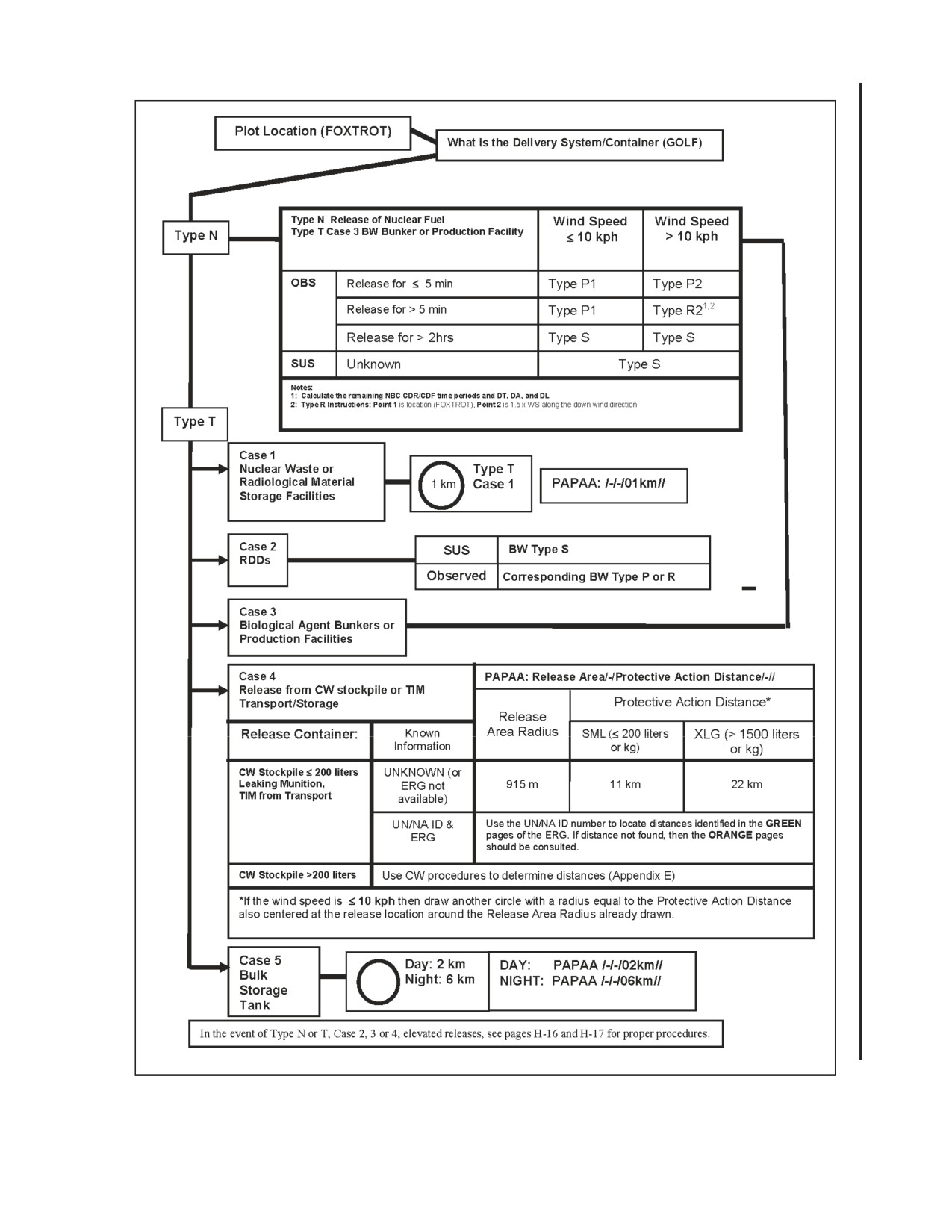
Figure H-4. Sample Decision Flowchart for ROTA Types and Cases
H-12
FM 3-11.3/MCWP 3-37.2A/NTTP 3-11.25/AFTTP(I) 3-2.56, C1
30 April 2009
Initial
Isolation
Zone
GN
Protective
Action
Zone
Spill
ERG
Distance
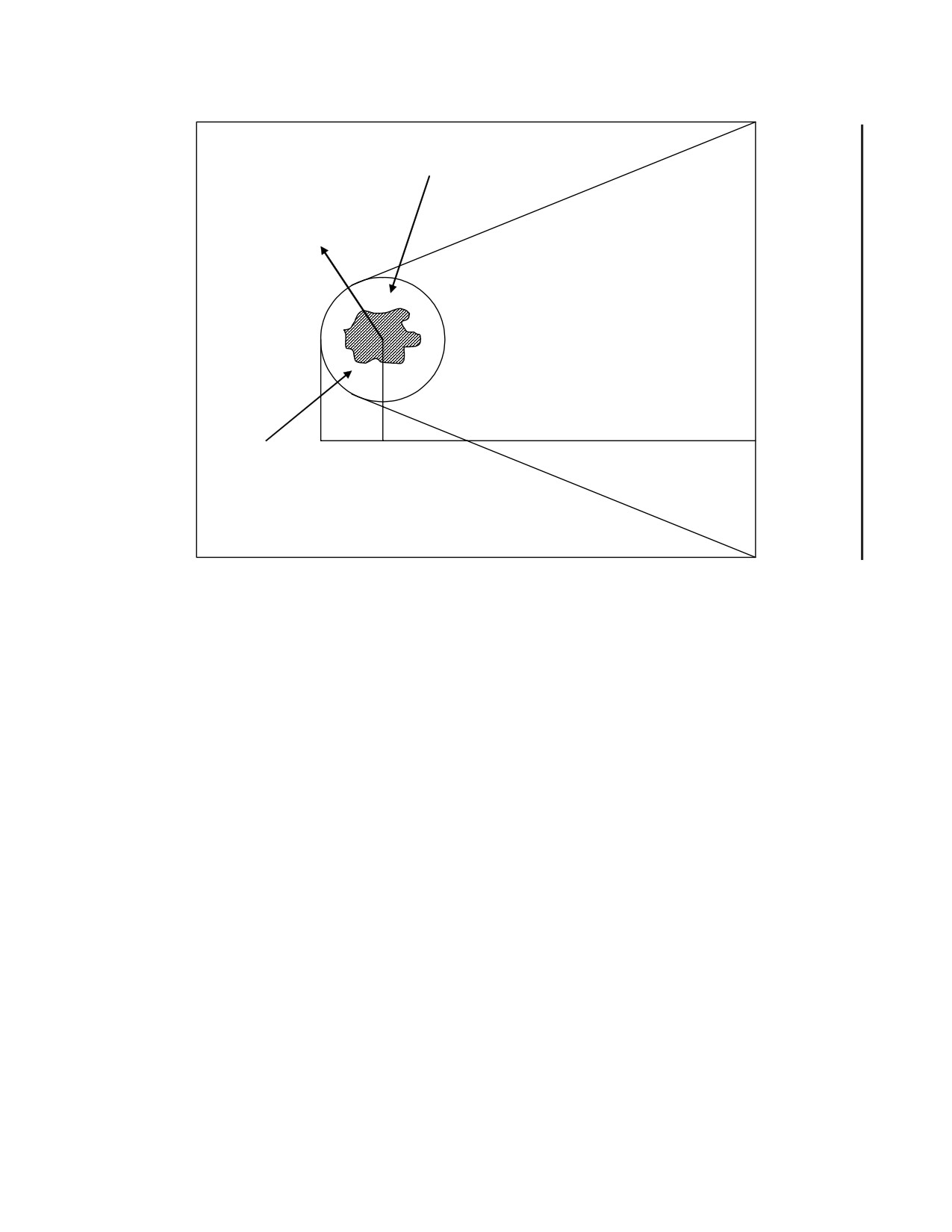
Figure H-5. Type T, Case 4: Small Methyl Isocyanate (UN/NA ID #2480) Spill at Night
o Wind Speed ≤10 kph. The wind direction is considered to be
variable, so draw another circle of radius equal to the protective action distance, centered at
the release location.
o Wind Speed >10 kph. Draw a line in the downwind direction
starting at the release location, of a length equal to the protective action distance. (For the
remaining steps, follow the drawing procedures from Appendix E rather than from the
ERG.) Draw a line at the end of the downwind direction line, perpendicular to the
downwind direction. Extend the downwind direction line in the upwind direction a distance
equal to twice the release area radius. Draw two lines from the upwind end of the
downwind direction line to the perpendicular line at the other end, which are tangent to the
top and bottom of the release area circle (see Figure H-5).
o Elevation. If the bulk of the material is elevated to a high
altitude, the wind speed and bearing at that height from the CBRN BWM or other
appropriate MET data should be used. If the material extends continuously from near the
ground to high elevation (above 50 m), the procedures for an elevated release should also be
used.
o Limitations. The initial hazard area is considered valid until
additional information is available. When significant changes in weather conditions occur, a
recalculation must be carried out (see Appendix E).
(e)
Case 5, Release from a Bulk Storage Tank. Chemical storage
tanks can contain thousands of liters of TIC. Many of these chemicals exist as gases under
atmospheric conditions and are stored as a liquid under high pressure and low
temperatures. Some of the chemicals are extremely flammable as a vapor cloud. Damage
30 April 2009 FM 3-11.3/MCWP 3-37.2A/NTTP 3-11.25/AFTTP(I) 3-2.56, C1
H-15
to one of these tanks can result in the stored liquid being ejected very quickly as a large
pool of very cold liquid. The pool will evaporate to form a vapor cloud, which is denser than
the surrounding air due to the lower temperature and differences in molecular weight. This
cloud will initially be affected more by gravity than the wind. The cloud will begin to dilute
by being mixed with surrounding air. Eventually, the cloud will no longer be denser than
the air and will move with the air as any other vapor or aerosol cloud. At this point,
however, the cloud concentration will most likely be low enough that it is no longer toxic.
So, any prediction procedures must focus on the behavior of the cloud before it has been
diluted. This behavior will be different than that predicted by assuming the hazard area
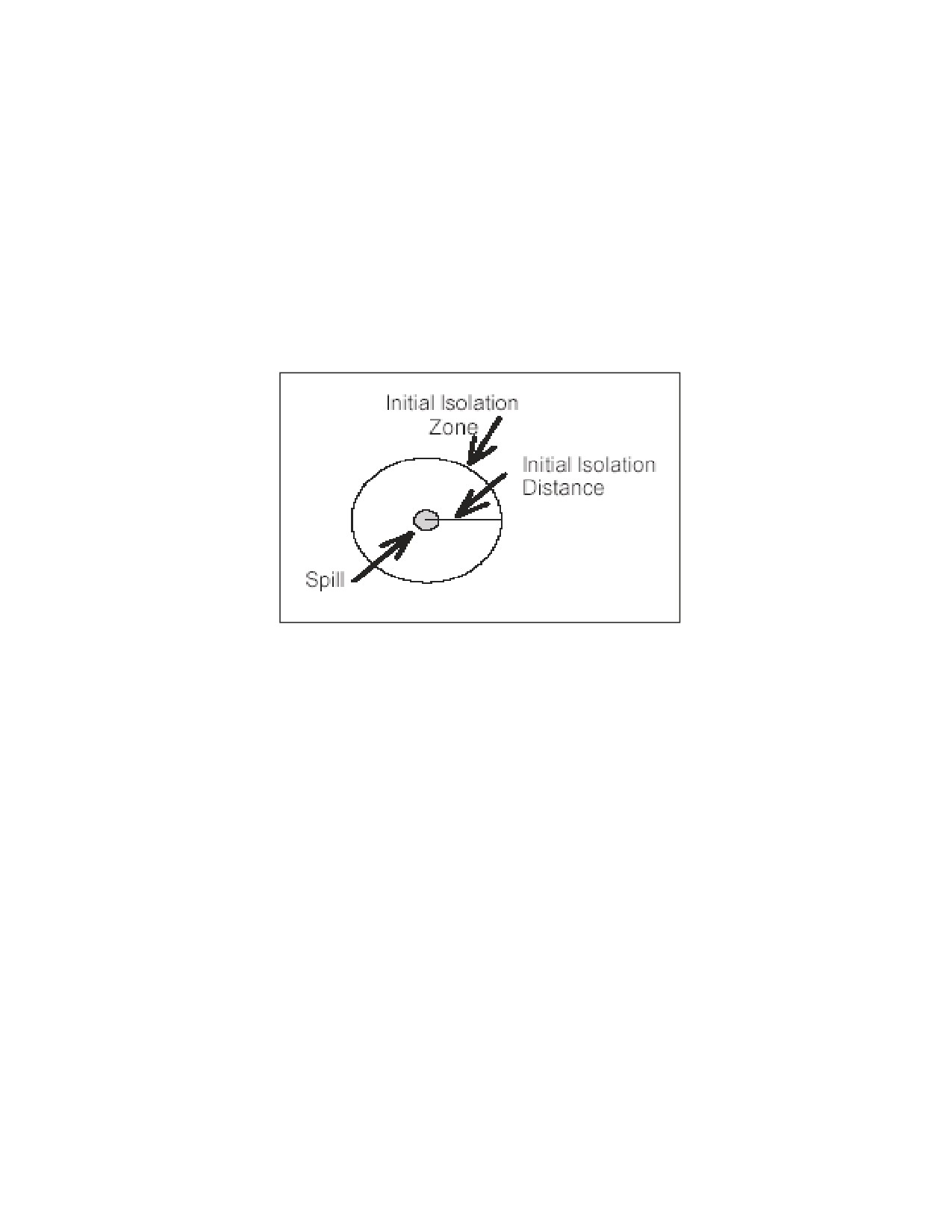
with the ERG. A simplified hazard is comprised of a circle, with the release location at its
center. The radius of the circle should be 2 km for the daytime and 6 km for nighttime (see
Figure H-6).
Figure H-6. Type T, Case 5
(3)
Hazard Prediction for Elevated Releases.
(a) If the release, momentum, or buoyancy carries the material
significantly (>50 m) above the ground surface, the hazard prediction should be repeated
using 2,000 m elevation from the CBRN BWM. The hazard area for an elevated release is
considered to be a combined hazard area, including spaces in between (see Figure H-7).
H-16
FM 3-11.3/MCWP 3-37.2A/NTTP 3-11.25/AFTTP(I) 3-2.56, C1
30 April 2009

Figure H-7. Type T, Case 4: GB Rocket Stockpile Fire During the Day
(b) If merging or combining hazard regions for elevated releases or
changing MET conditions involves two triangular hazard regions having downwind
directions that are different by more than 90 degrees, the regions to be merged should be
replaced with a circle of a radius equal to the larger of the downwind distances. The time of
arrival at a location should be the earliest time resulting from the BWM or CDM.
(c)
Changes in MET conditions in the following BWMs should be handled
in the same manner as using CDMs.
7.
NBC4 ROTA Report
The NBC4 ROTA Report (Figure H-8, page H-18) is used to pass subsequent off-target
monitoring data or the results of a deliberate directed survey. The report will use the
information as described in Chapter III for lines ALFA, INDIA, QUEBEC, ROMEO,
SIERRA, TANGO, WHISKEY, YANKEE, and ZULU. Line GENTEXT in this message will
provide the initial background reading taken by the survey team for a nuclear or
radiological release. Readings for line ROMEO will indicate a reading above the initial
reported background reading and measured values for chemical and biological releases.
Decimals may be entered into line ROMEO if the reading is below 1 in the relevant unit of
measurement recorded (e.g., 0.123456 cGy/h).
a.
Purpose. The purpose of the NBC4 ROTA report is to report detection data and
pass monitoring and survey results. This report is used for two cases. Case 1 is used if an
attack is not observed and the first indication of contamination is by detection. Case 2 is
used to report the measured contamination as a part of a survey or monitoring team
mission.
b.
Precedence. All other messages after the initial NBC1 ROTA report has been
sent should be given a precedence, which reflects the operational value of the contents.
Normally, IMMEDIATE would be appropriate.
30 April 2009 FM 3-11.3/MCWP 3-37.2A/NTTP 3-11.25/AFTTP(I) 3-2.56, C1
H-17

c.
Preparation. For detailed information regarding CBRN/ROTA reconnaissance,
monitoring, and survey, refer to Multiservice Tactics, Techniques, and Procedures for
Nuclear, Biological, and Chemical Reconnaissance.
NBC4 ROTA Report
Line Item
Description
Cond*
Example
ALFA
Strike serial number
O
ALFA/US/WEP/001/RN//
INDIA
Release information on CB agent attacks
M
INDIA/SURF/2978/-/MSVY//
or ROTA events
QUEBEC**
Location of reading/sample/detection and
M
QUEBEC/32VNJ481203/MSVY/-//
type of sample/detection
ROMEO**
Level of contamination, dose rate trend,
O
ROMEO/7CGH/DECR/DF//
and decay rate trend
SIERRA**
DTG of reading or initial detection of
M
SIERRA/202300ZSEP1997//
contamination
TANGO**
Terrain/topography and vegetation
M
TANGO/URBAN/URBAN//
description
WHISKEY
Sensor information
O
WHISKEY/-/POS/NO/HIGH//
YANKEE
Downwind direction and downwind speed
O
YANKEE/270DGT/015KPH//
ZULU
Actual weather conditions
O
ZULU/4/10C/7/5/1//
GENTEXT
General text
O
-
*The Cond column shows that each line item is operationally determined (O) or mandatory (M).
**Sets QUEBEC, ROMEO, SIERRA, and TANGO are a segment. With the exception of line ROMEO, this
segment is mandatory. Line items/segments are repeatable up to 20 times in order to describe multiple detection,
monitoring, or survey points.
Figure H-8. Sample NBC4 ROTA Report
8. NBC5 ROTA Report
The NBC5 ROTA Report (Figure H-9) outlines the actual extent of the ROTA ground
contamination from the survey data. The report uses information as described above for
lines ALFA, CHARLIE, INDIA, TANGO, XRAYB, YANKEE, ZULU, and GENTEXT. Line
OSCAR indicates the time for which the contour is appropriate. Line XRAYA describes the
level of the contamination for the contour and the ground contaminated area resulting from
any ROTA event, whether it is radiological, biological, or chemical.
a.
Purpose. The purpose of the NBC5 ROTA report is to pass information on areas
of actual contamination. This report can include areas of possible contamination, but only if
the actual contamination coordinates are included in the report.
b.
Precedence. All other messages after the initial NBC1 ROTA report has been
sent should be given a precedence, which reflects the operational value of the contents.
Normally, IMMEDIATE would be appropriate.
H-18
FM 3-11.3/MCWP 3-37.2A/NTTP 3-11.25/AFTTP(I) 3-2.56, C1
30 April 2009

NBC5 ROTA Report
Line Item
Description
Cond*
Example
ALFA
Strike serial number
O
ALFA/US/WEP/001/RN//
CHARLIE
DTG of report/observation and
O
CHARLIE/281530ZSEP1997//
event end
INDIA
Release information on CB agent
M
INDIA/SURF/2978/-/MSVY//
attacks or ROTA events
OSCAR
Reference DTG for estimated
M
OSCAR/281830ZSEP1997//
contour lines
TANGO
Terrain/vegetation information
O
XRAYA**
Actual contour information
M
XRAYA/0.003CGH/334015N1064010W/
334020N1064010W/
334020N1064020W/
334015N1064020W/
334015N1064010W//
XRAYB**
Predicted contour information
O
YANKEE
Downwind direction and downwind
O
YANKEE/270DGT/015KPH//
speed
ZULU
Actual weather conditions
O
ZULU/4/10C/7/5/1//
GENTEXT
General text
O
*The Cond column shows that each line item is operationally determined (O) or mandatory (M).
**Sets are repeatable up to 50 times to represent multiple contours.
Figure H-9. Sample NBC5 ROTA Report
c.
Preparation.
(1)
Contaminated areas are shown on the contamination situation map, and
information about them must be passed to the other units and higher HQ. The most
expeditious means for this is the contamination overlay.
(2)
The preparation of this overlay is described in each respective appendix
(e.g., for the chemical contamination overlay, refer to Appendix E). Overlays are preferred
for transmission of NBC3 and NBC5 ROTA reports (see Figure H-10, page H-20). They offer
the advantages of being readily usable and accurate, and they are in hard copy for future
references. Overlays have the disadvantages of requiring special equipment or messengers.
30 April 2009 FM 3-11.3/MCWP 3-37.2A/NTTP 3-11.25/AFTTP(I) 3-2.56, C1
H-19
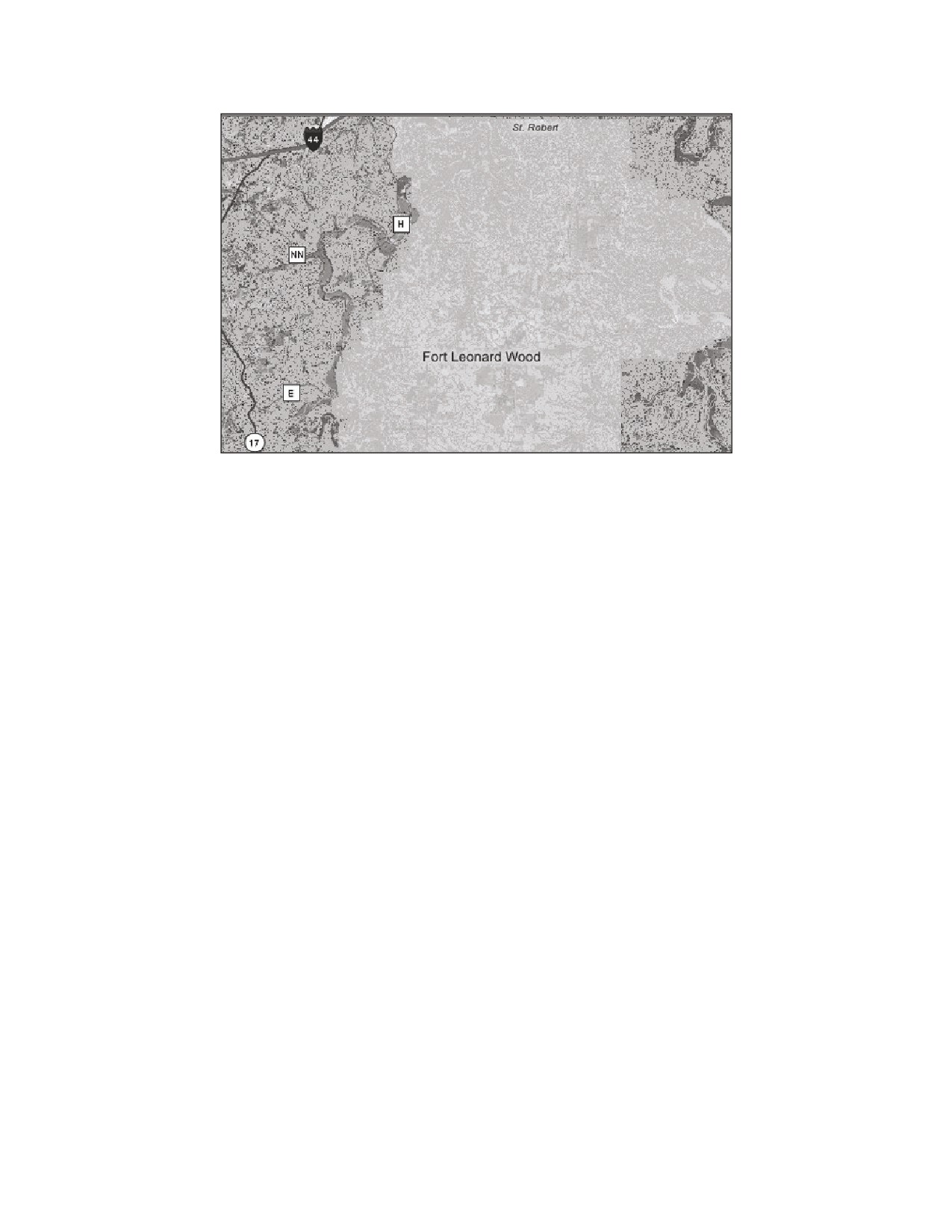
Figure H-10. Sample NBC5 ROTA Report Overlay (Without Marginal Data)
(3) Marginal information that should be included on the
overlay includes the following:
•
Map name.
•
Map number.
•
Scale.
•
Organization of preparer.
•
A legend containing nonstandard symbols/colors.
•
Type of report.
•
Lines of the report.
•
Grid register marks.
d .
Reporting Data.
(1)
Electronic communications are not always available. If this is the case, the
contamination overlay must be converted into a series of readings and coordinates for
transmission as an NBC5 ROTA report.
(2)
If electronic communications of the data or communications of a hard copy
are not available and if time and distance permit, contamination overlays are sent by
messenger. Data is transmitted manually by the NBC5 ROTA report as a last resort.
(3)
On the NBC5 ROTA report, a closed contour line on a plot is represented by
repeating the first coordinate.
H-20
FM 3-11.3/MCWP 3-37.2A/NTTP 3-11.25/AFTTP(I) 3-2.56, C1
30 April 2009

9.
NBC6 ROTA Report
The NBC6 ROTA report (Figure H-11) will be used to provide specific information (in
line GENTEXT) required to produce a more detailed ROTA hazard prediction.
a.
Purpose. The purpose of the NBC6 ROTA report is to pass detailed information
of a ROTA event.
b.
Precedence. All other messages, after the initial NBC1 ROTA report has been
sent, should be given a precedence, which reflects the operational value of the contents.
Normally, IMMEDIATE would be appropriate.
c.
Preparation. This report summarizes the information concerning a ROTA and is
prepared by the reporting unit, service equivalent, or higher organization, but only if
requested by higher HQ. It is used as an intelligence tool to help determine the enemy’s
future intentions.
d.
Submission. The NBC6 ROTA report is submitted to the higher HQ. It is written
in a narrative form with as much detail as possible.
NBC6 ROTA Report
Line Item
Description
Cond*
Example
ALFA
Strike serial number
O
ALFA/US/WEP/001/RN//
CHARLIE
DTG of report/observation and event
O
CHARLIE/281530ZSEP1997/
end
281545ZSEP1997//
FOXTROT
Location of attack or event
O
FOXTROT/32UNB058640/EE//
INDIA
Release information on CB agent
O
INDIA/SURF/2978/-//
attacks or ROTA events
QUEBEC
Location and type reading/sample/
O
QUEBEC/32VNJ481203/GAMMA//
detection
ROMEO
Level of contamination, dose rate
O
trend, and decay rate trend
SIERRA
DTG of reading
O
SIERRA/282300ZSEP1997//
GENTEXT
General text
M
GENTEXT/CBRN INFO/HOSPITAL
VEHICLE CARRYING RADIOACTIVE
WASTE OVERTURNED ON ROUTE 25//
*The Cond column shows that each line item is operationally determined (O) or mandatory (M).
Figure H-11. Sample NBC6 ROTA Report
30 April 2009 FM 3-11.3/MCWP 3-37.2A/NTTP 3-11.25/AFTTP(I) 3-2.56, C1
H-21

Table I-1. Line Items for STRIKWARN Messages
Line Item
Meaning
ALFAW
STRIKWARN target Identifier
(Target number, nickname, or code word)
DELTAW
DTG of strike or strike cancelled
(Multiple bursts: DTG attack will start, followed by DTG attack will end.
Single Burst: DTG of attack, followed by DTG after which the attack will be
cancelled.)
FOXONEW
MSD 1
(Multiple Bursts: UTM grid coordinates of MSD 1 box.
Single Burst: MSD 2, three digits, in hundreds of meters, followed by MSD 2 box
coordinates.)
FOXTWOW
MSD 2
(Multiple bursts: UTM grid coordinates of MSD 2 box.
Single burst: MSD 2, three digits, in hundreds of meters, followed by MSD 1 box
coordinates.)
HOTELW
Number of surface bursts
(If one or more bursts have less than 99% assurance of being an airburst, or if it
is a scheduled surface or subsurface burst, the number of surface bursts will be
reported on this line.)
INDIAW
Number of bursts in a multiple strike
(Not reported if only one)
AKNLDG
Acknowledge requirement
3.
Zones of Warning and Protection Requirements
Zones of warning and protection signify various degrees of danger to US forces.
a.
The MSD is equal to the radius of safety (RS) for the yield, plus a buffer distance
(BD) related to the dispersion of the weapon system used. When surface bursts are used or
an intended air burst having less than 99 percent assurance of no militarily significant
fallout, the fallout hazard will be considered. Details will be transmitted in a subsequent
NBC3 NUC message if fallout will be a hazard to friendly forces.
b.
Commanders will be governed by the safety criteria in JP 3-12.2 or the specific
service manual addressing nuclear safety.
c.
If a unit commander is unable to evacuate Zone 1, he will immediately require
the maximum protection and report through his next higher HQ to the releasing/executing
commander.
d.
Negligible risk should not normally be exceeded unless significant advantage will
be gained.
e.
Maximum protection for the ground forces denotes that personnel are in
buttoned-up tanks or sheltered in foxholes with an overhead shielding.
f.
Minimum protection for ground forces denotes that personnel are prone on open
ground with all skin areas covered and with an overall thermal protection at least equal to
that provided by a two-layer uniform.
30 April 2009 FM 3-11.3/MCWP 3-37.2A/NTTP 3-11.25/AFTTP(I) 3-2.56, C1
I-3
g.
Since the least separation distance (LSD) for light aircraft is exceeded by MSD 2,
aircraft remaining beyond MSD 2 will avoid significant degradation of the aircraft or pilot
performance (except Dazzle) severe enough to prevent mission accomplishment.
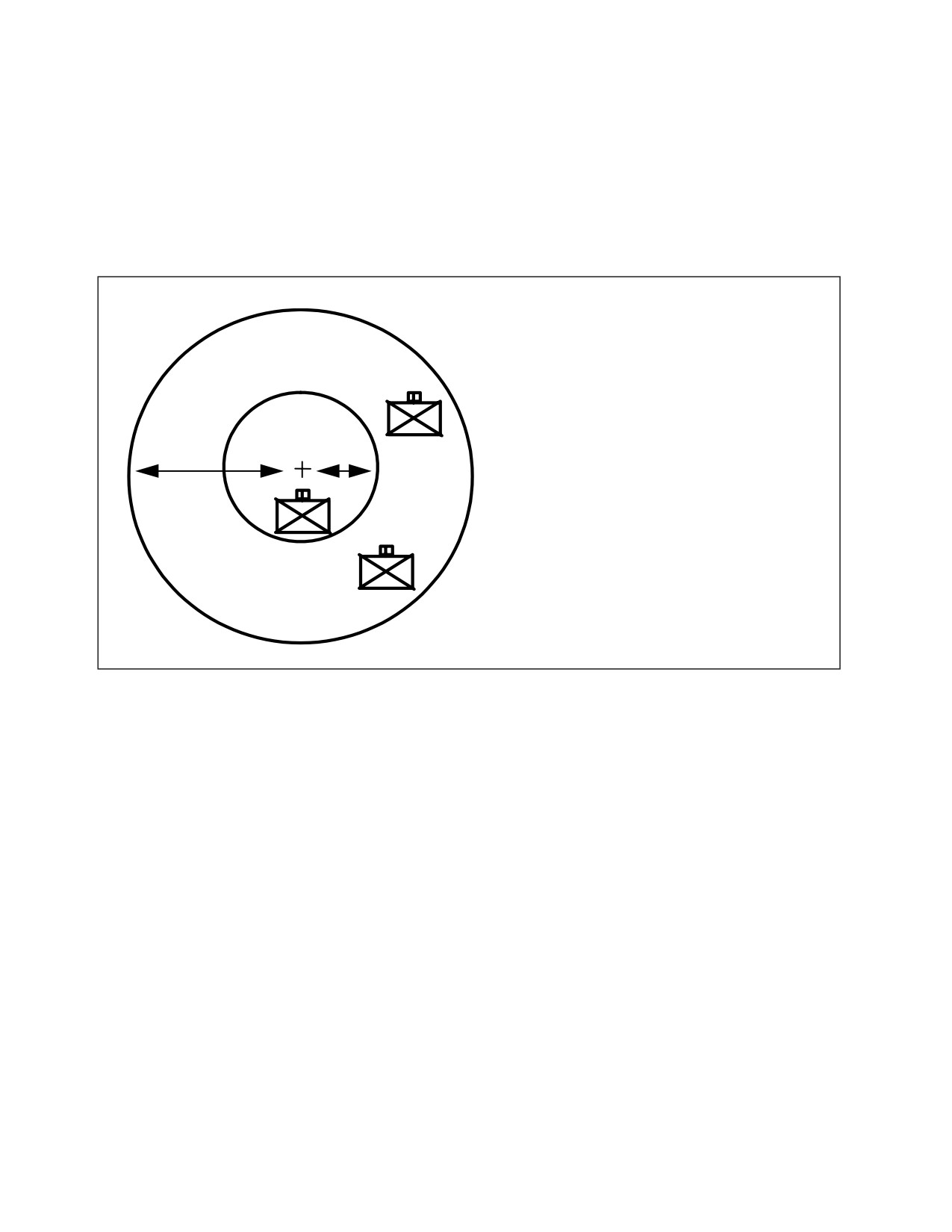
h. When a unit receives a STRIKWARN message, the first action is to plot it on the
tactical (situation) map. This identifies GZ or DGZ and how far the MSDs extend. The
commander can then determine what actions to take. Figure I-1 shows a plotted
STRIKWARN for a single burst.
Team A should evacuate MSD 1 if possible.
Otherwise, the unit will have to dismount and take
cover in foxholes. Evacuation is the first choice,
followed by seeking shelter with overhead cover. If
not evacuated, Team A may exceed the specified
C
risk. The other units will, as a minimum, assume a
prone position and protect against dazzle and EMP.
MSD 2
MSD 1
However, those not in a warned, protected posture
may exceed the specified risk.
A
B
Figure I-1. STRIKWARN Plot Showing MSD 1 and MSD 2, Single-Burst
4.
Plotting a STRIKWARN Message
Effectively plotting a STRIKEWARN message is paramount to establishing a unit’s
actions during a friendly nuclear attack.
a.
Single Burst (Figure I-1).
(1)
Step 1. Locate the GZ grid coordinates from line FOXTROT of the
STRIKWARN message, and then plot GZ.
(2)
Step 2. Draw MSD circles around GZ. The first 3 digits of line FOXTROT is
the radius of the MSD.
(3)
Step 3. Label the edge of the circles with the appropriate MSD.
(4)
Step 4. Label the marginal information on the map sheet. Marginal
information includes STRIKWARN message, NBC3 report, prepared-by unit, and map
scale.
I-4
FM 3-11.3/MCWP 3-37.2A/NTTP 3-11.25/AFTTP(I) 3-2.56, C1
30 April 2009
Appendix K
CALCULATIONS
This appendix provides a single reference location for CBRN hazard prediction-
related calculations.
Downwind Travel Distance:
d1 = u1 * t1
d2 = 2u2
d3 = u3 * (4 - t1)
Total Downwind Distance:
DA = d1 + d2 + d3
Leading and Trailing Edge:
DL = 1.5 * DA (Leading Edge, in km)
DT = 0.5 * DA (Training Edge, in km)
Initial Hazard Area (BIO only):
H1 = A + d1 or A + (u1 * t1 )
The following are calculations contained in Appendix G for nuclear contamination
avoidance TTP:
Polar Plot Method for Determining GZ:
0.35 kmps x time(s) = Distance to GZ, in km
M4A1 Calculator:
Covert degrees to mils (17.8 x degrees = mils)
Yield Estimation:
Yield 1 + yield 2 = sum yield / 2 = average yield
Time of Arrival of Fallout:
distance from GZ (km)
= time of arrival
effective wind speed in (kph)
30 April 2009 FM 3-11.3/MCWP 3-37.2A/NTTP 3-11.25/AFTTP(I) 3-2.56, C1
K-1
Detailed Fallout Prediction:
Effective Wind Speed = Radial Line Distance From GZ to CB Height (KM)
Time of Fall from CB (HR)
Time of Completion of Fallout:
2×Cloud radius
T
=1.25×T
+
comp
arrival
Effective wind speed
Measuring Nuclear Data:
Inside dose rate
Transmission Factor(TF ) =
Outside dose rate
Outside Dose Rate: OD = ID TF
Correlation Factor: (CF) =
1
= OD
TF ID
Air-Ground Correlation Factor (AGCF)
= Ground dose rate
Aerial dose rate
Ground dose rate
= Air dose rate x AGCF
Calculation of H Hour or TOB:
Tb - Ta
T1 = (Ra/Rb)1/n-1
Decay of Fallout:
n
n
R ×t
=R
×t
1
1
2
2
Decay Rate
log(Ra/Rb)
n = log(Tb/Ta)
Period of Validity for the Decay Rate (n):
Tp = 3(Tb - Ta) + Tb
K-2
FM 3-11.3/MCWP 3-37.2A/NTTP 3-11.25/AFTTP(I) 3-2.56, C1
30 April 2009

NBC3 REPORT TEMPLATES
NBC3 NUC Report
From:
To:
Precedence:
Security Classification:
DTG Sent:
Category of Report: Initial
Follow-up
Line Item
Description
Cond
Template
ALFA
Strike Serial Number
M
DELTA
DTG of Attack or Detonation and
M
Attack End
FOXTROT
Location of Attack or Event
M
GOLF
Delivery and Quantity Information
O
HOTEL
Type of Nuclear Burst
O
NOVEMBER
Estimated Nuclear Yield in KT
O
OSCAR
Reference DTG for Contour Lines
O
PAPAB
Detailed Fallout Hazard Prediction
M
Parameters
PAPAC
Radar Determined External
O
Contour of Radioactive Cloud
PAPAD
Radar Determined Downwind
O
Direction of Radioactive Cloud
XRAYB**
Predicted Contour Information
C
YANKEE
Downwind Direction and
O
Downwind Speed
ZULU
Actual Weather Conditions
O
GENTEXT
General Text
O
** Line Item is repeatable up to 50 times to represent multiple contours
The “Cond” column in the examples shows that each set is operationally determined (O),
conditional (C), or mandatory (M).
Note: XRAYB is prohibited if OSCAR is not used.
30 April 2009 FM 3-11.3/MCWP 3-37.2A/NTTP 3-11.25/AFTTP(I) 3-2.56, C1
L-15

NBC3 CHEM/BIO Report
From:
To:
Precedence:
Security Classification:
DTG Sent:
Category of Report: Initial
Follow-up
Line Item
Description
Cond
Template
ALFA
Strike Serial Number
M
DELTA
DTG of Attack or Detonation and
M
Attack End
FOXTROT
Location of Attack or Event
M
GOLF
Delivery and Quantity
O
Information
INDIA
Release Information on
M
Biological/Chemical Agent
Attacks or ROTA Events
OSCAR
Reference DTG for Contour
O
Lines
PAPAA
Predicted Attack/Release and
M
Hazard Area
PAPAX*
Hazard Area Location for
M
Weather Period
TANGO
Terrain/vegetation Information
O
XRAYB**
Predicted Contour Information
C
YANKEE
Downwind Direction and
O
Downwind Speed
ZULU
Actual Weather Conditions
O
GENTEXT
General Text
O
* Line item is repeatable up to 3 times in order to describe three possible hazard areas
corresponding to the time periods from the CDM. A hazard area for a following time period
will always include the previous hazard area.
** Line item is repeatable up to 50 times to represent multiple contours. The “Cond”
column in the examples shows that each set is operationally determined (O), conditional (C)
or mandatory (M).
Note: XRAYB is prohibited if OSCAR is not used.
L-16
FM 3-11.3/MCWP 3-37.2A/NTTP 3-11.25/AFTTP(I) 3-2.56, C1
30 April 2009

NBC3 ROTA Report
From:
To:
Precedence:
Security Classification:
DTG Sent:
Category of Report: Initial
Follow-up
Line Item
Description
Cond
Template
ALFA
Strike Serial Number
M
CHARLIE
DTG of Report/observation and
M
Event End
FOXTROT
Location of Attack or Event
M
GOLF
Delivery and Quantity Information
O
INDIA
Release Information on
M
Biological/Chemical Agent Attacks
or ROTA Events
MIKER
Description and Status of ROTA
O
Event
OSCAR
Reference DTG for Contour Lines
O
PAPAA
Predicted Attack/Release and
M
Hazard Area
PAPAX*
Hazard Area Location for Weather
M
Period
TANGO
Terrain/Vegetation Information
O
XRAYB**
Predicted Contour Information
C
YANKEE
Downwind Direction and
O
Downwind Speed
ZULU
Actual Weather Conditions
O
GENTEXT
General Text
O
* Line item is repeatable up to 3 times in order to describe three possible hazard areas
corresponding to the time periods from the CDM. A hazard area for a following time period
will always include the previous hazard area.
** Line item is repeatable up to 50 times to represent multiple contours
The “Cond” column in the examples shows that each set is operationally determined (O),
conditional (C), or mandatory (M).
Note: XRAYB is prohibited if OSCAR is not used.
30 April 2009 FM 3-11.3/MCWP 3-37.2A/NTTP 3-11.25/AFTTP(I) 3-2.56, C1
L-17

NBC4 REPORT TEMPLATES
NBC4 NUC Report
From:
To:
Precedence:
Security Classification:
DTG Sent:
Category of Report: Initial
Follow-up
Line Item
Description
Cond
Template
ALFA
Strike Serial Number
O
KILO
Crater Description
O
QUEBEC*
Location of
M
Reading/Sample/Detection and Type
of Sample/Detection
ROMEO*
Level of Contamination, Dose Rate
M
Trend and Decay Rate Trend
SIERRA*
DTG of Reading or Initial Detection of
M
Contamination
TANGO
Terrain/Vegetation Information
O
WHISKEY
Sensor Information
O
YANKEE
Downwind Direction and Downwind
O
Speed
ZULU
Actual Weather Conditions
O
GENTEXT
General Text
O
* The “Cond” column in the examples shows that each line item is operationally determined
(O) or mandatory (M).
* Line items QUEBEC, ROMEO, SIERRA, and TANGO are a segment. With exclusion of
line item ROMEO, this segment is mandatory. Line items/segments are repeatable up to 20
times in order to describe multiple detection, monitoring, or survey points.
L-18
FM 3-11.3/MCWP 3-37.2A/NTTP 3-11.25/AFTTP(I) 3-2.56, C1
30 April 2009
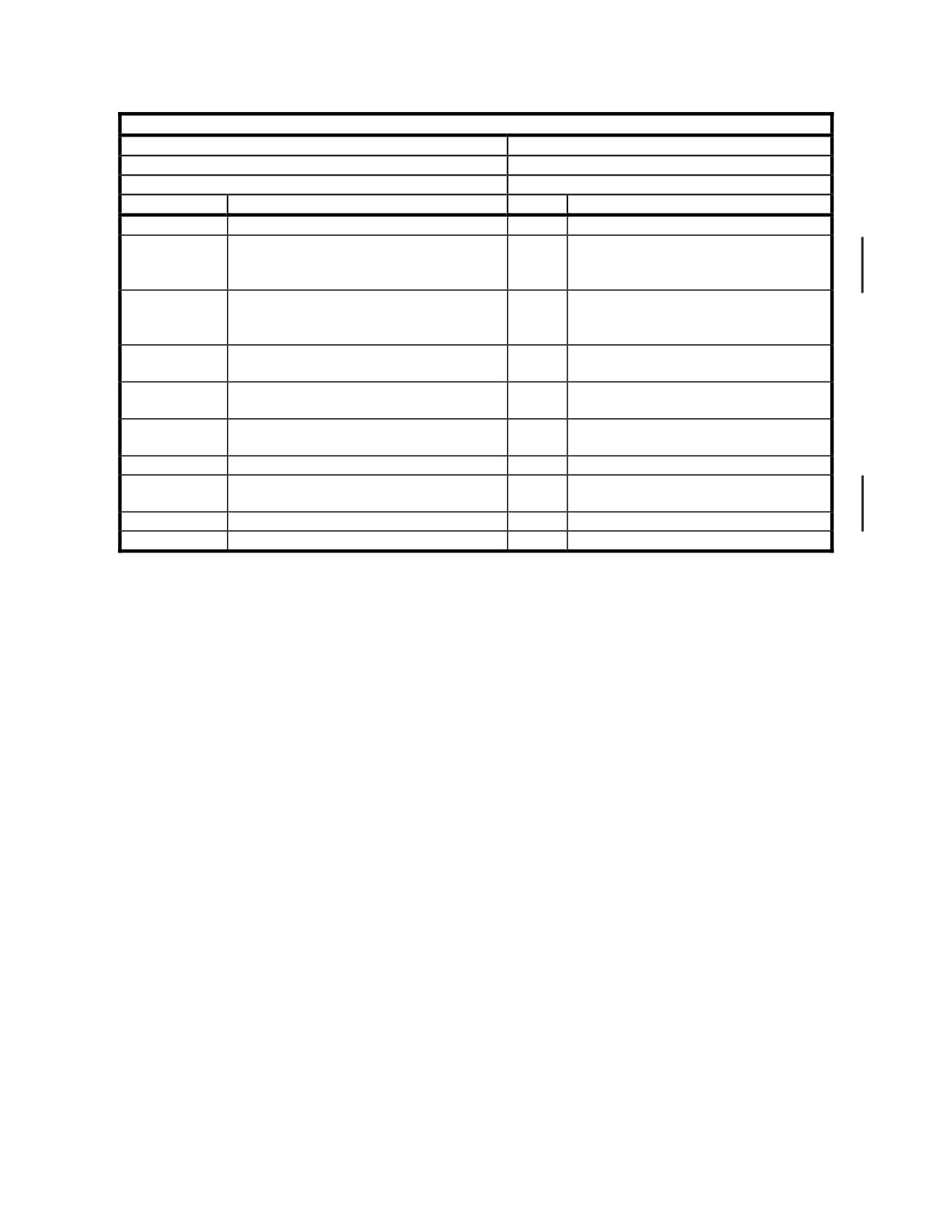
NBC4 CHEM/BIO Report
From:
To:
Precedence:
Security Classification:
DTG Sent:
Category of Report: Initial
Follow-up
Line Item
Description
Cond
Template
ALFA
Strike Serial Number
O
INDIA
Release Information on
M
Biological/Chemical Agent Attacks or
ROTA Events
QUEBEC*
Location of
M
Reading/Sample/Detection and Type
of Sample/Detection
ROMEO*
Level of Contamination, Dose Rate
O
Trend and Decay Rate Trend
SIERRA*
DTG of Reading or Initial Detection of
M
Contamination
TANGO*
Terrain/Topography and Vegetation
M
Description
WHISKEY
Sensor Information
O
YANKEE
Downwind Direction and Downwind
O
Speed
ZULU
Actual Weather Conditions
O
GENTEXT
General Text
O
* The “Cond” column in the examples shows that each line item is operationally determined
(O) or mandatory (M).
* Line items QUEBEC, ROMEO, SIERRA, and TANGO are a segment. With exclusion of
line item ROMEO, this segment is mandatory. Line items/segments are repeatable up to 20
times in order to describe multiple detection, monitoring, or survey points.
30 April 2009 FM 3-11.3/MCWP 3-37.2A/NTTP 3-11.25/AFTTP(I) 3-2.56, C1
L-19

NBC4 ROTA Report
From:
To:
Precedence:
Security Classification:
DTG Sent:
Category of Report: Initial
Follow-up
Line Item
Description
Cond
Template
ALFA
Strike Serial Number
O
INDIA
Release Information on
M
Biological/Chemical Agent Attacks or
ROTA events
QUEBEC*
Location of
M
Reading/Sample/Detection and Type
of Sample/Detection
ROMEO*
Level of Contamination, Dose Rate
O
Trend and Decay Rate Trend
SIERRA*
DTG of Reading or Initial Detection of
M
Contamination
TANGO*
Terrain/Topography and Vegetation
M
Description
WHISKEY
Sensor Information
O
YANKEE
Downwind Direction and Downwind
O
Speed
ZULU
Actual Weather Conditions
O
GENTEXT
General Text
O
* The “Cond” column in the examples shows that each line item is operationally determined
(O) or, mandatory (M).
* Line items QUEBEC, ROMEO, SIERRA, and TANGO are a segment. With exclusion of
line item ROMEO, this segment is mandatory. Line items/segments are repeatable up to 20
times in order to describe multiple detection, monitoring, or survey points.
L-20
FM 3-11.3/MCWP 3-37.2A/NTTP 3-11.25/AFTTP(I) 3-2.56, C1
30 April 2009
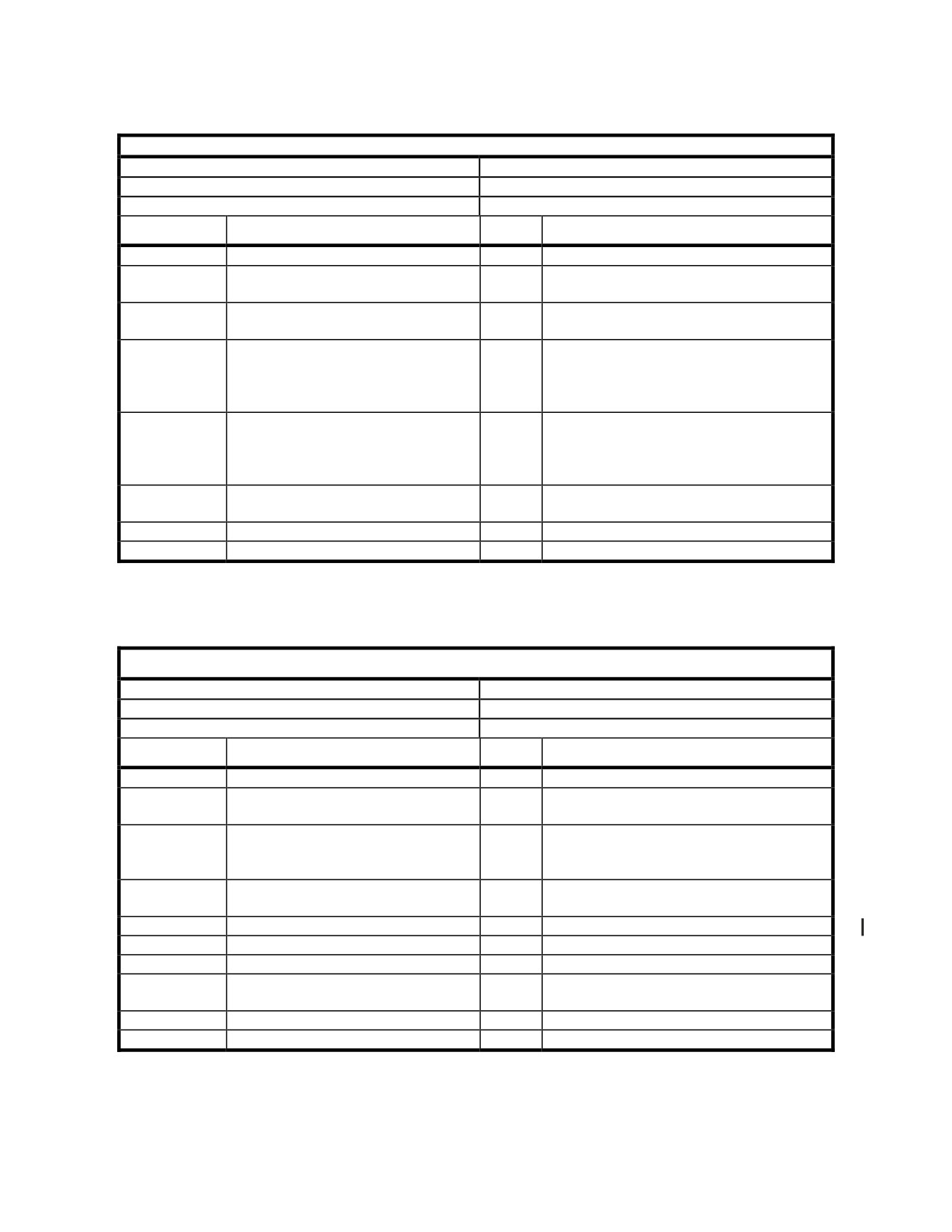
NBC5 REPORT TEMPLATES
NBC5 NUC Report
From:
To:
Precedence:
Security Classification:
DTG Sent:
Category of Report: Initial
Follow-up
Line Item
Description
Cond
Template
ALFA
Strike Serial Number
O
DELTA
DTG of Attack or Detonation and
O
Attack End
OSCAR
Reference DTG for Estimated
M
Contour Lines
XRAYA*
Actual Contour Information
M
XRAYB*
Predicted Contour Information
O
YANKEE
Downwind Direction and
O
Downwind Speed
ZULU
Actual Weather Conditions
O
GENTEXT
General Text
O
The “Cond” column in the examples shows that each line item is operationally determined
(O) or mandatory (M).
* Sets are repeatable up to 50 times to represent multiple contours.
NBC5 CHEM/BIO Report
From:
To:
Precedence:
Security Classification:
DTG Sent:
Category of Report: Initial
Follow-up
Line Item
Description
Cond.
Template
ALFA
Strike Serial Number
O
DELTA
DTG of Attack or Detonation and
O
Attack End
INDIA
Release Information on
M
Biological/Chemical Agent Attacks
or ROTA Events
OSCAR
Reference DTG for Estimated
M
Contour Lines
TANGO
Terrain/vegetation Information
O
XRAYA*
Actual Contour Information
M
XRAYB*
Predicted Contour Information
O
YANKEE
Downwind Direction and
O
Downwind Speed
ZULU
Actual Weather Conditions
O
GENTEXT
General Text
O
The “Cond.” column in the examples shows that each line item is operationally determined
(O) or mandatory (M).
* Sets are repeatable up to 50 times to represent multiple contours.
30 April 2009 FM 3-11.3/MCWP 3-37.2A/NTTP 3-11.25/AFTTP(I) 3-2.56, C1
L-21

NBC5 ROTA Report
From:
To:
Precedence:
Security Classification:
DTG Sent:
Category of Report: Initial
Follow-up
Line Item
Description
Cond
Template
ALFA
Strike Serial Number
O
CHARLIE
DTG of Report/Observation and
O
Event End
INDIA
Release Information on
M
Biological/Chemical Agent
Attacks or ROTA Events
OSCAR
Reference DTG for Estimated
M
Contour Lines
TANGO
Terrain/Vegetation Information
O
XRAYA*
Actual Contour Information
M
XRAYB*
Predicted Contour Information
O
YANKEE
Downwind Direction and
O
Downwind Speed
ZULU
Actual Weather Conditions
O
GENTEXT
General Text
O
The “Cond.” column in the examples shows that each line item is operationally determined
(O) or mandatory (M).
* Sets are repeatable up to 50 times to represent multiple contours.
L-22
FM 3-11.3/MCWP 3-37.2A/NTTP 3-11.25/AFTTP(I) 3-2.56, C1
30 April 2009
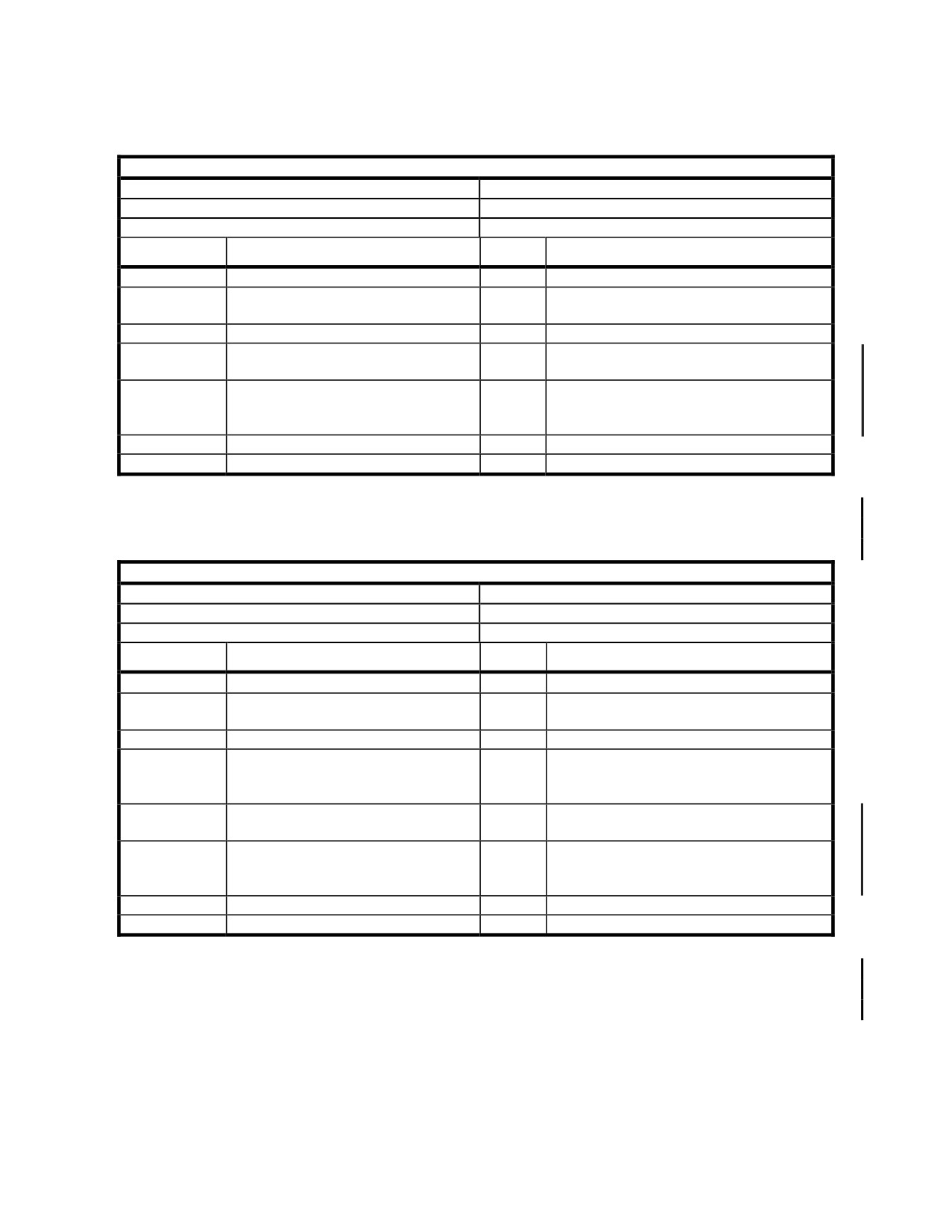
NBC6 REPORT TEMPLATES
NBC6 NUC Report
From:
To:
Precedence:
Security Classification:
DTG Sent:
Category of Report: Initial
Follow-up
Line Item
Description
Cond
Template
ALFA
Strike Serial Number
O
DELTA
DTG of Attack or Detonation and
O
Attack End
FOXTROT
Location of Attack and Qualifier
O
QUEBEC
Location and Type
O
Reading/Sample/Detection
ROMEO
Level of Contamination, Dose
O
Rate Trend, and Decay Rate
Trend
SIERRA
DTG of Reading
O
GENTEXT
General Text
M
* The “Cond” column in the examples shows that each line item is operationally
determined (O) or mandatory (M).
NBC6 CHEM/BIO Report
From:
To:
Precedence:
Security Classification:
DTG Sent:
Category of Report: Initial
Follow-up
Line Item
Description
Cond
Template
ALFA
Strike Serial Number
O
DELTA
DTG of Attack or Detonation and
O
Attack End
FOXTROT
Location of Attack and Qualifier
O
INDIA
Release Information on
O
Biological/Chemical Agent Attacks
or ROTA Events
QUEBEC
Location and Type
O
Reading/Sample/Detection
ROMEO
Level of Contamination, Dose
O
Rate Trend, and Decay Rate
Trend
SIERRA
DTG of Reading
O
GENTEXT
General Text
M
* The “Cond.” column in the examples shows that each line item is operationally
determined (O) or mandatory (M).
30 April 2009 FM 3-11.3/MCWP 3-37.2A/NTTP 3-11.25/AFTTP(I) 3-2.56, C1
L-23

NBC6 ROTA Report
From:
To:
Precedence:
Security Classification:
DTG Sent:
Category of Report: Initial
Follow-up
Line Item
Description
Cond
Template
ALFA
Strike Serial Number
O
CHARLIE
DTG of Report /Observation and
O
Event End
FOXTROT
Location of Attack or Event
O
INDIA
Release Information on
O
Biological/Chemical Agent Attacks
or ROTA Events
QUEBEC
Location and Type
O
Reading/Sample/Detection
ROMEO
Level of Contamination, Dose
O
Rate Trend, and Decay Rate
Trend
SIERRA
DTG of Reading
O
GENTEXT
General Text
M
* The “Cond” column in the examples shows that each line item is operationally
determined (O) or mandatory (M).
L-24
FM 3-11.3/MCWP 3-37.2A/NTTP 3-11.25/AFTTP(I) 3-2.56, C1
30 April 2009
FM 3-90, Tactics, 4 July 2001.
FM 3-101, Chemical Staffs and Units, 19 November 1993.
FM 4-02, Force Health Protection in a Global Environment, 13 February 2003.
FM 4-02.7, Health Service Support in a Nuclear, Biological, and Chemical Environment,
1 October 2002.
FM 4-02.33, Control of Communicable Diseases Manual (18th Edition), 1 June 2005.
FM 21-10, Field Hygiene and Sanitation, 21 June 2000.
FM 34-130, Intelligence Preparation of the Battlefield, 8 July 1994.
FM 100-7, DECISIVE FORCE: The Army in Theater Operations, 31 May 1995.
FM 101-5, Staff Organization and Operations, 31 May 1997.
TM 11-6665-251-10, Operator’s Manual for Radiac Set AN/VDR-2, 1 March 1988.
USAMRIID, Medical Management of Biological Casualties Handbook, February 2001.
Air Force
AFDD-1, Air Force Basic Doctrine, September 1997.
AFDD-2-1.8, Counter Nuclear, Biological, and Chemical (NBC) Operations, 16 August 2000.
AFH 32-4001, USAF, Ability to Survive and Operate Procedures in a Nuclear, Biological,
and Chemical Environment, Volume 4, 1 March 1998.
AFH 32-4004, Emergency Response Operations, 1 December 1995.
AFH 32-4014, USAF Operations in a Chemical and Biological (CB) Warfare Environment,
Planning and Analysis, Volume 1, 1 March 1998.
AFH 32-4014, USAF Operations in a Chemical and Biological Warfare Environment, CB
Hazards, Volume 2, 1 December 1997.
AFH 32-4014, USAF Operations in a Chemical and Biological (CB) Warfare Environment,
Defense Equipment, Volume 3, 1 February 1998.
AFH 32-4014, USAF Ability to Survive and Operate Procedures in a Nuclear, Biological,
and Chemical (NBC) Environment, Volume 4, 1 March 1998.
AFI 32-4001, Disaster Preparedness Planning and Operations, 28 August 2002.
AFI 32-4004, Emergency Response Operations, 1 December 1995.
AFMAN 10-2602, Nuclear, Biological, Chemical, and Conventional (NBCC) Defense
Operations and Standards, 29 May 2003.
AFMAN 32-4005, Personnel Protection and Attack Actions, 30 October 2001.
AFMAN 32-4017, Civil Engineer Readiness Technician's Manual for Nuclear, Biological,
and Chemical Defense, 29 May 2003.
AFPAM 32-4019, Chemical-Biological Warfare Commander’s Guide, 1 April 1998.
AFPD 10-26, Counter-Nuclear, Biological, and Chemical Operational Preparedness,
6 February 2001.
30 April 2009 FM 3-11.3/MCWP 3-37.2A/NTTP 3-11.25/AFTTP(I) 3-2.56, C1
References-3
AFPD 32-40, Disaster Preparedness, 7 May 1997.
US Air Force Engineering Support Activity, Chemical and Biological Defense Concept of
Operations, January 1998.
US Air Force Institute for National Security Studies, Countering the Proliferation and Use
of Weapons of Mass Destruction, 1998.
Marine Corps
MCWP 3-37, Marine Air-Ground Task Force (MAGTF) Nuclear, Biological, and Chemical
Defensive Operations, September 1998.
MCWP 3-40.2, Information Management, January 2002.
Navy
Naval Doctrine Command, US Navy, Executive Summary, Multinational Maritime
Operations, 1996.
Naval Doctrine Publication 1, Naval Warfare, Washington, DC: Department of the Navy,
28 March 1994.
Naval Doctrine Publication 2, Naval Intelligence, Washington, DC: Department of the
Navy, 30 September 1994.
Naval Doctrine Publication 4, Naval Logistics, Washington, DC: Department of the Navy,
20 February 2000.
Navy Warfare Publication 3-20.31, Ship Survivability, January 2000.
Trainee Guide, Disaster Preparedness Operations Specialist, US Navy Detachment, Fort
Leonard Wood, MO, June 1998.
NATO Standardization Agreements (STANAG) and Publications
STANAG 2002, Warning Signs for the Marking of Contaminated or Dangerous Land Areas,
Complete Equipment, Supplies, and Stores, 29 January 1999.
STANAG 2047(Ed 6), Emergency Alarms of Hazard or Attack (NBC or Air Attack Only),
27 March 1985.
STANAG 2083 (Ed 5), Commander’s Guide on Nuclear Radiation Exposure of Groups,
24 June 1994.
STANAG 2103 (Ed 9), Reporting Nuclear Detonations, Biological and Chemical Attacks,
and Predicting the Warning of Associated Hazards and Hazard Areas-Allied Tactical
Publication (ATP)45(C), December 2005.
STANAG 2104, Friendly Nuclear Strike Warning (STRIKWARN), 20 May 2003.
STANAG 2112, NBC Reconnaissance, 6 March 1998.
STANAG 2133(SD6), Vulnerability Analysis of Chemical and Biological Hazards, October
2000.
STANAG 2353, Evaluation of NBC Defense Capability, 24 March 2000.
STANAG 2473(Ed. 1), Commander’s Guide on Low Level Radiation (LLR) Exposure in
Military Operations, 03 May 2000.
References-4 FM 3-11.3/MCWP 3-37.2A/NTTP 3-11.25/AFTTP(I) 3-2.56, C1
30 April 2009
STANAG 2984(Ed. 5), Graduated Levels of NBC Threat and Associated Protection,
21 March 2001.
Other Sources
Allied Engineering Publication (AEP) (10), Sampling and Identification of CB Agents,
February 2000.
Department of Transportation, 2000 Emergency Response Guidebook, A Guide for First
Responders During the Initial Phase of a Dangerous Goods/ Hazardous Materials
Incident.
Emergency Response Guidebook 2004.
Joint Vision 2020, June 2000.
Medical Management of Radiological Casualties Handbook, Second Edition, April 2003.
Presidential Decision Directive (PDD)/National Security Council (NSC) 39, US Government
Policy on Counterterrorism, 21 June 1995.
30 April 2009 FM 3-11.3/MCWP 3-37.2A/NTTP 3-11.25/AFTTP(I) 3-2.56, C1
References-5