FM 4-02.1 COMBAT HEALTH LOGISTICS (September 2001) - page 2
FM 4-02.1
TMIP/MC4 system), and all the required enablers. Throughput
distribution will rely heavily on the relationship between the MMMB/
DMC and the MEDLOG company. The systems that work together to
provide this management and coordination are TAMMIS and/or TMIP/
MC4, TC-AIMS II, Movement Tracking Systems (MTS), and GTN.
4-9.
Medical Logistics Company
The HHD, MEDLOG battalion assigns one MEDLOG company in DS of each division. Once established,
the MEDLOG company provides Class VIII resupply for division medical elements and for corps medical
elements operating in its AO. See Chapter 3, paragraph 3-8 for a discussion on the MEDLOG company.
4-10. Routine Requisitions of Class VIII Supplies
Maneuver battalions will request Class VIII supplies from their supporting FSMC utilizing the CHL functional
module of TMIP/MC4. Those requisitions that cannot be filled will be passed to the corps MEDLOG
company using TAMMIS or the CHL functional module of TMIP/MC4. If the requested items are available
for issue, a materiel release order is printed and the requested supplies are prepared for shipment. For items
not available for issue, the requests are passed to the next higher level of supply. Using TAMMIS or the CHL
functional module of TMIP/MC4, the MEDLOG company forwards information to the unit on items shipped
and on those requests that were not filled. Shipment of medical materiel from the MEDLOG company is
coordinated with the corps support battalion and the corps movement control office(r) (MCO). Shipment may
also be achieved through use of the backhaul method using returning directed medical assets when possible.
Shipments of Class VIII supplies to medical platoons of the maneuver units will be shipped to the supporting
FSMC. The FSMC will coordinate with the FSB forward support operations section for delivery of Class VIII
supplies from the BSA to forward deployed medical elements. Class VIII supply delivery may also be
accomplished by using returning ambulances to backhaul requested Class VIII supplies to their medical
platoons. Figure 4-1 provides an overview of Class VIII requisition and resupply flow at Echelon I; Figure
4-2 provides an overview of Class VIII requisition and resupply flow at Echelon II.
4-11. Emergency Requisitions
Emergency requisitions from medical platoons of the maneuver battalions are submitted to the supporting
FSMC. When the supporting FSMC is unable to fill the request, the requisition is forwarded to the corps
MEDLOG company and the DISCOM MMMB is informed. The DISCOM MMMB will, in coordination
with the MEDLOG company, prioritize all emergency requests for the division. The DISCOM MMMB
will also direct cross-level issues between division medical elements. All emergency requests received by
the MEDLOG company are processed immediately for shipment by the most expedient transportation
available. The MEDLOG company immediately forwards all emergency requests not filled to the MEDLOG
support company. The HSMO of the MMMB has the responsibility of monitoring all emergency requisitions
not immediately filled by the MEDLOG company.
4-7
FM 4-02.1
Section II. THE CORPS
4-12. General
This section outlines Class VIII supply support for the corps. It discusses roles and functions of the logistics
support company and the area support medical battalion (ASMB) operating in the corps area.
4-13. Corps Combat Health Support Logistics System
a. The logistics support company, under the operational control of the HHD, MEDLOG battalion,
is responsible for receiving, storing, and distributing medical materiel; single- and multivision optical fabrication
and repair; medical maintenance; medical gas production and distribution; and building of medical assemblages/
push packages. The logistics support company supports the corps. Figure 4-3 provides an overview of Class
VIII requisition and resupply flow within the corps area. See Chapter 7 for detail blood support operations.
b. Echelons I and II medical units within the corps area will receive Class VIII supply support
from the ASMB, the HHD, MEDLOG battalion/logistics support company or MEDLOG company on an
area basis. Corps-level hospitals within the corps rear area will receive Class VIII supply support from the
HHD, MEDLOG battalion/logistics support company on an area basis. Medical logistics companies will
receive Class VIII supply support from the corps-level logistics support company. Area support medical
battalions (or their subordinate elements) will receive support on an area basis from either a logistics
support company or a MEDLOG company. Corps-level hospitals within the corps forward area will
receive Class VIII supply support from the MEDLOG company. All other organizations (Army, USAF,
Navy, and Marines) will receive Class VIII supply support from their nearest Army medical supply DSU.
c.
Class VIII resupply for EAD units will be accomplished using the TAMMIS and/or TMIP/
MC4. Possible modes of transmitting resupply requests are mobile subscriber equipment (MSE), tactical
radio, digital radio, cabled LAN, tactical satellite, and international maritime satellite and other commercial
satellite systems.
4-8
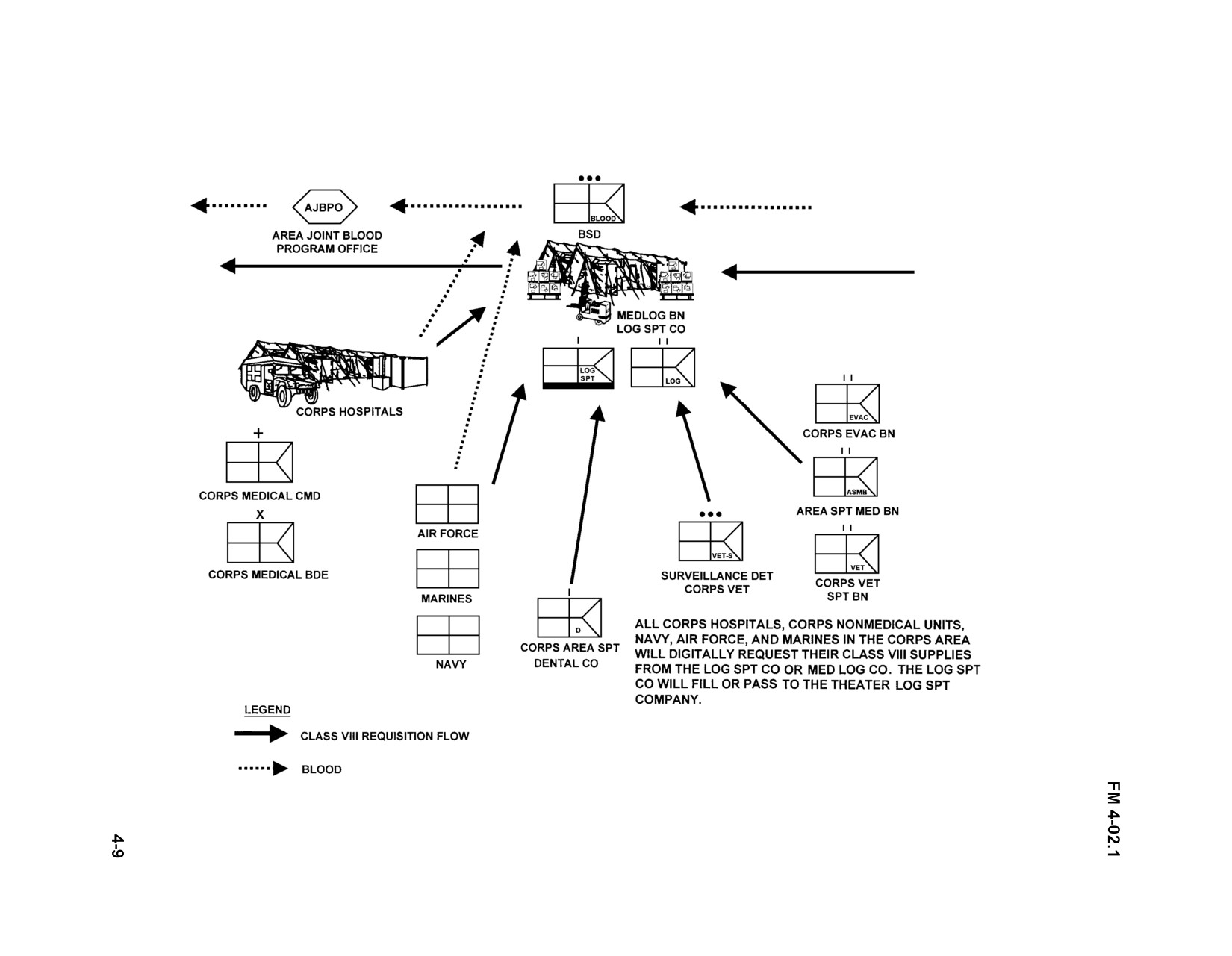
Figure 4-3. Corps Class VIII supply operations.
FM 4-02.1
Section III. ECHELONS ABOVE CORPS
4-14. General
This section outlines Class VIII supply support for EAC. It discusses roles and functions of the EAC
logistical support elements and their relationship with CONUS support activities.
4-15. Echelons Above Corps Combat Health Support Logistics System
a. The Headquarters and Headquarters Detachment, Medical Logistics Battalion.
(1) The HHD, MEDLOG battalion, through its MEDLOG support company and the BSD,
will provide medical materiel, medical maintenance and repair, optical, blood support, and contracting
services to EAC medical units. Figure 4-4 (page 4-12) provides an overview of Class VIII requisition and
resupply flow at EAC. The HHD, MEDLOG battalion will use line-item requisitioning to support customers
and will have the capabilities of building and maintaining preconfigured push packages in support of
forward MEDLOG units.
(2) Class VIII supply requests beyond the capabilities of theater (MEDLOG assets, HNS,
contractors, multinational partners, or local procurement) will be forwarded via TMIP/defense medical
logistics standard support (DMLSS) to the Defense Supply Center, Philadelphia (DSCP) for action (Figure
4-5, page 4-13). The DSCP will coordinate with strategic support elements (depots/prime vendors/
contractors) to fill the requests. Figures 4-6 through 4-10 (pages 4-14 through 4-18) illustrate Class VIII
supply flow from CONUS to theater. The integration of MTS, TC-AIMS II, and Global Combat Support
System-Army (GCSS-A) provides ITV to commanders and distribution managers with detailed information
on movements tracking, control, and status of distribution.
(3) The HHD, MEDLOG battalion (distribution management) and the MLMC forward team
(information management) will perform the SIMLM mission in support of joint and/or combined operations
and will have liaison officers (LNOs) from supported Services to assist in coordinating logistics support
requirements, when designated by the CINC.
b. The Medical Logistics Management Center Forward Team.
(1) Using split-based operations, the MLMC deploys a forward team into the AO (see Figure
4-11, page 4-19) while maintaining base operations within CONUS. The MLMC forward team will
provide centralized, theater-level management of critical Class VIII materiel, PMIs (air evacuation), and
medical maintenance.
(2) When required stocks are not available in the theater or stock replenishment is required,
the MLMC forward team may pass requirements to the DSCP if the theater medical inventory control point
is not yet in theater. The theater medical inventory control point is usually the theater MEDLOG battalion.
When practical, arriving shipments are forwarded directly from the port to the requesting medical
4-10
FM 4-02.1
organization. Otherwise, shipments are directed to a Class VIII distribution facility. The MLMC forward
team will work closely with the theater MEDLOG battalion or MEDLOG element serving as executive
agency for medical materiel in theater. The forward team will be collocated with the corps or EAC support
operations section of the COSCOM or TSC to coordinate movement of Class VIII supplies within the AO.
(3) The MLMC forward team, using TAMMIS or TMIP/MC4 and TC-AIMS II, MTS, and
GCSS-A, will have the capability to prioritize, redirect shipments, and direct theaterwide cross leveling of
Class VIII assets. It will provide a LNO (officer or senior NCO) to each of the MEDLOG battalions
deployed in theater. It will provide a LNO to the theater surgeon as required, if the theater surgeon is not
collocated with the TSC.
(4) The MLMC forward team and HHD, MEDLOG battalion, will perform the SIMLM
mission for joint/combined operations and will have LNOs from supported Services to assist in coordinating
logistics support requirements during operations.
c.
The Medical Logistics Support Team. The MLST (see paragraph 3-10) will be deployed from
USAMMA in support of reception, onward movement, and integration of APS in the AO. The MLST
provides medical materiel and maintenance capability, equipment capability, equipment accountability, and
transfer support of reception operations at aerial/sea ports of debarkation. This provides mission-ready
equipment to units as they need it without spending their resources on its preparation.
4-11
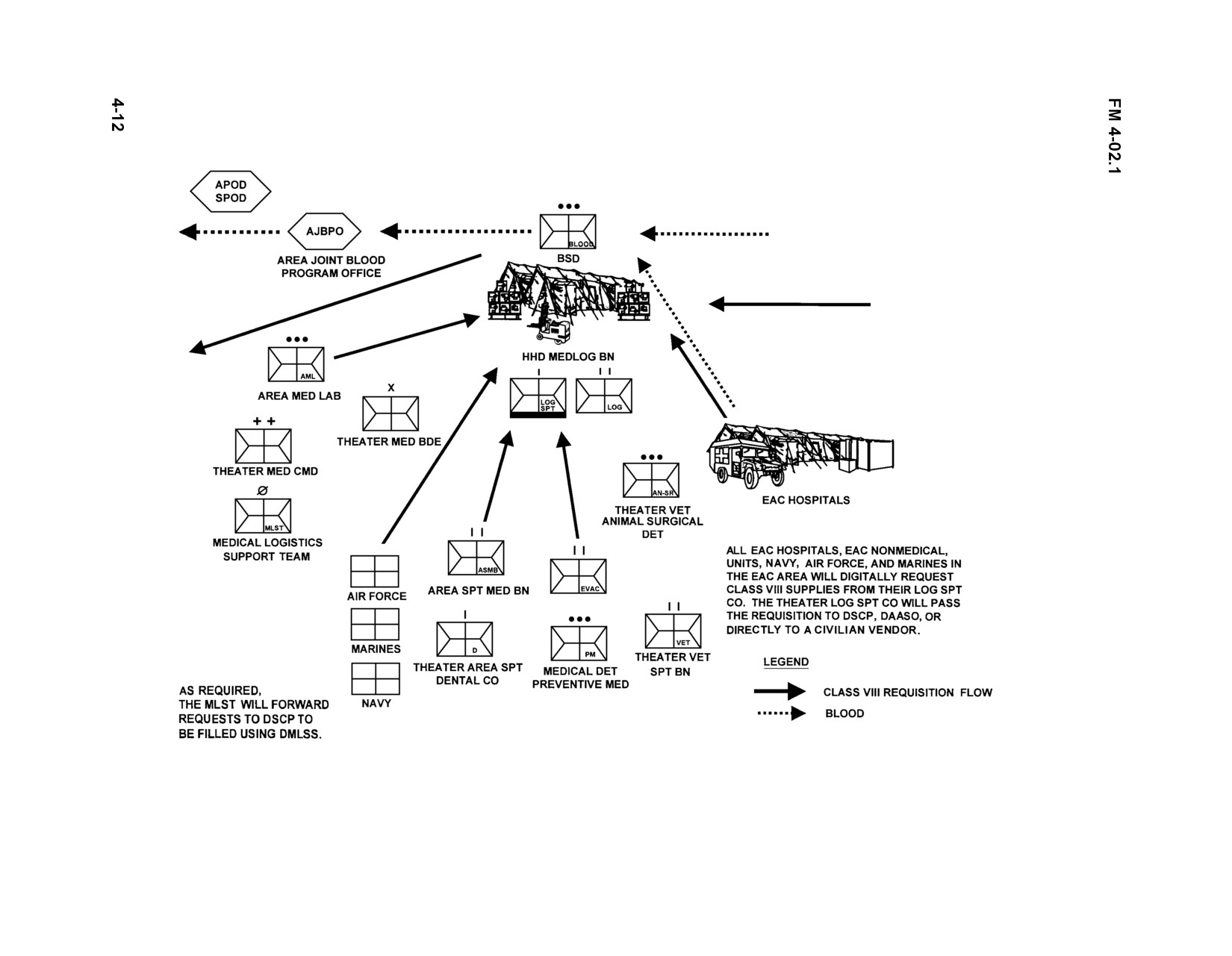
Figure 4-4. Echelon above corps Class VIII supply operations.
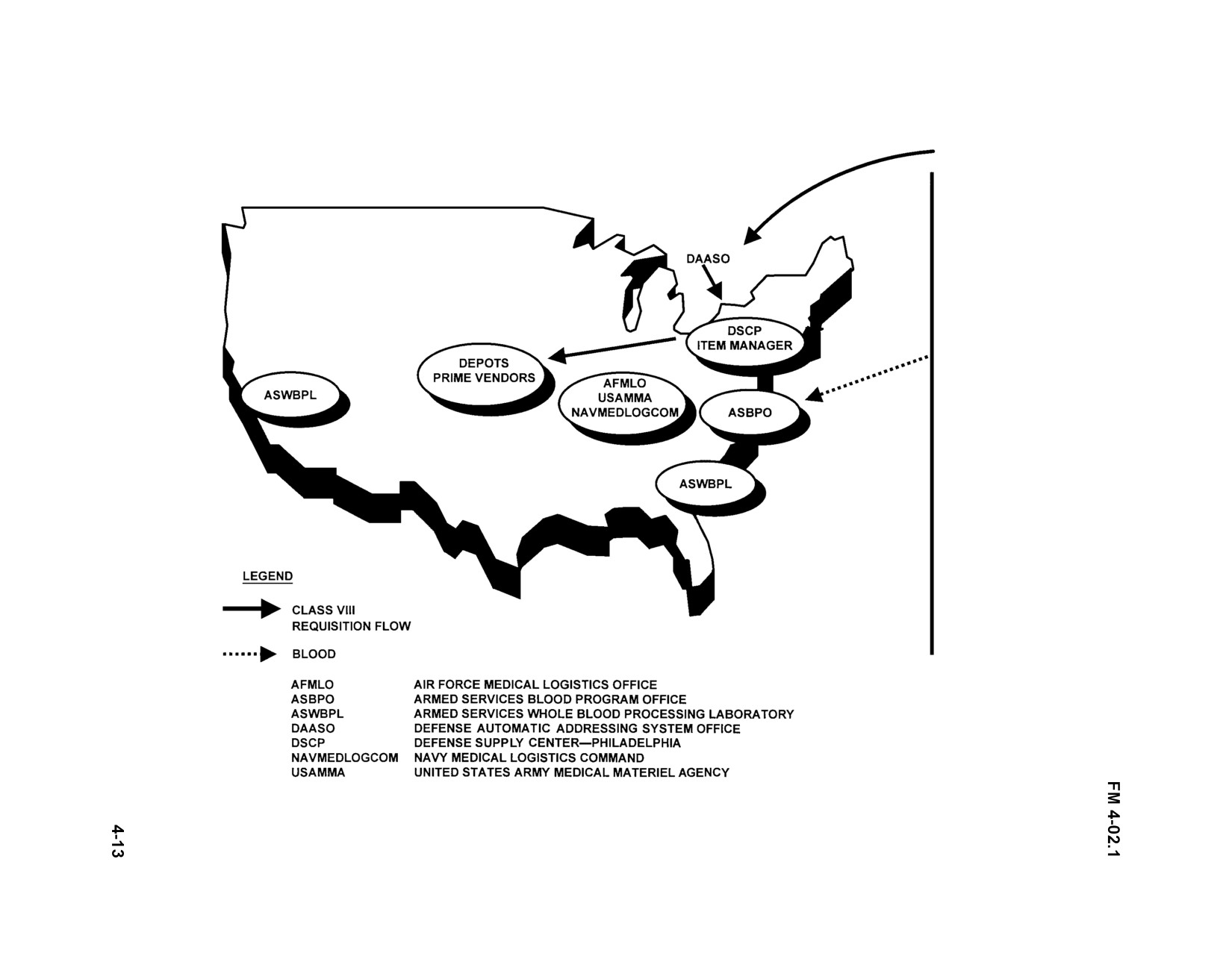
Figure 4-5. Theater to continental United States Class VIII supply operations.
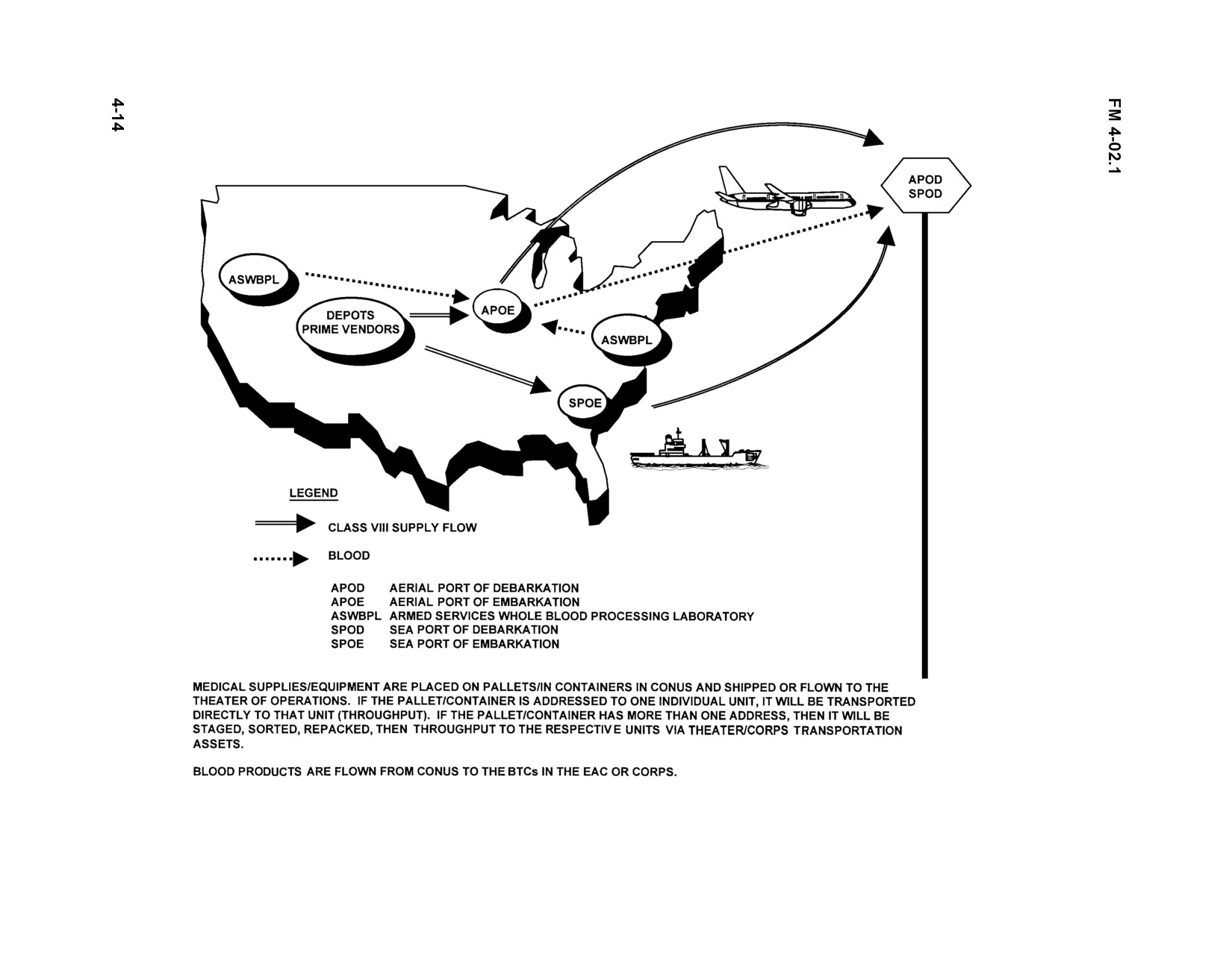
Figure 4-6. Strategic Class VIII support operations.
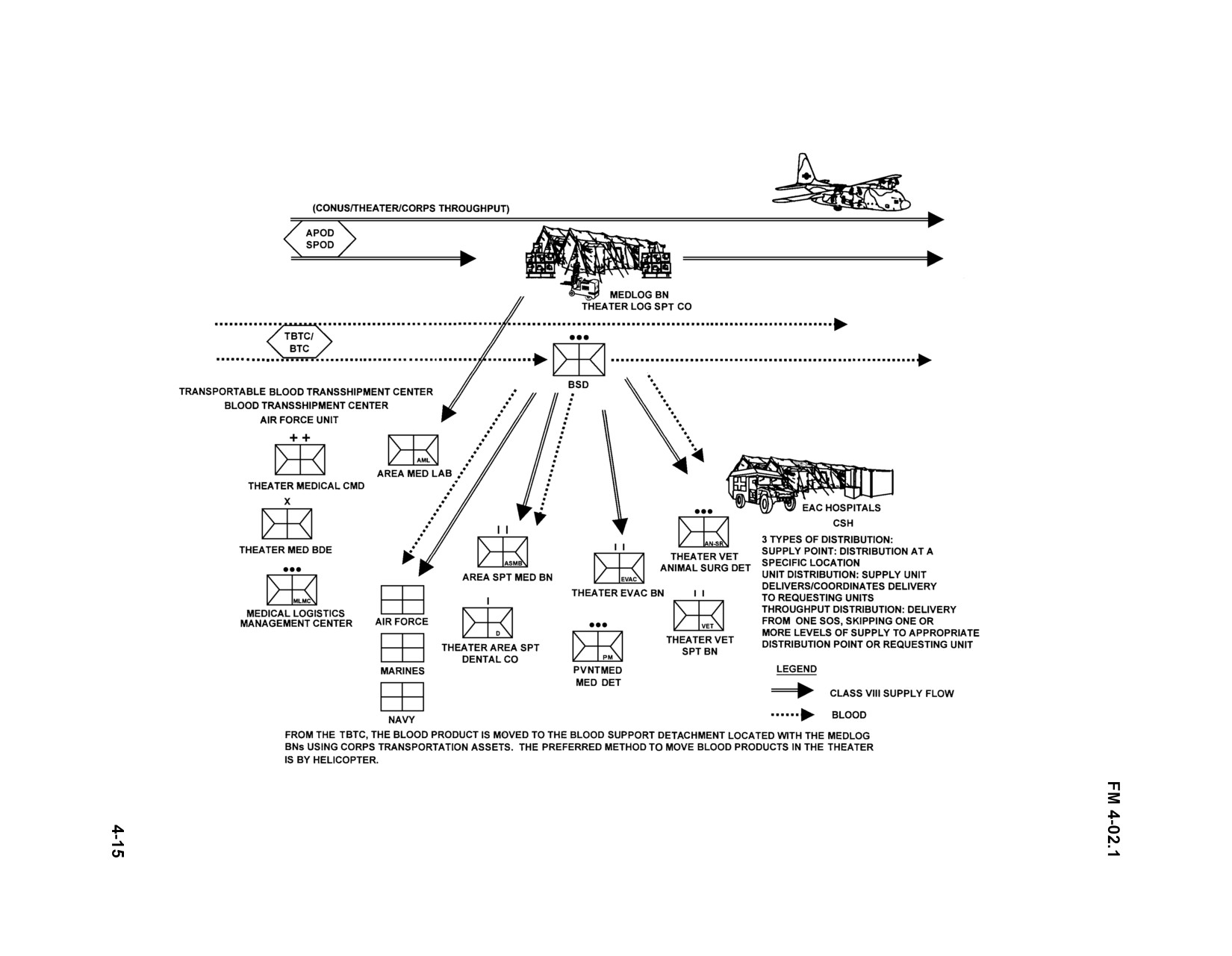
Figure 4-7. Echelons above corps Class VIII support operations.
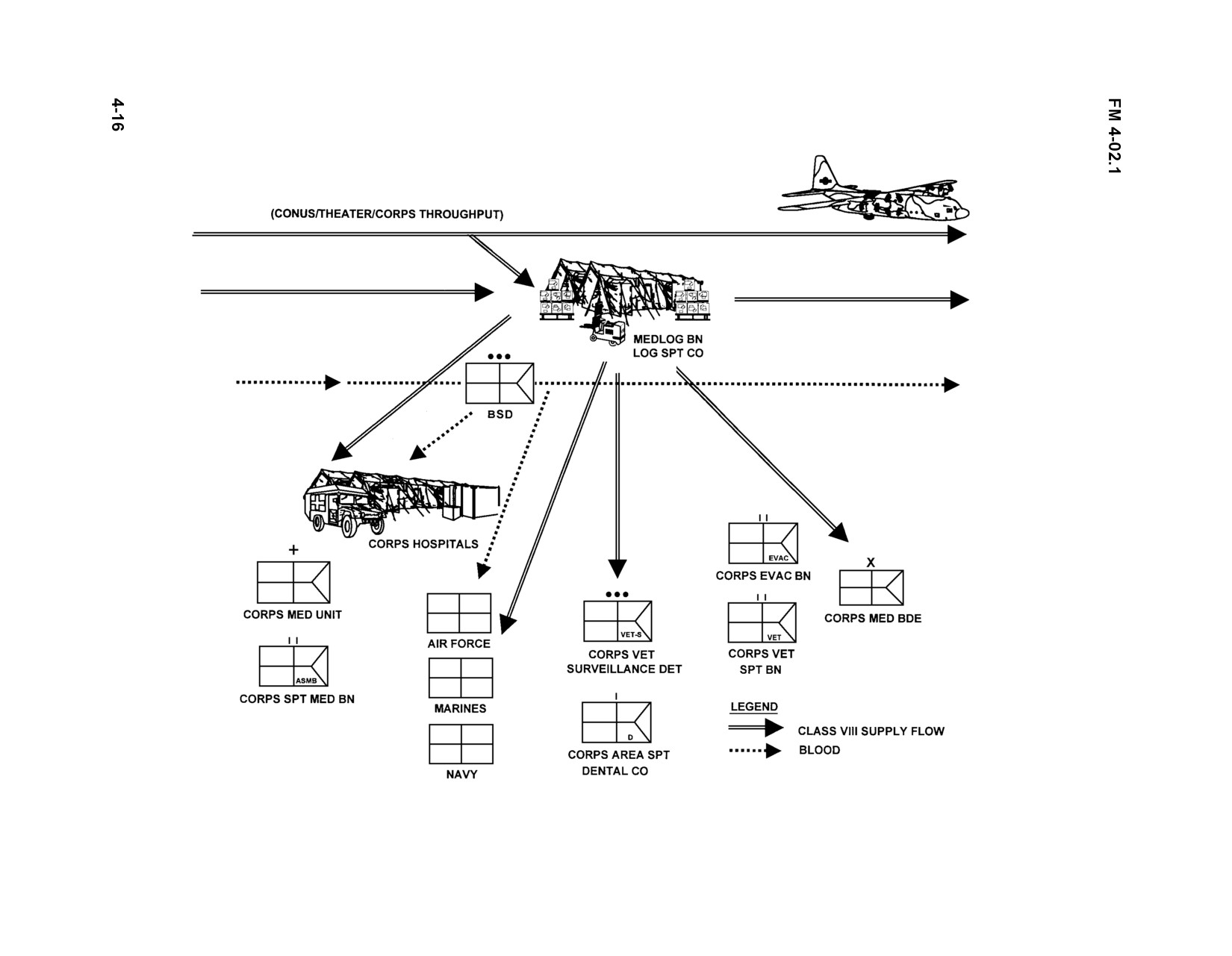
Figure 4-8. Corps Class VIII support operations.
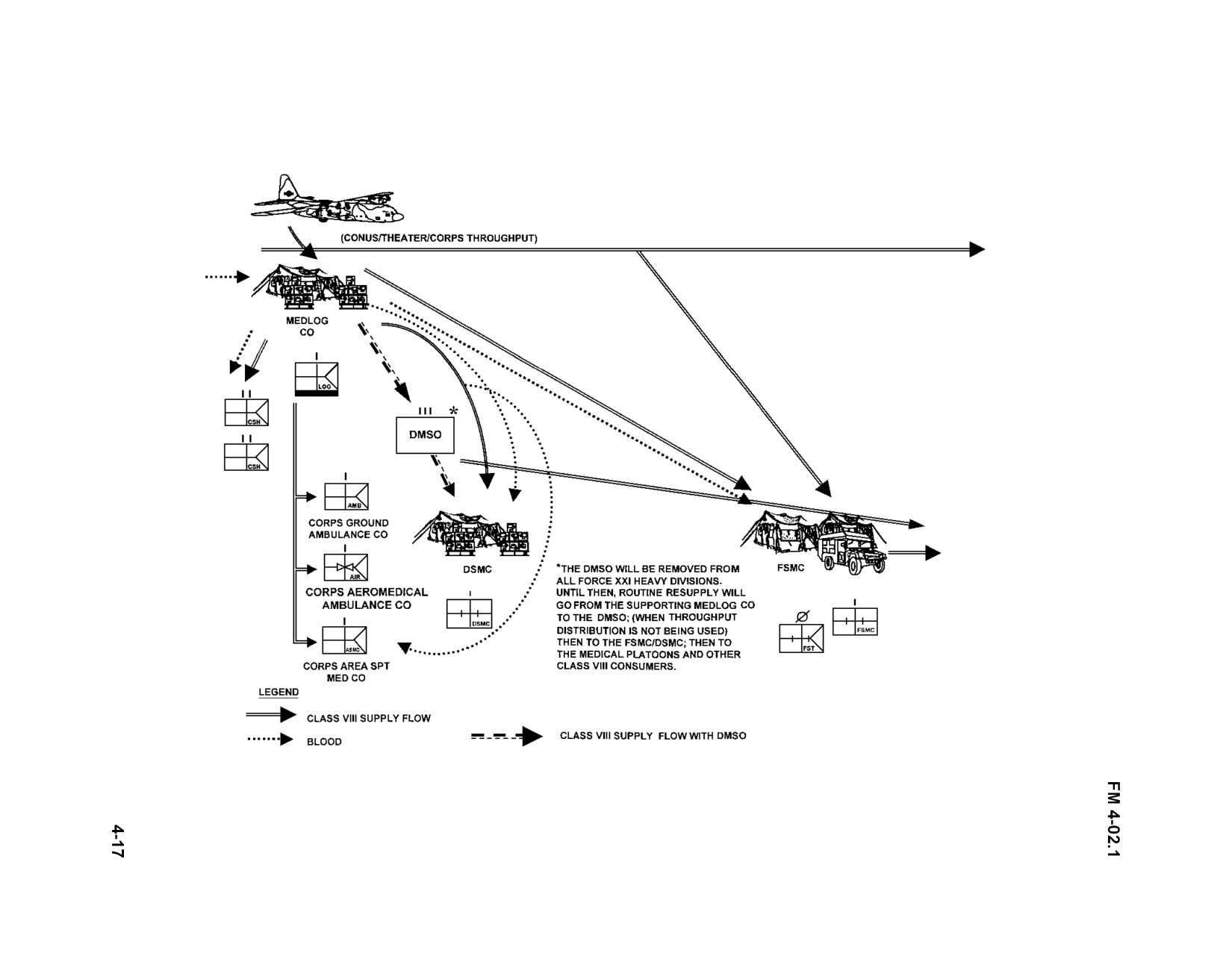
Figure 4-9. Division Class VIII support operations.
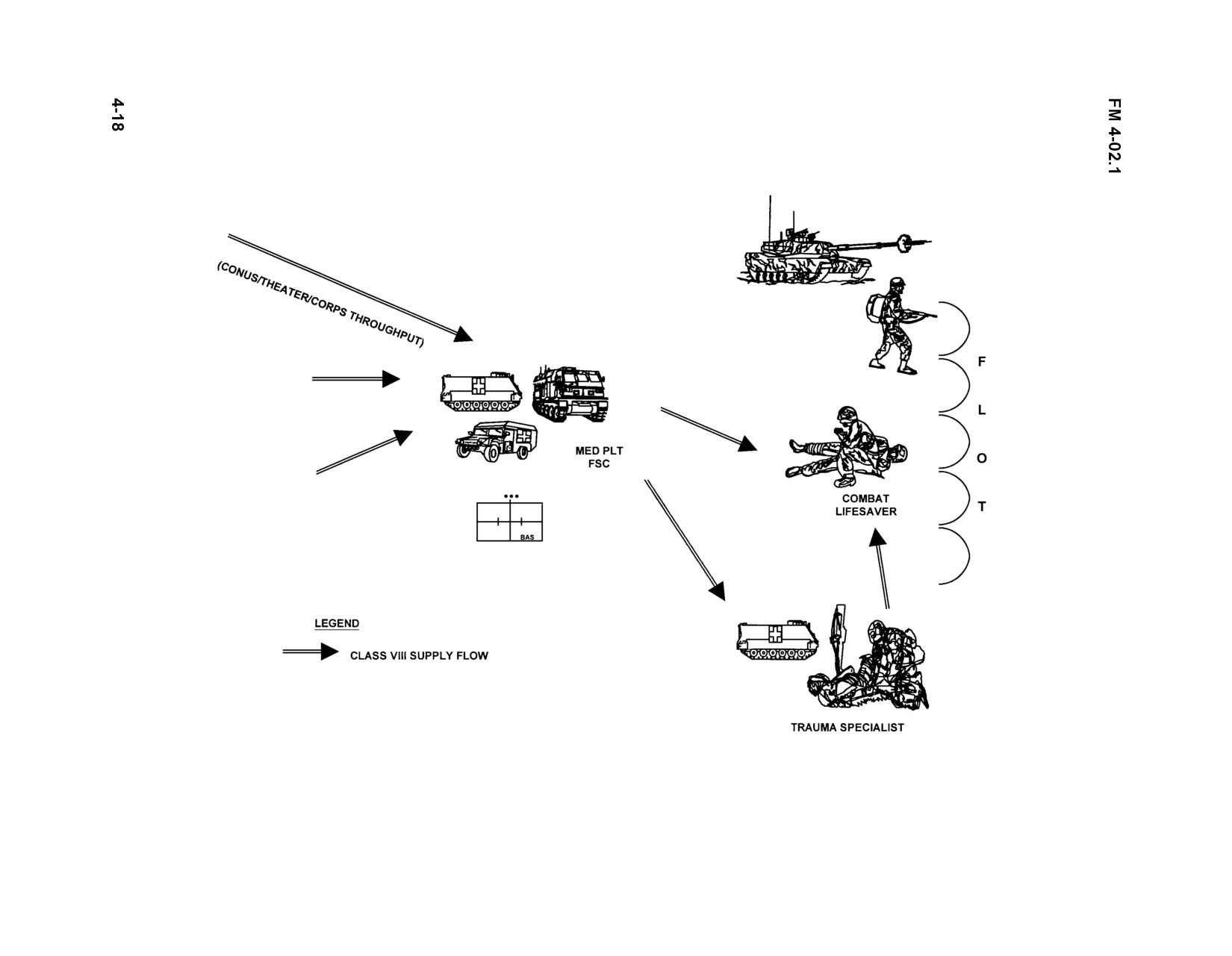
Figure 4-10. Unit Class VIII support operations.
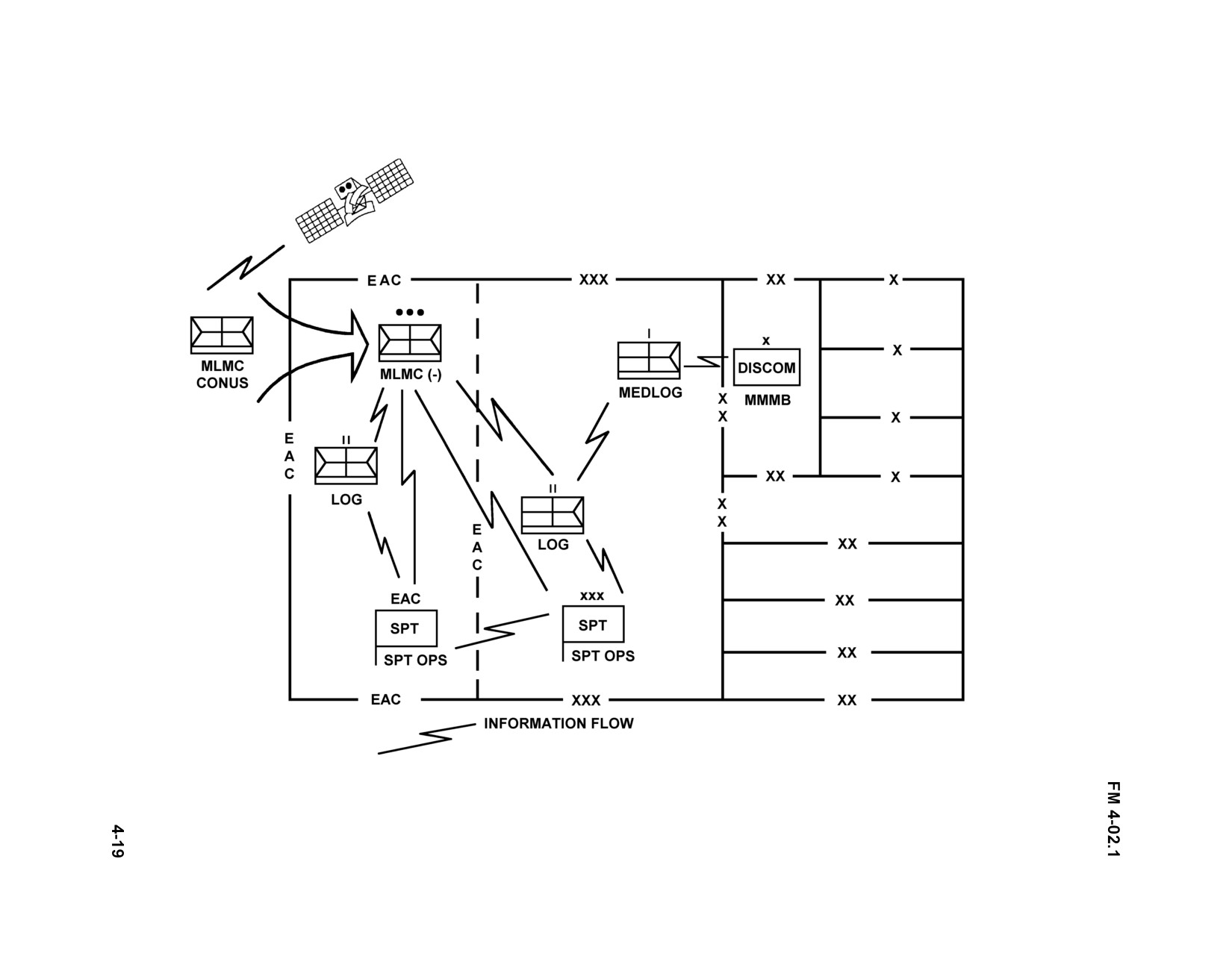
Figure 4-11. Medical Logistics Management Center split-based operations.
FM 4-02.1
CHAPTER 5
MEDICAL MAINTENANCE
Section I. ROLE OF MEDICAL EQUIPMENT MAINTENANCE
5-1.
General
a. With current and projected technology advancements, a revolutionary change will occur in
medical maintenance operations. Digitization of existing and future medical equipment, combined with the
Force XXI enhancement of the existing logistic, C2, situational understanding, and asset visibility automation
systems, will support replace forward and repair in the rear doctrine. The goal of providing support as
close to the customer as possible and supporting all customers within a given area will continue to be the
cornerstone of maintenance doctrine. The idea of replace forward and repair in the rear will allow our
operating forces to continue with the flow of the battle.
b. Force XXI maintenance relies heavily on highly skilled medical equipment repairers that can
accurately and quickly diagnose equipment faults and determine if the equipment should be evacuated or
repaired on-site. The automated information systems (AISs) employed provide situational understanding to
the MEDLOG management cells across the battlefield, enabling quick and responsive solutions. The
MMMB in the DISCOM, HHD, MEDLOG battalion, MLMC support team, and CONUS-based agencies
will be able to monitor the workload and equipment status of all medical units in the theater and all medical
assets in the pipeline. Total asset visibility, equipment, and workload status, combined with situational
understanding of the warfighters effort, will allow the maintenance managers the ability to provide
anticipatory/predictive and responsive medical maintenance support.
5-2.
Objectives of the Army Medical Department Maintenance System
a. Maintenance operations are primarily based on the policies contained in ARs 750-1, 750-2,
and 40-61. The levels for medical maintenance are as follows:
(1) Unit.
(2) Direct support.
(3) General support.
(4) Depot.
b. Specific objectives of the AMEDD maintenance system (AR 40-61) are to
(1) Provide a more responsive maintenance system, improve operational readiness, and
increase mobility and flexibility at the lowest overall cost.
(2) Establish a vertical maintenance management structure through which maintenance can
be performed effectively and economically.
5-1
FM 4-02.1
(3) Establish procedures where equipment is supported in peacetime as in war, commensurate
with available time and other resources.
(4) Optimize repair by replacement forward of the corps rear boundary.
(5) Integrate the forward support maintenance concept (AR 750-1) to maximize equipment
service time.
(6) Establish equipment design criteria that emphasizes modular design of end items and that
will promote the following maintenance priorities: discard, repair forward, evacuate, and replace with
MEDSTEP assets, if available.
5-3.
Maintenance Factors
Responsive maintenance comes from the combined effort of many individuals. Their actions are guided and
influenced by factors common to all maintenance operations. These factors function like a chain; if one
area is neglected, the overall system is weakened. The factors include the following:
a. Command Interest. This is the active involvement of commanders and supervisors at all levels
in the medical equipment maintenance operations for which they are responsible. The commander is
responsible for the readiness of medical equipment assigned to the unit whether it is a reportable end item,
subassembly, or component of a medical materiel set (MMS) or MES. To ensure deployable readiness,
commanders set goals, objectives, and priorities. They keep informed of maintenance requirements, status,
and capabilities. They provide guidance and direction to unit personnel. Commanders should develop
training plans that ensure appropriate personnel receive training and licensing on equipment which requires
preventive maintenance checks and services (PMCS).
b. Management. Managers use available resources to accomplish the mission in the most efficient
manner. Maintenance management involves all members of the chain of command as well as designated
individuals who manage the maintenance resources under their control. The manager plans, organizes,
directs, coordinates, and controls resources to accomplish the maintenance mission.
c.
Supervision. Maintenance supervisors ensure that personnel perform required tasks in a
correct, safe, and timely manner. Supervisors also take an active interest in the training and welfare of their
personnel. Supervisors should set goals to maximize the training and licensing of section personnel on
assigned equipment that requires PMCS.
d. Motivation. Motivation is the willing desire to perform in order to accomplish the mission.
The leadership of unit commanders, supervisors, and maintenance managers motivates personnel.
e.
Skill. Skill is the technical ability of personnel to perform the tasks required by their duty
position. Skill development is important to all personnel but particularly to inexperienced soldiers joining
the unit. Commanders and supervisors must provide ongoing training and licensing programs to ensure that
learned skills are sustained over time.
5-2
FM 4-02.1
f.
Resources. Resources include personnel, publications, repair parts, tools, test measurement
and diagnostic equipment (TMDE), facilities, training, and time. Commanders and supervisors at all levels
must ensure that their subordinates are adequately resourced to accomplish the mission they are assigned.
Section II. LEVELS OF MEDICAL EQUIPMENT MAINTENANCE AND
RESPONSIBILITIES OF EACH LEVEL
5-4.
General
Maintenance supports readiness and effectiveness of Army elements by sustaining systems and equipment as
effectively, responsively, economically, and as far forward as the situation permits. The four levels of the
Army maintenance system keep materiel in a mission-ready condition, restore equipment to a serviceable
condition, or provide approved equipment modification.
5-5.
Unit-Level Maintenance
Unit-level maintenance is the first and most critical level of the Army maintenance system. The cornerstone
of unit maintenance is operator/crew PMCS. Commanders are responsible for providing resources, assigning
responsibility, and training their soldiers to standard on Technical Manual (TM) 10-Series. The basic task of
unit maintenance is to perform scheduled periodic services and other maintenance functions required to
attain a high level of operational readiness. Responsibilities include:
Scheduling and performing PMCS.
Performing electrical safety inspections and tests, calibration, verification, and certification
services.
Providing diagnosis and fault isolation as authorized by the maintenance allocation chart (MAC)
prior to evacuation. Emphasis on early consideration of equipment replacement with MEDSTEP assets.
Replacing unserviceable parts, modules, and assemblies as authorized by the MAC.
Inspecting by sight and touch external and other easily accessible components per the TM
10-Series.
Lubricating, cleaning, preserving, tightening, replacing, and making minor adjustments
authorized by the MAC.
Requisitioning, receipting, storing, and issuing repair parts. Managing a PLL for medical
equipment.
Maintaining a technical library for medical equipment.
5-3
FM 4-02.1
Performing technical inspections on new or transferred medical equipment in accordance with
AR 40-61.
Maintaining records and the automated medical equipment management system.
Requesting DS maintenance support, requesting MEDSTEP assets, and seeking authorization
to perform DS maintenance-level repair when the situation dictates.
Performing limited maintenance functions on PMI located within the operating area.
Reporting materiel readiness in accordance with AR 700-138.
5-6.
Direct Support Maintenance
One-stop service to supported units, highly mobile repair teams, and backup support to unit-level
maintenance characterize DS maintenance. Direct support units may grant authority to supported units to
perform the next higher level of repair if the supported unit has the capability and capacity to perform the
repair. Direct support maintenance includes the following:
Inspect the item to verify serviceability.
Determine if unserviceable items were rendered unserviceable due to other than fair wear and
tear. If negligence or willful misconduct is suspected, repair will not be made until a release statement is
received per AR 735-5.
Determine economic repairability.
Repair unserviceable economically reparable end items per MAC. Equipment will be
repaired and returned to the user.
Repair all economically reparable components when MAC F-coded-level repair will return the
items to a serviceable condition. These items will be repaired and returned to the requesting maintenance or
supply activity.
Provide proactive materiel readiness and technical assistance of unit maintenance elements
including
Visits to supported units on a regular basis.
Advice to supported units in proper methods for performing maintenance and related
logistics support.
Coordination with supported units to perform technical inspections when requested.
On-site assistance to supported units.
5-4
FM 4-02.1
Provide backup DS maintenance support to other DS units and request backup support from
other DS and GS units, as required.
Provide fabrication as identified by the appropriate TM.
5-7.
General Support Maintenance
General support maintenance is characterized by backup maintenance support to DS units and the capability
to task organize to meet special mission requirements. General support units may grant authority to
supported units to perform the next higher level of repair if the supported unit has the capability and
capacity to perform the repair. Operations assigned to GS level will normally include the following:
Diagnosis, isolation, and repair of faults within modules/components per MACs.
Repair of selected line replaceable units and printed circuit boards per the MACs.
Area maintenance support, to include technical assistance and on-site maintenance as required
or requested.
Collection and classification of Class VIII materiel for proper disposition.
Operation of cannibalization points, when authorized by major Army command (MACOM)
commanders (AR 710-2).
Evacuation of unserviceable end items and components through the appropriate supply support
activity.
Fabrication or manufacture of repair parts, assemblies, components, jigs, and fixtures when
approved by the MACOM.
Request for backup support as required.
5-8.
Depot Support Maintenance
Depot-level maintenance will support both the combat forces and the Army supply system. Depot-level
maintenance will provide technical support and backup to DS and GS maintenance units. This mission is
characterized by
Providing overhaul and rebuild of end items and components in support of the wholesale
supply system and as repair and return actions.
Performing special inspections, tests, and modification program actions.
Performing maintenance services and functions for the wholesale supply system.
5-5
FM 4-02.1
Manufacturing items and parts when required.
Providing end items, components, and repair parts through established programs in support of
both TOE and TDA medical units.
Providing on-site medical maintenance support teams (MSTs) on an as-required basis.
Section III. MEDICAL EQUIPMENT MAINTENANCE SUPPORT
5-9.
General
Medical equipment maintenance support is described by echelons from the farthest forward medical
equipment repairer (MER) (91A) at Echelon II, FSMC, to Echelon V, CONUS-based operations.
a. Echelon I. Echelon I medical elements are comprised of BASs, treatment teams, ambulance
squads, trauma specialists, and combat lifesavers.
At Echelon I, the platoon leader of the BAS is responsible for ensuring operator
maintenance is performed on assigned equipment and that a medical maintenance support plan is established
with the FSMC (Figure 5-1).
When a repair is needed, the platoon leader will report the equipment down via the
logistics status report of FBCB2.
The equipment will be transported to the FSMC by the support platoon or by ambulance.
Any medical elements operating in the BSA will follow the above procedures.
b. Echelon II. Medical elements in the division area include FSMC, BAS, FST, ambulance
squads, treatment teams, telemedicine teams, and preventive medicine and veterinary teams.
(1) Oversight and management. The MMMB of the DISCOM will maintain situational
understanding via the combat service support control system (CSSCS) and provide support and coordination
as needed. Responsibilities of the MMMB include transportation coordination; MST missions; ITV of parts
and equipment via GTN; establishing maintenance priorities for repair or exchange of medical equipment
(by monitoring workload data); and ensuring a viable maintenance program and training program is in place
for MERs in the division.
(2) Forward support medical company responsibilities and capabilities. The MER at the
FSMC will be responsible for unit-level maintenance, scheduled and unscheduled, on medical equipment
within the BSA. The MER will also maintain PMI assets as deemed necessary.
The MER will troubleshoot the equipment in accordance with the MAC.
5-6
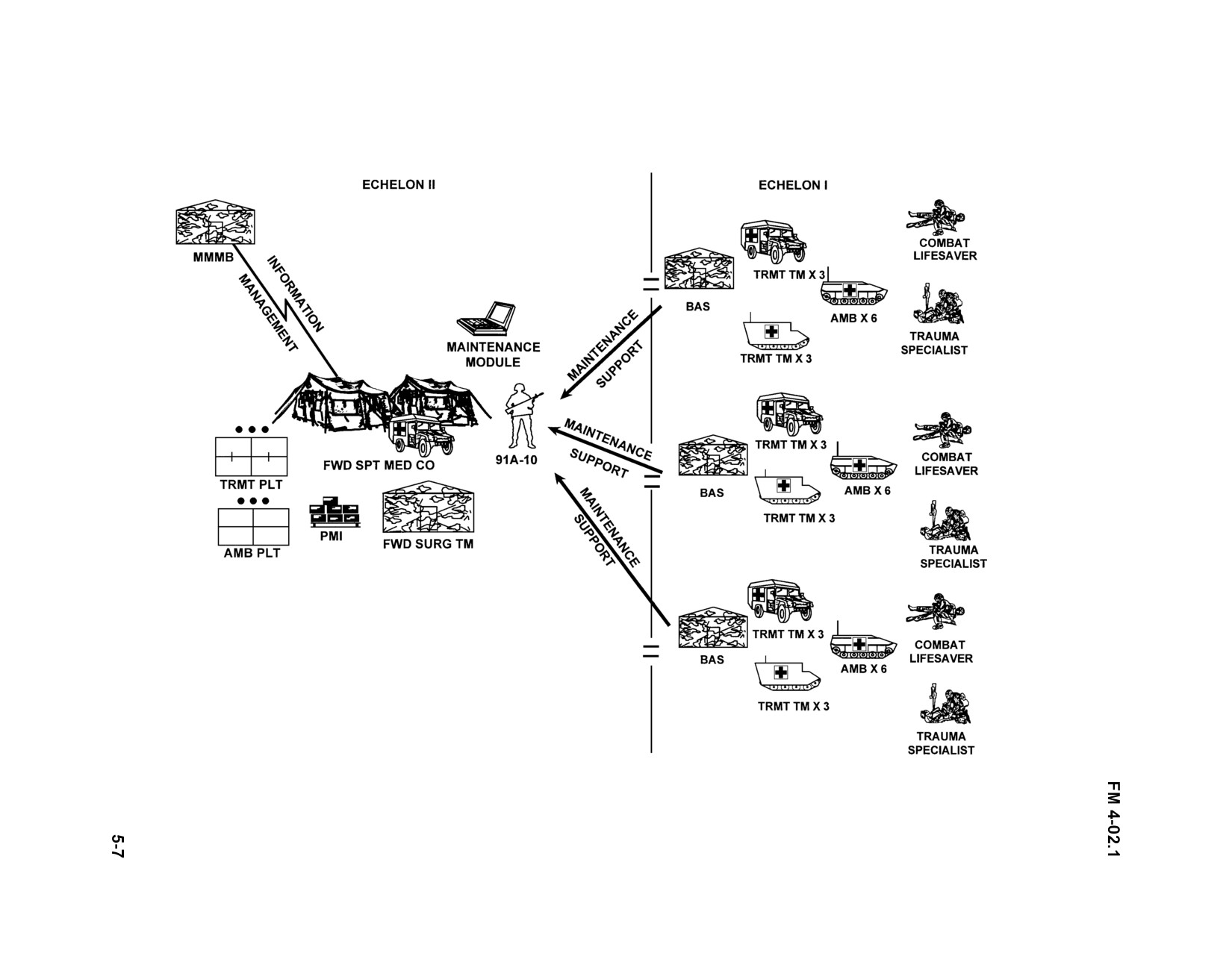
Figure 5-1. Echelons I and II medical maintenance support.
FM 4-02.1
If the repair is within the scope of unit-level maintenance and the parts are on hand,
the MER will repair and return the equipment.
If the repair exceeds unit-level capabilities, the MER will turn the equipment in to
the S4 for evacuation to the MEDLOG company.
If the equipment is a critical item, a MEDSTEP item will be issued from the
supporting MEDLOG company. The MMMB of the DISCOM support operations office will coordinate
this effort for units in the division area, while the HHD, MEDLOG battalion performs this function in the
corps and EAC area.
When a part is needed and the equipment is not a critical item, the MER will
generate a parts requisition through the MEDLOG channels.
(3) Automation and communication. The MER will maintain automated maintenance records
on assigned medical equipment and for supported medical units or elements. The MER must be able to
communicate directly to the MEDLOG company for telephonic support, advice, or coordination.
c.
Echelon III, Corps Area. Medical units assigned a medical maintenance mission in the corps
area include MEDLOG company (corps forward), logistics support company (corps rear), combat support
hospital (CSH), area support medical company (ASMC), and dental company (area support) (Figure 5-2).
Medical units or elements operating in the corps area without a MER include blood detachments, area support
medical detachments, ambulance company or squads, and preventive medicine and veterinary teams.
(1) Oversight and management. In the corps area, the HHD, MEDLOG battalion maintains
situational understanding and provides logistic oversight, support, and coordination as necessary. The
HHD utilizes AISs such as CSSCS, GTN, TC-AIMS II, JTAV, and joint medical asset repository (JMAR).
The HHD, MEDLOG battalion works closely with the MLMC to ensure the maintenance requirements of
the corps area are anticipated and met. The HHD, MEDLOG battalion will provide assistance when service
contracts, contractors, remote diagnostics, or when obtaining soldiers with specific skills are necessary.
(2) Medical logistics company responsibilities. The MEDLOG company is responsible for
maintaining MEDSTEP items and PMIs; providing DS maintenance to units within the division and forward
corps area and unit-level maintenance to blood detachments and units operating within the area without
organic MERs; and providing MSTs to units within the division and forward corps area. Equipment will be
evacuated through supply channels to the logistics support company if repairs exceed the DS maintenance
level in accordance with the MAC, or as defined in AR 750-1 or AR 40-61. Parts will be requisitioned
through the MEDLOG channels.
(a) Capabilities. The MEDLOG company is staffed with MERs and a 670A, health
services maintenance technician. They are equipped with the appropriate tools and TMDE to perform unit-
level and DS maintenance in accordance with MAC. The MEDLOG company is staffed and equipped to
provide three MSTs.
(b) Automation and communication. The MEDLOG company will maintain automated
maintenance records on assigned medical equipment and on supported medical units or elements.
5-8
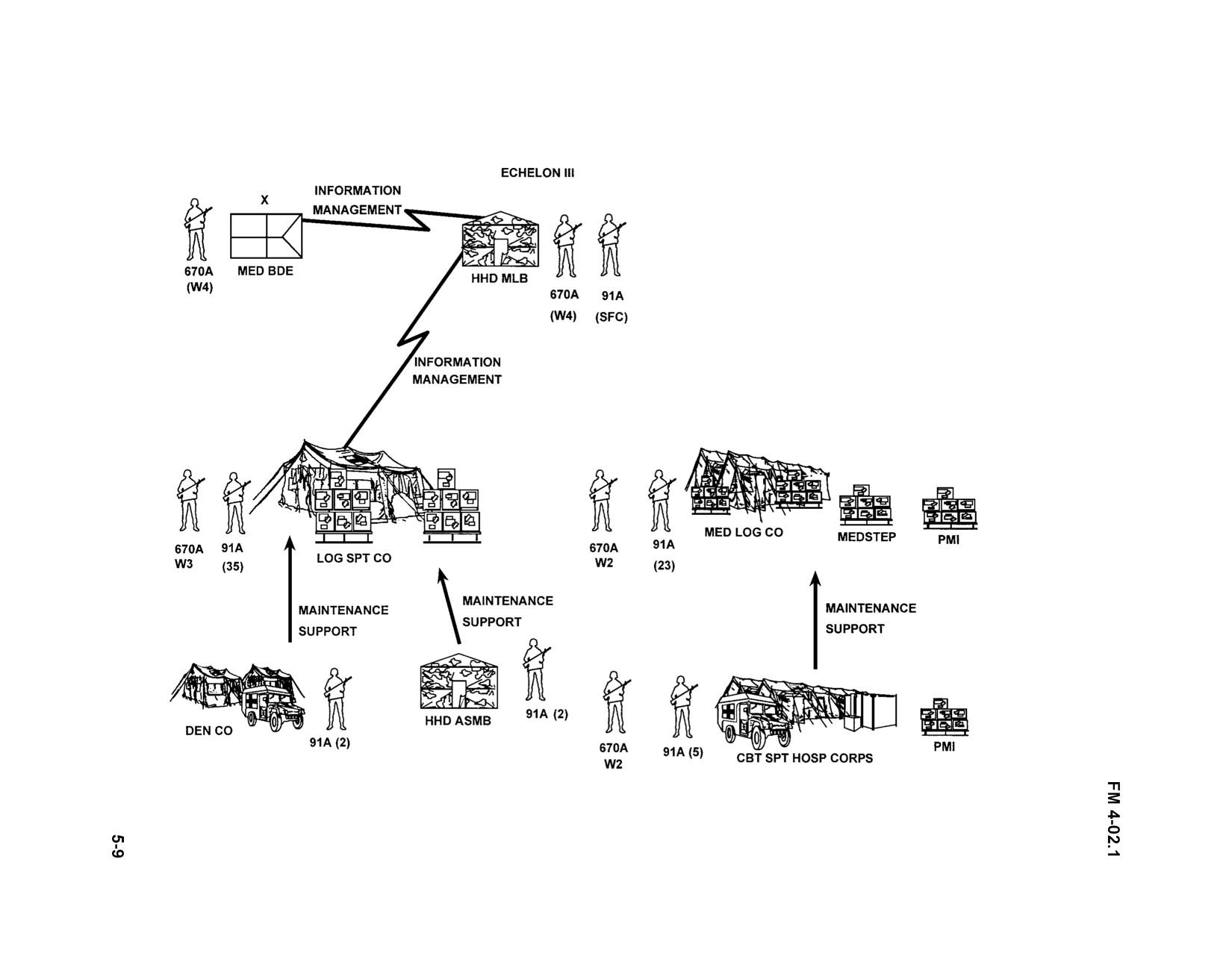
Figure 5-2. Echelon III medical maintenance support.
FM 4-02.1
(3) Combat support hospital responsibilities and capabilities. The MERs and the 670A,
health services maintenance technician, at the CSH are responsible for unit-level and DS maintenance on
medical equipment assigned or attached to the CSH. The CSH, on a limited basis, will provide DS-level
maintenance on an area basis. This will be coordinated through the corps MEDCOM medical brigade and
HHD, MEDLOG battalion. Medical elements in the CSH area include head and neck teams (computed
tomography scan), telemedicine detachment, ambulance squads, treatment teams, specialty teams, pathology
teams, and preventive medicine and veterinary teams. The CSH will also maintain PMI assets as deemed
necessary.
(a) Automation and communication. The CSH will maintain automated maintenance
records on assigned medical equipment and supported medical units or elements.
(b) Support. Either a MEDLOG company or logistics support company, depending on
where the CSH is located in the corps area, provides DS maintenance.
(4) Medical companies operating in the corps area. The MERs at the medical companies
will be responsible for unit-level maintenance on medical equipment organic to the medical company and to
medical elements operating within their area of support without organic MERs. The MERs will also
maintain PMI assets as deemed necessary.
The MERs will troubleshoot the equipment in accordance with the MAC. If the
repair is within the scope of unit-level maintenance and the parts are on hand, the MER will repair and
return the equipment.
If the repair exceeds the capabilities of the MER, he will turn the equipment in to
the S4 for evacuation to the MEDLOG company or logistics support company.
If the equipment is a critical item, a MEDSTEP item will be issued from the
supporting MEDLOG company or logistics support company.
When a part is needed and the equipment is not a critical item, the MER will
generate a parts requisition through the MEDLOG channels.
The MERs will maintain maintenance records on assigned medical equipment and supported medical units
or elements. The MERs must be able to communicate directly to the MEDLOG company or logistics
support company for telephonic support, advice, or coordination through organic communication assets by
voice, data, or e-mail.
d. Echelons III and IV. The logistics support company is responsible for maintaining MEDSTEP
items, maintaining PMIs, providing GS maintenance support to units within the theater, unit-level
maintenance to the blood detachment and units operating within the area without organic MERs, and
providing MSTs to units within the theater. If repairs exceed GS maintenance capabilities, the equipment
will be evacuated through supply channels to depots or manufacturers, or nontheater assets (DA civilians,
5-10
FM 4-02.1
contractors, and specially trained soldiers) will be deployed to repair the equipment. Parts will be
requisitioned through MEDLOG channels or local purchased within the theater.
(1) Capabilities. The logistics support company is capable of providing repairs to the GS
maintenance level and three MSTs for theater support.
(2) Support. The HHD, MEDLOG battalion and the MLMC forward team will provide
support and logistic oversight to the logistics support company.
e.
Echelon IV. Medical units operating in EAC are typically area medical laboratory; EAC
CSH; HHD MEDLOG battalion; dental company; blood detachment; veterinary teams; medical teams
attached to the CSH such as head and neck, specialty care, pathology and telemedicine detachment; and the
MLMC forward teams. There will also be medical elements from other Services that may require medical
maintenance support (Figure 5-3).
(1) Combat support hospital and medical units assigned to echelon above corps area. The
CSH and medical units with a medical maintenance mission in the EAC area have the same responsibilities
and capabilities as those in the corps area.
(2) Headquarters and headquarters detachment, medical logistics battalion. The HHD,
MEDLOG battalion provides logistic oversight, to include transportation; MST missions; ITV of parts and
equipment; establishing maintenance priorities for equipment repair or exchange; directing cross-leveling of
assets (parts or equipment); contracting maintenance support; ensuring viable equipment maintenance; and
ensuring that MER training programs are in place in the TO.
(3) Medical Logistics Management Center support team. The MLMC support team
provides maintenance management functions and advice to the theater surgeon. Responsibilities include
maintaining visibility of units and medical assets in the theater, recommending cross-leveling of assets,
redirecting shipments, and coordinating contractor support. The maintenance posture of the theater is
managed and monitored through AISs such as the CSSCS, GCSS-A, JTAV, GTN, TC-AIMS II, JMAR,
and TMIP.
f.
Echelon V. Continental United States-based agencies include the MLMC base, USAMMA,
and the national maintenance point. These agencies provide the strategic to tactical link. They monitor the
maintenance posture of the theater and anticipate maintenance requirements. Quick responsiveness by these
agencies will ensure the tactical medical units are able to provide quality support to the warfighter. These
agencies provide support and coordination in the areas of parts, contract maintenance, equipment fielding,
manufacturer support, training, depot maintenance, quality assurance, modification work orders, tools and
TMDE, and program management assistance. The USAMMA operates three medical maintenance
operations divisions (MMODs) for medical equipment. The MMODs are responsible for overhauling,
rebuilding, and refurbishing medical equipment. This can be accomplished with maintenance assets at the
facility or by USAMMA establishing contracts with civilian industry.
5-11
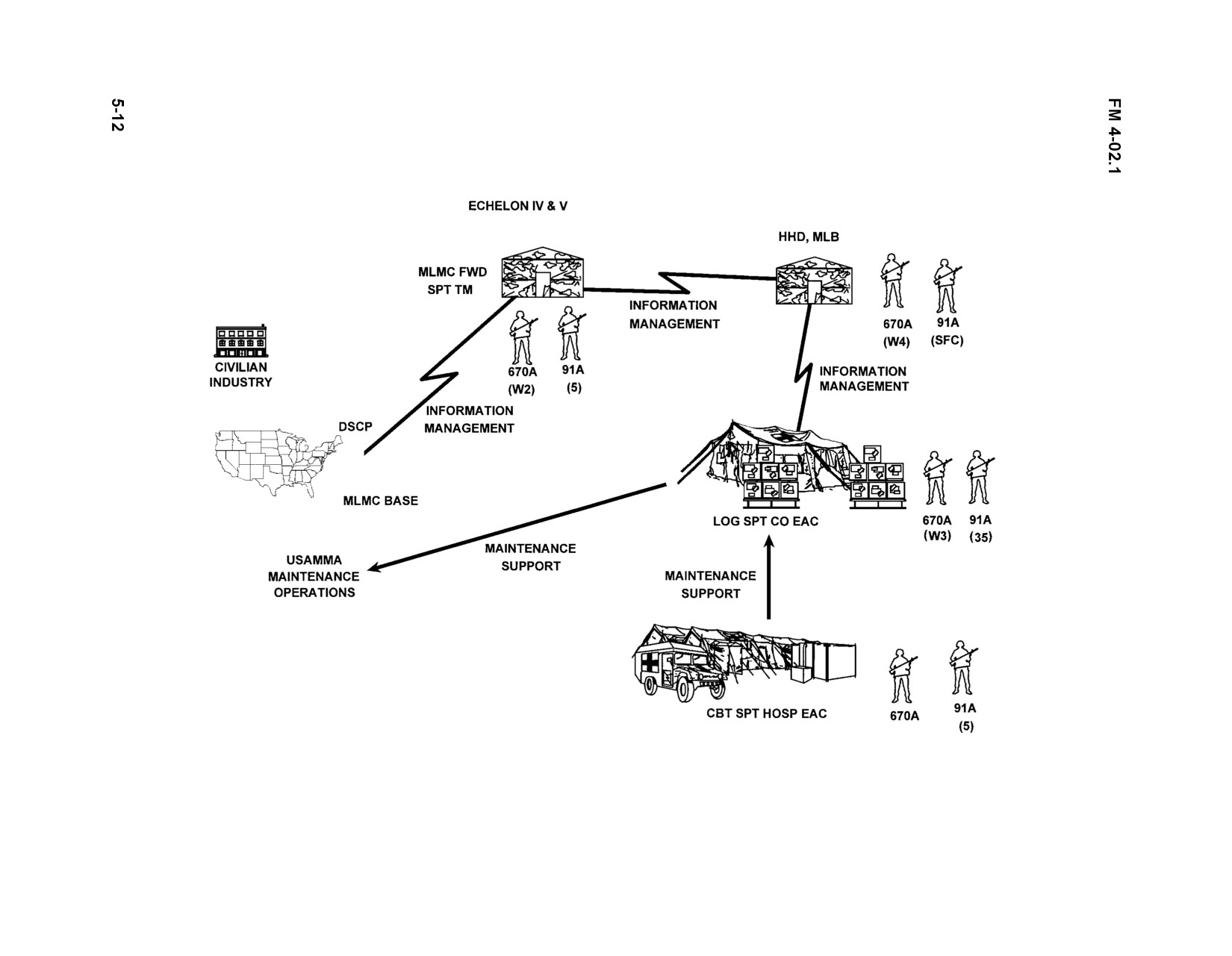
Figure 5-3. Echelons IV and V medical maintenance support.
FM 4-02.1
5-10. Support to Other Services and Joint Operations
Future operations will be joint, interdepartmental, and combined/multinational in nature. The MEDLOG
system is based on the principles of focused logistics. This will include joint Service operations, increased
use of emerging technologies, information superiority, and shortened response times. Medical maintainers
will provide support to other Services or nations. Support will be coordinated through core medical C2
organizations such as HHD, MEDLOG battalion, MLMC base, and forward support teams, theater surgeon,
and TSC, or the designated SIMLM service.
5-13
FM 4-02.1
CHAPTER 6
OPTICAL SUPPORT
6-1.
General
a. This chapter outlines the optical support provided to the TO. Optical support includes
Fabrication of single-vision and multivision prescription lenses.
Fabrication of standard spectacles.
Fabrication of aviation spectacles.
Fabrication of protective mask inserts.
Military standard spectacle frame repair.
Provision of contact lenses for military personnel on a mission-required basis.
b. Optical fabrication laboratories are responsible for making only those spectacles and protective
vision devices that require corrective prescription lenses. Nonprescription lenses are a Class II item and are
the quartermasters responsibility.
c.
Commander will ensure that soldiers have the following prior to deployment:
Two pairs of military spectacles.
One pair of protective mask inserts or 6-month supply of contact lenses (mission required
only).
6-2.
Echelons I and II Optical Support
a. There is no organic optical support at Echelon I. Patients requiring optometric services
initially report to the BAS. For those patients requiring only routine replacement of spectacles or inserts,
necessary information is obtained from the individuals treatment record and forwarded to the supporting
optical fabrication activity. The required spectacles are fabricated and returned to the BAS for issue to the
individual. For optometry services other than the replacement of spectacles, patients are transported to the
optometry section of the DSMC.
b. The FSMC, FSB will request replacement of corrective eyewear for units in the BSA. The
FSMC submits replacement requests to the supporting optical fabrication activity via the best communications
available with delivery back to the requester.
c.
Separate brigades and armored cavalry regiments have optometric support with limited eyewear
repair capabilities, but no optical fabrication capabilities. All requests for prescription eyewear are
forwarded via data link to the supporting MEDLOG company for fabrication and return to the requester.
6-1
FM 4-02.1
6-3.
Echelon III Optical Support
a. The optometry section of the ASMB is responsible for providing single-vision fabrication and
repair of corrective eyewear for units on an area basis. Prescriptions and/or replacement requests which
cannot be filled from on-hand stock or which exceed the ASMB capability are passed to the MEDLOG
company via the best communications available with delivery back to the requester.
b. The MEDLOG company provides single-vision/multivision optical fabrication to the corps
area. All prescriptions requested from the MEDLOG company optical section that cannot be filled are
passed to the logistics support company with delivery back to the requestor.
6-4.
Echelon IV Optical Support
a. As in the corps, the optometry section of the ASMB is responsible for providing single-vision
fabrication and repair of corrective eyewear on an area basis for units in the EAC. All medical units, except
Echelon IV hospitals, are supported by the supporting medical company of the ASMB. Prescriptions and/or
replacement requests which cannot be filled from on-hand stock or which exceed the ASMB capability are
passed to the supporting logistics support company via the best communications available with delivery back
to the requester.
b. Echelon IV hospitals request optical support from the logistics support company with delivery
back to the requester.
c.
The logistics support company provides single-vision and multivision support to EAC and GS
(backup) to the corps. All prescriptions requested from the supporting logistics support company optical
section that cannot be filled are passed to the CONUS/OCONUS support base. Delivery of the item(s) from
the CONUS/OCONUS support base will be to the theater optical fabrication laboratory (logistics support
company).
6-5.
Contact Lenses
Contact lenses will be provided on a mission-required basis.
6-6.
Optical Equipment Sets
a. Currently, there are four optical equipment sets (OESs) in the Army medical supply system
with a new system in development. These sets are
(1) Unit assemblage (UA) 1324 OES, (Line Item Number [LIN] N23712). This OES is used
to complete an optical examination.
(2) Unit assemblage 3003 OES, Optical Fabrication Unit Portable Field (LIN N22073).
This OES provides single-vision capability.
6-2
FM 4-02.1
(3) Unit assemblage 3004 OES, Optical Fabrication Unit Field 1 (LIN 22210). This OES
provides single-vision capability.
(4) Unit assemblage 3005 OES, Optical Fabrication Unit Field 2 (LIN 22347). This OES
provides the capability to produce single- and multivision optical devices. It is only documented in the
MEDLOG battalion (rear) and will be archived when all units have converted to MRI.
(5) Unit assemblage 3006 OES, Multivision Augmentation (National Stock Number 6540-
01-457-0913) is in development and will be fielded in fiscal year 2001. This new set will provide a small
multivision set for use in the field.
b. Current UA listings and hand receipt copies may be obtained from the USAMMA home page
via the Internet. The address for USAMMA is http://www.armymedicine.army.mil/usamma/; once on the
home page, click on medical unit assemblage.
6-3
FM 4-02.1
CHAPTER 7
BLOOD SUPPORT
This chapter implements and/or is in consonance with
STANAG 2939 and QSTAGs 289, 815, and 850.
7-1.
General
Blood and blood components are more than just another commodity of supply. Blood is live tissue and, as
such, requires special handling. The primary mode for blood distribution is via air transportation.
a. Blood support in an active combat theater is a dynamic and ever-evolving process, heavily
influenced by
Stringent storage and handling requirements.
Inventory management constraints.
Limited potency periods.
Innovative technology.
b. To be successful, blood support must be a highly organized and cooperative effort on the part of
Medical logistics personnel.
Operations and plans personnel.
Blood bank personnel.
Laboratory personnel.
Transportation personnel.
Primary medical care providers.
c.
Theater blood support consists of CONUS-based resupply of blood components. In a
developing theater during the buildup period, immediate blood requirements may be provided by pre-
positioned frozen blood components (primarily US Army Pacific Command). These stocks are designed to
meet initial blood requirements until the logistical system can deliver blood components to the TO. See
FM 8-55 for computing blood requirements.
7-1
FM 4-02.1
d. Blood services in a theater consist of a combination of missions. Of primary importance are
the following:
(1) Receiving blood components from CONUS.
(2) Storing, issuing, and distributing blood components to medical treatment facilities (MTFs).
(3) Collecting and processing blood in the theater for platelets and other blood components.
(4) Storing, processing, issuing, and distributing frozen blood components pre-positioned
within designated theaters.
7-2.
Blood Components Available in the Field
a. Blood is managed as fractional portions called components and is used in rather specific
quantities based on a patients injury and condition. The components likely to be present in a theater
include packed red blood cells (RBCs), fresh frozen plasma (FFP), and platelets/whole blood (WB) (only if
collected in theater).
b. Units of packed RBCs are harvested from WB by centrifugation and removal of most of the
plasma. Red blood cells can be stored in either the liquid or frozen state; the primary differences are the
storage requirements, shelf life, and the additional processing required to freeze and thaw frozen cells.
Plasma removed during RBC processing is promptly frozen and termed FFP. Additionally, platelets (cells
involved in coagulation) can be harvested from plasma subsequent to RBC processing.
c.
Blood storage requirements are extremely important and present a real challenge to field
storage facilities. The conditions required for storing various components have very little tolerance; entire
inventories of blood can be lost if conditions are not maintained correctly. See Table 7-1 for the storage
temperatures and shelf lives of theater blood components.
Table 7-1. Storage Requirements for Theater Blood Component
BLOOD
STORAGE
STORAGE
COMPONENT
TEMPERATURE
SHELF LIFE
RBC (LIQUID)
1°C TO 6°C
35 OR 42 DAYS
RBC (FROZEN)
£-65°C
10 YEARS
FFP
£-18°C
12 MONTHS
PLATELETS
20°C TO 24°C
5 DAYS
7-2
FM 4-02.1
d. Conditions for transporting blood components are essentially the same as for prolonged storage;
however, when shipping packed RBCs, a temperature range of 1°Celsius (C) to 10°C is acceptable.
Specially built containers and packaging methods are prescribed in TM 8-227-3.
7-3.
Continental United States-Based Blood Supply
The Armys blood support system is a part of the Armed Services Blood Program (ASBP). Upon
mobilization, donor centers and CONUS MTFs increase their blood drawing capabilities as directed by the
Army Blood Program Officer. All of these facilities draw, process, and prepare blood and blood components
for shipment to one of the Armed Services Whole Blood Processing Laboratories (ASWBPLs). The
ASWBPL sends the blood to a USAF Blood Transshipment Center (BTC) located at major airfields in the
TO. For information on blood support in joint operations see Joint Publication 4-02.1.
7-4.
Theater Blood Supply
a. Theater blood support is provided to US military and, as directed, to allied military and
indigenous civilian MTFs. Each unified command maintains individual blood programs to meet their
needs. These programs interface with CONUS blood bank services and receive blood components directly
from established DOD Joint Service programs.
(1) The Joint Blood Program Office(r) (JBPO) is the
Single blood program manager in the TO.
Single interface with the Armed Services Blood Program Office (ASBPO) in CONUS.
(2) The JBPO requests assistance from the ASBPO when requirements exceed theater
resources. The ASBPO requests support from the Joint Services. Blood collected and processed by DOD
blood donor centers in CONUS is shipped to one of two ASWBPLs. Blood is then transported via air to
USAF BTCs in the TO. Once received at the BTC, blood components are under JBPO control.
(3) The JBPO establishes Area Joint Blood Program Offices (AJBPOs) to
Implement TO blood program policies.
Coordinate blood component use and inventory protocol on a geographical basis.
Direct the issue of blood components from the BTC to the BSD.
(4) The BSD is the direct issue source for MTFs, medical units, and other users at division,
corps, and EAC (see paragraph 3-9). Blood support detachments support other Services MTFs and
7-3
FM 4-02.1
nonmilitary facilities as directed by the AJBPO. The BSD commander may serve as the AJBPO. A
schematic diagram of a BSD structure is illustrated in Figure 3-6.
b. Combinations of sources are required to satisfy the theaters initial blood needs. Limited
in-theater collections
(BSD personnel and hospital-based collections), initial deployed supply, and
pre-positioned frozen blood inventories are all necessary to meet requirements during the first few days of a
developing theater. Full CONUS-based blood support capability is mature within 10 days of notification.
As the theater matures, the primary source of blood components comes directly from the CONUS base.
In-theater collection and processing are not realistic methods to acquire the tremendous quantities of blood
required in a large, active theater. It remains necessary, however, to retain an in-theater collection
capability to provide platelets and to satisfy limited emergency needs. Experience has shown in-theater
collection to be the only choice for massively transfused patients when platelets and/or FFP are not
available in sufficient quantities.
7-5.
Echelon Blood Support
a. Echelon I. No blood or blood product support is provided at this echelon.
b. Echelon II.
(1) The division surgeon determines blood requirements for the division. Blood inventory
and supply are functional responsibilities of the HSMO at the MMMB and the AJBPO/JPBO at the corps
and EAC level. Only packed liquid RBCs are expected to be available to the division. The forward cell of
the BSD (collocated with the medical logistics company) provides blood products to the medical companies/
troops in the division. Shipment of blood from the corps to the division is either coordinated by the
MEDLOG battalions support operations section with the corps movement control center or accomplished
by backhaul on medical vehicles (air and ground). Air ambulances from the medical battalion, evacuation,
can accomplish emergency resupply. Most of the demands for emergency resupply come from the FSMCs.
(2) The FSMC/DSMC laboratory medical specialist (91K) informs the DSS (HSMO) and
DISCOM MMMB of the current availability of blood in the division. The DSS prioritizes the movement of
blood products, as required. Air assets should be considered along with ground assets for the transportation
of blood.
(3) Blood support at the FST consists of Type O RBCs (liquid) in limited quantities as
dictated by the specific contingency and expected casualty rate. The FST has a 60-unit blood storage
capability and requires blood resupply on a frequent basis. Blood inventory management and resupply
operations are coordinated directly with the supporting medical company/troop.
c.
Echelons III and IV.
(1) In the corps and EAC CSHs, blood support has evolved significantly with the fielding of
the Deployable Medical System (DEPMEDS) blood laboratory and the shelters, tactical expandable (also
known as the International Organization for Standardization [ISO] shelters).
7-4
FM 4-02.1
NOTE
The ISO shelters are the hard-walled shelters used in the DEPMEDS-
equipped corps and EAC CSHs.
The transfusion capability at the CSH has been improved with the implementation of greater storage
capacity, basic compatibility testing, multicomponent availability, and staffing with a laboratory officer and
NCOs with specific blood bank training. Inventories of up to 480 units of blood can be stored in a
DEPMEDS refrigerator.
(2) The CSH blood inventory management and resupply operations are coordinated directly
with the supporting BSD. Inventories are managed for Groups A, B, and O blood, and both Rh positive and
Rh negative blood types. A small inventory of FFP is available at the CSH. The CSH has the capability to
conduct limited emergency collection, but does not have the capability to perform infectious disease testing
of the donor units (rapid screening methods for hepatitis, human immunodeficiency virus, and syphilis
testing may be available). The decision to transfuse blood collected in a theater is governed by theater
policy.
(3) The relatively large quantity of blood maintained at the CSH requires the use of
large-capacity, blood bank-type refrigerators equipped with audible and visual temperature alarm systems.
Freezers for FFP storage are similarly monitored.
7-6.
Blood Reporting System
The blood reporting system has been standardized to enhance blood requirements projection, blood requests,
blood inventory reports, and to provide information on the overall blood element operations of all Services,
to include Joint Services, in the TO. The ASBPO developed the contingency blood reports and use of the
US Joint Message Text Format. The two standard joint message text format reports used to report blood
program operations are
The Blood Report.
The Blood Shipment Report.
For a detailed discussion on the blood reporting system, see FM 8-55.
7-5
FM 4-02.1
CHAPTER 8
COMMUNICATIONS
8-1.
General
This chapter provides an overview of current communications applicable to MEDLOG elements (Chapter 3)
in the theater. It is targeted at commanders, staff officers, and NCOs in tactical environments from unit-
level operations through EAC.
8-2.
Communications Responsibilities and Systems
The success of CHL operations is dependent upon the commanders ability to communicate with his staff,
deployed elements, higher headquarters, and supporting and supported units. Combat health logistics units
communications assets include amplitude-modulated (AM) and frequency-modulated (FM) radios, wire and
MSE, tactical computer equipment, position/navigation devices, International Maritime Satellite
communications systems, and other commercial satellite systems.
a. Staff Responsibilities. Each unit staff element is responsible for adhering to signal support
policies, procedures, and standards in their daily operations. The units operations section/communications
designee coordinates telecommunications interface requirements with higher headquarters and with the
supporting signal unit.
b. Communications Support. Communications support for organizations within a TO is based
upon a units level of operations. Signal support for an EAC unit is provided by the theater signal brigade
through the theater Deputy Chief of Staff for Operations and the Deputy Chief of Staff for Information
Management. Units assigned to a corps will request signal support through the corps Assistant Chief of
Staff, G3 (Operations and Plans) and will be supported by the corps signal brigade.
c.
Mobile Subscriber Equipment. Mobile subscriber equipment is the area common-user voice
communications system within the corps. It is the backbone of the corps system and is deployed from the
corps rear boundary forward to the maneuver battalions main command post. It provides a secure mobile,
survivable communications system capable of passing voice, data, and facsimile (FAX) throughout the
corps. Additionally, it provides a direct interface to EACs, other Services, NATO, combat net radios
(CNRs), and commercial communications systems. This system is composed of multiple communications
nodes with network features that automatically bypass and reroute communications around damaged or
jammed nodes. It integrates the functions of transmission, switching, control, and terminal equipment
(voice and data) into one system and provides the user with a switched telecommunications system extended
by mobile subscriber radiotelephones. Nodes are deployed in the AO based on geographical and subscriber
density factors. Node centers are the building blocks of the network. Extension switches permit wire-line
terminal subscribers (telephone, FAX, and data) to enter into the total area communications system. Radio
access units let the users of mobile subscriber radiotelephone terminals communicate with other mobile and
wire telephone users throughout the AO. System control centers provide the processing capability to assist
in overall network management. The MSE system lets subscribers communicate with each other using
fixed directory numbers regardless of a subscribers battlefield location. The MSE system is comprised of
the following five functional areas:
Area coverage.
8-1