FM 3-06.1 AVIATION URBAN OPERATIONS. MULTISERVICE PROCEDURES FOR AVIATION URBAN OPERATIONS (APRIL 2001) - page 2
buildings, LOCs, vehicles, etc.), but not enemy personnel. In visual meteorological
conditions, both the “H” model and the “U” model are effective. While in the
weather, use of radar beacons along with a target reference points (TRP), grid,
UTM, or latitude/longitude are highly desirable to identify friendly positions and
initiate calls for fire. During night operations, the AC-130 can provide excellent
covert illumination with its IR spotlight.
b. Fighter/Attack Operations (AV-8, A-10, F-16, F/A-18, etc.). Missions involving
these aircraft take into consideration en route threat status, weather, and airspace
restrictions in much the same manner as missions in non-urban environments. If
friendly ground forces or non-combatants are a factor, aircrews will conduct the
mission as a CAS mission. If friendly ground forces or non-combatants are not a
factor, then it may be conducted as a strike mission. For example, this method was
used during operations in Kosovo and Serbia in 1999. Once in the target area,
terminal procedures are governed by target area threats, location of friendly forces
or civilians, onboard sensor and weapon availability, and specific target geometry.
For example, in a low threat environment status, aircraft can orbit the objective
overhead for target acquisition in support of the ground element. As the threat level
increases, aircrew may elect to offset from the threat while keeping sensors on the
target area. They may also choose to climb or employ contact point to IP ingress
tactics.
c. Airlift Operations. Airlift missions, in general, can be broadly categorized as
either airland or airdrop. By far, the vast majority of airlift missions are airland.
Consequently, since most airfields are in or near cities, most airlift missions will
involve some planning for urban environments. Airdrop missions may be conducted
in conjunction with humanitarian and disaster-relief efforts and often will be
performed in or near urban environments. Direct airdrop support of ground forces
operating in urban areas, while relatively rare, will require precise navigation and
considerable pre-mission planning/coordination. In the event of humanitarian or
disaster-relief missions, aircrews and planners may be required to coordinate with
numerous NGO relief agencies, many of which are unfamiliar with airlift and
military operations. Prior coordination and direct control of these personnel during
drop and on/off load operations will greatly aid in safe mission performance.
(1) En Route Operations. Basic planning considerations for en route portions
of both airland and airdrop missions in urban areas should be the same as for
operations in other environments. The nature of urban terrain, however, can limit
the flexibility of how these considerations are applied. For instance, formation
airdrop operations increase mass on target and shorten the time required to secure
drop zones. Urban areas, however, may not allow the use of large formations due to
confined airspace, obstacle altitudes, and the requirement for verbally initiated
release system (VIRS) drops. These limitations drive planners to the use of multiple
small formations or single ship operations. Likewise, the nature of urban threats
and the inability to positively secure airfields 24 hours a day can severely limit
route and altitude selection for airland missions. Humanitarian and disaster-relief
missions, as well as normal logistics support missions, can involve considerable
threat to aircrews due to political sensitivities and the possibility of terrorist
activities. The capability to use aircraft defensive systems over or near urban areas
III-13
for either airland or airdrop missions, particularly if those missions are considered
“non-combat” in nature, may need to be coordinated in advance.
(2) Airland. Approach and departure operations at urban airfields where
threats have been identified or are suspected cause planners significant problems.
Aircraft are most vulnerable during approach and departure due to their slow speed,
configuration, predictability, and lack of maneuverability. Close proximity of
buildings and LOCs to flight paths will require either the use of security measures
(e.g., helicopter or foot patrols of the area at random intervals) or specific aircraft
tactics (e.g., random steep or shallow approaches/departures) to lessen the
possibility of attack. These efforts will be less effective if structural density
increases near the airfield. Tactical approach selection must be based on threat,
terrain, obstacles, and the proximity of the airfield to significant urban features not
under the control of security forces. The use of overt aircraft external lighting
should be carefully considered when MANPADS threats are a possibility.
Coordination with air traffic control (ATC) and airfield defense forces is mandatory
to ensure safety and prevent fratricide. This may involve considerable coordination
with HN personnel. Aircrews should be aware that control of civilians on runways
has been a problem in past humanitarian operations. Vigilance during approaches
to minimally controlled airfields in urban areas must be practiced to ensure go-
arounds can be performed in the event civilians cross or enter runway areas.
(3) Airdrop. As with all airdrops, primary considerations for urban airdrop
missions will revolve around drop and escape procedures, locations and markings of
DZs, run-ins, IP selection, and aircraft/formation tactics. The unique aspects of
urban terrain and their effects on airdrop missions must be considered to ensure
success. The large numbers of visual cues found in urban terrain (e.g., buildings,
lights, vehicles, etc.) will complicate DZ marking and route visual turn point ID.
Positive radio contact with DZ personnel may be more difficult and take longer to
establish due to interference from structures/electronic sources. The possibility of
unapproved personnel on the DZ must be considered and additional no-drop
procedures should be coordinated. Be aware that DZ control personnel may offset
from the proposed DZ area to avoid giving away its position and, consequently,
enable civilians to “rush” the airdrop loads.
12. Airfields
a. Background. Many airfields are located in or near urban areas. Planning for
aviation urban operations should include an assessment of available airfield
facilities. Urban airfield operations are a challenge for forces tasked with operating
and securing them. The airfield location is known and easily identified. Aircraft
may be vulnerable during approach, landing, hover, and departure operations even
to low technology threat systems.
b. Airfield Operations. On the ground, aircraft are susceptible to surface-to-
surface threats such as artillery, mines, booby traps, mortars, rockets, missiles, and
weapons of mass destruction. Planners should also anticipate and include in their
assessment the presence of major roads and the proximity of urban structures and
III-14
industrial facilities in and around the airfield approach/departure routes. As a
minimum, consider the following when planning airfield operations:
(1) Arrival and departure routing and maneuver limitations,
(2) Size of useable runways (length/width/obstructions),
(3) Turnaround areas and the capability for emergency departure,
(4) Taxiways and obstructions to taxi routes,
(5) Aircraft and vehicle parking areas, on/offload sites, access to each,
(6) Ground access routes and securing them,
(7) Security of airfield buildings and the perimeter,
(8) Hazardous terrain, towers, buildings, wires, etc. near flight areas,
(9) Instrument/visual procedures,
(10) Terminal area threats,
(11) Weather,
(12) Base infrastructure and billeting for aerial port of debarkation personnel,
(13) Security of approach and departure corridors,
(14) Fuel and fuel transfer support.
13. Helicopter Landing Zones (HLZ)
a. Background. Studying city composition, imagery, and maps provides a good
foundation for choosing HLZs. Updated imagery should be reviewed to accurately
assess HLZ size and hazards. If possible, imagery should be taken at the same time
of day that the HLZs are to be used. This allows analysis of illumination and
shadow conditions to be encountered during the actual mission. Ground photos can
provide valuable hazard information and terrain reference. Carefully examine HLZ/
PZ reports and diagrams from reconnaissance assets and make these available to all
participants. Annotate all images and diagrams with magnetic north and
navigation references.
b. Selection. Consider selecting an urban HLZ that is readily identifiable and
accessible. Most major cities have urban parks near the central business district
that may provide a suitable HLZ. Other potential HLZs include athletic stadiums,
parking lots, and rooftops. Alternate HLZs in the objective area and emergency
HLZs en route should be planned to the same degree of detail as primary HLZ.
Some structures can accommodate helicopters landing on the rooftop. In cases
III-15
where the load bearing capacity can be readily evaluated, (such as with existing
rooftop helipads or with the availability of building design data), rooftops constitute
viable HLZs. Some major cities have codes requiring rooftop helipads for buildings
taller than a certain number of stories. These pads may have the maximum weight
bearing capacity painted on the pad. The load bearing capacity of a rooftop cannot
be accurately determined by simple observation. Roof clutter, such as antennas,
lightning rods, and wires, can obstruct the landing area. Aircrews must also be
aware of the unpredictable wind and venturi effects associated with flight in close
proximity to very tall buildings, as well as out-of-ground-effect operating
requirements. These effects can require additional power during operations to and
from high rise rooftops.
c. Quality. HLZs, particularly those suitable for large multi-ship formations, are
often limited in urban terrain. A careful balance must be made between the limited
availability of suitable HLZs and exposure to observation, direct fire, or an ambush.
Consider whether the mission is conducted during daylight or darkness. Daylight
allows rapid ingress, egress, and facilitates navigation, but also allows for easier
observation and engagement by the enemy. Night or NVG missions offer improved
concealment and HLZ security, but require slower airspeeds and increase the
difficulty of navigation.
d. Tactical Considerations. The tactical considerations for HLZ/PZ selection,
including mission, location, and security, are exacerbated in urban terrain. If there
are more aircraft than a single HLZ can accommodate, select multiple HLZs in
proximity to the objective. Control measures must be adequate to deconflict the
movement of all elements. Formations of assault helicopters should be no larger
than will be able to land at the HLZ simultaneously. All secondary or alternate
HLZs should be at least the same size to prevent unnecessary exposure to aircraft
waiting to land. Give special consideration to the possibility that threats from
multistory buildings can be above the vertical fields of fire of the aircraft gunners.
e. Alternate Insertion/Extraction (AIE). Aircrews can use a variety of
techniques for AIEs onto rooftops. These methods include:
(1) remaining light on the landing gear after touchdown,
(2) hovering with a single skid or landing gear touching the structure,
(3) rappelling,
(4) fast rope,
(5) rope ladders,
(6) hoist operations.
If rooftop insertions are attempted, planners must consider enemy line of sight to
the rooftop and potential exposure of helicopters and troops to enemy fire while in
critical flight profiles. If more than one insertion/extraction element is required,
III-16
consider utilizing multiple insertion flight profiles to remain unpredictable and to
avoid objective area congestion. In general, fast ropes and hoist cables are
manufactured in fixed lengths. Planners must ensure that AIE equipment
requirements and availability are determined and that missions are not assigned
that exceed current inventories and configurations.
14. Special Use Areas
a. Drop Zone. The availability of usable DZs may be limited. Parks, roads,
railroad yards, airfields, athletic stadiums, and industrial storage sites are the most
likely locations for airdrops. DZ operations in urban terrain are difficult due to
surface obstructions, navigation, and positive ID of the DZ. Communications
limitations, positive marking, DZ control, and the availability of accurate, timely
intelligence also affect airdrop accuracy. Lessons learned from recent operations
emphasize the importance of positively controlling personnel near the DZ, or
concealing DZ locations until immediately before airdrops occur. This reduces the
possibility of situations where civilians are injured by the airdrop. One exception to
this is the airdrop of meals ready to eat (MRE), which have been conducted directly
over urban areas using the tri-wall aerial distribution system that free-falls and
spreads individual packets over a wide area.
b. Forward Arming and Refueling Point (FARP). Assessment of potential FARP
locations is similar to the basic considerations for LZ/PZ selection. Consider the
location’s ability to accommodate the refueling/rearming element, the number of
points required, whether the landing and holding area is adequately sized for the
number and type of aircraft to be used, and if there is sufficient movement area.
Aircraft in an urban FARP are vulnerable during refuel/rearm operations due to the
proximity of concealment for threat forces. FARP locations should provide
concealment from the surrounding terrain, buildings, and facilitate securing
potential ground entry and exit routes. Sports stadiums may be suitable for this
purpose.
c. Contingency Areas. Loitering in-flight over urban terrain is very dangerous,
especially during day combat operations. Planning for in-flight contingencies may
require use of assembly areas (AA) or holding areas. When necessary, plan to loiter
or hold at control points well away from the urban area. The selection of AAs or
holding areas requires the same consideration of technical and tactical factors as
HLZs and FARPs. Selection of the proposed area(s) requires a security assessment.
Concealment, the presence of friendly ground forces for security, and protective or
covered facilities for personnel and equipment also must be considered. The
communications plan must ensure an adequate communications capability with
elements in the holding area. This can involve the use of an airborne command and
control asset or retransmission platform.
III-17
Chapter IV
WEAPONS EMPLOYMENT
“We cannot destroy or significantly damage the infrastructure of a foreign urban
center in pursuit of mission attainment and expect the population to remain
friendly to either US forces or those we support. Neither can we indiscriminately
use force in imprecise ways that cause unnecessary non-combatant casualties.”
The Defense Science Board Report on MOUT
1. Introduction
Aviation urban operations require extensive intelligence collection and a
flexible and capable targeting capability. Weapons requirements for urban
operations can be different from those for open terrain operations. Planners
must consider military necessity, proportionality, collateral damage, non-
combatant casualties, and precision engagement weapons. The ordnance
requirements for a specific mission must focus on the target, employment
techniques, minimum collateral damage, and the capability to safely employ in
proximity to friendly ground forces.
2. Weapons Selection
a. Background. The focus of weapons selection is to produce a desired
weapons effect on a target while avoiding fratricide and minimizing collateral
damage. Other factors influencing weapons selection are commander’s intent,
LOW/LOAC, ROE, day or night employment, target type, proximity of buildings,
and friendly/non-combatant positions. In the urban environment, some type of
precision munitions is often the first choice. Non-precision munitions may be
used depending on the situation.
b. Collateral Damage. Minimizing collateral damage protects non-combatants
and property, facilitates future operations, and reduces the costs of rebuilding.
The presence and proximity of friendly ground forces and the effects of rubble can
be essential considerations in weapons selection. To achieve the desired level of
damage, it is necessary to carefully select the weapons load (Appendix C). For
example, cluster and general purpose munitions are effective against troops and
vehicles in the open. On the other hand, hardened, mobile, or pinpoint targets
may require precision munitions. In all cases, the requesting commander should
know the type of munitions scheduled for delivery, and the residual effects caused
by these munitions (e.g., unexploded ordnance).
c. Considerations. Planners and aircrew must consider the following when
choosing weapons.
(1) Hard, smooth, flat surfaces with 90-degree angles are characteristic of
man-made targets. Due to aviation delivery parameters, munitions will normally
IV-1
strike a target at an angle less than 90 degrees. This can reduce the effect of
munitions and increase the chance of ricochets. The tendency of rounds to strike
glancing blows against hard surfaces means that up to 25 percent of impact-fuzed
rounds do not detonate when fired onto rubbled areas.
(2) Engagement times are short. Enemy personnel can present fleeting
targets of opportunity; thus, the actual amount of time from target discovery to
identification as hostile to weapons application can be very limited.
(3) Depression and elevation limits create dead space. Tall buildings form
deep canyons that are often safe from indirect fire. Target engagement from
oblique angles, both horizontal and vertical, must be considered.
(4) Smoke, dust, and shadows mask targets. Additionally, rubble and man-
made structures can mask fires. Targets, even those at close range, tend to be
indistinct.
(5) Urban fighting often involves units attacking on converging routes. The
risks from friendly fires, ricochets, and fratricide must be considered during the
planning of operations. During operations, control measures must be continually
adjusted to reduce risks. Ground units must clearly mark their positions to avoid
fratricide.
(6) Friendly and enemy ground forces might be inside, outside, or around
the same building. The surrounding environment in urban operations means that
the effect of the weapon and the position of friendly/enemy personnel with
relation to structures must be considered. Usually the man-made structure must
be attacked before enemy personnel inside can be attacked. Therefore, choose
weapons and demolitions for employment based on their effects against the
buildings material composition rather than against enemy personnel.
(7) Munitions can produce secondary effects, such as fires.
3. Tactical Target Development
NOTE: The urban environment presents a variety of potential targets. In
addition to military target types, staffs and aircrews must train to effectively
analyze all potential targets, determine if they are suitable for engagement, and
select the type and quantity of weapons required to achieve the desired results.
a. This section focuses on urban target development. For specific guidance on
targeting, planners should refer to FM 6-20-10/MCRP 3-1.6.14, Tactics,
Techniques, and Procedures for the Targeting Process. Criticality, accessibility,
recoverability, vulnerability, effect, and recognizability (CARVER) is one method
that may be used by tactical targeting planners to analyze urban tactical
targeting.
IV-2
(1) Criticality. A target is critical when its damage or destruction has
significant influence on the enemy’s ability to conduct or support operations.
Consider each target in relative importance to other targets of the same complex
designated for attack. The criticality of a target is dependant on the situation.
For example, when an enemy has few locomotives, railroad bridges may be less
critical as targets; however, safeguarding bridges may be critical when friendly
forces require using them later.
(2) Accessibility. A target is accessible when it can be occupied physically
or covered by direct or indirect weapons fire.
(3) Recoverability. Target recoverability is measured in time; i.e., how long
it takes the enemy to replace, repair, or bypass the destruction/damage inflicted
on the target.
(4) Vulnerability. A target is vulnerable if a force has the means to attack
it.
(5) Effect. The possible military, political, economic, and/or sociological
impacts of target attack, for example, enemy reprisals against local civilians,
must be considered.
(6) Recognizability. A target or target component is recognizable if it can
be identified under varying weather, light, and seasonal conditions without
confusion with other targets or components.
b. Tactical aviation operations involve targeting structures, vehicles, roads,
personnel, and underground objects dispersed in the urban infrastructure. Refer
to the JMEM for appropriate weapons recommendations to achieve desired
results.
(1) Structures. Structures can be grouped into those that may or may not
be destroyed. Situations will occur where both friendly and enemy troops are in
the same building. Eliminating the enemy without causing harm to friendly
troops can be achieved with careful weapons selection and placement.
(2) Vehicles. Vehicles are another element of consideration in an urban
environment. Confined spaces and unpredictable routes make targeting moving
vehicles difficult. Since urban operations inherently generate close quarters
engagements, an aircraft simply may not have time to achieve a firing solution on
a moving vehicle. Passing a fire mission request to an aircraft as early as possible
is a necessity.
(3) Roads and bridges. These restricted avenues of movement can work in
favor of the friendly forces. Air assets can destroy, or make impassible, roads or
bridges to impede the enemy’s progress. A destroyed roadway can isolate an
enemy unit or force them to abandon their vehicles, both of which could be to the
benefit of the friendly ground forces. However, once an obstacle is created, it
becomes an obstacle to both sides.
IV-3

(4) Personnel. Engaging personnel in urban terrain is difficult due to the
abundance of cover. If limiting collateral damage is also a consideration, the
problem is compounded. Ground force assistance in tracking and target ID is
critical. Aircrews will have to select appropriate weapons to get the desired
results.
(5) Underground. Underground targets, such as basements, subways, and
bunkers, require careful weapon consideration. Although many of the types of
weapons used in urban CAS do not have the ability to penetrate underground
targets, damaging their access could be the only results required. Ground forces
identifying entrances and exits to underground sites will allow air assets to
destroy these and effectively remove them as a potential threat to ground forces
or as a useable sanctuary for enemy forces.
4. Targeting Grids and Reference Techniques
Ground maneuver elements generally use a terrain-based reference system
during urban operations. MGRS coordinates have little meaning at street level.
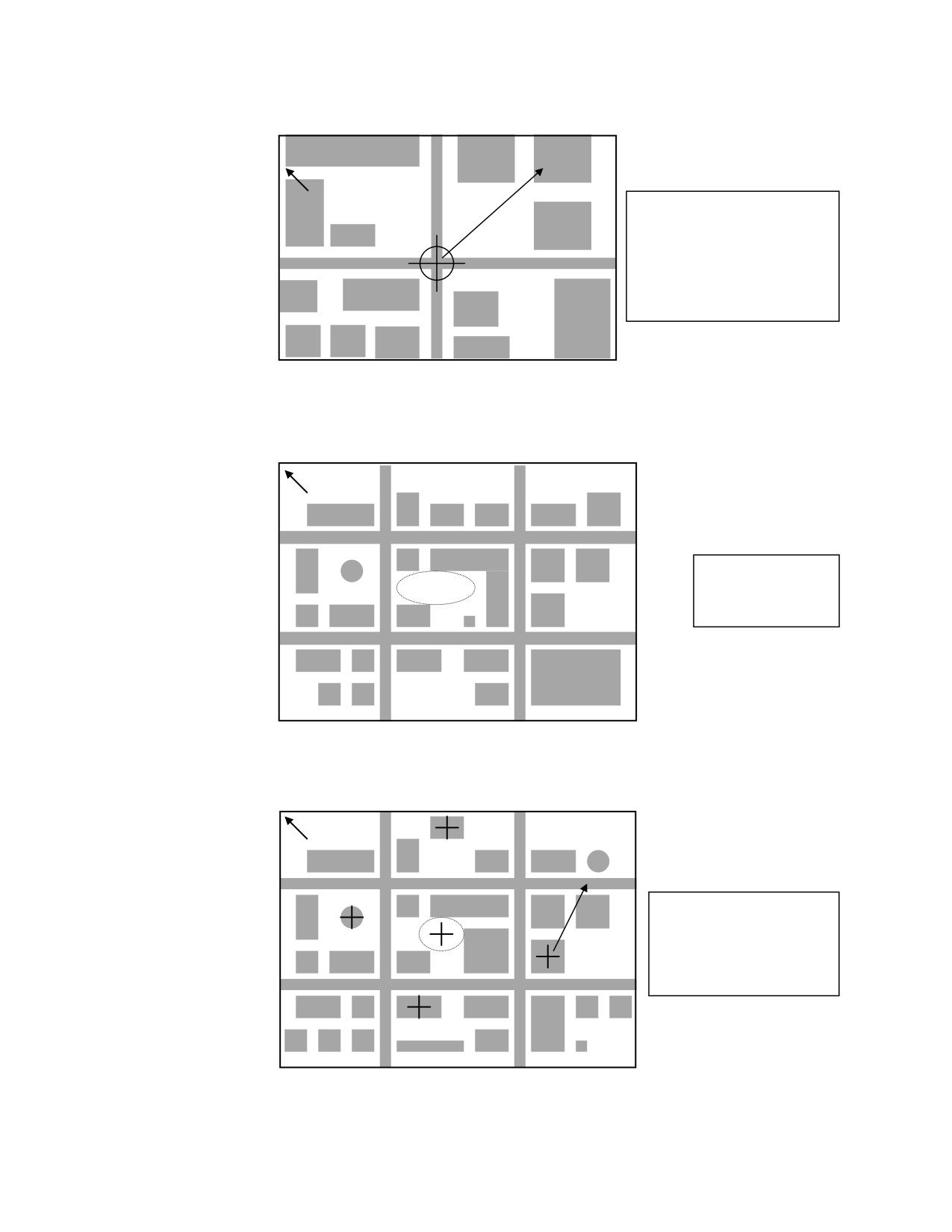
Common control methods include urban grid (Figure IV-1), bullseye targeting
(Figure IV-2), objective area reference grid (Figure IV-3), and TRPs (Figure IV-4).
These techniques are based on the street and structure pattern present, without
regard to the MGRS grid pattern. Aircrew must plan to transition to the system
in use by the ground element upon arrival in the objective area. For example,
references to the objective or target may include local landmarks such as, “The
third floor of the Hotel Caviar, south-east corner.” This transition should be
facilitated by using a “big to small” acquisition technique.
Nash
1
1
2
N
X
4
A
2
Bravo-1, south
3
B
3
corner. Sniper top
San Pedro
floor window.”
1
2
1
2
D
3
C
3
5
4
Figure IV-1. Urban Grid
IV-4
2nd St
X
N
“Bullseye, Charlie. 105
degrees magnetic, 250
meters, ZPU on the
Bilko Way
roof.”
Figure IV-2. Bullseye Targeting
Main St
Elm St
N B
C
D
1
2
3
5th Ave
1
2
1
2
“Echo-2, main
LZ
entry on Elm.”
I
2
1
4
3
X
4th Ave
2
1
F
H
G
Figure IV-3. Objective Area Reference Grid
N
Jones St
Smith St
#2
X
Rose
“TRP #3, 087 degrees
#1
magnetic, 325 meters,
#5
OBJ
the water tower.”
#3
Liberty
#4
Figure IV-4. Target Reference Points
IV-5
5. Target Marking and Friendly Positions
The close proximity of friendly forces to targets makes positively locating
and marking of both friendly units and targets critical. Procedures must be
clearly understood and all participants must be issued the appropriate devices.
All fire support assets should be familiar with the friendly marking system. The
methods to do this are limited only by the creativity of the ground forces and
aircrews. Commanders should use this section as a reference and not limit
themselves to only these methods. Aircrews require positive location of the
target and friendly positions before expending ordnance. Methods employed
must be adapted to the existing conditions. Positive air to ground
communications are essential to coordinate and authenticate markings. Table IV-
1 lists some common marking methods and describes their merits and
shortcomings. All personnel must understand both the strengths and weaknesses
of available methods and equipment and how they pertain to urban conditions.
They need to choose the appropriate method, equipment or equipment
combination for the conditions at hand. The following sections address several
factors to consider when using target marking methods and equipment.
a. Aircrews and terminal controllers must become familiar with the roof
characteristics of buildings before a mission since this often will be the first
characteristic used for identification by aircrew. Flat roofs, pitched roofs, domed
roofs, roofs with towers or air conditioning units on top will aid in visual and
thermal acquisition. Additional structural features revealed in imagery will aid
in confirmation. This method of terrain association will prove invaluable for
visual engagement or reconnaissance since structures are often too close for
relying on mere grid coordinates.
b. The visual signaling or marking of positions allows more ease in
determining the location of friendly forces. During building clearing operations,
the progress of friendly units (both horizontally and vertically) may be marked
with spray paint or bed sheets hung out of windows. Often, the simplest methods
are the best. Traditional signaling devices, such as flares, strobes, and signaling
mirrors may be effective as well. Target marking or an orientation on enemy
positions may also be accomplished using signaling procedures. Common
techniques include the use of smoke, laser pointer devices, or tracers (Table IV-1).
Devices are available which aid in the recognition of friendly forces under
difficult battlefield conditions. Fluid tactical situations, intermingling of forces,
and urban terrain all contribute to difficulty in identifying friendly troops and
equipment. The use of GLINT tape, combat ID panels, and IR beacons assist in
the ID of friendly ground forces on urban terrain. Standardized usage of ground
lighting, thermal contrast, and interposition of structures influence the
effectiveness of these devices.
IV-6

Table IV-1. Target and Friendly Marking Methods
METHOD
DAY/
ASSETS
FRIENDLY
TARGET
REMARKS
NIGHT
MARKS
MARKS
SMOKE
D/N
ALL
GOOD
GOOD
Easily identifiable, may compromise friendly position,
obscure target, or warn of fire support employment.
Placement may be difficult due to structures.
SMOKE (IR)
D/N
ALL
GOOD
GOOD
Easily identifiable, may compromise friendly position,
NVD AT
obscure target, or warn of fire support employment.
NIGHT
Placement may be difficult due to structures. Night marking
is greatly enhanced by the use of IR reflective smoke
ILLUM, GROUND
D/N
ALL
N/A
GOOD
Easily identified, may wash out NVD’s.
BURST
SIGNAL MIRROR
D
ALL
GOOD
N/A
Avoids compromise of friendly location. Dependent on
weather and available light and may be lost in reflections
from other reflective surfaces (windshields, windows, water,
etc.)
SPOT LIGHT
N
ALL
GOOD
MARGINAL
Highly visible to all. Compromises friendly position and
warns of fire support employment. Effectiveness is
dependent upon degree of urban lighting.
IR SPOT LIGHT
N
ALL NVD
GOOD
MARGINAL
Visible to all with NVG’s. Less likely to compromise than
overt light. Effectiveness dependent upon degree of urban
lighting.
IR LASER
N
ALL NVD
GOOD
MARGINAL
Effectiveness dependent upon degree of urban lighting.
POINTER
(below .4 watts)
IR LASER
N
ALL NVD
GOOD
GOOD
Less affected by ambient light and weather conditions.
POINTER (above
Highly effective under all but the most highly lit or worst
.4 watts)
weather conditions. IZLID-2 is the current example.
VISUAL LASER
N
ALL
GOOD
MARGINAL
Highly visible to all. Risk of compromise is high.
Effectiveness dependant upon degree of urban lighting.
LASER
D/N
PGM OR
N/A
GOOD
Highly effective with PGM. Very restrictive laser acquisition
DESIGNATOR
LST
cone and requires line of sight to target. May require pre-
EQUIPED
coordination of laser codes
TRACER
D/N
ALL
N/A
MARGINAL
May compromise position. May be difficult to distinguish
mark from other gunfire. During daytime use, may be more
effective to kick up dust surrounding target.
ELECTRONIC
D/N
SEE
EXCELLENT
GOOD
Ideal friendly marking device for AC-130 and some USAF
BEACON
REMARKS
fixed wing (not compatible with Navy or Marine aircraft).
Least impeded by urban terrain. Can be used as a TRP for
target identification. Coordination with aircrews essential to
ensure equipment and training compatibility.
STROBE
N
ALL
MARGINAL
N/A
Visible by all. Effectiveness dependent upon degree of
(OVERT)
urban lighting.
STROBE (IR)
N
ALL NVD
GOOD
N/A
Visible to all NVDs. Effectiveness dependent upon degree
of urban lighting. Coded strobes aid in acquisition
FLARE (OVERT)
D/N
ALL
GOOD
N/A
Visible by all. Easily identified by aircrew.
FLARE (IR)
N
ALL NVD
GOOD
N/A
Visible to all NVDs. Easily identified by aircrew.
GLINT/IR PANEL
N
ALL NVD
GOOD
N/A
Not readily detectable by enemy. Very effective except in
highly lit areas.
COMBAT
D/N
ALL FLIR
GOOD
N/A
Provides temperature contrast on vehicles or building. May
IDENTIFICATION
be obscured by urban terrain.
PANEL
VS-17 PANEL
D
ALL
MARGINAL
N/A
Only visible during daylight. Easily obscured by structures.
CHEMICAL HEAT
D/N
ALL FLIR
POOR
N/A
Easily masked by urban structures and lost in thermal
SOURCES
clutter. Difficult to acquire, can be effective when used to
contrast cold background or when a/c knows general
location.
SPINNING CHEM
N
ALL
MARGINAL
N/A
Provides unique signature. May be obscured by structures.
LIGHT
Provides a distinct signature easily recognized.
(OVERT)
Effectiveness dependent upon degree of urban lighting.
SPINNING CHEM
N
ALL NVD
MARGINAL
N/A
Provides unique signature. May be obscured by structures.
LIGHT (IR)
Effectiveness dependent upon degree of urban lighting.
IV-7
c. During both high and low ambient light conditions, expect to see significant
urban shadowing from buildings when cultural lights are present. Shadows will
hide personnel and/or vehicular targets from both the terminal guidance
controller and the aircrew like the shadows that hide small hills against the
background of larger mountains. Shadows will hide non-thermally significant
targets, but thermal targets still can be seen. When a combination of sensors has
to be used to acquire and identify the target, a sensor hand-off plan must be
briefed thoroughly. The use of aircraft with integrated GPS will reduce the
amount of time spent finding the target area. Time permitting, inputting a target
grid into the GPS or inertial navigation system (INS) will provide fire control
cues (range, heading, time) to the target that will aid in quicker target acquisition
and help distinguish friendly forces from enemy forces. Because CAS missions
may involve short firing ranges, expect a minimum tracking time, and thus,
minimum time to optimize the sensor.
6. Television/Electro-optical (TV/EO)
TV/EO sensors are subject to many of the same limitations as the naked
eye, particularly TV with no low light capability. Aircrews will encounter
difficulties in acquiring a target and achieving lock-on if smoke, buildings, or
other urban factors repeatedly interrupt LOS. Low light or all light TV/EO
sensors may require frequent gain and filter changes to accommodate varying
light levels in urban areas. Normal means of target and friendly ID are likely to
prove ineffective. IR strobes, overt strobes, and laser pointers normally visible to
TV/EO sensors can be lost in the light clutter. Typical TV/EO resolution is not
sufficient at medium and extended ranges to discriminate between a friendly
position or a target and its surrounding urban features. Ground personnel need
to utilize more aggressive and overt means of identifying their position and that
of the target if TV/EO sensors are to be used to identify, track and engage targets
on urban terrain.
7. Electronic Beacons
Electronic beacons can be an effective tool for friendly ID in an urban
environment, especially when friendly troops are on the move. However, a
significant drawback to beacons is that only a few aircraft can track them. When
other means of ID prove time consuming, a beacon may help locate a friendly
position quickly. When a friendly ground team is on the move, no matter whether
on foot or in a vehicle, a beacon offers a good way to track the movement. When
LOS is repeatedly interrupted, a beacon tracking radar can temporarily break
lock from the friendly position. However, when LOS is reestablished, the beacon
tracking radar can reacquire the friendly troops. Further, when urban terrain
prevents visual contact with a friendly position, target location can be passed via
reference to a beacon. If necessary, an aircraft can attack a target with nothing
more than an offset from the beacon. This method should only be employed as a
last resort since it will not provide the precision normally desired in an urban
environment.
IV-8
8. Laser Designation
a. Background. One of the greatest challenges for an aircraft in urban terrain
is achieving and maintaining LOS with a target or friendly position. Laser
designation requires uninterrupted LOS to identify and engage a target. Rotary-
wing aircraft may use their hover capabilities, but only in the most permissive
environments. This may mean a rotary-wing lasing platform has to be very near
the target to keep the spot on the target until ordnance impact. Smoke from
burning buildings or other fires can drift across the laser to target line causing
beam attenuation. While this is also true on an open battlefield, urban areas
typically contain more potential smoke sources than found in natural terrain.
b. Lasers. Most laser designating platforms cannot actually see their laser
spot on a target. Lasers are often boresighted to other supporting sensors like
FLIR/IDS or TV/EO. If the supporting sensor cannot see a target, then the laser
cannot effectively mark the target. Furthermore, although a FLIR/IDS can “see” a
target, the laser may not be capable of guiding ordnance against it since smoke,
invisible to the FLIR/IDS, can effectively attenuate the laser energy. The most
important factor affecting FLIR performance is water vapor concentration, which
is indicated by high relative humidity, and expressed by absolute humidity. The
impact of high water vapor concentration (indicated by high humidity) is greater
on FLIR/IDS performance than its impact on laser performance. In other words,
if the target can be detected with a FLIR in clear air, then the laser should
provide sufficient energy for seeker acquisition. As a rule of thumb, if a target
can be detected with a supporting sensor and consistently ranged to with a laser,
it is likely that the laser will designate satisfactorily for a laser-guided weapon.
As an additional consideration, many targets are relatively small and can only be
acquired at relatively short range. For low and medium threats, where a great
amount of time is available to use the FLIR/IDS to point the laser, target
acquisition methods are simple. As the threat escalates and the time available for
target acquisition shrinks, targeting with the FLIR/IDS becomes more difficult.
9. Clearance to Drop/Fire for CAS Missions
a. Background. The responsibility for ordnance delivery rests with the
maneuver force commander. The terminal controller has the authority to clear
aircraft to release weapons after specific or general release approval from the
maneuver force commander. For specific guidance see Joint Publication (JP) 3-
09.3, JTTP for Close Air Support, Chapter 5. Additional references are the MTTP
found in FM 90-20, MCRP 3-16.8B, NWP 3-09.2, and AFTTP(I) 3-2.6, J-Fire,
Multiservice Procedures for the Joint Application of Firepower.
b. Positive control. Positive control will be used to the maximum extent
possible. For specific guidance, refer to JP 3-09.3, Chapter 5. Additional
references are the MTTP found in FM 90-20, MCRP 3-16.8B, NWP 3-09.2, and
AFTTP(I) 3-2.6, J-Fire, Multiservice Procedures for the Joint Application of
Firepower.
IV-9
c. Reasonable Assurance. Aircrews normally operate under positive control
and receive a “cleared hot” before releasing ordnance in a CAS environment.
During combat operations, low altitude flight, and deteriorating battlefield
conditions, such as communications jamming, can prevent the receipt of positive
clearance. JP 3-09.3 recommends that a joint force commander (JFC) establish
guidelines that allow CAS missions to be conducted utilizing reasonable
assurance. Reasonable assurance is not a routine procedure but a set of specific
guidelines. It is not a “comm out” method of attack. The JFC establishes the
conditions for reasonable assurance and when they will be in effect.
d. Risk-Estimate Distances. Risk-estimate distances are based on
fragmentation patterns and allow the ground forces commander or combat air
commander to estimate the risk in terms of the percent of friendly casualties that
may result from an air strike against an enemy threat along the forward line of
own troops. First and foremost, all aircrews must understand their aircraft
weapons’ capabilities and limitations. Secondly, the ground commander must
have a clearly defined intent and ROE that is understood by all aircrews to
ensure the proper matching of weapons to targets.
NOTE: The recommended probability of incapacitation (Pi) distances from
friendly troops assumes flat open terrain, not urban terrain with buildings
for cover and vertical structures that may mask the effects of ordnance
fragment patterns. In some cases, closer delivery can be made if terrain
(friendly cover) permits or if the tactical situation is urgent. The forward
air controller (FAC) shall inform the ground unit commander of the risks
involved before commencing such a strike.
10. Fixed-wing Targeting and Engagements (AV-8B, A-10, O/A-10, F-14,
F-15E, F-16, F/A-18, and F-117)
a. Targeting and engagements. The standard 9 line, CAS control brief will be
the preferred method of controlling fixed-wing aircraft when conducting CAS.
The available weapons suites for selected fixed-wing aircraft are shown in Table
IV-2.
IV-10

Table IV-2. Fixed-wing Weapons Suites
Aircraft
Using
Ordnance
Laser Capability
Marking Capability
Beacon
Other
M/D/S
Service
LST
|
LTD
Capability
Systems
AV-8B
USMC
LGBs
YES
NO
Rockets
None
TV
Maverick
25mm HEI rounds
GPS
GP Bombs
LUU-2 Flares
NVG
CBUs
2.75” Rockets
5.00” Rockets
Napalm
25mm cannon
AGM-122 Sidearm
AV-8B “Plus”
USMC
As Above
YES
NO
Rockets
None
NVG
FLIR
Radar
A/OA-10A
USAF
Maverick
YES
NO
WP Rockets
None
NVG
GP Bombs
30mm HEI
CBUs
IR pointer
HE rockets
LUU-1/2
30mm cannon
LUU-5/6
LUU-19
M257 IR Rockets
M278 Covert Rockets
F-14
USN
LGBs
NO
YES
Laser
None
NVG
GP Bombs
WP
Radar
CBUs
LUU-2 Flares
TGP
20mm cannon
LLTV
Aerial mines
F-15E
USAF
LGBs
NO
YES
Laser
PPN-19
NVG
AGM-130
20mm HEI rounds
PPN-20
FLIR
GBU-15
UPN-25/34
TGP
Maverick
TPN-23/26
Radar
GP Bombs
SST-181
CBUs
X/XE
20mm cannon
PRD-78/80
SMP-1000
F-16 C
USAF
LGBs
YES
NO
Laser (some)
PPN-19
Radar
(less
Maverick
(Some)
WP rockets
PPN-20
NVG
LANTIRN)
GP Bombs
20mm HEI rounds
UPN-25/34
TGP (some)
CBUs
TPN-23/26
SADL (some)
20mm cannon
SST-181
X/XE
PRD-78/80
SMP-1000
F-16CG
USAF
LGBs
NO
YES
Laser
PPN-19
NVG
(with
Maverick
WP Rockets
PPN-20
FLIR
LANTIRN)
GP Bombs
20mm HEI rounds
UPN-25/34
TGP
CBUs
TPN-23/26
Radar
20mm cannon
SST-181
GPS
X/XE
IDM
PRD-78/80
SMP-1000
F-16CJ
USAF
HARM
NO
NO
20mm HEI
PPN-19
NVG
JDAM
PPN-20
Radar
Maverick
UPN-25/34
GPS
GP Bombs
TPN-23/26
IDM
CBUs
SST-181
HTS
20mm cannon
X/XE
JSOW
PRD-78/80
SMP-1000
F/A-18
USN (A/C)
LGBs
YES
YES
Laser
None
FLIR
USMC (A/C/D)
Maverick
WP Rockets
GPS
SLAM
HE Rockets
NVG
HARM
LUU-2 Flares
Radar
GP Bombs
20mm HEI rounds
CBUs
IR Pointer (F/A-18D
2.75” Rockets
only)
5.00” Rockets
Napalm/FAE
20mm cannon
Laser Maverick
JSOW
JDAM
Notes:
1.
All fixed-wing aircraft shown also have aerial missiles
2.
All aircraft that drop CBUs can also drop aerial mines
IV-11
b. Roles. Fixed-wing aircraft can be employed in the following roles:
(1) Offensive Counter Air (OCA),
(2) Defensive Counter Air (DCA),
(3) Strategic Attack,
(4) CAS,
(5) Interdiction,
(6) Armed Reconnaissance,
(7) Escort,
(8) Airborne FAC [FAC(A)],
(9) SEAD,
(10) Supporting Arms Coordinator, Airborne [SAC(A)].
c. Employment. Not all of the previously mentioned fixed-wing employment
missions will be used in all urban operations. More information on OCA and DCA
missions can be found in JP 3-01, Joint Doctrine for Countering Air and Missile
Threats; furthermore, strategic attack, interdiction, and escort may be found in
JP 3-03, Doctrine for Joint Interdiction Operations. Lastly SEAD missions are
discussed in JP 3-01.4, Joint Suppression of Enemy Air Defenses. The fixed-wing
missions addressed in this section are armed reconnaissance, FAC(A), and CAS.
(1) Armed Reconnaissance. In the armed reconnaissance mission, the
tasked aircraft take off with no assigned target to attack. Instead, they are given
a designated sector. They conduct the reconnaissance in advance of ground
forces. Potential targets might include reserves, logistic centers, C2 facilities,
bridges, and railroads.
(2) FAC(A). The FAC(A) mission has advantages because of the potentially
restricted LOS that a ground FAC encounters. The FAC(A) may be able to better
position himself to mark a target for attacking aircraft. The FAC(A) also has the
same vantage point of the target area as the attacking aircraft.
(3) CAS. Fixed-wing aircraft tasked with CAS provide timely, precision-
delivered ordnance that can mean the difference between victory and defeat.
CAS has a devastating effect upon the enemy. Both his morale and will to fight
are affected. Target acquisition and location will be the most difficult aspects of
urban fixed-wing CAS.
IV-12
11. Fixed-wing Targeting and Engagements (AC-130)
a. Background. In a typical AC-130 CAS mission, the aircraft places fire
against targets in close proximity to friendly forces. CAS engagement distances
may be reduced to “danger close,” which is that distance producing a 0.1 percent
Pi based on USAF 61A1-3-4, JMEM data. For the AC-130’s weapons, danger close
is 200 meters (m) for the 105 millimeter (mm) and 125 m for the 40mm and 25mm.
For engagements inside danger close, the ground commander must accept
responsibility for the increased potential for injury to his troops. Engagements
on urban terrain may be well inside danger close distances. In fact, many may be
at less than 50 m.
b. Marking Friendly Forces. The most important step in any CAS engagement
is to locate the friendly forces. This is doctrinally accomplished with some type of
marking that can be seen visually from the aircraft or observed using the aircraft
sensors. In an urban environment, the ambient lighting may obscure the marking.
This makes some other form of marking necessary, such as IR sensors or
electronic beacons.
(1) IR Sensors. IR chemlights, MRE heaters, space blankets, and
temperature absorbing panels provide markings significant to IDS or low light
level TV systems.
(2) Electronic Beacons. The currently fielded PPN-19 radar beacon is large
and heavy, making it burdensome for lightly equipped, fast moving troops.
However, a new micro-transponder, the smaller selectable strike (SST)-201, is
being fielded to provide a usable radar beacon that is lightweight and easily
employed. This capability can be used to locate the friendly forces and orient the
sensors to the target for a direct engagement. It can also be used as a fire control
offset to engage the target.
c. Locating the Target. Locating the target usually is accomplished by
locating the friendly forces first. From the friendly location, a bearing and range
offset is often used to orient the AC-130 to the target area. From the target
description, the gunship attempts to positively identify the target. In urban
terrain, a detailed talk-on with reference points expedites target acquisition.
Another very effective technique is for the friendly team to designate the target
with an IR target designator, like the laser pointer long range (LPL)-30. This is
the most expeditious and accurate method of target confirmation. Again, ambient
lights in the urban environment may obscure the marker. The HC-130H gunship
is equipped with an infrared zoom laser illuminator designator (IZLID) to aid in
target confirmation. The gated laser illuminator casts a very large and diffused
IR spot on the target area. Whatever the method, target confirmation is crucial
to eliminate fratricide and collateral damage.
d. Roles. The AC-130H/U is ideally suited for fire support in low threat urban
environments. Within permissive environments, the AC-130H/U is effective in
the following roles:
IV-13

(1) CAS-primary mission,
(2) Interdiction,
(3) Armed reconnaissance,
(4) Point defense,
(5) Escort,
(6) Surveillance,
(7) LZ/PZ/DZ security support,
(8) Airborne C2 (limited),
(9) Search and rescue (SAR) support.
e. Aircraft Systems. A full array of imaging and target designation systems,
precision navigation and secure communications equipment, and a defensive
avionics suite is standard. Additionally, the APQ-180 navigation/fire control
radar (AC-130U) offers adverse weather delivery capability. The weapons suite
aboard the AC-130H/U includes items in the Table IV-3.
Table IV-3. AC-130H/U Weapons Suite
Aircraft
Using
Ordnance
Laser Capability
Marking
Beacon
Other
M/D/S
Service
LST
|
LTD
Capability
Capability
Systems
AC-130H
USAF
M2A1 Modified 40mm
NO
YES
LTD/R
PPN-19
NVG
M-102 105mm
1688
GLINT
UPN-25
FLIR
ONLY
IZLID-2
SST-181
LLLTV
40mm
SST-201
GPS
105mm
INS
APQ-150
AC-130U
USAF
GAU-12U 25mm
NO
YES
LTD/R
PPN-19
NVG
M2A1 Modified 40mm
GLINT
UPN-25
FLIR
M-102 105mm
40mm
SST-181
ALLTV
105mm
SST-201
GPS
INS
APQ-180
IV-14

f. Weapons Data. Weapons applicability, delivery altitude, munitions data
are included in Table IV-4.
Table IV-4. AC-130H/U Weapons Applicability
Weapon
Target Types
Min/Max Alt
Rds/Min
Combat Load
Remarks
(AGL)
25mm
Pers under light cover & light
3000/15000’
1800
3000
HEI
vehicles
40mm
Pers under medium cover & all
4500/18000’
100
256/500*
HEI
light vehicles
API
HEI-P
105mm
Pers, light vehicles, & buildings
4500/20000’
10-Jun
100/174*
HE (point
detonate or
delay)
HEHF
* If equipped with additional ammunition rack.
(AC-130H)
g. Call For Fire. The call for fire method for AC-130s differs from the
standard CAS “nine-line”. Five lines of data are passed, as follows:
(1) Observer/warning order,
(2) Friendly location/mark,
(3) Target location,
(4) Target description/mark,
(5) Remarks (Include threats to gunship).
12. Rotary-wing Targeting and Engagements (AH-1, AH-1W, AH-6, AH-64,
MH-60, OH-58D, UH-1N )
a. Targeting and engagements. The standard 9 line, CAS control brief will be
the preferred method of controlling rotary-wing aircraft when conducting CAS
engagements. The available weapons suites for selected rotary-wing aircraft are
shown in Table IV-5.
IV-15

Table IV-5. Rotary-wing Weapons Suites
Aircraft
Using
Ordnance
Laser Capability
Marking
Beacon
Other
M/D/S
Service
LST
|
LTD
Capability
Capability
Systems
AH-1
USA
TOW
YES
NO
WP Rockets
None
NVG
2.75” Rockets
20mm
AH-1W
USMC
Hellfire
NO
YES
Rockets
None
NVG
TOW
WP
CCDTV
Sidewinder
LASER
FLIR (with
Sidearm
organic CCDTV
5” Rockets
system)
2.75” Rockets
GPS
20mm
DVO
AH-6
USA (SOF)
Hellfire
NO
YES
WP
None
NVG
2.75” Rockets
Smoke
FLIR
.50 Caliber
LASER
GPS
7.62mm Minigun
AH-64
USA
Hellfire
YES
YES
WP
None
NVG
2.75” Rockets
Smoke
FLIR
30mm HEDP
LASER
GPS
Stinger
DTV
MH-60
USA (SOF)
Hellfire
NO
YES
None
None
NVG
30mm HEDP
Smoke
FLIR
2.75” Rockets
LASER
GPS
.50 Caliber
7.62mm Minigun
OH-58D
USA
Hellfire
NO
YES
WP
None
NVG
2.75” Rockets
Smoke
FLIR
.50 Caliber
LASER
GPS
Stinger
DTV
UH-1N
USMC
2.75” Rockets
NO
NO
WP
None
NVG
.50 Caliber
FLIR
7.62mm minigun
GPS
MH-53
USAF (SOF)
.50 Caliber
NO
NO
None
None
NVG
7.62 Minigun
FLIR
GPS
TFTA
HH-60
USAF
7.62mm Minigun
NO
NO
None
None
NVG
FLIR
GPS
b. Roles. Rotary-wing aircraft can be employed in the following roles:
(1) CAS,
(2) Interdiction,
(3) Armed reconnaissance,
(4) Escort,
(5) FAC(A),
(6) SEAD,
(7) Assault support,
(8) Logistic support,
(9) C2,
IV-16
(10) Combat SAR (CSAR),
(11) Airmobile assault,
(12) Medical evacuation (MEDEVAC).
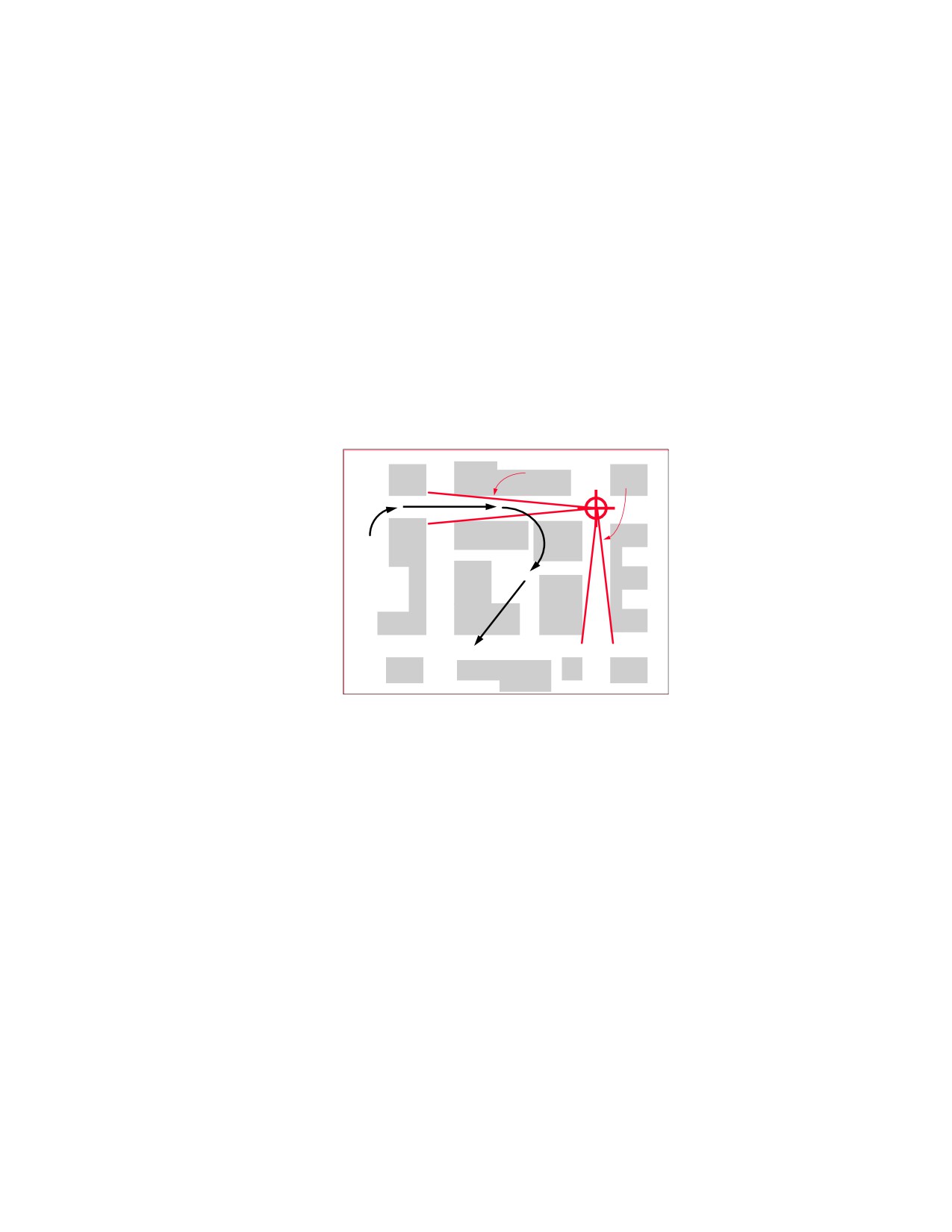
c. Running/diving fire. Rotary-wing aircraft should make running and diving
fire engagements along corridors of visibility. These engagements require
continuous movement to minimize exposure time. Before unmasking, all weapons
should be configured and armed. In situations where only one aircraft at a time is
in a position to engage, the lead aircraft fires as soon as possible after achieving a
firing solution, then a break turn is made toward masking terrain immediately
after firing. The wingman provides suppression when lead makes the break.
Avoid flight into other target visibility corridors during the egress. Re-attacks
should be from alternate directions to avoid predictability.
(Figure IV-5)
LOW ALTITUDE
VISIBILITY CORRIDORS
ATTACK RUN
ARMAMENT SWITCHES
BREAK TURN TOWARD
SET PRIOR TO TURNING
MASKING TERRAIN
TO ATTACK HEADING
EGRESS OR
MANEUVER FOR
RE-ATTACK
FROM NEW
DIRECTION
Figure IV-5. Running/Diving Fire Engagement
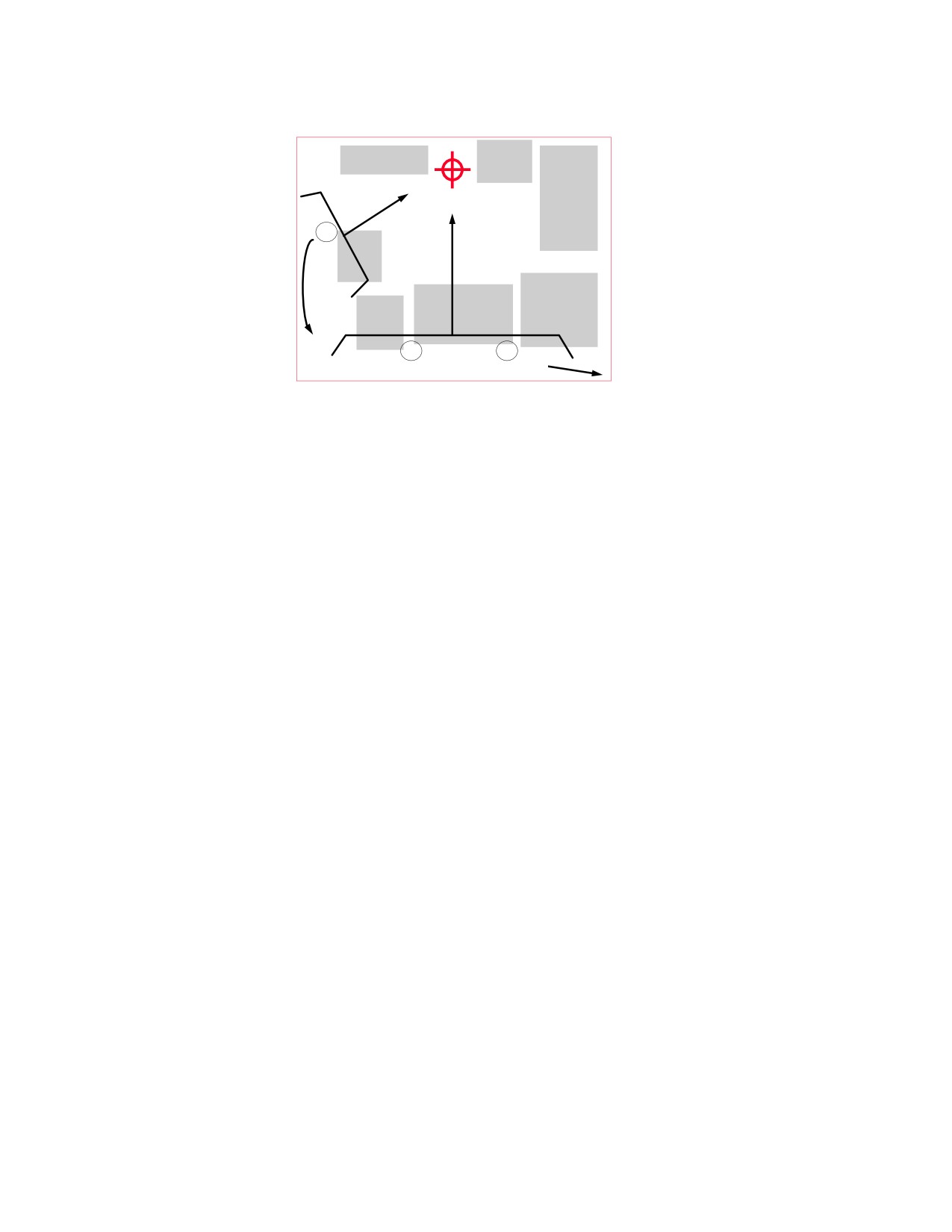
d. Hover Fire. Hovering fire engagements are not recommended, but may be
made. The normal considerations apply for the selection of firing positions.
Buildings and structures, which offer cover and concealment from the target area,
are treated like natural terrain. It must again be emphasized, however, that all
urban features are potential enemy positions. Features selected for vertical
unmasking should not be significantly taller than surrounding structures. They
should be selected to provide target visibility at the lowest possible altitude.
Many rotary-wing engagements will be conducted at very close ranges (<500m),
often inside the minimum range for the Hellfire missile. At such close ranges, use
of the cannon is highly recommended. Minimize the time spent stationary in the
position. Plan multiple firing points and egress routes providing maximum cover
and concealment.
(Figure IV-6) Second to enemy fire, wire and tower obstacles
will present the biggest hazard to flight when pulling off a target run in the urban
environment.
IV-17
LATERAL
UNMASK
FP
EGRESS
FP
VERTICAL
FP
UNMASK
EGRESS
Figure IV-6. Hover Fire Engagement
13. Artillery, Mortars, and Naval Surface Fire Support (NSFS)
a. Background. Artillery, mortars, and NSFS are used in aviation urban
operations for target marking, illumination, and SEAD. Marking smoke may be
white phosphorus (WP), red phosphorus, or illumination rounds set for ground
burst. Illumination rounds provide additional light to aid in night operations.
They are used to illuminate areas of suspected enemy activity, provide direction,
mark targets, or “wash out” enemy passive NVD when used at ground level. IR
illumination rounds are especially effective in urban areas devoid of artificial
light sources. Planning must ensure that aircrews will be flying with NVG.
However, balance using illumination rounds for target marking with the high
potential for creating unwanted smoke and fires. Mortars are ideally suited for
SEAD because of their high angle fire. This is especially true against highly
mobile MANPADS that are often employed from rooftops.
(1) Artillery. Artillery can be effective in an urban environment because of
the capability for high trajectory firing. High-angle fire is required when firing
from or within built-up areas, or over high terrain features. However, positioning
artillery units in the urban environment creates additional airspace deconfliction
concerns due to the high-angle firing requirement. The observer must also
realize that there is increased dispersion during high-angle fire. Some of the
most effective types of projectiles and fuzes are as follows:
(a) Copperhead. Copperhead is a 155-mm cannon-launched guided
projectile with a shaped charge warhead and a laser seeker. Copperhead homes
in on laser energy reflected from the target during the final portion of its
trajectory. Copperhead should be used only when direct fire systems are unable
to engage. Fire planning for Copperhead should consider the engagement ranges
of the laser designator. Moving targets can normally be engaged out to
approximately 3 kilometers (km), while stationary targets can be engaged out to 5
km. Laser designation requires an uninterrupted line of sight between the
designator and the target. Any obstructions weaken the laser signal causing a
IV-18
decrease in the performance of the Copperhead round. Copperhead engagements
must be carefully analyzed for effects of the gun-target line, observer-target line,
and masking effects of surrounding structures during the terminal guidance
phase of trajectory.
(b) Delay fuzing. Required for penetration of reinforced or hardened
rooftops.
(c) Variable time (VT) fusing. Required for an airburst. Effective in
clearing rooftops, but has greater potential for collateral damage.
(2) Mortars. Mortars are generally very effective in urban terrain due to
their high angle trajectories. Several systems are available depending on the
ground units involved in the operation. These systems include:
(a) 60-mm Mortar. The (M224) 60-mm mortar is in Army airborne, air
assault, light infantry, and ranger companies and all Marine rifle companies. The
current family of ammunition consists of high explosive (HE), smoke,
illumination, and IR illumination.
(b) 81-mm Mortar. The (M252) 81-mm mortar is in all Marine infantry,
and Army light battalions. The current family of ammunition consists of HE,
smoke (Red phosphorus), illumination, and IR illumination.
(c)
120-mm Mortar. The 120-mm mortar is fielded in a heavy Army
battalion. The current family of ammunition consists of HE, smoke, and
illumination, and IR Illumination.
(3) NSFS. When available, NSFS provides effective fire support to forces
operating near coastal waters. However, equipment limitations, enemy
electronic warfare, and unfavorable atmospheric conditions can interrupt radio
communications to control NSFS. Naval guns are not normally suitable for high-
angle fire because of their high muzzle velocity.
(a) NSFS ships normally remain under control of the Commander,
Amphibious Task Force (CATF). Ship positioning and method of delivery remain
with the ship captain. When the ships are threatened, the target-attack
priorities of the ship may cause it to hold or cancel land force fire missions until
the threat is removed.
(b) NSFS ships are normally assigned one of two missions: direct
support or general support. A ship in direct support delivers both planned and
on-call fires. General support missions are assigned to ships supporting forces of
brigade size and larger. The supported force selects the targets, the timing of
fires, and the method of adjustment of fires.
(c) NSFS has a variety of weapons ranging from conventional armament
to missiles. NSFS ships also have a large variety of ammunition and high rates of
IV-19
fire, allowing them to attack a variety of targets. The ships are mobile, allowing
positioning to take advantage of their limited deflection pattern.
(d) Close supporting fire is most effective when the gun-target line is
parallel to friendly front lines. The relatively flat trajectory of naval gunfire
results in a large range probable error. Hydrographic conditions may cause the
ship to take up firing positions that cause the gun-target line to be perpendicular
to friendly front lines. When this change in the gun-target line happens, it makes
naval gunfire less suitable to engage targets close to friendly troops.
14. Close Air Support
CAS requests consist of two types: preplanned and immediate. Preplanned
CAS requests are further divided into scheduled and on-call, which are processed
in ample time to provide the munitions required. On the other hand, immediate
requests provide the munitions available, which may not be the most suitable.
Immediate CAS performed under the control of a non-qualified controller is
called Emergency CAS. Careful consideration and SOPs on how to conduct
emergency CAS are necessary. Decentralized execution is critical; however,
personnel at all levels need to be ready to assist and clarify whenever possible.
Ideally, match the simplest means available to control the aircraft with the
controllers’ requirements. Aircrews and other supporting personnel may need to
pull information from the controller. Taking the extra time to build a clear
picture of the situation increases the odds of mission success. For additional
guidance, refer to JP 3-09.3. Additional references are the MTTP found in FM 90-
20, MCRP 3-16.8B, NWP 3-09.2, and AFTTP(I) 3-2.6, J-Fire, Multiservice
Procedures for the Joint Application of Firepower.
15. Munitions Effectiveness
a. Background. Analyzing the effects that munitions will have on buildings is
an important consideration in urban operations. Modern construction and design
improvements provide many buildings with resiliency to the blast effects of bomb
and artillery attack. Although modern buildings may burn easily, they often
retain their structural integrity and remain standing. A large, modern structure
can take between 24 to 48 hours to burn out. Once buildings become skeletal,
they are still useful to the military. Table IV-6 summarizes the general
characteristics of building materials worldwide and can be useful when
determining the proper munitions to employ.
IV-20

Table IV-6. Wall Thickness and Incidence of Occurrence of Building Types
Building Type
Wall Thickness
Occurrence
Centimeter (cm)
All Building Types (%)
Mass Construction (Load Bearing Outer
75
0.6
Walls) Stone
Brick
34-65
62.9
Reinforced concrete (Poured-in-Place Tilt-
15-25
6.1
Up Combination)
Bow-Wall Principle
15-25
0.8
Framed(Nonload-Bearing Walls) Wood
15
15.8
Steel/Concrete Heavy/Cladding
36
1.8
Steel/Concrete Light/Cladding
17
12.0
b. Weaponeering. The JMEM defines specific weaponeering procedures to
accomplish this analysis. The weaponeering process can be quite involved and
requires training. Expedient models can be developed based on preliminary
analysis of generic targets. Mission planners should be most concerned with the
factors of blast effects, fragmentation, and circular error probable (CEP). CEP is
an indicator of the delivery accuracy of a weapon system and is used as a factor in
determining the probable damage to a target. Information specific to all these
planning factors is found in the JMEM. Specifics of weapon penetration, accuracy
and performance can be calculated quickly and easily. In addition, rough
estimates of possible collateral damage can be determined using the target offset
portion of the JMEM algorithms. The JMEM does not produce collateral
weapons effects on friendly personnel in close proximity and shielded by some
form of structure. The Joint Warfare Assessment Center (JWAC) located at
Dahlgren, Virginia, performs classified computer simulations for these situations.
Although primarily tasked by the theater commander for deliberate targeting,
they can provide to any user the weapons effect characteristics in an urban area
for general-purpose bombs, laser-guided bombs, Maverick missiles, and high-
speed anti-radiation missile (HARM). Send a request for information via Joint
Deployable Intelligence Support System (JDISS) (www@jwac.ic.gov) or by
telephone, Defense Switched Network (DSN): 249-1992/4587. They require at a
minimum: scene composition, aimpoints, attack direction, weapon/fuze
combination, and time over target. Additionally, using the collateral damage
estimate tool (CDET), JWAC can provide glass breakage plots, eardrum rupture
plots (friendly, enemy, and non-combatant concerns), and panel damage versus
distance from impact point.
16. Munitions Delivery
a. Background. Urban terrain introduces a unique challenge to aircrews and
ground personnel alike with the notion of the urban canyon. Simply stated, an
urban canyon exists when a target or target set is shielded by vertical structures.
Unlike most natural terrain, the vertical characteristics of urban terrain can
greatly affect delivery options.
b. LOS. Urban terrain typically creates corridors of visibility running
between structures. Street level targets are only visible along the street axis or
IV-21

from high angles. The interposition of structures around a target interrupts LOS
from many directions. Rooftop targets may be approachable from a wider range
of azimuths. Targeting a specific face and story of a building can limit
engagement heading. The presence of buildings and other structures in urban
terrain creates corridors of visibility along streets, rivers, and railways.
Achieving LOS with an objective at street level is much easier along the axis of
the roadway as opposed to perpendicular. Large cities in particular create a
canyon effect in terms of visibility. Look down is required into areas surrounded
by tall structures if roadways do not create an adequate avenue of observation.
(Figure IV-7)
OBJ
Figure IV-7. View Along Street (Low angle possible)
c. Employment Range. The employment range for ordnance from both fixed-,
and rotary-wing aircraft is significantly reduced in urban areas. Delivery of
direct fire weapons is typically at medium to close range, due to masking effects
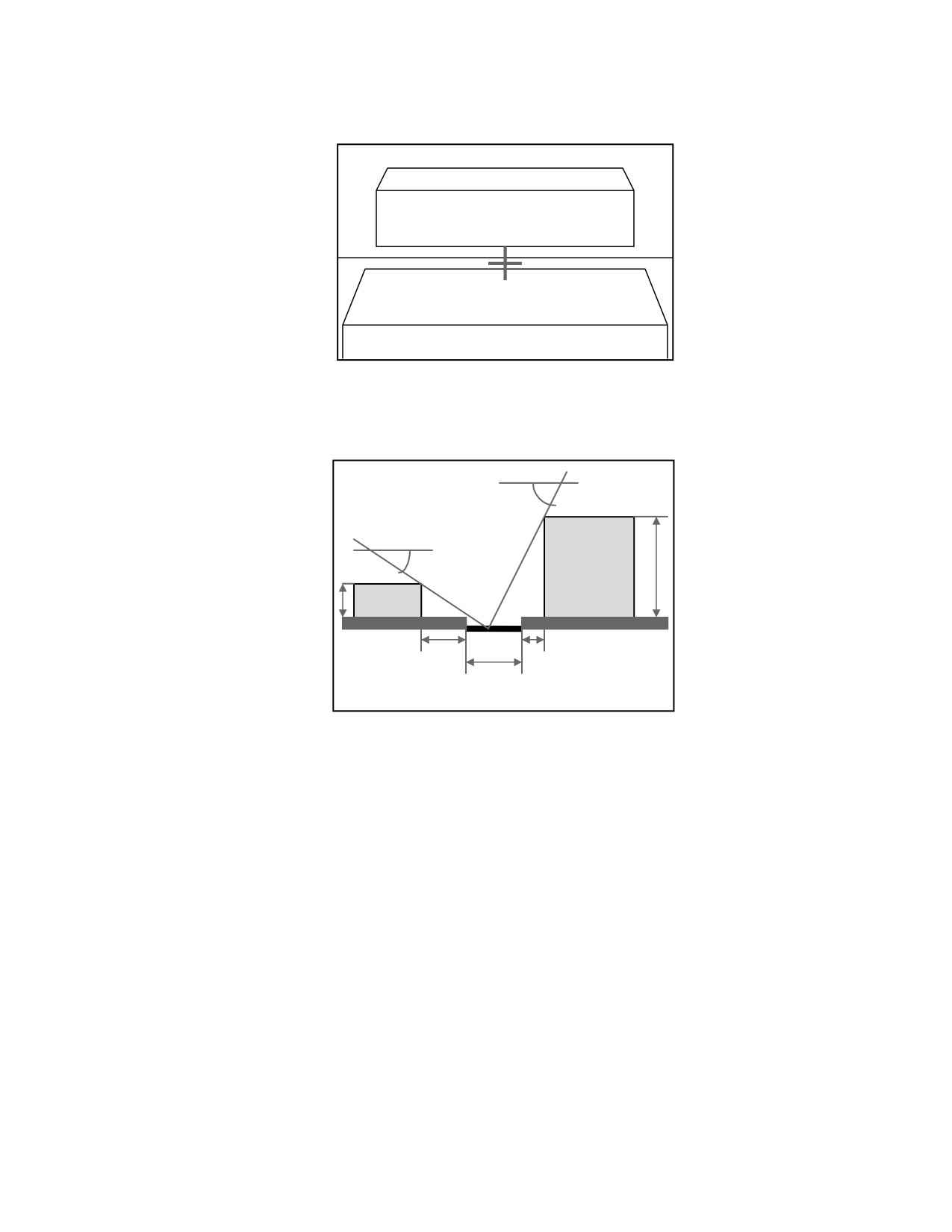
of city structures. The amount of sensor depression required to achieve LOS with
an objective is called look-down. The look-down angle required to achieve LOS
with an area is determined based on the lateral distance to masking structures
and the height of those structures. There may be an increase in minimum
engagement ranges because of high look down angles, thus making many close
engagements possible. The higher the aircraft above the intended target the
more stand off is needed. Fields of fire tend to be very narrow for the same
reason. Often only one aircraft at a time can be in a position suitable for
engagement of the target. Higher angle deliveries may provide better look angles
and visibility into a target area as well as a better ballistic trajectory when
delivering ordnance near tall structures. See Figures IV-8 and IV-9.
IV-22
OBJ
Figure
IV-8. Look-Down View (Greater angle required)
look-down
angle
look-down
angle
structure
street
structure
height
width
height
setback
setback
Figure IV-9. Look-Down Angle
The central problem lies in maintaining LOS to the intended target with enough
time to acquire the target, achieve a weapons delivery solution, and fly to those
parameters. Visibility limitations on marking devices in the urban environment
are geometric in nature. The use of any pointer or laser requires LOS. In
addition, the aircraft must have LOS with the target to see the mark. Urban
terrain severely limits LOS opportunities. Due to the close proximity of
structures to one another, there may be very narrow fields of view and limited
axes of approach. The high number of reflective surfaces in an urban setting
presents an additional challenge. Laser energy can be reflected and present
multiple false returns. For these reasons, urban fire support can be expected to
be more time consuming and be much more dependent on good communications.
Combinations of marking devices and clear talk-on procedures will be essential to
safe and effective fire support.
d. Lasing Techniques. Aircrews should consider using buddy lasing or remote
lasing tactics for laser-guided munitions when urban effects preclude the
attacking aircraft from maintaining LOS with the target until ordnance impact.
IV-23

However, if designating with a ground based laser along a narrow street bounded
by tall buildings, LOS geometry may allow the weapon to receive reflected laser
energy only within the 20 degree safety zone; the area from which a weapon
should not be released normally. As in any delivery, aircrews must consider the
target, the threat, the weapon, and the weather. Aircrews must also consider the
potential miss distances for “precision” munitions when their guidance source is
interrupted or removed.
e. Delivery Parameters. Several factors will drive the aircrew’s selection of
delivery parameters for a given weapon in urban terrain. Many deliveries tend to
limit avenues of approach due to LOS requirements between the aircraft and
target. The presence of buildings and other structures in urban terrain creates
corridors of visibility along streets, rivers, and railways. Achieving LOS with an
objective at lower altitudes is much easier along the axis of the roadway rather
than perpendicular to it. Large cities, in particular, create a canyon effect in
terms of visibility. Areas surrounded by tall structures must be looked down into
if roadways do not create an adequate avenue of observation.
f. Run-in. When working with a FAC or tactical air control party/post
(TACP), suggested run-in headings should be given that allow the maximum
probability of target ID. The aircrew should build a mental image of the target
before ingress so that target and friendly location is facilitated. If possible, a dry
pass may be warranted to determine if proper LOS requirements can be met for
employment with the selected set of delivery parameters. Other factors such as
threats or weather may force the aircraft to deliver from low altitude. This
increases the importance of attacking from a sufficient avenue of approach to
allow target ID and weapons employment given the inherent LOS limitations.
g. Proximity of Friendly Troops/Non-Combatants. Urban operations increase
the potential for weapons employment close to friendly forces or non-combatants.
Weapons delivery in these situations must attempt to eliminate the possibility of
fratricide and minimize collateral damage.
h. Munitions Classes. Table IV-7 provides a listing of classes of munitions
that may be considered for use on urban terrain.
Table IV-7. Munitions and Delivery Techniques
Munitions
Method
GP
Rocket
Gun
MAV
LGB Self
LGB Assisted
Level
X
X
X
X
X
X
Dive
X
X
X
X
X
X
Pop
X
X
X
X
X
X
Toss
X
Loft
X
X
X
X
IV-24

i. Advantages/Disadvantages.
(1) Each of the munitions and delivery techniques has unique advantages
and disadvantages. Table IV-8 outlines some advantages and disadvantages of
selected munitions and the various delivery techniques associated with fixed-
wing aircraft.
Table IV-8. Munitions Advantages and Disadvantages
Type Munitions
Advantage
Disadvantage
General Purpose Bombs
Multi-Service common,
Non-precision
Selectable fuzing options
Multi-target effective
Varying weapons effects
Good standoff
Rockets
Multi-Service common
Non-precision
Light armor effective
Decreased standoff
Varying weapons effects
Increased aircrew exposure
Good marking device
20mm/30mm Cannon
Multi-Service common
Decreased standoff
Light armor effective (20mm cannon)
Increased aircrew exposure
All armor effective (30mm cannon)
Maverick Missiles
Multi-Service common
Decreased effectiveness in adverse weather and
Increased standoff
non-optimal atmospheric conditions
Precision capability
Mobile target effective
Laser Guided Bombs
Increased standoff
Decreased effectiveness in adverse weather
Precision capability
and non-optimal atmospheric conditions
Multi-target effective
Requires guidance post release
Mobile target effective
JDAM
Multi-Service common
Not compatible for moving targets
Selectable fuzing options
Requires precise target coordinates
Multi-target effective
All weather capable
Accurate
Good standoff
JSOW / AGM-154
Multi-service common
Compatible for some moving targets
Selectable fuzing options
Requires precise target coordinates
Multi-target effective
All weather capable
Accurate
Good standoff
IV-25

(2) The advantages and disadvantages associated with fixed-wing delivery
methods and techniques are listed in Table IV-9.
Table IV-9. Delivery Methods Advantages and Disadvantages
Delivery
Advantages
Disadvantages
Method
Level
Increased Standoff
Decreased Accuracy (Non-PGM)
Dive
Good Standoff (Medium to High Altitude) Increasingly
Axis Restrictive
Accurate Computed Deliveries Highly Accurate (PGM)
Pop
Decreased Long to Medium Range Threat Acquisition
Increased exposure to target area threat arrays
& Targeting Time
Minimal target tracking time
Axis restrictive
Toss
Good Standoff
Decreased accuracy
Decreased aircrew exposure
Axis restrictive
Loft
Excellent Standoff
Decreased accuracy (Non-PGM)
(3) Buddy lasing of laser-guided bombs (LGB) can be executed from several
axes that are dictated by the designator (air or ground). A list of profiles with
associated advantages and disadvantages is in Table IV-10.
Table IV-10. Airborne and Ground Designators Advantages and Disadvantages
Type Designator
Advantages
Disadvantages
Airborne:
Increased Standoff
Larger laser spot size
Larger target area footprint
Increased susceptibility to podium effect
1.
Trail Position
Increased probability of success (spot detection)
Axis restrictive
Increased standoff
Increased platform predictability
2. Overhead Wheel Position
Decreased platform predictability
Decreased effectiveness in target areas with
Good standoff
varying vertical developments (podium effect)
3. Offset or Opposing Wheel
Decreased platform predictability
Axis Restrictive
Position
Excellent Standoff
Increased susceptibility to podium effect,
coordination intensive
Ground
Smaller laser spot size
Axis restrictive
Decreased targeting ambiguity
Increased designator exposure
Rapid battle damage assessment (BDA)
Coordination intensive
IV-26
Appendix A
AIR MISSION PLANNING GUIDELINES
The following items are areas to review during mission planning. While these
topics may be common, they have increased applicability to aviation urban
operations.
1. Mission Analysis
a. Determine restrictions and constraints.
b. Determine number of aircraft required to accomplish mission (minimize, if
possible).
c. Update information before takeoff, en route, and as often as necessary
during the mission (urban air operations can become very fluid).
2. Conduct Risk Assessment and Management
3. Friendly Situation
a. Obtain current information regarding friendly forces.
b. Analyze the concept of operations.
4. Threat
a. Know enemy capabilities and limitations.
b. Review known enemy positions.
5. Terrain Analysis
a. Perform flight hazards assessment, physical and environmental.
b. Determine dominant terrain/structures.
c. Determine surface mobility, above ground, street level, and subterranean.
d. Determine degree of terrain relief and variations in building height.
6. Weather
a. Evaluate weather and illumination data.
b. Evaluate enemy’s weather capabilities.
A-1
7. Route Planning and Navigation
a. Plan ingress, egress, and contingency routes to minimize the duration of
flight over urban terrain.
b. Use alternate flight routes, be unpredictable.
(Urban operations tend to
overuse routes)
8. Terminal Area Procedures
a. Plan terminal area actions in detail (airfields, HLZs, PZs, DZs, etc.).
b. Determine the effects of weather (urban specific) and enemy positions.
9. Communications
a. Determine communications limitations between aircrew and ground forces.
b. Include visual signals.
c. Create a solid alternate communications plan.
10. Airspace Control
a. Know the controlling agencies and required procedures.
b. Request additional measures as required.
11. Rules of Engagement
a. Ensure identification, friend, or foe (IFF) and aircraft survivability
equipment (ASE) is working.
b. Understand the purpose and demarcation lines for IFF and ASE.
(more
complicated in urban operations)
12. Weapons Selection and Employment
a. Clearly mark and confirm targets; know forbidden targets.
b. Ensure a common reference system is used.
13. Contingencies
Develop plans for casualties, personnel recovery (PR) (Appendix D),
communications, navigation, weapons, and aircraft systems.
A-2
Appendix B
JOINT INTELLIGENCE PREPARATION OF THE BATTLESPACE
1. Process
a. The JIPB process assists in planning aviation urban operations. The
process in JP 2-01.3, JTTP for Joint Intelligence Preparation of the Battlespace, 2nd
Draft, 1 Feb 98, is used to produce intelligence assessments, estimates, and other
intelligence products supporting decision making process. All forces must have a
thorough understanding of the process.
b. The varied nature of the threats in urban operations requires liaison with
local police, militia, NGO, etc., to acquire the information needed for JIPB and
mission planning. JIPB is a continuous process involving four major steps:
(1) Defining the total battlespace environment,
(2) Describing the battlespace’s effects,
(3) Evaluating the adversary,
(4) Determining and describing the adversary’s potential courses of action
(COA), most likely COA, and the COA most dangerous to friendly forces and
mission accomplishment.
c. The JIPB process is used to analyze the environment and determine an
adversary’s capabilities to operate within it. JIPB products are used by staffs to
prepare their estimates. They are applied during the analysis and selection of a
friendly COA. The size and location of the battlespace, objectives, avenues of
approach, effects of weather and terrain, and the COA of adversary forces are
some of the areas of information required for urban operations addressed in this
process. Initial JIPB for aviation must orient aircrews for operations in cluttered
urban terrain. The type of urban terrain, the availability of information and
collection sources, and the type of operations being conducted affect the amount
of information on threat forces of significant military factors in an urban area.
Urban operations may require greater use of information derived from HUMINT.
The JIPB process should provide aircrews imagery and target overlays
facilitating all mission types. Aircrews must carefully review applicable products
ensuring they satisfy mission requirements. Further information on the
intelligence preparation of the battlespace (IPB) process is found in the following:
(1) FM 34-130, Intelligence Preparation of the Battlefield.
(2) White Paper, Air Force Preparation of the Battlespace, 16 Feb 99.
d. A thorough JIPB process including a map and photoreconnaissance review
prepares aircrews before mission execution. Upon mission receipt, aircrews
should request the necessary maps and intelligence products. Aerial imagery is
B-1

an invaluable tool providing clear terrain visualization. It is preferable, although
not always possible, to have imagery from the same aspect flown by the aircraft.
2. Resources and Products
a. Validated geospatial products should be used to ensure a common
operating picture. Regardless of the geospatial product used, you must use a
common reference and marking system. The products must be well prepared,
provide clarity, and be available to the aircrews. Intelligence cells should be
assisted by at least one operational aviator to ensure production of useful
products.
b. Information regarding urban terrain is available from non-military sources.
Units must be proactive in gathering of civilian maps, tourist information,
cultural information, etc., from other sources. Preliminary JIPB can begin based
on open-source information used in conjunction with the excellent variety of
intelligence products prepared by Department of Defense (DOD) agencies.
Developing a working relationship with potential sources of information and an
understanding of the request process improves potential access to some of these
products.
(Table B-1) Familiarity with the products available allows the unit
intelligence sections to request them in the early planning stages.
Table B-1. General Sources
PRODUCT
SOURCES
Civilian/Open
Military/Intelligence
Urban Area
A,B,C,D,E,G,1,
A
Almanac or Atlas
1
Country Study
Overview
2
UTFO
B,C,2,3
B
Tourist Information
2
Aeronautical Charts
UTOG
B,C,4,5,7
C
Tourist Maps
3
DOD FLIP
FHM
2,3,5,9
D
Civ. Media (print)
4
NIMA Tactical Maps
Threat Analysis
D,E,F,1,5,7
E
Civ. Media
5
Imagery
(broadcast)
Target/Objective
B,C,D,E,I,5,6,7,
F
Interview
6
Direct
Catalog
9
Reconnaissance
MCOO
B,C,4,5,6,7,8
G
InterNet Sites
7
S2/G2/J2 RFI
Roof Cover Overlay
5,7
H
Defense Publications
8
G5 Civil Affairs
I
City Files (local gov’t)
9
DIA Products & Pubs
c. Gridded Reference Graphic (GRG). Prepared by the Defense Intelligence
Agency (DIA), this large format imagery product (17” X 21”) provides an overview
map, a small-scale imagery mosaic, and large-scale individual prints of a specific
target area. The GRG is typically focused on urban areas but are also produced to
cover large maneuver areas and LOCs. The GRG compliments NIMA city
graphics (1:12,500 scale) and provides excellent detail for urban mission planning.
d. Contingency Support Study (CSS). Prepared by DIA the CSS has a large
format imagery product (17” X 21”). It is designed to support planning for theater
operations and contingency planning. Text information includes weather and
climate data, oceanography and landing beaches (amphibious operations), terrain
B-2
analysis, and significant facilities. An overview map and a large-scale map of the
target area(s) are included. The CSS is typically focused on an urban area,
military facility, or significant terrain. It includes high-resolution electro-optical
(EO) and land satellite (LANDSAT) imagery.
e. Contingency Support Package (CSP). Prepared by DIA, the CSP is a large
format (17” X 21”) and small format (8” X 13”) imagery product. It is produced in
response to a specific crisis. The CSP is a mission-oriented product, typically
supporting NEO. Imagery includes embassy, the ambassador’s residence,
evacuation routes, AA, HLZ, beaches, ports, and airfields. The format is similar
to that of the CSS. High-resolution imagery supports the Section 1500
Department of State (DOS) emergency action plan (EAP).
f. NEO Packet (NEOPAC). Prepared by NIMA, it contains maps, imagery,
and information from the Section 1500 DOS EAP for a country. The NEOPAC
includes a tactical pilotage chart (TPC) (1:500,000), a Joint operations graphics
(JOG) (A)(1:250,000), a tactical land map (TLM) (1:50,000), and a city graphic
(1:12,500). Some packets include a lithographic quality image annotated with key
routes, terrain, and facilities.
g. NISH. Prepared by the unified commands to support NEO planning, it is
coordinated with Section 1500 DOS EAP. Contents include small format imagery
(8” X 11”) and a text product. The NISH includes overhead imagery of ports,
airfields, HLZ, potential evacuation routes, and beaches. Photography and
diagrams of pertinent US government facilities.
h. DOS Report. Prepared on an irregular basis, this report includes data on
US citizens registered with the local embassy. The report may include available
data on tourists, contractors, missionaries, humanitarian workers, US
government employees, Marine security guards, diplomatic and defense attaché
personnel, military advisors, and government dependents. It may also include
data on foreign personnel to be evacuated.
i. Safe area intelligence description (SAID). Prepared by DIA, the SAID
includes foldout imagery and text data in support of survival, evasion, recovery,
and escape (SERE) planning. It includes small-scale EO imagery, an orientation
map, and climate, terrain and weather data. When available, contact and
extraction points are described and annotated on maps and imagery. The SAID
covers designated geographical regions.
j. Marine air-ground task force (MAGTF) SERE Plan (USMC). Prepared by
Marine Expeditionary Unit (MEU) S-2, this product usually includes a local
counterintelligence assessment, civilian attitudes toward American forces, ethnic
or tribal affiliations, recent unrest or violence, active paramilitary or terrorist
groups, and language and religious demographics. Evasion and extraction data
includes central orientation point(s) for SERE, signaling methods, radio
frequencies, pickup times, primary and alternate extraction sites/HLZ. Survival
data includes indigenous plants, animals, terrain analysis, and local weather
trends. Imagery includes expected target areas and potential extraction sites.
B-3