FM 3-52 AIRSPACE CONTROL (OCTOBER 2016) - page 2
Chapter 4
Airspace Control—Execution and Assessment
This chapter provides an overview of airspace control activities performed during
execution. These activities are interrelated. Near-real-time execution requires constant
monitoring, evaluating, and assessing the situation and then taking action or making
recommendations.
EXECUTION
4-1. Execution is putting a plan into action by applying combat power to accomplish the mission (ADP 5-0).
Execution uses situational understanding to assess progress and make execution and adjustment decisions.
However, few plans are executed precisely as envisioned. Operations the commander envisioned in the plan
may bear little resemblance to actual events in execution. Subordinate commanders need maximum latitude
to take advantage of situations and meet the higher commander’s intent when the original order no longer
applies. Leaders must be trained in independent decisionmaking, aggressiveness, and risk taking for effective
execution.
4-2. By exercising mission command, commanders empower their subordinate leaders to develop the
situation, adapt, and act decisively to changes during execution. Army commanders have the authority to
direct (control) the maneuver of all Army airspace users within their designated areas of operations (AOs),
so they can make the best use of airspace. If assigned airspace control responsibility for a volume of airspace
by the airspace control authority in the airspace control plan or airspace control order, Army commanders
exercise airspace control over all airspace users. This authority to exercise airspace control for an assigned
volume of airspace does not include the authority to approve, disapprove, or deny joint combat operations.
Army commanders are the supported commander within their designated AO and as such, other commanders
coordinate their airspace use with Army commanders to avoid adverse effects and fratricide.
4-3. Army commanders and staffs utilize positive control methods, procedural control methods, or a
combination of both methods. When a division is delegated control of airspace, the JAGIC will control
division assigned airspace using procedural control. The Airmen in the JAGIC will normally provide
procedural control for JFACC aircraft operating within division-assigned airspace. Control for division
aircraft will be specified in the airspace control appendix (paragraph 3a of appendix 10 to Annex C
Operations. see appendix F) Normally the JAGIC will rely on the BCTs to integrate division aviation
operating below the coordination level in their AO while the JAGIC airspace Soldiers will integrate division
aircraft operating above the coordination level and any division aircraft operating in parts of the division AO
not further assigned as a brigade AO. For example, the JAGIC would be the airspace control agency for
Shadow or Gray Eagle unmanned aircraft within division assigned airspace as well as for aircraft operating
forward of the BCTs AO during a deep operation. Division positive control will be limited to areas controlled
by Army or joint air traffic control elements. See paragraph 1-22 and 1-23 for further discussion.
4-4. Army airspace elements coordinate airspace use with airspace control agencies provided by unified
action partners (tasked by the airspace control authority to control airspace). These elements can include
elements of the Air Force theater air control system (for example, CRC or AWACS), the Marine air command
and control system (for example, DASC or tactical air operations center), the Navy tactical air control system,
or similar multinational or civil air traffic control organizations. See ATP 3-52.2 for additional information.
The Division JAGIC is normally the division element that coordinates with other unified action partner
airspace elements. The JAGIC must establish a working relationship with the airspace element controlling
airspace above division-assigned airspace in order to rapidly coordinate both high altitude fires and dynamic
re tasking of division Gray Eagles operating above the coordinating altitude. The JAGIC must also
coordinate with airspace elements controlling airspace beyond the FSCL or over adjacent units to enable
responsive counterfires and interdiction fires. Normally, brigades will coordinate with unified action
20 October 2016
FM 3-52
4-1
Chapter 4
airspace elements through the JAGIC but brigades can be delegated the authority to directly coordinate by
the division.
4-5. In large portions of a unit’s AO, airspace element personnel communicate with airspace users and have
digital situational awareness of airspace user locations. This communication and awareness enable a form of
near-real-time procedural control. By collaborating with cooperative airspace users, airspace element
personnel can create focused (minimal time and area) airspace coordinating measures and exchange this data
with all local airspace users. Using near-real-time procedural control, airspace element personnel can direct
Army airspace users to shift airspace use to a different route, altitude, or volume of airspace. The airspace
user still retains the responsibility for safely maneuvering to the new airspace. The collocation of functionally
aligned theater air control system elements can expand this near-real-time control to joint airspace users.
4-6. During execution, near-real-time airspace procedural control requires airspace elements and users to
continually monitor and assess the operations of all airspace users. The airspace elements monitor and assess
in support of their operations as well as those transiting through the air over their ground AO. This continuous
assessment contributes to the commander’s situational understanding and enables units to react to situations
requiring immediate use of airspace.
4-7. During execution, the airspace element’s running estimate, along with other staff section’s running
estimates, supplements the common operational picture
(COP) based on digital feeds from various
information systems such as Army, joint, interagency, multinational, and so on. The combined running
estimates and COP depict key information from each functional area or warfighting function. This
information directly supports the commander’s ability to understand, visualize, describe, direct, lead, and
assess operations and enables units to react to situations requiring immediate use of airspace. For example,
information provides details of airspace use for immediate fires, close air support missions, unplanned
unmanned aircraft system launch, or diversion of aviation assets in near-real-time.
4-8. Situational understanding of airspace users within the unit’s AO is a critical element in enabling the
commander to make rapid decisions and capitalize on opportunities by taking prudent risk. Commanders rely
on their understanding of an operational environment to make informed risk decisions. This understanding
results from many factors but heavily relies on situational understanding developed from the COP. The
airspace elements perform the critical task of developing and interpreting the air COP for the commander
and staff. The air COP enables the commander to visualize all airspace users’ identification, location, flight
paths, trajectories and other information critical to rapid decisionmaking and risk mitigation. Commanders
can integrate airspace use in near-real-time by knowing who is in the airspace, where they are going, and
what their mission is.
4-9. As in planning, the airspace elements maintain constant communication with the fires cell, air liaison
officer, tactical air control party, intelligence sections, unmanned aircraft system operators, and all other staff
elements that represent airspace users. Airspace elements track and establish communication links with all
manned and unmanned airspace users. This communication enables the airspace elements to build complete
situational understanding and to synchronize ongoing airspace operations. By establishing these
communication links, airspace element personnel can solve airspace user conflicts in near-real-time by
recommending adjustments to timing, trajectories, or flight paths to the staff elements and subordinate
headquarters that control the conflicting users. This process is continuous and requires the airspace elements
to monitor not only the current operations but also to project airspace usage for planned operations.
ASSESSMENT
4-10. Assessment which is the continuous monitoring and evaluation of the current situation, precedes and
guides every operations process activity and concludes each operation or phase of an operation. Staffs
monitor the current situation for unanticipated successes, failures, or enemy actions. Commanders and staffs
look for opportunities, threats, and acceptable progress as they assess the operation. They accept risks, seize
opportunities, and mitigate threats.
4-11. Assessment activities help commanders visualize, describe, and direct changes to the operation.
Airspace elements assist commanders in assessing airspace operations. Assessment consists of, but is not
limited to the following activities:
z
Monitoring the current situation to collect relevant information.
4-2
FM 3-52
20 October 2016
Airspace Control—Execution and Assessment
z
Evaluating progress toward establishing end state conditions, accomplishing objectives, and
performing tasks.
z
Recommending or directing action for improvement.
4-12. Staffs use several tools to assess progress. Running estimates and the COP are the two most prevalent.
Running estimates provide information, conclusions, and recommendations from the perspective of each staff
section. The Joint Air Ground Integration Center is a technique to utilize in the current operations cell of an
Army division to quickly assess and make recommendations for changes to airspace control of division
allocated airspace. See ATP 3-91.1 for additional information on this. Running estimates help refine the COP
and supplement it with information not readily displayed. The COP provides an integrated visualization of
the operations. See paragraph D-14 through paragraph D-16.
4-13. Airspace elements or the JAGIC within Army divisions, continually monitor and assess operations,
airspace use, and future airspace use as part of their running estimate. These running estimates provide the
analytical basis for airspace use recommendations. These recommendations are focused on near-real-time
airspace control or on posturing for future use of airspace. Examples of monitoring airspace use include the
following:
z
Verifying planned aviation missions conform to actual airspace use.
z
Anticipating potential manned and unmanned aircraft missions generated to support adjustments
to current operations (casualty evacuation, unmanned aircraft system re-tasking).
z
Identifying airspace users entering the AO without prior coordination.
z
Understanding airspace not in use
(situational understanding of unused airspace provides
flexibility since it is essentially pre-cleared for immediate use if needed).
z
Maintaining situational understanding during current operations and anticipating potential fire
missions (surface-to-surface, surface-to-air, and air-to-surface) that may result in an airspace
conflict.
4-14. Continuous assessment enables learning and adaptability. Airspace elements continuously assess
operations enabling the staffs to identify shortcomings in key airspace planning documents, most notably the
joint air operations plan, the airspace control plan, the area air defense plan, and higher headquarters operation
orders, associated airspace appendices. Based on these shortcomings, airspace elements recommend needed
adjustments to establish the conditions for future operations. In doing so, these key airspace planning
documents remain relevant and help commanders reduce uncertainty and risk, and providing flexibility
during mission accomplishment.
AIRSPACE CONTROL—EXECUTION AND ASSESSMENT
COLLECTIVE TASKS
4-15. Airspace elements perform a series of collective tasks to integrate airspace use in near-real-time.
Executing collective tasks enables commanders to make informed decisions of when and where to shoot or
fly, thereby minimizing the risk. Airspace elements work alone to perform collective tasks. An airspace
element will not always perform all the tasks listed below, however, the element must be prepared to perform
any or all of them.
PROCESS OF AIRSPACE ORDERS AND DIRECTIVES
4-16. The airspace element processes airspace orders and directives. It uses information systems to receive
and disseminate airspace orders and directives to or from the airspace control authority and subordinate
airspace elements. The element builds and maintains the airspace control overlay consisting of the joint
airspace control order, any local airspace coordinating measures the airspace control authority does not
publish on the airspace control order, and near-real-time airspace coordinating measures too transient to be
published in an airspace control order change. The airspace element establishes near-real-time, jam-resistant,
and long-range voice communications with higher, adjacent, and subordinate systems. The airspace element
promulgates procedures for receiving and disseminating airspace information in Appendix 10 (Airspace
Control) to Annex C (Operations). These procedures address communicating with units equipped with
different information systems, operating in a degraded environment (no communication lines and no radar
20 October 2016
FM 3-52
4-3
Chapter 4
feeds for example), as well as addressing reliability, speed, and risk issues associated with operating in
degraded environments. See appendix C for a detailed discussion on information systems.
MANAGE AIRSPACE CONTROL INFORMATION DISPLAYS
4-17. Airspace elements maintain accurate information displays. Information displays consist of overlays,
maps, and databases in near-real-time. This information includes computer hardware and software and
communications as well as policies and procedures. Once developed, the airspace element updates
information and disseminates it to other staff elements and subordinate airspace elements and users.
DETERMINE TRACK IDENTIFICATION FOR AIRSPACE USERS
4-18. The air and missile defense (AMD) element, in coordination with the airspace element, uses combat
identification criteria to determine track identification for airspace users. The AMD element, supported by
airspace elements, continuously monitor the air picture. The AMD element tracks and identifies airspace
users as friend, neutral, hostile, or unknown. Once identified, the element assigns combat identification. The
air and missile defense element confirms that all tracks are processed for identification. This element
monitors and verifies that all subordinate airspace nodes process all organic tracks for identification. The
AMD element coordinates with the area air defense commander for appropriate actions on hostile tracks
within the AO. The combination of the AMD element’s air tracks and the airspace element’s airspace control
overlay displayed on airspace element system screens and in the current operations, provides the echelon
commander a tactical air picture and situational awareness of ongoing airspace use. The airspace element
maintains situational awareness and situational understanding of all unified action partners and neutral
airspace users in the AO.
MONITOR ASSIGNED AIRSPACE AND AIRSPACE USERS WITHIN ASSIGNED AREA OF
OPERATIONS
4-19. Airspace elements continually monitor the operations of all airspace users to support their mission as
well as those transiting through the air over their ground AO. Airspace elements can develop and maintain
running estimates that provide the basis for the air COP by monitoring airspace users’ identification, location,
flight paths, trajectories, and other critical information. Further, by continuously monitoring and assessing
airspace use and airspace coordinating measures for conflicts, airspace elements can provide direction to
deconflict, coordinate, and integrate the use of airspace within the AO. Airspace elements monitor with a
near-real-time, jam-resistant, and secure communications network as well as digital connectivity. Airspace
elements use several means to communicate with higher, adjacent, and subordinate airspace elements within
the AO. First, elements determine the dimensions of the unit airspace. Next, they determine the level of
authorization for airspace control delegated to the unit. Once the communication with the assigned AO is
determined, airspace elements maintain and update all joint airspace control documents to ensure compliance
with established monitoring procedures. Activities include the following:
z
Airspace control utilizing the low-level air picture.
z
Airspace control utilizing manual reporting.
z
Monitoring air track actions.
z
Maintaining an up-to-date airspace control order.
z
Assigning combat identification to support air and missile defense.
z
Defensive counterair operations to support air and missile defense.
z
Airspace control liaison with higher controlling authorities such as airborne warning and control
system, control and reporting center, tactical air operations center, or direct air support center.
RESOLVE REAL-TIME CONFLICTS FOR AIRSPACE USERS WITHIN THE AREA OF
OPERATIONS
4-20. Airspace elements need to resolve real-time conflicts for airspace users within the area of operations
regardless of the thoroughness of planning. These situations require immediate use of airspace. Continuously
monitoring and assessing current and projected airspace use enables airspace elements to either coordinate
4-4
FM 3-52
20 October 2016
Airspace Control—Execution and Assessment
or recommend airspace use for immediate fires, close air support, unplanned unmanned aircraft systems
employment, aircraft redirection and numerous other missions. Airspace elements resolve airspace conflicts
by changing the time, altitude, or location of one or more airspace users by restricting operations of one or
more airspace users or by accepting prudent risk to accomplish both missions in the same airspace. Airspace
elements do not routinely manage the flight path or trajectory of individual airspace users, rather they
integrate airspace use both in planning and execution to manage risk. Only when two or more airspace users
are in conflict do airspace elements direct changes in flight paths or, in the case of fires, coordinate with the
fires cell to alter the trajectory. Airspace elements base these changes on the commanders’ mission priorities
and risk guidance. Pilots, unmanned aircraft system operators, and weapon system controllers still maintain
the responsibility to make the directed changes to their flight path or trajectory. The unit makes every attempt
to coordinate a satisfactory solution if the risk involves airspace coordination with other joint airspace
controlling agencies. However, the commander has the authority to accept prudent risk if necessary to
accomplish an immediate combat mission unless specifically prohibited by higher headquarters constraints.
At the division level, JAGIC is a technique to resolve real-time airspace conflicts within the division assigned
airspace. See ATP 3-91.1 for additional information about the JAGIC.
20 October 2016
FM 3-52
4-5
This page intentionally left blank.
Appendix A
Risk
This appendix discusses risk and airspace control. First, it discusses risk collaboration
in airspace. Then, it discusses the two types of risk. The appendix then discusses the
effects risks have on airspace operations. Next, it addresses the condition of risk in
airspace control. The appendix concludes with a discussion of the steps that airspace
element personnel use to manage risk.
COLLABORATION IN RISK
A-1. Airspace use over an Army area of operations (AO) is always joint, and often coalition and interagency,
so decisions require collaboration with many organizations. While the owner of an AO is the primary
supported commander, other airspace users still require access to the area. For example, the joint force air
component commander must have access to that airspace to accomplish missions supporting the ground
commander and to accomplish theater-wide missions supporting the joint force commander. Further, other
military and civil airspace elements at times control some or all of the airspace over a unit AO. These
organizations often have differing views of mission priorities and acceptable risk to their airspace users.
A-2. Joint airspace doctrine allows commanders to make risk decisions in combat situations. However, the
commander making the decision, accepts responsibility for the decision. Just as airspace use within and above
an Army AO is joint, the risk accepted by the commander may also involve joint forces. Therefore, airspace
control personnel should notify affected joint forces of the risk so that the forces can properly mitigate it and
remain within the joint force commander’s acceptable level of risk for all airspace users (including fires) as
delineated in the airspace control plan.
A-3. To set brigade commanders up for success, the operational Army force airspace element actively
collaborates with the joint force commander while developing and refining acceptable airspace risk guidance
and any associated decision support tools such as risk assessment matrixes. This collaboration necessitates
early and continuous component participation in producing, and subsequently changing, the joint air
operations plan, the area air defense plan, the airspace control plan, and airspace control orders. Once these
higher echelon commanders have agreed to acceptable risk, the joint air force component commander
publishes this guidance (including any constraints) in the joint air operations plan and the airspace control
plan. Additionally, the joint force air component commander disseminates this guidance using the air
operations directive. The Army disseminates the guidance in Appendix 10 (Airspace Control) to Annex C
(Operations) of Army plans and orders. As military operations progress, participants readdress this risk
guidance.
TYPES OF RISK
A-4. Airspace risk consists of real risks and perceived risks. Real risk is the actual probability of a collision
between airspace users. Perceived risk is the risk of collision that airspace users and their commanders assess
to incur by operating in the area. Historically, the real risk of a collision between airspace users is statistically
small. For example, from 2003 to 2015, small, unmanned aircraft systems flew approximately 600,000 hours
with only two incidents of collision with other airspace users. During that same period, the perception of the
risk posed by small, unmanned aircraft systems was much greater. A risk mitigation strategy that only
addresses perceived risk can fail by being too cautious and hindering operations. Airspace element personnel
can reduce perceived risk by establishing a relationship of trust with adjacent joint and unified action partner
airspace agencies such as combat reporting centers, airborne warning and control systems, and direct air
support centers. An effective airspace control plan targets both real risk and perceived risk.
20 October 2016
FM 3-52
A-1
Appendix A
CONDITIONS OF RISK MITIGATION
A-5. Conditions of risk mitigation for airspace differ from conditions of risk mitigation for ground
operations. Aircraft reporting based on planning or periodic voice reports have a greater degree of position
uncertainty and greater risk due to the speed in which aircraft travel. Tactical jet aircraft move so quickly that
they cause risk situations that require rapid decisions based on estimated locations. The current location of
an aircraft is always an estimate. In 30 seconds, an aircraft traveling at 500 knots per hour has travelled seven
kilometers, hence, electronic displays do not show where an aircraft actually is, instead they show where the
aircraft was when it reported its position. Airspace element personnel facilitate risk reduction by maintaining
a running estimate of the possible locations of an aircraft based on its last report. A rapidly updated position
report (such as radar or aircraft automatic self-reporting) facilitates risk reduction since the airspace that the
aircraft occupies likely consists of a small volume of airspace. Without near-real-time situational awareness,
airspace element personnel facilitate risk reduction by requiring airspace users to use preplanned coordination
measures and by reserving large volumes of airspace for possible use.
A-6. To preclude an airspace mishap, commanders establish control measures to mitigate risk. For example,
commanders may consider certain risks, such as counterbattery fire, unacceptable for manned aircraft ACMs,
but acceptable for unmanned aircraft ACMs. How this guidance is relayed will affect how airspace
coordinating measures are planned. However, if excessive, these control measures can degrade unit
operations. Understanding the nature of airspace risk, tools to mitigate risk, and the effects (both positive and
negative) of risk mitigation strategies is a key responsibility of airspace element personnel.
EFFECTS OF RISK
A-7. Usually mitigating risk has one of two influencing effects. The first effect is the risk of a collision
between airspace users. The second effect is the risk to mission success if a mission is cancelled or delayed
to reduce the collision risk. Ideally, if a risk of collision exists, airspace element personnel adjust airspace
use, reducing risk and allowing both missions to proceed without degrading either mission. However in some
cases, one or both of the airspace users have their mission degraded to reduce risk to acceptable levels. In
this case only, commanders or designated representatives direct an airspace adjustment that degrades a
mission or exceeds risk guidance. For example, a troops-in-contact fire mission must shoot through an
airspace coordinating measure currently occupied by an aircraft. The commander decides to reduce platform
risk by moving the aircraft and accepting degradation of the platform’s mission, to reduce platform risk by
cancelling the fire mission and accepting risk to Soldiers who need the fires, or to accept risk to the platform
and shoot while the aircraft remains on station.
A-8. Risk management associated with airspace control increases combat effectiveness by promoting the
safe, efficient, and flexible use of airspace with minimum restraint on airspace users. A successful airspace
risk mitigation plan and timely actions are both force multipliers that assist in accomplishing the mission,
protecting friendly forces and noncombatants, and preserving aircraft while also adhering to commander’s
intent, guidance, and risk acceptance criteria.
RISK MANAGEMENT PROCESS
A-9. The Army utilizes a risk management process, referred to in ATP 5-19. The five risk management
steps (identify hazards, assess hazards to determine risk, develop control measures and make risk decisions,
implement control measures, and supervise and evaluate) of this process also facilitates airspace risk
management. The five steps align with the activities of the operations process (plan, prepare, and execute
supported by continuous assessment). The aviation safety officer at each echelon assists the staff, ensuring
each section or planner uses the risk management process. See Figure A-1.
A-2
FM 3-52
20 October 2016
Risk
Risk management steps
Operations process activities
Step 1-Identify the hazards
Planning
Step 1-Assess the hazards
Planning
Step 1-Develop controls and make risk decisions
Planning and preparing
Step 1-Implement controls
Planning, preparing, and executing
Step 1-Supervise and evaluate
Planning and executing
Figure A-1. Risk management aligned with the operations process
PLAN
A-10. In the planning phase, steps one and two of the risk management process provide the structure and
situational awareness necessary to develop a sound course of action and plans. Only then can a stated mission
or purpose be accomplished within a predetermined level of risk. When planning operations, commanders’
efforts involve risk management tools and processes to assess and mitigate risk. If no airspace users risked
interfering with other airspace users, no requirement for airspace control would exist.
A-11. In step one, airspace control working group personnel identify potential hazards by using the standard
mission, enemy, terrain and weather, troops and support available, time available and civil considerations
(known as METT-TC) format. Personnel identify the potential hazards in the airspace above the AO that they
could encounter while accomplishing a mission, event, or operation. For example, hazards they identify
include physical hazards (such as wires or structures), firing unit locations and procedures, air defense unit
locations and procedures, or misapplication of appropriate airspace coordinating measures. Poor choices and
decisions on using the available airspace preclude its efficient utilization by airspace users and jeopardize
mission accomplishment.
A-12. In step two, airspace control working group personnel assess potential hazards and assign risks in terms
of probability and severity of adverse impact on an event or occurrence. This step considers the risk or
likelihood of an event or incident adversely influencing a mission, capabilities, people, equipment, or
property. Commanders ask what the odds or probability are of something going wrong and what effects
(severity) follow the incident if it does occur. When considering severity, consider the use of unmanned
systems and the commander’s acceptance of risk to valuable equipment in order to mitigate risks to manned
platforms or targets. As an example, the commander must clarify their authority and willingness to provide
timely fires through a UAS ROZ in support of friendly troops in contact.
A-13. In these first two steps, airspace element personnel identify and assess hazards. They also analyze the
plan’s complexity using the density, diversity, duration, and promptness categories. Density refers to the
number of airspace users a unit will control or will integrate in the airspace over the AO. Diversity accounts
for the different types of airspace users (manned/unmanned aircraft systems, artillery, and air and missile
defense) and organizations (joint forces, coalition forces, or civil airspace users) that use the airspace.
Duration accounts for how long users will require the level of airspace control. For example, will it require
augmentation of airspace element personnel for a long duration high-density airspace control zone.
Promptness is the amount of time needed to integrate a new airspace user safely into the airspace.
A-14. Density, diversity, duration, and promptness provide a tool for looking at a unit’s mission and
determining the complexity of the airspace control. Commanders and staffs assess information derived from
the density, diversity, duration, and promptness (along with hazards and associated risks) during mission
analysis, course of action development, and course of action analysis. Commanders and staffs consider
mission- and non-mission- related aspects that may have an impact. This assessment results in an initial
estimate of risk for each identified hazard expressed in four terms. Airspace users rate the risk with extremely
high, high, moderate, or low as determined from the standardized application of the risk assessment matrix.
See Figure A-2 on page A-4.
20 October 2016
FM 3-52
A-3
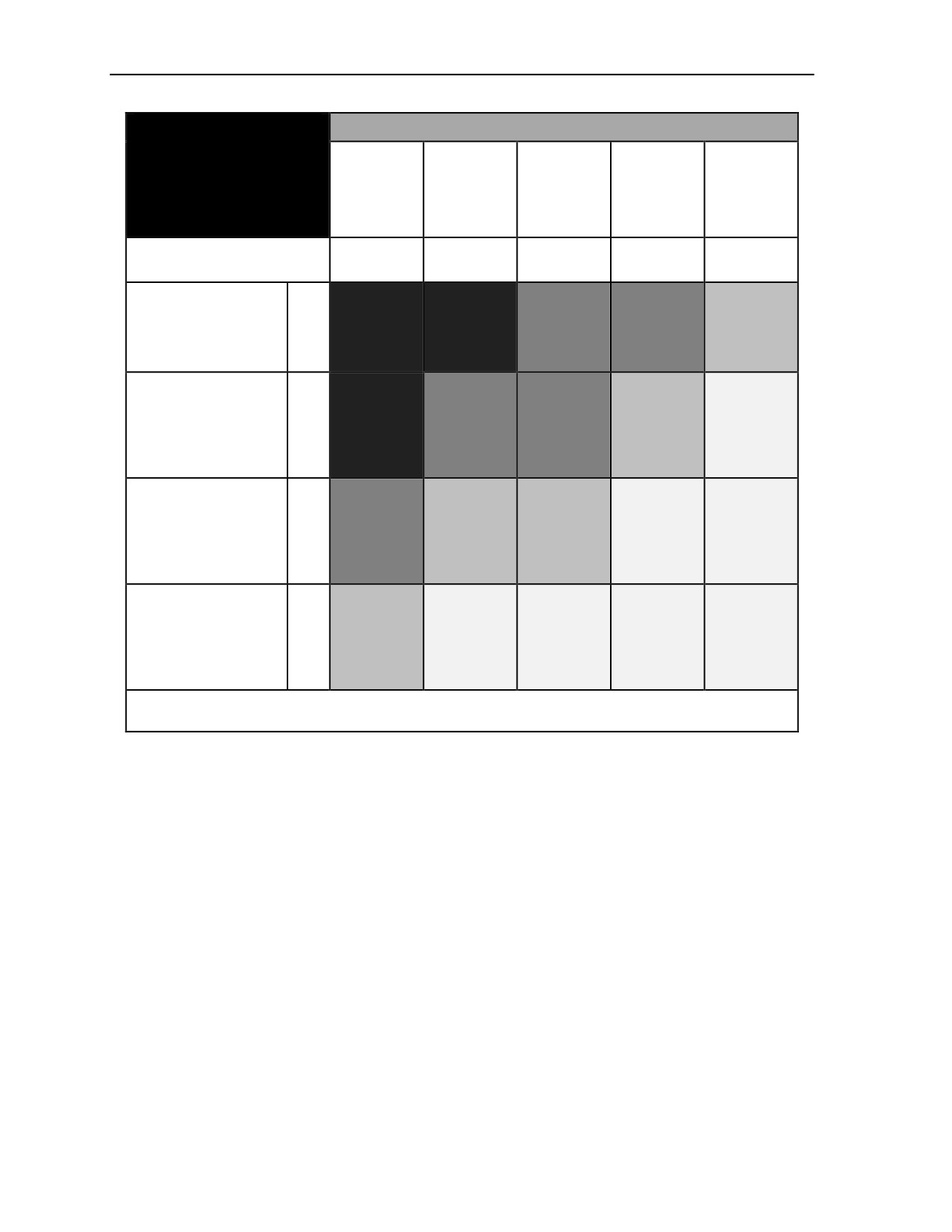
Appendix A
Probability (expected frequency)
Frequent:
Likely:
Occasional
Seldom:
Unlikely:
:
Continuous,
Several or
Infrequent
Possible
regular, or
numerous
Sporadic or
occurrences
occurrences
inevitable
occurrences
intermittent
but
occurrences
occurrences
improbable
Severity (expected
A
B
C
D
E
consequence)
Catastrophic:
Death, unacceptable
loss or damage,
I
EH
EH
H
H
M
mission failure, or unit
readiness eliminated
Critical:
Severe injury, illness,
loss, or damage;
II
EH
H
H
M
L
significantly degraded
unit readiness or
mission capability
Moderate:
Minor injury, illness,
loss, or damage;
III
H
M
M
L
L
degraded unit
readiness or mission
capability
Negligible:
Minimal injury, loss, or
damage; little or no
IV
M
L
L
L
L
impact to unit
readiness or mission
capability
Legend
EH - extremely high risk H - high risk M - medium risk L - low risk
Figure A-2. Sample risk assessment matrix
PREPARE
A-15. In the preparation phase, leaders develop control measures and make decisions
to eliminate
unnecessary risks. Based on the identification and assessment of potential hazards by airspace personnel,
leaders balance the risks (readiness, political, economic, and environmental) against the costs of each course
of action as they develop control measures.
A-16. In step three, after airspace control working group personnel have assessed related hazards and made
appropriate recommendations, leaders develop one or more control measures. These control measures either
eliminate the hazard or reduce the risk (probability or severity) of a hazardous incident occurring. In
developing control measures, leaders consider the reason for the hazard, not just the hazard itself.
A-17. To be effective, each control developed must meet the following criteria:
z
Feasibility. The unit has the capability to implement the control.
z
Acceptability. The benefit gained by implementing the control justifies the cost in resources and
time. The assessment of acceptability is largely subjective. Past experience, the commander’s
guidance, or other external restrictions influence the assessment.
z
Suitability. The control removes the hazard or mitigates (reduces) the residual risk to an acceptable
level (determined by the responsible individual).
A-4
FM 3-52
20 October 2016
Risk
z
Support. Adequate personnel, equipment, supplies, and facilities necessary to implement the
control are available.
z
Explicitness. The control clearly specifies who, what, where, when, why, and how each control
will be used.
z
Standards. Guidance and procedures for implementing the control are clear, practical, and specific.
z
Training. Knowledge and skills of personnel are adequate to implement the control.
z
Leadership. Army leaders are ready, willing, and able to enforce standards necessary to implement
the control.
z
The individual. Individual personnel are sufficiently self-disciplined and capable of implementing
the control.
A-18. Commanders and staff develop and rehearse procedures for making risk decisions. Commanders
ensure that the level of authority accepting the consequences of a given hazard is determined by the level of
residual risk associated with that hazard. The greater the residual risk, the higher the authority that evaluates
and decides to accept the risk.
EXECUTE
A-19. In the execution phase, risk management involves the implementation of the identified control
measures. In step four, leaders and airspace element personnel ensure that control measures are integrated
into Appendix 10 (Airspace Control) to Annex C (Operations) of the Army plans and orders, standard
operating procedures, written and verbal orders, mission briefings, and running estimates. The critical check
for this step is to ensure that staffs convert control measures into clear and simple execution orders. When
division commanders utilize the JAGIC technique, the level of with whom decision making authority lies
must be carefully considered. An improper decision may result in unresponsive fires and missed opportunities
or allocation of limited resources prior to the decisive point in the operation.
ASSESS
A-20. Leaders continuously assess effectiveness of control measures, adjusting as necessary for changing or
unexpected situations or events, and evaluate their effectiveness to maintain an acceptable level of risk for
the operation. In step five, leaders and airspace element personnel ensure that risk control measures are
enforced to standard. This step also encompasses airspace element personnel validating the adequacy of the
selected control measures in supporting the unit’s mission. Timeliness or promptness is a key aspect of
determining adequacy due to the dynamic nature of events during mission accomplishment. A unit’s
reputation of compliance to standards helps reduce other airspace user’s perception of risk when operating
in the units AO.
A-21. Supervision is an integral part of the process. Supervision ensures subordinates understand how, when,
and where to implement control measures. It also ensures that control measures are implemented, monitored,
and remain in place. Situational awareness is a critical component of the risk management process when
identifying hazards. Situational awareness is equally important in supervision. It ensures that complacency
and deviation from standards or violations of policies and risk control measures do not threaten success.
Airspace element personnel monitor factors such as fatigue, equipment serviceability, or availability, and the
weather and environment. The personnel can then mitigate the hazards such factors present. Supervision and
oversight provides commanders and leaders with the situational awareness necessary to anticipate, identify,
and assess any new hazards and to develop or modify control measures as necessary.
A-22. Evaluation occurs during all phases of an operation and is included as part of every after action review.
During evaluation, airspace element personnel identify and assess hazards and well as endure compliance.
Airspace element personnel identify any hazards not identified as part of the initial assessment or identify
new hazards that evolved during the operation or activity. For example, any time that personnel, equipment,
environment, or mission changes the initial risk management analysis, airspace element personnel re-evaluate
the control measures. Airspace element personnel assess effectiveness in supporting operational goals and
objectives. They check if the control measures positively or negatively impact training or mission
accomplishment. They check if the control measures support existing doctrine, techniques, tactics, and
procedures. Airspace element personnel assess the implementation, execution, and communication of the
20 October 2016
FM 3-52
A-5
Appendix A
control measures. Airspace element personnel also assess accuracy of residual risk and effectiveness of
control measures in eliminating hazards and controlling risks and they ensure compliance with the guiding
principles of risk management. They check that they integrated the process throughout all phases of the
operation. They check the accuracy and decision levels of risk decisions, the necessity of risks, verifying that
the benefits outweigh the cost in terms of dollars, training benefit, time, and that the process was cyclic and
continuous throughout the operation. Airspace element personnel track risk management in a standardized
manner according to ATP 5-19.
A-6
FM 3-52
20 October 2016
Appendix B
Airspace Coordinating Measures
This appendix discusses airspace coordinating measures. First, it discusses the
overview. Then, it discusses the types and usages of airspace coordinating measures.
Lastly, this appendix discusses common reference systems for airspace coordinating
measures.
OVERVIEW
B-1. Army commanders use airspace coordinating measures (ACMs) to facilitate the efficient use of
airspace and simultaneously provide safeguards for friendly forces. The Army’s airspace control
methodology emphasizes procedural control of airspace. ACMs are organized into a set of seven broad
categories called types. The seven categories are: airspace coordinating measures, fire support coordination
measures, maneuver control measures, air reference measures, air defense measures, marine defense
measures, and air traffic control measures. Each type includes a subset of control measures called usages.
B-2. Doctrinal ACMs are implemented by digital messages—United States message text format (USMTF)
standard. See appendix D for USMTF details.
B-3. Ideally, the airspace staff plans and requests ACMs prior to the publication of the current ACO. Once
a commander approves ACMs, they are then added to the UAP for addition to the daily ACO. This does not
preclude a component from immediately establishing and executing an ACM after considering risk. See
appendix A for a discussion of the risk associated with ACMs. However, near-real-time airspace coordination
requirements dictate that some ACMs be requested outside the planning phase. Near-real-time ACMs are
expedited and once they are approved, should appear in ACO changes as historical data.
B-4. Airspace elements request ACMs using airspace coordinating measure requests
(ACMREQs).
Airspace elements use ACMREQs for planning, requesting a change, and coordinating. Airspace elements
use planned ACMREQs to develop the unit airspace plan (UAP) and nominate planned ACMs to higher
headquarters as part of a future ACO. Airspace elements use ACMREQs submitted within the current ACO
cycle to integrate and disseminate the change into the current ACO. Lastly, airspace elements use near-real-
time ACMREQs for near-real-time coordination with external airspace agencies. These agencies include an
Air Force CRC or Marines Corps DASC.
TYPES AND USAGES
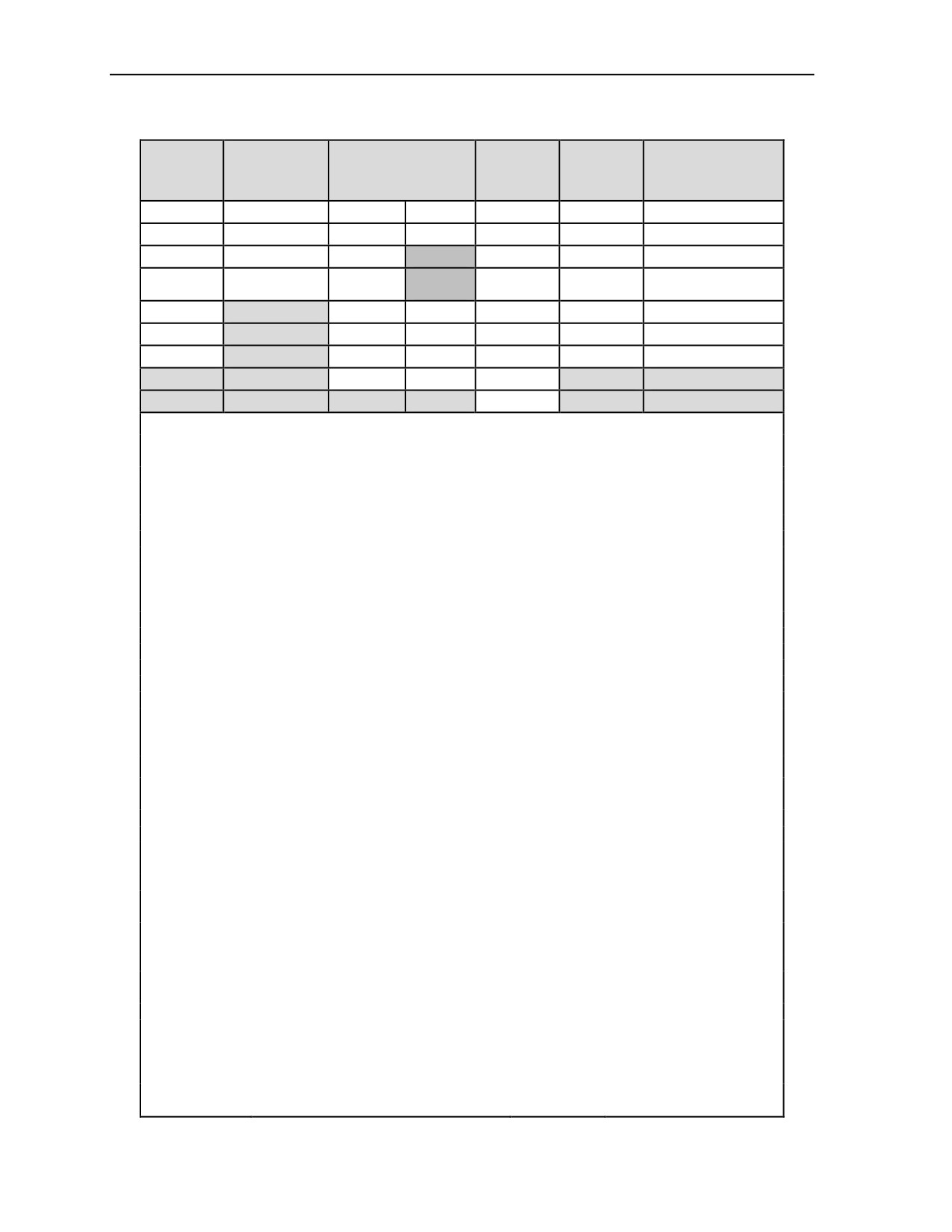
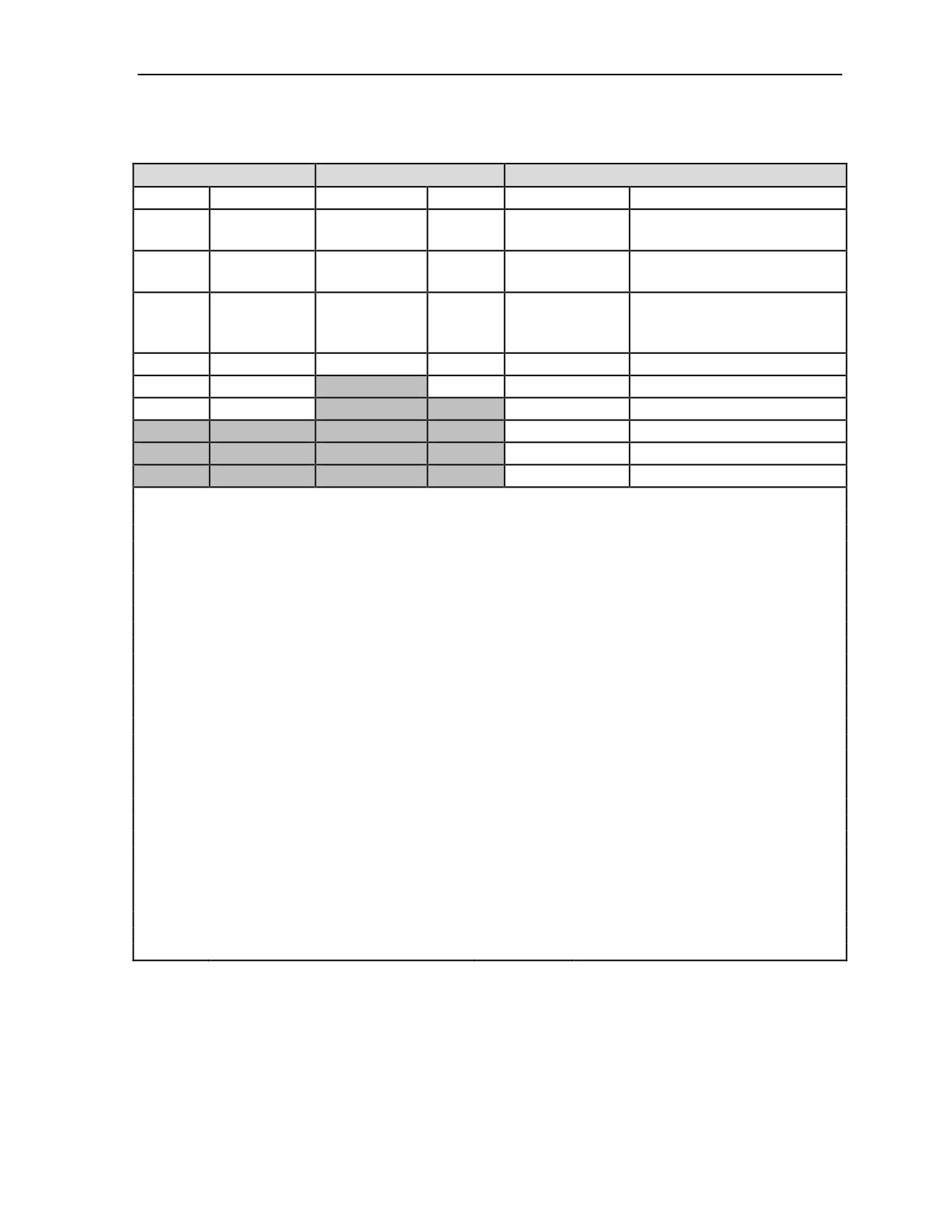
B-5. The types and usages of ACMs are identified in table B-1a and B-1b on pages B-2 and B-3. This table
lists the types of coordinating measures and their corresponding USMTF ACMs. The bolded ACMs reflect
the most frequently used ACMs or ACMs of particularly importance to the Army. Special use airspace is
denoted by an asterisk (*). Tables B-2 through B-10 (beginning on page B-4) provide additional details for
the most frequently used ACMs.
20 October 2016
FM 3-52
B-1
Appendix B
Table B-1a. Types of airspace coordinating measures and their corresponding usage
ACM
ACM
ACM
AIRCOR
Stand Alone
FSCM (9)
MAN(7)
AIRREF(7)
ROZ (14)
(7)
(4)
LLTR
CA
AAR
PZ
ACA
AOA
ACP (USMTF)
MRR
CL
ABC
RECCE
CFL
BNDRY
BULL
SAAFR
HIDACZ
AEW
FFA
FLOT
BZ
NOFLY
FSA
SC
CAP
FSCL
CP
TC
CAS
SOF
KILLBX
JOA
IFFOFF
TMMR
DZ
SSM
NFA
JSOA
IFFON
TR
EC
SSMS
RFA
PL
SARDOT
LZ
UA
RFL
ZF
Legend
AAR
air-to-air refueling area
IFFON
identification, friend, or
foe (IFF) switch on line
ABC
airborne command and control area
JOA
joint operations area
ACA
airspace coordination area
JSOA
Joint special operations
area
ACM
airspace coordinating measure
KILLBX
kill box
ACP
air control point (USMTF)
LZ
landing zone
AEW
airborne early warning area
LLTR
low-level transit route
AIRCOR
Airspace coordinating measures (air
MAN
maneuver control
corridor)
measures
AIRREF
air reference measures
MRR
minimum-risk route
AOA
amphibious objective area
NFA
no fire area
BNDRY
boundary
NOFLY
no fly area
BULL
bulls-eye
PL
phase line
BZ
buffer zone
PZ
pickup zone
CA
coordinating altitude
RFA
restrictive fire area
CAP
combat air patrol
RFL
restrictive fire line
CAS
close air support area
ROZ
Airspace coordinating
measure (restricted
operations zone)
CFL
coordinated fire line
RECCE
reconnaissance area
CL
coordination level
SAAFR
standard use Army
aircraft flight route
CP
contact point
SARDOT
search and rescue point
DZ
drop zone
SC
special corridor
EC
electronic combat
SOF
special operations forces
area
FFA
free-fire area
SSM
surface to surface
munitions
FLOT
forward line of own troops
SSMS
surface-to-surface missile
system
FSA
fire support area
TC
transit corridor
FSCL
fire support coordination line
TMMR
temporary minimum risk
route
FSCM
Fire Support Coordination Measures
TR
transit route
HIDACZ
high-density airspace control zone
UA
unmanned aircraft
area(USMTF uses UAV
[unmanned aerial
vehicle])
IFFOFF
identification, friend, or foe (IFF) switch
ZF
zone of fire
off line
B-2
FM 3-52
20 October 2016
Airspace Coordinating Measures
Table B-1b. Types of airspace coordinating measures and their corresponding usage
ADMEAS(14)
MARDEF(11)
ATC (20)
ADIZ
LOMEZ
ADZ
FIRUB
ADVRTE
CLSE
BDZ
MEZ
APPCOR
ISP
ALERTA*
CLSF
CADA
MISARC
CCZONE
ISR
ALTRV
CLSG
SHORADEZ
ARWY
CONTZN
COZ
RTF
DA
FEZ
SL
FADIZ
SAFES
CDR
FIR
HIMEZ
TL
SCZ
CFA
MOA*
JEZ
WFZ
CLSA
PROHIB*
CLSB
RA*
CLSC
TFR*
CLSD
WARN*
Legend
ADIZ
air defense identification zone
FIRUB
fire power umbrella
ADMEAS
air defense measures
HIMEZ
high-altitude missile engagement zone
ADVRTE
advisory route
ISP
identification safety point
ADZ
amphibious defense zone
ISR
identification safety range
ALERTA
alert area
JEZ
joint engagement zone
ALTRV
altitude reservation
LOMEZ
low-altitude missile engagement zone
APPCOR
approach corridor
MARDEF
marine defense measures
ARWY
airway
MEZ
missile engagement zone
ATC
air traffic control measures
MISARC
missile arc
BDZ
base defense zone
MOA
military operations area
CADA
coordinated air defense area
PROHIB
prohibited area
CCZONE
carrier control zone
RA
restricted area
CDR
conditional route
RTF
return to force
CLSA
class-A airspace
SAFES
safety sector (USMTF)
CLSB
class-B airspace
SCZ
ship control zone
CLSC
class-C airspace
SHORADEZ
short-range air defense engagement
zone
CLSD
class-D airspace
SL
safe lane
CLSE
class-E airspace
TFR
temporary flight restriction
CLSF
class-F airspace
TL
traverse level
CLSG
class-G airspace
WARN
warning area
CONTZN
control zone
WFZ
weapons free zone
COZ
crossover zone
*
denotes special use airspace
CFA
controlled firing area
DA
danger area
FADIZ
fleet air defense identification zone
FEZ
fighter engagement zone
FIR
flight information region
20 October 2016
FM 3-52
B-3

Table B-2. Airspace coordinating measures(Air Corridor(AIRCOR))
Usage Name/USMTF
Joint Definition
Joint/Army Planning Considerations
Remarks
Abbreviation
Air Corridor
A restricted air route of travel
AIRCOR procedures are used to route
If a coordinating altitude has
(AIRCOR)
specified for use by friendly aircraft
aviation combat elements between such
been established, an AIRCOR
established for the purpose of
areas as forward arming and refueling
is implemented by the using
preventing friendly aircraft from being
points, holding areas, and battle positions.
authority. If a coordinating
fired upon by friendly forces. (JP 3-52)
Altitudes of an AIRCOR do not exceed the
altitude has not been
coordinating altitude, if established.
established, an AIRCOR is
established by the ACA at the
request of the appropriate
ground commander.
Low-Level Transit
A temporary corridor of defined
LLTRs are bi-directional routes through
ACM initiated by ADAM/BAE
Route (LLTR)
dimensions established in the forward
areas of forward-deployed friendly forces.
and or airspace elements.
area to minimize risk to friendly
LLTRs should avoid weapons-free zones
Established by the ACA.
aircraft from friendly air defenses or
and base defense zones. Coordinate with
NATO often uses the LLTR.
surface forces. (JP 3-52)
intelligence and use planning tools to ensure
the route minimizes exposure to surface air
defense threats.
Minimum-risk route
A temporary corridor of defined
MRRs are used primarily for cross-forward
ACM initiated by ADAM/BAE
(MRR)
dimensions recommended for use by
line of own troops operations. Close air
and or airspace elements.
high-speed, fixed-wing aircraft that
support aircraft usually do not use MRRs in
Established by the ACA.
presents the minimum known hazards
the vicinity of the target area. MRRs are
to low-flying aircraft transiting the
established based on known threats. Air
combat zone. (JP 3-52)
defense weapons control status is normally
“tight” in MRRs. (ATP 3-52.1)
Standard use Army
Route established below the
SAAFRs are generally used by Army aircraft
ACM initiated by ADAM/BAE
aircraft flight route
coordination level to facilitate the
for administrative and logistic purposes. If a
and or airspace elements.
(SAAFR)
movement of Army aviation assets. It
coordination level is established, the using
Established by the ACA if
is normally located in the corps
authority implements them. If a coordination
above the CL, does not
through brigade rear areas of
level has not been established, the airspace
require ACA approval if
operation and do not require approval
control authority establishes it at the ground
established below an existing
by the airspace control authority.
commander’s request. (ATP 3-52.1)
CL.
(JP 3-52)

Table B-2. Airspace coordinating measures(Air Corridor(AIRCOR)) (continued)
Usage Name/USMTF
Joint Definition
Joint/Army Planning Considerations
Remarks
Abbreviation
Special corridor (SC)
An air corridor used to accommodate the
Requests for activation of SCs are to be
ACM initiated by ADAM/BAE,
special routing requirements of specific
submitted to the airspace control authority.
airspace elements or AMD cell.
missions. (JP 3-52)
Activated SCs will be published in the ACO.
Established by the ACA.
Promulgation of such corridors should
include: route designators or easily
identified references, vertical and horizontal
dimensions activation period(s) and users where
applicable. (JP 3-52)
SCs are often used for special operations aircraft.
Transit corridor (TC)
A bi-directional corridor established in the
TCs are established to route aircraft through air
ACM initiated by ADAM/BAE and
rear area and normally is not provided air
defenses in the rear, where appropriate.
or airspace elements.
traffic services. (ATP 3-52.1)
(ATP 3-52.1)
Established by the ACA.
Temporary minimum
A temporary route established to route air
Coordination is necessary between airspace
ACM initiated by ADAM/BAE and
risk route (TMRR)
traffic between transit routes or the rear
elements and CRC/AWACS or ASOC/TACP. (JP
or airspace elements.
boundary of the forward area and their
3-52)
Established by the ACA.
operations area in direct support of ground
operations. (JP 3-52)
Transit route (TR)
A temporary air corridor of defined
Consider the overall master air attack plan, air
ACM initiated by ADAM/BAE and
dimensions established in the forward
tasking order, and ACO to ensure most efficient
or airspace elements.
area to minimize the risks to friendly
routes are used and consider timing, altitude, and
Established by the ACA.
aircraft from friendly air defenses or
horizontal integration and deconfliction. (ATP 3-
surface forces. (JP 3-52)
52.1)
Legend
ACA
airspace control authority
ATP
Army Techniques Publication
ACM
airspace coordinating measure
CL
coordinating level
ACO
airspace control order
CRC
control and reporting center
ADAM/BAE
air defense airspace management/brigade aviation element
JP
joint publication
AMD
air and missile defense
NATO
North Atlantic Treaty Organization
ASOC
air support operations center
TACP
tactical air control party
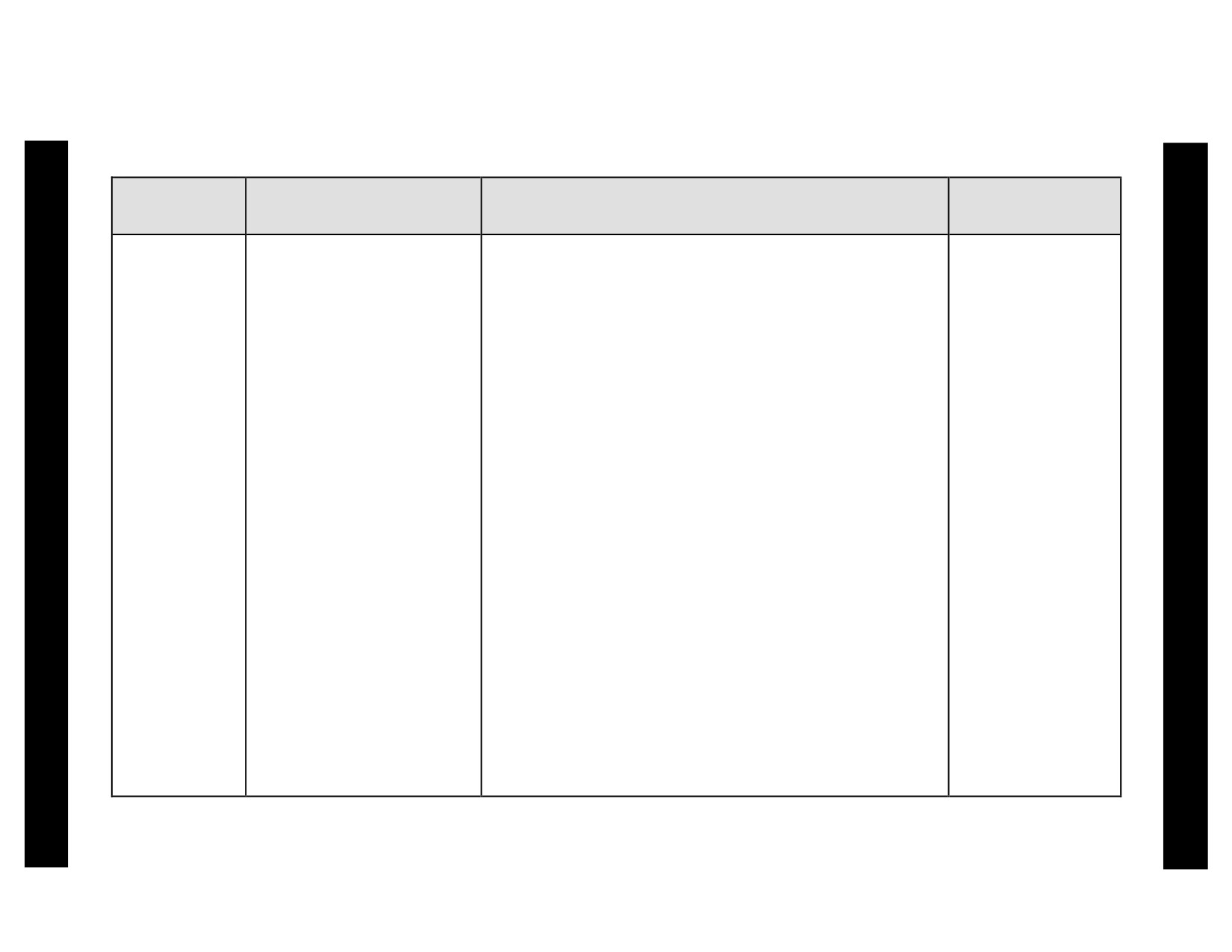
Table B-3. Airspace coordinating measure (ACM) (Stand Alone)
Usage
Name/USMTF
Joint Definition
Joint/Army Planning Considerations
Remarks
Abbreviation
Coordinating
An airspace coordinating measure
Commanders should consider the following when establishing a coordinating
ACM initiated by division,
altitude (CA)
that uses altitude to separate users
altitude:
corps or theater army
and defines the transition between
(a) The commander’s airspace control elements must be capable of
airspace element.
airspace control elements. A
controlling all airspace users (including nonmilitary users) within their
Normally, as part of the
coordinating altitude allows the
assigned volume of airspace.
process of establishing
airspace control authority or airspace
division assigned
(b) Airspace control below the coordinating altitude is conducted according
control entity to assign a volume of
airspace.
the airspace control plan and the ACO.
airspace to another control
Established by the
(c) The coordinating altitude should be measured in mean sea level (MSL)
organization.
airspace control authority.
and balance the altitude needed to conduct airspace control and joint fires
(a) This delegation occurs as a result
The Marine Corps uses
employment over a supported commander’s AO.
of a request from supported
the Marine air command
(d) Differences in airspace control capability will allow some units to control
commanders to control airspace over
and control system
more airspace than others. Therefore, the coordinating altitude may not be
their area of operations (AO).
(MACCS) to deconflict
the same across the JFC’s joint operations area.
(b) In recent operations this
within its assigned
(e) Normally, there will not be a coordinating altitude beyond a fire support
delegation commonly occurred when
airspace and does not use
coordination line (FSCL) or inside an active kill box.
the airspace control authority
coordinating altitude to
assigned airspace control authority
(f) The commander should build transition airspace or control points above
segregate aircraft.
to a ground commander’s airspace
or below the coordinating altitude to facilitate aircraft transition between the
control element below the
different controlling entities. (ATP 3-52.1)
coordinating altitude.
(g) Consideration for the height of the CA depends on a number of factors
both JFLCC and JFACC.
(c) Maritime commanders may
- Max Ordinance altitude of key fires systems. These can be put in bands:
choose to use a coordinating altitude
mortars, low angle cannon artillery, high angle cannon artillery and
over a maritime AO.
rockets/missiles
(d) Once the airspace is assigned,
- Operating altitude of UAS. This can be looked at in bands: Small UAS -
the requesting commander is
Raven, Tactical UAS - Shadow, Large UAS - Gray Eagle.
responsible for controlling all
- CAS. Does the supporting ASOC want CAS ACMs below or above the CA?
airspace users and deconflicting fires
- Air Defense. A significant counter air threat in the AO will result in a lower
within the assigned volume of
CA in order to provide vertical maneuver room for the control of defensive
airspace, according to the JFC’s
counter air. Location of the CA should not affect Army fires for air defense as
airspace control plan and ACO. (ATP
beyond line of sight systems will be linked to the joint kill chain and
3-52.1)
decentralized line of sight systems will follow weapons control status and rules
of engagement procedures; the CA does not affect those procedures.
[Note: this is a new definition. Currently this ACM cannot be implemented in
digital systems. The definition of CA does not contain boundaries. Those
must be provided either by text or by the use of unit boundaries.]
Table B-3. Airspace coordinating measure (ACM) (Stand Alone) (continued)
Usage
Name/USMTF
Joint Definition
Joint/Army Planning Considerations
Remarks
Abbreviation
Coordination
A procedural method to
Commanders should consider the following when establishing a
ACM initiated by
level (CL)
separate fixed- and rotary-wing
coordination level.
ADAM/BAE, JAGIC,
aircraft by determining an
(a) The coordination level is requested and initiated by
and or airspace
altitude below which fixed-wing
component airspace elements and approved by the airspace
element.
aircraft normally will not fly.
control authority for inclusion in the airspace control plan and
Established by the
Prior to transitioning through
ACO.
airspace control
the coordination level, the
authority.
(b) The coordination level can be used for procedural separation
aircraft should coordinate with
of fixed- and rotary-wing aircraft, with or without a coordinating
The Marine Corps
the appropriate command and
altitude.
uses the MACCS to
control (C2) agency listed in
(c) The coordination level is measured in altitude above ground
deconflict within its
the airspace control plan or
level (AGL)
assigned airspace
ACO. A coordination level
and does not use
allows airspace planners to
coordination level to
deconflict low-level routes for
segregate fixed and
rotary-wing aircraft and certain
rotary winged aircraft.
unmanned aircraft systems
(UAS). (ATP 3-52.1)

Table B-3. Airspace coordinating measure (ACM) (Stand Alone) (continued)
Usage
Name/USMTF
Joint Definition
Joint/Army Planning Considerations
Remarks
Abbreviation
High-density
Airspace in which there is a
A HIDACZ allows ground and Marine air-ground task force
ACM initiated by
airspace control
concentrated employment of
commanders and the Navy tactical air control center to restrict a
ADAM/BAE or airspace
zone (HIDACZ)
numerous and varied airspace
volume of airspace from users not involved with ongoing operations.
element.
users. A HIDACZ has defined
The operational commander nominates the HIDACZ in accordance
Established by the
dimensions, which usually
with the airspace control plan. It restricts airspace use because of
ACA.
coincide with geographical
the large volume and density of fires supporting ground operations
features or navigational aids.
within the described geographic area. The volume of air traffic
HIDACZ access is normally
demands careful coordination to limit the potential conflict among
controlled by the maneuver
aircraft needed for mission-essential operations within the HIDACZ
commander. The maneuver
and other airspace users.
commander can also direct a
When establishing a HIDACZ, consider the following:
more restrictive weapons status
(a) Minimum-risk routes into and out of the HIDACZ and to the target
within the HIDACZ than the
area. (b) Air traffic advisory as required. (c) Air traffic control service
weapons status outside the
during instrument meteorological conditions. (d) Procedures for
HIDACZ. (ATP 3-52.1)
expeditious movement of aircraft into and out of the HIDACZ. (e)
(NATO)Airspace of defined
Coordinating fire support and air defense weapons control orders or
dimensions, designated by the
status within and in the vicinity of the HIDACZ. (f) Enemy forces’
airspace control authority, in
locations inside and in close proximity to the HIDACZ.
which there is a concentrated
employment of numerous and
A HIDACZ has a single command authority with communications
varied weapons/airspace users.
with all airspace users. Inability to communicate with the command
(AAP-06)
authority or designated C2 agency prevents entry into HIDACZ. The
HIDACZ command authority controls all airspace users (including
fires) within the HIDACZ using positive, procedural, or a combination
of controls (ATP 3-52.1)
No fly area
Airspace of specific dimensions
Planners should verify operational requirements and the appropriate
ACM initiated by
(NOFLY)
set aside for a specific purpose
airspace volume size and shape prior to establishing a
ADAM/BAE and or
in which no aircraft operations
NOFLY. (ATP 3-52.1)
airspace element.
are permitted, except as
Established by the
authorized by the appropriate
ACA.
commander and controlling
agency. (JP 3-52)
Ta
Airspace coordinating measure (ACM) (Stand Alone) (continued)
Usage
Name/USMTF
Joint Definition
Joint/Army Planning Considerations
Remarks
Abbreviation
Legend
AAP
allied administrative publication
C2
command and control
ACM
airspace coordinating measure
KILLBOX
kill box
ADAM/BAE
air defense airspace management/brigade aviation
JAGIC
joint air ground integration center
element
JFACC
Joint Force Air Component Commander
AGL
above ground level
JFLCC
Joint Force Land Component Commander
AO
area of operations
JP
joint publication
ASOC
air support operations center
MACCS
Marine air command and control system
ATP
army techniques publication
MSL
mean sea level
CA
coordinating altitude
NATO
North Atlantic Treaty Organization
CAS
close air support
UAS
unmanned aircraft system

Table B-4. Airspace coordinating measure (Restricted Operations Zone (ROZ))
Usage Name/USMTF
Joint Definition
Joint/Army Planning Considerations
Remarks
Abbreviation
Air-to-air refueling
Airspace of defined dimensions set aside
AAR tracks are typically set up in a racetrack
area (AAR)
for aerial refueling operations. (ATP 3-
configuration. Consider using long, straight legs
52.1)
with sufficient altitude to stack tankers and
receivers. Coordinate with mission planners to
ensure locations, orientations, and altitudes meet
the user’s needs. Depending on the tactical
situation, planners should consider creating
contingency AAR ROZs, in case it becomes
necessary to retrograde the refueling asset
Airborne command
Airspace of defined dimensions
Depending on the tactical situation, planners
Established by the ACA.
and control area
established specifically for aircraft
should consider creating contingency ABC
(ABC)
conducting battlefield command and
ROZs, in case it becomes necessary to
control. A United States Marine Corps
retrograde the C2 asset. This type of planning
airborne C2 aircraft or a Joint
increases flexibility and reduces real-time
Surveillance Target Attack Radar System
airspace coordination requirements during
E-8 aircraft could use an ABC ROZ. (ATP
mission execution. (ATP 3-52.1)
3-52.1)
Airborne early
Airspace of defined dimensions
Airspace planners should coordinate with mission
Established by the ACA.
warning area (AEW)
established for airborne platforms
planners to ensure locations, orientations, and
conducting airborne early warning
altitudes meet the user’s needs. Depending on
missions. Generally, it is designed for
the tactical situation, planners should consider
aircraft such as the Airborne Warning
creating contingency AEW ROZs, in case it
and Control System (AWACS) and E-2C.
becomes necessary to retrograde the asset.
Combat air patrol
An aircraft patrol provided over an
Established as part of a fighter or
Established by the ACA.
(CAP)
objective area, the force protected, the
joint engagement zone planning for defensive
critical area of a combat zone, or in an air
counterair operations. Depending on the tactical
defense area, for the purpose of
situation, planners should consider creating
intercepting and destroying hostile
contingency CAP ROZs in case it becomes
aircraft before they reach their targets.
necessary to respond to enemy maneuver.
(JP 3-01)

Table B-4. Airspace coordinating measure (Restricted Operations Zone (ROZ)) (continued)
Usage Name/USMTF
Joint Definition
Joint/Army Planning Considerations
Remarks
Abbreviation
Close air support
Airspace designated for holding orbits
Requires detailed integration of each air mission
ACM initiated by
(CAS)
and used by rotary- and fixed-wing
with the fire and movement of supported ground
ADAM/BAE and or
aircraft in proximity to friendly forces.
forces. Consider the appropriate ROZ size based
airspace element.
(ATP 3-52.1)
on the type of aircraft capabilities (i.e., speed,
Established by the ACA.
turn radius, and targeting systems) and altitude
The United States
limits based on other airspace requirements.
Maine Corps does not
typically use the CAS
ROZ. The Marine Corps
prefers to use the
MACCS to procedurally
deconflict and integrate
airspace users with CAS
aircraft using CAS
holding areas or CAS
stack techniques.
Drop zone (DZ)
A specific area upon which airborne
Planners should plan locations to meet all tactical
ACM initiated by
troops, equipment, or supplies are
mission objectives (ATP 3-52-1).
ADAM/BAE and or
airdropped. (JP 3-17)
airspace element.
Established by the ACA.
Electronic combat
Airspace established specifically for
Planners should coordinate with the operational
Established by the ACA.
(EC)
aircraft engaging in electronic combat.
lead to verify the type of EC mission, airspace
(JP 3-52)
size requirements, and potential effects on other
coordination measures.
Landing zone (LZ)
Any specified zone used for the landing
Coordinate size and suitability (such as surface
ACM initiated by
of aircraft. (JP 3-17)
conditions) prior to selecting locations. Altitudes
ADAM/BAE and or
will be in reference to AGL.
airspace element.
Established by the ACA.
Pickup zone (PZ)
A specified zone used for landing aircraft
Planners should evaluate the PZ size and
ACM initiated by
to pick-up troops, equipment, or supplies.
suitability (such as surface conditions) prior to
ADAM/BAE and or
(ATP 3-52.1)
selecting the location. Altitudes will be in
airspace element.
reference to AGL.
Established by the ACA.

Table B-4. Airspace coordinating measure (Restricted Operations Zone (ROZ)) (continued)
Usage Name/USMTF
Joint Definition
Joint/Army Planning Considerations
Remarks
Abbreviation
Reconnaissance
Airspace established specifically for aircraft
Planners should consider size and optimal sensor
Established by the ACA.
area (RECCE)
conducting reconnaissance. (JP 3-52)
altitudes prior to selecting locations.
Although UAS can
(ATP 3-52.1)
perform reconnaissance,
this ROZ usage is
designed for manned
aircraft performing
airborne reconnaissance.
Special operations
Airspace of defined dimensions, potentially
A special operations forces airspace volume may
ACM initiated by SOF
forces (SOF)
covering the entire area of a joint special
be limited in size to accommodate a discrete direct
units.
operations area and created specifically for
action mission or extensive enough to allow a
Established by the ACA.
SOF missions. It can be of any shape.
continuing broad range of SOF operations.
(ATP 3-52.1)
Surface-to-surface
Airspace of defined dimensions established
Planners should consider the required size and
ACM initiated by
munition
specifically for surface-to-surface munitions
dimensions when integrating with joint fires. The
ADAM/BAE and or
(SSM)
route of flight and launch and impact points.
SSM ROZ is not required to deconflict and integrate
airspace element.
(ATP 3 52.1)
fires. It is only a procedural control deconfliction and
Established by the ACA.
integration technique. It is best used to restrict
aircraft from flying directly over firing surface-to-
surface fires batteries.
Surface-to-surface
Air Airspace of defined dimensions
Planners should establish standard SSMS ROZ
ACM initiated by
missile system
established specifically for surface-to-
dimensions or templates for planning. A SSMS ROZ
ADAM/BAE and or
(SSMS)
surface munitions route of flight and launch
is used for Patriot firing positions. (ATP 3-52.1)
airspace element.
and impact points. (ATP 3 52.1) space of
Established by the ACA.
defined dimensions designed specifically
ATACMS, GMLRS, and Tomahawk land-
attack missile launch point, route of flight
and impact points. (ATP 3-52.1)
Unmanned aircraft
Airspace of defined dimensions created
Planners should request sufficient airspace to
ACM initiated by
area (UA)
specifically for UAS operations. Generally,
facilitate the unique platform requirements (i.e.,
ADAM/BAE and or
this airspace defines where UAS
sensor and turn radius requirements). Integrate and
airspace element.
operations are conducted, and does not
coordinate with manned assets for optimal use of
Established by the ACA.
include en route airspace. (ATP 3-52.1)
airspace.

Table B-4. Airspace
nating measure (Restricted Operations Zone (ROZ)) (continued)
Usage Name/USMTF
Joint Definition
Joint/Army Planning Considerations
Remarks
Abbreviation
Legend
ACA
airspace control authority
C2
command and control
ACM
airspace coordinating measure
CAS
close air support
ADAM/BAE
air defense airspace management/brigade aviation
GMLRS
Guided Multiple Launch Rocket System
element
MACCS
Marine air command and control system
AGL
above ground level
JP
Joint publication
ATACMS
Army Tactical Missile System
ROZ
restricted operations zone
ATP
Army techniques publication
UAS
unmanned aircraft system
AWACS
Airborne Warning And Control System
Table B-5. Fire Support Coordination Measure (FSCM)
Usage
Name/USMTF
Joint Definition
Joint/Army Planning Considerations
Remarks
Abbreviation
Airspace coordination
A three-dimensional block of airspace in a
An ACA is used primarily in close air support situations for high
FSCM initiated by
area (ACA)
target area, established by the appropriate
volume fire. Friendly aircraft are reasonably free from friendly
fires cell and or
ground commander, in which friendly aircraft
surface fires, with artillery, helicopters, and fixed-winged aircraft
airspace element
are reasonably safe from friendly surface fires.
given specific lateral or vertical airspace within which to
after coordination
The airspace coordination area may be formal
operate. Timely implementation of the area depends on the
with the fires cell.
or informal. (JP 3-09.3)
ground situation. Burden of deconfliction rests with the ground
Established by the
commander. It is established by the appropriate ground
ground
commander. (JP 3-52)
commander.
Requires coordination between airspace elements and the fires
cell. Informal ACAs can be established (digitally or none
digitally) at unit level for near-real-time protection of aircraft.
Coordinated fire line
A line beyond which conventional surface to
A CFL is a permissive measure. The purpose of the CFL is to
Refer to JP 3-09
(CFL)
surface direct fire and indirect fire support
expedite the surface-to-surface engagement of targets beyond
for additional
means may fire at any time within the
the CFL without coordination with the land commander in
details.
boundaries of the establishing headquarters
whose area of operations the targets are located.
without additional coordination. (JP 3-09)
A line beyond which conventional or improved
indirect fire means, such as mortars, field
artillery, and naval surface fire may fire without
additional coordination. (AJP-3.3.5)

Table B-5. Fire Support Coordination Measure (FSCM) (continued)
Usage
Name/USMTF
Joint Definition
Joint/Army Planning Considerations
Remarks
Abbreviation
Free-fire area (FFA)
A specific area into which any weapon
A FFA is a permissive measure. It is used to expedite joint
FSCM initiated by the
system may fire without additional
fires and to facilitate the jettisoning of aircraft munitions.
fires cell.
coordination with the establishing
Established by division of
headquarters. (JP 3-09)
higher commander with
responsibility for the area
of operations the FFA is
in.
Fire support
A fire support coordination measure
A FSCL is established and adjusted by appropriate land or
FSCM initiated by the
coordination line
established by the land or amphibious
amphibious force commanders within their boundaries in
fires cell.
(FSCL)
force commander to support common
consultation with superior, subordinate, supporting, and
Established by land
objectives within an area of operations;
affected commanders. FSCL use is oriented to air-land
component commander.
beyond which all fires must be
operations and is normally located only on land. However, in
[Note: In the context of
coordinated with affected commanders
certain situations, such as littoral areas, it may affect both land
this definition the term
prior to engagement, and short of the
and sea areas. Changes to the FSCL require notification of all
“surface targets” applies
line, all fires must be coordinated with the
affected forces within the area of operations and must allow
to those in littoral or
establishing commander prior to
sufficient time for these forces or components to incorporate
inland waters within the
engagement. (JP 3-09)
the change. Whenever possible, restrictive measures are
designated area of
employed by commanders to enhance the protection of
operations. (AAP-6)
friendly forces operating beyond the FSCL.
Boundary used to
Forces attacking targets beyond the FSCL must inform all
coordinate fires of air,
affected commanders in sufficient time to allow necessary
ground, or sea weapon
reaction to avoid friendly fire incidents. Coordination of attacks
systems against surface
beyond the FSCL is especially critical to commanders of air,
targets. (AJP-3.3.5)]
land, and special operations forces operating beyond the
NOTE: BCD may task
FSCL. In exceptional circumstances, the inability to conduct
the establishing HQs to
this coordination will not preclude the attack of targets beyond
send the FSCL as both
the FSCL; however, failure to do so may increase the risk of
an FSCM and as an
friendly fire incidents and waste resources.
ACM. The airspace
Supporting elements attacking targets beyond the FSCL must
element can convert the
ensure the attack will not produce effects on or to the rear of
FSCM to an ACM.
the FSCL. Short of a FSCL, all air-to-ground and surface-to-
surface attack operations are controlled by the appropriate
land or amphibious force commander.

Table B-5. Fire Support Coordination Measure (FSCM) (continued)
Usage
Name/USMTF
Joint Definition
Joint/Army Planning Considerations
Remarks
Abbreviation
Kill box (KILLBX)
A three-dimensional permissive fire support
The primary purpose of a kill box is to allow lethal attack against
FSCM initiated by
coordination measure with an associated
surface targets without further coordination with the establishing
fires cell.
airspace coordination measure used to
commander and without terminal attack control. When used to
Established by the
facilitate the integration of joint fires. (JP 3-09)
integrate air-to-surface and surface-to-surface indirect fires, the
ACA.
kill box will have appropriate restrictions.
No-fire area (NFA)
An area designated by the appropriate
Use to prohibit joint fires or their effects into an area. There are
FSCM initiated by
commander into which fires or their effects are
two exceptions:
fires cell.
prohibited. (JP 3-09.3).
(a) When the establishing headquarters approves joint fires
Established by the
within the NFA on a mission-by-mission basis.
airspace control
(b) When an enemy force within the NFA engages a friendly
authority.
force and the engaged commander determines there is a
requirement for immediate protection and responds with the
minimal force needed to defend the force.
Restrictive fire area
An area in which specific restrictions are
The purpose of an RFA is to regulate joint fires into an area
FSCM initiated by
(RFA)
imposed and into which fires that exceed
according to the stated restrictions set by the establishing
fires cell.
those restrictions will not be delivered without
headquarters.
Established by the
coordination with the establishing
land commander
headquarters. (JP 3-09).
who is responsible
for the area of
operations in
which the RFA will
be located.
Restrictive fire line
A line established between converging friendly
The purpose of an RFL is to prevent friendly fire incidents and
FSCM initiated by
(RFL)
surface forces that prohibits fires or their
duplication of engagements by converging friendly forces.
fires cell.
effects across that line. (JP 3-09).
Established by the
land commander
common to the
converging forces.
Legend
AAP
allied administrative publication
ACA
airspace control authority ACM
airspace coordinating measure
ADAM/BAE
air defense airspace management/brigade aviation element
AJP
allied joint publication
FSCM fire support coordination measure

Table B-6. Maneuve
(MAN)
Usage Name/USMTF
Joint Definition
Joint/Army Planning Considerations
Remarks
Abbreviation
Boundary (BNDRY)
A line that delineates surface areas for the
Army airspace users will coordinate with
Established by the JFC or land
purpose of facilitating coordination and
BCTs and brigades when crossing into a BCT
component commander
deconfliction of operations between
or brigade boundary.
BCT and higher airspace elements
adjacent units, formations, or areas.
Division boundaries (along with the fire
should include boundaries in their
(JP 3-0)
support coordination line, if established) may
unit airspace plan. The boundaries
In land warfare, a line by which areas of
also be used by the airspace control authority
within the unit airspace plan, should
responsibility between adjacent units and/or
to designate the lateral dimensions of division
be adjusted as changes to
formations are defined. (AAP-6)
assigned airspace. (See the discussion for
boundaries are directed.
coordinating altitude earlier in this appendix
Division and higher airspace control
for information on the upper boundary for
elements when integrating the unit
division assigned airspace).
airspace plan will send forward only
those boundaries as directed by
their higher headquarters’ airspace
control appendix. The airspace
control SOP should specify what
altitude should be used for
boundaries.
Care must be taken to carefully
review and ensure submitted
boundaries do not cause unintended
conflicts to responsive fires.
Forward Line of Own
A line that indicates the most forward
The FLOT normally includes the forward
Troops (FLOT)
positions of friendly forces during linear
location of covering screening forces. The
operations at a specific time. (JP 3-52)
zone between the FLOT and fire support
coordination line is typically the area over
which friendly ground forces intend to
maneuver in the near future and is also the
area where joint air interdiction operations are
normally executed through the air support
operations center or direct air support center.
Table B-6. Ma
r Control Measures (MAN) (continued)
Usage Name/USMTF
Joint Definition
Joint/Army Planning Considerations
Remarks
Abbreviation
Joint Operations Area
An area of land, sea, and airspace, defined
(JOA)
by a geographic combatant commander or
subordinate unified commander, in which a
joint force commander (usually a joint task
force commander) conducts military
operations to accomplish a specific mission.
(JP 3-52)
Phase Line (PL)
A line utilized for control and coordination of
military operations, usually an easily
identified feature in the operational area.
(JP 3-52)
Legend
ACM
airspace coordinating measure
JFC
joint force commander
AAP
allied administrative publication
JP
joint publication
BCT
brigade combat team
Table B-7. Air reference measures (AIRREF)
Usage Name/USMTF
Joint Definition
Joint/Army Planning Considerations
Remarks
Abbreviation
Air control point
A point that is defined and used for navigation,
Most common Army reference point. May be
ACM initiated by ADAM/BAE
(ACP)
command and control, and communication.
used to dynamically build routes for
and or airspace element.
(JP 3-52)
participating aircraft. Unmanned aircraft system
Established by the ACA.
routing is normally accomplished through
existing air control points. (JP 3-52)
Bulls-eye (BULL)
An established reference point from which the
The BULL reference system is normally used
Established by the AADC.
position of an object can be referenced. (JP 3-52)
during counterair engagements for situational
awareness on targeted and untargeted airborne
threats and for other coordination. Normally,
theaters will only establish a few BULL
reference points to ensure effectiveness. BULLs
are not meant to provide detailed target
guidance, but general reference information.
Standard JFACC reference. Airspace elements
should note location as JFACC controllers and
aircraft will commonly use BULL as a reference
point.
Table B-7. Air reference measures (A
F) (continued)
Usage Name/USMTF
Joint Definition
Joint/Army Planning Considerations
Remarks
Abbreviation
Buffer zone (BZ)
Airspace designed specifically to provide a buffer
Established by the ACA.
between various airspace coordinating measures.
(JP 3-52)
Contact point (CP)
In air operations, the position at which a mission
Established by the ACA.
leader makes radio contact with an air control
agency. (JP 3-09.3)
Identification, Friend or
Established by the AADC.
The line demarking where friendly aircraft stop
Foe Switch Off Line
emitting an identification, friend or foe signal.
(IFFOFF)
Identification, Friend or
Established by the AADC.
The line demarking where friendly aircraft start
Foe Switch On Line
emitting an IFF signal.
(IFFON)
Search and rescue
SARDOTs, like bulls-eyes, are very few in number
ACM initiated by ADAM/BAE
A predesignated specific location, relative to which
point (SARDOT)
and provide general area reference for search and
and or airspace element.
isolated personnel provide their position to recovery
rescue operations. Established by the joint
Established by the joint
forces. (JP 3-50)
personnel recovery center.
personnel recovery center.
Legend
ACA
airspace control authority
IFF
Identification friend or foe
ACM
airspace coordinating measure
JFACC
joint force air component commander
AADC
area air defense commander
JP
joint publication
ADAM/BAE
air defense airspace management/brigade aviation element
Table B-8. Air defense measures (ADMEAS)
Usage Name/USMTF
Joint Definition
Joint/Army Planning Considerations
Remarks
Abbreviation
Base defense zone
An air defense zone established around an
A BDZ provides airspace users with location of the
ACM initiated by the AMD element.
(BDZ)
air base and limited to the engagement
engagement zone for the air defense systems
Established by the ACA.
envelope of short-range air defense
defending a base for planning purposes.
weapons systems defending that base.
(ATP 3-52.1) Primarily used for forward operating
Base defense zones have specific entry,
bases protected by counterfire systems.
exit, and identification, friend or foe
procedures established. (JP 3-52)
Table B-8. Air defense measures (ADMEAS) (continued)
Usage Name/USMTF
Joint Definition
Joint/Army Planning Considerations
Remarks
Abbreviation
Coordinated air defense
A mutually defined block of airspace
Established by the AADC.
area (CADA)
between land-based air commander and a
Refer to AJP-3.3.5
naval commander when their forces are
operating in close proximity to one another.
(JP 3-52)
High-altitude missile
Airspace of defined dimensions within
Normally, HIMEZs are used when a high-altitude
ACM initiated by AMD element.
engagement zone
which the responsibility for engagement
missile system has a clear operational advantage
Established by the AADC.
(HIMEZ)
of air threats normally rests with high-
over aircraft in a particular zone. Advantages
altitude surface-to-air missiles.
could include range, command and control, rules
(ATP 3-52.1)
of engagement, or response time. Design of the
HIMEZ is contingent upon specific weapon
system capabilities. (ATP 3-52.1)
A HIMEZ is a type of weapon engagement zone
utilized in AMD operations.
Joint engagement zone
Airspace of defined dimensions within
JEZs depend on correct differentiation between
ACM initiated by AMD element.
(JEZ)
which multiple air defense systems
friendly, neutral, and enemy aircraft. (ATP 3-52.1)
Established by the AADC.
(surface-to-air missiles and aircraft) are
A JEZ is a type of weapon engagement zone
simultaneously employed to engage air
utilized in AMD operations.
threats. (JP 3-52)
Low-altitude missile
Airspace of defined dimensions within
A LOMEZ is a type of weapon engagement zone
ACM initiated by AMD element.
engagement zone
which the responsibility for air threat
utilized in AMD operations
Established by the AADC.
(LOMEZ)
engagement normally rests with low-to-
medium altitude surface-to-air missiles.
(ATP 3-52.1)
Short-range air defense
Airspace of defined dimensions within
A SHORADEZ is normally established for the
ACM initiated by AMD element.
engagement zone
which the responsibility for engaging air
local air defense of high-value assets.
Established by the AADC.
(SHORADEZ)
threats normally rests with short-range
Commanders should plan to employ decentralized
air defense weapons. It may be
control of short-range, air defense weapons within
established within a low- or high-altitude
the SHORADEZ. (ATP 3-52.1)
missile engagement zone. (ATP 3-52.1)
Weapons free zone
An air defense zone established for the
Normally, a WFZ is used for high-value asset
ACM initiated by AMD element.
(WFZ)
protection of key assets or facilities, other
defense in areas with limited command and control
Established by the ACA.
than air bases, where weapons systems
authority. The AADC declares the weapons free
may be fired at any target not positively
zone with the airspace control authority establishing
recognized as friendly. (JP 3-52)
the zone. (ATP 3-52.1)
Table B-8. Air defense measures (ADM
ed)
Usage Name/USMTF
Joint Definition
Joint/Army Planning Considerations
Remarks
Abbreviation
Legend
AADC
area air defense commander
AMD
air and missile defense
ACA
airspace control authority
ATP
Army techniques publication
ACM
airspace coordinating measure
JP
joint publication
AJP
allied joint publication
Table B-9. Marine defense measures (MARDEF)
Usage Name/USMTF
Joint Definition
Joint/Army Planning Considerations
Remarks
Abbreviation
Approach corridor
Airspace established for the safe passage of
All Army aviation units should become and
Established by the ACA.
(APPCOR)
land-based aircraft joining or departing a
remain intimately aware of APPCORs and their
maritime force. (JP 3-52)
associated procedures when operating with
maritime forces. Used in Army helicopter
operations that may include transporting
patients to and from naval medical facilities,
ACM initiated by the Maritime
Army amphibious operations, special
Commander.
operations, personnel recovery operations, or
logistic and administrative flights to naval
Established by the ACA.
assets.
Legend
ACA
airspace control authority
JP
joint publication
ACM
airspace coordinating measure
Table B-10. Air traffic control measures (ATC)
Usage Name/USMTF
Joint Definition
Joint/Army Planning Considerations
Remarks
Abbreviation
Alert area (ALERTA)
Airspace which may contain a high volume
of pilot training activities or an unusual type
of aerial activity, neither of which is
hazardous to aircraft. (ATP 3-52.1)
Table B-10. Air traffic control measures (ATC) (continued)
Usage Name/USMTF
Joint Definition
Joint/Army Planning Considerations
Remarks
Abbreviation
Airway (ARWY)
A control area or portion thereof established
Established by the ACA.
in the form of a corridor equipped with radio
navigational aids. (JP 3-52)
Conditional route (CDR)
A non-permanent air traffic service route or
ACM initiated by ATS elements.
portion thereof that can be planned and
Established by the ACA.
used only under certain conditions.
(JP 3-52)
Class-A airspace (CLSA)
Generally, airspace from 18,000 feet MSL
This definition is based on classification of
ACM initiated by ATS units.
up to and including flight level 600,
airspace within the United States. Airspace
Established by the ACA.
including airspace overlying the waters
classification may vary by specific location.
within12 nautical miles of the contiguous
Airmen and airspace planners should refer to
states and Alaska. VFR operations are
the appropriate FLIP and NOTAMs, for
not permitted in Class A airspace. (JP 3-
detailed information and international
52)
airspace requirements. (JP 3-52)
Class-B airspace (CLSB)
Generally, airspace from the surface to
This definition is based on classification of
ACM initiated by ATS units.
10,000 feet MSL surrounding the nation’s
airspace within the United States. Airspace
Established by the ACA.
busiest airports in terms of airport
classification may vary by exact location.
operations or passenger enplanements.
Airmen and airspace planners should refer to
ATC provides clearance into and
the appropriate FLIP and NOTAMs, for
separation between all aircraft inside
detailed information and international
Class B airspace. (ATP 3-52.1)
airspace requirements. (JP3-52)
Class-C airspace (CLSC)
Generally, airspace from the surface to
This definition is based on classification of
ACM initiated by ATS units.
4,000 feet MSL above the airport
airspace within the United States. Airspace
Established by the ACA.
elevation, surrounding airports with an
classification may vary by exact location.
operational control tower, serviced by
Airmen and airspace planners should refer to
radar approach control, and have a
the appropriate FLIP and NOTAMs, for
certain number of IFR operations or
detailed information and international
passenger enplanements. ATC provides
airspace requirements. (JP 3-52)
separation between VFR and IFR inside
Class C airspace. (ATP 3-52.1)

Table B-10. Air traffic control measures (ATC) (continued)
Usage Name/USMTF
Joint Definition
Joint/Army Planning Considerations
Remarks
Abbreviation
Class-D airspace (CLSD)
Generally, airspace from the surface to
This definition is based on classification of
ACM initiated by ATS units.
2,500 feet MSL above the airport
airspace within the United States. Airspace
Established by the ACA.
elevation, surrounding airports with an
classification may vary by exact location.
operational control tower. Class D
Airmen and airspace planners should refer to
airspace configurations are individually
the appropriate FLIP and NOTAMs, for
tailored. Normally, when instrument
detailed information and international
procedures are published, the airspace
airspace requirements.
will normally be designated to contain the
procedures. No aircraft separation
services are provided to aircraft. (ATP 3-
52.1)
Class-E airspace (CLSE)
Generally, if the airspace is not
This definition is based on classification
Established by the ACA.
Classes A, B, C, or D, and it is
of airspace within the United States.
controlled airspace, it is Class E
Airspace classification may vary by exact
airspace. (JP 3-52)
location. Airmen and airspace planners
should refer to the appropriate FLIP and
NOTAMs for detailed information and
international airspace requirements.
Class-F airspace (CLSF)
ICAO airspace class in which IFR
Airspace classification may vary by exact
Established by the ACA.
and VFR flights are permitted. All
location. Airmen and airspace planners
participating IFR flights receive an air
should refer to the appropriate FLIP and
traffic advisory service, and all flights
NOTAMs for detailed information and
receive flight information service if
international airspace requirements.
requested. Class F airspace is not
used by the Federal Aviation
Administration. (ATP 3-52.1)
Class-G airspace (CLSG)
Airspace not assigned as A, B, C, D,
This definition is based on classification
Established by the ACA.
or E is uncontrolled airspace and is
of airspace within the United States.
designated as Class G airspace.
Airspace classification may vary by exact
(JP 3-52)
location. Airmen and airspace planners
should refer to the appropriate FLIP and
NOTAMs for detailed information and
international airspace requirements.
ffic control measures (ATC) (continued)
Usage Name/USMTF
Joint Definition
Joint/Army Planning Considerations
Remarks
Abbreviation
Military operations
Airspace designated outside Class A
Established by the ACA.
area (MOA)
airspace area to separate or segregate
certain non-hazardous military aircraft from
IFR traffic; and identify for VFR traffic,
where military flight training flights are
conducted. (ATP 3-52.1)
Prohibited area (PROHIB)
A specified area within the land areas of a
May also refer to land or sea areas to which
state or its internal waters, archipelagic
access is prohibited.
waters, or territorial sea adjacent thereto
over which the flight of aircraft is prohibited.
The Federal Aviation Administration defines
a prohibited area as airspace designated
under 14 Code of Federal Regulations Part
73 within which no person may operate an
aircraft without the permission of the using
agency. (ATP 3-52.1)
Restricted area (RA)
A designated area, established by
RAs are shown on aeronautical charts,
appropriate authority, over which flight of
published in notices to airmen, and provided in
aircraft is restricted. (ATP 3-52.1)
publications of aids to air navigation.
Legend
ACA
airspace control authority
ICAO
International civil aviation organization
ACM
airspace coordinating measure
IFR
instrument flight rules
ATC
air traffic control
JP
joint publication
ATP
Army techniques publication
MSL
mean sea level
ATS
air traffic service
NOTAM
notice to airmen
FAAO
Federal Aviation Administration Order
VFR
visual flight rules
FLIP
flight information publication
Note: NATO ACMs per standardization agreement (STANAG) are slightly different. See AJP-3.3.5 for details on NATO ACMs.