FM 3-01.20 JAOC / AAMDC Coordination (JANUARY 2001) - page 3
d. Execution. Vigilance is the key to successfully executing TM attack
operations. How well current operations adapt to NRT observation of TM activity
will determine their success. While preplanned targets are integral to an overall
TM attack strategy, all plans must change to meet the circumstances presented by
combat. Their degree of flexibility will determine how quickly and effectively joint
forces can respond to and exploit opportunities. Operators must immediately
recognize and acquire TM activity indicators. Implied is that system operators and
key decision makers must thoroughly understand the enemy. Once recognized,
suspect TM activity must be analyzed and a targeting decision made before the
window of observation closes and the track is lost. Because survival is one of the
enemy force’s primary goals, it will always opt for the shortest possible window of
observation. To facilitate timely targeting decisions, pre-established procedures
between the JAOC, AAMDC and the DOCC are essential. When necessary,
collection assets may need to be rapidly redirected to confirm the target or track
movements until attack assets are within range. Neither of these actions is possible
without a robust, vigilant, continuous IPB effort, NRT information feeds, collection
situational awareness, and a responsive cross-cueing or dynamic retasking process.
See Chapter 2 for details of INTEL agency processes.
(1) Combat operations division. Execution of attack operations outside the
JFLCC/ARFOR AO is the responsibility of the JAOC’s combat operations division.
Within the division, the TMD cell, or TST reflow cell, works closely with ISR
personnel to develop TM target nominations. Confirmed TST nominations are
presented to the CCO for approval. The CCO determines if target prosecution
should continue and whether internal or external assets are more appropriate (The
JFC may have apportioned external assets to the JFACC). The components’ LNOs
apprise the CCO of external asset availability. If the CCO selects internal, the
attack order is forwarded to the appropriate C2 node and the affected components,
and the latest target intelligence to the attacking weapons system. If the CCO
recommends use of ARFOR external assets, the BCD begins coordinating with the
DOCC and airspace management personnel in the JAOC and JFLCC/ARFOR TOC.
If the JFLCC/ARFOR is unable to prosecute the target or the attack asset is
unavailable; the nomination goes back to the JAOC via the BCD with an explanation.
(2) Deep operations coordination center. The DOCC is responsible for deep
operations within the JFLCC/ARFOR’s AO. The AAMDC INTEL and attack
operations sections continuously monitor the battlespace to locate and identify TM
targets for nomination to the DOCC. Collaboration with other INTEL agencies may
be necessary to confirm the target. Confirmed TM targets are nominated to the
DOCC/FSE via AFATDS terminal. Appendix C discusses prosecution of immediate
targets and target handoff to the JAOC. If the DOCC forwards the target
nomination to the BCD for JFACC prosecution, the AAMDC LNO team may serve as
the conduit for additional target intelligence.
e. Combat Assessment. Combat assessment is determining the overall
effectiveness of force employment during military operations. Consisting of three
major components—battle damage, munitions effects, and reattack potential—its
objective is to recommend the course of military operations. Effective combat
assessment, which must be planned for and integrated into all operations, is key to
retaining operational dominance over the adversary. The impact of friendly
operations on the enemy’s TM capability and the enemy’s reaction to friendly attacks
V-8
are key factors of assessments regarding TMs. That combat operations will affect
enemy TM operations is assumed; to what degree is gauged by the volume, timing,
and accuracy of the launches. Like strategy, combat assessment must focus on effect
rather than OB attrition. It is used to update the TM IPB and adjust attack
strategies to compensate for changes to enemy operating patterns or take advantage
of vulnerabilities created by the loss of critical systems. Without effective combat
assessment, TM intelligence and the associated attack strategy become obsolete.
(1) Responsibilities.
(a) JAOC. The J3 is normally the single point of contact for combat
assessment at the joint force level. The strategy division’s combat assessment team
is responsible for integrating combat assessment requirements into plans and
providing assessment results to the strategy plans team, combat plans division, and
combat operations division.
(b) ARFOR TOC. In the JFLCC/ARFOR TOC, the ACE is responsible for
assessing battle damage. The G3 is responsible for assessing munitions
effectiveness, and the G2 and G3 develop the reattack recommendation together.
The AAMDC INTEL section may perform or assist the ACE with the TM target
system’s combat assessment.
(2) Collaboration. Like other INTEL activities, assessments must be shared
with other INTEL organizations involved with TM IPB to ensure the integrity of the
overall process and its products.
5. Conclusion
Although not a separate mission area, attack operations against enemy TM
forces are a challenge to the joint force as a whole. The complexity of joint
operations when combined with the elusive nature of the TM target system requires
trained and knowledgeable operators and analysts at all levels. Preemptive JTMD
attack operations cannot be achieved without a robust, vigilant, continuous, and
collaborative TM IPB effort. Joint forces must work diligently to break down
barriers to communication and understanding between components. They must
structure procedures that streamline decision-making operations beyond the
standard practices documented in this chapter.
V-9
Appendix A
AAMDC LNO RESPONSIBILITIES AND REQUIREMENTS
1. Responsibilities
The AAMDC deploys an LNO team to the AADC’s headquarters/JAOC to
support the AADC and DAADC. AAMDC LNOs also deploy to other major C2 nodes
such as the JFLCC, JFMCC, JSOTF, DOCC, ACE, and coalition headquarters. LNOs
provide a direct link to the AAMDC to expedite time-critical operations.
a. AAMDC LNOs are responsible for—
(1) Providing air and missile defense information to the AAMDC and
supported headquarters.
(2) Coordinating and integrating AAMDC operations.
(3) Focusing resources.
(4) Deconflicting and resolving air and missile defense issues among
headquarters.
(5) Advising supported headquarters on Army air and missile defense.
b. Upon entering the supported headquarters, they are responsible for—
(1) Briefing the AAMDC’s capabilities and their LNO responsibilities to the
chain of command.
(2) Establishing required communications connectivity.
(3) Learning the headquarters’ battle rhythm and passing that information to
the AAMDC.
(4) Coordinating a seat at meetings that require AAMDC LNO
representation.
(5) Maintaining the latest information on AAMDC operations and
disseminating that information when required.
2. Requirements
a. Personnel. Depending on the nature of the contingency operation, the
AAMDC tailors the LNO team assigned to support the AADC/JAOC and the
DAADC. The LNO team will—
(1) Ideally consist of at least 8 and no more than 12 personnel.
A-1
(2) Integrate and coordinate with the JAOC BCD, strategy division, combat
plans division, and combat operations division.
(3) Require work space in the JAOC or in close proximity to it, billeting, and
food support from the JAOC.
b. Equipment. The AAMDC LNO team deploys with an AMDWS, classified and
unclassified laptop computers, secure telephone unit III (STU III) phones, KY-68
phones, and printer.
c. Communications. The AAMDC LNO team requires the following minimum
communications support from the AADC/JAOC:
(1) SIPRNET access: five connections with Internet protocol (IP) addresses.
(2) Unclassified but Sensitive Internet Protocol Router Network (NIPRNET)
access: two connections with IP addresses.
(3) Two Defense Switched Network (DSN) drops.
(4) Two tactical phone (KY-68) hardwire connections.
(5) TIBS, TDDS, and FAAD data link (FDL) feeds for the AMDWS.
(6) Access to secure fax.
(7) Access on local area network (LAN) to secure color printer.
A-2

Appendix B
COORDINATION CHECKLIST
This checklist is for use by the JAOC, BCD, and the AAMDC to assist in
integrating resources for effective AD, including JTMD. A baseline for coordination
activities, it should be expanded depending on the situation and METT-TC.
AREA
ACTION REQUIRED
JAOC
BCD
AAMDC
C4
Establish predeployment contact with counterparts.
C4
Establish contact with counterparts when in theater);
deploy LNOs.
C4
Confirm hardware/software systems and versions for
compatibility (configuration management).
C4
Establish integrated space, surface, and airborne early-
warning data reception in AAMDC/JAOC.
C4
Coordinate data link/communications connectivity among
components and coalition forces.
C4
Ensure C2 agencies have theater OPTASKLINK,
TACOPDAT, satellite access request, plain-language
addresses, and COMSEC-callout message prior to
deployment.
C4
JAOC JICO cell develop coordination mechanisms and
procedures with component operations centers.
C4
Develop TADIL procedures and theater
network/architecture.
C4
Develop theater ADP.
C4
Develop and update IFF plan
C4
Establish voice and data connectivity with counterpart.
INTEL
Develop and share JTMD INTSUM.
INTEL
Coordinate/share requests for information (RFIs) among
components.
INTEL
Share initial and recurring IPB products.
INTEL
Reconcile imagery reports between JAOC and AAMDC to
create common database.
INTEL
Share countermobility target sets.
INTEL
Share no-strike information.
INTEL
Collaborate INTEL effort as indicators and warnings appear;
discuss potential targets with counterpart.
INTEL
JFLCC and JFACC planners build a coherent and integrated
TM collection plan that balances resource allocation in
consonance with CINC’s guidance and objectives.
INTEL
JFLCC and JFACC planners coordinate with J2 on
procedures for integrating national ISR assets into the
collection plan.
INTEL
Focus poststrike combat assessment on enemy TM force
capability and predictive COA analysis vice BDA tallies.
INTEL
Share combat assessment/BDA information.
Passive
Coordinate TMD early-warning architecture (data and voice)
Defense
with USSPACECOM.
Passive
Develop/update theater passive defense SOPs; share
Defense
component/coalition passive defense SOPs.
Passive
AAMDC LNO team distributes Army TMD SOP to AADC
Defense
and BCD AD section.
B-1

AREA
ACTION REQUIRED
JAOC
BCD
AAMDC
Passive
Verify TRE access and compatibility for ADSI, AMDWS,
Defense
GCCS, and/or WOTS.
Passive
Verify TBM modules loaded into GCCS.
Defense
Passive
Establish accounts/users of GCCS COP picture.
Defense
Passive
Modify/restrict TDDS/TIBS data for theater.
Defense
Passive
Establish SATCOM voice connectivity for voice reporting net.
Defense
Passive
Develop/coordinate/distribute voice reporting templates.
Defense
Passive
Establish/coordinate areas of interest for ALERT/JTAGS.
Defense
Passive
Conduct theaterwide test/rehearsal of early-warning system.
Defense
Passive
Develop/modify secondary notification procedures to theater
Defense
units using CTAPS, public address systems, radio, pagers,
and so forth.
Active
Publish AADC intentions and priorities.
Defense
Active
Develop and update ROE.
Defense
Active
CRC passes AD warning and weapons control status to
Defense
ADAFCO at CRC.
Active
AAMDC LNO team updates and shares AD battlefield
Defense
geometry with AADC and BCD AD section.
Active
JAOC develops and disseminates TACOPDAT and
Defense
OPTASKLINK.
Active
JAOC/CRC in coordination with the AAMDC develops and
Defense
issues SAM/SHORAD tactical order (SSTO) to Patriot forces;
ADAFCO at the CRC has authority to issue real-time SSTO
changes based on the tactical situation.
Active
BCD AD section distributes SHORAD engagement report to
Defense
AADC and AAMDC.
Active
AAMDC LNO team distributes Patriot engagement reports
Defense
to AADC and BCD AD section.
Active
JAOC relays engagement reports to BCD AD
Defense
section/AAMDC LNO.
Active
AAMDC LNO team distributes Patriot unit laydown to
Defense
AADC and BCD AD section.
Active
Develop, update, and disseminate high-value airborne assets
Defense
(HVAA) plan
Active
Distribute changes to ACP/ ADP/ACO.
Defense
Attack
Review CINC/JFC guidance on how JTMD coordination,
OPS
deconfliction, and synchronization will occur between
components.
Attack
Component commanders coordinate and publish clear and
OPS
precise JTMD guidance.
Attack
CINC/JFC/component staffs develop an effects-based TM
OPS
targeting strategy that includes objectives, tasks, and
measures of merit.
Attack
JFLCC and JFACC planners build a coherent and integrated
OPS
JTMD attack operations plan that balances resource
allocation in consonance with the CINC’s guidance and
objectives.
B-2

AREA
ACTION REQUIRED
JAOC
BCD
AAMDC
Attack
Prior to hostilities, AAMDC/JAOC team—strategists,
OPS
analysts, targeteers, TMD/TST cell, ISR experts, and so
forth— establish and execute procedures for rapidly
communicating and sharing NRT information.
Attack
BCD deconflicts airspace requirements between JAOC and
OPS
DOCC.
Attack
BCD coordinates between components for TST prosecution.
OPS
Attack
Develop TM TST criteria according to CINC’s guidance.
OPS
Attack
BCD coordinates collection assets rerole/retaskings from
OPS
ACE.
Attack
Identify assets available for TM/TST execution.
OPS
Note: BCD and AAMDC LNOs are the COMARFOR’s representatives at the JAOC.
B-3
Appendix C
DEEP OPERATIONS COORDINATION CELL
1. Overview
a. Deep operations support the JFC’s mission, intent, and overall campaign
plan. They are operations that all echelons—using fires, maneuver, and
leadership—direct against enemy forces and functions beyond the close battle.
Effective deep operations facilitate overall mission success and enhance force
protection.
b. Affecting the enemy through attack or threat of attack, deep operations
expand the battlefield in space and time to the full extent of friendly capabilities.
They allow commanders the freedom of action to exploit speed, range, lethality, and
versatility of modern land-based systems to accomplish the mission. They also
enable commanders at each level to shape the battlespace, set the operational
tempo, set the conditions for success, and protect the force. Synchronizing deep
operations with other land battle activities is imperative to ensure effective
employment of combat power at the decisive point in the battle.
c. The G3, who is responsible to COMARFOR for executing deep operations,
normally establishes a DOCC to facilitate integration and coordination. The DOCC
is a centralized cell responsible for planning, coordinating, synchronizing, and
executing deep operations, including airspace coordination, target acquisition and
deconfliction, and establishment of fire support coordination measures (FSCMs)
within the ARFOR’s assigned AO. These functions are performed simultaneously
and continuously using the decide, detect, deliver, and assess (D3A) targeting
methodology (Figure C-1). A DOCC may exist at each echelon of command—Army,
corps, division—as necessary to effectively coordinate operations. The DOCC does
not create a separate command post; rather it brings together within the TOC staff
elements that are involved with deep operations. The senior ARFOR DOCC effects
coordination with the JAOC through the BCD.
2. Organization and Function
Currently, the DOCC has no standard modified table of organization and
equipment (MTOE). If a continuous need for coordination exists and the complexity
of the contingency requires, the commander may establish a permanent DOCC or
assemble members on a case-by-case basis. The DOCC consists of an officer-in-
charge (OIC) and other staff members as indicated.
a. OIC. The ARFOR commander designates the DOCC OIC, who is normally
the chief of staff or senior artillery commander. Responsible to the commander for
implementing all plans, the OIC’s primary functions also include—
(1) Overseeing the planning, coordination, synchronization, and execution of
deep operations.
(2) Recommending deep targeting priorities, HPT lists developed during the
planning cycle, and means of achieving the commander’s intent for fires.
C-1
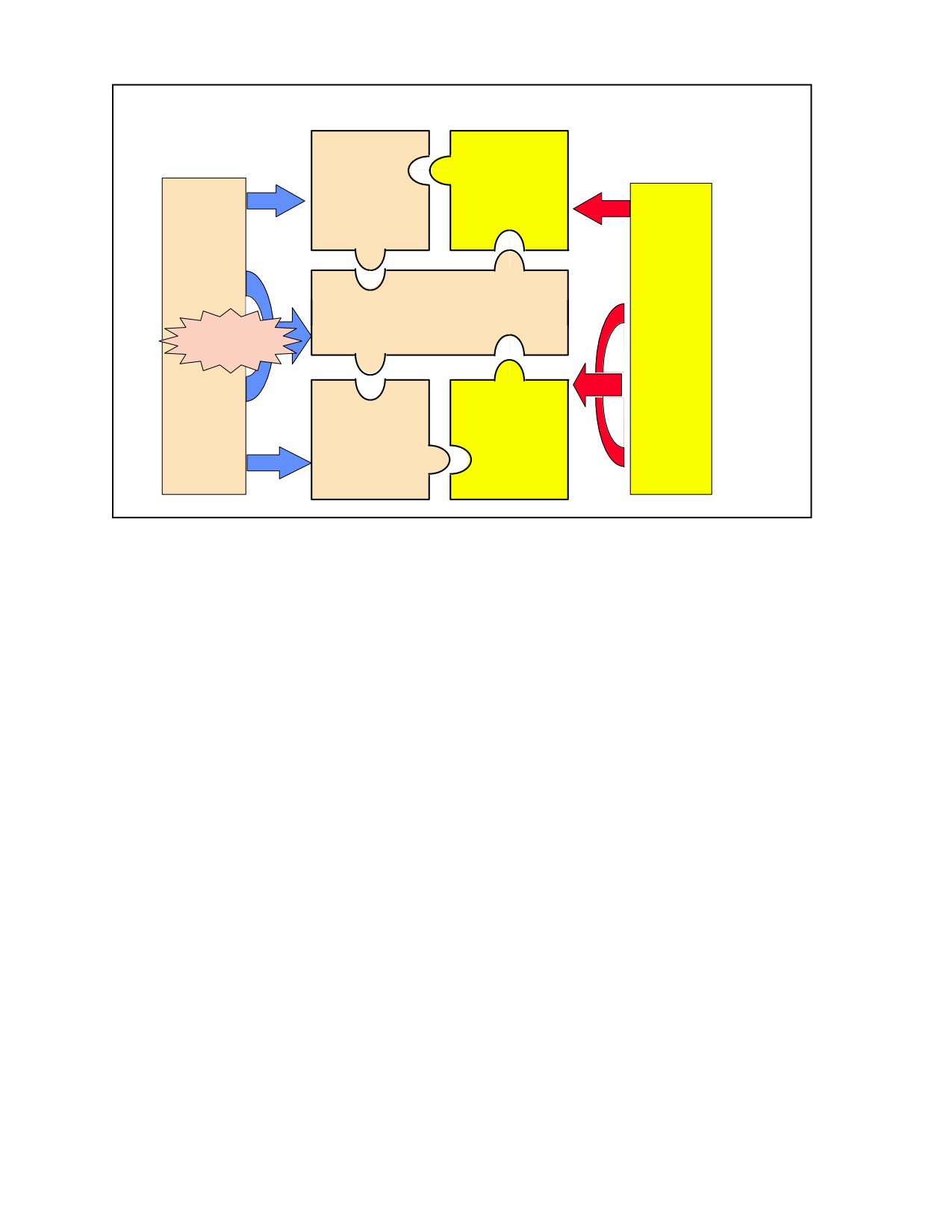
DOCC Targeting Methodology
PLAN
DECIDE
DOCC
•Scheme of Maneuver
•Mission Analysis
D3A
Functions
•Scheme of Fires
•COA Development
Methodology
•HPTL
•Wargaming
•Collection plan
•Cdr’s Estimates
PLAN
•AGM/TSS
•Plan/OPORD
DECIDE
•PIR/CCIR
•AI Nominations
•JTCB
COORD & SYNCH
COORD
•RFI
•Terrain Deconfliction
•FSCM
•ADA, FS, CSS Plans
DETECT
•A2C2
•Situational Awareness
•ATO
Provides the
•Battlefield/Operational Graphics
Bridge Between
•LNOs
•Joint/Coalition Forces
Planning & Executing
•Real Time Coordination
DELIVER
SYNCH
EXECUTE
•Sensor Cross-Cueing
•Rehearse Plans
•Control/Allocate
•Target Processing
Attack Means
•AI, CAS, EW, FA, Avn
•Situation Update
•Execute AGM
EXECUTE
ASSESS
•Divert Air Ops
•Attack HPT
•BDA/Re-Strike
Figure C-1. DOCC Targeting Methodology
(3) Maintaining a continuous dialogue and situational awareness of
integrated operations and coordinating the use of deep attack assets within the
assigned AO, including USA aviation, artillery, electronic warfare (EW), long-range
surveillance units (LRSUs), SOF, USAF, USN, US Marine Corps, and other attached/
available attack assets.
(4) Approving the deep lethal attack guidance and monitoring execution of
the plan.
(5) Tracking and executing approved immediate ATACMS fire missions and
fire plans and suppression of enemy air defense (SEAD) fire plans.
(6) Coordinating with all fire support LNOs to facilitate timely fire mission
processing.
(7) Coordinating target attacks with MSCs.
b. DOCC Staff Members. As required, the DOCC OIC will organize permanent
and temporary staff members from the following sections or staff elements to ensure
24-hour coverage of operations and future planning requirements:
(1) Targeting team.
(2) FSE.
(3) Intelligence.
(4) ADE or AAMDC LNO team.
C-2
(5) Army airspace command and control (A2C2 ) cell.
(6) EW.
(7) Fire control element (FCE).
(8) Air liaison officer (ALO).
(9) Army aviation element.
(10) NALE.
(11) Special operations command and control element (SOCCE).
3. Attack Operations
The DOCC develops and submits a CTL—listing all targets the ARFOR wants
struck in support of operations within the assigned AO—for integration into the
JIPTL used to develop the ATO. The DOCC incorporates targets intended to defeat
the enemy’s ability to conduct and sustain TM launch operations and prioritizes
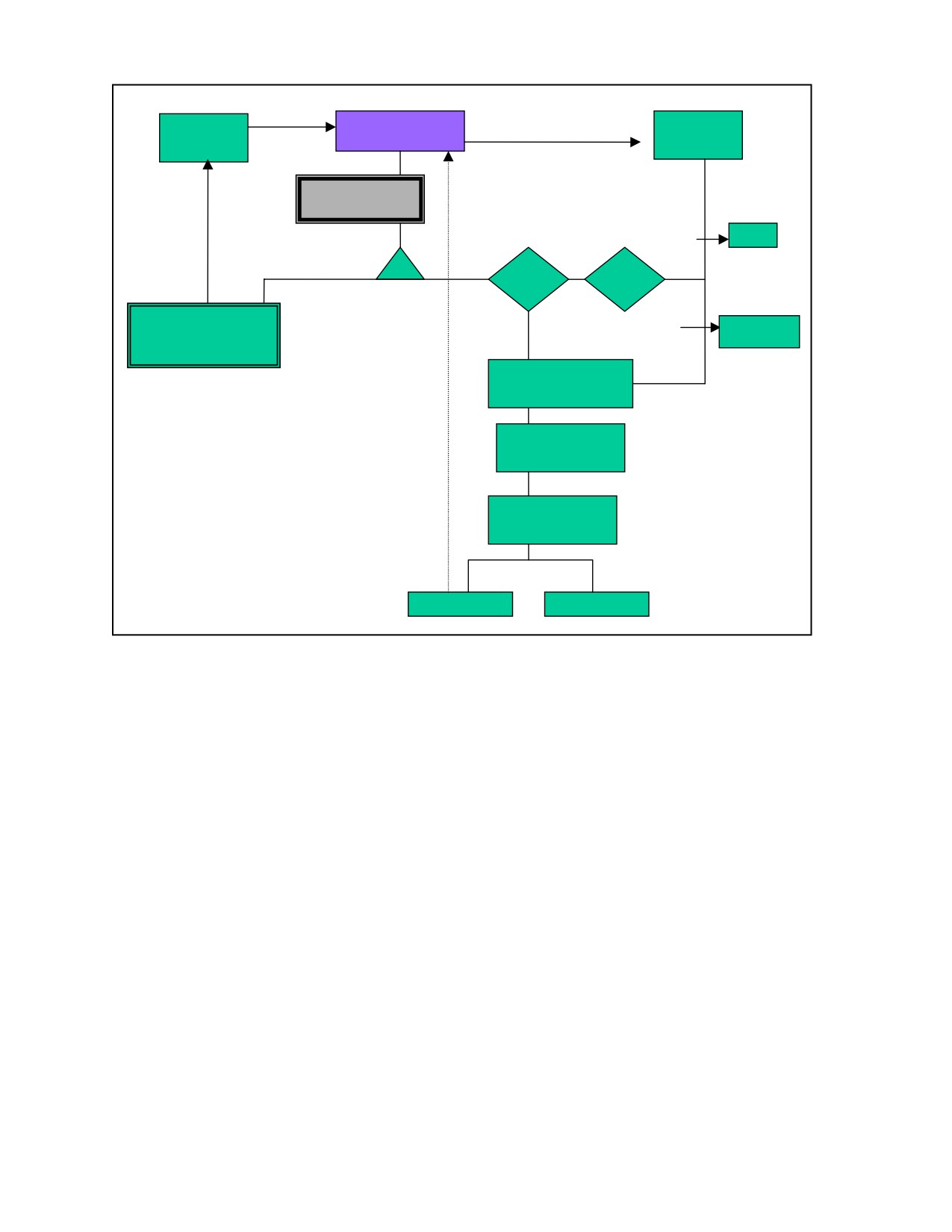
them according to the commander’s guidance. Figure C-2 depicts the AAMDC-
DOCC relationship and the attack operations decision-making process.
a. Preplanned Target Development. While the ACE and DOCC are responsible,
respectively, for intelligence and deep operations for the entire AO, the AAMDC’s
INTEL and targeting personnel focus solely on enemy TM operations. The
AAMDC’s attack operations section works with the ACE and DOCC to develop
targets to support the TM attack strategy. The DOCC receives nominated
preplanned targets for incorporation into the CTL and submits them through the
BCD to the JAOC. When the AAMDC is not in theater, ACE and DOCC targeting
personnel develop TM-related targets along with all other targets.
b. Immediate Target Nomination. The TM target system consists of many
elements, some fixed and many mobile. Mobile targets may present themselves for
only short periods of time that limit preplanned targeting operations. Immediate
targets may be anticipated or unanticipated.
(1) Anticipated targets may be included in preplanned target development or
placed “on-call” for response when the target appears and the location is fixed.
Unanticipated targets normally require an attack decision. When the window of
opportunity to attack is relatively short, anticipated or unanticipated targets may be
referred to as TSTs. TSTs require an immediate response because they pose a clear
and present danger to friendly forces or are highly lucrative fleeting targets of
opportunity.
(2) The AAMDC’s attack operations and INTEL personnel continuously
monitor enemy TM activity. Confirmed immediate targets—anticipated,
unanticipated, or TSTs—that meet the established attack guidance are nominated
for attack by submission of an RFF to or by the DOCC FSE via the AFATDS
terminal. The RFF is immediately available at the BCD AFATDS display and can be
used to expedite coordination and inform the JAOC of enemy TM activity.
C-3
NOMINATE
NOMINATIONS OUTSIDE LCC AO
AAMDC
DOCC
BCD
[ACE]
Engage TGT
(Inside LCC AO)
Fixed Wing
ALO
Divert
NO
YES
Attack
Air
•
Does not meet AGM
Assets
Type
•
No assets
Helo
•Further Analysis
AVN BDE
•Develop Track
•
Needs TGT refinement
Divert
•TGT Planning
•
Not time-critical
Create ATACMS
Fire Order
Send to
FA BDE TOC
Forward to
Launcher
TGT Not Fired
Target Fired
Figure C-2. ARFOR Attack Operations Decision-Making Process
c. Immediate Target Prosecution. The DOCC, in consultation with the
commander or G3, if required, prosecutes immediate target nominations. If the
target meets established criteria—timeliness of target intelligence, the accuracy of
the reporting source and target location, range to the targets, and so forth—and
assets are available to strike, the DOCC will approve the RFF and coordinate as
necessary to execute the mission. Coordination will depend on the attack asset
being employed, but normally includes notifying other components and deconflicting
airspace. JAOC coordination is accomplished through the BCD. AAMDC LNOs are
available to articulate the TM targets. If an ATACMS is selected as the appropriate
attack asset, the DOCC will coordinate the activation of restrictive operations zones
(ROZs) around the launch and target areas. See MTTP, Targeting (FM 90-36, MCRP
3-16/1F, NWP 2-10.11, or AFJPAM 10-225), for specific ROZ dimensions and
procedures for deconflicting airspace requirements.
d. Target Handoff. If the DOCC determines that it cannot strike an immediate
target—anticipated, unanticipated or TST—it will notify the requestor and the BCD.
If the target is an ARFOR priority, the DOCC will request the BCD submit the
target nomination to the JAOC operations division for immediate attack. The
DOCC then coordinates battlespace deconfliction. The AAMDC provides additional
target information, such as imagery.
C-4
Appendix D
JOINT INTERFACE CONTROL OFFICER
1. Overview
The JICO is responsible for managing the multi-data-link network from the
JAOC. The JICO addresses deficiencies in the ability to properly plan, initiate,
monitor, and manage information exchange requirements of the multi-data-link
network for joint operations.
2. Planning Tasks
The JICO’s planning tasks are to compile information, develop and validate the
multi-data-link architecture in coordination with service component and coalition
partners, develop the OPTASKLINK, and provide inputs to the TACOPDAT.
a. Based on the information available, the JICO will develop primary and
contingency TADIL architectures. Using estimates of track loading within the AO,
data forwarding requirements and data filter plans, the JICO will evaluate the
proposed architecture’s ability to meet information exchange requirements including
track update rate/net cycle time goals. The JICO will advise the AADC regarding
cases where requirements cannot be met. The JICO will prepare and submit a Joint
Tactical Information Distribution System (JTIDS) network design request, if
required.
b. Prior to and during an operation, the JICO will evaluate factors that
influence the ability of the multi-data-link architecture to support current and
planned information exchange requirements. Working with the AADC, the JICO
will develop recommended changes to meet those requirements.
3. Execution Tasks
The JICO will establish the multi-data-link network, conduct data registration,
conduct fidelity checks, and resolve connectivity and interoperability problems.
a. Once the network is established, the JICO ensures that units comply with
direction in the OPTASKLINK and TACOPDAT, monitors TADIL and interface unit
(IU) status, and resolves connectivity and interoperability issues. In conjunction
with planned events or in response to changes associated with the dynamic nature of
operations, the JICO will direct changes to the network to support warfare
requirements.
b. The JICO cell must be able to support continuous operations. Each service
normally contributes personnel or expertise to the JICO cell and the mix of
multiservice knowledge and experience is a key factor in the ability of the cell to
successfully plan and execute joint operations. When regions are established, the
regional interface control officer (RICO) cell composition requirements may be the
same as the JICO cell composition, depending upon the scope of operations.
D-1
4. Location
a. A key factor determining JICO cell location within a JOA is the ability of the
host unit to support JICO personnel and equipment requirements. The facility must
be capable of billeting/berthing and feeding cell members, as well as having data
network connectivity and associated voice communications capability for the JICO
to monitor and direct data exchange requirements. Potential JICO cell locations in
a JTF are:
(1) USAF - AOC, CRC.
(2) USN - Command ship land component commander (LCCs), general-
purpose amphibious assault ships (LHA), general-purpose amphibious assault ships
with internal docks (LHDs), aircraft carriers (CVs)/aircraft carriers, nuclear (CVNs),
cruisers (carrier group [CG]).
(3) USMC - TACC, tactical air operations center (TAOC).
b. In an evolving crisis, the JICO, working for the JFACC/AADC, functions with
support from component units until augmented as additional forces flow into
theater. As joint forces continue to flow into theater, the JFC will likely assign or
direct the transition of JFACC, AADC, and JICO functions to the most advantageous
position, such as a JAOC. The seamless transition of JICO functions between units
requires control and coordination. Prior planning for this transition would include
the identification of qualified personnel and equipment from either the theater
components or CONUS-based forces to augment or stand up a new cell and prepare
for the shift of responsibilities.
D-2
Appendix E
REPORTS
1. Overview
Army ADA units use the reports in this appendix to issue orders and track the
readiness of Patriot units, the availability of missiles, and the status of
engagements. When the AAMDC is deployed in theater, AAMDC LNOs brief Patriot
status to the AADC daily or as required. The BCD maintains current copies of the
reports, which are readily available to the JAOC. Standard reports are:
a. SSTOs.
b. High-to-medium air defense (HIMAD) surface-to-air missile status reports
(SAMSTATREPs).
c. TBM engagement reports.
d. HIMAD engagement roll-up reports.
e. TBM data roll-up reports.
2. SAM/SHORAD Tactical Orders
SSTOs consolidate tactical orders and information received from higher
headquarters. The senior ADA element in theater generates the SSTO in
coordination with the JAOC/CRC/CRE. Derived from the ATO and tactical
situation, this report is issued at 0001 Zulu (Z) hours daily or immediately following
any change to the SSTO. When completed, the report is classified “SECRET.”
Guidance for completing the SSTO follows:
a. Preceding Line 1, insert the originating organization; the exercise name, if
applicable; the sequential SSTO number; and the applicable unit.
b. Line 1 - Enter the date-time group (DTG) Z when the SSTO becomes
effective.
c. Lines 2a-2c:
(1) Line 2a - Enter information relating to MEZ activation/deactivation.
(2) Line 2b - Enter information relating to JEZ activation/deactivation.
(3) Line 2c - Enter information relating to FEZ activation/deactivation.
d. Lines 3a-3c.
(1) Line 3a - Enter engagement area (EA) for Patriot units (Patriot units may
fire at TBMs without permission from the engagement authority).
E-1
(2) Line 3b - Enter EA for Hawk units.
(3) Line 3c - Enter WCS for ABT and TBM threats and, if necessary, for
SHORAD units.
e. Lines 4a-4g - When higher headquarters retransmits the SSTO to subordinate
units, specify the directed status of readiness (SOR)/status of emissions (SOE) for
each unit.
f. Lines 5a and b:
(1) Line 5a - Enter the defense readiness condition (DEFCON).
(2) Line 5b - Enter the ADW.
3. HIMAD SAMSTATREP
a. The HIMAD SAMSTATREP provides higher headquarters with the status of
a unit, the availability of missiles, and an assessment of mission accomplishment.
Classified “SECRET” when completed, the report gives the commander a snapshot
of a unit’s ability to execute current and future AD operations while alerting
logistics personnel to the status of ammunition. Subordinate brigades send
SAMSTATREPs at the following times:
(1)
0800Z and 1700Z with as-of times of 0600Z and 1500Z respectively.
(2) At any change in reportable information.
(3) After expending four or more missiles.
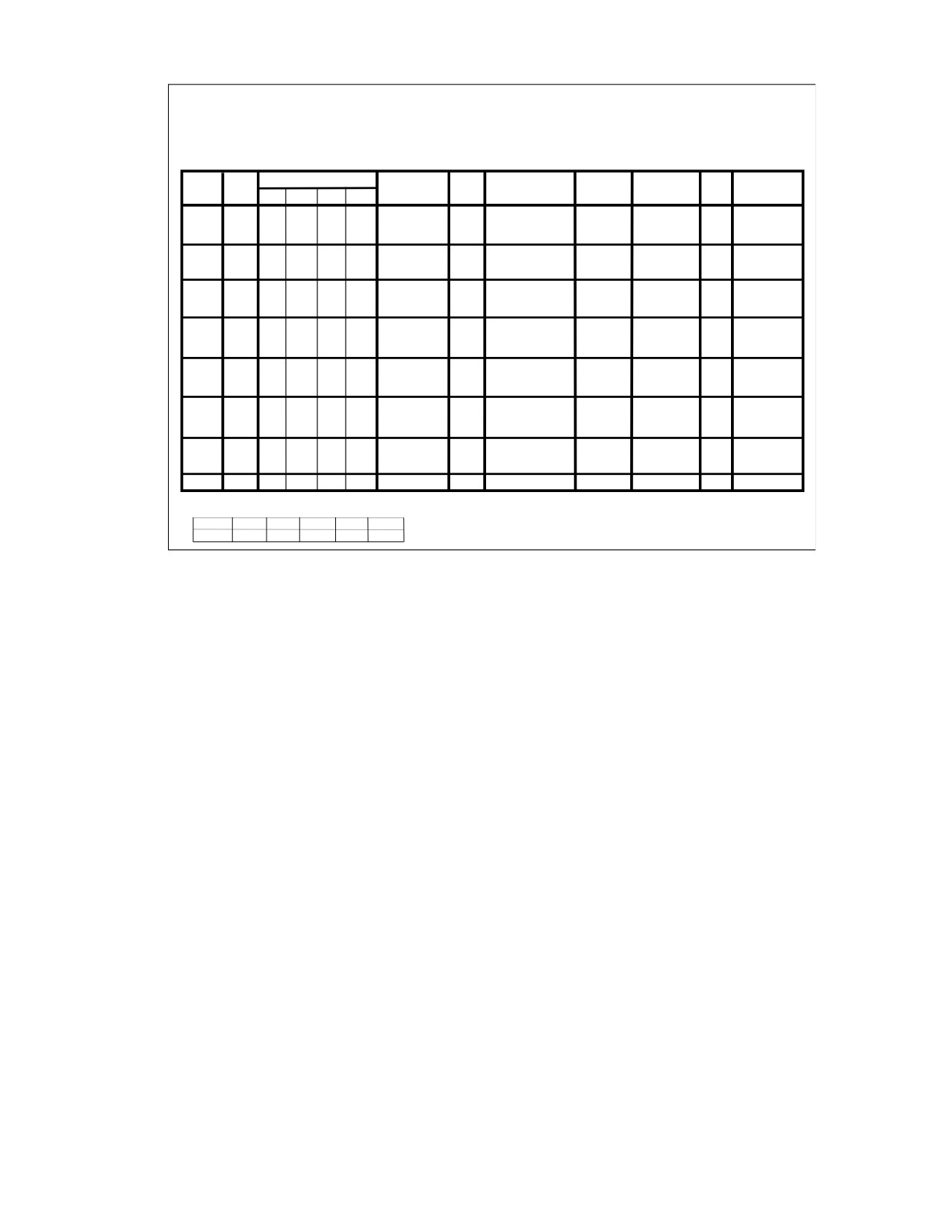
b. Guidance for completing the HIMAD SAMSTATREP follows:
(1) Unit - Self-explanatory.
(2) SOR/SOE - Enter the level of AD readiness/emissions the unit is
maintaining.
(3) Missiles - Enter the number of missiles remaining at each battery/
battalion by type indicated.
(4) Current location - Self-explanatory.
(5) Primary target line (PTL) - Enter the azimuth, in degrees, the radar
station is oriented on to acquire, track, and engage hostile targets.
(6) System data - Annotate whether weapon systems are operational or non-
mission-capable (NMC).
(7) Estimated time of return to operation (ETRO) - Use the codes below to
provide information on degraded (DEG) and NMC equipment. Enter a letter code
followed by DEG or NMC. For example, enter E-NMC when an EPP is non-mission-
capable.
E-3
(a) Following is an explanation of codes:
• A - ICC
• B - ECS
• C - RS
• D - AMG
• E - EPP
• F - LS
• G - GMT
• H - No missiles
• I - CRG
(b) Definitions follow:
• ICC - information and coordination central
• ECS - engagement control station
• RS - radar station
• AMG - antenna mast group
• EPP - electronic power plant
• LS - launcher station
• GMT - guided missile transporter
• CRG - communications relay group
(8) Proposed location - Self-explanatory.
(9) PTL - Enter the azimuth (in degrees) to which the radar station will be
oriented.
(10) Defended priorities - Enter assets the unit is defending/protecting.
4. TBM Engagement Report
The TBM engagement report provides the number of TBMs engaged, missiles
fired, and breakdown of TBM engagements by reporting unit. Submitted
E-4
HIMAD SAMSTATREP
SECRET
EFFECTIVE DTG:__________________
(WHEN FILLED IN)
DUTY LOG#__________
SOR/
MISSILES
CURRENT
SYSTEM
ETRO
PROPOSED
DEFENDED
UNIT
PTL
PTL
SOE
GEM
PAC-2
PAC-3
OPER
LOCATION
DATA
LOCATION
PRIORITIES
TOTAL
ROUTING
UNIT
INITIALS
Figure E-2. Example of a HIMAD SAMSTATREP
immediately after engagement, the report is classified ‘“SECRET” when filled in.
Following is guidance for completing the report:
a. Preamble - Self-explanatory.
b. Unit - Self-explanatory.
c. Defended Asset - Annotate asset attacked and its DAL.
d. #TBMs engaged - Annotate number of missiles engaged by type:
(1) SCUD.
(2)
“Al Hussein” (AH).
(3)
“No-Dong” (ND).
d. Patriot missiles fired - Enter the number of missiles fired during
engagement.
e.
#TBMs destroyed - Enter the actual number of TBMs killed by type.
f. Leakers - Enter the number of TBMs by type that penetrated the AD system’s
coverage but were missed by the Patriot fire unit.
g. Warhead - Enter the type of warhead—chemical (CHEM) or high explosive
(HE)—in TBM destroyed, if known.
E-5

(SECRET WHEN FILLED)
EFF DTG_________________
VOLLEY#________________
NO. TEMs FIRED__________
DEFENDED
PATRIOT
#TEMs
UNIT
ASSET
#TEMs ENGAGED
MSLs
DESTROYED
LEAKERS
WARHEAD
ASSET
PRIORITY
SCUD
AH
ND
FIRED
SCUD
AH
ND
SCUD
AH
ND
CHEM
HE
(SECRET WHEN FILLED)
Figure E-3. Example of a TBM Engagement Report
5. HIMAD Engagement Roll-Up Report
The HIMAD engagement roll-up report provides the number of engagements
and missiles the reporting unit fired in a 24-hours period. The report, which is
submitted daily NLT 1700 local (L) hours, with an as-of time of 1500L, is classified
“SECRET” when filled in. Following is guidance for completing the report:
a. Column 1 - Self-explanatory.
b. Column 2 - Enter the asset the unit is protecting.
c. Column 3 - Enter the number of rotary-wing (RW) aircraft engagements.
d. Column 4 - Enter the number of fixed-wing (FW) aircraft engagements.
e. Column 5 - Enter the number of TBM engagements.
f. Column 6 - Enter the number of UAV engagements.
g. Column 7 - Enter the number of CM[??? Not identified.] engagements.
h. Missiles Fired/Total - Enter the number of missiles fired since last report.
i. Column 8 - Enter the number of RW aircraft killed.
j. Column 9 - Enter the number of FW aircraft killed.
E-6

k. Column 10 - Enter the number of TBMs destroyed.
l. Column 11 - Enter the number of UAVs destroyed.
m. Column 12 - Enter the number of CMs destroyed.
n. Total - Enter the total number of targets destroyed since last report.
o. Sending Unit - Self-explanatory.
p. Receiving Unit - Self-explanatory.
q. Initials - Enter the initials of the persons sending and receiving the report.
6. TBM Data Roll-Up Report
The TBM data roll-up report tracks missile launches and attrition while
confirming or denying the enemy’s OB, tactics, and techniques. The report, which is
submitted daily NLT 1700Z, with an as-of time of 1500Z, is classified “SECRET”
when filled in. Following is guidance for completing the report:
a. Volley # - Enter the TBM launch track designator.
b. Unit - Self-explanatory.
HIMAD ENGAGEMENT ROLL-UP REPORT
(SECRET WHEN FILLED)
EFFECTIVE DATE:_____________________
DUTY LOG #_____________________
# ENGAGEMENT BY TYPE
# KILLS BY TYPE
1
2
3
4
5
6
7
MISSILES
8
9
10
11
12
DEFENDED
FIRED/
UNIT
ASSET
RW
FW
TBM
UAV
CM
TOTAL
RW
FW
TBM
UAV
CM
TOTAL
(SECRET WHEN FILLED)
ROUTING
SENDING UNIT
RECEIVING UNIT
INITIALS
INITIALS
Example E-4. Example of a HIMAD Engagement Roll-up Report
E-7

c. Time of launch - Enter DTG in Zulu time.
d. Defended asset - Enter asset unit is protecting.
e. Location of launch - Enter the current 6-digit grid location, including the
unit’s grid zone designator.
f. #TBMs launched - Self-explanatory.
g. Impact point - Enter the 6-digit grid location, including the impact point’s grid
zone designator.
h. Patriots fired - Enter the number of Patriot missiles fired at TBM missiles.
i.
#TBMs/Type - Enter the type of missile launched.
j.
#TBMs/Engagement - Enter the number of TBMs engaged.
k. #TBMs/Destroyed - Enter the number of TBMs destroyed.
l. Unit - Self-explanatory.
m. Initials - Enter the initials of the individual completing the form.
TBM DATA ROLL-UP REPORT
(SECRET WHEN FILLED)
TIME OF
DEFENDED
LOC OF
# TBMs
IMPACT
PATRIOTS
VOLLEY #
UNIT
LAUNCH
ASSET
LAUNCH
LAUNCHED
POINT
FIRED
# ITEMS
Type ENG DEST
(SECRET WHEN FILLED)
ROUTING
UNIT
INITIALS
Figure E-5. Example of a TBM Data Roll-up Report
E-8
References
JOINT
Joint Pub 0-2, Unified Action Armed Forces (UNAAF), Feb 95.
Joint Pub 1-02, DOD Dictionary of Military and Associated Terms, Mar 94.
Joint Pub 2-0, Joint Doctrine for Intelligence Support to Operations, May 95.
Joint Pub 3-0, Joint Operations, Feb 95.
Joint Pub 3-01.2, Joint Doctrine for Theater Counterair Operations, Apr 86.
Joint Pub 3-01.5, Doctrine for Joint Theater Missile Defense, Feb 96.
Joint Pub 3-03, Doctrine for Joint Interdiction Operations, Apr 97.
Joint Pub 3-05, Doctrine for Joint Special Operations, Oct 92.
Joint Pub 3-09, Doctrine for Joint Fire Support, May 98.
Joint Pub 3-56.1, Command and Control For Joint Air Operations, Nov 94.
ARMY
FM 6-20-10, The Targeting Process, May 96.
FM 34-130, Army Intelligence Preparation of the Battlefield, Jul 94.
FM 44-94, AAMDC Operations (Final Draft), Sep 99.
FM 44-100, Army Air Defense Operations, Jun 95.
FM 71-100, Division Operations. Aug 96.
FM 100-5, Operations, Jun 93.
FM 100-7, Decisive Force: The Army In-Theater Operations, May 95.
FM 100-12, Army Theater Missile Defense (ATMD) Operations (Revised Final,Draft),
Jul 99.
FM 100-13, Battlefield Coordination Detachment (BCD), Sep 96.
FM 100-13-1, Tactics, Techniques and Procedures for Battlefield Coordination
Detachment, Mar 98.
FM 100-15, Corps Operations, Oct 96.
TRADOC PAM 525-68, Concept for Modularity, Jan 95.
MARINE/NAVY
FMFM 5-60, Control of Aircraft and Missiles, Jun 93.
MCWP 3-25.4, Marine Tactical Air Command and Control (TACC) Center Handbook,
Date?
AIR FORCE
ACCI 13, AOC Vol 3 - Air Operations Center, Feb 95.
ACC Project 96-568 TF, Air and Space C2 Agency, Theater Missile Defense Command
Control and Communications TD&E Final Report, Jul 98.
Air Force Doctrine Document 2, Organization and Employment of Aerospace Power,
Sep 98.
Air Force Doctrine Document 2-1.1, Counterair Operations, May 98.
References-1
MULTISERVICE
Multiservice Procedures for Airborne Warning and Control System Ground-Based
Air Defense Operations, Sep 93.
Multiservice Procedures for Integrated Combat Airspace Command and Control,
Oct 94.
Multiservice Procedures for the Theater Air-Ground System, Oct 94.
Multiservice Procedures for Joint Theater Missile Target Development, Jun 99.
References-2
Glossary
A
A2C2
Army airspace command and control
AADC
area air defense commander
AAMDC
Army Air and Missile Defense Command
ABT
air breathing threat
ACA
airspace control authority
ACE (Army)
analysis and control element
ACM
airspace control measures
ACO
airspace control order
ACP
airspace control plan
AD
air defense
ADA
air defense artillery
ADAFCO
ADA fire coordination officer
ADE
air defense element
ADMIN/LOG
administration/logistics
ADOCS
Advanced Deep Operations Coordination System
ADP
air defense plan
ADSI
air defense systems integrator
ADW
air defense warning
AFATDS
Advanced Field Artillery Tactical Data System
AFB
Air Force base
AFDC
Air Force Doctrine Center
AFFOR
Air Force forces
AH
“Al Hussein”
AI
air interdiction
AIO
air intelligence officer
ALERT
attack and launch early reporting to theater
ALO
air liaison officer
AMD
air mobility division
AMDPCS
Air and Missile Defense Planning and Control System
AMDWS
air and missile defense workstation
AMG
antenna mast group
AO
area of operations
AOC
air operations center
AOR
area of responsibility
AOS
air operations squadron
ARFOR
Army forces
ASAS
all-source analysis system
ATACMS
Army Tactical Missile System
ATMD
army theater missile defense
ATO
air tasking order
AWACS
Airborne Warning and Control System
AWC
air warfare commander
B
BC
battle captain
BCD
battlefield coordination detachment
Glossary-1
BDA
battle damage assessment
BFSV
Bradley fire support vehicle
BG
battle group
BM
battle management
BN
battalion
BTRY
battery
C
C2
command and control
C2W
command and control warfare
C3
command, control, and communications
C4
command, control, communications, and computers
C4I
command, control, communications, computers, and intelligence
CA
counterair
CAOC
combined air operations center
CAPS
Commander’s Analysis and Planning System
CAS
close air support
CCO
chief, combat operations
C/E
communications/electronics
CG
carrier group
CHEM
chemical
C&I
communications and information
CI
counterintelligence
CINC
commander-in-chief; commander of a combatant command
CIS
Combat Intelligence System
CJCSI
Chairman of the Joint Chiefs of Staff Instruction
C/JTF
combined/joint task force
CJTF-SWA
commander, Joint Task Force-Southwest Asia
CM
cruise missile
CMOC
Cheyenne Mountain Operations Center
COA
course of action
COMAFFOR
commander, Air Force forces
COMARFOR
commander, Army forces
COMMS
communications
COMNAVFOR
commander, Navy forces
COMSEC
communications security
CONOPS
concept of operations
CONPLAN
contingency plan
CONUS
continental United States
COORD
coordination
COP
common operations picture
CRC
control and reporting center
CRE
control reporting element
CRG
communications relay group
CSS
combat service support
CTAPS
Contingency Theater Automated Planning System
CTL
candidate target list
CTT3
commander’s tactical terminal, 3 channel
CV
aircraft carrier
CVN
aircraft carrier, nuclear
Glossary-2
CVRT
criticality, vulnerability, recuperability, threat
CWC
composite warfare commander
D
D3A
decide, detect, deliver, assess
DAADC
deputy area air defense commander
DAL
defended asset list
DCA
defensive counterair
DDO
defensive duty officer
DEFCON
defense readiness condition
DEG
degraded
DIRMOBFOR
director of mobility forces
DOCC
deep operations coordination cell
DS
direct support
DSN
Defense Switched Network
DSP
Defense Support Program
DSS1
Digital Satellite System 1
DTG
date-time group
E
E-2C (Navy)
Hawkeye AWACS
E&E
evasion and escape
EA
engagement area
EAC
echelons above corps
ECS
engagement control station
ELINT
electronic intelligence
EMCON
emissions control
ENG
engagement
EPP
electric power plant
ETRO
estimated time of return to operation
EW
electronic warfare
F
FA
field artillery
FAAD
forward area air defense
FCE
fire control element
FCO
fire control officer
FDC
fire direction center
FDL
FAAD data link
FDO
fighter duty officer
FEZ
fighter engagement zone
FM
field manual
FORSCOM
Forces Command
FSCM
fire support coordination measure
FSE
fire support element
FW
fixed wing
Glossary-3
G
G1
Army personnel
G2
Army intelligence
G3
Army operations
G4
Army logistics
G6
Army communications
GALE
Generic Area Limitation Environment
GAT
guidance, apportionment, and targeting
GCCS
Global Command And Control System
GEM
guidance-enhanced missile
GEOREF
geographic reference
GMT
guided missile transporter
H
HE
high explosive
HELO
helicopter
HIMAD
highto medium air defense
HPT
high-payoff target
HQ
headquarters
HUMINT
human intelligence
HVAA
high-value airborne assets
HVT
high-value target
I
IBIS
Integrated Battlespace Intelligence System
ICC
information and coordination central
ID
identification
IEW
intelligence and electronic warfare
IFF
identification, friend or foe
IG
inspector general
IMINT
imagery intelligence
INFO
information
INTEL
intelligence
INTREP
intelligence report
INTSUM
intelligence summary
IP
internet protocol
IPB
intelligence preparation of the battlefield
IR
information requirements
ISR
intelligence, surveillance, and reconnaissance
IU
interface units
J
J2
joint staff intelligence directorate
J3
joint staff operations directorate
J5
joint staff plans directorate
J6
joint staff command, control, communications, and computer
systems directorate
Glossary-4
JAOC
Joint Air Operations Center
JASOP
joint air and space operations plan
JDISS
Joint Deployable Intelligence Support System
JEZ
joint engagement zone
JFACC
joint force air component commander
JFC
joint force commander
JFLCC
joint force land component commander
JFMCC
joint force maritime component commander
JIC
joint intelligence center
JICO
joint interface control officer
JIPB
joint intelligence preparation of the battlespace
JIPTL
joint integrated prioritized target list
JOA
joint operations area
JOC
joint operations center
JP
joint publication
JSEAD
joint suppression of enemy air defenses
JSOTF
joint special operations task force
JSTARS
Joint Surveillance, Target Attack Radar System
JTAGS
joint tactical ground station
JTCB
Joint Targeting Coordination Board
JTF
joint task force
JTIDS
Joint Tactical Information Distribution System
JTMD
joint theater missile defense
K
KY-68
tactical phone
L
L
local
LAN
local area network
LCC
land component commander
LHA
general-purpose amphibious assault ship
LHD
general-purpose amphibious assault ship with internal dock
LNO
liaison officer
LOC
line of communication
LRSU
long-range surveillance unit
LS
launcher station
M
MAAP
master air attack plan
MAGTF
Marine air ground task force
MAINT
maintenance
MARFOR
Marine forces
MARLO
Marine liaison officer
MCC
maritime component commander
MCS/P
maneuver control system/phoenix
MCWP
Marine Corps warfighting publication
METT-TC (Army) mission, enemy, terrain and weather, troops and support
available, time available, civil considerations
Glossary-5
MEZ
missile engagement zone
MGMT
management
MLRS
Multiple-Launch Rocket System
MS
Microsoft
MSC
major subordinate command
MSTS
Multiple-Source Tactical System
MTOE
modified table of organization and equipment
MTR
motor
MTTP
multiservice tactics, techniques and procedures
N
NAF
numbered air force
NAI
named area of interest
NALE
naval and amphibious liaison element
NAVFOR
Navy forces
NBCCC
nuclear, biological, chemical coordination cell
NCA
National Command Authorities
ND
“No Dong”
NIPRNET
unclassified but sensitive internet protocol router network
NLT
no later than
NMC
non-mission-capable
NRT
near-real time
NWP
Navy warfare publication
O
OB
order of battle
OCA
offensive counterair
OIC
officer-in-charge
OPCON
operational control
OPLAN
operations plan
OPORD
operations order
OPS
operations
OPSEC
operations security
OPS/INTEL
operations/intelligence
OPTASKLINK
operations task link
OTC
officer in tactical command
P
PA
public affairs
PAC
Patriot advanced capability
PAWS
pager alert warning system
PIR
priority intelligence requirements
Pk
probability of kill
POL
petroleum, oils, and lubricants
PTL
primary target line
Glossary-6
R
RADC
regional air defense commander
RFF
request for fire
RFI
request for information
RICO
regional interface control officer
ROE
rules of engagement
ROZ
restrictive operations zone
RS
radar station
RW
rotary wing
S
SADC
sector air defense commander
SADO
senior air defense officer
SALUTE
size, activity, location, uniform, time, equipment (report)
SAM
surface-to-air missile
SAMSTAT
surface-to-air missile status
SAMSTATRPT
surface-to-air missile status report
SATCOM
satellite communications
SCIF
sensitive, compartmented information facility
SEAD
suppression of enemy air defenses
SHORAD
short-range air defense
SIF
selective identification feature
SIGINT
signals intelligence
SIPRNET
Secret Internet Protocol Router Network
SJA
staff judge advocate
SMA
system message alerts
SME
subject matter expert
SOCCE
special operations command and control element
SODO
senior offensive duty officer
SOE
status of emissions
SOF
special operations forces
SOLE
special operations liaison element
SOP
standing operating procedure
SOR
status of readiness
SPINS
special instructions
SST
space support team
SSTO
SAM/SHORAD tactical order
STU III
secure telephone unit III
SYNCH
synchronize
SYSCON
systems control
T
TAADE
theater army air defense element
TAAMDCOORD
theater army air and missile defense coordinator
TACAIR
tactical air
TACC
tactical air command and control
TACON
tactical control
TACOPDAT
tactical operations data
Glossary-7
TACS
tactical air control system
TADIL
tactical digital information link
TAI
target area of interest
TAOC (USMC)
tactical air operations center
TBM
tactical ballistic missile
TCTA
time critical targeting aid
TDDS
Tactical Data Dissemination System
TEL
transporter-erector-launcher
TES
theater event system
TGT
target
THAAD
theater high-altitude air defense
TIBS
Tactical Information Broadcast Service
TLAM
Tomahawk land-attack missile
TM
theater missile
TMD
theater missile defense
TOC
tactical operations center
TPFDL
time-phased force deployment list
TRAP
tactical related applications
TRE
tactical receive equipment
TSS
target selection standards
TST
time-sensitive targets
TTP
tactics, techniques, and procedures
U
UAV
unmanned aerial vehicle
UNAAF
unified action armed forces
US
United States
USA
United States Army
USAF
United States Air Force
USMC
United States Marine Corps
USN
United States Navy
USSPACECOM
US Space Command
V
VTC
video teleconference
W
WCO
weapons control order
WCS
weapons control status
WEZ
weapons engagement zone
WF
weapons free
WH
weapons hold
WMD
weapons of mass destruction
WOTS
worldwide origin of threat system
WT
weapons tight
Z
Z
Zulu
Glossary-8