FM 3-01.20 JAOC / AAMDC Coordination (JANUARY 2001) - page 2
up with their respective attached units: BCD with the JAOC ashore and AAMDC
personnel with the JFLCC/ARFOR headquarters. As these elements assume their
theater responsibilities, the teams afloat prepare to disembark and link up with
their assigned units. Depending on the JFC’s guidance, team members may shift
functions to the land-based headquarters gradually or all at once. Maintaining
LNOs with the Marine component commander (MCC) after command functions
transition ashore may be advantageous for the AAMDC and the BCD.
14. Conclusion
Countering the air and missile threat is a challenge that becomes easier as
knowledge increases about other component forces and their contributions to the
mission. This chapter identifies key USAF and USA organizations involved and
their respective structures and operational methods. It also discusses Navy
operations should the COMNAVFOR be designated the JFACC. Because the role of
EAC ADA assets has shifted to countering the ever-increasing TM threat, the
remainder of this publication focuses on improving coordination of the four
operational elements of JTMD: C4I, passive defense, active defense, and attack
operations.
I-27
Chapter II
COMMAND, CONTROL, COMMUNICATIONS,
COMPUTERS, AND INTELLIGENCE
1. Background
a. C4I is the integration of doctrine, procedures, organizational structures,
personnel, equipment, facilities, communications, and intelligence to support a
commander’s ability to command and control across the range of military operations.
Encompassing missile warning sensors, ground stations, reconnaissance elements,
and analysis, C4I provides command authorities at all levels with timely and
accurate data and systems to plan, monitor, direct, control, and report operations.
Efficient C4I—the foundation and the enabler for all other operations—provides
interoperability, NRT collaborative planning, and the shared situational awareness
necessary to effectively synchronize CA operations.
b. JTMD operations use existing joint and service C4 systems and resources to
ensure integration with other operational functions and to optimize the use of
scarce resources. Established C4 architecture links passive defense, active defense,
and attack operations to provide timely assessment of the threat—to include IPB;
rapid dissemination of tactical warnings; and mission assignment, targeting data,
and poststrike assessments—to the appropriate JTMD element.
c. For purposes of this document, C4, Section A, is discussed separately from
intelligence, Section B, and the following definitions apply:
(1) Coordination. Coordination refers to formal actions taken between
agents to facilitate planning, execution, and, when necessary, approval of
operations.
(2) Synchronization. Synchronization is to work in unison and to coexist in
action.
(3) Collaboration. Collaboration is the intellectual cooperation between
agencies, either apart or collocated.
(4) Information exchange. Information exchange is the act of providing
additional information to assist in the decision decision-making process.
SECTION A - COMMAND, CONTROL, COMMUNICATIONS
AND COMPUTERS
2. Connectivity Between JAOC and AAMDC
The JAOC and AAMDC are connected through various means, from direct
hardware workstations to collaboration among liaison teams. A number of
hardware/software systems function as conduits for the flow of information.
Examples are the All-Source Analysis System (ASAS), the Generic Area Limitation
Environment (GALE), the Multiple-Source Tactical System (MSTS), the Integrated
II-1
Battlespace Intelligence System (IBIS), the Time-Critical Targeting Aid (TCTA), the
AFATDS, the AMDWS, the Air Defense System Integrator (ADSI), and the
Contingency Theater Automated Planning System (CTAPS). However, while these
systems aid the exchange of information on issues from joint ATO to airspace
management, they generally do not interface with one another. Locating these
systems in liaison elements makes this information available in other operations
centers, but the information must be transferred manually. Therefore, effective
liaison remains the best available means to work difficult issues that require
detailed discussion and explanation.
3. Connectivity Between C2 Nodes
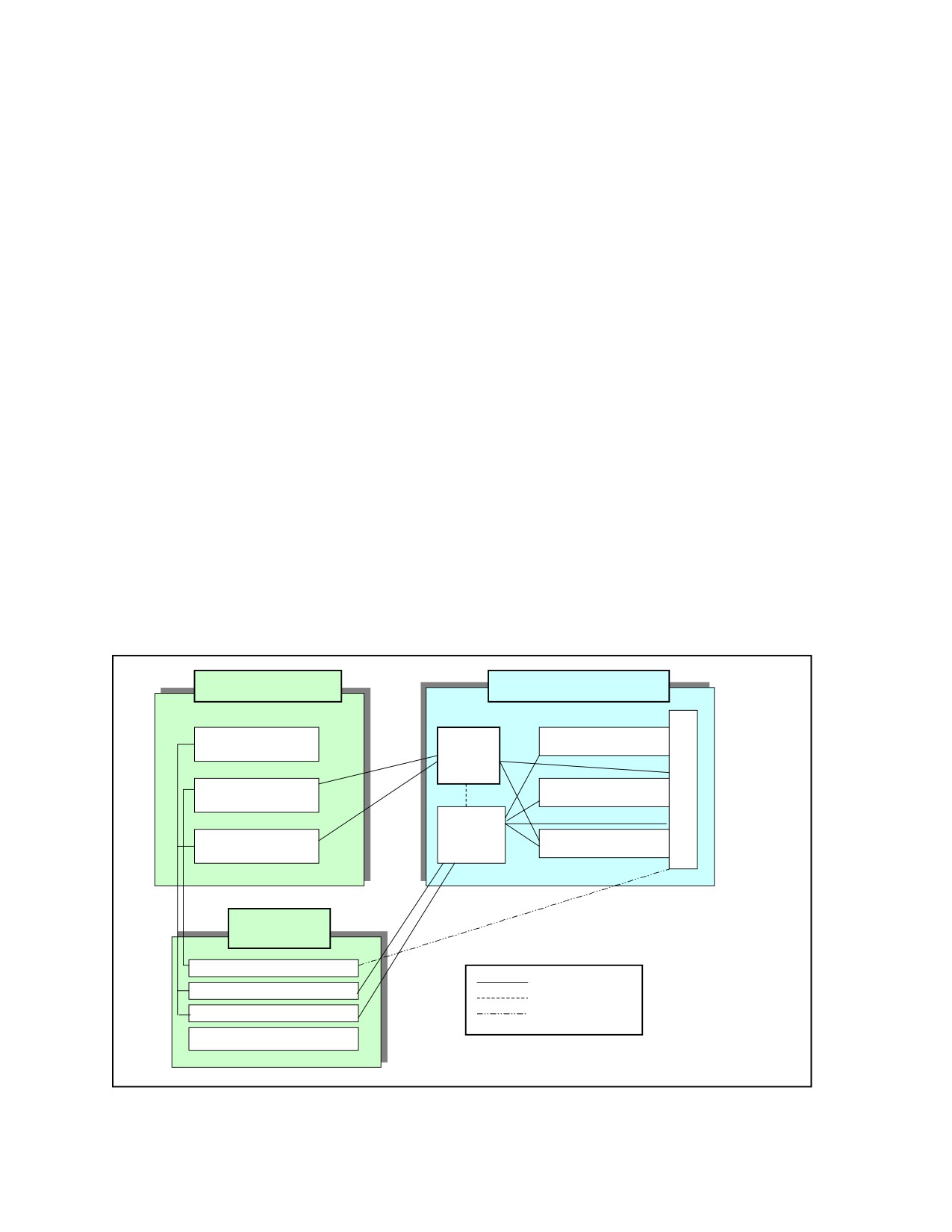
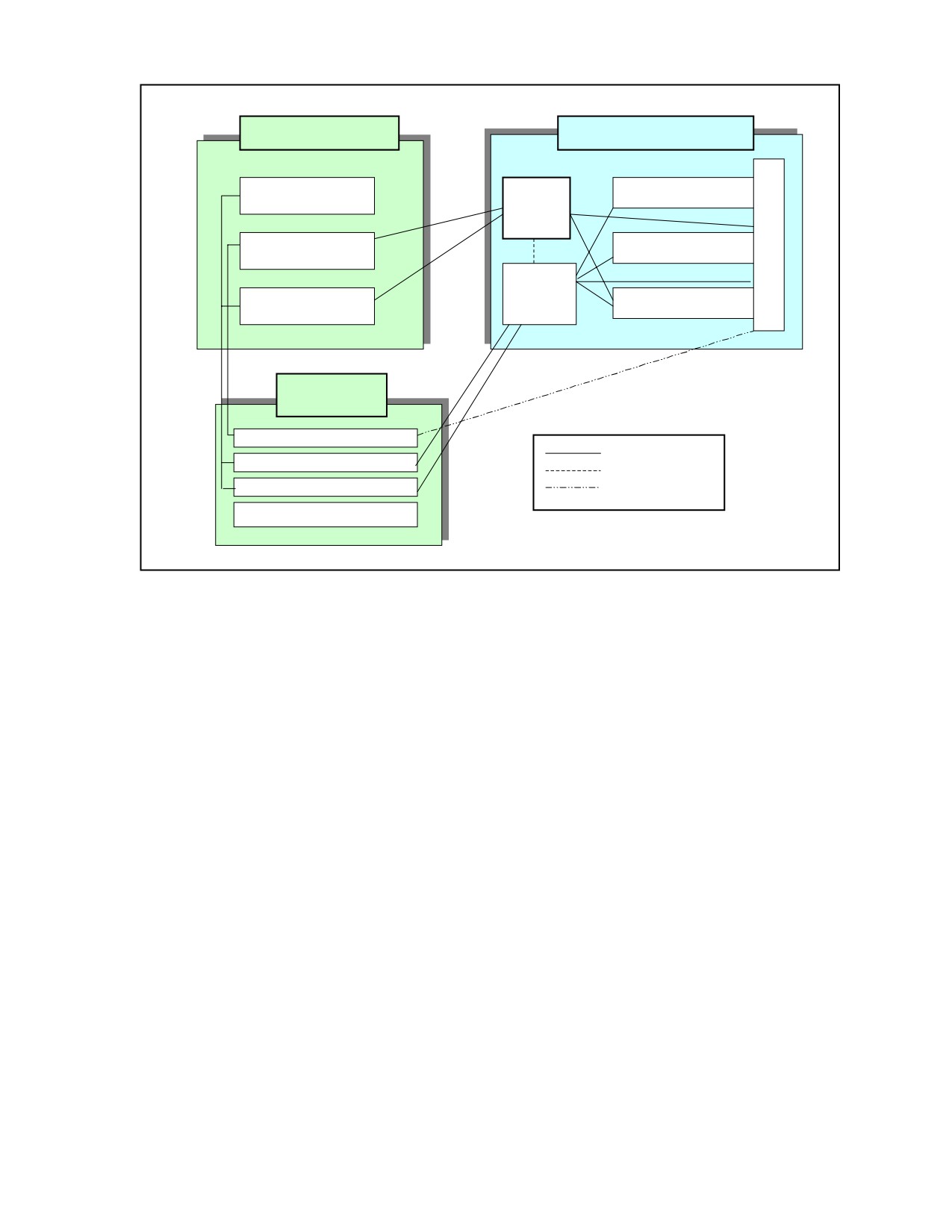
Figures II-1 and II-2 depict the basic connectivity—in terms of coordination,
synchronization, collaboration, or exchange of information—that exists between C2
nodes. Because specific communications, automation, and collaborative techniques
vary by theater and the composition of the joint force, they are neither prescriptive
nor all-inclusive.
a. Active Defense.
(1) Coordination. The AAMDC commander serves as the TAAMDCOORD to
the JFLCC/ARFOR and, when designated, as DAADC to the AADC for land-based
AD operations. The AAMDC coordinates with the JFLCC/ARFOR staff to integrate
all AD operations and corps ADA unit requirements into plans. The AAMDC LNO
team in the JAOC assists the AADC and DAADC in integrating all Army AD assets
into theater DCA operations.
JFLCC/ARFOR
JFACC/AADC/ACA
G3 PLANS
STRATEGY
J
BCD
T
I
A
O
COMBAT PLANS
S
G2 / ACE
O
C
AAMDC
R
C
LNO
G3 / DOCC
COMBAT OPS
Team
AAMDC
(DAADC)
LEGEND:
T
INTELLIGENCE
O
Coordination
ACTIVE DEFENSE
C
Synchronization
PASSIVE DEFENSE
Collaboration
ATTACK OPERATIONS
Figure II-1. Active and Passive Defense Connectivity
II-2
JFLCC/ARFOR
JFACC/AADC/ACA
STRATEGY
G3 PLANS
J
BCD
T
I
A
O
COMBAT PLANS
S
G2 / ACE
O
C
AAMDC
R
C
LNO
COMBAT OPS
G3 / DOCC
Team
AAMDC
(DAADC)
LEGEND:
T
INTELLIGENCE
O
Coordination
ACTIVE DEFENSE
C
Synchronization
PASSIVE DEFENSE
Collaboration
ATTACK OPERATIONS
Figure II-2. Attack Operations Connectivity
(2) Synchronization. When the AAMDC LNO team deploys to the JAOC to
support the DAADC, it must coexist with the BCD, which represents the JFLCC/
ARFOR. The BCD AD section and the AAMDC LNO team synchronize staffing and
coordination processes with other JAOC sections to avoid duplication and to ensure
unity of effort and information.
(3) Collaboration. Collaboration between TM analysts in the JAOC and the
AAMDC’s INTEL (G2) section aids the JFC and AADC staffs in developing the DAL
and planning defensive coverage. Section B contains a more detailed discussion of
collaborative INTEL methods.
b. Passive Defense.
(1) Coordination. The principal coordination activity for passive defense
operations involves early warning architecture design, implementation, and testing.
The AAMDC develops the JFLCC/ARFOR’s early warning architecture and
disseminates launch warnings to subordinate forces. The AAMDC LNO team
coordinates these activities for the DAADC with the JAOC’s AADC staff. The
Defense Support Program’s (DSP) satellites and other tactical event systems provide
early warning information to appropriate ground stations for dissemination to all
operations centers. When a launch warning occurs, each agency verifies that the
other has the relevant information and then disseminates alert and warning
messages to affected subordinate forces.
II-3
(2) Synchronization and collaboration. Synchronization and collaboration are
the same for passive defense as they are for active defense.
c. Attack Operations.
(1) Coordination. The JAOC’s combat operations division and the JFLCC/
ARFOR’s DOCC are responsible for coordinating attack operations. The BCD
facilitates the exchange of target nominations—planned or immediate—between
them. The BCD also coordinates airspace requirements to support preplanned or
immediate target engagement. The G2 ACE coordinates collection requirements
with the J2 and the JAOC ISR team as required to support NRT target intelligence
requirements.
(2) Information exchange. The AAMDC is normally the JFLCC/ARFOR’s
subject-matter expert (SME) on enemy TM capabilities, limitations, doctrine, and
TTP. As such, it can provide additional information to the JAOC as necessary to
support decision making, planning, and strategy development.
(3) Collaboration. Intelligence collaboration in support of attack operations
goes beyond TM IPB to sharing of NRT target intelligence between TM analysts in
the JAOC and the AAMDC’s INTEL section. NRT collaboration is essential to
quickly identifying and classifying potential TM targets. It ensures that all available
information is fused, that limited collection resources are used efficiently, and that
operational decision makers have the best available analysis.
4. Activities and Exchanges
The C4I architecture and systems available in theater determine the means
available for exchanging and coordinating information. Table II-1 lists types of
activities by operational element and the means of exchange.
5. Management of Exchange
The joint interface control officer (JICO) is responsible for managing the
multidata link network from the JAOC. The JICO addresses deficiencies in the
ability to properly plan, initiate, monitor, or manage information exchange
requirements for joint operations. Appendix D contains additional details on the
JICO’s role.
SECTION B - INTELLIGENCE
6. Intelligence Preparation of the Battlespace
a. An analytical methodology that reduces uncertainties about the enemy, the
environment, and the terrain for all types of operations, IPB builds an extensive
database for each potential area in which a unit may operate. After analyzing the
database, the INTEL representative presents the impact of the enemy, the
environment, and the terrain on operations in graphic and text form. IPB is a
continuous process whose four iterative and parallel steps are:
II-4

Table II-1. Information Exchange Matrix
OPERATIONAL
TYPE OF
TYPE OF
PUSH
FORMAT
ELEMENT
ACTIVITY
EXCHANGE
FROM
TO
PULL
FREQUENCY
(S Series
Messages)
ACTIVE
Patriot Unit
Info Exchange
AAMDC
AAMDC
PUSH
As needed
S507L or
Locations
Active Defense
LNOs,
Microsoft
BCD AD
(MS) Office
ACTIVE
Engagement
Info Exchange
AAMDC
AAMDC
PUSH
NLT 1 hour
S302
Reports
Active Defense
LNOs,
following missile
Freetext or
BCD AD
event
MS Office
ACTIVE
Hostile,
Coordination
BCD AD
AAMDC
PUSH
Deployment,
S302
Friendly,
Active
as required
Freetext or
Unknown ID
Defense
MS Office
Criteria
ACTIVE
AD Annexes to
Info Exchange
AAMDC
AAMDC
PUSH
Deployment,
S302
OPLANs and
Active Defense
LNOs,
as required
Freetext or
OPORDs
BCD AD
MS Office
ACTIVE
AD Tactical
Info Exchange
AAMDC
AAMDC
PUSH
Deployment,
S302
Operations
Active Defense
LNOs,
as required
Freetext or
Data
BCD AD
MS Office
ACTIVE
ADA Unit
Info Exchange
AAMDC
AAMDC
PUSH
Per SOP
S302
Status
Active Defense
LNOs,
Freetext or
(SAMSTAT)
BCD AD
MS Office
ACTIVE
AD Warning
Confirmation
BCD AD
AAMDC
BOTH
During launch
Voice
LNO Team
events
ACTIVE
Weapons
Coordination
AAMDC LNOs,
AAMDC
PUSH
Per SPIN,
S302
Control Status
BCD AD
Active
as required
Freetext or
Defense
MS Office
ACTIVE
ROE
Coordination
AAMDC LNOs,
AAMDC
PUSH
Per ATO
S302
BCD AD
Active
Freetext or
Defense
MS Office
ACTIVE
AD Battlefield
Info Exchange
AAMDC
AAMDC
PUSH
Deployment,
S201
Geometry
Active Defense
LNOs,
as required.
Battlefield
BCD AD
Geometry
ACTIVE
JAOC Tactical
Info Exchange
AAMDC
PUSH
Deployment,
S302
Operational
BCD AD
Active
as required
Freetext or
Data
Defense &
MS Office
LNOs
ACTIVE
AADC Intent
Coordination
AAMDC LNO
AAMDC
PUSH
Deployment,
S302
Team
Active
as required
Freetext or
Defense,
MS Office
BCD AD
ACTIVE
Airspace
Coordination
BCD AD
AAMDC
PUSH
Deployment,
S302
Control
LNO Team
as required
Freetext or
Plan
and Active
MS Office
Defense
PASSIVE
USAF
Info Exchange
BCD AD
AAMDC
PUSH
Per NAF SOP
PowerPoint
Engagement
LNO Team
/MS Office
Reports
and Active
Defense
PASSIVE
TMD Early-
Info Exchange
BCD AD
AAMDC
BOTH
Deployment,
S302
Warning
LNO Team
as required
Freetext or
Matrix
and Passive
MS Office
Defense
PASSIVE
JAOC Air
Info Exchange
AAMDC LNO
AAMDC
PUSH
Deployment,
S302
Defense Plan
Team
Active and
as required
Freetext or
Passive
MS Office
Defense,
BCD AD
PASSIVE
JAOC TMD
Info Exchange
BCD AD
AAMDC
PUSH
Deployment,
S302
SOP
LNO Team
as required
Freetext or
and Passive
MS Office
Defense
II-5

Table II-1. Information Exchange Matrix (continued)
OPERATIONAL
TYPE OF
TYPE OF
PUSH
FORMAT
ELEMENT
ACTIVITY
EXCHANGE
FROM
TO
PULL
FREQUENCY
(S Series
Messages)
PASSIVE
ARMY TMD
Info
AAMDC Passive
AAMDC
PUSH
Deployment,
S302 Freetext
SOP
Exchange
Defense
LNO Team
as required
or MS Office
and BCD AD
ATTACK OPS
Initial IPB
Collaboration
JAOC ISR
AAMDC
BOTH
As required
G2
ATTACK OPS
NRT INTEL
Collaboration
JAOC ISR
AAMDC
BOTH
As required
Analysis
G2
ATTACK OPS
Target
Coordination
DOCC
BCD
BOTH
As required
Nomination
ATTACK OPS
Target
Info
AAMDC
BCD
BOTH
As required
Coordination
Exchange
LNO Team
Step 1: To define the battlespace.
Step 2: To describe its effects.
Step 3: To evaluate the adversary.
Step 4: To determine adversarial courses of action (COAs).
b. IPB is categorized as joint, component, and TM.
(1) Joint intelligence preparation of the battlespace (JIPB). JIPB is the
analytical process used to produce INTEL assessments, estimates, and other
support products that enable the JFC and the JTF staff to visualize the full
spectrum of threat capabilities and COA across all dimensions of the battlespace.
Draft JP 2-01.3, Joint Intelligence Preparation of the Battlespace, delineates the
principles for conducting JIPB.
(2) Component IPB. Functional and service components conduct IPB to
support the planning and execution of their assigned missions. Each tailors IPB to
provide the intelligence required to support operations. Ideally, these efforts
contribute to the overall JIPB.
(3) TM IPB. TM IPB is the continuous application of IPB methodology
against each specific missile threat in a specific geographical area. It must integrate
with all joint and component INTEL operations.
(a) A well-developed TM IPB provides the intelligence necessary to
determine likely TM COA and associated COA branches and sequels. It also
describes the environment in which friendly operations and planning must occur.
TM IPB efforts support all of the TMD operational elements.
(b) TM IPB differs from other air-, land-, or sea-focused IPB. For
example, while an operational-level ground IPB generally concentrates on maneuver
forces in defensive positions or moving forward, TM IPB focuses on dispersed
ground activities in the enemy’s rear area—most likely moving away from the front.
Likewise, an air-focused IPB would center on intelligence required to achieve air
superiority and to conduct air interdiction and strategic attack. TM IPB can be an
integral part of that effort, focusing on breaking down and correlating the who—
II-6
units, what—equipment, when—timing, where— infrastructure, why—objectives,
and how—operations of an enemy TM force.
(c) TM IPB must begin before hostilities commence to determine the
enemy’s ability and willingness to employ specific TMs and weapons of mass
destruction (WMD). A thorough understanding of the enemy’s tactics, targeting
priorities, and technical data greatly facilitates operational planning. All INTEL
organizations, from component to theater and national, should collaborate on the
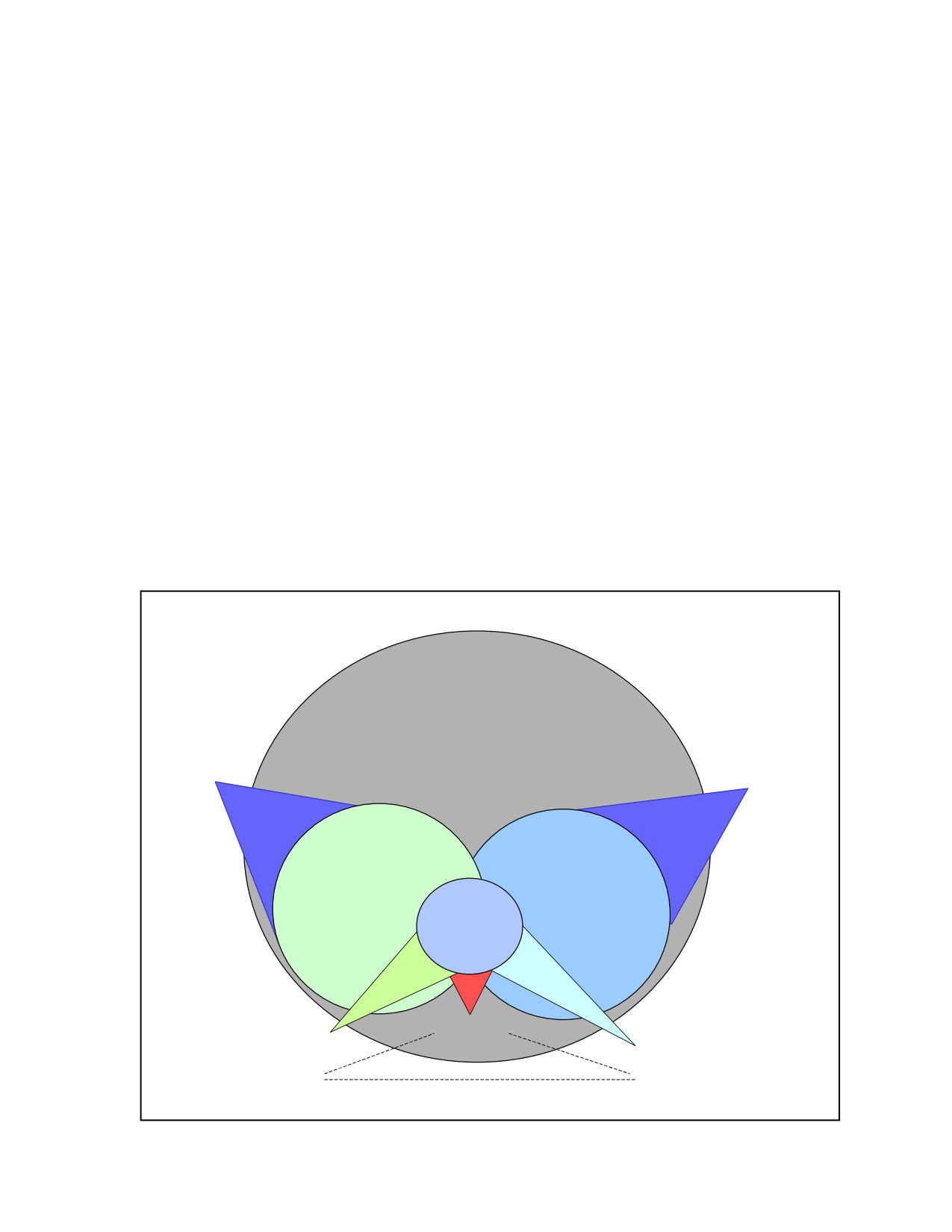
prehostilities IPB effort. Figure II-3 illustrates how various IPB efforts contribute
to the TM IPB process. FM/MCWP/NWP 3-01.13 AFTTP(l), Multiservice Tactics,
Techniques, and Procedures (MTTP) for Joint Theater Missile Target Development,
provides a more in-depth discussion of the relationship between TM IPB, collection
operations, and target development.
7. Intelligence Support
INTEL support of the JTF, the JOAC, and ARFOR is described below.
a. JTF. The JIC supports the JTF by establishing INTEL collection priorities
and integrating theater and national collection assets to support the overall
campaign. The JIC conducts JIPB to support the development of strategic and
operational campaign plans in the joint operations center (JOC). The CINC’s TMD
cell assists the JIC with TM-related IPB issues. The JFC’s overall theater-targeting
Joint Intelligence
Preparation of the
Battlespace
(JTF J2)
ACE
ISR
PROCESS
ARFOR
JFACC
TAMTMPB
IPB
IPB
IPB
Theater
AAMDC
TMD CELL
Intel
TMD CELL
Figure II-3. Categories of IPB
II-7
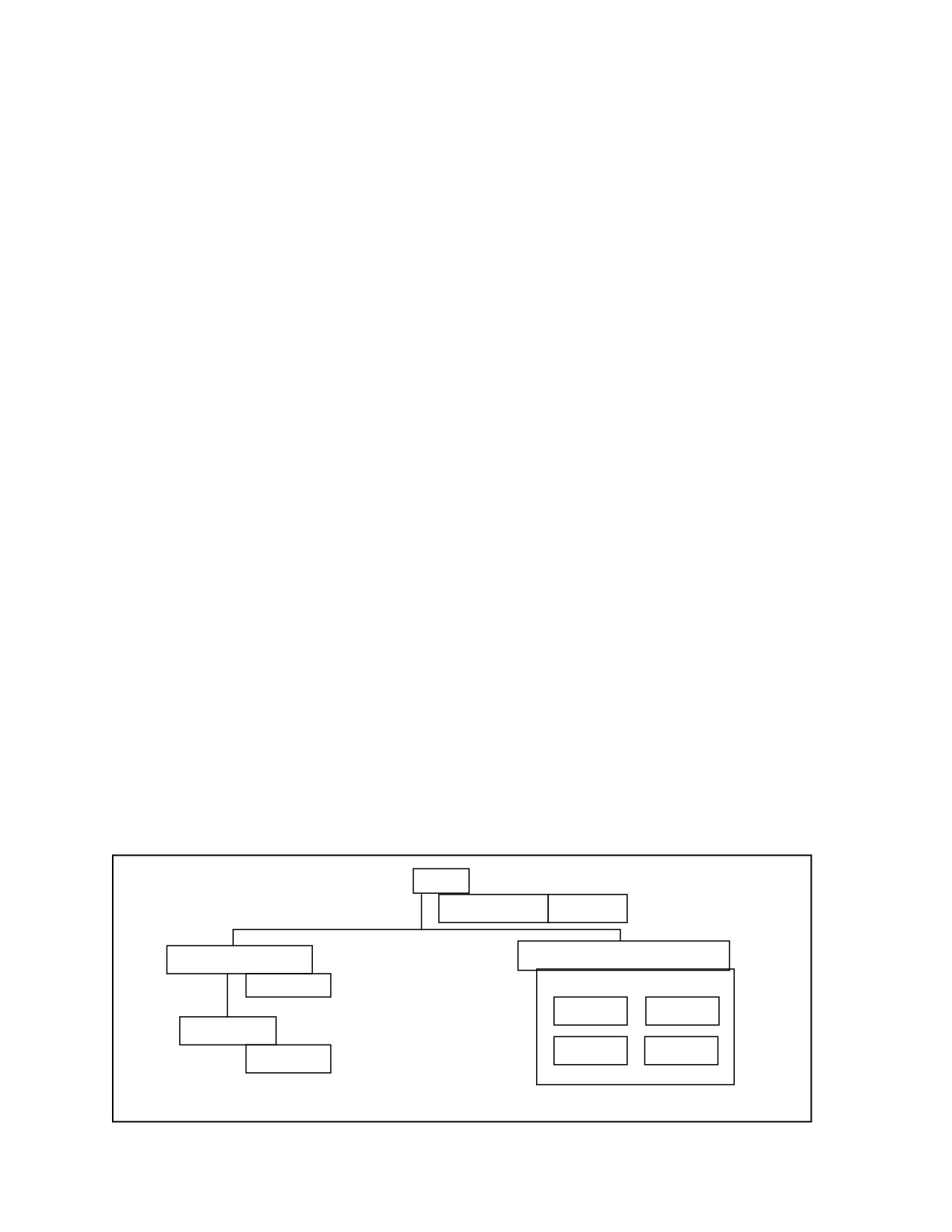
guidance guides TM IPB in part. Figure II-4 diagrams the key INTEL agencies
involved in TM IPB discussed in this publication. Other involved INTEL agencies
are not included in this discussion.
b. JAOC. INTEL personnel are placed throughout the JAOC to ensure timely
analysis of data and tailoring of intelligence. Collectively, this ISR team provides
fused INTEL products and analysis to the JAOC as a whole, using tools such as the
TCTA to analyze and provide information to other JAOC INTEL teams.
(1) A terminal within the JAOC TMD cell receives the theater event system
(TES), and theater-asset missile launch information, and early-warning information
from the theater TMD cell and CONUS-controlled assets. INTEL functions
performed by or in support of the TMD cell include TM target nominations, threat
missile warnings, and coordination of INTEL collection requirements. Because
NAFs function differently, the TMD cell is synonymous with TST or reflow cells that
may conduct these same functions
(2) Preplanned TM-related targeting is generally limited to fixed sites such
as weapons storage depots and lines of communications (LOCs). Therefore,
implementing the approved TM attack strategy revolves largely around current
INTEL operations to acquire, classify, identify, and nominate targets for attack. The
JTF INTEL directorate (J2) and subordinate INTEL agencies work together to
construct a comprehensive collection strategy in support of the overall campaign
and to establish collection priorities. To ensure that the highest priorities are met
first, the collection plan is adjusted as the INTEL picture matures. To synchronize
analysis efforts, the ISR team collaborates and coordinates TM INTEL actions with
the AAMDC INTEL section, the ACE, and the J2.
(3) Initial collection plans based on TM IPB analysis include monitoring
named areas of interest (NAIs) and target areas of interest (TAIs) for enemy TM
activity associated with designated high-payoff targets (HPTs). Reports of TM
activity may come from any number of sources, to include the Tactical Data
Dissemination System (TDDS); the Tactical Information Broadcast Service (TIBS);
HUMINT; electronic intelligence (ELINT); the Joint Surveillance Target Attack
Radar System (JSTARS); unmanned aerial vehicles (UAV); TPS-75 expert missile
trackers; U-2 aircraft; SOF teams; national sensors; or other INTEL agencies. To
JFC
JIC/JOC
TMD CELL
ARFOR
AFFOR/JFACC
JAOC
ACE
BCD
ISR TEAM
AAMDC
AAMDC
TMD CELL
G2
LNO
Figure II-4. INTEL Agencies and Cells Involved in TM IPB
II-8
conduct NRT analysis, the JAOC TMD cell uses these reports and known and/or
probable missile operating areas provided by the ISR team or other national,
theater, or component INTEL inputs. Based upon known enemy TTP, the TMD cell
uses area limitation tools, such as GALE, to analyze possible launch, hide, or
transload location and other infrastructure targets. Analysts can also use GALE or
similar systems to determine the most likely evasion and escape (E&E routes for
transporter-erector launchers (TELs)—information that is helpful in orienting
attack assets or redirecting collection assets.
(4) The TMD cell integrates incoming intelligence into the IPB order of battle
(OB), doctrinal templates, C2 nodes, missile transload operations, and so forth.
Analysts collaborate with other INTEL agencies to provide the best TM INTEL
picture possible. All available intelligence is processed, fused, and analyzed to
positively identify the target. If necessary, ISR assets, such as U-2, JSTARS, or
UAV, may be redirected or dynamically retasked to gain better target information
based on J2-established priorities. If dynamic retasking occurs, other INTEL
agencies are informed to maintain the overall collection effort’s viability. The goal of
dynamic retasking is quick classification and identification of the targets before the
window of observation disappears.
(5) When possible and if tactically desirable, TM activity is monitored to
determine how and where it interacts with other TM components. If the CCO
decides to attack a target, analysts will provide information on en-route threats and
defenses protecting the target to aid in determining which assets to commit.
c. ARFOR.
(1) As the focal point of all ARFOR INTEL operations, the ACE participates
with the DOCC in developing the target, coordinates with other INTEL elements,
and disseminates INTEL products to subordinate Army organizations. The ACE
collection manager is responsible for forwarding to the J2 collection manager all IR
that cannot be internally satisfied.
(2) The AAMDC G2 section assists the ACE in the TM portion of the IPB
effort by providing dedicated analysts and SMEs. To establish connectivity to
INTEL resources, this section normally deploys a liaison team, equipped with an
ASAS terminal, to the ACE. Inside the ACE, the LNO team collects information for
the AAMDC G2 section and feeds IRs to the ACE collection manager. The ACE cell
manager forwards recommendations for collection support to the ACE for
incorporation in the joint force collection strategy. The AAMDC G2 section
leverages all INTEL sources to develop a comprehensive TM INTEL picture.
(3) The AAMDC’s attack operations and G2 sections continuously monitor
enemy operations for TM activity. The target development process begins with the
identification of suspect TM activity from any INTEL source. The AAMDC sections
analyze intelligence, similar and parallel to functions of the JAOC TMD cell and
collaborate with the JAOC and JTF TMD cells to classify and identify elements of
the TM target system. This early and continuous collaboration helps expedite the
entire attack operation’s process. Targets that meet the approved TM attack
criteria are nominated to the DOCC for attack. For target prosecution and
execution activities, see Chapter 5, Attack Operations.
II-9
8. Collaboration and Integration
a. Collaboration.
(1) Rationale. Collaboration improves the quality of analysis and the
perspective and is efficient.
(a) While the AAMDC and JAOC receive common INTEL data, the
analysts’ different training, experience, focus, and procedures affect the analysis
product. Therefore, collaboration enhances the overall quality of the TM INTEL
picture.
(b) Separate IPB analyses may produce divergent TM INTEL estimates,
which, in turn may complicate development of an effective joint TM attack strategy.
A collaborative TM IPB provides a common, agreed-to perspective of the enemy
situation from which to create strategies and plans.
(c) Unnecessary competition for limited ISR collection assets is a primary
danger of a noncollaborative process. Collaborative intelligence makes the best use
of ISR assets, ensuring a cohesive collection strategy in support of TM IPB.
Collaboration facilitates redirecting sensors to confirm TM targets and avoids
unnecessary request duplications.
(2) Requirements. Collaboration requires OB/doctrine templates, exchange of
INTEL liaisons, daily meetings, attack criteria, and battle drills.
(a) Templates. Collaborative IPB establishes a common framework for
strategic and operational planning prior to deploying forces into the theater.
Therefore, TM analysts should agree on the OB and doctrinal templates based on
known enemy TTP and operating patterns.
(b) LNOs. INTEL connectivity via video teleconference (VTC),
whiteboard, or chat mechanisms is ideal; however, when not available, a viable
alternative is exchange of INTEL liaisons. One option might be to exchange GALE
operators to provide effective cross talk without limiting the analytical capability of
the parent organization.
(c) Meetings. TM analysts should conduct daily TM INTEL meetings to—
• Review, share, and synchronize TM intelligence.
• Coherently present requirements to the collection management process.
• Identify common coverage requirements and INTEL needs in order to
reduce redundancy, increase efficiency, and enhance the probability of collection.
(d) Attack criteria. To expedite the decision-making process when
targets are acquired and confirmed, each element within the TM target system
should be identified and its relative priority and criteria for attack established. This
process should also specify indications and warnings (trigger criteria) for initiating
II-10
targeting battle drills. This criterion must correspond to the approved TM attack
strategy developed in support of the overall campaign.
(e) Battle drills. A battle drill is a set of steps or standard procedures
performed in response to suspected enemy activity. Army staffs commonly use them
to respond to high-payoff targets of opportunity. Established trigger criteria serve
as the catalyst for initiating battle drills against TM targets. Analysts in theater
should establish battle drill procedures that include collaboration with other INTEL
agencies, specifying when collaboration should occur and what information is
exchanged. Battle drills should also address dissemination of intelligence derived
from dynamic retasking. Collaboration during targeting battle drills builds
situational awareness and quickens the analytical process and its quality.
b. Integration. National surveillance and reconnaissance systems are fed into
the theater surveillance network via special communications links. However,
because national systems are limited, they require NCA and CINC approval.
Effective operations require the closest possible interface between collection
managers and ISR assets, communications interoperability, and streamlined tasking
procedures. Delegating authority for dynamic retasking may be included.
9. Exchange and Coordination
In most cases, the exchange and coordination of intelligence occur through
direct communications or via an established liaison. The C4I architecture and
systems available in theater determine the number of means available for
coordinating and exchanging intelligence. Table II-2 is a consolidated listing of the
types of exchanges and the key players.
10. Challenges
Collaborating effectively presents many challenges. Though not
insurmountable, those addressed below require thoughtful consideration in the
development of joint/component plans and training programs.
a. Technological Connectivity. Currently, not all systems are technologically
capable of connecting. The ASAS used by the ACE, AAMDC, and BCD, for example,
is not interoperable with the Combat Intelligence System (CIS) used by a USAF-led
JAOC, which precludes the rapid transfer of INTEL databases. However, the future
fielding of a Joint Deployable Intelligence Support System (JDISS) to the AAMDC
will provide interoperability with all other components.
b. Habitual Relationships. Although all components participate in joint
exercises, effective collaboration requires time to develop, to build confidence, and
to realize the benefits of mutual support endeavors. Therefore, unless deployed
forces engage in habitual relationships, collaborative procedures must be
established as contingencies develop.
c. Collaborative Mentality. Becoming self-absorbed during combat operations is
only natural. Therefore, a collaborative mentality must become the norm rather
than the exception. Analysts must share component-exclusive intelligence by
pushing the information in NRT fashion; simply reporting it to higher echelons is
not sufficient.
II-11

Table II-2. Intelligence Exchange Matrix
TYPE OF
TYPE
PUSH
FREQUENCY
FORMAT
ACTIVITY
EXCHANGE
FROM
TO
PULL
JTMD/AD INTEL
Info
AAMDC
ISR Team,
PUSH
12 Hours
PowerPoint
Summary
Exchange
INTEL
BCD INTEL,
Slides
(INTSUM)
AAMDC LNO
Team
JTMD/AD INTEL
Info
ISR Team
AAMDC
PUSH
12 Hours
PowerPoint
Summary
Exchange
INTEL
Slides
(INTSUM)
IPB Database
Info
AAMDC
ISR Team,
PUSH/
Deployment,
IPB
Exchange
INTEL
BCD INTEL
PULL
As Required
Database
IRs
Info
AAMDC
ACE, BCD
PUSH
When Generated
S302
Exchange
INTEL
INTEL
Freetext
IRs
Info
ISR Team
ACE, AAMDC
PUSH
When Generated
S302
Exchange
INTEL
Freetext
Collection Requests
Info
AAMDC
ISR Team,
PUSH
Daily
S302
Exchange
INTEL
BCD INTEL
(Scheduled),
Freetext or
When Generated
MS Office
Collection Requests
Info
ISR Team
AAMDC
PUSH
Daily
S302
Exchange
INTEL
(Scheduled),
Freetext
When Generated
Imagery Analysis
COORD
ISR Team
AAMDC
PULL
When Requested
S302
Report
INTEL
Freetext
Countermobility
COORD
AAMDC
BCD, ISR
PUSH
When Requested
AFATDS
Mission Requests
Attack Ops
Team
Countermobility
COORD
BCD, ISR
AAMDC
PUSH
When Requested
Mission Requests
Team
Attack Ops
Countermobility
Info
BCD, ISR
AAMDC
PUSH
When Requested
S302
Mission Results
Exchange
Team
Attack Ops
Freetext
INTEL Reports
Info
AAMDC
ISR Team,
PUSH
When
(INTREP/SALUTE)
Exchange
Plans
BCD Intel,
Produced
AAMDC LNO
Team
INTREP/SALUTE
Info
ISR
AAMDC
PUSH
When
Exchange
Plans, BCD
Produced
INTEL
Target
COORD
AAMDC
ISR Team,
BOTH
As Needed
Development
Attack Ops
BCD INTEL,
Coordination
AAMDC LNO
Team
Combat
Info
ISR
AAMDC Plans
BOTH
As Needed
S302
Assessments
Exchange
Freetext
II-12
d. Dedicated Analysts. Resource- and manpower-intensive TM IPB must begin
in peacetime if it is to effectively produce preemptive TM target nominations during
combat. It requires analysts who know enemy OB and capabilities as well as
geopolitical influences.
11. Conclusion
C4I provides the foundation for the execution of all operations. The C4I
architecture and the procedures embedded in component operations and training
programs will determine the degree of synergy derived from the collective strength
of joint forces. How systems are organized to support JTMD must be carefully
considered. Without consideration of requirements to support JTMD, C4I
deficiencies can greatly increase the complexity of joint operations and undermine
the ability to defeat the enemy’s TM operational plans.
II-13
Chapter III
PASSIVE DEFENSE
1. Background
a. Commanders at all levels are responsible for passive defense, which is
undertaken to reduce the probability of hostile action and to minimize its effects.
Passive defense reduces the potential effects of air and missile attack by providing
maximum protection while complicating the enemy’s targeting process. It does not
involve the employment of lethal weapons.
b. Depending on the situation and time available in theater, various actions will
improve the joint forces’ passive defense posture. Included are:
(1) Hardening and dispersing equipment and facilities.
(2) Rapidly recovering/repairing, facilities and equipment.
(3) Efficiently/effectively removing mines and unexploded ordnance.
(4) Using counter-nuclear, -biological, and -chemical equipment and facilities.
(5) Ensuring sufficient assets are available to provide redundant systems/
equipment capabilities.
(6) Establishing systems to alert, warn, and provide all-clear notifications.
(7) Using camouflage, concealment, and deception.
(8) Implementing effective OPSEC, comunications security (COMSEC), and
EMCON security.
c. Component commanders ensure timely attack warnings, which complement
many passive defense measures. General warnings indicate that attacks are
imminent or have occurred; specific warnings indicate which units or areas are in
danger of attack.
2. Planning And Development
US forces plan passive defense measures for potential hostile air and missile
threats. This chapter focuses on planning and developing a passive defense system
against a TBM threat.
a. In coordination with the JTF and AADC staffs, the COMAFFOR and AAMDC
develop a TBM early-warning architecture for their respective units, which includes
detection measures, communications nodes, and warning notifications. Integral to
passive defense, C4I systems provide coordination and confirmation of detected
TBM threats, threat reporting, theater warning, and warning to theater units.
III-1
b. INTEL assets and personnel are critical to passive defense operations. The
JAOC and AAMDC coordinate their TM IPB and use imagery and situational
displays to assess vulnerability for the joint force. JAOC disaster preparedness and
JAOC/AAMDC INTEL personnel assess the vulnerability of friendly areas,
identifying those that have adequate protection, those that have limited protection,
and those that have no protection. Passive defense measures (para 1b) are
implemented to improve survivability.
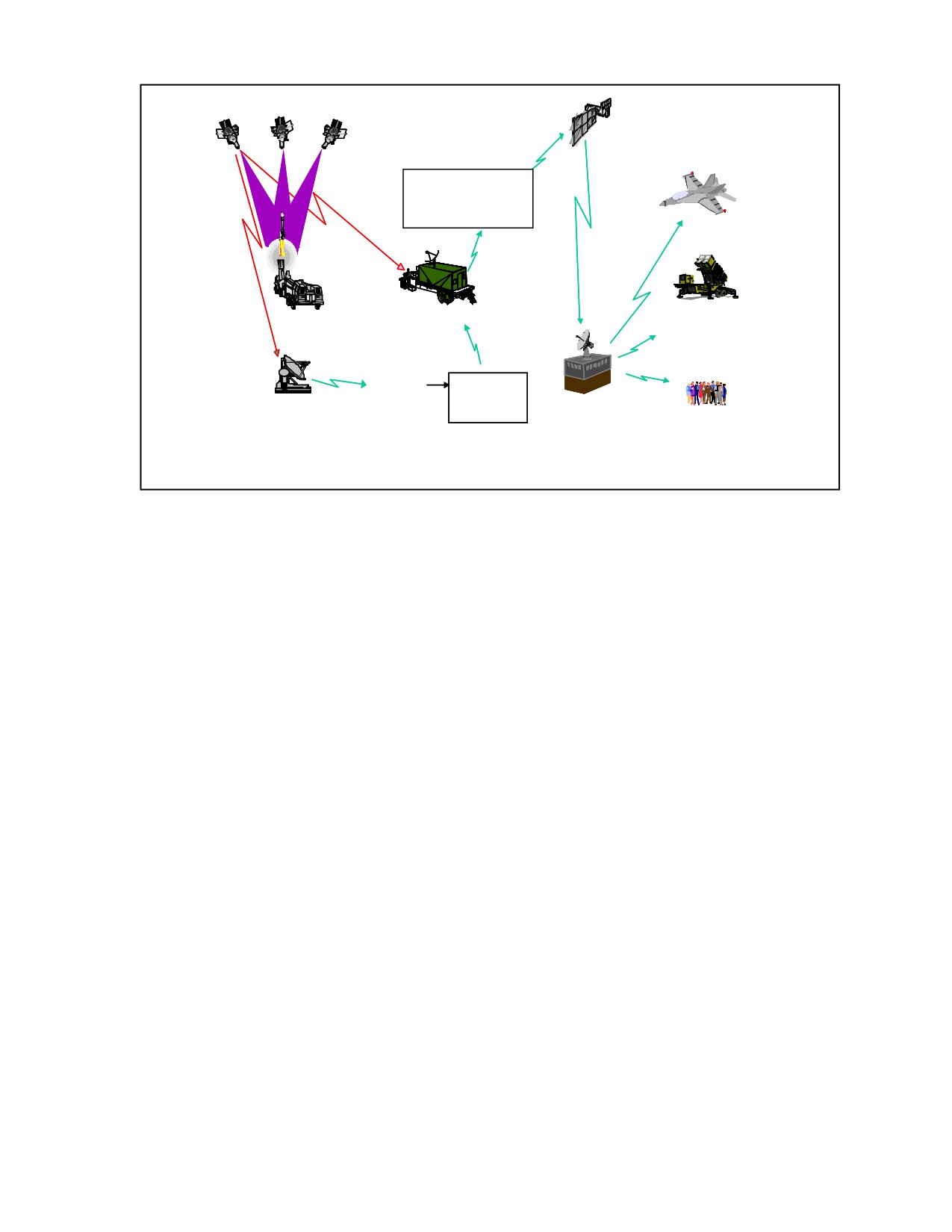
(1) Once space systems detect a launch, the data is sent simultaneously to a
DSP ground station and to a TES element for processing. The TES is designed to
provide theater warning of space-detected TBM launches as quickly as possible
(Figure III-1).
(a) Two TES elements providing theater warning are the joint tactical
ground station (JTAGS), which is a deployable system, and attack and launch early
reporting to theater (ALERT), located at Schriever Air Force Base (AFB), Colorado.
US Navy (USN) and USA personnel staff JTAGS; USAF personnel staff ALERT 24
hours a day.
(b) Once a TES element detects a TBM launch, the data is immediately
transmitted globally using TDDS and TIBS. Any organization/unit—including the
JAOC and AAMDC—in any theater with the correct receivers can receive TDDS/
TIBS broadcasts. Since space systems detect launches and INTEL events on a global
basis, theaters can enhance the performance of their receive and display equipment
by restricting TDDS/TIBS data to events applicable to their theater.
(c) Once the TES element transmits the TBM data, a verbal notification
immediately follows. TES works on a “first detect, first report” basis, meaning the
TES unit to first detect the TBM launch will activate a satellite communication
(SATCOM) verbal reporting net and report the launch. The Cheyenne Mountain
Operations Center (CMOC) controls the verbal reporting net and coordinates with
theaters for reporting content and protocol. Theaters also coordinate with CMOC
for access to the verbal reporting net, which confirms and amplifies the TDDS/TIBS
message.
(d) Once the JAOC and AAMDC receive the TBM warning—verbal and/or
TDDS/TIBS—they implement passive/active defense and attack operations
procedures.
(2) A TMD cell specifically dedicated to JTMD, including all operational
elements—C4I, passive defense, active defense, and attack operations—is commonly
established within the JAOC. The TMD cell ensures the TES architecture is set up
within the JAOC to provide timely warning, which is key to rapidly passing launch
data to personnel involved in TST operations.
(3) The JAOC and AAMDC are responsible for reviewing and assessing the
TBM warning architecture described above to ensure that it is completely
operational and effective throughout the JOA. The JAOC and AAMDC ensure that
all applicable agencies/units involved in the TBM warning system coordinate passive
defense measures with USSPACECOM.
III-2
TDDS/ TIBSS
INJECT
Attack
Operations
TES Element
Active
Defense
CMOC
Verbal
DSP Ground
Warning
AOC
Station
AAMDC
Passive
Defense
Figure III-1. TBM Warning Architecture
3. Operations
Passive defense operations need to ensure the timely detection and reporting of
theater air and missile threats to all affected units. The following TTP will ensure
effective operations:
a. Routine testing and verification of the passive defense architecture for the
theater ensure it is operating as planned. JAOC/AAMDC coordinates TBM early-
warning architecture and dissemination procedures with USSPACECOM through
the JTF staff.
b. JTF, MCC LNOs, AAMDC LNOs, and JAOC personnel develop a JOA early-
warning SOP and disseminate it to the theater. These SOPs are evaluated to ensure
that they are compatible and that they address all applicable areas. AAMDC
forwards the Army SOP to its LNOs, the BCD, and the JAOC.
c. TDDS/TIBS transmit space-based TBM detection data to the JOA. All theater
assets with TDDS/TIBS receivers—including the JAOC, AAMDC, and ARFOR
TOC—must receive this data. Tactical receive equipment (TRE), which varies in
size, capability, and compatibility, is commonly used to receive TDDS/TIBS data.
JAOC/AAMDC equipment—ADSI, AMDWS, and Global Command and Control
System (GCCS)—also depend upon TRE data. The availability of TRE throughout
the JOA is assessed for compatibility and sufficiency.
d. TBM-specific data is commonly processed and displayed in the JAOC/AAMDC
on a GCCS common operations picture (COP) and/or Worldwide Origin-of-Threat
System (WOTS). The GCCS COP can provide a theater picture to all users with
accounts on the COP, regardless of geographic location. GCCS must include the
III-3
TBM module to ensure that it can receive and process TBM data. The WOTS helps
correlate multiple TDDS/TIBS reports associated with a single TBM launch.
e. Detection of space-based TBM within the JOA and adjacent geopolitical areas
of interest are passed immediately via a SATCOM verbal reporting net using the
“first detect, first report” protocol explained above. Participants in the SATCOM
verbal reporting net are coordinated among CMOC, JOC, JAOC, and AAMDC.
f. Voice warning formats, procedures, terminology, and reference system
employment that accompany voice warning formats in the theater must be
standardized among all services and joint C2 nodes. These standards must be
incorporated into the theater’s early-warning SOP. At a minimum, TBM voice early-
warning format and procedures should include:
(1) Launch time.
(2) Launch point in latitude/longitude and/or geographic reference
(GEOREF).
(3) Impact point in latitude/longitude and/or GEOREF.
(4) Azimuth.
(5) In the vicinity of [city, base, complex
, if available].
(6) Impact time.
g. Once a TBM early-warning notification has reached the theater—via TDDS/
TIBS and/or SATCOM verbal reporting net—theater units are notified over multiple
communications paths. A formalized TBM warning communications net is
established with active participants. Other theater components—including C2
nodes, major command headquarters, and active defense units—may also monitor
this net. AADC/AAMDC will establish TBM early-warning notification procedures
for respective component units. TBM warning notification communications paths to
subordinate units follow:
(1) Warning for air-breathing threats is normally disseminated over the
theater’s TADIL architecture: TADIL A, B, and J.
(2) The AAMDC monitors and displays the friendly ground situation and
warns affected ARFOR units of TBM activity. The AAMDC provides early warning
of projected TBM impact areas to units in the JFLCC’s AO in a timely, automated,
selective, and standardized format that is releasable to foreign nationals.
(3) The JAOC relays TBM warning via CTAPS message alerts to ensure that
units with CTAPS terminals throughout the theater receive the data. The JAOC
notifies units without CTAPS terminals via alternate means, for example, telephone
or radio. The JAOC also relays data via the public address system to ensure that
JAOC personnel, component LNOs, and fighter duty officers (FDOs) advise
subordinate units to confirm their receipt of the TBM warning. LNOs and FDOs
coordinate with JAOC personnel to ensure that notifications are timely and to
minimize duplication.
III-4
(4) In addition to voice warning systems, the AAMDC establishes a Pager
Alert Warning System (PAWS) architecture, a pager distribution plan, and pager
coverage areas. The PAWS augments the TBM voice early-warning system.
h. Depending on time available prior to hostile activities, the theaterwide early-
warning system is tested/rehearsed to ensure that all theater units receive the
warning data, to verify and troubleshoot the architecture, and to confirm units’
readiness to react to warnings.
4. Conclusion
Commanders at all levels are responsible for passive defense, which reduces the
probability and the effects of damage caused by hostile action. Early warning is the
key element of passive defense. In coordination with the JTF staff, AADC/AAMDC
develops a TBM early-warning architecture that includes detection, communications
nodes, and warning notifications for respective AFFOR/ARFOR units.
III-5
Chapter IV
ACTIVE DEFENSE
1. Background
a. Active defense is direct action taken to nullify or reduce the effectiveness of
hostile air or missile attack. It includes such measures as the use of aircraft, AD
weapons, weapons not used primarily in an AD role, and electronic warfare.
Integrated employment of air-to-air and surface-to-air defense systems through
coordinated detection, identification, assessment, interception, and engagement of
enemy forces is necessary to blunt enemy attacks and to protect friendly forces.
b. Controlling airspace in an active defense environment is extremely difficult.
Not only is rapid, reliable, and secure identification critical to the survival of
friendly aircraft, but it also facilitates effective defense against enemy air and
missile attacks. Because no AD system is guaranteed to be 100 percent effective,
active defense is conducted in close coordination with passive defense operations to
minimize the effectiveness of enemy systems that penetrate US air defenses.
c. DCA operations, which defend friendly LOCs and protect friendly forces and
assets while denying the enemy the freedom to carry out offensive air and missile
operations, are synonymous with AD operations. Encompassing both active and
passive AD, DCA provides a secure area from which all elements of the joint force
can operate effectively.
2. Active Defense Systems
A key principle of active AD is the use of layered defense-in-depth for multiple-
engagement opportunities. Working in unison, components provide a mix of
dedicated weapons systems to maximize the effectiveness of AD operations. The
AADC integrates low-, medium-, and high-altitude ground AD systems with airborne
AD assets to achieve effective and efficient control and exchange of real-time
information between forces and resources. Assets used in conducting active AD may
include fixed- and rotary-wing aircraft, surface-to-air weapons, and C4I systems.
Some surveillance, control, and weapons system limitations may be balanced by the
advantages of other systems.
3. Defended Asset List
Active defense operations are designed to protect selected assets and forces from
attack based upon the CINC’s DAL. These assets are covered by differing types of
defense design (area or point) and are subject to AADC-established weapons control
procedures. The JFC, in coordination with functional and service components and
coalition forces, develops a DAL and issues guidance for protecting assets by phase.
Components and coalition forces submit prioritized DAL nominations to the JFC,
including detailed requirements and justifications for the defense of each asset.
Together, the JFC and AADC staff and component LNOs arbitrate competing
demands to coalesce all priorities into the JFC-approved DAL. Factors involved in
developing a prioritized DAL by phases of the operation are:
IV-1
a. Anticipated enemy capabilities.
b. Friendly concept of operations/decision points.
c. Anticipated degree of air superiority/supremacy.
d. Political considerations provided by NCA/CINC.
e. Degree of protection required.
f. A specific asset’s CVRT.
(1) Criticality is the degree to which an asset or force is essential to mission
accomplishment. It is determined by assessing whether the damage to an asset or
force would prevent, seriously interfere with, or cause only limited interference
with executing an operation.
(2) Vulnerability is the degree to which an asset or force is susceptible to
surveillance and attack or to damage if attacked. Vulnerability is determined by
considering the asset or force’s hardness, its specific mission in the overall
operation, its ability to disperse or displace to another position, its capability to
provide for its own air defense, and the amount of protection afforded by its passive
defense measures.
(3) Recuperability, or reconstitution, is the degree to which an asset or force
can recover from inflicted damage to continue its mission. To determine
recuperability, the commander considers the time to replace personnel, equipment,
or entire units, as well as whether a different element can perform the mission. The
appropriate civilian authority assesses geopolitical assets.
(4) Threat is the probability of an asset or force being targeted for
surveillance or attack by enemy air or missile forces. IPB answers the question,
“What will the enemy attempt to do against us?” Targeting information provided in
INTEL estimates, prior enemy surveillance and attack methods, enemy doctrine,
and geopolitical considerations are useful in evaluating AD priorities. To determine
the relative importance of assets and forces, the commander considers
characteristics that make them lucrative targets for the enemy.
4. Air Defense Operations
The depth and breadth of AD and the inherent ability for AD targets to cross
component AOs make AD operations a joint endeavor. Each service brings unique
systems and capabilities to the AD fight. The effective use of all forces requires the
establishment and understanding of the published ROE and ACO. The AADC
assists the JFC in establishing and implementing these rules; the component and
supporting commanders ensure compliance with them.
a. Types of Operations. Types of AD operations are area defense, point defense,
and self-defense.
IV-2
(1) Area defense operations defend a broad area using a combination of
weapons systems, for example, aircraft and surface-to-air missiles (SAMs).
(2) Point defense operations protect a limited area, normally in defense of the
vital elements of forces and installations based on priority. For example, a SAM unit
positioned to protect an airfield is considered point defense.
(3) Self-defense operations allow friendly units to defend themselves against
direct attacks or threats of attack through the use of organic weapons and systems.
The right to self-defense is inherent to all ROE and weapons control procedures.
b. Organization. The AADC/RADC executes AD operations through subordinate
C2 nodes, such as the control and reporting center (CRC) or the Airborne Warning
and Control System (AWACS)/Hawkeye AWACS (E-2C). The AADC, in coordination
with component commanders, normally decentralizes execution of the AD plan to
RADCs. The number of regions and respective RADCs vary depending upon
geographical, political, and operational factors such as friendly forces, geography,
threat, and the concept of operations. For example, the AADC may recommend that
an Aegis cruiser perform RADC duties for the maritime region of the JOA. AD
regions may be further subdivided into sectors, with sector air defense commanders
(SADCs) coordinating activities within their sectors.
c. Responsibilities. The JFC’s designated AADC is responsible for integrating
all AD efforts in the theater of operations. The AADC develops engagement
procedures for AD weapons based on the JFC’s objectives and guidance. As
appropriate, component commanders provide the AADC with surface, air, and sea-
based active AD capabilities and forces to implement the ADP. Functional and
service component commanders generally retain OPCON of assigned forces and
capabilities and employ them according to the ADP, the ACP, and AADC/ACA-
established measures and procedures for controlling weapons. Table IV-1 lists the
C2 nodes responsible for each critical action required to support AD operations.
d. Resource Allocation. The JFACC allocates a percentage of aircraft to perform
the DCA mission based on the JFC’s apportionment decision. The AADC typically
allocates missions to each RADC to perform DCA functions. RADCs in turn
distribute missions to subordinate SADCs, depending on expected threat actions
within their sectors. SADCs may further distribute missions to AD control agencies
within their sectors. The controlling agency is responsible for executing the AD
mission through the coordination, control, and integration of aircraft and surface-to-
air weapons systems under their direction.
e. Coordination. RADCs and SADCs coordinate AD actions between regions
and sectors, evaluate the results of engagements within their sectors or regions, and
forward observations and results of engagements to the SADO. They request or,
when authorized, direct changes to AD warning and weapons control status
commensurate to the threat. When required, they request additional AD assets
from the SADO, who provides them with guidance and direction for AD warning,
weapons control status, changes to the ROE, additional resources, and additional
JFACC AD coverage.
IV-3

Table IV-1. Critical AD Operations Responsibilities
C2 Node
Operations For Which
Legend
Responsible
NCA
a
a. Approve/disseminate all ROE.
JFC/Staff
b, d, n, r
b. Approve/disseminate all ROE (if
JFACC/AADC/
b, d, e, f, g, j, m, q
delegated by NCA).
ACA
c. Disseminate selected ROE.
d. Request changes to ROE.
e. Establish AD warning conditions.
f. Disseminate AD warning conditions.
ARFOR
c, d, f, i, k, o, r
g. Declare/disseminate weapons control
NAVFOR
c, d, f, i, k, o, r
orders (WCOs)/WCS.
MARFOR
c, d, f, i, k, o, r
h. Declare/disseminate WCS/WCO (if
BCD
c, d, f, i, k, m, o (will not
delegated).
develop the ADP), r
i. Disseminate WCS/WCO.
RADC/SADC
c, d, e, h, i, k, l, r, s
j. Establish/disseminate airspace control
AAMDC
c, d, f, i, k, l, o, r, s
methods/measures.
ADA Brigade
c, d, f, i, k, l, r, s
k. Disseminate airspace control
Headquarters
methods/measures.
AWACS
c, d, f, i, k, l, s
l. Disseminate fire control orders.
E2C Hawkeye
c, d, f, i, k, l, s
m. Develop/disseminate ACP.
Patriot Battalion
c, d, f, i, k, l, r, s
n. Approve ACP.
Navy Area/Point
d, s
o. Develop/disseminate ADP.
Defense Ships
p. Approve ADP.
q. Develop/disseminate ATO and ACO.
r. Disseminate ATO and ACO.
s. Implement changes to ATO and ACO.
f. Execution. The AADC/ACA executes AD operations through a mix of positive
and procedural controls.
(1) Positive control utilizes sensors; identification, friend or foe (IFF);
computers; digital data links; and communications equipment to track and identify
friendly, hostile, and unknown air assets. The AADC is able to coordinate AD
operations at the lowest level necessary. The concept of centralized control (from
AADC) and decentralized execution (by RADC/SADC) promotes coordinated
engagement operations and economy of force while allowing decisions to be made at
the lowest level possible, thereby reducing the reaction time to threats and the
likelihood of friendly losses. AD weapons systems are normally capable of
autonomous operations if all communications with higher echelons are lost. In such
cases, the commander assumes full responsibility for control of weapons and
engagement of hostile targets. In the absence of positive control, procedural means
permit the safe passage of friendly aircraft and enable the effective use of AD
weapons.
(2) Procedural control overcomes positive control and identification
shortcomings. The AADC/ACAs implement procedural airspace control, which
relies upon techniques such as segmenting airspace by volume and time. Controls
include airspace control measures (ACMs) that facilitate the integration and
synchronization of AD assets into air operations to optimize airspace use, protect
IV-4
friendly units, and prevent fratricide. These ACMs are disseminated and updated
via the ACO, which may be published in conjunction with the ATO.
(a) Engagement zones. In AD, a weapons engagement zone (WEZ), is
defined airspace within which a particular weapons system is normally responsible
for engaging air threats. A WEZ can be activated to delegate identification and
engagement authority or it can be used for a specific threat. The AADC/ACA may
direct a variety of fire control measures, including fighter engagement zones (FEZs)
and missile engagement zones (MEZs). Depending on the tactical situation, the
AADC may find it necessary to activate a joint engagement zone (JEZ) where all air
and ground defense systems operate simultaneously in the same airspace.
Coordinated with the ACA, engagement zones are included in the ACO and SPINS
portions of the ATO.
(b) Surface-to-air missiles (SAMs). ROE and weapons control procedures
determine SAM engagements. The air defense artillery fire coordination officer
(ADAFCO) at the CRC monitors digital engagement activity for compliance with
existing guidance. Normally, TBM engagement authority is decentralized to the
shooter while air breathing threat (ABT) engagement authority is centralized at the
RADC/SADC.
(c) Tactical operational data. To supplement information in the ADP, the
AADC periodically publishes a TACOPDAT message to establish AD responsibilities
in a tactical area or to provide supplementary AD orders to an AOR, including AD
procedures. Information in the TACOPDAT includes units designated as RADCs
and SADCs; methods of control; identification procedures and authority; and
updates to fighter, missile, and/or JEZs.
5. Army Air Defense Operations
Army AD contributes to joint theater counterair operations, including JTMD. Its
theater objectives are to preserve combat power, to gain the initiative, and to
support offensive operations.
a. Organization. Normally under the CRC for fire control, the EAC and corps
ADA brigades and their respective Patriot units are all data-linked. If the link is
inoperable, units revert to established lost-data communications procedures. Short-
range air defense (SHORAD) units normally operate under procedural controls for
AD engagements and provide AD coverage for the division commander’s AD
priorities.
b. Responsibilities.
(1) JFLCC/ARFOR. Within the assigned AO, the JFLCC/ARFOR prioritizes
assets requiring protection according to the JFC’s objectives and guidance for
inclusion in the joint DAL. The AAMDC protects DAL assets by commanding and
employing the EAC ADA brigades and integrating corps ADA brigades into the
theater ADP. While planning for air and missile defense operations within the
assigned AO, the JFLCC/ARFOR, through the AAMDC, ensures integration with the
joint and/or combined force. In support of the overall campaign and within
IV-5
capabilities, the AAMDC provides expertise and necessary ADA forces to protect
theater assets, such as airbases, logistics facilities, seaports, geopolitical assets, and
maneuver forces in assembly areas, as directed by the JFC. Overall, the AAMDC
coordinates, integrates, and synchronizes all Army air and missile defense
operations in support of the AADC’s theater ADP.
(2) TAAMDCOORD. When deployed, the commander of the AAMDC becomes
the TAAMDCOORD for the JFLCC/ARFOR and is responsible to the commander for
integrating ARFOR assets into joint counterair operations. As a special staff officer
to the JFLCC/ARFOR, the TAAMDCOORD participates in operational staff planning
and, with staff assistance (J2/G2 and J3/G3), develops an air and missile defense
annex as JFLCC/ARFOR input to the ADP.
(3) DAADC. The AAMDC commander may also be designated as the deputy
AADC for integration of all JFLCC/ARFOR AD assets into counterair operations.
This designation formalizes the relationship between ground-based AD assets
dedicated to theater-level missions and the AADCs. It also ensures fully integrated
and synchronized CA operations.
c. Coordination.
(1) The AAMDC coordinates air and missile defense with the AADC through
the AAMDC LNO team at the JAOC. The AAMDC LNO team assists the AADC in
integrating Army active defense operations with other operations and in developing
and executing plans for disseminating cueing information for engagement
operations.
(2) The BCD is the primary agency responsible to the JFLCC/ARFOR for
coordinating operations inside the JAOC, except for land-based AD operations when
the AAMDC is deployed. The AAMDC LNO team synchronizes its activities with
the BCD AD section and keeps them accurately apprised of the status of Army
active defense system locations, engagement capabilities, task organization, mission
and priorities, operational status, planned movement, missile availability, and
engagements.
(3) AAMDC, AADC, and BCD synchronization consists of the following
exchange of information (see also Table II-1, Information Exchange Matrix).
(a) The AAMDC LNO team passes ADA asset locations, engagement
reports, ADA SAMSTAT reports, and AD OPORDs and OPLANs to the AADC and
BCD AD section and ADA airspace needs to the AADC and BCD airspace
management section.
(b) The BCD AD section passes changes in the AD warning status and the
WCS to the AAMDC LNO team.
(c) Appendix A contains additional information on AAMDC LNO
responsibilities. Appendix B provides a checklist for JAOC/BCD/AAMDC
coordination; applicable reporting requirements are in Appendix E.
IV-6
6. Conclusion
The AADC is responsible for integrating all AD efforts in theater. Serving as
DAADC, the commander of the AAMDC facilitates the integration of ARFOR ADA
assets into the overall AD system through direct coordination with the AADC.
Formalizing this relationship improves integration and synchronization of AD
resources and the joint force’s effectiveness in countering air and missile threats.
IV-7
Chapter V
JTMD ATTACK OPERATIONS
1. Background
a. This chapter focuses exclusively on attack operations against TMs and the
coordination that occurs among the JAOC, the BCD, and the AAMDC. CA consists
of both DCA, discussed in Chapter 4, and OCA. OCA attack operations are
operations intended to prevent enemy assets from being employed by destroying,
disrupting, or neutralizing selected enemy targets on the ground. Fixed- or rotary-
wing aircraft, surface-to-surface fires, SOF, or ground forces may perform attack
operations.
b. TMD is inherently a joint mission. Therefore, joint force components
supporting combatant commanders and multinational force TMD capabilities must
integrate toward the common objective of neutralizing and destroying the enemy’s
TM capability. This counter-TM effort must also integrate into and in support of the
JFC’s overall concept of the operation and campaign objectives. Although attack
operations against TMs represent only one of many target sets, it has proven to be a
most challenging one
c. As a subset of OCA, JTMD attack operations are offensive actions against
TMs. A JTMD attack operation is not a mission in itself, but a way of characterizing
offensive operations against elements of the TM target system.
2. Objectives
a. One of four operational elements of JTMD, attack operations are offensive
actions taken by joint forces to destroy and disrupt enemy TM capabilities before,
during, or after launch. Joint forces simultaneously and continuously conduct these
operations against elements of the TM target system—such as C2 nodes, forward
operating bases, transload operations, launchers, missile stocks, and transportation
infrastructure—to defeat the enemy’s ability to mount or sustain launch operations.
b. JTMD attack operations can be preemptive or reactive. According to JP
3-01.5, Doctrine for Joint Theater Missile Defense, “the preferred method for
countering enemy TM operations is to attack and destroy or disrupt TMs prior to
launch.” To succeed, preemptive operations require a robust IPB effort with
dedicated collection resources. Reactive attack operations are difficult to achieve
because of the mobility of launchers.
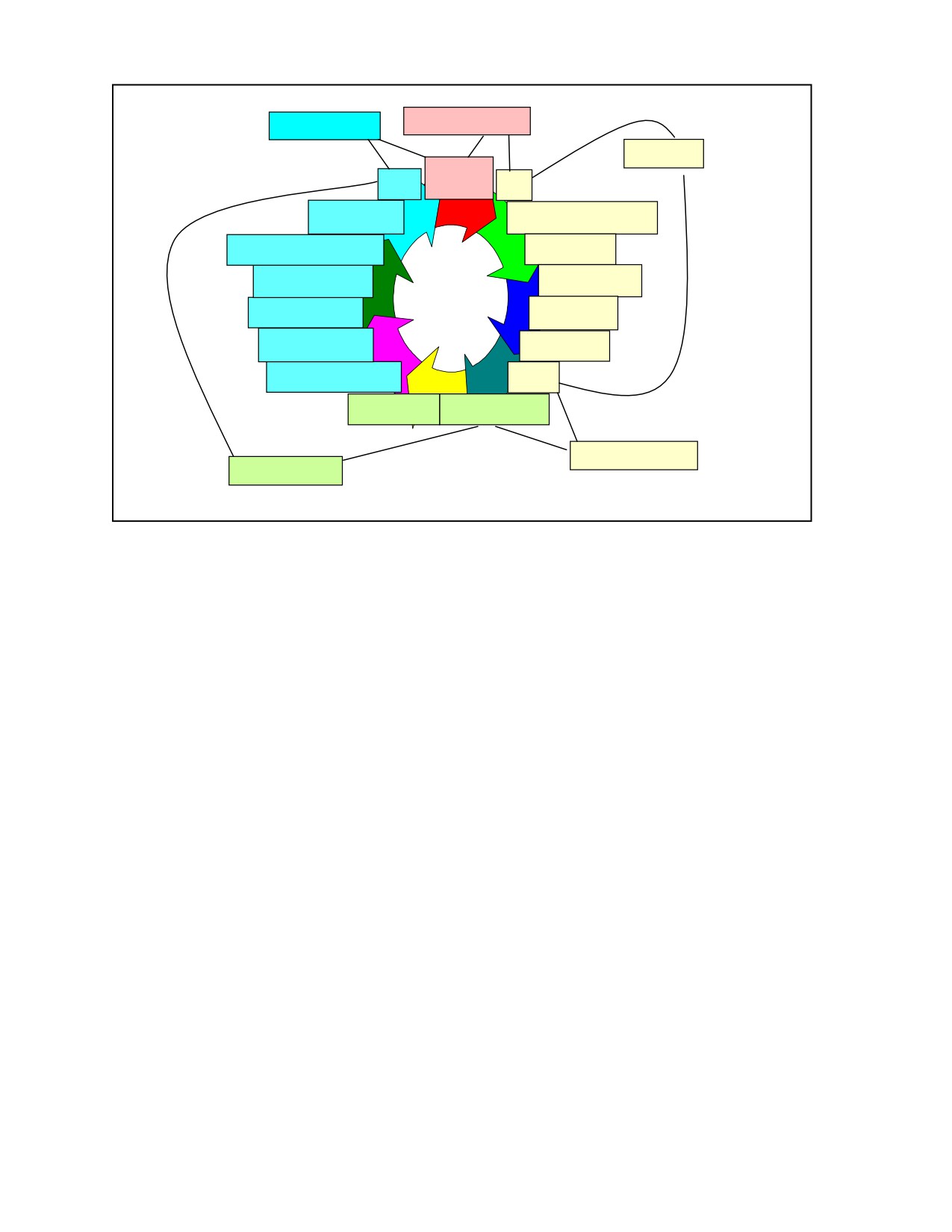
c. Figure V-1 illustrates the myriad tasks involved in conducting JTMD attack
operations.
3. Organization
The JFC determines how to best organize forces to achieve the desired
objectives. Key C2 nodes involved in attack operations are the JAOC, the ARFOR
V-1
Strategy Development
Combat Assessment
Intelligence
Strategy
BDA
Assessment
IPB
Report Results
Collection Management
Release Ord/TGT Impact
Sensor Search
Acquire, ID, Track
Detect & Locate
Transit/Launch
Data Fusion
Initiate Response
Classify & ID
Receive Order & Data
Report
Task & Direct
Commit Decision
Preplanned Targeting
Current Operations
Figure V-1. Attack Operations Subtasks
TOC, the BCD, the AAMDC, and the Joint Targeting Coordination Board (JTCB).
For detailed discussion of roles and missions, see JP 3-01, Countering Air and
Missile Threats; JP 3-56.1, Command and Control of Joint Air Operations; and JP 3-
01.5, Doctrine for Joint Theater Missile Defense. Figure II-2 illustrates the
connectivity involved in attack operations
a. JAOC. Within the JAOC, the key organizations involved in attack operations
for the JFACC beyond the three principal divisions—strategy, combat plans, combat
operations—may vary, but usually include one or more of the following: the reflow or
TST cell, the TMD cell, and the ISR team. Core teams within the divisions use TM
target intelligence to formulate the TM attack strategy, the component targeting list,
and the joint integrated prioritized target list (JIPTL) and to produce ATOs. The
JFACC normally delegates execution authority to the CCO, who relies on the SODO
and/or TST cell chief, TMD cell chief, SADO, and ISR coordinator for functional area
expertise. They assist the CCO in deciding whether to prosecute nominated targets.
In certain scenarios, execution authority may be further delegated to the CRC;
however, the CRC’s ability to conduct and coordinate TM target analysis is limited.
b. ARFOR TOC. Within the TOC, the key organizations involved in attack
operations for the JFLCC/ARFOR are the DOCC, G3 plans or JFLCC J5, and G2
ACE. The DOCC is responsible to the ARFOR commander and G3 for planning,
preparing, integrating, and coordinating all operations in the ARFOR’s deep
battlespace, including attack operations against elements of the TM target system.
The DOCC FSE is normally the responsible execution authority for all ATACMS and
deep MLRS fire missions. G3 Plans is responsible for developing ARFOR input to
the joint TM attack strategy and, through the DOCC, for integrating associated
attack operations into the overall ARFOR plan. The G2/ACE provides INTEL
V-2
support to all TOC operations and is responsible for planning employment of
ARFOR collection assets and submitting PIR beyond organic capabilities into the
joint force collection management system.
c. BCD. As the COMARFOR’s liaison element within the JAOC, the BCD is
responsible for synchronizing and coordinating attack operations between the
JFLCC/ARFOR and the JFACC/ACA. The BCD coordinates all TM-related targets
prosecuted by the JAOC TMD cell chief or the ARFOR DOCC. The COMARFOR
specifies the BCD’s role in coordinating attack operations. Normally included are
expediting target conformation, deconflicting airspace requirements, coordinating
through the DOCC for JFACC-requested ATACMS or MLRS missions, passing target
nominations from the DOCC for air assets, conducting target handoff, and
facilitating other deep operations. Chapter 1 contains additional information on the
BCD; Appendix C on the DOCC.
d. AAMDC. The AAMDC is not directly involved in prosecuting and executing
attack operations for the ARFOR; however, it supports these operations by
performing critical planning, analysis, tracking, and TM target development and by
having LNOs at key C2 nodes—ACE, DOCC, JSOTF, JAOC, and so forth—who can
provide additional TM expertise. To achieve preemptive attacks, the AAMDC
INTEL section and the JAOC ISR team must continuously share targeting
intelligence. Although both organizations perform many of the same IPB functions,
differences in analysis, methodologies, sensors, and perspectives can create
synergies and a better overall picture of enemy TM activity. Exchanging target
intelligence early in the planning and execution process is essential to achieving
effective joint attack operations. The AAMDC attack operations section submits all
TM target nominations to the DOCC. Assisted by ACE and AAMDC INTEL
personnel, it provides detailed target intelligence to the DOCC or the JAOC ISR
team and provides advice in developing TM attack strategy and plans.
e. JTCB. The JTCB constitutes a significant part of the coordination effort
between the components, allowing for visibility of targeting lists and overall
coordination of theater-level targeting efforts. A jointly produced TM attack
strategy and associated target priorities help reduce confusion and conflict for the
JTCB and speed JIPTL development. The JFACC, in coordination with other
component commanders, develops apportionment recommendations and forwards
them to the JFC for approval, often through the JTCB. The JFACC establishes a
planning cycle that includes development of the daily JIPTL.
4. Key Activities
Since JTMD attack operations are not limited to current operations, planners
must integrate them into all aspects of campaign planning and execution. Therefore,
all ROE, collection plans, fire plans, ATOs, ACPs, ACOs, and ACMs must be designed
with adequate flexibility to respond to near-real-time target detection,
identification, and prosecution. Table V-1 identifies five key activities that support
attack operations and the principal agencies involved. As indicated, the AAMDC is
not the principal agency responsible for any of the activities involved with
conducting attack operations. However, because of its resident expertise and sole
focus on TMs, the AAMDC has a strong supporting role in the TM IPB development,
attack strategy, and target development processes.
V-3

Table V-1. Key Activities Supporting Attack Operations
ACTIVITY
JAOC
ARFOR TOC
IPB
ISR team
ACE
Strategy development
Strategy plans team
G3 plans
Target Development
MAAP team
DOCC/FSE
Execution
Offensive operations team
DOCC
Combat assessment
Combat assessment team
ACE
a. IPB. IPB provides the foundation for all attack operations activities, from
development of a strategy and associated targets for the conduct of operations
through near-real-time INTEL support and combat assessment of those operations.
Because JTMD is a joint responsibility, TM IPB requires that a robust interoperable
C4I architecture exist among the joint, functional, and service component INTEL
organizations. It also requires that they consistently collaborate on not only IPB
development but also current INTEL analysis and assessments. For the purpose of
this publication, this collaboration requirement applies to the JAOC ISR team, the
ARFOR ACE, the AAMDC attack operations and INTEL sections, and the AAMDC
LNO team in the JAOC. Chapter II discusses these coordination activities in detail.
For a more detailed discussion of TM IPB, collection management, and targeting in
support of TM attack operations, see MTTP, Joint Theater Missile Target
Development (FM 90-43, MCRP 3-42-14, NWP 3-01.13, AFTTP(I) 3-2.24).
b. Strategy Development. Developing strategy for the attack of TMs requires a
joint effort between operations and INTEL personnel at the JTF and component
levels, and it must be an integral part of the JFC’s overall campaign strategy.
Planners develop a TM attack strategy based on the JFC’s objectives and guidance
and known intelligence. In turn, the approved strategy drives IPB, collection
management, and target development. While reactive attack operations may be part
of the overall strategy, the strategy must focus on preemptive attack operations that
will disrupt and, if possible, defeat the enemy’s ability to conduct and sustain TM
launch operations
(1) Guidelines. An effective TM attack strategy should employ the following
guidelines:
(a) Plan for continuous engagement of the entire TM target system.
Continuous engagement of TMs is necessary to deprive the adversary of the
initiative. Attacking the entire target system simultaneously prevents enemy TM
forces from conducting unimpeded operations and forces them to change their
operating patterns to regain the initiative. Potentially, this creates further
opportunities for exploitation by exposing TM vulnerabilities.
(b) Orient on the TM vulnerabilities and decisive points. Usually
geographical in nature, a decisive point is one that, when retained, provides the
commander an advantage over his opponent. Decisive points may also be physical
elements such as critical equipment, command posts, and communications nodes.
Determining TM vulnerabilities and decisive points requires a thorough
understanding of the adversary’s operational capabilities, CONOPS, and intentions.
Once identified, these elements or specific aspects of the target system become high-
value targets (HVTs) for further analysis and possible designation as HPTs.
(c) Be supported by predictive and developed intelligence. The key to
developing a successful preemptive-oriented TM attack strategy is the fusing of all
V-4
relevant TM activity information into predictive intelligence. Predictive
intelligence implies that understanding of the enemy’s plan is sufficient to predict
what is likely to occur. To be predictive, the TM IPB must be conscious of the
geopolitical situation and how the enemy is responding to friendly operations.
Because TM information is highly perishable, the collection strategy and sensor
distribution plan must support these requirements and be considered part of the
overall strategy.
(d) Synchronize with all phases of the campaign. The TM attack strategy
must also define the phasing, timing, and desired effects consistent with the overall
campaign objective for each phase of operations. For example, the initial phase may
focus on immediately reducing TM launches, while later phases concentrate on
destroying the enemy’s ability to reconstitute TMs in the future. The strategy must
also define what “success” means for each phase, based on combat assessment
results. Maintaining pressure on the entire TM target system during transition
between and throughout each phase of the operation is essential.
(e) Make maximum use of all available resources. An effective strategy
must employ all collection and attack assets in a manner that maximizes that
strategy. Fixating on one particular platform over another is counterproductive.
Consider the merit of each available asset on how, given the circumstances, it can
best contribute to the strategy. Define how the strategy will prosecute or track
time-sensitive TM targets and discuss optimal use of assets.
[Note: Planners must
keep in mind that attacking TMs is one of many missions the joint force must
address. They must balance allocated ISR and attack resources supporting TM
attack operations with all other resources required to achieve the JFC’s overall
campaign objectives.]
(f) Continuously assess and adjust. Just as the commander assesses and
adjusts the overall campaign based on current campaign assessment, so must TM
strategies be assessed and adjusted. Based on feedback from operational
assessments of friendly operations, weapons system availability, and the enemy’s
response, current operations planners, and INTEL personnel reassess collection and
attack strategies. These assessments help determine when a particular phase has
been completed, whether the next phase should be implemented, and how to adjust
plans to better meet the JFC’s overall TM objectives. An effects-based approach to
strategy is the most appropriate for assessing TMs (that is, what TM capabilities
have the enemy displayed and what are we trying to achieve vice an attrition
approach—how many targets have been destroyed).
(2) Responsibilities. Strategy development begins with the JFC’s guidance.
Component commanders augment the guidance with details and instructions and
disseminate it to their respective staffs, agencies, and subordinate commands.
Development of an effective TM attack strategy requires collaboration among all
components’ strategic and operational planners and joint and coalition forces.
Planners of resources from outside the theater of operations, such as space and
national assets, must also participate.
(a) JAOC. The JAOC strategy plans team is responsible for developing
the air strategy in support of JFACC/AADC guidance and the JFC’s overall
campaign plan. The team articulates this strategy as part of the JASOP. OCA
attack operations against elements of the TM target system are an integral part of
V-5
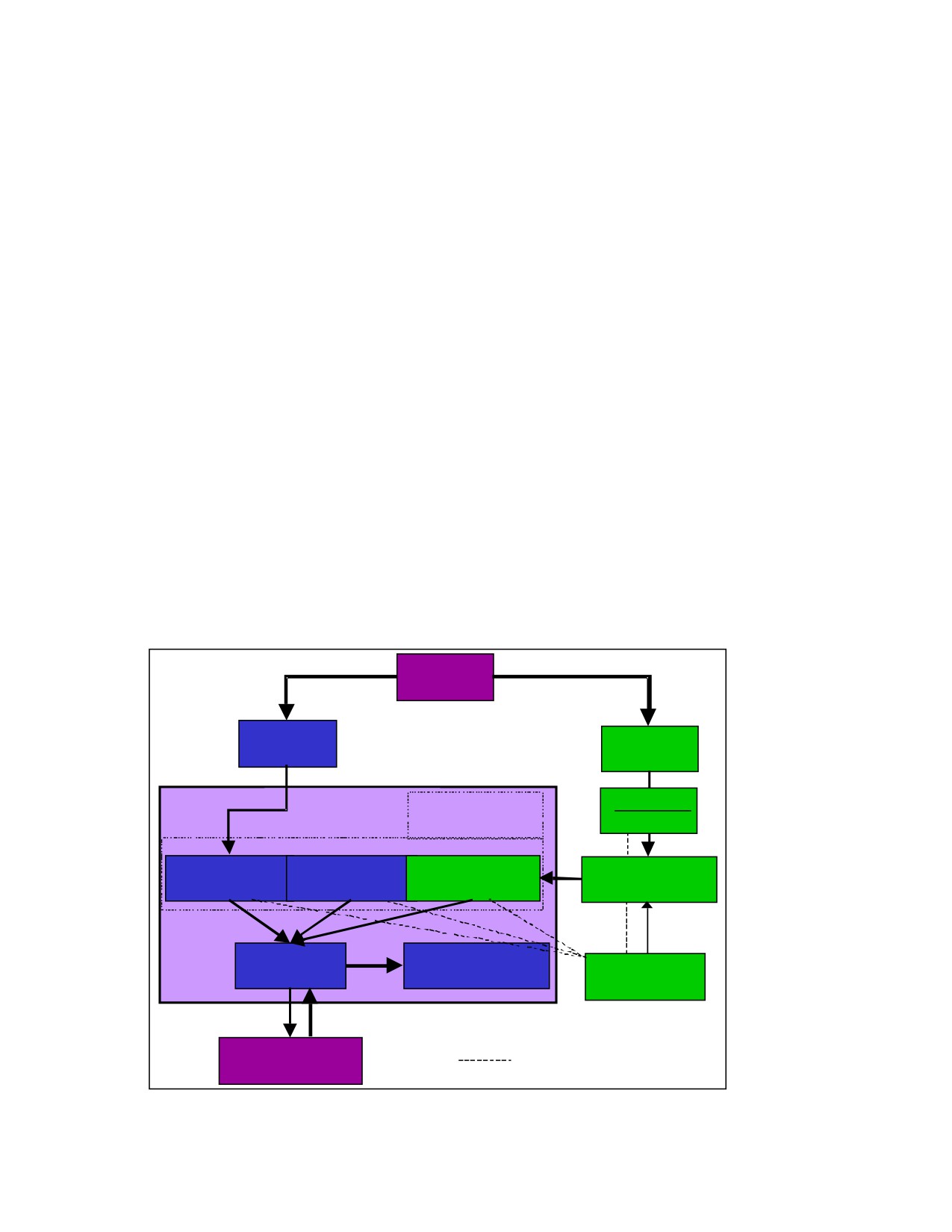
the overall air strategy. The TMD cell and ISR personnel advise on the enemy TM
situation and potential options for countering that threat. The BCD serves as the
conduit between the DOCC and team, communicating the JFLCC/ARFOR’s
guidance, strategy, plans, and intent. Other component liaisons, for example the
MARLO, do likewise. When the AAMDC’s LNO team deploys to the JAOC to
support the DAADC, it becomes an additional source of knowledge on enemy
activities, doctrine, capabilities, and limitations.
(b) ARFOR TOC. The ARFOR G3 plans section, or JFLCC J5,
orchestrates the total JFLCC/ARFOR strategy effort. The DOCC assists with
strategy development and plans deep operations in support. The BCD coordinates
proposed deep operations with the JAOC. The AAMDC LNOs to the ARFOR—TOC,
ACE, DOCC—provide input to strategy development in the form of a thorough TM
IPB and knowledge of enemy activities, doctrine, capabilities and limitations.
Figure V-2 illustrates the flow of information and guidance provided to overall
strategy and target development.
c. Target Development. Once a strategy is conceived, component planners must
determine what combination of operations and targets will achieve the desired end
state. Planning focuses on building ATOs, fire plans, ACMs, and details for other
operations. Countering TMs means engaging known targets—normally fixed sites,
LOCs, and so forth—and building flexibility into collection and attack plans to
respond to anticipated or unexpected targets of opportunity. Preplanned TM
targets are selected, nominated, and approved no differently than any other target;
however the source of nominations may vary.
JF C
GUIDANCE
JFACC
JFLCC
GUIDANCE
GUIDANCE
JAOCCOORDINATION
J5 Plans
EFFORT
STRATEGY
STRATEGY
INTEL
BCD
DOCC
AIR STRATEGY JFACCTGT LIS
JFLCC TGT LIST
JFLCC TGT LIST
GAT / MAAP
ATO PRODUCTION
AAM DC
DRAFT JIPTL
ATO
TM TGT LIST
DRAFT
JTCB
Provides Subject Matter Expertise
REVIEW JIPTL
Figure V-2. Attack Operations Process Flow
V-6
(1) Process.
(a) Within the JAOC, the MAAP team is responsible for turning the
overall air strategy into “shell” ATOs. An ATO generally covers a 24-hour period;
therefore, the team normally works two or more ATOs at any given time, 48 to 72
hours ahead of planned implementation. The JFAAC tasks the team with
integrating targets supporting the JASOP with target nominations from other
components and joint and coalition forces. When established, the JTCB may assist
the JFC by setting overall targeting priorities for the campaign. Using these
priorities, all component liaison elements to the JAOC assist the MAAP team in
producing a JIPTL. The BCD provides ARFOR input for development of the JIPTL
and coordinates the use of ARFOR assets apportioned to the JFACC and vice versa.
The MARLO, SOLE, and NALE provide similar input and coordination. The JIPTL
serves as the basis for developing an ATO “shell.” The ATO production team
completes the details required in the ATO and publishes and disseminates it. The
combat operations division executes each published ATO.
(b) The DOCC is responsible for coordinating all JFLCC/ARFOR deep
operations and targets within the assigned AO that might affect JFLCC/ARFOR
operations. Based on strategy and plans developed with G3 plans section, or JFLCC
J5, and major subordinate commands’ (MSCs’) targeting requirements, the DOCC
produces a candidate target list (CTL). According to the JFC’s overall campaign
plan, the CTL represents targets recommended for attack in support of the JFLCC/
ARFOR’s plan. Because of its dedicated focus on TMs, the AAMDC attack
operations section develops TM target nominations and submits them to the DOCC
for prioritization in the CTL according to campaign guidance. The DOCC forwards
the CTL to the BCD for inclusion in the JIPTL development process.
(2) Collaboration.
(a) During the target development process, INTEL analysts at the JAOC
and AAMDC must collaborate. Collaborating before actual target nominations are
submitted—
• Improves the quality of analysis.
• Prevents unnecessary target duplication.
• Provides the opportunity to discuss priorities in support of the strategy.
• Coordinates surveillance area requests.
• Minimizes redundancies.
• Creates synergy in TM target development.
(b) Early and continuous TM IPB collaboration can expedite the JIPTL
process by establishing a common TM INTEL picture to support and justify target
nominations. The AAMDC LNO team in the JAOC can facilitate this collaboration
and provide additional information on TM-related targets as required.
V-7