Fire and Rescue Manual Volume 2. Fire Service Operations Incident Command (3rd Edition 2008) - part 5
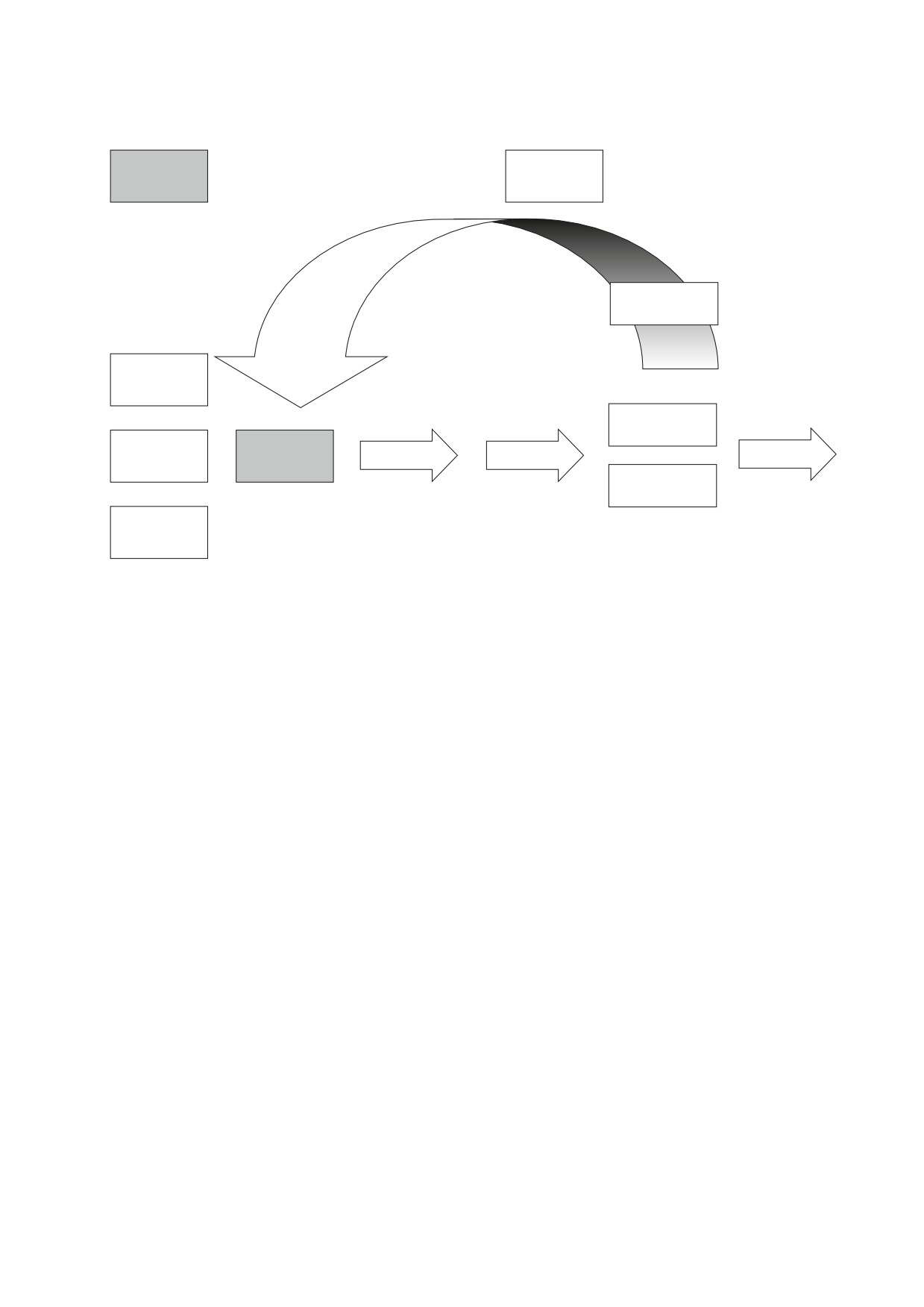
APPENDIX 4
DECIDING
ACTING
EVALUATING
Information
Information on
about the Task
Progress
or Event
COMMUNICATING
Information
GATHERING
about
AND
OBJECTIVES
PLAN
OUTCOME
Resources
THINKING
CONTROLLING
Information
about Risk
and Benefit
Information about the Risks and Benefits
6.
Information about
6.3
The Decision Maker should consider:
risk and benefit
●● Who and/or what is the event likely to
6.1
In order to make a balanced decision it
present a risk to.
is essential that the potential risks are considered
●● What are the potential benefits from a
against perceived benefits.
particular course of action?
6.2
In considering risk and benefit the broadest
6.4
This will only become apparent when the
approach should be taken since they may apply to
process is applied to a specific task/event.
people, property, the environment or a combination
of all of these and/or many others.
Incident Command
123
APPENDIX 4
Decision Making Model
DECIDING
ACTING
EVALUATING
Information
Information on
about the Task
Progress
or Event
COMMUNICATING
Information
GATHERING
about
AND
OBJECTIVES
PLAN
OUTCOME
Resources
THINKING
CONTROLLING
Information
about Risk
and Benefit
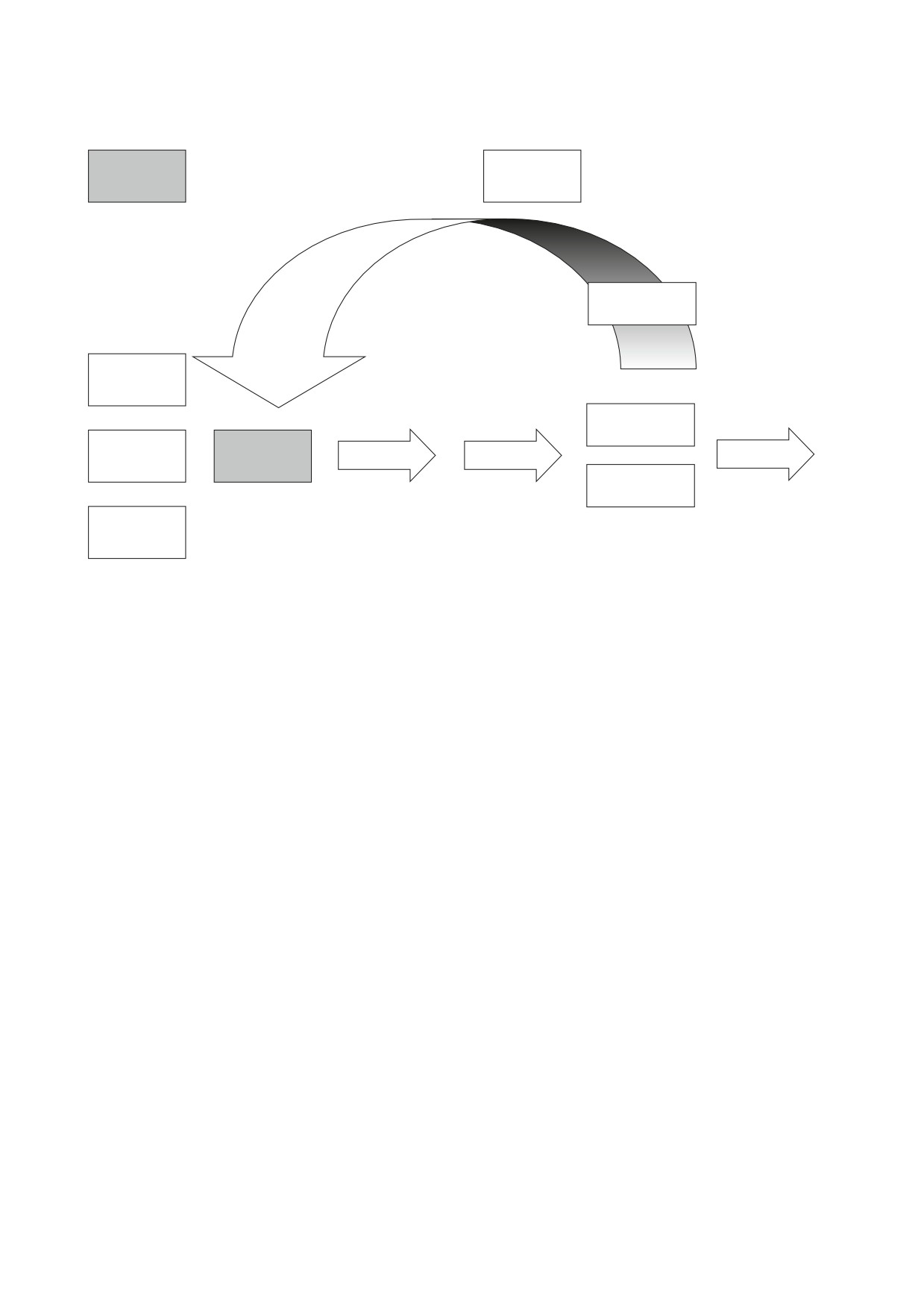
Information on Progress
7.
Information on Progress
7.3
As part of the cyclical nature of the
Decision Making model, Gathering Information
7.1
As part of the process the Decision Maker
on Progress is considered in more detail later in
will be presented with additional information as
this note.
the situation develops. This information should be
kept current from the very earliest stages.
7.2
At an early stage this information may be
minimal, but as the event progresses the information
will develop into a valuable source, shaping or
changing the objectives and the overall plan.
124
Fire Service Manual
APPENDIX 4
DECIDING
ACTING
EVALUATING
Information
Information on
about the Task
Progress
or Event
COMMUNICATING
Information
GATHERING
about
AND
OBJECTIVES
PLAN
OUTCOME
Resources
THINKING
CONTROLLING
Information
about Risk
and Benefit
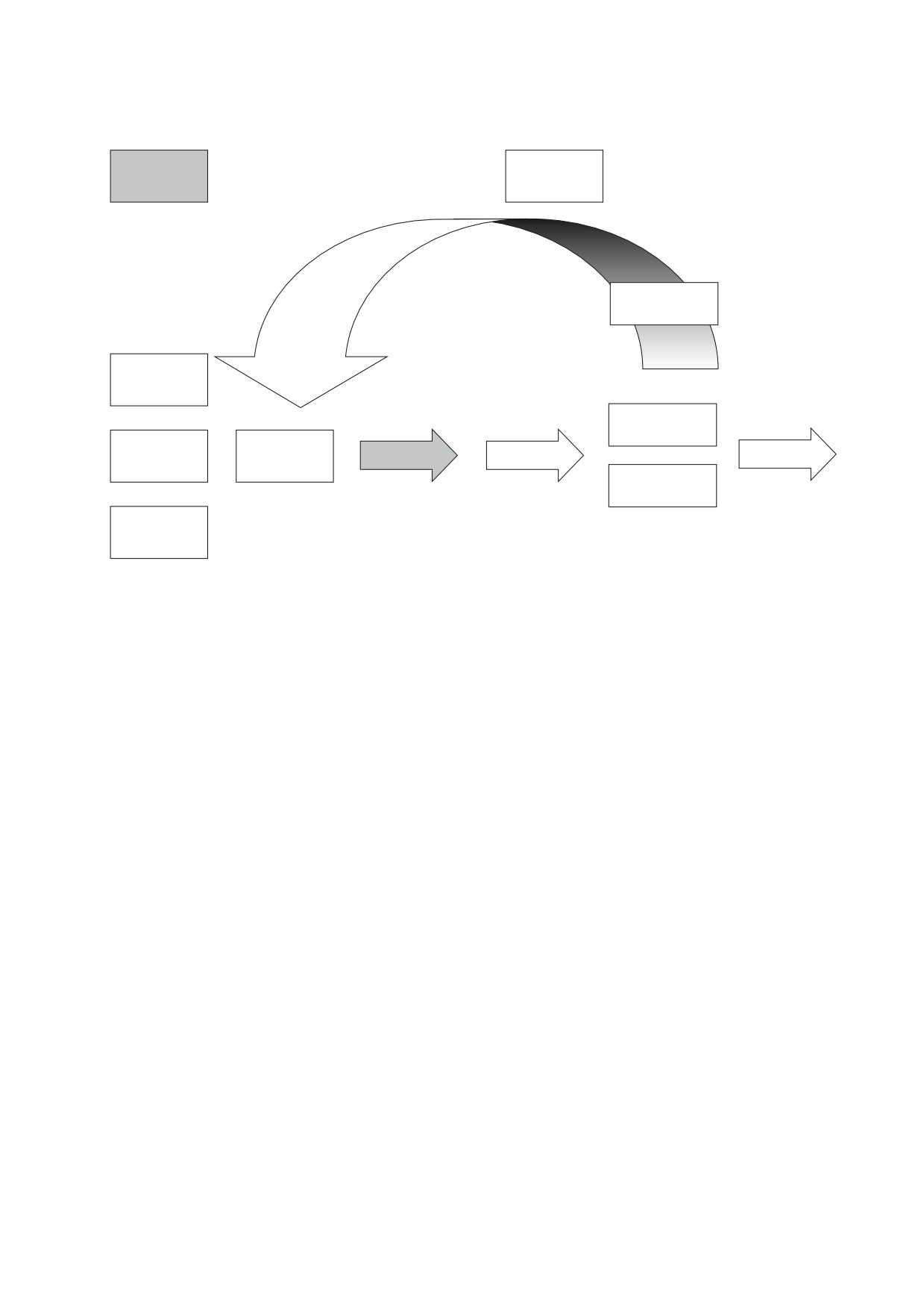
Objectives
8.
Objectives
8.4
The objectives and the plan subsequently
developed to implement them should provide
8.1
Once all the available information has been
outcomes that are achievable with an acceptable
gathered and considered the Decision Maker will
level of risk for the situation.
be able to identify and set a number of objectives
that need to be achieved.
8.5
It is therefore when setting the objectives
that the link is made with Step 2 of the Dynamic
8.2
Clear and defined objectives give direction
Risk Assessment:
to resolve the task/event in a satisfactory manner
thereby achieving the principle aim of the Authority:
Select safe systems of work
‘Making London a Safer City’
8.3
In setting detailed objectives the primary
concern is the reduction of risk to people. Objectives
that provide resolution to a static situation but expose
members of the public or brigade to unnecessary
risk would not therefore be acceptable.
Incident Command
125
APPENDIX 4
Decision Making Model
DECIDING
ACTING
EVALUATING
Information
Information on
about the Task
Progress
or Event
COMMUNICATING
Information
GATHERING
about
AND
OBJECTIVES
PLAN
OUTCOME
Resources
THINKING
CONTROLLING
Information
about Risk
and Benefit
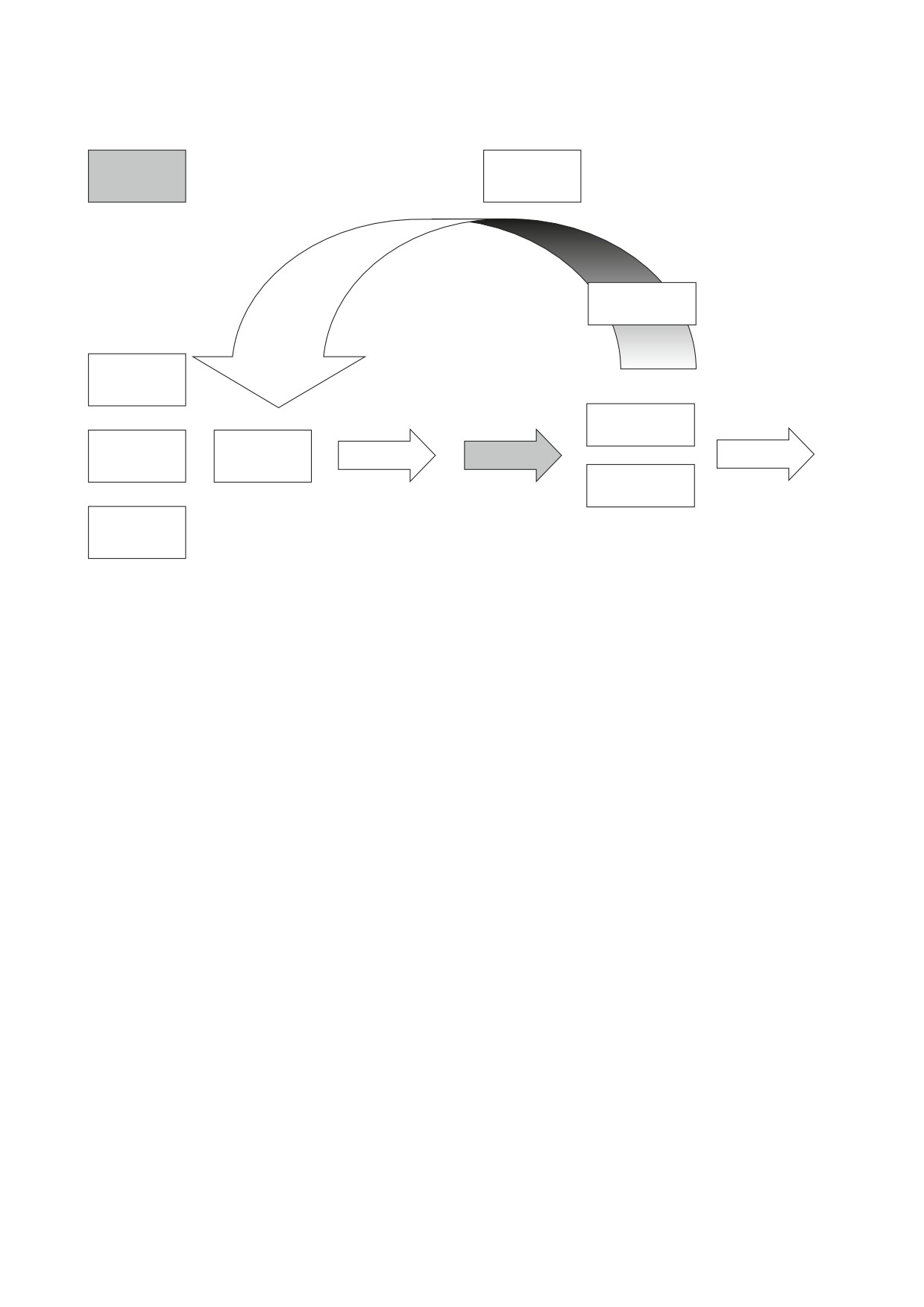
Planning
9.
The Plan
9.4
The planning stage should result in the
development of actions designed to deliver the
9.1
This stage in the process requires that
required outcomes with an acceptable level of
prioritised objectives be developed into plans that
risk to those involved. These are defined as Safe
are achievable and take into account the need to
Systems of Work.
reduce any risks to acceptable levels.
9.5
Once the plan is developed the Decision
9.2
When developing effective plans, the
Maker will need to make sure that sufficient
achieving of set objectives is unlikely to be
resources are put into place to deliver it. This may
considered in isolation. There may be a number of
relate to an individual obtaining a particular piece
conflicting priorities such as:
of equipment or the request by a Decision Maker
for additional resources to deal with a developing
●● Safety issues.
situation.
●● Availability of resources
●● Involvement of other agencies and their
9.6
Once the Plan has been formulated, the
objectives.
Decision Maker can move on to Step 3 of the
Dynamic Risk Assessment:
9.3
All of these conflicting priorities need to
be considered and accounted for in the plan. It is
Assess chosen systems of work
likely that the plan will set a number of primary
9.7
In a dynamic situation it is likely that plans
objectives that, once achieved, can be built upon to
will have to be modified as the situation develops.
achieve the final objectives.
126
Fire Service Manual
APPENDIX 4
DECIDING
ACTING
EVALUATING
Information
Information on
about the Task
Progress
or Event
COMMUNICATING
Information
GATHERING
about
AND
OBJECTIVES
PLAN
OUTCOME
Resources
THINKING
CONTROLLING
Information
about Risk
and Benefit
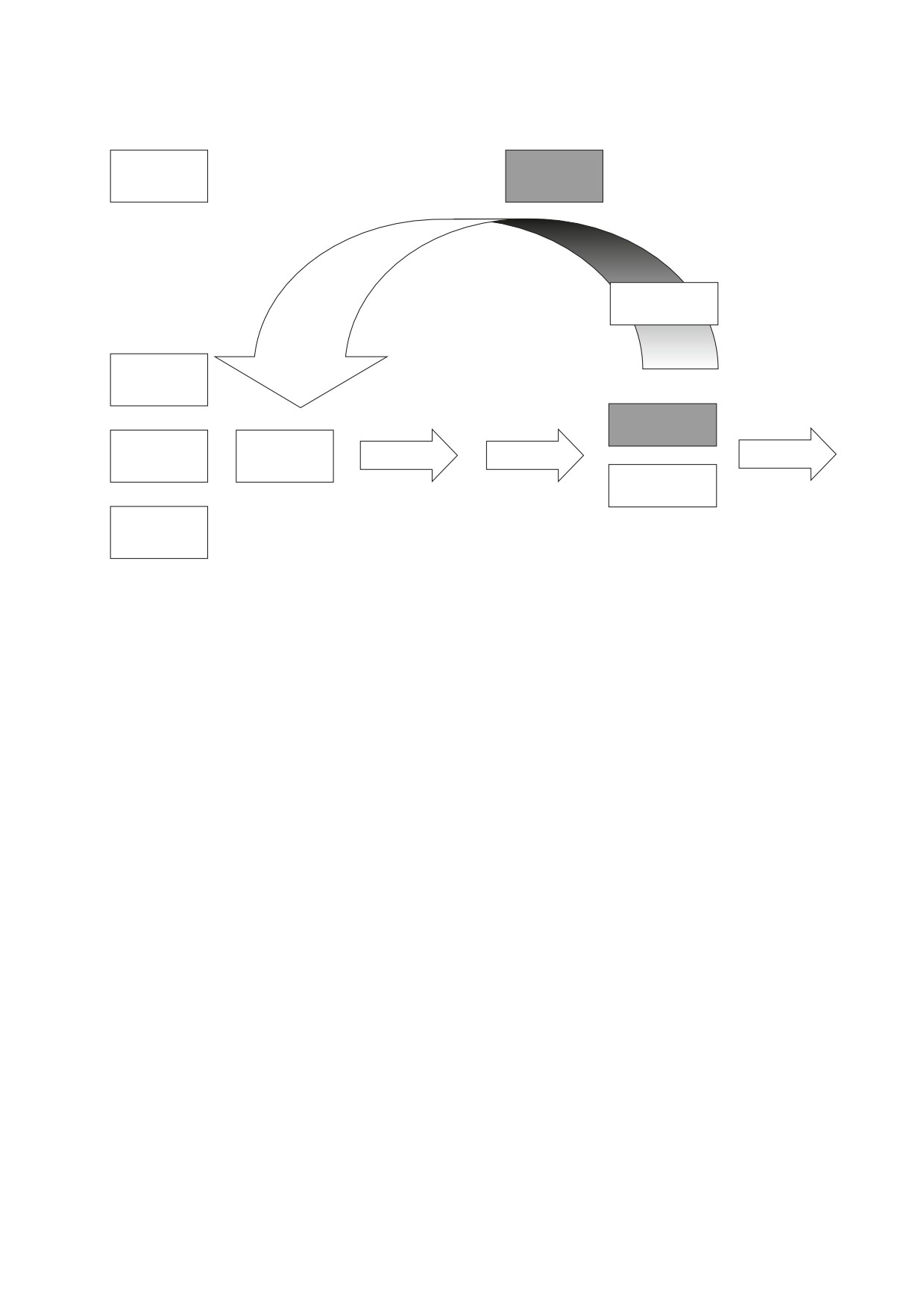
Communicating
10.
Communicating
the recipient, so keeping the information clear
and concise. However, care should be taken not
10.1
An essential element in the implementation
to exclude information that may indirectly affect
of the plan is the need to ensure effective
individual efforts or safety, such as the work of
communication from and to the Decision Maker.
others around them.
10.2
This is particularly relevant in dynamic
10.5
Accuracy: The information should be
situations where changes that are occurring may
accurate to avoid confusion and misinterpretation
not be readily apparent to all those involved. Within
when it is passed to the recipient. Good
this section of the model, key aspects exist that are
communication will leave the recipient in no doubt
essential to effective communication. These are:
of what is expected.
●● The Relevance of the information.
10.6
Timely information: The information
●● The Accuracy of the information.
passed should be current. Information that is out
●● The Timeliness of the information.
dated or whose validity has expired should not be
●● Selection of the Medium to be used.
passed on.
10.3
Effective communication will enable those
10.7
Choice of Medium: When passing
involved to carry out their role in the plan and make
information it is important that a medium is used
sure that they are kept up to date with developments
which is suitable to the situation. Examples of
and progress. Communication must be two way to
possible media include:
keep all parties updated on progress.
Verbal Communication, whether it be face to face
10.4
Maintaining Relevance: The information
or by radio.
should be relevant to the recipient, as there may be
little or no benefit from passing on all details of
●● Visual Communications, such as Hand Signals.
the event. Effectiveness of communication is often
●●
Written communication.
improved by only including details that affect
Incident Command
127
APPENDIX 4
Decision Making Model
10.8
The most appropriate medium will depend
comply with the plan and safe systems of work are
on the individual situation and the nature of the
put into place. Responsibility for certain areas may
information to be passed. It would be inappropriate,
be delegated to make sure control is maintained
for example, to rely on verbal communication in a
over the whole event and to enable individuals to
noisy environment to pass a complex chemical name
carry out tasks effectively.
when a written note would avoid misinterpretation.
The use of established communication routes and
11.2
The degree to which the responsibility is
methods will assist in ensuring the effective flow
delegated will depend on the complexity of the
of information to all those involved.
event and vary as it progresses. Delegation should
aim at increasing rather than reducing the level of
10.9
Confirmation: It is important to confirm
control the Decision Maker has over the event.
that the communication has been received and
understood. Often the easiest way to make sure
11.3
If the risks are not proportionate to the
that the recipient has accurately understood what is
benefits of taking the action, additional control
expected of them is to have them repeat it back.
measures should be introduced. Here the link is
made to Step 4 of the Dynamic Risk Assessment:
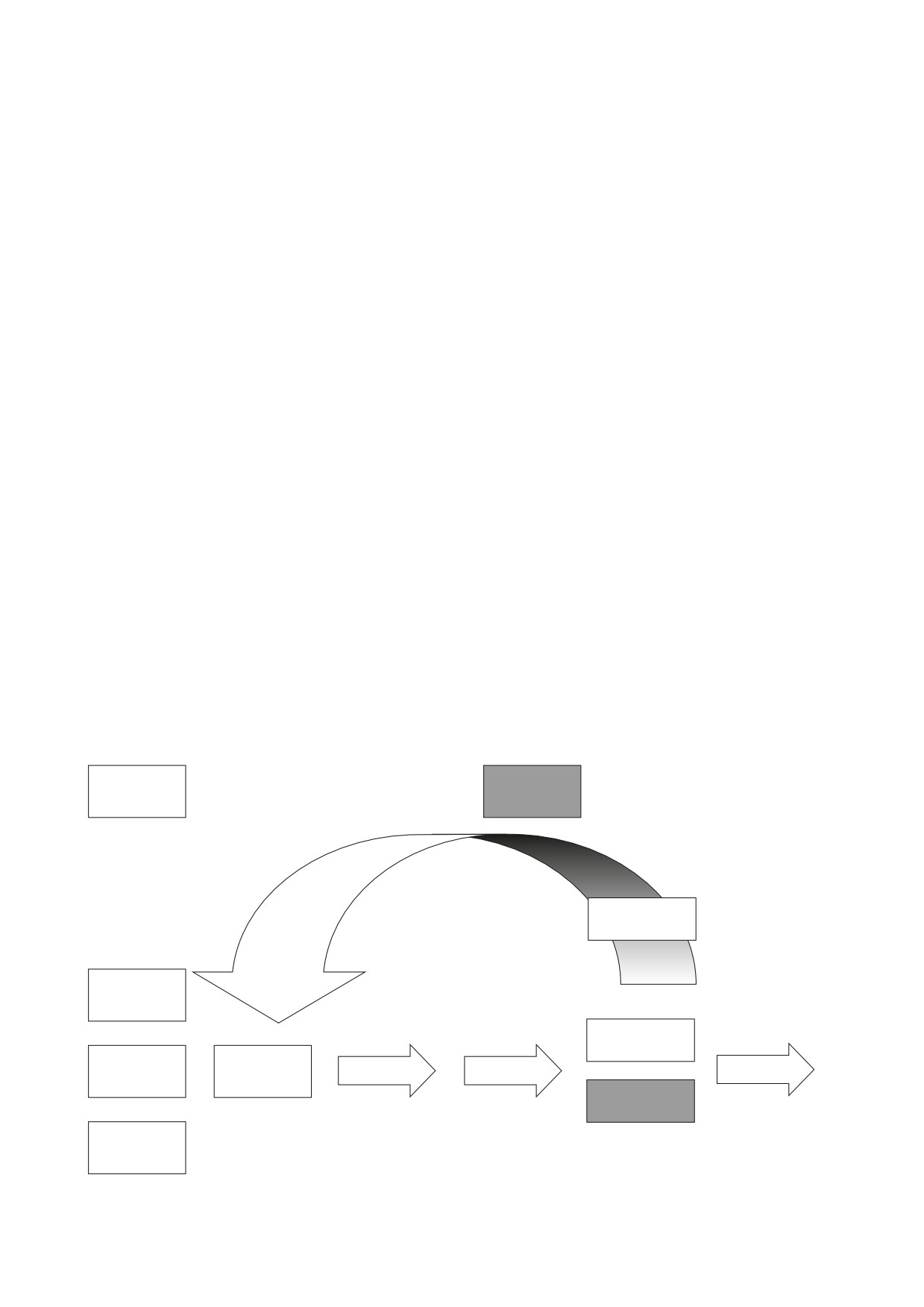
11.
Controlling
Introduce additional control measures
11.1
Having communicated the plan to those
involved it is necessary to make sure that resources
are allocated appropriately, that the actions taken
DECIDING
ACTING
EVALUATING
Information
Information on
about the Task
Progress
or Event
COMMUNICATING
Information
GATHERING
about
AND
OBJECTIVES
PLAN
OUTCOME
Resources
THINKING
CONTROLLING
Information
about Risk
and Benefit
Controlling
128
Fire Service Manual
APPENDIX 4
DECIDING
ACTING
EVALUATING
Information
Information on
about the Task
Progress
or Event
COMMUNICATING
Information
GATHERING
about
AND
OBJECTIVES
PLAN
OUTCOME
Resources
THINKING
CONTROLLING
Information
about Risk
and Benefit
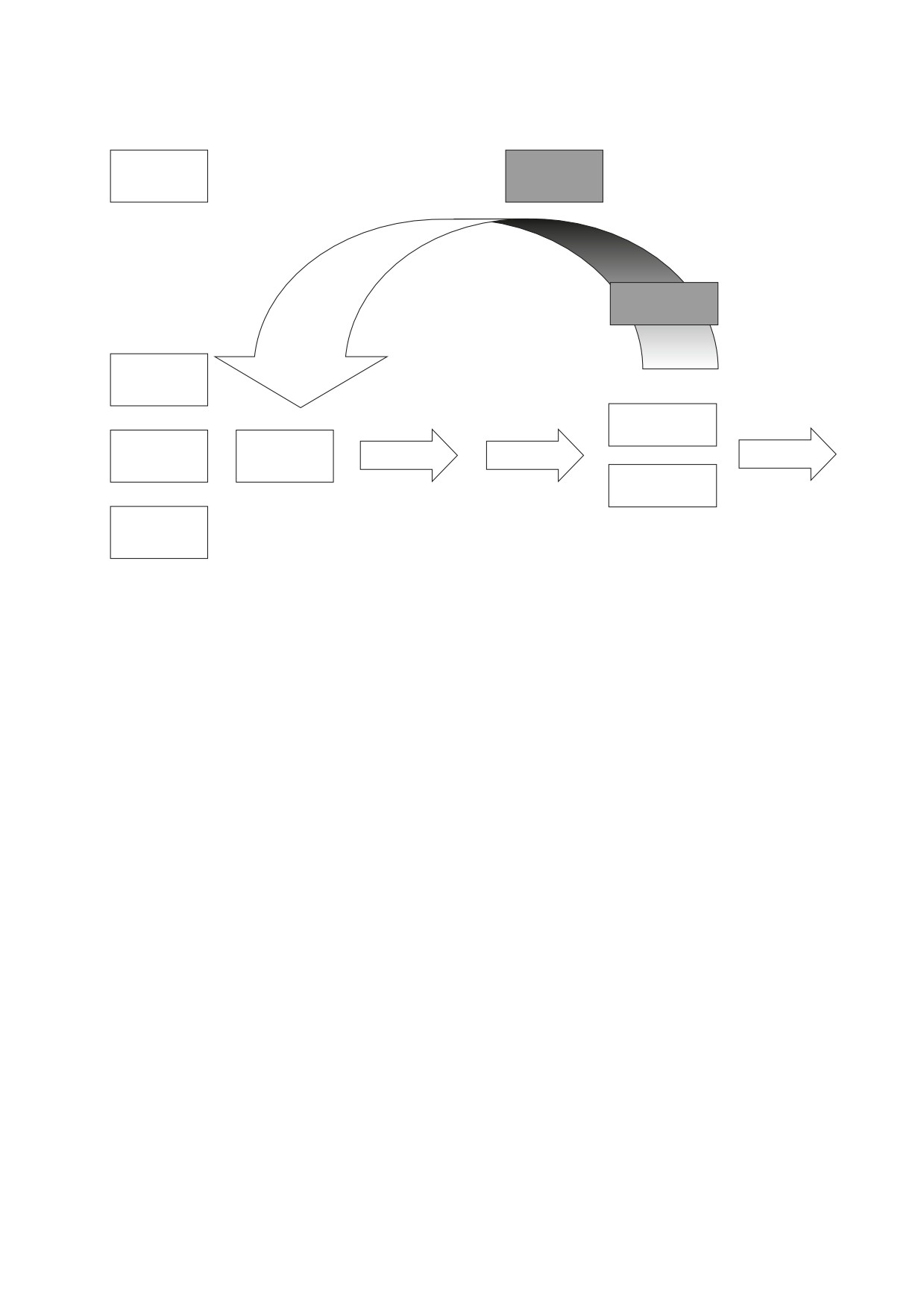
Evaluating
12.
Evaluating
may relate to individuals carrying out tasks and
providing feedback, or team leaders ensuring that
Seek/give progress and situation reports -
team members are properly briefed.
12.1
During the task/event the Decision Maker
will receive information from a variety of sources.
12.4
At this stage it is also necessary to
This will range from progress and situation reports
evaluate the systems of work and the effectiveness
to information gathered from the Decision Maker’s
of any control measures. If the risk is still not
own observations. All of this information can be
proportionate to the benefits, then work should not
used to assist the Decision Maker in evaluating the
proceed. This links with Step 5 of the Dynamic
plan.
Risk Assessment:
12.2
These reports should be provided regularly
Reassess systems of work and additional
and it is the responsibility of all persons to pass
control measures.
these reports to the next level in the decision
making chain.
12.3
It is the responsibility of the Decision
Maker to make sure that all persons in the decision
making chain are kept regularly informed of
subsequent changes to the plan, the developing
situation and progress being made. This process
Incident Command
129
APPENDIX 4
Decision Making Model
DECIDING
ACTING
EVALUATING
Information
Information on
about the Task
Progress
or Event
COMMUNICATING
Information
GATHERING
about
AND
OBJECTIVES
PLAN
OUTCOME
Resources
THINKING
CONTROLLING
Information
about Risk
and Benefit
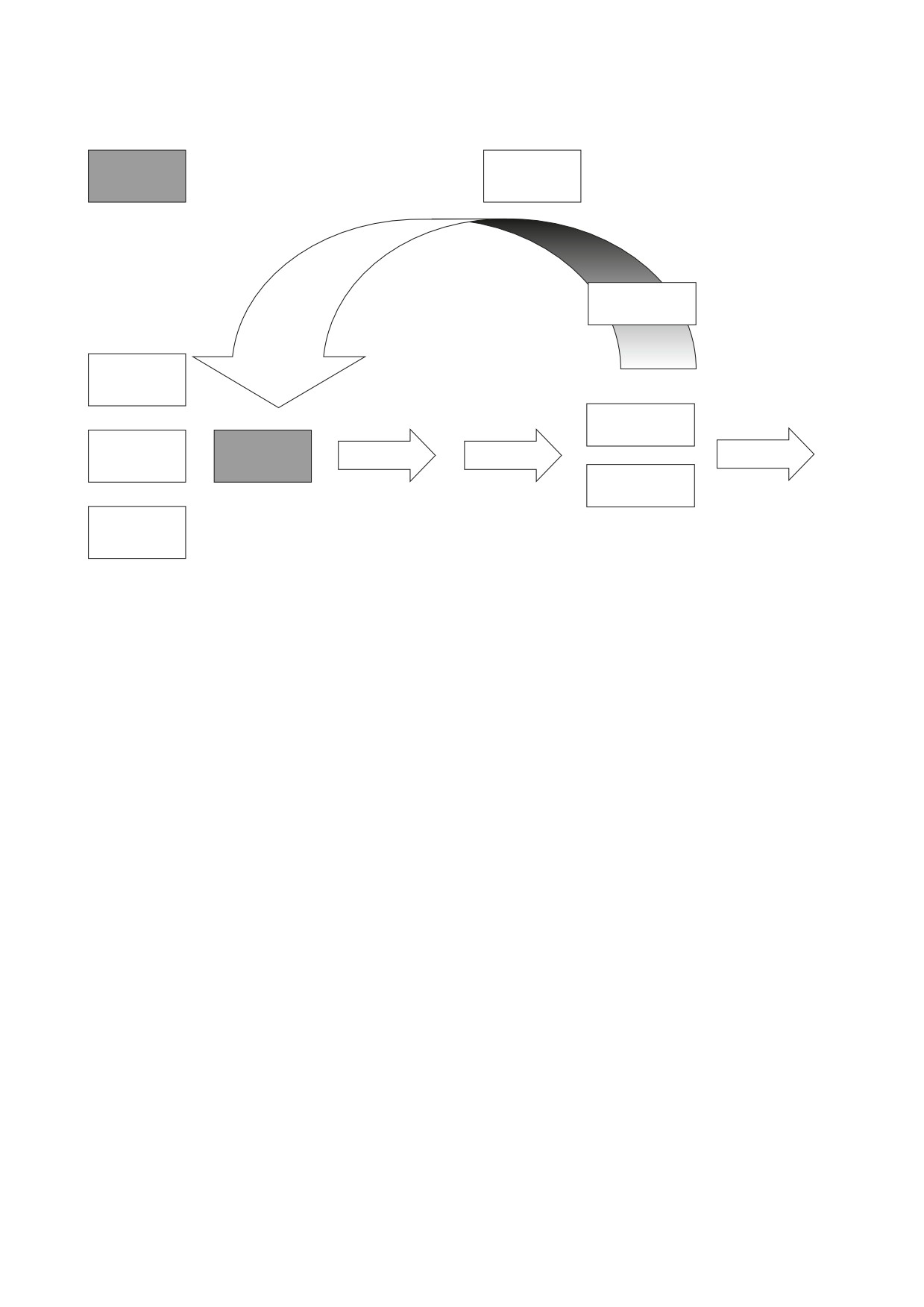
Information on Progress
13.
Information on progress
achieved. This will allow the Decision Maker to
determine whether the plan is effective or requires
13.1
As discussed earlier, Information on
amendment.
Progress will become of greater importance as the
Acting elements of the Model are put in place.
13.6
The results of the comparison between
expectation and reality can then be used to
13.2
It is at this stage that the Decision Making
supplement other information about the task/
Model completes the loop and the first three
event in the ‘Gathering and Thinking’ part of the
elements along with the Information on Progress
model. This additional information should then be
should be revisited.
considered and used by the Decision Maker to re-
evaluate their objectives and plan.
Comparing progress made to that expected
13.3
Expected progress - Having formulated
13.7
The evaluation phase completes the
the plan and allocated the required resources with
information-gathering loop and ensures that the
the relevant levels of control, the Decision Maker
control of the task/event remains dynamic.
will have decided the timeframe within which
objectives and events should be achieved. This is
13.8
Whenever new information becomes
the expected progress to be made.
available it is fed into the process and enables
decision makers to make sure that the act of
13.4
Actual progress - By receiving regular
directing and controlling personnel and resources
updates in the form of progress or situation reports
within an effective plan is based on all the available
the Decision Maker will be able to determine the
information.
actual progress being made.
13.5
Comparison - The Decision Maker will
need to make a comparison between the progress
expected against information on progress actually
130
Fire Service Manual
APPENDIX 4
DECIDING
ACTING
EVALUATING
Information
Information on
about the Task
Progress
or Event
COMMUNICATING
Information
GATHERING
about
AND
OBJECTIVES
PLAN
OUTCOME
Resources
THINKING
CONTROLLING
Information
about Risk
and Benefit
Outcome
14.
Outcome
14.3
Finally, it must be stressed that the
use of the Decision Making Model should be
14.1
The outcome will be achieved successfully
continuous throughout an event. In the early
when the Objectives are met with minimal exposure
dynamic stages it may be used many times and
to Risk.
as the event becomes more controlled and less
dynamic the model may be used less frequently.
14.2
On each occasion that new information,
from any source, is introduced into the event the
Decision Maker will evaluate the objectives, plan
and control structure in light of this information,
through use of the Decision Making Model, to
ensure safe systems of work are maintained and
resources are being used to best effect.
Incident Command
131
APPENDIX 5
Response Arrangements in Wales
Local response is the building block of resilience
The Wales Resilience Forum
across the UK with operational response to
The principal mechanism for multi-agency co-
emergencies being managed locally by the Strategic
operation and co-ordination is the Wales Resilience
Co-ordination Groups (SCGs). The UK government
Forum (WRF), which senior representation from
and the Welsh Assembly Government work together
the Welsh Assembly Government, Cabinet Office,
on the development of civil protection policy. The
local authorities, emergency services, armed
concordat between UK Government and the Welsh
forces, Environment Agency Wales, NHS Wales,
Assembly Government on the Civil Contingencies
Maritime and Coastguard Agency and the Health
Act 2004 provides clarity on the anticipated role(s)
and Safety Executive.
of the Welsh Assembly Government under this Act
and, in particular relation to Emergency Powers
The WRF is a planning body that considers
under Part 2 of the Civil Contingencies Act 2004.
resilience planning and preparation in a similar
The Welsh Assembly Government plays a vital
manner to the Regional Resilience Forums in
role in the co-ordination of emergencies in or
England, but with a higher level of political
affecting Wales. Co-ordination arrangements in
involvement. The WRF works alongside other
Wales are established to provide links and joint
elements of the multi-agency protection framework
working protocols between multi-agency groups
at local and UK Government level. The framework
and organisations.
is not a hierarchy; LRFs are not subordinate to the
WRF, this allows for the free flow of information
Welsh Assembly Government
across the multi-agency structure.
The Assembly Government has devolved powers
in agriculture; housing; education and training;
The Wales Civil Contingencies
the environment; health and health services;
Committee
local government; and social services. It has
The Wales Civil Contingencies Committee (WCCC)
responsibility for the front line public services of
is constituted and functions in a similar way to
the Ambulance Service, NHS, Fire and Rescue
the Regional Civil Contingencies Committees in
Services. The Welsh Assembly Government, with
England. The WCCC will be established for wide
its devolved powers, has an important role to play in
spread disruptive incidents requiring a pan Wales
terms political, social and economic aspects of the
response and recovery effort. The membership of
critical national infrastructure in Wales. In relation
the WCCC will be determined by the nature of the
to this plan the Assembly Government will:
incident and will be lead by a pre-determined lead
official from a list of strategic officers and officials.
●● Inform stakeholders of the activation of the
The WCCC will not interfere with local command
pan-Wales Response Plan
and control arrangements, but will ensure local
●● Set up an run the ECC(W)
responders are fully informed. The WCCC will
●● Act as Secretariat to the WCCC
meet at three levels:
●● Establish links with COBR and the UK
Government through the ECC(W)
Level 1 - prior to an emergency where warning
is available. The meeting would be held to review
Deploy Assembly Government Liaison Officers,
the situation and update local stakeholders, with
where appropriate, to Strategic Co-ordination
a view to escalating to Level Two if the situation
Groups.
warranted.
Level 2 - in the event of a wide area disruptive
challenge in Wales. The meetings would be
convened by the Welsh Assembly Government, in
132
Fire Service Manual
APPENDIX 5
consultation with relevant members of the WRF.
inform local SCGs of the pan UK picture ensuring
They might also be convened if a national response
good communication is maintained in order that
or national co-ordination of an event was required.
local decisions reflect the needs of the UK.
The WCCC may also be convened for an emergency
which occurs in Wales where the Strategic Co-
The ECCW will assist in co-ordination of mutual
ordinating Group or the WRF feels it will be able
aid/assistance and cross border issues during
to add value to the response.
a major emergency, and where there are no
established protocols in place the ECCW will
Level
3
- could only be called once an
assist in facilitation of a central link between
emergency arises which requires the making of
UK Government departments and the devolved
emergency regulations under Part 2 of the Civil
administrations. The decision to implement the
Contingencies Act.
ECC(W) will depend very much on the nature of
the emergency in or affecting Wales.
The WCCC will request situation reports from
local responders to ensure Welsh Ministers are
Agencies that are not transferred functions will
fully briefed. Welsh Ministers will inevitably use
report directly to their respective UK department,
this same information to brief UK Government
although copy reports will be forwarded to the
Ministers, thus reducing the need for duplication.
ECC(W) where appropriate.
In addition to their normal roles the Fire and Rescue
The Emergency Co-ordination
Service will provide a representative as a liaison
Centre Wales
officer at the ECC(W) to act as a communication
When there is a requirement or expected escalation
link between the ECC(W) and those Welsh Fire and
of an incident, the Welsh Assembly Government
Rescue Services involved. They will also provide
will activate the Emergency Co-ordination Centre
situation and exceptional reports to the ECC(W)
Wales (ECC(W)). The ECC(W) provides an
and link with the Welsh Assembly Government’s
important role in the consequence management
Department for Social Justice and Regeneration on
issues that arise from emergencies, particularly
policy issues.
where the impact of those emergencies that affect
devolved functions. The ECC(W) is a facility
Under the provisions of the Civil Contingencies
that supports the WCCC and Welsh Ministers in
Act 2004 if emergency regulations are introduced
providing briefings and advice. Additionally, the
that impact upon Wales the UK government will
EEC(W) provides a link between the SCGs, the
appoint a Wales Emergency Co-ordinator.
office of the Secretary of State for Wales and Civil
Contingencies Secretariat.
The primary role of the ECC(W) is to gather and
disseminate information to Welsh Ministers and the
UK government. Additionally, the ECC(W) will
Incident Command
133
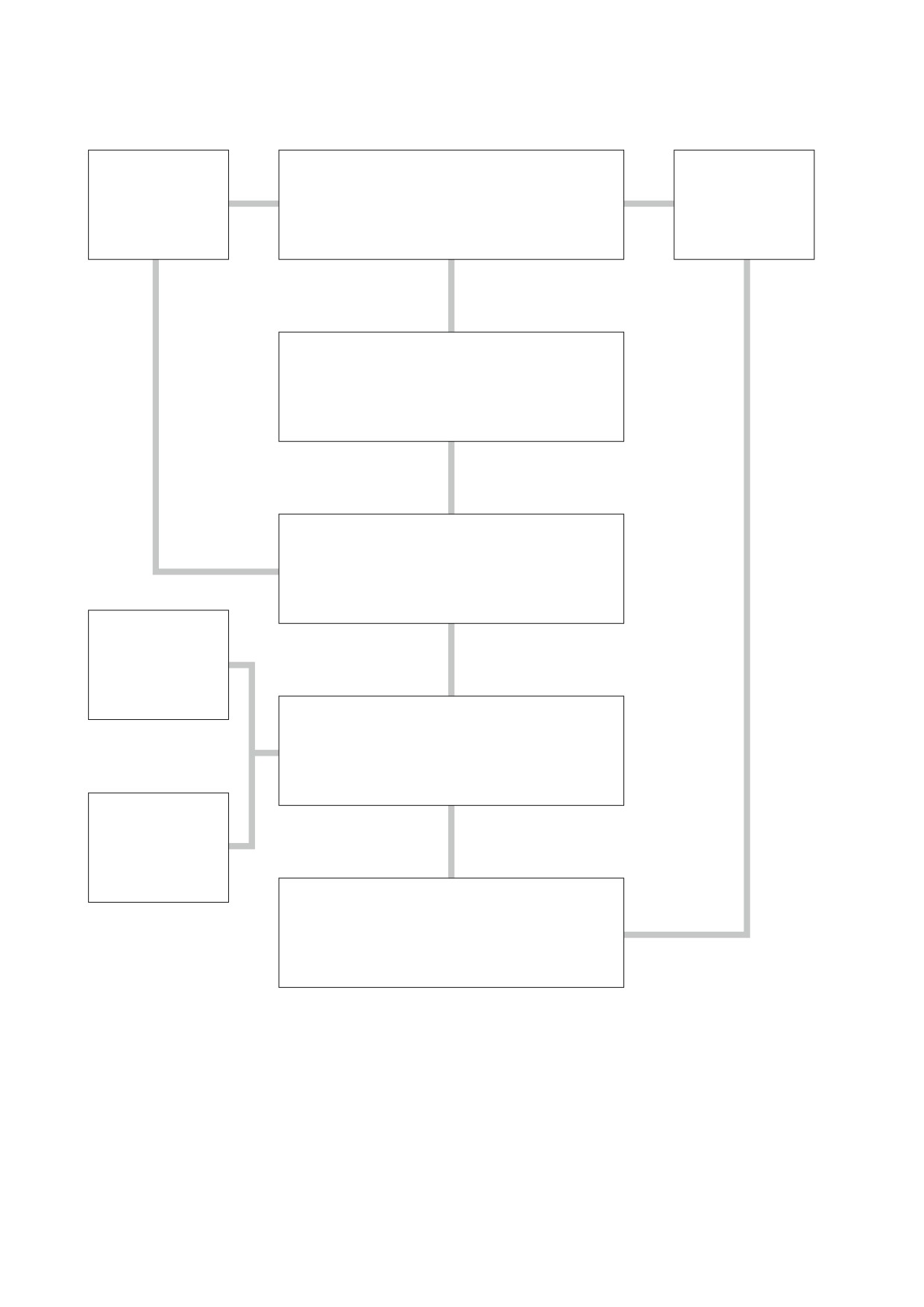
APPENDIX 5
Response Arrangements in Wales
Welsh
Civil Contingencies Committee (CCC)
Assembly
PNICC
COBR
Government
ACPO
UK Goverment Minister
Ministers
Civil Contingencies Secretariat
(CCS)
Lead Official/Chair Wales Civil
Contingencies Committee (WCCC)
Lead UK
Government
Department
Emergency Co-ordination Centre
(Wales)
Other
Devolved
Administrations
Strategic Co-ordinating Group
Gwent, North Wales, South Wales,
and Dyfed Powys Gold
Command Rooms
Co-ordination Arrangements and Communication Links in Wales
134
Fire Service Manual
APPENDIX 6
Response Arrangements in Scotland
Local response is the building block of resilience
●●
brief Ministers;
across the UK with operational response to
●●
produce a handling plan, as soon as possible,
emergencies being managed locally by Strategic
which offers a clear assessment of whether
Co-ordinating Groups
(SCGs). The UK
the emergency is within its scope or whether
government and the Scottish Executive work
central co-ordination arrangements need
together on the development of civil protection
to be invoked in consultation with Scottish
policy. The Scottish Executive plays a vital role
Executive Justice Department;
in the co-ordination of major emergencies in or
●●
take whatever executive decisions and
affecting Scotland. Co-ordination arrangements in
actions are needed from the centre to handle
Scotland are established to provide links and joint
the emergency or to help local responders to
working protocols between multi-agency groups
deal with it;
and organisations.
●●
draw upon and apply resources to support
the local response to the emergency;
●●
ensure effective liaison with UK Lead
Strategic Co-ordinating Groups
Government Departments regarding Scottish
The principal mechanism for multi-agency co-
interests;
operation and co-ordination across Scotland
●●
co-ordinate and disseminate information for
are the eight SCGs. SCGs are established in
the public and the media at the national level;
each police force area in Scotland and typically
●●
engage with stakeholder representatives
contain representation from the constituent local
at national level on matters of interest for
authorities, emergency services, armed forces,
Scotland;
Scottish Environmental Protection Agency
●●
account to the Scottish Parliament and
(SEPA), NHS, and the Maritime and Coastguard
lead in the submission of evidence to any
Agency (MCA). The SCGs consider resilience
subsequent Government appointed inquiry;
planning and preparation in a similar manner to
●●
identify and share the lessons from the
the Regional Resilience Forums in England. They
emergency;
also participate in a Scotland - wide Strategic Co-
●●
at all times assess whether the emergency
ordinating Group Forum to facilitate information
remains within its scope or whether to
sharing, the development of good practice and
activate the corporate Scottish Executive or
promote consistency in preparation for response
UK central government arrangements.
to emergencies in Scotland. The SCG (s) will
be activated in the event of incidents requiring a
If a single Department is nominated to lead it is
strategic level of management.
likely that it will operate from its normal offices
and, if necessary, provide direct input for SCGs.
The Lead Scottish
Once the Department recognises that the emergency
Executive Department
has consequences for other Scottish Executive
Departments it will activate SEER.
Where the nature of the emergency is such that
some degree of central government co-ordination or
The Scottish Executive
support becomes necessary, the Scottish Executive
will consider designating a single Department to be
Emergency Room (SEER)
responsible for its overall response to a significant
The precise role of SEER is likely to vary depending
emergency. The Scottish Executive will activate its
on the nature of the emergency at hand. SEER
corporate response arrangements to:
will not duplicate the role of local responders. It
encompasses all Scottish Executive Departments
●● act as the focal point for communication
and performs its role through a number of integrated
between the Scottish Executive, its
groups, such as the Ministerial Group on Civil
sponsored bodies and the SCG(s);
Contingencies (MGCC).
Incident Command
135
APPENDIX 6
Response Arrangements in Scotland
It will:
●● ensure that UK strategies and input to
response and recovery is co-ordinated with
●●
provide strategic direction for Scotland;
the Scottish and local efforts.
●●
co-ordinate and support the activity of SE
Departments;
The Scottish Emergencies
●●
collate and maintain a strategic picture of the
Co-ordinating Committee
emergency response with a particular focus
The Scottish Emergencies Co-ordinating
on consequence management and recovery
Committee (SECC) will provide support and
issues;
advice to SEER in the event of a major emergency.
●●
brief Ministers;
The representation of agencies at SECC would be
●●
identify if it is appropriate for a particular
determined by the particular circumstances of the
SE department to lead in a relevant area of
emergency. The role of the SECC is to provide
response;
specialist information and advice to support the
●●
ensure effective communication between
development of Scotland’s strategies.
local, Scottish and UK levels, including the
co-ordination of reports on the response and
recovery effort;
UK Arrangements
●●
mobilise Scottish assets and release them
When the particular circumstances of an
to support response and recovery efforts as
emergency require co-ordination and support from
appropriate;
U.K. Government, the Cabinet Office will consider
●●
determine public information strategy and
instigating UK Government plans. When the
co-ordinate public advice in consultation
decision to mobilise plans is made, links will be
with SCGs and other key stakeholders;
established with the Scottish Executive’s corporate
●●
advise on the relative priority to be attached
arrangements. The national structure for Managing
to multi-site or multiple incidents and the
Response is appended in Figure 1 overleaf.
allocation of scarce Scottish resources;
●●
co-ordinate and disseminate information for
N.B. (A full version of these arrangements can be
the public and the media at the national level;
found in “Preparing Scotland”, available on the
●●
raise at UK level any issues that cannot be
Scottish Executive website).
resolved in Scotland;
136
Fire Service Manual

APPENDIX 6
SCOTTISH
UK
ARRANGEMENTS
ARRANGEMENTS
Scotland
EST
Office
EAT
SECC
MGCC
CCC
SEER
COBR
S-PICC
Strategic
Tactical
LOCAL
Operational
ARRANGEMENTS
Figure 1
Key to Figure 1
MGCC - Ministerial Group on Civil Contingencies
SECC - Scottish Emergency Co-ordinating Committee
SCG - Strategic Co-ordinating Group
S-PICC - Scottish Police Information and Co-ordination Centre
SEER - Scottish Executive Emergency Room
EAT - Scottish Executive Emergency Action Team
EST - Scottish Executive Emergency Support Team
COBR - Cabinet Office Briefing Room
CCC - Civil Contingencies Committee
Incident Command
137
APPENDIX 7
Response Arrangements in Northern Ireland
The UK Government and the Northern Ireland
The Lead Department Principle
Assembly work together on the development of
Where the nature of the emergency is such that
Civil Protection Policy and ensure resilience at a
some degree of central government co-ordination
local and National level.
or support becomes necessary, the Northern Ireland
Executive, in keeping with best practice, operate
The primary legislation in Northern Ireland
the lead Department principle. This in practice
relating to Fire and Rescue Services is ‘The Fire
means that the nominated department who has
and Rescue Services (Northern Ireland) Order
overall responsibility for the type of emergency in
2006’ with the ‘Civil Contingencies Framework’,
progress will:
the mechanism for discharging the principles of the
Civil Contingencies Act 2004.
●●
act as the focal point for communication
between the Northern Ireland Assembly,
While Strategic Co-ordinating Groups (SCG’s)
Northern Ireland Office (NIO) and the
provide a local response to UK resilience in
CMG/ESSCG;
England, Scotland and Wales, in Northern Ireland
●●
brief devolved administration Ministers and
this role is carried out by the Crisis Management
where necessary Northern Ireland Office
Group (CMG).
(NIO) Ministers;
●●
take whatever executive decisions and
Crisis Management Group
actions are needed from the centre to handle
the emergency or to help local responders to
The principal mechanism for multi-agency co-
deal with it;
operation and co-ordination in Northern Ireland
●●
draw upon and apply resources to support
is the Crisis Management Group (CMG). This is
the local response to the emergency;
chaired by the Head of the Northern Ireland Civil
●●
ensure effective liaison with UK Lead
Service or the head of the Lead devolved government
Government Departments on all devolved
department as appropriate. Membership is made up
matters;
of representatives of the nine devolved government
●●
co-ordinate and disseminate information
departments. This group is supported at the
for the public and the media on devolved
planning and co-ordination of policy levels by the
matters;
Emergency Services Senior Co-ordinating Group
●●
engage with stakeholder representatives
(ESSCG), comprising Fire, Police, Ambulance,
at national level on matters of interest for
Maritime and Coastguard Agency and Military
Northern Ireland on devolved matters;
and the Integrated Emergency Planning Forum
●●
account to the Northern Ireland Assembly
(IEPF), made up of private and public sector
and lead in the submission of evidence to any
major utility and transport organisations, who
subsequent Government appointed inquiry
help co-ordinate and brief Category 2 responders
on all devolved matters;
in the event of a Regional/National emergency.
●●
identify and share the lessons from the
Both of these forums participate in the sharing of
emergency;
information, the development of good practice and
●●
at all times assess whether the emergency
promote consistency in preparation and training in
remains within its scope or whether
line with the principles of integrated emergency
to activate UK central government
management. CMG will, in most instances, be
arrangements.
activated in the event of incidents requiring a
strategic level of management.
138
Fire Service Manual
APPENDIX 7
The Northern Ireland Office
●●
determine public information strategy and
co-ordinate public advice in consultation
Briefing Room (NIOBR)
with the ESSCG and other key stakeholders
NIOBR is the main communication link to Central
on non devolved matters;
Government and the other devolved regions.
●●
advise on the relative priority to be attached
However, current governance arrangements mean
to multi-site or multiple incidents and the
that the Northern Ireland Office will act as the
allocation of resources on non devolved
Lead Department for all terrorist related incidents.
matters;
In effect this could mean that NIOBR will operate
●●
co-ordinate and disseminate information for
either in partnership or separate of the linkage
the public and the media at the national level
with CMG (see Figure 1 Emergency Response
on non devolved matters;
Arrangements in Northern Ireland). Where
●●
raise at UK level any issues that cannot be
NIOBR is established alongside CMG, it will not
resolved in Northern Ireland on non devolved
duplicate the role of local responders but support it
matters;
at a strategic level and ensure links are established
●●
ensure that UK strategies and input to
at National level with the Cabinet Office Briefing
response and recovery is co-ordinated with
Room (COBR) or those of the other devolved
the Northern Ireland Assembly efforts.
regions. It encompasses all involved or effected
●●
determine public information strategy and
government departments and is chaired by a NIO
co-ordinate public advice in consultation
Minister.
with the ESSCG and other key stakeholders
on non devolved matters;
It will:
●●
advise on the relative priority to be attached
to multi-site or multiple incidents and the
●● provide strategic direction on non devolved
allocation of resources on non devolved
issues for Northern Ireland;
matters;
●● support the activity of devolved
●●
co-ordinate and disseminate information for
Departments;
the public and the media at the national level
●● collate and maintain a strategic picture of the
on non devolved matters;
emergency response with a particular focus
●●
raise at UK level any issues that cannot be
on consequence management and recovery
resolved in Northern Ireland on non devolved
issues;
matters;
●● brief Central Government Ministers on non
●●
ensure that UK strategies and input to
devolved issues;
response and recovery is co-ordinated with
●● ensure effective communication between the
the Northern Ireland Assembly efforts.
Northern Ireland Assembly and UK levels,
including the co-ordination of reports on the
response and recovery effort;
Incident Command
139
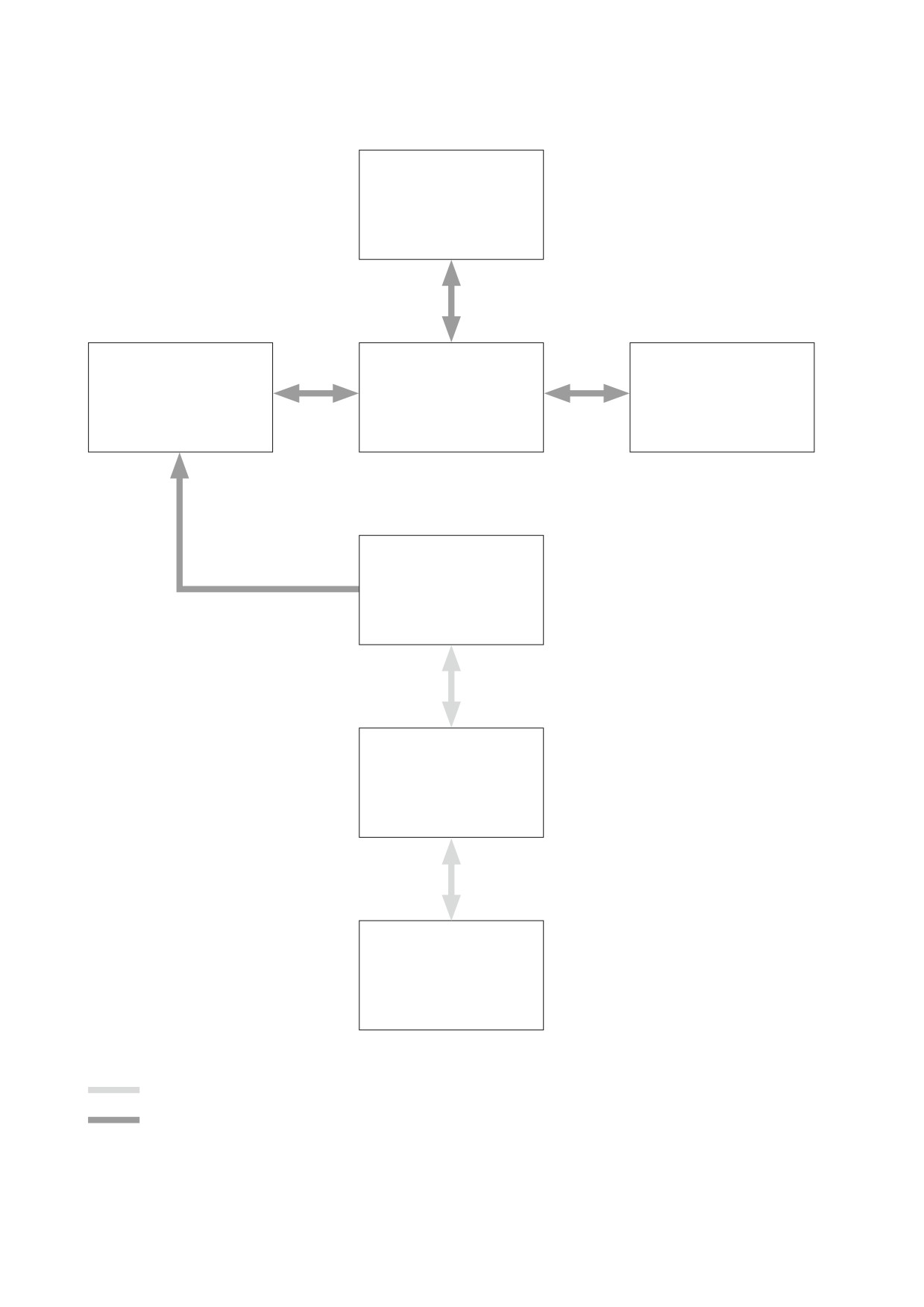
APPENDIX 7
Response Arrangements in Northern Ireland
Civil Contingencies
Committee (CCC)
COBR
Nortjhern Ireland
Northern Ireland
Other Devolved
Assembly Lead
Office Briefing
Administrations
Department
Room (NIOBR)
Crisis Management
Group (CMG)
Emergency
Service Senior
Co-ordinating
Group (ESSCG)
Planning and
Co-ordination
Integrated
}
Emergency
Planning Forum
Communication Link Key
Planning and/or co-ordination
In emergency situation
Emergency Response Arrangements in Northern Ireland
140
Fire Service Manual
Glossary of Terms
ANALYTICAL RISK ASSESSMENT (ARA)-
COMMAND TEAM - the ICS relies on shared
having carried out a DRA and established a Tactical
responsibility and authority. While the Incident
Mode, the IC will be aware of the hazards, the
Commander retains overall responsibility for the
people at risk and the necessary control measures
incident, and dictates the overall tactical plan, the
to protect those at risk. This initial assessment
decision making for, and control of, local operations
forms the basis of a more detailed risk assessment
is kept as close as possible to those operations. This
which in the FRS is termed the Analytical Risk
is achieved by the creation of a single command
Assessment.
line from the crew commander to the Incident
Commander. This command line, together
BRIDGEHEAD - a central and advanced control
with staff tasked with supporting commanders,
point for occasions where it is necessary for BA to
is the Command Team. For ICS purposes the
be started up at a distance from the original point
Command Team is usually taken to be the Incident
of entry to a risk area, whilst remaining in a safe air
Commander, Operations Commander(s) and
environment (TB 1/97).
Sector Commanders, together with Command
Support staff.
COMMAND - the authority for an agency to direct
the actions of its own resources (both personnel
CONTACT POINT - a designated point (usually
and equipment).
an appliance not involved in operations or an
officer’s car) from which a nominated member of
COMMAND LINE - the line or chain of command
personnel will carry out the Command Support
at an incident. The ICS relies upon a single unified
function at a small to medium size incident.
command line. With the exception of urgent safety
related issues officers should not take control of
CONTROL - the authority to direct strategic and
operations outside their assigned responsibility
tactical operations in order to complete an assigned
and should ensure all information and instruction
function and includes, where agreed, the ability to
is passed via the relevant command line officers.
direct the activities of other agencies engaged in
the completion of that function. The control of an
COMMAND POINT - point from which
assigned function also carries with it a responsibility
Incident Commander operates, this may be a car,
for the health and safety of those involved.
appliance, specialist unit or part of a building.
CREW MANAGER - an officer tasked with
COMMAND SUPPORT - Command Support
supervising specific tasks or meeting specific
is a role undertaken by one or more staff at an
objectives utilising one or more fire-fighters.
incident. The role typically provides recording,
liaison, detailed resource management
and information gathering for the Incident
Commander. At large incidents Command
Support may comprise a dedicated team working
from a mobile command unit and may include
individuals tasked with supporting Sector
Commanders. However, Command Support is
not directly in the command line.
Incident Command
141
Glossary of Terms
DYNAMIC RISK ASSESSMENT (DRA) - this
INTER AGENCY LIAISON OFFICER (ILO) -
is the continuous assessment of risk in the rapidly
a trained and qualified officer who can advise and
changing circumstances of an operational incident,
support Incident Commanders, Police, Medical,
which is done in order to implement the control
Military and other Government Agencies on the
measures necessary to ensure an acceptable level
organisations operational capacity and capability
of safety. Dynamic Risk Assessment (DRA) is
to reduce risk and safely resolve incidents at where
particularly appropriate during the time critical
an attendance may be required. This will include
phase of an incident, which is usually typical of
major incidents, public order, domestic or any other
the arrival and escalation phase of an incident,
situation that would benefit from the attendance of
but at the earliest opportunity the Dynamic Risk
the ILO.
Assessment should be supported by analytical risk
assessment.
MARSHALLING AREA - area to which
resources not immediately required at the scene
COMMUNITIES AND LOCAL GOVERN-
or being held for future use can be directed
MENT EMERGENCY ROOM (FIRE AND
to standby. May be a sector function under a
RESCUE) - an advisory group established by
Marshalling Sector Commander, reporting to
the Chief Fire and Rescue Advisor to support the
Incident Commander via Command Support.
Director of Fire and Resilience and the fire minister
during serious incidents.
NATIONAL CO-ORDINATION CENTRE
(FRS NCC) - a facility established to co-ordinate
ENHANCED COMMAND SUPPORT (ECS)
the mobilisation of national resources such as
- a communications and co-ordination facility
USAR teams, mass decontamination units, DIM
to support operations during incidents requiring
vehicles etc when needed.
national mobilisation and use of strategic holding
areas.
OPERATIONS COMMANDER - an officer
tasked with co-ordinating and directing the
FORWARD COMMAND POST - point, near
operations of several sectors. Responsible
the scene of operations, where the officer delegated
directly to the Incident Commander. When an
responsibility for command in that area is sited.
Operations Commander is assigned, operational
This may be at a bridgehead.
Sector Commanders will report to the Operations
Commander rather than the Incident Commander.
GENERIC RISK ASSESSMENT - risk
Assigning an Operations Commander at an incident
assessments that have been produced to assist
which has several operational sectors keeps the
the FRS with their regulatory requirements and
span of control of the Incident Commander to be
published in “Volume 3 - A Guide to Operational
maintained at a satisfactory level.
Risk Assessment”.
OUTER CORDON - an area which surrounds
INCIDENT COMMANDER - the nominated
the inner cordon and seals off a wider area of
competent officer having overall responsibility for
the incident from the public. This designates the
dictating tactics and resource management.
controlled area into which unauthorised persons
are not permitted access. It encompasses the inner
INNER CORDON - a secured area which
cordon, and the area between into which command
surrounds the immediate site of the incident and
positions and other essential activities (such as
provides security for it. Such an area will typically
post-decontamination casualty management) are
have some formal means of access control. This
set up.
surrounds the immediate scene and provides
security for it.
142
Fire Service Manual
Glossary of Terms
RENDEZVOUS POINT (RVP)- point to which
SECTOR COMMANDER - an officer
all resources at the scene are initially directed for
commanding a sector, who is tasked with
logging, briefing and deployment.
responsibility for tactical and safety management
of a clearly identified part of an incident. Subject
RISK ASSESSMENT - a risk assessment involves
to objectives set by the Incident Commander the
an identification of hazards, and an estimation of the
Sector Commander has control of all operations
risks, taking into account the existing precautions
within the sector and must remain within it.
available and used, and a consideration of what else
needs to be done.
SPAN OF CONTROL - the number of lines of
communication that a single individual has to
SAFETY - a state where exposure to hazards has
maintain. This is usually defined by the number of
been controlled to an acceptable level.
people who potentially require an officer’s attention
for briefing, reporting, passing instructions or other
SAFETY OFFICER - officer delegated specific
incident management concerns, in order to carry
responsibility for monitoring operations and
out their role at the incident. As a guide five such
ensuring safety of personnel working on the
reporting lines are considered the usual optimum
incident ground or a designated section of it.
for an Incident Commander to maintain during
an incident. This may be increased at an incident,
SAFE SYSTEMS OF WORK - a formal procedure
which is well in hand or have to be reduced to two or
which results from systematic examination of a task
three during the early stages of a rapidly escalating
in order to identify all the hazards and risks posed.
or highly complex incident. Management of the
It defines safe methods to ensure that hazards are
Span of Control must be effective throughout the
eliminated or risks controlled as far as possible.
command line.
SECTOR - a sector is the area of responsibility
STRATEGIC HOLDING AREA (SHA)- a key
of a Sector Commander (i.e. a sector should not be
location that has been identified on a motorway
created unless someone is given the responsibility
or trunk road as a suitable space to accommodate
for running it.) Sectors should be created to manage
FRS resources and national assets in response to a
spans of control and provide tighter supervision
major incident.
of operations. Boundaries between geographic
sectors may be geographic features, walls, roads
STRATEGY - in the context of incident command,
differences in elevation or separate areas of plant.
this is the highest level of planning for dealing with
Operational sectors are those dealing directly with
situations either in advance of an incident or while
the incident, typically operational sectors will
incidents are underway (sometimes called “Gold
undertake fire fighting, rescue, cooling and so on.
Command”).
Support sectors are those not dealing directly with
the incident. Support sectors are usually defined
TACTICS - the deployment of personnel and
by the function they undertake, for instance
equipment on the incident ground to achieve the
decontamination, foam supply, marshalling or
aims of the strategic plan.
water supply.
References and Bibliography
Adamson. A. (1970) The Effective Leader.
Flin, R. (1996) Sitting in the Hot Seat. Leaders
Pitman.
and Teams for Critical Incident Management.
Chichester: Wiley.
Bonney, J. (1995) Fire command teams: what makes
for effective performance? Fire Service College,
Flin R, Arbuthnot K
(Eds)
(2002) Incident
Brigade Command Course Project 2/95.
Command: Tales from the Hotseat, Aldershot,
Ashgate.
Brunacini, A. (2002) Fire Command (2nd Ed)
Quincy, Mass. National Fire Protection Association.
Flin, R., Salas, E., Strub, M. & Martin, L. (1997)
ISBN 0-87765-500-6
(Eds) Decision Making under Stress: Emerging
Themes and Applications. Aldershot: Ashgate.
Burke, E.
(1997) Competence in command:
Research and development in the London Fire
Fredholm, L. (1997) Decision making patterns in
Brigade. In R. Flin, E. Salas, M. Strub & L. Martin
major fire-fighting and rescue operations. In R.
(Eds) Decision Making under Stress. Aldershot:
Flin, E. Salas, M. Strub & L. Martin (Eds) Decision
Ashgate.
Making under Stress. Aldershot: Ashgate.
Cannon-Bowers, J., Tannenbaum, S., Salas, E.
HM Govt, (2005), Emergency Preparedness, Cabinet
& Volpe, C. (1995) Defining Competencies and
establishing team training requirements. In R.
Guzzo & E. Salas (Eds.) Team Effectiveness and
HM Govt, (2005), Emergency Response and
Decision Making in Organisations. San Francisco:
Recovery. www.ukresilience.info/response.aspx
Jossey Bass.
Keampf, G. & Militello, L. (1992) The Problem of
Charlton, D. (1992, April) Training and assessing
Decision Making in Emergencies. Fire International
submarine commanders on the Perishers’ course.
No 135, p 38-39.
In collected papers of the First Offshore Installation
Management Conference: Emergency Command
Kerstholt, J.H. (1997) Dynamic decision making
Responsibilities. Robert Gordon University,
in non-routine situations, in R.Flin, E Salas, M.
Aberdeen.
Strub, & L. Martin, Decision making under stress.
Ashgate, Aldershot, UK.
Driskell, J. & Salas, E. (1996) (Eds) Stress and
Human Performance. Mahwah, NJ: LEA.
Kissinger, H; 1982, “Years of Upheaval”, Boston,
Little Brown
Flin, R.
(1995) Incident command: Decision
making and team work. Journal of the Fire Service
Klein, G. (1998) Sources of Power How People
College, 1, 7-15.
Make Decisions. Cambridge, Mass: MIT Press.
Flin, R.
(1995) Crew Resource Management
Klein, G. (1997) The Recognition-Primed Decision
for teams in the offshore oil industry. Journal of
(RPD) model: Looking back, looking forward. In
European Industrial Training, 19.9, 23-27.
C. Zsambok & G. Klein (Eds) Naturalistic Decision
Making. Mahwah, NJ: Lawrence Erlbaum.
144
Fire Service Manual
References and Bibliography
Klein, G., Calderwood, R., & Clinton-Cirocco, A.
Orasanu, J. & Fischer, U. (1997) Finding decisions
(1986) Rapid decision making on the fireground.
in naturalistic environments: The view from
In Proceedings of the Human Factors Society 30th
the cockpit. In C. Zsambok & G. Klein (Eds)
Annual Meeting. San Diego: HFS.
Naturalistic Decision Making. Mahwah, NJ: LEA.
Klein, G., Orasanu, J., Calderwood, R. & Zsambok,
Salas, B., Bowers, C. & Edens, B. (in press) (eds.)
C. (1993). (Eds.) Decision Making in Action. New
Applying Resource Management in Organisations.
York: Ablex.
New Jersey. LEA.
Murray, B. (1994) More guidance needed for senior
Schmitt, J. (1994) Mastering Tactics. Tactical
commanders on the fireground. Fire, 87, June,
Decision Game Workbook. Quantico, Virginia. US
21-22.
Marine Corps Association.
Orasanu, J. (1995) Training for aviation decision
Wynne, D. (1995) Expert teams performing in
making: the naturalistic decision making
natural environments. Fire Service College,
perspective. Proceedings of the Human Factors
Brigade Command Course Project 1/95.
and Ergonomics Society 39th annual Meeting. San
Diego, Santa Monica CA: The Human Factors and
Zsambok, C. & Klein, G. (1997) (Eds) Naturalistic
Ergonomics Society.
Decision Making. Mahwah, NJ: LEA.
Incident Command
145
Further Reading
Further Reading
Fire Service Guides to Risk Assessment
Volume 1 - A Guide for Senior Officers
ISBN 0 11 341218 5
Volume 2 - A Guide for Fire Service Managers
ISBN 0 11 3412193
Volume 3 - A Guide to Operational Risk
Assessment
ISBN 0 11 3412207
146
Fire Service Manual
Acknowledgements
and Steve Skivens of South Wales FRS for the
Acknowledgements
appendices contextualising the UK resilience
framework to the devolved administrations.
As editor of the 3rd Edition of the FRS manual
on incident command I would like to record
Communities and Local Government Fire and
my appreciation and gratitude to a number of
Resilience Directorate and Chief Fire and Rescue
individuals and groups who contributed to the
Adviser’s Unit
production of it. There were many consultees and
contributors, but the following deserve mention.
All who contributed to policy development,
risk management policy development and final
production, including Health and Safety, IPDS and
Fire Service College:
New Dimension input.
Dave Newman who undertook the major task of
assembling the copy, liaising with consultees and
Health and Safety Executive
generally managing the process of pulling the
project of producing the 3rd edition together. Brian
For detailed critique of Chapter 4.
Taylor who lead the contribution on competence
and members of the incident management team.
Photographs
The staff of the Centre for Leadership who
were instrumental in developing the leadership
Thanks to the following FRSs for permission to use
doctrine component, and Bridgette Schneider-
photographs: West Yorkshire FRS; West Midlands
Brown who devoted many hours to detailed proof-
FRS; London FB; Hertfordshire FRS; Strathclyde
reading. Keith Phillipson who kindly refreshed
FRS; The Fire Service College.
and reproduced all diagrams other than those
acknowledged as being from other sources.
Kevin Arbuthnot QFSM
West Yorkshire Fire and Rescue Service
The Fire Service College
Thanks to CFO Phil Toase CBE and many of
And CFOA lead on Incident Command.
his staff for permission to use the foundation
work developed in that authority which has been
Editor and co-author of the 3rd Edition;
carried over from Editions One and Two which
August 2007.
were authored by West Yorkshire, and specific
acknowledgement to the contributions of Ian
Gilchrist, Dave Turner, Steve Woodfield and Phil
Langdale.
CFOA
Operations Committee and its command and
control sub-committee, the National Command
and Control Co-ordination Group
(NCCCG)
who considered a series of drafts, made useful
observations and contributions throughout and
approved the draft. Richard Haigh of Grampian
FRS, Louis Jones of Northern Ireland FRS
Incident Command
147