Snowmobile Polaris 600 RMK, 600 SwitchBack (2006 year). Instruction - part 14
 

  Index      Snowmobiles / ATV     Snowmobile Polaris 600 RMK, 600 SwitchBack - instruction 2006 year


Search            copyright infringement  


Content   ..  12  13  14  15   ..


Snowmobile Polaris 600 RMK, 600 SwitchBack (2006 year). Instruction - part 14


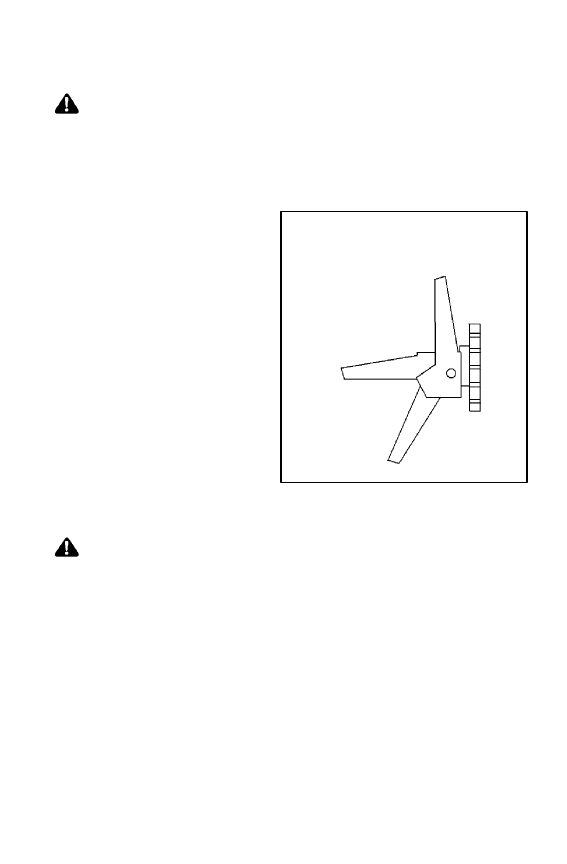
CHOKE TOGGLE POSITIONS

OFF

HALF ON

FULL ON

57

OPERATION

Starting the Engine

WARNING

Before starting the engine, always refer to all safety warnings

pertaining to snowmobile operation. Never start your snowmobile

without checking all components to be sure of proper operation.

See Check Before Starting the Engine beginning on page 51.

Starting a Cold Engine

Do not depress the throttle

until the engine starts.
1. Turn the fuel valve on.

See page 28.

2. Turn the key to the ON

position.

3. Pull the engine stop

switch up to the RUN

position.

4. Flip the choke toggle to

FULL ON.

5. Grasp the recoil rope

handle and pull slowly

until the recoil engages;

then pull abruptly.

6. Repeat as needed until the

engine starts.

CAUTION

Don’t pull the starter rope to the fully extended position and don’t

allow it to snap back into the housing. Damage may result.
To avoid injury and/or engine damage, do not operate the electric

starter or pull-rope starter while the engine is running.

7. After the engine starts, flip the choke toggle to the OFF position.

If the engine slows or wants to stop, use intermittent choking to the

HALF ON position.

58

OPERATION

Starting the Engine

Starting a Warm Engine

1. Turn the key to the ON position.
2. Pull the engine stop switch up to the RUN position.
3. Grasp the recoil rope handle and pull slowly until the recoil

engages; then pull abruptly.

NOTE: If the engine does not start on the first pull, slightly depress

the throttle with your left hand (no more than 1/4” open), and

pull the rope with your right hand. When the engine starts,

immediately release the throttle.

Engine Break-In

No single action on your part is as important to long, trouble-free

machine life as proper break-in of a new or rebuilt engine. Premix the

first tank of gasoline with one pint of Polaris injection oil for each five

gallons of fuel. This, in addition to the lubrication supplied by the

injection system, will assure proper engine break-in.

CAUTION

Excessive heat build-up during the first three hours of operation

will damage close-fitted engine parts. Do not operate at full

throttle or high speeds for extended periods during the first three

hours of use. Vary the throttle openings and machine speeds to

reduce friction on all close-fitting machined parts, allowing them

to break in slowly without damage.
Use of any lubricants other than those recommended by Polaris

may cause serious engine damage. We recommend the use of

Polaris lubricants for your vehicle.
Drive with extra caution during the break-in period. Perform

regular checks on fluid levels, lines, and all other important areas

of the machine.

59

OPERATION

Engine Break-In

Oil Injection System

Always fill the oil tank when refueling. See page 63.

CAUTION

Serious engine damage can occur without the proper lubrication.

Check the oil tank level often during the first tank of fuel. If the oil

level doesn’t go down, contact your dealer immediately.

Oil Recommendations

This snowmobile is equipped with a variable exhaust system (VES).

Engine lubrication comes from oil added to the fuel and oil injection

systems. Polaris recommends the use of VES II 2 Cycle Oil for this

engine. See page 108 for the part numbers of Polaris products.
Never mix brands of oil. Serious chemical reactions can cause

injection system blockage, resulting in serious engine damage. Oils

may also be incompatible and the result could be sludge formation,

filter blockage, and reduced cold weather flow rates. All Polaris oils

are compatible with each other.

Slide Rail and Track Cooling

CAUTION

Inadequate cooling and lubrication will lead to overheating of the

slide rail and track, resulting in premature wear and failure.

Reduce speeds and frequently drive into fresh snow to allow

adequate cooling and polishing of the slide rail and track

surfaces. Avoid operating on ice, hard-packed surfaces or roads.

CAUTION

High speed use on hardpacked surfaces is not recommended for

models equipped with a deep lug track. Track lug damage may

occur. Keep high speed use to a minimum, including frequent

slow-speed intervals for track cooling.

60

OPERATION

Track Warm-Up

WARNING

A loose track or flying debris could cause serious injury or death.

Stand clear of the front of the machine and the moving track.

Never hold the snowmobile up or stand behind it while warming

up the track. Do not use excessive throttle during warm-up or

when the track is free-hanging. Be sure the rear support is

stable.

WARNING

Use of traction products such as studs, ice growsers, etc. will

increase the possibility of track damage and/or failure. This could

cause loss of control, resulting in serious injury or death. Always

inspect for track damage before operating the snowmobile.

Follow these steps to ensure

proper warm-up of the engine,

drive train and track.
1. Use an appropriate stand to

securely support the rear of

the snowmobile at the rear

bumper. The track should be

approximately 4″ (10 cm) off

the ground.

2. Start the engine and allow it

to warm up two to three

minutes.

3. Depress the throttle abruptly and allow the track to rotate several

revolutions.

NOTE: It will take longer to warm up the track sufficiently during

colder outdoor temperatures.

4. Release the throttle, apply the brakes, shut off the engine and lower

the machine to the ground.

5. Grasp the skis by their front loops and move them from side to side

to loosen snow and ice.


Content   ..  12  13  14  15   ..